Nestled in the heart of the Hérault department, in the Occitanie region, the Archipel de Thau is built around the region’s largest body of water: the Thau lagoon (covering about 7,500 hectares). It forms a true inland sea, bordered by characterful towns such as Sète (see my dedicated article on this lovely town), Frontignan, Mèze, Bouzigues, and Balaruc-les-Bains. This region is renowned for its shellfish farming (Bouzigues oysters and mussels), thermal spas, vineyards, and cultural heritage.
The Archipel de Thau encompasses 14 towns scattered all around the lagoon. It is a particularly well-preserved natural environment, featuring over 9 Natura 2000 classified areas with extremely rich biodiversity, home to more than a hundred remarkable species. In this article, I invite you to share my discoveries around the lagoon during a bike tour we took with my favorite photographer during our stay in Sète in September 2025.
Archipel de Thau Tourist Office
Table of Contents
Cycling around the Thau Lagoon
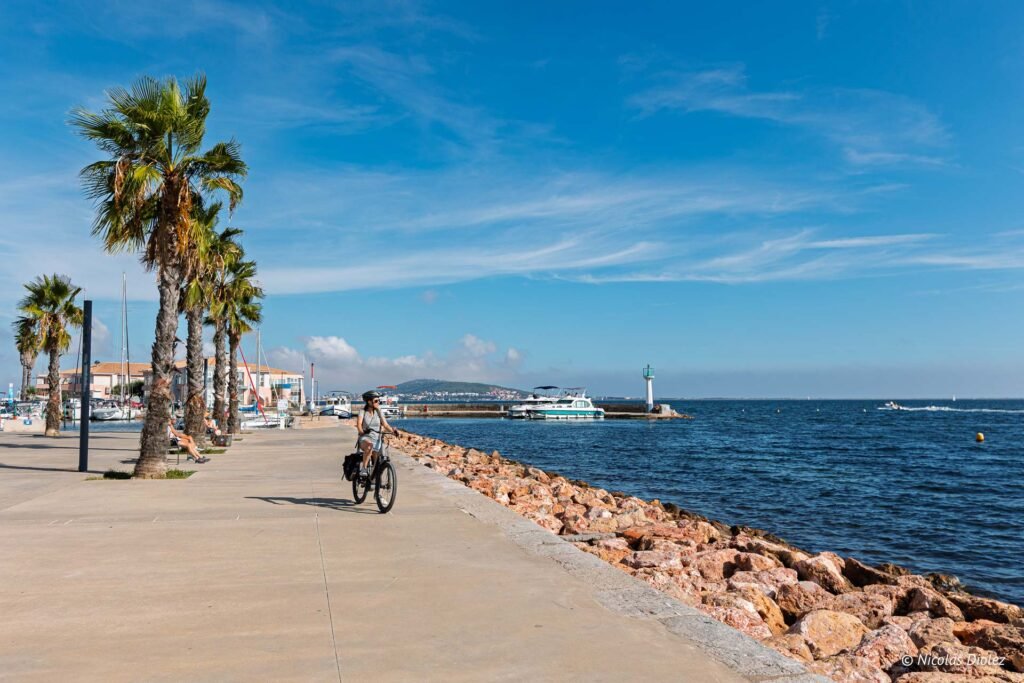
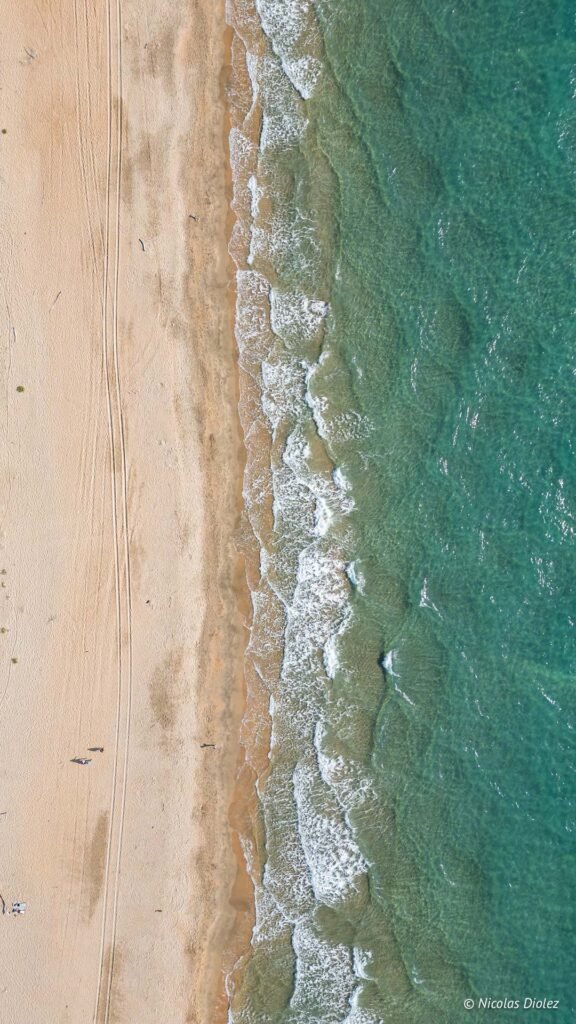
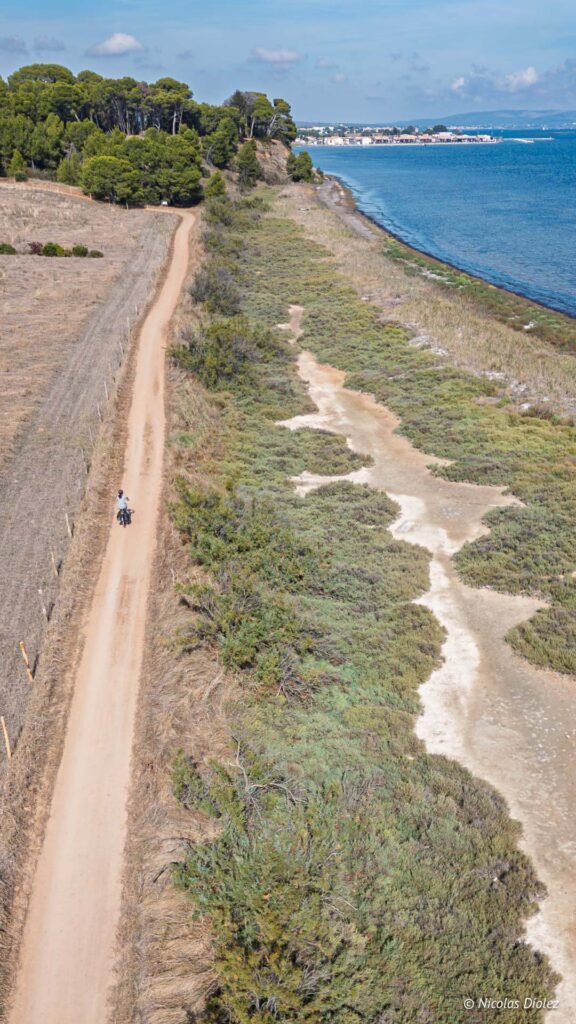
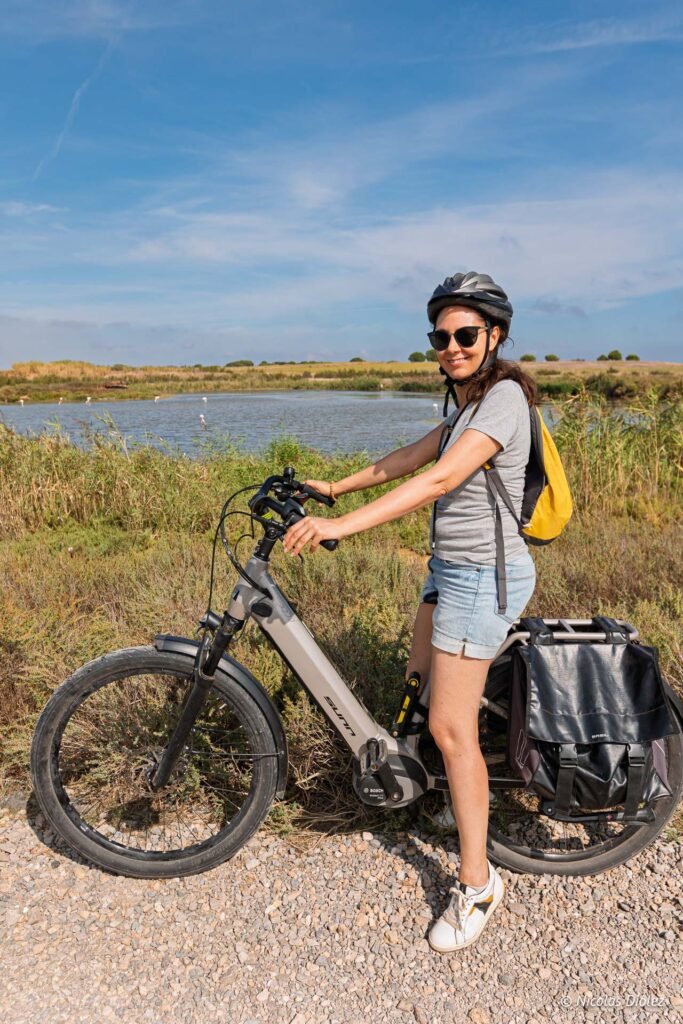
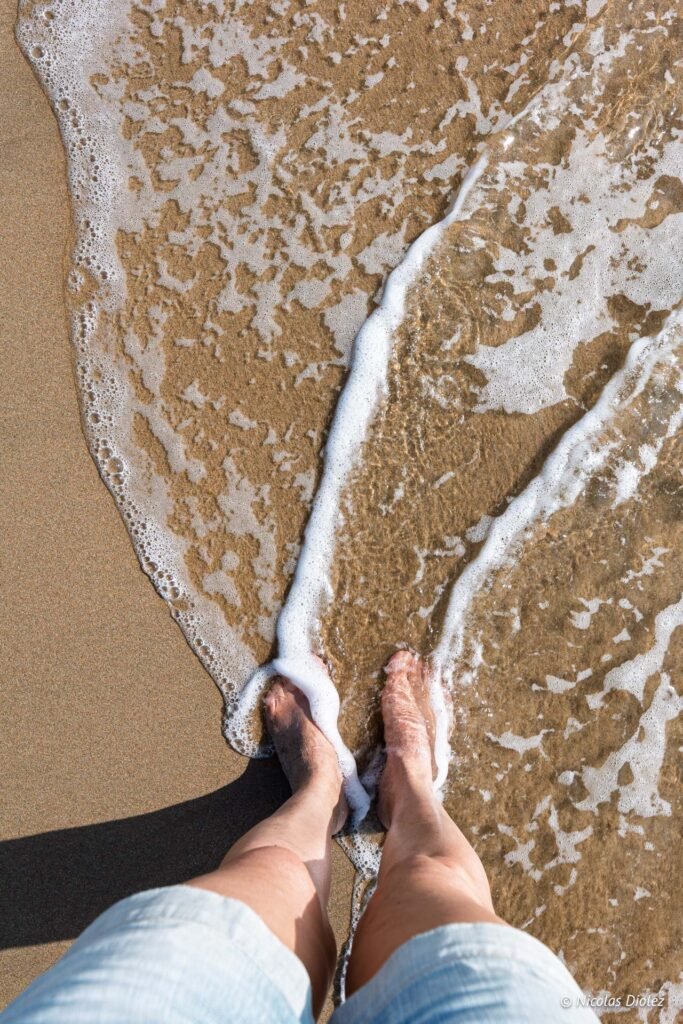
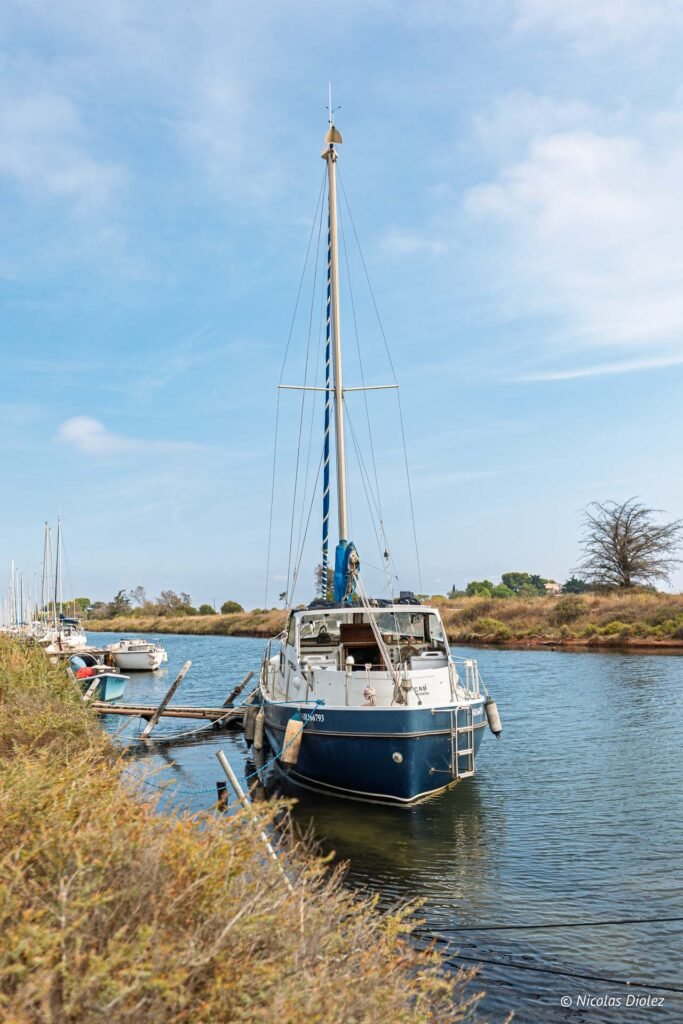
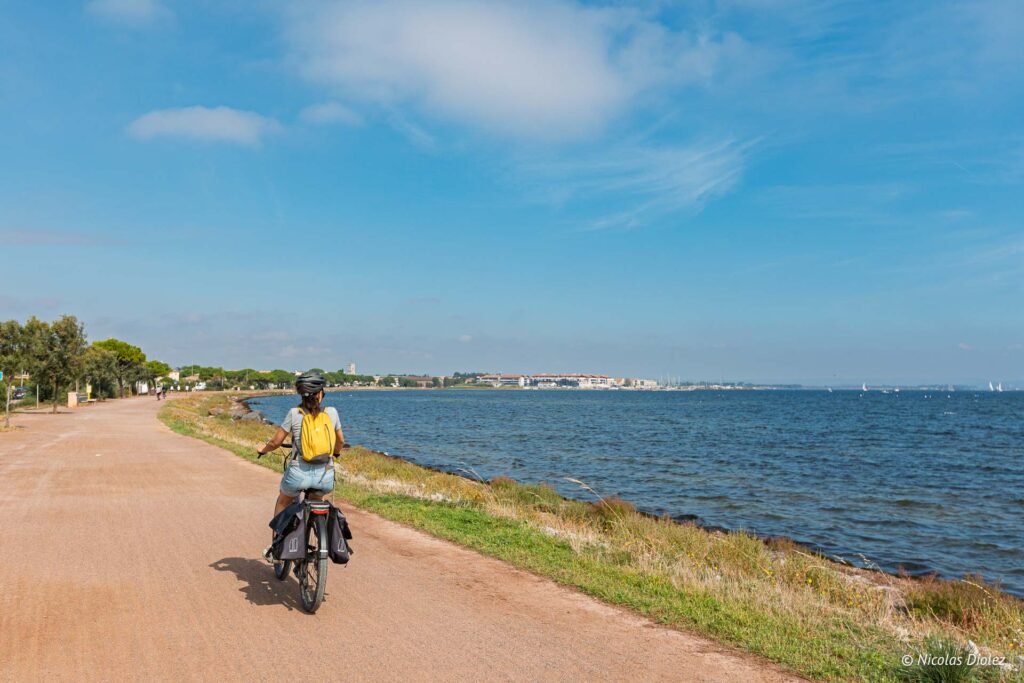
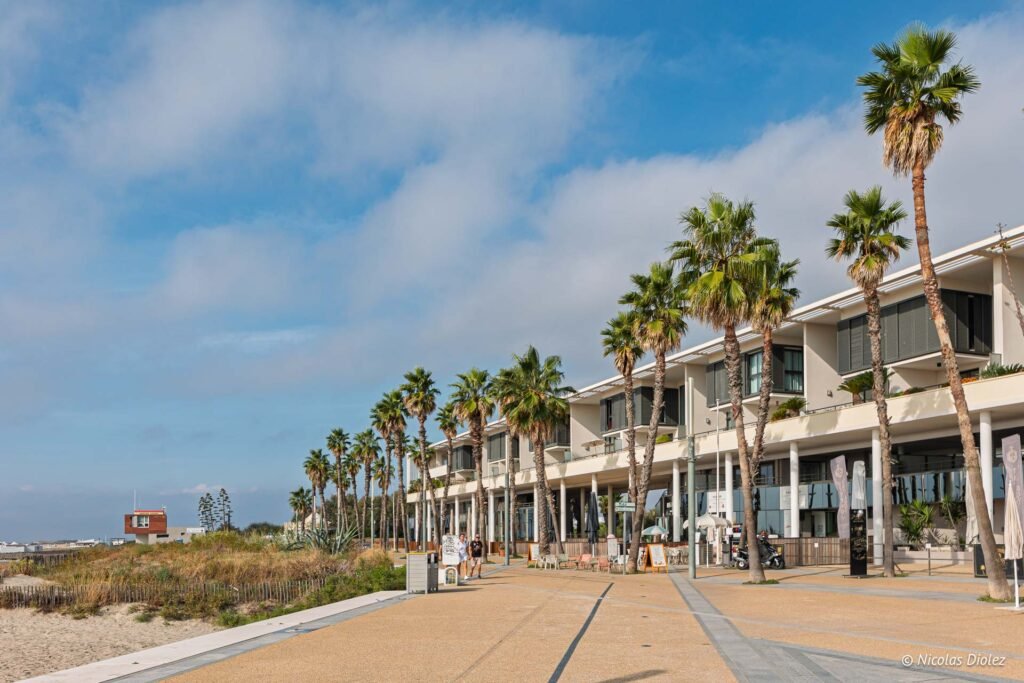
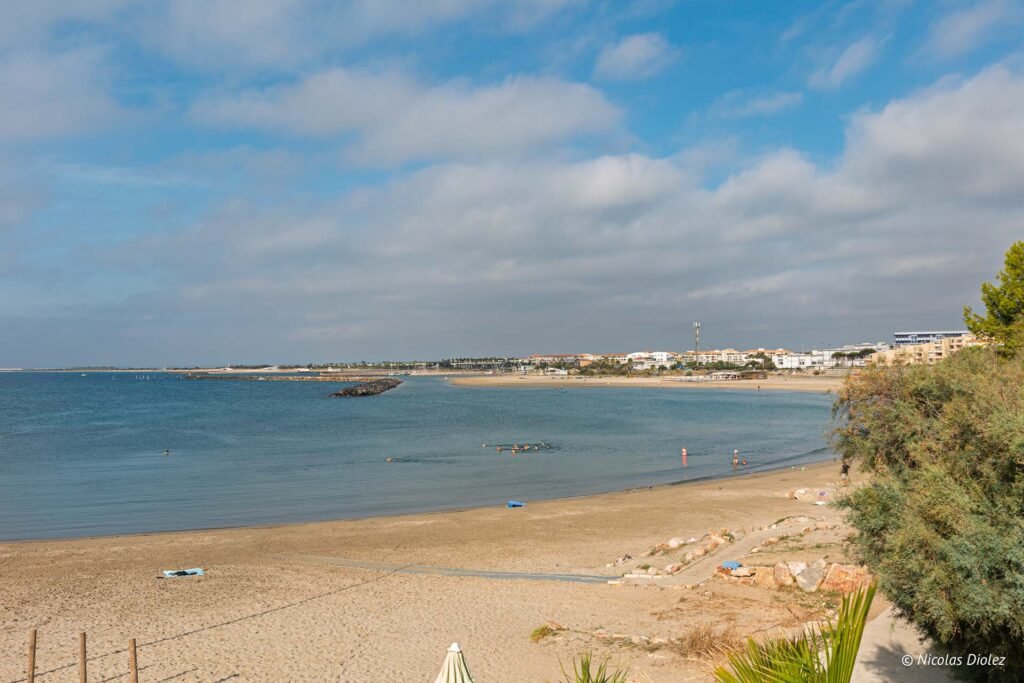
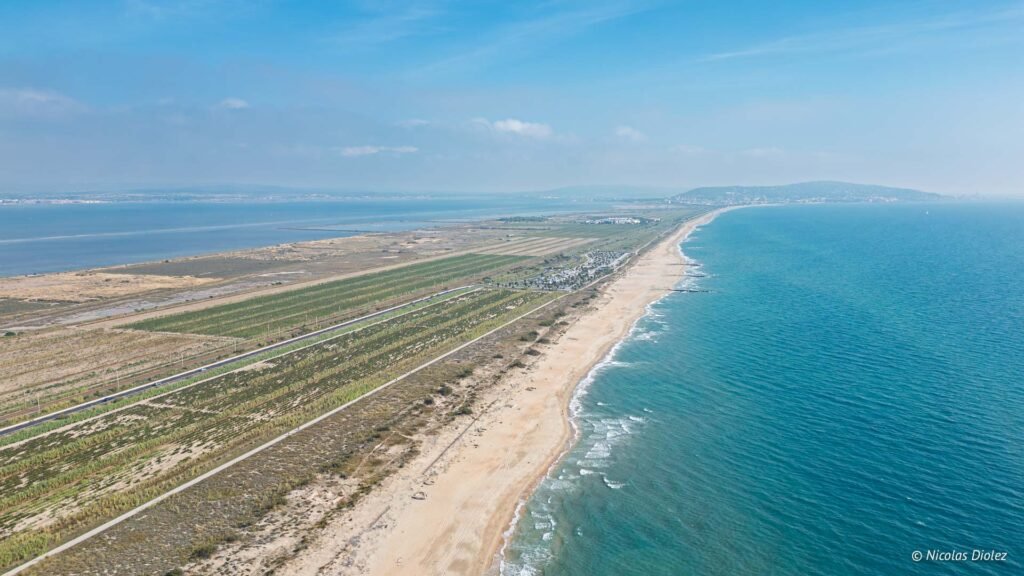
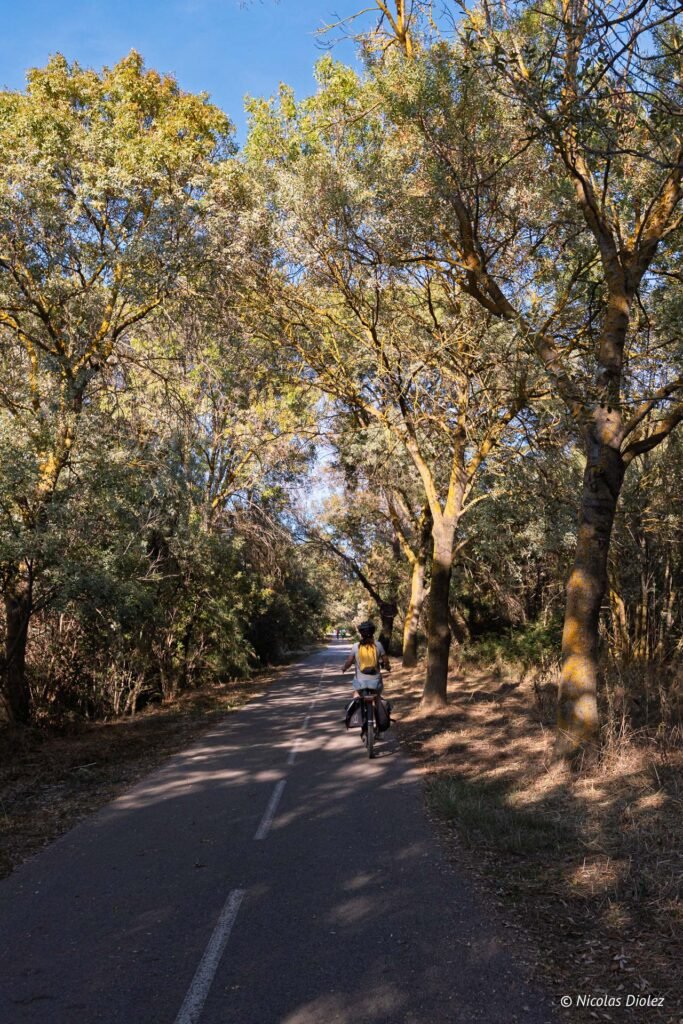
To explore this region at a gentle pace, nothing beats a great bike ride along the cycling route and greenways that allow you to circle the lagoon! Count on a distance of 60 km to go all the way around, which takes between 6h and 7h (without stops) if you use electric-assist bikes. We started our tour from the Voie Verte du Lido side, a lovely paved path that runs along the dunes and the beach for over 12 km between Sète and Marseillan. It’s the ideal opportunity to make a stop on the sand to swim in the sea or at least dip your feet in… We then returned via the other side along the route bordering the inside of the lagoon.
My recommendations: we had planned to circle the lagoon in a day, but clearly, between the rental shop’s constraints (opening and closing hours) and our various stops, it was way too short to make the trip in a single day. If you have your own bikes and leave early in the morning without any return time constraints, it’s doable; otherwise, I advise you to plan your tour over 2 days so you can take your time more and enjoy the local tourist attractions.
Cycling Loop No. 25 – The Thau Lagoon Tour
_
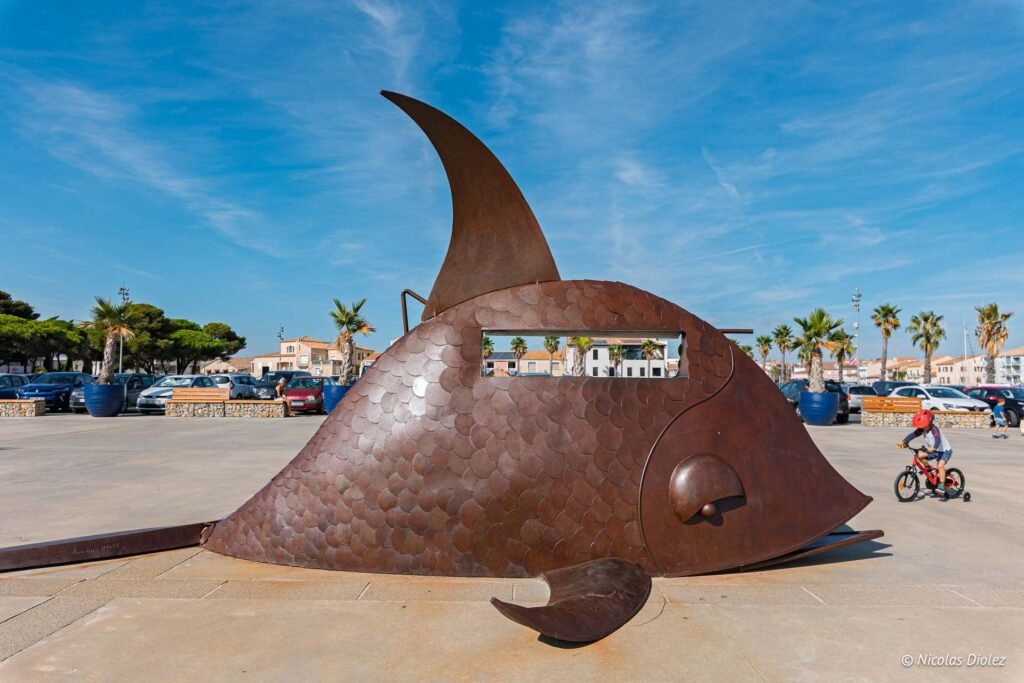
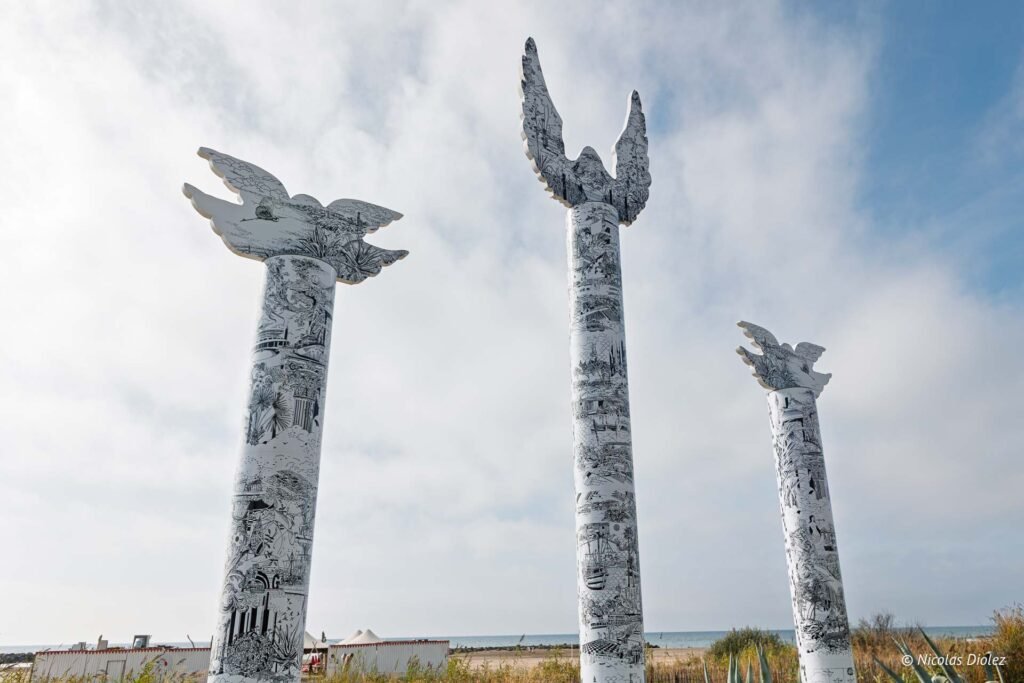
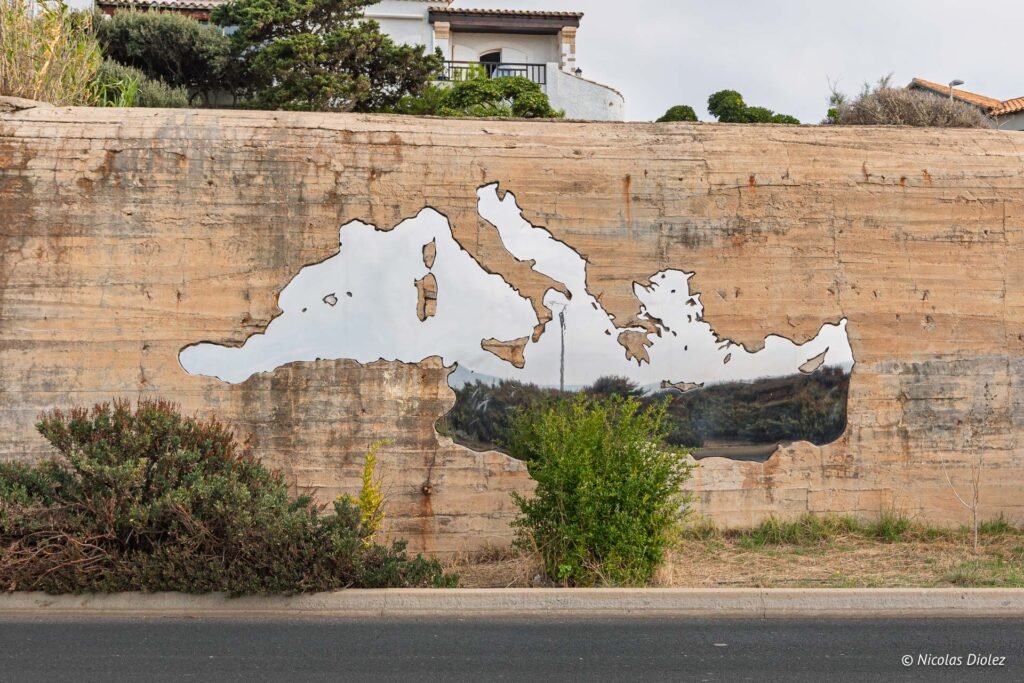
All along the route, you can also enjoy the BAM (Balades Artistiques en Méditerranée – Mediterranean Artistic Walks), which offer a permanent exhibition accessible to all and free of charge, spread across 4 itineraries designed to reveal the connections between contemporary art, historical heritage, and landscapes. You’ll find works by more than 20 recognized artists! And to find the artworks, a free application named “BAM” was created in 2025.
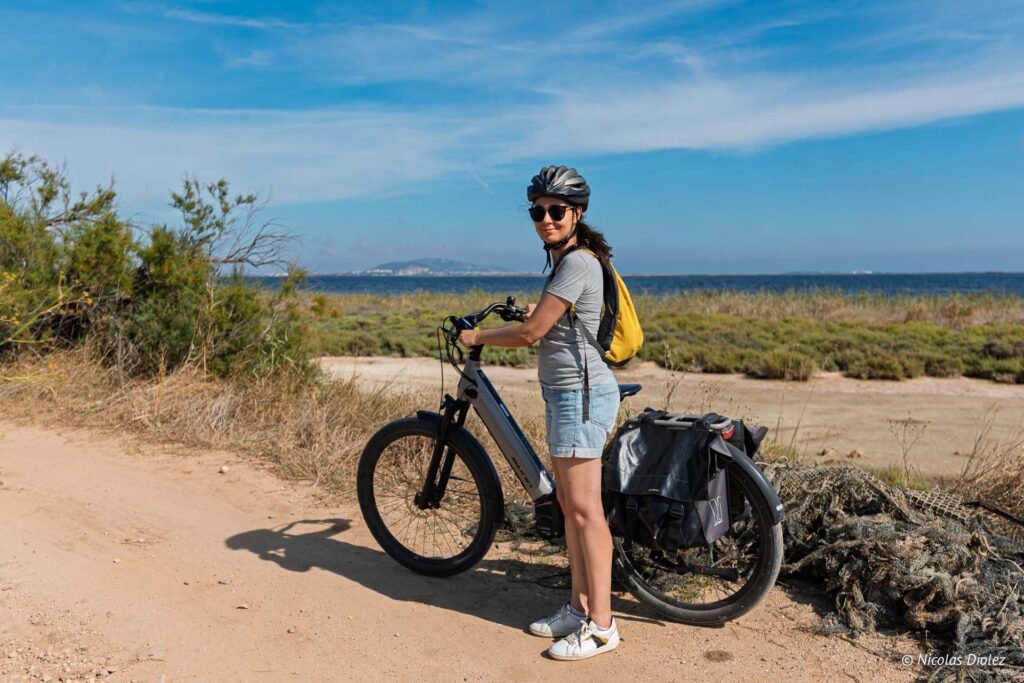
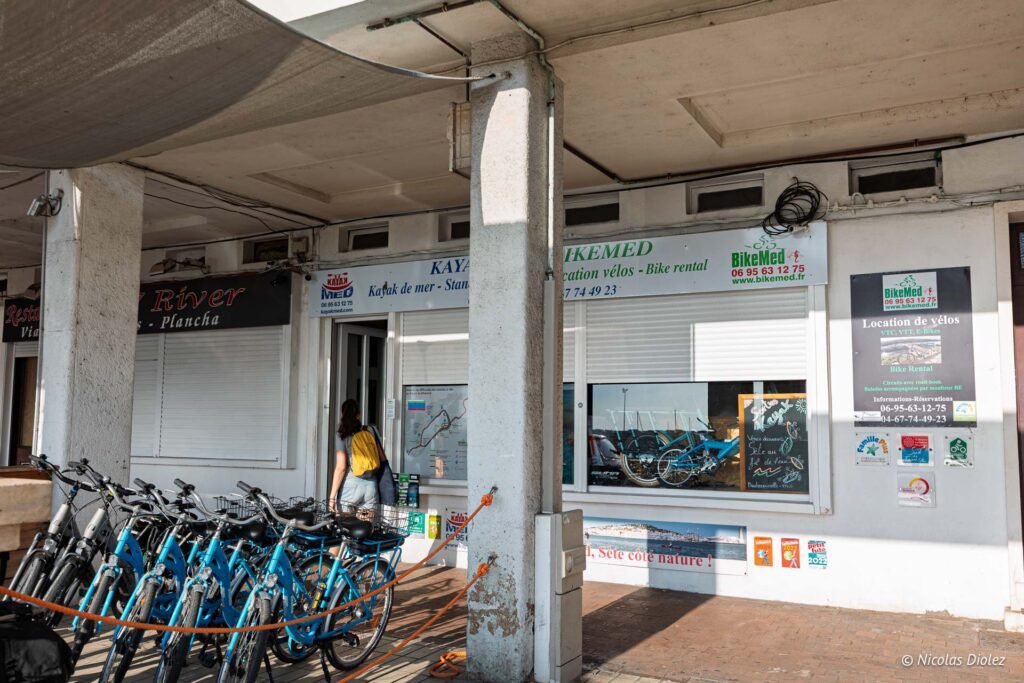
For bike rentals, we went through Bike Med, an address located in Sète that rents very comfortable electric bikes made in France (we were lucky to have models from the Sunn brand). The team is super friendly, they give plenty of valuable advice and were of tremendous help when we unfortunately got a flat tire at the very end of our tour… A huge thank you to them!
Bike Med
19 Promenade Jean-Baptiste Marty34200 Sète
Open from April to September
1-day e-bike rental rates: between 35 € and 48 €
My Itinerary Around the Archipel de Thau
Below, I offer a detailed breakdown of our itinerary with the various stops (especially gourmet ones) we made in different villages around the lagoon.
The Lido and the Beaches
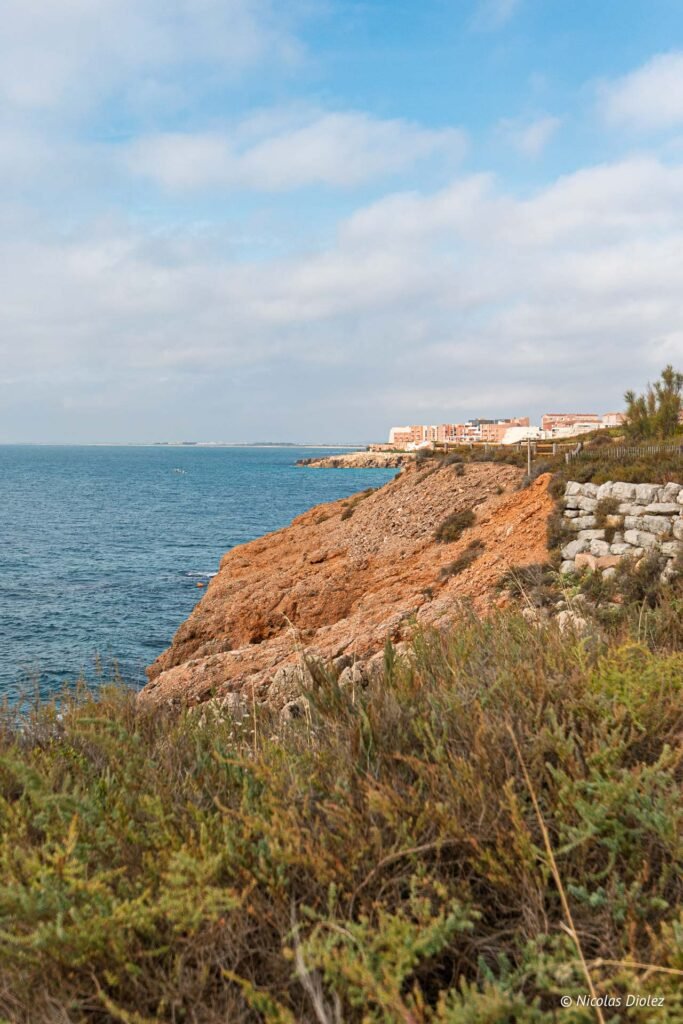
On the first part of the trip, we rode along the strip of land (the sandy lido) connecting Sète to Marseillan, which harbors several beaches easily accessible from Sète for anyone wanting a beach and swimming excursion from the city.
_
Making a Stop in Marseillan
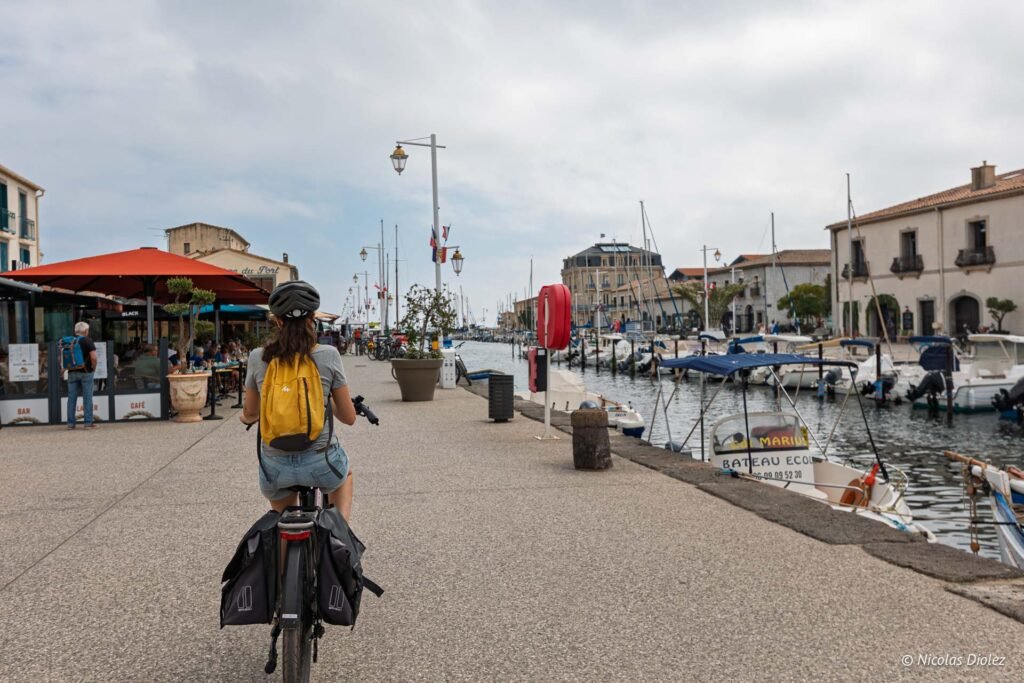
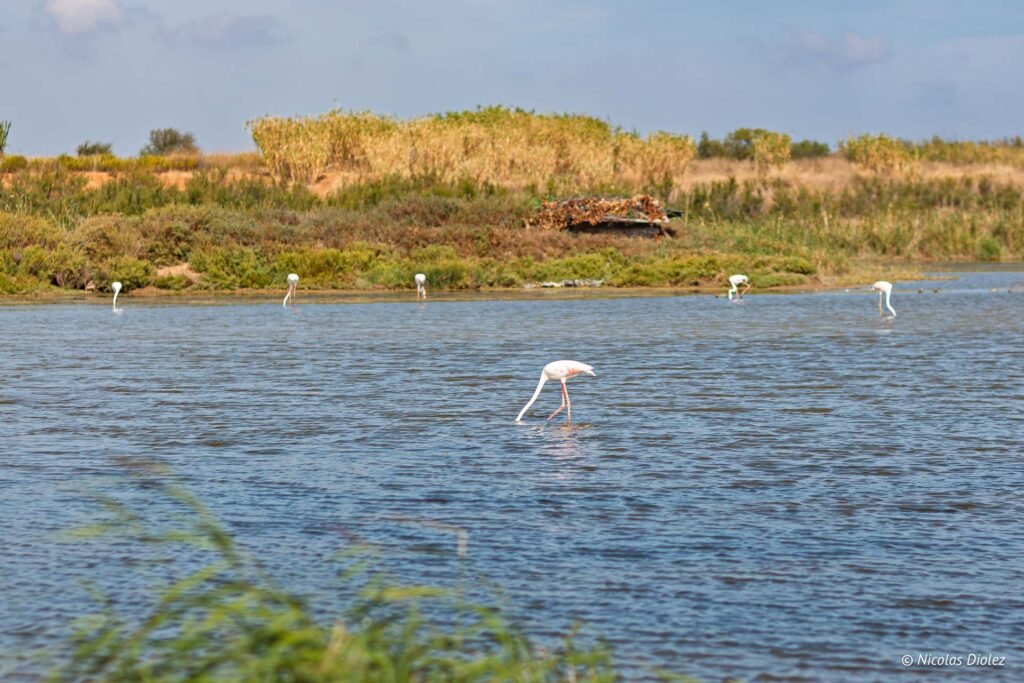
At the end of the lido lies Marseillan, a small town with immense charm located at the mouth of the Canal du Midi. The town is actually ranked 1st small town in Occitanie according to the bicycle-friendly cities barometer. Nearby, you’ll find the Bagnas Nature Reserve, where, with a bit of luck, you can spot grey herons and magnificent flamingos.
_
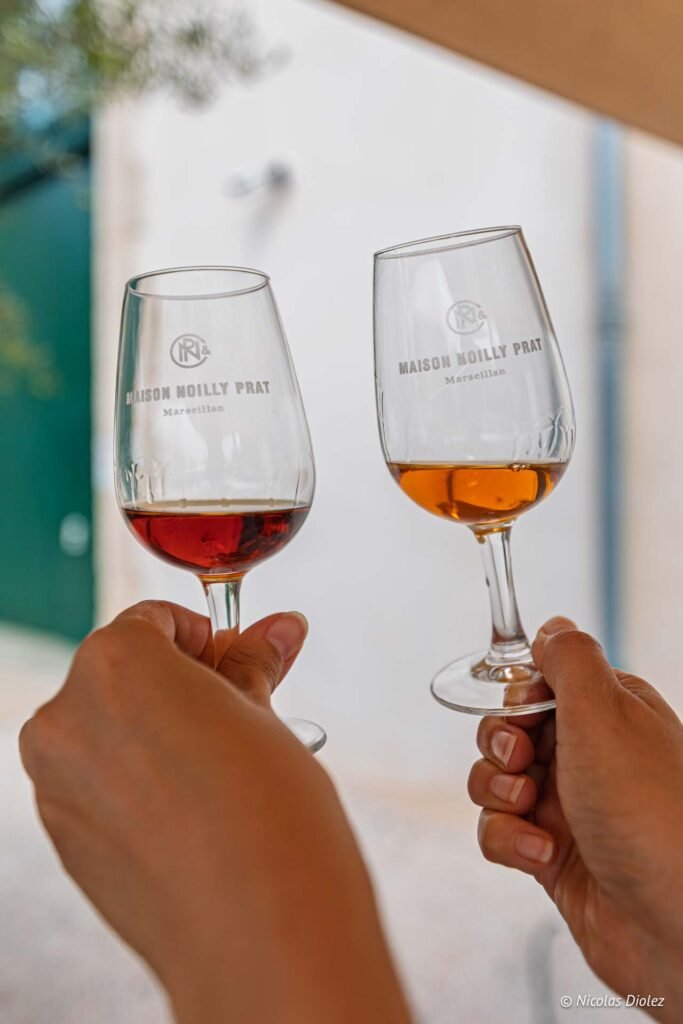
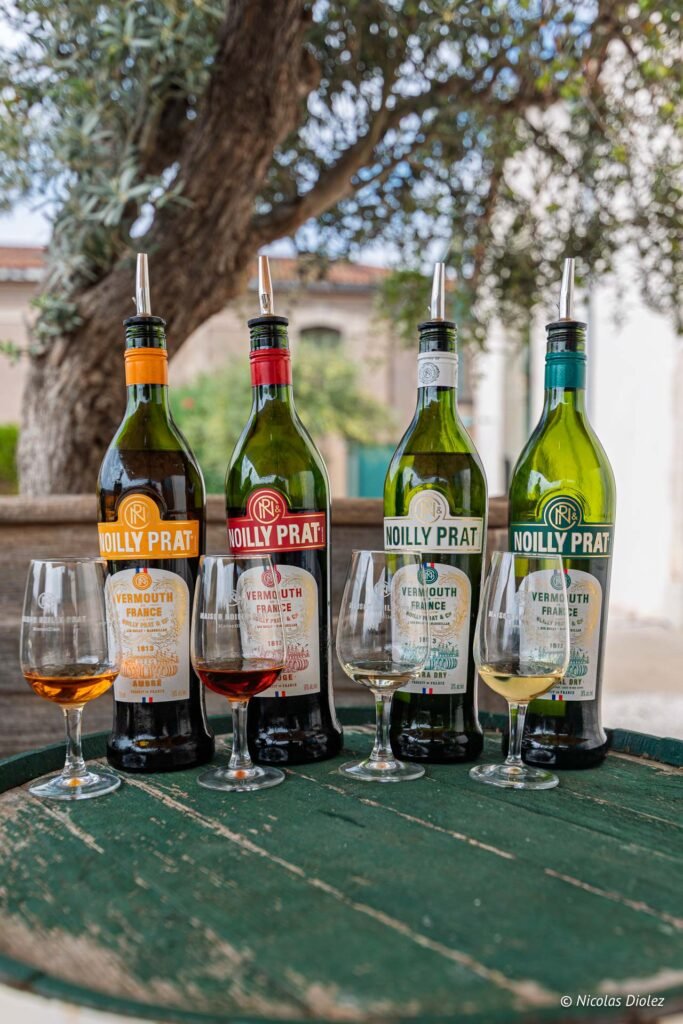
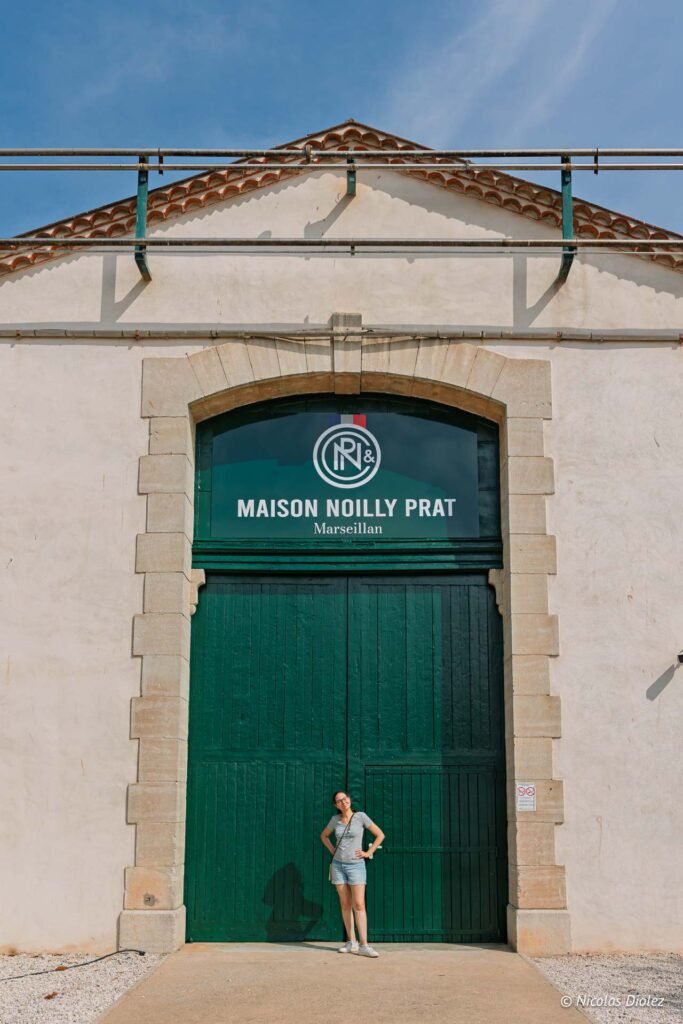
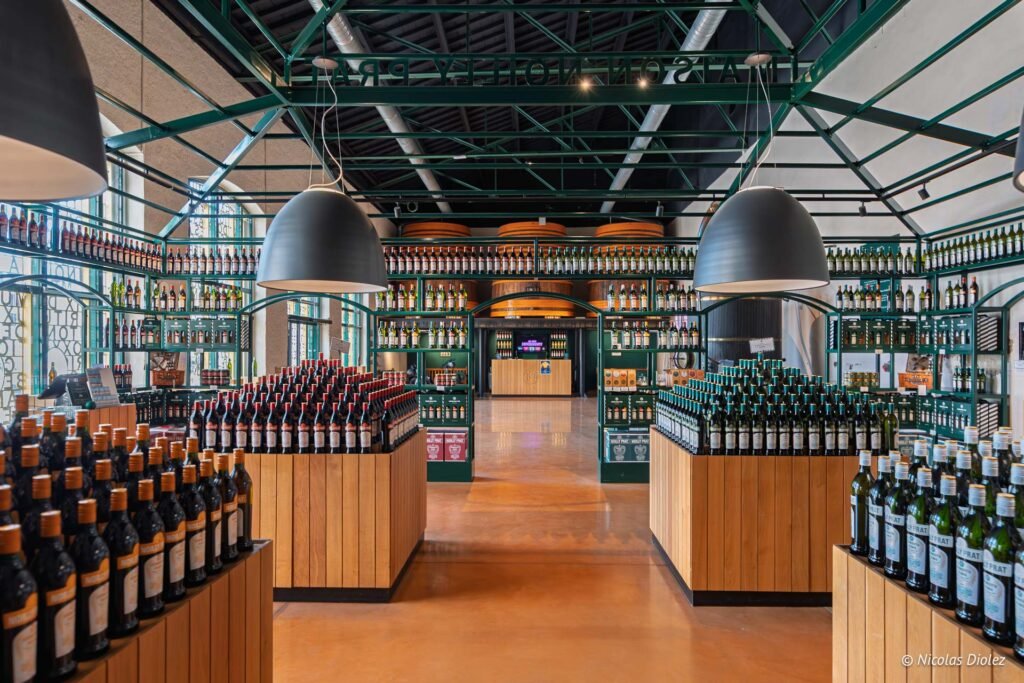
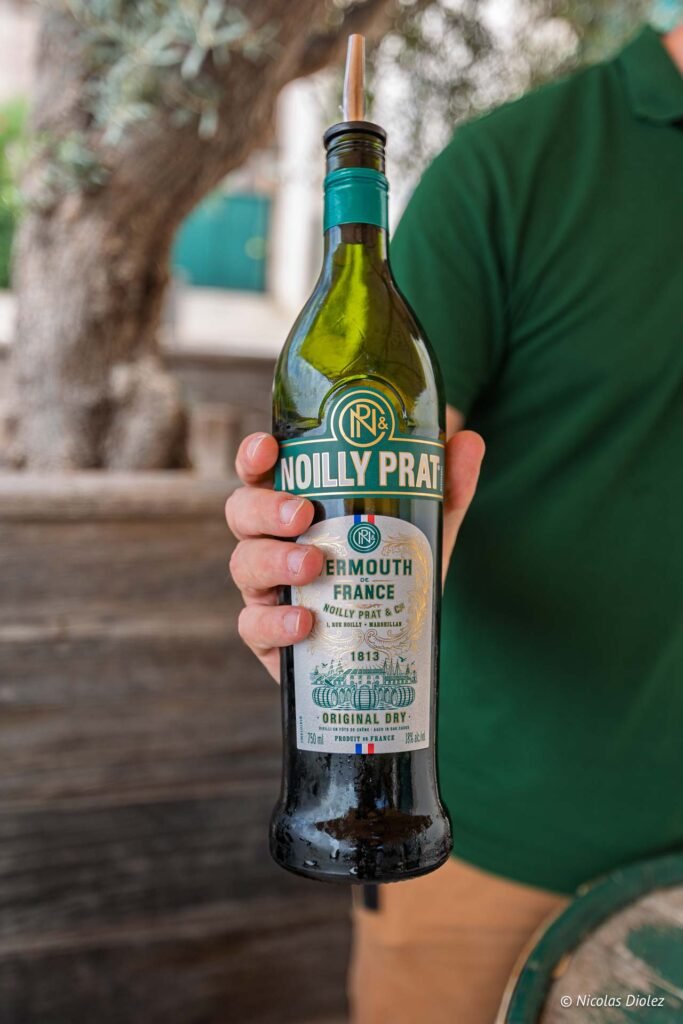
Visiting the Maison Noilly Prat
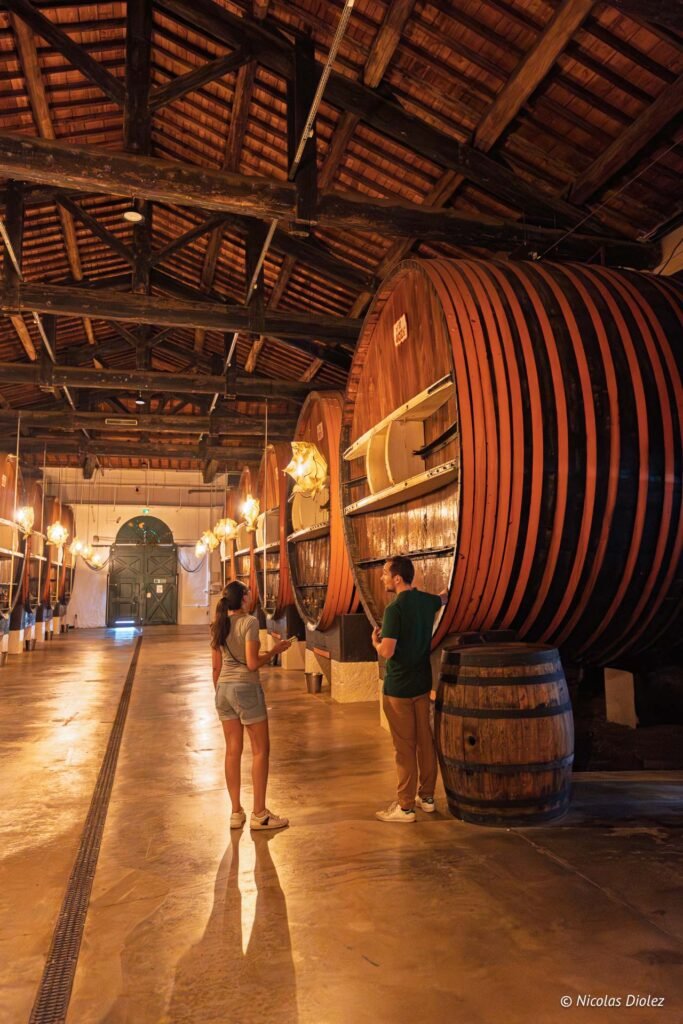
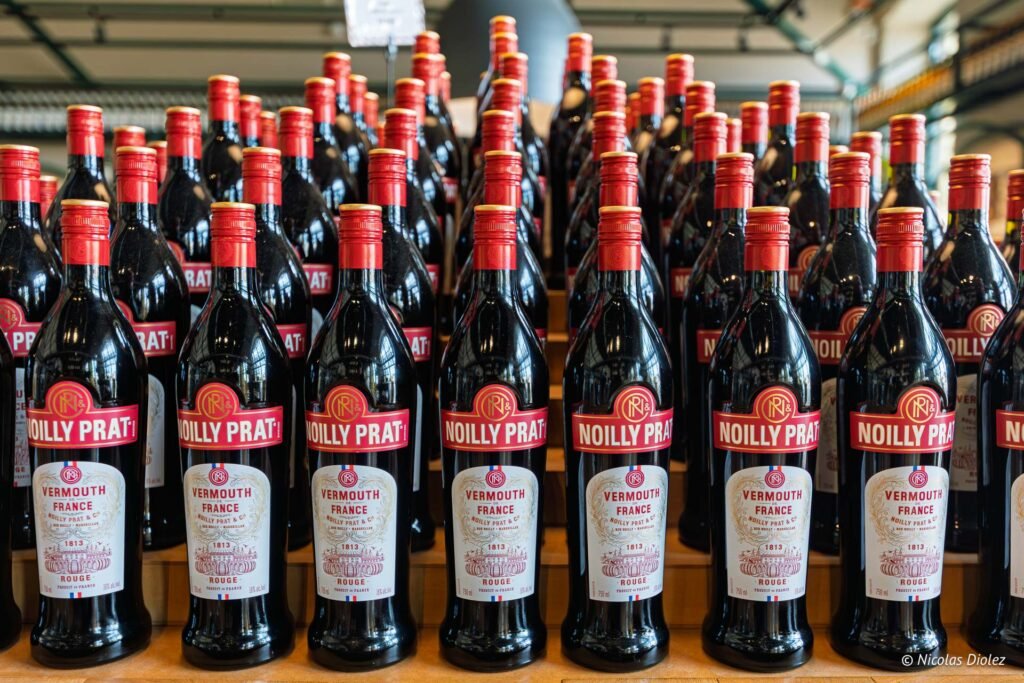
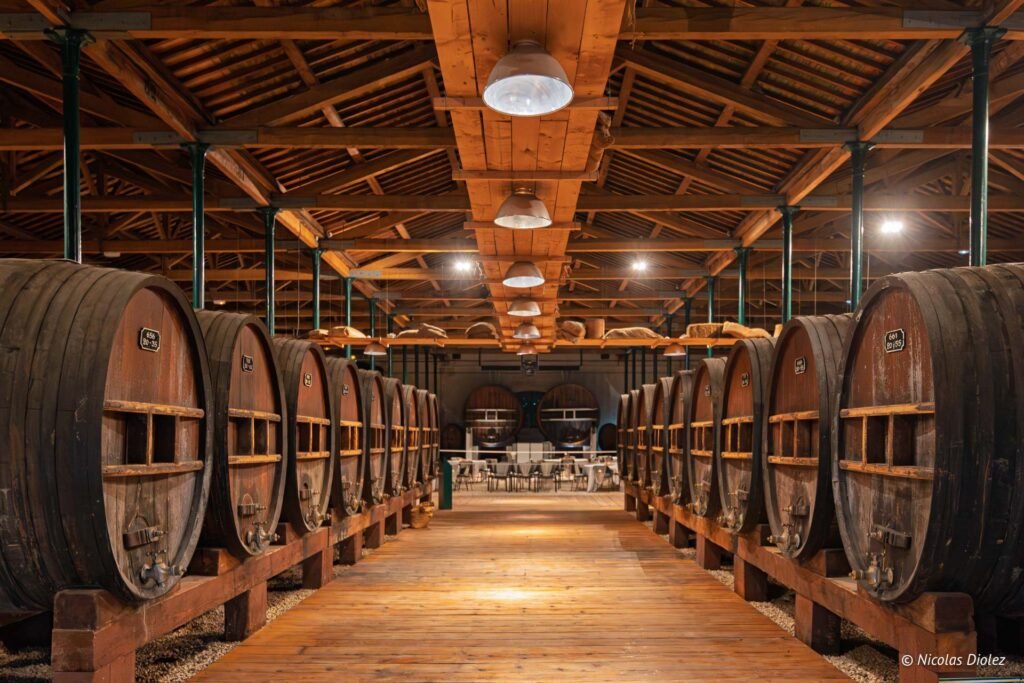
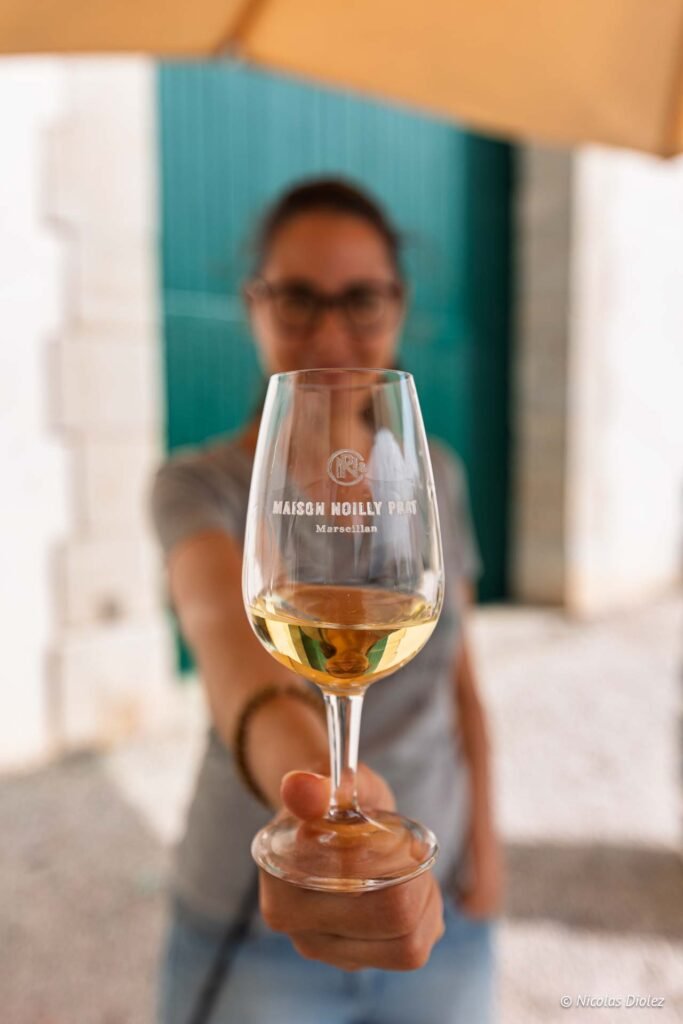
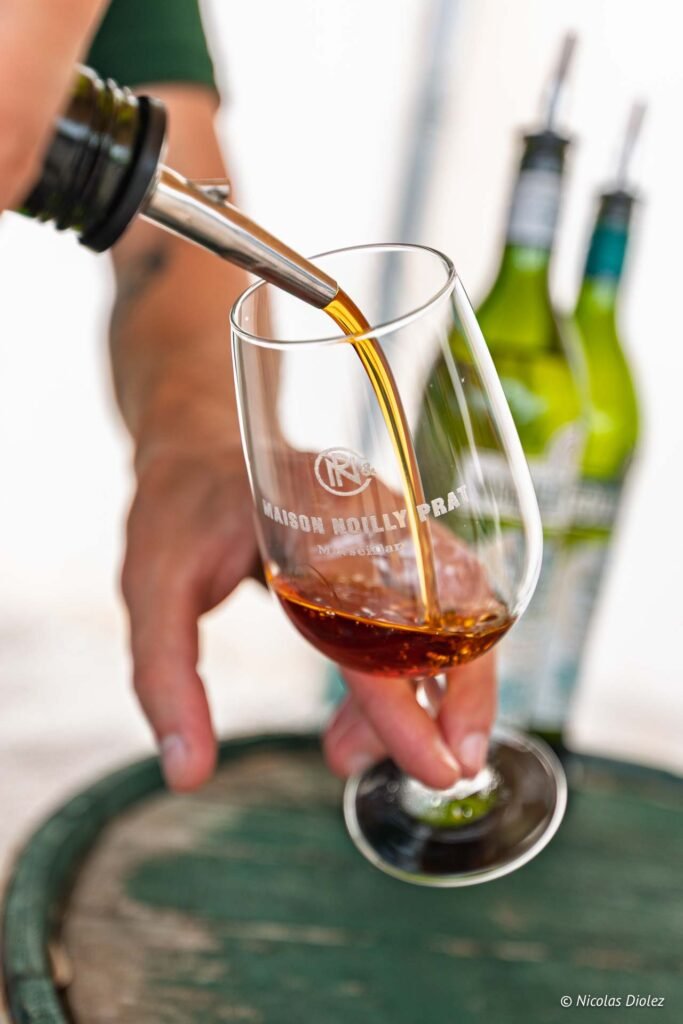
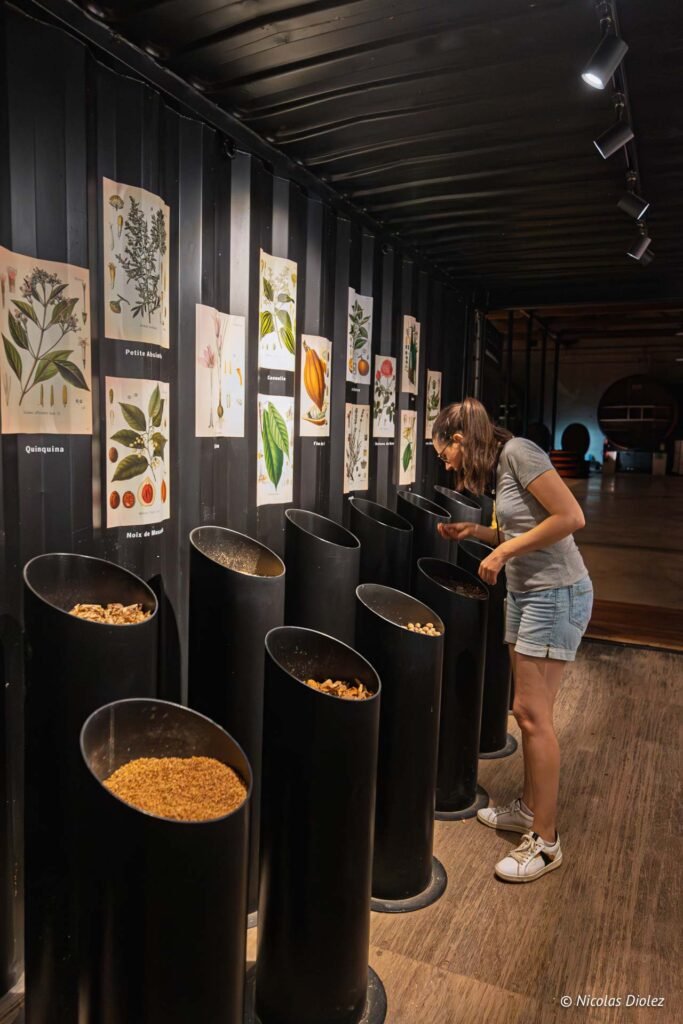
A must-see in town is undoubtedly a visit to the Maison Noilly Prat, set on the port of Marseillan and a pioneer of French Vermouth since 1813! Vermouth is actually a wine flavored with plants. To qualify for this designation, 3 conditions must be met: it must be made with a minimum of 75% wine (white or red, though here they only use regional dry white wines from Languedoc such as Picpoul and Clairette), have an alcohol content between 14.5° and 22°, and include a maceration step using a plant from the wormwood family.
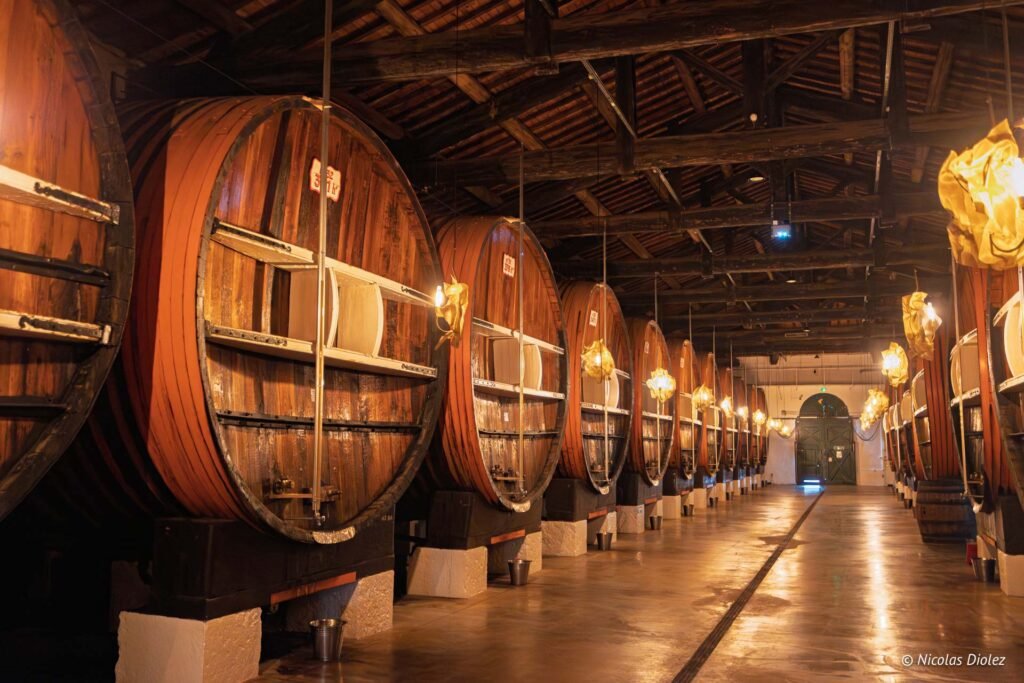
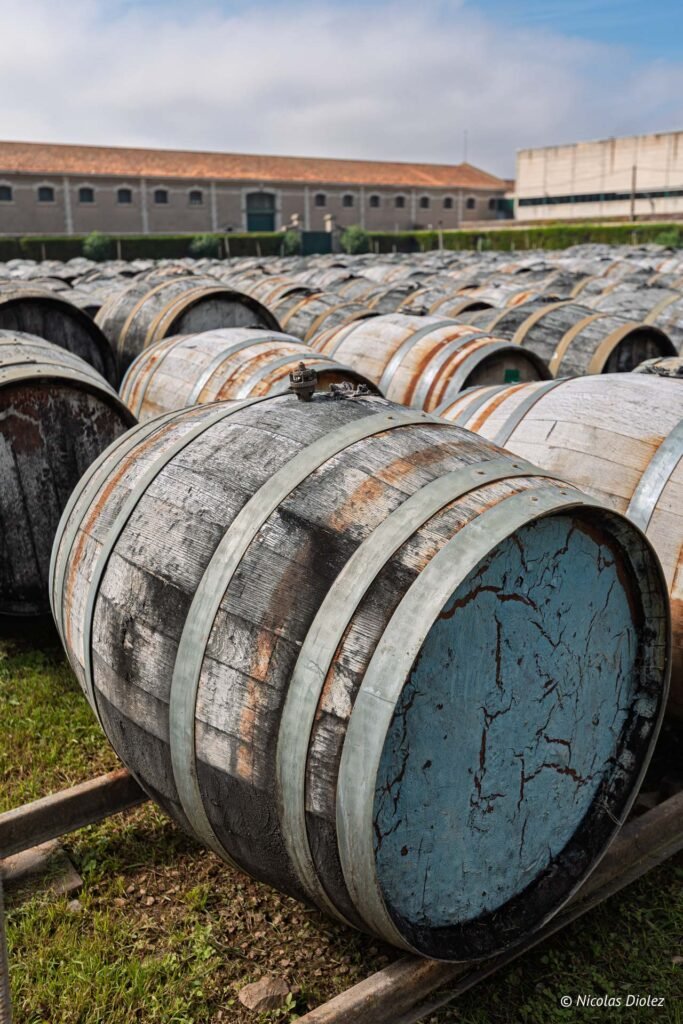
During the guided tour we took, we discovered the superb old cellar built with monumental century-old wooden tuns (dating back to 1850). Next comes “the enclosure”, an open-air aging site where the barrels are subjected to the whims of the all four seasons for a year. The surrounding marine humidity leaves a slight saline trace on the beverage, which is truly shaped by the sea. Blending is then carried out with mistelles, and the final maceration of the herbs takes place in oval maceration vats (small tuns) for 21 days, with regular watering of the casks. It’s a fascinating process to discover (they use up to 29 ingredients for the red Noilly Prat!), especially since the site includes a very nice museum and exhibition space. Keep in mind that 2/3 of their annual production is exported, and the brand is also particularly well established in the French West Indies. And of course, the tour ends with a tasting of the various products from the Maison Noilly Prat.
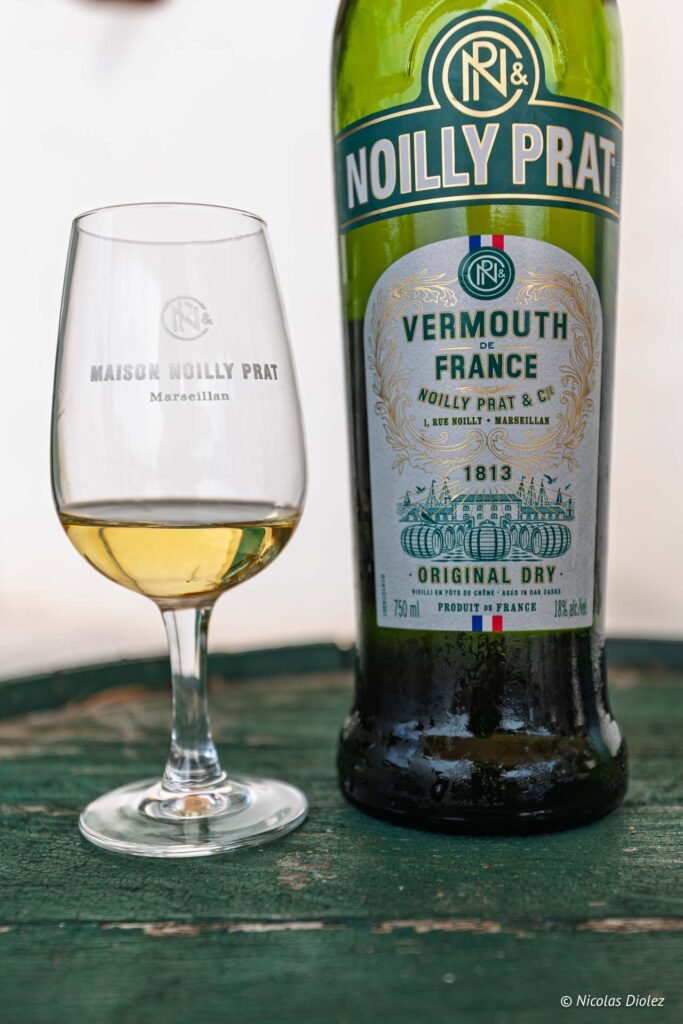
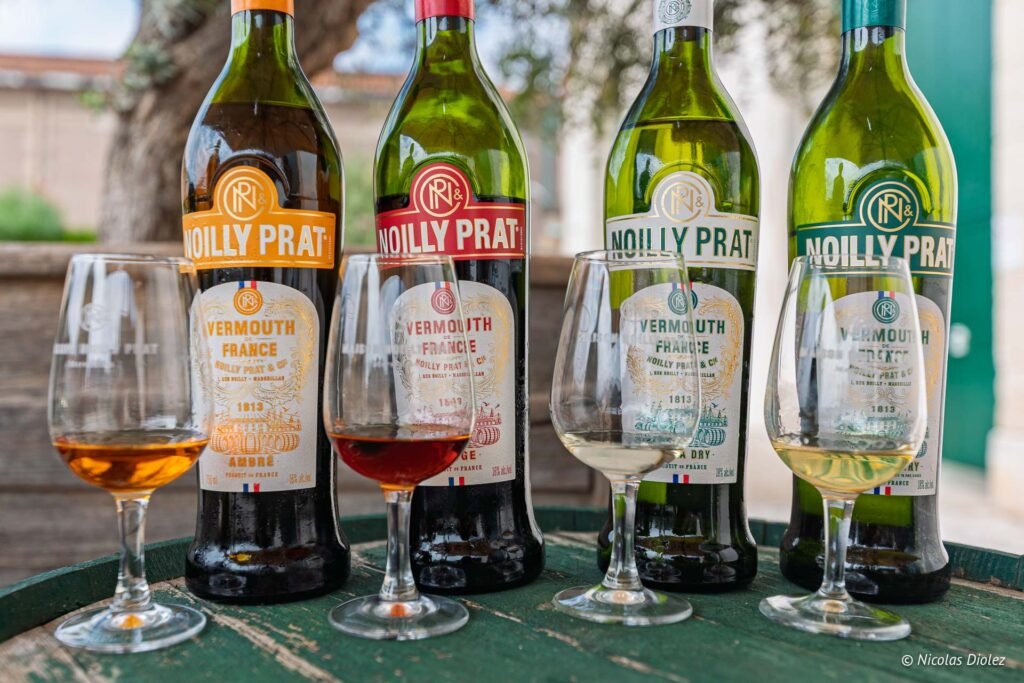
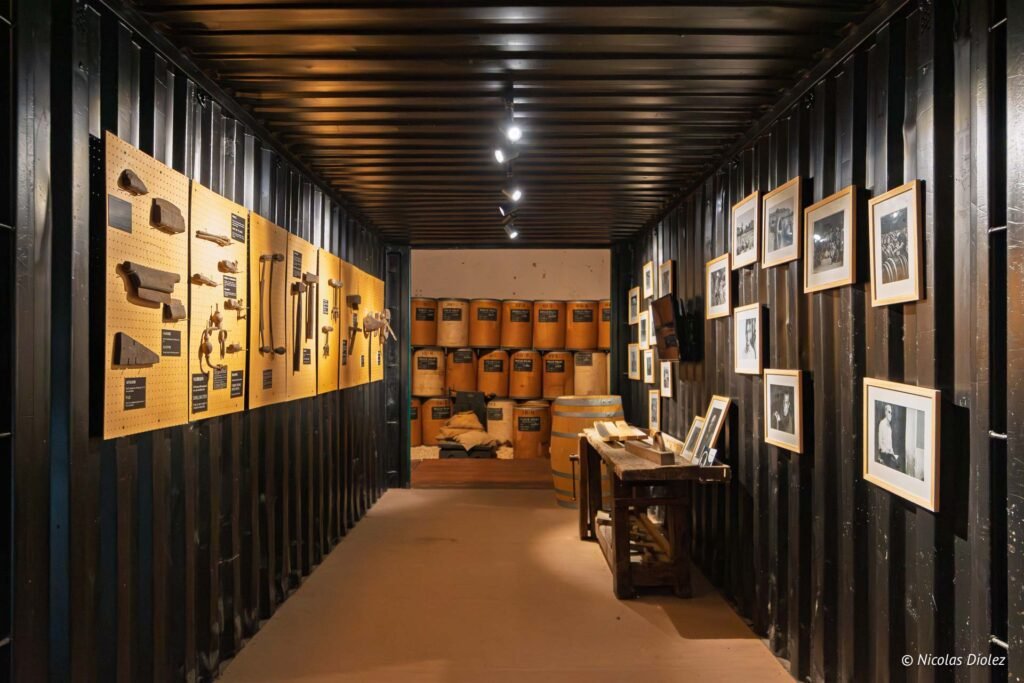
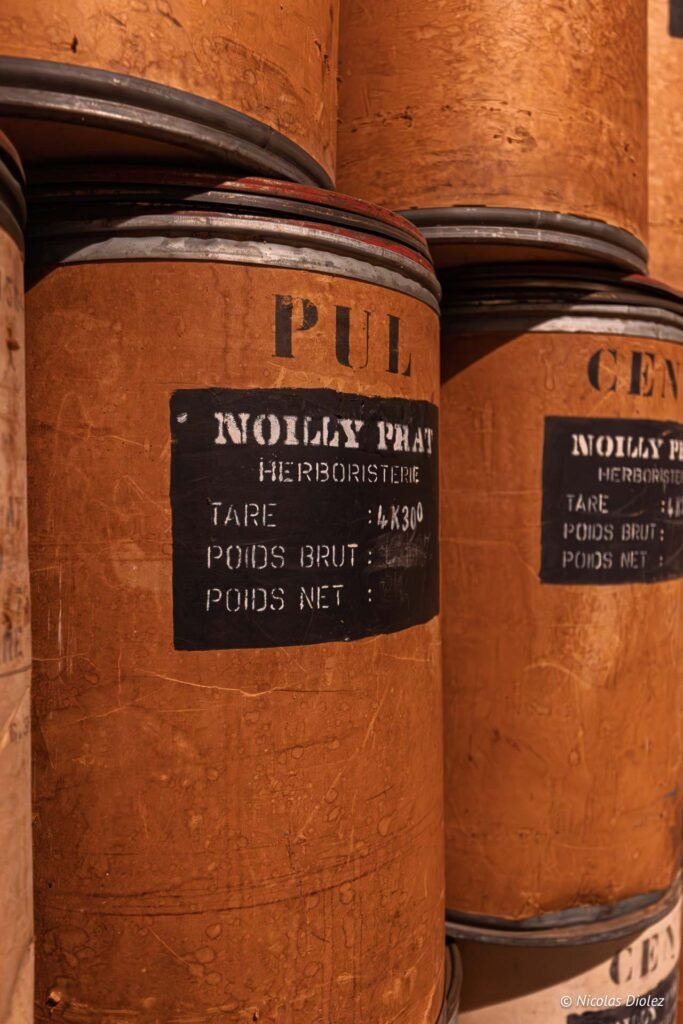
Maison Noilly Prat
1 Rue Noilly, 34340 Marseillan
Rates: “Discover” 45-min tour at 12 € / “Explore” 1h15 tour at 17 €
_
Having Lunch at Coqui Thau in Marseillan
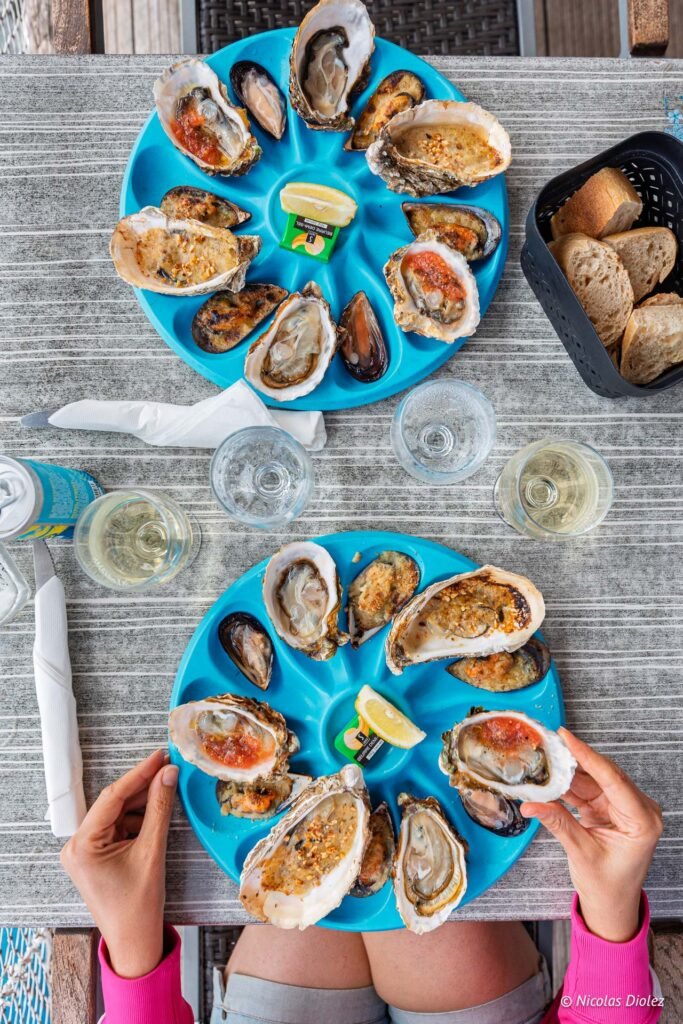
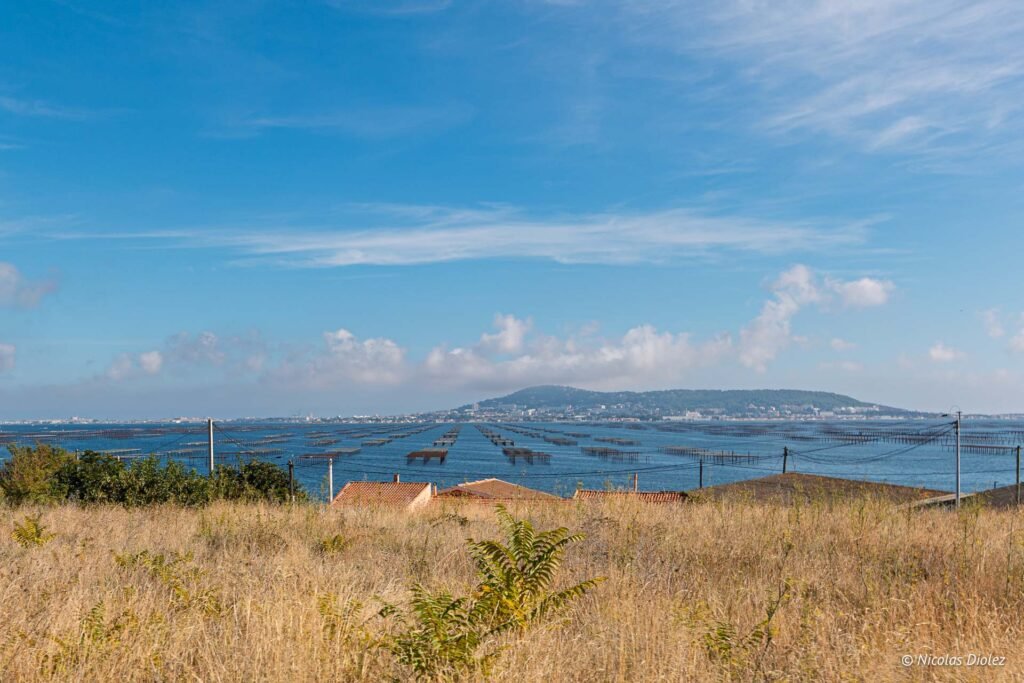
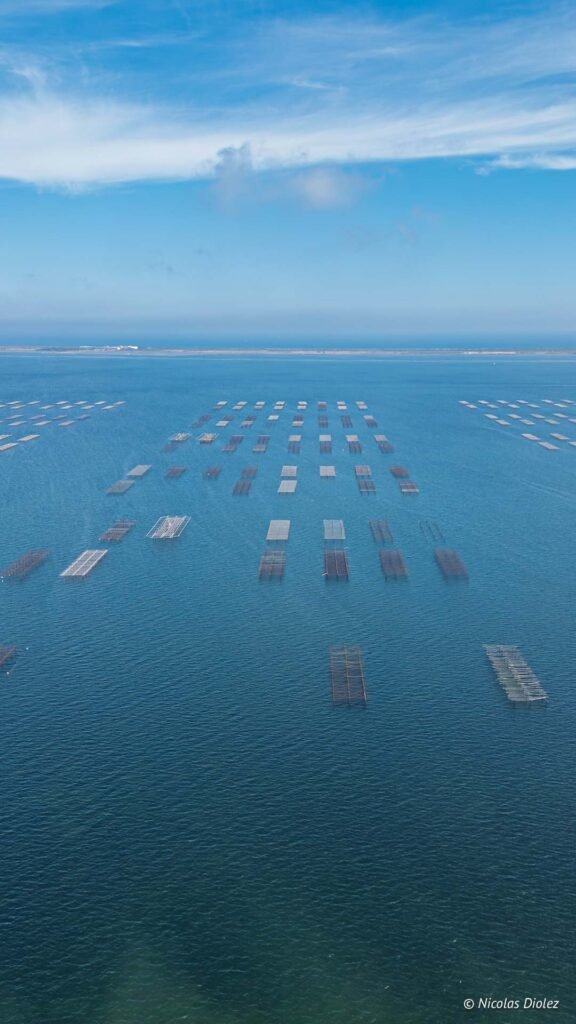
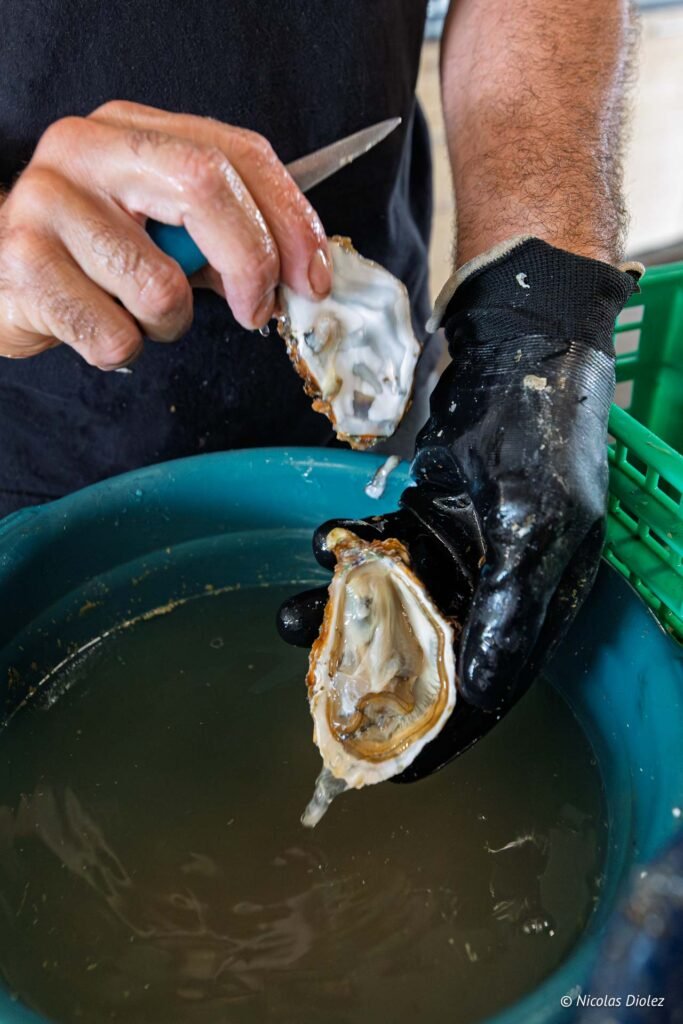
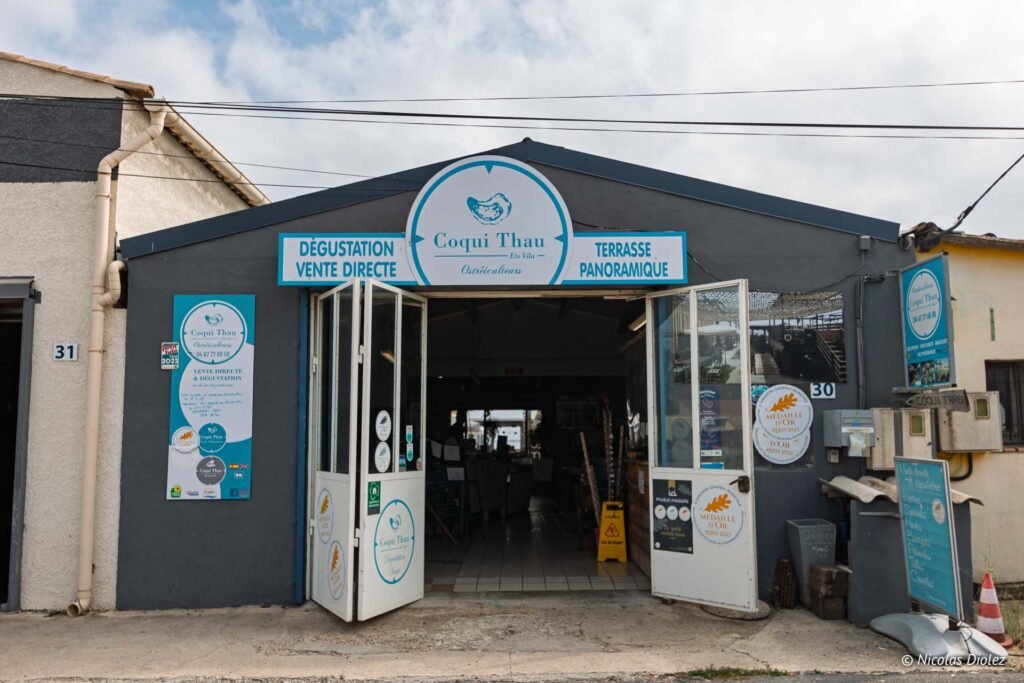
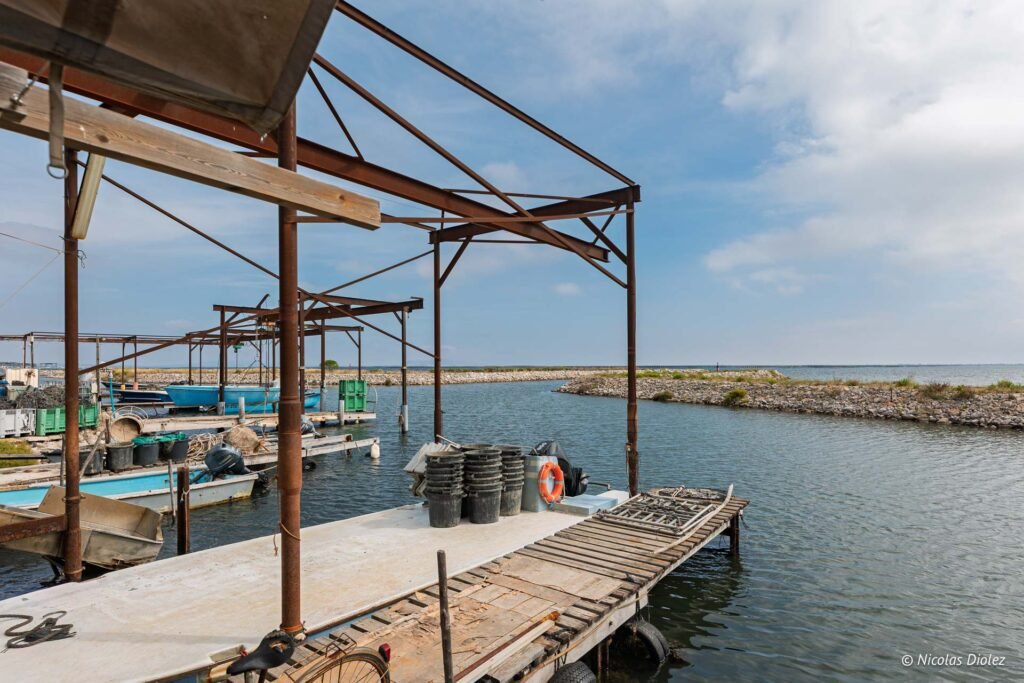
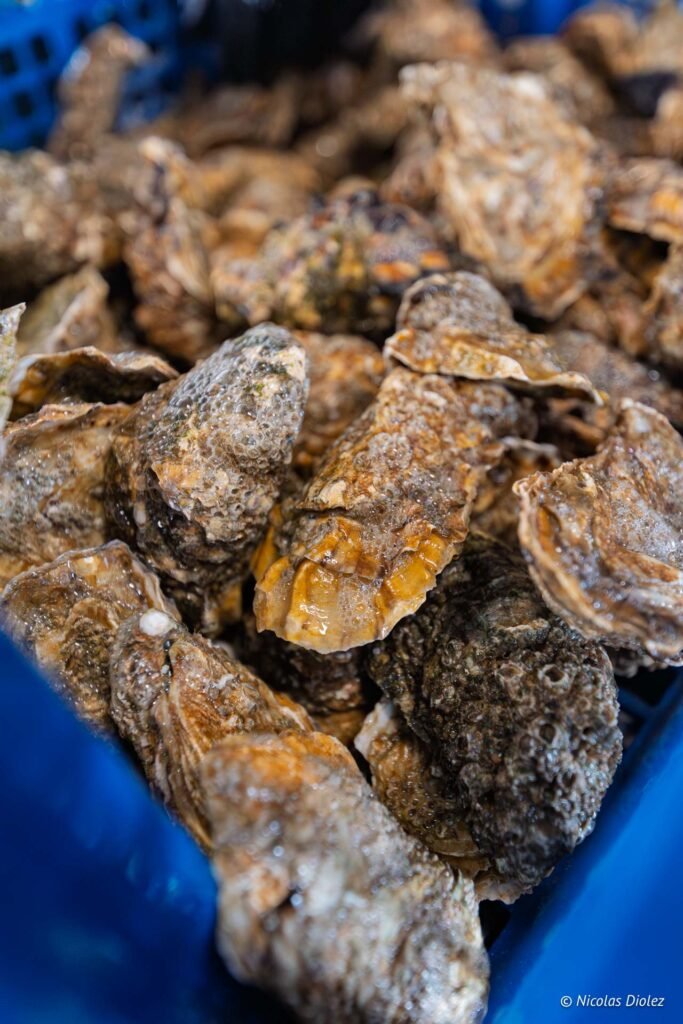
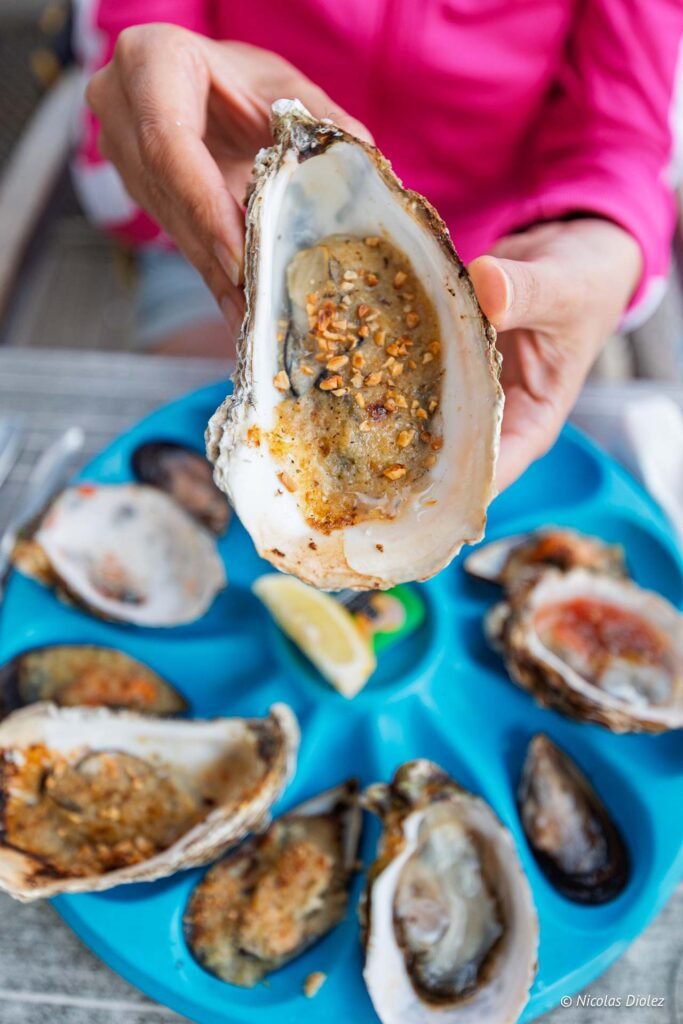
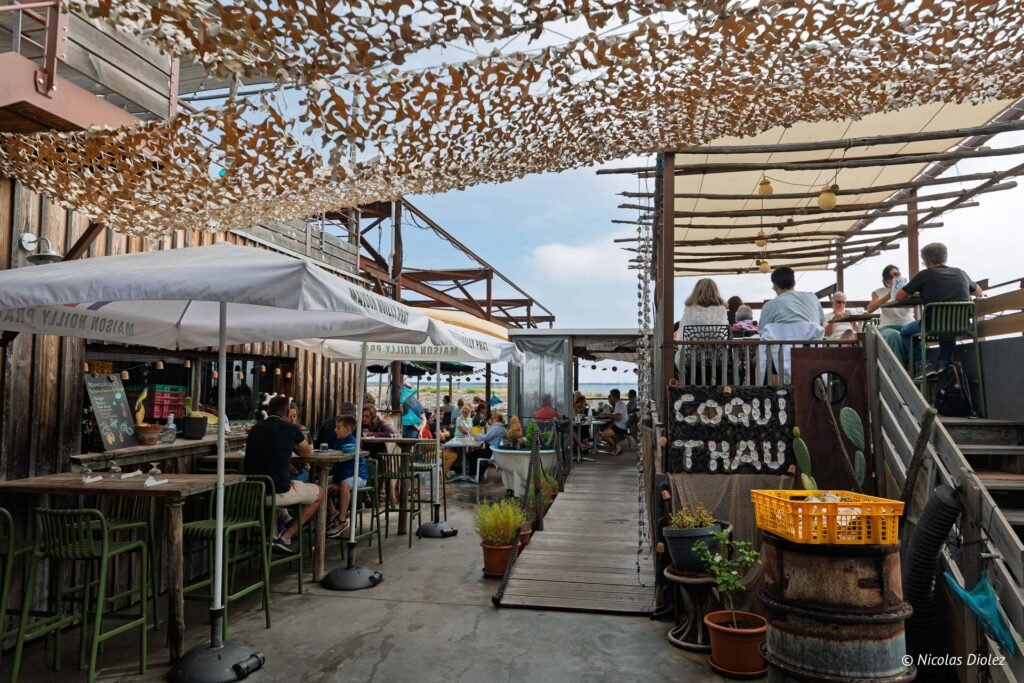
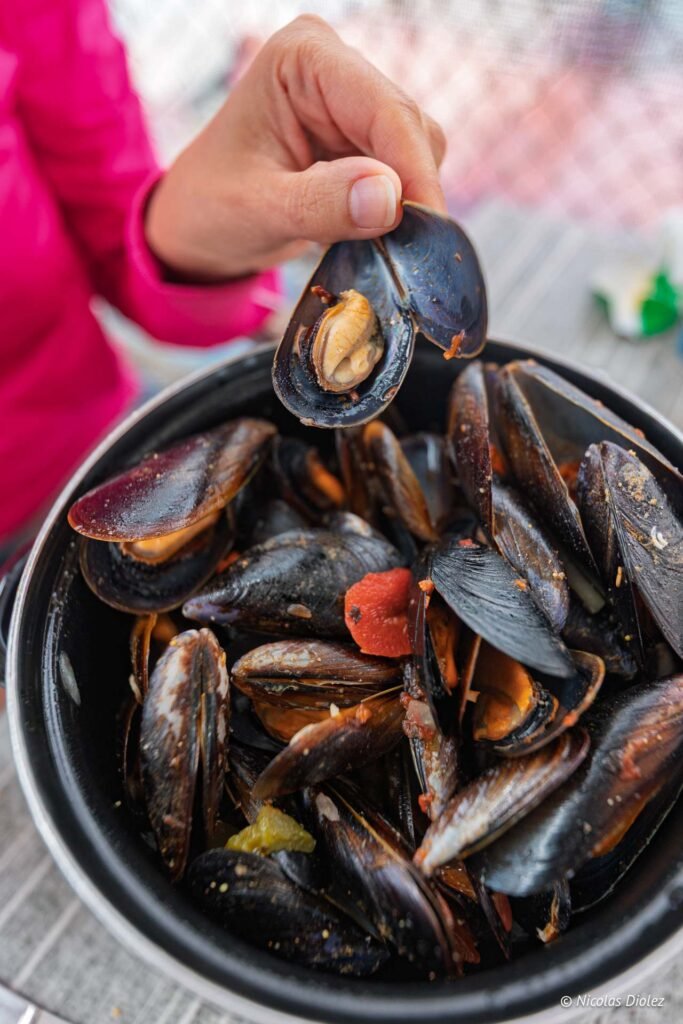
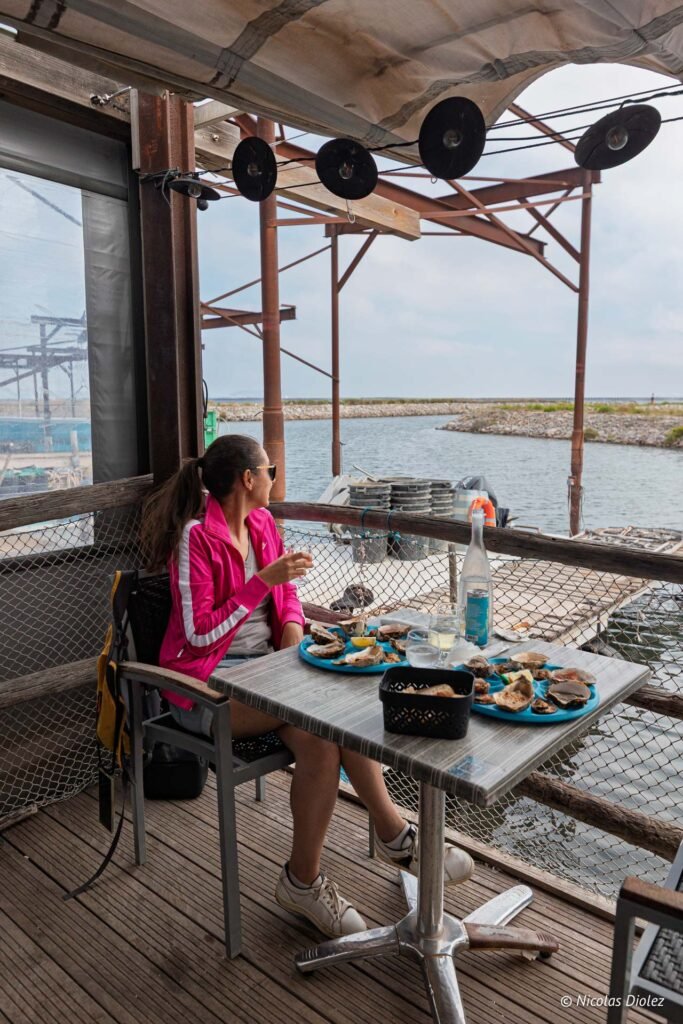
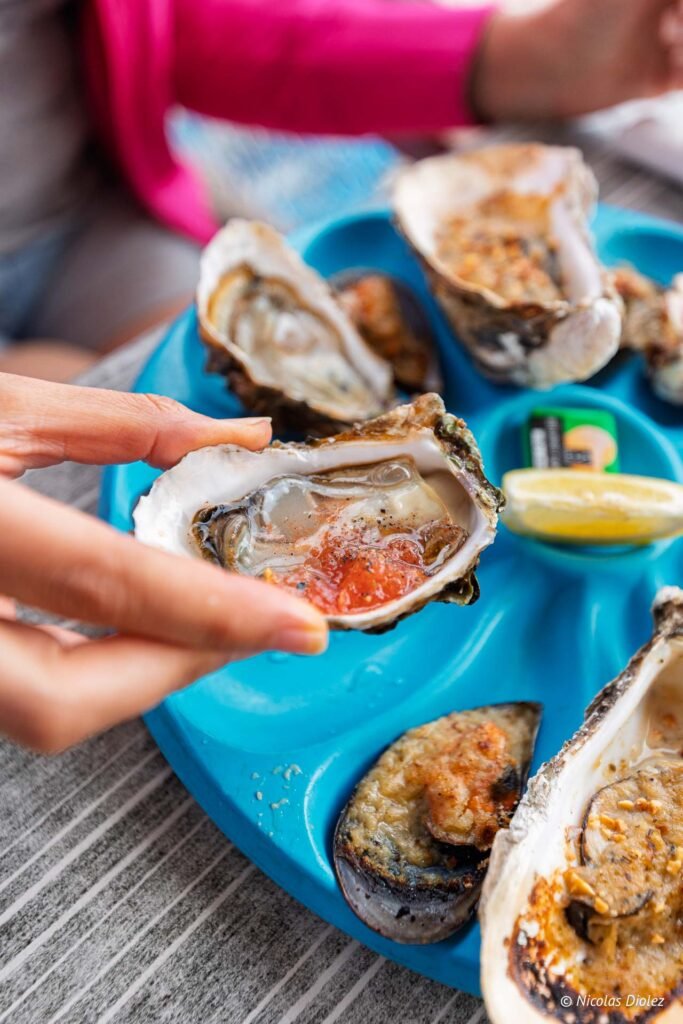
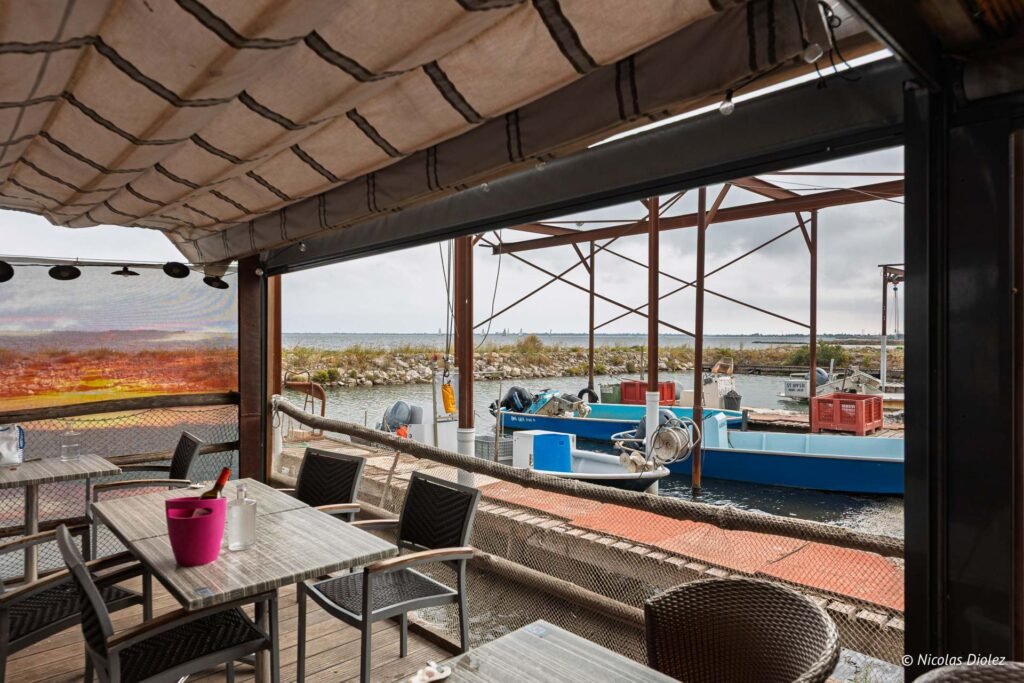
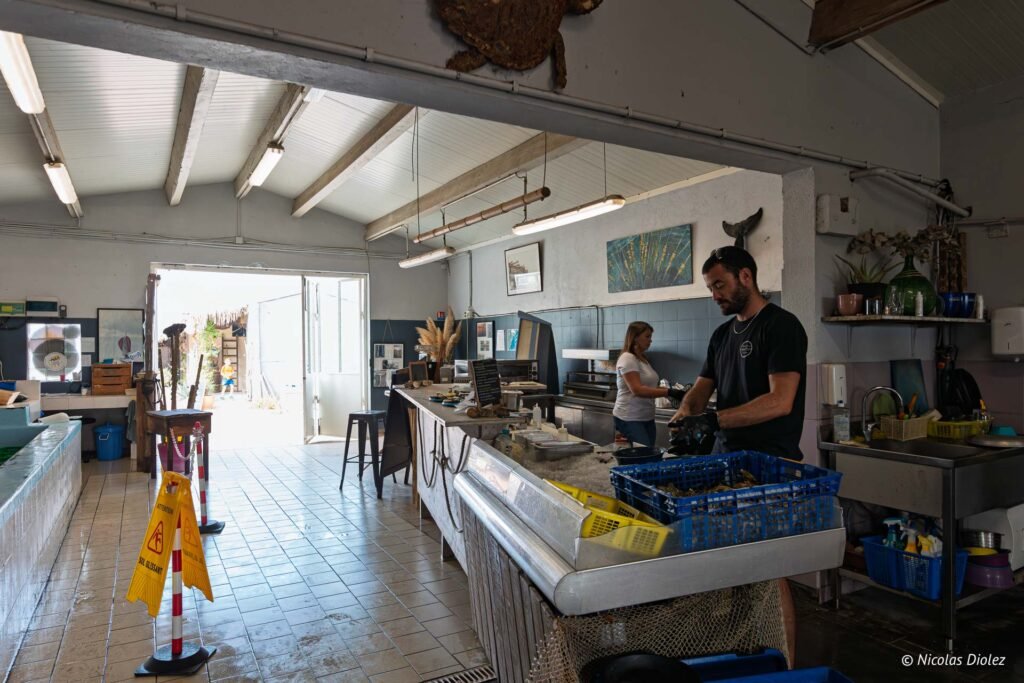
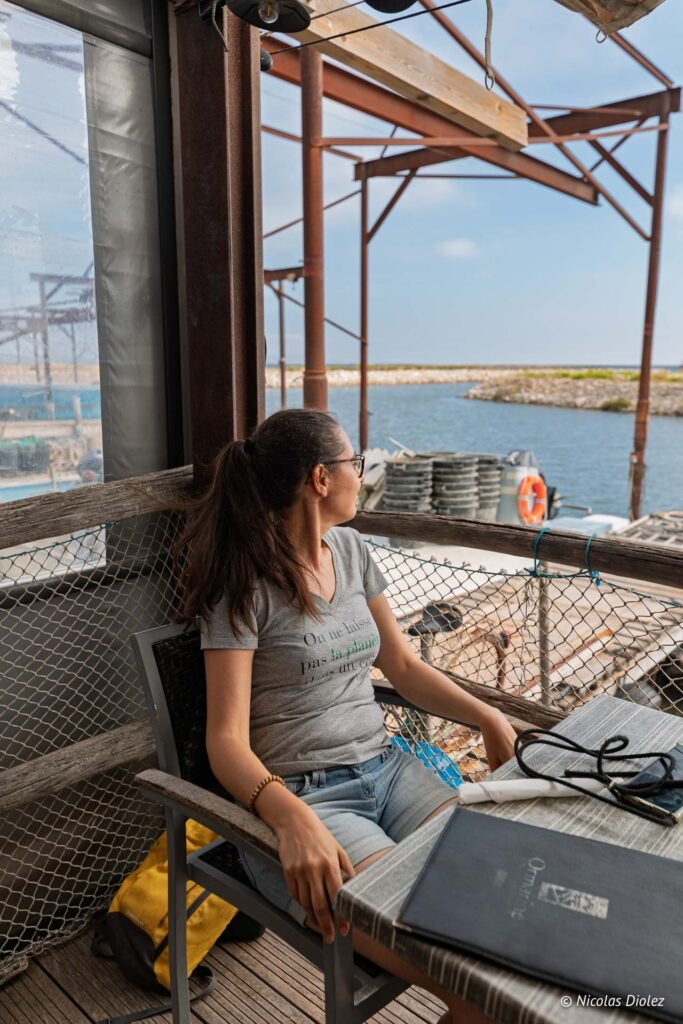
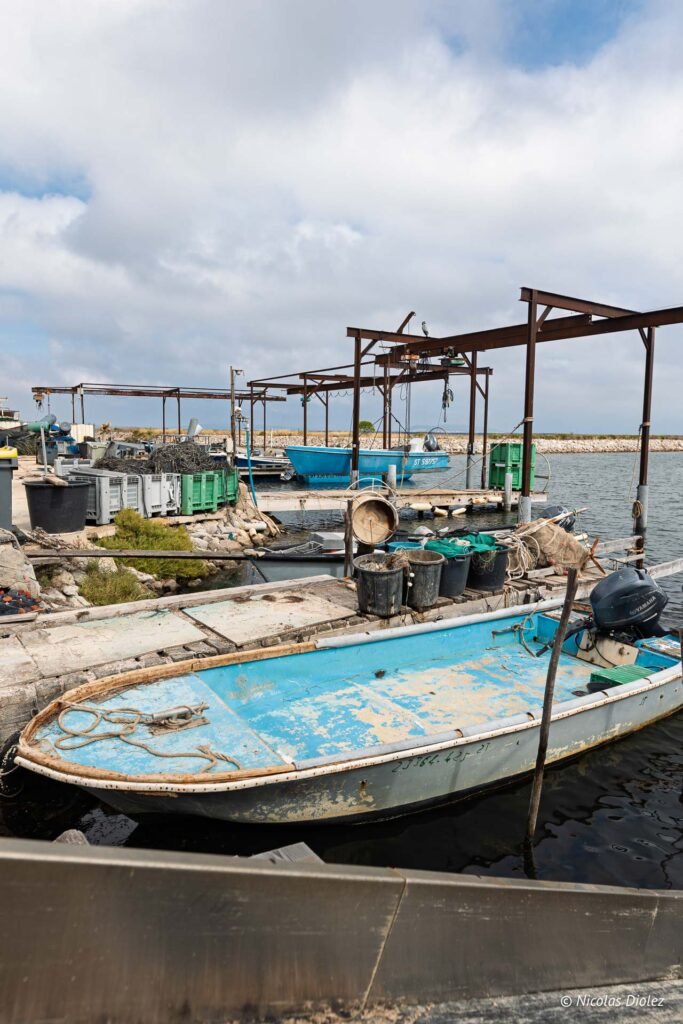
The Thau lagoon is extremely famous for its oysters, with shores dotted with shellfish farm huts. Indeed, with its 500 farms, the Thau basin represents the largest shellfish farming area in the Mediterranean. Here, oysters have a slightly salty and briny taste. To enjoy them at their best, I recommend sitting down at Coqui Thau. This traditional farm hut features a superb terrace with an unobstructed view of the lagoon, offering direct sales as well as the option to taste their produce on-site. It’s the perfect place to enjoy products of absolute freshness and discover local expertise.
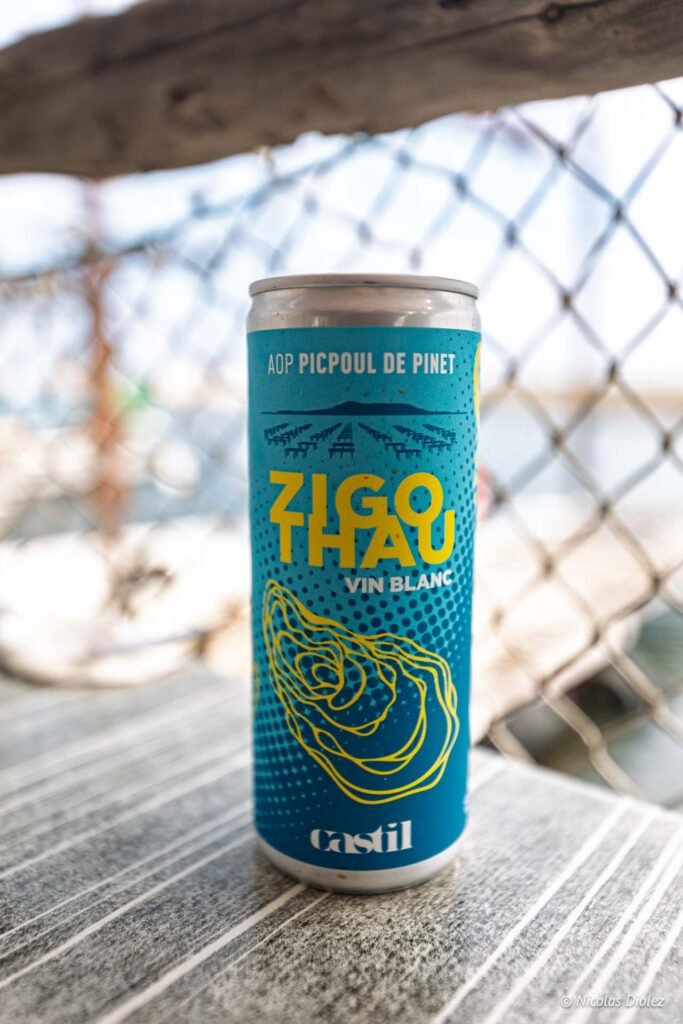
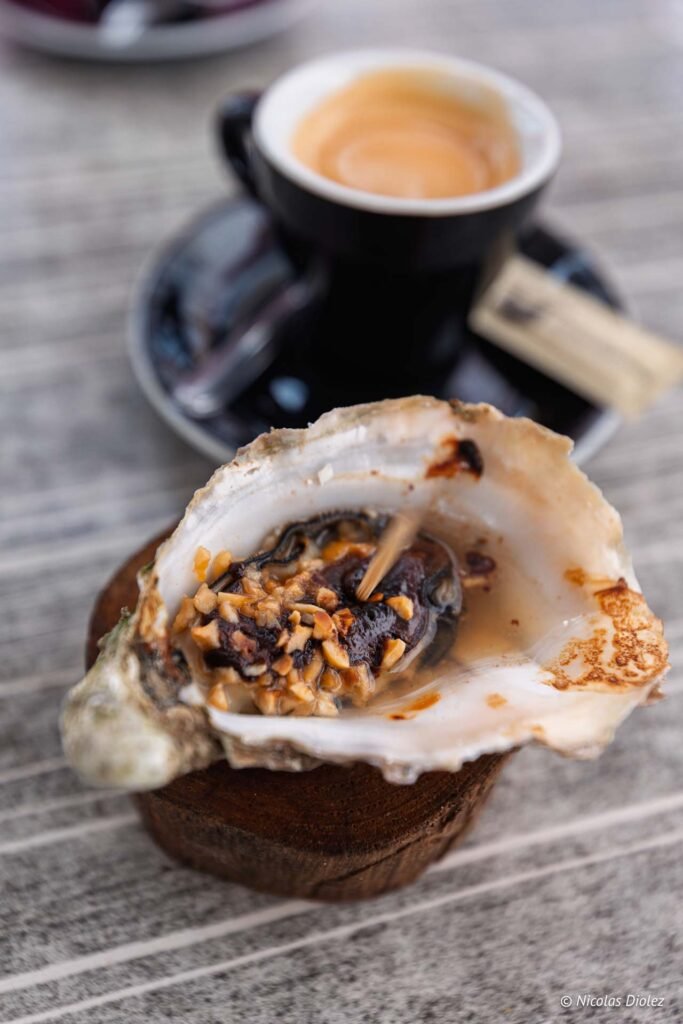
In addition to oysters, I also recommend trying the brasucade of mussels (12 €) if you like them. To accompany your shellfish tasting, I suggest grabbing a can (yes, really!) of Picpoul wine (5 €), whose name comes from the grape variety present here since antiquity. And for dessert, for the most adventurous (like us), you can try the chocolate oyster (3.50 €).
Mas Coqui Thau
30 chemin de l’Étang, 34340 Marseillan
Price: mixed platters between 8.70 € and 26.60 € / discovery menu 24 € / full menu 31 €
_
Stopping at Mèze, Bouzigues, and Balaruc-Les-Bains
Mèze
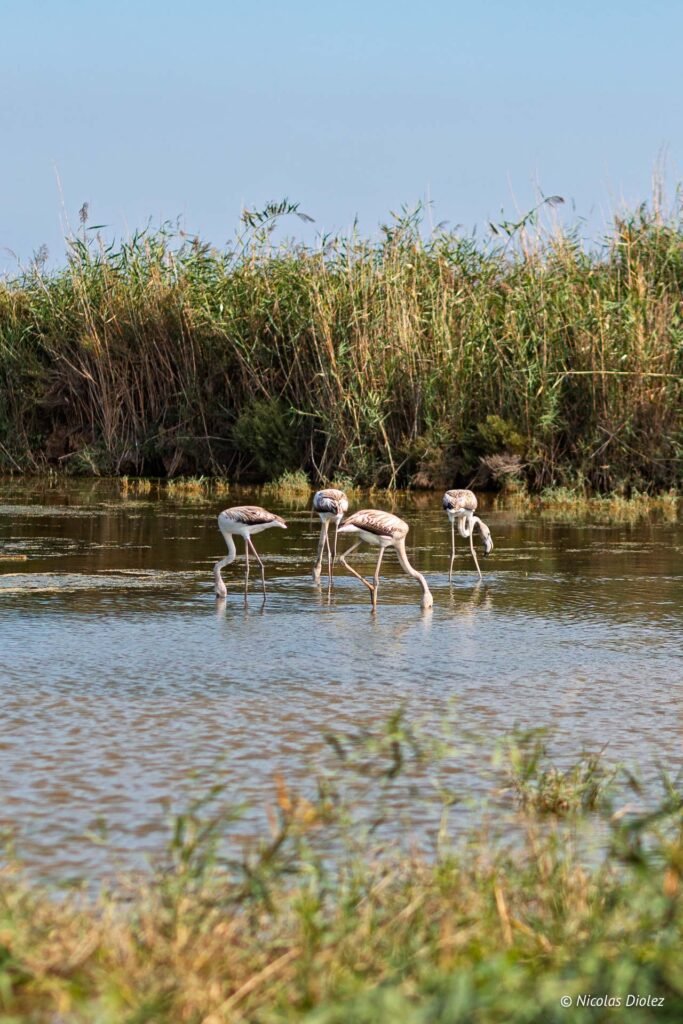
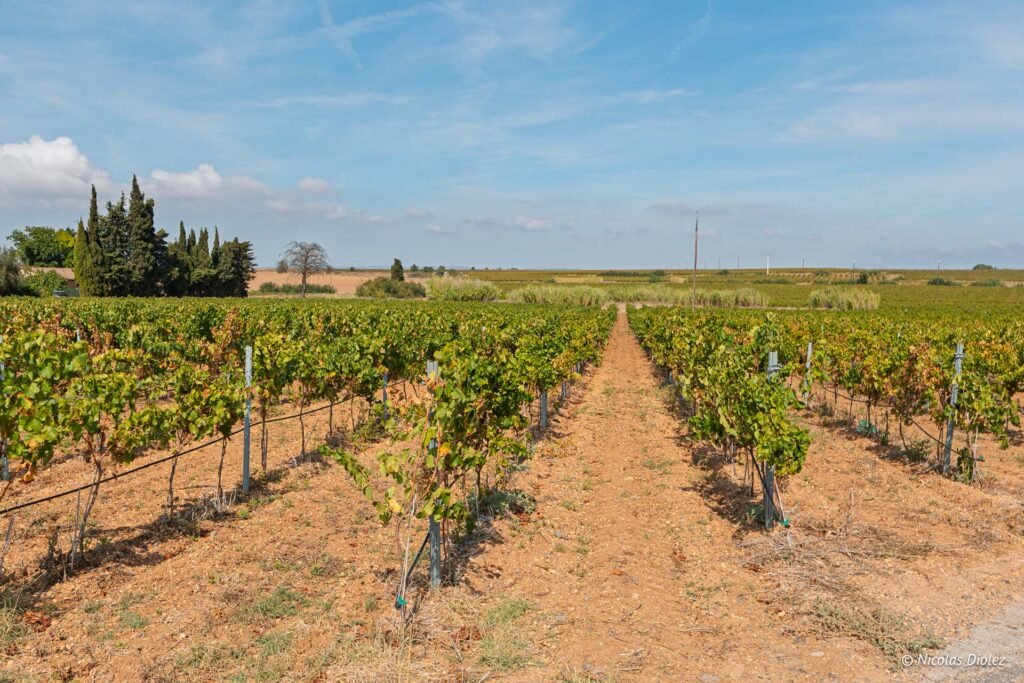
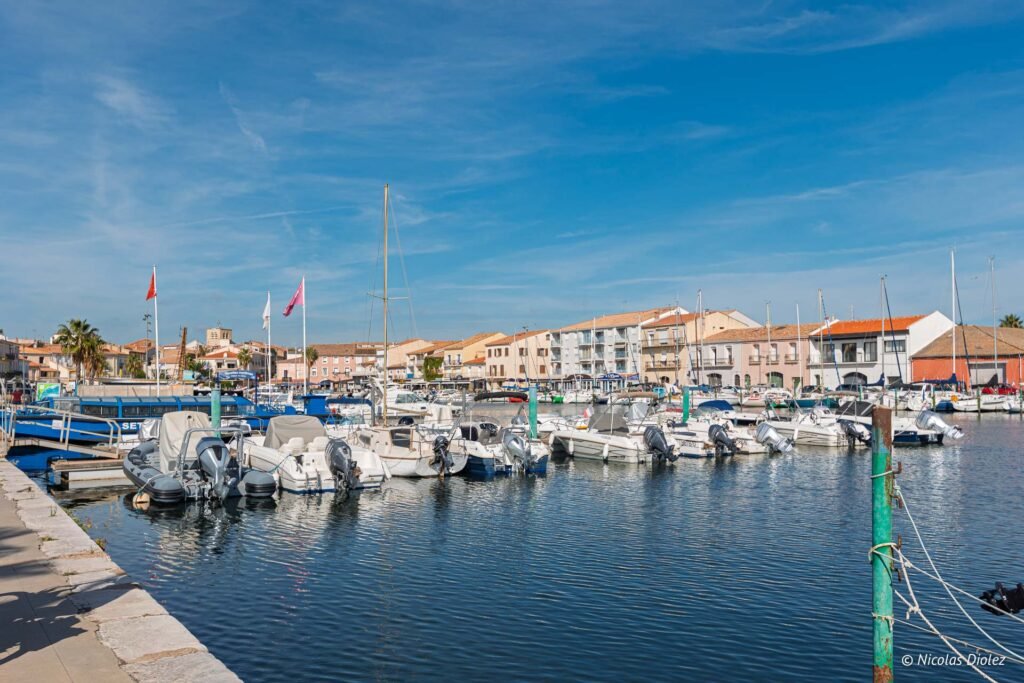
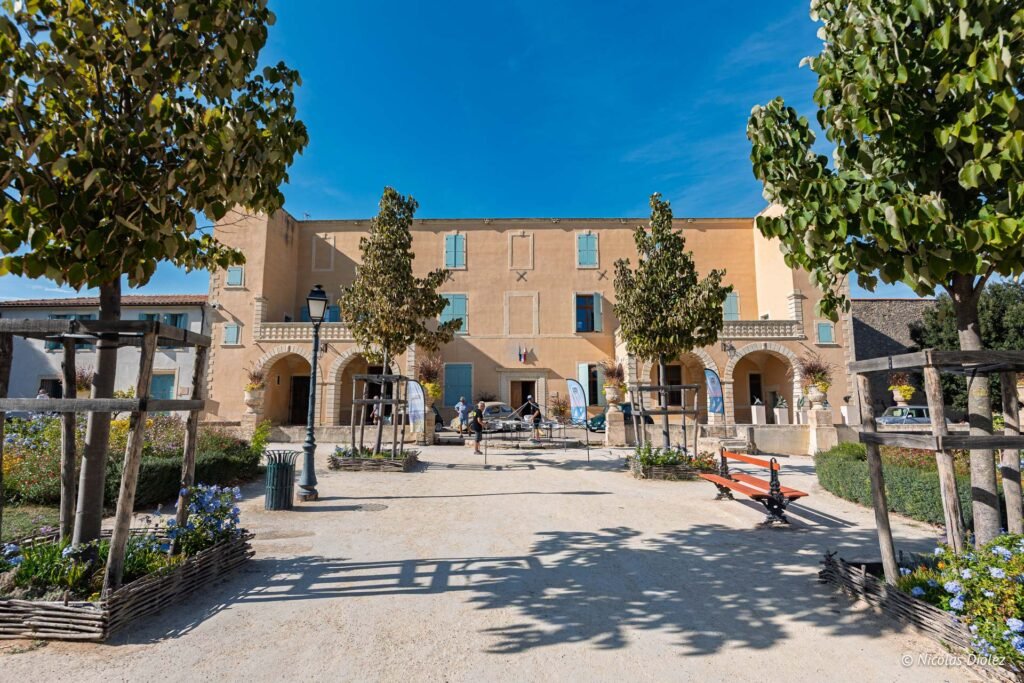
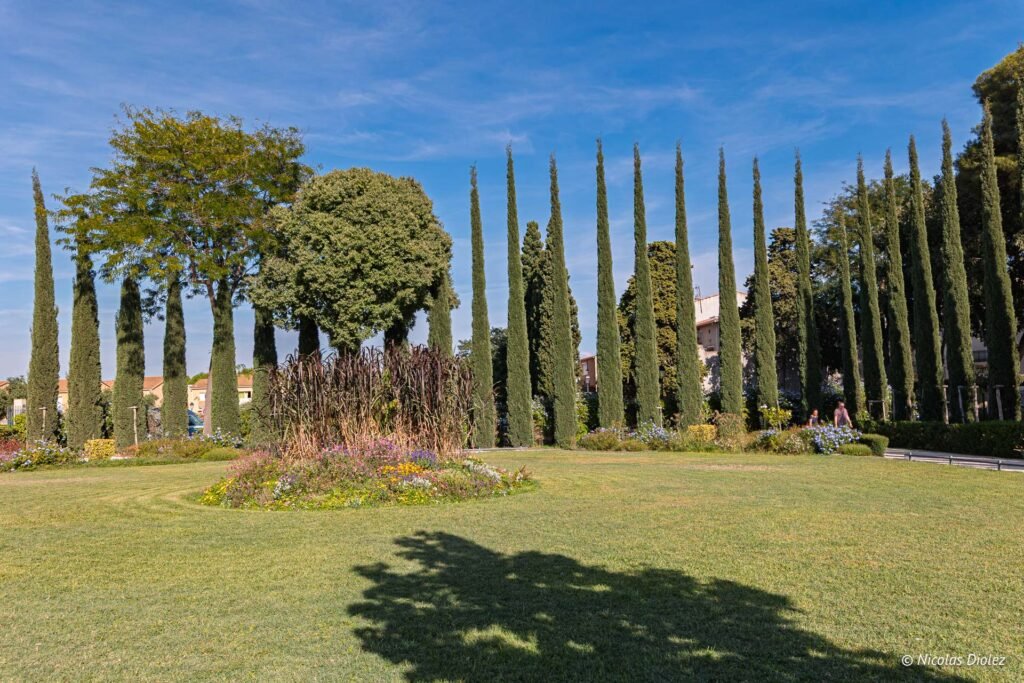
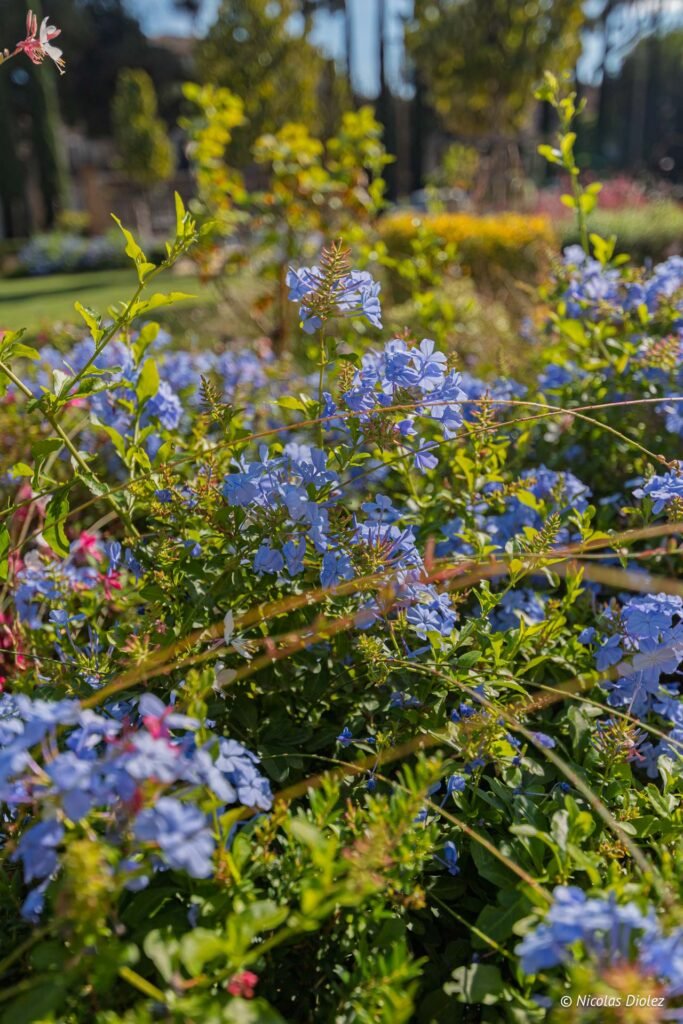
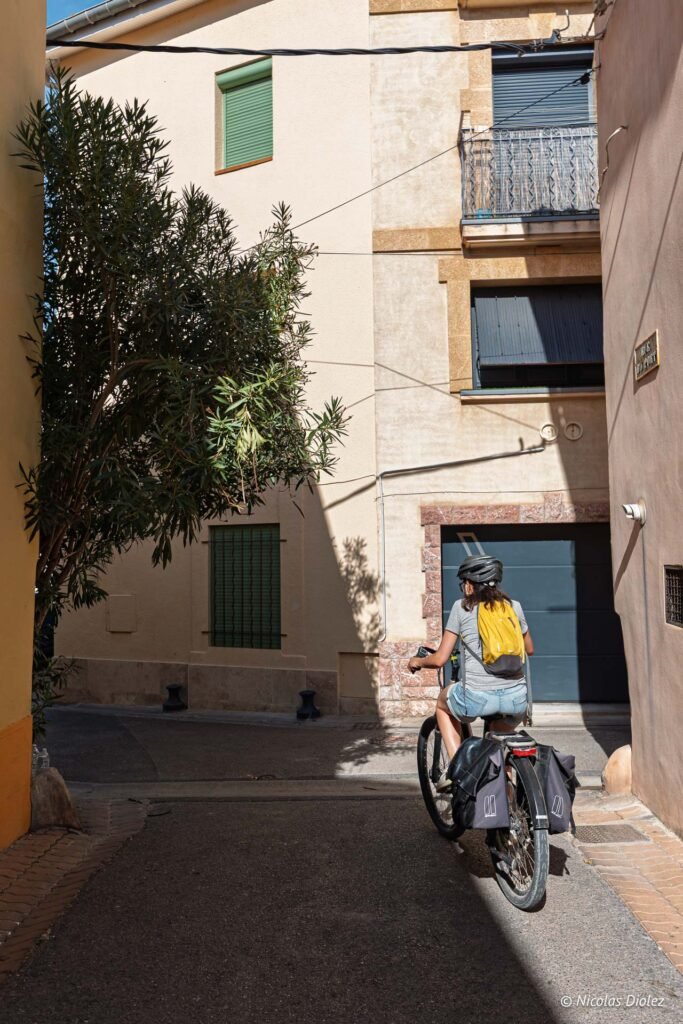
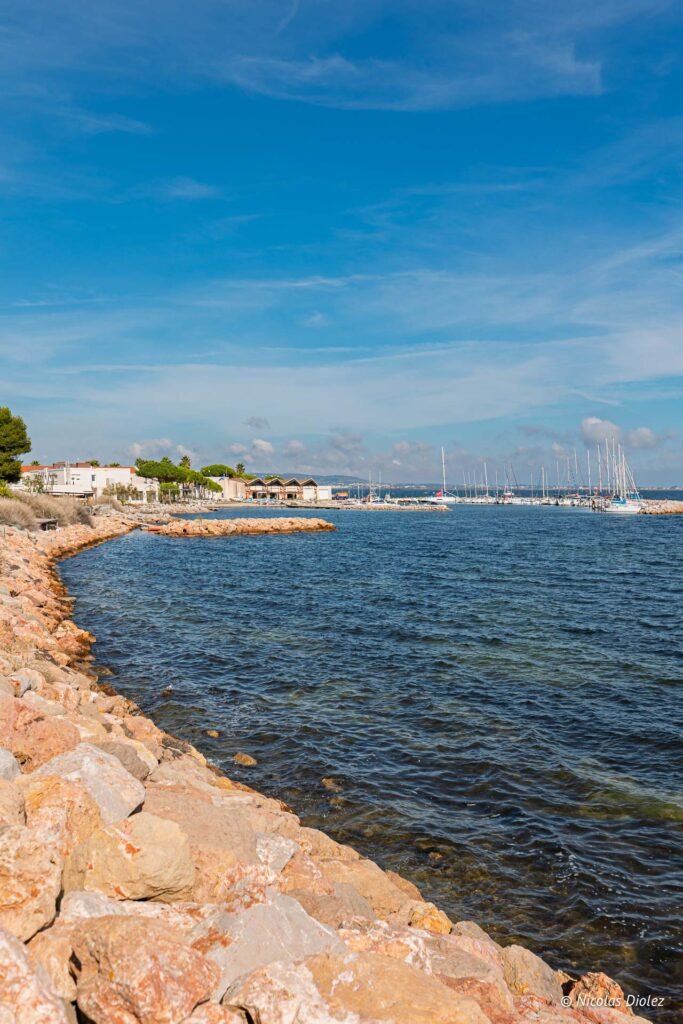
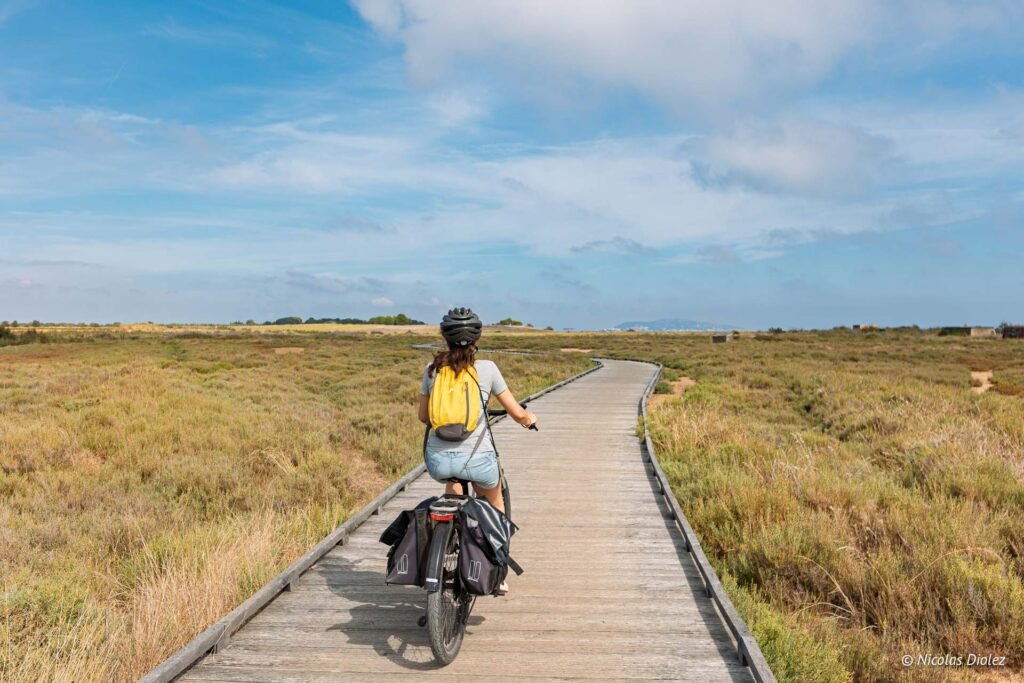
Continuing our tour, between Marseillan and Mèze, we rode along the Thau lagoon and the Canal du Midi before crossing the marshes and vineyards. On a section of this stretch, we crossed the Prés du Soupié, a Natura 2000 classified site, via a lovely wooden boardwalk in order to respect the environment and wildlife. We were lucky enough to spot gorgeous flamingos there once again, as these birds regularly migrate to the Archipel de Thau. A little further on, we discovered the Mediterranean village of Mèze, founded in the 6th century BC by the Phocaeans, which was once the largest port of the Archipel de Thau. I advise you to go see the Château de Girard (built in the 17th century) and its very beautiful garden open freely to the public.
_
Bouzigues
Next, our tour leads us to Bouzigues, the true birthplace of shellfish farming. This charming little fishing village is famous for its authentic port and, of course, the views of the oyster farms on the lagoon.
_
Balaruc-Les-Bains
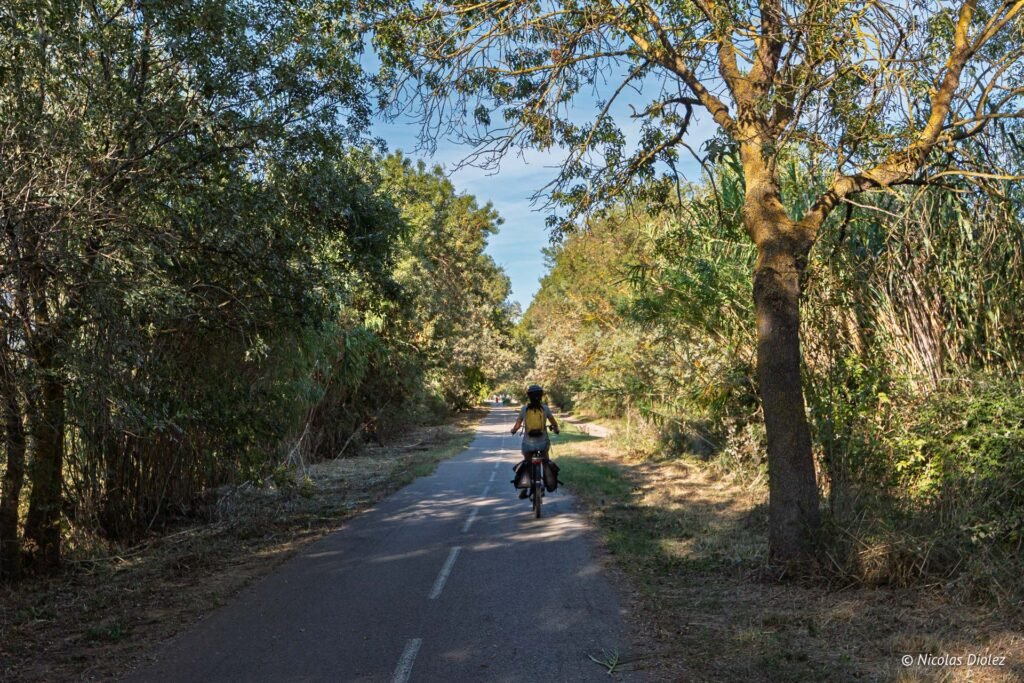
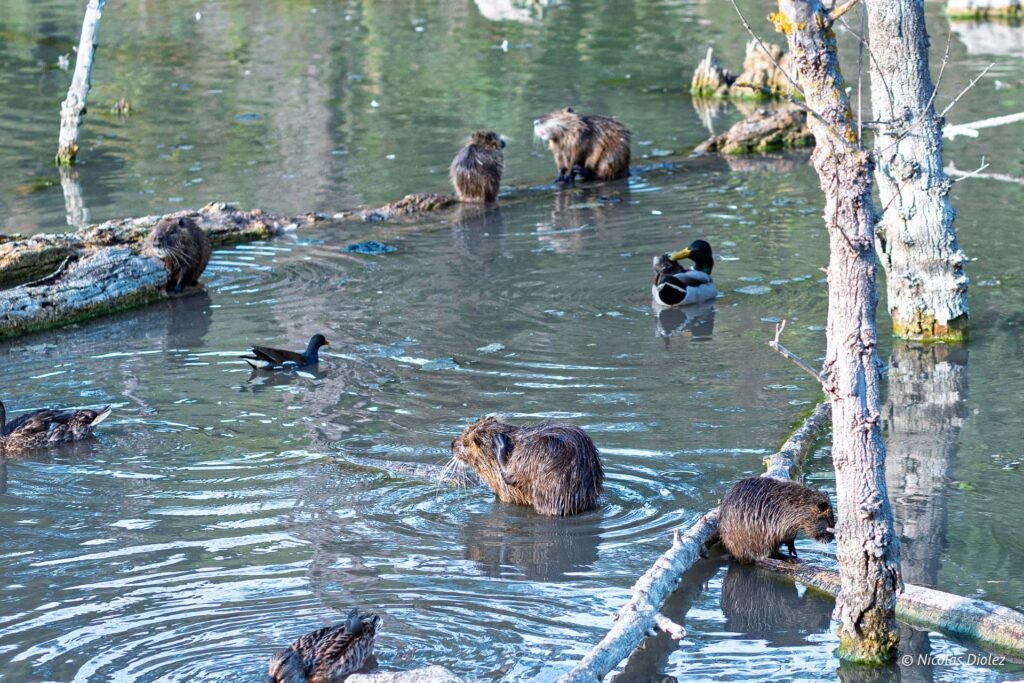
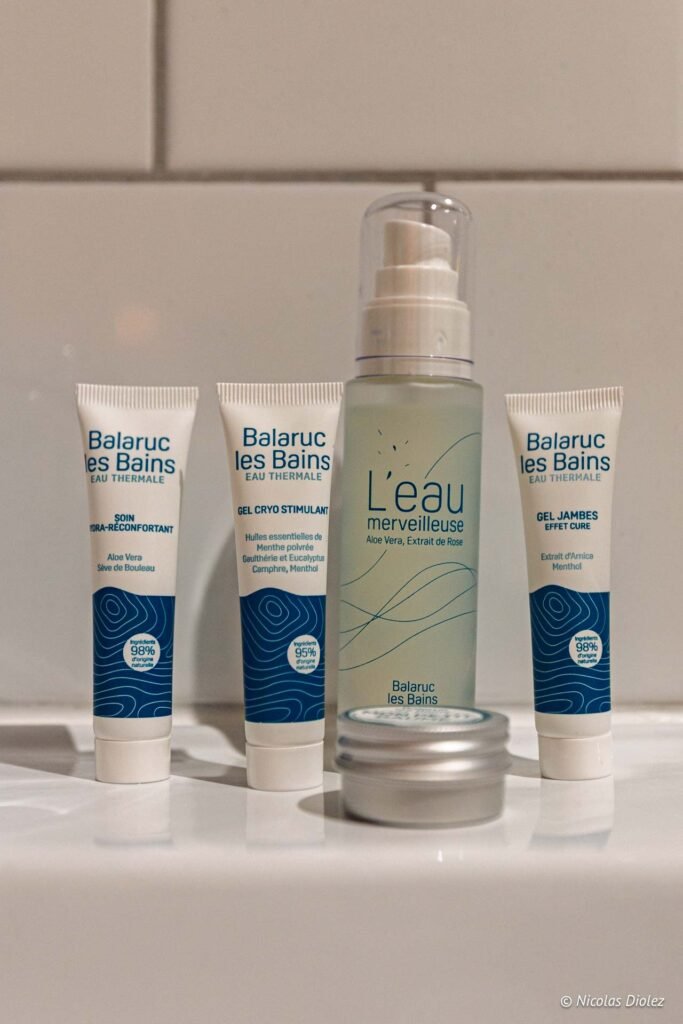
Between Bouzigues and Balaruc-Les-Bains, the cycle path follows the old railway line along the northern shore of the lagoon. The path passes through the Anse de l’Angle, a protected natural area that is perfect for birdwatching. Balaruc is also renowned as France’s leading spa resort thanks to the benefits of its waters, which are the most mineral-rich in the world. In fact, the spa and seaside resort offers a range of cosmetic products that I tested myself, containing between 95% and 100% natural ingredients. If you have the time, I also recommend visiting the Ancient Mediterranean Garden. Unfortunately, we ran out of time to check it out ourselves. And to top it all off, our adventure came to an abrupt end right around there when we got a flat tire…
Thank you to the Sète – Archipel de Thau Tourist Office for organizing this wonderful getaway to discover this lovely corner of the Mediterranean.
I hope all of this has made you want to visit Sète and the Thau Lagoon, and if you also have your own favorite spots and tips for this destination, feel free to share them in the comments below!
Photo credits: Nicolas Diolez and Melle Bon Plan
Photos are not royalty-free, photographer's permission required prior to any use