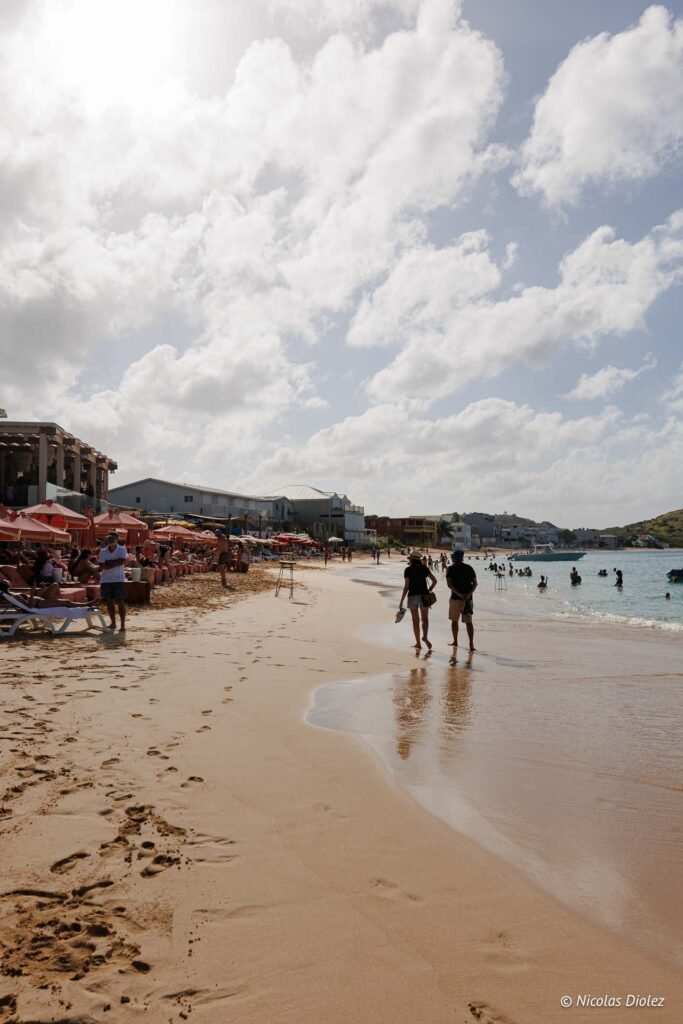
Nestled in the heart of the Lesser Antilles arc, between the Caribbean Sea and the Atlantic Ocean, the Franco-Dutch island of Saint-Martin (affectionately nicknamed “The Friendly Island“) is a unique, sun-drenched destination that won us over with its laid-back lifestyle, 37 magnificent fine-sand beaches, preserved landscapes, and cultural melting pot. The island is also considered the gastronomic capital of the Caribbean, which naturally delighted the foodies that we are. A Gastronomy Festival is even held there every year in November.
This article is the result of a blog trip we took in December 2025 with our favorite photographer, to mark the inaugural flight of the new direct Air Caraïbes route connecting Paris-Orly airport to Saint-Martin. It was actually our first time in the Caribbean for both of us. Below, as usual, I offer you my complete guide to planning your getaway to Saint-Martin, with our must-see visits, practical tips, and a selection of great spots tested on-site.
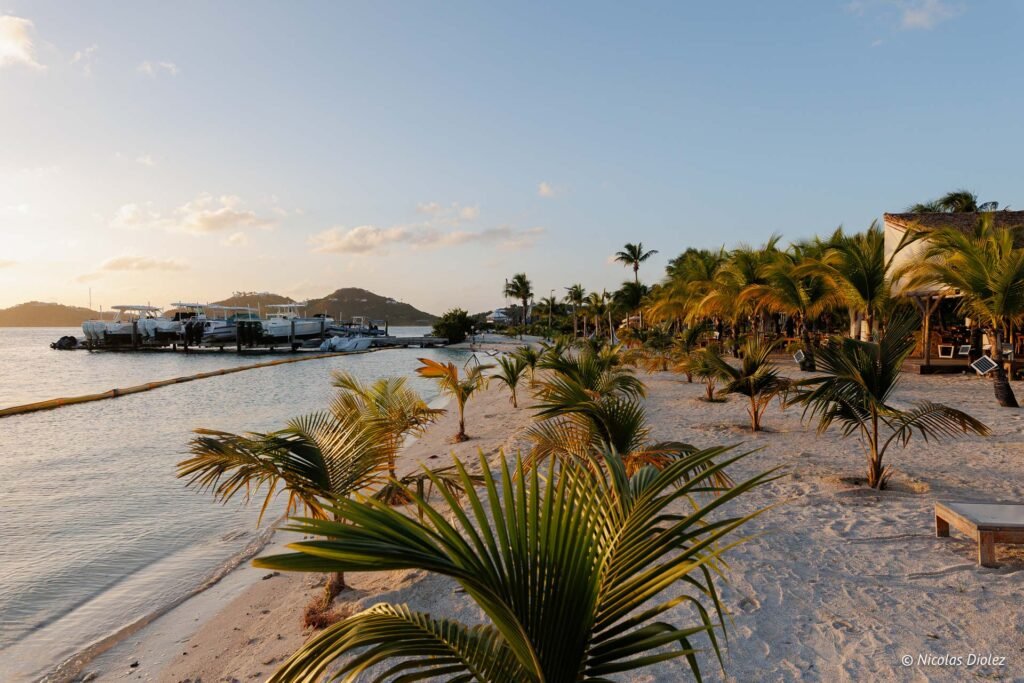
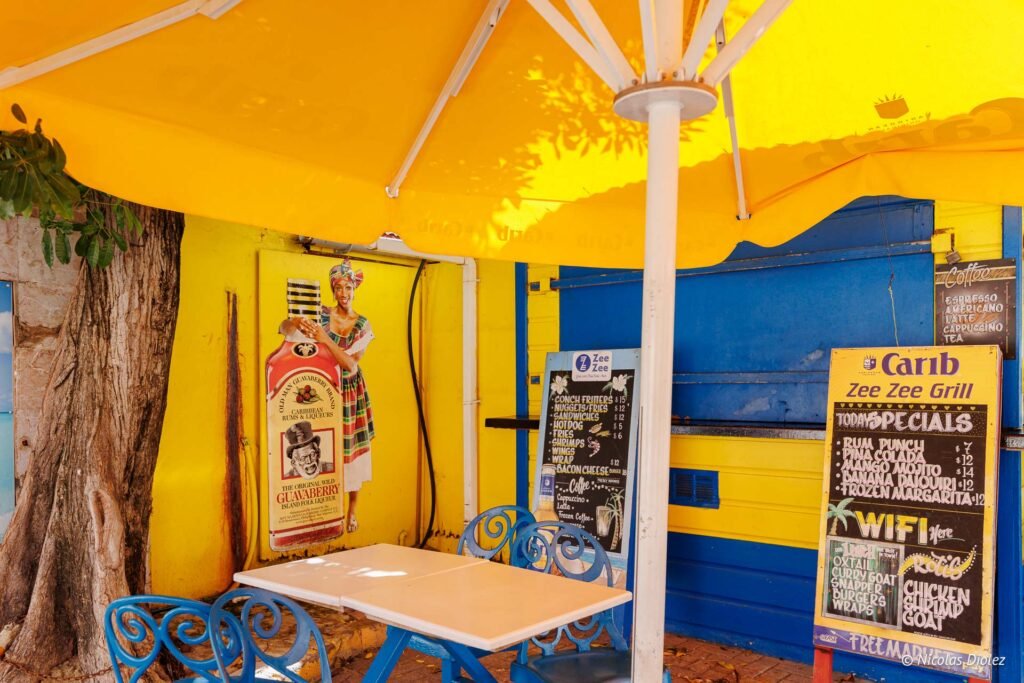
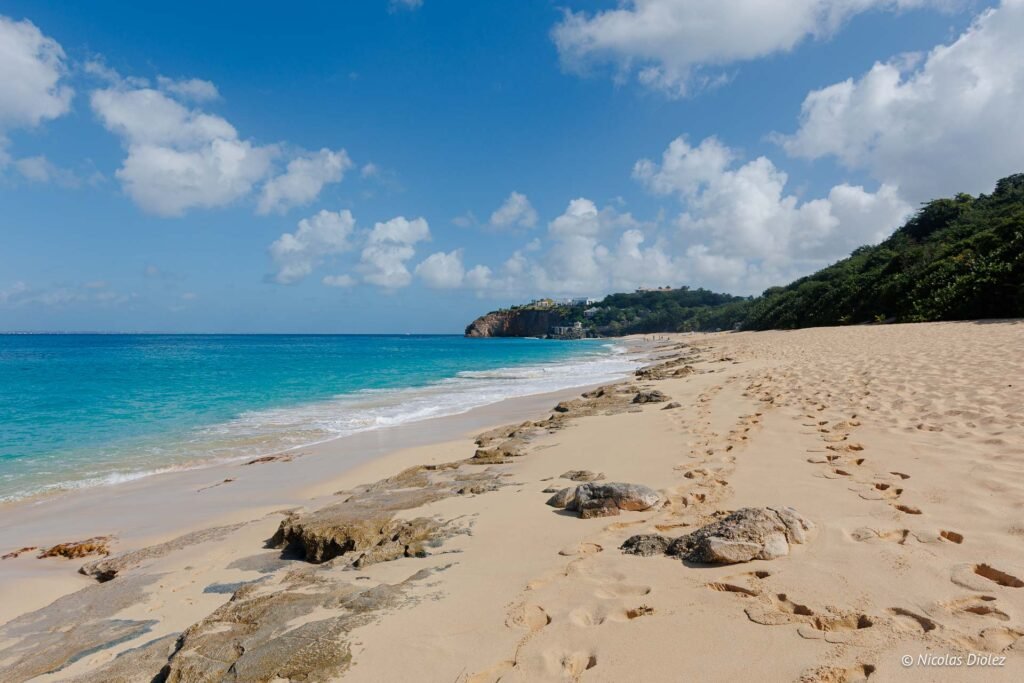
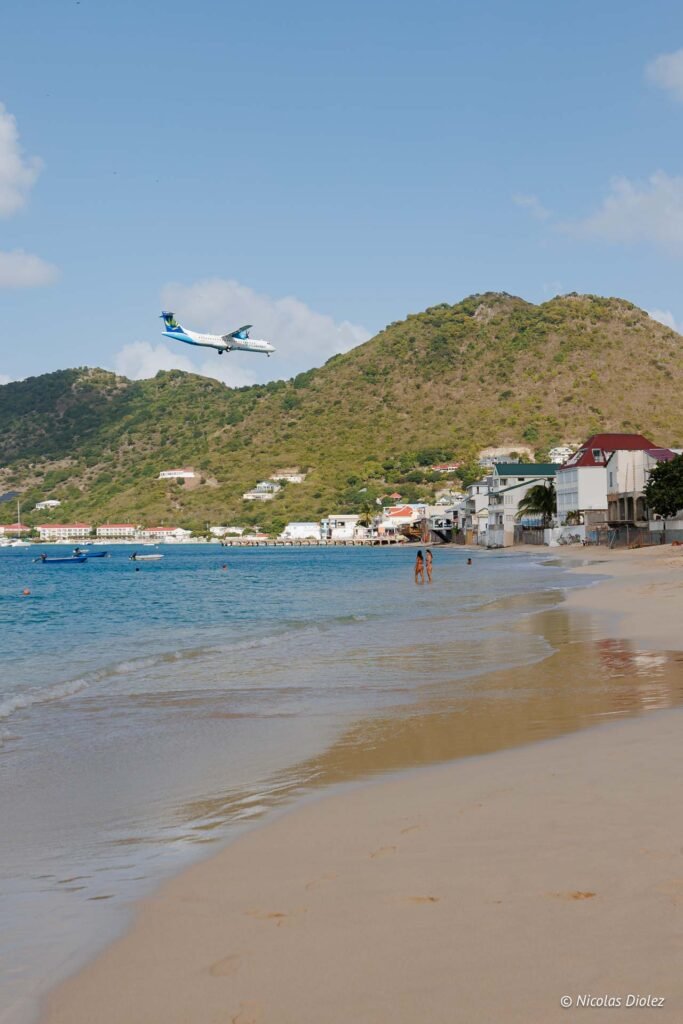
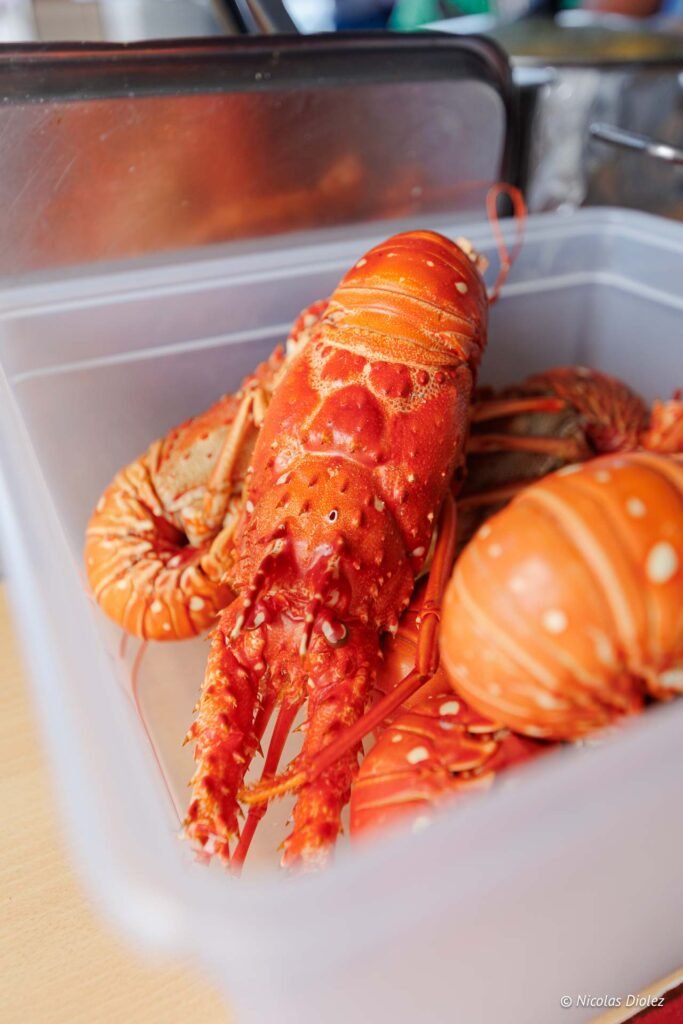
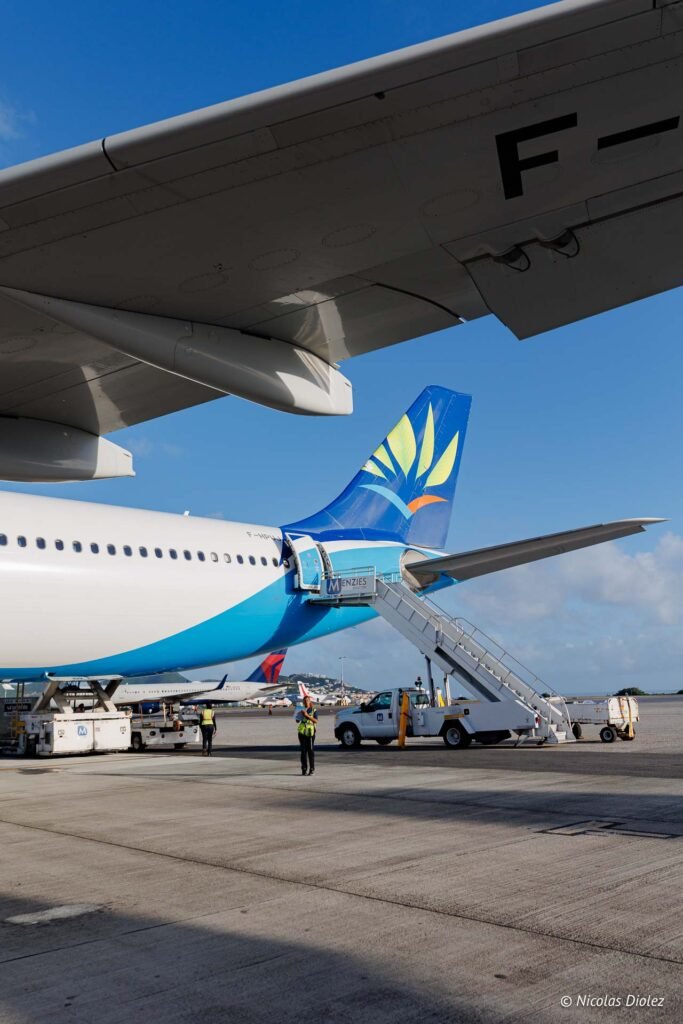
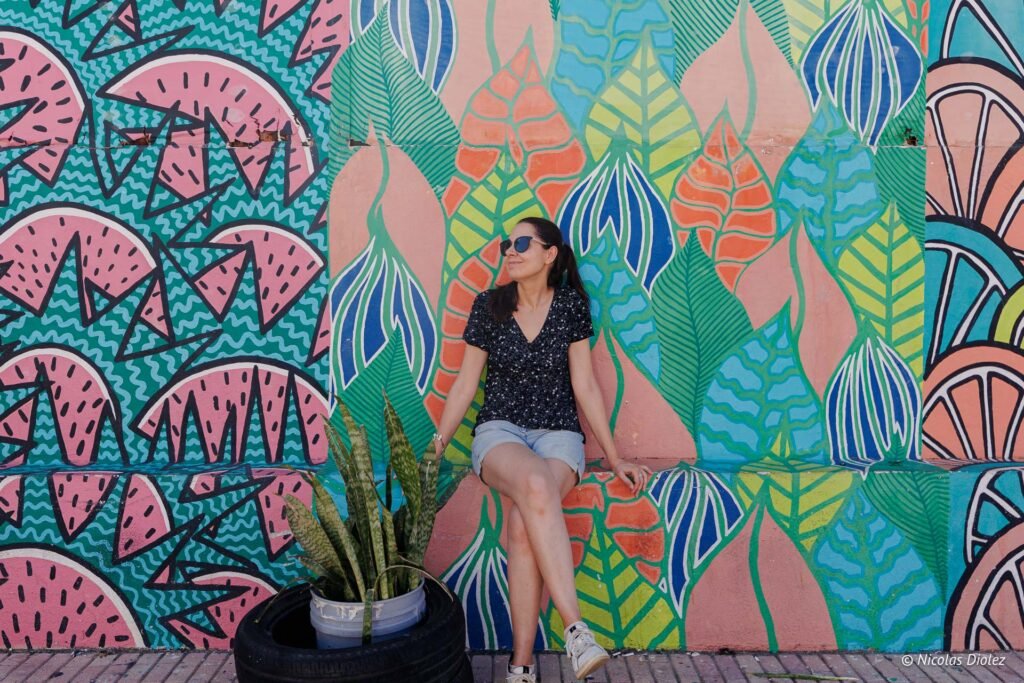
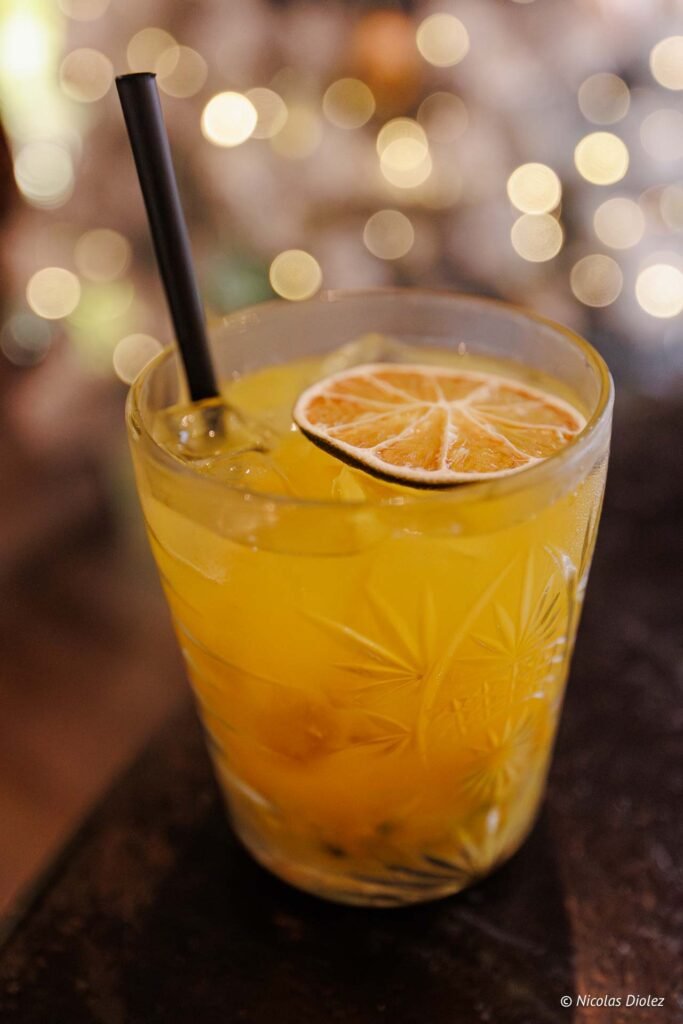
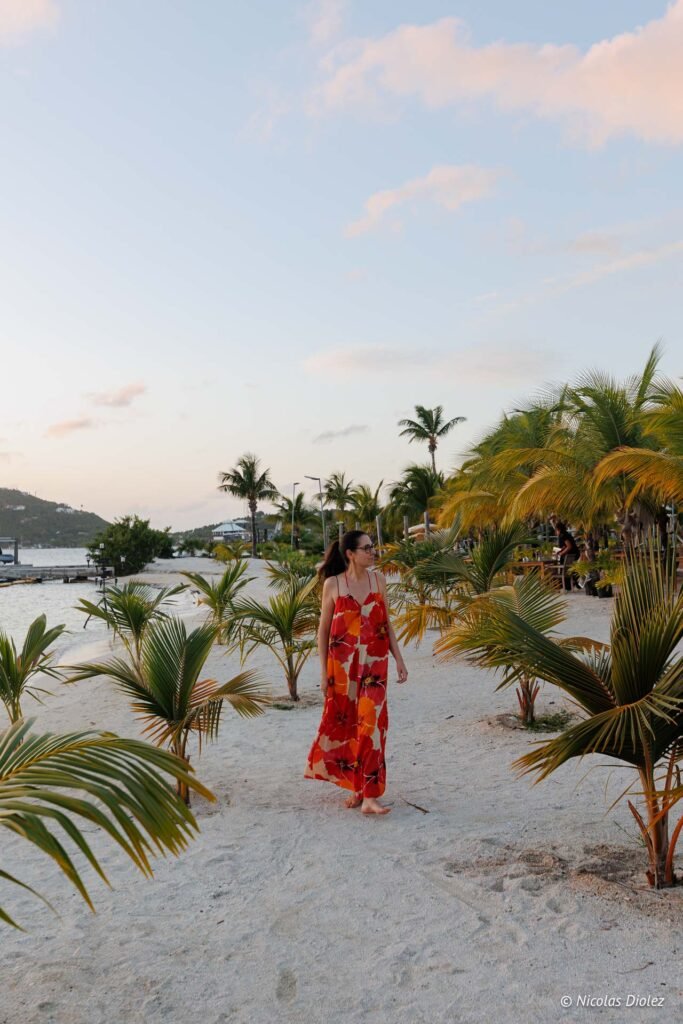
Table of Contents
Getting to Saint-Martin with Air Caraïbes
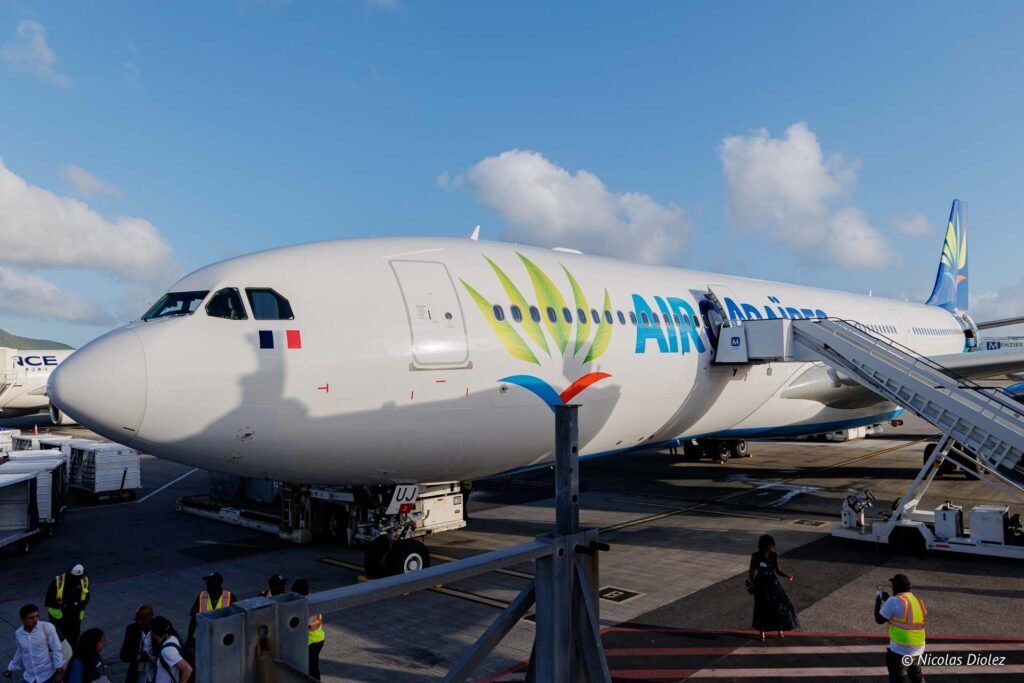
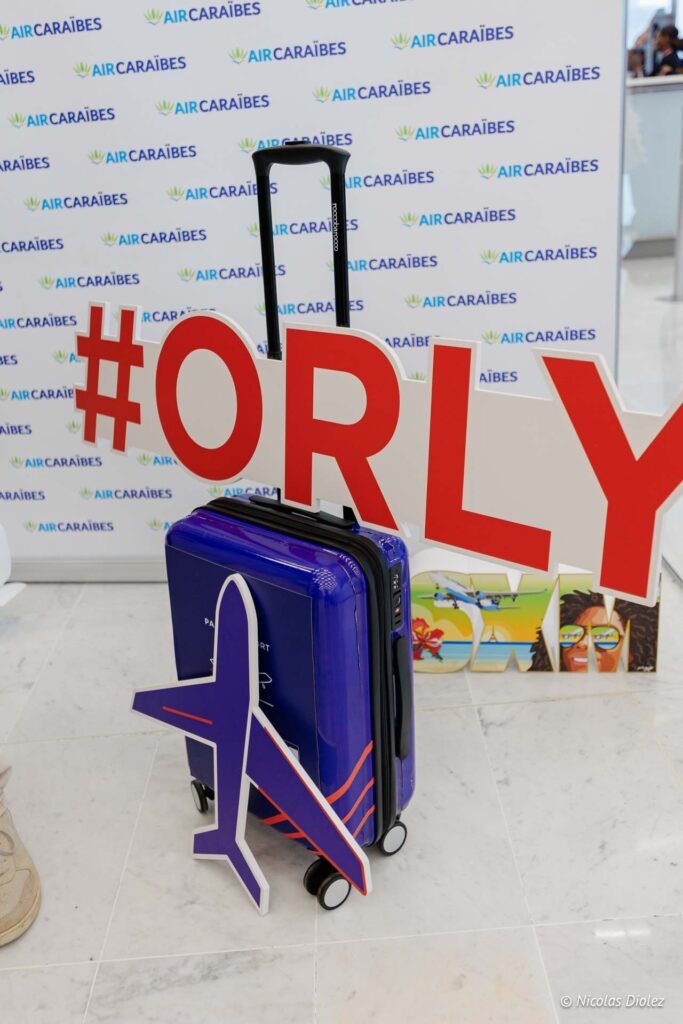
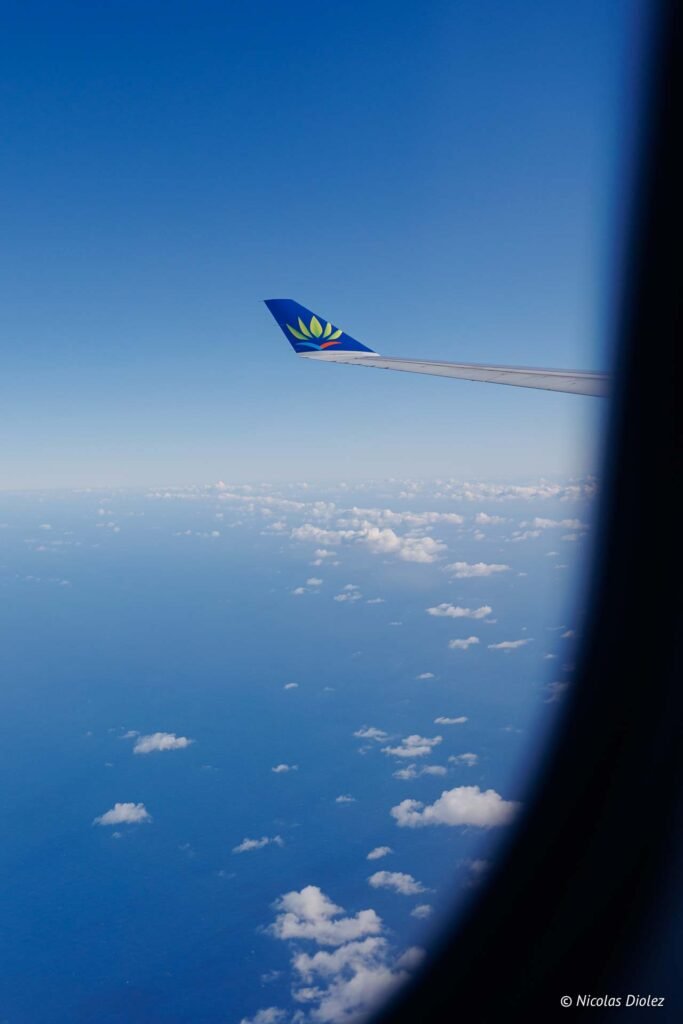
To reach the island of Saint-Martin from mainland France, the airline Air Caraïbes has been offering a direct connection since December 2025 between Paris-Orly (ORY) airport and Princess Juliana International Airport (SXM), located in the southern part of the island (the Dutch side). It is the only airline to serve Saint-Martin directly from Orly, which is particularly appreciated and convenient from Paris, thanks to the extension of metro line 14, which makes getting to the airport easy and, above all, fast.
_
Our review of the Air Caraïbes Soleil economy class
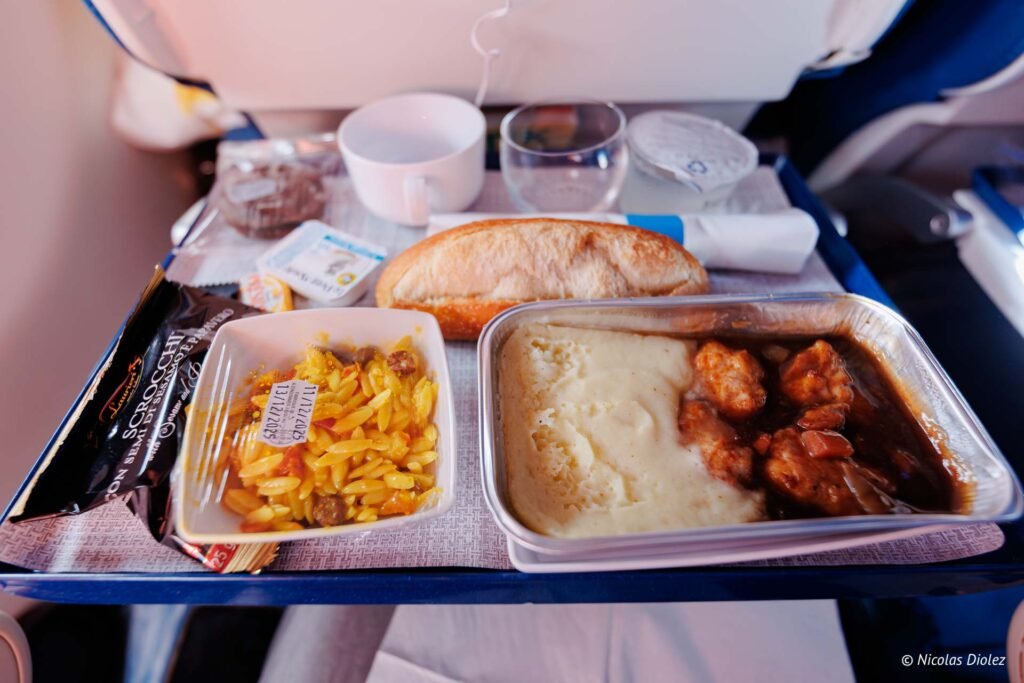
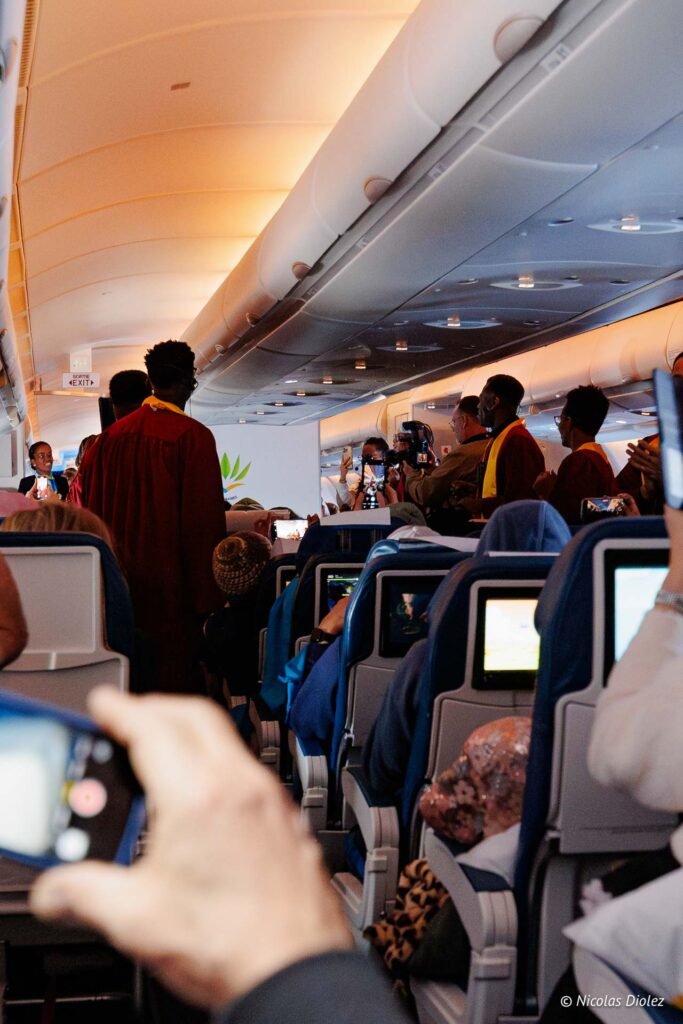
We made the crossing in Soleil economy class. Expect about 9 hours of flight time on the way there and 8 hours on the return, which is a night flight (departure from Saint-Martin at 6:35 PM for an arrival at Paris-Orly at 7:20 AM the next morning). On board, the service includes lunch and a snack, as well as a welcome comfort kit with a pillow, blanket, and sleep mask. The individual screens offer a very complete selection of movies and series, as well as audio programs for relaxation, meditation, and music.
My tips for traveling with Air Caraïbes:
- Remember to sign up for the free Air Caraïbes Préférence loyalty program before your departure to earn miles and enjoy dedicated benefits from your very first trips.
- When choosing your seats, look at the very back of the aircraft. Due to the narrowing of the fuselage, there are a few rows with only 2 seats (instead of 3), ideal for traveling as a couple with a window seat and no direct neighbor (this is the location we had on the way there, seats 45 A and B, and it was really great).
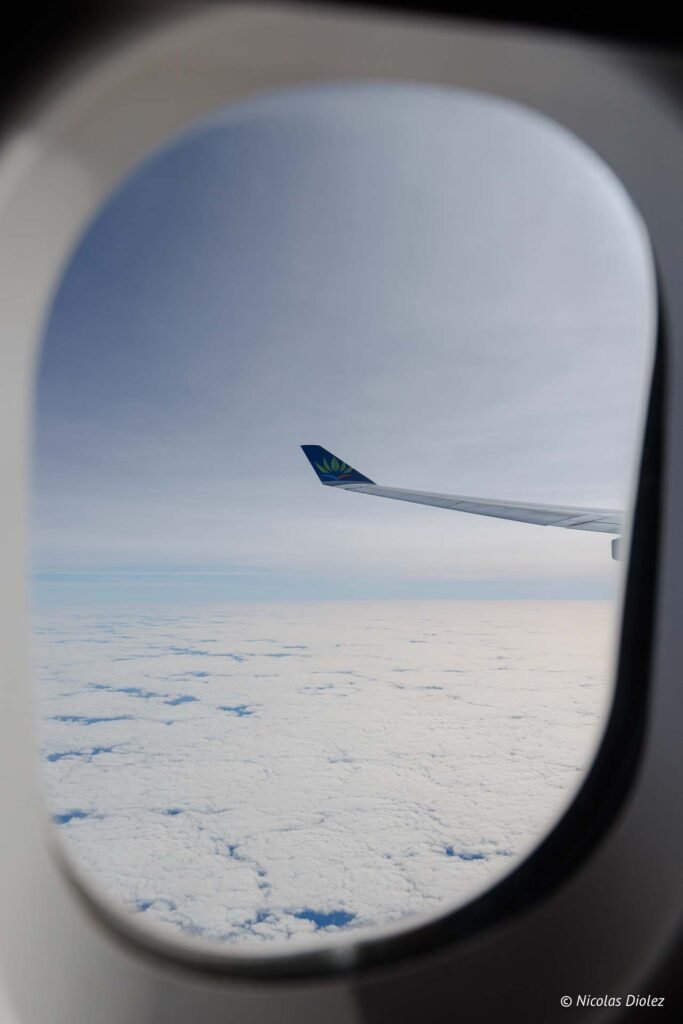
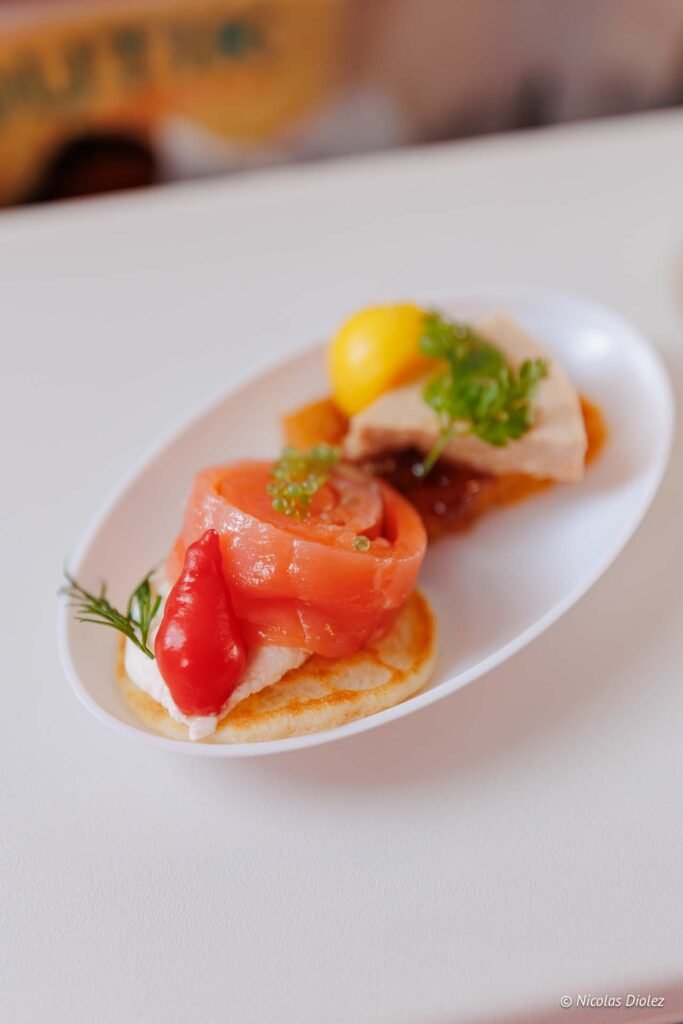
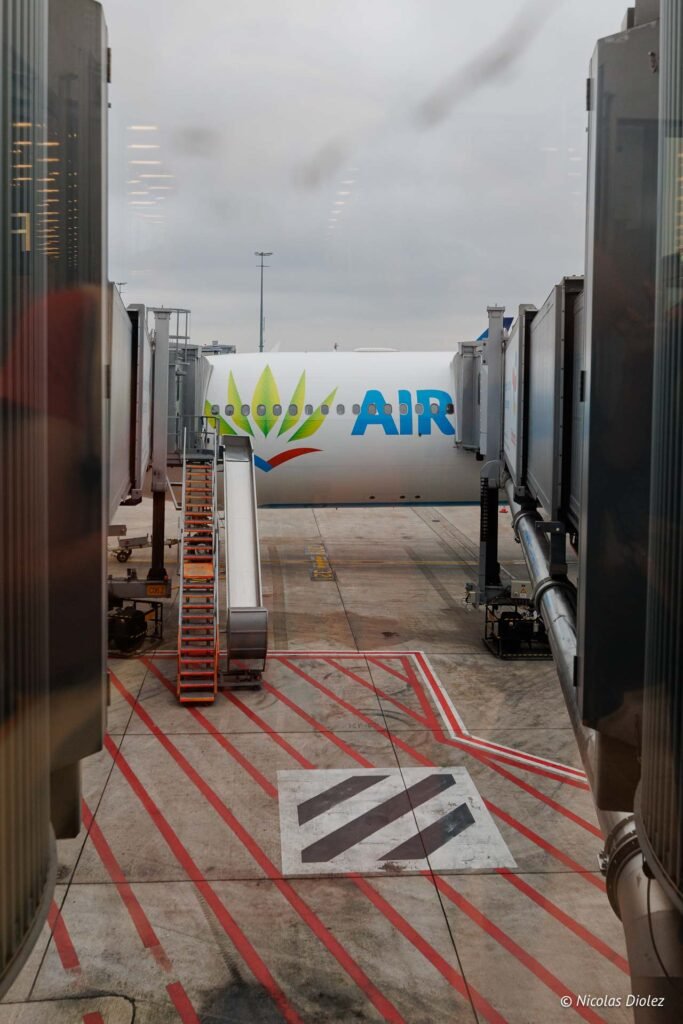
Air Caraïbes
Fares: from €739 for a round trip from Paris-Orly in Soleil economy class
Book your flight → For a more transparent world…If you book by clicking this link, a small commission is paid to us by the site. This doesn't affect the price you pay at all, but it helps support the blog. Up to you 🙂
_
My practical tips for the flight and the airport
Here is some useful feedback to help you travel in the best conditions:
- Airport timing: Plan to arrive between 2.5 and 3 hours before the flight. Checking in luggage, going through security, and especially immigration control take time (since landing takes place at Princess Juliana, on the Dutch side, you must go through customs formalities upon arrival and departure).
- Biometric passport: A valid passport is mandatory to travel to Saint-Martin if you arrive at Princess Juliana International Airport (if you arrive at Grand Case Espérance airport, on the French side, a valid identity card is sufficient). If you have a biometric passport, crossing borders is significantly smoother thanks to automatic gates, which will save you some time.
- Tip for water on the plane: You can bring an empty water bottle or flask through security (which is completely allowed), then fill it at the water fountains in the boarding area to have fresh water throughout the flight. This is what I do on every plane trip, so I always have water within reach.
- Cabin comfort: In addition to the kit provided on board, an ergonomic travel neck pillow is very valuable for sleeping peacefully in economy class; I always bring mine on plane trips when the journey is long. I also always bring my compression stockings (because I have circulation problems in my legs) and my special airplane earplugs.
Practical information to know for your trip to Saint-Martin
Here is the essential information to know before you leave:
- Climate and weather: A pleasant tropical climate with temperatures oscillating between 27° and 34°C all year round, and pleasant bathing water between 26° and 30°C.
- Time difference: Expect 5 hours less in winter and 6 hours in summer (UTC-4) compared to mainland France.
- Sunshine: In winter, the sun sets early and night falls quickly around 6 PM.
- When to go to Saint-Martin?: The high season (from December to April) is the ideal time to enjoy the sun with a dry climate and mild temperatures (around 26-28°C). The island is very lively, but the tourist influx drives up the prices of accommodation and flights / The low season (from May to November): The climate becomes hotter and more humid, with a risk of sustained showers and the hurricane season concentrated between August and October. In return, the rates become much more attractive.
- Currencies: The euro (€) and the US dollar (USD) are accepted everywhere, although it is practical to keep a little cash in dollars for small expenses on the southern side.
- Languages: French and Dutch are the two official languages, but English and French are commonly spoken in daily life, alongside Creole.
- Two airports: Princess Juliana International Airport (SXM) in the south for transatlantic connections and Grand-Case Espérance Airport (SFG) in the north for inter-island flights.
- Running water: The potable tap water mainly comes from seawater desalination plants (especially on the Dutch side).
- Telephony: Beware of mobile phone charges and out-of-plan costs as soon as you cross into the Dutch side (Sint Maarten). Unlike the French side, the southern part is not part of the European Union or the French overseas departments for mainland mobile plans. To avoid unpleasant billing surprises for internet (and it happens very quickly!), remember to deactivate your cellular data abroad or switch to airplane mode as soon as you are in the Dutch zone or as soon as you approach it.
- What to pack in your suitcase: Plan for reinforced sun protection (sunscreen respectful of the seabed, sunglasses, and a hat), a mosquito repellent product, which is essential as soon as the sun sets (otherwise you will become an easy target if mosquitoes like you as much as they do me), as well as your swimsuits and light summer clothes.
_
Getting around the island of Saint-Martin
To visit Saint-Martin with complete freedom, renting a car is almost essential. Taxi rides prove expensive in the long run, and the local minibus network, which looks nice even if we didn’t test it, lacks landmarks for vacationers (no precise schedules or fixed stops: you just have to signal the driver on the side of the road).
What to see and do in Saint-Martin?
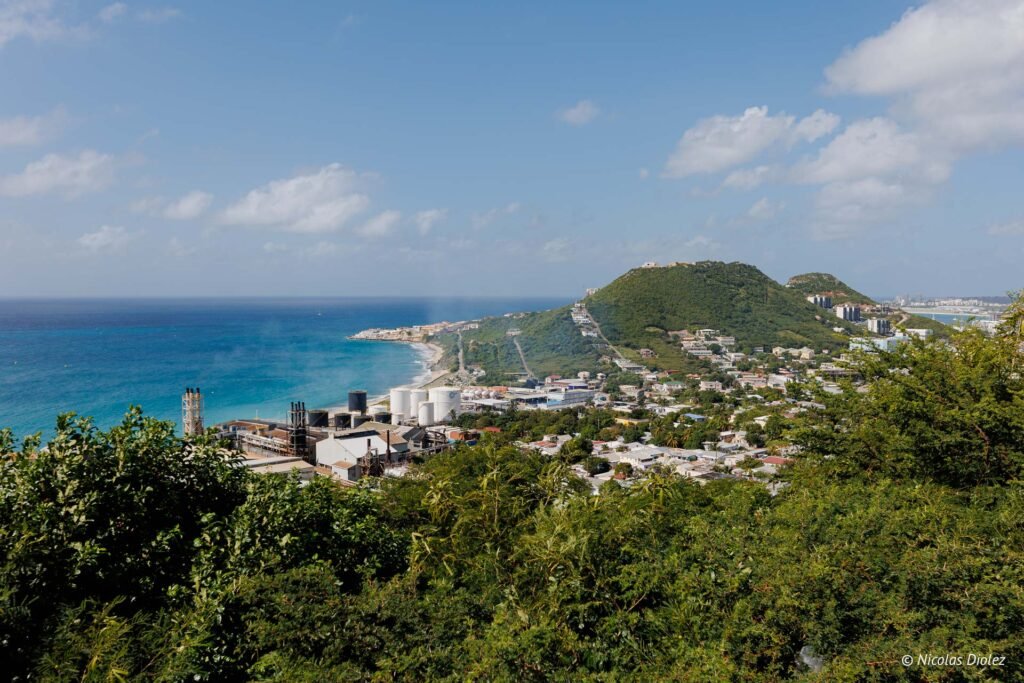
Saint-Martin has an interesting history and a unique geographical configuration in the world: it is the smallest inhabited island shared between two nations. Spotted by Christopher Columbus on November 11, 1493 (the day of the feast of Saint Martin, hence its name) without him landing there, the island was originally called “Soualiga” (“the land of salt”) by the Amerindian populations. In the 16th century, privateers and buccaneers were already coveting its rich salt lagoons.
It was on March 23, 1648, that the French and Dutch agreed on the Treaty of Concordia to delineate their territories: the northern part for France (main town Marigot) and the southern part for the Netherlands (Sint Maarten, capital Philipsburg). Even today, no physical border or customs post separates the two zones. The island has also been forged through climatic trials, notably the passage of major hurricanes in 1995 (Luis) and 2017 (Irma).

_
What to see and do in the French part of the island?
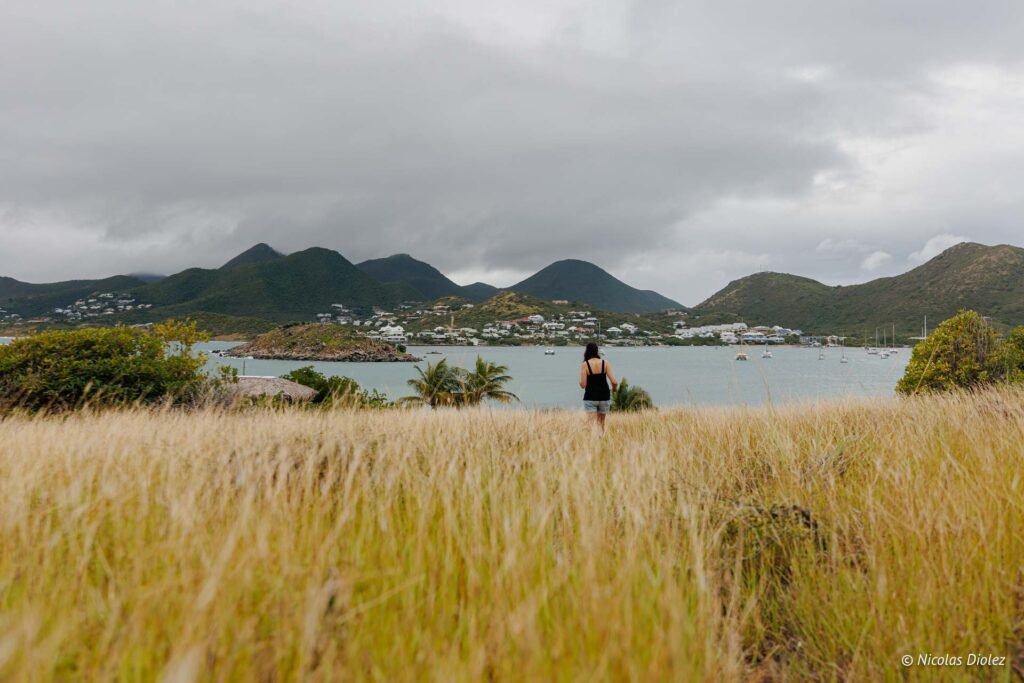
A little less urbanized and wilder than its Dutch neighbor that I’ll tell you about below (Sint Maarten), the French part of Saint-Martin is located in the northern half of the island. It covers about 53 km², occupying nearly 60% of this Franco-Dutch territory in the Lesser Antilles. Between hills, fishing villages with colorful Creole cottages, and coves with turquoise waters, this sector of the island is also the gastronomic heart of the Caribbean. Bordered to the west by the Caribbean Sea and to the east by the Atlantic Ocean, it is directly connected to the Dutch part in the south, without any physical border.
Also worth seeing: Les Terres Basses, located at the western end, this very preserved peninsula is home to sumptuous properties nestled in the tropics and splendid wild beaches.
Saint-Martin Tourist Office
_
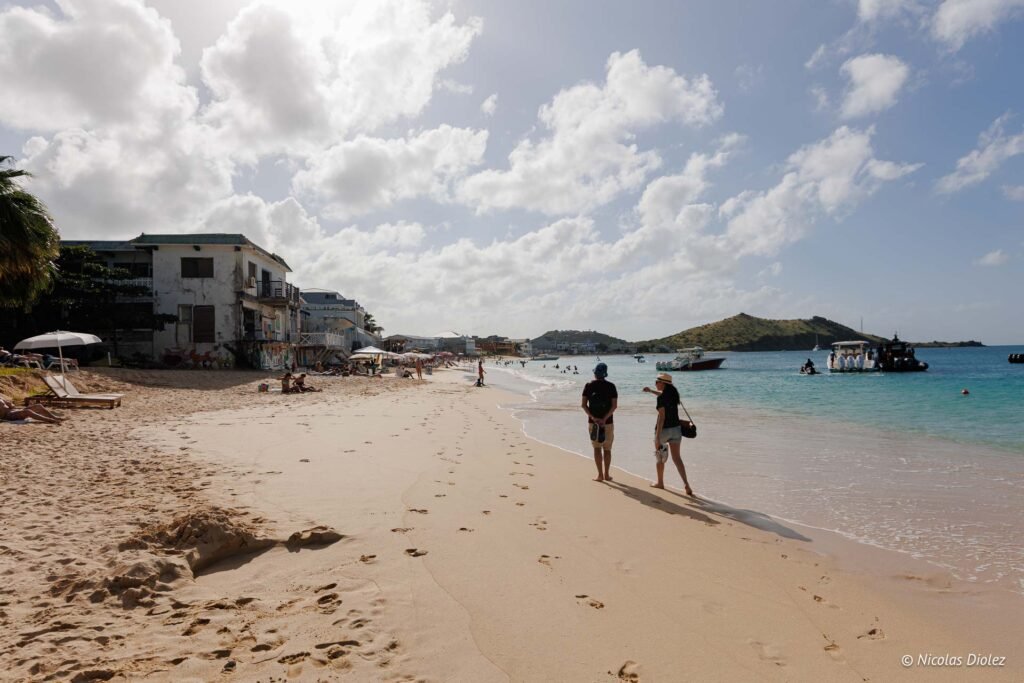
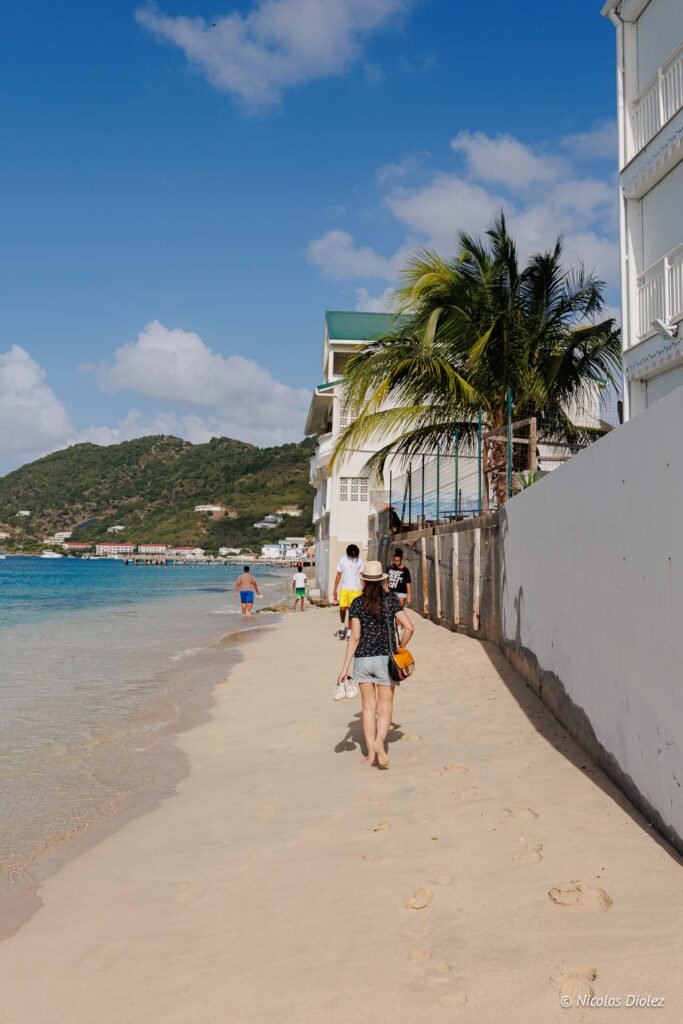
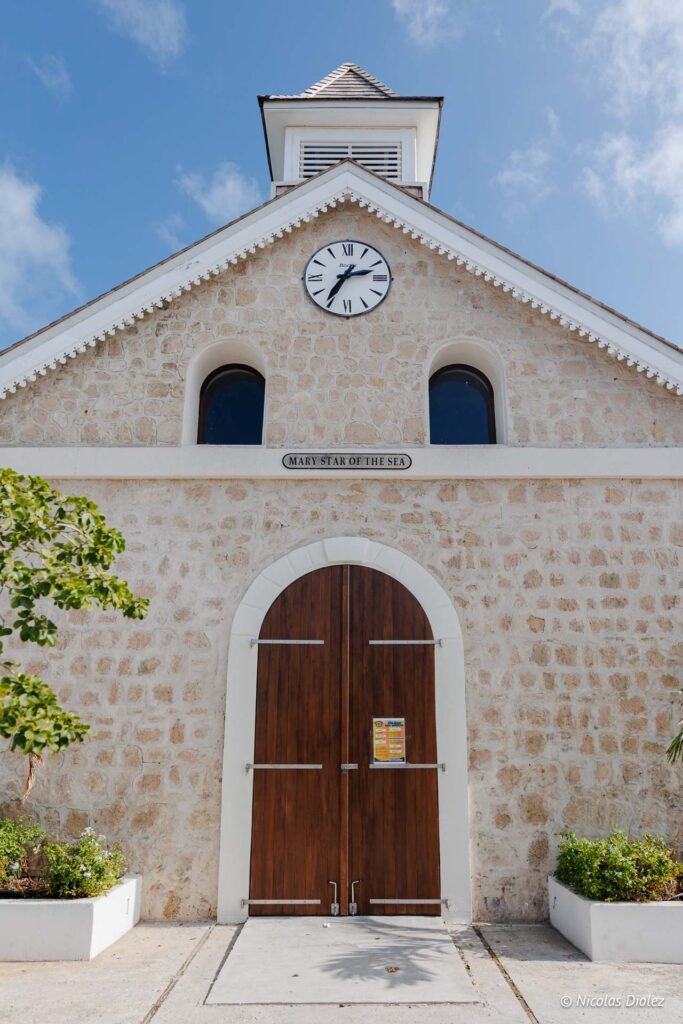
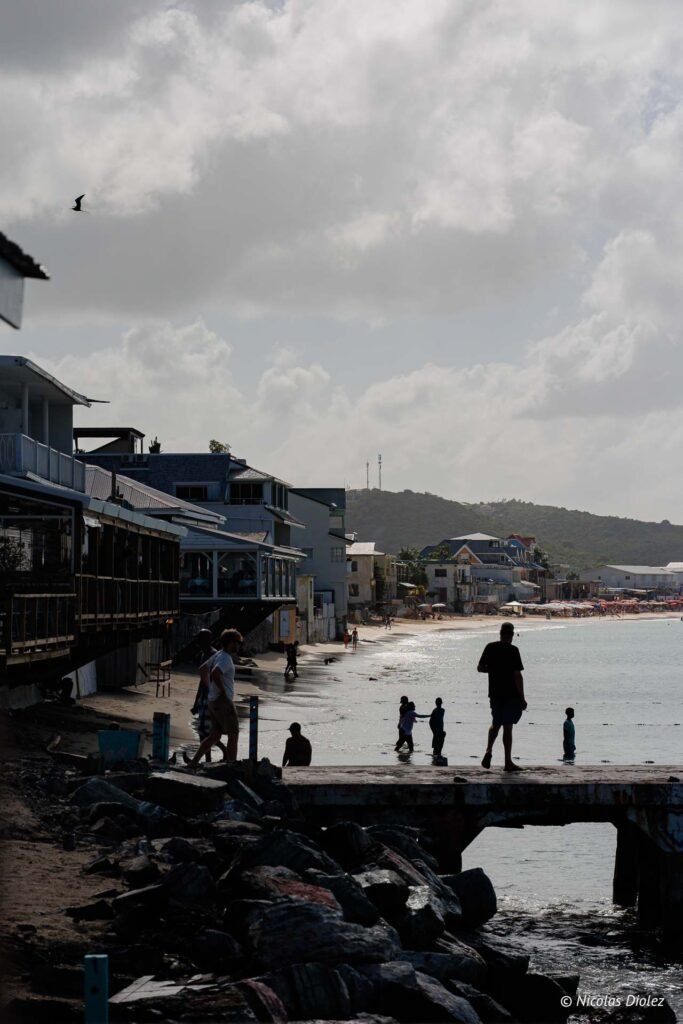
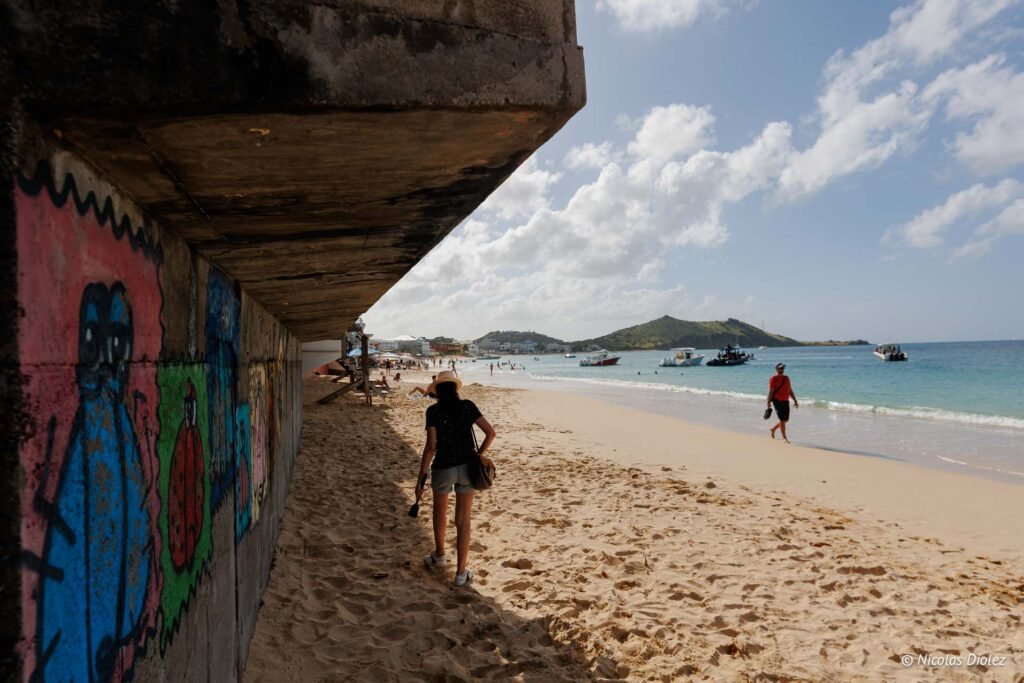
A stroll in Grand Case
Grand Case is a bit like the gourmet and authentic heart of Saint-Martin. This fishing village has managed to preserve its charm with its traditional wooden houses and colorful facades. When evening comes, the boulevard comes alive with a double culinary experience (which I’ll tell you about below in the “good addresses” section): on one side, the “lolo,” popular beachside tables where you can enjoy Creole grilled dishes; on the other, gastronomic tables renowned throughout the region. With its long bay of fine sand bathed by calm waters, Grand Case embodies a certain Caribbean art of living. So don’t hesitate to go for a walk there by day or by night!
_
Go on a boat trip
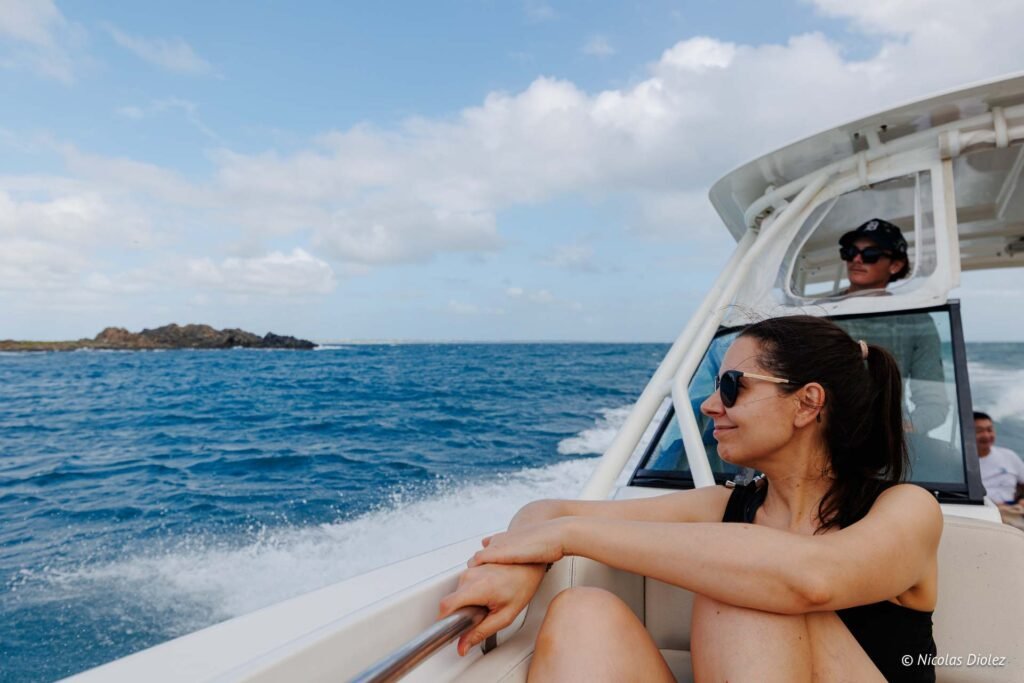
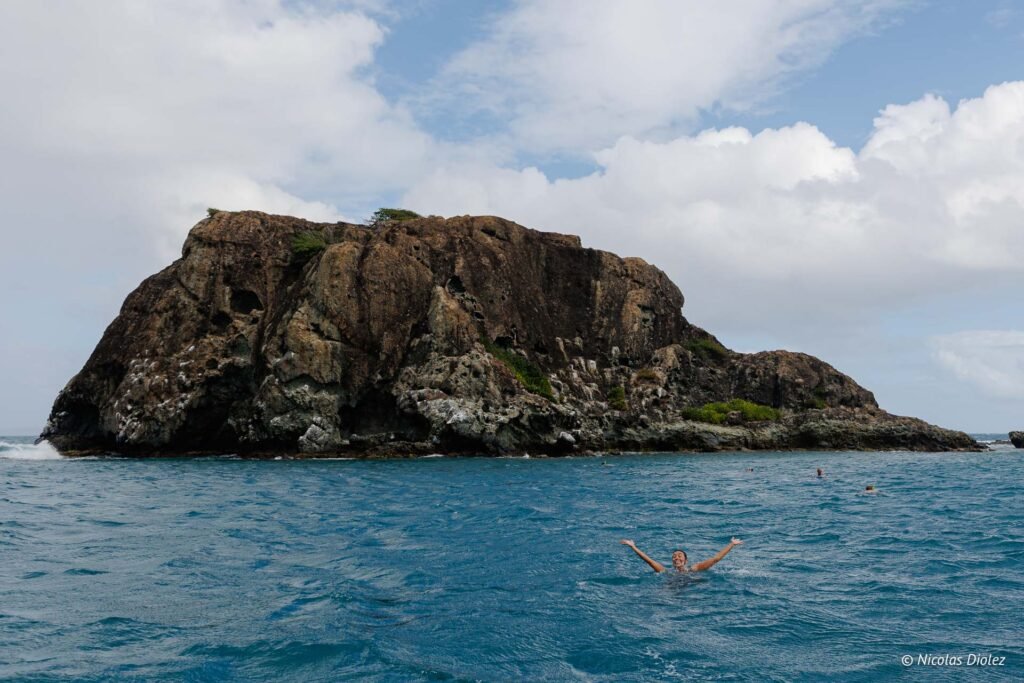
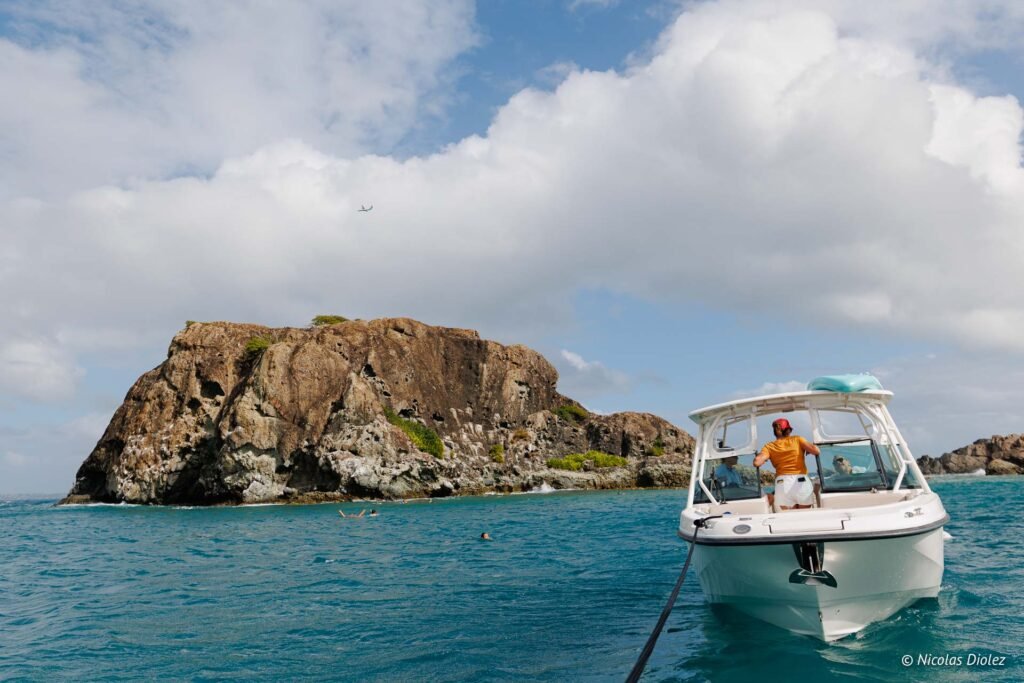
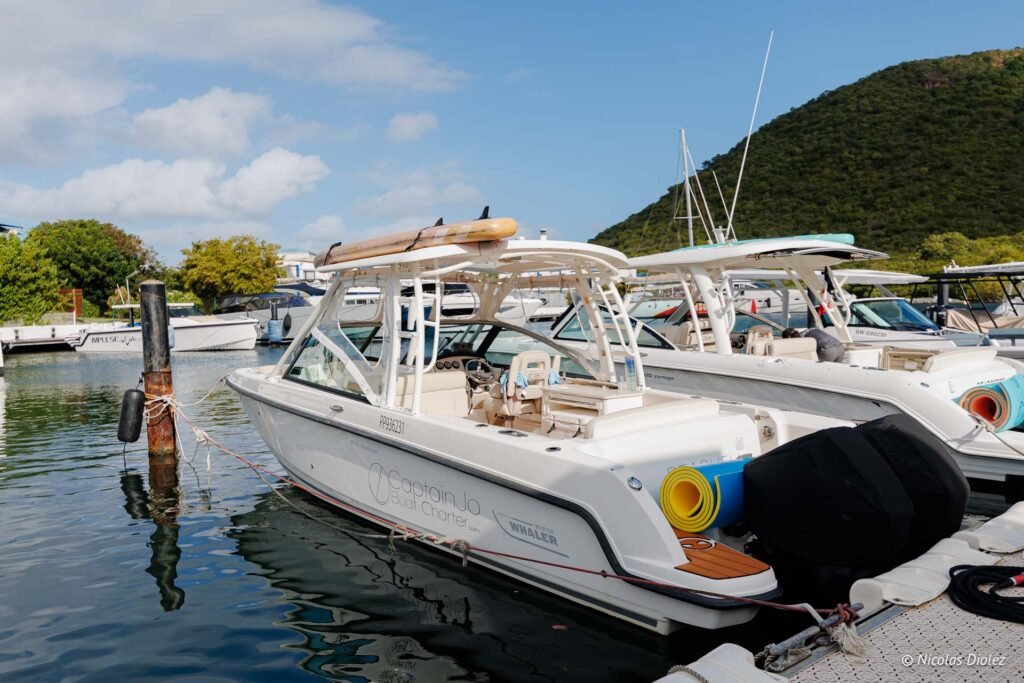
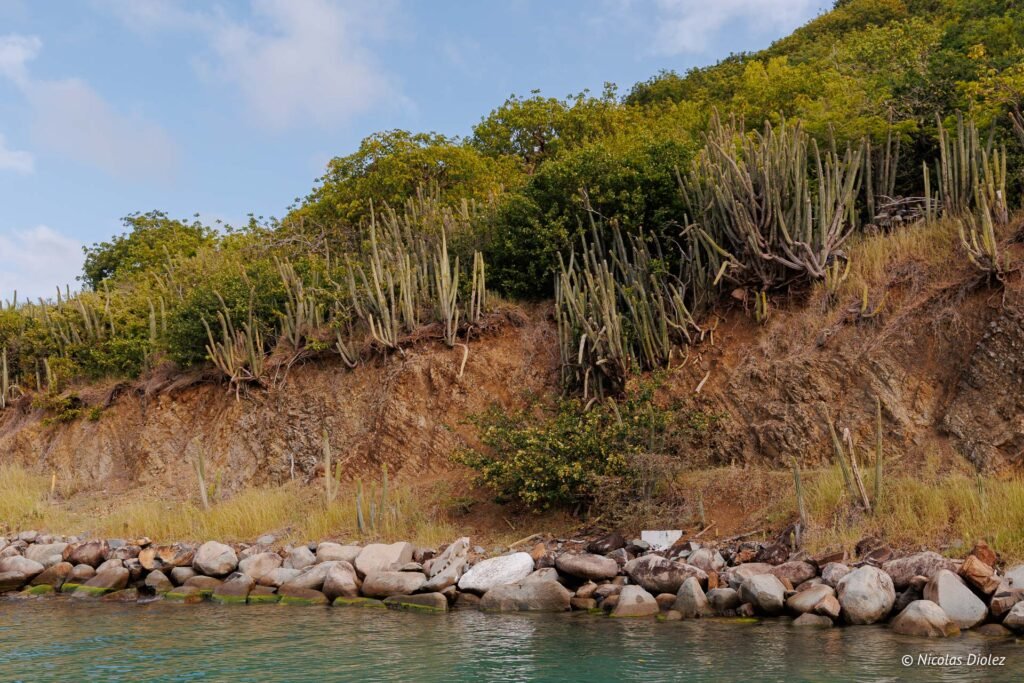
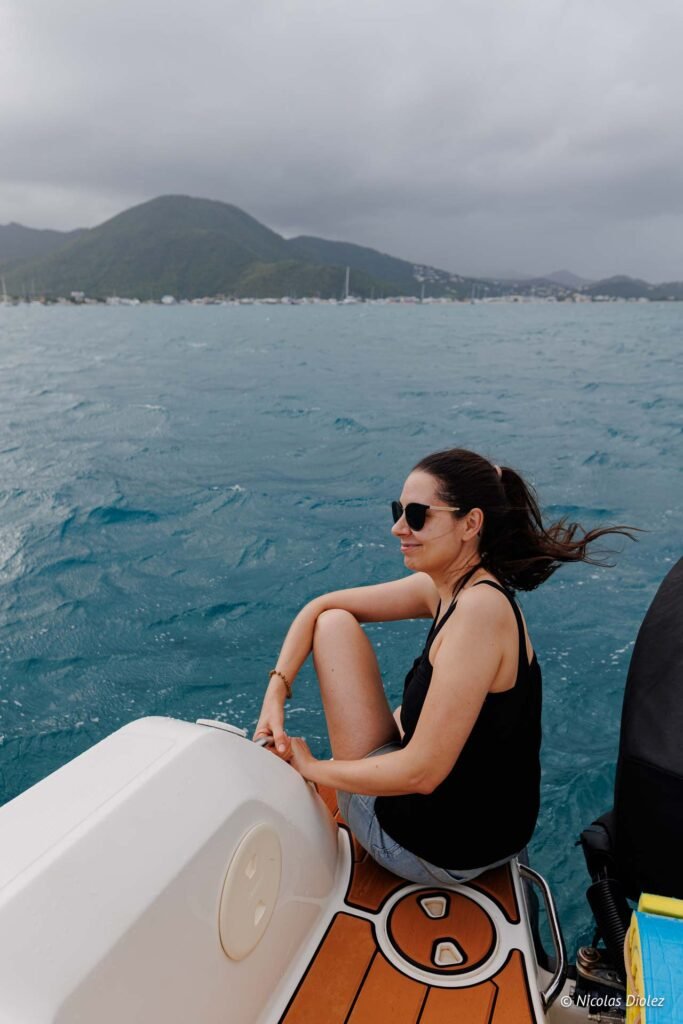
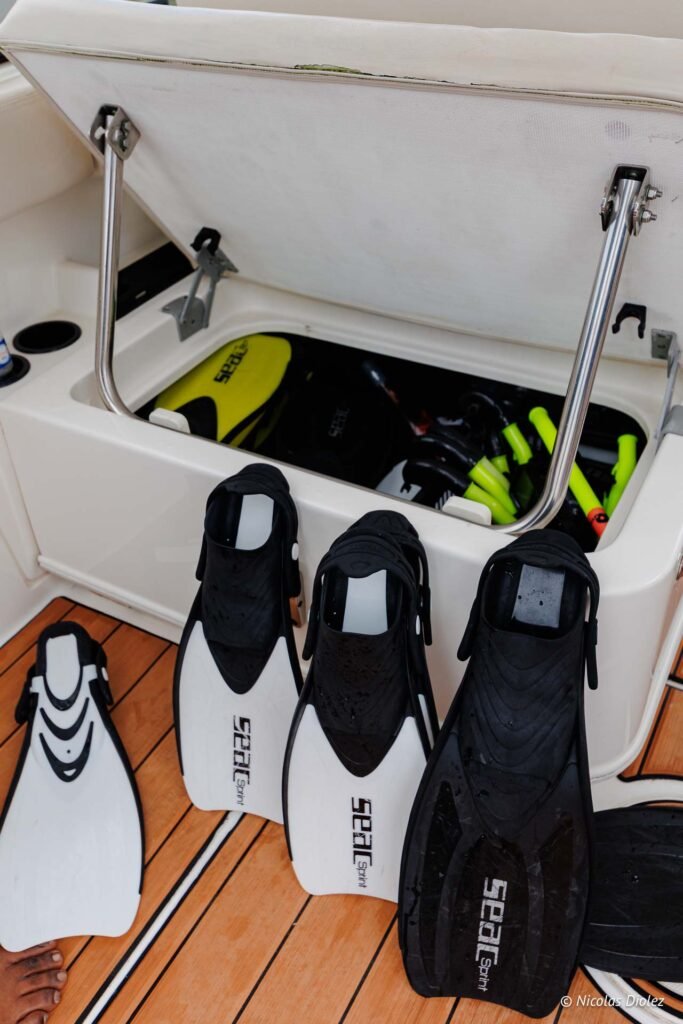
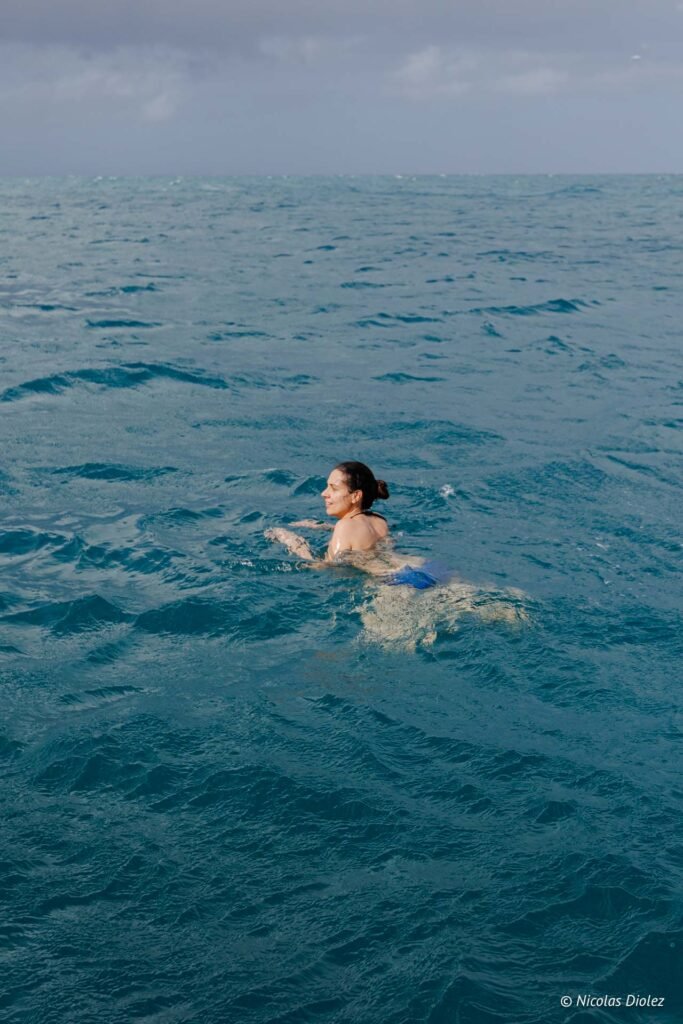
To explore the island’s marine life, we boarded a boat with BritSea Boat Charters from the charming marina of Anse Marcel heading towards Rocher Créole. Located in the heart of the Saint-Martin National Nature Reserve, this rocky islet with translucent and shallow waters is a renowned snorkeling spot: equipped with a mask and snorkel, you can easily observe preserved corals and a multitude of multicolored tropical fish. Our trip was unfortunately cut a bit short due to the weather, but I highly recommend you go and discover the island from the sea; it’s a very nice outing to do.
BritSea Boat Charters
Marina, Anse Marcel 97150, Saint-Martin
_
Take a getaway to Pinel Island
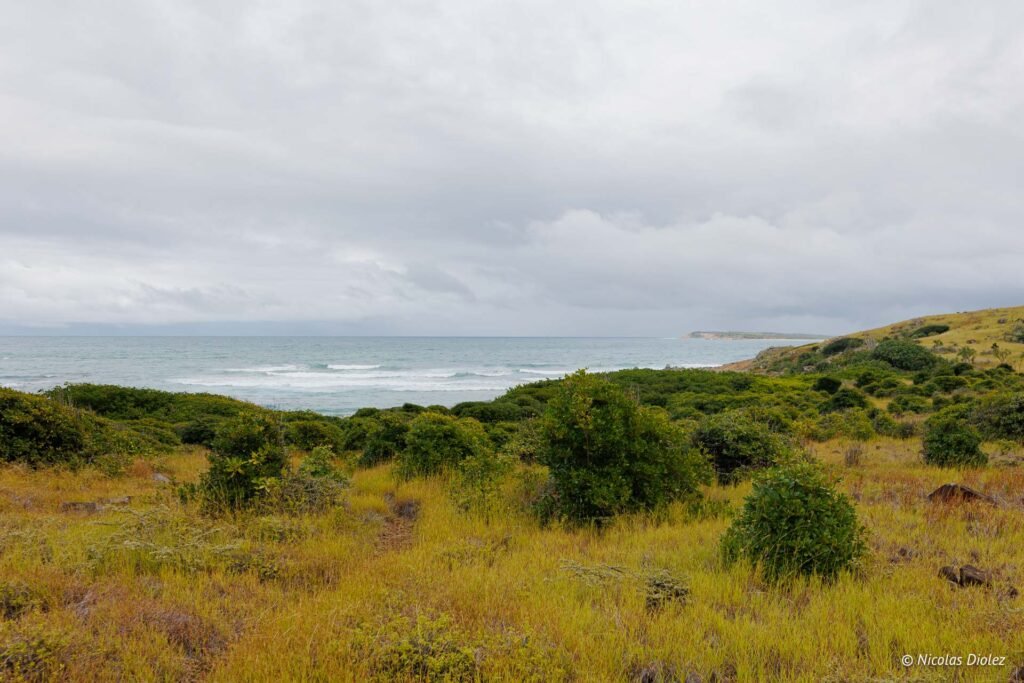
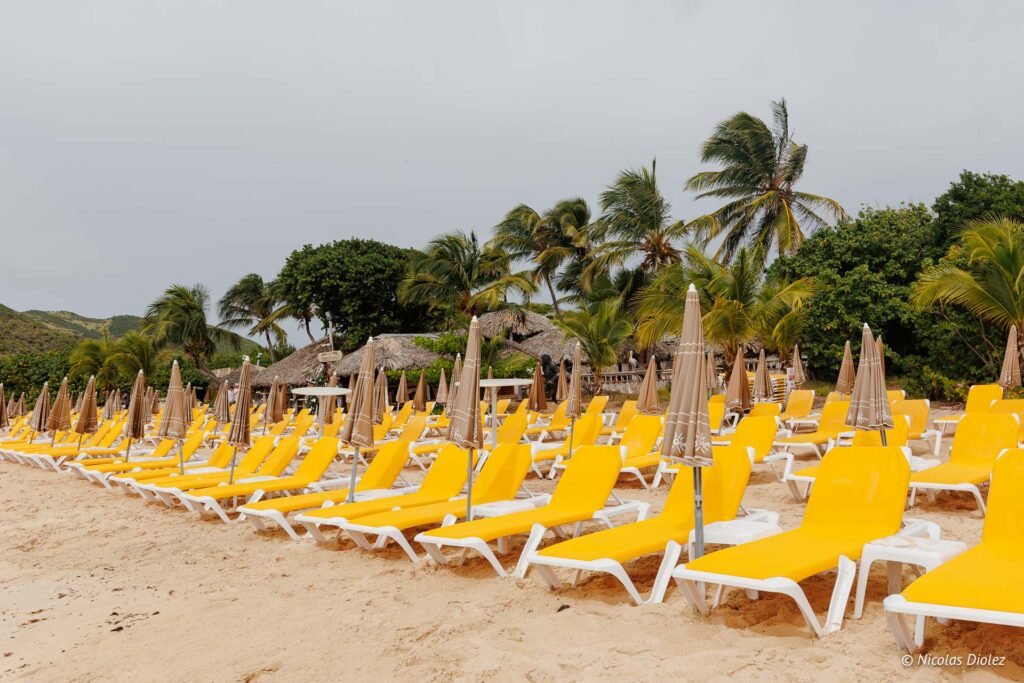
A true preserved haven of the Nature Reserve and placed under the protection of the Conservatoire du littoral, Pinel Island is a must-do stop during a stay in Saint-Martin. It can be reached in just a ten-minute sea crossing from the Cul-de-Sac pier aboard a small traditional shuttle (the “Mercedes boat”). Entirely pedestrian, this small island offers a lovely white sand beach bathed in turquoise and calm water, as well as small paths for observing local vegetation and iguanas.
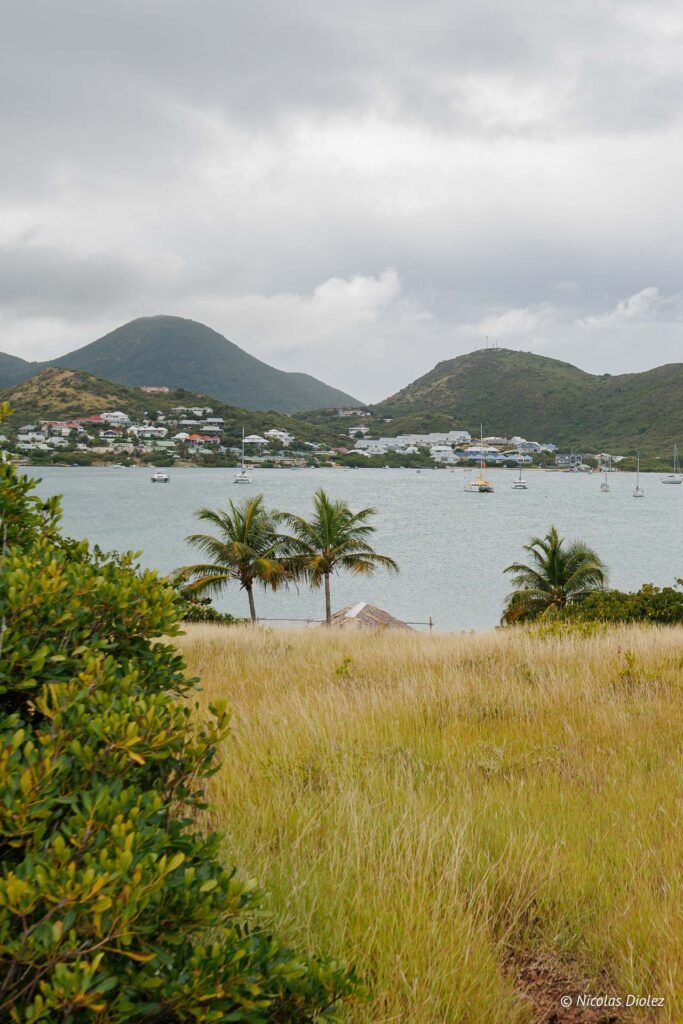
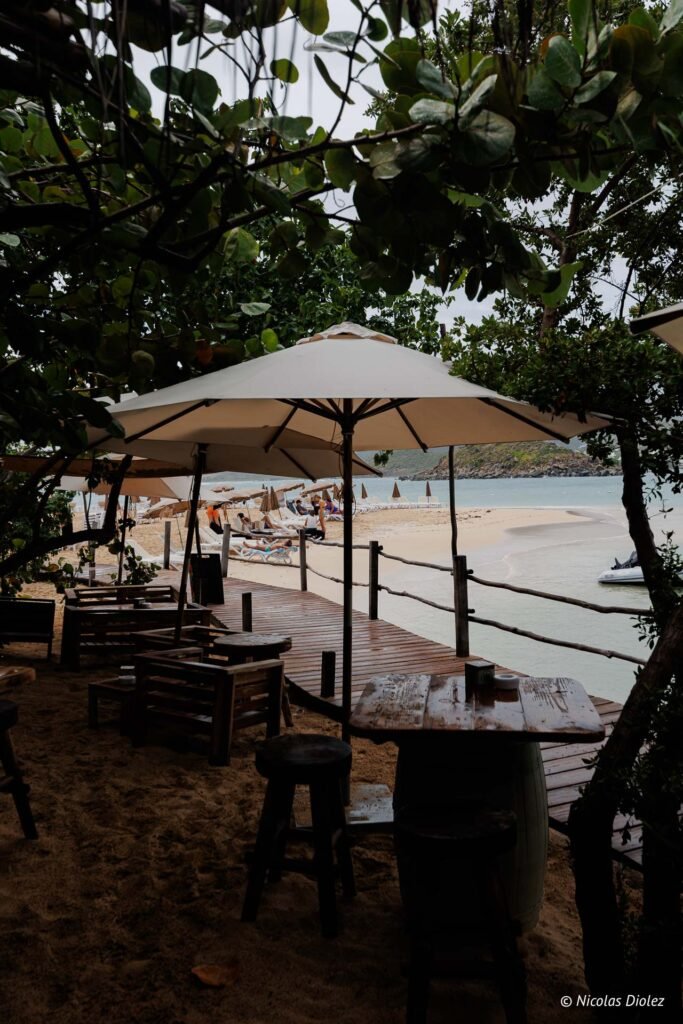
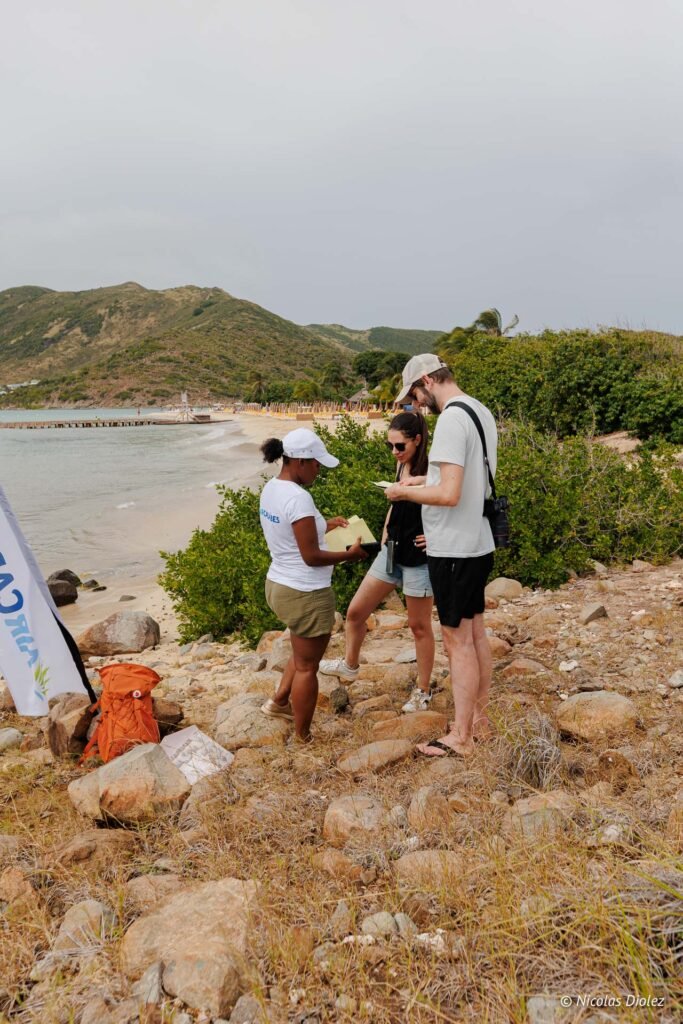
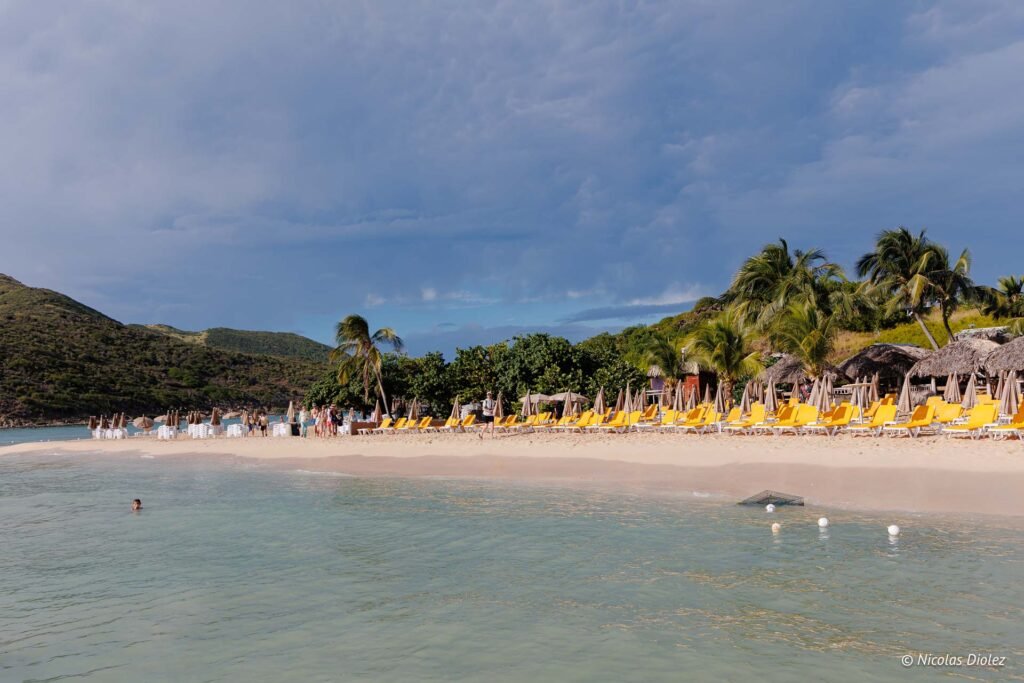
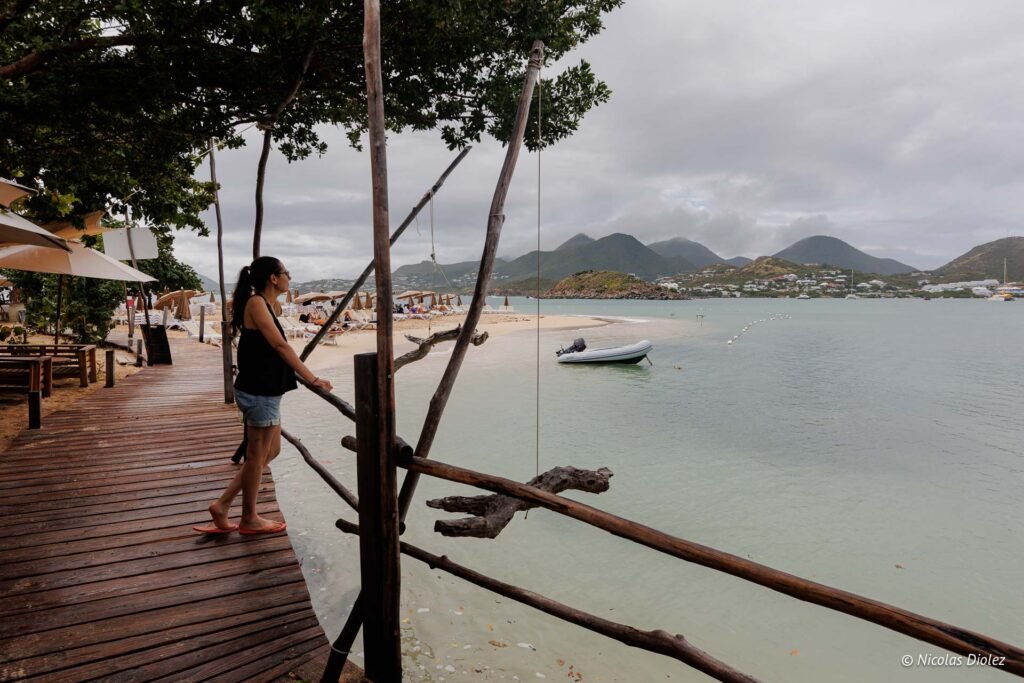
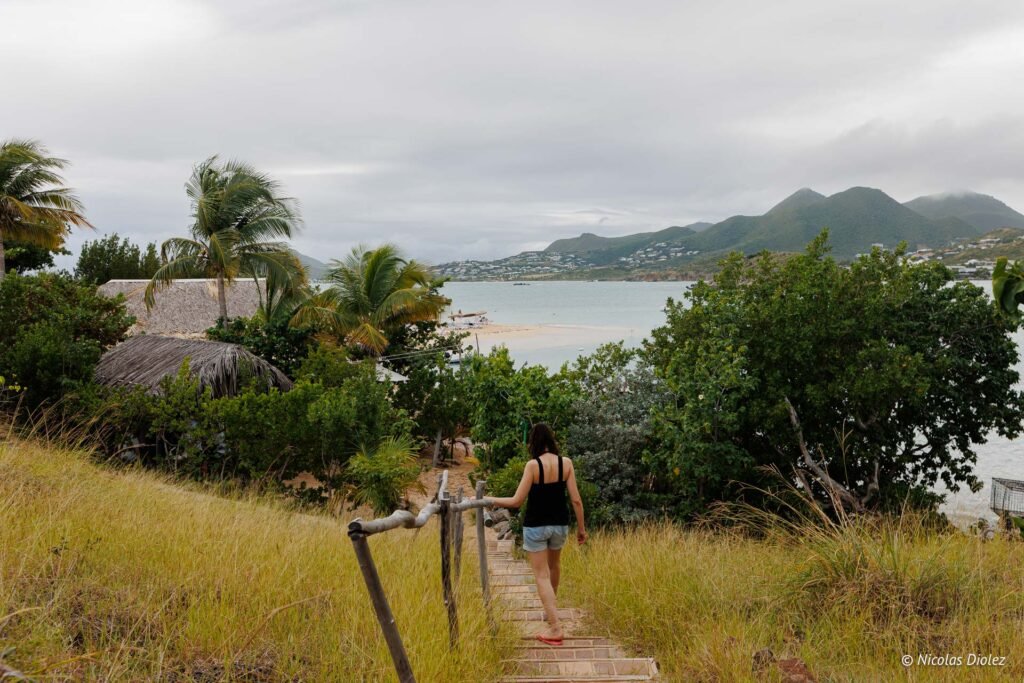
Maritime shuttle to Pinel Island
Cul-de-Sac pier, 97150 Saint-Martin
Rates: 10 € / 12 $ round trip per person (regular departures every 30 minutes)
_
Relaxing on Baie Rouge beach
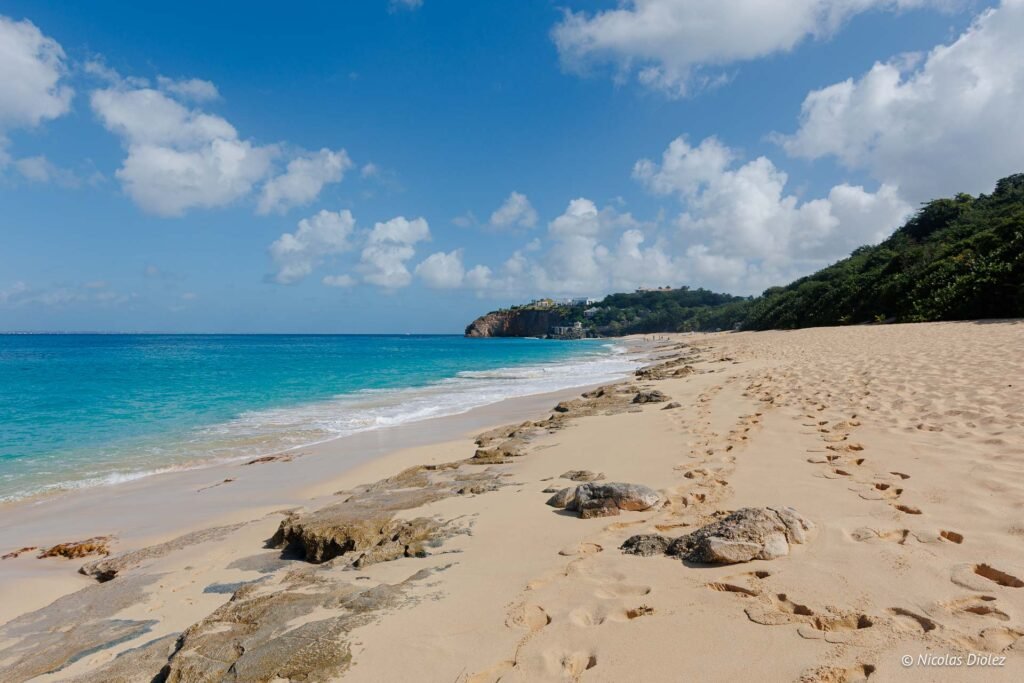
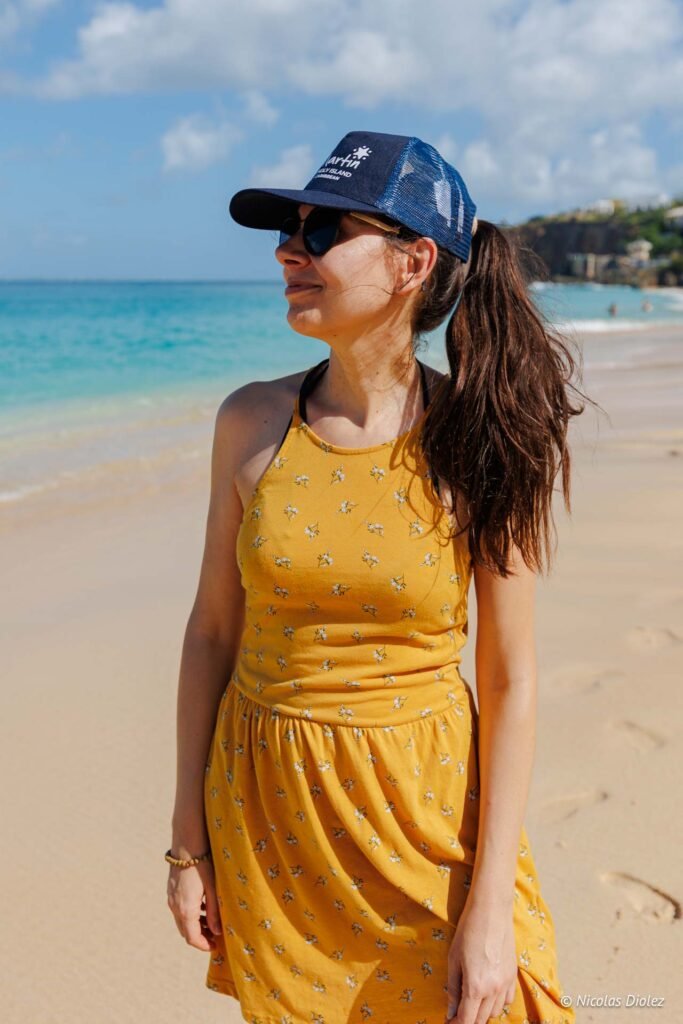
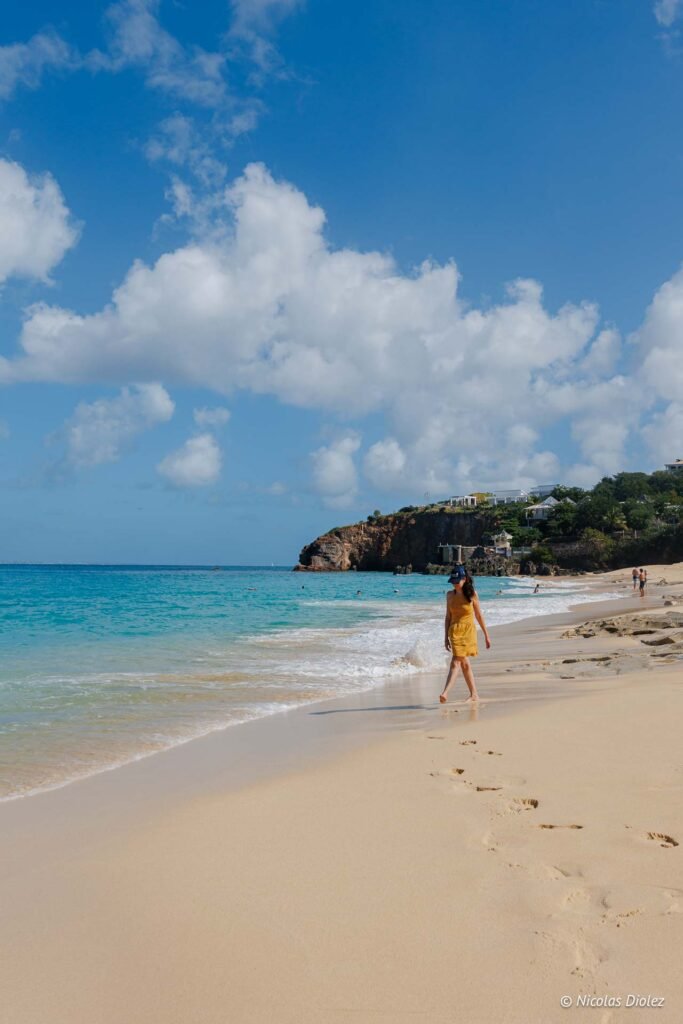
Located in the Terres Basses sector, just a few minutes from the hotel where we were staying (which I’ll tell you about below in the “good addresses” section), Baie Rouge beach is a very beautiful natural cove that takes its name from the slightly pinkish and reddish hue of its sand. Surrounded by limestone cliffs and bordered by crystal-clear water, it’s a perfect place to enjoy a morning of relaxation, swim in complete tranquility, and admire the island’s coastline.
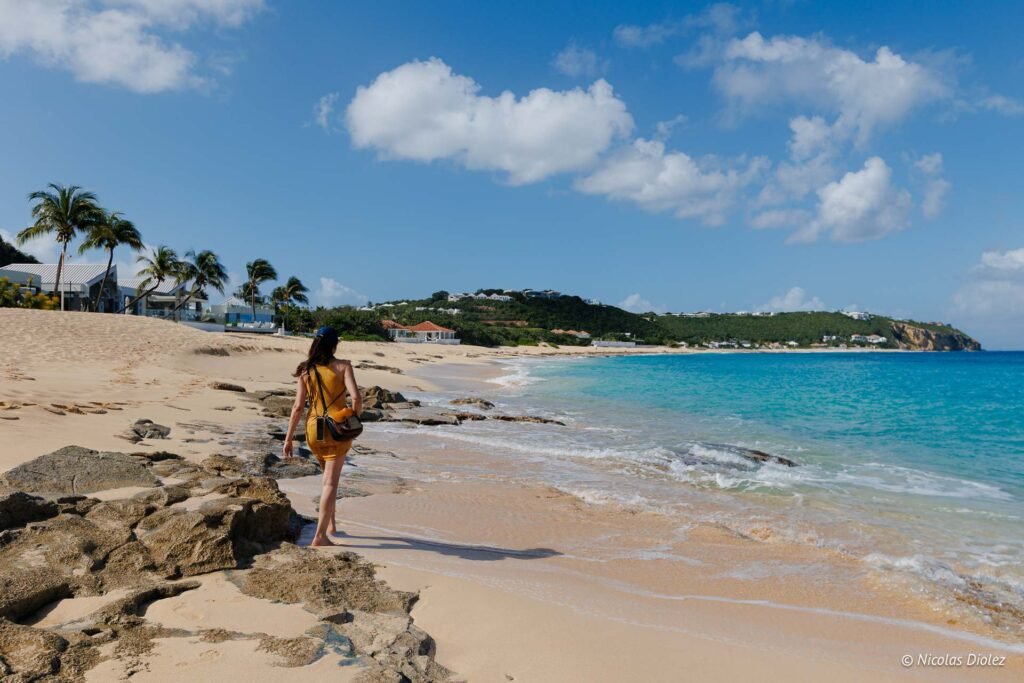
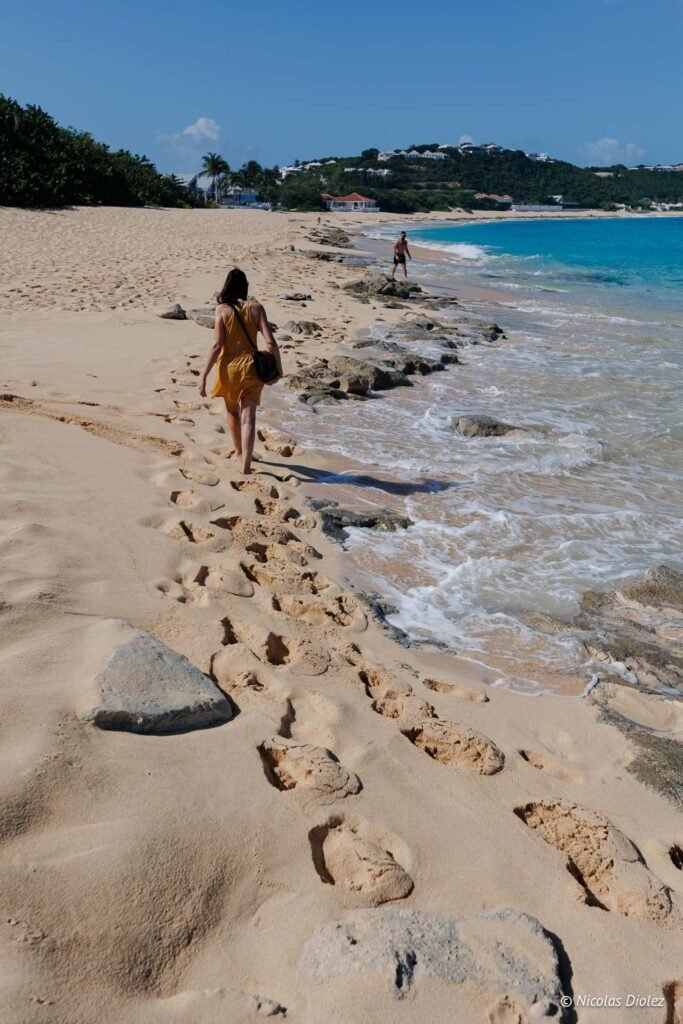
_
What to see and do in the Dutch part of the island?
The Dutch part (“The Dutch Side“), Sint Maarten, is located in the southern part of the island and displays a particularly dynamic atmosphere with its 14 casinos, large hotel complexes, and very busy cruise port. Its capital, Philipsburg, stretches between Great Bay and the large salt pond (Great Salt Pond), recalling the era when salt harvesting was the heart of the island’s economy.
Sint Maarten Tourist Office
_
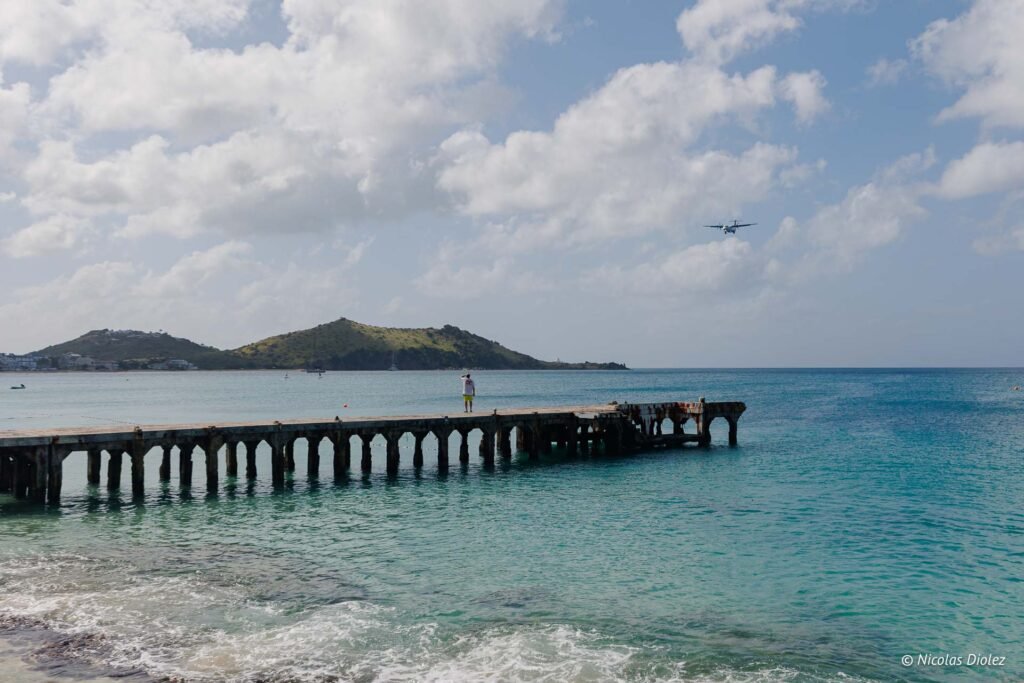
Watch the landings at Maho Beach
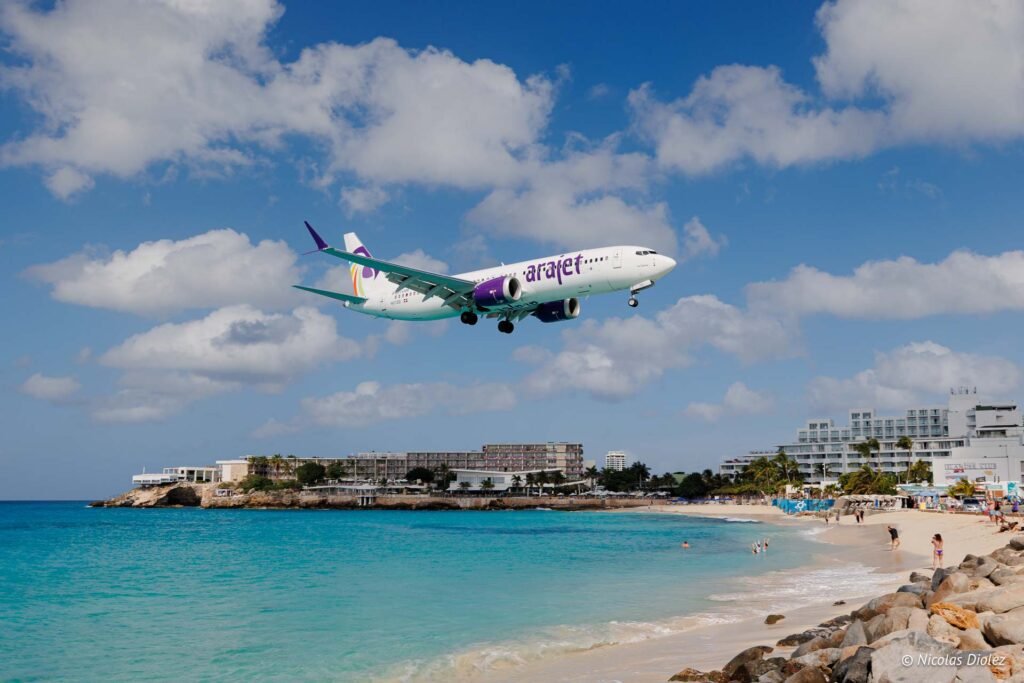
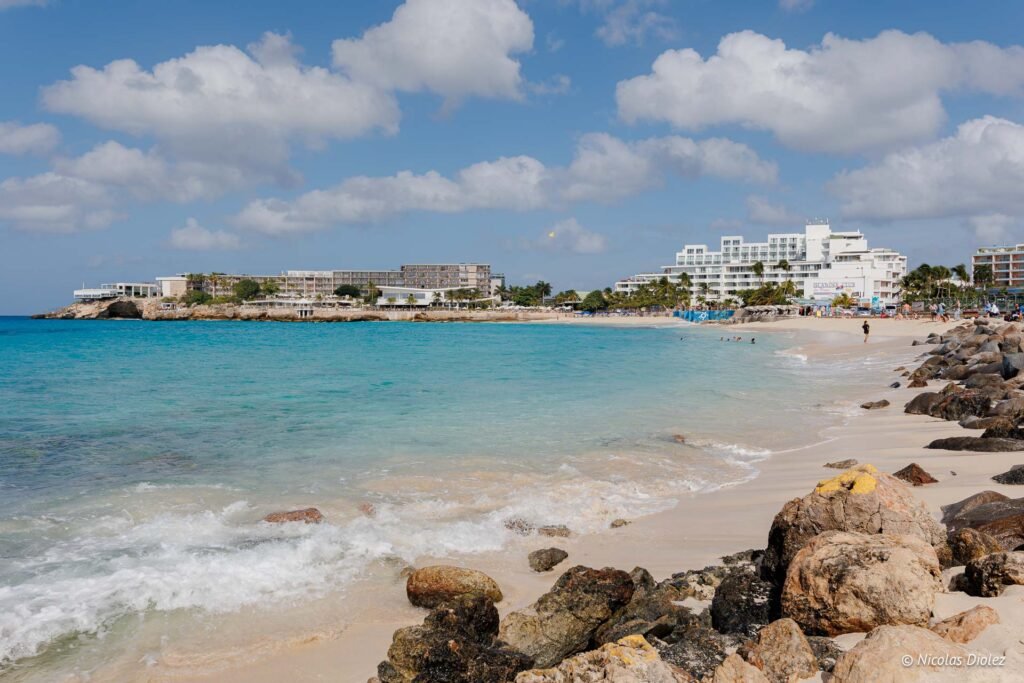
It is one of the most unusual and world-famous beaches in the Caribbean. Located in the Dutch part, immediately in the axis of the Princess Juliana airport runway, Maho Beach offers the striking spectacle of airliners skimming over vacationers at low altitude a few seconds before touching the ground. It’s a spot where tourists love to come and take photos, of course (we didn’t escape this custom either, as you can see below)!
The good tip: to see the largest international carriers land, sit on the beach or on a terrace between 12 p.m. and 3 p.m.
_
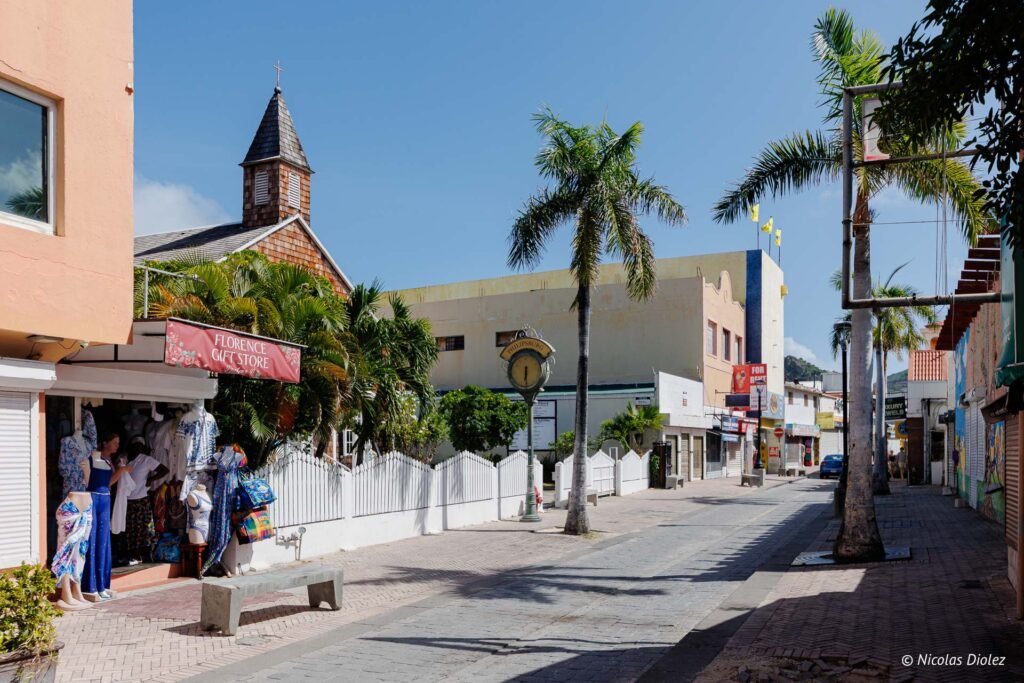
Discover Philipsburg
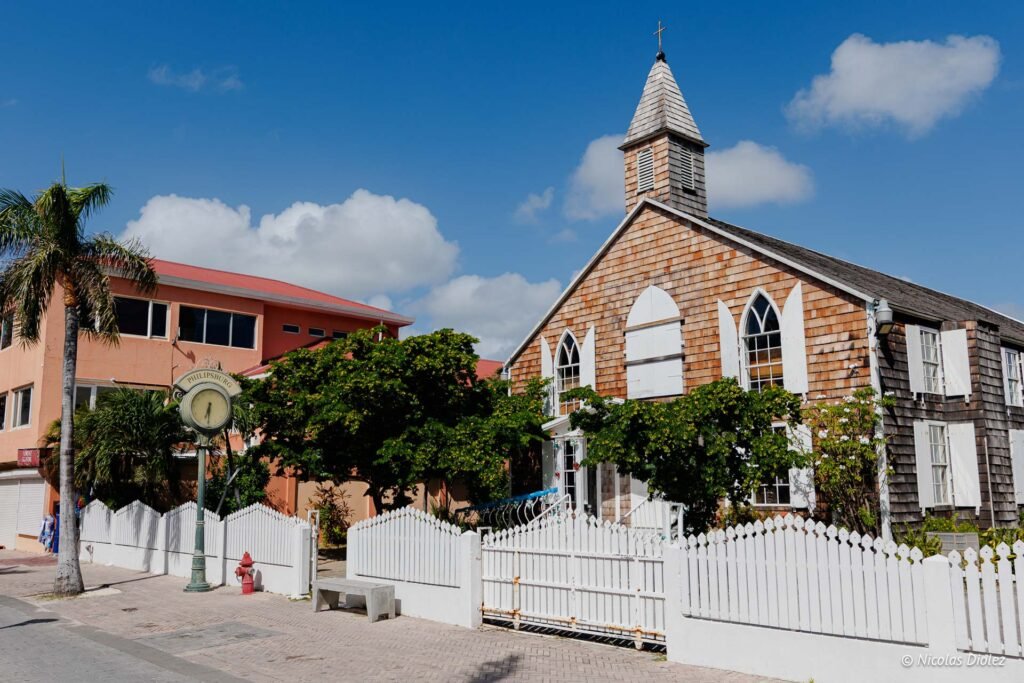
The city, capital of the Dutch part of the island, is renowned for its duty-free jewelry and luxury watch shops, particularly along Front Street and in the charming flowery alley of Old Street (which I admit was not the most interesting attraction of the city for us). During your walk, also don’t miss two iconic buildings:
- The Courthouse: the Courthouse, built in 1793 on Front Street with its white wooden structure and bell tower topped with a pineapple, is the most famous historical monument in the Dutch part.
- The Methodist Church: built of wood in the 19th century, it is a remarkable testament to traditional Caribbean religious architecture.
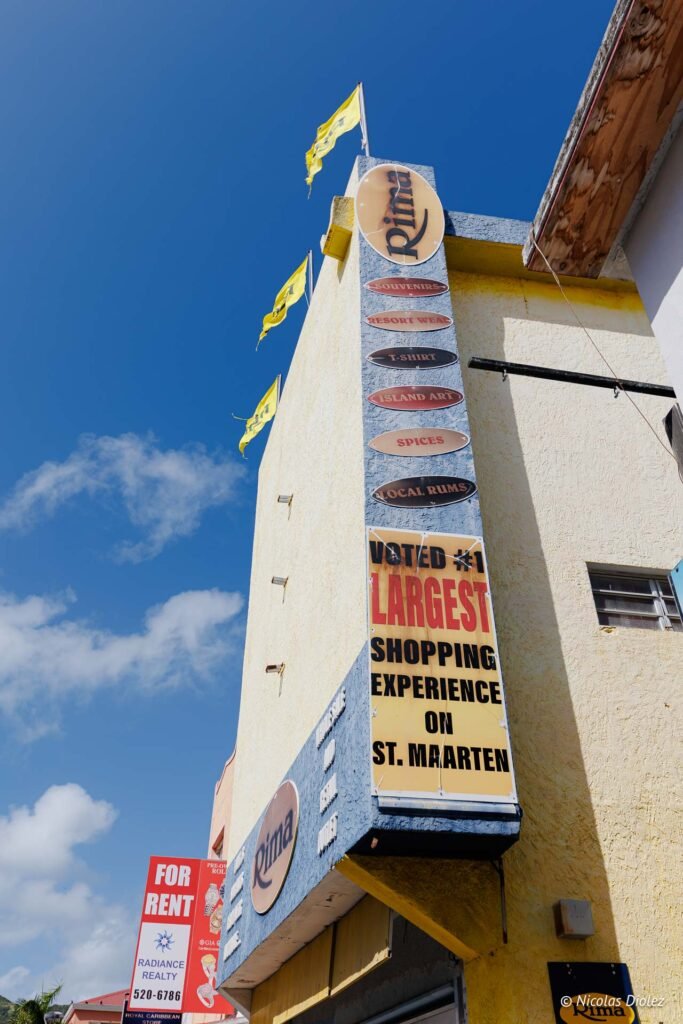
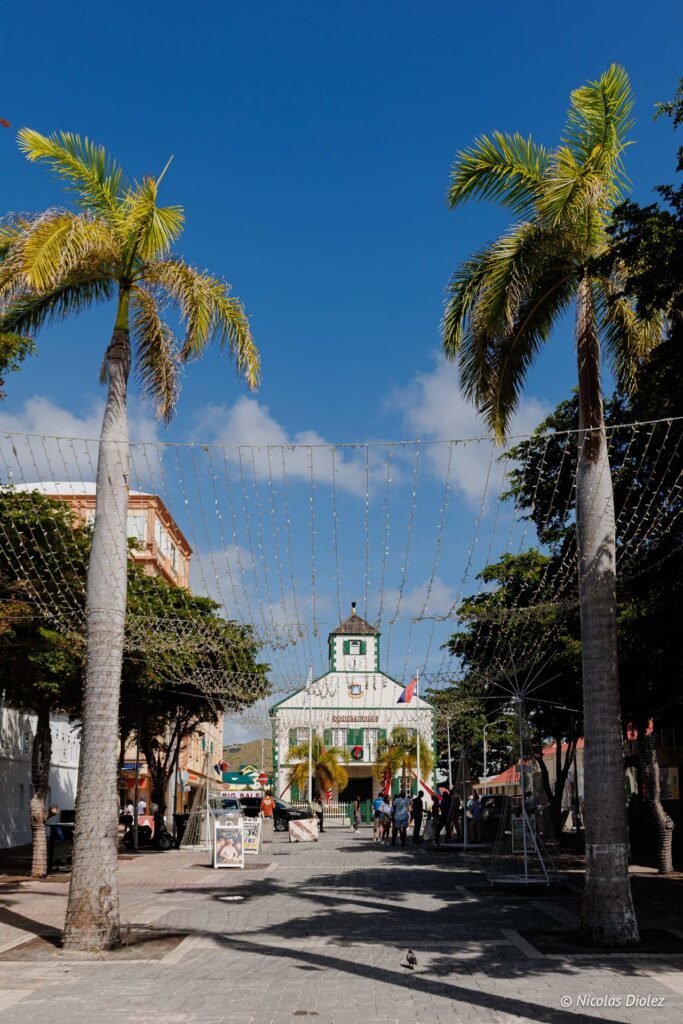
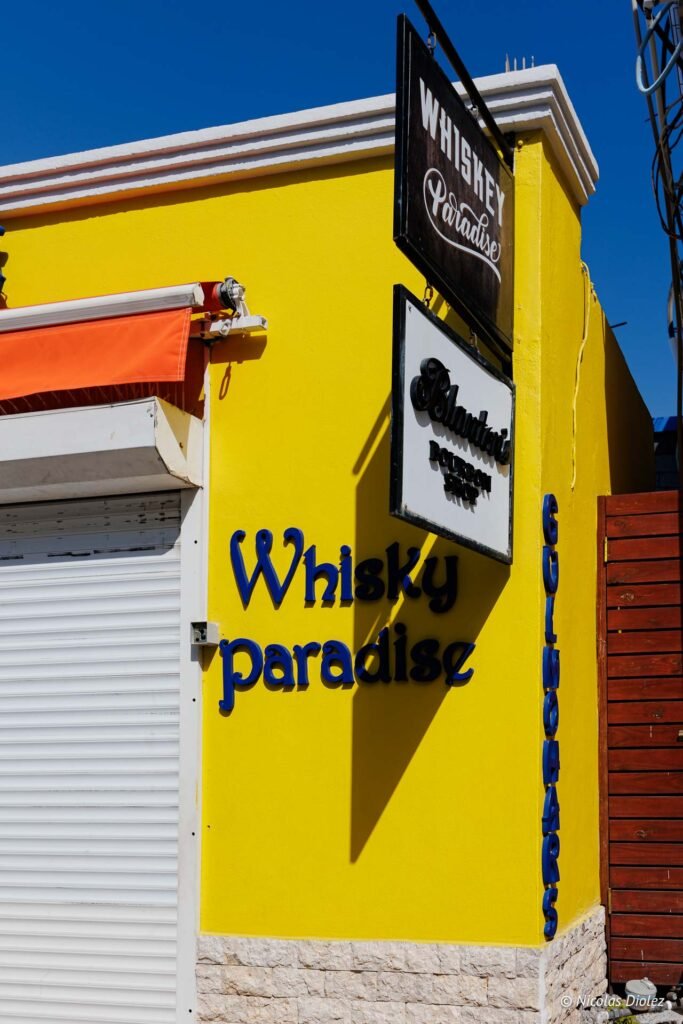
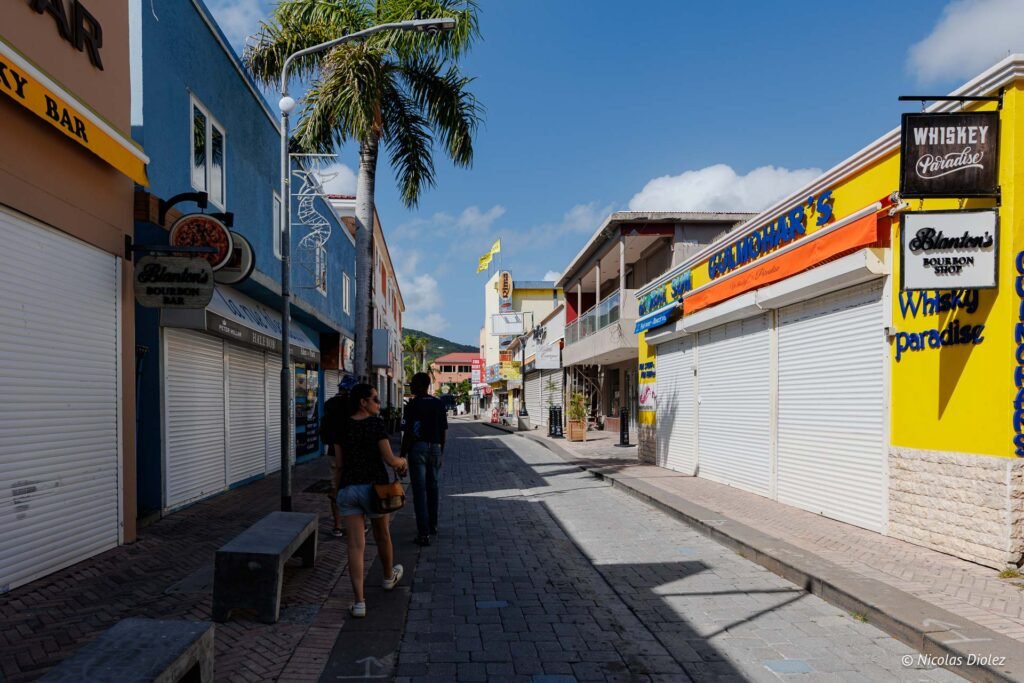

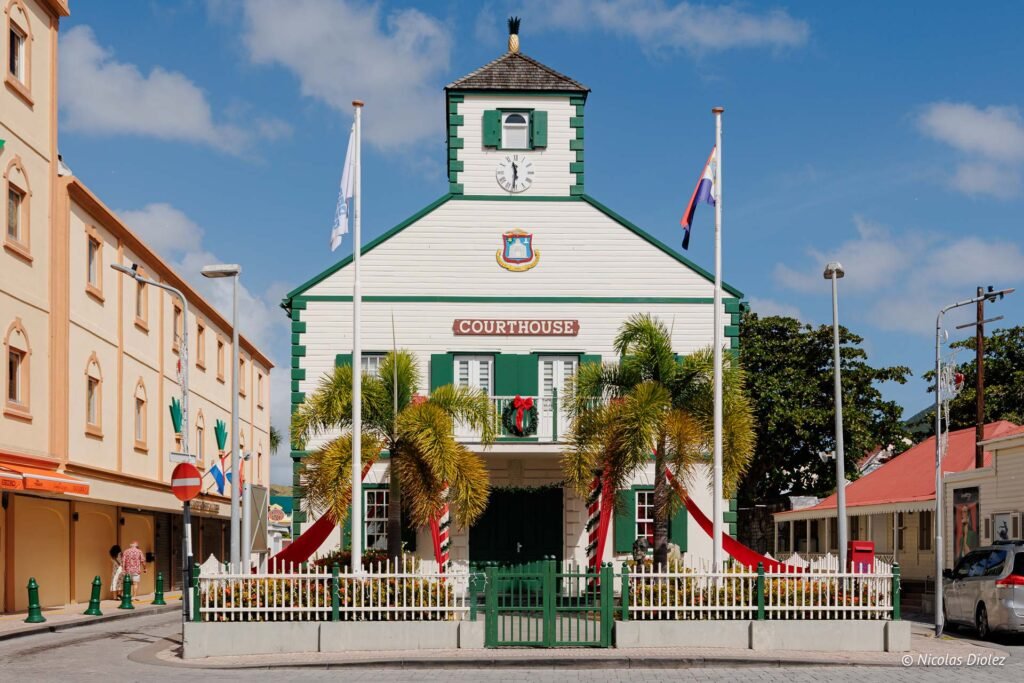
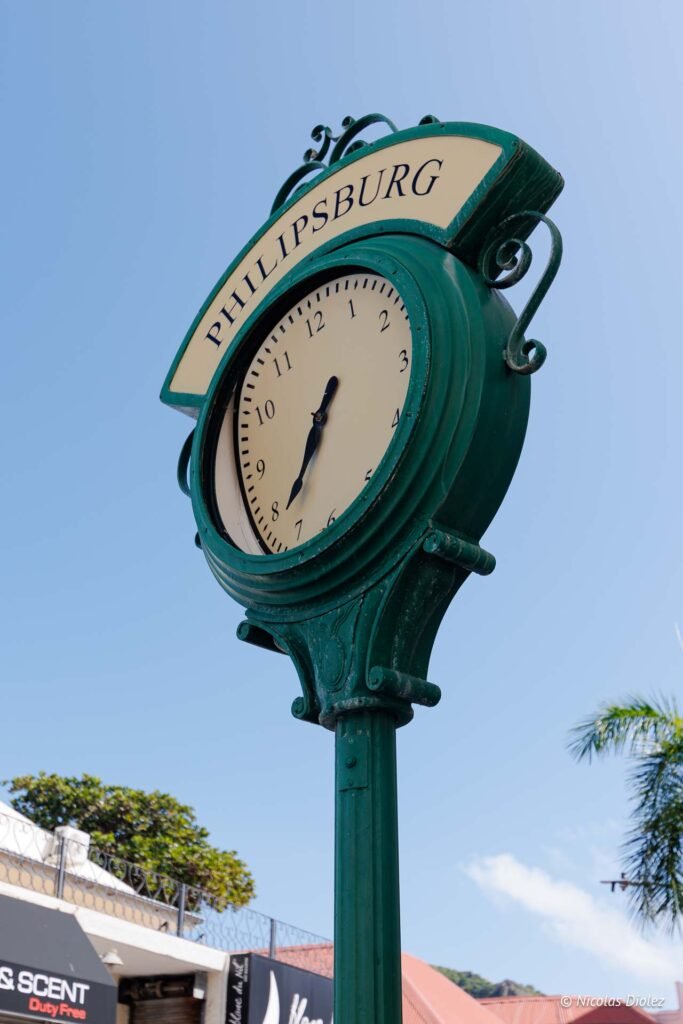
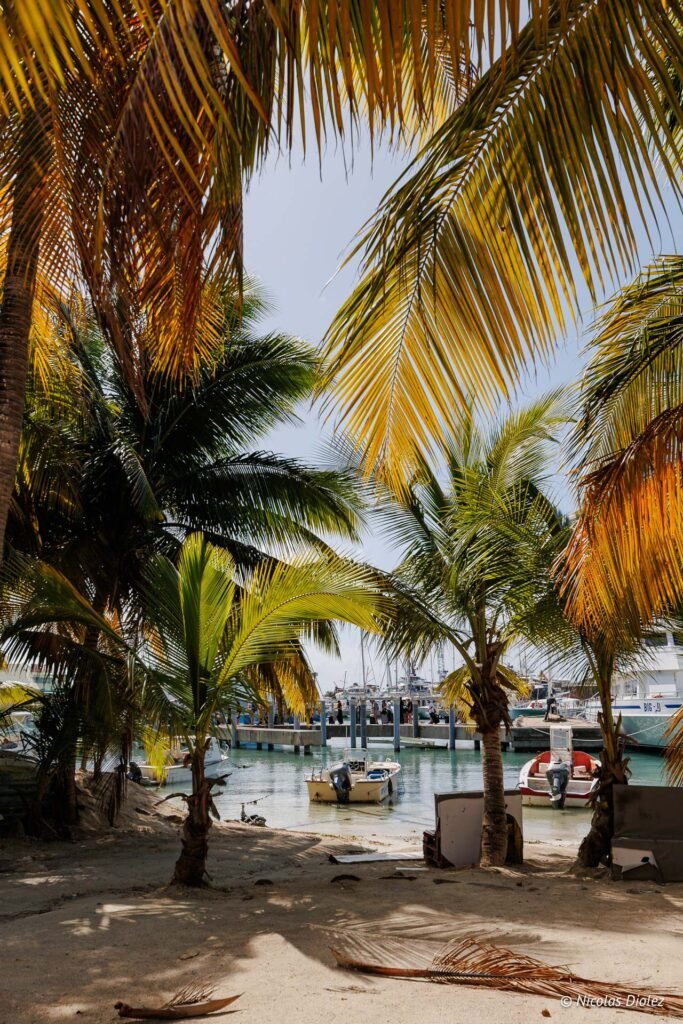
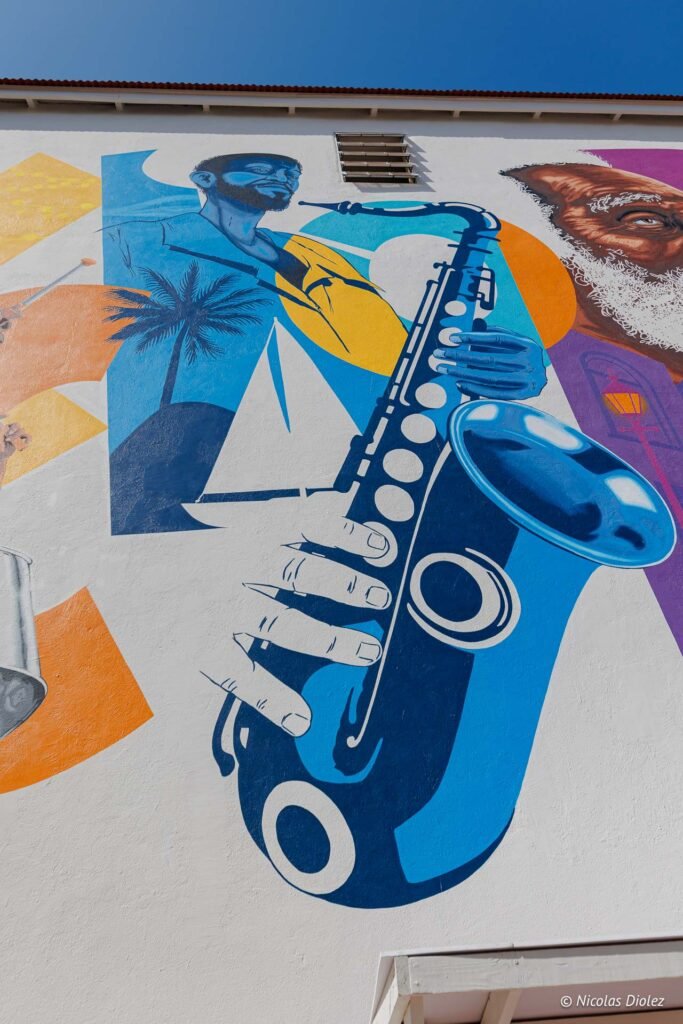
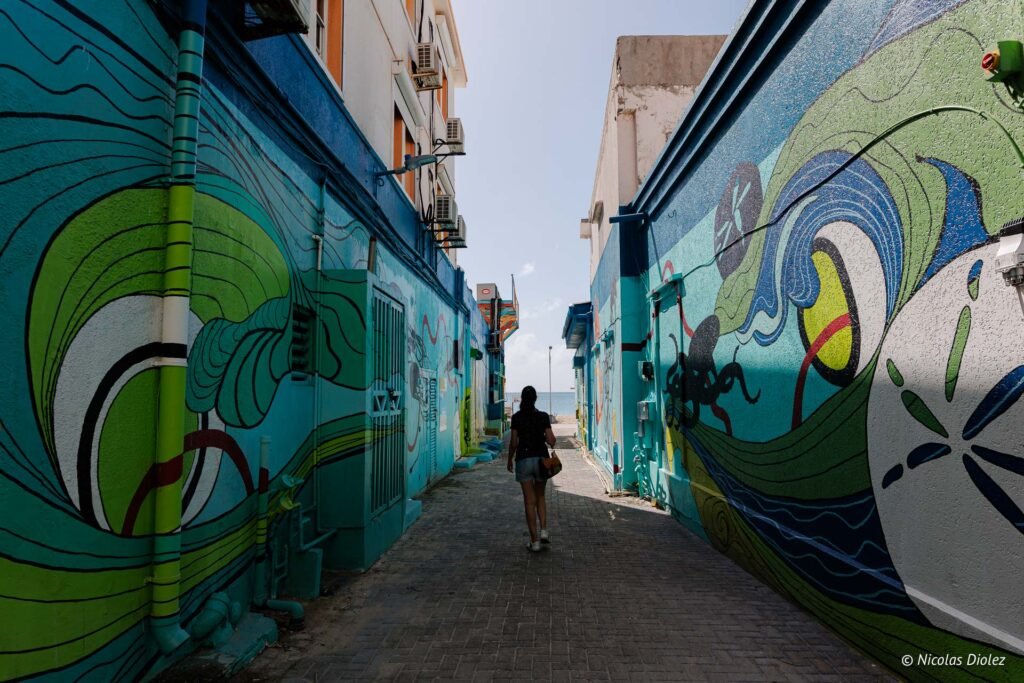
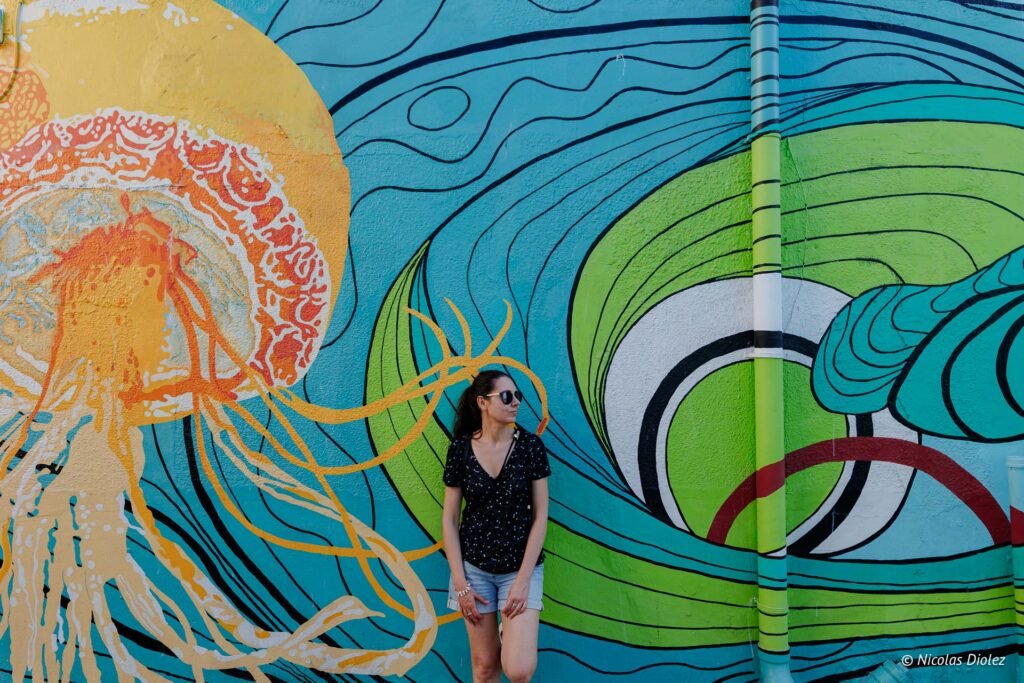
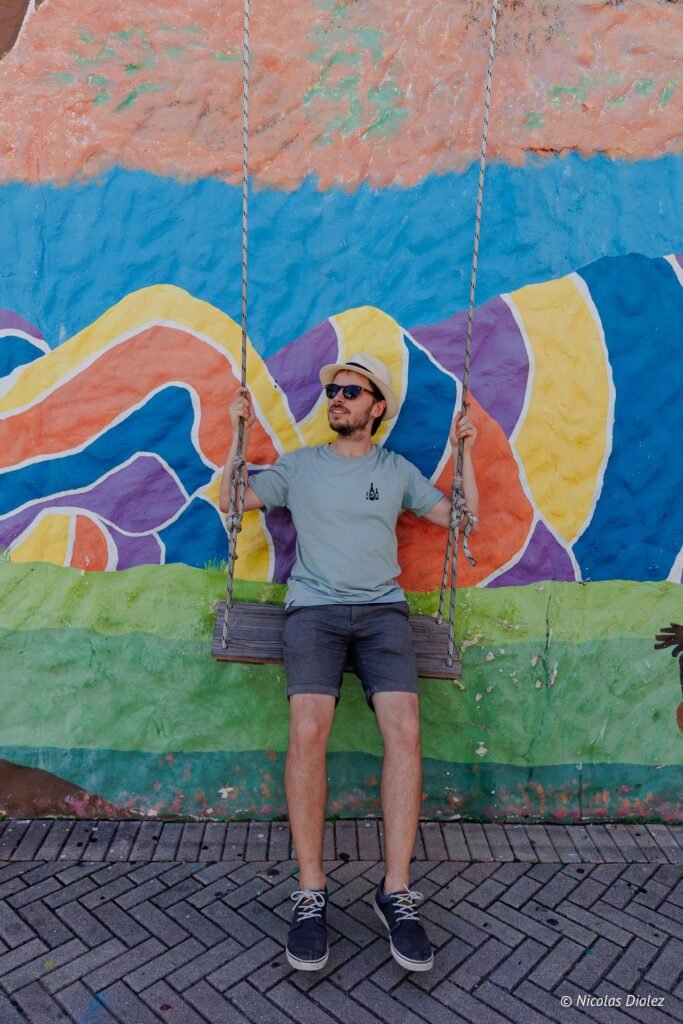
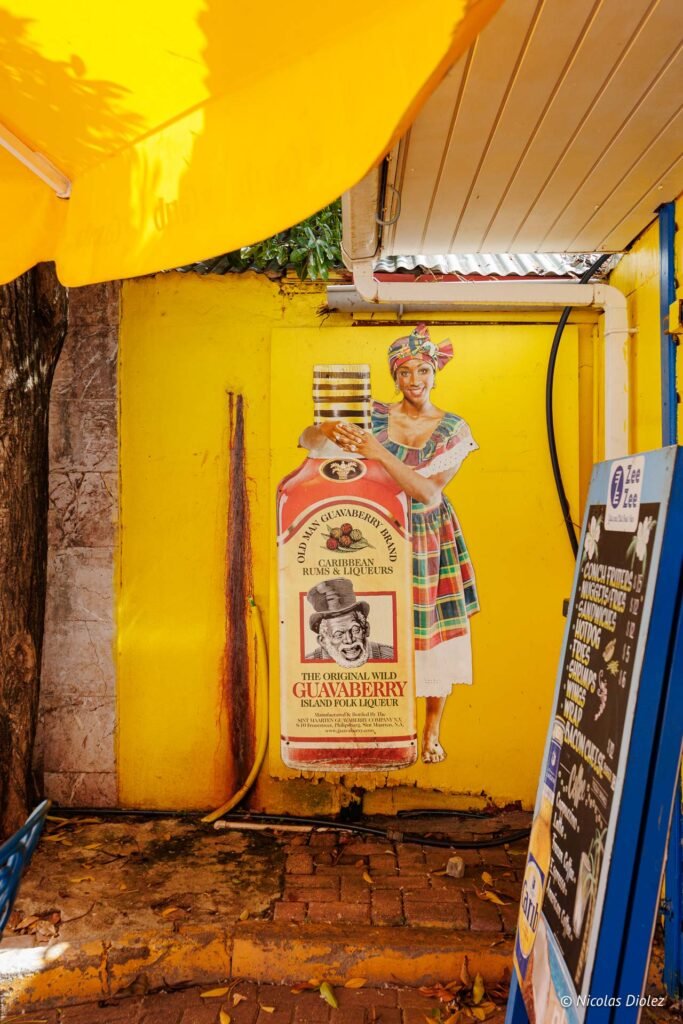
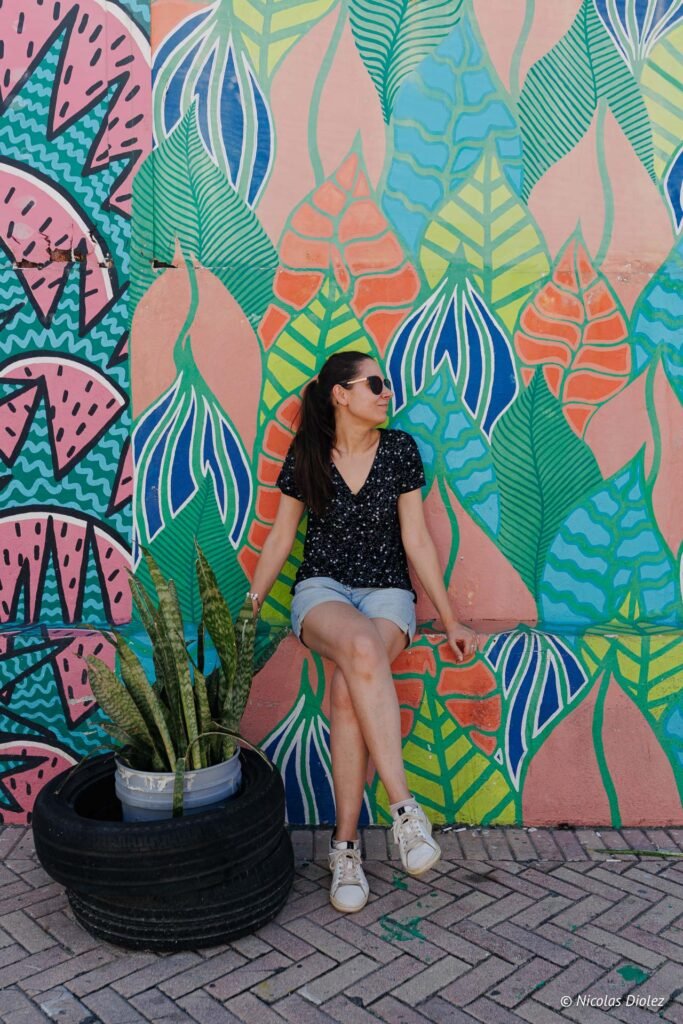
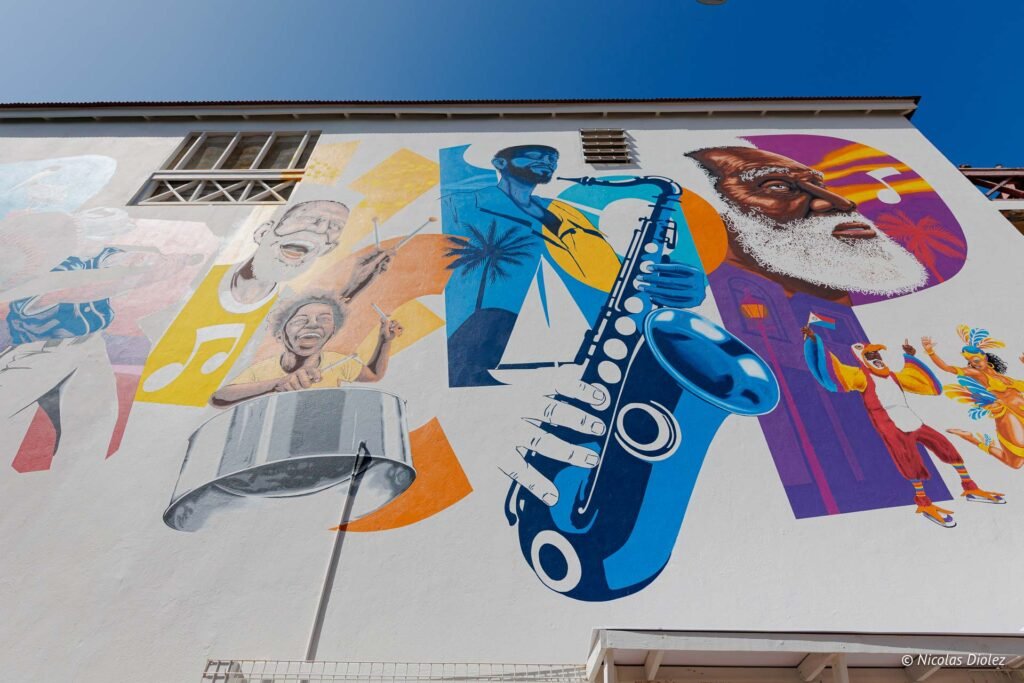
Beyond its status as a duty-free shopping temple and its colorful facades, the Dutch capital holds a surprise for those who know how to step away from the main artery for a moment. For a few years now, Philipsburg has transformed into an open-air contemporary gallery. By strolling through the alleys (the small perpendicular streets connecting the bay to the city), you can discover murals of various sizes, signed by local and international artists. These street-art works celebrate Caribbean culture, tropical wildlife, history, and important figures of the island. Exploring the city from the angle of street art offers a nice and photogenic alternative that we preferred to the shopping aspect of the place.

My favorite gourmet addresses in Saint-Martin
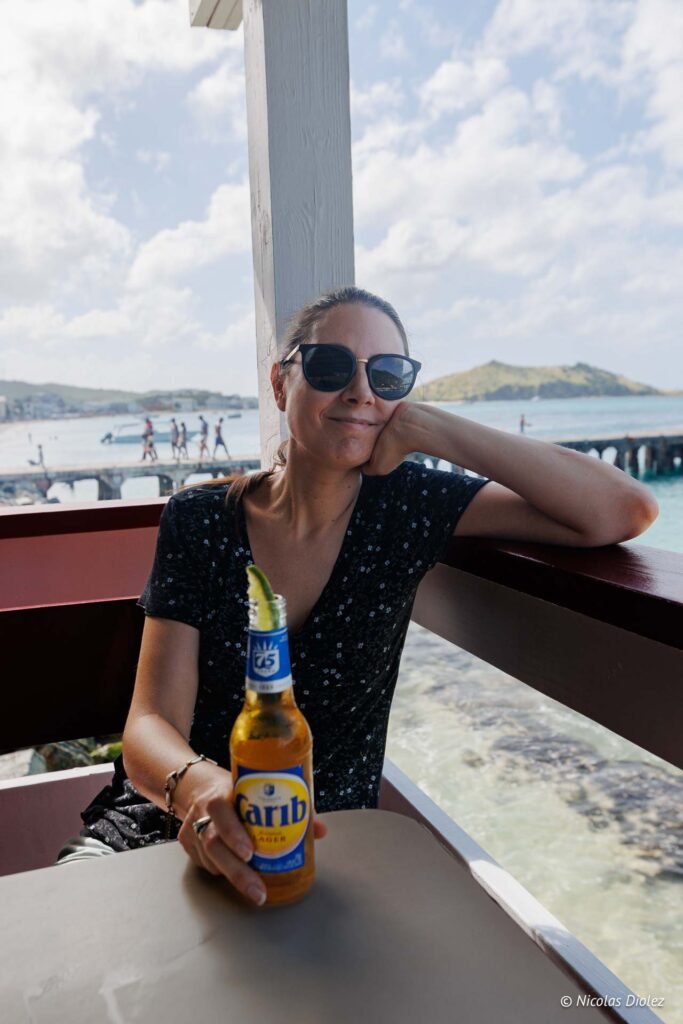
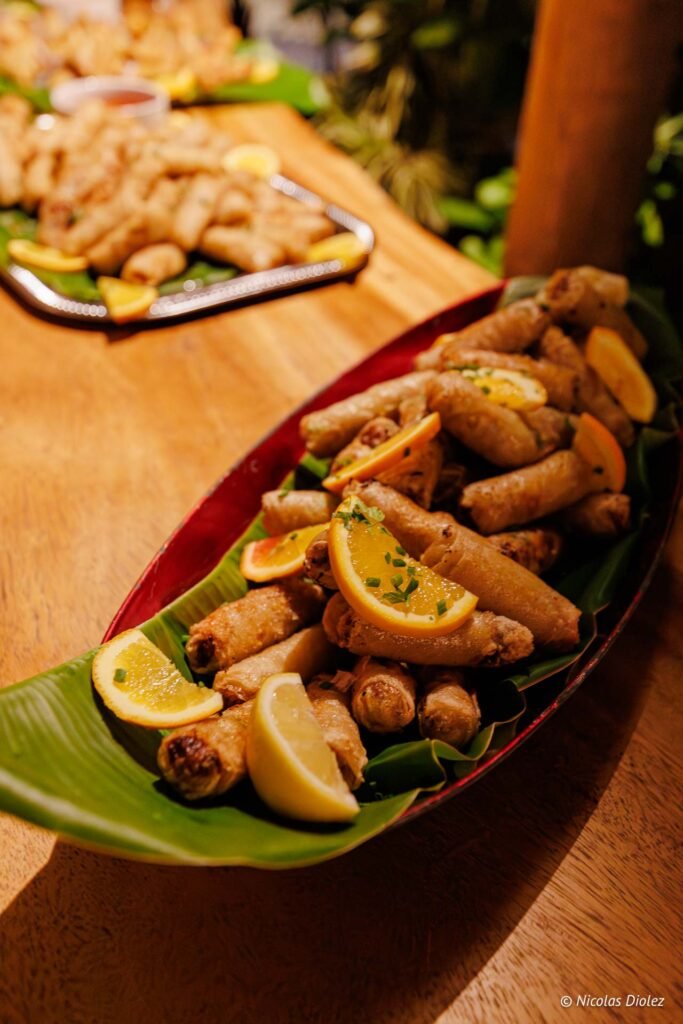
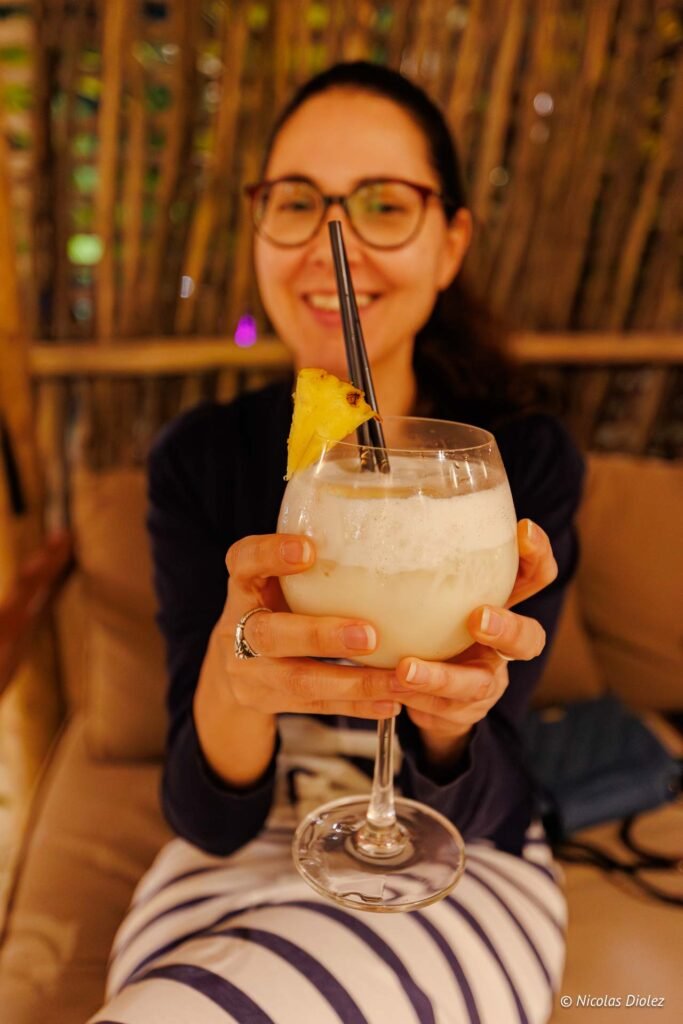
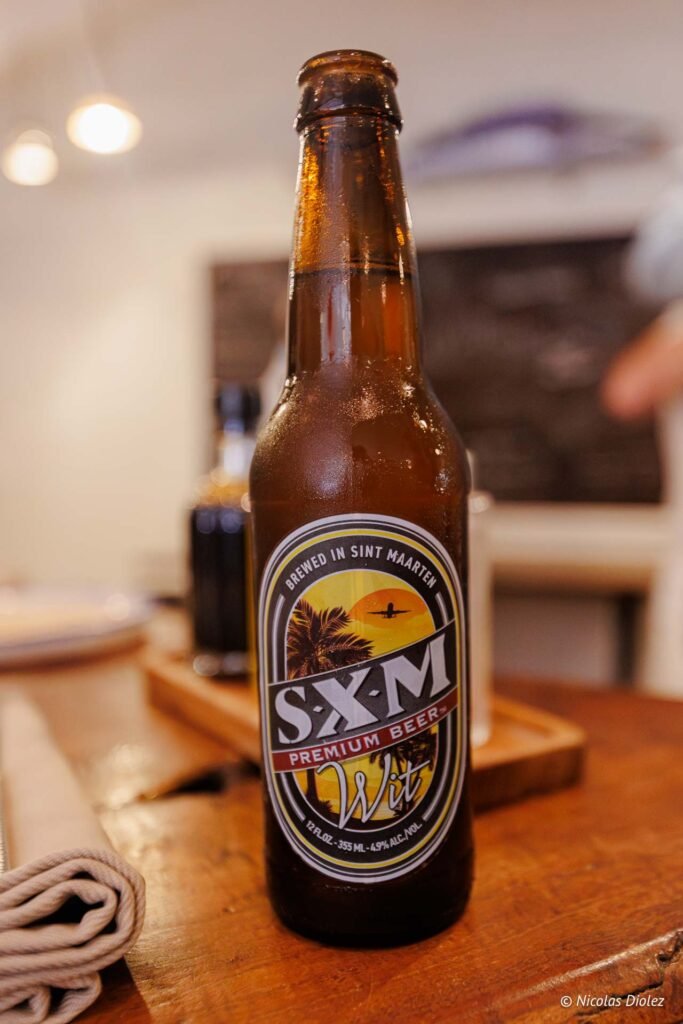
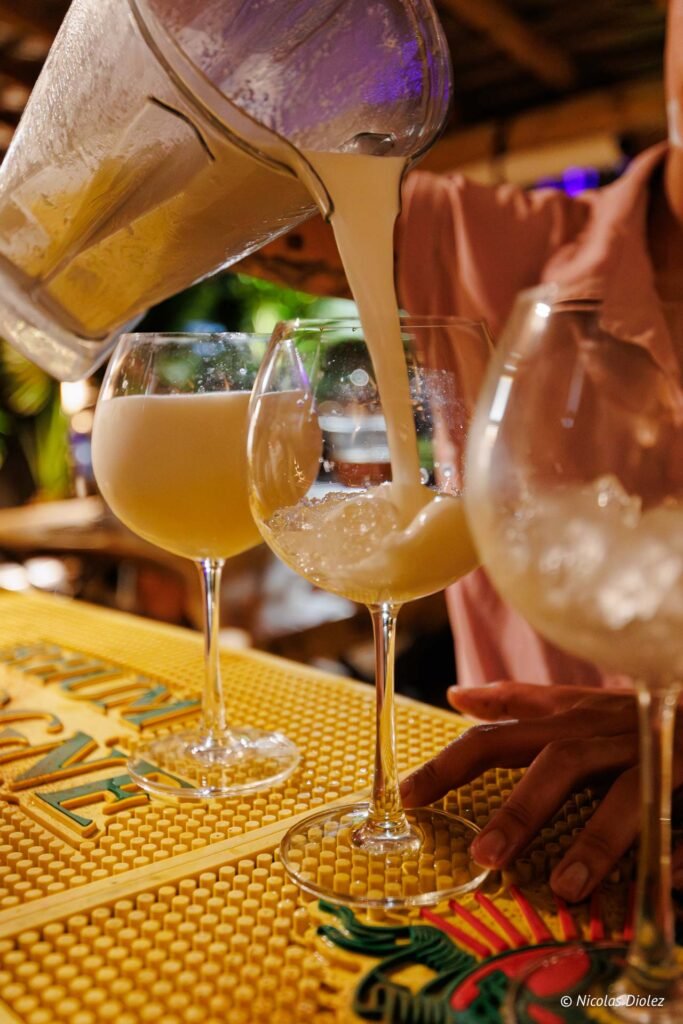
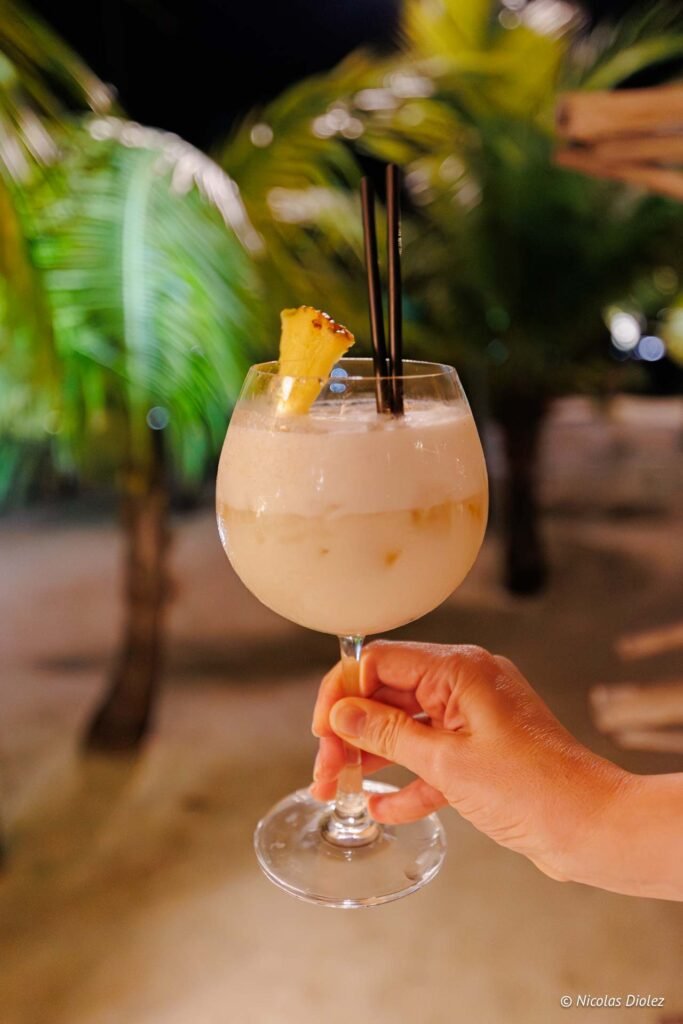
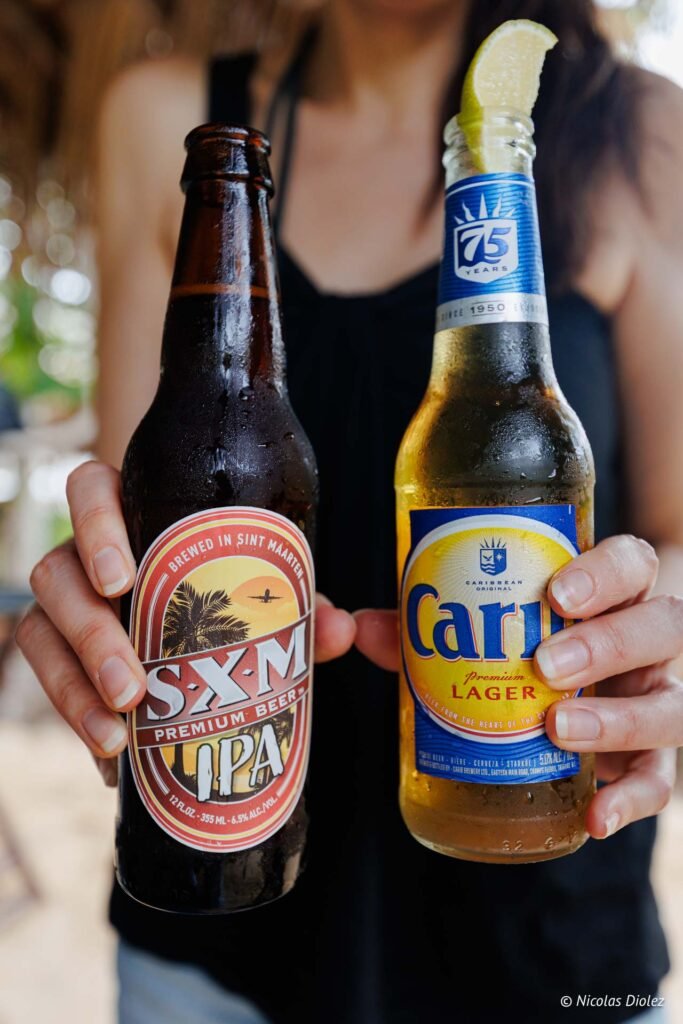
A culinary crossroads, Saint-Martin is considered the gastronomic capital of the Caribbean. If you like spices and traditional island recipes, you can also take a look at my addresses for Creole and West Indian restaurants in Paris! As for specialties, the island produces its own craft beer, SXM Beer, brewed in the Dutch part (in Cole Bay, very close to Philipsburg), whose brewery can be visited (we didn’t have the opportunity to do so, but we will try to go there during a future visit). Finally, I think I have never drunk as much piña colada in my life, since it is a great cocktail classic in the Caribbean, where it originates. And I must also say that it is very well made in most of the places where I was able to taste it.
_
Where to eat on Pinel Island? Karibuni restaurant
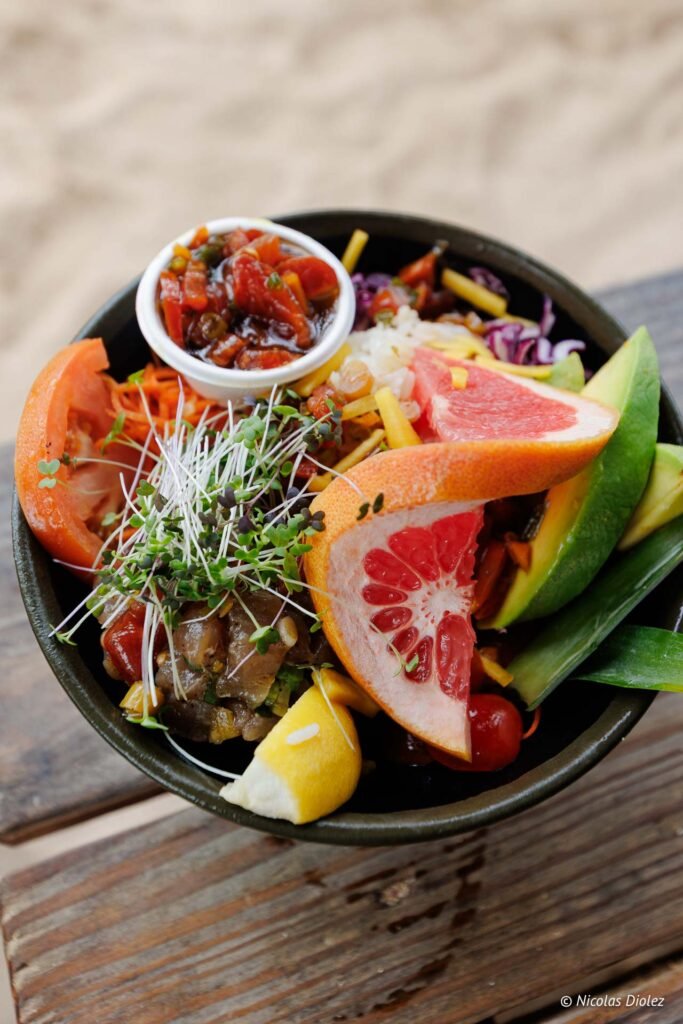
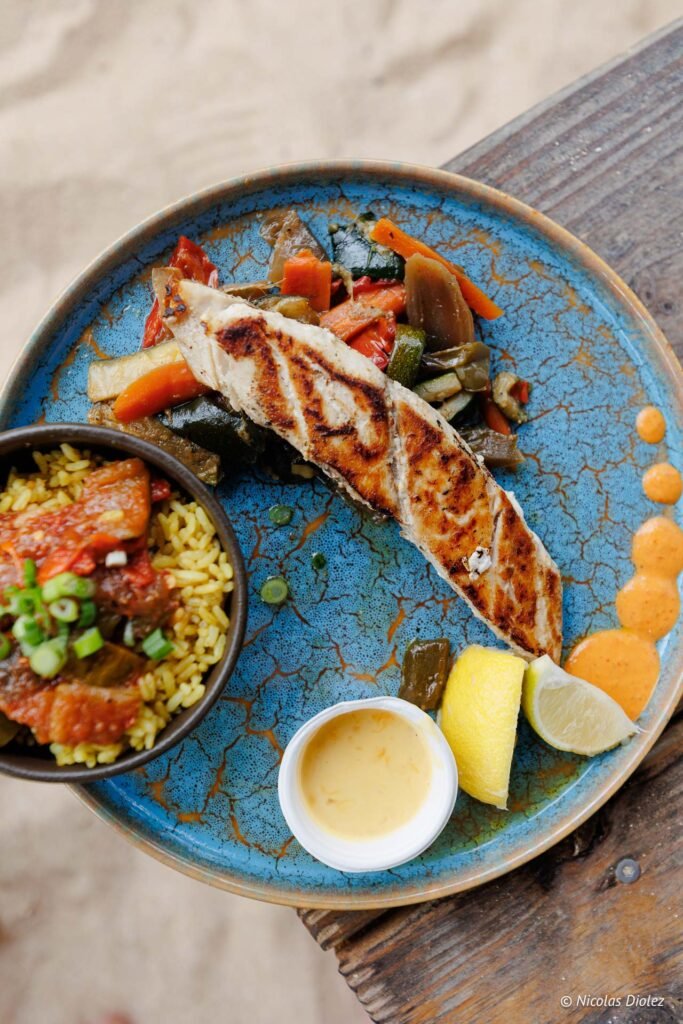
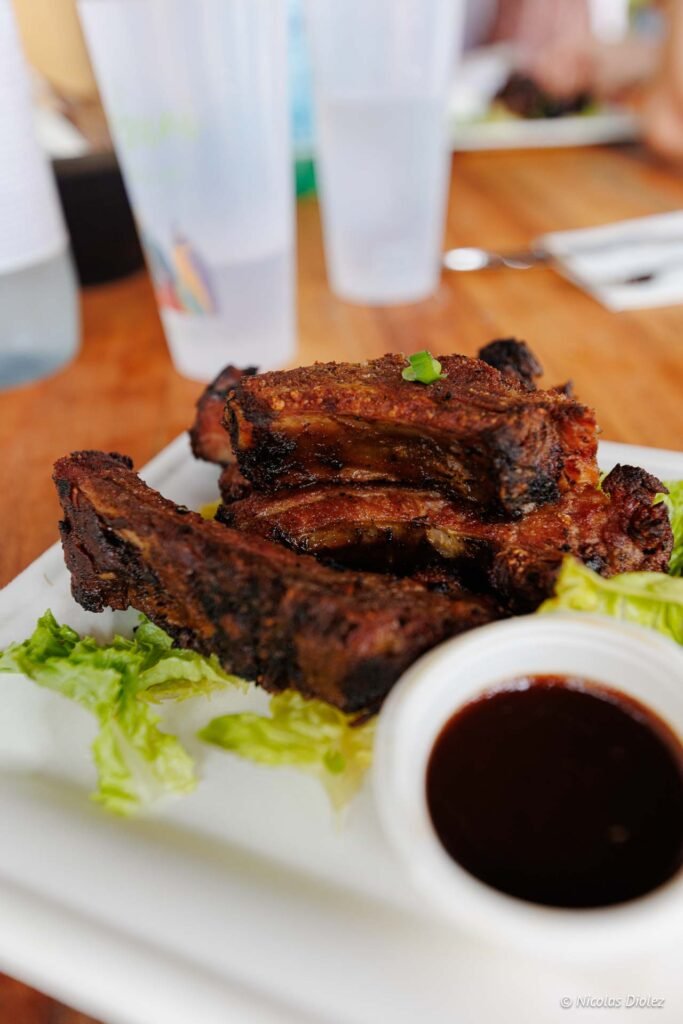
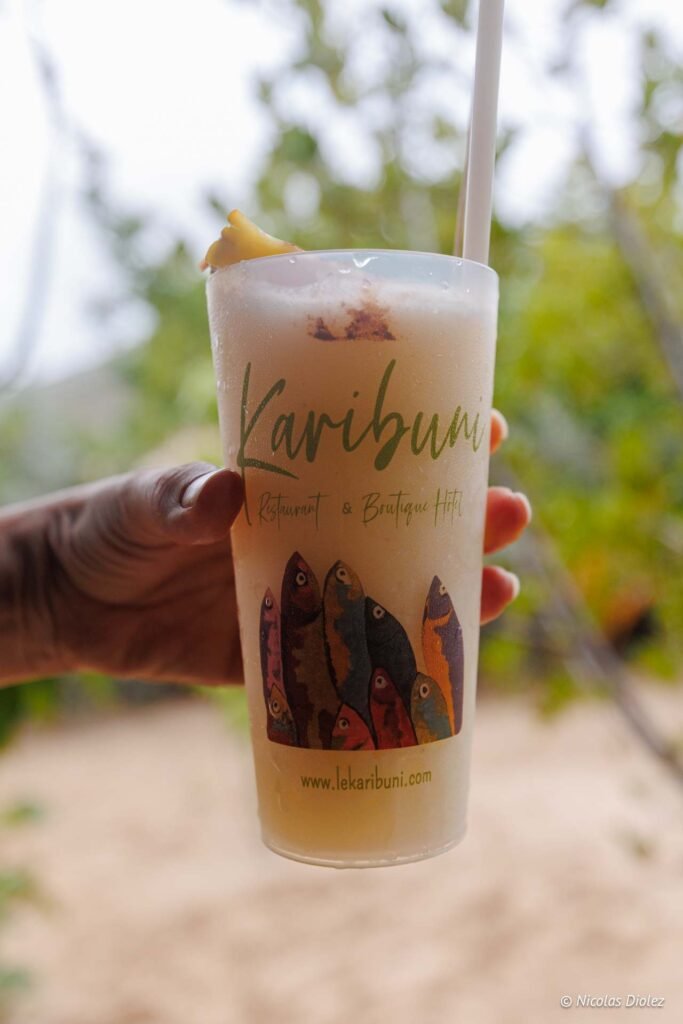
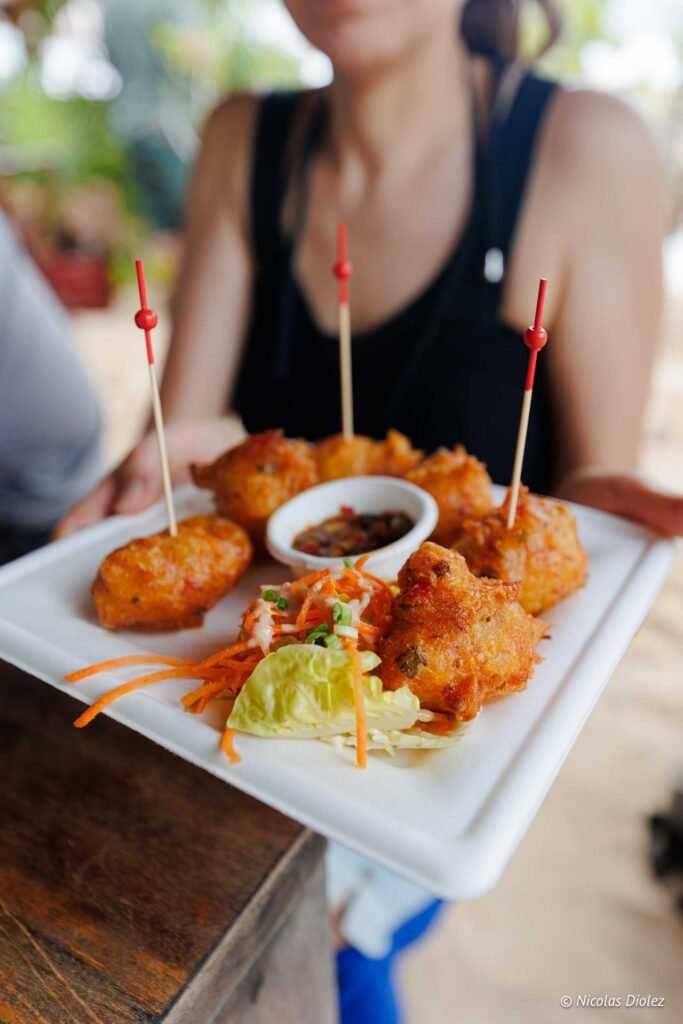
During our day on Îlet Pinel, we had lunch with our toes in the sand at the restaurant Le Karibuni, located right on the beach. On the menu: delicious, well-seasoned Caribbean cod fritters (10 €), fresh grilled fish (27 €), BBQ ribs (22 €), and a tasty tuna poke bowl (25 €), all enjoyed while facing the lagoon. To go with it all, we tried some beers made in the Caribbean, and otherwise, I also recommend the frozen piña colada (10 €). The restaurant is also committed to concrete actions (limiting water usage, installing solar panels, collecting and sorting waste, using eco-cups, responsible purchasing…) to limit its environmental impact and contribute to the conservation of Îlet Pinel.
Restaurant Le Karibuni
Îlet Pinel, 97150 Saint-Martin
Hours: open every lunch
Specialties: homemade fritters, fresh fish, lobster, and poke bowls
Prices: cocktails between 7 € and 14 € / tapas to share between 10 € and 39 € / main courses between 19.50 € and 38 €
_
Where to eat in a traditional restaurant? The lolos of Grand Case
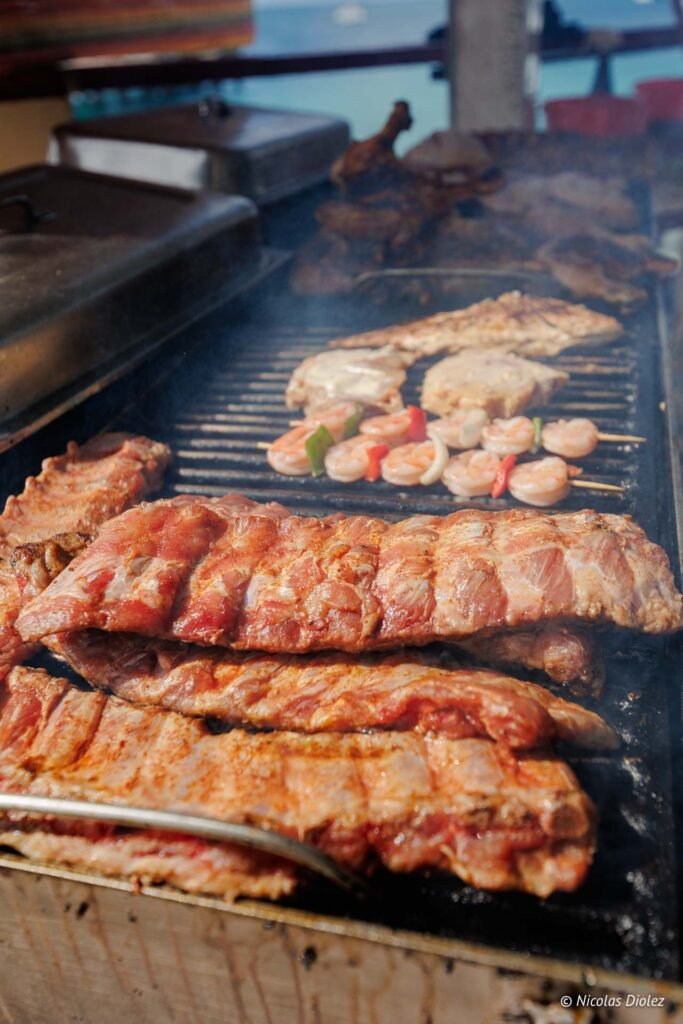
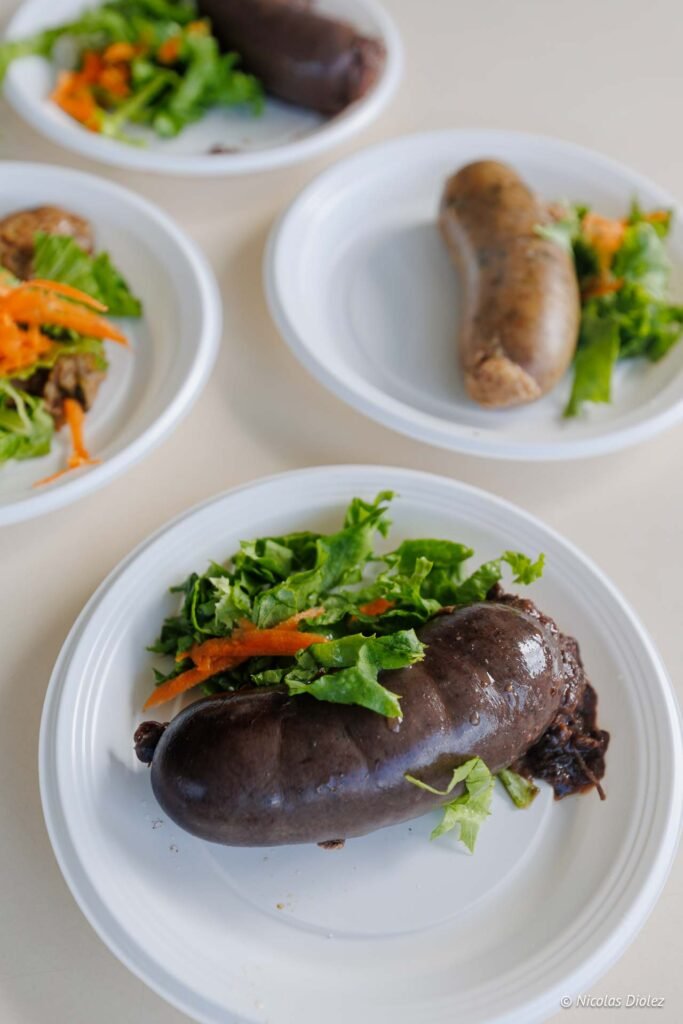
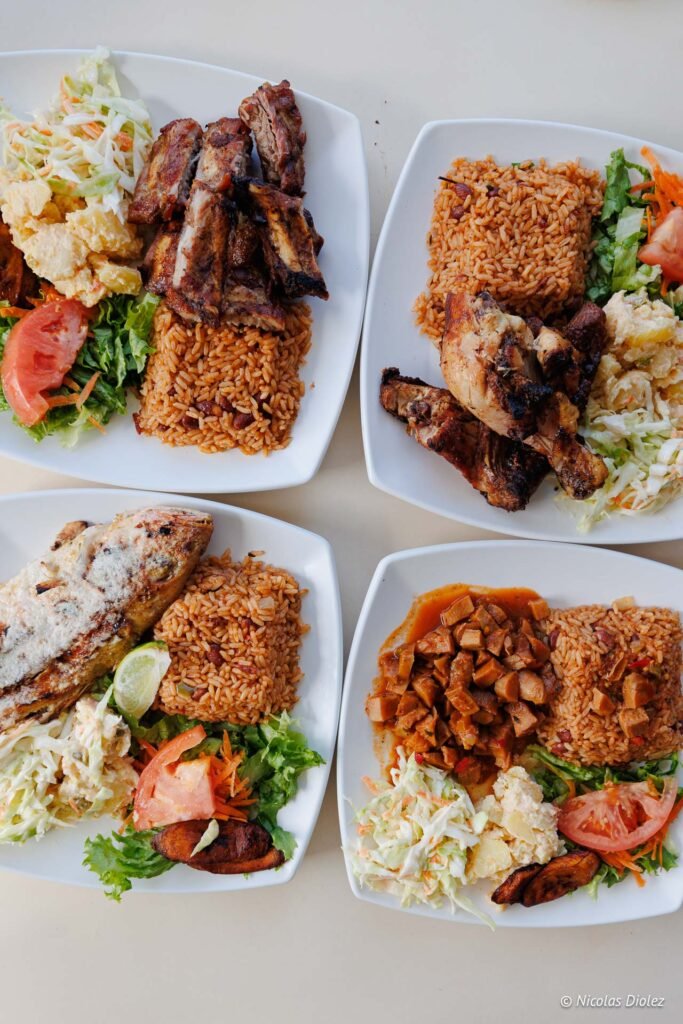
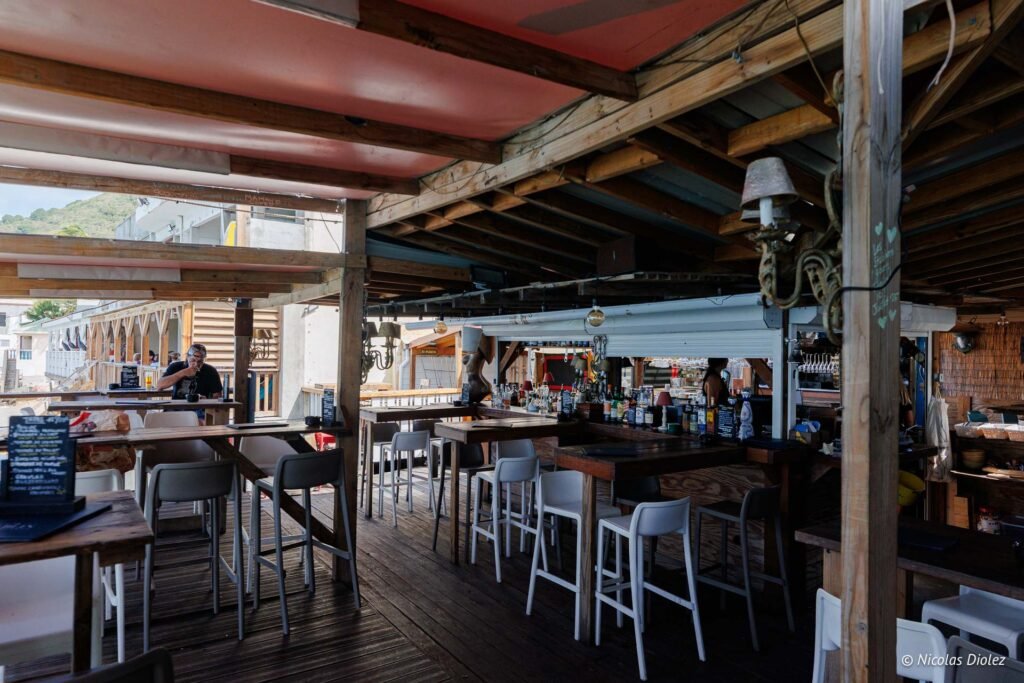
A former fishing village, Grand Case is famous for its “lolos,” those small, traditional open-air restaurants located on the waterfront. People come here to savor authentic and generous Creole cuisine prepared on the barbecue: caramelized ribs, grilled chicken, and plantains, all in a very friendly atmosphere.
Ribs Shack lolo
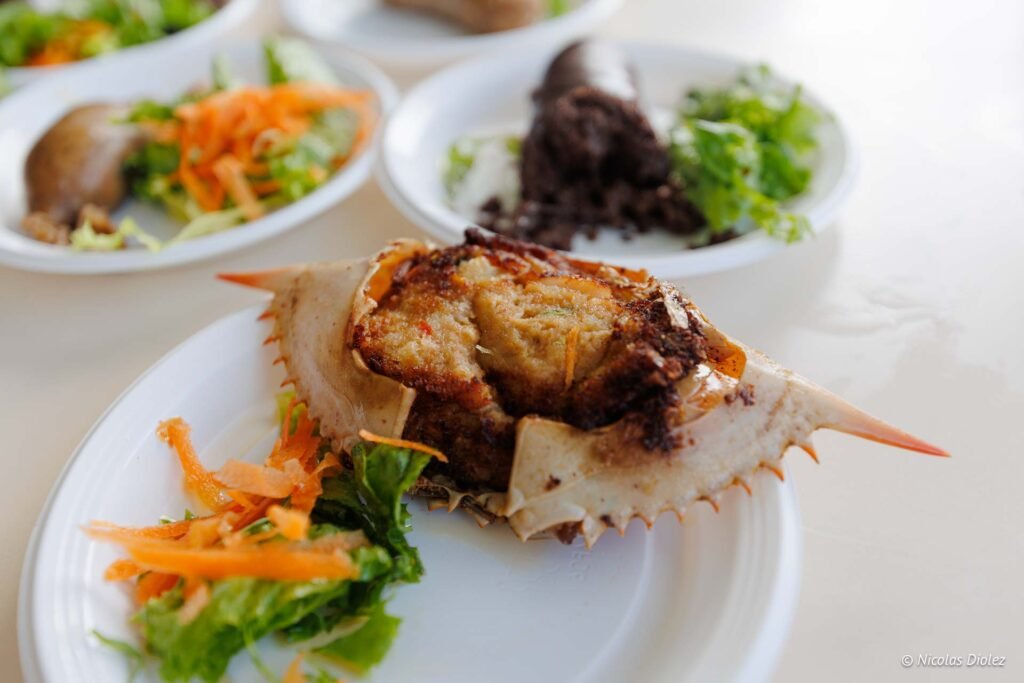
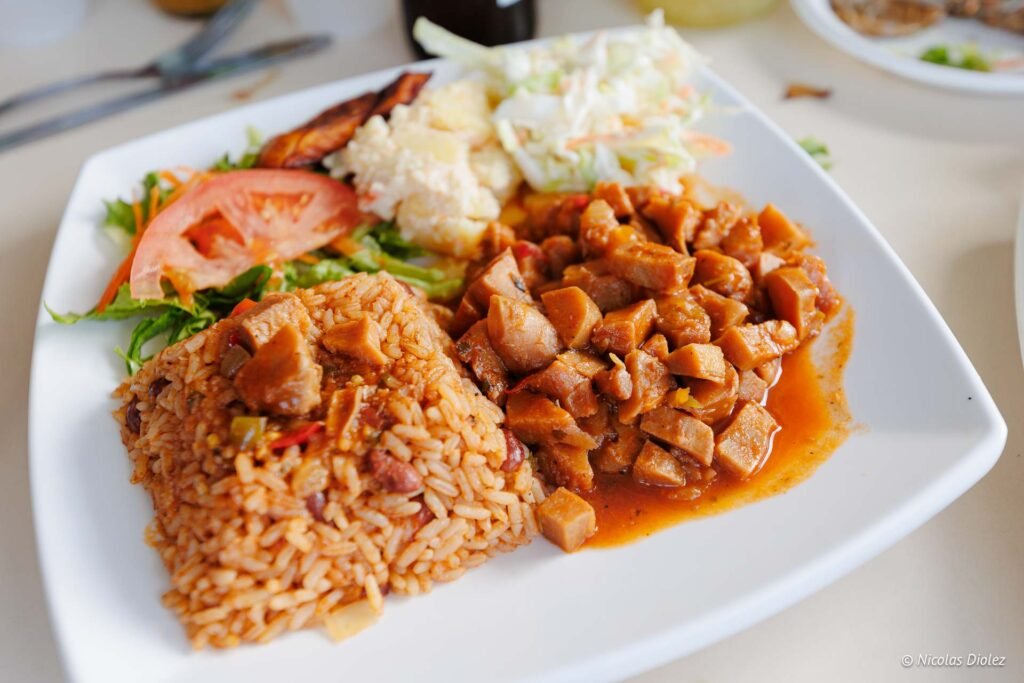
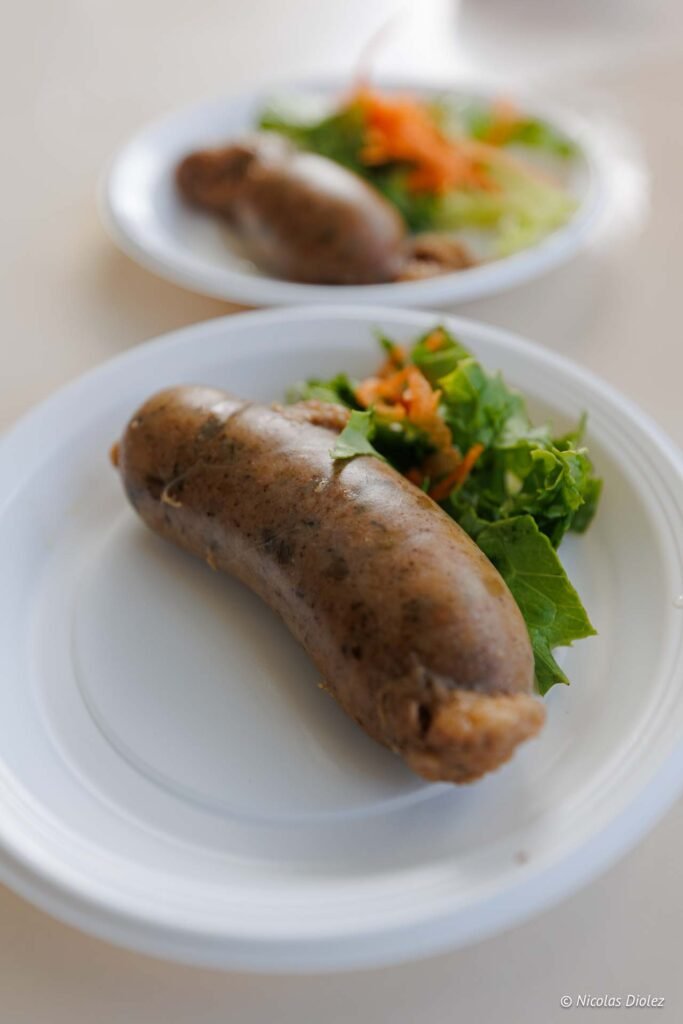
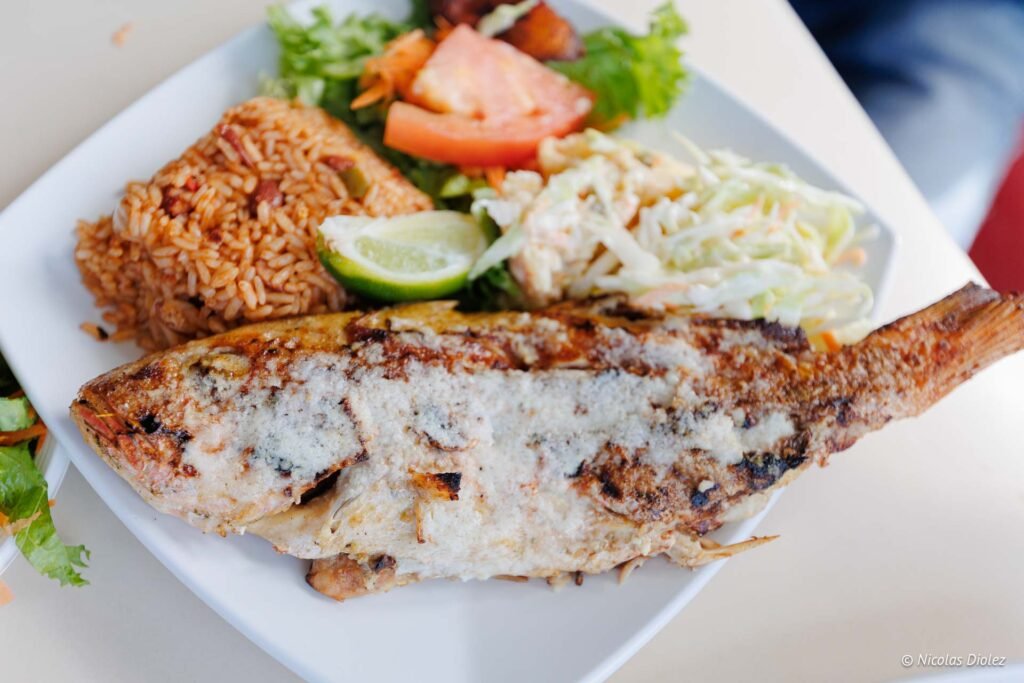
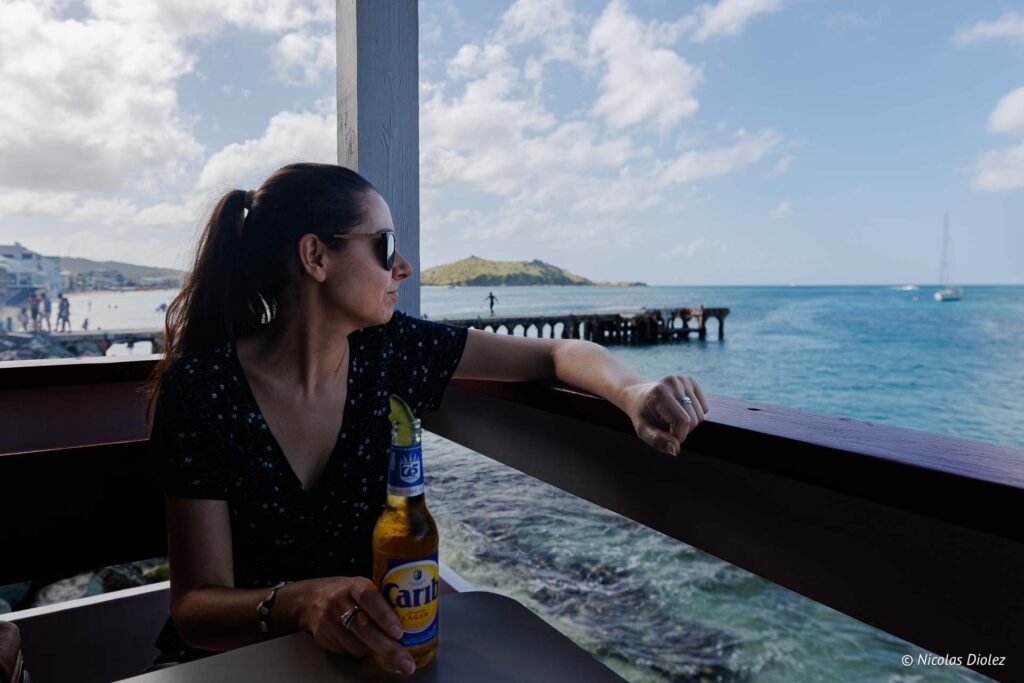
Ribs Shack is one of the most popular lolos in Grand Case. In this traditional open-air restaurant with a sea view, you can enjoy generous and authentic Creole cuisine, prepared right before your eyes on large barbecues. The signature dish is undoubtedly the grilled ribs, tender and well-caramelized, served with typical sides like rice and red beans. A very nice, no-frills spot, ideal for eating by the sea without breaking the bank.
To try: the ribs (15 €); the barbecue chicken (13 €); the grilled snapper (24 €), a very popular sea fish in the Caribbean; the Creole conch (15 €), a traditional dish from the West Indies and Haiti made from giant conch (a large marine mollusk).
Ribs Shack lolo
6 boulevard De Grand Case 97150 Saint-Martin
Price: plates to share between 2.50 € and 24 €
_
Where to have a refined dinner by the sea? Le Temps des Cerises
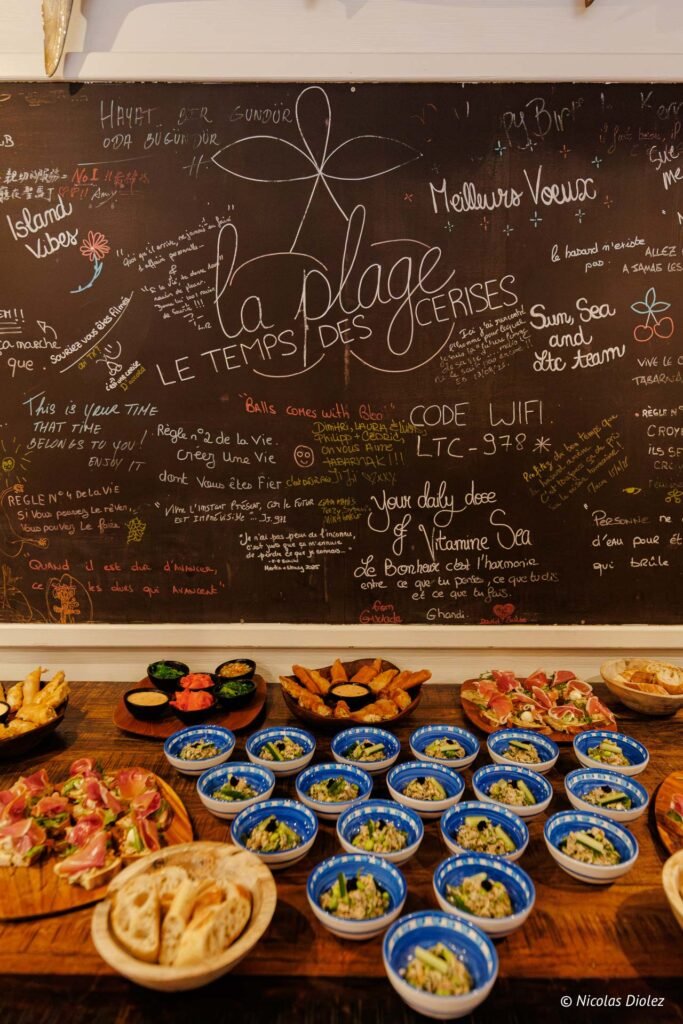
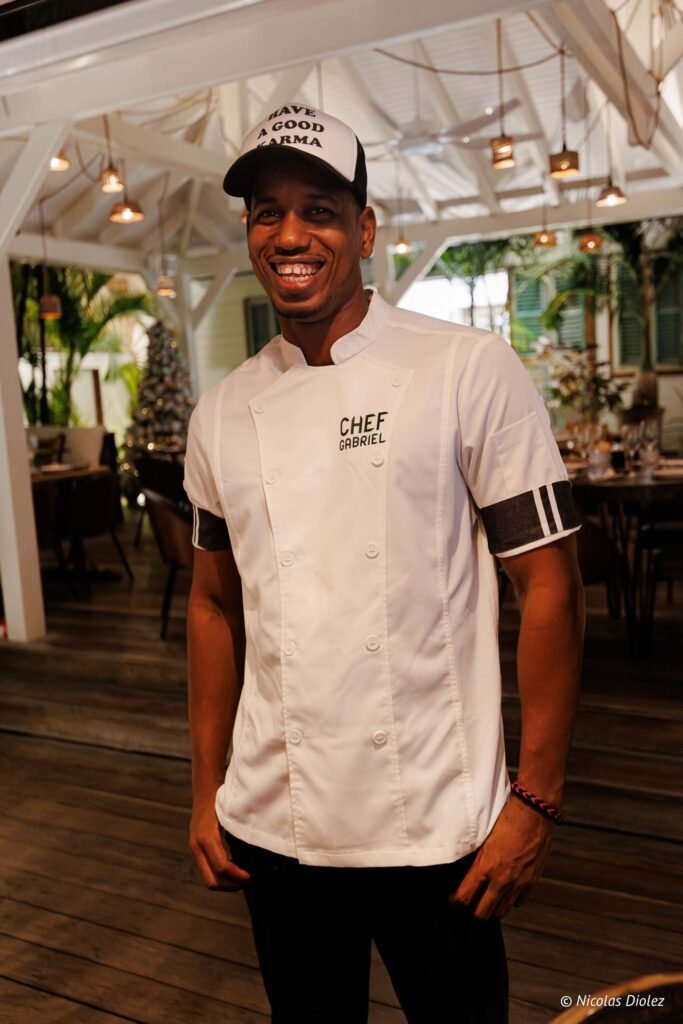
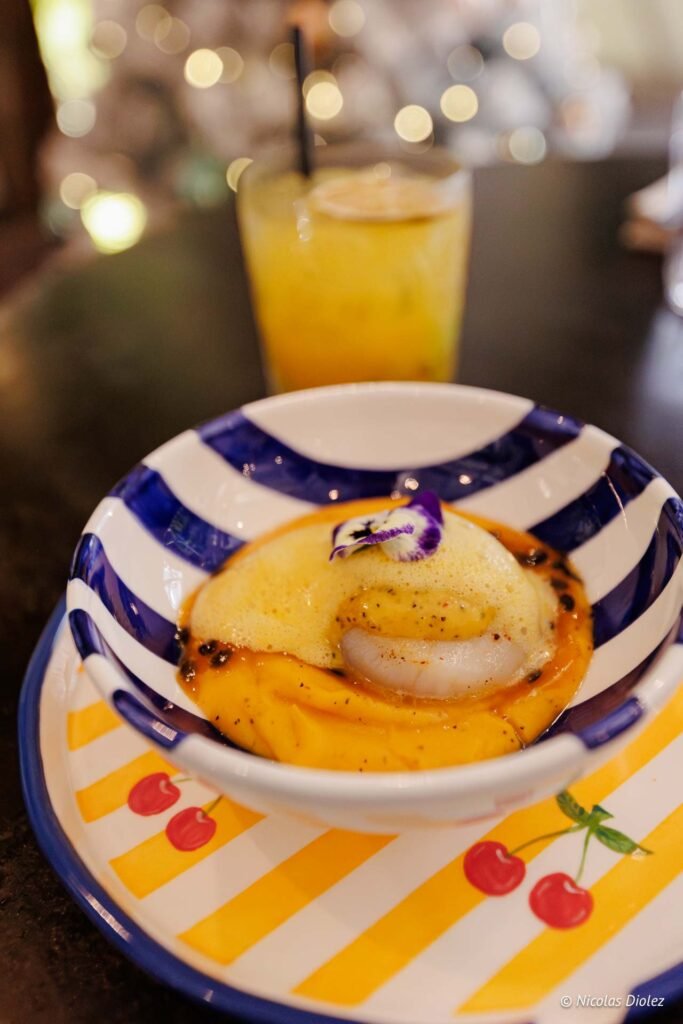
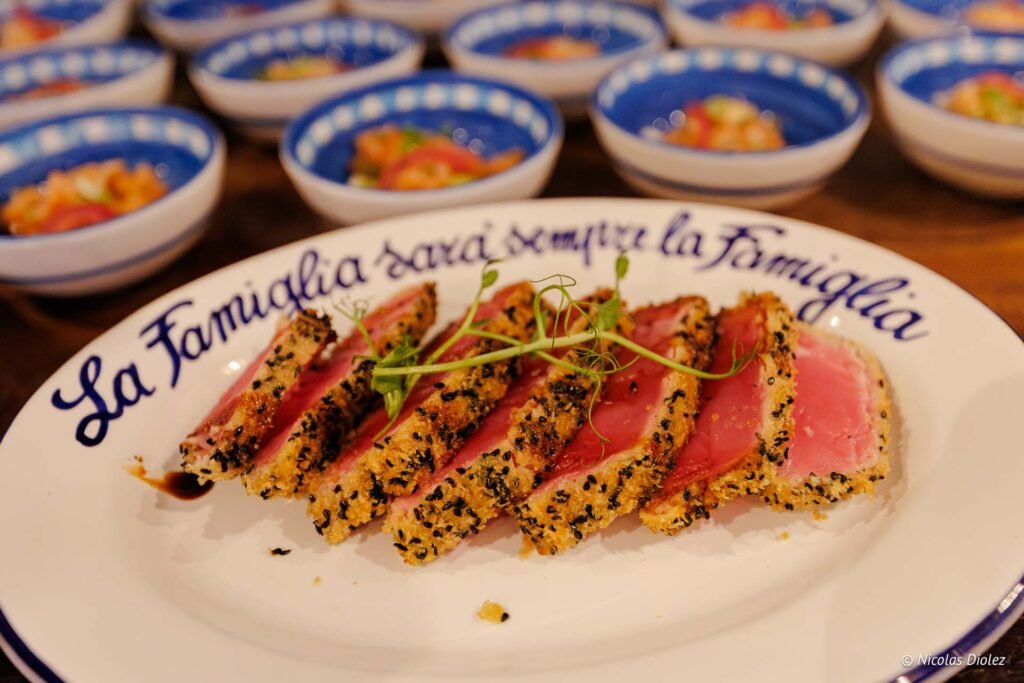
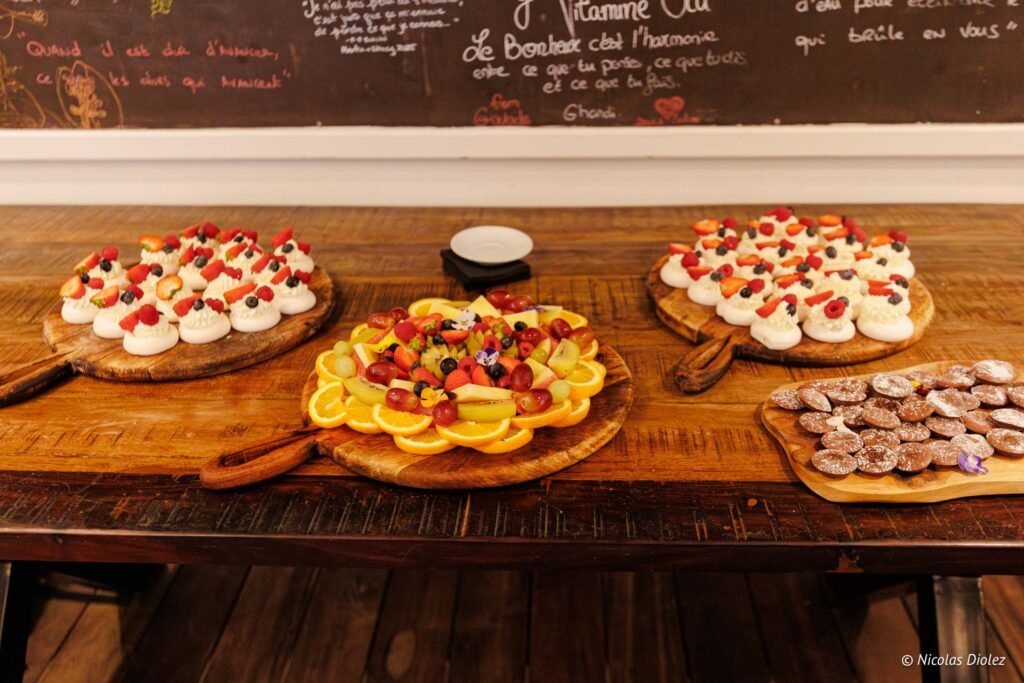
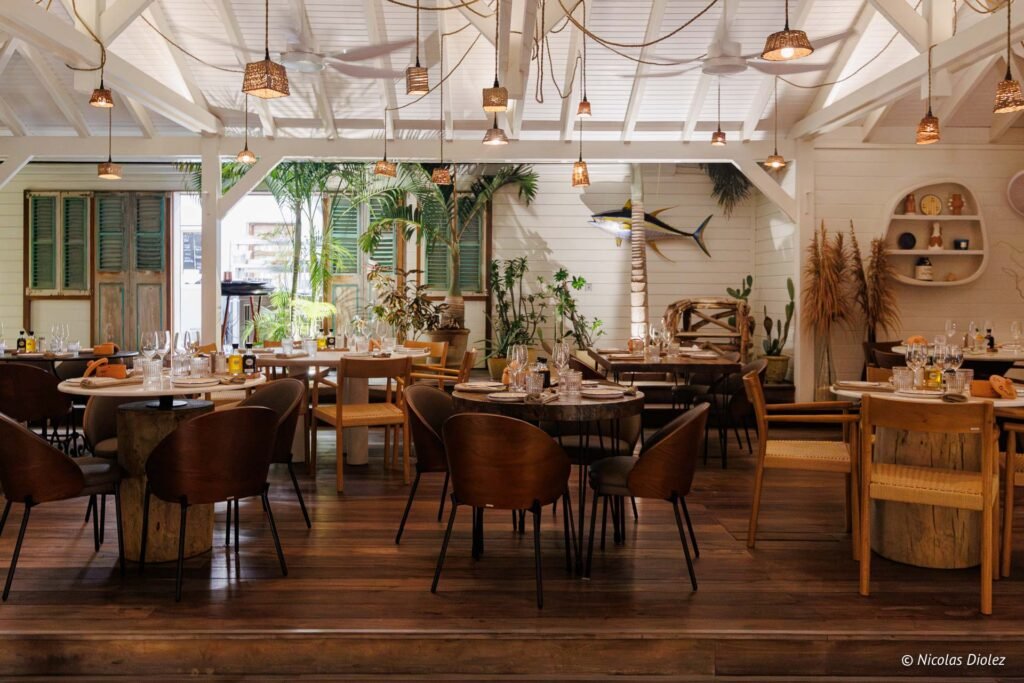
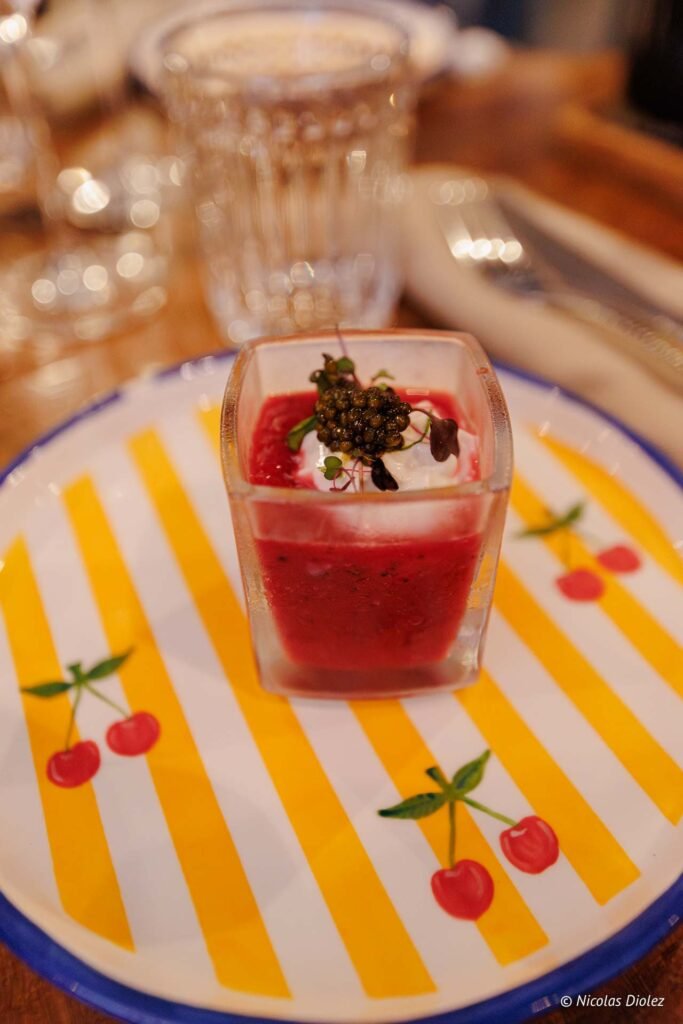
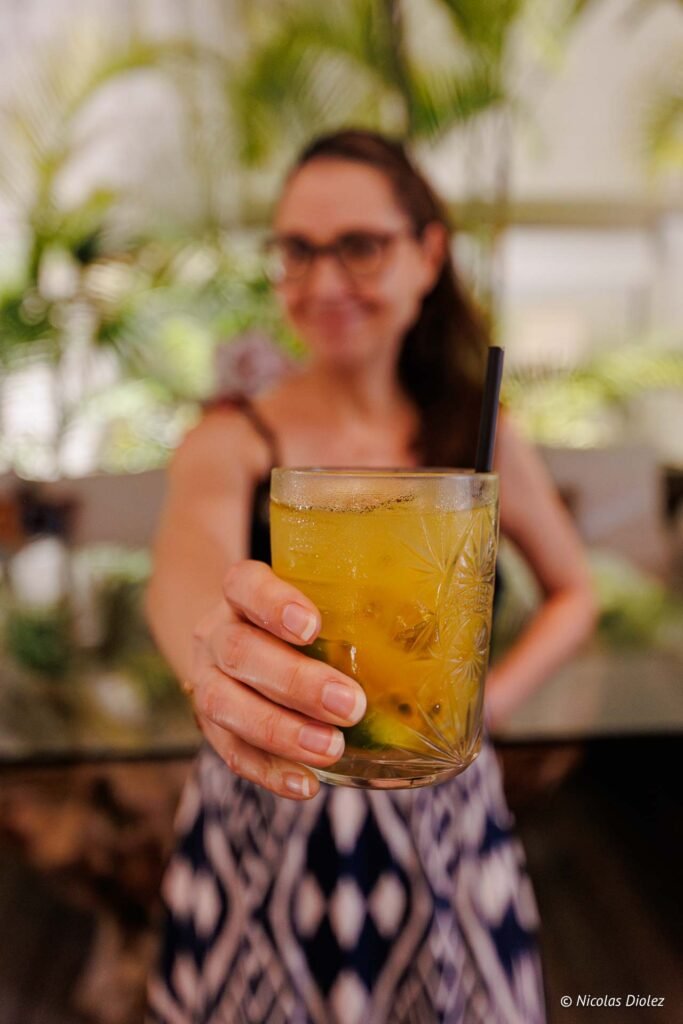
For a more refined table in Grand Case, Le Temps des Cerises is a beautiful waterfront address linked to the creators of the ready-to-wear brand of the same name. Chef Gabriel Fabre, awarded at the Saint-Martin Gastronomy Festival in 2025 precisely for his scallops with passion fruit sweet potato (he won the Beach Stars competition), signs a creative cuisine with Creole inspirations. It is also where we tasted the Bam Bam, an iconic local cocktail of the island made with agricultural rum, lime, and cane sugar.
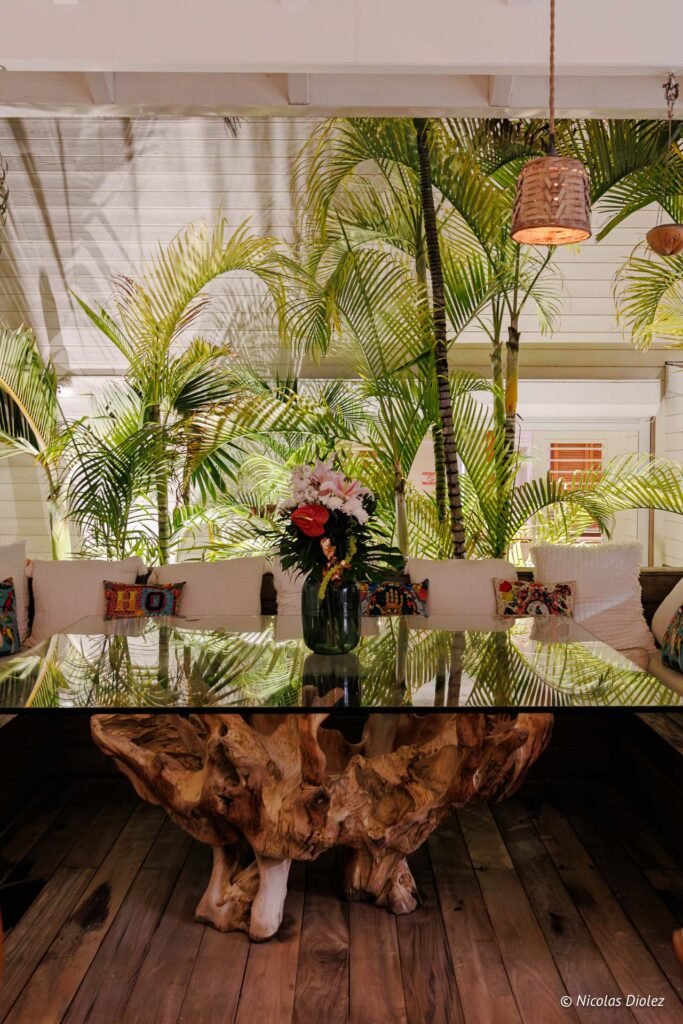
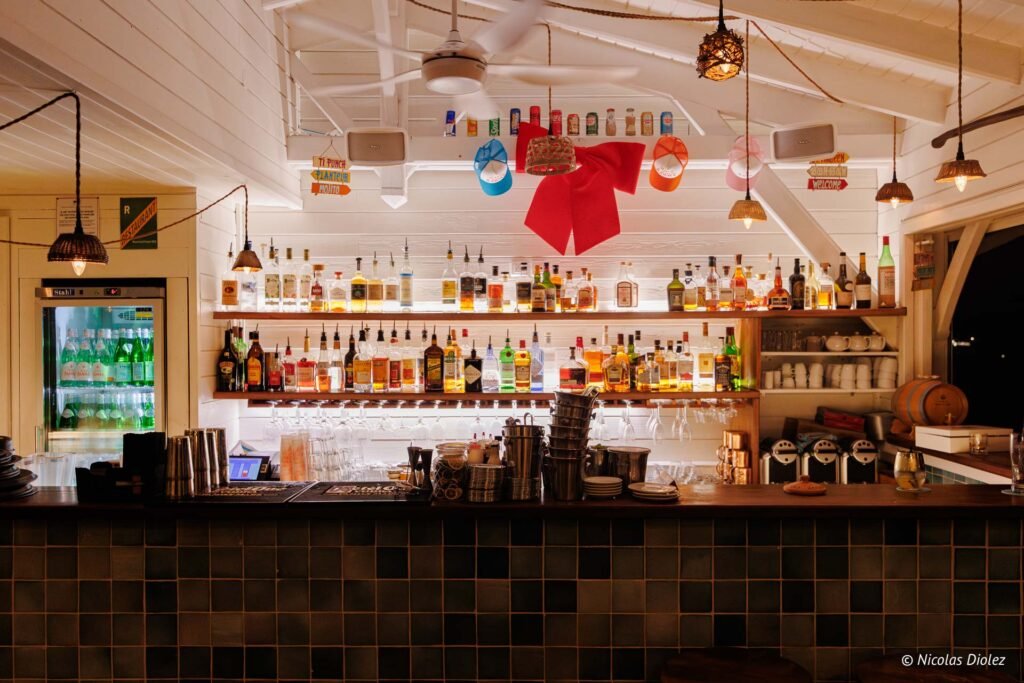
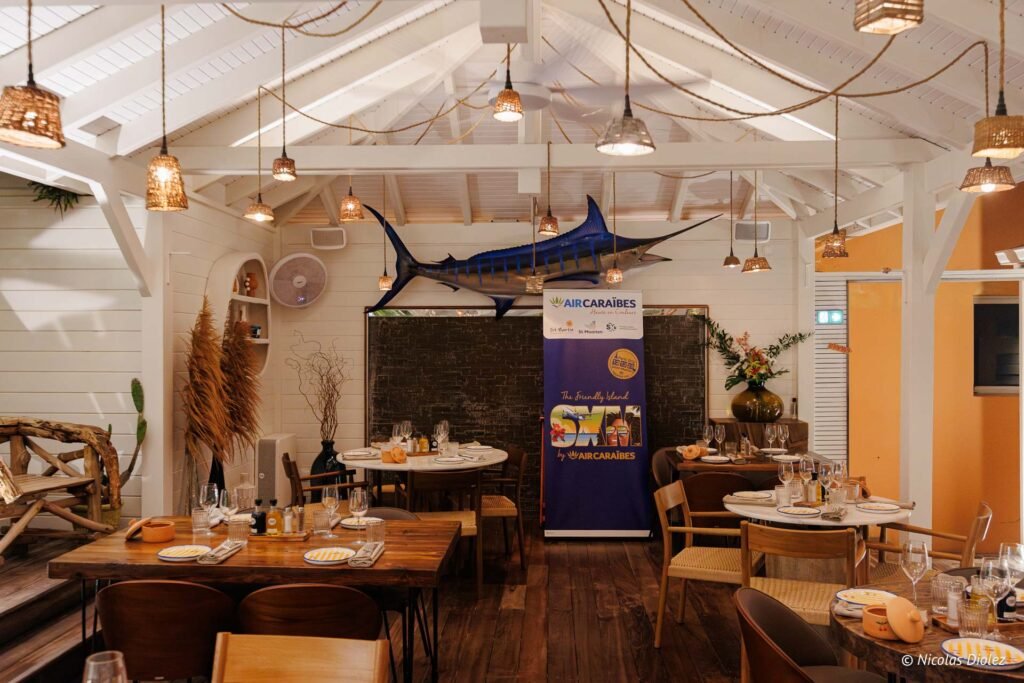
Restaurant Le Temps des Cerises
158 Boulevard de Grand Case, 97150 Saint-Martin
Specialties: refined French and Caribbean cuisine, catch of the day, and Bam Bam cocktail
Where to stay in Saint-Martin?
Hommage Hôtel & Résidences
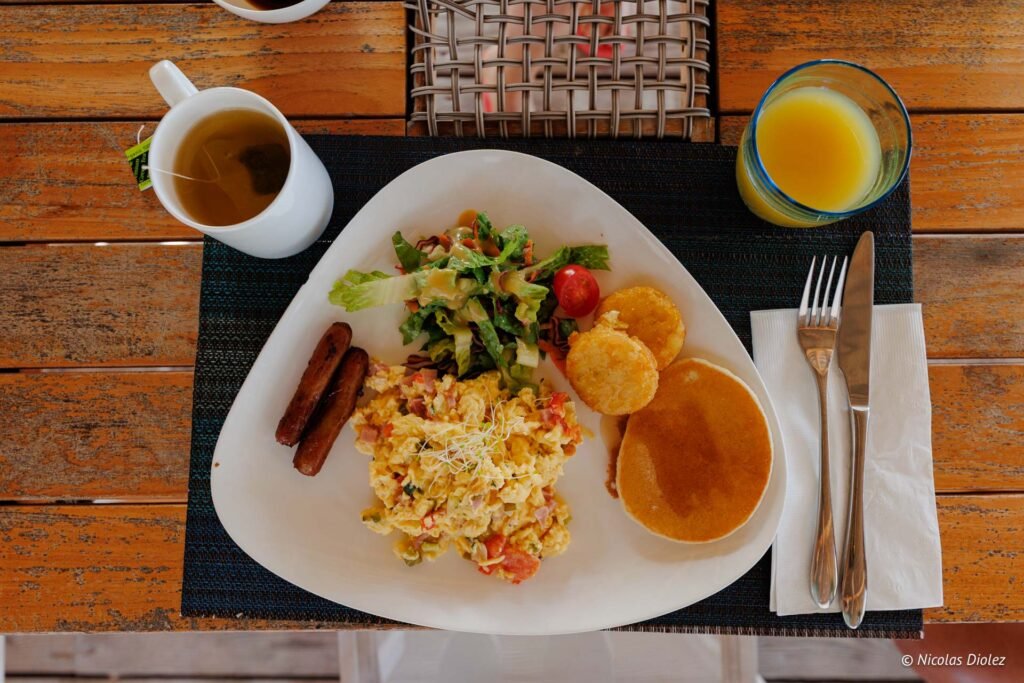
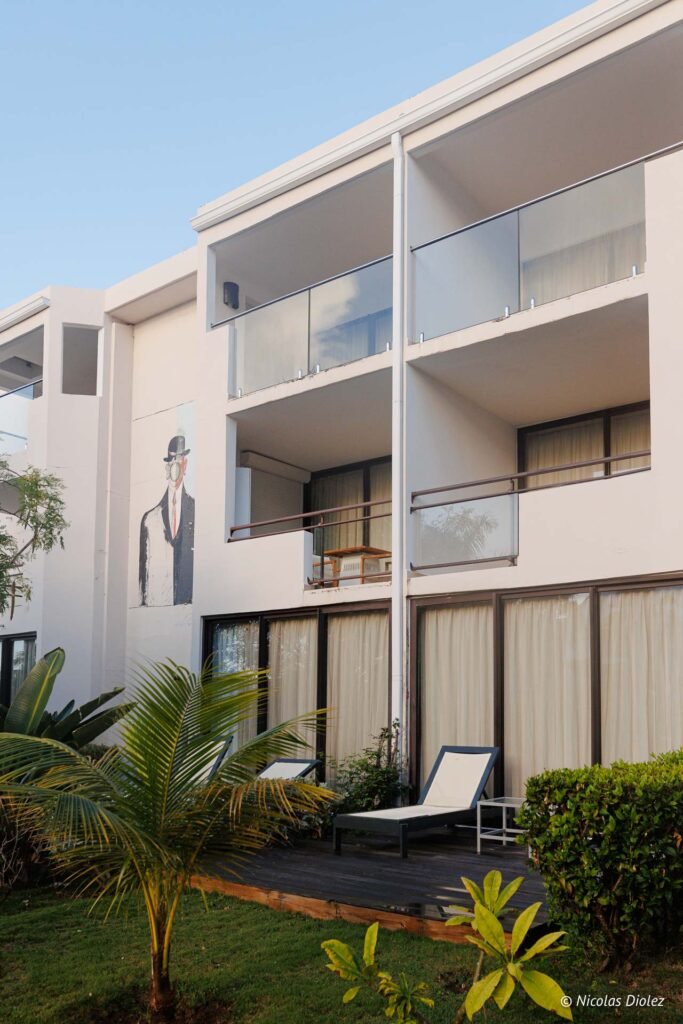
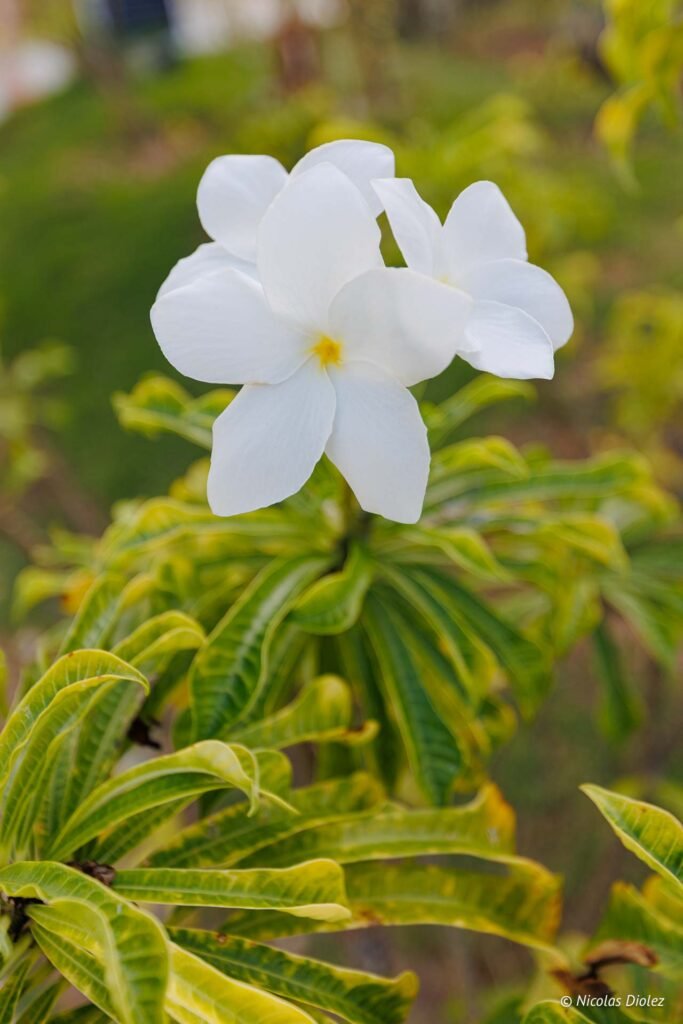
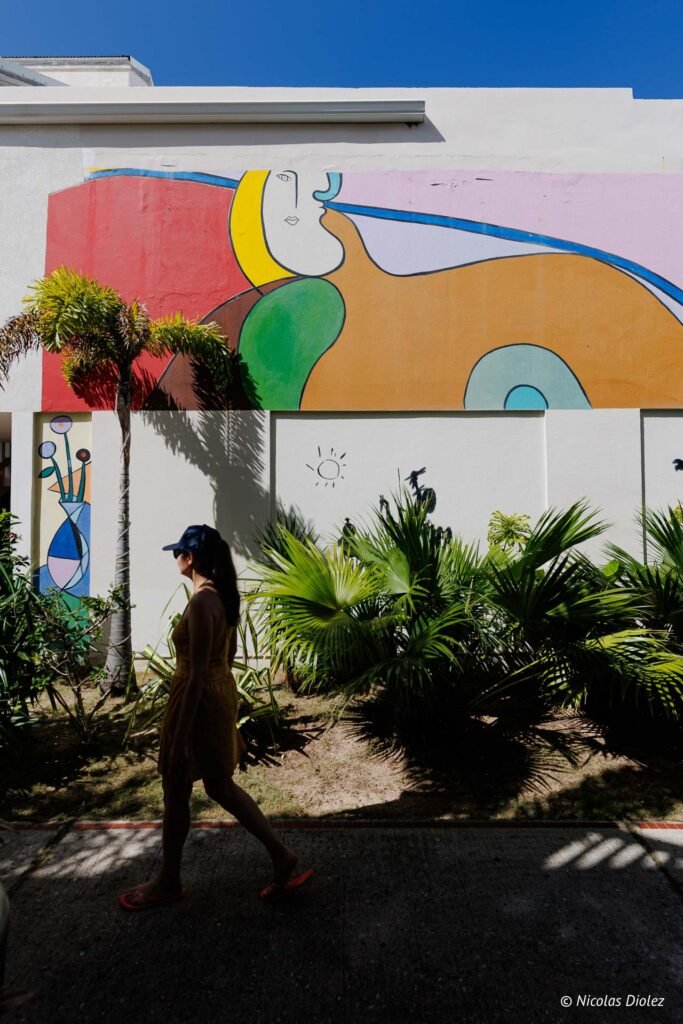
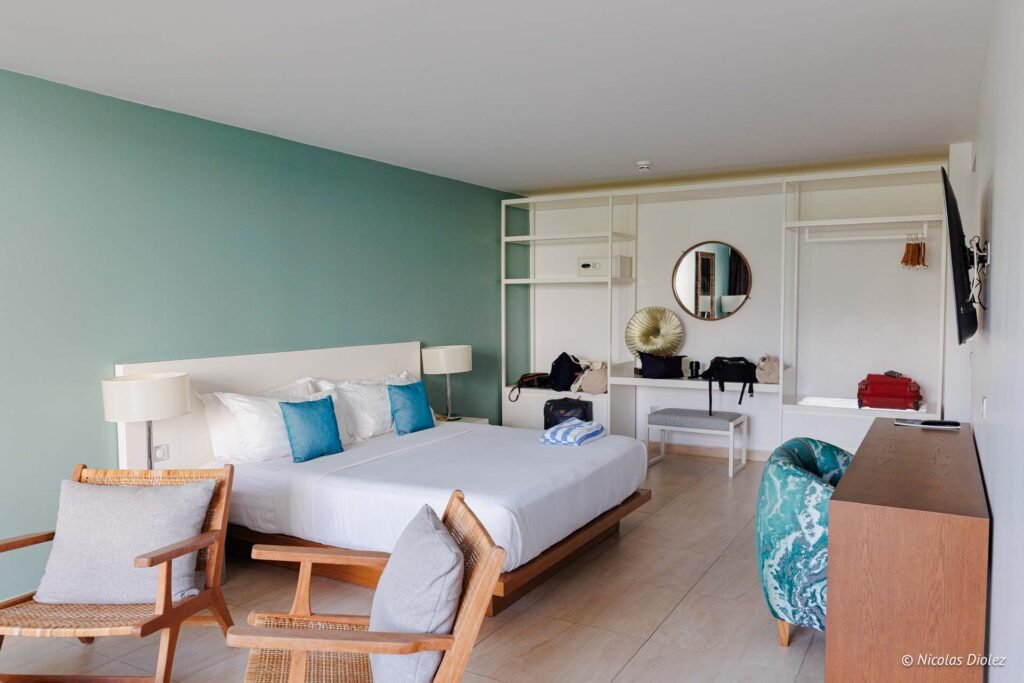
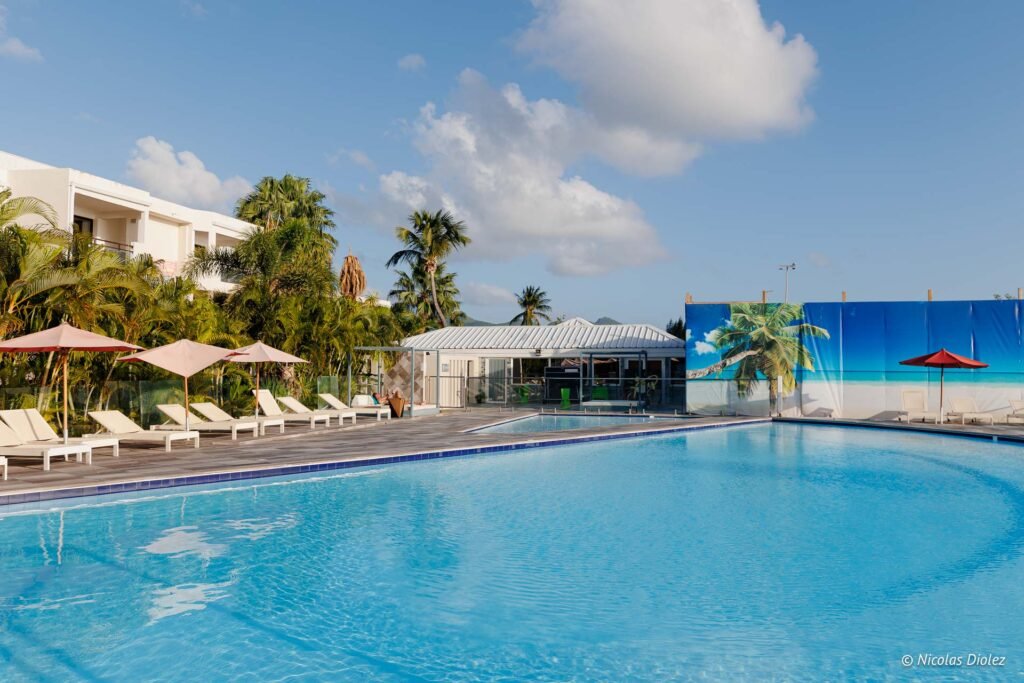
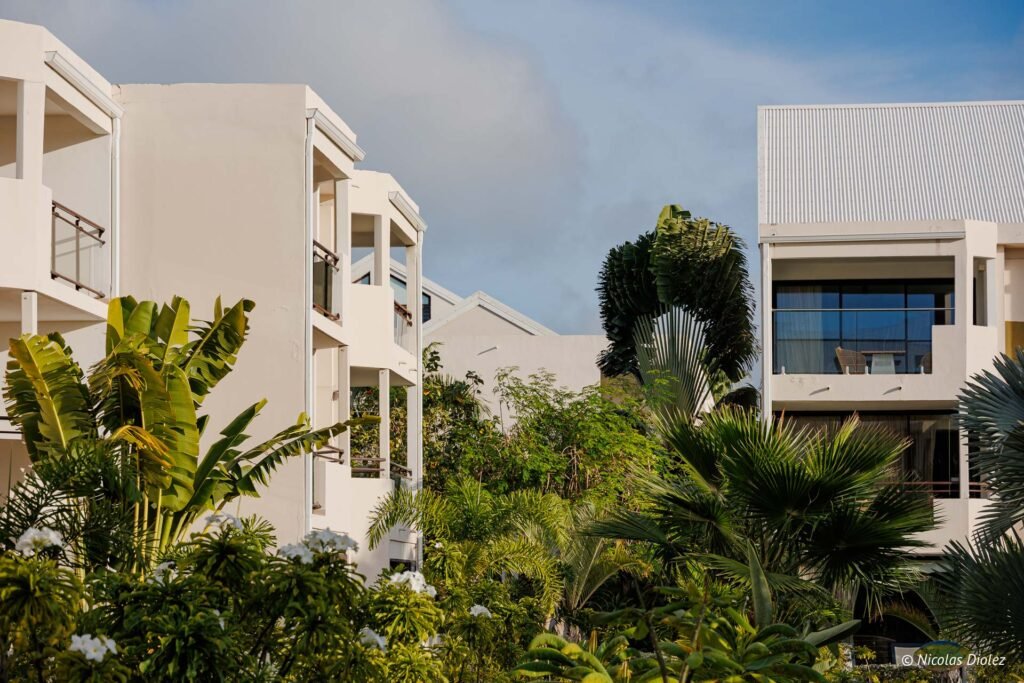
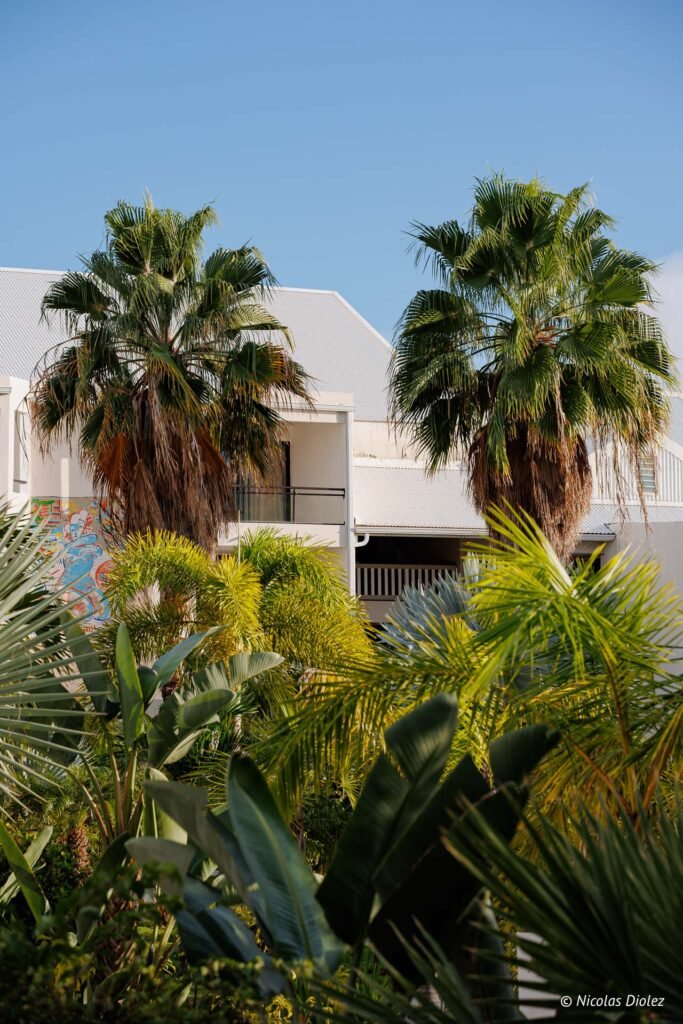
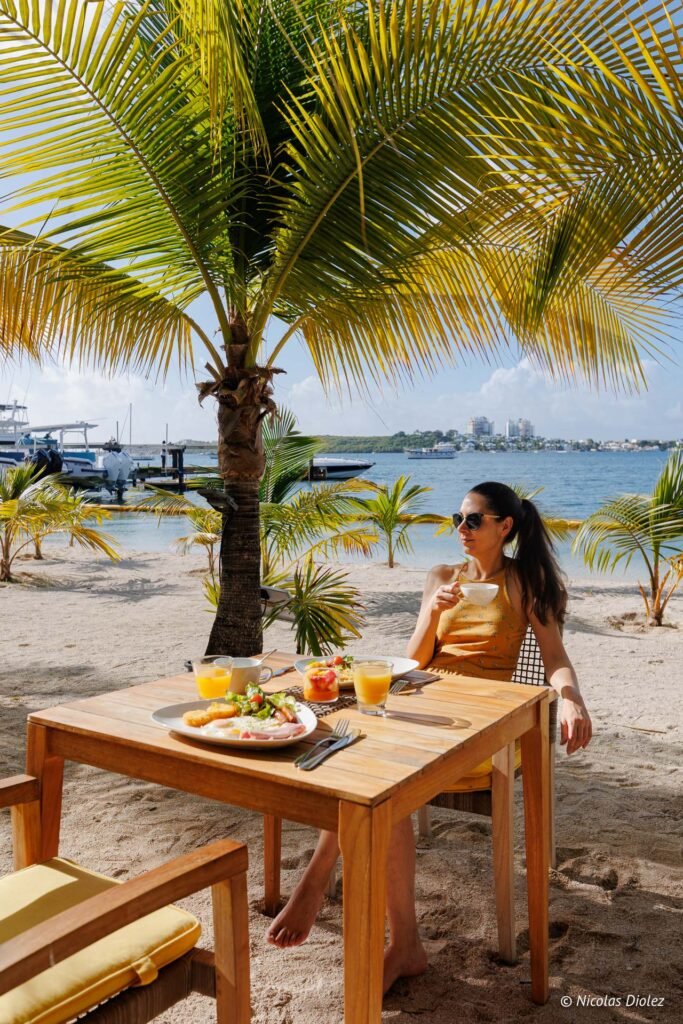
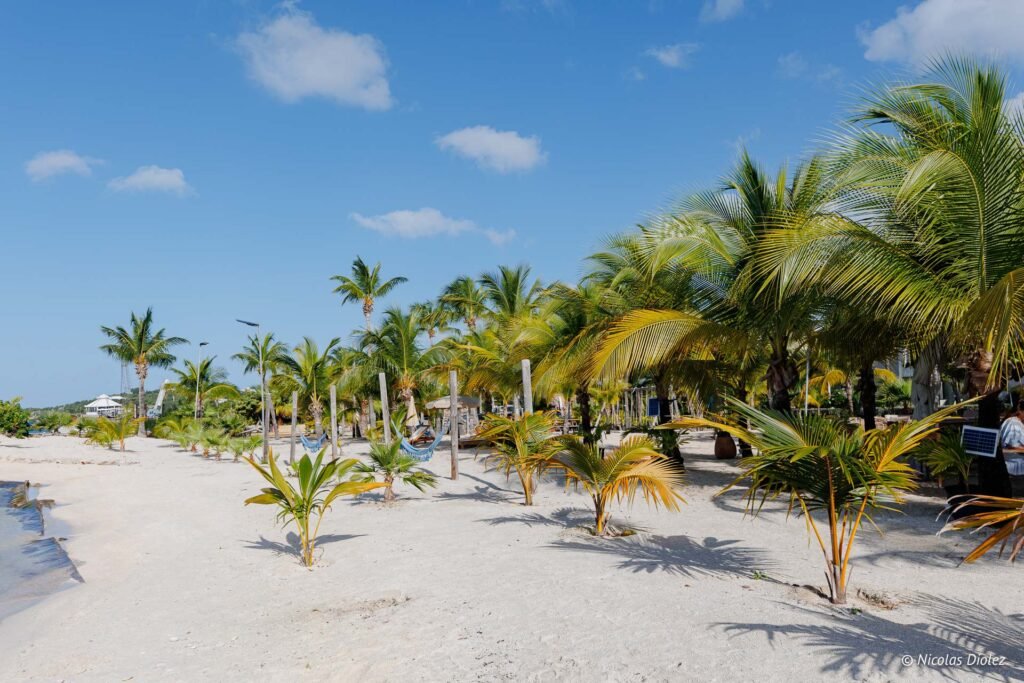
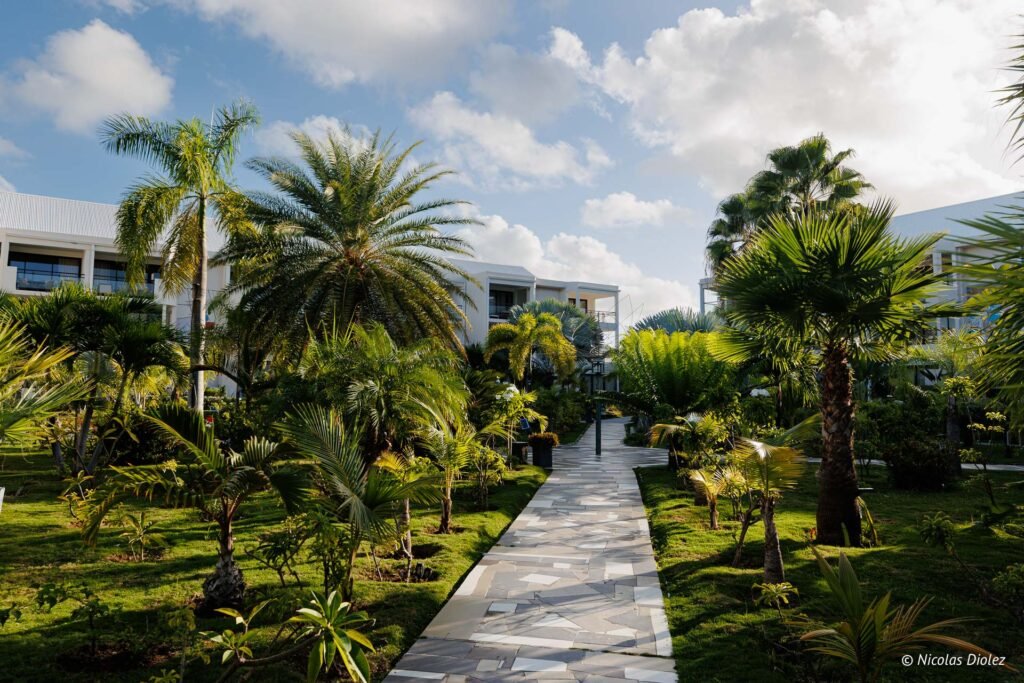
For this stay, we packed our bags at the Hommage Hôtel & Résidences, a 4-star establishment located at Baie Nettlé, in the immediate vicinity of Marigot in the French part. Bordering the Simpson Bay lagoon, this hotel (formerly Mercure) stands out for its open-air museum concept: 148 rooms scattered in a vast tropical garden punctuated by numerous sculptures and contemporary paintings by artists. The establishment also has a beautiful outdoor pool. And then the little extra that makes you happy, having breakfast in the morning, with your toes in the sand facing the sea, the dream!
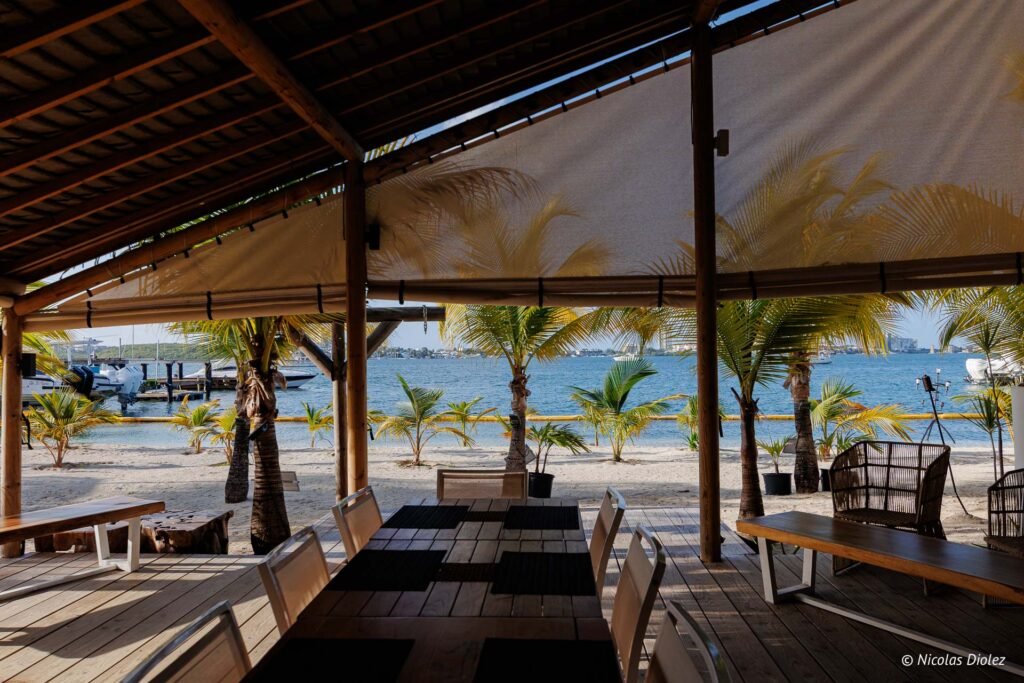
Hommage Hôtel & Résidences
173 Route de la Baie Nettlé, 97150 Saint-Martin
Prices: from 130 € per night depending on the season
Book your stay → For a more transparent world…If you book by clicking this link, a small commission is paid to us by the site. This doesn't affect the price you pay at all, but it helps support the blog. Up to you 🙂
_
Thanks to Air Caraïbes for the invitation to this inaugural flight as well as to the Saint-Martin Tourist Offices and our local partners for the warm welcome during this stay.
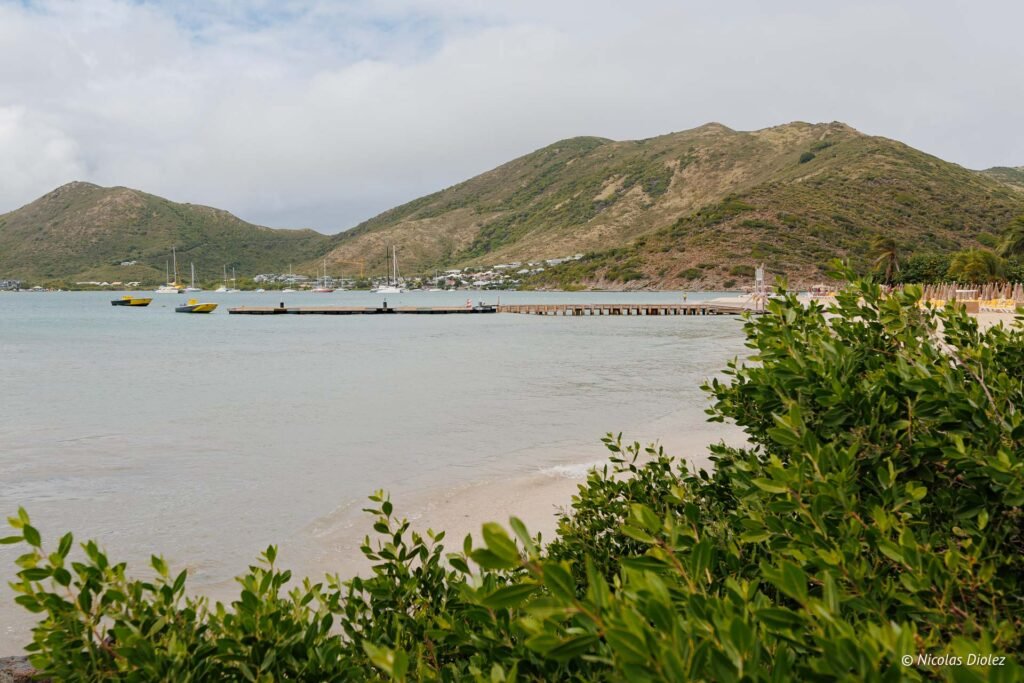
I hope that with all this I have made you want to visit Saint-Martin and if you also have your own good addresses and tips for this Caribbean destination, do not hesitate to share them in the comments below!
Photo credits: Nicolas Diolez
Photos not royalty-free, photographer's authorization required before any use