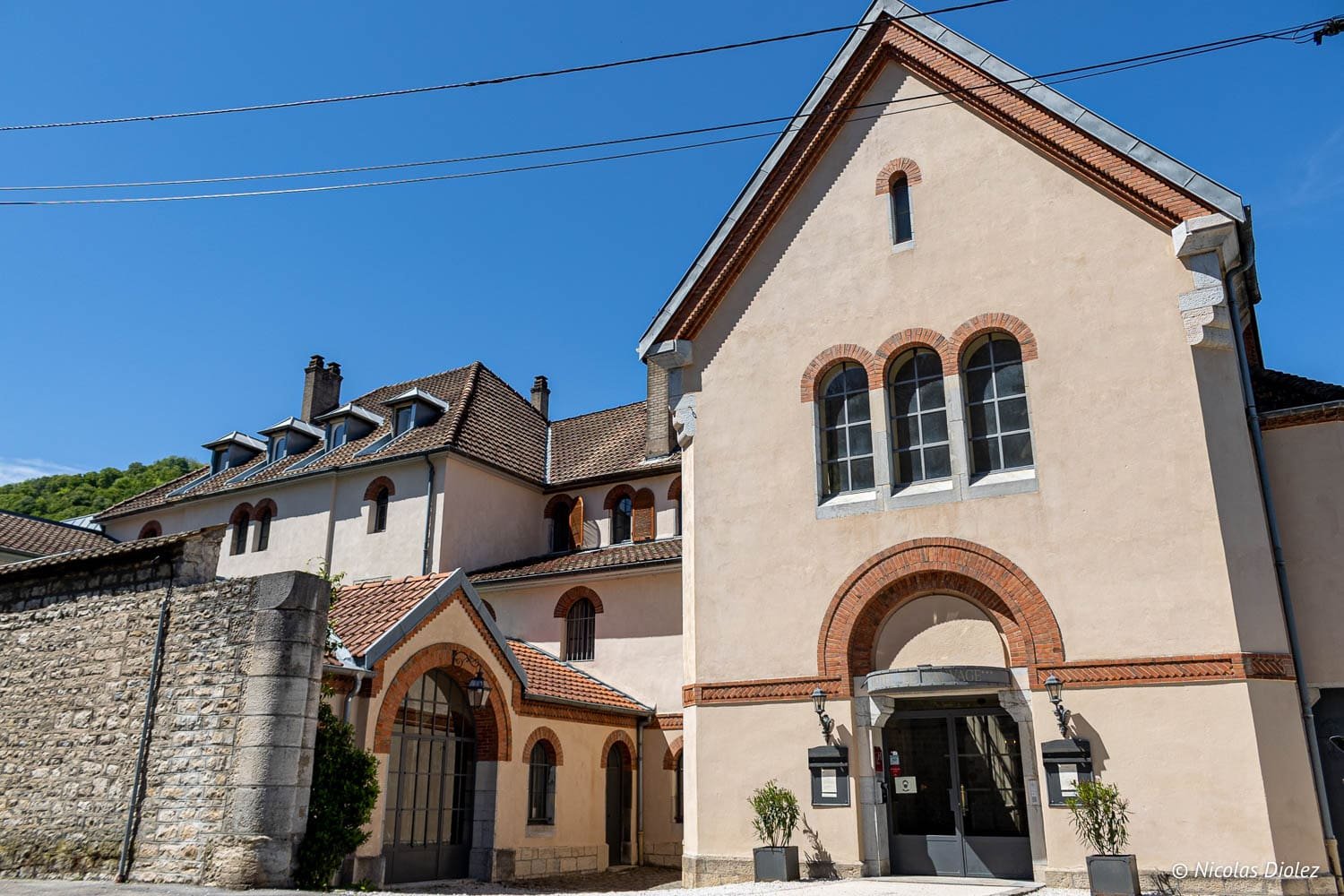
The Meuse department is one of the 10 departments in the new Grand Est region. I have to admit I’d never really been to this part of France before, so I was, as always, super excited to discover a region I don’t know very well.
The department takes its name from the playful river that winds through it from south to north, acting somewhat like its spine. Fun fact: the Meuse is one of Europe’s major rivers, stretching over 950 km long. It crosses France as well as Belgium and the Netherlands before flowing into the North Sea.
This corner of France is located right in the heart of the former Lorraine region, which still retains a very strong local identity based on what I saw and experienced on the spot. The Meuse is also a rural and agricultural department with fields as far as the eye can see, stretching all the way from north to south.
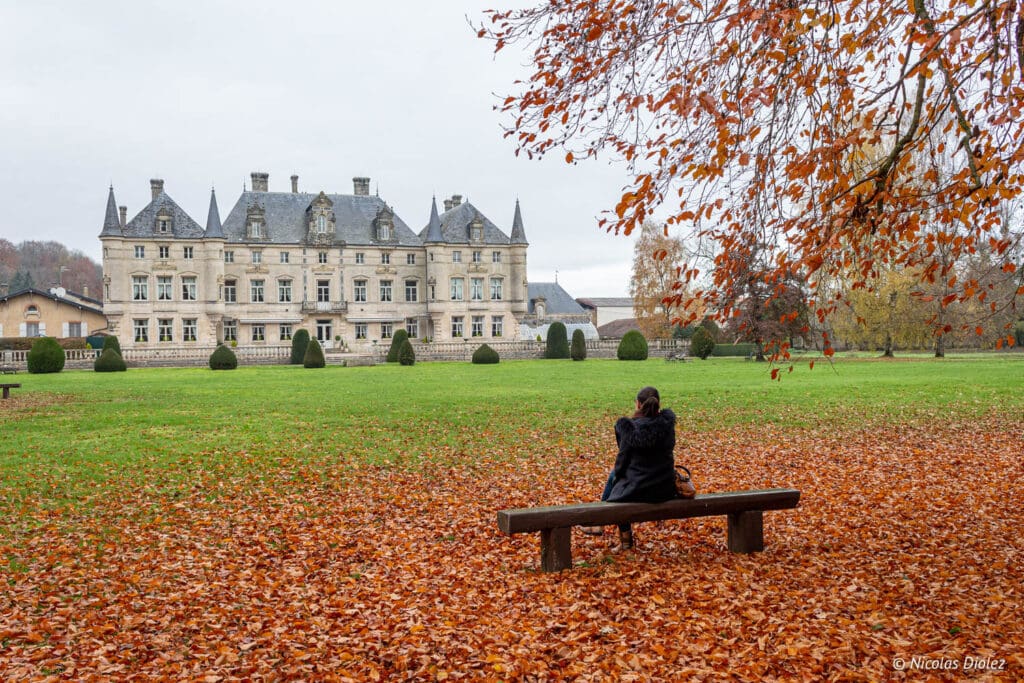
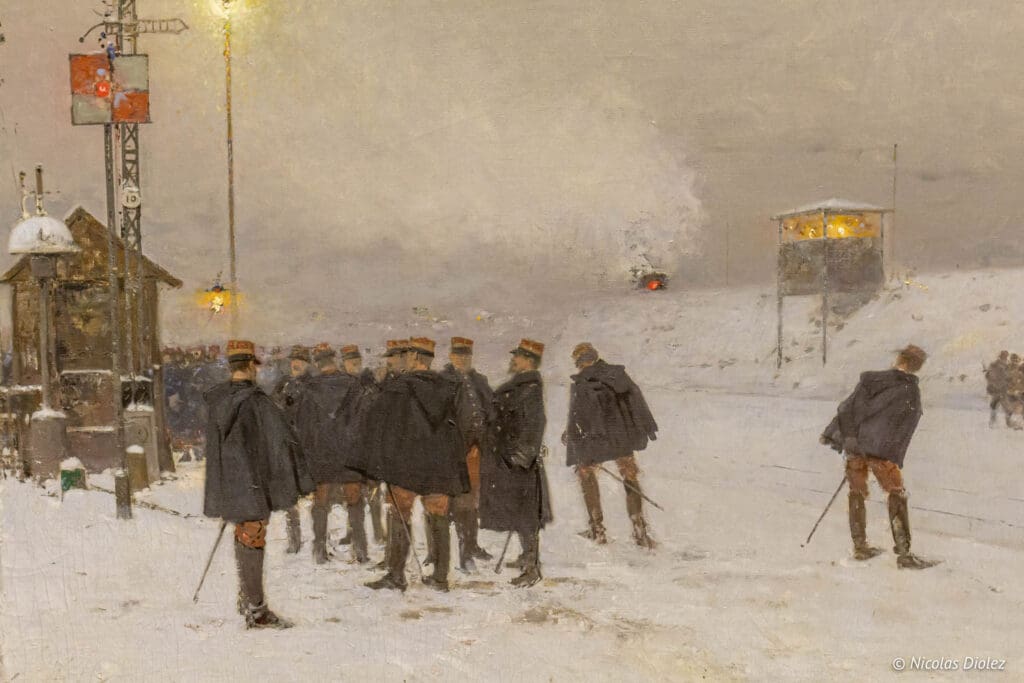

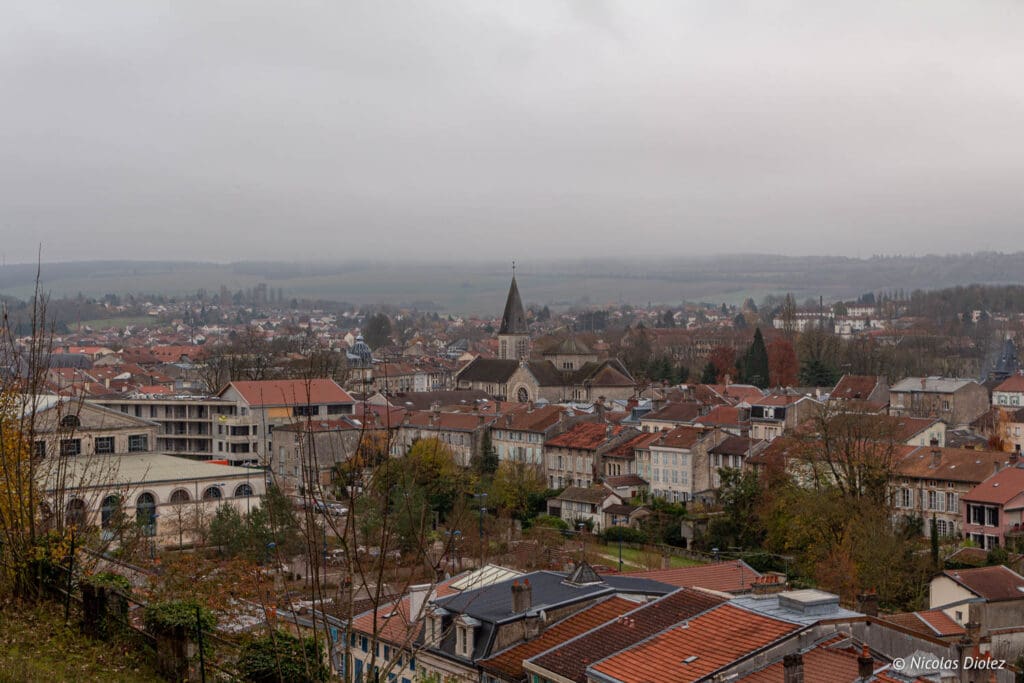
Another important point, which crops up everywhere in the Meuse, is that this department suffered terribly during the First World War, also known as the Great War, particularly during the Battle of Verdun (which I’ll tell you more about later in the article). We must remember that the entire Meuse region was right on the front line back then, making it a martyred and disfigured department.
Today, the Meuse actually boasts the world’s richest “Great War” heritage, with a profound historical, archaeological, and memorial legacy.
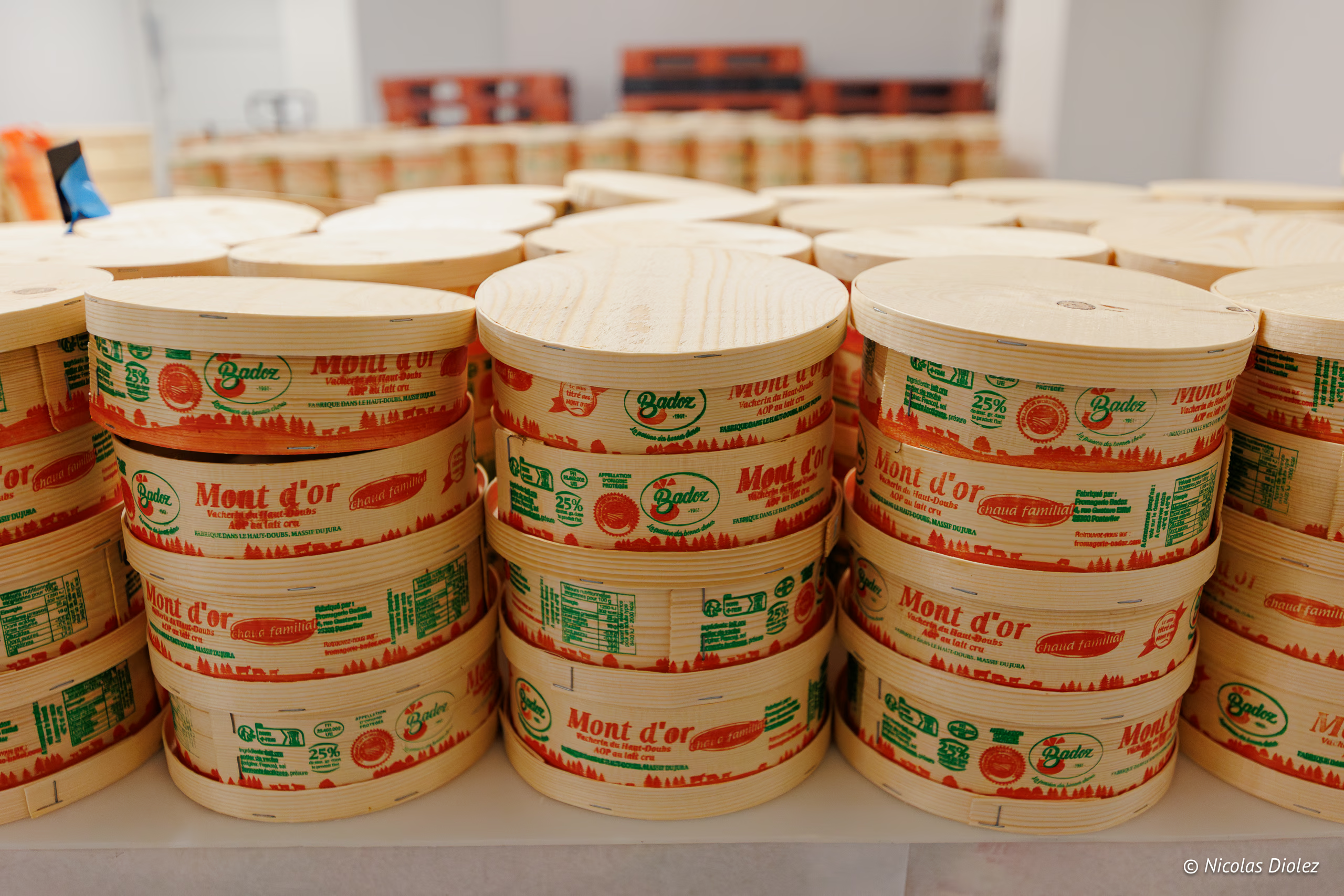
As you’ll see, it’s also a wonderfully foodie department featuring gorgeous locally made products and fascinating, often ancient crafts. I’m thinking in particular of the Mirabelle plum, which is truly the Queen of Lorraine. You’ll find it blended into pretty much every product in the department—it’s honestly impressive! It is undeniably the iconic fruit of Lorraine.
On the gastronomic side, this area also boasts a rich industrial past in brewing dating back to the mid-19th century. Today, the Meuse has 6 microbreweries, a beer museum, and the Ipoustéguy Center. What’s more, the Meuse also produces wine in a region called the Côtes de Meuse.
Below you’ll find a map with our sightseeing itinerary across the Meuse department in case you’d like to follow the same route as us.
Addresses
- Bar-le-Duc — 55000 Bar-le-Duc, France
- Gîte Côté Green — 36 Rue Basse, 55000 Combles-en-Barrois, France
- La Boîte à Madeleines — ZAE La Louviere, 55200 Commercy, France
- Maison des Truffes et de la Trufficulture — Rue du 1er Septembre 1944, 55200 Boncourt-sur-Meuse, France
- Hôtel-Restaurant du Lac de Madine — 22 Rue Charles de Gaulle, 55210 Heudicourt-sous-les-Côtes, France
- GAEC de l’Aumonière — 11 Rue Arnay le Duc, 55210 Vigneulles-lès-Hattonchâtel, France
- Jardin de Lorraine — 32 Rue de la Mirabelle, 55210 Vigneulles-lès-Hattonchâtel, France
- Chocolaterie Sereivan’s — 9 Place Jacques Bailleux, 55300 Saint-Mihiel, France
- Château des Monthairons — 26 Rue de Verdun, 55320 Les Monthairons, France
- Verdun — 55100 Verdun, France
Practical Information
Getting there by car: about a 2.5-hour drive from Paris.
Meuse Tourisme: 28 Rue des Romains, 55000 Bar-le-Duc
Table of Contents
Step 1: Bar-le-Duc and the Barrois region
The first stop on our journey to visit the Meuse brought us to the lovely town of Bar-le-Duc, located in the heart of Champagne Lorraine. It is also the prefecture of the Meuse department and the former capital of the Duchy of Lorraine.
The town developed in the mid-10th century when Duke Frederic of Ardennes had a fortified castle built on a rocky spur overlooking the Ornain valley. In the 12th century, this gave rise to the neighborhood known as the “Ville Haute” (Upper Town). Today, this part of town retains many examples of Renaissance architecture. You can admire its beautiful buildings made of Savonnières stone, used in traditional construction as well as in Bar-le-Duc’s fine Renaissance mansions.

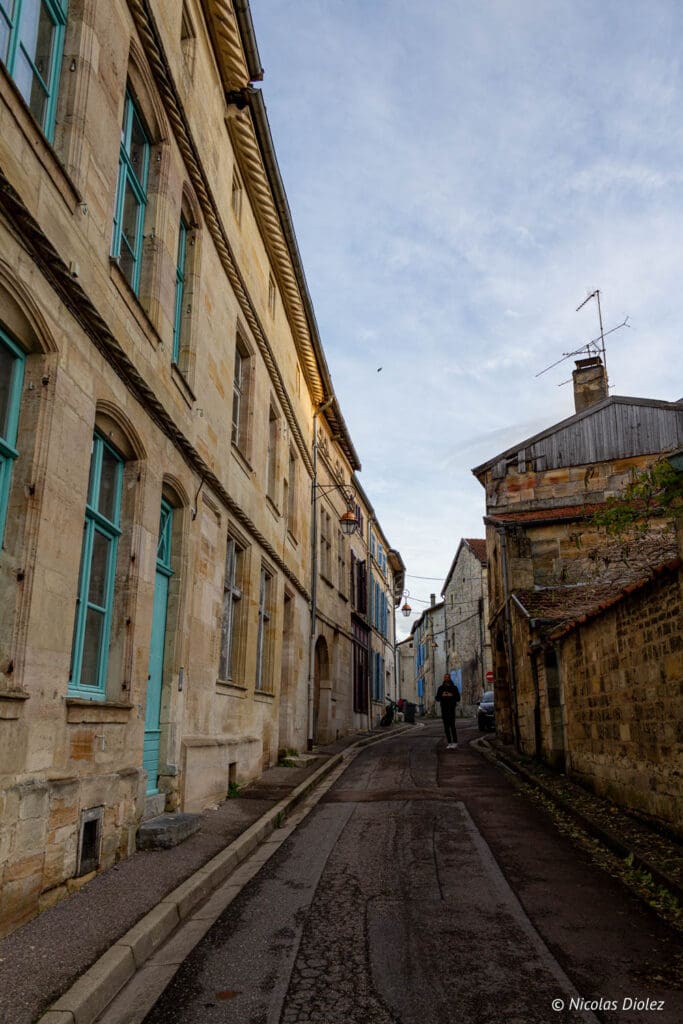
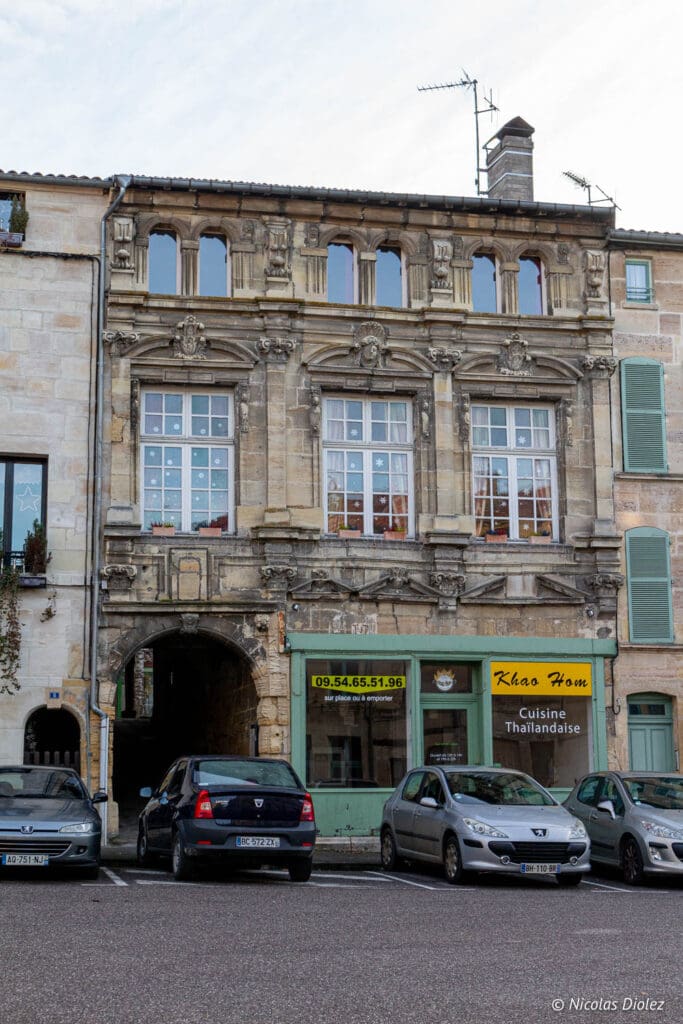
The city later experienced significant growth during the 16th and 17th centuries, when its population jumped from 3,000 to 10,000 during a period of prosperity and peace.
During your walk through the upper town, I particularly recommend visiting Saint-Etienne church, a Gothic building housing an impressive sculpture: the Transi (or Skeleton), a masterpiece by Ligier Richier (a great Renaissance artist from Lorraine) depicting a corpse.

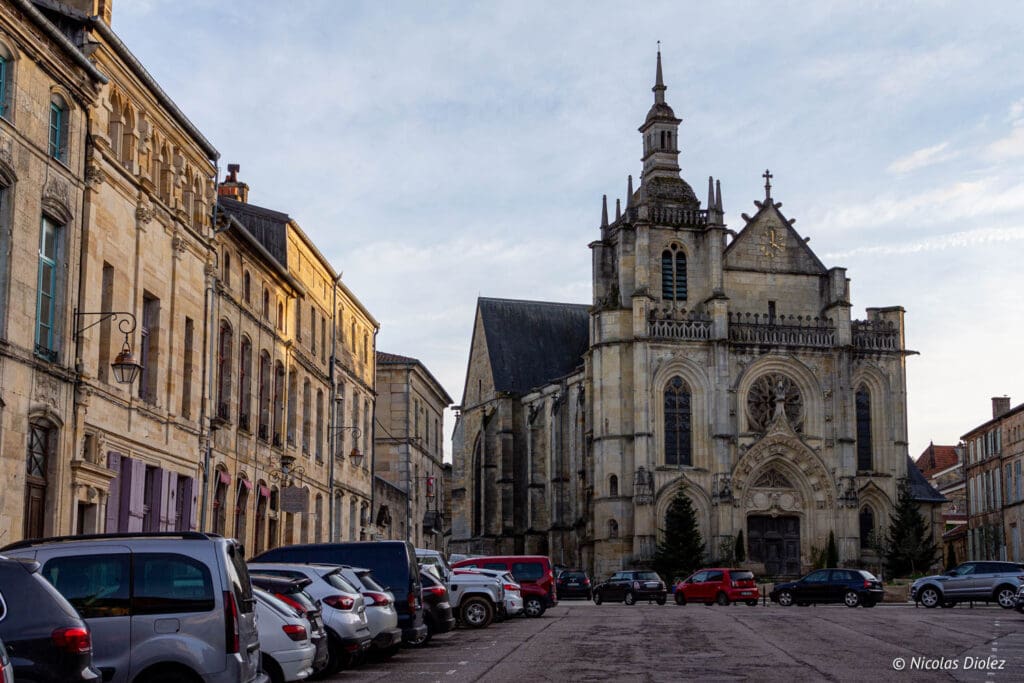

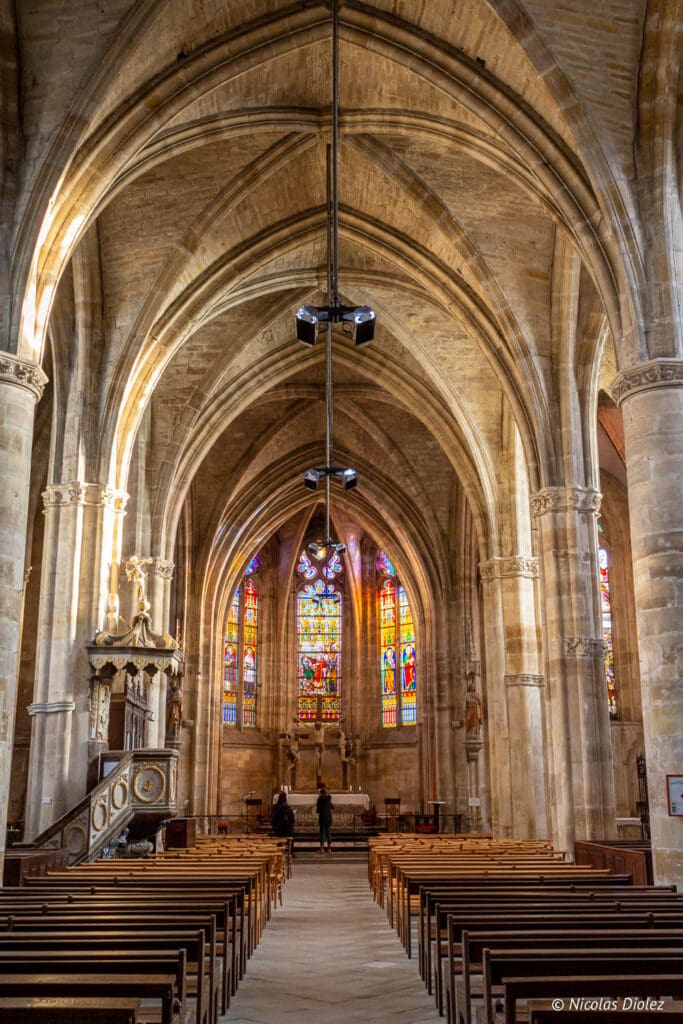

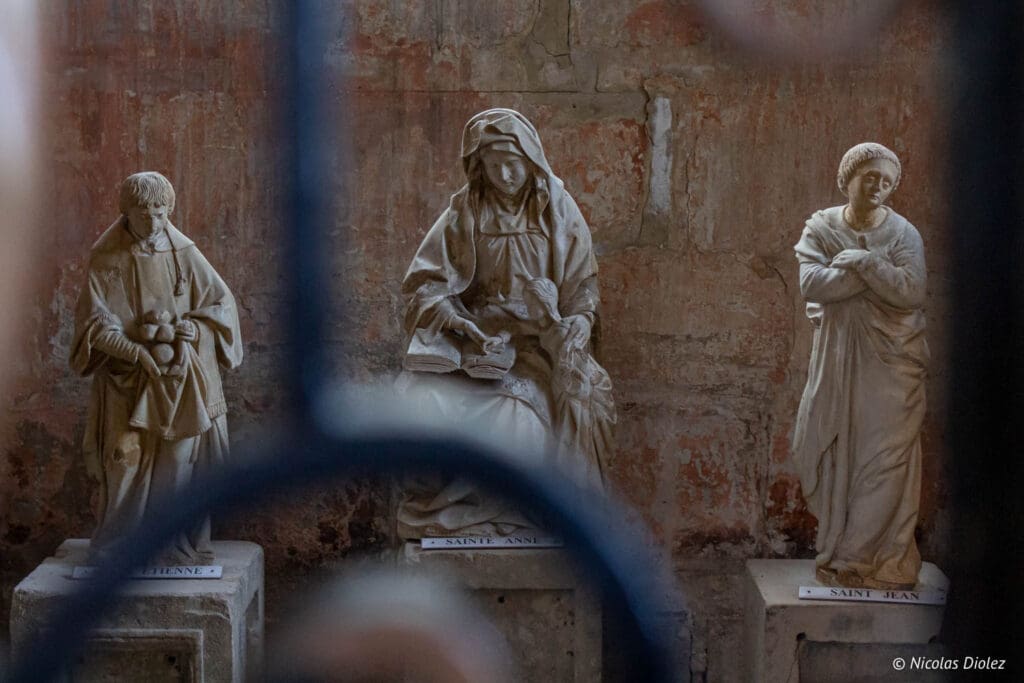

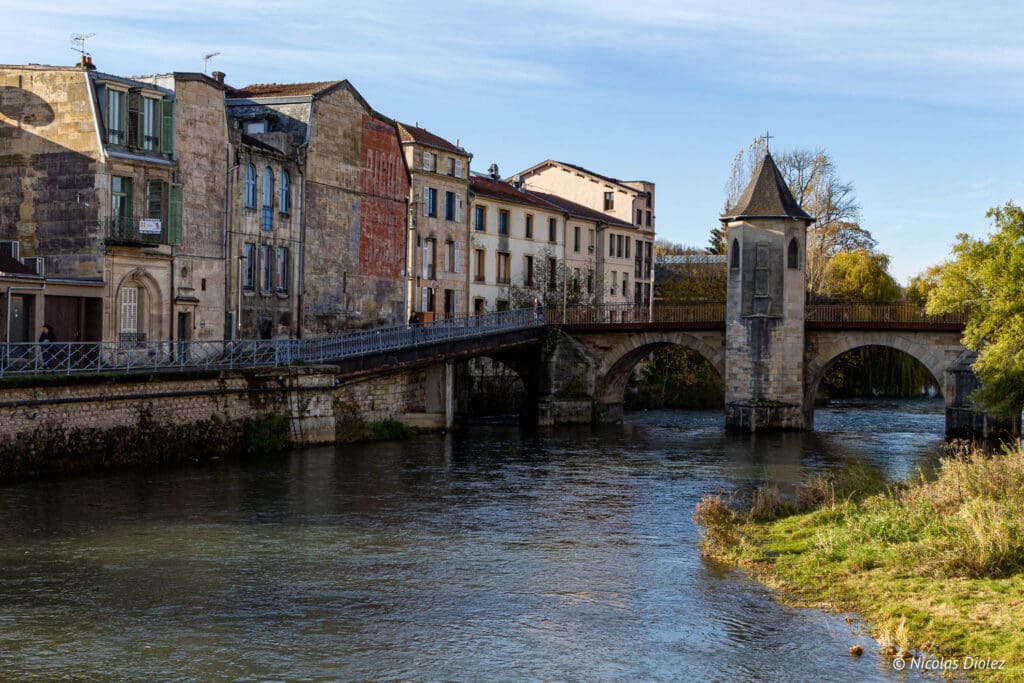
Later on, the lower town would in turn develop around the Notre-Dame district and the Saulx river.
The good deal: To guide you through discovering the city, you can follow the two walking trails (lasting 1 or 2 hours) created by the town of Bar-le-Duc via explanatory panels scattered throughout the city. A map featuring these routes is also available for free at the Tourist Office.
Sud Meuse Tourist Office
7 Rue Jeanne d’Arc, 55000 Bar-le-Duc
Phone: 03 29 79 11 13Guided tour of the city with Karine Péridon, certified guide-lecturer.
Free app “Bar-le-Duc, cité Renaissance” for a self-guided tour of the historic part of the city.
_
Visiting Maison Dutriez – À la Lorraine
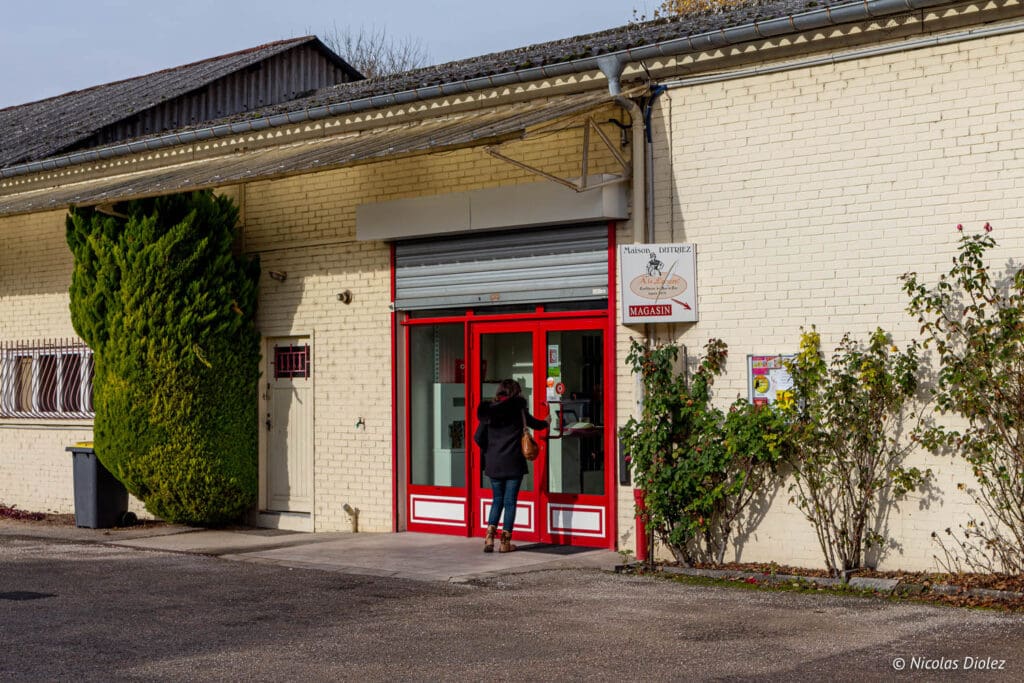
In Champagne Lorraine, redcurrants are a major institution! Maison Dutriez keeps alive an ancestral manufacturing method for redcurrant jam seeded with a goose feather, and this technique hasn’t changed since the early 14th century. The nickname for this product made exclusively in Bar-le-Duc is actually the “Bar Caviar”!
Whether red or white, the currants are seeded by hand using a goose feather (which is very impressive to watch). This technique involves removing the seeds while preserving the fruit’s flesh, which is then placed in boiling sugar syrup. It takes a great deal of skill to perform this gesture perfectly while remaining fast.
Maison Dutriez has been around since 1879 and was acquired by the family-run business A La Lorraine in 1974. Today, you can visit the shop to buy their products made strictly by the book, as well as attend individual or group guided tours (by reservation) to discover all the secrets behind making “Bar Caviar”.


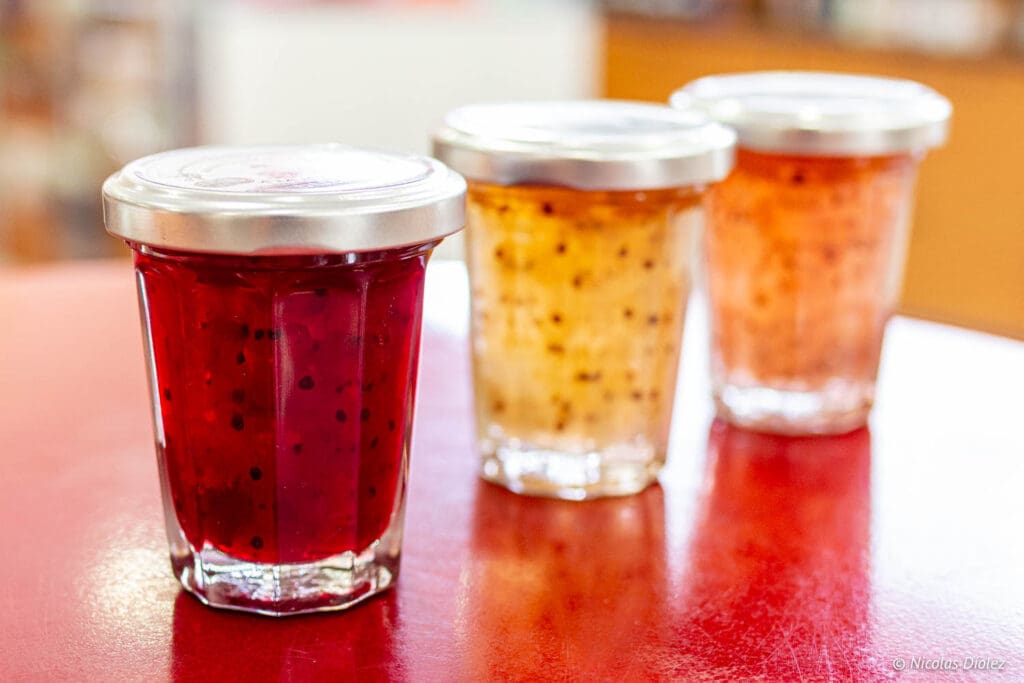

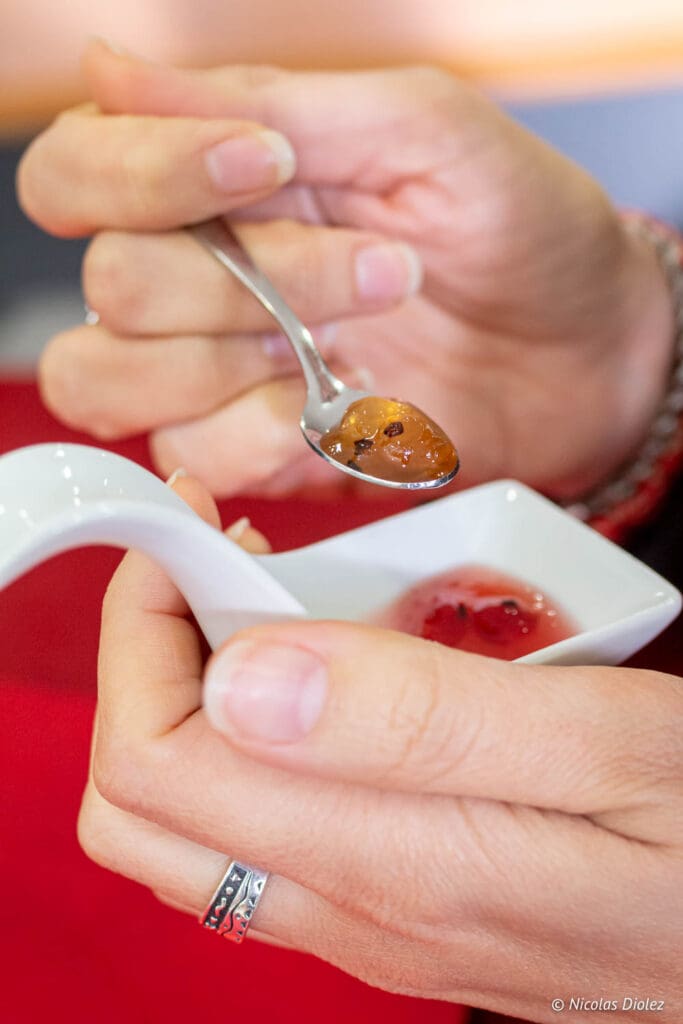

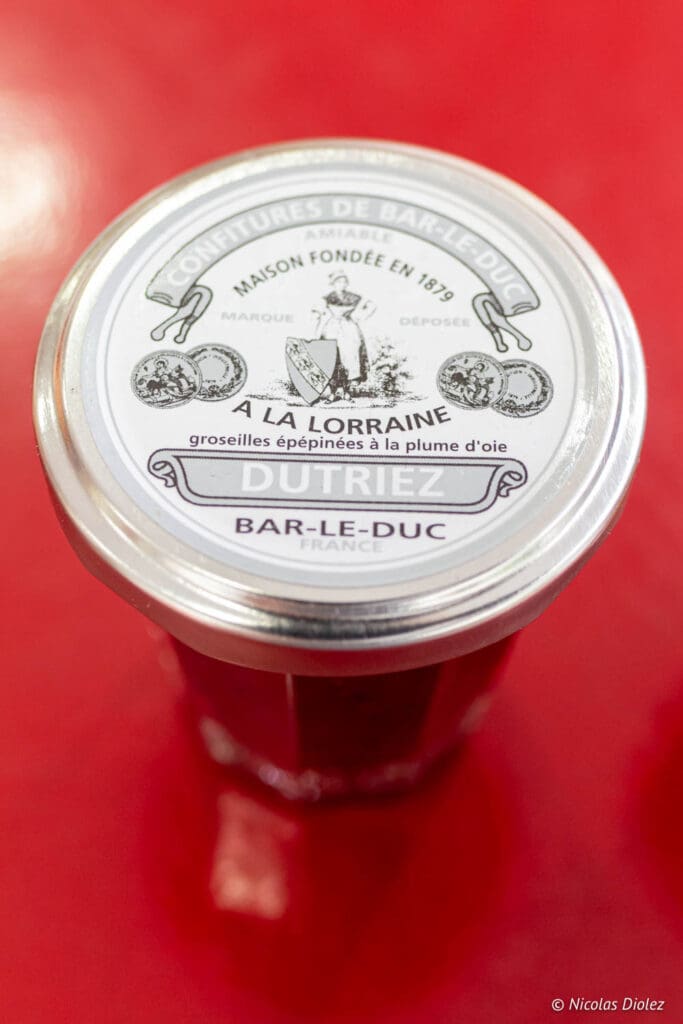

Price for the gift box of 3 jars of jam (red, white, and rosé) + 1 candle: 55 €
Chez Dutriez, Entreprise À la Lorraine
32 Rue de l’Étoile, 55000 Bar-le-DucOpen Monday to Friday from 9:30 AM to 12:00 PM and 2:00 PM to 6:30 PM, Saturday from 10:00 AM to 12:00 PM and 2:00 PM to 5:00 PM.
Guided tours (film, demonstration, and tasting) by reservation through the OT Meuse Grand Sud at 03 29 79 11 13 (5 € / person, duration about 30 minutes).
Free parking provided in the courtyard.
_
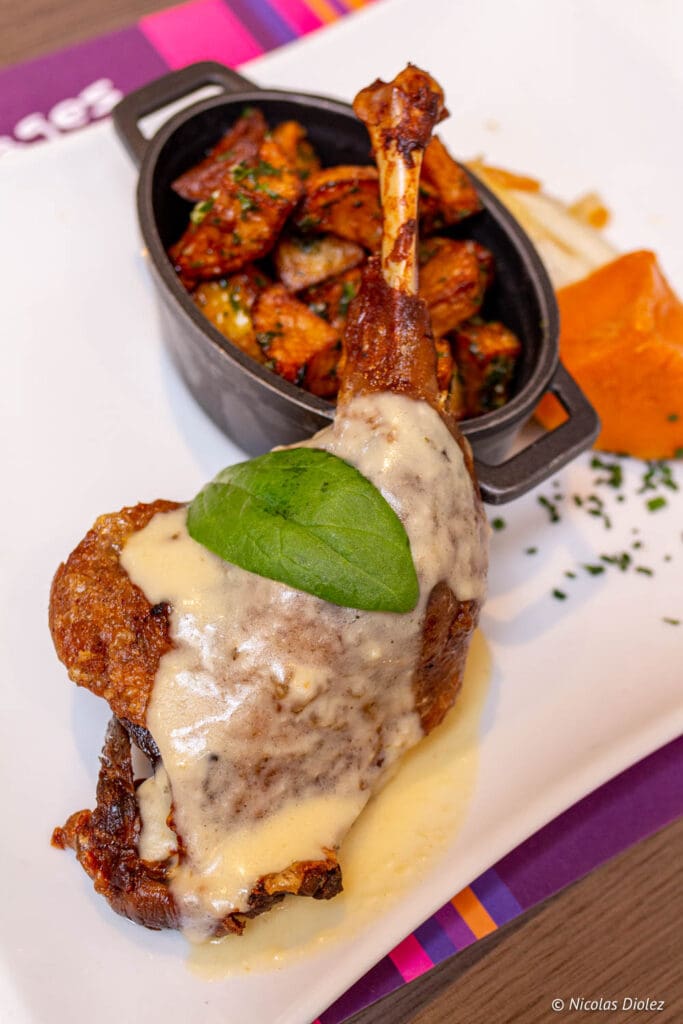
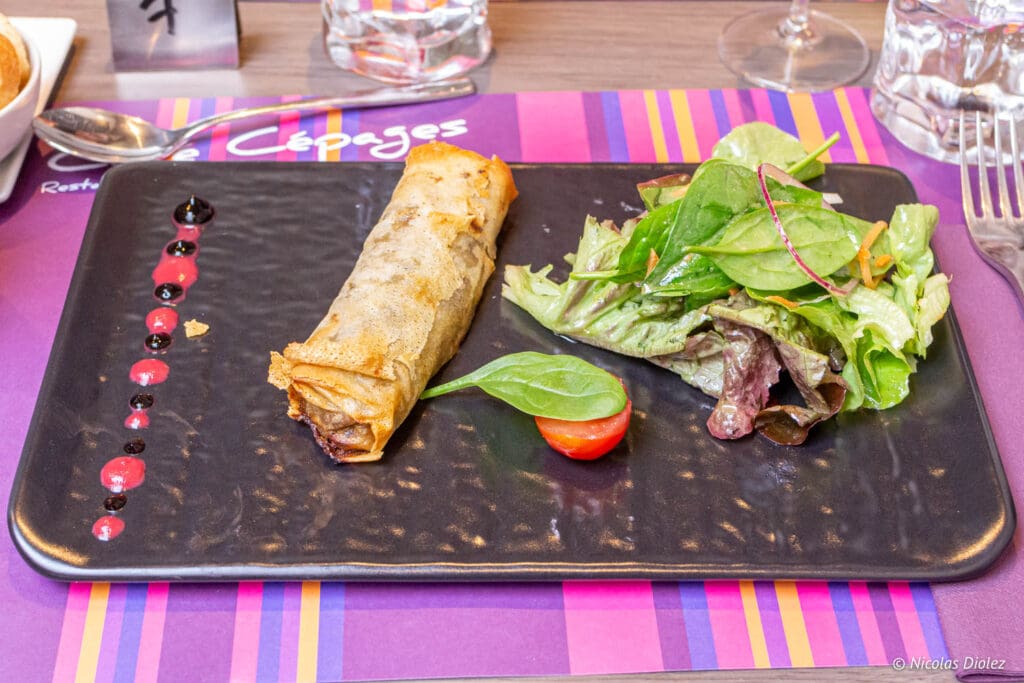
Where to have lunch in Bar-le-Duc? Restaurant Côté Cépages
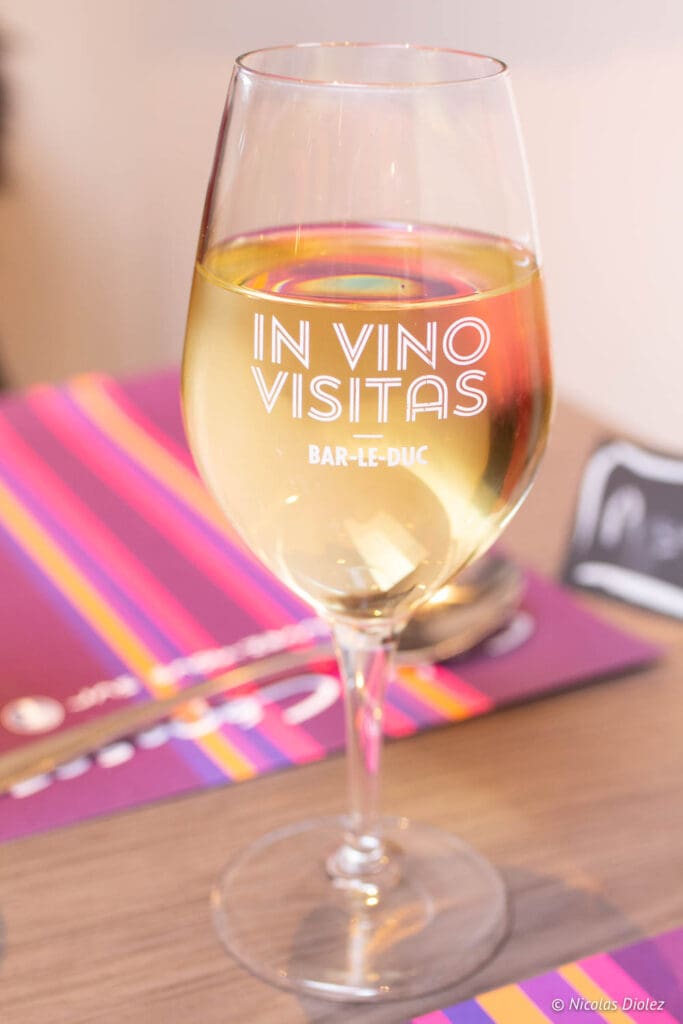
This restaurant serving generous cuisine is also a wine cellar (with around 500 references of wine, champagne, and spirits), a wine bar, and a delicatessen. Our lunch there went very well, although I wasn’t wild about the dessert, on the other hand…
I also regretted that during the meal there was no local wine available by the glass (ranging from 4.50 € to 7.90 € for the other wine-by-the-glass options), which I found really unfortunate.


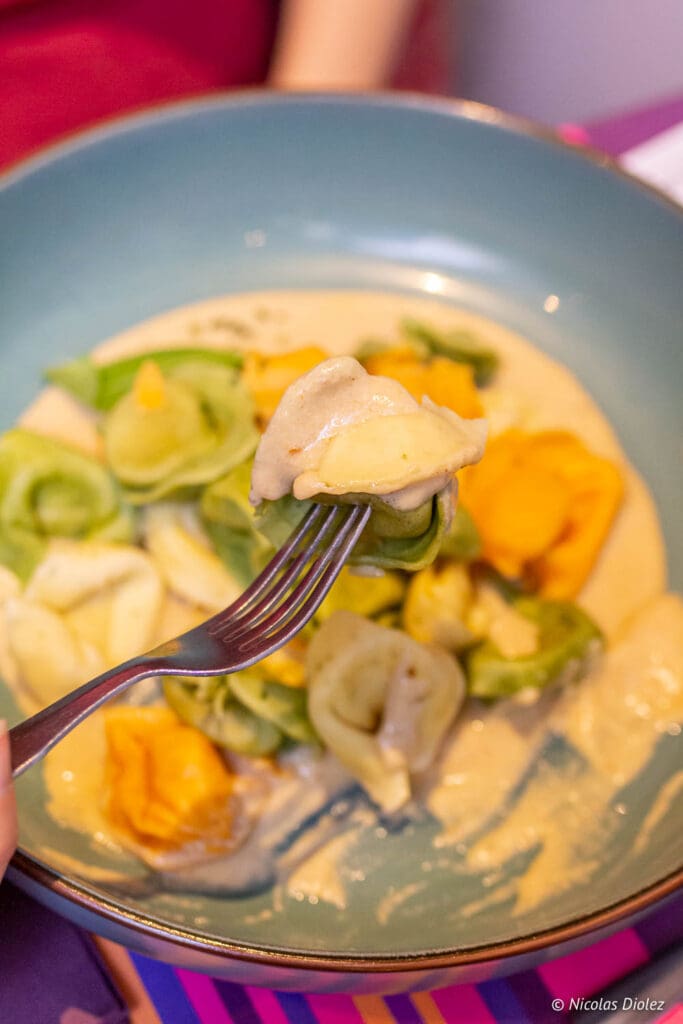

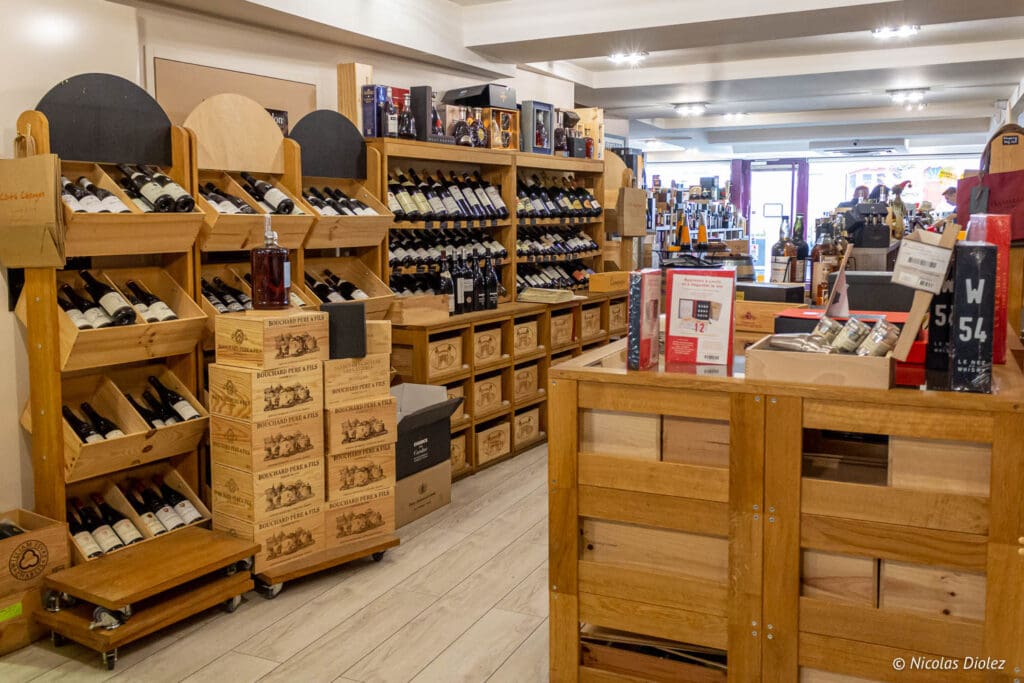
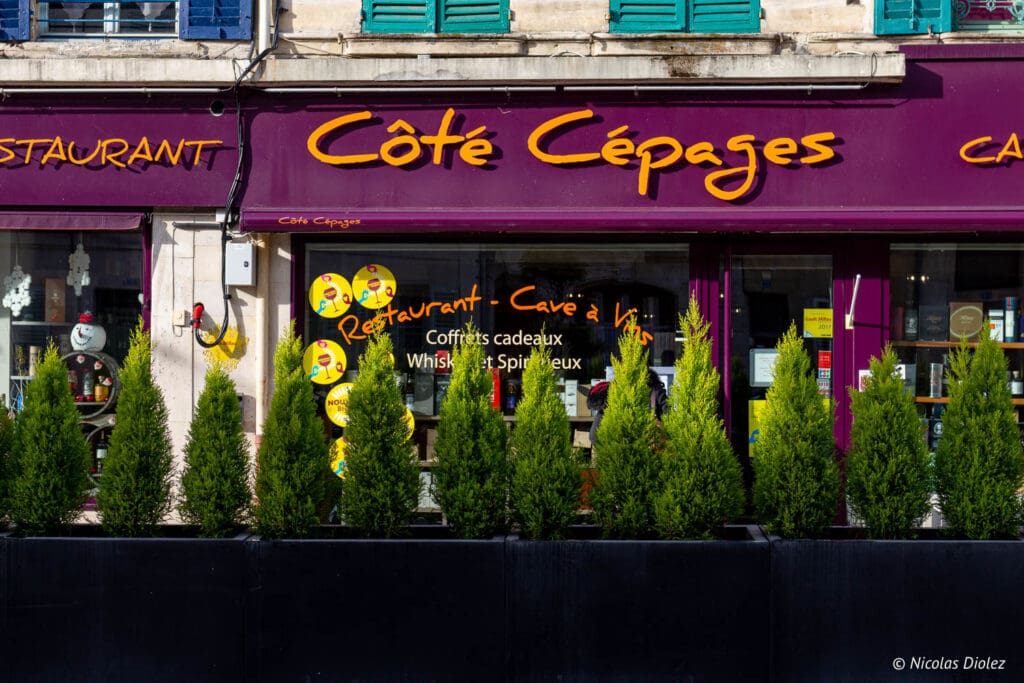
Restaurant Côté Cépages
18 Rue Bar-la-Ville, 55000 Bar-le-DucPrices observed during our visit: set menu starting at 14 € / Côté Cépages menu at 34 €.
A la carte / chalkboard specials: starter + main or main + dessert for 18 €, starter + main + dessert for 22 €.
_
Visiting the Musée Barrois
This museum is housed in the former castle of the Dukes of Bar and Lorraine dating back to the 16th century, which already makes it interesting purely because of the setting that houses these fine collections.
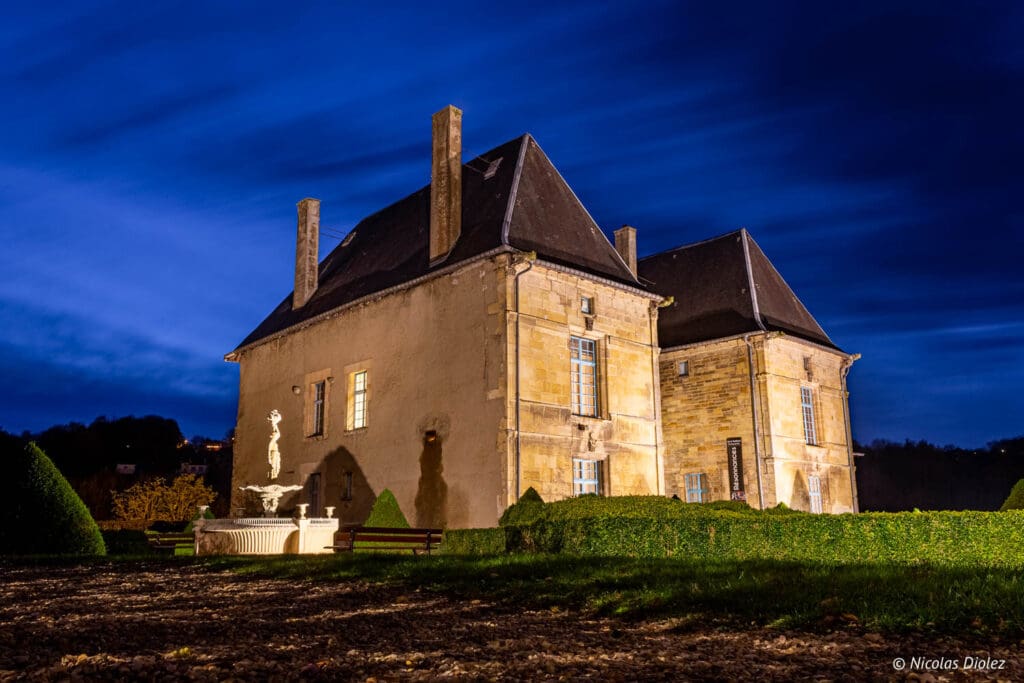
Around the museum, visitors can also enjoy a lovely setting with the French-style museum garden featuring beautiful boxwood hedges, yew trees, and a very pretty fountain known as “The Nymph of the Café des Oiseaux”.
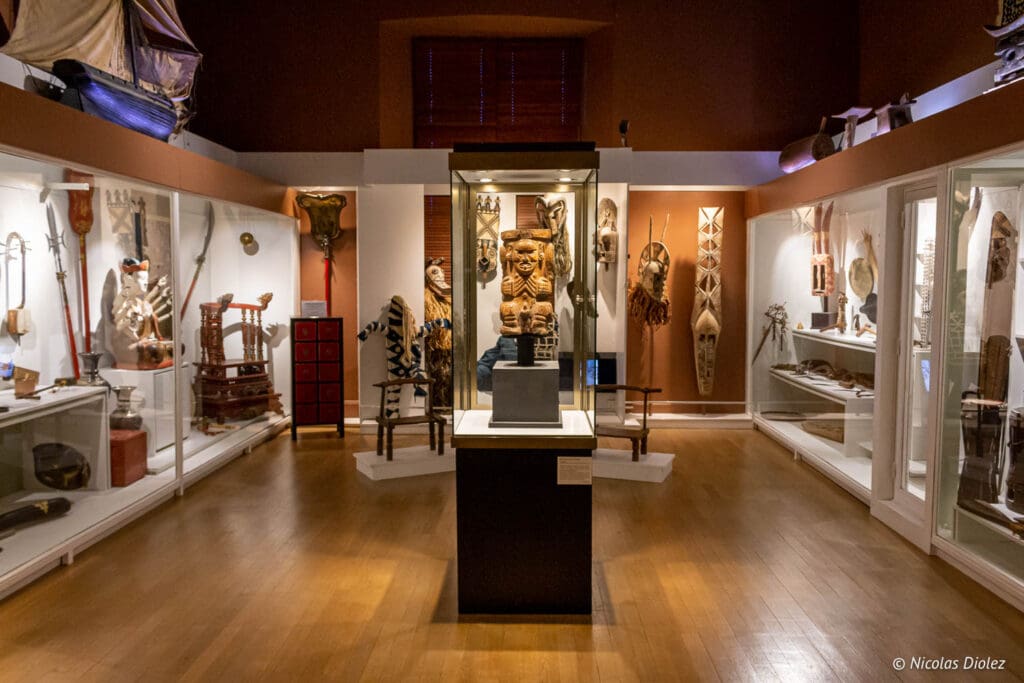
The museum’s collections are very diverse and reflect local history and heritage: weapons, paintings (very fine 19th-century works), sculptures (a lovely collection of Lorraine sculptures), and a cabinet of curiosities feel featuring non-European ethnographic objects. The archaeological section also brings together collections from the ancient site of Nasium (Naix-aux-Forges) and the Barrois region.
The Musée Barrois has also been fortunate to benefit from a vast number of state deposits since the 19th century, which complement its collections.
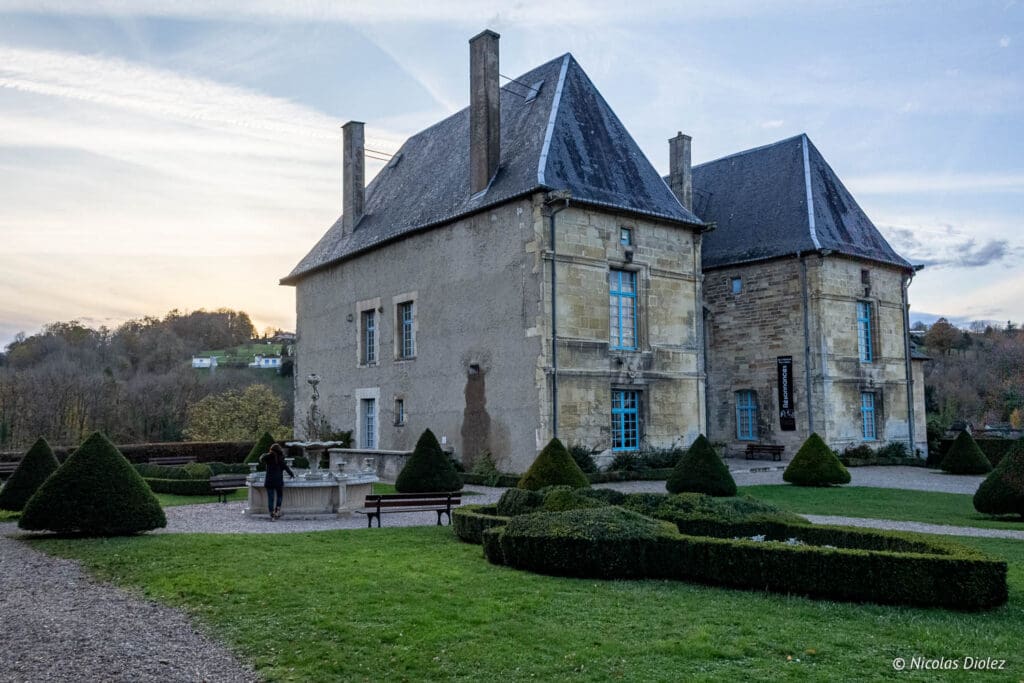
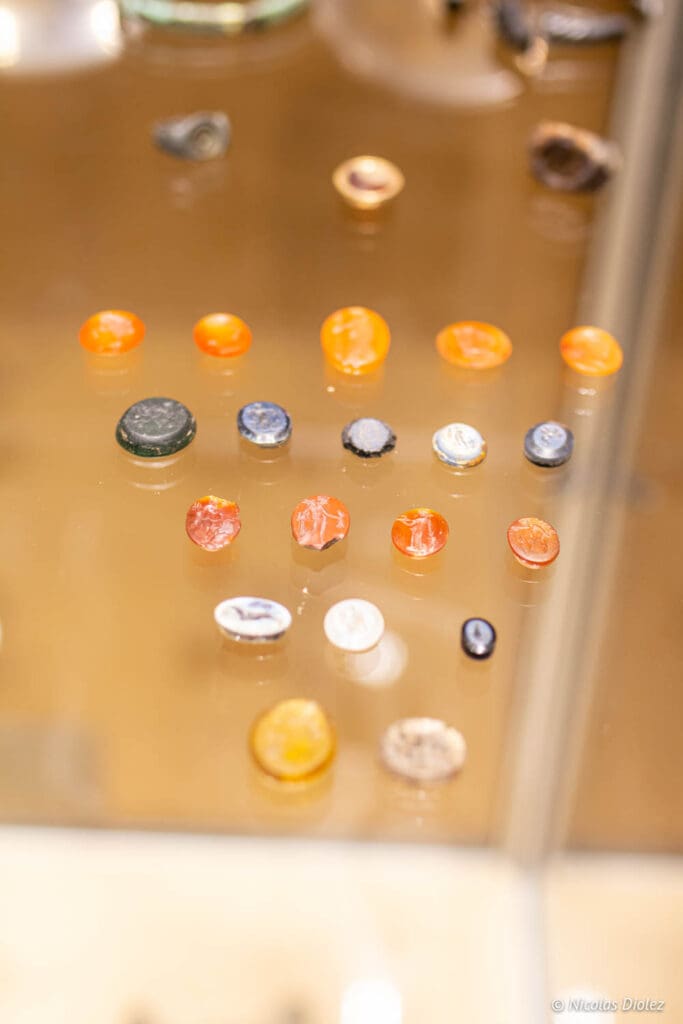
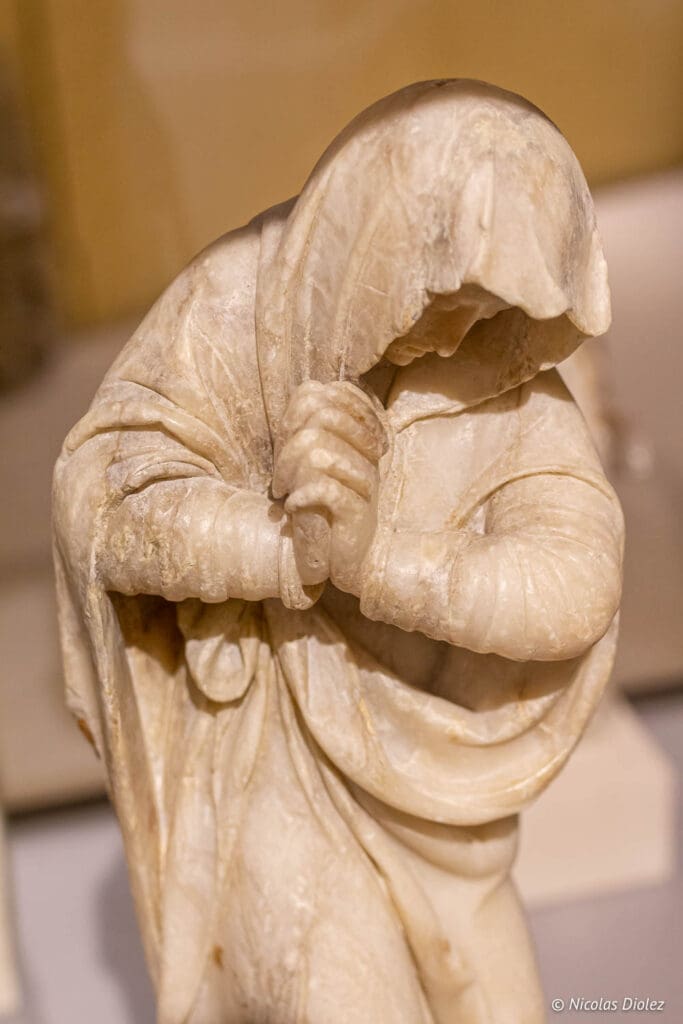
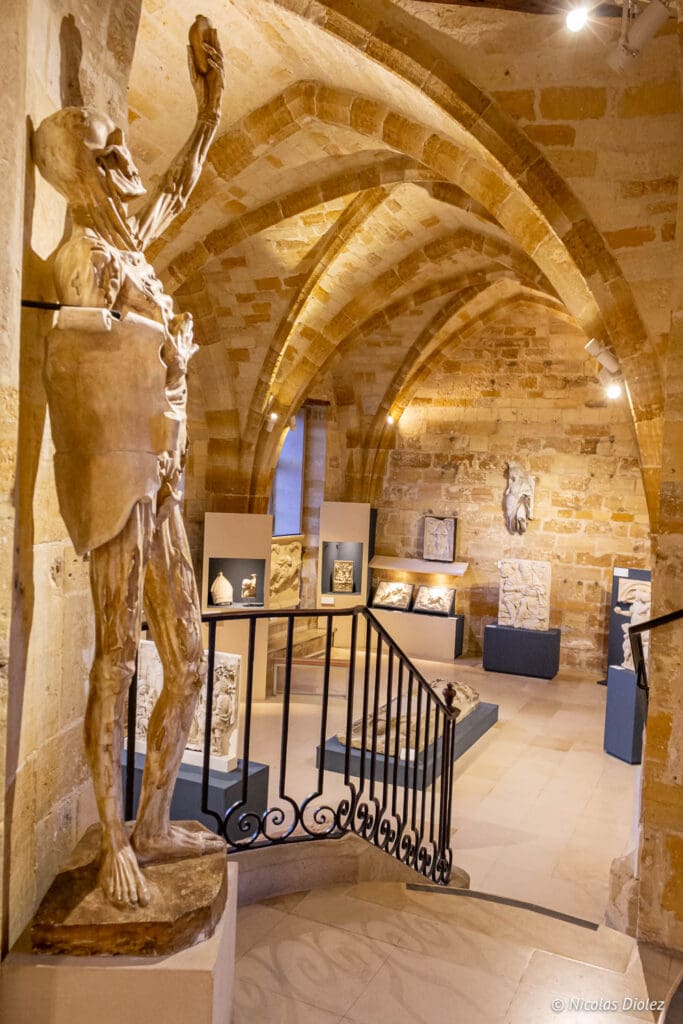
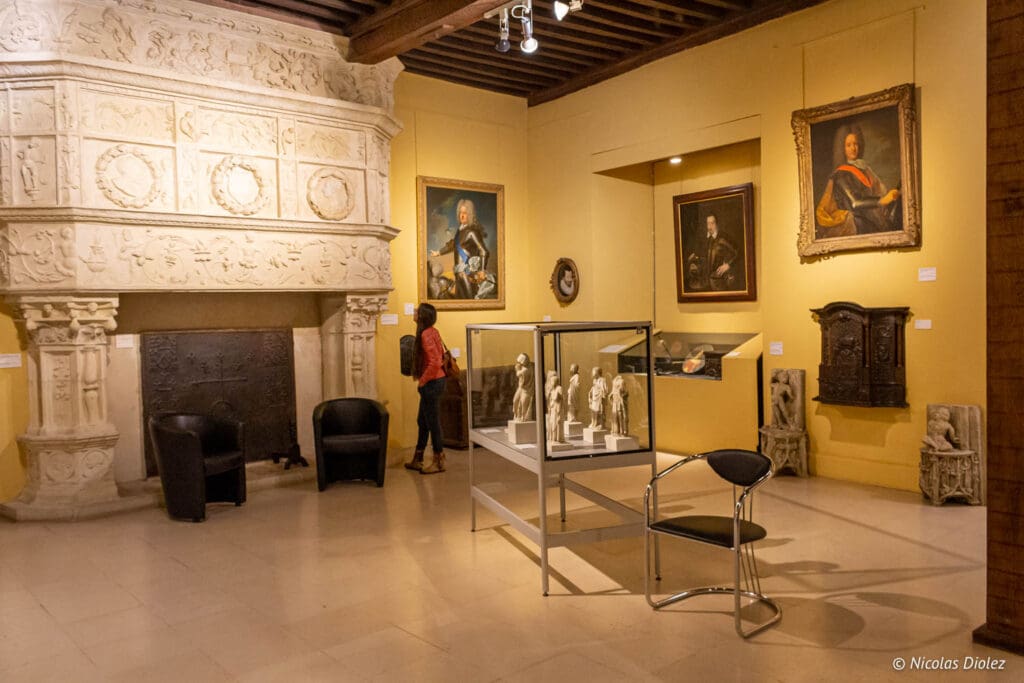
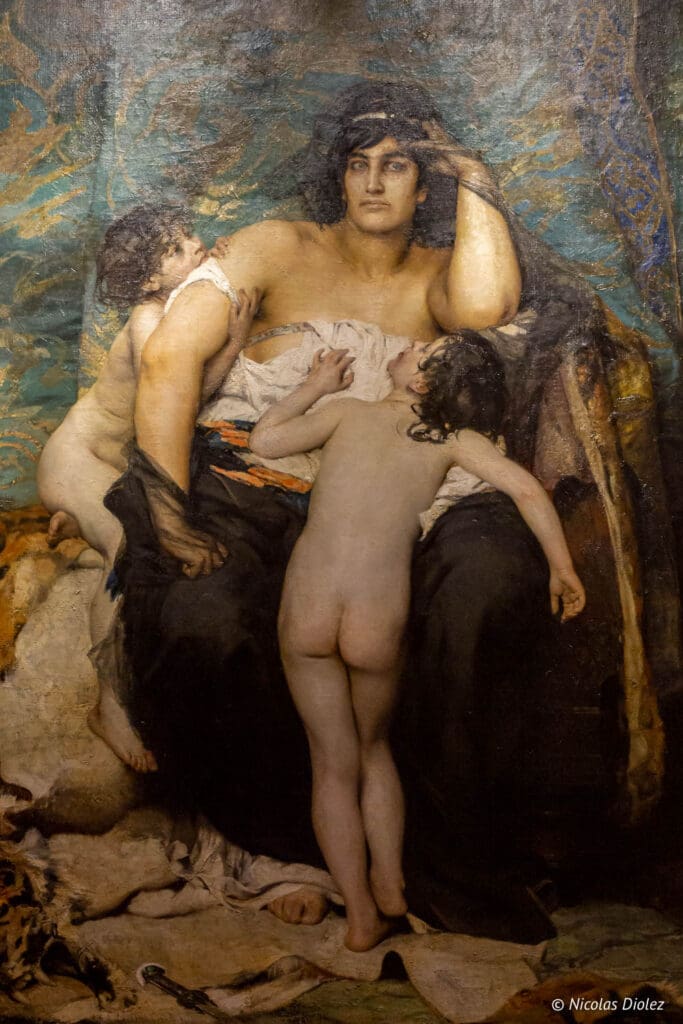
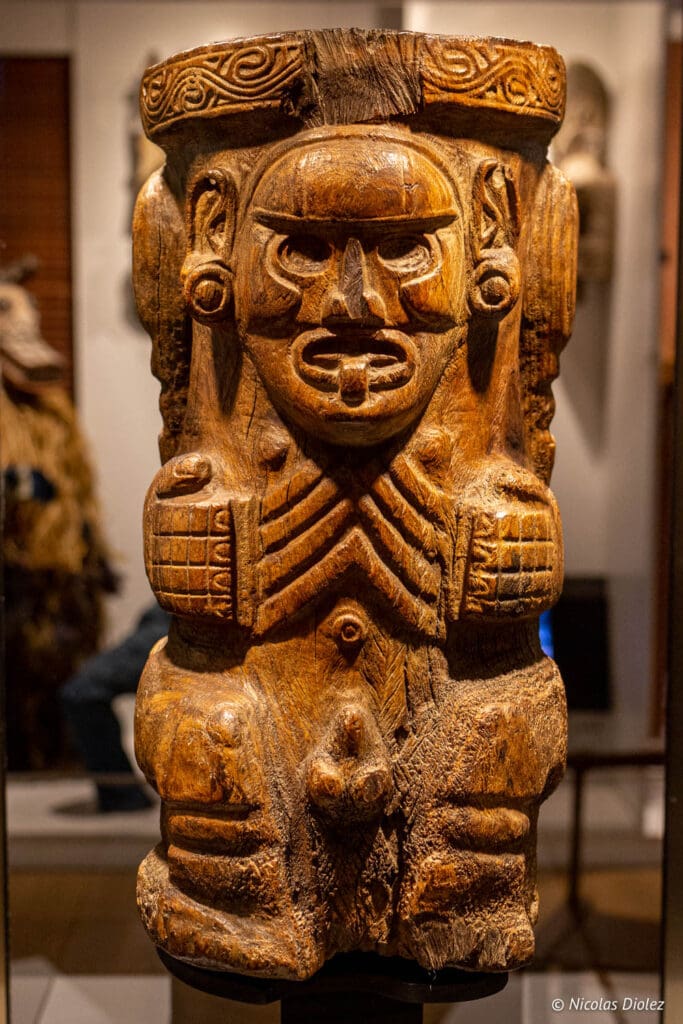

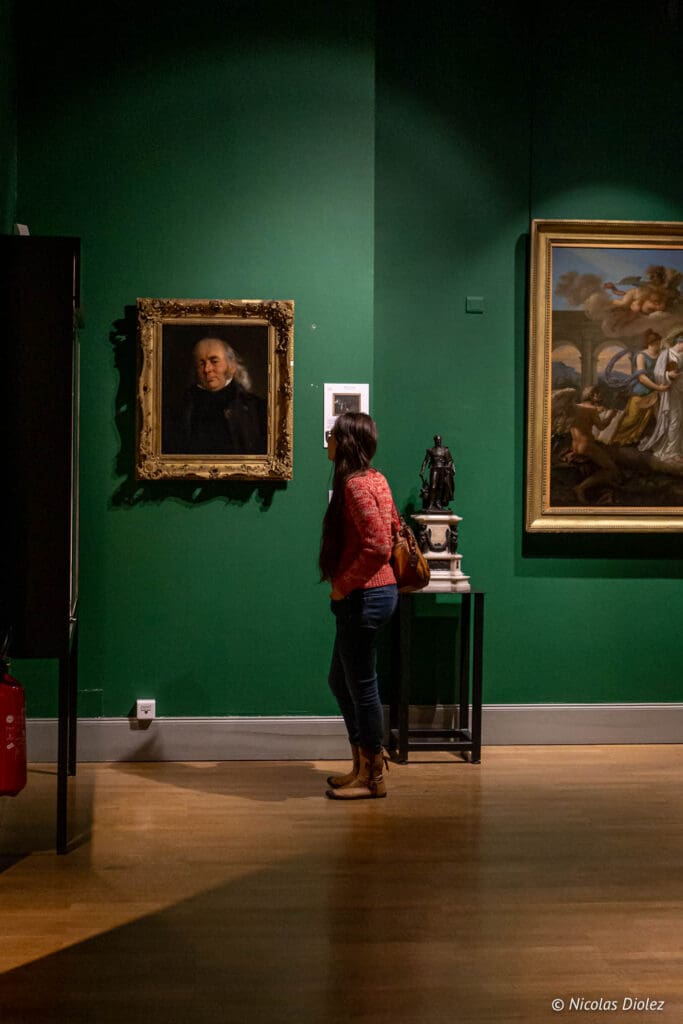
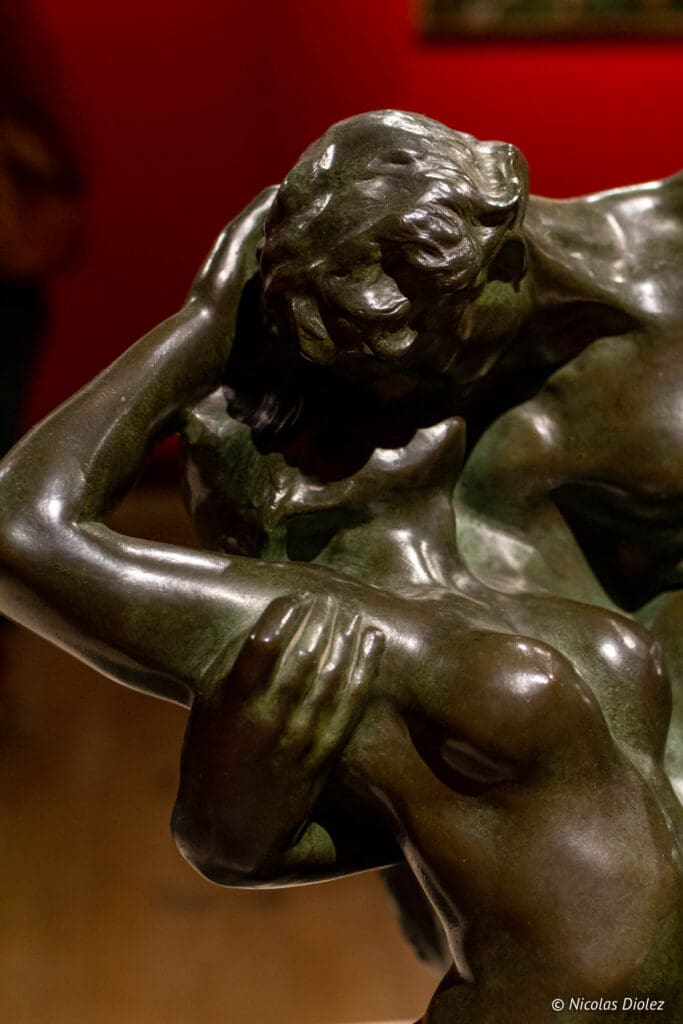

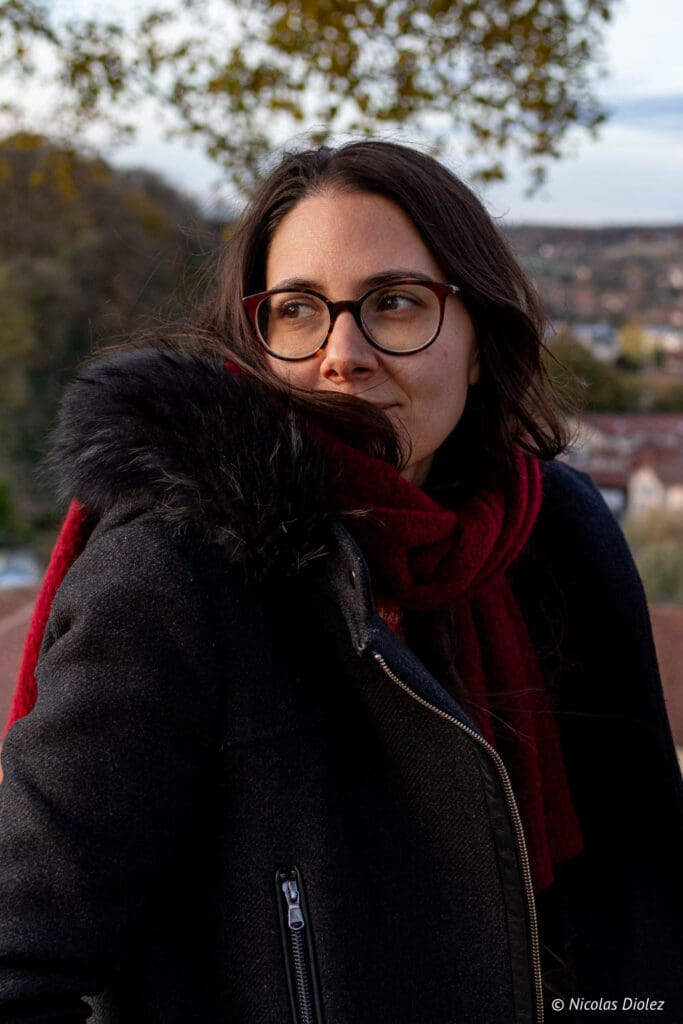
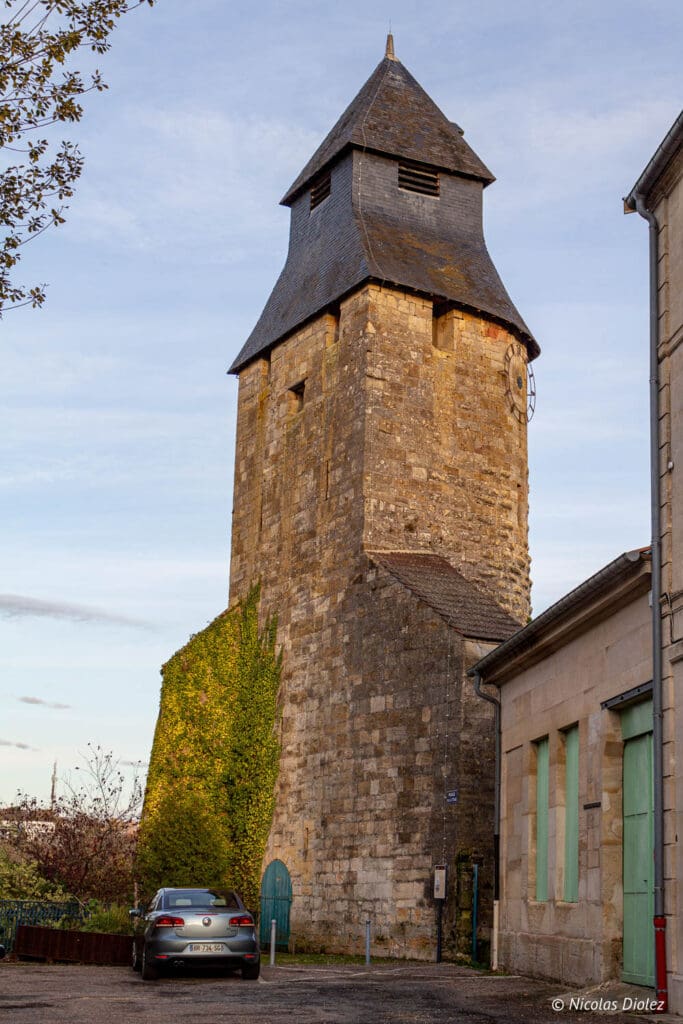
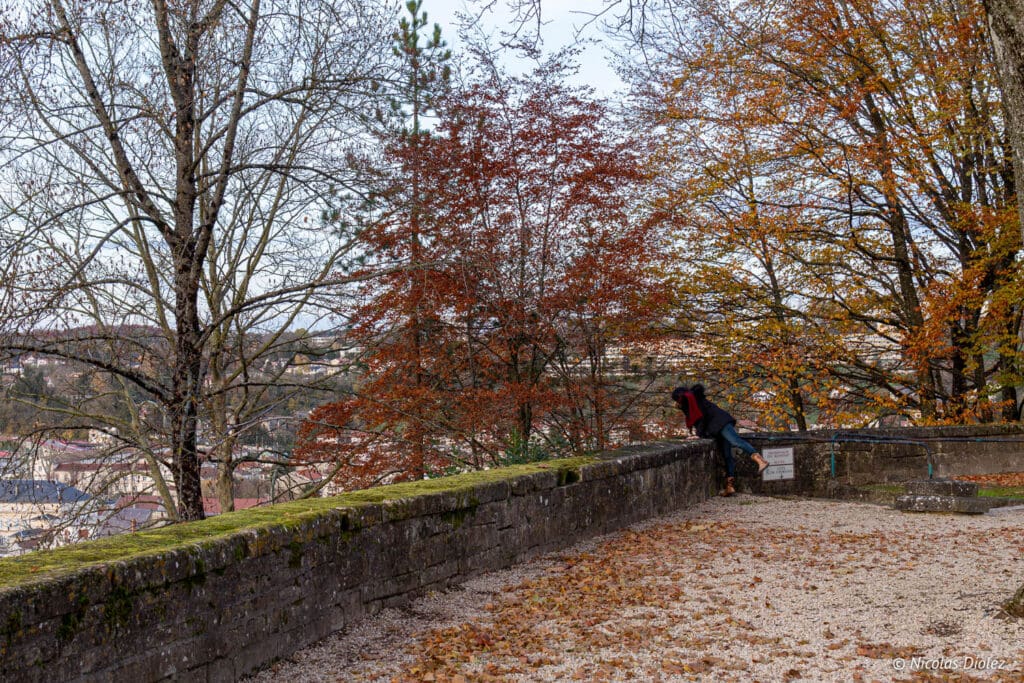
My tip: right in front of the museum you can discover the Belvédère des Grangettes, which offers a lovely panoramic view of the town.

Musée Barrois
Esplanade du Château, 55000 Bar-le-DucPlease note: the museum is currently closed for major renovation work and an extensive collection inventory project. Temporary exhibitions, workshops, and tours continue to be offered off-site around the town. Check the official website for updates on the schedule.
_
Where to sleep around Bar-le-Duc? Gîte Côté Green
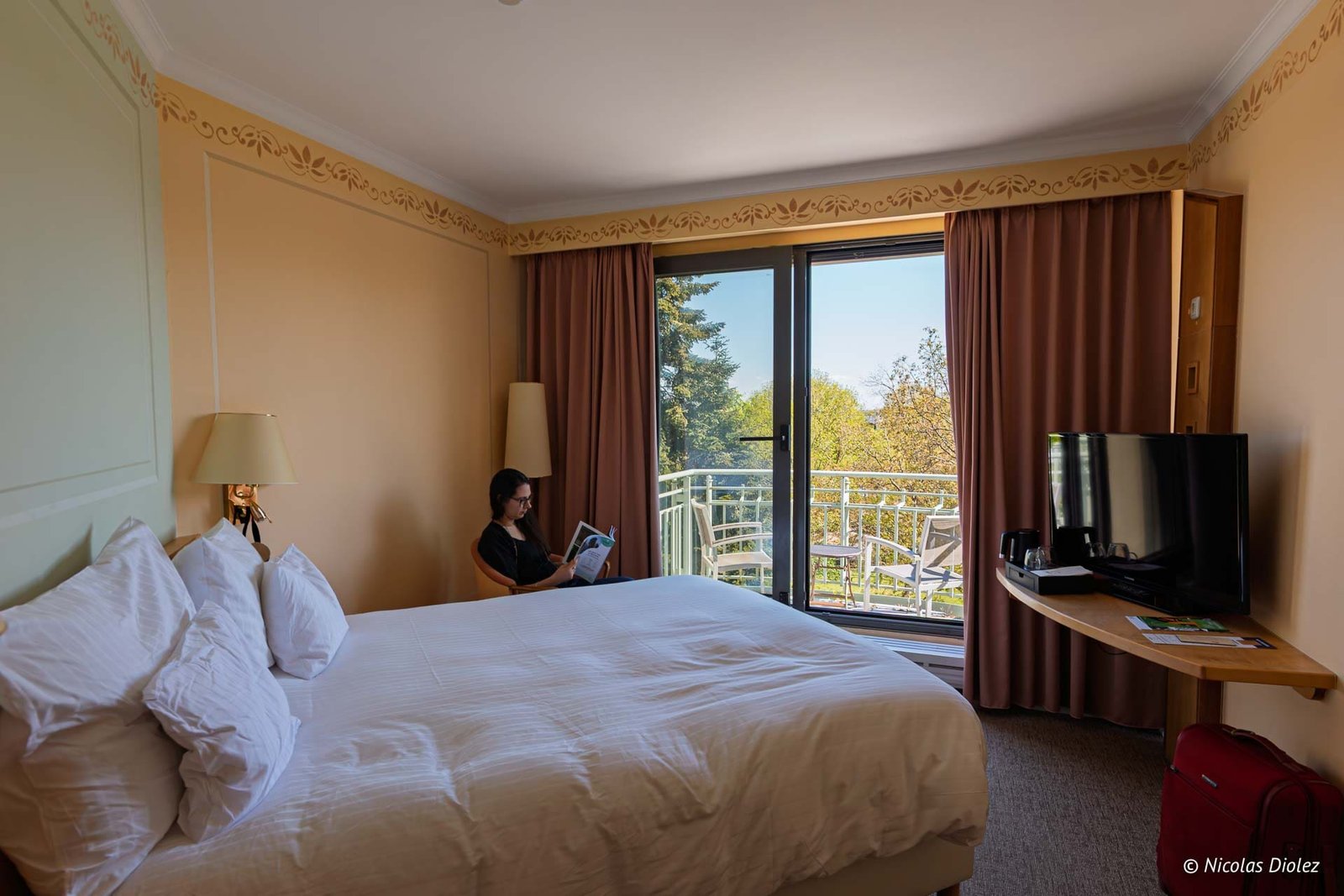
This high-end gîte is located at the Combles-en-Barrois golf course (18 holes), about a 10-minute drive from Bar-le-Duc, and is run by a truly charming couple. It is also set in a 16th-century chateau that has been completely renovated very recently by the owners.
The guesthouse offers a total of 6 rooms with a total capacity of 15 people. Each room pays tribute to a city or country known for an iconic golf course somewhere in the world. Our room was named Spérone, in honor of the famous 80-hectare golf course located in the commune of Bonifacio in Corsica.
We really loved this wonderful place, especially since we were lucky enough to have it all to ourselves during our stay, and we truly made the most of it!
For dinner, absolutely everything is available on-site to prepare a meal or reheat dishes. Indeed, the guesthouse features a fully equipped kitchen accessible to guests, complete with a coffee machine, kettle with teas and herbal teas, fridge, stovetop, oven, microwave, and more.
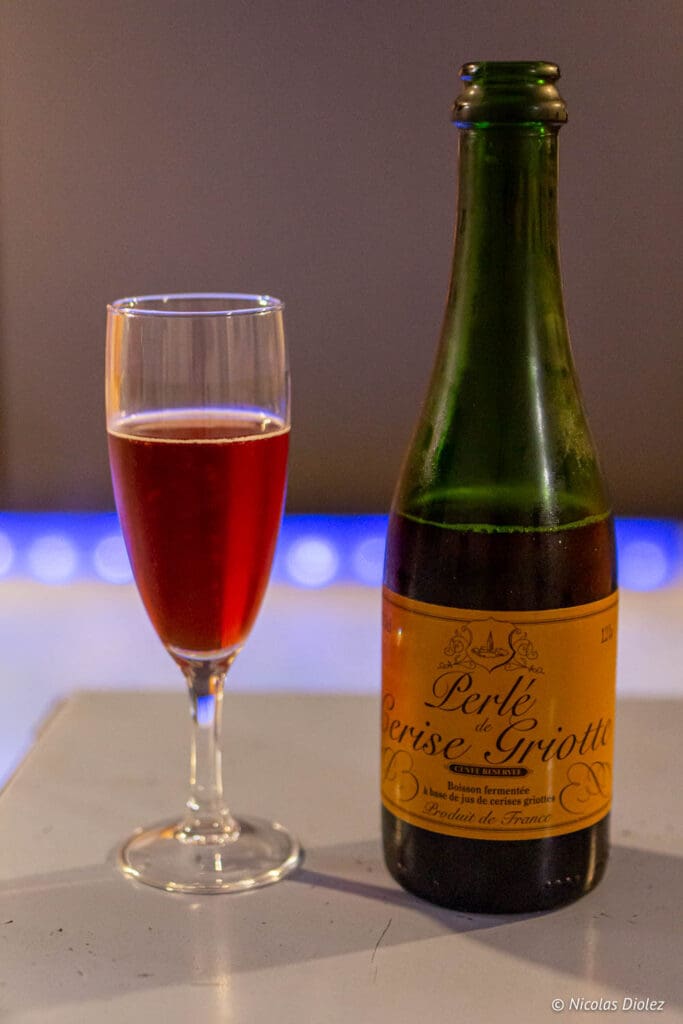
As for us, we had a lovely gourmet meal basket packed with regional specialties: Lorraine pâtés and quiches, Perlé de Cerises griottes (sour cherry wine) for aperitif, pastries from a local bakery, and more…
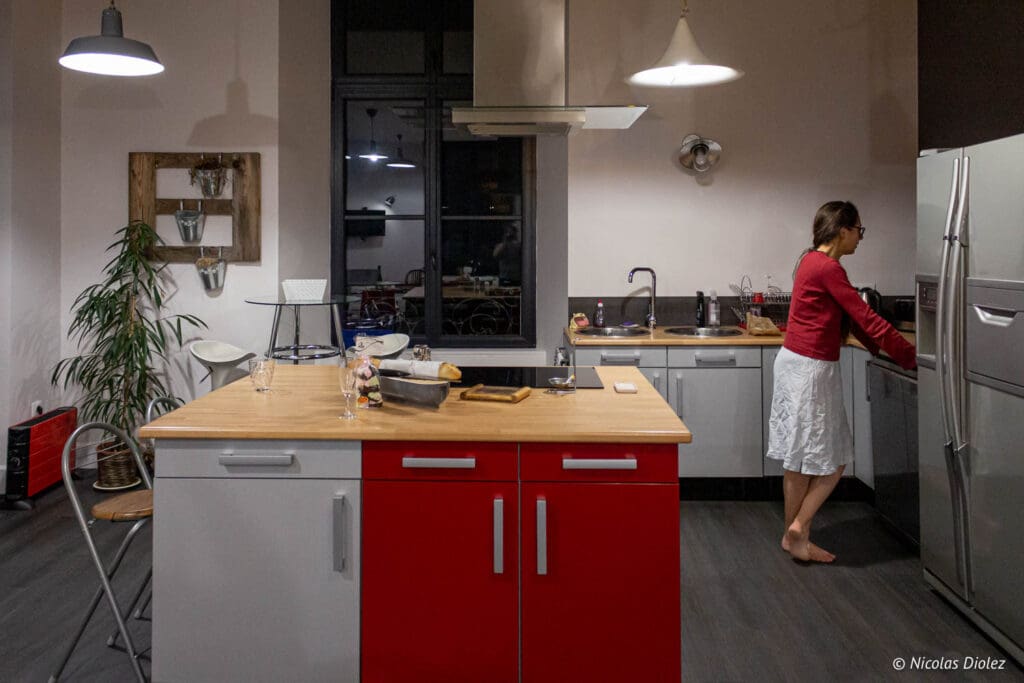
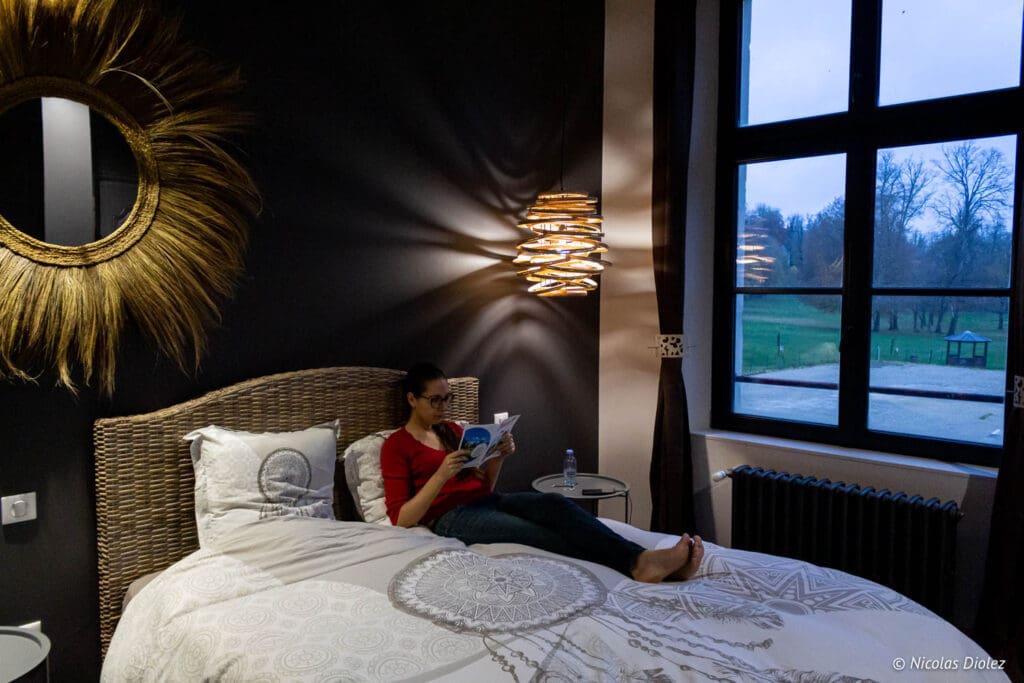
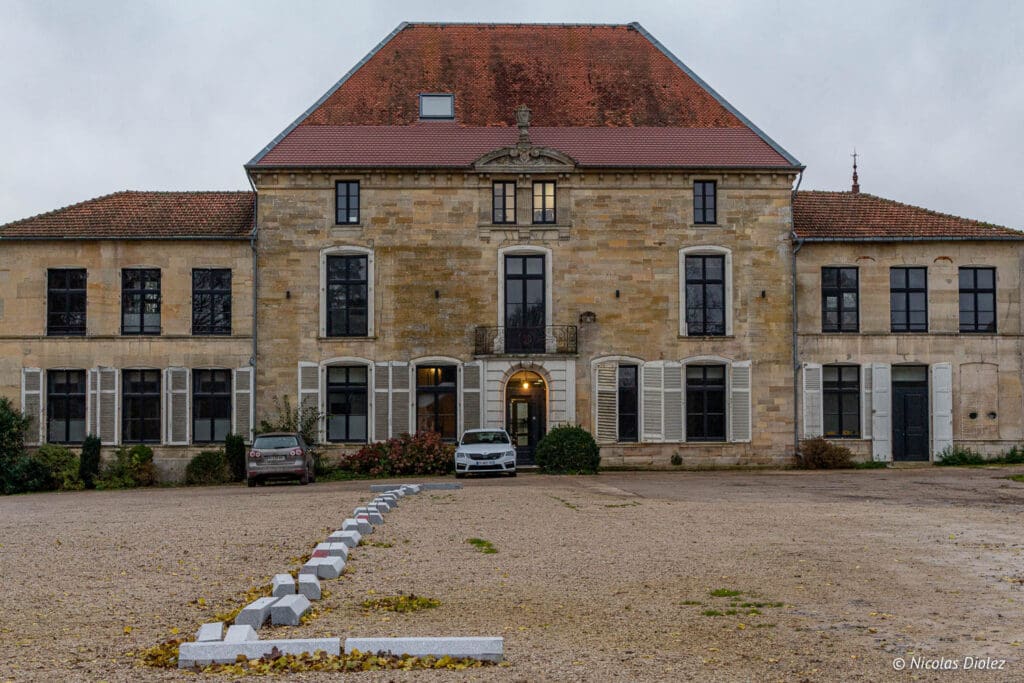

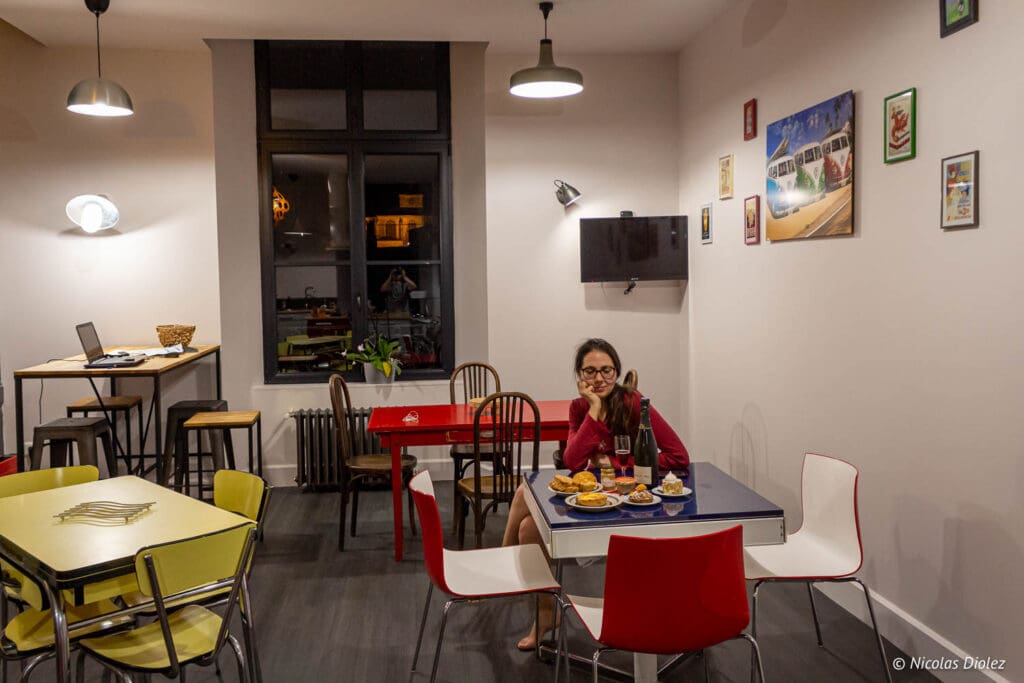
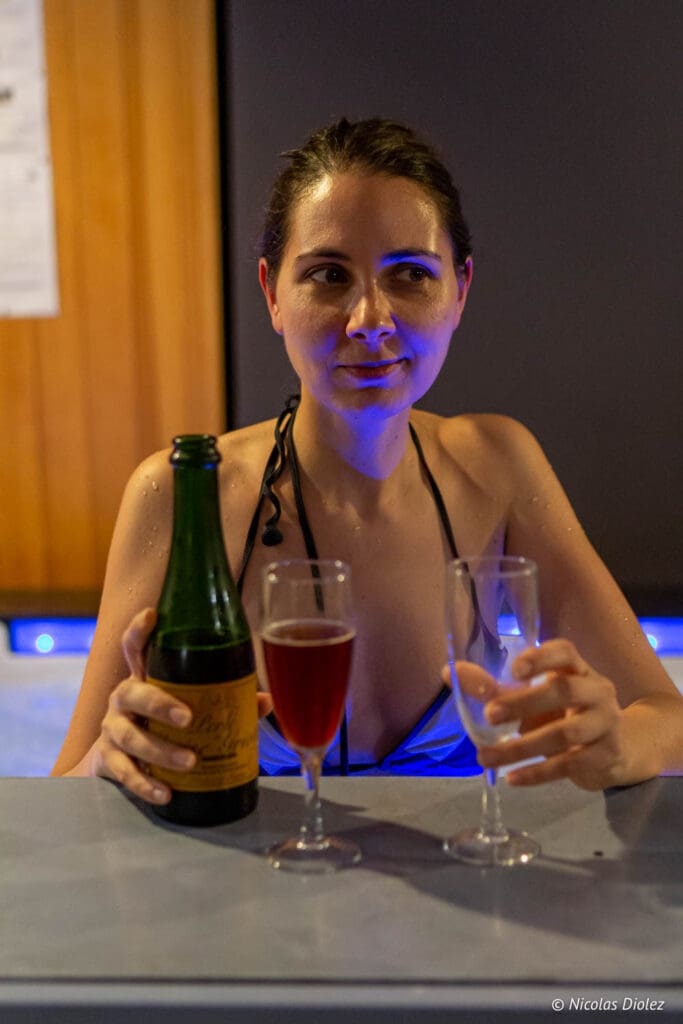

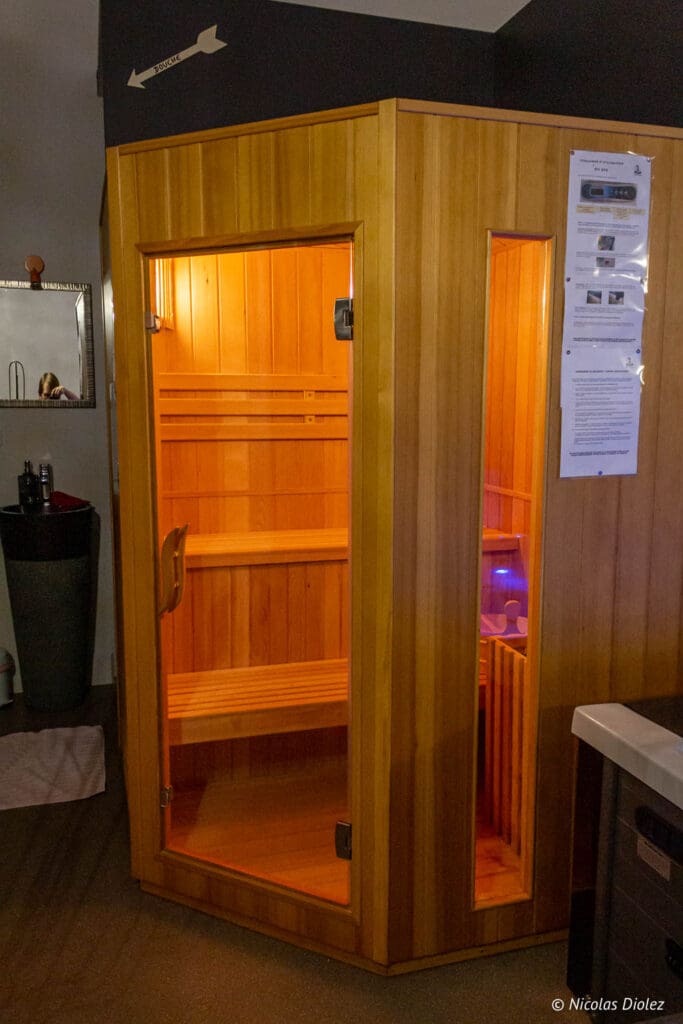
The perks: a fantastic wellness area with fitness equipment, a sauna, and a hot tub (which we thoroughly enjoyed!), all accessible free of charge to guesthouse guests.
Gîte Côté Green
36 Rue Basse, 55000 Combles-en-BarroisIndicative rates: from €100 per night for 2 people / €560 per week.
Wellness area (hot tub, sauna, gym) accessible to guests.
_
Step 2: Commercy / Saint-Mihiel / Côtes de Meuse
During this second leg of the trip, we headed further east in the department towards the Commercy region and then looped back up north into what is known as the Heart of Lorraine (Cœur de Lorraine).
It was also the perfect opportunity to take an excursion into the Côtes de Meuse, which I mentioned in the introduction, with its landscapes of orchards and vineyards at the foot of the hills, dotted with charming typical villages.
Practical information: from Gîte Côté Green (Combles-en-Barrois), allow about a 45-minute drive to reach Commercy.


_
La Boîte à Madeleines in Commercy
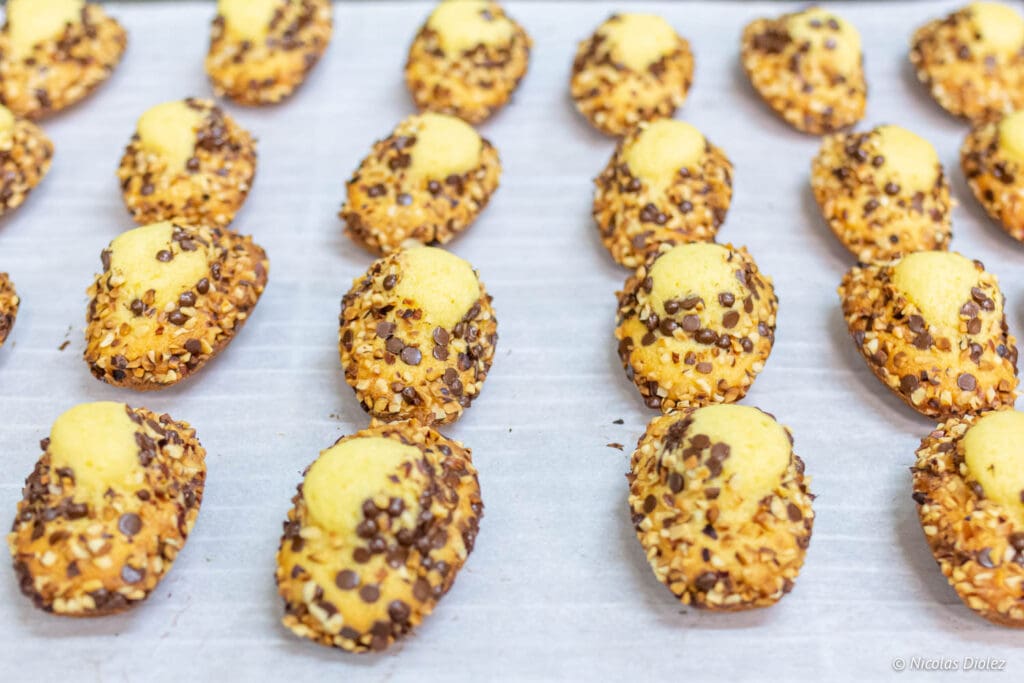
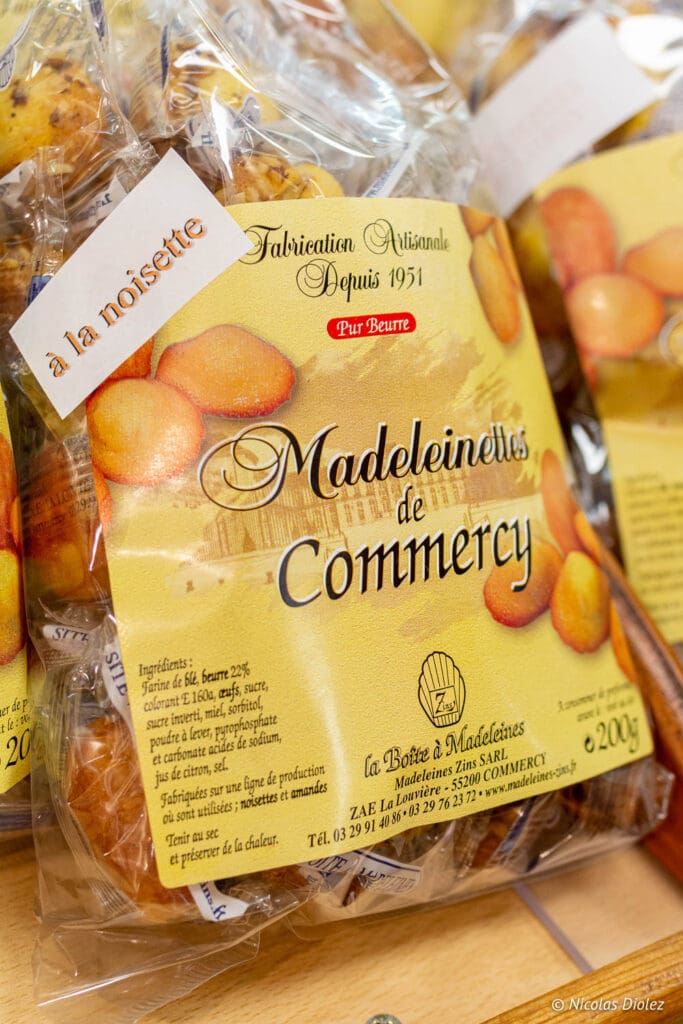
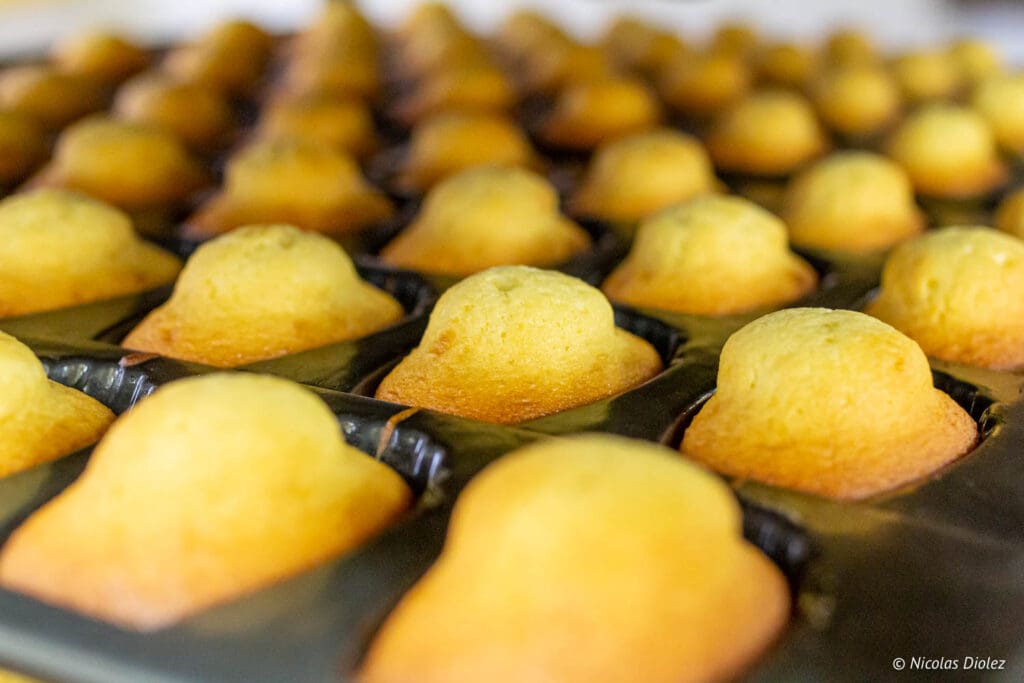
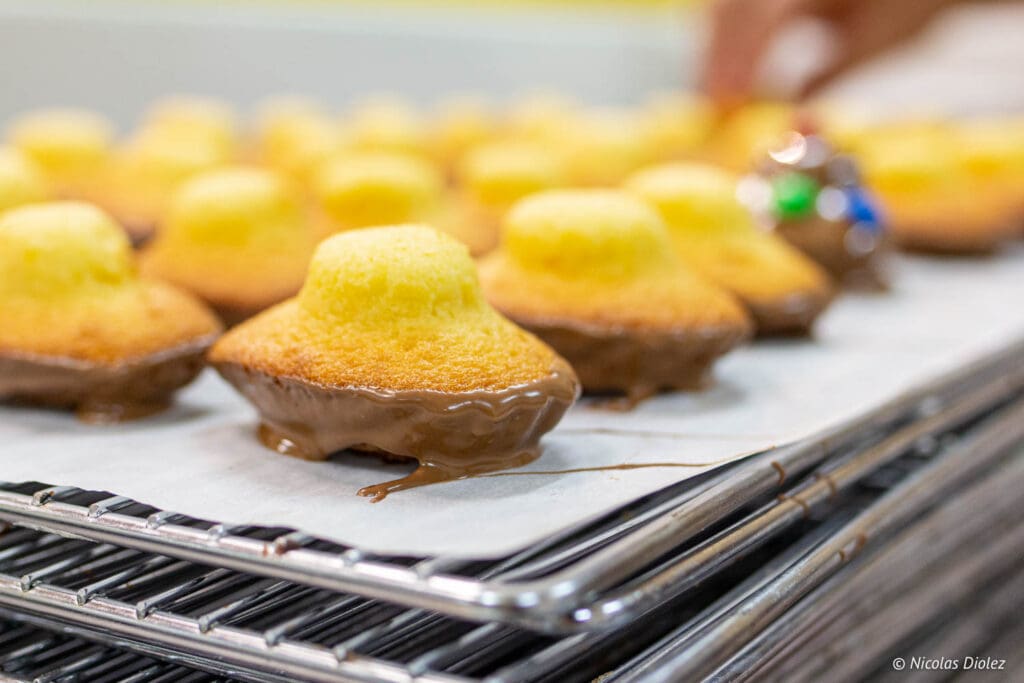
This family-run factory, operating for 18 years, specializes in producing madeleines. Everything is made and sold on-site. The madeleines are baked fresh daily using premium ingredients, with no artificial flavorings or preservatives. As a fun fact, Commercy is actually the birthplace of this cake, as legend has it that it was invented in the late 18th century by a chambermaid named Madeleine who worked at the Château de Commercy.
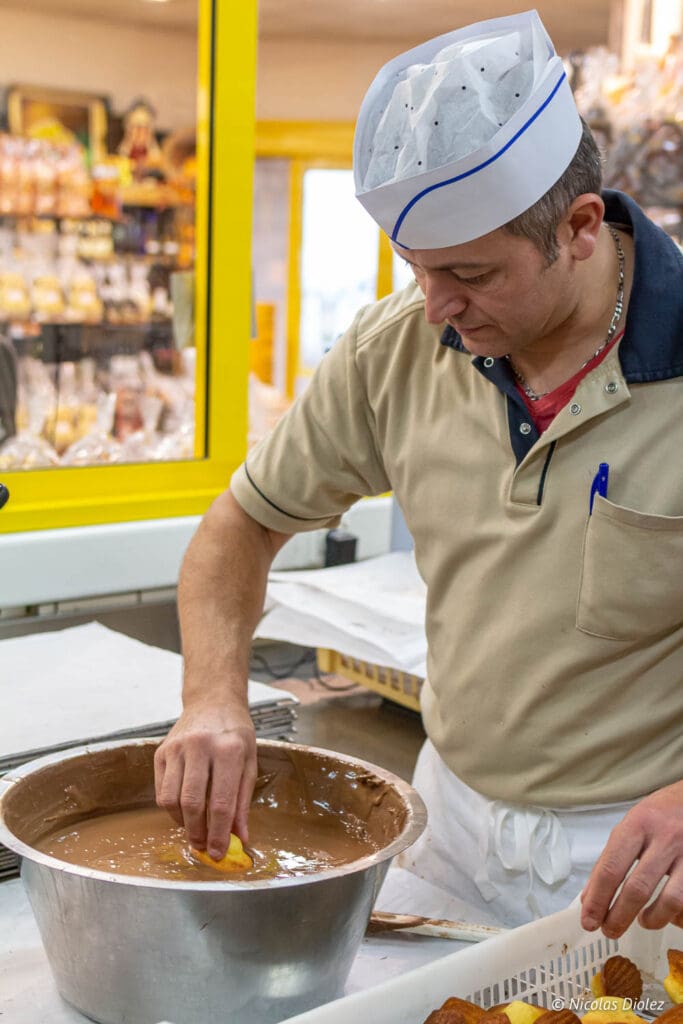
Once baked, the madeleines keep for about 4 weeks. You can find this flagship product in several varieties: classic, filled with mirabelle plum (of course), chocolate-coated, sprinkled with pearl sugar, and more.
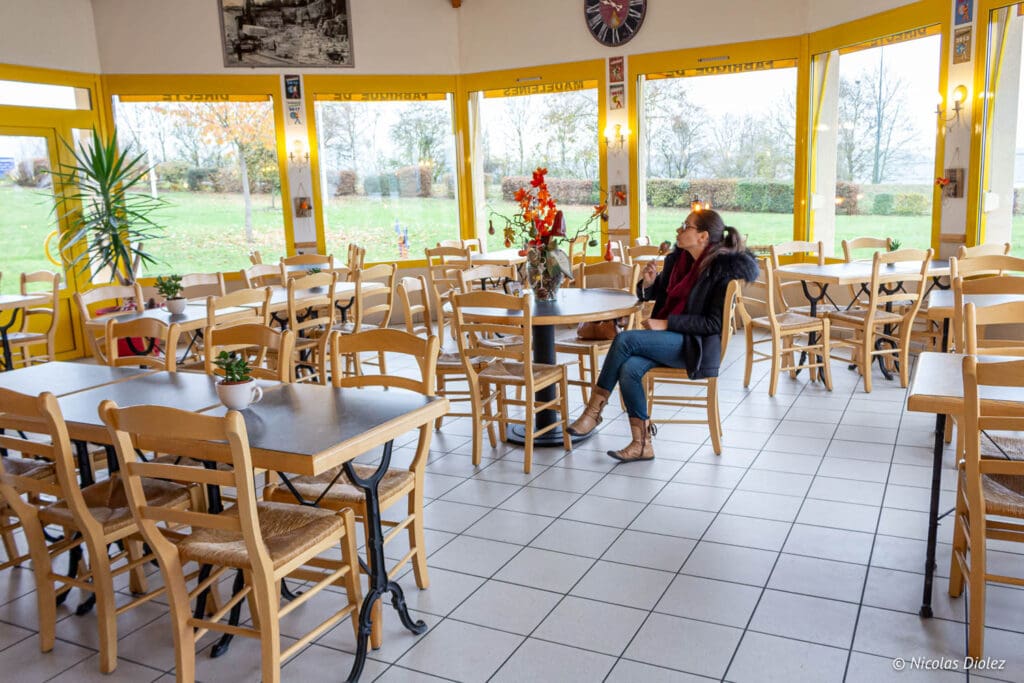
On-site, you’ll also find a gourmet grocery store selling local products if you want to do some shopping, and a tasting lounge where you can sit down to enjoy a hot drink accompanied by a delicious madeleine. The ones fresh out of the oven are naturally my favorites—so wonderfully soft!
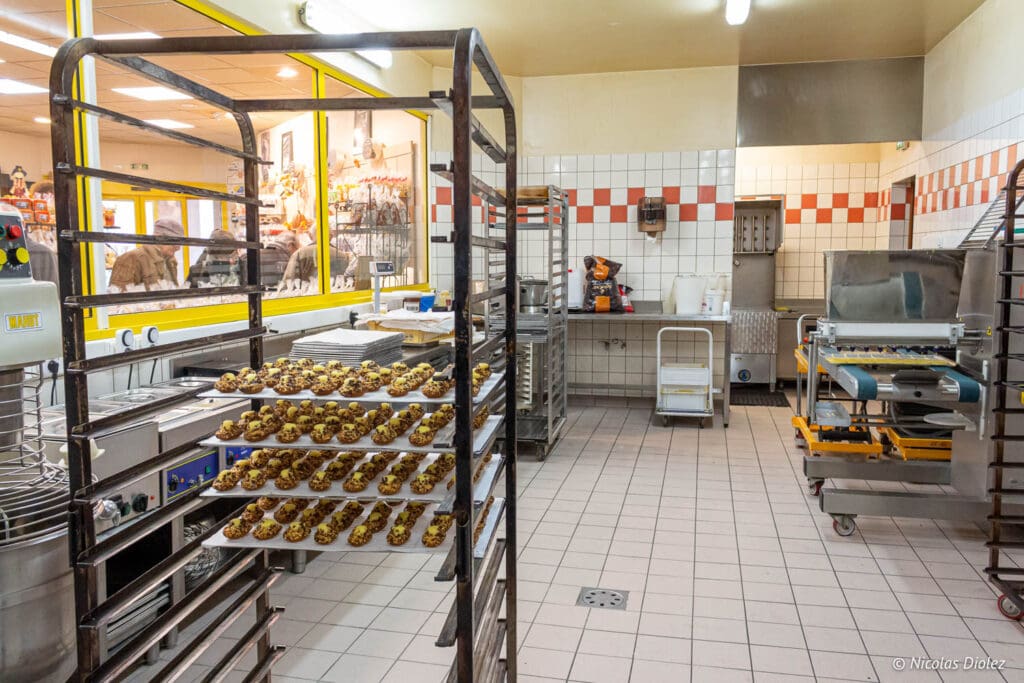
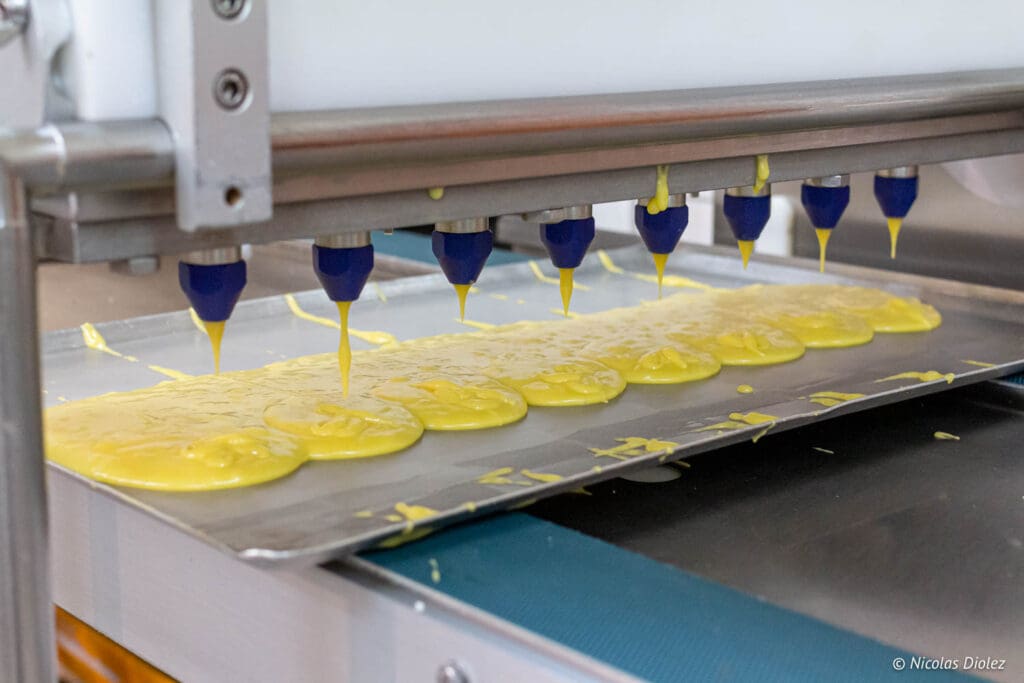
Finally, the venue offers tours where you can watch the various stages of madeleine production behind a glass partition, from the battering process to packaging. It’s truly fascinating, and if you happen to be passing by at the right time, I highly recommend taking the tour—you won’t regret it.



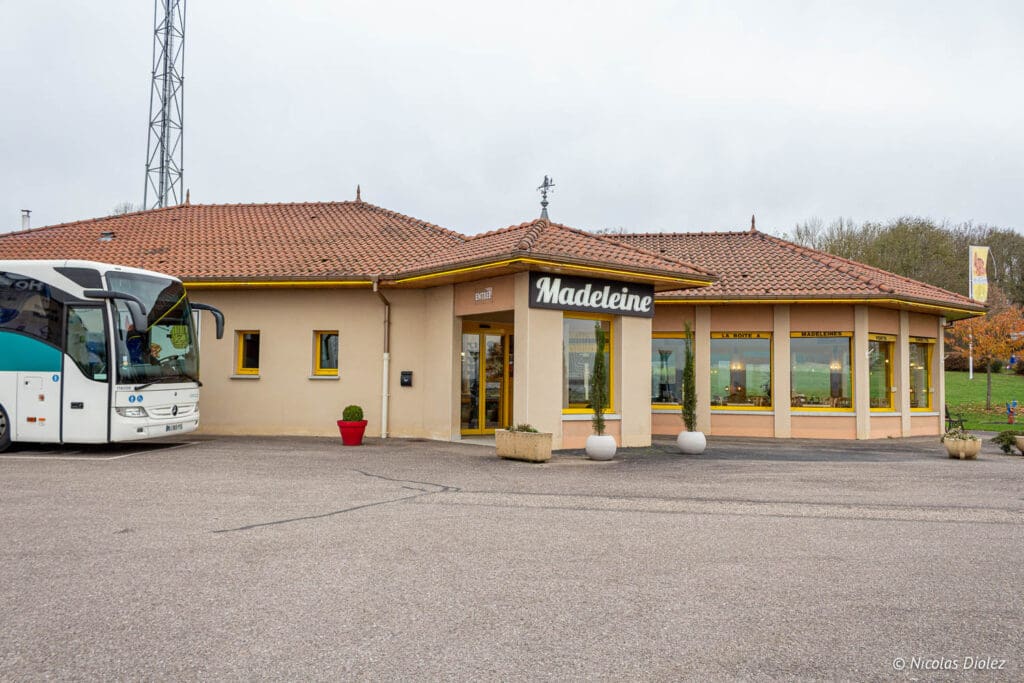
La Boîte à Madeleines
ZAE La Louvière, 55200 CommercyOpen 7 days a week, all year round from 8:00 AM to 12:00 PM and from 2:00 PM to 7:00 PM.
Production tours daily from 9:30 AM to 11:30 AM and from 2:30 PM to 5:30 PM (except Mondays and Sunday mornings).
Tour duration approx. 30 minutes including tasting of 2 madeleines and a hot drink (€4.60 during our visit).
_
Visiting the House of Truffles and Truffle Cultivation (Maison des Truffes et de la Trufficulture)
This place is particularly fascinating if you want to learn more about truffles and their cultivation through the art of trufficulture (truffle farming). Housed in a former Lorraine farmhouse, a 450 m² exhibition takes you on a journey into the world of truffles.
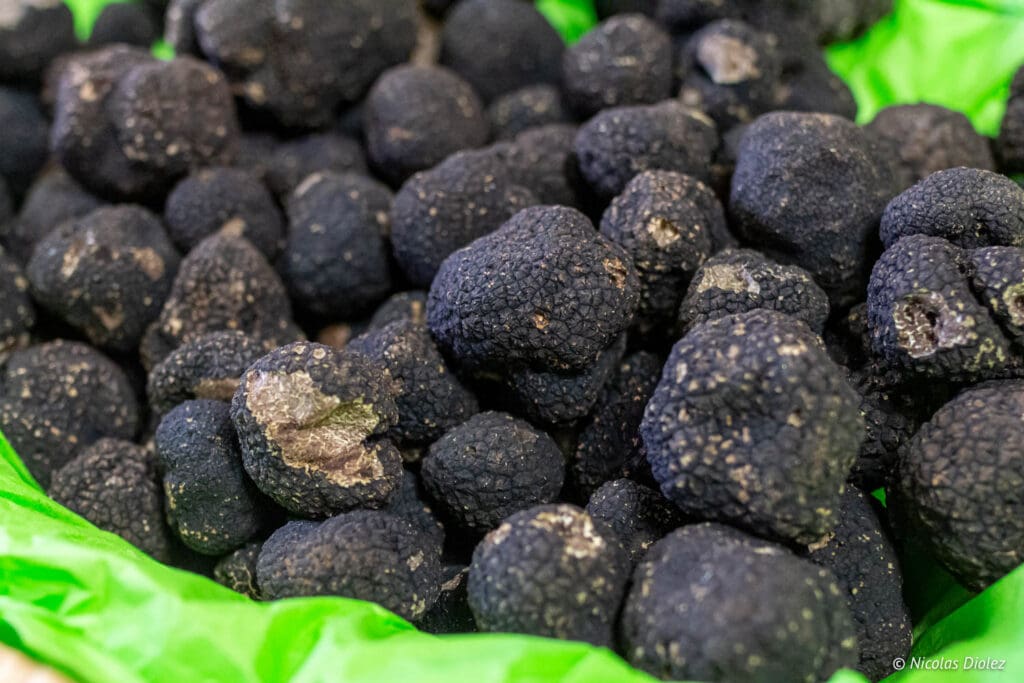
Indeed, did you know that in Meuse, around 200 truffle growers harvest (a technical term meaning to unearth) 2 tons of truffles per year, primarily autumn truffles, which are a true treasure of Lorraine?
In addition to this, the center regularly offers guided group tours of the museum as well as the experimental truffle orchard located right next door, led by Django, the truffle-hunting dog. It’s a wonderful chance to discover the symbiotic relationship between trees and truffles, understand the annual truffle life cycle, and learn key selection criteria: checking the inside with a small knife, feeling the firmness of the truffle, and appreciating its aroma.
This 7-hectare truffle orchard belongs to the community of communes of Boncourt-sur-Meuse and was planted in 1989 by a private individual. Today, the orchard consists mainly of hazelnut trees, although experts now recommend maximizing tree variety as it is visibly very beneficial for truffle development. Natural truffle sites are quite rare nowadays because they are disappearing due to amateur foraging.
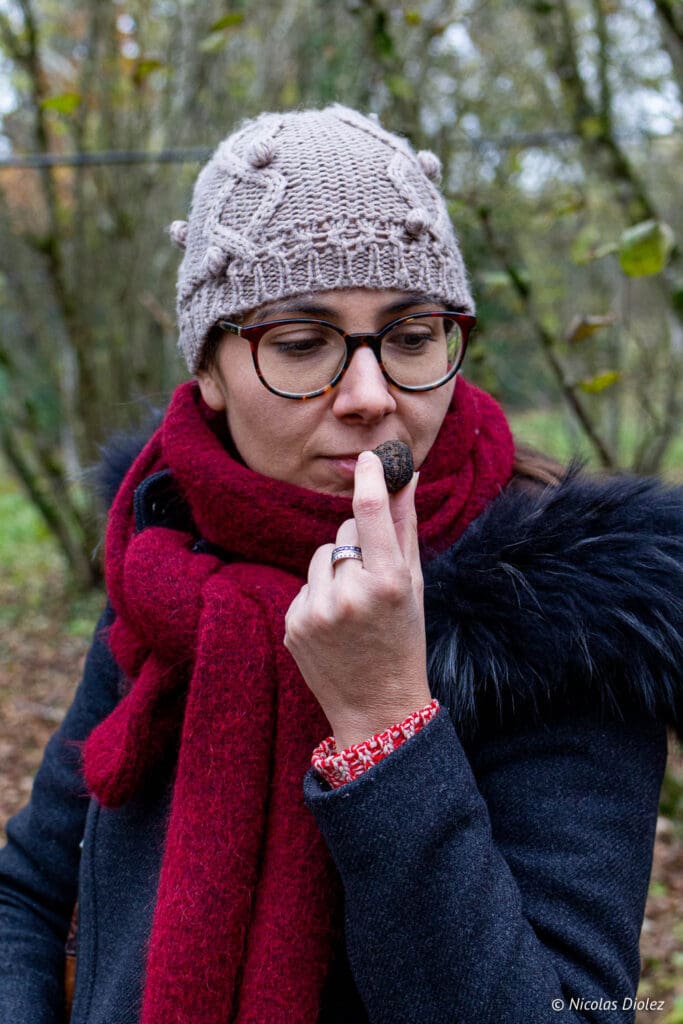

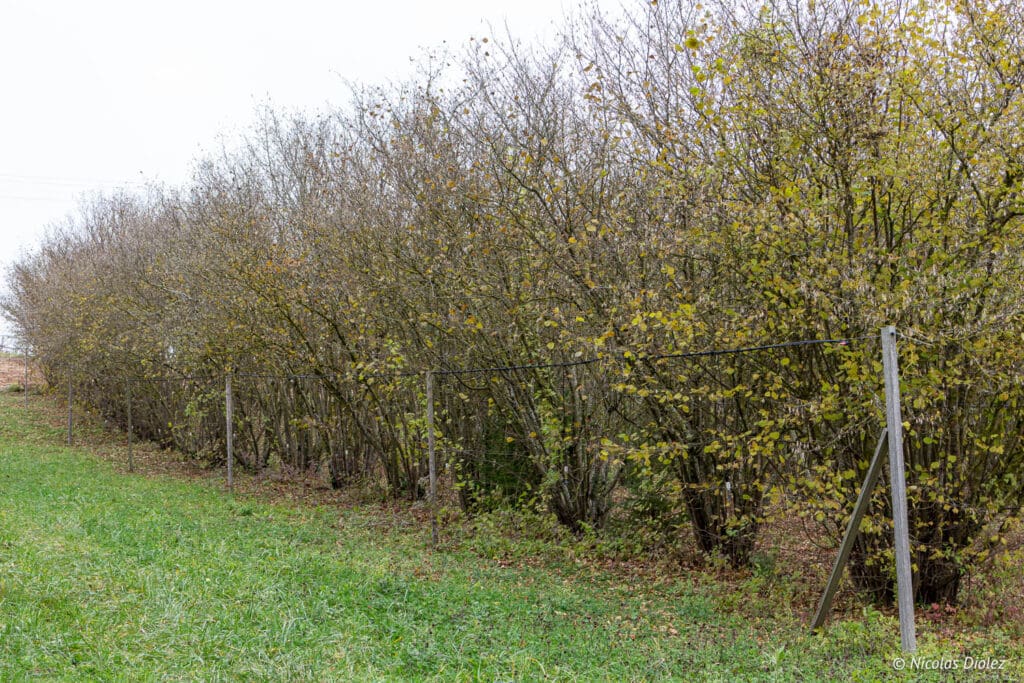
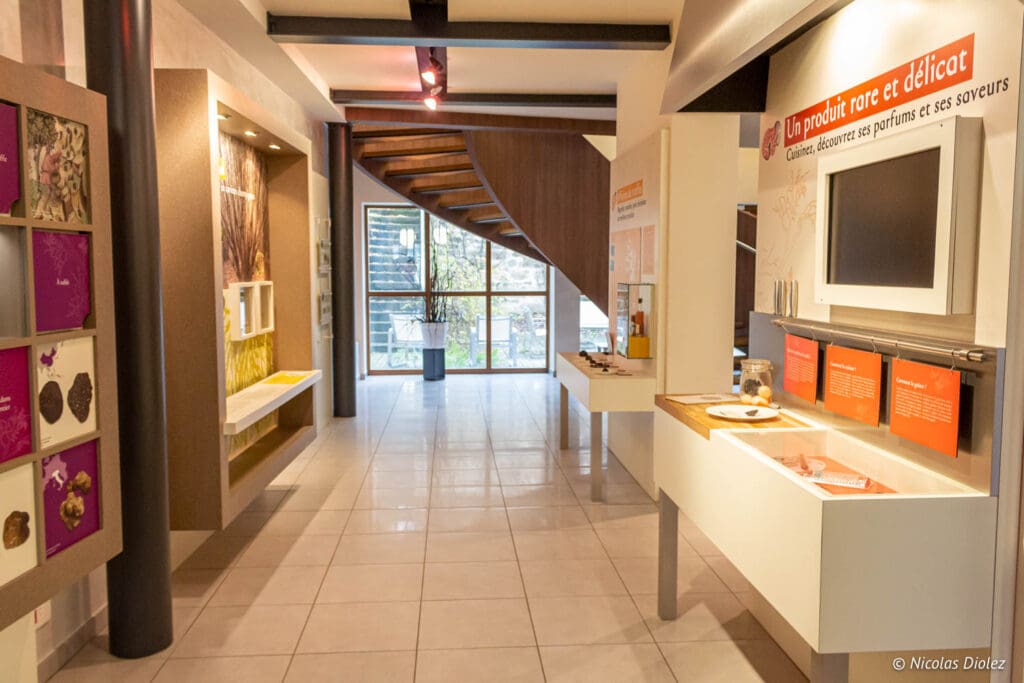
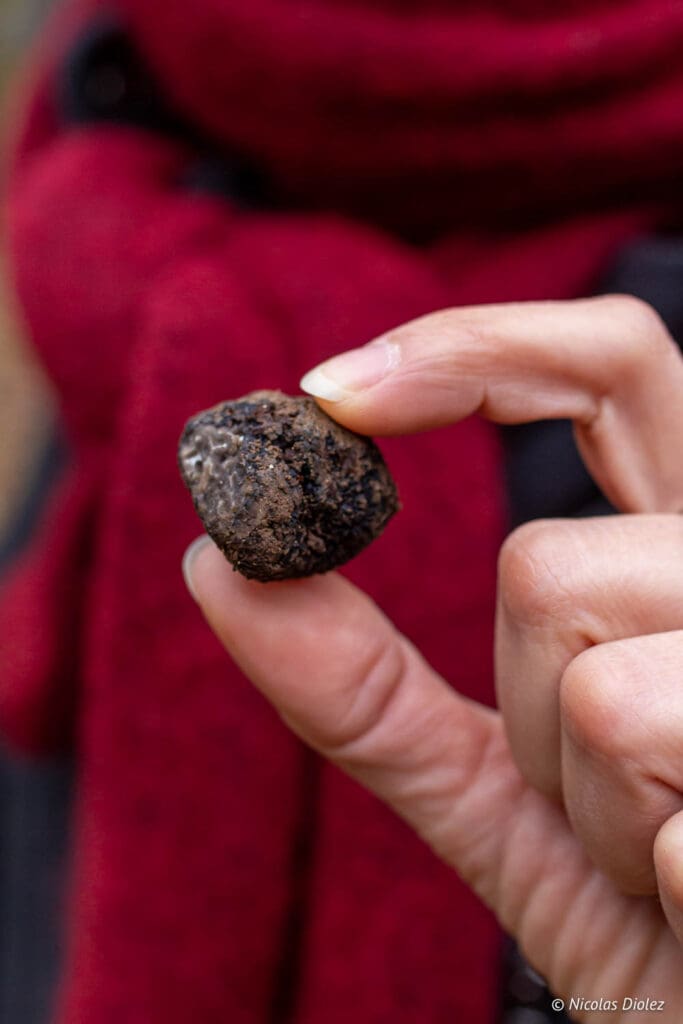
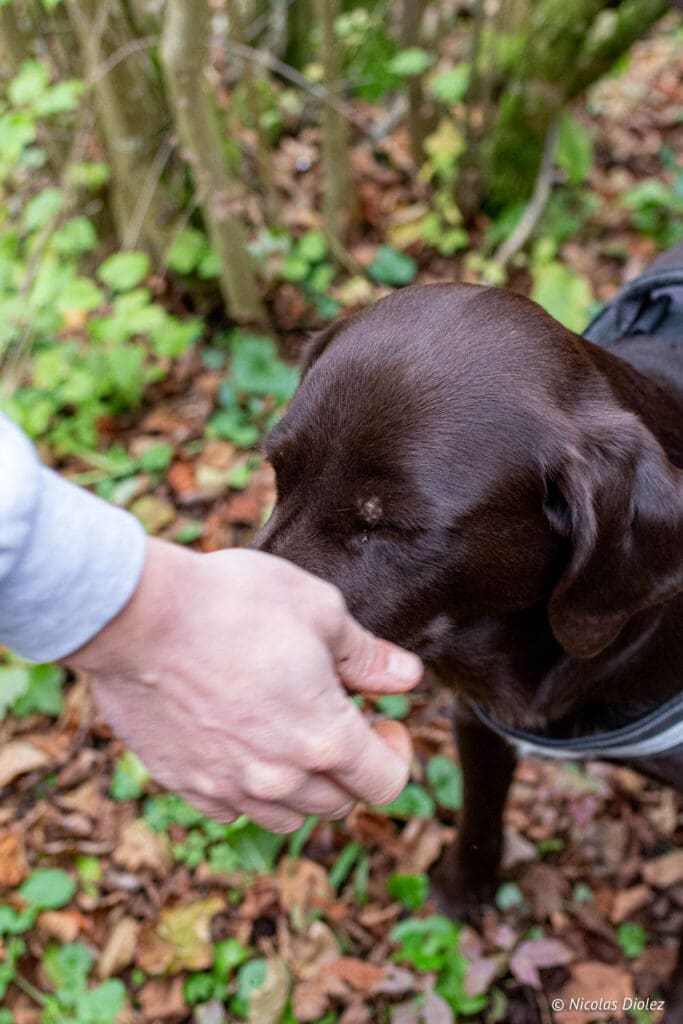
The truffle orchard also works in close collaboration with INRA (National Research Institute for Agriculture, Food and Environment), conducting numerous experiments together.
The extra touch: the venue hosts a truffle market every Saturday morning from October to December between 10:00 AM and 12:00 PM (truffle prices at the time of our visit: €500 per kilo in mid-November, while they generally sell between €350 and €1,500 per kilo depending on the time of year); during harvest season, truffle-based meals are also organized (€39 per person).
A few tips for preparing truffles:
- You can freeze a truffle purchased in a glass jar (for up to 1 year).
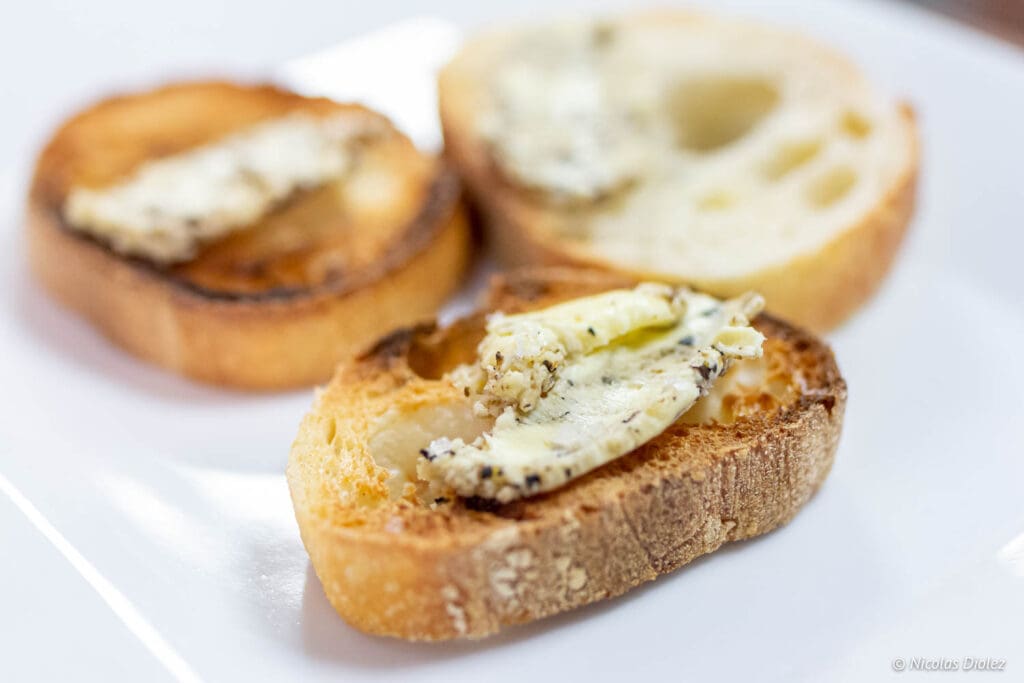
- Truffles pair well with simple dishes and ideally should be combined with a fat source.
Maison des truffes et de la trufficulture
Rue du 1er septembre 1944, 55200 Boncourt-sur-MeuseOpen from May to Christmas on Saturdays and Sundays from 2:00 PM to 6:00 PM; in July and August by reservation. Information and bookings through the Pays de Commercy Tourist Office.
Truffle market on Saturday mornings from October to December during the harvest.
_
Where to eat? Hôtel-Restaurant du Lac de Madine
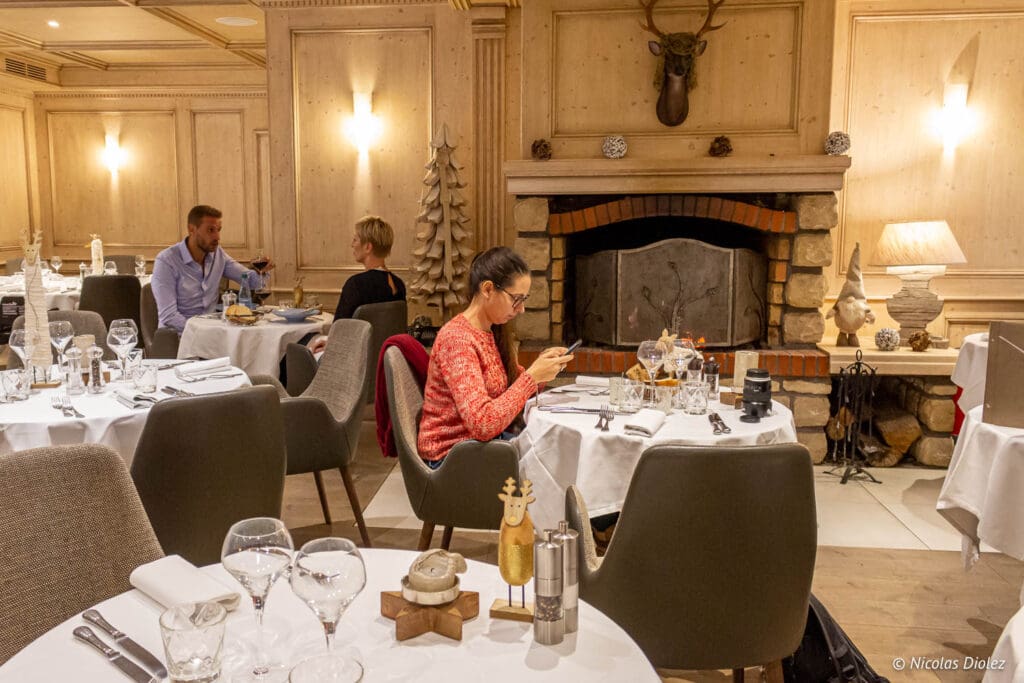
This 3-star hotel is located in the heart of the Lorraine Regional Natural Park, right next to Lake Madine (Lac de Madine), the largest lake in Lorraine. It also features a restaurant offering a chic and cozy setting with traditional seasonal cuisine enhanced by local products.
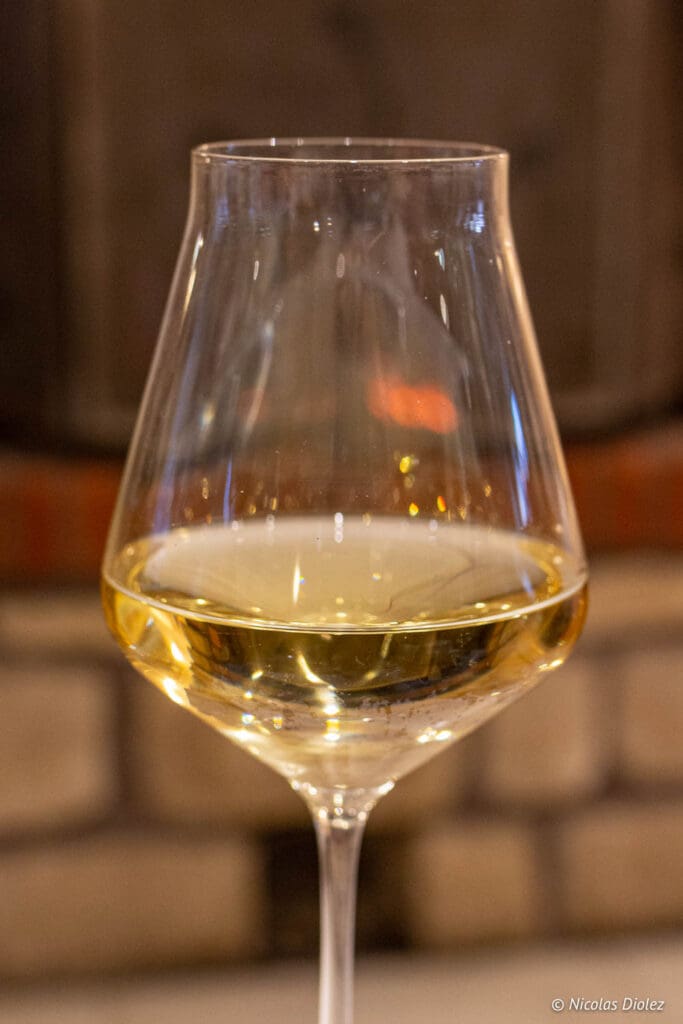
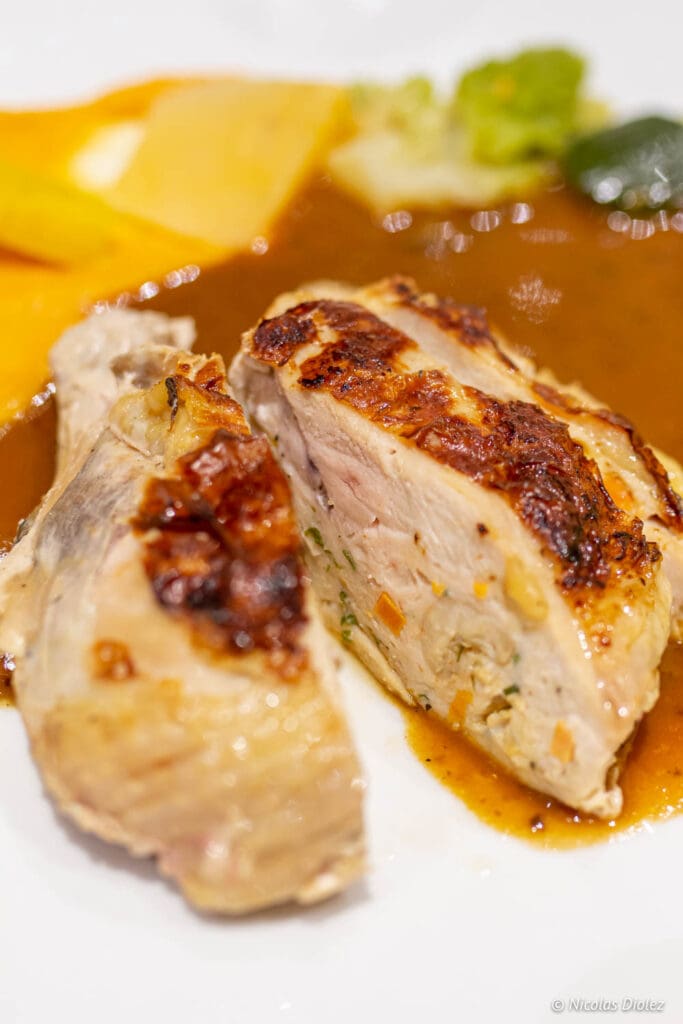
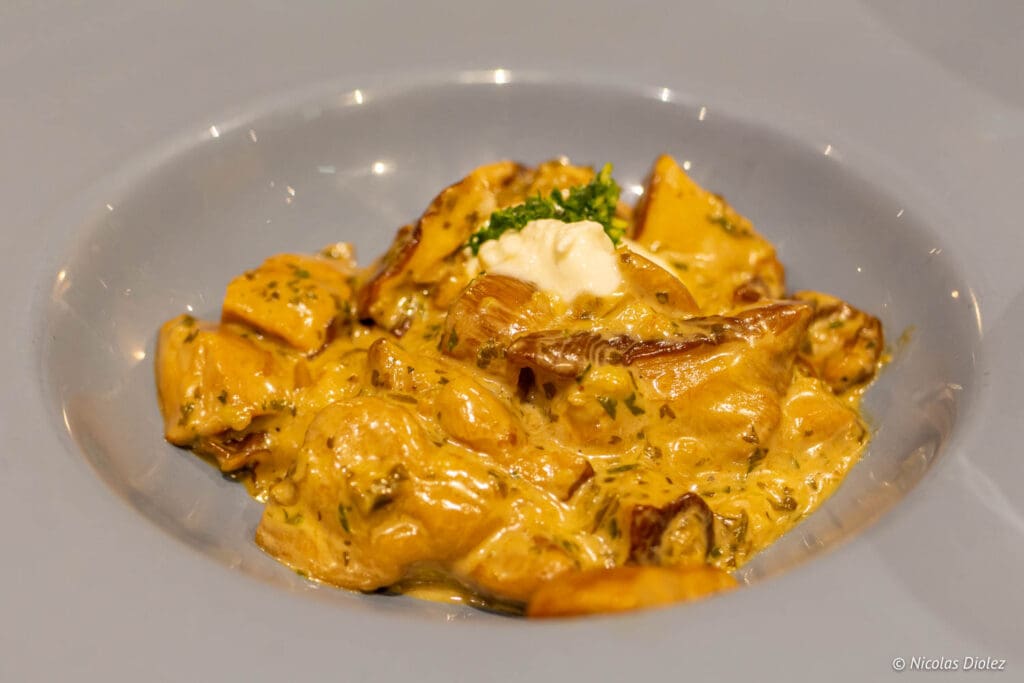
What to taste: for starter, the forest porcini mushroom fricassee (€13); as a vegetarian main, the goat cheese and truffle ravioli (€22), or on the meat side, the guinea fowl fillet with Meuse truffles (€28); for dessert, you absolutely must try the house specialty, the mirabelle plum iced soufflé (€8), which is presented whole before a slice is cut for you.
This was also a great opportunity to sample some Meuse wines (available by the glass), notably from Domaine de Coustille.
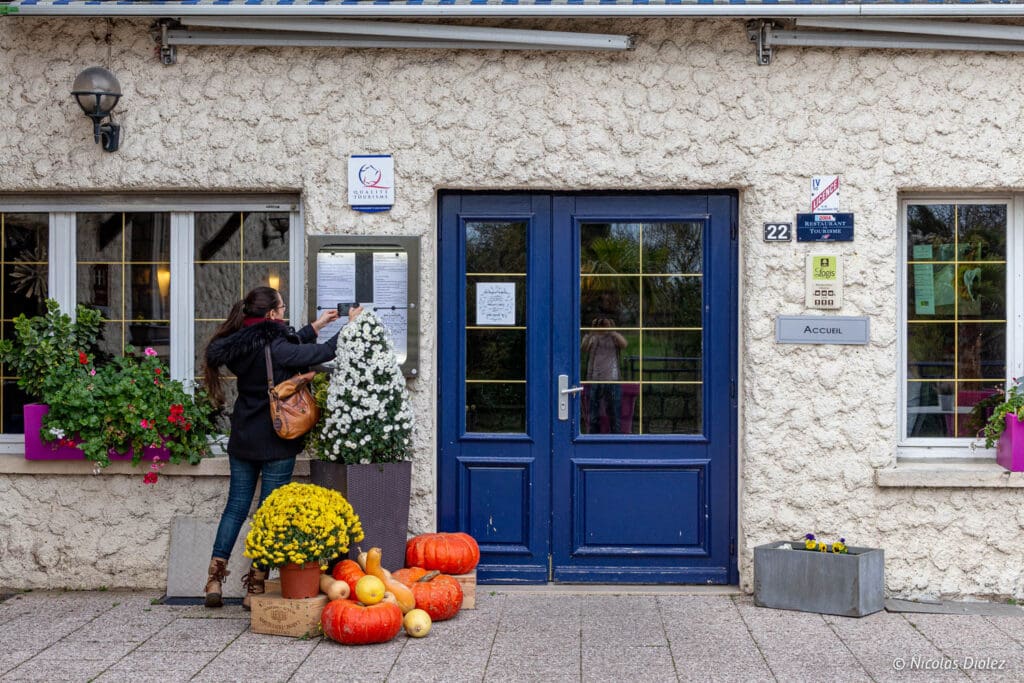
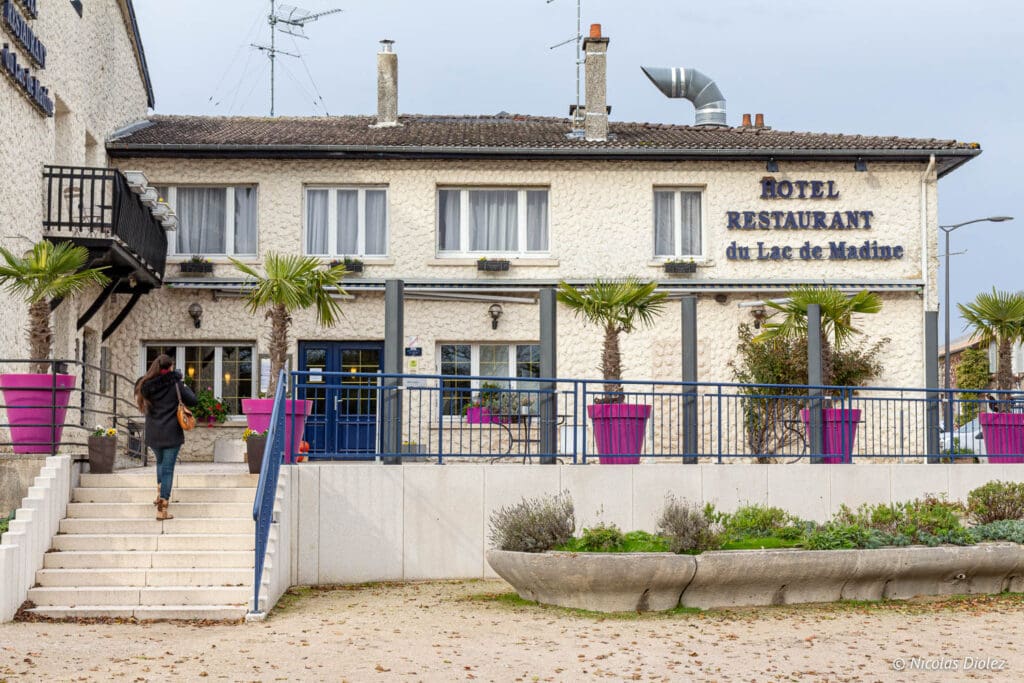
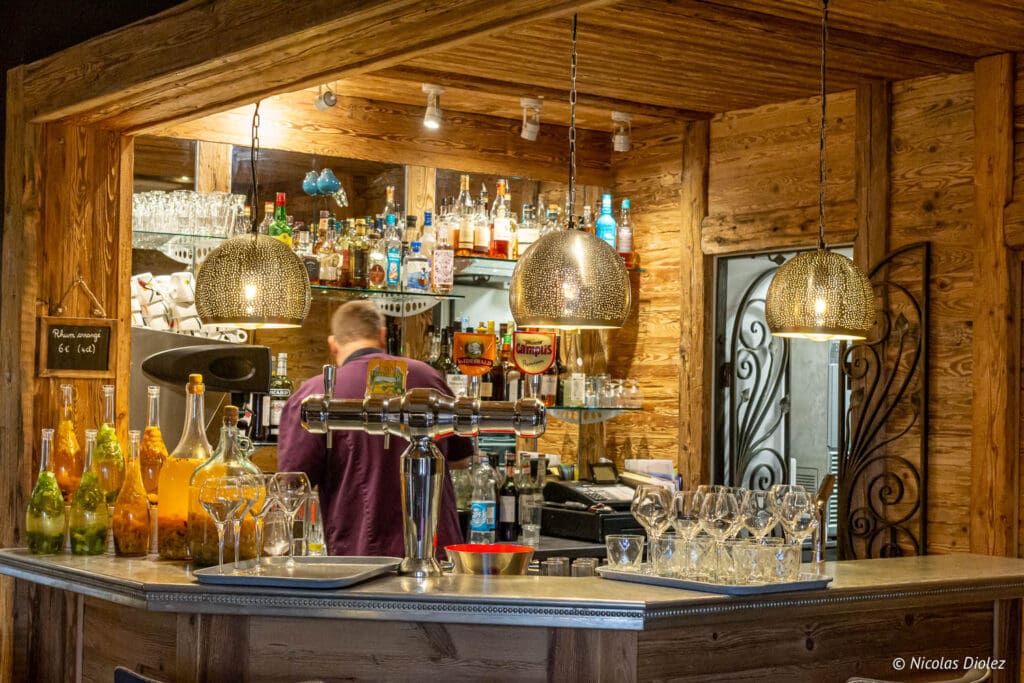
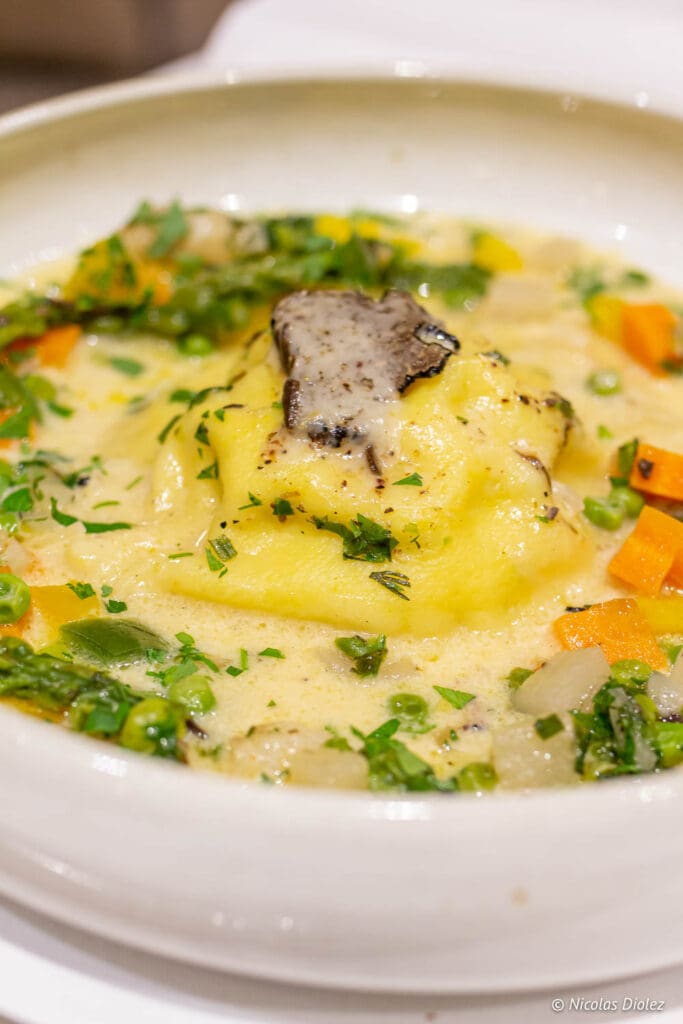
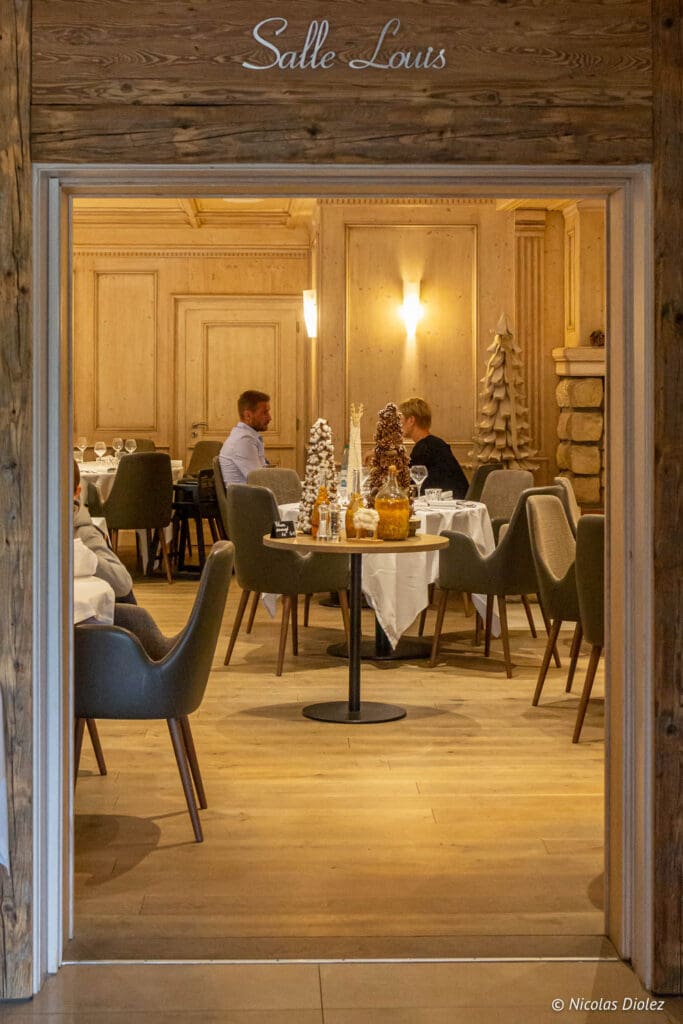


Hôtel-Restaurant du Lac de Madine
22 Rue Charles de Gaulle, 55210 Heudicourt-sous-les-CôtesEscapade menu at €34 including starter + main + dessert.
Lunch set menu from Tuesday to Friday at €17 including daily special + glass of wine (or 1/2 bottle of mineral water) + coffee.
_
Where to buy Meuse wine? GAEC de l’Aumonière
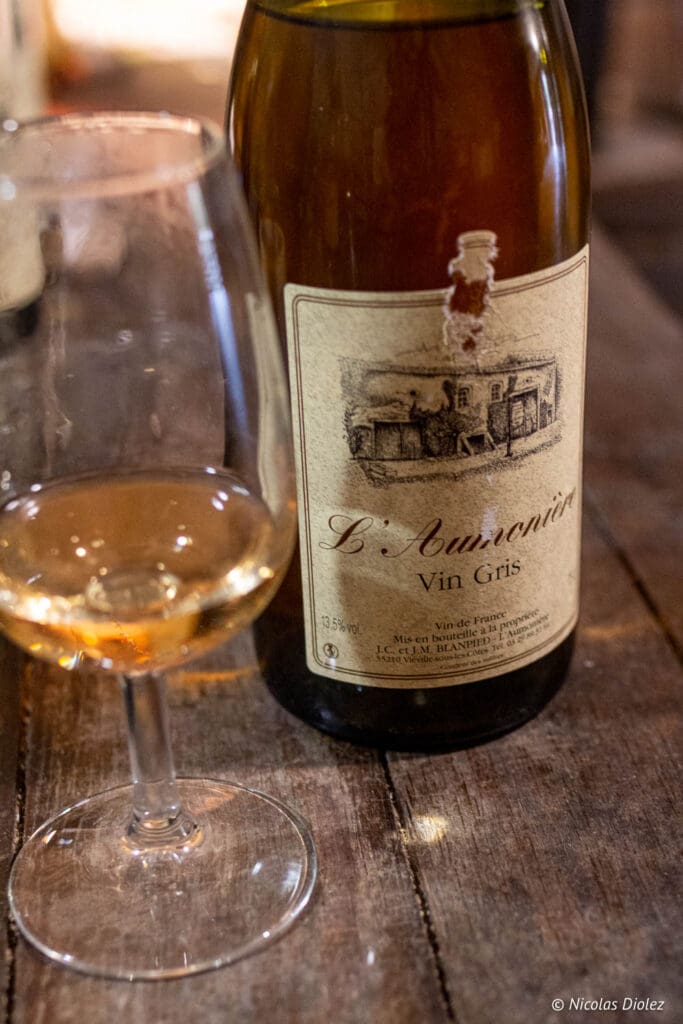
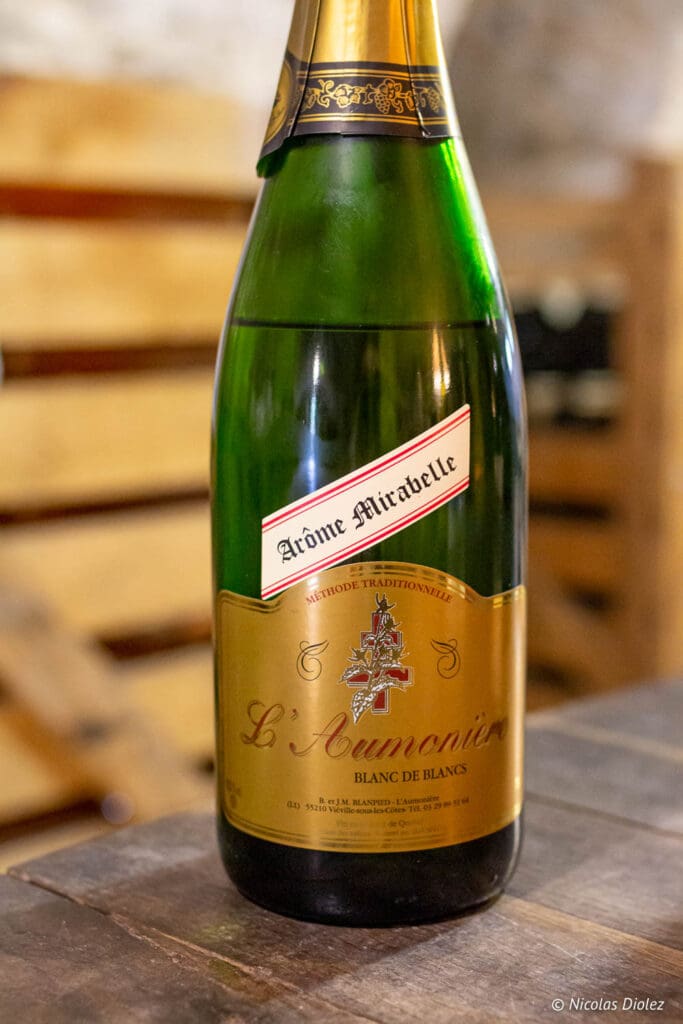
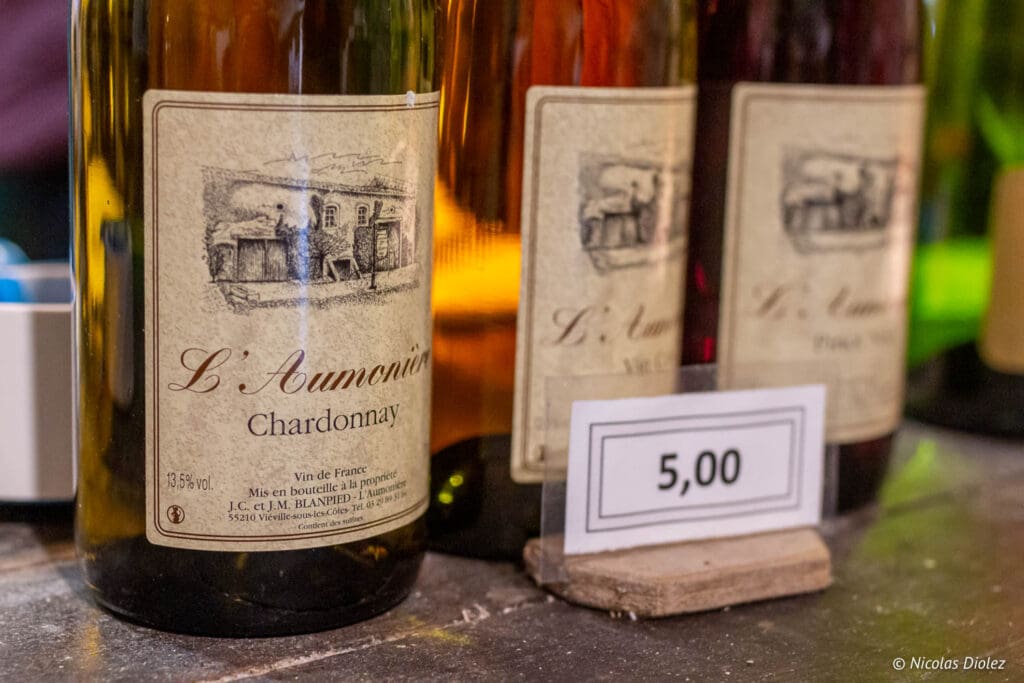
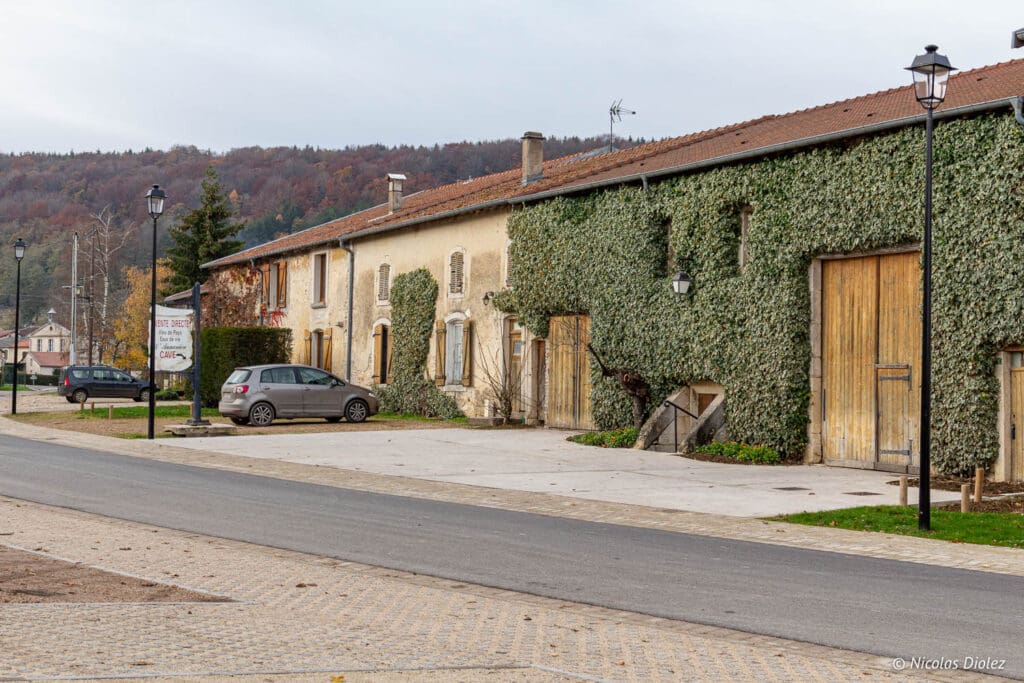
Here is a great little address to buy local products directly from the winemaker, Mr. Blanpied. The local wines are Vin de Pays des Côtes de Meuse with a protected geographical indication (IGP) covering part of the Meuse department, and it would be a shame not to take advantage of your trip to the region to discover them.
This small producer manages 5.5 hectares of vineyards, primarily cultivating a typical regional grape variety, l’auxerrois, as well as pinot gris.
What to buy: a bottle of traditional-method crémant (€6); a bottle of white auxerrois (€5); a bottle of Mirabelle plum liqueur (€12).

GAEC de l’Aumonière
11 Rue Arnay Leduc, 55210 Viéville-sous-les-Côtes
Phone: +33 3 29 89 38 67 / +33 6 89 65 92 08Tasting and direct sales daily except Tuesdays (it is advisable to call ahead to ensure they are open). On-site sales only.
_
Where to buy local Meuse products? Jardin de Lorraine
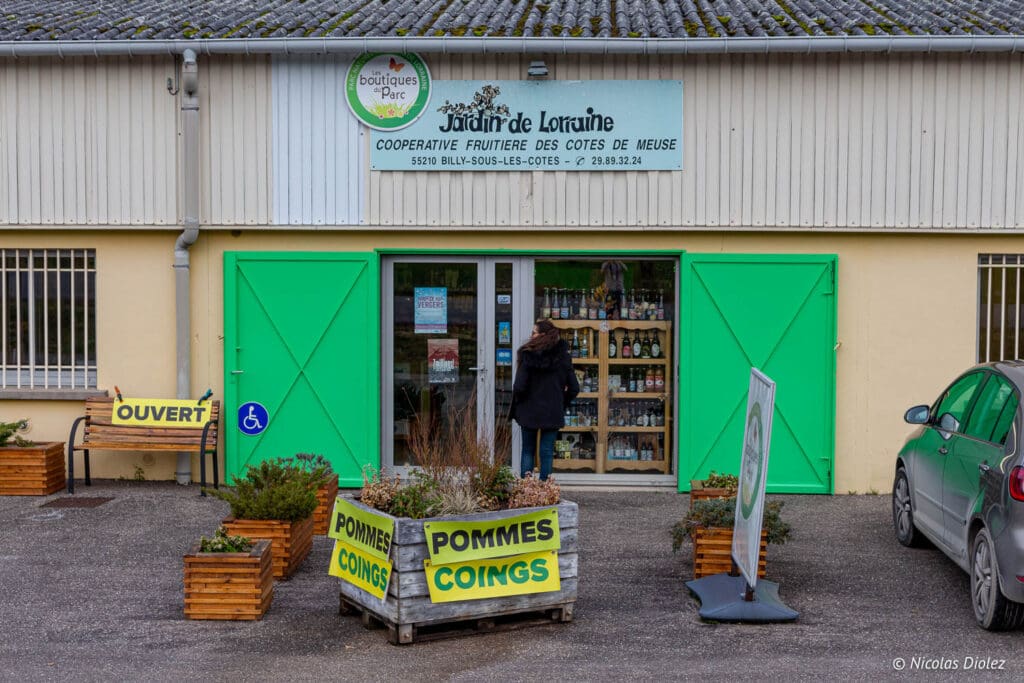
Located about a 20-minute drive from Saint-Mihiel, this cooperative shop offers a wonderful selection of local products from the Côtes de Meuse, featuring no less than forty producers. It’s the perfect spot to pick up a few gourmet souvenirs from your stay in Meuse.
I especially recommend checking out the local beers, as Meuse has a long-standing brewing heritage.
Jardin de Lorraine
32 Rue de la Mirabelle, 55210 Billy-sous-les-CôtesFruit cooperative shop offering specialties from around forty producers of the Côtes de Meuse.
Open Monday to Saturday from 10:00 AM to 12:30 PM and from 2:00 PM to 6:30 PM (closed on Sundays).
_
Chocolaterie Sereivan’s
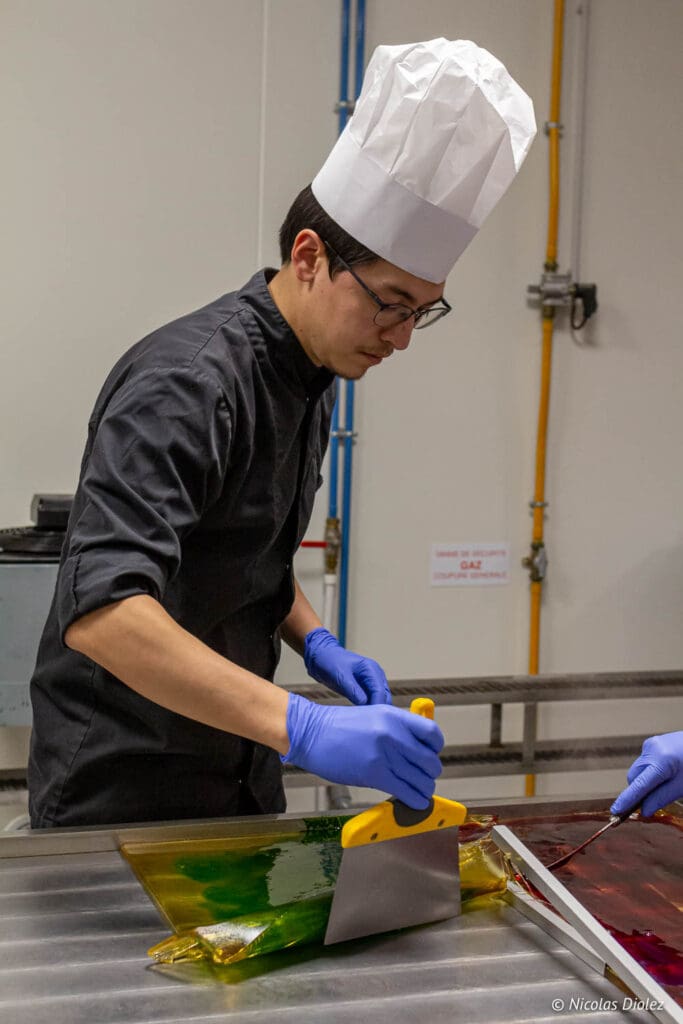
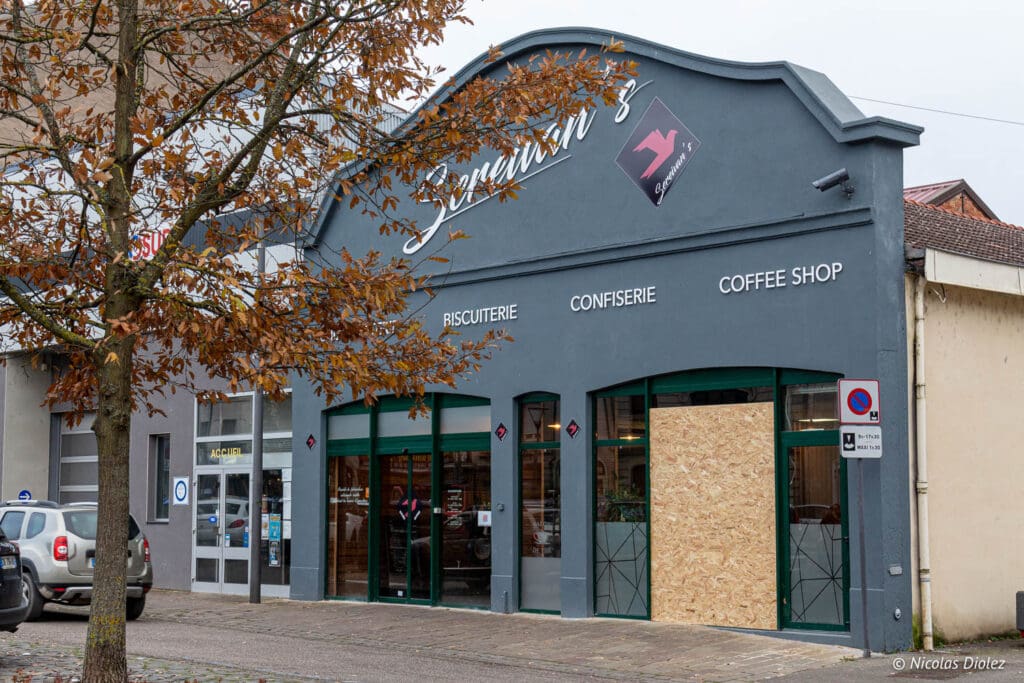
This chocolate factory, which now employs around thirty people, opened its doors in April 2019 in Saint-Mihiel, following the success of the boulangerie Mageot, which makes the Rochers and Croquets of Saint-Mihiel and belongs to the same owners.
Also, if you are passing through the area, the town of Saint-Mihiel is nicknamed “The Little Florence of Lorraine” and is definitely worth a detour for its architecture and the Renaissance works by the sculptor Ligier Richier that it houses.
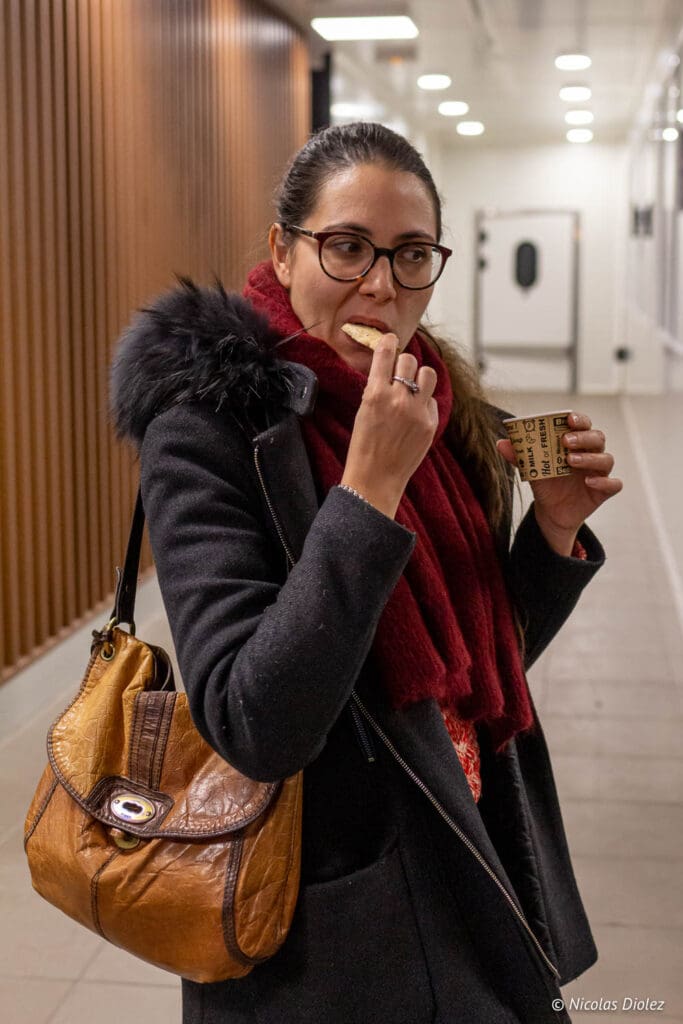
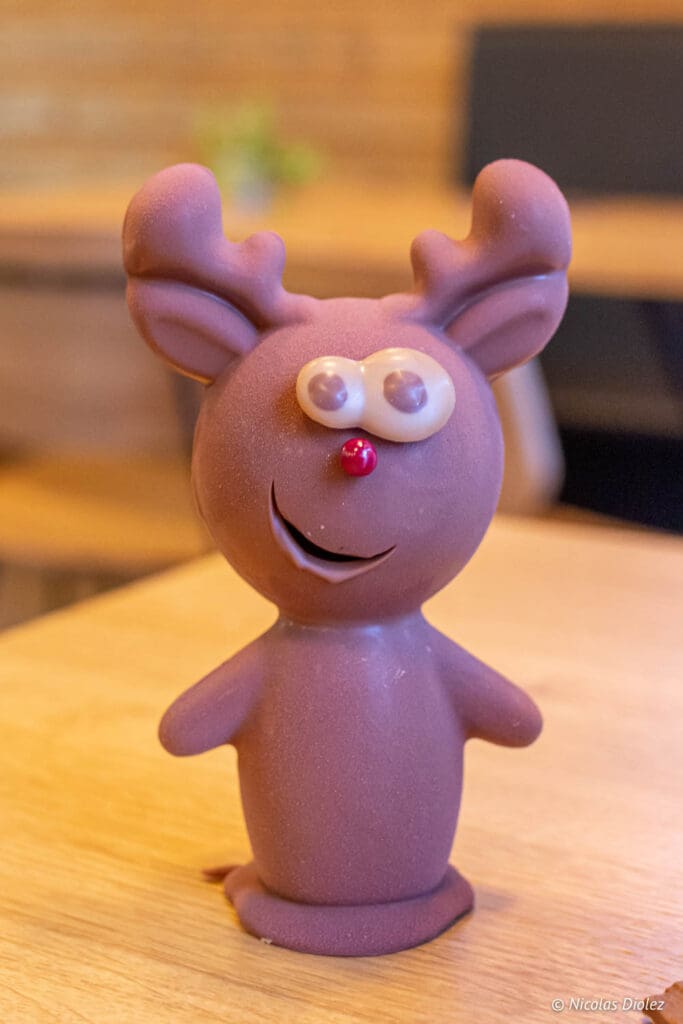
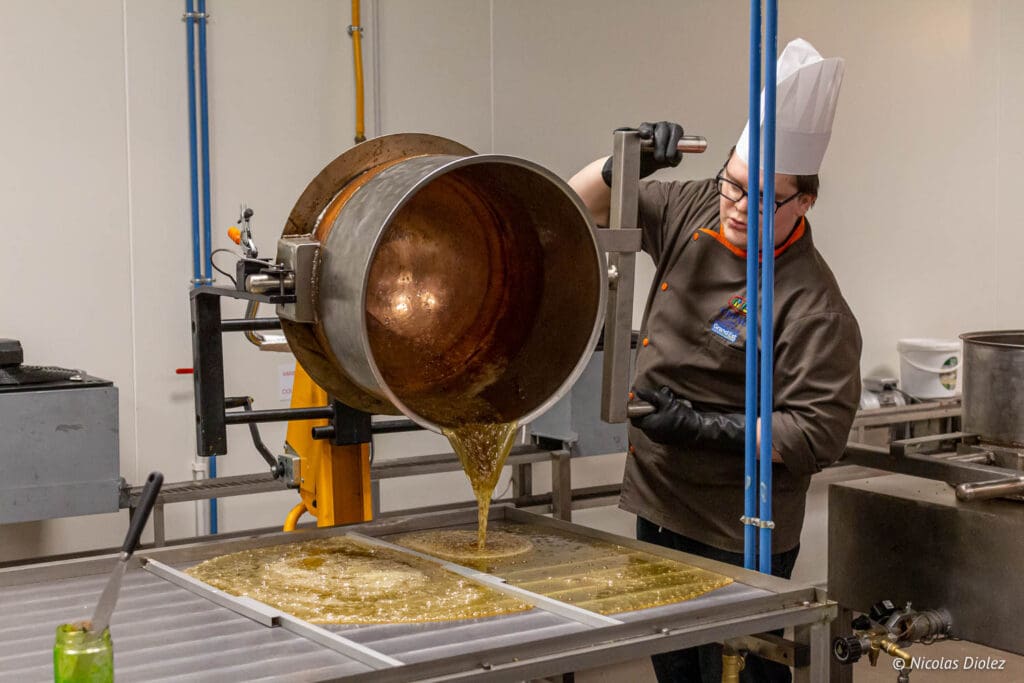
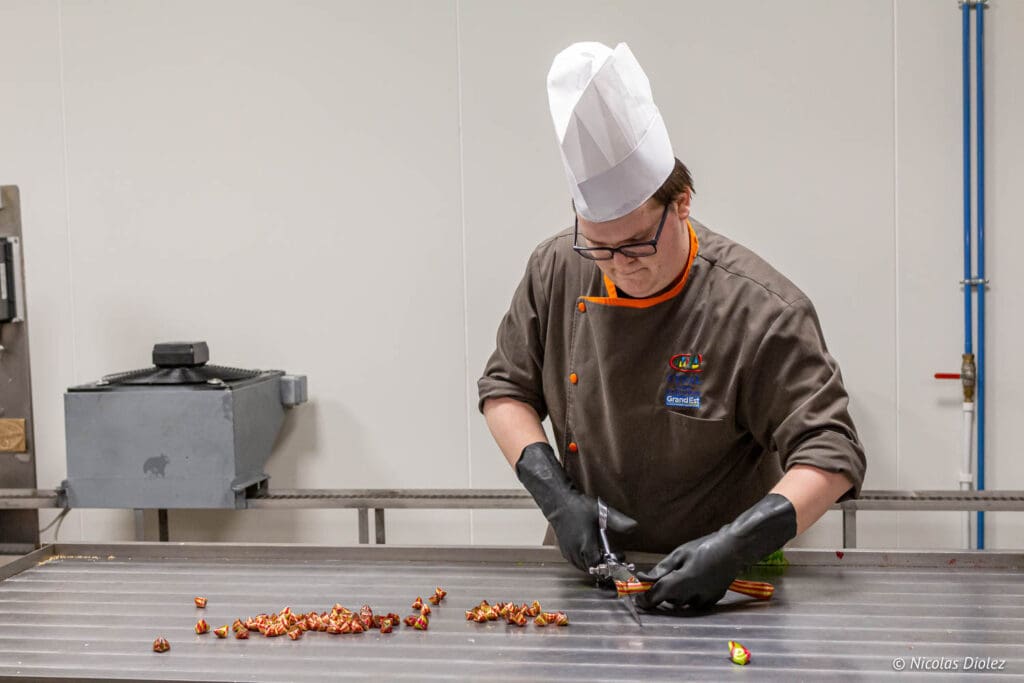
At the Chocolaterie, everything is homemade and artisanal, and the coffee is even roasted on-site. All coloring agents are natural, and the establishment also makes its own praline for the chocolates (yum, yum). It’s a fantastic gourmet stop if you want to pick up a few sweets.
For sale in the shop: biscuits, chocolates, candies, marshmallows, praline, coffee…
The place also functions as a tea room and coffee shop, so you can just sit at one of the tables to enjoy a hot drink and a few treats.
The good deal: You can watch free demonstrations of candy making and more every day the shop is open at 4:30 PM (it’s quite impressive to watch and very interesting too).
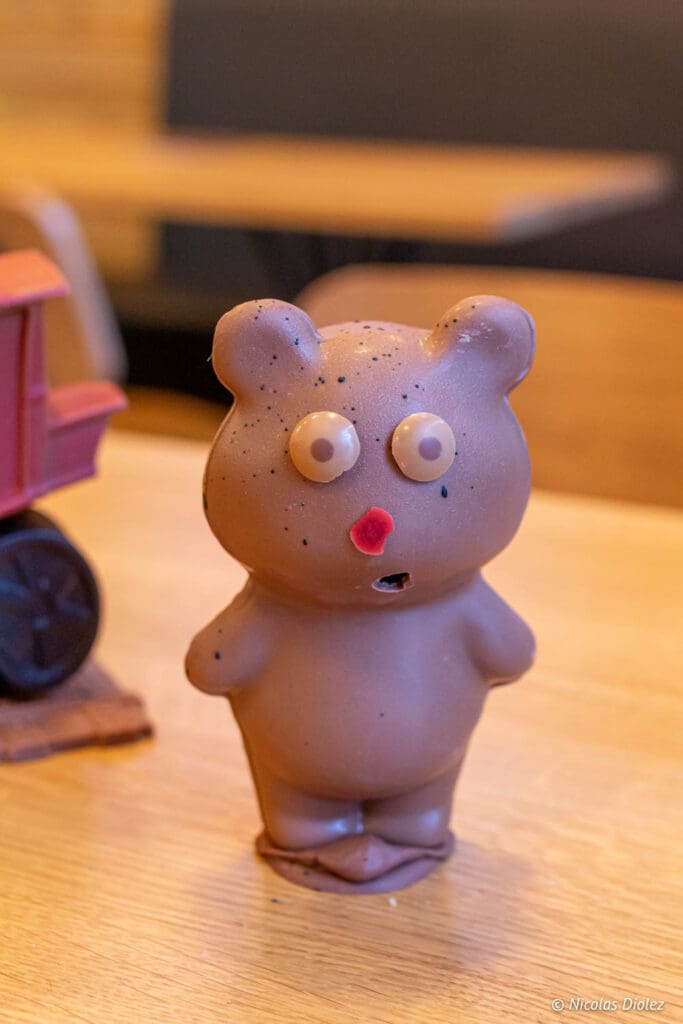
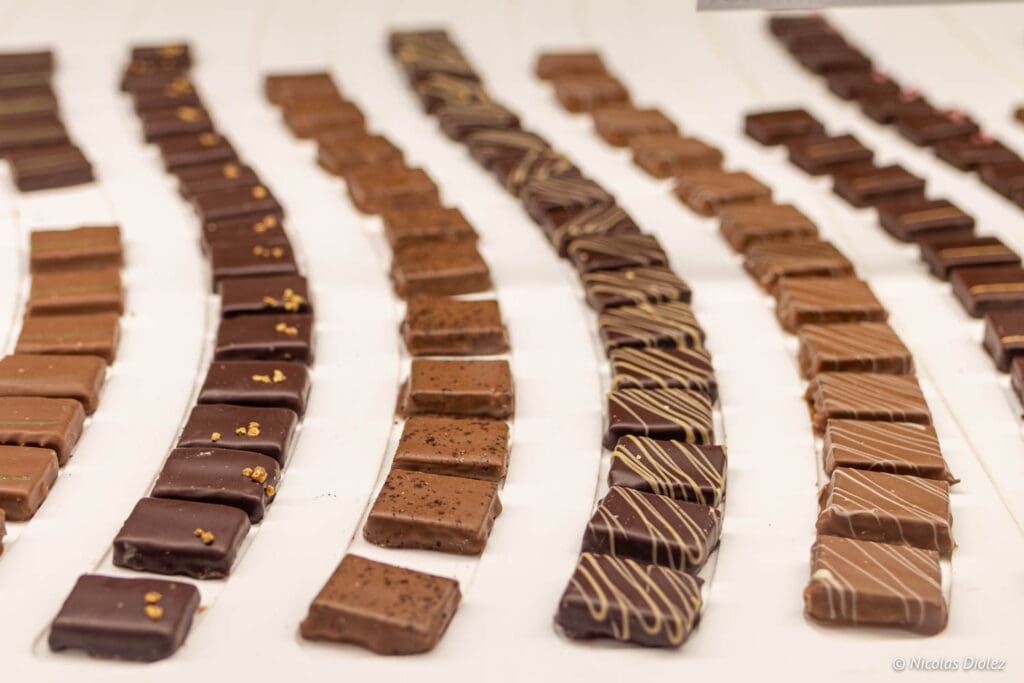


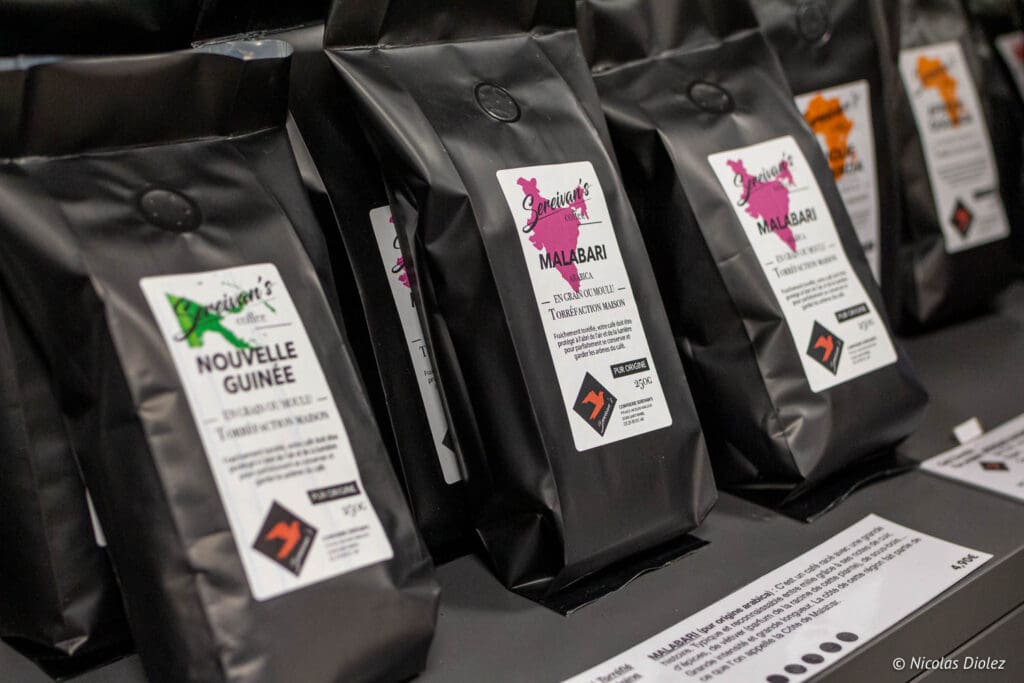

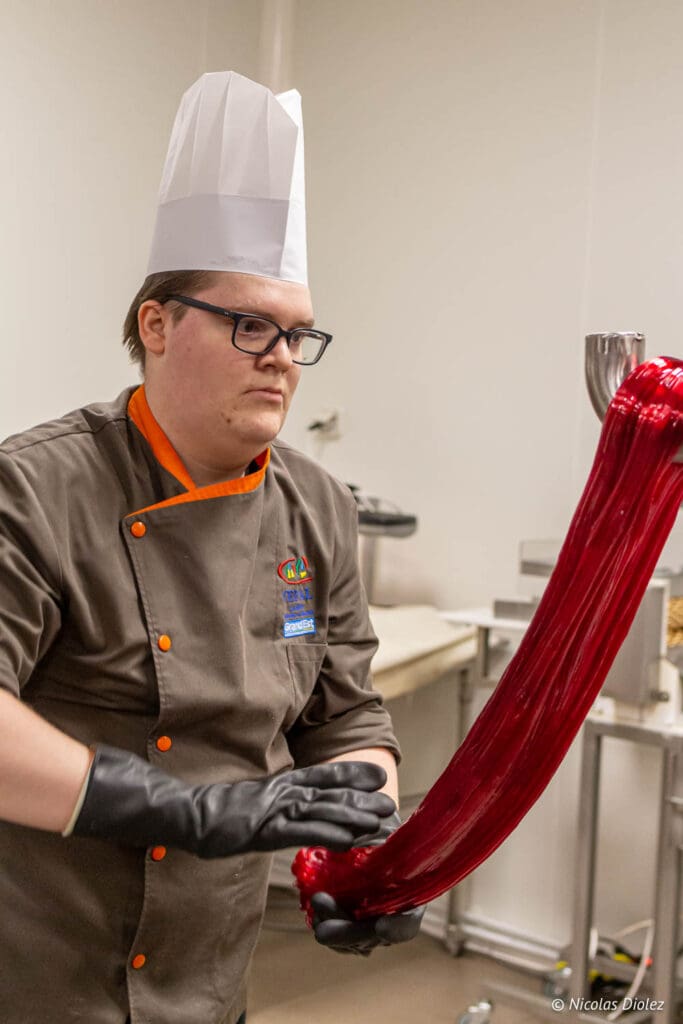

Chocolaterie Sereivan’s
9 Place Jacques Bailleux, 55300 Saint-MihielArtisanal shop, coffee shop and tea room.
Open Wednesday to Sunday from 9:00 AM to 12:30 PM and from 2:30 PM to 6:30 PM.
_
Where to stay? Le Château des Monthairons
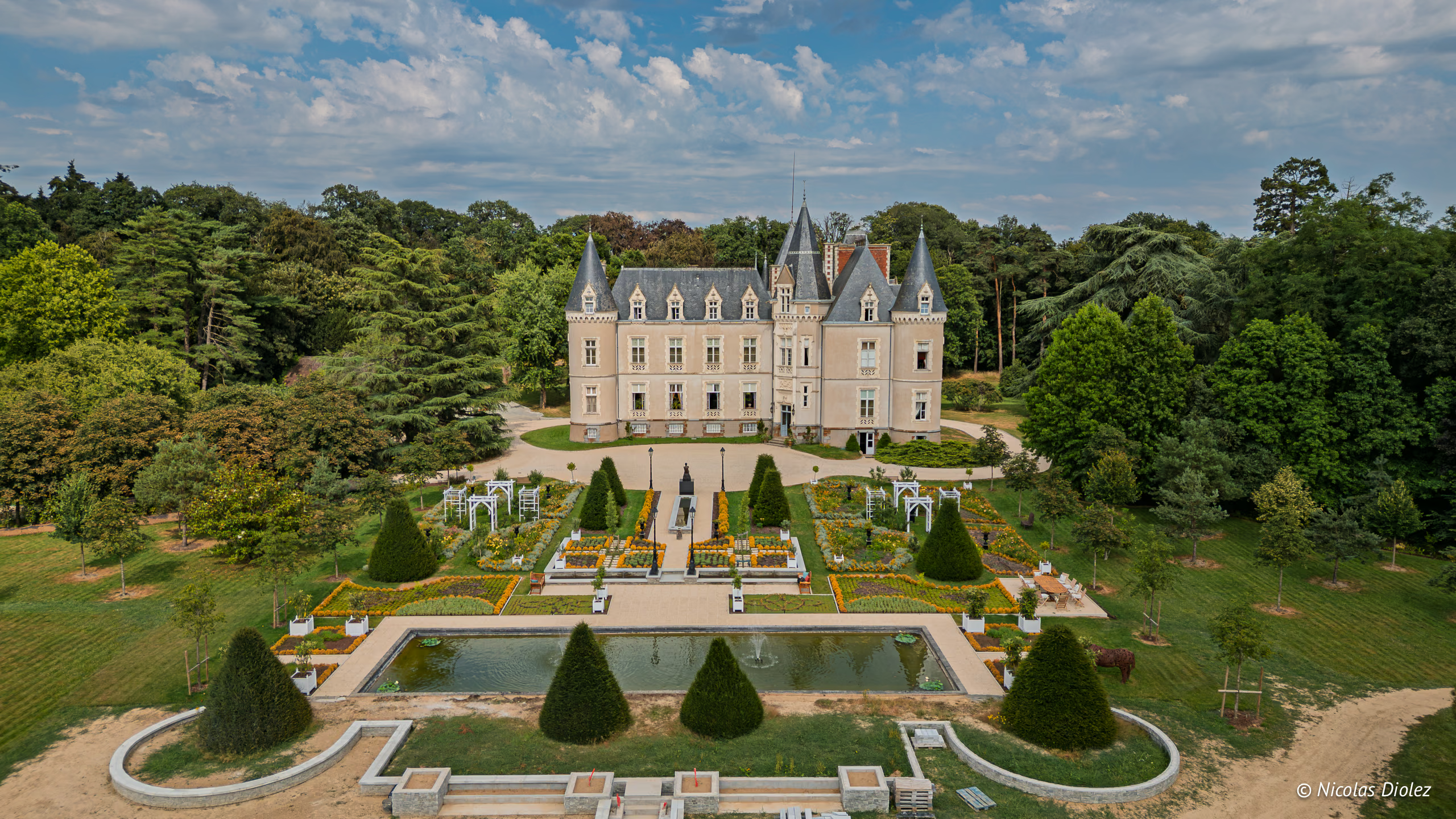
This 4-star hotel is nestled in a magnificent château built in the mid-19th century, now owned by the Thouvenin and Pierrat family. It is surrounded by a superb 17-hectare park, planted with trees of many different species and bordered by a bend of the Meuse river on the eastern side of the property. It is a true haven of peace where it’s lovely to take a stroll no matter the season!
The history of the château itself is quite interesting, as it was built on the site of the former noble residence of the De La Cour family, who had owned the land since 1685. In 1902, the château and park were sold to Baron de Chadenet, who was ennobled by Napoleon III for his strong support.
Later on, in 1985, the Thouvenin family bought the château to turn it into a charming hotel with character, in order to highlight its beautiful stones steeped in history.
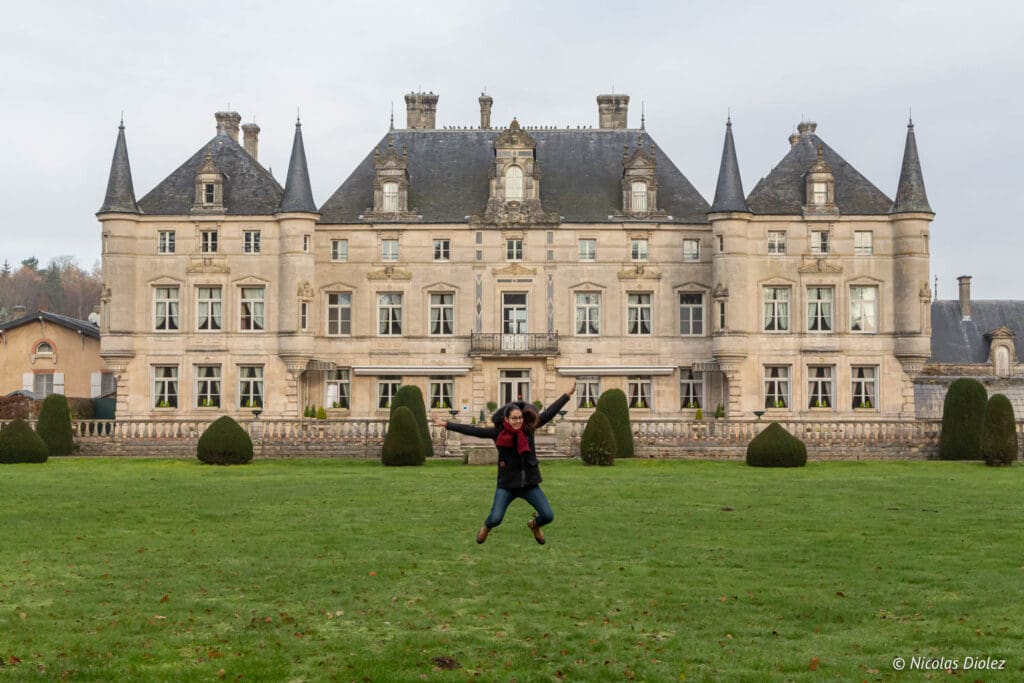
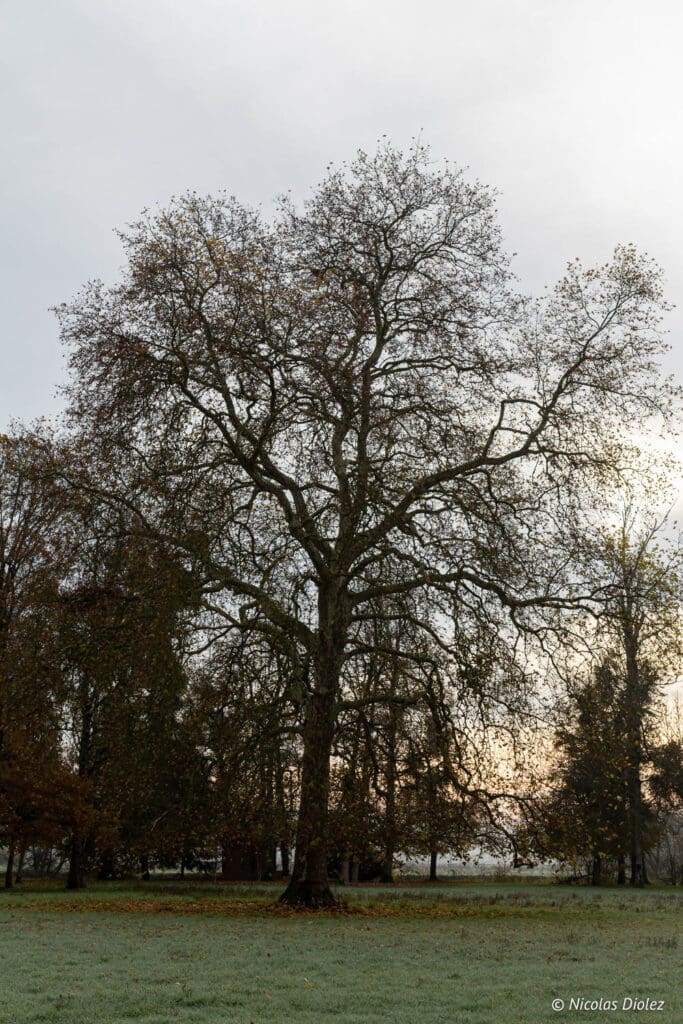

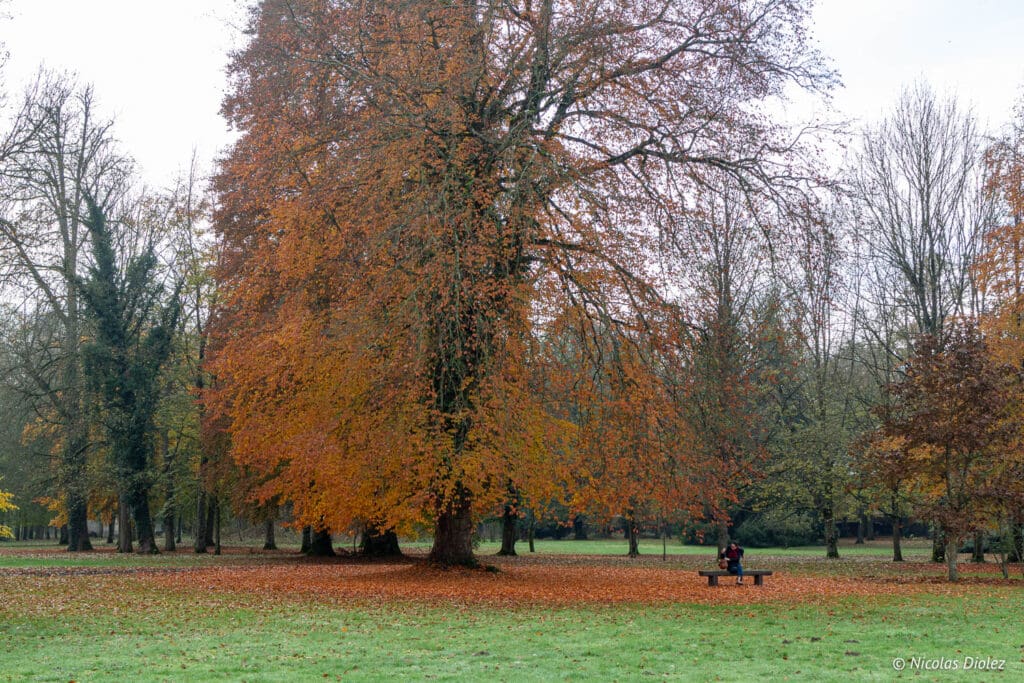

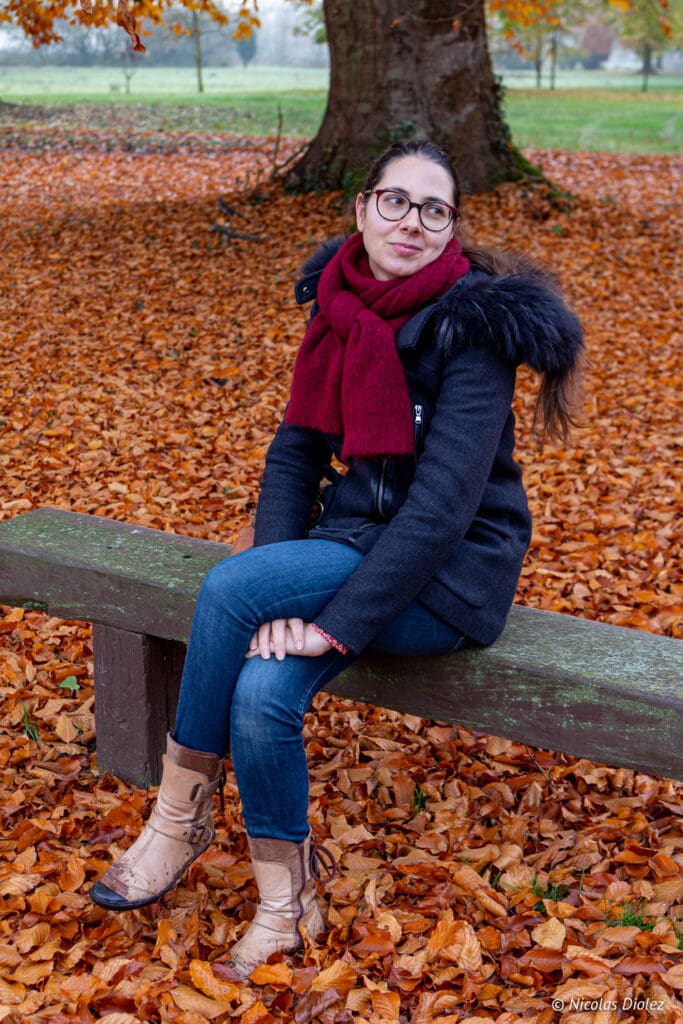
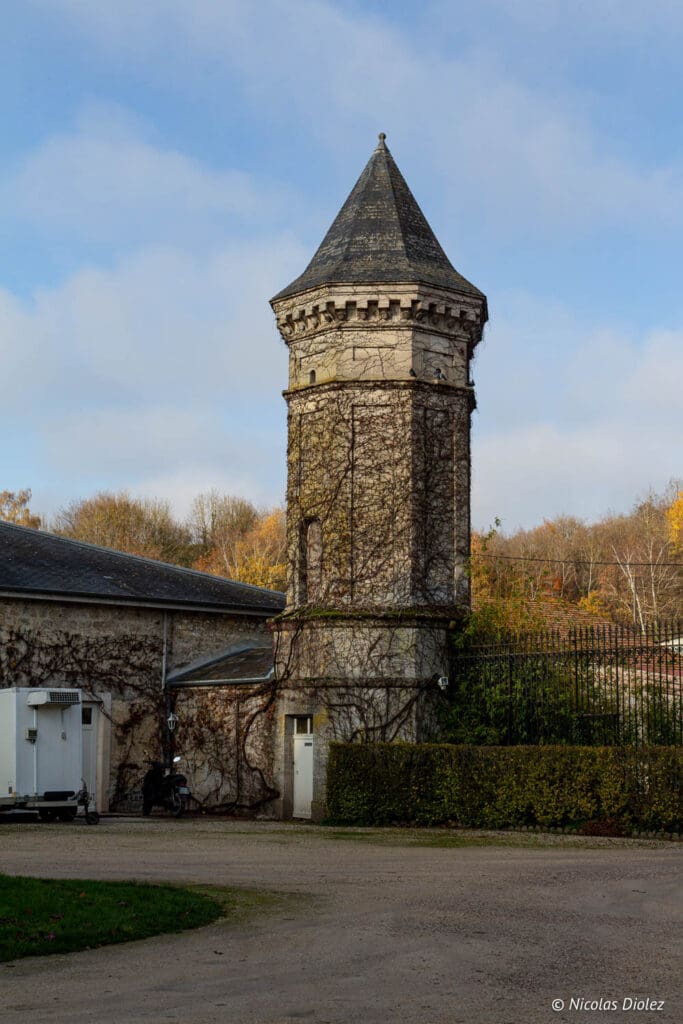
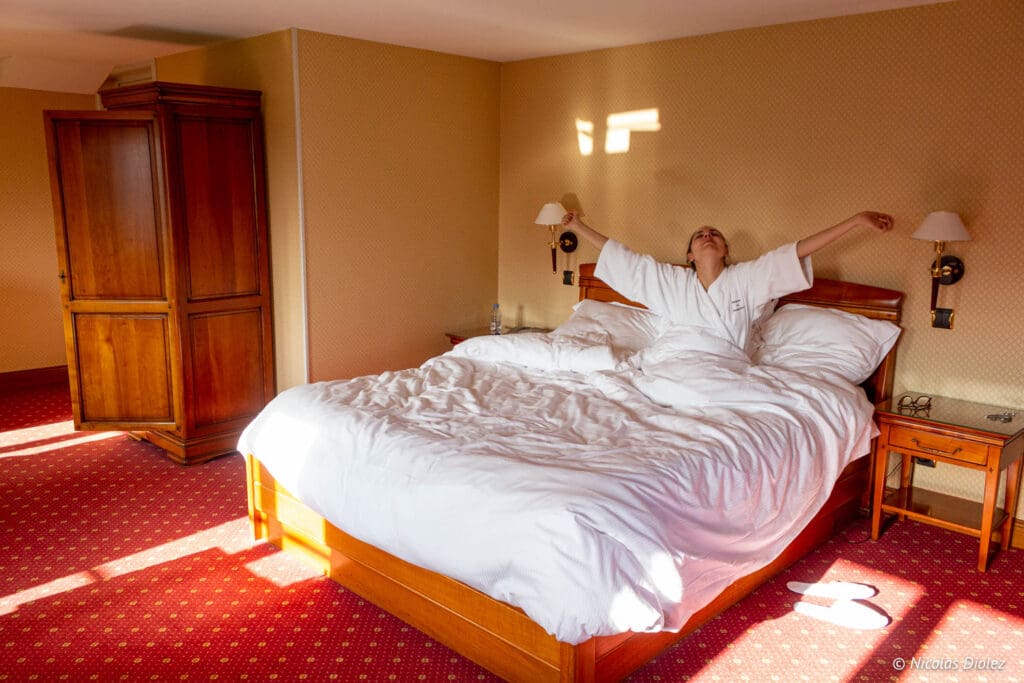
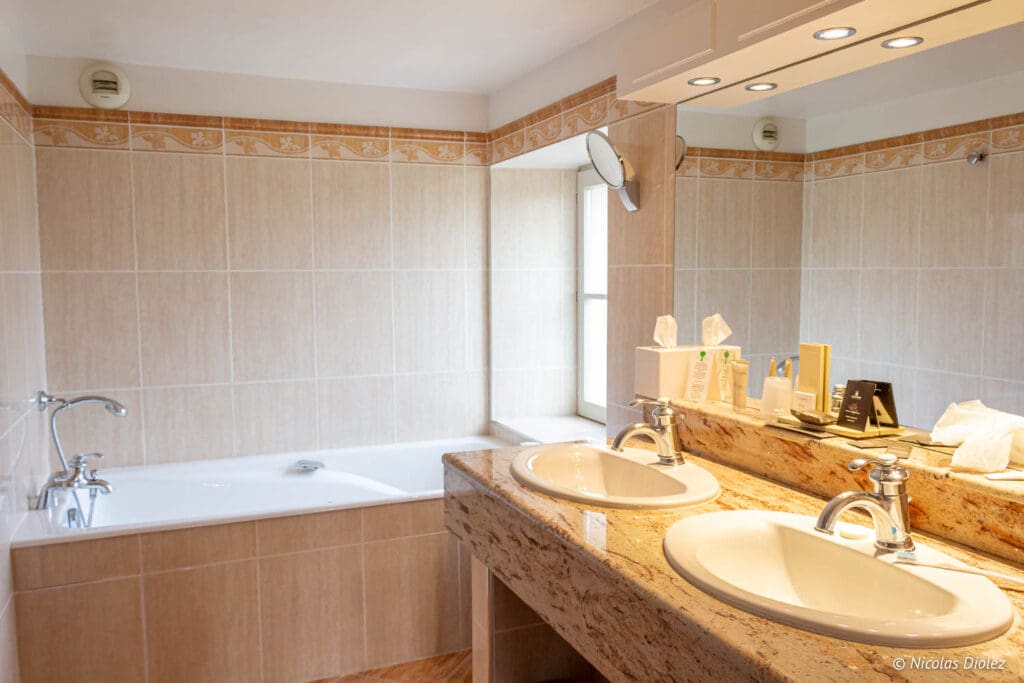
Our room no. 24
I really liked this room located in one of the corners of the château with its little turrets and lovely view of the park (quite a pleasant view to wake up to in the morning). In total, the Château des Monthairons offers 25 rooms, including 5 duplexes and 2 apartments.

Breakfast
Breakfast is served as a buffet on the ground floor of the château with delicious homemade products.
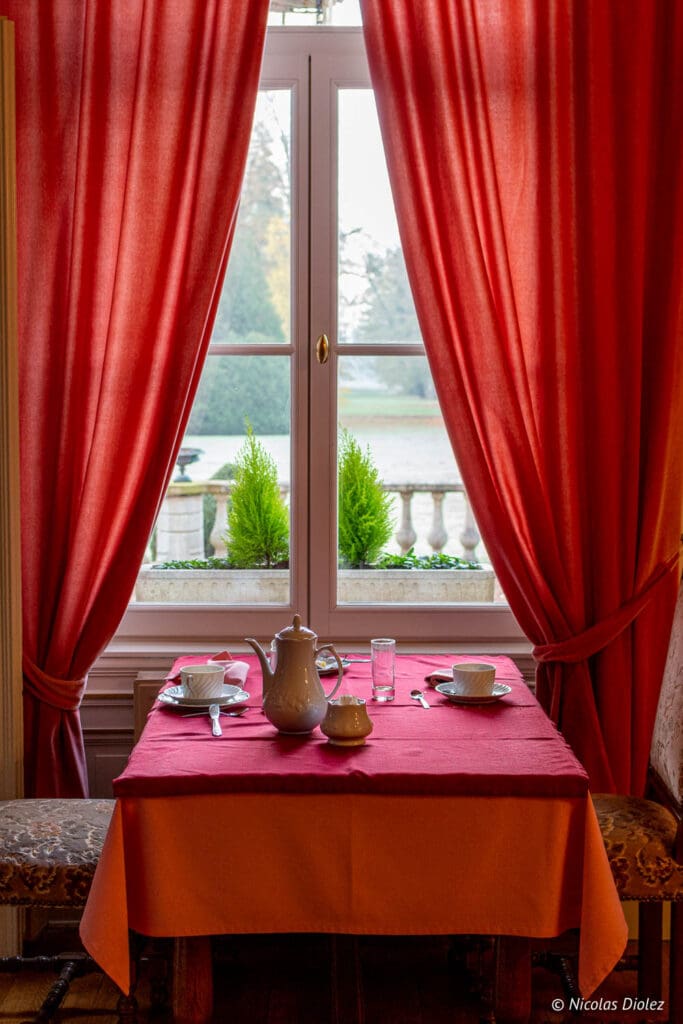
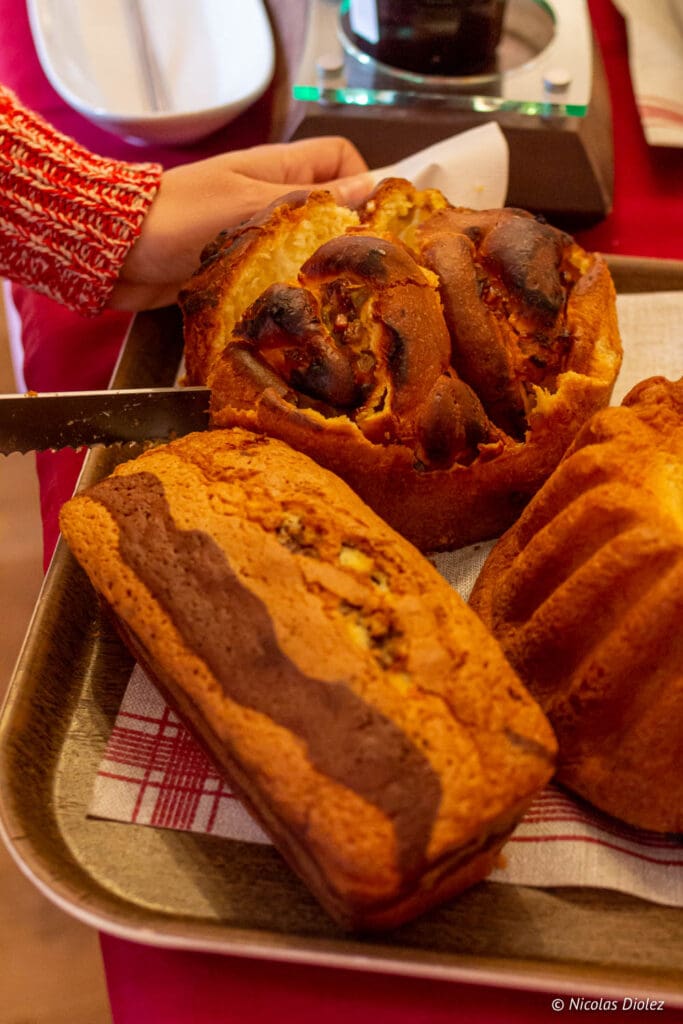


The hotel restaurant
We started our evening on-site by having a little aperitif in the château’s library. On the menu: the house cocktail made with Mirabelle plum cream (what else!?) and Meuse white brut (8 €).
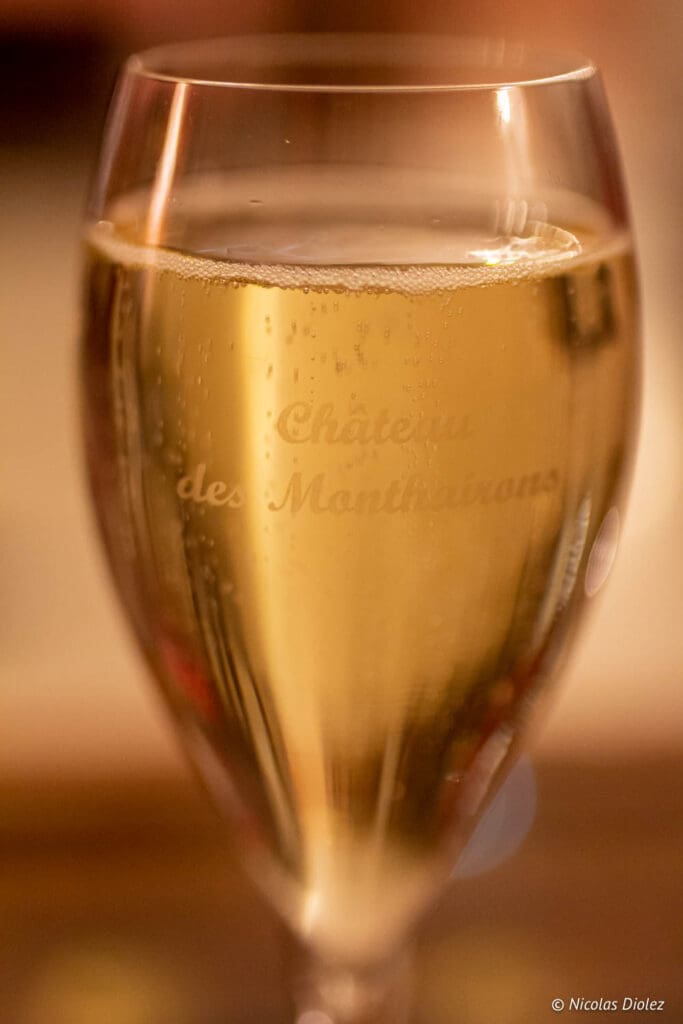
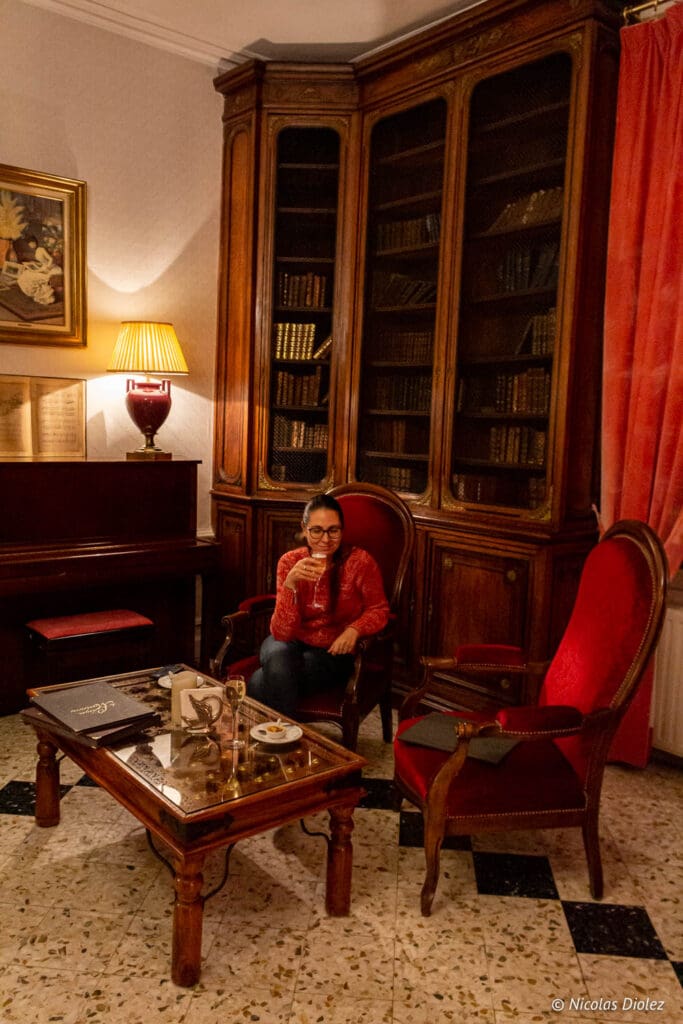
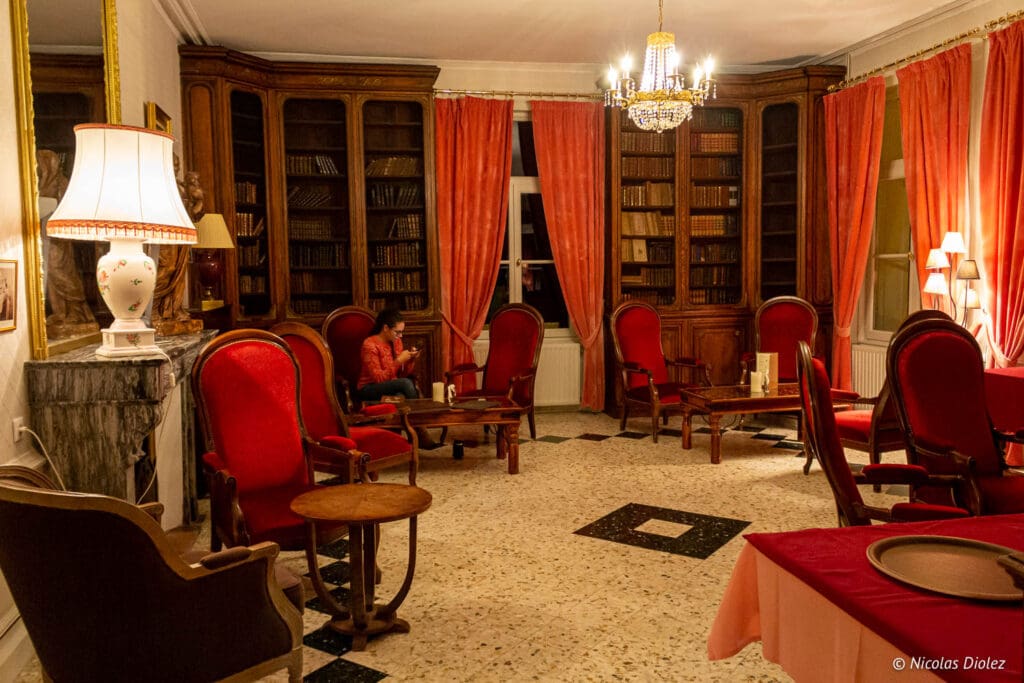
We followed this with a romantic dinner in the beautiful restaurant dining room. We chose the “Meuse Valley” menu at 65 €, which primarily features local products and specialties.
We paired it with the 20 € per person “wine-by-the-glass” package, which includes three glasses of regional wine to accompany the meal. Our only regret was that two of the glasses of red wine turned out to be the exact same wine, which I found a bit disappointing. In my opinion, it would have been more interesting to taste two different red wines.
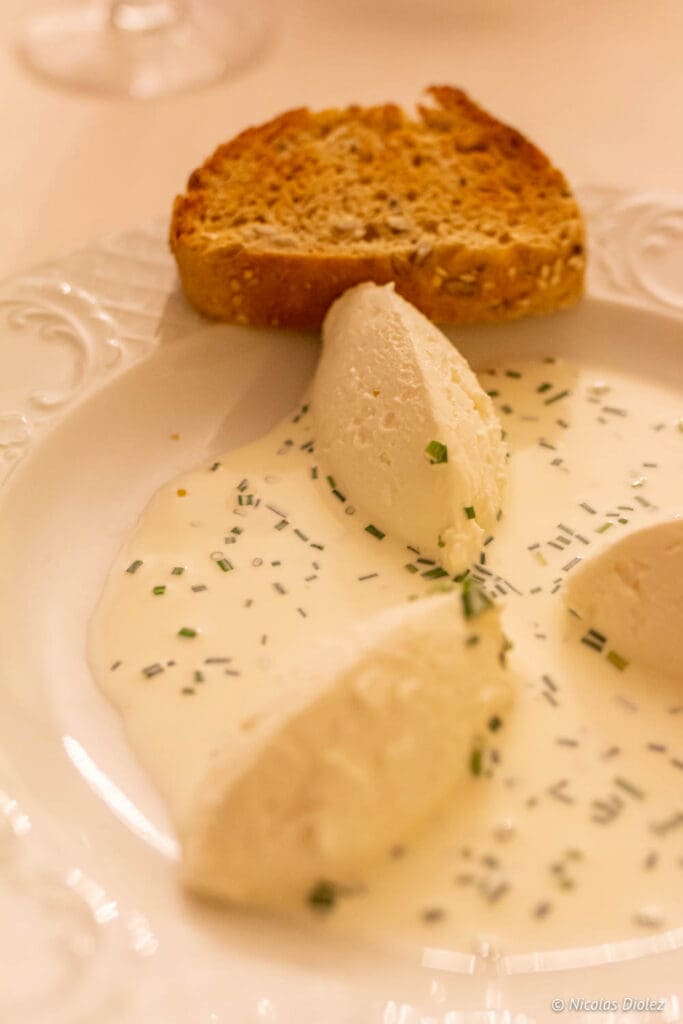
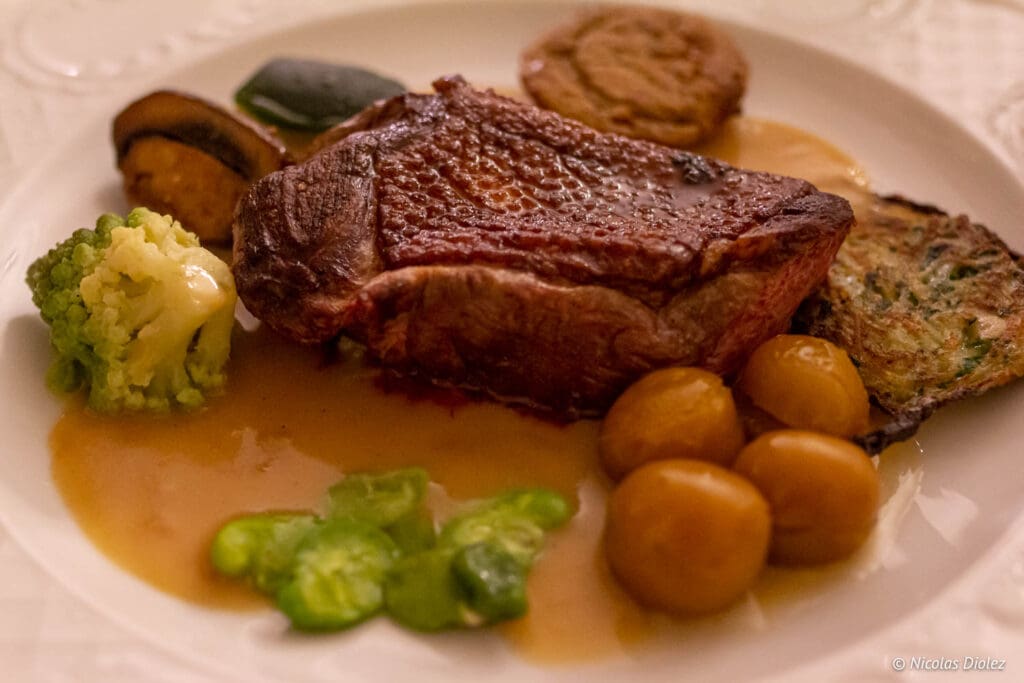
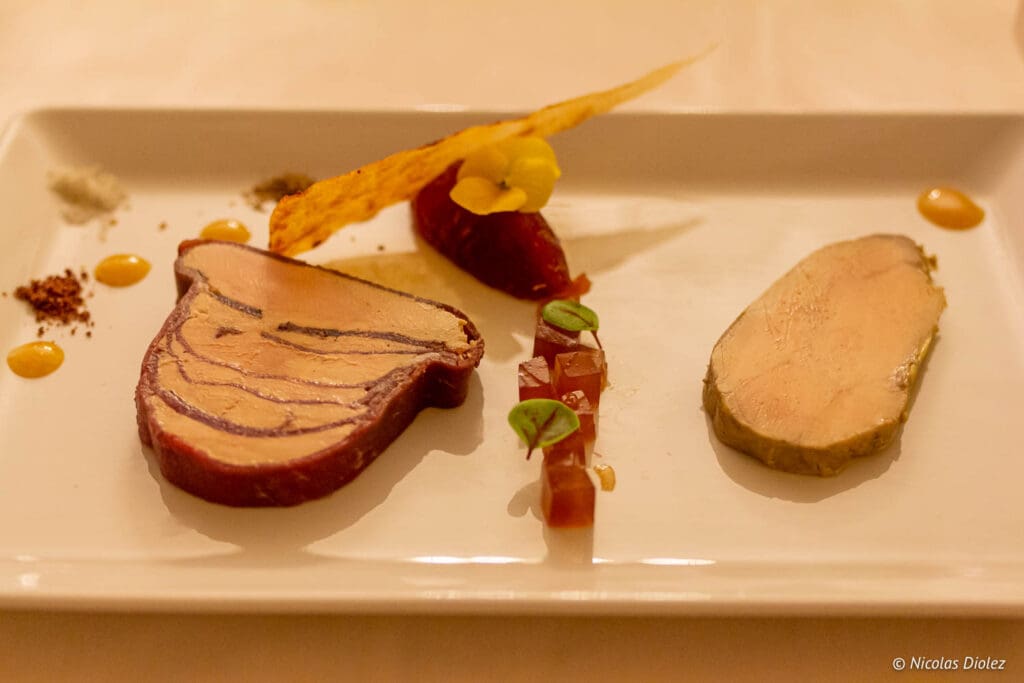
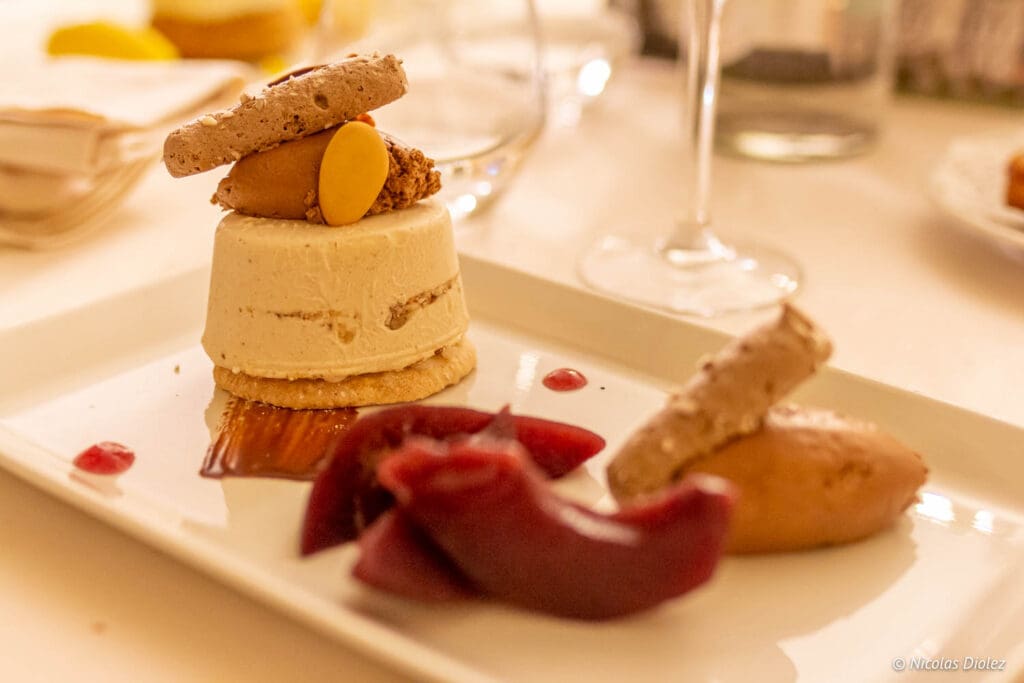
Dishes: plate of 2 duck foie gras from the Château; duck fillet with mirabelle plum verjus; fresh goat cheese from Vaux-les-Plameix; Brie de Meuse; iced parfait with Verdun dragée and a quenelle of chocolate mousse.
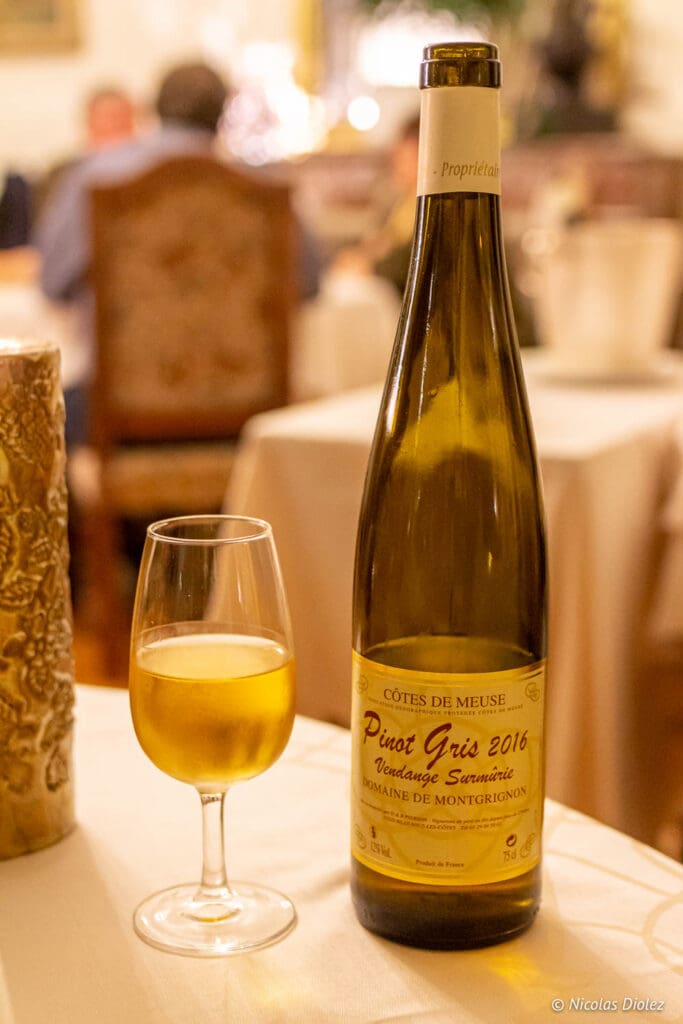
Wines tasted: late-harvest pinot gris D. Montgrignon; côtes de Meuse pinot noir Domaine de Muzy Liénard.
FYI, the Flavour menu at 49 € also offers dishes incorporating Meuse products (such as Charmois beer or Brie de Meuse). We also ordered this menu as a second choice, so we could try as many different things as possible. We always try to order different dishes at restaurants with my favorite photographer because we are extremely curious by nature (and luckily we love sharing our food).


The Spa Area
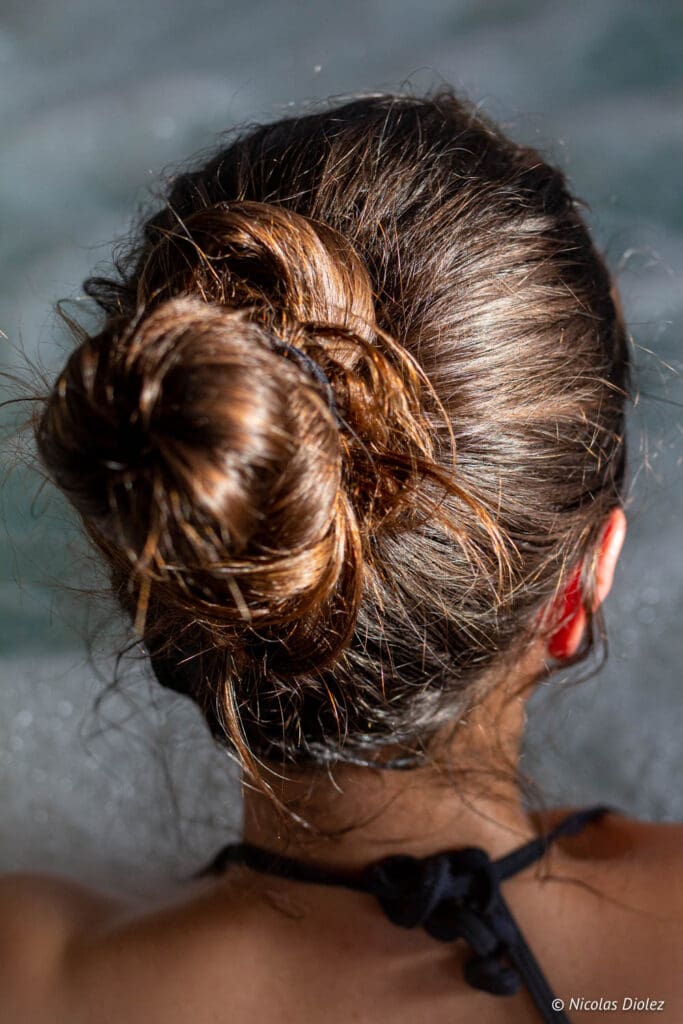
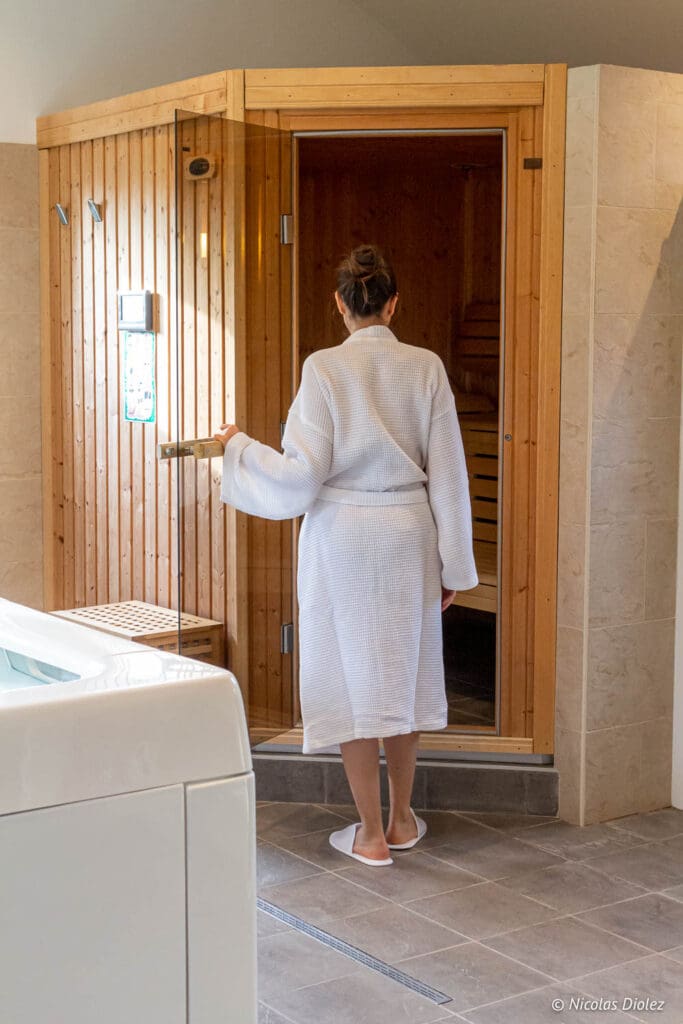
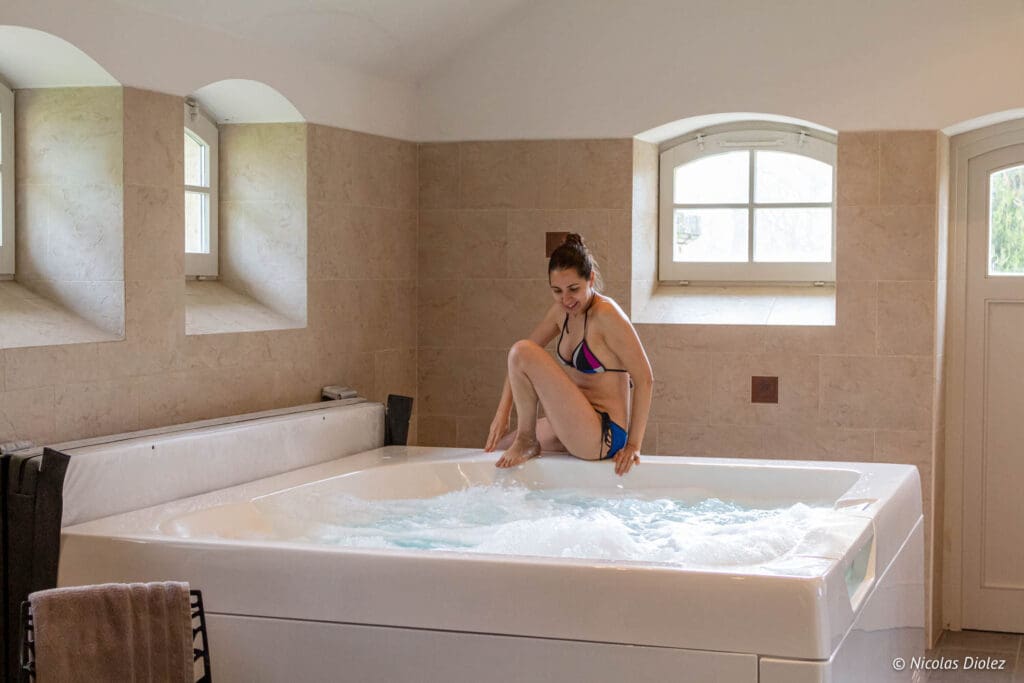
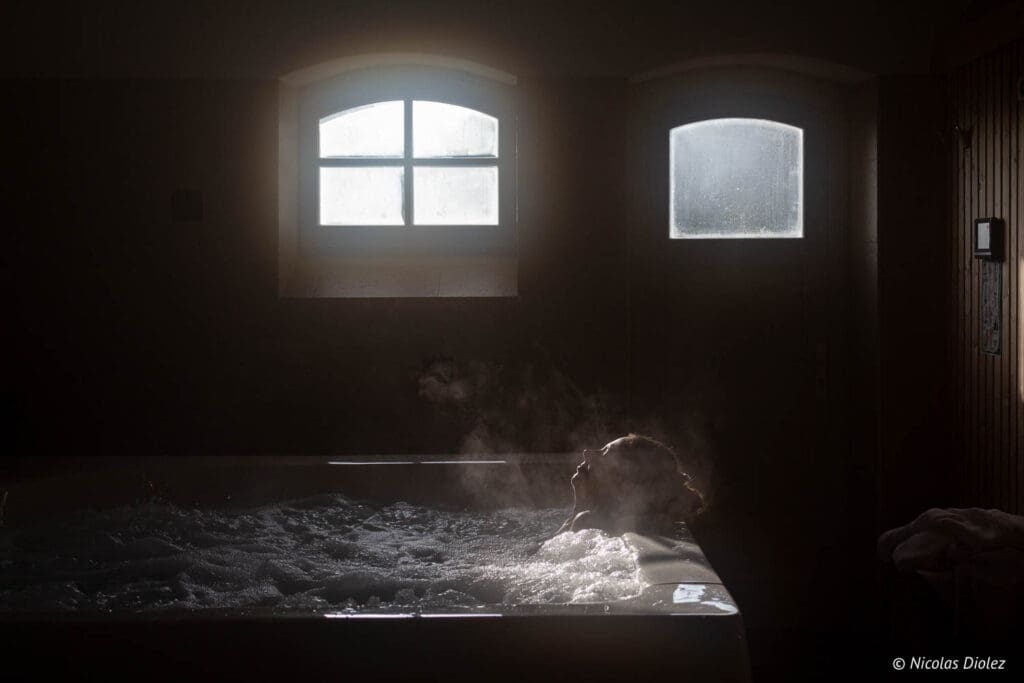
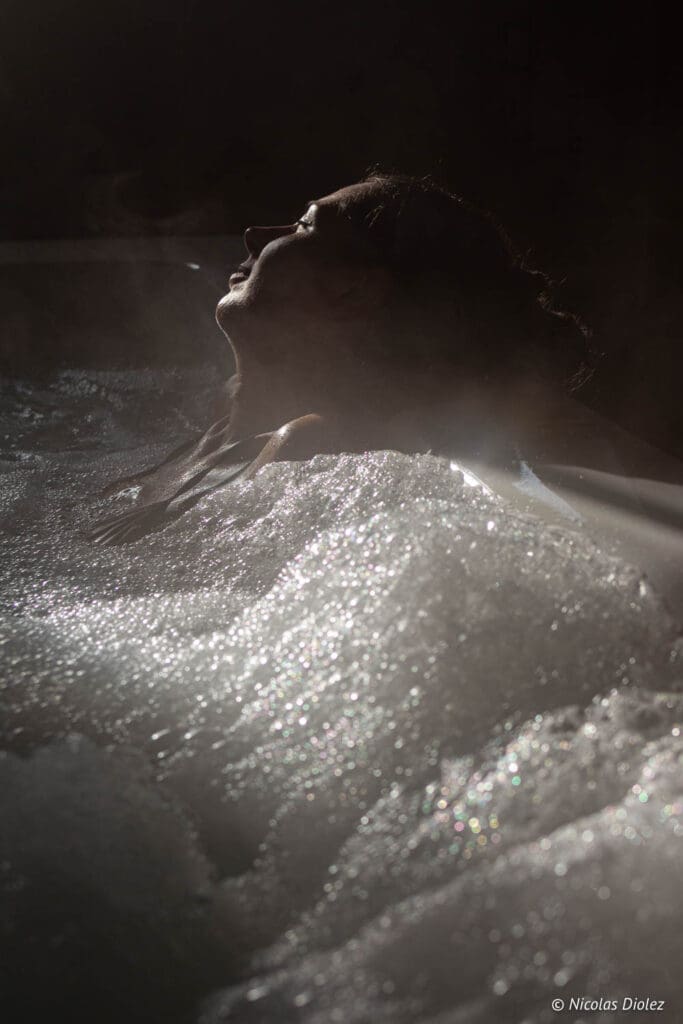
An undeniable bonus of the hotel! This spa has been customized with ceramic works by a Meuse artist from Atelier Pier’art, blending the Art Nouveau of the Nancy School with Raku, a glazing technique that preserves the raw, mineral character of clay.
At the entrance, this nature and spa area features a corner with lockers to store your belongings, a shower and restroom, as well as a sauna and a jacuzzi (where we spent quite a lot of time).

Château des Monthairons
26 Route de Verdun, 55320 Les Monthairons4-star hotel in the heart of a 17-hectare wooded park alongside the Meuse river.
High season (Easter to mid-November): hotel open every day, restaurant closed for lunch on Mondays and Tuesdays.
Low season (mid-November to Easter): open from Tuesday evening to Sunday lunch inclusive.
Indicative room rates: starting from 115 € for 2 people.
_
Step 3: Verdun
We headed to Verdun for the final stop of this getaway to explore the Meuse, setting off directly from the Château des Monthairons; for your information, it takes about 20 minutes by car to get there.
Verdun is the sub-prefecture of the department, yet it is the most populated town in Meuse, and fun fact: the town only became French in 1552. Before the Great War, Verdun was also known as the city of 40 bell towers (which is obviously no longer the case today).
Verdun is, of course, tragically famous since the famous 1916 battle which lasted 300 days (from February to December 1916), claimed over 500,000 lives, and saw more than 60 million shells rain down upon it… Numbers that make you shudder…
Furthermore, this battle, where Europeans, Africans, and Americans fought in Meuse, is considered the mother of all major 20th-century battles.
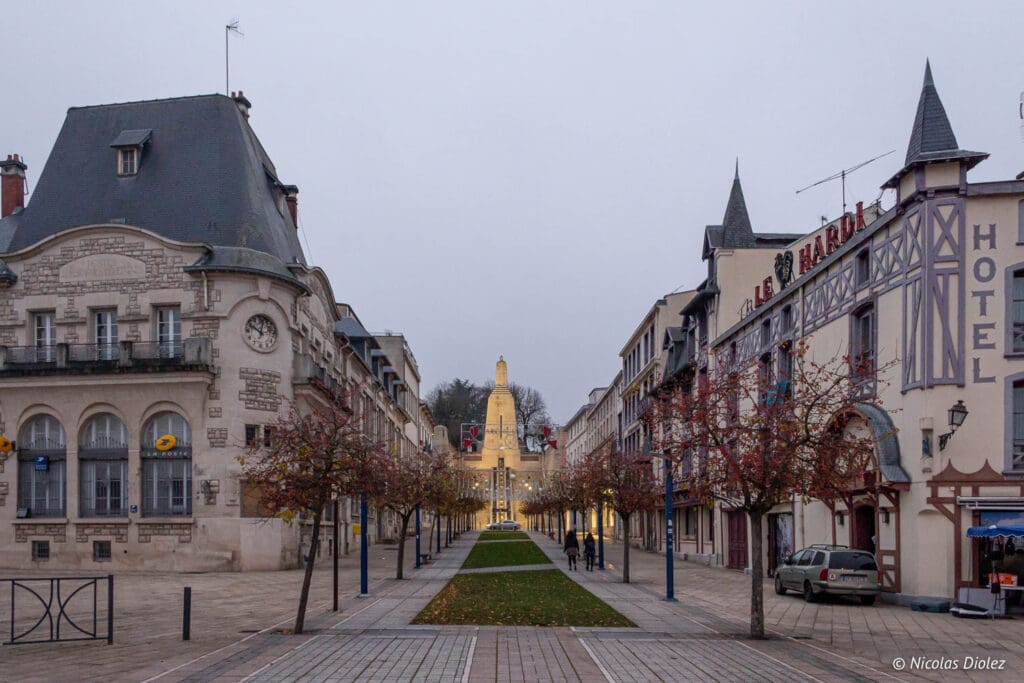

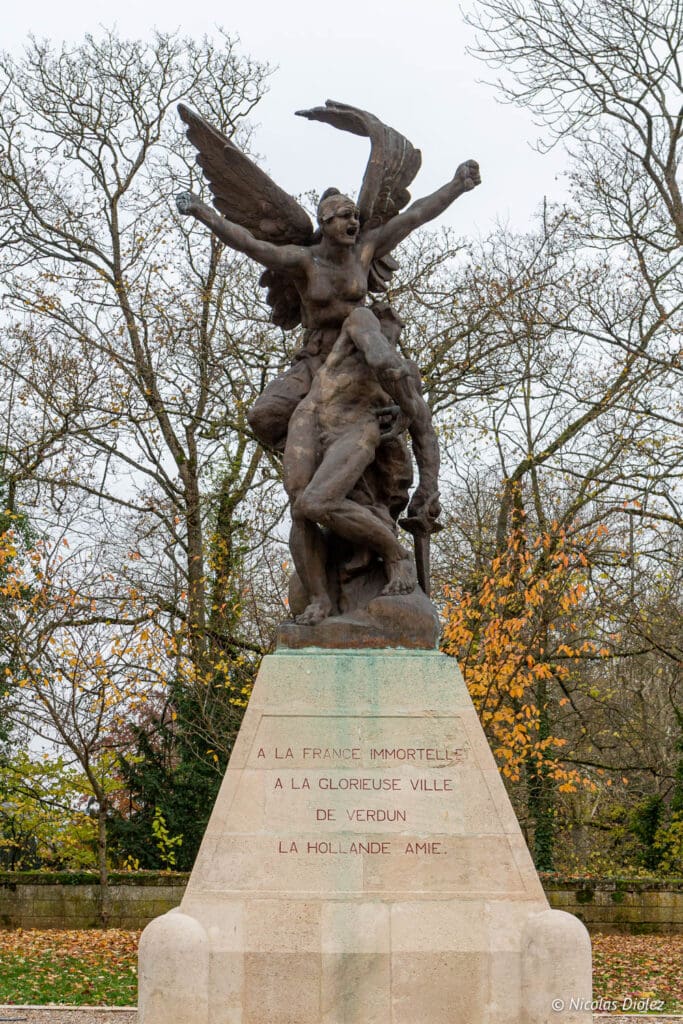
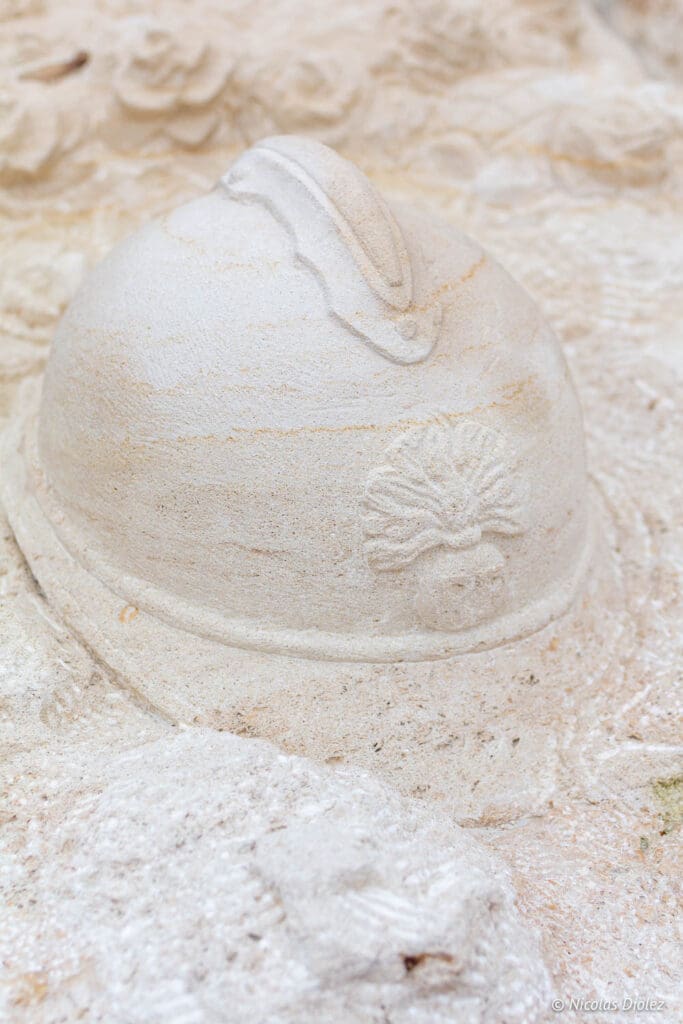
We didn’t necessarily focus our city tour on this dark period of history, but I think—much like what I did in 2018 in Normandy around the World War II landings—I would really love to return to Verdun for tours more centered on this theme.
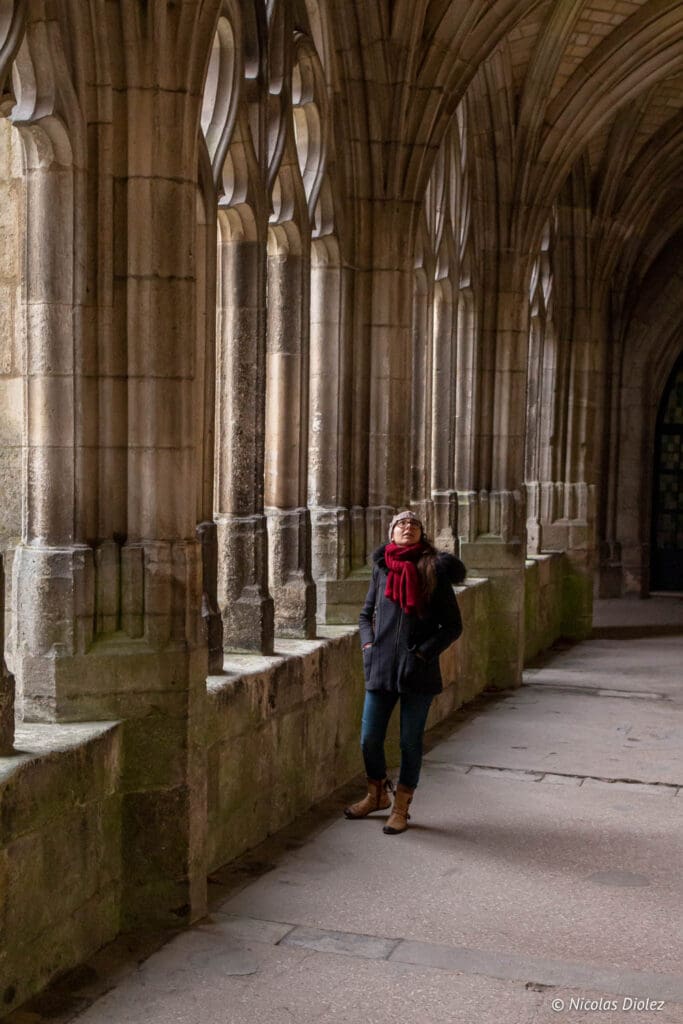
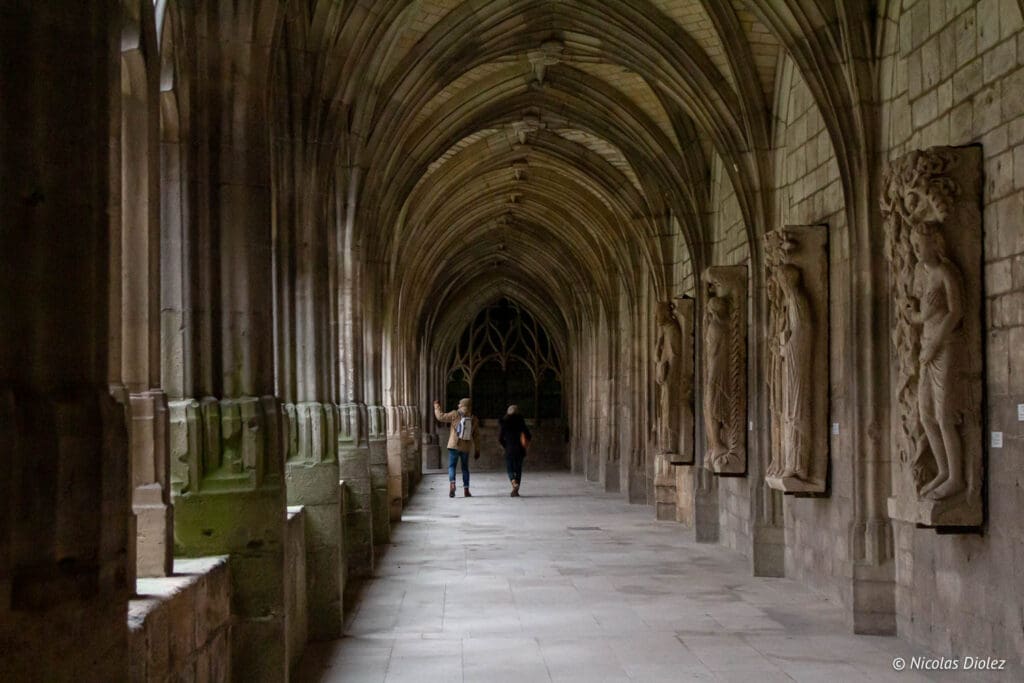
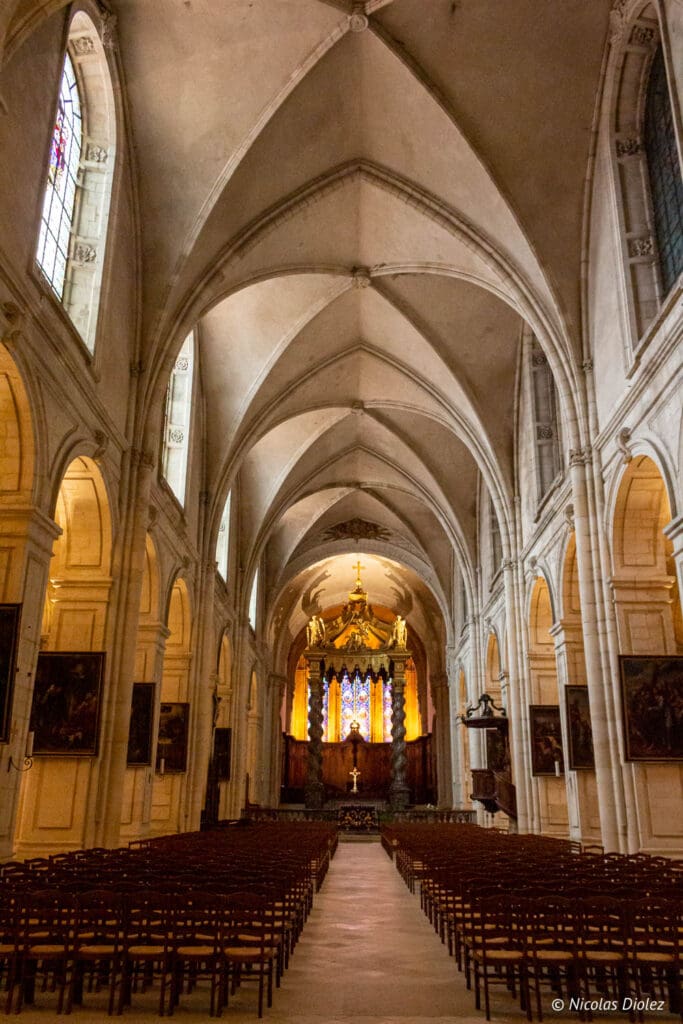
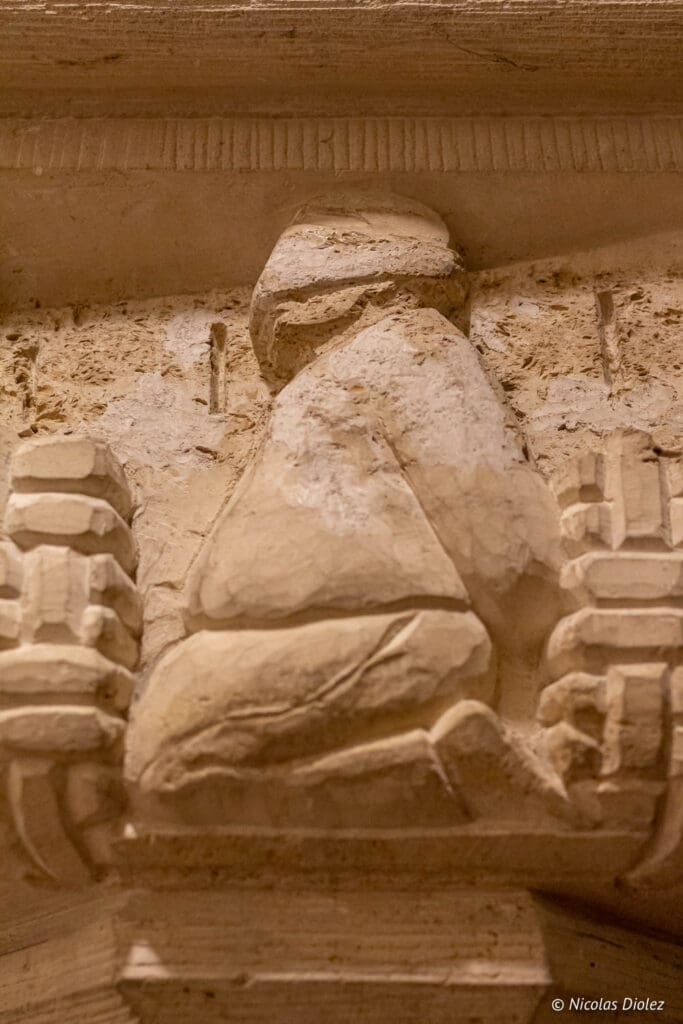
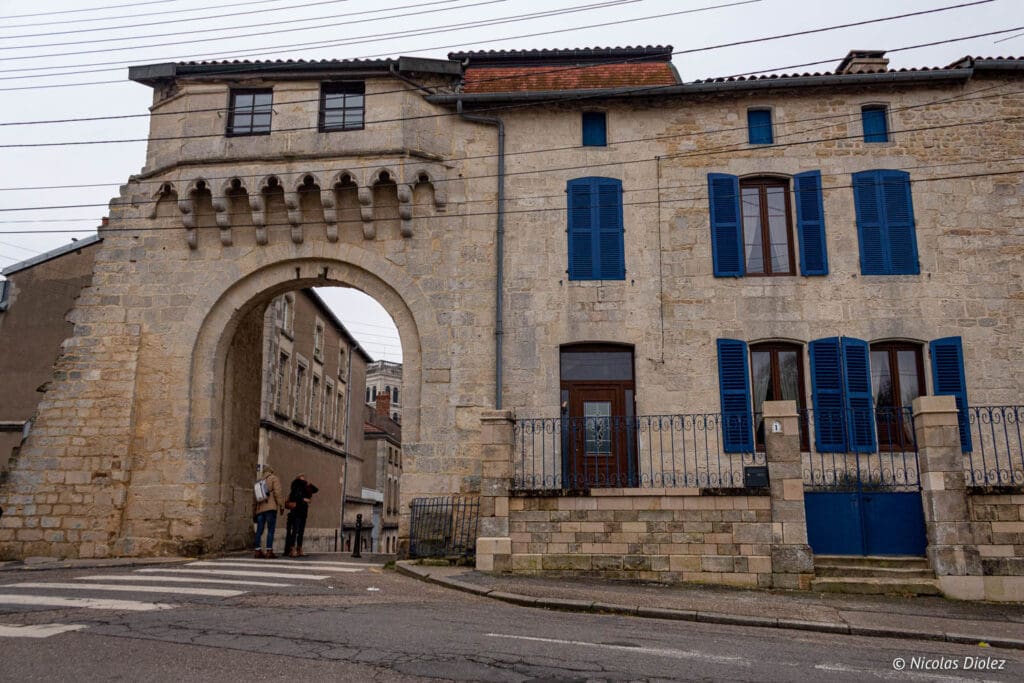
It’s also worth noting that Verdun has many other lesser-known historical aspects to discover, such as the majestic Notre-Dame Cathedral, which dates back to the 10th century and was built on the model of the great Rhenish basilicas. Be sure to also check out its 14th- and 15th-century cloister and Romanesque crypt.
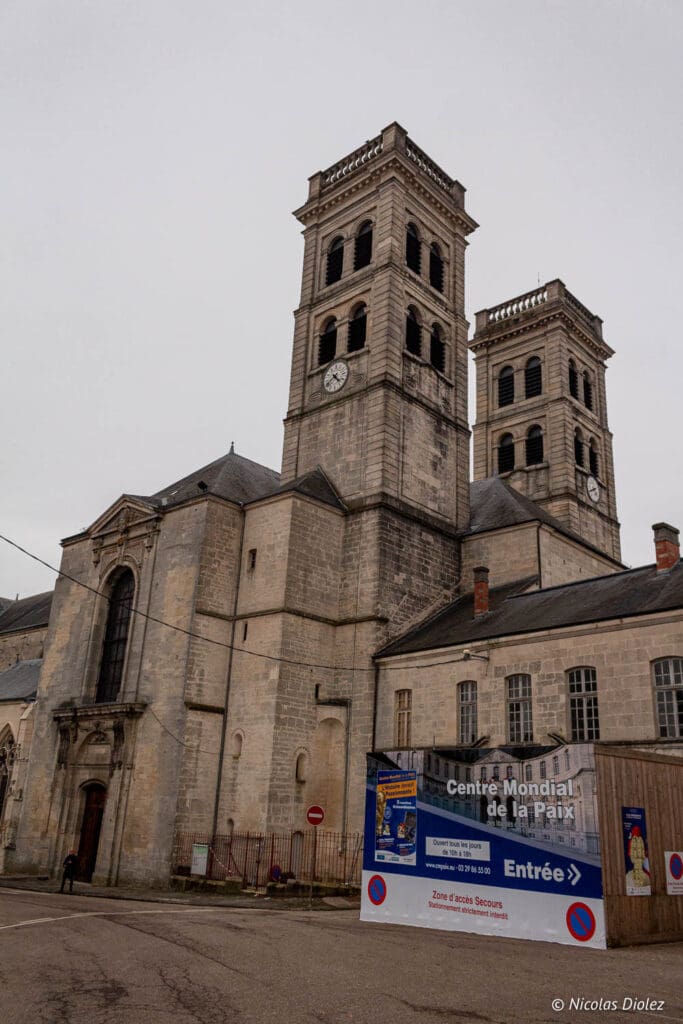
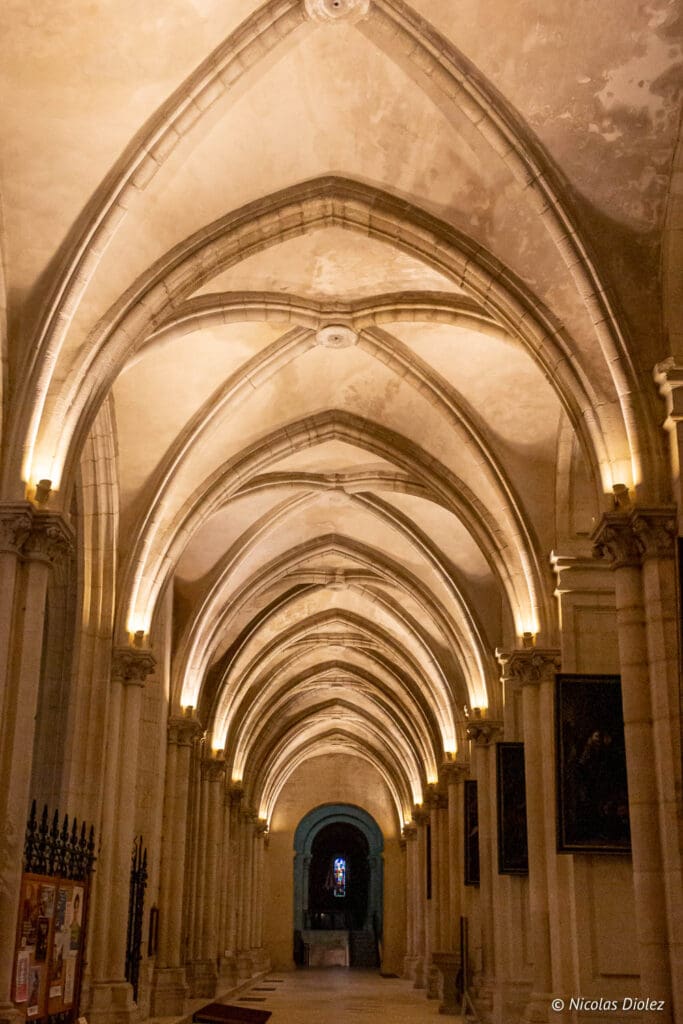


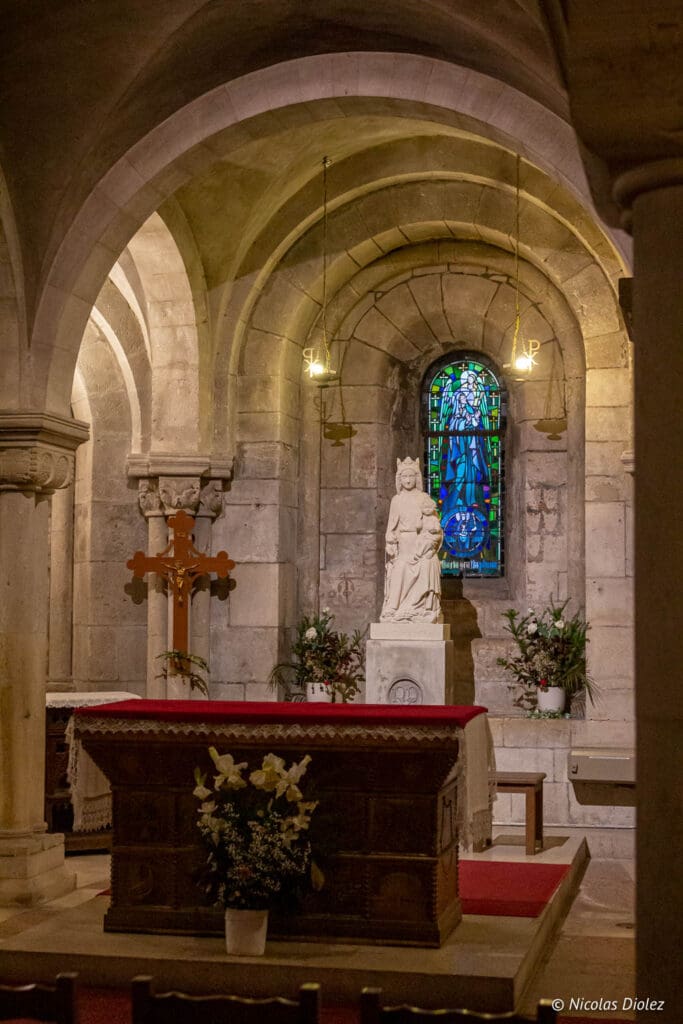
Another interesting monument is the 17th-century underground citadel built by Vauban. The latter was actually reused by the French army during the Great War.
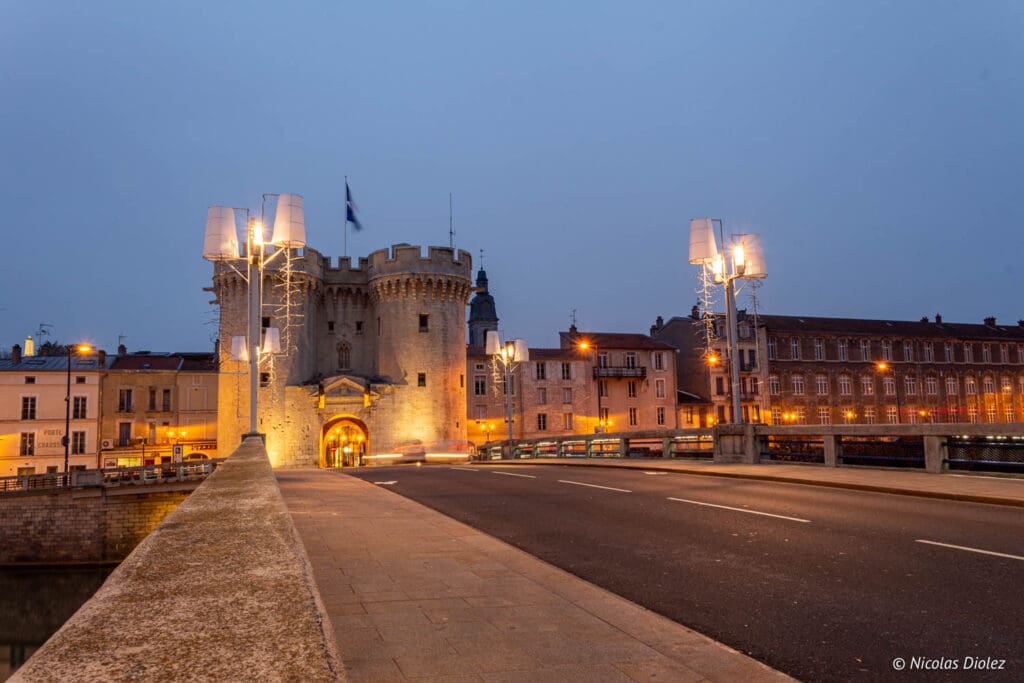
Finally, I also really loved the beautiful 13th-century Tour de la Chaussée (see photos below), which allows us to enter the town by crossing Verdun’s main bridge.
Ultimately, I was very pleasantly surprised to discover that Verdun is also a town where it is lovely to stroll along the riverbanks, down Quai de Londres, or through the little alleyways of the old town.
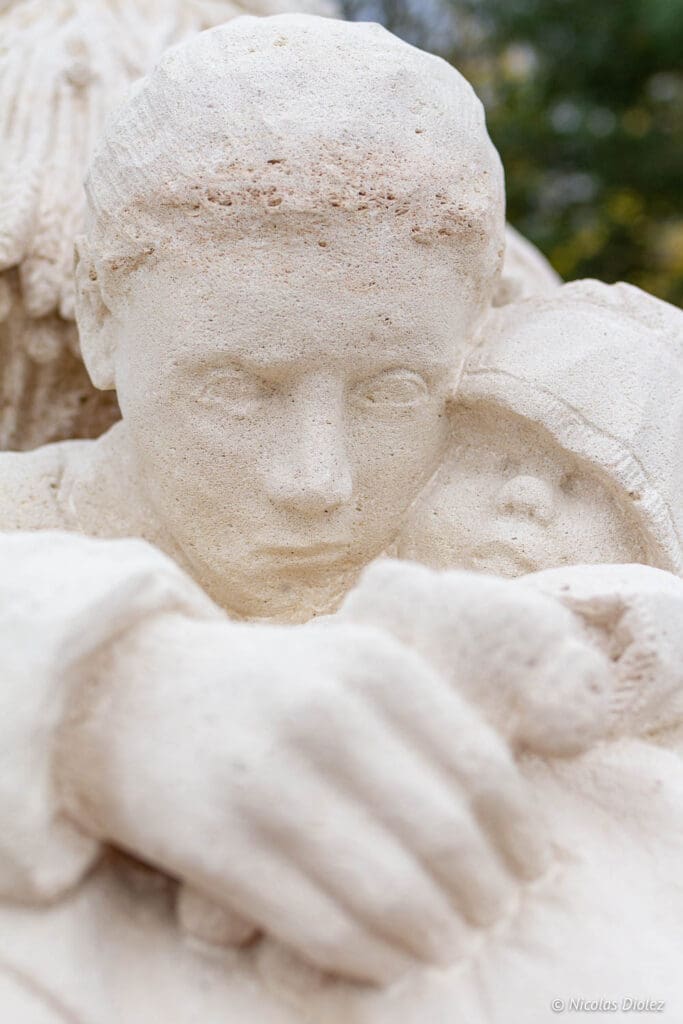
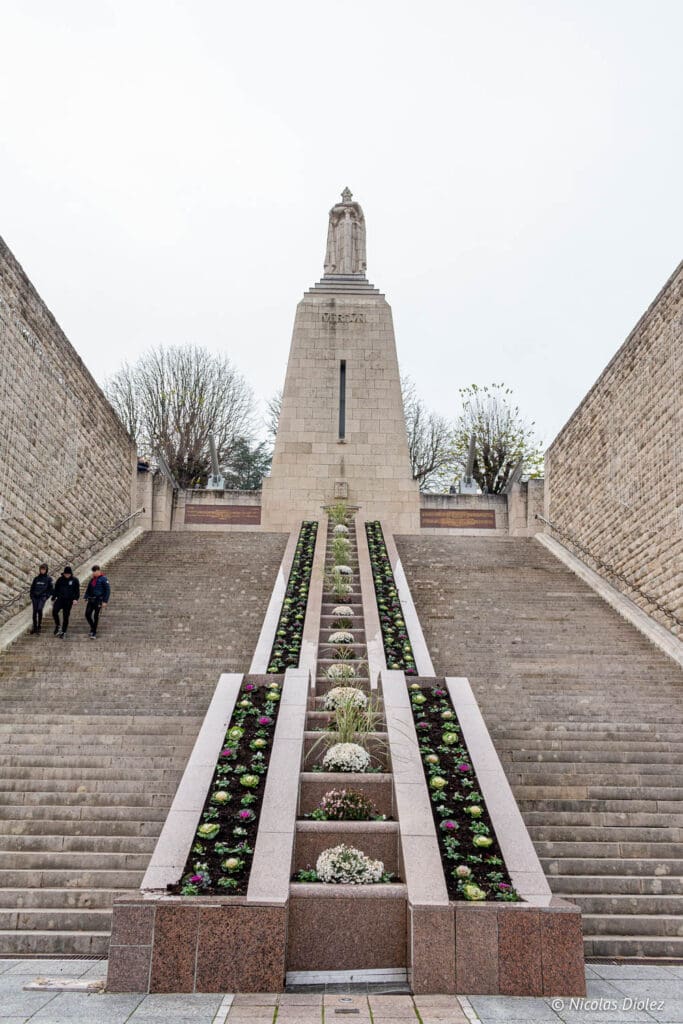
I also recommend taking a walk down Rue Mazel, the town’s main shopping street, and climbing the 73 steps of the Victory Monument to discover the crypt housing the golden books of Verdun’s combatants.
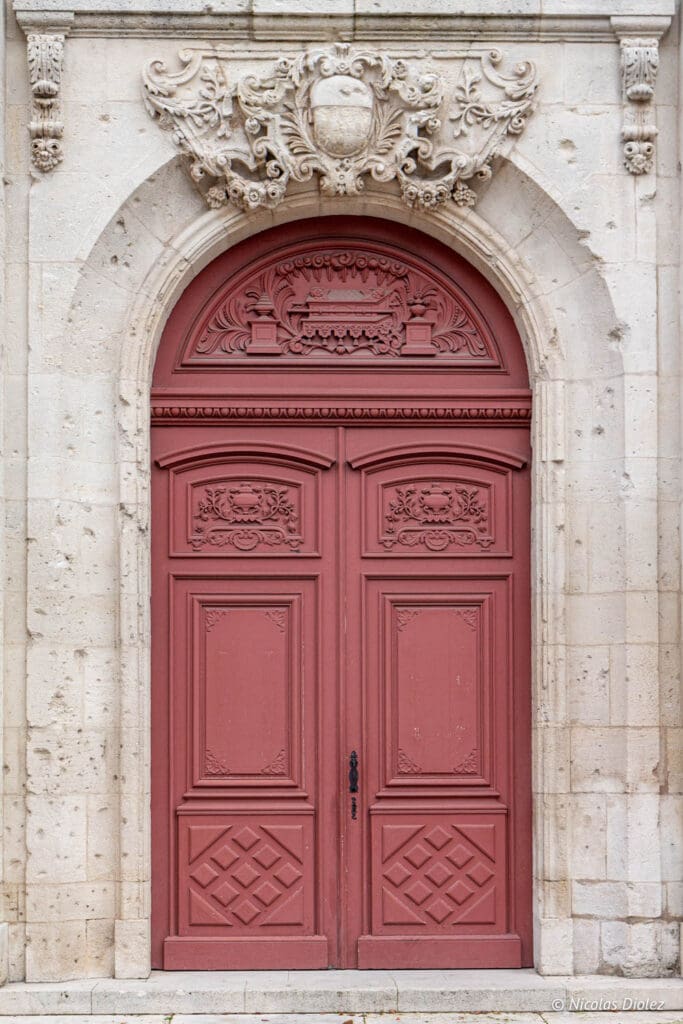
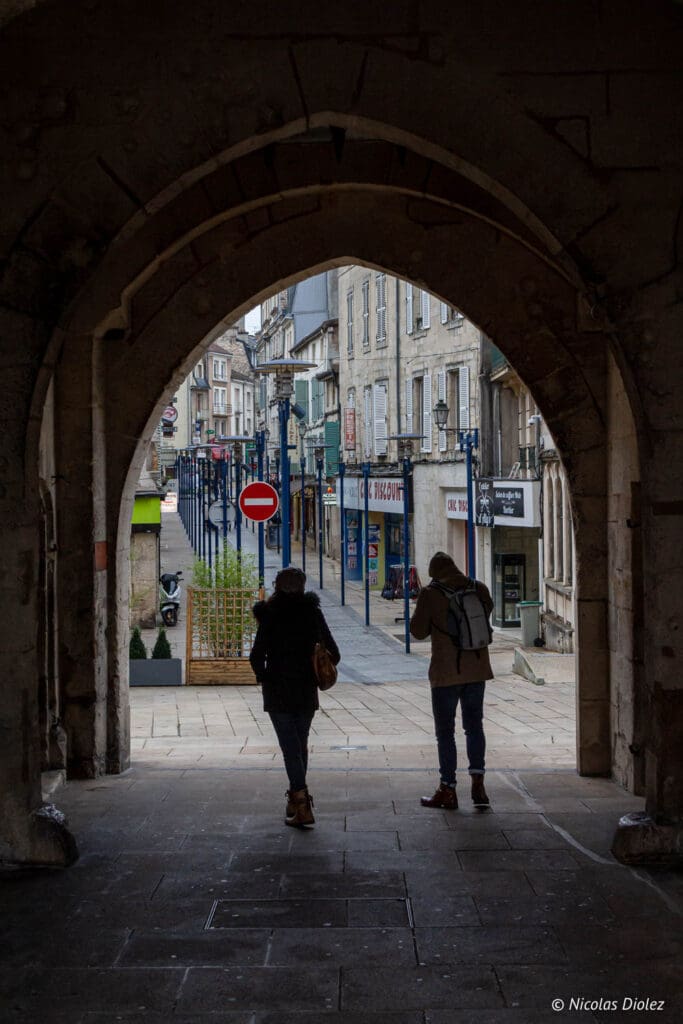
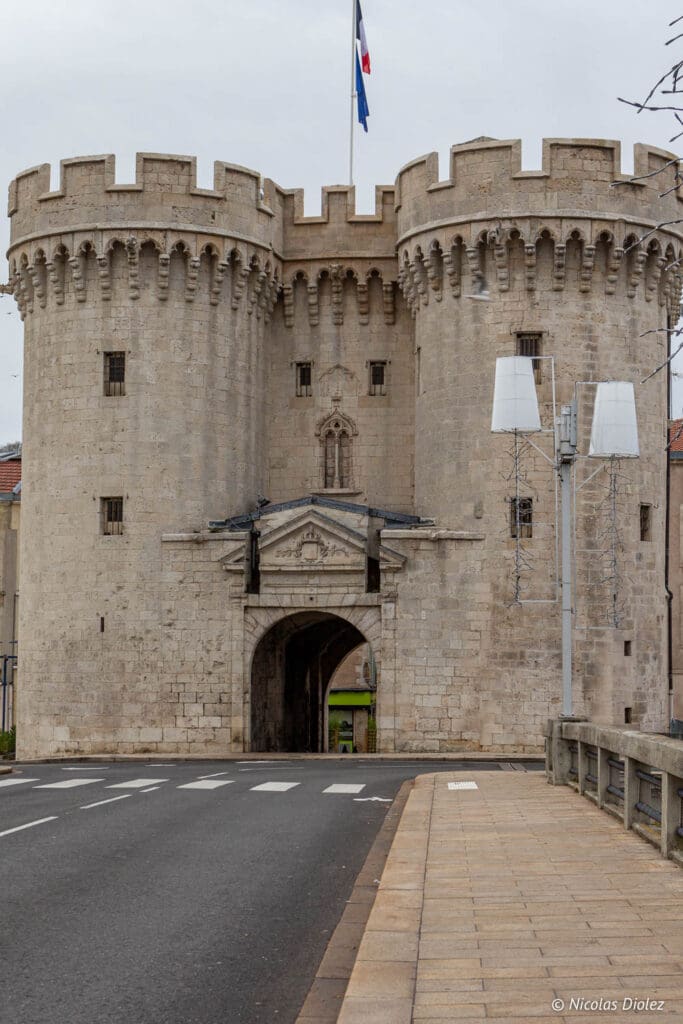

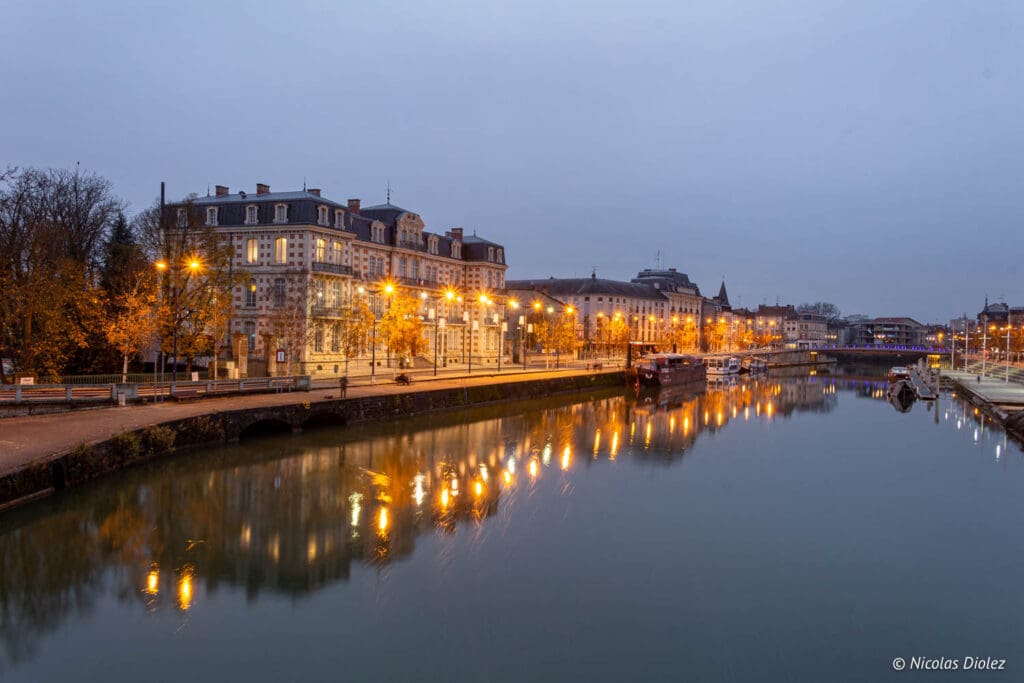
Grand Verdun Tourist Office
Place de la Nation, 55100 Verdun
_
Where to eat in Verdun? Restaurant Chez Mamie
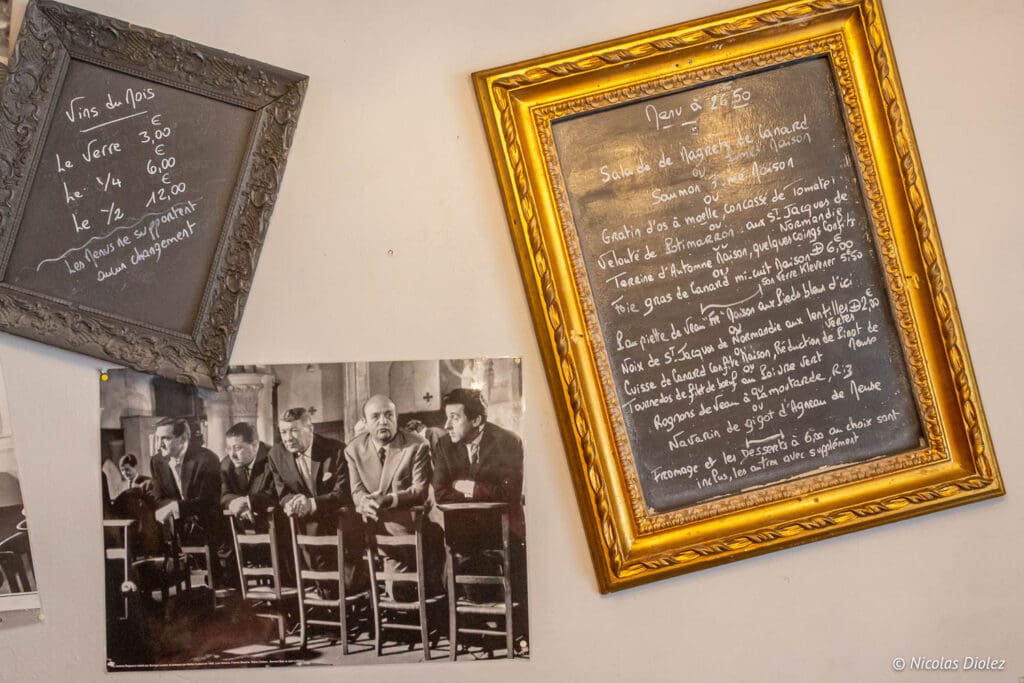
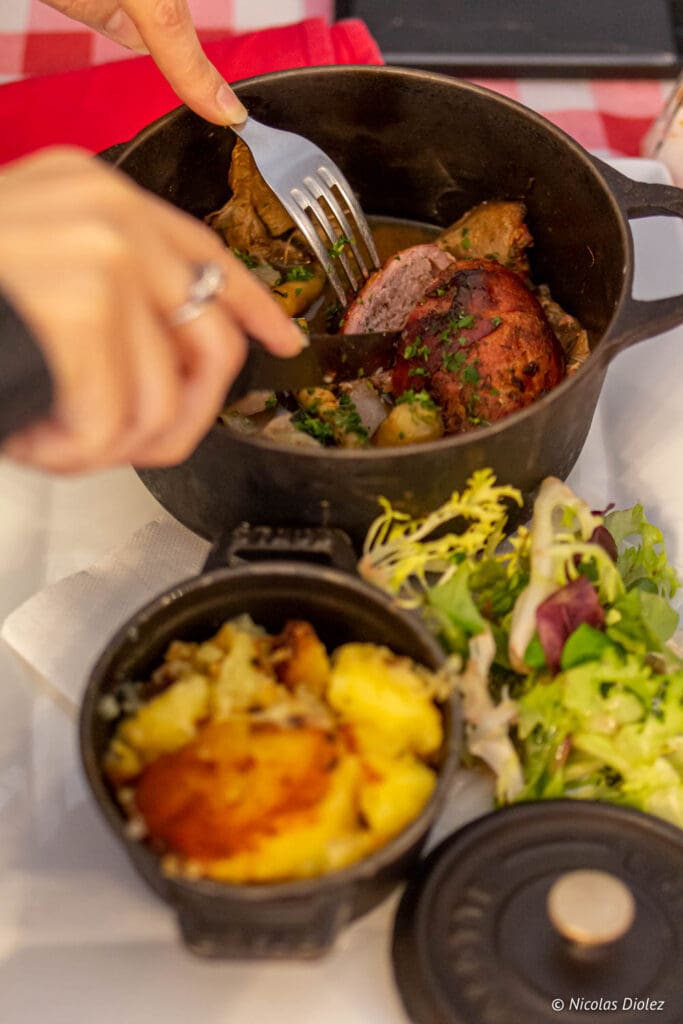
This friendly restaurant located in Verdun is a great spot where you eat just like at your grandmother’s (as the name suggests), rediscovering the joy of flavors from days gone by.
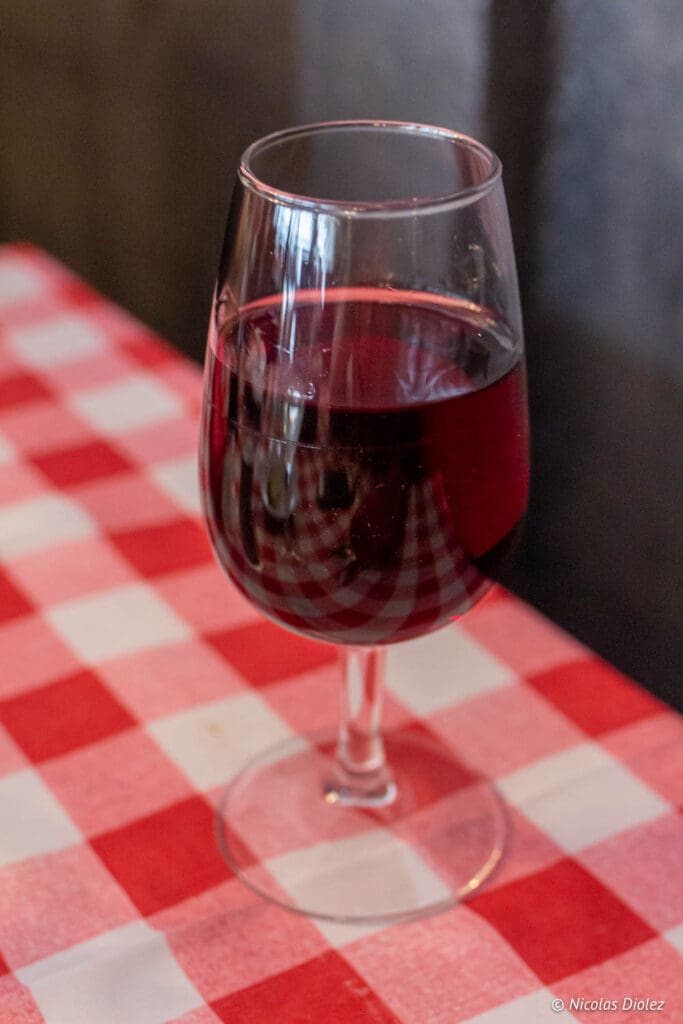
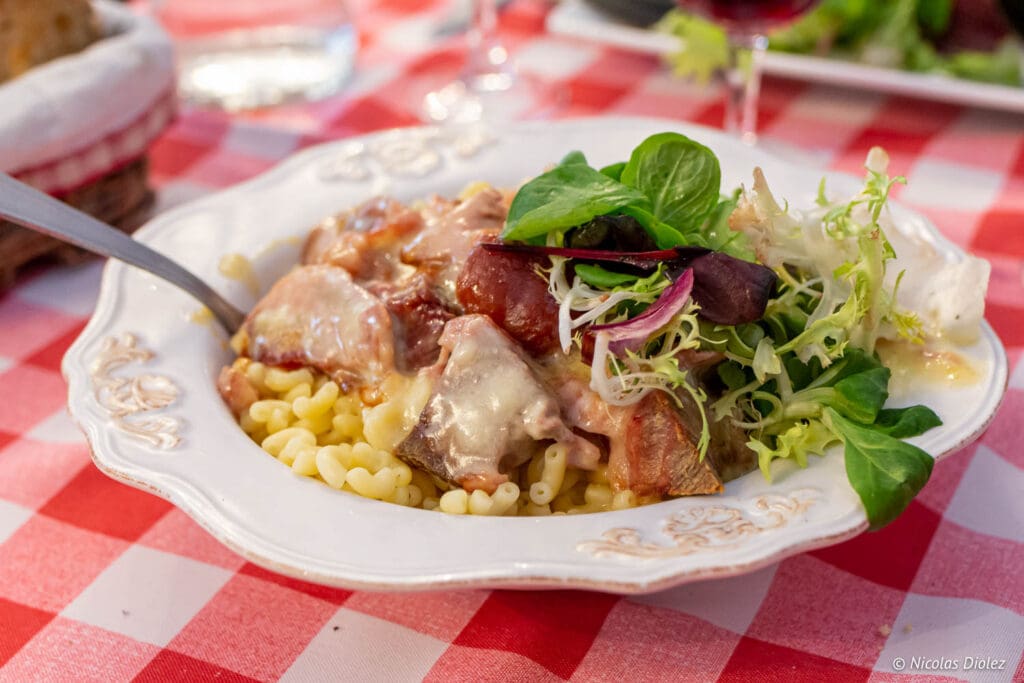
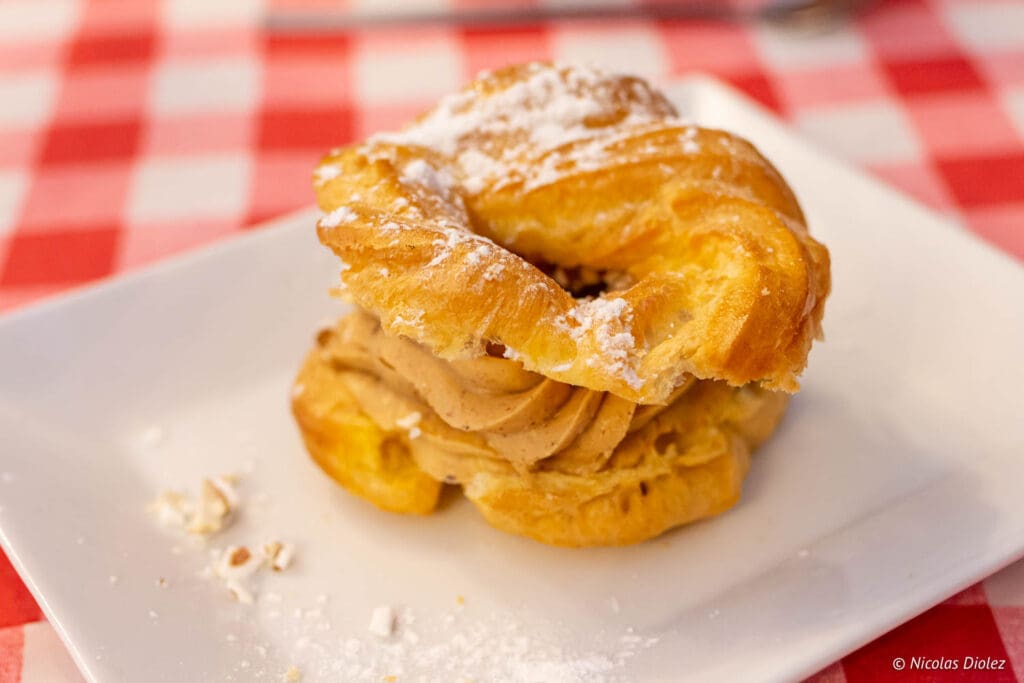
To try: the spot’s wonderfully nostalgic series of ditalini pasta dishes with various sauces (between 10 € and 14.50 €); for the main course, the homemade French veal paupiettes with local Pieds bleus mushrooms left me with a very fond memory; for dessert, the Paris Verdun (7.50 €) was quite nice, though I recommend sharing it.


Restaurant Chez Mamie
52 Avenue de la 42ème Division, 55100 VerdunStarter + main course or main course + dessert set menu for €22.50 / complete menu for €26.50 (prices recorded during our visit).
Closed on Tuesdays.
_
Visiting the Braquier Sugared Almond Factory
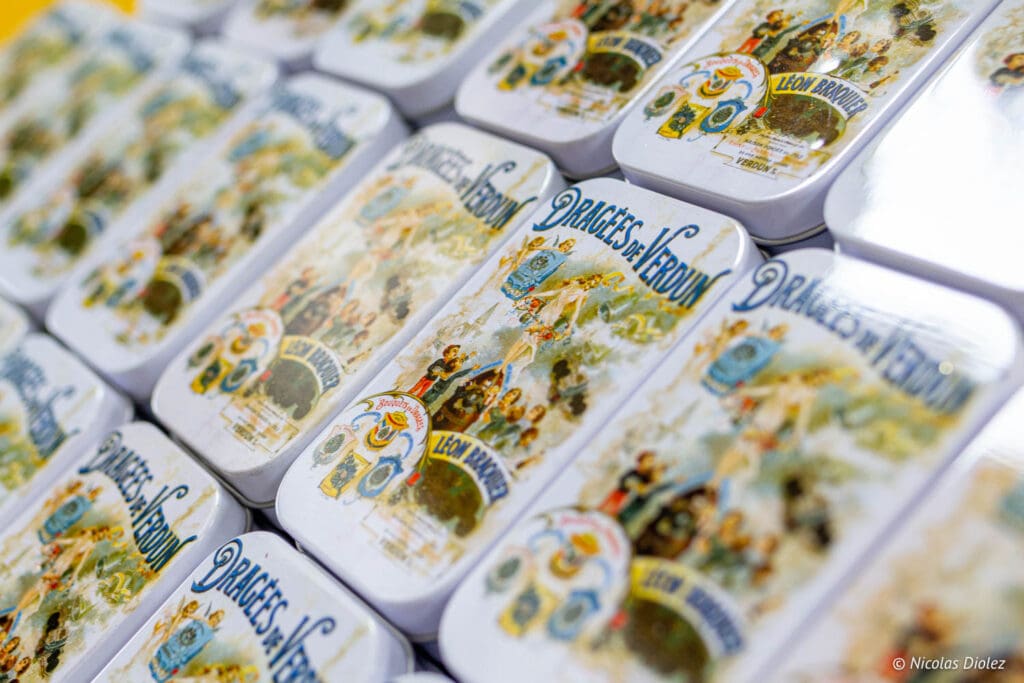
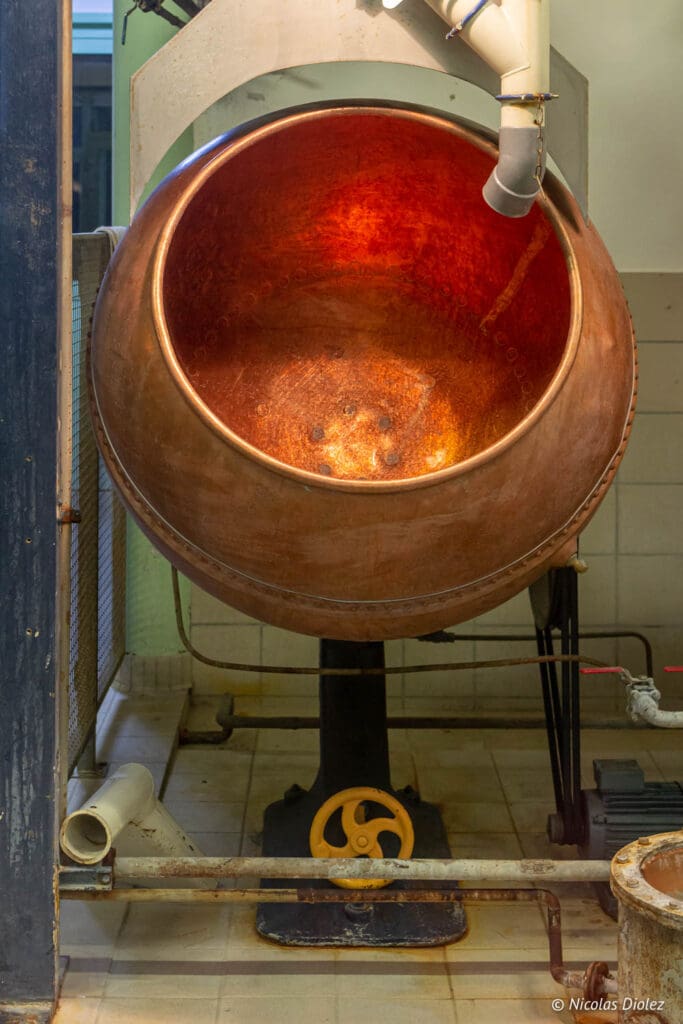
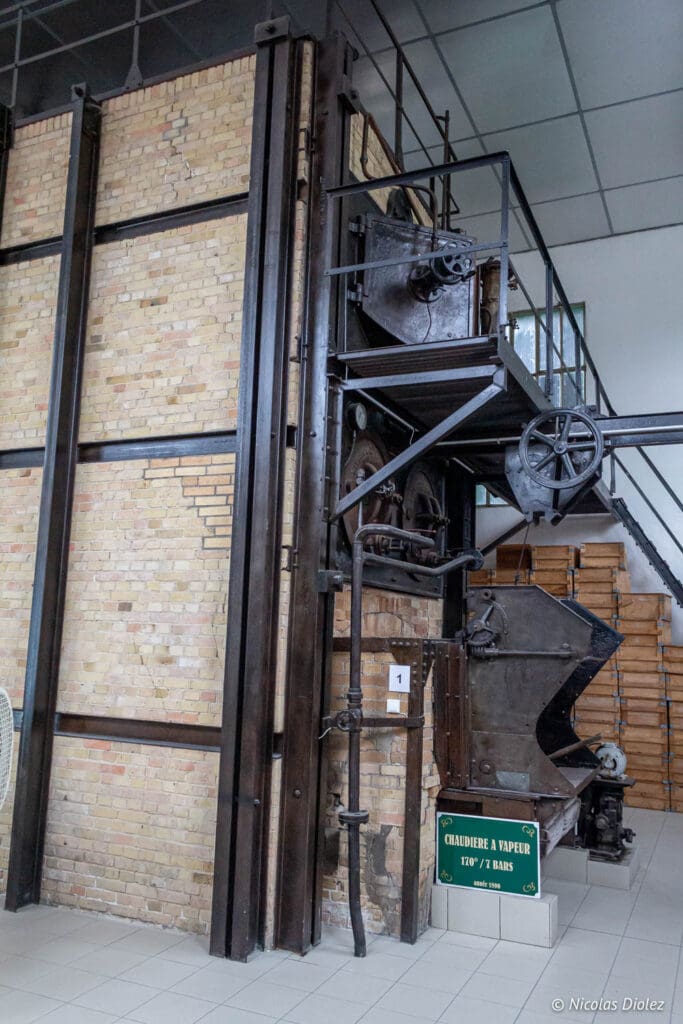
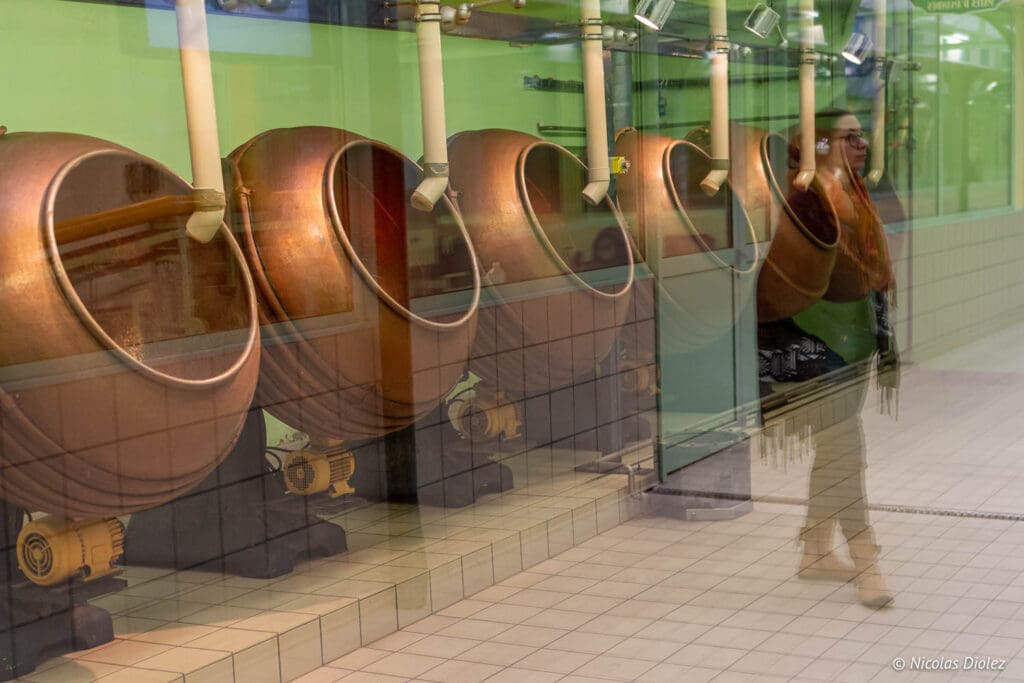
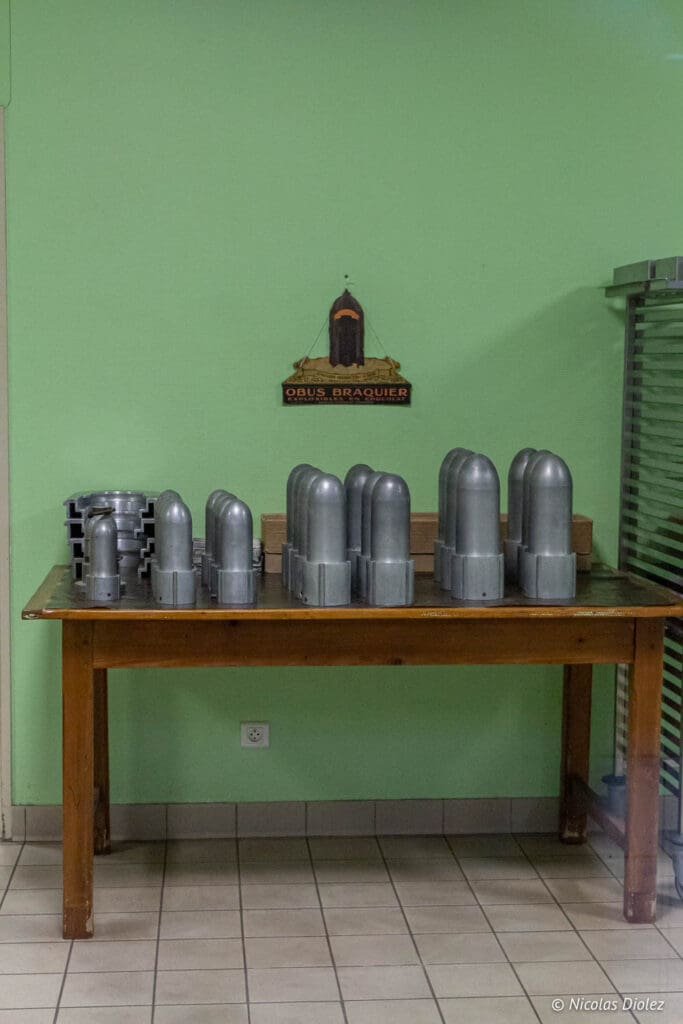
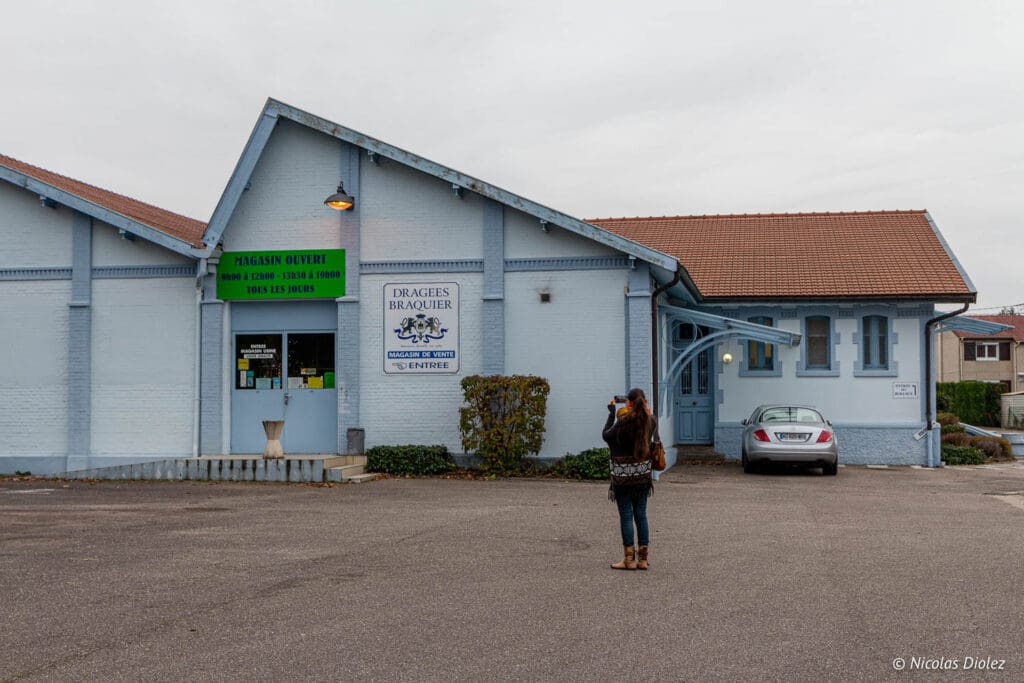
The Dragées Braquier factory has been producing the city’s specialty since 1783 and still keeps up its artisanal production methods today. When you visit in person, you can notably check out the factory shop which sells the brand’s sugared almond productions. But the factory also offers other confections such as the Braquier Shell (quite impressive to see exploding on video during the factory tour), Choc’Amandes, léontines…
The origin of sugared almonds truly comes from the city of Verdun, since it was a local apothecary who created this confectionery in 1220—making it the oldest in France—while looking for a way to make preserving and transporting almonds easier. At first, almonds were mostly sought after for their healing and digestive virtues, and also because back then they were said to promote fertility. For all these reasons, they found their place on French tables at every family event, and particularly at weddings.
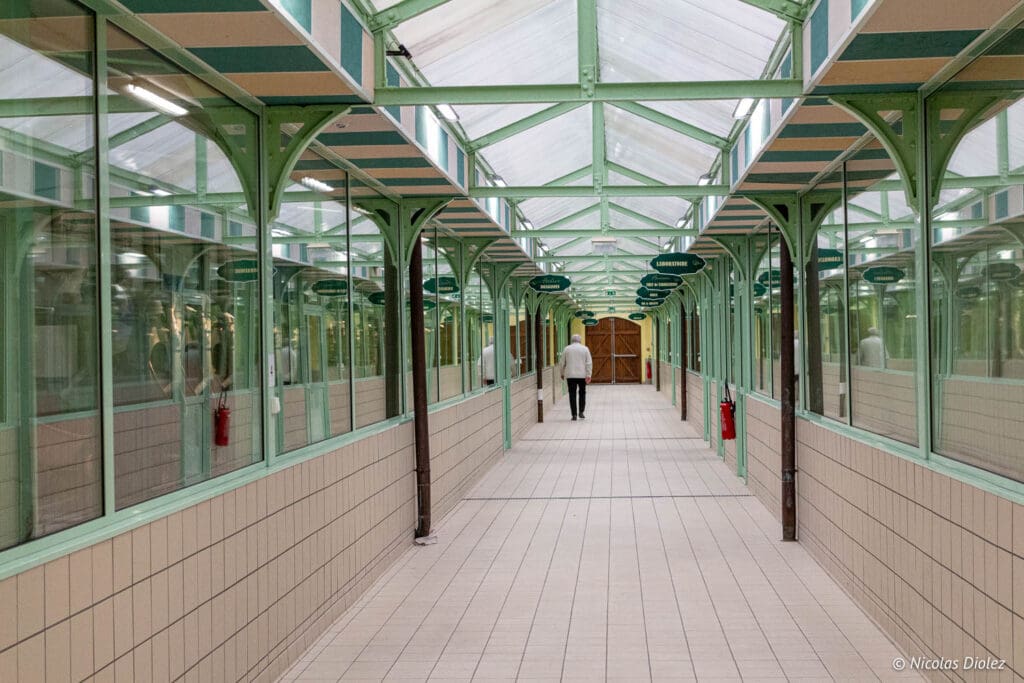
Finally, and this is a pretty important point of this little overview, you can discover the manufacturing processes and the factory workshops through a free, self-guided tour with an audio guide. And to top it all off, you can of course do a bit of shopping at the factory store I mentioned just above, which marks the end of the route.





Dragées Braquier
50 Rue du Fort de Vaux, 55100 Verdun
Tel.: +33 (0)3 29 84 30 00Free self-guided tour of the factory with an audioguide (available 7 days a week) and on-site factory shop.
_
Thank you to the Meuse department, Meuse Tourisme, Bar-le-Duc, Saint-Mihiel Cœur de Lorraine, Grand Verdun, and Dieue-sur-Meuse Val-de-Meuse for this invitation to visit their department.
I hope all this has made you want to visit the Meuse, and if you too have your favorite spots and tips for this destination, feel free to share them in the comments below!
More getaway ideas in Lorraine and Grand Est
You can also check out my other guides and selections in Lorraine to continue exploring the region:
→ Weekend in Nancy: what to do? Visits and favorite spots
→ Tips and favorite spots for visiting Metz
→ Visiting Épinal: tourism and favorite spots
→ All my articles about the Grand Est region
Photo credits: Nicolas Diolez
Photos are not royalty-free, the photographer's permission is mandatory before any use