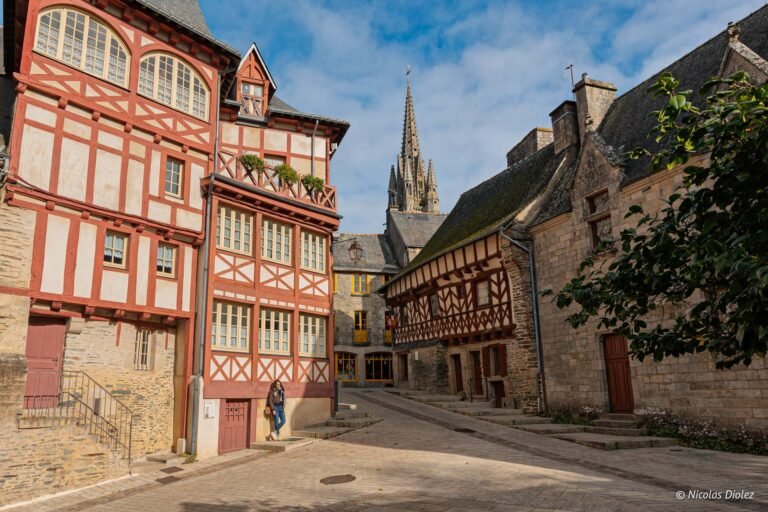
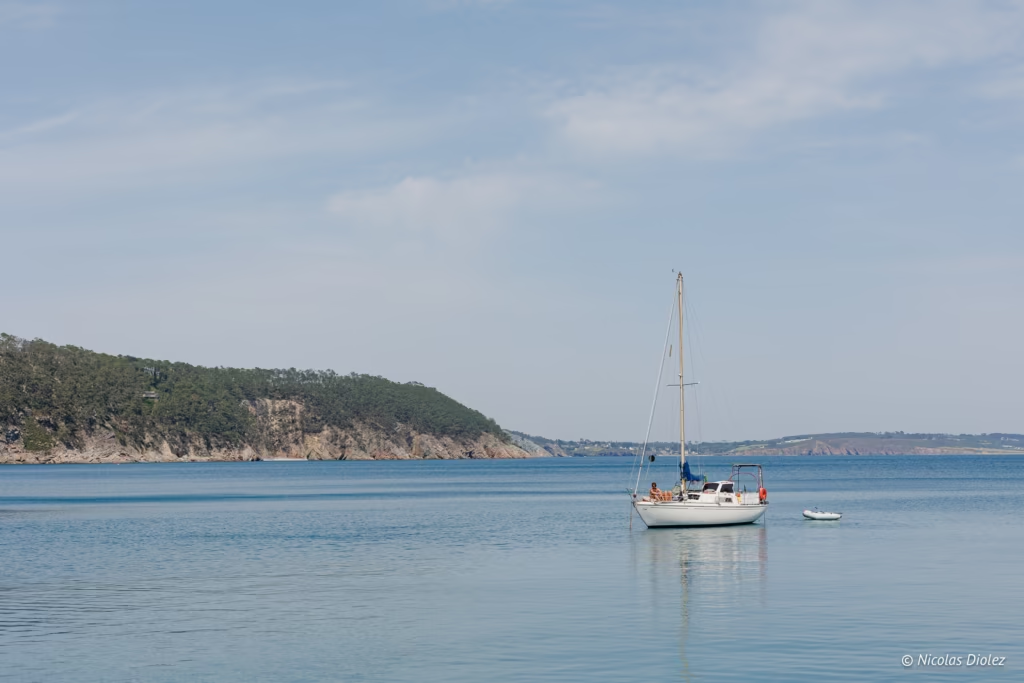
At the end of May 2026, we set off to explore the Crozon peninsula, in Finistère, with my favorite photographer and a cheerful bunch of blogger friends. This stay in Brittany was organized in collaboration with Sensation Bretagne. Between the cliffs and the penty villages (traditional stone fishermen’s houses), the coastline is deeply indented, and the peninsula’s history is still tied to fishing and military defense. Today, people come here for hiking and water sports.
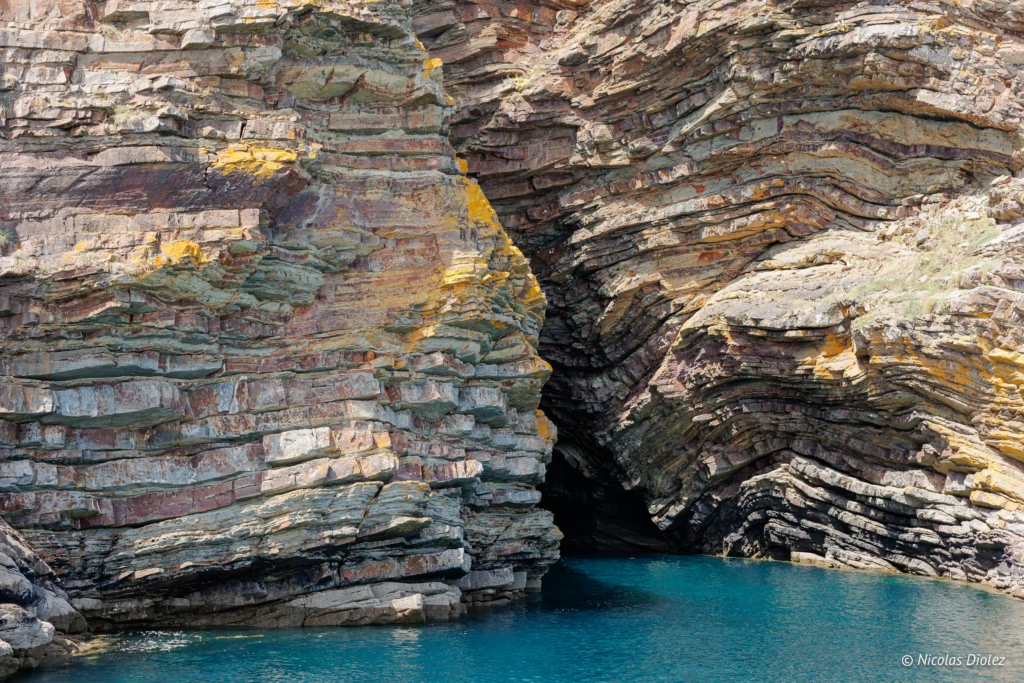
The Crozon peninsula and the Aulne maritime are part of the Parc naturel régional d’Armorique, which was named a UNESCO Global Geopark in 2024 (Géopark Armorique) for its geological heritage made up of ancient sedimentary rocks. If you’re looking for more ideas for a getaway in the region, you can also find our escapade to Bénodet on the blog. Below, I’m sharing my selection of things to visit and good addresses between Crozon, the seaside resort of Morgat and the port of Camaret-sur-Mer.
Travel log
Our trip to the Crozon peninsula
2 stops · 12 km by road
12 km by road. Map: © OpenStreetMap contributors
Route in 2 stops: Crozon, then Camaret-sur-Mer to the north-west (12 km by road).
Office de Tourisme Presqu’île de Crozon Aulne Maritime
Table of Contents
What to see and do in Crozon?
Crozon has around 7,500 inhabitants and is one of the main towns on the peninsula. Bordered by the Rade de Brest to the north and the Bay of Douarnenez to the south, the town enjoys a central location. Morgat, meanwhile, is Crozon’s coastal district and seaside resort.
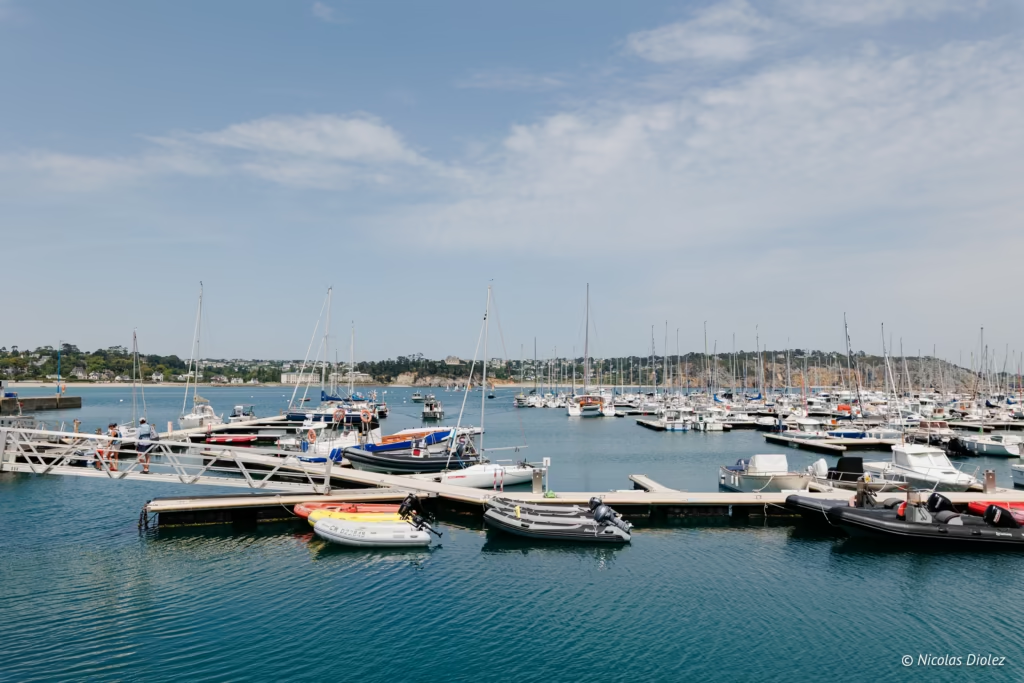
In 1883, the traveling salesman Louis Richard discovered Morgat and convinced the industrialist Armand Peugeot to create a seaside resort there. Villas and hotels were then built to welcome holidaymakers, while the port kept its fishing activity. Today, the water sports center offers sailing, kayaking and surfing, among other things; people also come to enjoy the GR34 coastal paths.
Visit the Maison des Minéraux
To understand the geology of the peninsula, which has been home to a Regional Nature Reserve of 27 protected sites since 2013, head to the Maison des Minéraux. This community-run museum occupies a municipal building on the road to the Cap de la Chèvre. It was created in 1987 to showcase the collection of François Le Bail, a teacher who had gathered many specimens in the 1960s and 1970s.
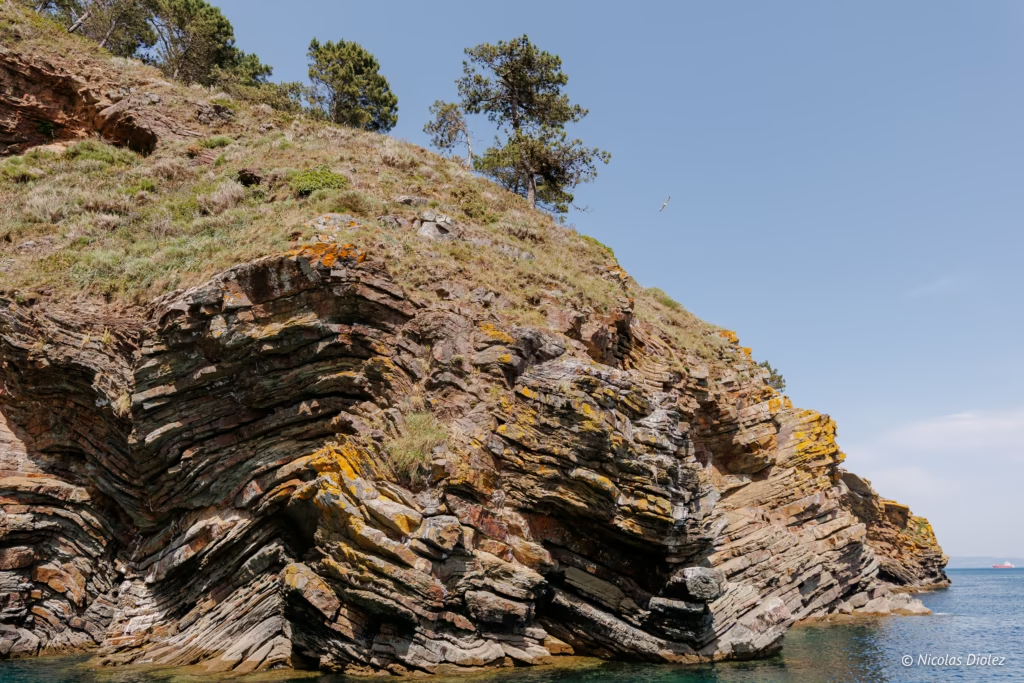
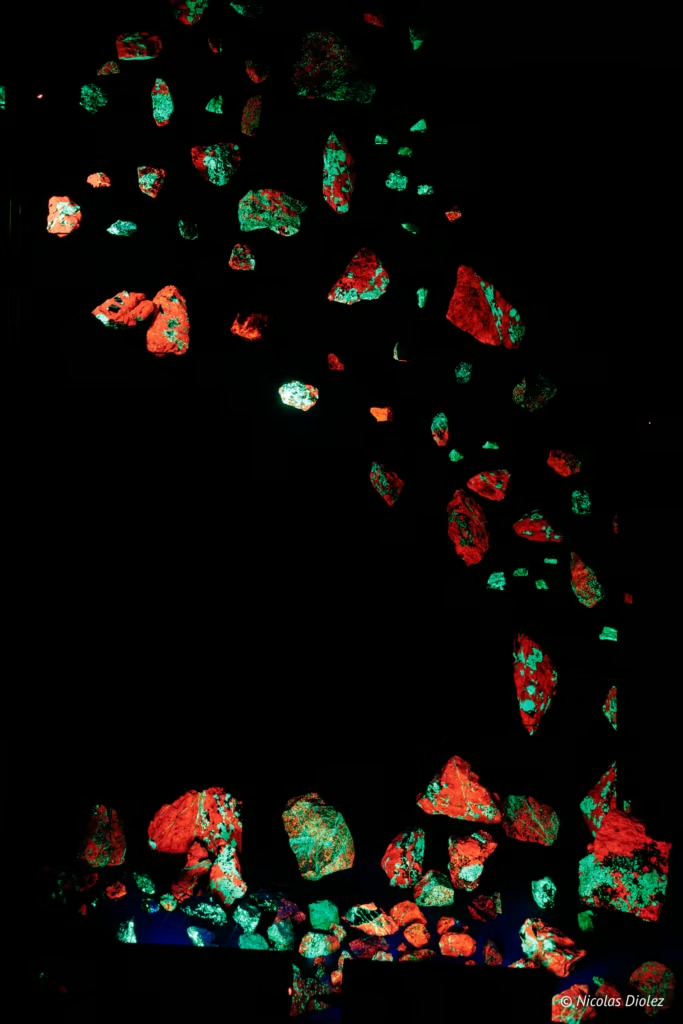
Here you can discover the remains of an ancient ocean that once covered the central part of Brittany, with stacked layers of schist and quartzite. The visit also touches on the Hercynian mountain range, traces of which can be found in the Armorican Massif and in the Vosges. The museum also has a room dedicated to fluorescent minerals, the largest collection of its kind in Europe, and it makes quite an impression when the lights go out!
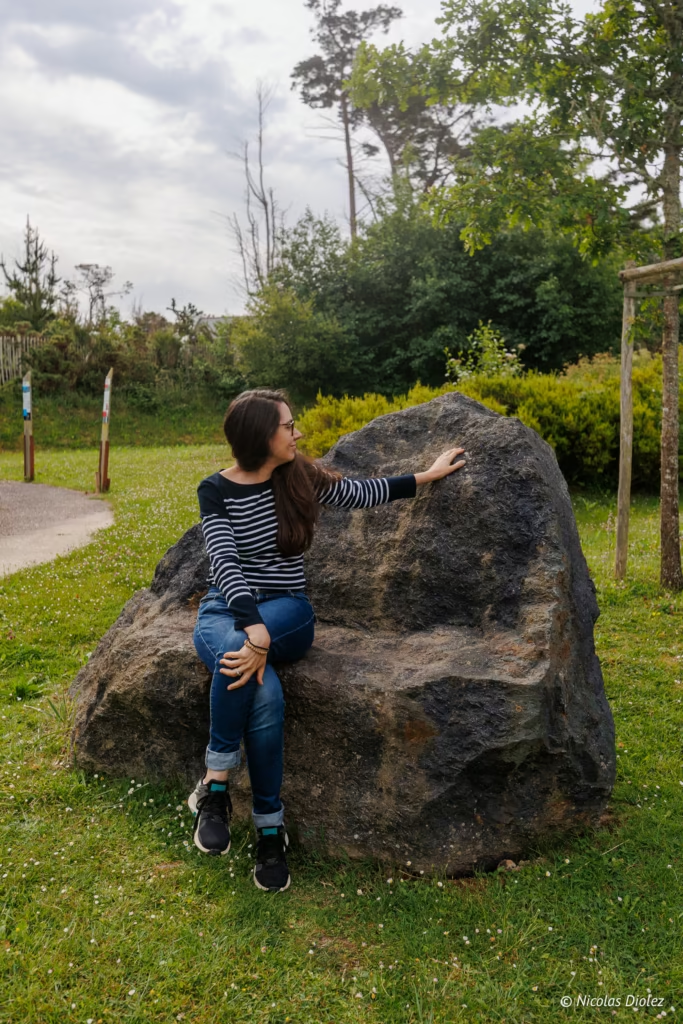
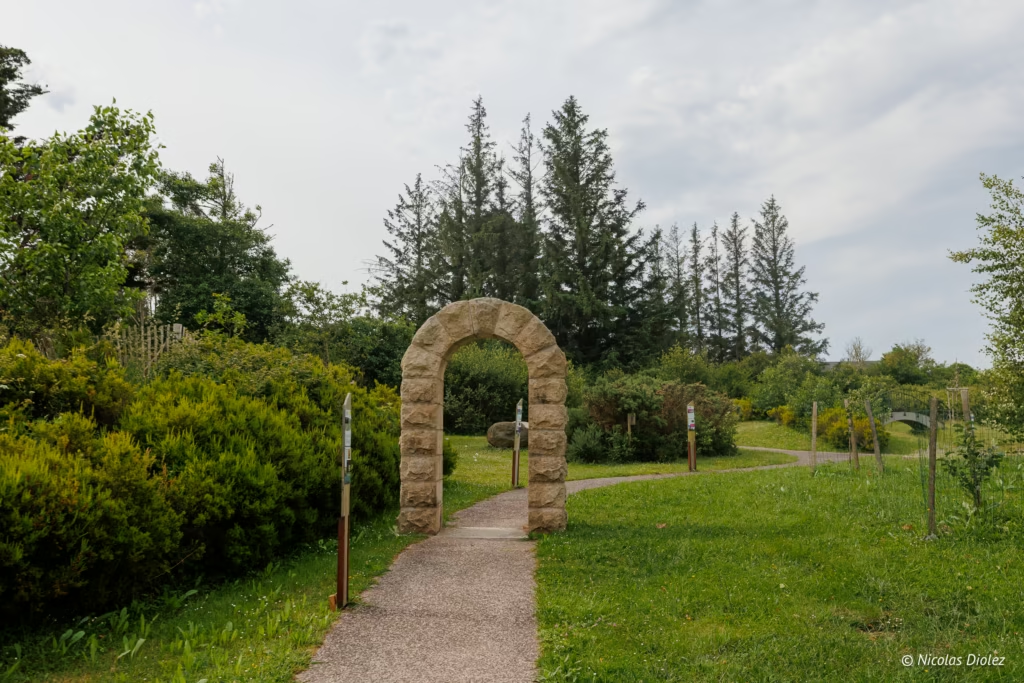
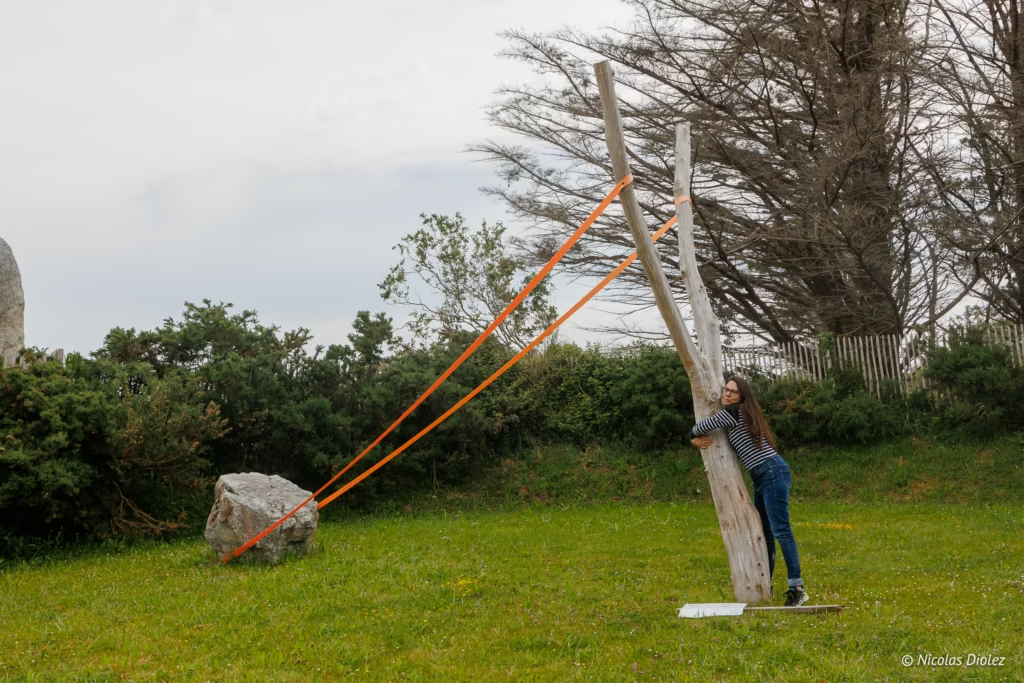
Don’t miss the interactive digital sandbox that lets you model topographic maps, either. And for kids (as well as adults), the Silex et compagnie fablab tucked away in the heart of the museum offers workshops to go a little further. Finally, outside, the installations of the Jardin Insolit(h)e showcase 26 different Breton rocks. In short, there’s plenty to do on site!
My tip: I recommend taking a guided tour to better understand the geological explanations (in summer, they’re offered 4 days out of 7 at 15 h 15). The Maison des Minéraux also organizes nature walks on Tuesday mornings, climate walks (one Tuesday out of four, check their website) and sound walks you can follow on your smartphone.
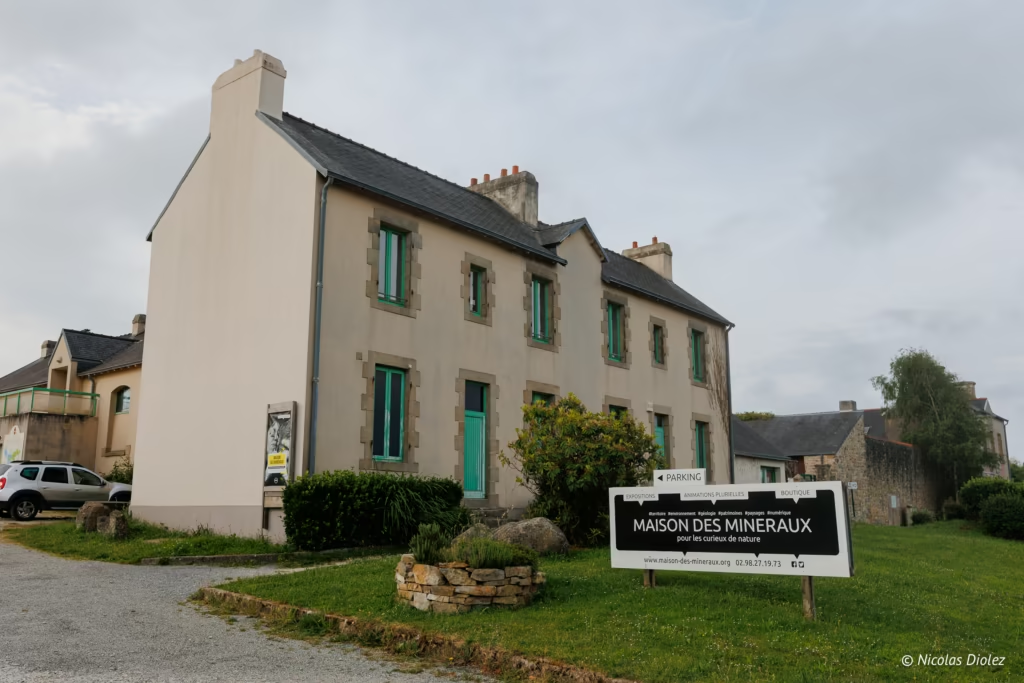
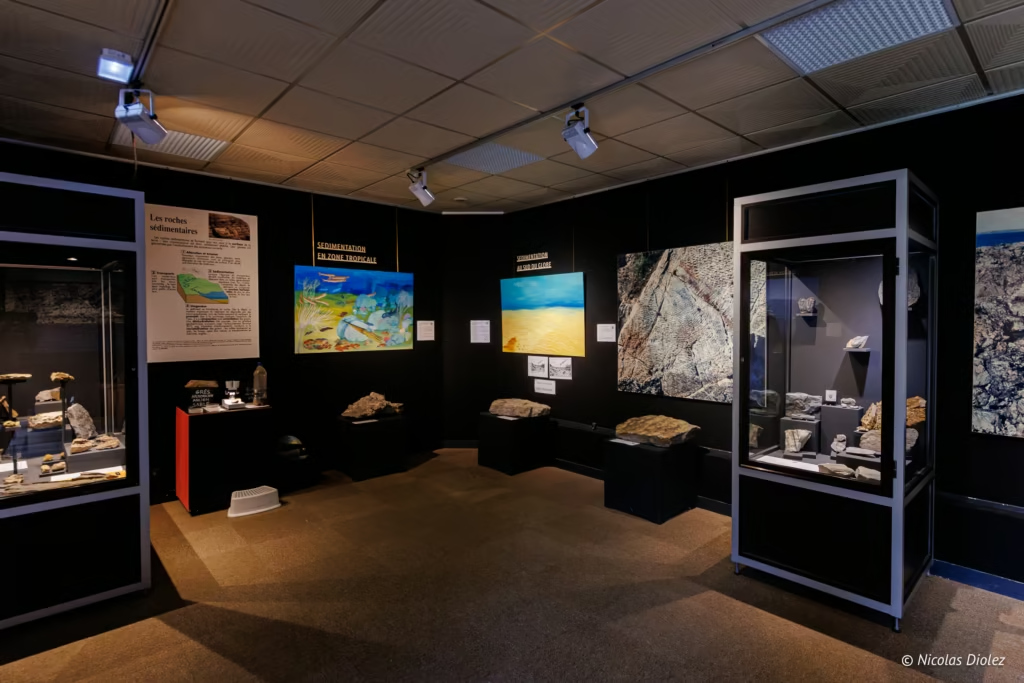
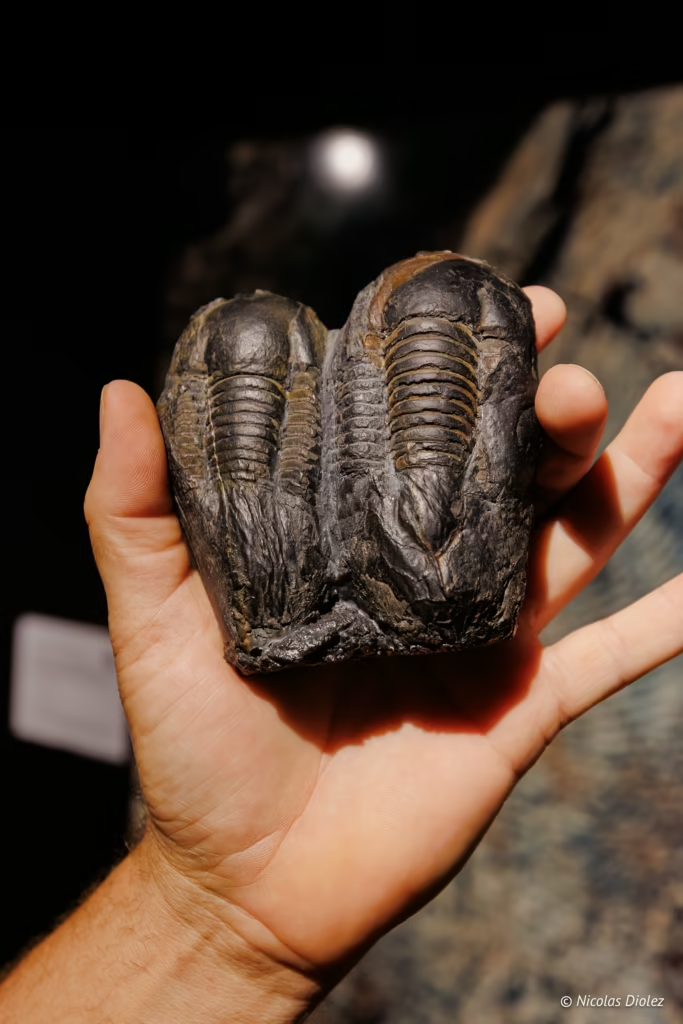
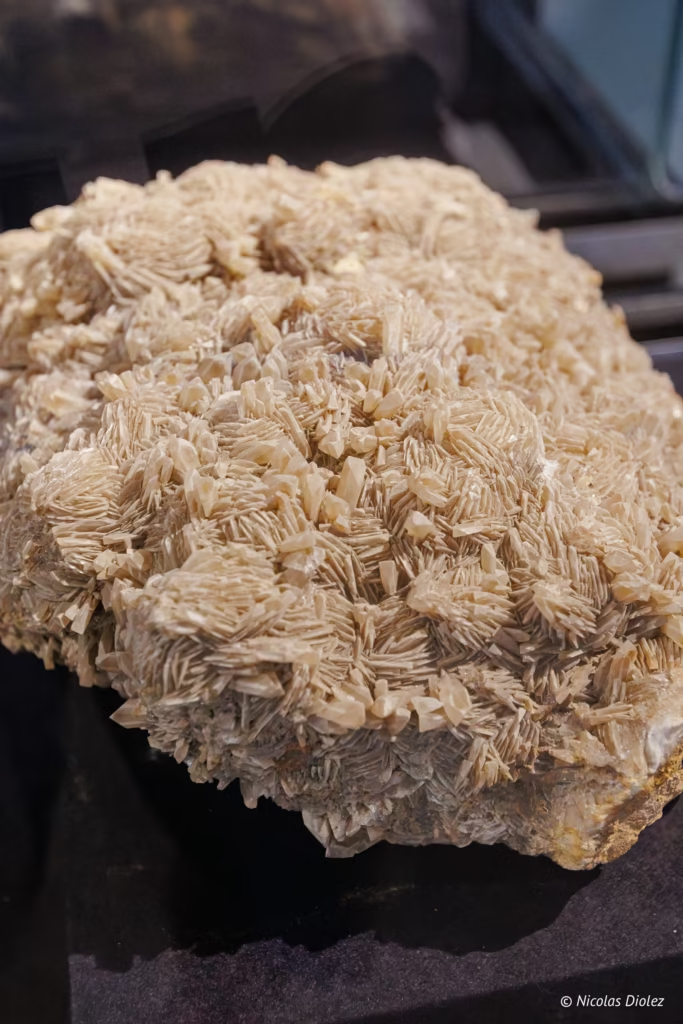
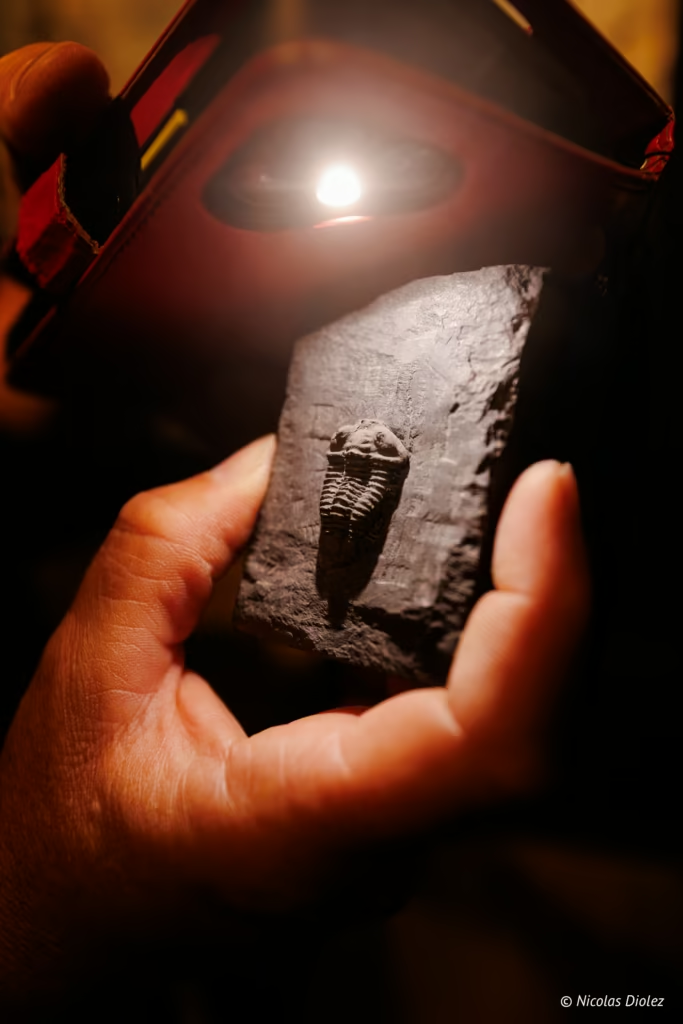
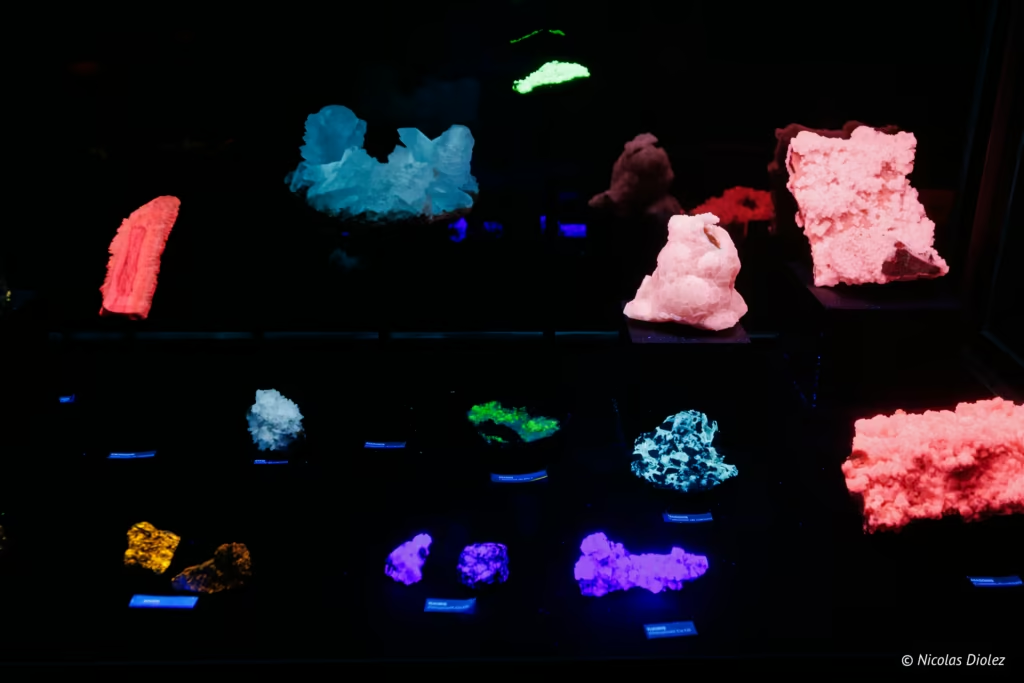
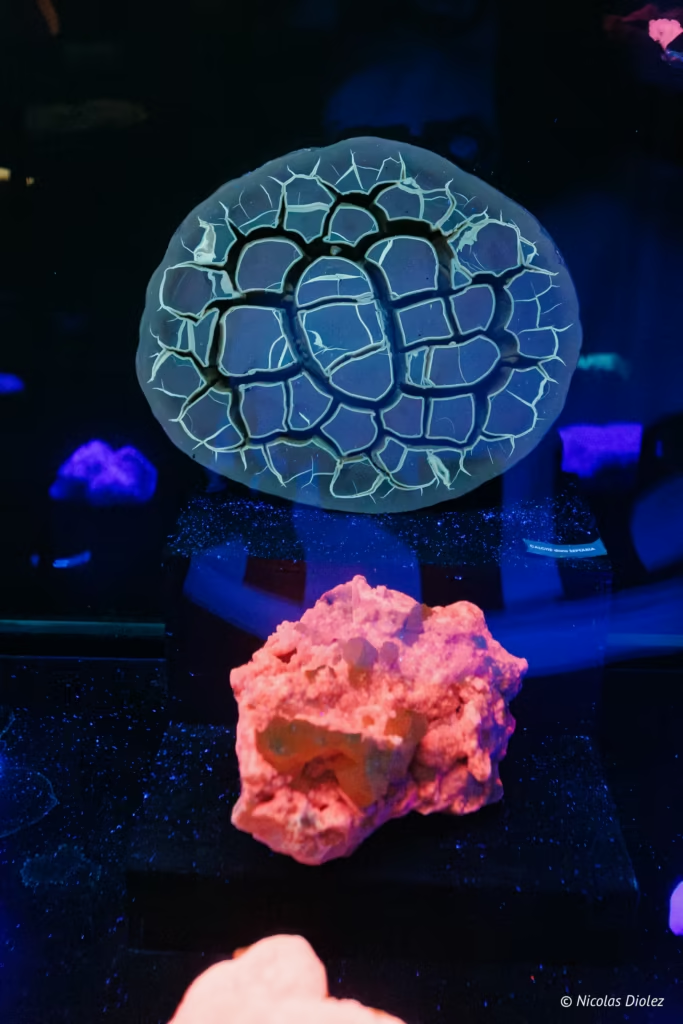
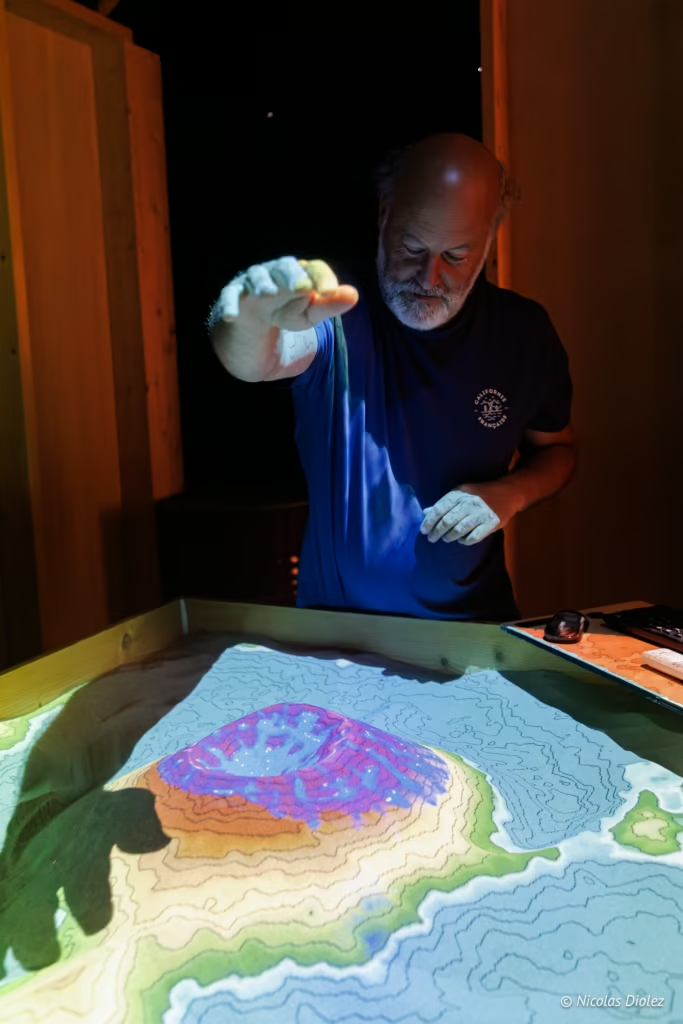
Maison des Minéraux
Route du Cap de la Chèvre, 29160 Crozon
Prices: 8 € full price / 5,50 € reduced price
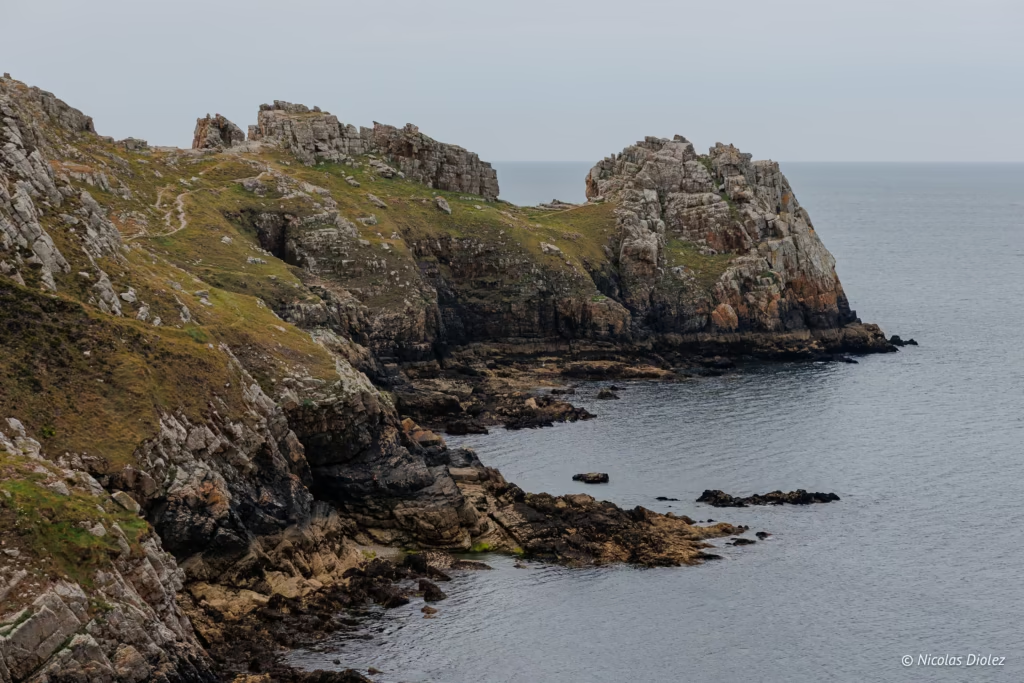
Admire the coast from the Pointe de Dinan
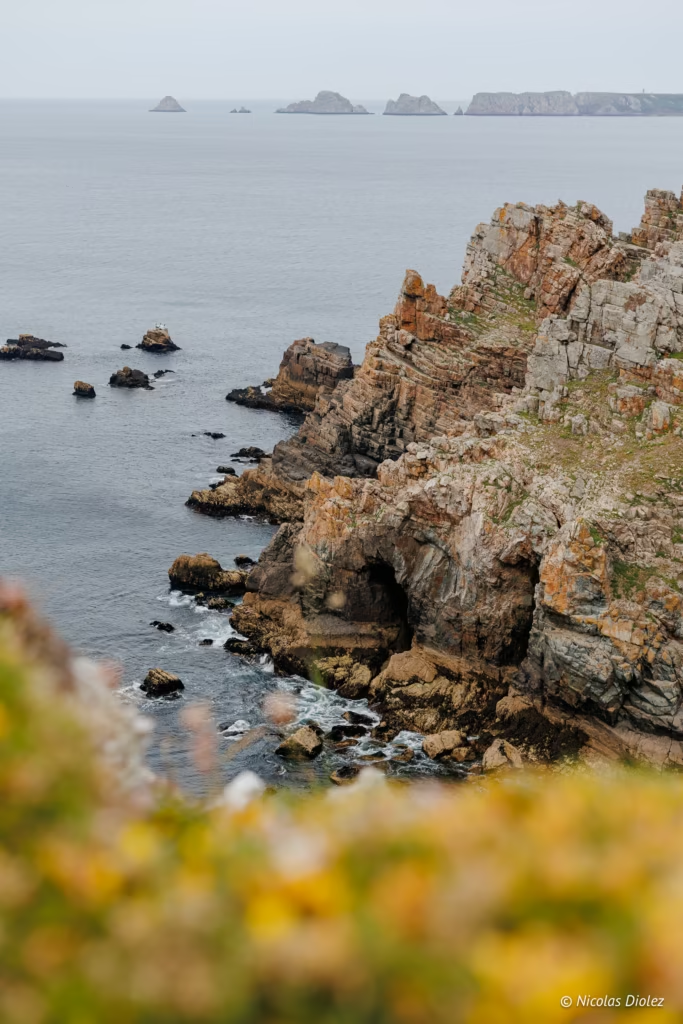
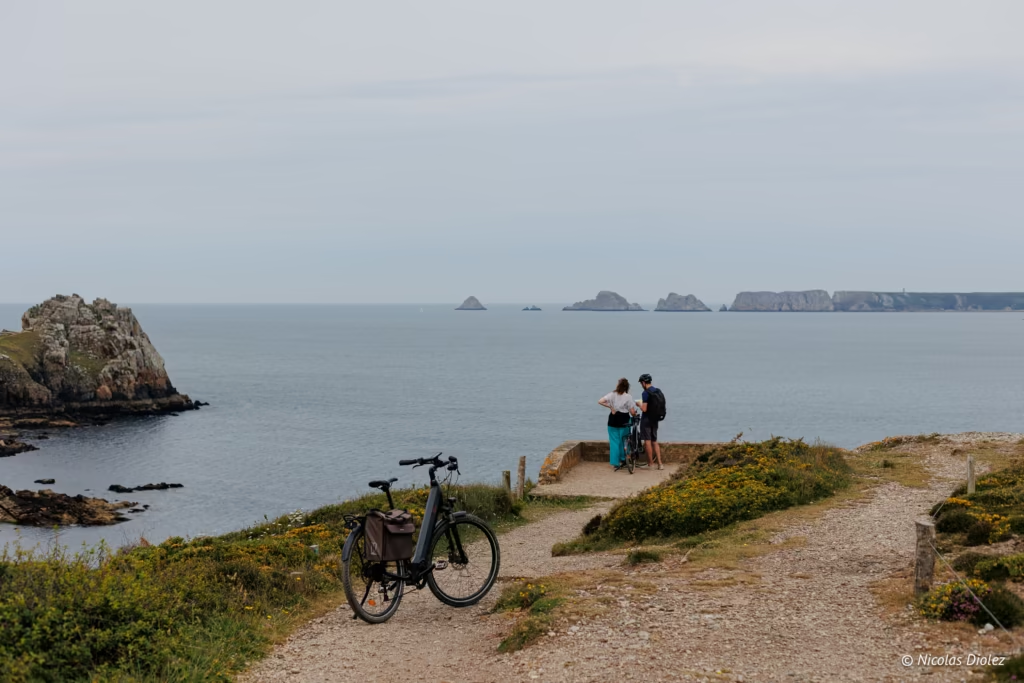
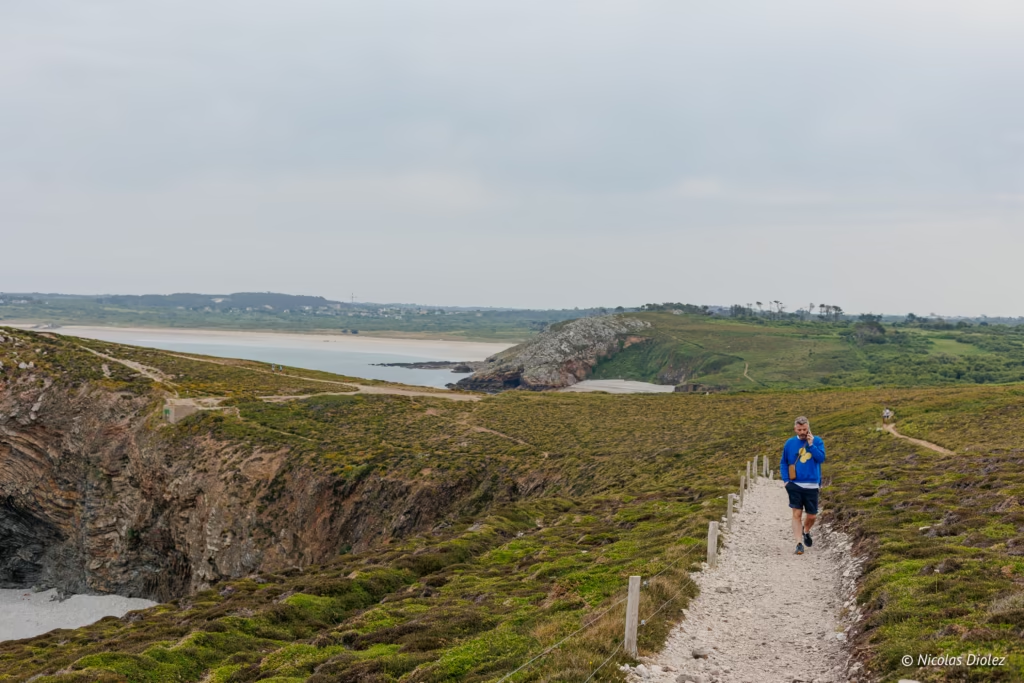
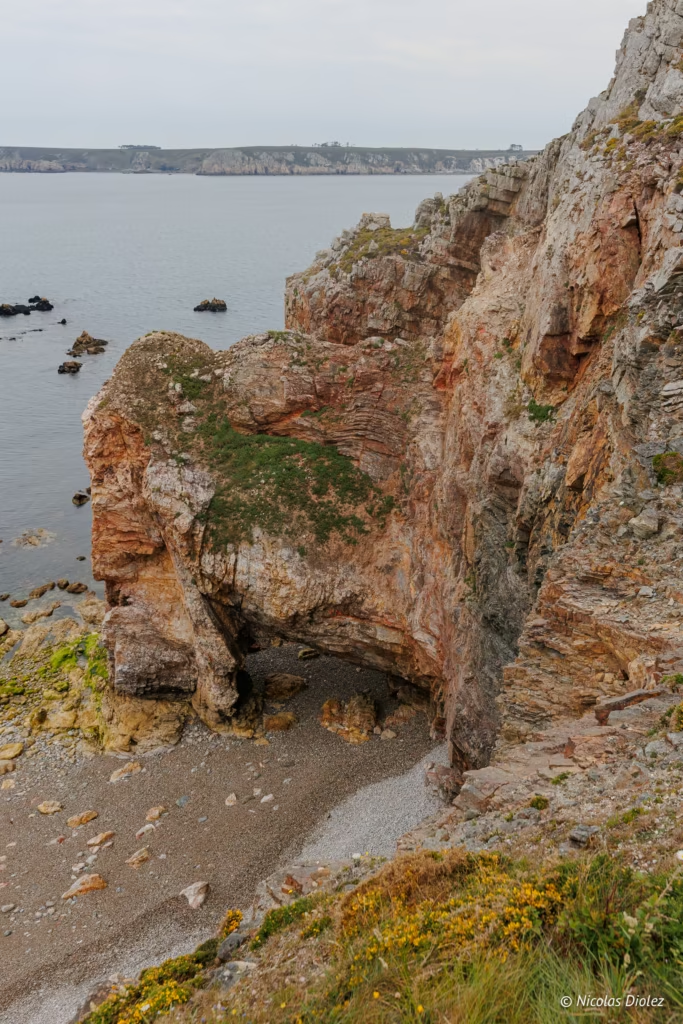
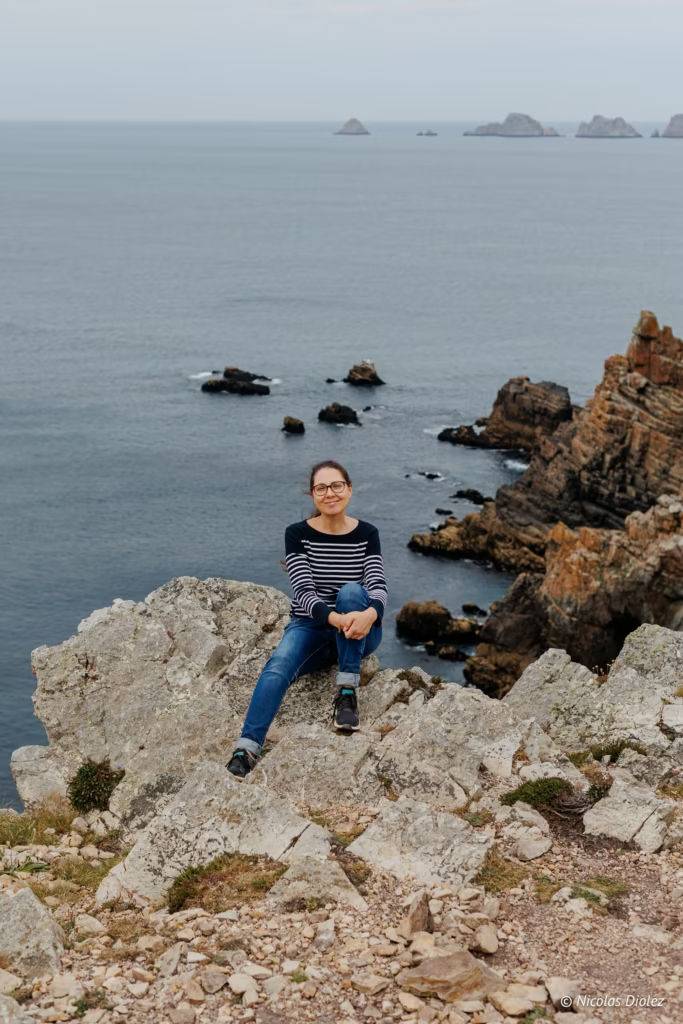
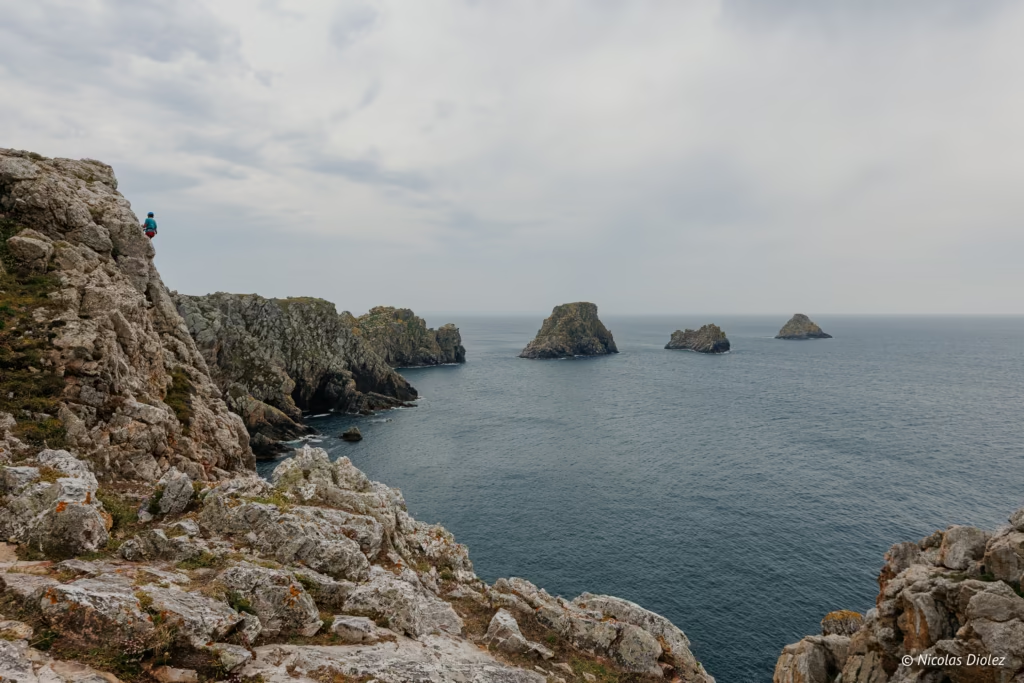
You can drive to the Pointe de Dinan, where parking is easy, and then walk around the headland on foot, which takes about 40 minutes. From there, the view takes in the jagged cliffs of the coast and the famous “Tas de Pois” in the distance: a gorgeous viewpoint that’s really worth the detour.
Go out to sea with Catavoile 29
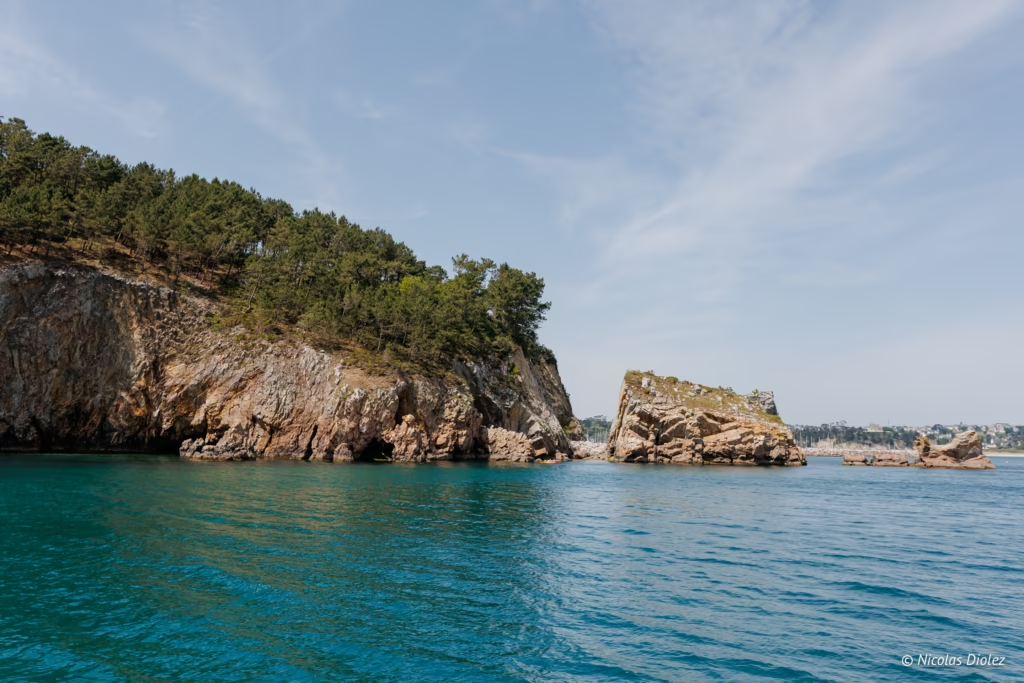
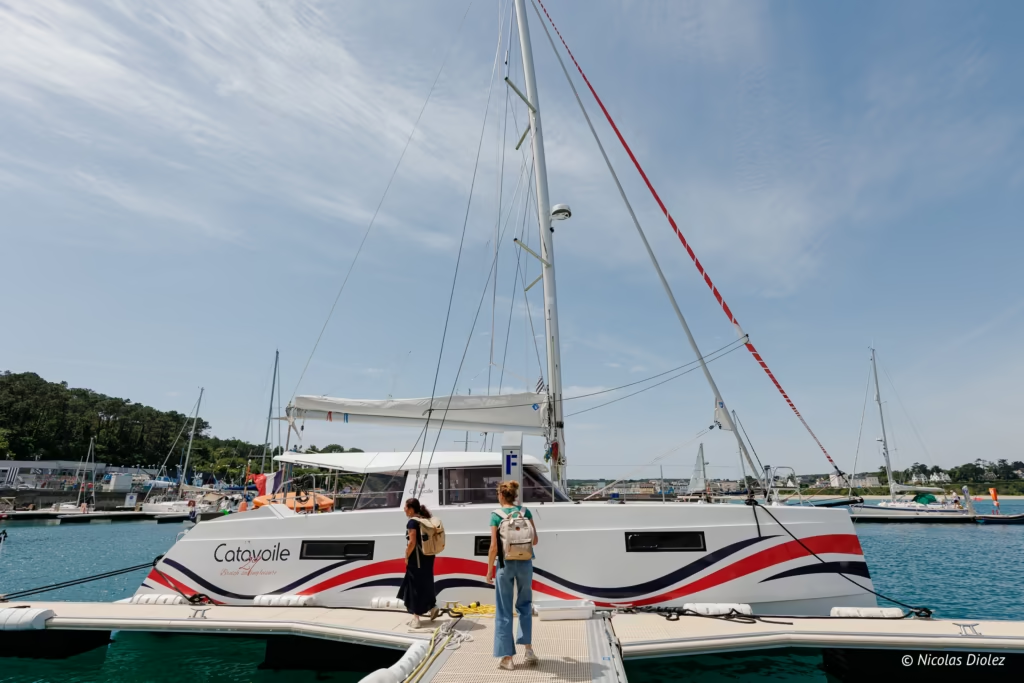
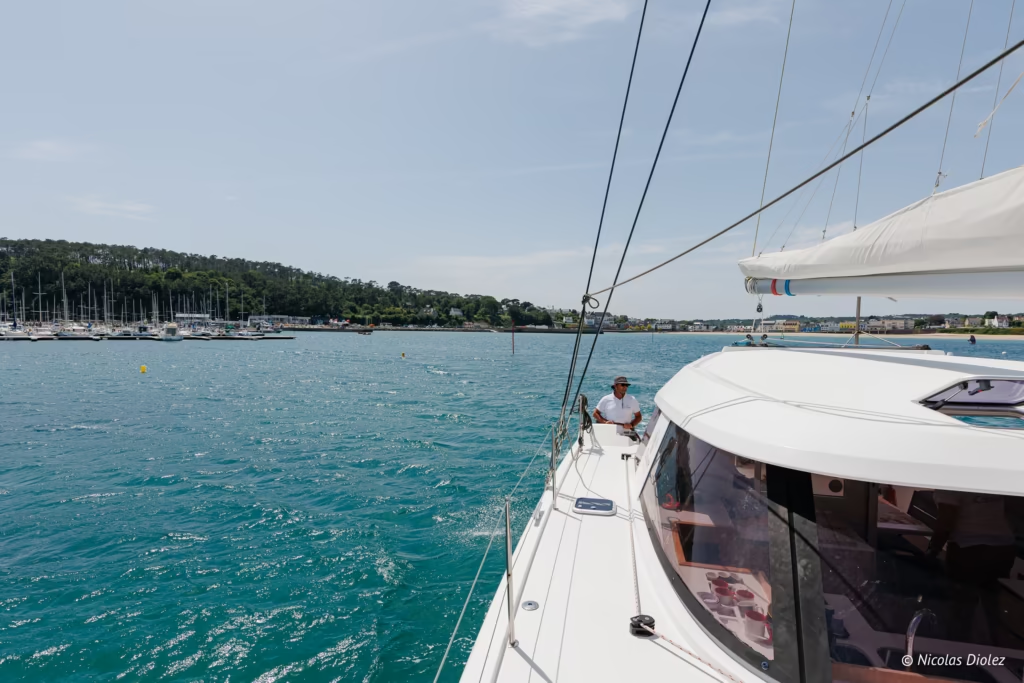
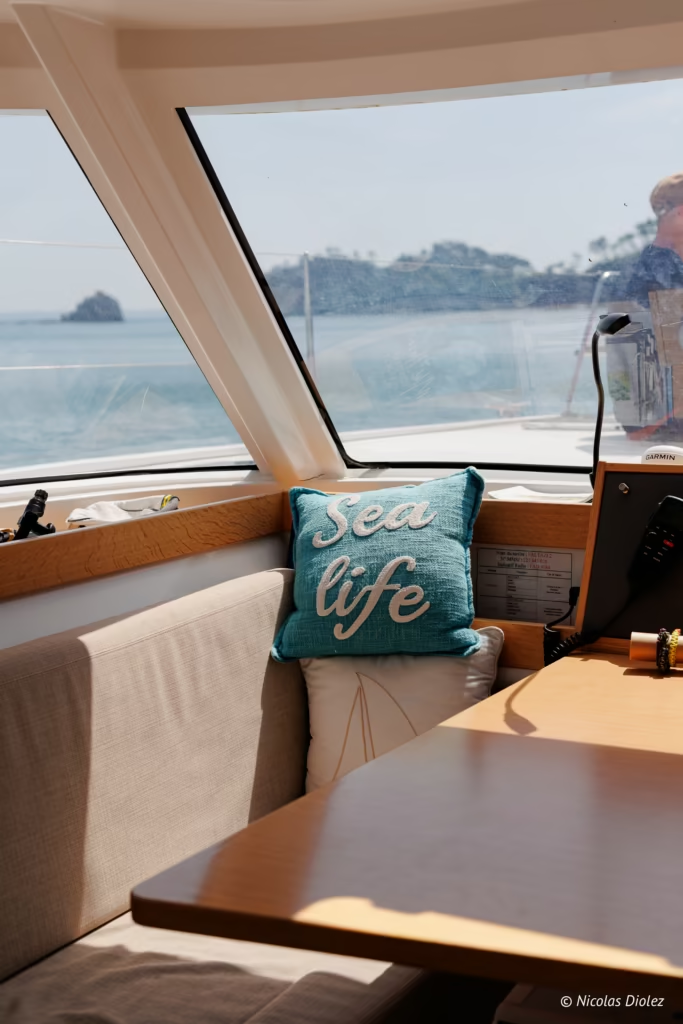
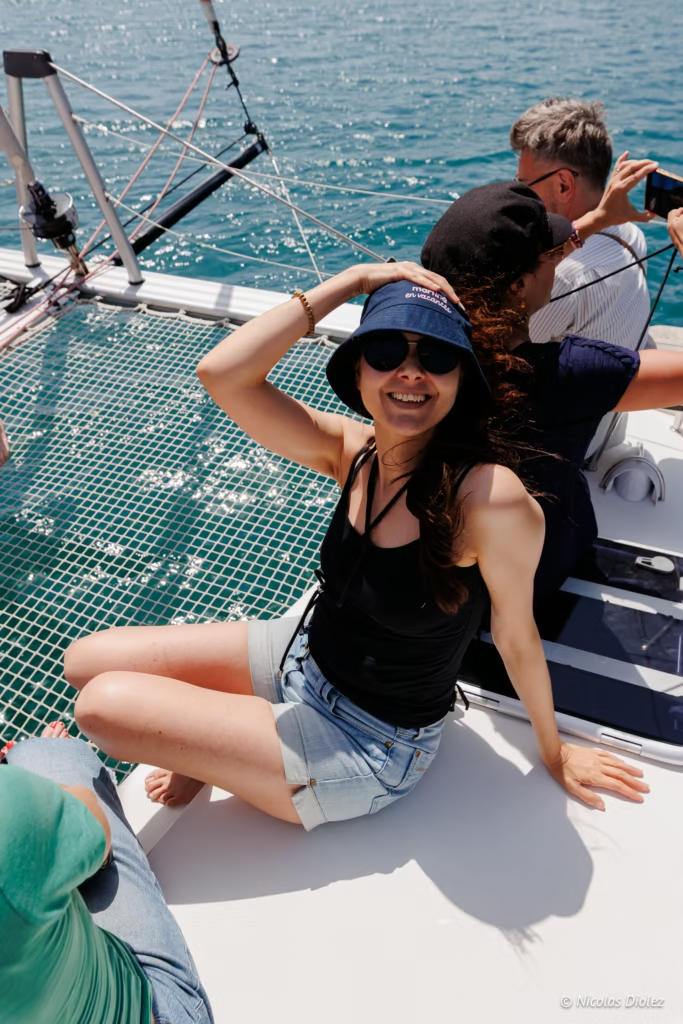
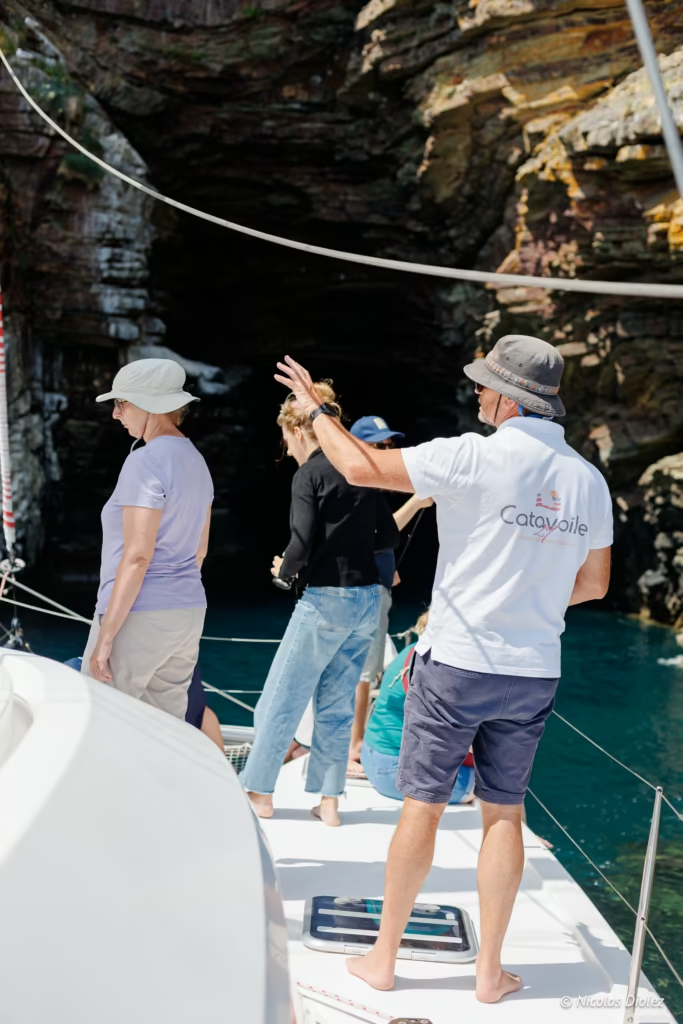
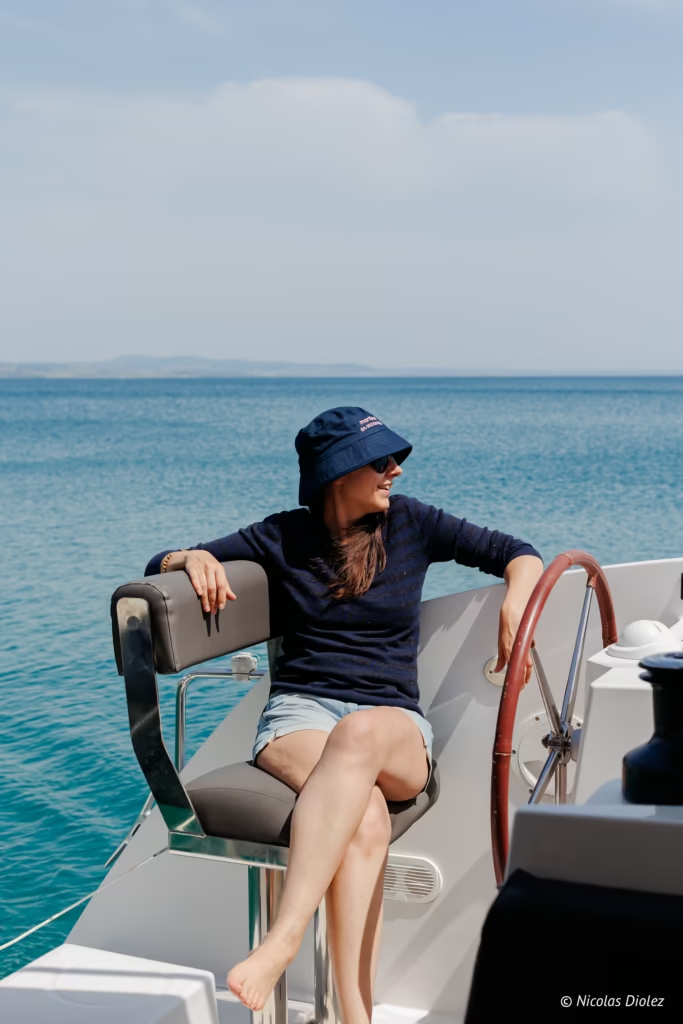
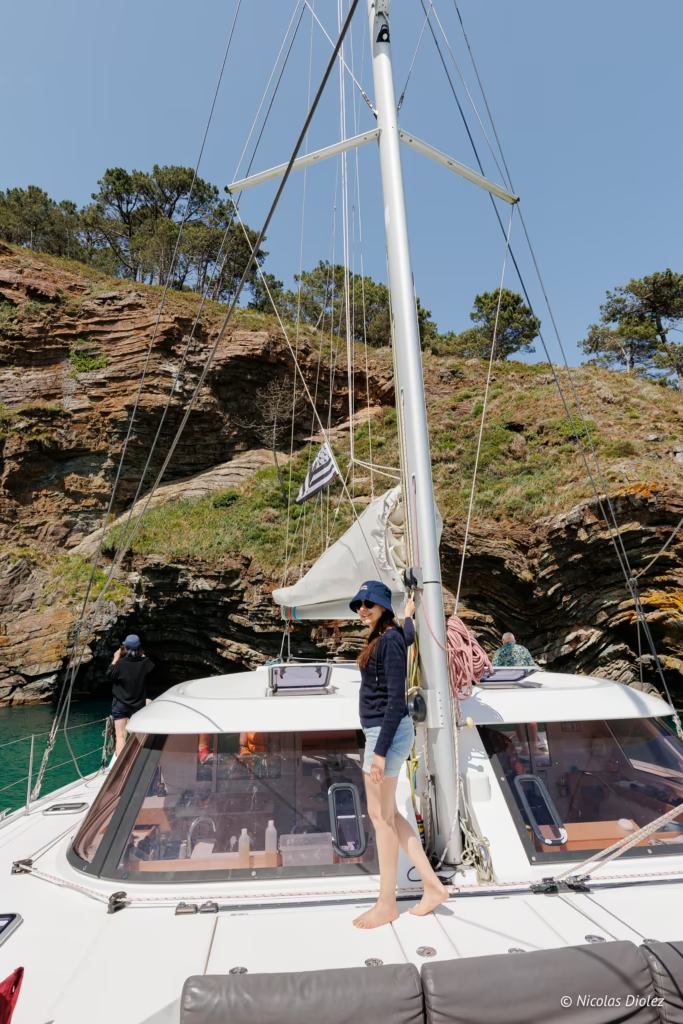
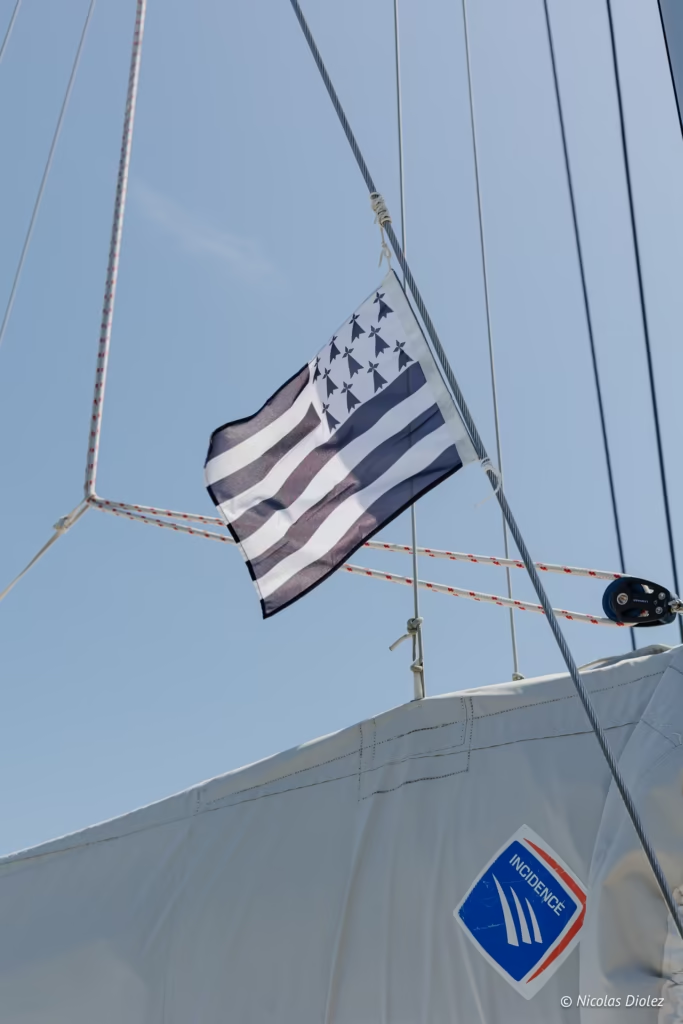
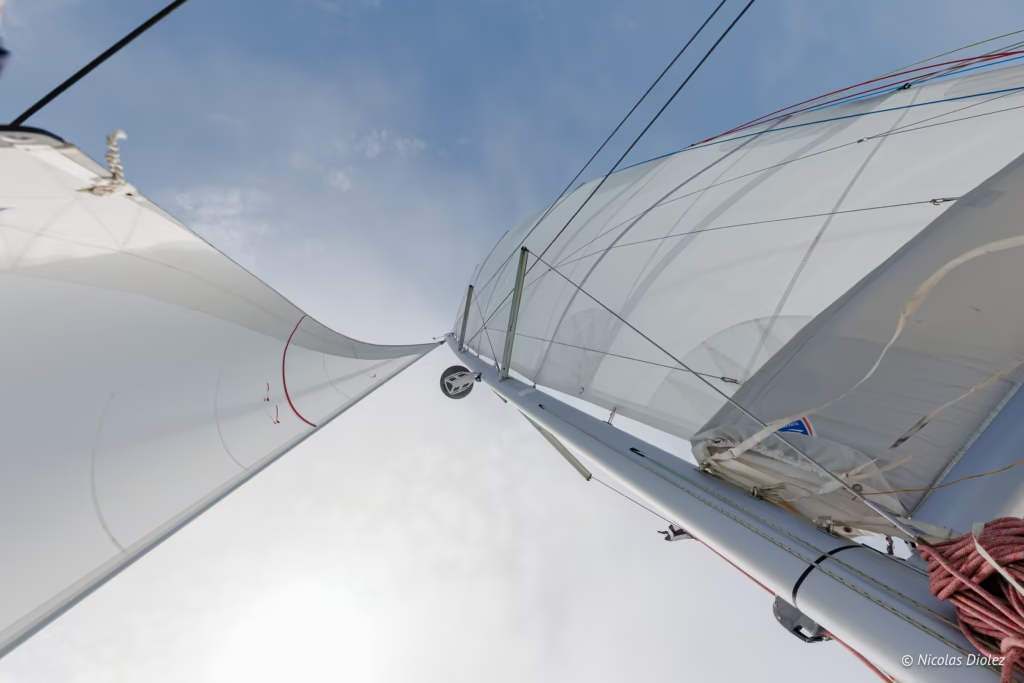
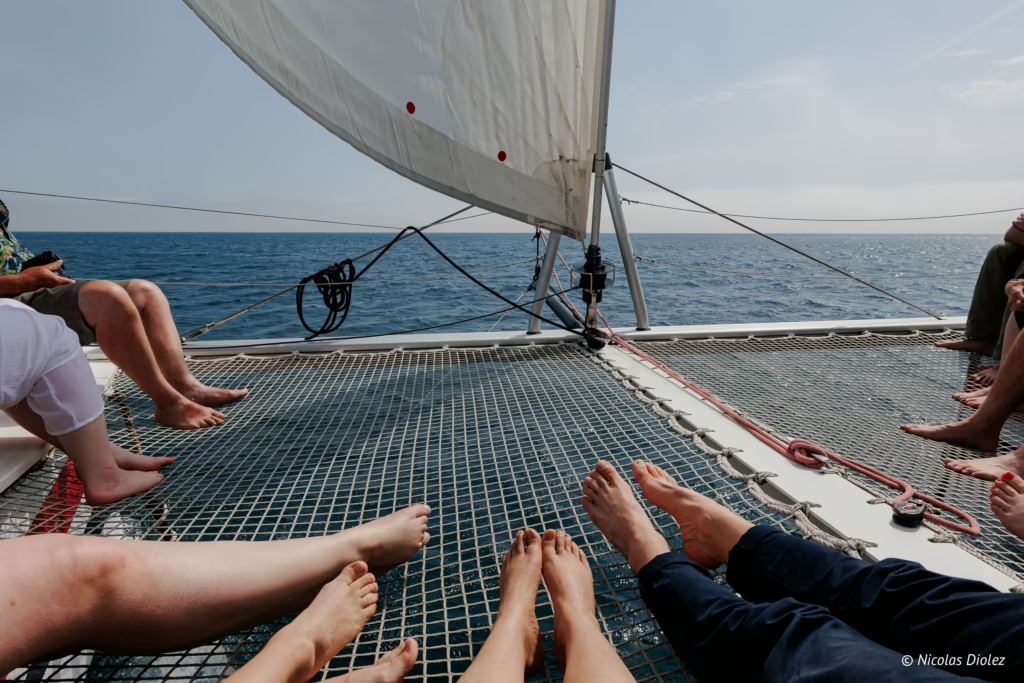
Leaving from Morgat, we boarded for a 2.5 to 3 hour outing in the Bay of Douarnenez with Catavoile 29, a business run by a charming couple: Erwan and Christelle. We took the excursion called “Ile Vierge et Cap de la Chèvre”. You step barefoot onto their catamaran (which is rather nice), and it can hold up to 21 people.
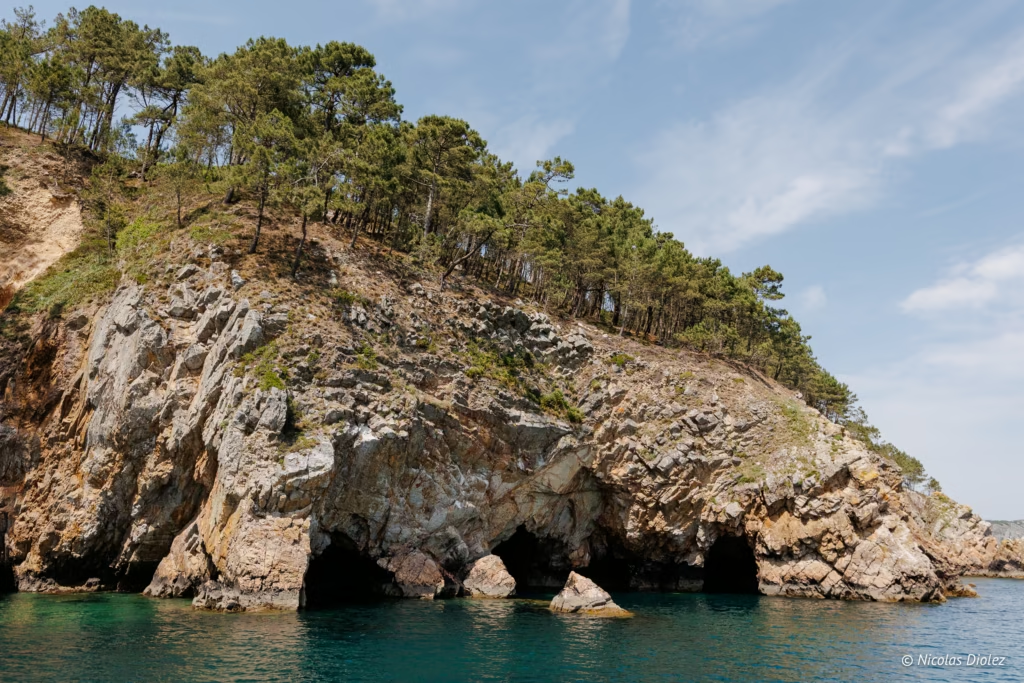
The catamaran then follows the coast toward the Cap de la Chèvre and the Cap de l’île Vierge, with commentary on the coastline, sailing and the cliffs covered in moorland. From a distance, you can spot the beach of the île Vierge, which is now off-limits because of overcrowding and the risk of falling rocks. At anchor, you can go for a swim, but at the time of year when we did the trip, the water was pretty chilly! Catavoile 29 also offers a 2-hour guided nature walk on the GR34 coastal path, to discover the local wildlife and plants.
Catavoile29
Port de Morgat, 29160 Crozon
Boat trip: 2h30 by catamaran toward the Cap de la Chèvre from 55 € per person
Nature walk: 2h guided outing along the GR34
My favorite spots in Crozon
Where to eat in the Morgat district? Crêperie La Bolée
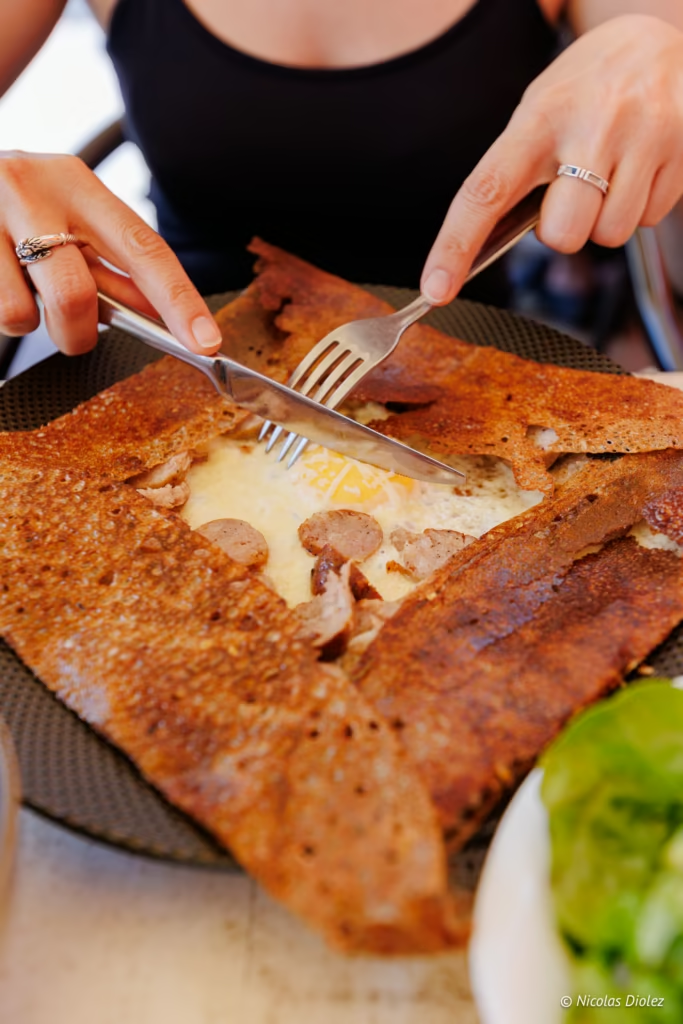
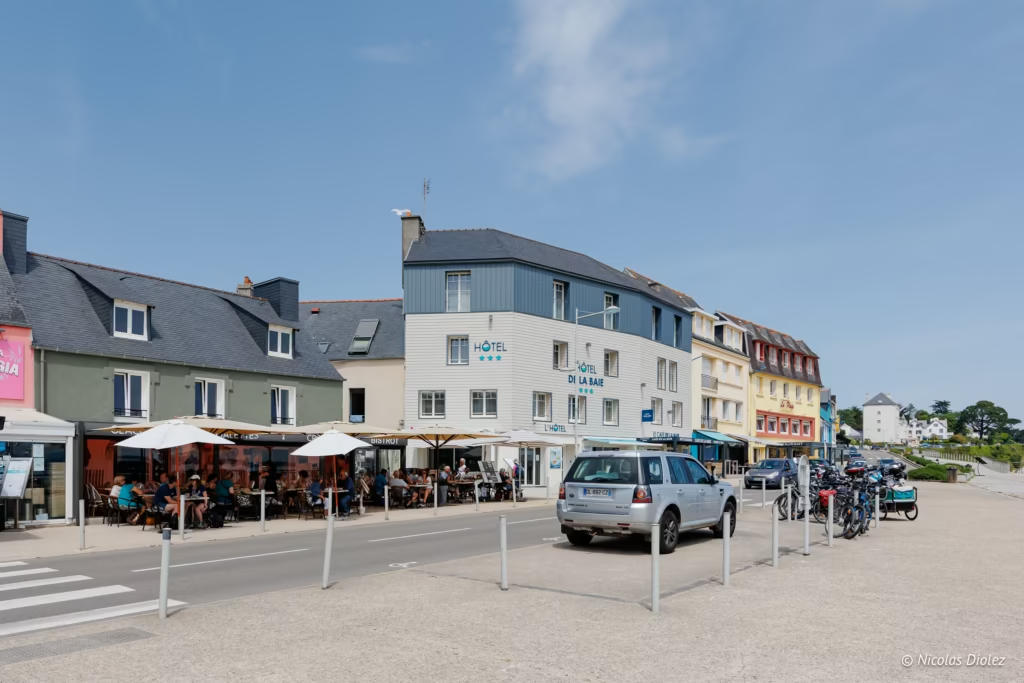
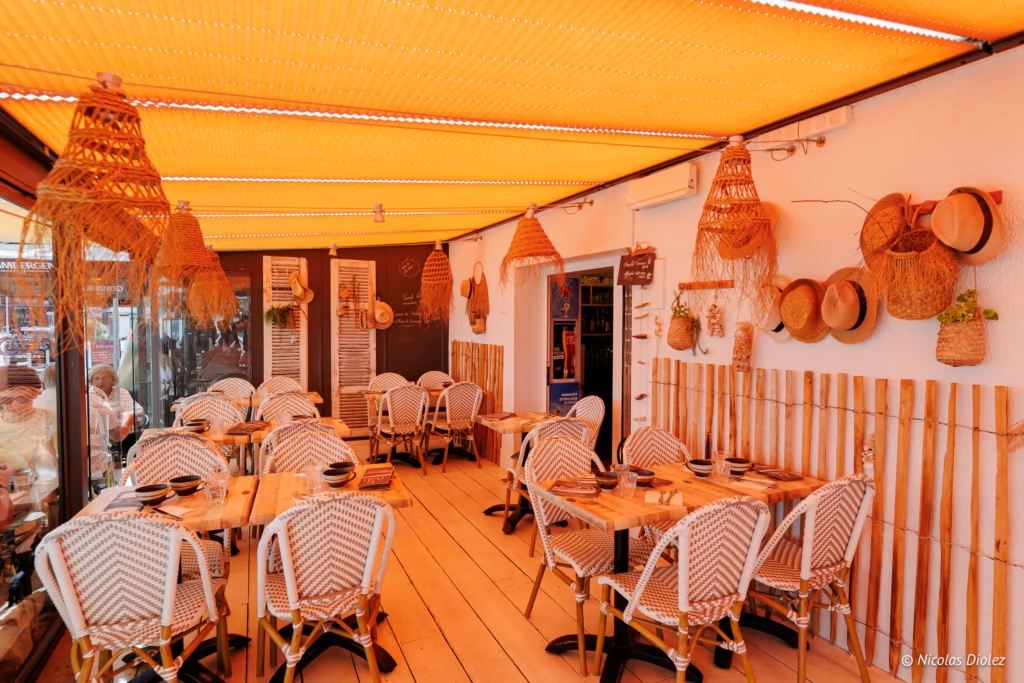
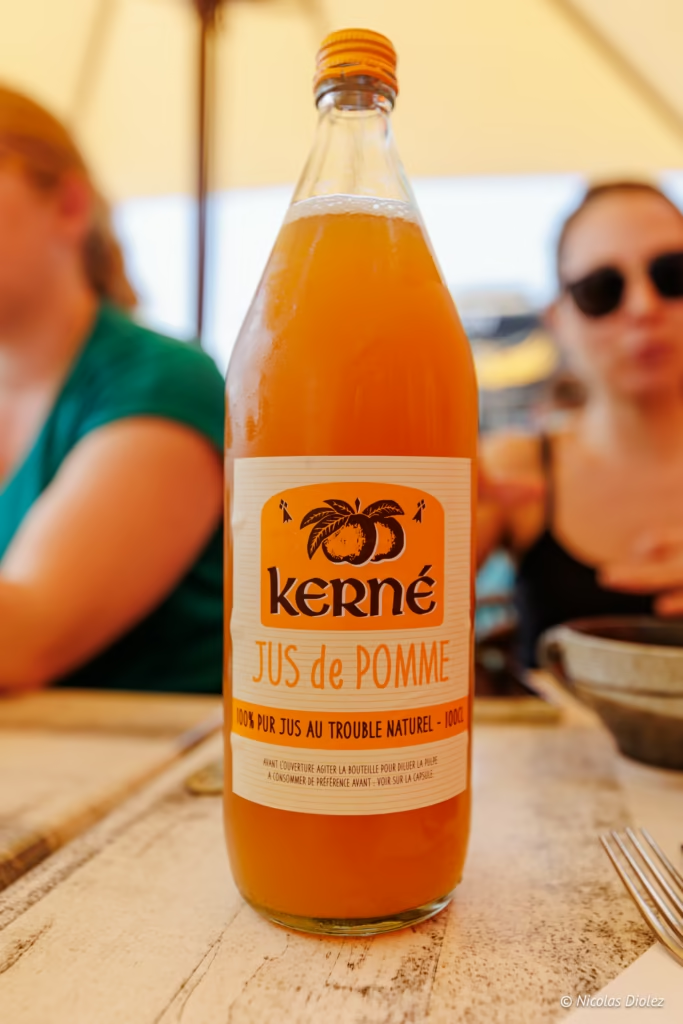
In Morgat, we had lunch at the crêperie La Bolée, which has a little terrace facing the sea. They serve buckwheat galettes and wheat-flour crêpes; I went for the complète with Breton sausage, which was delicious and made with great ingredients.
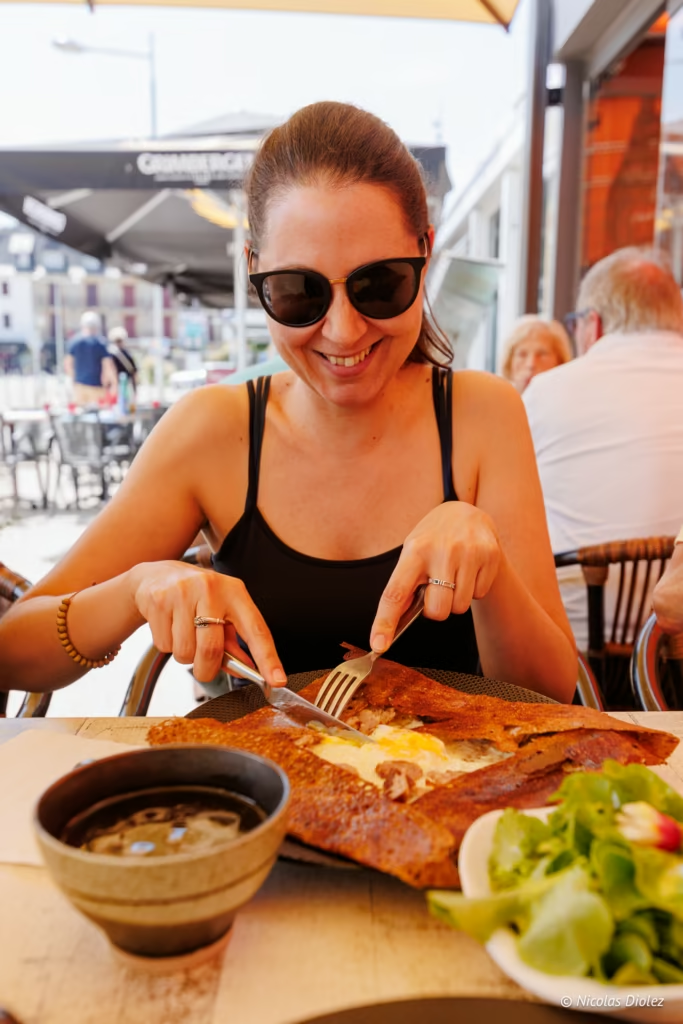
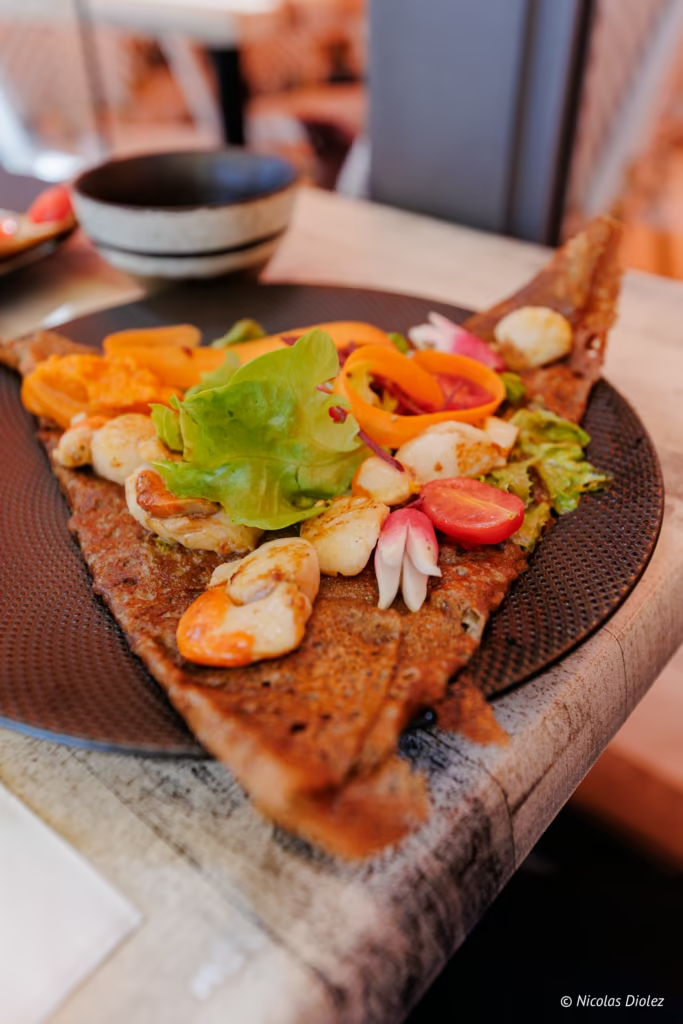
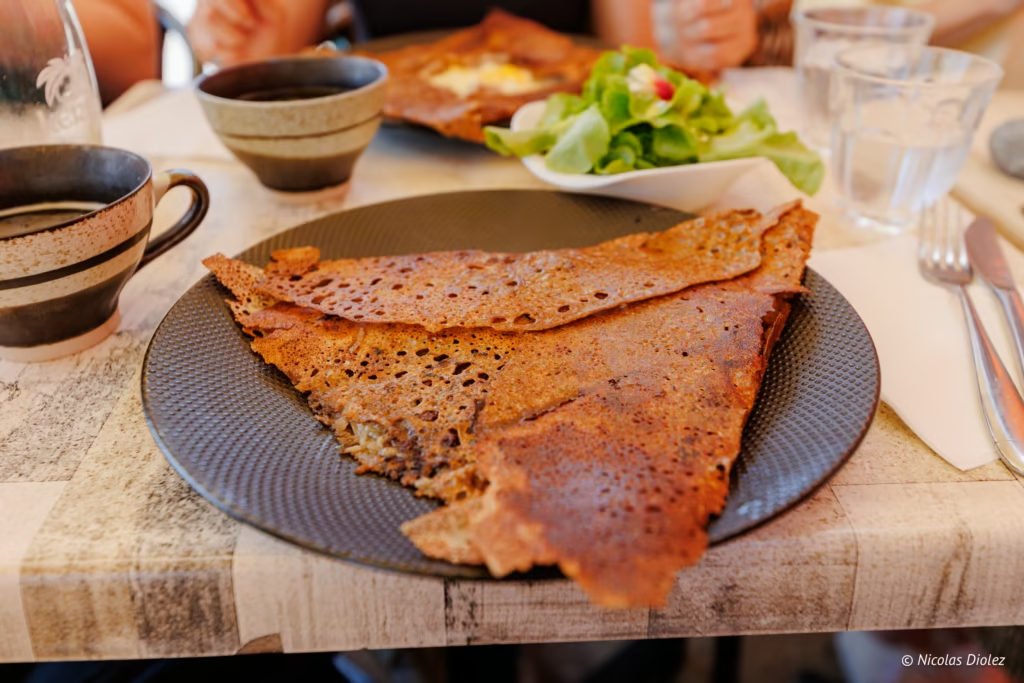
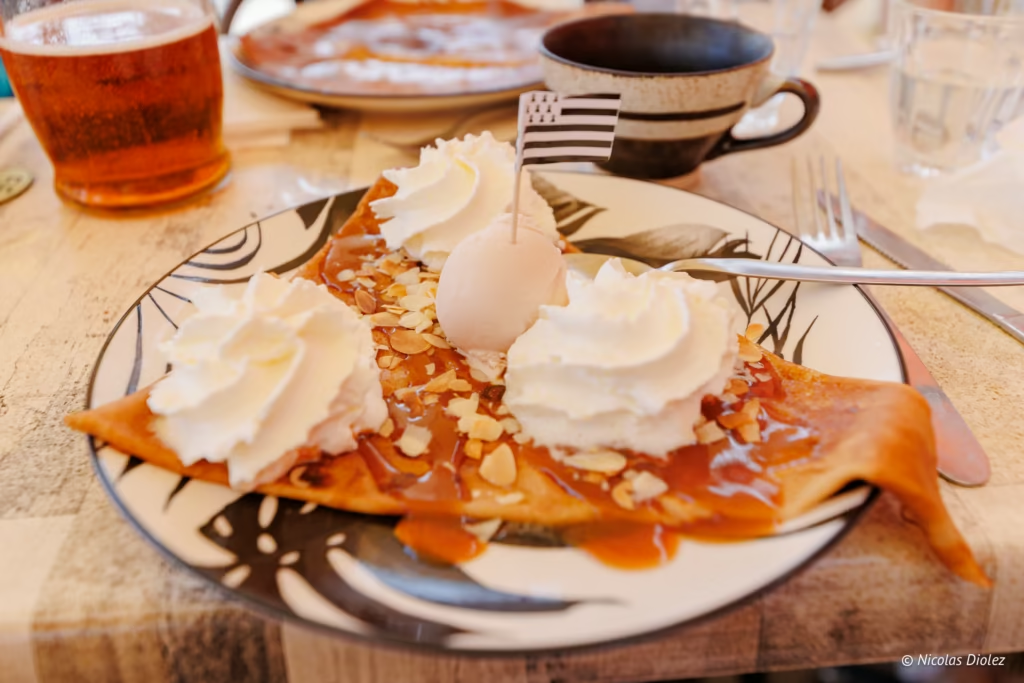
Crêperie La Bolée
48 boulevard de la Plage, Morgat, 29160 Crozon
Where to stay in Crozon? Belambra Le Grand Hôtel de la Mer
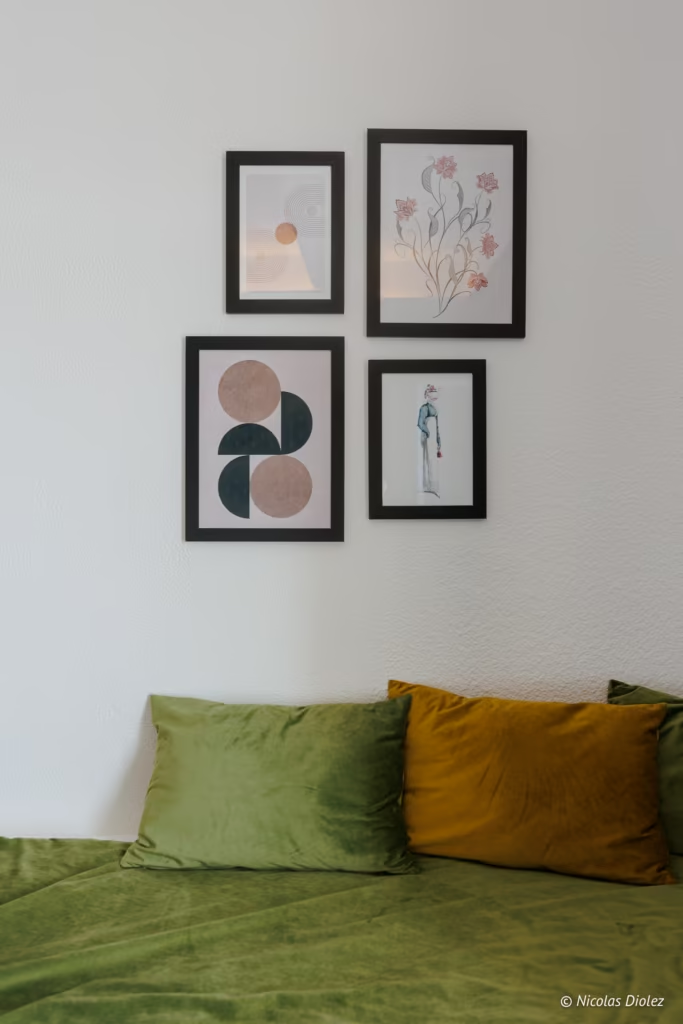
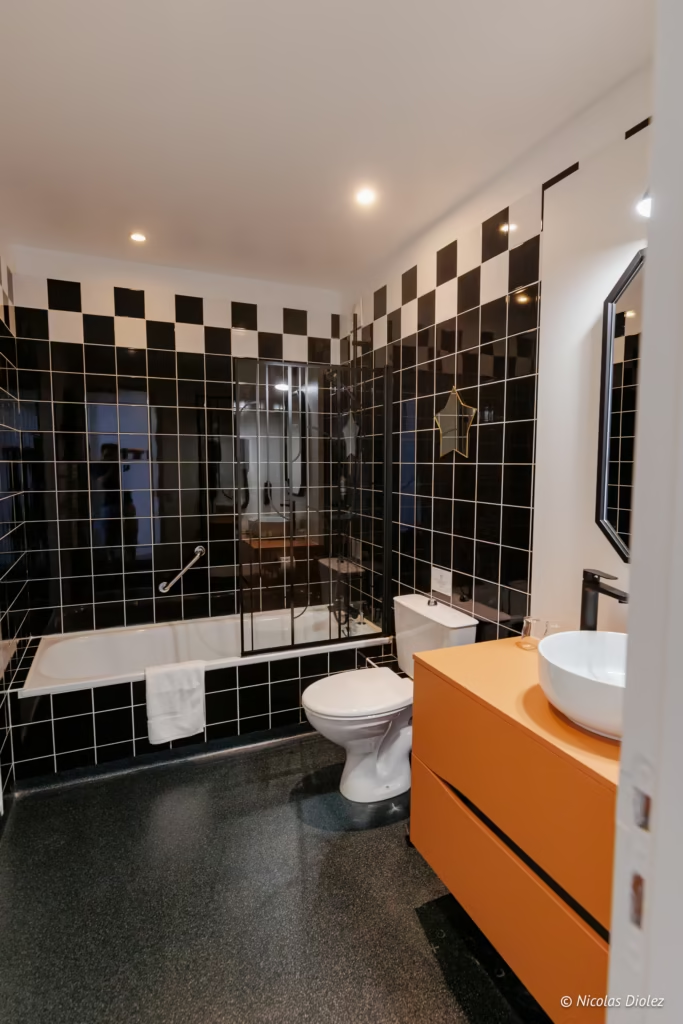
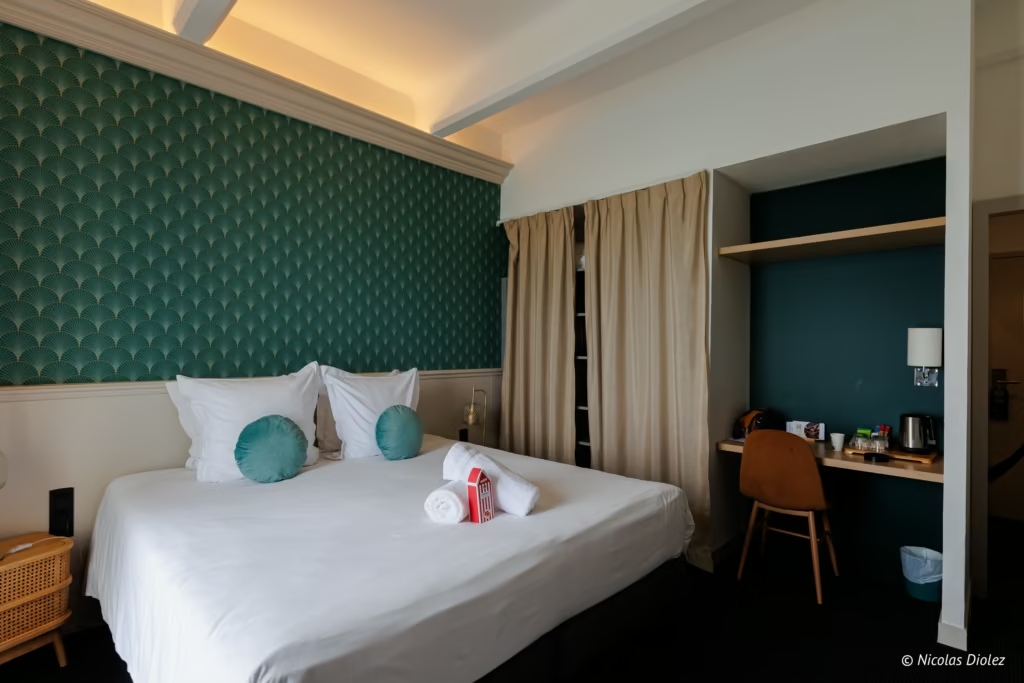
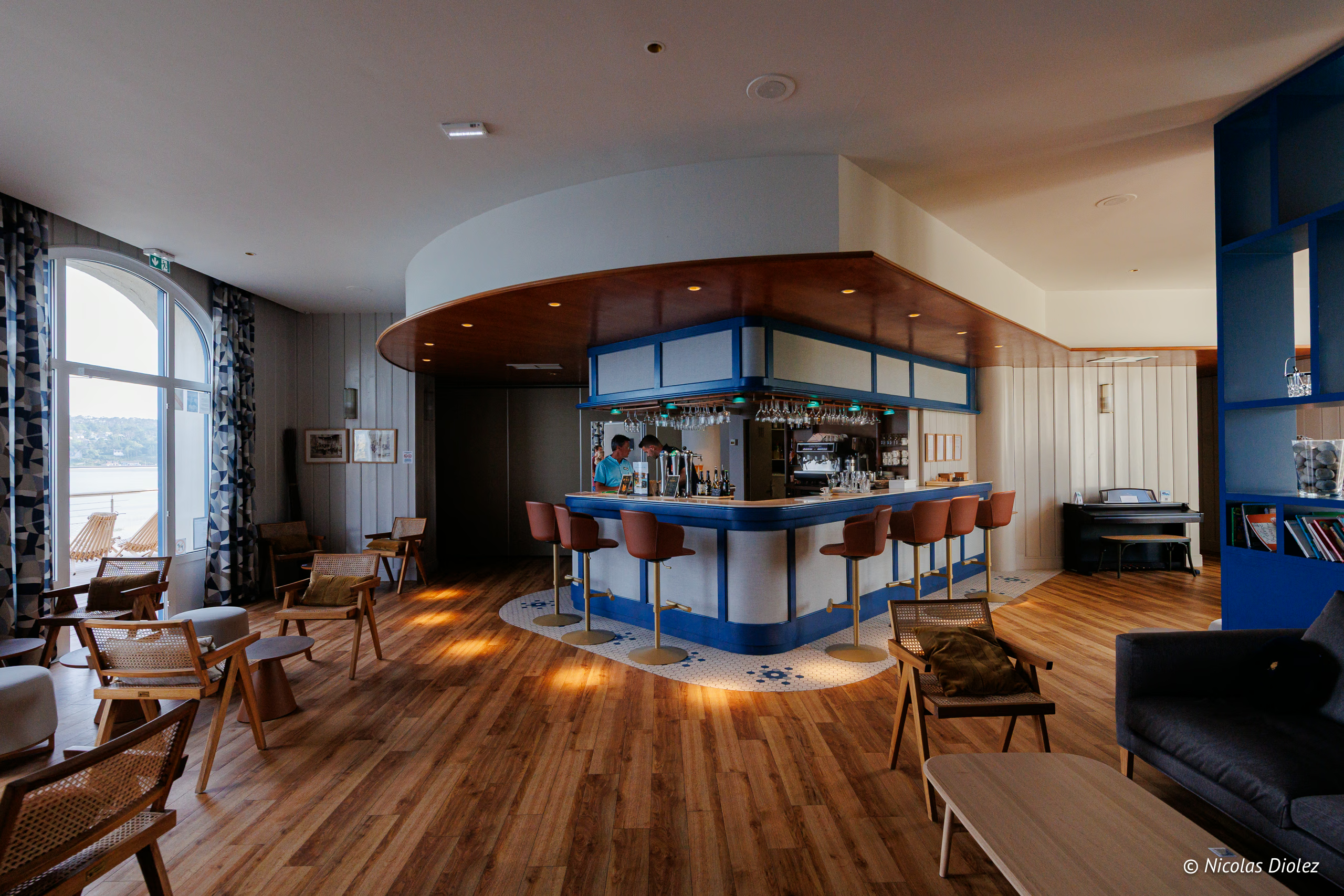
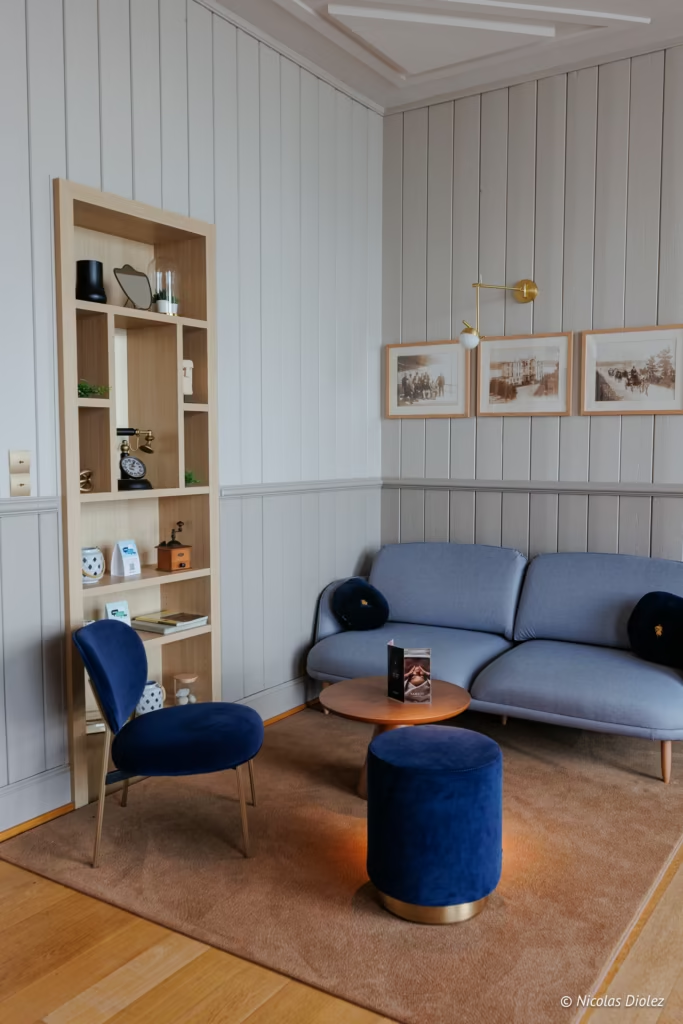
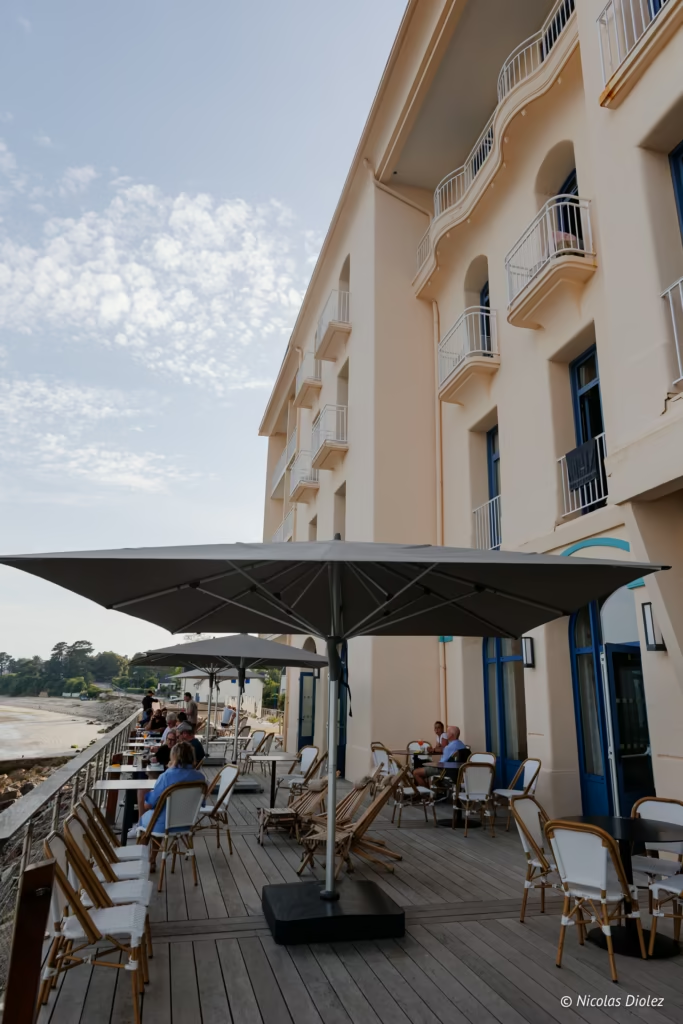
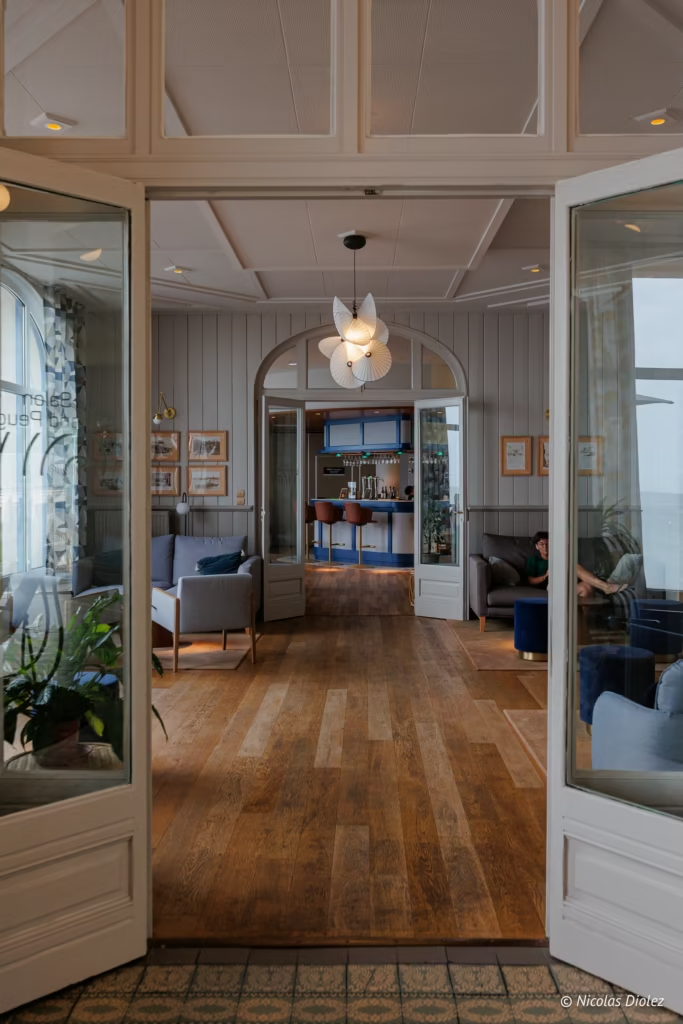
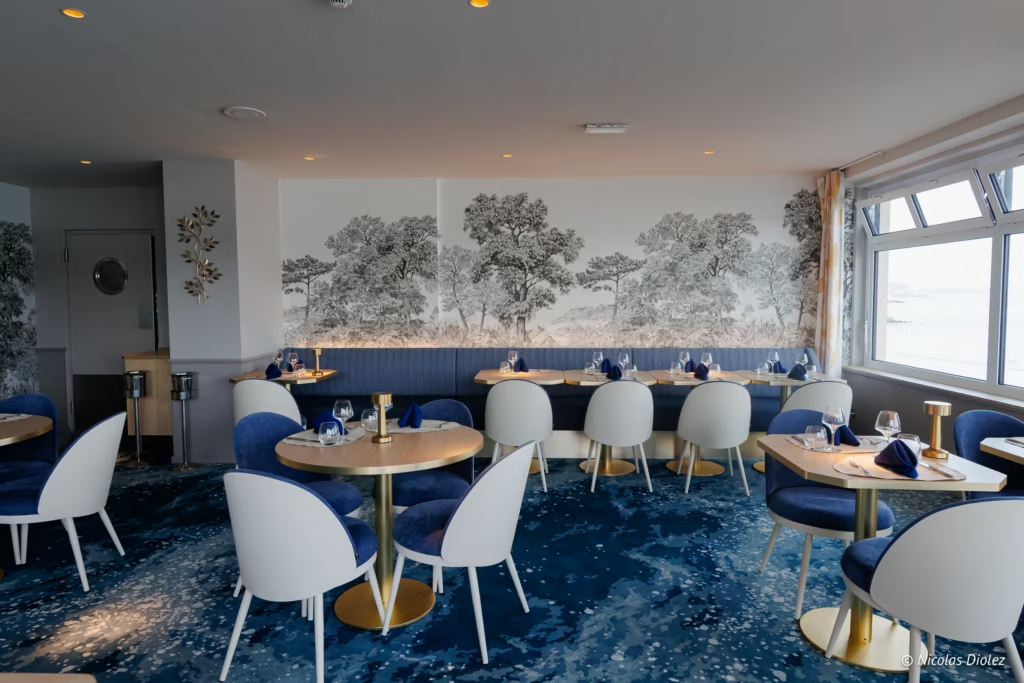
On the peninsula, we stayed at the Grand Hôtel de la Mer (a 4-star hotel) in Morgat. This historic hotel was built between 1908 and 1912 by Armand Peugeot, whom I told you about a little earlier, then extended before joining the Belambra group. It has recently been completely renovated in the same spirit.
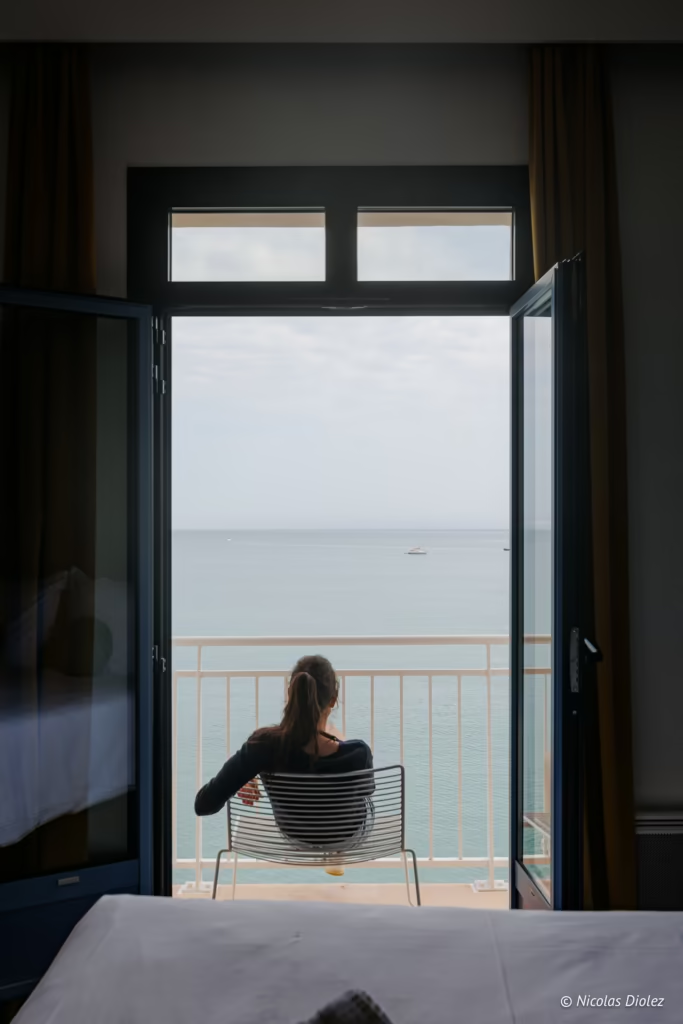
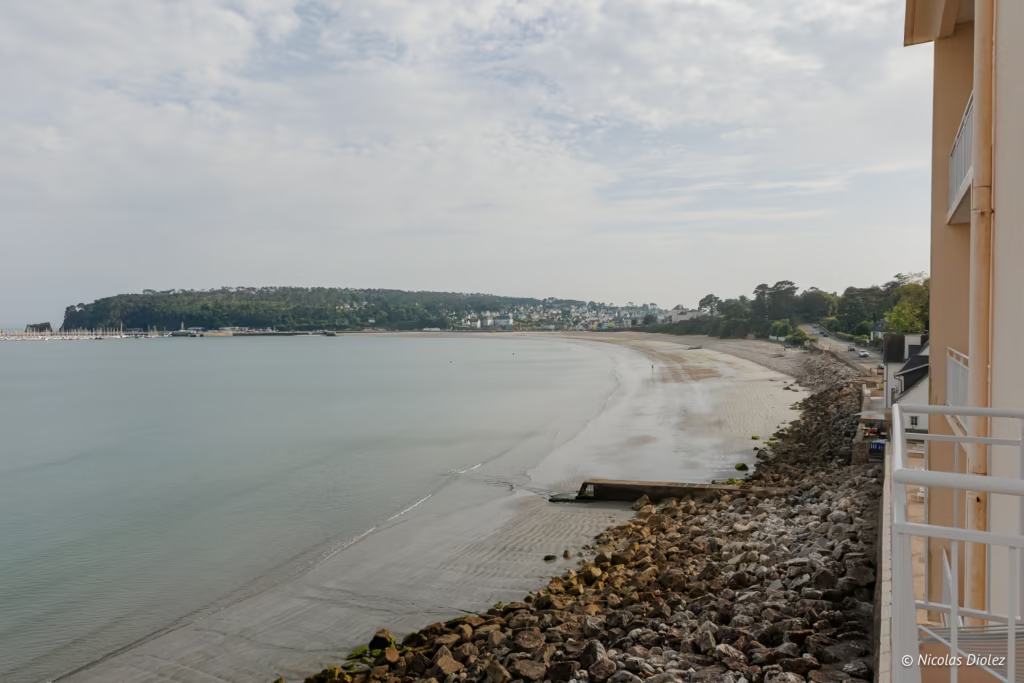
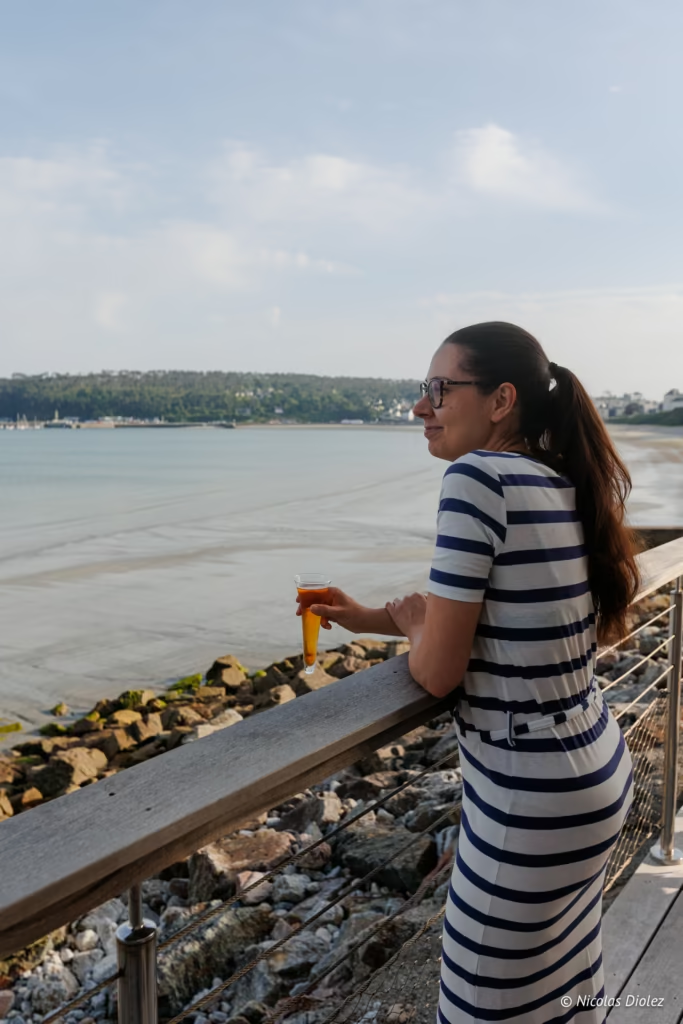
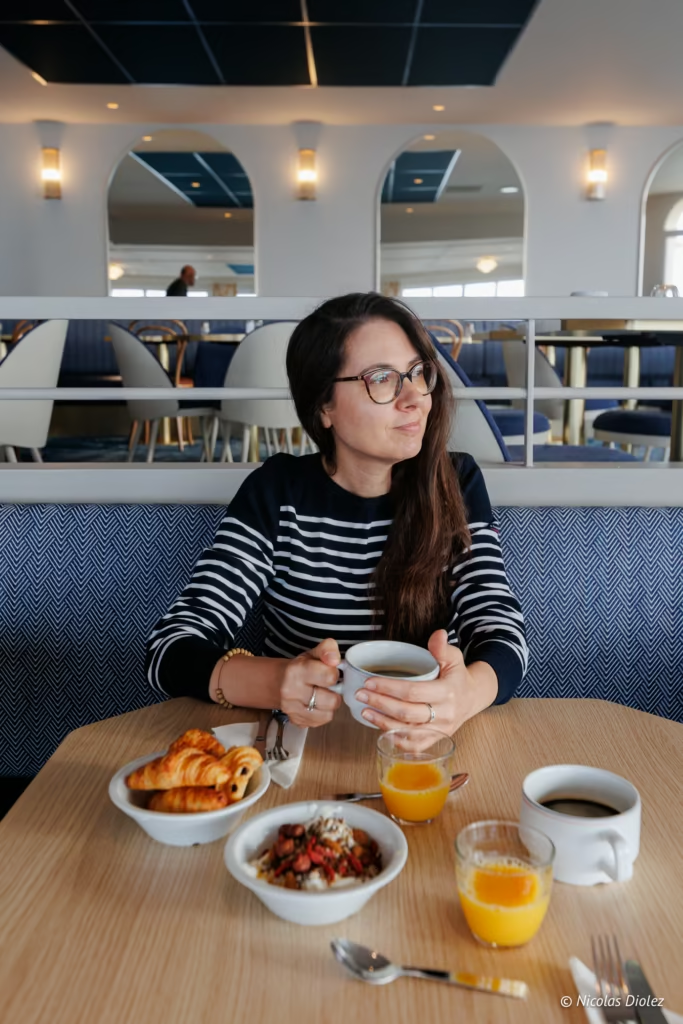
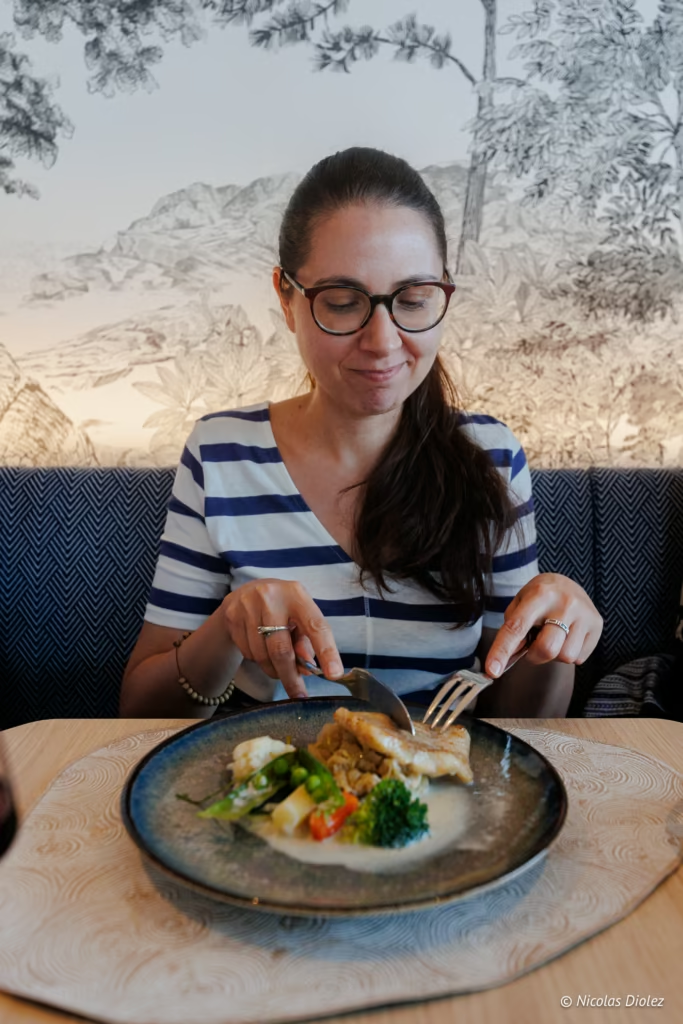
The hotel has 78 rooms split between sea view and park side. And we were lucky enough to get a lovely room overlooking the sea. There’s also a heated indoor pool, and a brand-new spa, with a wellness area run by Nama Spa, in a separate building. Breakfast is served in a room facing the sea or on the terrace, which is absolutely delightful when the weather is nice.
Dinner at the hotel restaurant: La Belle Époque
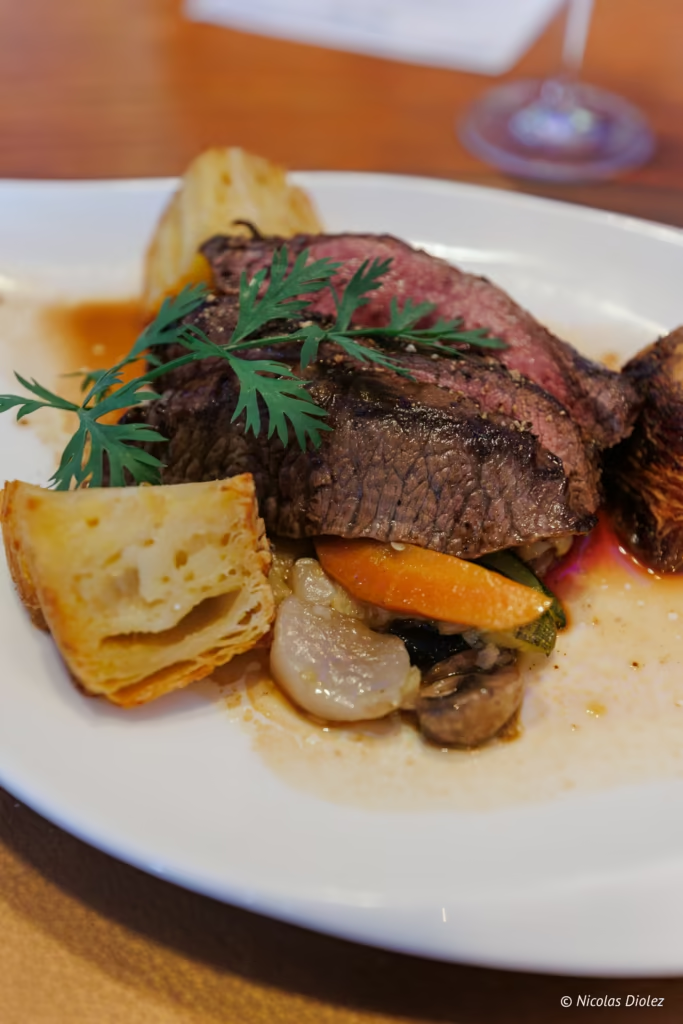
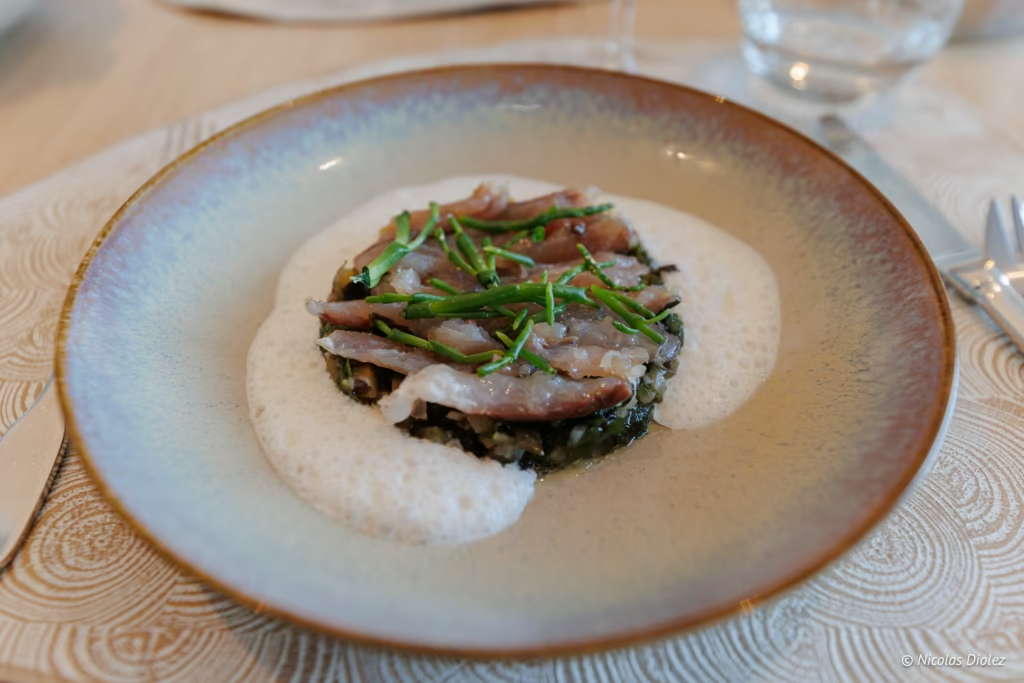
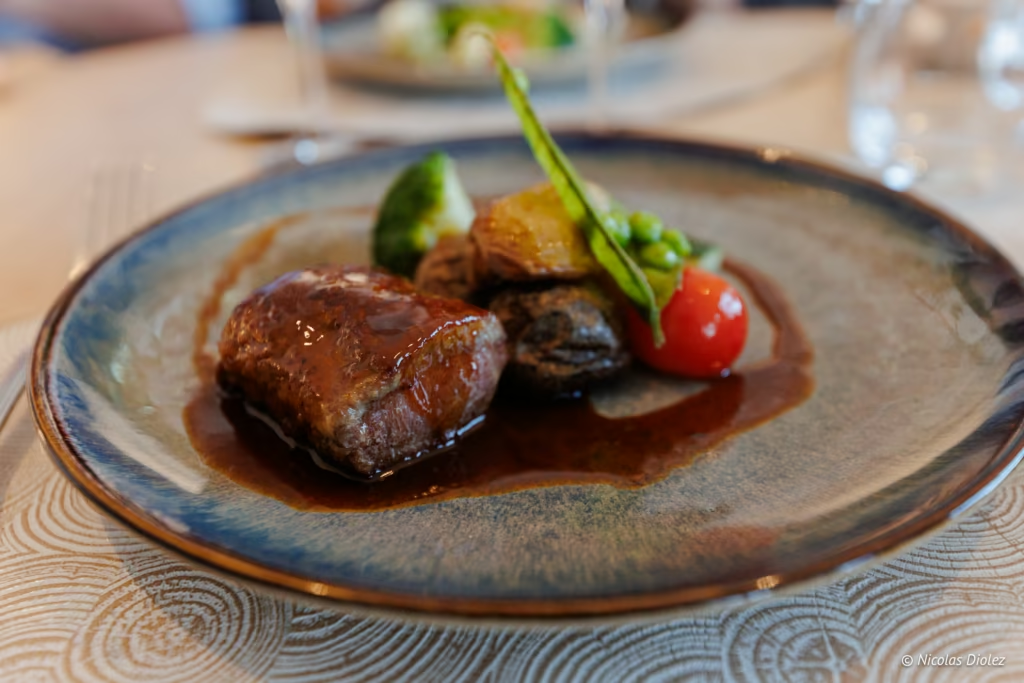
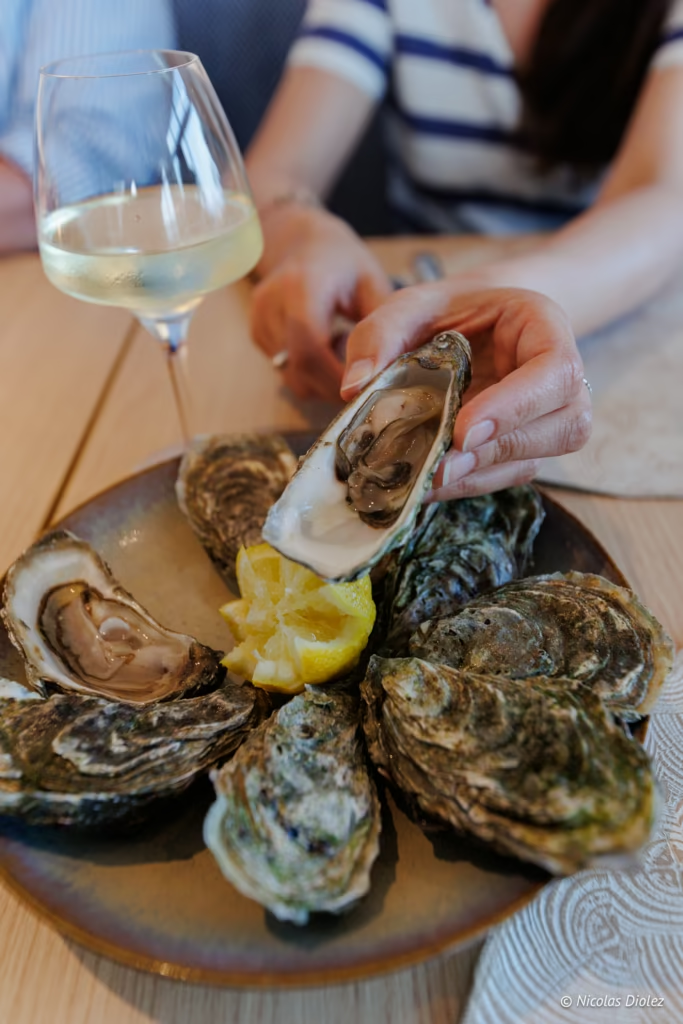
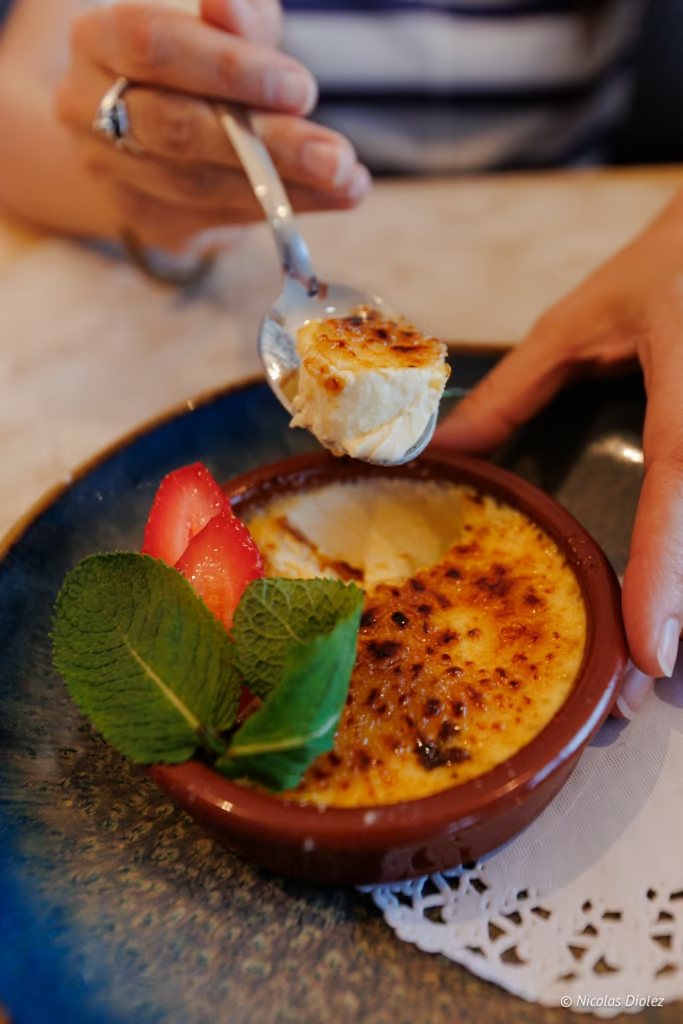
We had dinner at La Belle Époque, the bistronomic restaurant of the Grand Hôtel de la Mer, in its beautiful dining room with an ocean view. We started by tasting Breton cupped oysters (20 € for 9 oysters). Then we ordered the Iroise tartare and mackerel gravlax (17 €), followed by the catch of the day according to the chef’s inspiration (24 €), as well as the lamb noisette with a honey and cumin lacquered pistachio crumble (28 €). And for dessert, we couldn’t resist a buckwheat crème brûlée (11 €).
Belambra Le Grand Hôtel de la Mer ☆☆☆☆
17 rue d’Ys, Morgat, 29160 Crozon
Rates: sea-view room from 130 €
Restaurant La Belle Époque: open Tuesday to Saturday from 7 pm (from 7 April to 30 October 2026) / starters between 14 € and 26 € / mains between 24 € and 29 € / desserts between 9 € and 12 €
What to see and do in Camaret-sur-Mer?
Another stop on our getaway was Camaret-sur-Mer, or Kameled in Breton, located at the western tip of the peninsula. Its port activity dates back to the 12th century, and in 1960 the town was the number one spiny lobster port in Europe. The train served it until the end of the 1960s, and the tourist office now occupies the former station.
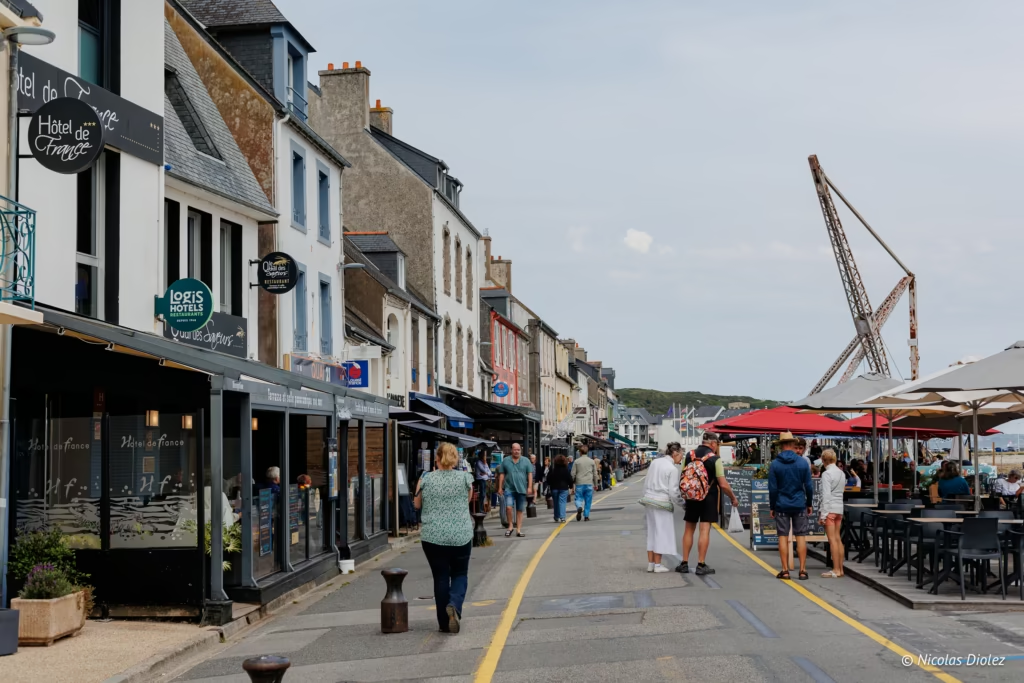
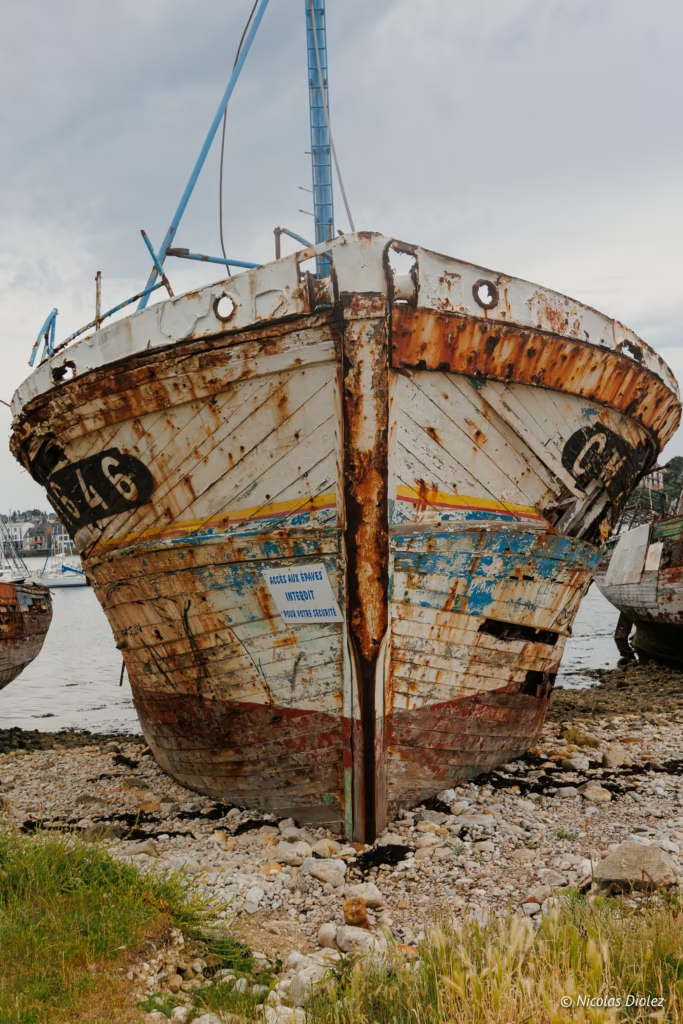
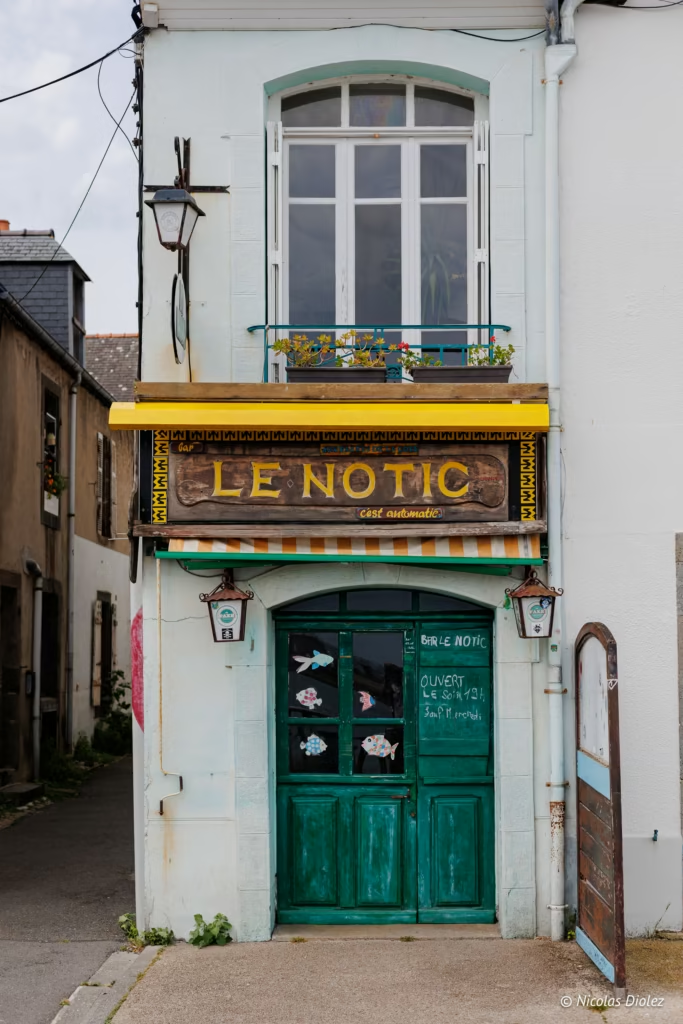
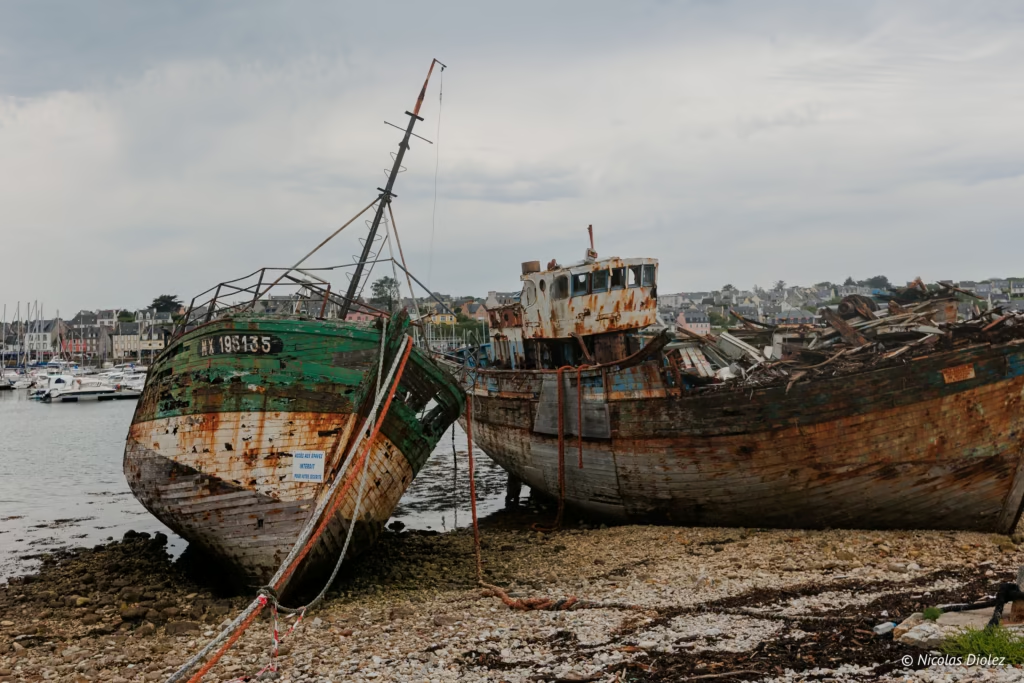
Strolling around the port of Camaret-sur-Mer
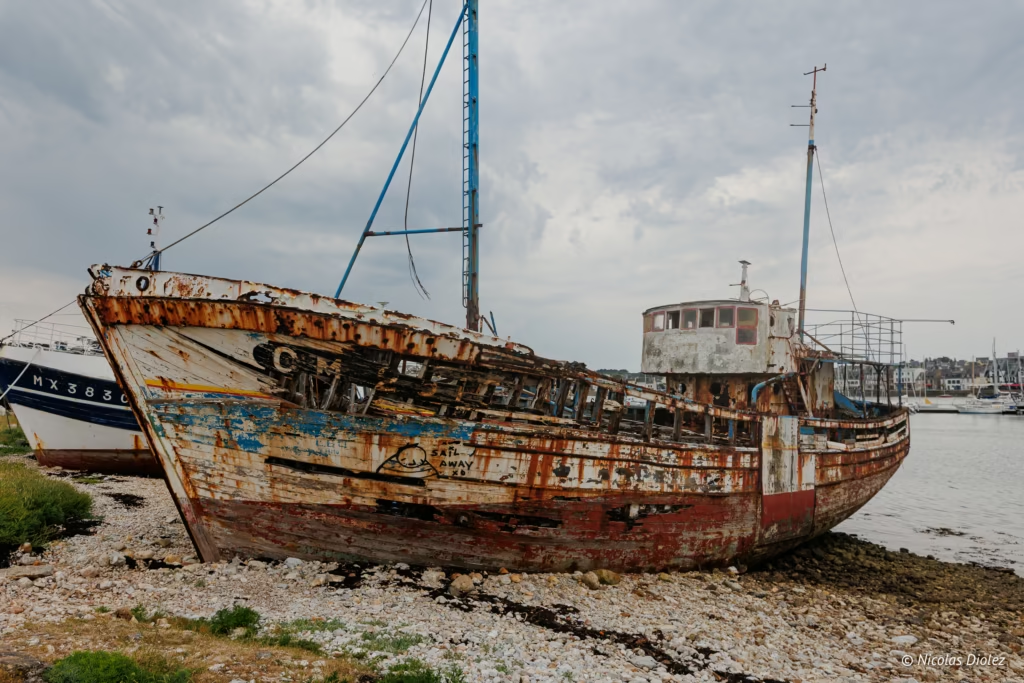
On the port, the first thing you notice is the boat graveyard, which gathers old wooden ships built in the Camaret shipyards. I was fascinated by the colors of these ship skeletons, and my favorite photographer had a field day with his camera!
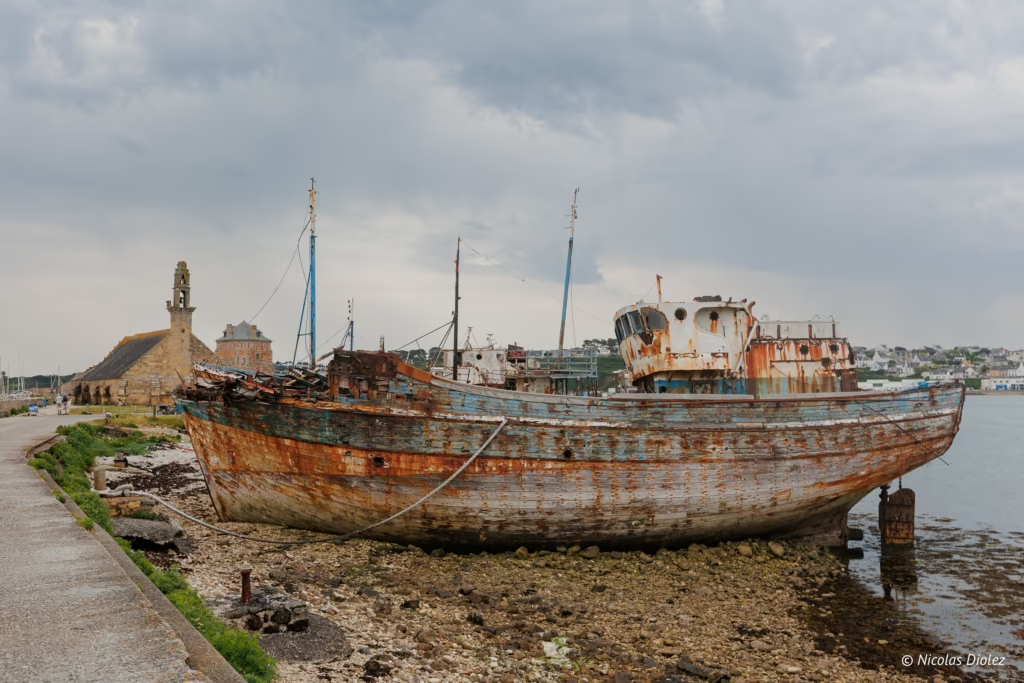
Visiting the Notre-Dame de Rocamadour chapel
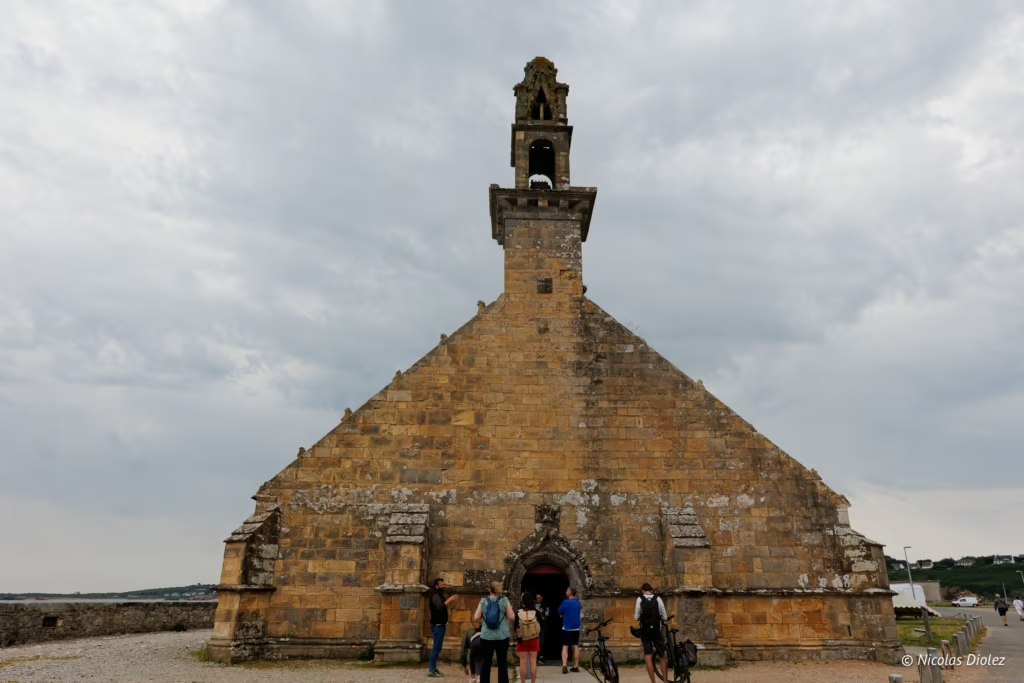
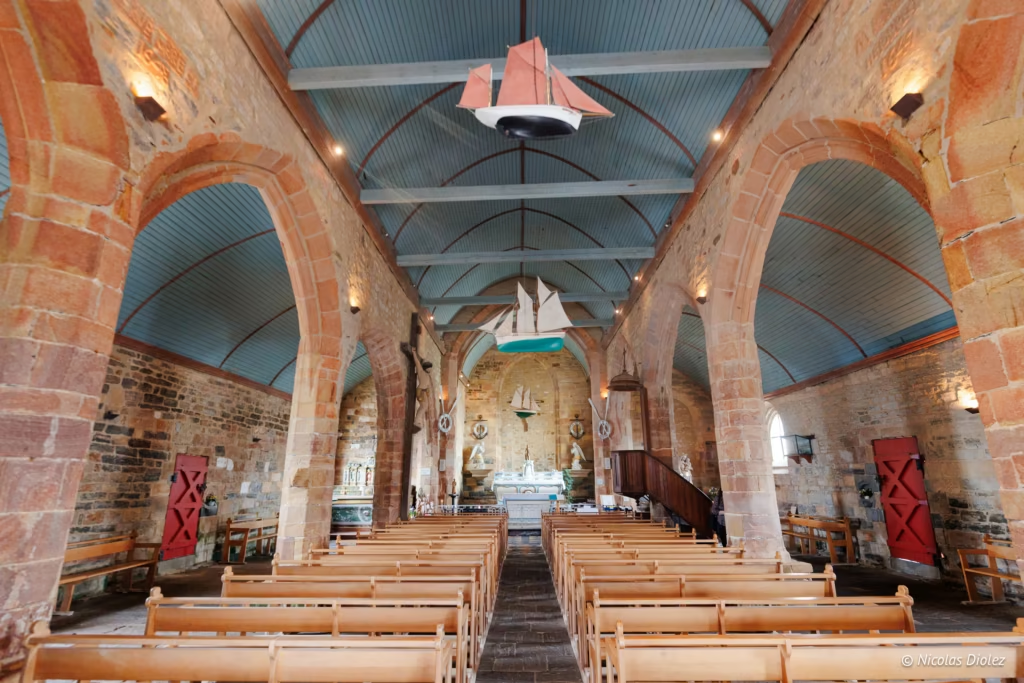
At the end of the Sillon stands the maritime chapel Notre-Dame de Rocamadour, whose origins go back to the 16th century, and which keeps model boats as votive offerings. Its bell tower was also beheaded by a cannonball during the famous Battle of Camaret in 1694.
Discovering the Tour Vauban
Right next door, the Tour Vauban (or Golden Tower) was built starting in the late 1680s and completed in 1696 to protect the Goulet de Brest. It is the first Breton monument to have been listed as a UNESCO World Heritage site (in 2008 as part of the listing of Vauban’s major sites). It was only used once, even before its construction was finished, during the Battle of Camaret against the Anglo-Dutch fleet, led on the French side by Vauban himself.
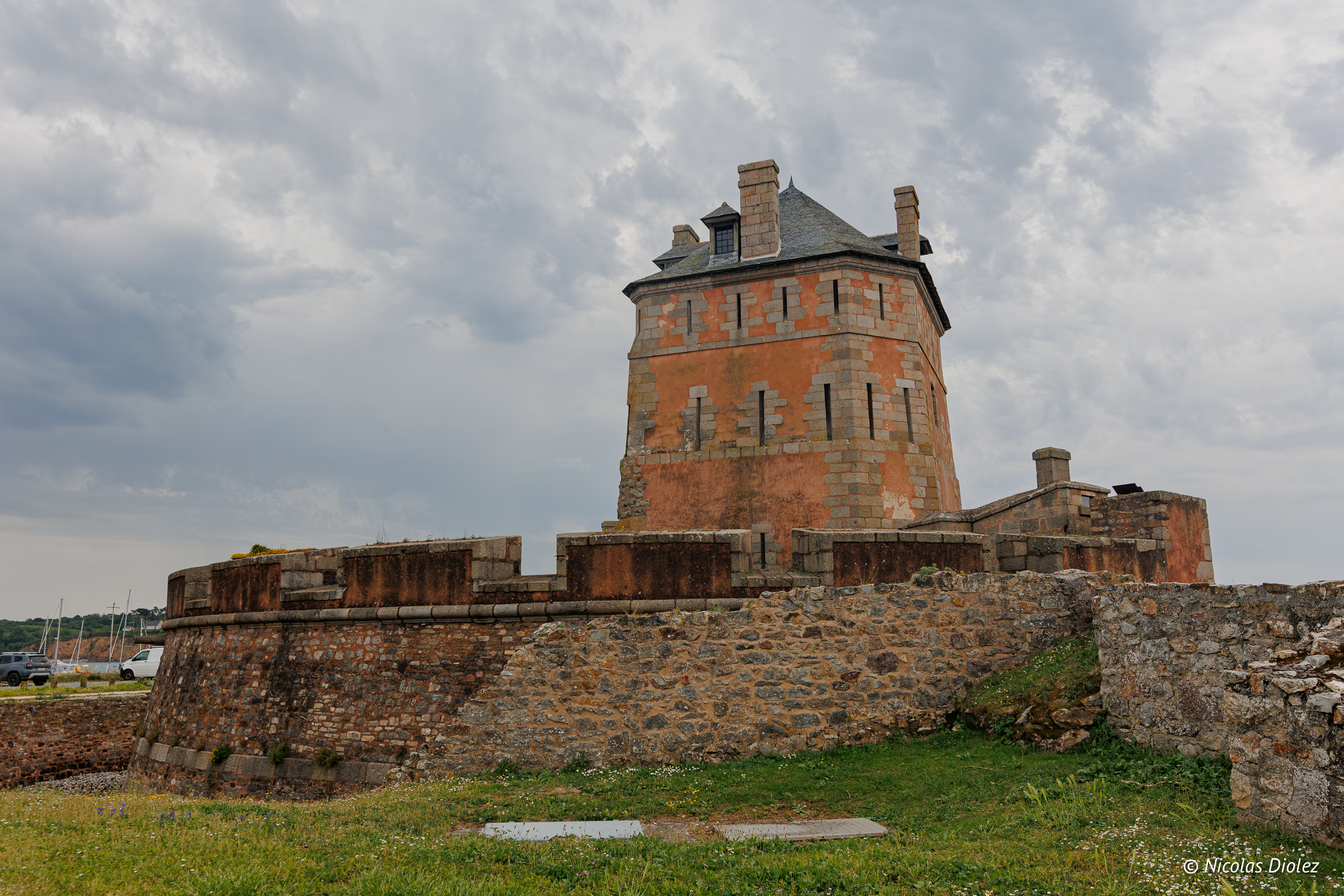
Tour Vauban
Seeing the Lagatjar menhir alignments
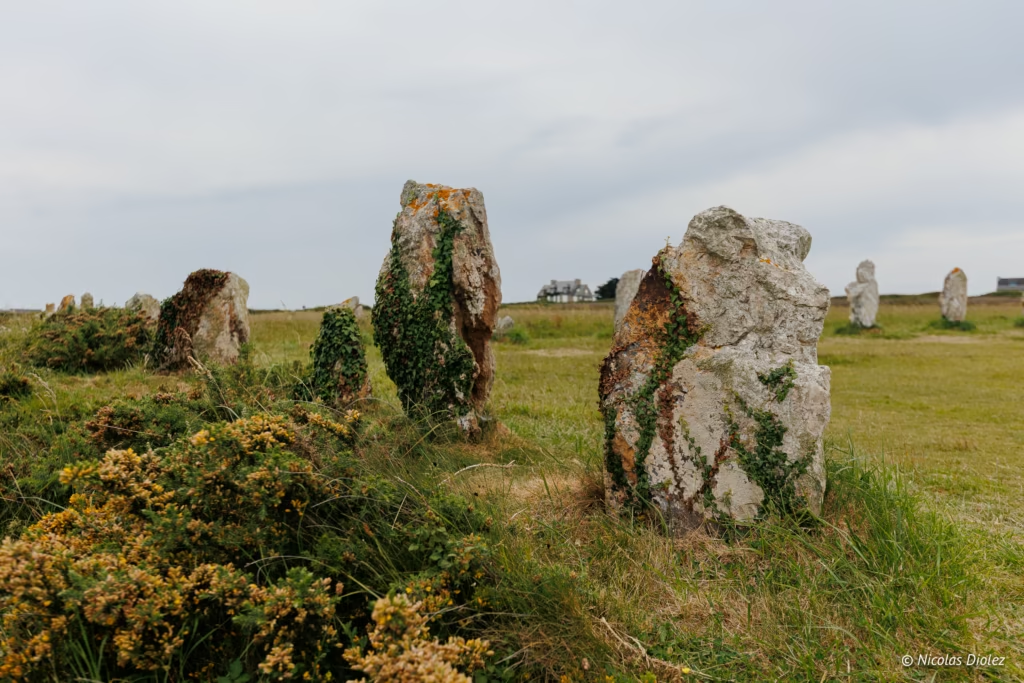
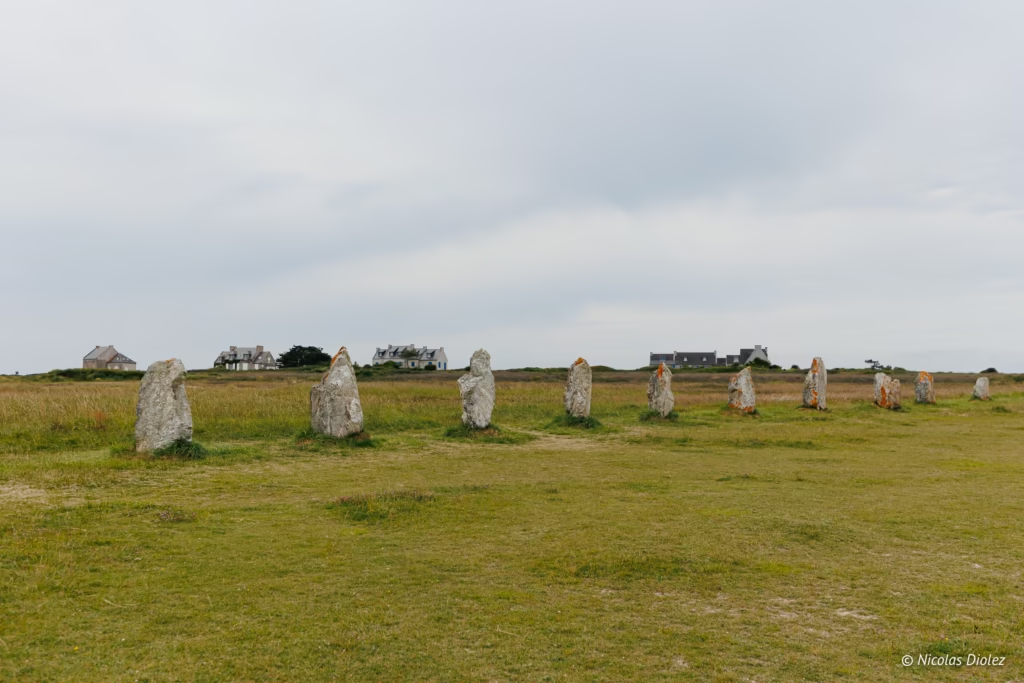
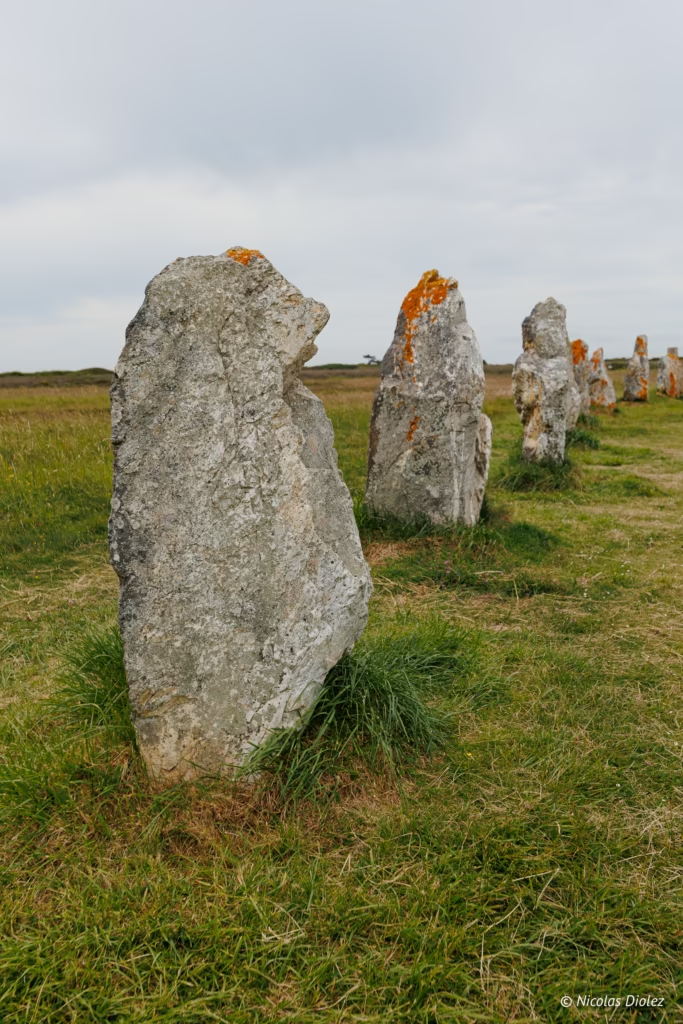
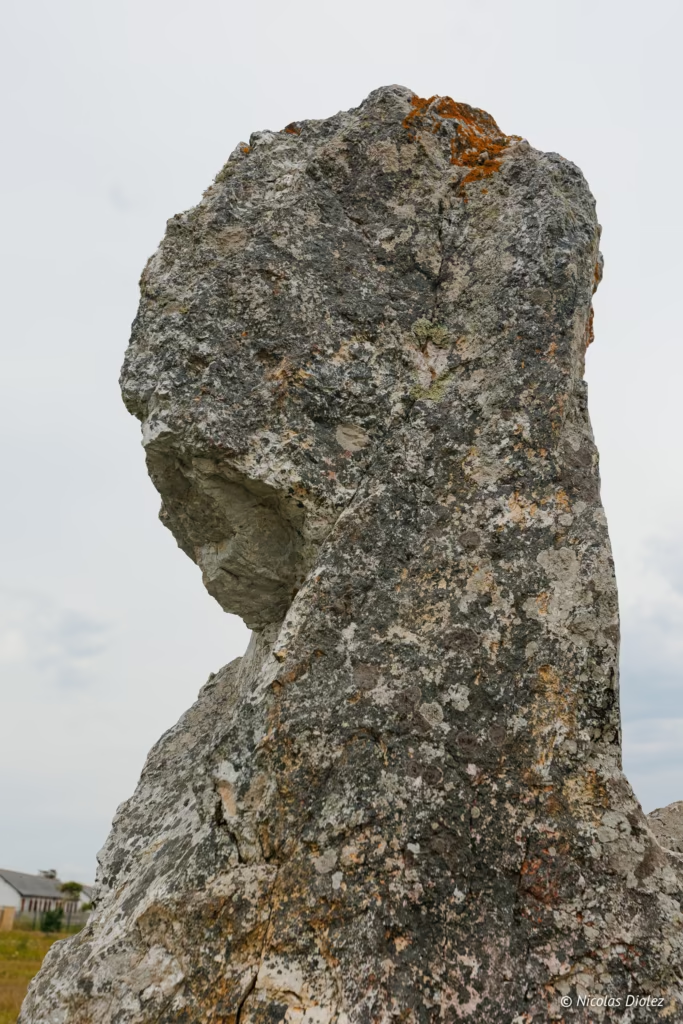
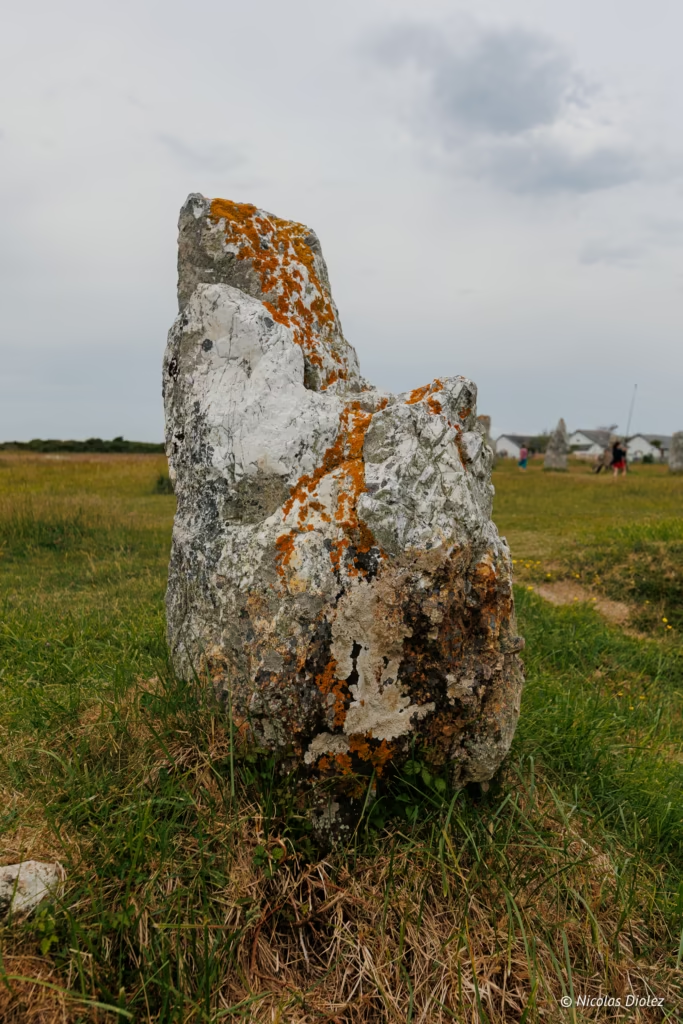
On the heights of Camaret, we stopped at the Lagatjar menhir alignments, whose name means “hen’s eye” in Breton. The site dates from 3000 to 2000 BC. Today about sixty menhirs of Armorican sandstone remain, put back in place at the beginning of the 20th century, compared with around 600 in the inventory from the end of the 18th century.
Admiring the Tas de Pois from the Pointe de Pen-Hir
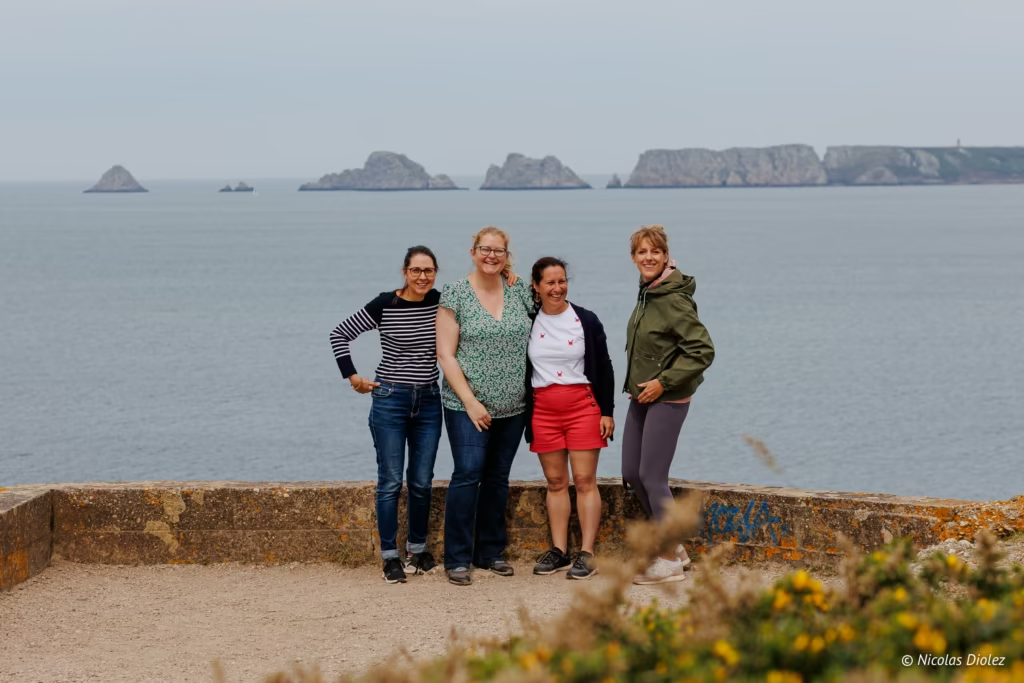
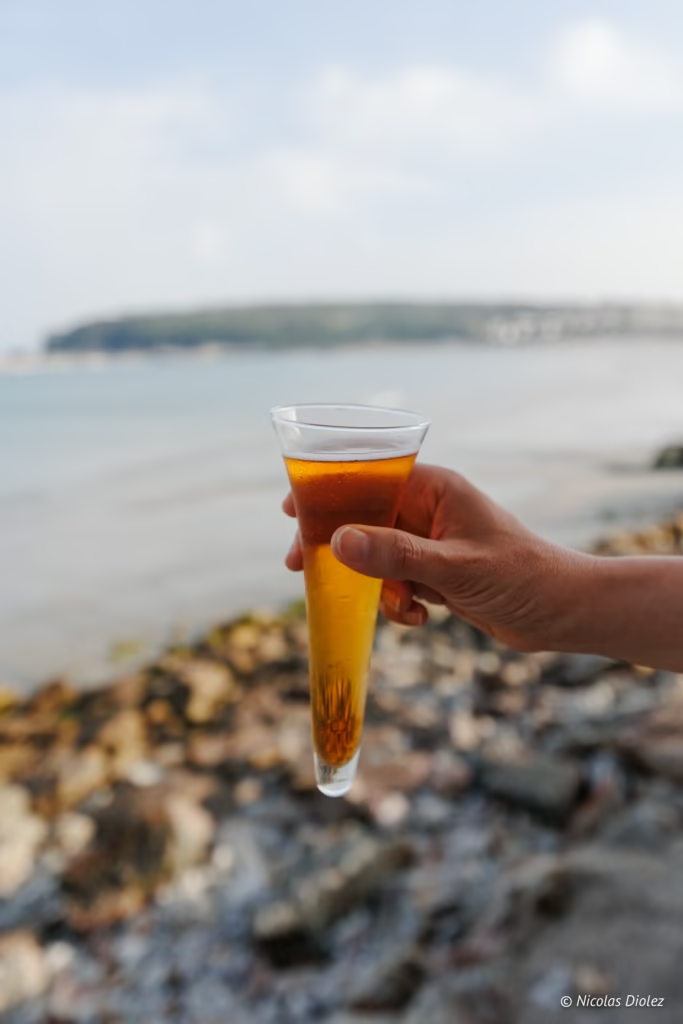
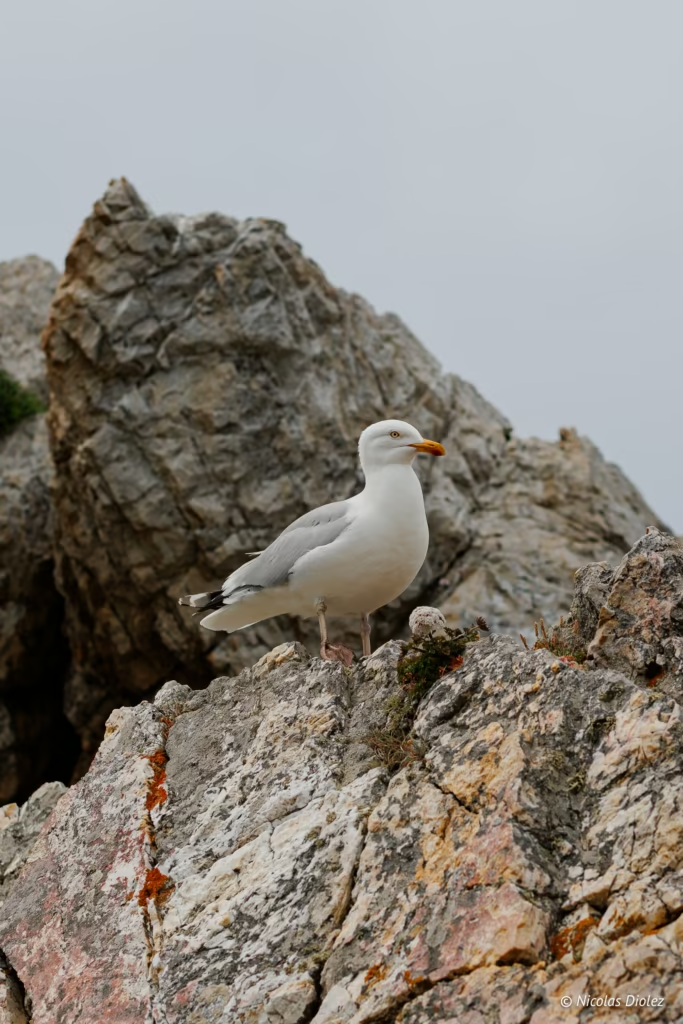
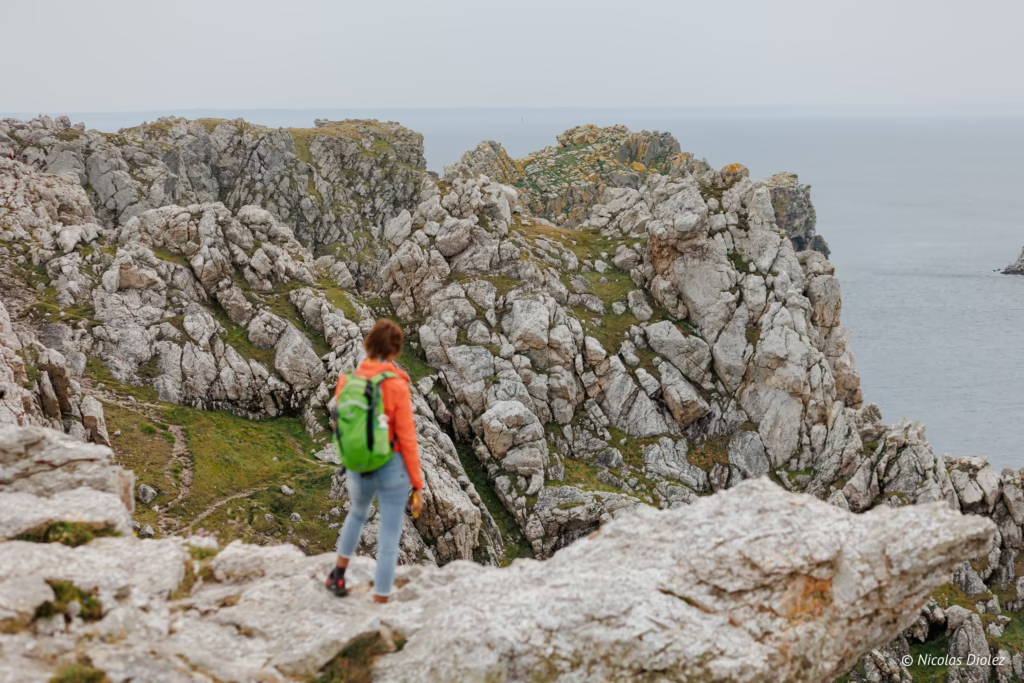
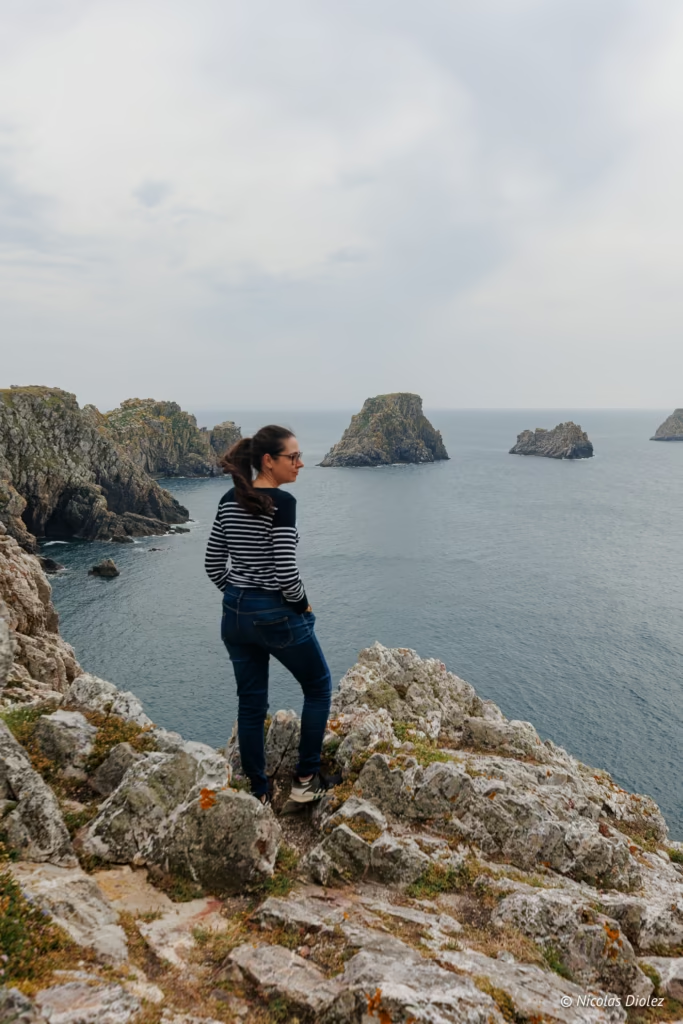
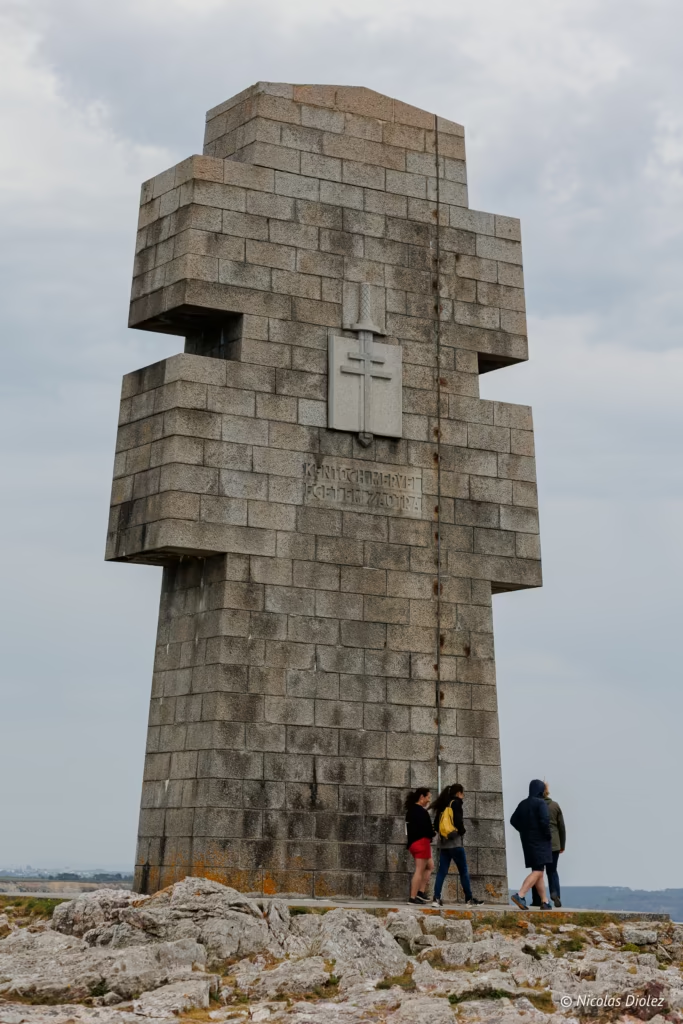
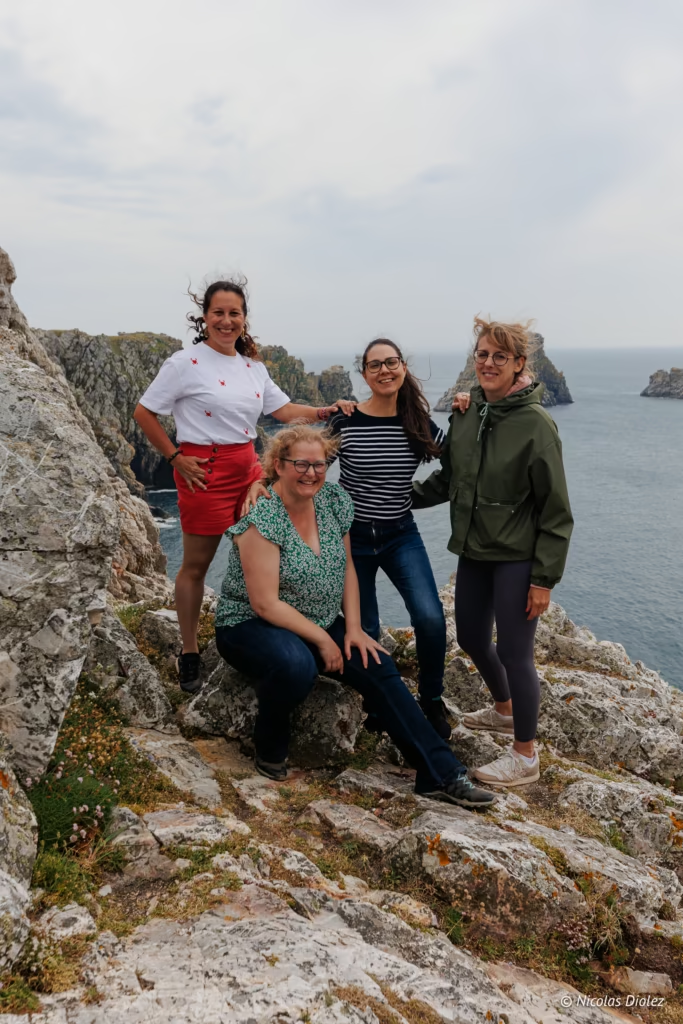
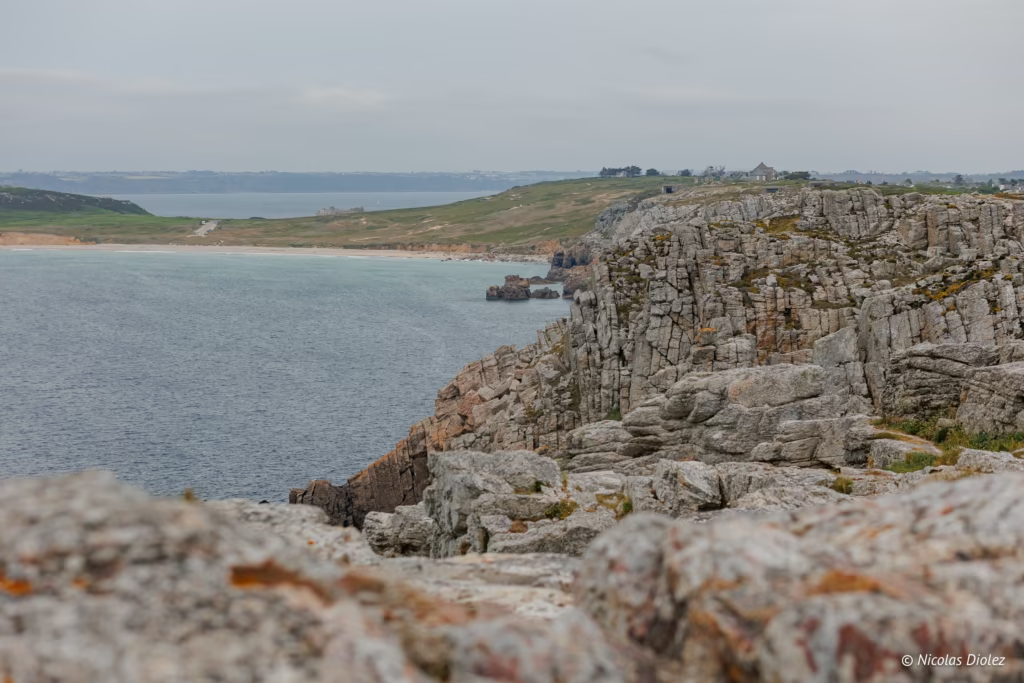
The Pointe de Pen-Hir (“the long point”) is a spectacular stop on the peninsula. You can get there by car, with a parking lot right in front. The point juts out into the ocean with the sea on both sides, and the view looks straight out onto the islets of the Tas de Pois offshore. It was the perfect spot for us to have a little aperitif right on the rocks, which seriously piqued the interest of a seagull… who was very disappointed not to get a taste of our meal too!
My favorite spots in Camaret-sur-Mer
Where to have lunch in Camaret-sur-Mer? Le Quai des Saveurs
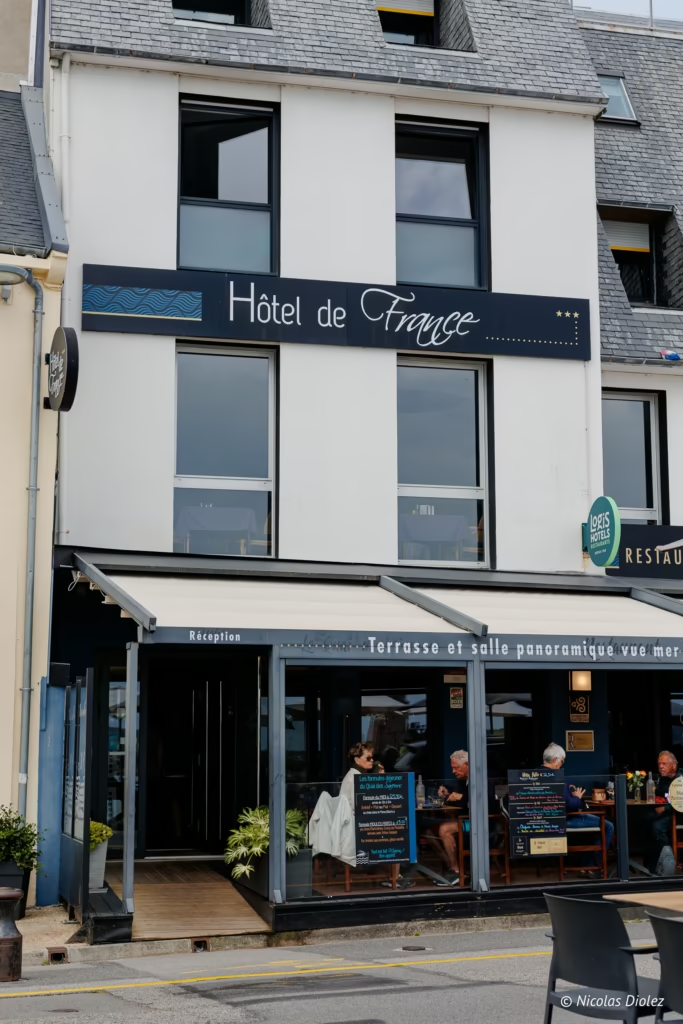
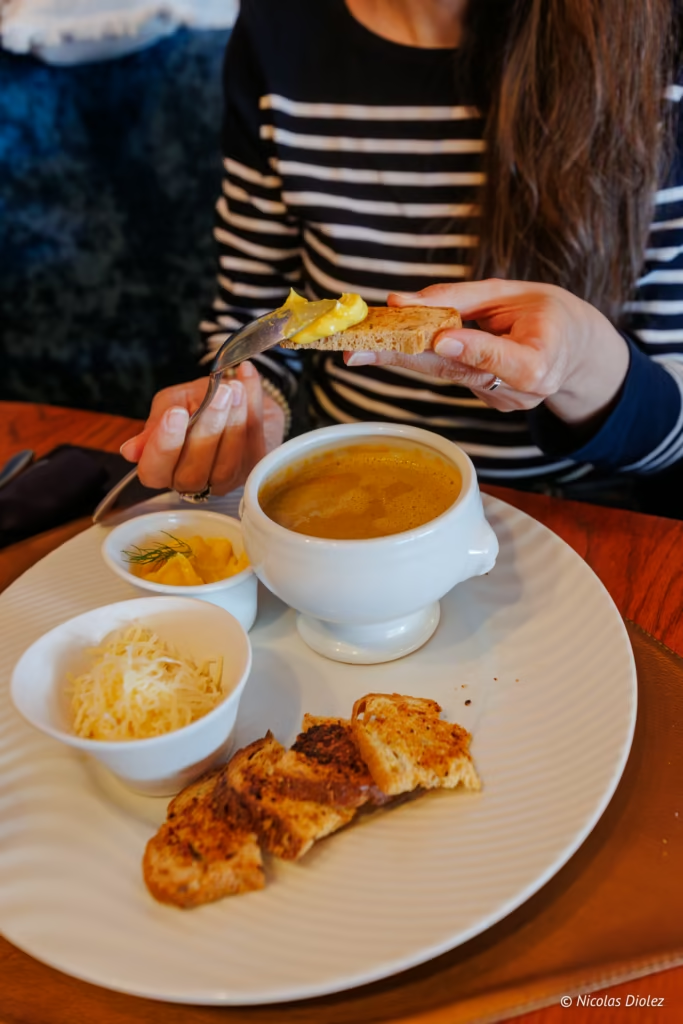
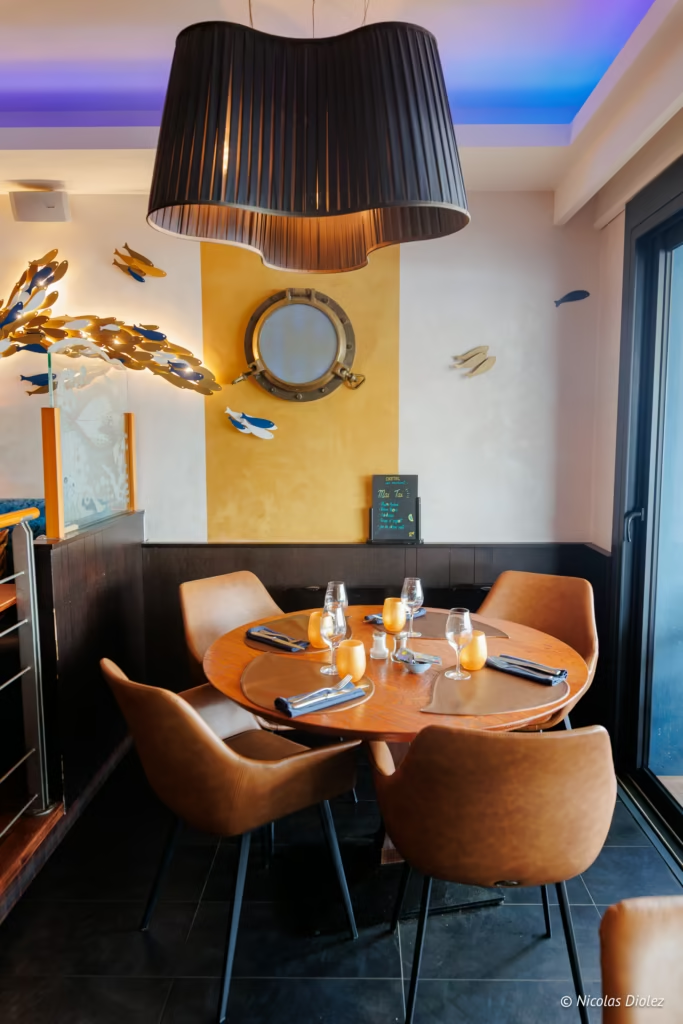
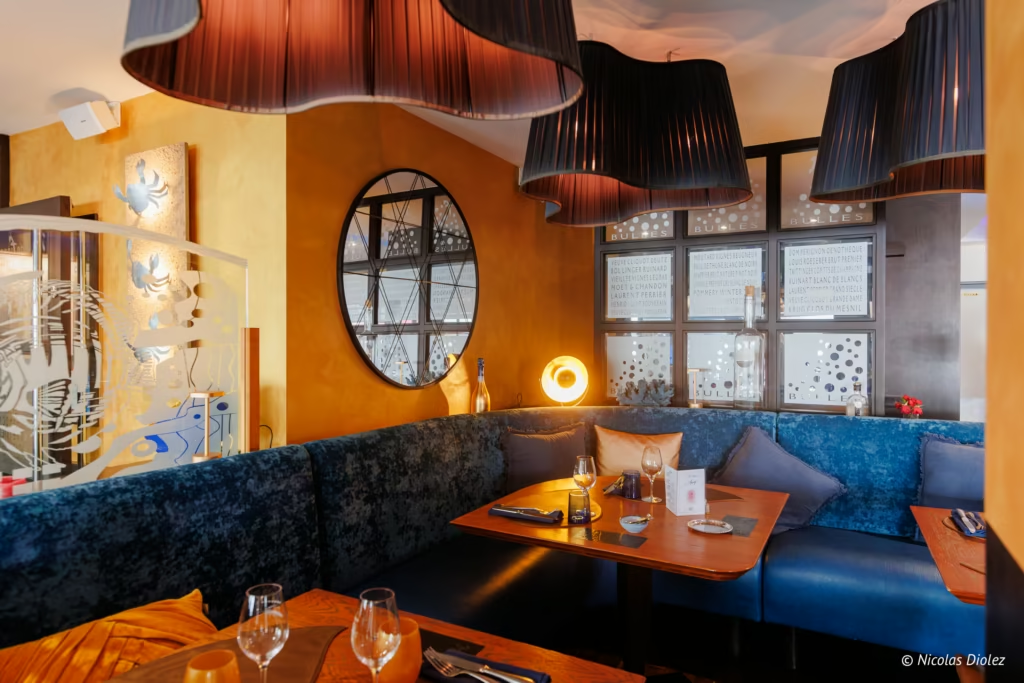
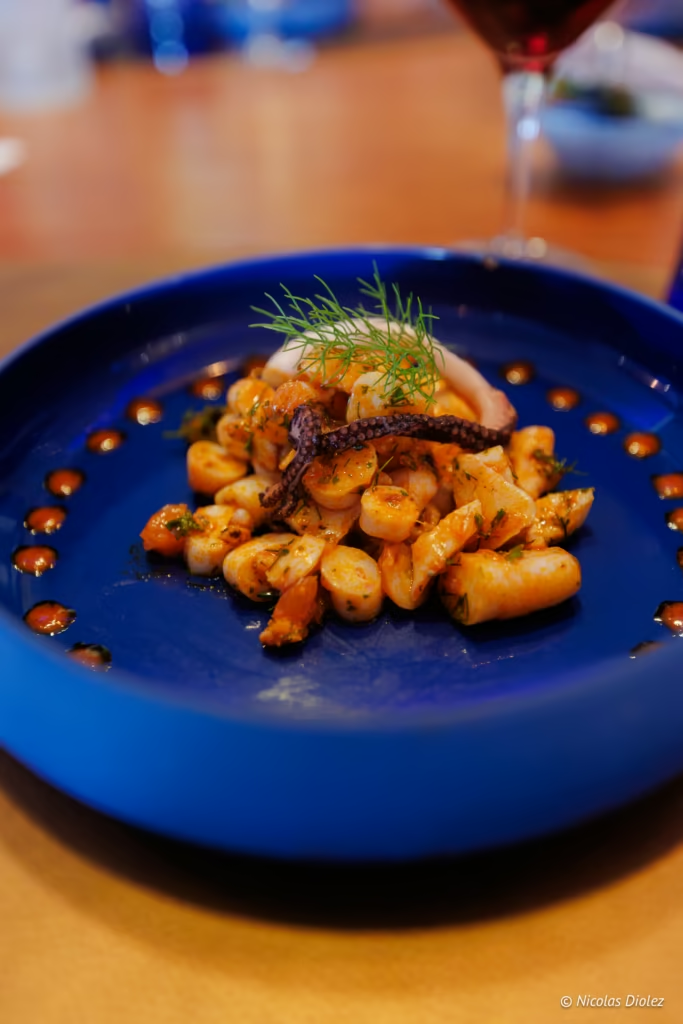
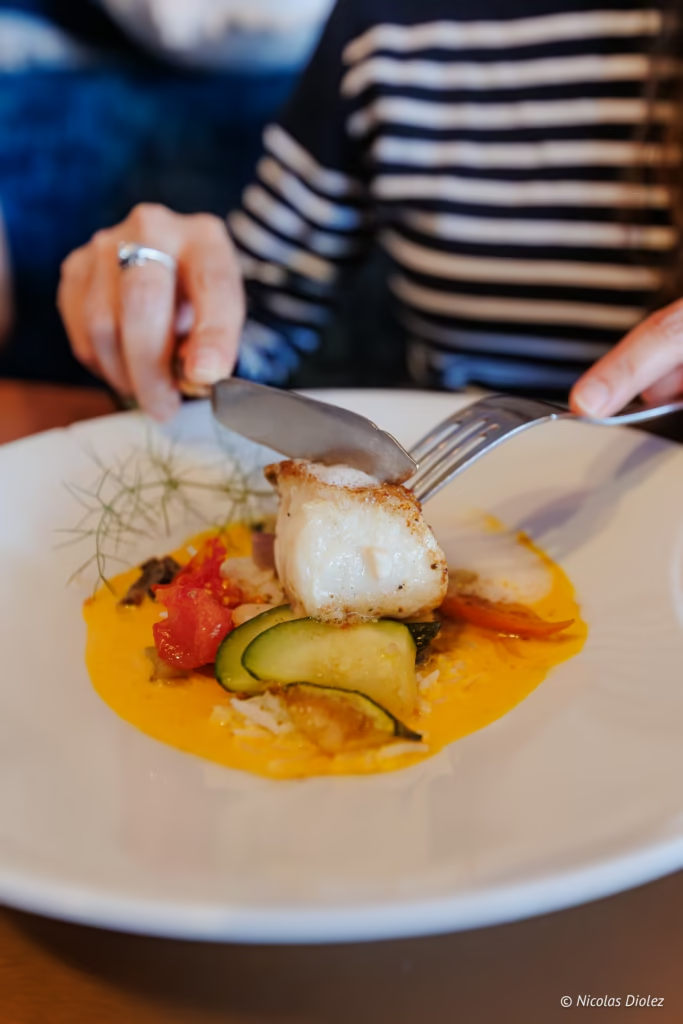
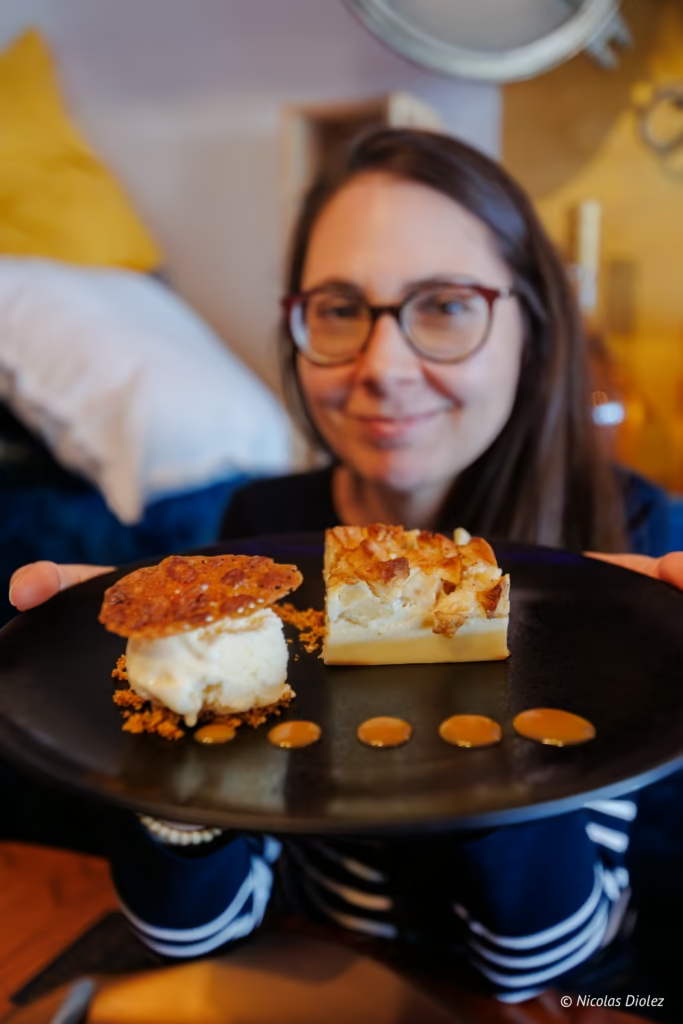
We really enjoyed the cozy interior of the restaurant Le Quai des Saveurs for our lunch in Camaret. This family-run place, in the family for three generations, mainly serves fish and seafood. Above the restaurant is the Hôtel de France, a 3-star establishment with 20 rooms (where we didn’t stay).
Restaurant Le Quai des Saveurs
19 quai Gustave Toudouze, 29570 Camaret-sur-Mer
Thanks to Sensation Bretagne, Pascal and the Presqu’île de Crozon Aulne Maritime tourist office for organizing this stay on the Crozon peninsula. And don’t hesitate to check out the articles by my travel partners in crime on this destination: Copines de Bons Plans, Esprit Globe Trotteuse and Trace ta Route.
I hope that with all this I’ve made you want to discover the Crozon peninsula! And if you have your own favorite spots and tips for this destination in Finistère, don’t hesitate to share them in the comments below!
Crédits photos : Nicolas Diolez
Photos non libres de droits, autorisation du photographe obligatoire avant toute utilisation