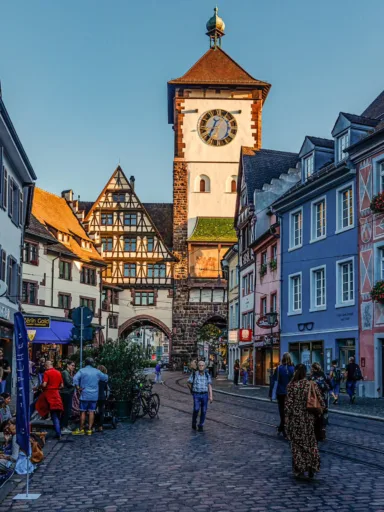
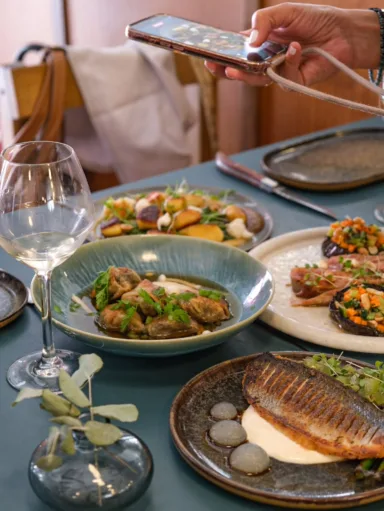
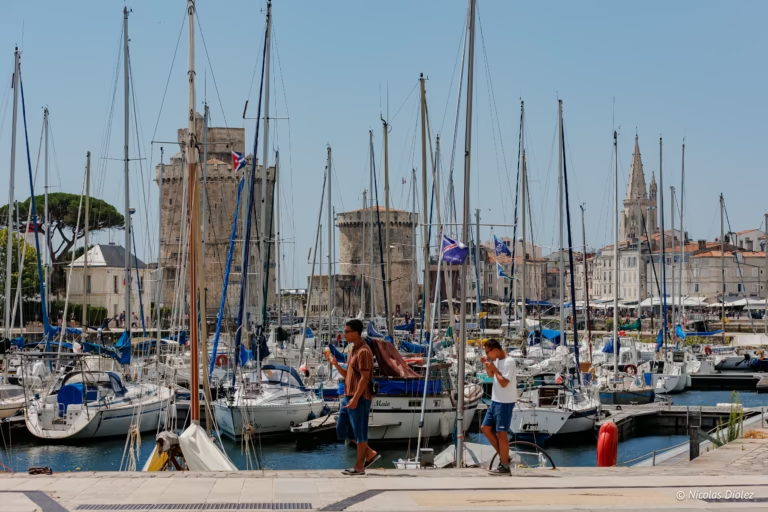
I really love La Rochelle, but I hadn’t yet had the chance to explore the area of the two Charentes further inland. In July 2026, I had the opportunity (accompanied by my favorite photographer, of course) to go back and fix that… We set off to discover the gourmet products of the Charente region. A cognac cocktail in La Rochelle, oysters in the claires of Marennes, a still in the middle of the vines, then a cruise along the Charente: this trip took us from the coast to the wine estates, and let us discover the work of the people who live there. So I invite you to follow our stops in Charente and Charente-Maritime (hence “les Charentes”), with our recommendations for things to visit, good places to eat and places to stay for this trip.
Road trip log
Our road trip through the Charentes
9 stops · 274 km by road
- La Rochellethen 53 km
- Citadelle de Brouage · Marennes-Hiers-Brouagethen 10 km
- Le Banc d’Aline · Marennes-Hiers-Brouagethen 37 km
- Hôtel Seakub · Royanthen 26 km
- Le Champ des Vignes · Chenac-Saint-Seurin-d’Uzetthen 63 km
- Licence-free boat trip on the Charente · Le Mungthen 34 km
- Aux Agapanthes · Aumagnethen 18 km
- Domaine Pique Russe · Gourvillettethen 33 km
- Domaine Voyer et Vaudon · Échallat
274 km by road. Map: © OpenStreetMap contributors
Route in 9 stops: La Rochelle, then Marennes-Hiers-Brouage to the south, then Marennes-Hiers-Brouage to the southwest, then Royan to the south, then Chenac-Saint-Seurin-d’Uzet to the southeast, then Le Mung to the north, then Aumagne to the east, then Gourvillette to the east, then Échallat to the southeast (274 km by road).
Table of Contents
Stop 1: La Rochelle in Charente-Maritime
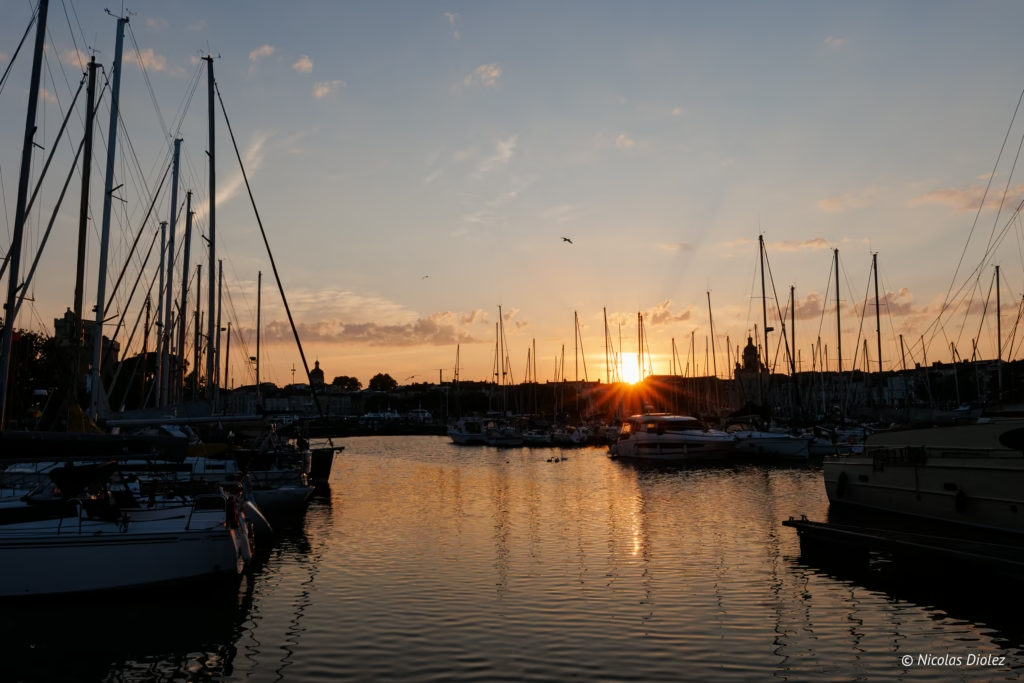
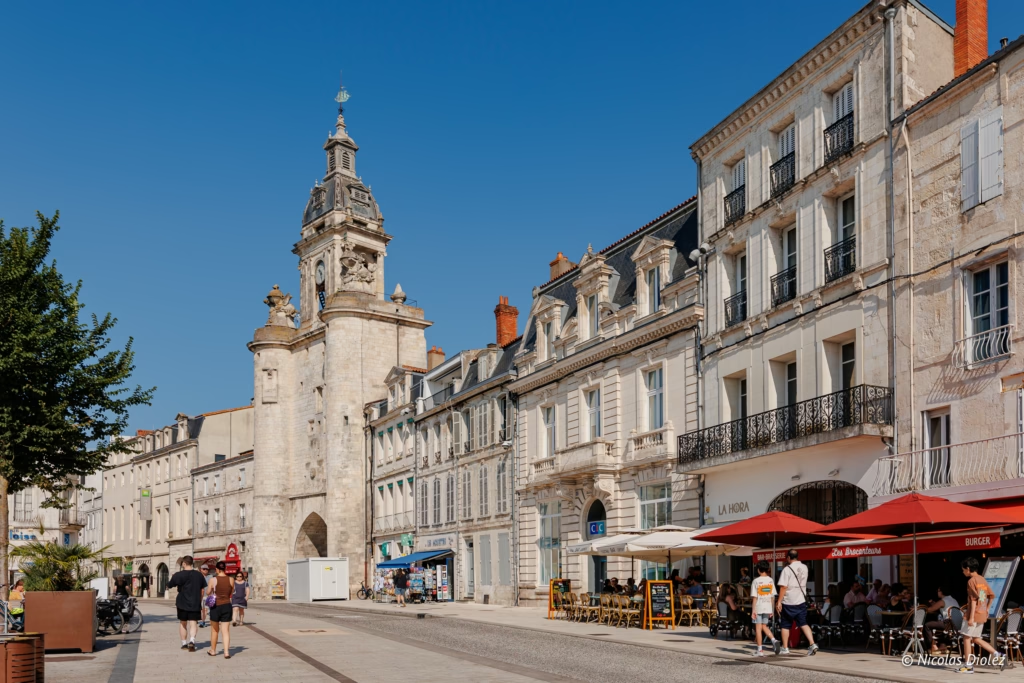
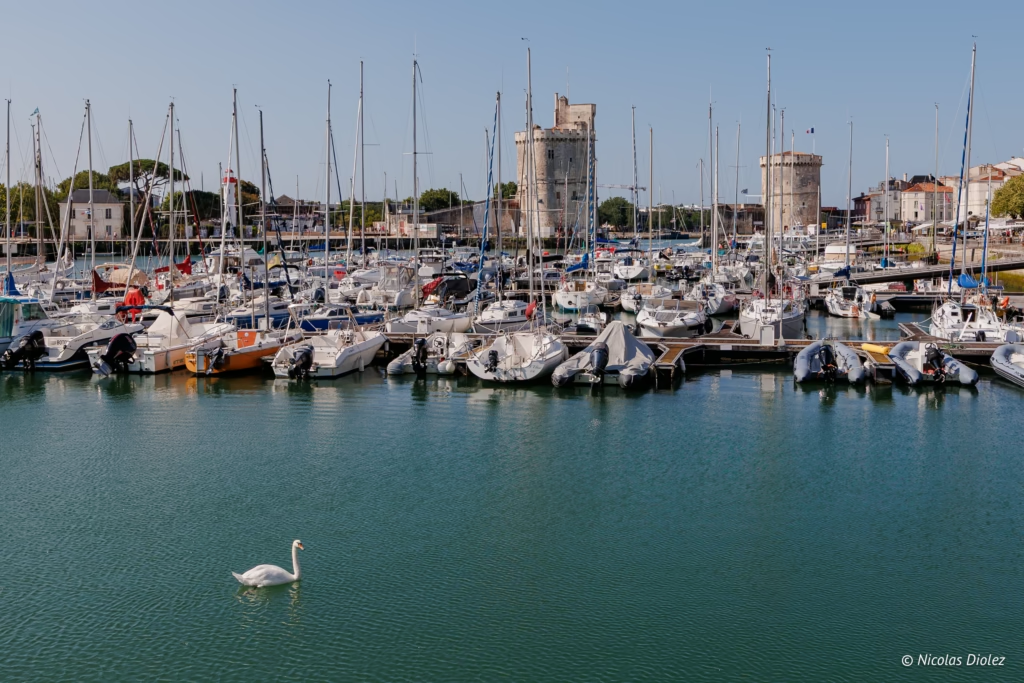
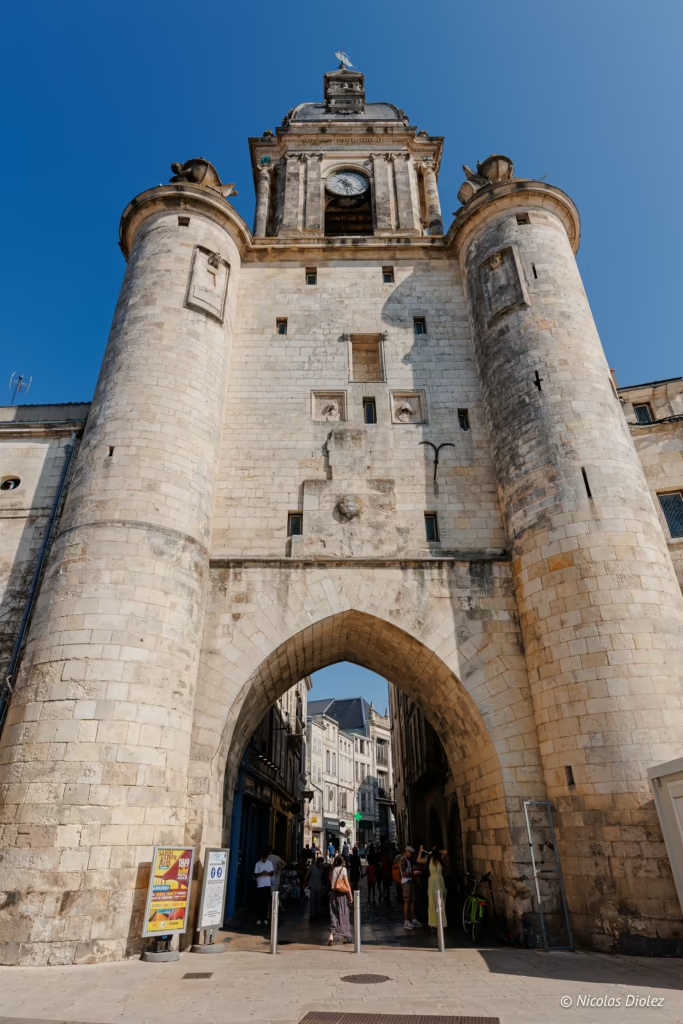
For this first stop, we dropped our bags in the beautiful city of La Rochelle, which we already knew well. You can also find all our good addresses and visiting tips in our guide to a long weekend in La Rochelle. The common thread of this stop in La Rochelle was discovering cognac through the lens of a cocktail workshop!
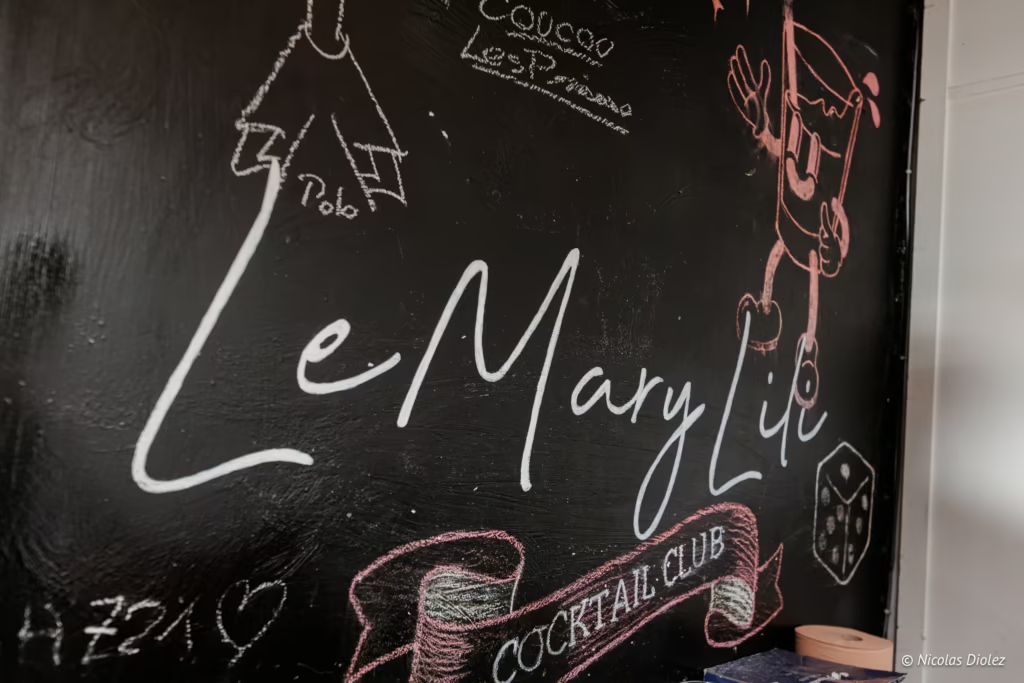
Take a cocktail workshop at the Mary Lili
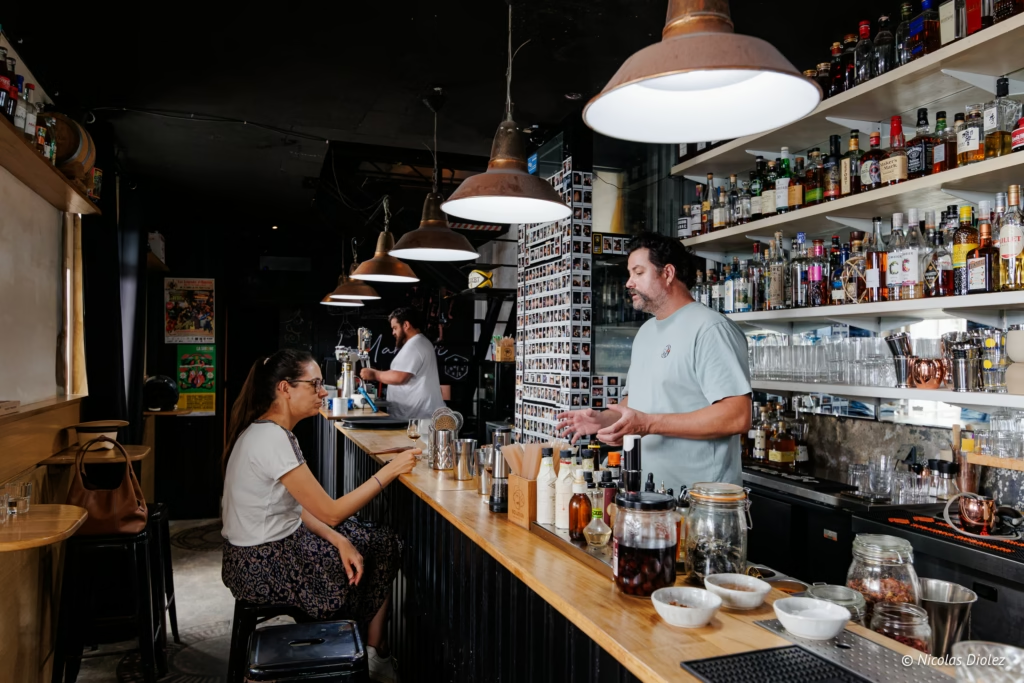
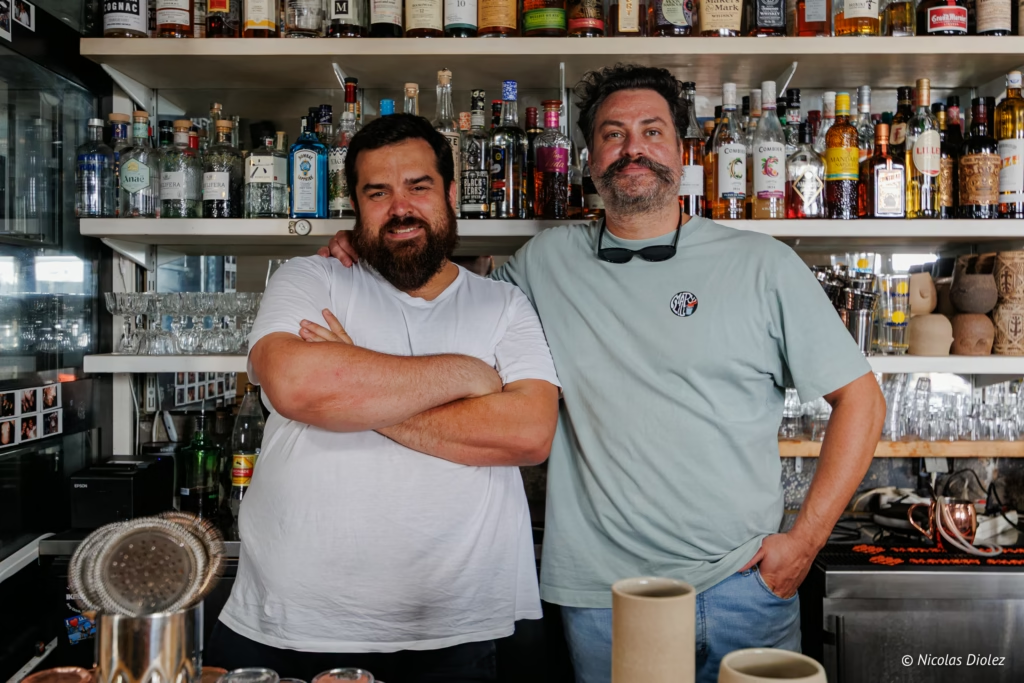
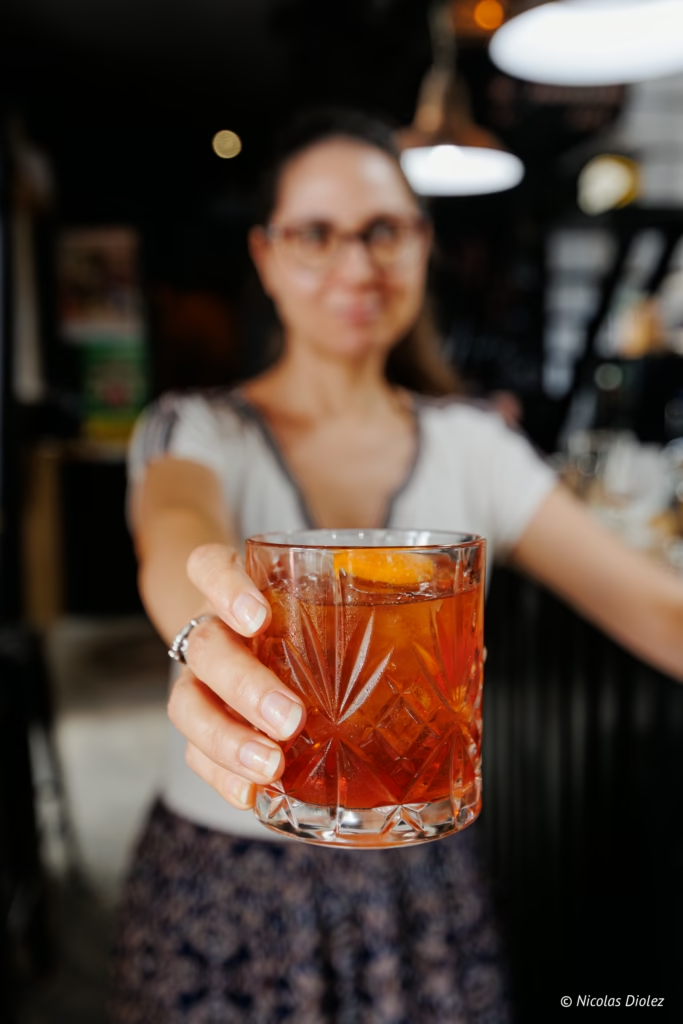
The Mary Lili opened in July 2019 in the historic center of La Rochelle, very close to the Vieux-Port. You can sip classic cocktails, try the creations of the moment or ask for a cocktail made to suit your mood, but we came to go behind the counter with a mixology workshop led by the super friendly bar team (Nicolas and Nicolas!).
The first part of the workshop covers the history of cocktails and spirits, before introducing the different alcohols (many of them are now made in France) and the bartender’s tools. Along the way, you learn that alcohol was long used as a remedy because it keeps so well (that’s the origin of bitters, used against scurvy on ships), and that Prohibition cocktails were mostly meant to mask the taste of adulterated booze, long before movies and TV series made them trendy again.
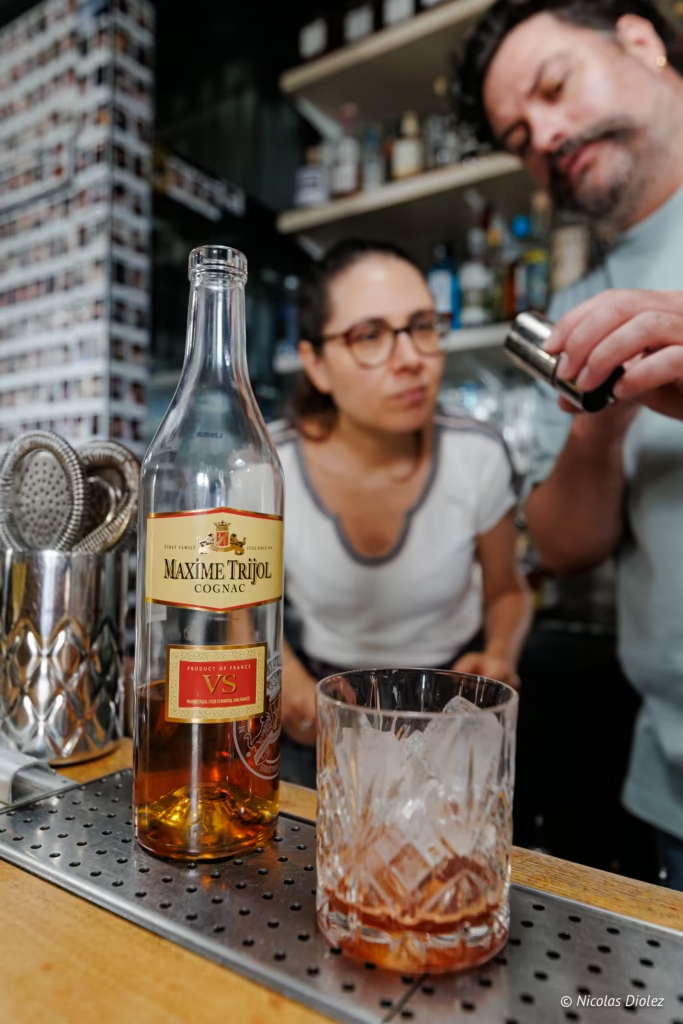
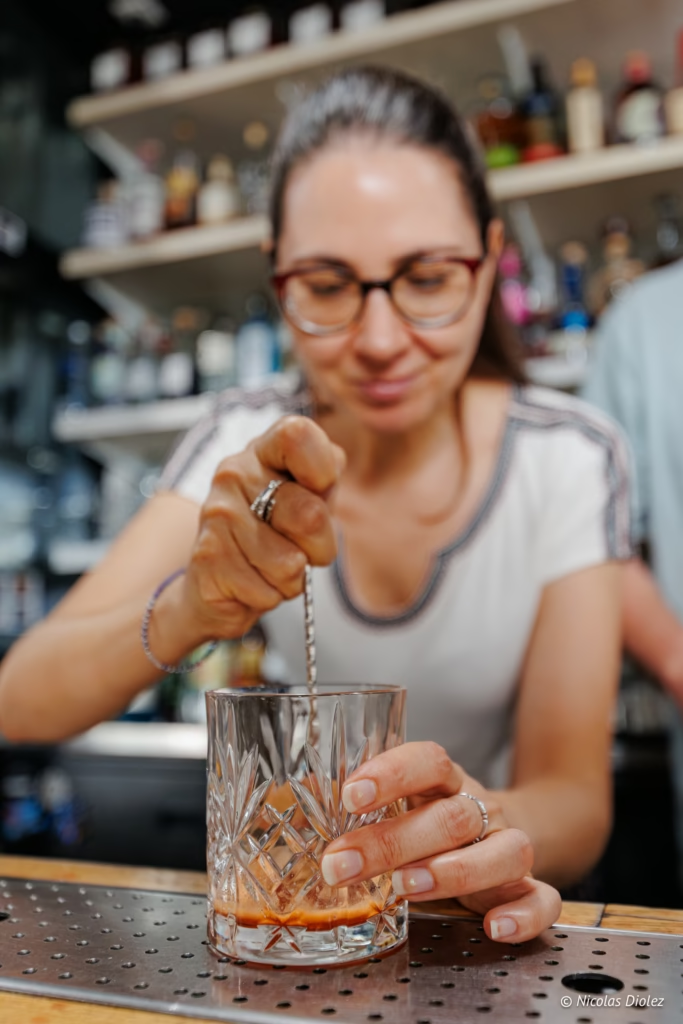
We made an Old Fashioned with cognac. The workshop, open to everyone, lasts between one and two hours depending on the format you choose, and the bar also offers the chance to create your own recipe once you’ve got the basics down.
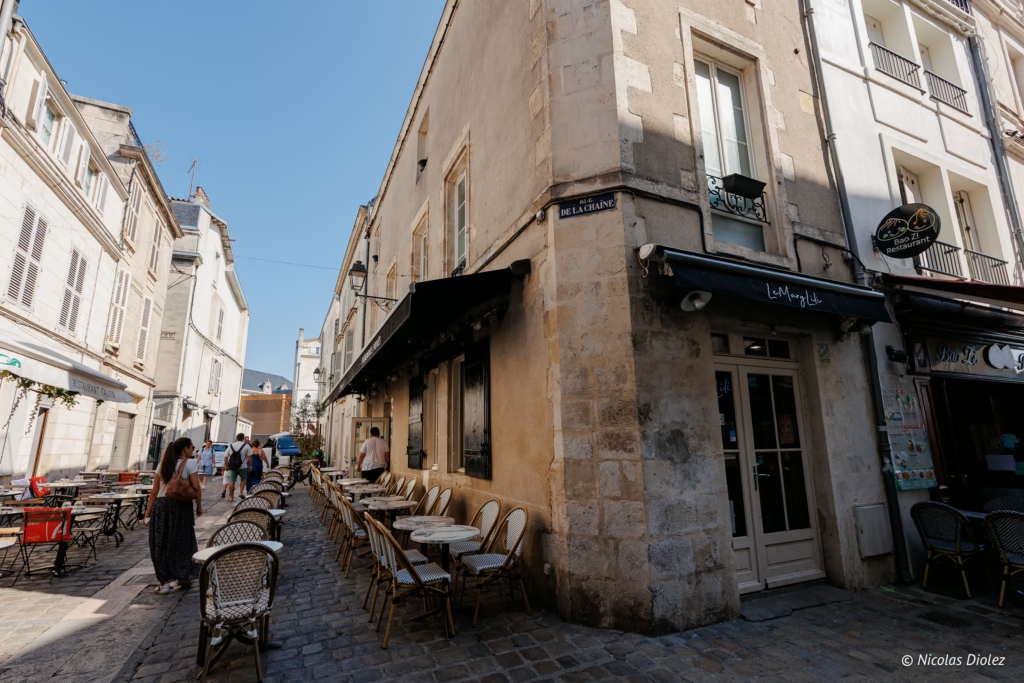
Le Mary Lili
20 rue de la Chaîne, 17000 La Rochelle
Workshop by reservation, lasting one to two hours depending on the format
Prices: from 53 € (the price varies depending on the number of participants)
Stop 2: the Bassin de Marennes
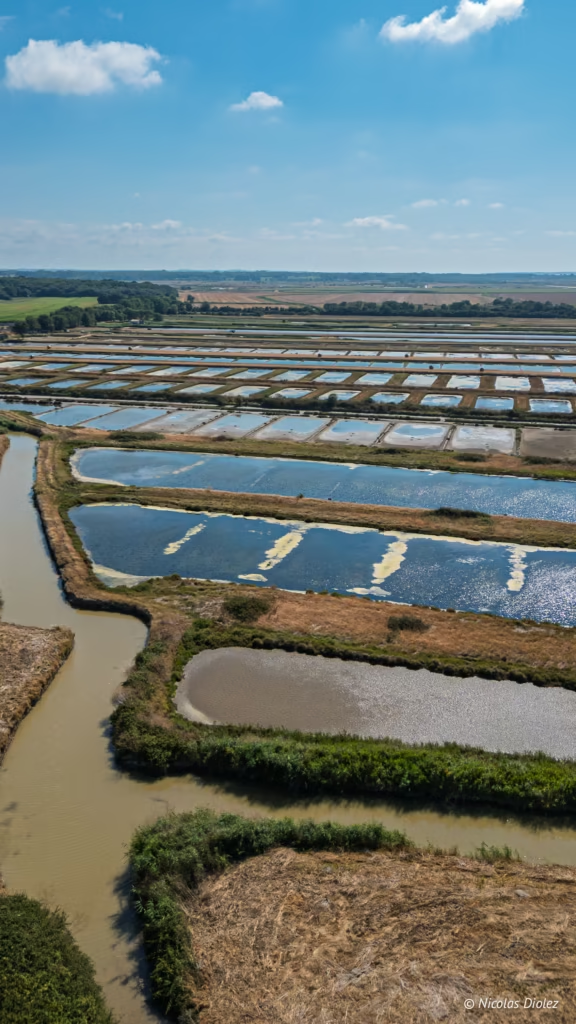
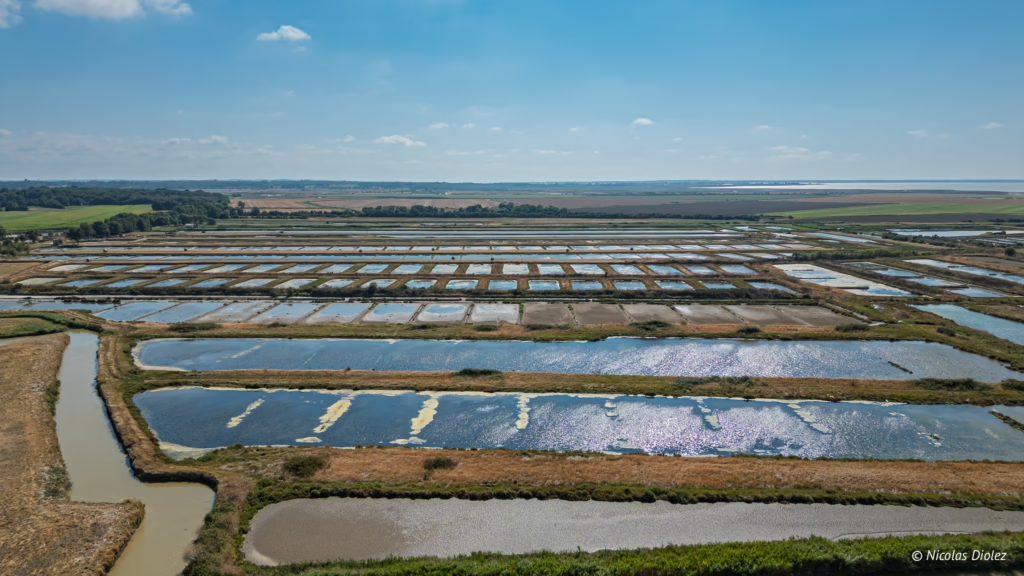
The Marennes Basin is a concentrate of Charente identity, where the land melts into the ocean. Famous as the cradle of oyster farming and for its blue-green-tinted claires, this area offers a one-of-a-kind landscape shaped by marshes, colorful huts and channels.
Oleron Marennes Tourist Office
Visiting the Citadel of Brouage
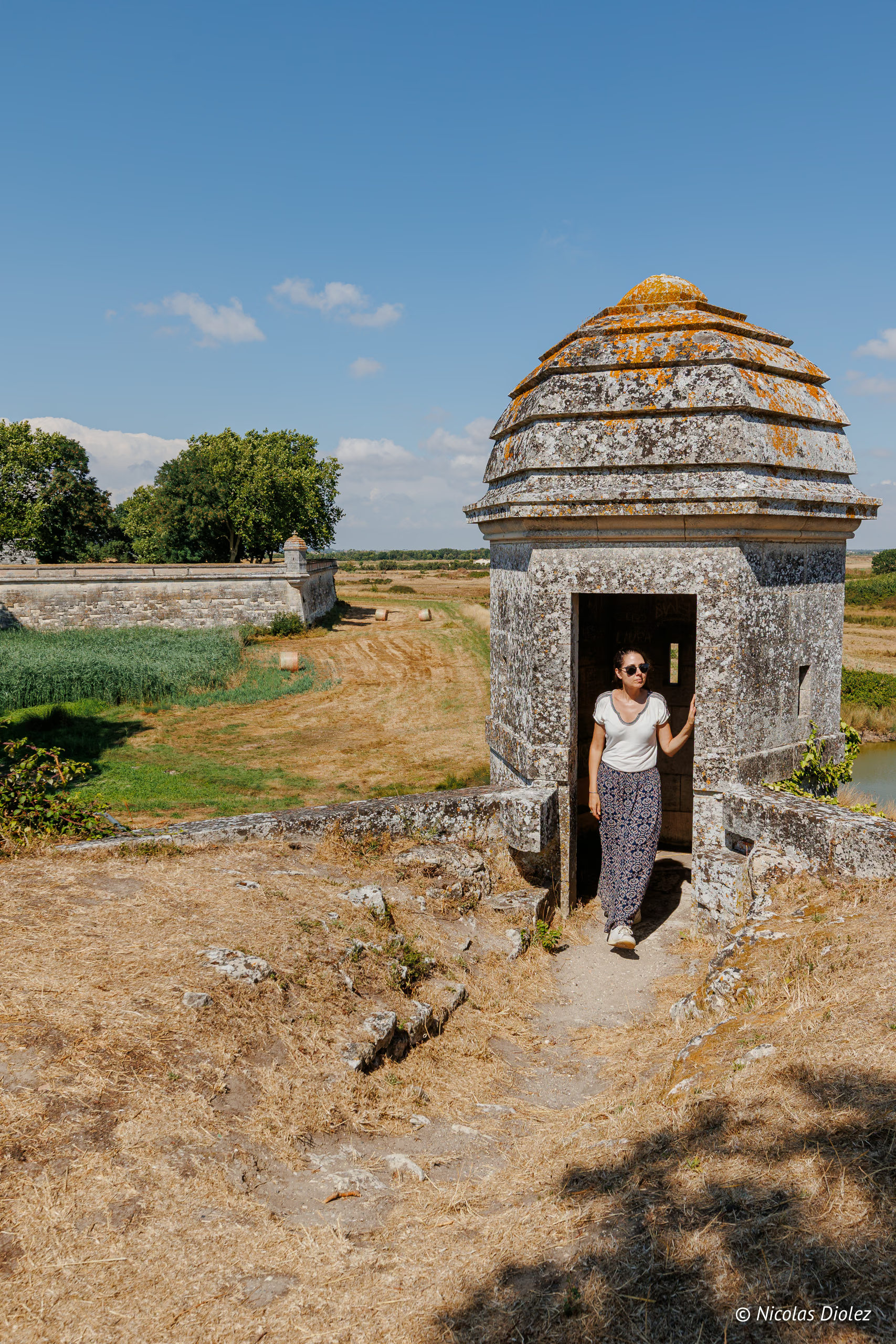
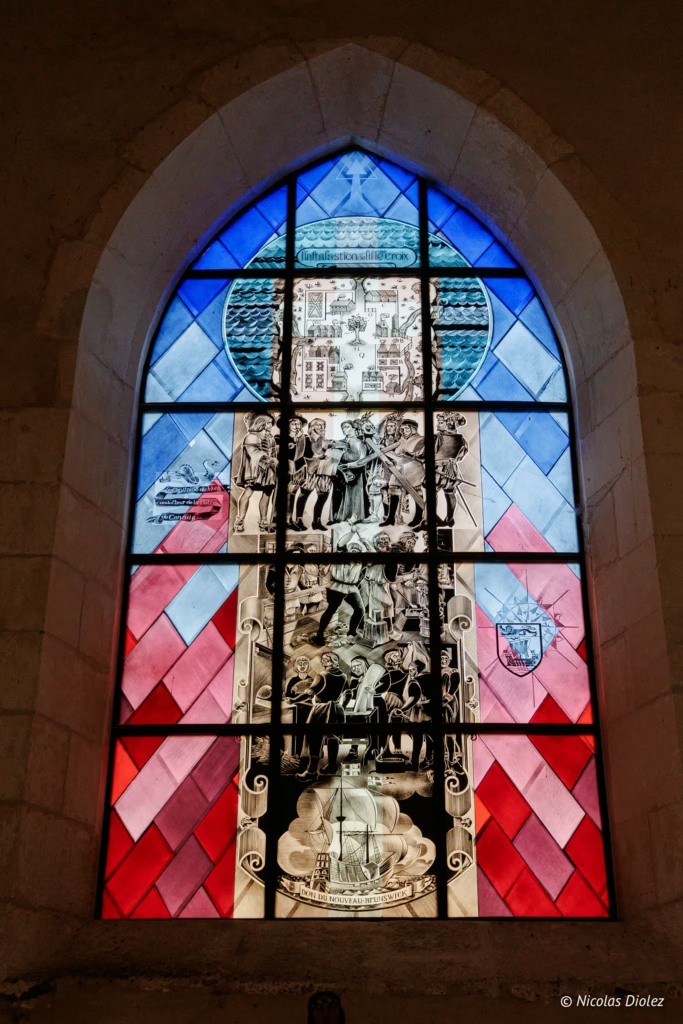
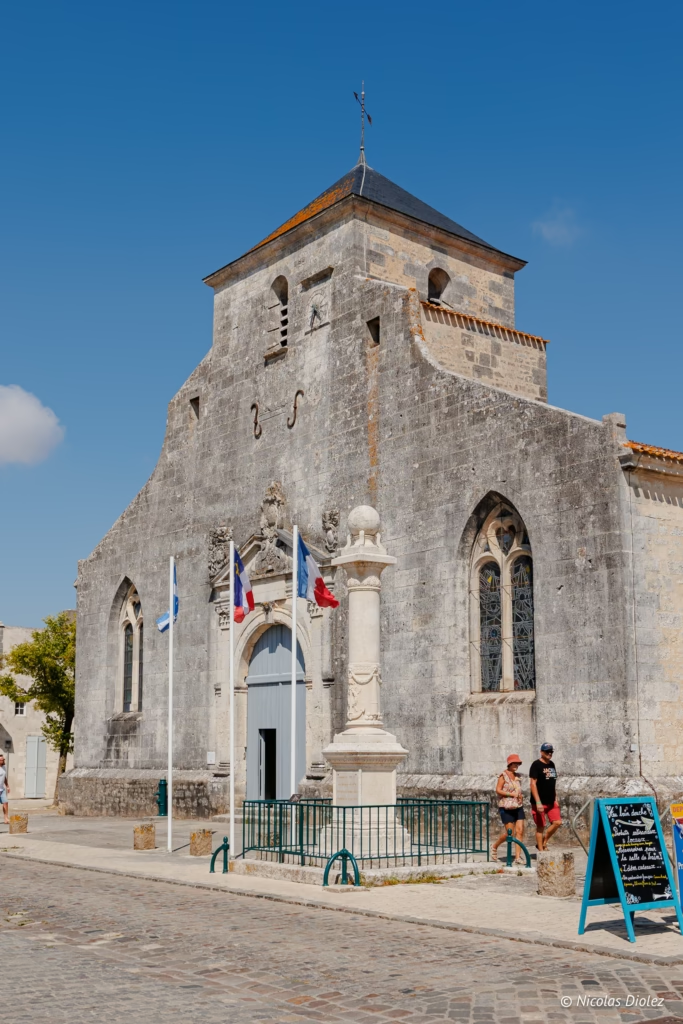
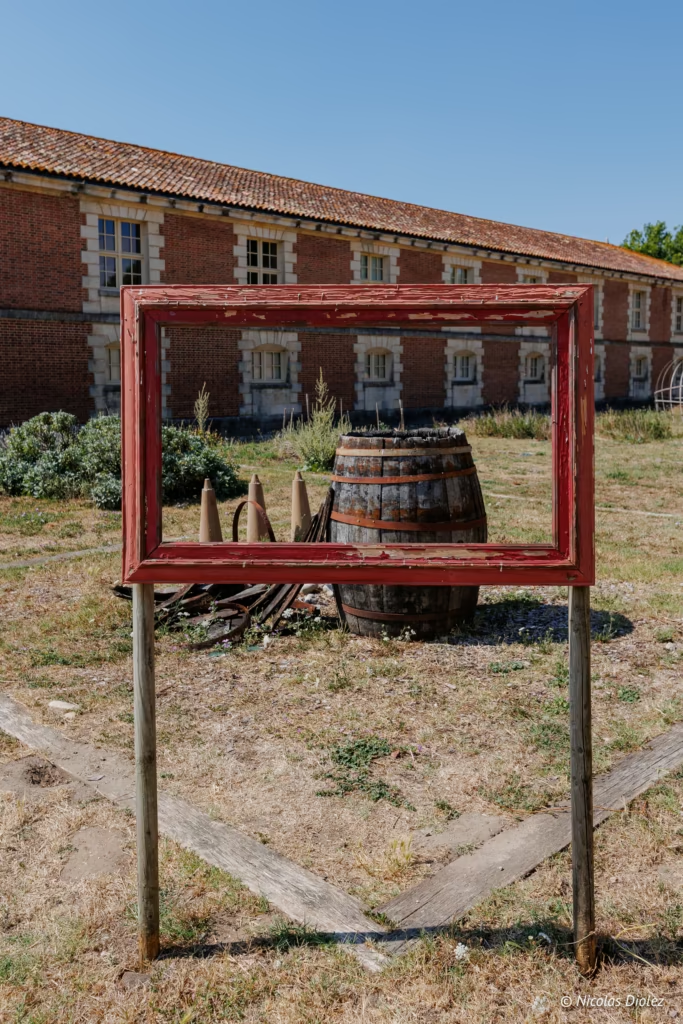
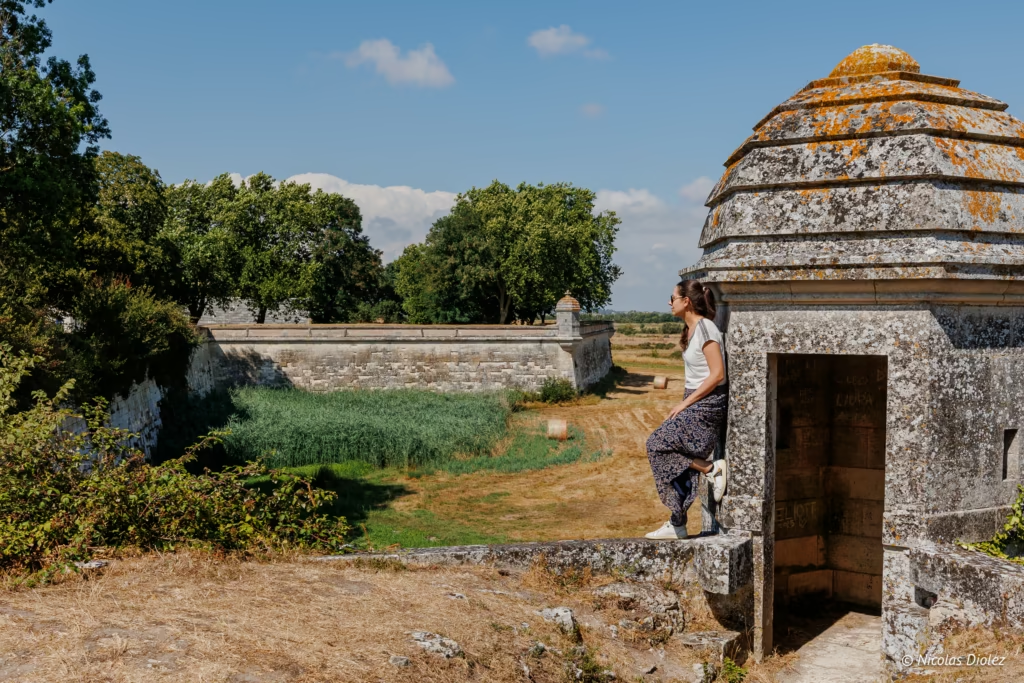
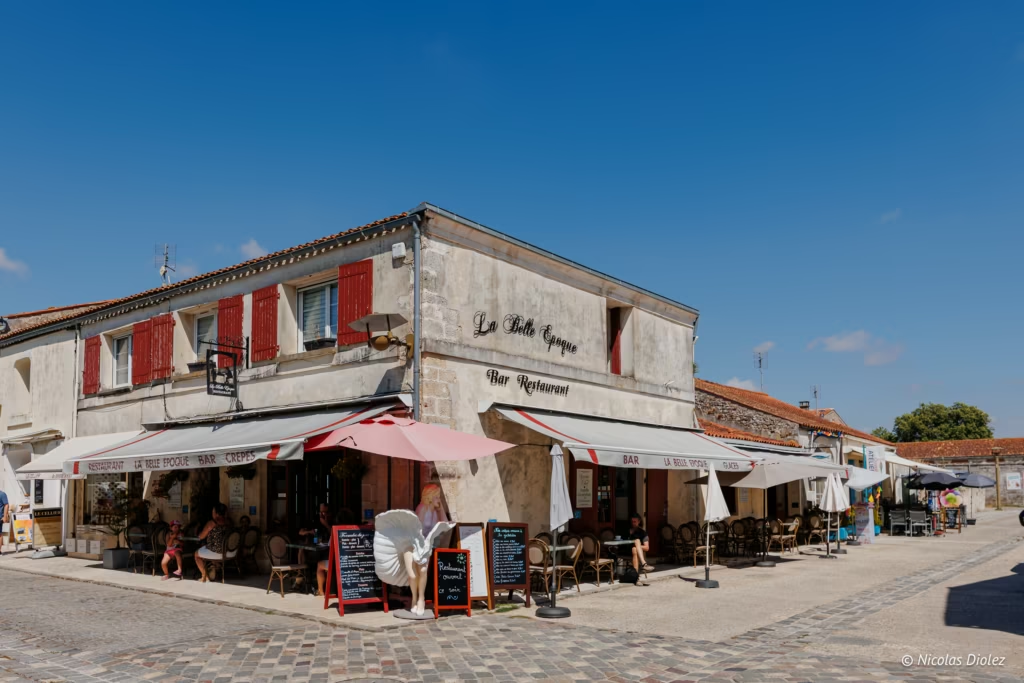
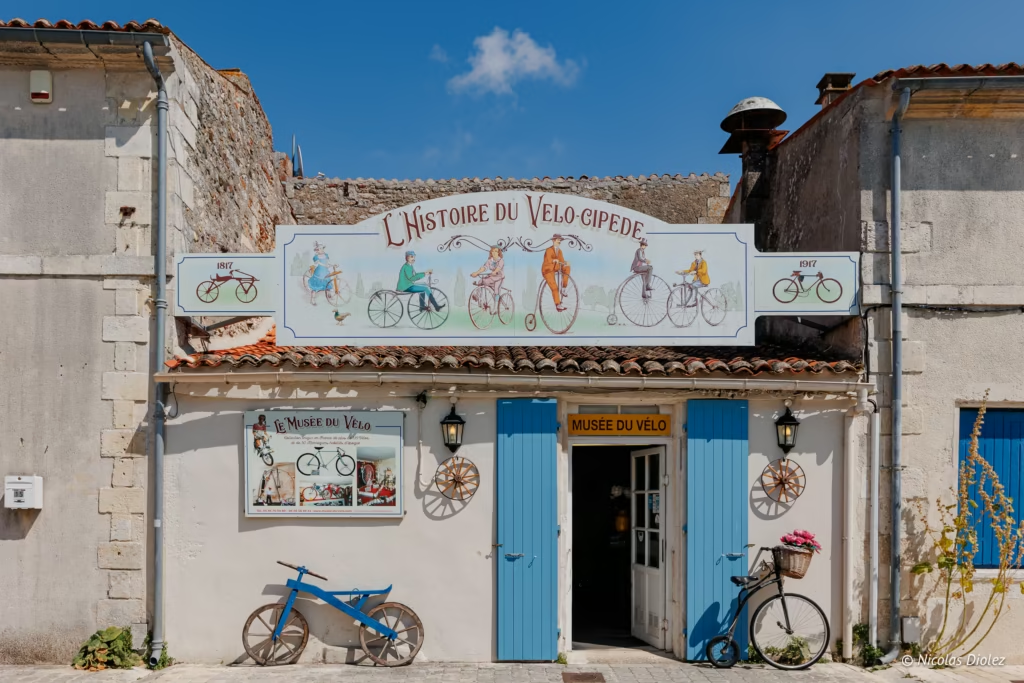
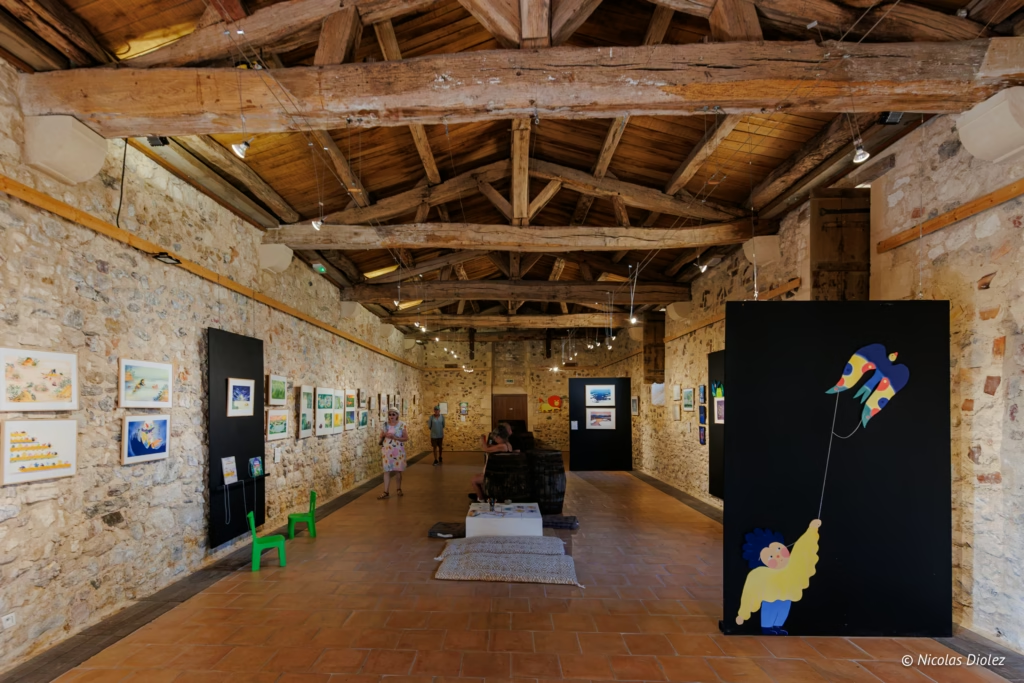
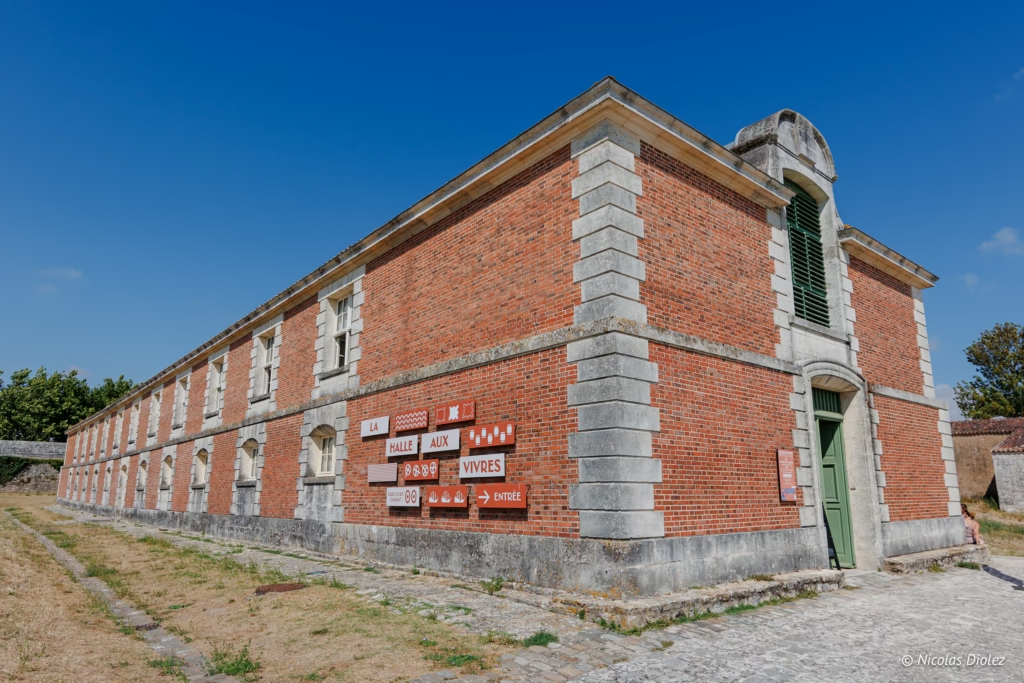
Between La Rochelle and the Marennes basin, we stopped at the Citadel of Brouage. A former salt export port turned into a fortified citadel by Vauban, this village, listed among the Plus Beaux Villages de France, charms with its well-preserved ramparts rising out of the marshes, its galleries of artisan craftspeople and its history tied to Samuel de Champlain (founder of the city of Quebec).
The town, founded around 1555 by Jacques de Pons, was originally a port dedicated to the salt trade. Its commercial role gave it strategic importance, then Brouage became a stronghold, and Richelieu, who became its governor in 1627, had its fortifications reinforced, hence the contrast between the ramparts of a former port and the marshland that now surrounds them. Good to know: the tourist office offers guided tours of the town. I also recommend walking around the ramparts on foot, it’s a fairly short and pleasant stroll.
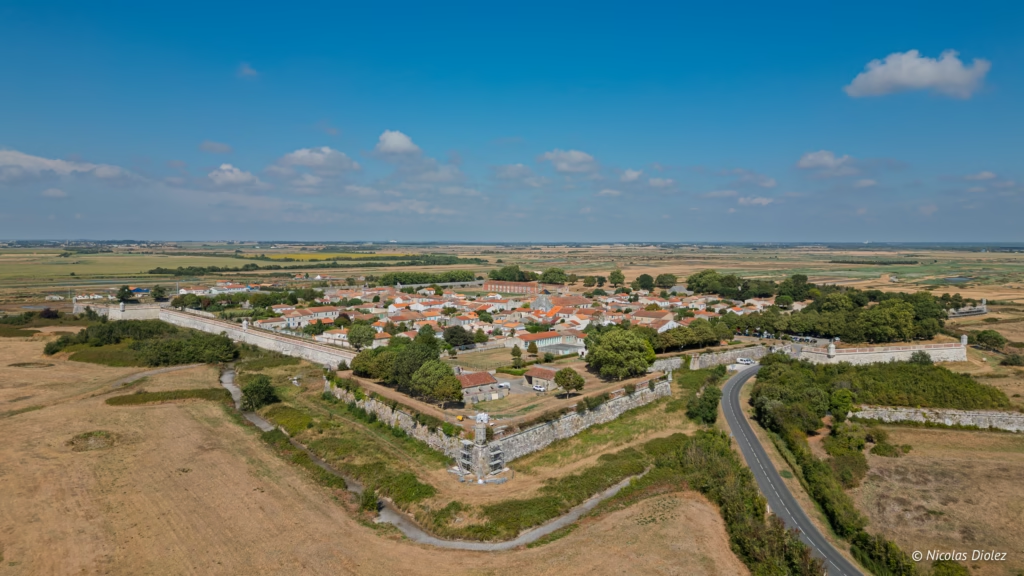
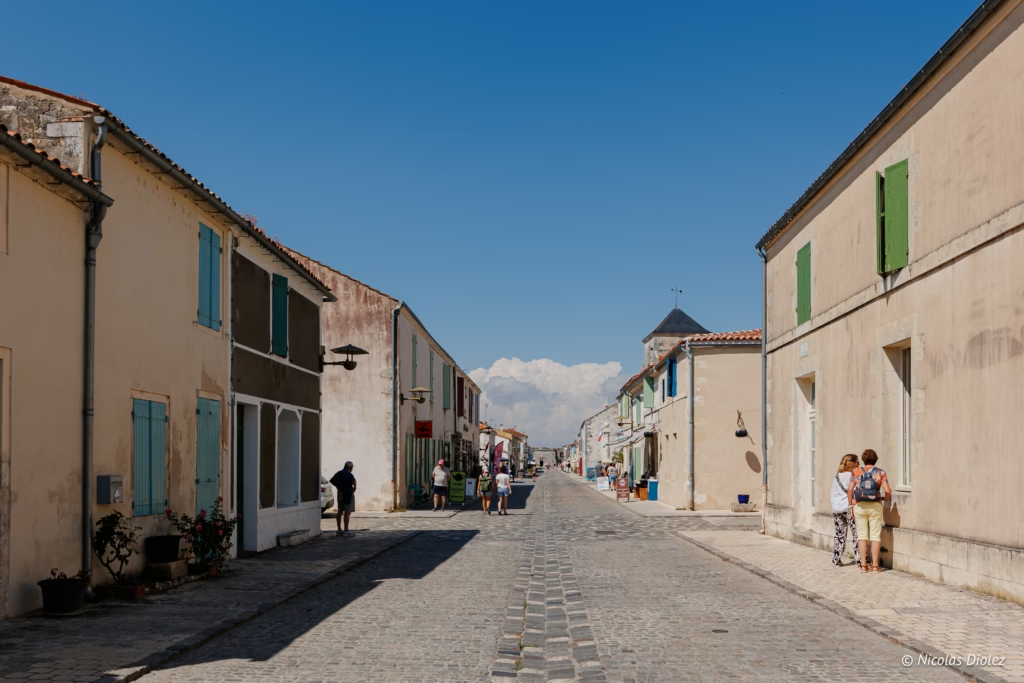
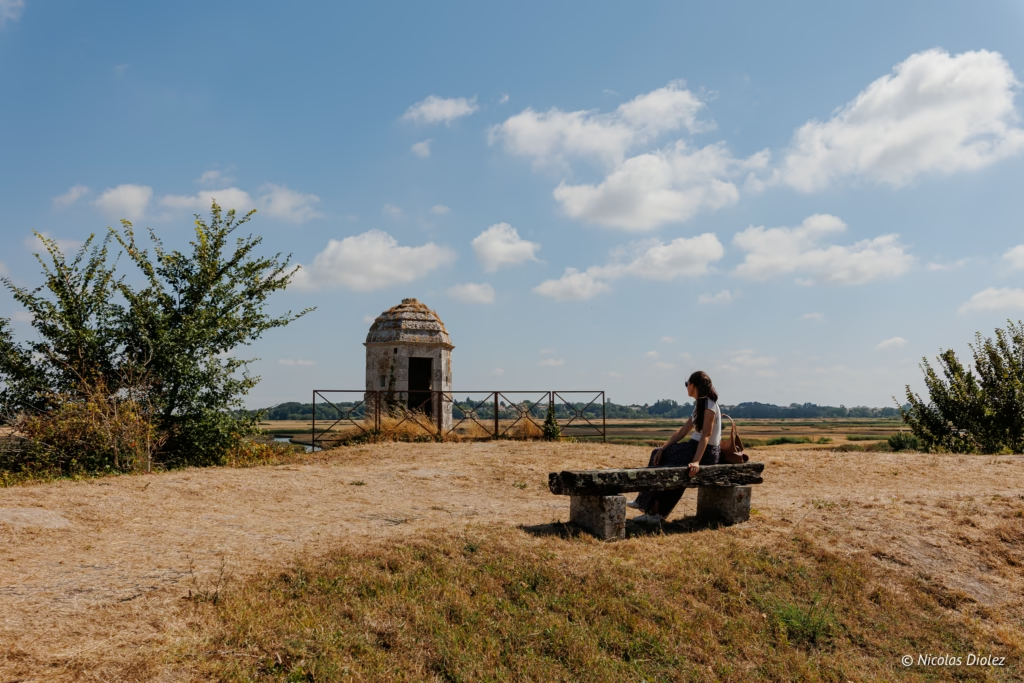
Citadel of Brouage
Brouage, 17320 Marennes-Hiers-Brouage
Discovering the oyster farmer’s craft at Banc d’Aline
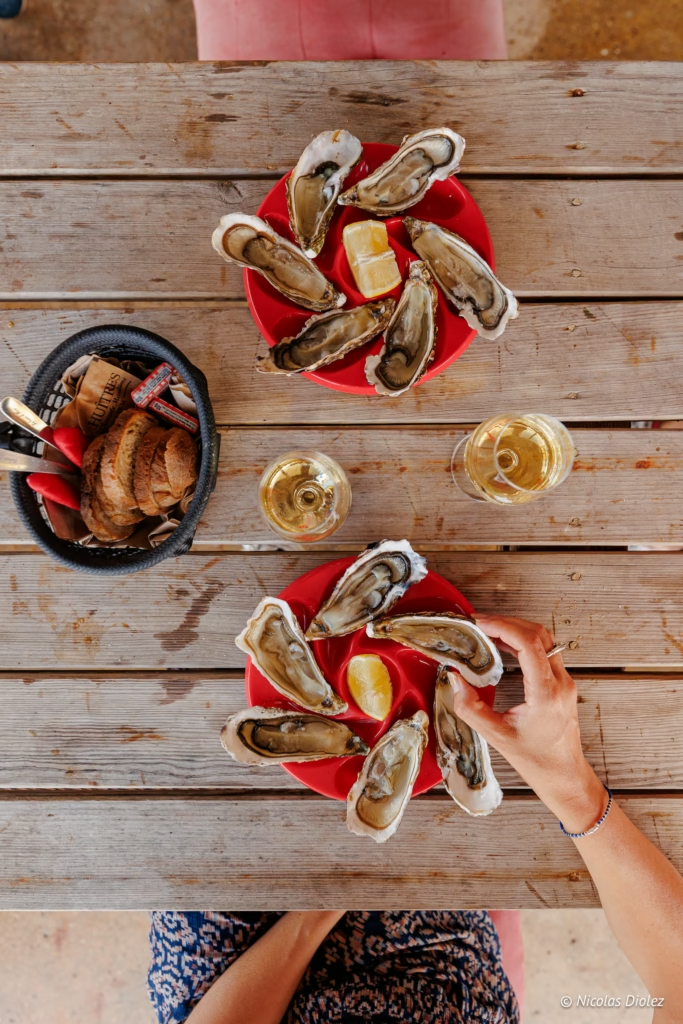
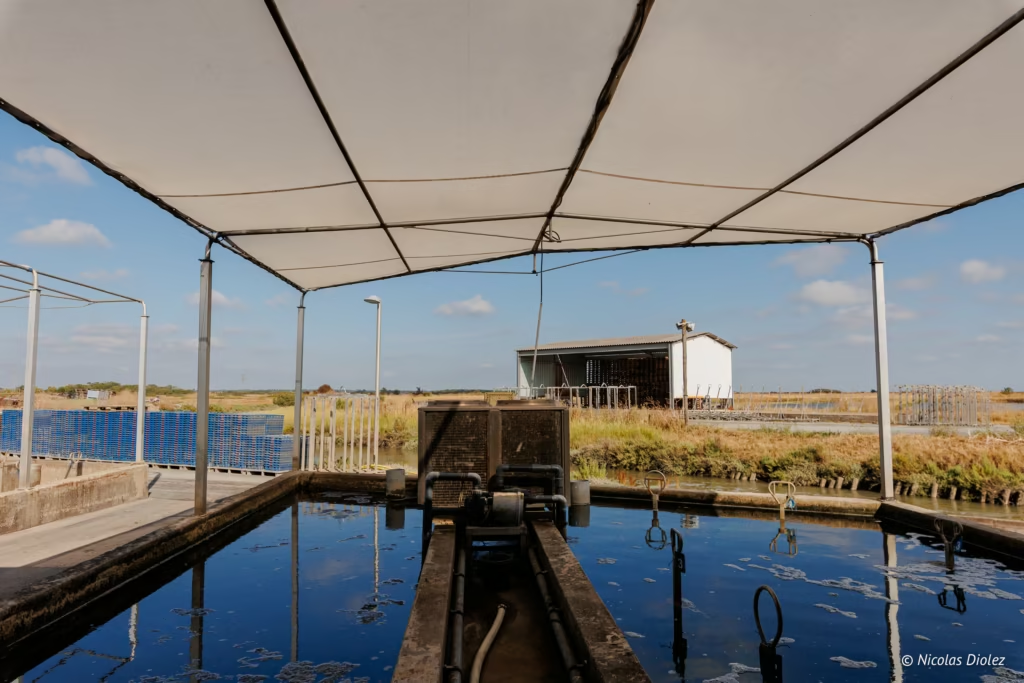
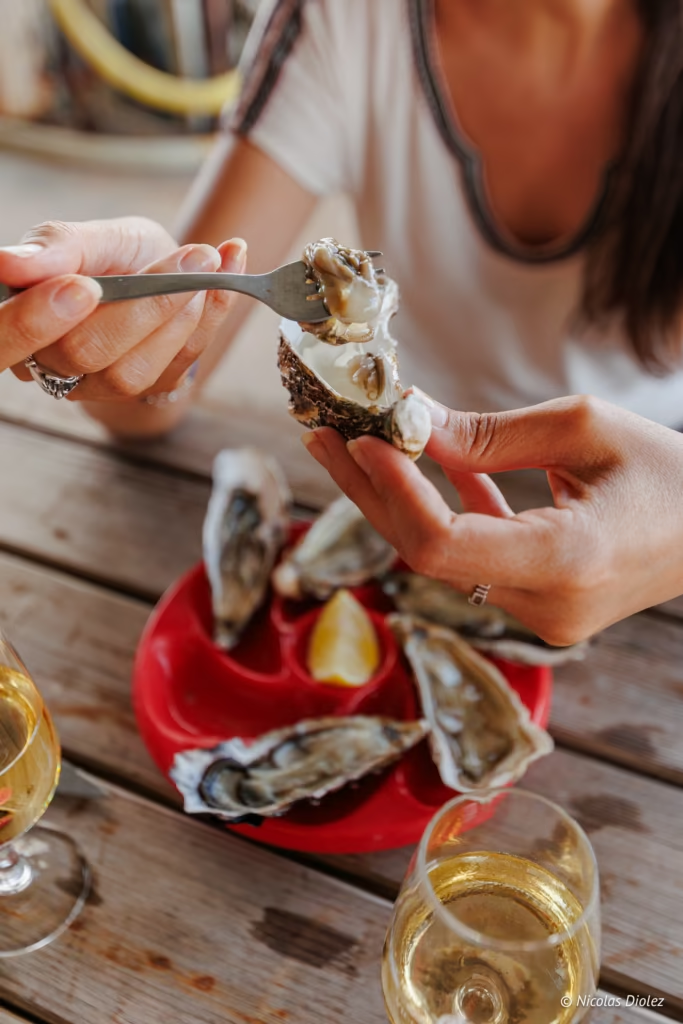
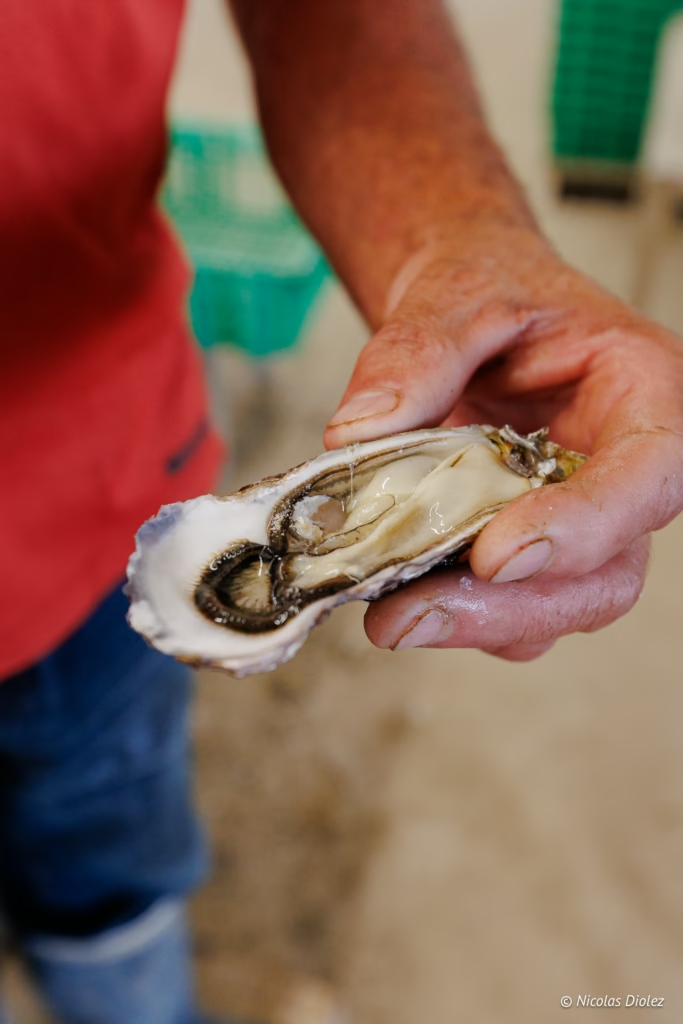
The Banc d’Aline (on the Cayenne channel in Marennes) is a hut where oysters are worked. The family has been in this trade for five generations, and the visit lets you follow the steps from the very start of an oyster’s life all the way to when it lands on our plate.
The oyster farmer’s job starts with setting out collectors, to which the young oysters attach themselves and then secrete limestone throughout their lives to build their shells (and an oyster can live up to 50 years!). The Marennes-Oléron basin is fed by three rivers that bring fresh water and nutrients, in an area sheltered from the swell. Next comes the finishing stage in the claires, those basins dug out of the marshes.
During the visit, we were told that the oysters offered for sale are generally between three and a half and five years old, and that the finishing stage can take about a month after several years of growing. Durations also vary depending on the categories and the specifications, which means that not all oysters raised in the region automatically carry the Marennes-Oléron appellation.
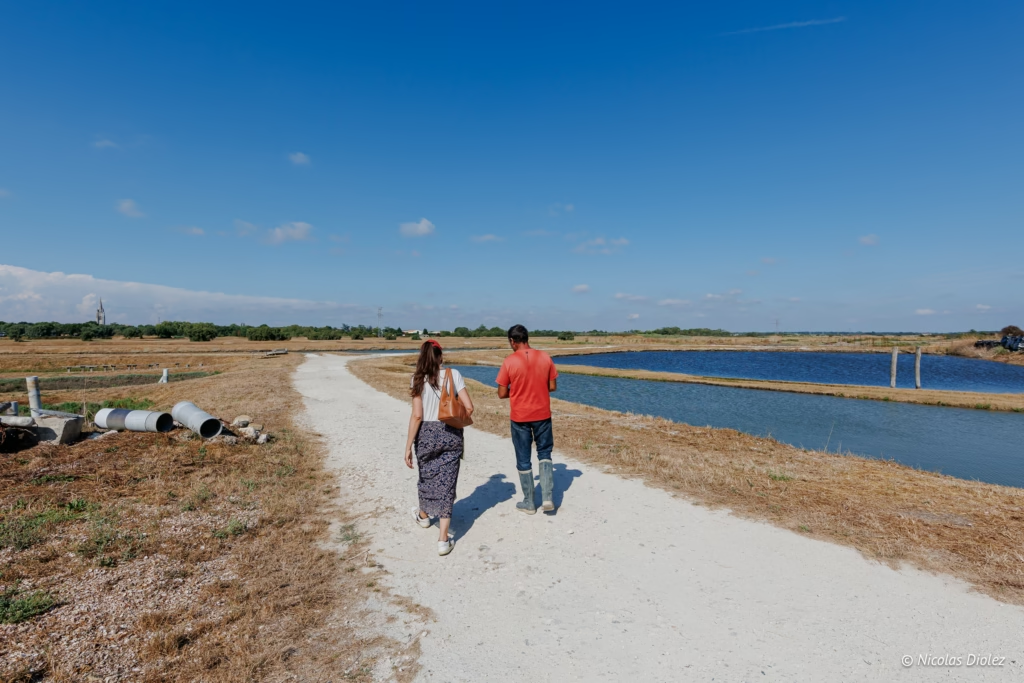
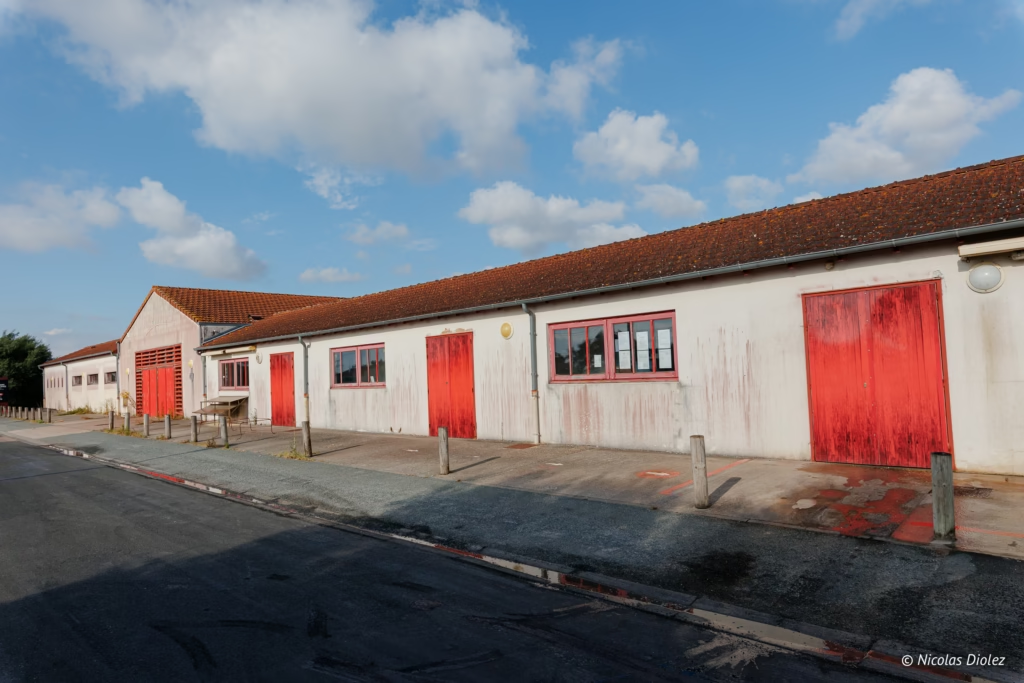
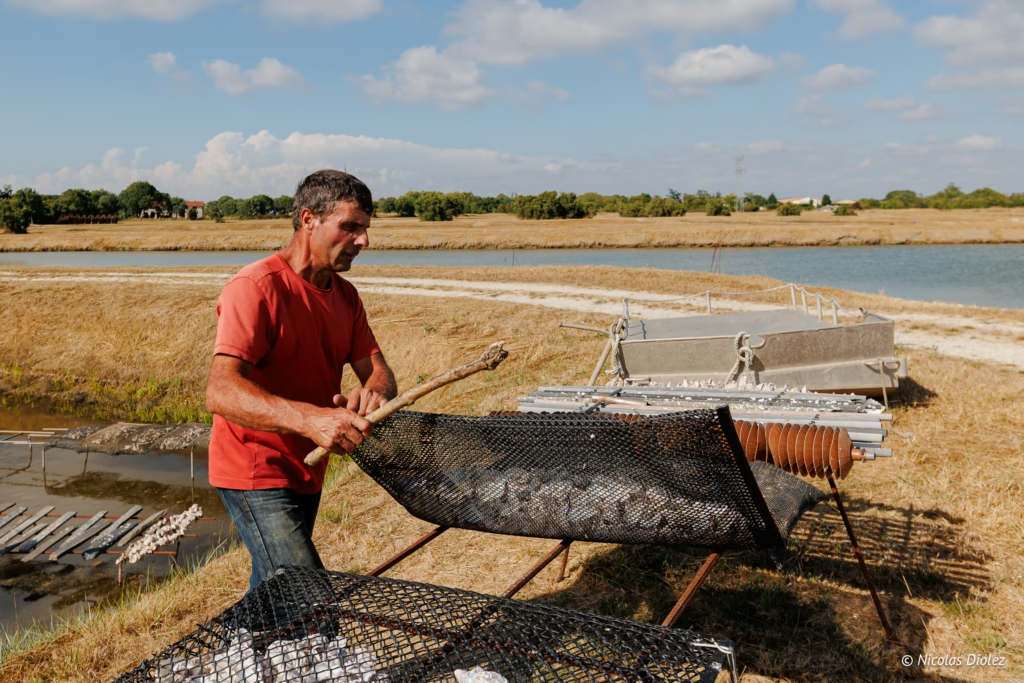
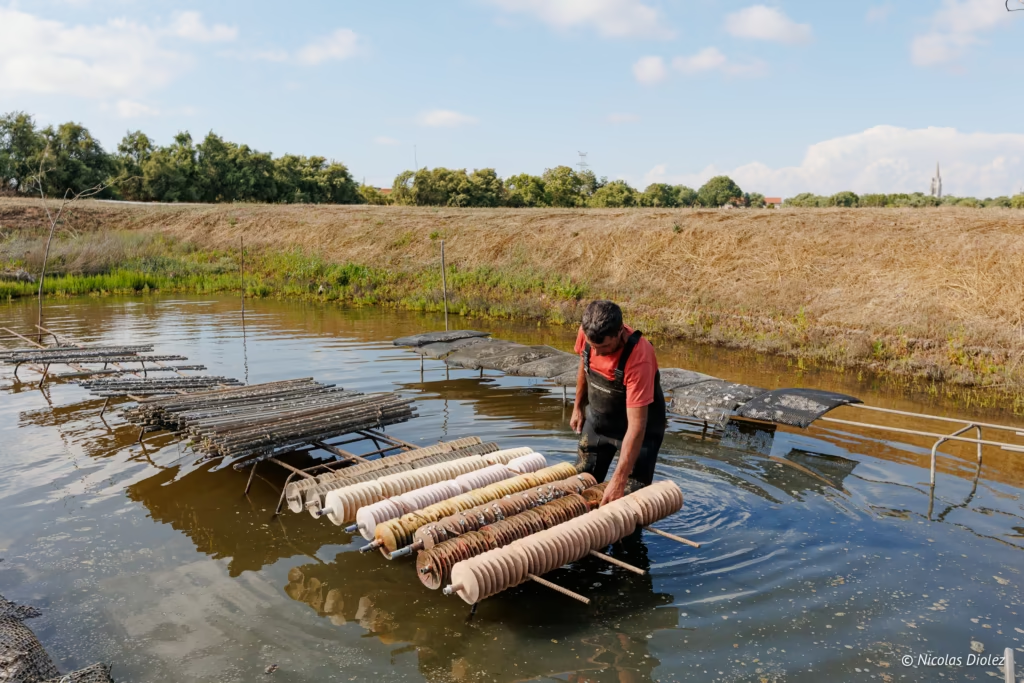
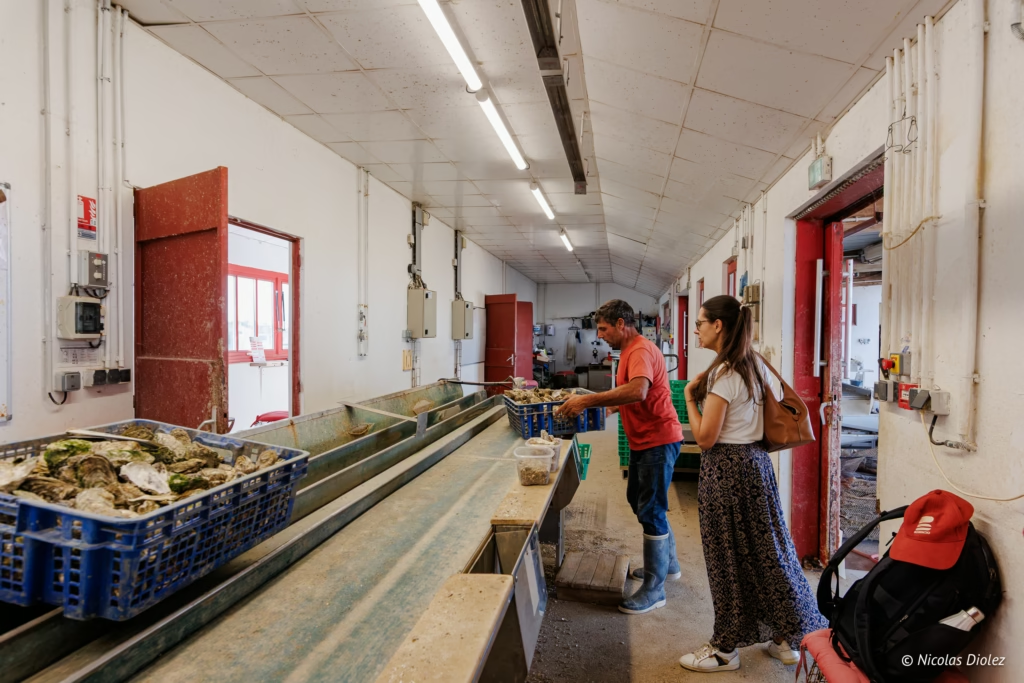
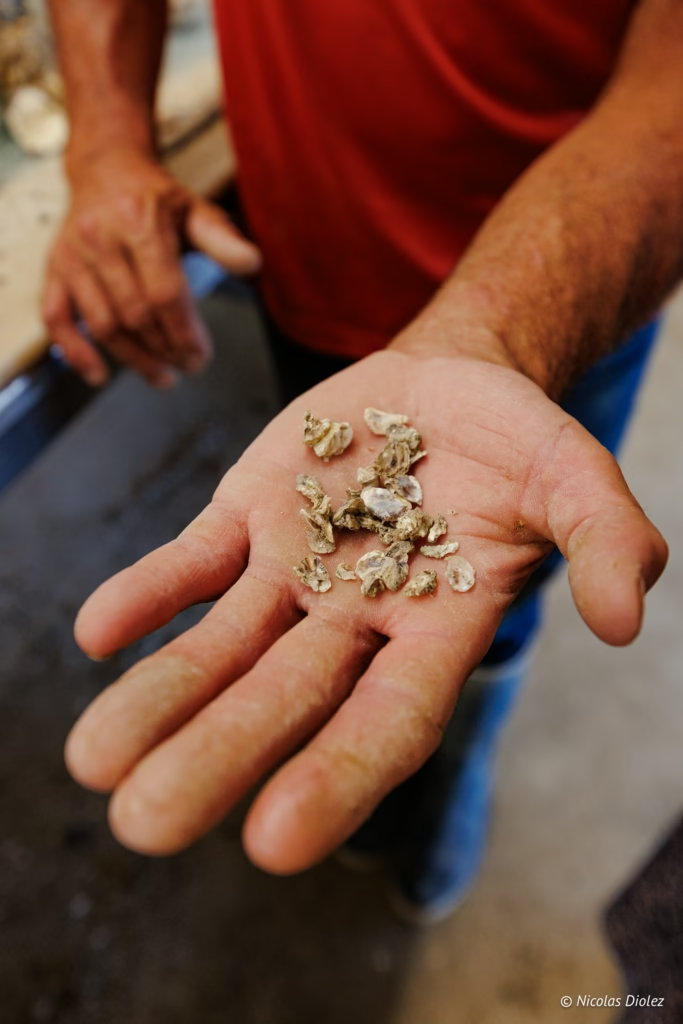
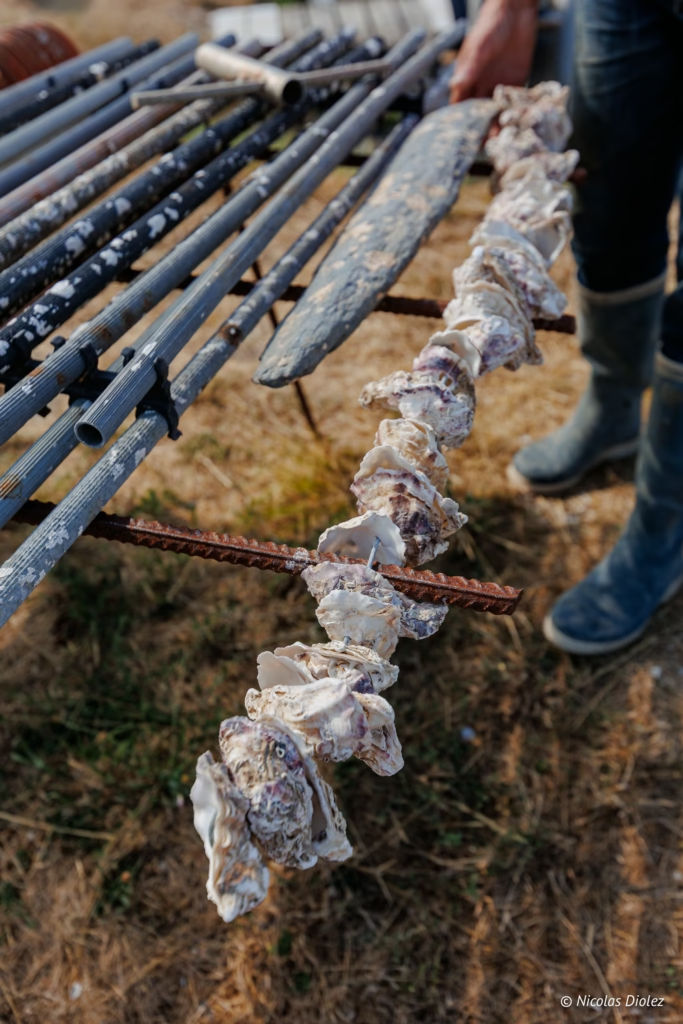
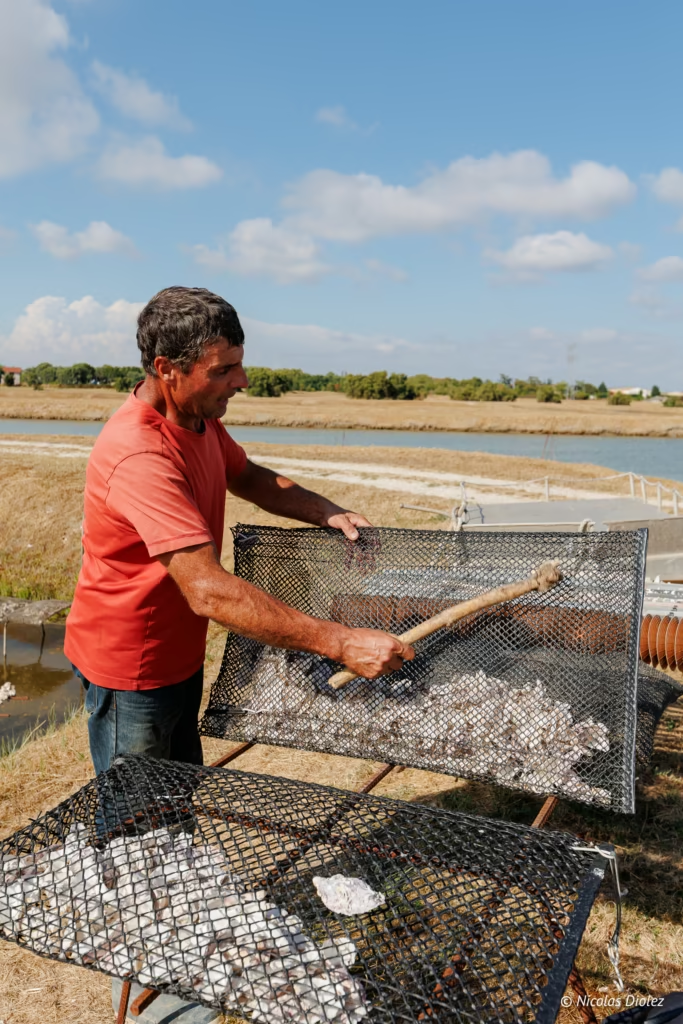
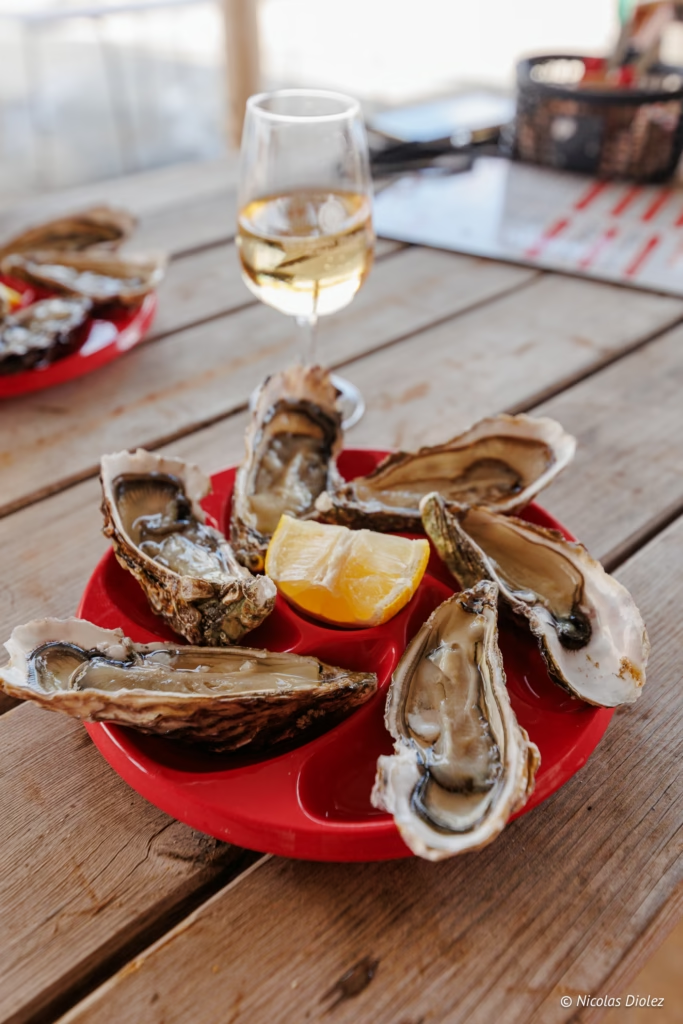
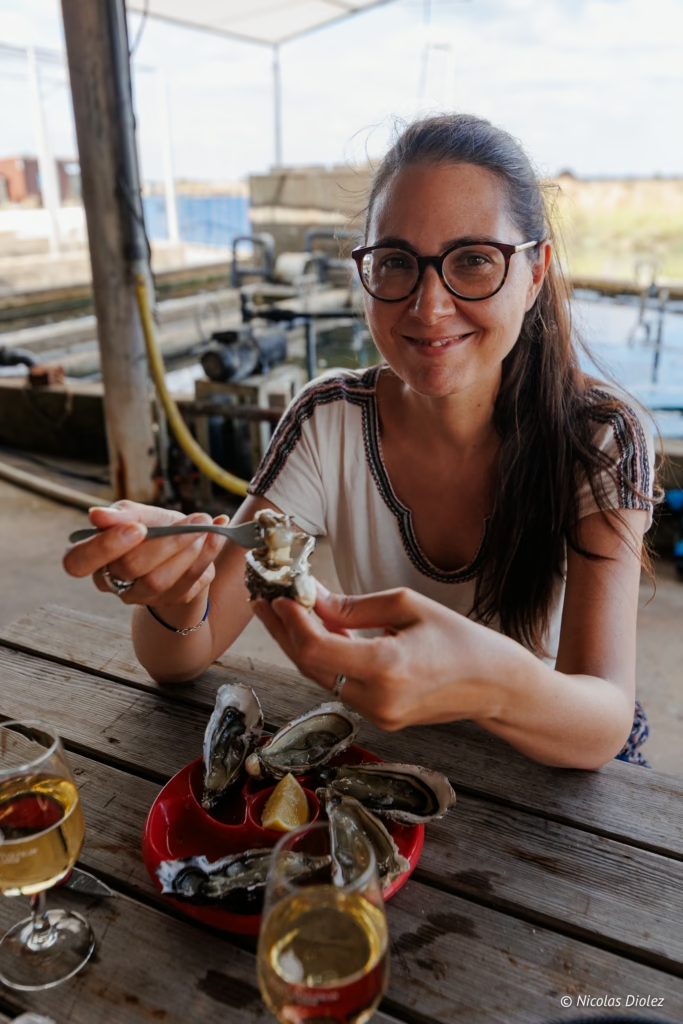
Fines de claire, spéciales de claire or pousses en claire: you also learn how to tell them apart (pousses en claire are rarer, the very best of the finished oysters, with a very pronounced flavor and a lovely long finish). The explanations carry on with a tasting: the visit + tasting of 6 oysters package is only 10 €, which is really a great deal! Since May 2026, this visit can be booked directly with the producer (thanks to him for the visit, he shared his know-how with so much passion) or through the tourist office.
Le Banc d’Aline
Rue des Martyrs, chenal de la Cayenne, 17320 Marennes-Hiers-Brouage
Visit and tasting by reservation : 10 €
Stop 3: Royan and the Gironde Estuary
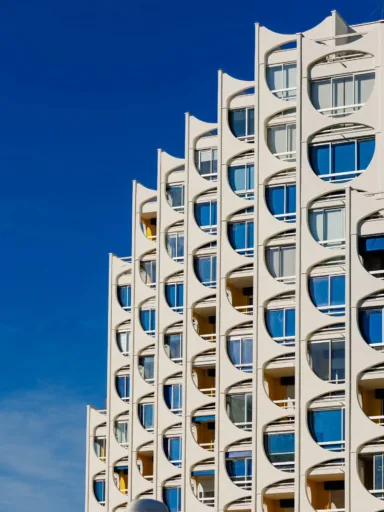
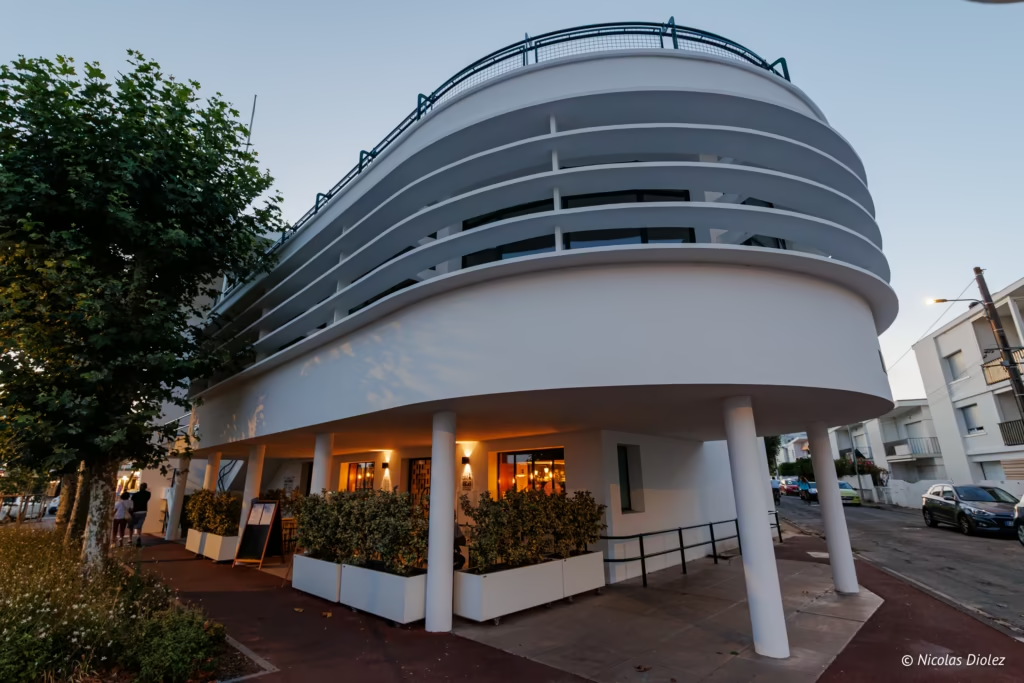
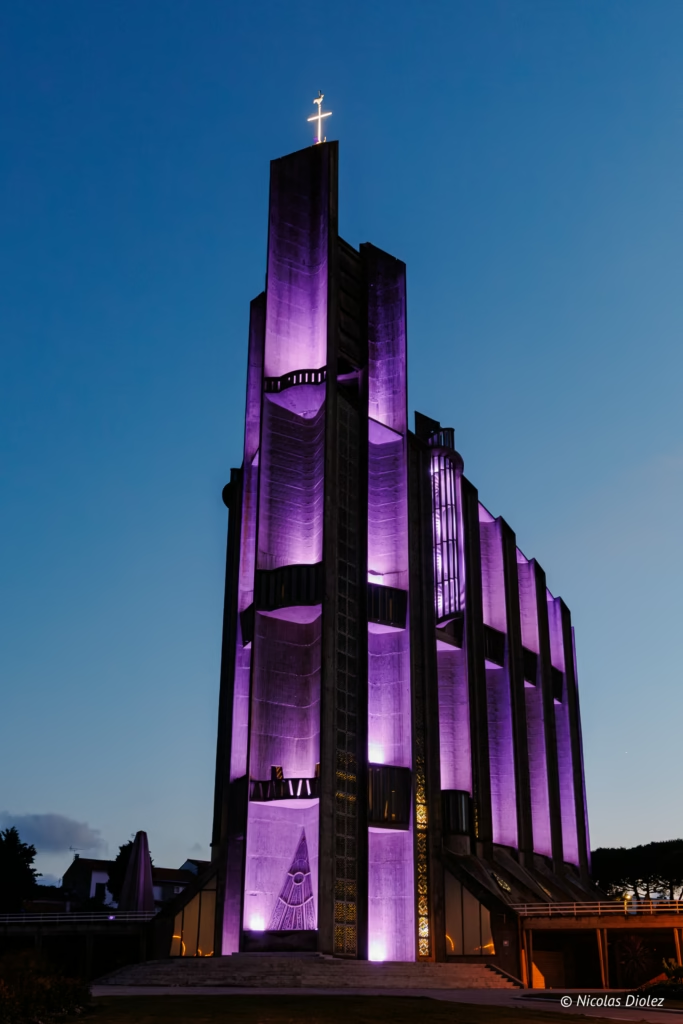
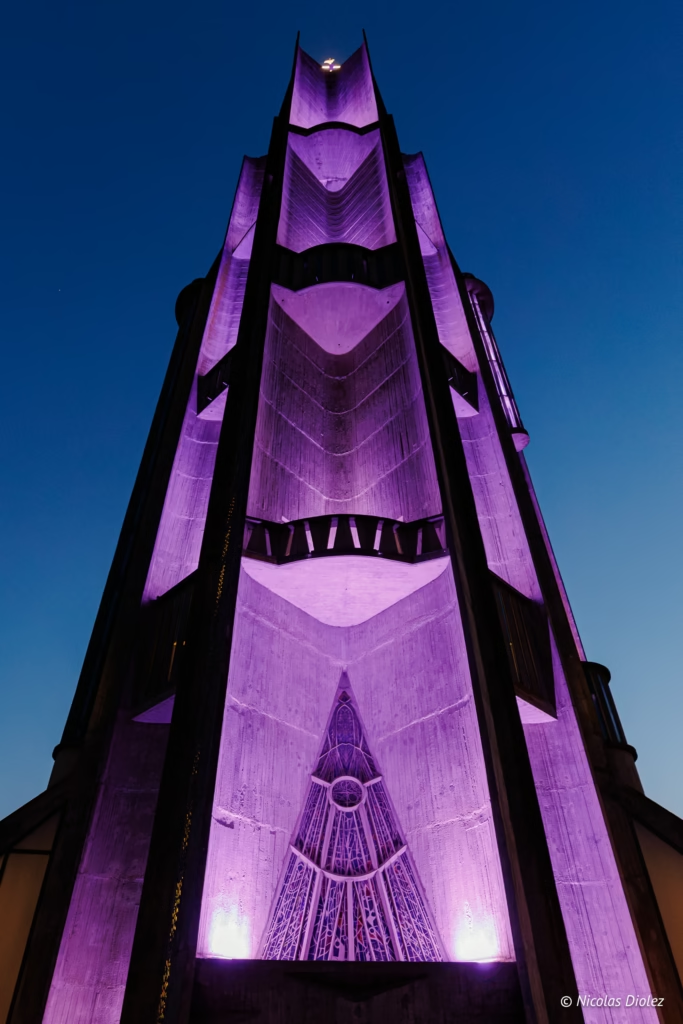
Royan, capital of the Côte de Beauté, won us over with its unique personality, where Belle Époque seaside charm sits right alongside totally atypical 1950s modernist architecture. Entirely rebuilt after the Second World War, the town boasts a bold architectural heritage, embodied by the majestic raw-concrete Notre-Dame church, its retro villas with geometric shapes and its shell-shaped central market.
Discovering Royan’s architecture
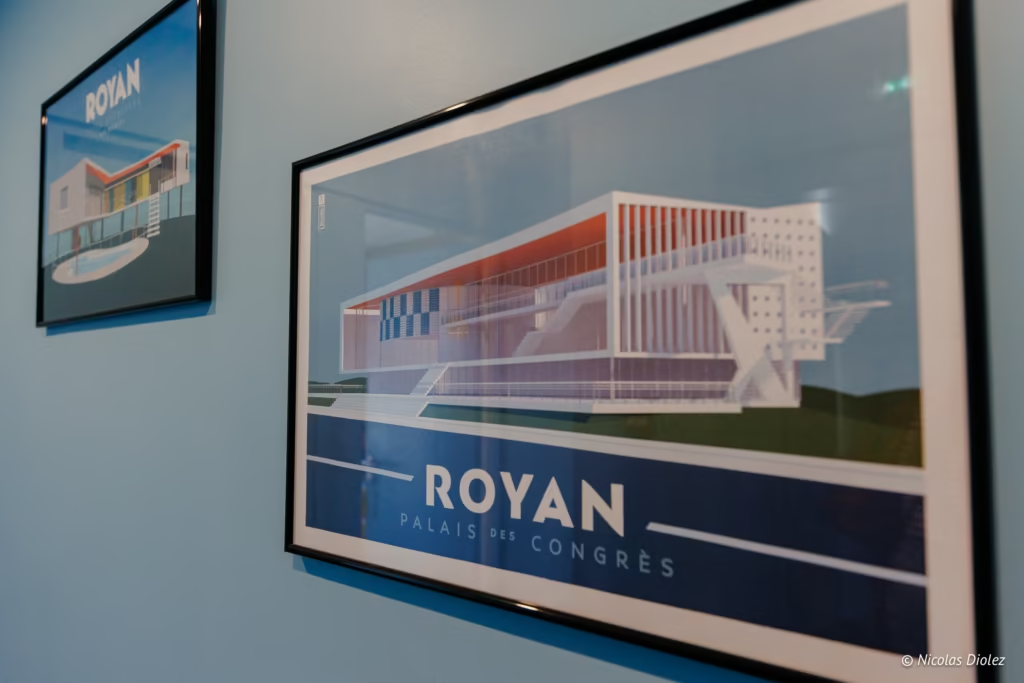
This escapade was our first time visiting Royan, and I have to say that our quick stop in the town made us want to come back and discover more. Around 85% of it was destroyed by the bombings of 1945, and the town became a laboratory for urban planning and architecture during its reconstruction.
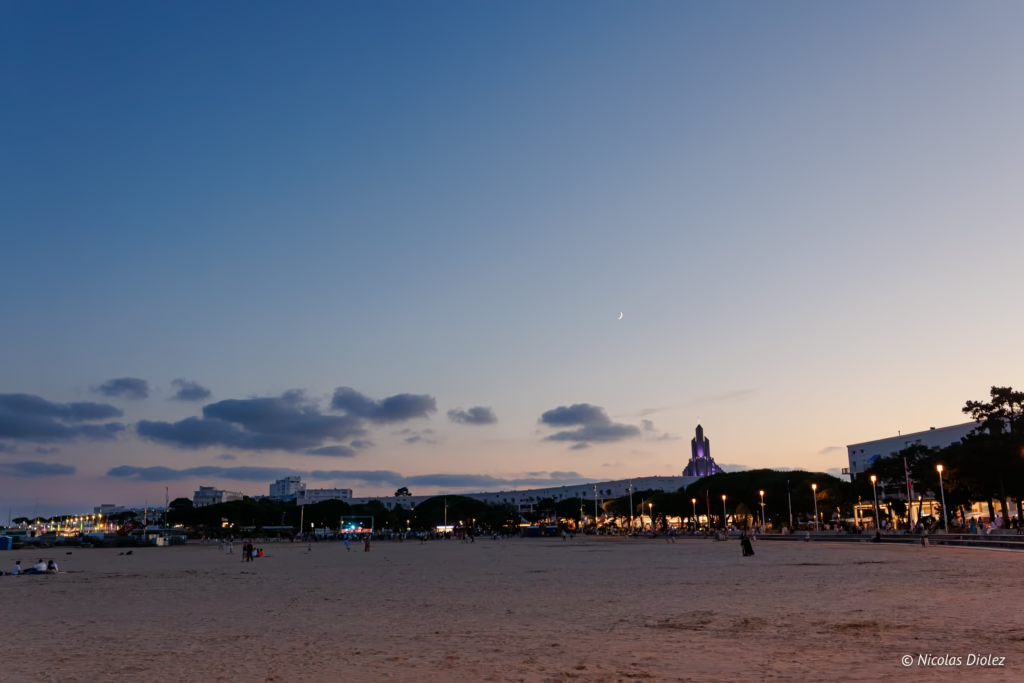
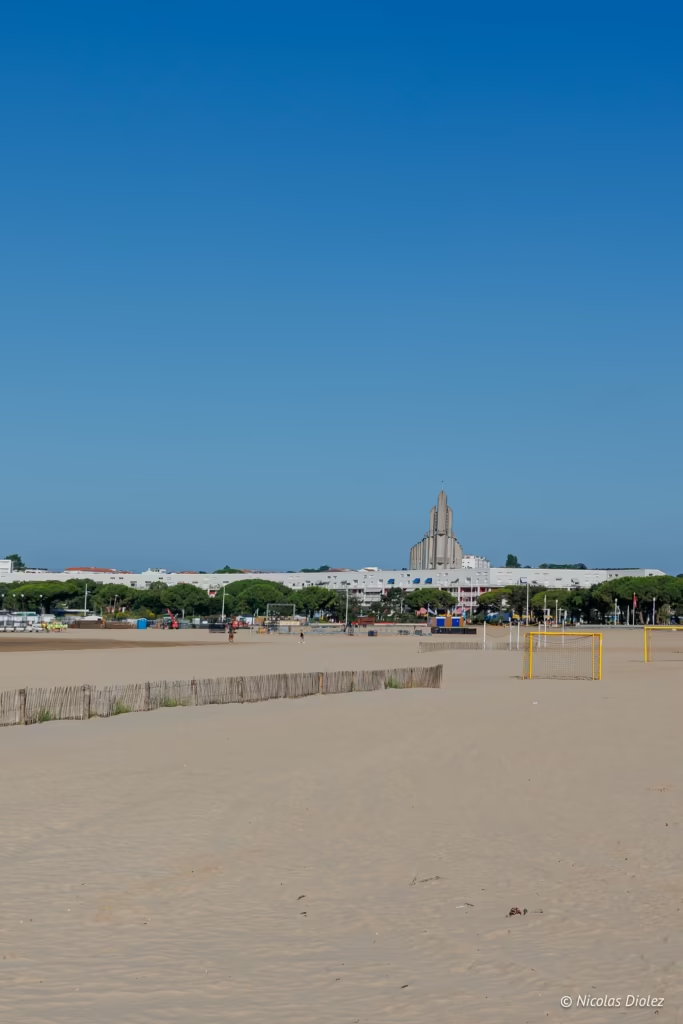
The architects used new techniques and drew on Brazilian architecture (notably that of Oscar Niemeyer) to rethink the town, and the lines, colors and wide open spaces of this reconstruction give Royan a rather atypical look today among the towns of the Charente coast. We fell under the spell of this architecture, which reminded me of Le Havre (a city whose architectural style I really love), and especially its church, which is very impressive and intrigued us from the beach (it looked like a spaceship!) so of course we had to go and see it up close.
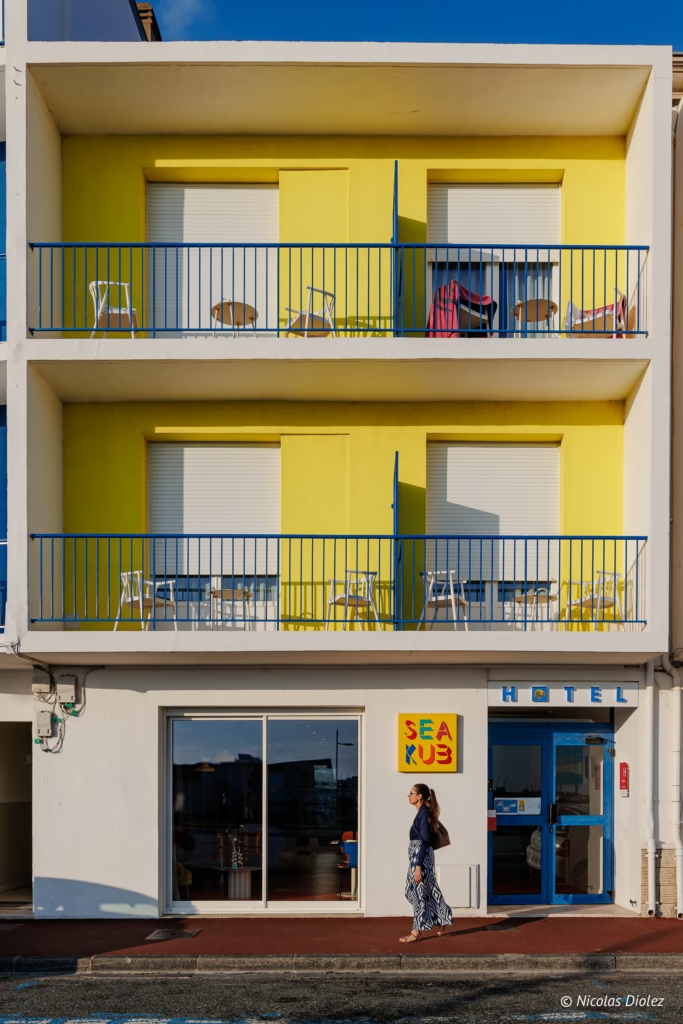
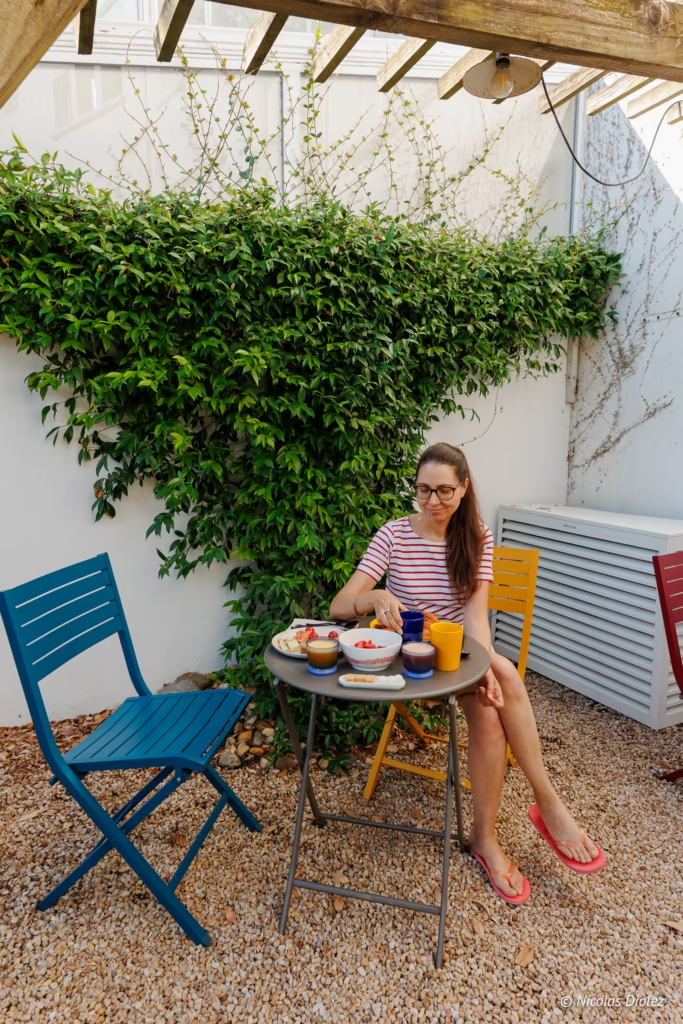
Where to stay in Royan? The Seakub hotel
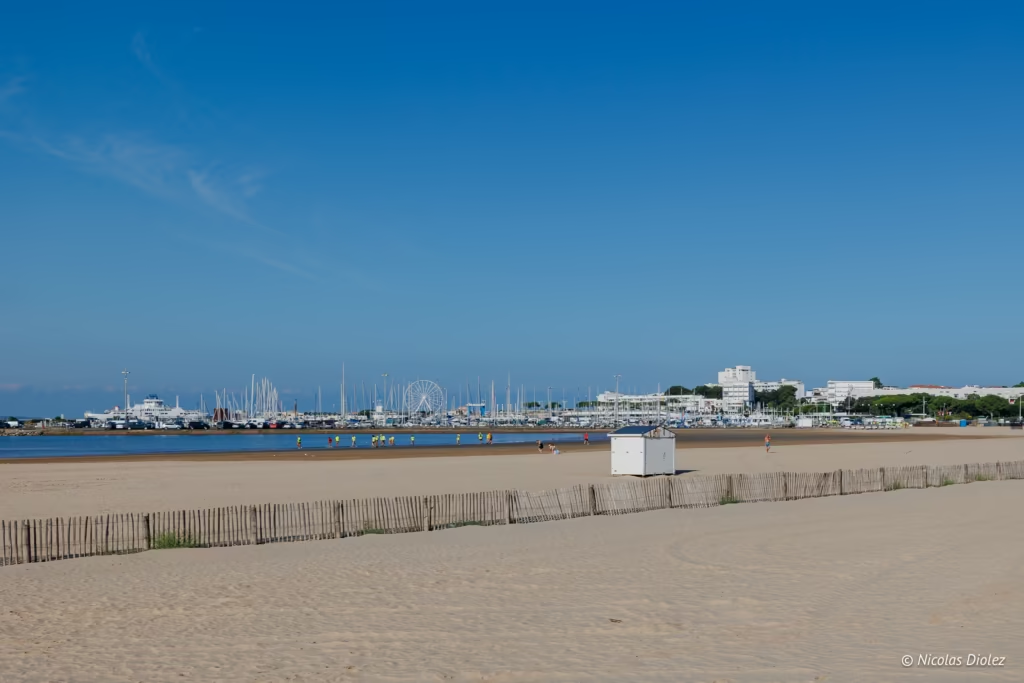
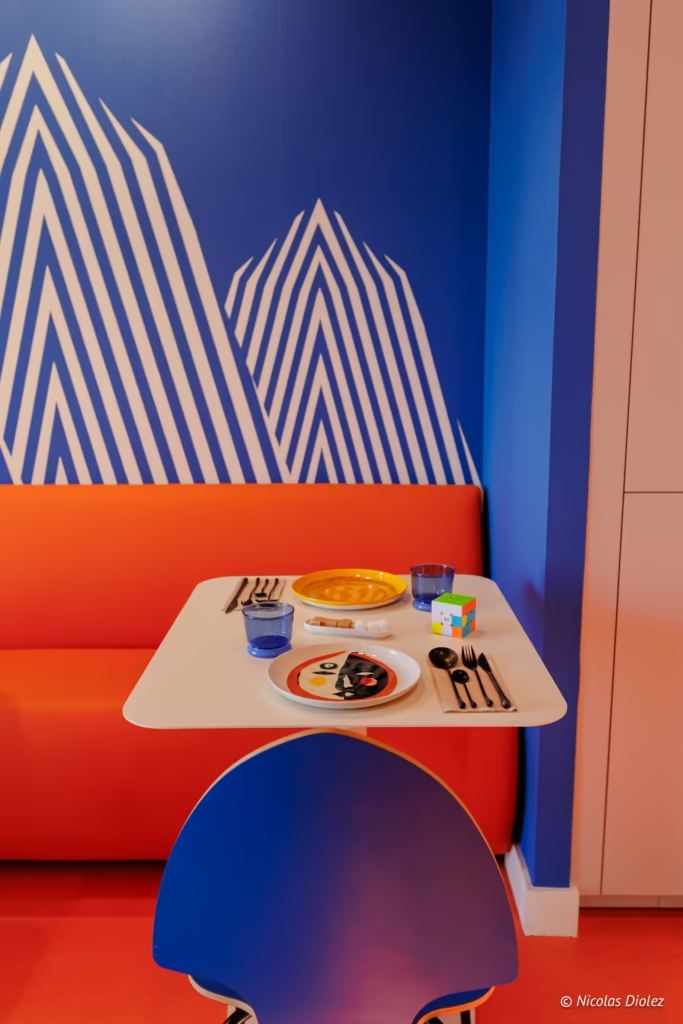
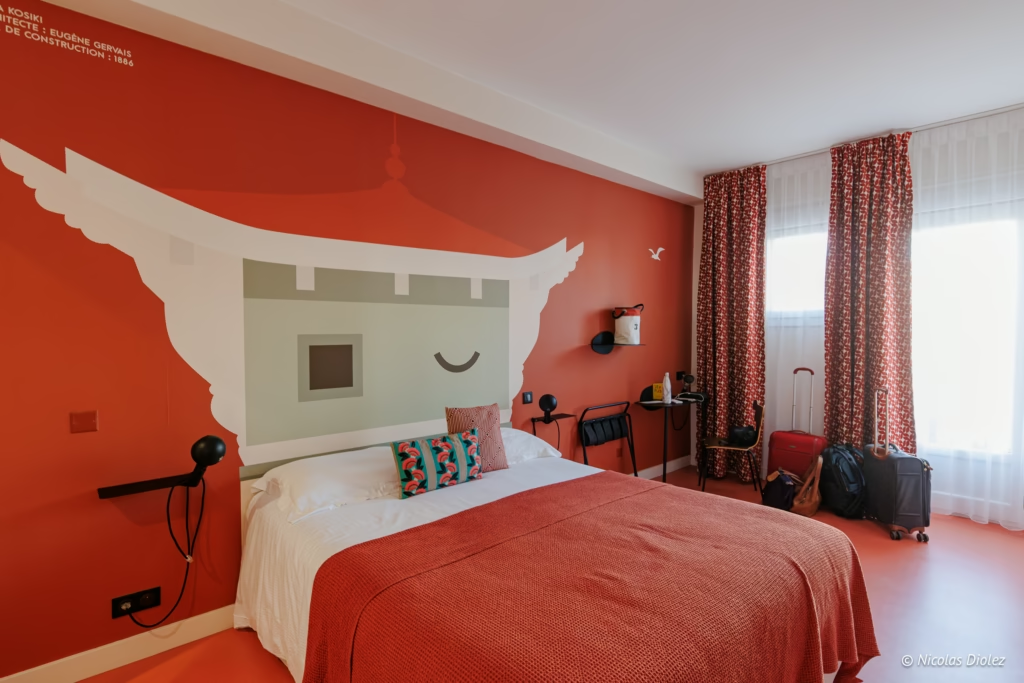
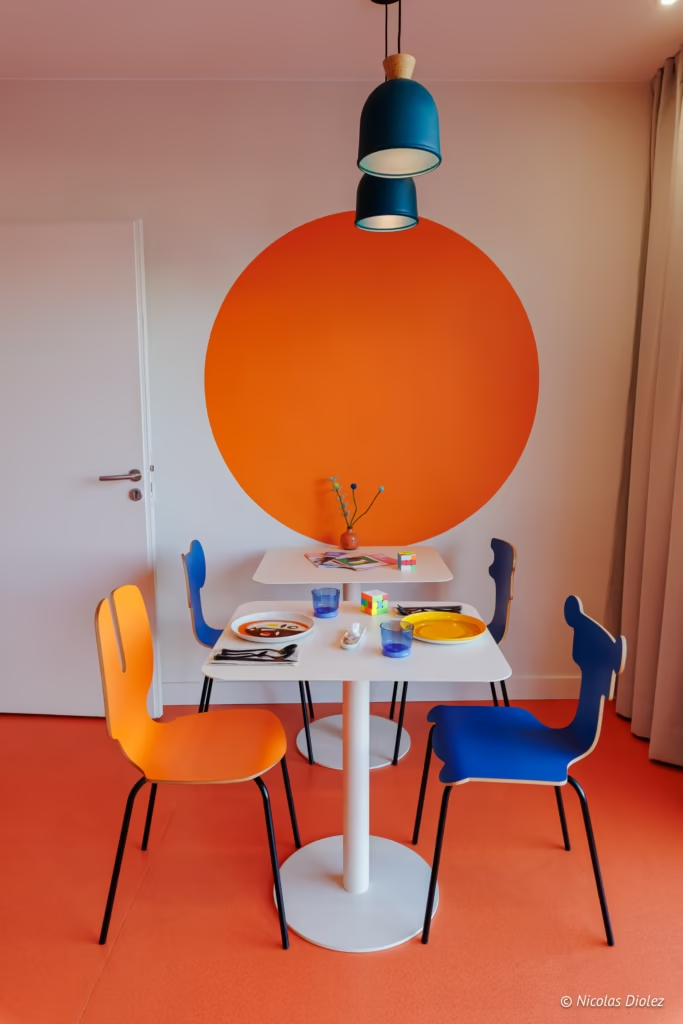
Facing the sea, the Seakub is a small 3-star hotel with eight rooms spread over several floors. Its decor is inspired by Royan’s 1950s architecture, with colors and lines that echo the town.
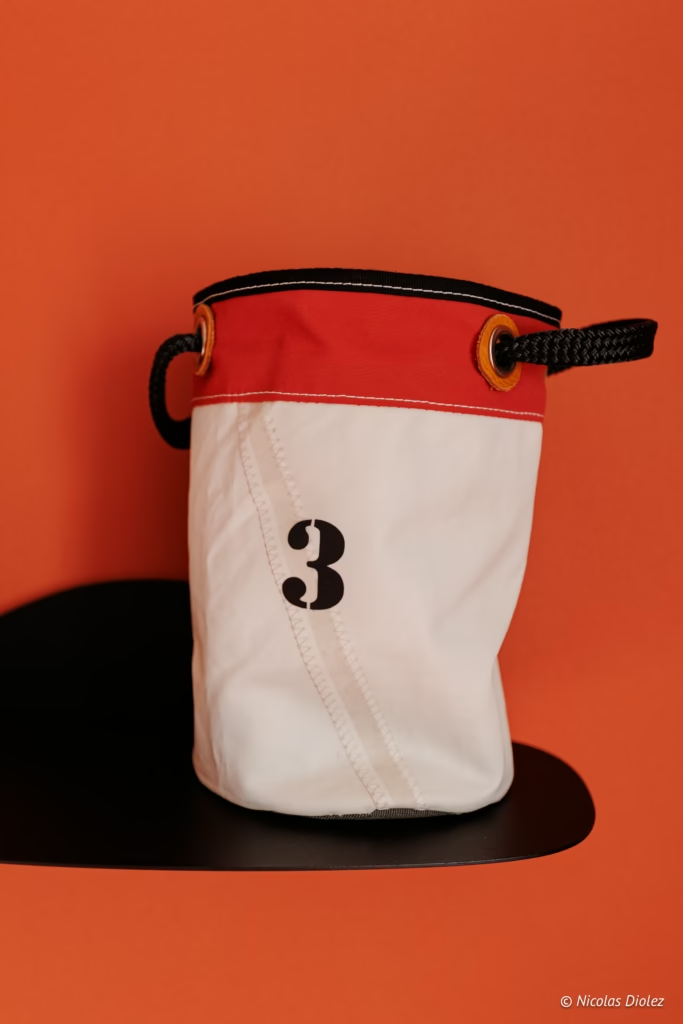
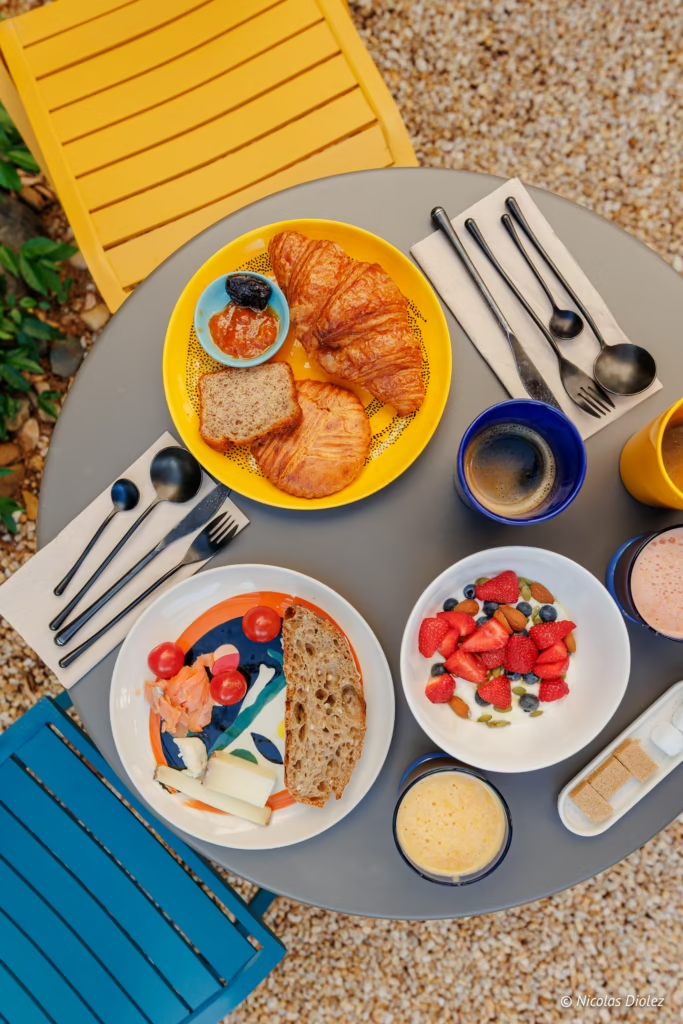
We had room 3, a large room overlooking the garden at the back of the hotel (the address is opposite the Grande Conche beach, but not all the rooms face the sea), and it was very quiet. It’s a charming little hotel, halfway between a guesthouse and a hotel, with the advantages of both! Special mention for the very good breakfast and the lovely welcome from the two owners.
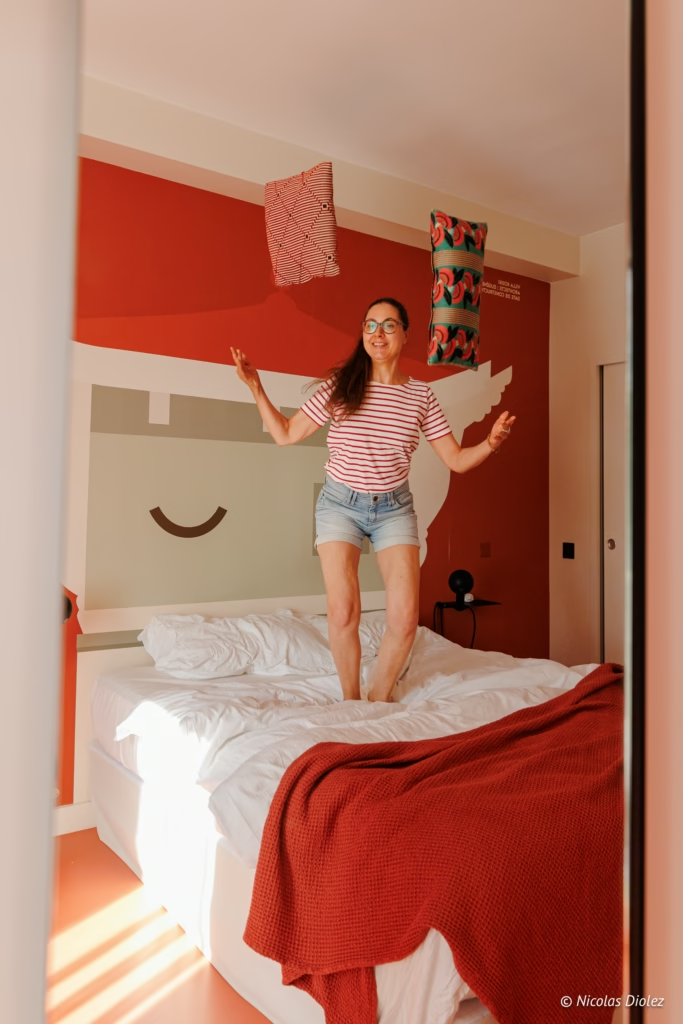
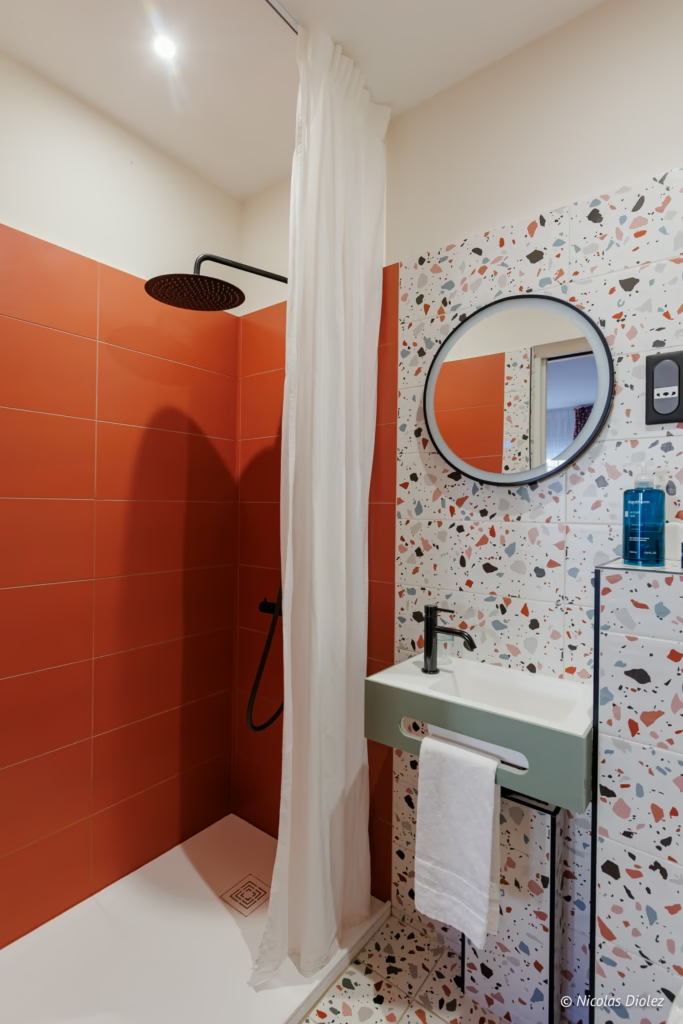
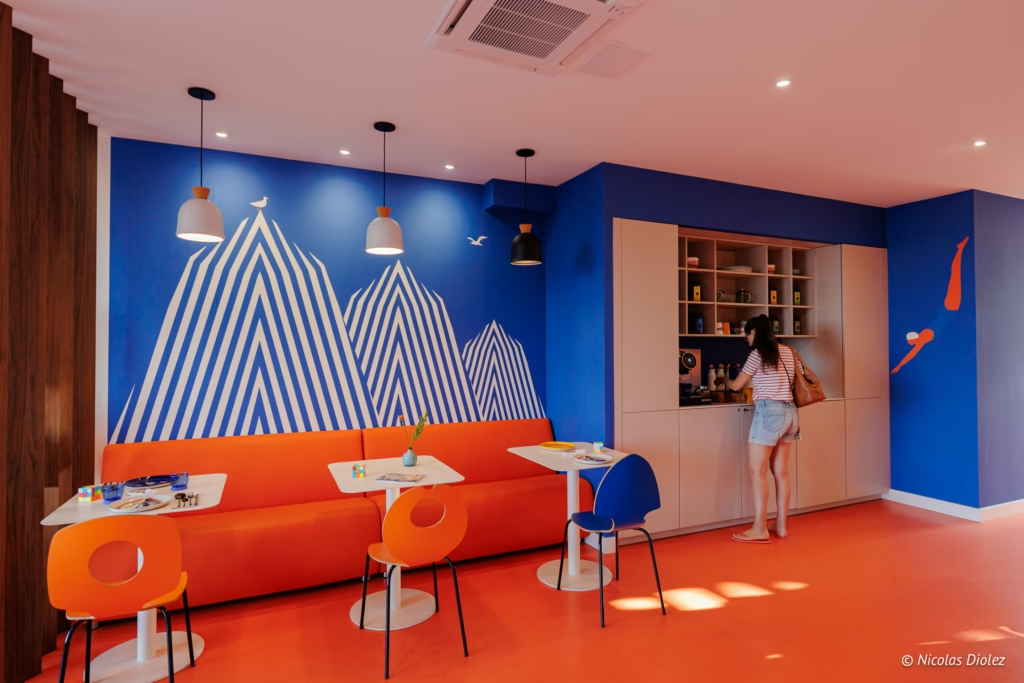
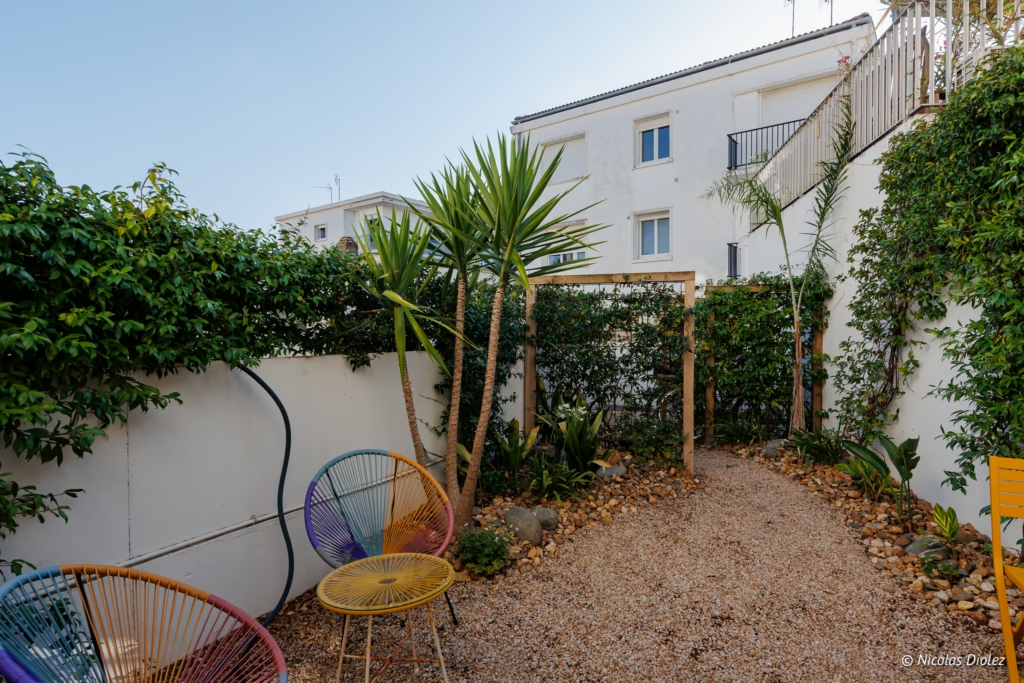
Hôtel Seakub ☆☆☆
6 place du Maréchal Foch, 17200 Royan
Where to eat in Royan? Restaurant La Cave 1950
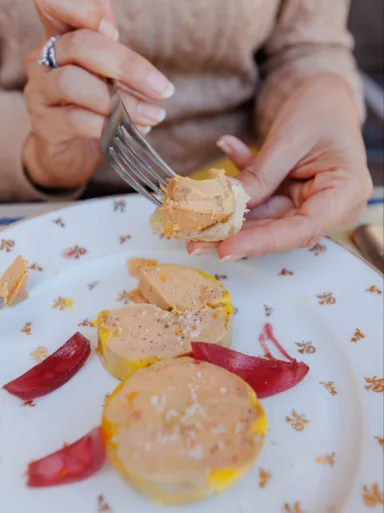
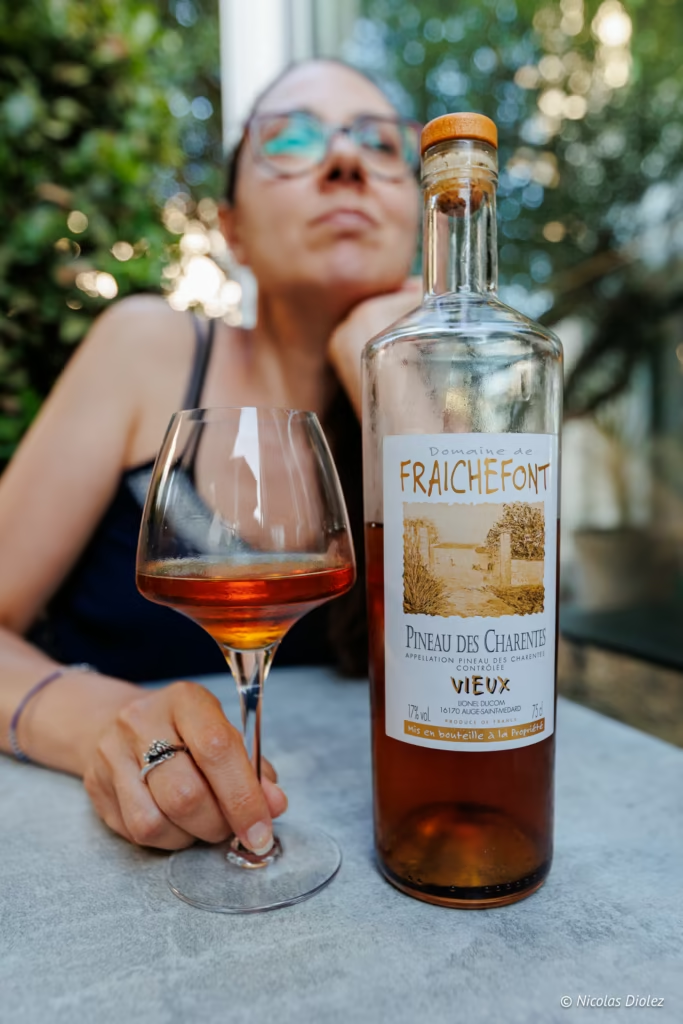
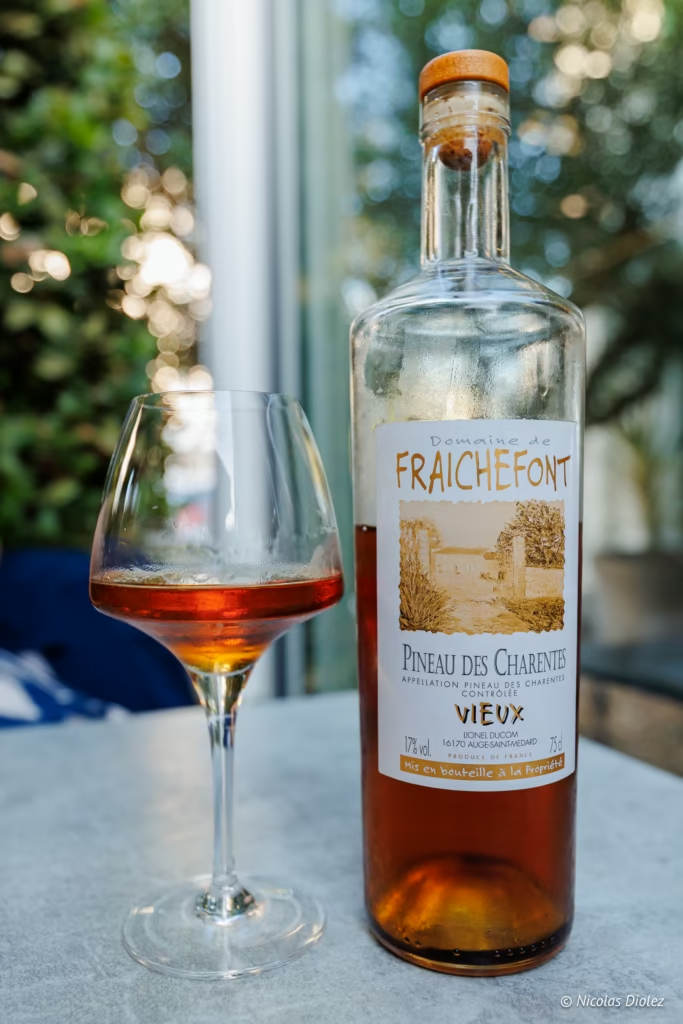
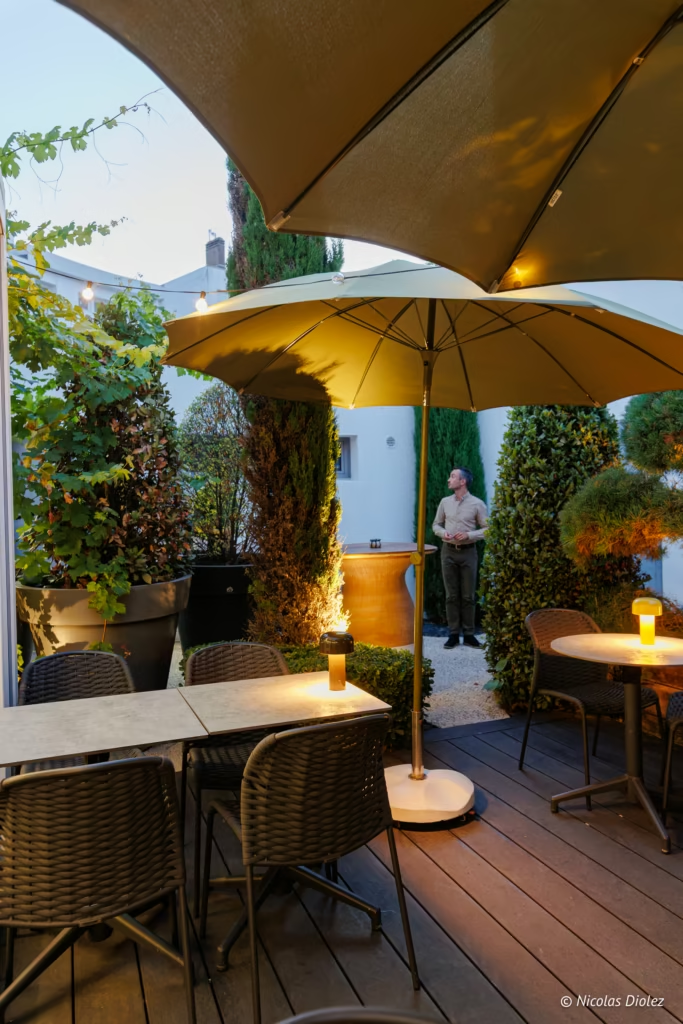
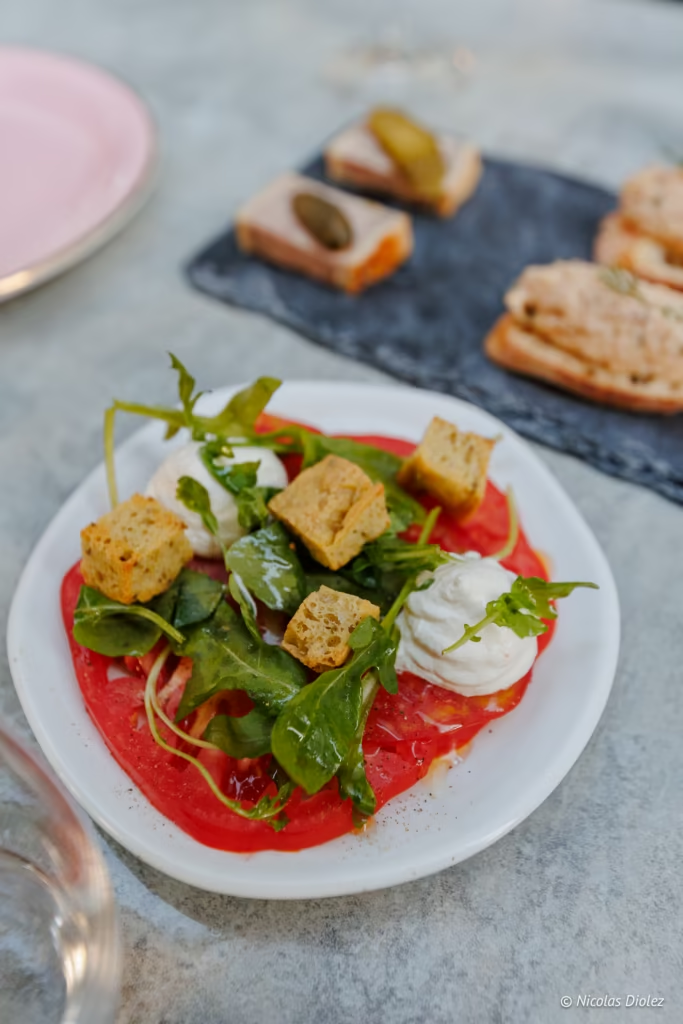
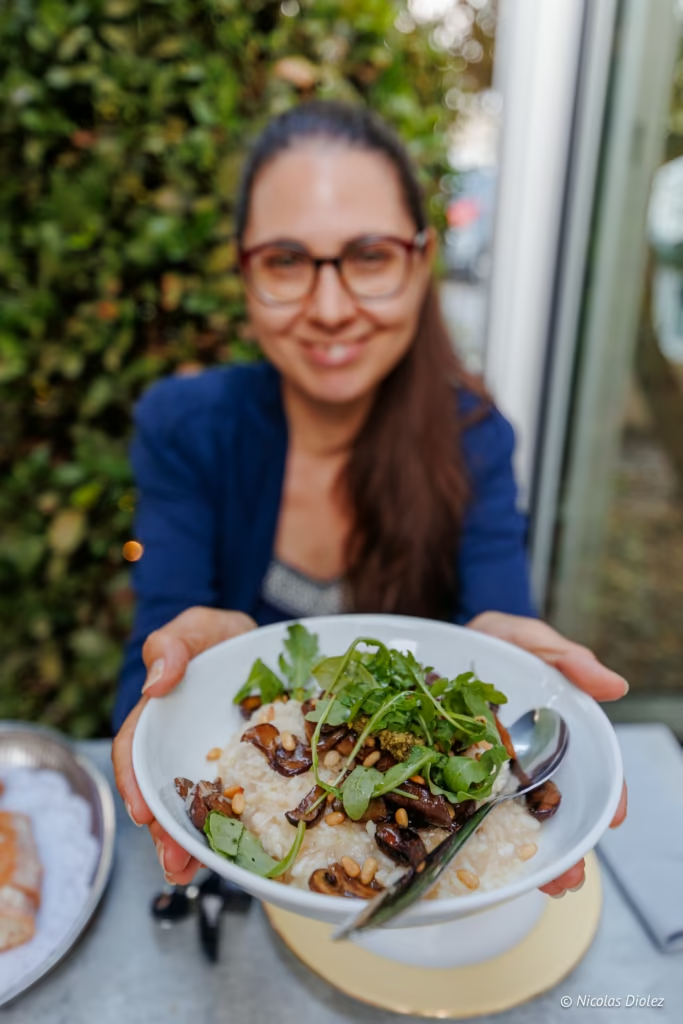
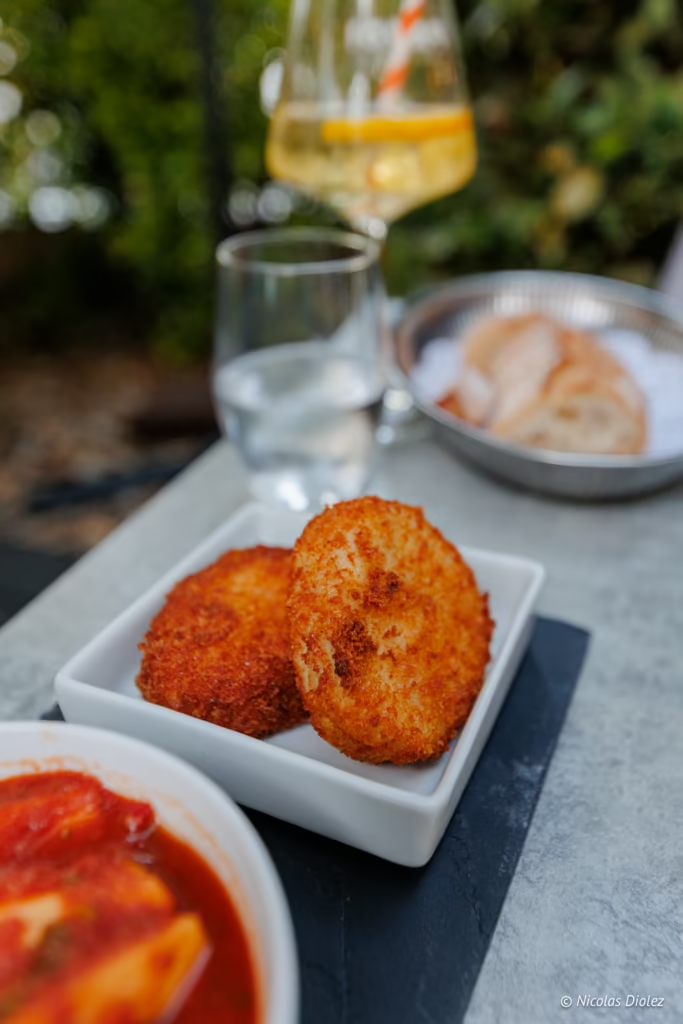
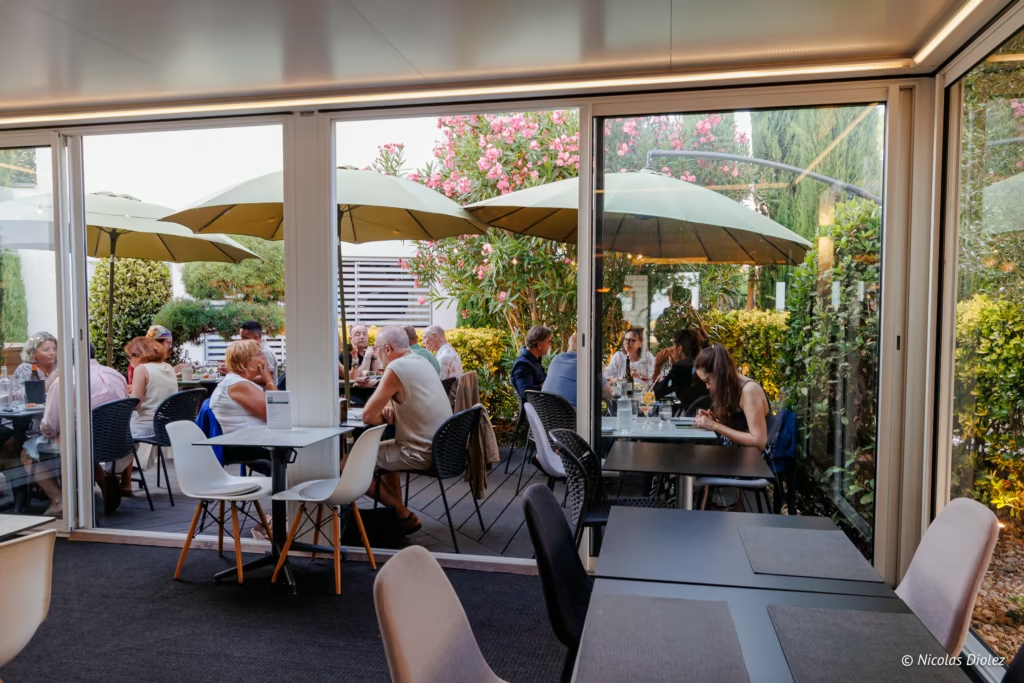
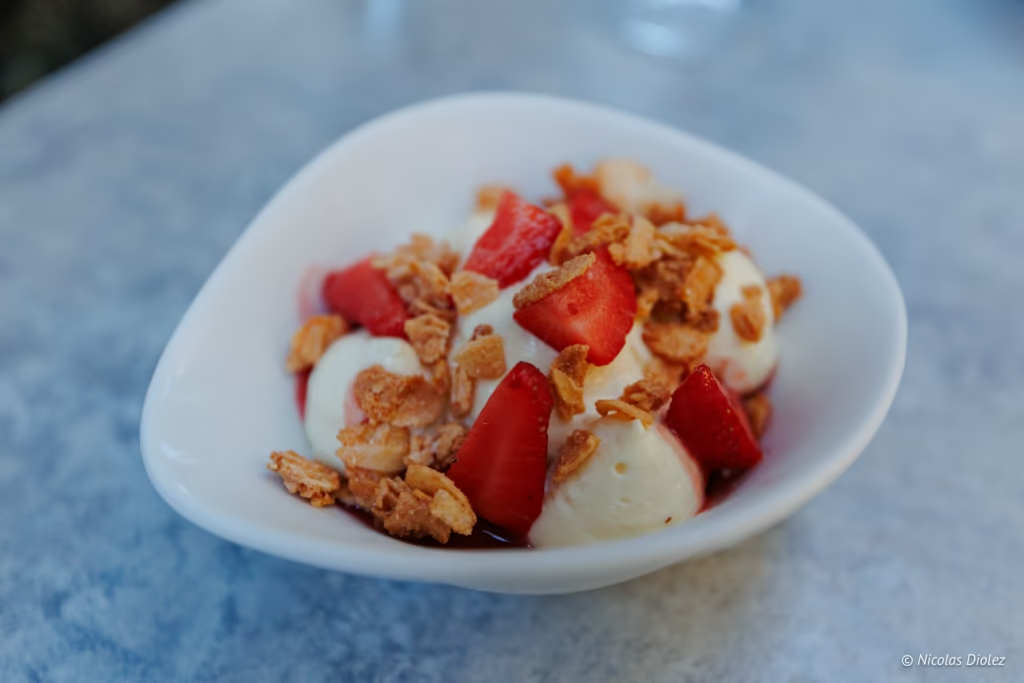
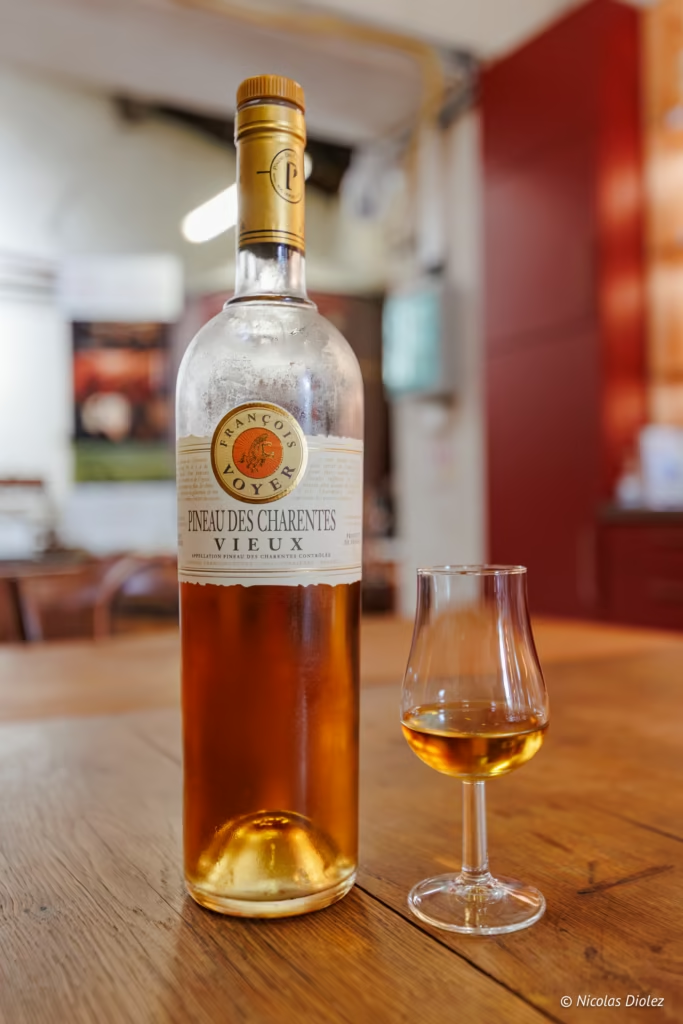
For dinner, we ate at La Cave 1950, ideally located just across from our hotel. The restaurant has a lovely, quiet terrace at the back, which makes for a very pleasant setting for dinner. True to its wine-cellar calling, the place offers more than 800 references as well as a self-service wine-by-the-glass system, perfect to go with the food. To start, we tried an old pineau des Charentes, which was very good. The restaurant serves a single evening menu for the whole table at 33 € per person, built around a sharing formula: three small starters, three small dishes, a piece of cheese and a dessert. A simple, very well thought-out spot for a great evening in Royan.
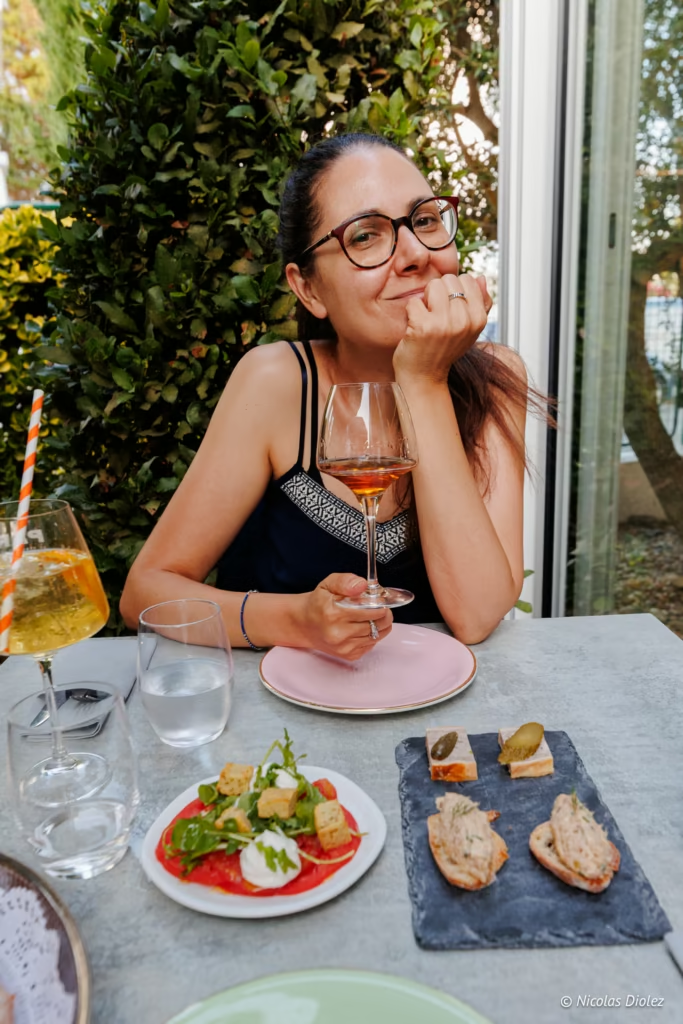
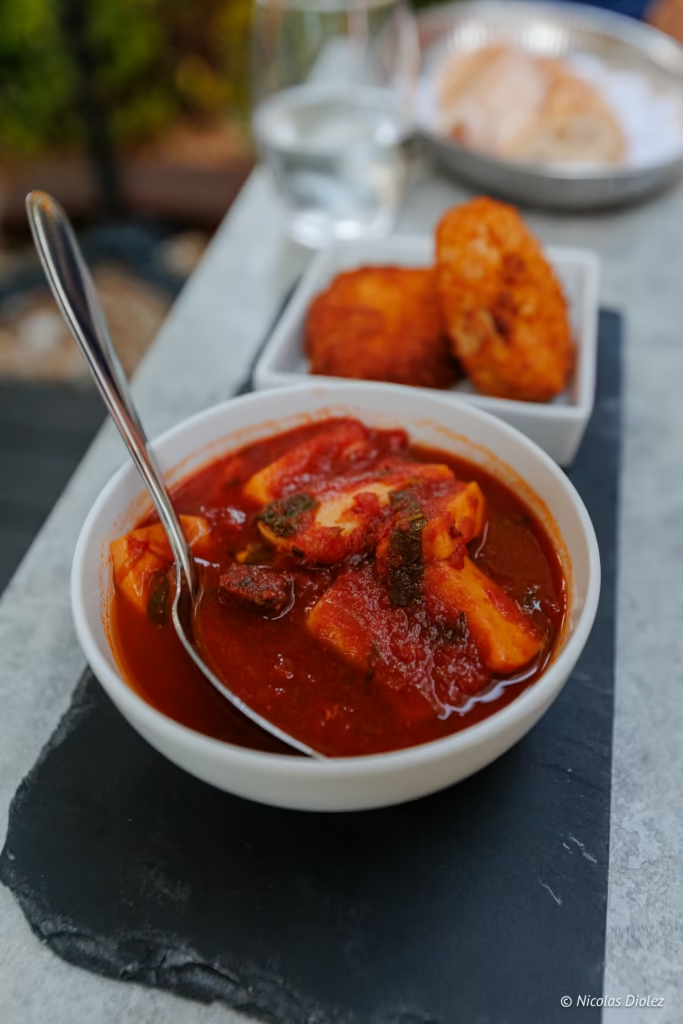
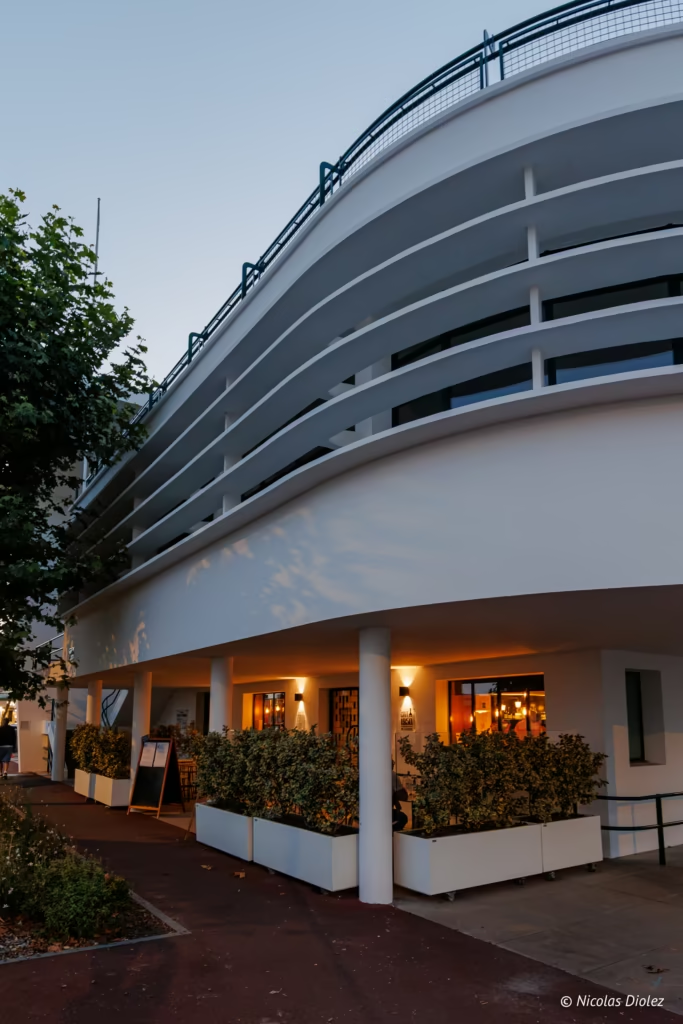
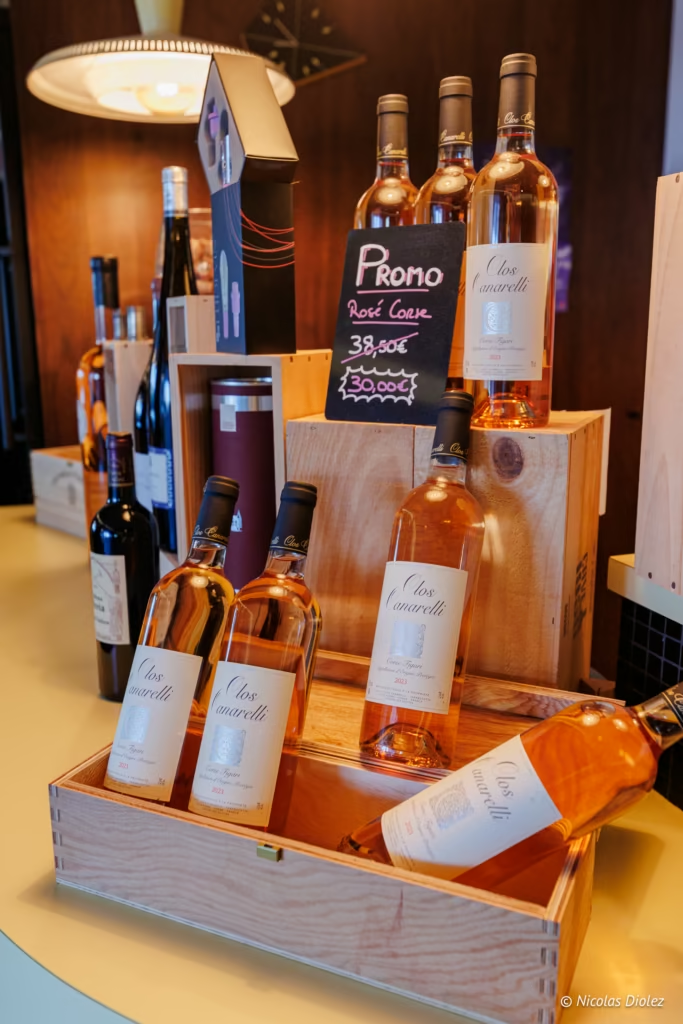
Restaurant La Cave 1950
2 avenue de la Grande Conche, 17200 Royan
Price : single evening sharing menu for the whole table at 33 €
Where to have lunch by the sea? Restaurant La crique Suzac
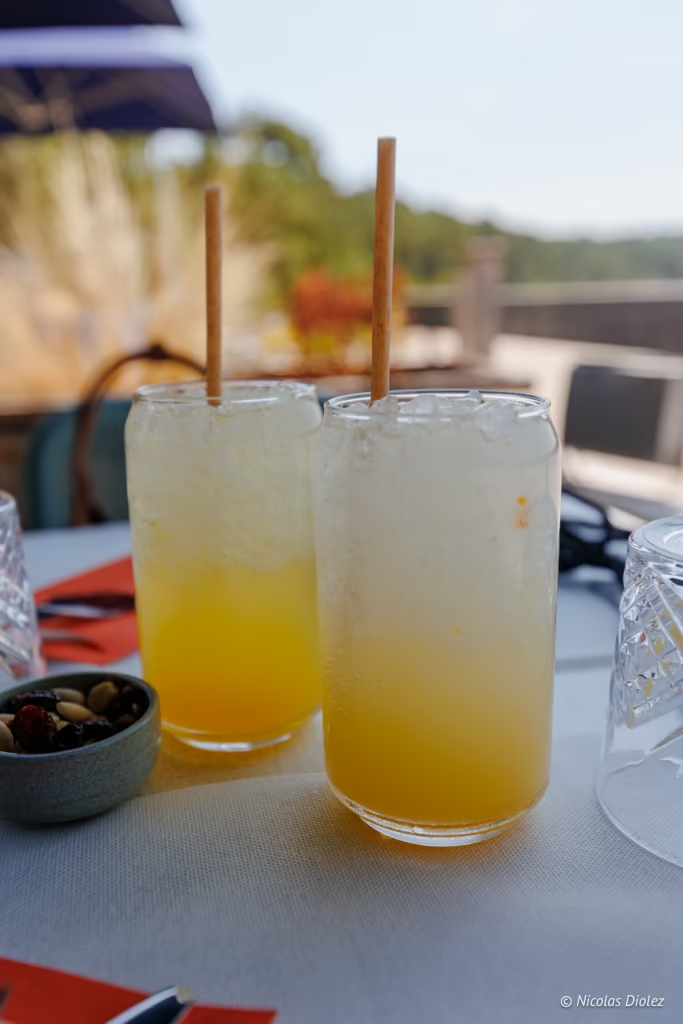
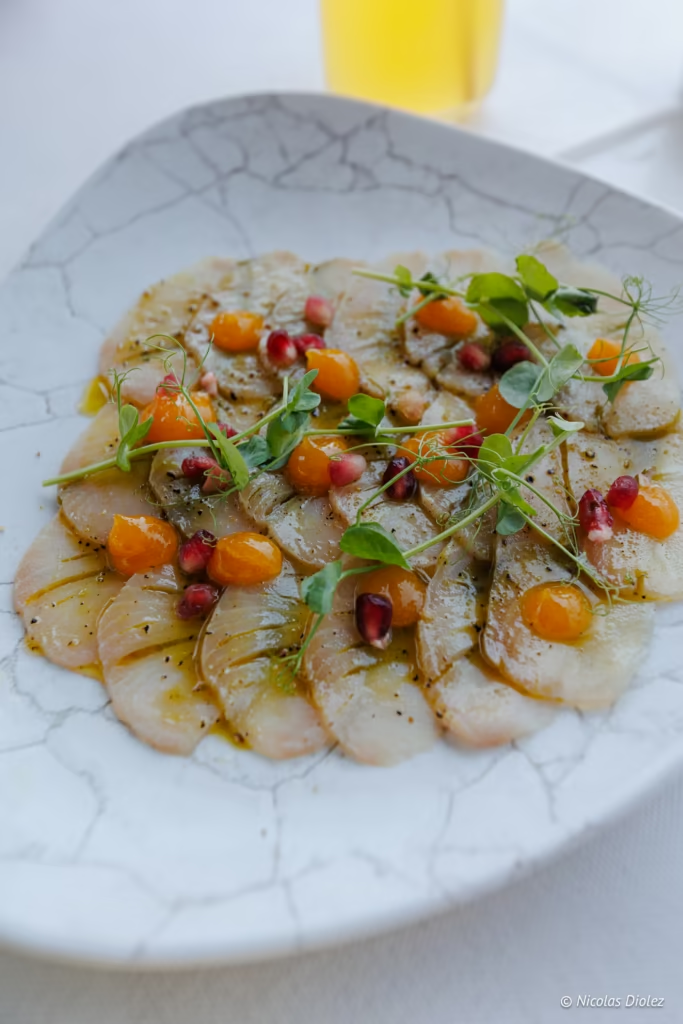
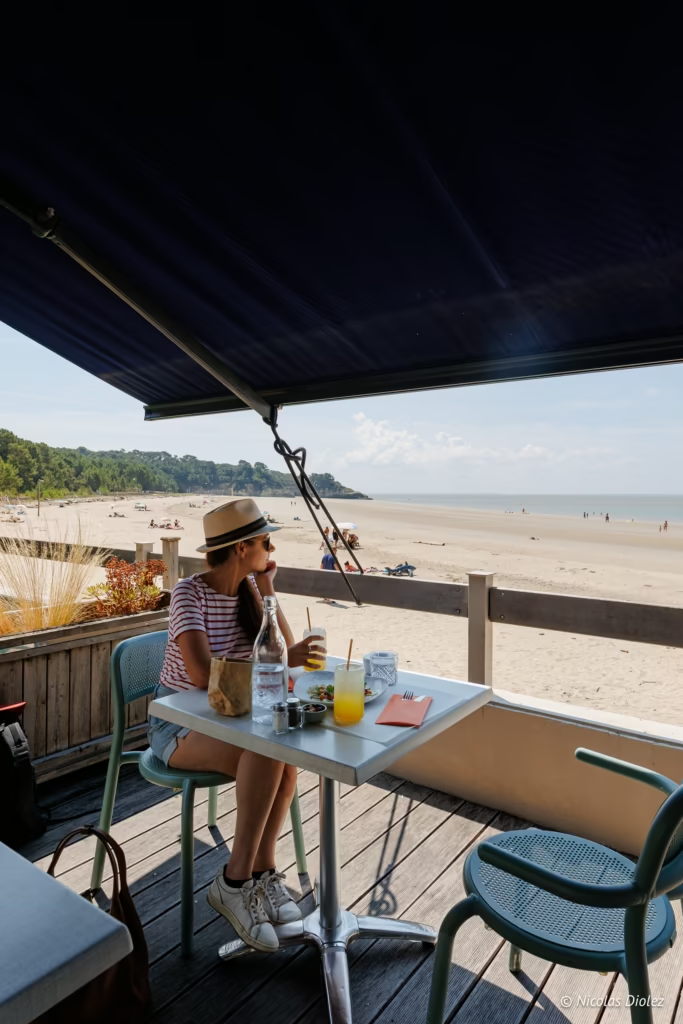
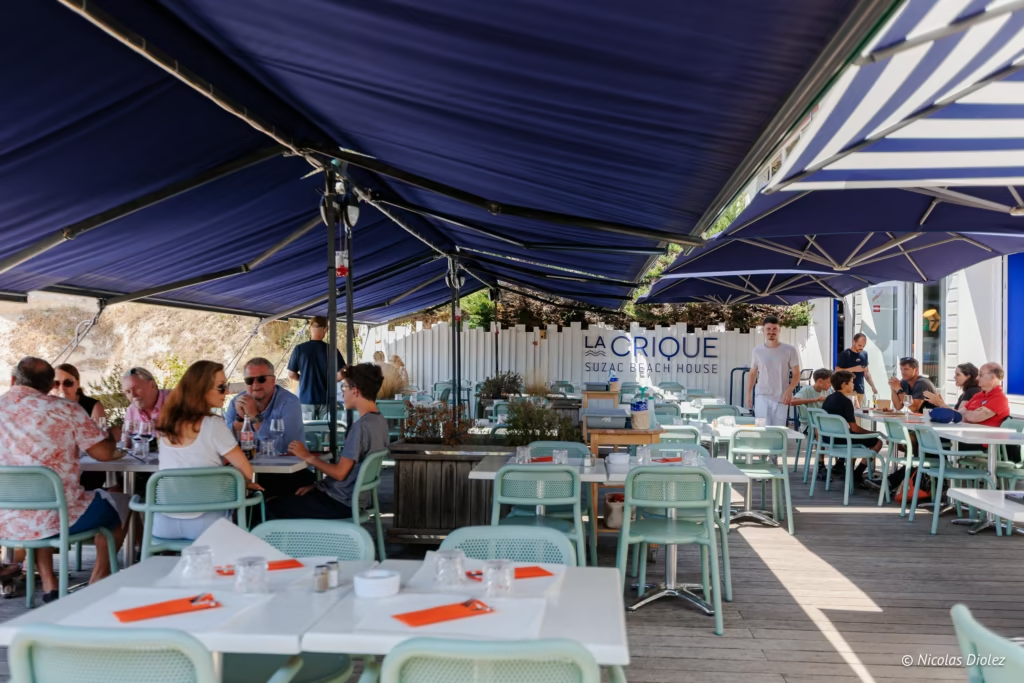
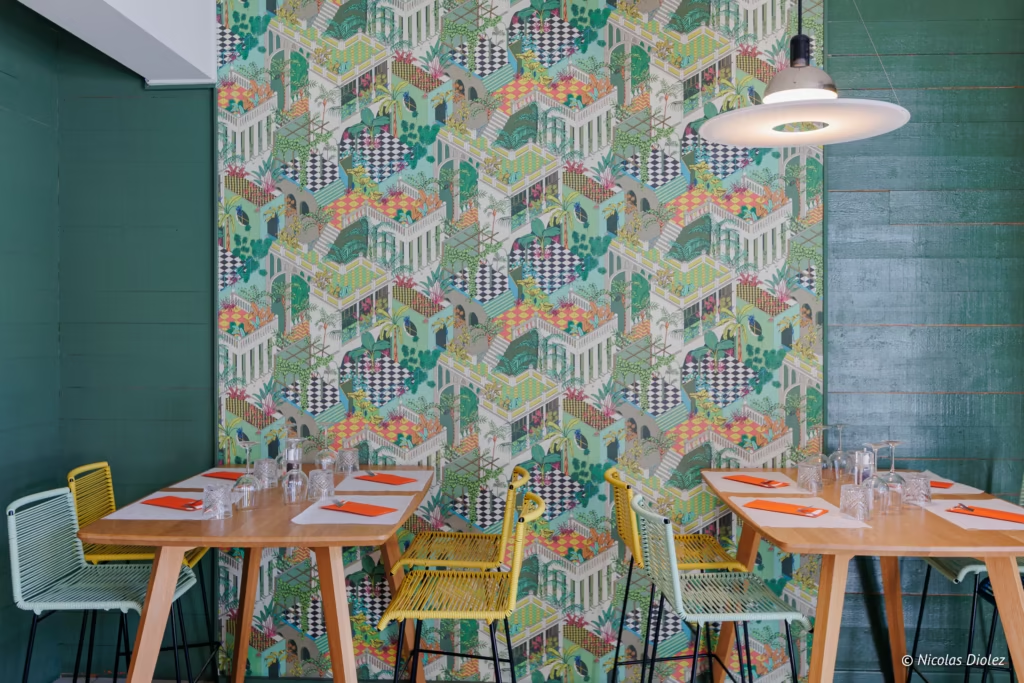
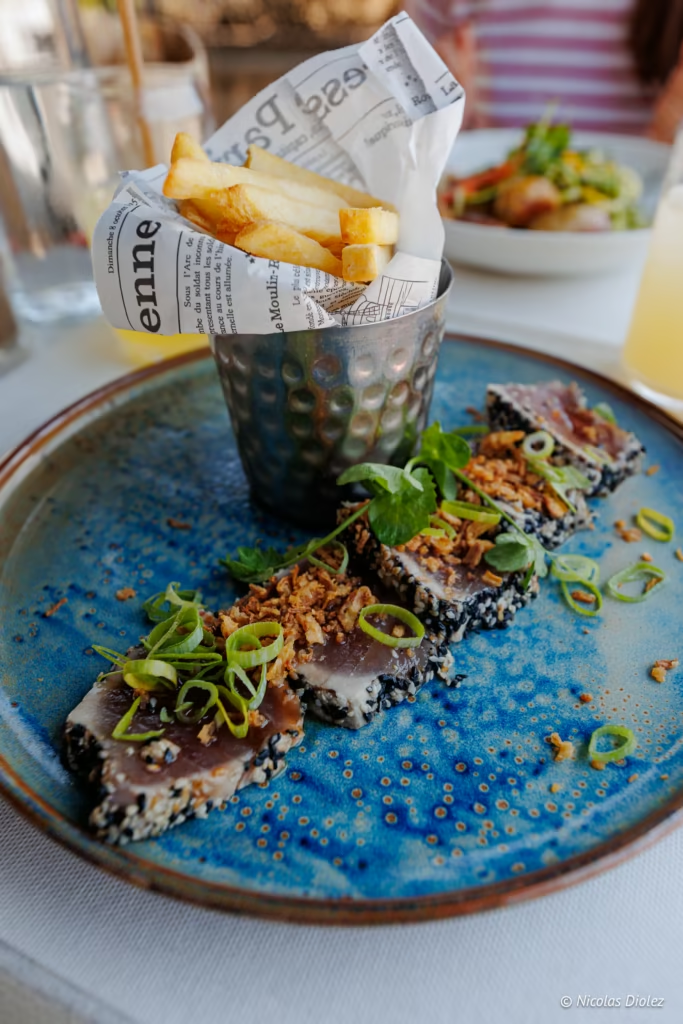
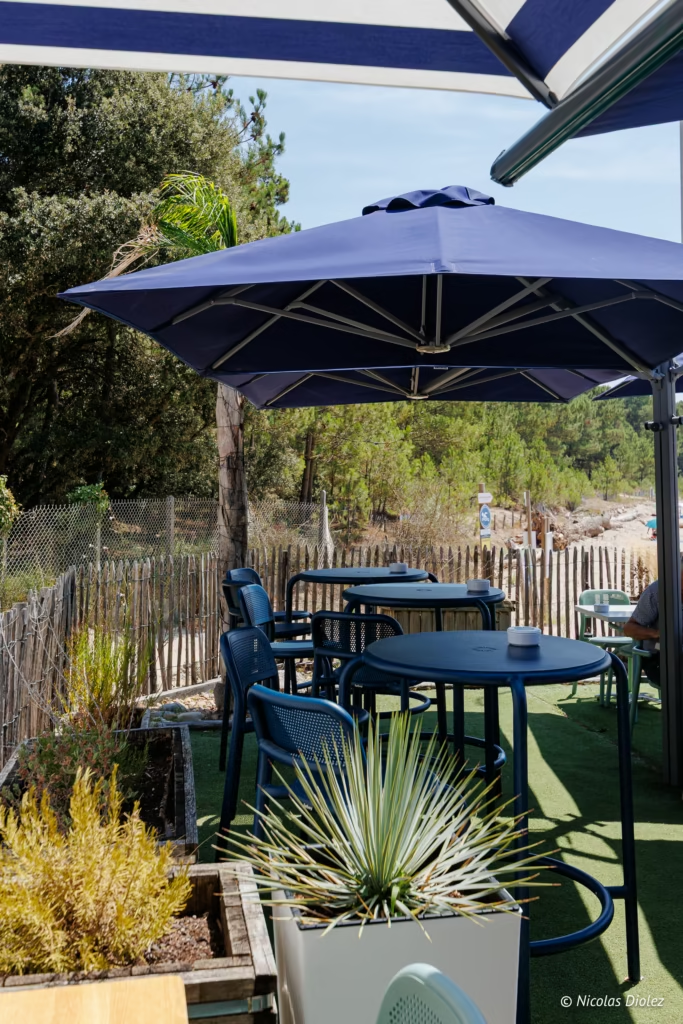
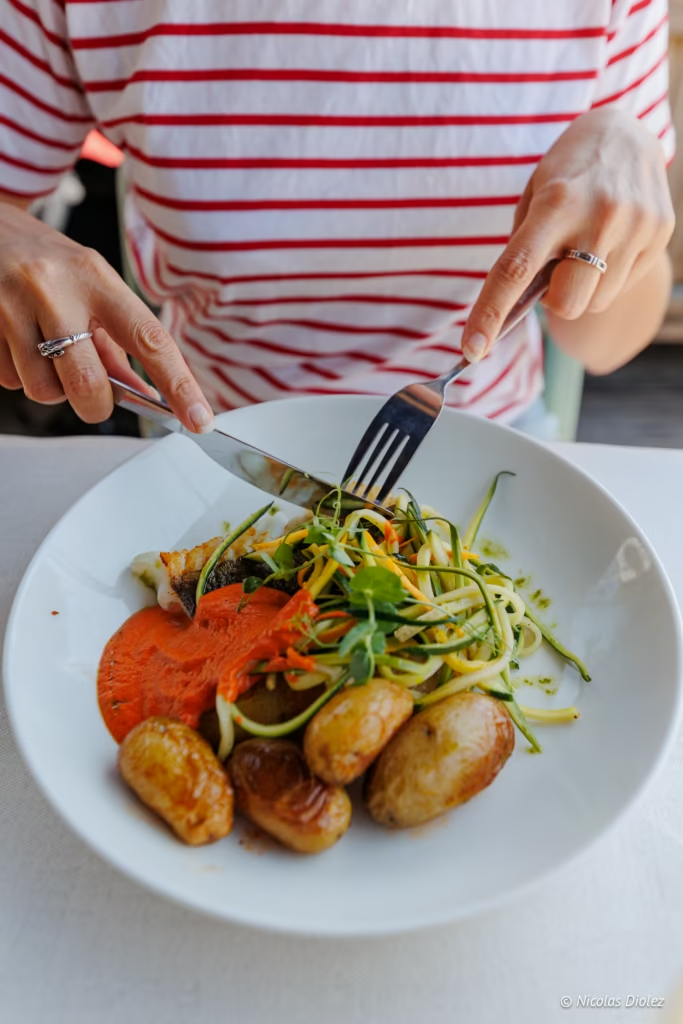
We stopped just below Saint-Georges-de-Didonne, right next to Royan, at the restaurant La Crique Suzac, which enjoys a prime spot overlooking the beach. The restaurant serves seafood-focused cuisine, grilled fish and cuts of meat, plus a set daily menu at lunchtime. Its main asset remains its large panoramic terrace with a direct view over the ocean and the coast, perfect for a meal or an end-of-day drink. I strongly recommend booking in summer, as the place is very popular at that time of year.
Restaurant La crique Suzac
119 Bd de Suzac, 17132 Meschers-sur-Gironde
Prices: starters between 12 € and 15 € / main courses between 18 € and 29,50 € / desserts between 3 € and 22 €
Visiting the Le Champ des Vignes estate
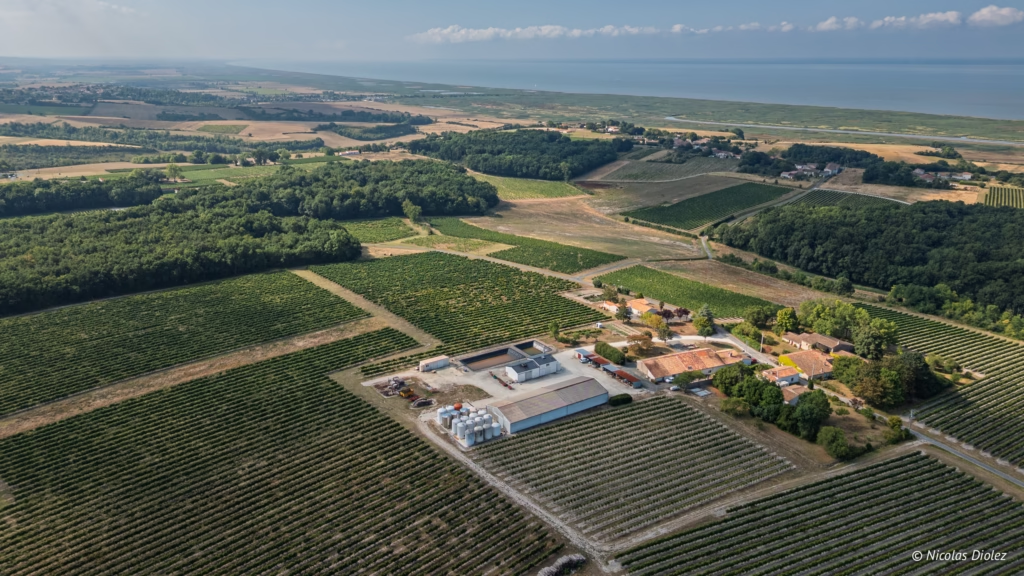
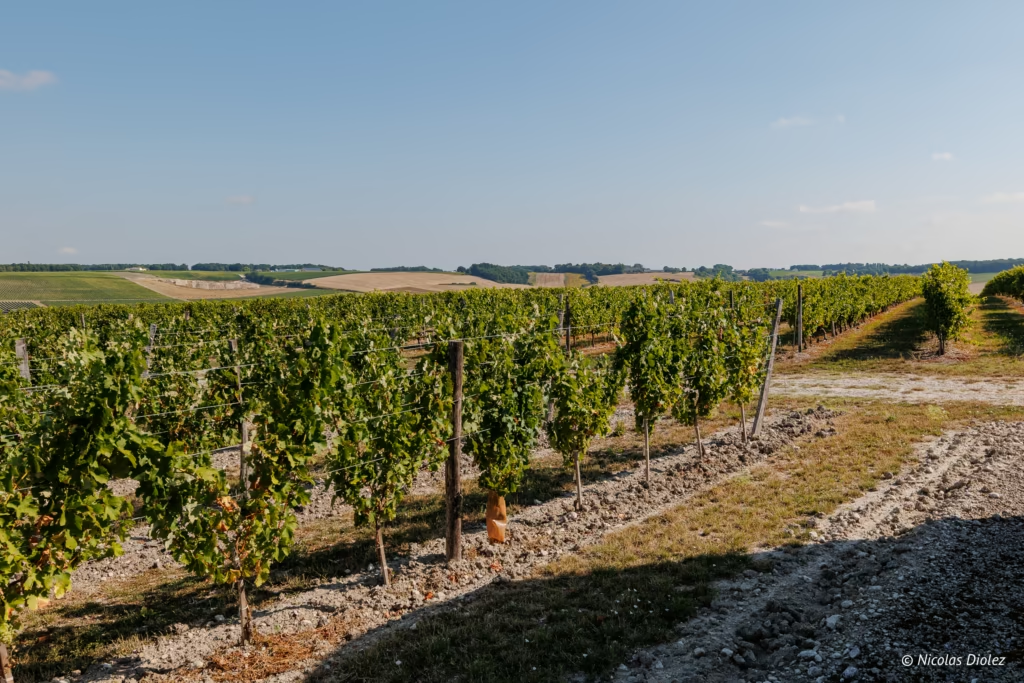
The Le Champ des Vignes estate, in Chenac-Saint-Seurin-d’Uzet, belongs to the Mossion family. Six generations have lived here, though winegrowing has only been the main activity for the last two generations (the first distillation dates back to 1992). Today, the estate farms 40 hectares of vines on the hillsides bordering the Gironde estuary, producing Pineau des Charentes and cognac.
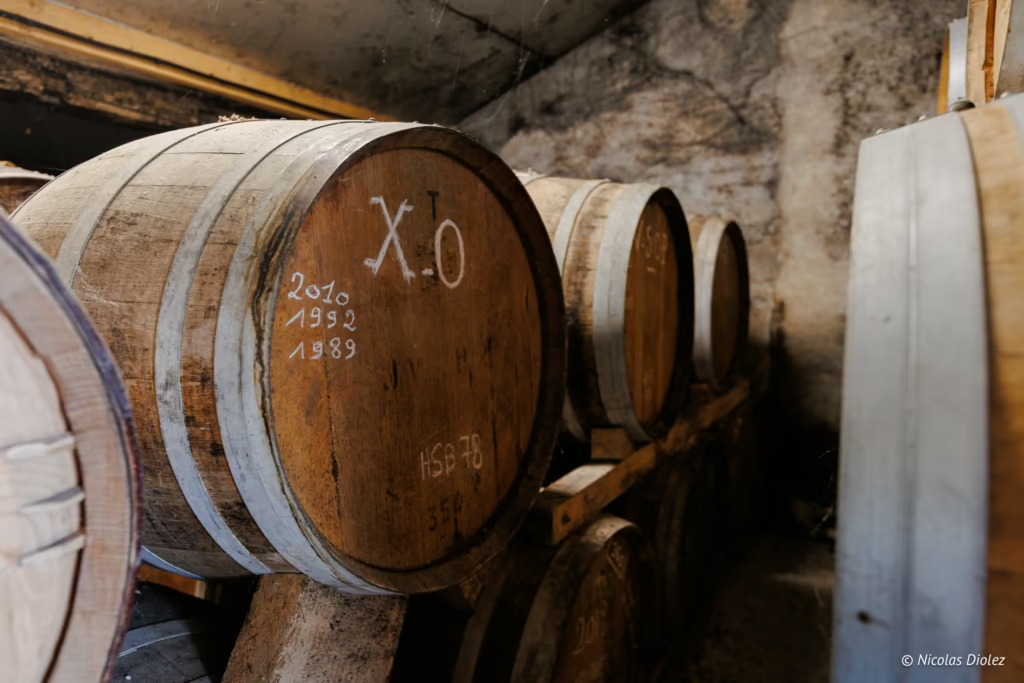
We got to discover the place on a guided tour open to the public. What’s great about this tour is that you can really see every stage of production, from the vine to the bottle (and that’s rare: out of about 4 000 winegrowers in the Charentes, around a thousand distill, and far fewer go all the way to bottling). You walk through the vineyard, past the tanks used to store the wine destined for distillation, then the distillery and the aging cellars. We notably discovered a 1974 still, bought second-hand by the family.
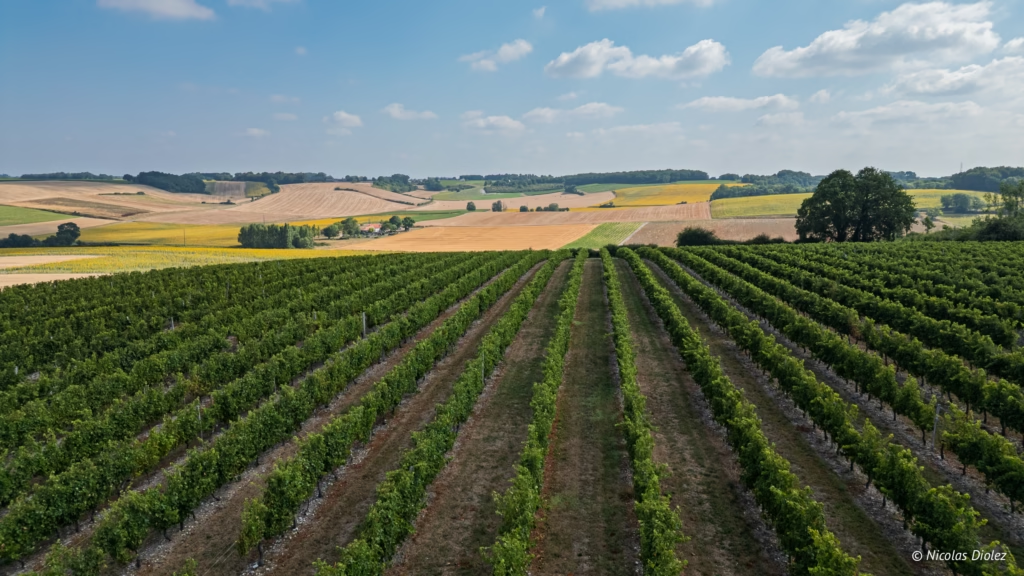
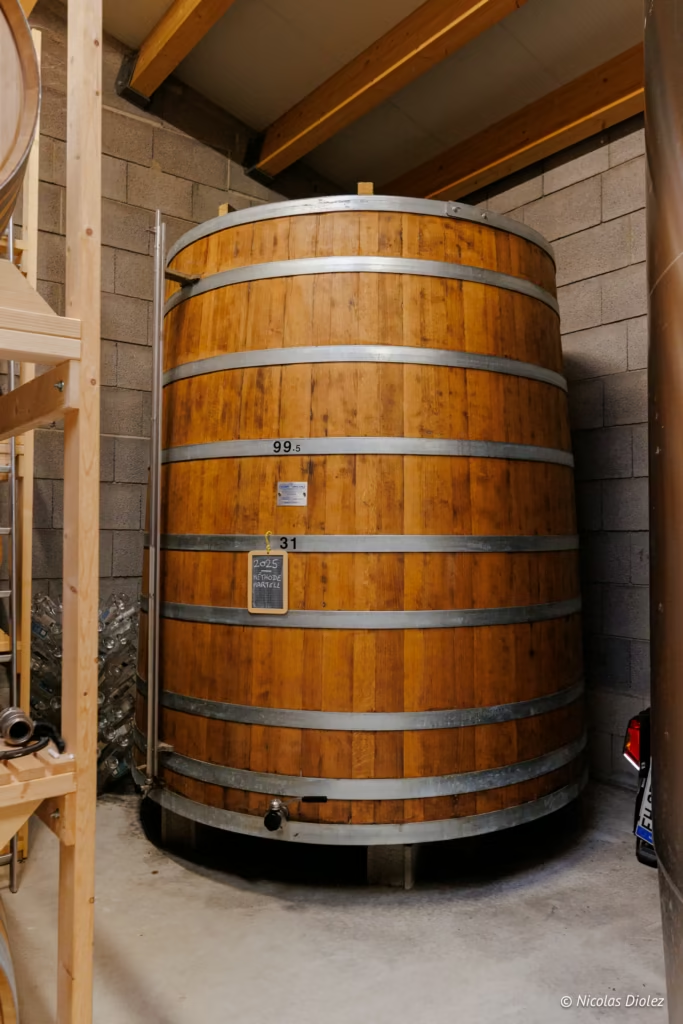
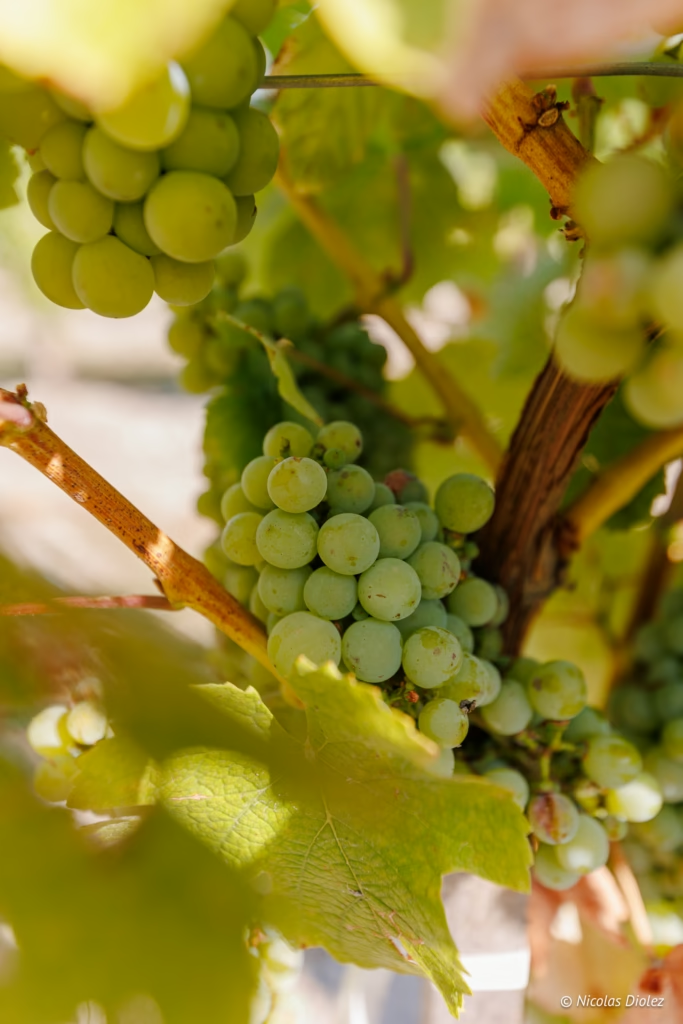
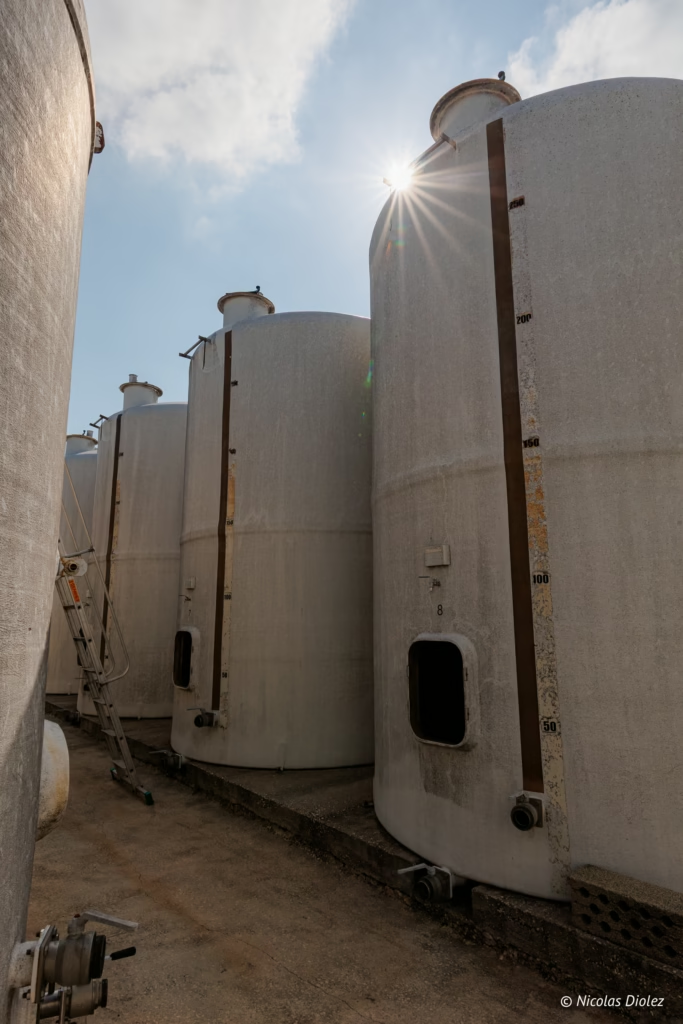
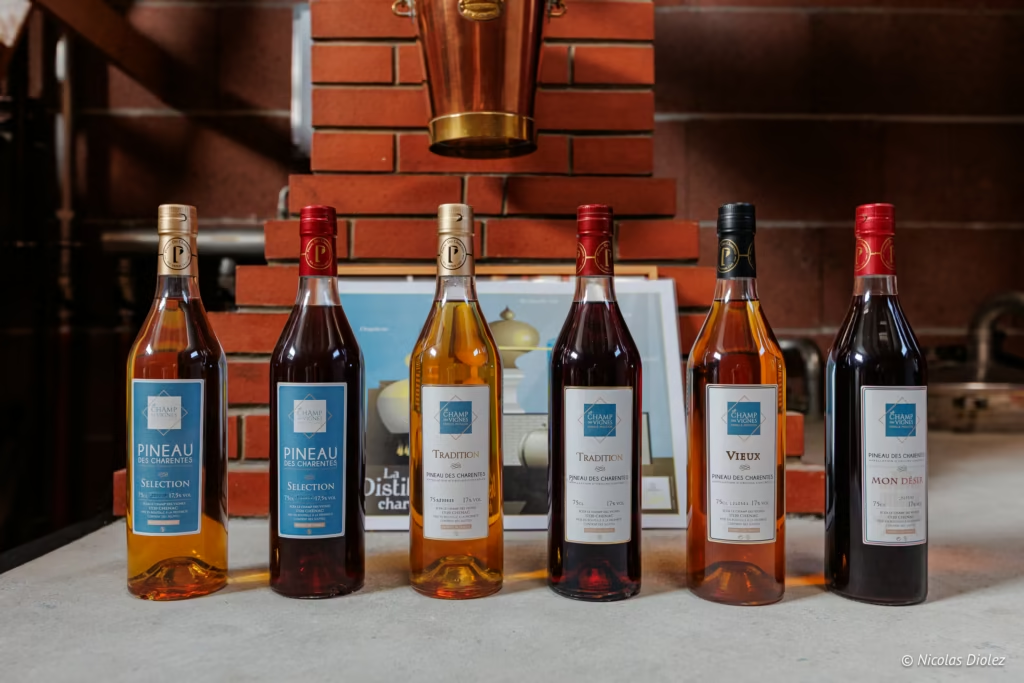
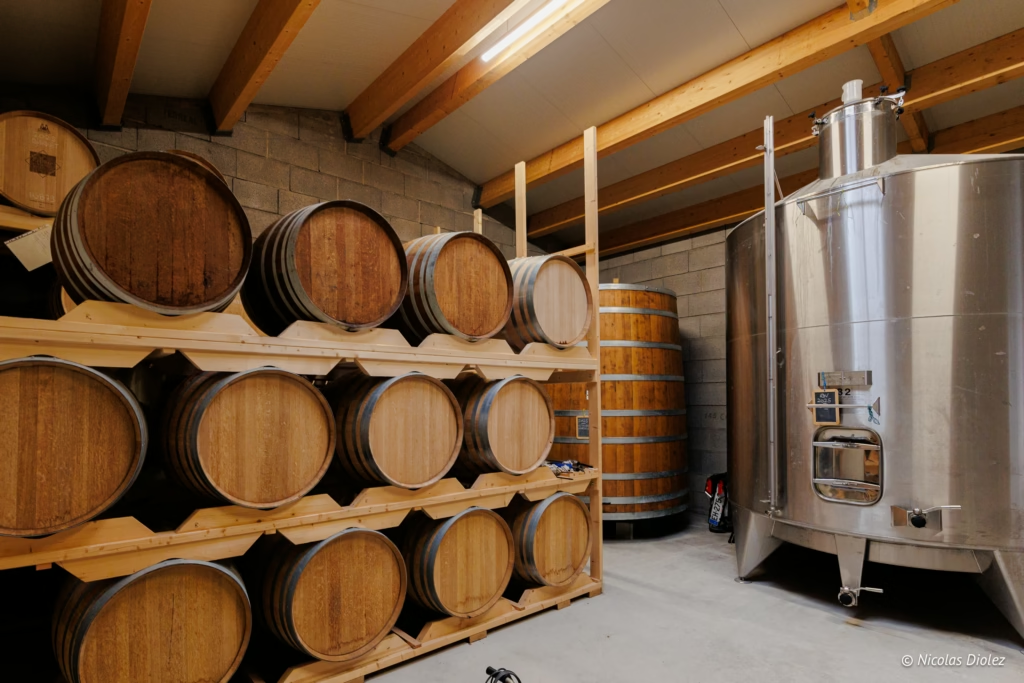
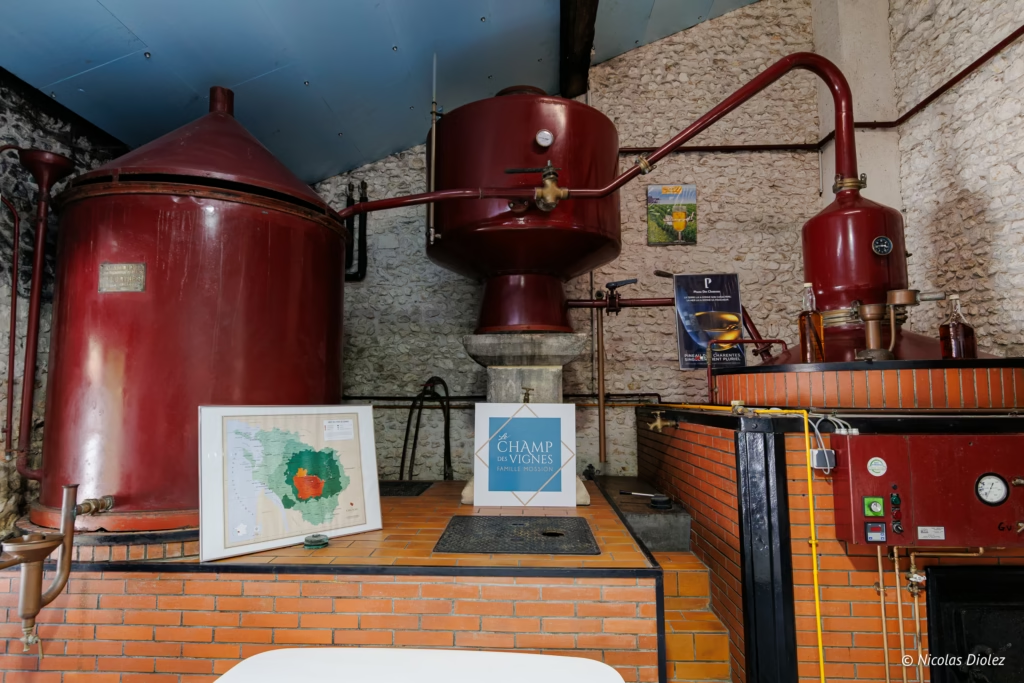
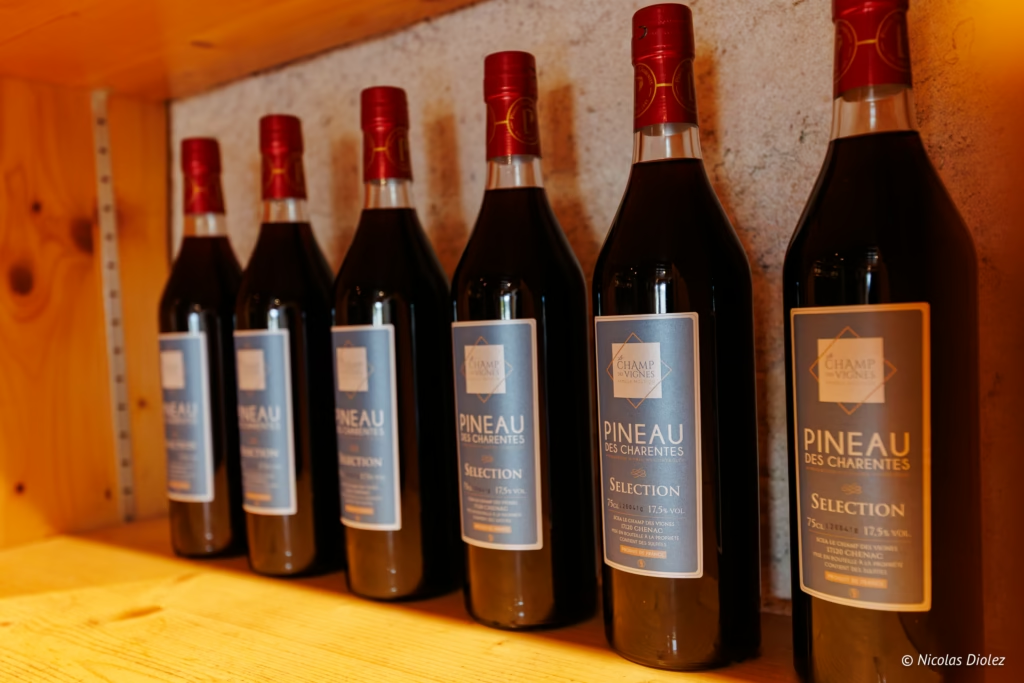
Cognac is made by double distillation of white wine, while Pineau des Charentes blends grape juice with cognac eau-de-vie. For the red pineaus, the estate uses merlot and cabernet franc. It also grows white grape varieties such as ugni blanc, montils and colombard. In the vineyard, you have to wait several cycles before a young vine starts producing, and in the cellar, the work then continues for years.
The tour ends at the shop, with the producer’s pineaus and cognacs (VS, VSOP, XO, and old pineaus from 12 years), which you can only find here or at a few retailers, notably at the Royan market. Together with the Royan Atlantique tourist office (33 municipalities), the estate also hosts concerts and film screenings in the vines.
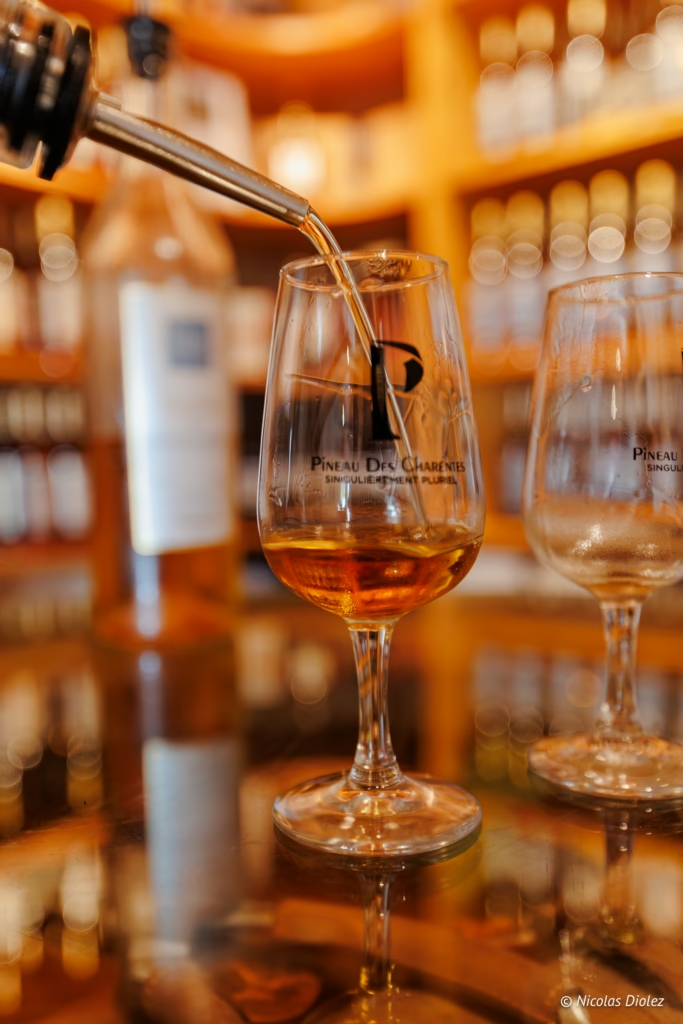
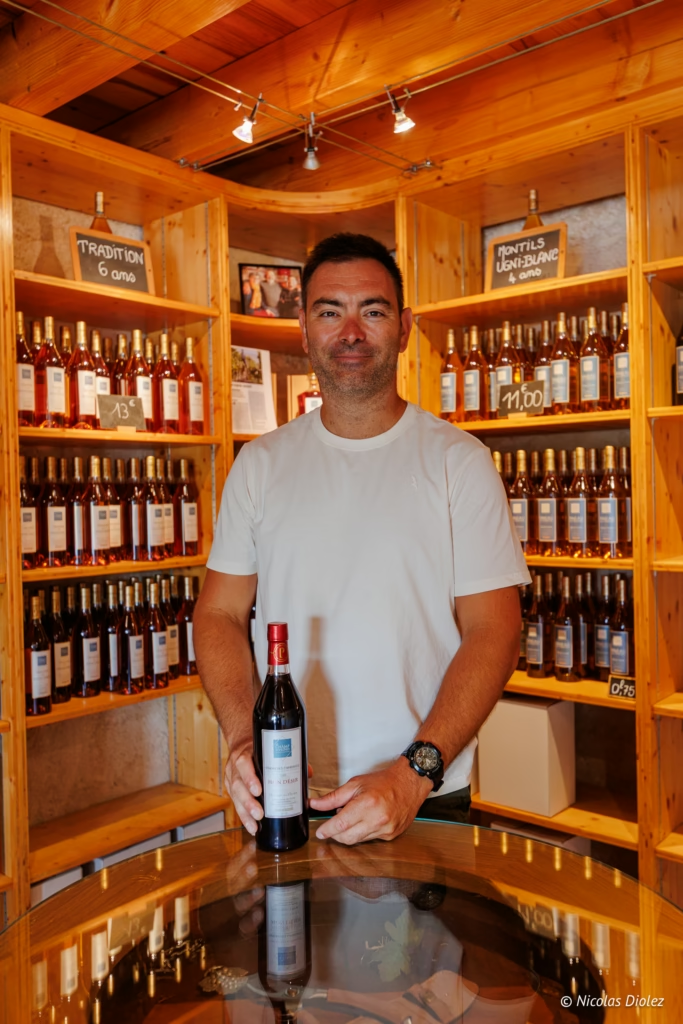
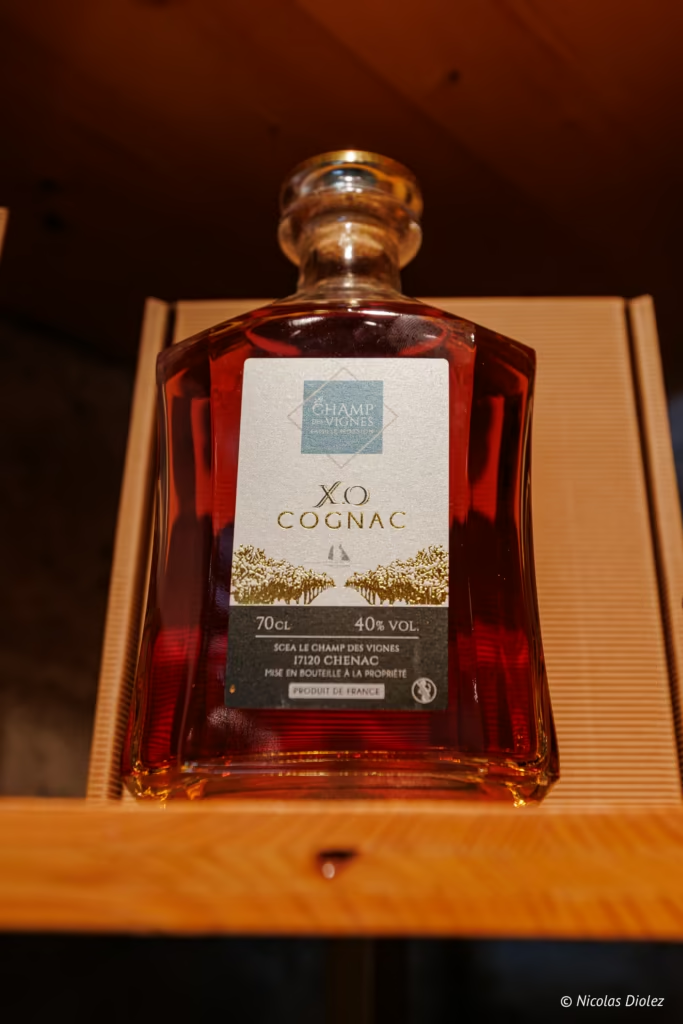
Recipe idea : the producer (elected to the pineau producers’ union) gave us a cooking tip worth remembering: use a young pineau with mussels. Definitely one to try!…
Le Champ des Vignes
58 chemin des Cormes, 17120 Chenac-Saint-Seurin-d’Uzet
2-hour tour by reservation : 8 € per person for individual visitors
Stage 4: Vals de Saintonge
In the heart of Charente-Maritime, the Val de Saintonge marks a clear shift from the coastline. Centered around Saint-Jean-d’Angély and crossed by the Boutonne river, this countryside area brings together villages built of local stone, Romanesque churches and farmland landscapes.
Destination Vals de Saintonge
Take a boat trip without a license in Saint-Savinien
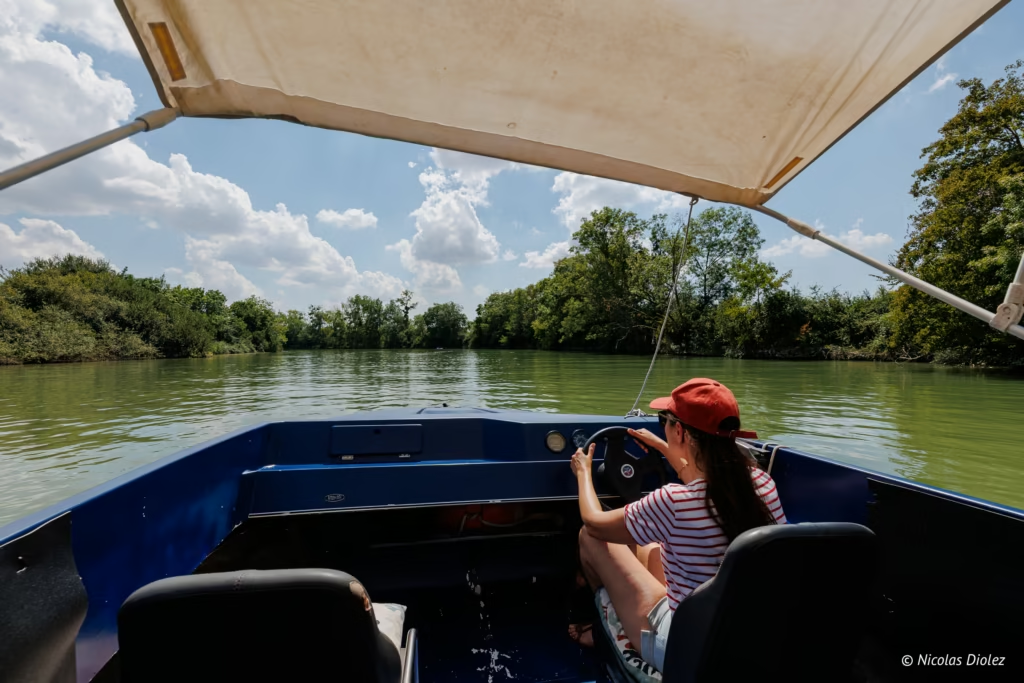
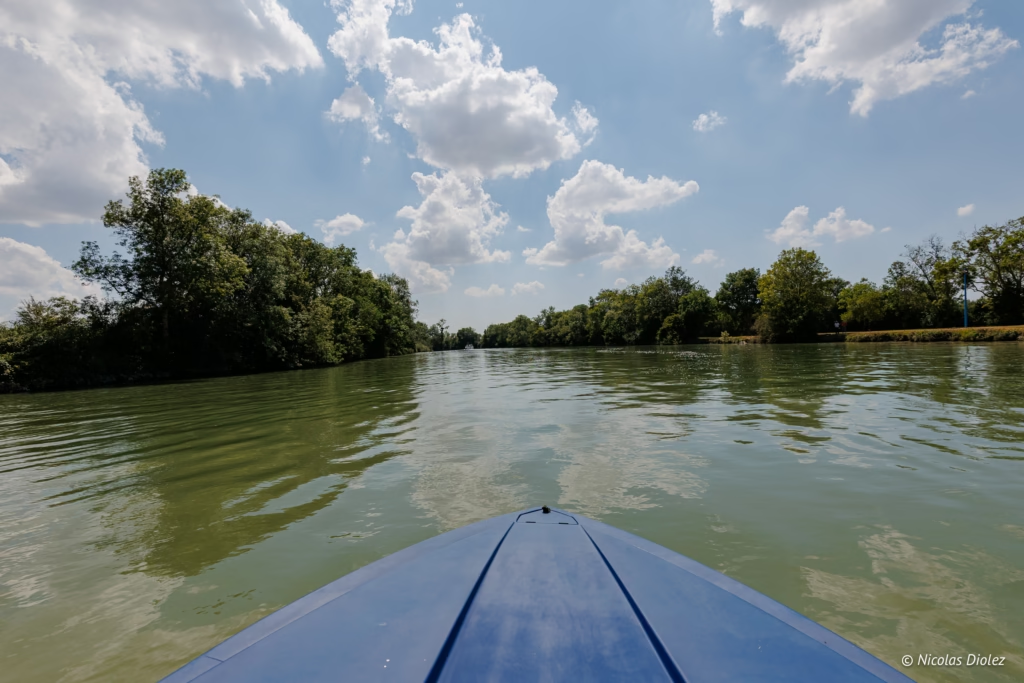
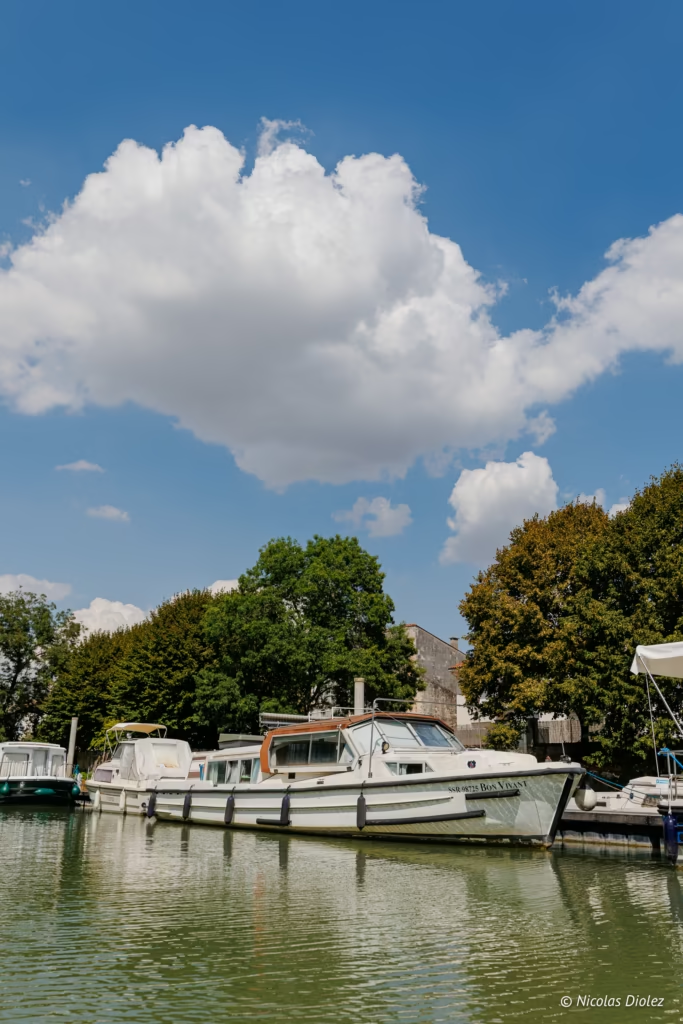
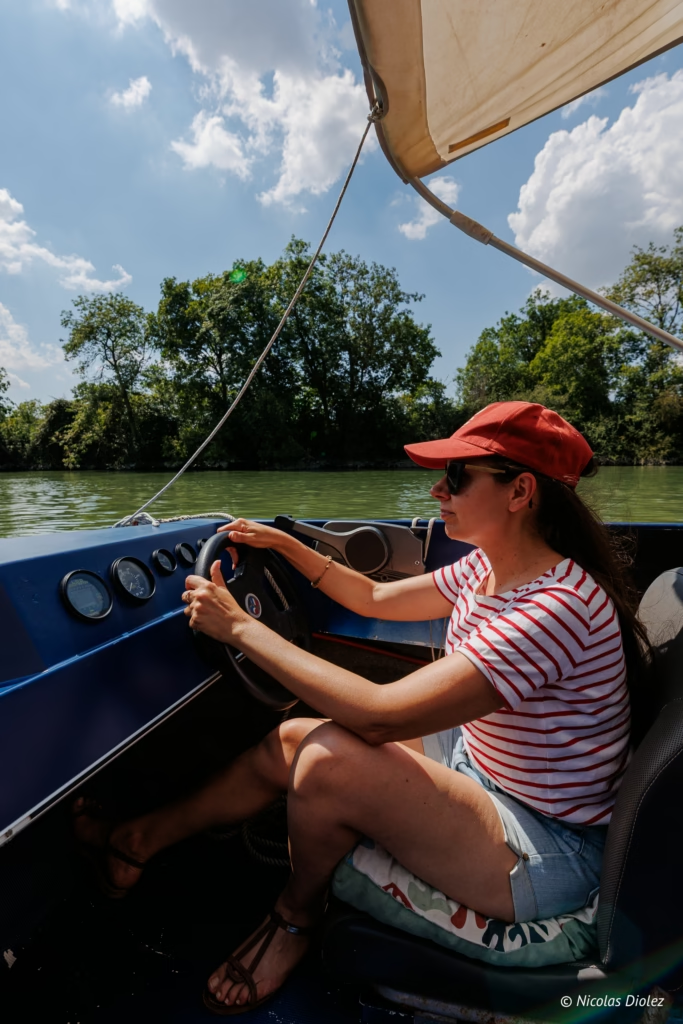
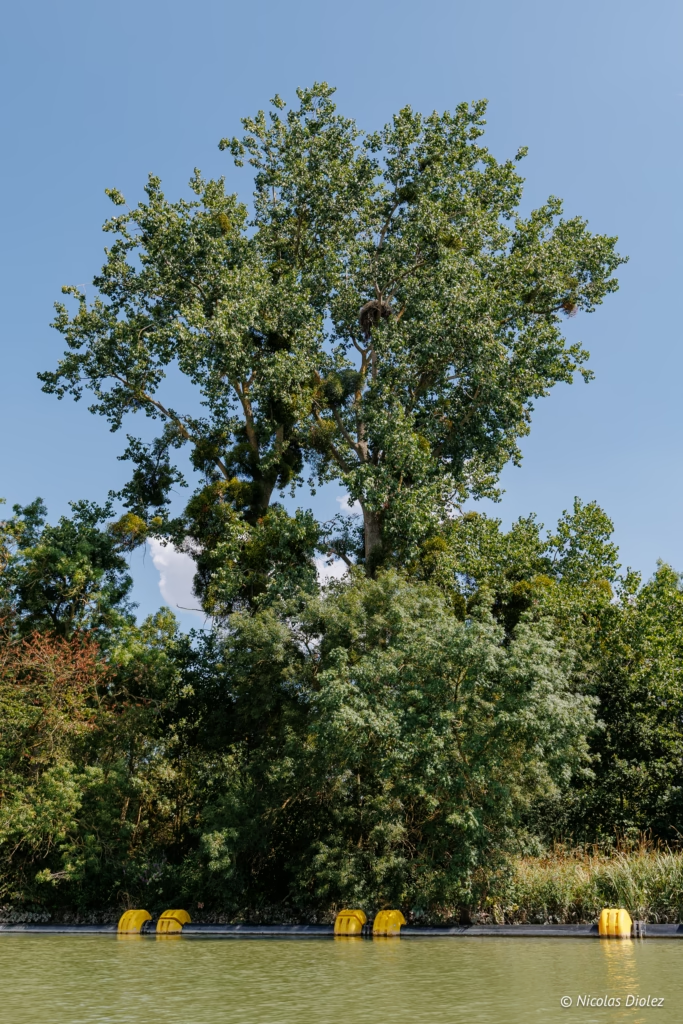
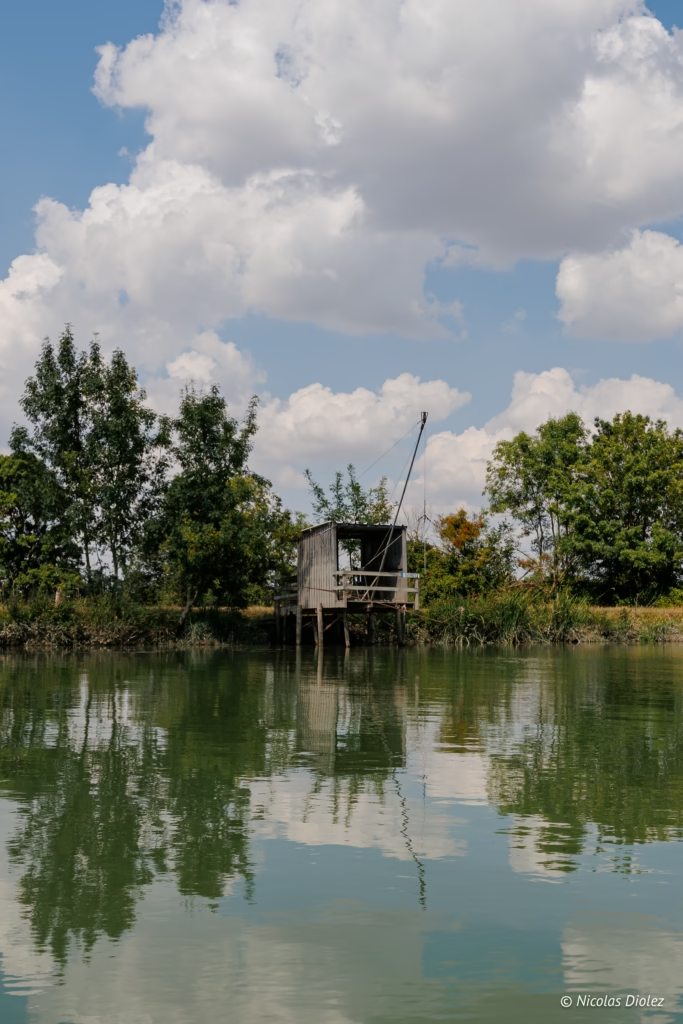
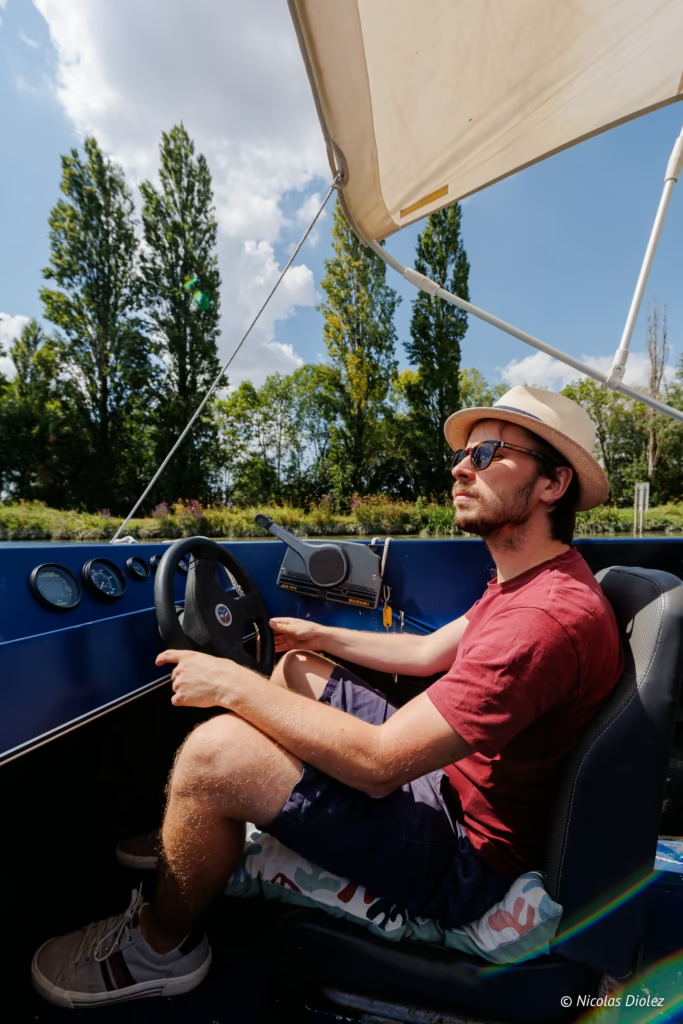
In Saint-Savinien-sur-Charente, we took an hour-long ride aboard a five-seat boat that doesn’t require a license. During the ride, you leave the town behind and follow the Charente, with trees and riverbanks lining the route. The rental lets you choose between a one- or two-hour trip. You set off from the île de la Grenouillette, across from Saint-Savinien, in the commune of Le Mung. When the weather cooperates (which it did for us), it’s a lovely, soothing outing.
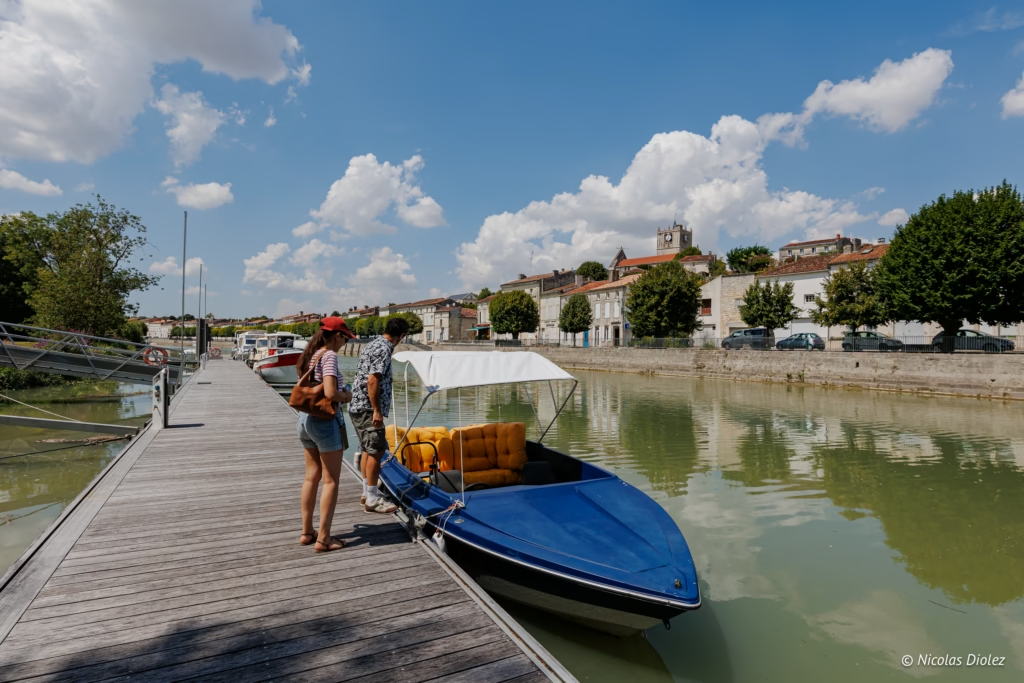
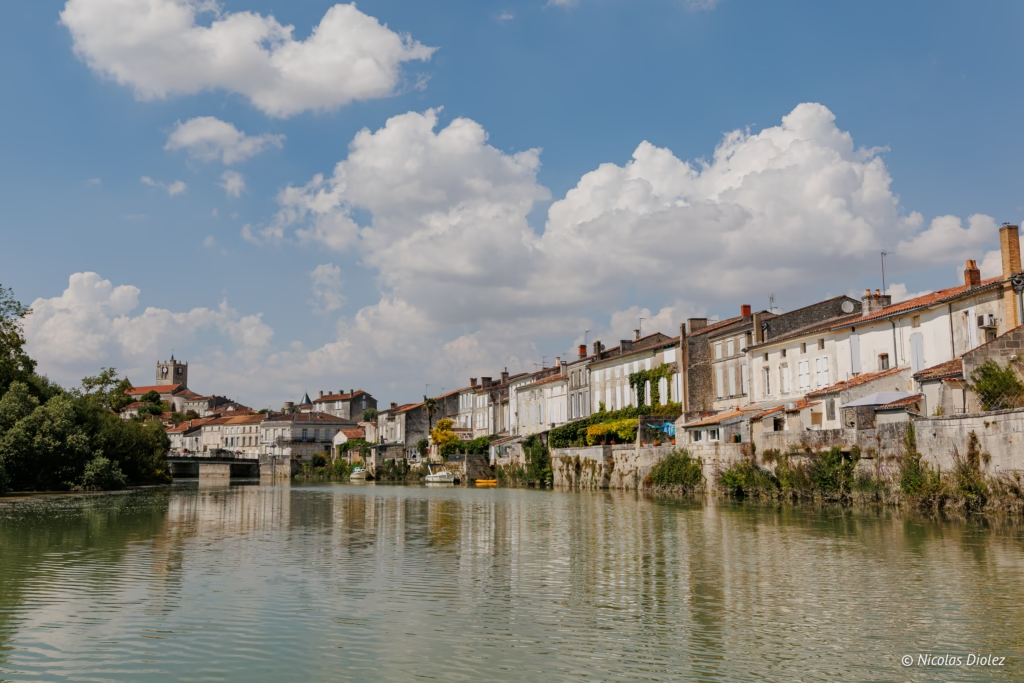
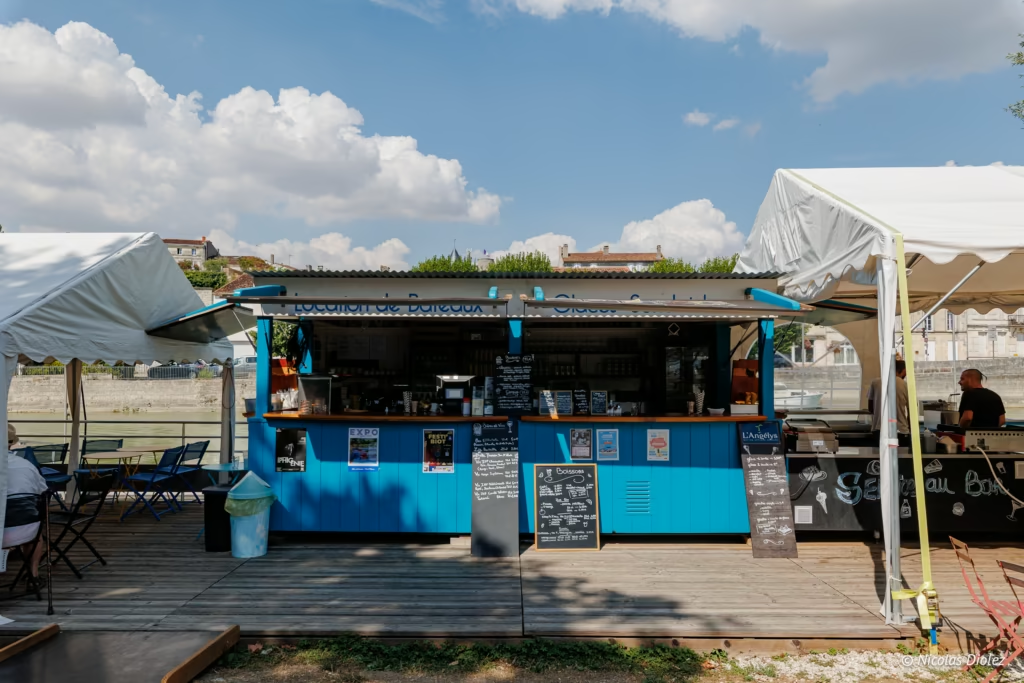
License-free boat trip on the Charente
Île de la Grenouillette, 17350 Le Mung, across from Saint-Savinien
_
Where to stay in the Vals de Saintonge? Aux Agapanthes
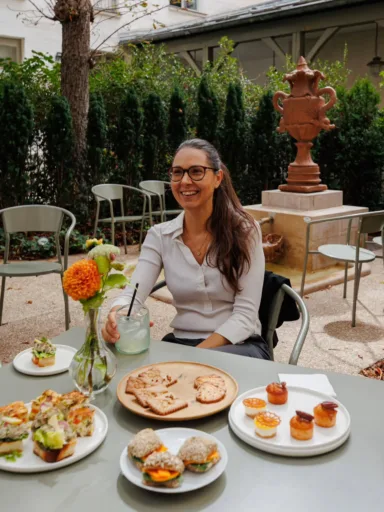
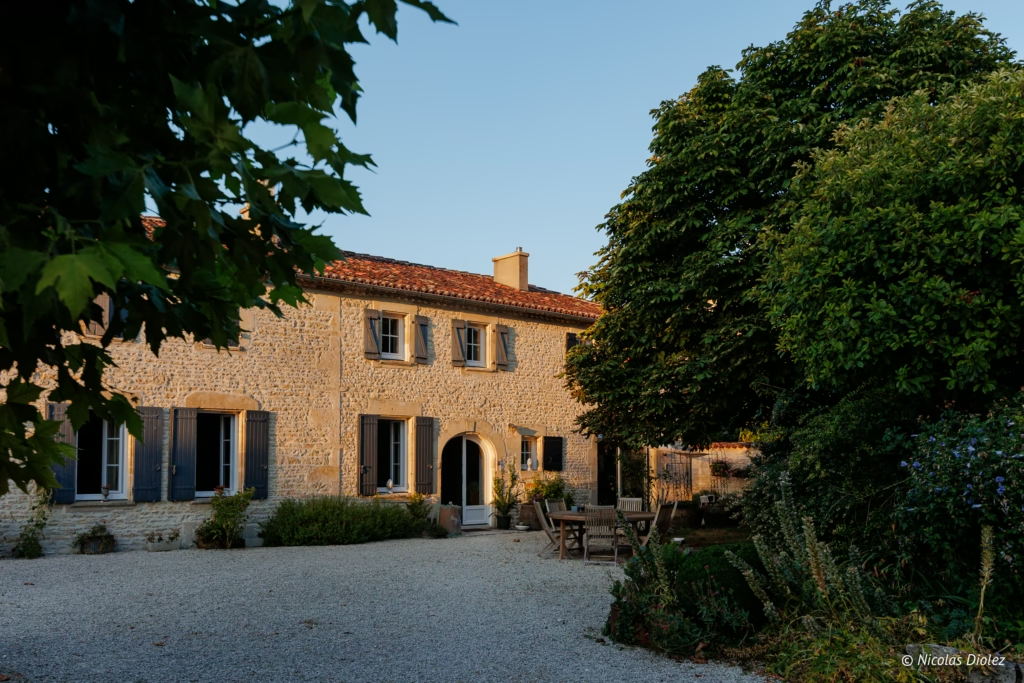
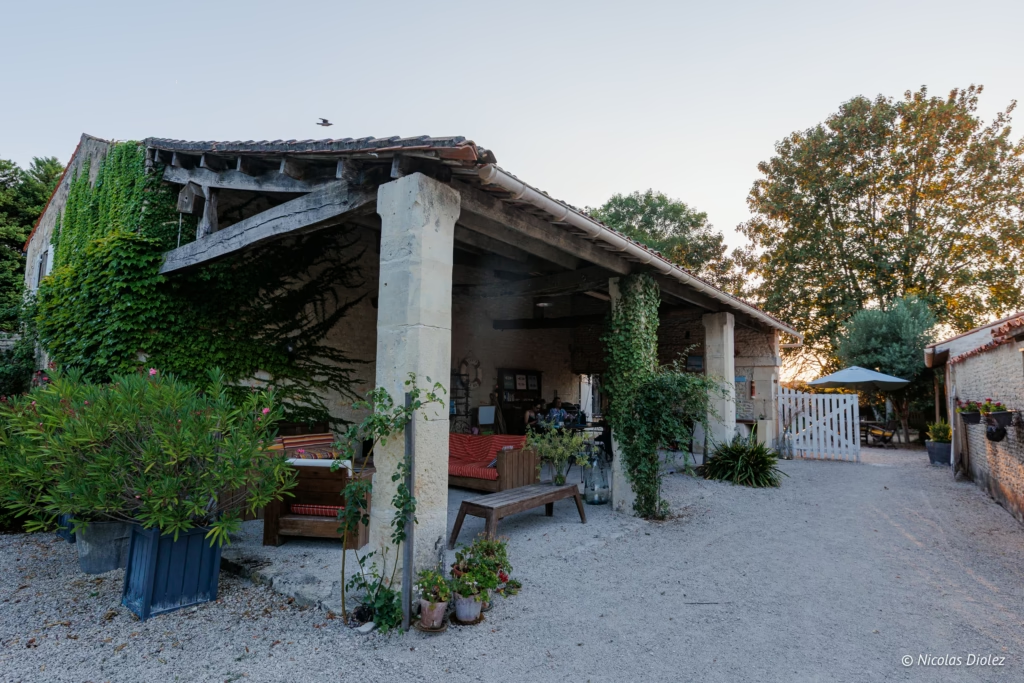
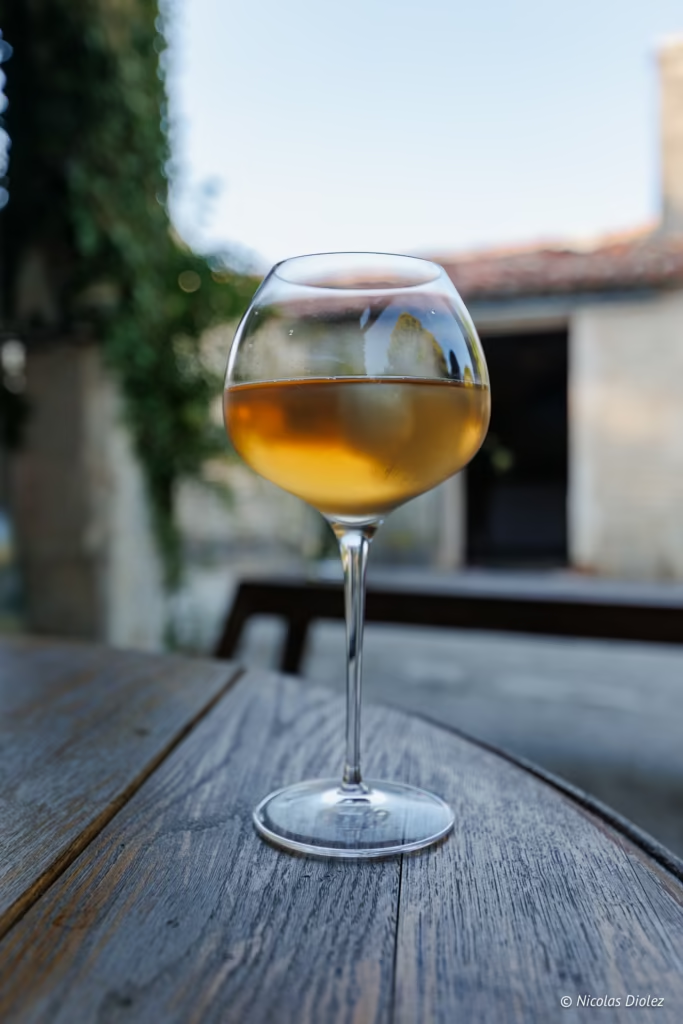
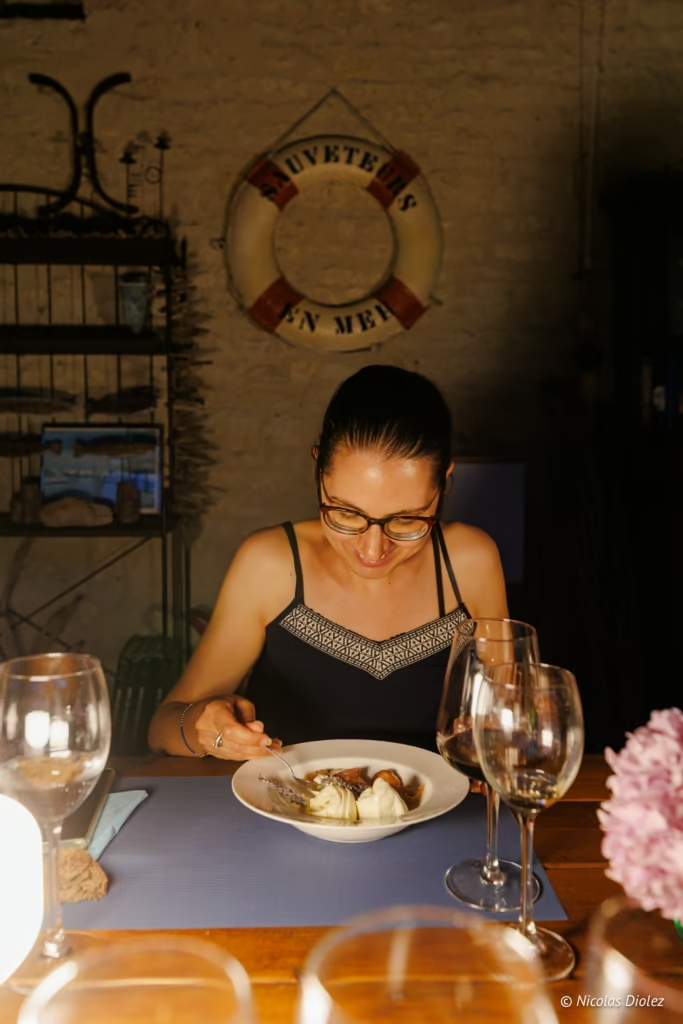
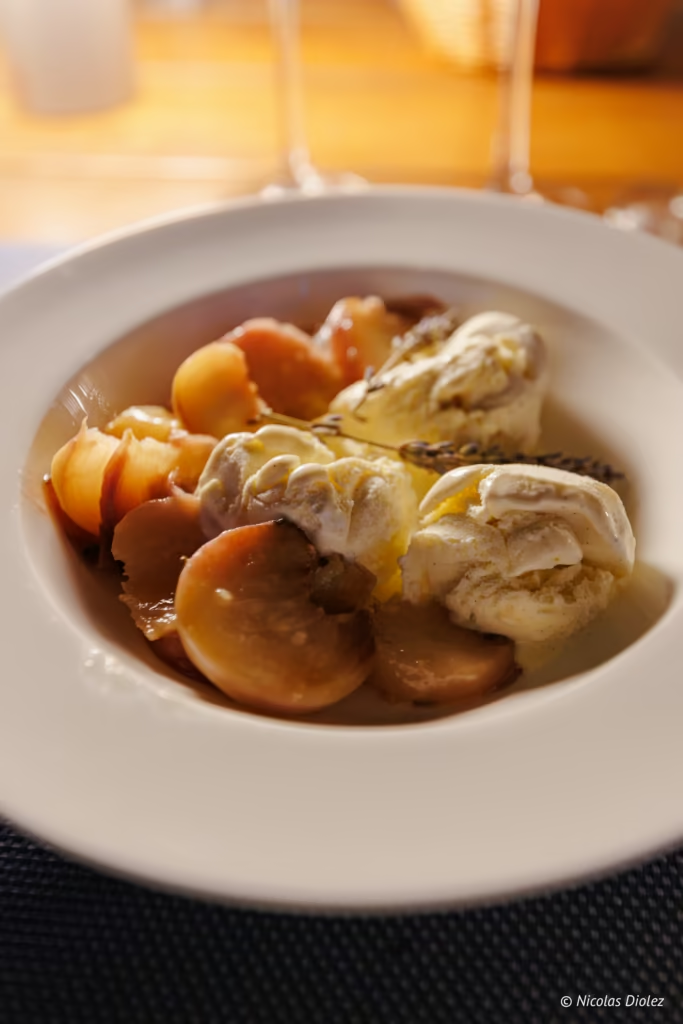
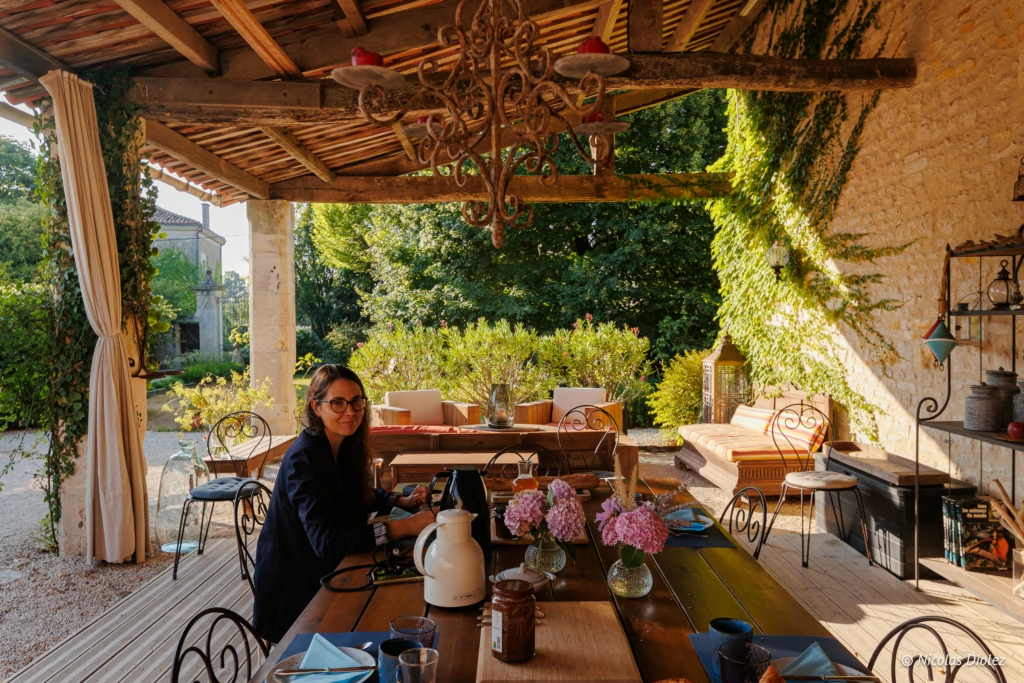
Aux Agapanthes, in Aumagne, is a property of about one hectare, with guest rooms and a gîte, whose Charentais house opens onto a leafy, flower-filled garden. The owners, Pascale and Jean-Louis Wagner, took over and renovated the place before it reopened at the end of 2023. We really felt right at home here, and the hosts of this estate gave us a truly warm welcome. The house also offers a table d’hôtes by reservation (eight people maximum): if you’d like to have dinner there, mention it to the owners when you’re planning your visit.
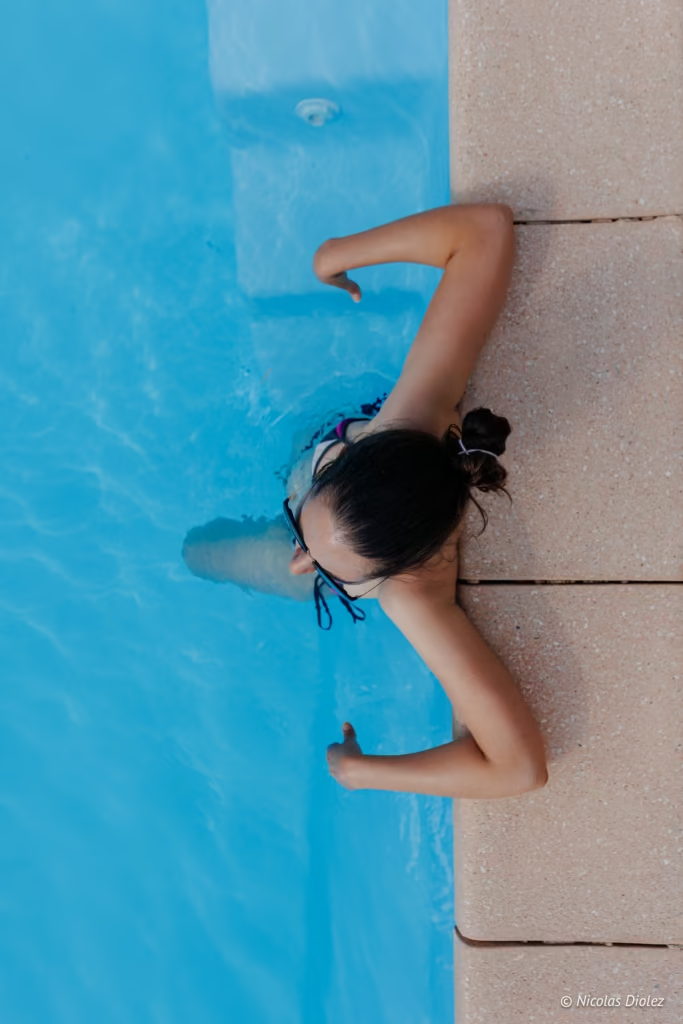
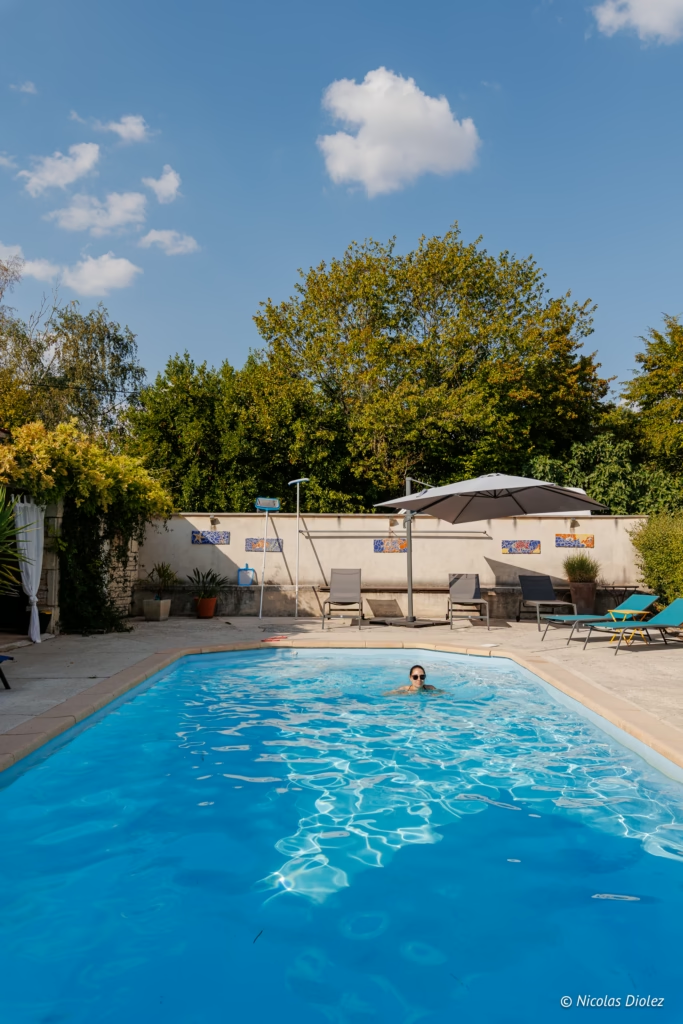
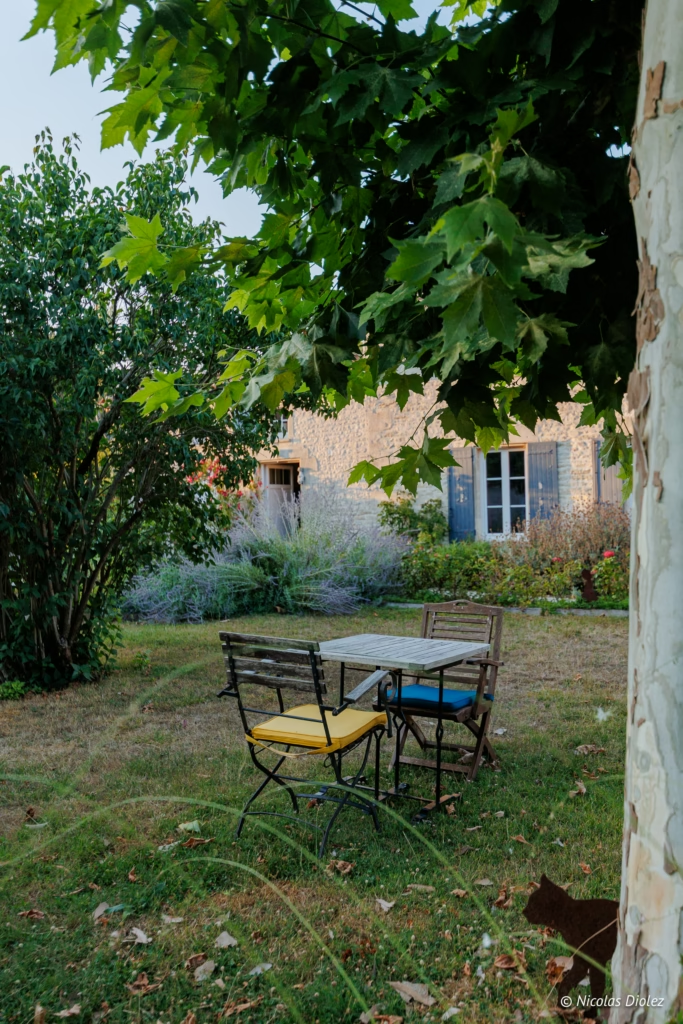
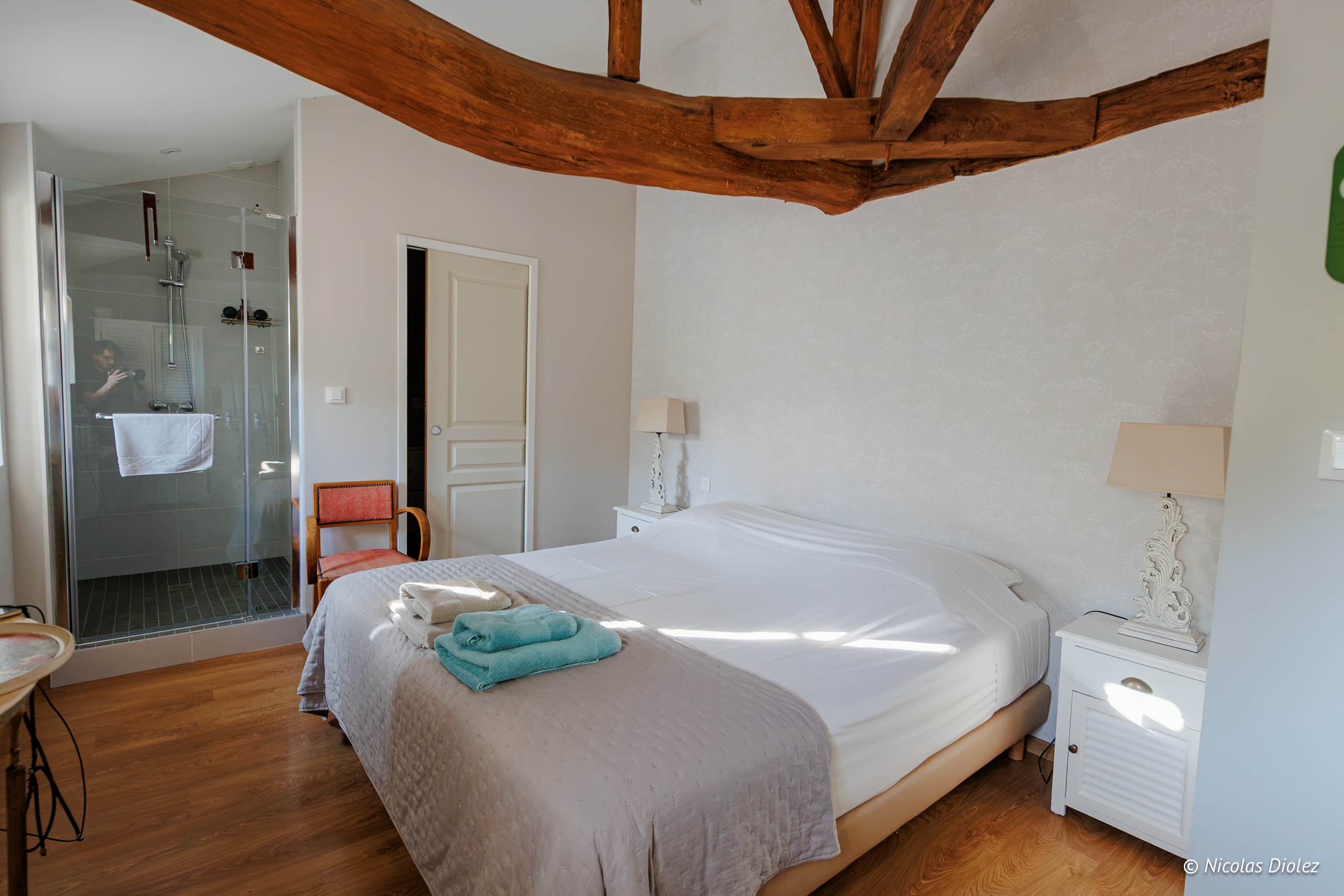
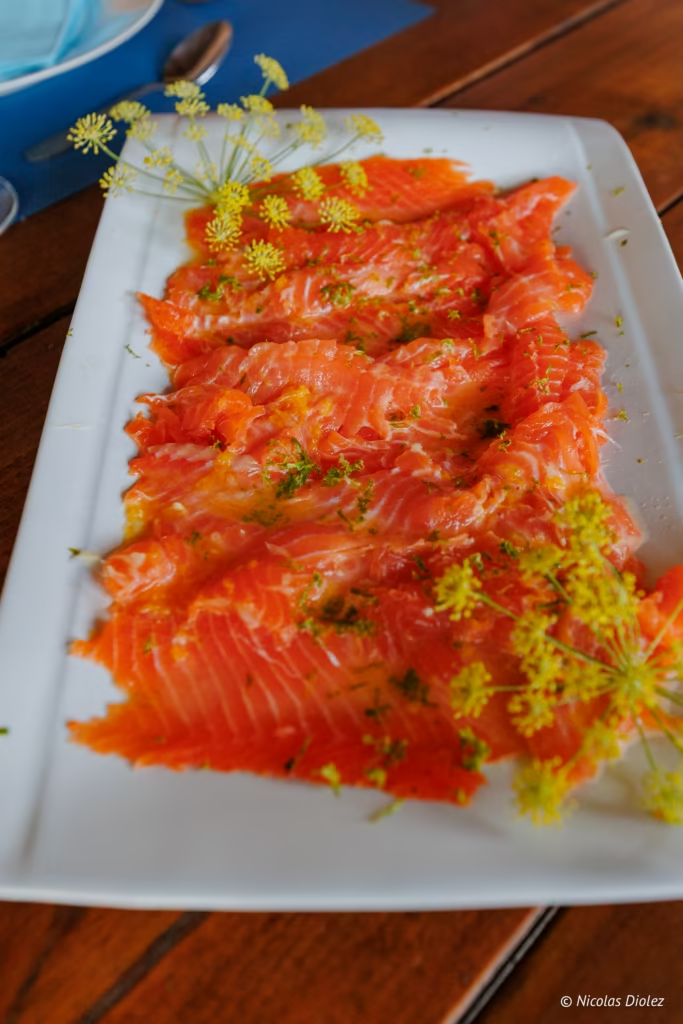
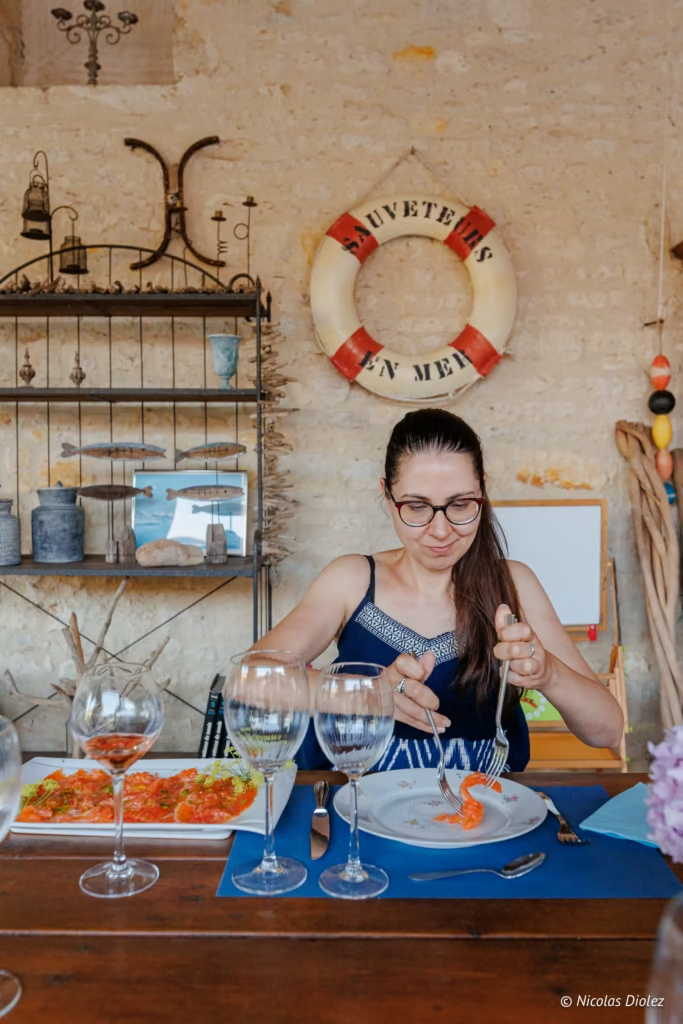
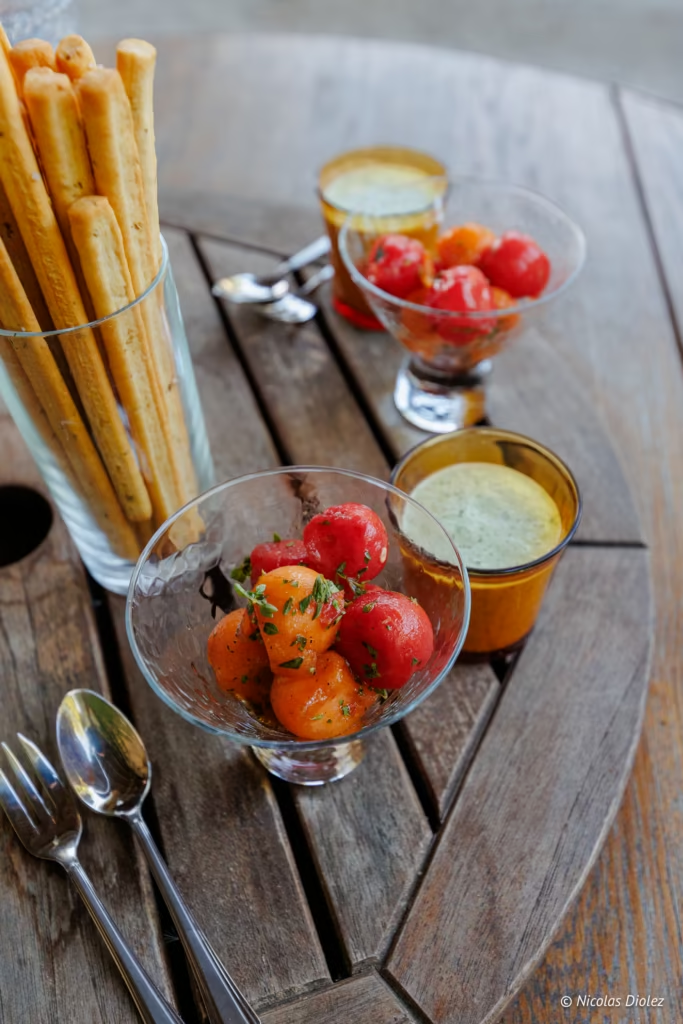
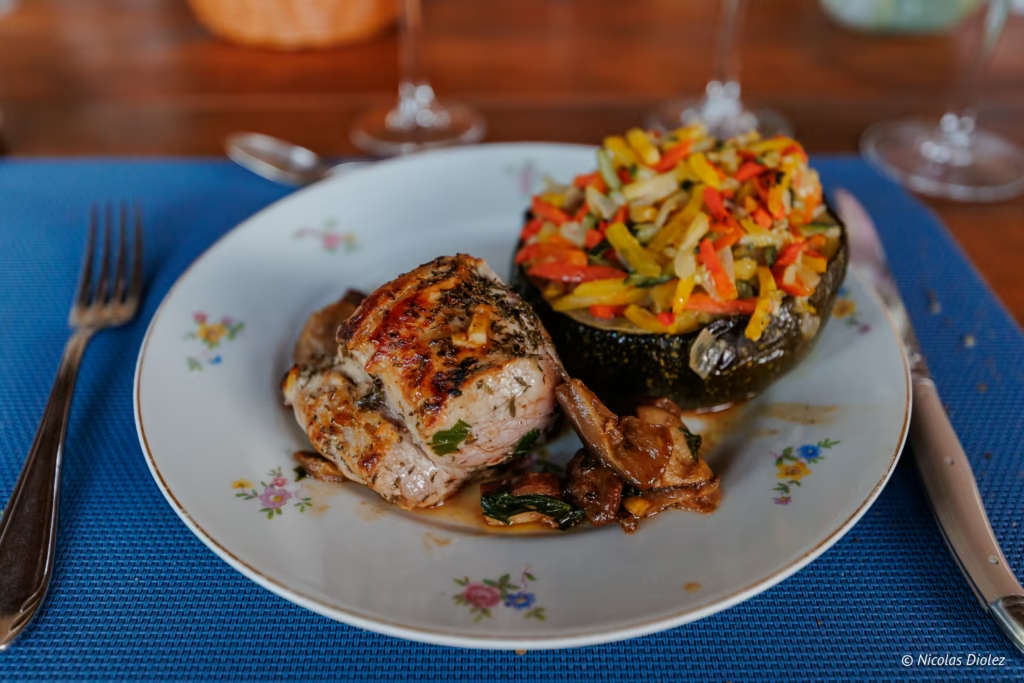
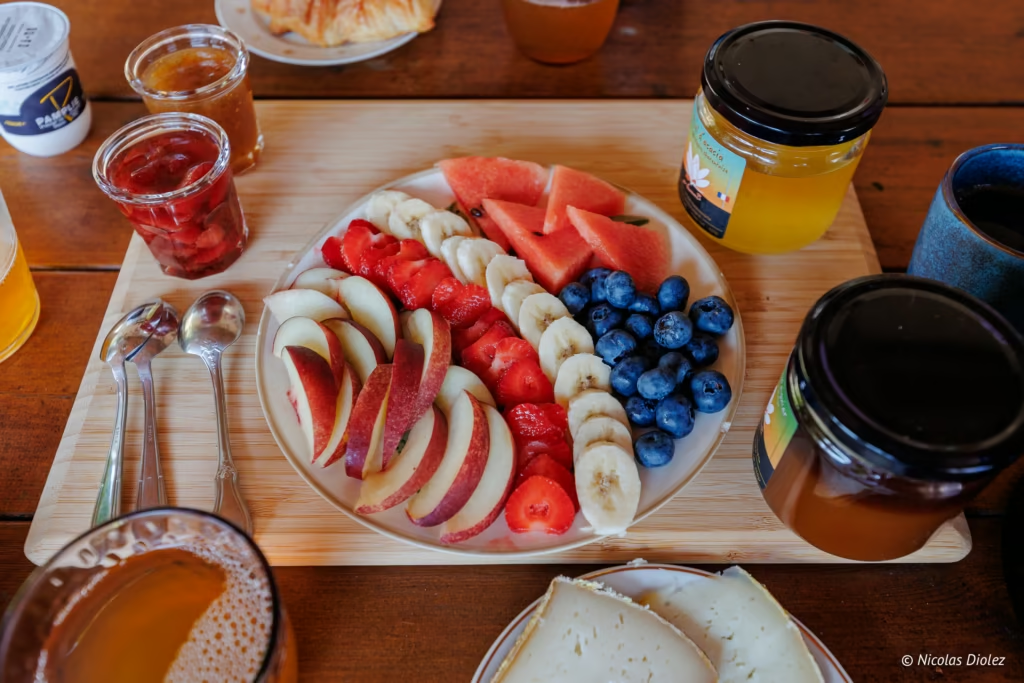
Aux Agapanthes
51 rue des Chasseurs, 17770 Aumagne
Table d’hôtes by reservation
_
Discovering the wines of the Pique Russe estate
In Gourvillette, the Pique Russe estate stands out for producing wines, with no cognac or pineau. Created by a group of friends, this vineyard chose very dense plantings to limit yields and aim for greater concentration. That gives the estate its truly unconventional character, which you can taste in the quality of the wines too. We were lucky enough to discover this beautiful estate during dinner at the Aux Agapanthes guest house I told you about just above, in the company of Cyril, the estate’s winemaker, and his wife.
Across about four hectares farmed organically since 2019 (12,000 vines), you’ll find merlot, cabernet sauvignon, pinot noir and colombard. The work is done by hand, with aging in amphorae, barrels or stainless steel tanks depending on the wine, including a white aged in amphora and a rosé made with merlot. Visits are by appointment with the estate.
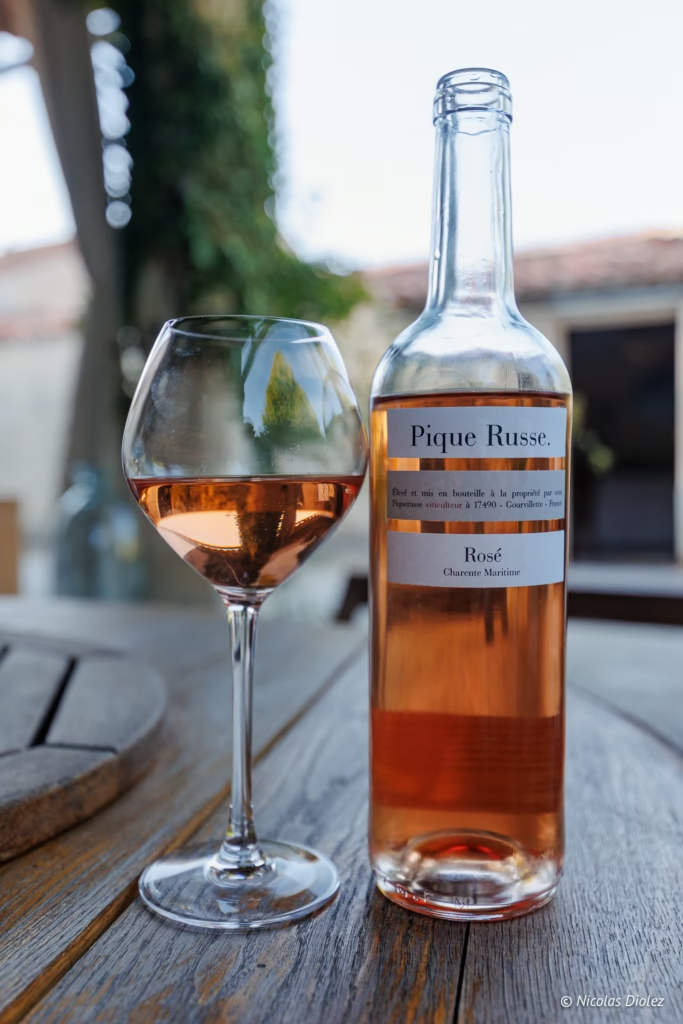
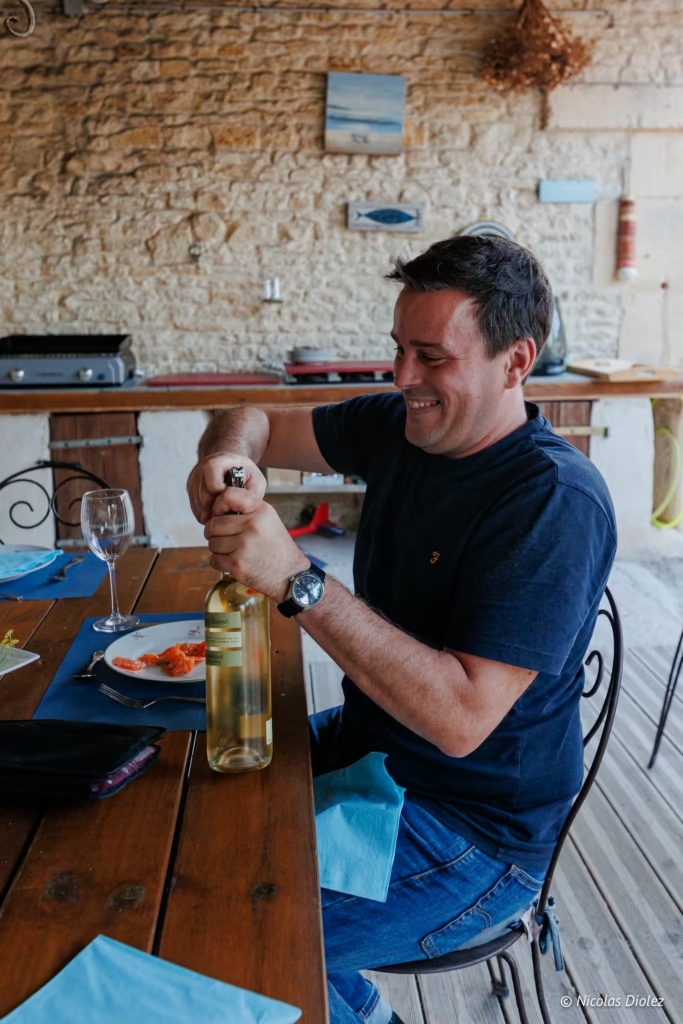
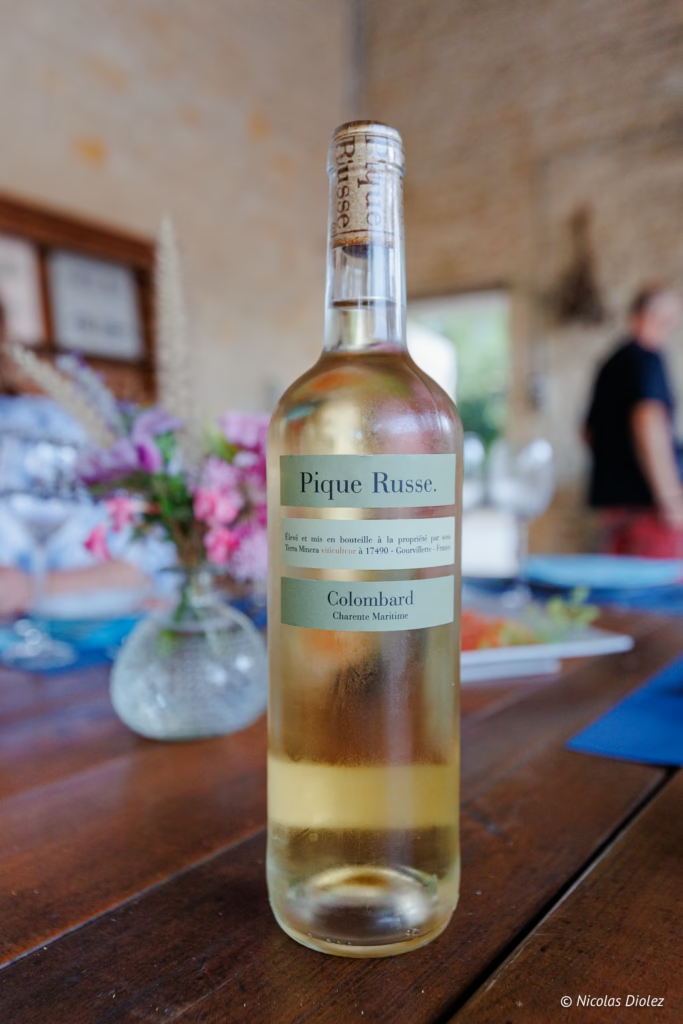
Domaine Pique Russe
21 rue de Bellevue, 17490 Gourvillette
Visits by appointment
Stop 5: Voyer and Vaudon cognac in Échallat
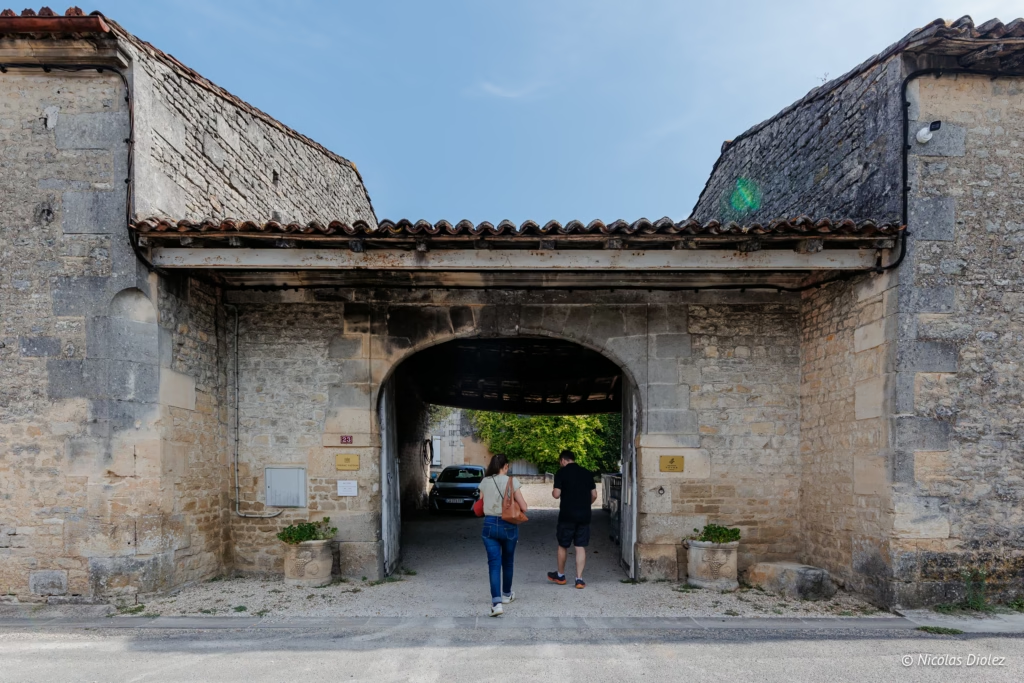
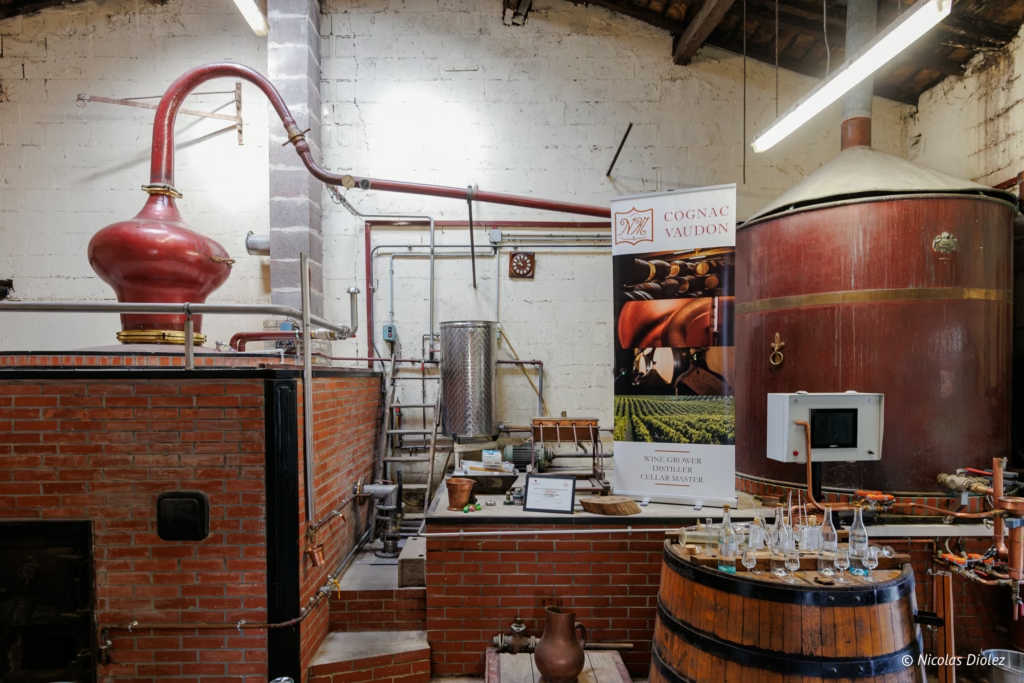
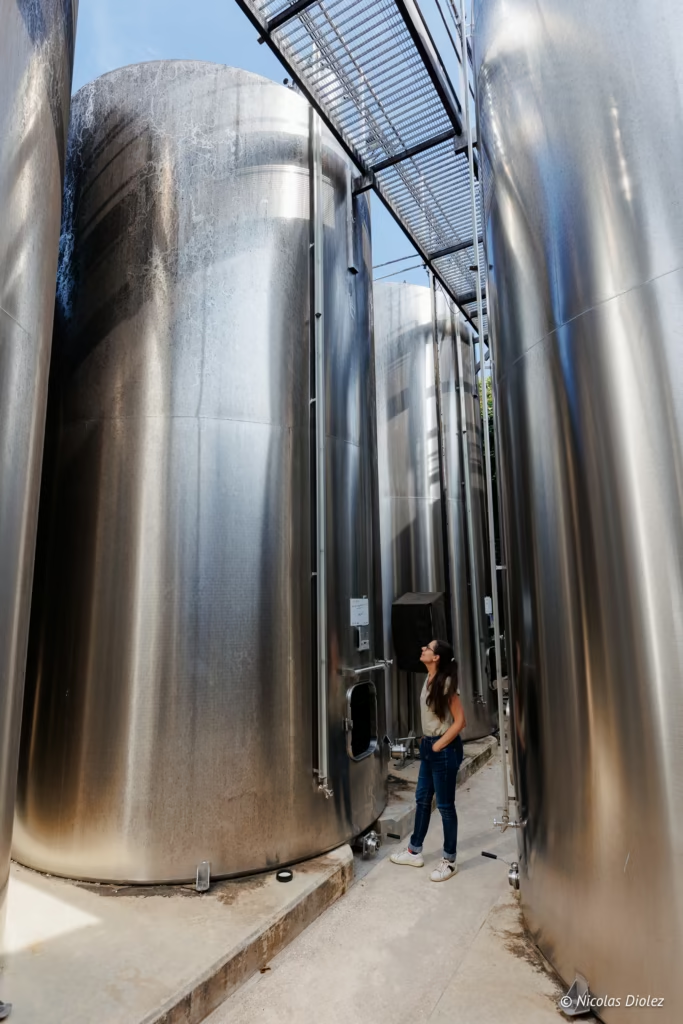
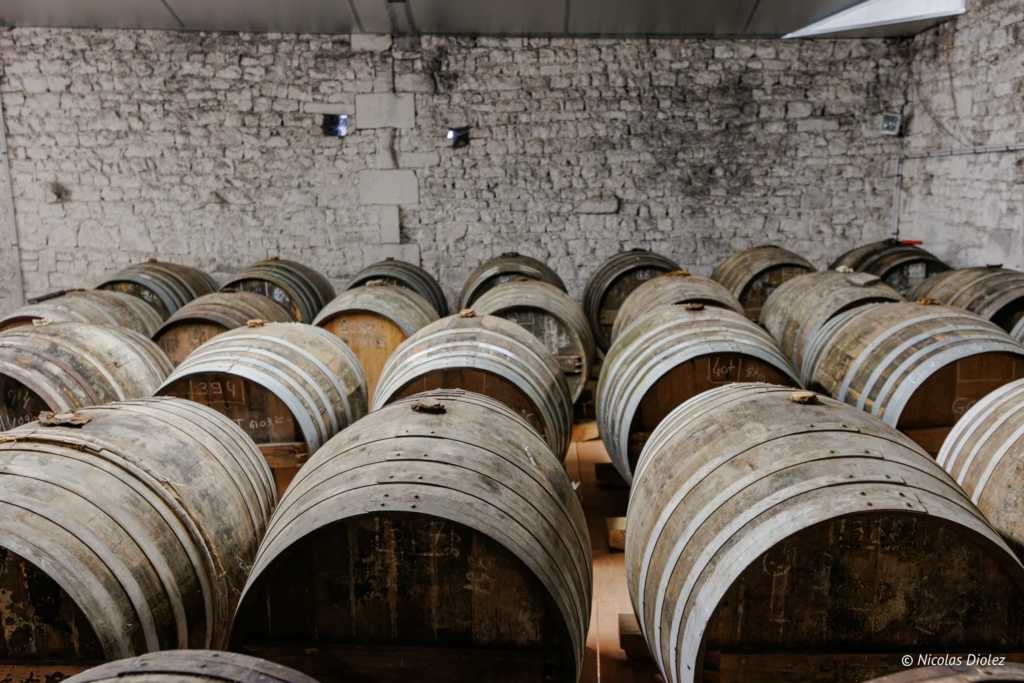
Another family-run business, and a very old one at that (the house won a medal as early as 1914), the Voyer et Vaudon estate, in Villars, in the commune of Échallat, offers a guided tour that lets you follow the different stages of cognac production. The site brings together the work of two houses (François Voyer and Vaudon), with grapes brought to a single production site where Pierre Vaudon, a trained oenologist, works as cellar master. You start the visit in the distillery, with its two stills, before moving on to the cellars that hold the eaux-de-vie destined to become future cognacs. The house distills from early November to the end of February, using double distillation as for every cognac, and in the end only about 10% of the original material remains.
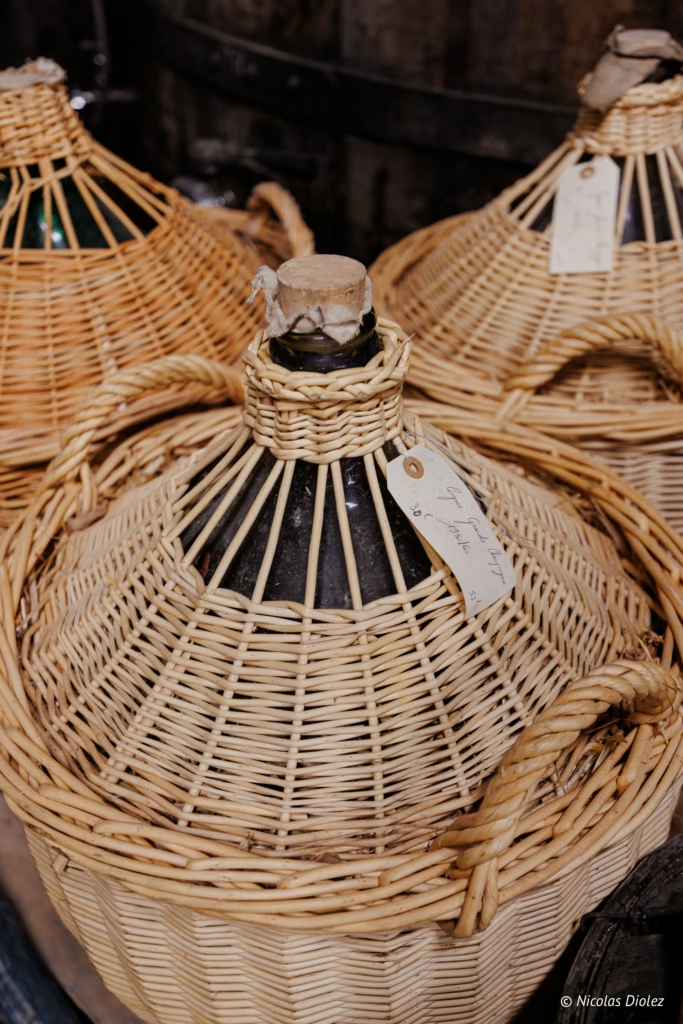
Next up: aging and blending (all of the house’s vintages are made without any added water). The aromatic richness comes from the terroir, but also from the blending method, and it’s the work of several generations, where you need a long-term vision. It’s actually something that has always fascinated me about producing eaux-de-vie like Cognac: the winemaker creates cognacs that future generations will sell, and also enjoy, while he himself will never get to taste the finished product.
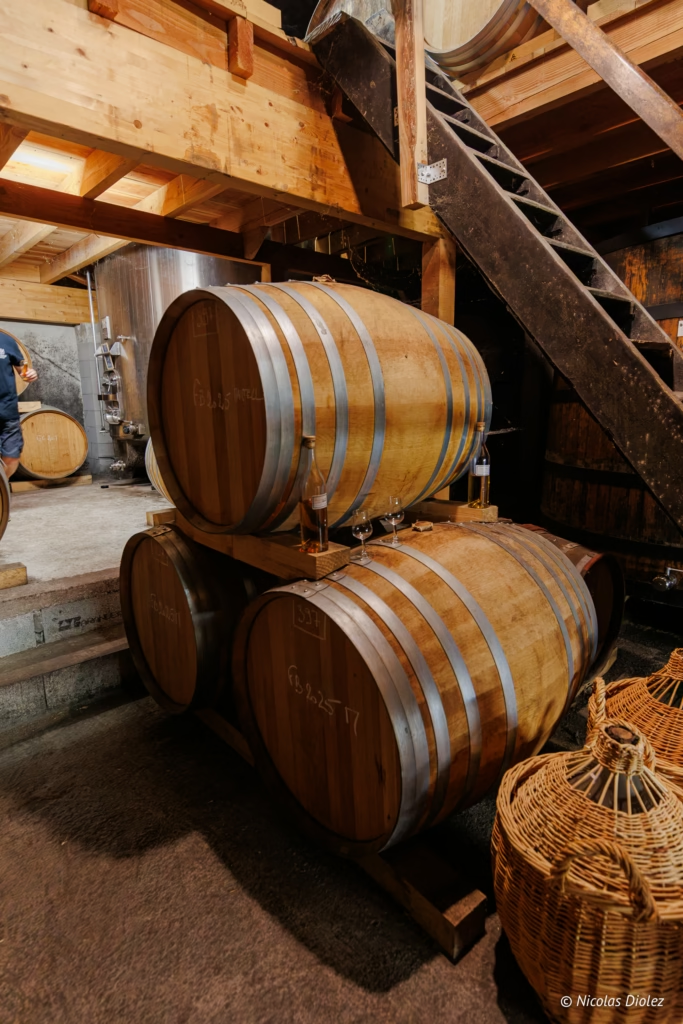
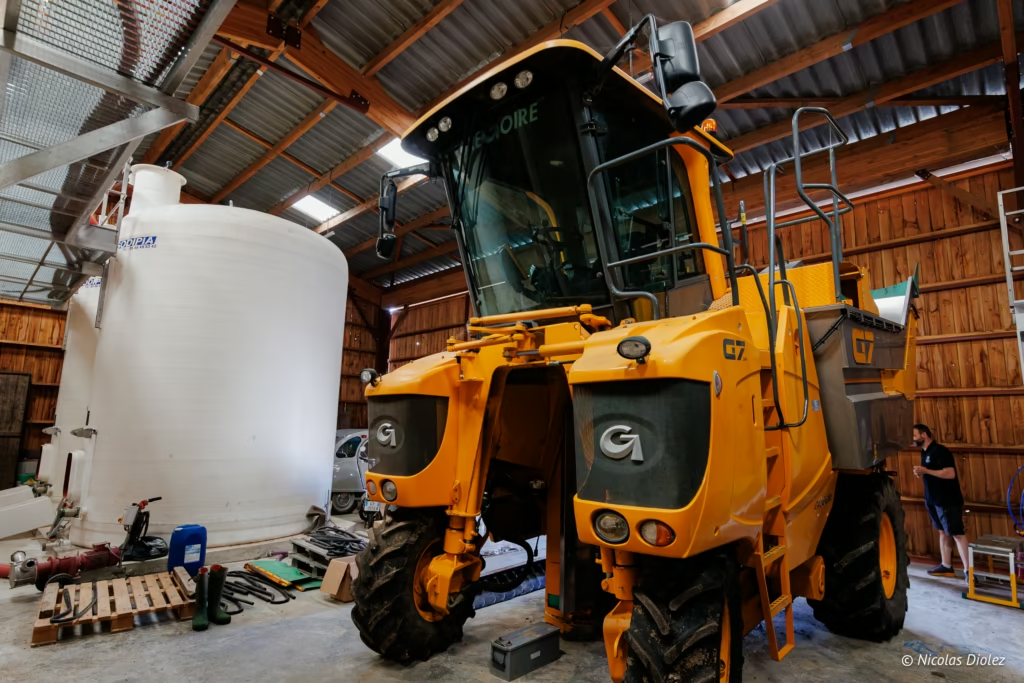
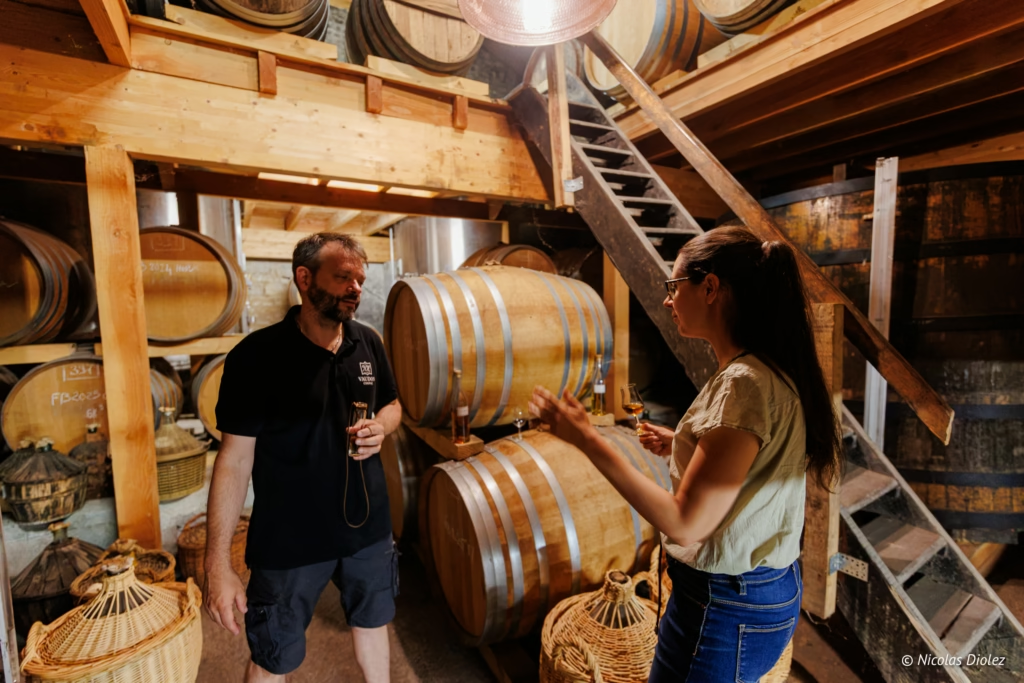
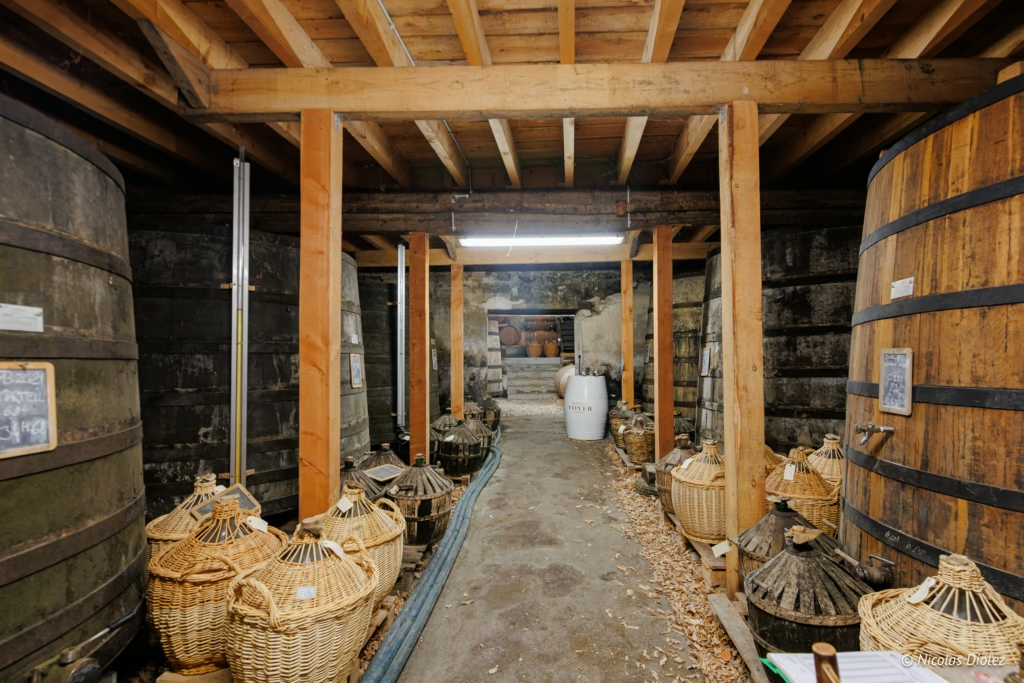
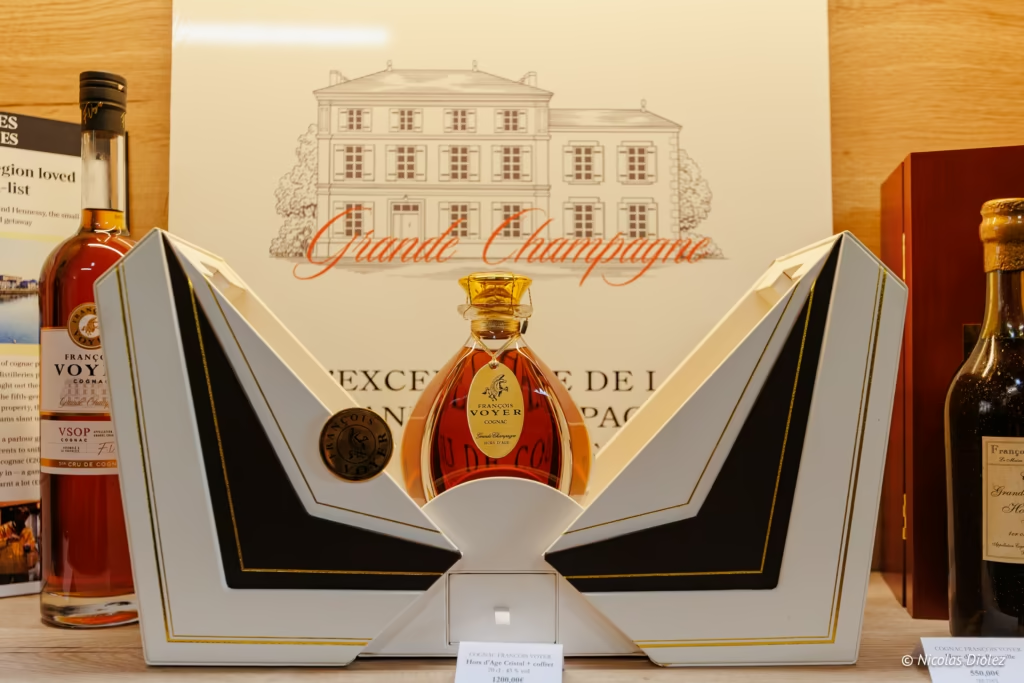
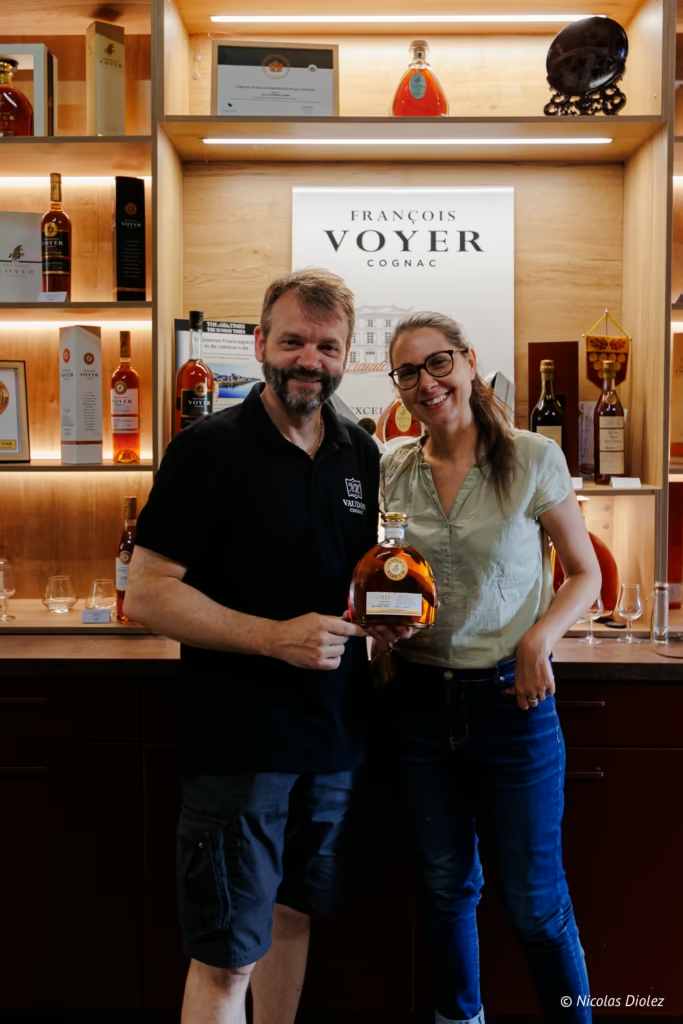
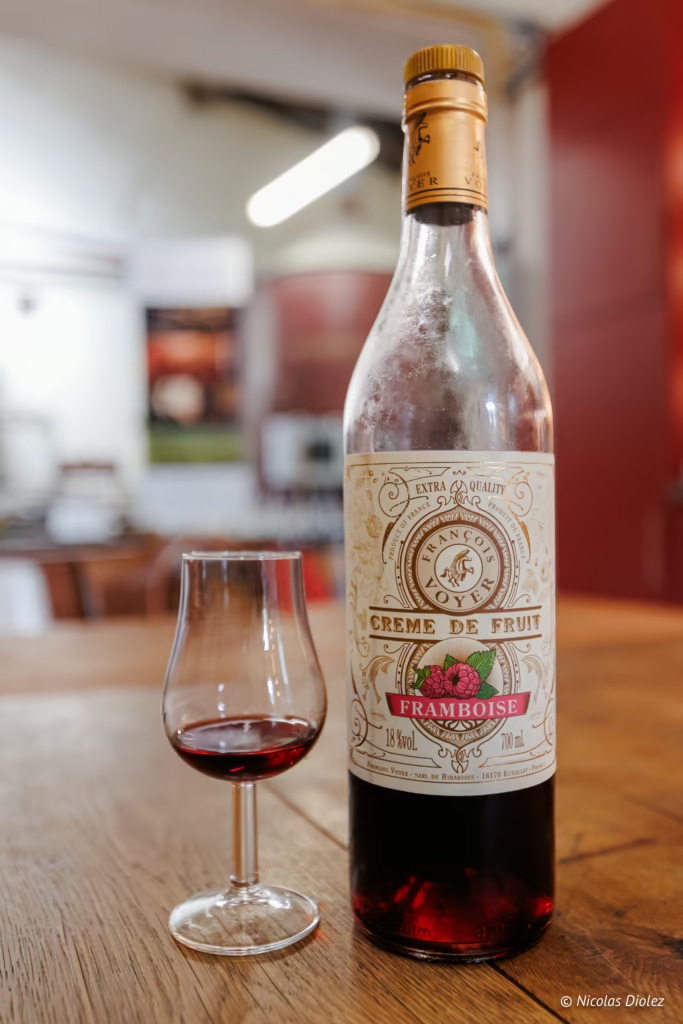
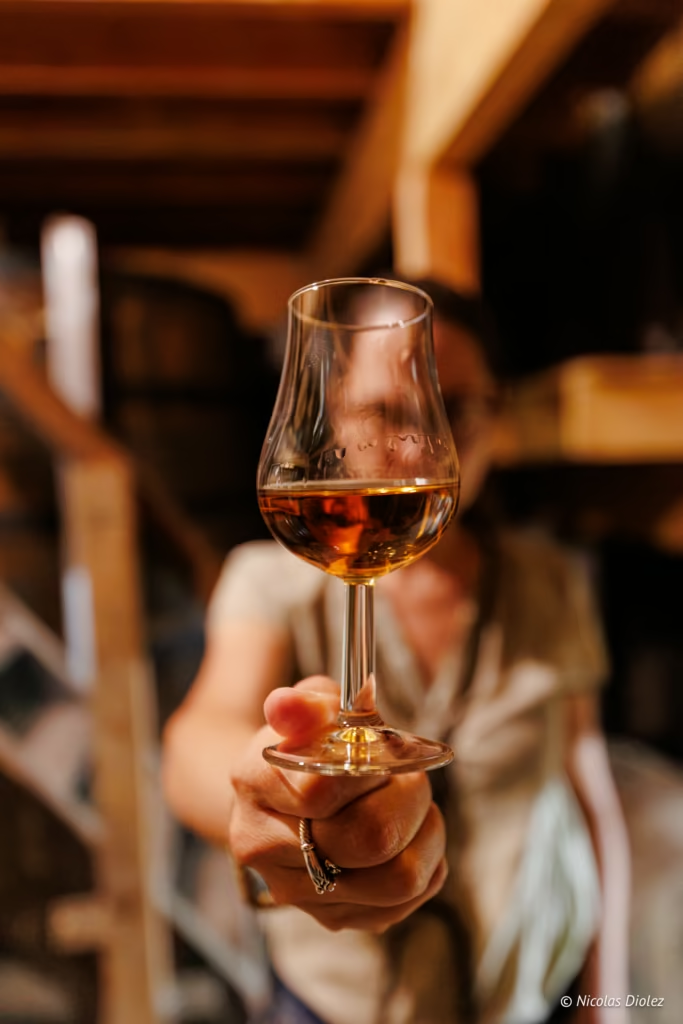
The tours are open to the general public and can be booked on the estate’s website, but you can also choose a workshop to dive deeper into one aspect of tasting (around crus, aromas or pairings with chocolate). The number of cognacs you taste depends on the package, so it’s best to choose your workshop based on the topic that interests you.
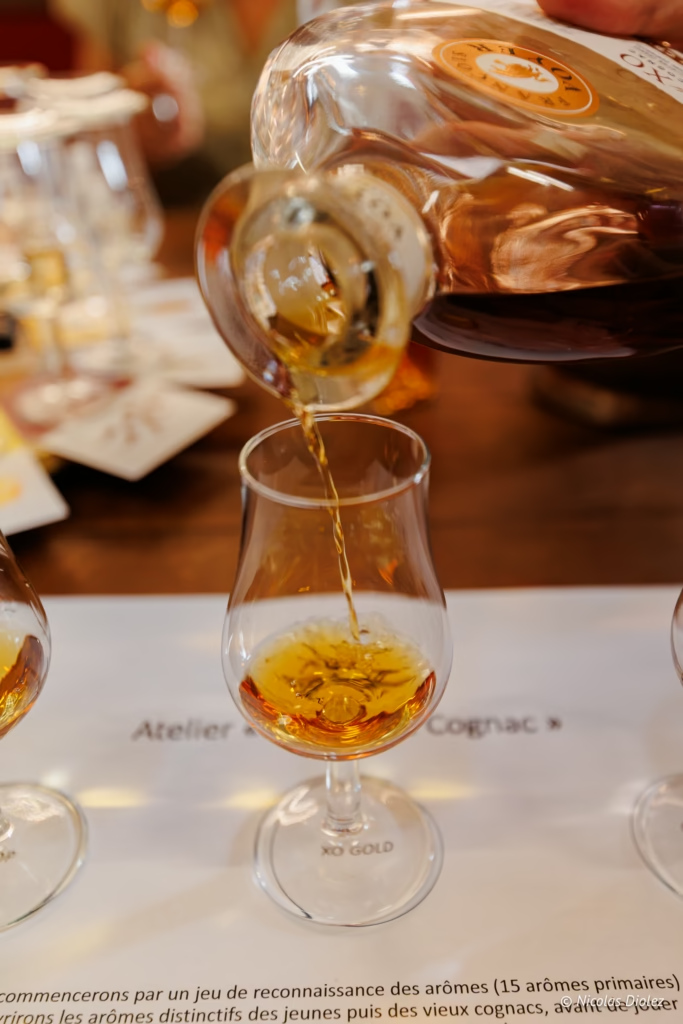
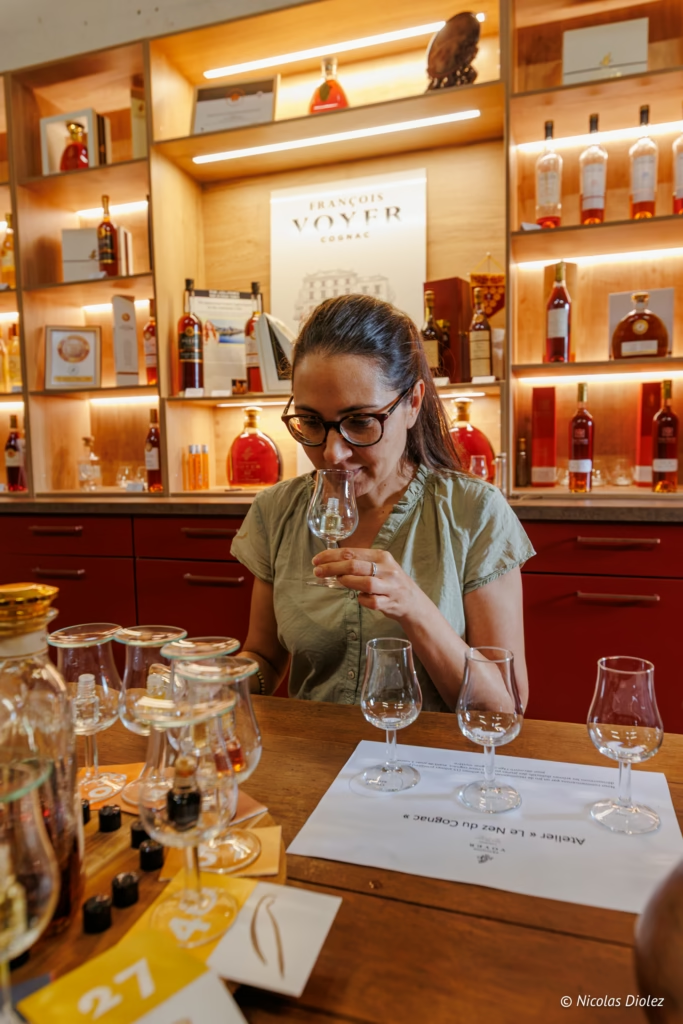
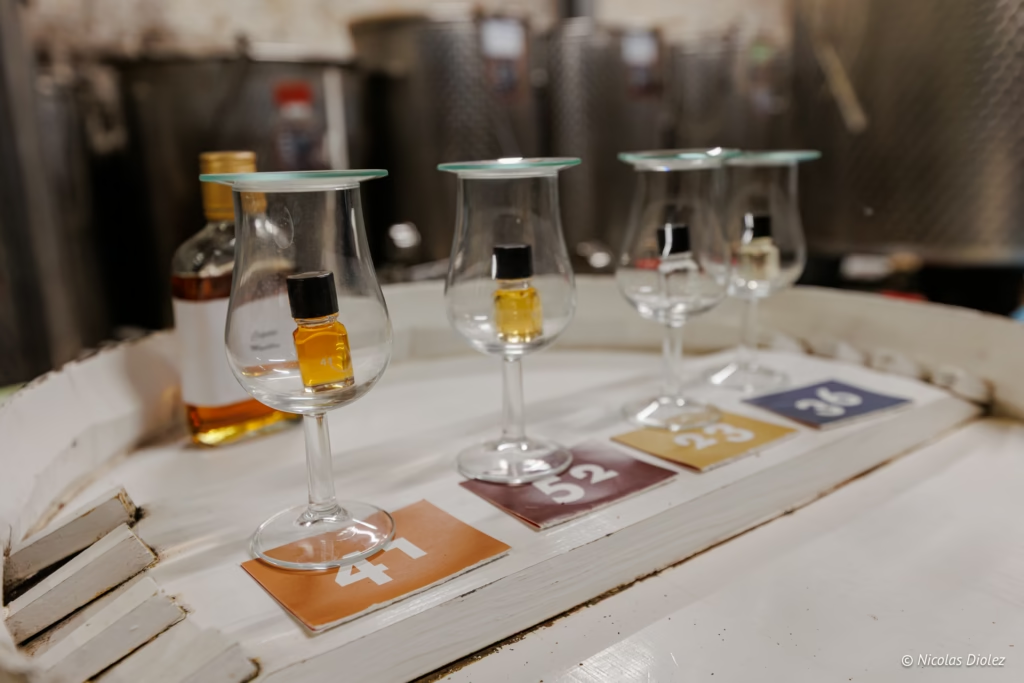
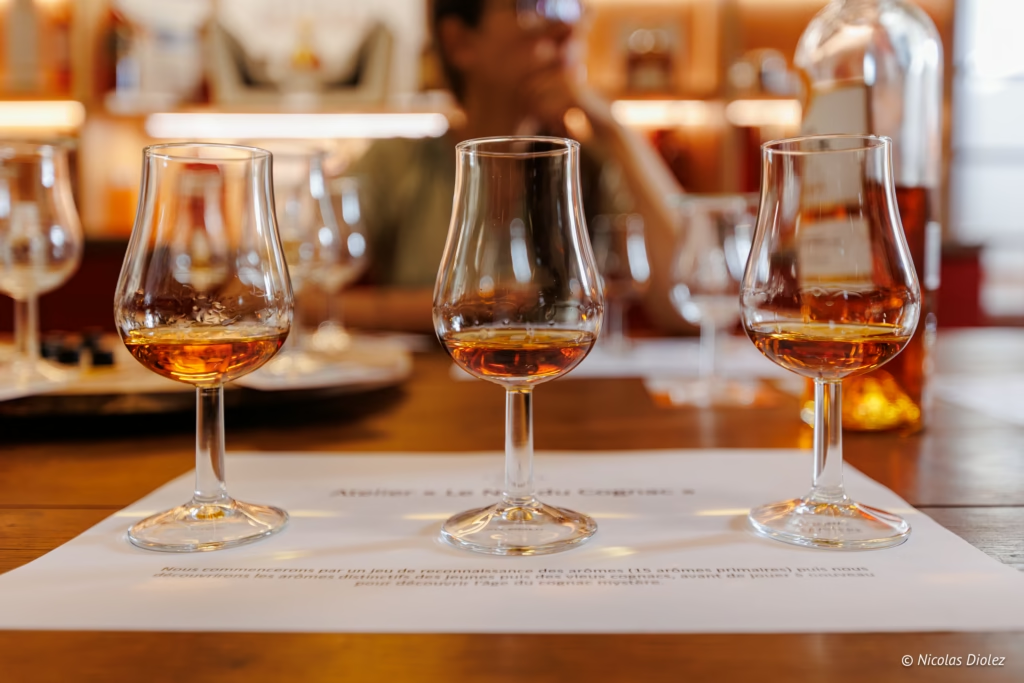
The good deal: the estate offers a free tour of its production site, lasting 1h. They recommend booking to make sure you get a spot; the themed workshops, on the other hand, are paid and need to be booked separately.
If you’d like to extend this discovery, you can also check out my article on how to visit Cognac and discover its eaux-de-vie.
Domaine Voyer et Vaudon
23 rue du Marronnier, Villars, 16170 Échallat
Free site tour by reservation; paid themed workshops
Thank you to Charentes Tourisme for the invitation, as well as to the other tourist offices, the teams and the producers who welcomed us during this stay in the two Charentes.
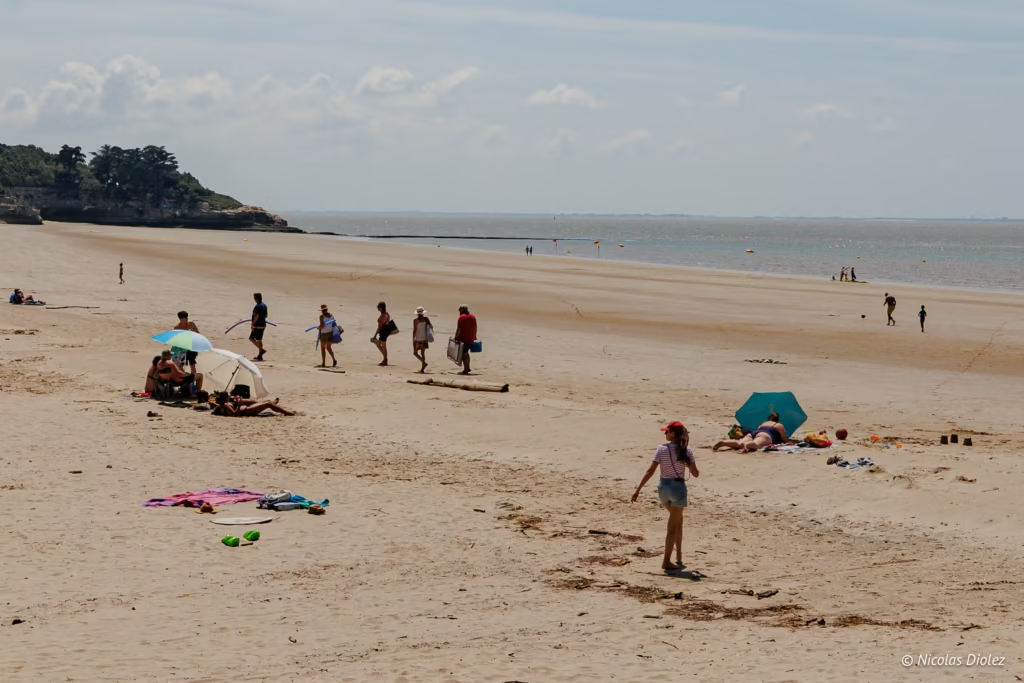
I hope these stops give you some ideas for discovering the two Charentes! And if you have other visits or good addresses in the region, feel free to share them in the comments.
Photo credits: Nicolas Diolez
Photos are not royalty-free; permission from the photographer is required before any use.