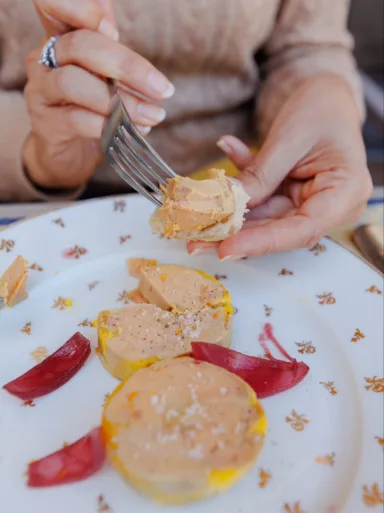
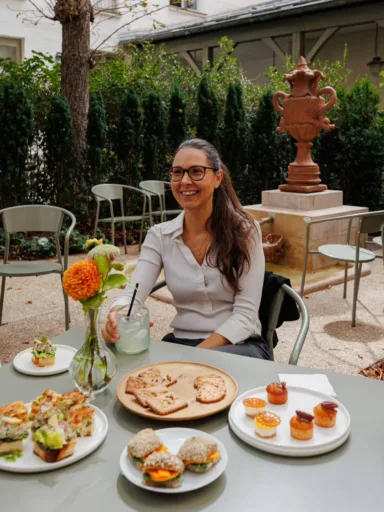
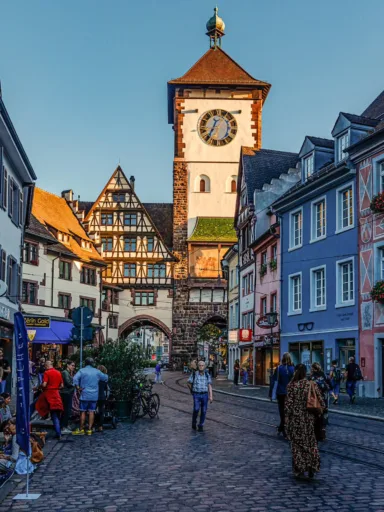
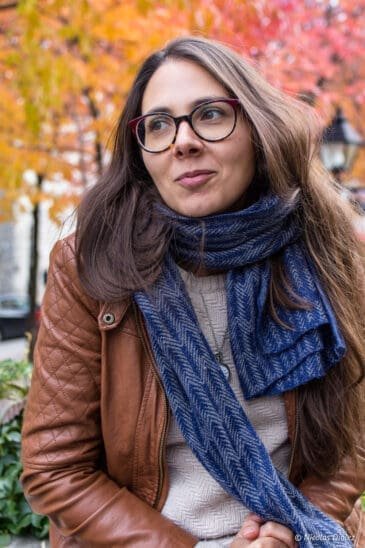
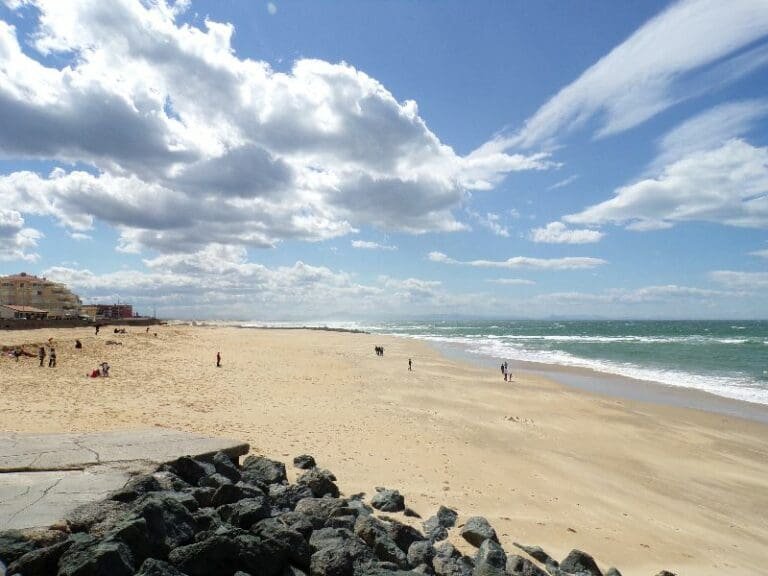
We’re back in the Landes (in Nouvelle-Aquitaine) with my favorite photographer! For this getaway in September 2026, we took the back roads of the southern part of the département, around the Chalosse, with foie gras as our common thread. On the program: meetings with producers, but also an abbey, artisan workshops, great restaurants and heritage visits. And these foodie routes are also a chance to discover this lesser-known part of the Landes, around the Adour (a river that rises in the Pyrenees massif).
So we set off to discover the brand-new Routes landaises du foie gras, launched in spring 2026. They come as 6 circuits that combine farms, restaurants and visits, and we explored several stops along the way: Mugron, Saint-Sever, Eugénie-les-Bains and Brassempouy. We then finished the trip in Dax. If you’re planning a longer stay in the département, you can also check out my previous discoveries around the Printemps des Landes and in the Bas-Armagnac in autumn. Here, I’m mostly taking you to meet the people who produce, cook and keep this corner of the Landes alive.
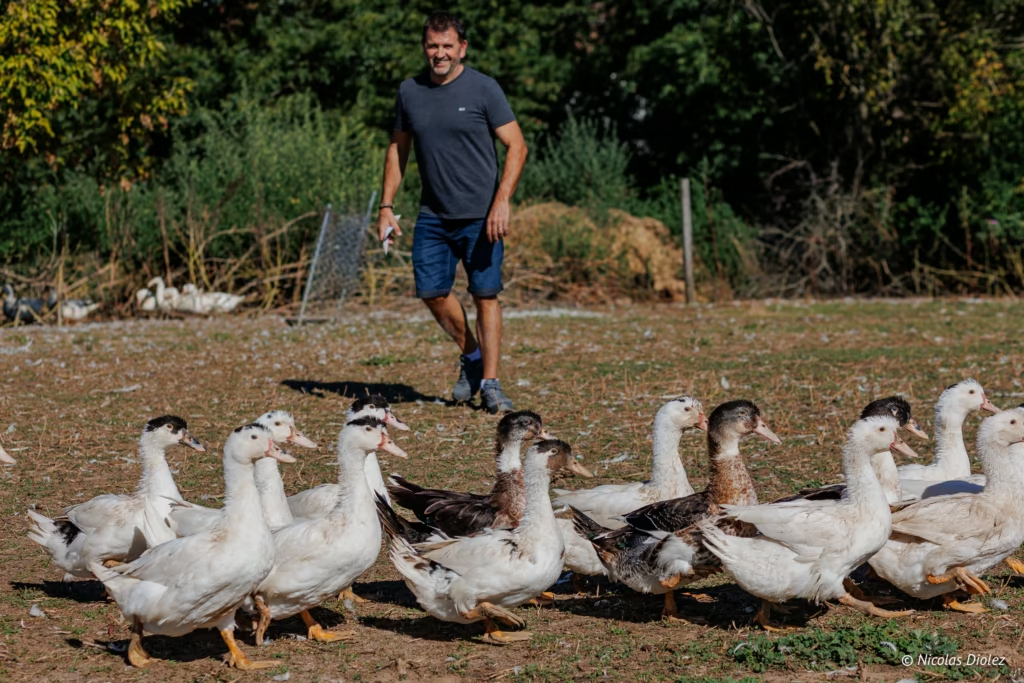
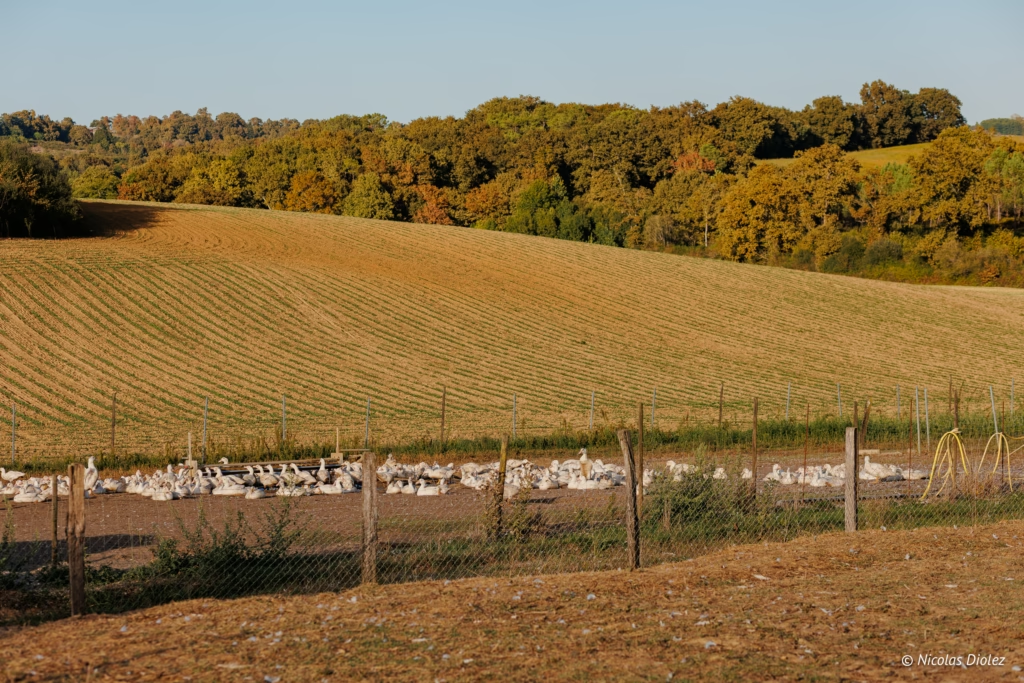
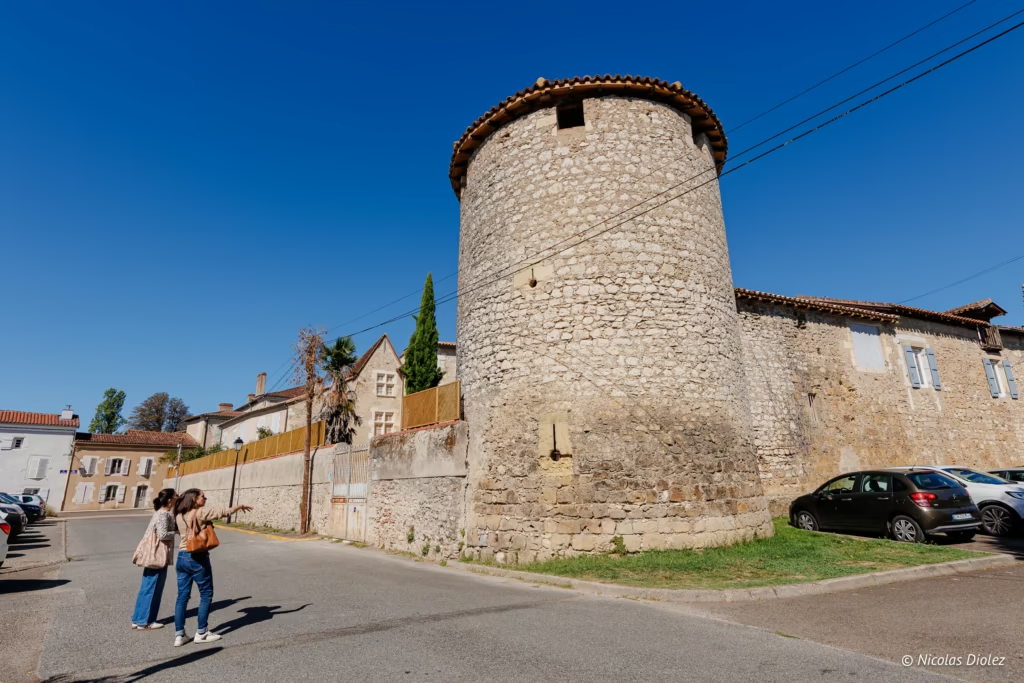
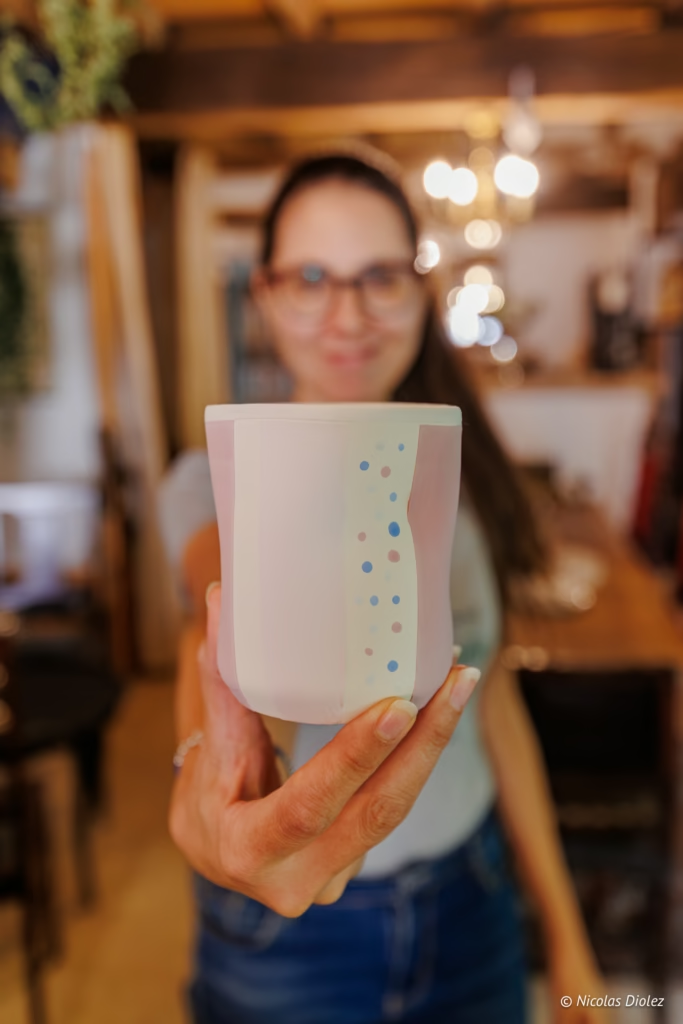
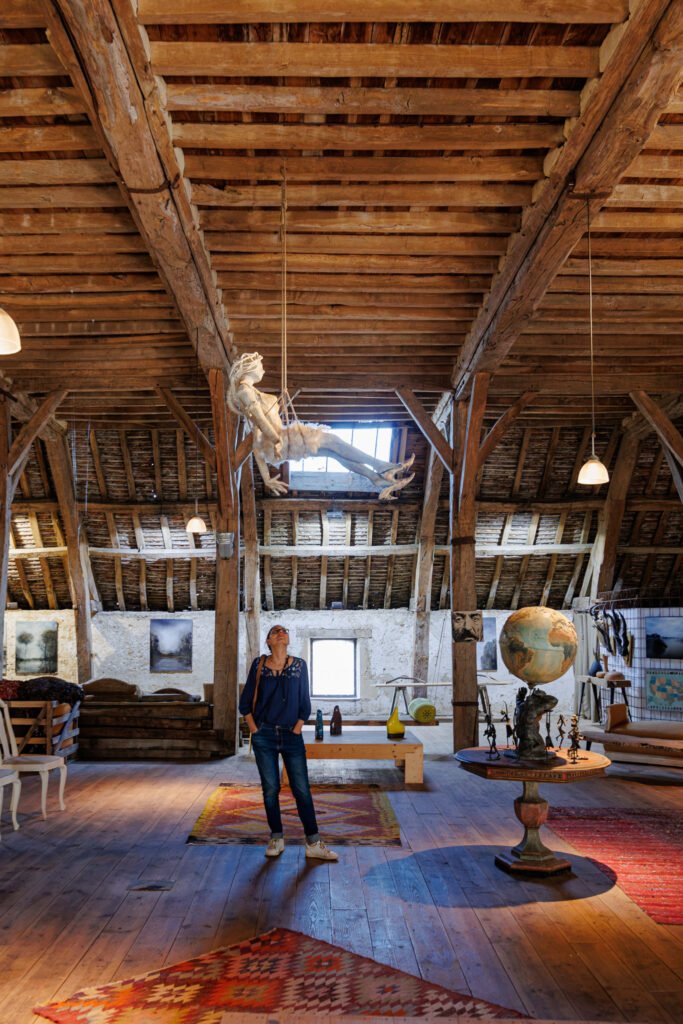

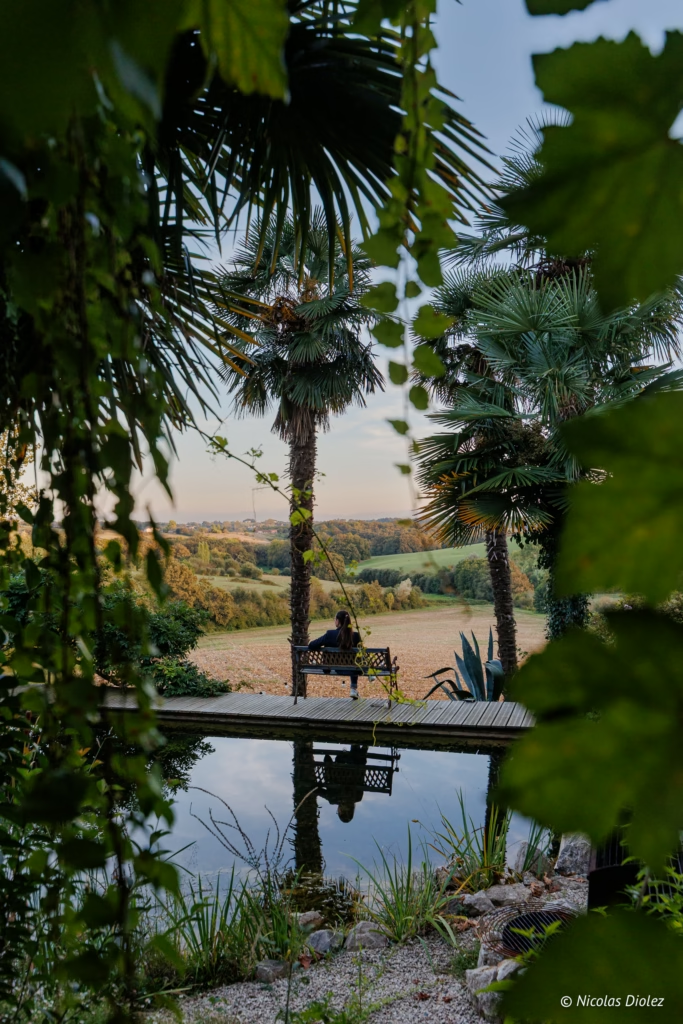
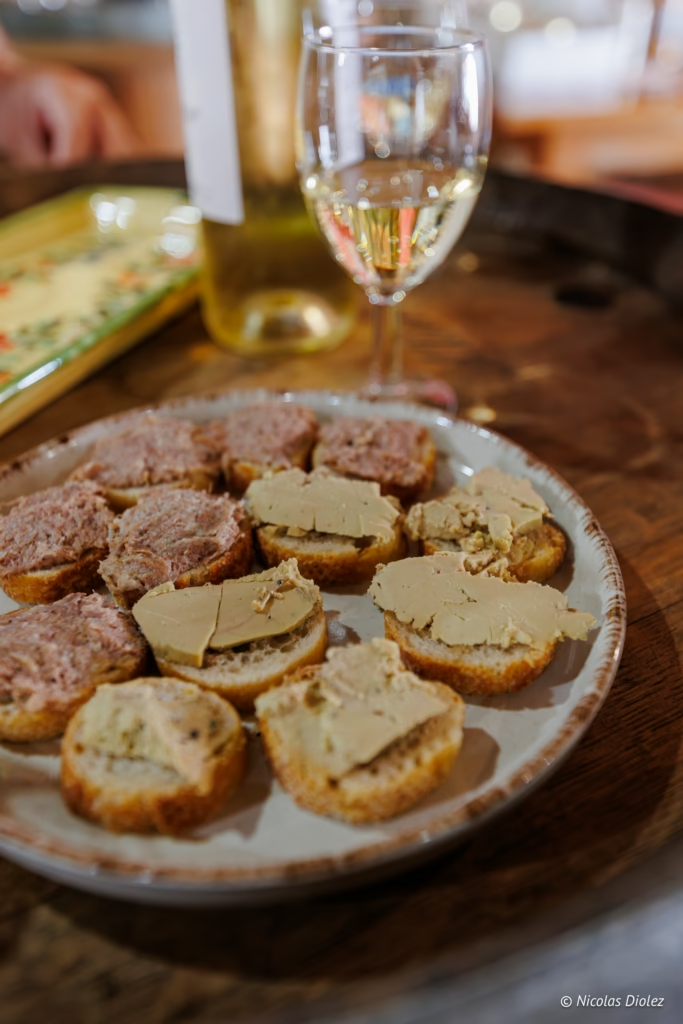
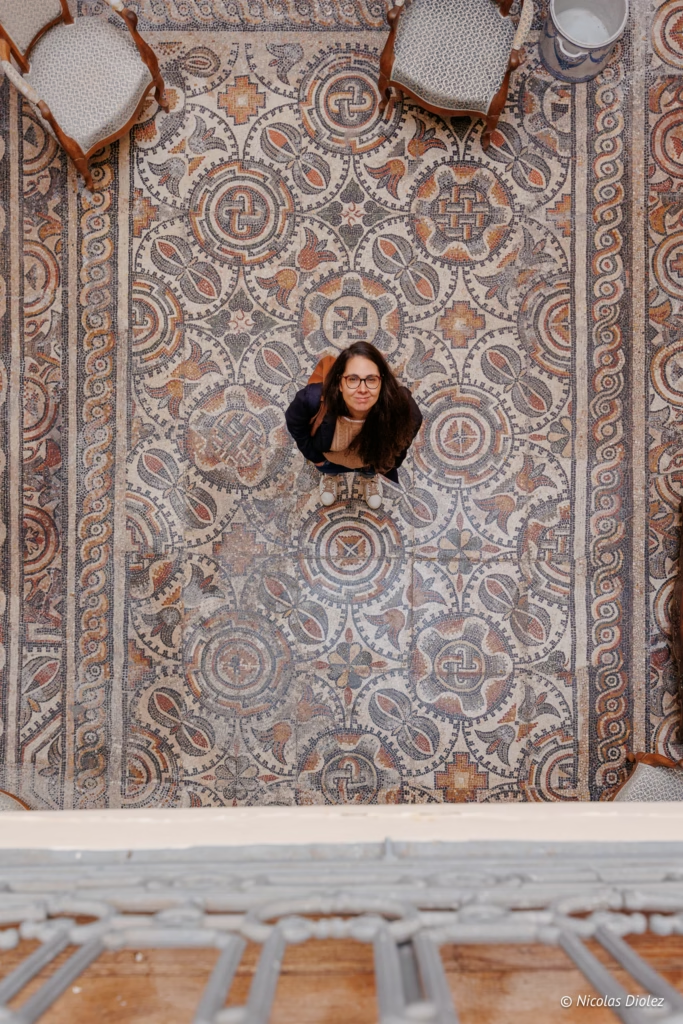
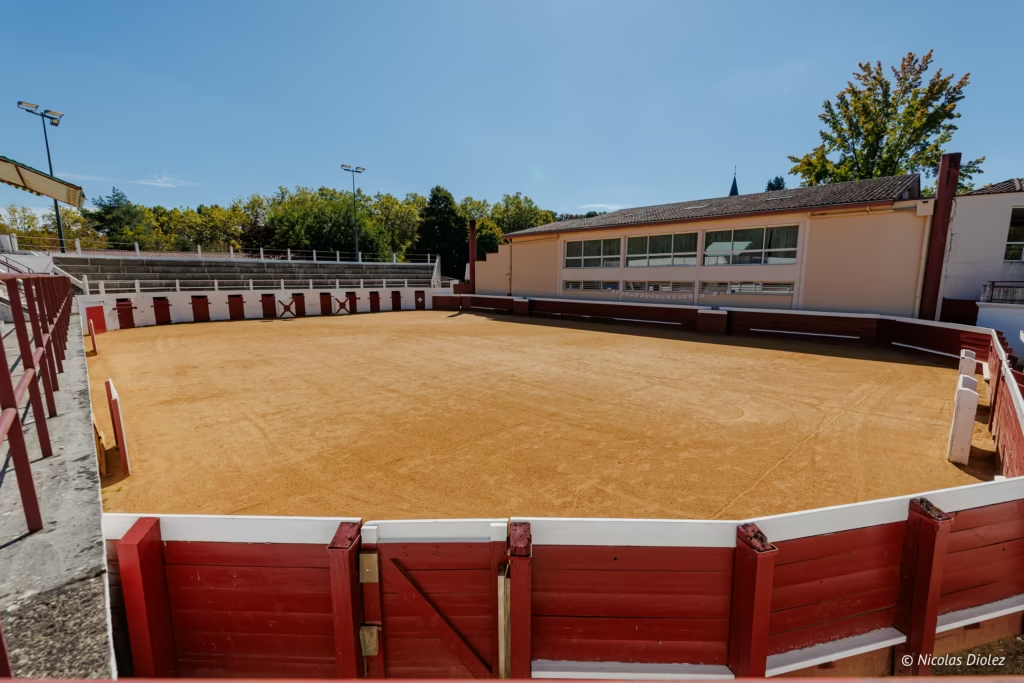
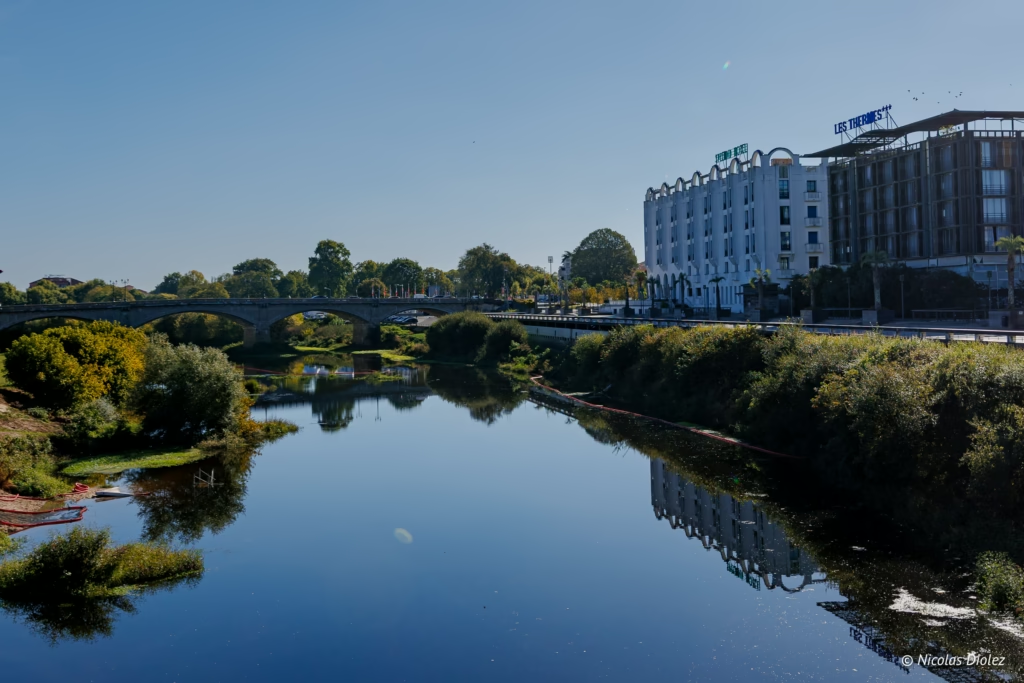
Table of Contents
Planning your getaway on the Routes landaises du foie gras
There isn’t one single itinerary to follow, but 6 circuits you can mix and match depending on what you feel like. You can focus on foie gras and Tursan wines, goose and duck, sweet-and-savory pairings, the big houses, feather craftsmanship, or even farms with a view. Good to know: there are also other circuits around the Routes landaises de l’Armagnac, for fans of that spirit (which we’re particularly fond of, my favorite photographer and I).
As for us, we followed a mix of several itineraries, notably Route no. 1 “Foie gras and Tursan wine, a gourmet harmony”, Route no. 2 “Goose or duck: which one wins?”, Route no. 3 “Farms with a view…” and Route no. 6 “An exceptional route through the Great Names of French Foie Gras” for the Dax part. On the program: meetings with producers who showed us what life on their farms is like, plus a few heritage and cultural visits. This journey through food, history and craftsmanship is what I’m inviting you to follow below.
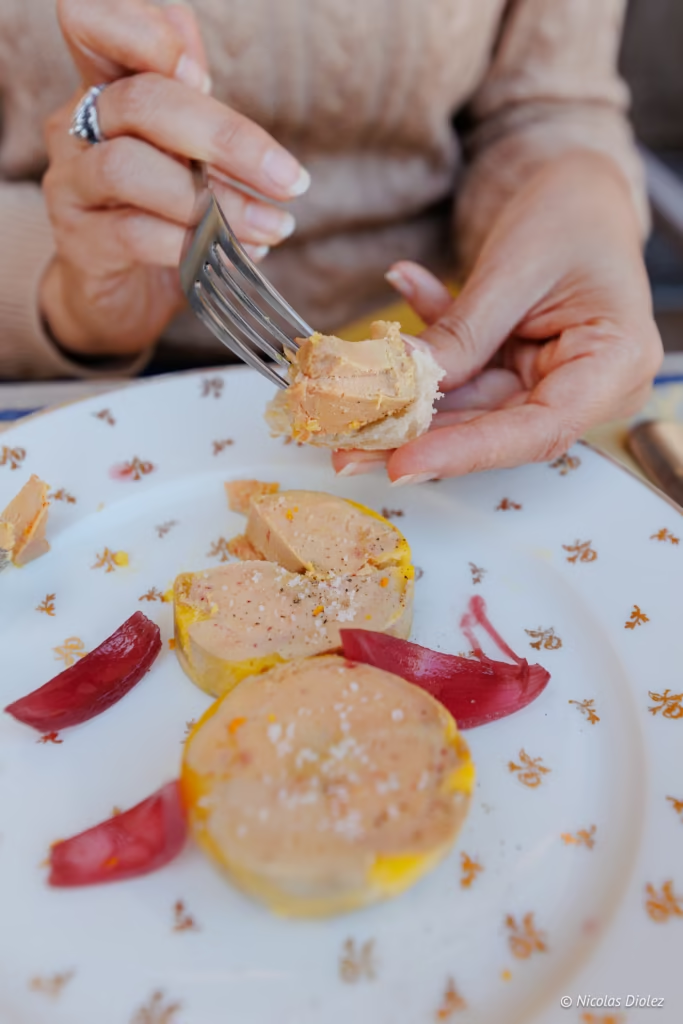
Les Automnales du foie gras et de l’Armagnac
If you’re passing through the Landes in October, you’ll land right in the middle of “Les Automnales du foie gras et de l’Armagnac”, from October 1 to 31, 2026. All month long, about twenty chefs from the Landes offer “Menus Signature” pairing foie gras and Armagnac (from starter to dessert, sometimes!); producers also open their doors for tasting tours, duck-cutting workshops or hearty farm meals. Armagnac lovers can also stop by Labastide-d’Armagnac, which celebrates its eau-de-vie on October 24 and 25.
_
Practical info:
- To get to the Landes from Paris, we took the train from Montparnasse station to Dax, which takes about 3h15 (the duration varies depending on the train).
- A car is then handy for getting around between the farms and villages.
- Be sure to book your visits with producers in advance, especially if you’d like to meet them: their work obviously doesn’t stop at welcoming visitors.
Routes landaises du foie gras
Landes, Nouvelle-Aquitaine
What to see and do in Mugron and the surrounding area?
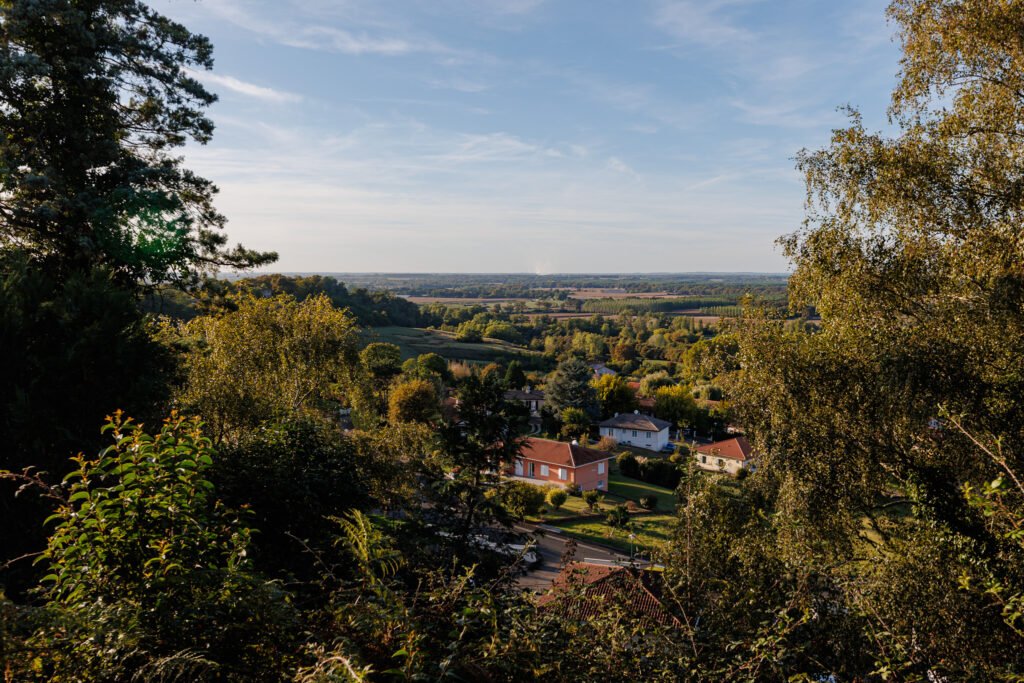
Nicknamed the “belvedere of the Chalosse” or the “balcony of the Landes”, Mugron is a former fortified town perched on a hillside, with the Adour at the foot of the hill and a beautiful view over the valley all the way to the Landes forest. Today it’s a small village (whose town hall occupies the former castle), but you have to picture it much bigger and very wealthy in the 18th century, before phylloxera put an end to winemaking in the area. You’ll quickly understand why once you push open the door of the chai d’Antin!
_
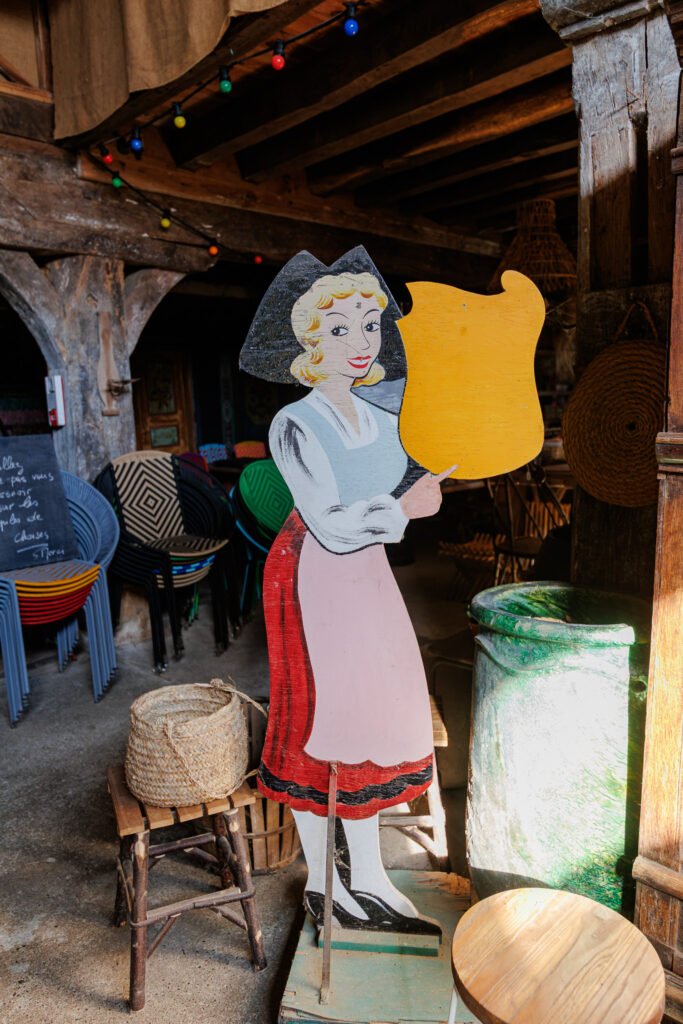
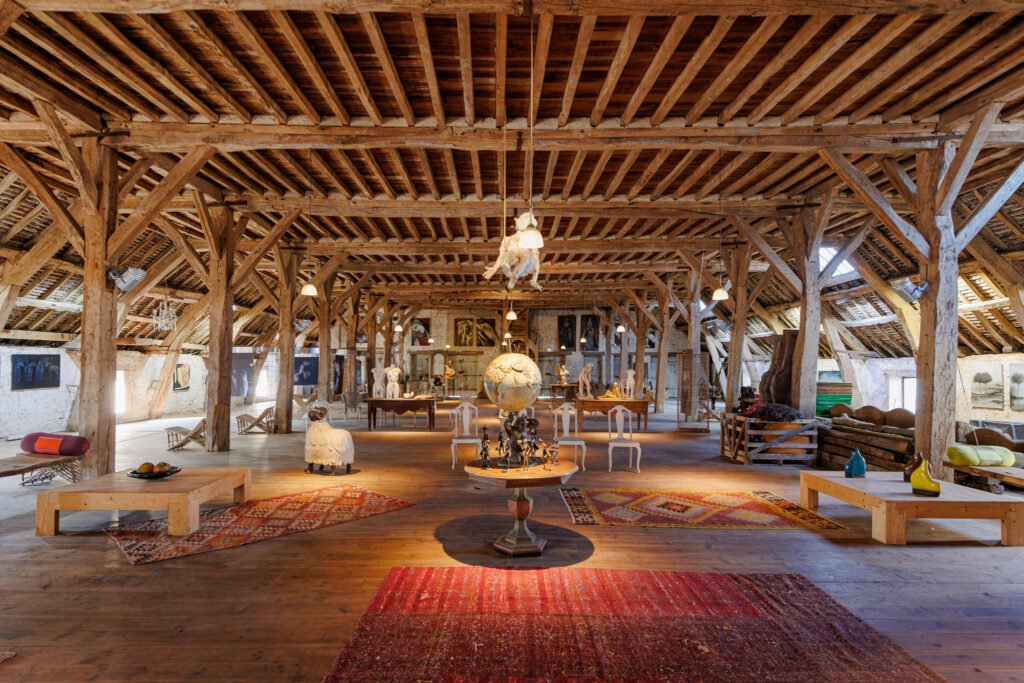
Discovering Rouge Garance and the roof frame of the chai d’Antin
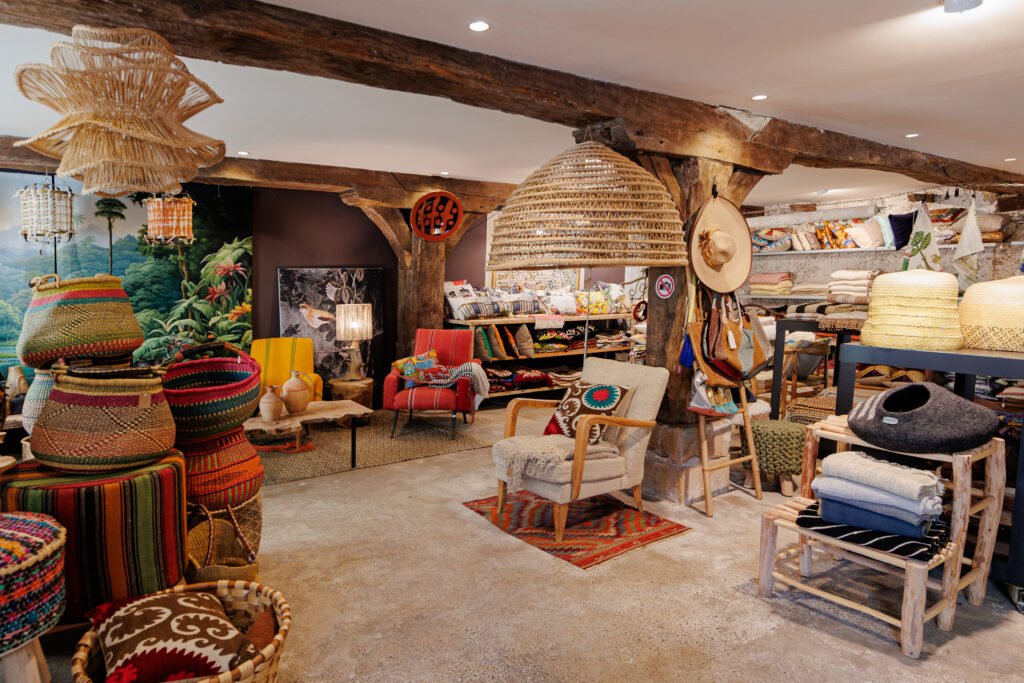
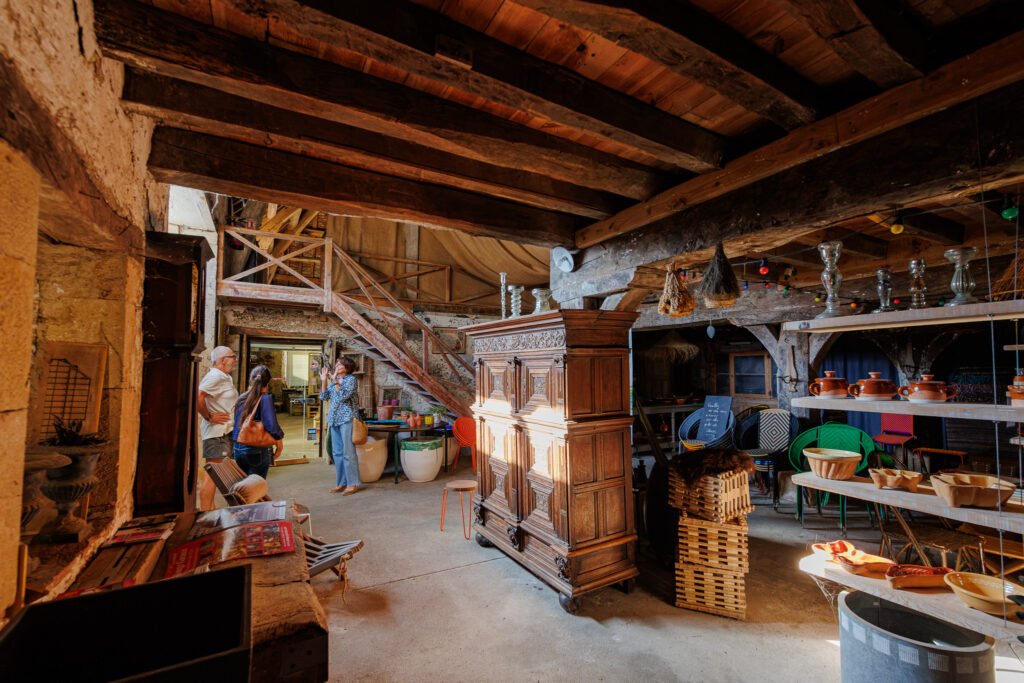
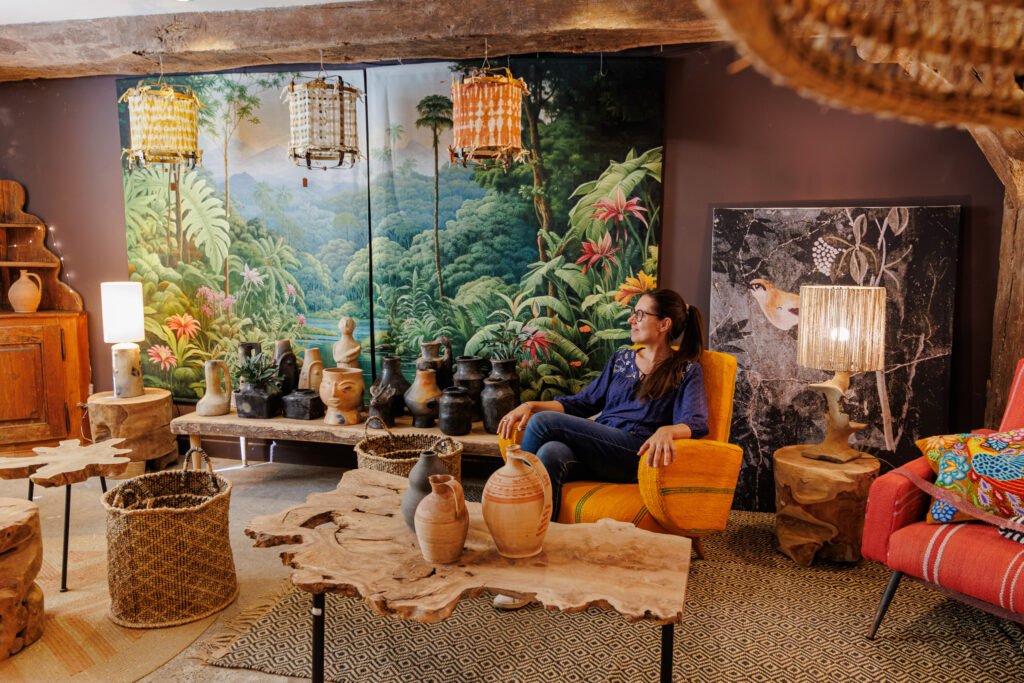
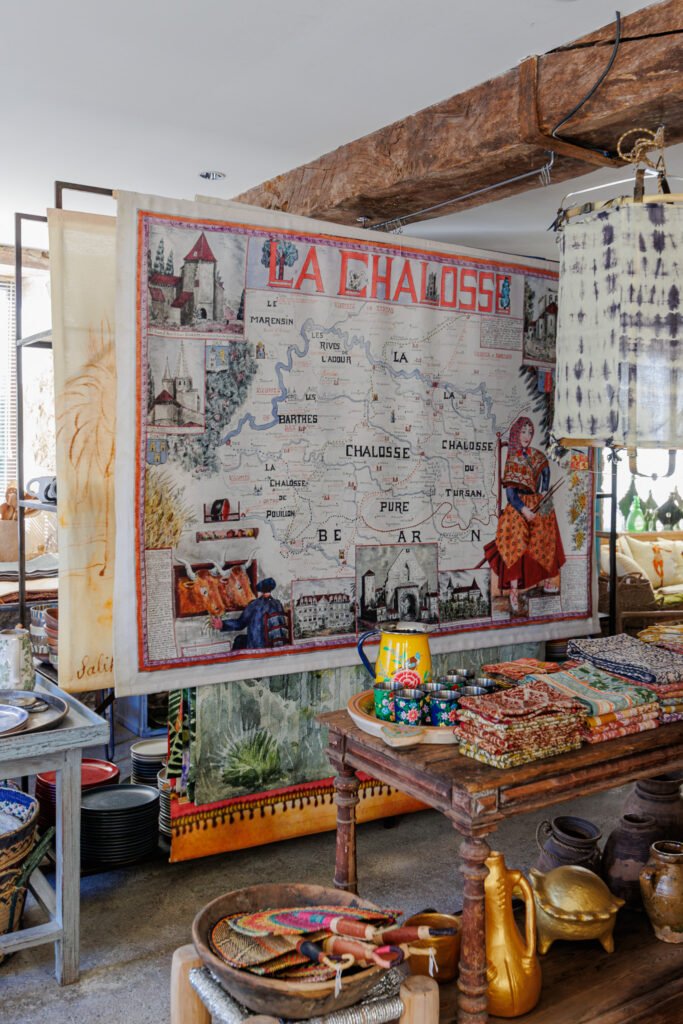
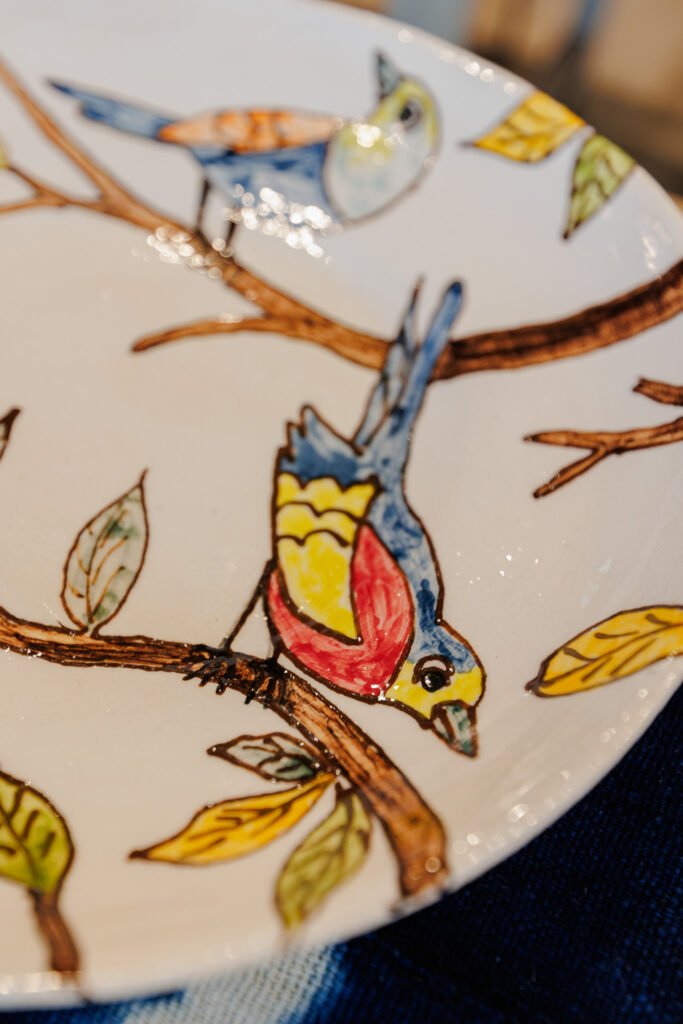
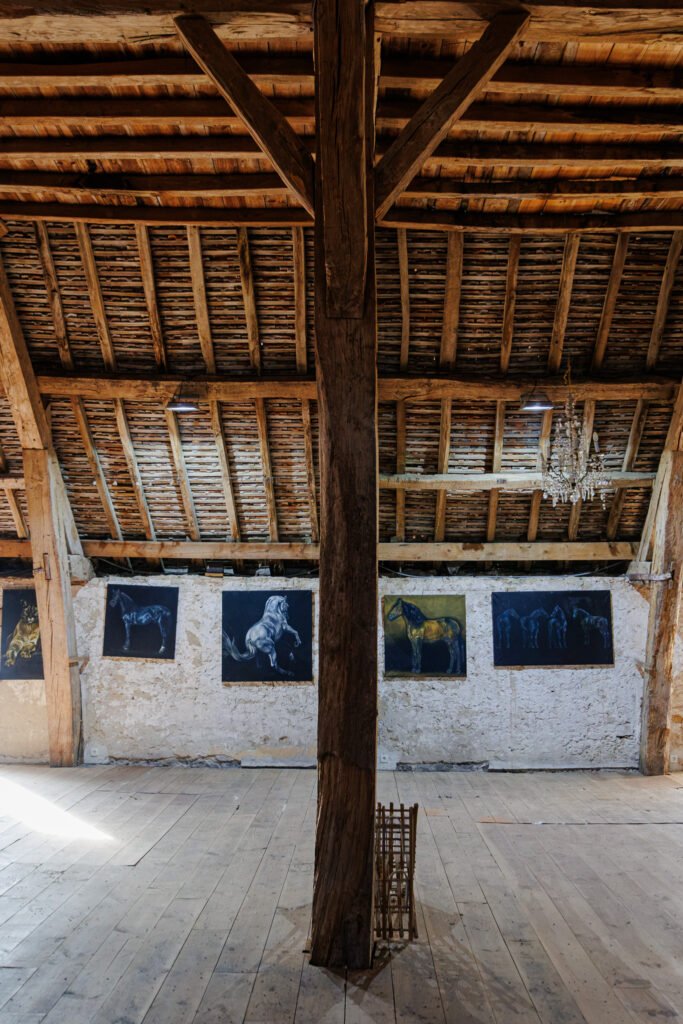
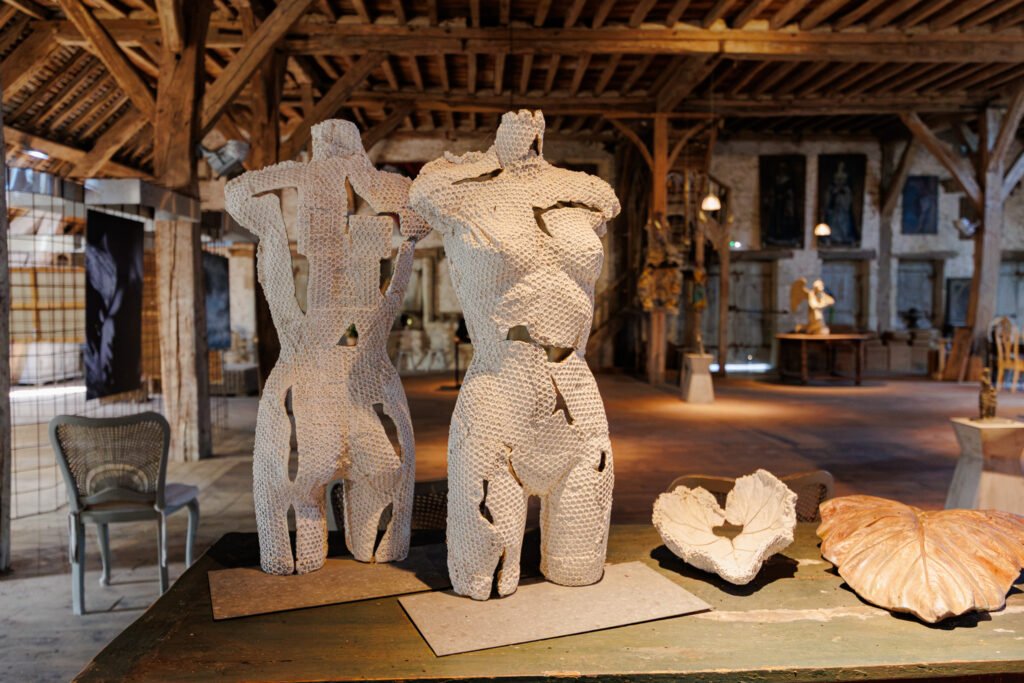
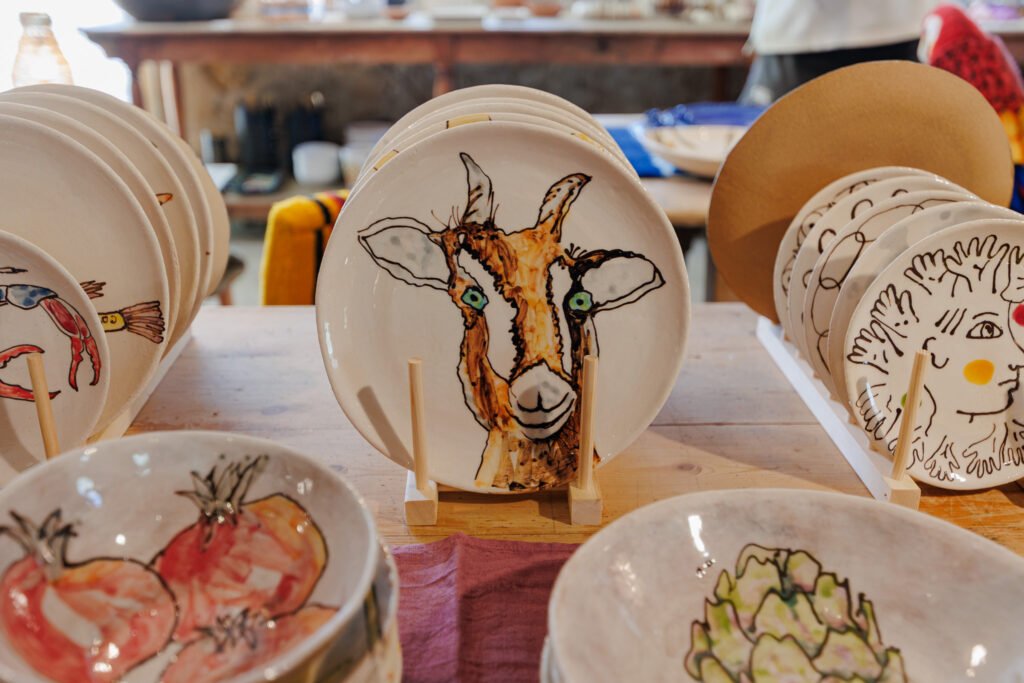
I really didn’t expect to find something like this in Mugron! At Rouge Garance, the visit begins in a shop full of ceramics, fabrics, cushions and objects from small artisans, including the owners’ own creations. But upstairs, an immense oak roof frame covers an art gallery. It’s actually the largest timber roof frame of any civil building in France, and it dates back to the 18th century. In the 1750s, Servat, a Parisian bourgeois turned tithe collector, had this chai built to store the goods he collected. We discovered this incredible building, the chai d’Antin, on a guided tour with René Hutt.
He told us about the past of this former storehouse of plenty, where wine, grain and other goods were kept. Mugron was then a trading port on the Adour, and the area’s winemaking helped make it rich. Picture up to 600 barrels of wine, grain on the upper floor, tobacco and even hams right at the very top! According to René, it took around 6 hectares of oak trees to build the roof frame, and the building even served as a church in the 1860s.
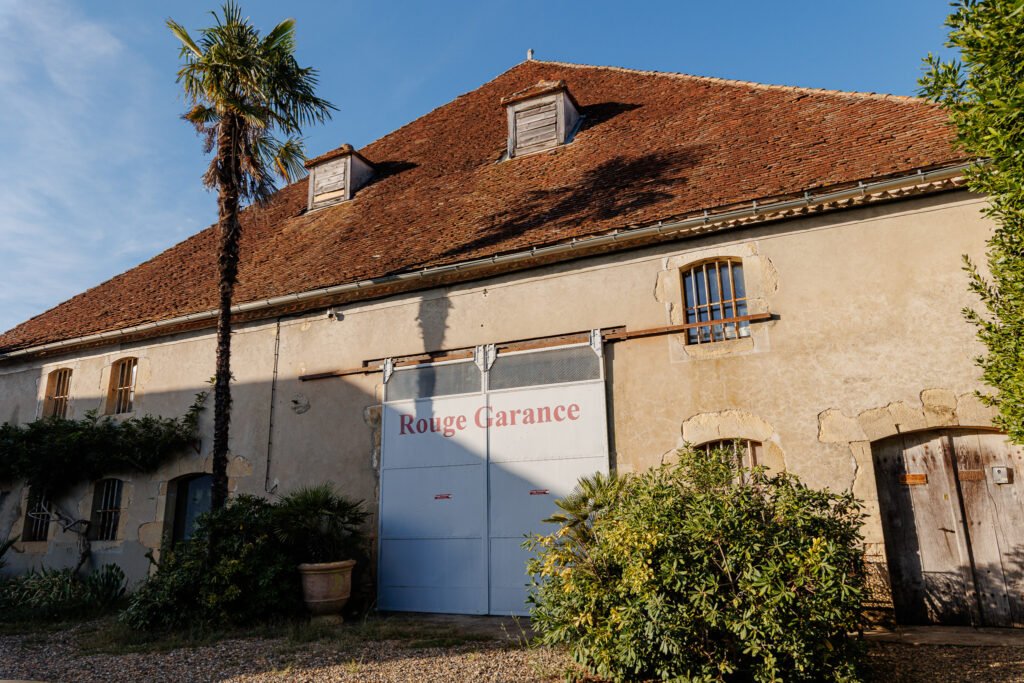
Rouge Garance, chai d’Antin
11 rue Jean Darcet, 40250 Mugron
Guided tours of the chai on Fridays, Saturdays and Sundays at 3:30pm, 4:30pm and 5:30pm
Tour prices : individual 5 € / children aged 6 to 12 3 €
_
Meeting the producers at Birouca farm
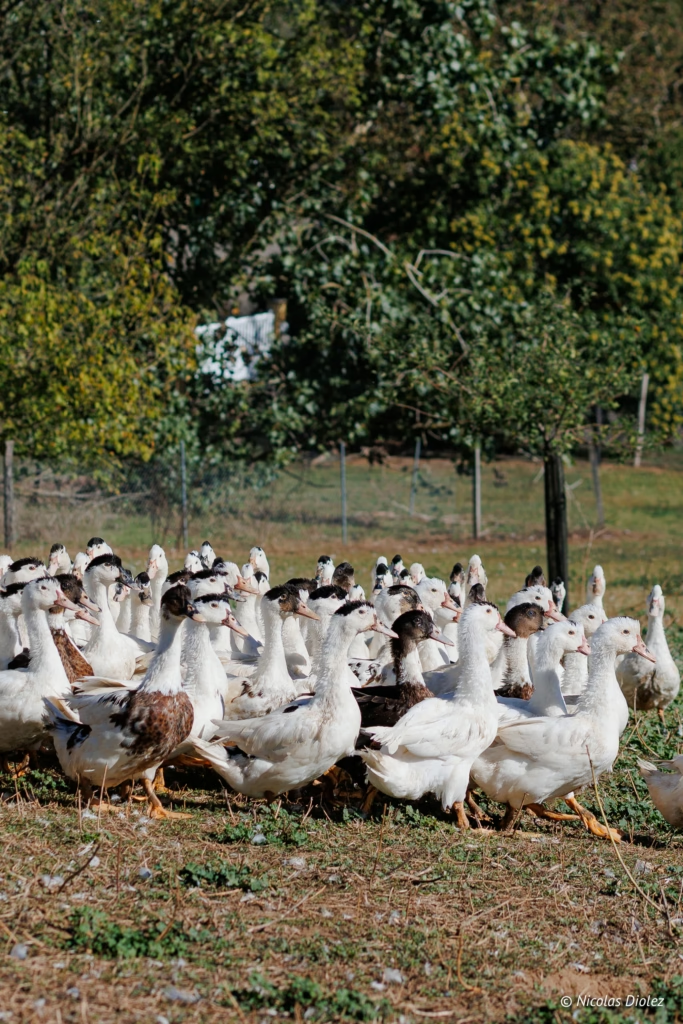
In Mugron, the Cabannes family has been raising ducks for four generations at Birouca farm, also known as the Ferme du Foie Gras. Joël Cabannes explained to us how the different productions fit together: the cereals grown on site feed the animals, the wheat straw is collected for their bedding, and the products are sold directly. Birouca, which means “turns at the end”, is also the name of their brand.
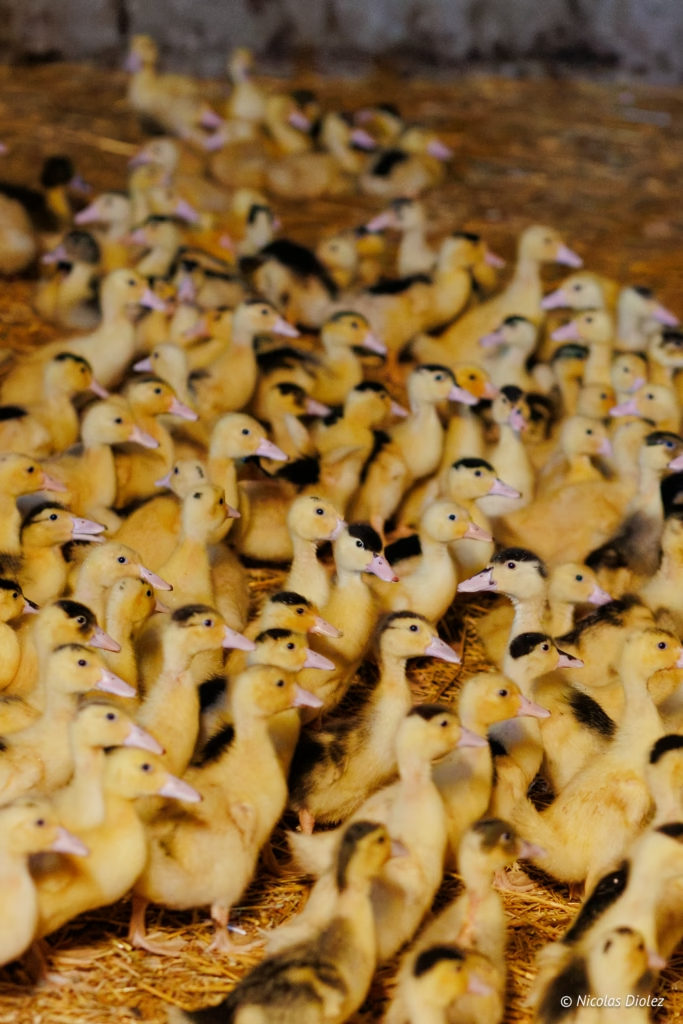
The farm raises mulards, the traditional local duck breed, and only males (I learned that the females’ livers are very veined and therefore not well suited to making foie gras). The ducklings arrive at just a few days old and stay sheltered while they’re fragile, then spend 14 weeks outdoors in the pens, followed by 10 to 13 days of force-feeding with whole corn (rich in starch). As is often the case in the Chalosse, where farms are small, the feeding, slaughtering and processing equipment is shared with other breeders and farmers within a cooperative.
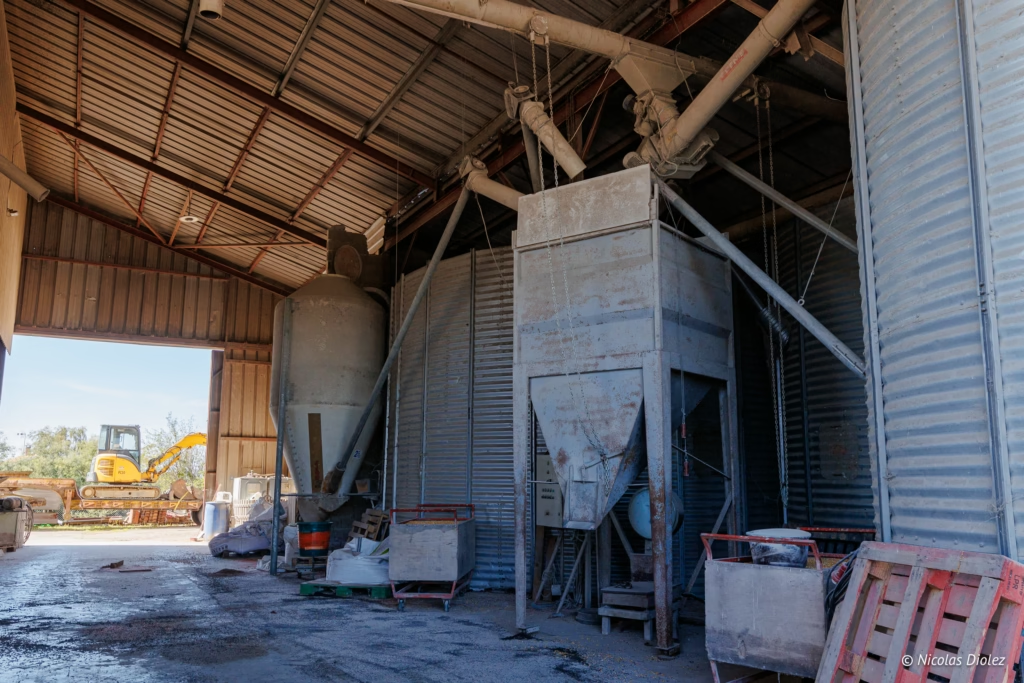
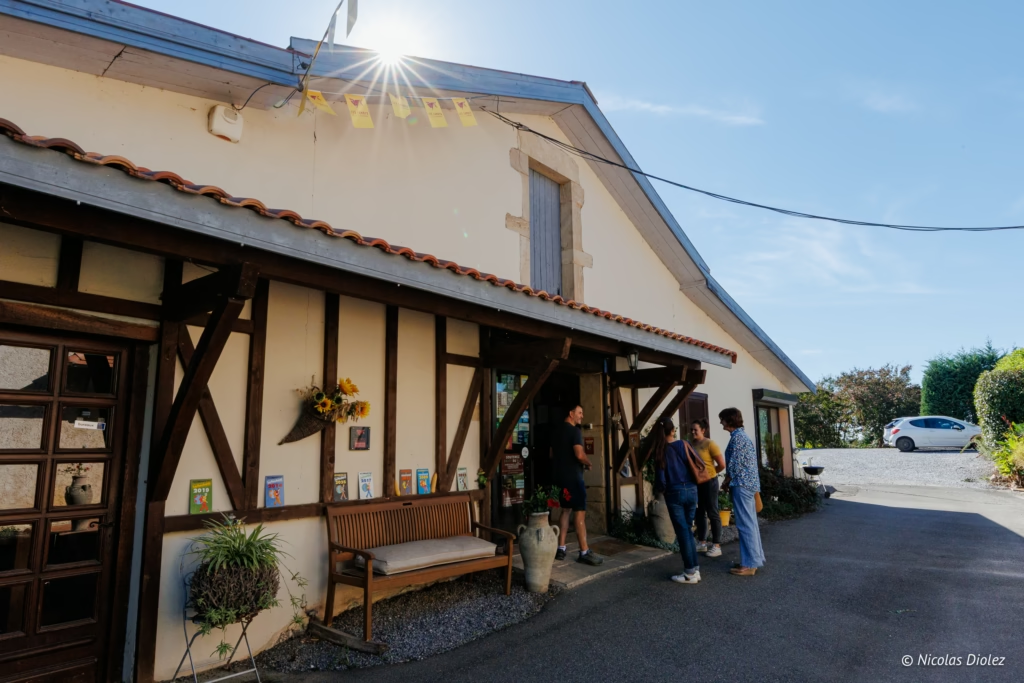
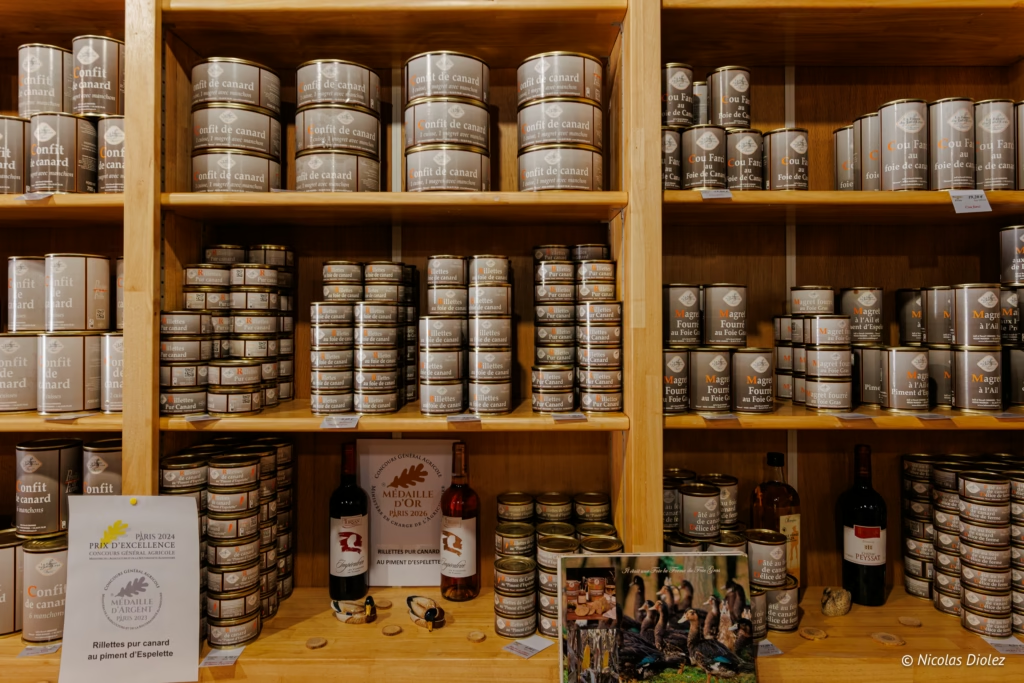
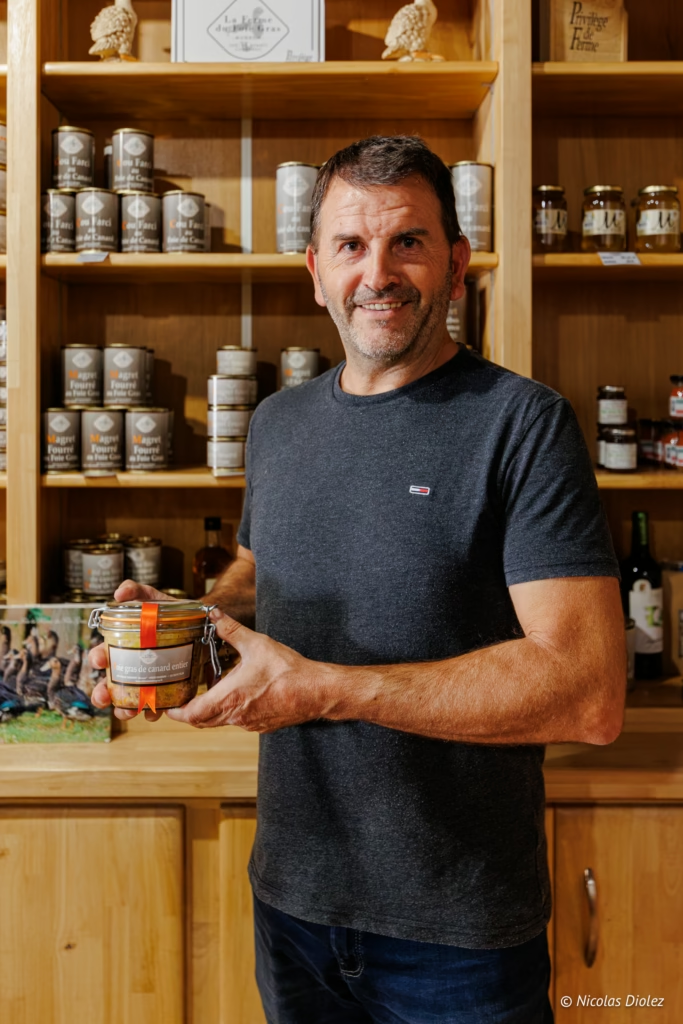
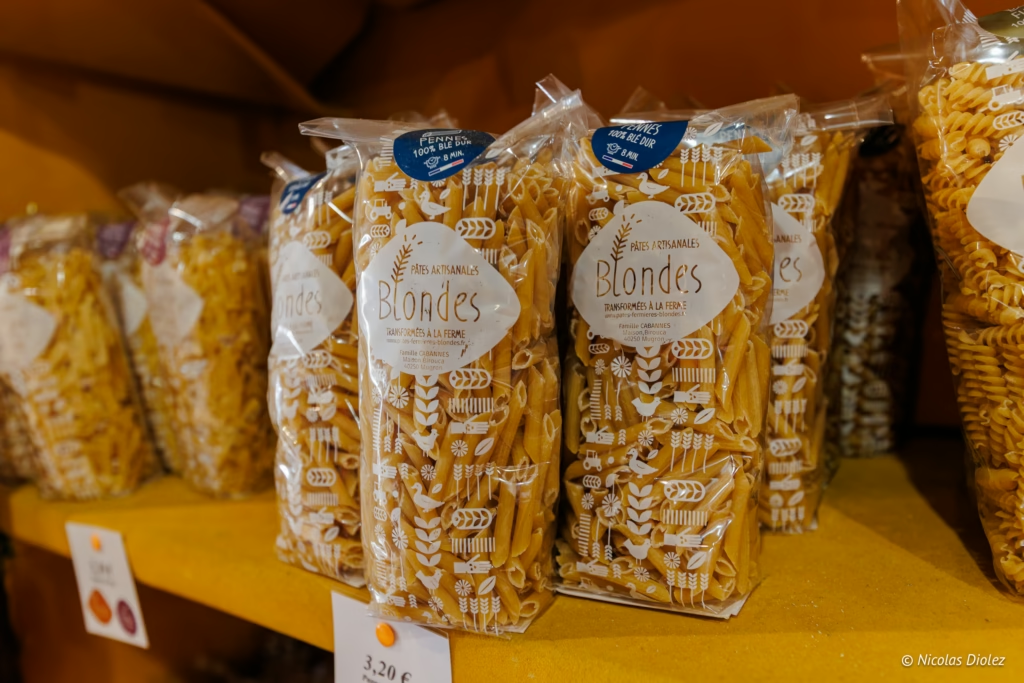
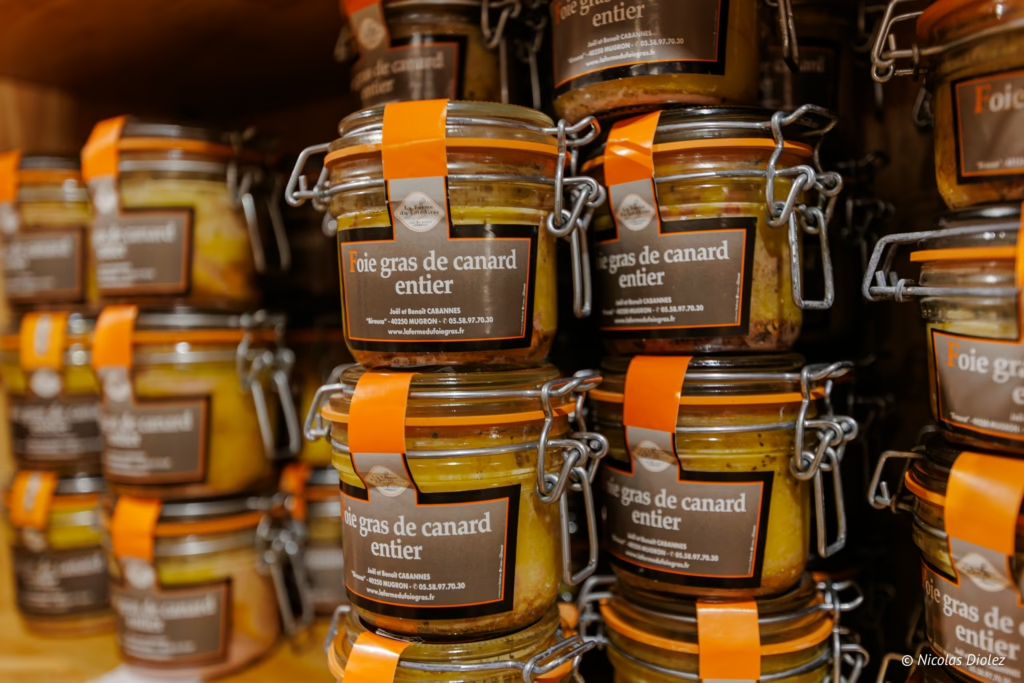
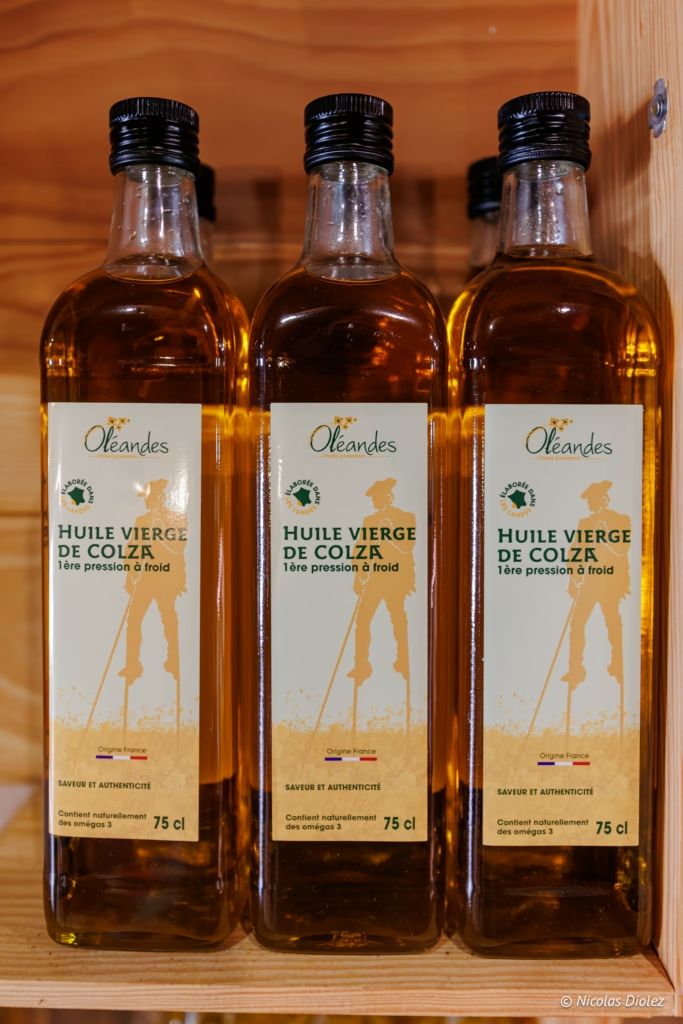
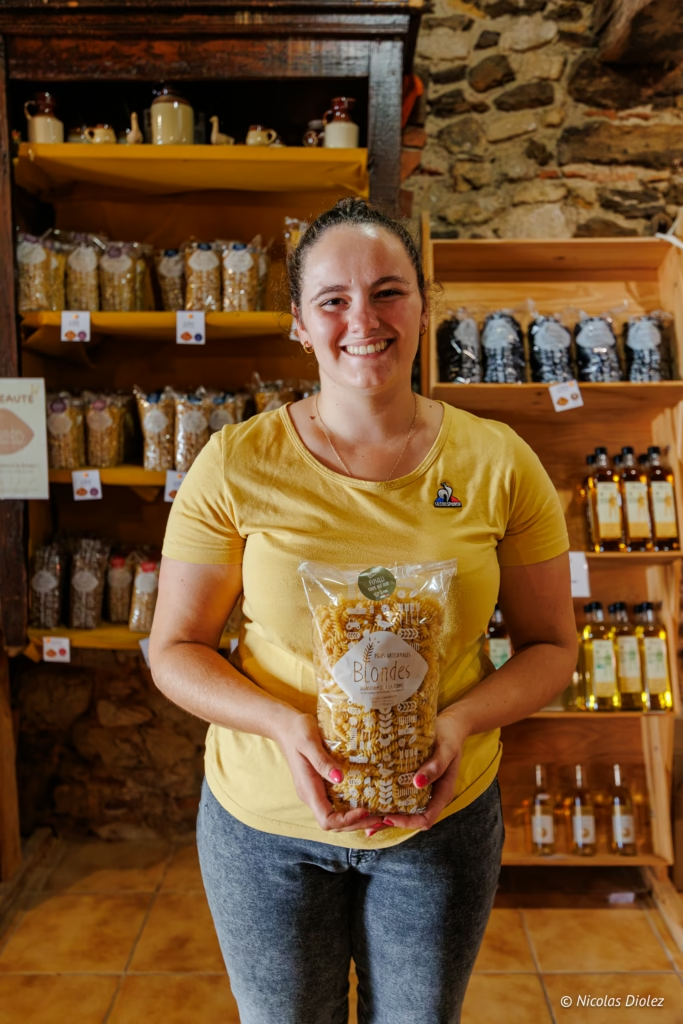
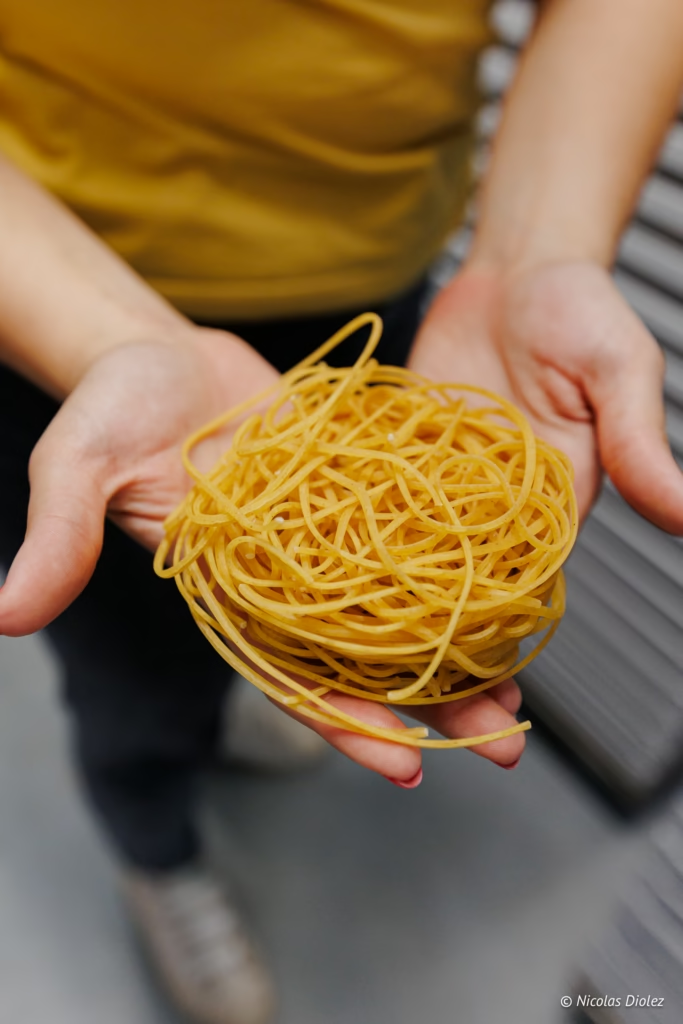
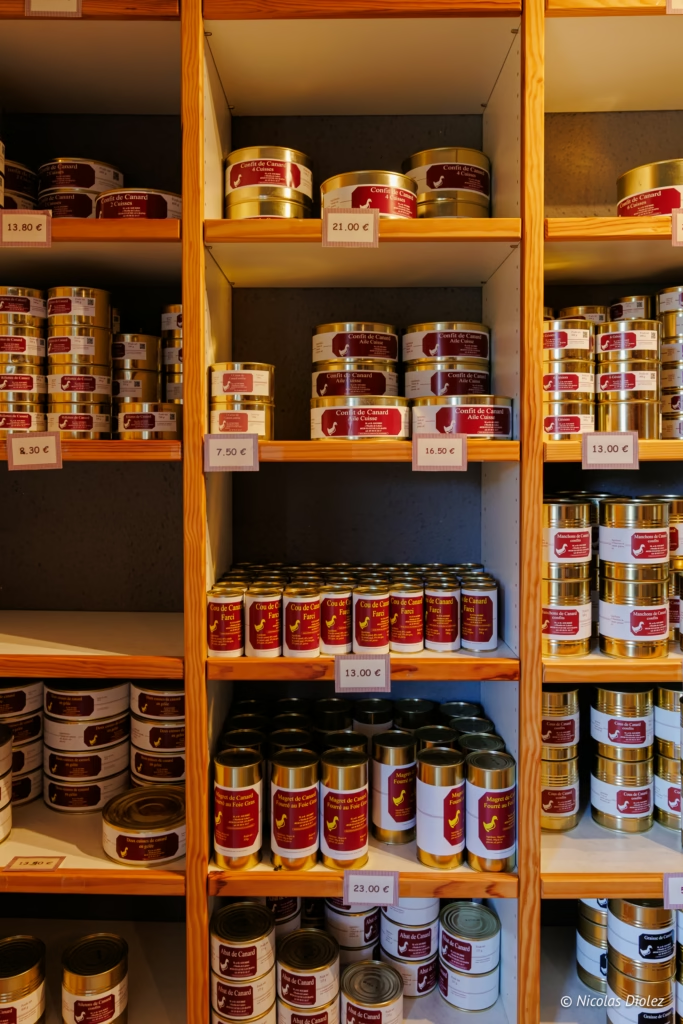
The family also started making dried pasta about two years ago. Sold under the Blondes brand, it’s made with flour and water, no eggs, taking the time for slow drying at a moderate temperature. So in the shop you’ll find pasta next to the foie gras, confits, rillettes and gizzards! The visit ended with a tasting of the farm’s products and some gourmet shopping (to bring a few good things back to Paris…).
The good deal: If you’re traveling by motorhome, the farm welcomes members of the France Passion network for an overnight stay on site. Just remember to let them know before you come!
Ferme Birouca, la Ferme du Foie Gras
155 route de Pontonx, 40250 Mugron
_
Visiting Notre-Dame de Maylis Abbey
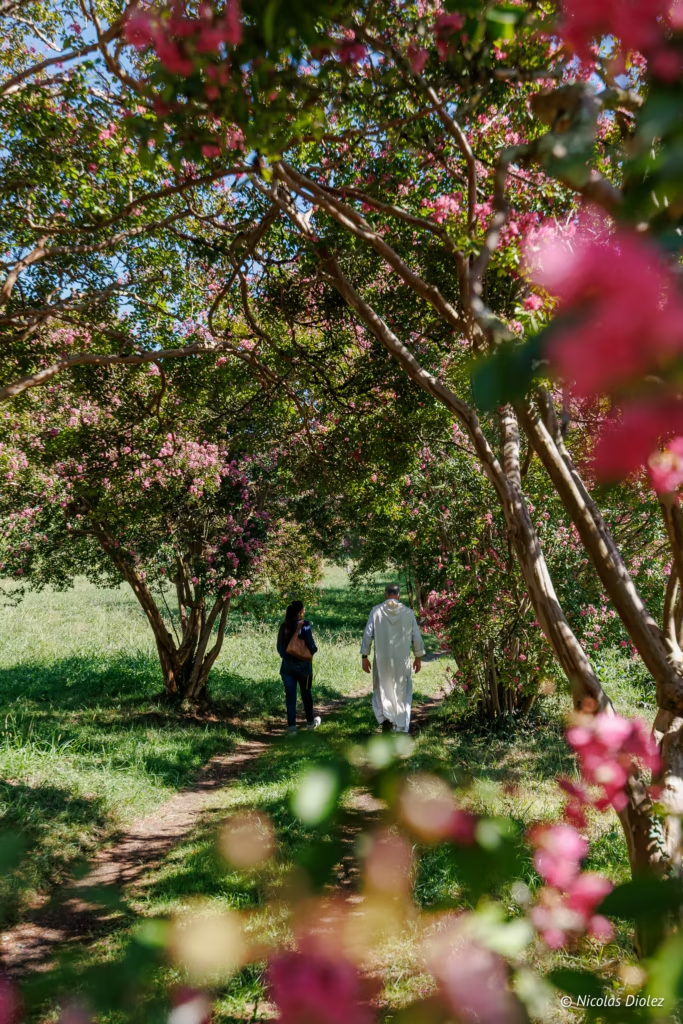
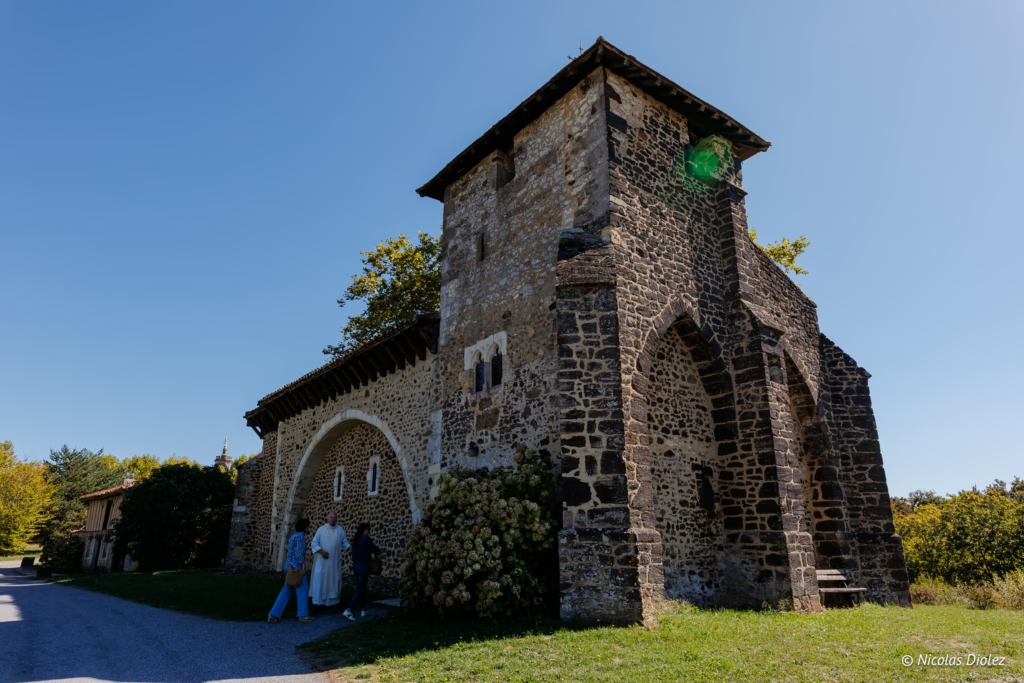
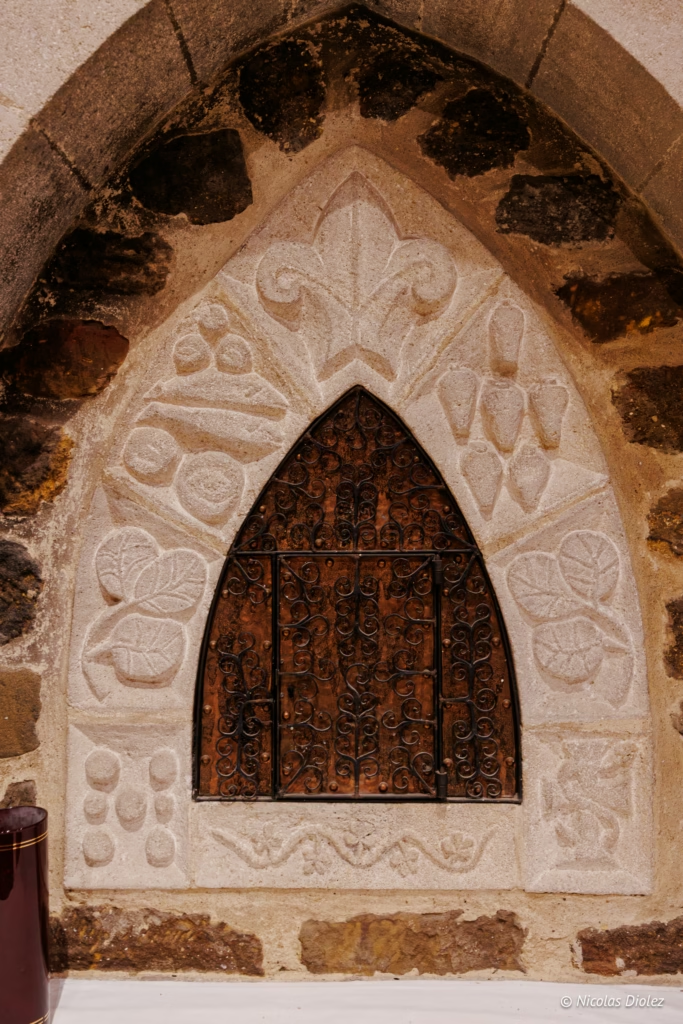
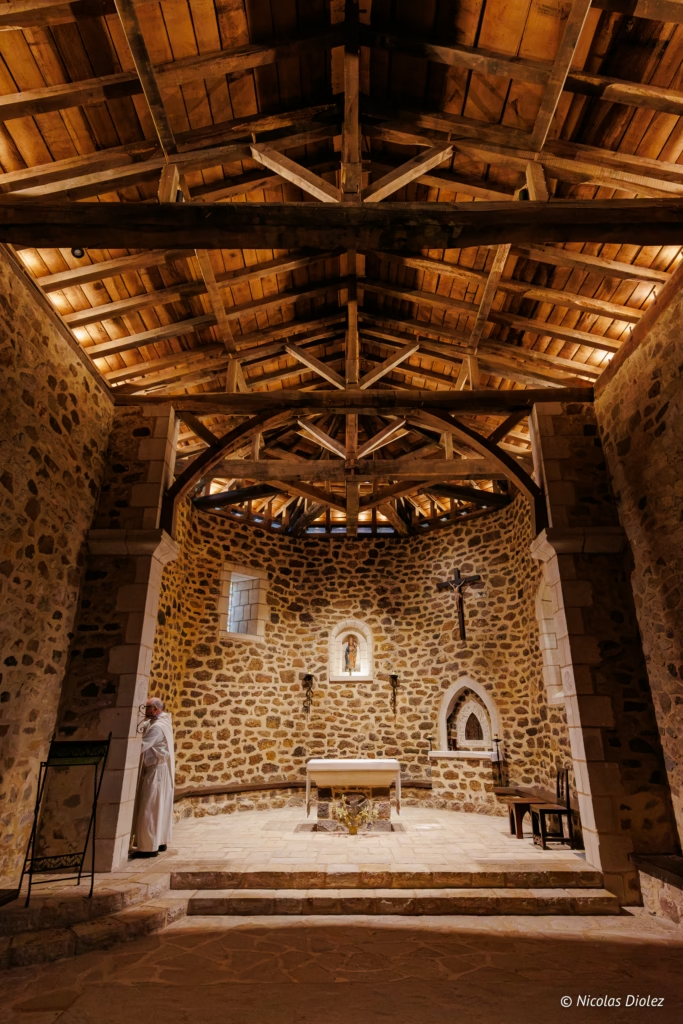
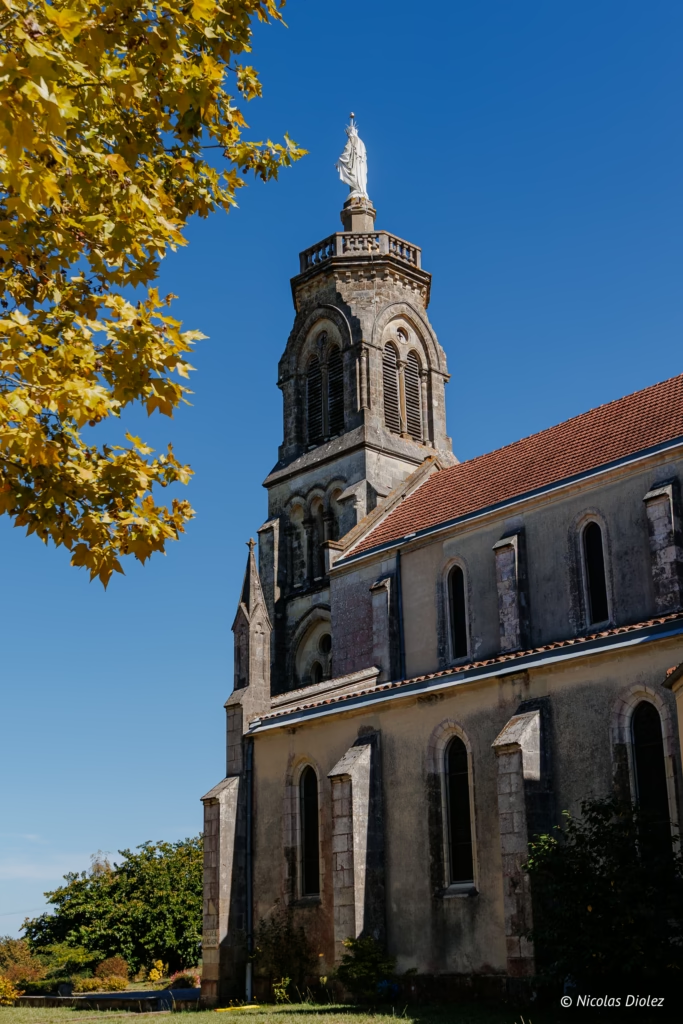
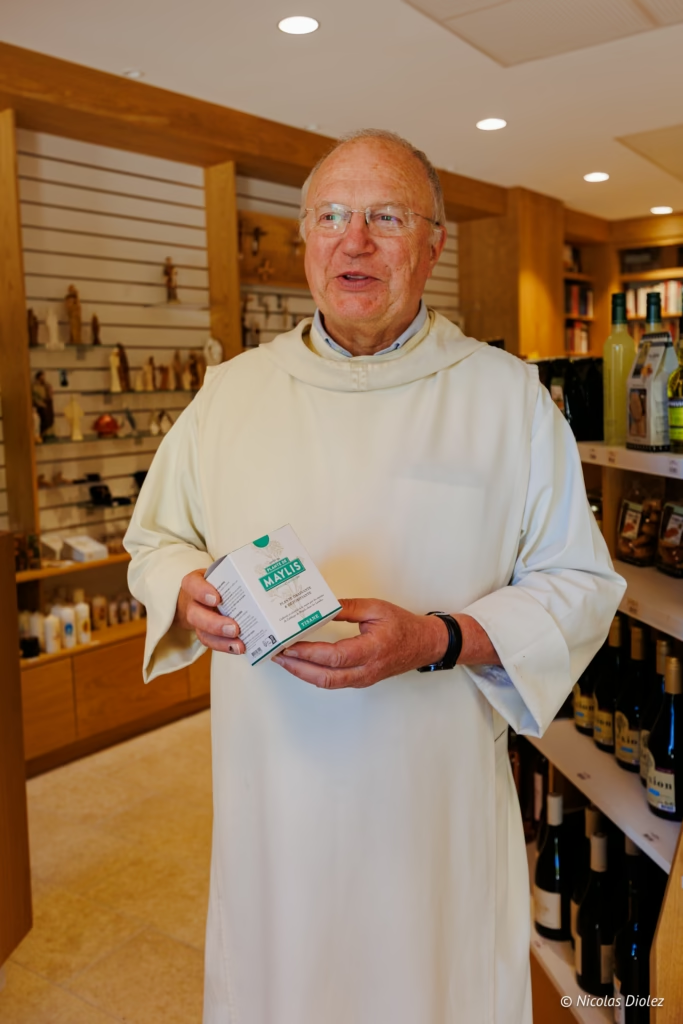
We visited Notre-Dame de Maylis Abbey with Brother Colomban. Around the large neo-Gothic abbey church, you’ll discover an old chapel and a park, but also the daily life of the Benedictine community that has been settled here since 1946. Today, about a dozen brothers live here, and their day is structured around seven times of prayer. The place also welcomes pilgrims and people who come for a spiritual retreat (with a freewill contribution to cover costs).
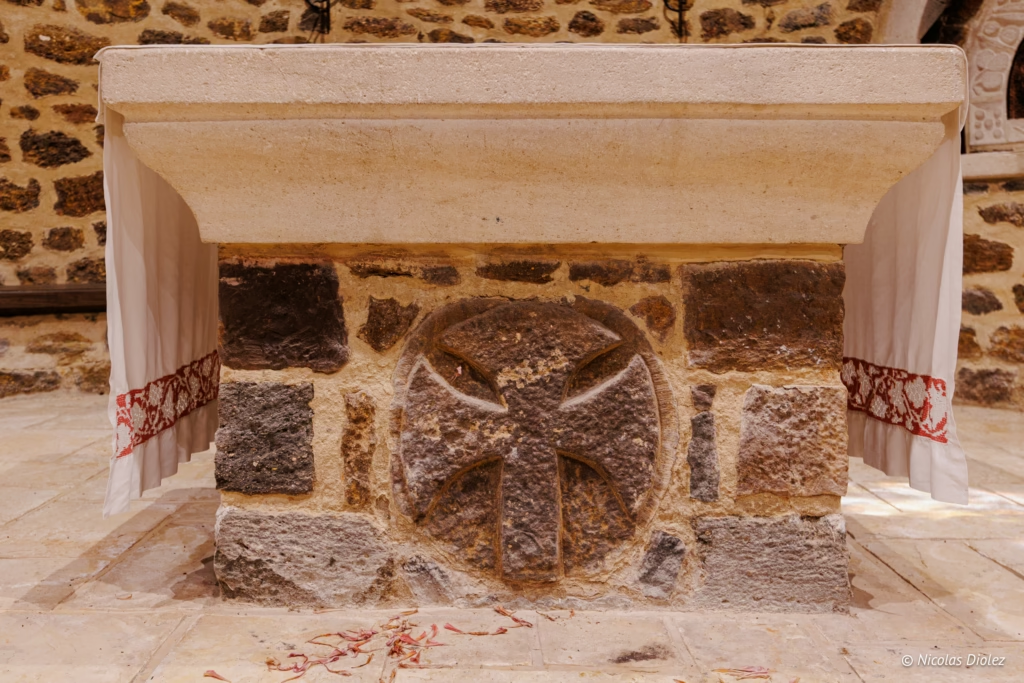
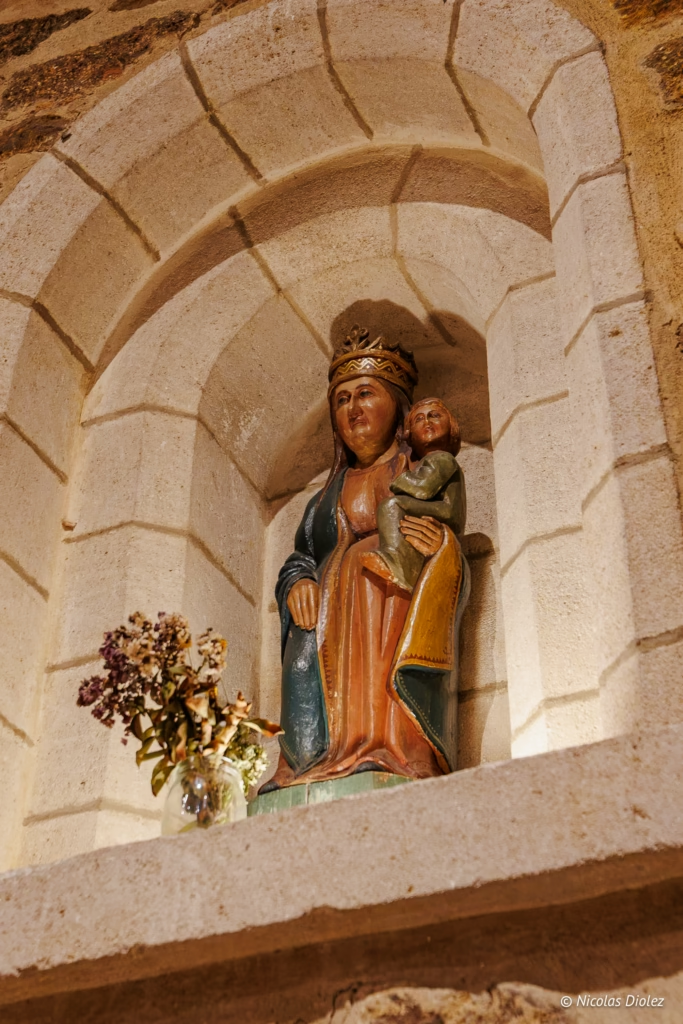
During your visit, don’t miss the small original chapel, which holds a beautiful oak framework dating from the rebuilding of the building, from the late 1970s to the early 1980s, as well as a polychrome wooden Virgin and Child that goes back to the 14th century. Services are still held there. We then explored the garden, as well as the vegetable garden that feeds the community and the little apiary.
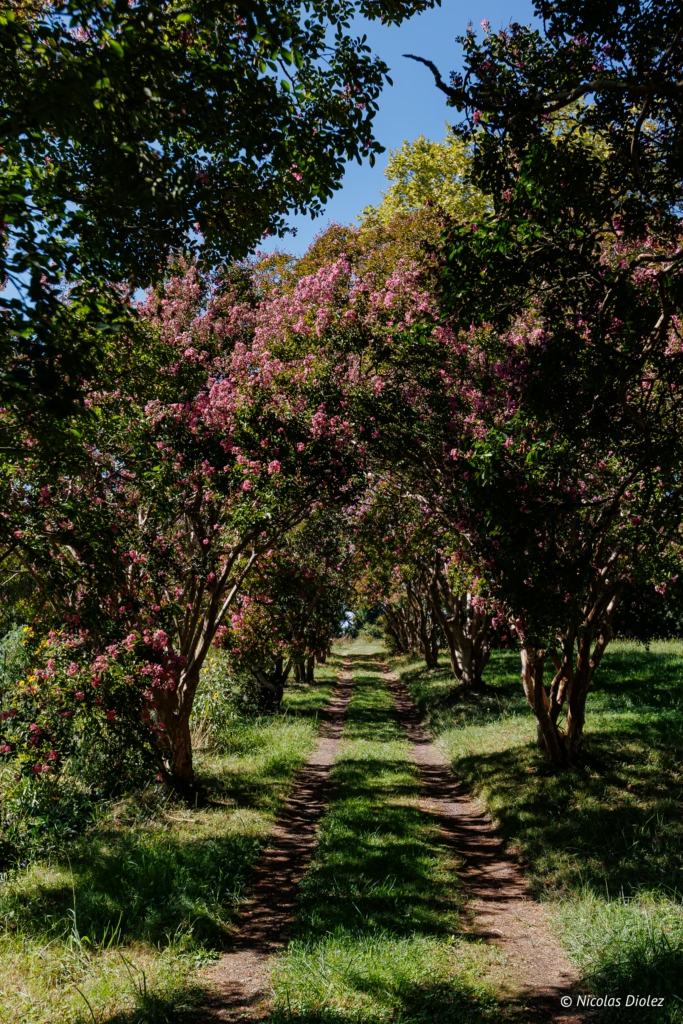
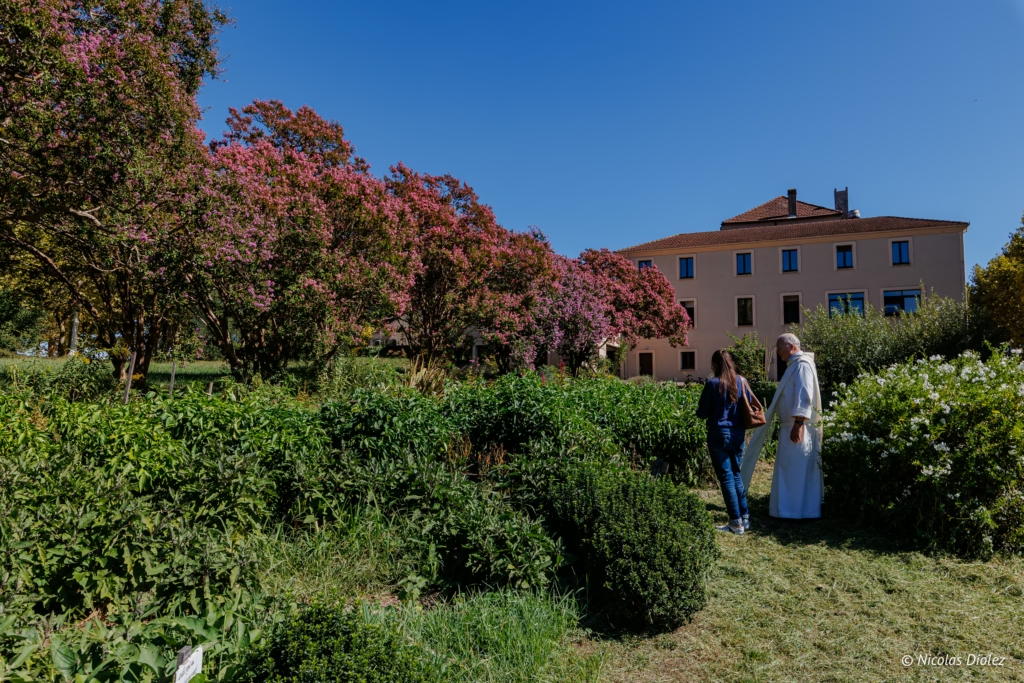
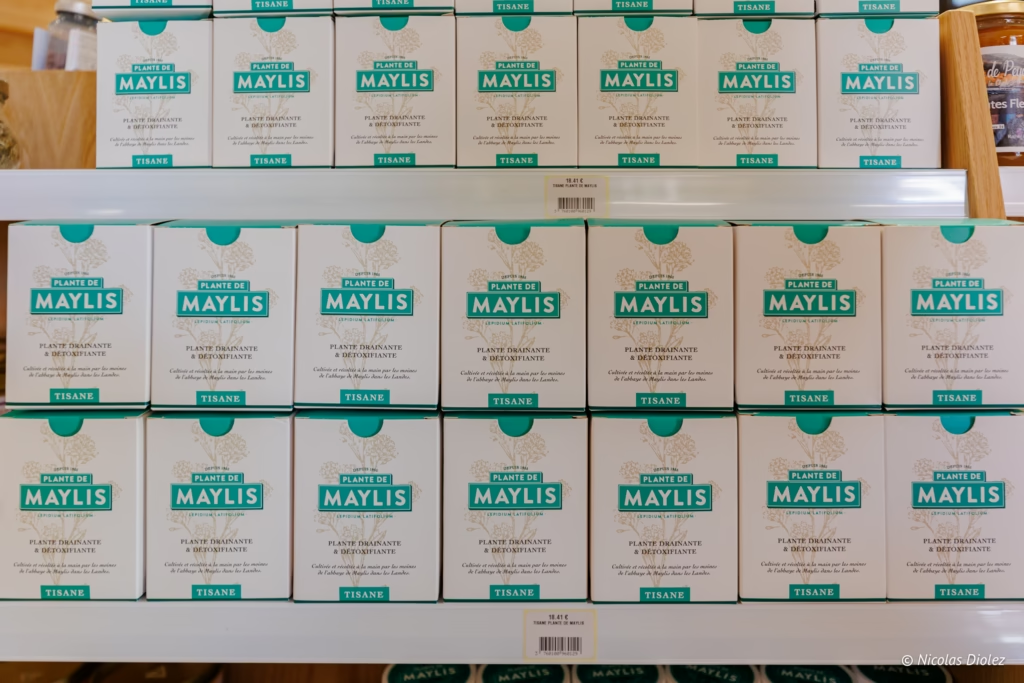
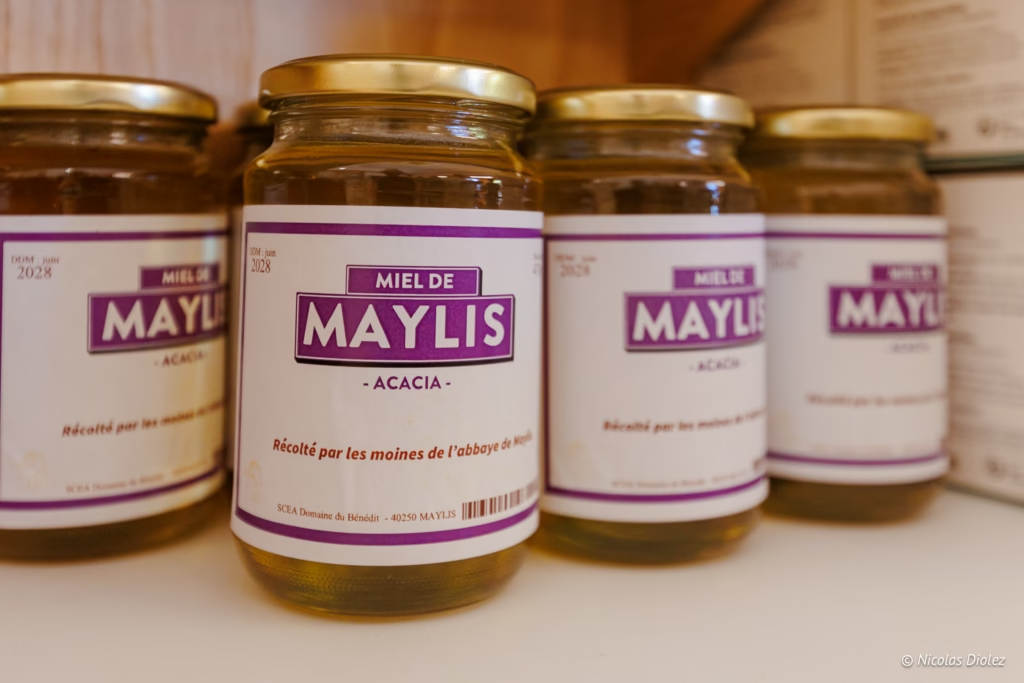
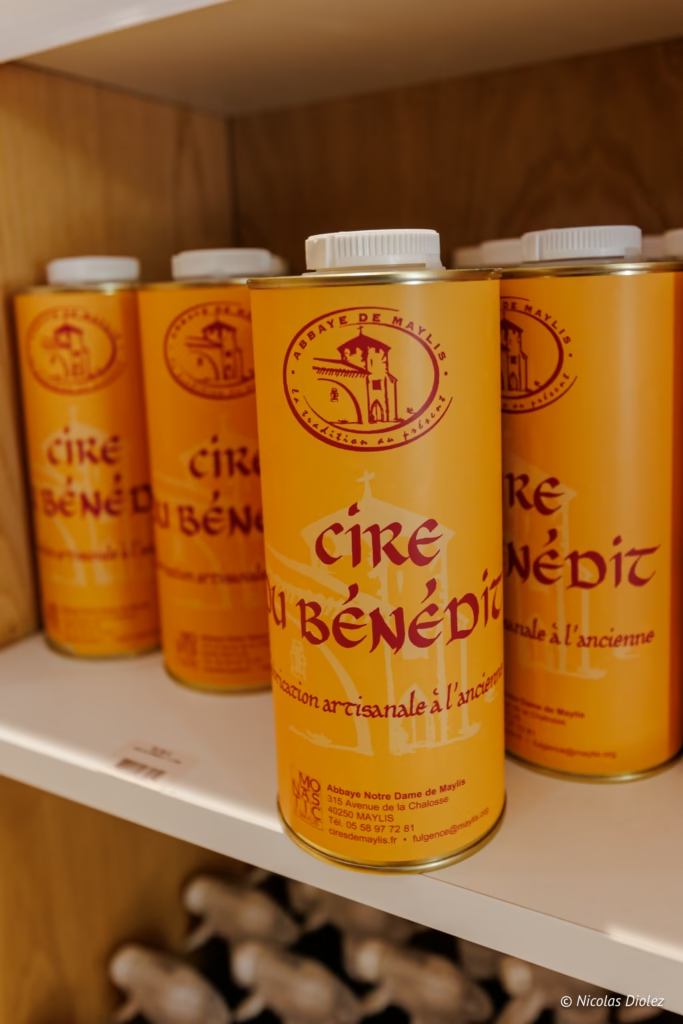
The monks also make products that contribute to the abbey’s income. Brother Colomban introduced us in particular to the Maylis herbal tea (of which we obviously brought back a box, since the favorite photographer and I are big herbal tea drinkers), the abbey’s flagship product made from a surprising plant, the Maylis plant, or Lepidium latifolium. They also make their own polishing waxes, sold at the shop along with Maylis honey and products from other monastic communities.
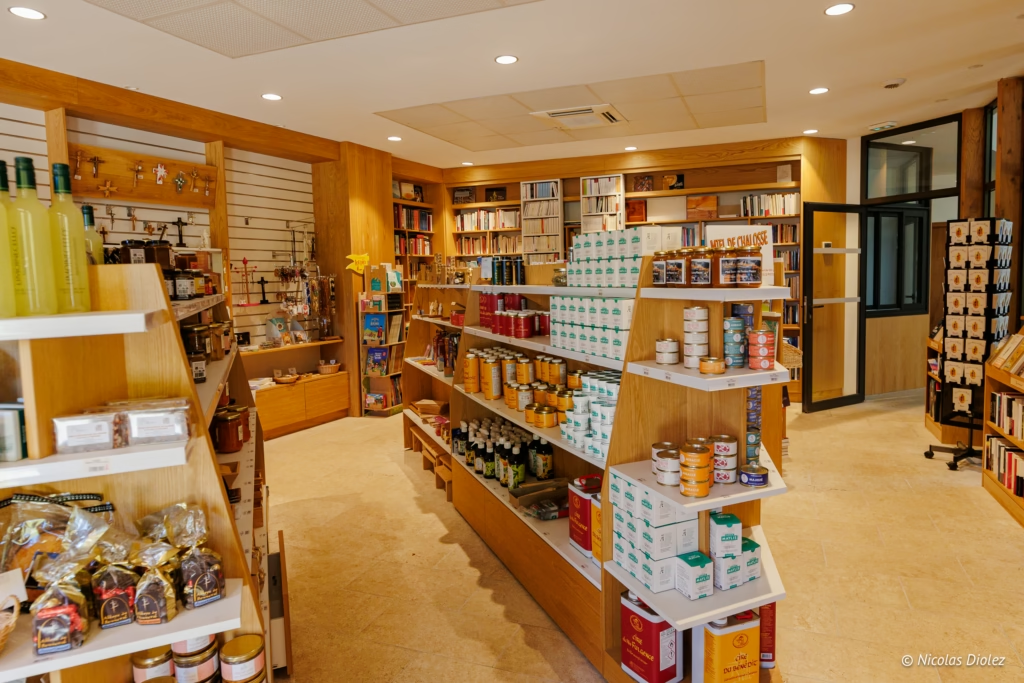
Notre-Dame de Maylis Abbey
315 avenue de la Chalosse, 40250 Maylis
Discovering Saint-Sever and its heritage
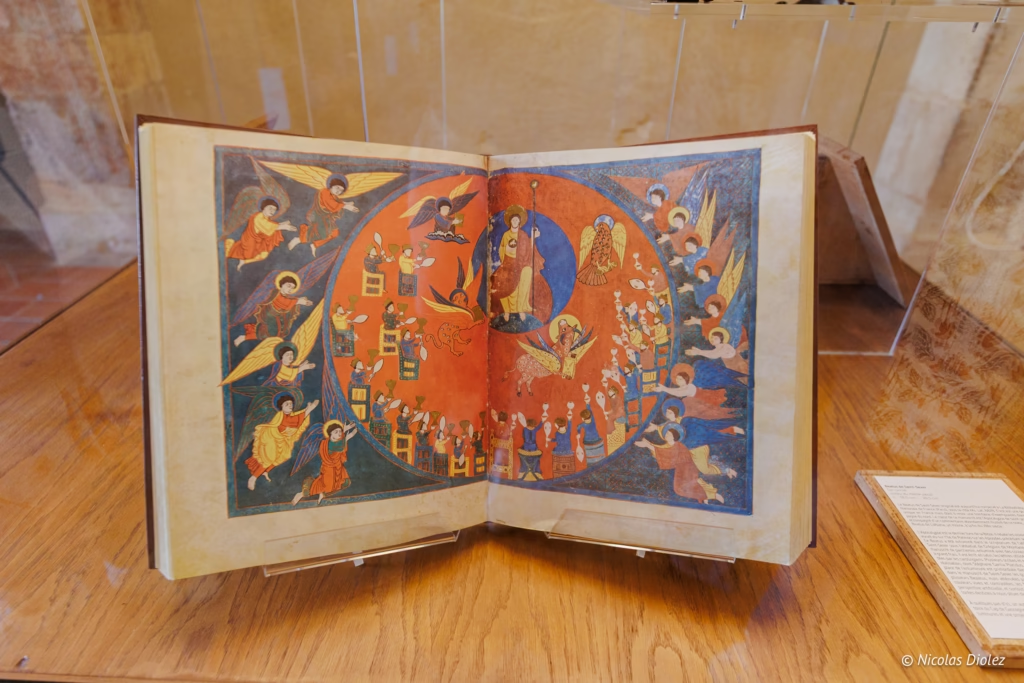
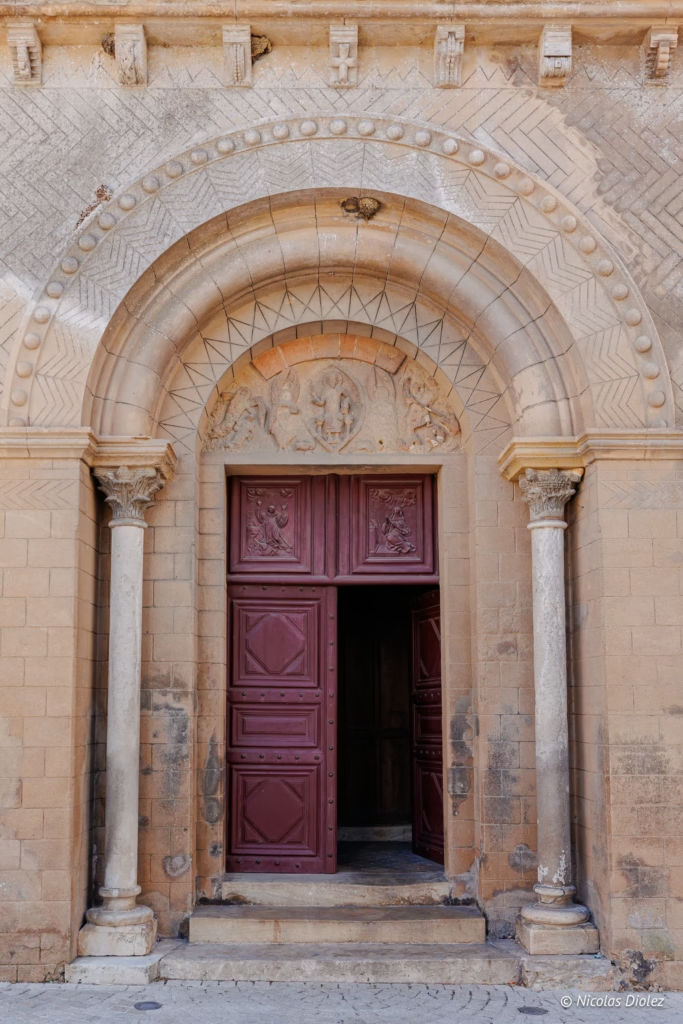
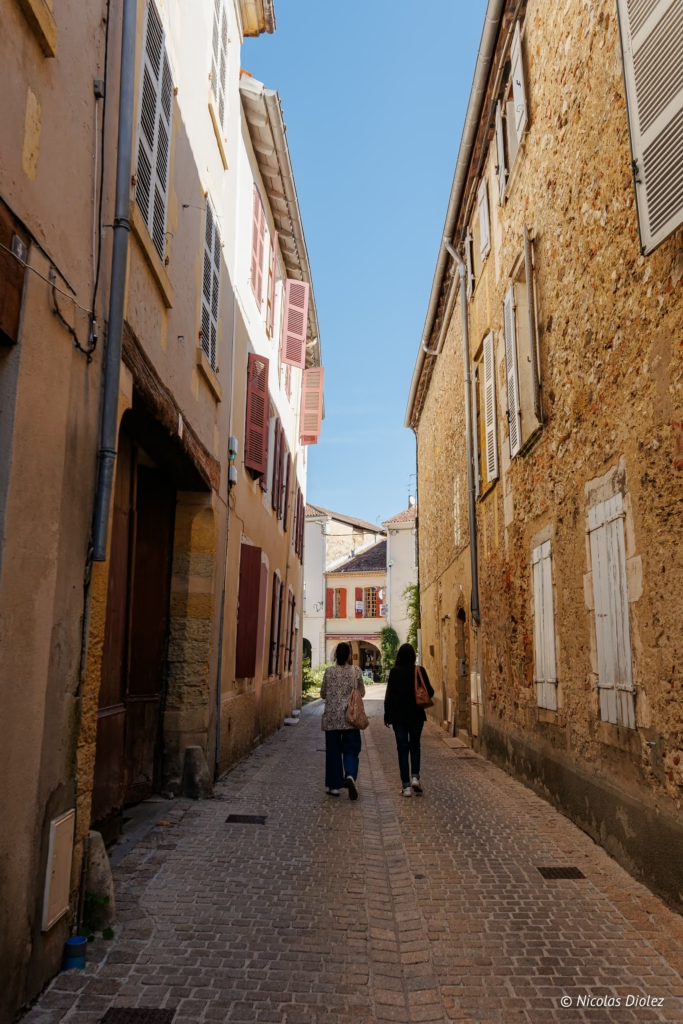
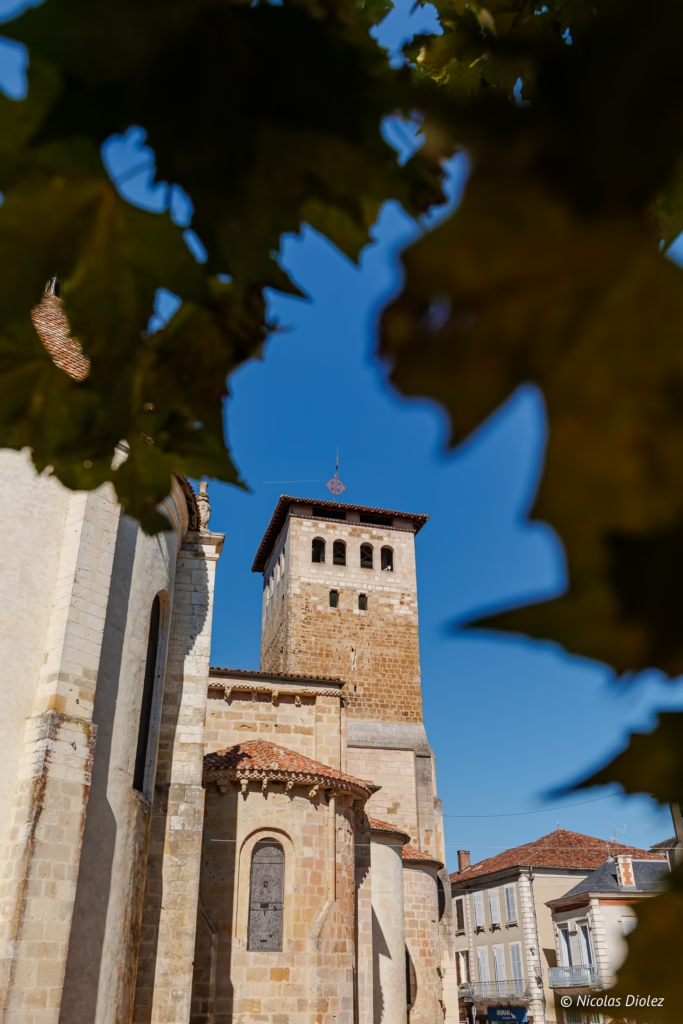
Nicknamed the “Camino city”, Saint-Sever is a town of art and history of about 5,000 inhabitants, which once again overlooks the Adour valley (during the visit, we were told that the river served as a guiding thread for the first Gallo-Roman settlements, with Saint-Sever in the middle). The town grew up around its Benedictine abbey, a UNESCO World Heritage site, where the famous Beatus manuscript was produced at the request of Abbot Grégoire de Montaner. In the streets, you can also find traces of the old ramparts, around the rue du Touron or the tour de Bourrouilhan.
If you’d like a guide for your visit of Saint-Sever, the tourist office offers several tours depending on the season: city center, abbey church, ramparts, bell tower climb, and summer tours too. In summer, there’s even a theatrical night tour! And if you’d rather wander on your own, QR codes are set up on the town’s signs, and a booklet is given out for kids.
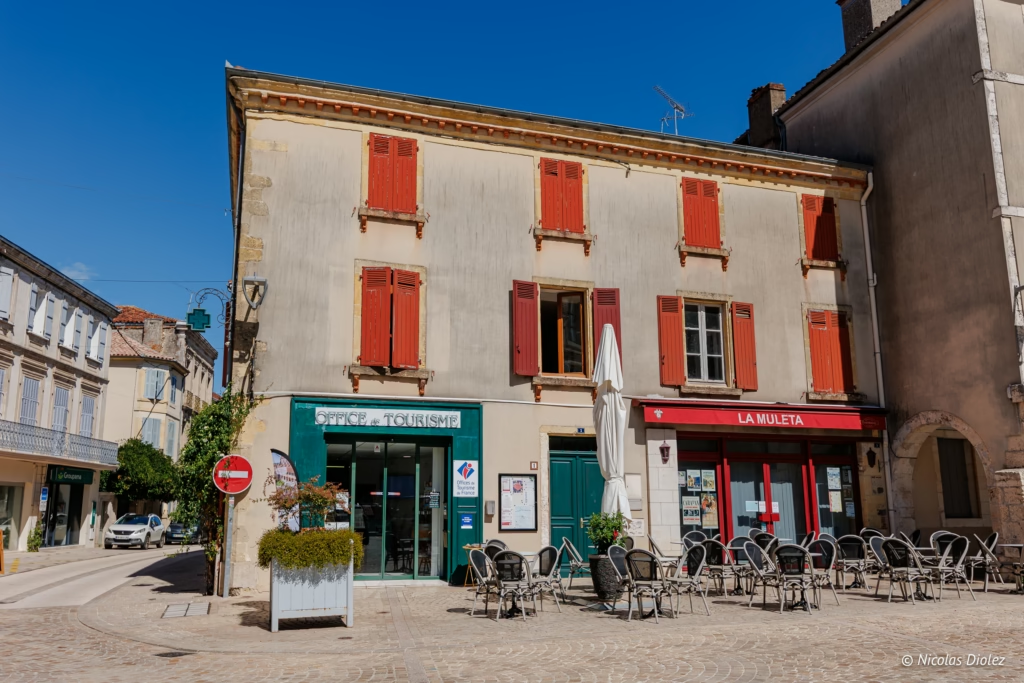
Landes Chalosse Tourist Office
Place du Tour du Sol, 40500 Saint-Sever
_
Visiting the abbey church and climbing the bell tower
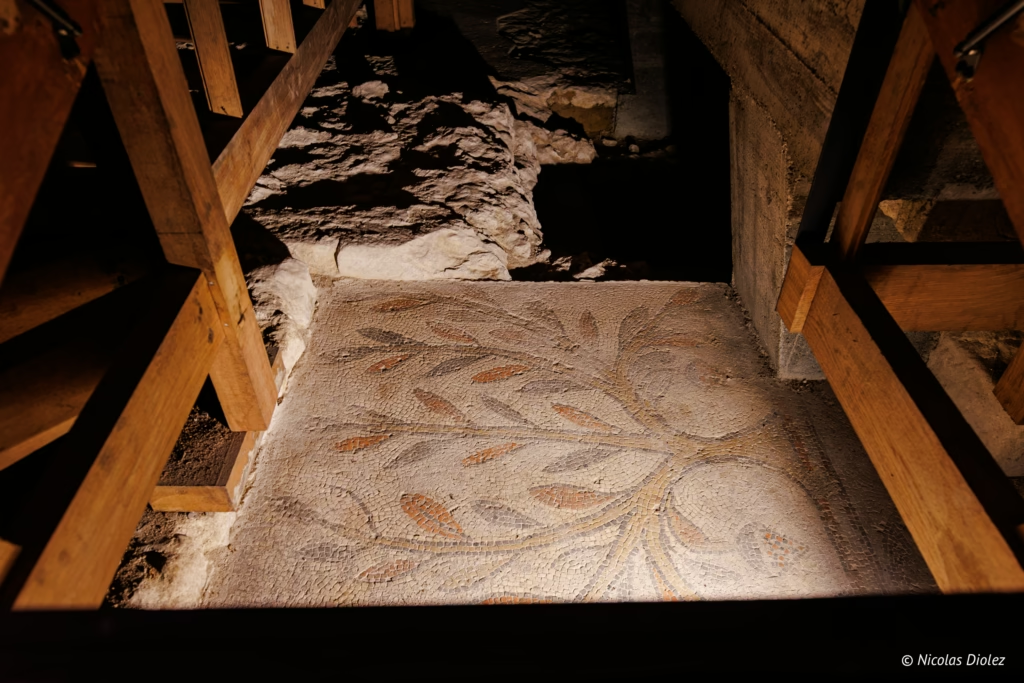
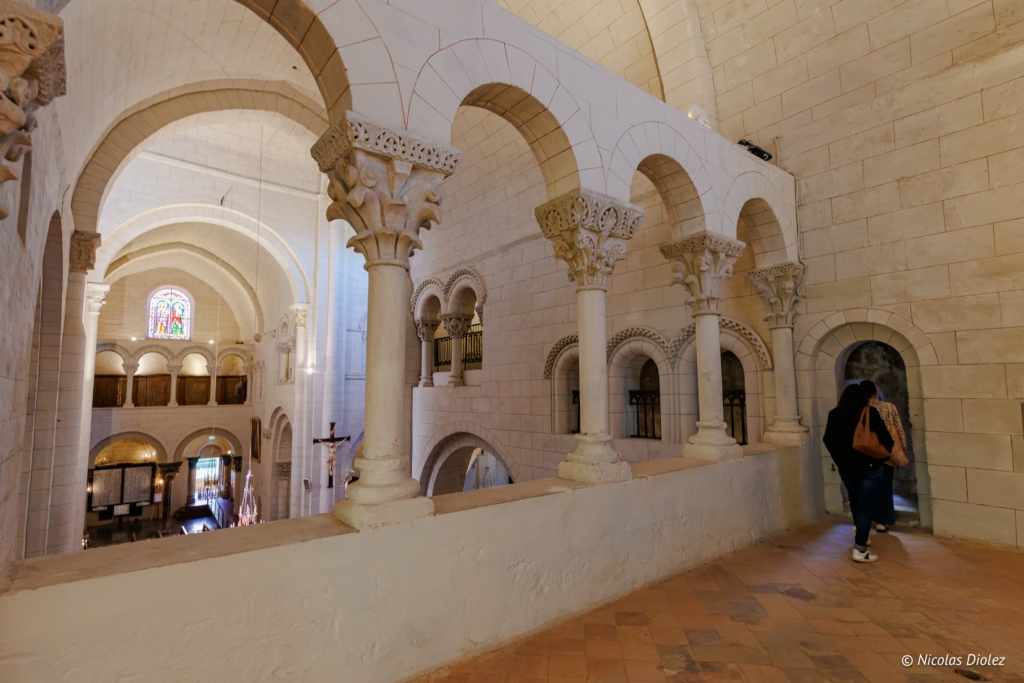
The guided tour of Saint-Sever naturally starts with the abbey, around which the town grew (according to legend, Saint-Sever, beheaded, laid down his head where he was buried, and the abbey was built around the year 1000 around his relics). Its abbey church is a UNESCO World Heritage site as part of the Routes of Santiago de Compostela. With its seven staggered apses and some 160 capitals (more than half of them Romanesque originals), there’s plenty to keep you looking up for quite a while! Also take a look at the Romanesque mosaic in the choir, protected by a glass plate, and the five marble columns that come from a Gallo-Roman palace. Partly destroyed during the Wars of Religion, the church was always rebuilt.
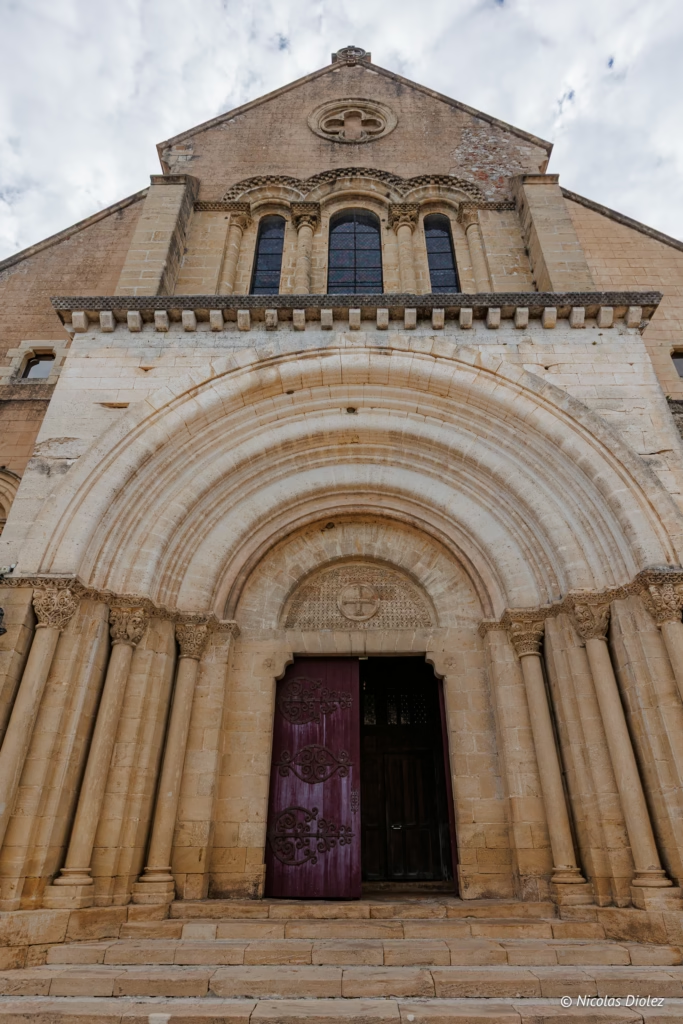
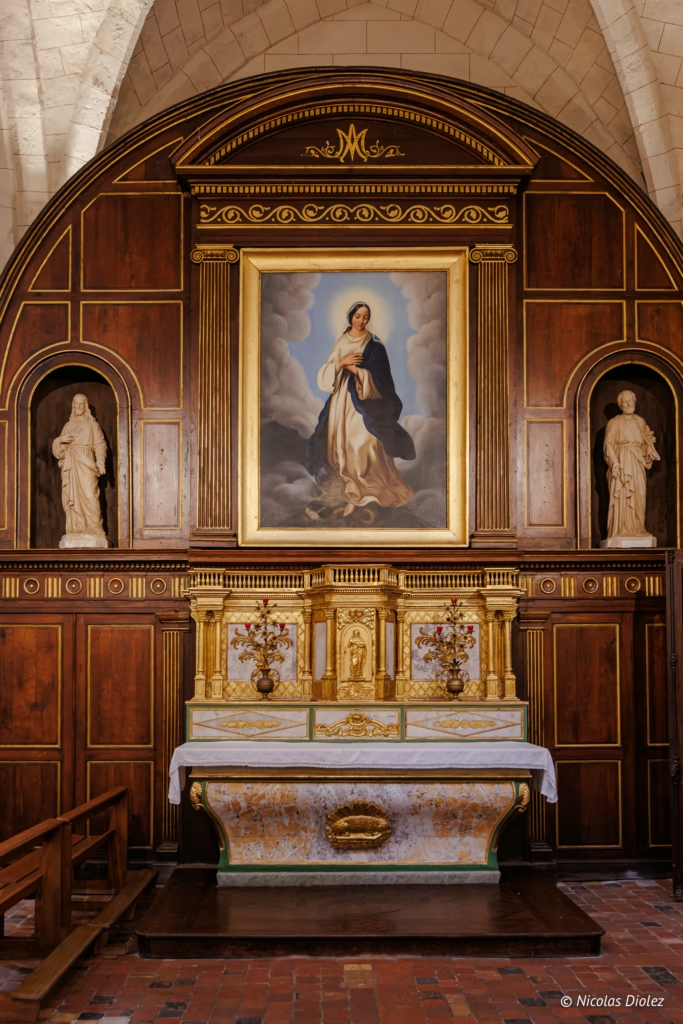
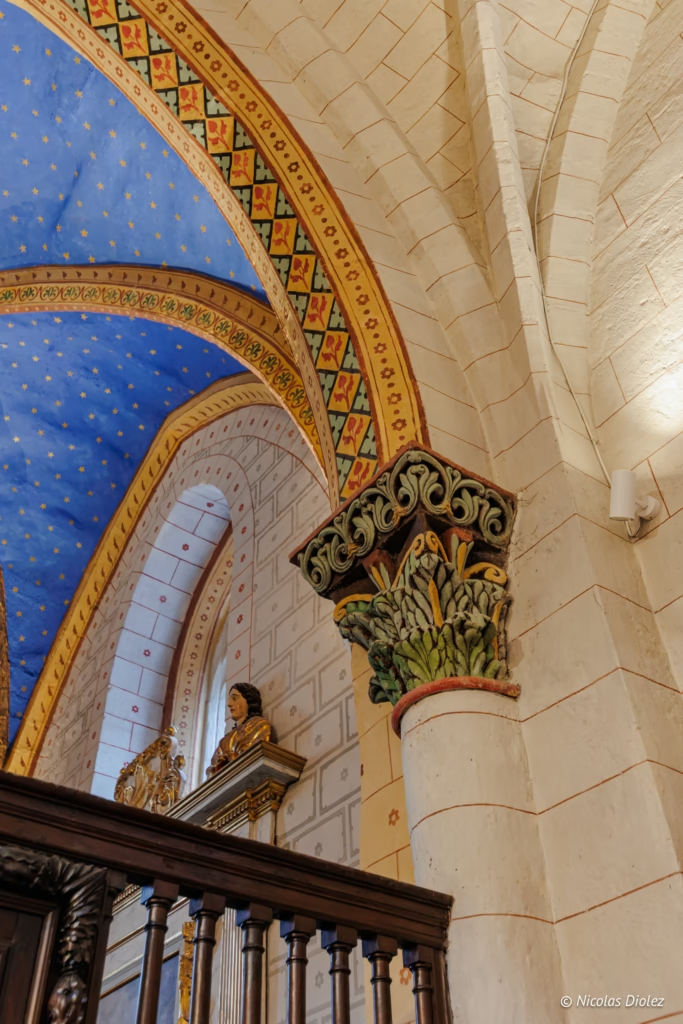
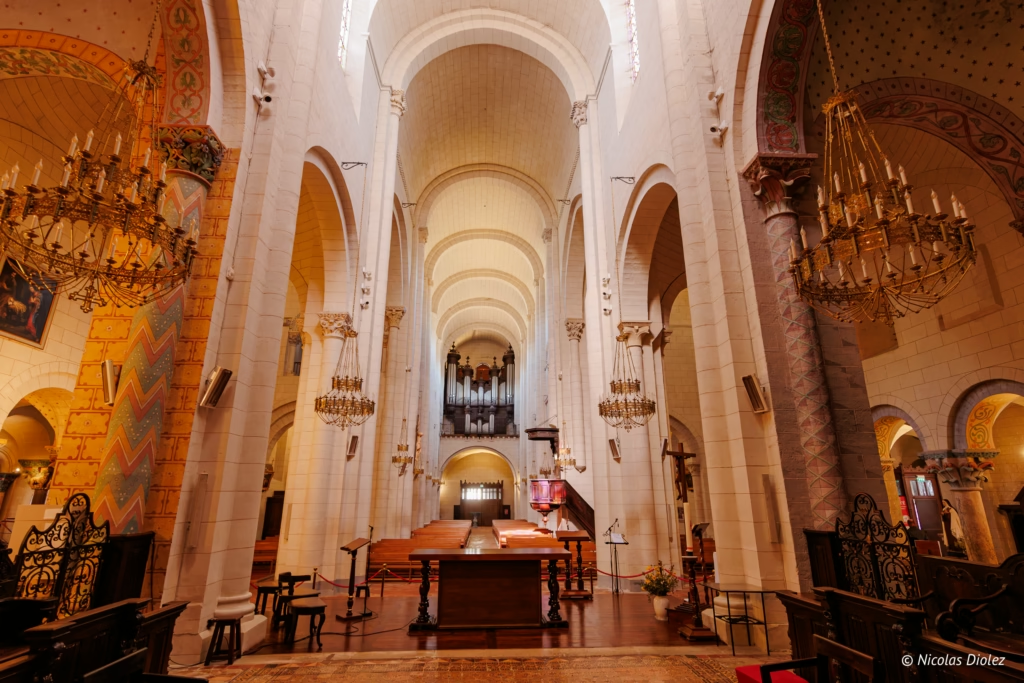
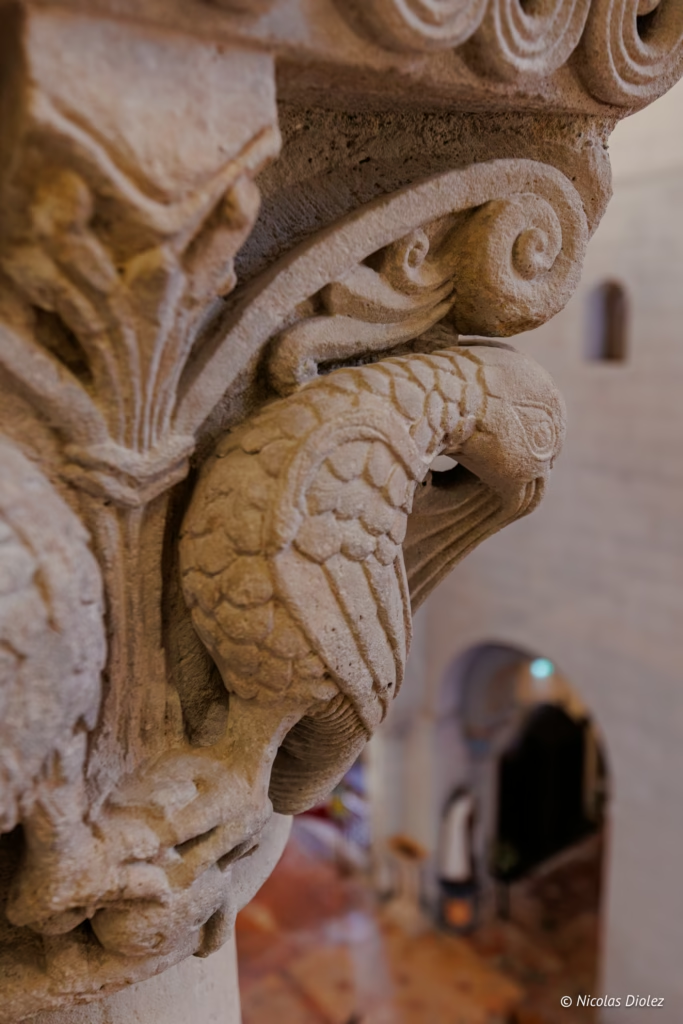
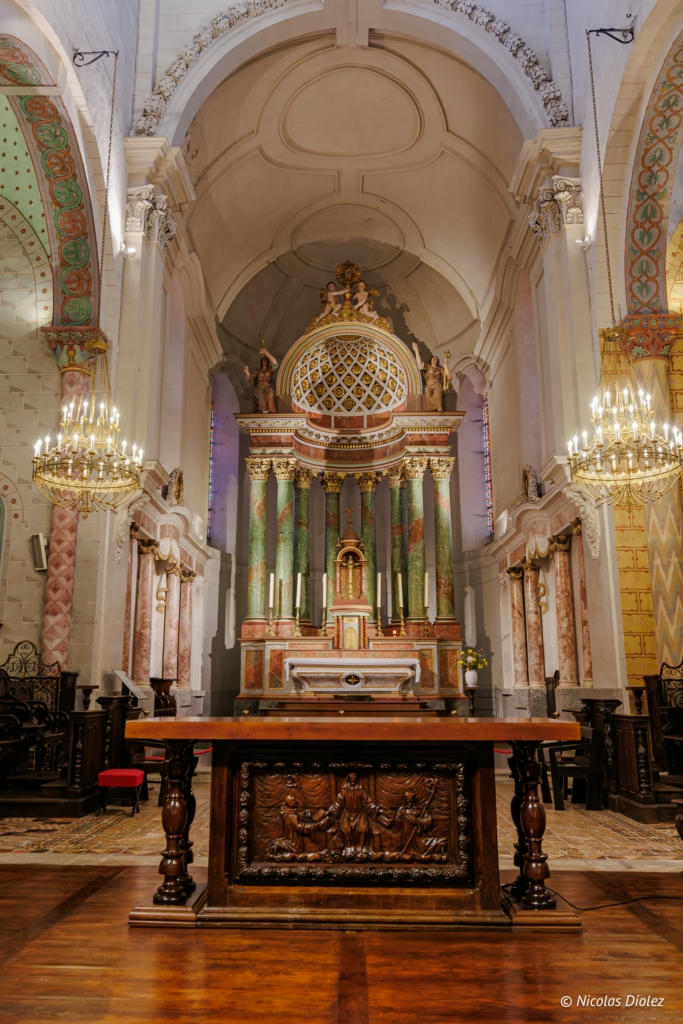
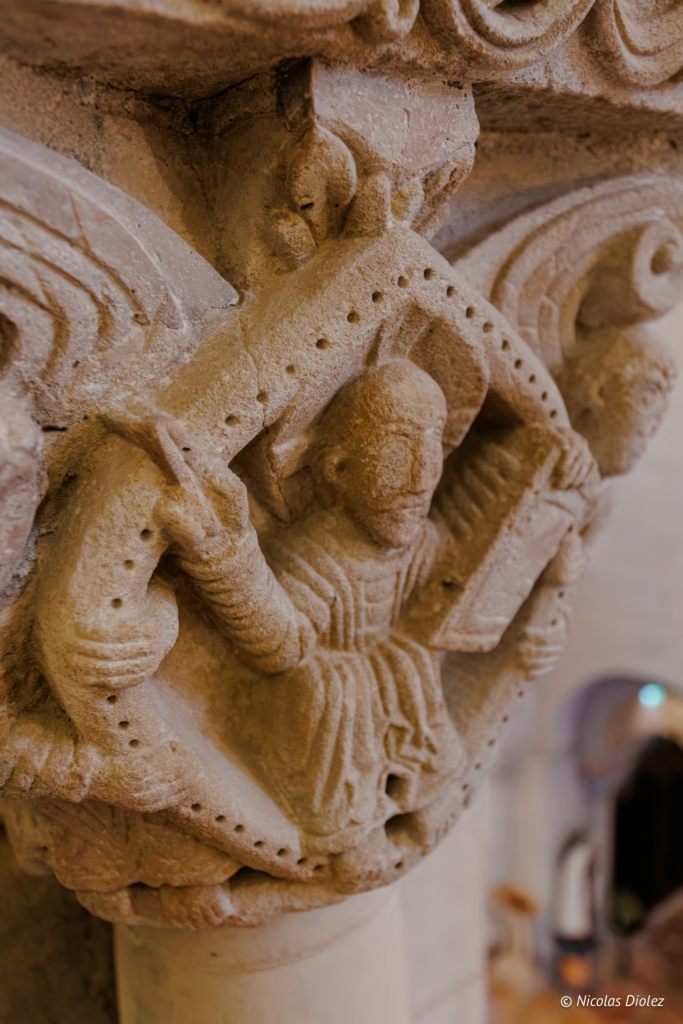
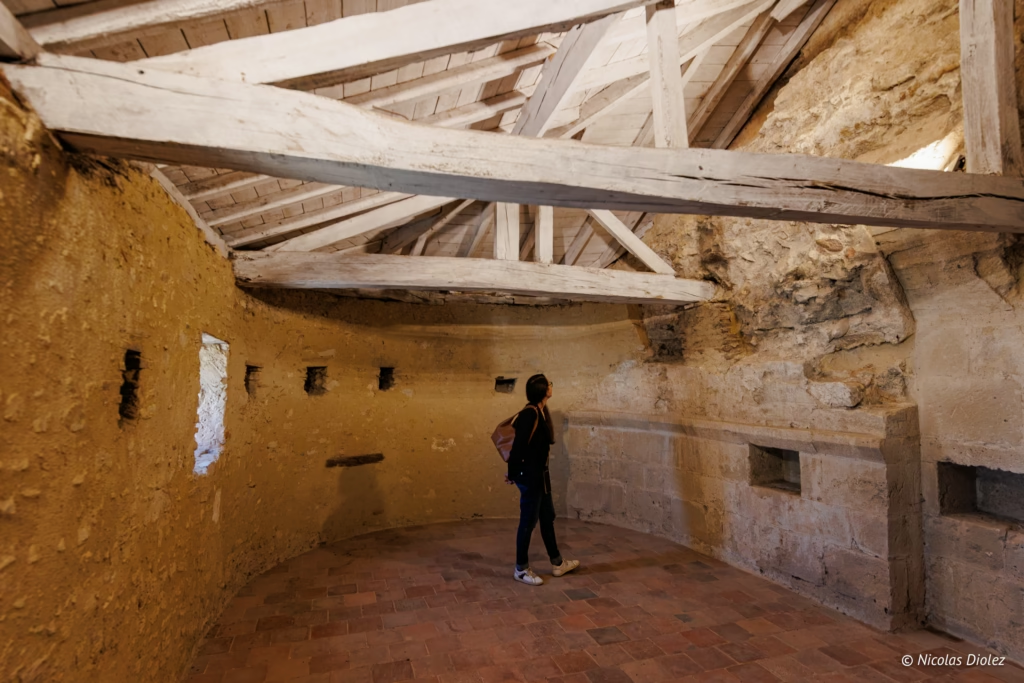
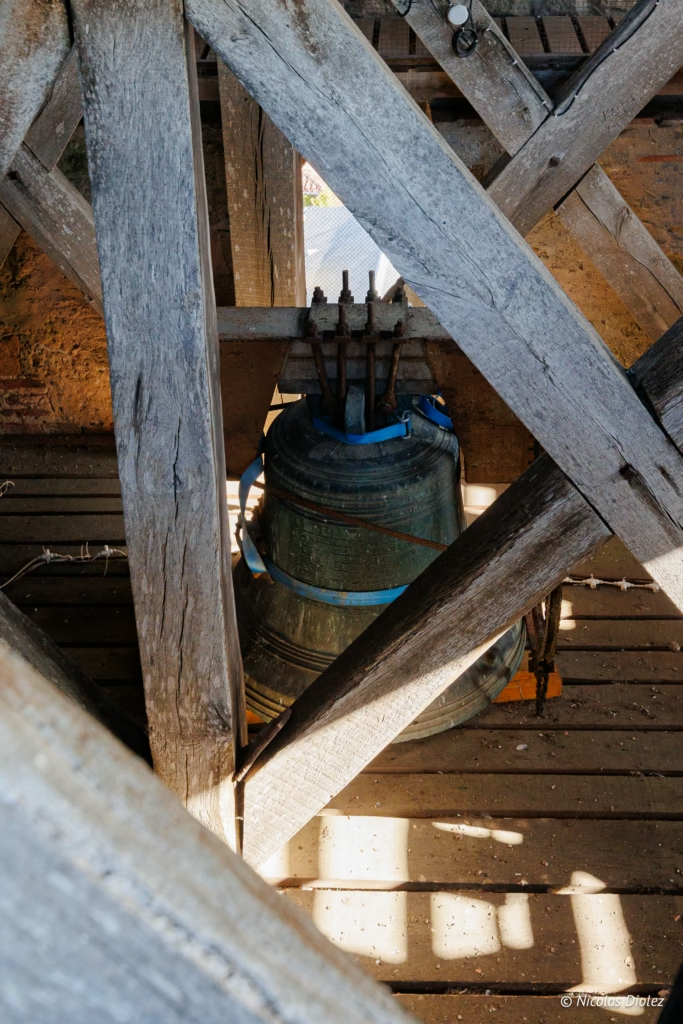
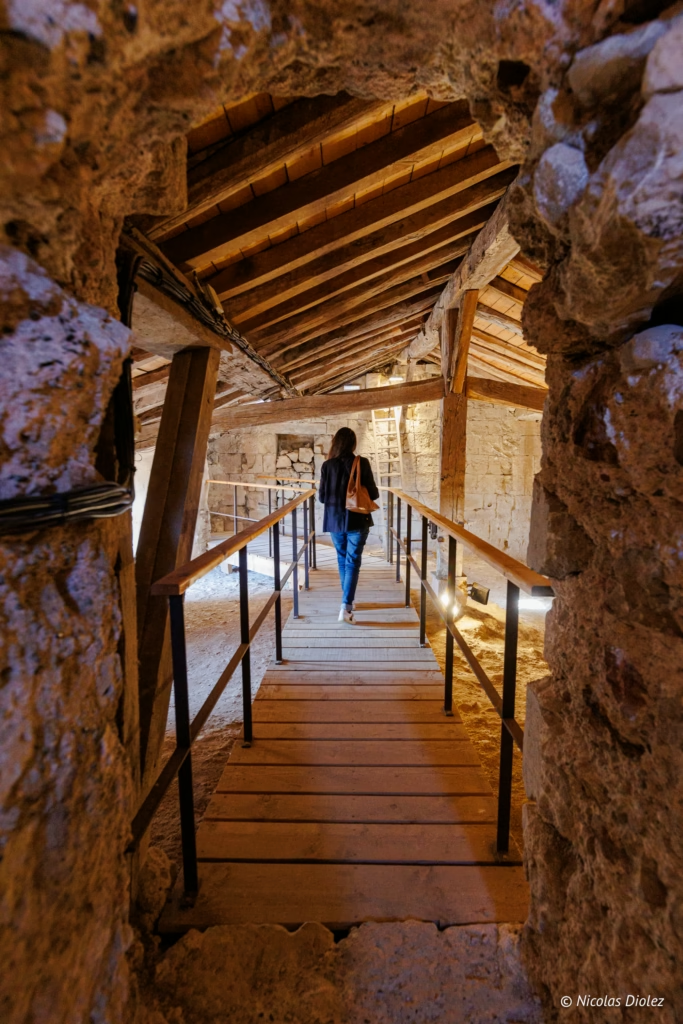
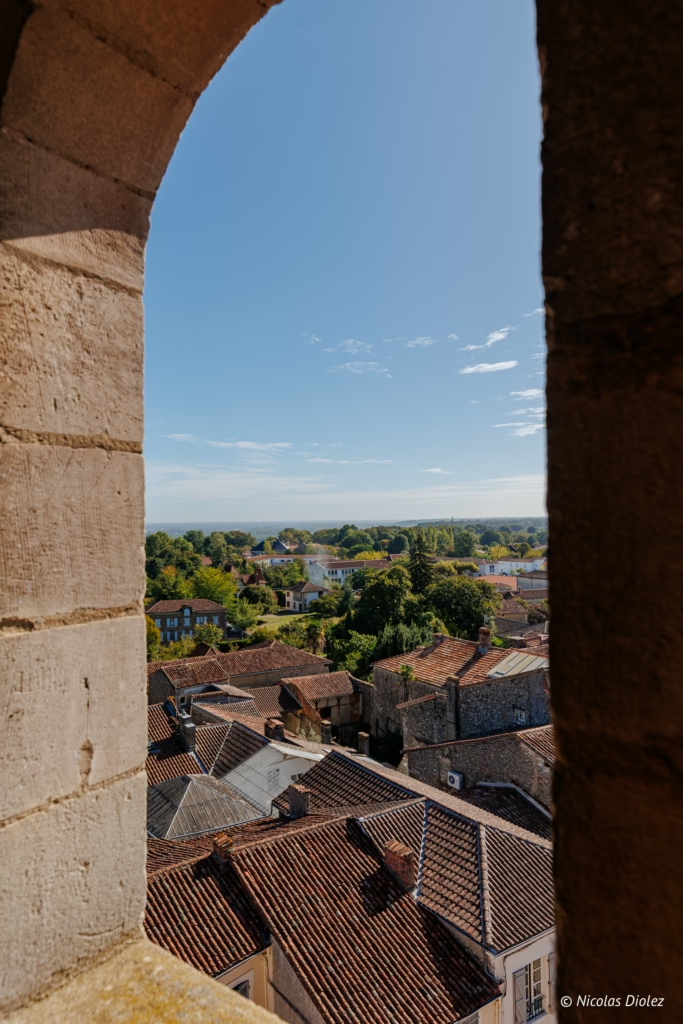
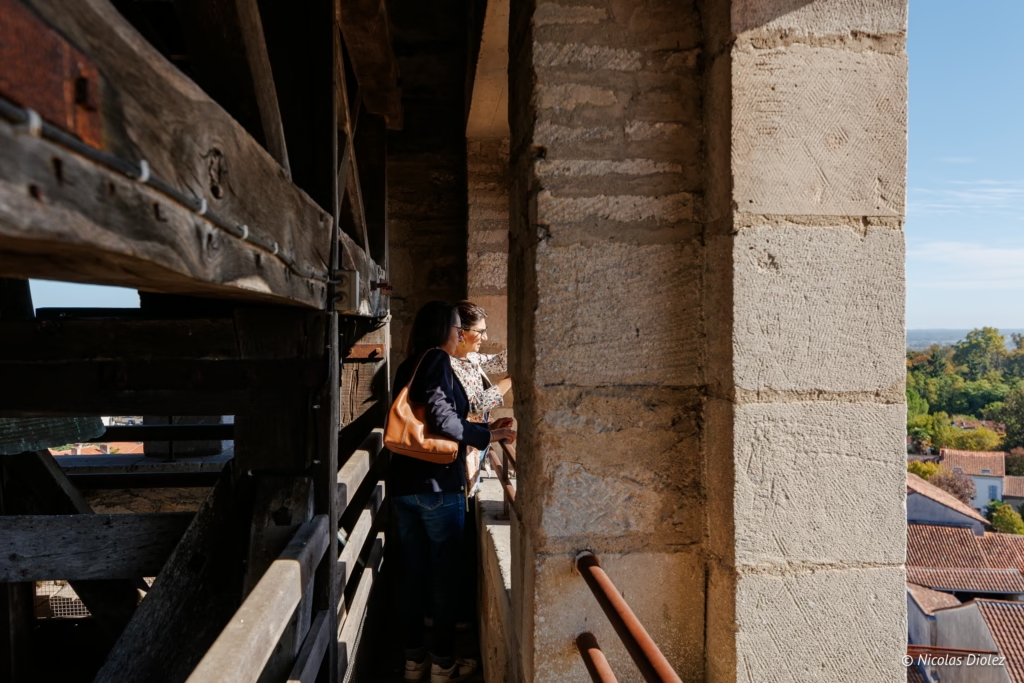
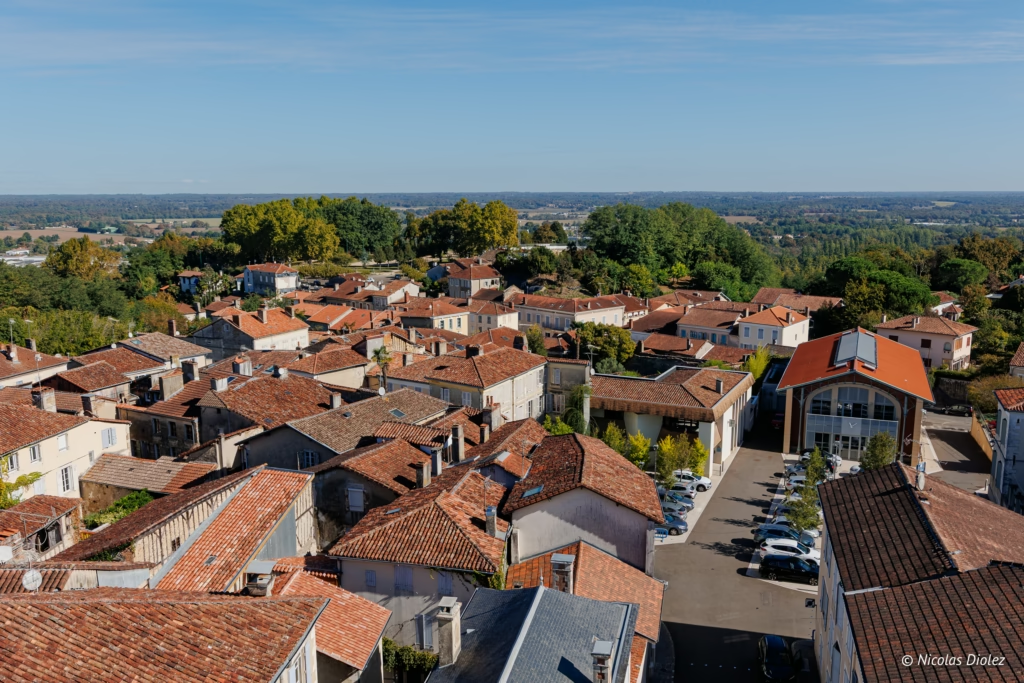
We also did the bell tower climb (as part of a guided tour), which goes through the upper parts of the church and then through the timber framework, all the way to the view over the rooftops of Saint-Sever. I’m warning you, you need to be in good physical shape, because toward the end the steps are small and uneven in size. So this visit isn’t for everyone, and it can obviously only be done on guided tours!
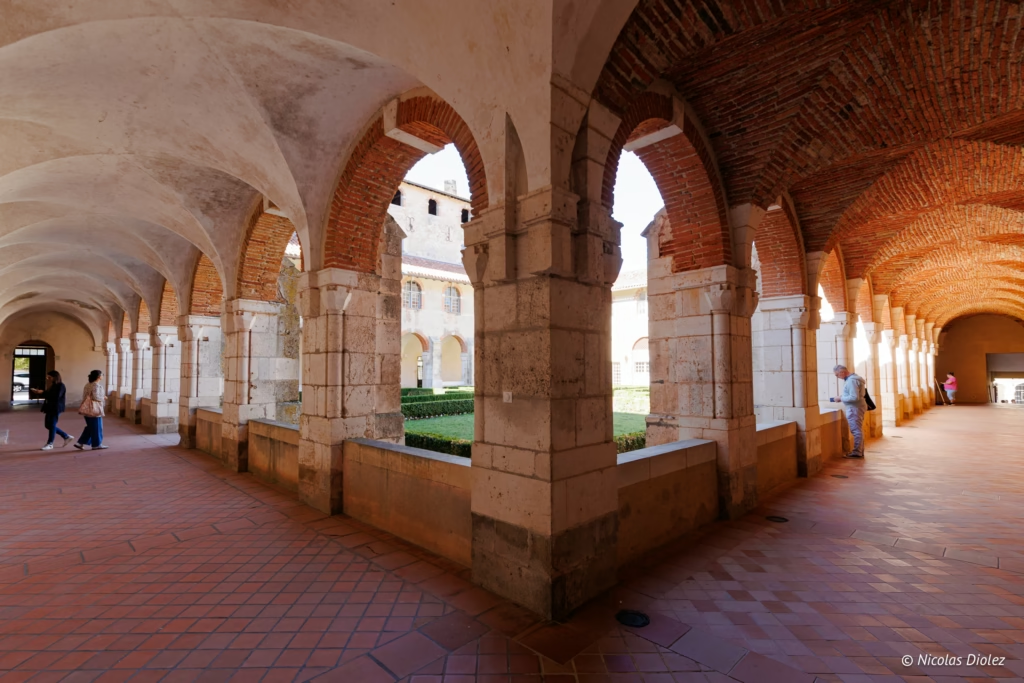
The good deal: The neighboring cloister and the little sacred art museum, set up in the former chapter house, are free to visit during opening hours. No need to climb the bell tower to enjoy them!
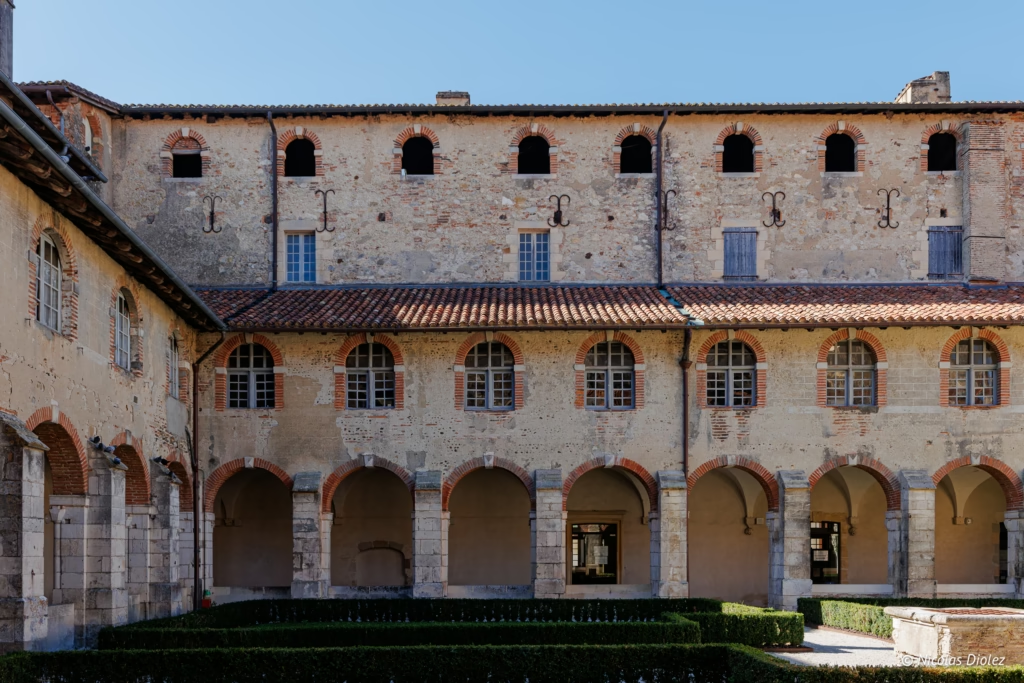
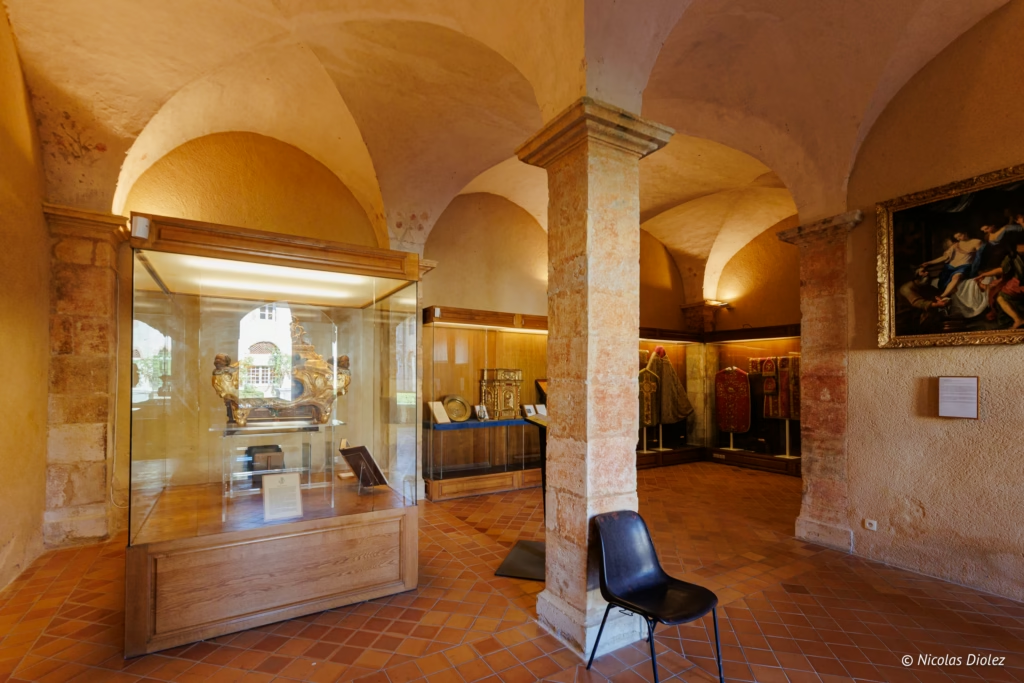
_
Visiting the Maison Sentex
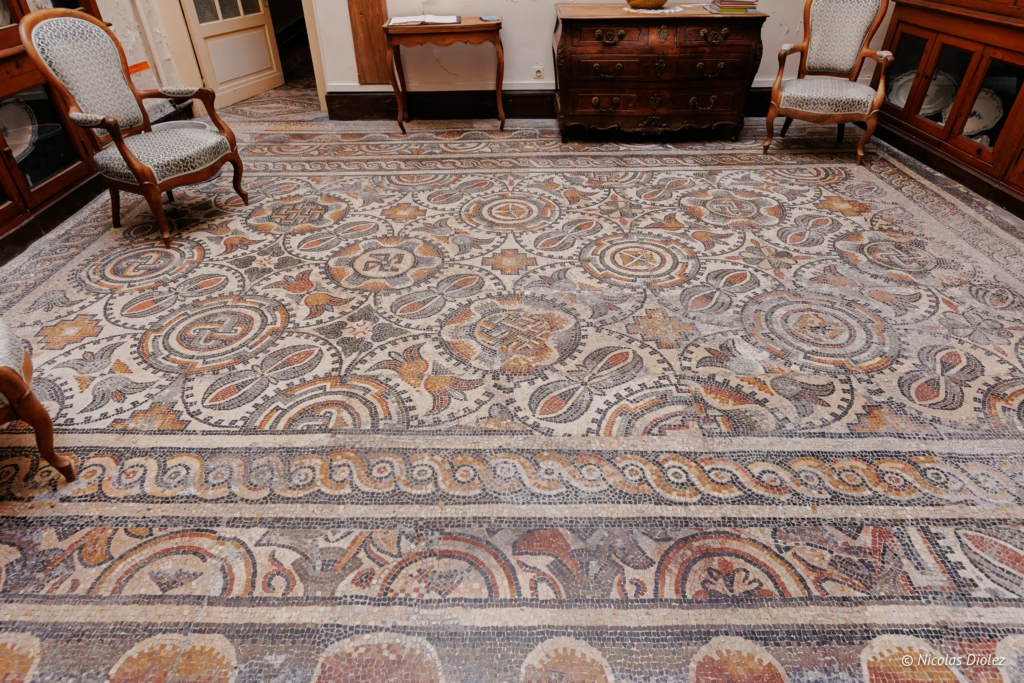
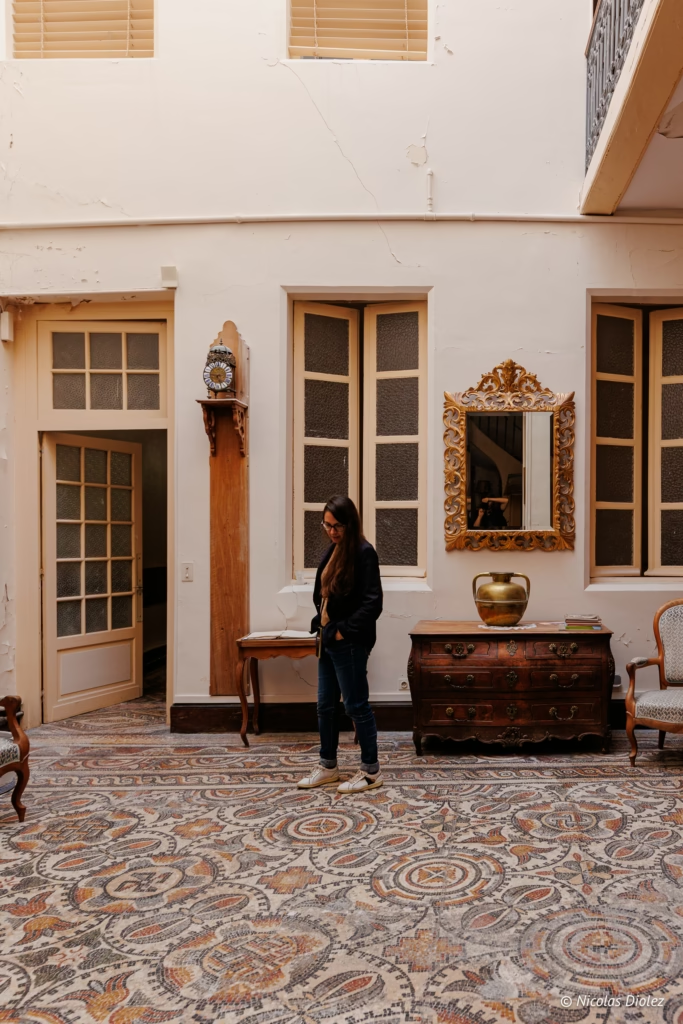
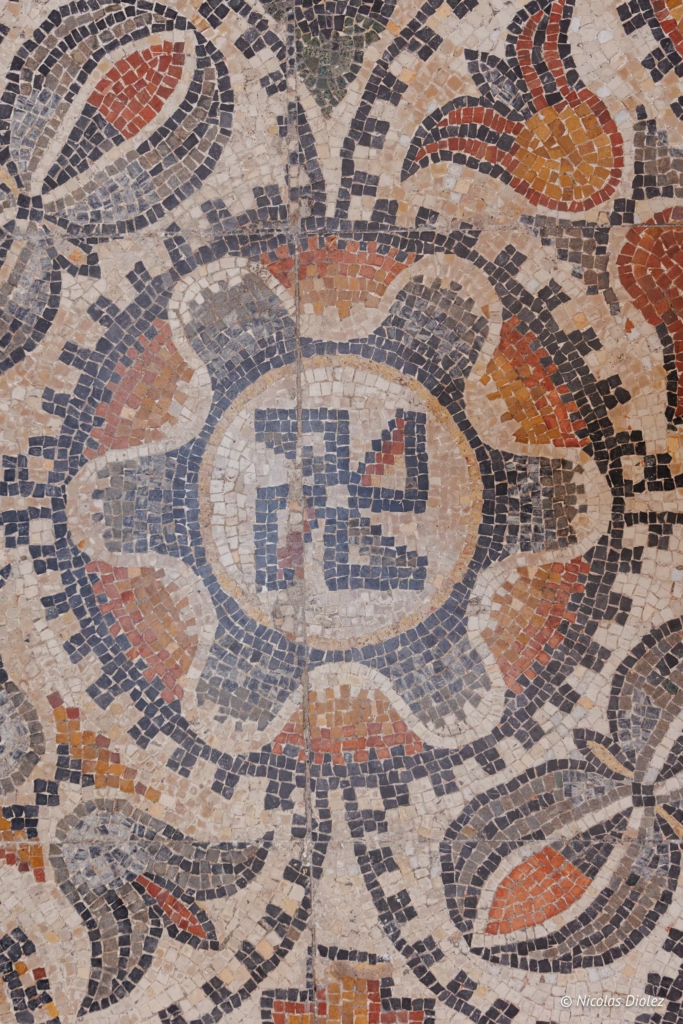
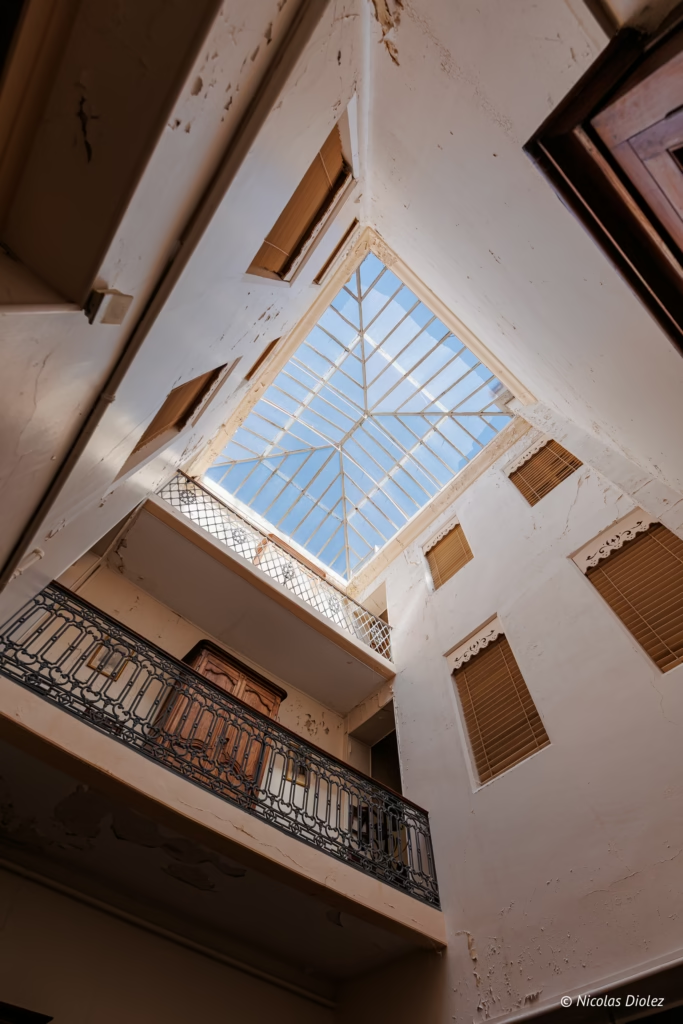
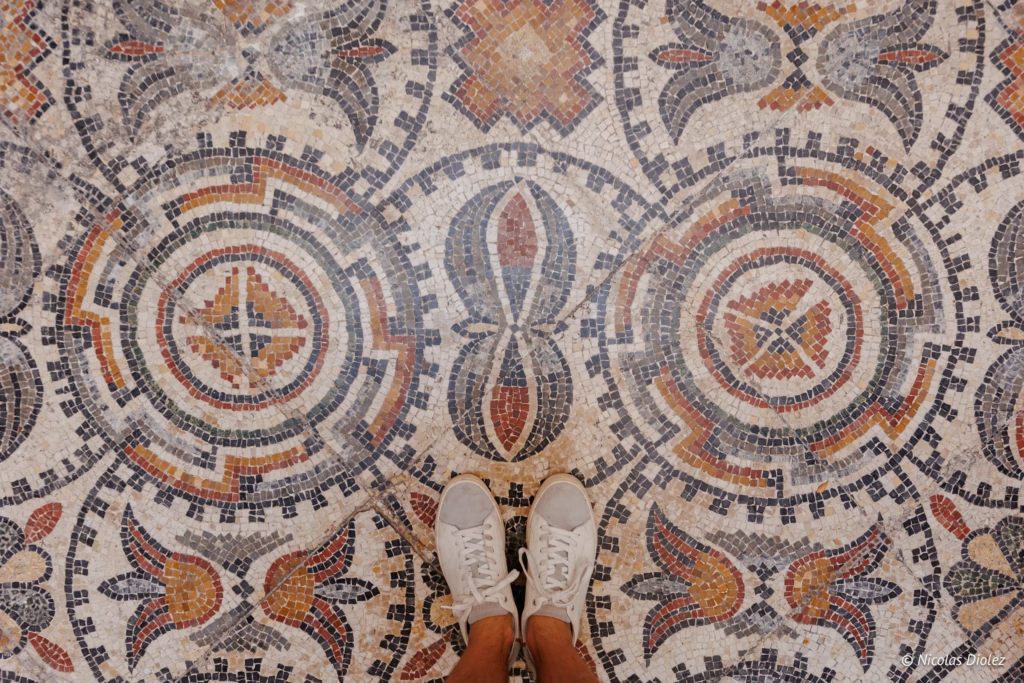
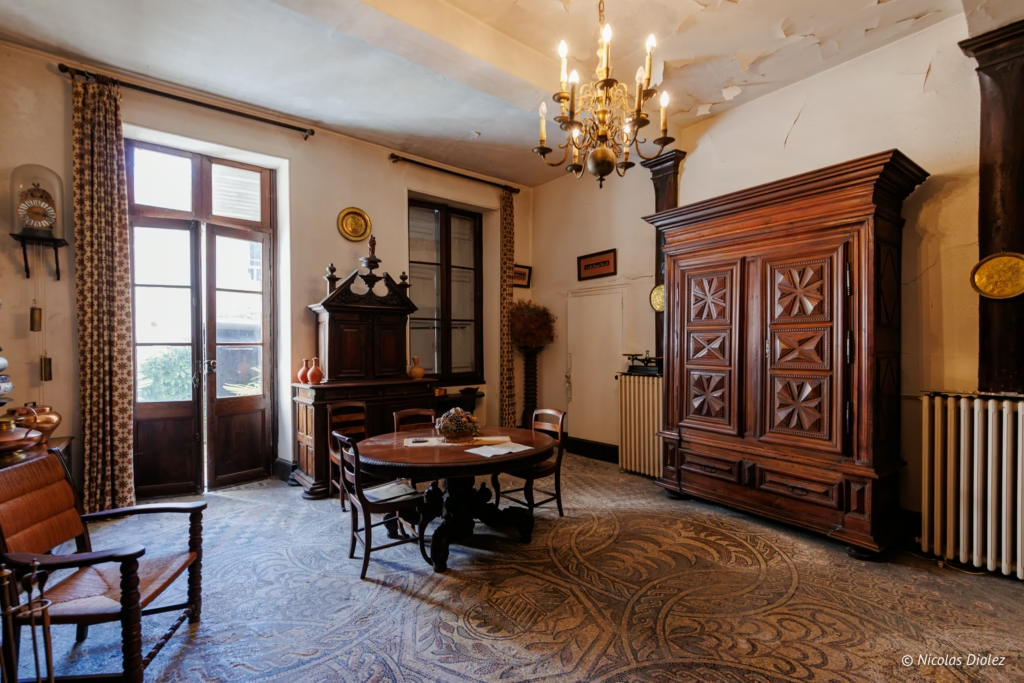
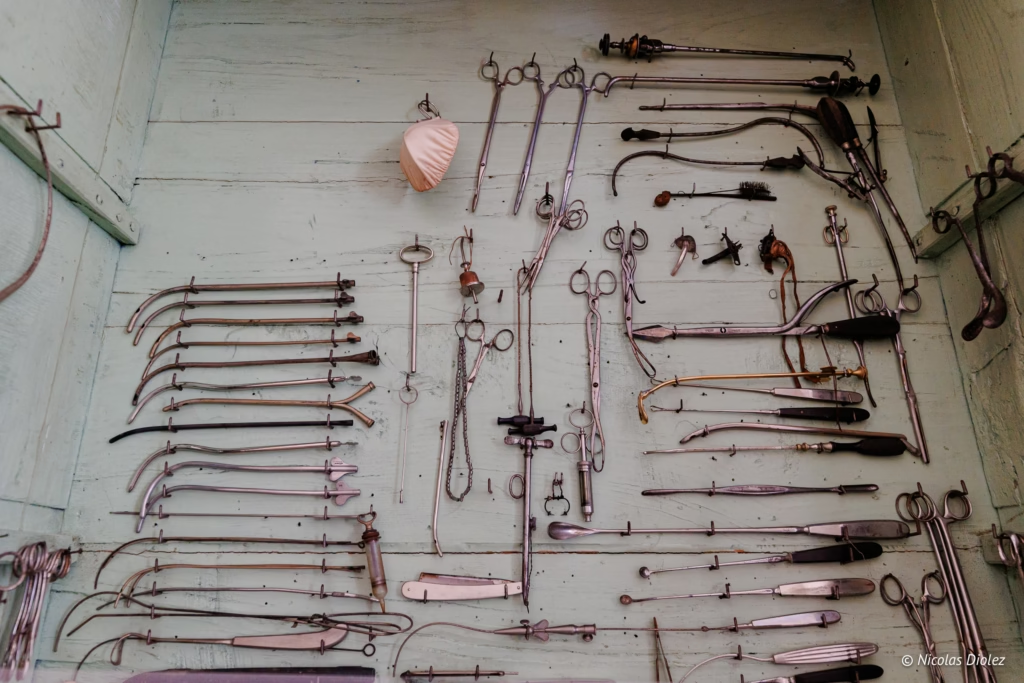
In the Maison Sentex, it’s the floors you really need to look at: ancient mosaics, discovered nearby at the site of the Gleyzia villa, were installed in this residence in the 19th century. The visit is done in a small group and also lets you discover collections of earthenware as well as a cabinet of curiosities with medical instruments.
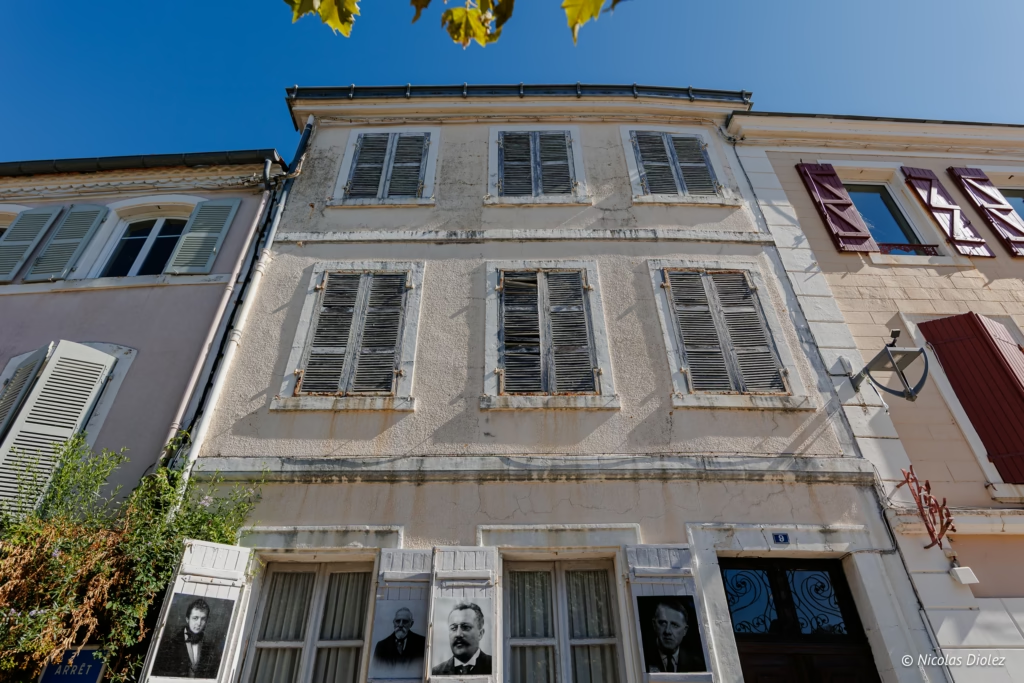
Maison Sentex
9 Place de Verdun, 40500 Saint-Sever
_
Go see the Couvent des Jacobins
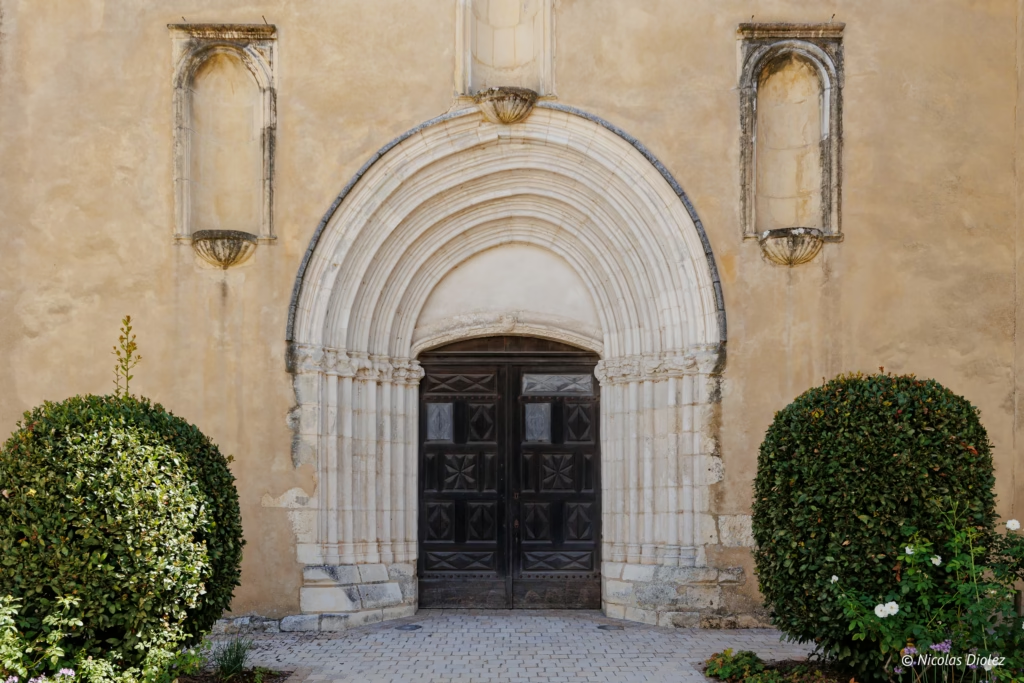
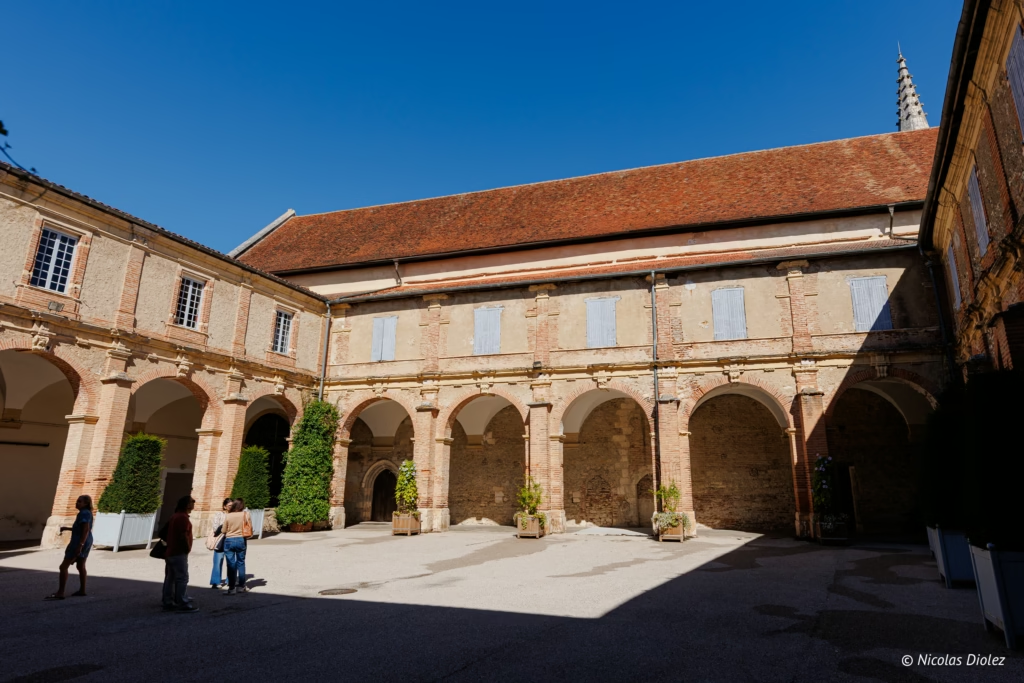
The Couvent des Jacobins is also part of the tour, with its cloister and buildings that now host cultural events. The Musée d’Art et d’Histoire du Cap de Gascogne (which we unfortunately didn’t have time to visit) has a room dedicated to the Beatus de Saint-Sever, the illuminated manuscript on the Apocalypse whose original is kept at the Bibliothèque nationale de France.
_
Where to eat in Saint-Sever? L’Art des Mets
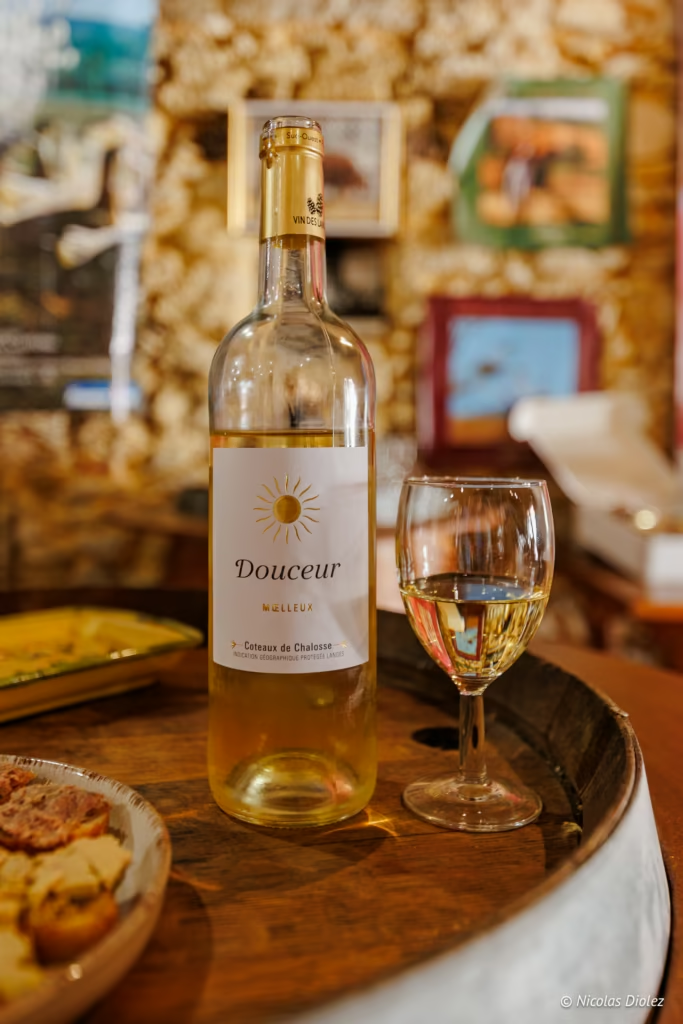
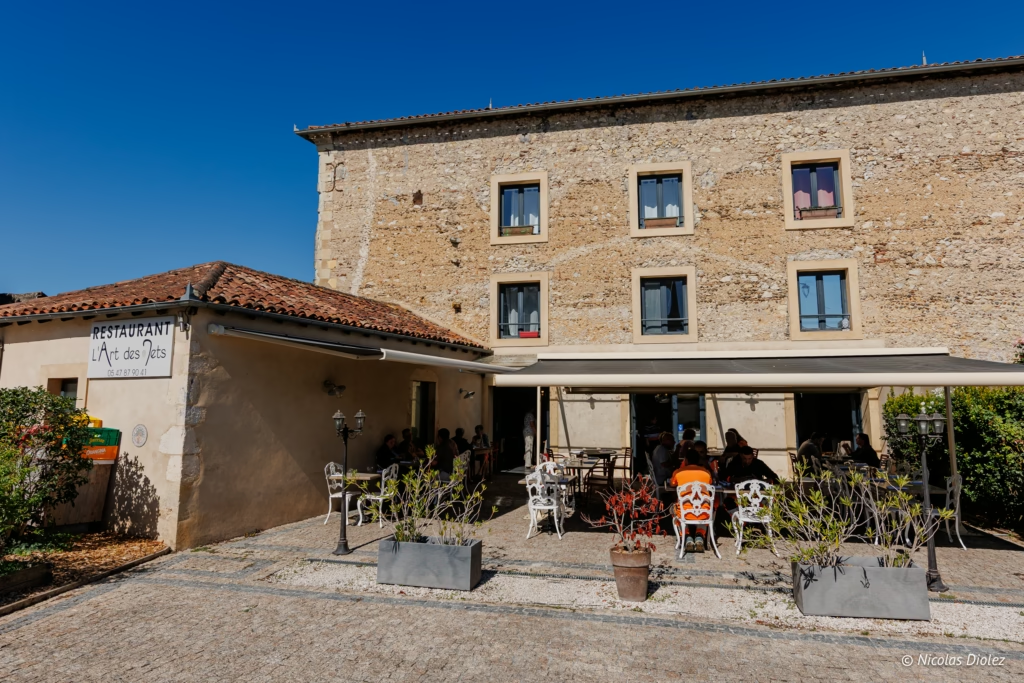
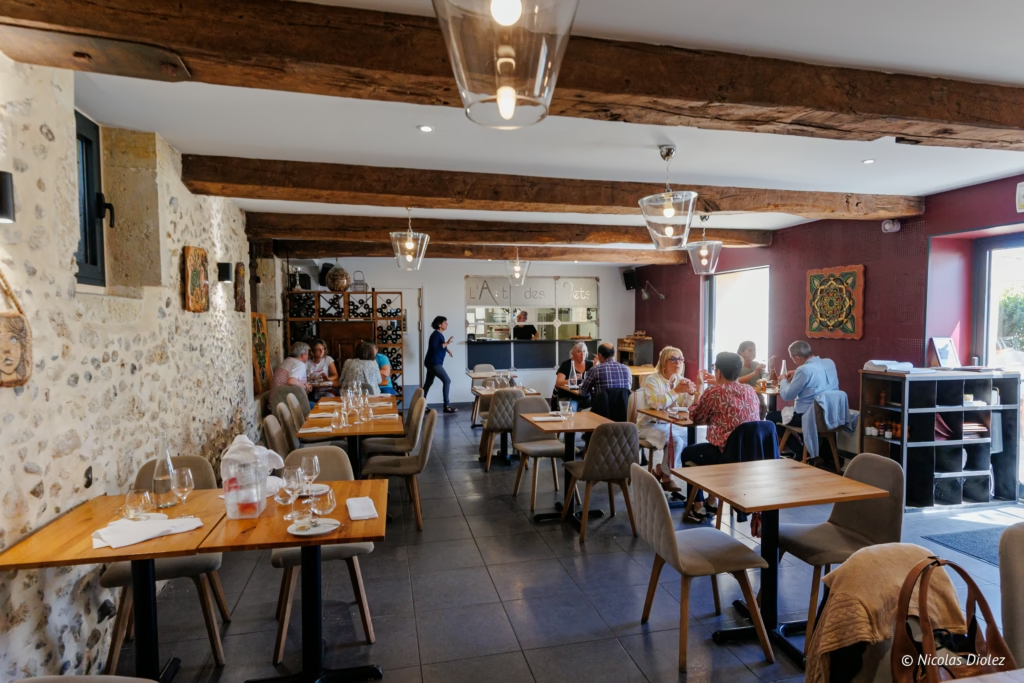
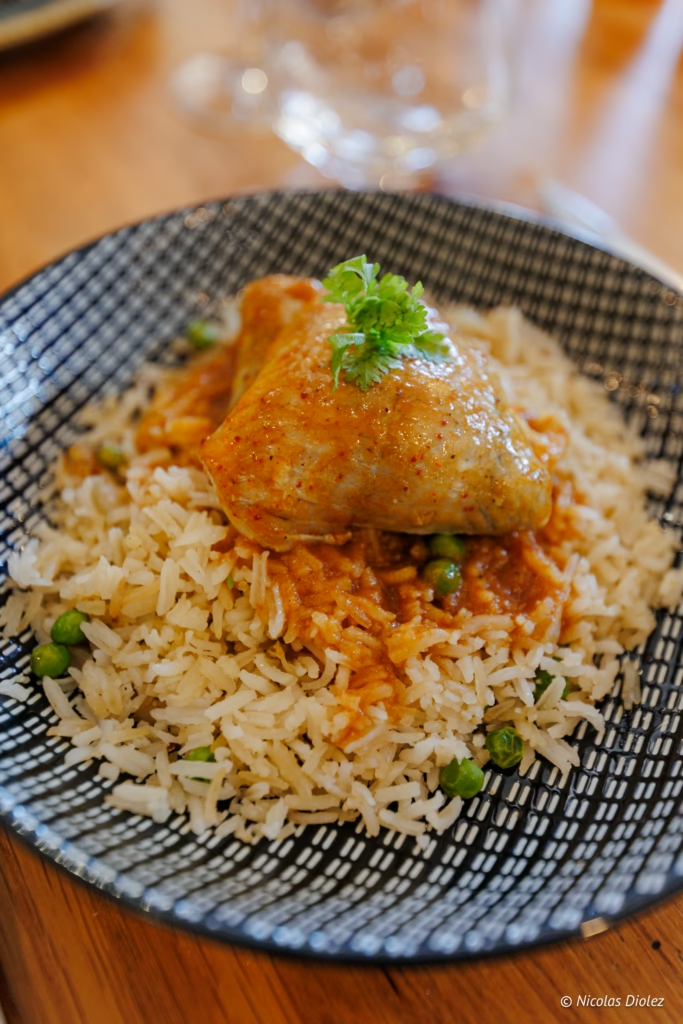
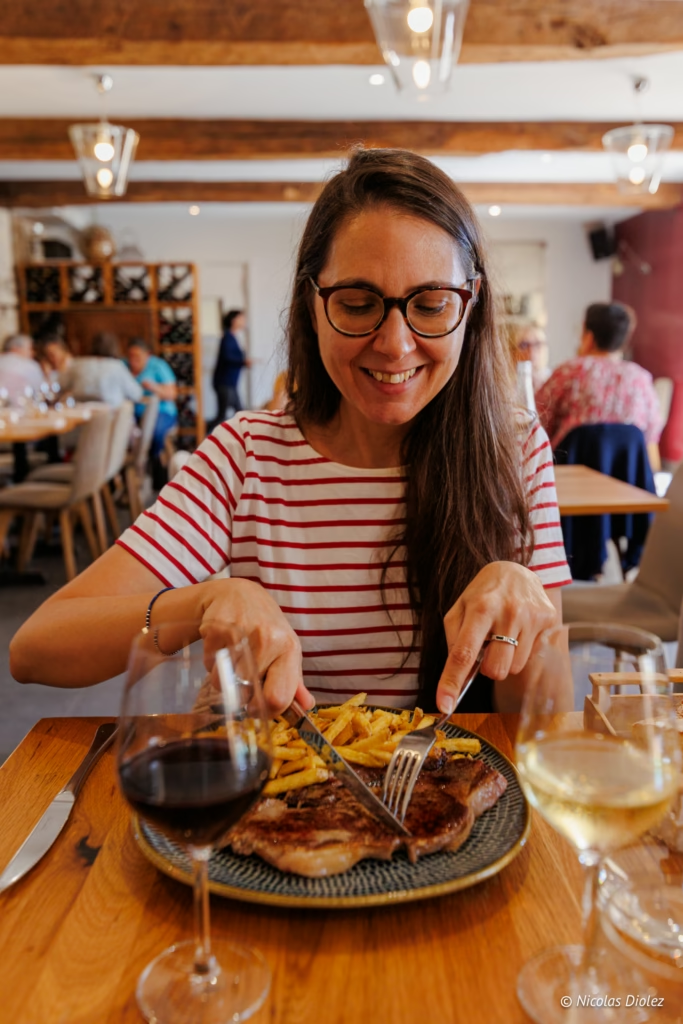
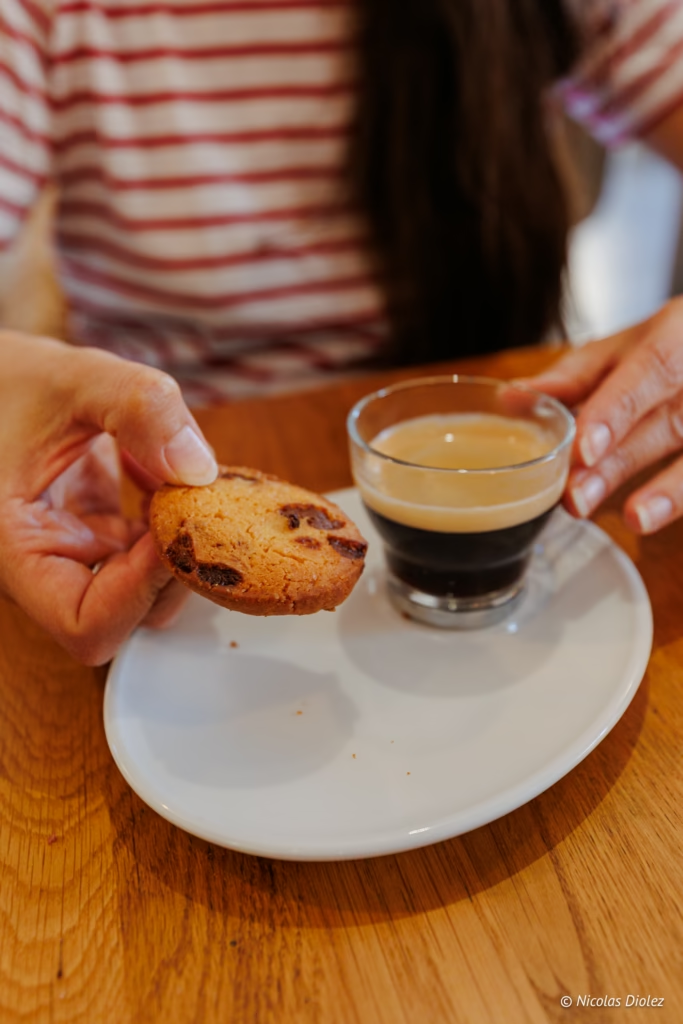
For lunch in Saint-Sever, we settled in at l’Art des Mets, in the former wine storehouse of the stables of General Lamarque, a native of the town. Stone walls, beams and a terrace: the setting is lovely, and the restaurant has been awarded a Table Gourmande distinction by Gault&Millau 2026. Chef Nicolas Fort works with fresh local produce according to the seasons. In your glass, you can also discover a wine from the Landes, the Tursan, which comes in both red and white. And at lunchtime, the restaurant offers a lunch set menu with unbeatable value for money!
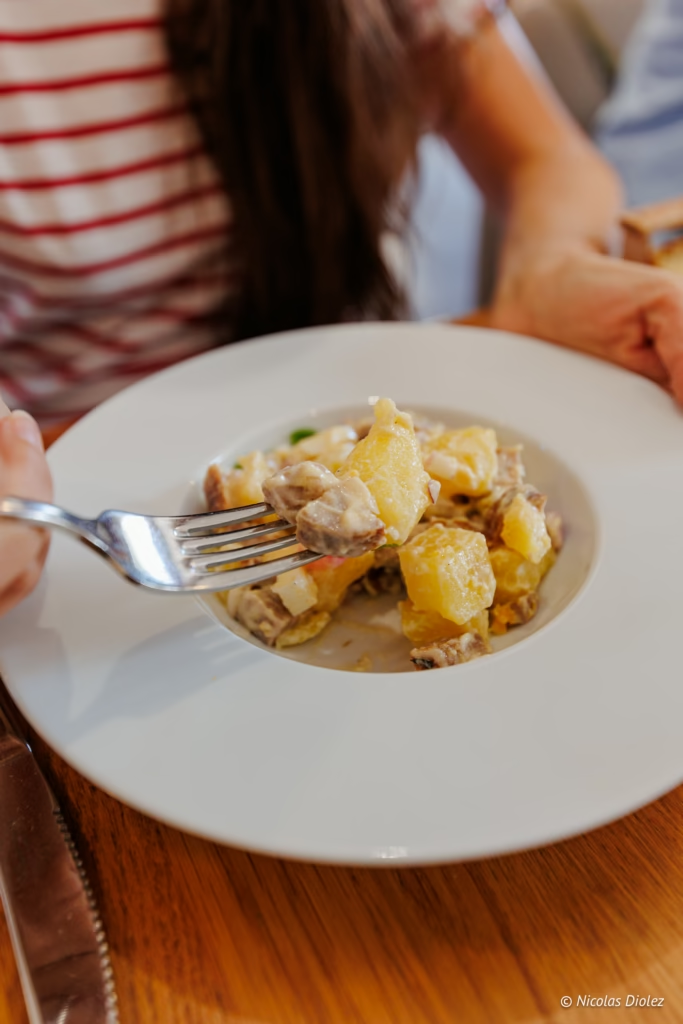
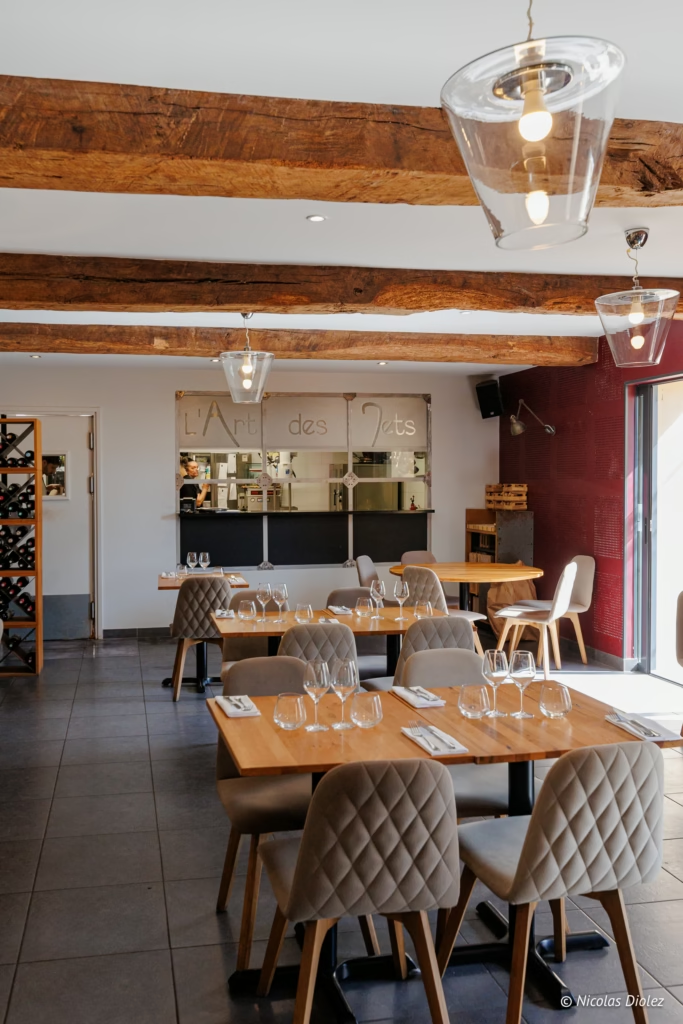
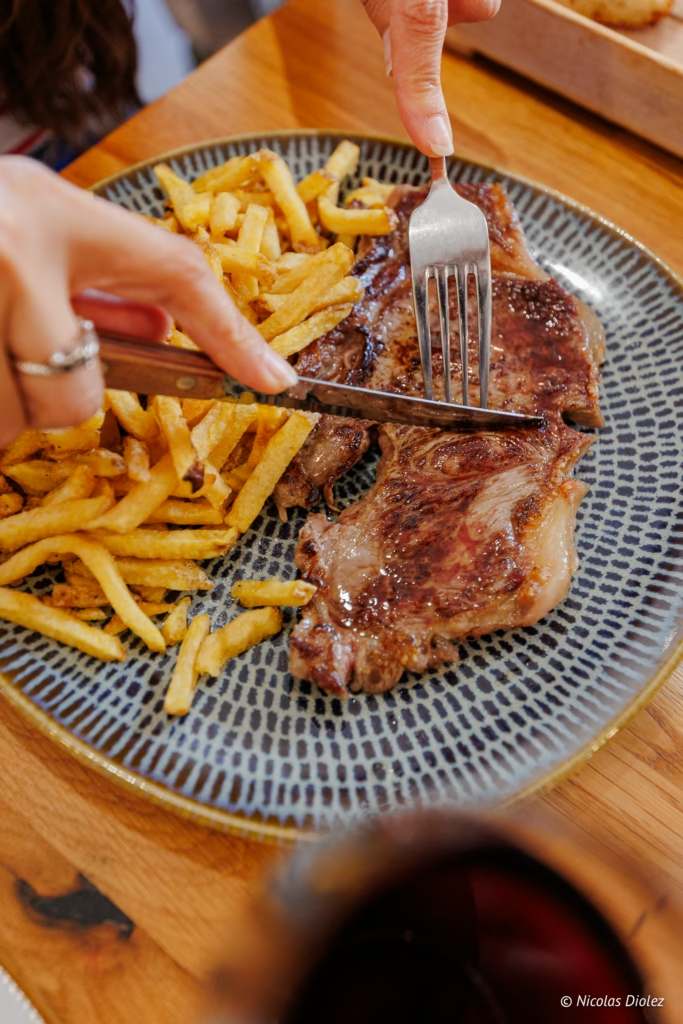
L’Art des Mets
1 chemin du Prouyan, 40500 Saint-Sever
Price : set menu of the day with starter of the day + main course of the day (2 choices) + coffee/petit four for 16 €
Stop off in Eugénie-les-Bains
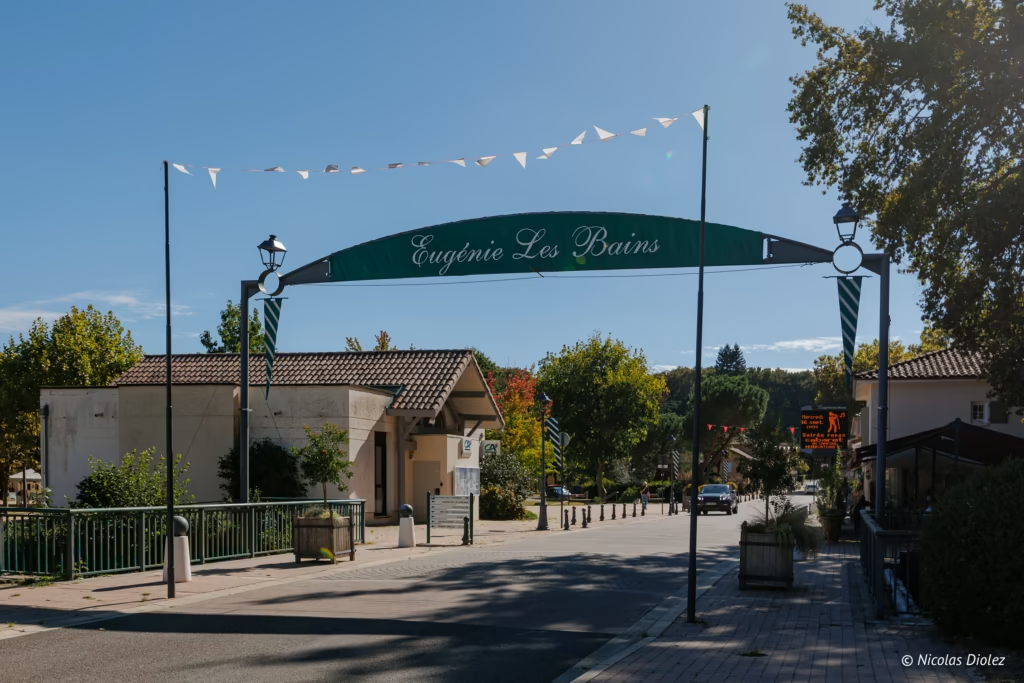
About twenty minutes from Saint-Sever, Eugénie-les-Bains bears the name of its godmother, Empress Eugénie, and presents itself as the first slimming village in France: people come here for a spa cure to lose weight, but also to ease their rheumatism… and for the food, as we were told during the guided tour with the tourist office!
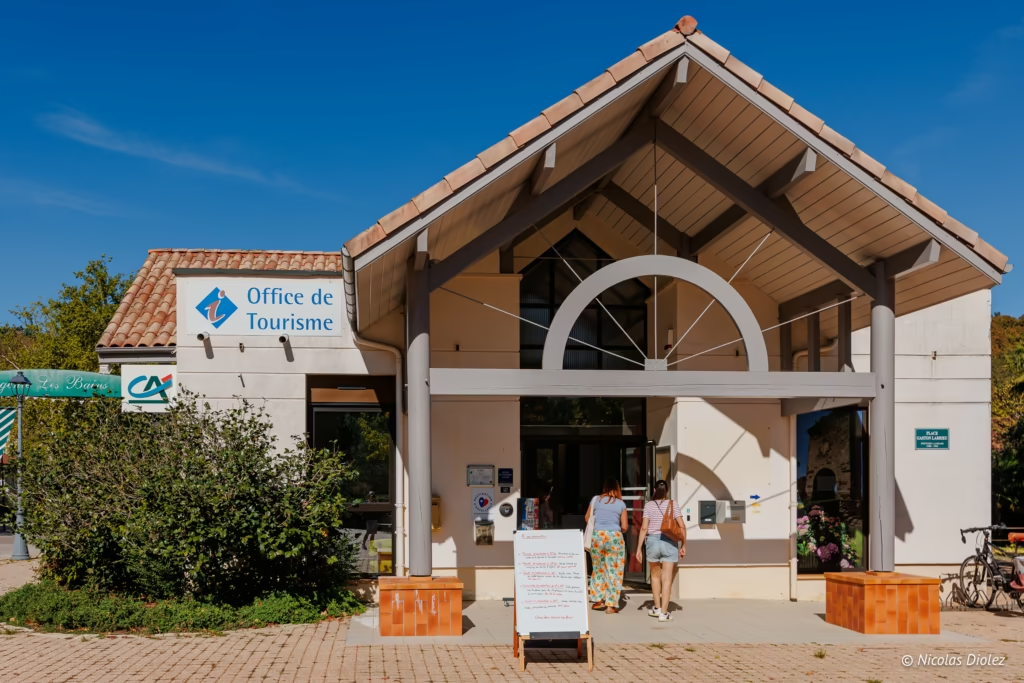
Tourisme Aire Eugénie
Place Gaston Larrieu 40320 Eugénie-les-Bains
_
Strolling around Eugénie-les-Bains
To discover Eugénie-les-Bains, we followed the Discovery Circuit, available as a paper leaflet at the tourist office reception. While thermal use dates back to the old Saint-Loubouer springs, the spa town really took off in 1750 with its first establishment, before the town was officially created in 1861. Its name pays tribute to its emblematic patron, Empress Eugénie de Montijo (celebrated every year since 1993 during the Fêtes Impériales), wife of Napoleon III. Relaunched in 1962 by the Chaîne Thermale du Soleil, the town now blends spa tradition and gastronomy.
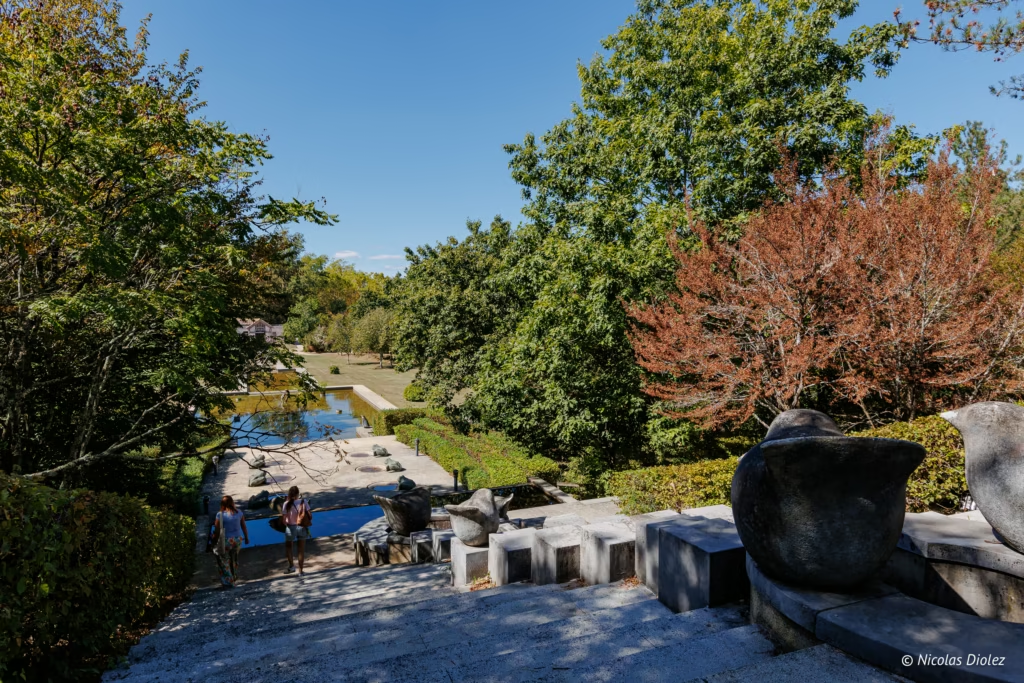
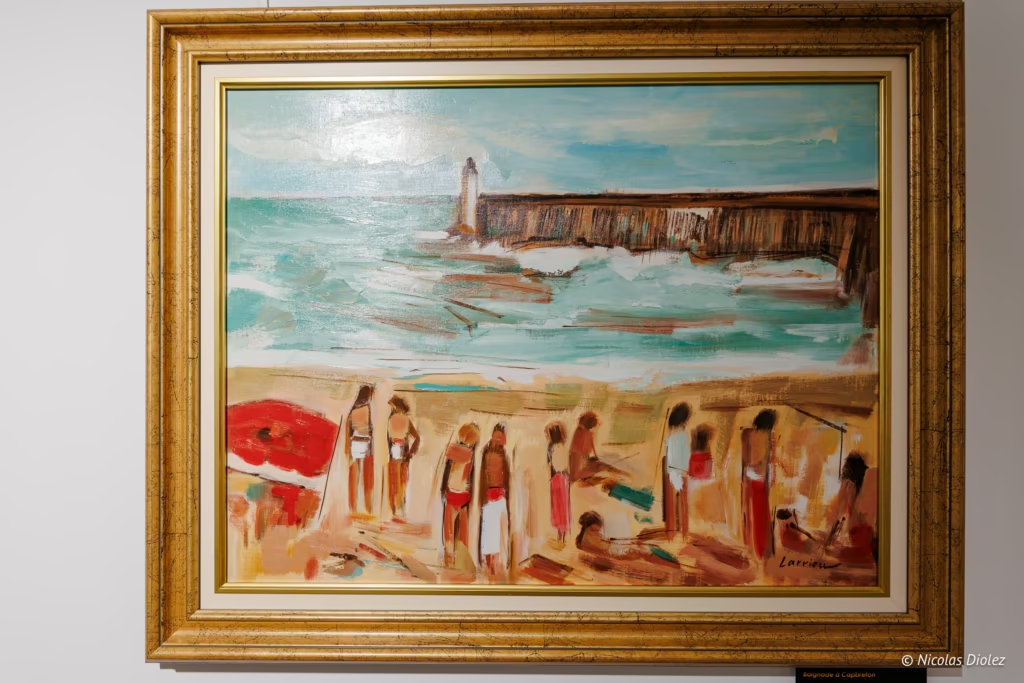
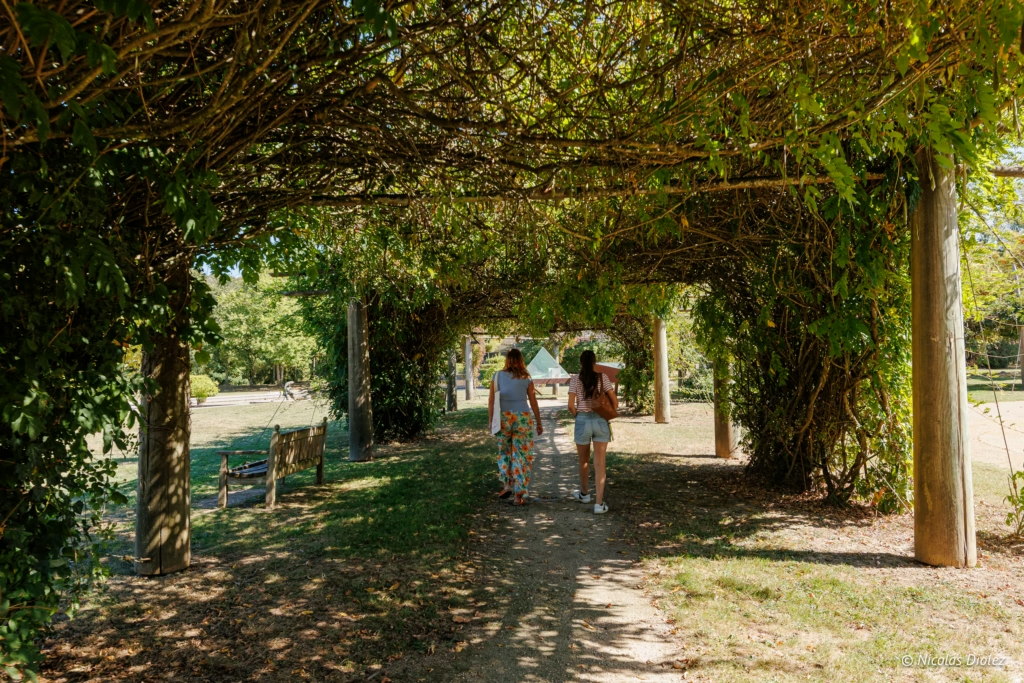
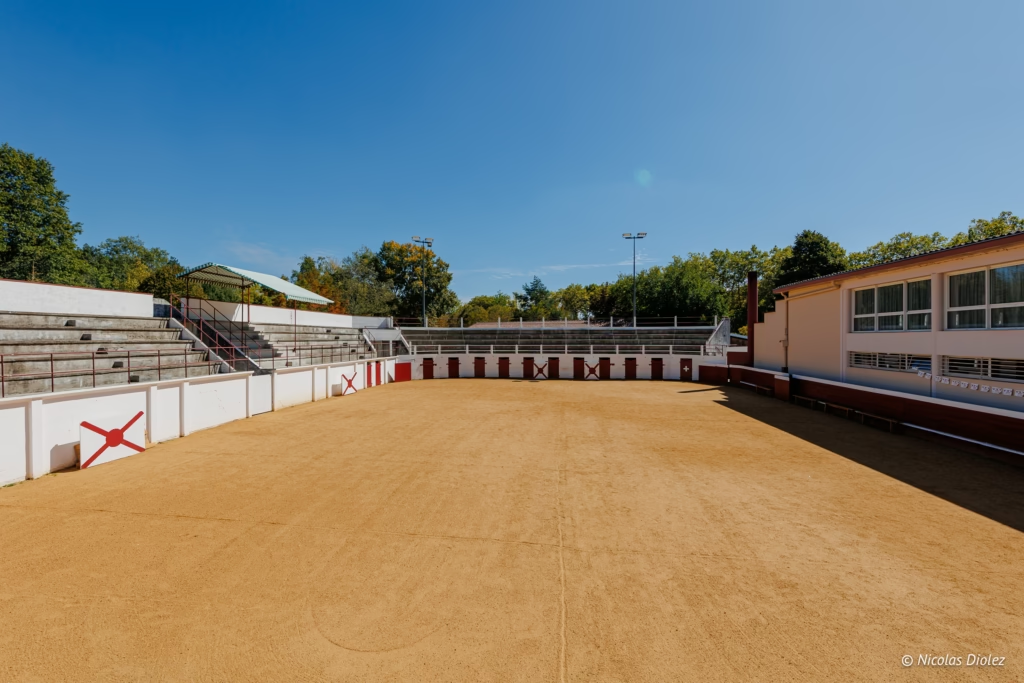
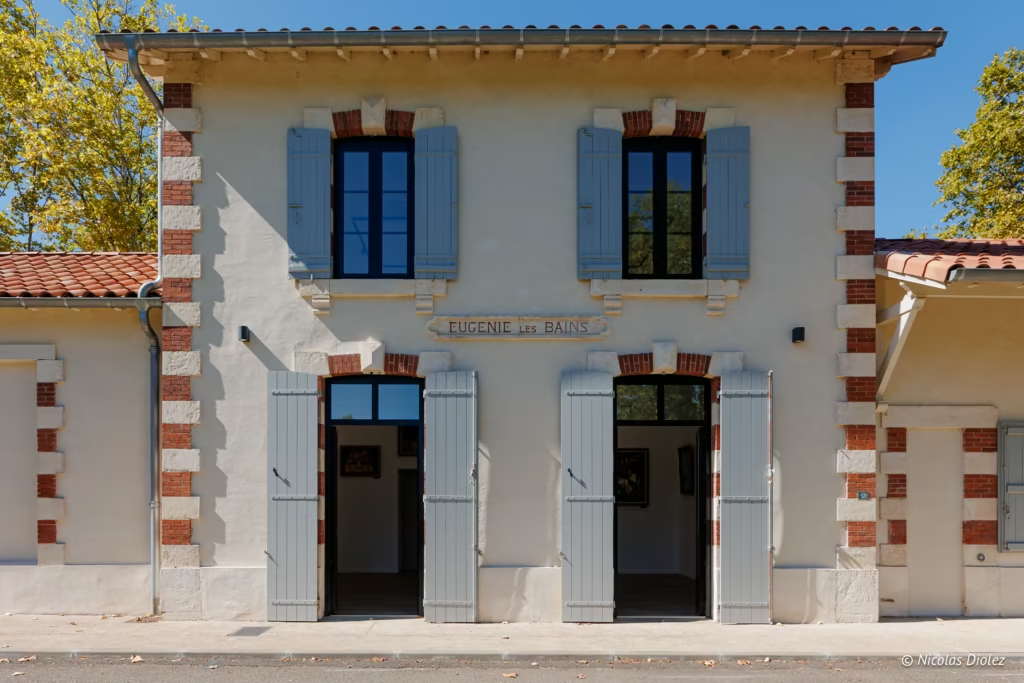
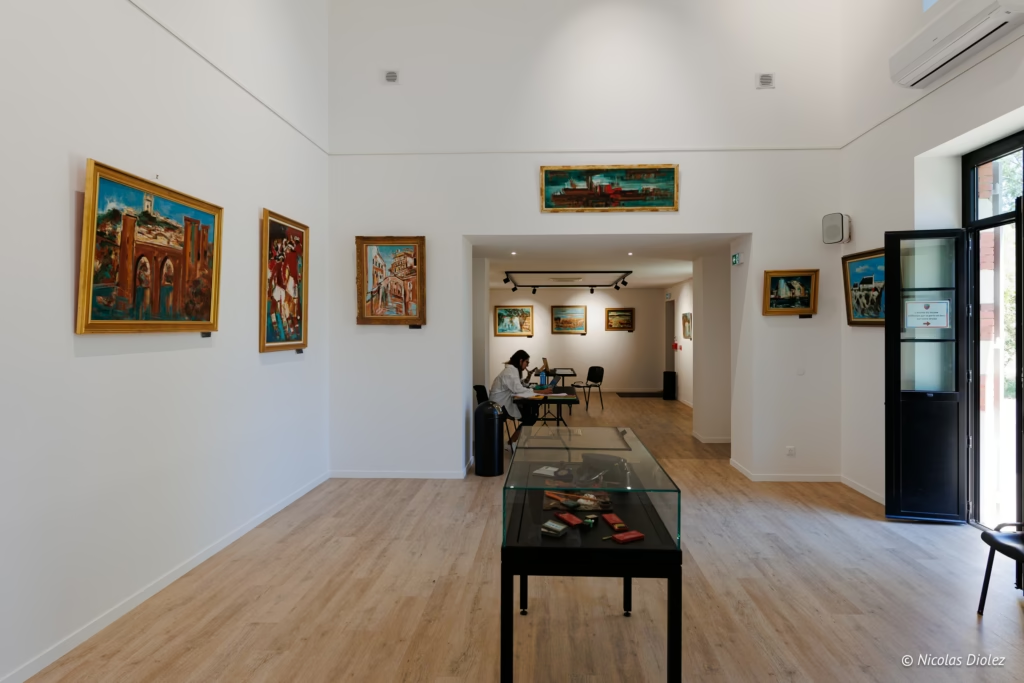
The route connects the church, the course landaise arena and the thermal establishments. The English-style public gardens (created in 1994-1995 and representing the Adour river from its source) were short on water in September when we were there, because of restrictions, but the walk holds a lovely surprise: the Gaston Larrieu museum. Opened in 2025 in the former tramway station (in service until 1935), it is dedicated to the paintings of this artist who was born in the village.
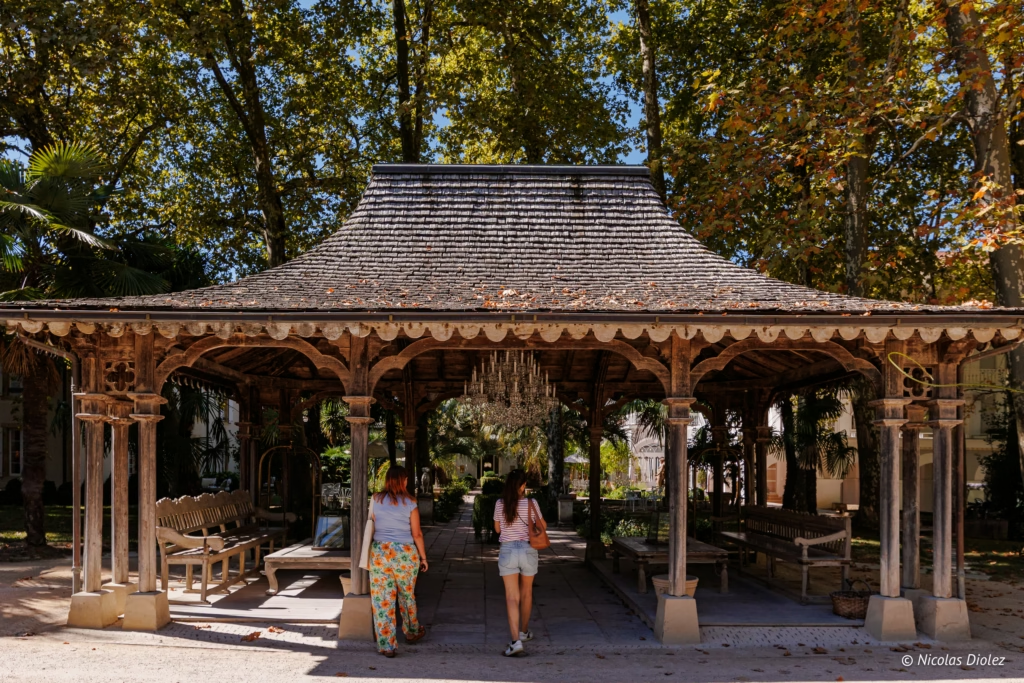
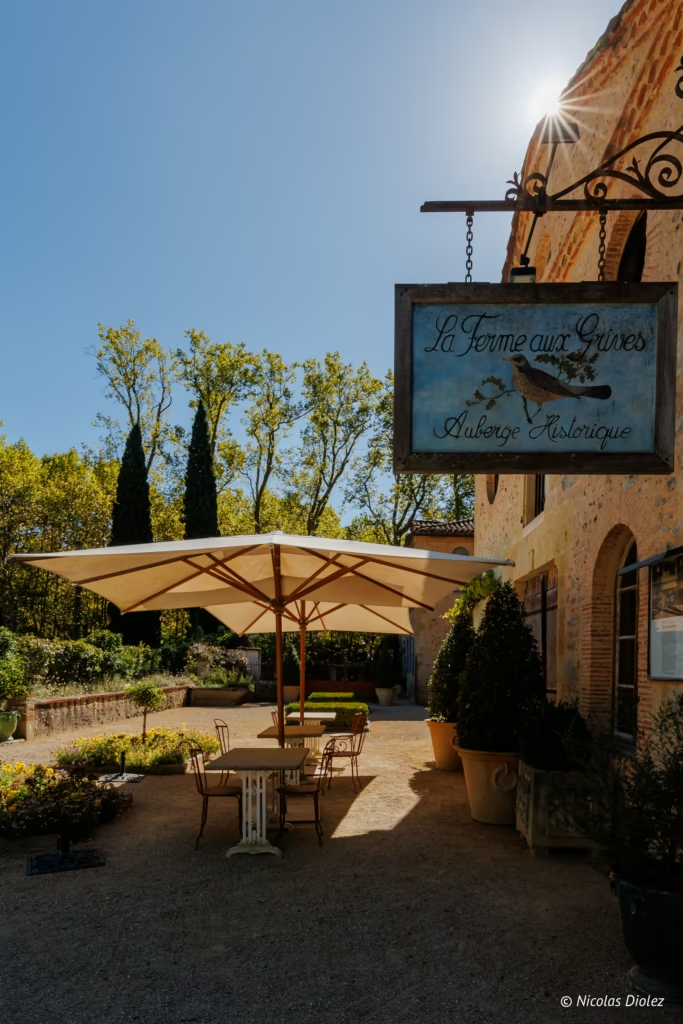
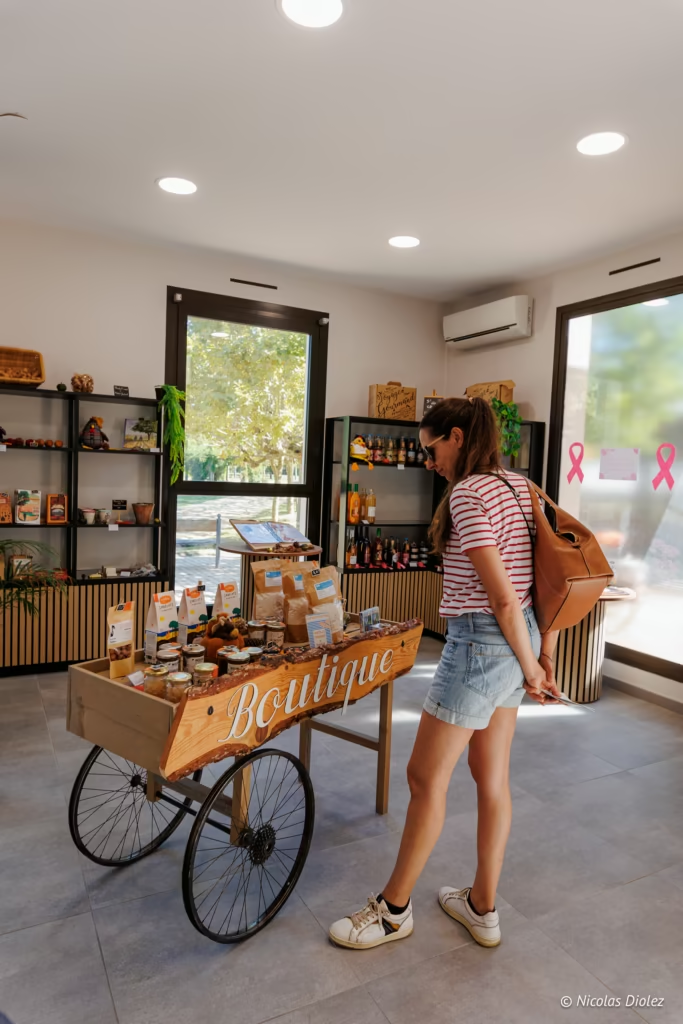
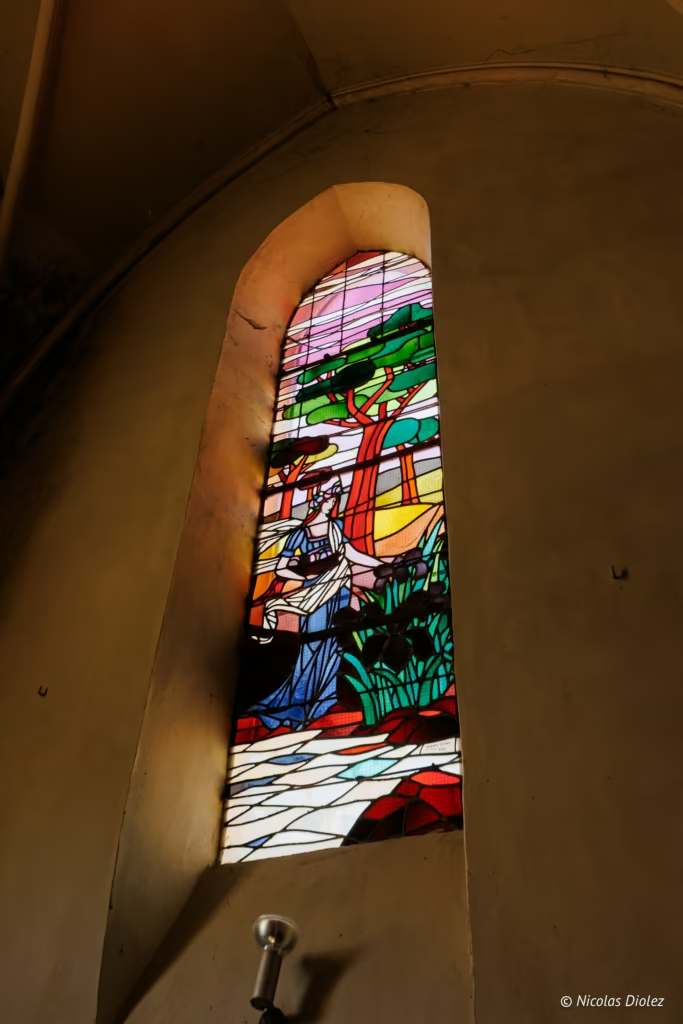
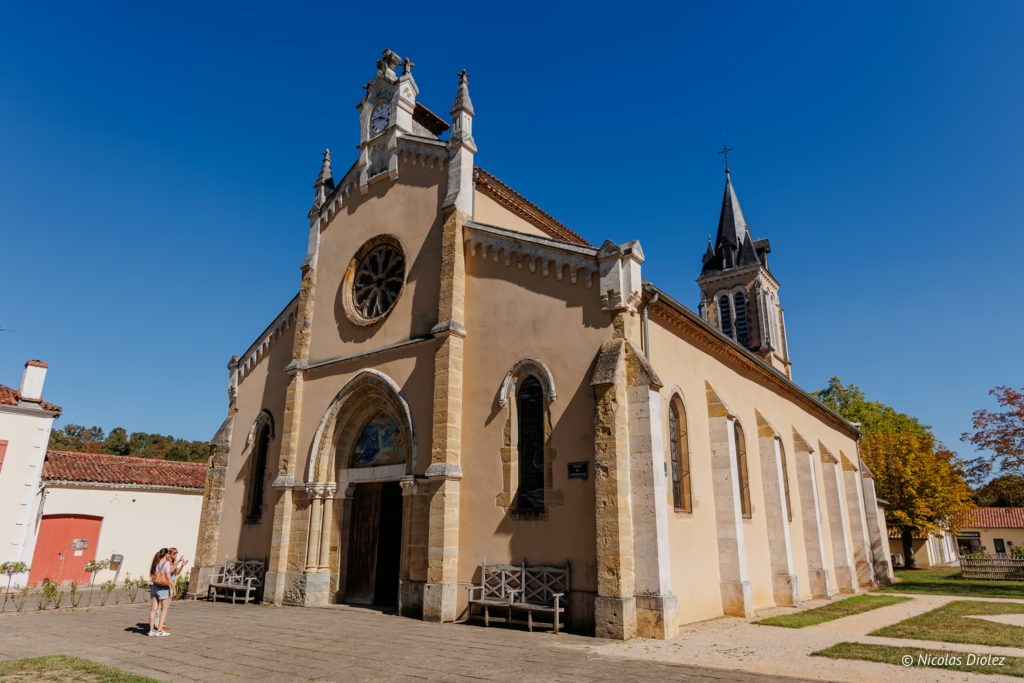
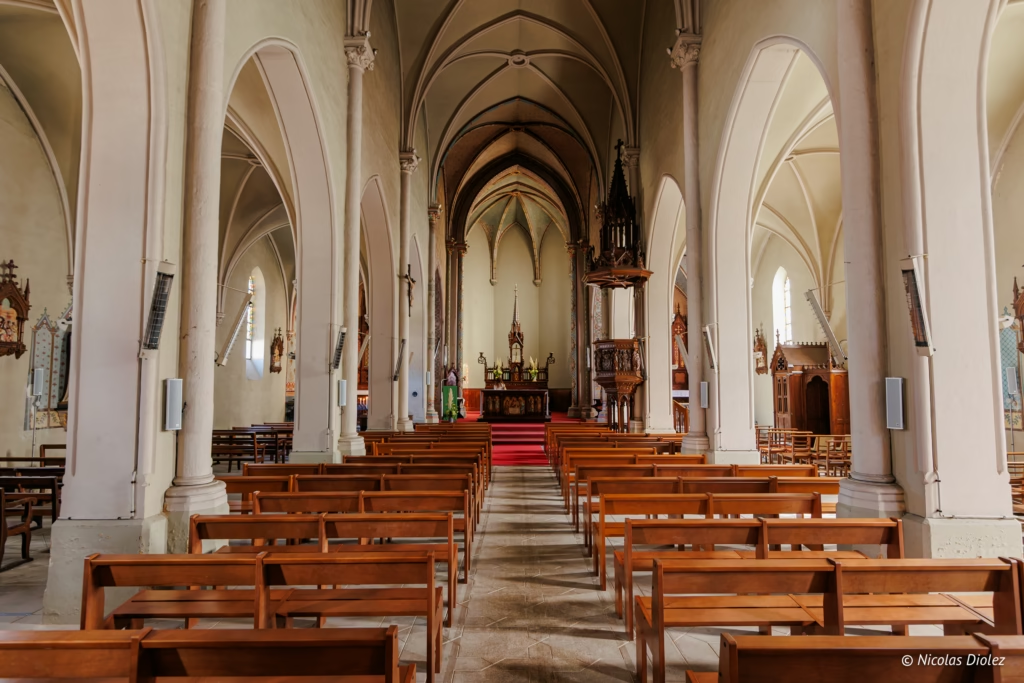
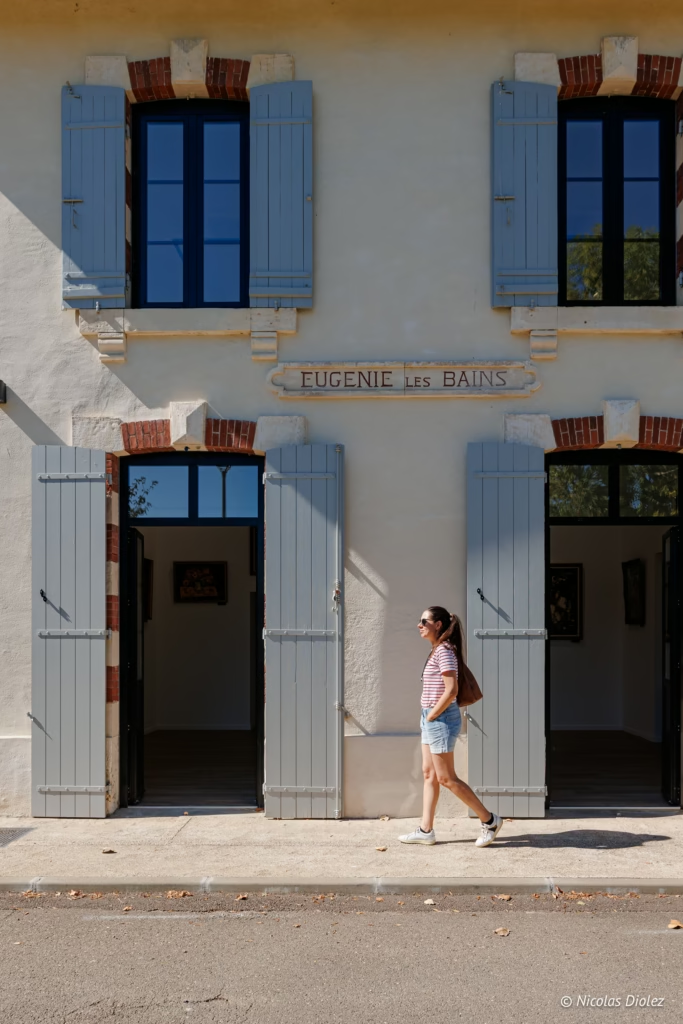
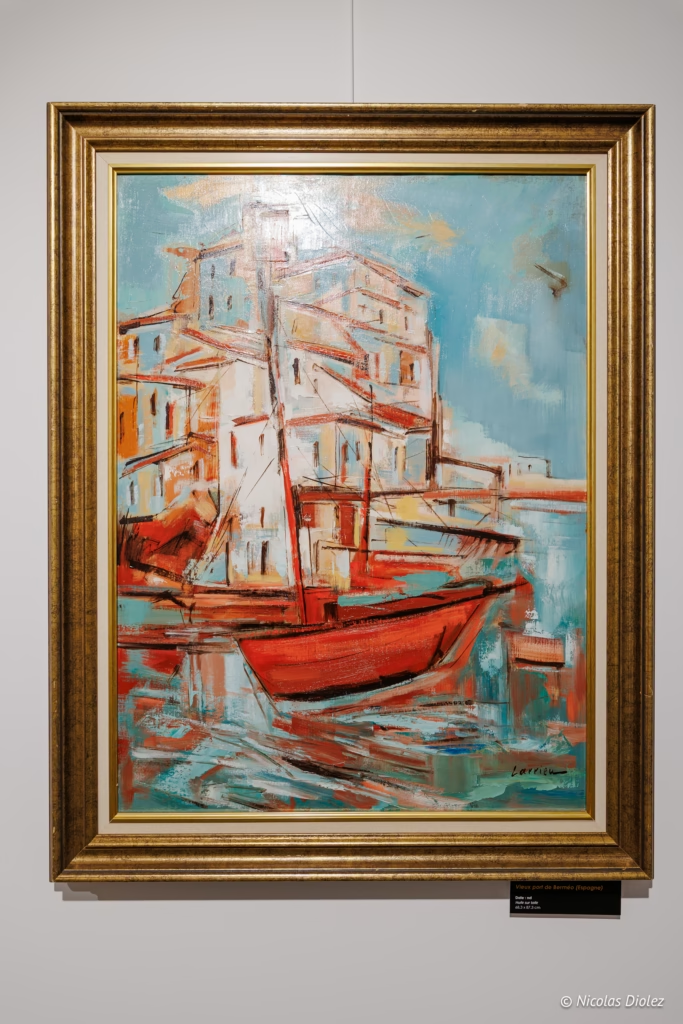
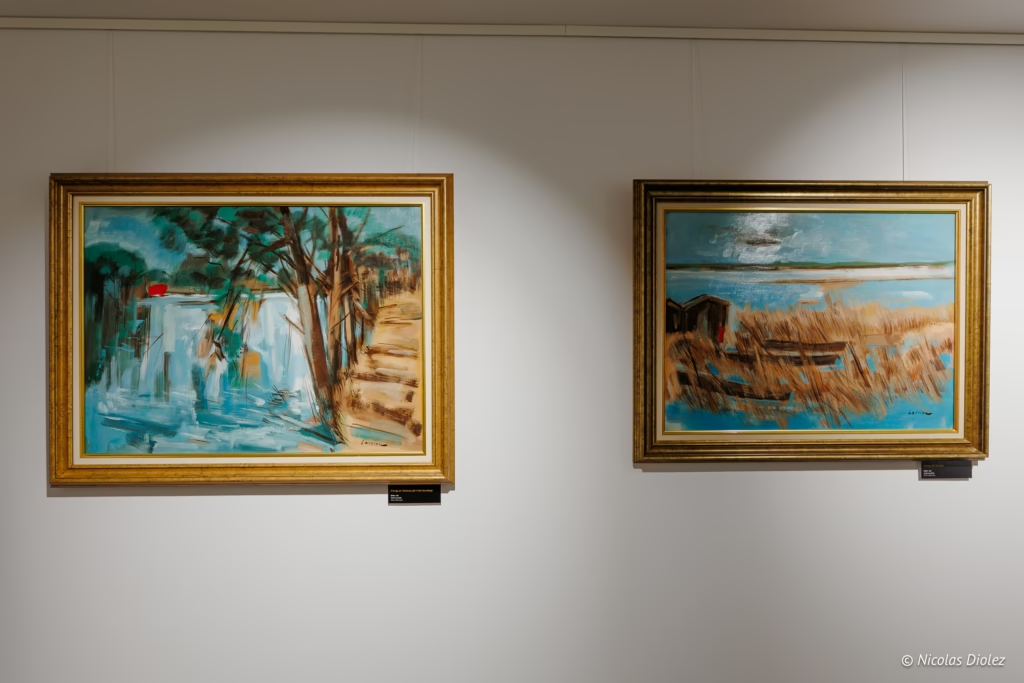
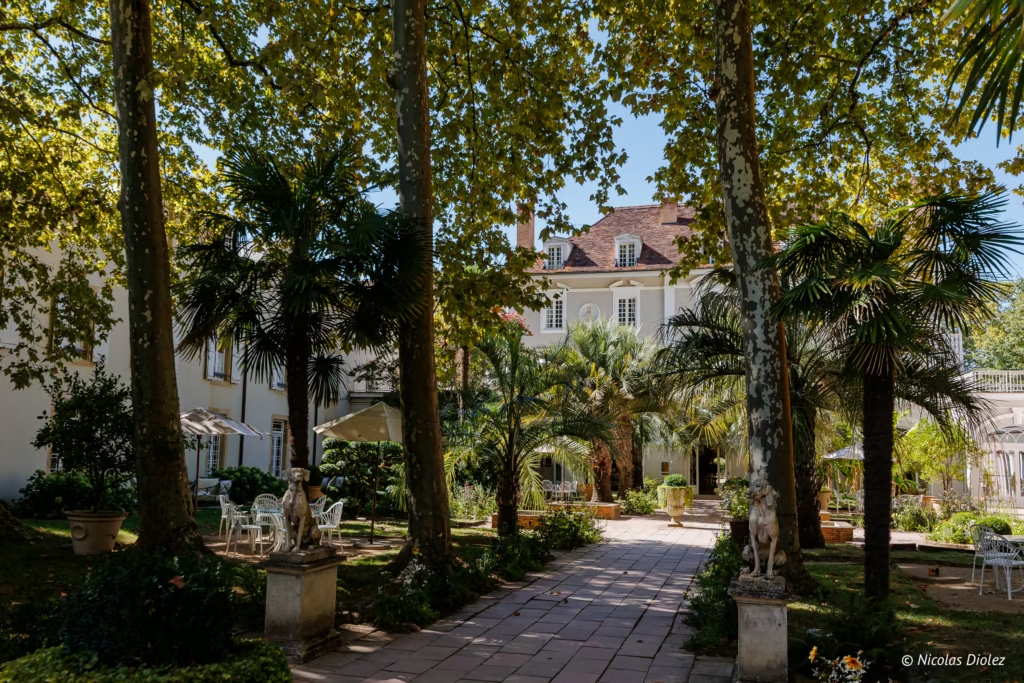
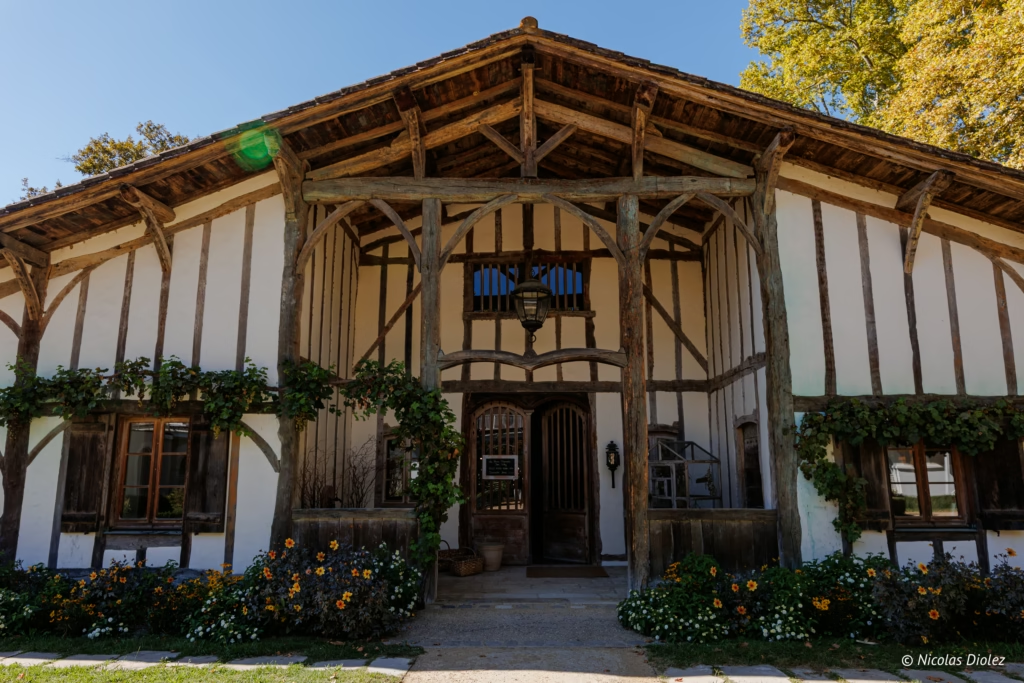
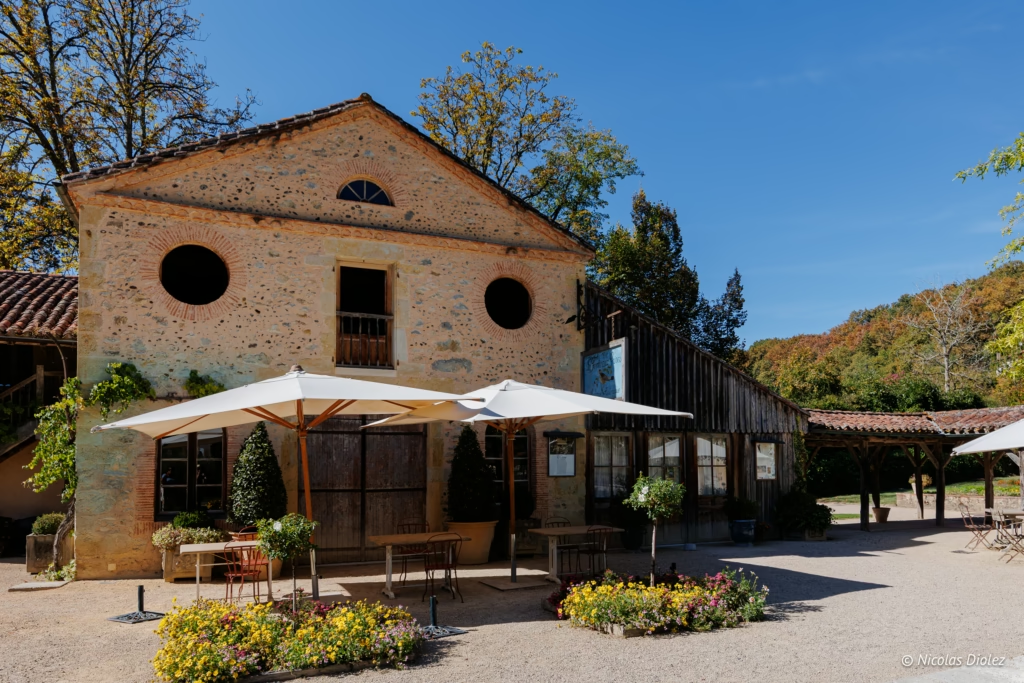
It’s hard to talk about Eugénie-les-Bains without also mentioning Michel Guérard, the inventor of haute cuisine minceur. Our visit took us to Les Prés d’Eugénie, to discover the gardens, the buildings and the art collections. This exceptional address, classified as a Palace, brings together two Michelin-starred restaurants (the historic 3-star table and the fine cuisine of L’Orangerie, 1 star) as well as a very high-end thermal spa (the Ferme Thermale). Just so you know, we neither stayed nor ate there during this trip: it was a tour of the premises. But it made us really want to go back and try it all!
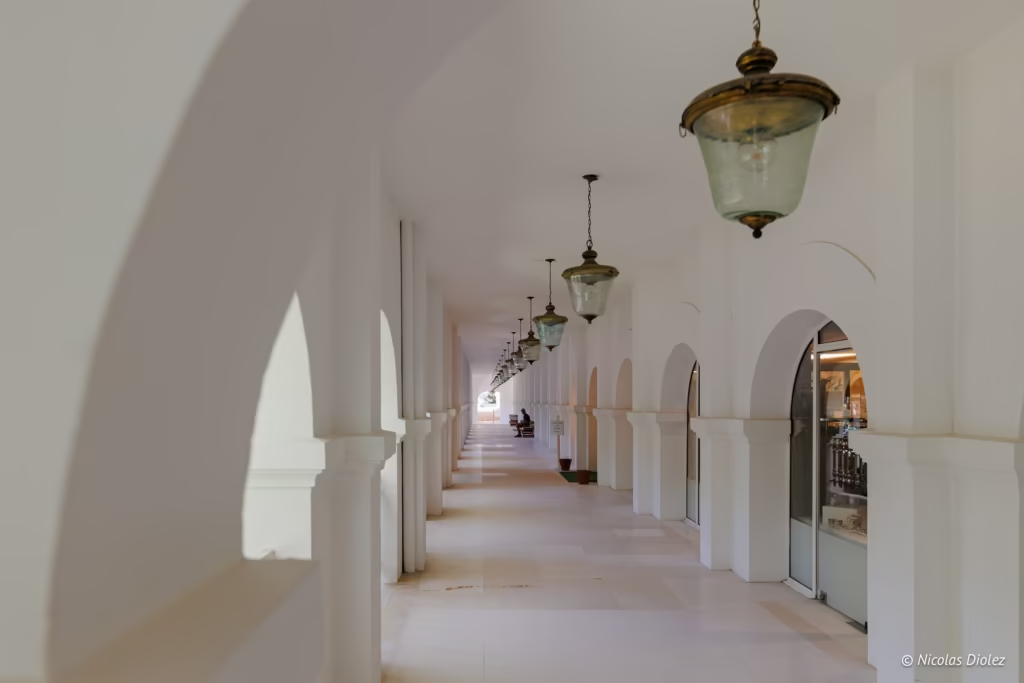
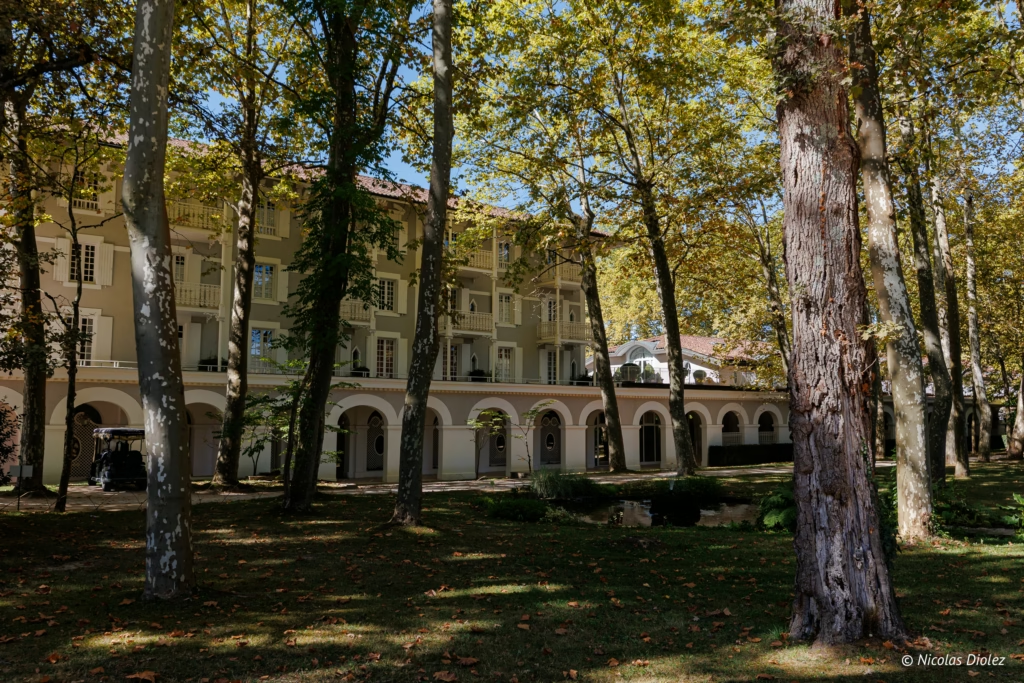
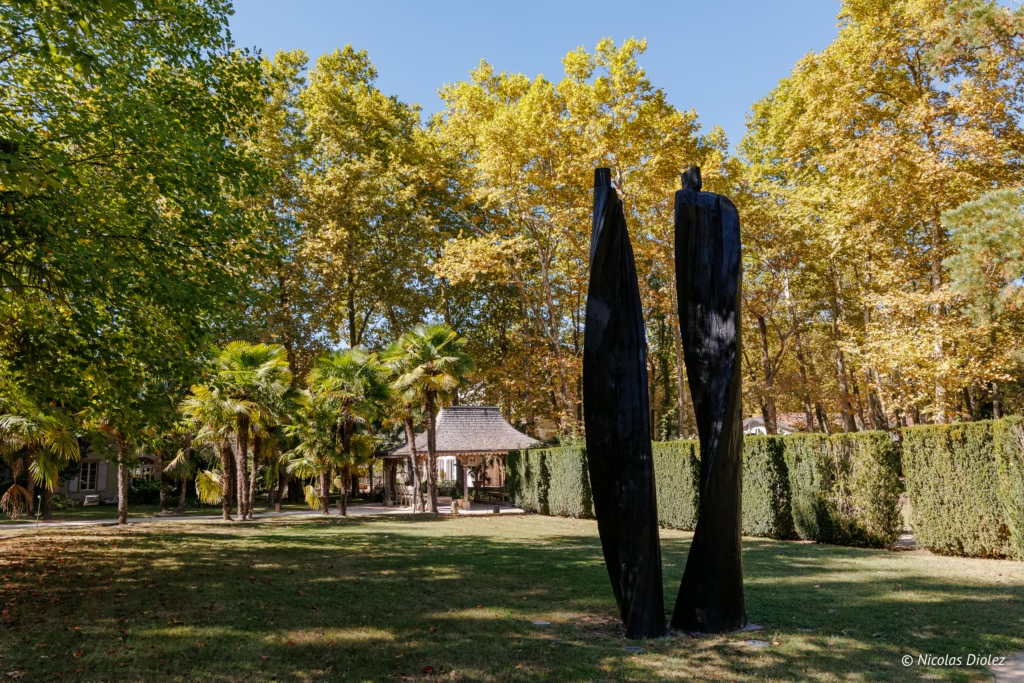
Thermes d’Eugénie-les-Bains
334 Rue René Vielle, 40320 Eugénie-les-Bains
_
To discover near Eugénie-les-Bains: The Notre-Dame-du-Rugby chapel
On the way, we made a stop at the Notre-Dame-du-Rugby chapel, in Larrivière-Saint-Savin. Inside this small stone chapel, you’ll find jerseys and mementos left by clubs and players: the place has become a pilgrimage site for rugby players. Access was free when we visited.
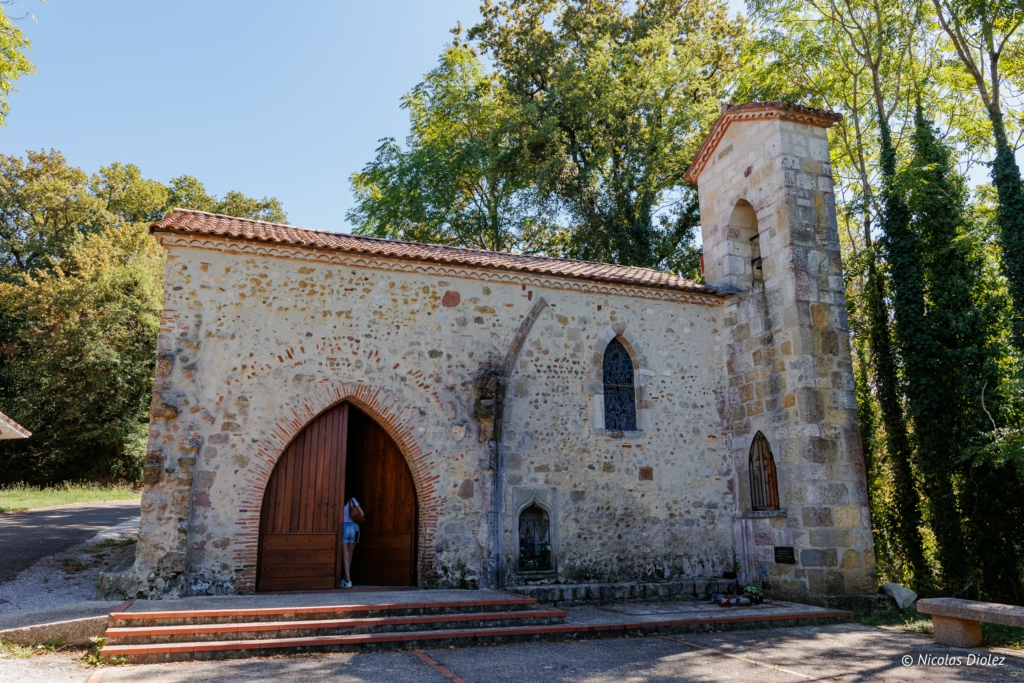
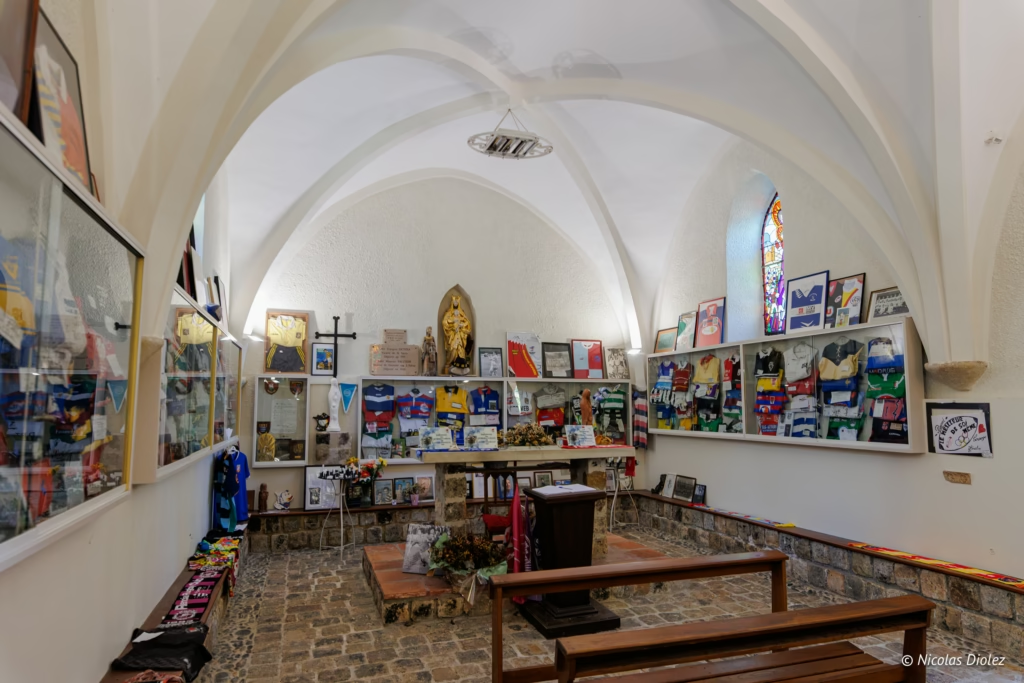
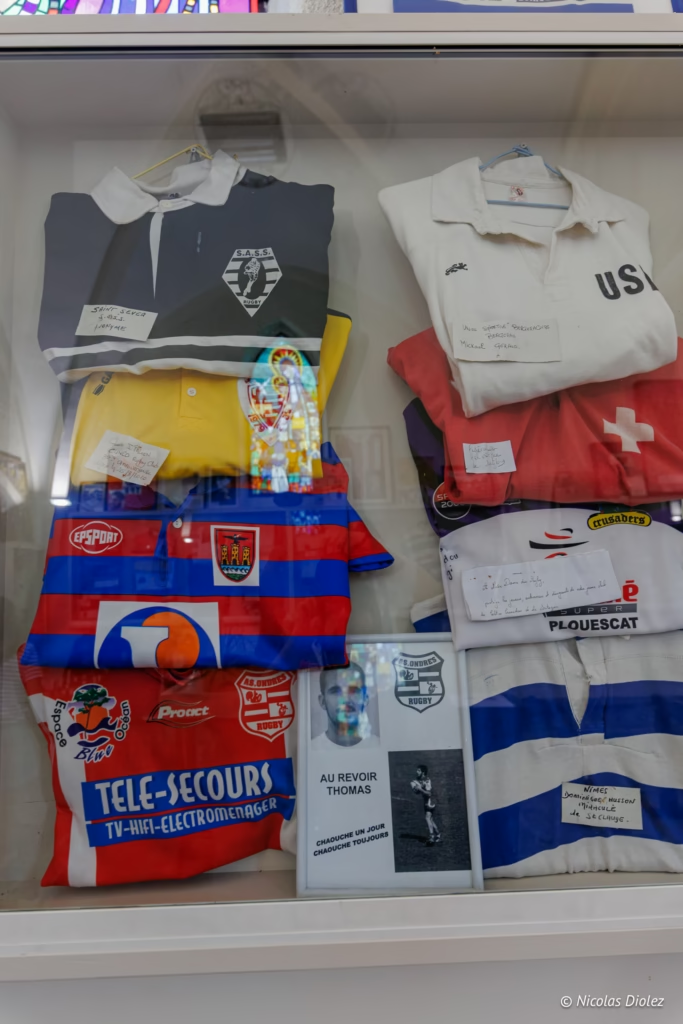
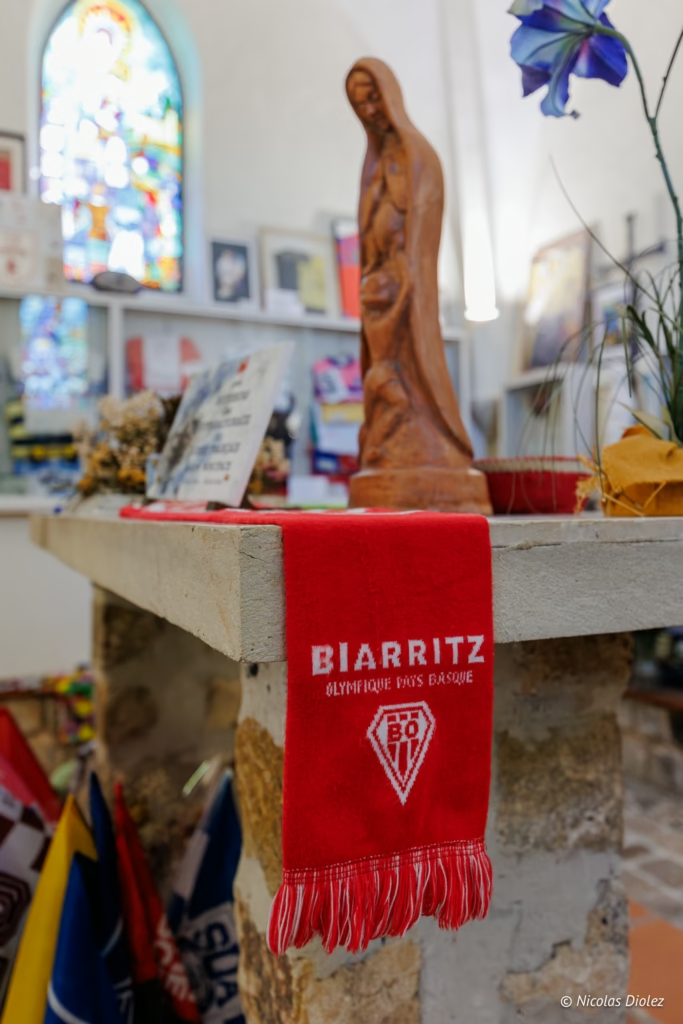
Chapelle Notre-Dame-du-Rugby
404 route de la Chapelle, 40270 Larrivière-Saint-Savin
_
Visiting the Moulin de Labat farm
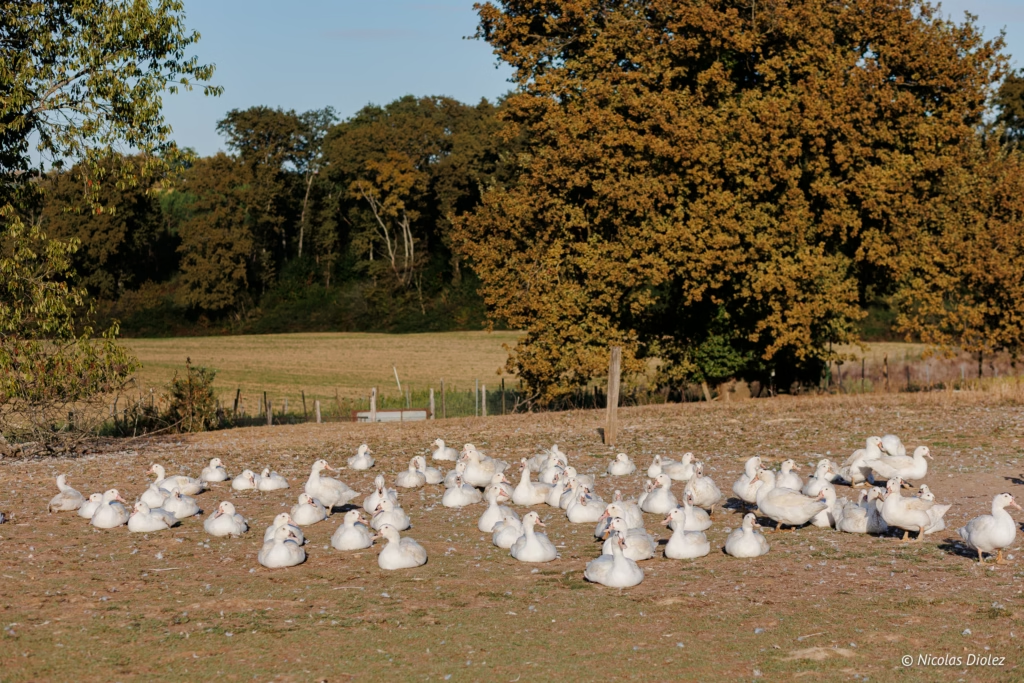
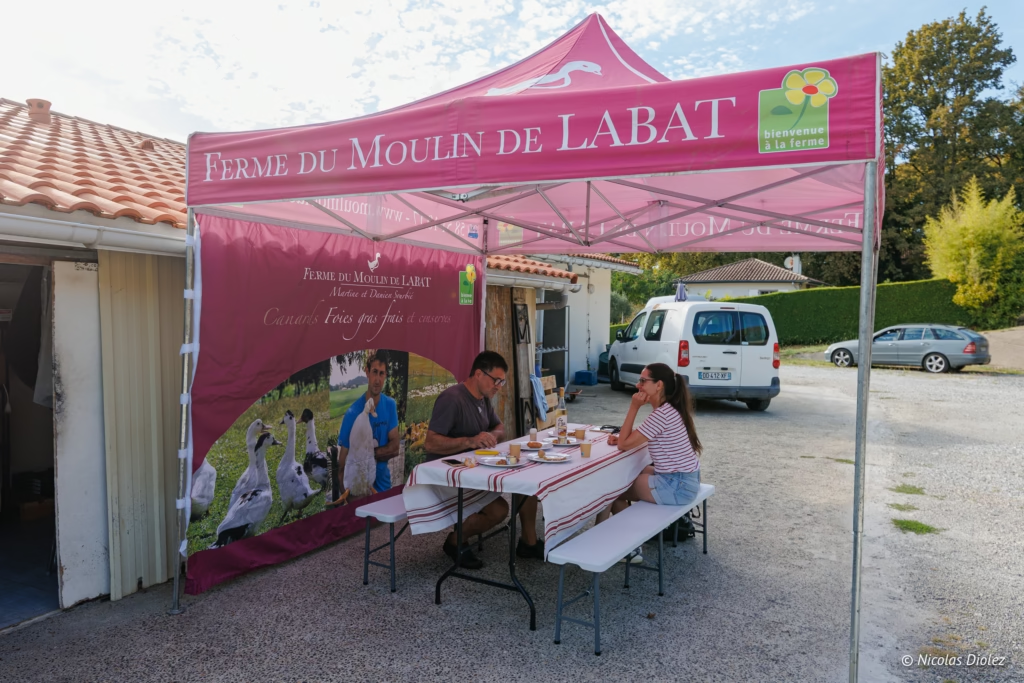
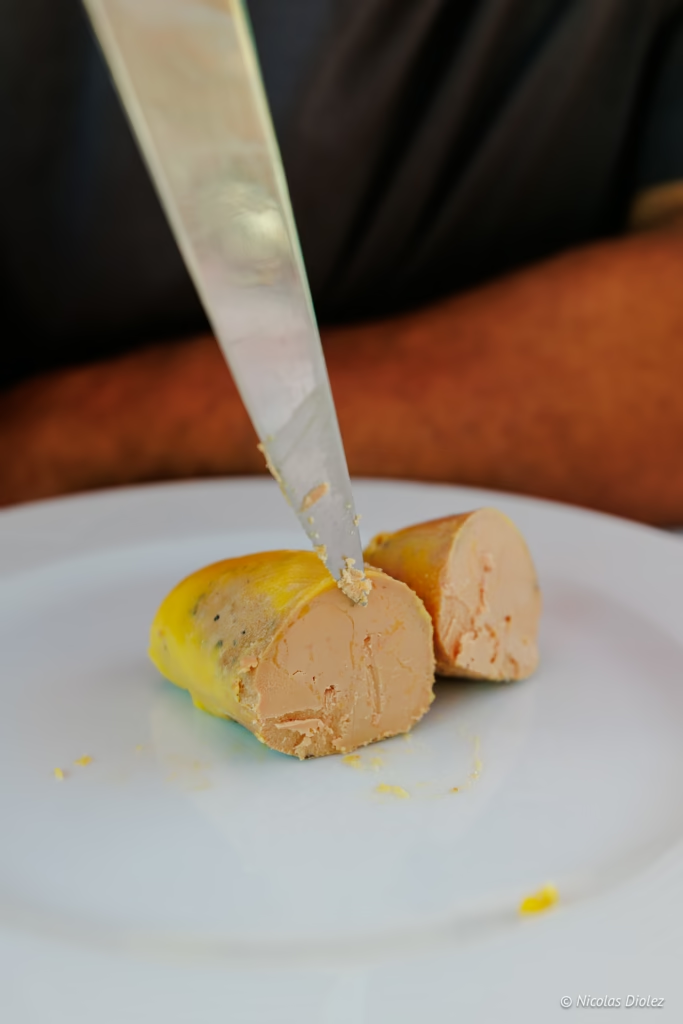
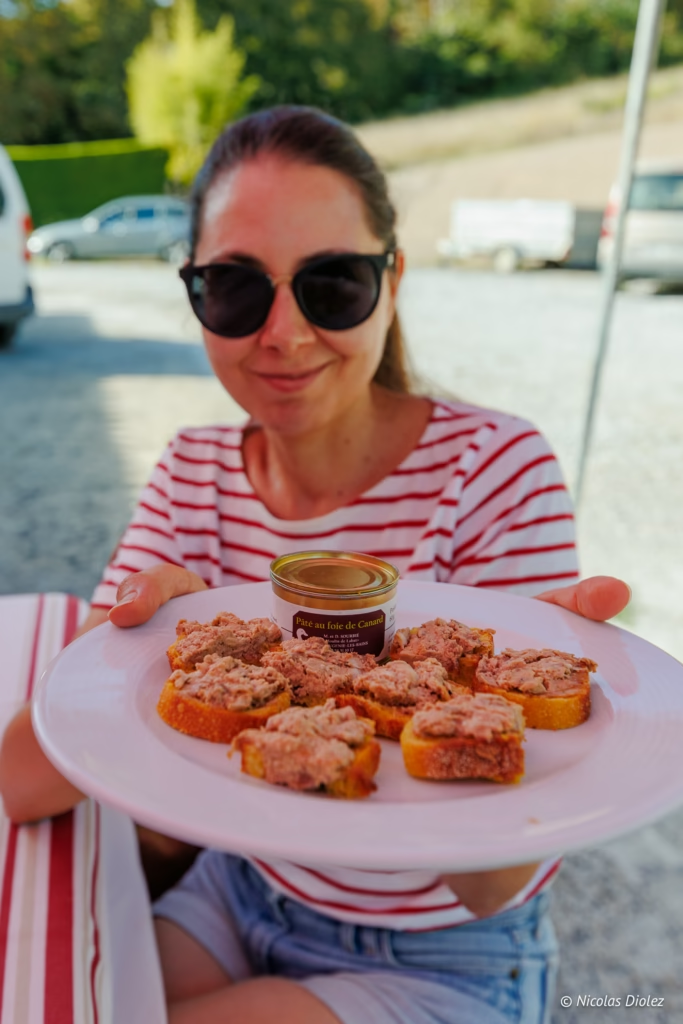
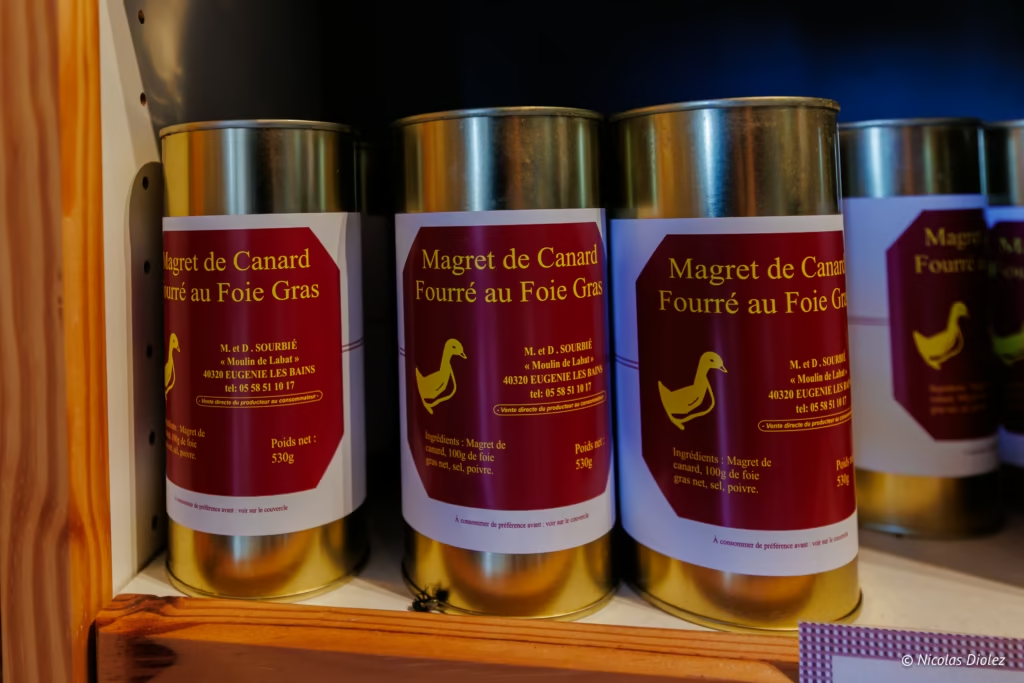
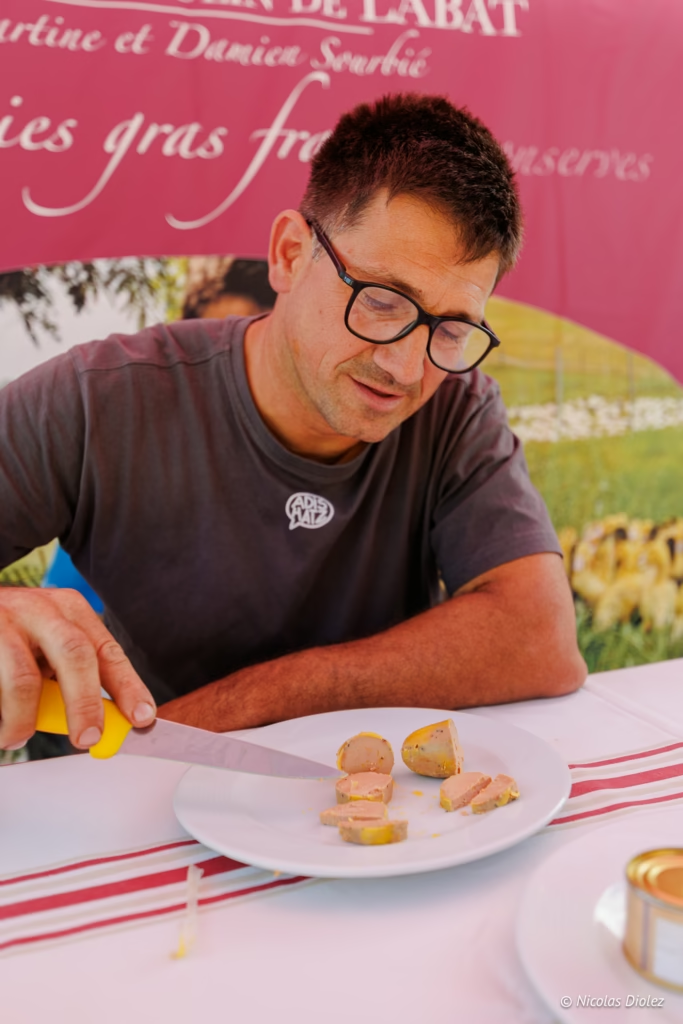
Damien Sourbié welcomed us to the Moulin de Labat farm to show us his livestock and his preserves. Settled here since 2007, he raises around 5,000 ducks a year. The ducklings arrive here at one day old, grow up on the farm and are then raised outdoors, before being fattened on whole-grain corn.
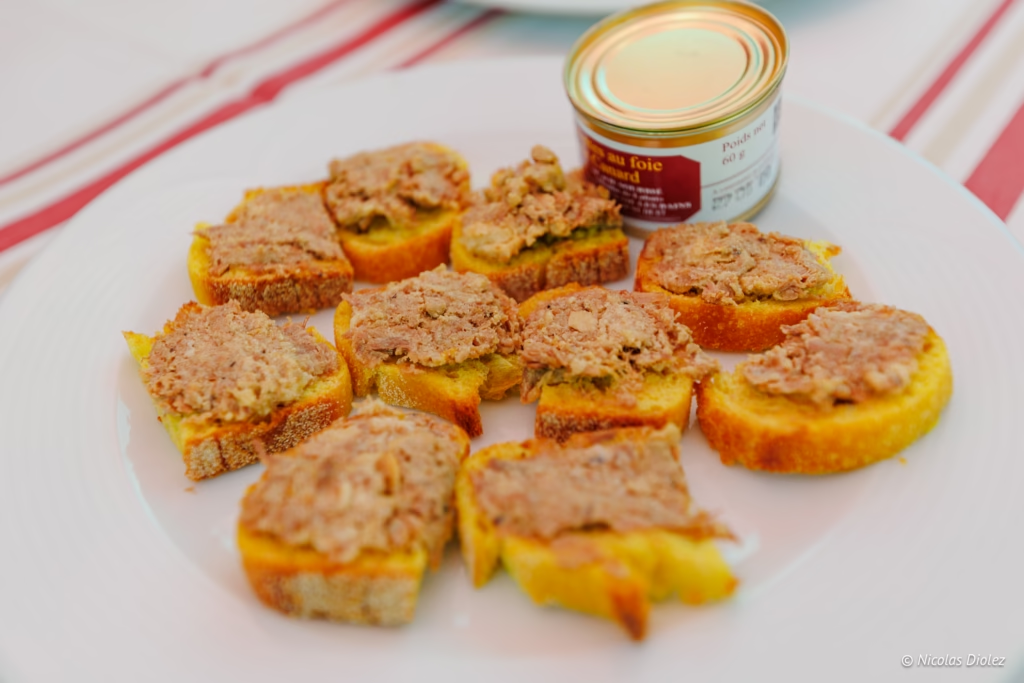
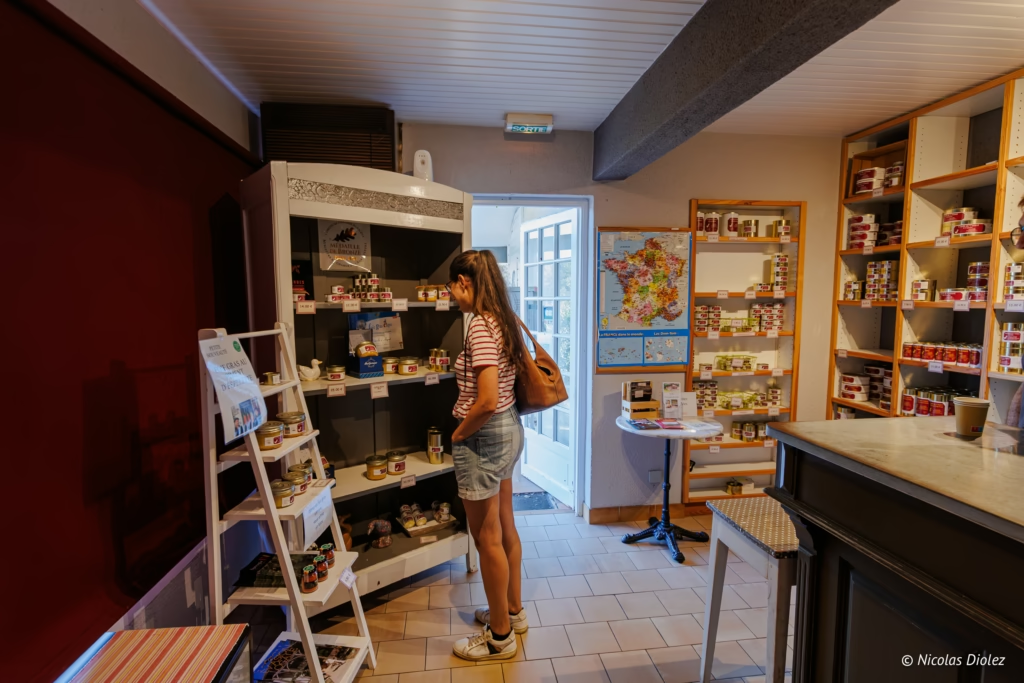
Damien also offers cutting demonstrations to show where the different cuts come from and explain how they are processed. These workshops last about 2 hours, are free, and require registration, and that’s actually what made his reputation in the area! He also hosts about ten carcass evenings a year, which apparently are quite a hit. As for us, we toured the shop and tasted the products, then walked over to see the ducks and the fields. You can also find his preserves at the Eugénie market, at the Saint-Sever covered market and in a shop in Mont-de-Marsan.
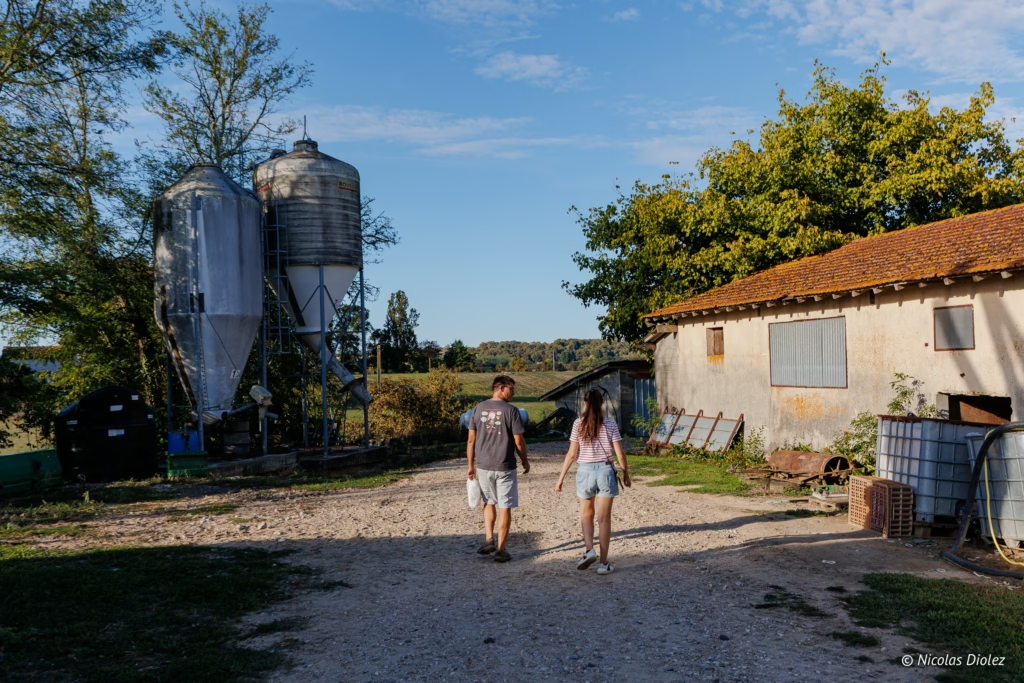
Ferme du Moulin de Labat
Route de Nicolas, 40320 Eugénie-les-Bains
In Brassempouy, between Prehistory and craftsmanship
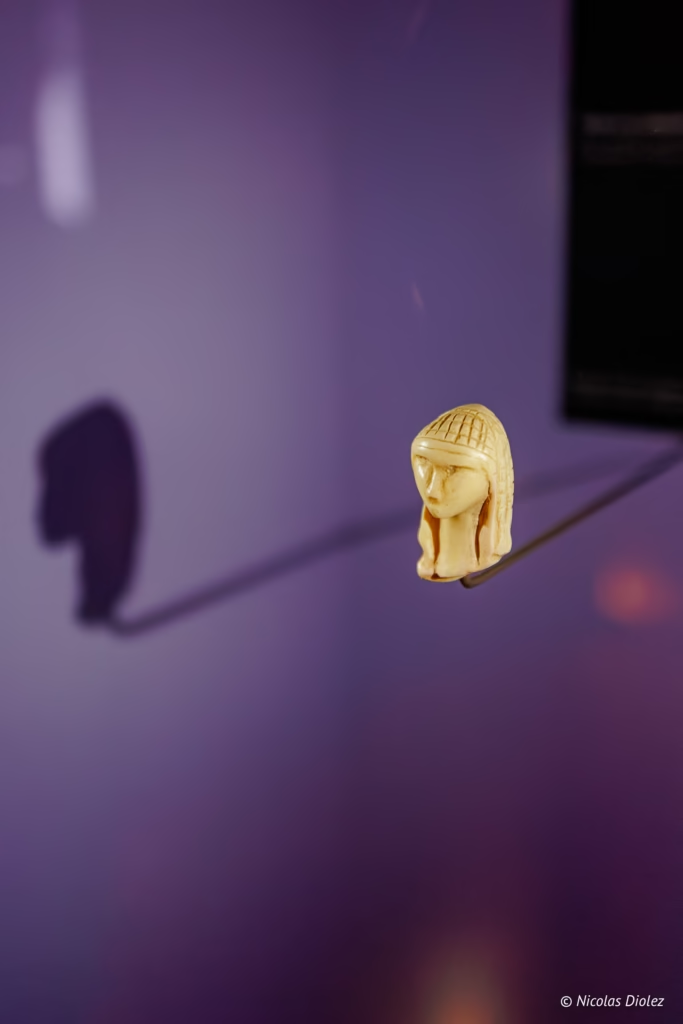
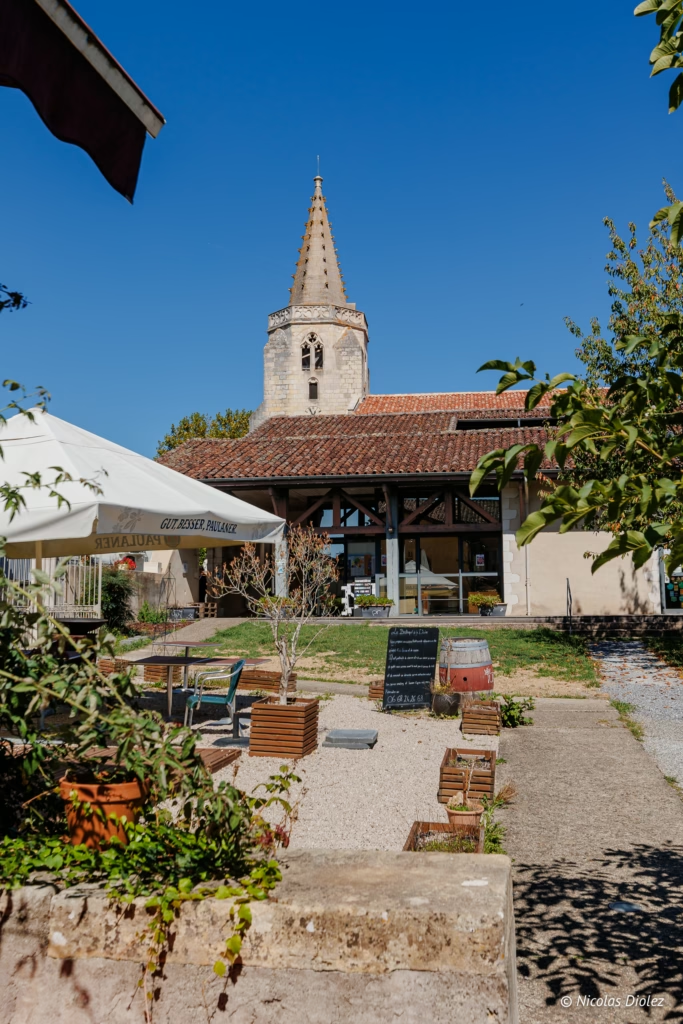
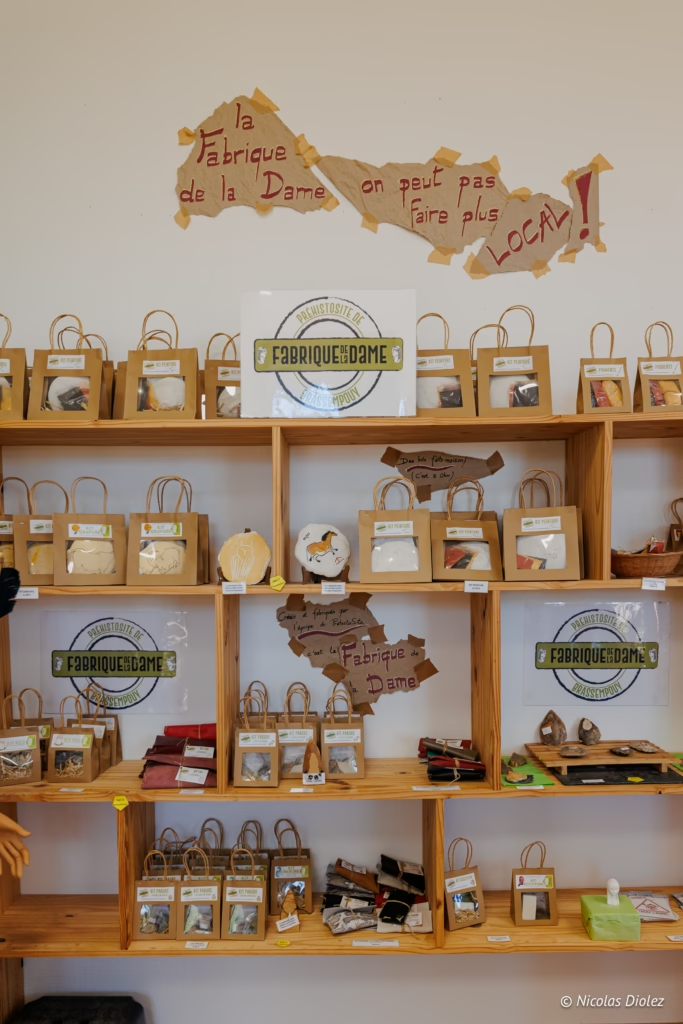
With its 300 or so inhabitants, Brassempouy is a tiny village in the Chalosse, and yet this is where the “Lady with the Hood” was found, the oldest known depiction of a human face from Prehistory. We packed in a visit to the PréhistoSite, a stop at the church, a visit to the Chat d’Argent workshop and lunch at the Bistroquet de la Dame, right across from the museum.
_
Visiting the PréhistoSite de Brassempouy
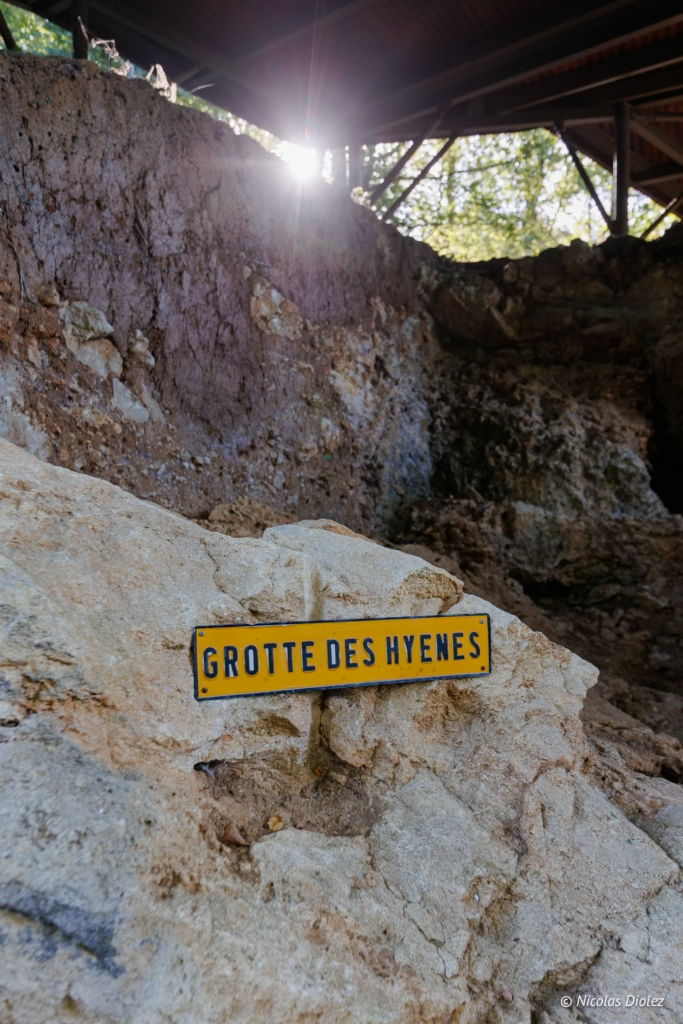
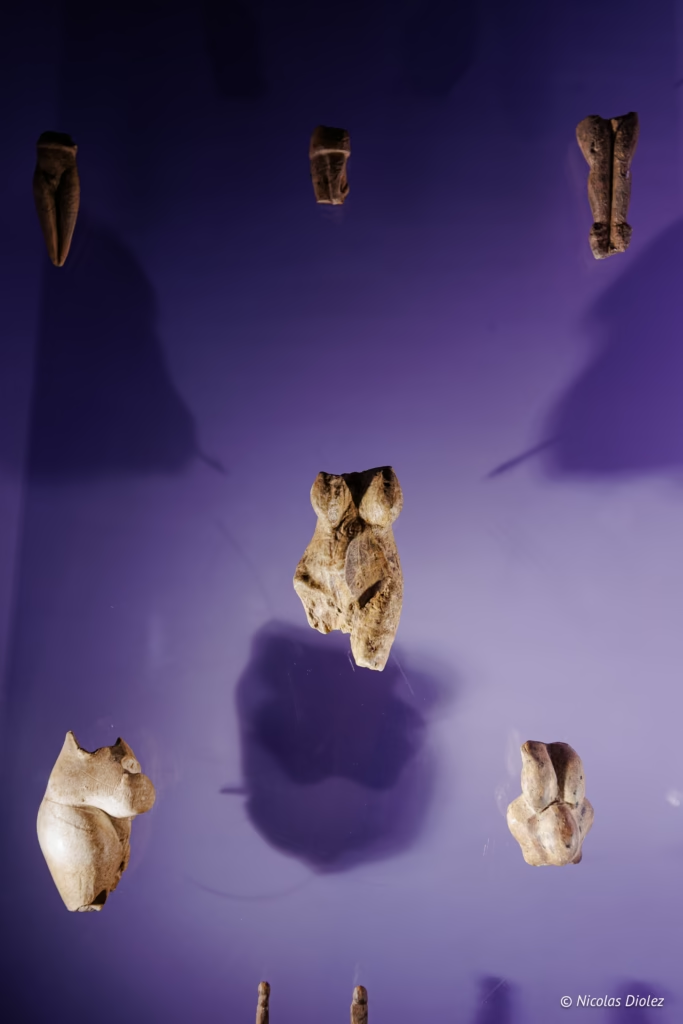
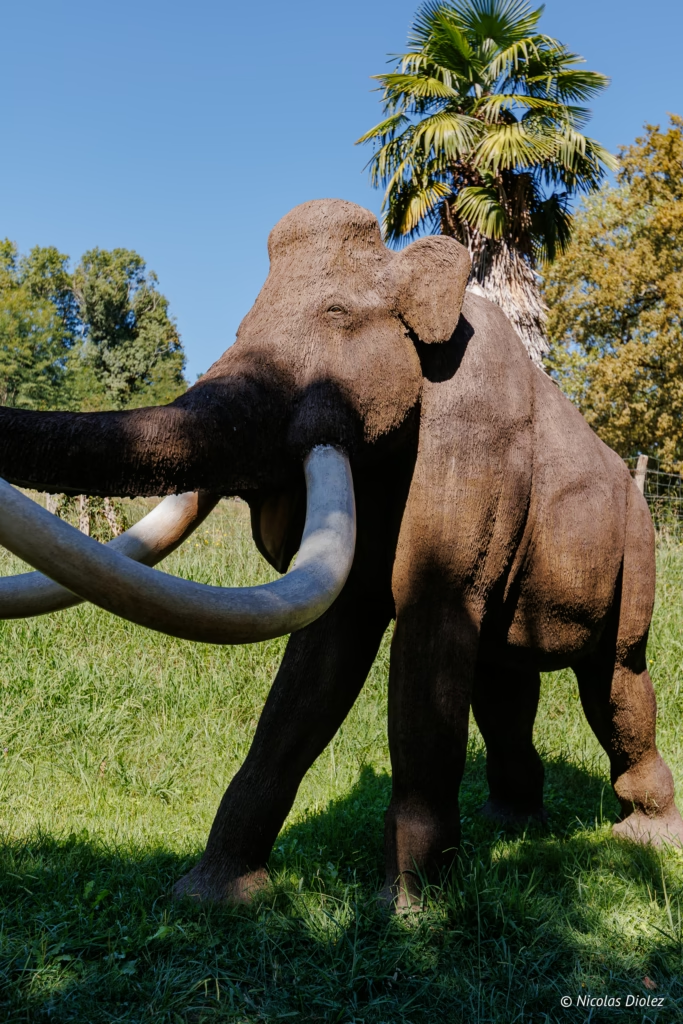
The Dame à la Capuche (the Lady with the Hood) is a small figure carved from mammoth ivory more than 25,000 years ago (recent dating even suggests 30,000 years), discovered in the village’s caves at the end of the 19th century. The PréhistoSite lets you dive into this story through three spaces to visit and explore:
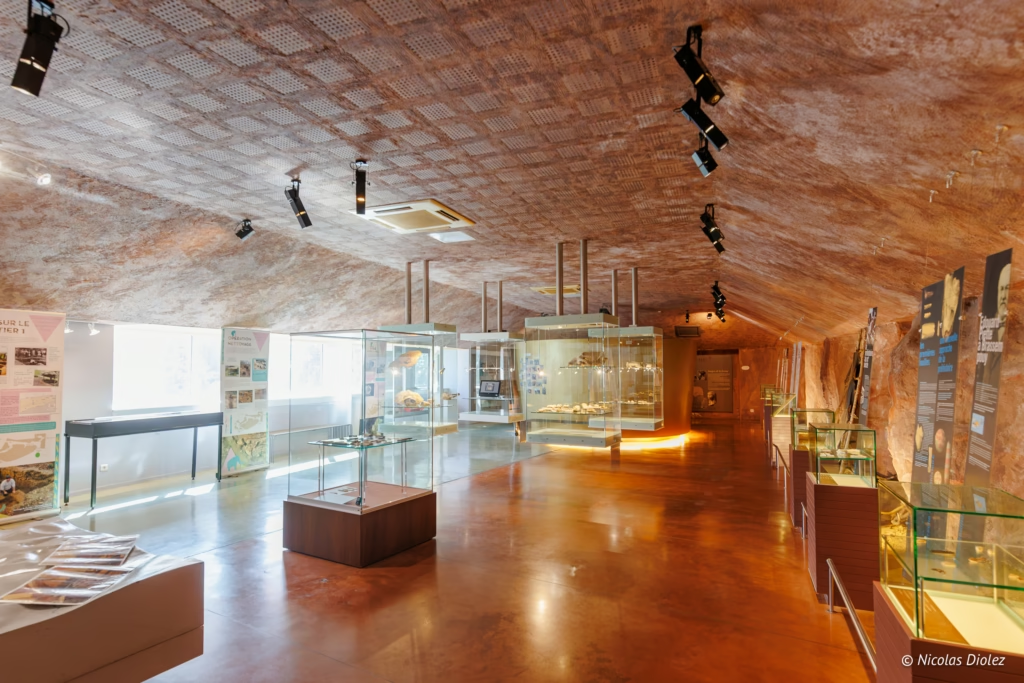
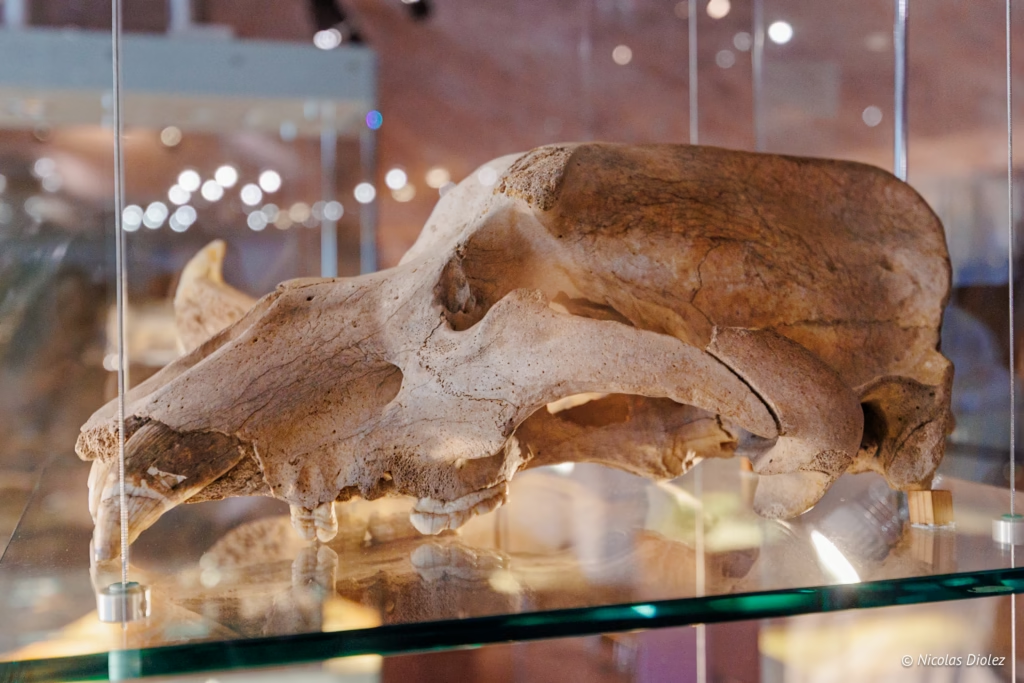
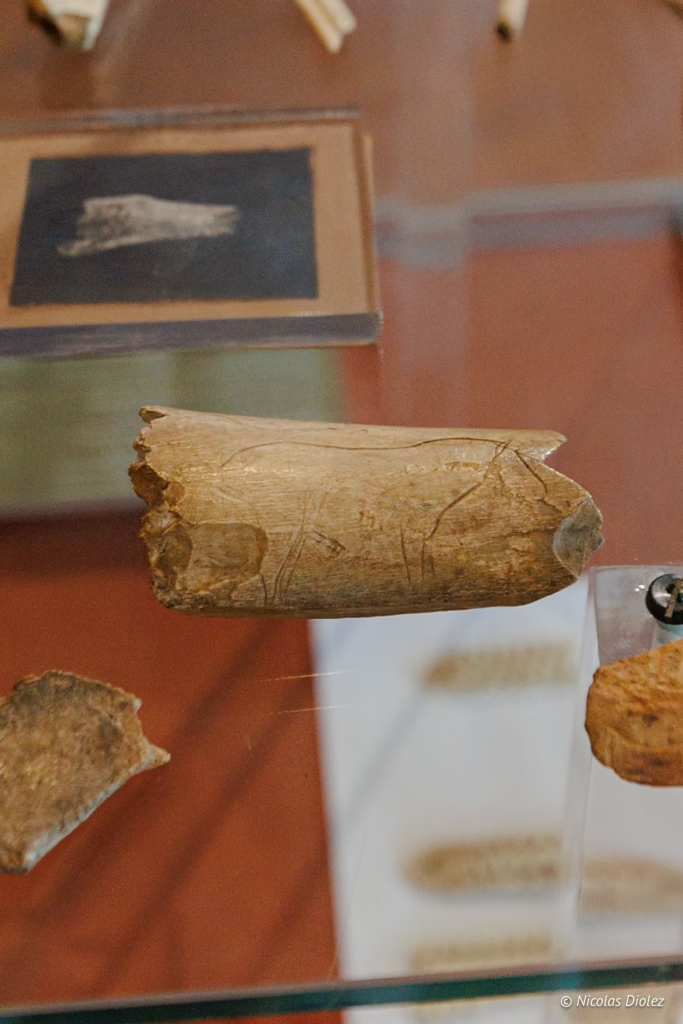
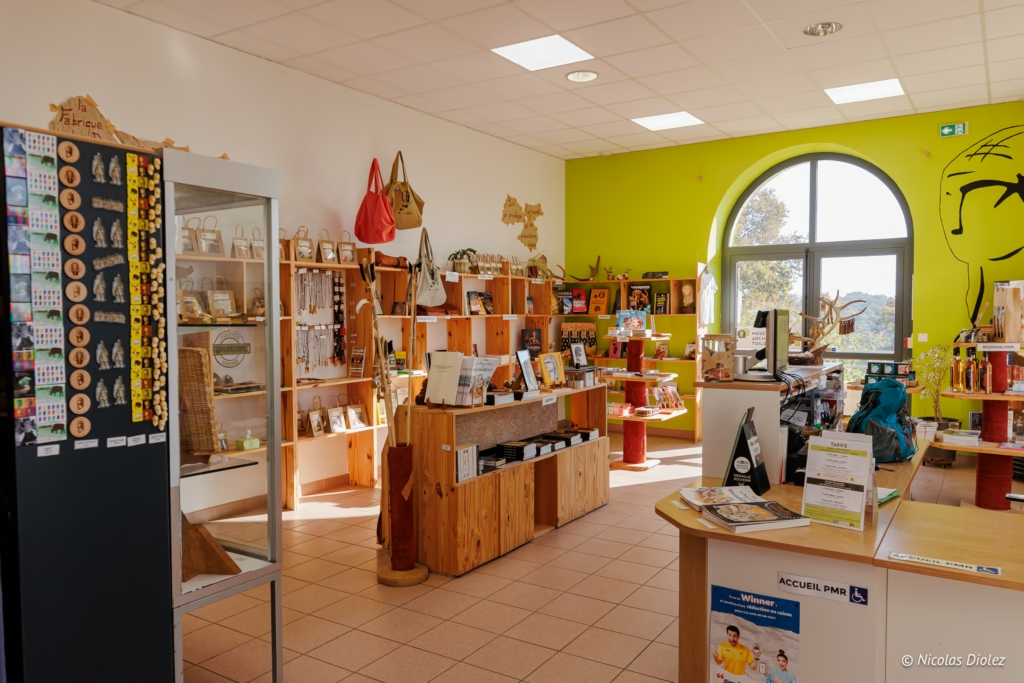
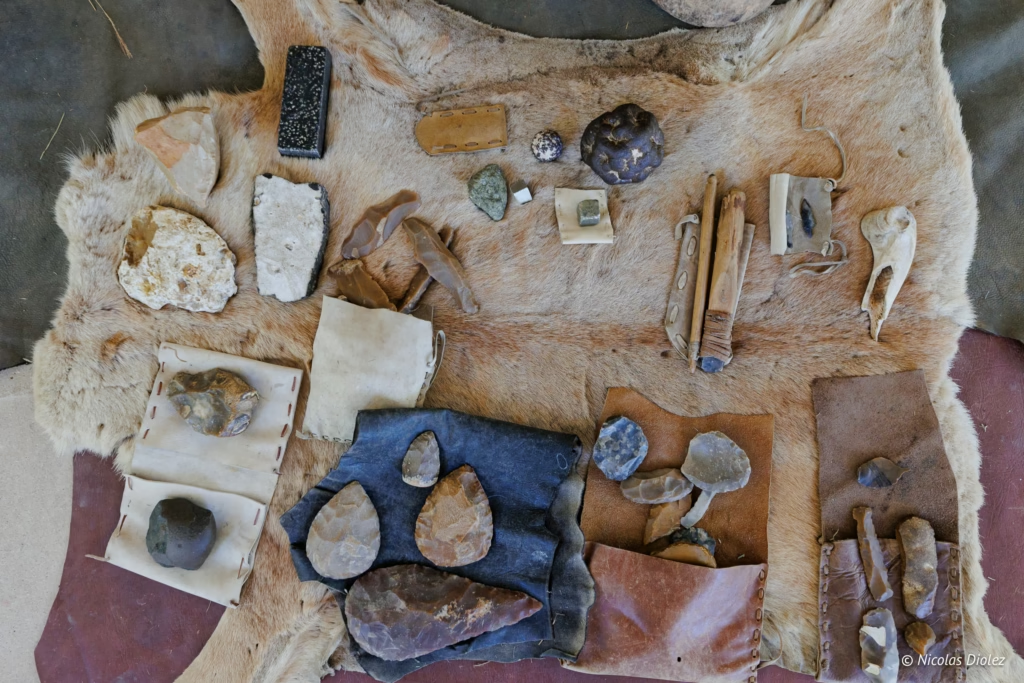
- The museum: it tells the story of the discovery of the caves and of the scientific research, while showcasing the archaeological collections from the digs, as well as casts of the most beautiful statuettes. Indeed, the statuette displayed at the museum is a cast: the original is at the Musée d’Archéologie nationale in Saint-Germain-en-Laye.
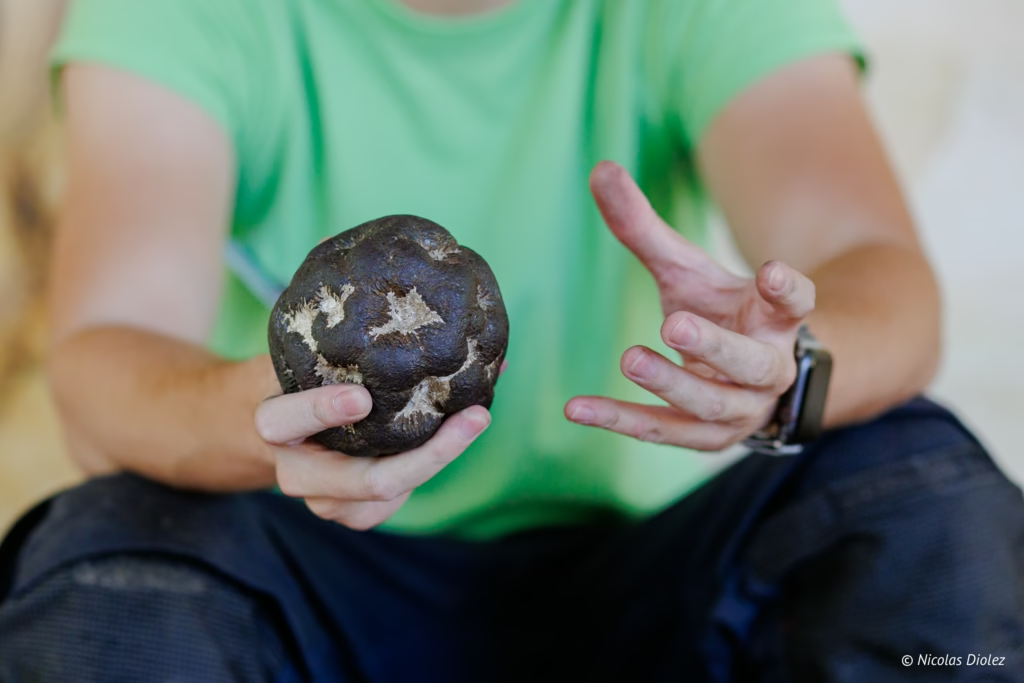
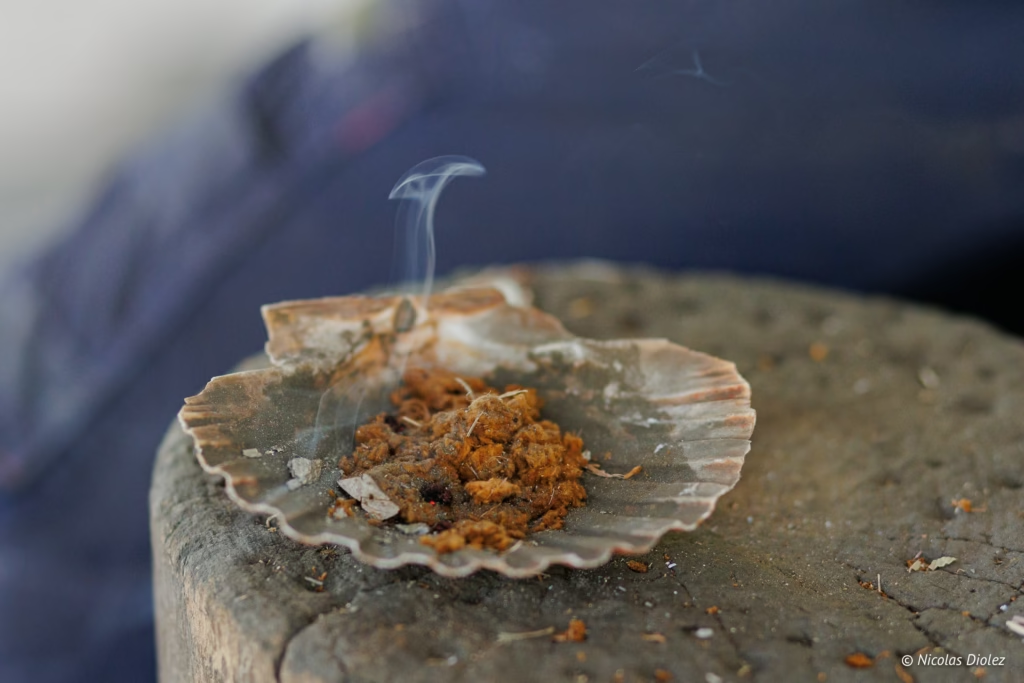
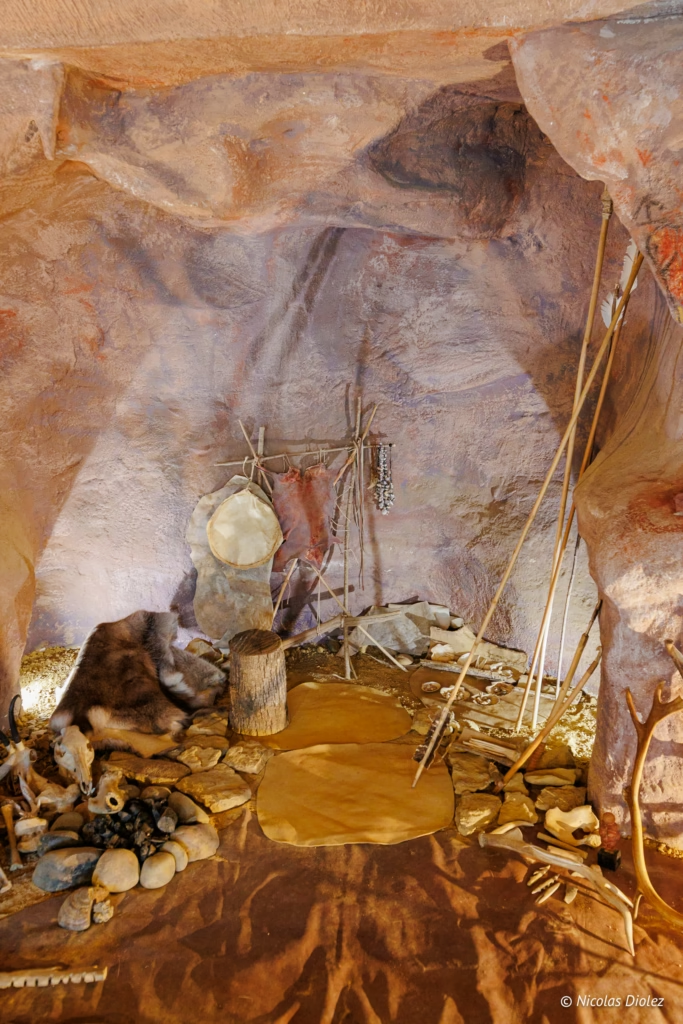
- The ArchéoParc: it helps you understand prehistoric gestures and techniques, and lets you take part in workshops.
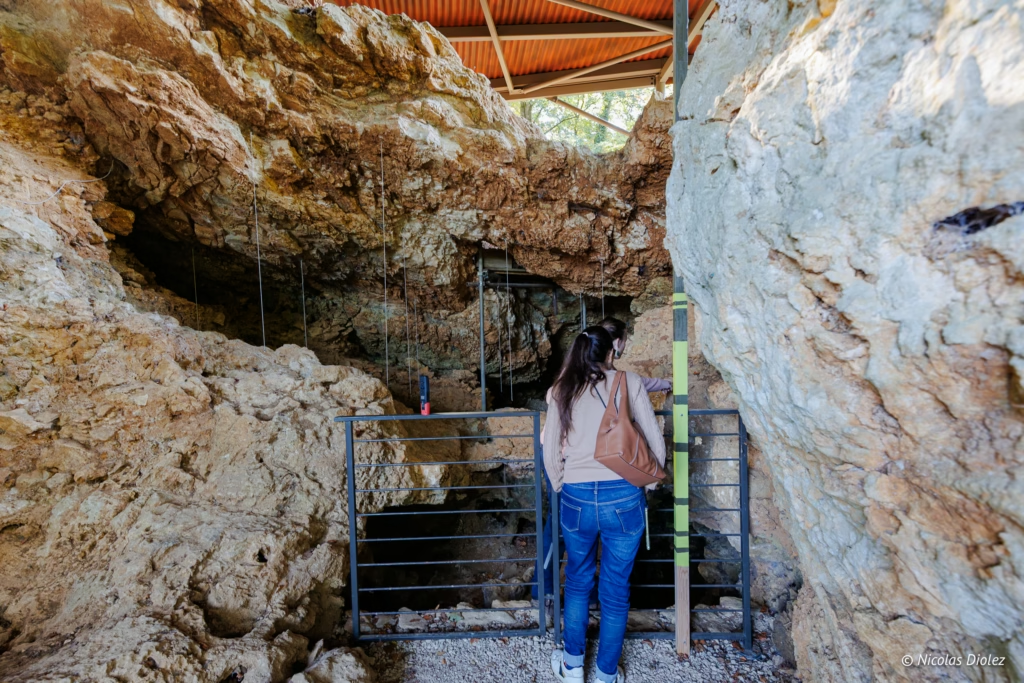
- The archaeological site of the Grottes du Pape: the site where the Dame à la Capuche was found can only be visited on a guided tour.
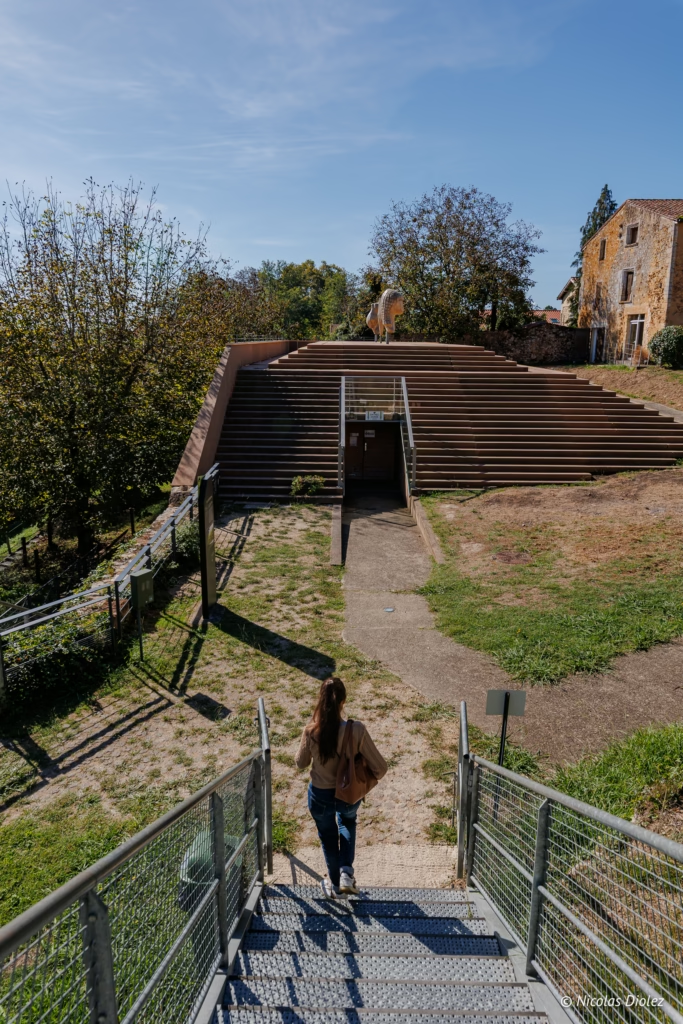
We discovered the archaeological site by first walking through a patch of woodland to reach the cavities and their protective structures. The explanations trace the history of the discoveries and the excavations, which began in the 19th century and resumed in the 20th century. Some areas are still left to be excavated, deliberately kept for the archaeologists of the future.
The caves can only be visited on guided tours. There is an option with a hike of about 7 km round trip, which takes up the whole morning, and a quick-access option (both from April to September).
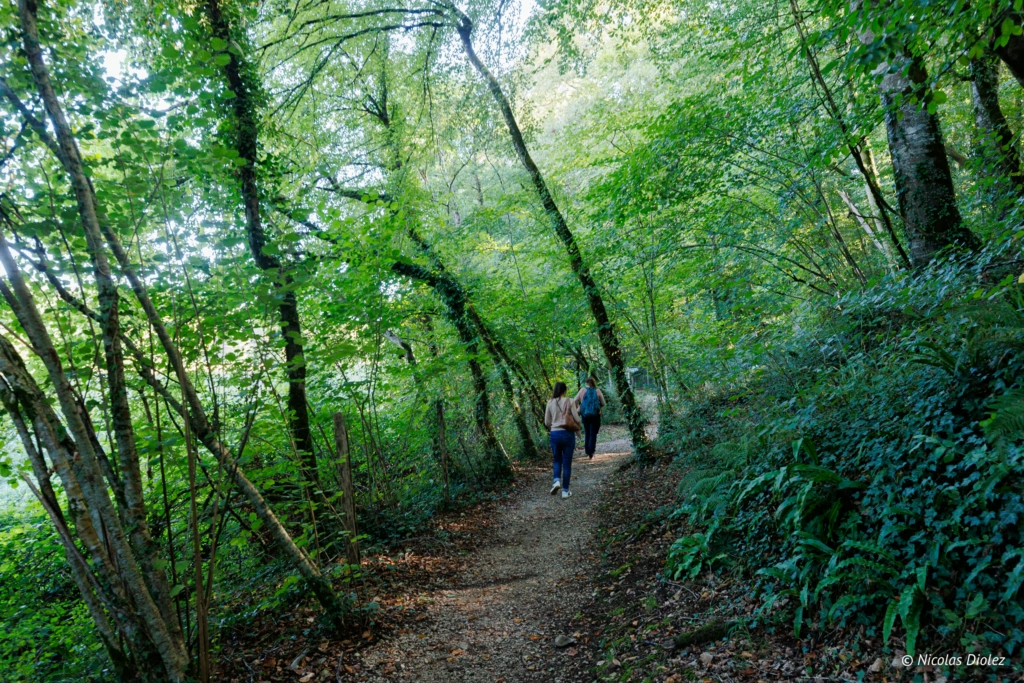
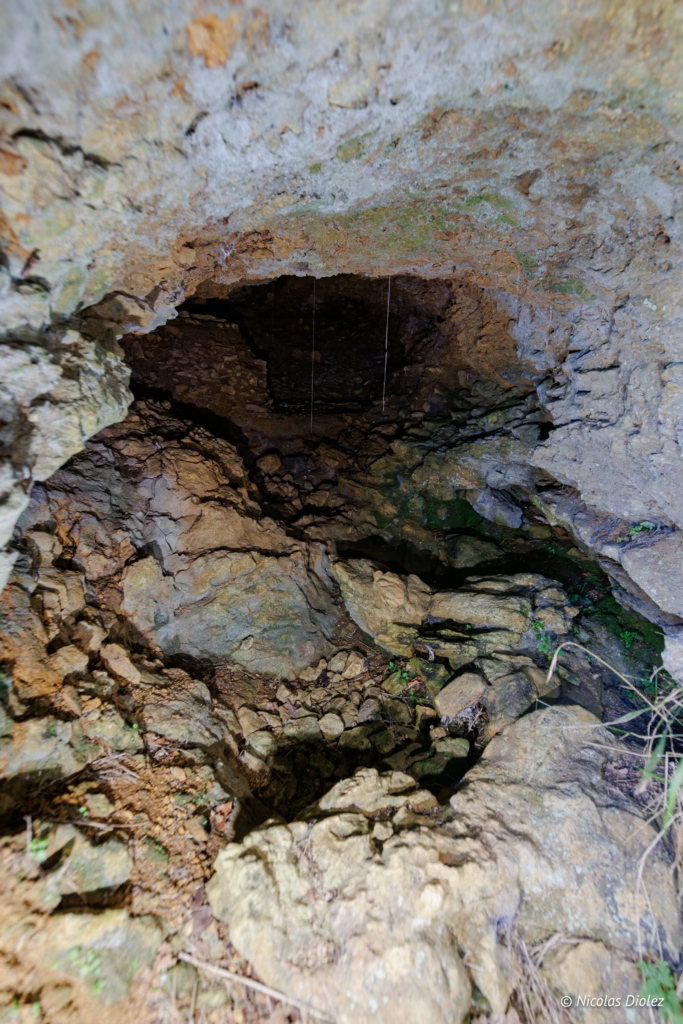
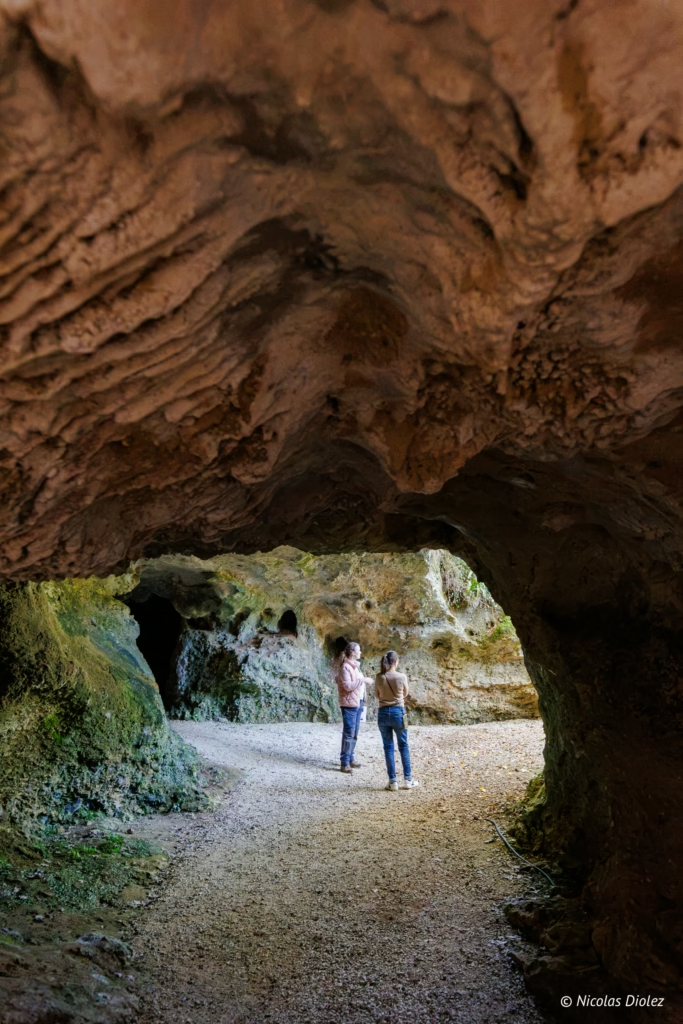
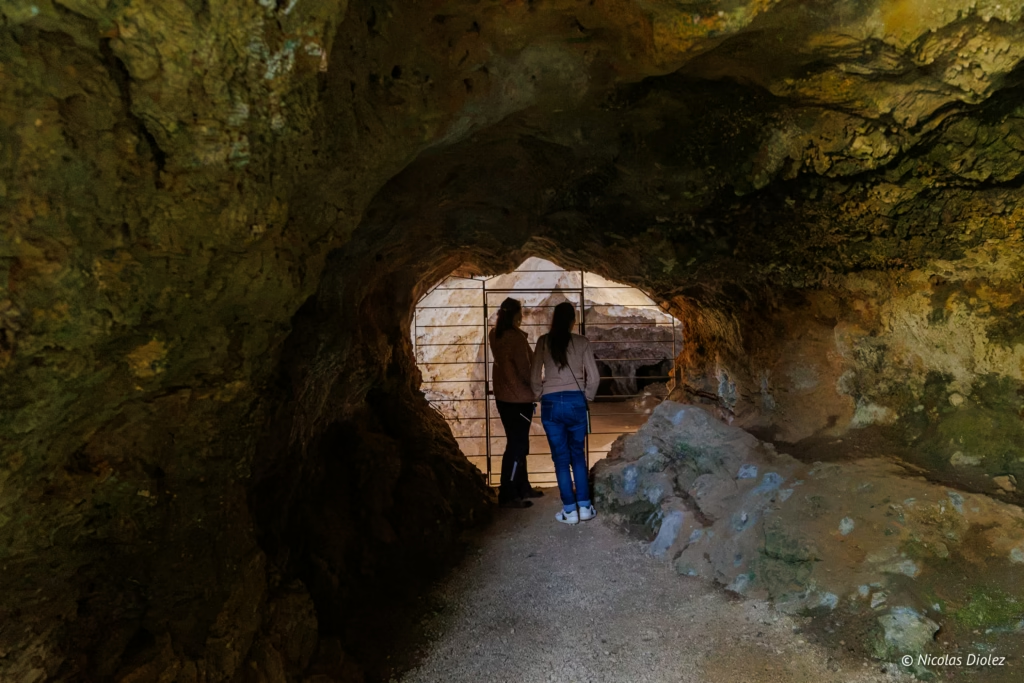
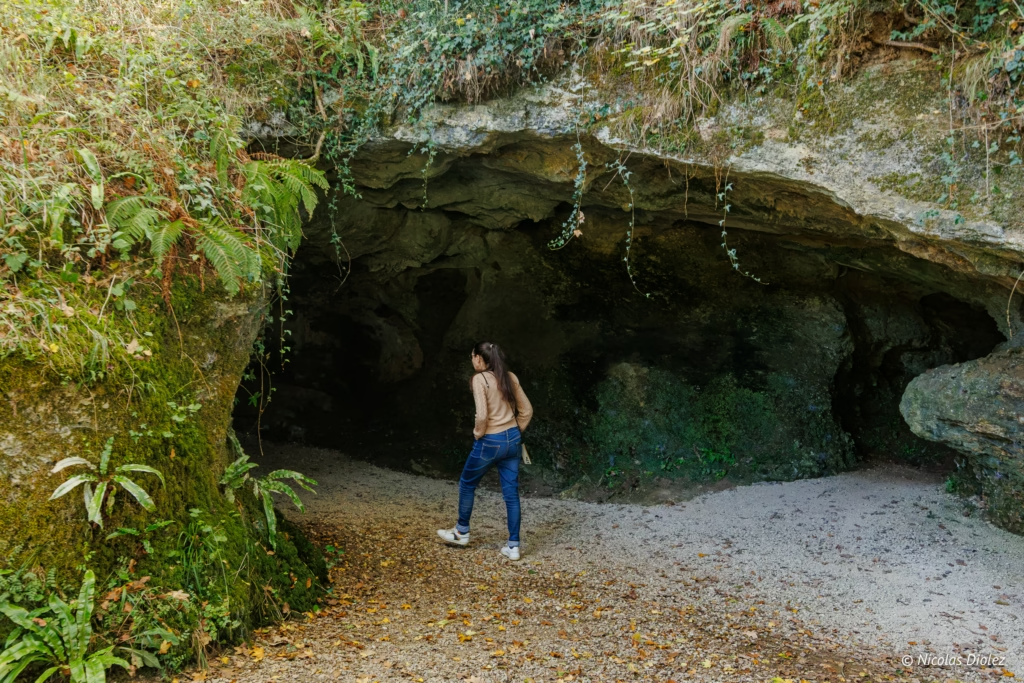
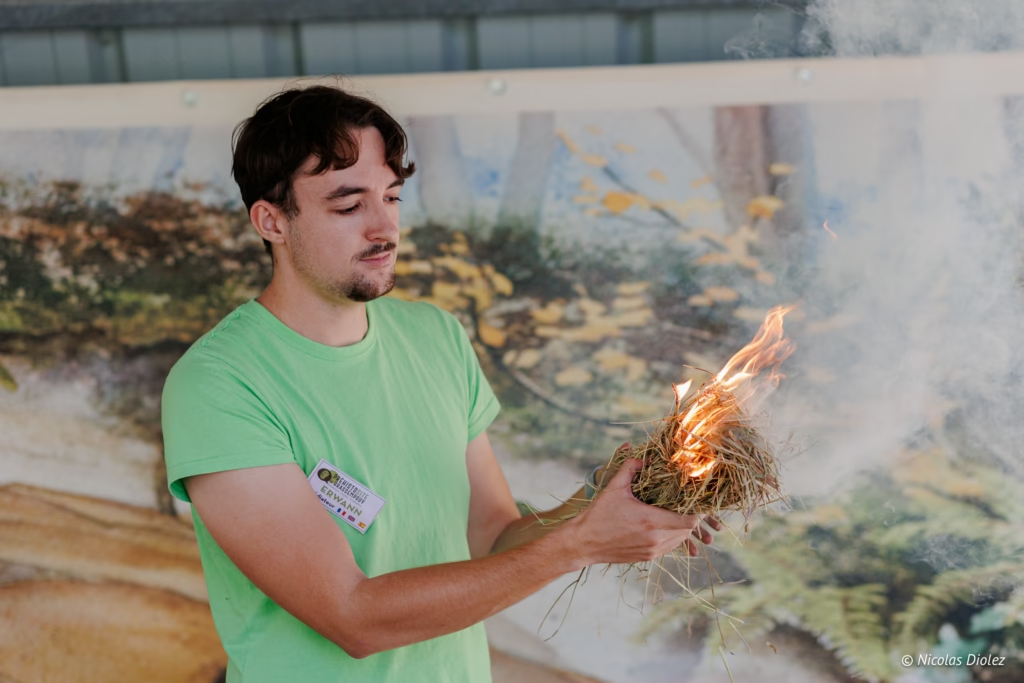
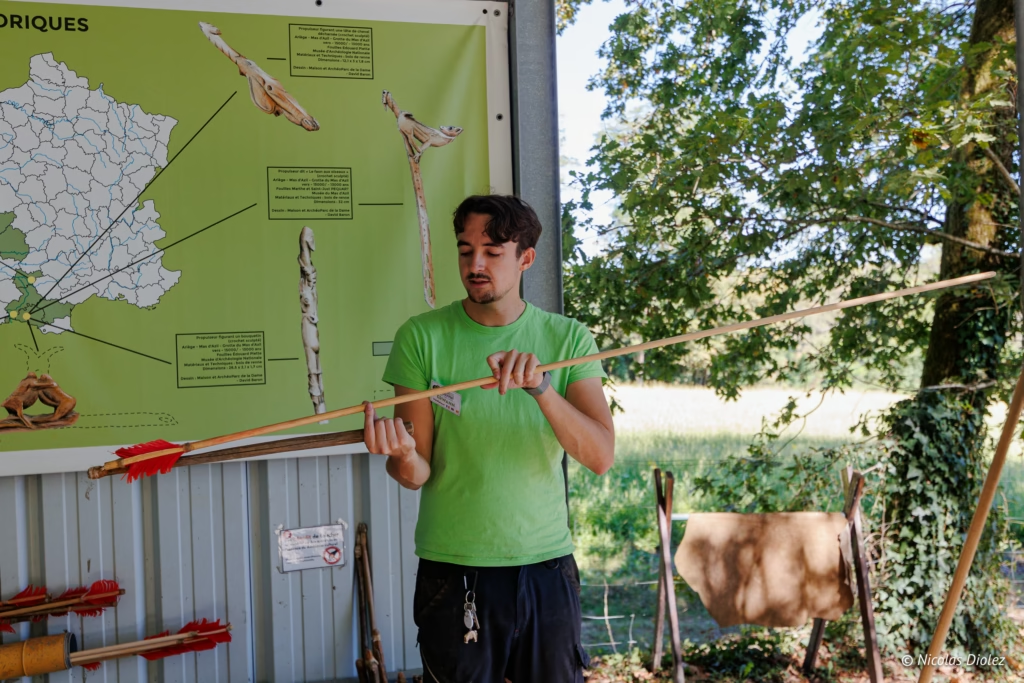
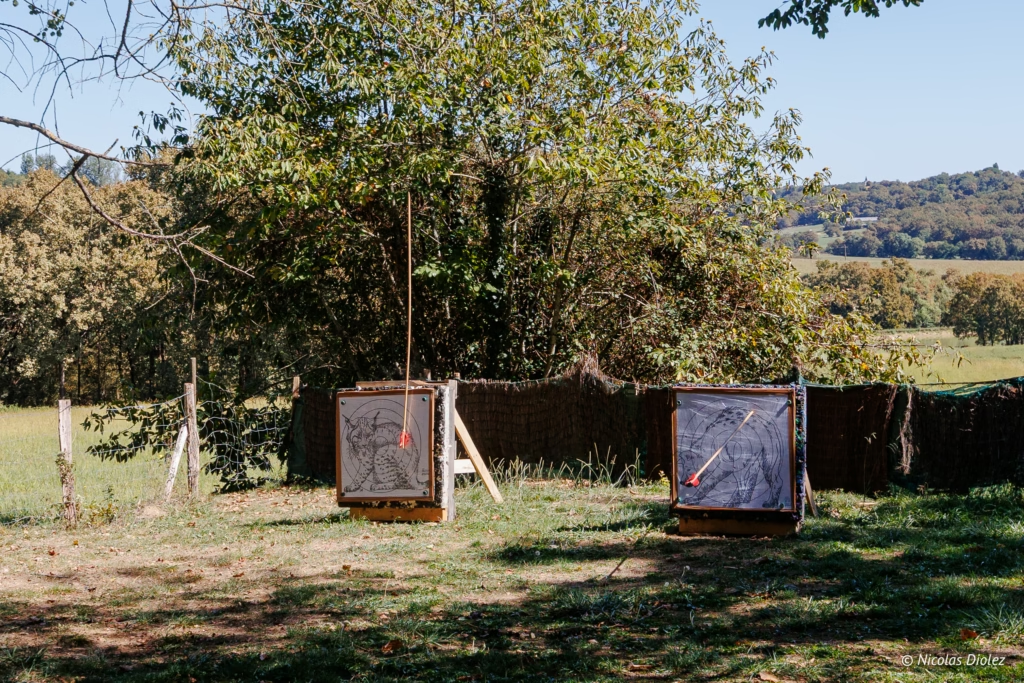
The museum, meanwhile, is reached by a gently sloping path. It brings together the tools, bones, engravings and statuette casts that come out of this history. The visit then continues at the ArchéoParc, where you can discover reconstructed techniques shown by the guides: making fire, working materials or explaining how to throw a spear. I warmly recommend trying these activities, for little ones and grown-ups alike. They give you a real feel for what life was like back then (and for the fact that I wouldn’t have survived very long given my spear-throwing skills…).
PréhistoSite de Brassempouy
404 rue du Musée, 40330 Brassempouy
Booking is essential for the archaeological site visit; check the available options and visiting dates
_
Take a stroll through the village of Brassempouy
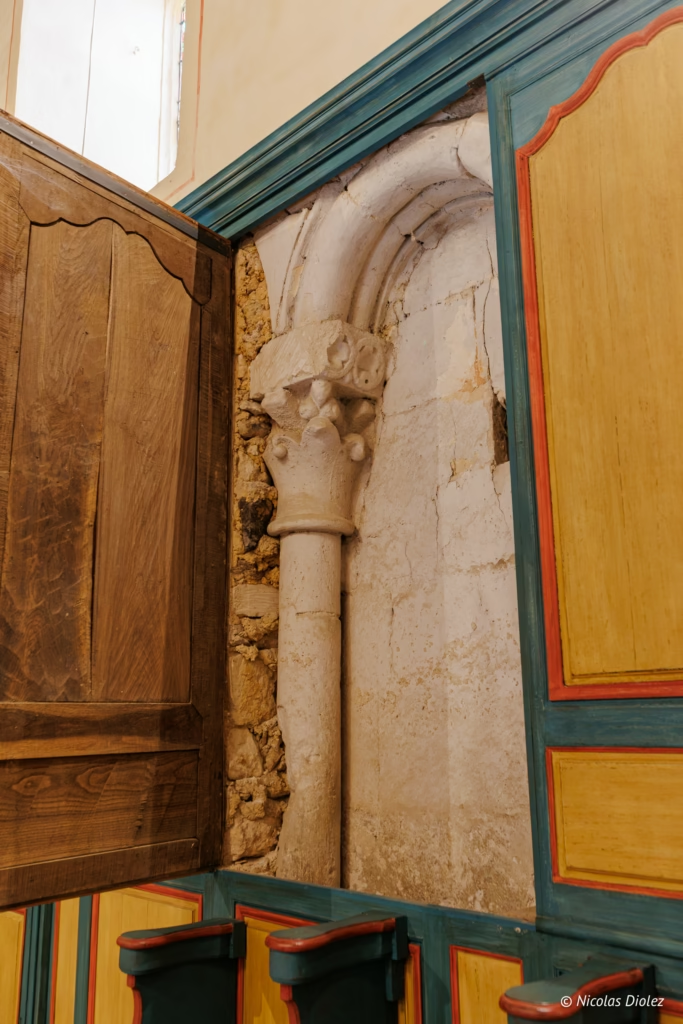
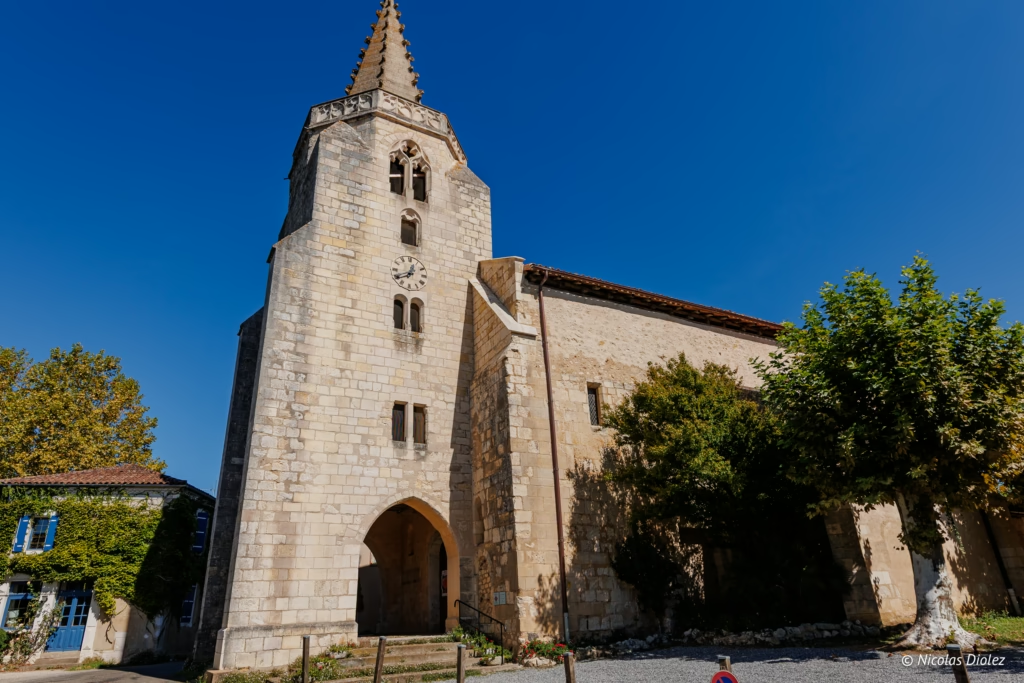
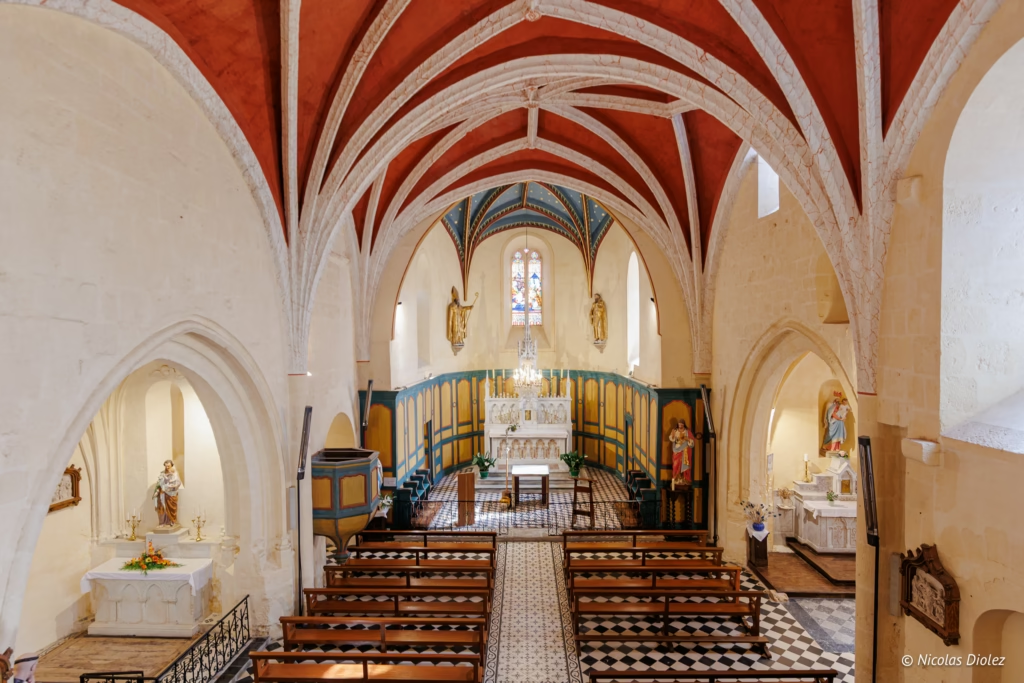
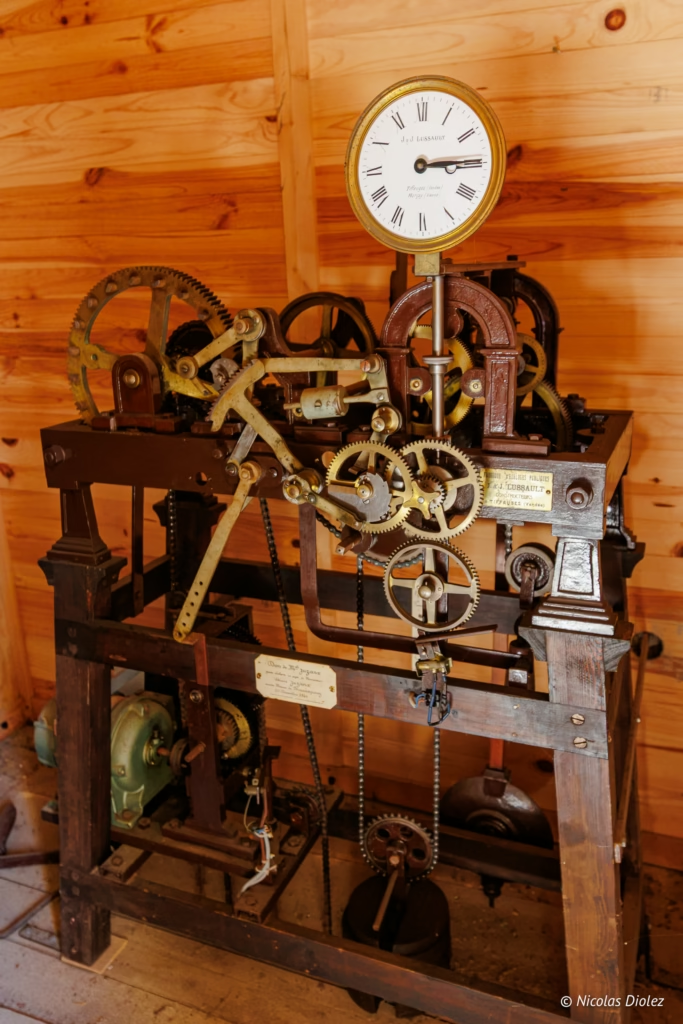
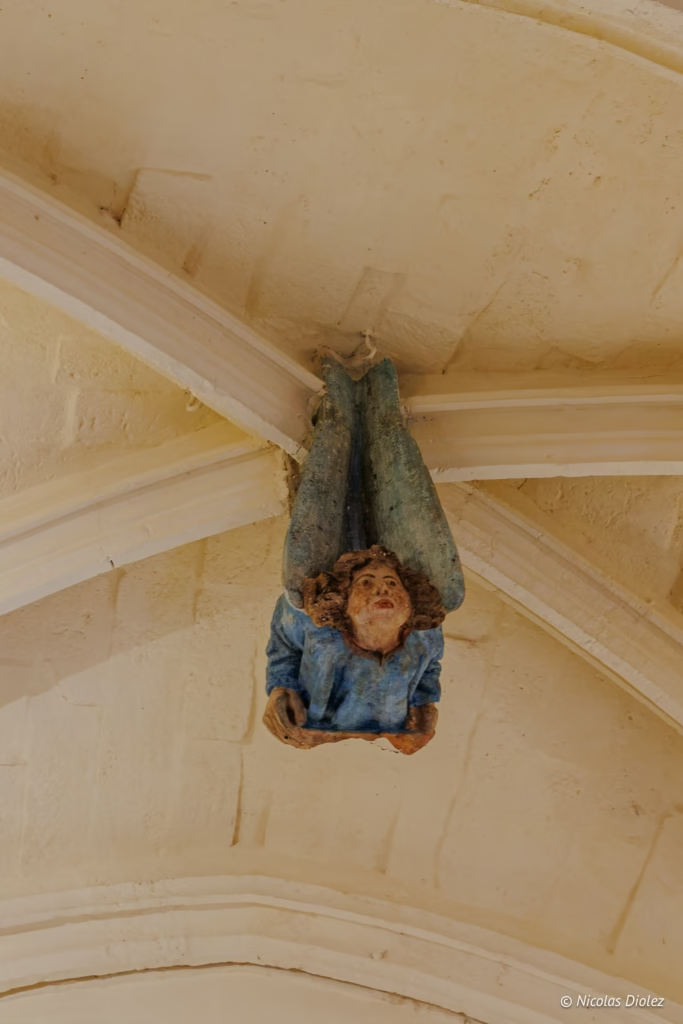
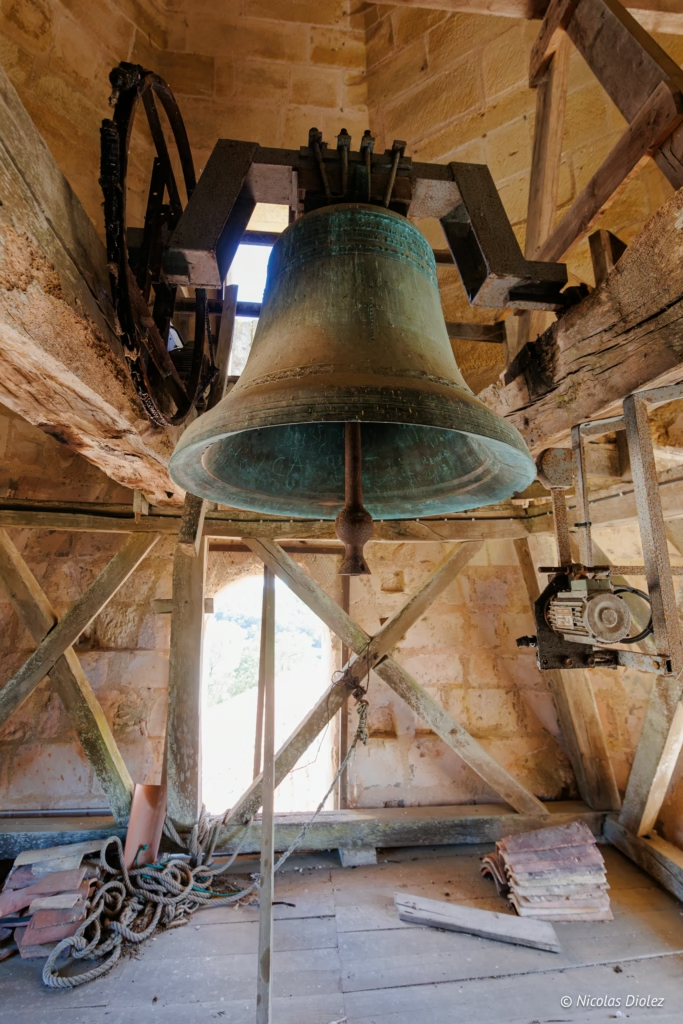
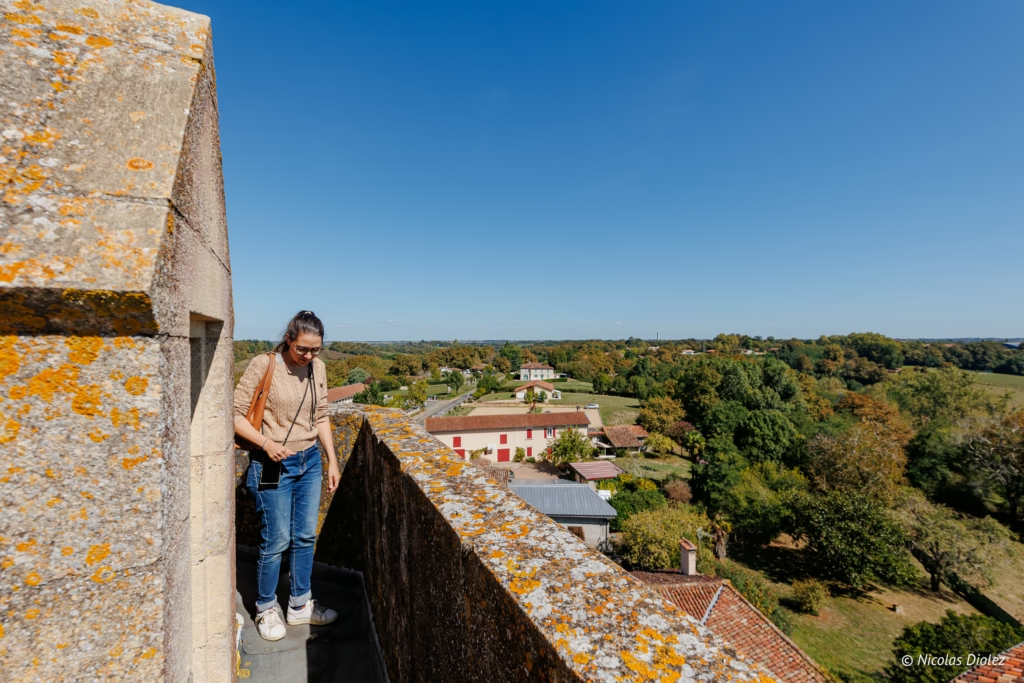
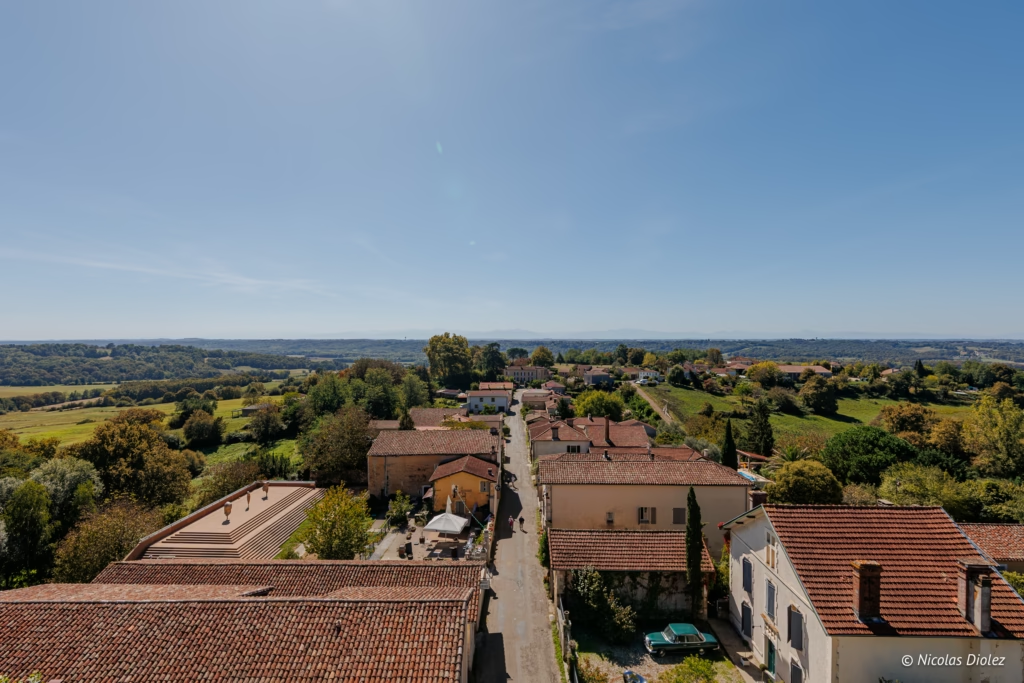
In the village, right next to the museum, make a stop at the church of Brassempouy. This Saint-Saturnin church dates back to the 12th century, was rebuilt in the 15th century and has been a listed monument since 1936. It has a little round button at the entrance that starts an audio guide. Inside, we discovered the painted vaults, including a keystone with an upside-down figure. We also got to go up to the upper levels with a guide (the village mayor, in fact, who kindly gave us the tour), all the way up to the bell tower, which looks out over the village rooftops and the hills (the church is open every day, but the climb is only possible with a guide).
_
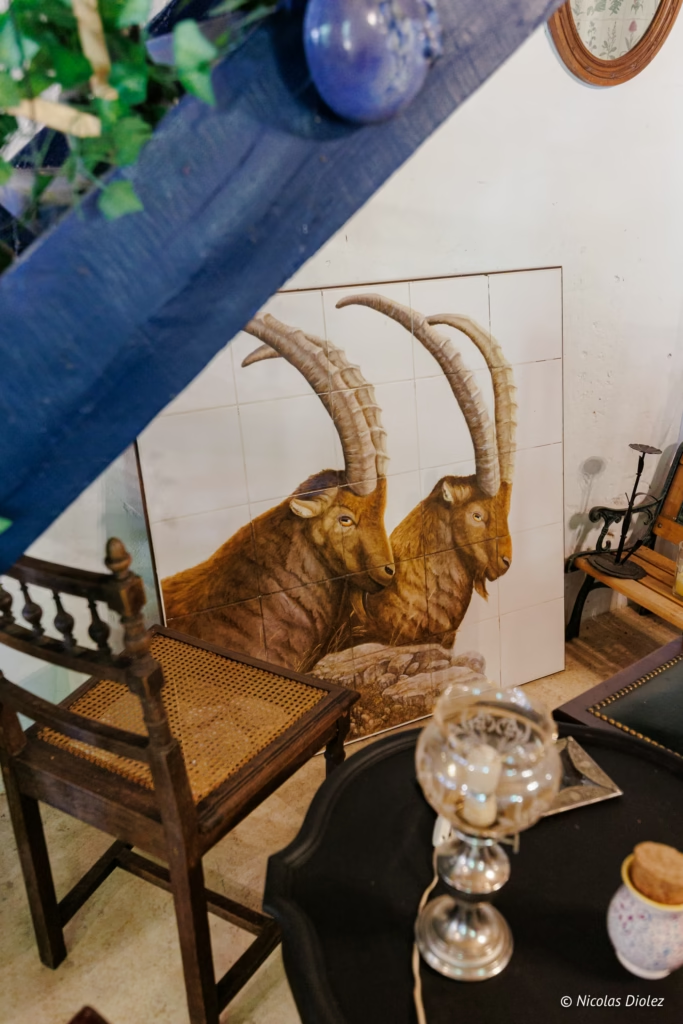
Join a ceramics workshop at Chat d’Argent
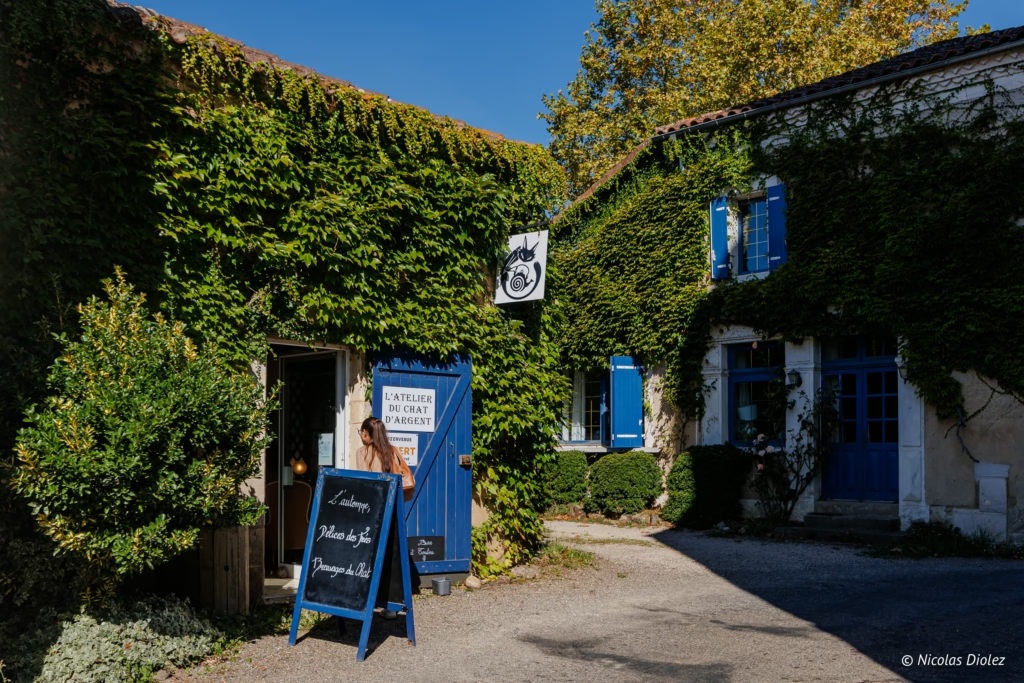
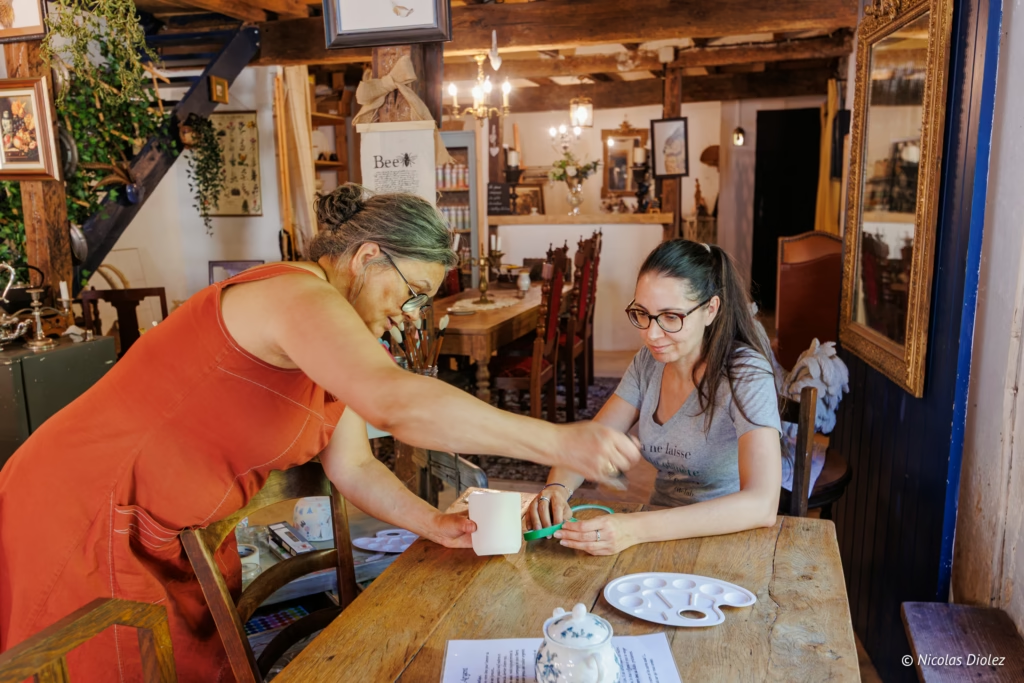
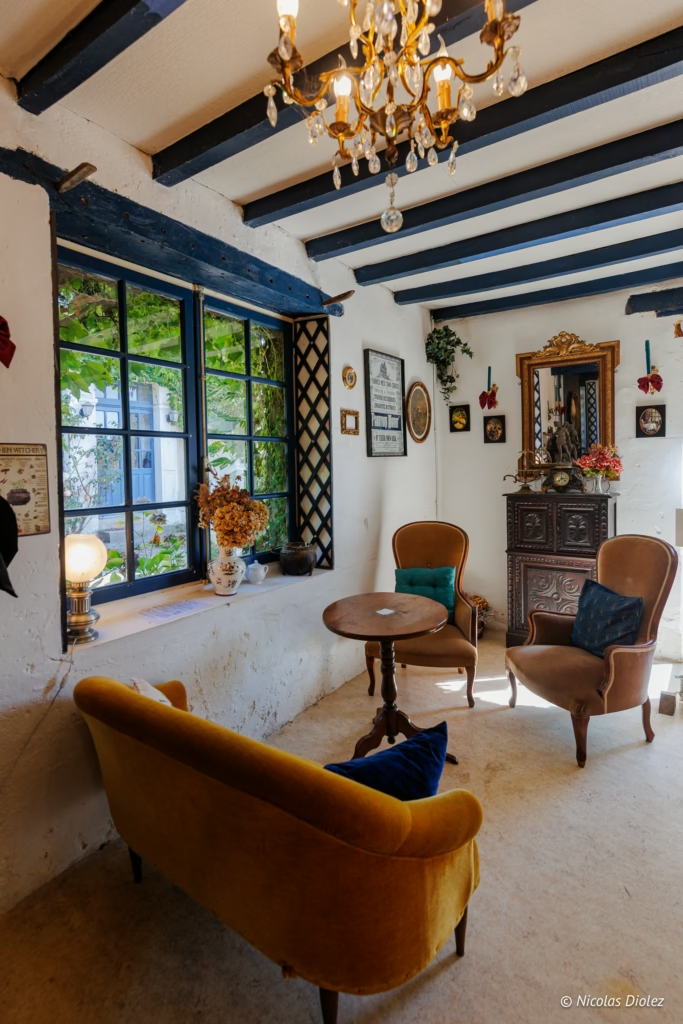
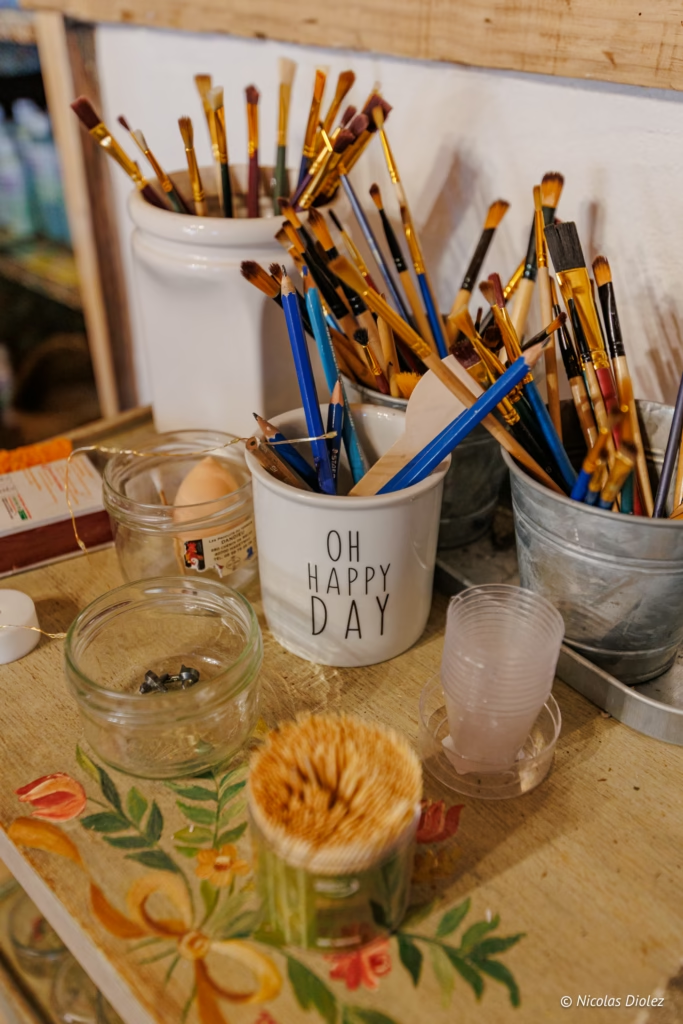
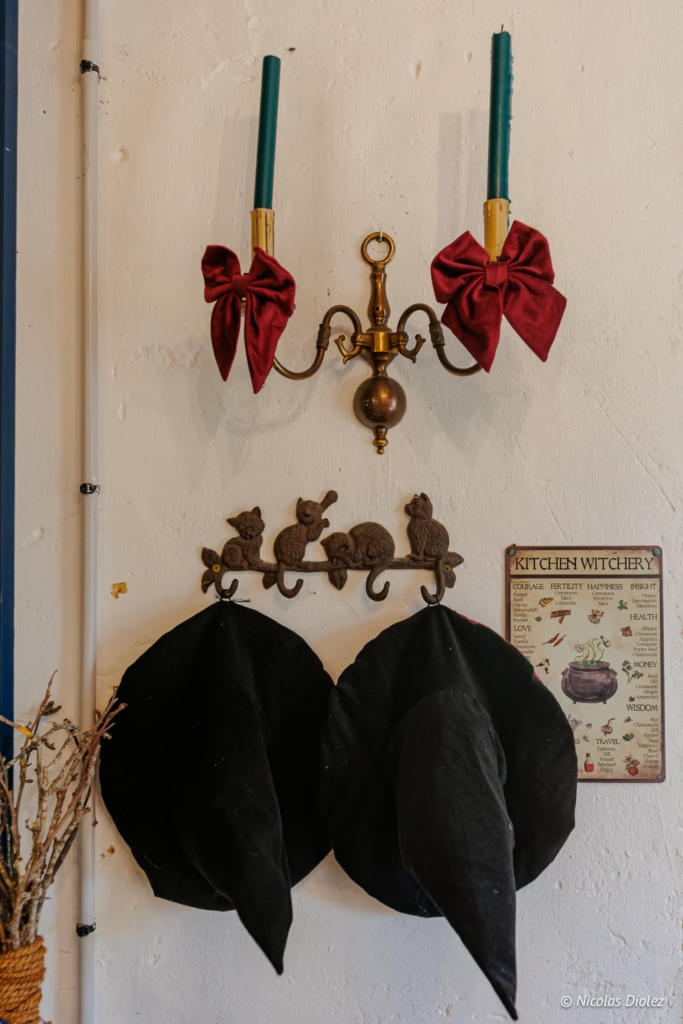
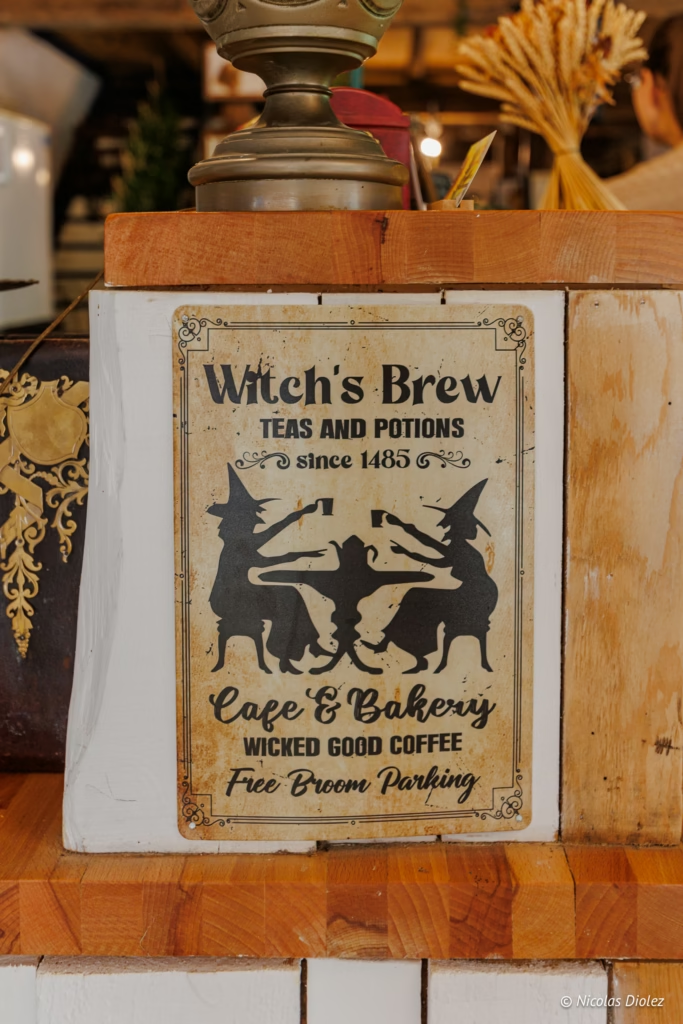
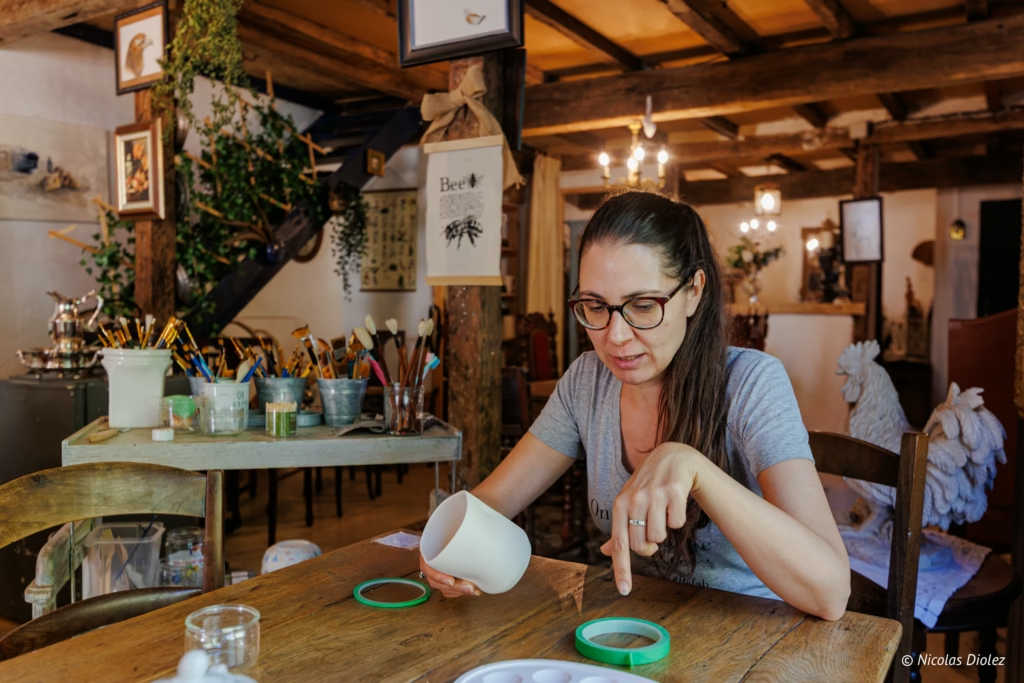
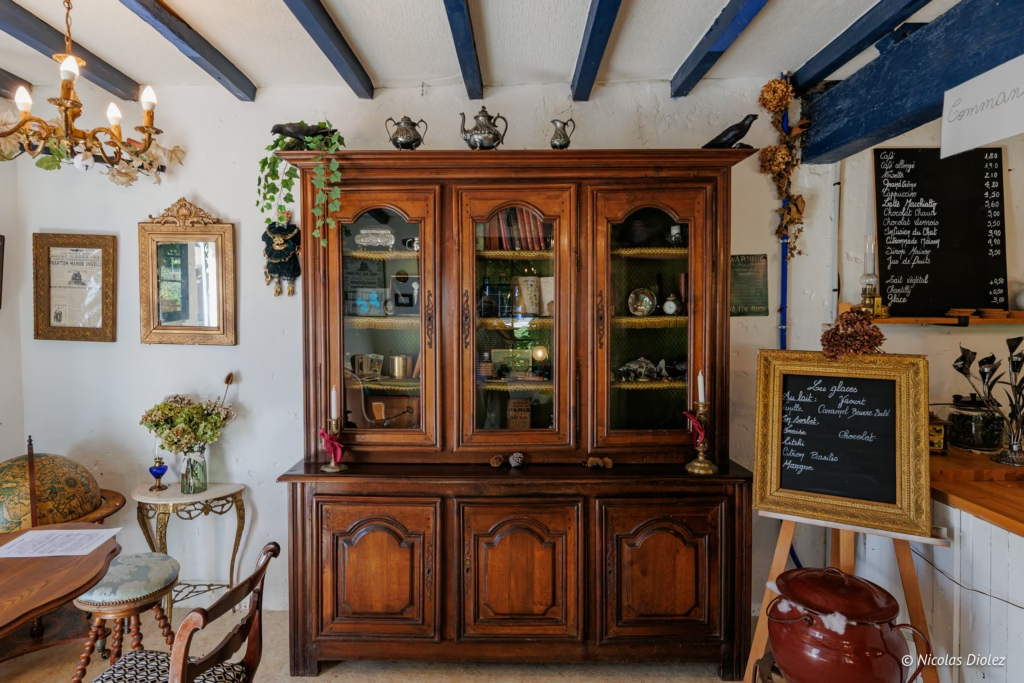
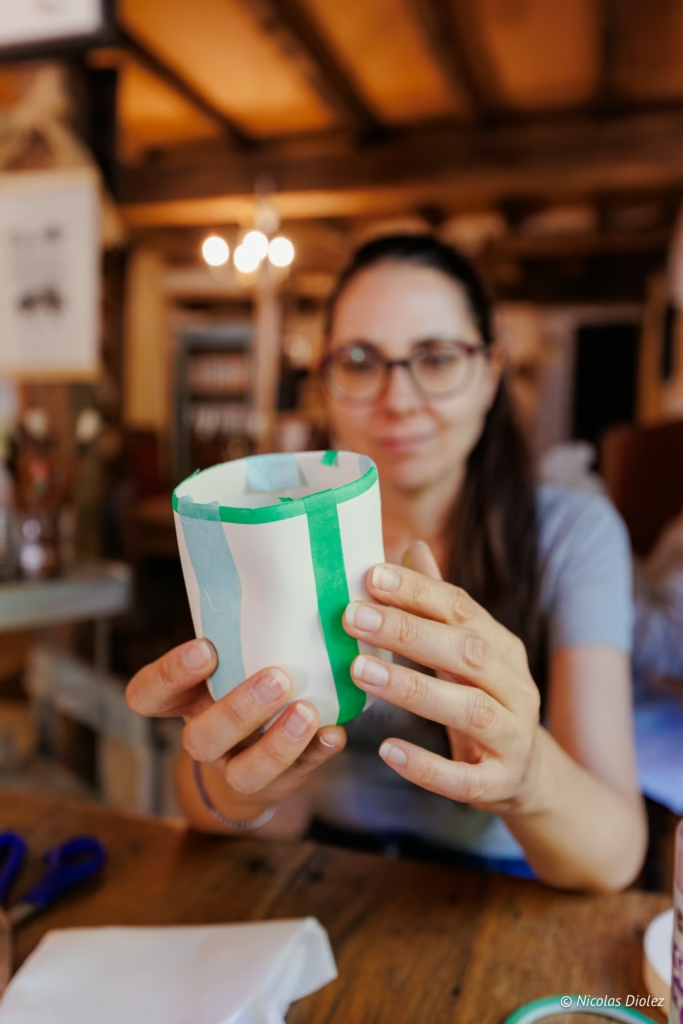
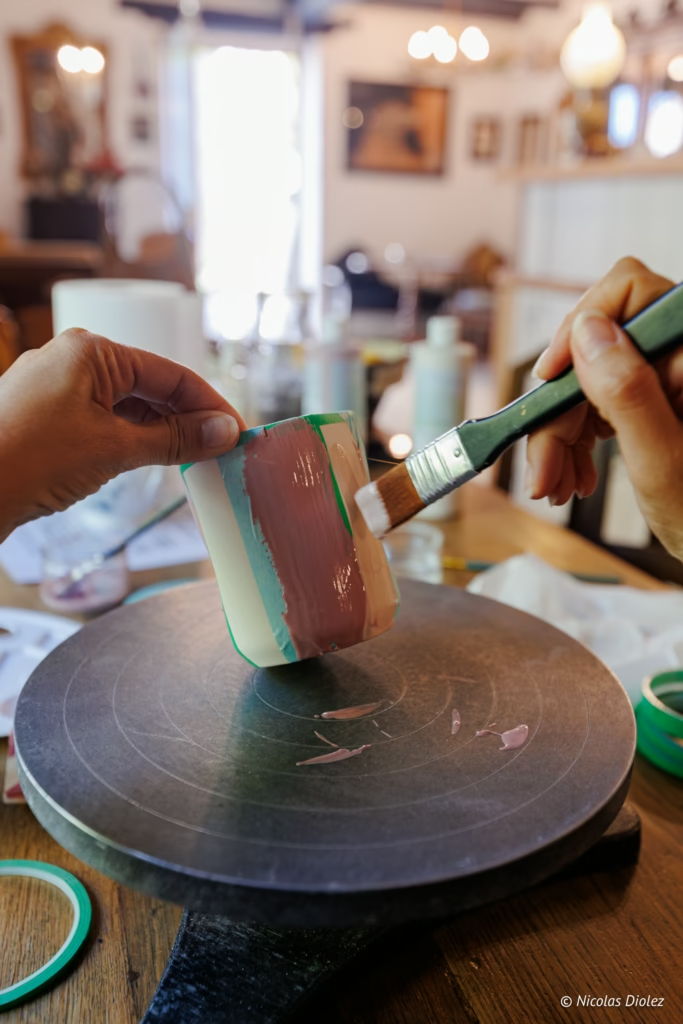
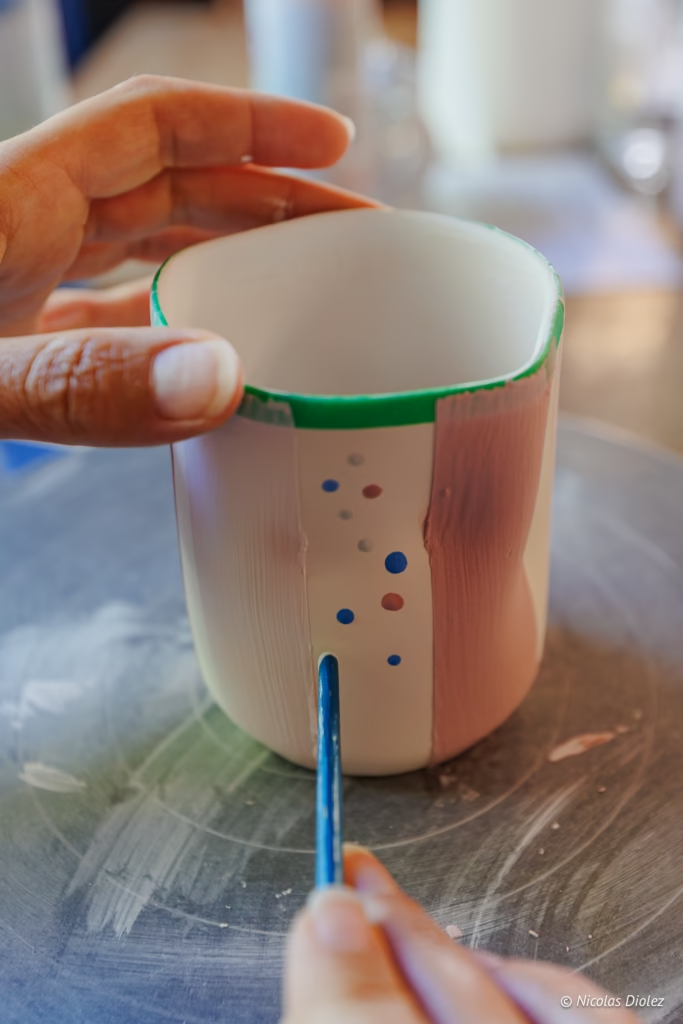
Valérie Santos, who runs the Chat d’Argent workshop, is a really lovely person, extremely welcoming and cheerful! A faience and porcelain decorator trained in fine arts, she opened her ceramics café in June 2024. Above all, she wants people to have a great time and chat with each other while they craft.
The workshop is set up at the back of the shop: you choose your piece and your colors, then decorate it however you like, with the option of enjoying a drink and a sweet treat since the place is also a tea room. Valérie also offers activities with an herbalist. And if you’re wondering about the name of the place, the Chat d’Argent comes from a legend from the Chalosse, which I’ll let you discover if you stop by.
Atelier du Chat d’Argent
27 route du Duc, 40330 Brassempouy
_
Where to eat in Brassempouy? Le Bistroquet de la Dame
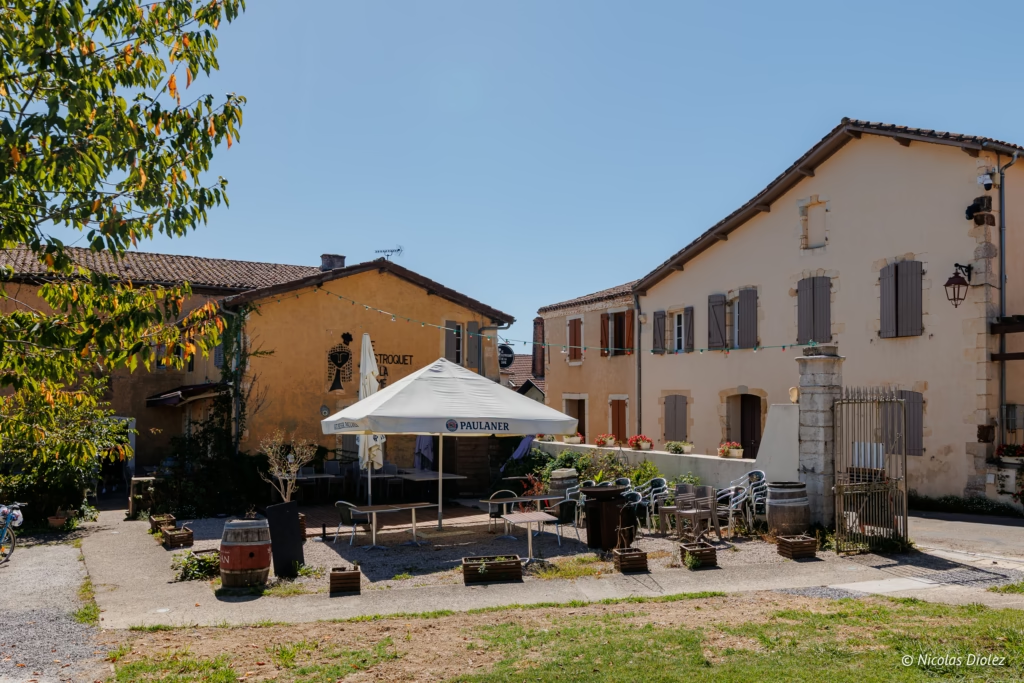
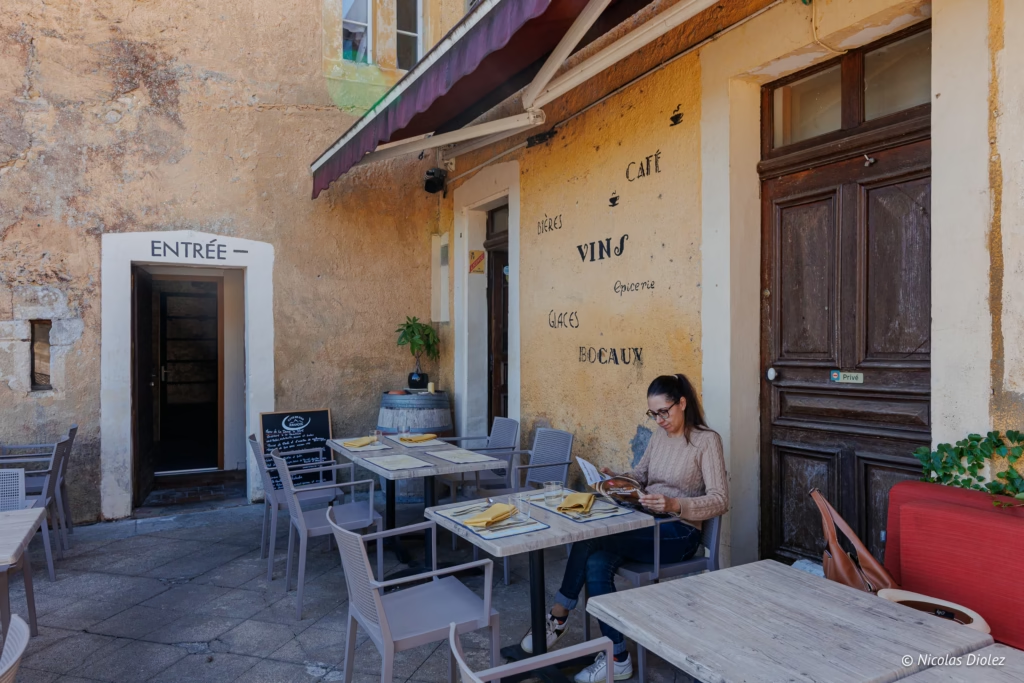
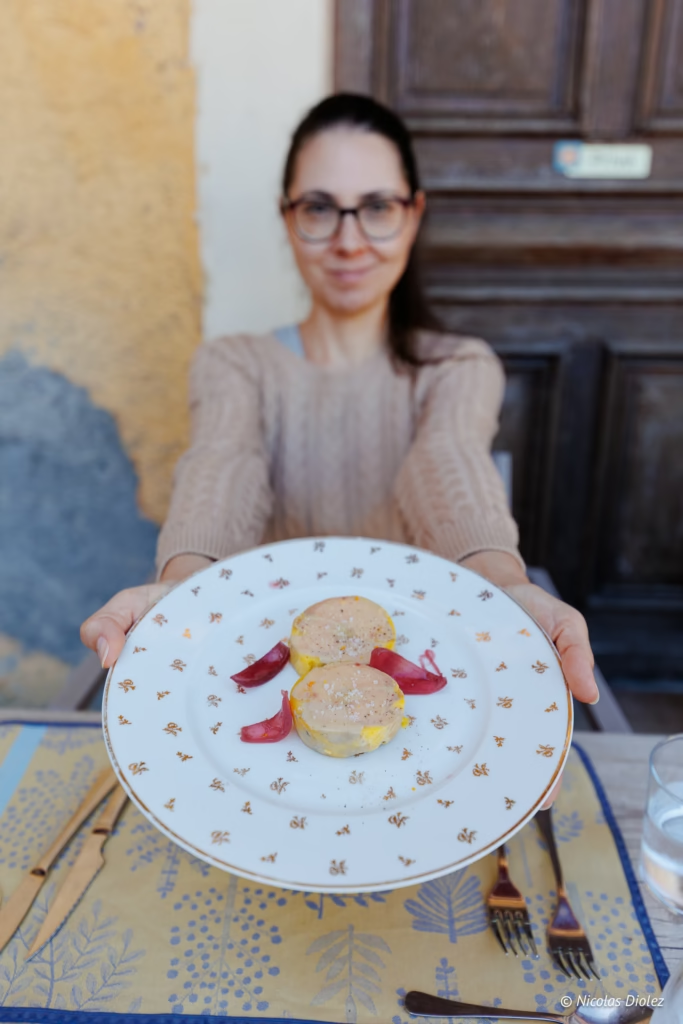
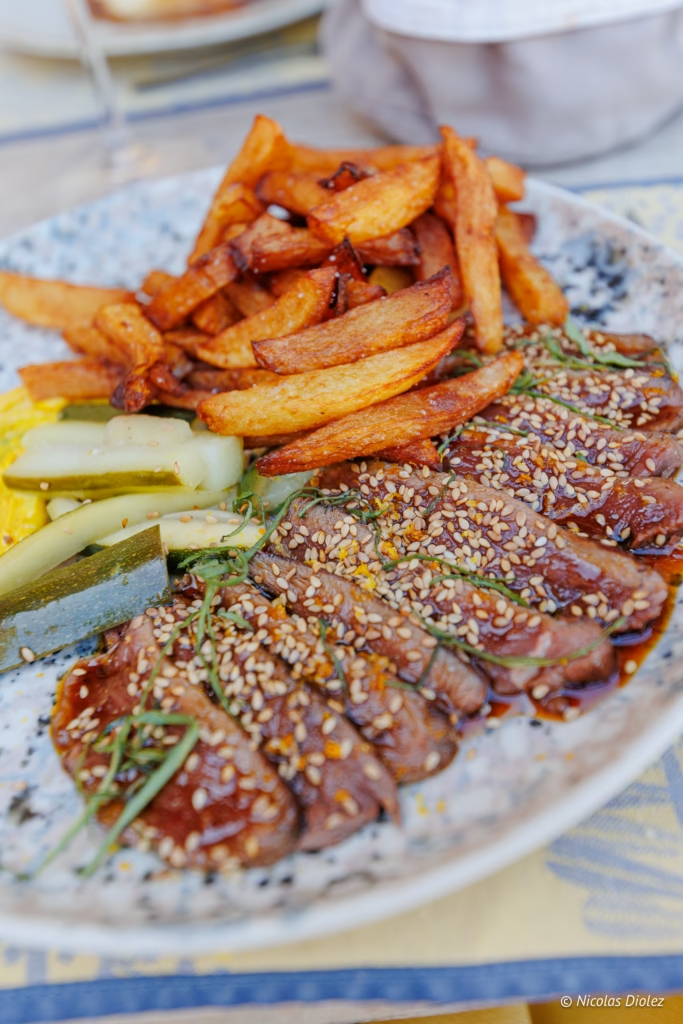
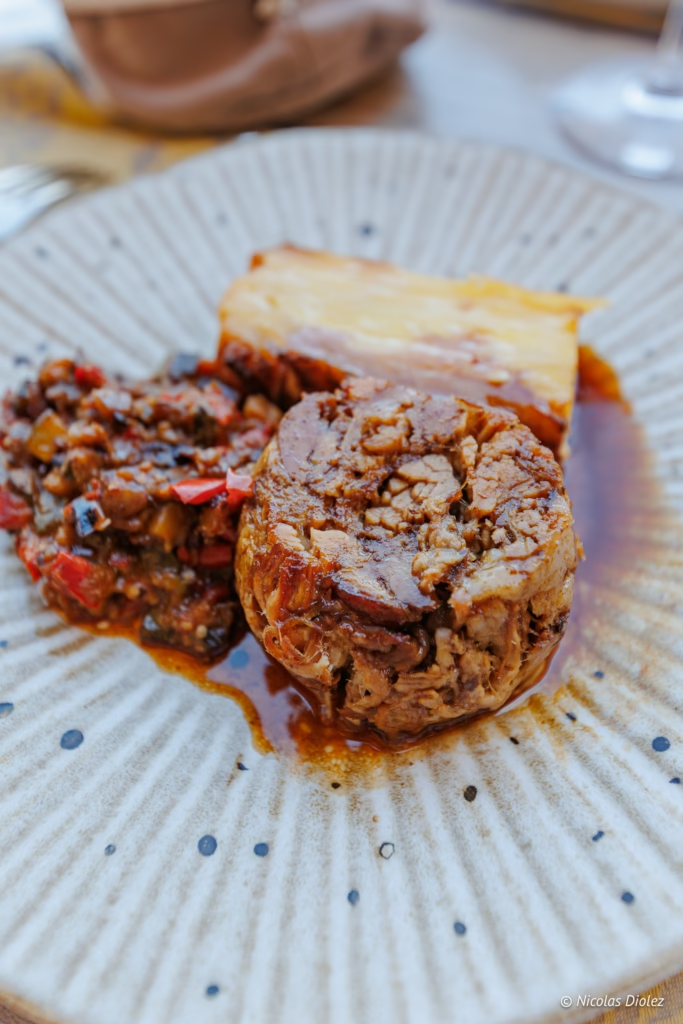
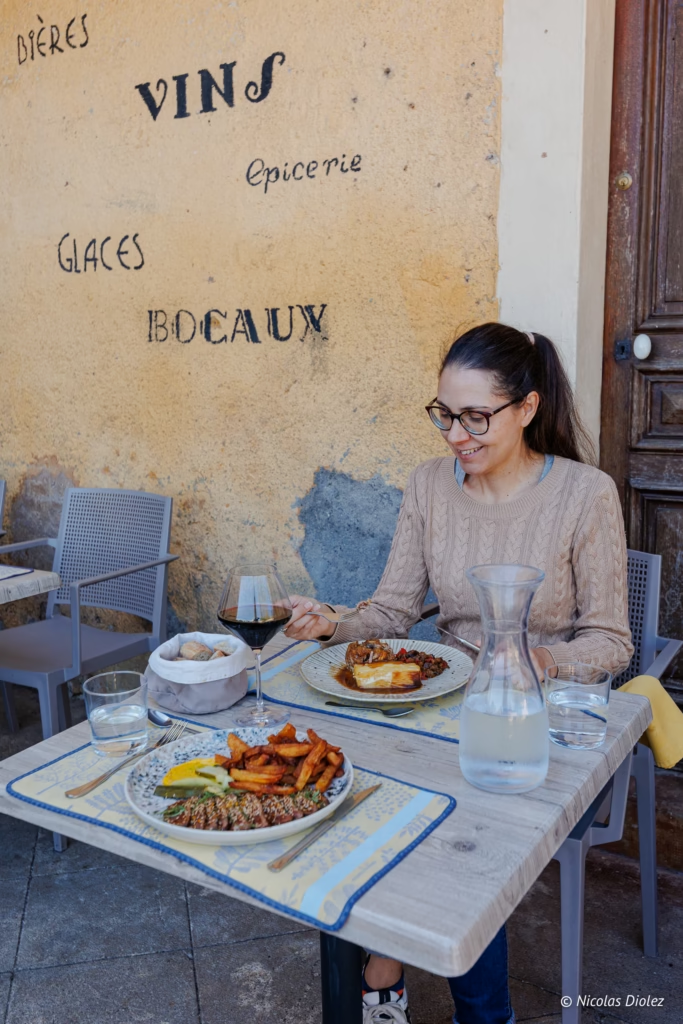
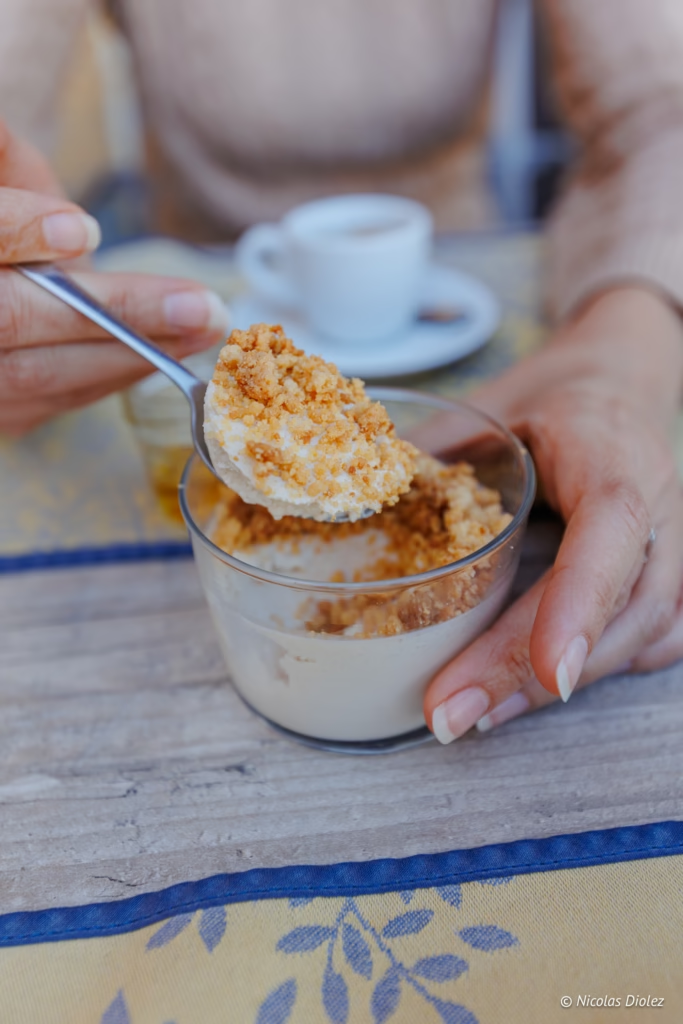
Right across from the museum (everything is within a stone’s throw), we had lunch at Bistroquet de la Dame, a place that has been around since 2020 and has a lovely little terrace for sunny days. We ate really well there, with the good cooking of chef David Jourdan, who uses local, seasonal products, plus very friendly service as a bonus! It’s also handy for combining lunch with a visit to the PréhistoSite, without getting back in the car.
Le Bistroquet de la Dame
388 rue du Musée, 40330 Brassempouy
Price : weekday lunch menu at 15,50 € / menu de la Dame at 33 € in the evening and on weekends
Ending the stay in Dax
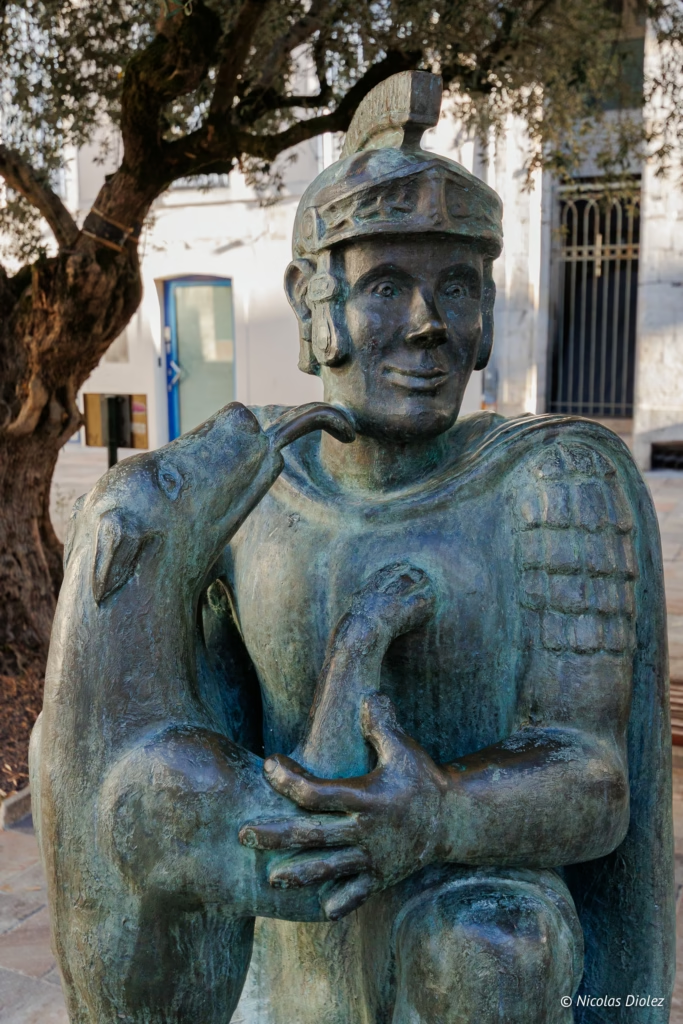
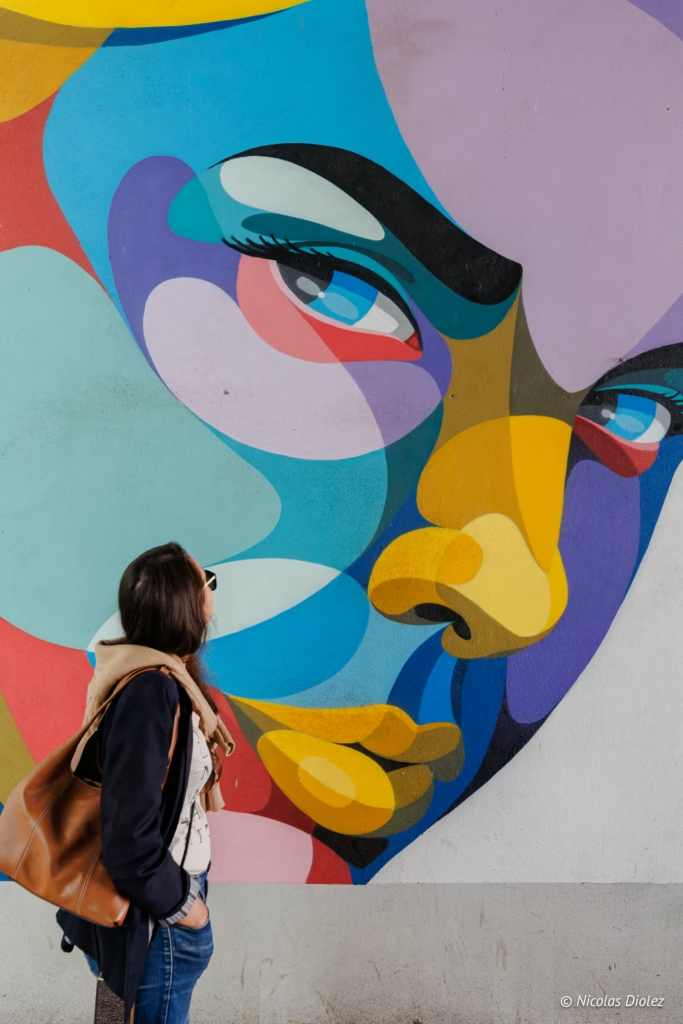
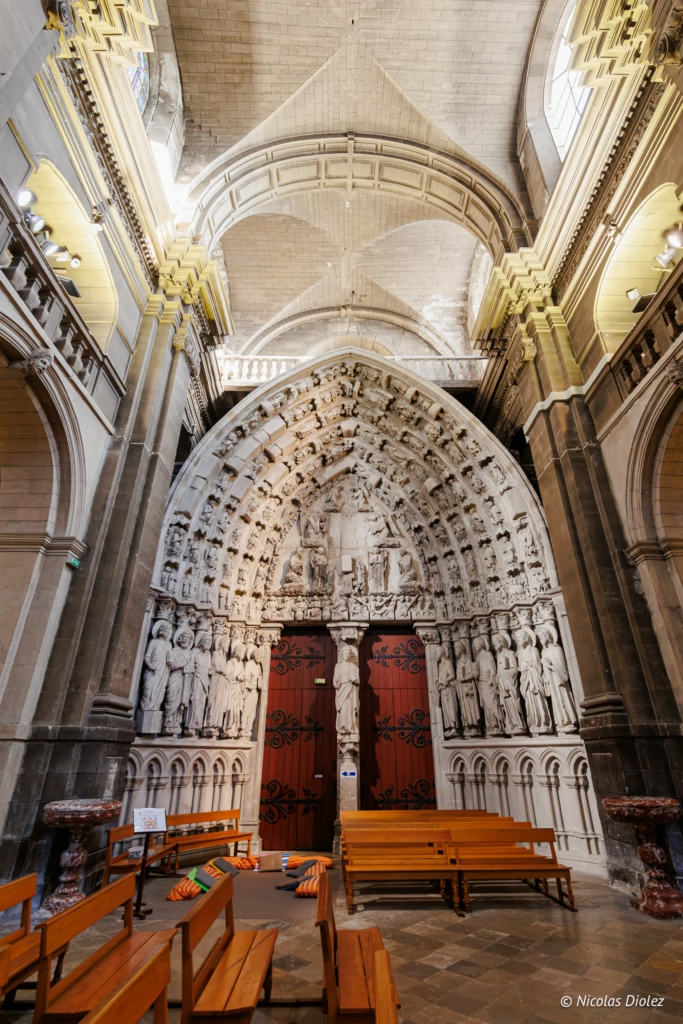
The second-largest city in the Landes after Mont-de-Marsan (about 22 000 inhabitants), Dax is a top destination for French thermal bathing, with its 16 thermal establishments and its thermal mud, the “peloid,” made from silt from the Adour mixed with thermal water. Founded by the Romans at a crossing point on the river, the Gallo-Roman city has kept about 400 meters of 4th-century ramparts (which is a lot for remains from that era), its Fontaine Chaude and, closer to our time, the Hotel Le Splendid, opened in 1929 in an Art Deco style. That’s where we started and ended this stay (the end fell right in the middle of the Toros y Salsa festival), and I’ll tell you about the city in more detail in a dedicated article coming soon.
Where to stay along the Routes landaises du foie gras?
As usual, below I’m sharing a selection of accommodations listed in the Guide des Routes landaises du foie gras, with a focus on the two places we tested during our stay.
_
Where to stay in Montfort-en-Chalosse? Les Chemins de Berdis
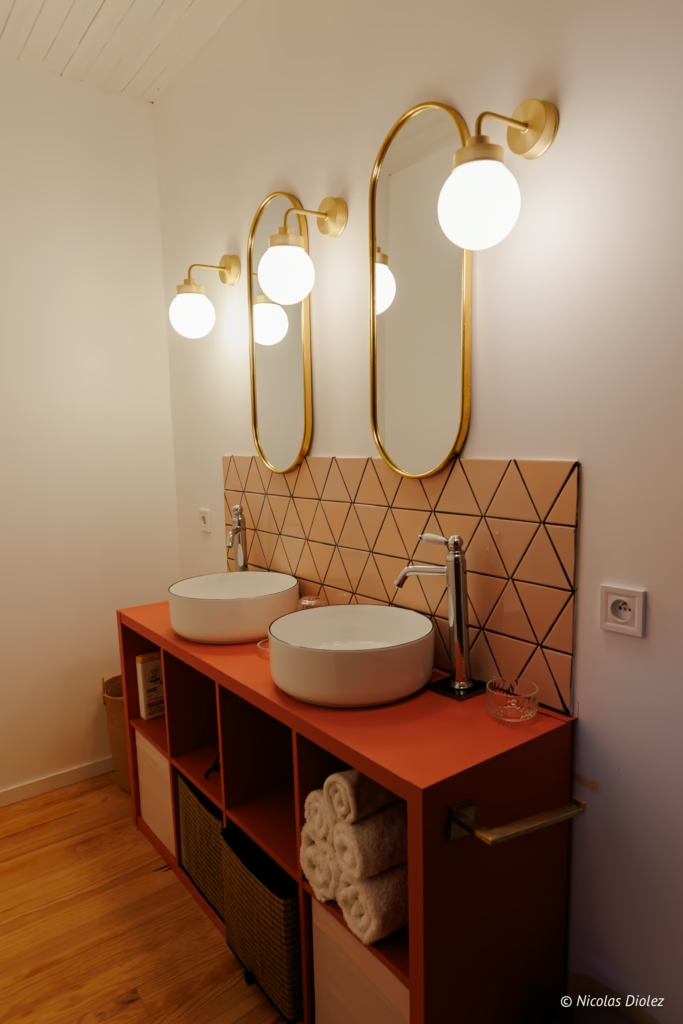
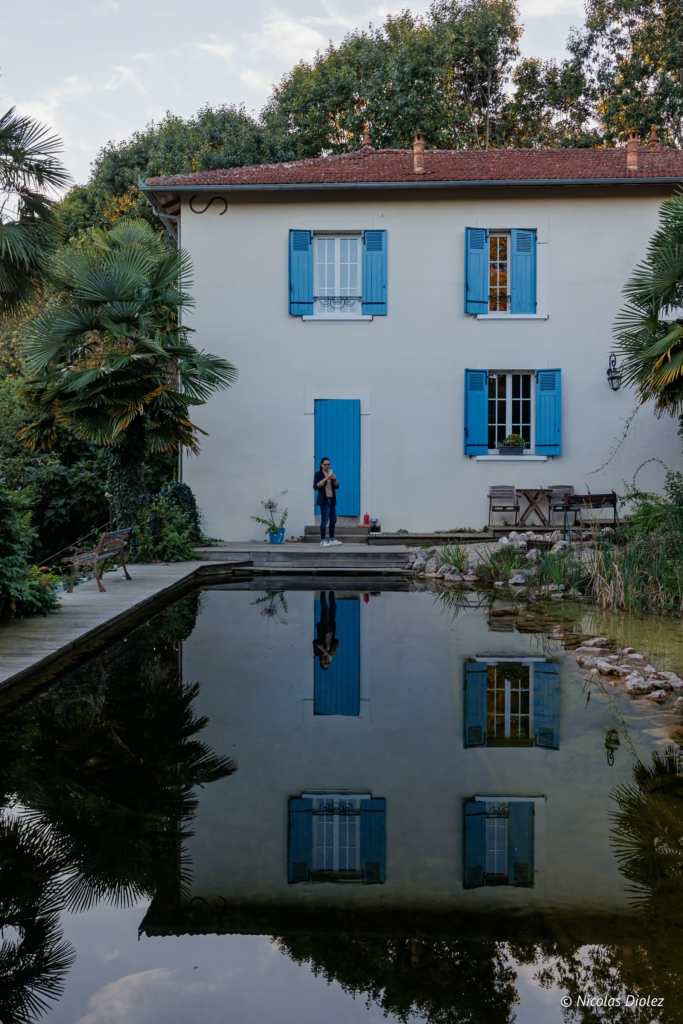
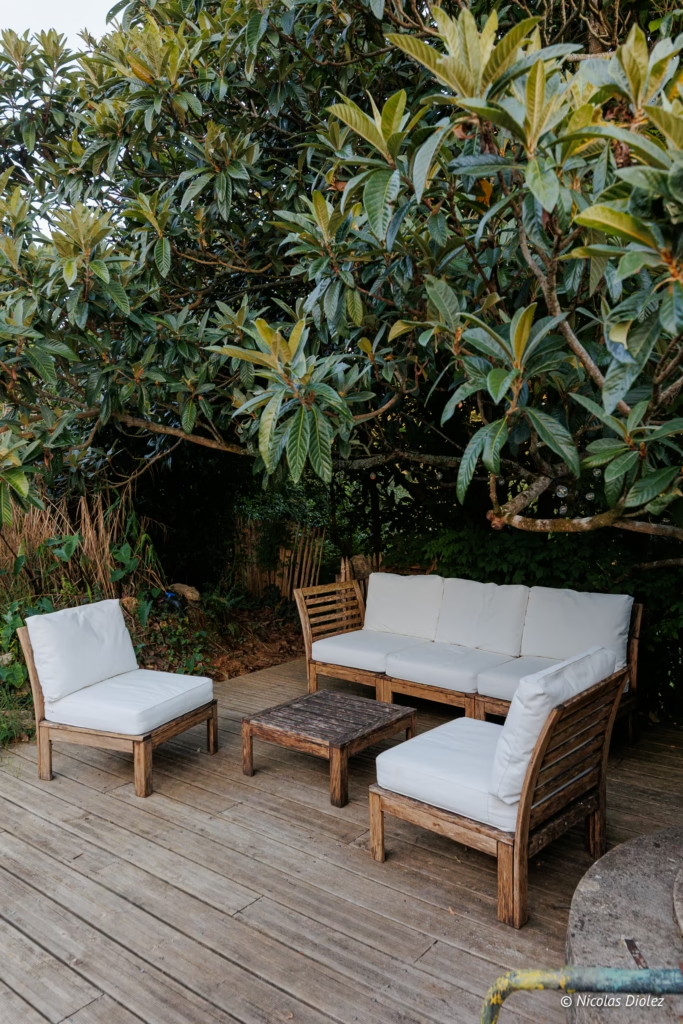
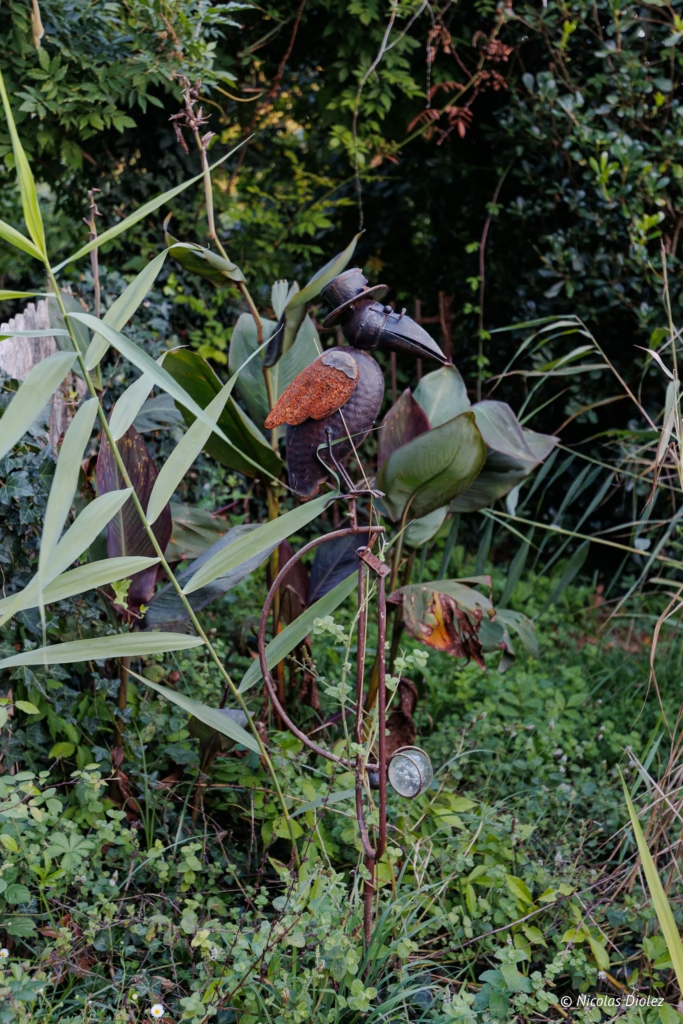
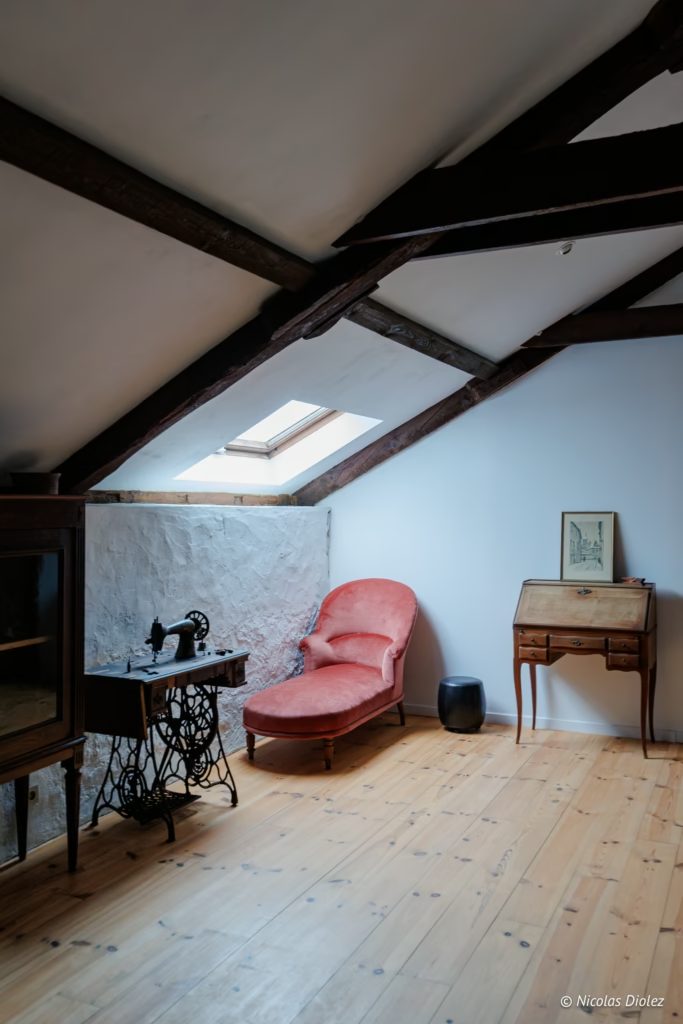
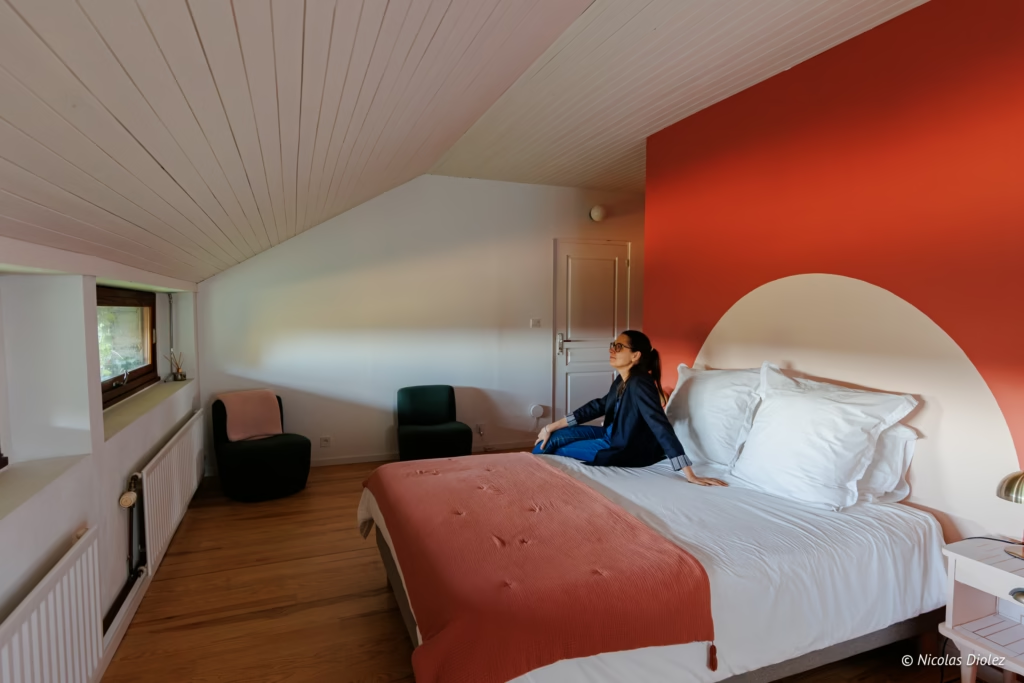
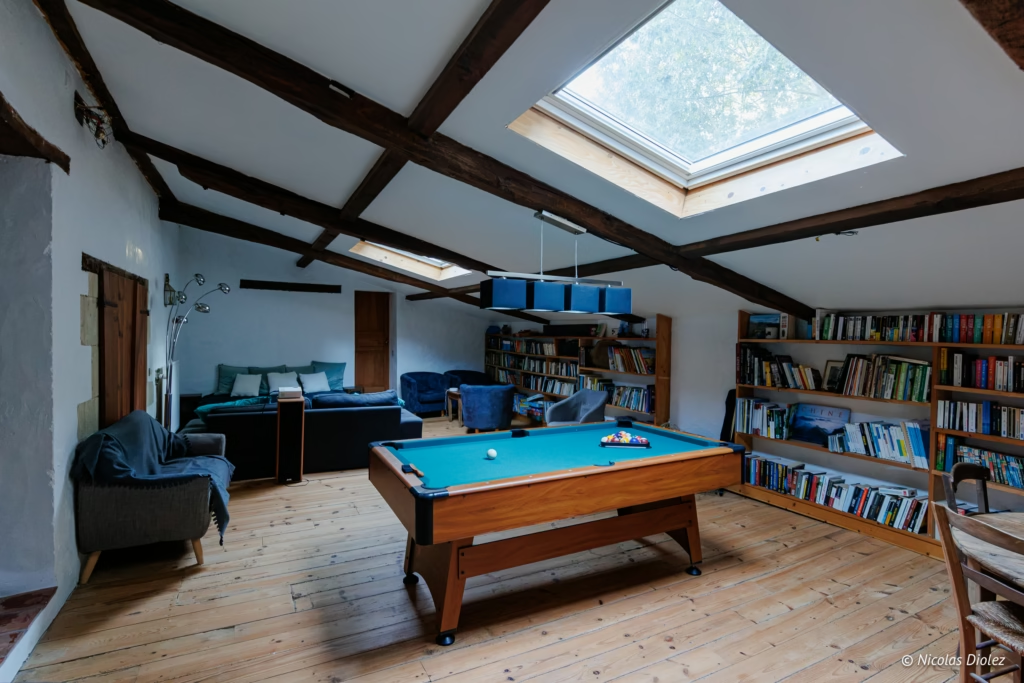
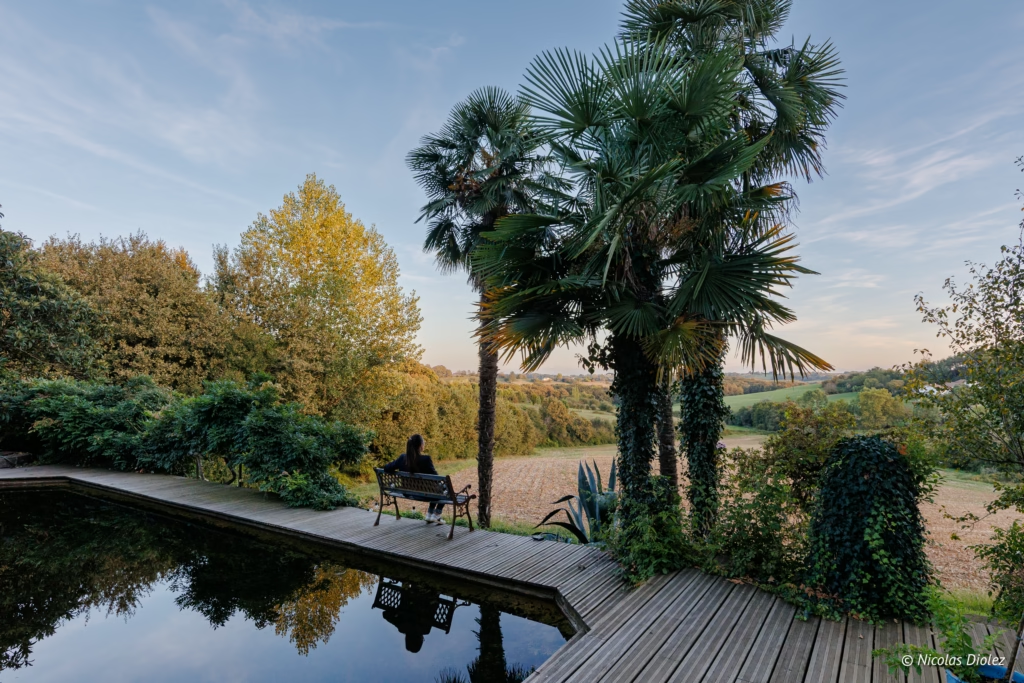
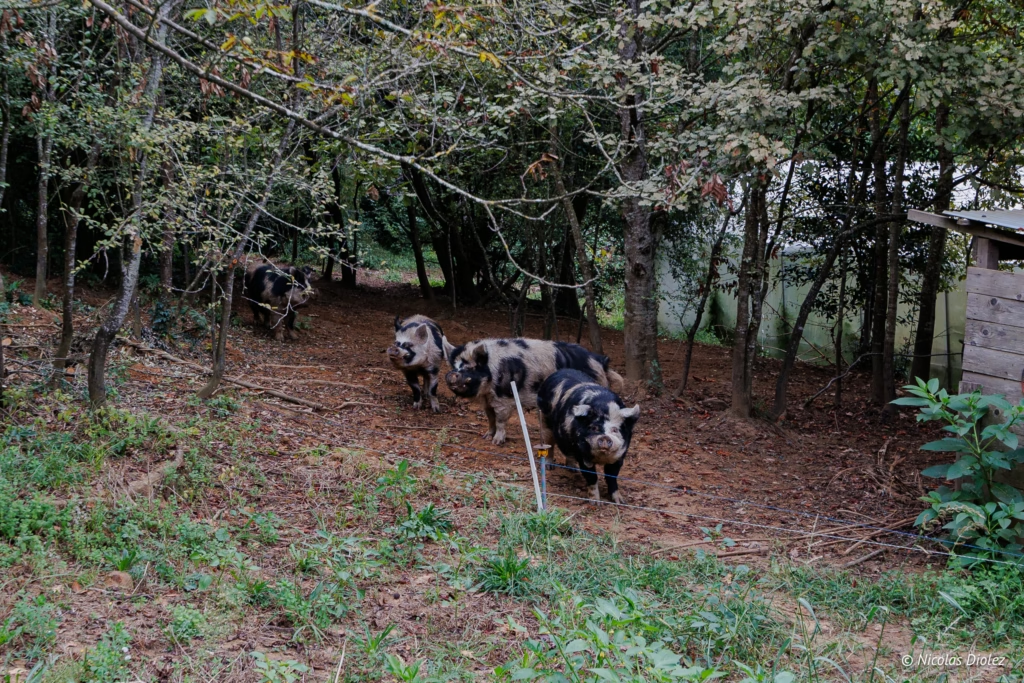
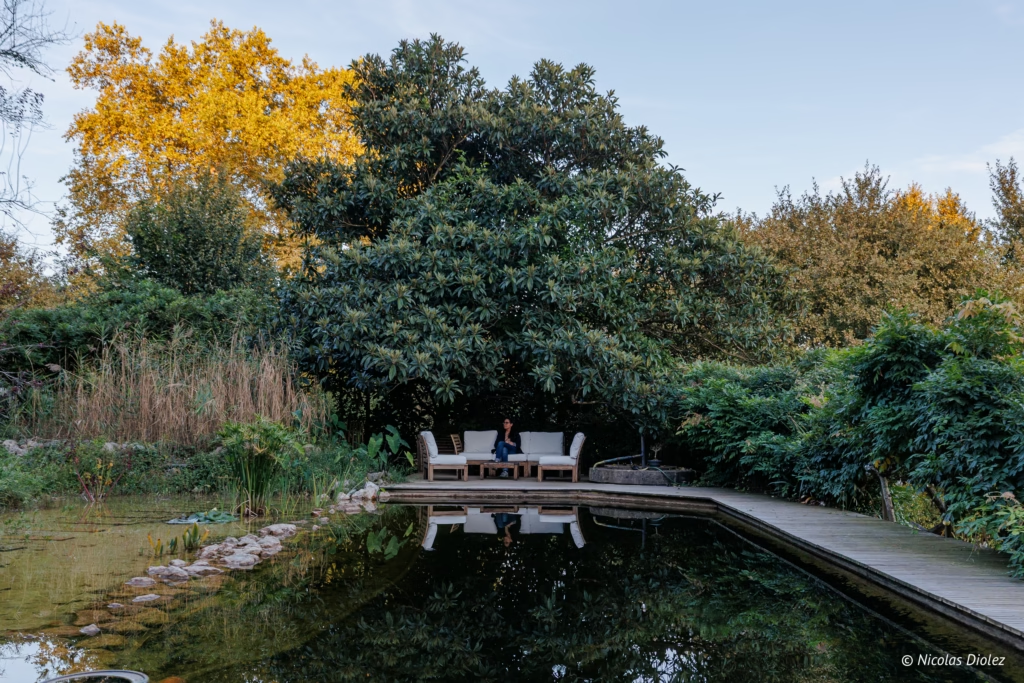
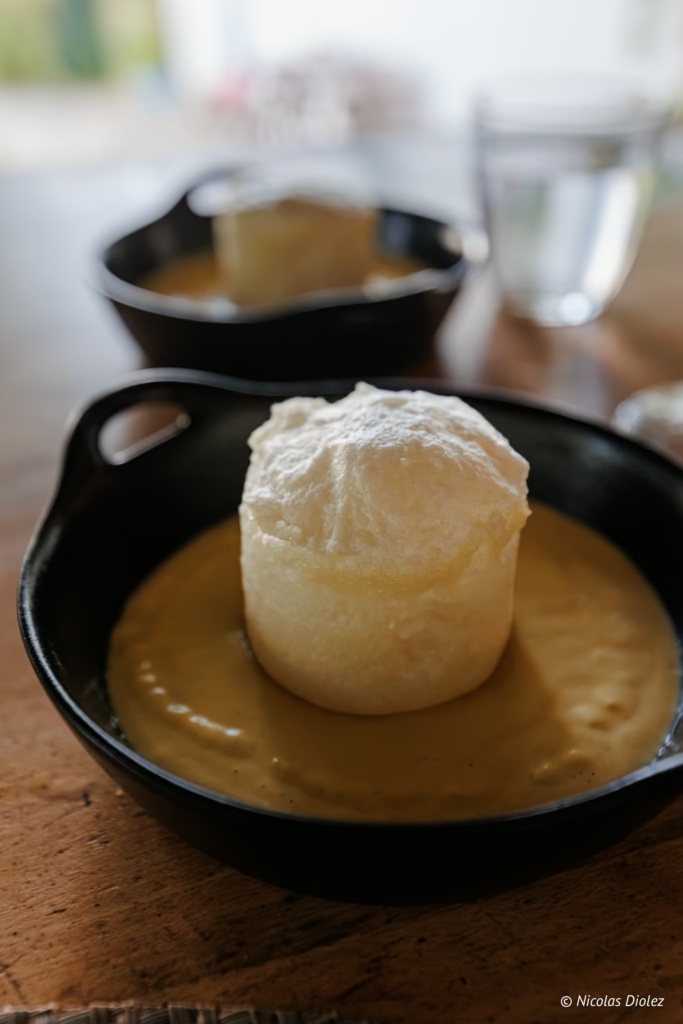
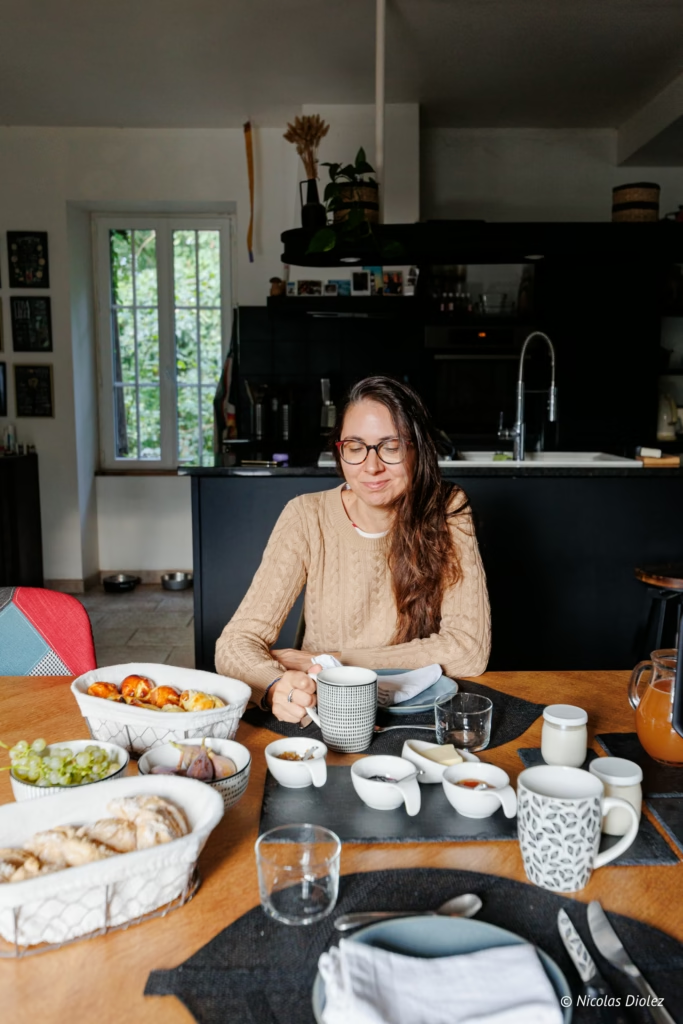
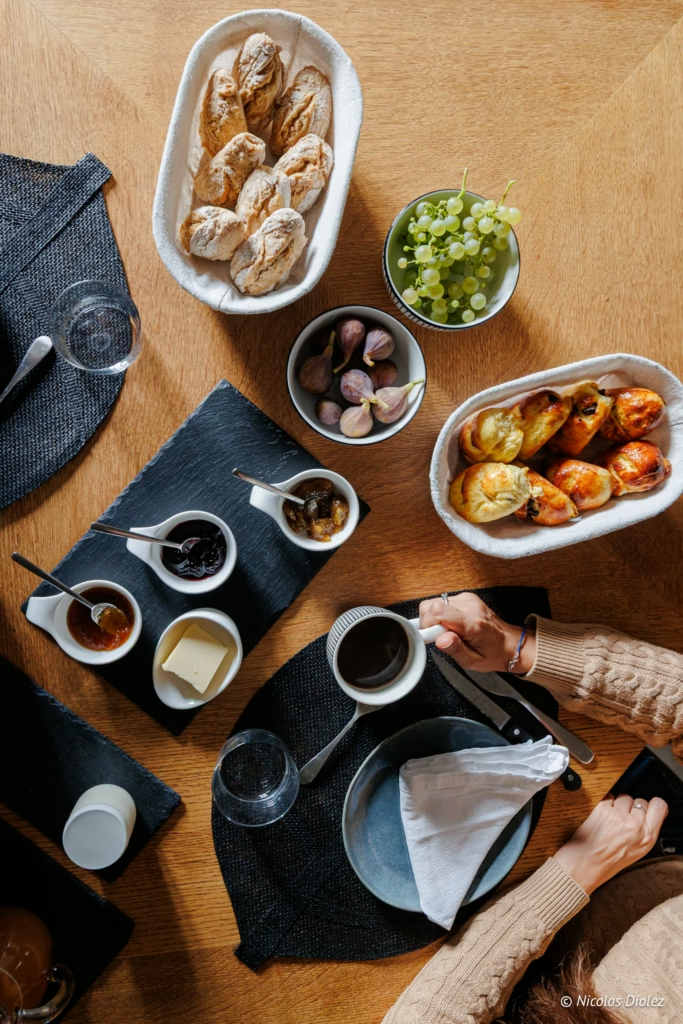
Les Chemins de Berdis is a former 19th-century farm that Sandrine and Jérémie have turned into a guesthouse. They settled here in 2019, opened the accommodation in 2022, and are gradually bringing the place’s farming activities back to life: farm animals, orchard, vegetable garden, processing of fruit and chili peppers… As for us, we stayed in the Simone room, a gorgeous, nicely decorated room with a lovely view of the surroundings! The house has four guest rooms and a gîte, plus a large common room.
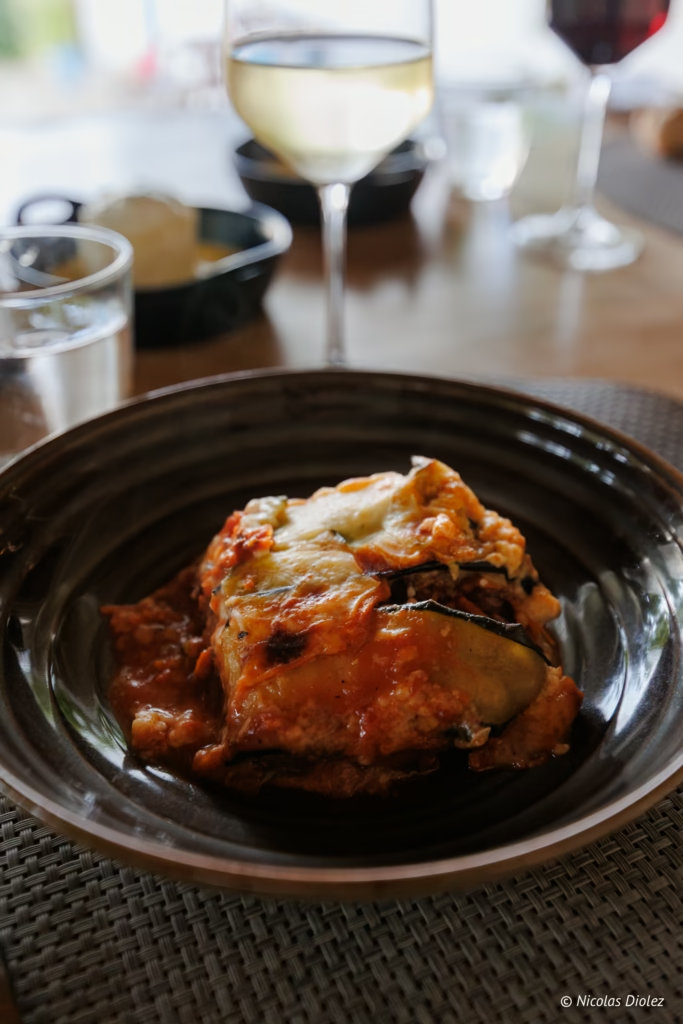
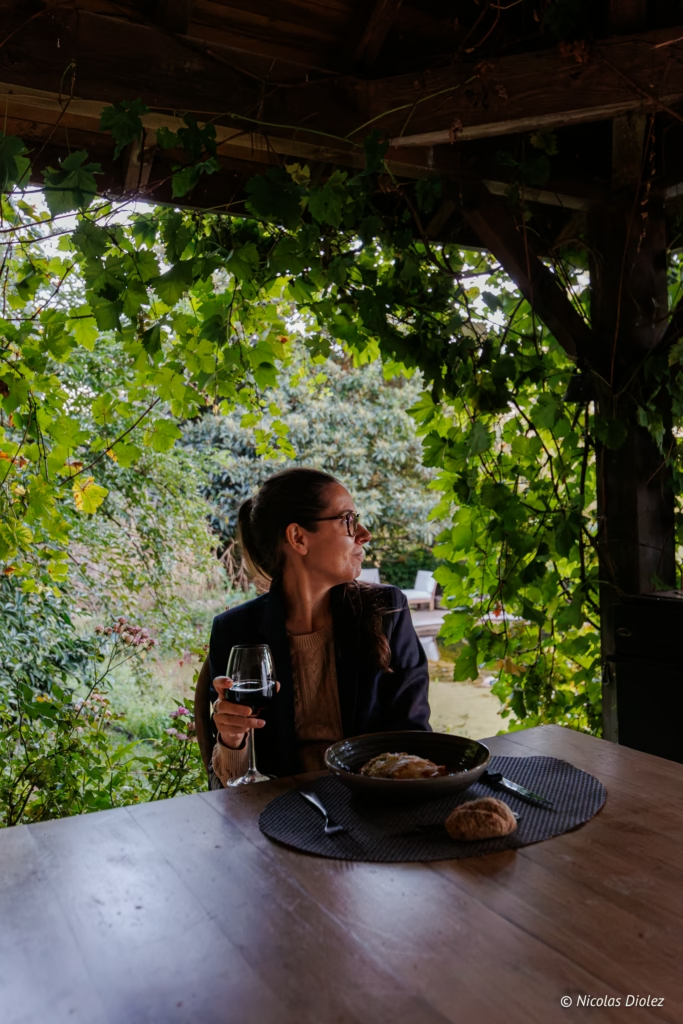
For dinner, the house offers a table d’hôtes on request, but it wasn’t possible on the evening we visited. Our hosts therefore prepared meal trays for us, and we had dinner out on the terrace. Sandrine and Jérémie also make jams, syrups and fruit pastes, and sell their homemade products at markets.
Les Chemins de Berdis
194 chemin de Berdis, 40380 Montfort-en-Chalosse
Rates: 100 € for 1 person and 120 € for 2 people (breakfast included) / table d’hôtes 30 € per person with aperitif + starter + main course + dessert + drinks (booking required 48 h in advance)
_
Where to stay in Amou? Hôtel du Commerce, chez Darracq
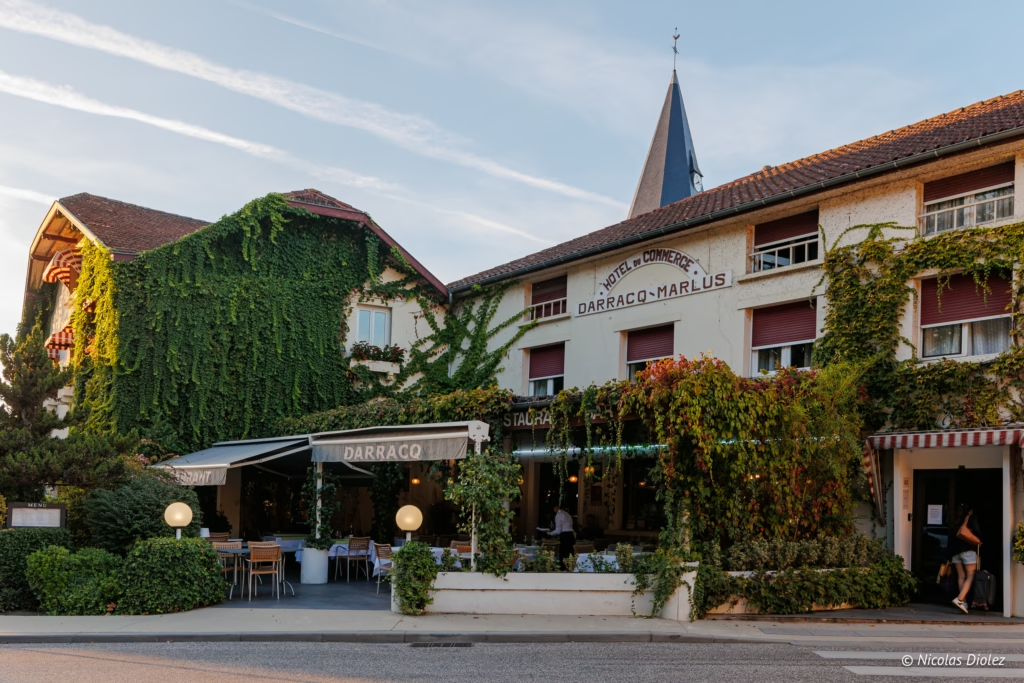
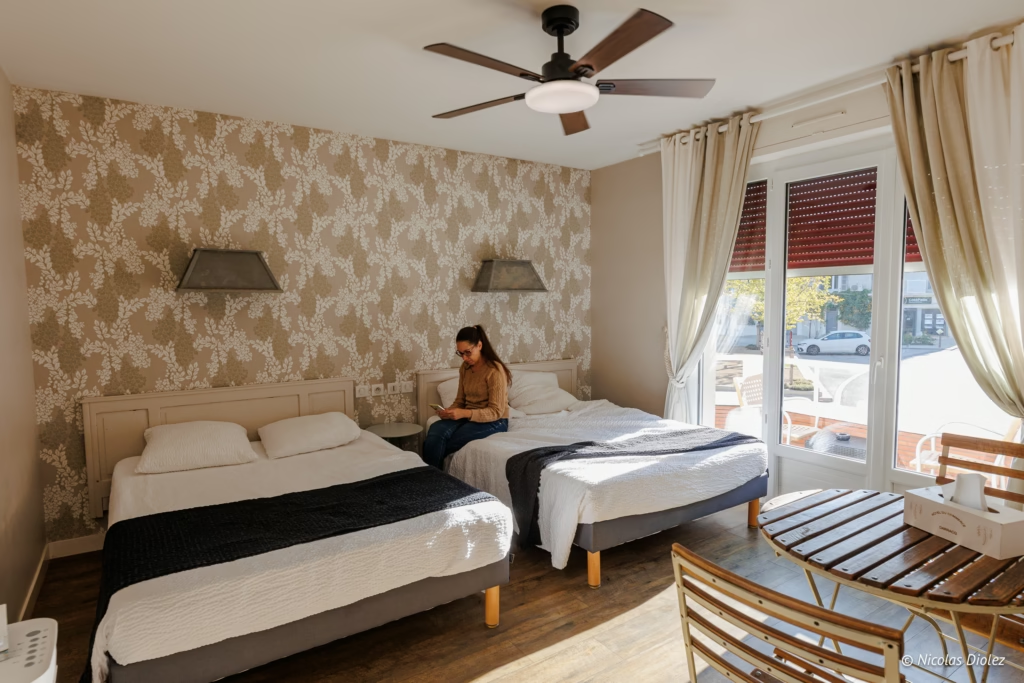
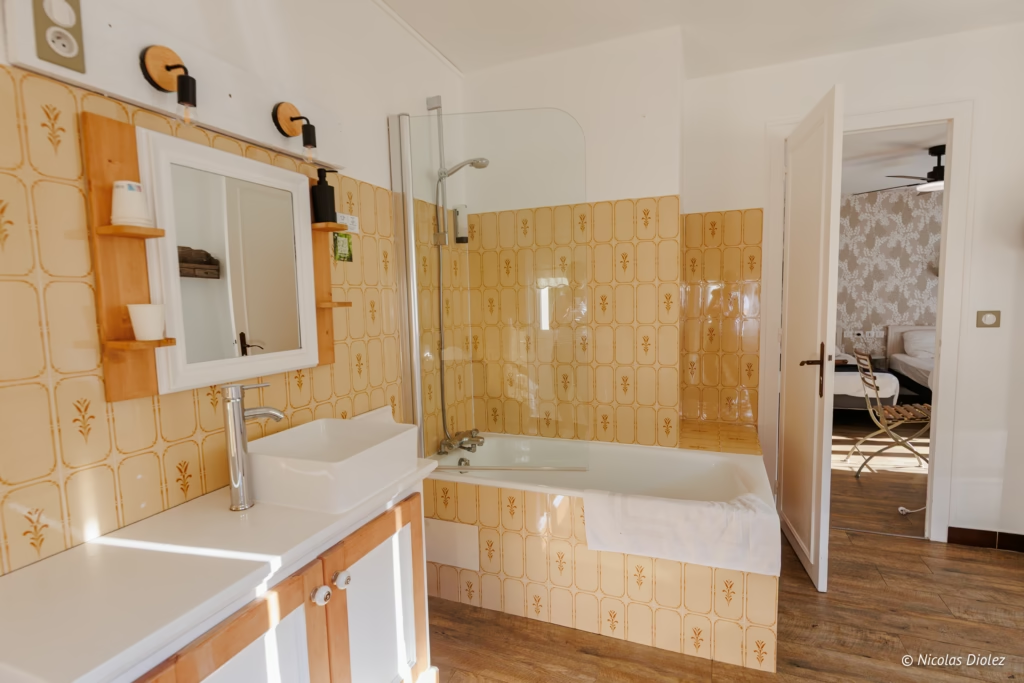
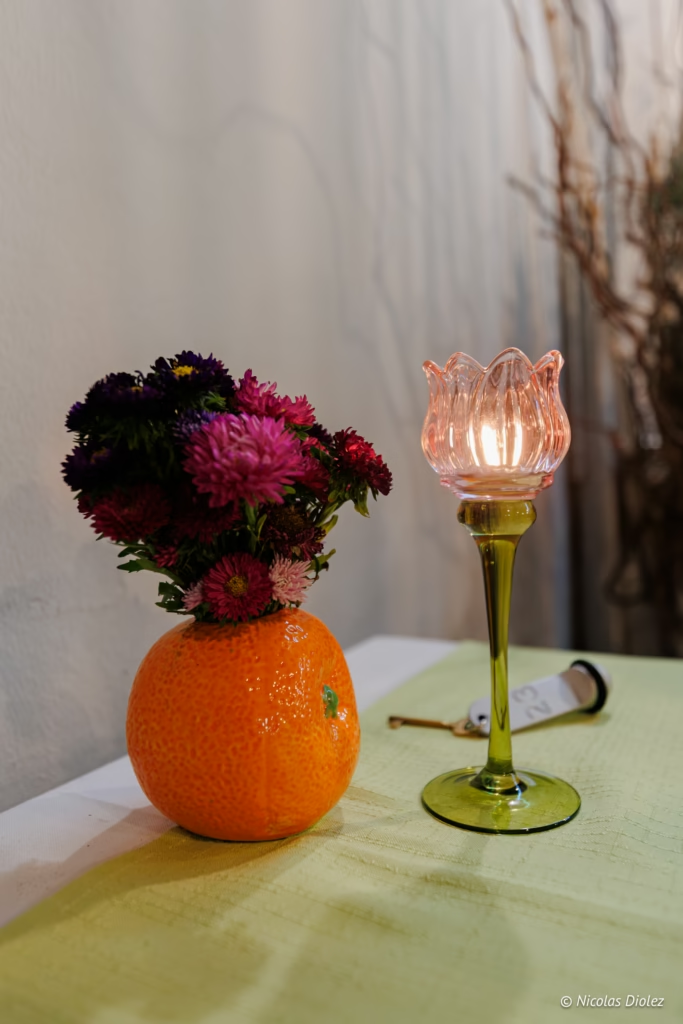
We spent one night at the Hôtel du Commerce in Amou, a family-run two-star hotel. Our room no. 23 was big, with two double beds and a spacious bathroom with a bathtub. On the other hand, it overlooked the street, and the cars and trucks passing by were a bit noisy in the morning. If you’re sensitive to noise, that’s something to keep in mind when choosing your room.
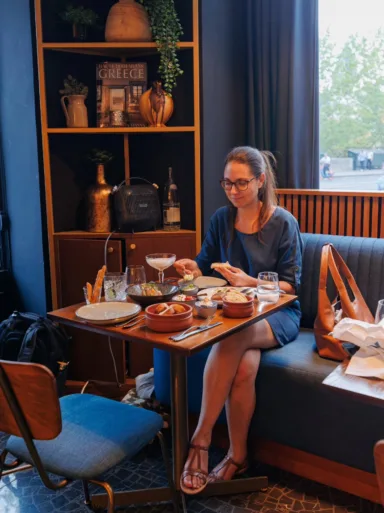
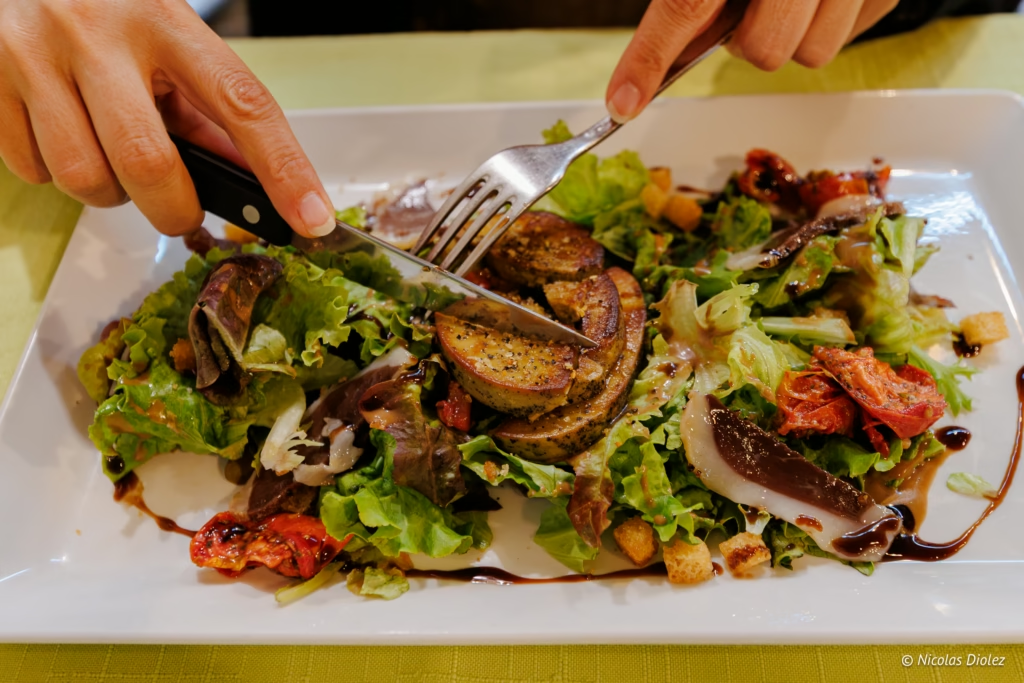
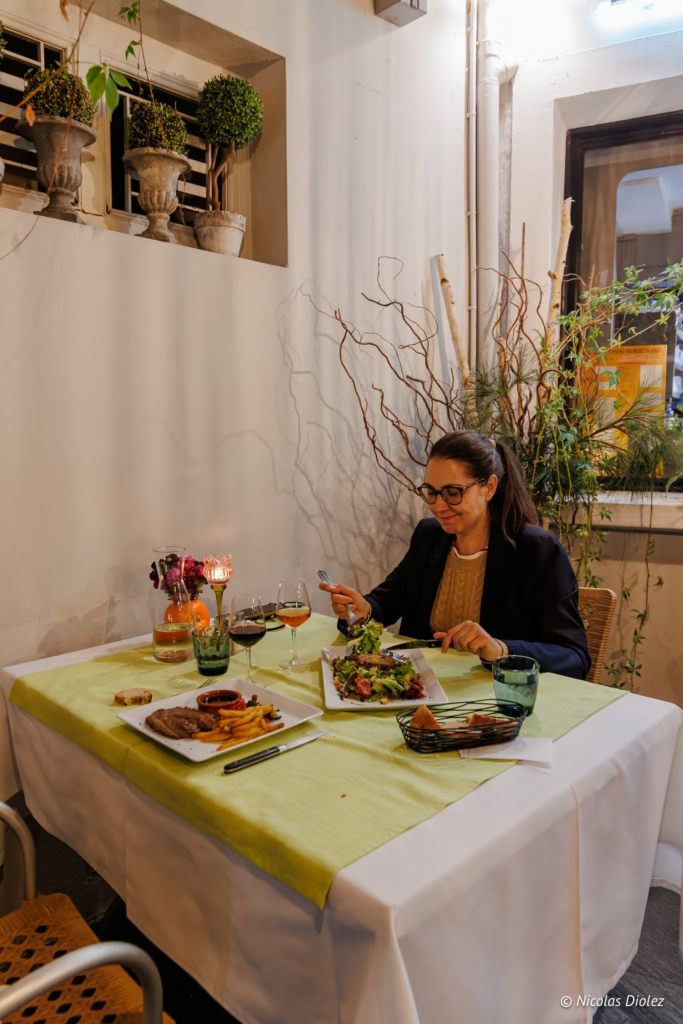
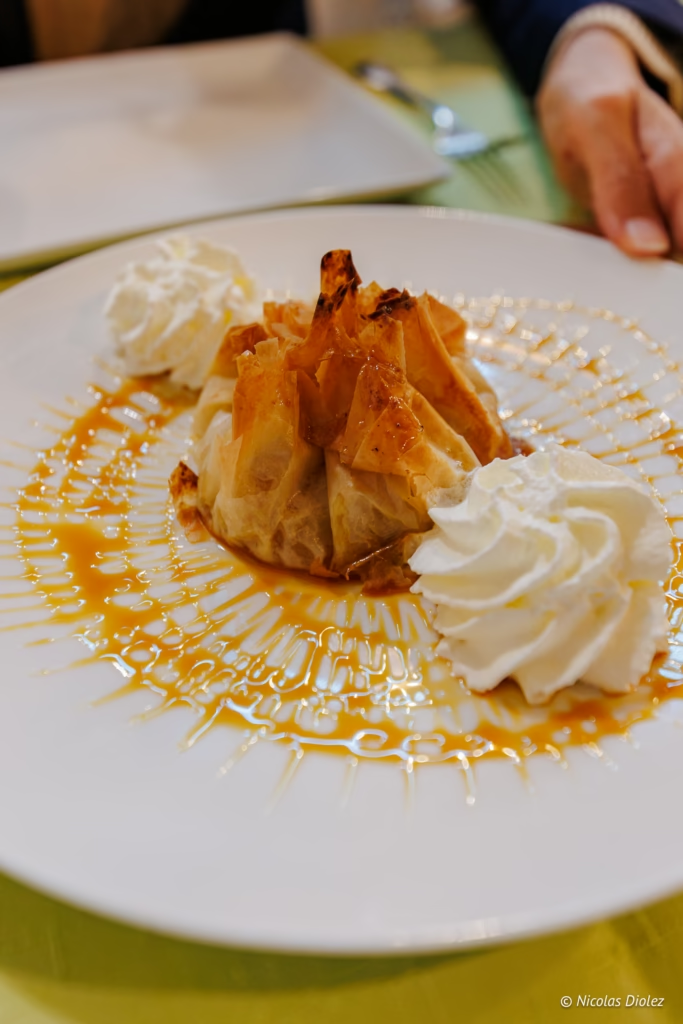
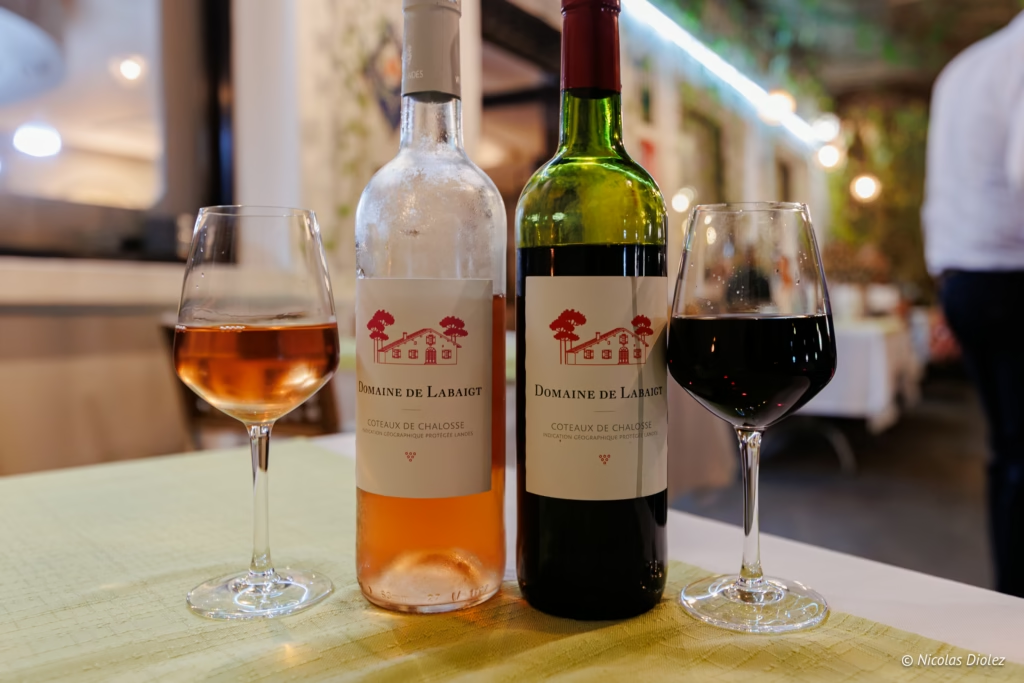
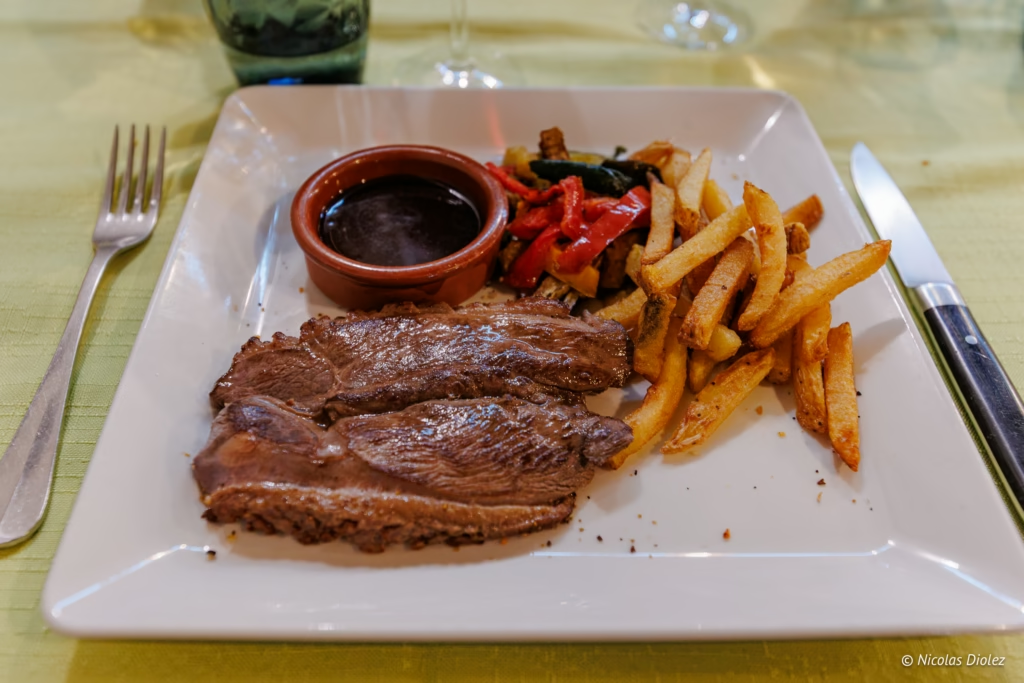
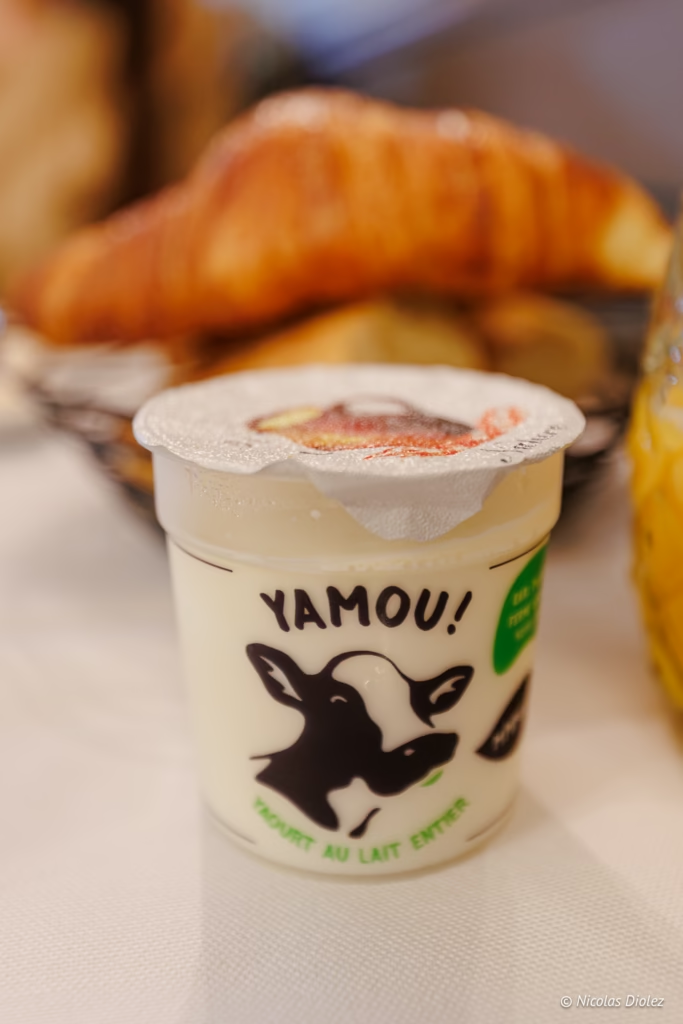
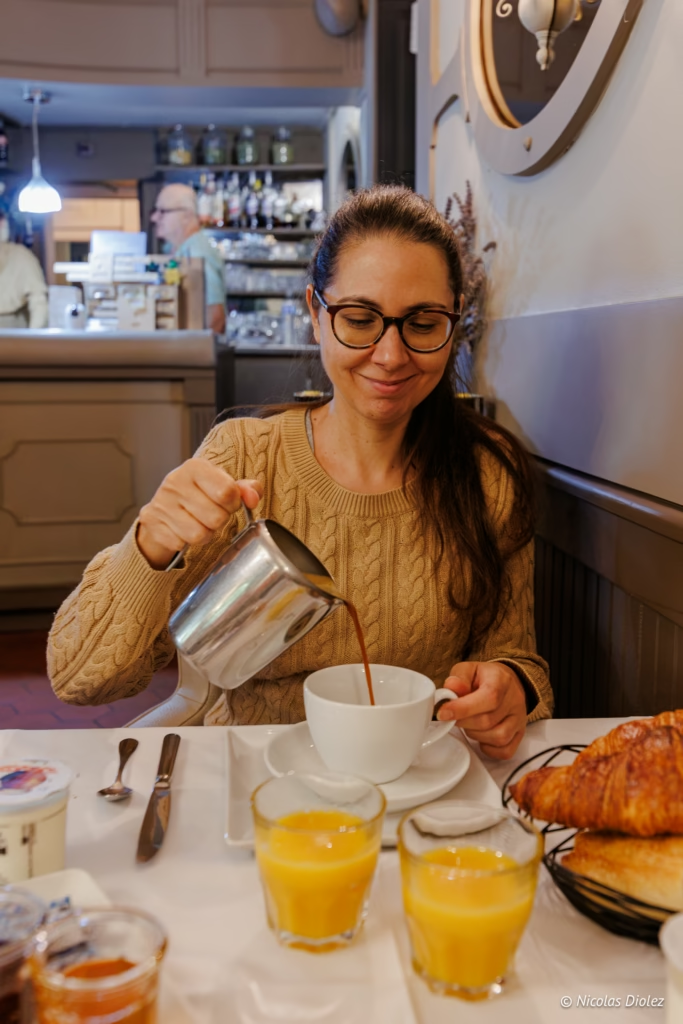
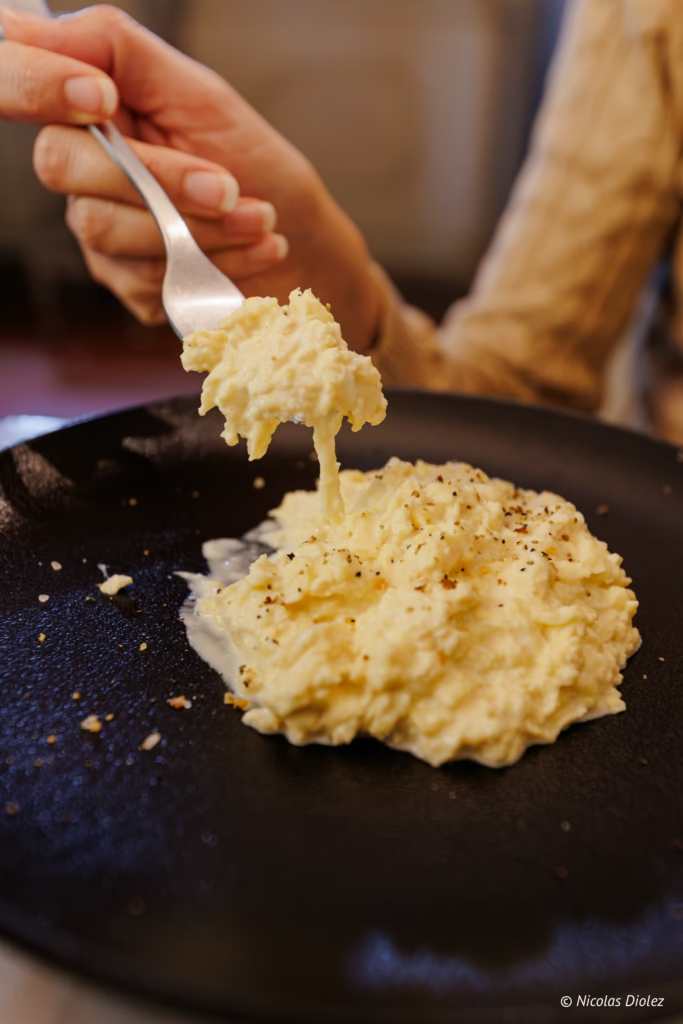
The staff were really kind and caring. We also had dinner at the hotel’s restaurant, which serves regional cuisine and has a lovely terrace in front of the building. On the menu: Landes salad with warm foie gras, grilled duck breast with five spices served with a local wine, and apple croustade for dessert. As for breakfast, I especially appreciated the effort to offer local products, like Yamou yogurts, made right in Amou.
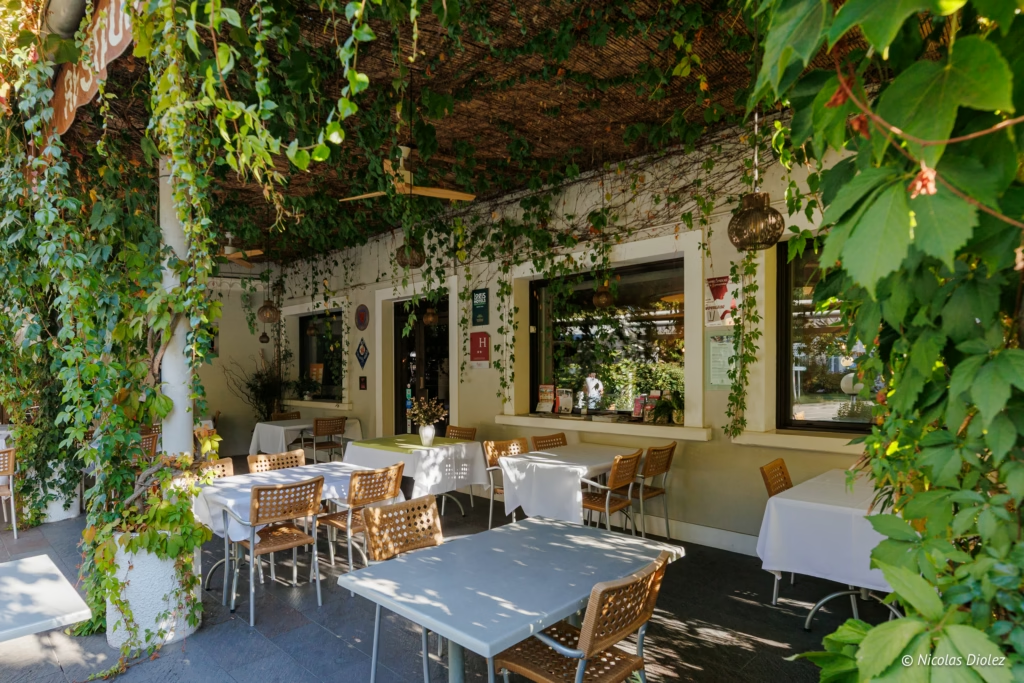
Hôtel du Commerce, chez Darracq
2 place de la Poste, 40330 Amou
Hotel rates: double room from 85 € / breakfast 12 € / half-board rate 140 € for a couple
Restaurant prices: regional platter 38 € (dish with foie gras, duck breast, aiguillette, confit, duck hearts and gizzards with vegetables + homemade apple croustade + a glass of Chalosse wine) / main + dessert menu 35 € / starter + main menu 47 € / starter + main + dessert menu 55 € / kids’ menu 10 €
_
Two more places to stay on the Routes landaises du foie gras
For this stop in Chalosse, the Routes landaises du foie gras brochures also list two addresses near Mugron and Montfort-en-Chalosse. We didn’t stay there, so I’m just flagging them as options to help you plan your route.
The Château d’Arche d’Aure, in Vicq-d’Auribat, offers guest rooms in a 17th-century manor. The property advertises a heated indoor pool and a spa. In Doazit, L’Horizon des Landes offers guest rooms, a furnished rental and a spot for motorhomes, on a property with a mini-farm. Both are listed in the “Où dormir” sections of the “Grands noms du foie gras français” and “Fermes avec vue” routes.
Château d’Arche d’Aure
880 route de la Vallée d’Aure, 40380 Vicq-d’Auribat
L’Horizon des Landes
1455 route de Hagetmau, 40700 Doazit
Thank you to Landes Attractivité for the invitation, to Marilys for her welcome around Tourisme Gourmand, and to the tourist offices and everyone who guided us at every stage of this trip.
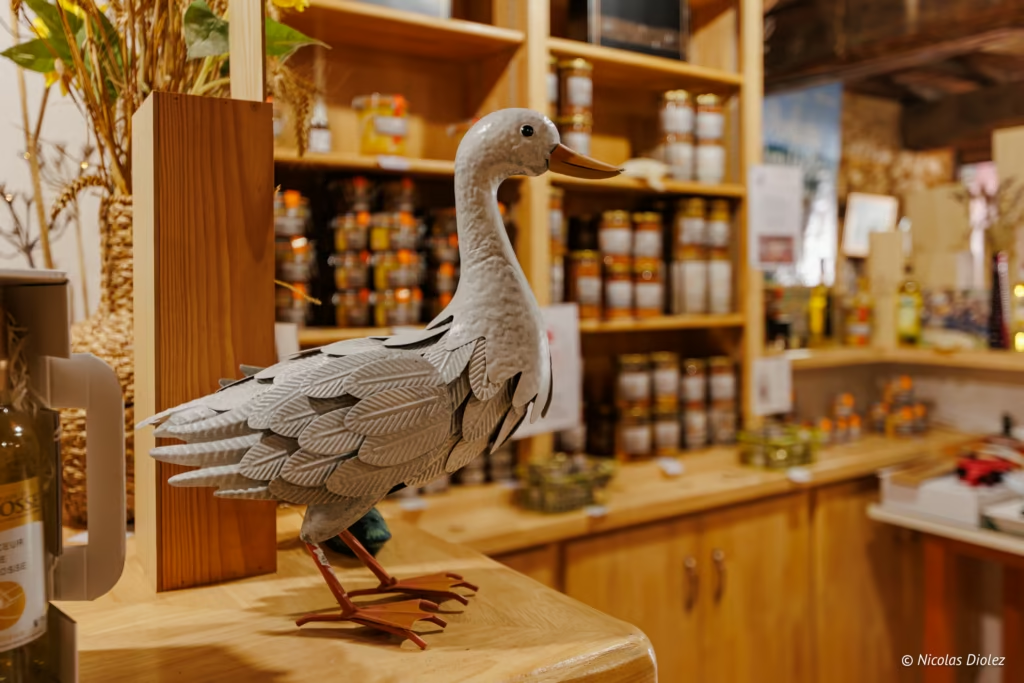
I hope this itinerary makes you want to take the little country roads of Chalosse and make a few detours before reaching Dax! And if you have your own favorite spots in this corner of the Landes, feel free to share them in the comments.
Photo credits: Nicolas Diolez
Photos are not royalty-free, photographer's authorization required before any use