A great start to the school year, but above all, a beautiful summer, and it’s not over yet! The late season also brings its share of events and surprises. Taking advantage of a short break from Mademoiselle Bon Plan, I’m going to suggest, once again, a few visits that I particularly enjoyed.
I will first take you to the Côte d’Azur, in Le Cannet, to visit the latest exhibition at the Bonnard Museum on the muses and inspirations of the artist and his painter friends. Then, heading to Grasse and its very rich International Perfume Museum.
We will then head to Seine-Maritime to discover the Château de Bosmelet and its exhibition dedicated to Jean Cocteau. A quick trip to the Château d’Eu, a look at the Manoir d’Ango in Varengeville, and we will finish with the Château-Museum of Dieppe, whose collections are as exciting as the Kite Festival taking place in the city these days!
_
Table of Contents
« Inspiring Inspirers » at the Bonnard Museum in Le Cannet
Behind almost every artist, there is a woman, a muse… It could be the model, the wife, the mistress, the dear friend; except in the case of Van Gogh, who did not attach himself to any woman, the inspirer is indeed there, in life as in art. She accompanies the highs and lows, necessary and unavoidable.
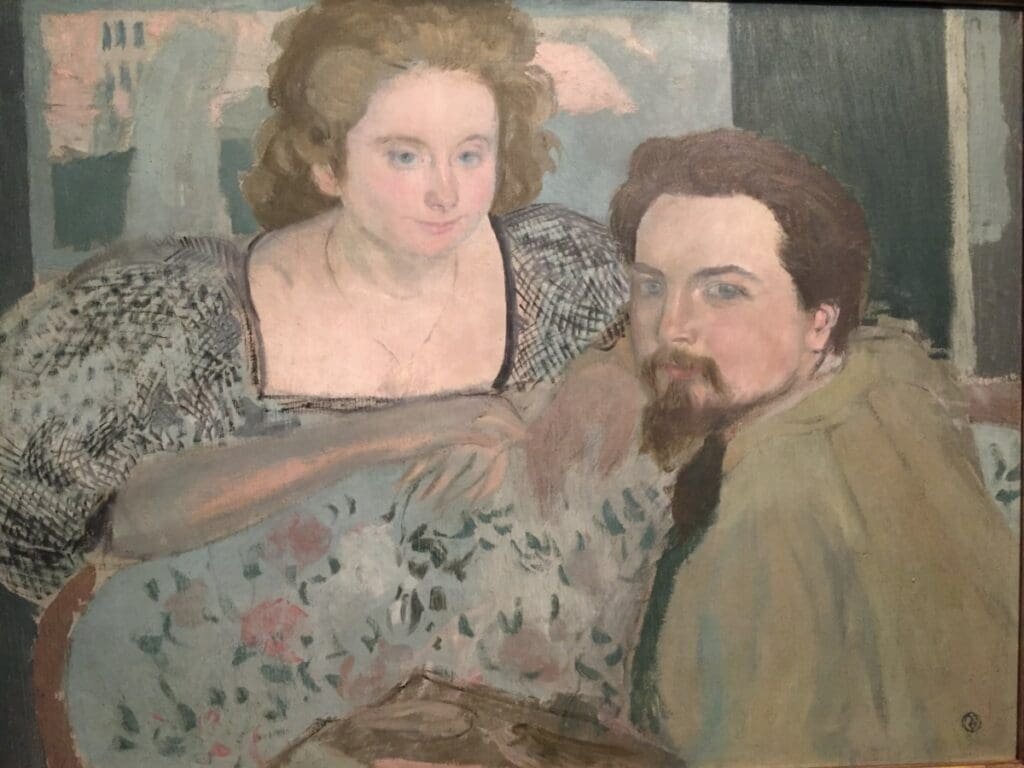
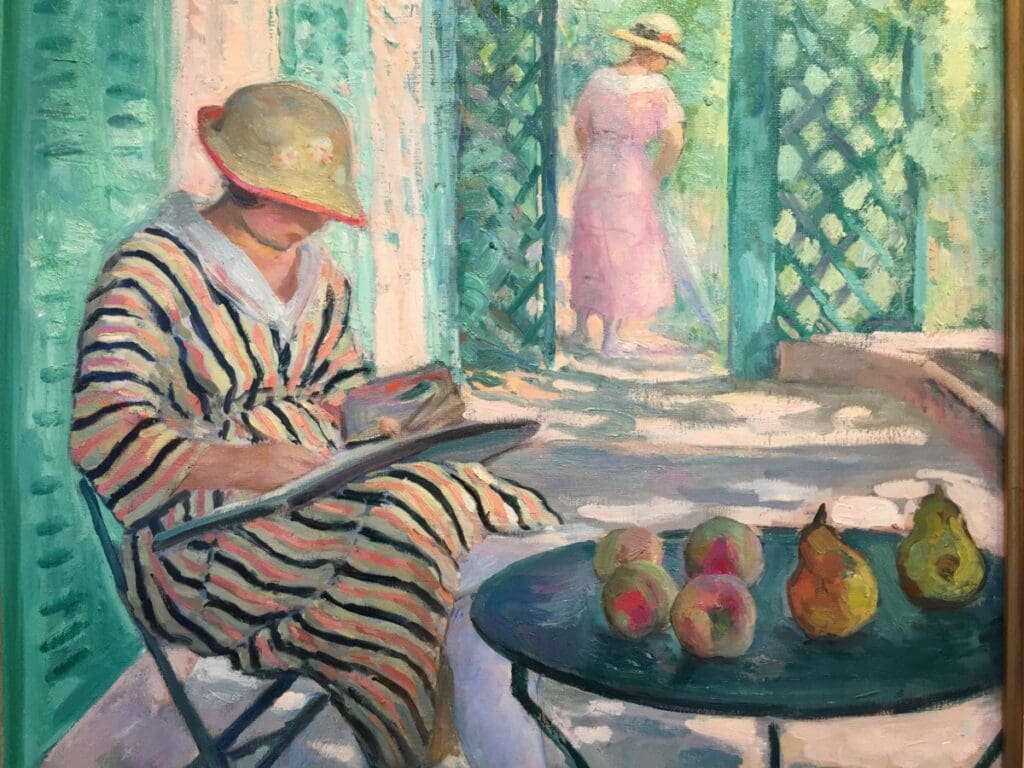
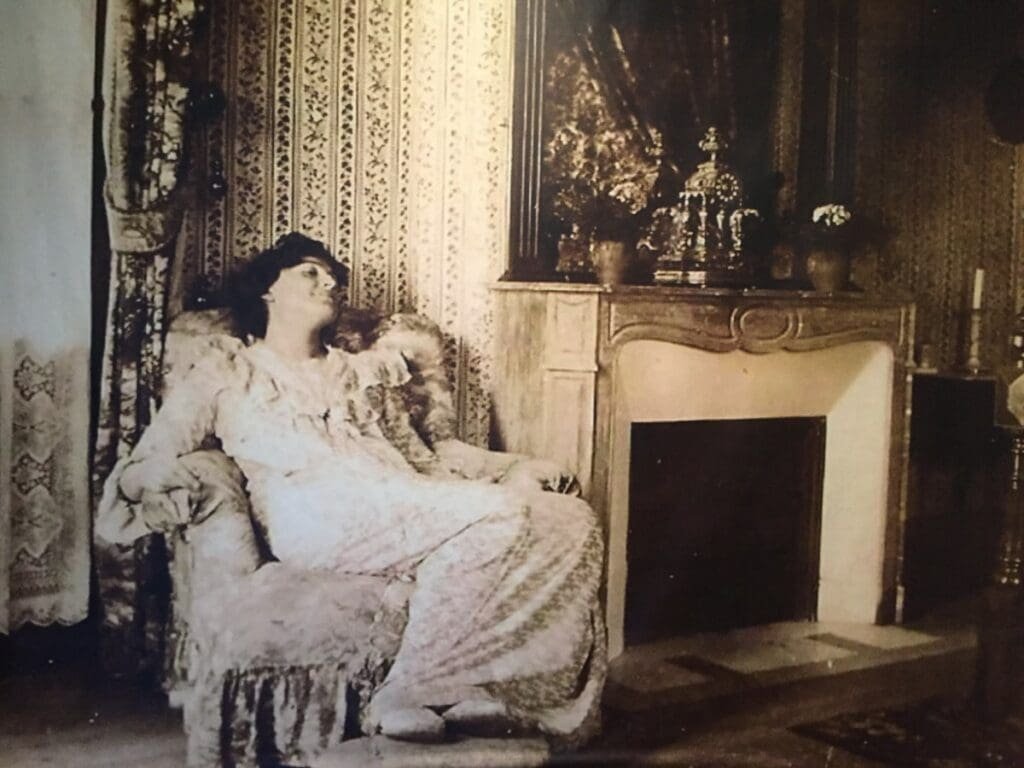
What would Bonnard be without his wife Marthe, this free and nomadic duo who, despite (or because of) the latter’s illness, spent their time traveling everywhere far from Paris? What would Lebasque be without Nono? Vuillard without Lucy Hesse, deemed “not very beautiful” but whose generosity of heart made her indispensable to the painter? What would Dali be without Gala, who confessed: « it is she who made me exist. »?
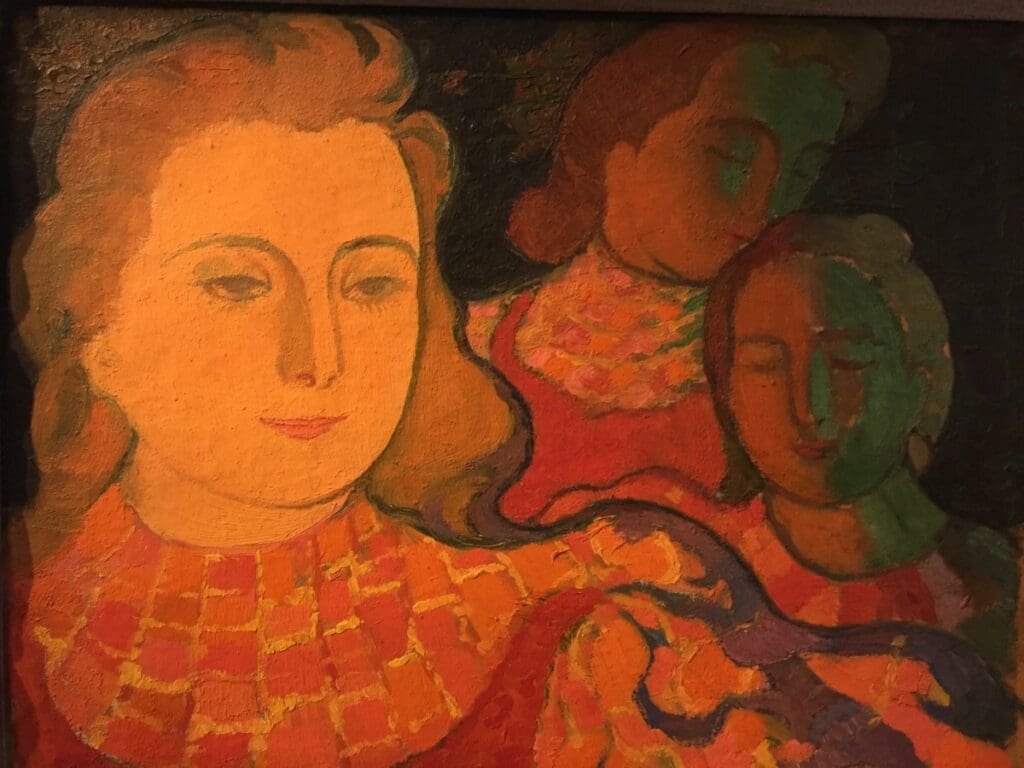
Finally, what would Picasso be without his various companions who each embody a very specific style in his painting: Dora, the weeping woman; Marie-Thérèse, the sleeper with rounded forms; Françoise, the flower-woman… Picasso, who said of Jacqueline: « She has the gift of becoming painting to an unimaginable degree ».
The Bonnard Museum illustrates the subject through some forty works chosen from the 1870-1960 period and grouped under the themes « Fin de siècle », « The Good Fairies », and « Fatal Passions ». The whole thing invades every floor of this charming little museum. A pleasure!
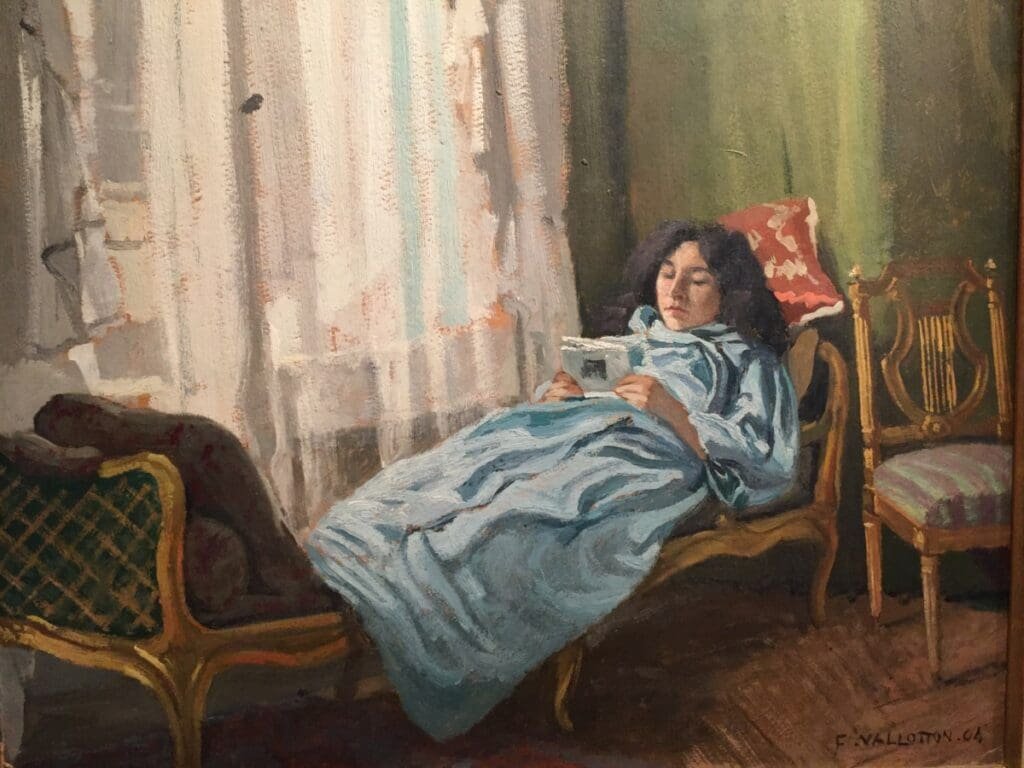
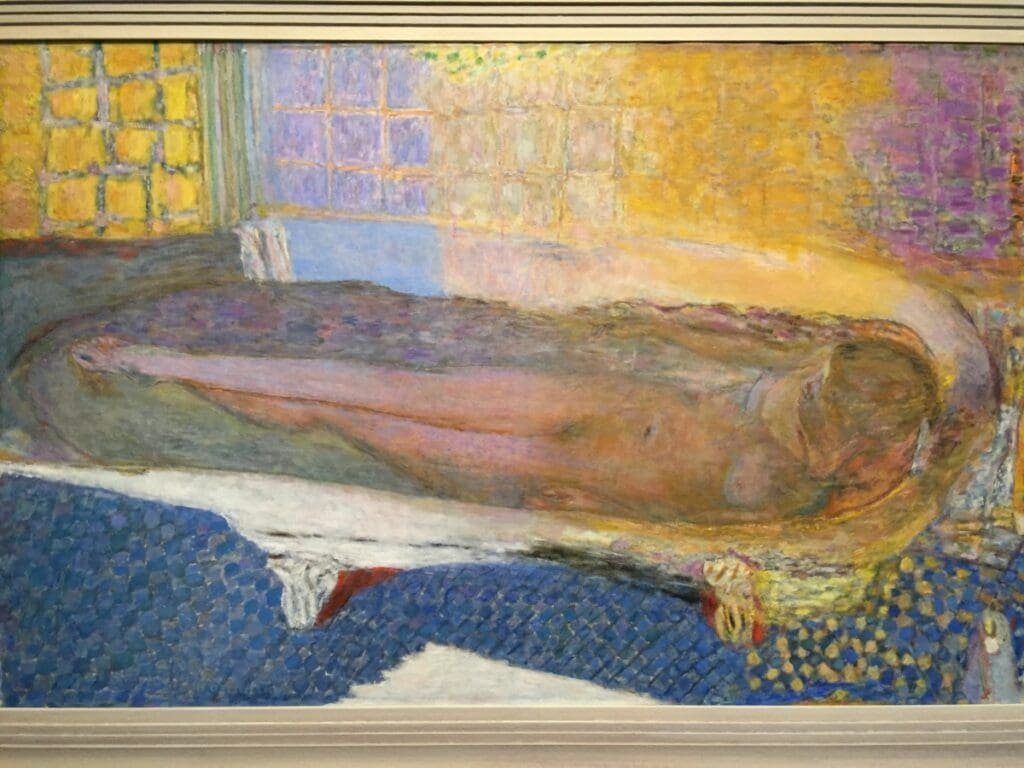

« Inspiring Inspirers, intersecting passions », until November 4th
16 bd. Sadi Carnot, 06110 Le Cannet
Tel: +33 (0)4 93 94 06 06
Open every day from 10 am to 6 pm, except November 1st
Full price: €7 / Reduced price: €5
Family (2 adults and 2 children over 12): €14
_
The International Perfume Museum, in Grasse
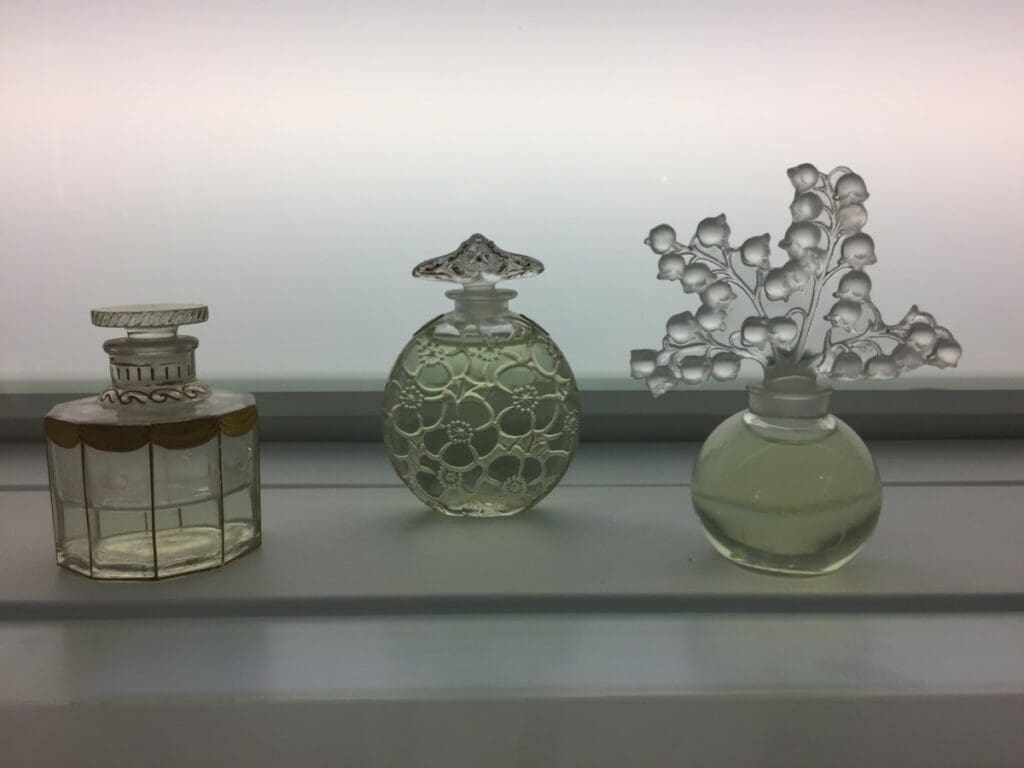
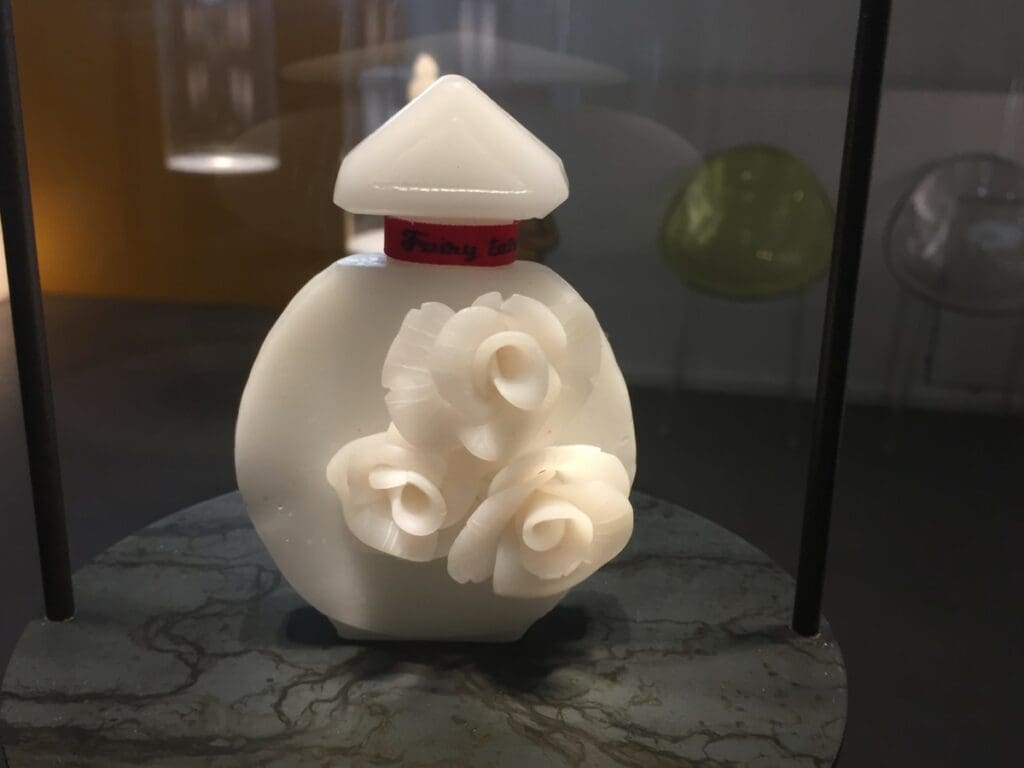
Since the dawn of time, Grasse has been the place par excellence where perfume plants are grown. Therefore, this museum is well-placed here. Very comprehensive and fascinating, it is celebrating its tenth anniversary by restoring and inaugurating new spaces.
Throughout the rooms, we discover the making of perfume: the raw material, first of all, with greenhouses where vetiver keeps company with patchouli, mandarin, or bergamot. Then there is the whole arsenal of stills and machines used for distillation once the flowers are picked, the latter activity being traditionally reserved for the women of the region until the 60s.
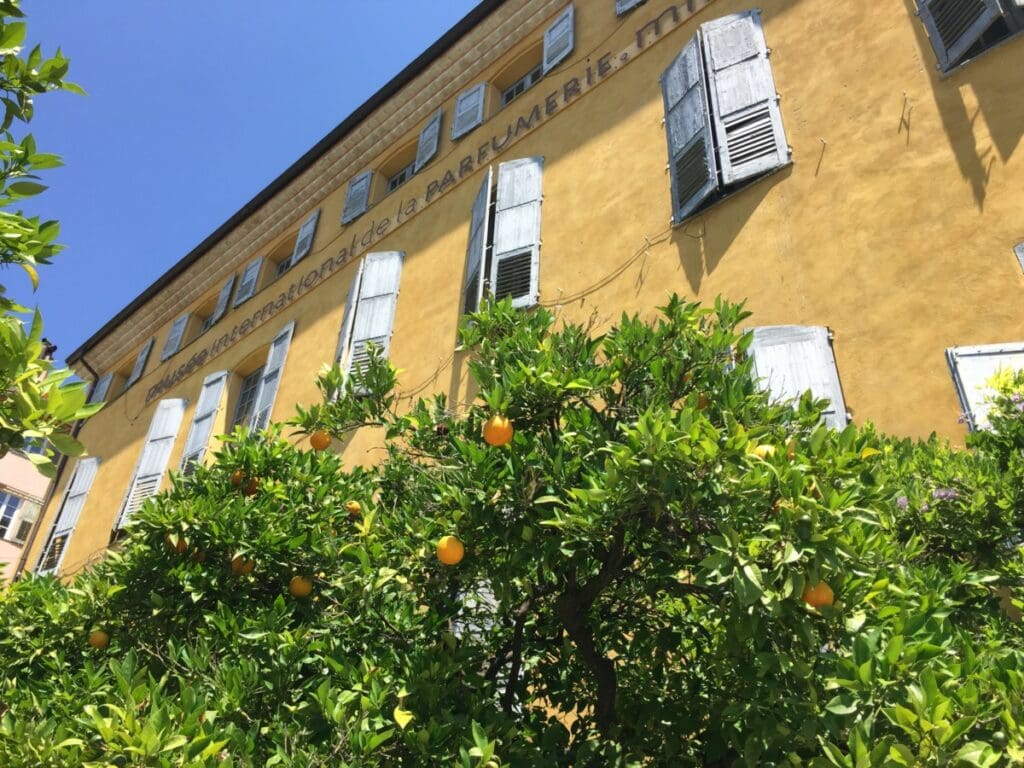
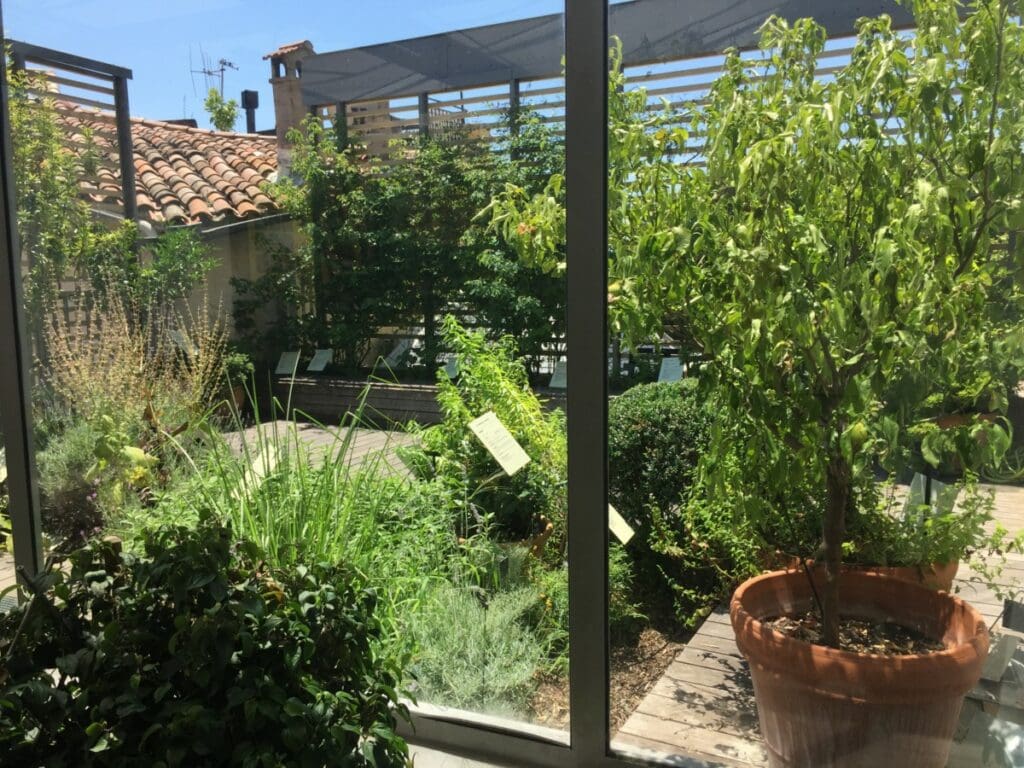
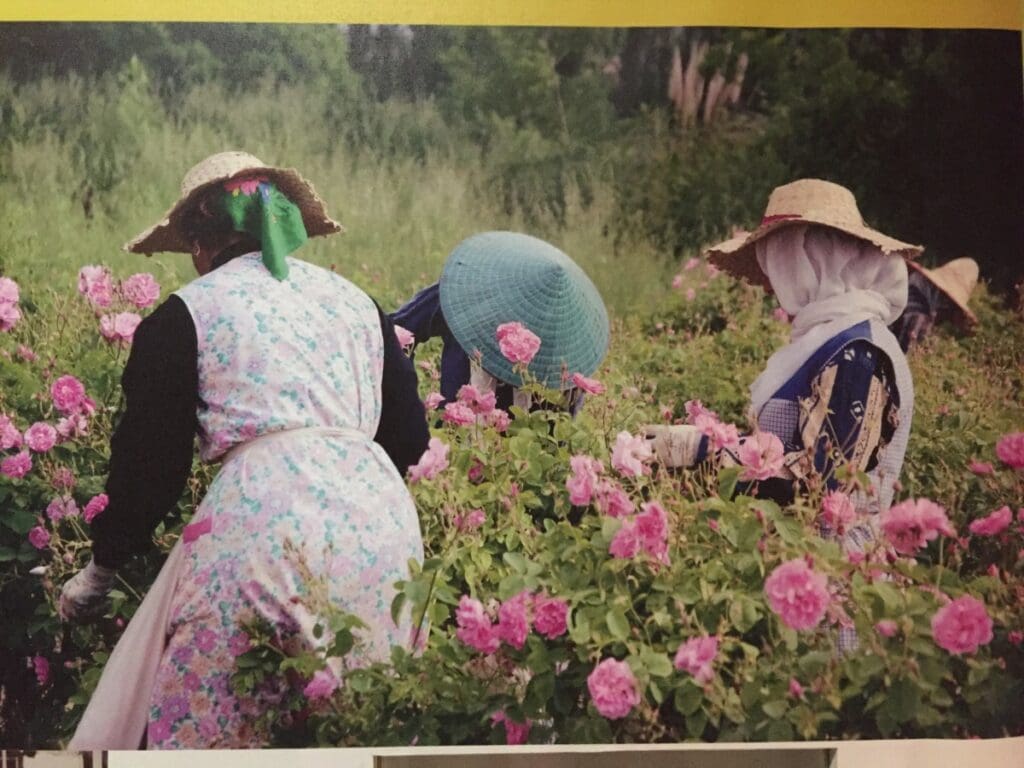
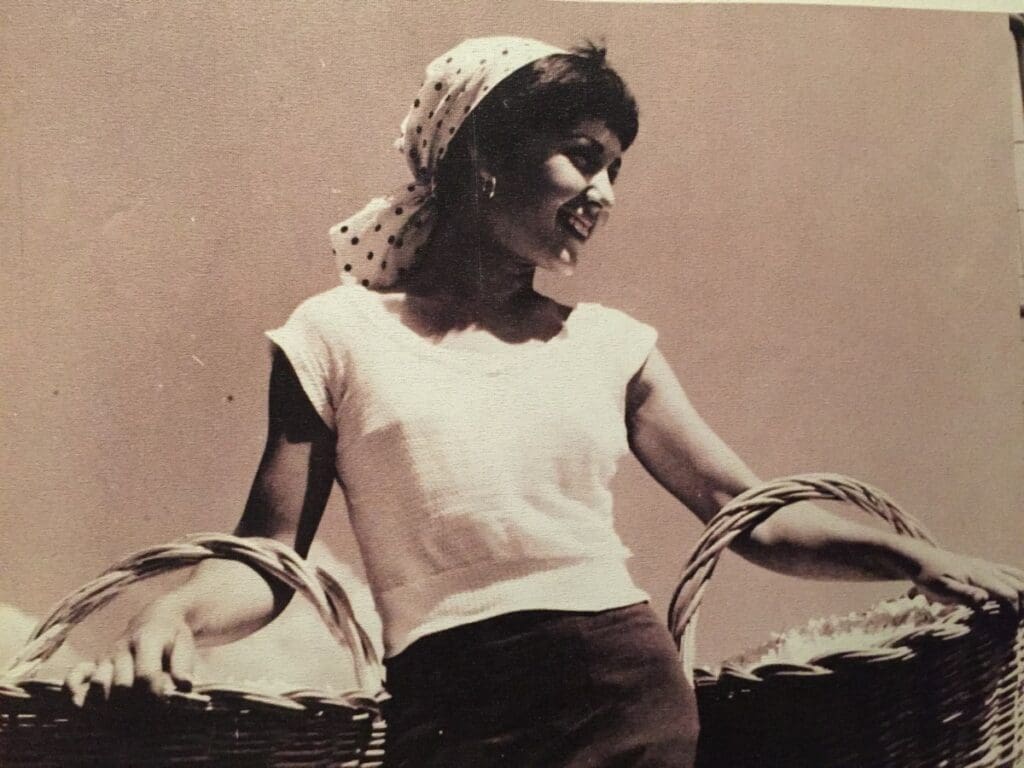

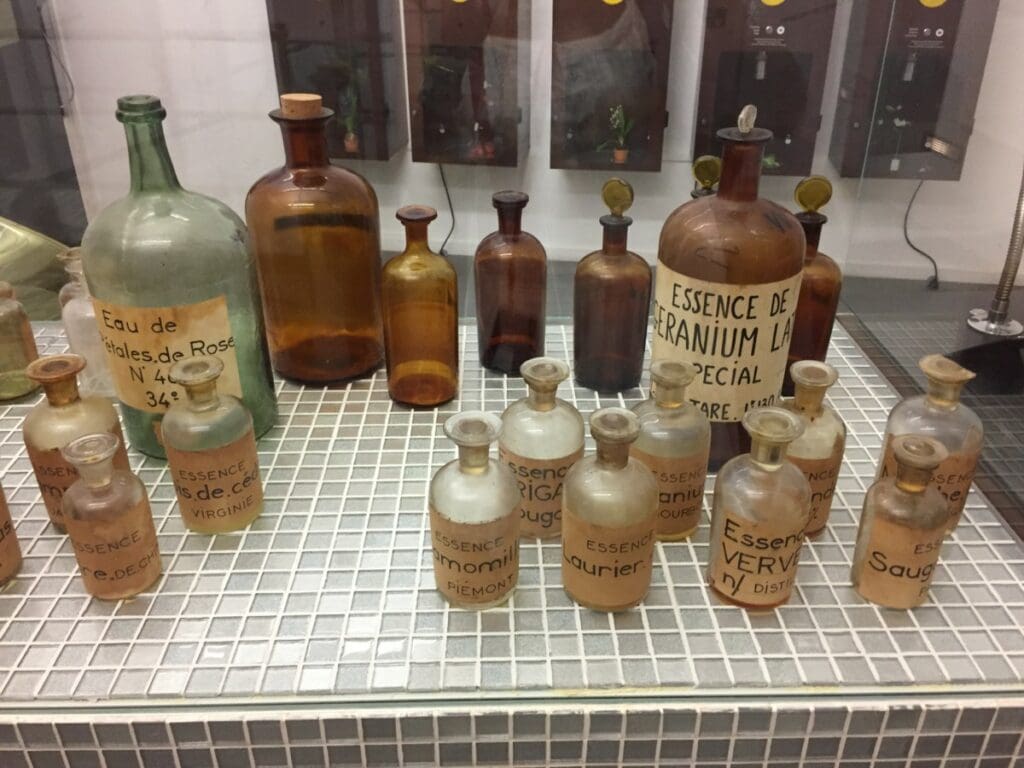
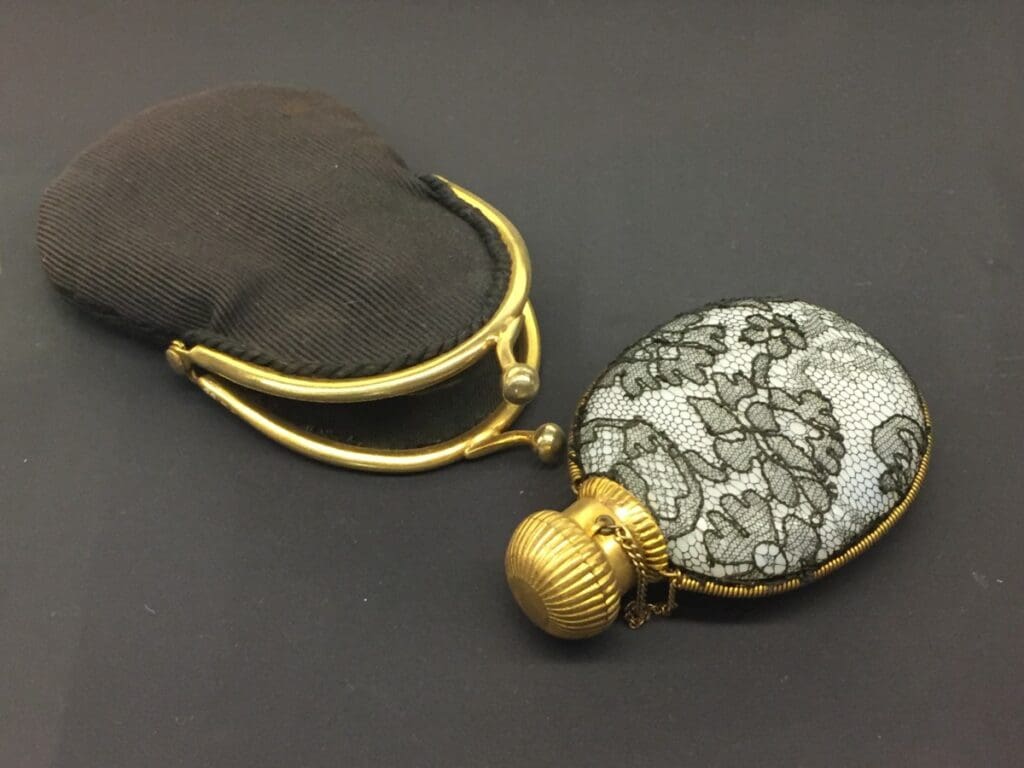
The history of perfume, moreover, is told to us through countries and eras, from Antiquity to today, from the Orient to France. In Egypt, perfume served as an offering to the gods or had a therapeutic role. Developed from kyphi, it was used for fumigations, ointments, or scented oils.
It would take centuries for it to become an asset of seduction, knowing that in the 18th century, in France, it was still only used to mask all the bad smells of daily life, from gutters to bodies washed dry!

International Perfume Museum
2 bd du Jeu de Ballon, 06130 Grasse
Tel: +33 (0)4 97 05 58 00
Open from 10 am to 7 pm (May-September) and from 10 am to 5:30 pm (October-April)
Full price: €4 / Annual individual pass: €12 / Annual family pass (2 adults + children): €17
Free admission: under 18s, unemployed, disabled…
The pro tip: the audio guide for €1
_
The Château de Bosmelet and its Jean Cocteau exhibition
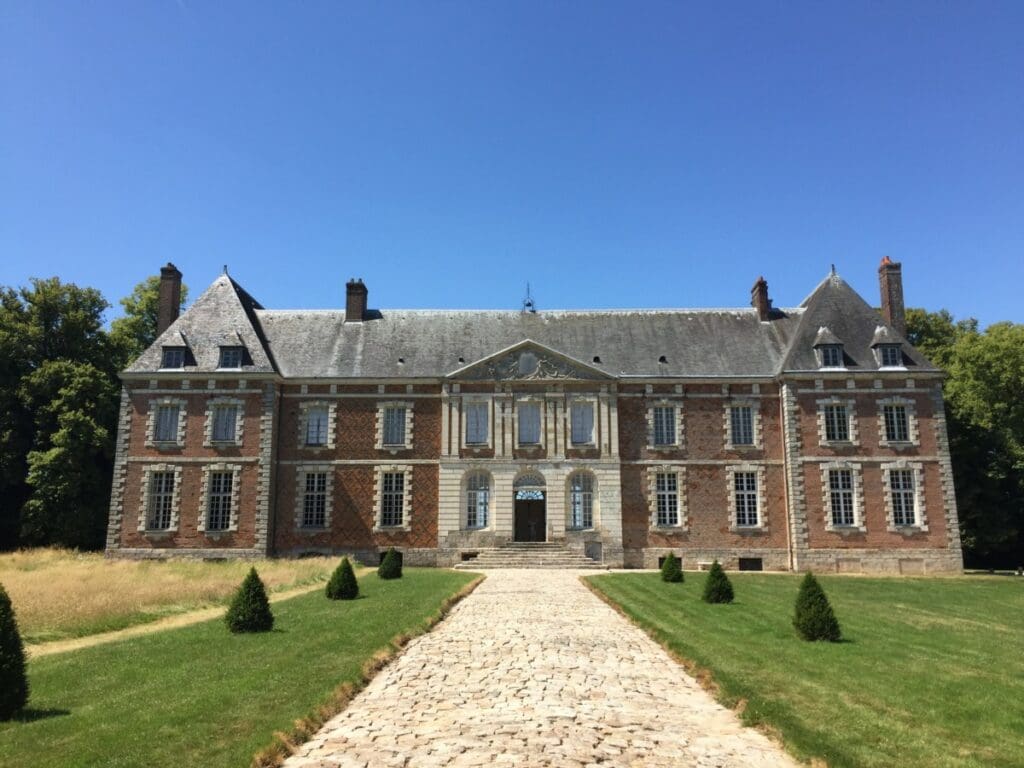
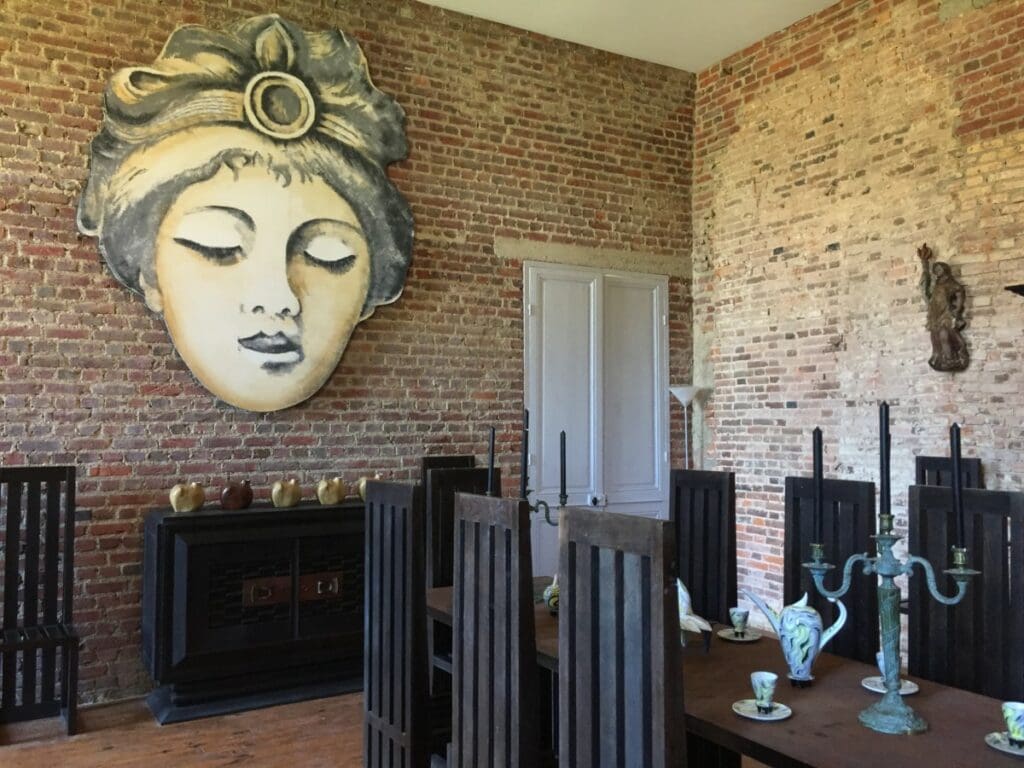
This pretty little castle located in the heart of the Pays de Caux, between Rouen and the Alabaster Coast, belongs today to the stage director Alain Germain. It dates from the 17th century, is classified as a historical monument, and breathes art and refinement through the visits and events it offers.
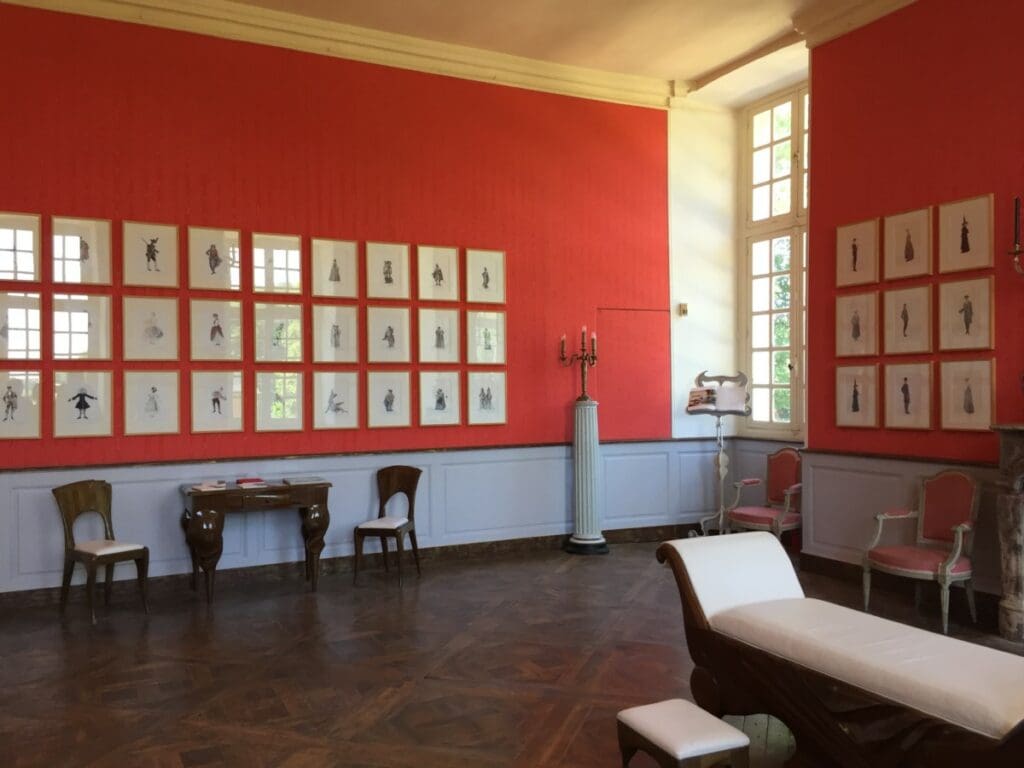
Inside, an enfilade of rooms combines, with taste, their classic style with works from the Alain Germain collection: paintings, stage furniture, decor elements, and sumptuous costume drawings that recall his shows performed all over the world.
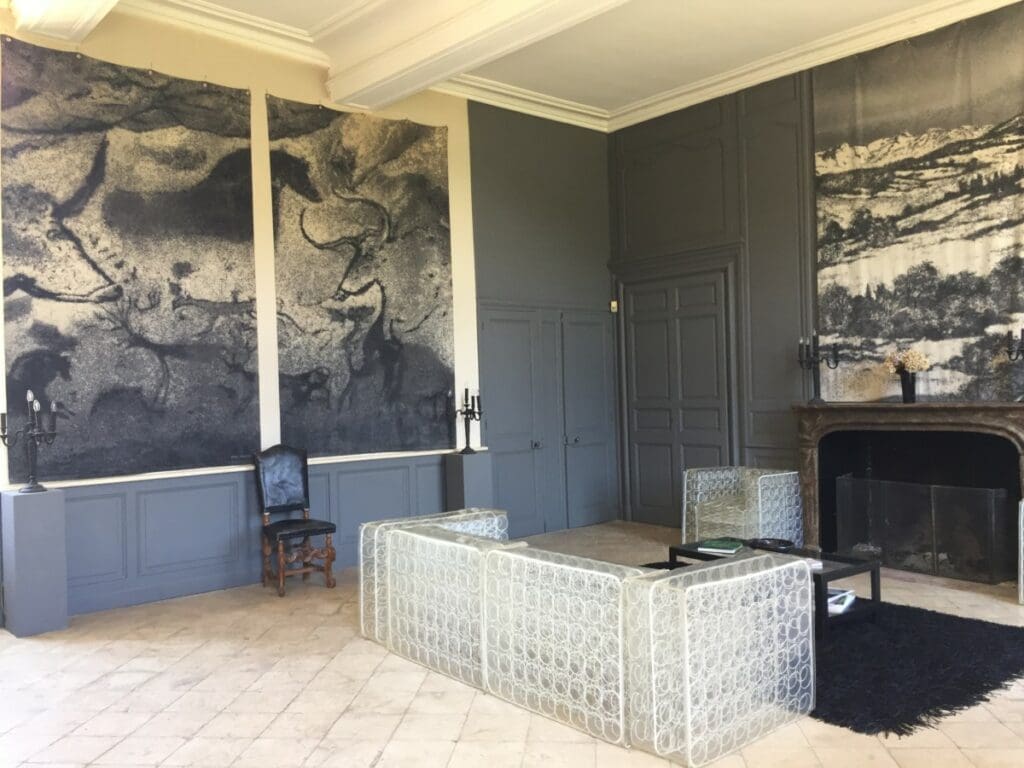
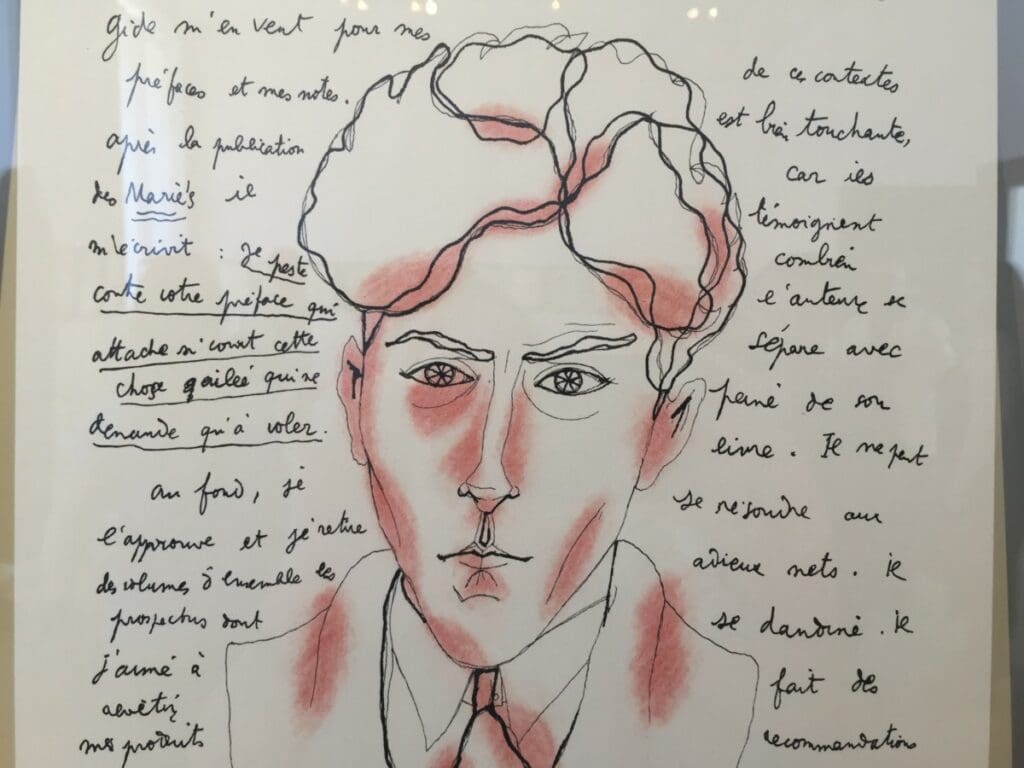
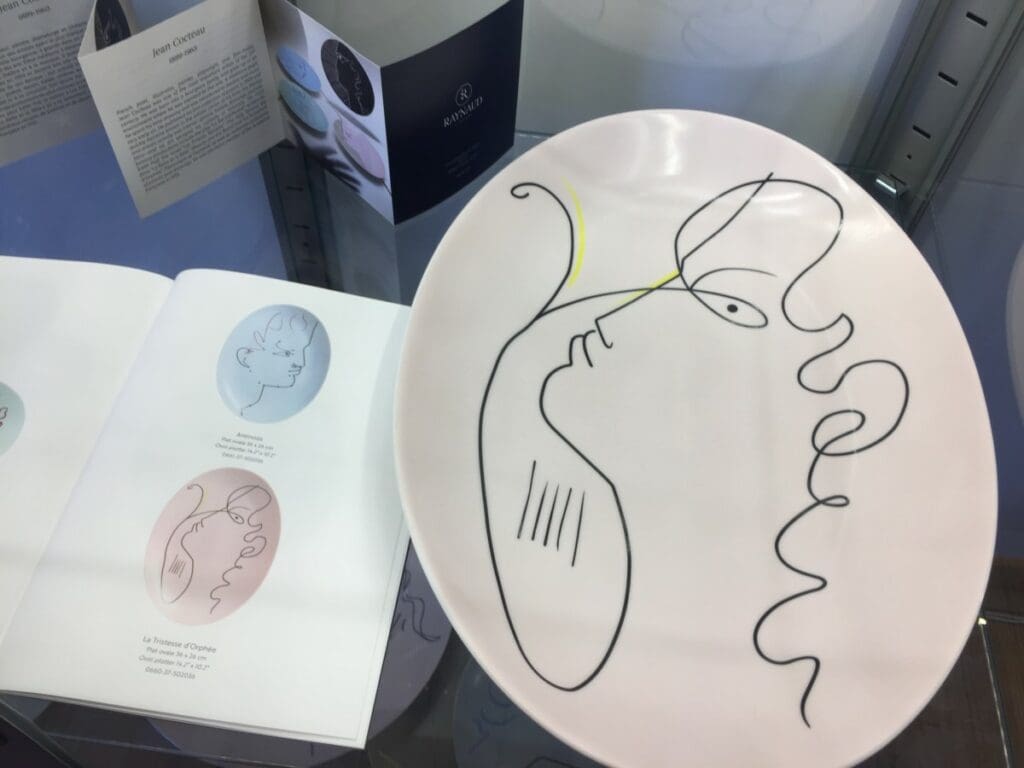
Upstairs, for a little while longer, we rediscover Jean Cocteau in a new light, beautifully staged by Alain Germain, with lithographs, unpublished drawings, photos of filming or show costumes… All his life, the master of the house collected the confidences of the artist’s friends; he confides them here between his own walls!
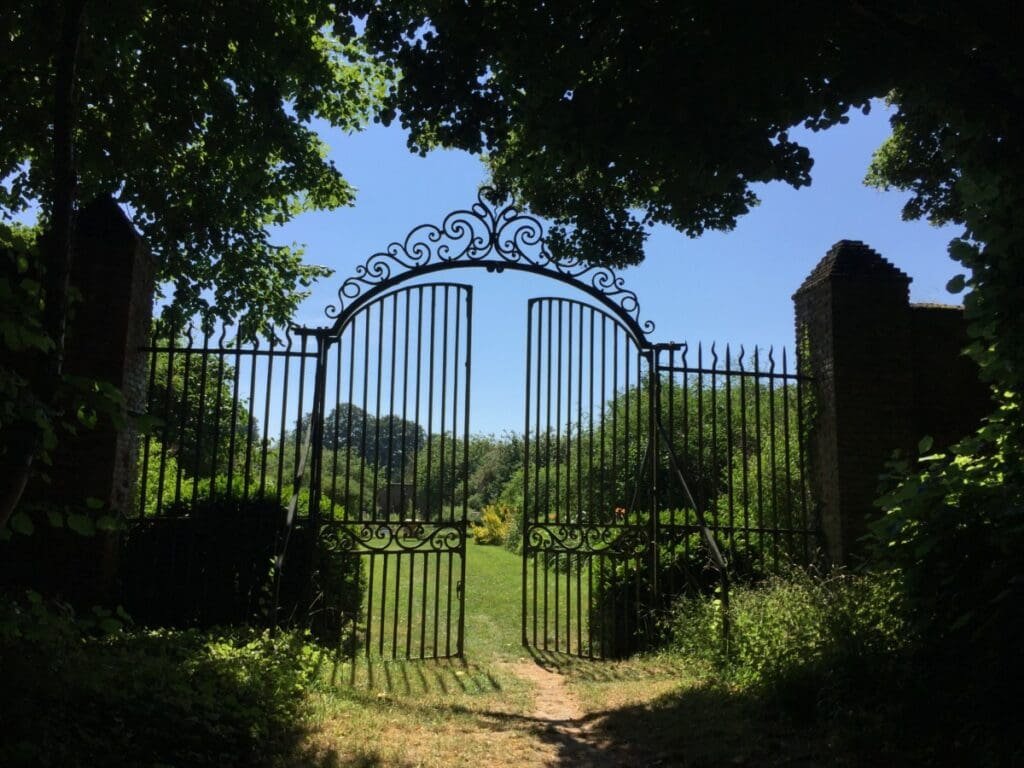
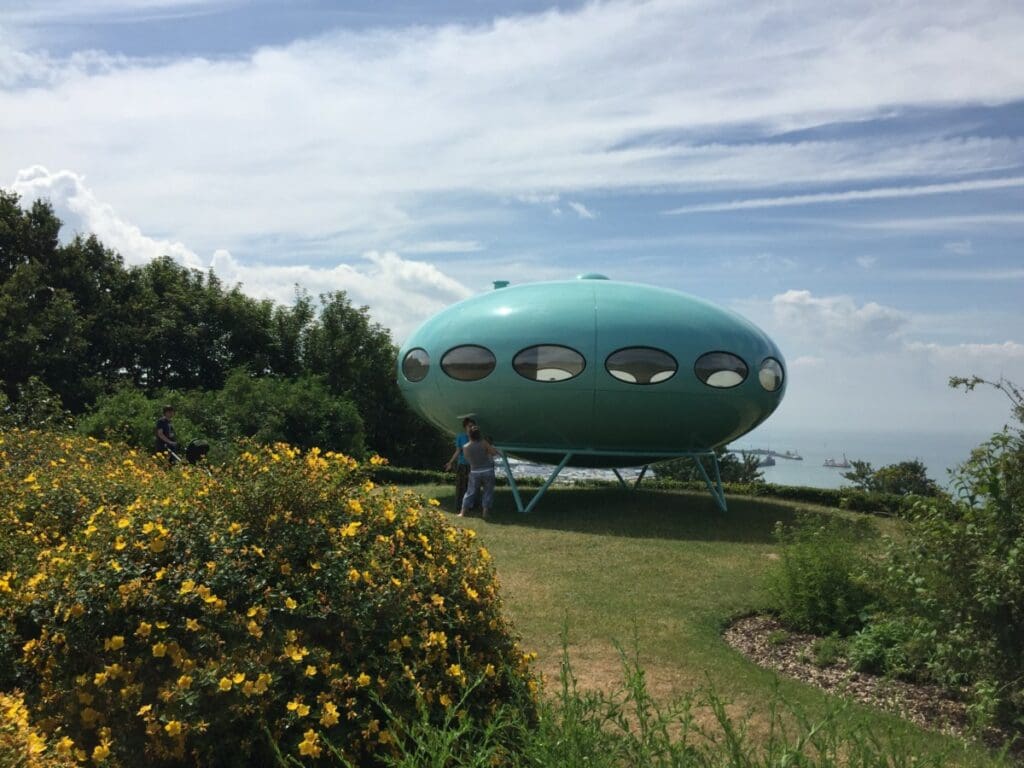
We will not leave the premises without a stroll in the park and its vegetable garden. Why not continue, afterwards, by visiting one of these fabulous gardens with which the Seine-Maritime is overflowing? The Hanging Gardens of Le Havre and their plants from all over the world currently host a strange UFO, Matti Suuronen’s Futuro House, which will take you on a sound journey…
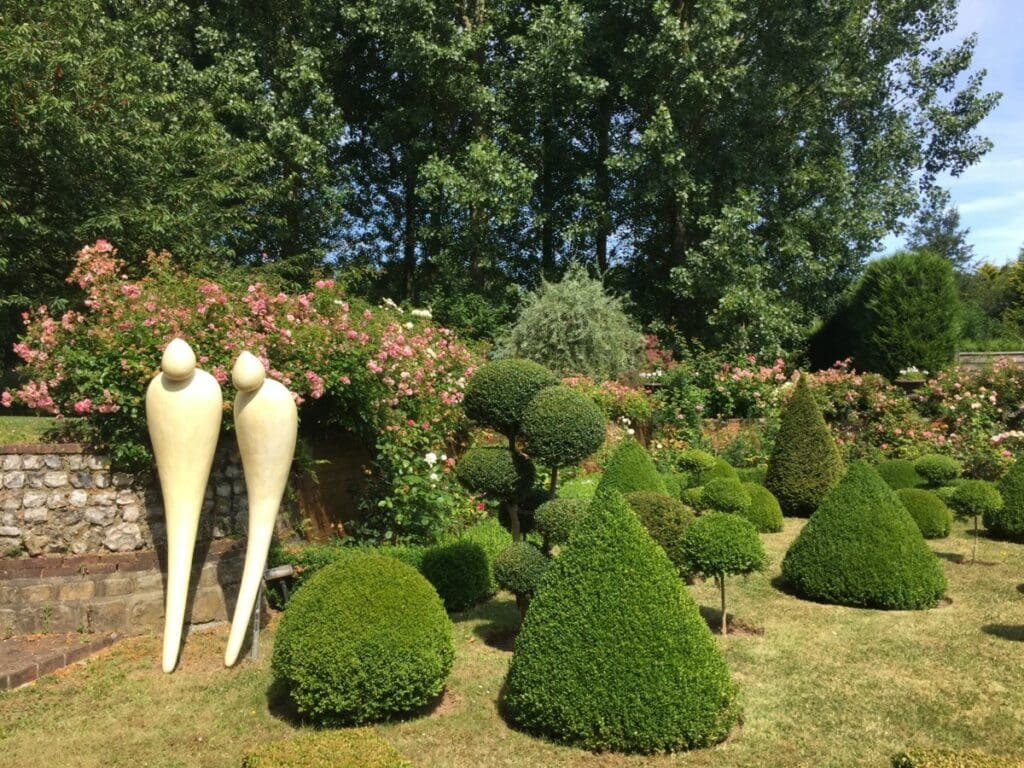
To stay in an artistic atmosphere, you can also visit Robert Arnoux who has created an entire garden around his sculptures. Two original walks!
le Bosmelet, 76720 Auffay
Tel: +33 (0)2 35 32 81 07 or +33 (0)6 89 26 50 92
Can be visited all year round upon request (by appointment or on site; contact the château on its website)
Full price: €7 / reduced: €5 / In the company of the owner: €15
For the Cocteau exhibition: €15 / For the exhibition and the château: €20
Free admission: under 10s
_
The Louis-Philippe Museum, Château d’Eu
Le Tréport, Eu, and Mers-sur-Mer, nicknamed the three sisters because of their geographical proximity, are three pretty towns on the Alabaster Coast that combine the natural beauty of the cliffs and the surrounding countryside with the coquetry of certain houses where, at the beginning of the 20th century, people willingly came for vacations.
While waiting for their brand new Cinema festival (dedicated to styling, hairdressing, and makeup) or, in November, the herring festivals that take place everywhere, one can visit the Château d’Eu with an atmosphere that is at once neat, intimate, and above all, dark and mysterious…
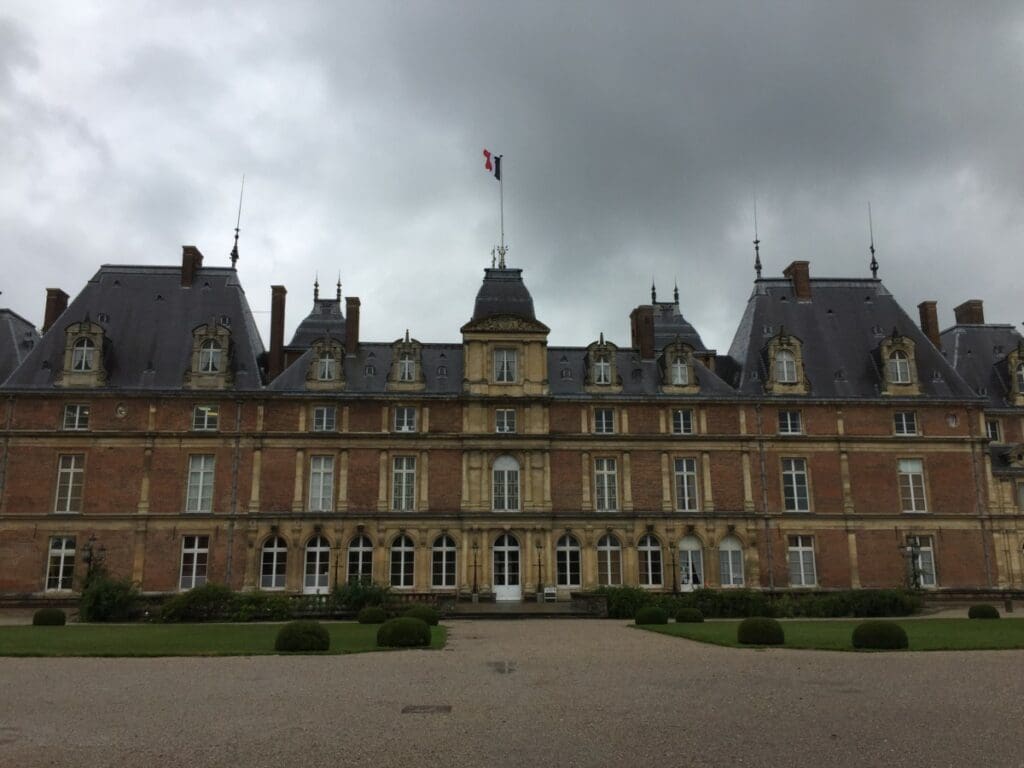
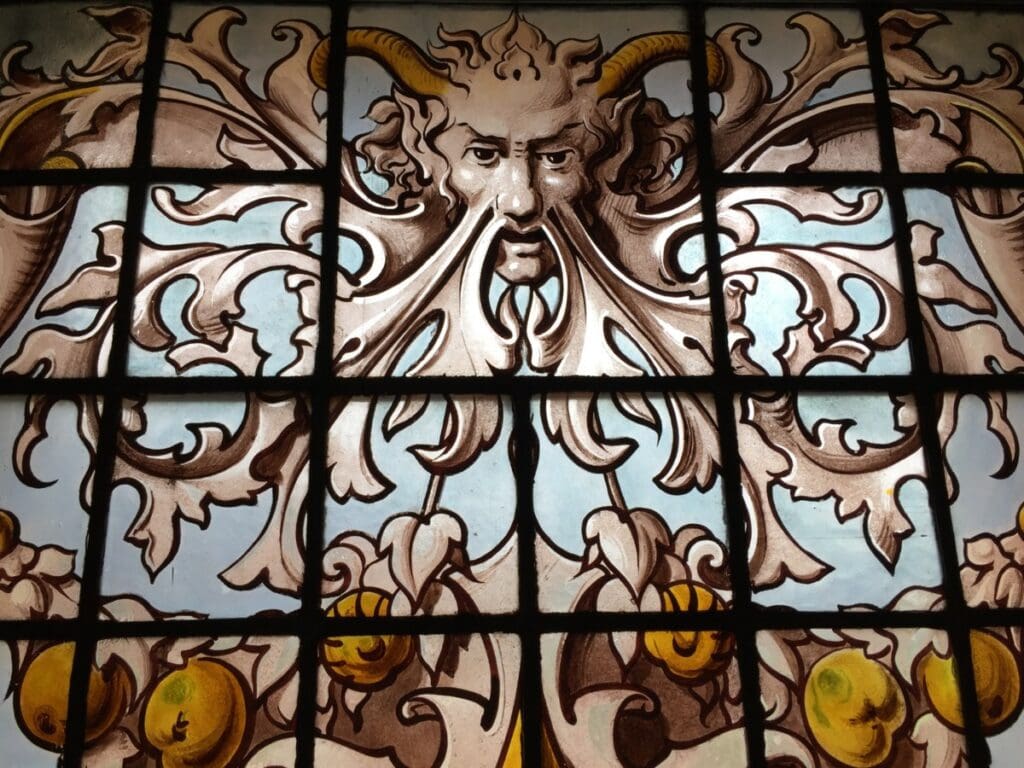
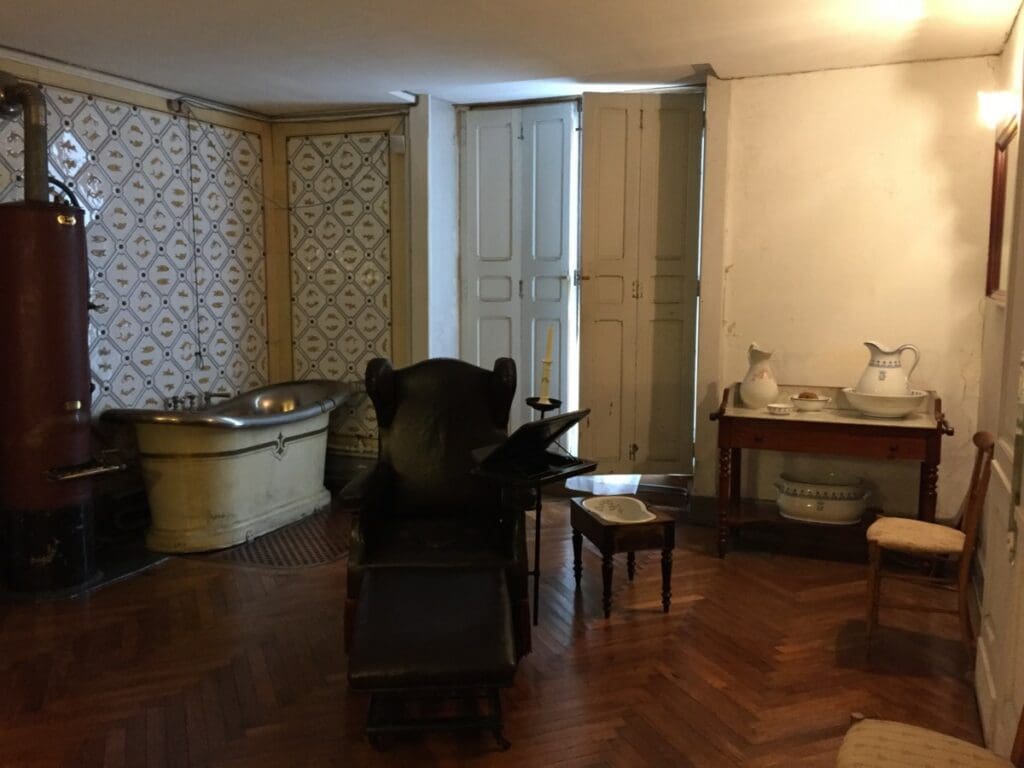
Belonging to Catherine de Clèves in the 16th century, then to the Duchess of Montpensier in the 18th, this castle passed successively into the hands of Louis Philippe, the Count of Paris, and the Count and Countess d’Eu in the 19th century! Everyone left traces, and notably the architect-decorator Viollet-le-Duc with his very modern painted canvases for the walls and his astonishing heating systems.
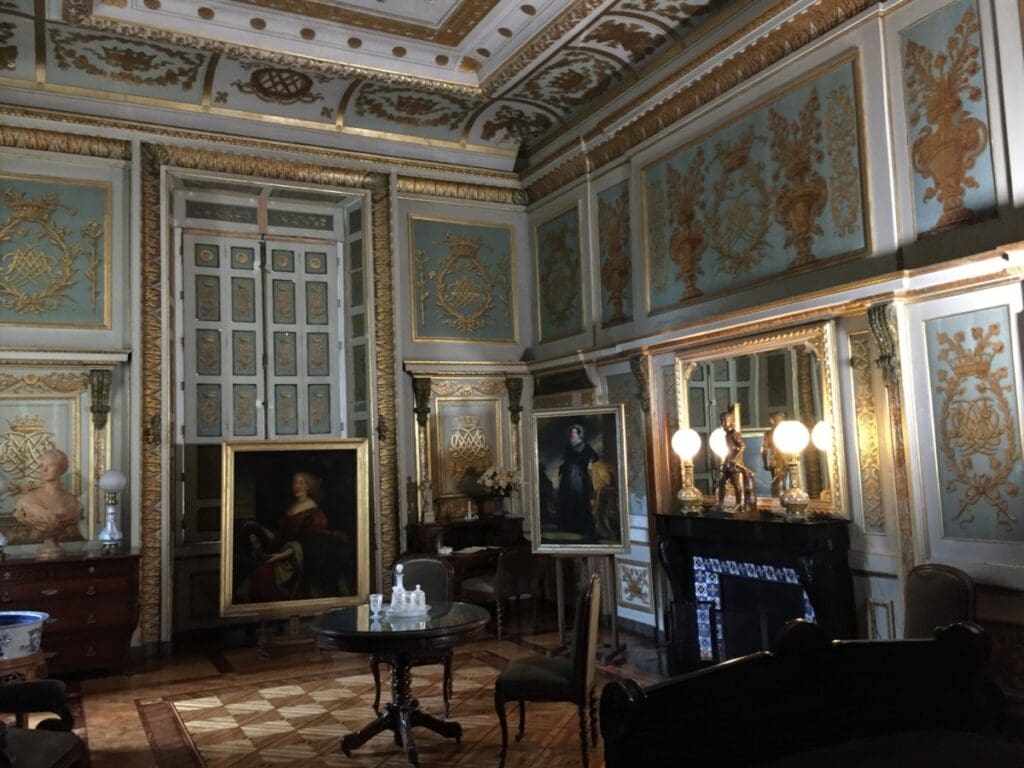
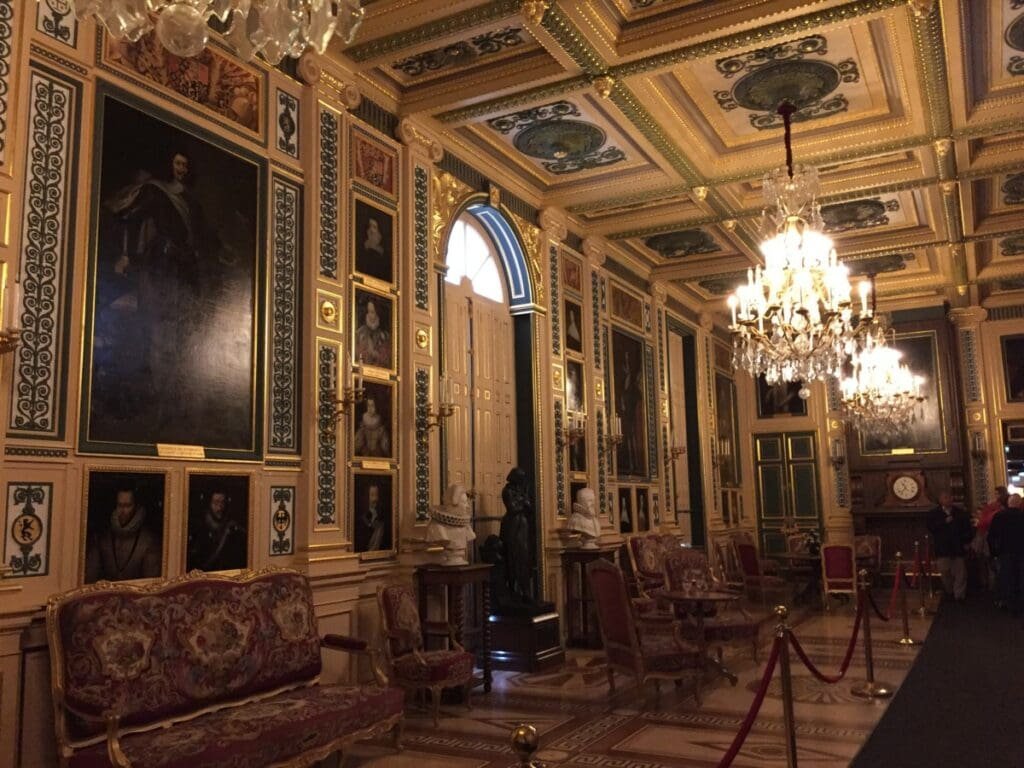
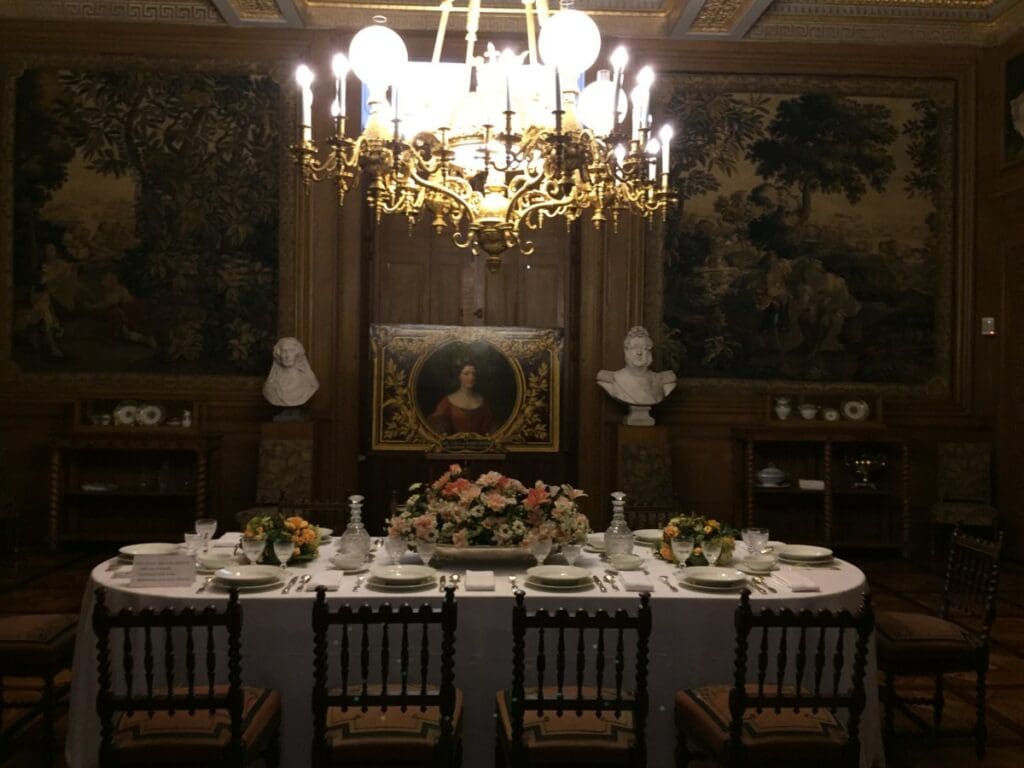
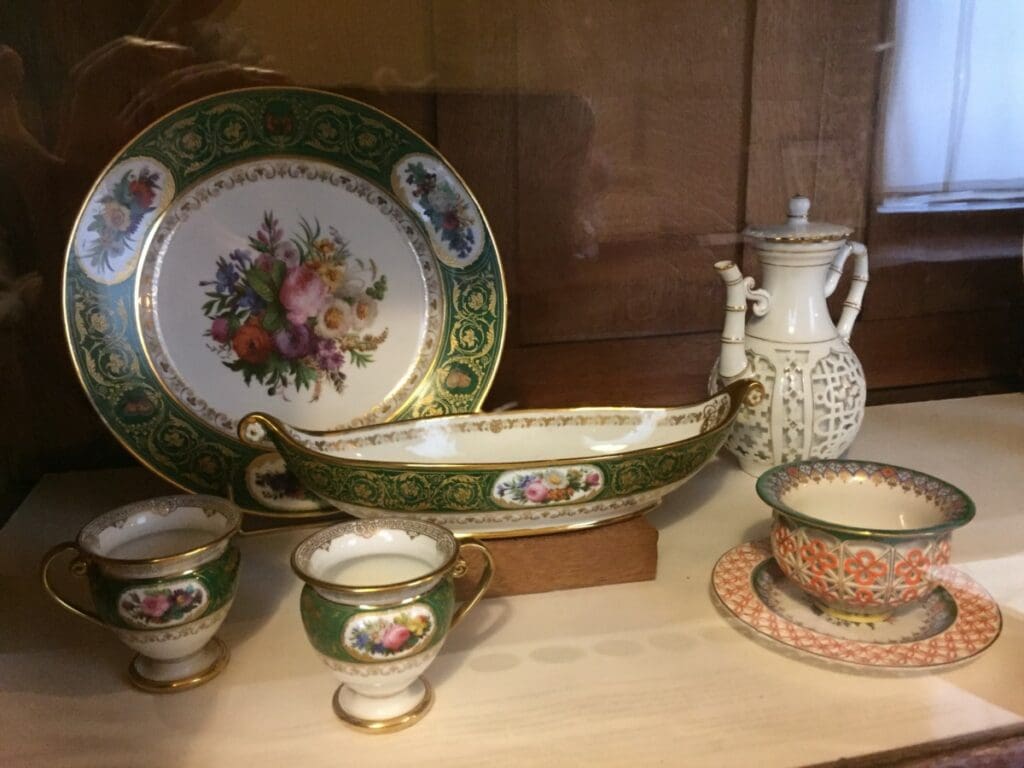
Bedrooms, lounges, dining rooms, bathrooms, display cases of porcelain, and silverware succeed one another up to the flamboyant Gallery of the Guises, a large, recently restored reception room, which has been hosting very beautiful furniture from the Mobilier National since last year.
Place Isabelle d’Orléans
76260 EU
Open every day except Tuesday and Friday morning, until November 4th
From 10 am to 12 pm and from 2 pm to 6 pm
Full price: €5 / Youth price (6 to 16): €2 / Students: €2.50
Free admission: under 6s
1st Sister Cities Film Festival, Le Tréport-Mers-les-Bains-Eu, from October 4th to 7th
_
The Manoir d’Ango in Varengeville-sur-Mer
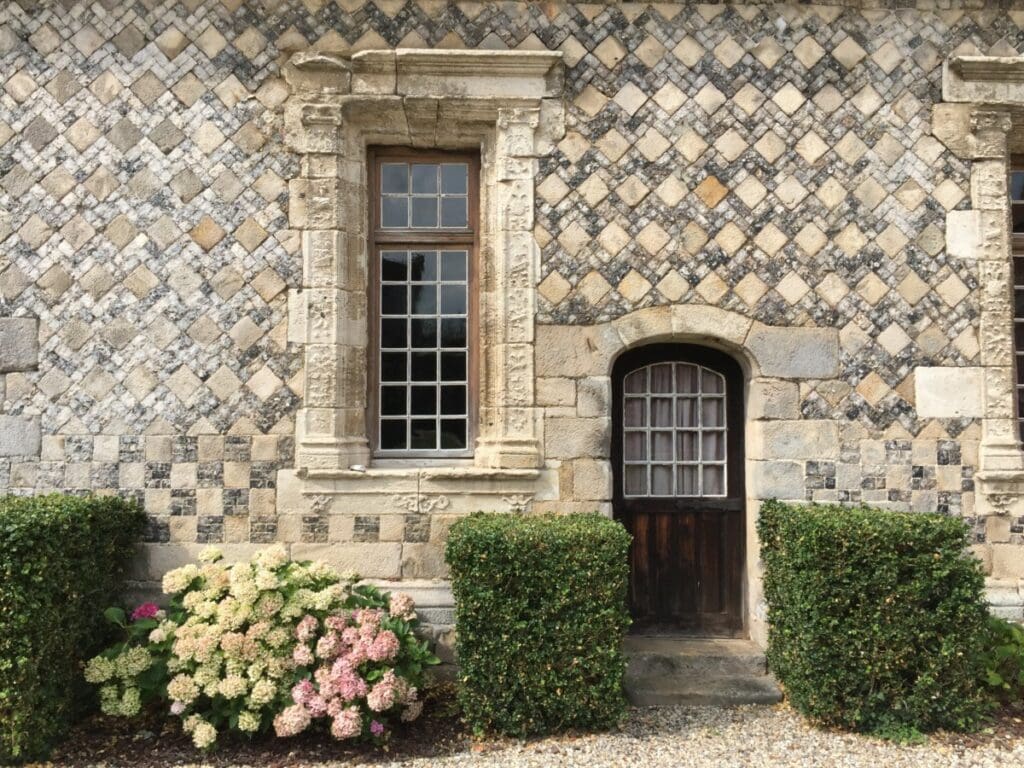
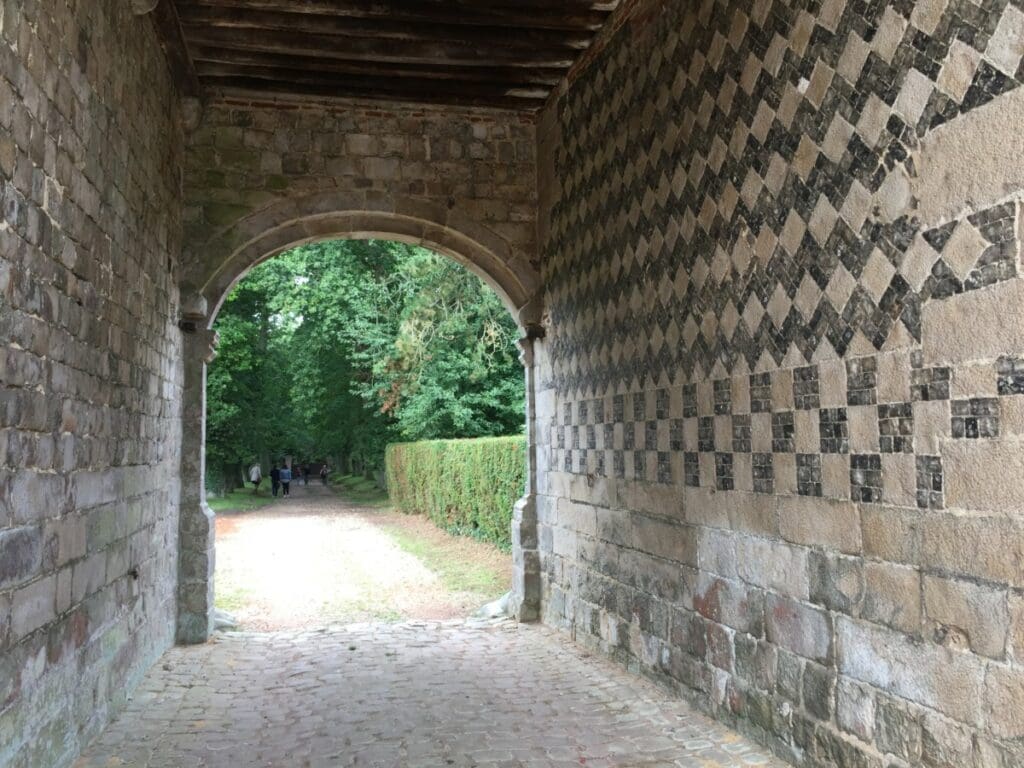
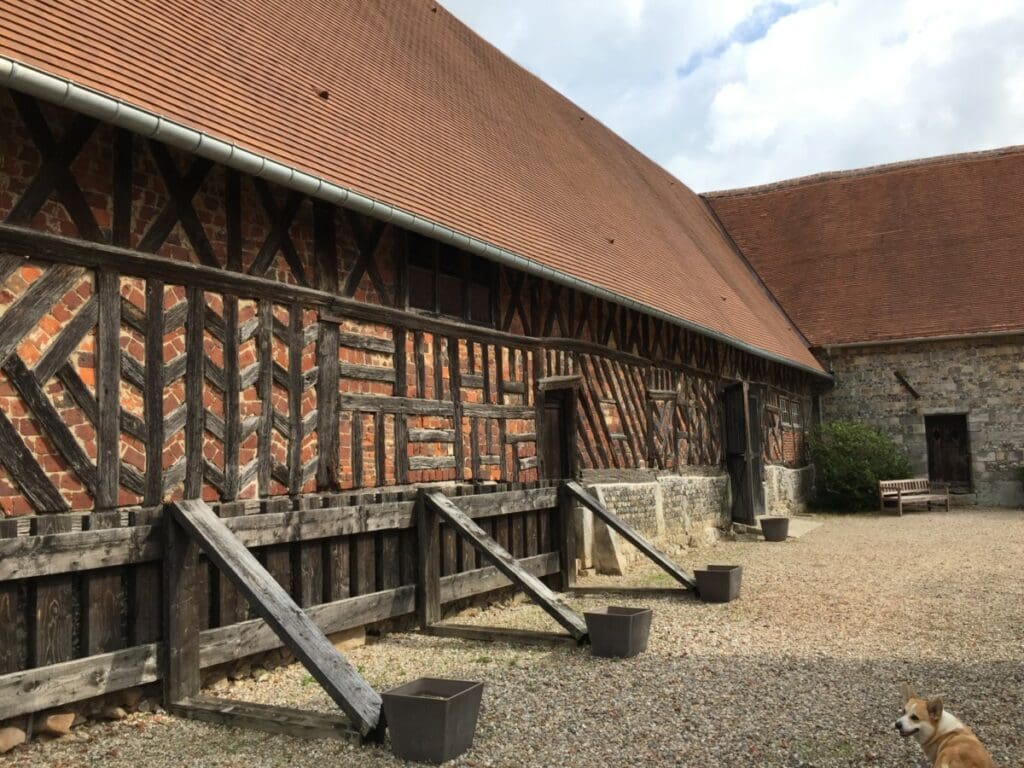
This manor was built around 1530 as a summer palace by Jehan d’Ango, a shipowner who made his fortune with mahogany wood (which was then used as dye for the sheep’s wool produced in large quantities in the region). The Italian architect left his mark through the refinement of the sculptures and the walls composed of assemblages of quartz blocks, stone, and wooden beams.
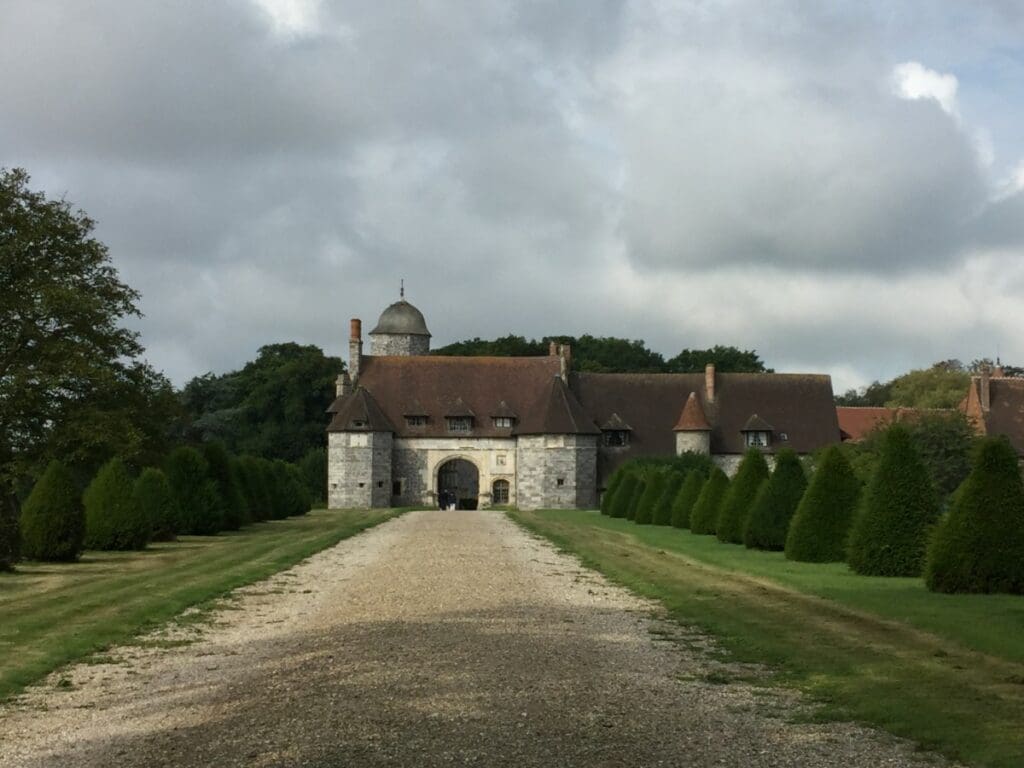
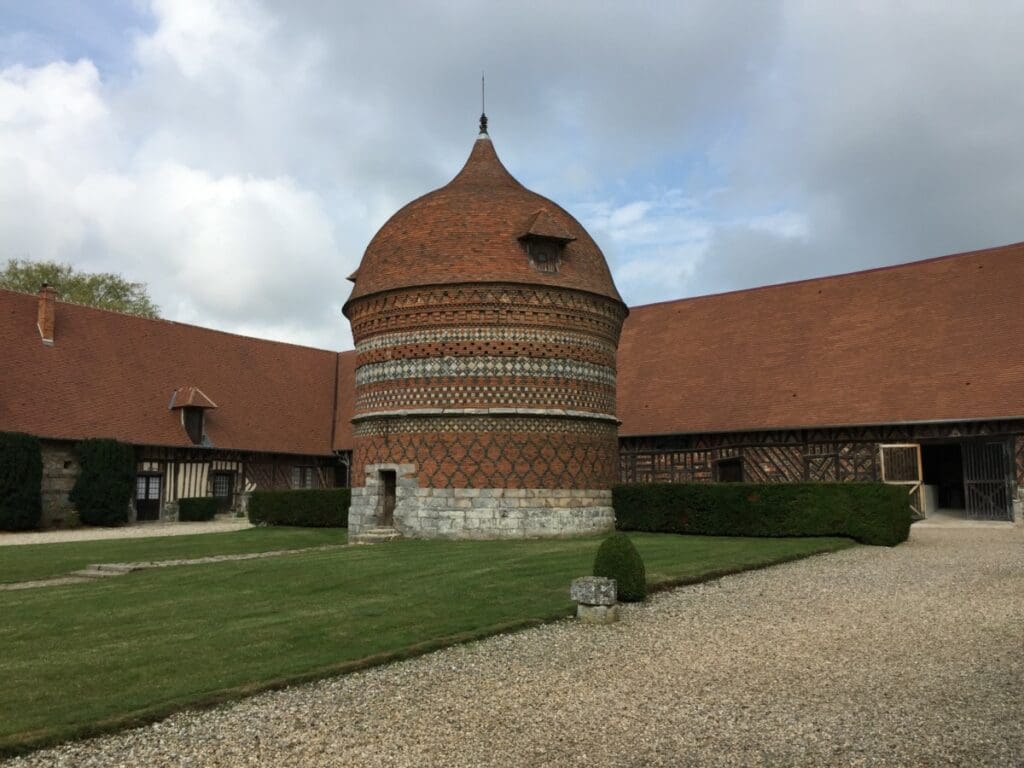
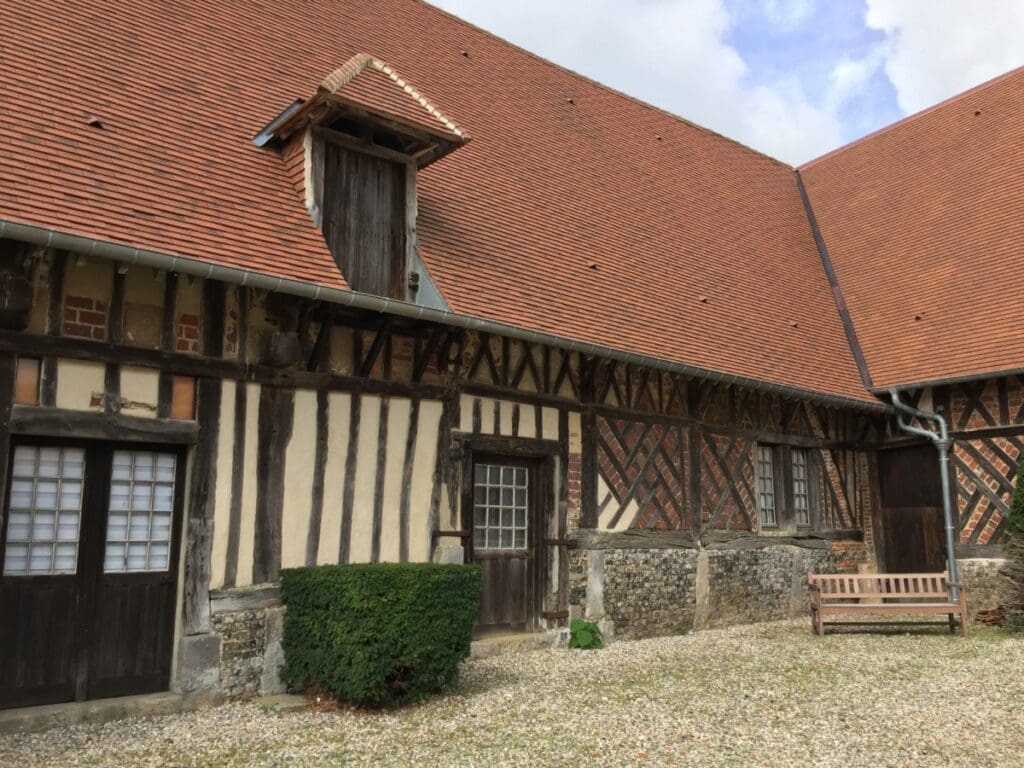
This results in a splendid ensemble, currently in the hands of three brothers and sisters who, while living on the premises, give tours and rent them out occasionally (they also rent a gite). The site is surrounded by an immense park, its masterpiece remaining its very original dovecote, with geometric decor, reputed to be the most beautiful in France.

chemin de Cayenne
76119 Varengeville-sur-Mer
Open every day until September 30th
Weekends and public holidays from October 1st to All Saints’ Day
Hours: from 10 am to 12:30 pm and from 2 pm to 6 pm
Adult price: €5.5
_
The Dieppe Château-Museum
This former 15th-century fortress, located on the cliff, is today an « encyclopedic » museum. You can find varied collections ranging from prehistory to contemporary art, with the common thread being the sea and the history of the city. Numerous navigation instruments, maps, and boat models testify, first of all, to its maritime history.
Then come the painters who came to work on the Normandy coast: Pissarro, Renoir, Boudin, and Courbet, who left behind a few pretty pearls.

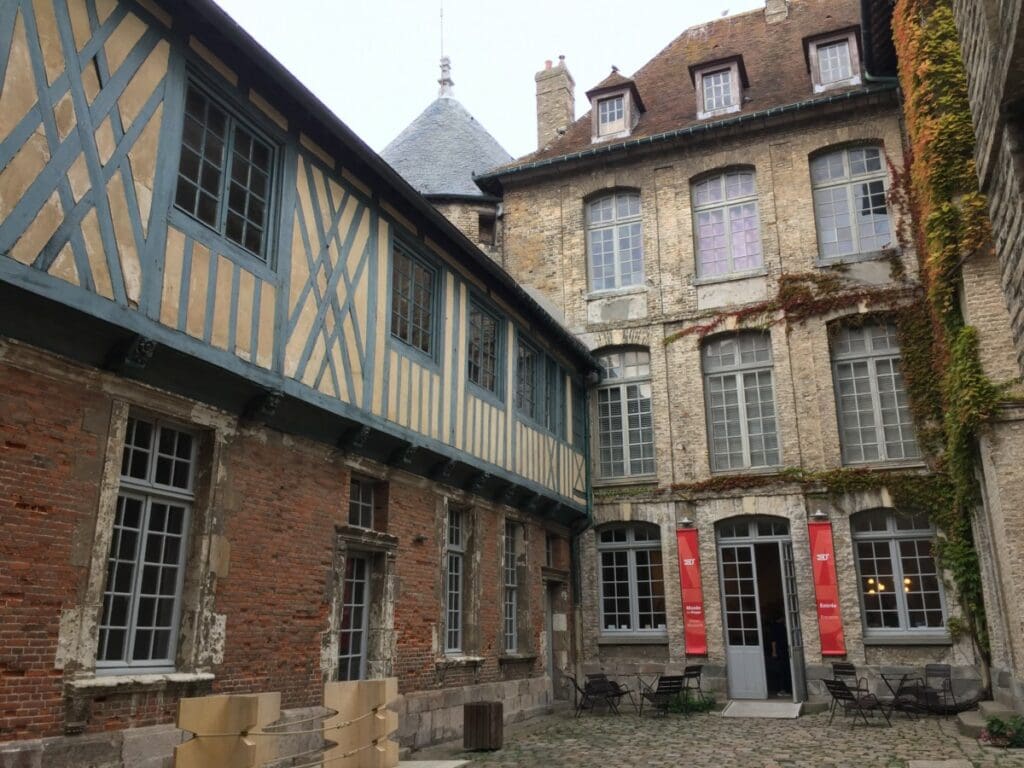
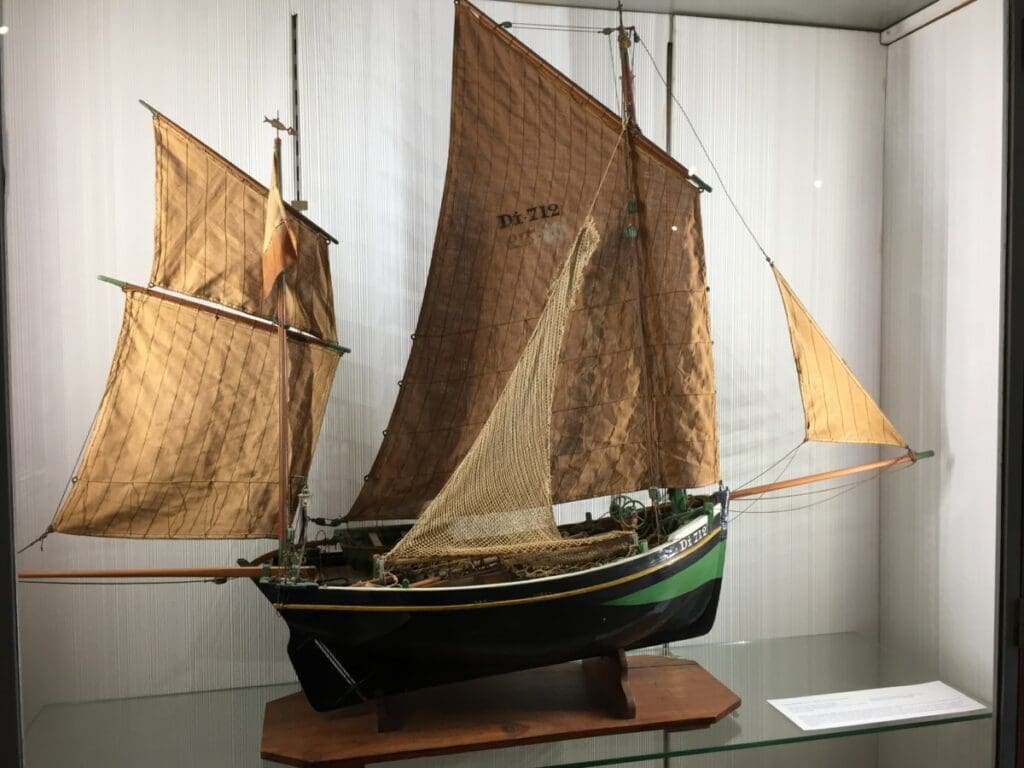
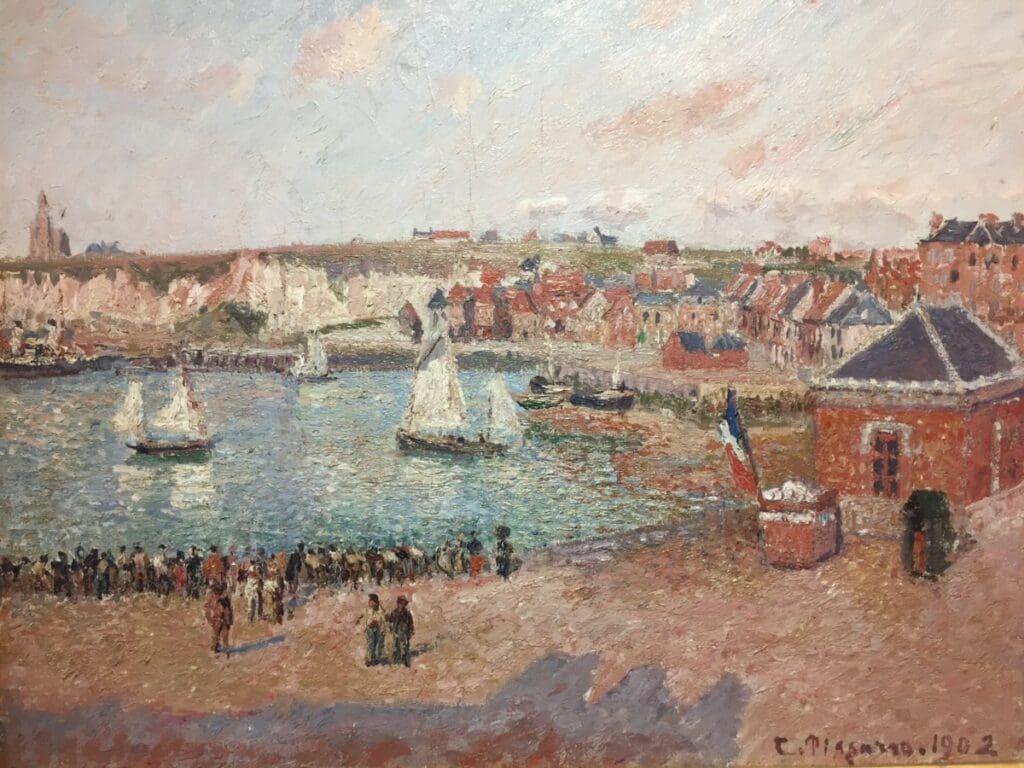
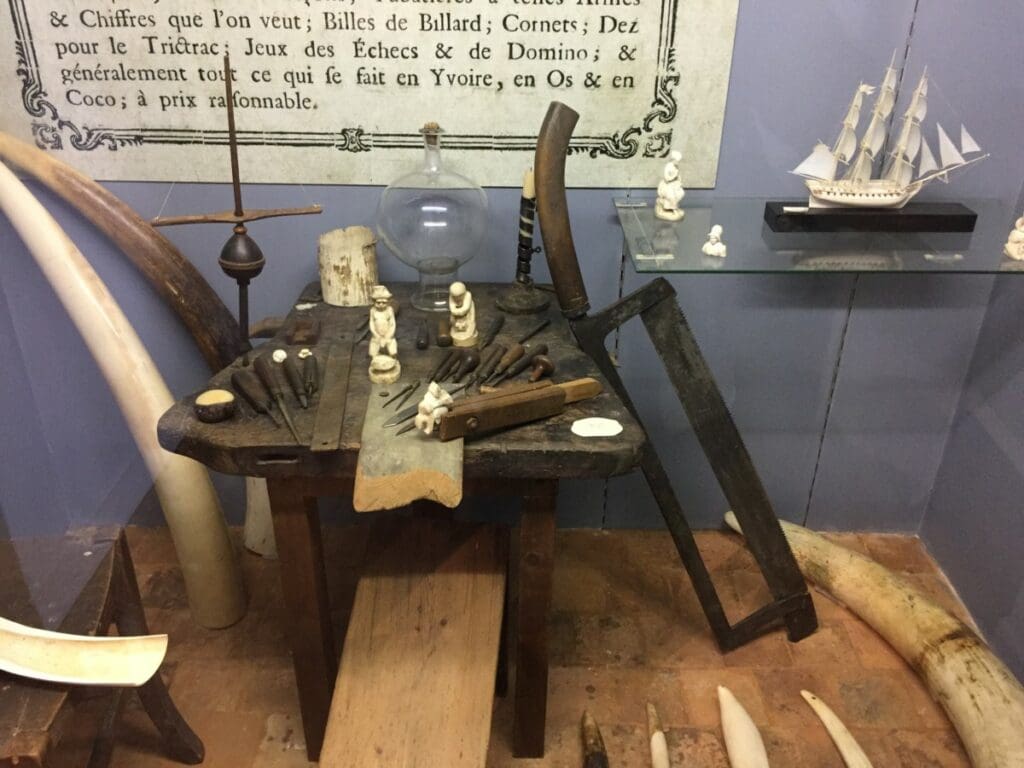
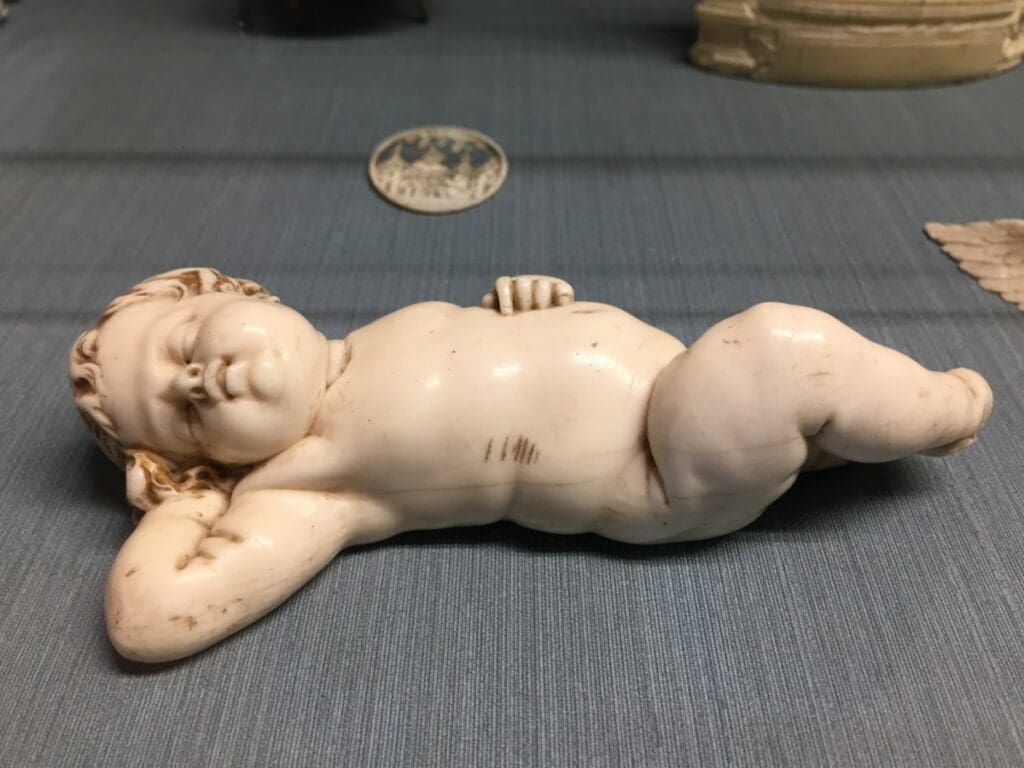
The museum’s great pride lies in its extraordinary collection of ivories, a material brought back by sailors since the 15th century and which was always worked in the city, thus rivaling Germany. Religious subjects, ships, chess sets, cup-and-ball games, boxes, tobacco rasps, and miniatures of all kinds (up to representations of theater scenes in perspective)… hundreds of objects pile up in the display cases while the reconstruction of a workshop introduces us to the ivory-carver’s trade.
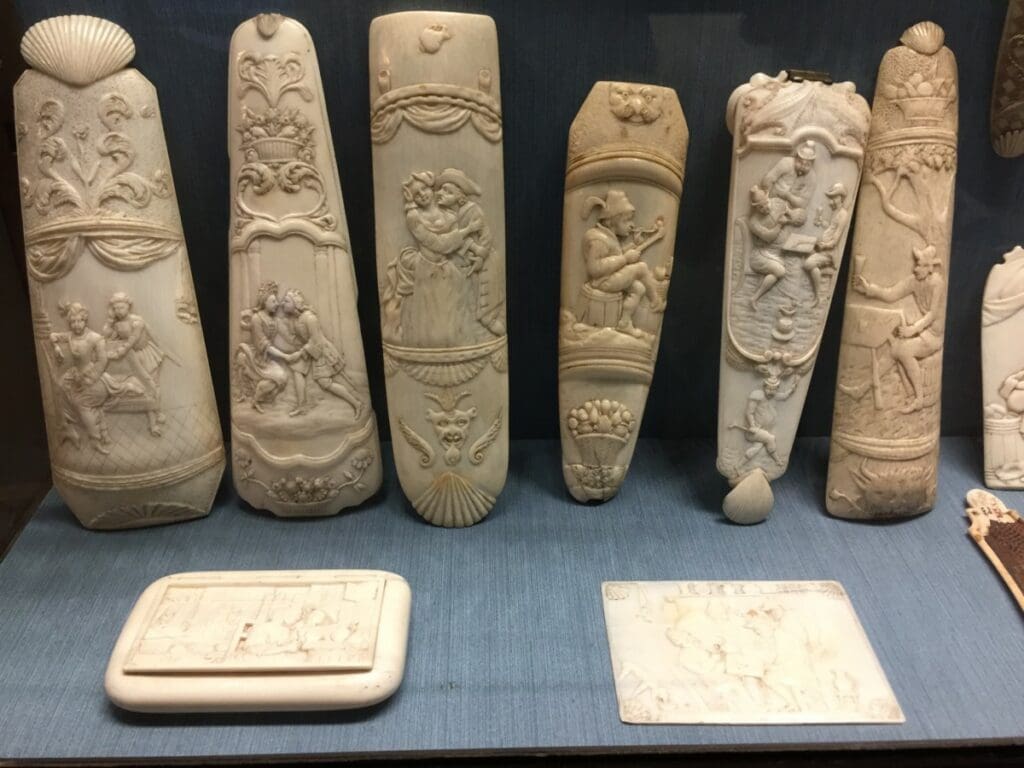
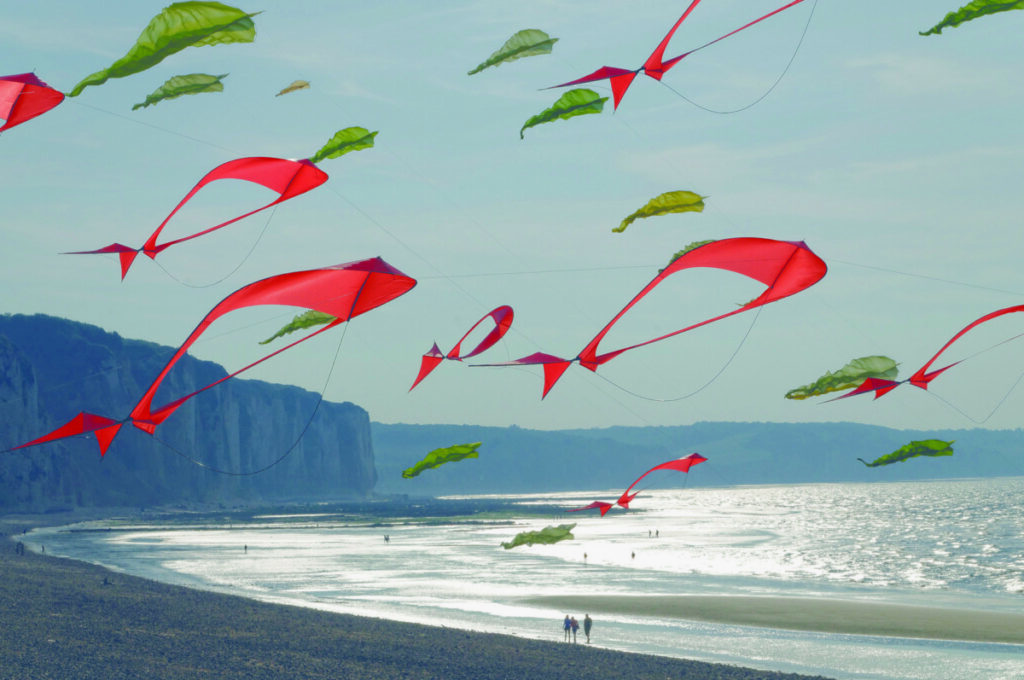
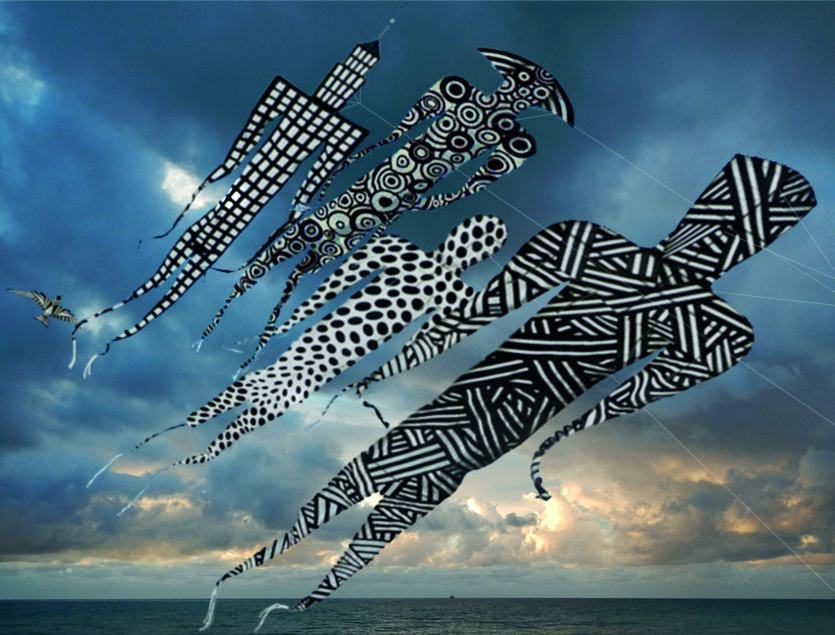
This museum truly deserves a visit, just like the International Kite Festival with its little marvels from all over the world and its competitions, which is taking place in the city these days!
rue de Chastes, 72600 Dieppe
Tel: +33 (0)2 35 06 61 99
Until September 30th, open every day except Monday and Tuesday, from 10 am to 6 pm
From October 1st to December 31st: open every day except Monday and Tuesday, from 10 am to 12 pm and from 2 pm to 5 pm
(6 pm on Sunday)
Closed on November 1st and December 25th
Full price: €4.5 / free for students, unemployed, teachers, etc.
International Kite Festival: from September 8th to 18th
Photo credits: Valérie Collet