I am always amazed to find that after years of wandering, there are still so many treasures to explore in France. Such is the case for Narbonne, located in the Aude department in Occitanie, which I had the pleasure of visiting for the first time during a beautiful, sunny weekend. Last year, I actually came to the area to visit Béziers for those who remember, as well as the seaside resort of Cap d’Agde.
In this article, I offer a complete city guide to visiting Narbonne. On the agenda: my selection of the best places to see, must-do activities, and, as usual, my tested and approved favorite spots. In the third section, I also suggest a selection of things to do and great places to visit, but this time in the area surrounding the city. Indeed, Narbonne is surrounded by about thirty picturesque villages, which offer plenty of excursion possibilities if you have a car. You will find wine-growing villages, fishing villages, salt worker villages, 20th-century seaside resorts, marinas… And of course, a trip to the coast with its beautiful shades of blue is an incredibly pleasant outing (I’ll tell you more about that below).
Regarding gastronomy, you won’t be disappointed either, and I especially recommend trying the local wines (Corbières, Minervois, Fitou, La Clape…), which are excellent! They pair perfectly with the seafood, fish, and cheeses you can taste in the region. Salt and olive oil are other high-quality local products you will find here.


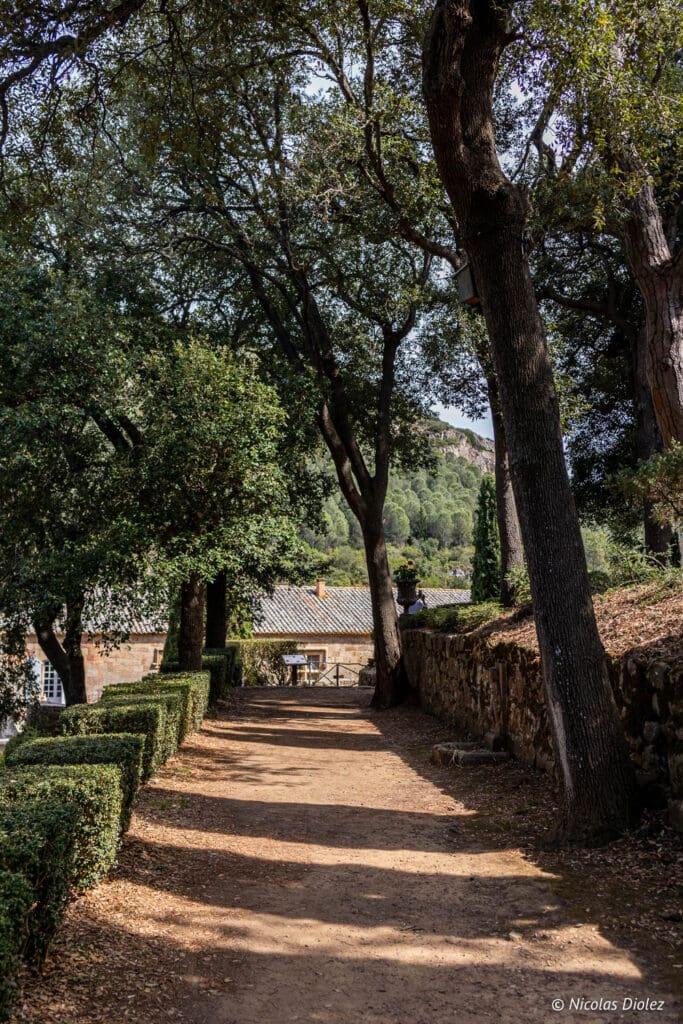
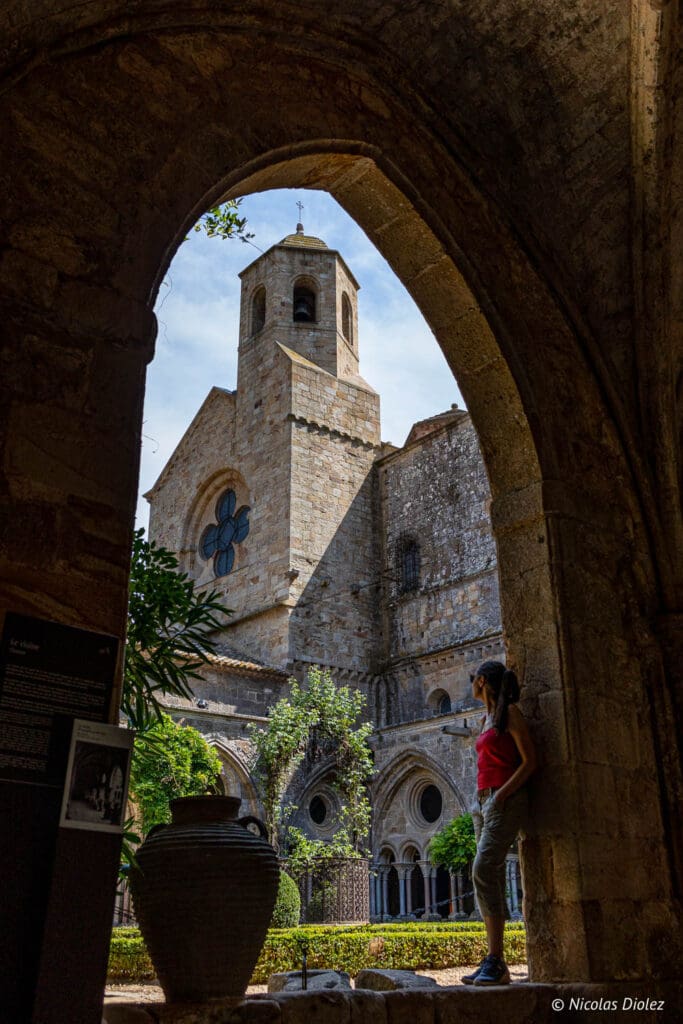
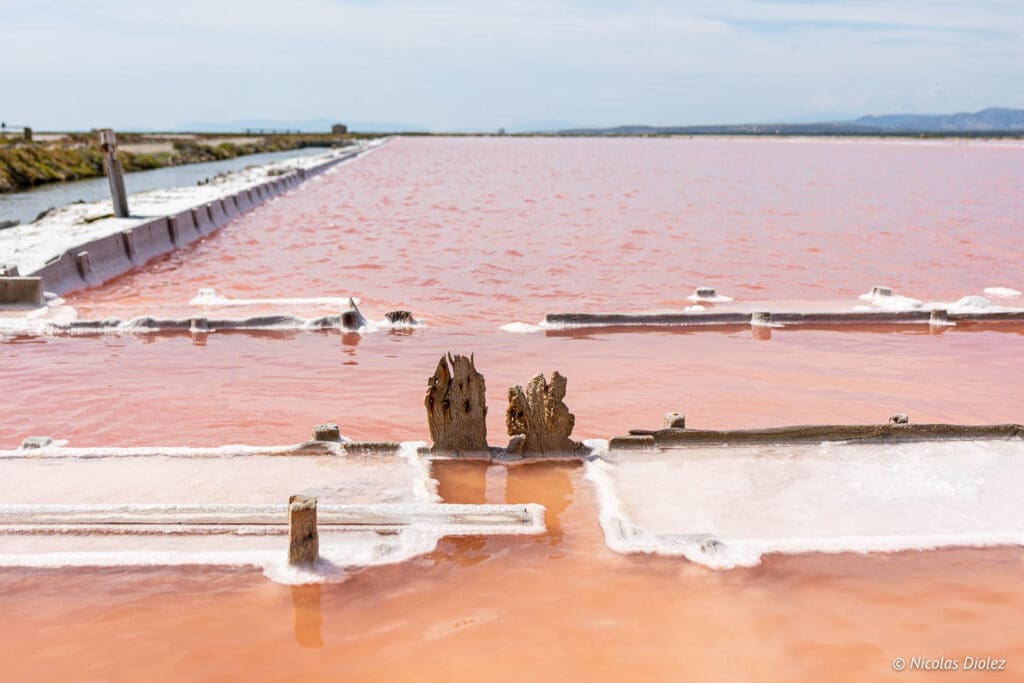
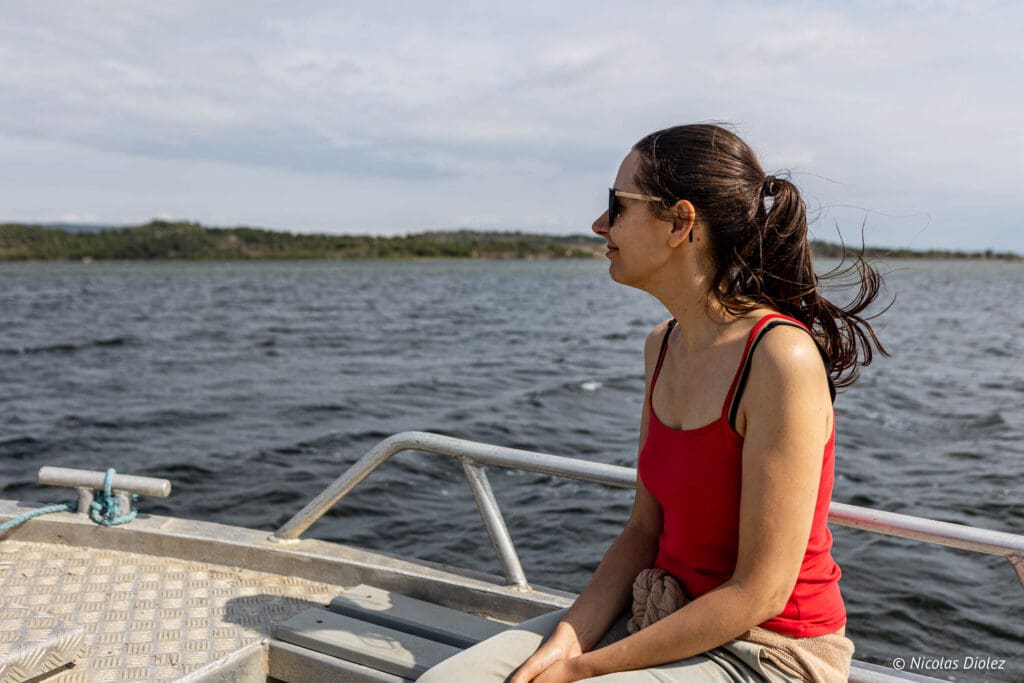

Table of Contents
What to see and do in Narbonne?
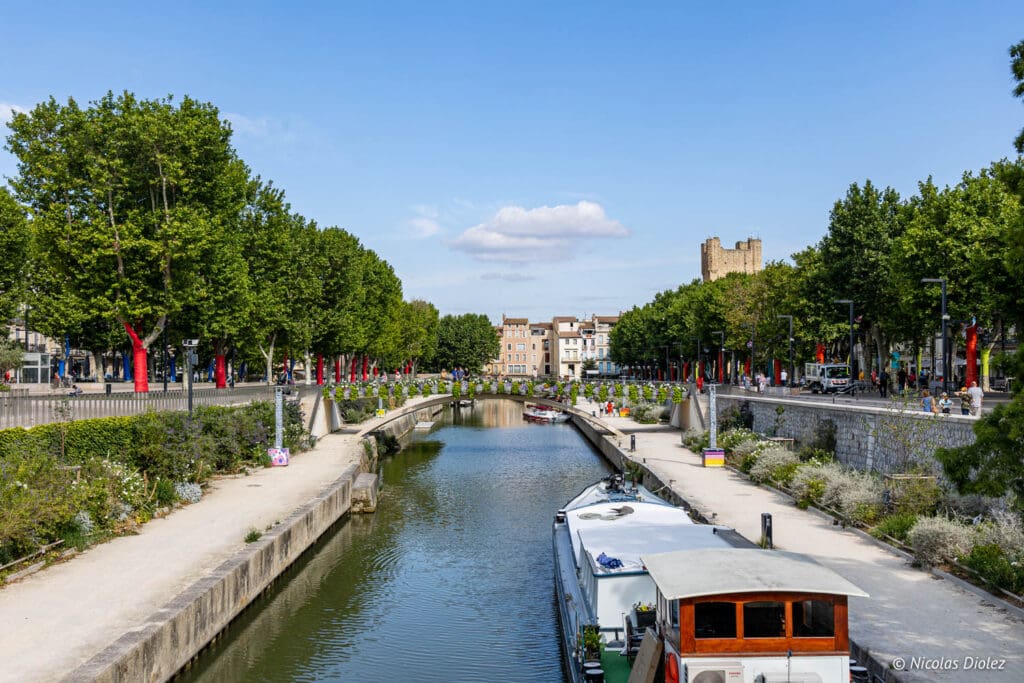
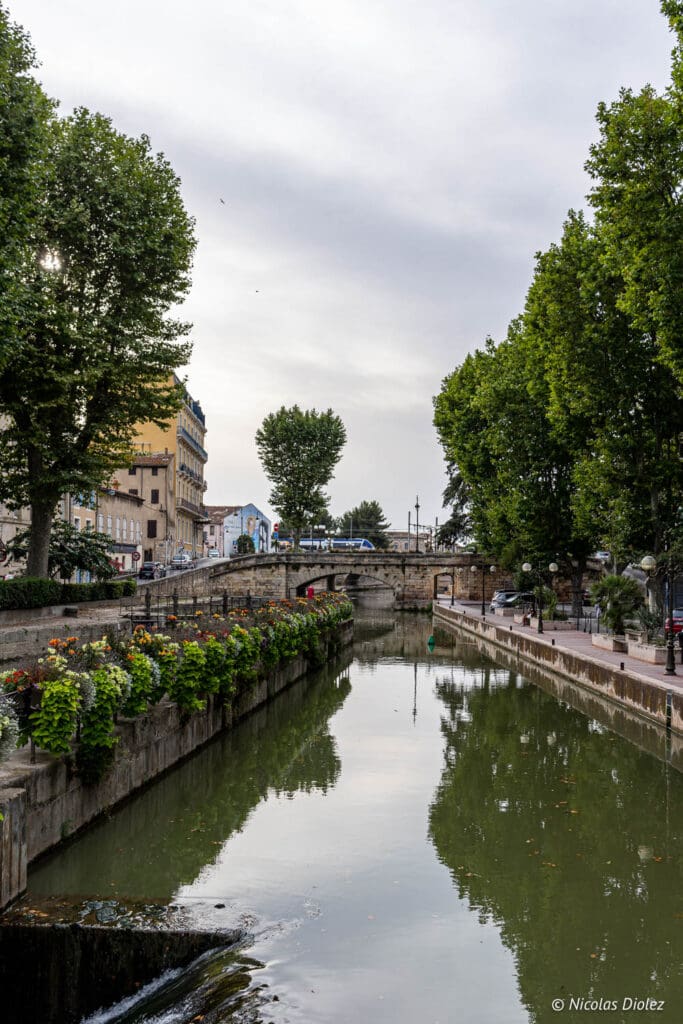
Narbonne is a city of art and history, and its ancient past has played a very important role in its development, as it was the capital of the Narbonnaise province under Emperor Augustus and a crossroads for trade since its inception. The city is also a former port, and its history is intimately linked to water. It was crossed by the Aude river in ancient times and is now crossed by the Canal de la Robine (a UNESCO World Heritage site), a side branch of the Canal du Midi. The city therefore developed thanks to river and maritime trade, despite various challenges: floods, shifting of the Aude riverbed, the sea receding…
Ultimately, very few ancient archaeological remains are visible in Narbonne today, as the inhabitants frequently reused the ancient stones, and the city developed significantly during the Middle Ages, as it was a departure port for the Crusades.
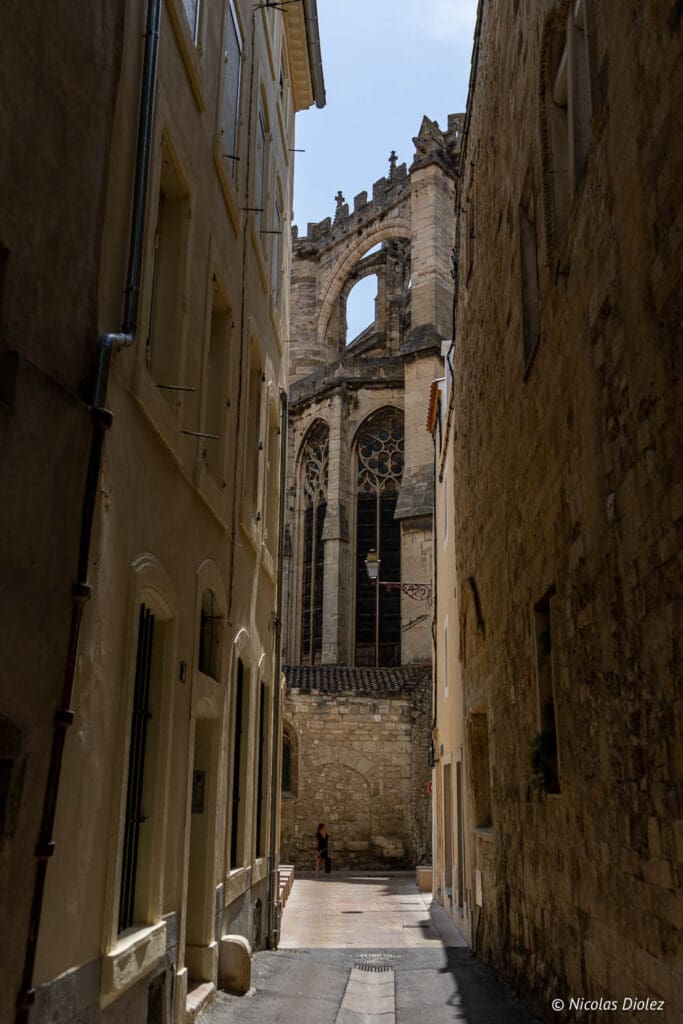
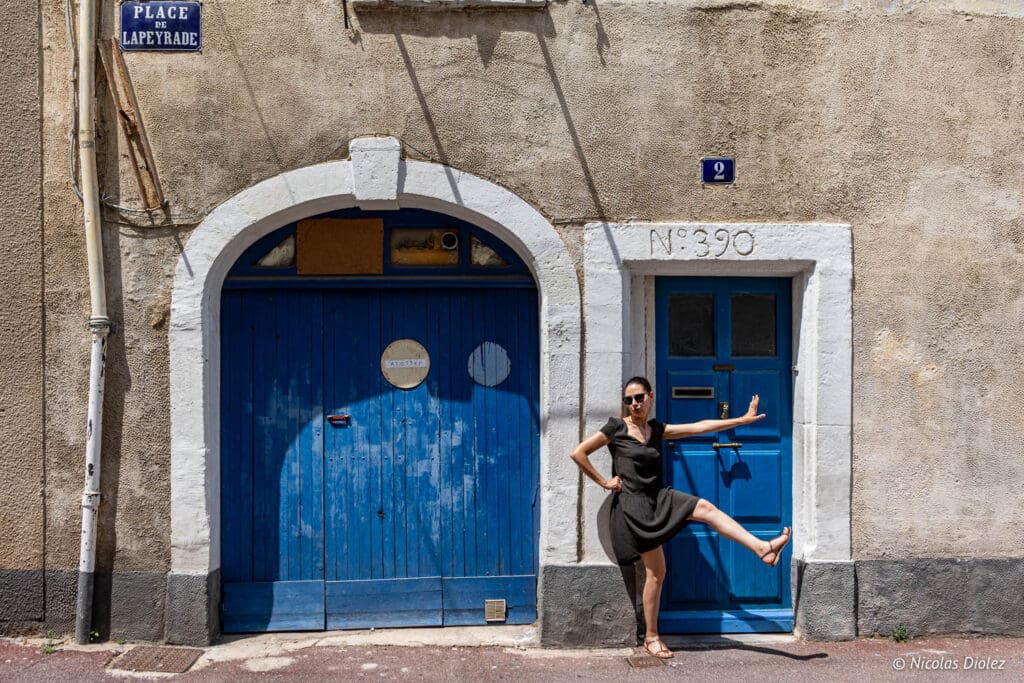
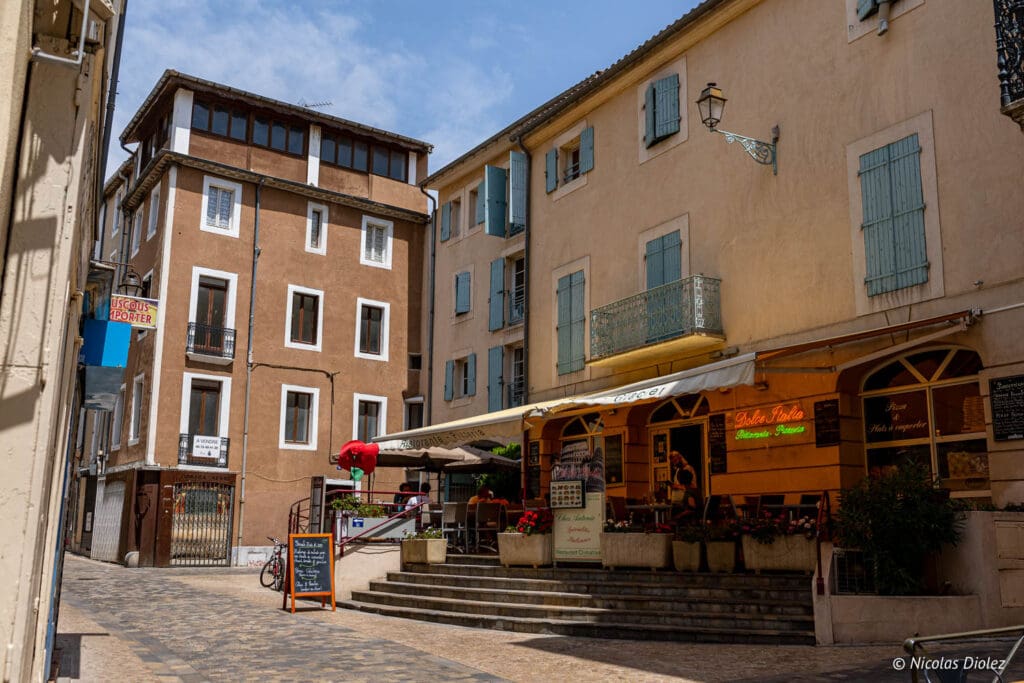
Beyond the visit suggestions I provide below, don’t miss getting lost in the maze of alleys in Narbonne, which are full of charm. You might stumble upon a small Mediterranean market at a street corner or a secret square where you’ll want to take a break. On the other side of the Pont des Marchands (one of the few bridges still built upon and inhabited today), you will find, for example, the Bourg district, which contains traces of its medieval past.




The tip: the city of Narbonne offers 1 hour of free daily access per person to the city’s Wi-Fi network, “Ville de Narbonne” and “Narbonne-Plage wifi”.
For more information on the city, don’t hesitate to check the website of the Narbonne Tourist Office
_
Visiting the Saint-Just and Saint-Pasteur Cathedral
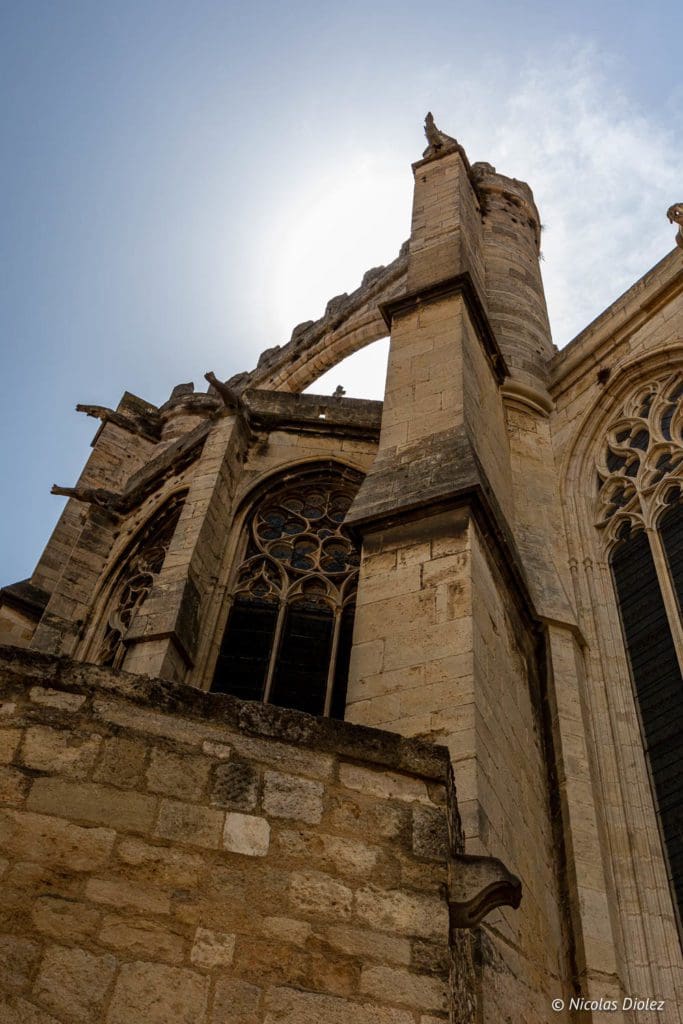
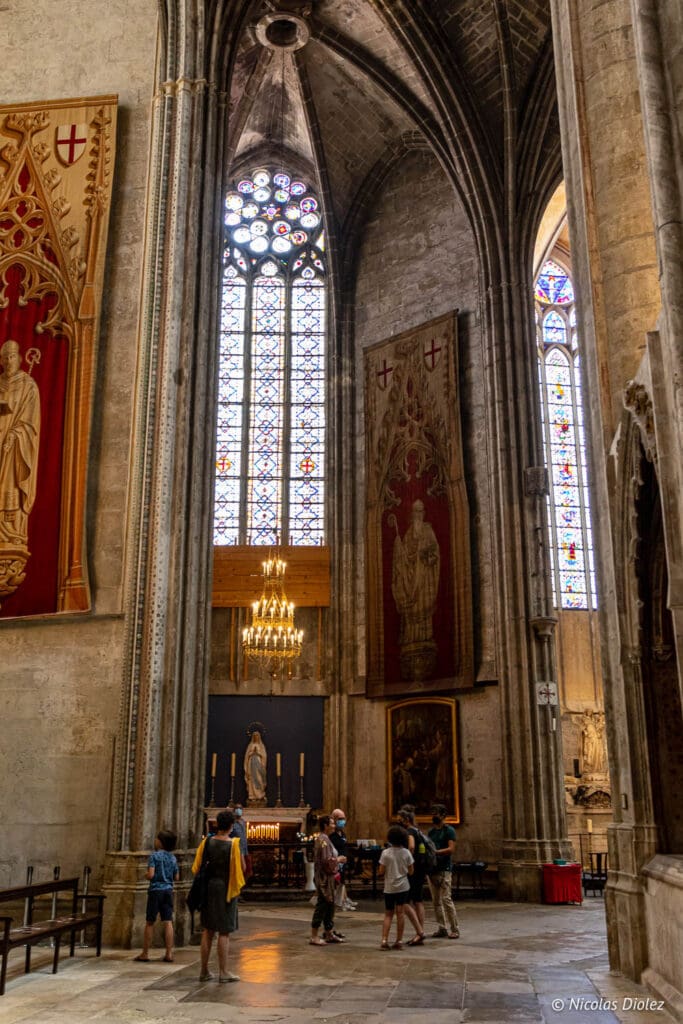
This Northern Gothic-style cathedral was built with stones from the Sainte-Lucie island starting in 1272, and it is a true gem! It is monumental both inside and out (its choir is the highest and largest in the South of France) and houses several major works (such as the archbishops’ tombs at the choir enclosure, the polychrome altarpiece, the 14th-century Virgin in the axial chapel, the 17th-century baldachin master altar, the grand organ…). Don’t miss a stroll through the magnificent Gothic cloister with its 21 rib-vaulted bays, which is also well worth the detour!



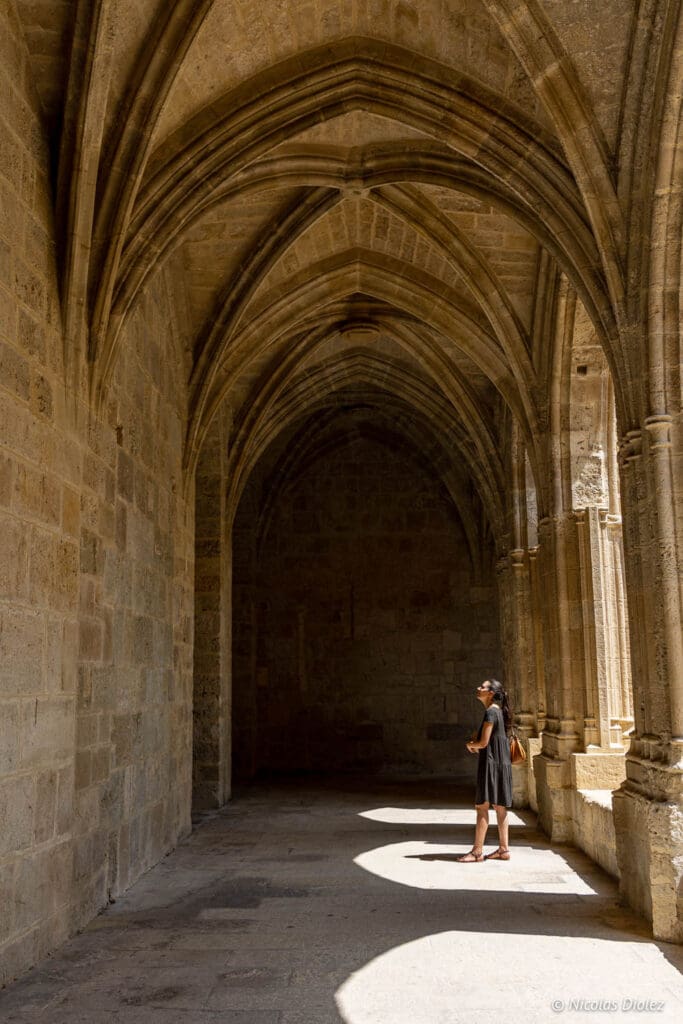
Saint-Just and Saint-Pasteur Cathedral
Access via Rue Armand-Gautier or through the cloister
Free access or guided tours / no tours during services (mass on Friday at 10 AM and Sunday at 11 AM)
Open daily from 10 AM to 12 PM and 2 PM to 5 PM between October and May / open daily from 10 AM to 6 PM between June and September
_
Visiting the Archbishop’s Palace-Museum
This Palace, located right next to the cathedral (and connected to it by the Gothic cloister), is the second most important archiepiscopal monumental complex in France after Avignon. It was built throughout the Middle Ages with modifications made at various periods. We didn’t have time to visit the museum installed inside, but I encourage you just to enter the Cour d’Honneur (Courtyard of Honor), which is worth a look, or to admire its façade and its towers (including the Gilles Aycelin keep) which overlook the Place de l’Hôtel-de-Ville. In the center of this square, don’t miss the remains of the Via Domitia (an ancient Roman road).
Also to see is the Passage de l’Ancre, whose name evokes the rights collected by the archbishops on the coast; it separates the New Palace from the original Romanesque primitive palace (Old Palace) and also connects with the cloister and the cathedral.
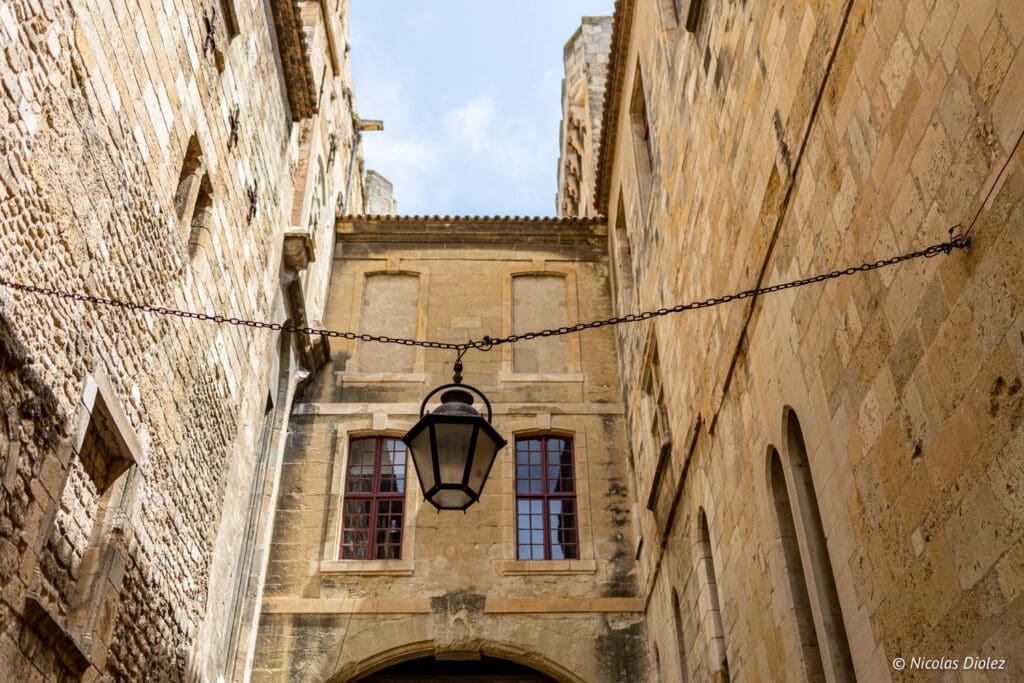

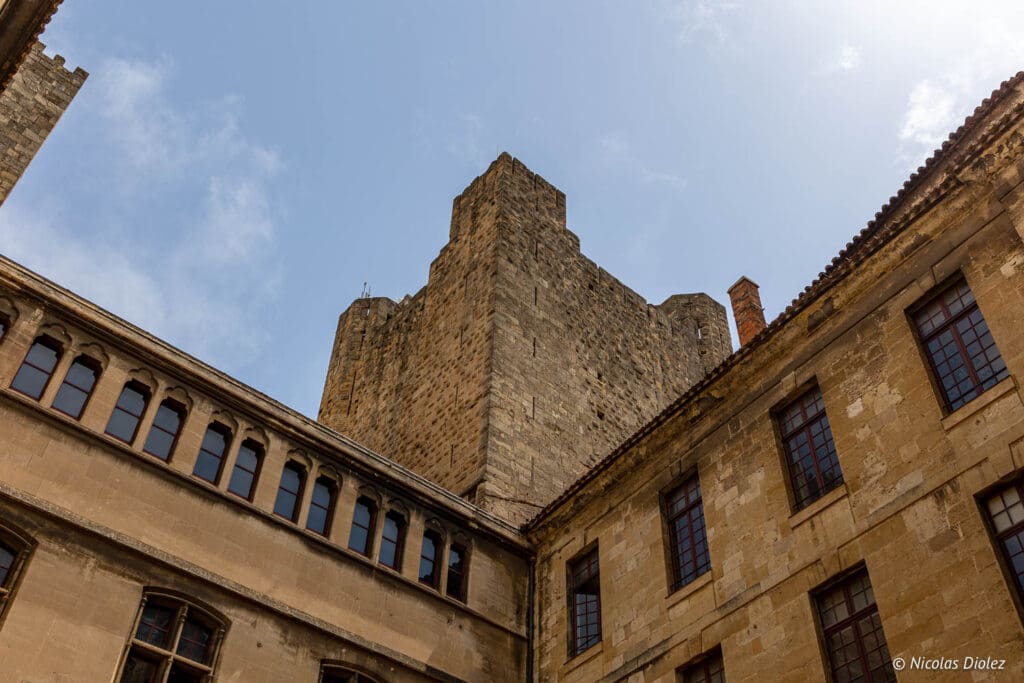
Archbishop’s Palace-Museum
Access via the main entrance, Place de l’Hôtel-de-Ville in Narbonne
Open from 8 AM to 7:30 PM
_
Visiting the NarboVia Museum
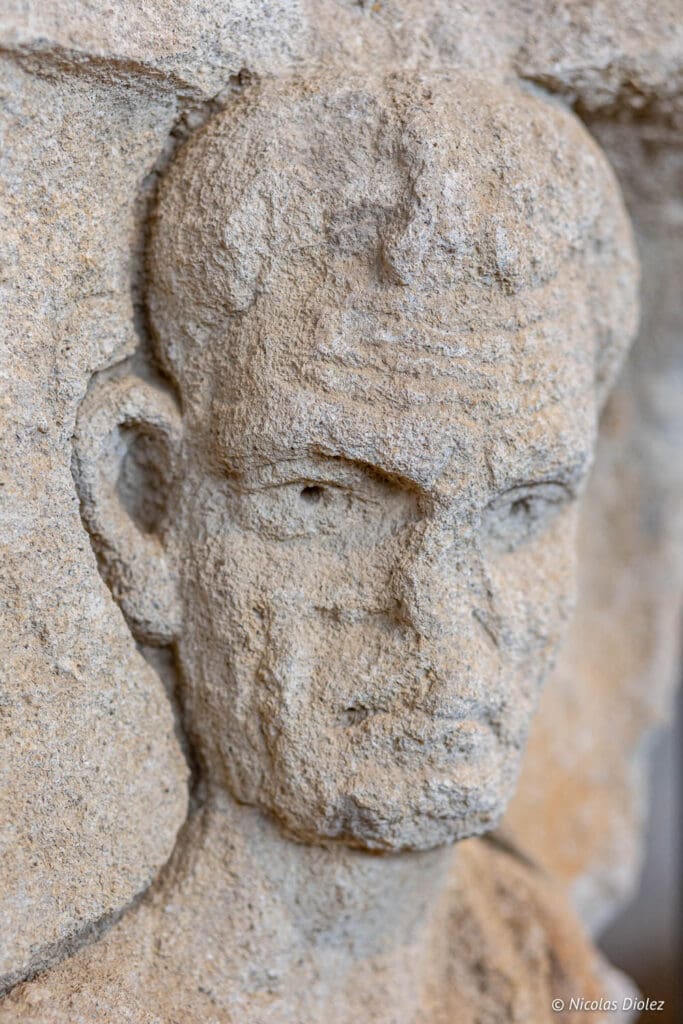
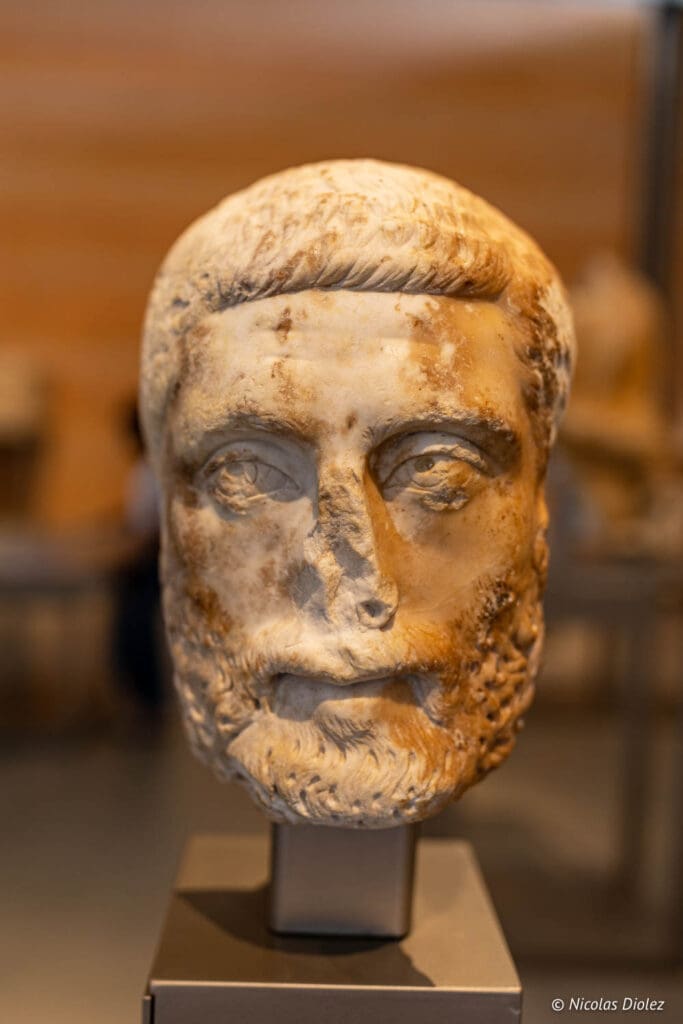
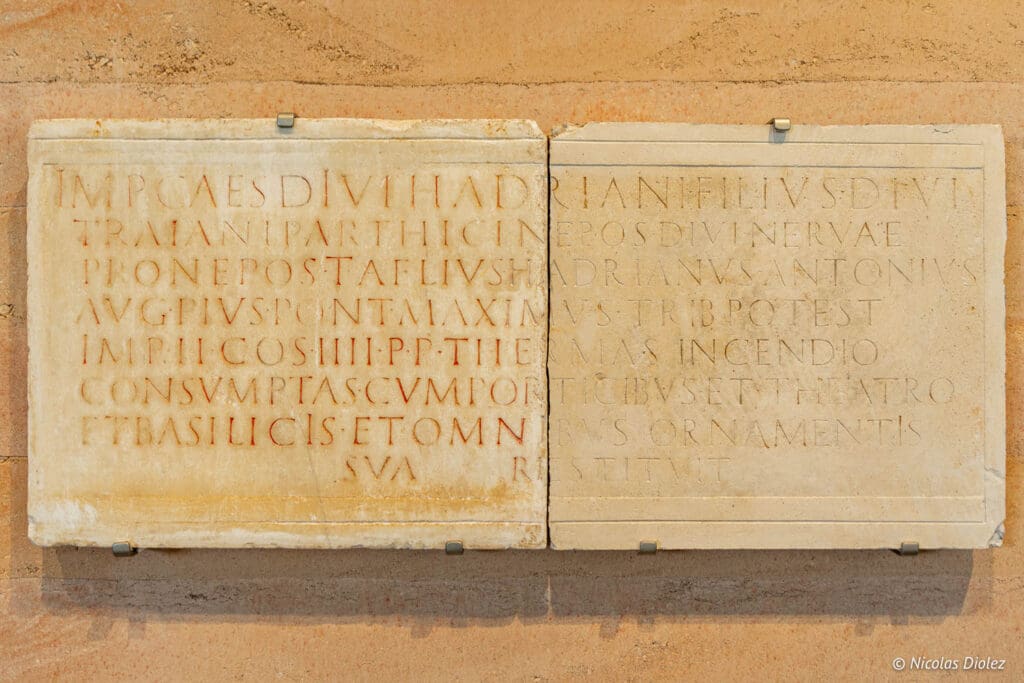
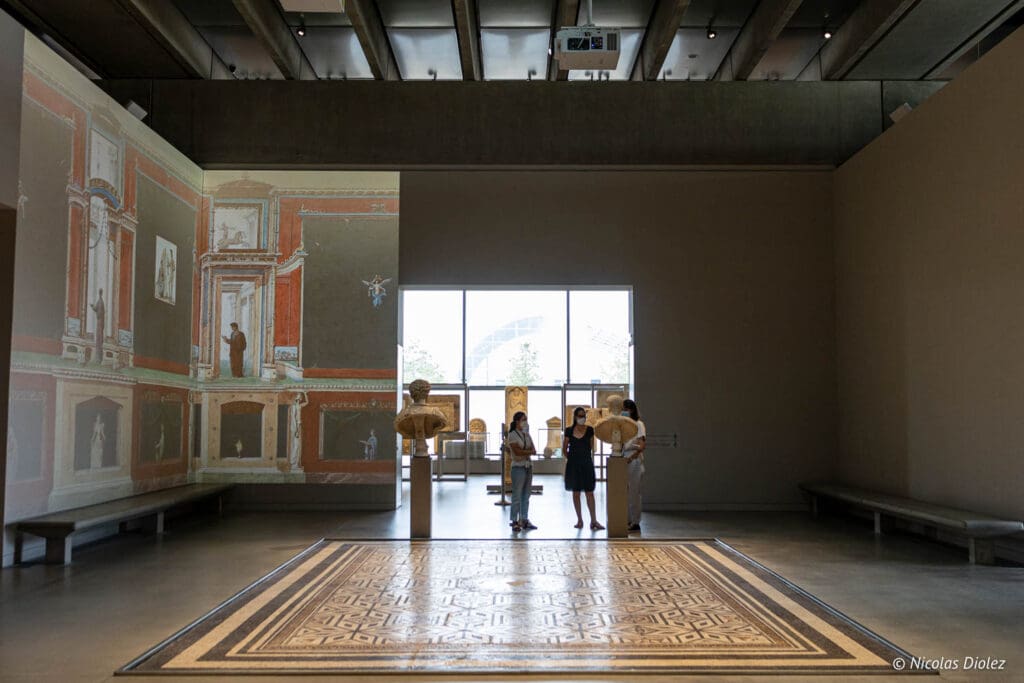
Located at the eastern entrance of the city along the Canal de la Robine, the brand new Narbo Via museum (open since May 2020) invites visitors to discover the riches of the ancient city of Narbo Martius, the first Roman colony founded in Gaul in 118 BC. The building itself is also very interesting to discover, as it is the work of the architectural firm Foster + Partners (which also designed the Millau Viaduct, for example).
Visiting the museum obviously provides new insight into the importance and history of Narbonne, which was the capital of Gallia Narbonensis during Gallo-Roman times, but was also likely one of the largest ports in the eastern Mediterranean, as amphorae from all over the empire have been found there.
The museum displays a collection of over 1,300 pieces, including 760 fragments of funerary monuments exhibited in a lapidary gallery that takes the form of an immense, modular, visitable wall, which truly impressed me. The exhibition space spans more than 2,600 m2 and allows visitors to discover the ancient Roman city through various aspects: its social organization, urban planning, homes, and decor (notably an exceptional collection of wall paintings from the Domus du Clos de la Lombarde), as well as its economic and port life. The museum project is truly intended to be a vibrant space with an extensive cultural program, accessible gardens, events and shows, a bookstore-boutique with local products, a restaurant (upcoming project), a privatable 200-seat auditorium, a research space (restoration workshop, study room, and storage), and a place for wine production from organic vineyards (upcoming project).
The plus side: the various digital mediation tools are very well designed, and you can especially rediscover the reconstruction of the ancient city and its port.


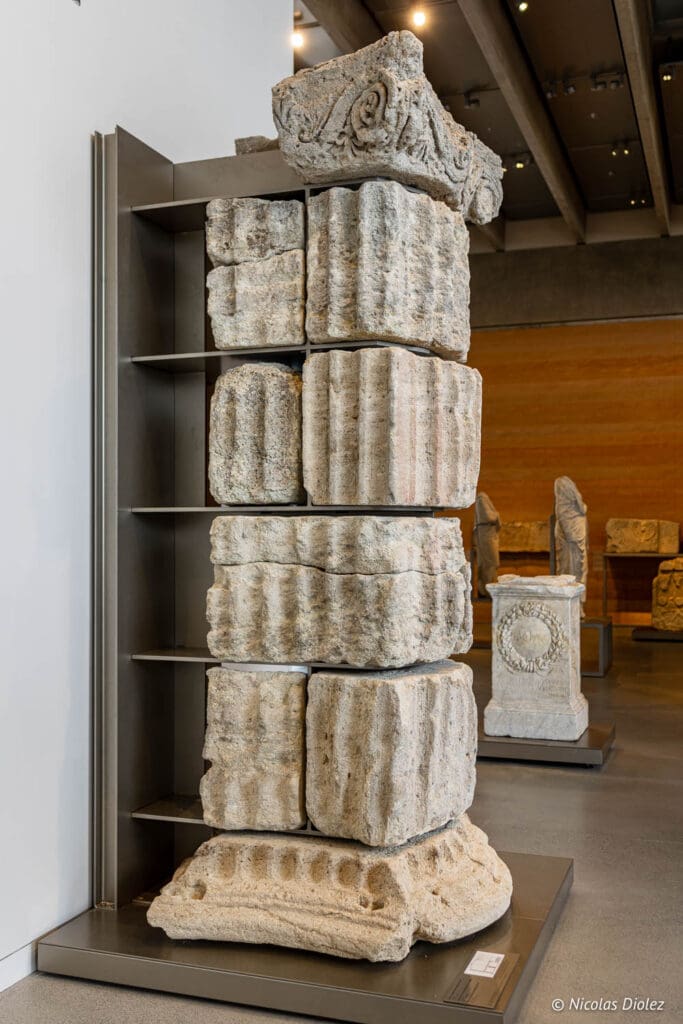









Musée NarboVia
50 avenue de Gruissan
11100 NarbonneOpen Tuesday to Sunday all year round
Rates: €8 adult / 3-site pass valid for 1 month €12 or 1 year €30 / free for under-26s / free for everyone on all 3 sites on the first Sunday of each month
Guided tour rate in addition to entry: €2
A 3-site Pass is available including the Amphoralis archaeological site-museum in Sallèles-d’Aude and the underground galleries of the Roman Horreum in Narbonne
Link to the museum’s website
_
What to do in the evening in Narbonne during summer? Les Nuits Merveilleuses
This year, in July and August at nightfall, the city of Narbonne offered visitors a sound and light trail in 4 stages around the theme “Water and Dreams” (at the Passerelle des Barques; on the Pont des Marchands; under the Passage de l’Ancre; on the Place de l’Hôtel de ville). It was an opportunity to discover the city’s monuments in magical and spectacular settings. We absolutely loved this show, and the favorite photographer was completely dazzled! Let’s hope it happens again in the summers to come.

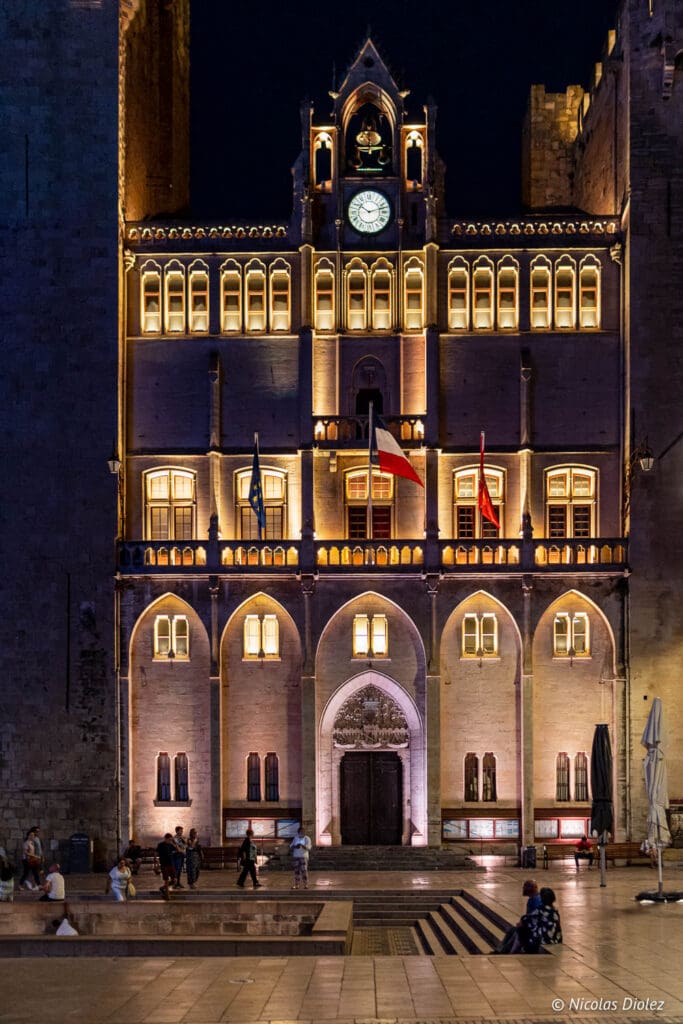
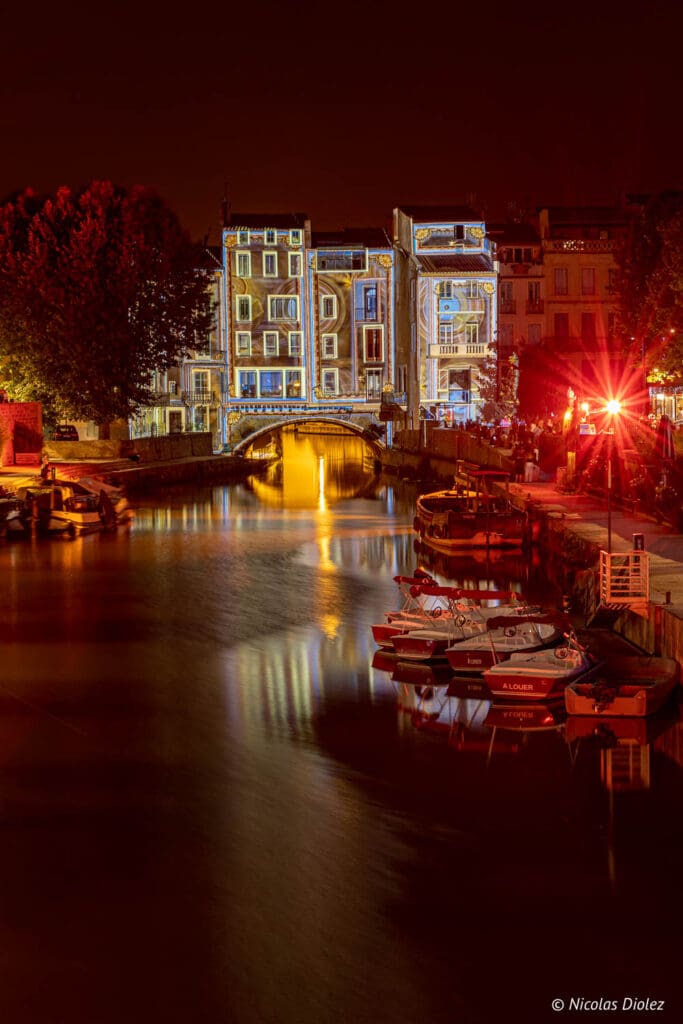
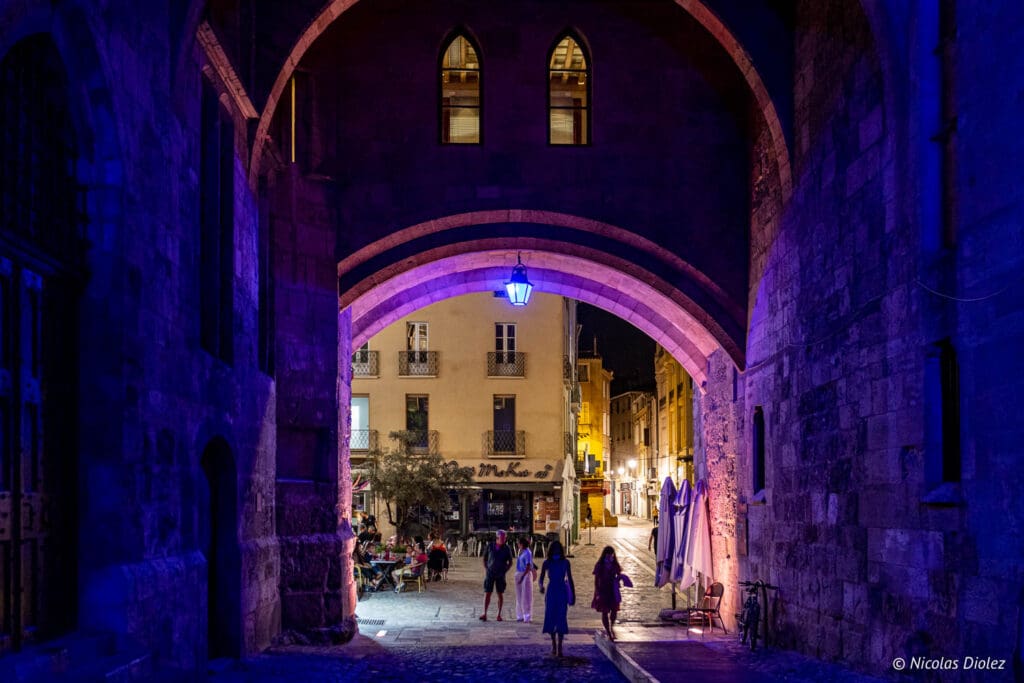
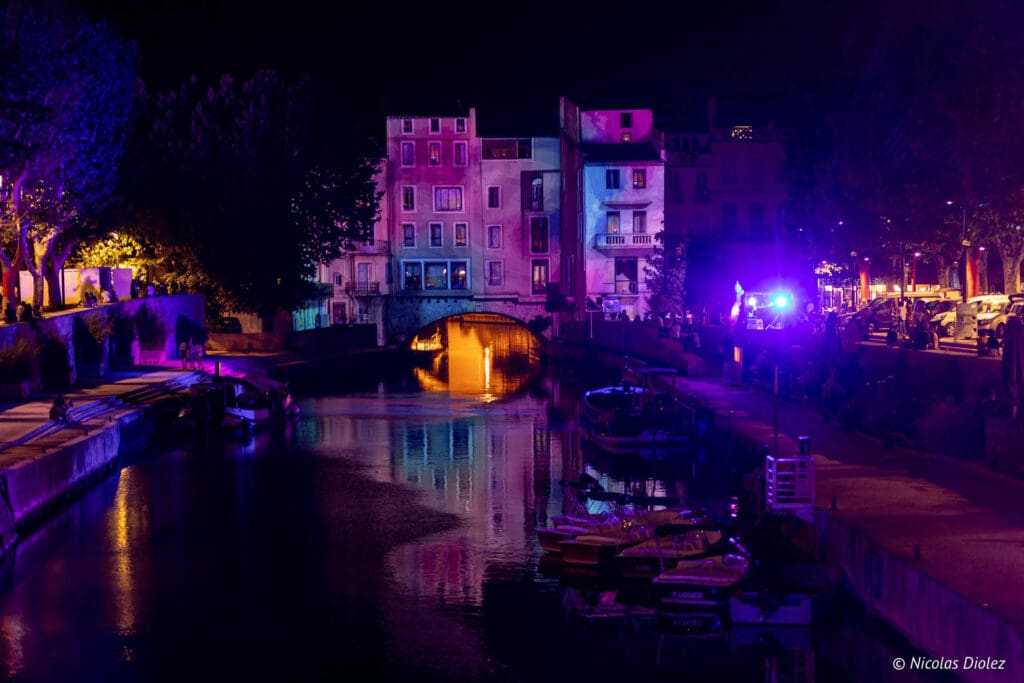

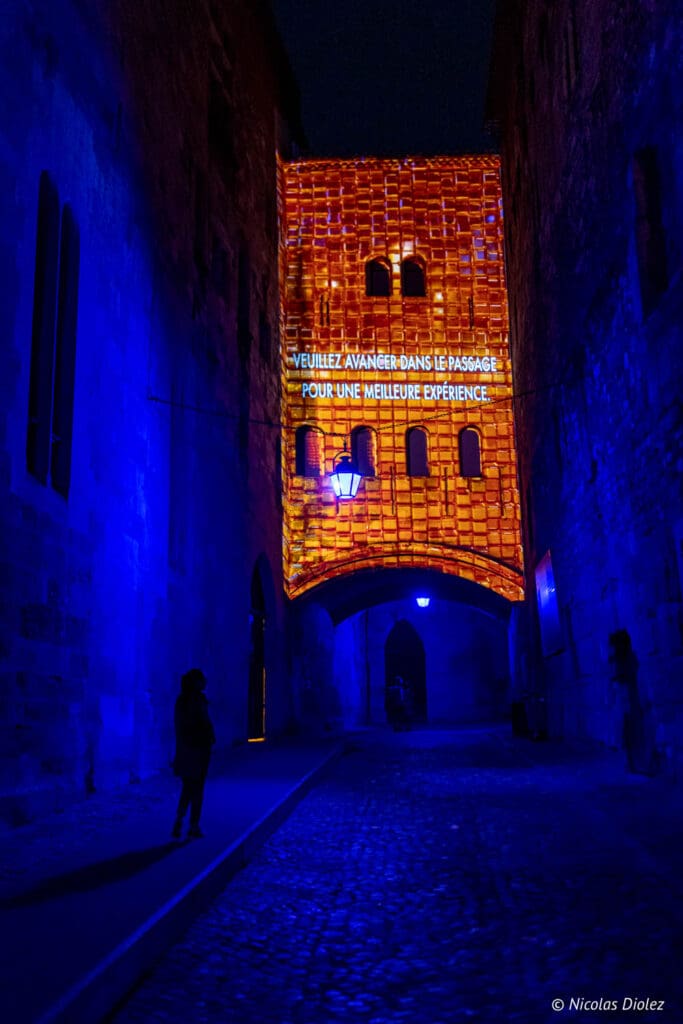

Les Nuits Merveilleuses
From July 10 to August 22, 2021
every evening / around 10:15 PM on July 10, around 10 PM on July 31, and around 9:30 PM on August 13
free
My favorite spots in Narbonne
As usual, below you will find my selection of favorite spots in Narbonne (two charming hotels and several restaurants) that we had the opportunity to test during our stay with the favorite photographer. These addresses often offer the chance to discover local products and some regional specialties to taste if you come to the Aude.
_
Where to do your gourmet shopping? At Les Halles de Narbonne
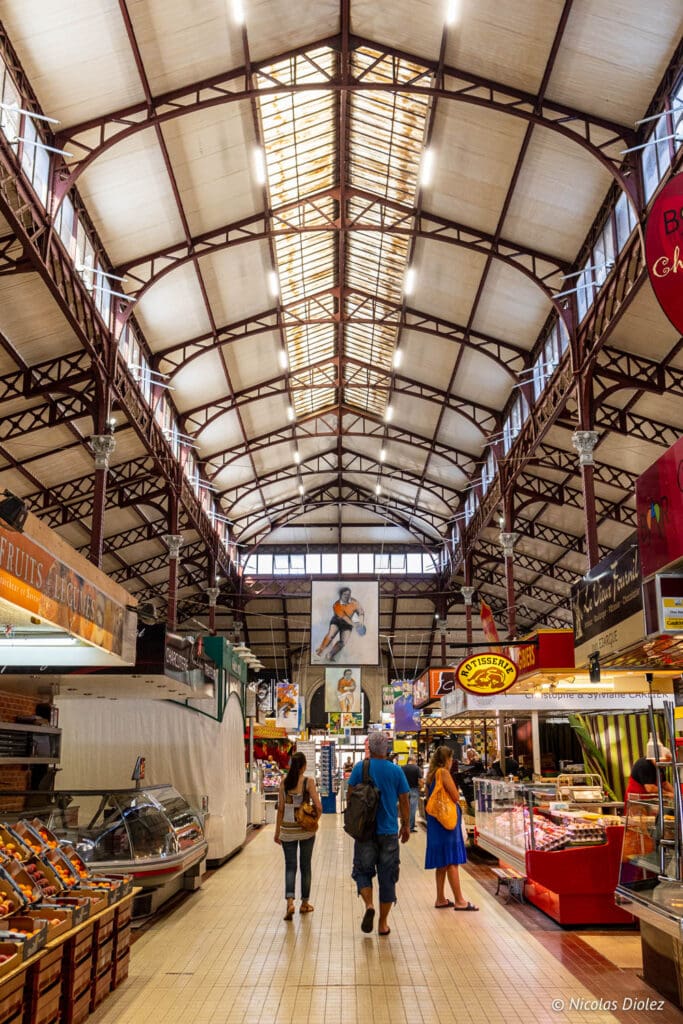
These covered markets, housed in a Baltard-style Pavilion built at the beginning of the 20th century, are overflowing with good products and host a very beautiful and vast market. Inside, you can admire a beautiful metal structure and a majestic roof. In this temple of “well-living” and “well-eating” in the Narbonnaise style, you will find all the gourmet essentials of the region (oysters, honey, olive oil, cheeses, wines…). For us, it was the opportunity to stock up on local cheeses to bring home!


Les Halles de Narbonne
Boulevard du Docteur Ferroul
open daily from 7 AM to 2 PM
Link to the website of Les Halles de Narbonne
_
Where to have lunch/dinner in Narbonne on a terrace? At Le Guinguet
This street bistro is located next to the Canal de la Robine and its lock, which it overlooks, in an extremely charming setting, I must say. No dining room here, only an open, mobile kitchen and terrace service only, so it is obviously highly dependent on the weather (and therefore closed on days with bad weather).
To taste: for starters, garden zucchini carpaccio and tomato tartare (€12); black pork chop with mashed potatoes (€16); a glass of organic Gris Blanc Languedoc rosé wine from Gérard Bertrand (€4 per glass) and also an organic craft beer from Béziers, Alaryk (€4 for 12cl).
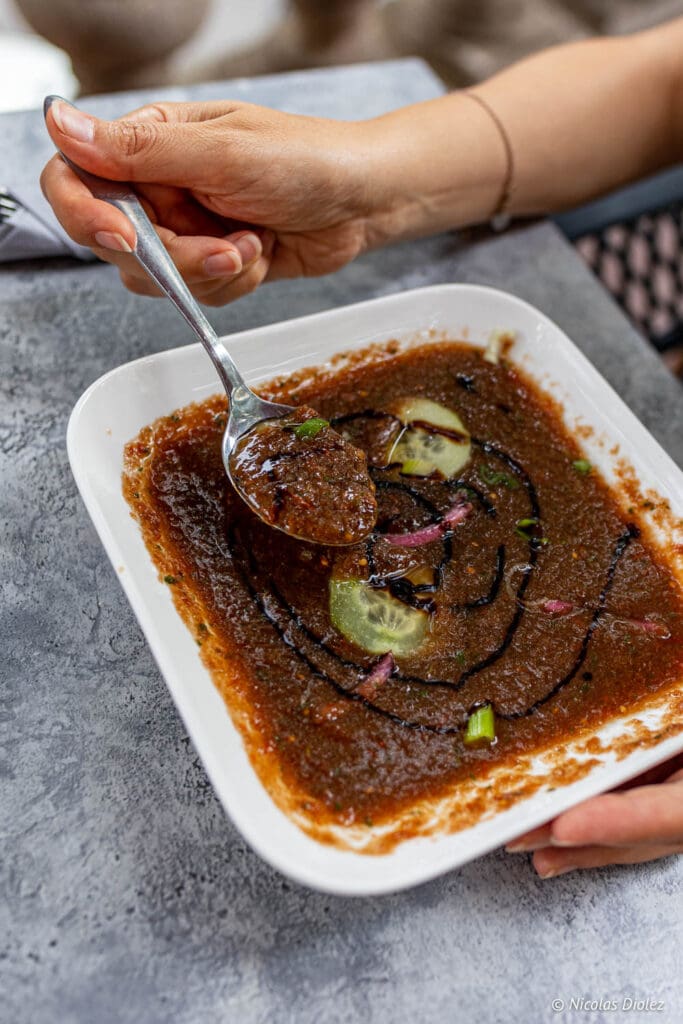


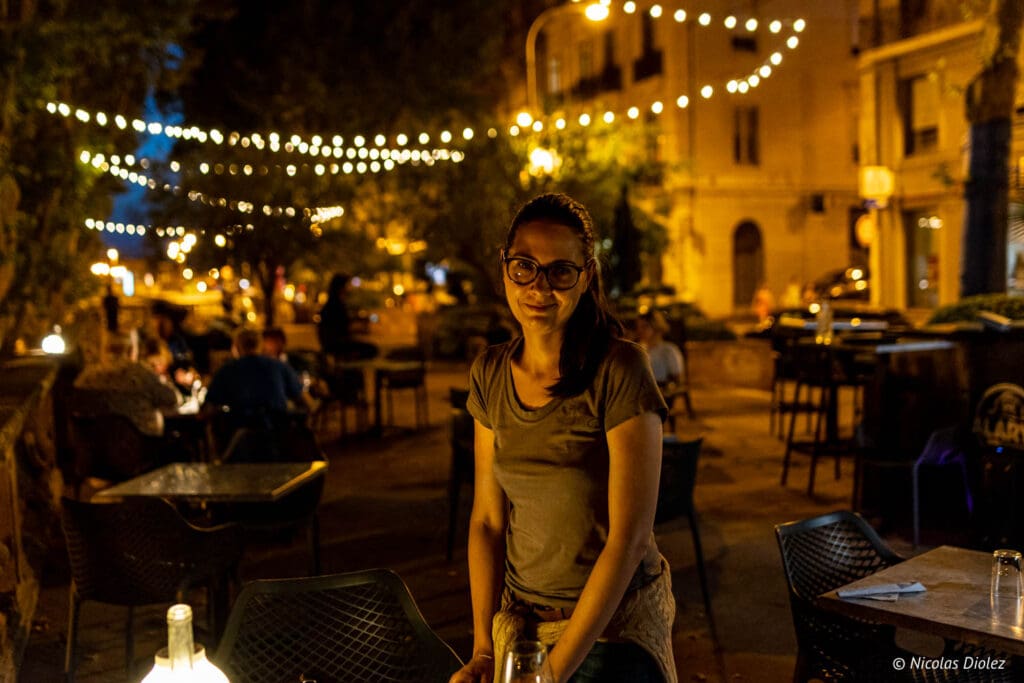
Restaurant Au Guinguet
Terrasse de l’ancien lavoir,
Rue Jean Jaurès 11100 NarbonneReservation recommended at 0780975321
Daily menu options: appetizer €12 / dish of the day €14 / dessert of the day €6 / appetizer + dish of the day or dish of the day + dessert of the day €20 / appetizer + dish + dessert (of the day) €25
Link to the restaurant’s Facebook page
_
Where to eat in Narbonne? Restaurant En Face
This small restaurant-bistro, ideally located in the city center, is an institution in Narbonne and offers local cuisine in a very friendly atmosphere. On sunny days, the establishment’s terrace located on the Promenade des Barques seems to always be full, so I advise you to book if you want a spot in the sun!
To taste: the cherry tomato tatin; the warm goat cheese salad; the duck magret with orange; the cod loin Provençale; for dessert, the faisselle with red fruits or fresh fruit salad; also discover a local rosé wine, Château Laquirou (vines grown organically with a respectful approach to the environment).


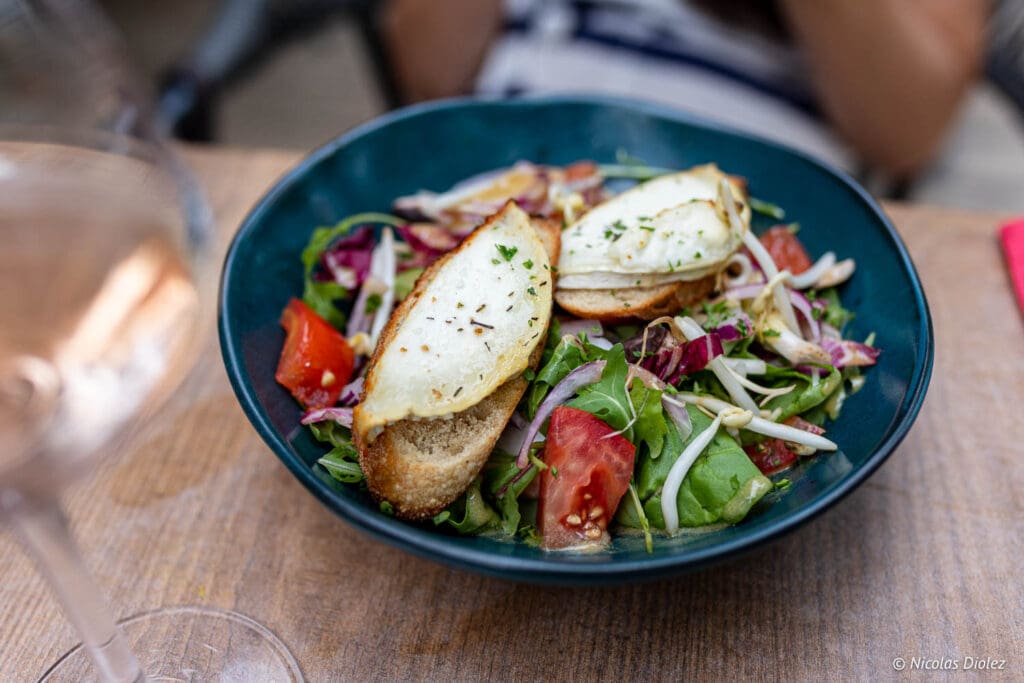


Restaurant En Face
27 cours de la République 11100 Narbonne
Closed on Tuesdays and Wednesdays
Price: set menus from €18 (from €20 on Sundays and holidays)
Link to the restaurant’s website
_
Where to sleep in Narbonne? Hôtel Galla Placidia
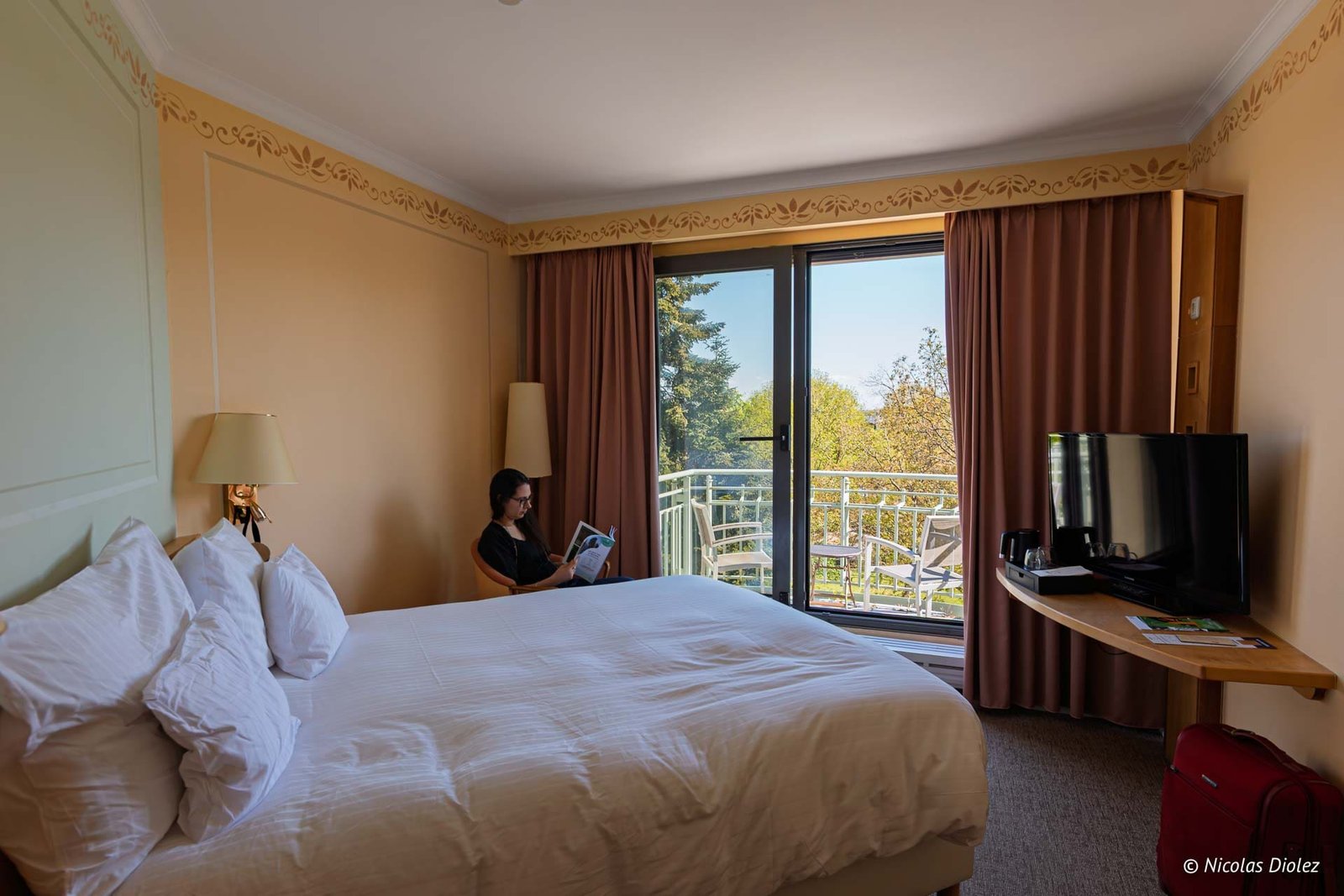
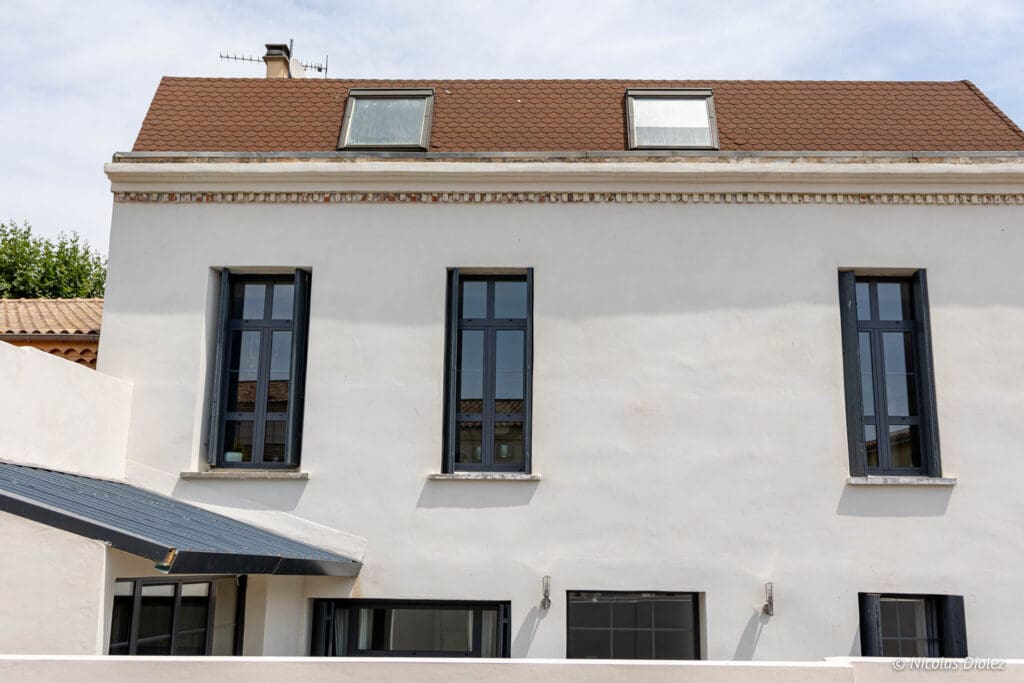
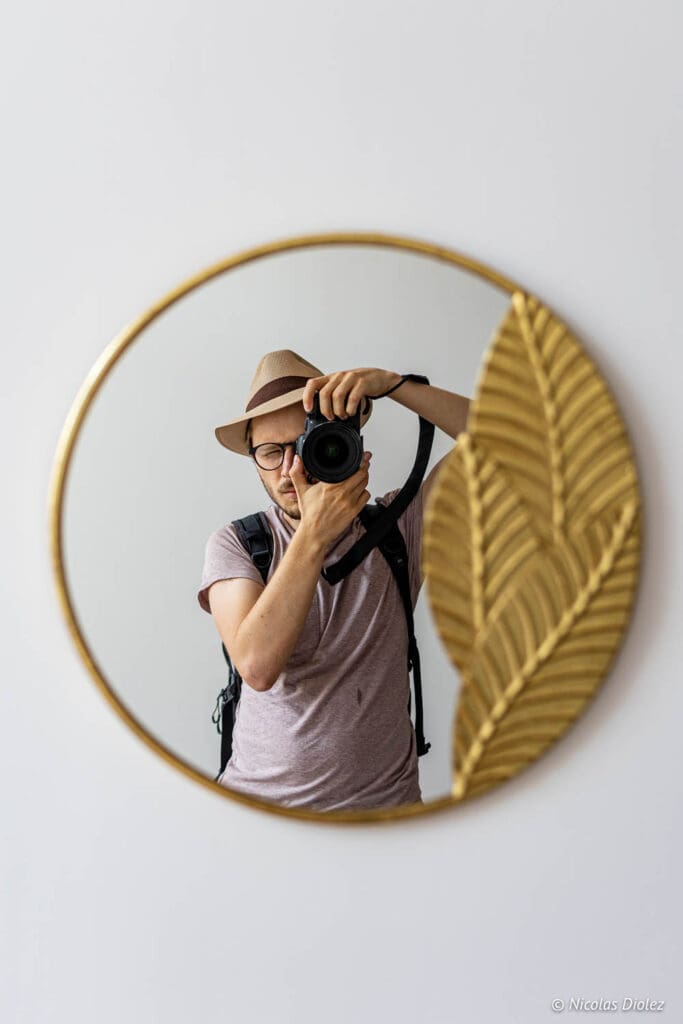
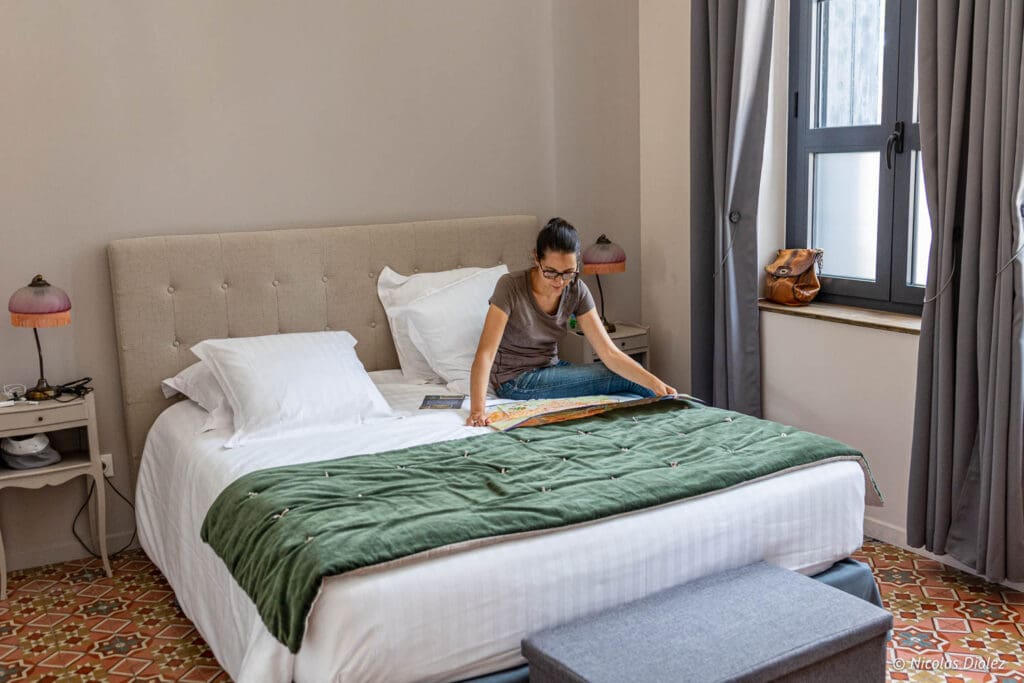
This small 8-room hotel, opened very recently in August 2020, is located a 5-minute walk from the Narbonne train station, which is particularly convenient when arriving in the city by train. All rooms are named after women from Narbonne who left their mark on the city’s history. We stayed in the Carolie Fraisse room, a native of Narbonne who was the wife of President Jules Grévy and who intervened discreetly several times in favor of her hometown. The focus is really on women in this hotel, to the point that works of art by Narbonne female artists in residence are presented in the hotel and are also for sale.
My recommended accommodations for this stay
Find the places and booking links mentioned in this article.
Hôtel Galla Placidia
via BookingC Boutique Hôtel
via BookingBooking through these links supports the blog, at no extra cost to you.
Due to the establishment’s very recent opening and the particular context of these past few months, the hotel was still finalizing some work when we stayed there, and a few improvements were to be expected, such as the finalization of the pool, the greening of the roof, or the installation of a wine cellar (we’ll have to come back!)…
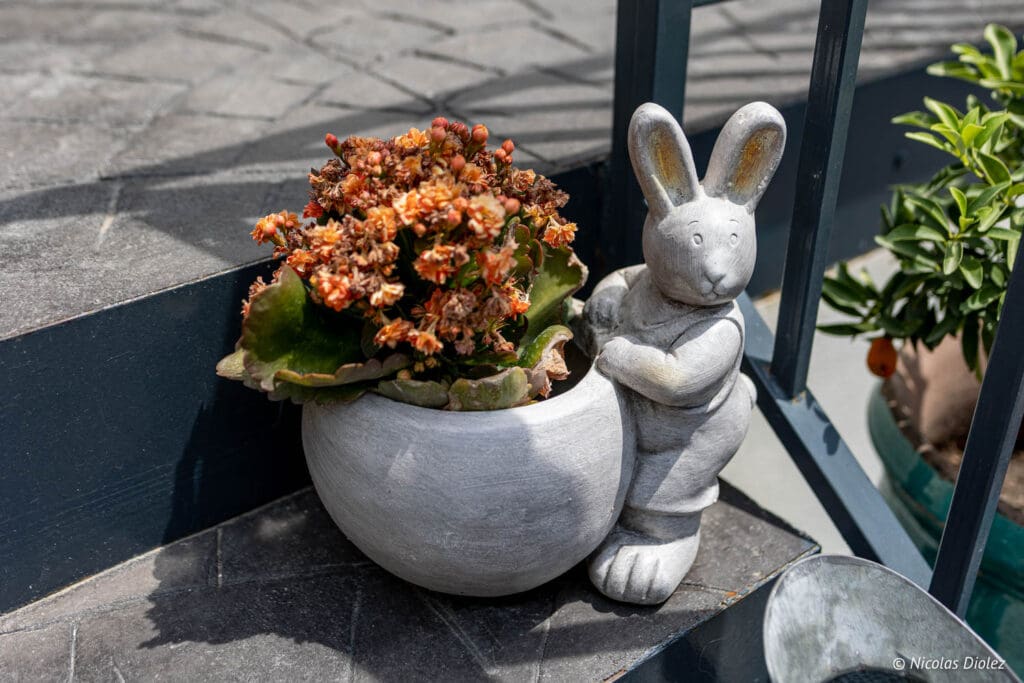
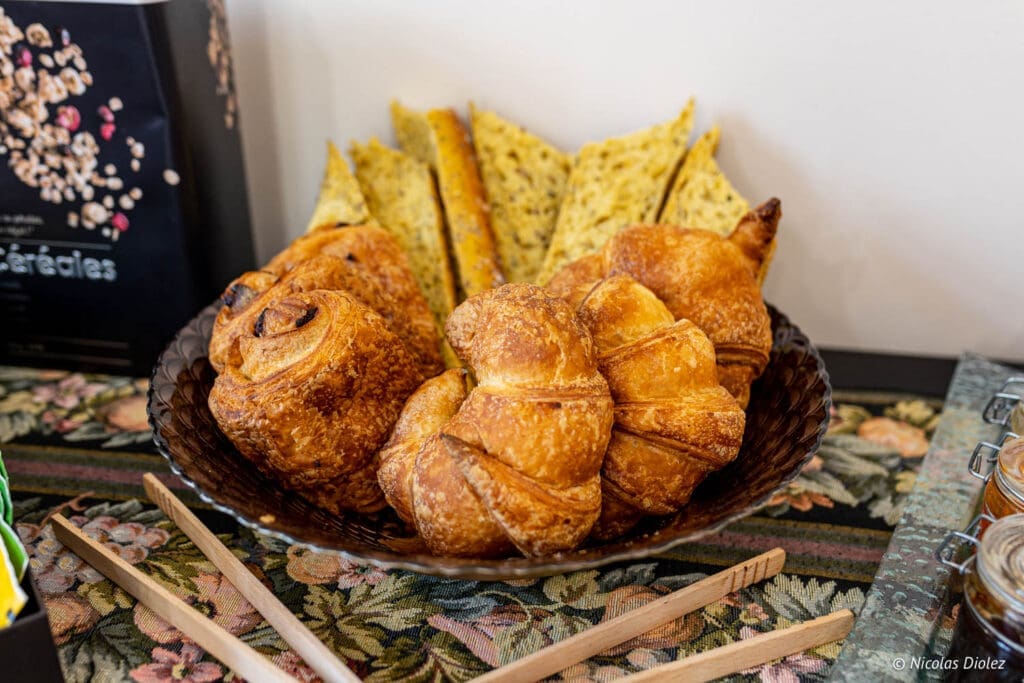
Regarding breakfast, it is continental style (with some very good products) and is served on the upper floor in a beautiful dining room, and if you are lucky, you might have a visit from the house mascot (clue in the photo below)!
The little extra: an iron in the room (which is very practical when you take your clothes out of your suitcase completely wrinkled) and a kettle (yes, I’m addicted to herbal teas in the evening, so what…); possibility to check in yourself and therefore at any time with a kiosk/key box.








Hôtel Galla Placidia
21 rue des colonnes 11100 NarbonnePrice of our room at the time of our visit: €139.30 with breakfast for 2 people
Rates for other rooms: from €90 / breakfast €10.50
Link to the hotel’s website
_
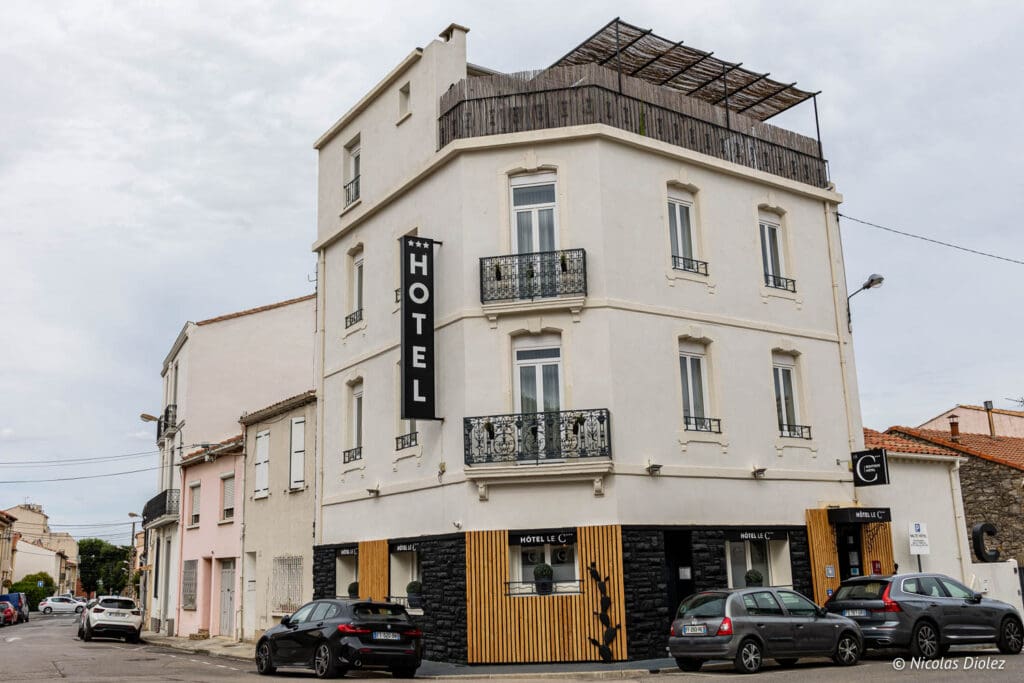
Where to sleep in Narbonne? Le C Boutique Hôtel ***
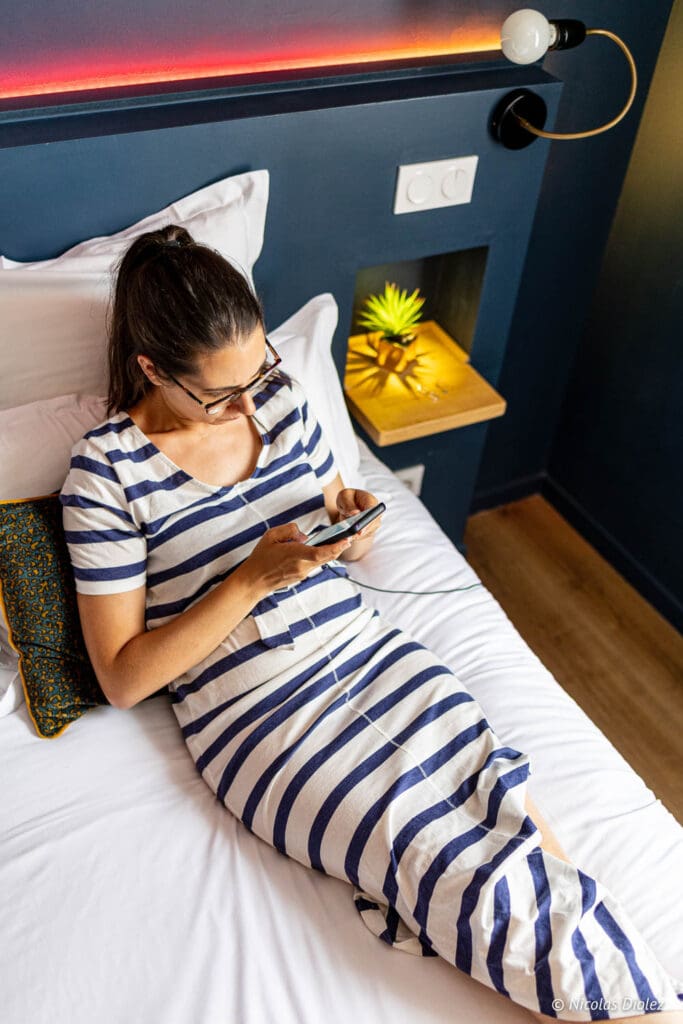
Located in the heart of the city and close to the Canal de la Robine and Les Halles, which I mentioned earlier, this new 3-star boutique hotel is full of charm and assets. Cécile and Chris, the owners, have poured their hearts into making this establishment friendly, providing a sense of intimacy where every detail matters. The establishment offers 10 very quiet rooms and suites (with excellent soundproofing, and you know how sensitive I am to that kind of detail) and stylish décor.
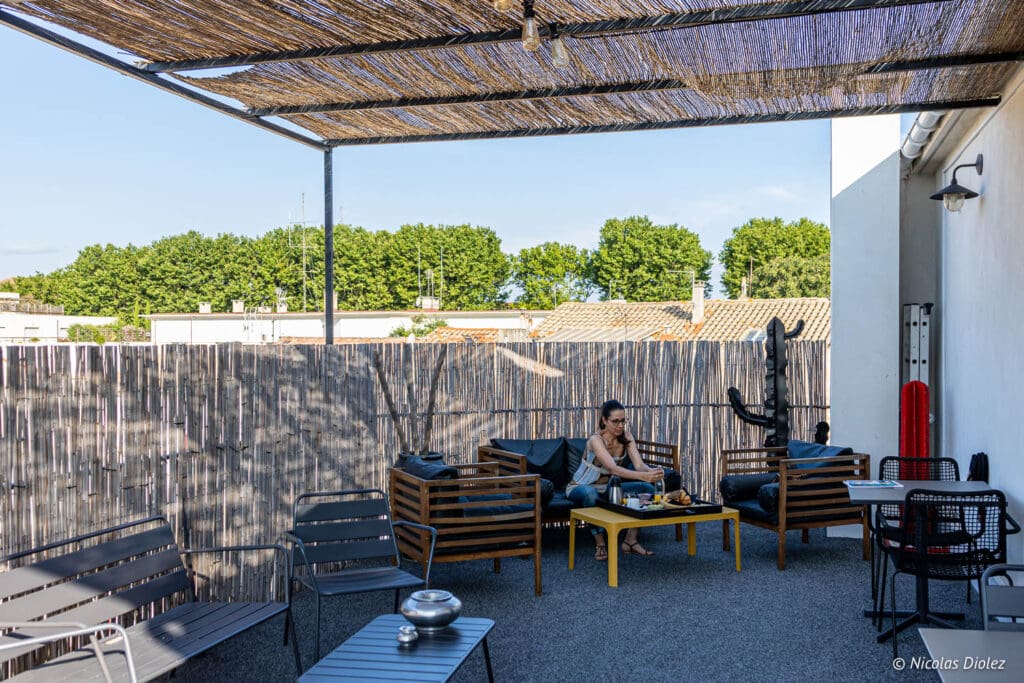
The little extra: the establishment’s rooftop terrace is accessible to guests and is the ideal place to have a drink at the end of the day or to have breakfast (good quality with fresh products), as we did!




C Boutique Hôtel
15 rue Suffren 11100 Narbonne
Room rates: from €105 / breakfast extra at €12
Things to do, things to see in the surroundings of Narbonne
If you have a vehicle and can get around a bit, here are some interesting and sometimes unusual visit ideas to do in the surroundings of Narbonne, within less than a 30-minute drive each time! On the agenda, I suggest making a stop at Fontfroide, but also at Sigean and Gruissan in this very natural territory called the Corbières maritimes. And finally, I end with a small suggestion to encourage you to test river tourism on the Canal du Midi.
As a bonus, I also offer some great accommodation and restaurant addresses in the Narbonne area for your gourmet stops during these excursions.

_
Visiting Fontfroide Abbey
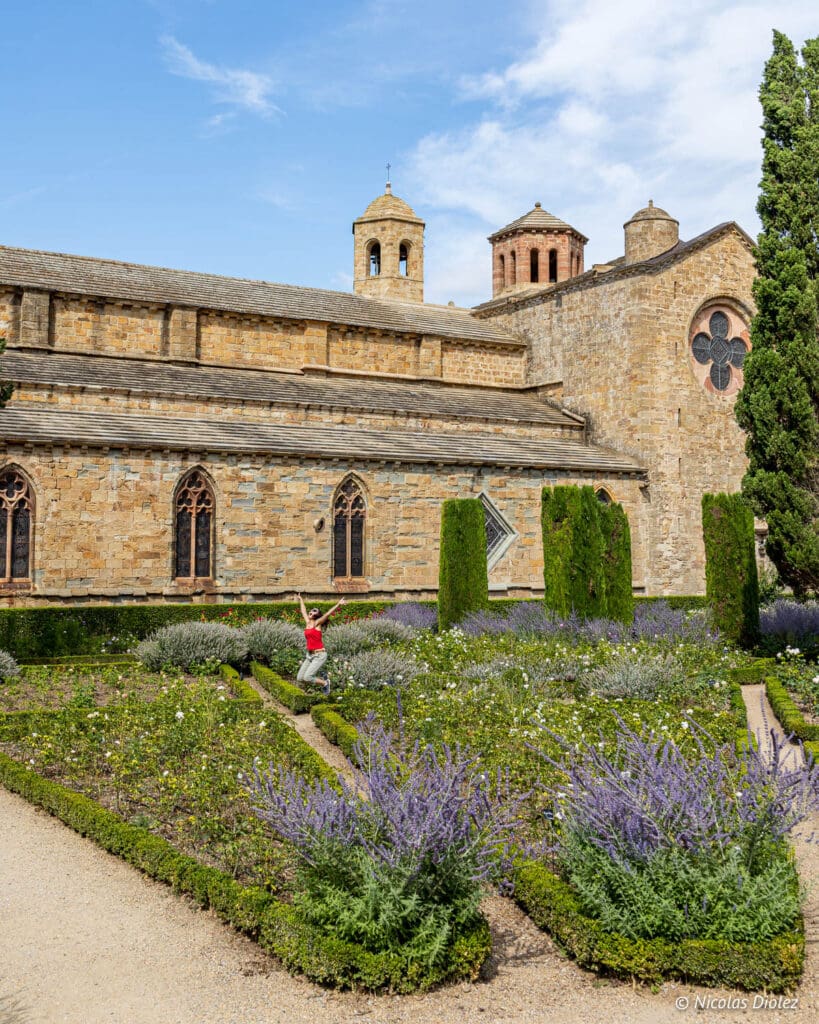
This medieval abbey, located a 15-minute drive from Narbonne, is set in the heart of the Narbonnaise Regional Natural Park, on the Fontfroide massif, amidst the first foothills of the Corbières mountains. This geographical location offers remarkable biodiversity to this place, which is in the heart of landscapes scented with thyme and rosemary.
Founded in 1093, the abbey became Cistercian in 1145 and developed until the 14th century to the point of becoming one of the most powerful abbeys in Europe at that time. In 1908, after the departure of the last monks, the abbey was bought by the Fayet family, who restored and protected it to this day. When visiting the abbey, one truly realizes the majesty of the place and also its power, as the site is so extensive! It is truly a visit not to be missed if you are a fan of old stones like me. While strolling through the different parts of the abbey, you will also be able to see a few contemporary art works scattered around the premises.
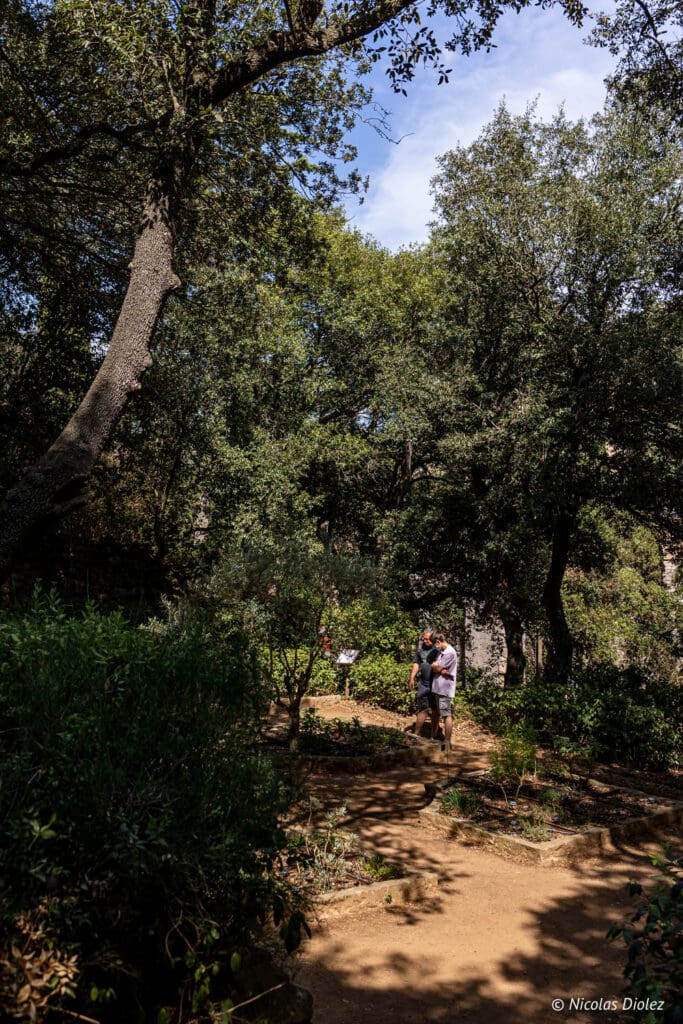
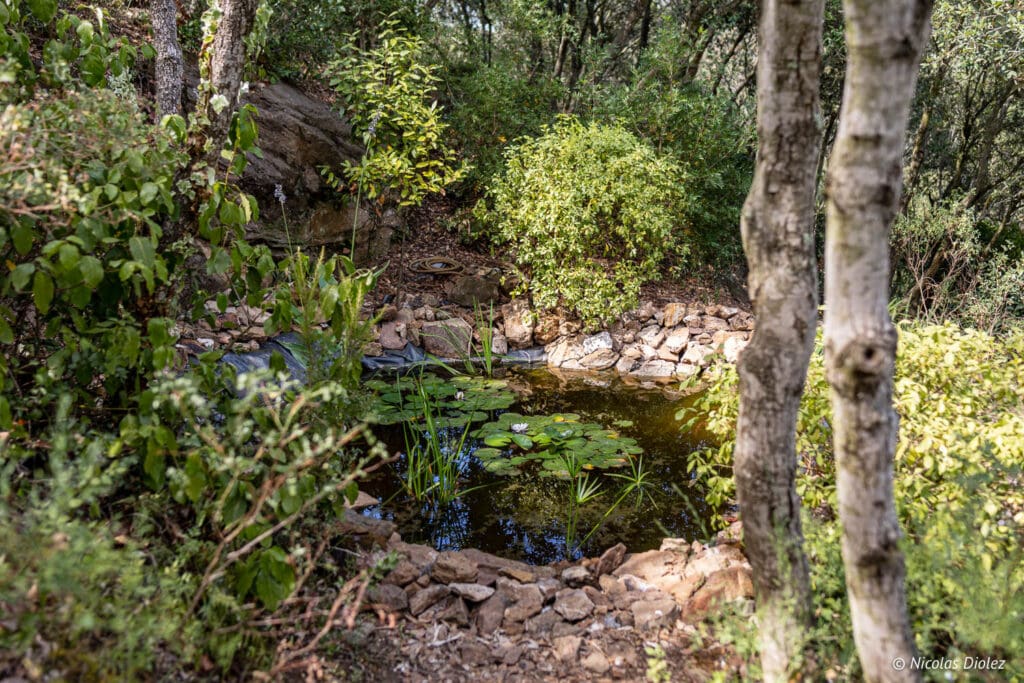
Don’t miss a walk through the rose garden and the gardens, classified as a “Remarkable Garden,” which offers a bucolic trail around the abbey. By climbing a little to the side of the abbey, one can notably have a very beautiful view of it, as well as the surrounding area.

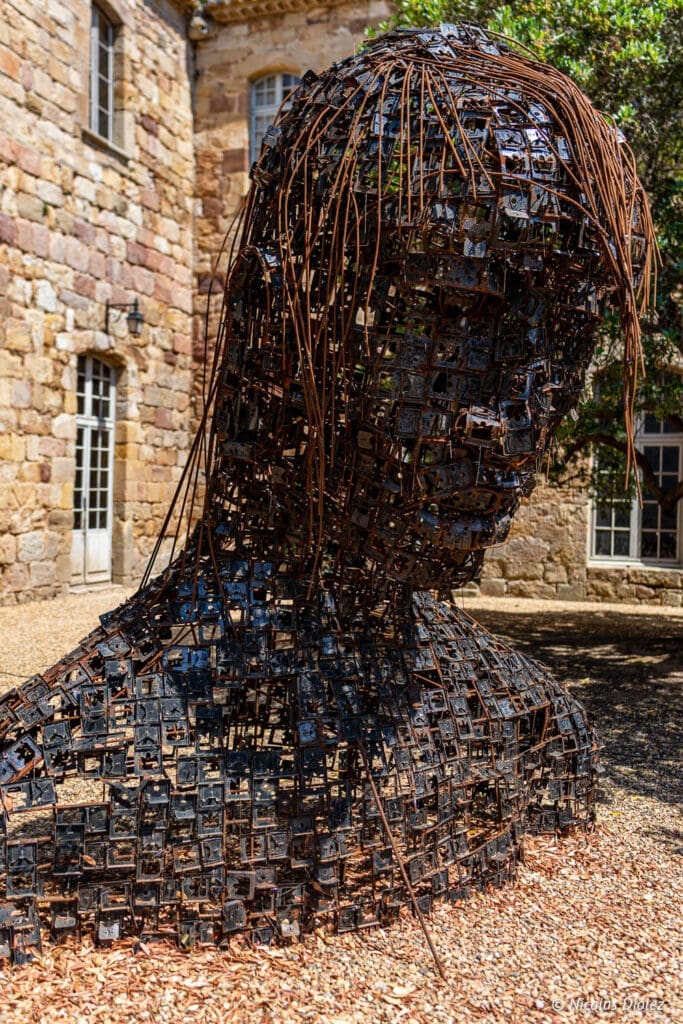


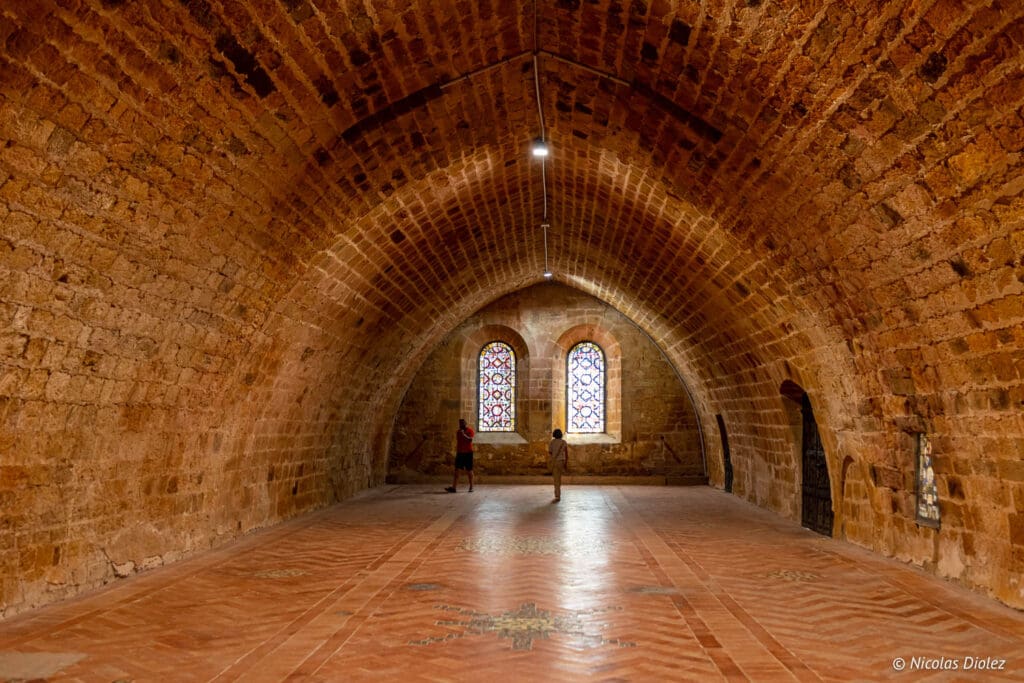


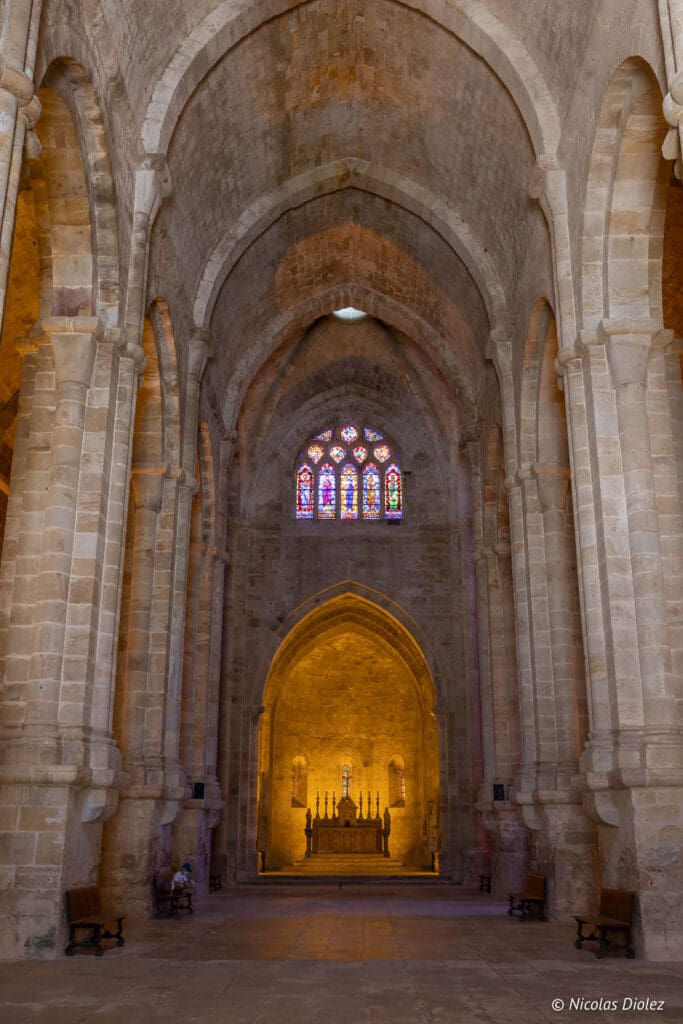


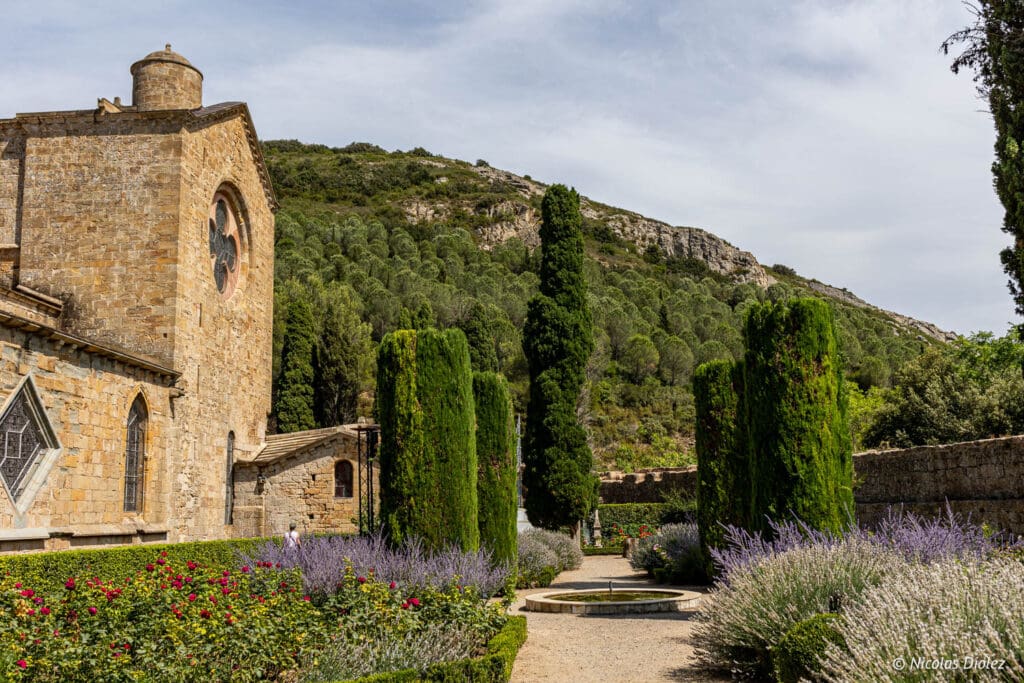



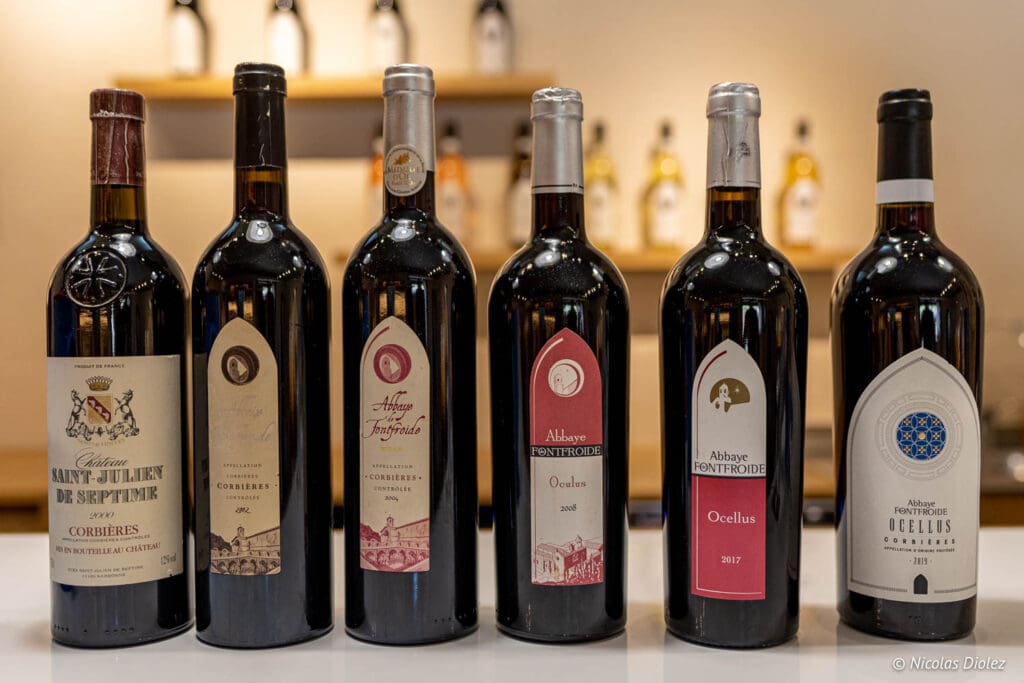
When leaving (or arriving), don’t hesitate to take a look at the shop which sells Fontfroide wines to get some explanations about the wines and maybe also to have a small tasting. Indeed, the history of the Fontfroide vineyard is very ancient and spans 1,000 years, as the abbey produced wine in the Middle Ages to give the monks their daily ration of wine, as advocated by the rule of Saint Benedict. Today, the abbey has been marketing wines again since 1998 in AOC Corbières with 5 red grape varieties planted on 45 hectares: Syrah, Grenache, Merlot, Mourvèdre, and Carignan.
The tip: have a tasting at the cellar when leaving the visit (daily from 10 AM to 6 PM).


Fontfroide Abbey
Route départementale 613, 11100 Narbonne
Open every day of the year (except December 25 and January 1)
Night shows in July, August, and September
Rates for independent visit all year round: €13 / €8.50 child / €9.50 student / free under-5s
Link to the abbey’s website
_
Doing a nautical outing at the Port Mahon base, Sigean
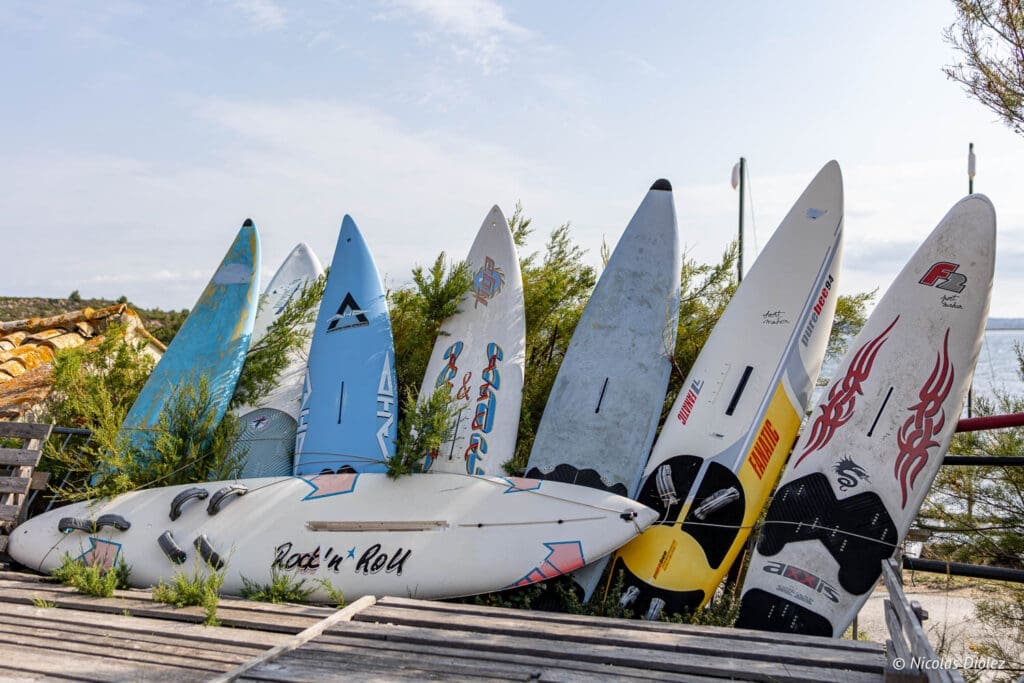
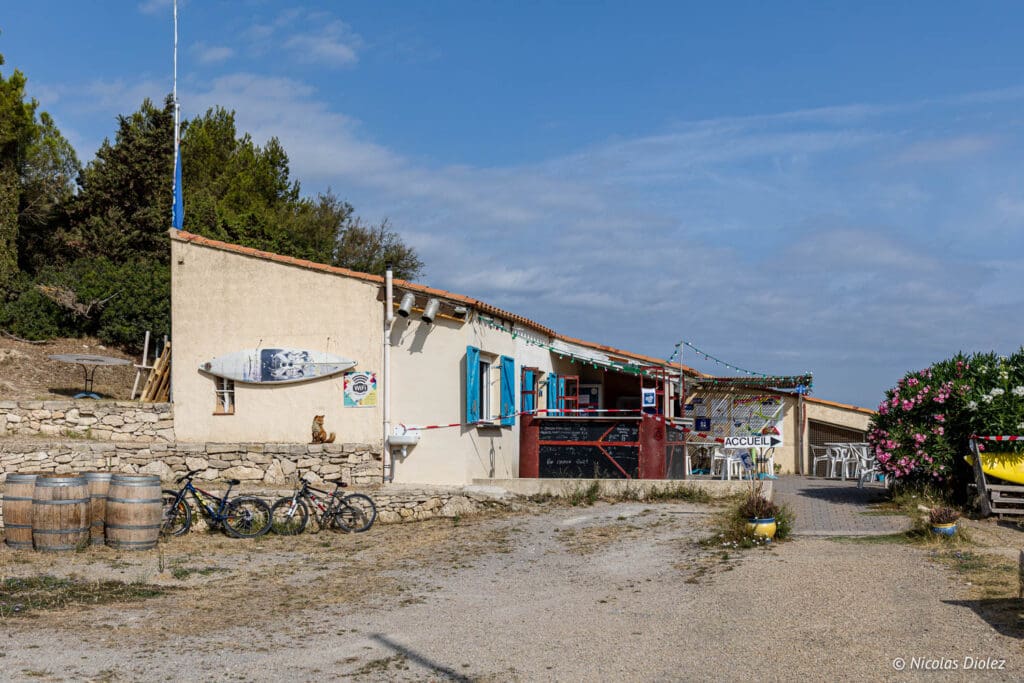
The Port Mahon nautical base is located in the heart of the Narbonnaise Regional Natural Park. It offers a wide range of activities focused on the water and has also been a sailing school since 1983/1984 (the year the club was founded).
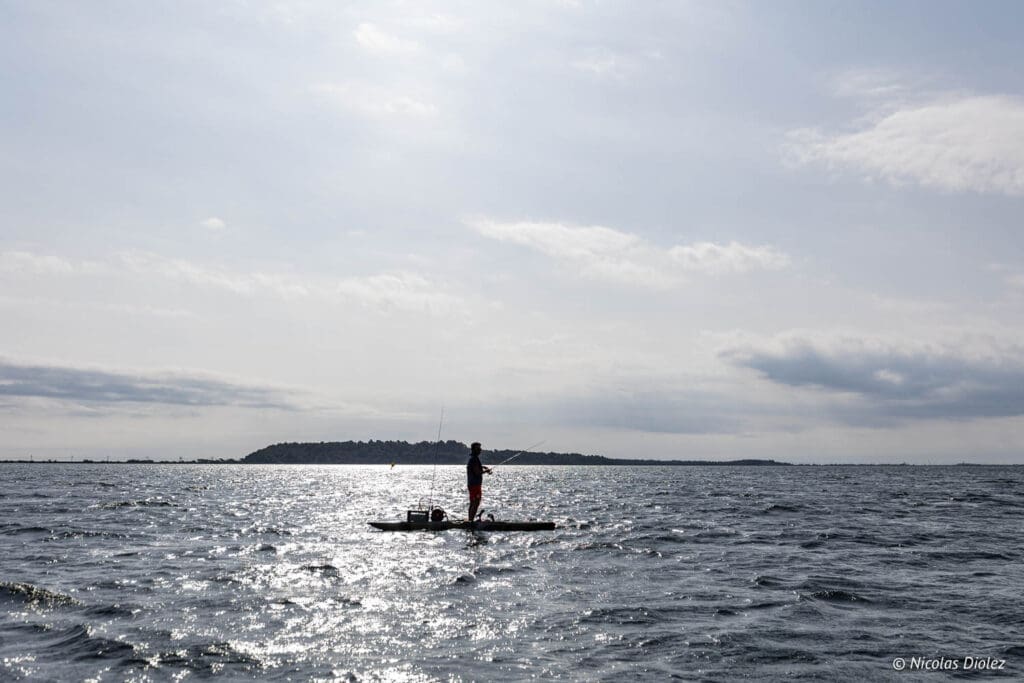
The location offers almost all year round: small sailing courses, nautical excursions, discovery of the maritime environment, boat rentals, organization of regattas, sports school, kayak outings…
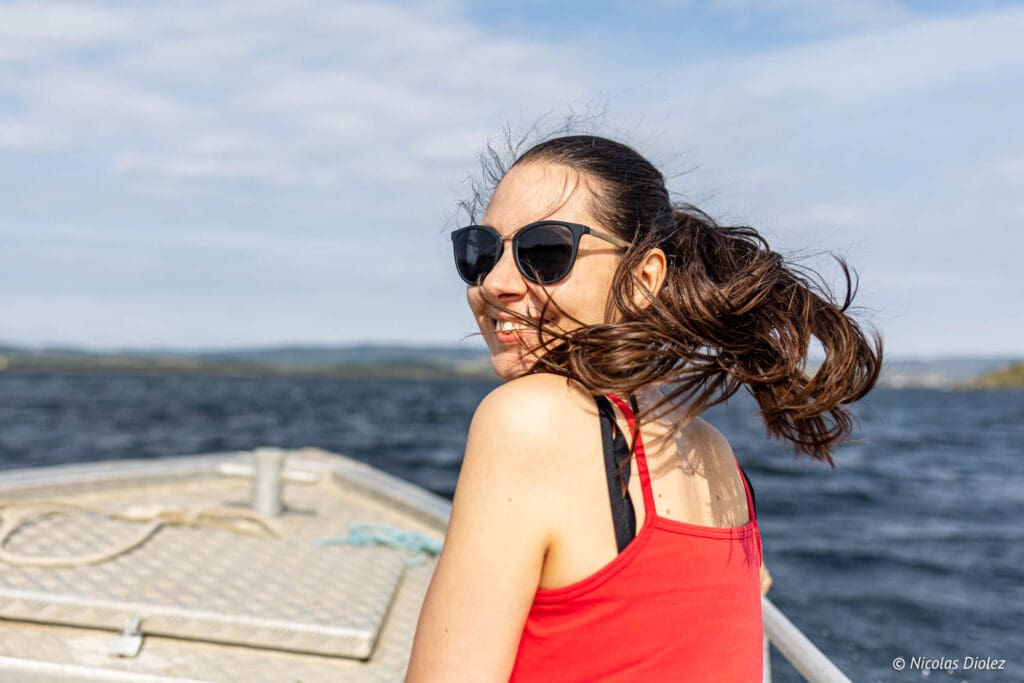
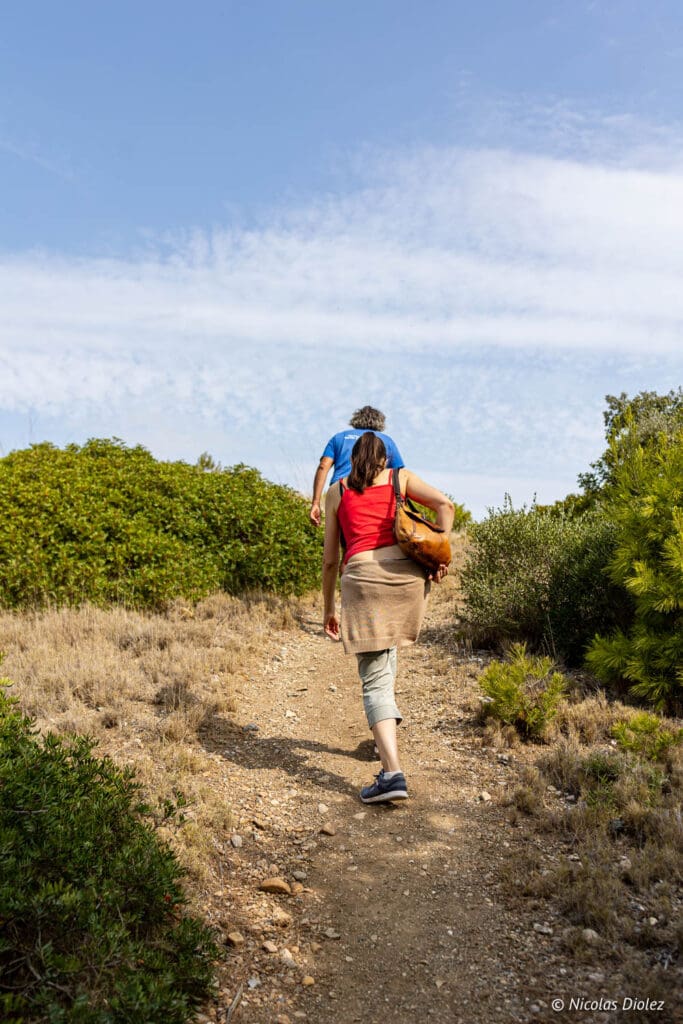
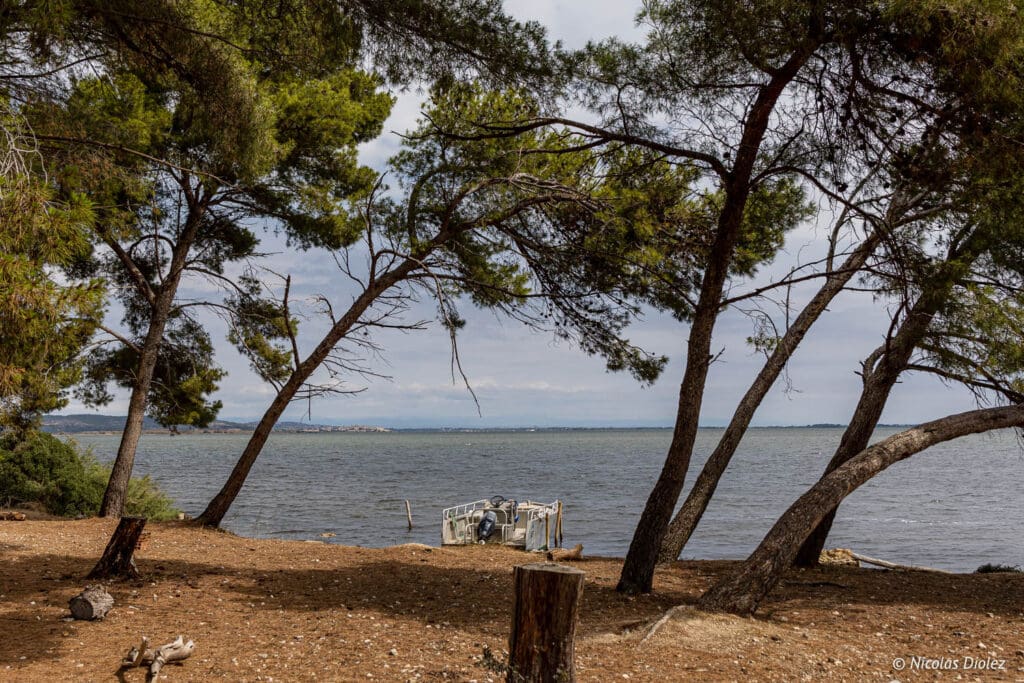
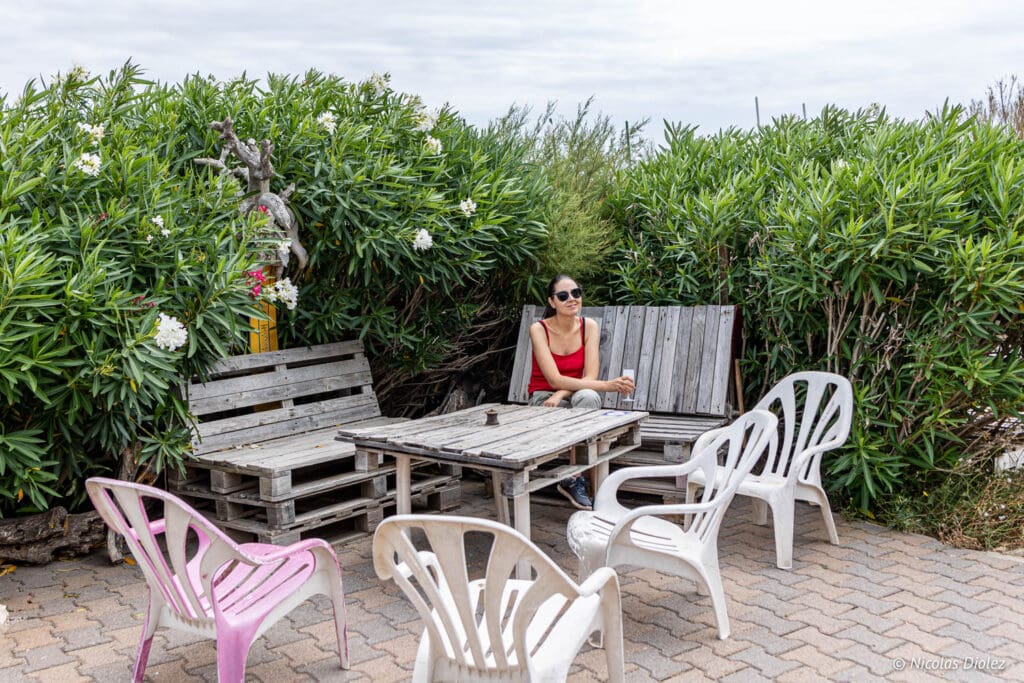
On our end, we should have done a kayak trip during our visit, but the wind decided otherwise… So, we did a short boat trip to discover the Bages-Sigean lagoon (which connects to the sea), its fauna, flora, and biodiversity. We also took a tour of the Aute Island (it is 58m high, a fact it derives its name from, and it’s a wild site preserved by the Conservatoire du Littoral), saw the Sigean African Reserve from afar (which is apparently a very famous wildlife park in the region, but one I had personally never heard of), and enjoyed the sea air to the fullest! Today, this whole area is a nature reserve managed by the Conservatoire du Littoral. This protection has notably allowed the area to remain very wild.
Regarding history, it is also a very rich area because it is here that archaeologists discovered a stone jetty from the Roman era (we learned this when we visited the NarboVia museum I mentioned earlier in the article). Then, in the 8th century, it was the site of the Battle of the Berre, which pitted the Frankish Kingdom led by Charles Martel against the Umayyad Caliphate and took place over about twenty kilometers inland. And it was then the diversion of the Aude via the Canal de la Robine in the 14th century that profoundly changed the landscape of the lagoon.




Cercle Nautique des Corbières
1089, Port Mahon 11130 Sigean
Operating from March to November
Kayak rental: €15 for 1h / €25 for 2h / €35 for 3 hours / nature outing by kayak accompanied from 6:30 PM to 9 PM on Tuesdays and Fridays from June to August for €30 per person with tasting of local wine / accompanied day kayak hike also at €30 per person
Link to the nautical base’s website
_
Where to have lunch in Sigean? Restaurant Le Potager
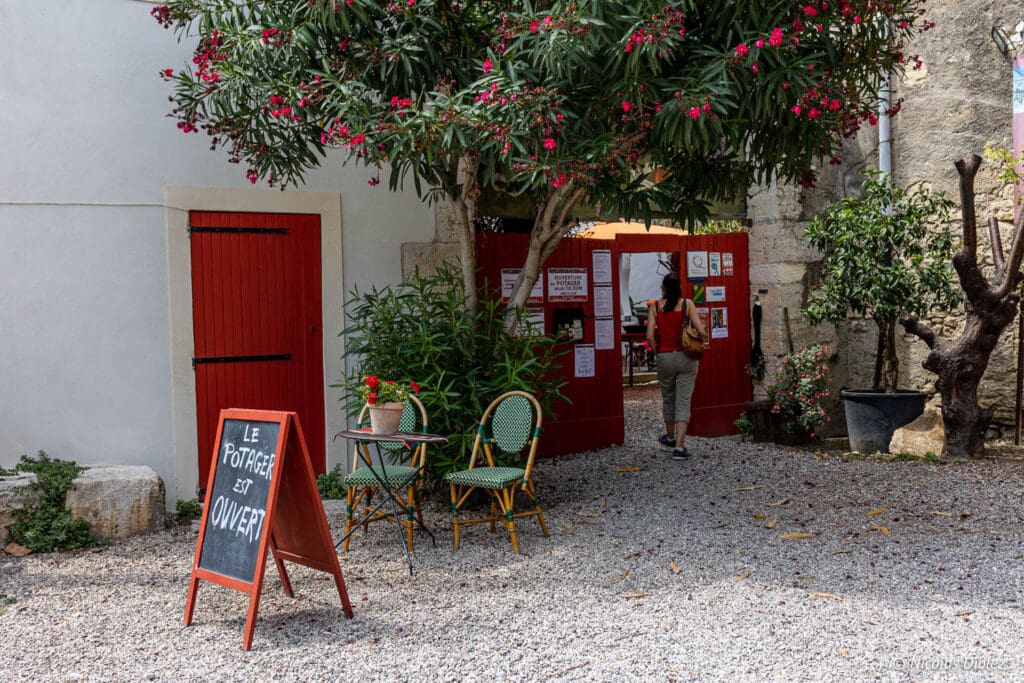
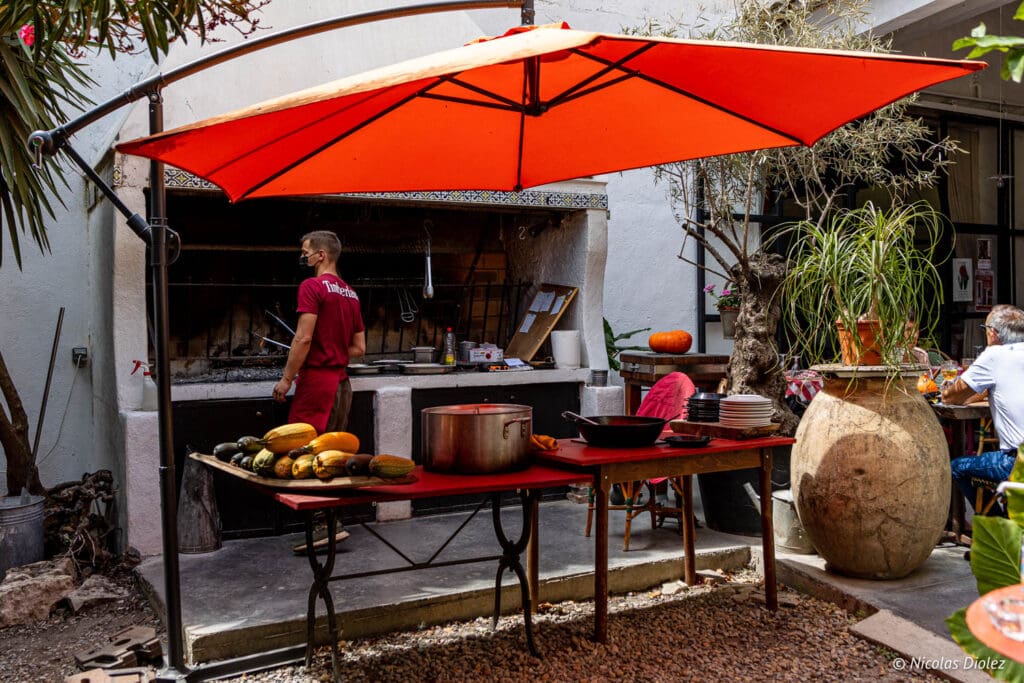
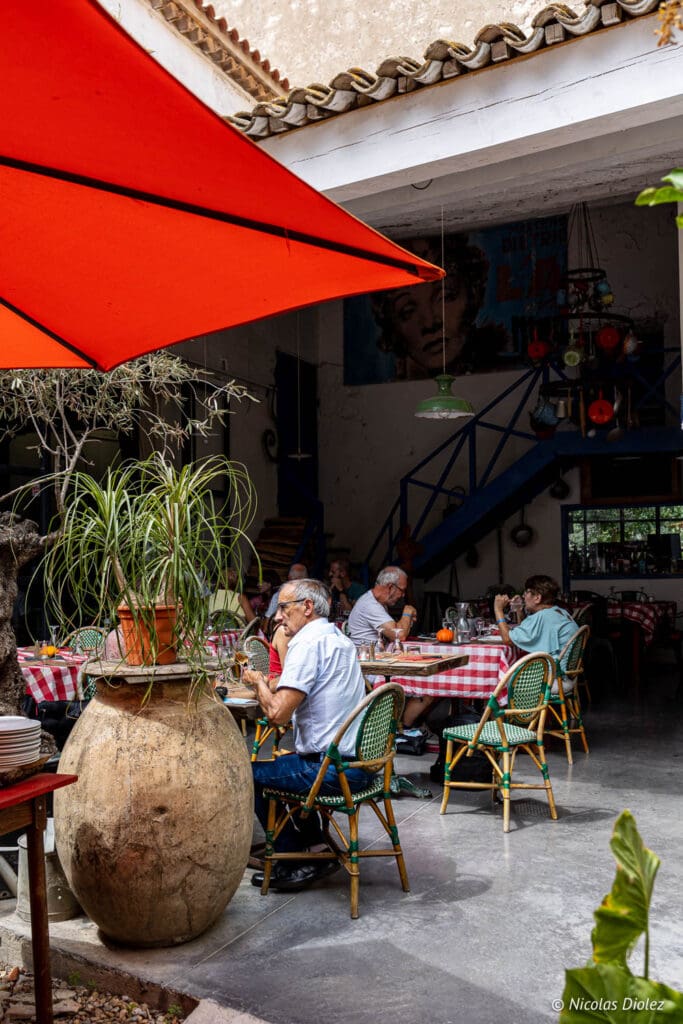
After a walk on the lagoon, I recommend you go eat in this very friendly restaurant in Sigean, which offers delicious grilled dishes. Here you are offered generous cuisine (if you leave hungry, you are truly a “kubiak”) but also authentic.
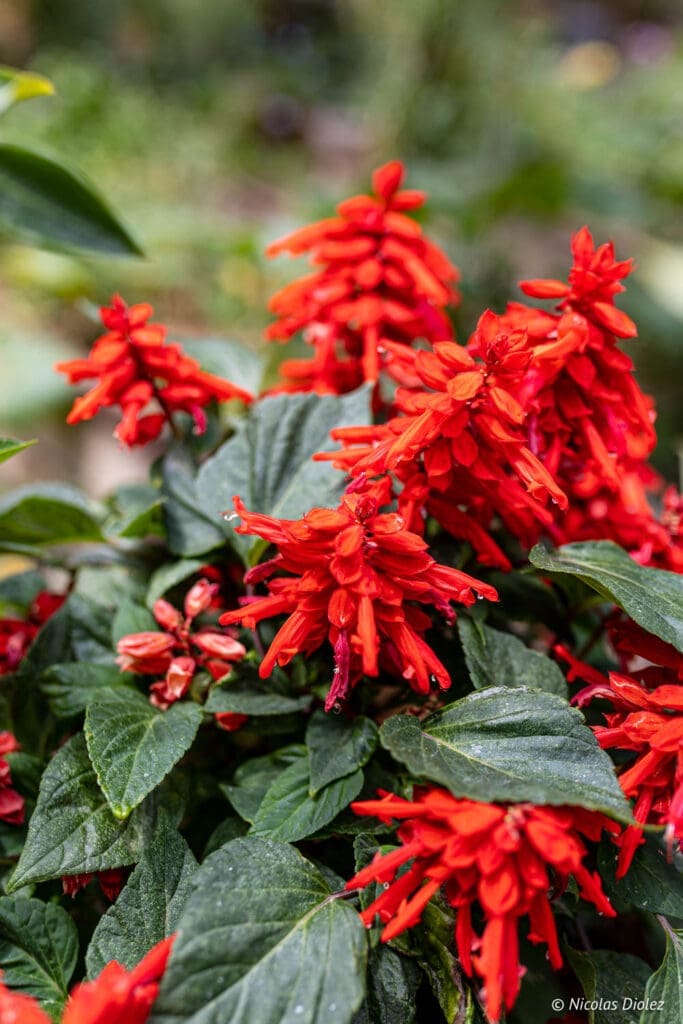
Le Potager is a multi-purpose place because it also houses a boutique (creations, clothing, and decorative objects) as well as artist exhibitions. I actually had a real crush on the decor and the atmosphere of the place. Also, don’t hesitate to head to the back of the restaurant to discover the hidden terrace and the place’s garden (which, of course, contains a vegetable patch…).
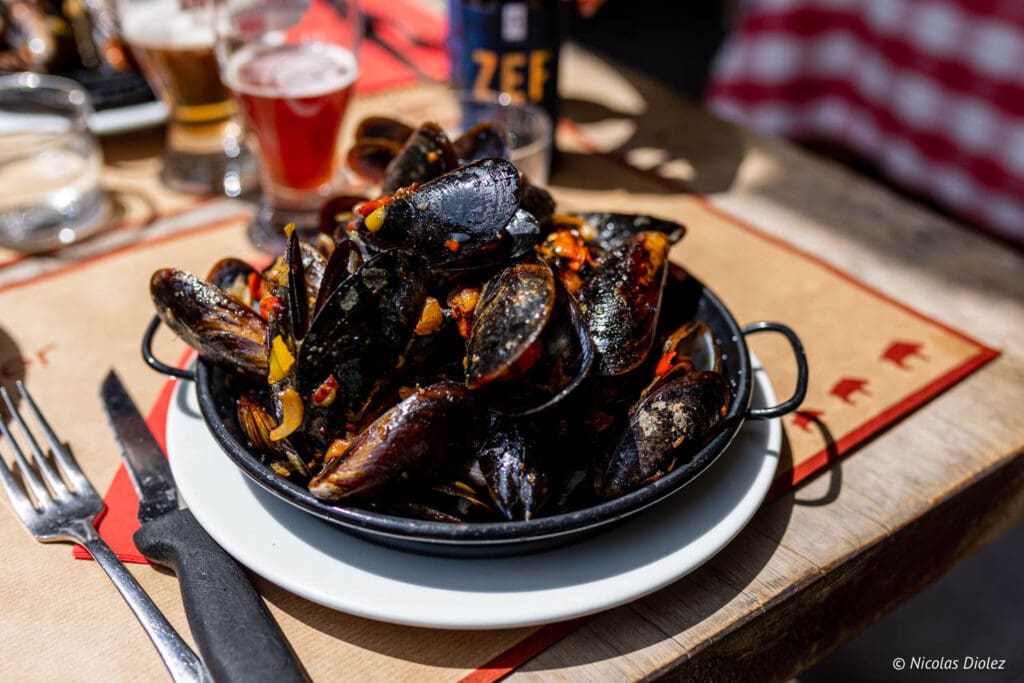
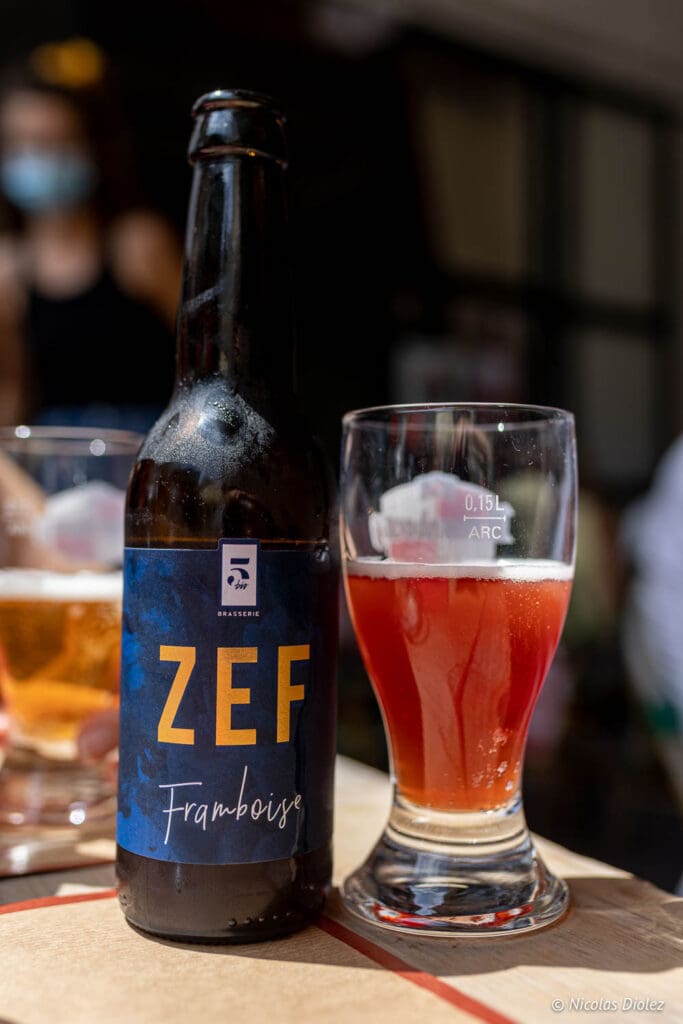
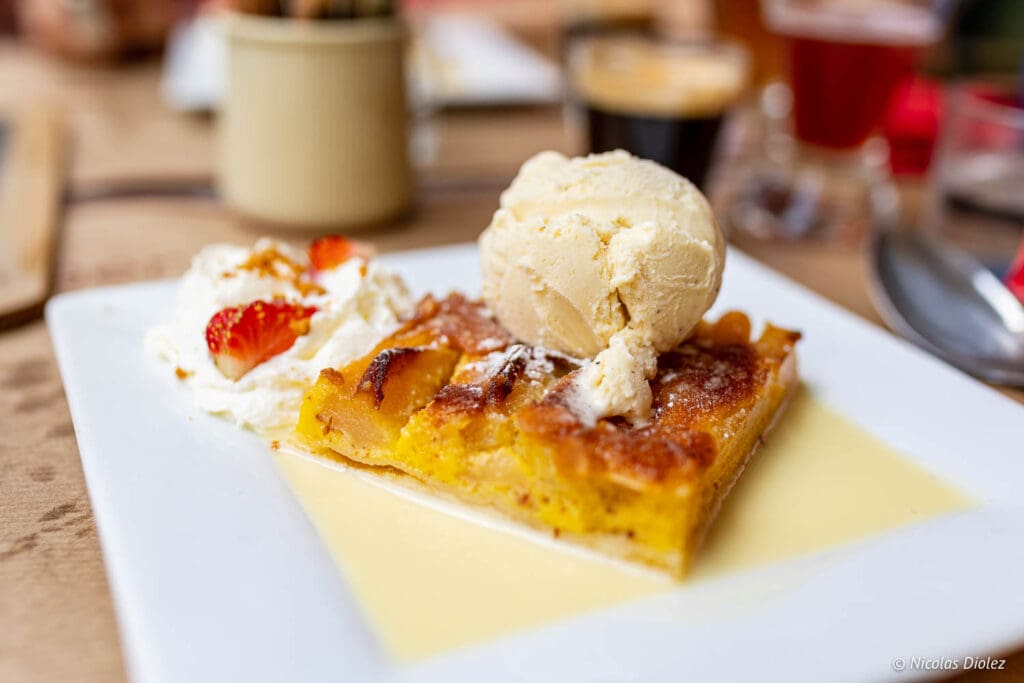
To taste: for starters to share, I recommend trying the wood-fired mussels, one of the house specialties (€14); for dishes, obviously, you must take the wood-fired grilled dishes (Catalan sausage, magret, pork cheek…) which are accompanied by fresh vegetables from the garden according to the harvest and the chef’s puffed potatoes (between €15 and €30); for drinks, we tested a local beer, the Zef; if you are still able to eat a dessert, the fruit tart of the day is nice (€8).







Restaurant Le Potager
28 avenue de Perpignan 11 300 Sigean
Link to the restaurant’s website
_
Visiting the Salin de l’île Saint-Martin de Gruissan
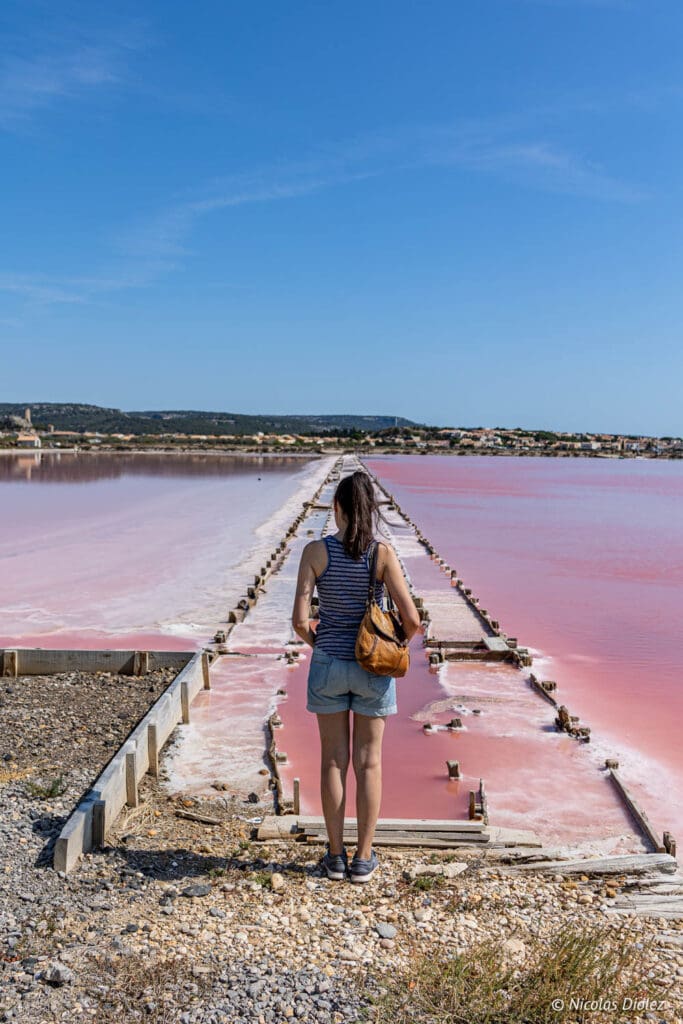
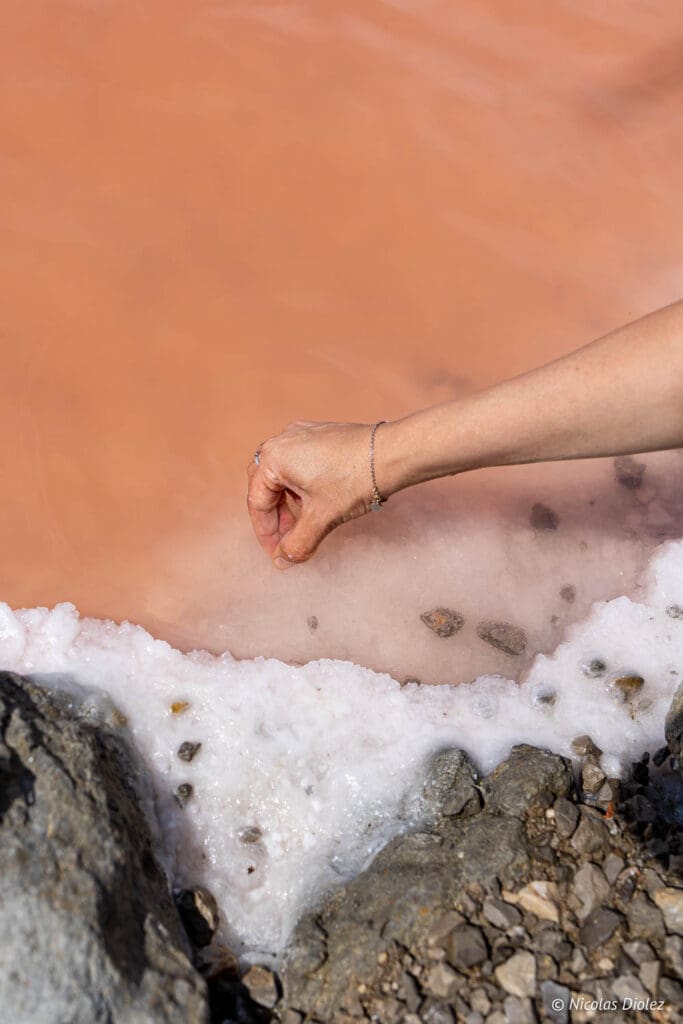
The Salin de Gruissan is located between the coast and the mountain, as it extends over 450 hectares between the Mediterranean Sea and the Clape massif. In the heart of preserved nature, the Gruissan Salt crystallizes under the effect of natural evaporation of saltwater. To discover the entire history and operation of this site, I highly recommend following one of the guided tours offered by the venue. You will have the choice between a walking tour (the option we took) or an electric scooter tour (if you follow me on my Instagram account @mellebonplan, you know that I am not a fan of this device and that I try as much as possible not to get on it if I can avoid it).
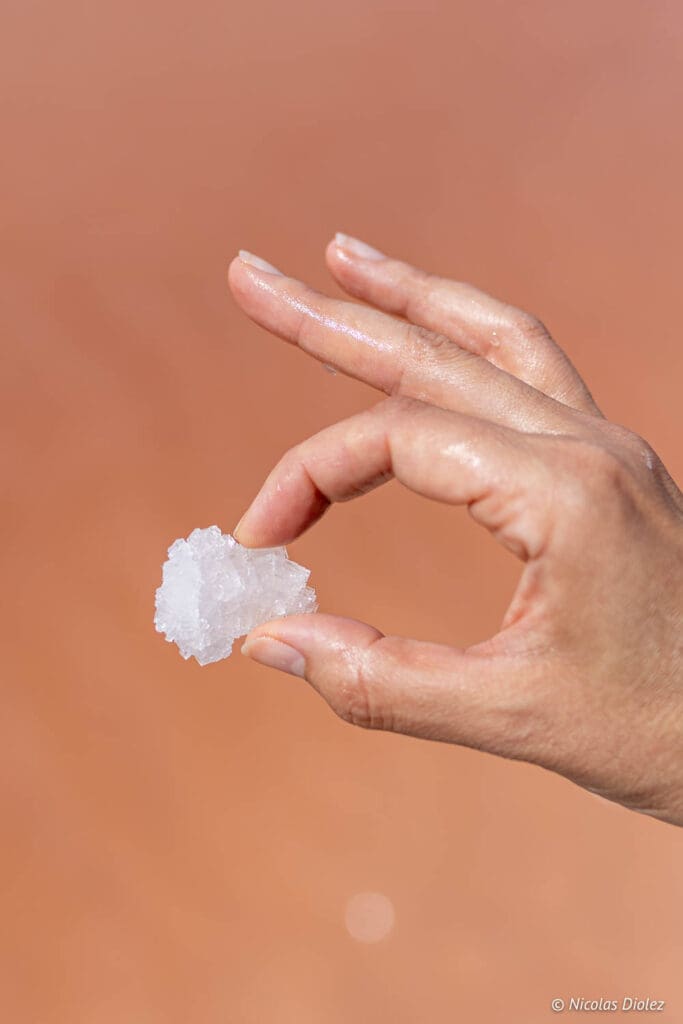
I didn’t manage to remember all the information given by the guide during the visit, but to give you a small summary: we notably learn that there are more than 100 types of different salts (I would never have imagined), that one liter of seawater takes 4 days to turn into salt by traveling 40 km on the site, that the water of the salt marsh is pink because of an alga, or even that sodium chloride (the salt we use in food) crystallizes in a cubic shape. In short, after this visit, you go to bed less ignorant, as you might suspect, and you will be almost unbeatable on salt production. More seriously, I think the visit is essential to discover the history and know-how of the salt workers.
To bring back a small souvenir of your visit to the salt marsh, don’t forget to stop at the site’s boutique, which obviously offers many products around salt but also some local products.






Le Salin de Gruissan
route de l’Ayrolle, 11430 Gruissan
Walking guided tour rates (duration approx. 1h15): €8.90 / from 8 to 13 years old €6.90 / free for under-8s
My recommendations: take comfortable walking shoes (the loop is about 2km), take water and a hat (it’s strong in summer), take sunscreen to avoid burning, and finally take water to hydrate.
Link to the Salin’s website
_
Where to eat near the Salin de Gruissan? La Cambuse du Saunier
After (or before) your visit, you can make a gourmet stop to eat at La Cambuse du Saunier, which is the restaurant of the Salin de Gruissan. Its large wooden tables in a very friendly spirit face the salt marsh, and there are worse settings for lunch. In addition to this atypical landscape with a view of the pink lake of Gruissan, the address obviously offers dishes seasoned with white gold coming straight from its salt water expanses.
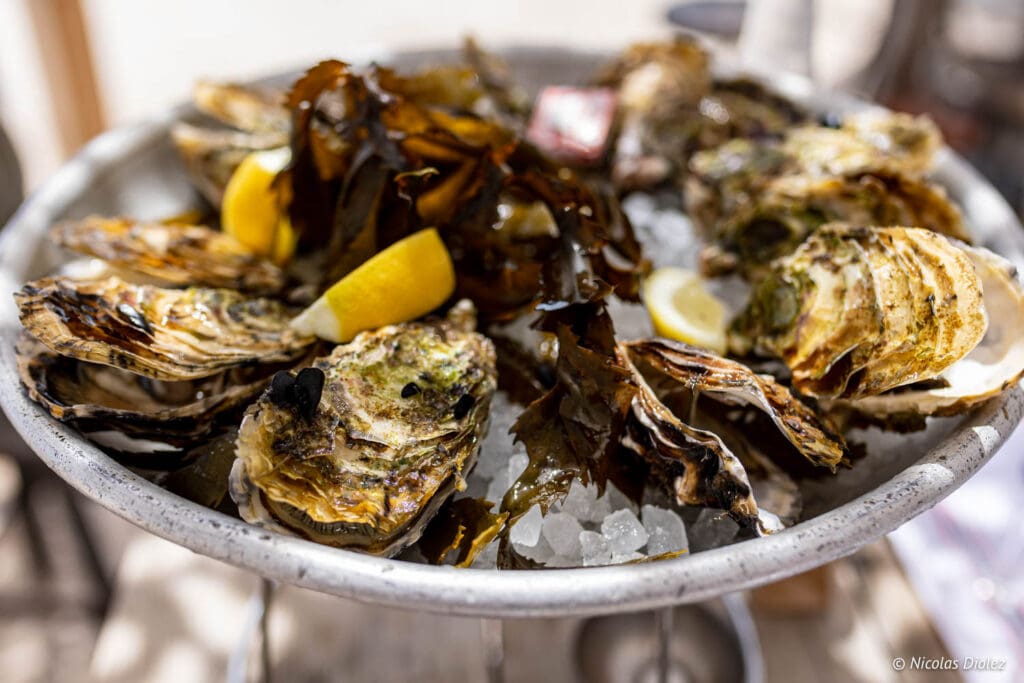
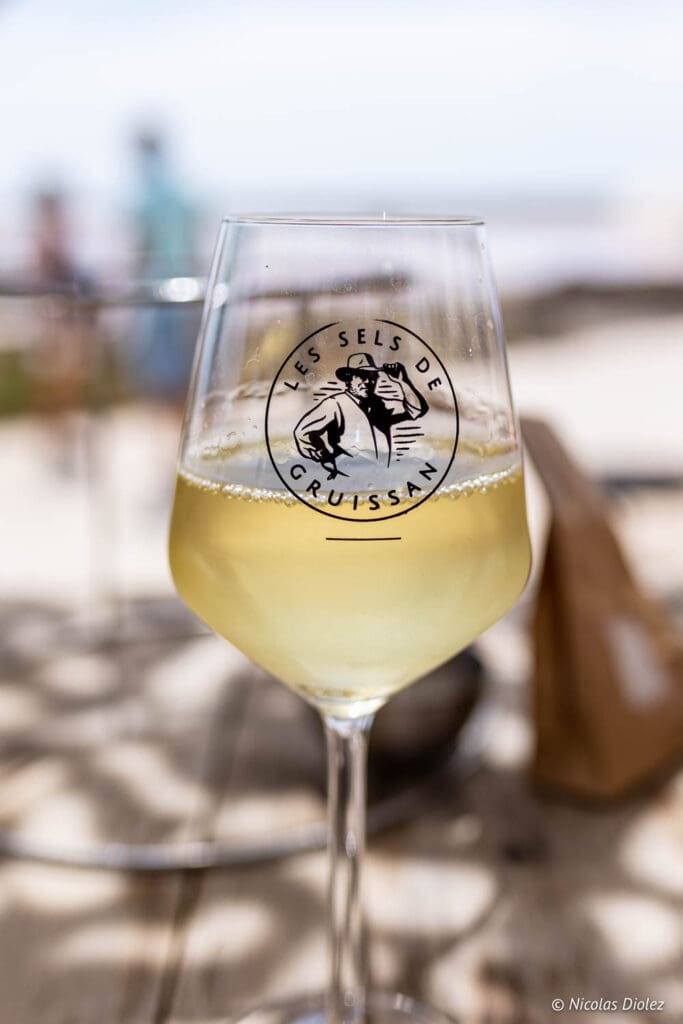
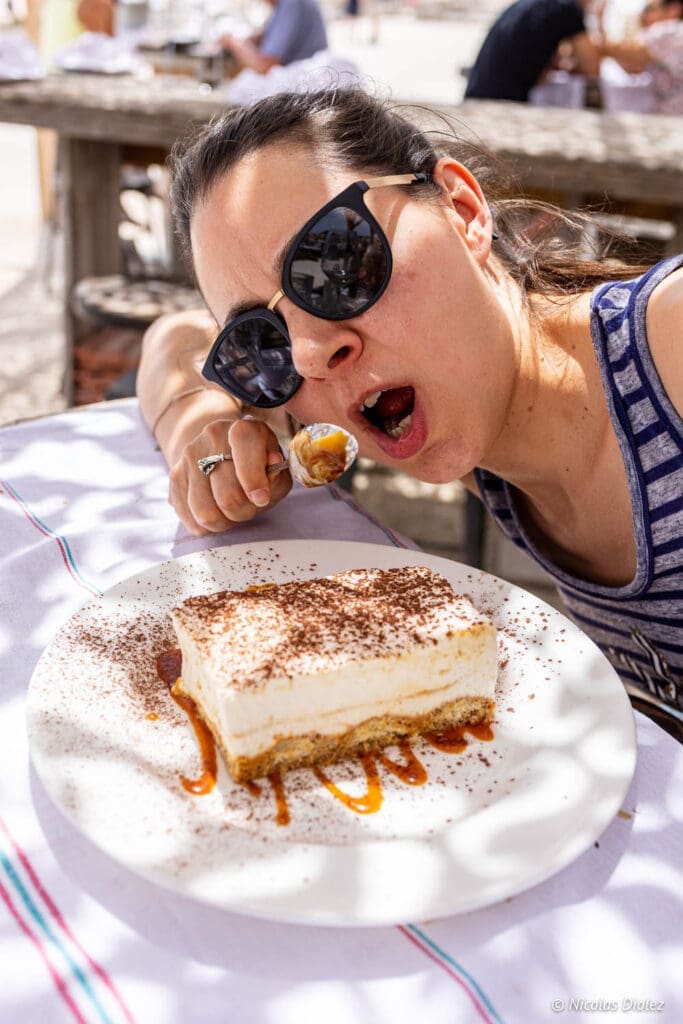
To taste: seafood platters of course (we took some Fines St Martin oysters produced on site to share as a starter / from €9.90 for 6 oysters); dishes and fish in salt crust (from €16.50); cuttlefish cassoulet (emblematic dish of Gruissan but not always easy to eat when it’s 30 degrees / €17.50); for dessert you absolutely must taste the TiramiSel (a tiramisu with Gruissan fleur de sel) which is crazy (€8.50); regarding wines, the Saunier cuvée in rosé or white drinks very well (€3.50 per glass or €8.90 for a 50cl pitcher).





La Cambuse du Saunier
Le Salin de Gruissan
Route de l’Ayrolle, 11430 GRUISSAN
Link to the restaurant’s website
_
Discover the Château Le Bouis wine estate in Gruissan
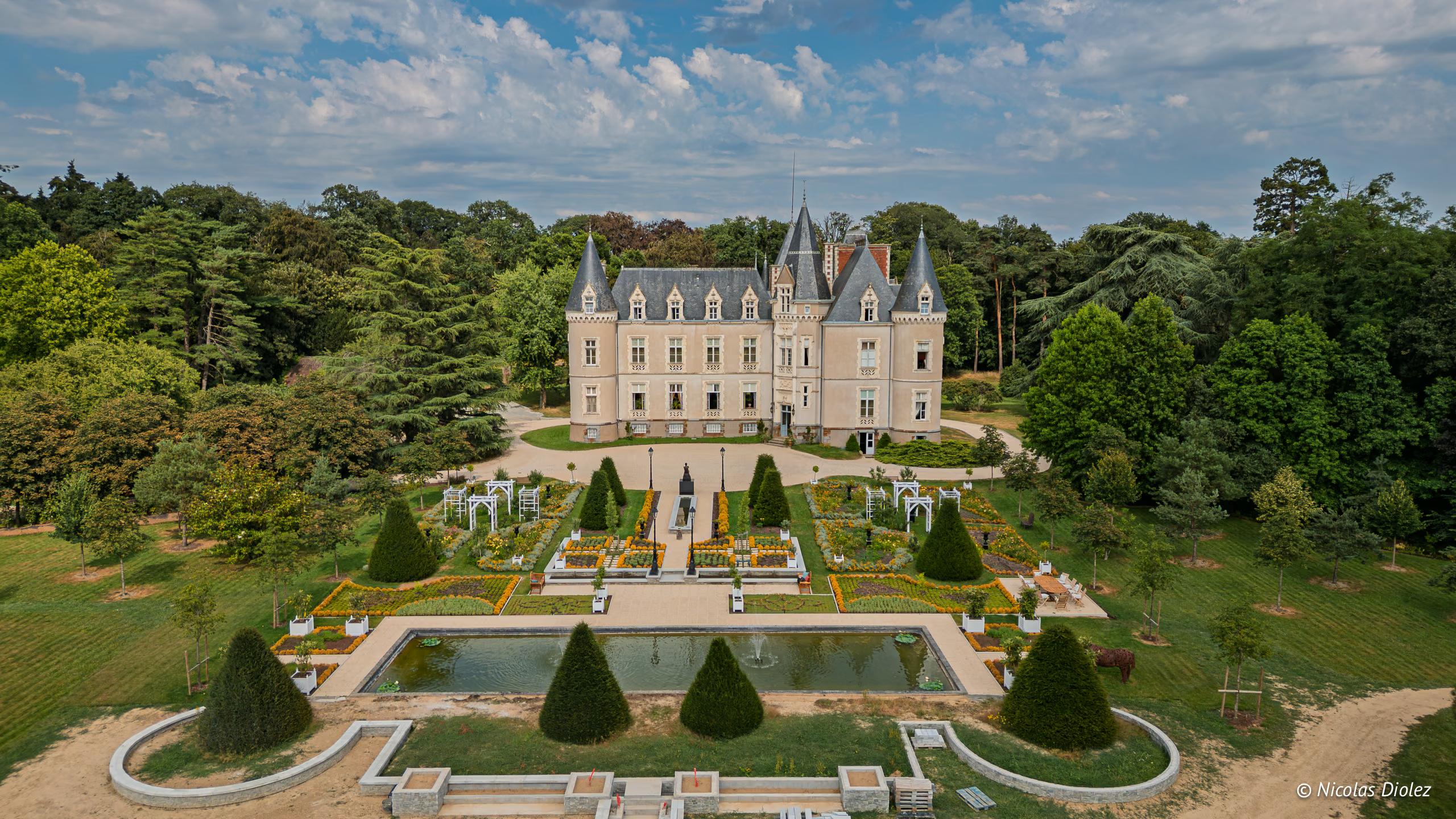
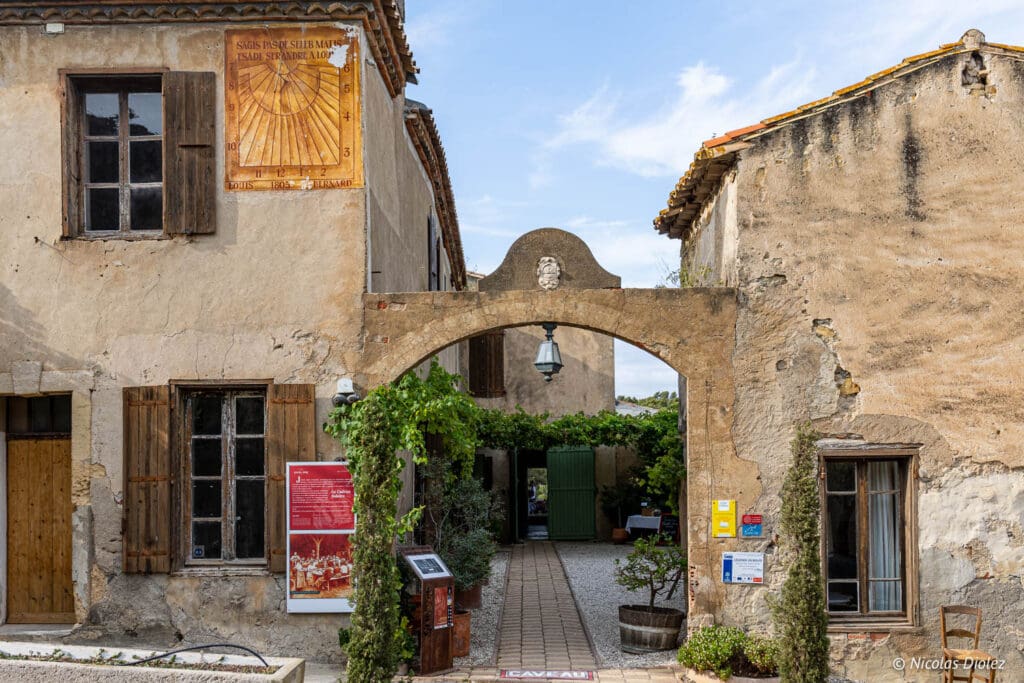
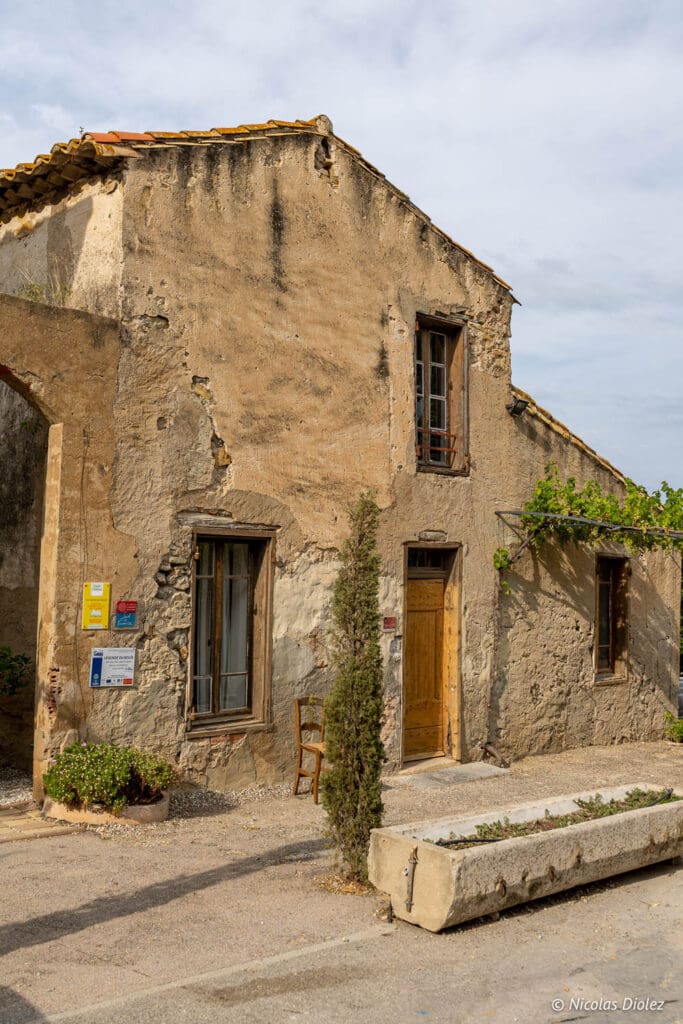
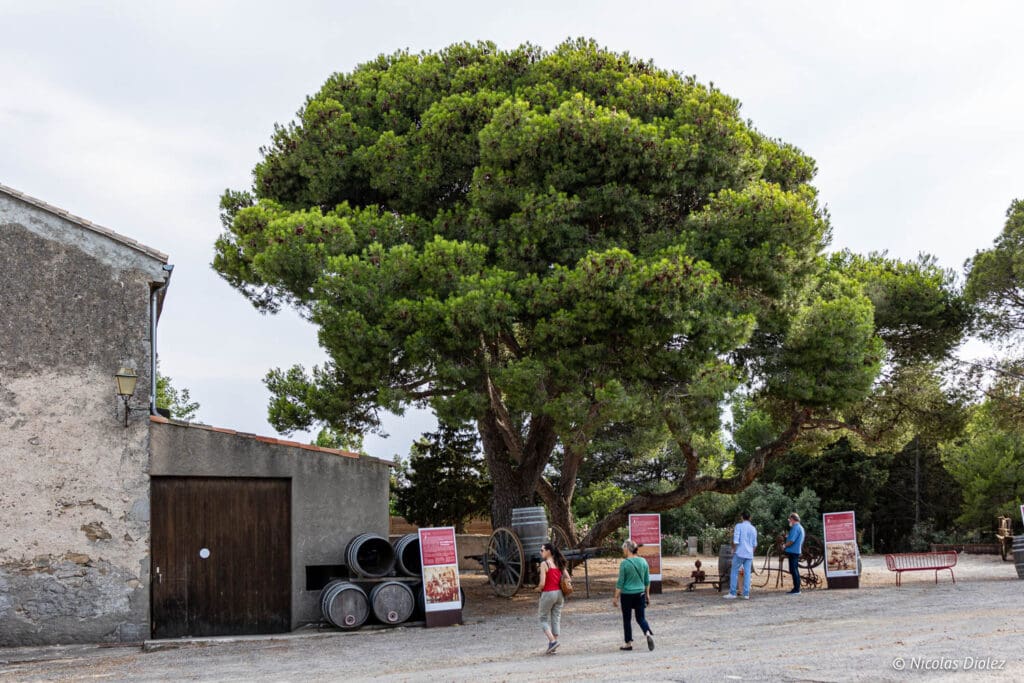
This wine estate, located at the gates of the Clape massif in the town of Gruissan, has 300 years of history and is also an estate linked to women since it was held by 5 female winemakers before the current owner. Frédérique Olivié, who bought it over 10 years ago, strives today to develop Château Le Bouis through a beautiful and large oenotourism project to give the place multiple interests. It is not just a wine estate, but also a living space, a restaurant, accommodation, a bar, a visiting trail, a wine tasting venue, a place for seminars and weddings, a small museum…
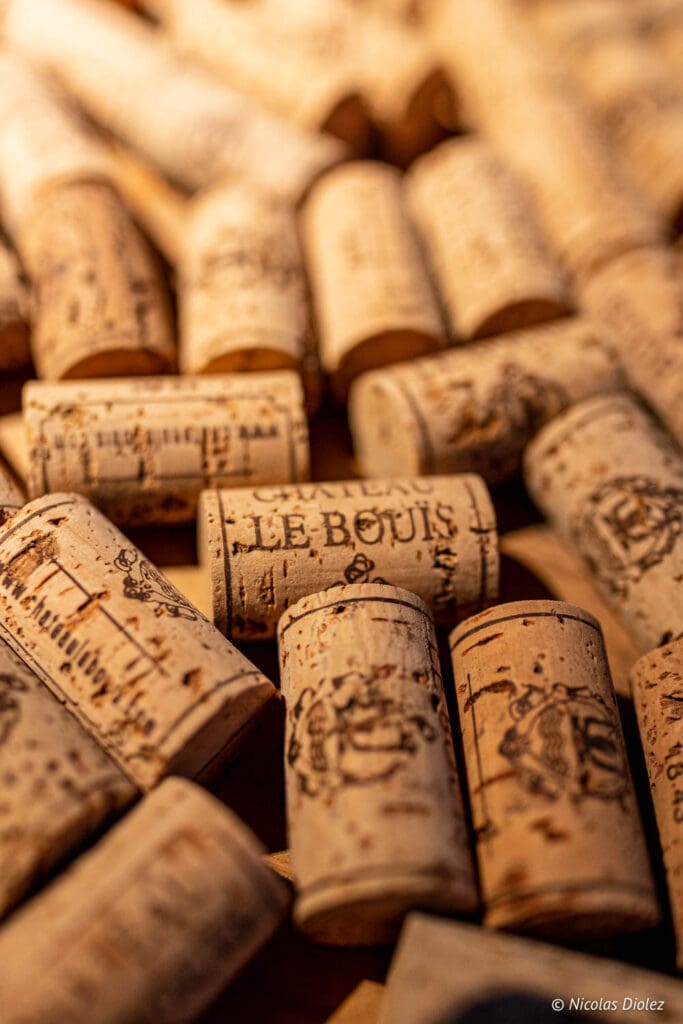
Château le Bouïs takes its name from its ancestral owners, the Bouis family (in the time of Louis XV), who transformed this harsh land into one of the largest wine estates in the Languedoc Roussillon. The Château has long been a major provider of work for the people of the village of Gruissan.
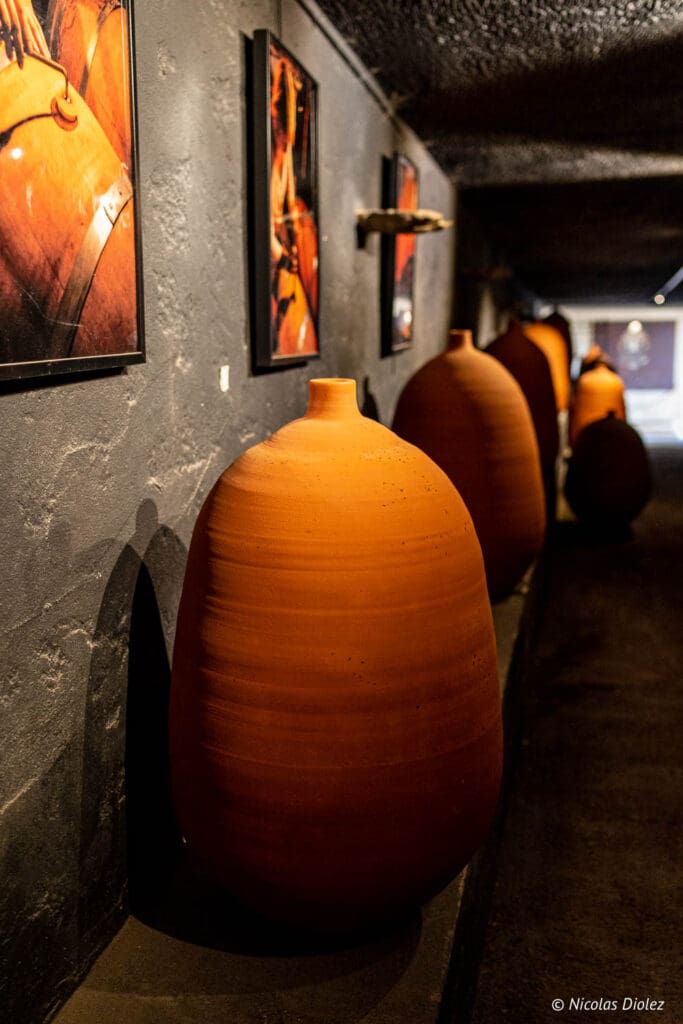
The estate today owns 50 hectares of vines exposed to the south, facing the sea in the territory of Corbières Méditerranée in the heart of a perimeter classified as a Natura 2000 site. It produces 3 appellations for its wines: IGP d’Oc, IGP La Clape, and AOP Corbières. Finally, the Château offers 12 cuvées, including only 1 white wine, 3 rosés (including the very beautiful Cuvée Haute Couture whose bottle was designed in collaboration with Chantal Thomas), and the rest in red. There is also an original selection of wines aged in amphorae (which seems to be quite interesting for white wines).



Château Le Bouis
Route Bleue 11 430 Gruissan
Link to the estate’s website
_
Visit Trail: La Légende du Bouïs
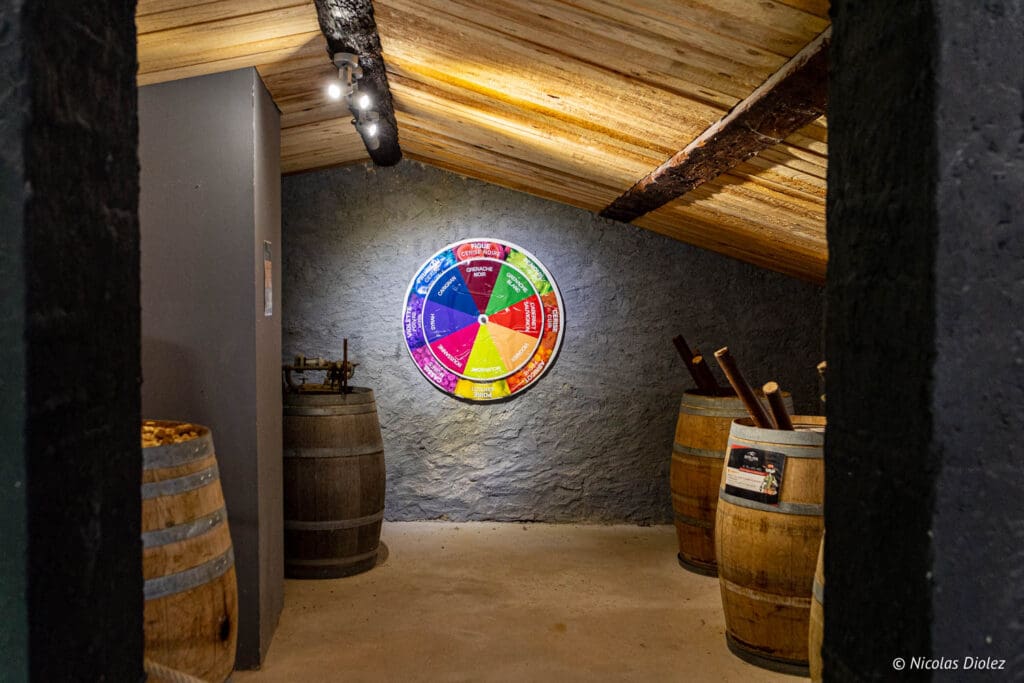
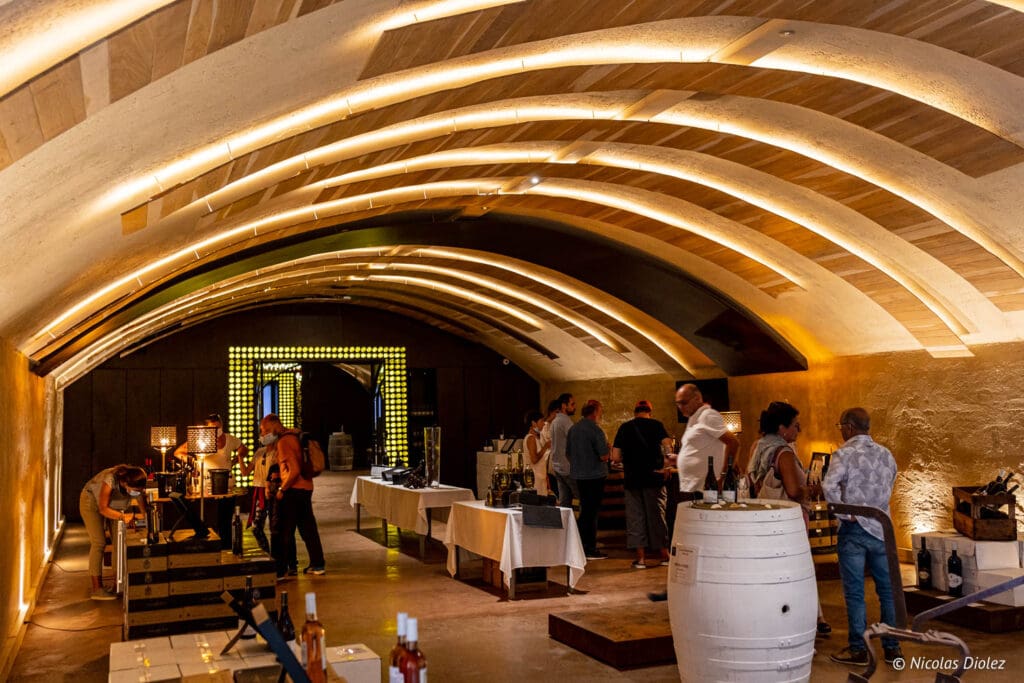
Since 2015, the estate has also offered a visit trail in 5 stages (immersion films; interactive tour; treasure hunt; wine aromas; Land’Art exhibition) for young and old to discover the winemaking history of the Château through the lives of the 5 women who created the Bouïs legend. And a small bonus: a wine tasting is offered at the end of the visit in the estate’s historic underground cellars, which span 300 m2.

La Légende du Bouïs
Duration: 1h30
Rates: €5 / €3.50 child / €15 family rate
_
Bed and Breakfast at Château Le Bouïs
The bed and breakfast rooms at Château Le Bouïs are located in the Maison des Demoiselles (4 rooms), a beautiful 18th-century building in the heart of the estate’s Mediterranean park, and in the Petite Maison du Bouïs (3 rooms), the former home of the sharecropper. We stayed in the Jehanne suite located in the Maison des Demoiselles, which was the former Master’s house where the Bouïs sisters led their lives as winemakers. This large suite overlooking the park is ideal for families because there is a 2nd room, the anteroom, where children can sleep separately from the parents’ bedroom.
Regarding breakfast, it can be taken on the terrace of the Maison des Demoiselles with a beautiful view of the park, and you might be lucky enough to see the estate’s cat coming to ask for some pets…
The little extra: the pool at the back of the Maison des Demoiselles for sunny days!

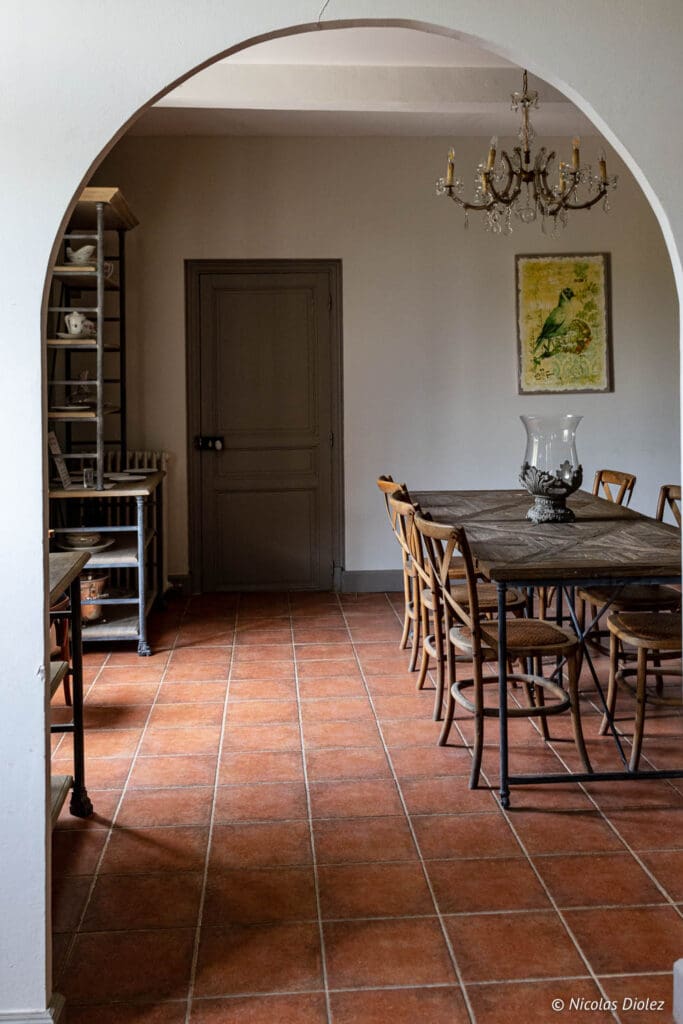
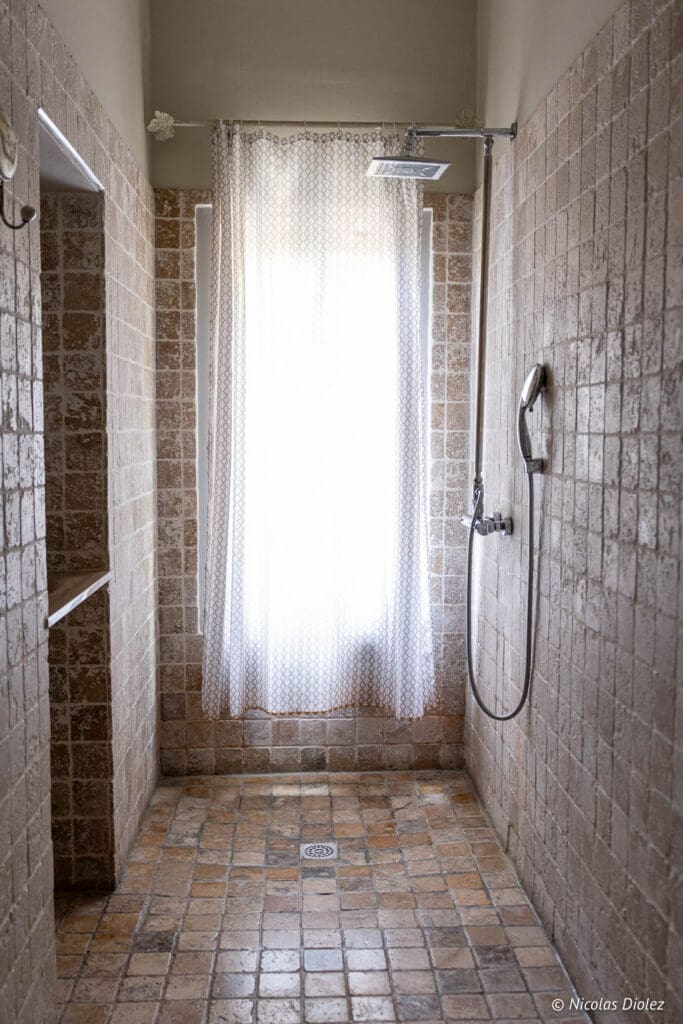
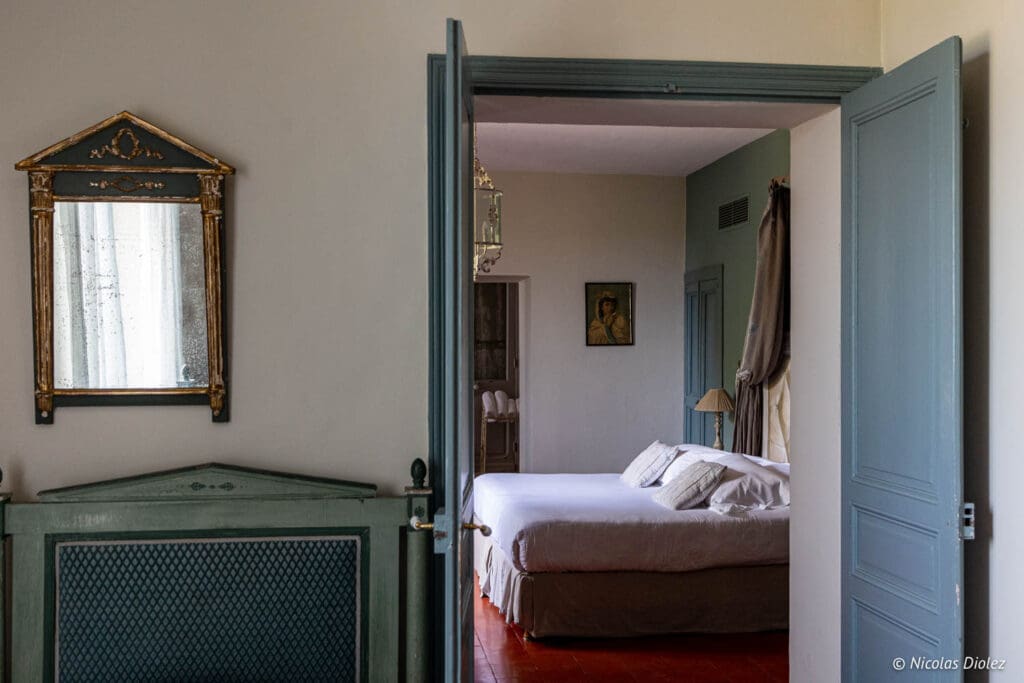


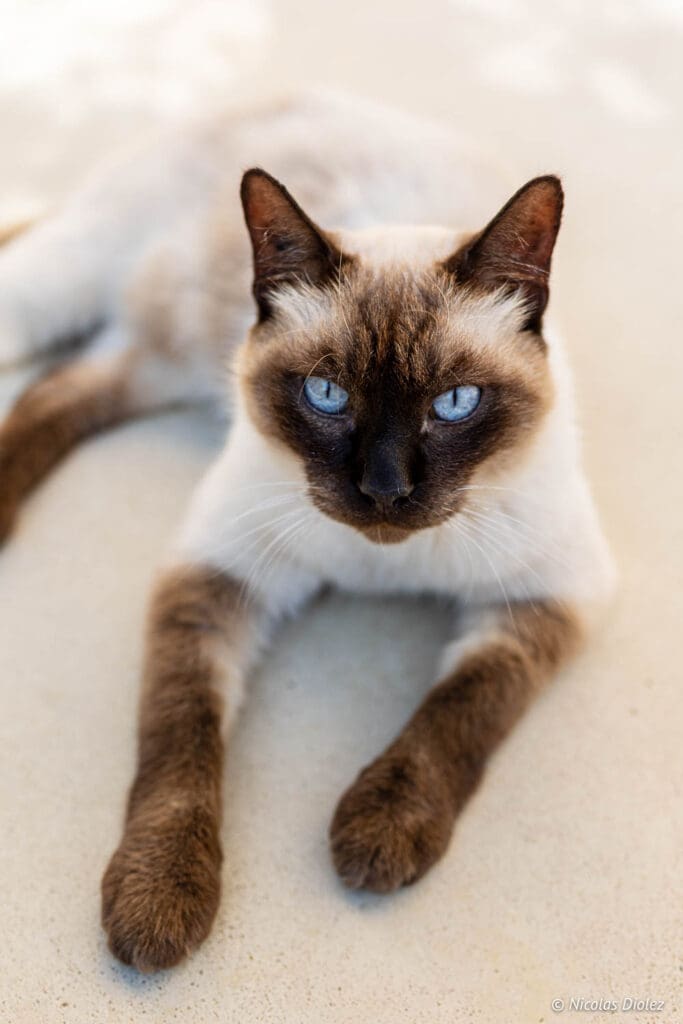
Bed and Breakfast at Château Le Bouïs
Bed and breakfast room rates: from €74 for one night (breakfast included)
The tip: the visit trail is free for B&B guests
_
The Château Le Bouïs Restaurant
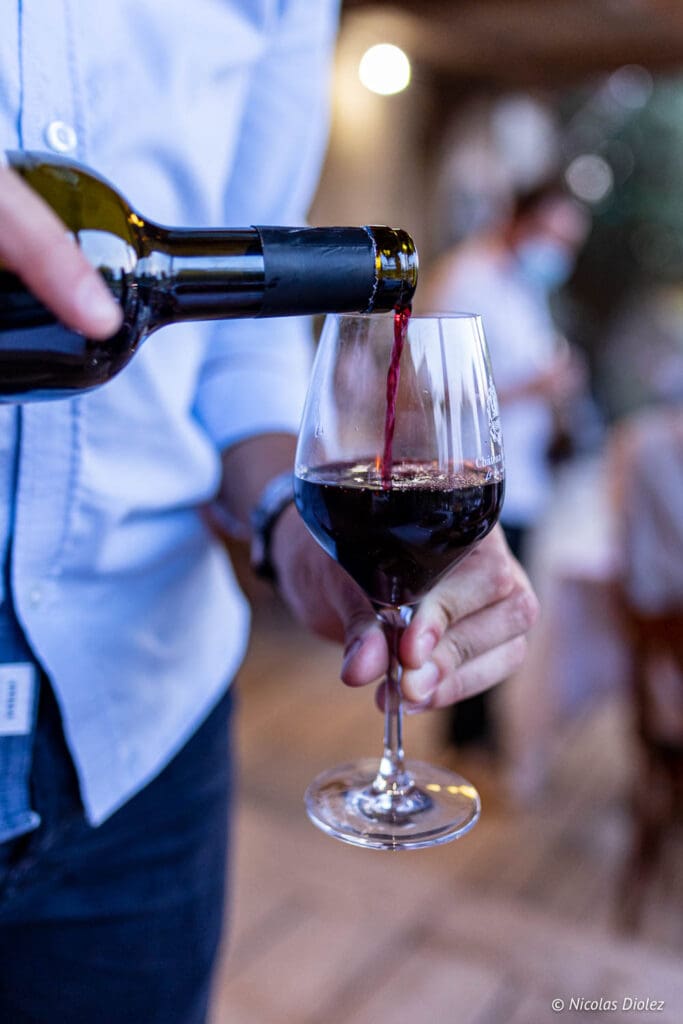
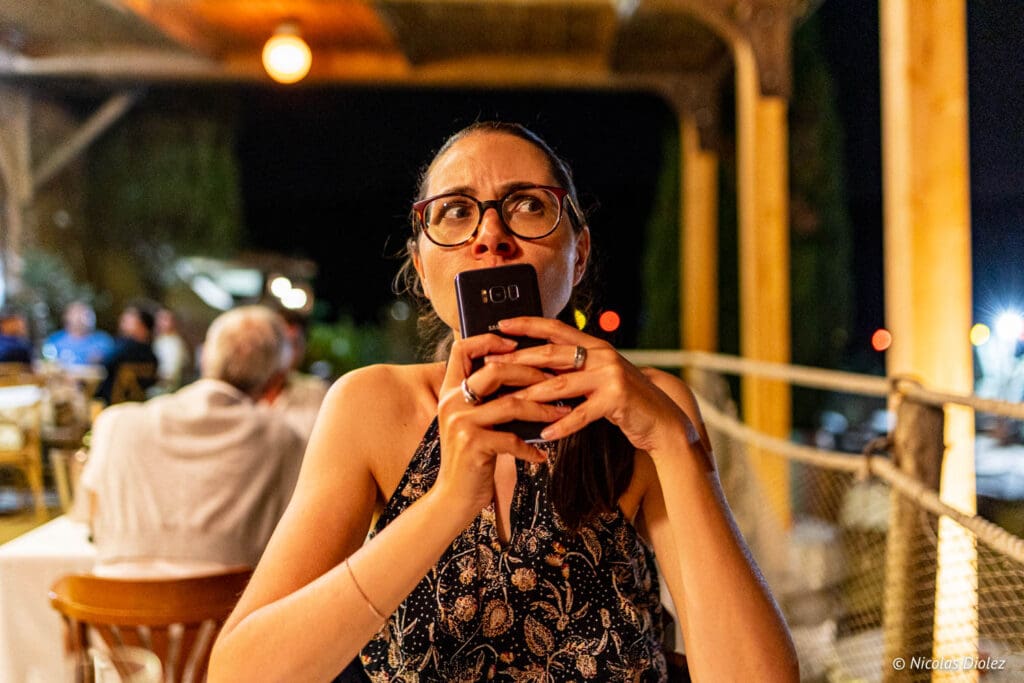
The restaurant was set up in the estate’s former sheepfold. The panoramic terraces with their view of the vines but also of the sea are one of the establishment’s major assets because they offer a quite idyllic setting I must say (the proof in photos below if you don’t believe me). On the plates, you will find dishes inspired by Mediterranean flavors, all accompanied by the estate’s wines of course! The chef uses local products and Bouïs specialties (wine, honey, aromatic herbs…). During our visit, we tasted a Signature menu with wine pairing, made in collaboration with the starred chef Jean-Marc Boyer.
During our stay, the owner also told us about the upcoming setup of a casual rooftop, which has visibly opened since and which was notably to offer cocktails based on wine! The place and the view seemed incredible in any case from what we had caught glimpses of during the preparations.


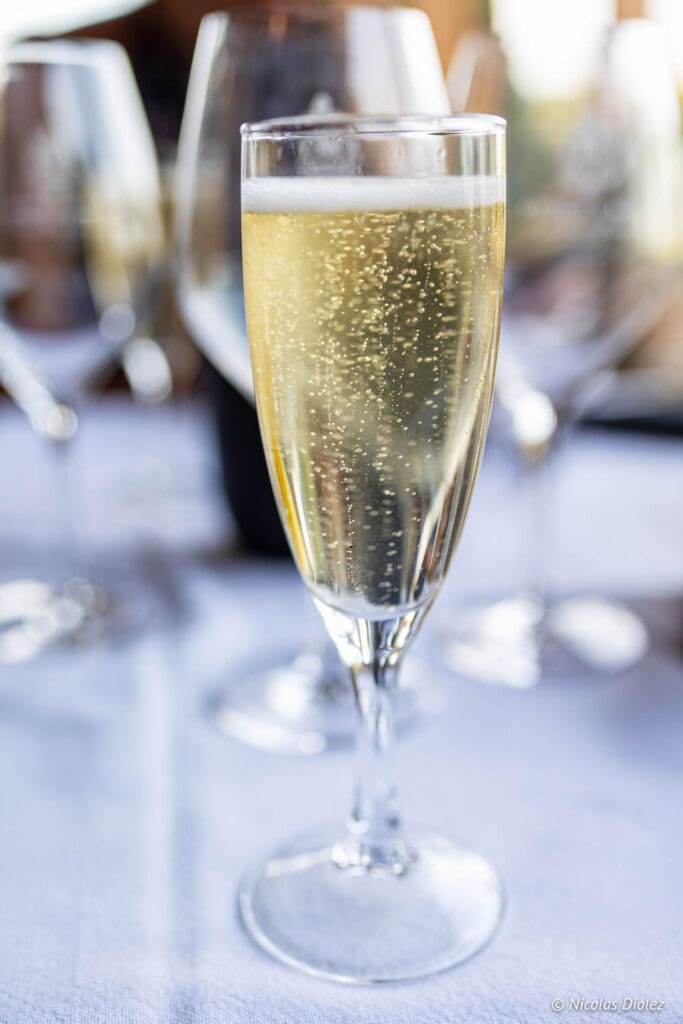
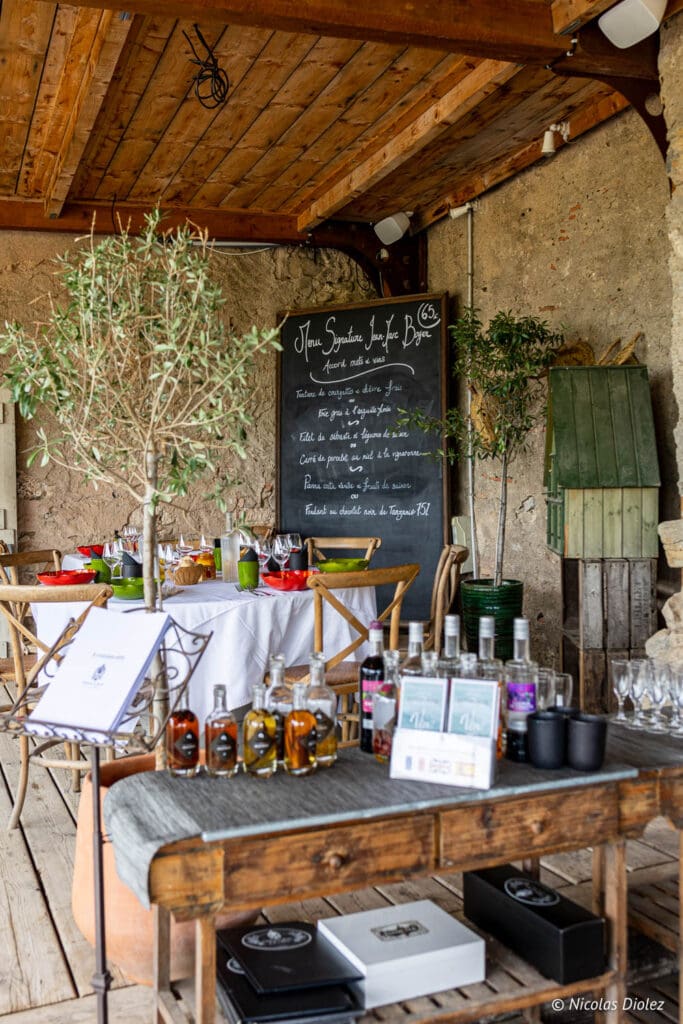


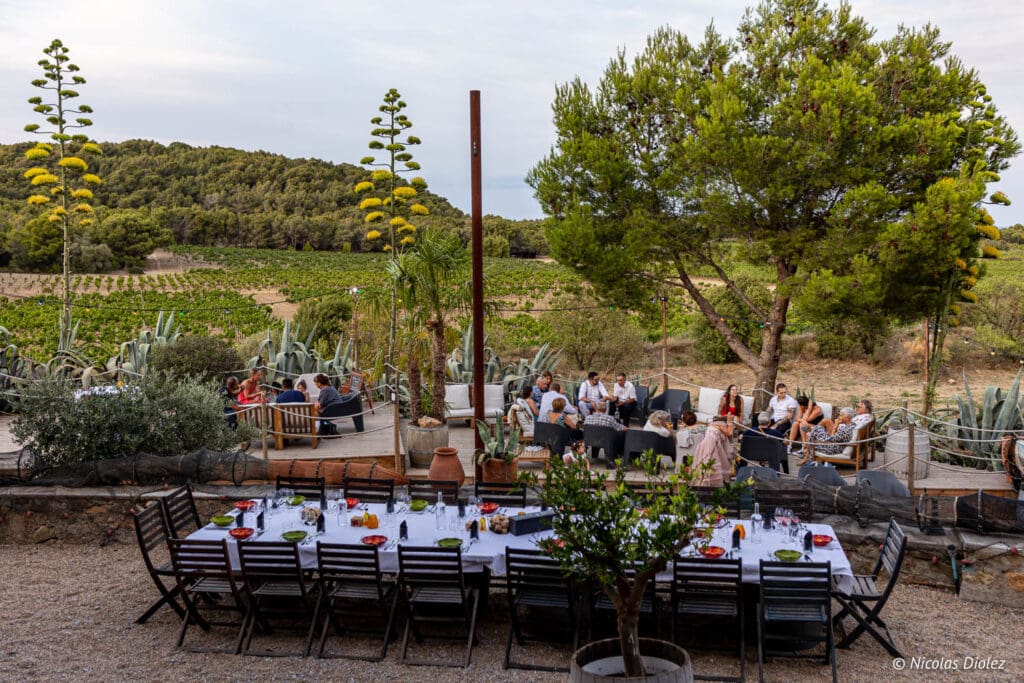


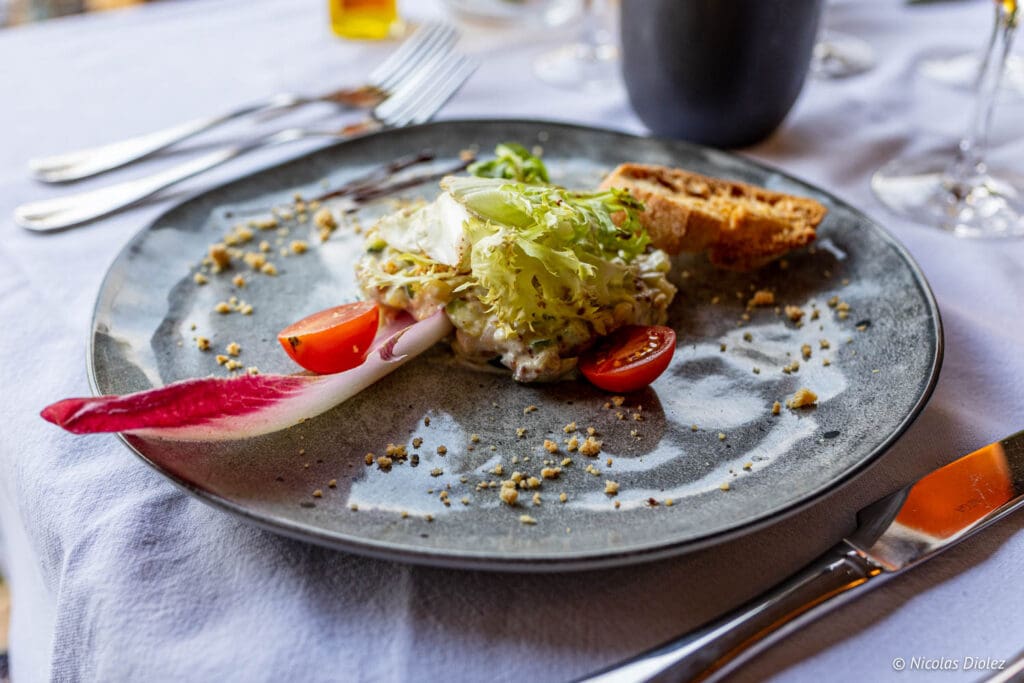



Restaurant Château Le Bouïs
Signature menu Jean-Marc Boyer with appetizer + dish + dessert + wine pairing €55 per person
Open for dinner only from 7 PM to midnight Tuesday to Sunday between April and September and Friday, Saturday & Sunday evening between October and March
_
Doing river tourism on the Canal du Midi
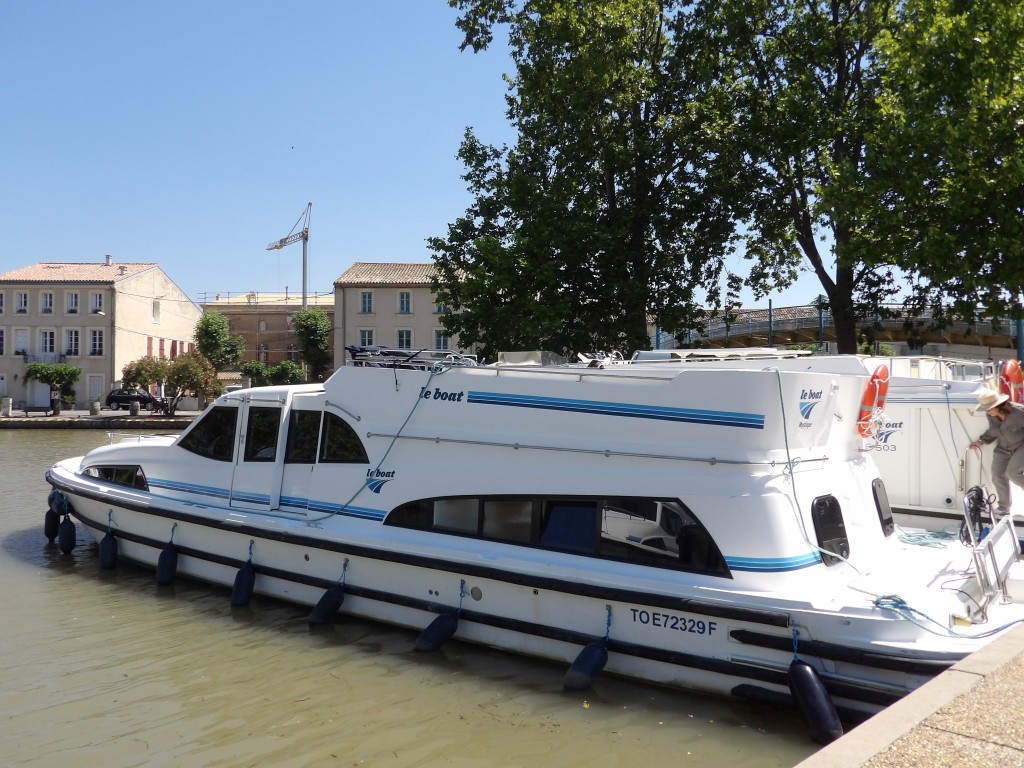
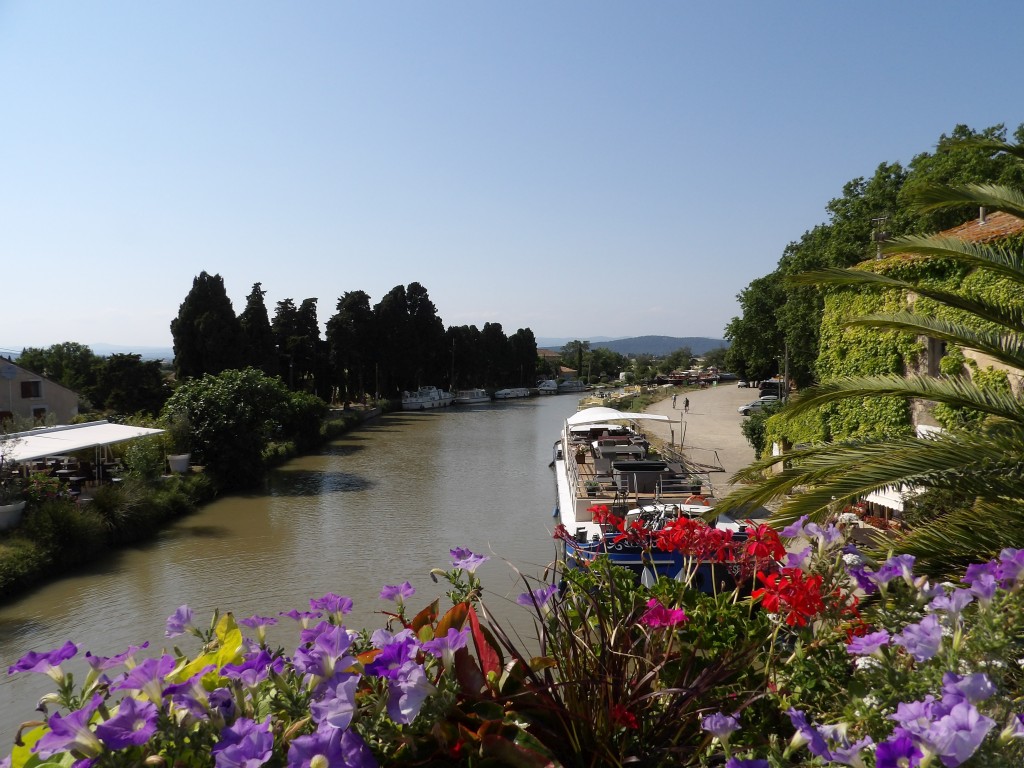
So, I didn’t test this activity during this stay in the Aude, but I had done a boat trip precisely in this region around Narbonne in 2017. And on the last part of this excursion, we notably went to discover the villages of Ventenac-en-Minervois, Le Somail, but also Bize-Minervois. Don’t hesitate to take a look at my article on my experience of river tourism on the Canal du Midi to discover other places to visit in the surroundings of Narbonne!

_
Thanks to Aude Tourisme and the aiRPur agency for this welcome.

I hope that with all this I will have made you want to discover the Aude and Narbonne, and if you also have your favorite spots and tips for this destination, don’t hesitate to share them in the comments below!
Photo credits: Melle Bon Plan
Photos not royalty-free, photographer's authorization required before any use