We discovered the Tarn department for the first time, located in Occitanie, with my favorite photographer in April 2019 and we returned this year in May 2022. I am starting to know this region well, especially this department which takes its name from the Tarn river that flows through it. It is the perfect opportunity to “s’espanter” as the locals say, which means to marvel and be amazed by the landscapes of the Tarn, and particularly by its medieval cities and its famous “pays de cocagne” (Land of Cockaigne).
After a feature article on visiting and discovering Albi, I now suggest you discover the bastides and hilltop villages of the Tarn. This article is a summary of these two getaways and the discoveries we made in the Tarn, not forgetting my famous selection of great spots, just as I love to do!


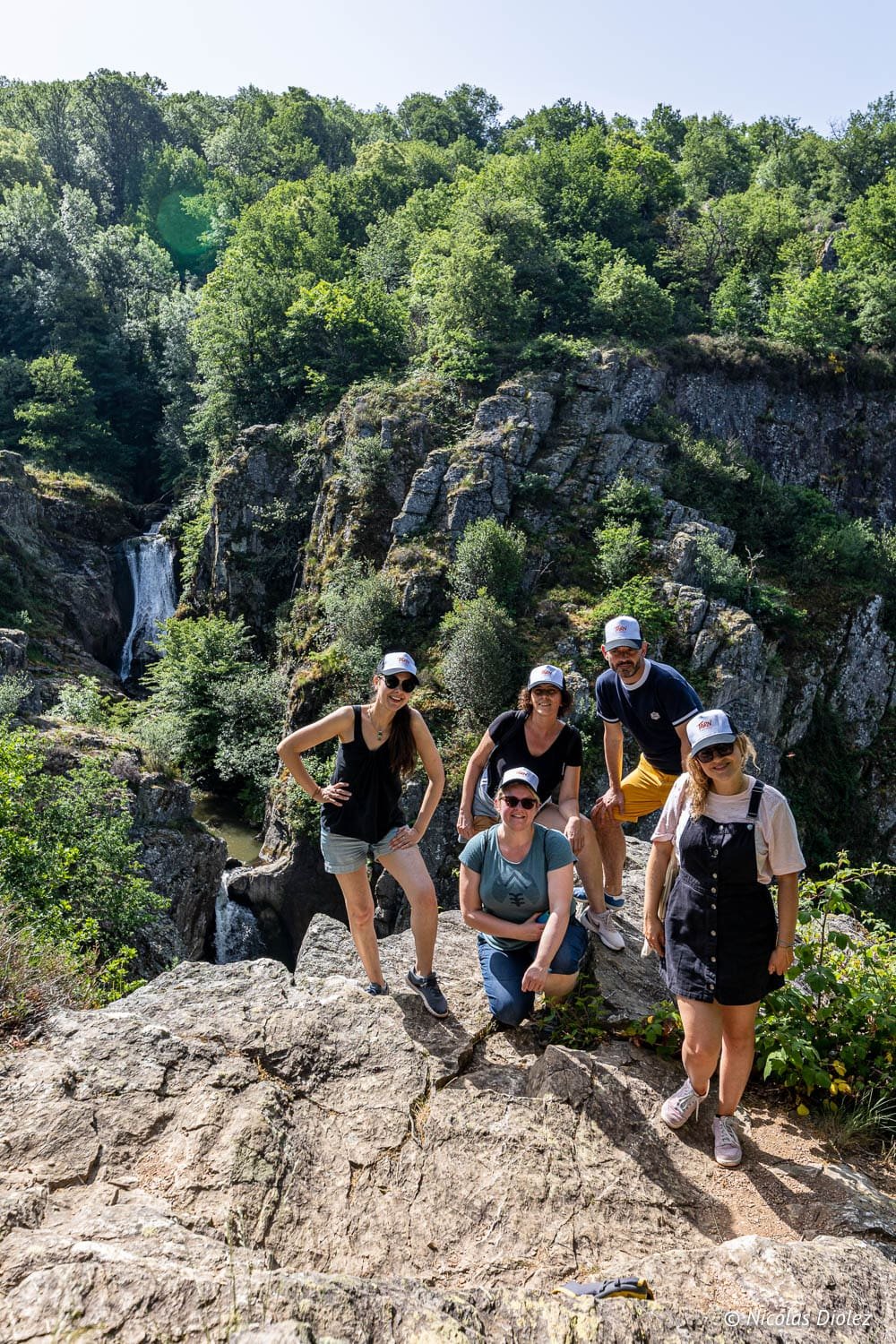


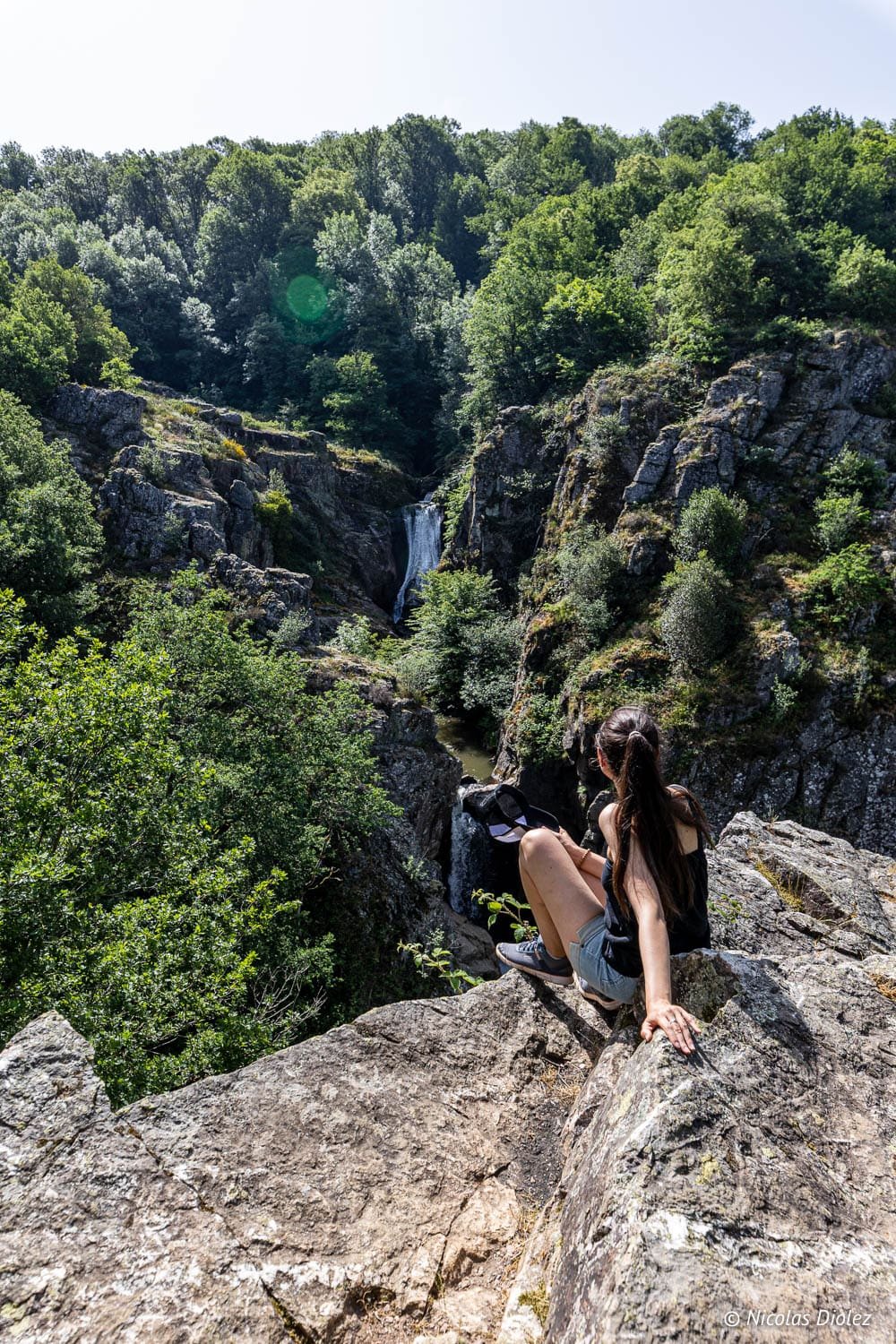
Table of Contents
Practical Information for visiting the Tarn
Getting there from Paris: from the capital, the fastest way is still to fly (1h25 flight) to Toulouse Blagnac airport (there are inexpensive flights with Easy Jet). Once there, it is very easy to rent a car from the airport to travel around the region. For all practical information about the region, I recommend you visit the Tarn Tourisme website (link below).

Tarn Tourisme
Things to see / do in the Tarn
The Tarn department is the witness of a magnificent history with its castles, cities, bastides, and beautiful panoramas. But what does the term Bastide actually mean? They are medieval cities dedicated to trade with streets laid out in a grid pattern starting from a central square. Initially, a bastide was not a fortified city; it was an open town with a characteristic urban structure: a large square and a grid of four main streets.
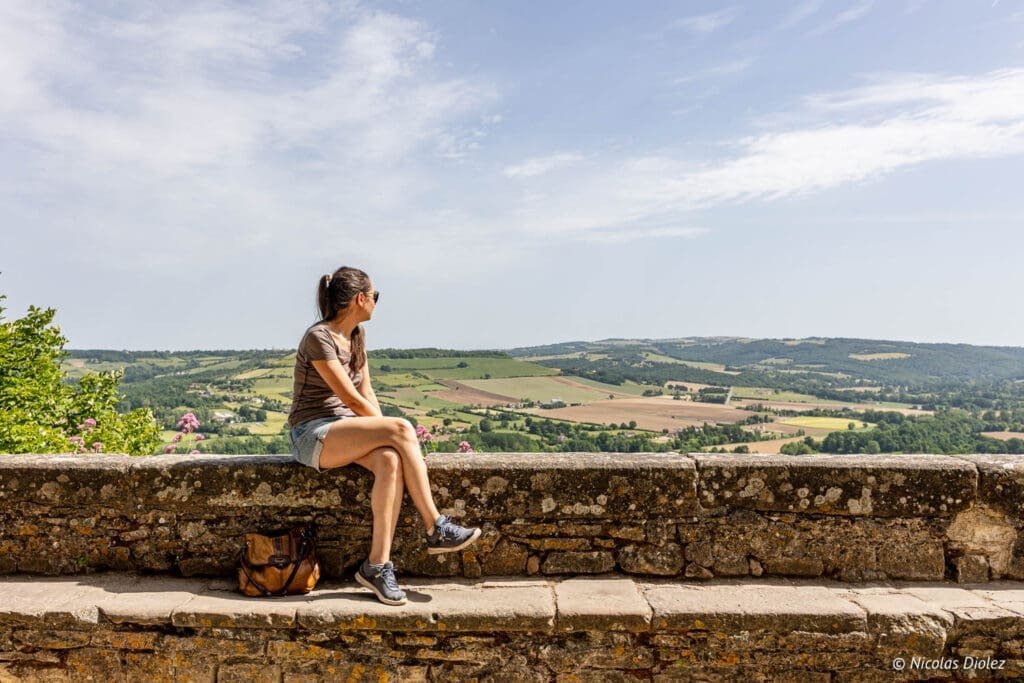
To follow this itinerary and discover the various points of interest I will tell you about below, you absolutely need a car (or a bike!) to get around. Besides, the hilly roads of the region are an invitation to take your time. There are very beautiful places to discover and visit in the Tarn and I suggest a few of them below!



_
Visiting Albi
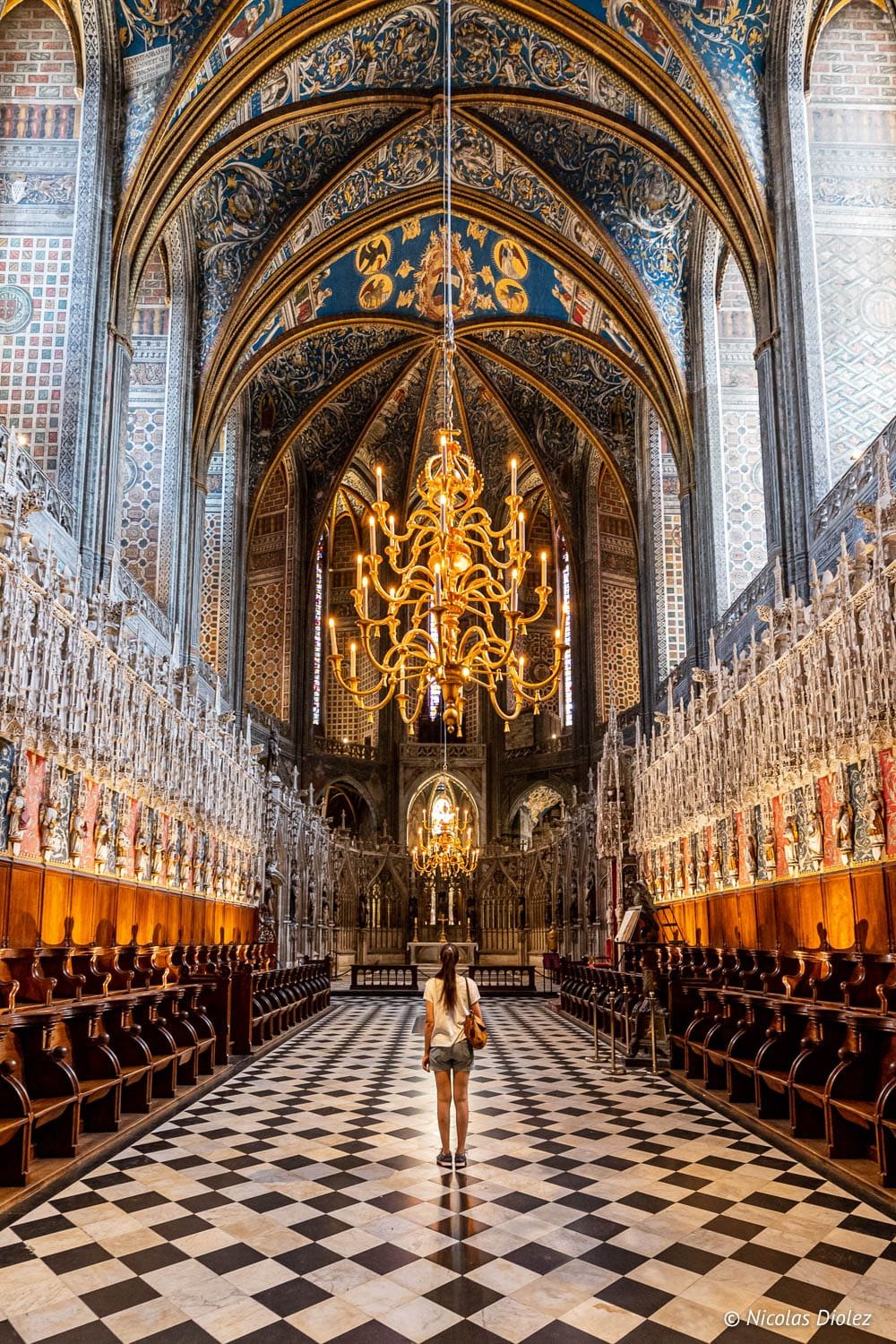
I will not elaborate on the discovery of this beautiful city here (which I highly recommend) because I have a complete article on visiting Albi that I encourage you to check out to learn more about this city of bricks that reminds one of Tuscany.


_
Visiting the village of Lautrec
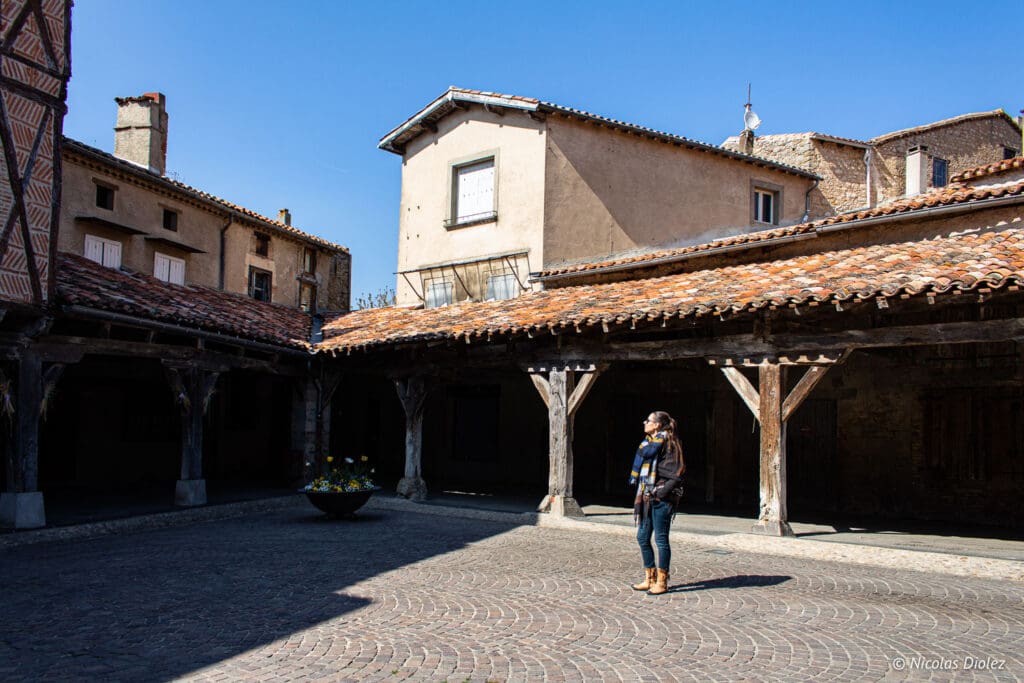
Located in the heart of the “Pays de Cocagne” and 40 minutes from Albi, the medieval city of Lautrec is labeled as one of the “Most Beautiful Villages in France”. A former viscounty, it is the cradle of the Toulouse-Lautrec family, of which the painter is obviously the illustrious descendant. This rural territory also owes its fame to the labeled production of Lautrec pink garlic but also to the pastel (woad) of the dyers, and it is symbolized by two colors: pink and blue.


_
Where to find out more about Pastel? La Ferme au Village
To discover more about the making of Pastel (woad), I recommend you pay a visit to Françoise Carayol, a pastel dyer at La Ferme au Village. This enthusiast learned the craft herself from David Santandreu, one of the last master dyers. Our two visits there were fascinating! We discovered the secrets of this 100% organic method involving long fermentation. Pastel is actually an indigofera plant that grows notably in Europe. And it is the indigo, a molecule contained in the plant, that then gives this beautiful and very specific blue color. This explains why pastel is a pretty plant with yellow flowers and not blue ones!!! The variations in shades of this blue color are obtained by the number of passes in the vat, but also by the intensity of the indigo in the vat. Then it is the air with oxidation that fixes the color and dyes the fabric.
Clothing made with real pastel is obviously more expensive, but when you see the work and time that it requires beforehand, you understand why better. However, the advantage is that a pastel blue garment lasts a lifetime and the color does not lose its luster. Do not hesitate to stop by the shop and ask a few questions if the subject interests you; Françoise will answer them with pleasure!


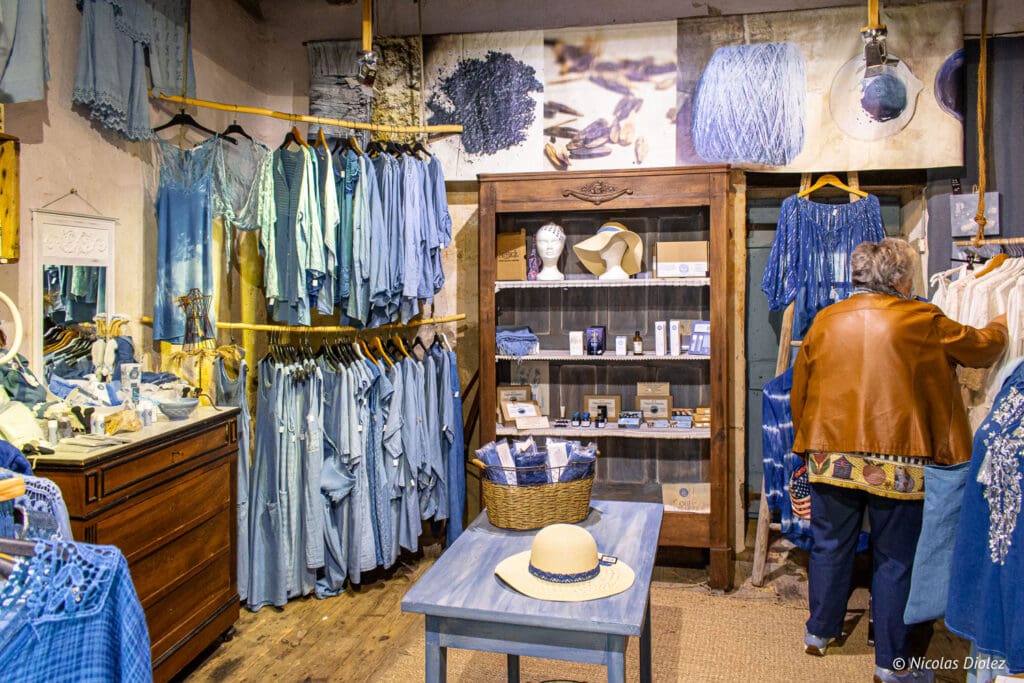


If you want to test this dyeing method and leave with your own “creation”, La Ferme au Village organizes workshops and courses, and in 2022 during our second time there we were lucky enough to do one! It’s a great experience, very instructive, and I must also say that we had a good laugh with our “blue” hands. I recommend it if you want to know more about pastel while literally getting your hands dirty…
Workshop “I discover the history of Pastel and dye my scarf”
Duration: 1h30
Price: 38 € per person (minimum 8 people)


A little extra: the place also has a charming tea room where it is nice to stop for a coffee and a bite to eat, and a very nice little patio for sunny days.
Good to know: the place also regularly organizes natural dyeing workshops/courses.
La Ferme au Village
Rue du Mercadial, 81440 Lautrec
_
Where to have a gourmet meal in Lautrec? At L’Ocxalis
This restaurant, which was in its first season in 2022, offers a very beautiful, refined gourmet cuisine that takes us on a journey into Occitan country in a magnificent setting. It is run by an adorable and promising young couple, who complement each other behind the stove (he takes care of the savory and she takes care of the sweet). If it’s not too hot (or too cold), I recommend eating on the charming little interior patio of the old house where the restaurant is installed, which is full of charm. Unfortunately, it was too hot for that on the day of our visit. The restaurant also has the “Remarkable Site of Taste and Garlic” label.
We tasted during this lunch: Eric’s white asparagus, satay breadcrumbs, bacon and homemade smoked trout, black cardamom cream; marinated Aubrac beef and sand carrots; cuttlefish tagliatelle and Cajun sauce, ink bread, and iodized cromesquis; Tarn lamb fillet, confit shoulder, wild garlic and fennel, reduced jus and tomato jam; Red fruit Pavlova and basil ice cream; Morvan cazette soufflé.


Restaurant l’Ocxalis
6 Place du Monument, 81440 Lautrec
Price: 3-course menu at 40 € / 4-course menu at 50 € / 6-course menu at 60 € (chef’s choice)
The tip: the weekday menu (served Thursday and Friday lunch) with appetizer + main or main + dessert for 23 € and appetizer + main + dessert for 27 €
_
Visiting the village of Cordes sur Ciel
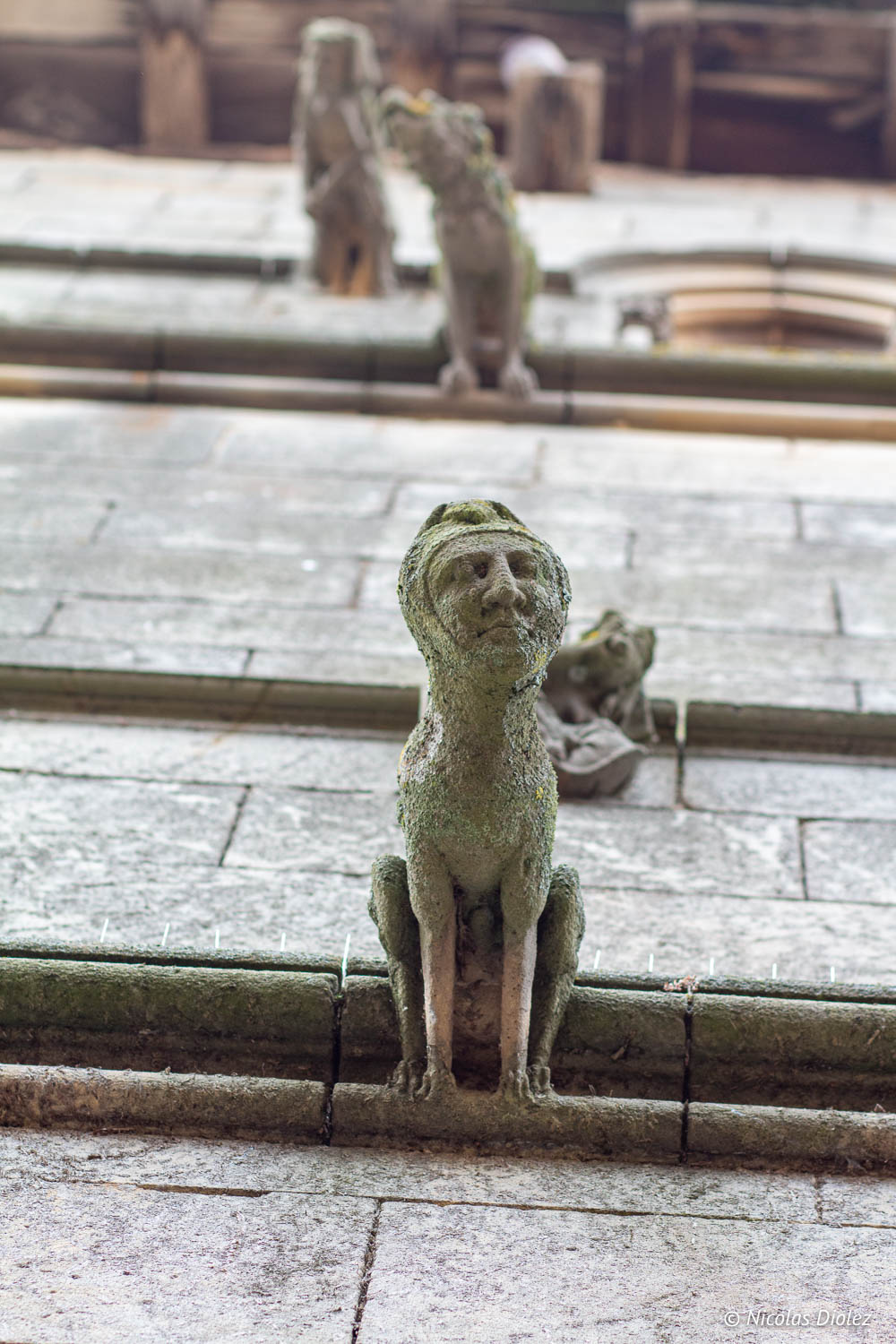
This medieval bastide, called the “city of a thousand ogives,” perched on its rocky spur, is located 25 minutes from Albi by car. It is a true treasure of Gothic architecture that you absolutely must visit! The prosperity of this bastide, which is one of the oldest in the South-West, marked the region significantly during the Middle Ages. It was founded in 1222 by Raymond VII, Count of Toulouse, at the time of the crusade against the Cathars (Albigensians). He wanted to build, with this new city, a stronghold against the advance of troops coming from the North of France to eliminate the Cathars.
The city is separated into two parts: the lower city and the upper city, which culminates at 300 meters above sea level at its highest point. Cordes is installed at a strategic point and it has been a center of commerce since the Middle Ages: trade in leather, dyes, draperies… Even today, many craftsmen are settled in the city (glassblowers, ceramists, jewelers, leather craftsmen…) and perpetuate these ancient skills. During your walk, I recommend you go into the Cordes Tourist Office (Gaugiran house) to see the beautiful interior courtyard/patio. Also, don’t miss the medieval market hall and its well from the same period (which has a depth of 113.47 meters).
This small medieval village is extremely touristy and one easily understands why when you are on site. The only downside in my opinion is the parking, which is paid for everywhere in the city, and even if you only stay for an hour or two (as was our case in 2019) you are forced to pay the daily rate of 3.50 € for 11 hours of parking… Apparently, there is free parking (we saw a sign) but we did not find it during our visit in 2019… In short, once past this minor inconvenience, the visit of the upper city is done on foot (count at least 1h30 of walking to see everything) and it climbs quite a bit, so remember to wear shoes you are comfortable walking in.
Specialty of Cordes to bring back: the “croquant,” a cookie made from a local 17th-century recipe (and I was recommended to buy some at the Manufacture Gourmande).
Great spots in Cordes that were recommended to me but that I haven’t tested: the restaurant Sur les Pavés; the Table d’Yvonne.




_
Visiting the “Maison Ouverte” (Open House)
As its name suggests, this house is always open and welcomes the curious freely and openly in homage to the Indian saint Ma Ananda Moyi. This old building, which is clearly “in its original state,” without windows or doors, houses works of art and places for meditation around the image of this woman born in India in 1896 who was a saint for Hindus. This “artwork house” is ultimately the creation of Jean-Jacques Enjalbert, who was deeply moved by the life of this extraordinary woman. If you are passing through Cordes, do not hesitate to take a look inside this house because it will necessarily be open, whatever time you pass by!


Maison Ouverte
Place de la Halle, Cordes sur Ciel
Always open, free admission
_
Where to take a great photo of Cordes sur Ciel? From the Pied-Haut
If you want to take beautiful photos with a magnificent view of the city of Cordes sur Ciel, you will have to go to the locality of Pied-Haut, a hill located opposite the city. To find it on your GPS, you can type “pied haut cordes” and it is the site “point de vue – cordes”.


Locality of Pied-Haut
D7, 81170 Cordes sur Ciel
_
Visiting the village of Castelnau de Montmirail
This bastide is the little sister of Cordes (which I just told you about above), because it was founded at the same time and by the same person. The village has been perched since the 13th century at the top of a modest mountain and notably houses the treasure of the Reliquary Cross, a jewel of goldsmithing kept at Notre-Dame de l’Assomption. I recommend you stroll through its old flowery streets and also go admire its beautiful medieval square with arcades and its view of the Grésigne forest.


_
Visiting the village of Puycelsi
Perched on its rocky spur, this fortified village nicknamed “the wooden fortress” and classified as one of the most beautiful in France, possesses very beautiful stone houses from the 14th and 15th centuries. It also offers a stunning view of the Grésigne forest and the Vère valley, as well as a magnificent panorama of the surroundings.
Where to have a drink or eat in Puycelsi: Au Cabanon (place de l’ancien château, 81140 Puycelsi).


_
Visiting Gaillac
The city of Gaillac gave its name to the vineyard of the same name and it is also the third most important city in the Tarn after Albi and Castres. The city developed notably thanks to the wine and pastel trade, exported through its port and the economic activity of the Saint-Michel abbey (built in the 10th century). I highly recommend you stroll through the alleys of the old district of Gaillac and also through the Quai Saint-Jacques district.
Organic craft beer made in Gaillac to taste: La Berlue by the Fameuse Fabrique.


_
Where to eat in Gaillac? Restaurant Vigne en foule
This very beautiful address in Gaillac is an old wine cellar, so it is the ideal place to do a little tasting of the region’s wines while eating! Not to mention that this bistronomic restaurant offers great quality on the plate with well-crafted and balanced dishes.
We tasted: chilled pea velvet, egg and house-smoked Aveyron trout; like a veal tartare cannelloni, seaweed, anchovies, capers, and young sprouts; cod fillet, spring vegetables, reduced jus, saffron, and samphire; XXL asparagus with sheep’s milk cheese, Rodez espuma crumble, Hakim coppa; local strawberries with creamy juice, white chocolate, marshmallows, and sorrel sorbet; blood orange frozen nougat, grapefruit, kumquat, and puffed cereal tuile.


Vigne en foule
80 Place de la Libération, 81600 Gaillac
Price: menu of the moment at 34€ with appetizer + main + dessert served Monday to Saturday lunch and dinner
The tip: the weekday menu served Monday to Friday lunch (excluding public holidays) with appetizer + main + dessert for 19€
_
Go for a ride on a Solex
Vintage Cyclomoteur 81 offers unusual guided rides on vintage Solex or moped with vehicles they have recovered and repaired themselves. It’s the opportunity to take the country roads between vineyards and authentic villages and discover them in a different way. For my part, I admit that I tried the Solex and I didn’t really feel comfortable on this vehicle, but my travel companions really appreciated their ride, and the favorite photographer, after trying to be a daredevil as usual (hopeless), ended up on the group’s moped!
The rides start from the village of Larroque where you can pick up your vehicle but also all the equipment (helmet, glove…).


Vintage Cyclomoteur 81
“L’éclair” package: 1h for 20 €
“J’ai pas le temps” (I don’t have time) package: 3h for 30 € (possibility of wine tasting at Château de Terride = 35 €)
_
Go for a hike to the Arifat Waterfalls
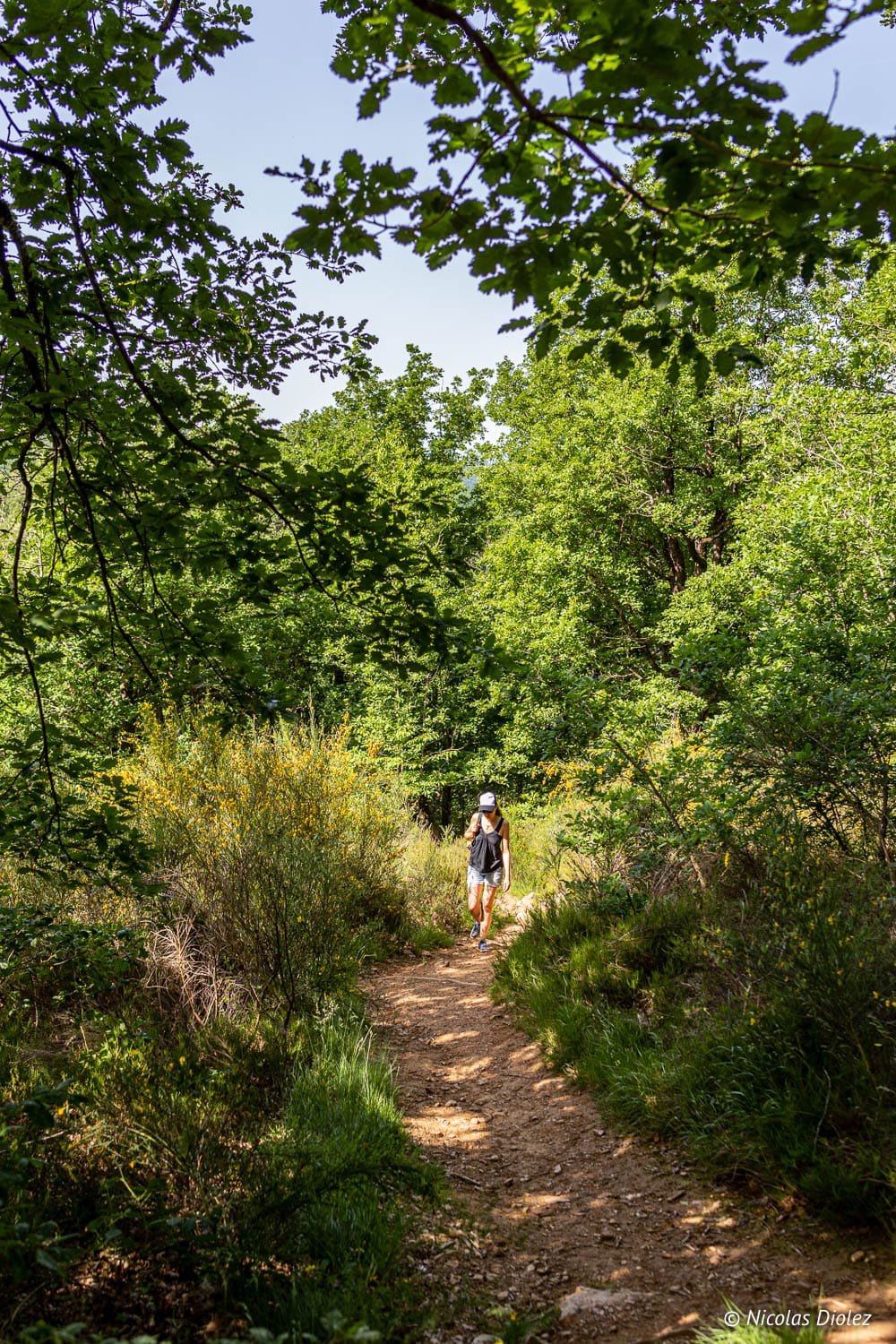
This hike in the heart of a forest with exotic vibes, with its monkey bridge over the river and its 80m waterfall, is a beautiful walk that I advise you to take. The hike is quite short but be careful, however, because it is a steep site with a significant drop (I therefore recommend you bring good shoes for this walk). This small hike of about 1h15/1h30 starts from the “Château d’Arifat” and makes a loop of about 3km that then brings us back to our starting point.
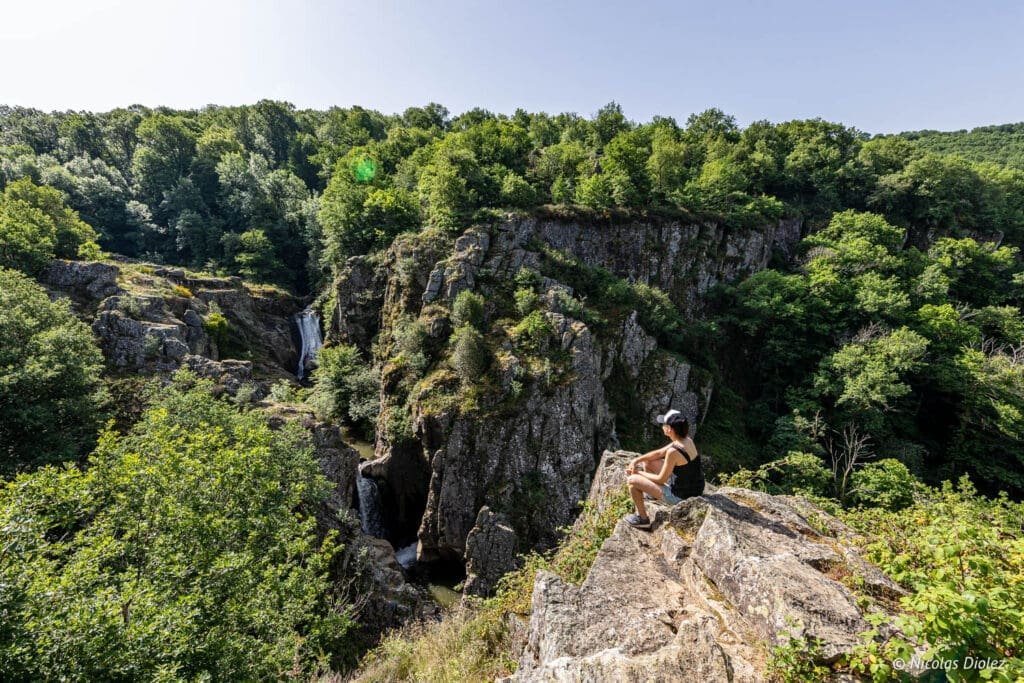
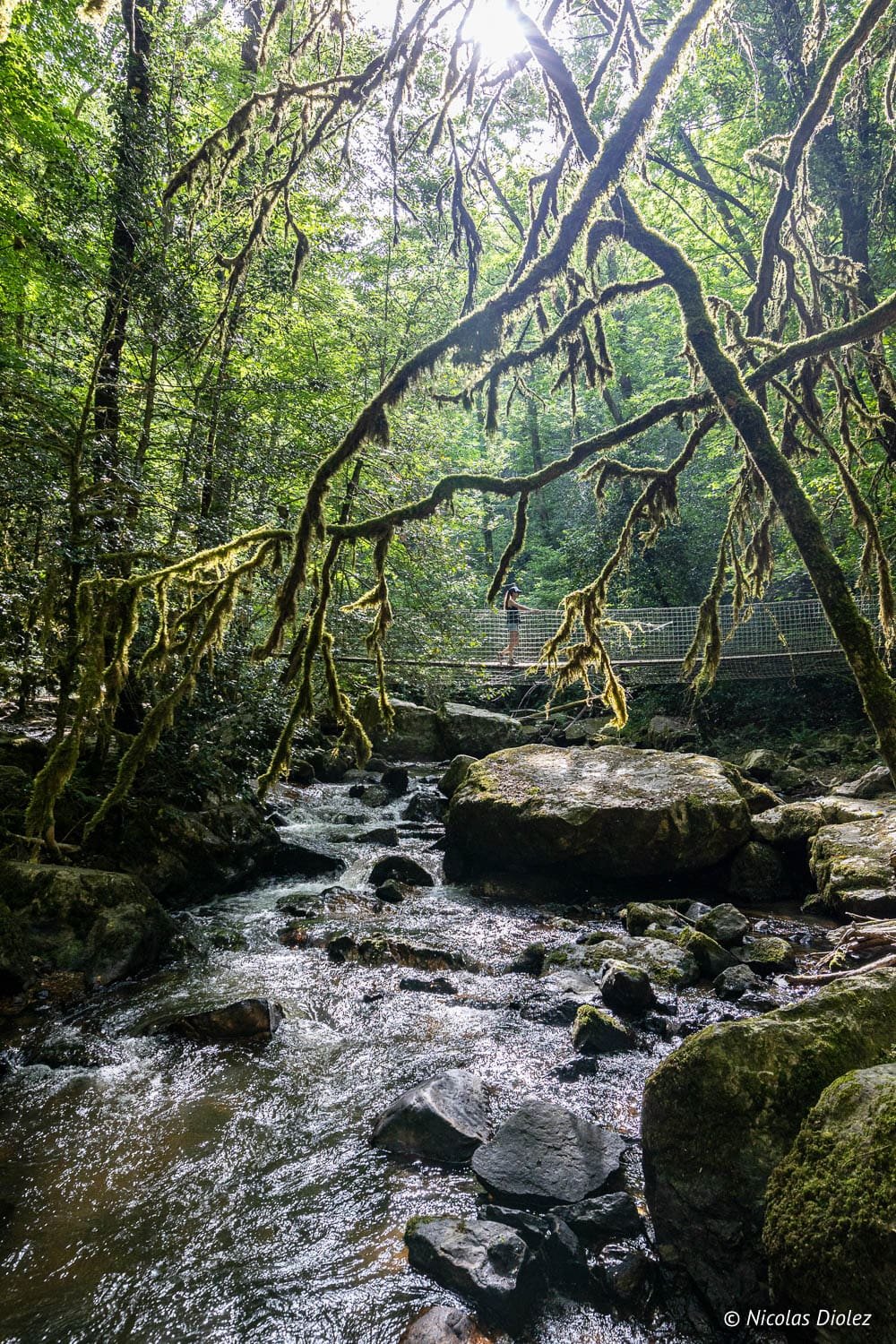
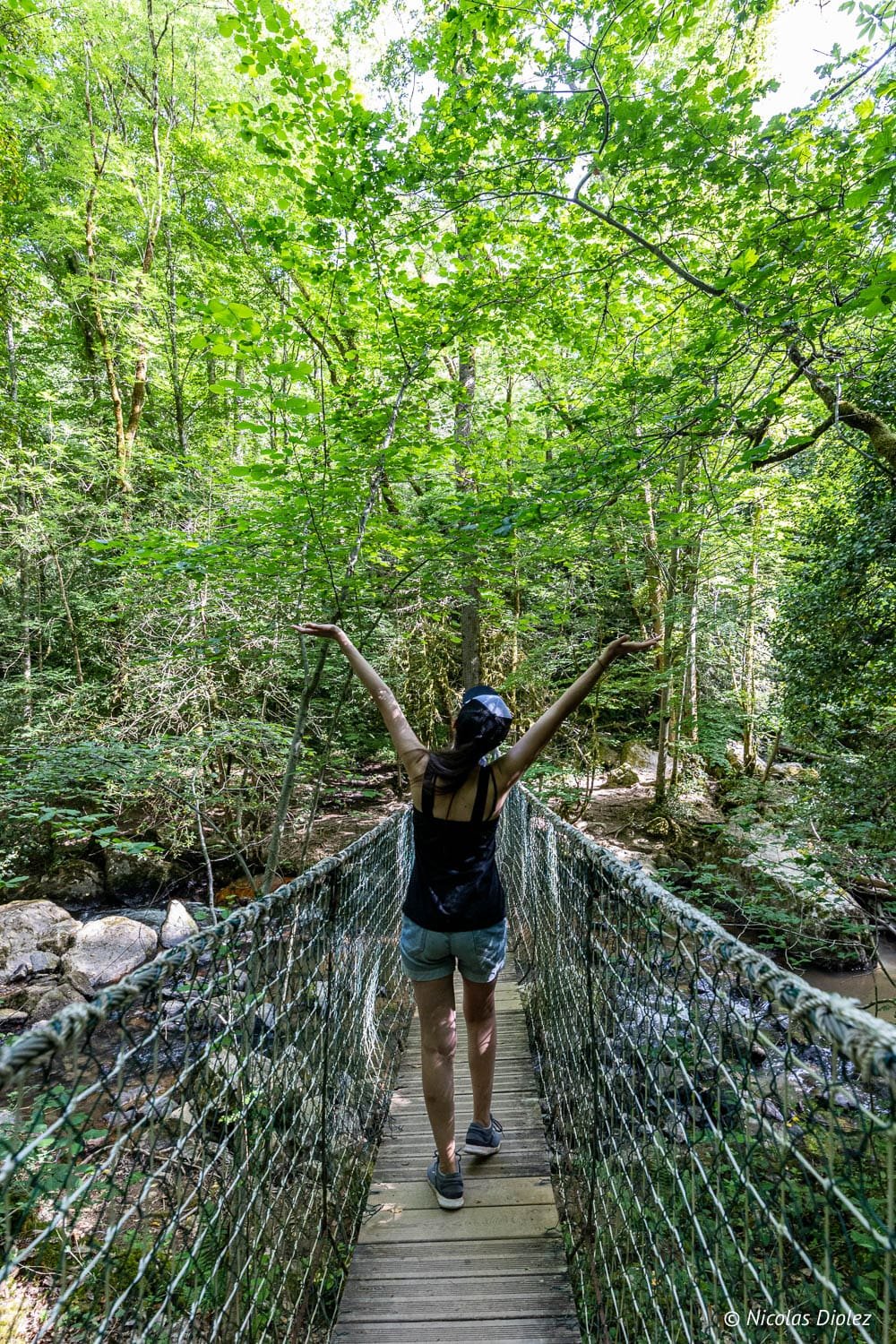
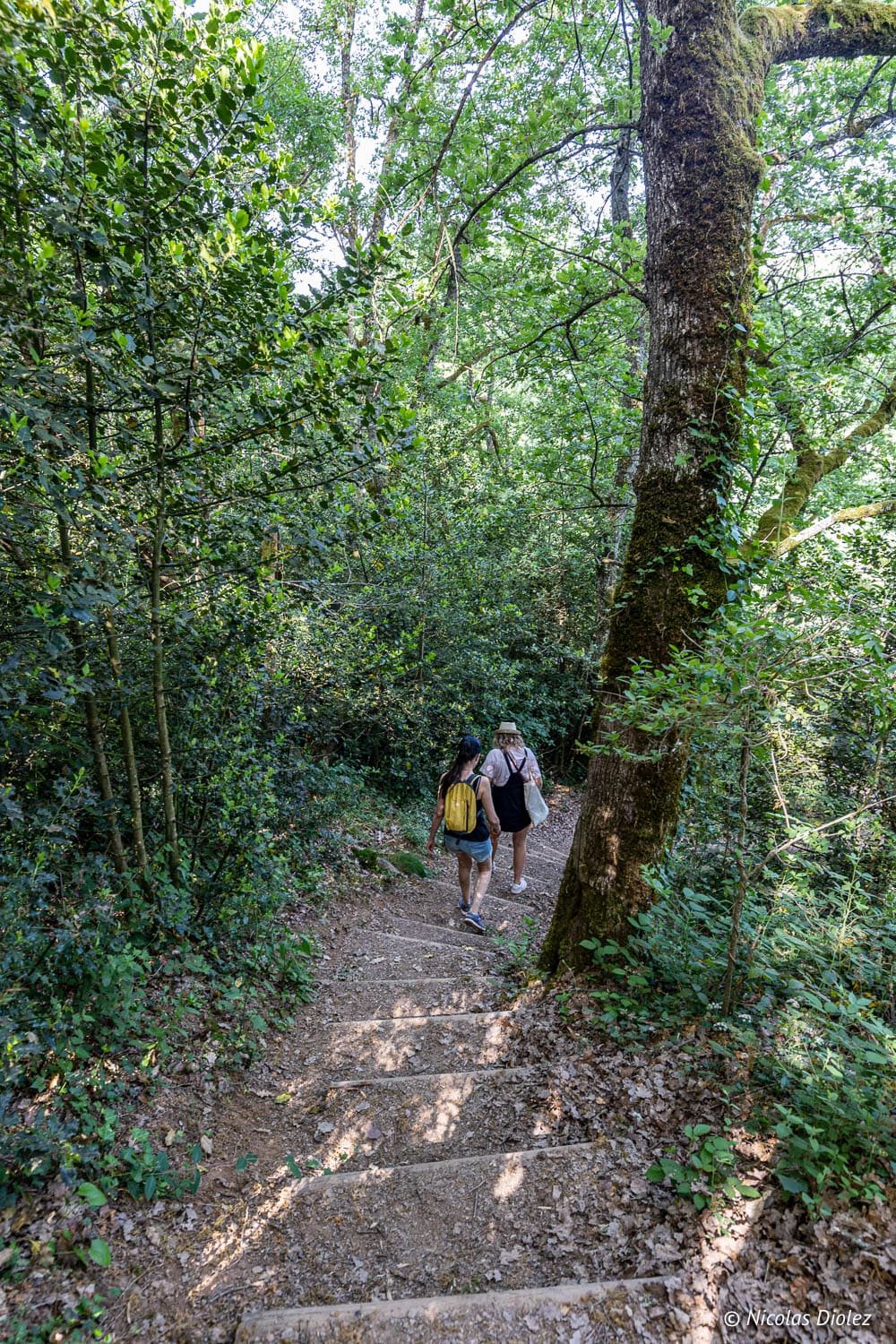
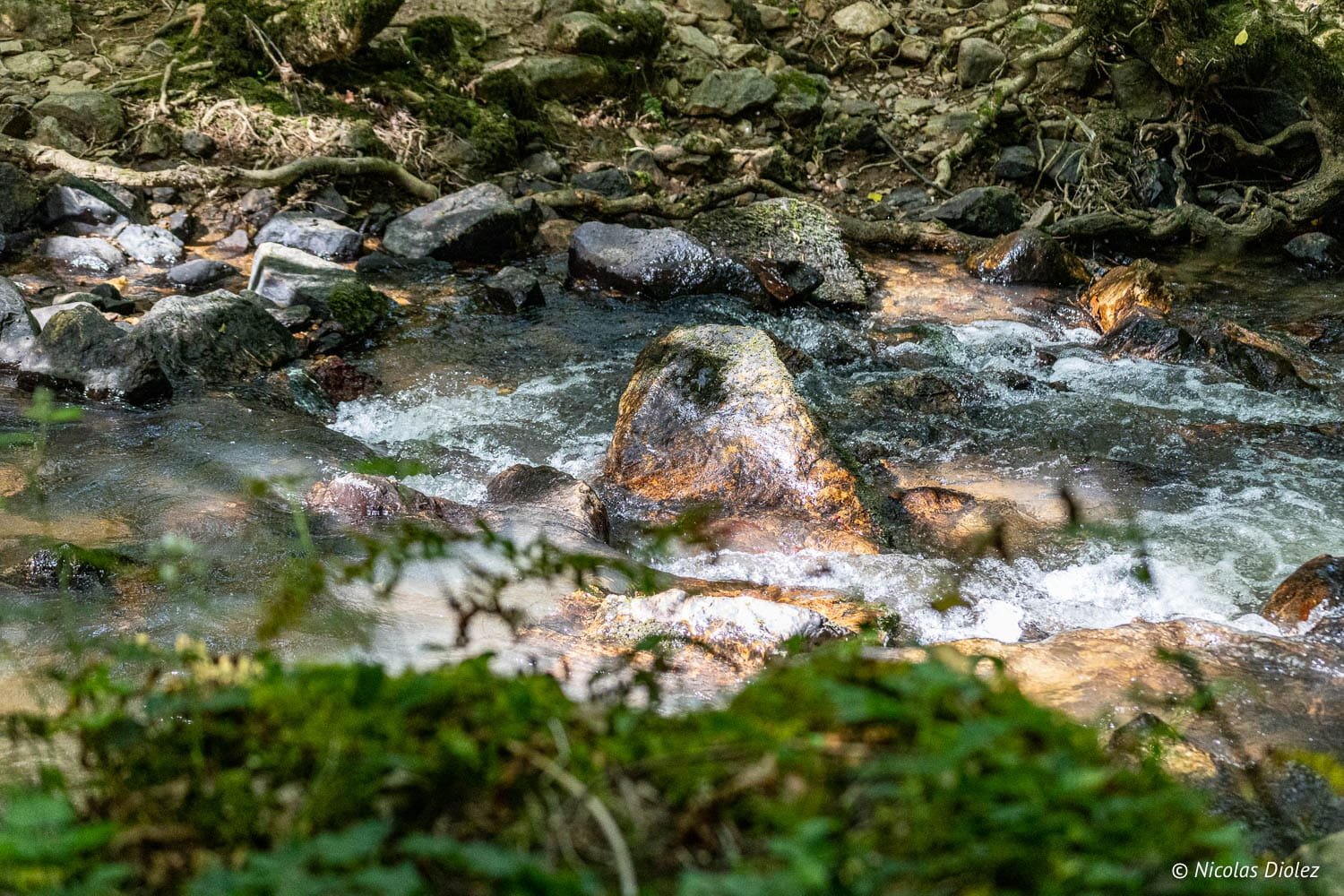
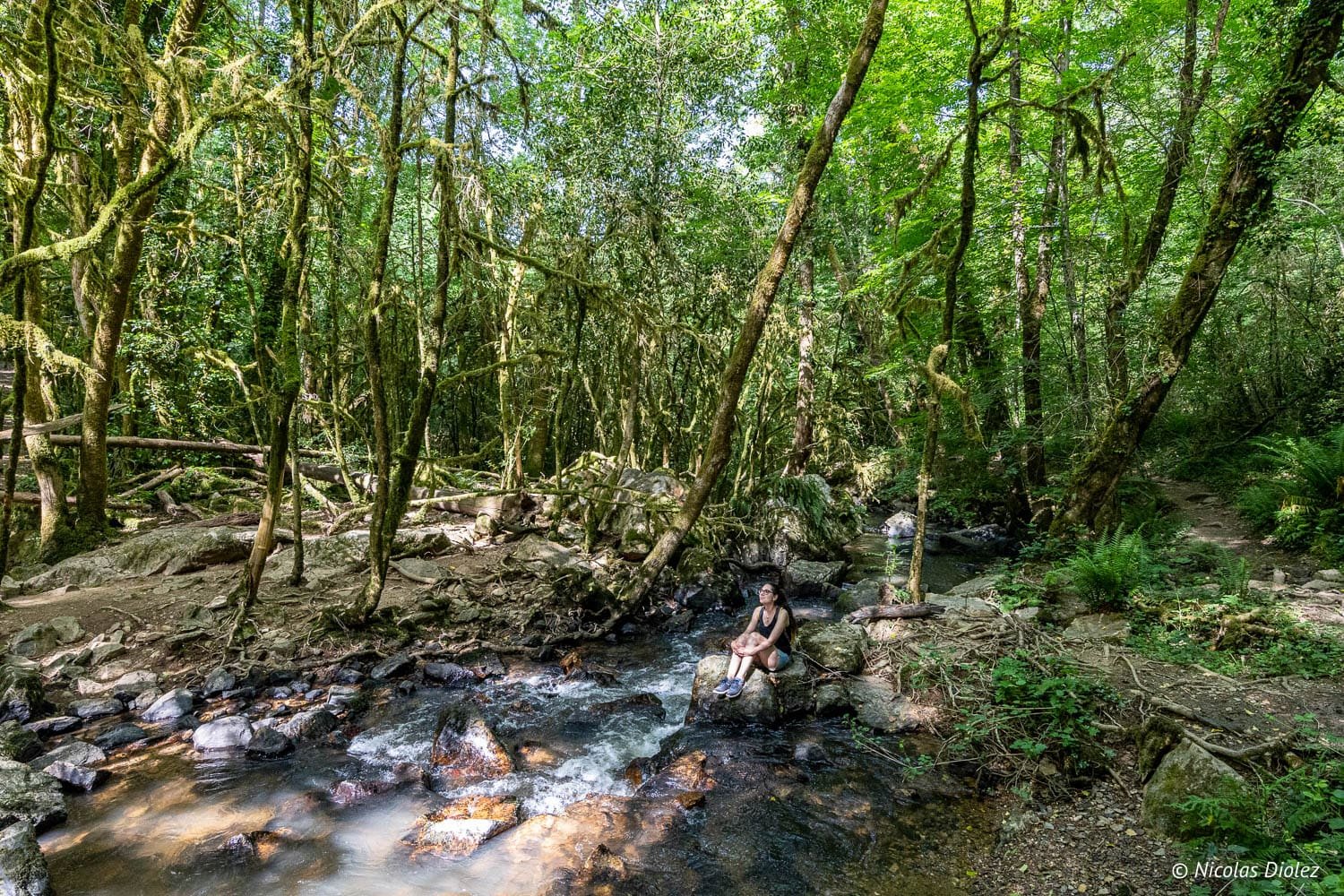
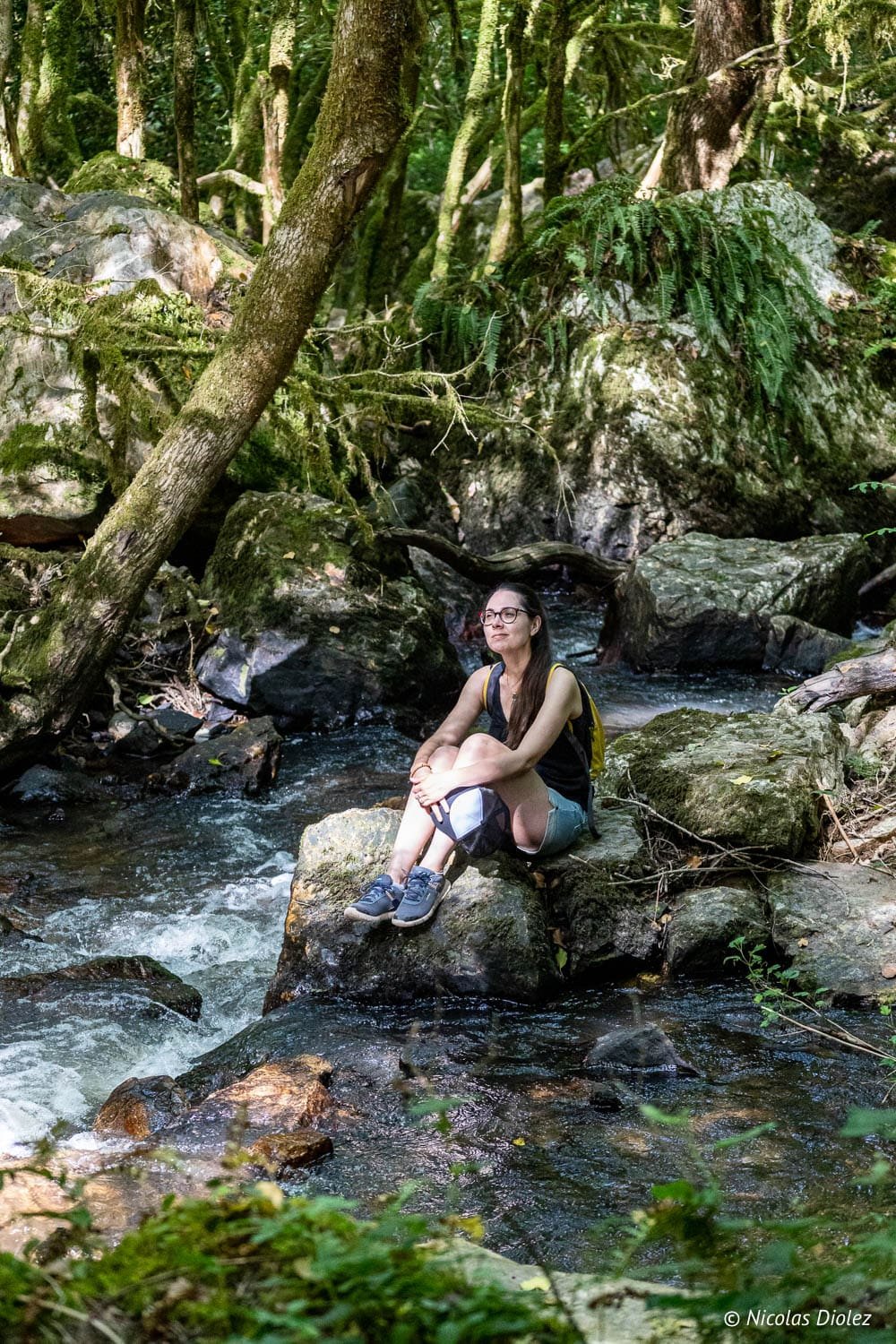
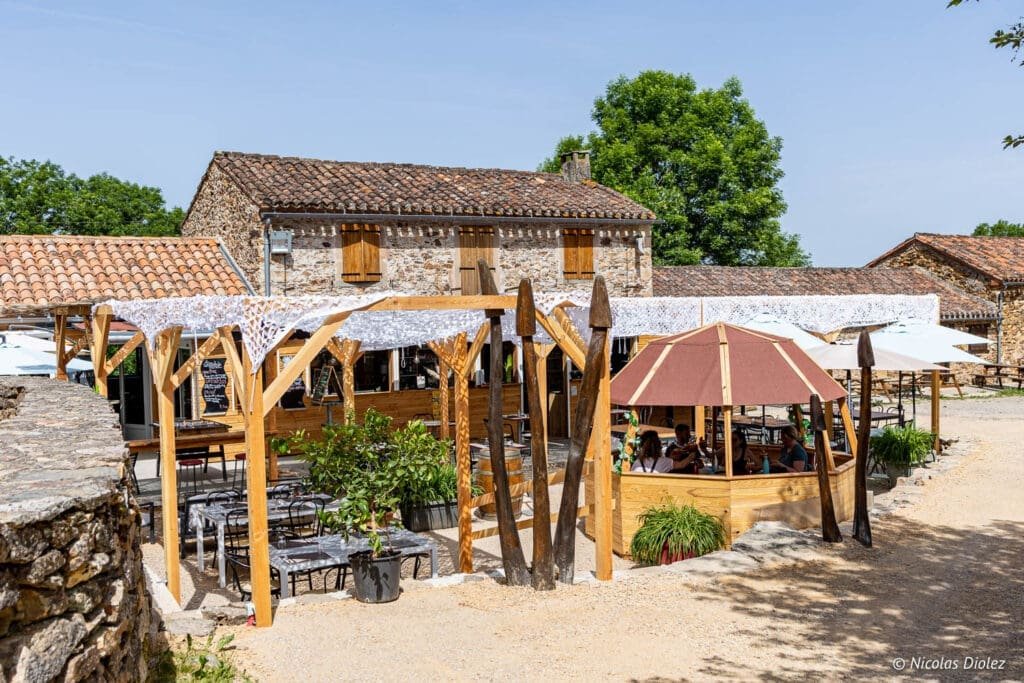
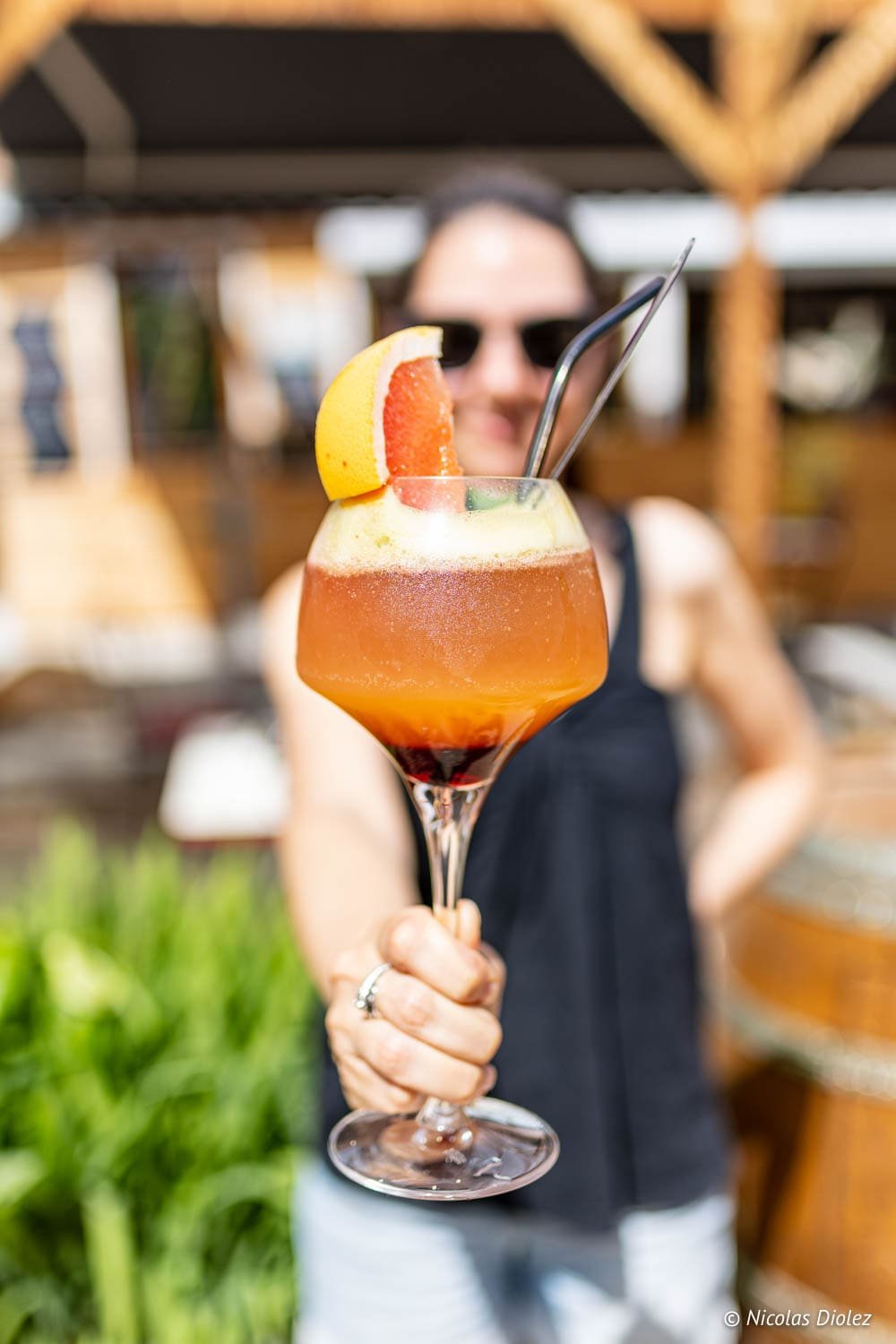
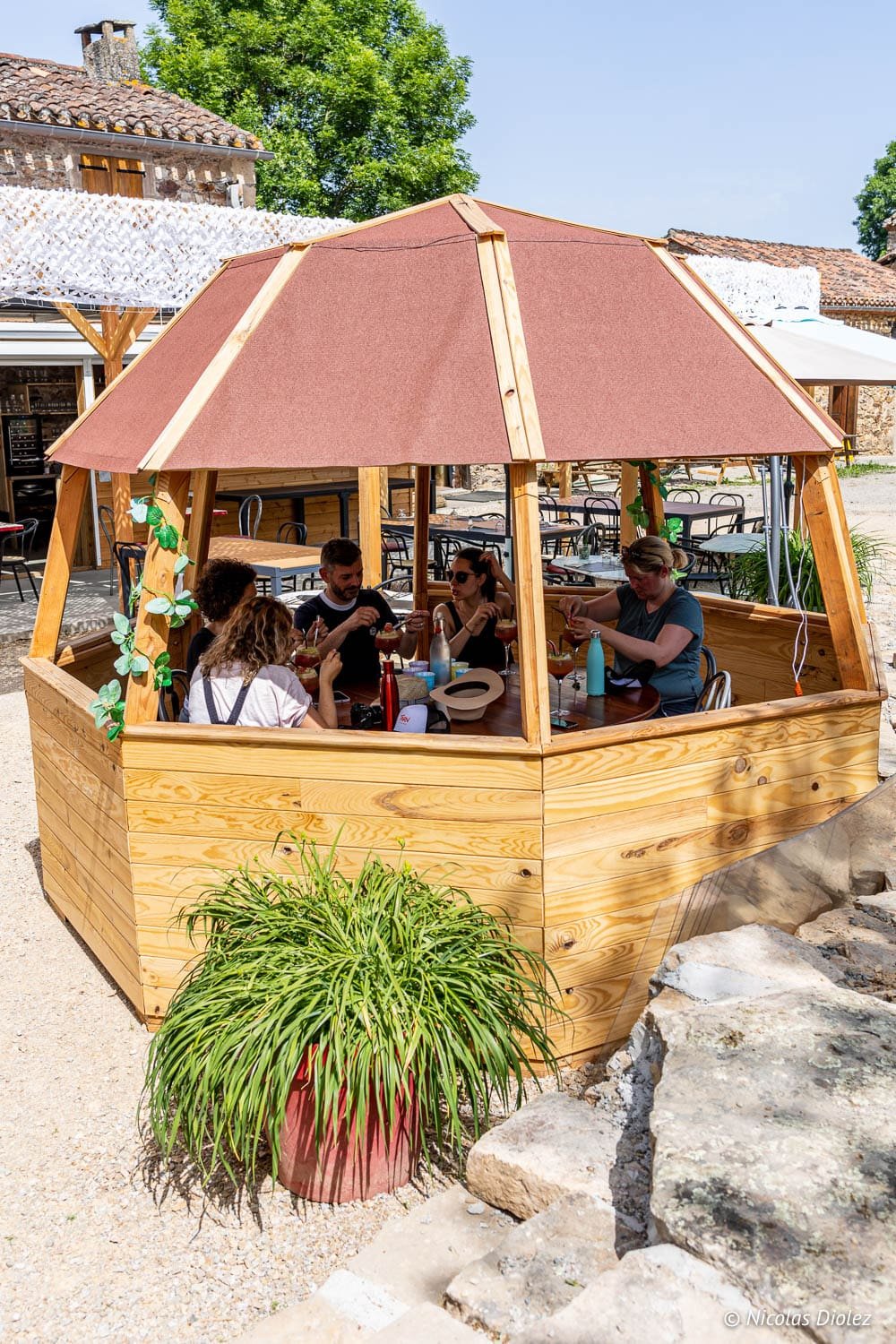
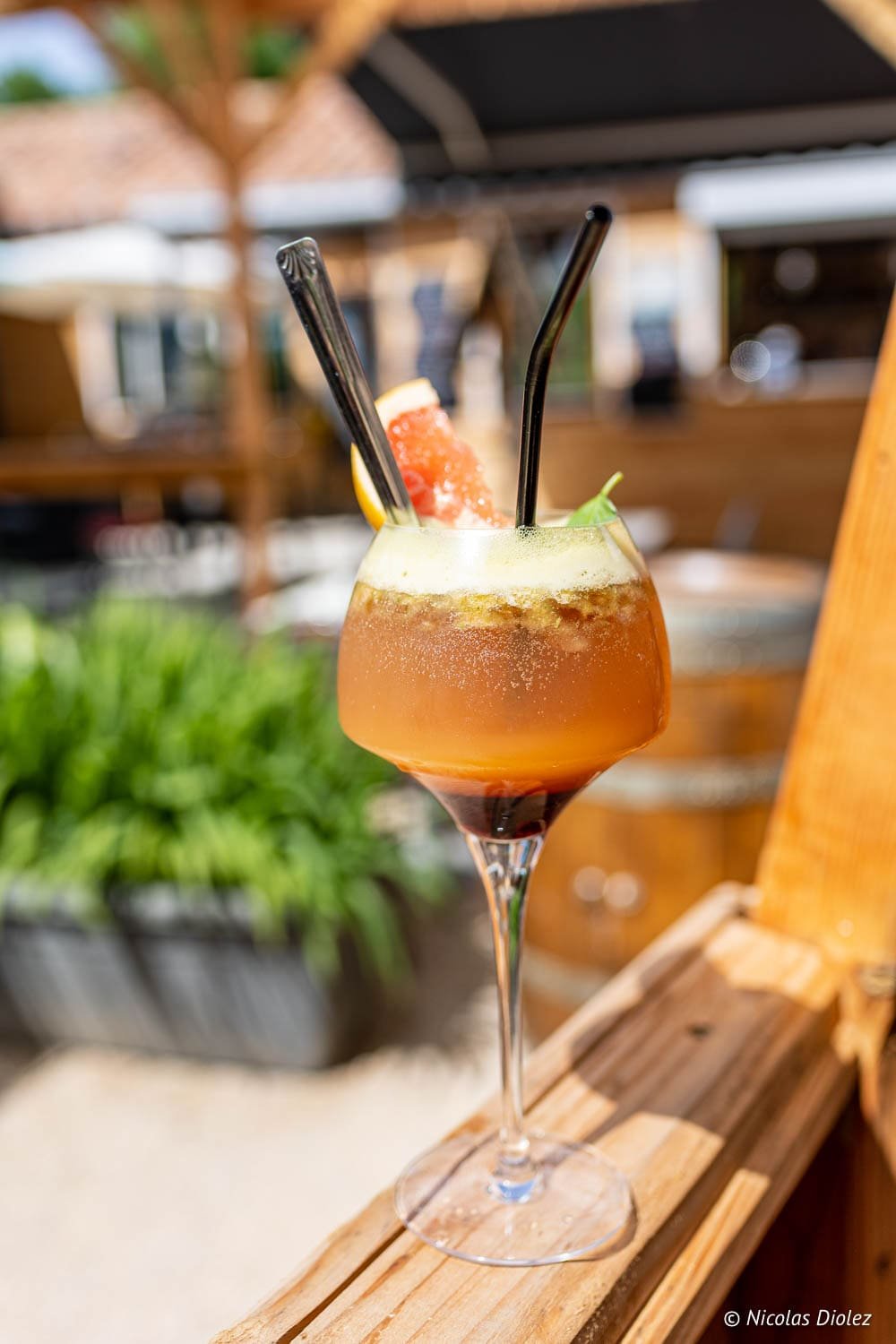
The great idea: before or after your visit, do not hesitate to stop at the restaurant/ice cream parlor/bar O Sources d’Arifat which is located in a great setting right at the beginning of the walk. It is a very friendly address with quality products. After the hike, we had a non-alcoholic cocktail, Virgin Bizarre (grapefruit, basil, strawberry ice cream and lemonade / price 8.50 €), super refreshing!
Arifat Waterfalls Hike
Start of the hike at the Arifat Waterfalls Trail
free
hike duration: approximately 1h15/1h30 (2.4 km)
My great spots in the Tarn
I will give you below, as usual, the few great spots that I had the opportunity to test on site during my stays in the Tarn (mainly wine estates for once, because you also have some good spots in the other parts above). On the gastronomy side, there are many specialties to discover in the department and as you can guess, this is not something I dislike… If you like local beers for example, you will be served because the region is rich in micro-breweries. On the wine production side, it is obviously the Gaillac wines that you should taste, because this vineyard is one of the oldest in France and its hilly landscape resembles Tuscany if you are familiar with it.
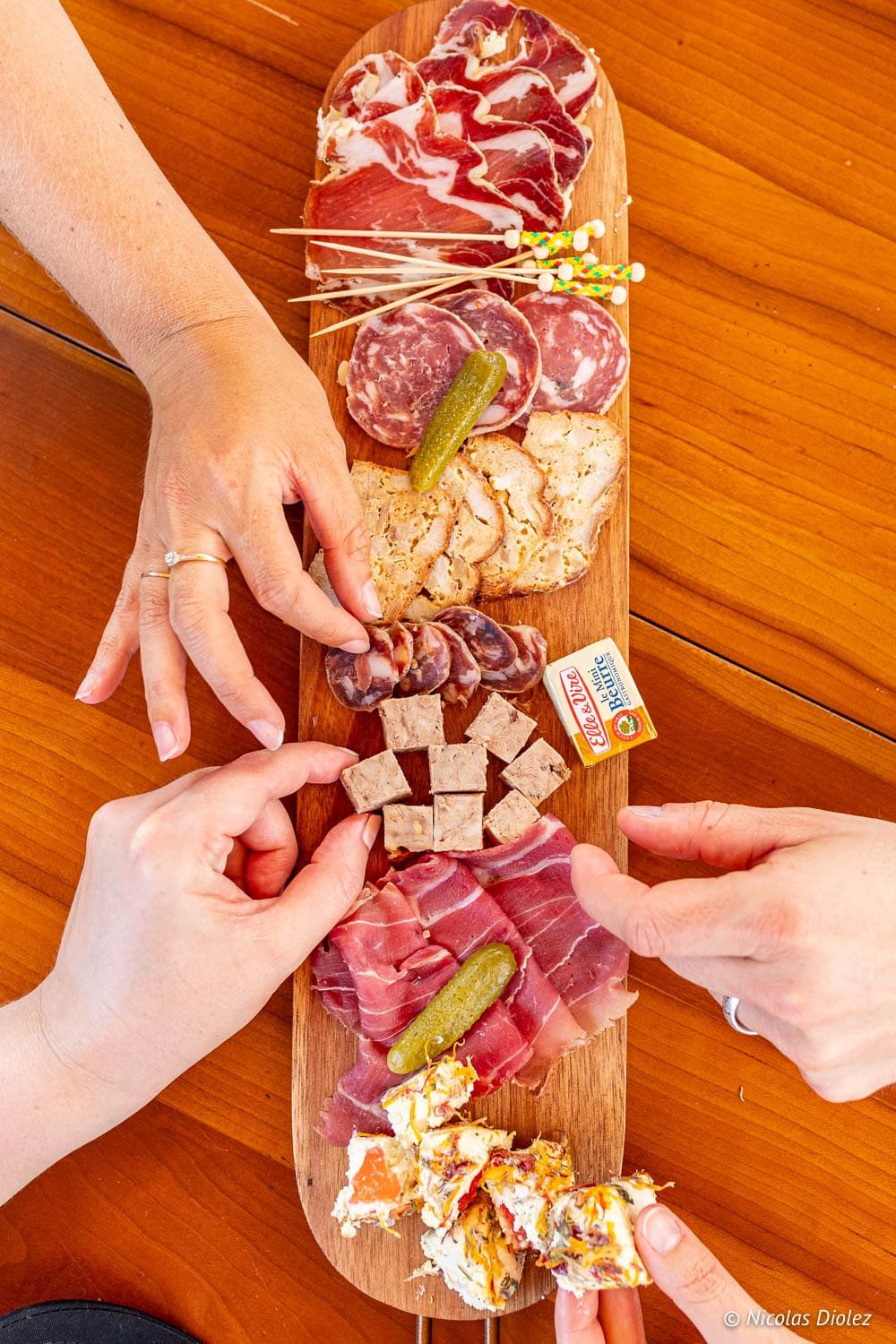
Other specialties to bring back in your luggage: typically Albigeois livers; dishes based on saffron; cod cassoulet; dry liver sausage (to die for!!!) from the Boucherie Millas (stand in the covered market of Albi); the Bougnette (pork-based preparation cooked in broth mixed with an egg panade and wrapped in a caul fat) and the melsat (a type of white pudding); Cordes croquants; Lautrec pink garlic (the tip, the “Saveurs du Tarn” brand helps to spot Tarn products).


_
Lunch at a wine estate at Domaine Gayrard
This family property located in the northern part of the Gaillac vineyard has existed since the 50s and it is now being taken over by the new generation of the family. The estate has about 30 hectares of vines in organic and biodynamic farming, and they offer a range of wines essentially with indigenous mono-varietals. We made a beautiful discovery with an endemic grape variety, the “Loin de l’œil,” which we really liked! Regarding wine tourism, the estate offers 2 routes to discover the estate (history, info on grape varieties, route on local biodiversity via an app).
For our part, we went there in May 2022 to have lunch at their Guinguette, which was its first edition (but we hope there will be many more!). This guinguette, set up only for the beautiful season, offers a magnificent terrace with a view of the vines and the kitchen is installed in a container.
Our lunch: french toast with peas from La Verdurette, arugula pesto, olive oil; thin slices of tataki, Vitelo Tonato style condiment, and raw vegetables; Charolais beef chuck braised with the Domaine’s wine, creamy polenta with broth, and reduced jus; “like a St Nectaire” made with raw organic milk from Castenet; minute vacherin with organic sorbet from Les Délices de Grésigne.
All accompanied by a wine from the Domaine, obviously!


La Guinguette du Domaine Gayrard
1 Ham. de Capendut, 81130 Milhavet
La Guinguette: lunch formulas with appetizer + main or main + dessert or main + glass of wine for 18 € / with appetizer + main + cheese or dessert for 25 €
dinner formulas with appetizer + main + cheese or dessert for 35 € / with appetizer + main + cheese + dessert for 42 €
Link to the guinguette’s website
_
Do a tasting at Château de Terride
This estate is located at the end of the Gaillac appellation, not far from Puycelsi which I told you about a little above. There are another 32 hectares of vines that are cultivated organically by Alix and Romain, who do innovative aging in eggs (modern amphora), as you can see in the photos below. 8 hectares are used to make white wine (about 20% of the estate) and the rest for red wine, mainly with indigenous grape varieties (as is very often the case in the Gaillac appellation), such as Brauco, Mauzac, or even the Loin de l’œil I mentioned just above.
The couple also offers on their site a gîte in the heart of the vines which is full of charm! If you want to bring back some Gaillac wines or just do a tasting, I recommend you stop at this address!


Château de Terride
RD 20 Route des Barrières 81140 Puycelsi
The tasting cellar is open Monday to Saturday from 10 am to 12 pm and from 2 pm to 7 pm
Cellar tours with the winemaker pass (price: 18 € for 2 people / duration: 1h30)
_
Lunch at the Château de Salettes restaurant
This castle is a former property of the Toulouse-Lautrec family (and yes, they were everywhere in the region) and it magnificently overlooks the “Tarn Tuscany” and the Gaillac vineyard with its hills, umbrella pines, cypresses… In short, it is a poem, and what’s more, the main building dates from the 13th-15th centuries. I’m selling you a dream, right?!… It is therefore very pleasant to come and relax for a lunch or a weekend in this enchanting place, which is also a charming hotel. The castle is located between Toulouse and Albi, not far from the village of Cordes that I told you about a little above.


For our part, we had lunch at the hotel’s gourmet table, run by Chef Ludovic Dziewulski, who has always had a star in his previous addresses… That gives you an idea of the level of the cuisine. He particularly highlights the regional products that are at the heart of his cuisine.
We also tasted several wines from the region (the Gaillac vineyard is very well represented), as well as the Château’s wines. Indeed, the latter is surrounded by 32 hectares of vines.
Price: wines by the glass between 5 € and 10 €


Château de Salettes
Lieu-dit Salettes – 81140 Cahuzac-sur-Vère
The tip: the lunch menu (from Thursday to Sunday excluding holidays) for 29 €
Price: Toulouse-Lautrec menu with 3 courses for 46 € + 25 € for wine pairing / with 4 courses for 62 € + 30 € for wine pairingLink to the castle’s website
_
A thousand thanks to Tarn Tourisme, the Toscane Occitane and to Pascal from the aiRPur Agency for these beautiful discoveries! And also thanks to my travel buddies for their good humor (don’t hesitate to take a look at their articles on the Tarn): Copines de Bons Plans and Parisian Touch!

I hope that with all this, I will have made you want to discover the Tarn, and if you also have your own great spots and tips for this destination, don’t hesitate to share them in the comments below!
Photo credits: Nicolas Diolez
Photos are not royalty-free, photographer's authorization is mandatory before any use