In October 2021, we went to explore the highly rural territory of the Southern Vosges with our favorite photographer, located in the Haute-Saône department (in the Bourgogne-Franche-Comté region). It is still a wild region with vast expanses of forest and water, such as the 1000 Lakes Plateau or the Planche des Belles Filles, which offers beautiful viewpoints over the first foothills of the Vosges. This area is therefore a paradise for hikers, but it also possesses a rich cultural heritage, as you will discover in my article. Furthermore, there are also some interesting gastronomic specialties for food lovers to discover.
The hot tip with the Southern Vosges Tourism Passport: this free passport can be picked up at one of the 15 partner sites or at a Southern Vosges tourist office, allowing you to benefit from discounts at various sites in the territory.
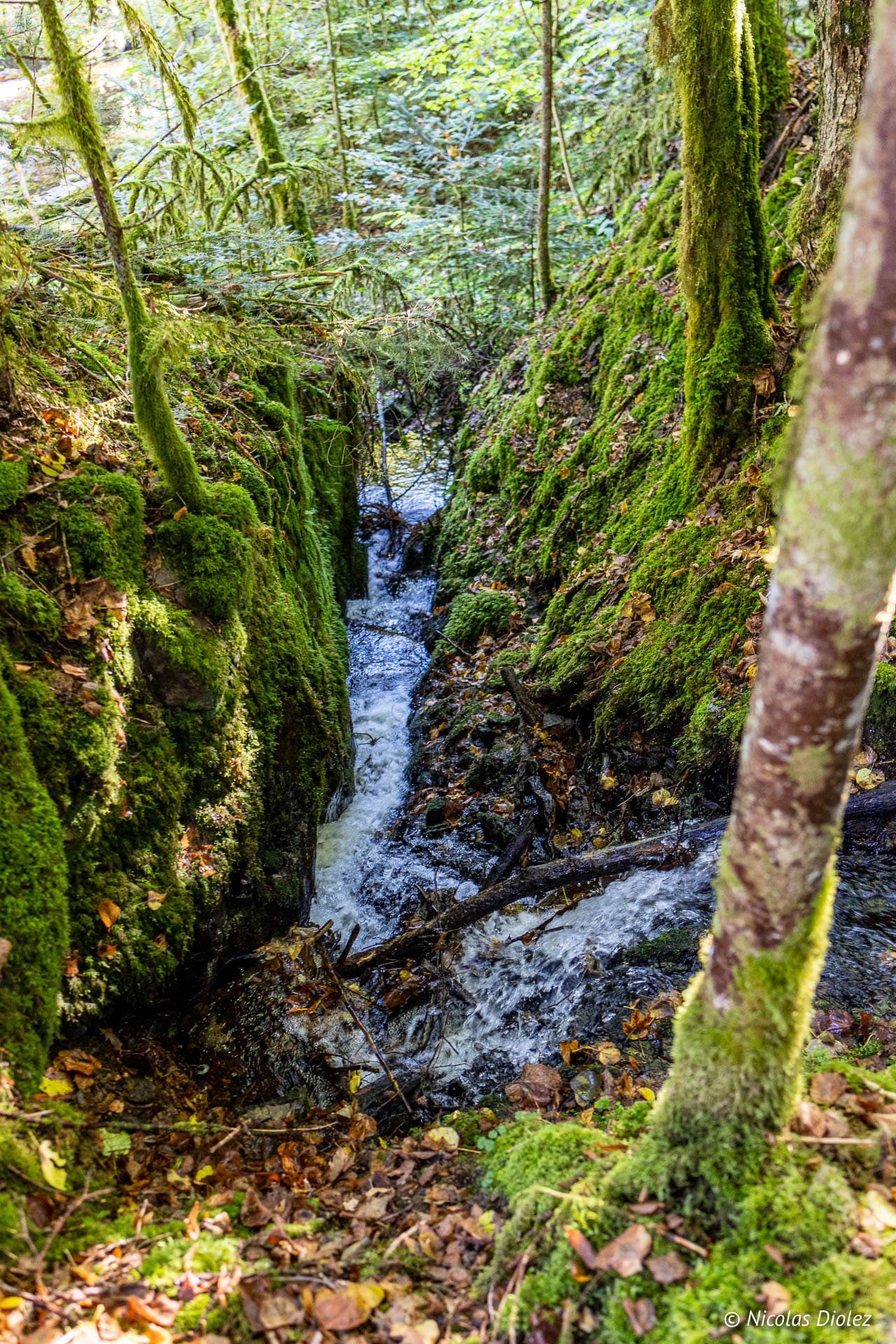
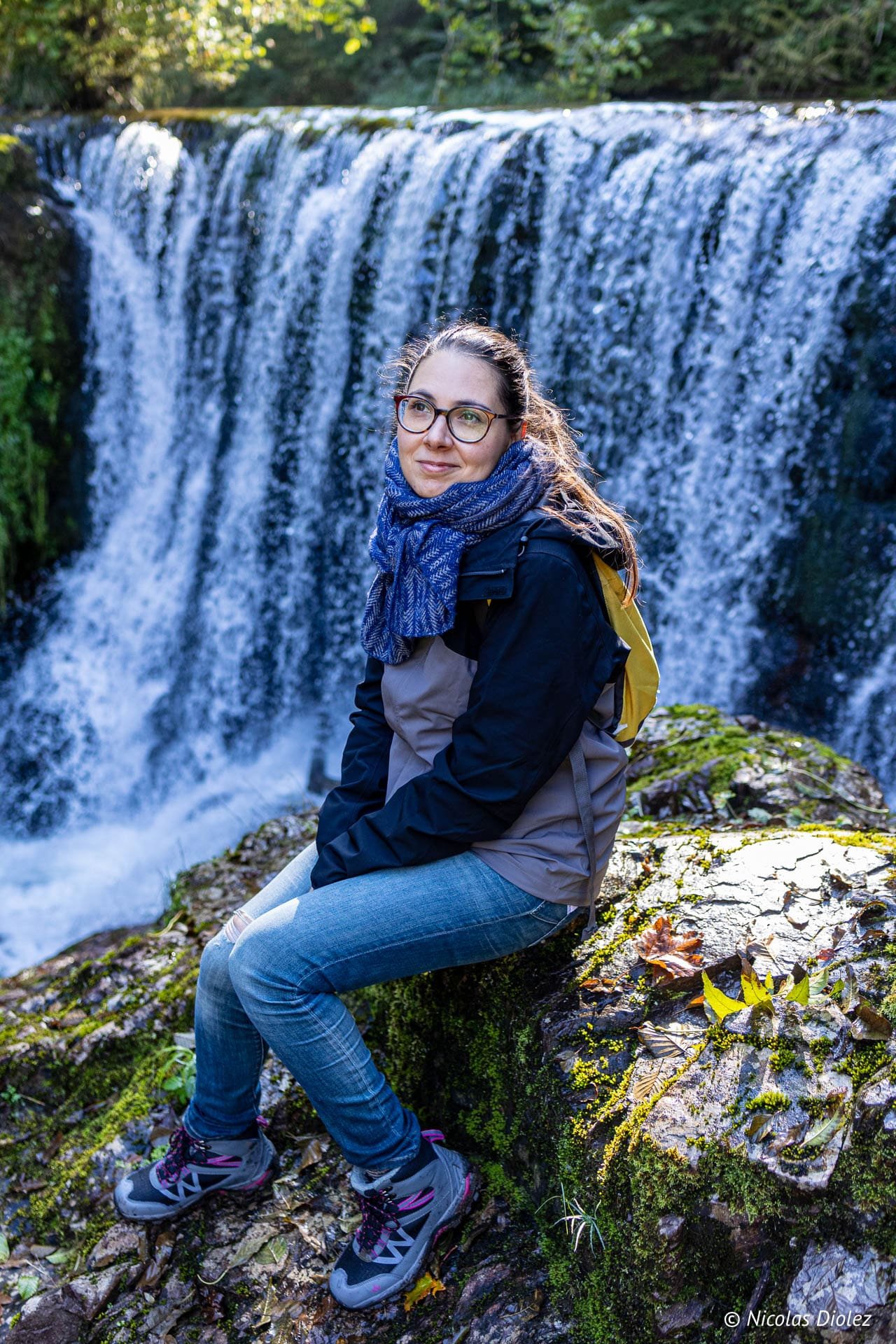
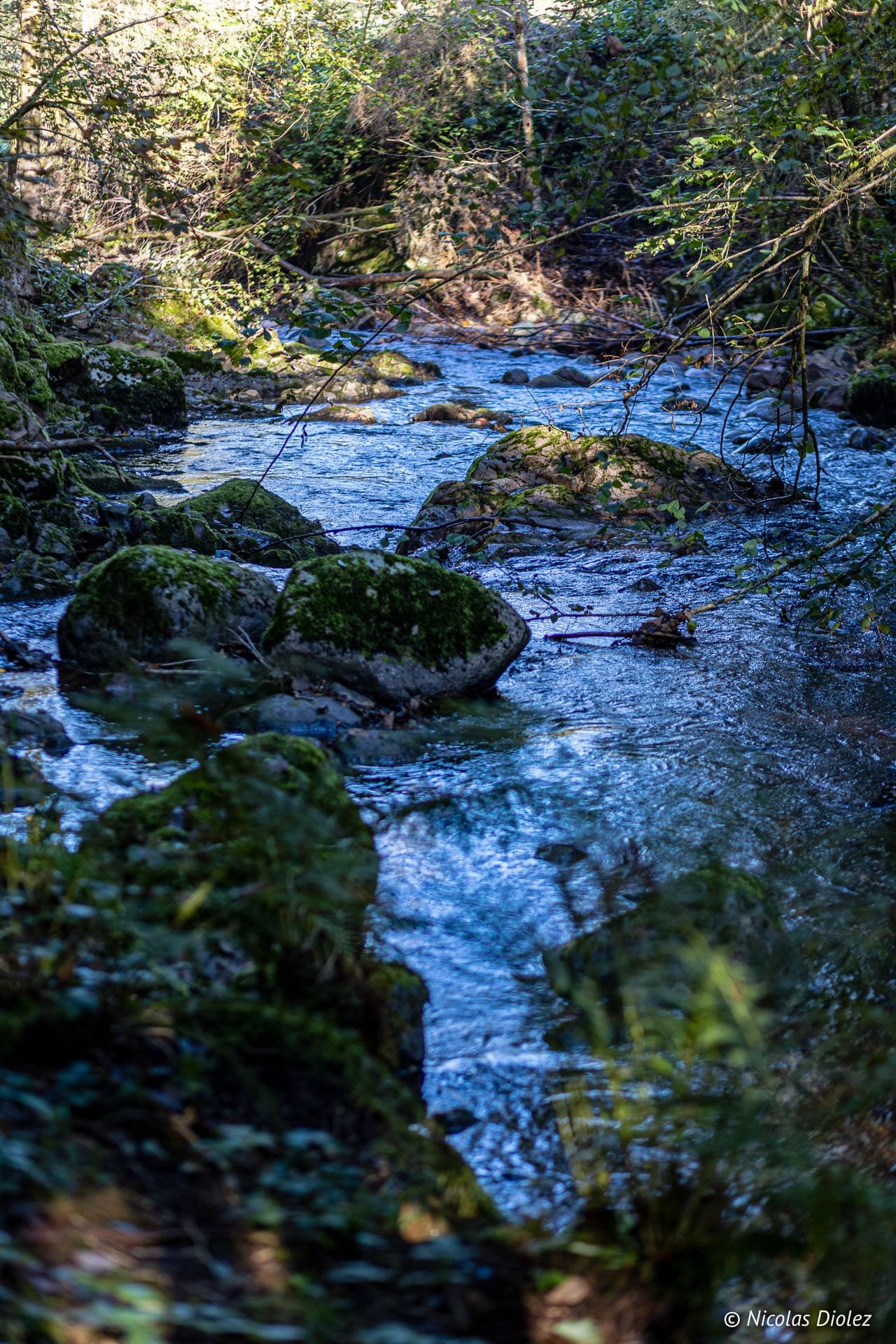
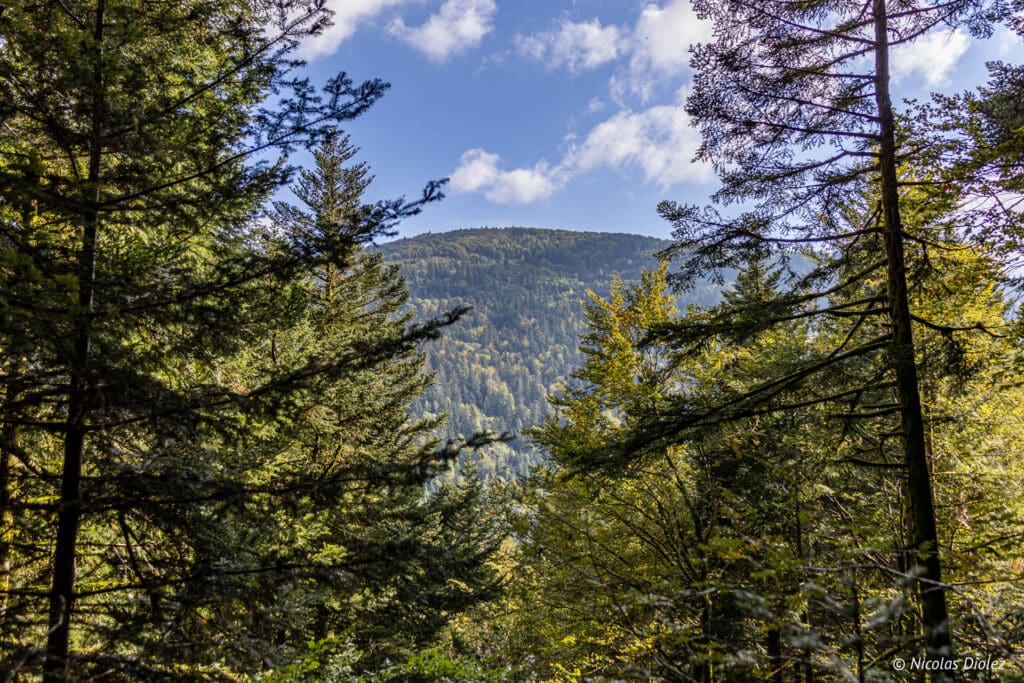
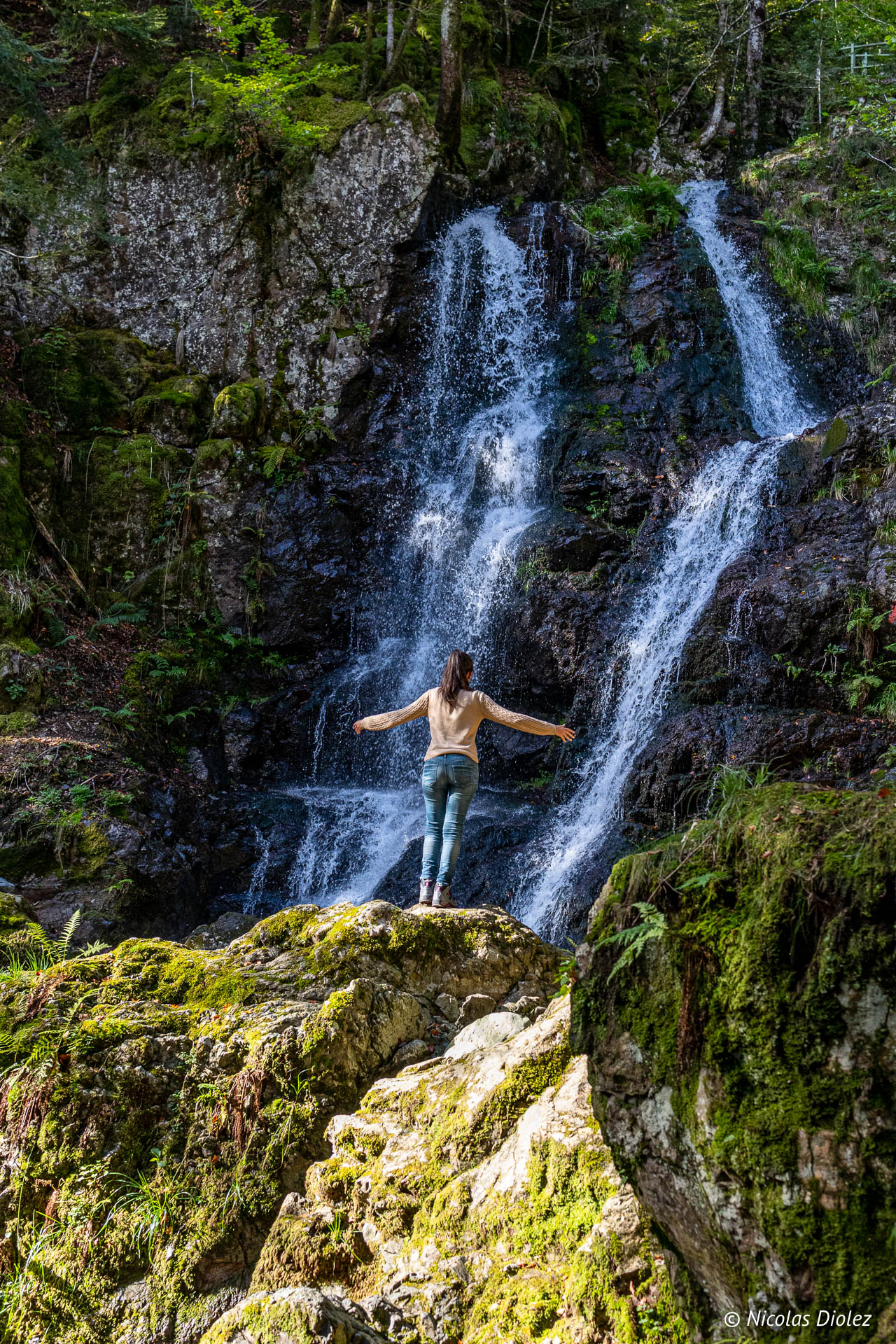


Table of Contents
Visiting the town of Luxeuil-les-Bains
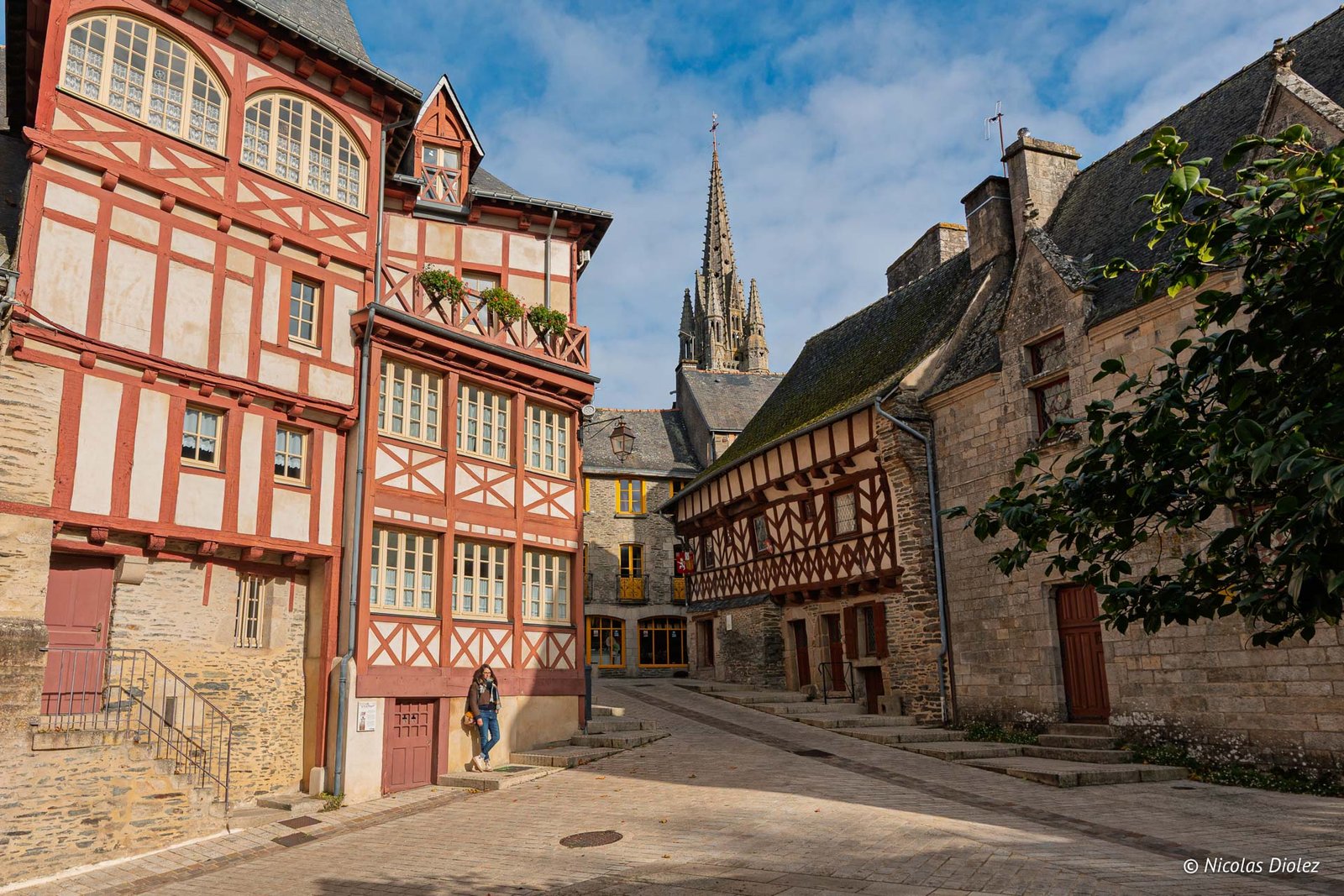
This spa town is home to a remarkable heritage and is well worth a stop. It boasts no fewer than 17 listed sites with a historic center surrounded by medieval ramparts, which today offers beautiful houses with Gothic and Renaissance-style facades. The town’s history is also intimately linked to the passage of Saint Columbanus in the 6th century, an Irish monk who decided to develop the Christian faith and monastic life in Europe.
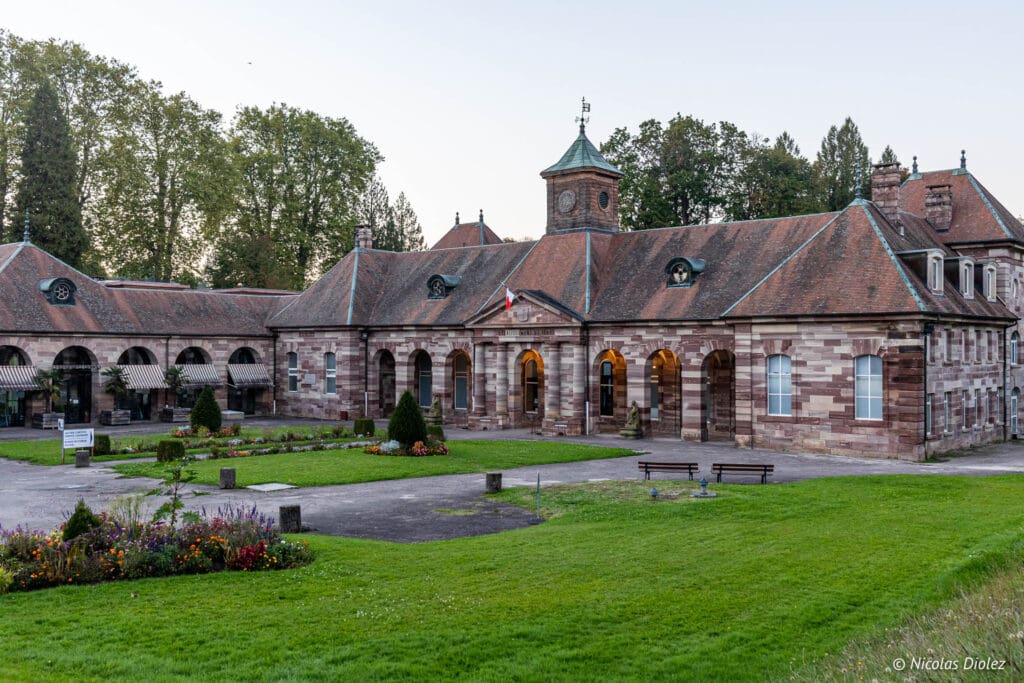
Don’t hesitate to take a stroll through the town’s thermal district. The town experienced its golden age in the 19th century with the fame of its thermal baths. Beneficial water springs have been known since Gallic and Gallo-Roman times. The current thermal building (built on the remains of the Roman baths) was erected in pink Vosges sandstone in the 18th century (between 1760 and 1780) during the reign of Louis XIV and restored in an Art Deco style in the 1930s. Luxeuil’s waters are rich in trace elements and recommended for gynecological and rheumatological treatments. There are 19 springs in total in Luxeuil-les-Bains, but only 2 are still used today.
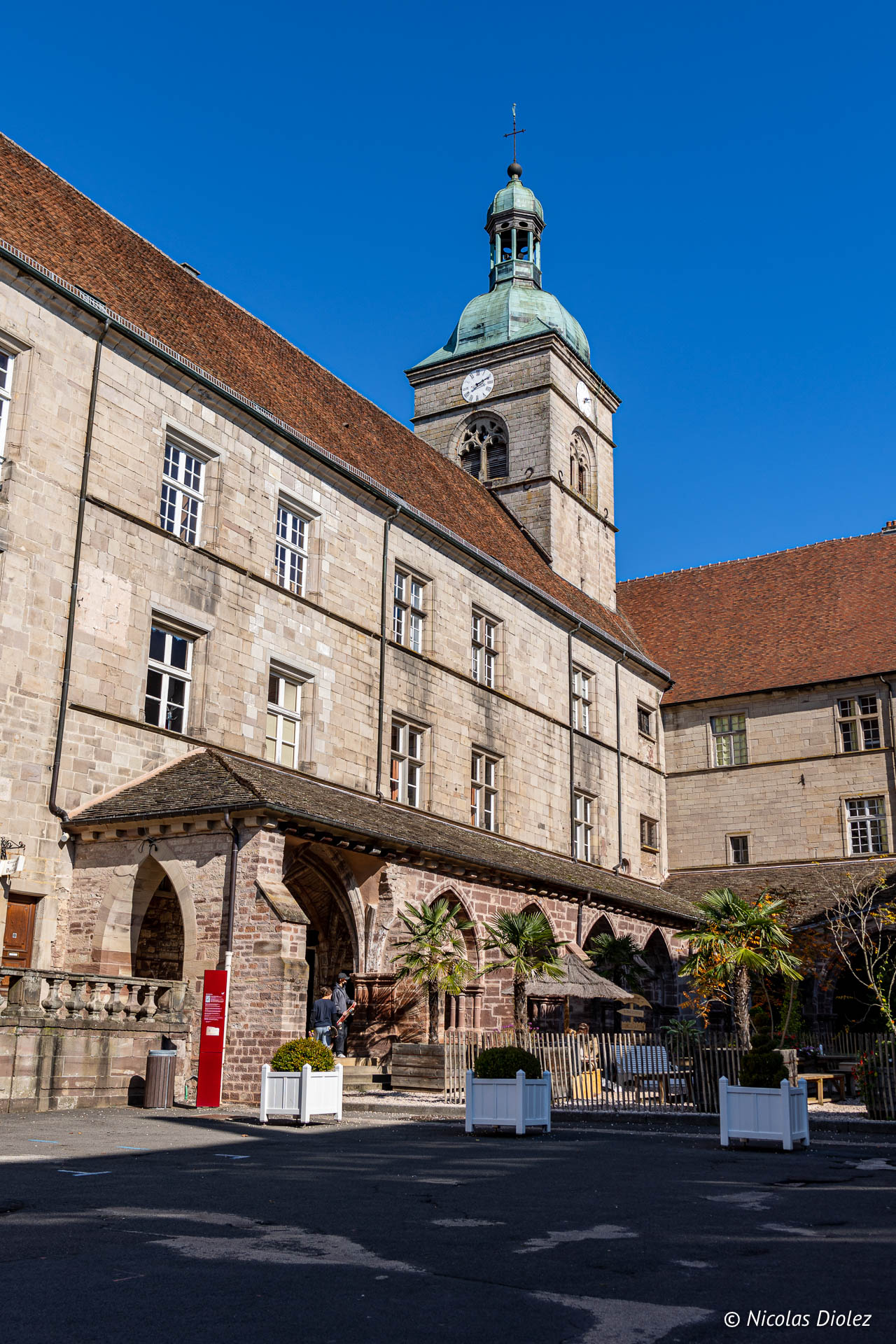
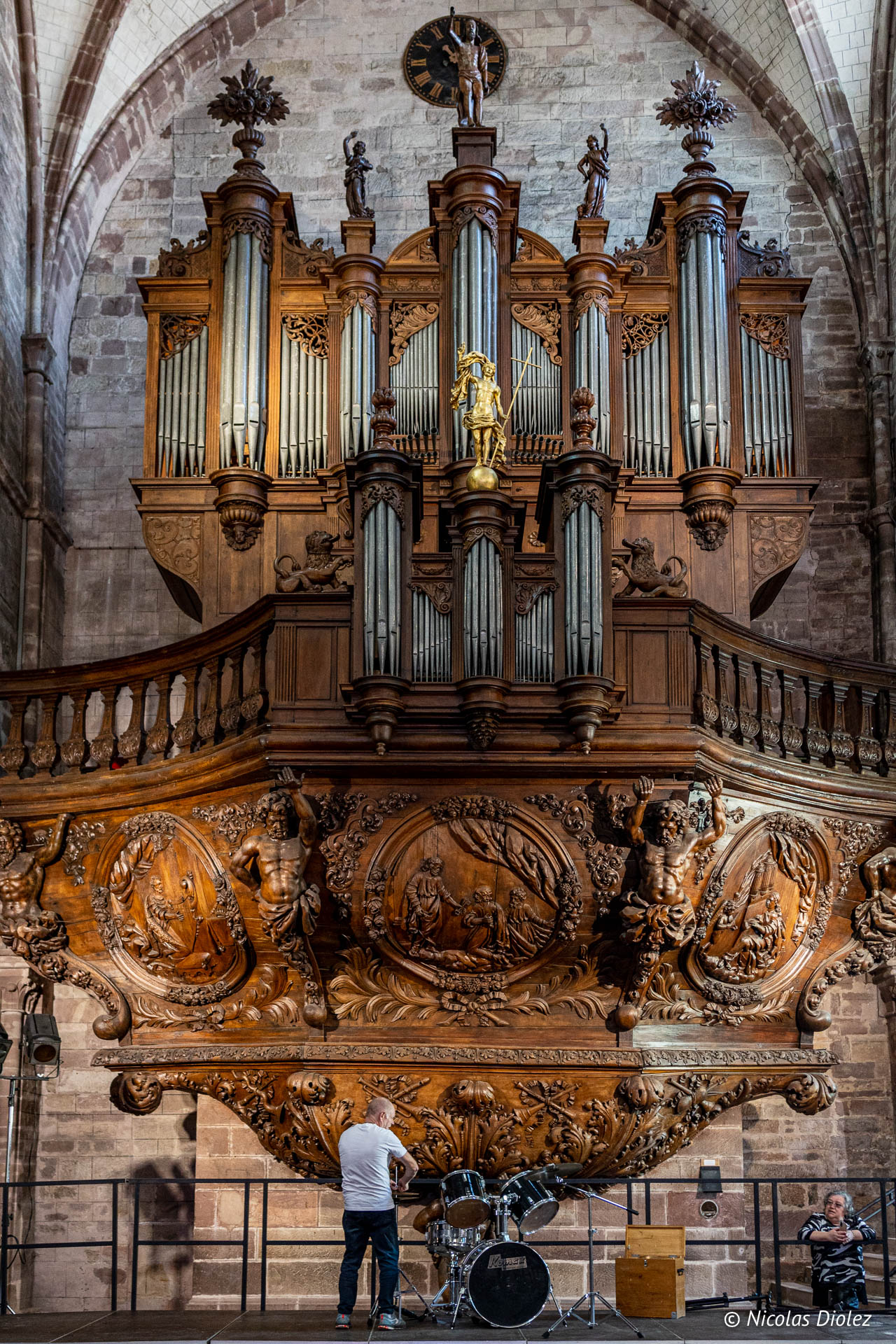
To see in Luxeuil-les-Bains: the Saint-Pierre and Saint-Paul Basilica with its great Baroque organ (dating from the 17th century); the abbey cloister of Luxeuil, founded in 595 by Irish monks under the rule of Saint Columbanus, who would later become Benedictines; the House of Francis I from the 16th century, which is a very well-preserved former merchant’s house; the House and the Aldermen Tower (Tour des Échevins), an iconic monument and the town’s first “town hall,” which still features important preserved sculpted decor (today it houses an archaeology museum); the Cardinal Jouffroy House which dates from the 15th century, and under its balcony, you can find the famous sculpture of the 3 rabbits (try and find it!).



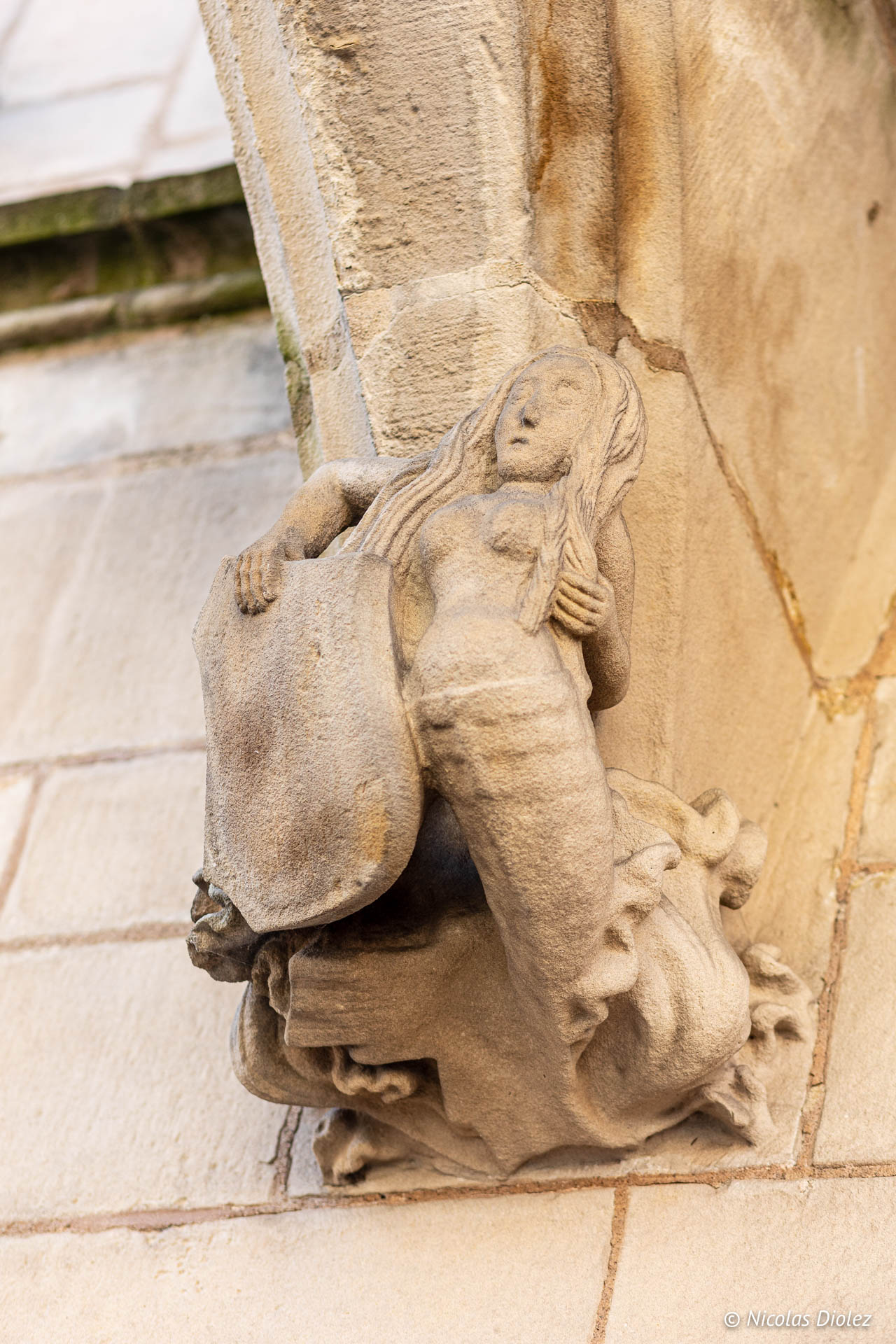


Luxeuil-les-Bains Tourist Office
30 Rue Victor Genoux, 70300 Luxeuil-les-Bains
The hot tip: heritage trail guided by bronze suns set into the ground in 14 stages across the town
_
Visiting The Ecclesia, Heritage City
This archaeological site, open to visitors since May 2021, presents the remains of a Roman villa, the crypt of Saint Valbert (3rd abbot of Luxeuil), the foundations of the Saint-Martin church (dating from the 6th century AD), and an exceptional collection of over 170 Merovingian and late antiquity burials. This makes it one of the largest Merovingian funerary sites in Europe (impressive, right?!). The former funerary church of Saint-Martin belonged to one of the most important monasteries in Europe, and its monks used a script called “Luxeuil Script.”
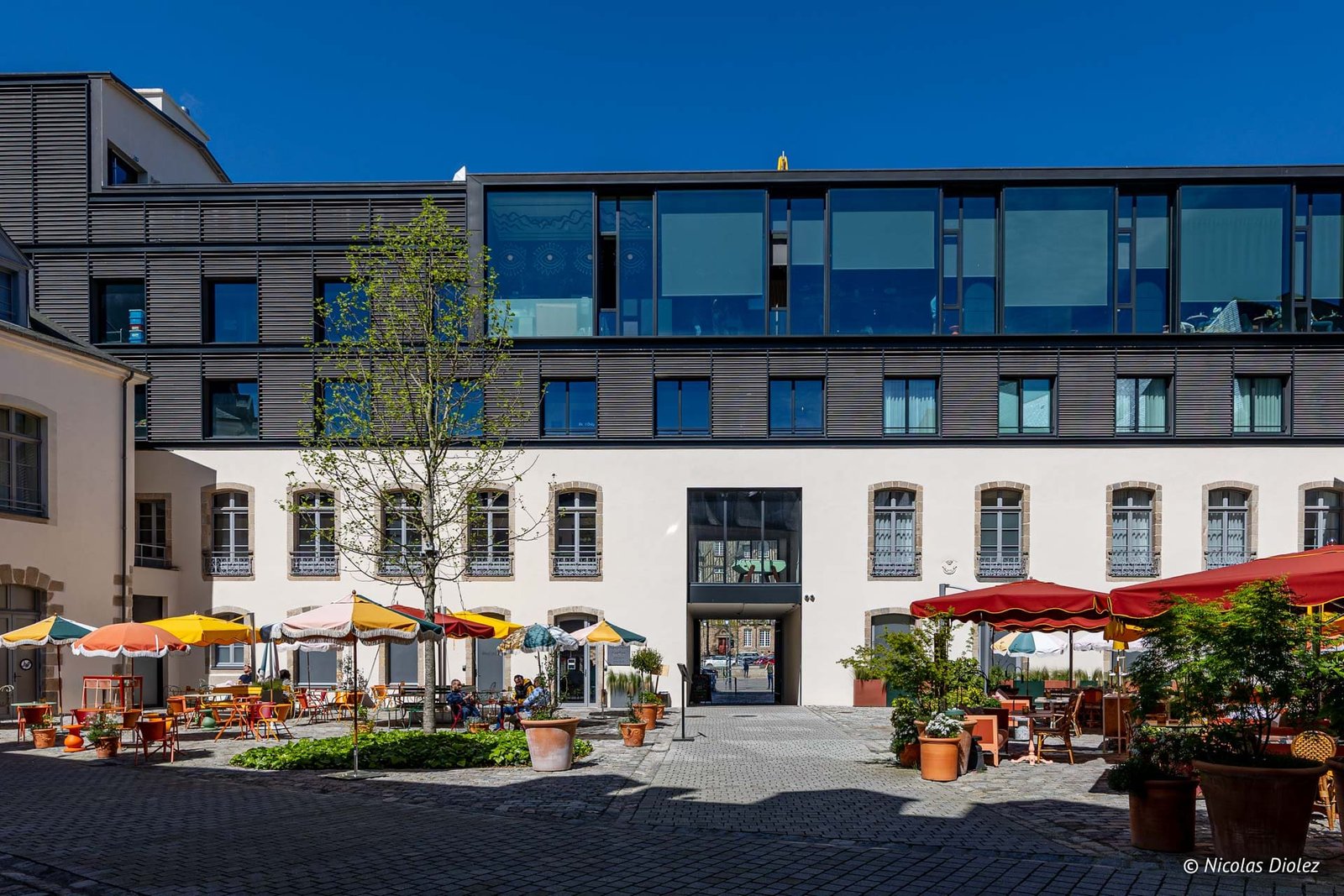
The site, which allows you to discover 2,000 years of history in Luxeuil-les-Bains, is now housed and enhanced within a contemporary architectural setting, imagined by a local architect. A three-dimensional framework suspended without any pillars made it possible to avoid damaging the archaeological site itself.
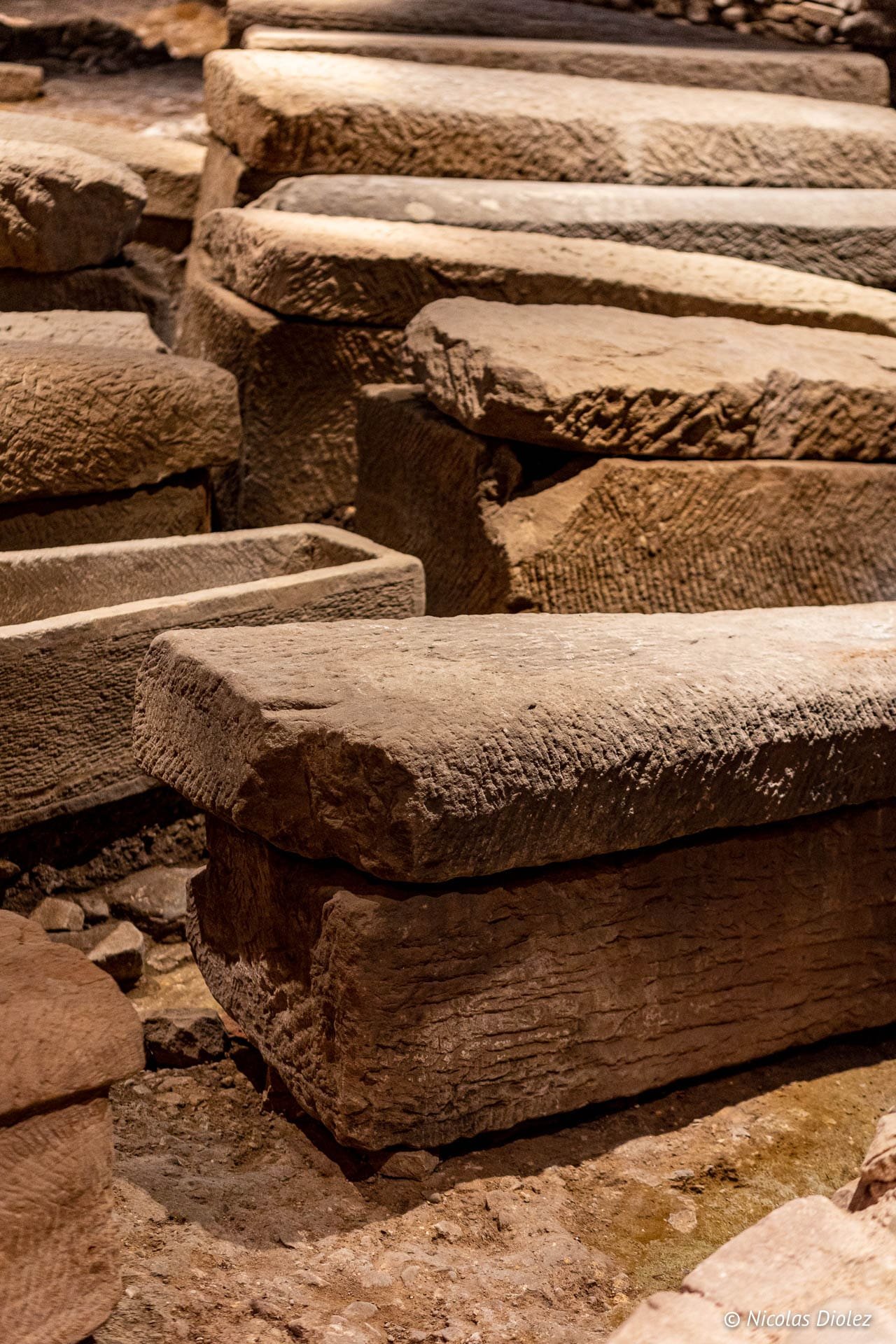
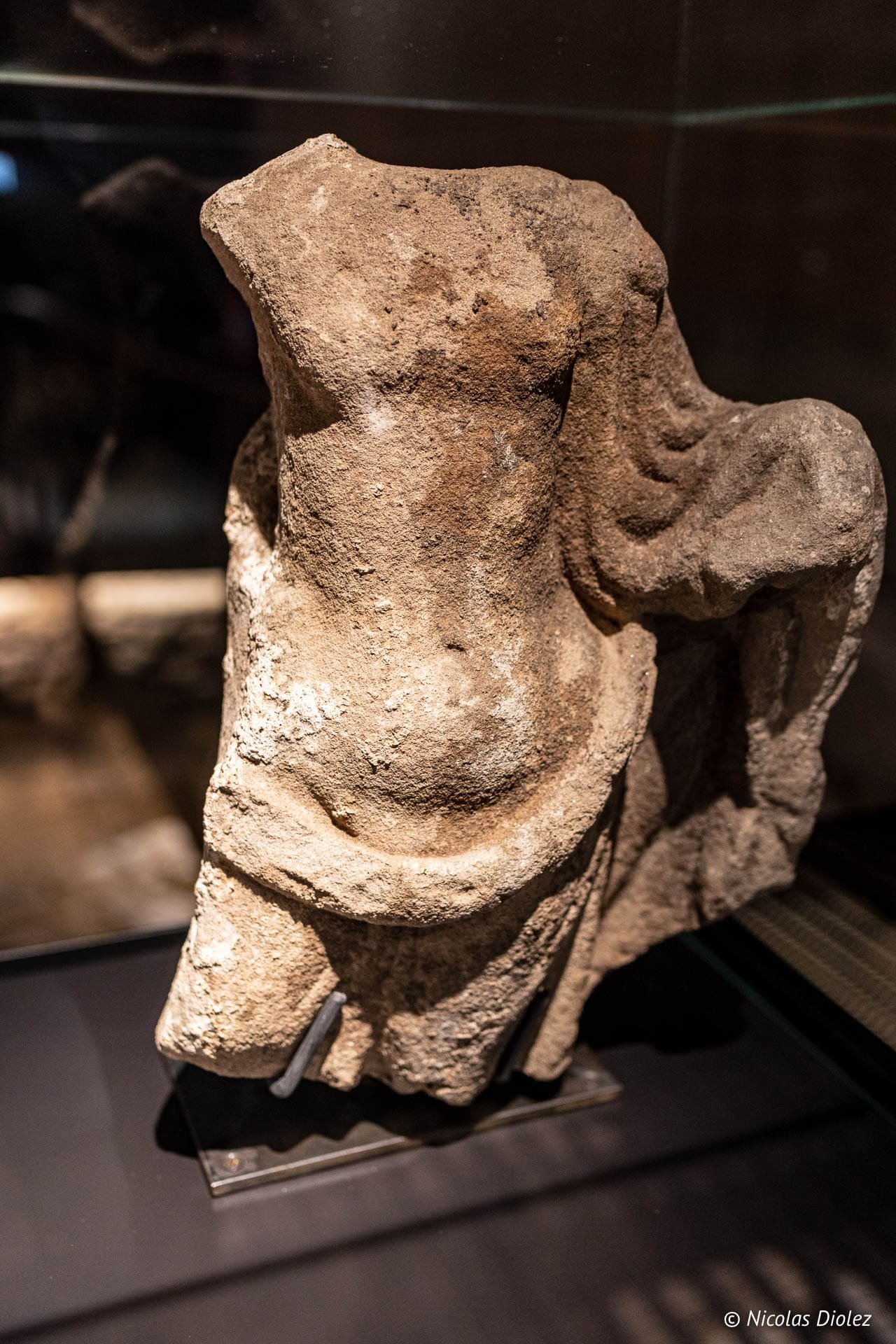
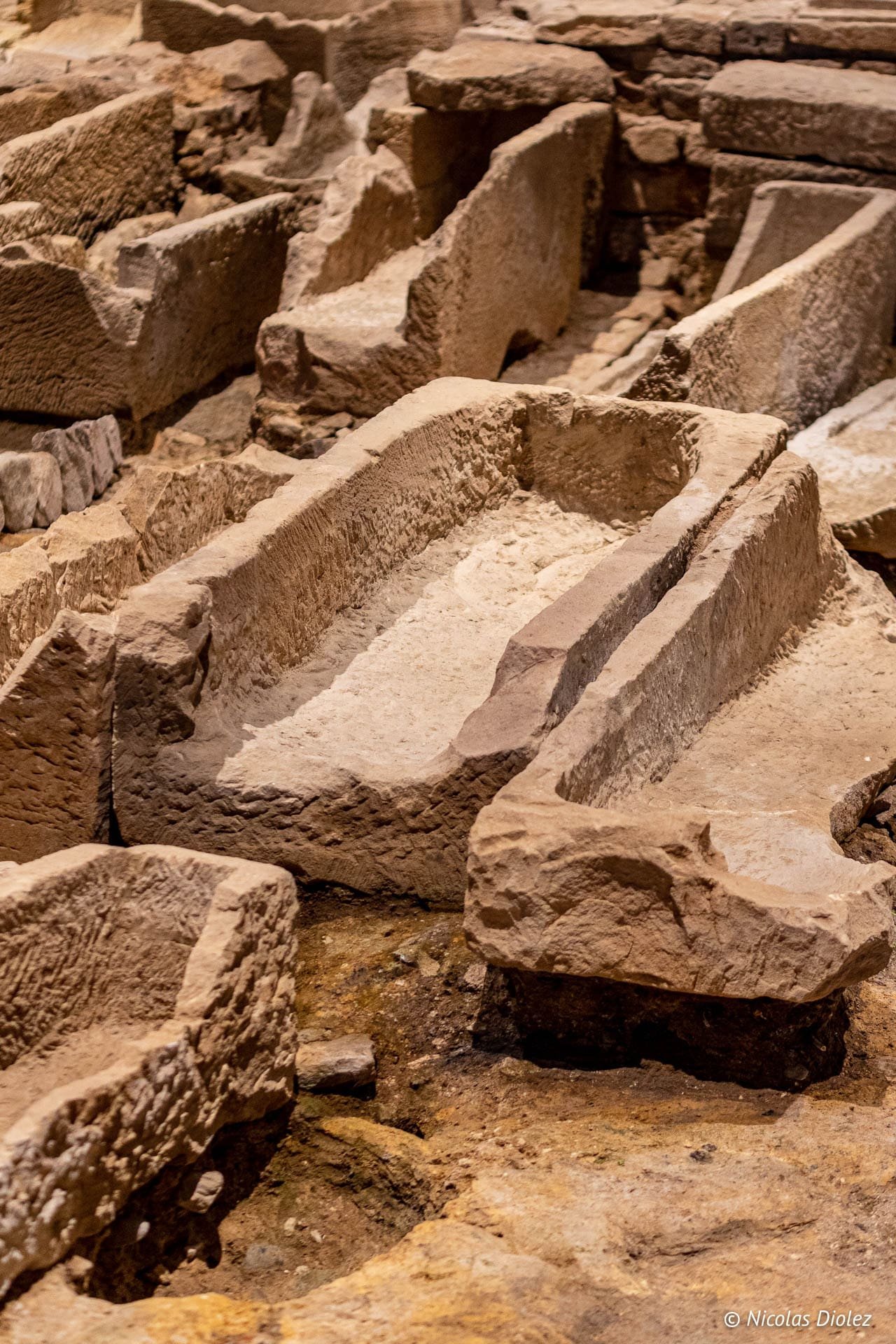
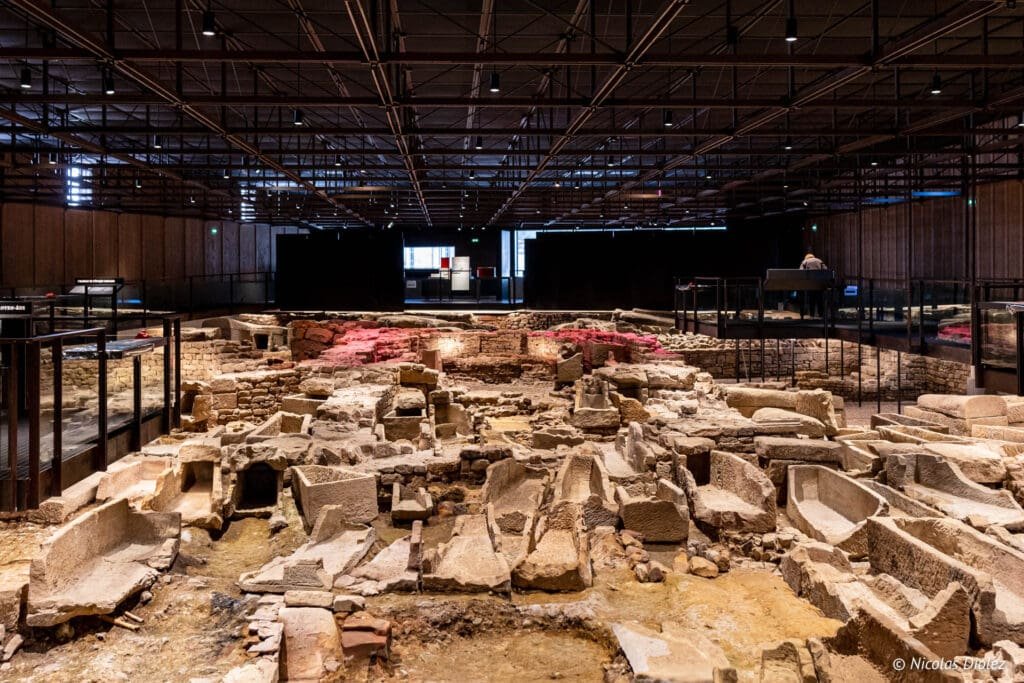
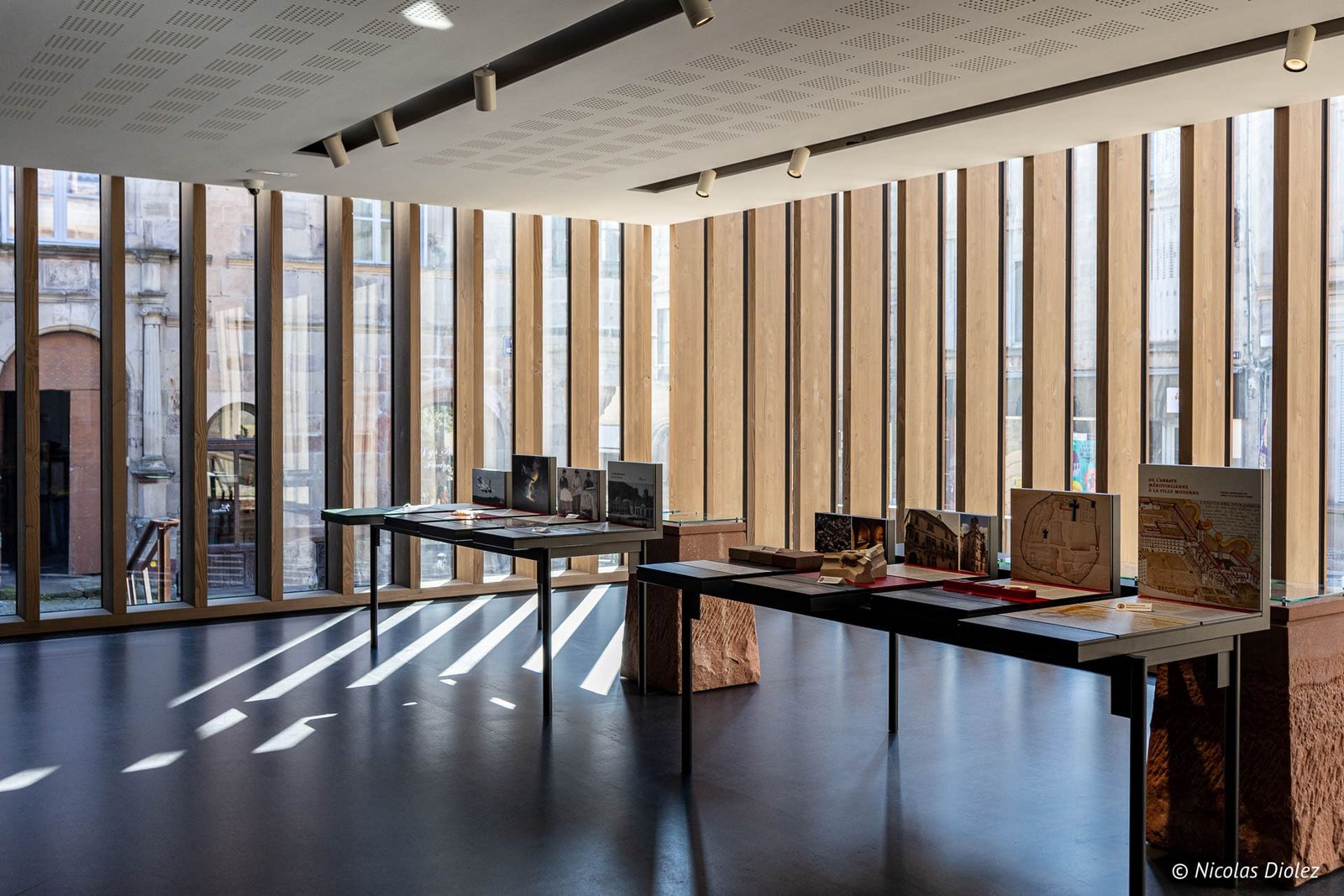
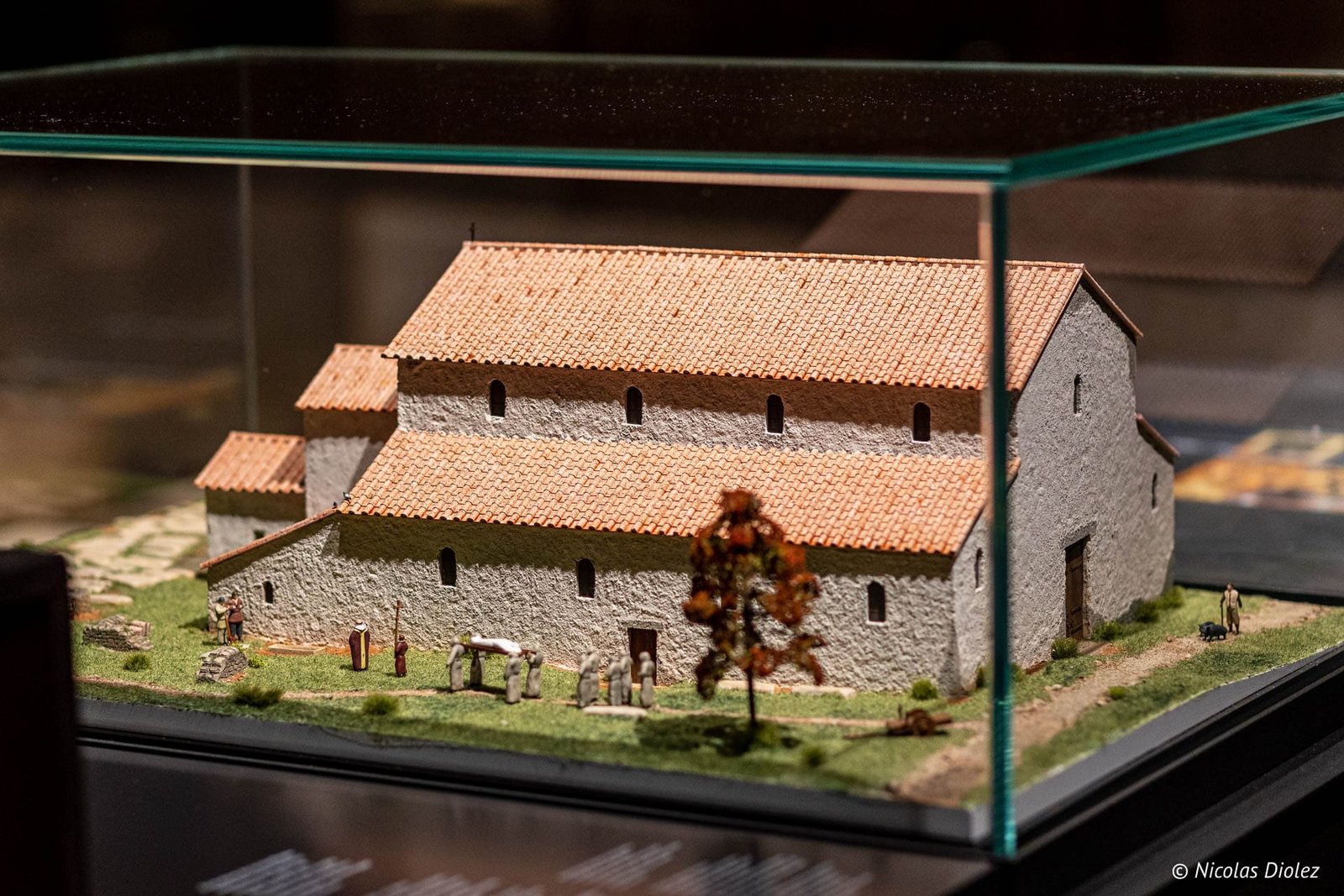
Ecclésia, Heritage City
30 rue Victor Genoux – 70300 Luxeuil-les-Bains
Pricing: €6 full price / €4 reduced / €9 or €7 with a guided tour
_
Where to buy gourmet products in Luxeuil-les-Bains? Maison Drouhet
This address is very famous today because it was a finalist in the popular TV show, La Meilleure Boulangerie de France (I say that, but I’ve never watched it). Maison Drouhet, which has existed since 1958, is a chocolate shop, a bakery, and a pastry shop all in one, and it was taken over by its current owners in 1999.
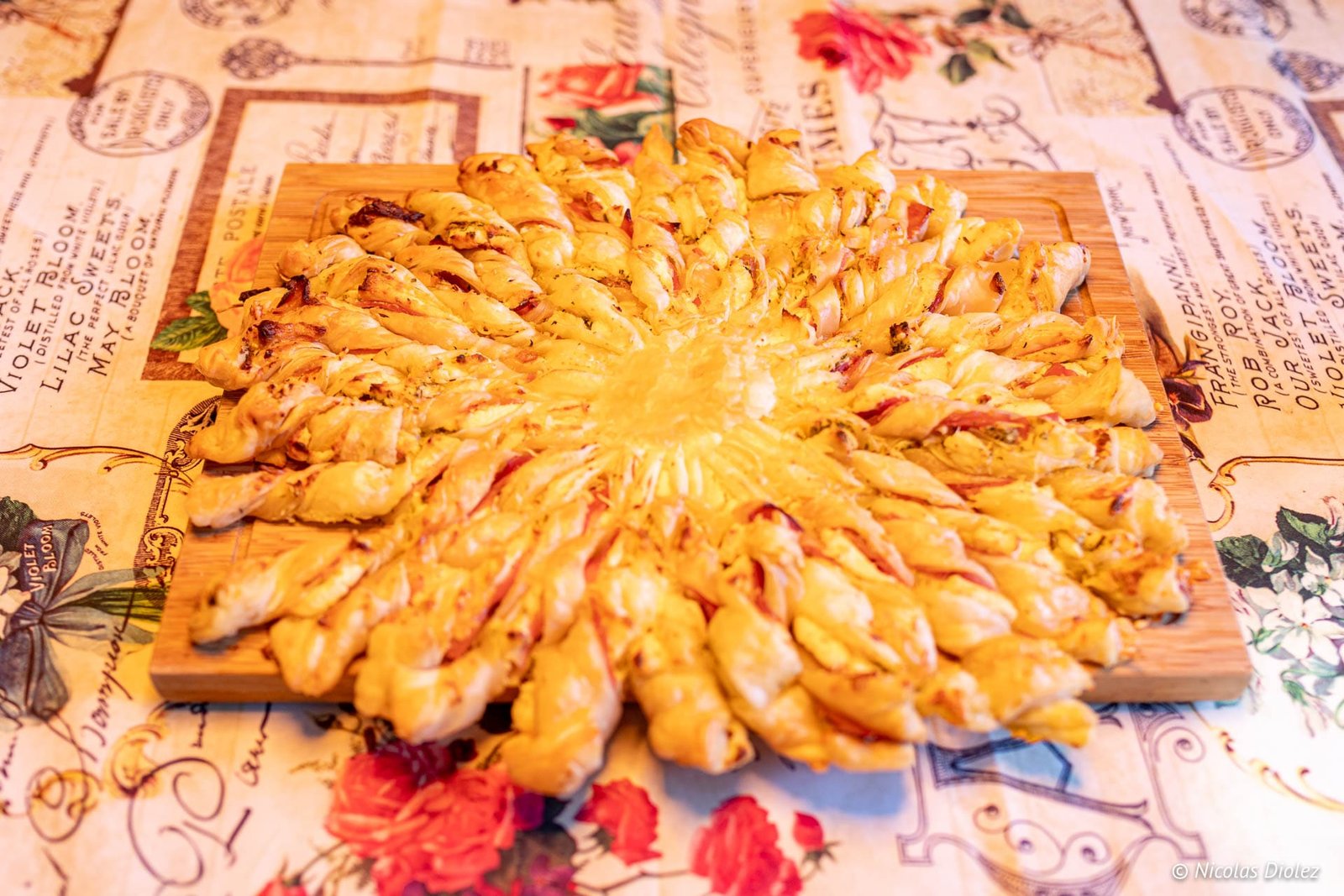
To taste: the ultimate chocolate marble cake (€7.50 each); the house specialty, the Saint Columbanus Golden Sun cake with hazelnut shortcrust pastry and a financier biscuit; the Whirlwind (tourbillon) (focaccia bread, Luxeuil ham, and red onion confit), which is just divine!; the macarons.

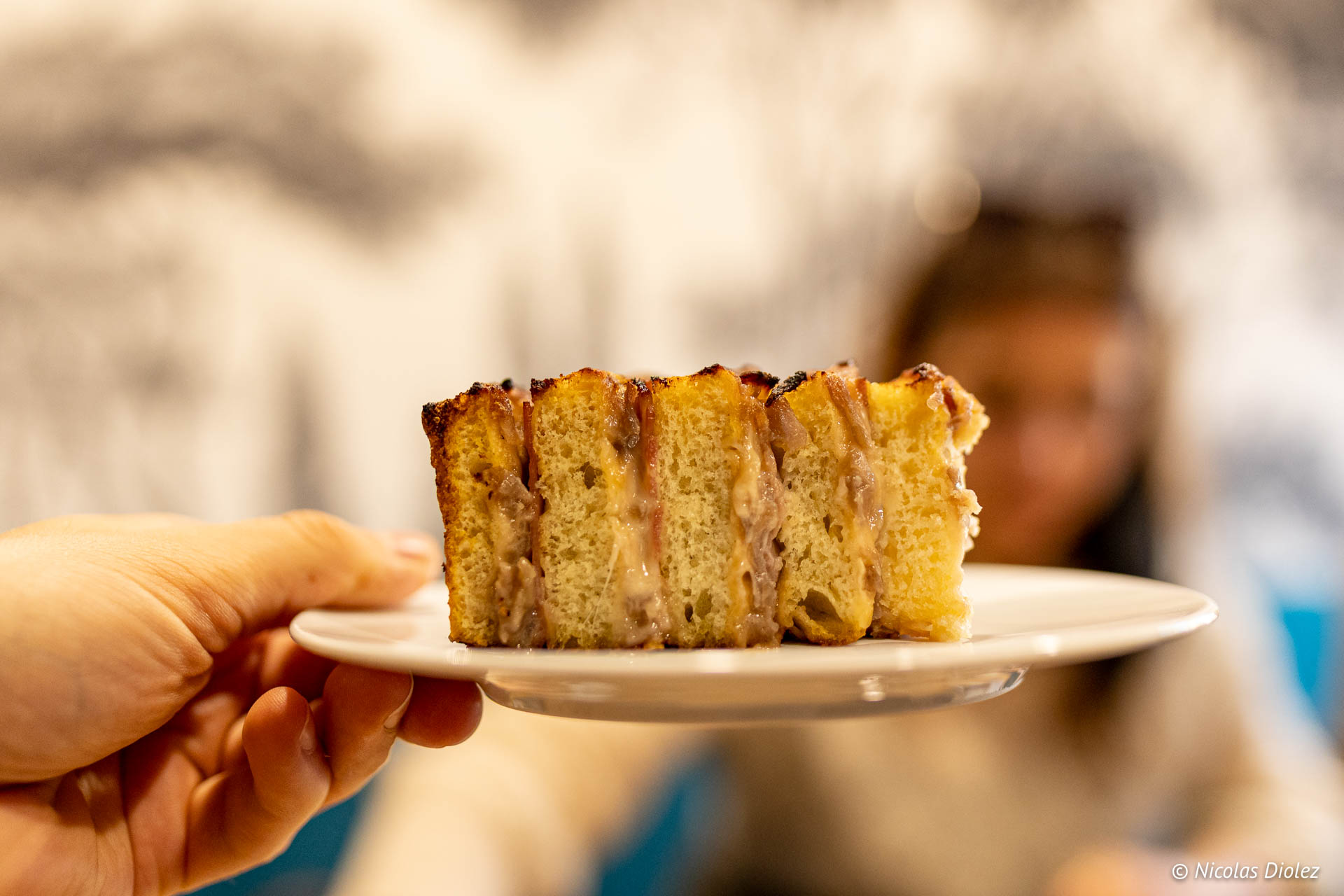


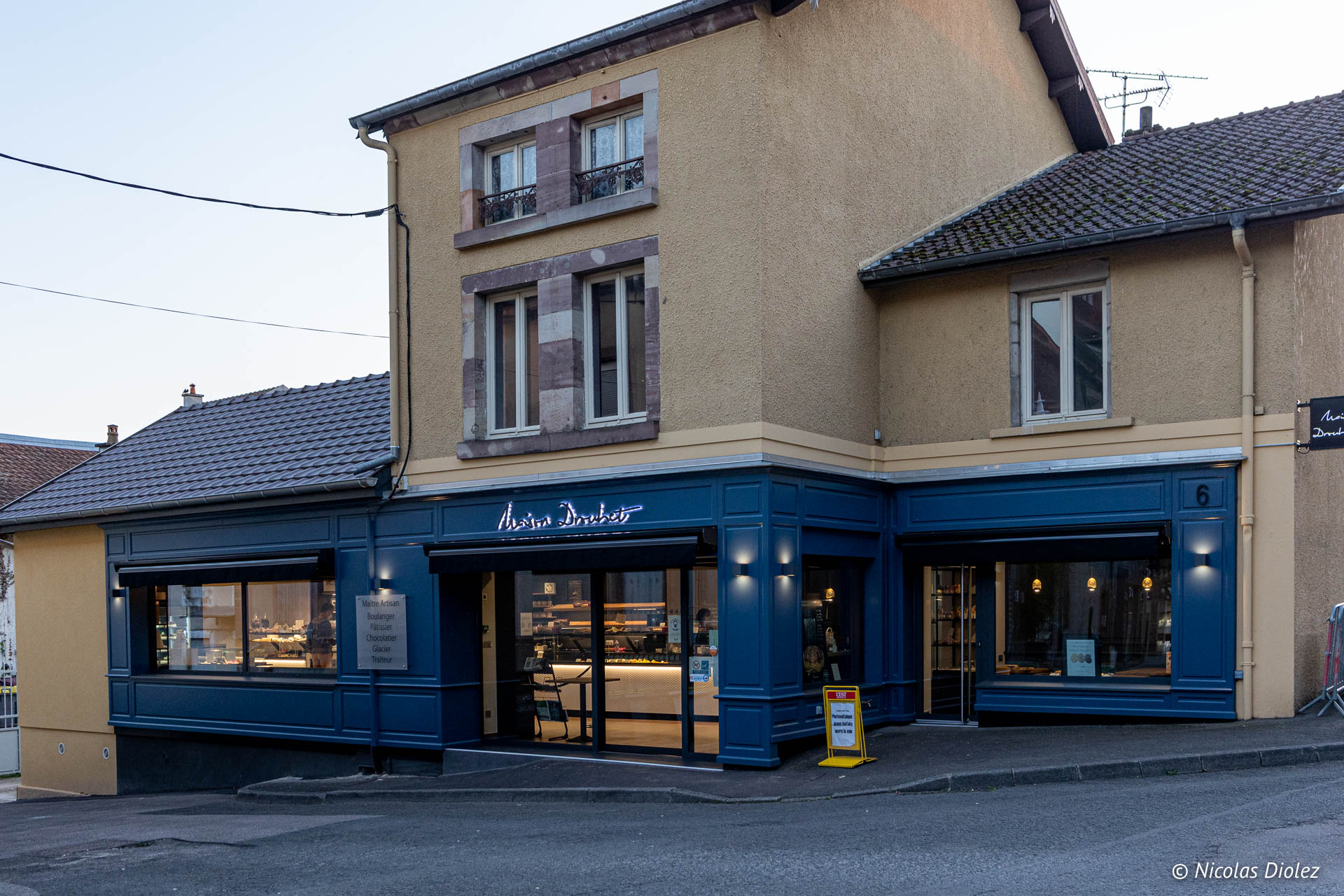

Maison Drouhet
6 Rue du Dr Gilles Cugnier, 70300 Luxeuil-les-Bains
_
Where to have lunch in Luxeuil-les-Bains? Restaurant l’Annexe du Café Français
This gourmet restaurant offers very refined cuisine with local products. I highly recommend you try this address if you are passing through Luxeuil-les-Bains, but allow yourself some time to enjoy it as the service can be a bit slow.
To taste: red mullet on tomato and parmesan shortbread, eggplant caviar, and gazpacho; mushroom royale, hazelnut, Comté cheese crumble, and Luxeuil ham; veal medallion with sage, Roma tomato confit, golden polenta with olives; passion fruit tiramisu for dessert; wines from the Guillaume vineyard in Charcenne.
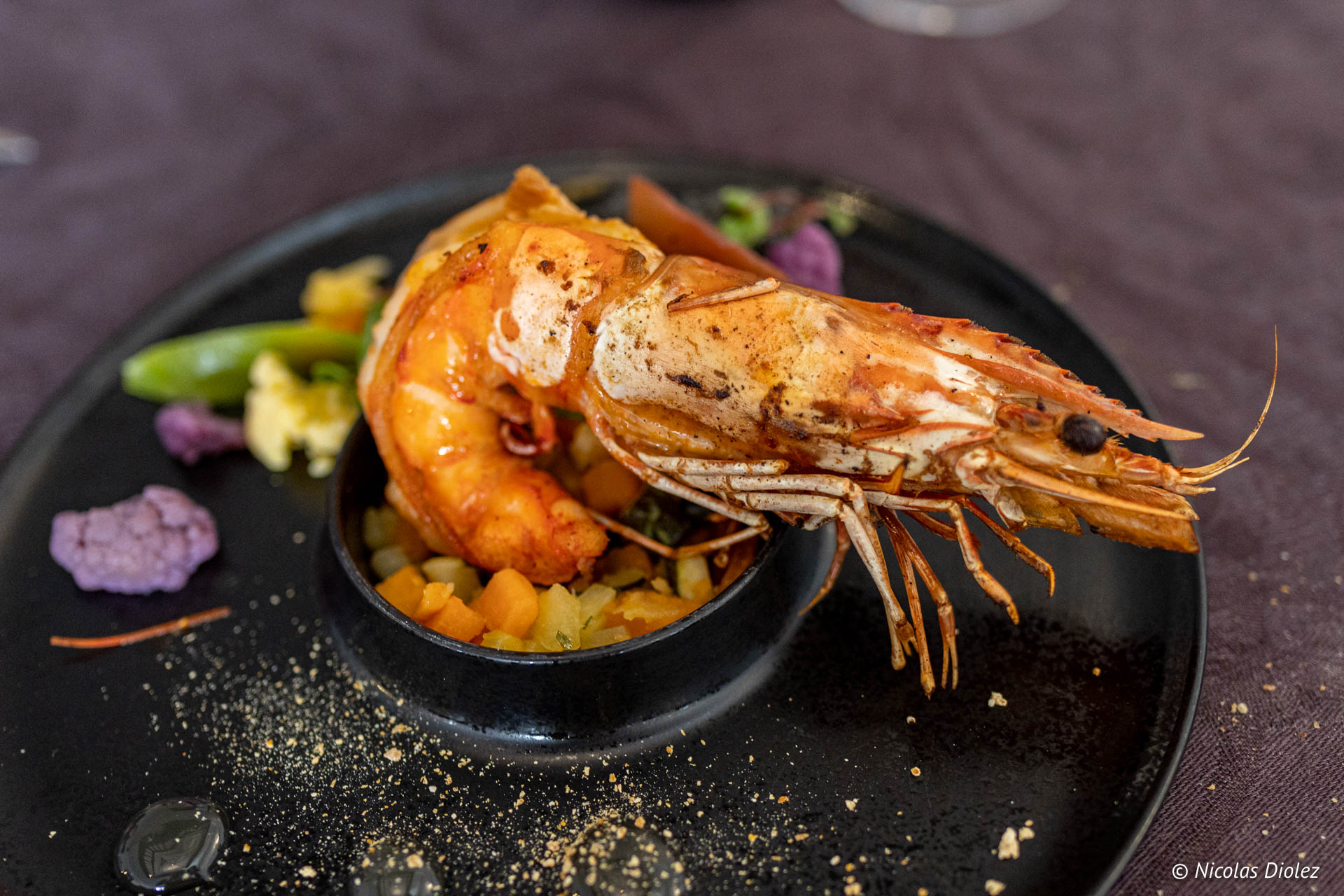


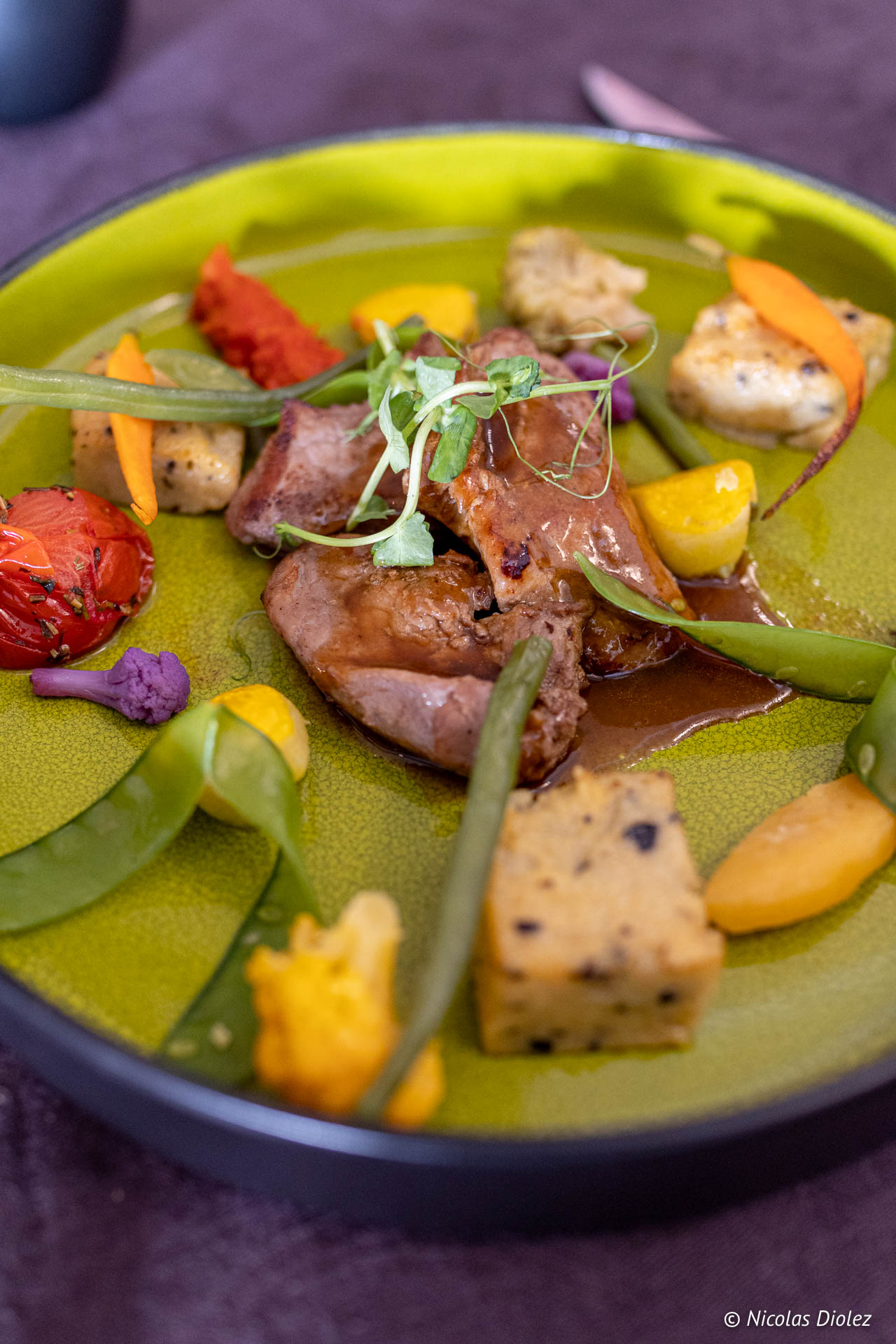


Restaurant l’Annexe du Café Français
15 rue Victor Genoux 70300 Luxeuil-les-Bains
Closed Sunday evenings and Mondays
The hot tip: market menu at lunch from Tuesday to Friday with starter + main + dessert for €17
Link to the restaurant’s website
_
Where to sleep in Luxeuil-les-Bains? Hôtel et restaurant de Beau Site
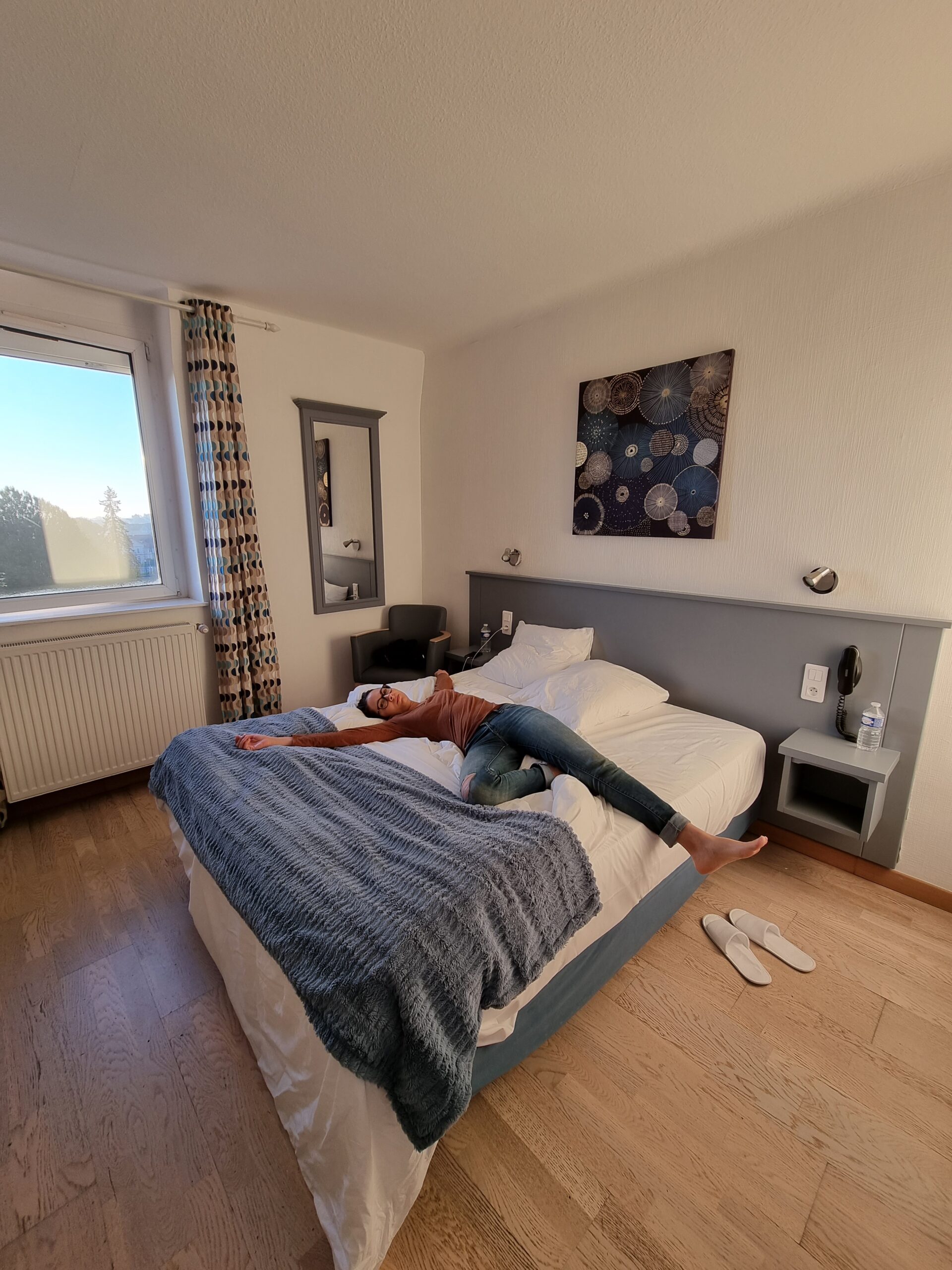
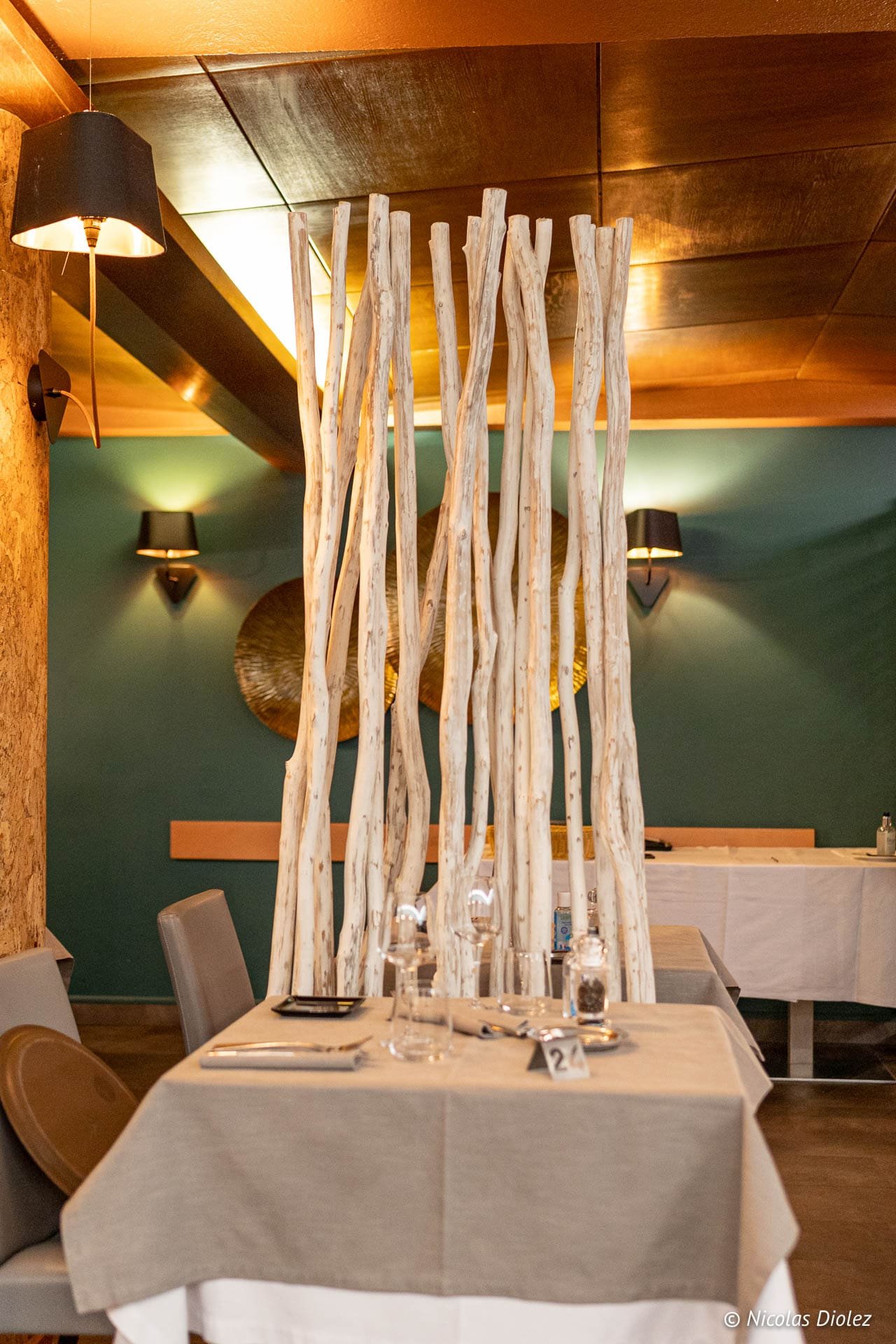
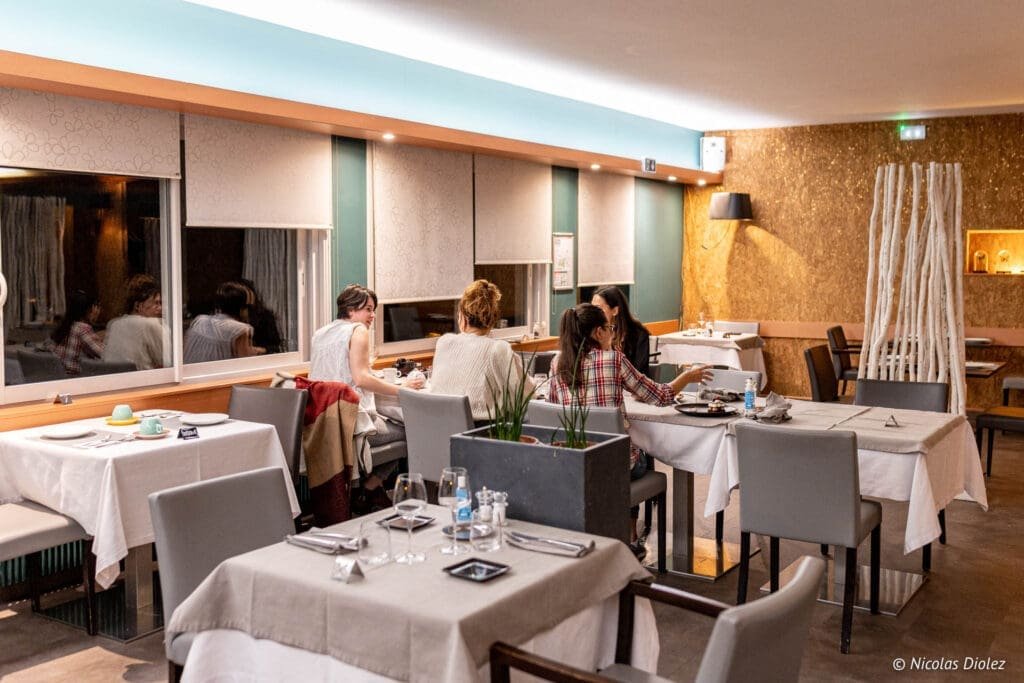
The Hôtel de Beau Site is located right next to the town’s thermal baths. It also has a very good restaurant that we tested during our stay, and if you don’t want to go out after a big day of visiting, this can be a good option for dinner.
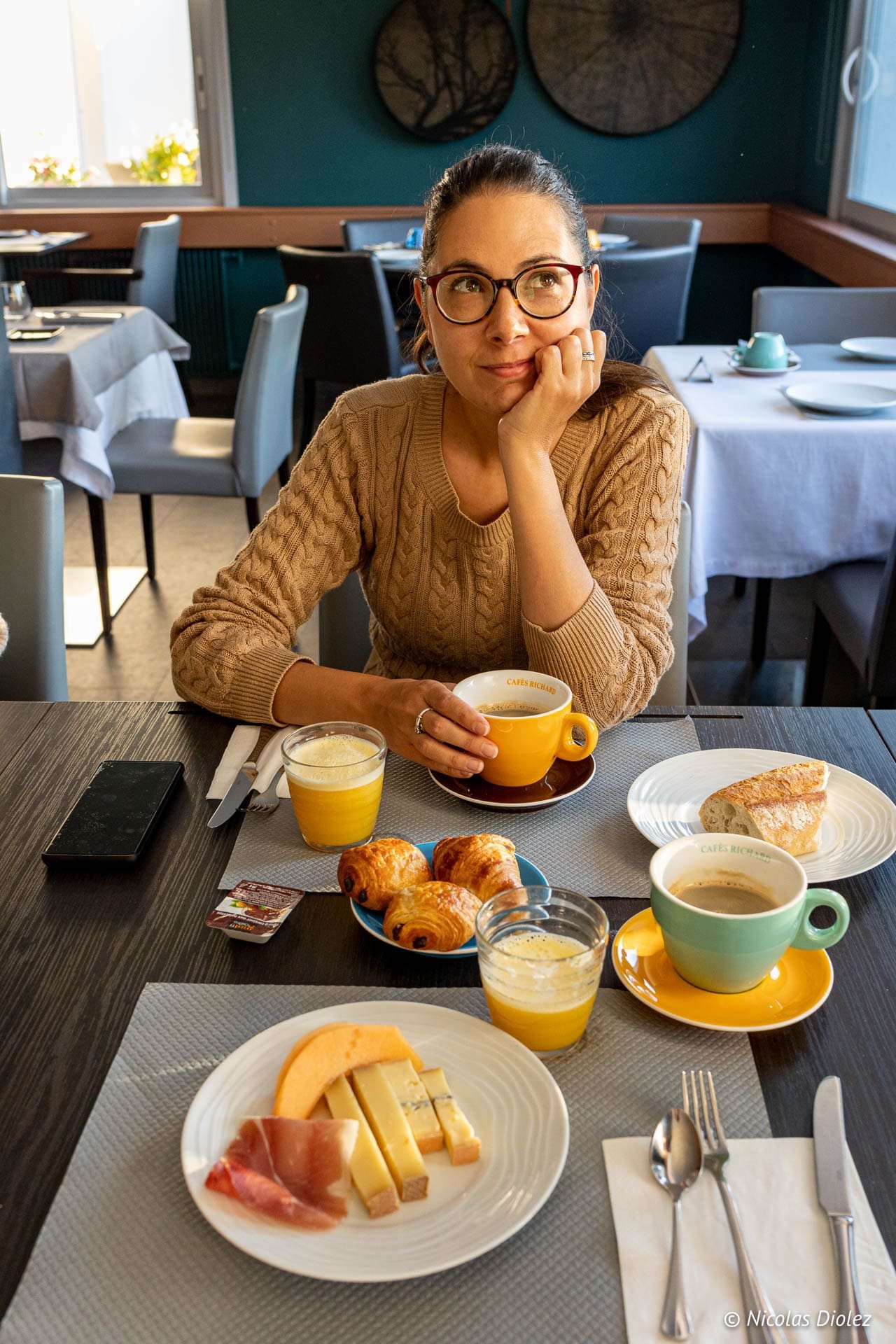
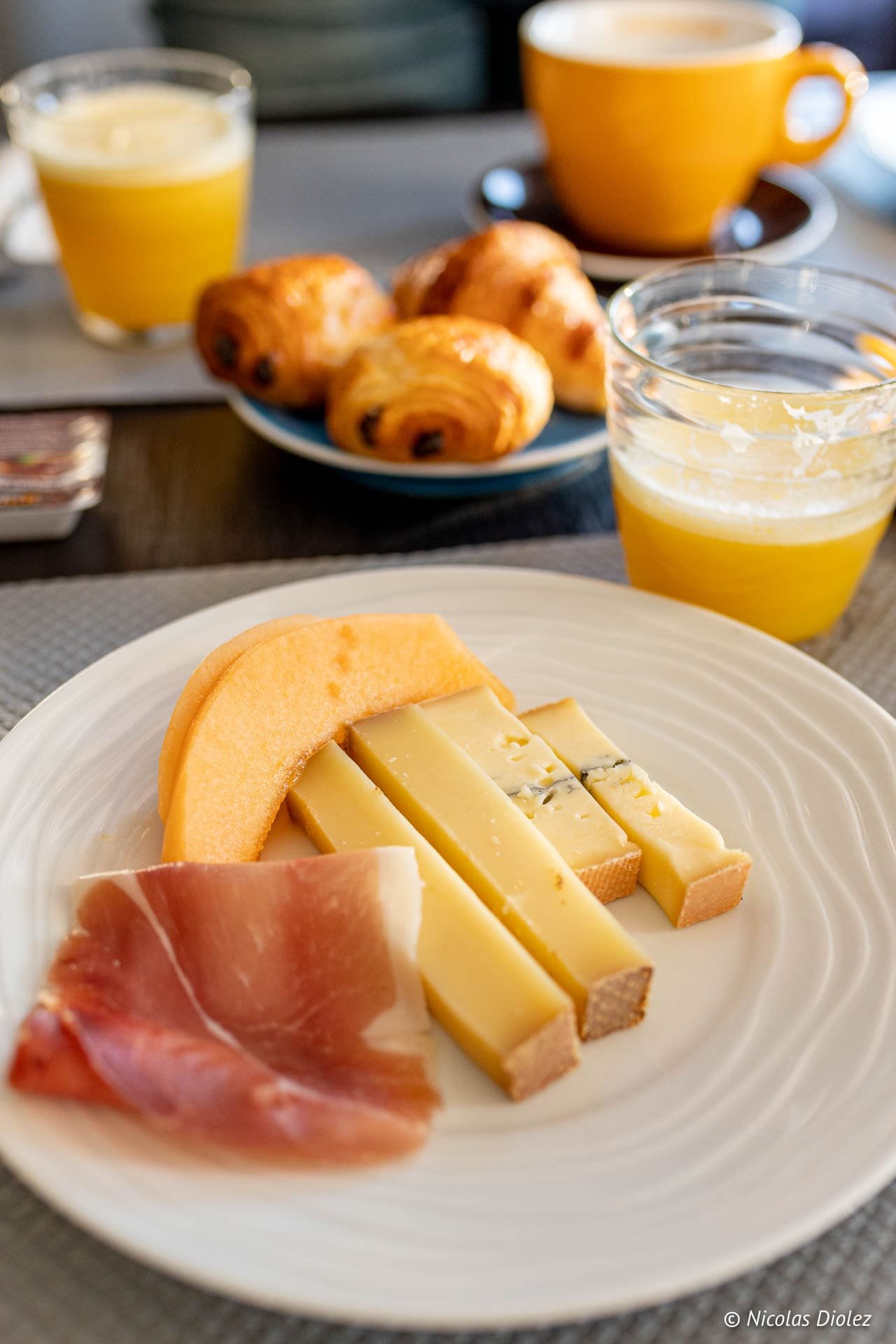
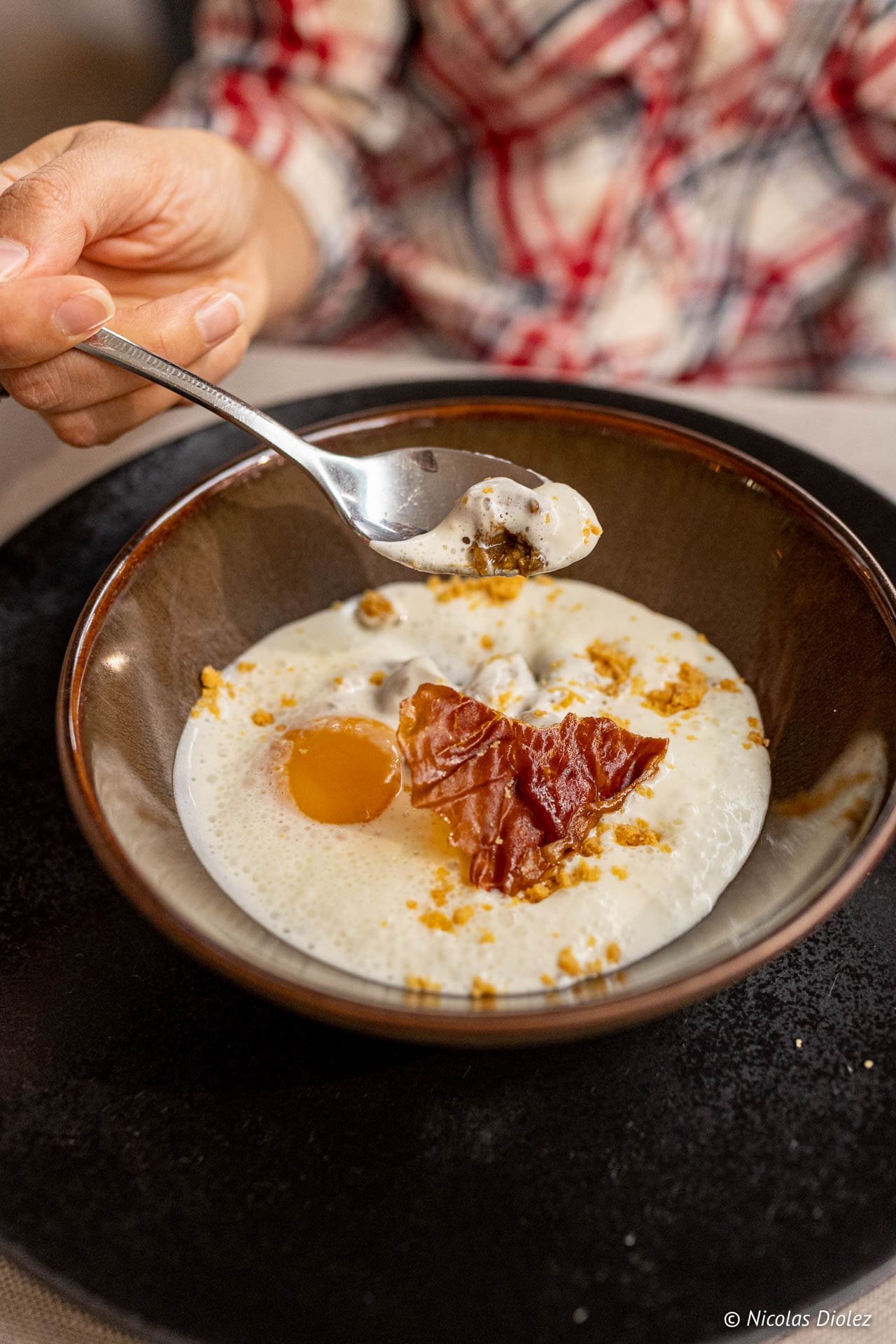
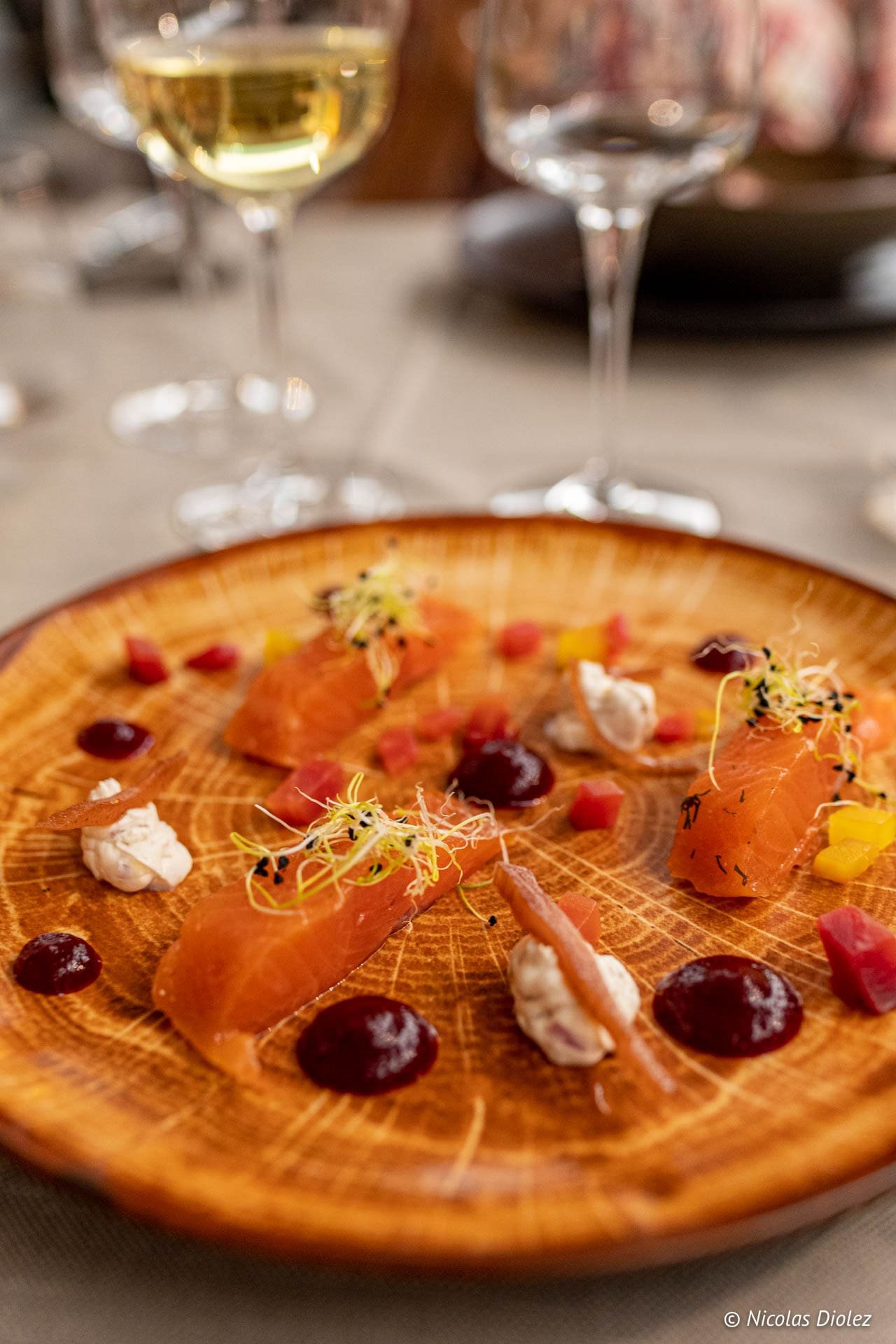
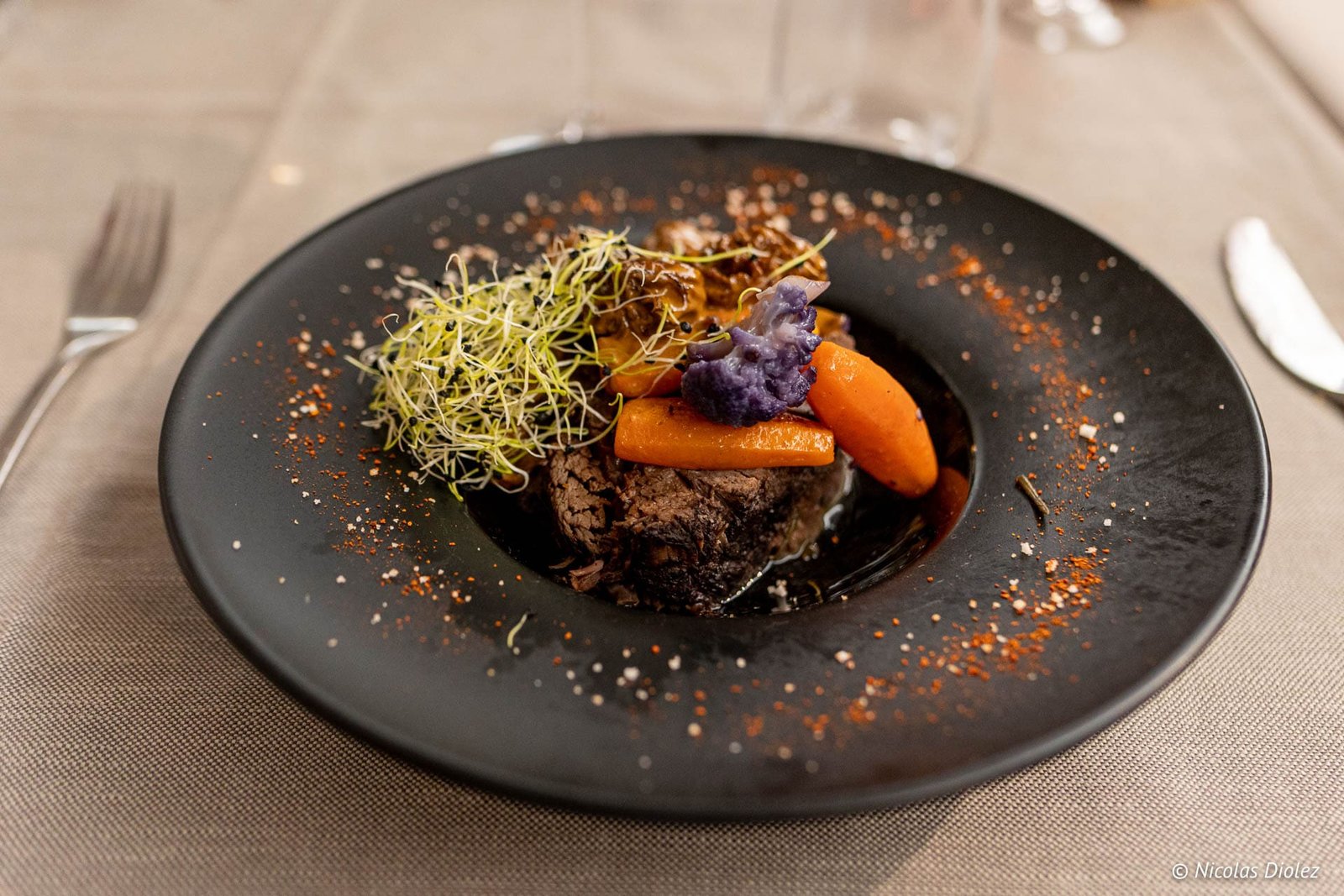
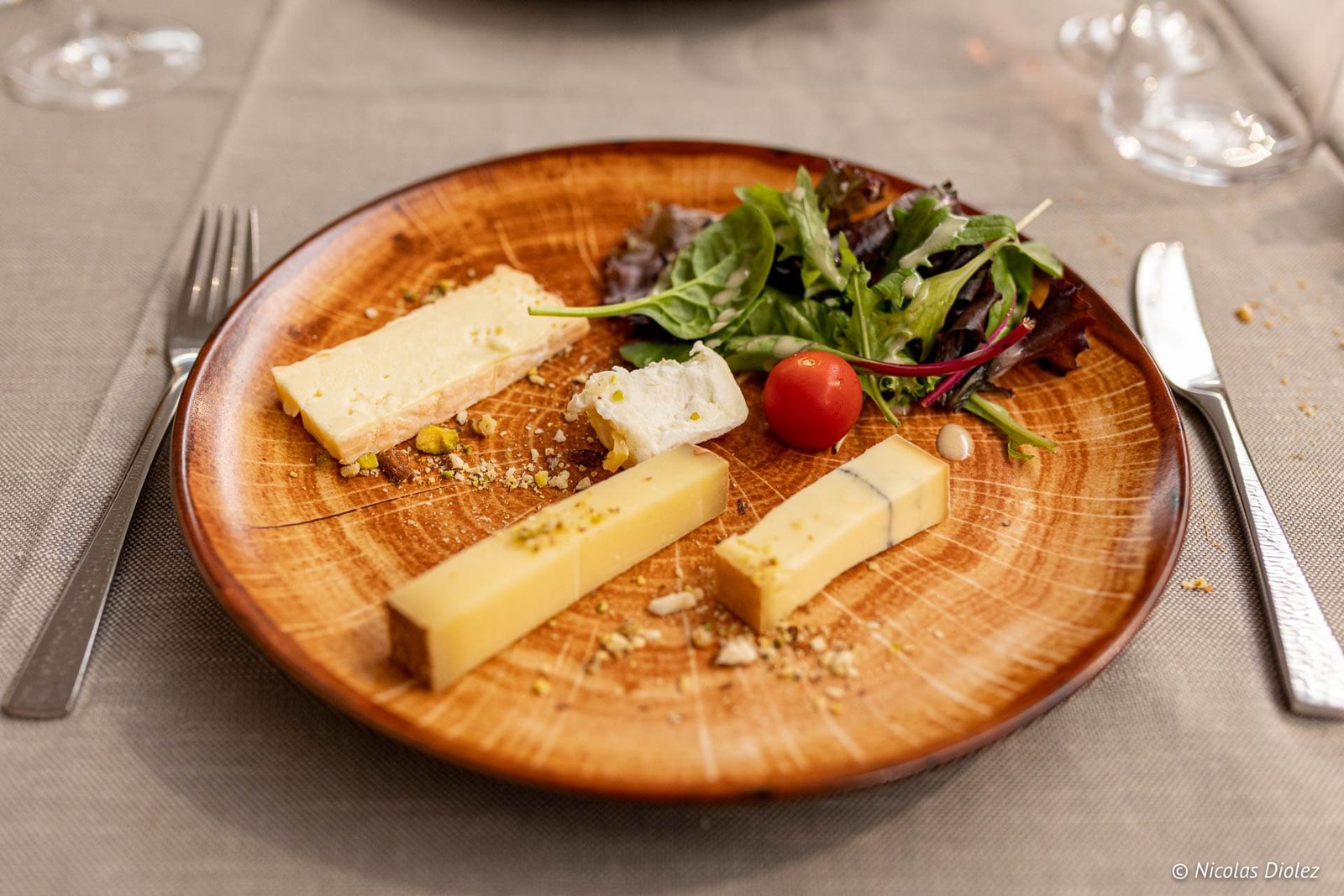
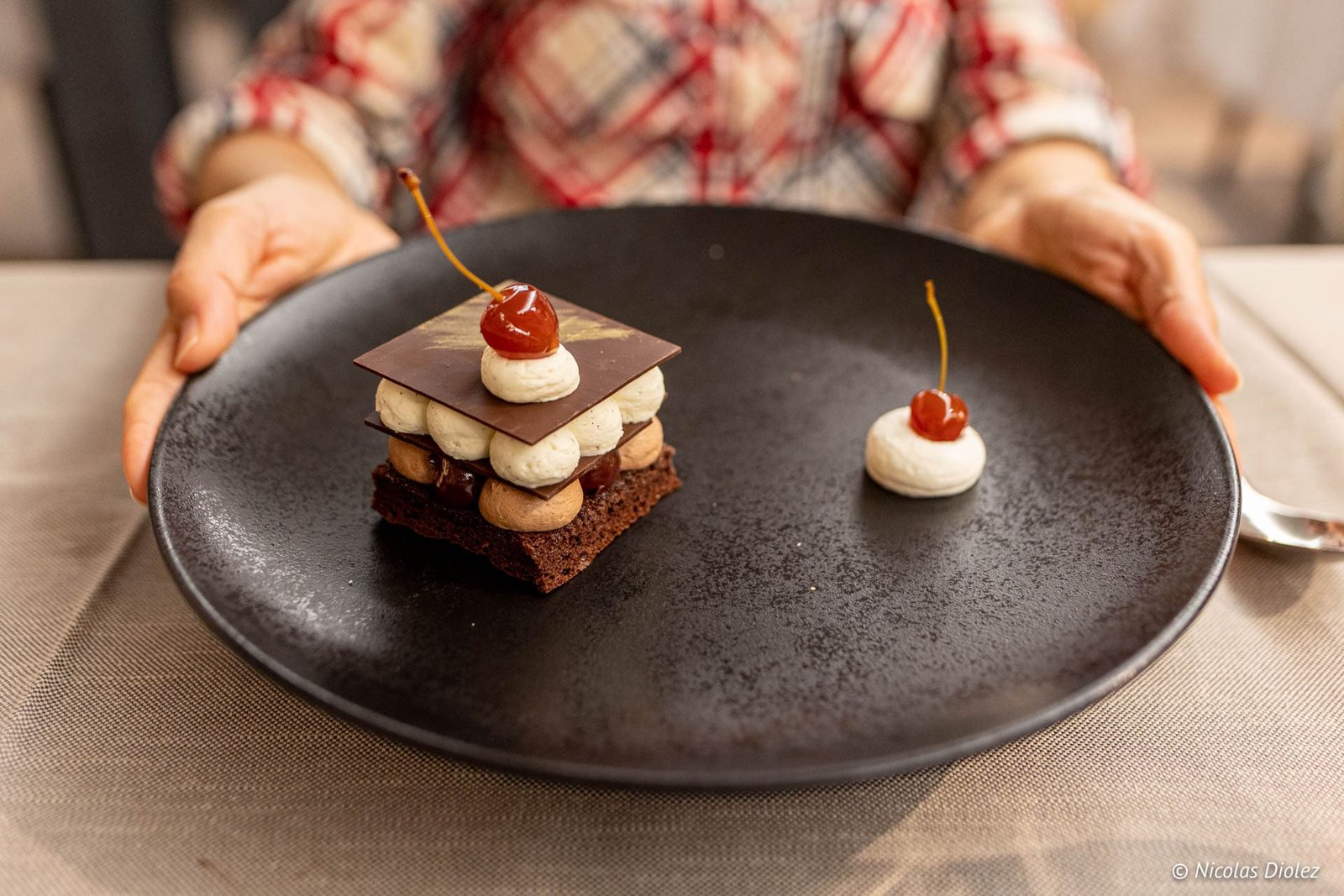
To taste at the hotel restaurant: egg from the Bernardin farm, perfect egg with pan-fried porcini mushrooms, Luxeuil ham, and creamy Comté (€16); slow-cooked beef fondant with baby vegetables and morel sauce; for wine, a Chardonnay from Haute-Saône.
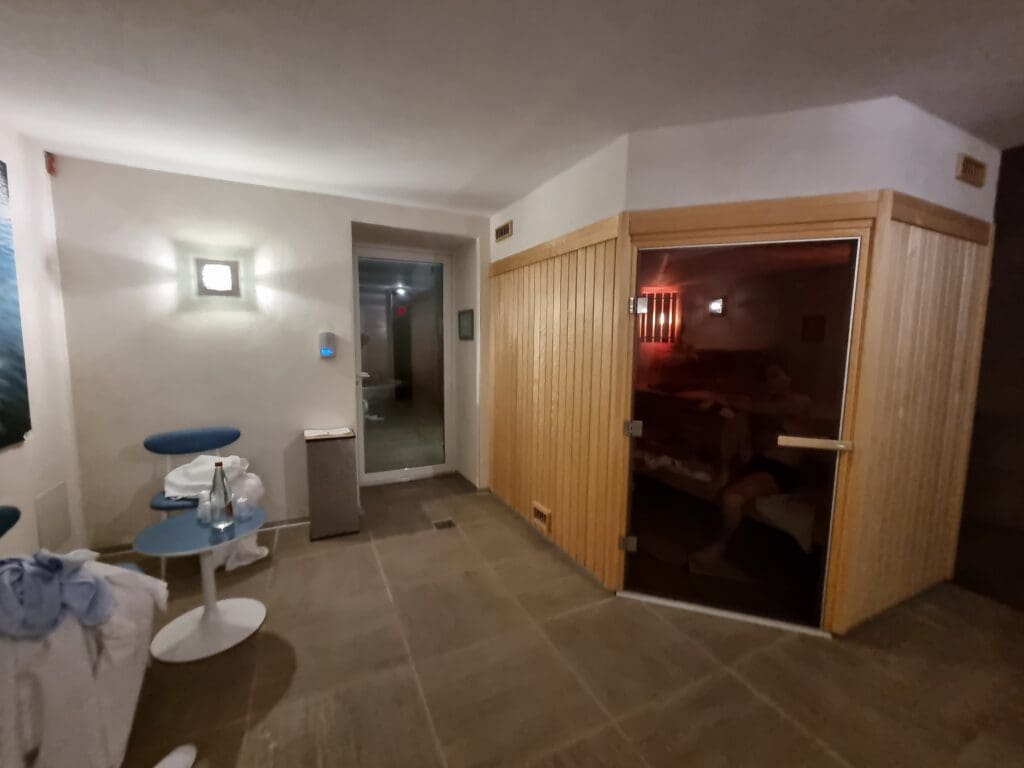
The little extra: the spa jacuzzi to be booked (with a sauna), ideal for relaxing at the end of the day.
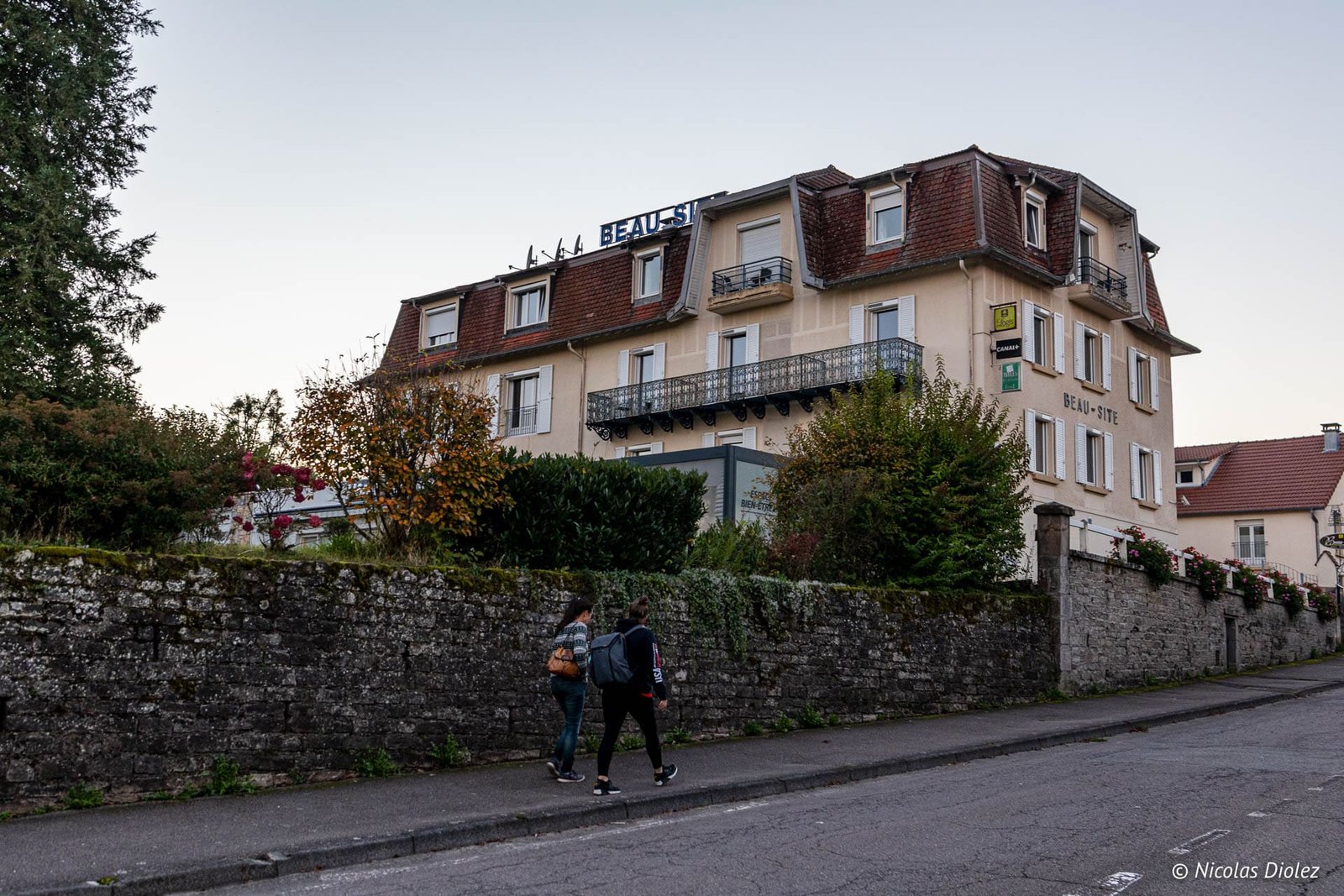

Hôtel et restaurant de Beau Site
18 Rue Georges Moulimard 70300 Luxeuil-les-Bains
The restaurant’s hot tip: the weekend menu (served at lunch and dinner) starter + main + dessert for €25, or 2-course menu starter + main or main + dessert €21 / terroir menu at €32 / discovery menu at €43
Things to see / things to do in the Southern Vosges
As usual, you will find in this section ideas of things to see and do (tested and approved by our small group during our stay) if you come to the Southern Vosges. To discover this territory, I still advise you to have a vehicle, as it will be the easiest way for you to get around.
_
Visiting Notre-Dame du Haut Hill
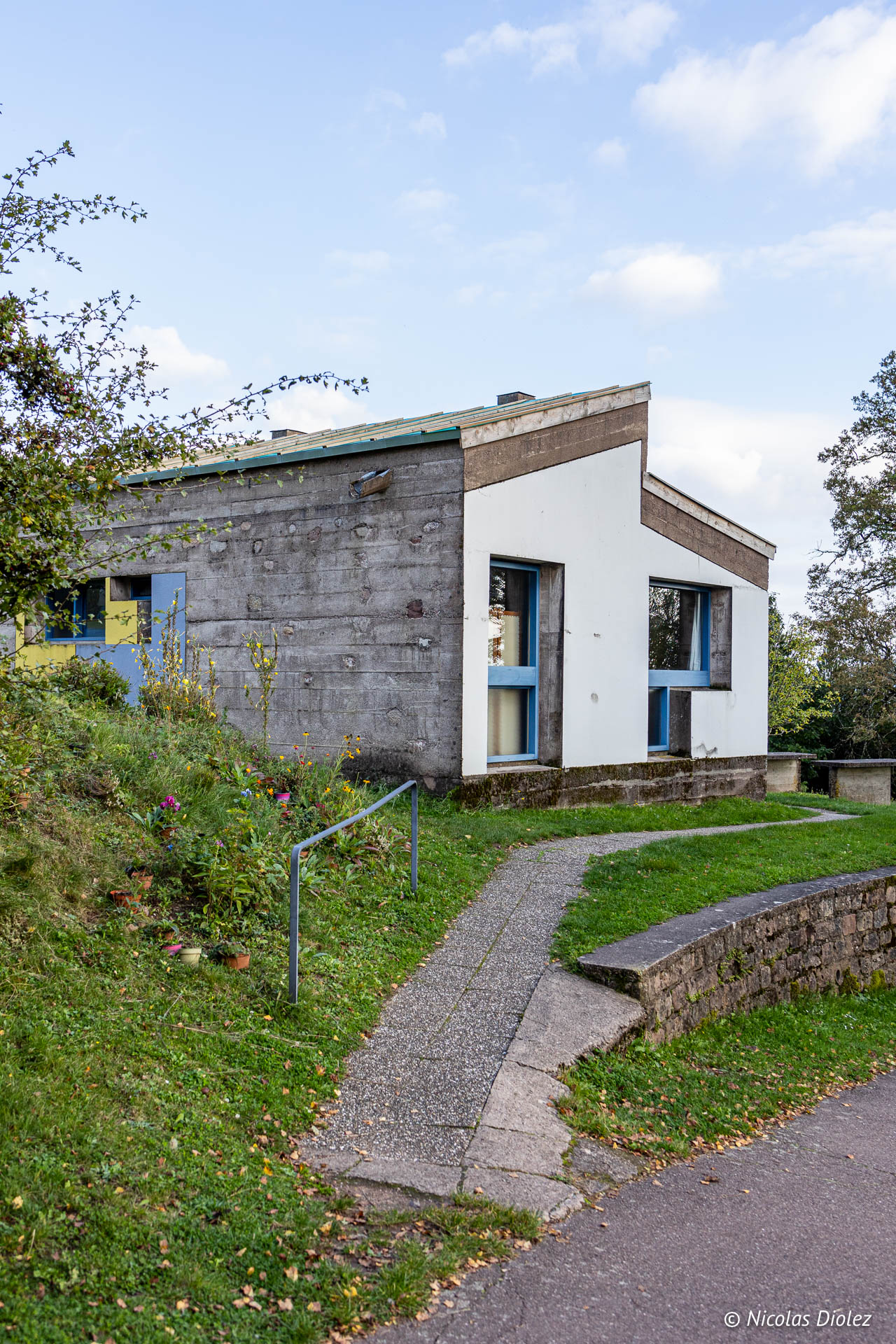
Above the town of Ronchamp (a former mining town), on the Bourlémont hill, Le Corbusier, struck by the beauty of the place, built the Notre-Dame du Haut chapel in 1955 (replacing the one destroyed during the war). It is one of the 17 sites of his architectural work inscribed in 2016 on the UNESCO World Heritage list. The Le Corbusier Chapel, supported by 16 reinforced concrete pillars, features curved forms with a concrete veil as a roof. In total, three buildings on this pilgrimage site were built in the 1950s by Le Corbusier (the chapel, the chaplain’s house, and the pilgrim’s shelter).
Then, in the 1970s, Jean Prouvé created a bell tower on the site, in the 2000s Michel Corajoud completed the landscaping, and more recently in 2011, the Italian architect Renzo Piano designed the Porterie (the site’s reception building) and the Sainte-Claire monastery (where the Poor Clare sisters live today), thus helping to create an architectural complex of high historical, artistic, and spiritual value.




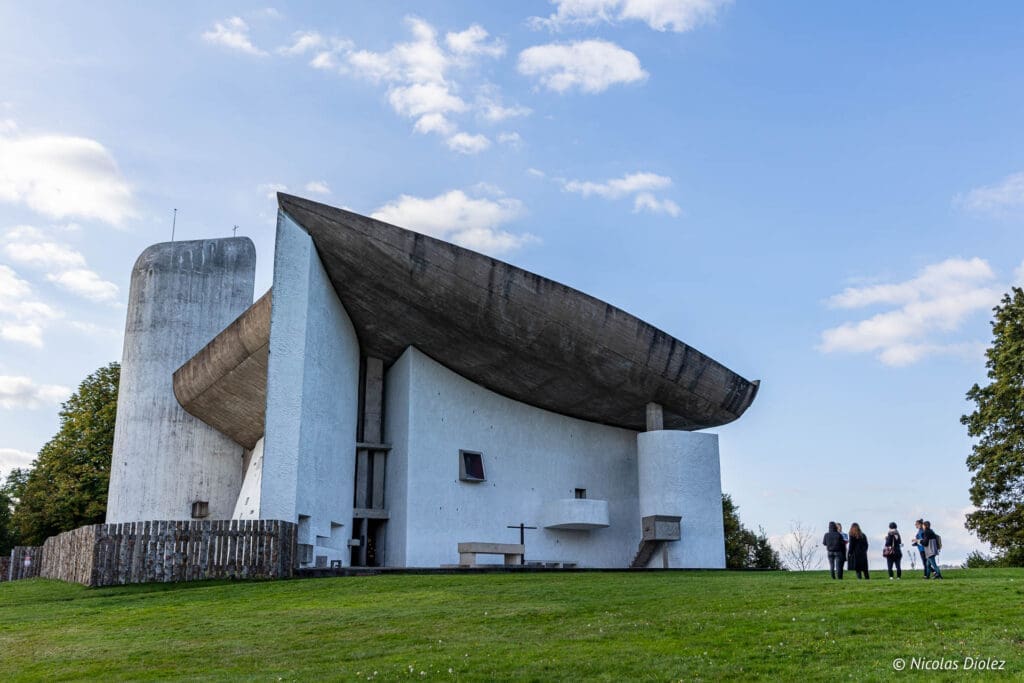


Notre-Dame du Haut Hill
13 rue de la Chapelle 70250 Ronchamp
Pricing: €9 high season and €8 low season for adults / €6.50 high season and €6 low season for students / €5 for children aged 8 to 17 / free for under 8s
_
Visiting the Fort du Mont Vaudois
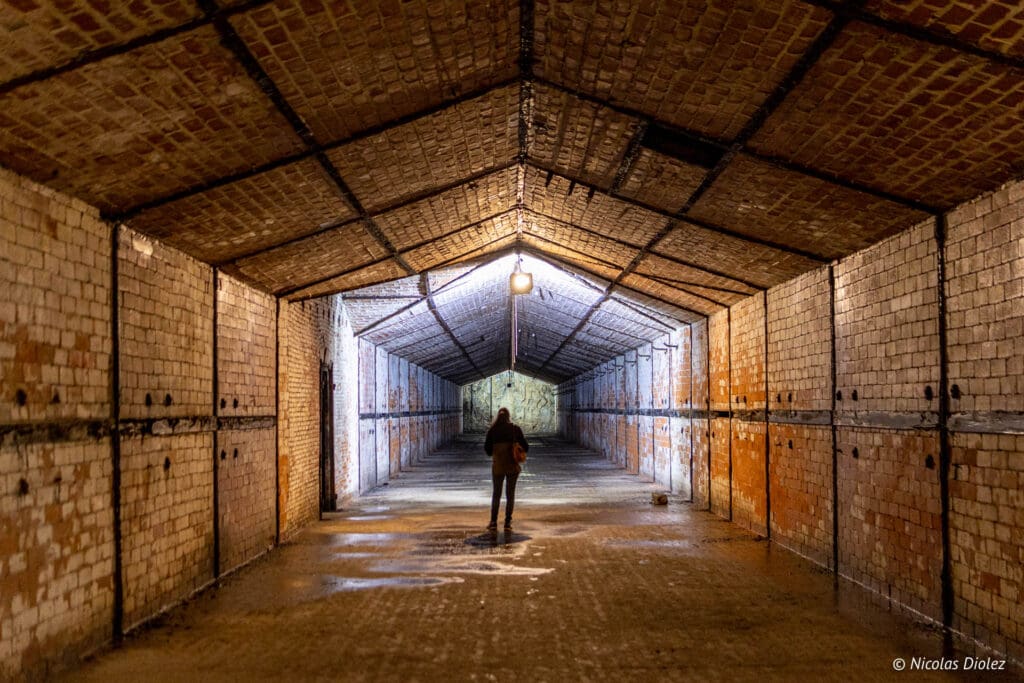
This former military fort, spanning 5 hectares in length and depth, located in Héricourt at 525 meters altitude, was built between 1874 and 1877 to protect against Prussian invasion. Indeed, the war of 1870 had led to the loss of Alsace and a large part of Lorraine, annexed by Prussia. At the time, this fort was a link between the entrenched camp of Belfort and the southern defensive curtain. It was intended to control the valley below and protect communications with Montbéliard. It was also used by the Germans in 1944 during the Second World War.
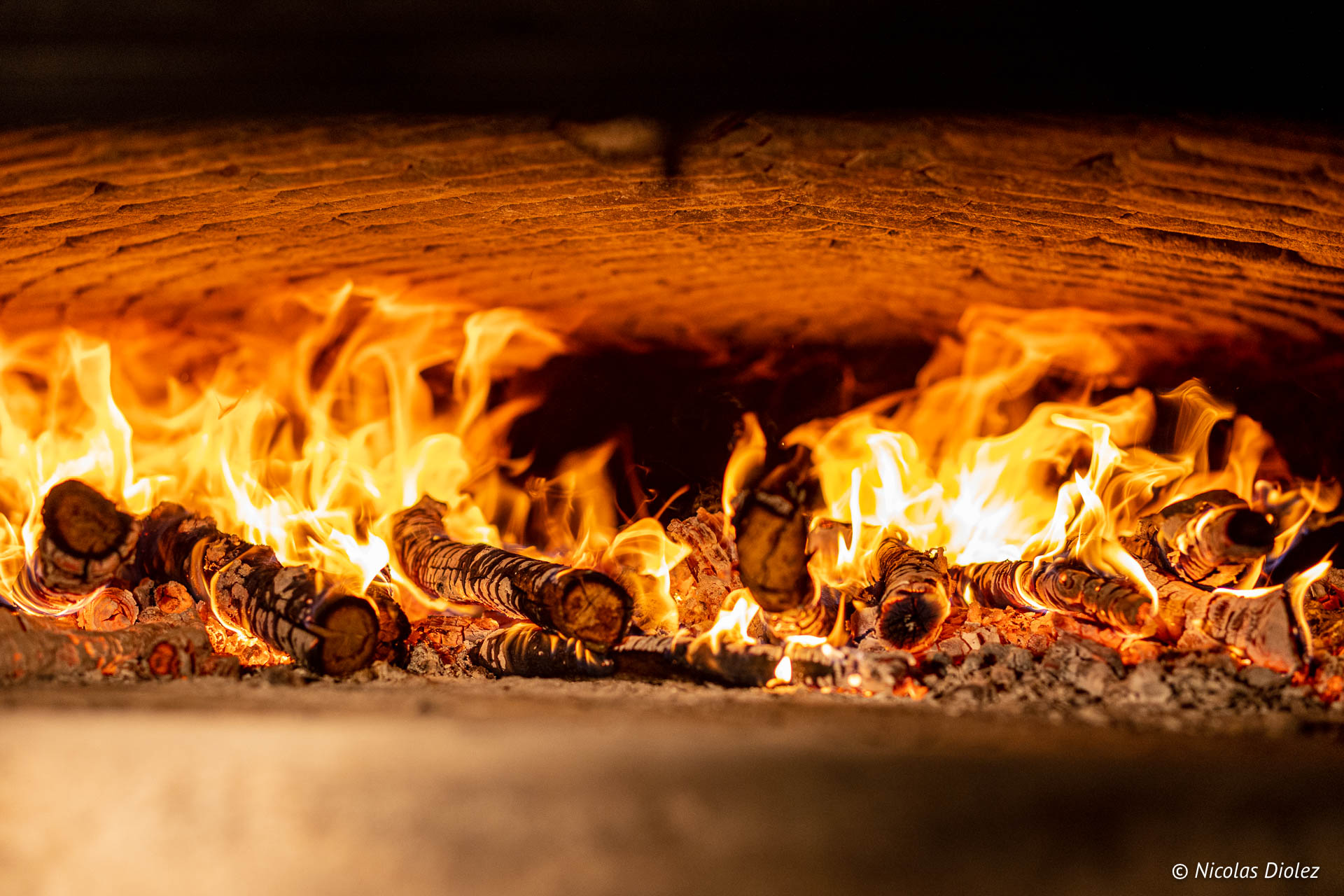
It served as a military fort until 1999, when it was purchased by the town of Héricourt. In 2003, an association was created to renovate and maintain this heritage. Today, about 20 passionate volunteers fulfill this role and allow the site to come alive. They organize guided tours of the site but also events (concerts, Mont Vaudois loto, heritage days) such as the Bread Day, which takes place once a year around mid-May. It is an opportunity to operate the 2 bread ovens dating from the 19th century to bake bread (about 1400/1500 loaves of bread can be baked in the ovens).
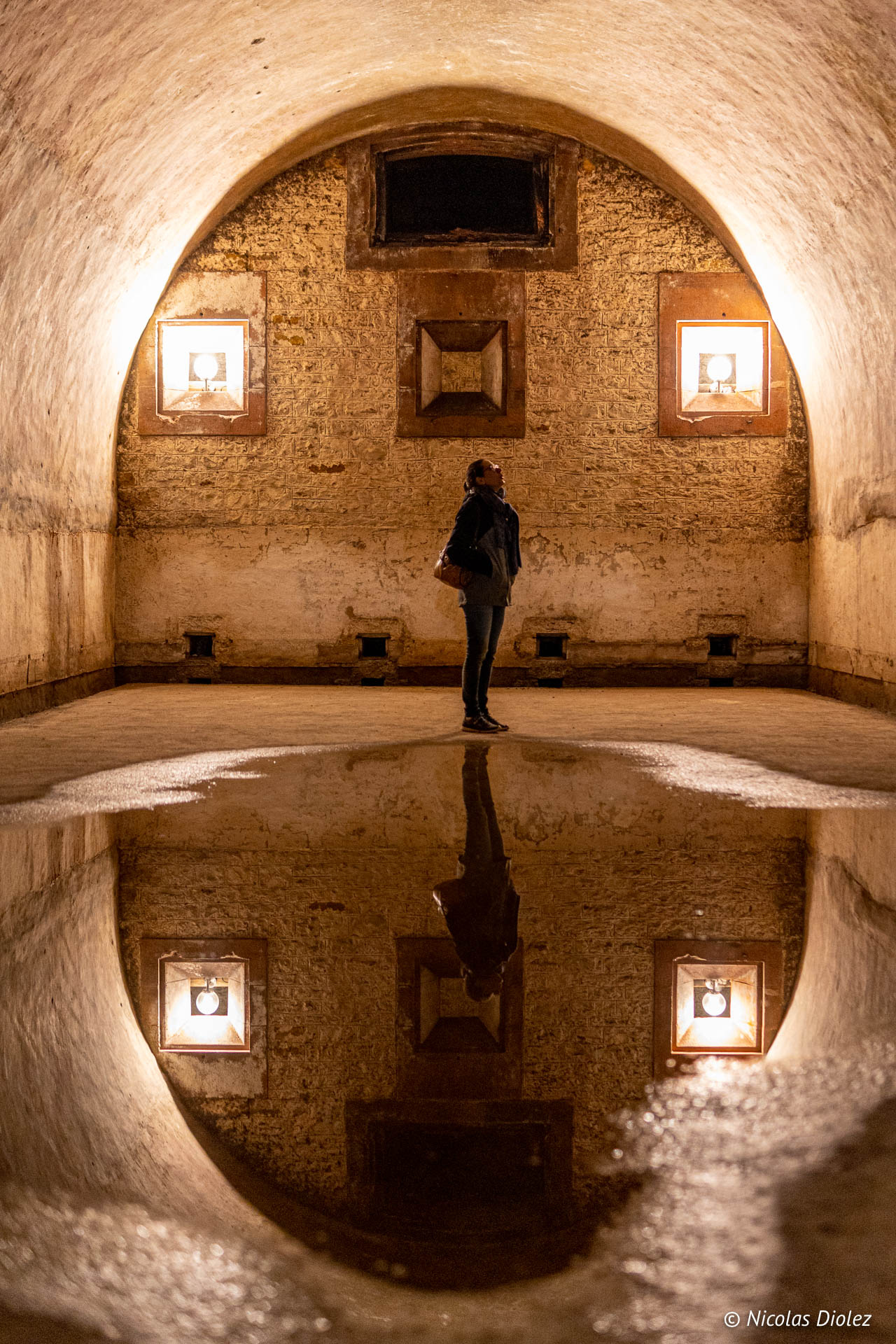
During the visit, you discover the filtration station for drinking water, the cavern shelter, the rotunda, the bakery, the courtyard, the drawbridge, the vaulted passages… You can also discover a small museum with objects found in the fort.
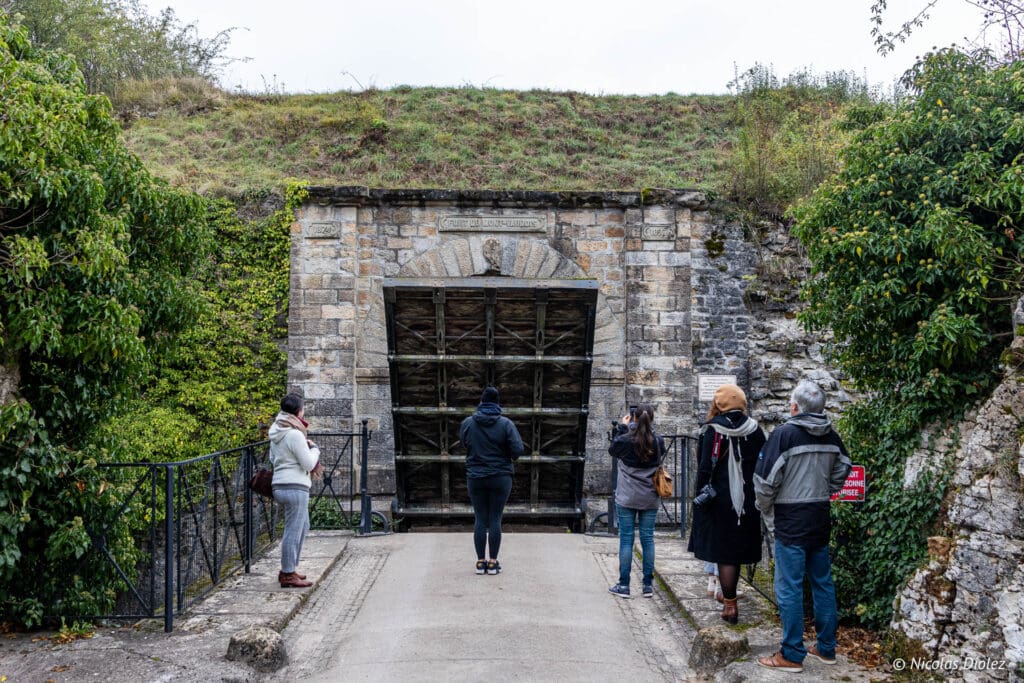
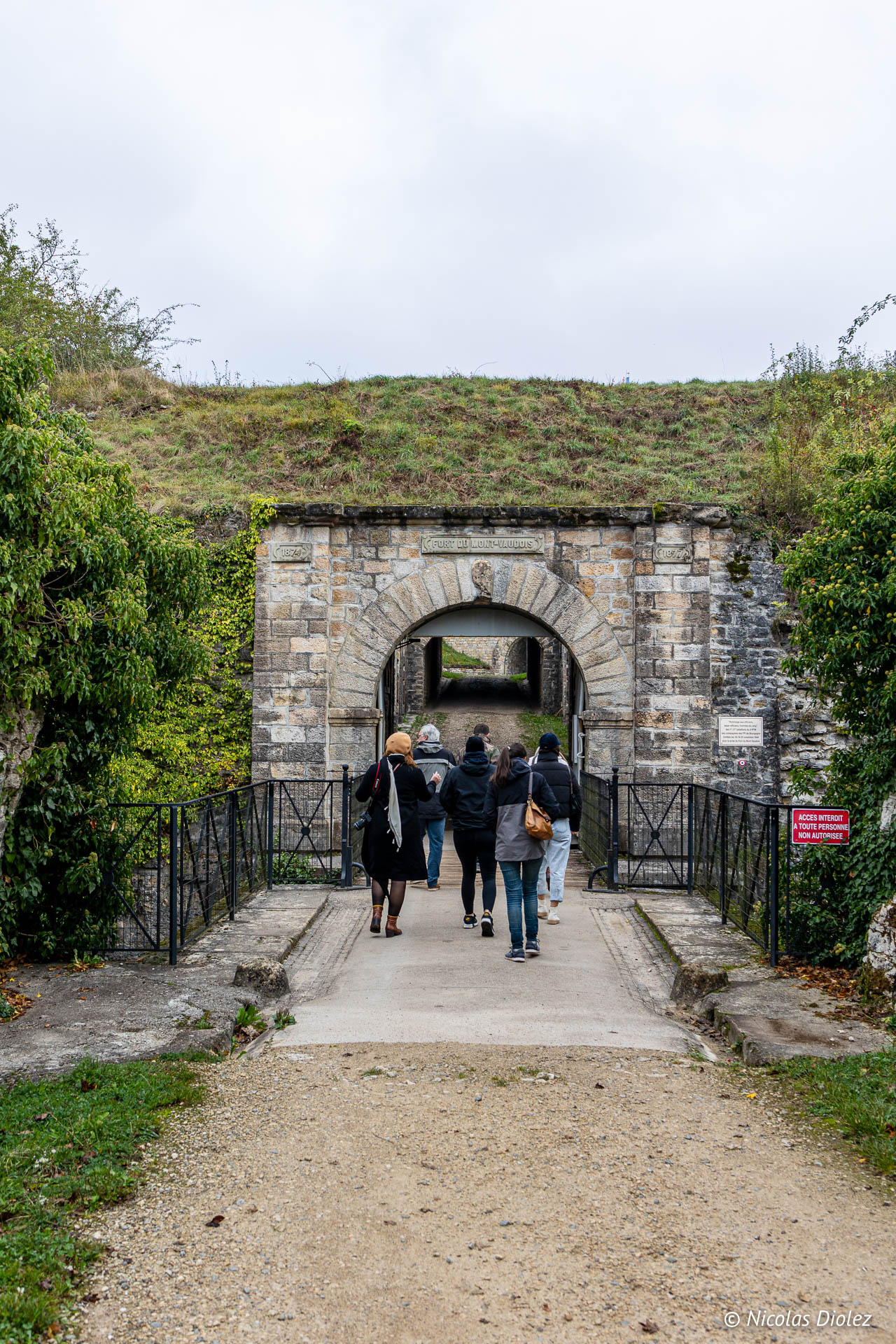
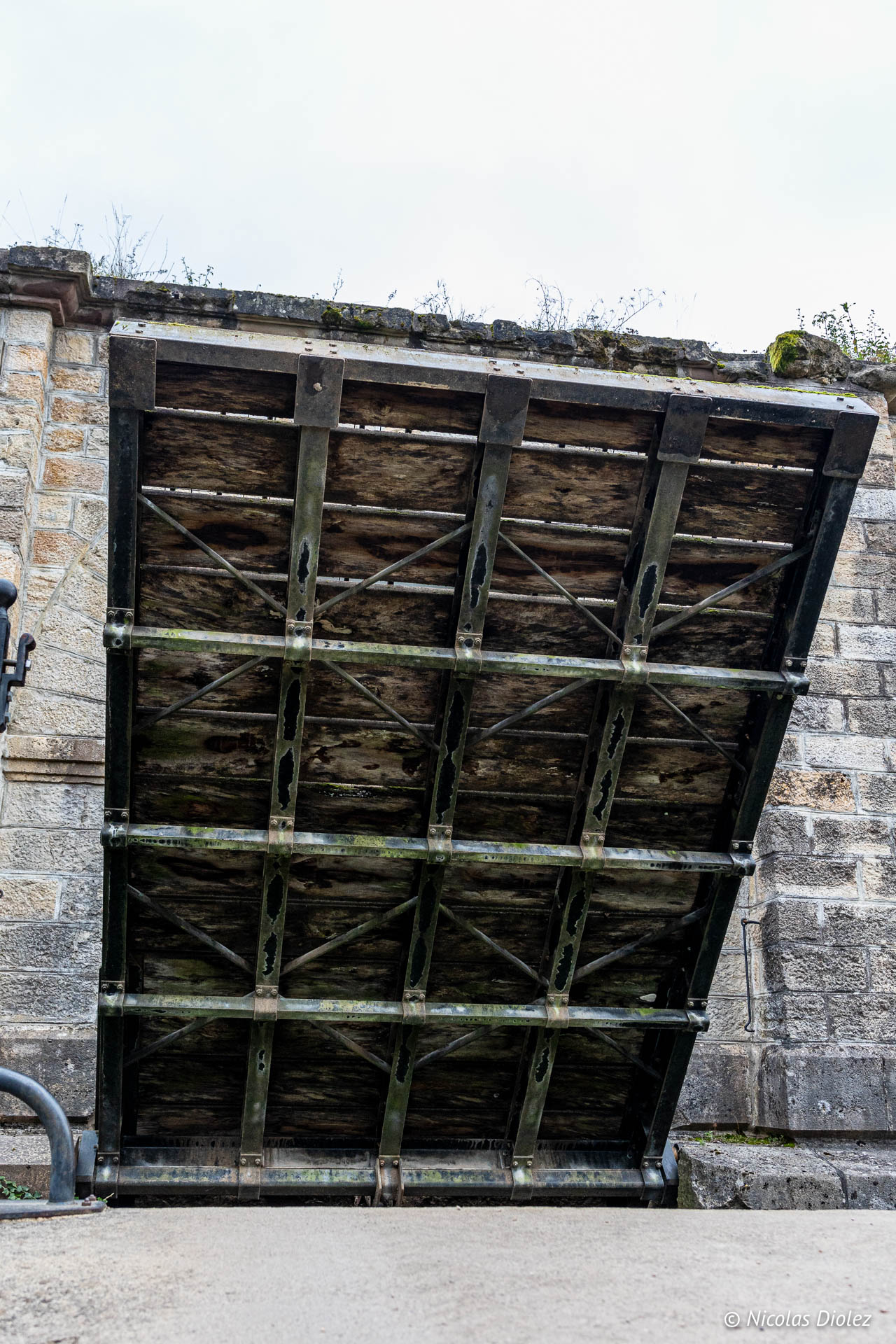





Fort du Mont Vaudois
35 rue du Docteur Gaulier 70400 HéricourtAttention: do not pay attention to the “military zone” signs, entering the site is prohibited
open to the public from April to October
for individuals, guided tour at 2 p.m. on the first Wednesday of each month and every Wednesday during school holidays / possibility to come the rest of the time but by appointment only
Price: €3
Duration of the visit: about 2 hours
Bring something warm and walking shoes
_
Visiting the Ecomuseum of the Cherry Country
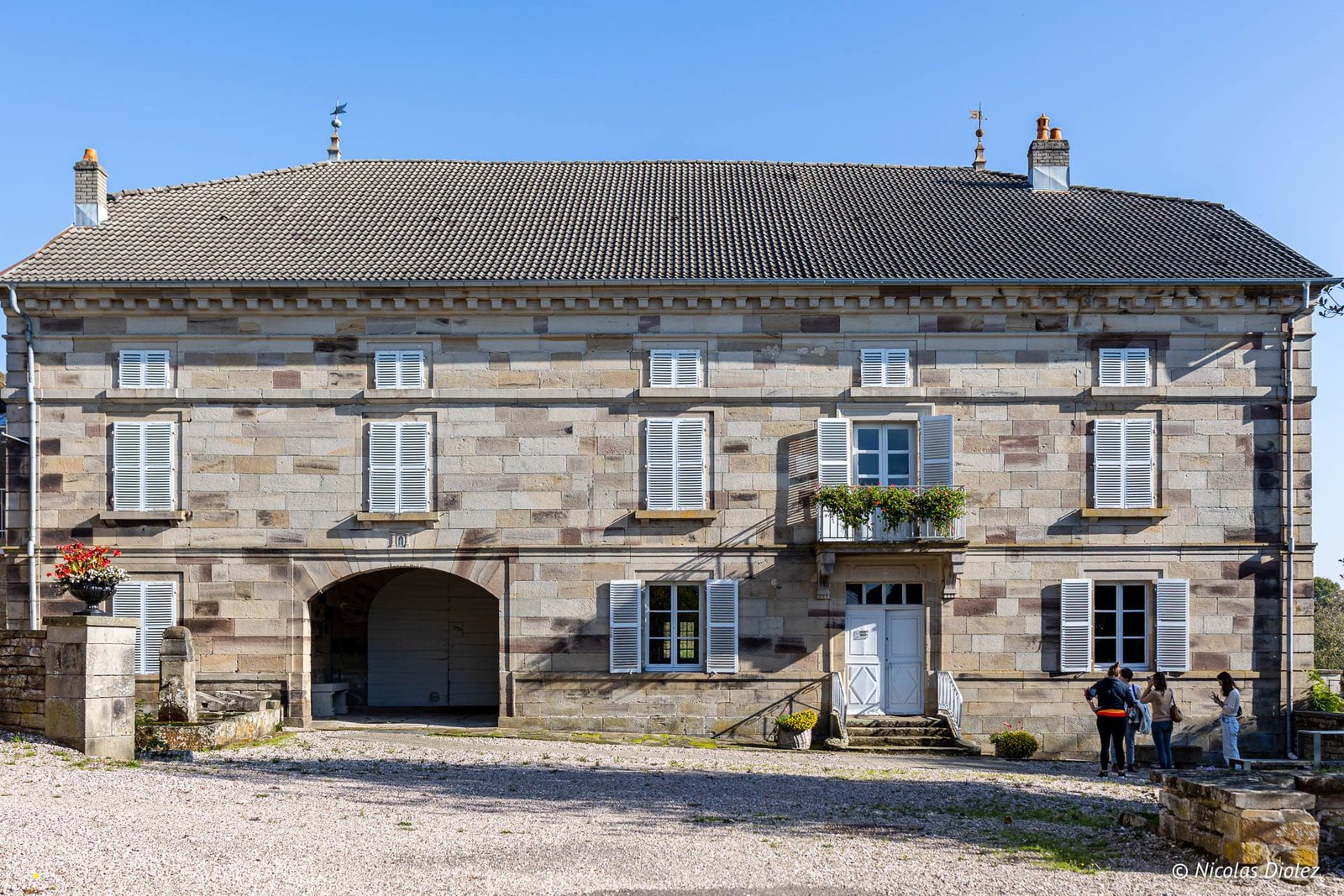
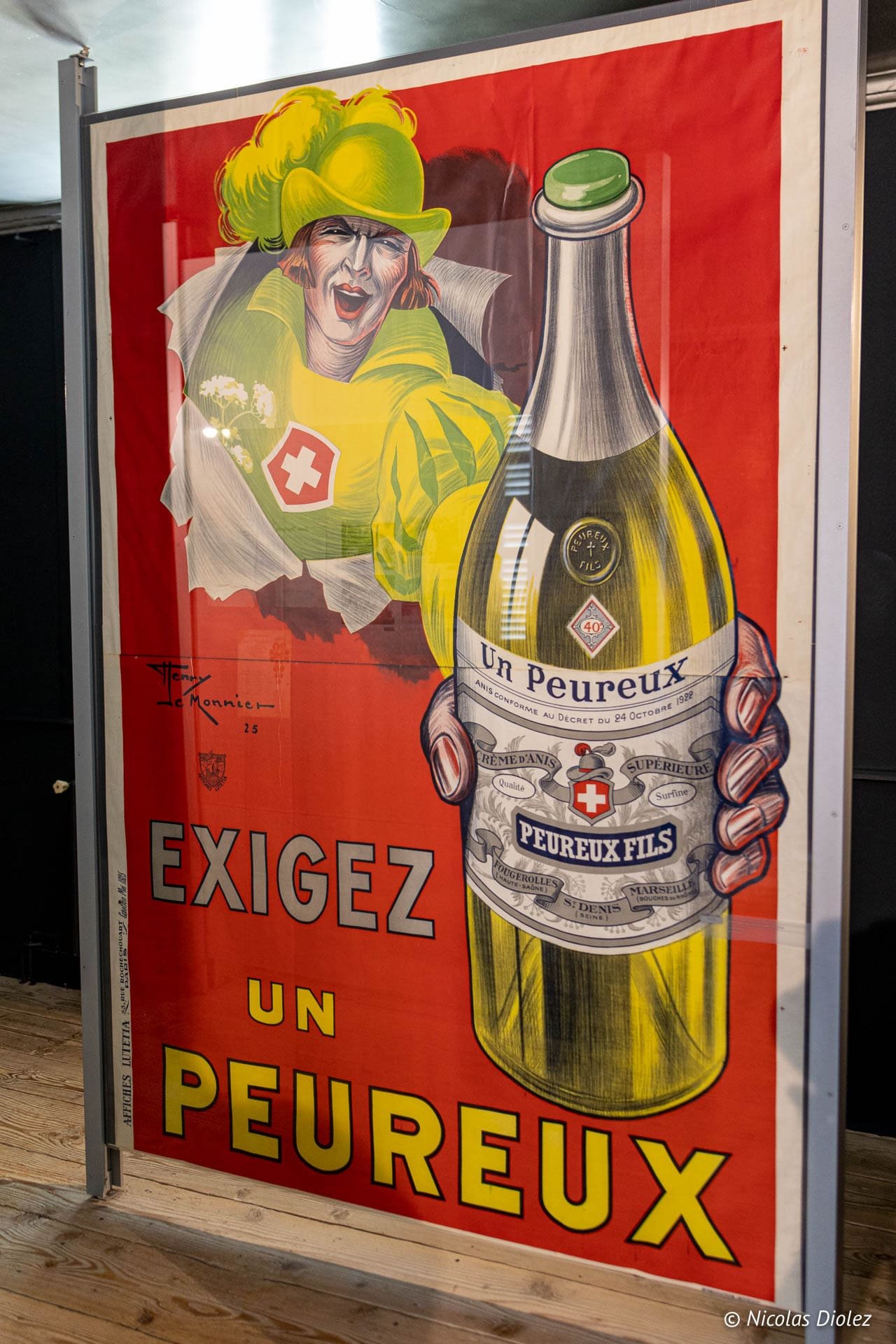
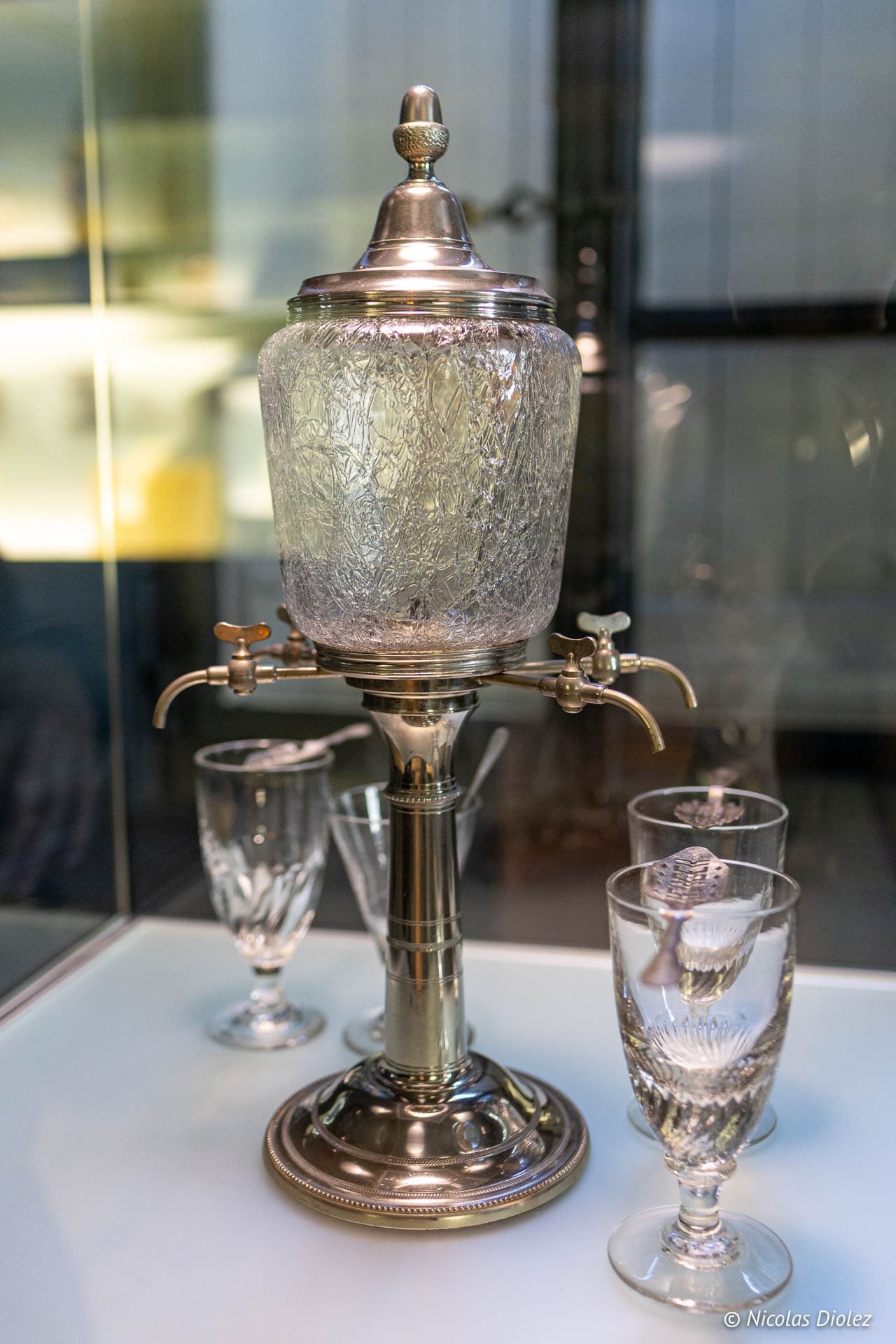
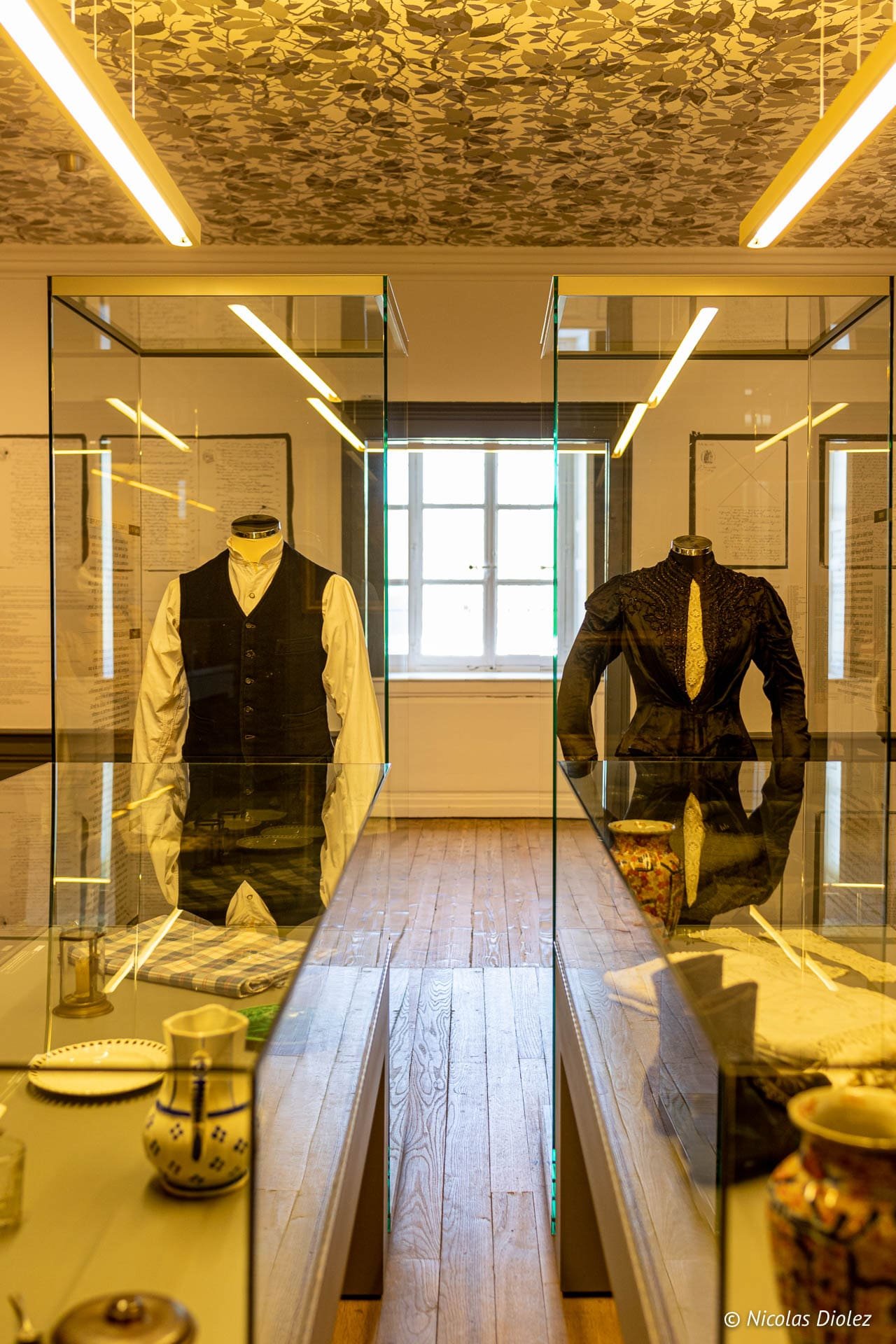
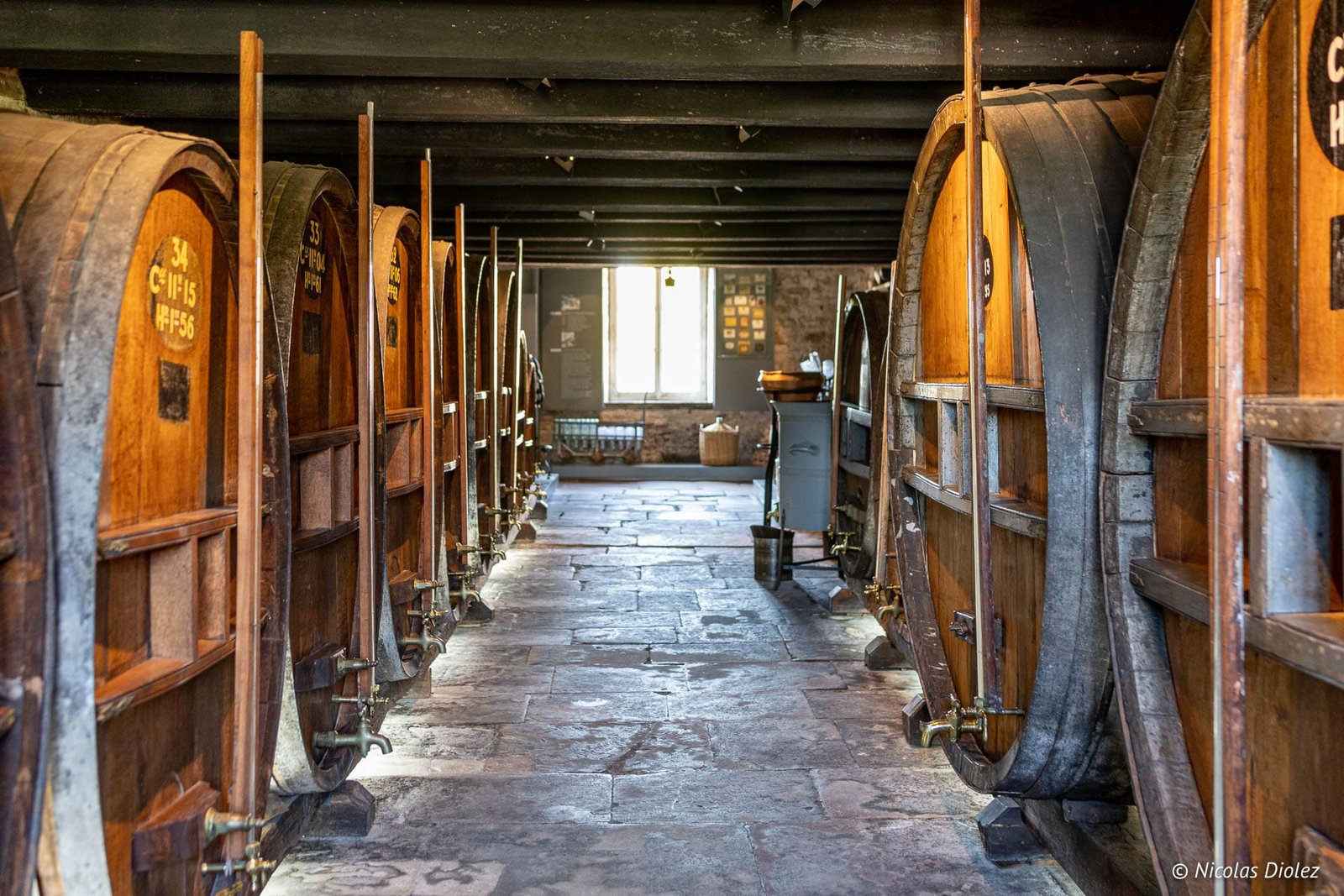
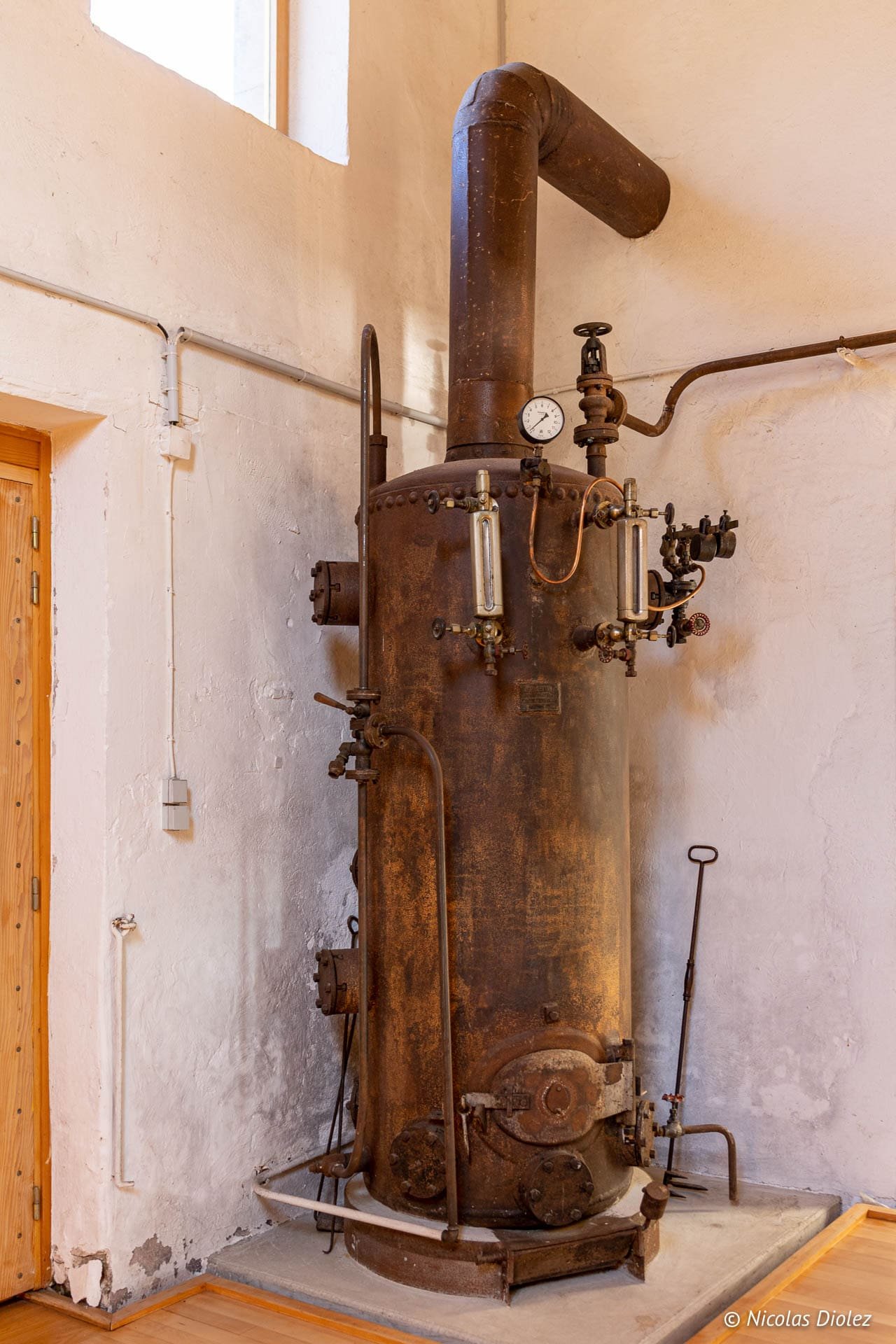
This ecomuseum is installed in a former master’s house of an 1830s distillery estate, in the heart of a conservation orchard. It proposes to revive the history of the industrial distilleries of Fougerolles, through an original journey combining modernity and tradition, to tell the story of life in the land of cherries. Indeed, the beginning of the 20th century was a golden age for distilleries in the region, several of which had already been in operation since the 19th century. Fougerolles-Saint-Valbert was therefore a wealthy town at that time thanks to this industry.
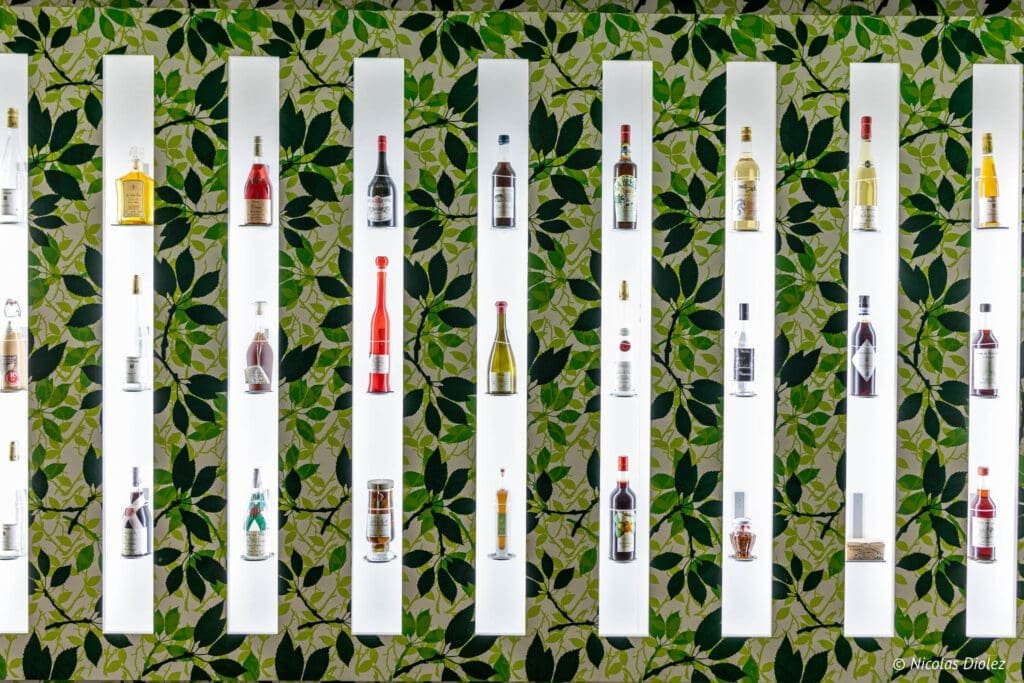
This visit was an opportunity for me to discover the tradition of fruit distillation in the area, particularly the AOC Kirsch of Fougerolles (which obtained AOC status in 2010), which is made with the Guigne, a variety of cherry specifically selected for making Kirsch.
The little extra: you can also buy local cherry-based products in the shop at the end of the visit; for our part, we brought back cherry syrups (€3 each)!
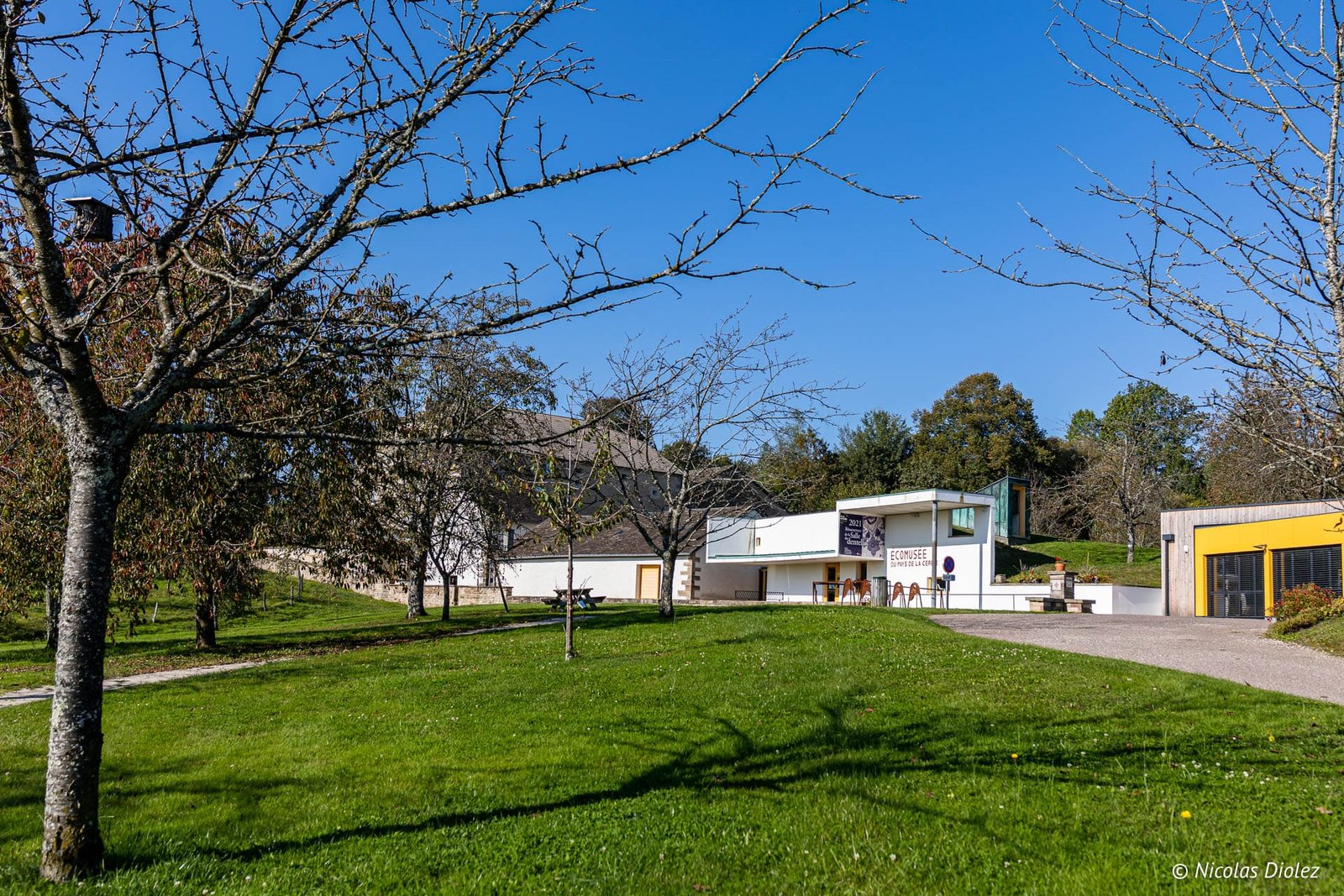
Ecomuseum of the Cherry Country
206, le Petit-Fahys 70220 Fougerolles-Saint-Valbert
open from February 15 to November 15 from 2 p.m. to 6 p.m. every day except Tuesdays, and every day from 11 a.m. to 7 p.m. in July and AugustPricing: €6 adults / €3 for youth 13 to 25 / €2 for children 6 to 12 / free for under 6s
_
Visiting the Paul Devoille Distillery
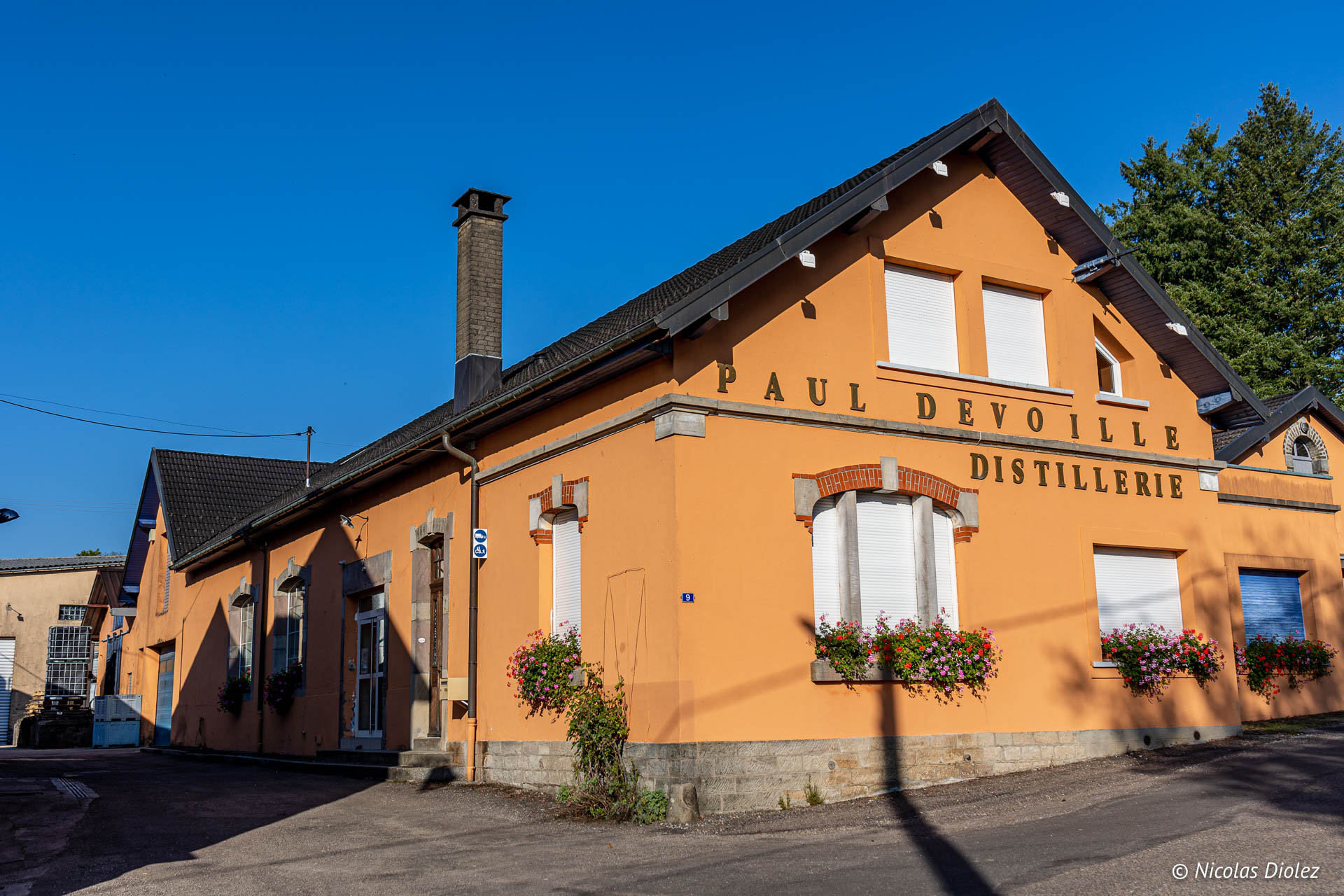
The family-run Paul Devoille distillery, located in Fougerolles, has existed since 1859 and has obtained the Living Heritage Company Label, which distinguishes companies of excellence that possess rare know-how. It produces Kirsch but also other fruit alcohols.
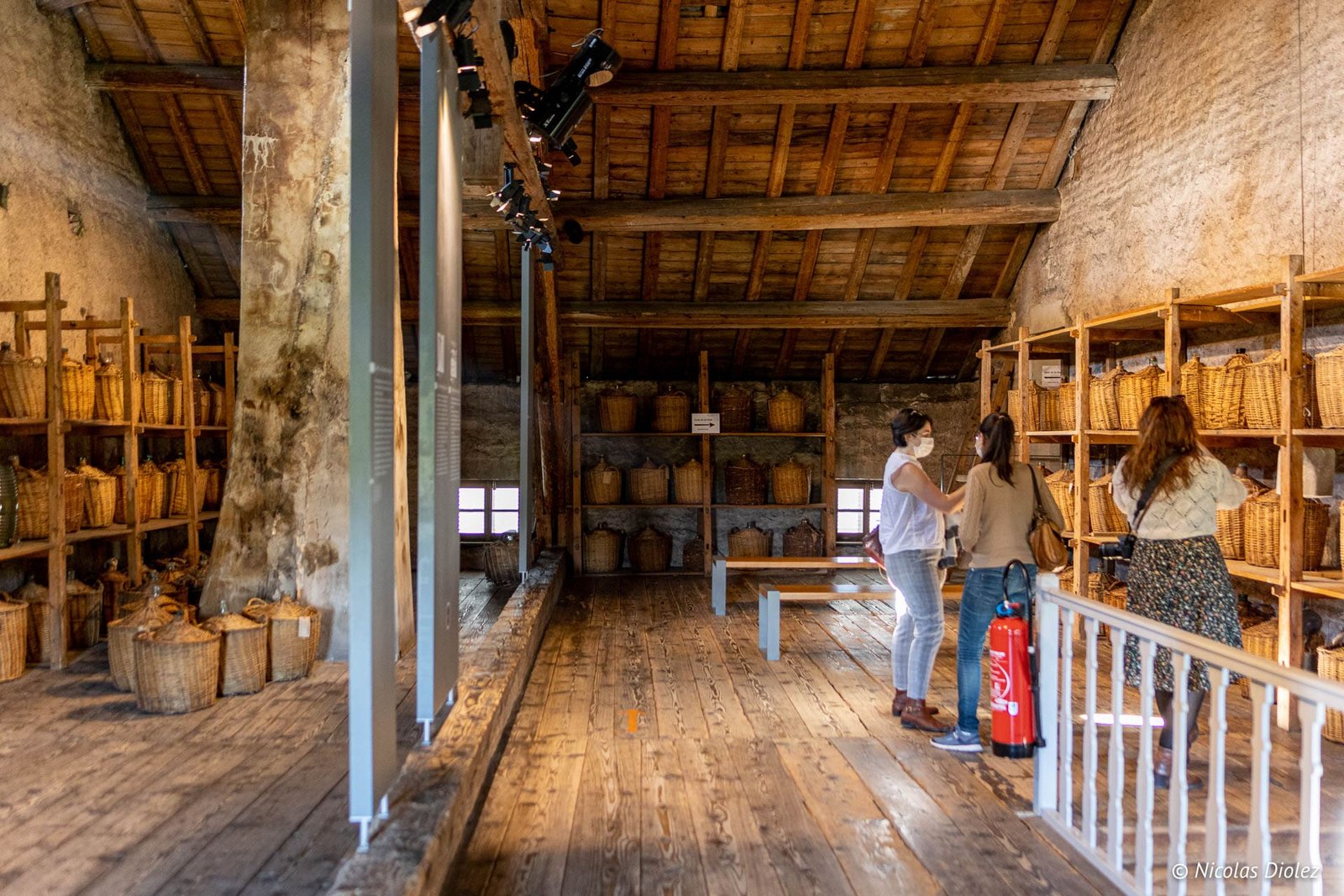
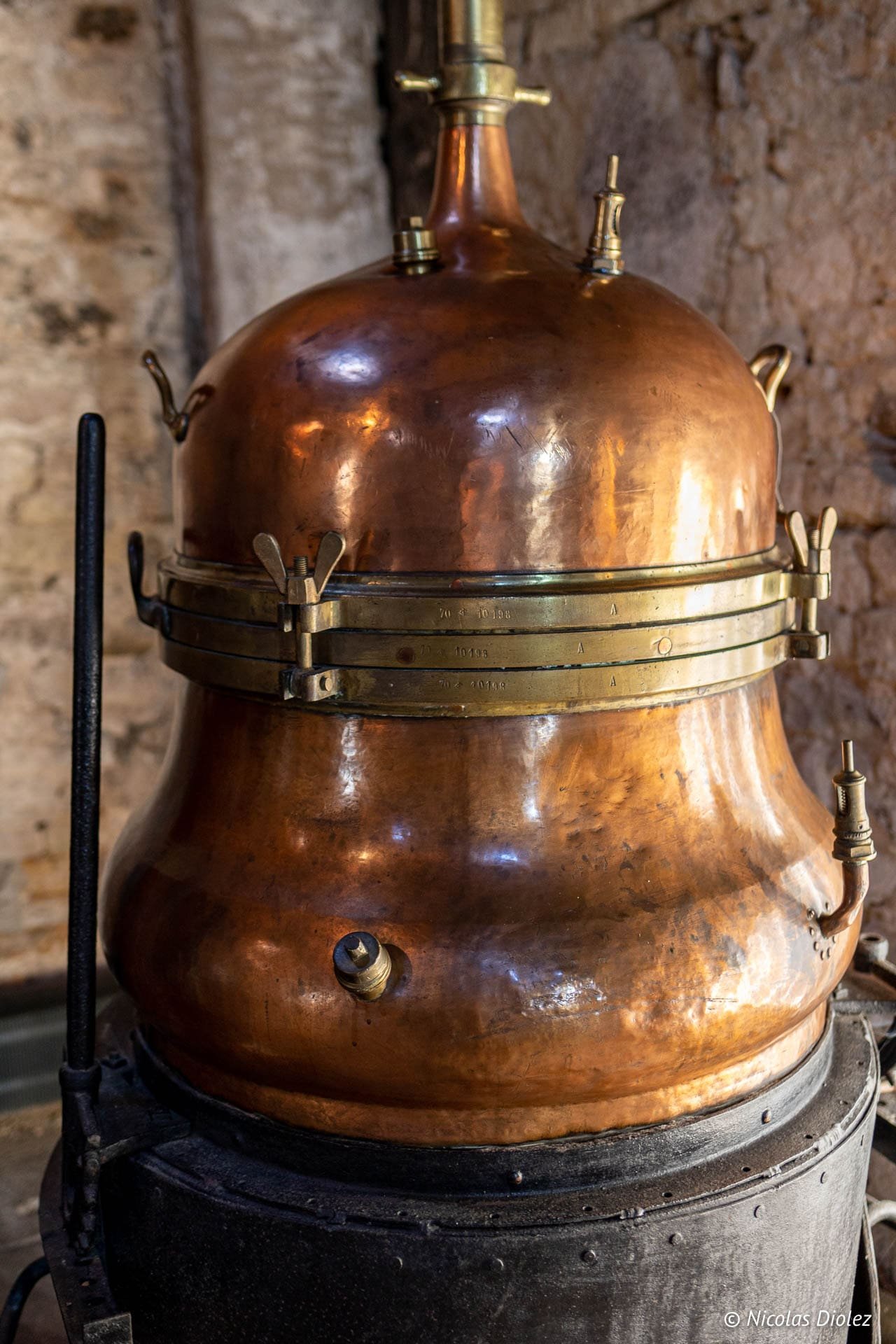
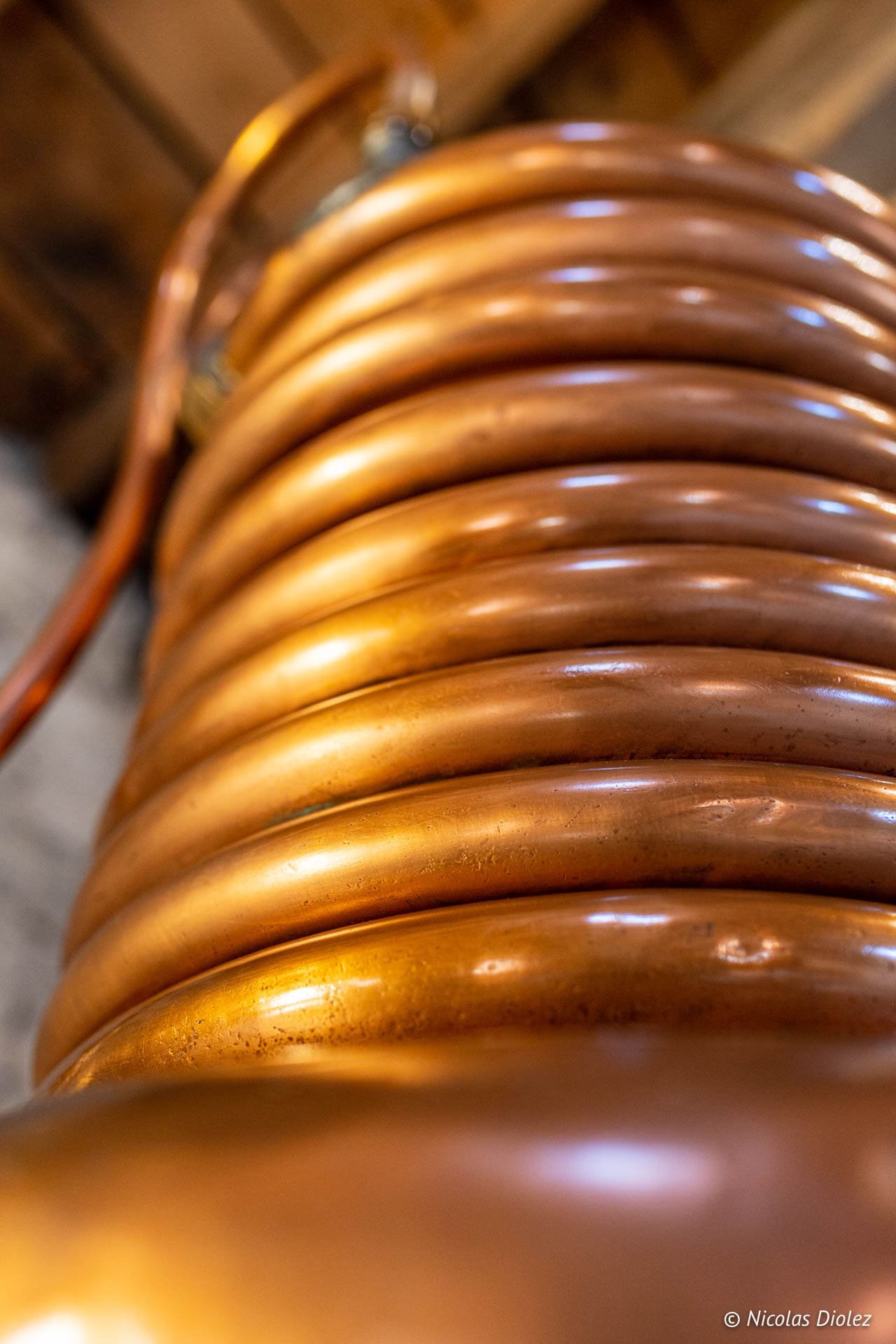
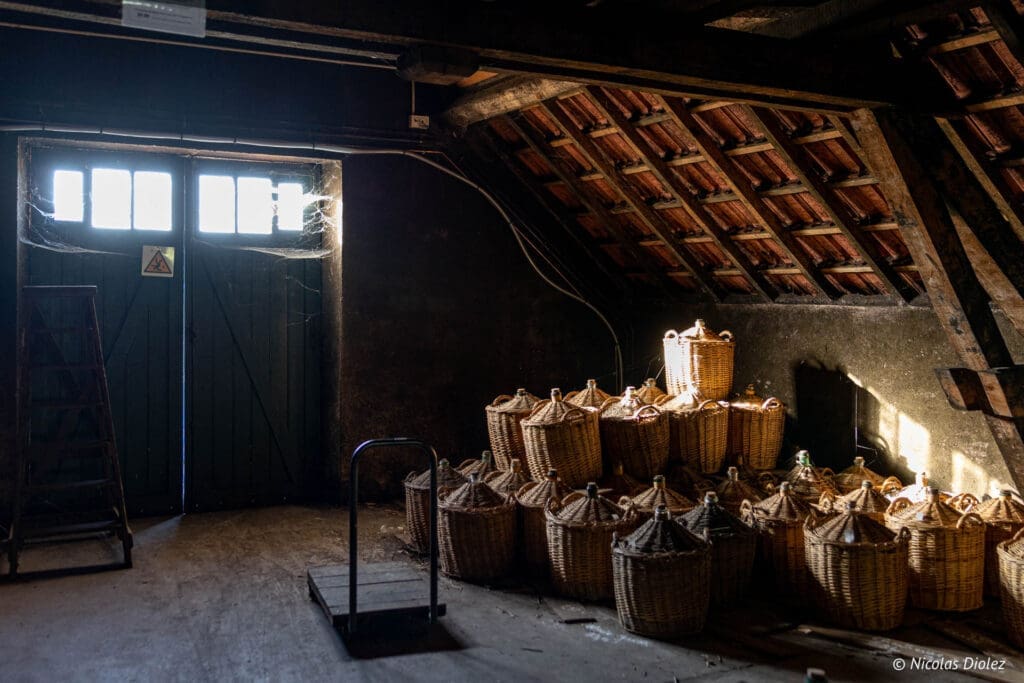
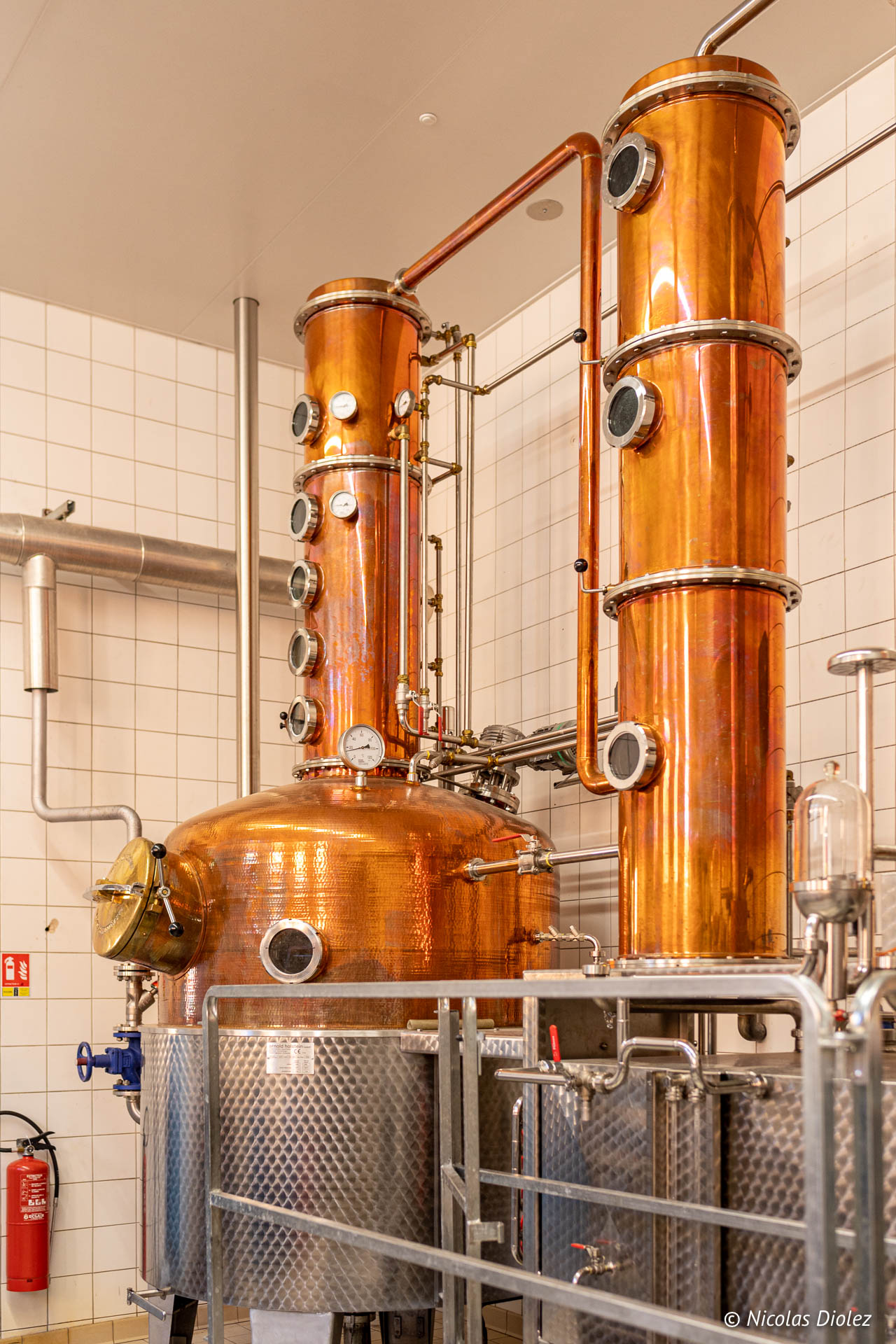
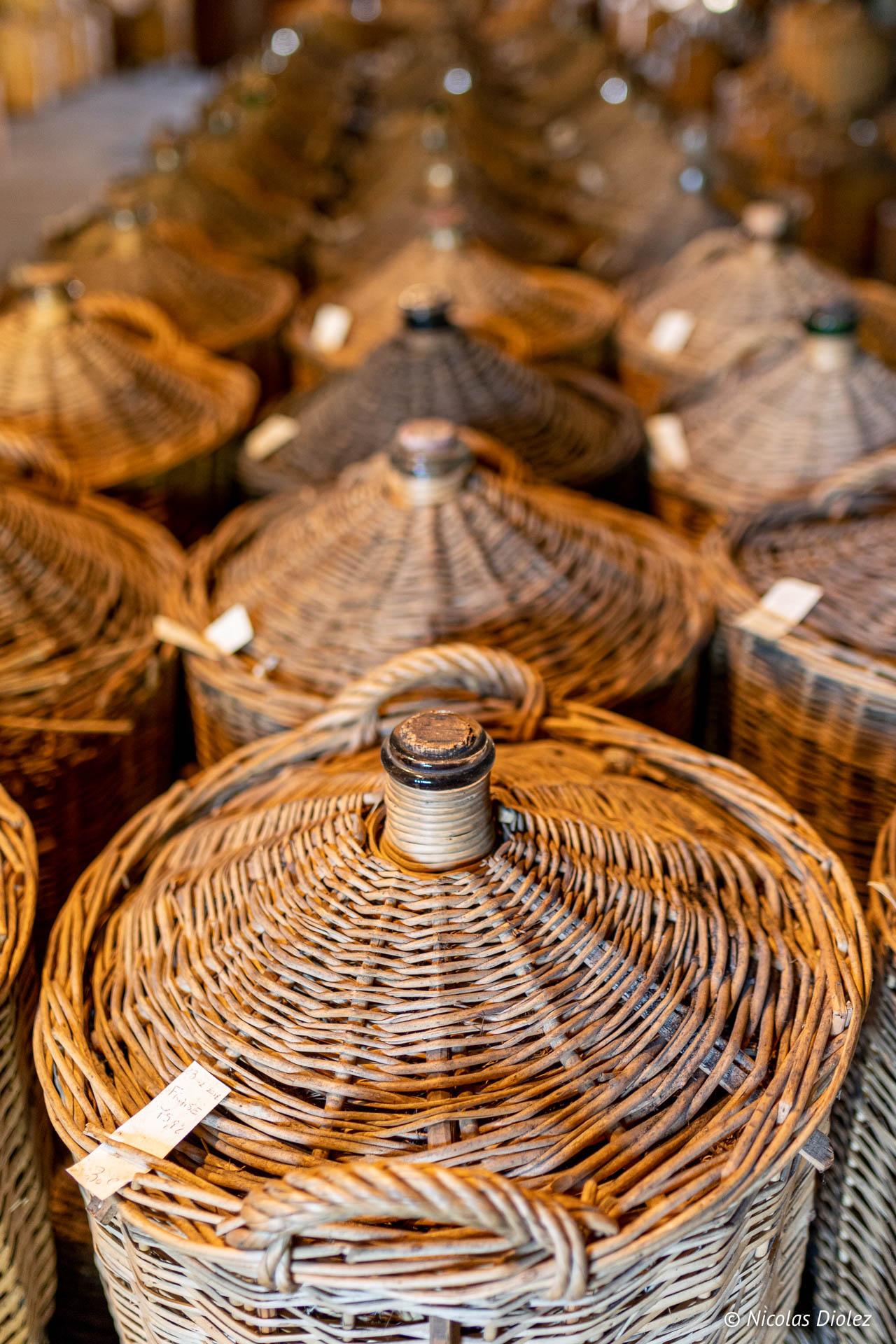
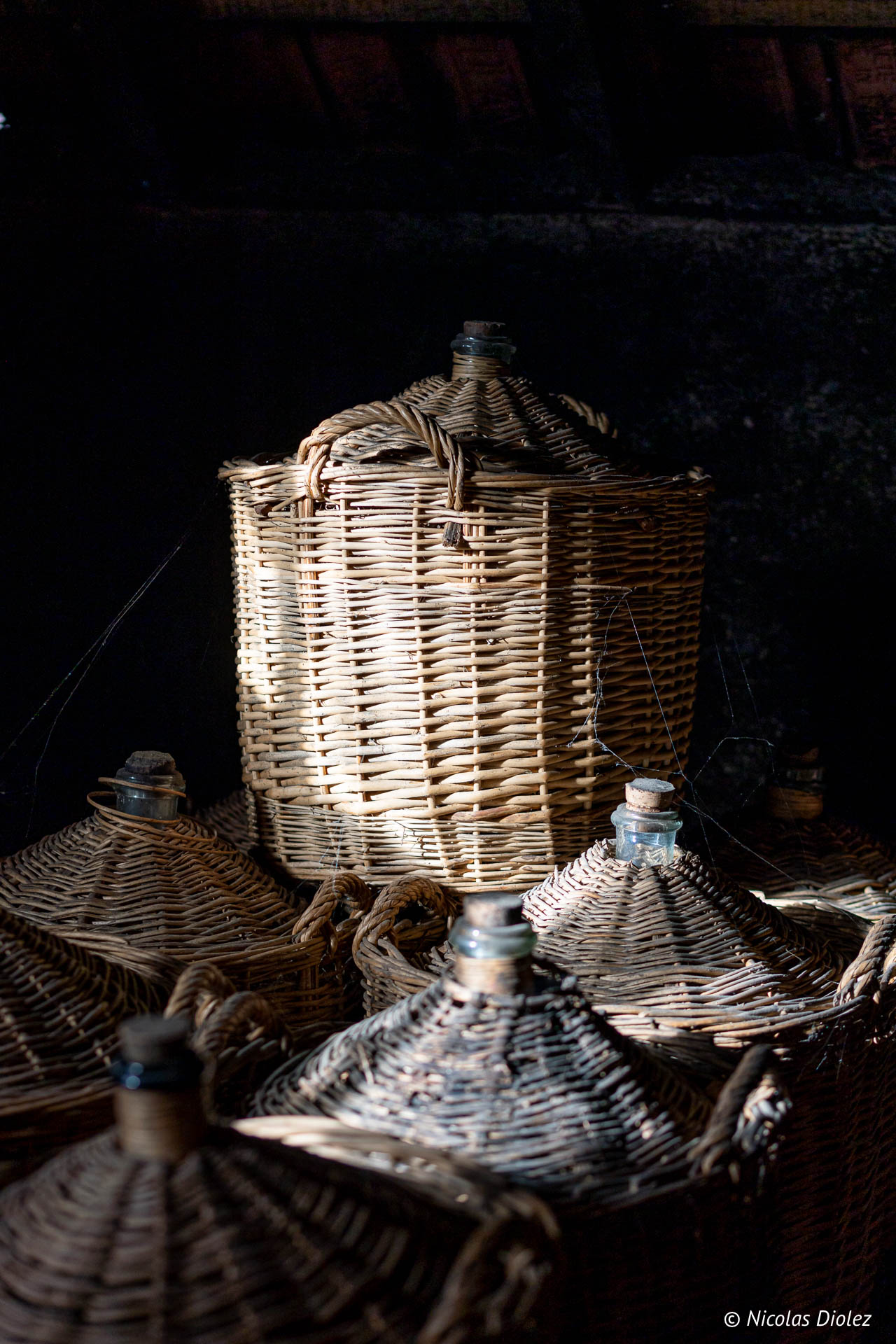
It is also the only distillery that can be visited all year round, from the aging attics to the Green Fairy’s Secret Garden. The opportunity to discover the distillation room with hammered copper stills, the aging of spirits under the roofs in glass demijohns with a visit to the aging attics where 1200 demijohns of brandy rest, or even the bottling room. The visit ends with a tasting of the products in the shop, where you can then buy the distillery’s creations.
The AOC Kirsch appellation dates back to 2010, and it was the first attributed to a stone fruit brandy. More than 10,000 trees spread over the territory of 10 communes are registered under the appellation with 20 different varieties of cherries (they are very small and different from table cherry varieties). And it takes at least 5 years of aging to make Kirsch!



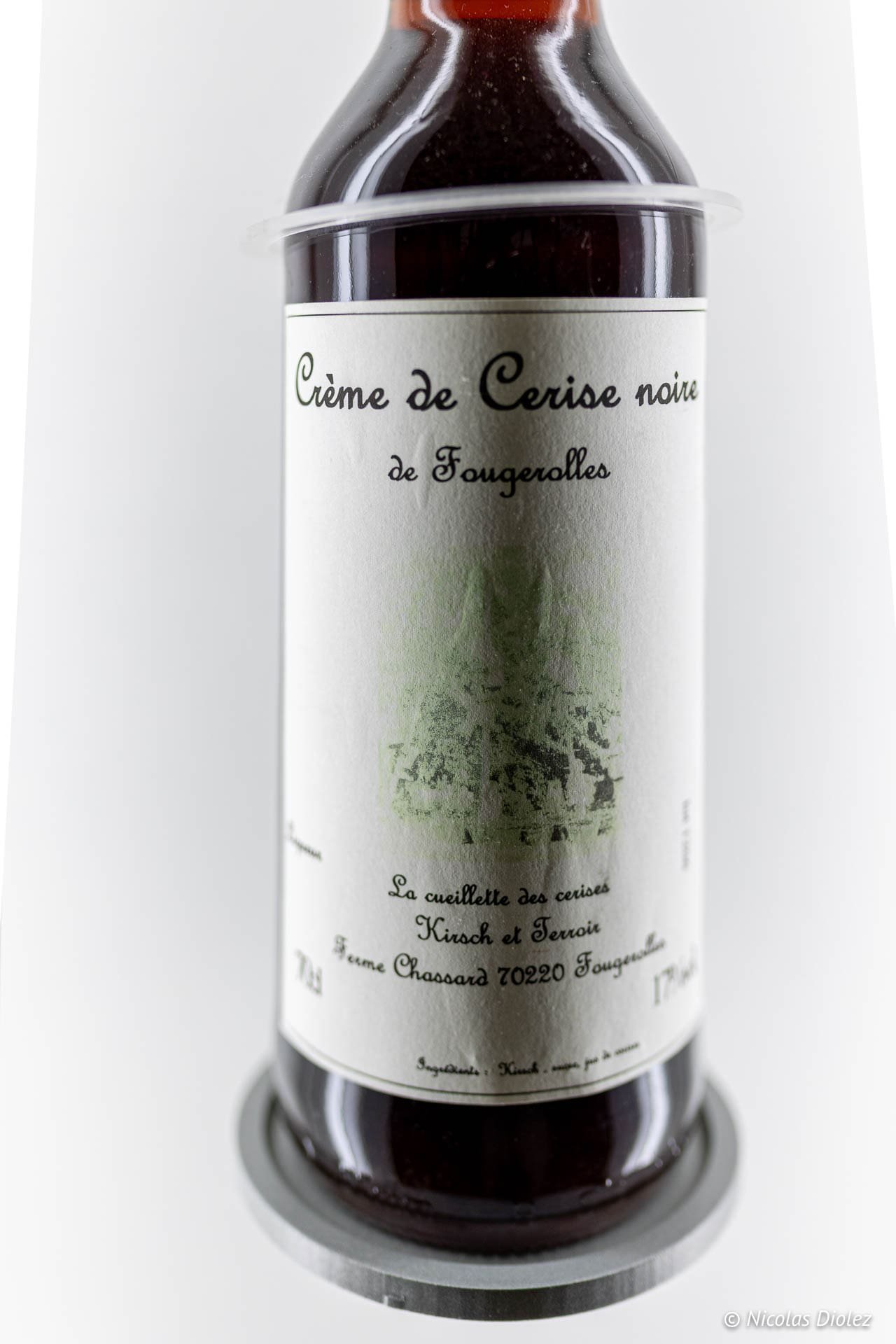
Fougerolles cherry-based specialties: Fougerolles AOC Kirsch; Black Cherry Cream; Guignolet-Kirsch; the distillery has also produced Absinthe since 2001; Schrik, a liqueur at 17% ABV with a note of fir (since July 2021 in association with Fougerolles distilleries).
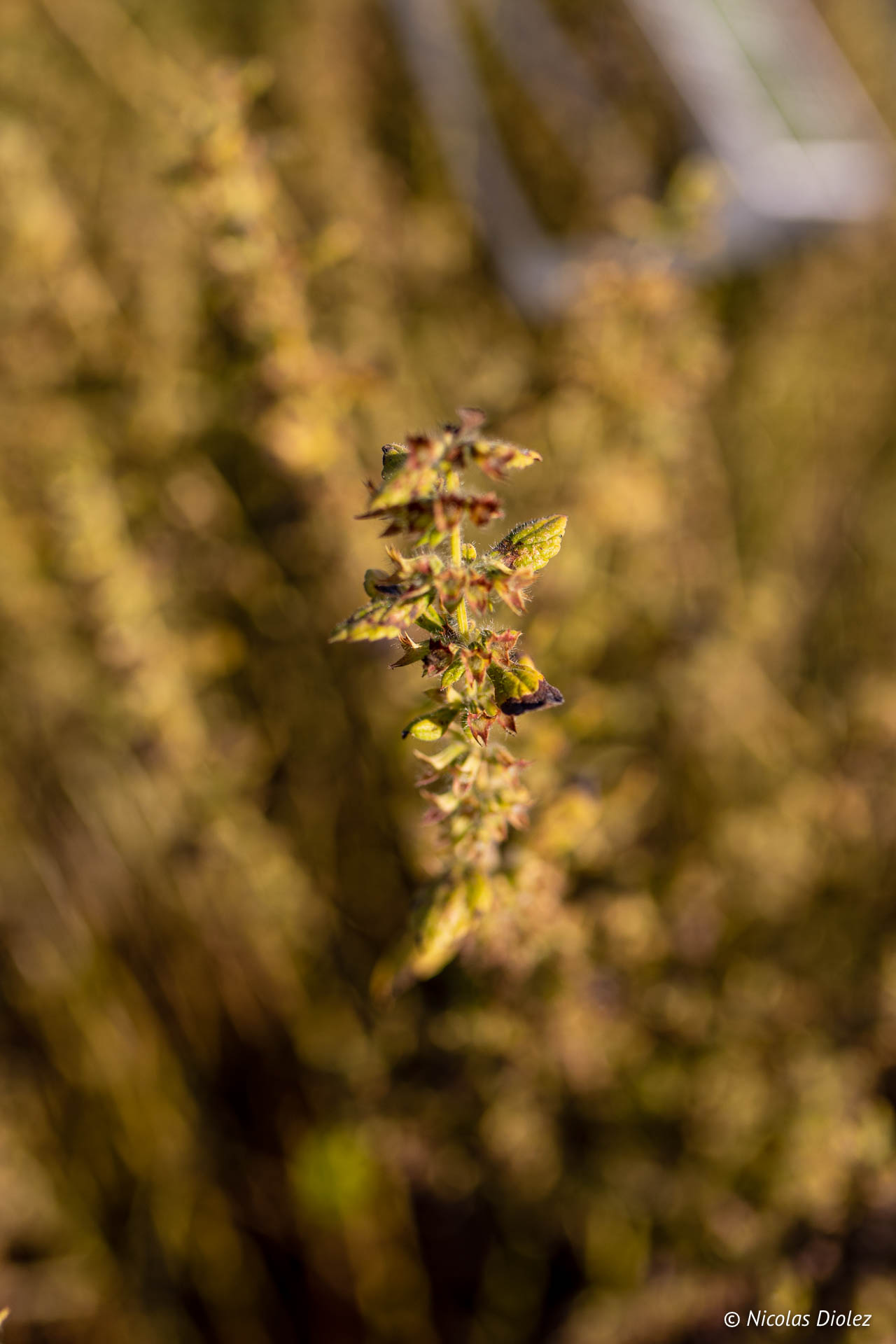
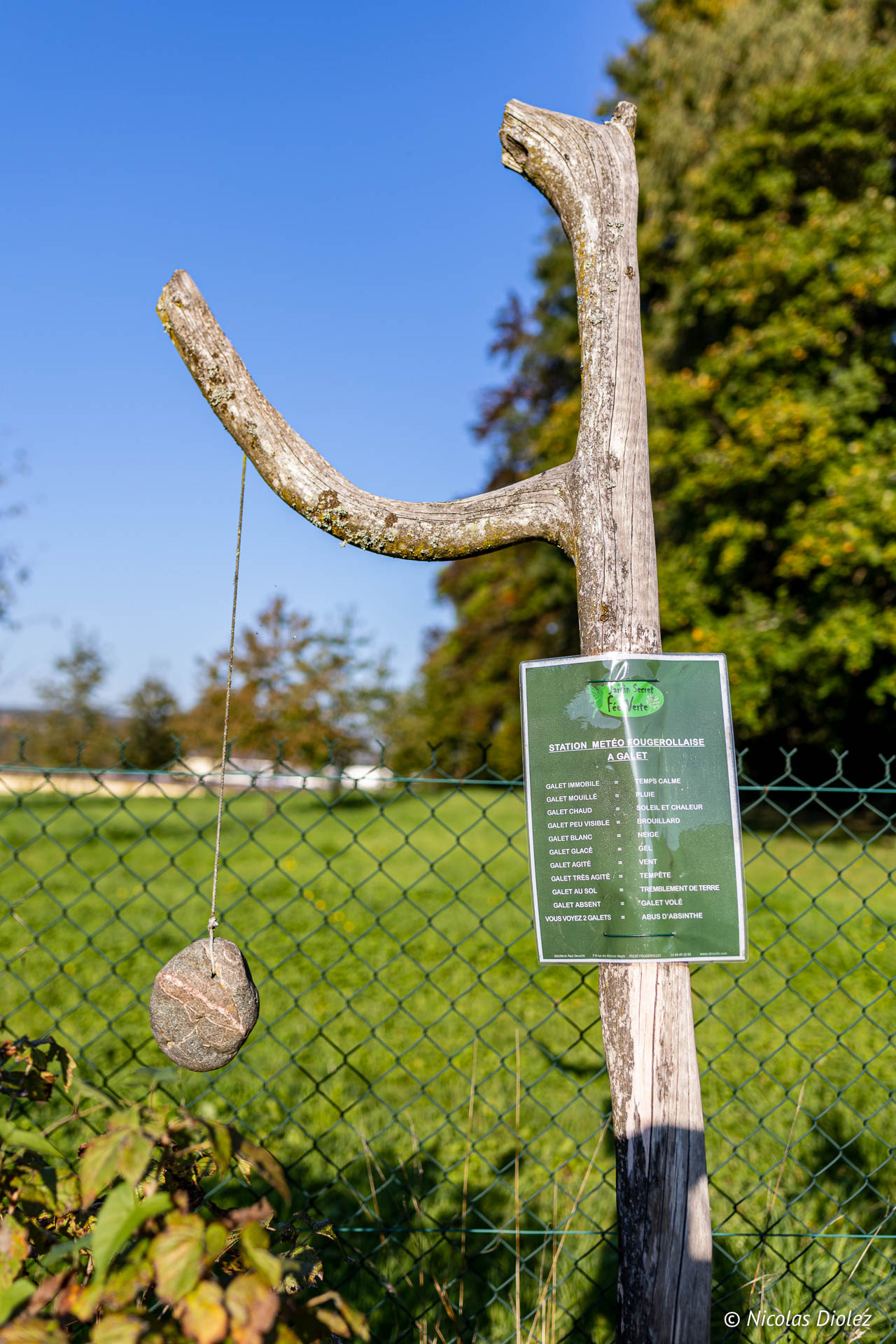
My hot tip: free admission all year round to the Green Fairy’s Secret Garden, a botanical garden where you can discover the plants that make up Absinthe, that mysterious alcohol. There are also benches and covered tables in the garden for picnic breaks.


Paul Devoille Distillery
7-9 rue des Moines Hauts 70220 Fougerolles
Shop open Monday to Friday from 8 a.m. to 12 p.m. and from 1:30 p.m. to 6 p.m. and Saturdays and Sundays from 10 a.m. to 12 p.m. and from 2 p.m. to 6 p.m. (except in January)The hot tip: free tour + tasting from July 1 to September 15 from Monday to Friday at 10:30 a.m. and 3:30 p.m. and the rest of the year on Tuesdays at 3:30 p.m.
The guided tour lasts between 30 and 45 minutes (no reservation required)
_
Going for a hike or a walk in the Southern Vosges
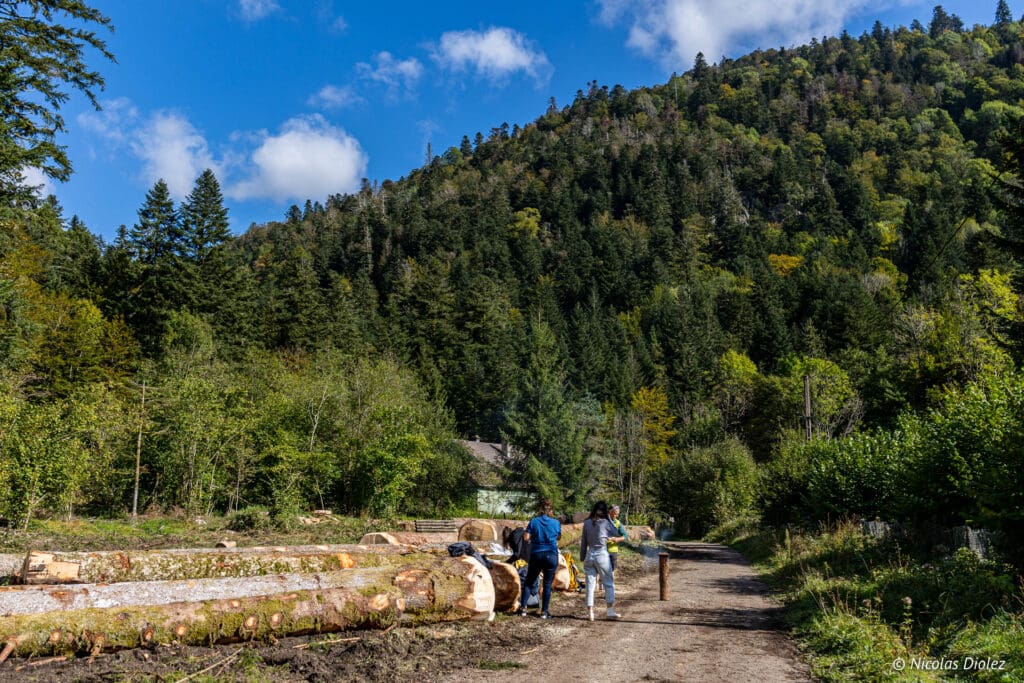
There are many hiking trails in the region, which is something of a paradise for lovers of deep, preserved nature. Below, I offer two small ideas for walks that we did during this stay. If you want to know more and discover more routes, don’t hesitate to take a look at the free app “My Haute-Saône” which works by geolocation and offers quite a few walking or cycling routes to do in the territory.
_
Saut de l’Ognon Walk, 1000 Lakes Plateau
The 1000 Lakes Plateau (1000 étangs) is still a very wild region of deep forests and stretches of water, located between the Ognon valley and the Breuchin valley in the heart of the Ballons des Vosges Regional Natural Park. This territory, nicknamed “Little Finland” because of its post-glacial landscapes, was formed following the melting of glaciers about 12,000 years ago.
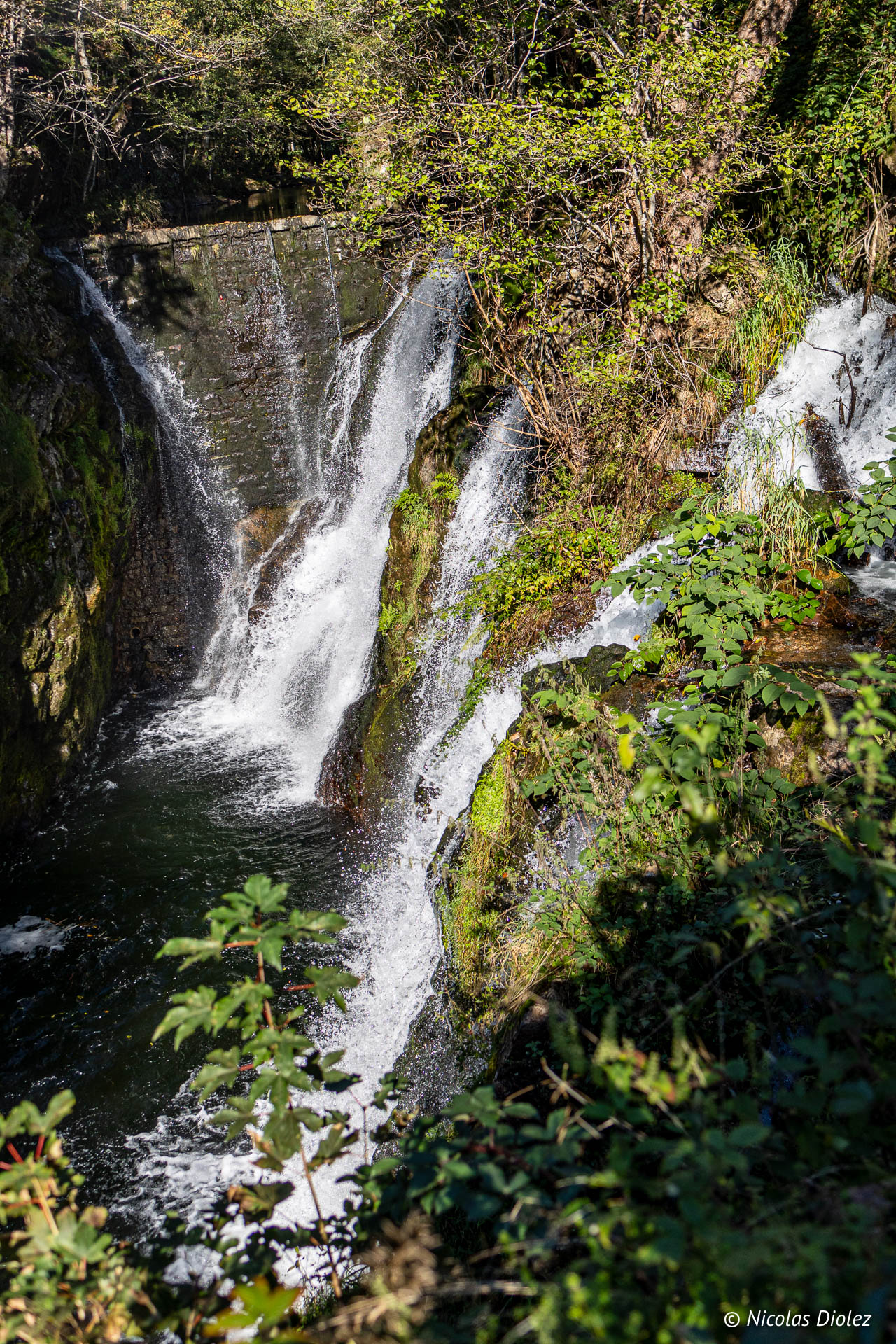
This Saut de l’Ognon walk (a small river) allows you to see a small waterfall (14m) which testifies to the omnipresence of water in the territory and its use for industrial life. It is a very short walk, as you only have to walk 300 meters before reaching the waterfall, which makes it extremely accessible. Furthermore, there is a small parking lot just before the start of the trail (but it can quickly get full depending on the time of year). There is then an arranged path to fully discover the site. It’s a nice spot for a fairly easy digestive walk. You can then reach the water’s edge by going down on the left.
Info to find the trail: it is located at the entrance to the village of Servance-Miellin coming from Ternuay.



_
Hikes on the Goutte des Saules trail, 1000 Lakes Plateau
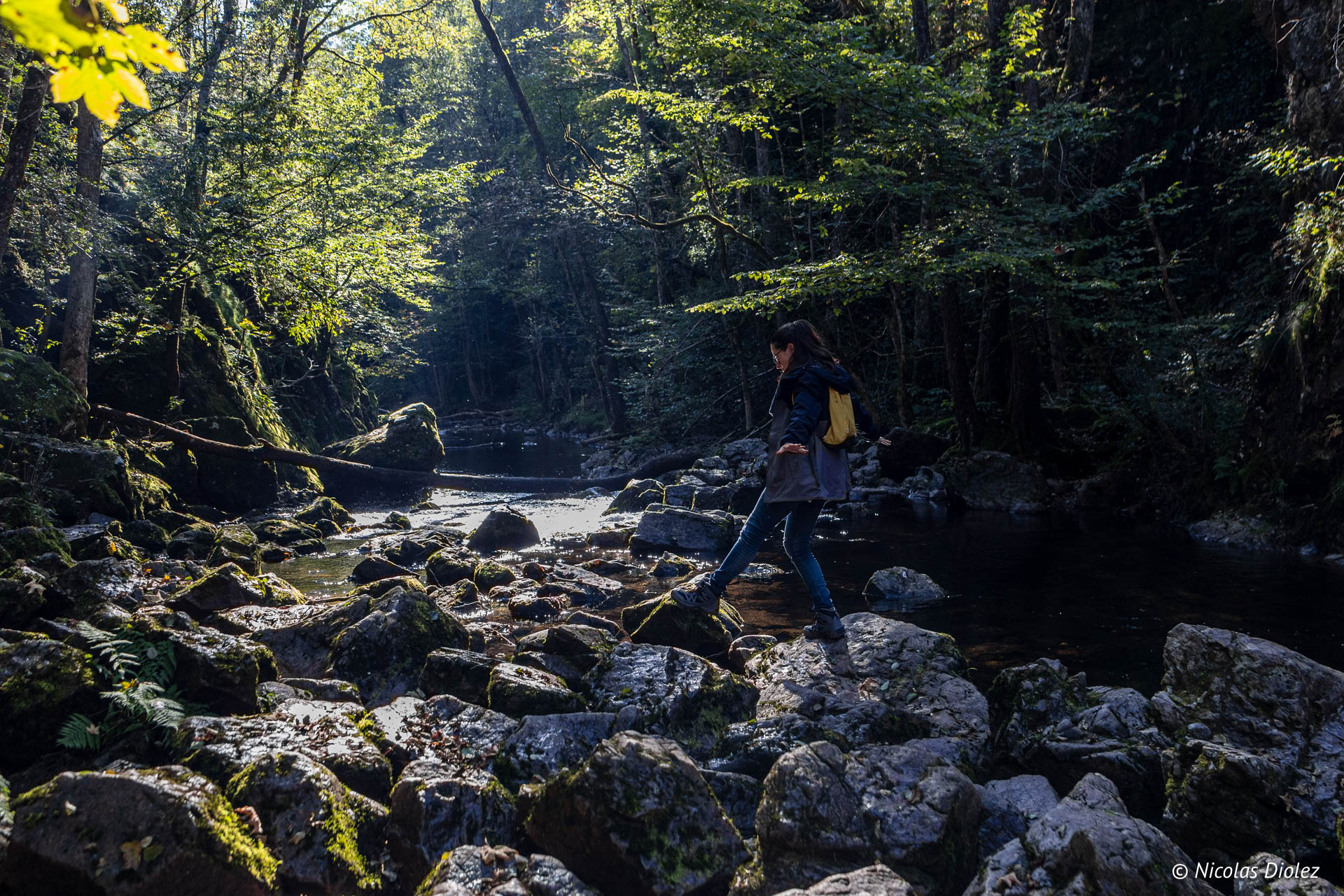
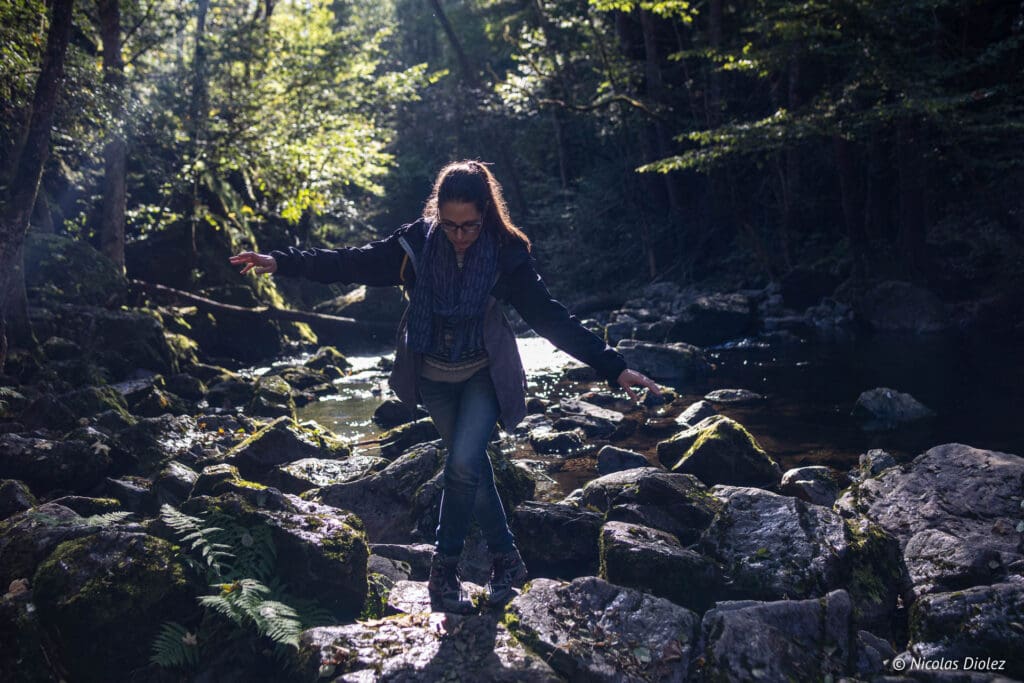
I loved this short hike on the Goutte des Saules trail in the Saint-Antoine forest with our guide Antoine (coincidence!?). To do this hike, you must head to the start of the Plancher-les-Mines forest house (you will find a small parking lot to leave your car). The path is quite steep and climbs quite a bit to go up and discover the various waterfalls that line the trail. At the beginning of the walk, our guide also gave us the pleasure of preparing a pan-fried dish of fresh chanterelles with cream in the middle of the forest, and it was magical!
This trail is located in the Ballons Comtois Nature Reserve, a vast protected forest massif, dotted with high-altitude meadows, peat bogs, streams, and scree.

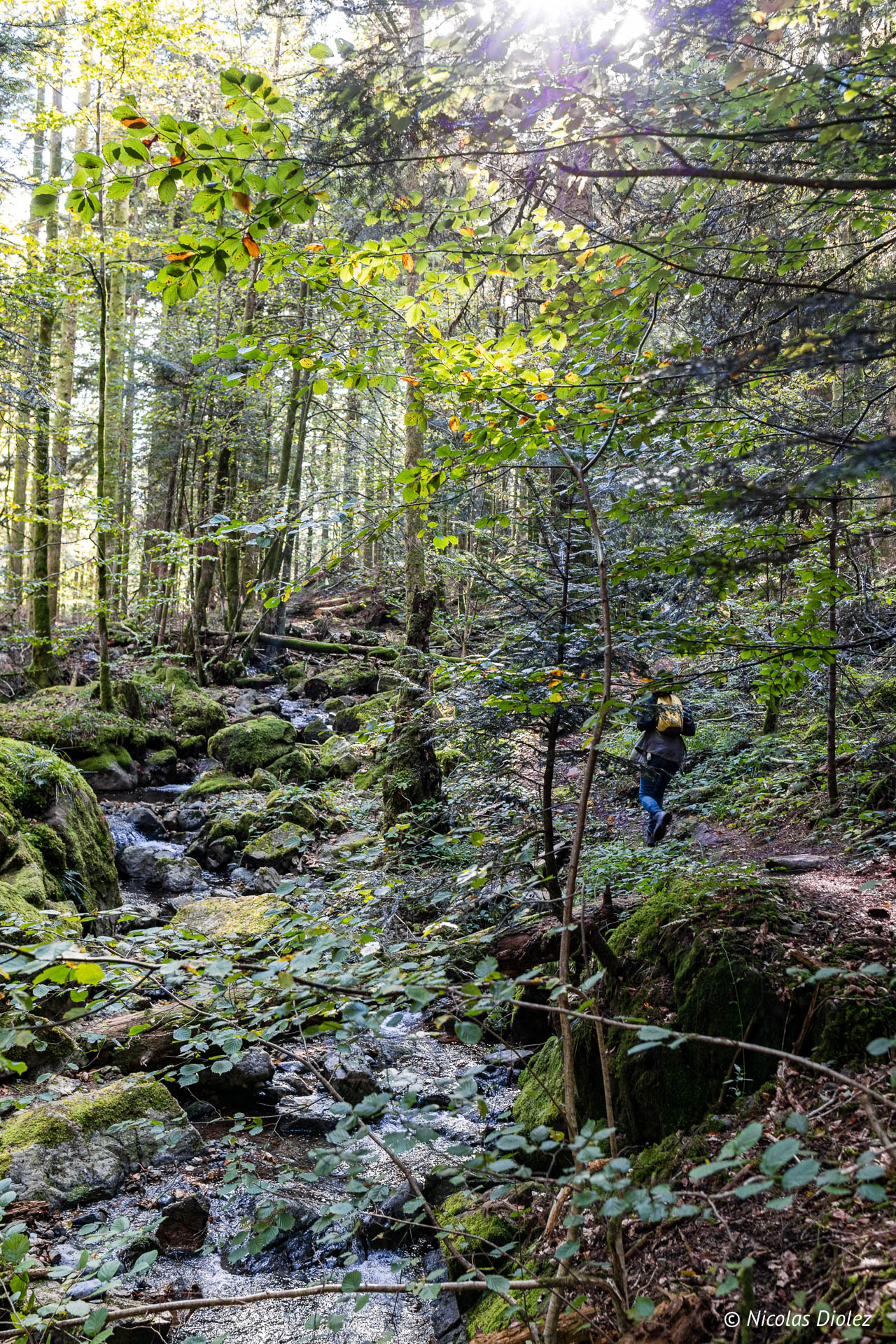

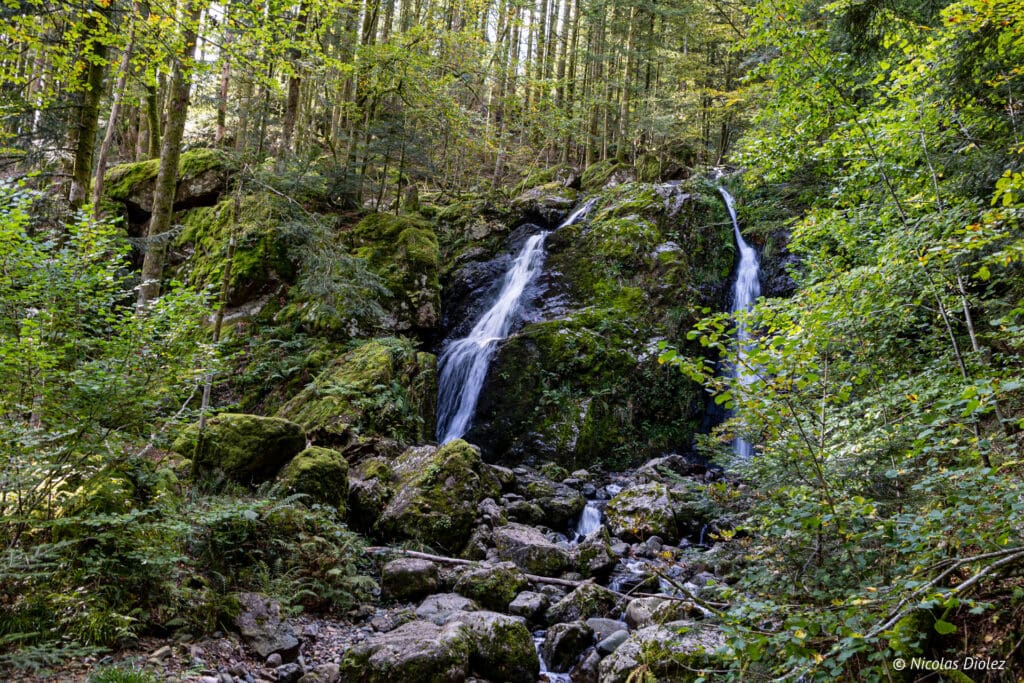

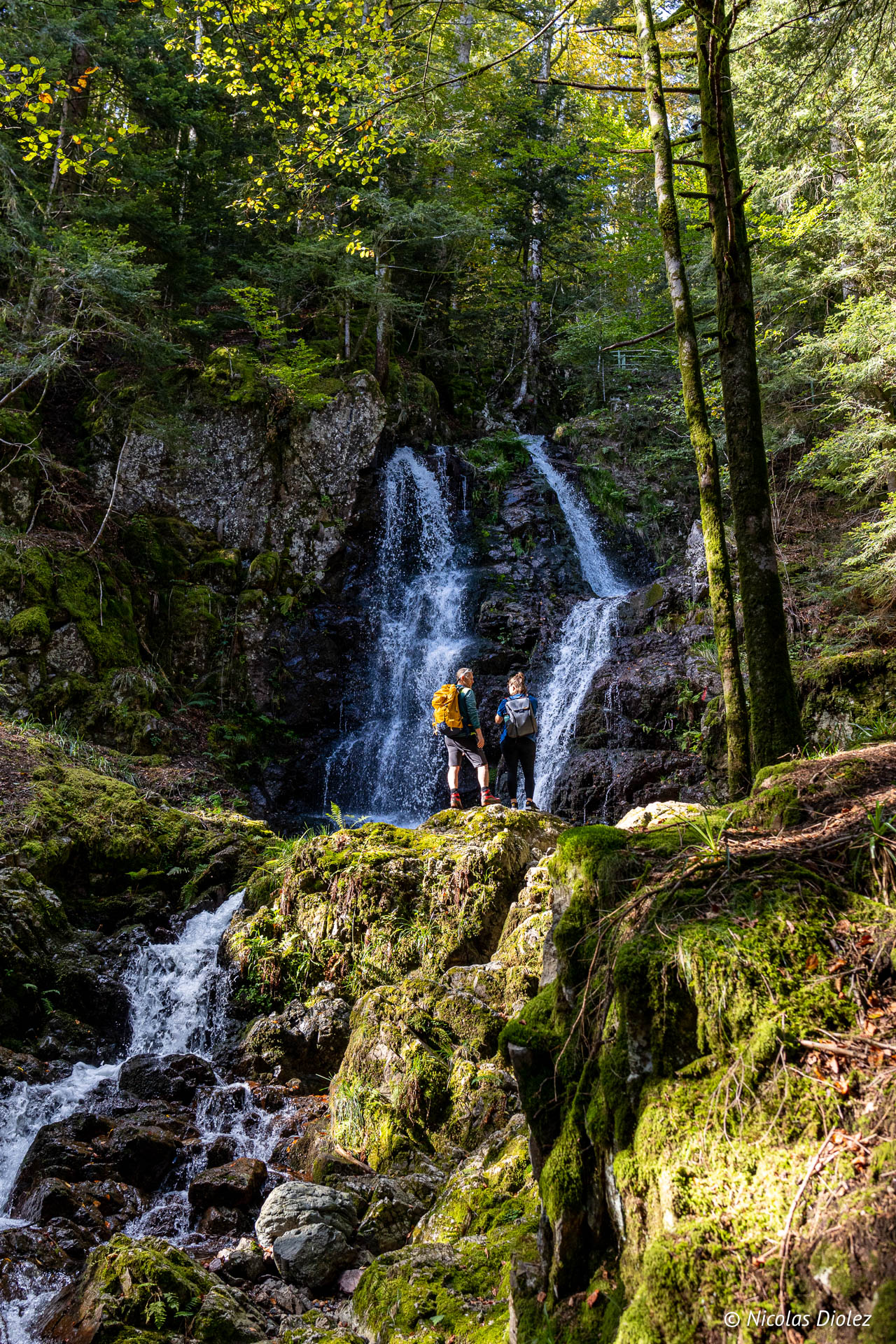
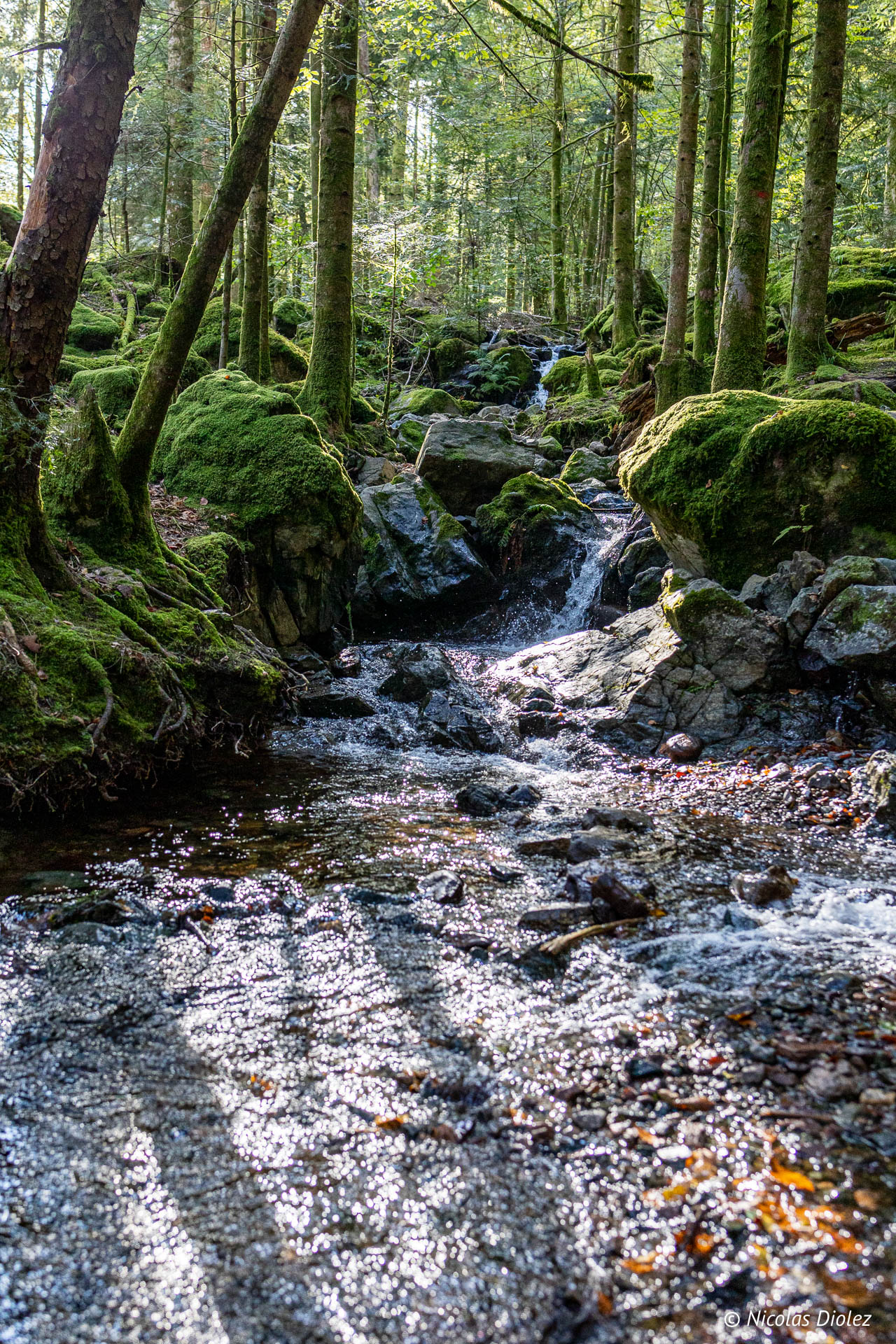
Goutte des Saules trail
Duration: we did a 1-hour hike due to time constraints, but allow about 2 hours to see all the waterfalls and return to the starting points
My good addresses in the Southern Vosges (accommodation and gastronomy)
As usual, you will find below my selection of good addresses in the Southern Vosges (two accommodations, one of which I mentioned in the section on Luxeuil-les-Bains, and several restaurants) that we had the opportunity to test during our stay with the favorite photographer. These addresses often offer to discover local products and some regional specialties to taste if you come to the region.
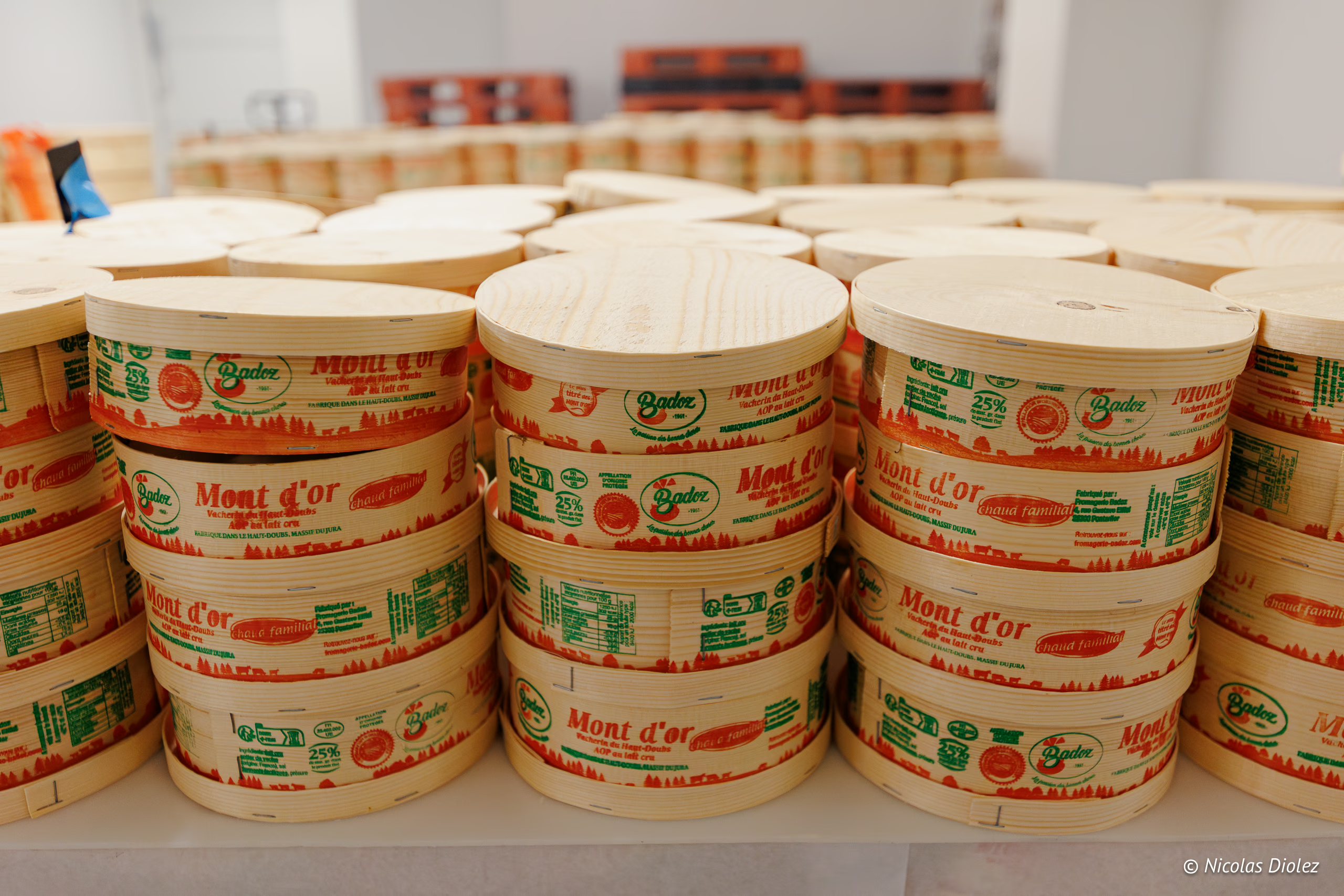
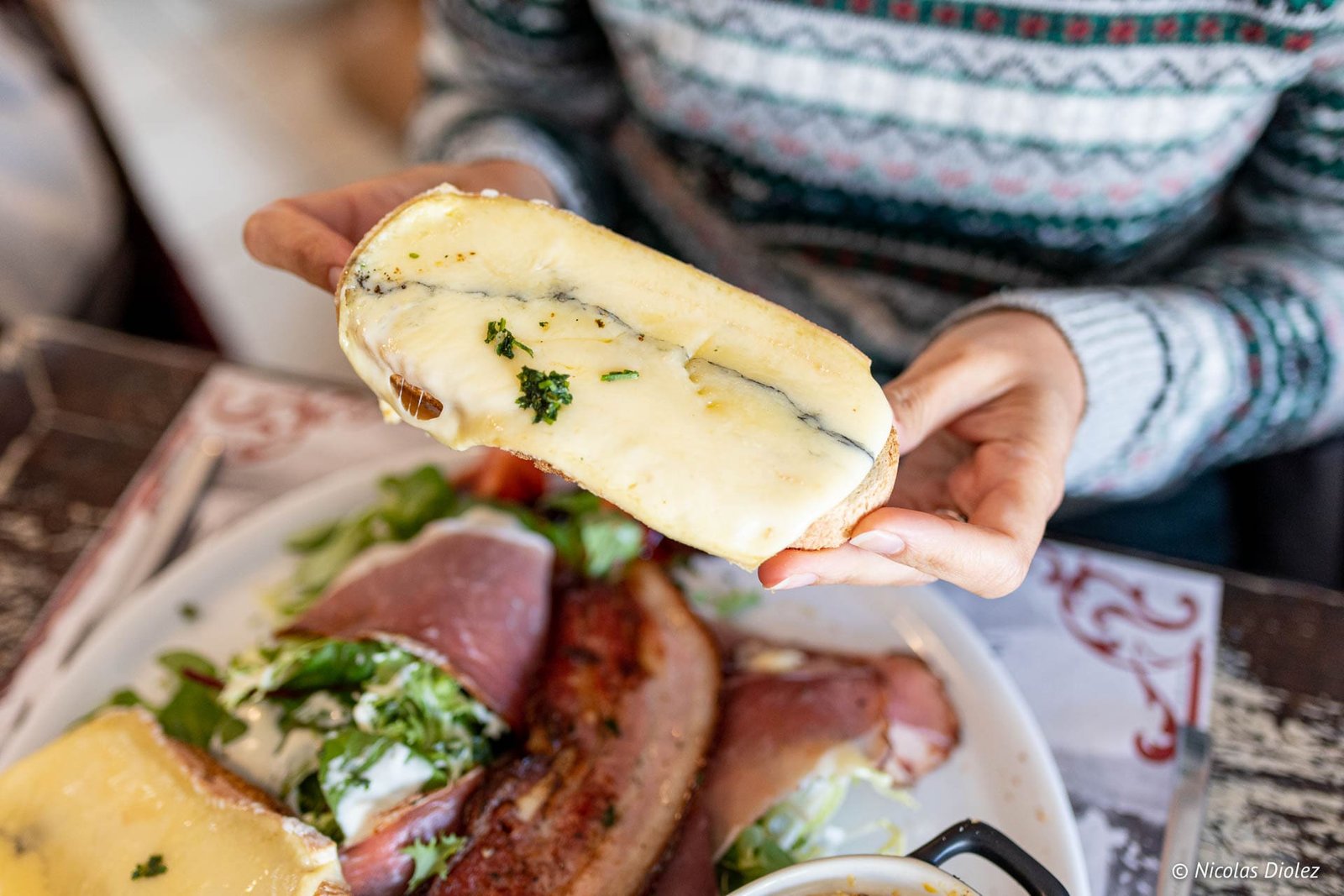
Specialties and local products to discover: Munster cheese; Luxeuil ham; AOC Kirsch; Andouille sausage from Val d’Ajol; a local wine tasted from Guillaume, a Chardonnay from Haute Saône.
_
La Chèvrerie des Bois Pâturés
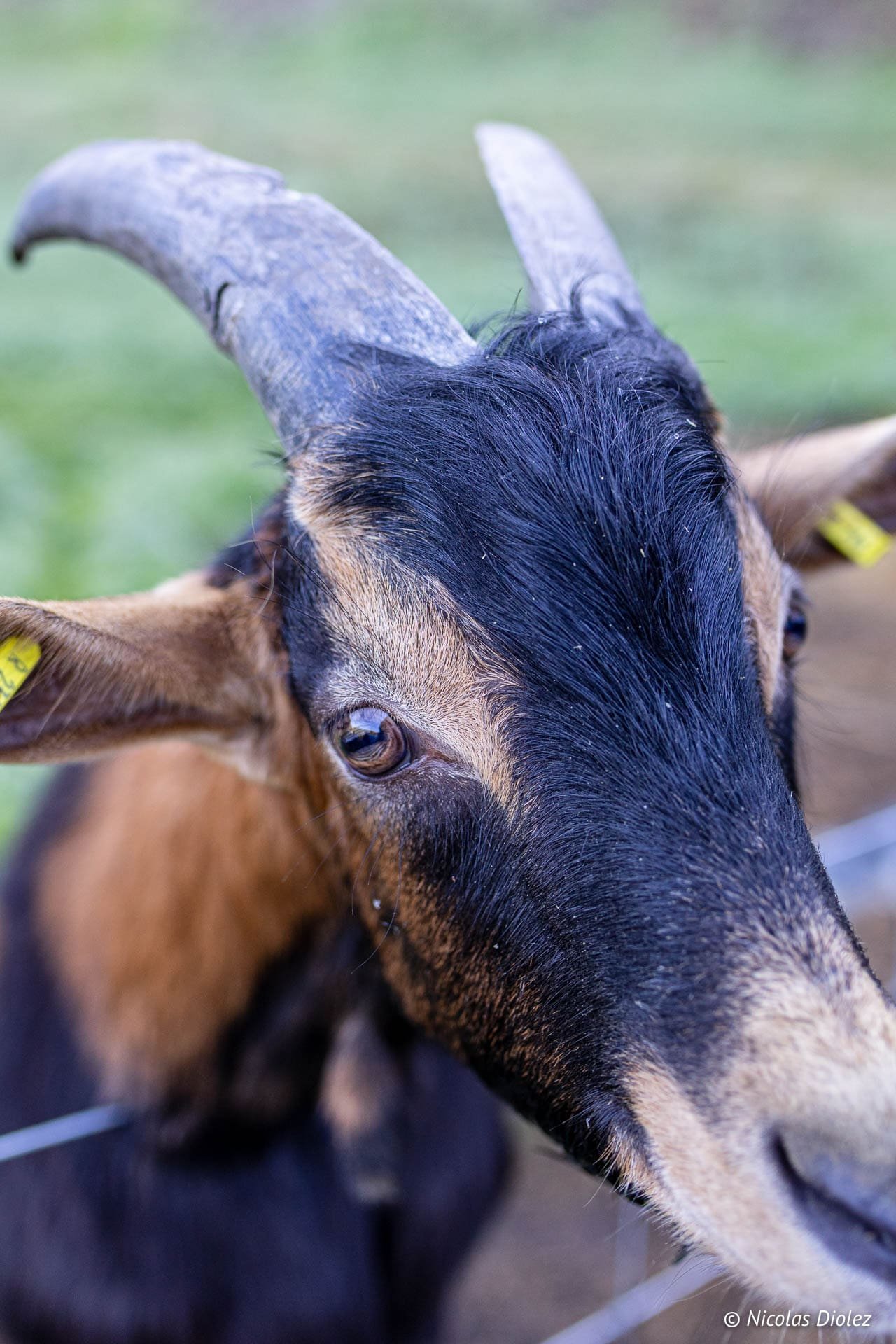
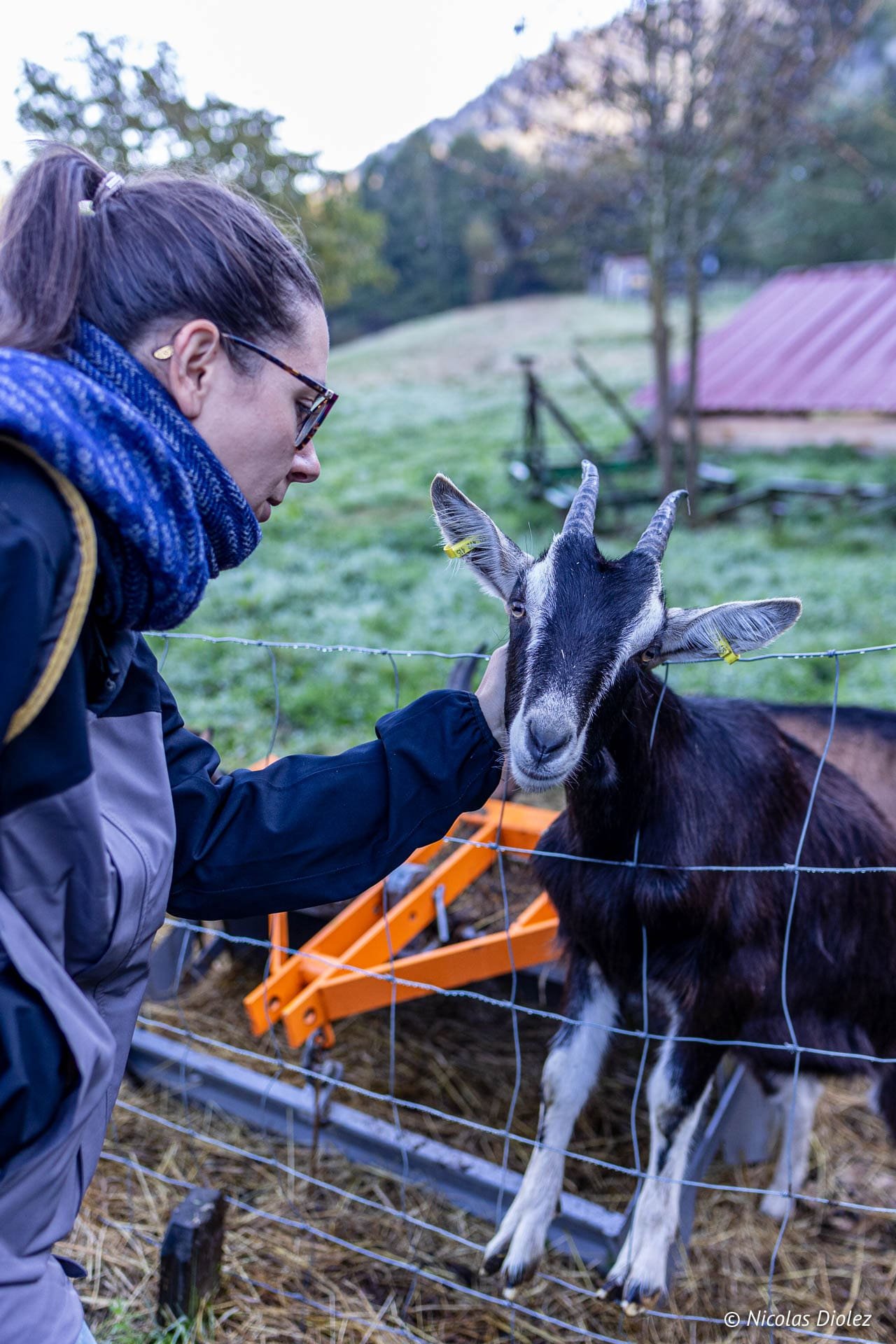
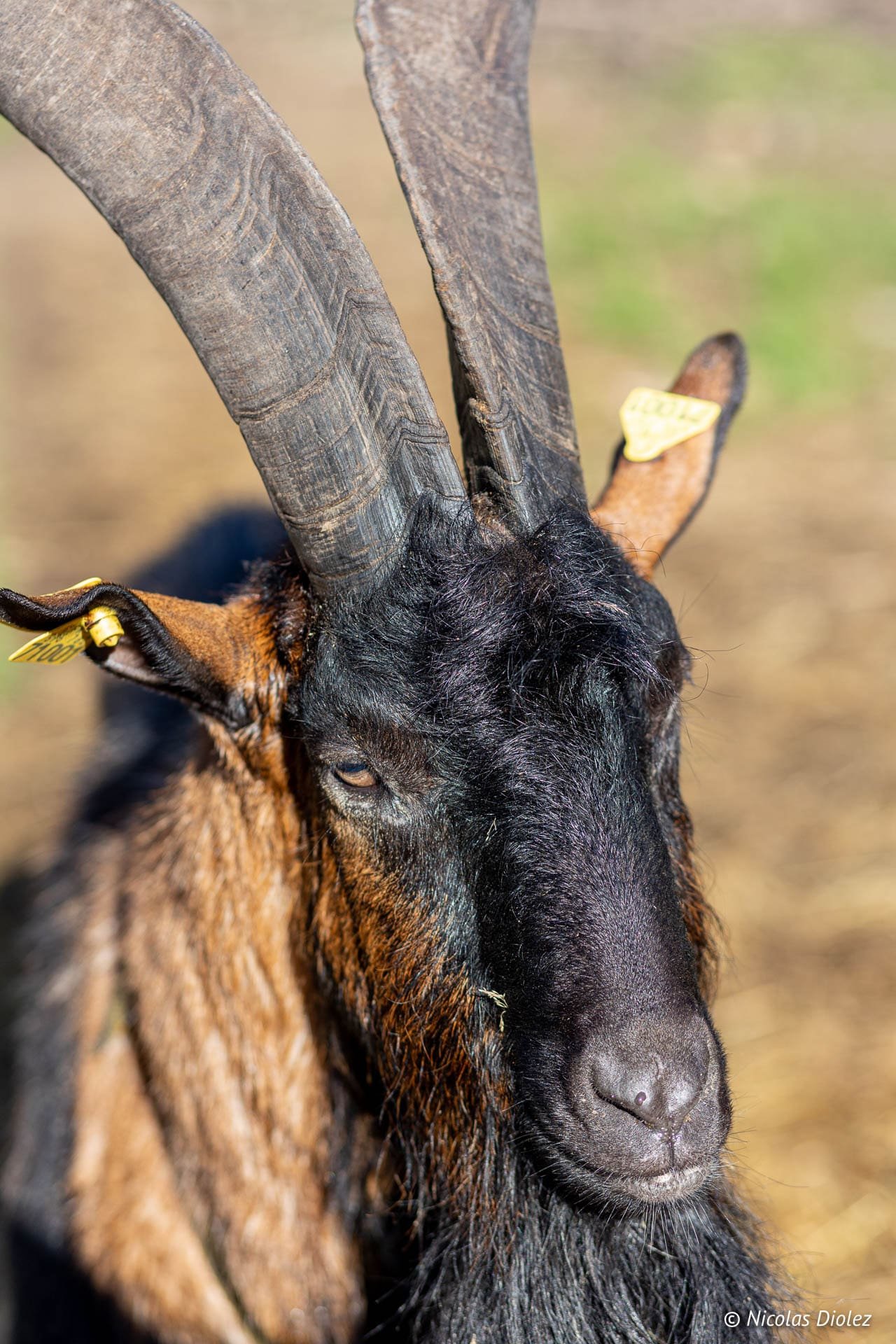
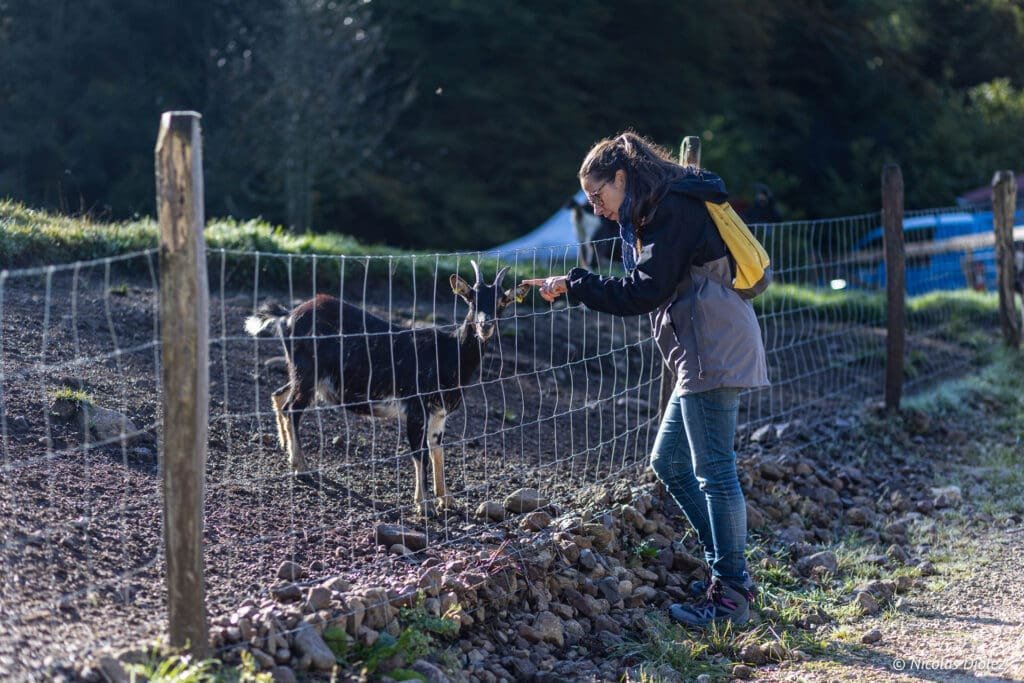
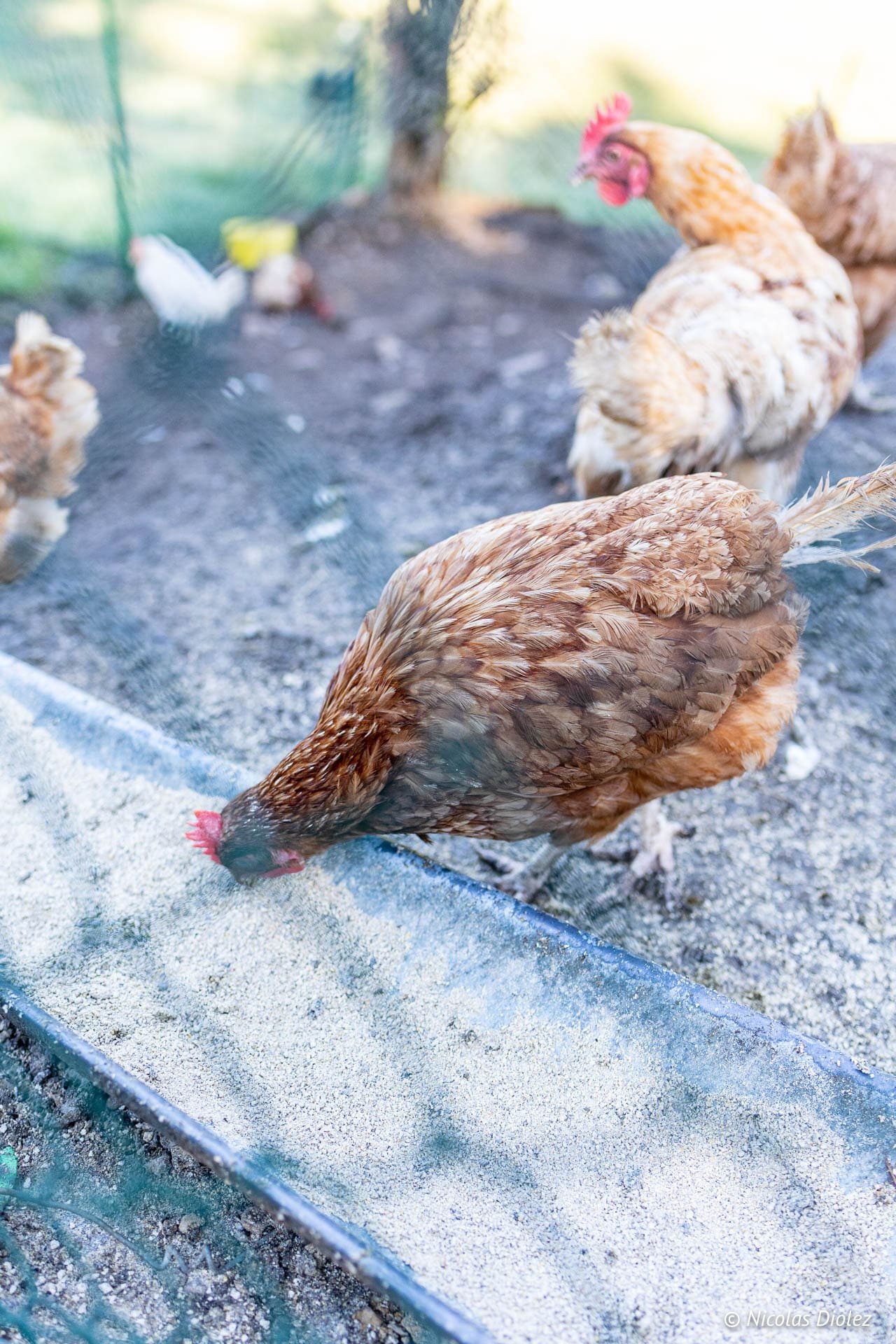
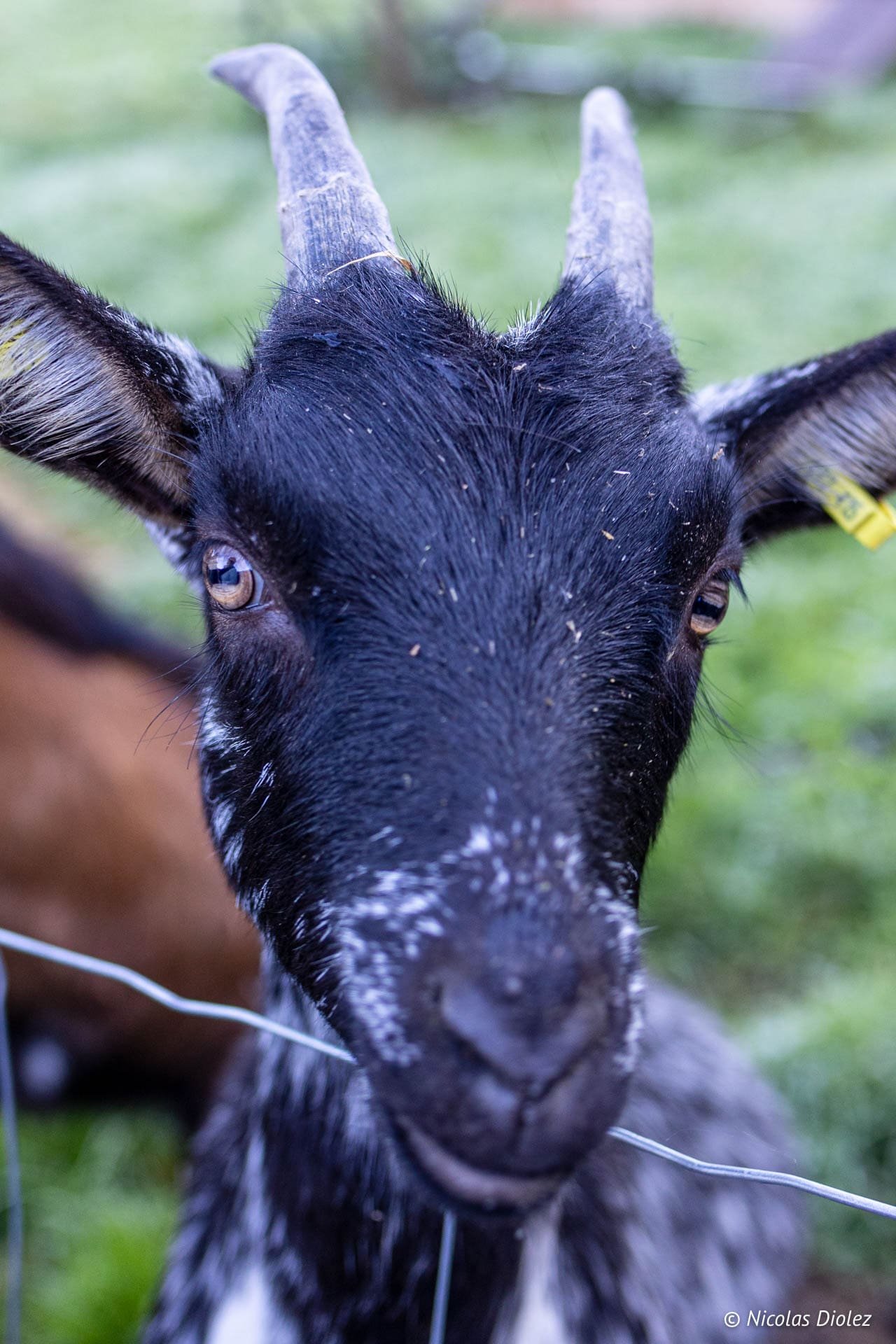
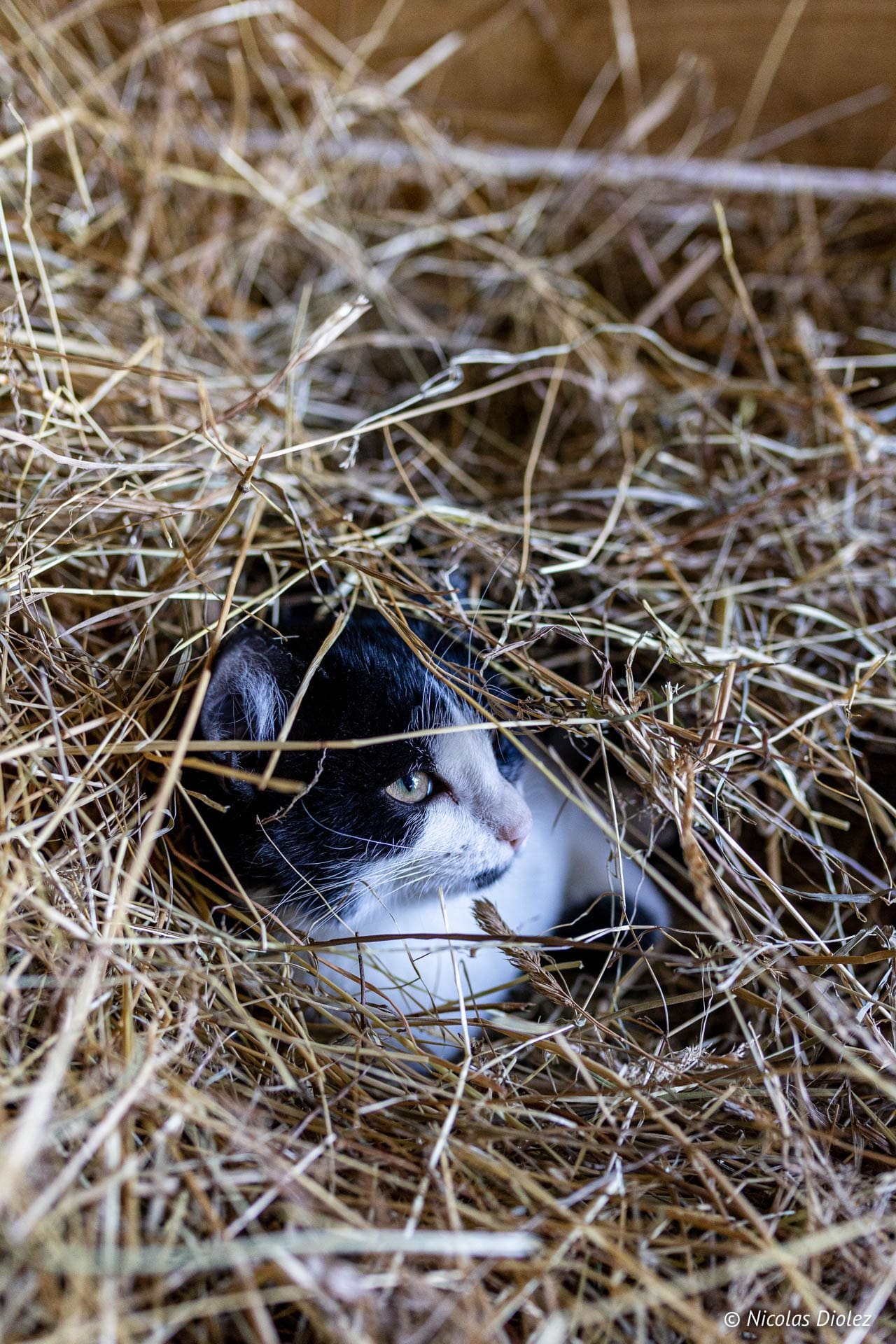
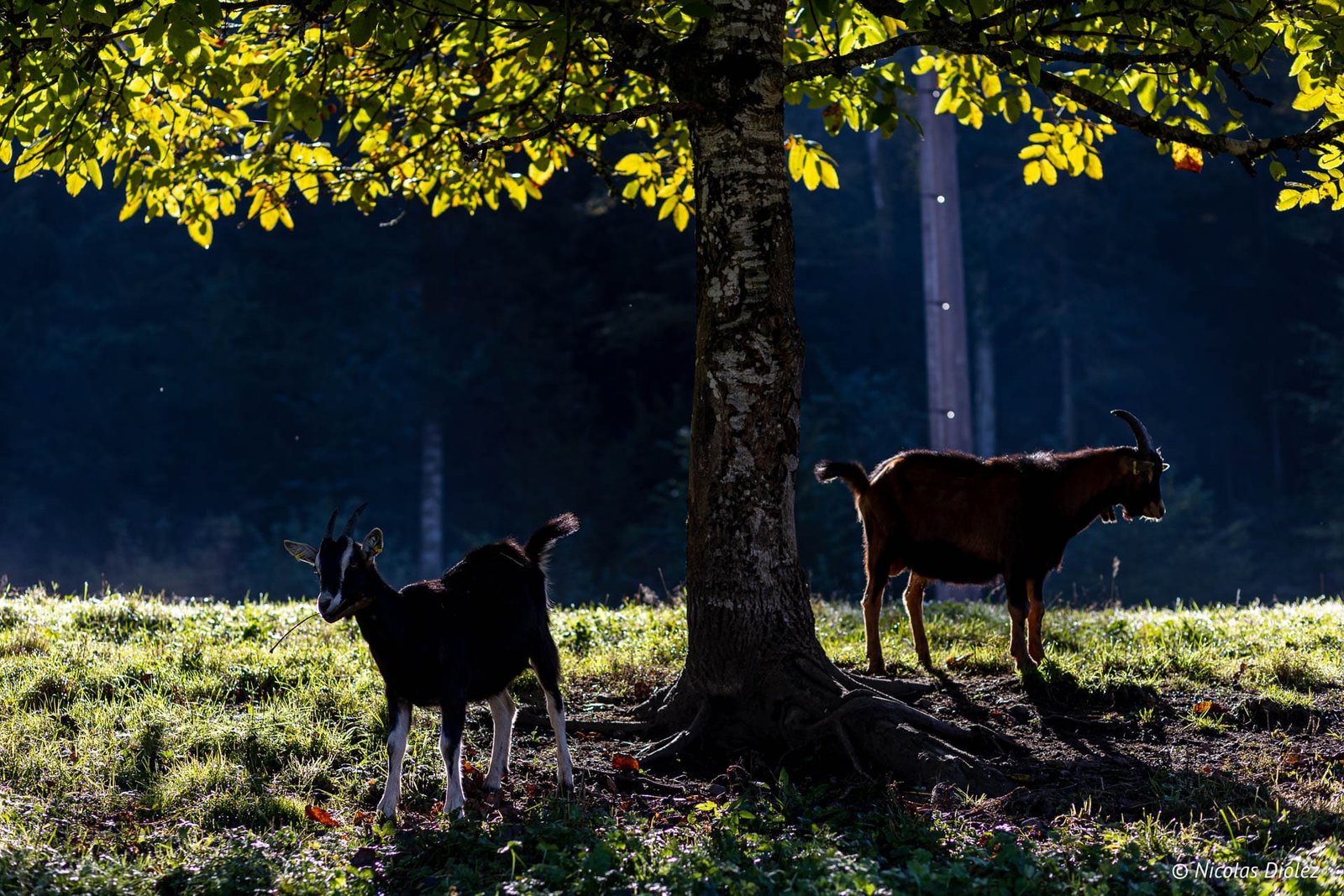
This goat farm is located towards the 1000 Lakes Plateau that I already mentioned above, in the village of Servance. You can buy good local products there, especially artisanal cheeses made with the milk of the local goats. The place is great and you can also make a gourmet stop there to have a drink and grab a bite, but also to buy good cheeses to bring back home.
You can also go see the farm animals, and the goat farm even organizes hikes with the goats during the summer holidays for children every Wednesday or Sunday. The goat farm created by Carine and Fred has existed since 2019, and it currently has 45 goats and 14 males. You can also take advantage of your visit to the farm to go for a short walk in the surrounding forest, pick mushrooms, and enjoy the waterfalls.
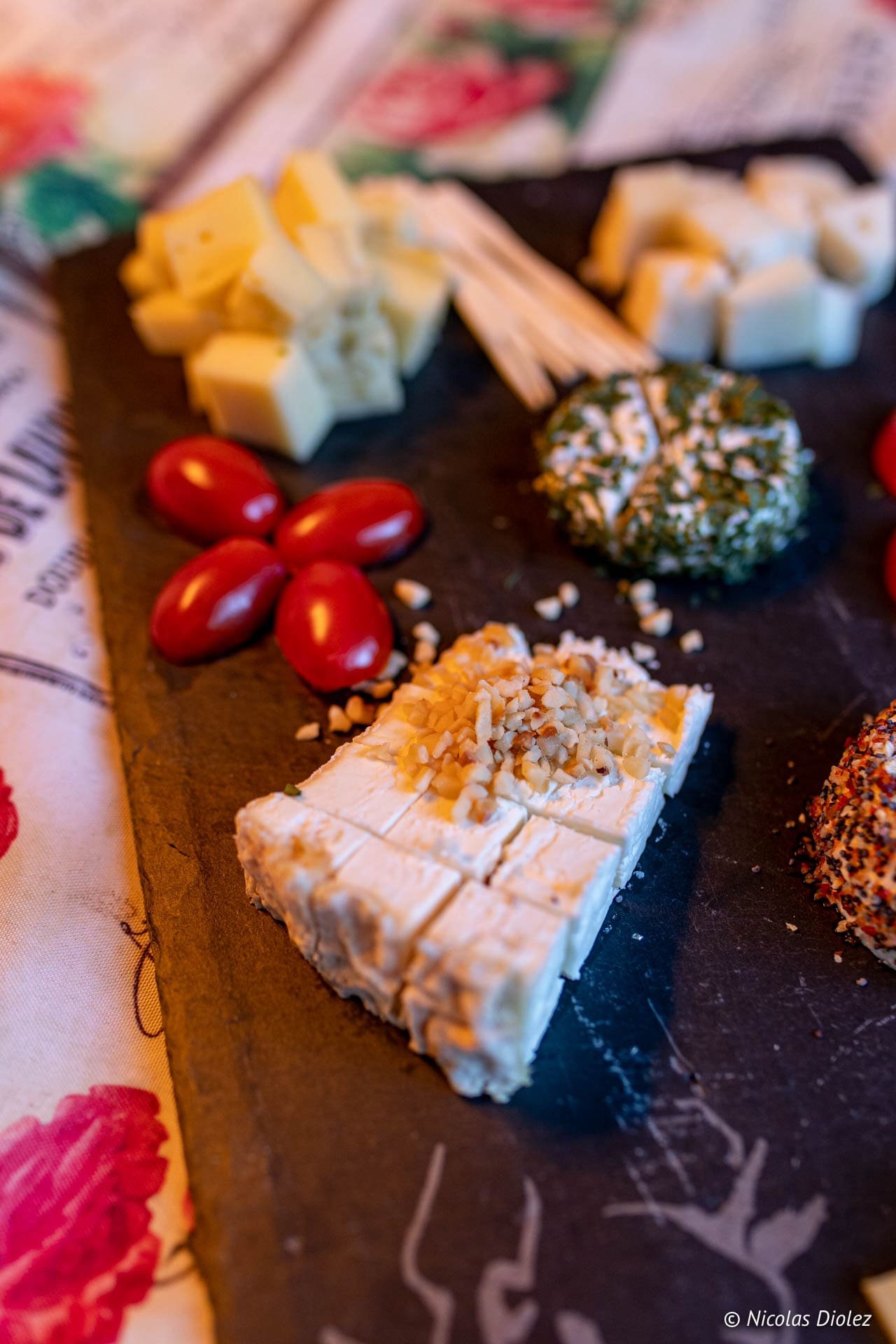
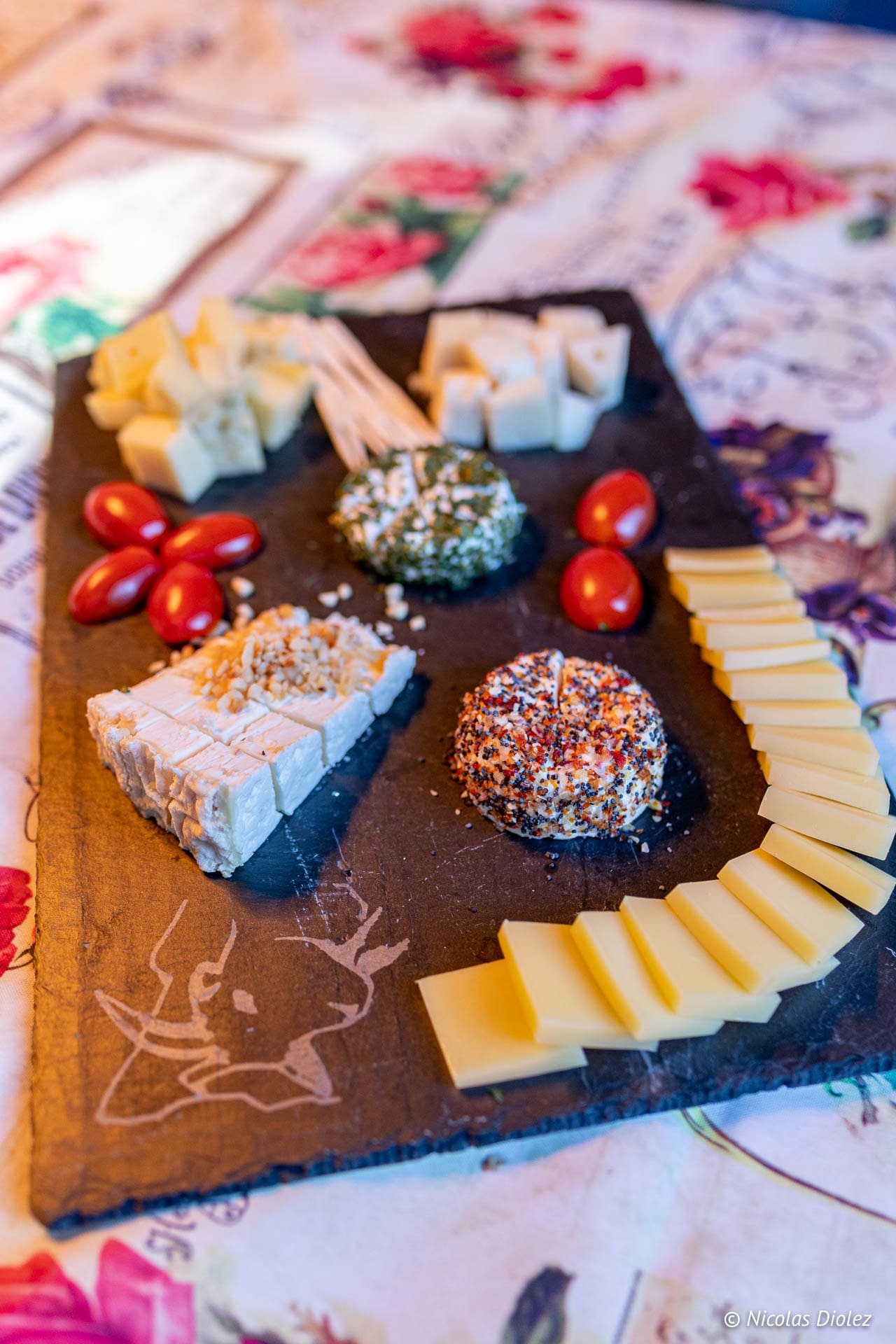
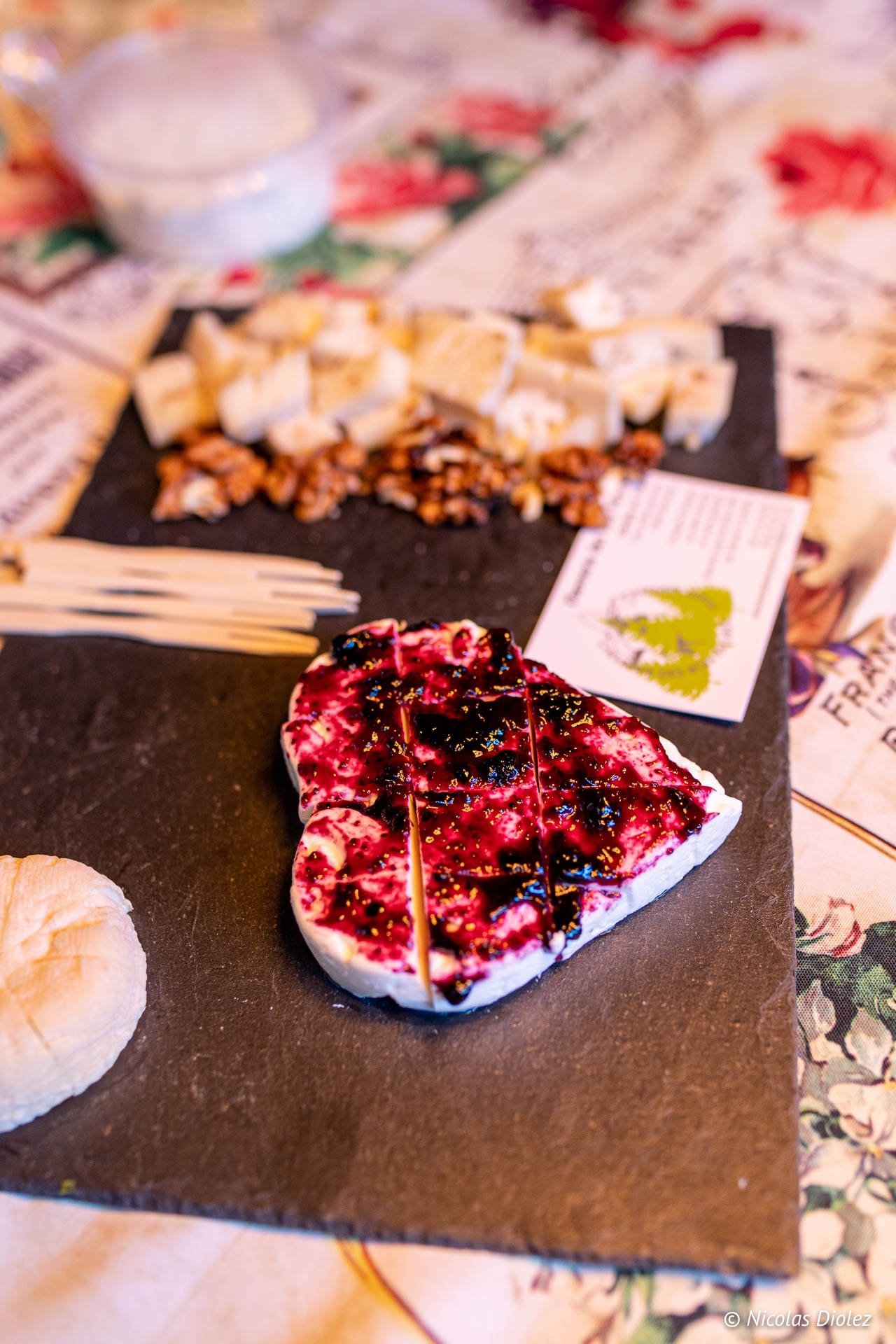
Chèvrerie des Bois Pâturés
1 Les Rondes Planches, 70440 Servance-Miellin
shop open every day from 4 p.m. to 7 p.m. from February to October / free visit
_
Lunch at Chez Mimi
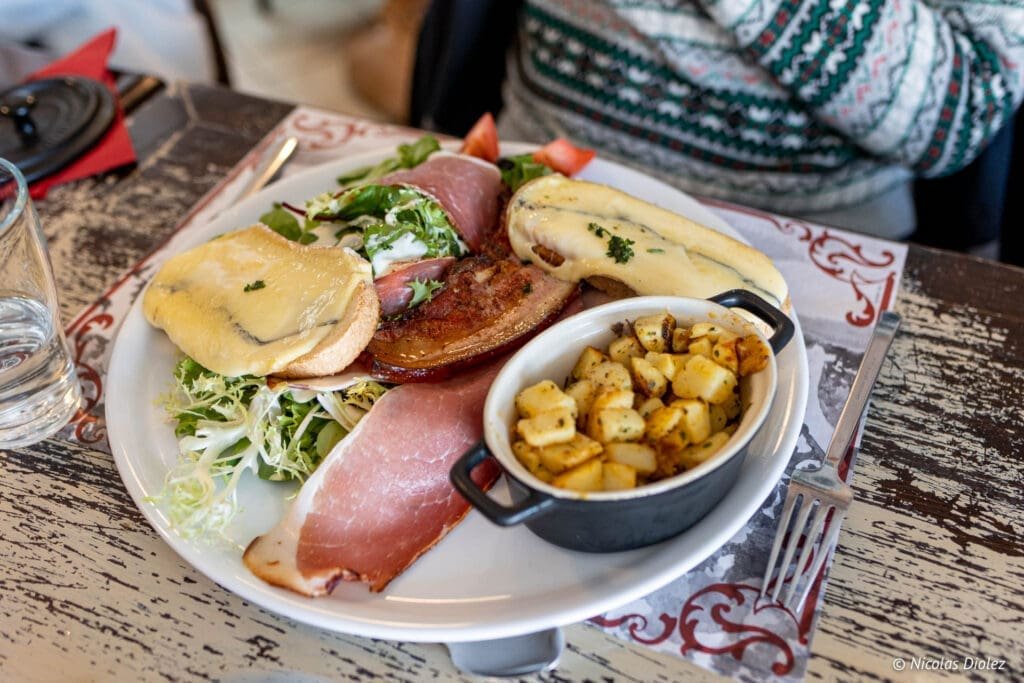
This small address installed in the village of Mélisey offers generous and very hearty local cuisine and also has a small delicatessen area where you can buy regional products (wines, delicatessen, cheeses).
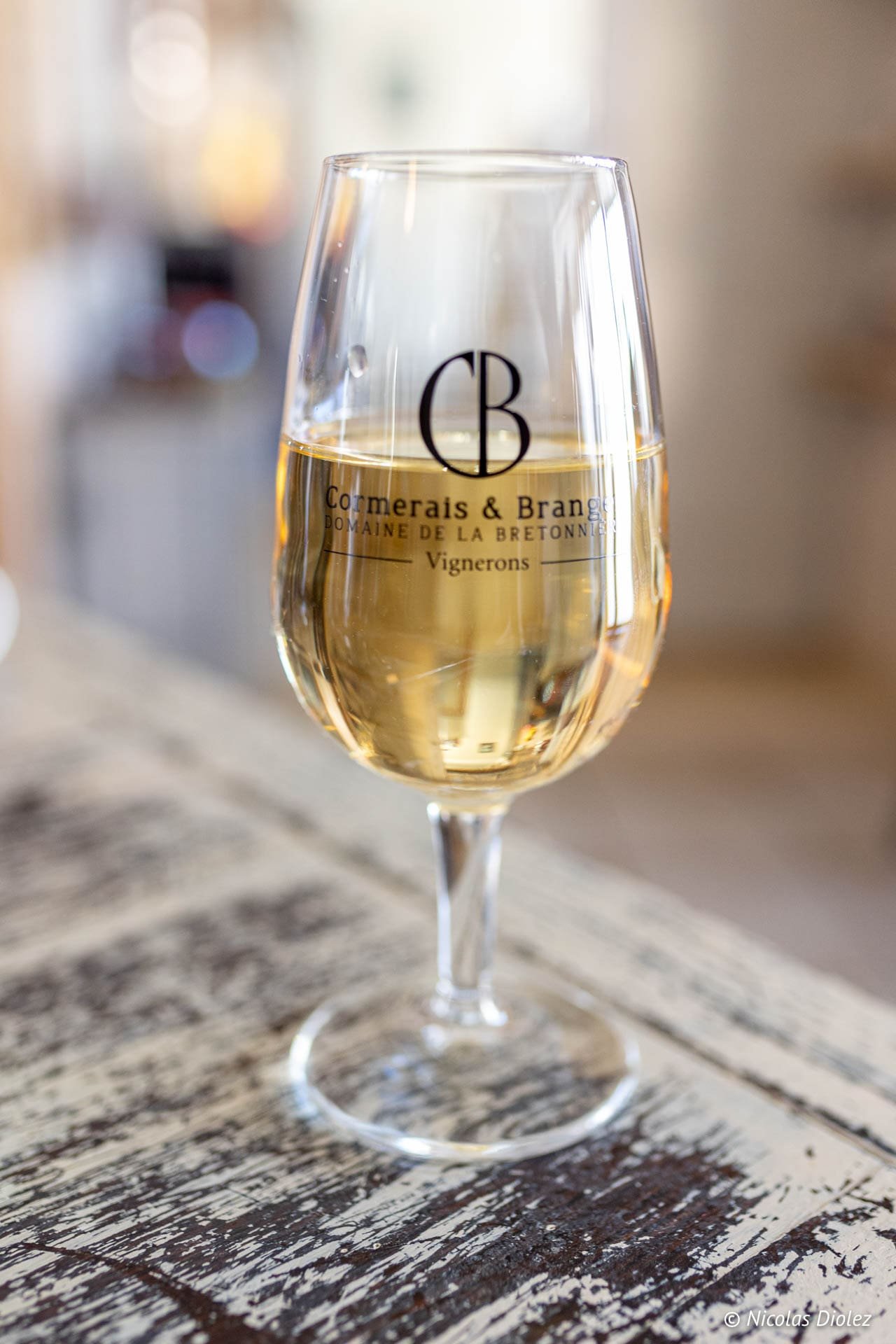
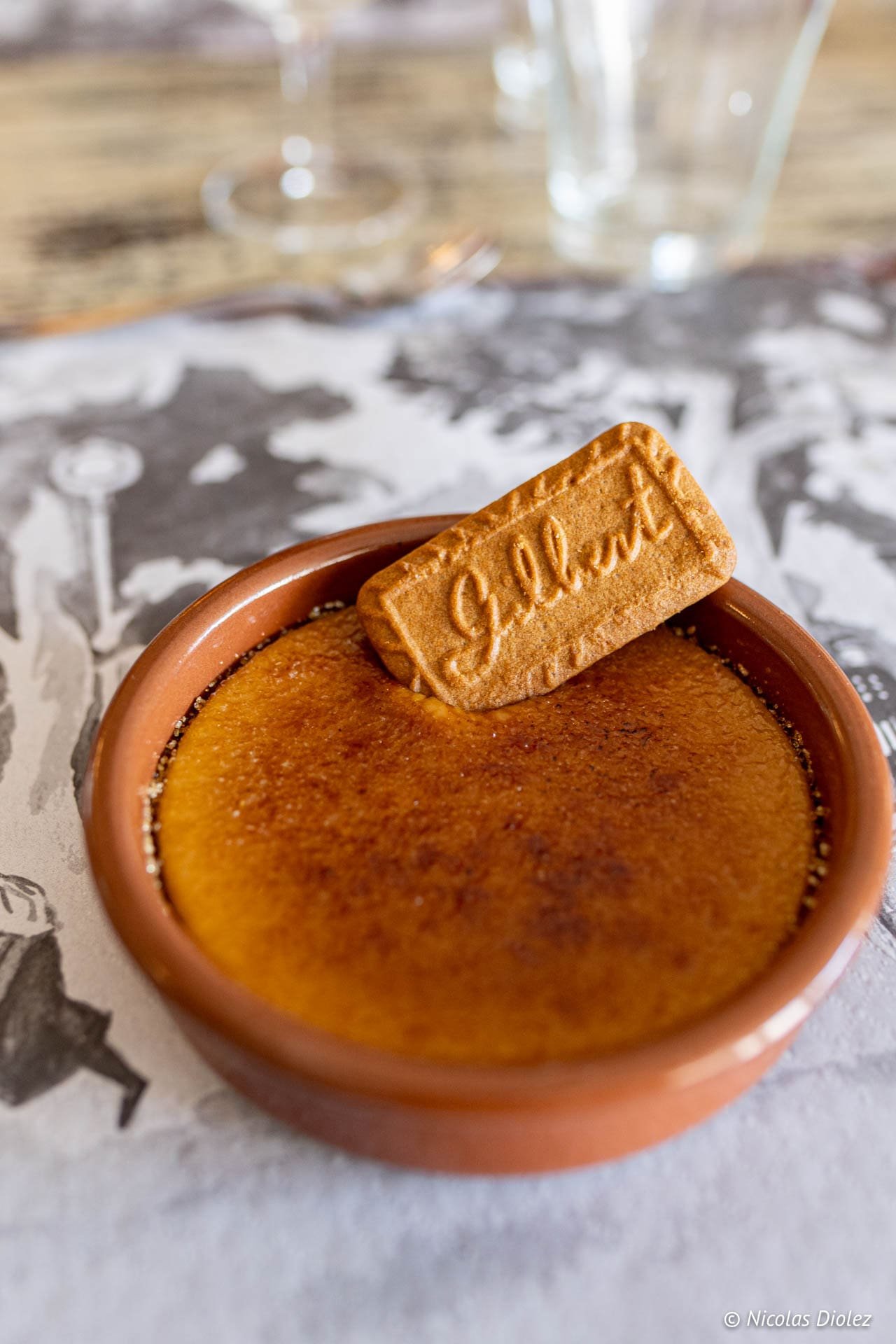
To taste: the Franc Comtoise salad (€22); the lamb shank (€25); the crème brûlée for dessert.
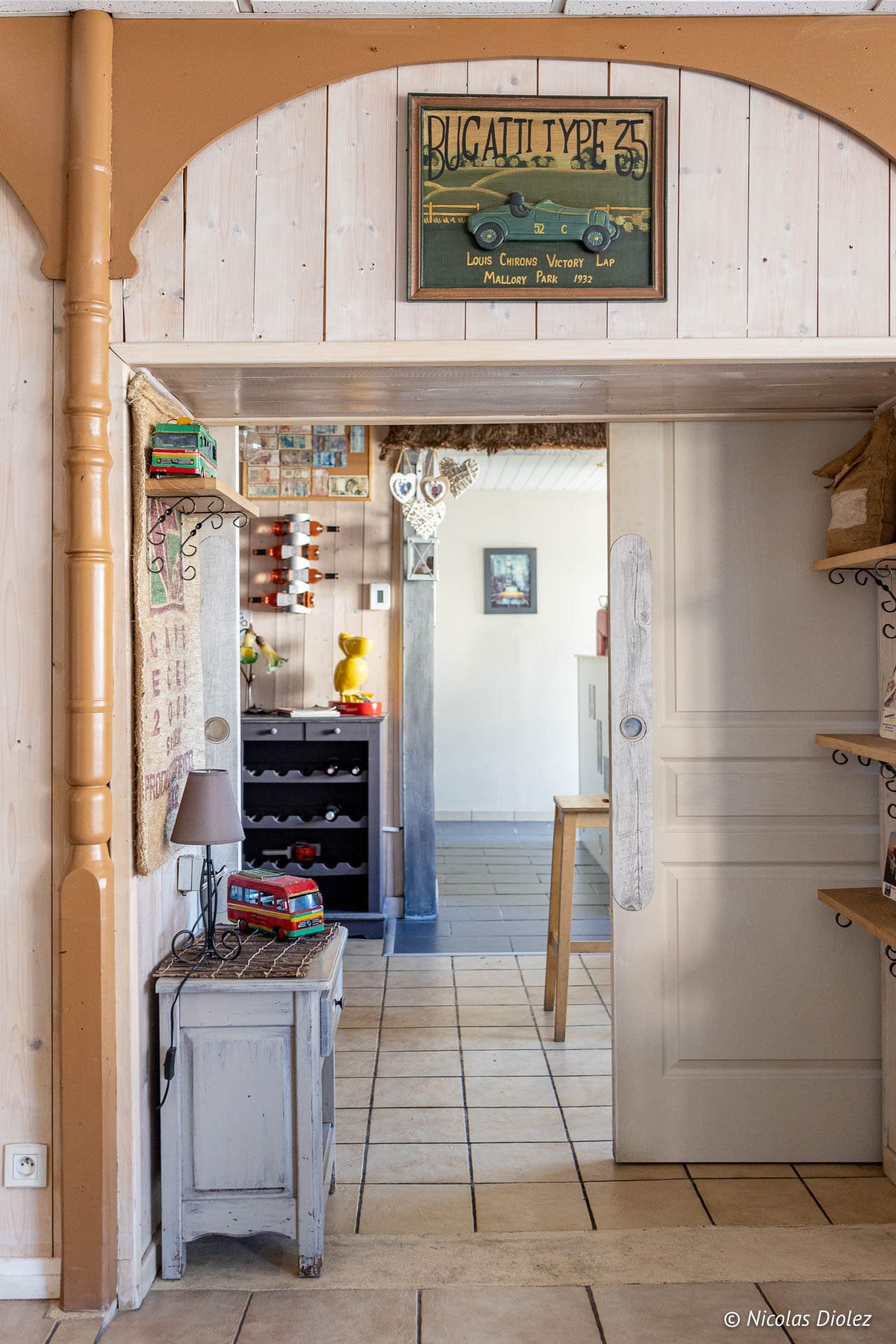
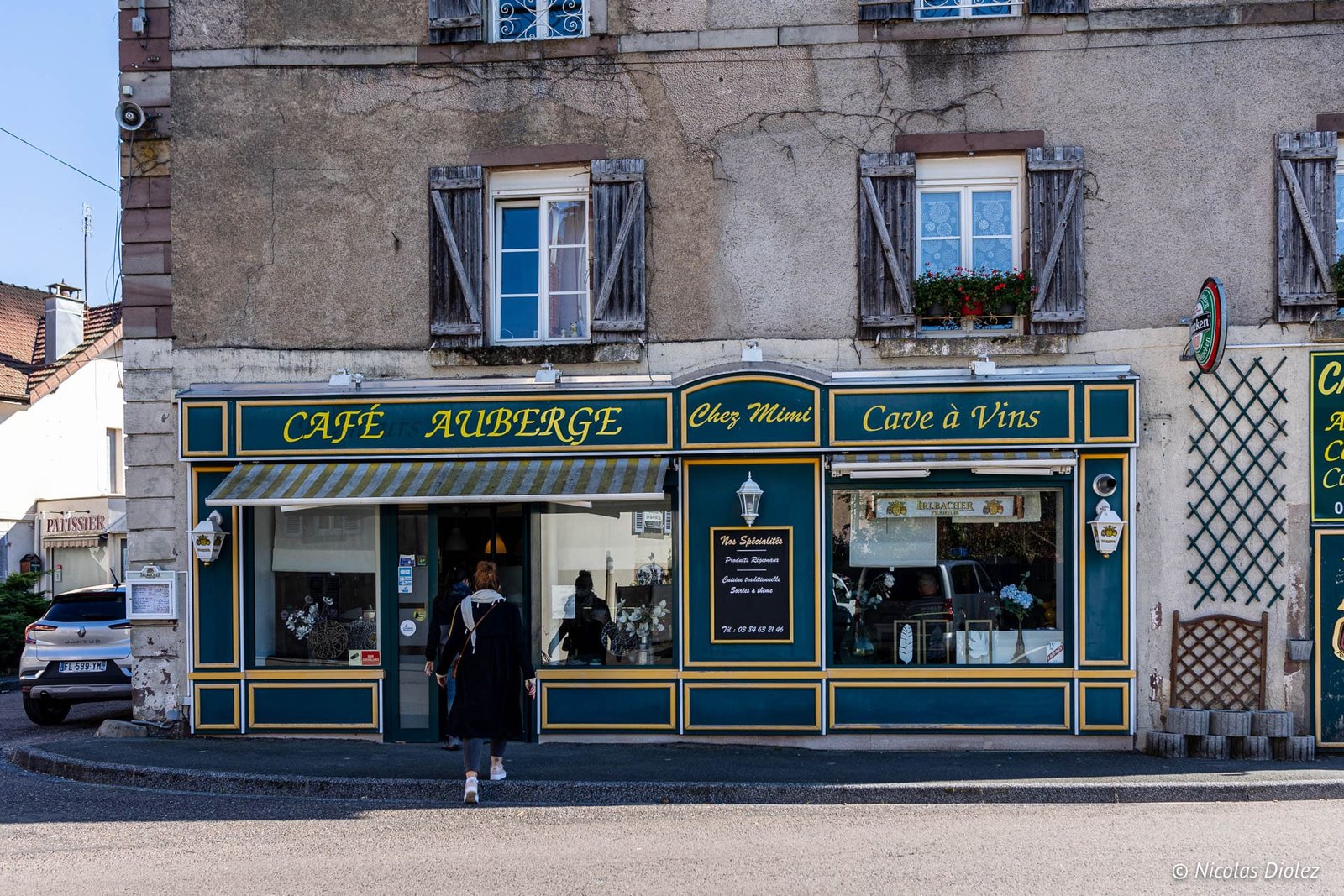
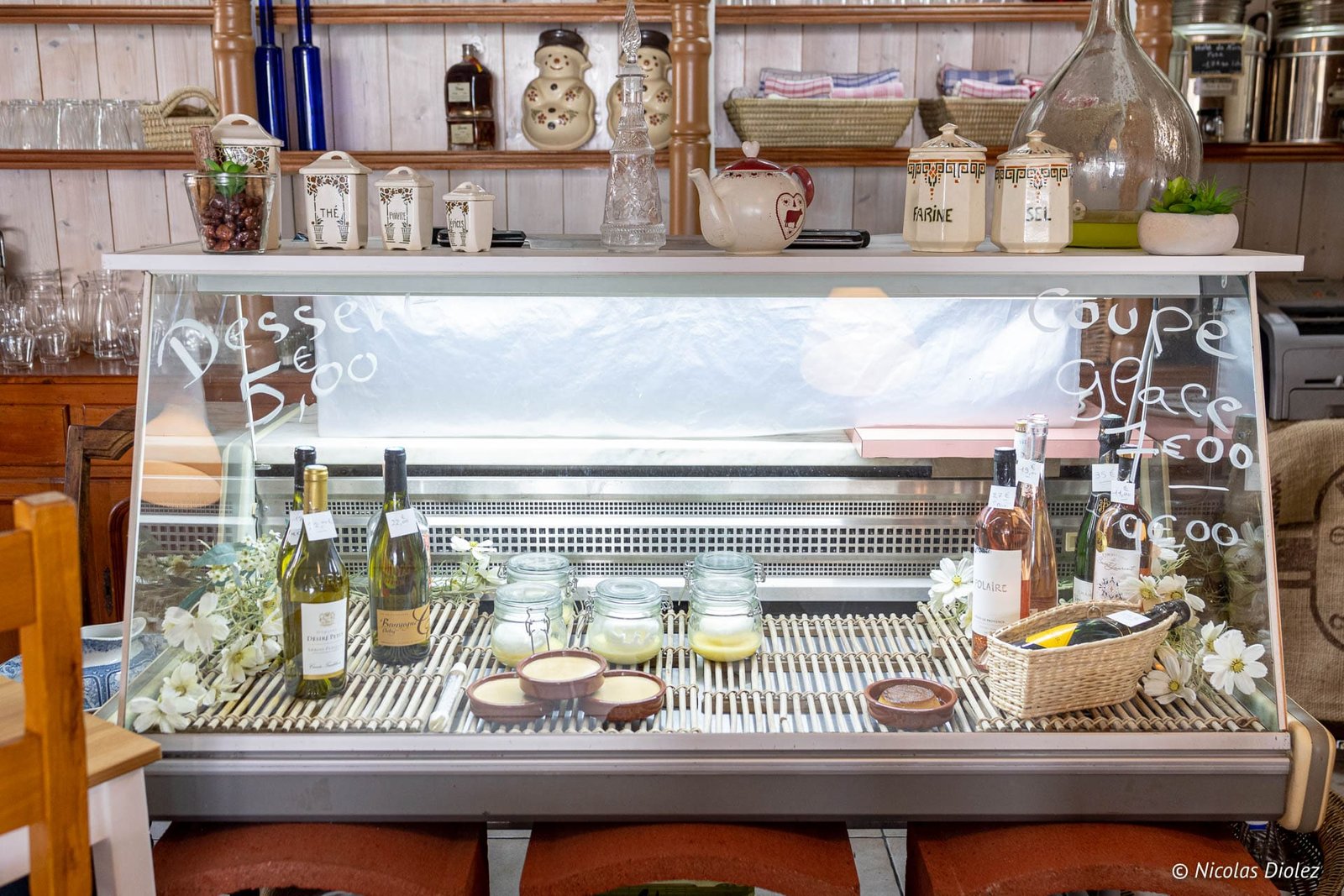
Café Auberge Chez Mimi
11 route de Ronchamp 70270 Mélisey
The hot tip: daily menu from €15 to €29, on Wednesdays, Thursdays, and Friday lunchtimes
open from Wednesday to Sunday lunchtime
_
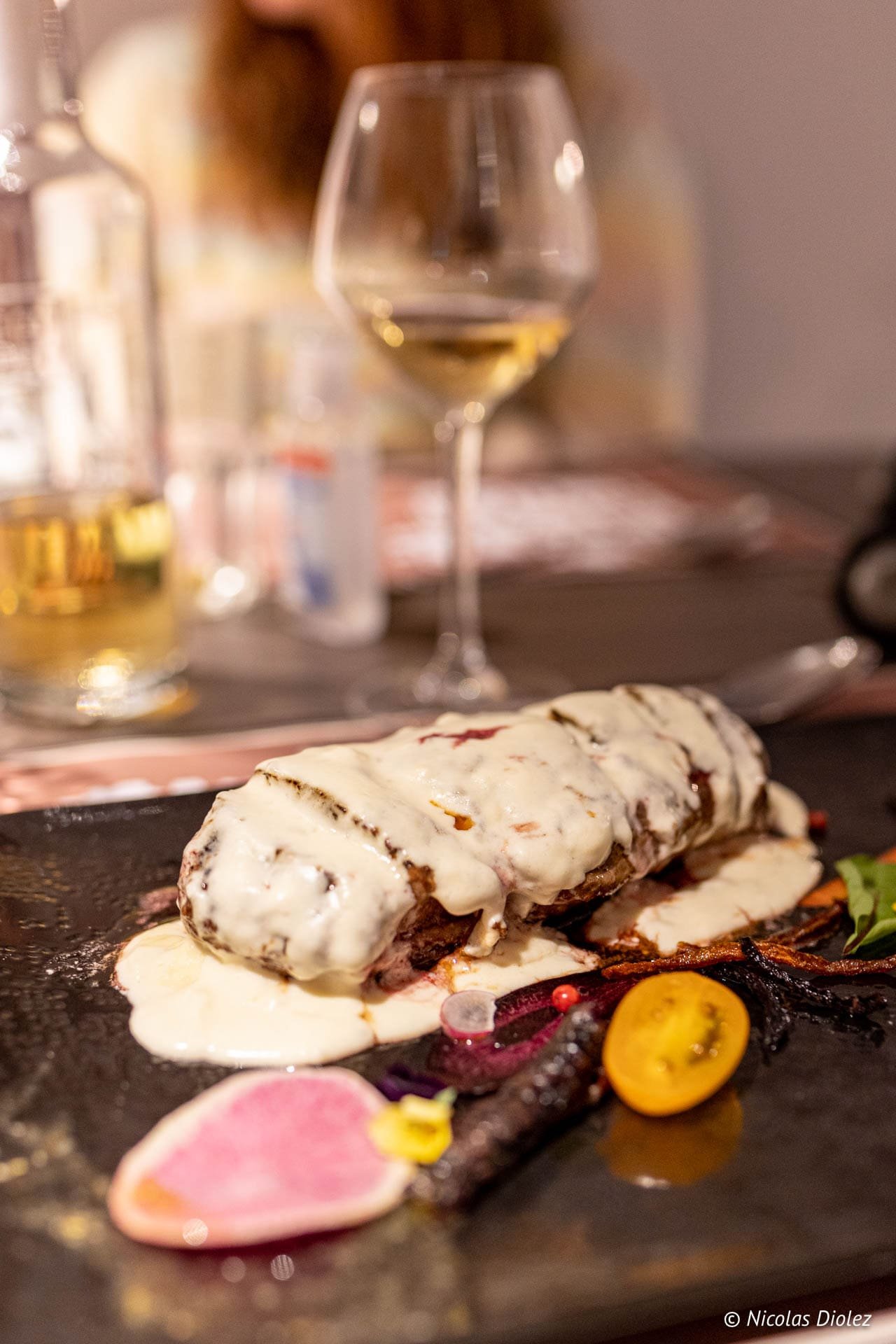
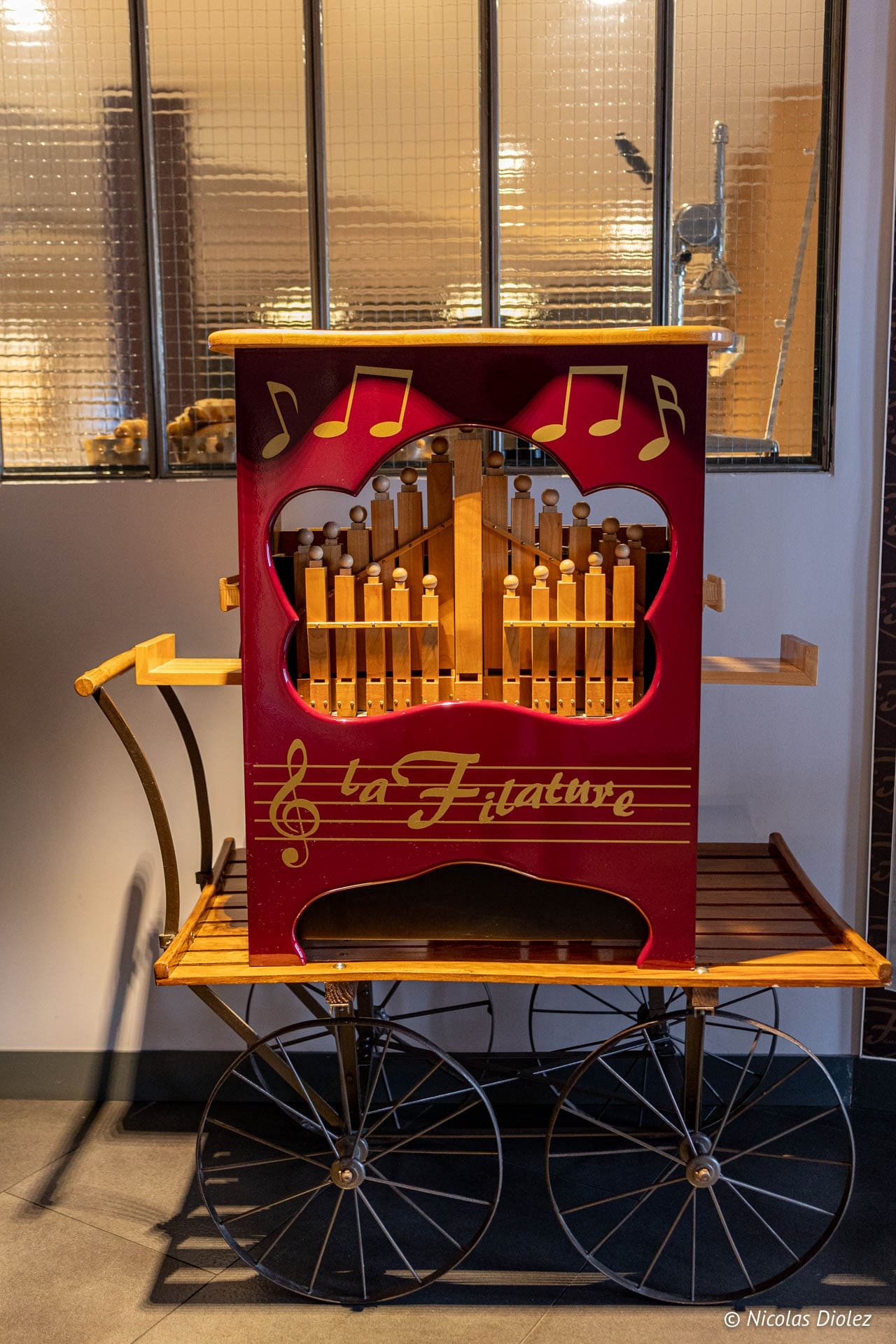
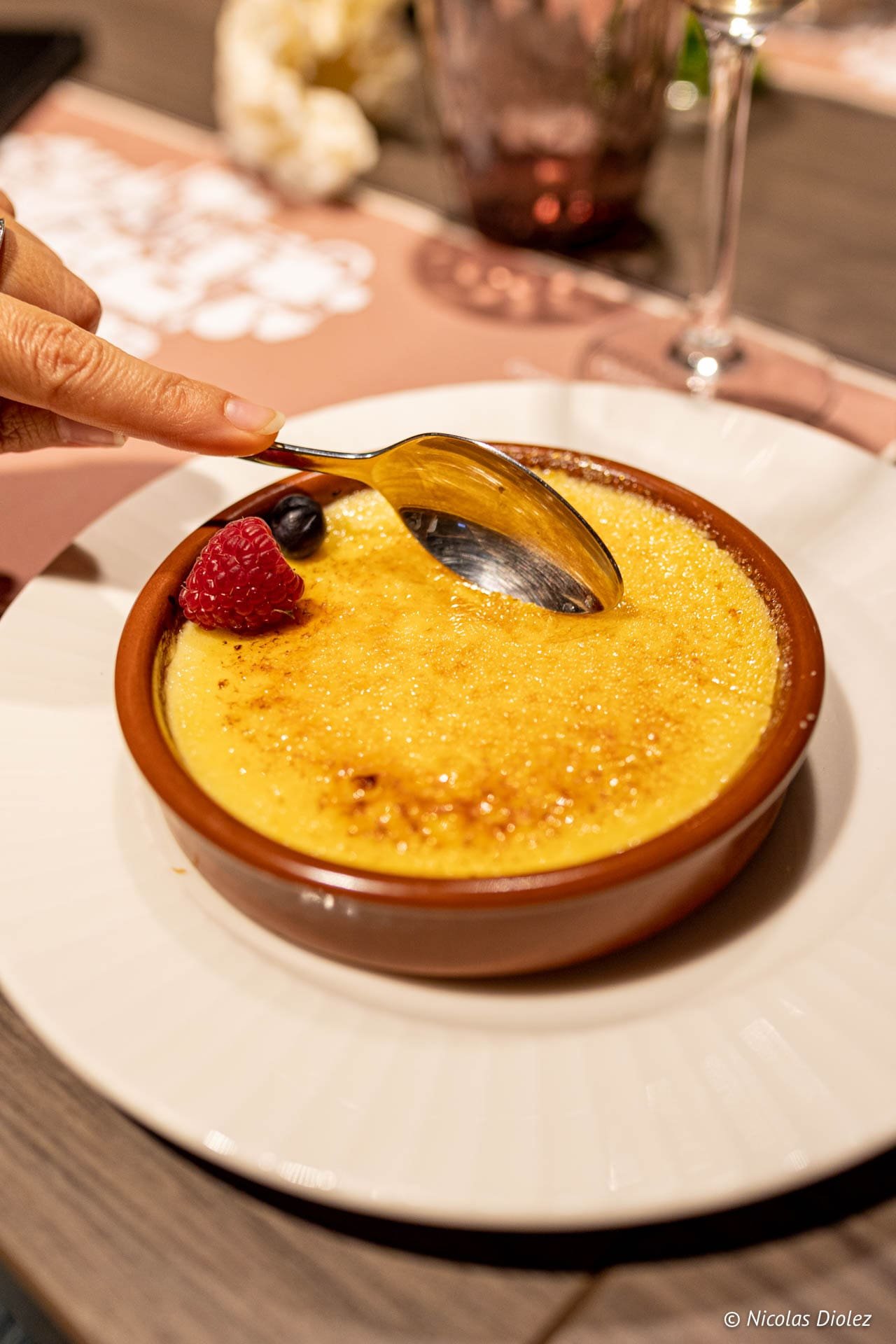
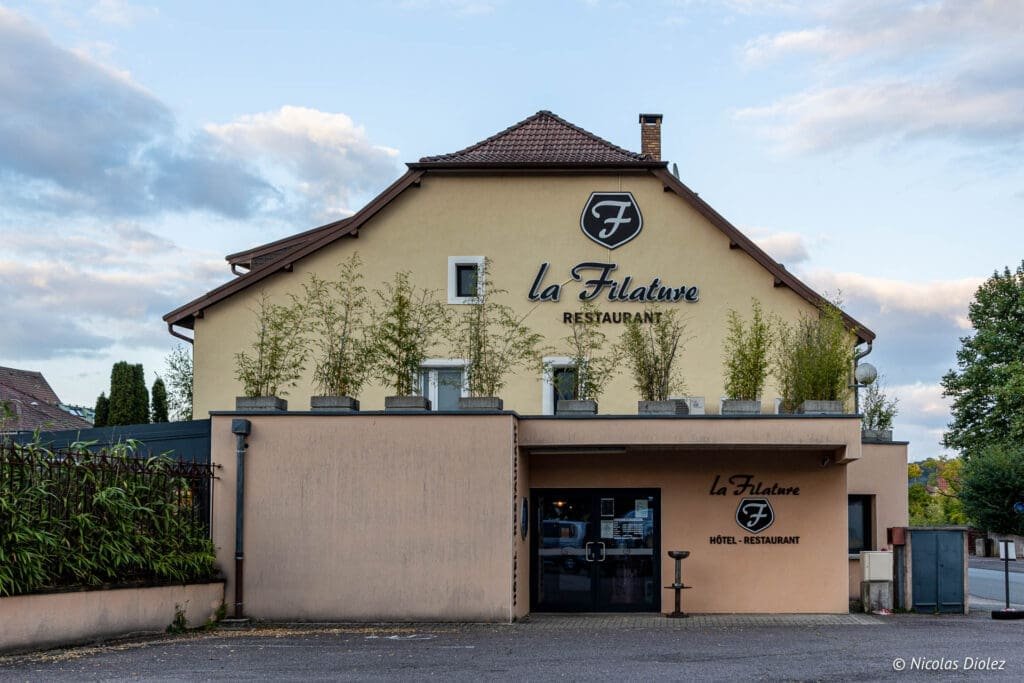
La Filature Hotel Restaurant
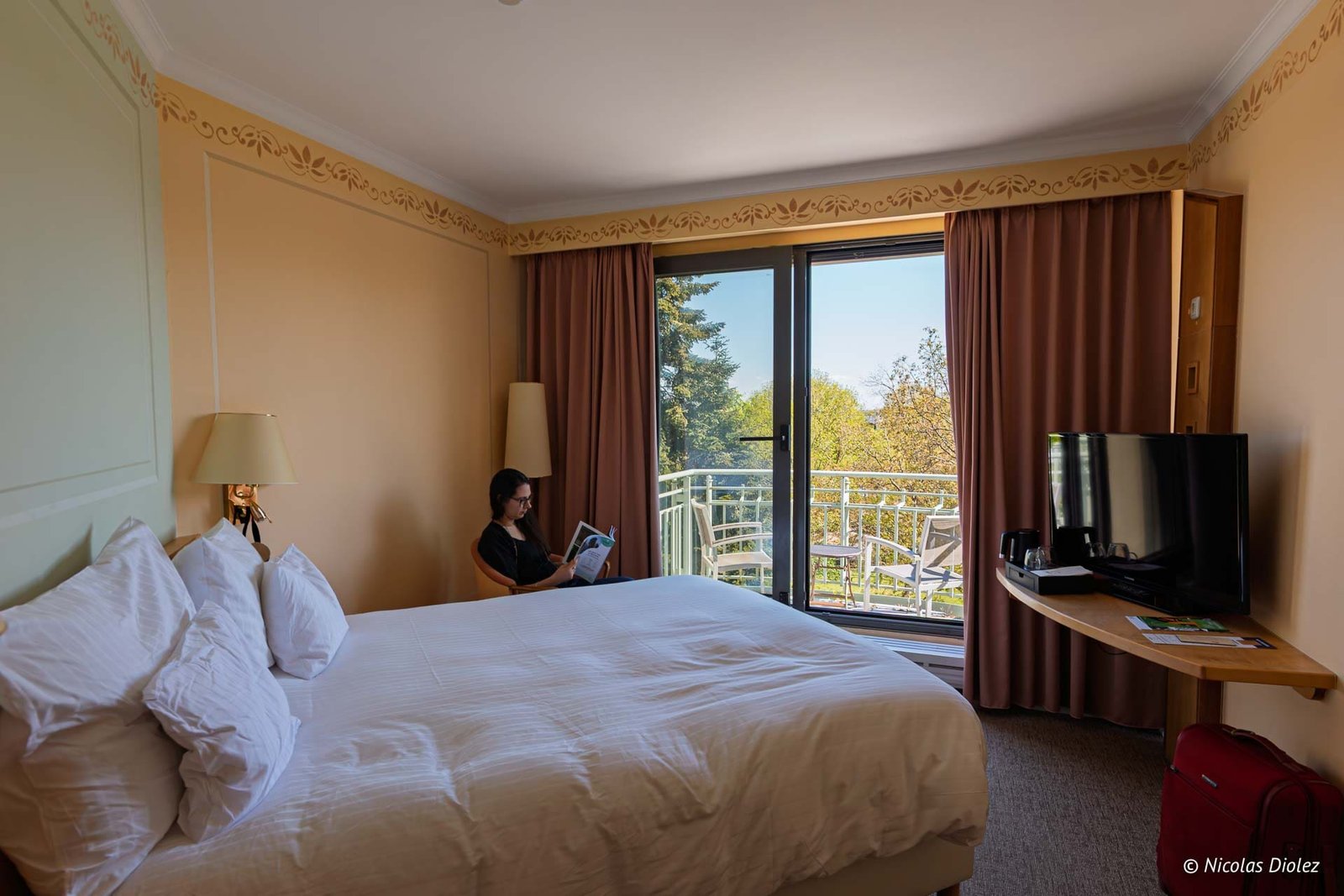
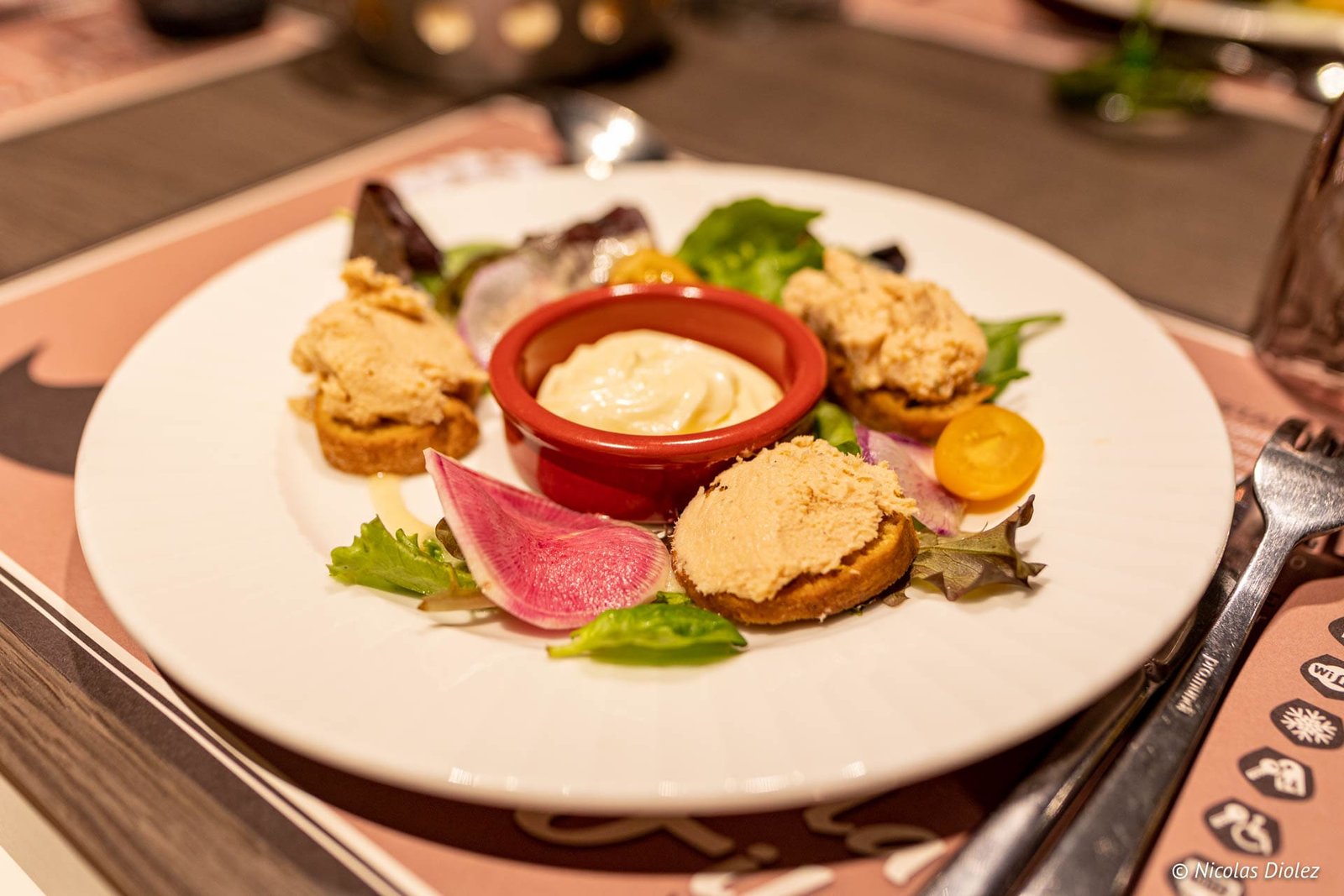
This fairly simple hotel is located in one of the former textile mills of Héricourt, along the Lizaine stream. It lacks a little bit of charm, I think, but it can be a relatively inexpensive stopover point if you are in the region. And it also has a nice restaurant, which can be very practical if you want to spend a quiet evening without leaving the hotel.
My recommendation: ask for a room overlooking the Lizaine (like the one we had); it is quieter and the view also has more charm, I think.
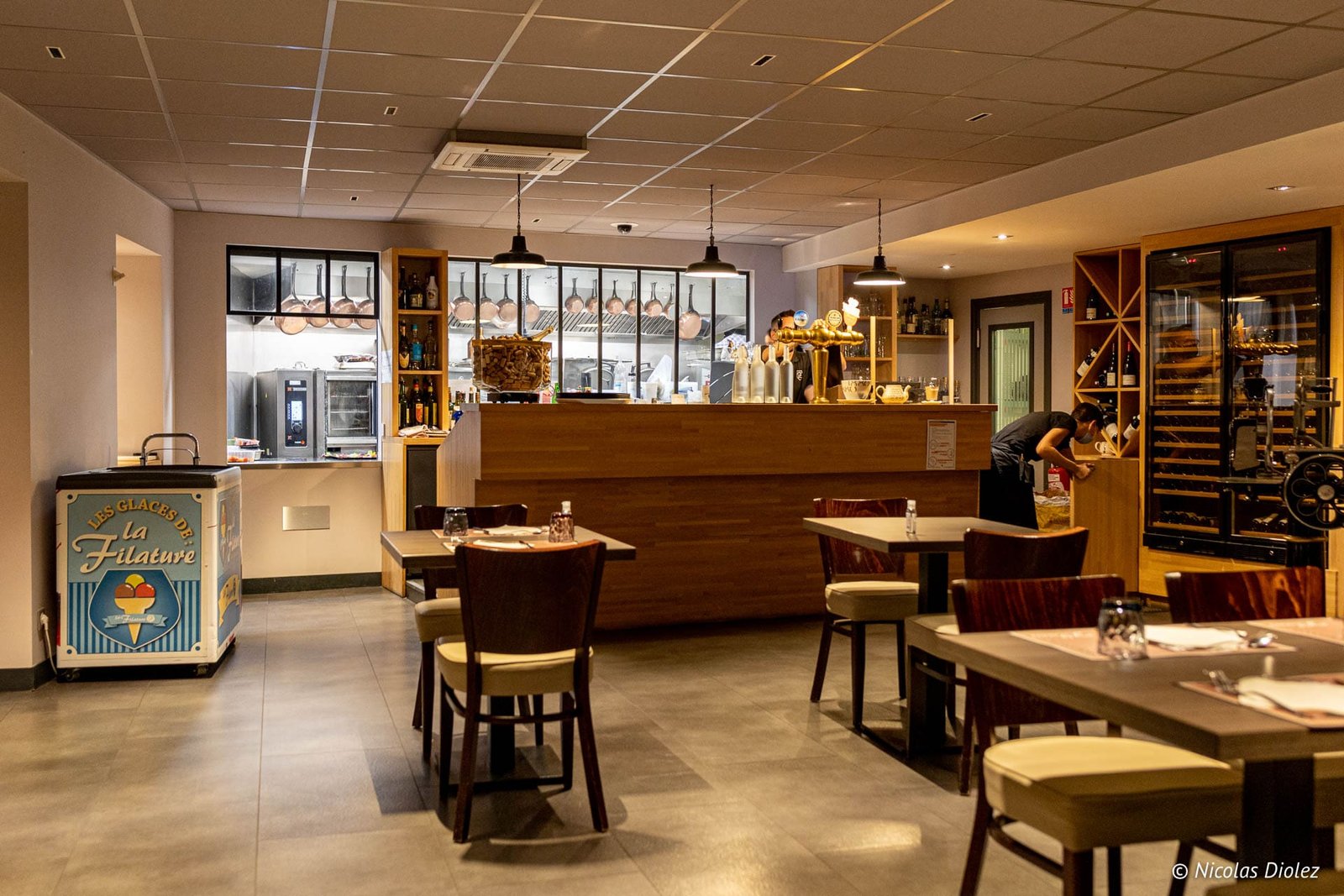
La Filature Hotel Restaurant
8 Rue de la 5ème Division Blindée, 70400 Héricourt
Room prices: starting from €61
Restaurant prices: dishes between €15 and €19 / dessert between €7 and €9
The hot tip: stopover package with night + evening meal and breakfast starting from €81.50
_
Thanks to the Destination 70 Tourist Office and Lucile from the aiRPur agency for this lovely welcome. And thanks also to my travel girlfriends for their good humor (don’t hesitate to take a look at their articles on the Southern Vosges): Emmyzapartca, Jenny JDroadtrip, and Charlie Sugar Town!
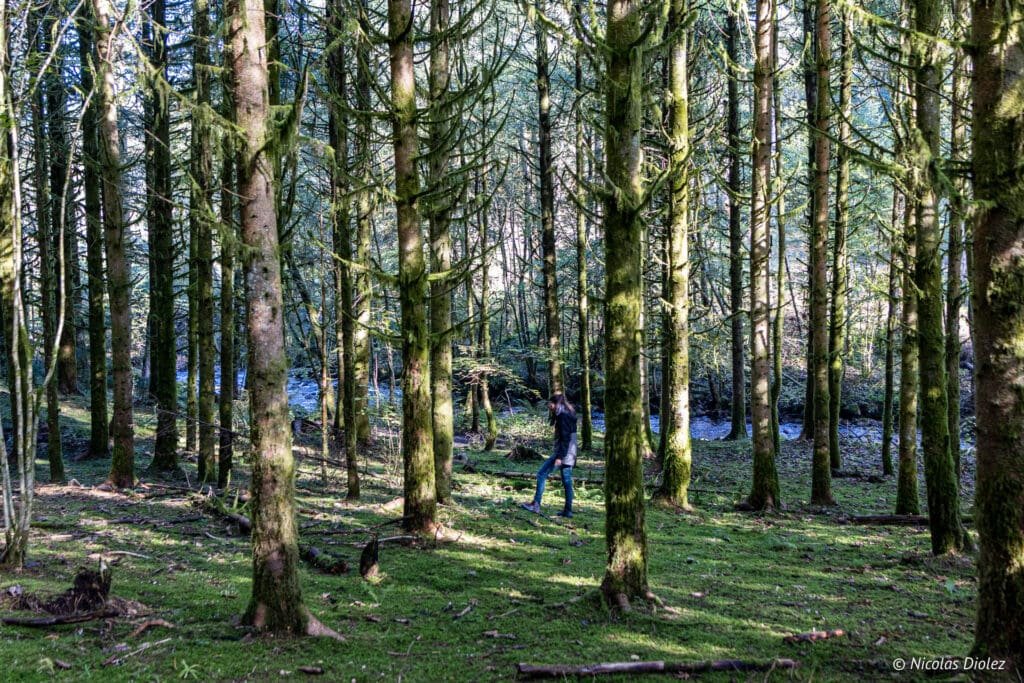
I hope that with all this, I have made you want to visit the Southern Vosges, and if you too have your favorite addresses and tips for this destination, don’t hesitate to share them in the comments!
Photo credits: Nicolas Diolez
Photos are not royalty-free, the photographer's authorization is mandatory before any use