Today I am finishing my story about my road trip through the Eure department with a second article featuring a selection of things to do and places to see/visit in this part of Normandy, which is further inland and, all things considered, not very far from the Paris region. It is a great destination for an easy weekend getaway if you want to temporarily escape the hustle and bustle of the capital. And if you want to complement your reading with some great recommendations, you can take a look at my first article about the region right here.

_
Table of Contents
The village of Bec-Hellouin and its abbey
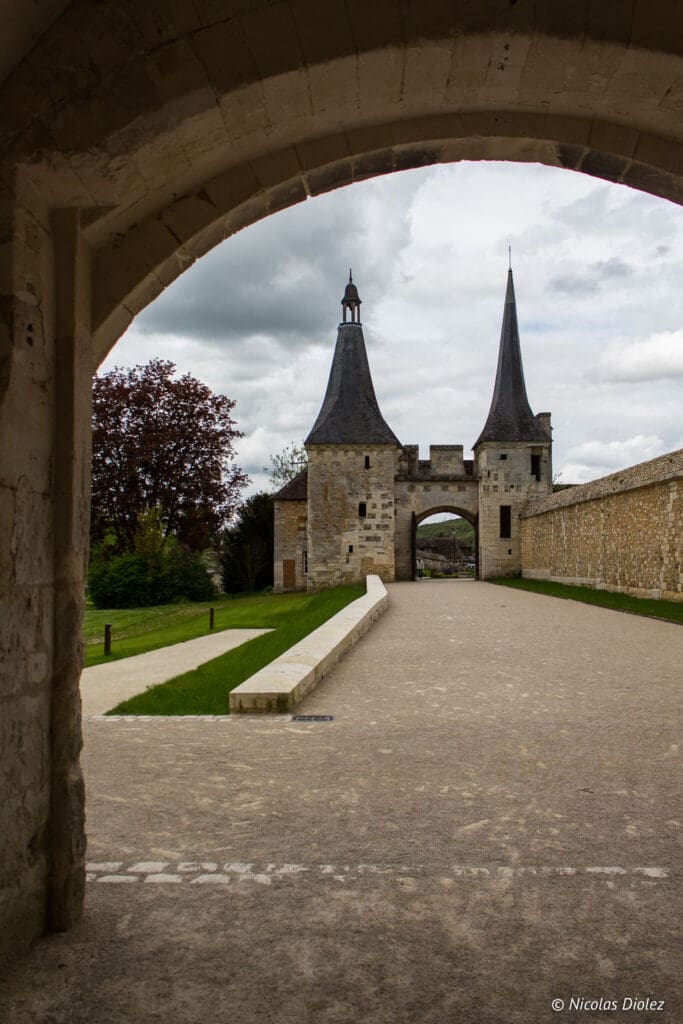
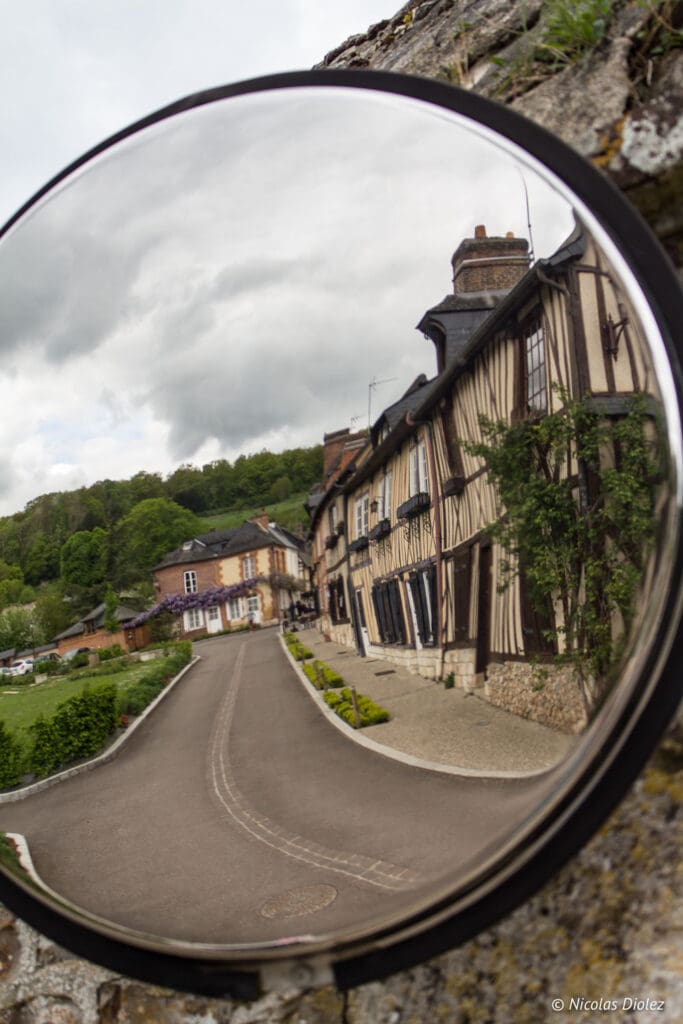
This small village is ranked among the most beautiful in France, and its abbey is also worth a quick visit. The tour of the site is free and open, and you might be lucky enough to run into an old gentleman from the village who wants to tell you all about the history of the place, as happened to us… While he taught us some very interesting things, the only issue was that he didn’t want to let us leave afterwards… A great moment!


_
Visiting the Abbaye Notre-Dame du Bec
The Abbaye Notre-Dame du Bec is a Benedictine Catholic abbey that is now part of the Subiaco Cassinese Congregation. However, visiting the interior of the abbey requires a ticket and is only possible through guided tours (from June 1st to September 30th) managed by the Centre des Monuments Nationaux (CMN). For our part, since the guided tours had not yet started when we visited, we were content with visiting the exterior grounds and the chapel, which we were allowed to enter.
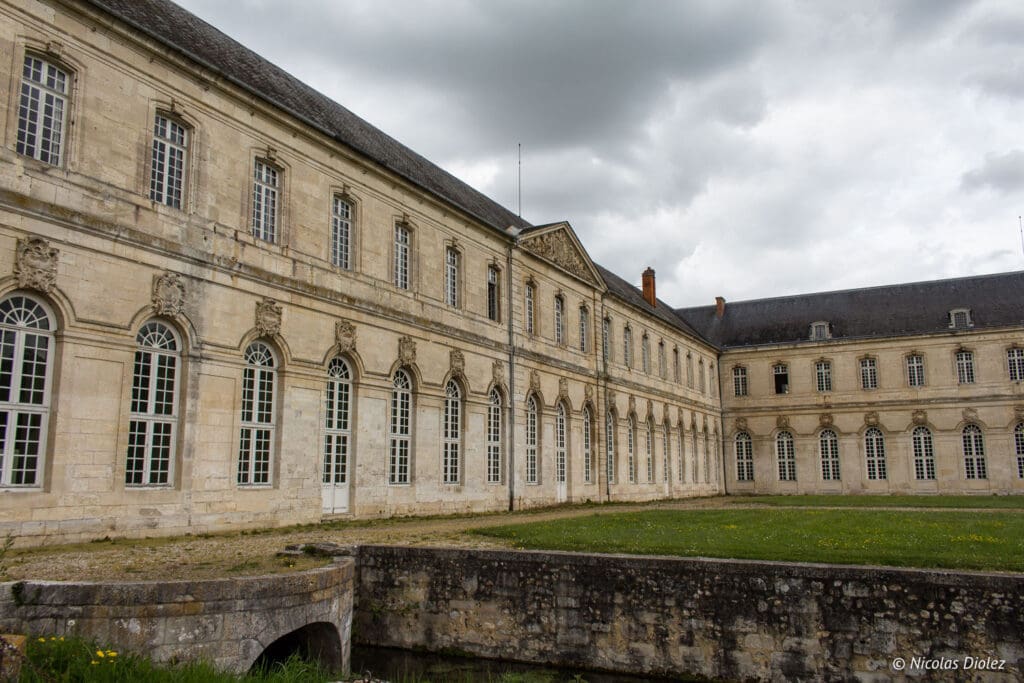
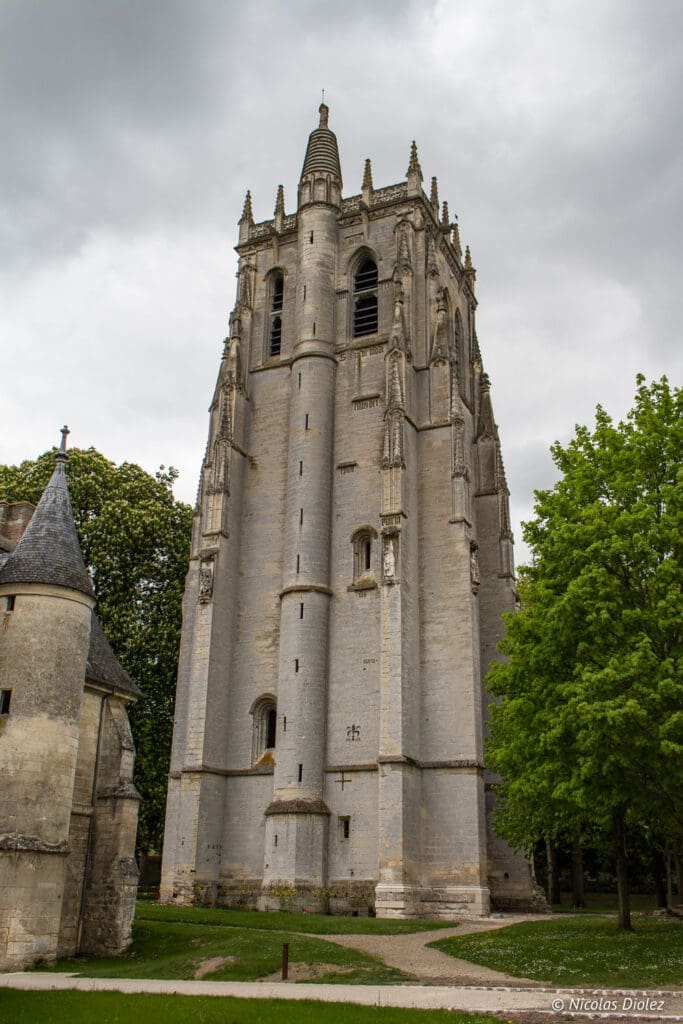
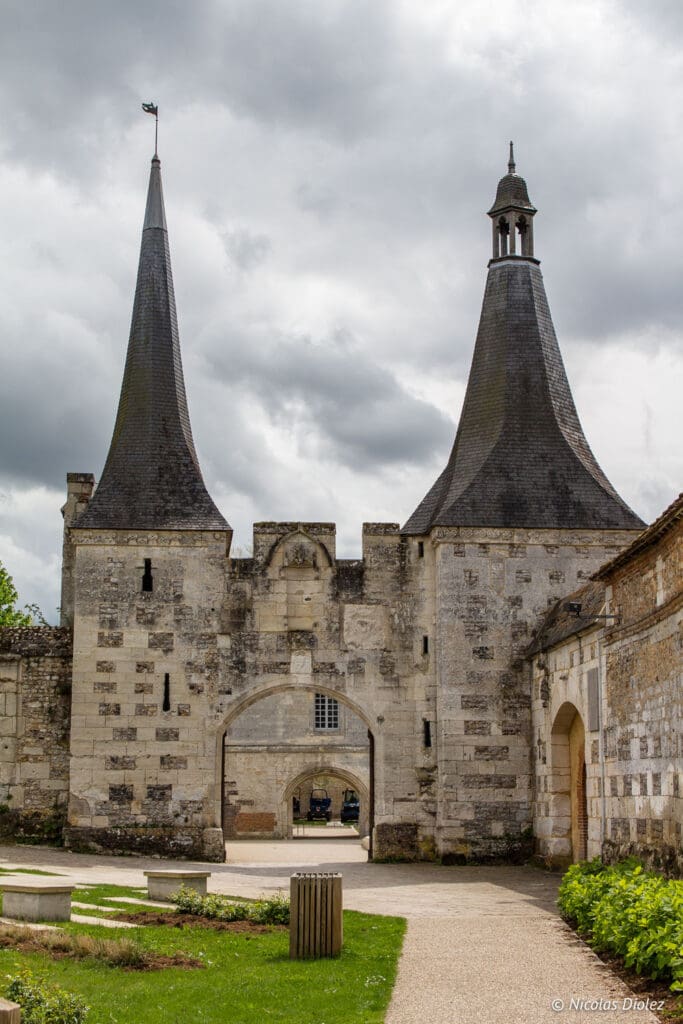

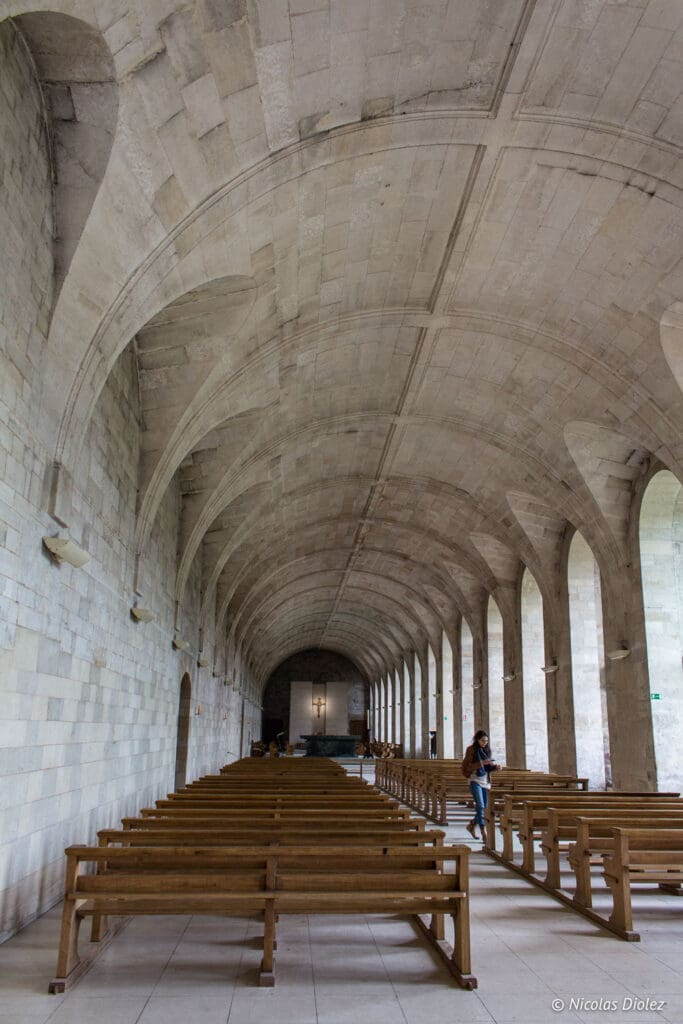
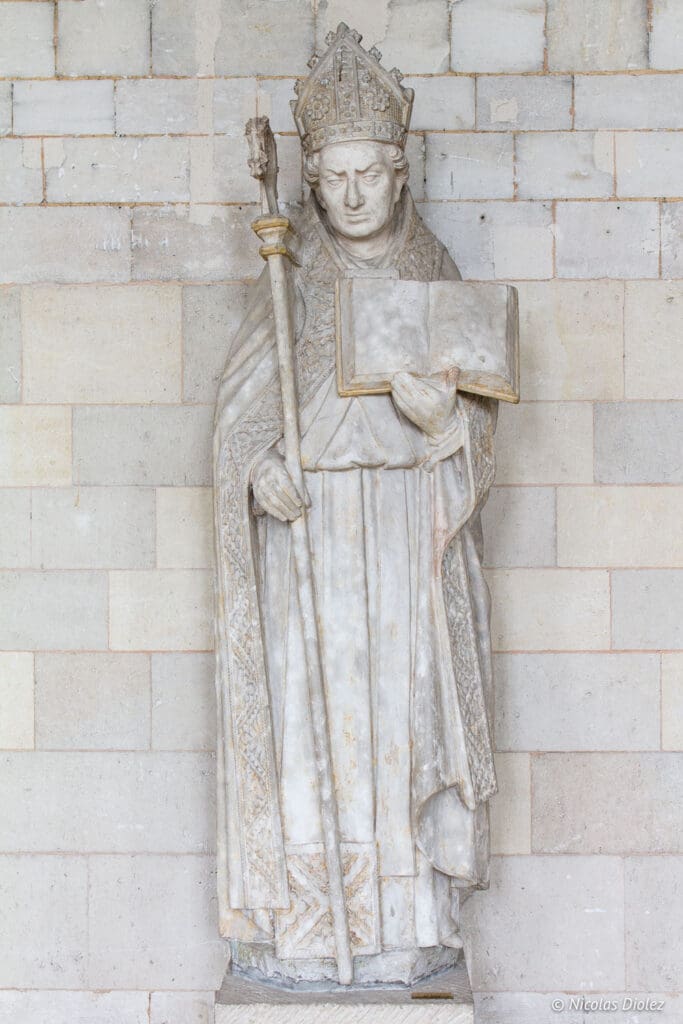
Abbaye Notre-Dame du Bec

Notre-Dame du Bec 27800 Le Bec-Hellouin
_
The Château de Champ de Bataille
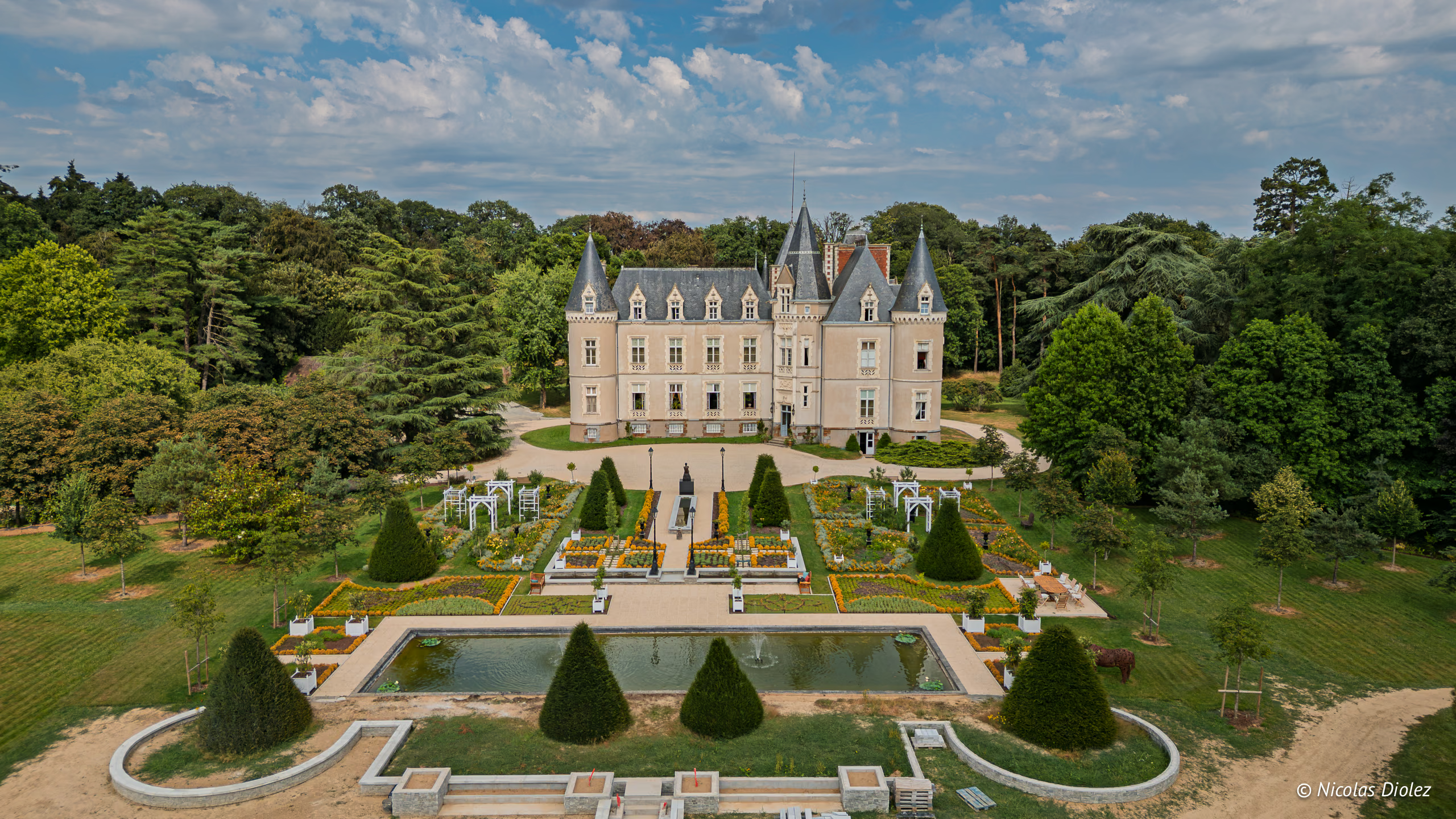
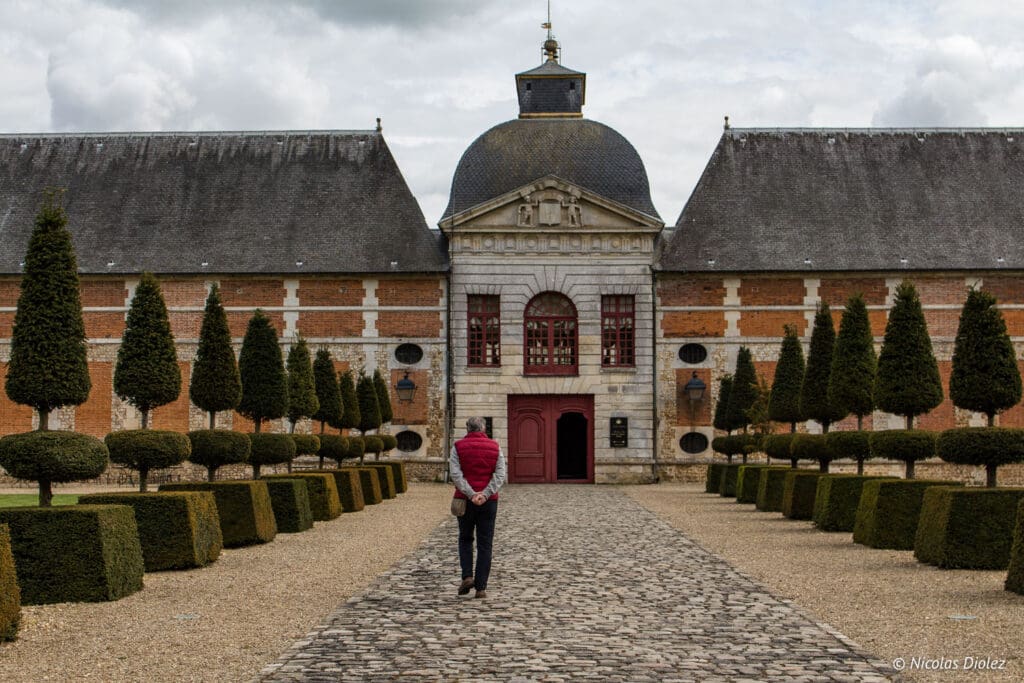
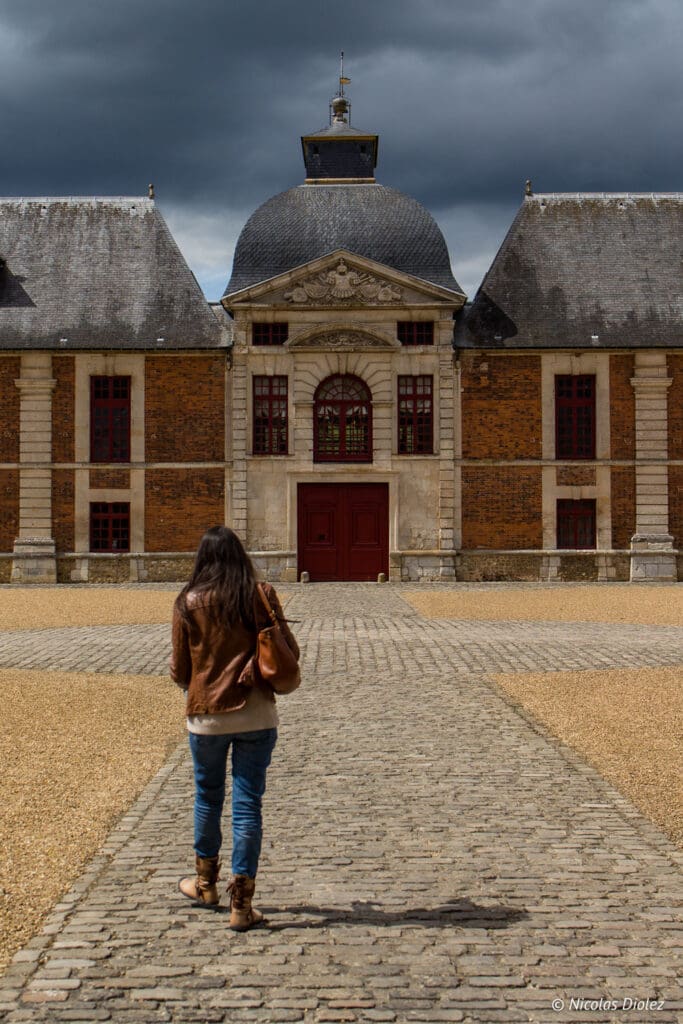
This private castle is owned by Jacques Garcia, an influential Parisian figure, interior architect, and decorator. Inside the buildings, you can explore his collection of furniture and art objects.
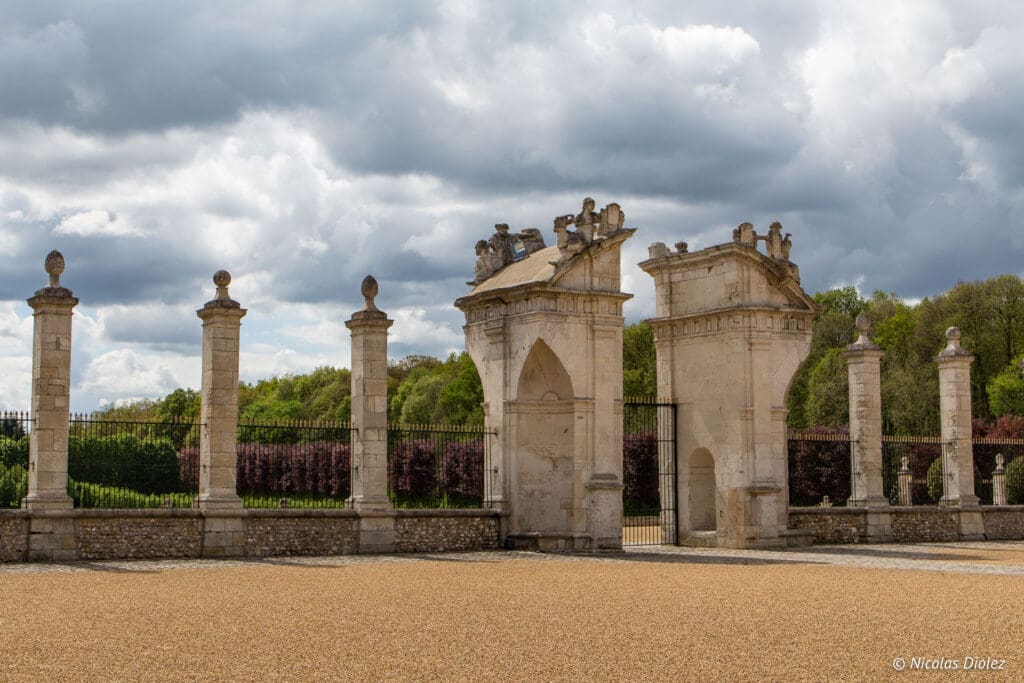
A little background: the Château du Champ-de-Bataille was built in the heart of the Neubourg countryside in the Eure during the 17th century for Count Alexandre de Créqui-Bernieulles. It consists of two twin brick and stone structures.
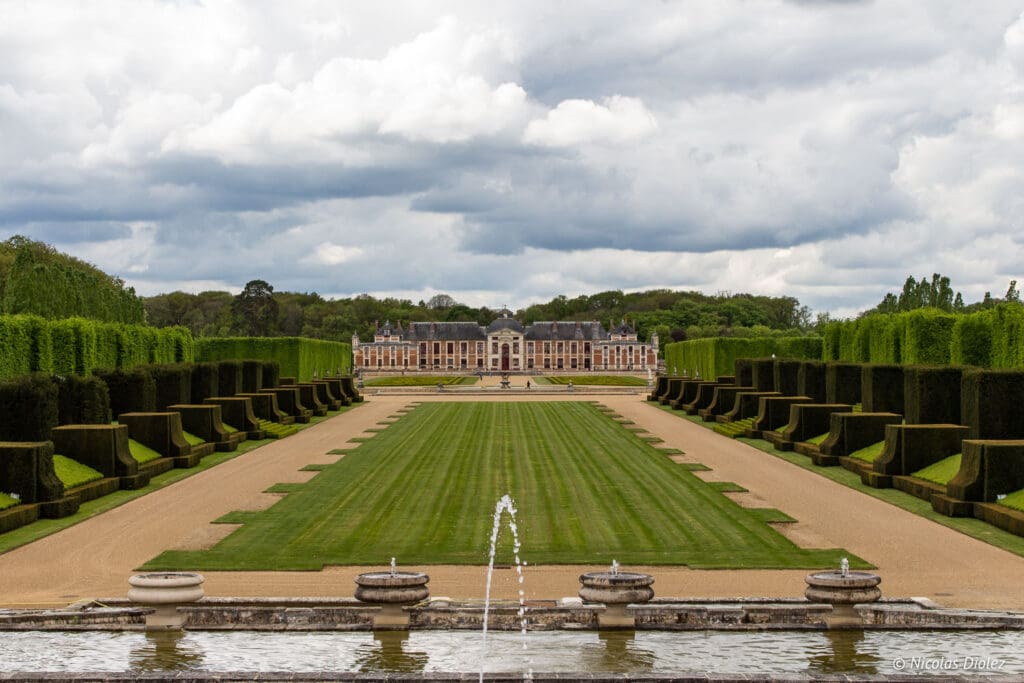
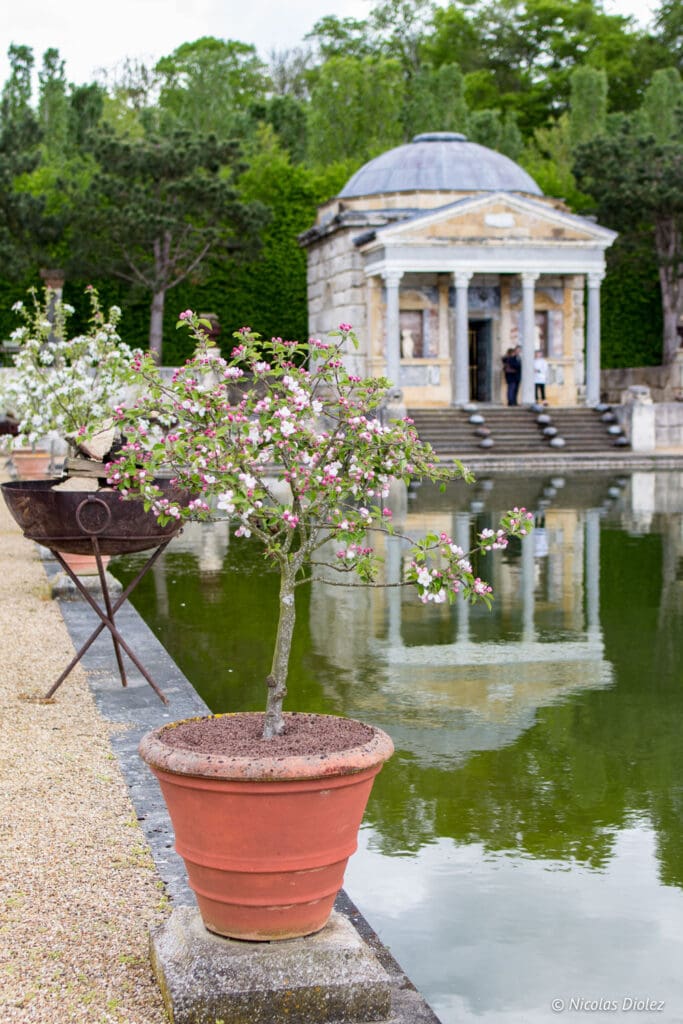
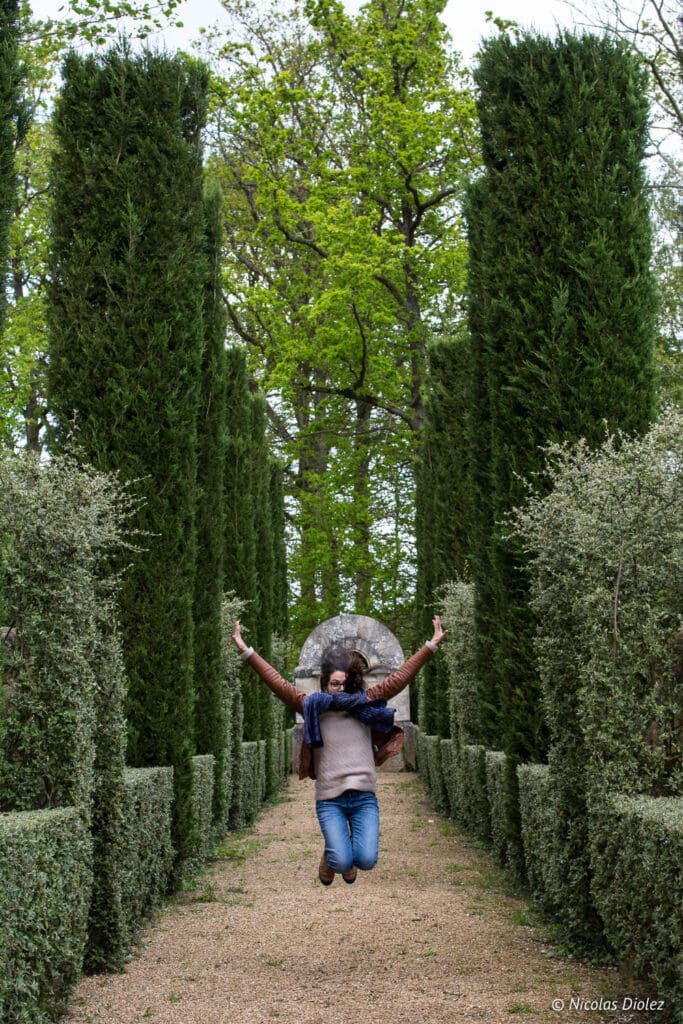
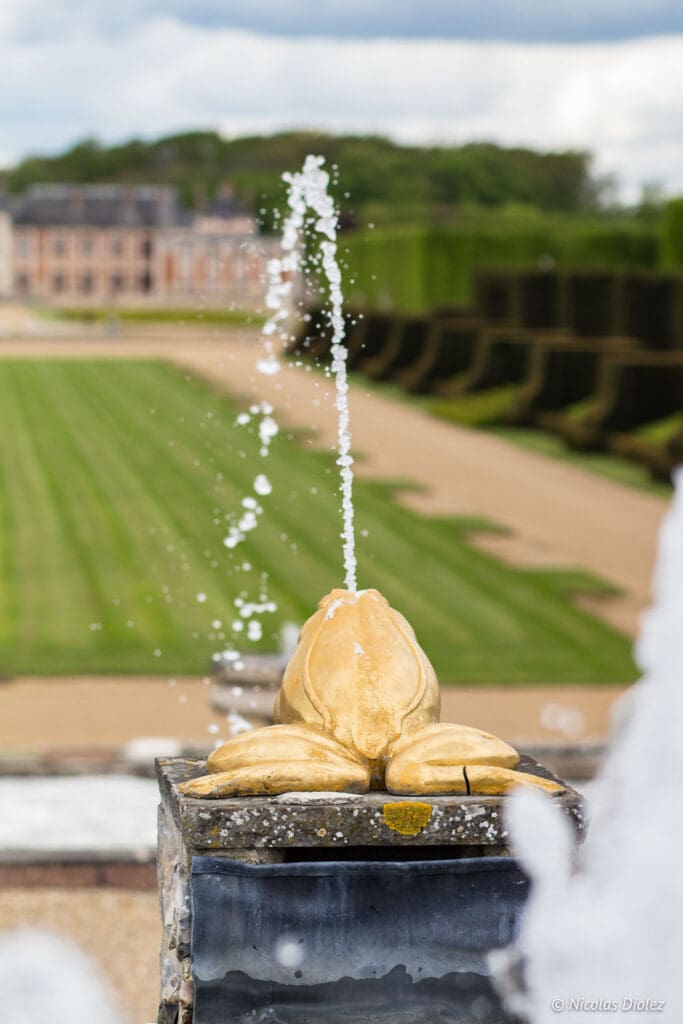
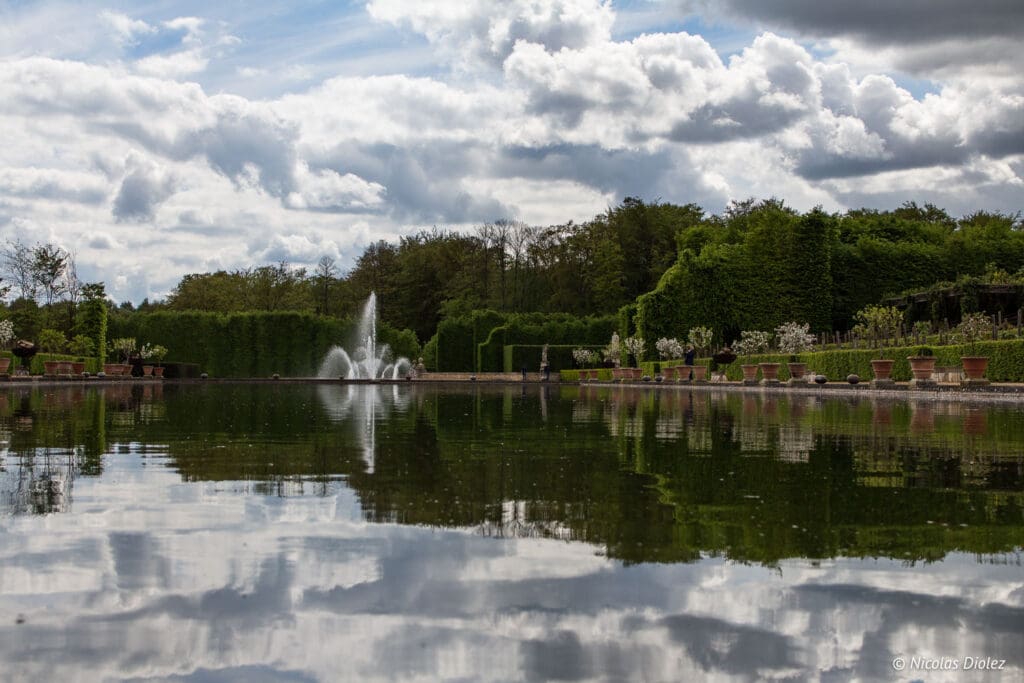
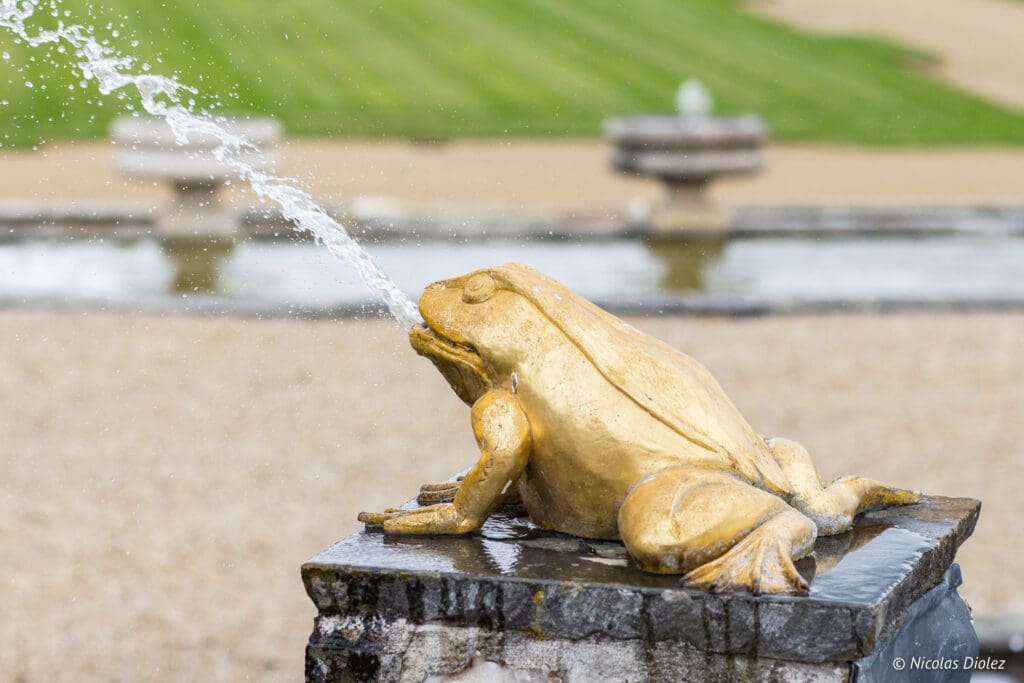
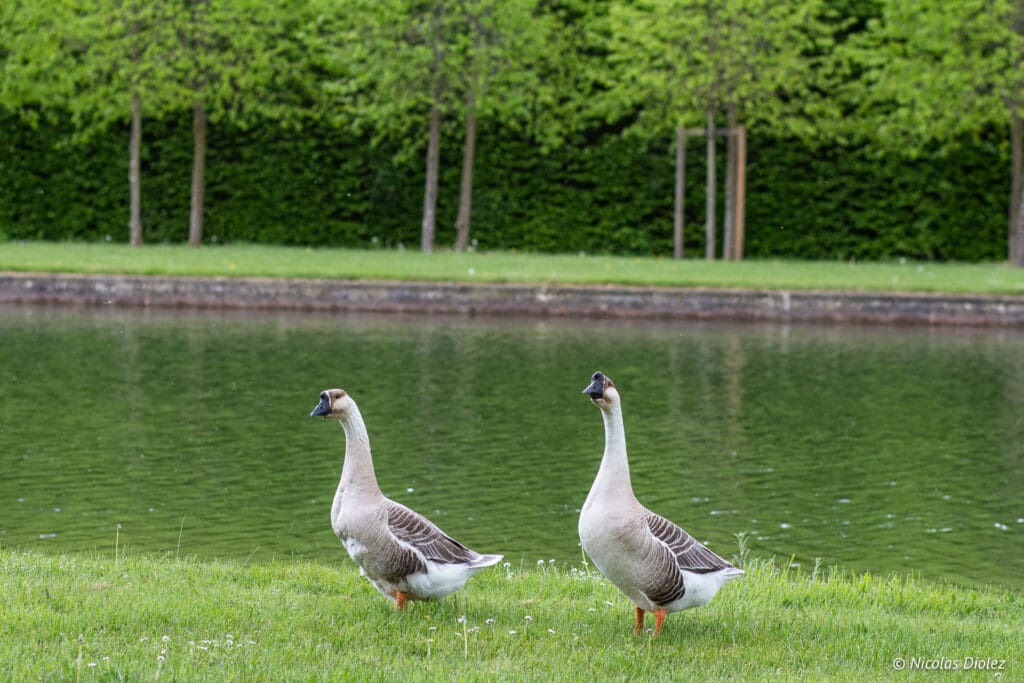
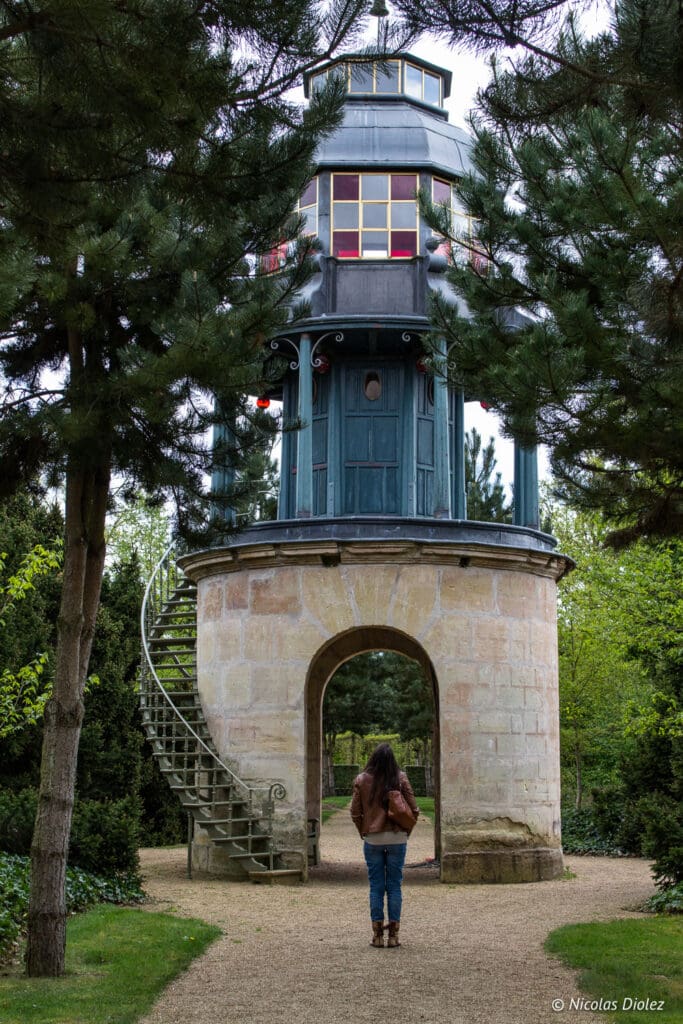

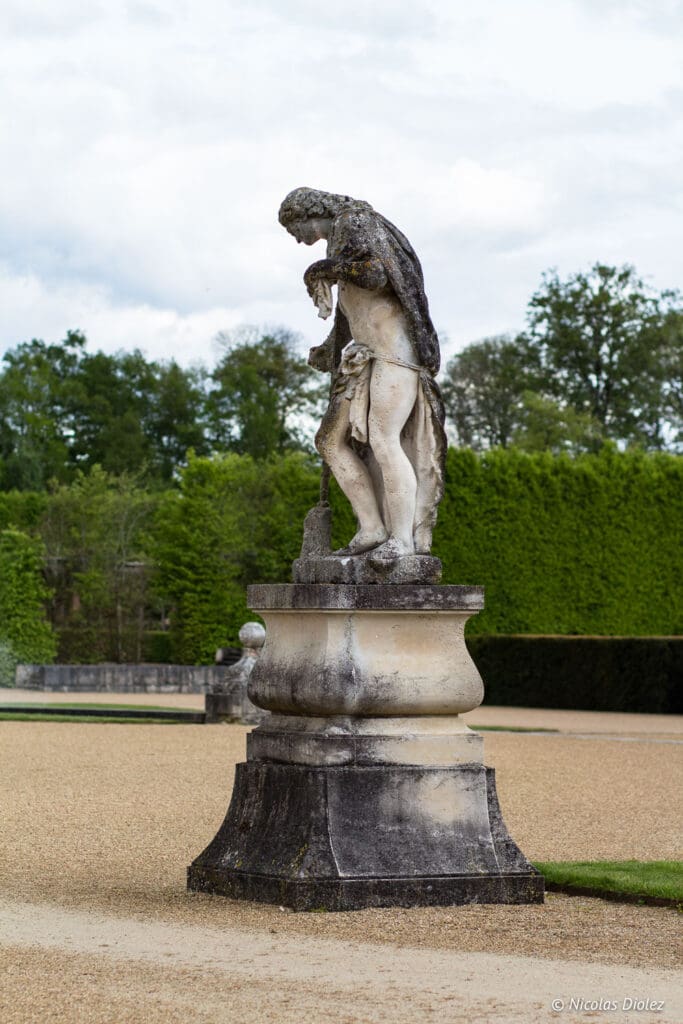
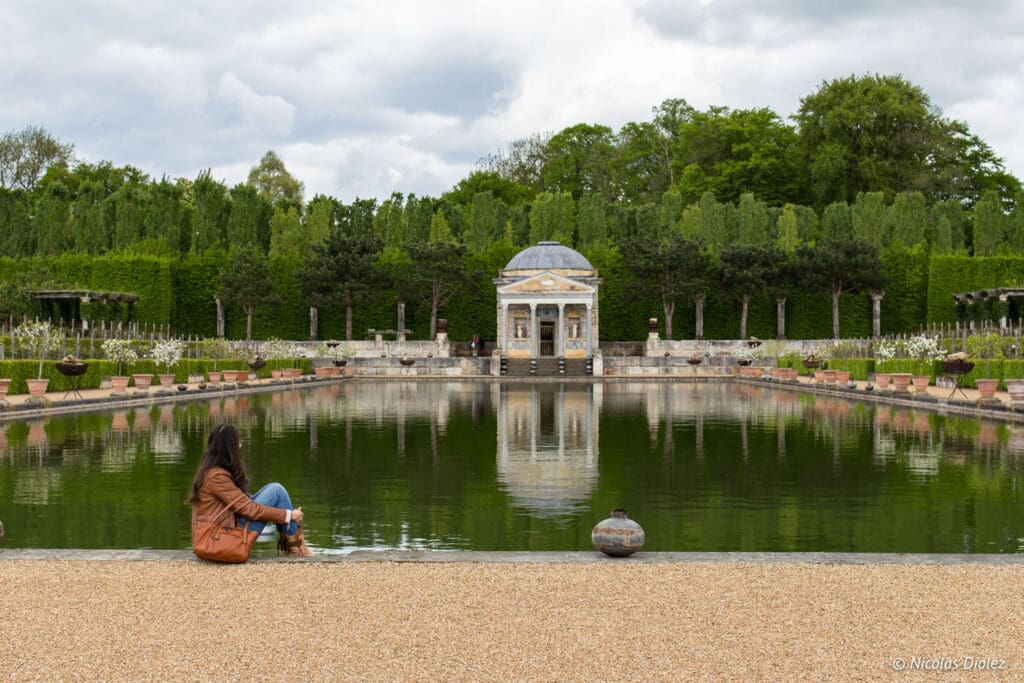
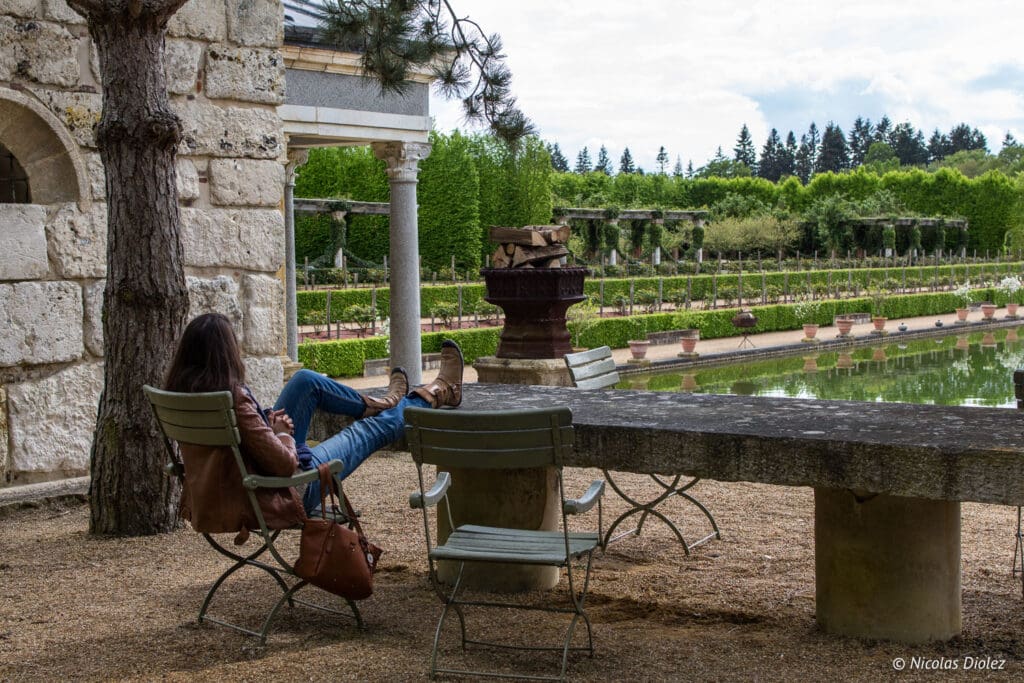
You can visit the interior of the castle with audio guides and then freely explore the magnificent French-style gardens (with a 138-hectare park), designed by Le Nôtre and recreated by Jacques Garcia. This is truly the unmissable part of the visit, because these gardens are reminiscent of those at Vaux-le-Vicomte (another castle that I really like and which I have already mentioned on the blog). The gardens are very large, so I advise you to plan for at least 1 hour and 30 minutes to wander (or get lost) through them peacefully.
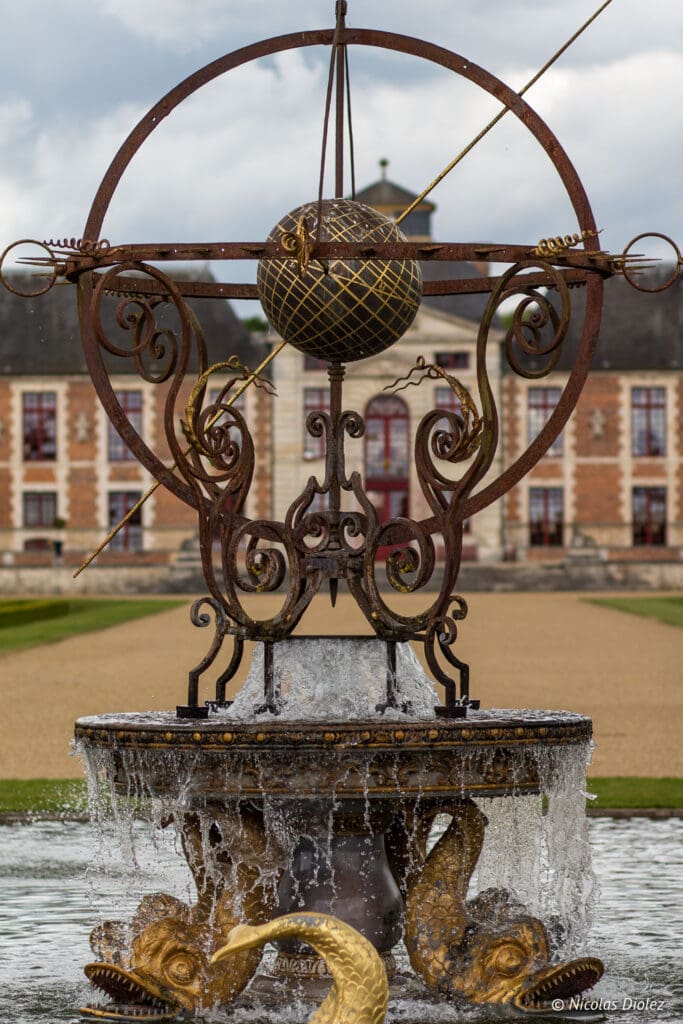
Château de Champ de Bataille

8 Route du Château, 27110 Sainte-Opportune-du-Bosc

Castle open every weekend and public holiday from April 1st to June 30th and from September 1st to October 31st from 2:15 PM to 5 PM, then every day from 2:15 PM to 5 PM in July and August

Gardens open every day from March 1st to December 31st from 10 AM to 6 PM

Prices: adults 30 € Castle and Gardens (15 € for gardens only) / ages 12 to 16 20 € Castle and Gardens (10 € for gardens only) / free for under 12s
_
Le Moulin d’Andé
Le Moulin d’Andé is truly an atypical place. Dating back to the 12th century, this mill, which is a listed historical monument, is one of the last remaining “pendant mills” (because its wheel is suspended above the water). The incredible owner of the place, Mrs. Suzanne Lipinska, turned it into an artists’ residence and a venue dedicated to musical and literary creation, as well as shows and cinema (parts of very famous films by François Truffaut, such as The 400 Blows or Jules & Jim, were partially shot there). To this day, the Mill remains a place that welcomes numerous artists in residence and organizes cultural events, particularly focused on classical music.
Idea for something to do: take a walk in the park of the Mill, which offers an exceptional setting.
For information, the site also allows you to stay on-site in a guest room for very reasonable prices: 60 € for a single room and 80 € for a double room.

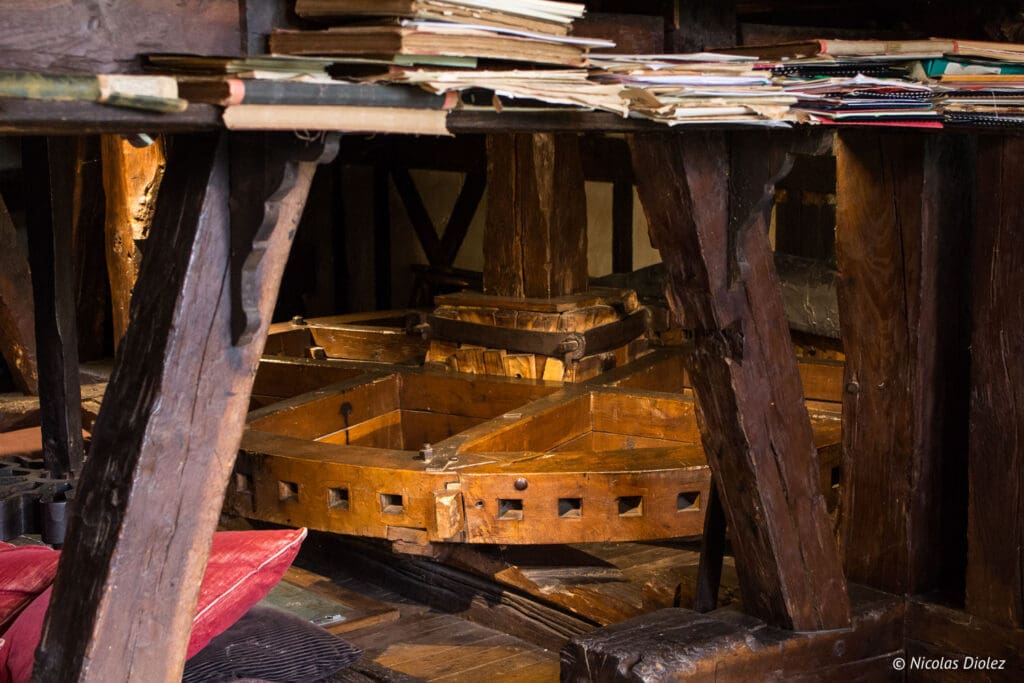
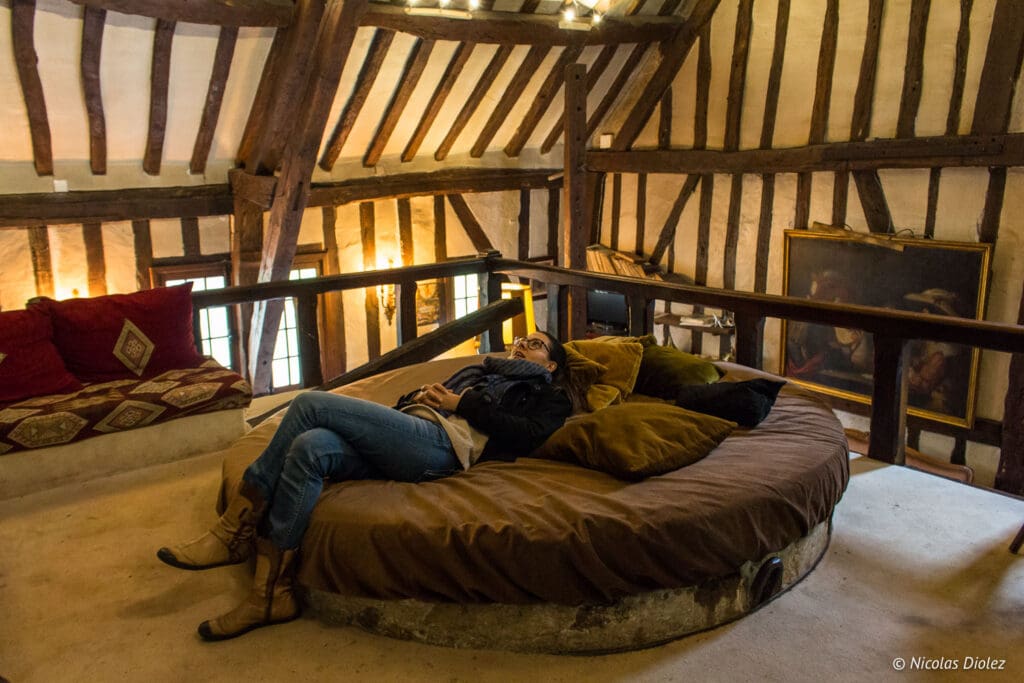

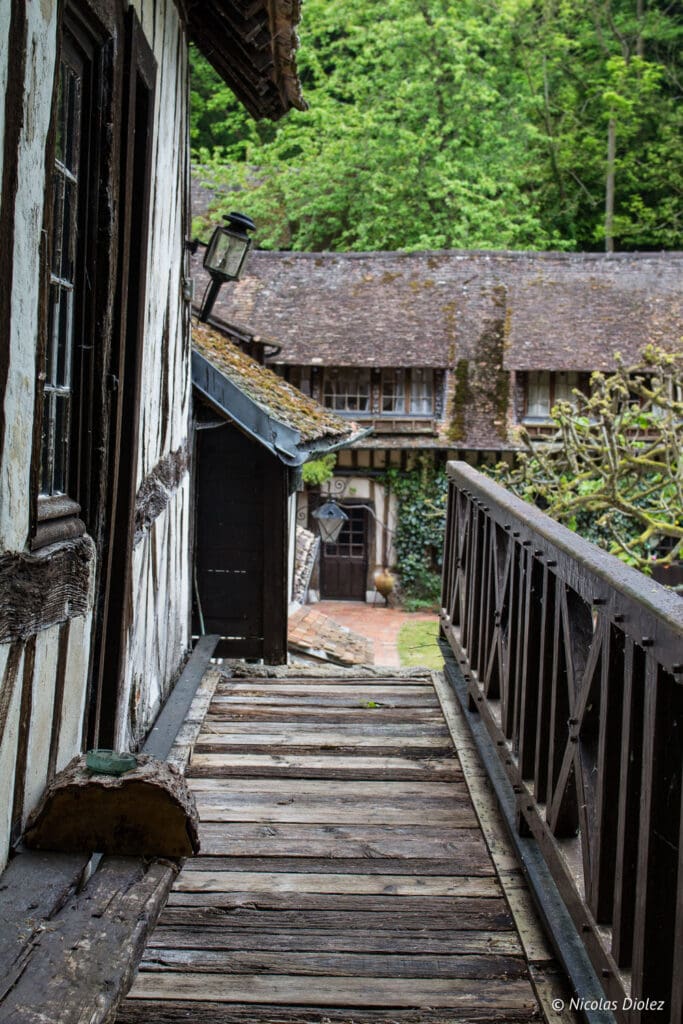
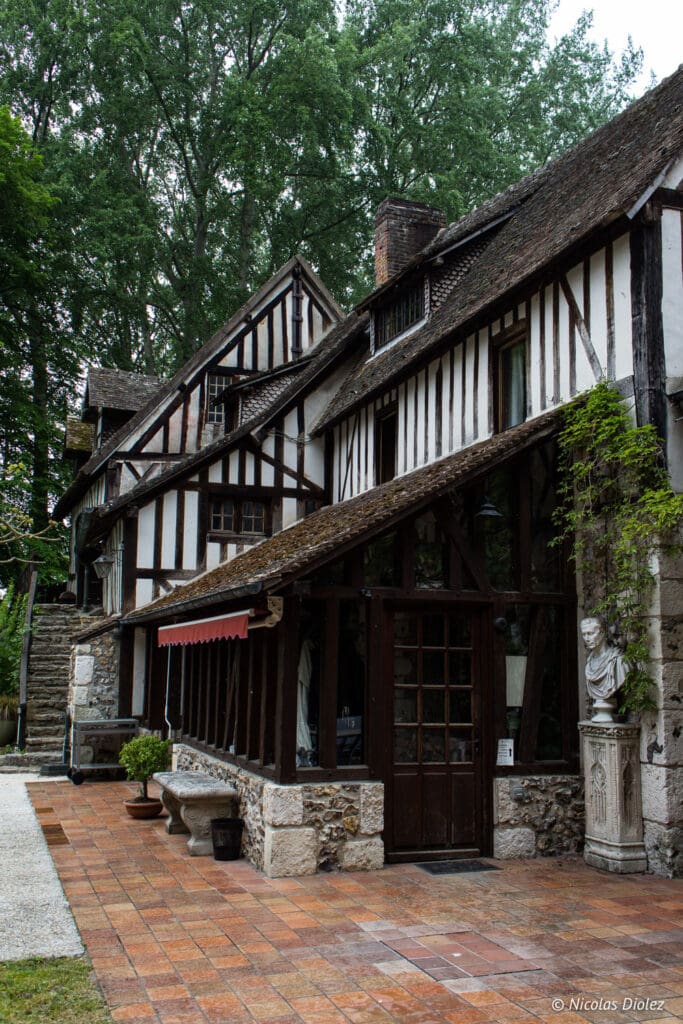

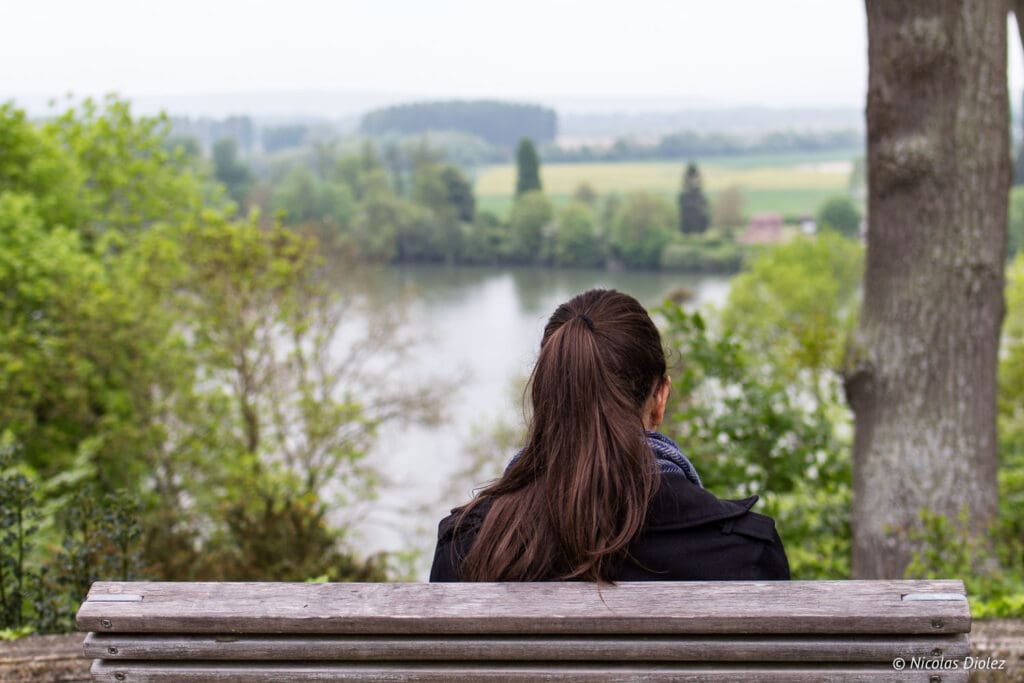
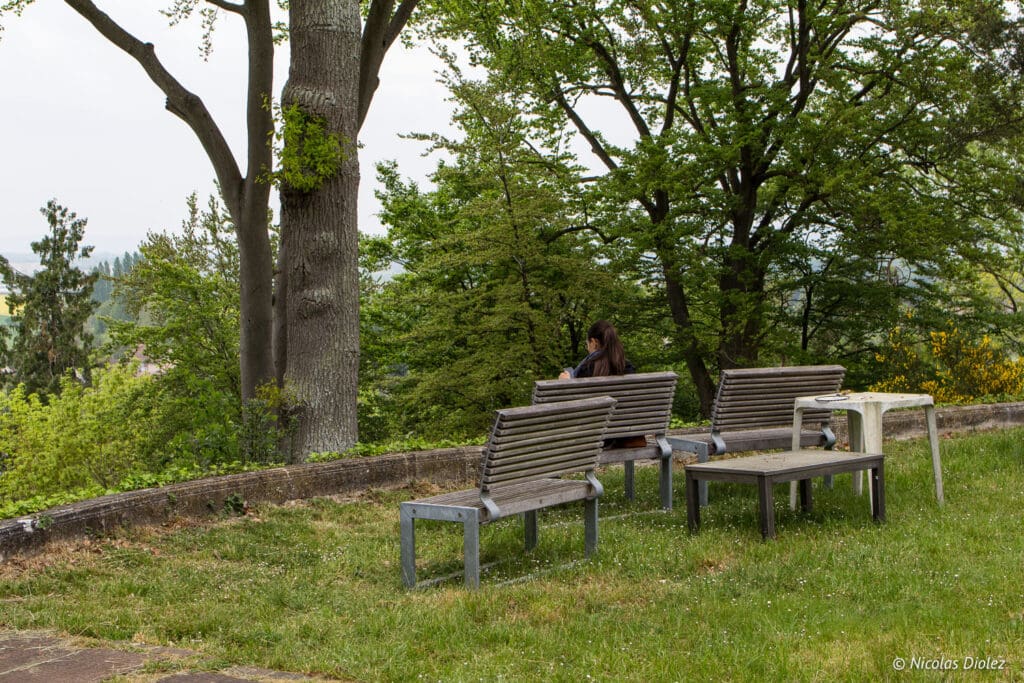
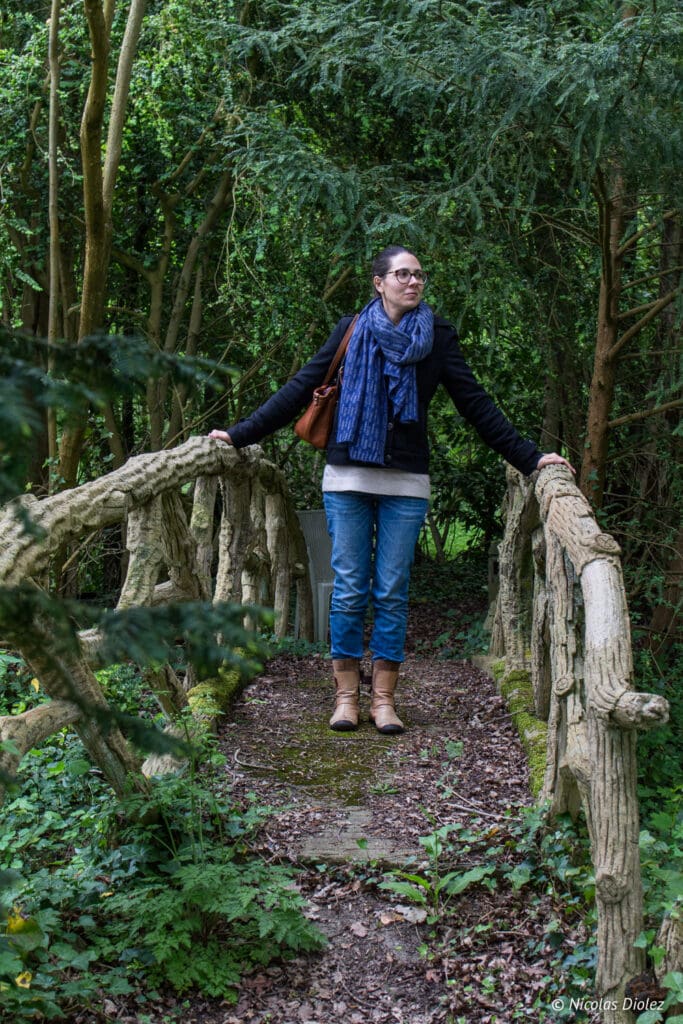
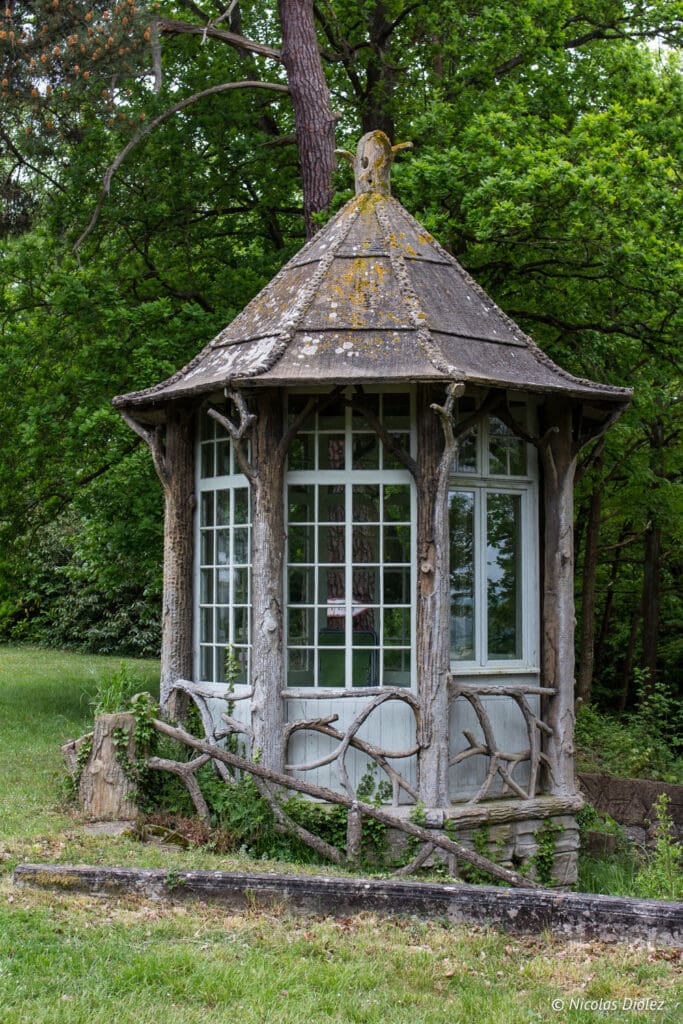
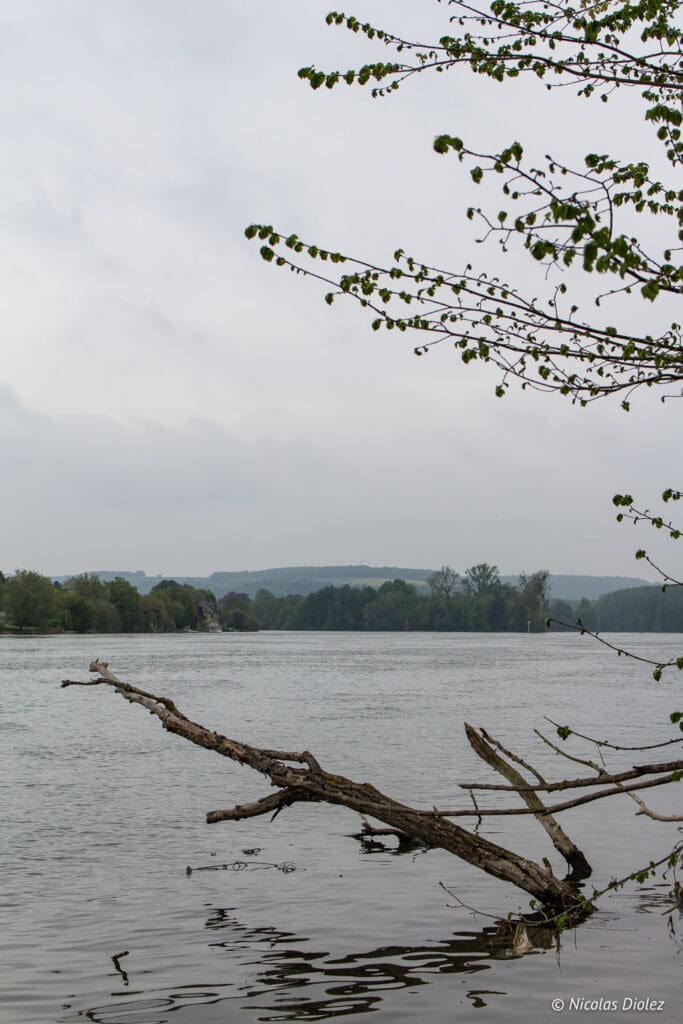
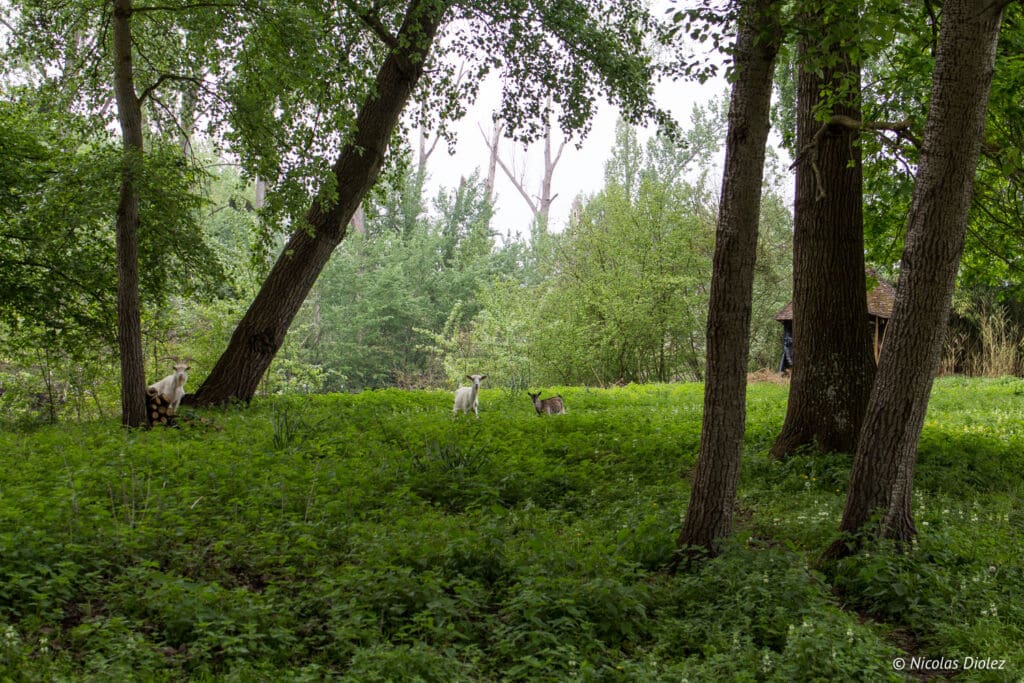
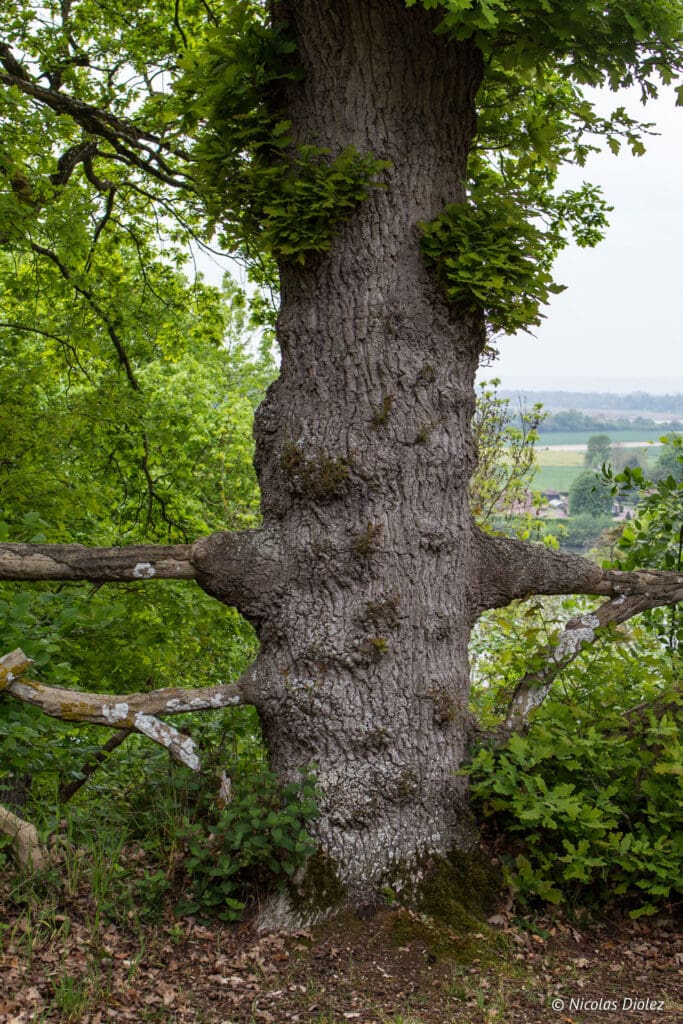
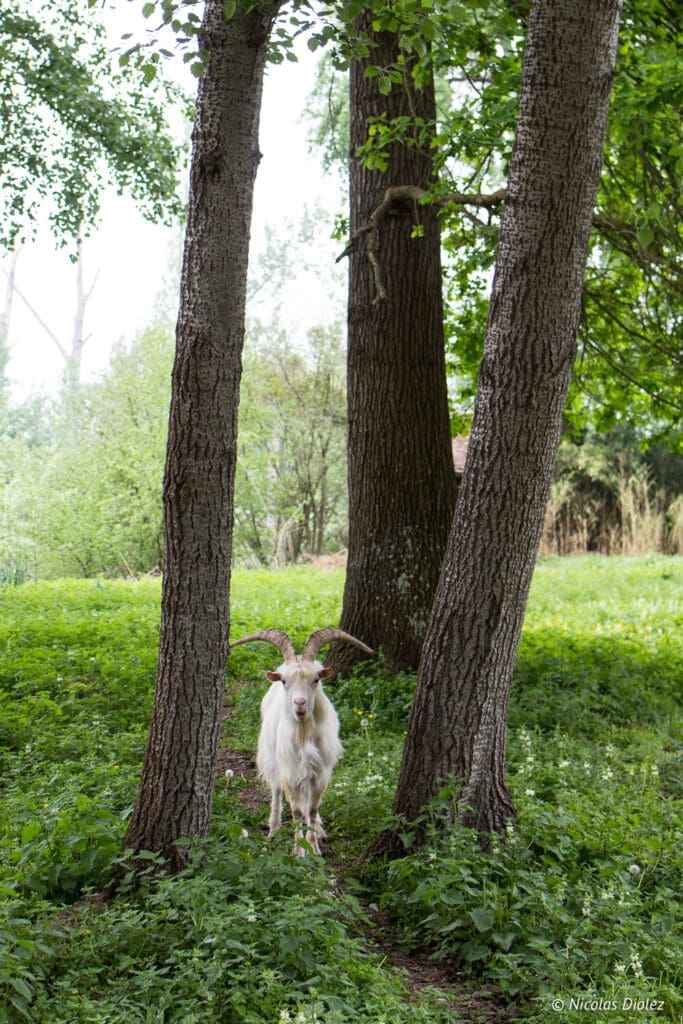

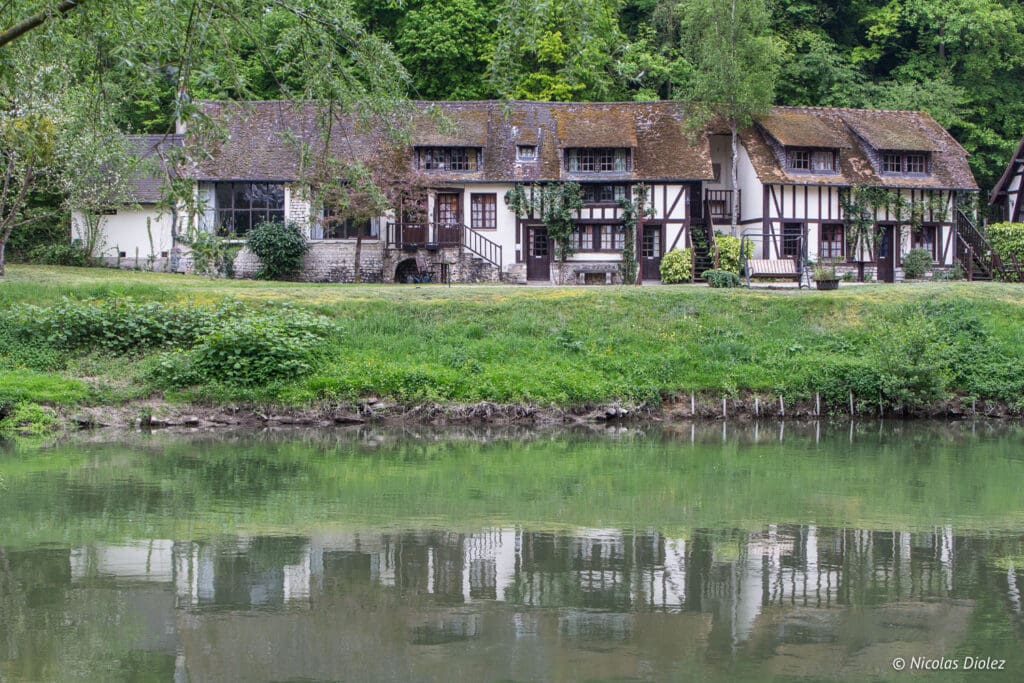

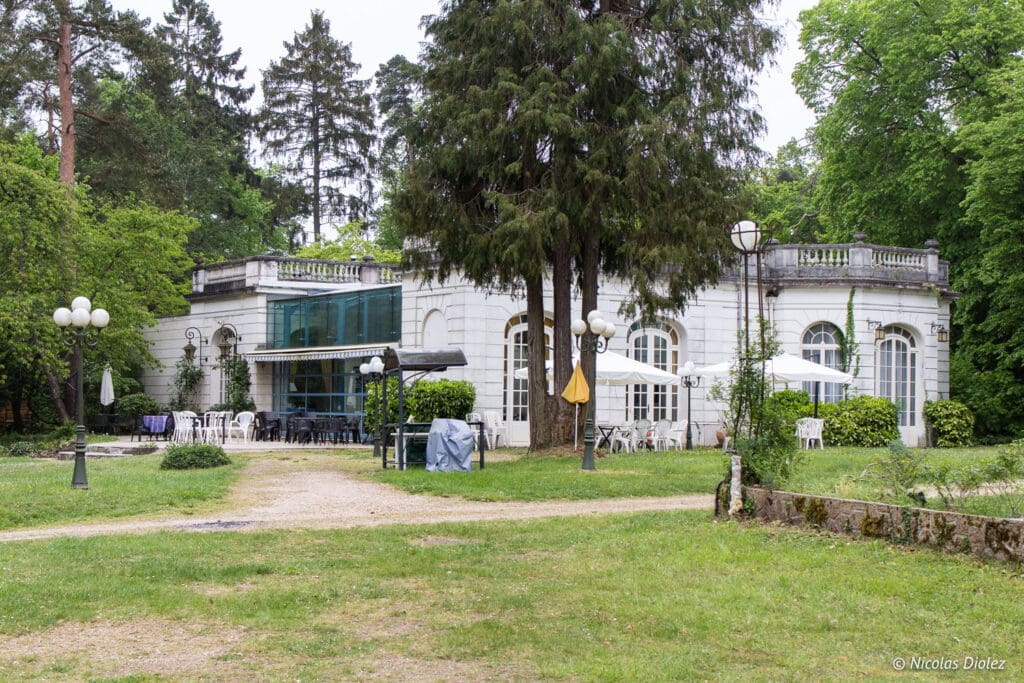
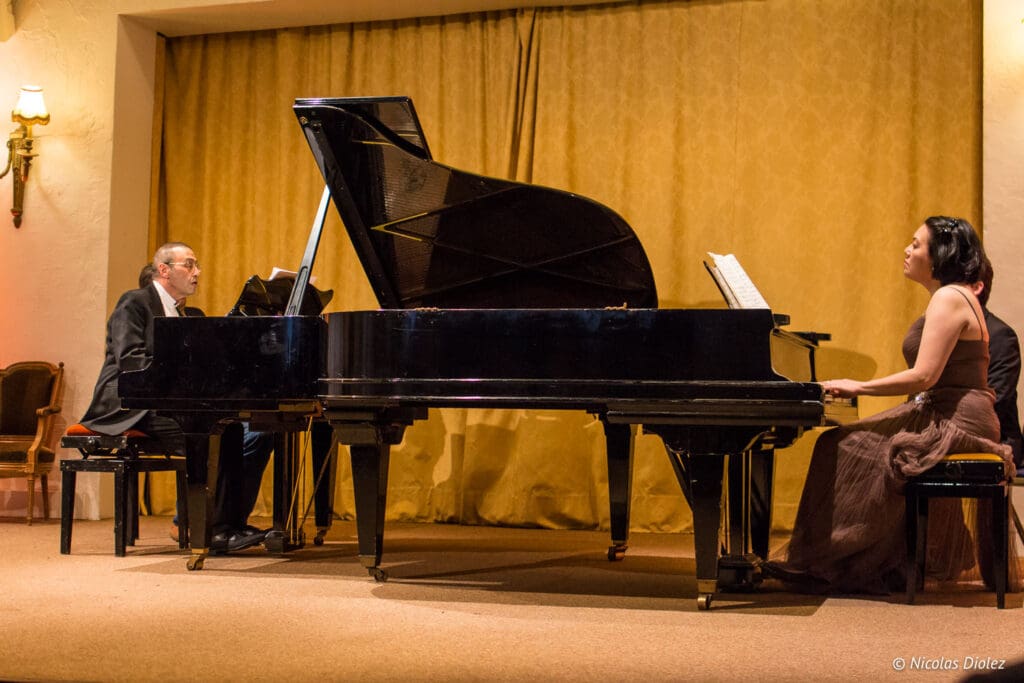
During our visit to the Mill, we were lucky enough to stumble upon the Alexandre Paley and Friends Chamber Music Festival (Alexandre Paley being a world-renowned pianist), which has been held every year at the Orangerie of the Mill since 1992. We returned in the evening to attend one of these beautiful soirées and keep an unforgettable memory of it. A great moment of music and conviviality!
Festival prices: concert 25 € / dinner 25 € / lunch 20 €
Moulin d'Andé

Cultural and Artistic Center
65 Rue du Moulin, 27430 Andé
_
Château Gaillard
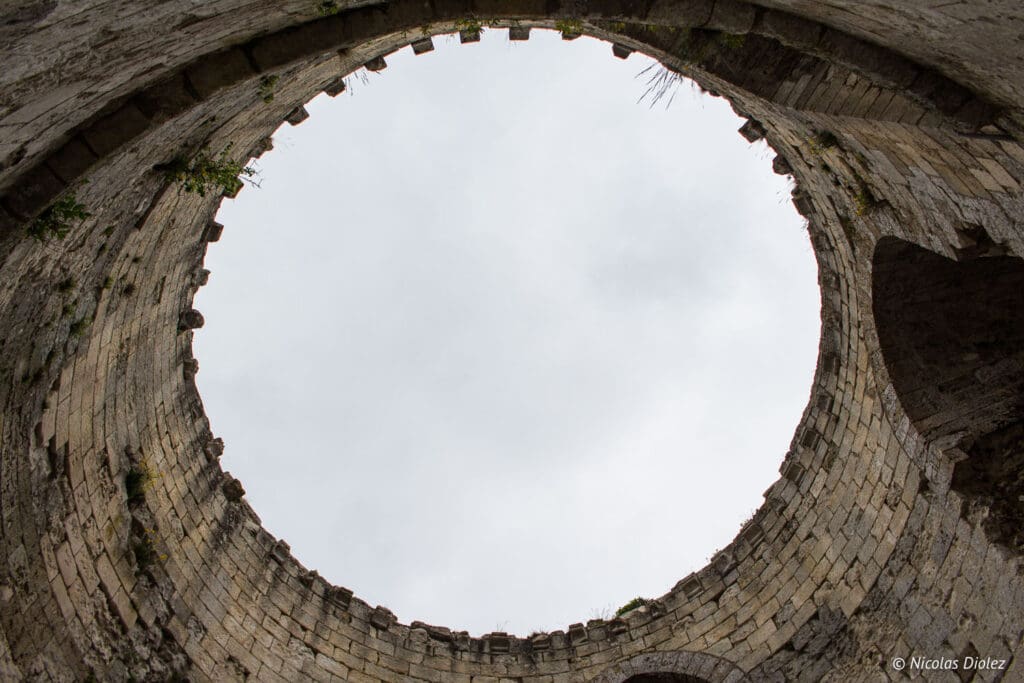
For some history, this Norman fortress was built between 1197 and 1198 on the orders of Richard the Lionheart, King of England and Duke of Normandy in the 12th century, to counter French advances. In 1203, Philip Augustus and his army attacked the fort and organized a siege that would last all winter. The castle was finally captured in February 1204, marking the beginning of the reconquest of the Duchy of Normandy, which was reattached to the French royal domain in June 1204 after the fall of Rouen.
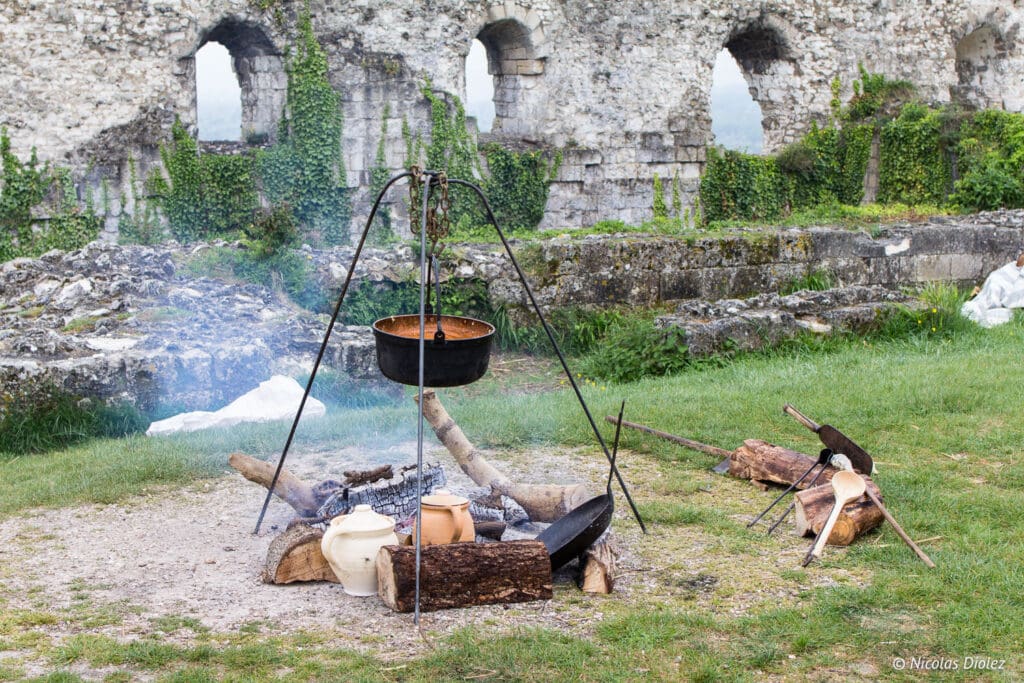
We were lucky enough to participate in a guided tour of the castle as part of a themed day called “healing and feeding in the Middle Ages.” I highly recommend taking a guided tour for this site, because as these are essentially ruins, it is sometimes difficult to understand the significance of the remnants without explanations.

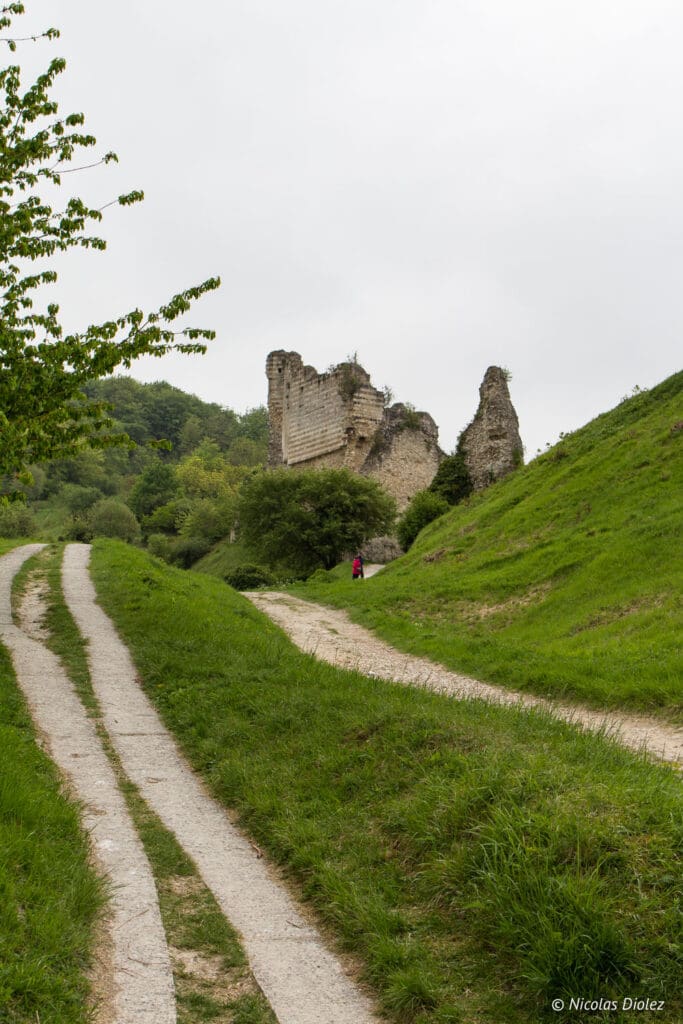
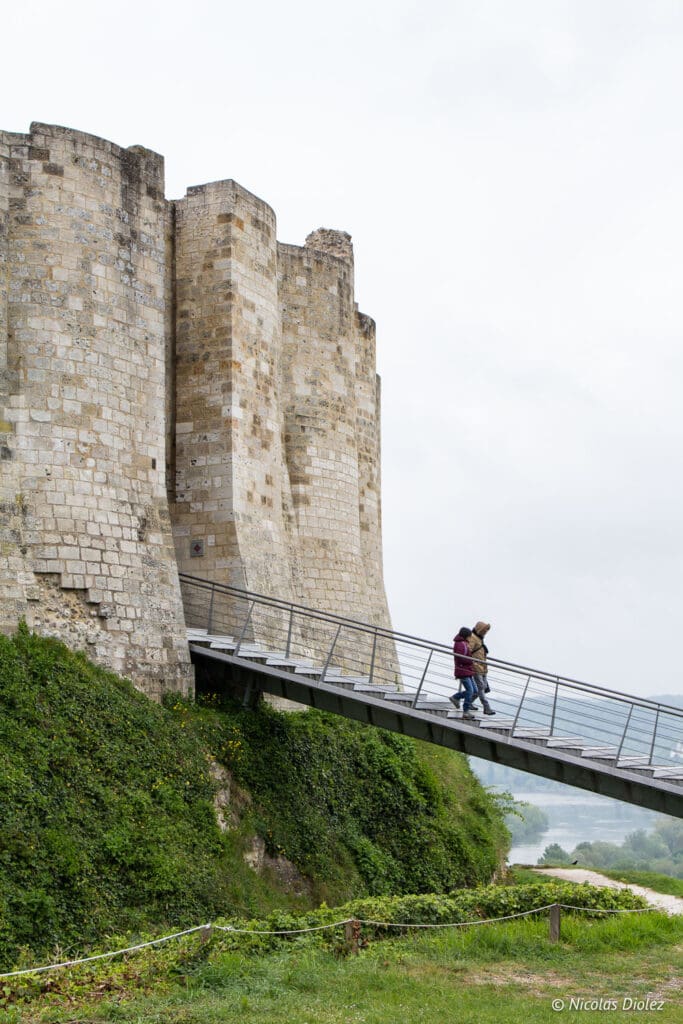
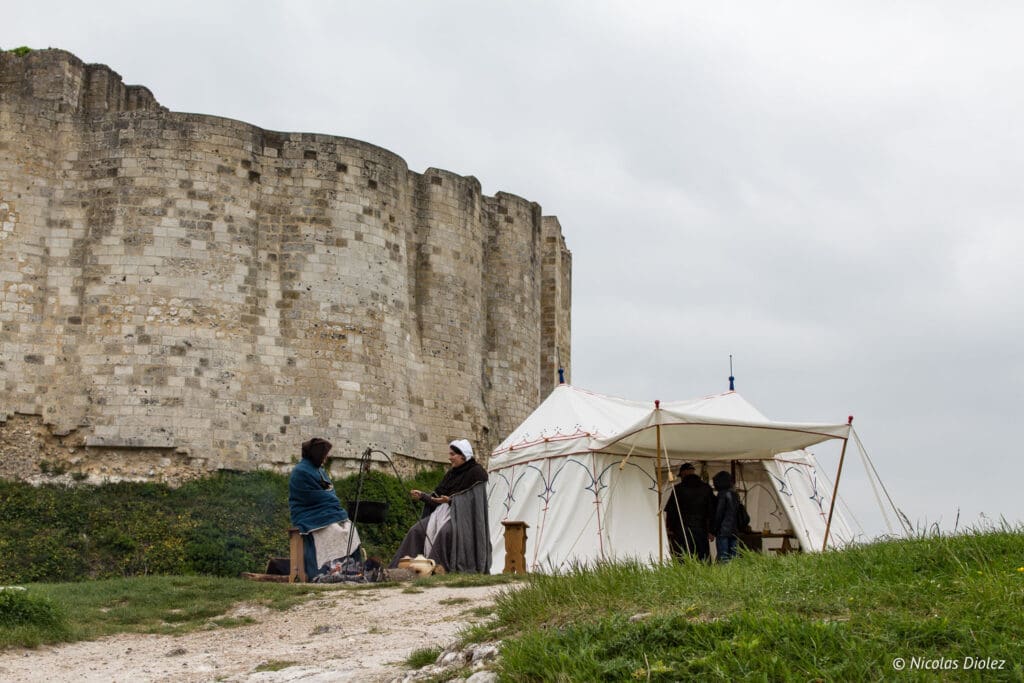
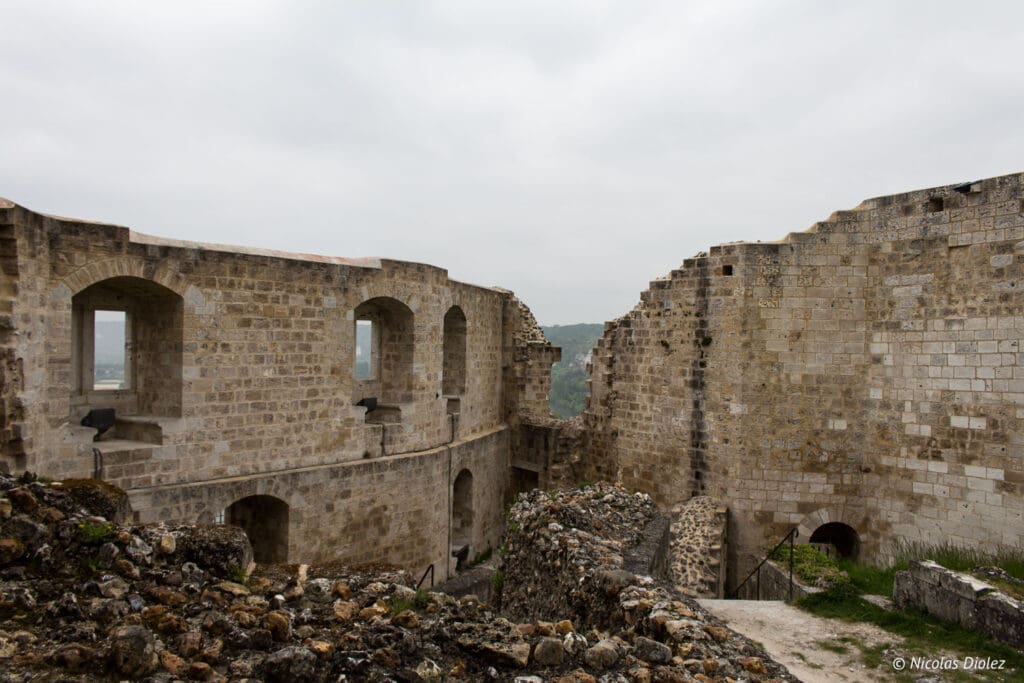

My advice: you can park in a free parking lot at the foot of the castle and then allow for about 10 short minutes of climbing to reach the castle.
Château Gaillard
27700 Les Andelys

Tour prices: self-guided tour 3.20 € and 2.70 € / guided tour 4.50 € and 4 € / free for under 7s

Guided tours on Wednesday, Saturday, Sunday and public holidays at 11:30 AM, 2:30 PM and 4:30 PM
Site open from April 1st to November 1st from 10 AM-1 PM and 2 PM-6 PM (closed on Tuesdays)
_
Visiting the village of Giverny
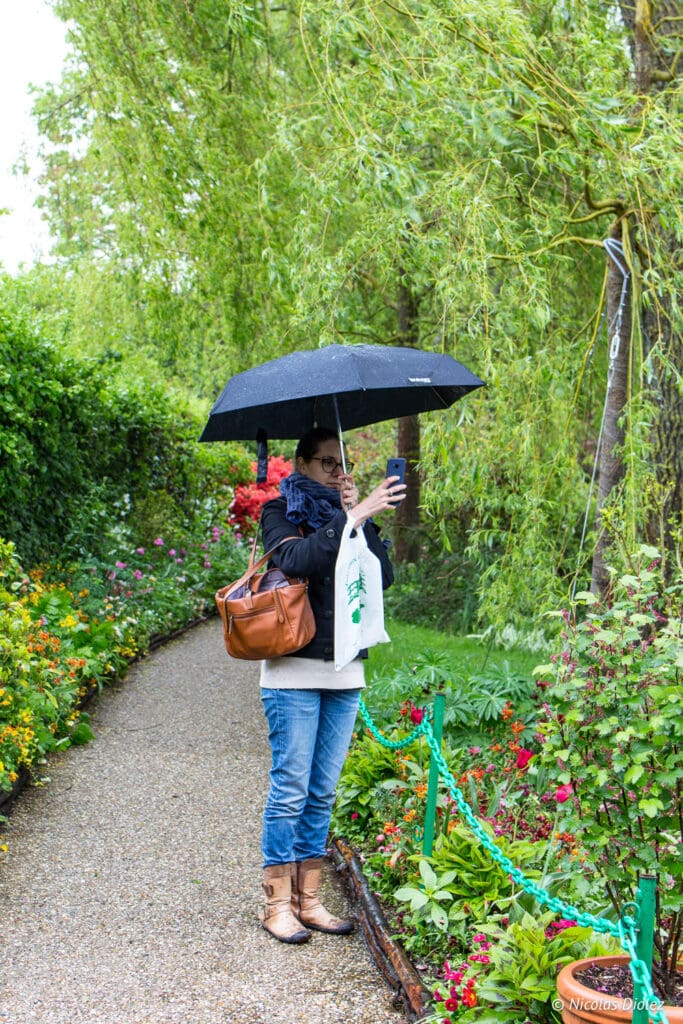
Visiting the small village of Giverny is obviously one of the unmissable stops during a visit to the Eure, and particularly the part located in the Seine Valley. However, I advise you not to do as we did and try to plan it for a day when it’s not raining, that’s better… However, the advantage of a rainy day is that there will be fewer tourists… That will make up for it a little… Also, do not hesitate to wander through the alleys of the village to discover its shops and tea rooms with their impressionist atmosphere.

_
The Claude Monet Foundation
This visit allows you to discover the house, the studios, and the gardens of Claude Monet, a native of Normandy who settled there in 1883 and lived and painted there for 43 years until his death in 1926. The site became the Monet Foundation in 1980.
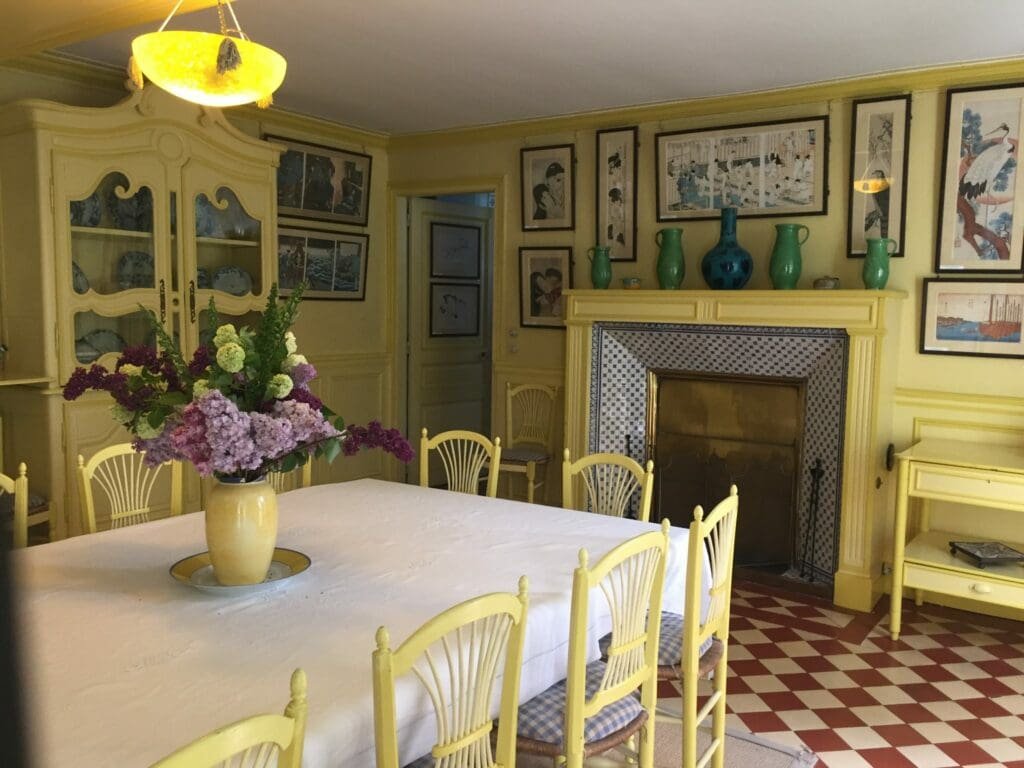
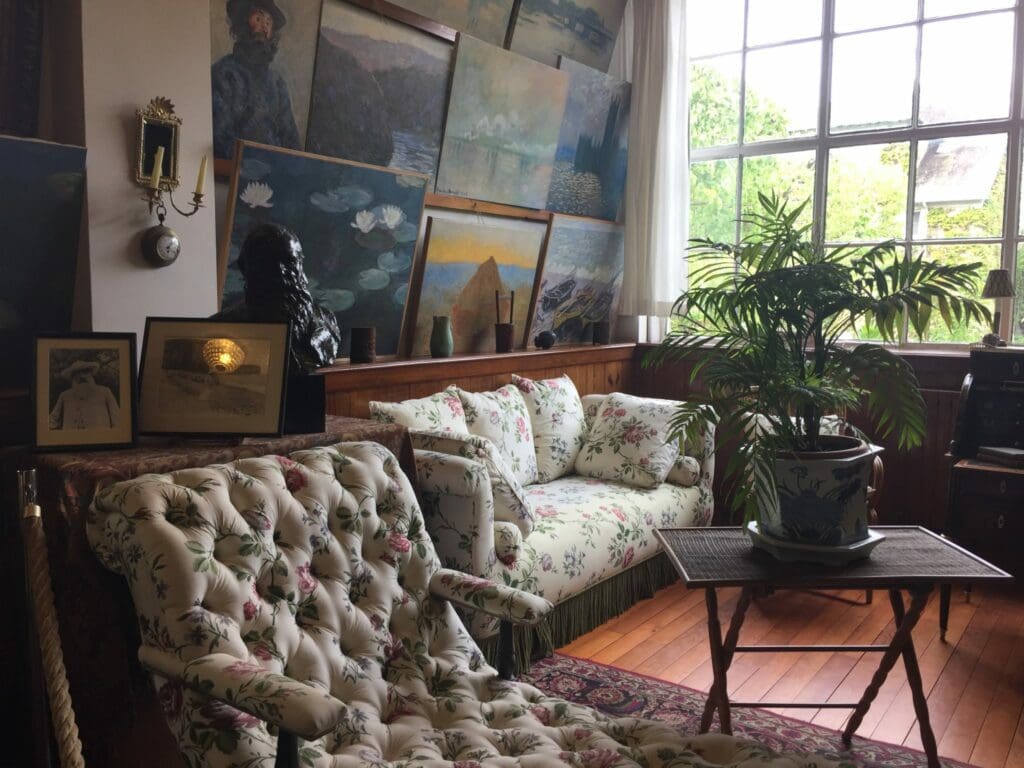
In the pink plaster house, you will find the studio-living room of the painter, who loved to work outdoors to try to capture the variations of light and color depending on the time of day and the season. The exterior walls of the house are pink, but the dining room ignites with a superb cadmium yellow, while the kitchen, with its earthenware tiles, plays with blues and whites. Japanese art, called “Japonisme,” was very fashionable in the 1860s. Monet was a fan of it, and consequently, you can find many Japanese prints that he collected in his house.




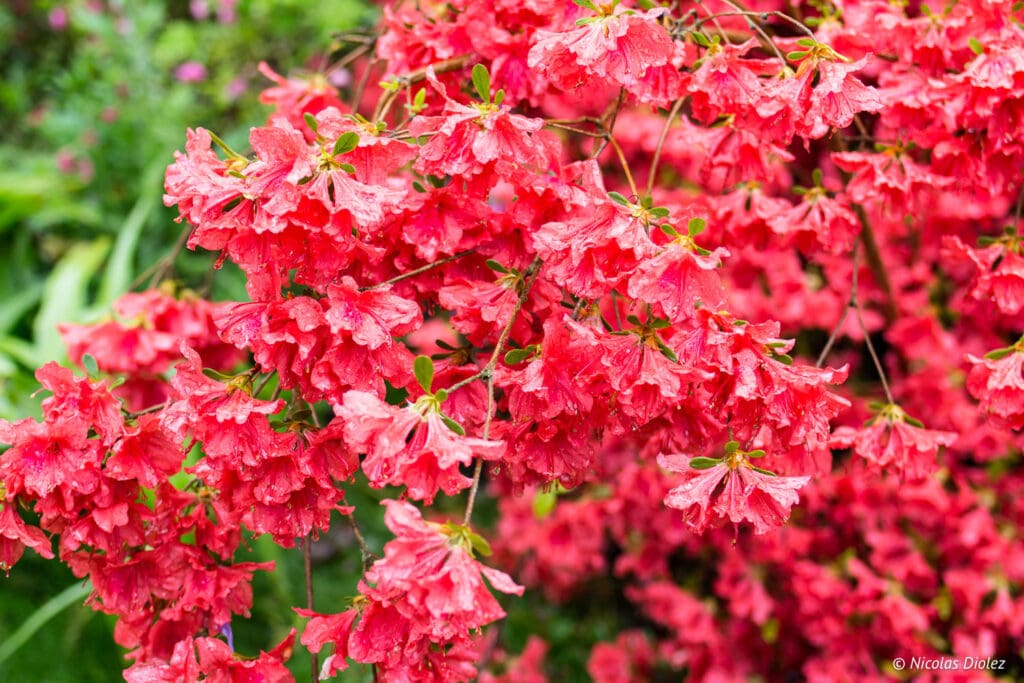
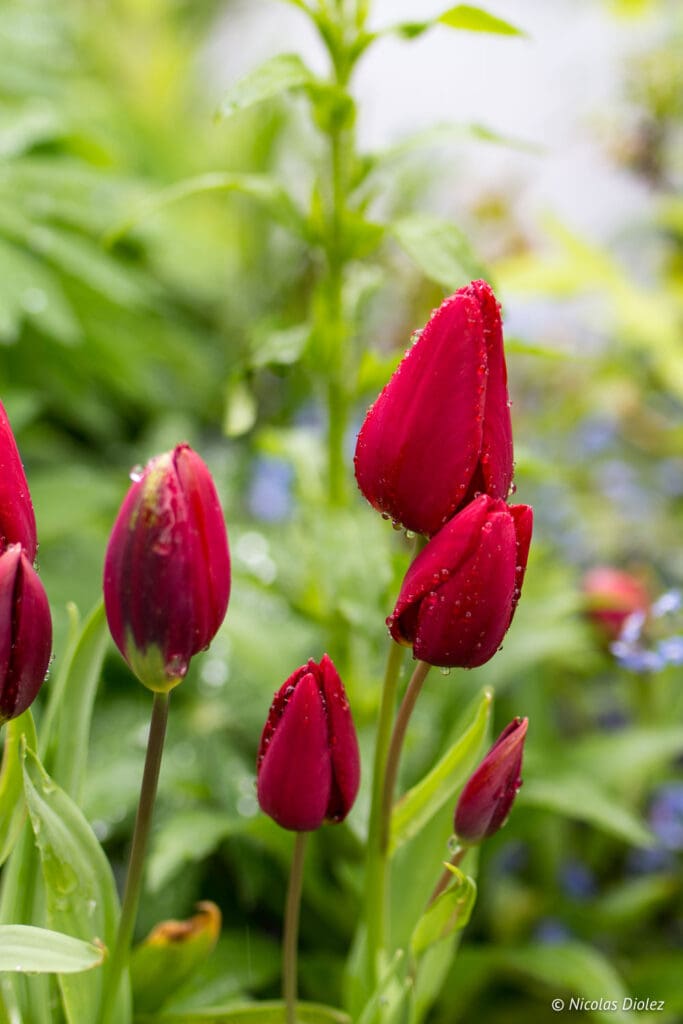
Visiting the gardens is the highlight of the trip, so I advise you to go on a day without rain, as it will be much more pleasant; however, the place is so beautiful and colorful that it is a delight for the eyes in all circumstances, and the colors must also vary significantly depending on the season you go.
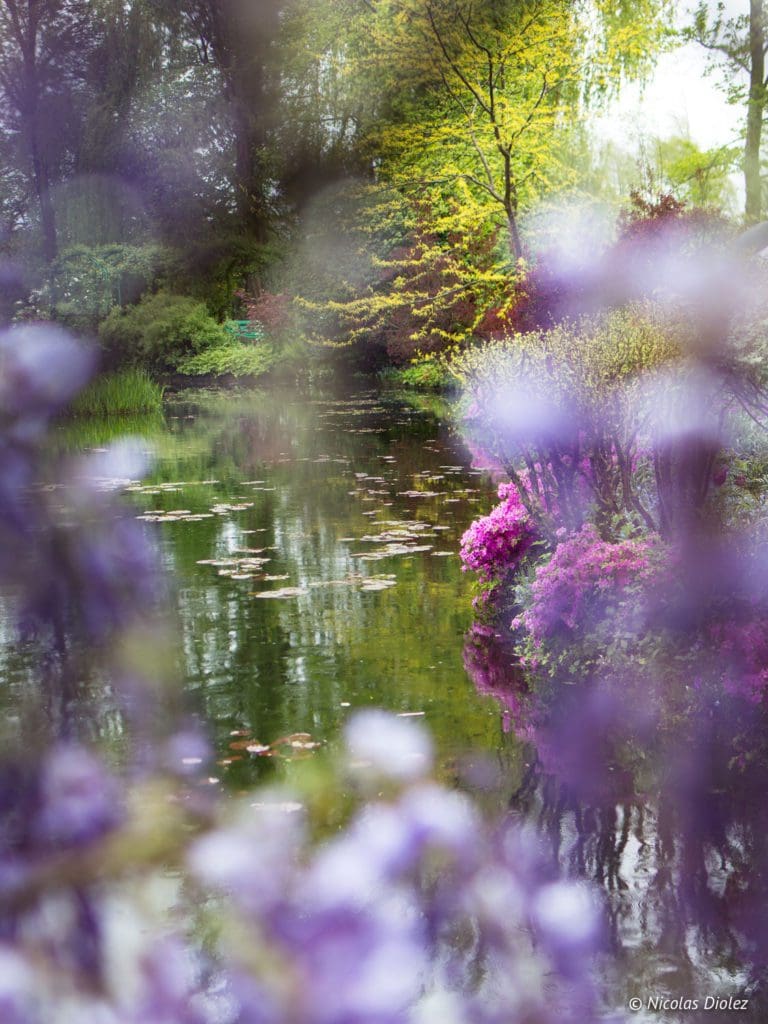
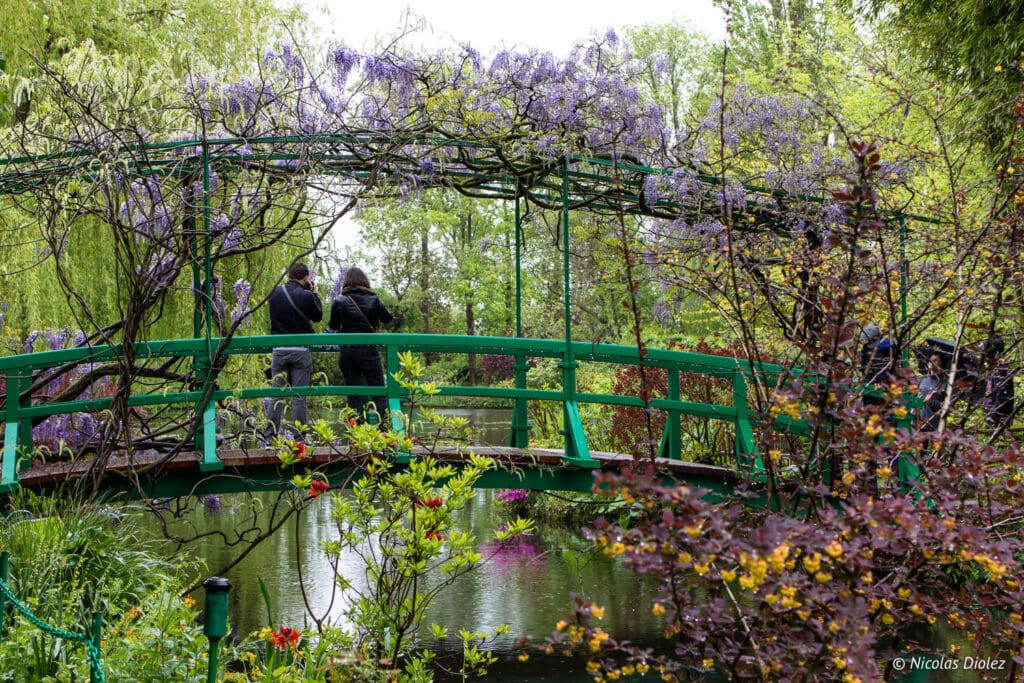
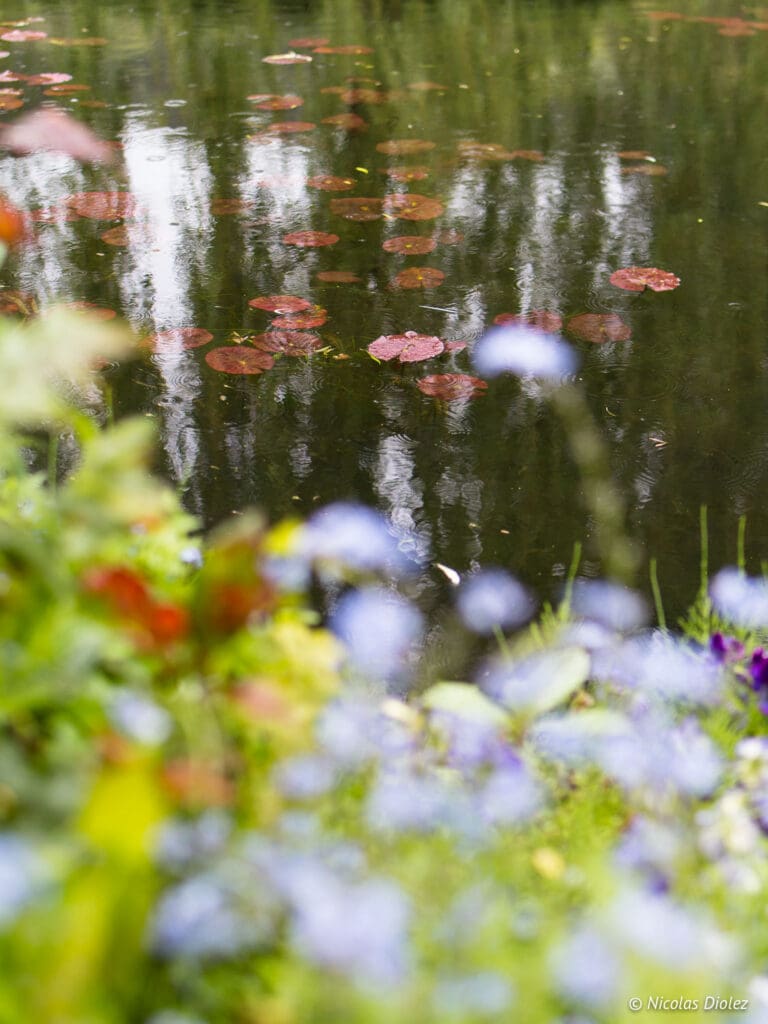
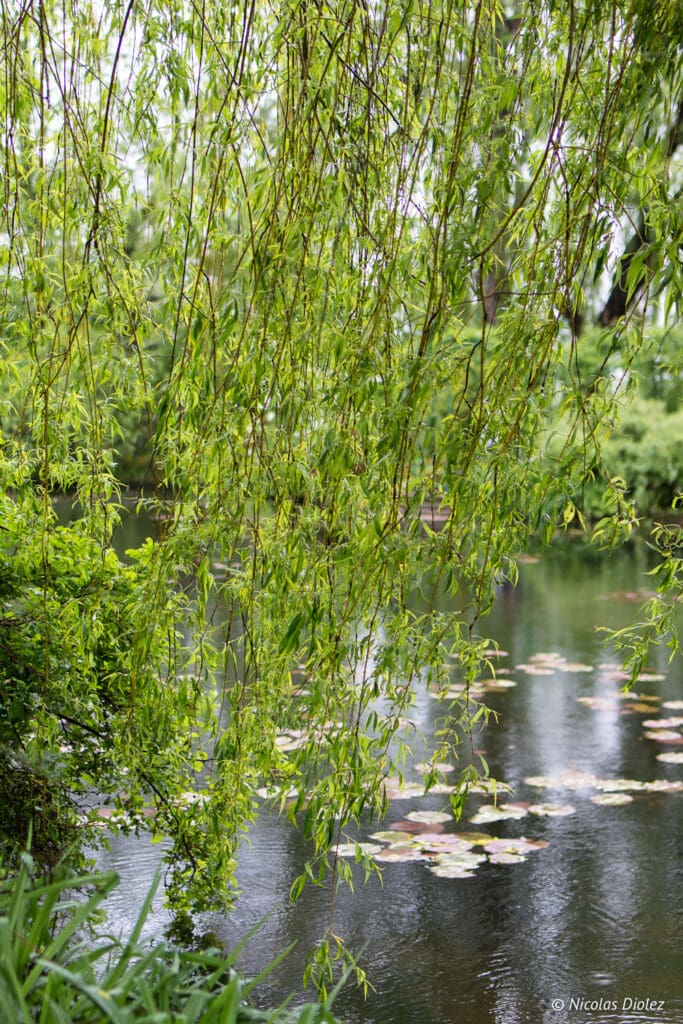
Monet was also passionate about flowers, and he designed magnificent gardens outside his house (the Norman enclosure and its flower beds) full of colors. Notably, there is a Japanese-inspired “water garden” on the other side of the railroad tracks, where he laid out a pond with water lilies (which would inspire him to paint the famous Water Lilies) and a Japanese bridge that he painted green. In fact, it was here that he painted the Water Lilies, those famous large compositions kept at the Musée Marmottan and the Musée de l’Orangerie. They were created at the edge of his famous pond, where bamboo, water lilies, and reeds grow, and where weeping willows are reflected…




Claude Monet Foundation
84, rue Claude Monet 27620 Giverny

open from the last weekend of March to November 1st every day from 9:30 AM to 6 PM
Prices: 9.50 € adult / 5.50 € children from 7 to 18 and students / free for under 7s
combined ticket options with the Museum of Impressionism (17 € and 10.50 €)
_
Visiting the Museum of Impressionism
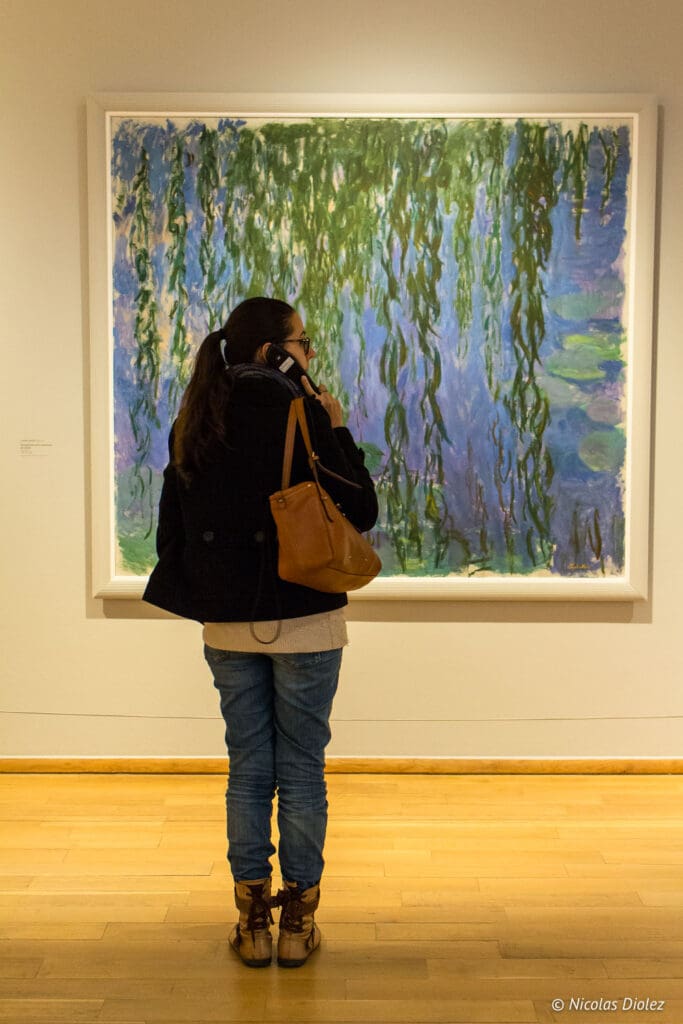
If it rains too much, you can fall back on visiting the Museum of Impressionism, which allows you to be inside and dry. This museum is called the museum of “Impressionisms” and not “Impressionists” (I know you thought I made a mistake, but no!) because its purpose is to make known the origins, geographical scope, and influence of Impressionism by revealing the history of Impressionism and Post-Impressionism and highlighting the impact that this movement had on 20th-century art. When we went there, we saw the temporary exhibition “Japonismes / Impressionnismes,” which presented Japanese art, known as “Japonisme,” which was very fashionable in the 1860s and of which Monet was a fan.



Museum of Impressionisms
99, rue Claude Monet 27620 Giverny

Prices: adult 9 € / reduced 6 € or 4.50 €
Free for under 18s and for everyone on the 1st Sunday of the month (except in July, August, and September)
_
Thanks to Capucine and Eure Tourisme for this lovely welcome in their department.
I hope that with all this, I have made you want to discover the Eure and Normandy, and if you also have your own great recommendations and tips for this destination, don’t hesitate to share them in the comments!

Find all my articles on the Normandy region below:
⇒ All my articles on Normandy
MY ARTICLES ON THE DEPARTMENTS OF NORMANDY
⇒ The Orne
⇒ The Seine Maritime
⇒ The Eure
⇒ The Calvados
⇒ The Manche
Photo credits: Nicolas Diolez
Photos not royalty-free, photographer's authorization mandatory before any use