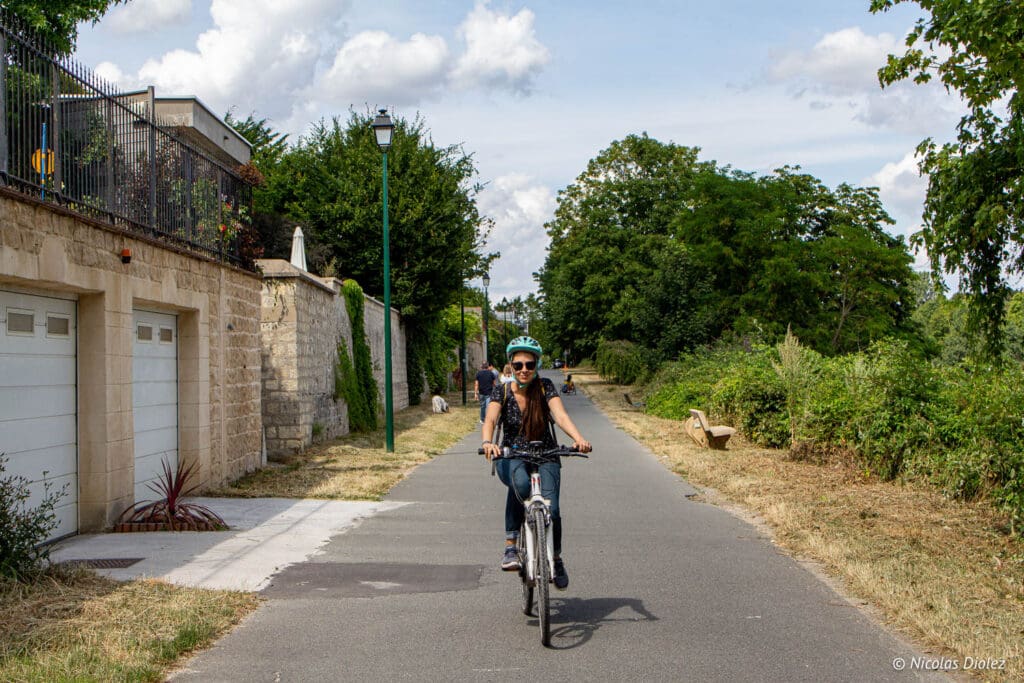
Today I’m inviting you to join me for a day of bike riding in the Yvelines, along the banks of the Seine in a corner of the Île-de-France region known as Saint-Germain Boucles de Seine. This urban community is located primarily in the Yvelines department, with a tiny portion also in the Val-d’Oise department. For my part, I explored the Yvelines portion of the territory between Port-Marly and Chatou on an electric bike (e-bike).
This area, in the heart of the Seine’s loops, was long a significant source of inspiration for artists, and especially for the Impressionists.
Dumas (father and son), Sisley, Pissarro, Debussy, Denis, Vigée-Lebrun, Renoir, Saint-Saëns, Maillol, Maupassant, and Monet, to name just a few, all found the inspiration on these loops of the Seine to create numerous masterpieces. And when you wander through the area, it’s easy to see why!
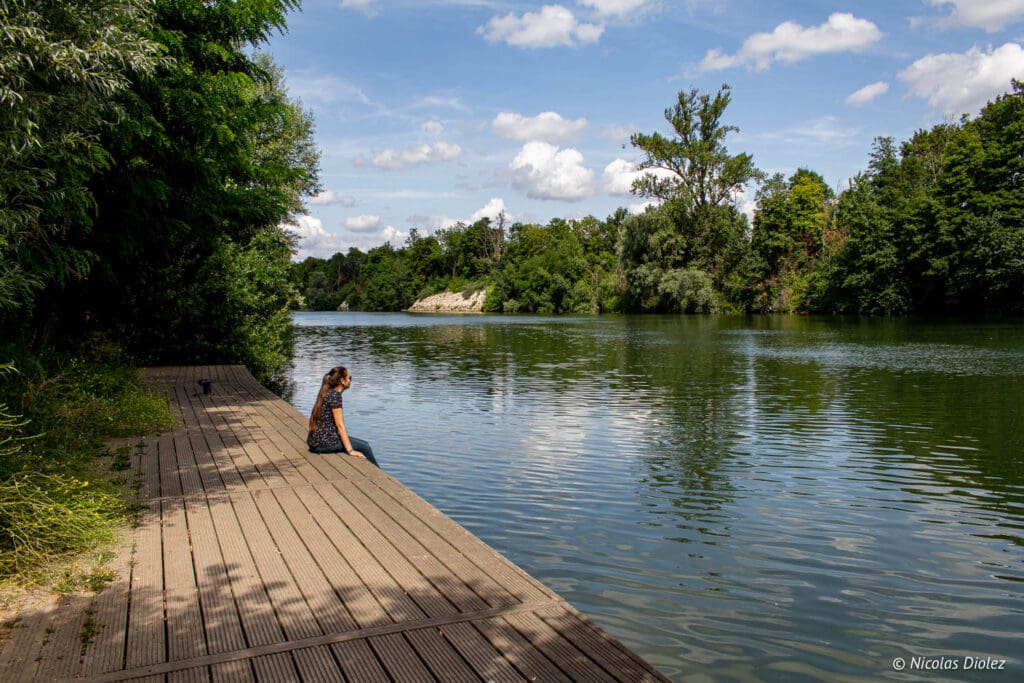

This little bike trip was the perfect opportunity, following in their footsteps, to discover artists’ homes, museums, the Impressionist path, art studios and galleries, as well as a historical reenactment association.
For our part, the favorite photographer and I did this ride by bike to see as much as possible in half a day, but you could also do it on foot by taking more time.
Addresses
- Restaurant Au Vieux Marly — 3 Place du Général Charles de Gaulle, 78160 Marly-le-Roi, France
- Château de Monte-Cristo — Chemin du Haut des Ormes, 78560 Le Port-Marly, France
- Aqueduc de Louveciennes — Chemin de l'Aqueduc, 78430 Louveciennes, France
- musée Fournaise — 3 Rue du Bac, 78400 Chatou, France
- Château de Croissy — 12 Grande Rue, 78290 Croissy, France
- Association Sequana — 2 Quai Watier, 78400 Chatou, France
_
Table of Contents
Step 1 of the Seine riverside ride: Marly-le-Roi
The town of Marly-le-Roi is located in the Yvelines department, about twenty kilometers west of Paris, between Versailles to the south and Saint-Germain-en-Laye to the north. The town is built on a kind of promontory north of the Cœur-Volant plateau, on the edge of which once stood the Château de Marly (the former pleasure castle of Louis XIV), which has since disappeared.
Part of the commune is covered by 2,000 hectares of the Marly national forest. This forest was the former hunting estate of the Kings of France, and later that of the Presidents of the Republic until 1995.

Information: Saint Germain Boucles de Seine Tourist Information Office
2 avenue des Combattants 78160 Marly-le-Roi

Tel: +33 (0)1 30 61 61 35
_
Visiting the Château de Monte-Cristo
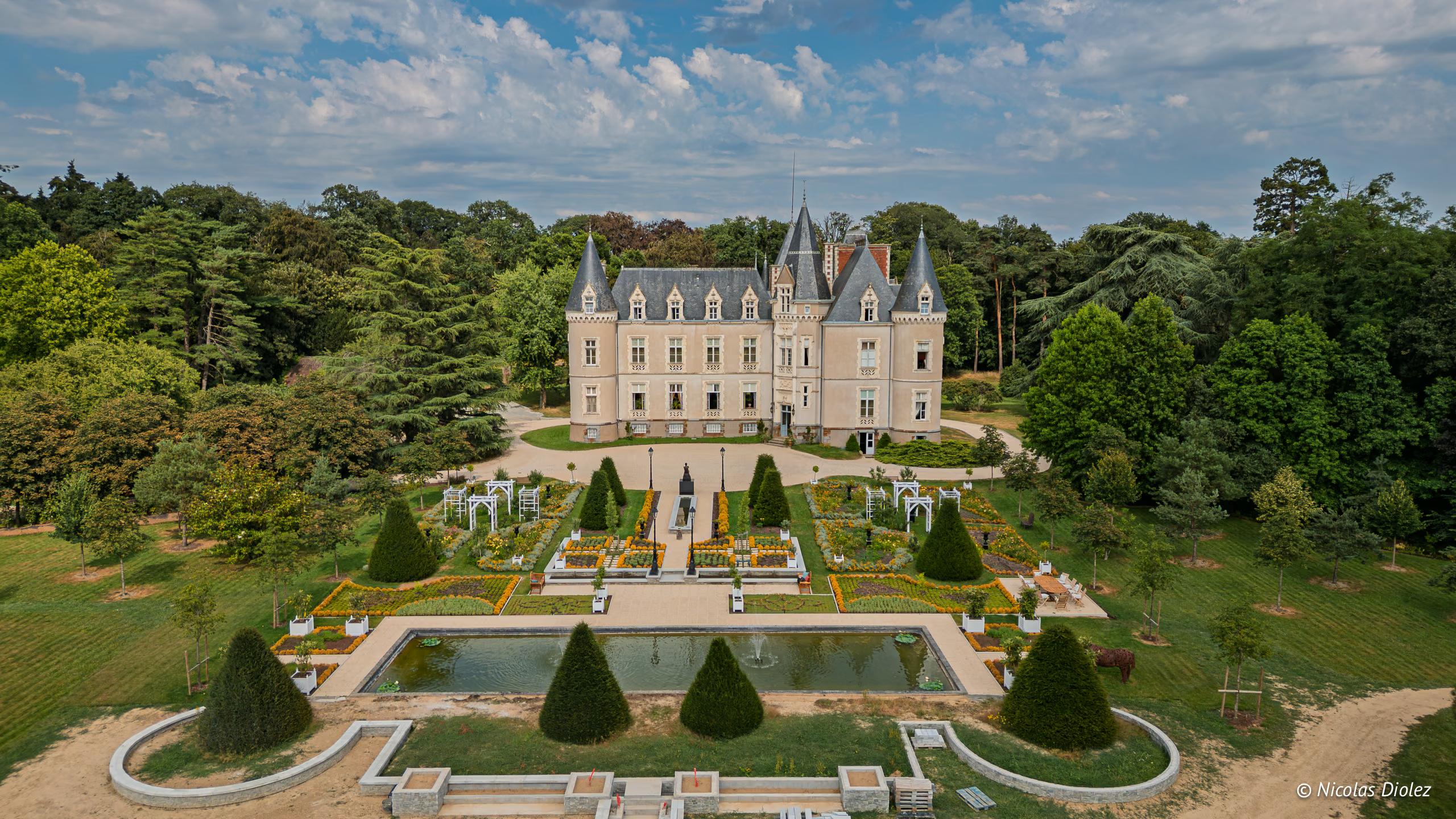
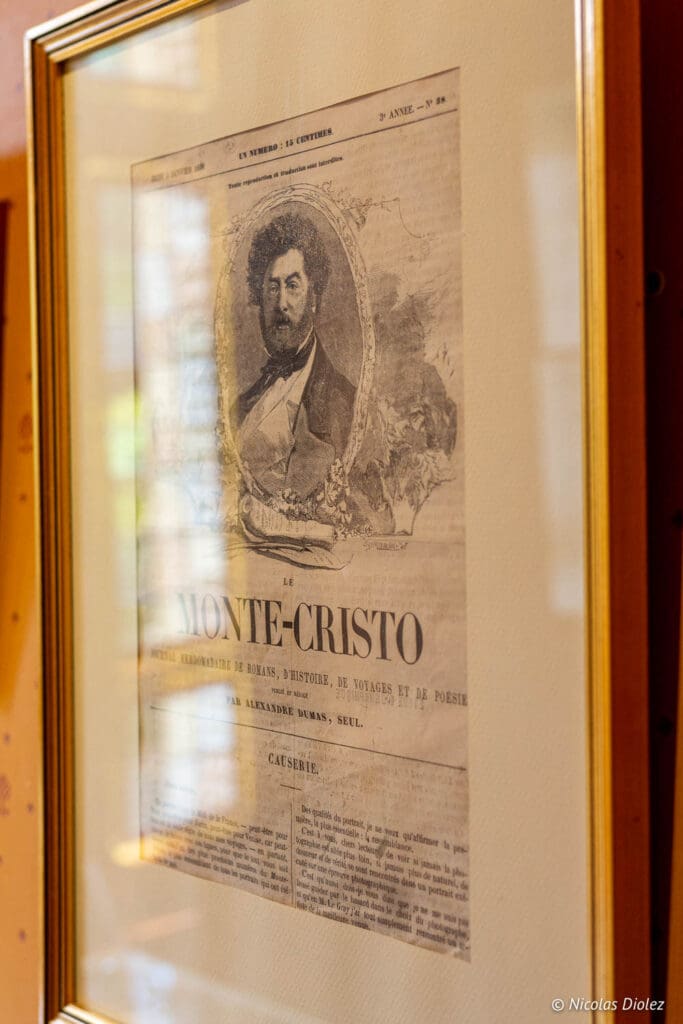
This estate and its park, located in Port-Marly, belonged to Alexandre Dumas. Indeed, after the success of The Three Musketeers and The Count of Monte-Cristo, the famous writer purchased land in Port-Marly in 1844 to have a Renaissance-style castle built there. Unfortunately, this estate almost disappeared in 1970, but it was saved from destruction and designated a historical monument. Today, it is open to the public.
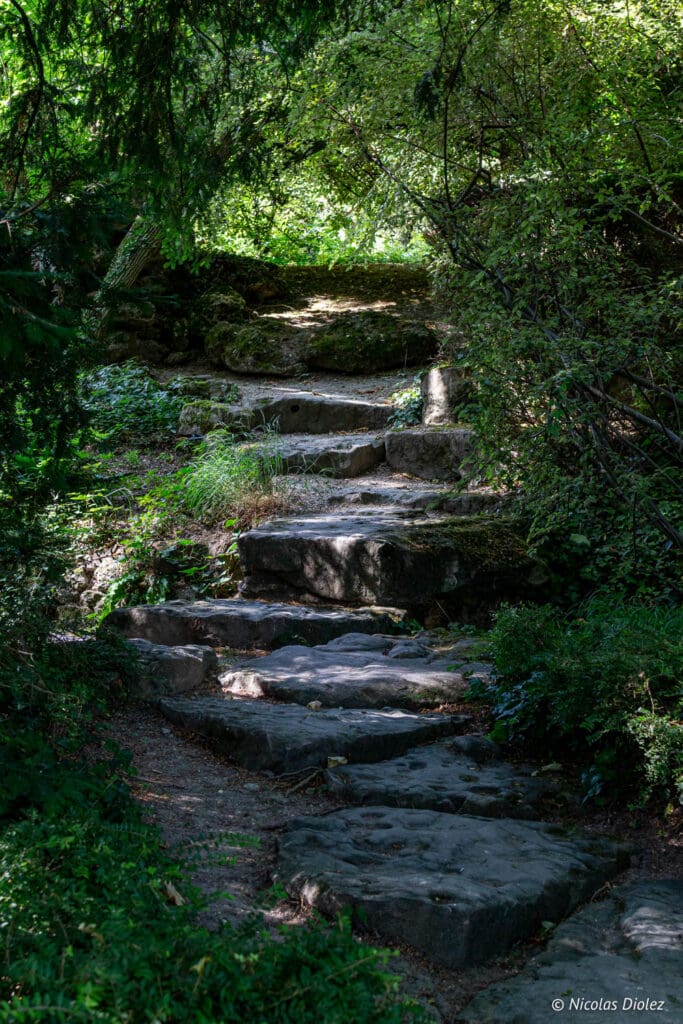
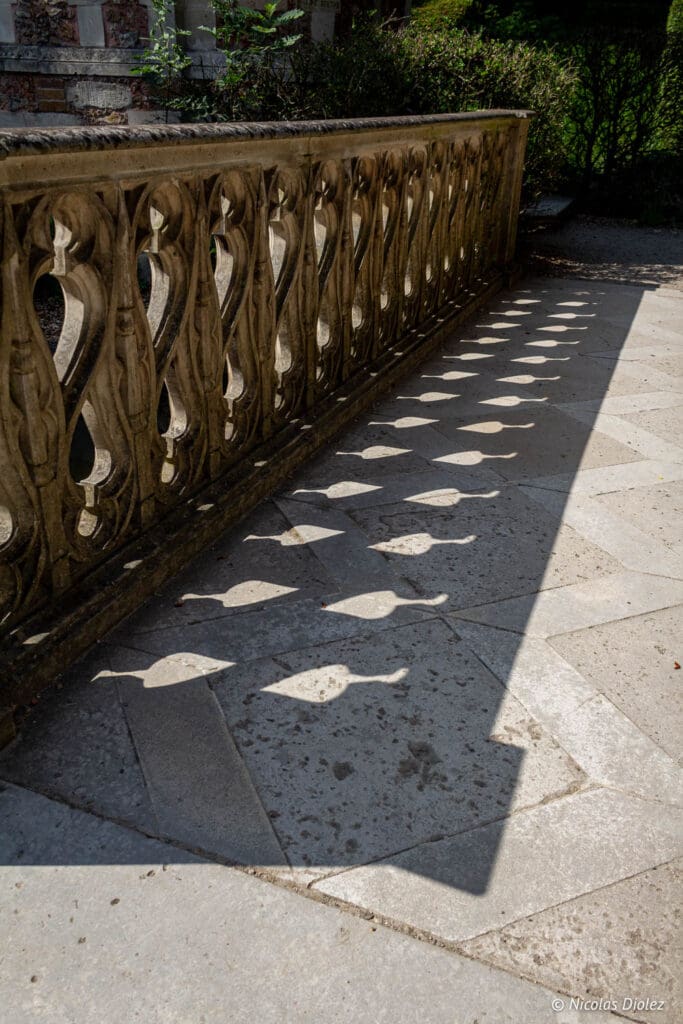
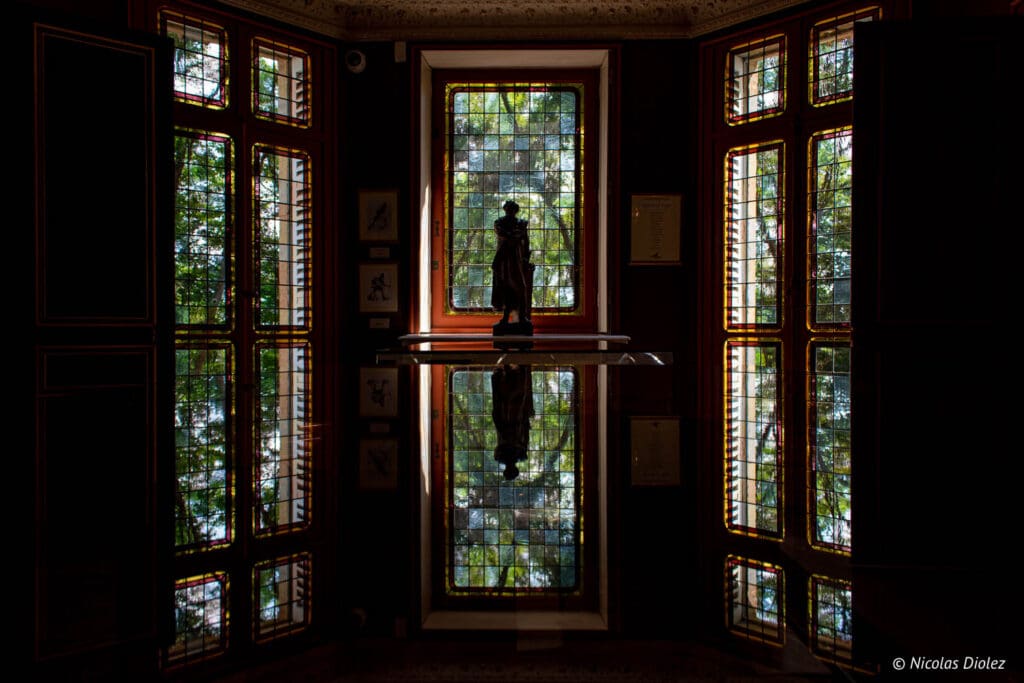
This architectural jewel is nestled in a lush green setting with caves, rockeries, and ponds. At the heart of this park, you can also admire the “Château d’If,” the private office that Dumas had built for himself in a neo-Gothic style.
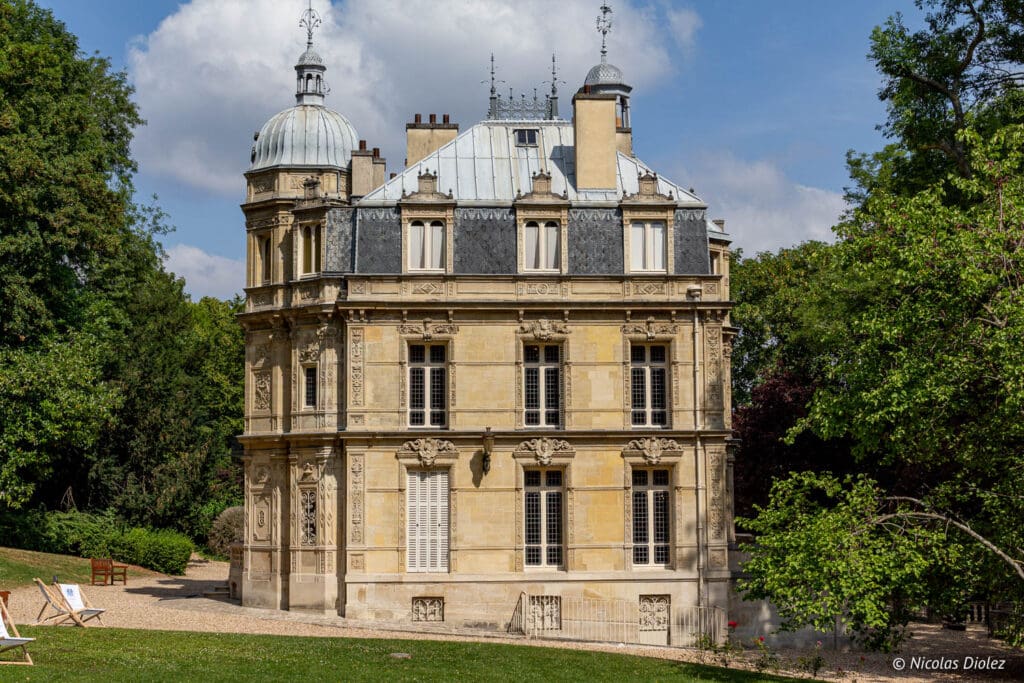



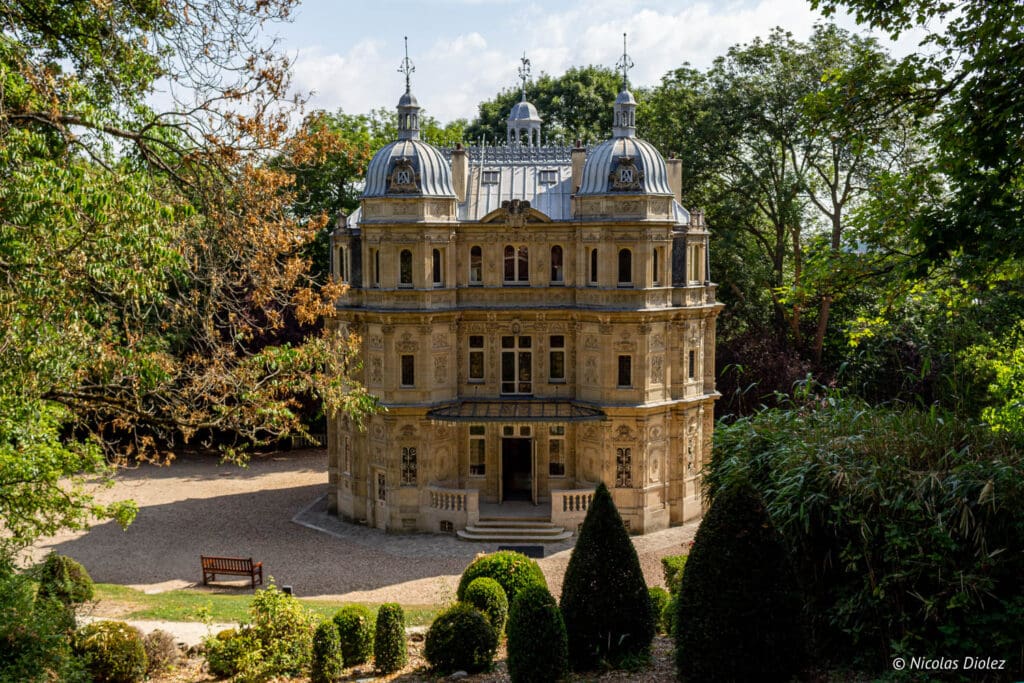


Inside the Château de Monte-Cristo, you’ll find a permanent exhibition showcasing the building’s living areas (be sure to check out the beautiful Moorish salon on the first floor) as well as objects and works of art related to Dumas and his work.
This visit was an opportunity to learn more about this legendary 19th-century figure: a man of contrasts, colorful, writer, playwright, journalist, art critic, and great traveler. For instance, I didn’t know that the writer was a quarteron (he had black blood in his veins), which earned him a number of racial criticisms throughout his life.
Good to know: the castle also offers numerous events throughout the year (contemporary art exhibitions in the summer, the children’s book fair, a musical day in the time of Dumas, activities for adults and children: treasure hunts, Murder parties, theatrical guided tours…).




Château de Monte-Cristo
Chemin du Haut des Ormes, 78560 Le Port-Marly

Open on Sundays only from November to March and every day except Mondays the rest of the year

Rates: €7 / €5 reduced / free for under 10s

Getting there: take RER A to Marly le Roi then bus line 10, 'les lampes' stop
_
Strolling through the old village of Marly-le-Roi
Marly-le-Roi owes its fame to Louis XIV who had his country residence built there, as I mentioned above. In the 19th century, artists also came here seeking calm and inspiration.
Today, the town and its picturesque narrow streets continue to showcase their charm and are also full of restaurants (I was told, for example, about a gourmet restaurant, Le Village, run by a Japanese chef and which has a very good reputation).


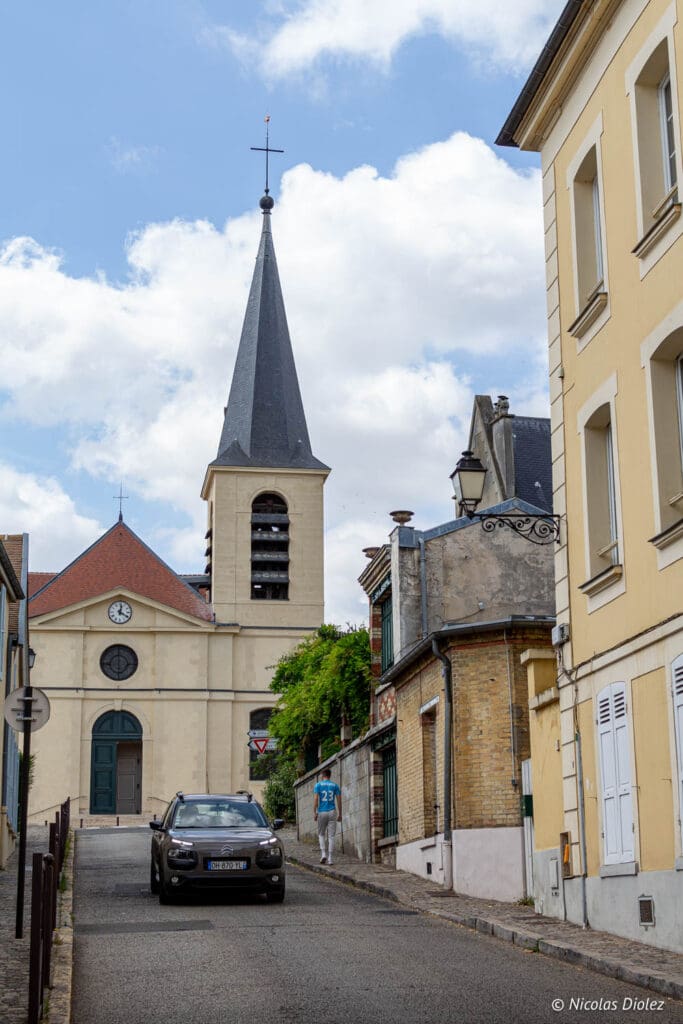
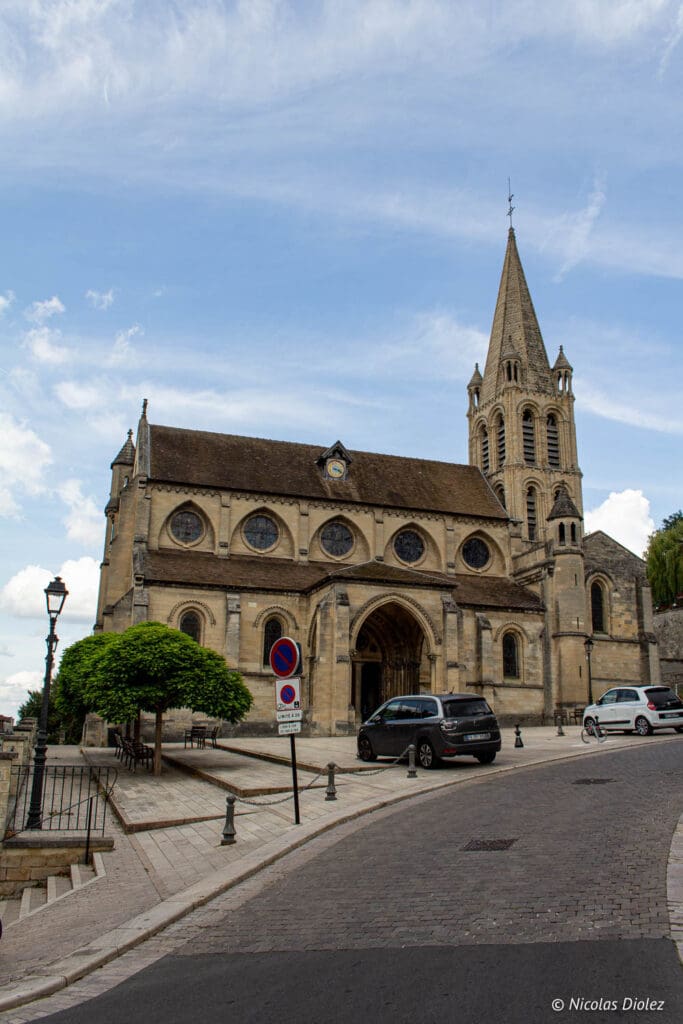
Don’t forget to visit the Saint-Vigor church, built in the 17th century based on plans by Jules Hardouin-Mansart.
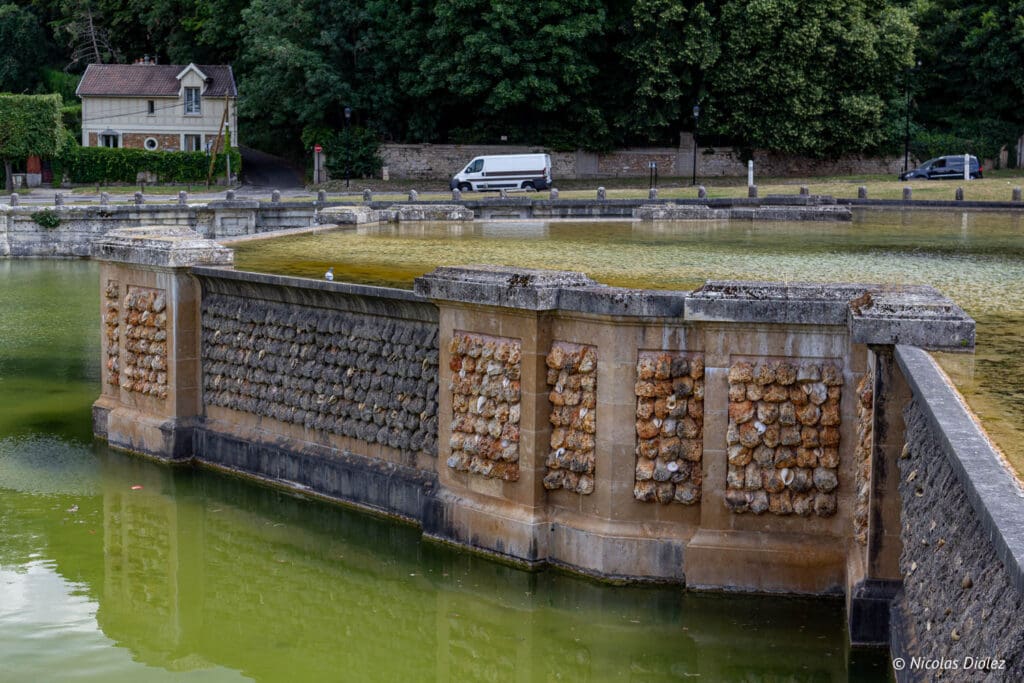
Good to know: Exploring the village can be combined with a visit to the park, located below the Grande Rue, which evokes the former residence of Louis XIV, which has since disappeared. The Musée-Promenade (see below), located in the park, offers an interactive look at this castle that no longer exists. Also, don’t miss the Marly Horses (which are plaster casts), those famous equestrian statues that Guillaume Coustou executed at the request of Louis XV, and the originals of which are now exhibited in the Marly Courtyard at the Louvre Museum.

_
Visit the Musée du Domaine royal de Marly
This museum, which reopened in 2019 after a complete renovation, invites you to discover and understand the history of the Château de Marly, which has since disappeared. It was built at the request of Louis XIV starting in 1679 near the Marly forest where the king used to hunt. From 1686, the king made it his pleasure residence. Marly is also famous for its machine with its 14 wheels that allowed the water of its fountains to shoot up. The wheels operated 259 pumps distributed over three levels to raise the water over a height difference of 160 meters to the Louveciennes aqueduct.
Inside the museum, you’ll find a route with 3 themes: Marly and its gardens, Marly as the king’s intimate residence, and finally, the fate of the estate after the death of Louis XIV.


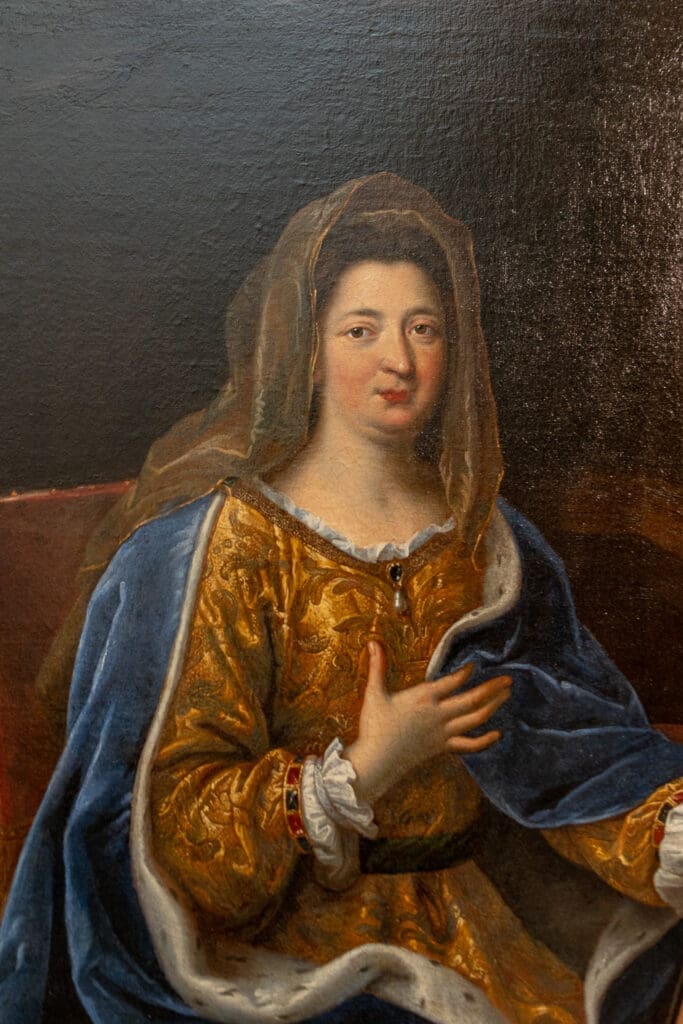


Musée du Domaine royal de Marly
Grille Royale, 1, Rue du Parc de Marly, 78160 Marly-le-Roi
Rates: €7 adult / €5 reduced / free for under 12s
_
Lunch at the Vieux Marly
This establishment, opened in 1801, is the oldest restaurant in Marly. Today it is a tearoom/restaurant that offers home-style cooking in a magnificent setting! The building dates back to the 1750s and was first a farm, then a laundry before becoming an inn at the beginning of the 19th century.
In 1952, the inn became a gourmet restaurant with André Guillot, and the place is still run by the Guillot family today, by the way, even if it has changed a little. In short, as you will have understood, eating at the Vieux Marly means tasting a true Marly institution!


Outside, the beautiful terrace with its century-old lime trees was a delight for our lunch. We actually would have happily stayed there the whole afternoon…
What to try: the veggie bowl (€14.50, very hearty); Céret sausages with cherries (€15); the large hot goat cheese salad (€14); for dessert, I highly recommend getting the ‘café gourmand’, either the small one (coffee + 2 small cakes from the menu for €5.50) or the large one (coffee + 3 small cakes from the menu for €7.90).


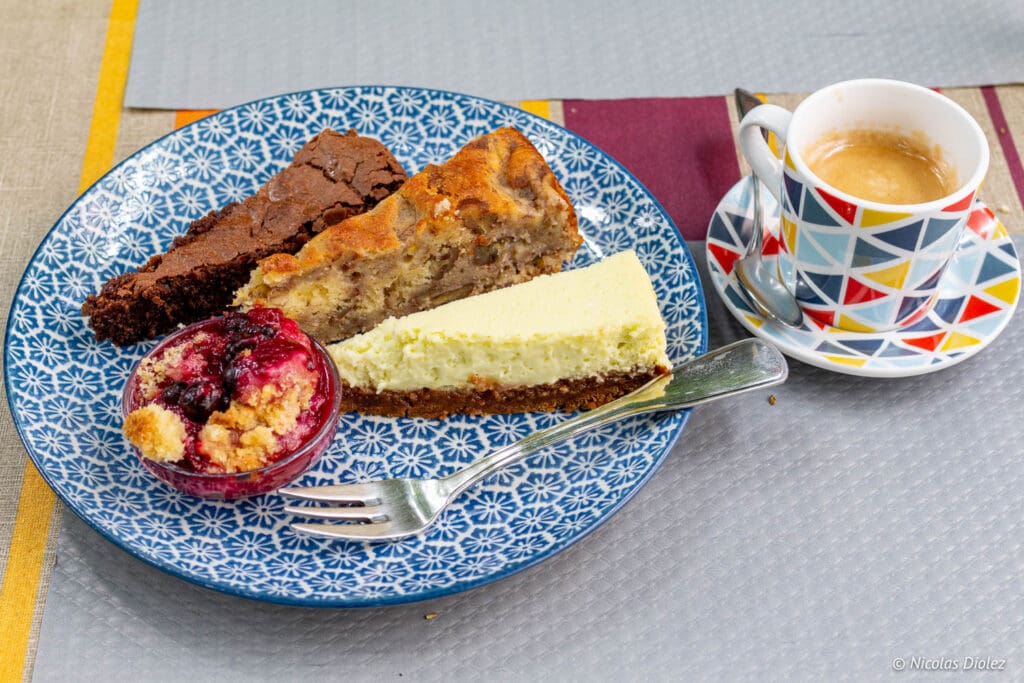
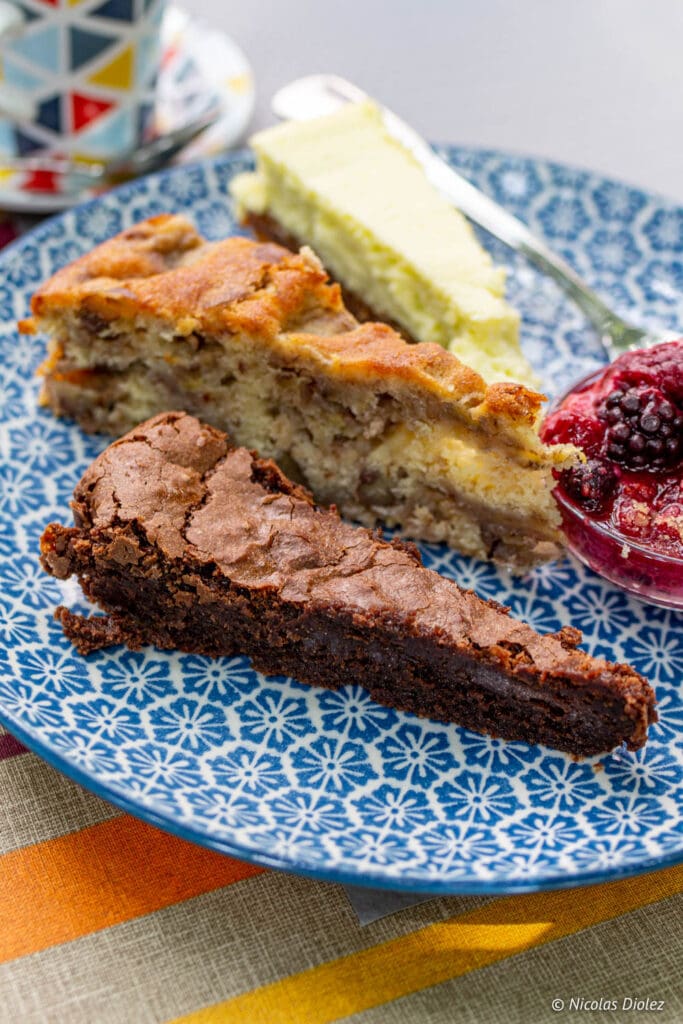

Restaurant Au Vieux Marly
3 place du Général de Gaulle, Allée André Guillot, 78160 Marly-le-Roi

Open Tuesday to Sunday from 12 pm to 6 pm
_
Step 2: The Avenue Verte Paris London / the Impressionist trail
I have already mentioned the Avenue Verte Paris London on the blog since I was lucky enough to do part of the route by bike and even go all the way to London. For everything you need to know about this bike route, I advise you to take a look at my article on the subject (link just above). I therefore knew that the 1st section of the Avenue Verte in Ile-de-France passes through Chatou, Croissy-sur-Seine, and heads up to Sartrouville.
From the Bougival bridge, this itinerary takes us either towards Sartrouville, following the towpath, or towards Croissy-sur-Seine, then Chatou and the Impressionists’ Island. It was obviously towards this side that we went for a bike ride!


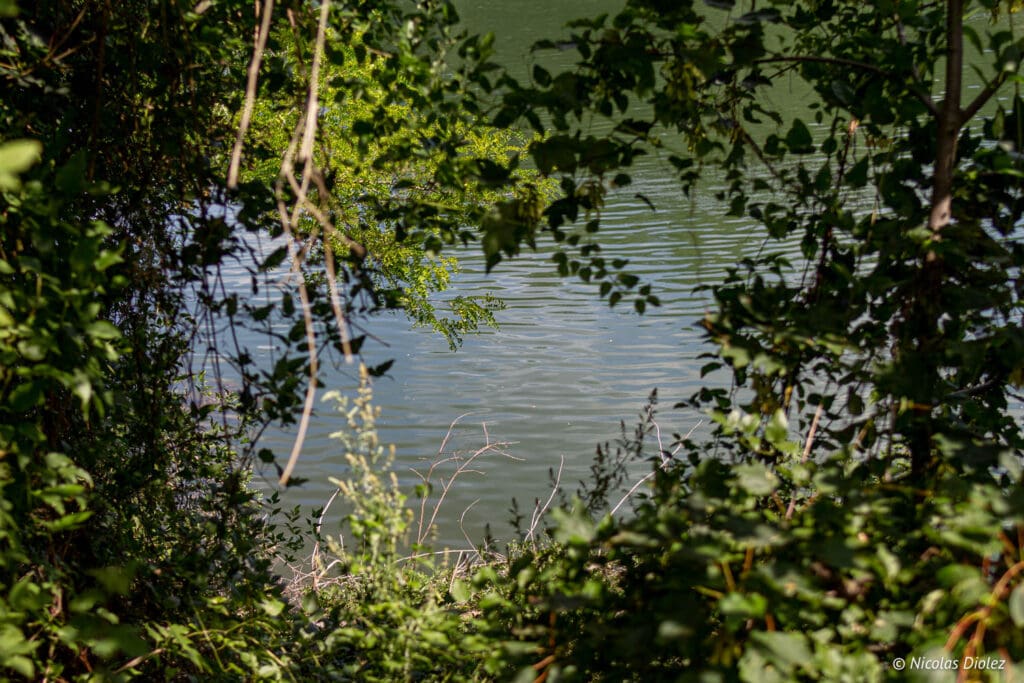
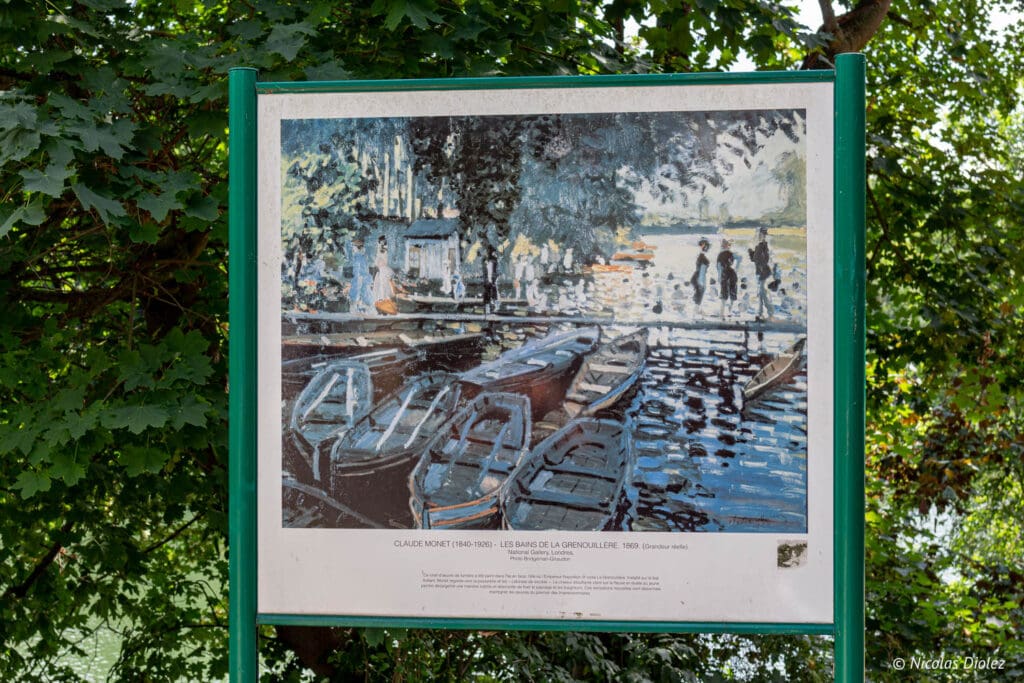

The good tip: As you go up the Seine, you will come across panels showing reproductions of paintings, which were installed at the very spot where the painters had set up their easels at the time. Thus, along the route, you will find about thirty reproductions that make up the Impressionist trail, which is also a nice walk you can do on foot. A detailed map available at the Saint Germain Boucles de Seine Tourist Office makes it easy to follow this itinerary.
2 options for renting a bike:

Bikool / electric bike rental
Rental location: Bezons, Hôtel Cazaudehore Saint-Germain-en-Laye

Cyclou / hybrid and mountain bike rental / Tel: +33 (0)7 82 55 40 88
Rental location: Saint-Germain-en-Laye swimming pool parking lot
_
Louveciennes
Established in a privileged site, Louveciennes has managed to preserve the appearance of a village snuggled around its steeple. No fewer than seven castles bear witness to its rich historical past.
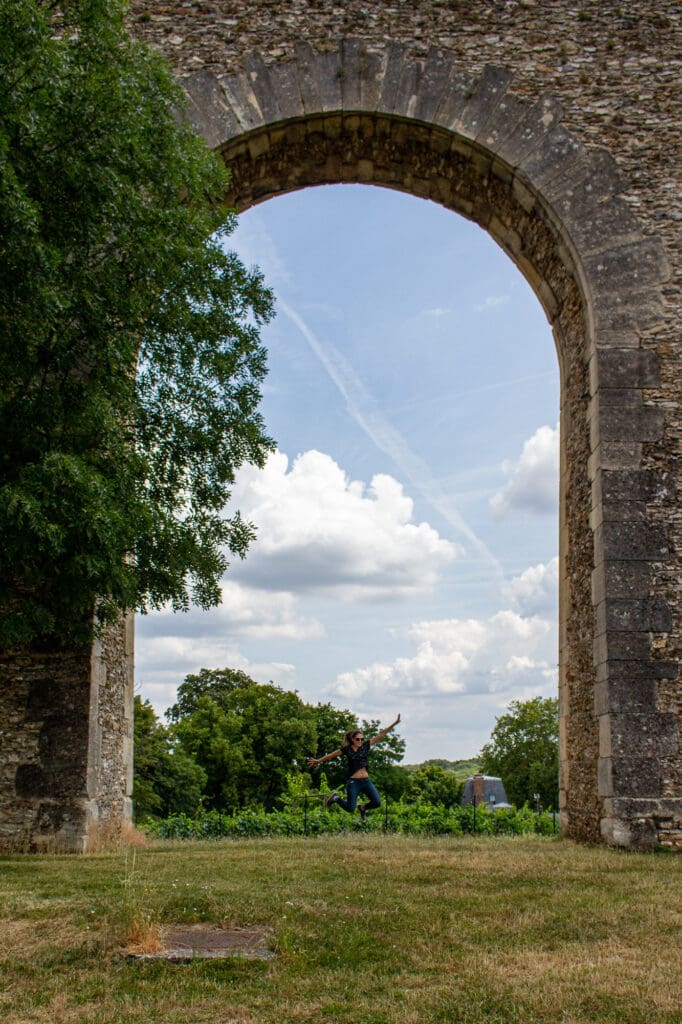
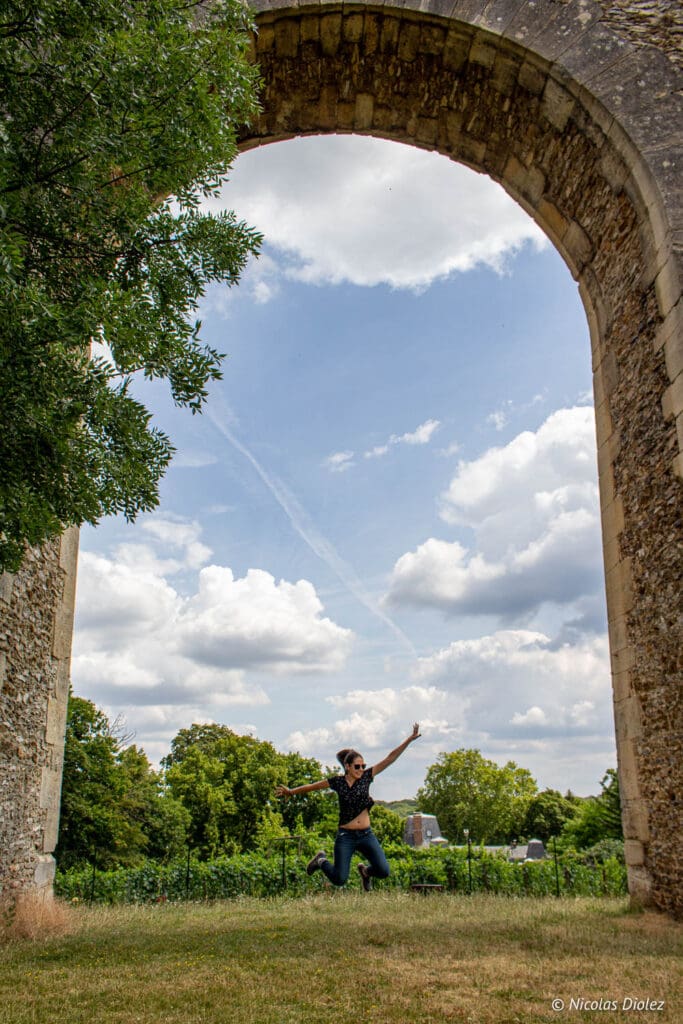
To see: I advise you to go see the Louveciennes aqueduct, sometimes also called the “Marly aqueduct.” This 36-arch, 643-meter-long aqueduct bridge was built in the 17th century during the reign of Louis XIV. It was part of the hydraulic system intended to supply water to the gardens of the Château de Marly and the park of the Château de Versailles from the Seine.


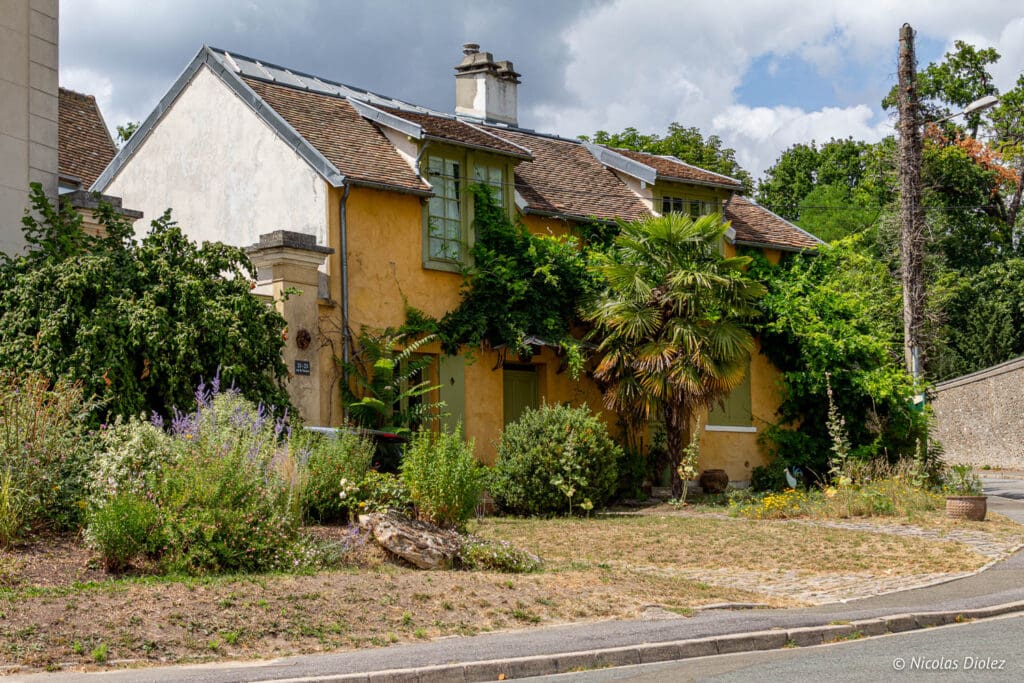

Good to know: The Château de Madame du Barry can exceptionally be visited once a year (check with the Tourist Office for dates). Unfortunately, during our visit, it was closed and we could only see it from behind the gates that protect access to it…
_
Croissy-sur-Seine
Following the Avenue Verte along the banks of the Seine, you arrive at Croissy-sur-Seine, nicknamed the “Riviera” of the Seine banks. Since 1850, its towpath has allowed visitors to walk along one of the very first luxury housing developments in the region (it is true that the houses there are very beautiful).
Opened in 1860, the floating café of “La Grenouillère,” located on the Île de Croissy, made the village famous: Claude Monet and Pierre Auguste Renoir loved to walk there and paint, side by side, to immortalize the festive atmosphere of the place. This guinguette on the banks of the Seine attracted Parisians eager for leisure between 1855 and 1928, but especially writers, such as Maupassant, and the most famous painters.
Croissy, the market-gardening town, was also the “queen of the Paris markets” because it produced turnips, carrots, and leeks in abundance… These “pot-au-feu” vegetables that quickly conquered a place of choice in the markets.


To see: The Château de Croissy, dating from the 18th century, which today houses the Espace Chanorier, a place dedicated to art, leisure, and social activities, which also hosts exhibitions and shows, as well as an Italian restaurant. It also houses the Grenouillère Museum and the Local History Pavilion. Just next door, you can finally discover the charming Saint-Léonard and Saint-Martin chapel built starting from the 13th century.
_
The Hameau Fournaise and the Impressionists’ Island, Chatou
The Impressionists’ Island in Chatou is a magical place, cut off from time. It’s the perfect place to walk in the footsteps of Renoir, who painted his famous “Luncheon of the Boating Party” there.
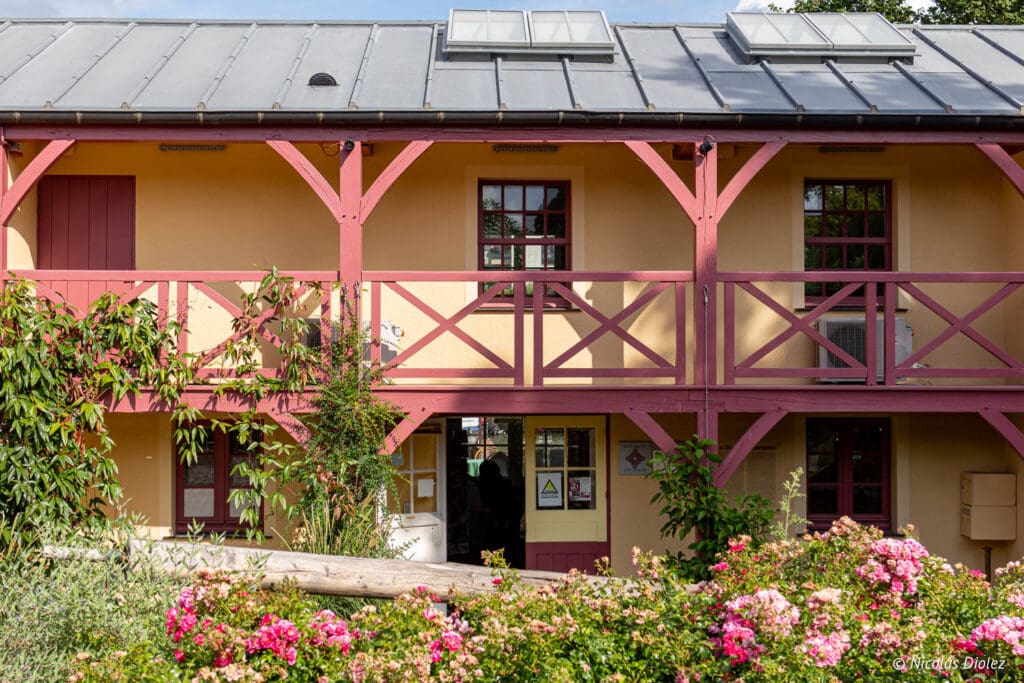
The Hameau Fournaise is made up of several buildings, including the Maison Fournaise, which houses a museum (see below) and a restaurant (which I already told you about in this article here). Monsieur Fournaise was involved in many boating activities, and in fact, two of his children are depicted in Renoir‘s famous painting, “Luncheon of the Boating Party,” which I told you about just above.
Here you will also find a river stop from which cruises depart in season. On the other side of the bridge is the Impressionists’ Park; the large grounds host the Foire de Chatou twice a year, a well-known meeting place for antique hunters and dealers.

_
The Musée Fournaise
This small municipal museum has a beautiful collection on the history of the Maison Fournaise and the heyday of the Seine’s banks in the second half of the 19th century.
Good to know: Since last September, the Musée Fournaise has been offering an immersive experience on Renoir. Thanks to new technologies and immersive museography, digital technology allows you to take a journey to the 19th century.
Le musée Fournaise
3 Rue du Bac, 78400 Chatou

Open Wednesday to Sunday and closed during the Christmas holidays

Rates: €9 / €7 reduced / €6 for under 18s
_
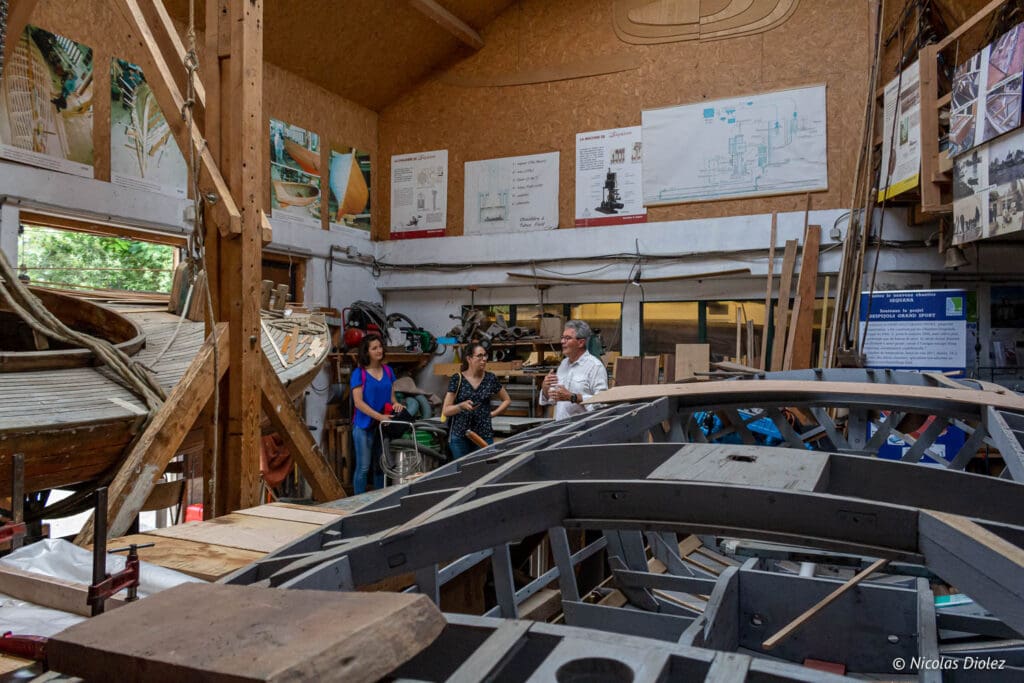
The Sequana association, the ‘gare d’eau’
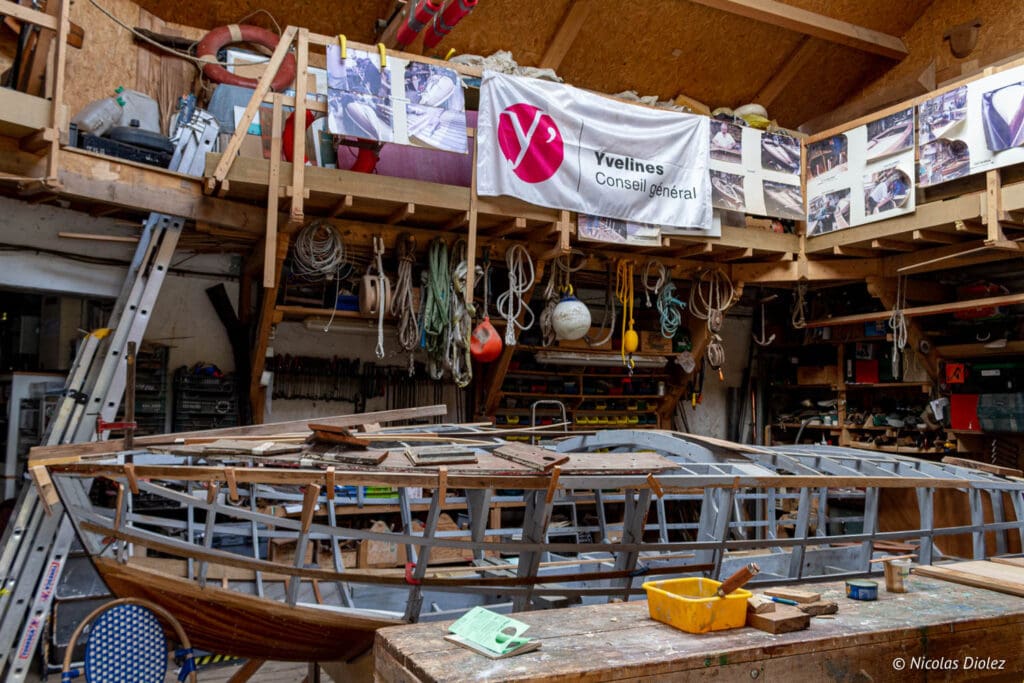
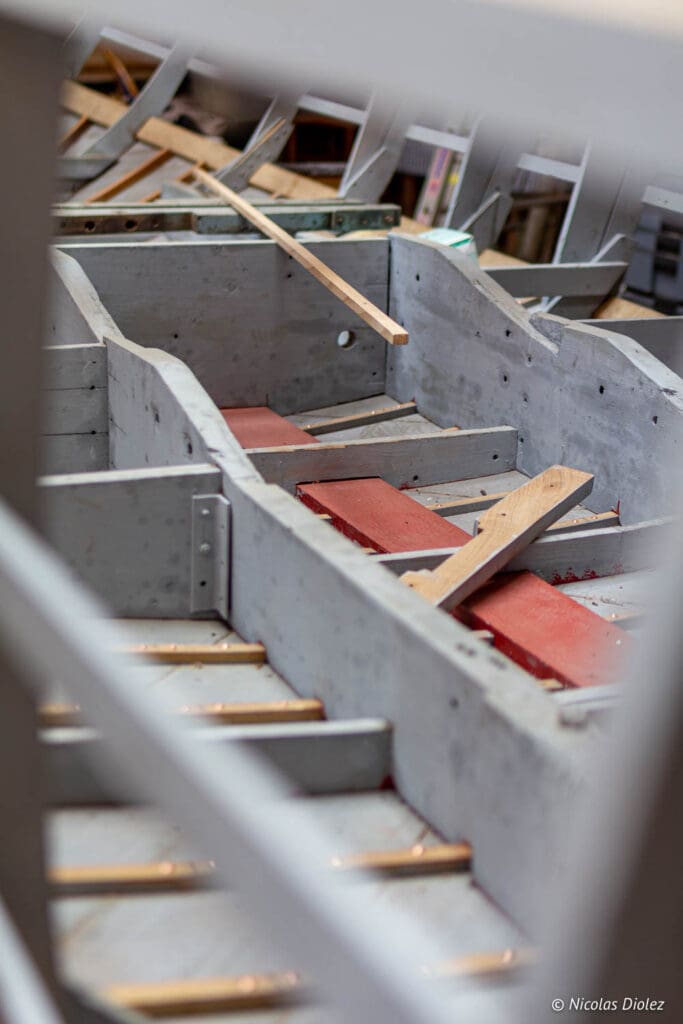
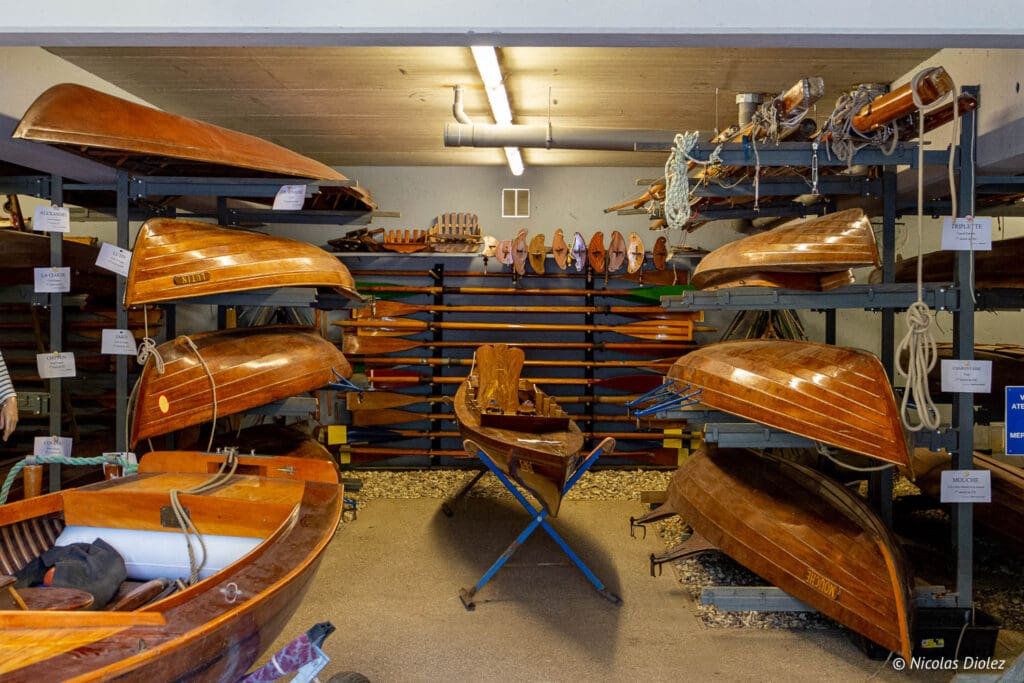
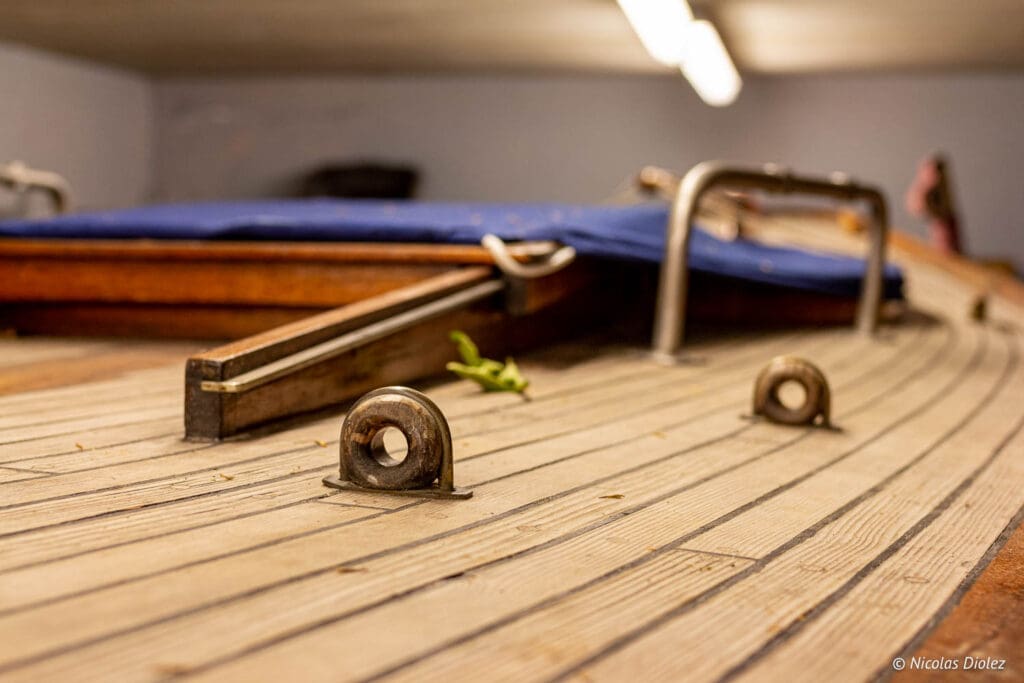
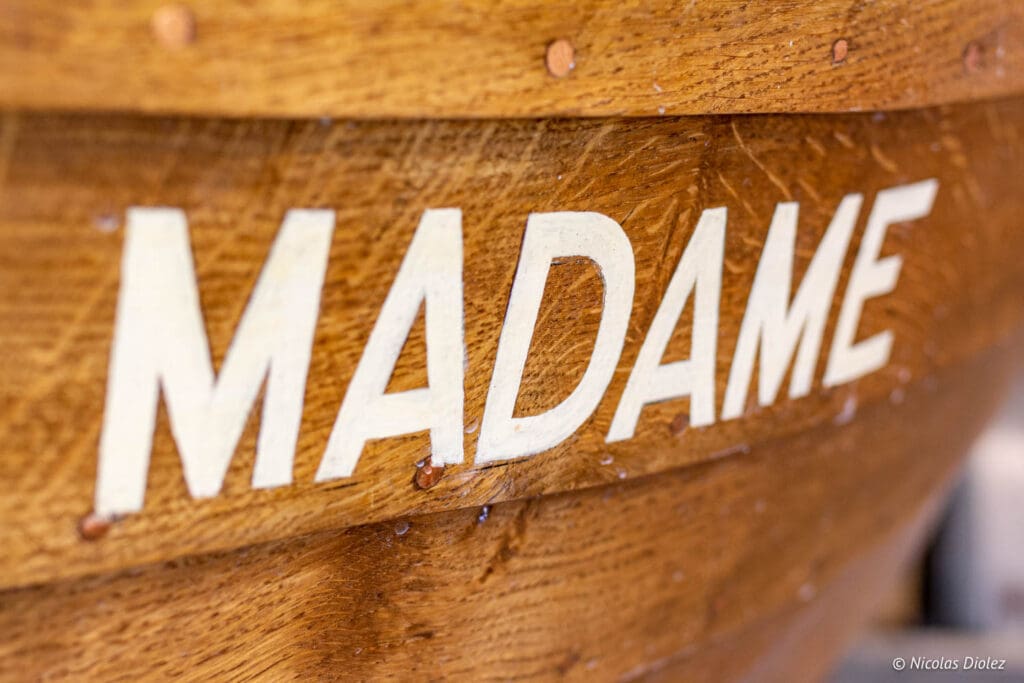
This association, which has existed for over 30 years, aims to restore and reconstruct identical copies of the boats from the boating era: yoles, périssoires, canoes, and sailboats.
The association has 150 volunteer members and about 20-30 active people. Their goal is to highlight the Seine heritage, particularly through the boats. They also perform important documentary work with research related to the history of the boat.
The association has a very beautiful collection of 45 boats, and every launch is celebrated with the Art et Chiffon association, which makes costumes for the occasion. Furthermore, the collection is displayed in the boat garage at the ‘gare d’eau’ (water station), next to the restoration workshop, and if you are passing by the area, don’t hesitate to ask to see it if the association’s doors are open!
The good tip: the association offers introductory seamanship workshops for children but also for adults (3-day course, twice a year) / + workshops for children.





Association Sequana

La Gare d'Eau
2 quai Philippe Watier - Île des Impressionnistes 78400 Chatou
_
Thank you to the Saint Germain Boucles de Seine Intercommunal Tourist Office for this invitation and this beautiful bike ride along the Seine in the Yvelines.
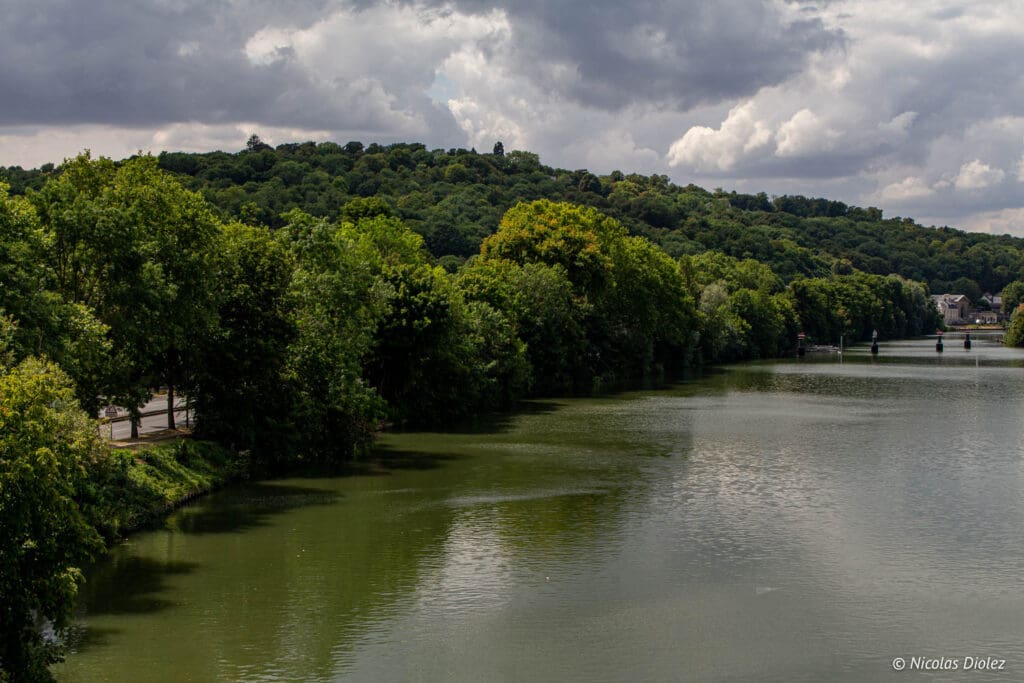
I hope that all this will have made you want to discover the Saint Germain Boucles de Seine territory and to go for a bike ride along the Seine in the Yvelines. If you also have your own favorite addresses and tips for this destination, do not hesitate to share them in the comments below!
Photo credits: Nicolas Diolez
Photos are not royalty-free, photographer's authorization required before any use