Mademoiselle Bon Plan cannot be everywhere. That’s why, from time to time, her favorite photographer sets off on an adventure alone to explore the hidden gems of French heritage. After my journey through Art Deco in Brussels, I’m off to discover this architectural movement in the Aisne region, specifically in the towns of Saint-Quentin and Chauny, which are rich in buildings of this style. As with all posts on the blog, I’ll be talking about the spots and places to see during your stay, but also about local gastronomy with a selection of good addresses, because while visiting is great, it’s even better with a full stomach!
Centered around this theme, the region organizes an annual event, the Printemps de l’Art Déco (Art Deco Spring), which takes place this year from April 1st to May 29th, 2022 (link to the event website). The program features numerous activities, tours, workshops, exhibitions, and more across 17 territories in the Hauts-de-France region.
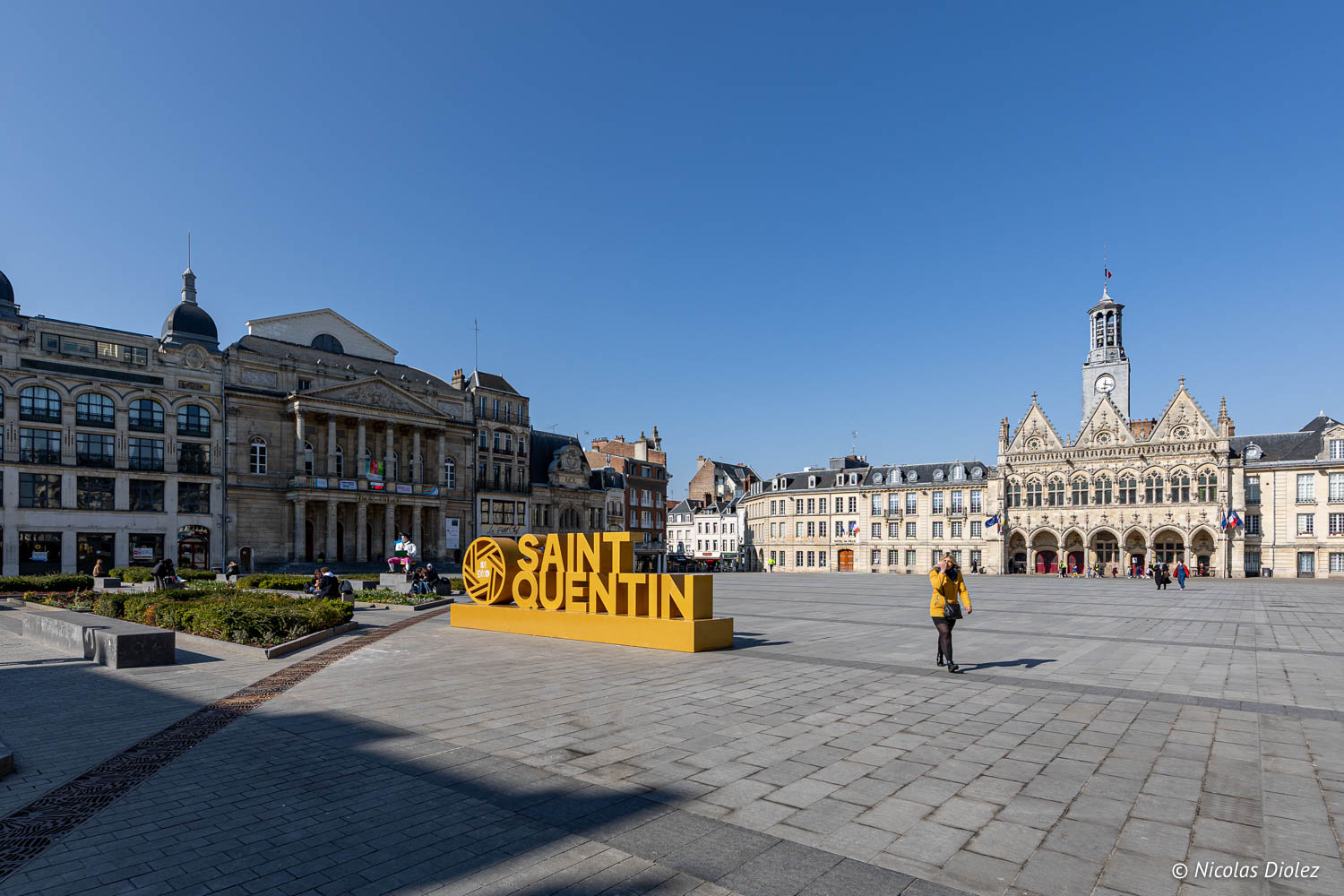
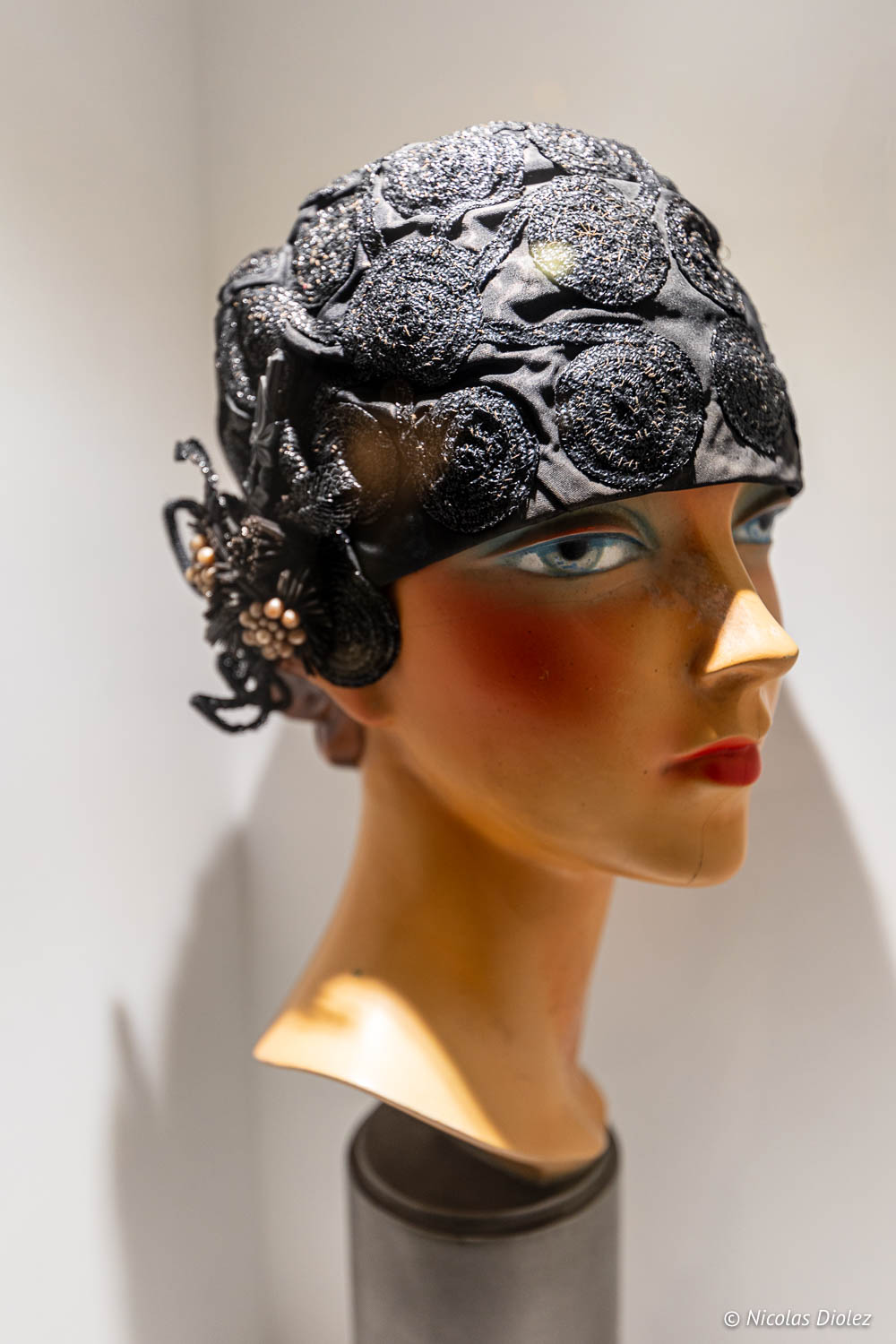
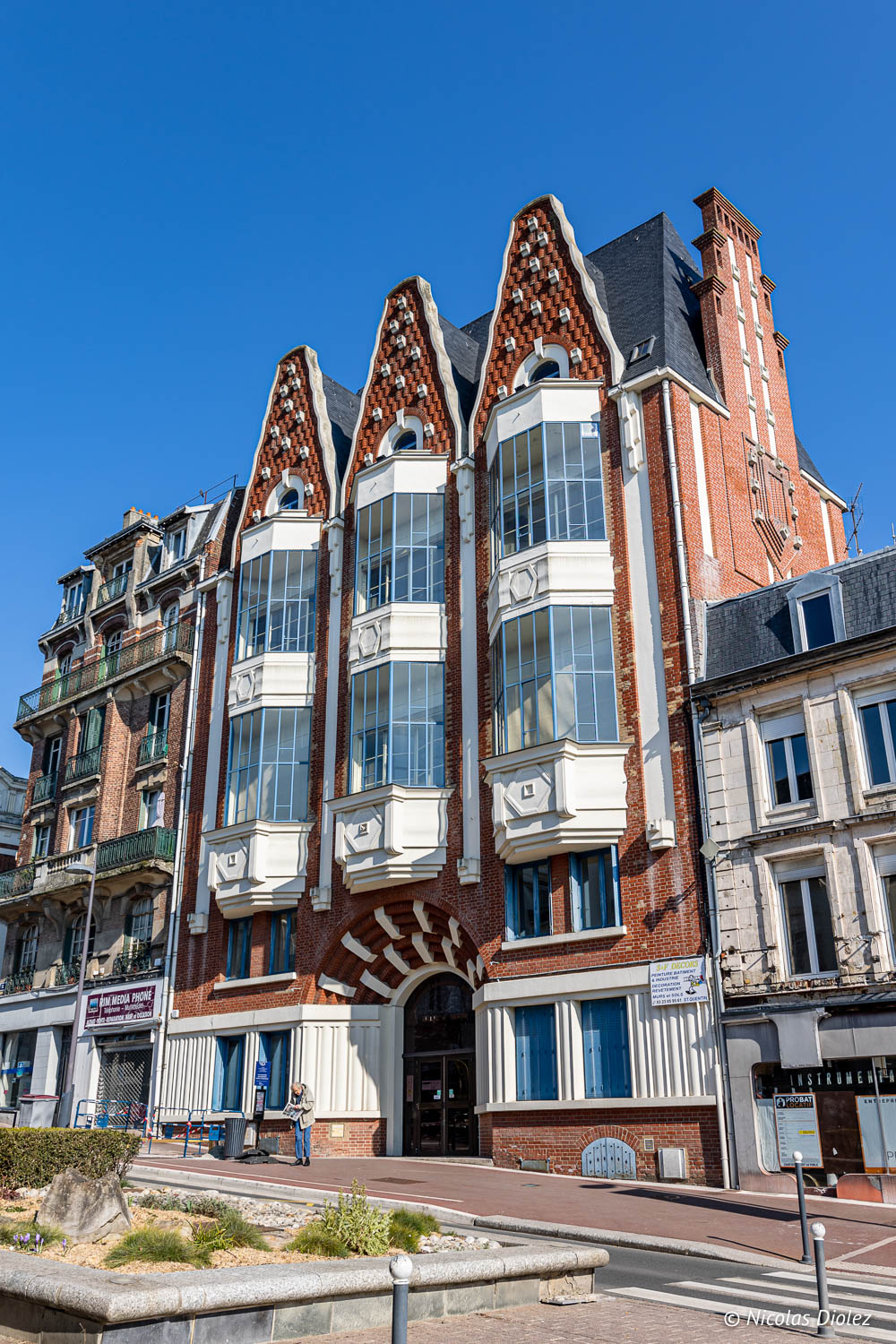
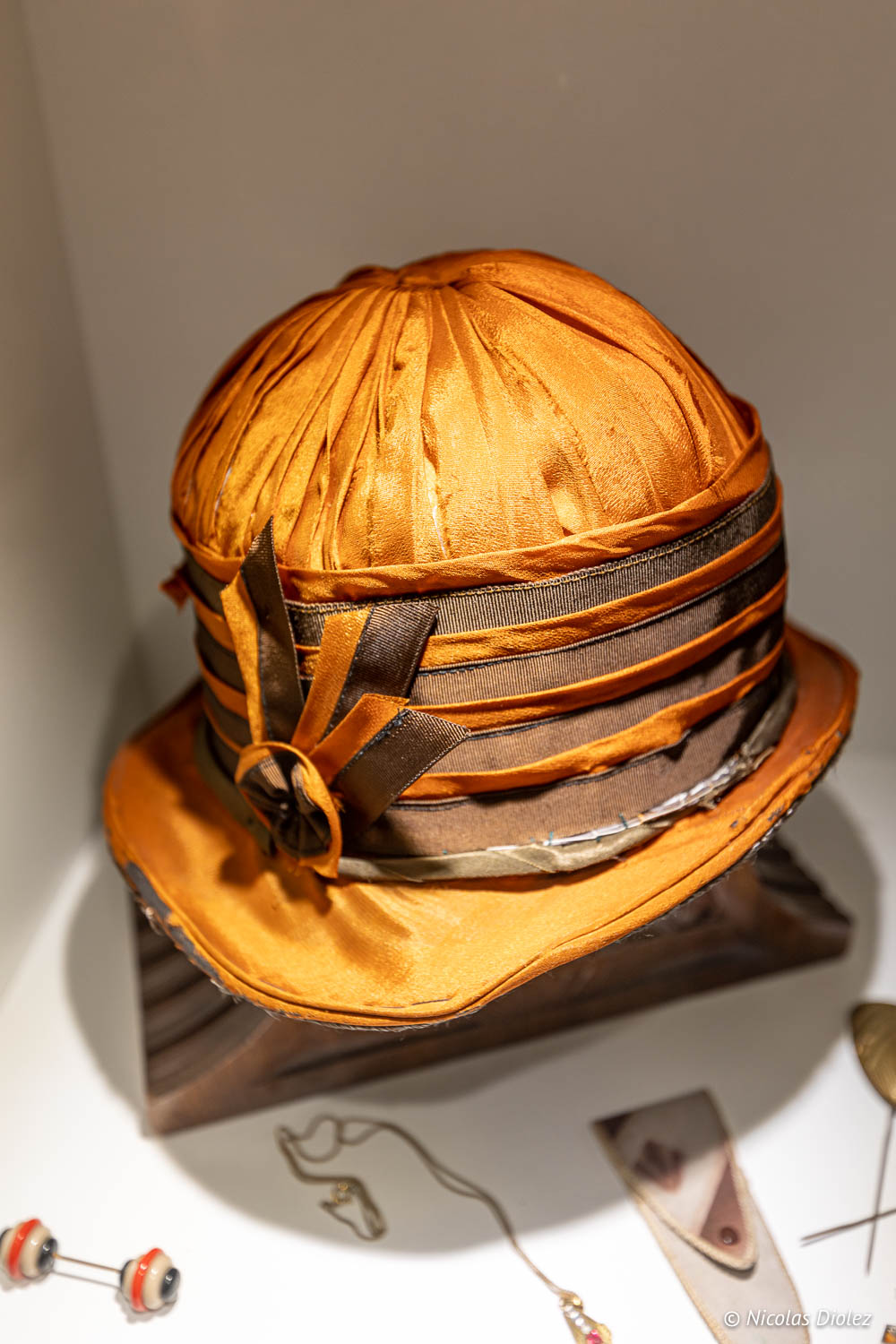

Table of Contents
Step 1: Saint-Quentin
First of all, it is important to briefly touch on the history of the Hauts-de-France region and the Aisne department, which have been deeply marked by wars, particularly the First World War. Due to German or Allied bombing, as well as sabotage, the department was transformed during and after the war. It was in this context that Saint-Quentin discovered the Art Deco style, which developed in the 1910s before gaining real prominence in the 1920s. Being the trendy movement of the time, it is not surprising to see Art Deco buildings flourishing in the streets of the city.
Moreover, arriving at the Saint-Quentin train station, it is very easy (and quick) to stumble upon the first structure: the Buffet de la Gare.
_
Le Buffet de la Gare (The Station Buffet)
The Buffet de la Gare (registered as a historical monument) underwent restoration and has reopened its doors since 2017. You can discover the works—quite impressive as you can see in the photos—of master glassmaker and mosaicist Auguste Labouret. This place has had many lives and lost some of its splendor over the years. Fortunately, the restoration has restored it to all its former glory. You can visit this place during guided tours, such as those held during the Art Deco Spring in the Aisne.
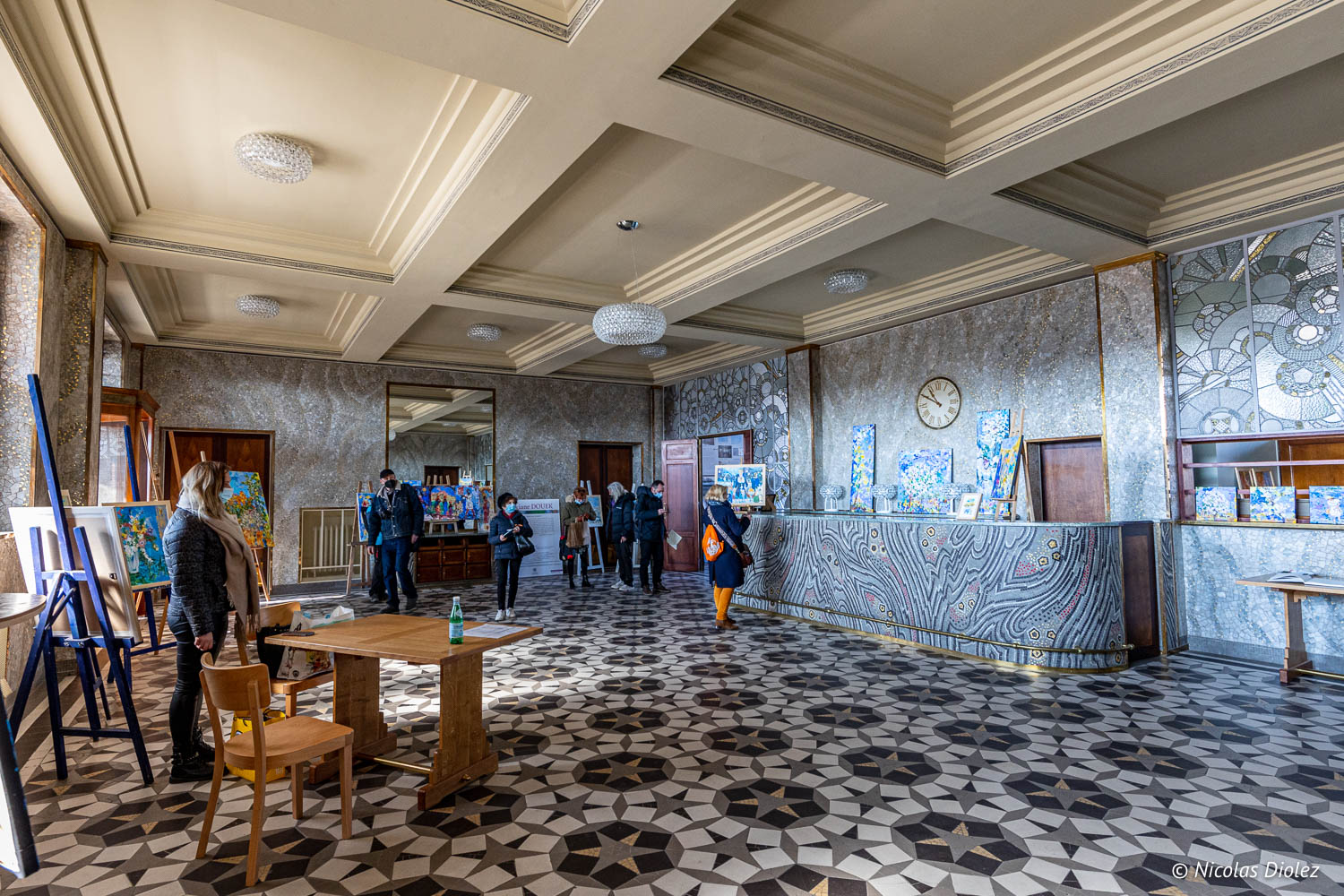
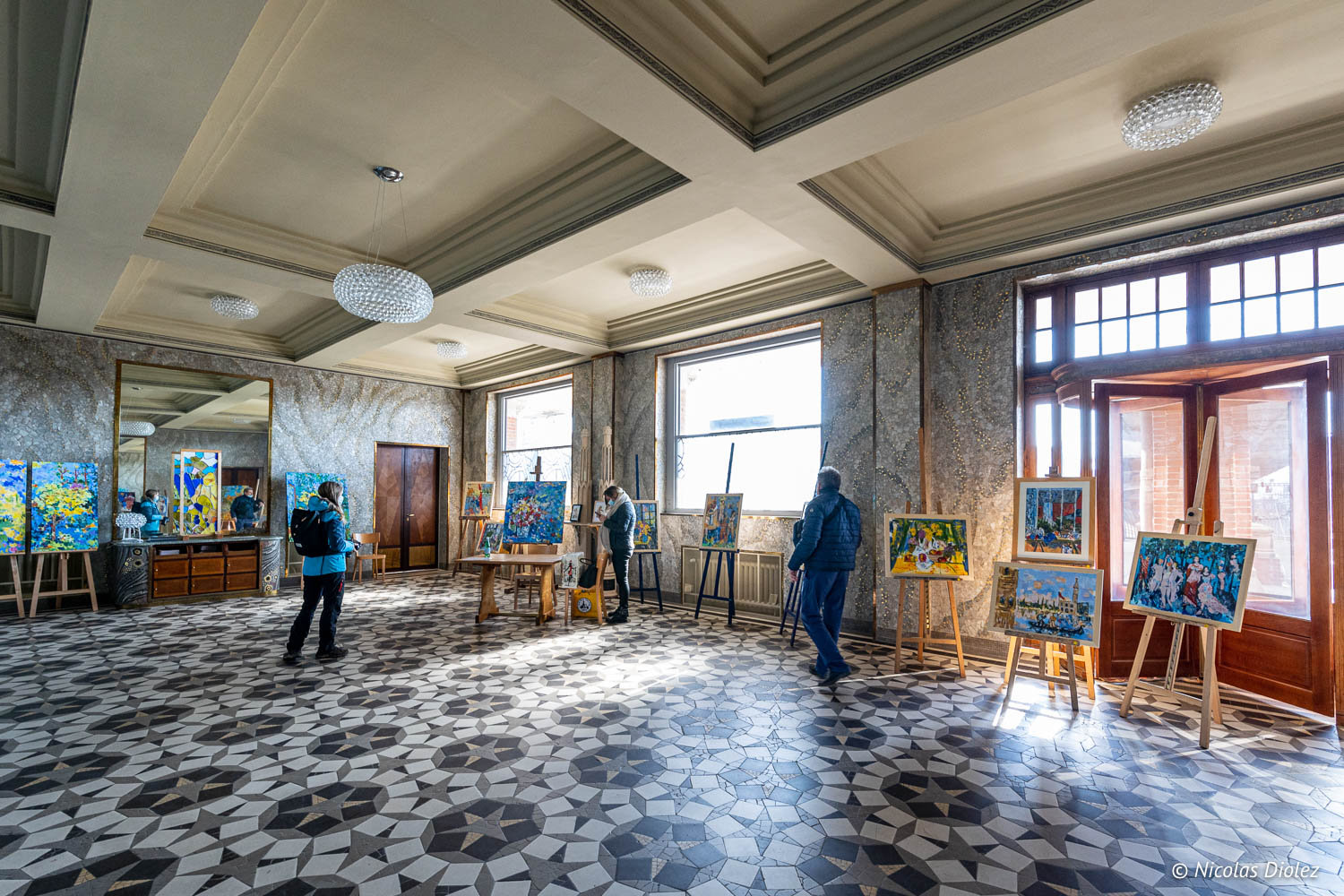


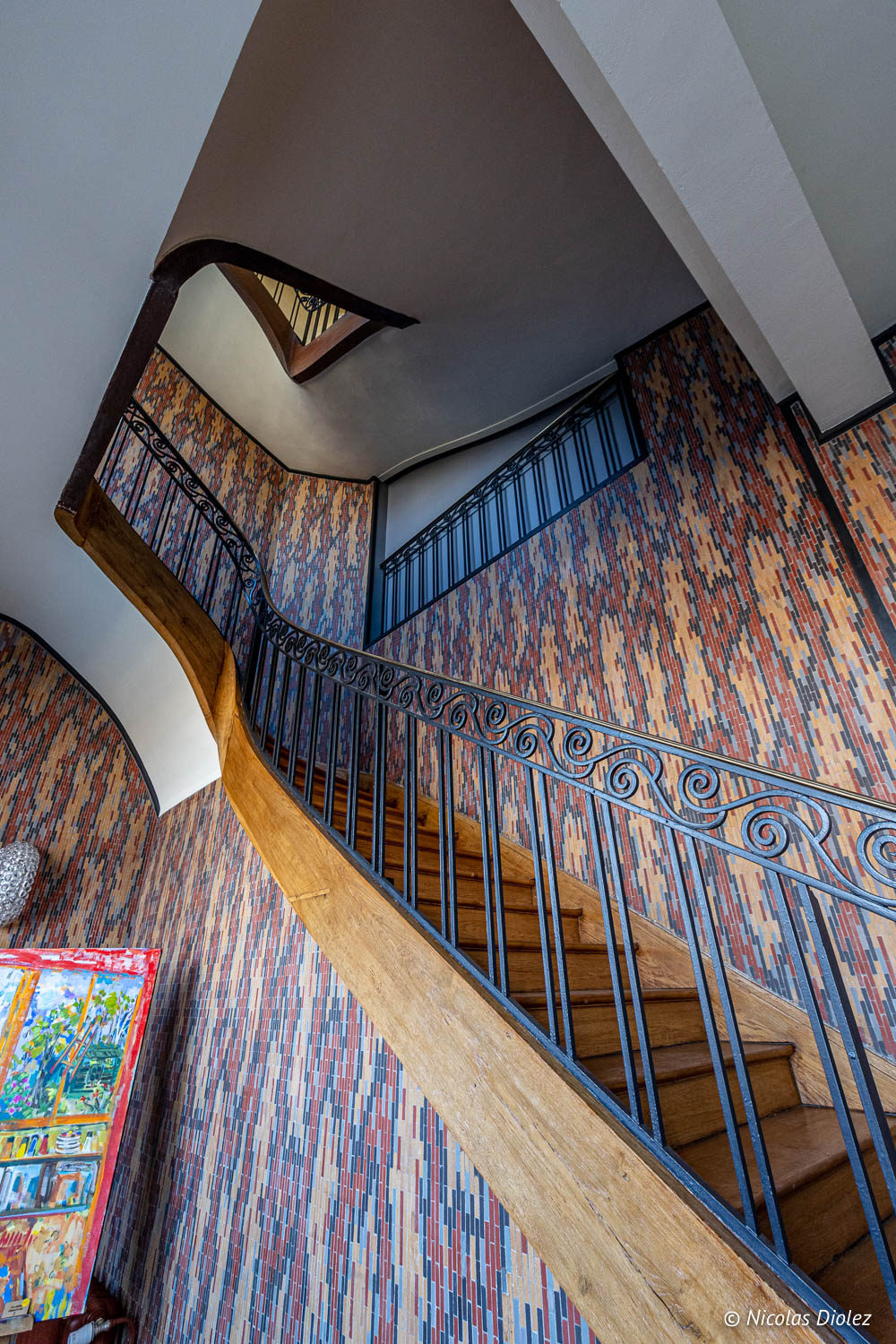
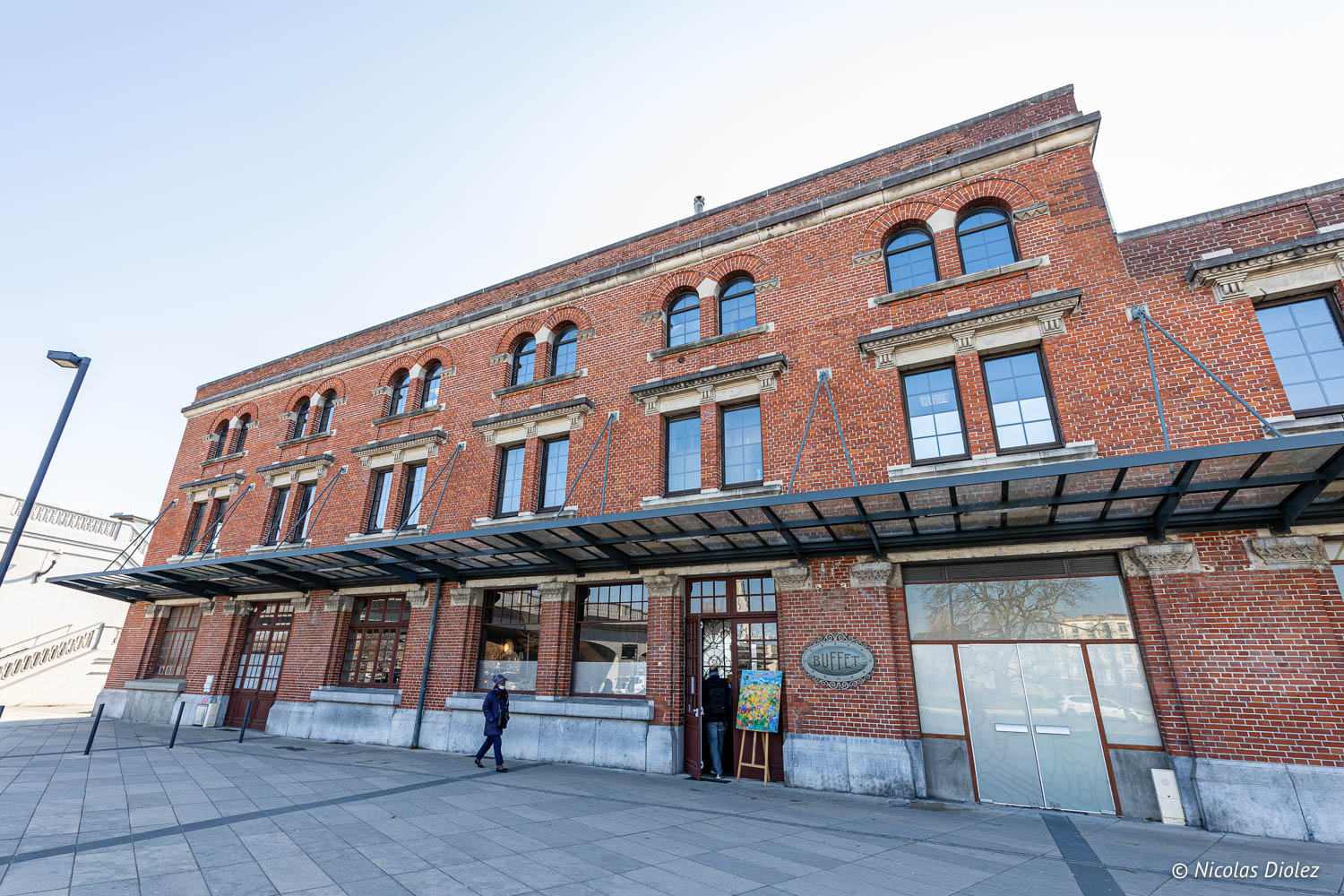
Buffet de la Gare
Gare de Saint-Quentin 02100 Saint-Quentin
Open during guided tours or on Heritage Days
_
Le Palais de l’Art Déco (The Art Deco Palace)
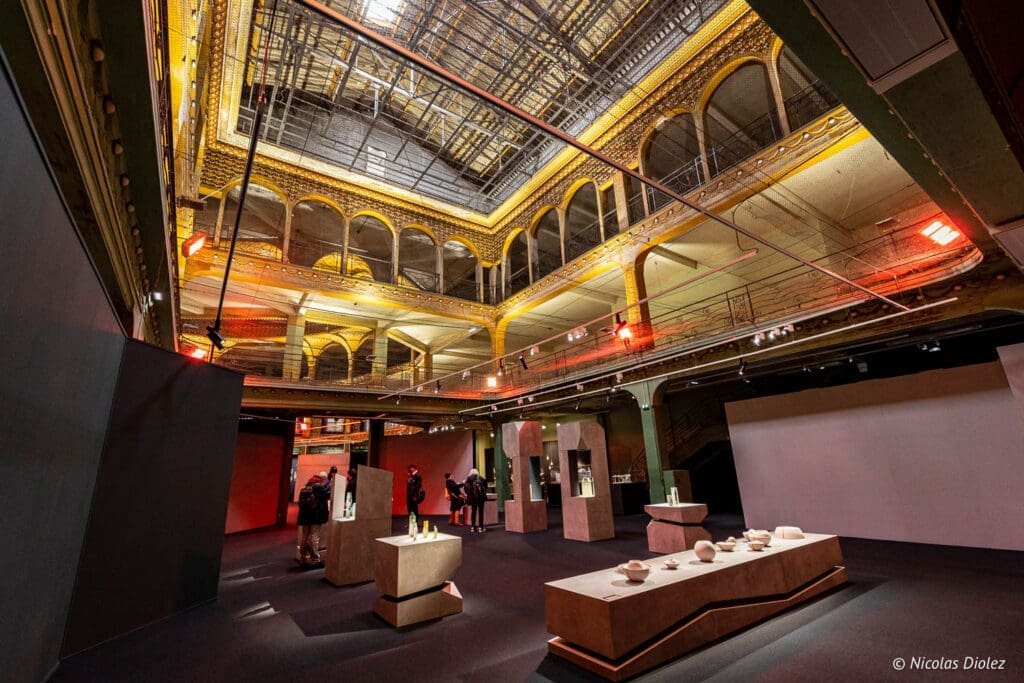
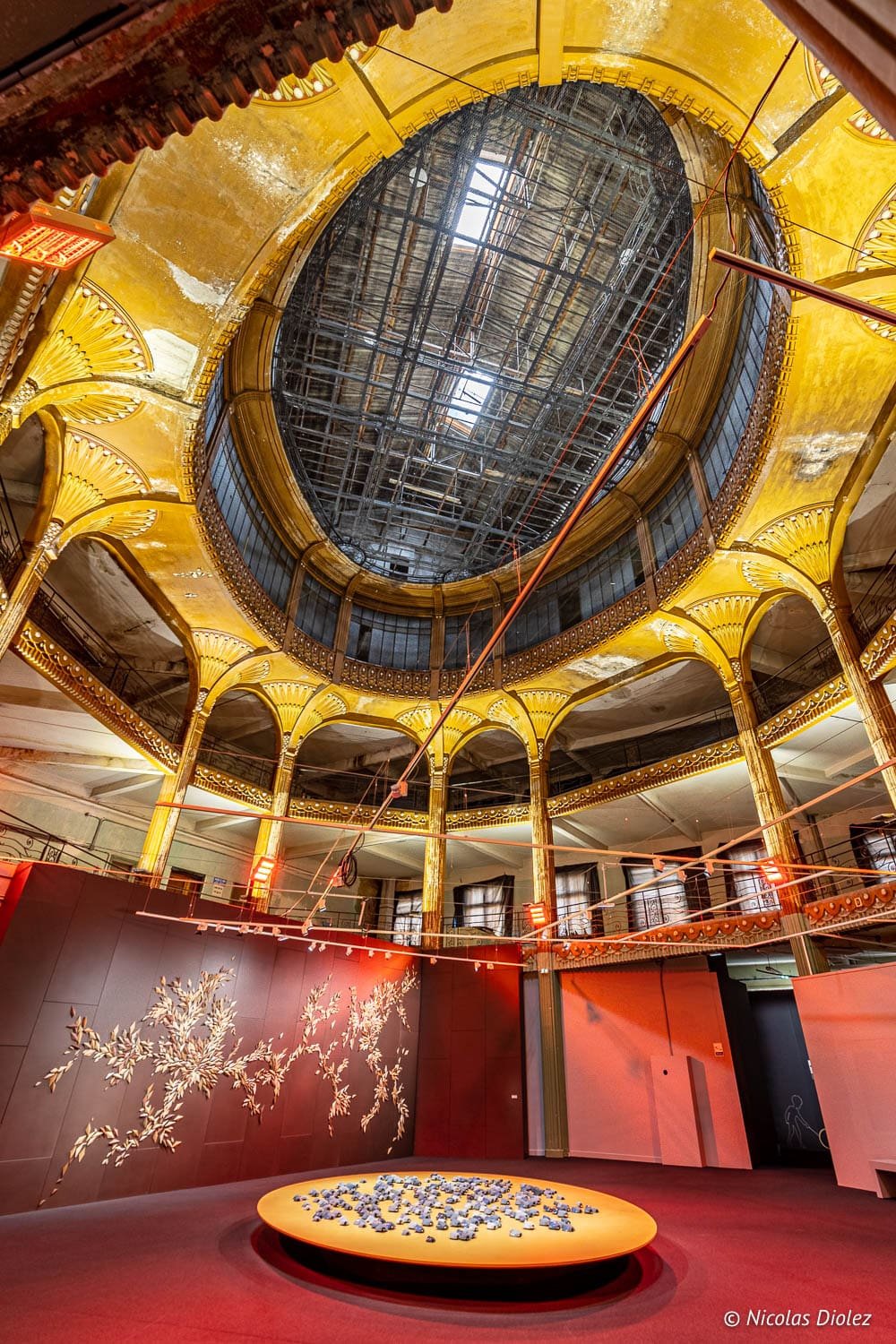
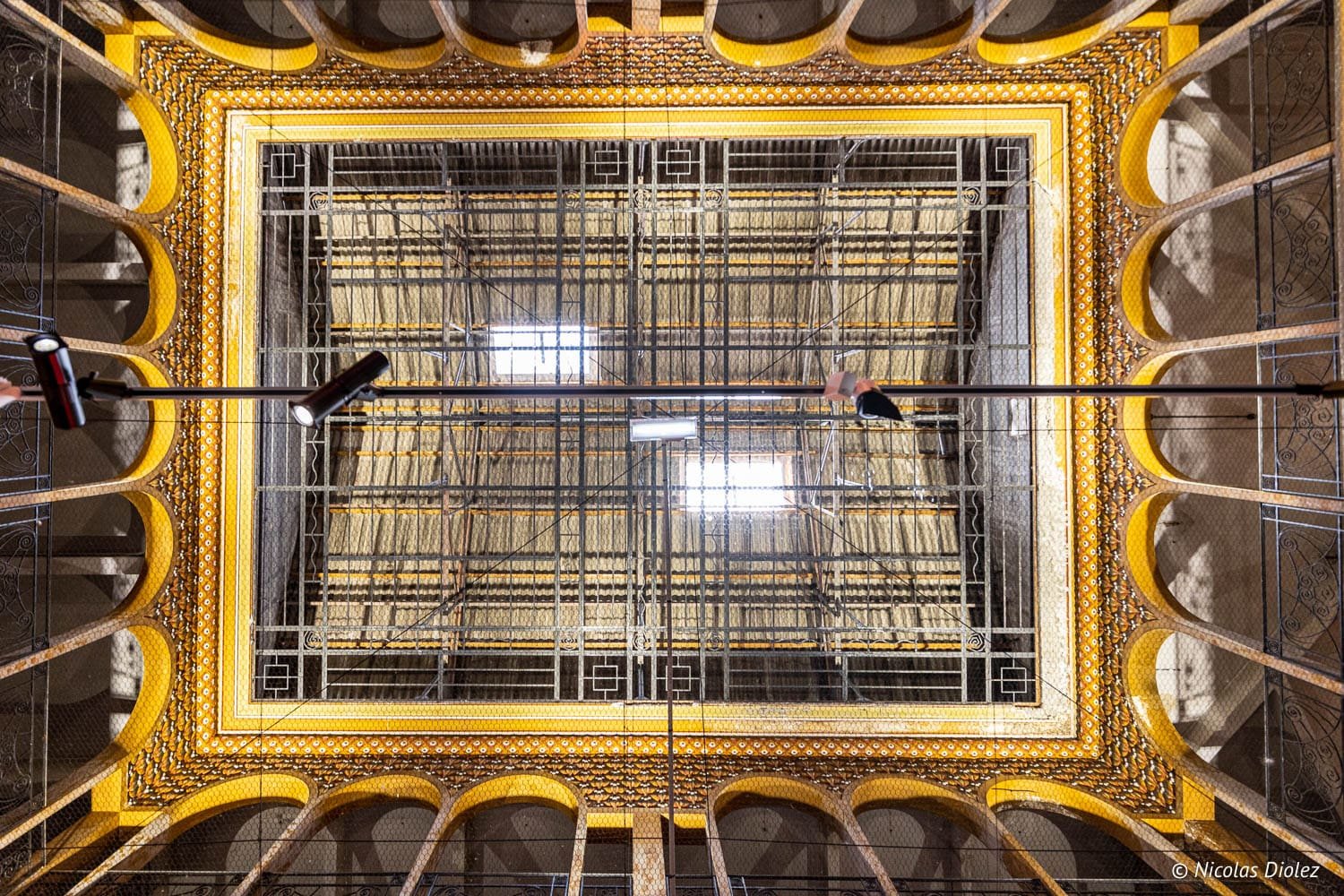
For photography lovers, this is the perfect spot! The Palais de l’Art Déco is imposing in its volume and structure.
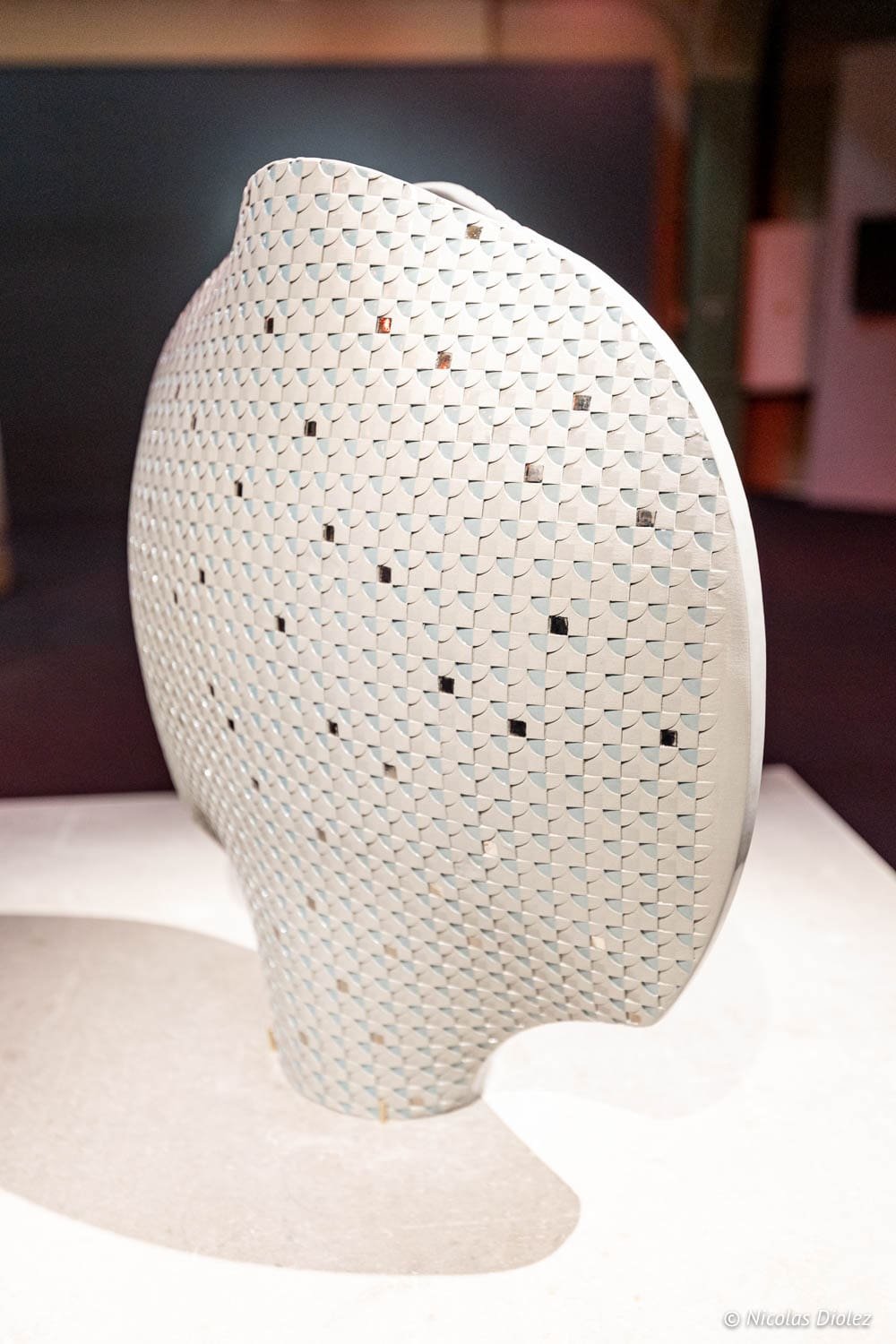
Originally, it was the Nouvelles Galeries building (the precursor to Galeries Lafayette), which was rebuilt after the war and reopened its doors in 1927. It is one of the city’s first Art Deco creations and is signed by architect Sylvère Laville. For many years, the building was closed to the public, but today you can discover temporary exhibitions—I had the opportunity to see the work of ceramicist Hélène Morbu, who reinvents Art Deco with a modern touch.
Le Palais de l’Art Déco
26 rue de Baudreuil Saint-Quentin
_
Saint-Quentin City Hall
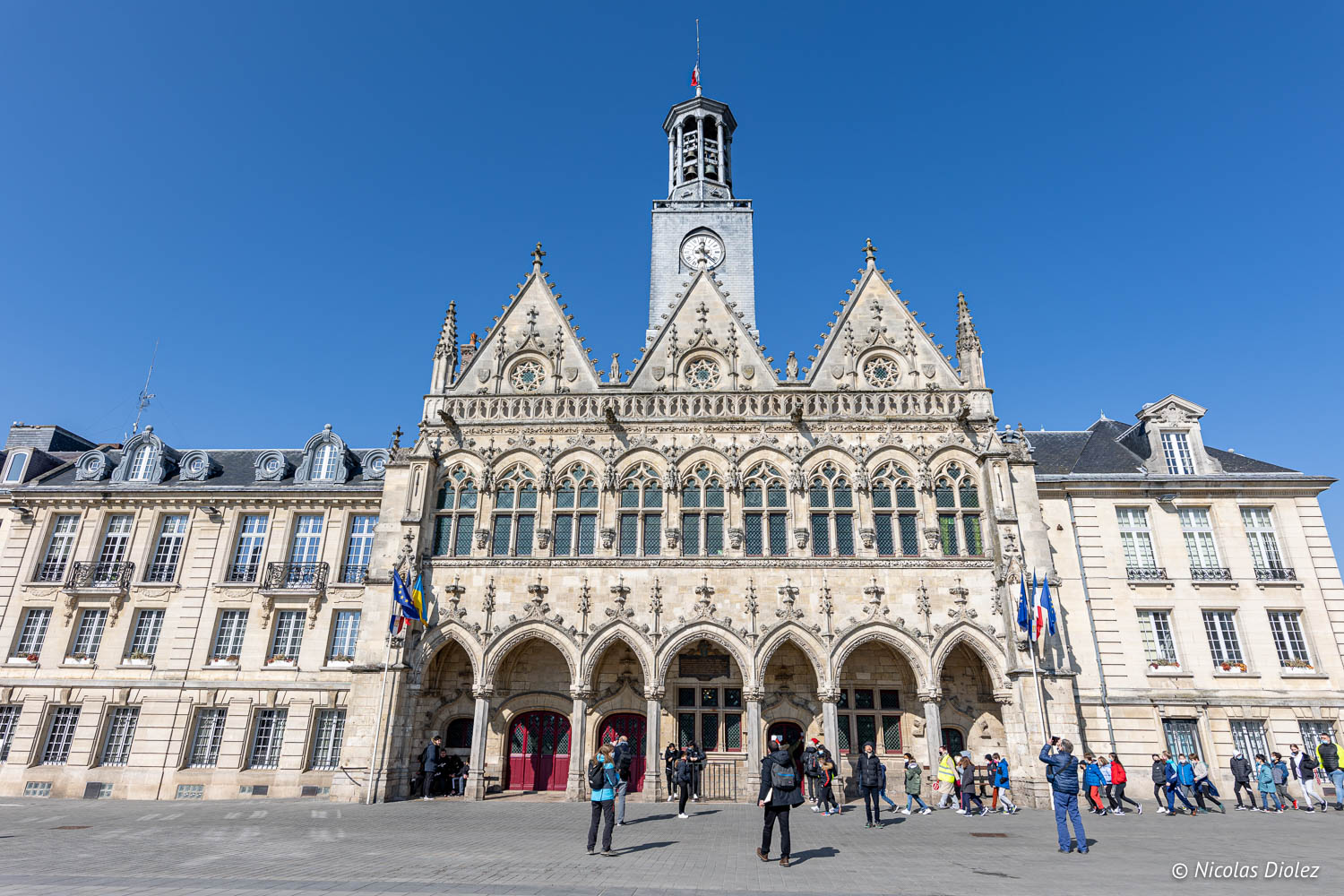
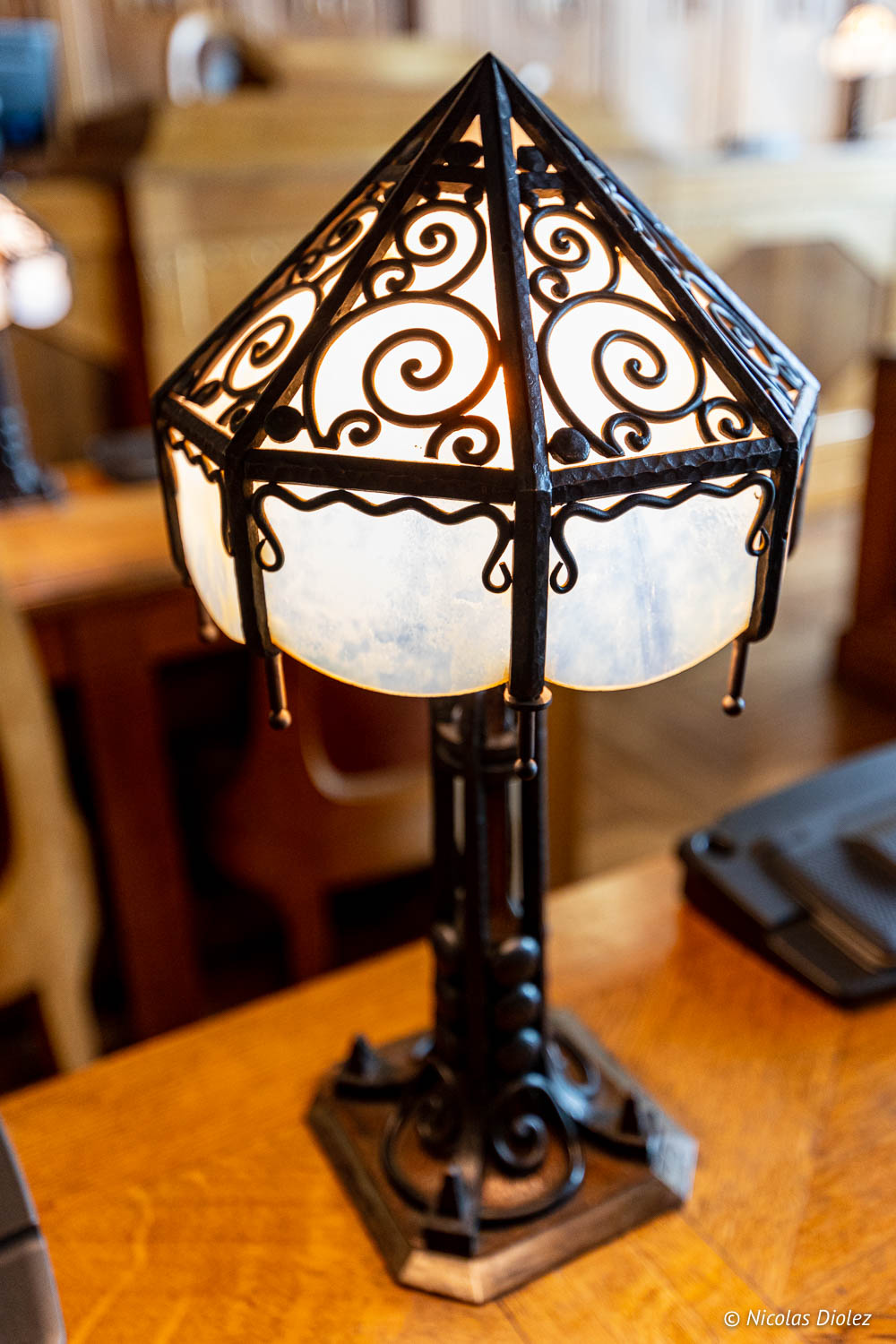
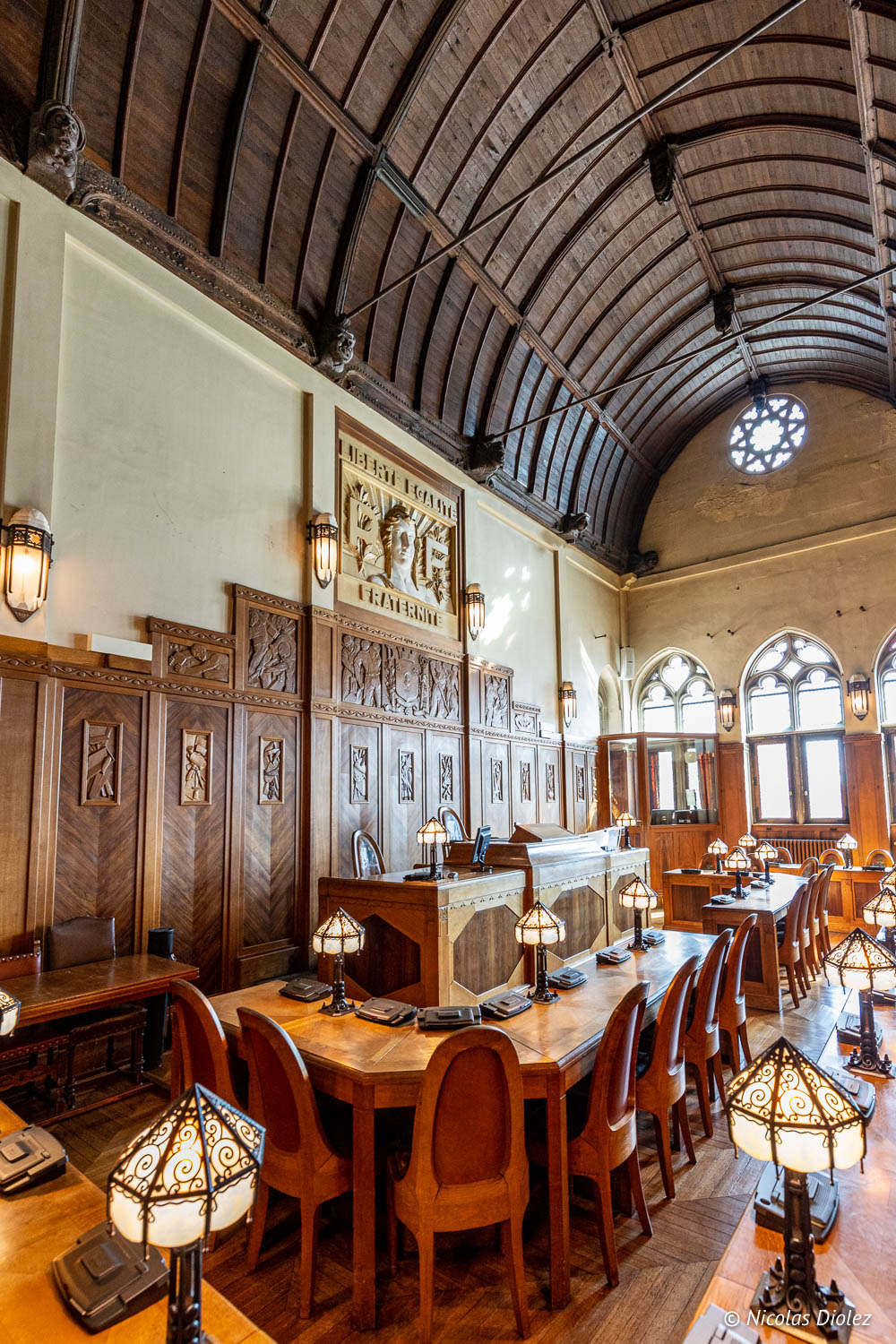
A must-see during your visit to Saint-Quentin is its City Hall. From the outside, the Art Deco style is invisible (the facade is in the flamboyant Gothic style and is worth a look), but once you enter, you discover several rooms infused with this style. In particular, the city council room, which impresses with its woodwork and geometric patterns so characteristic of Art Deco. The room is of great refinement with an admirable attention to detail.


Saint-Quentin City Hall
Place de l’Hôtel de Ville 02100 Saint-Quentin
Pricing: free (audio guide available for €2 at the tourist office)
_
Take a tour of the city of Saint-Quentin
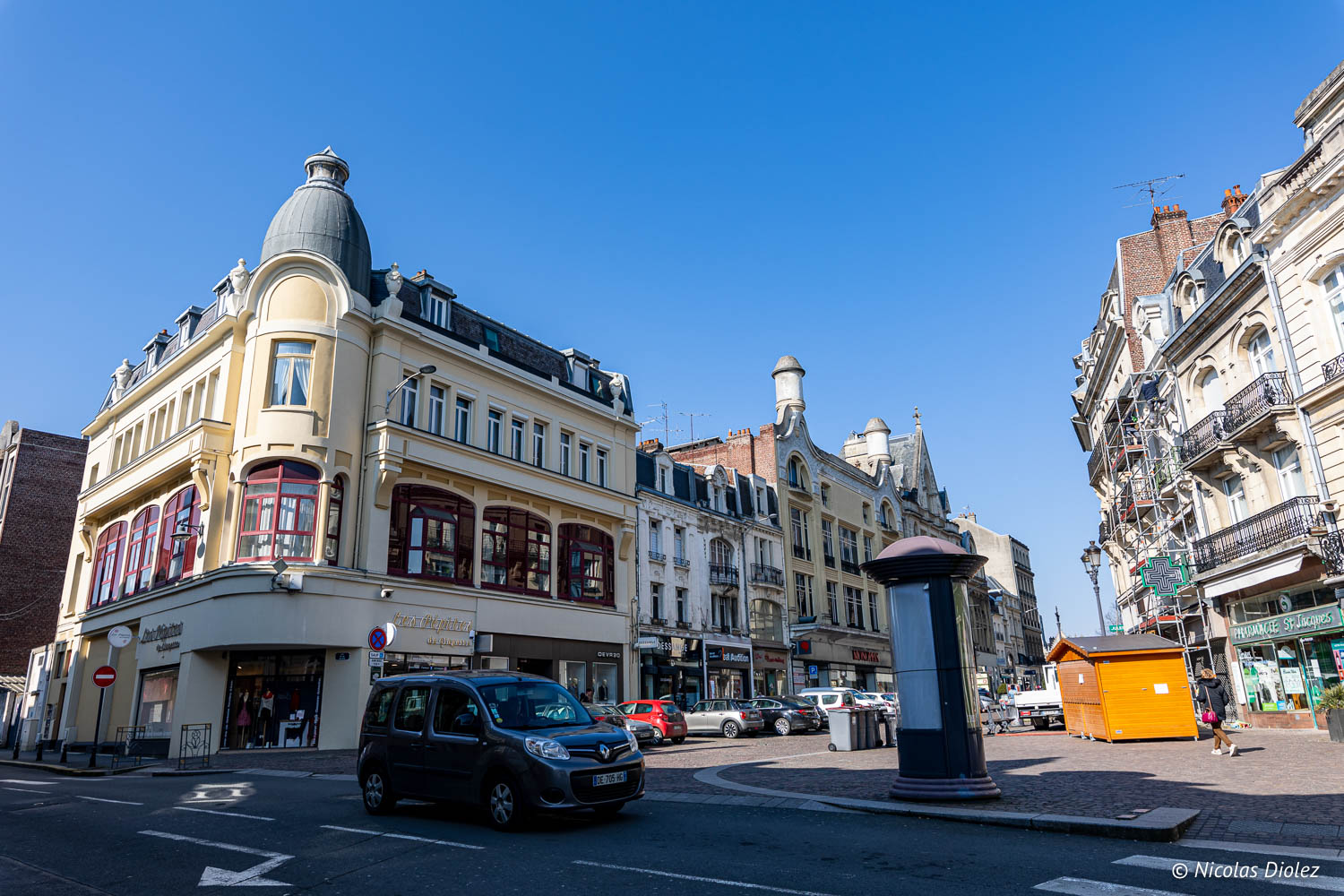
I highly recommend strolling through the city with a guided tour if possible. It is nice to discover the different facades by yourself, but it is all the more enjoyable to be informed about what you are seeing at the same time! The Destination Saint-Quentin tourist office offers numerous thematic tours (see the official website here).



_
Where to eat in Saint-Quentin? Restaurant la Villa d’Isle
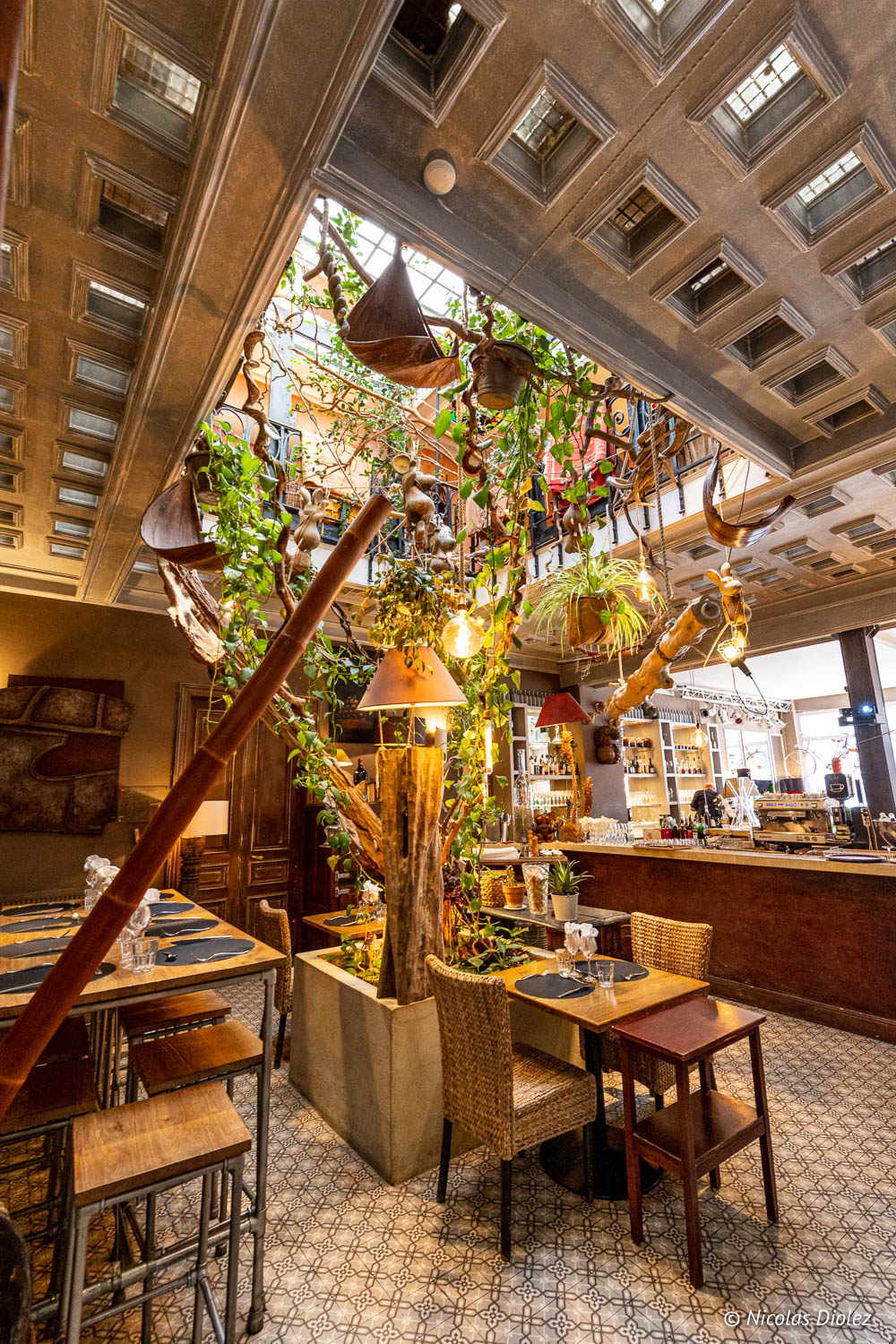
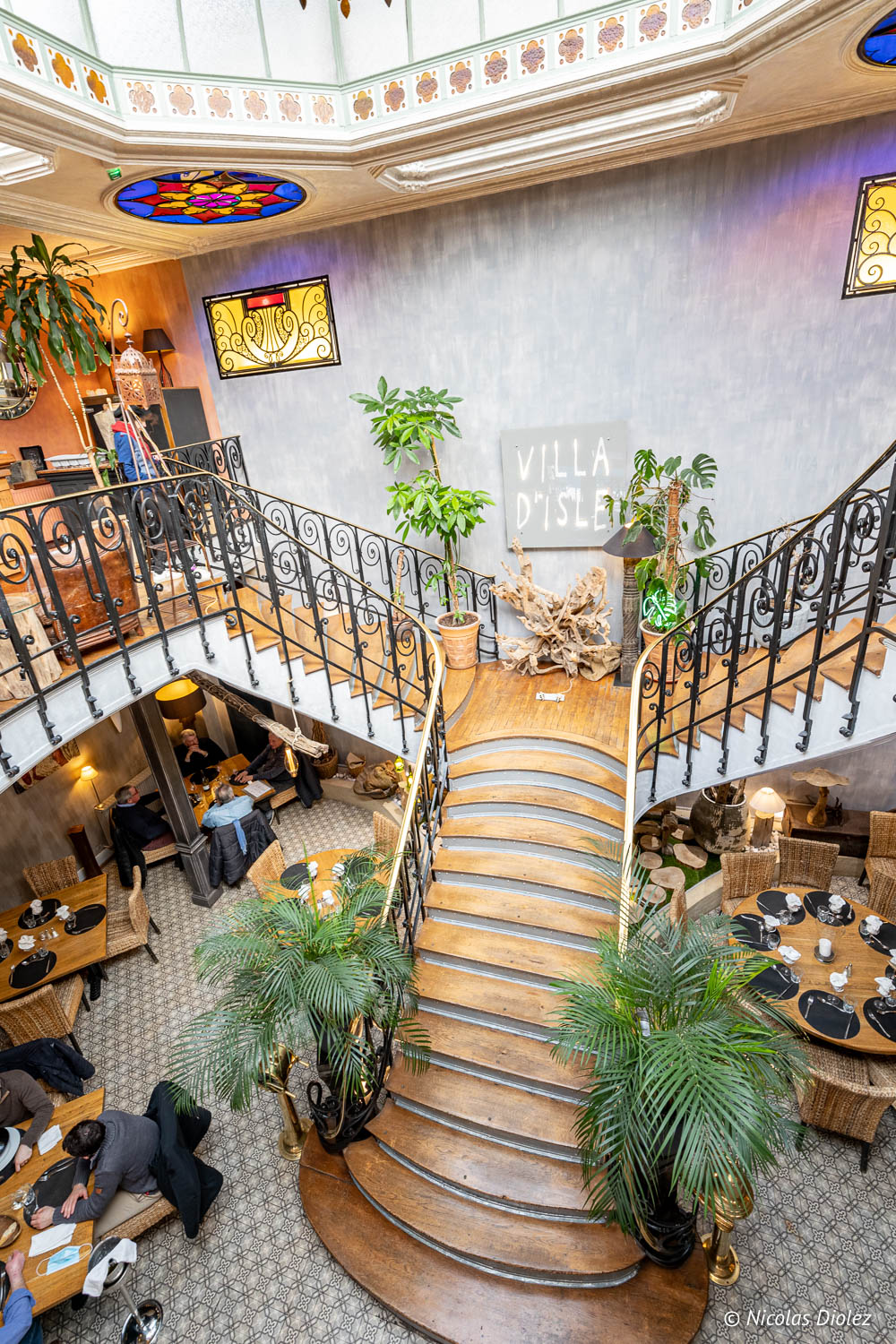
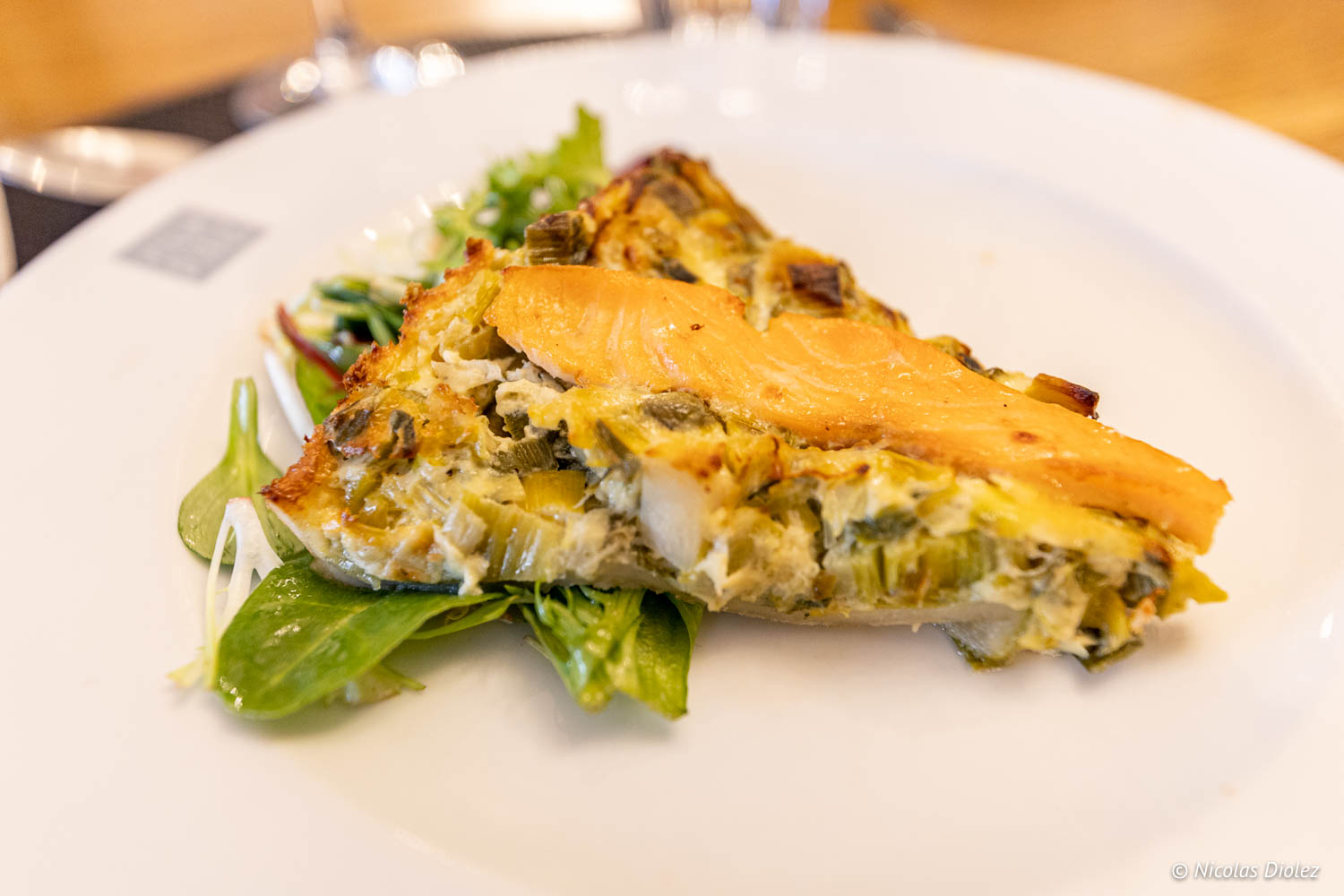
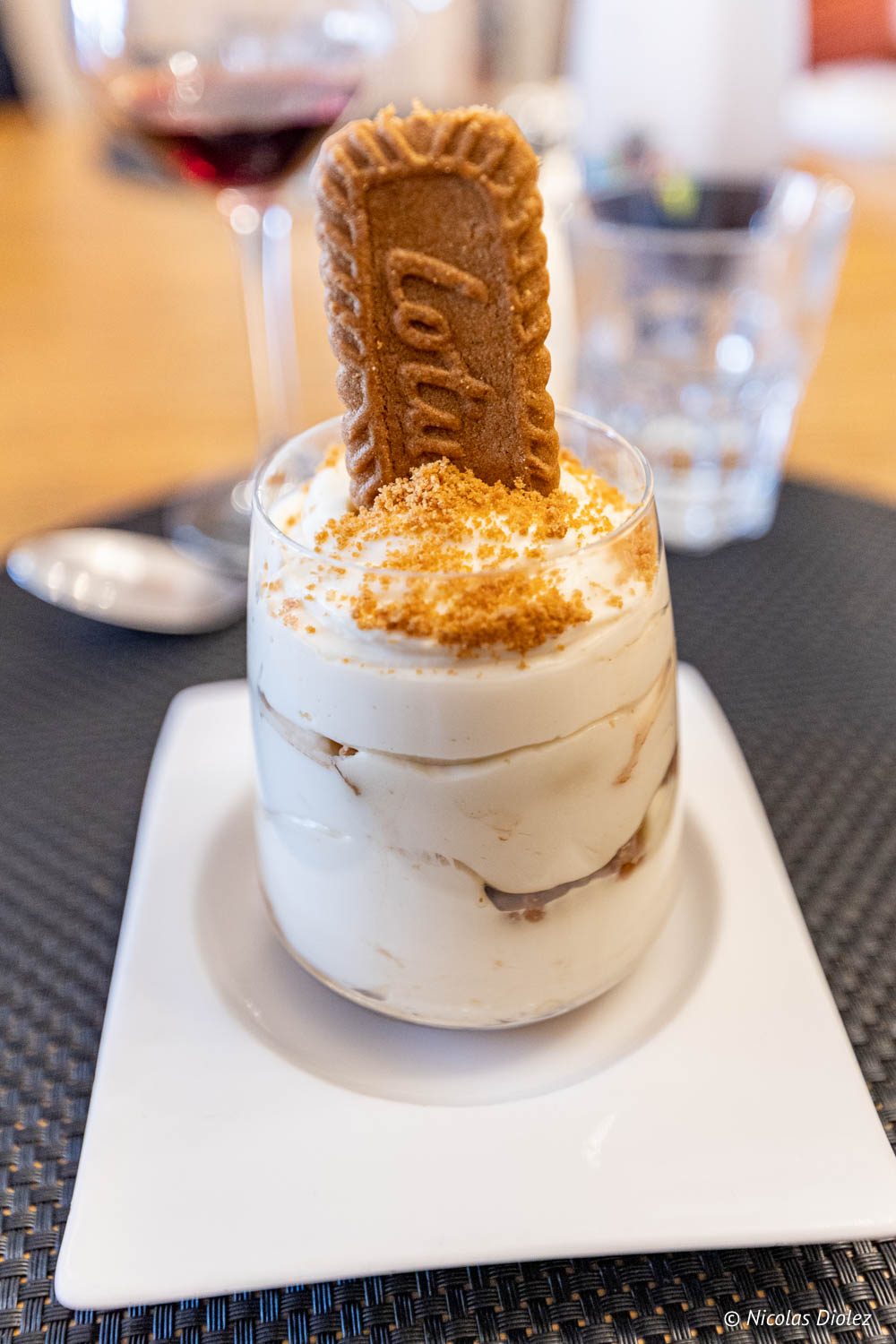
The least we can say is that you wouldn’t expect this when stepping through the front door of this restaurant, which has a facade that gives little away about what’s inside. Offering quality traditional regional cuisine, this is paradoxically not the strongest point of the restaurant, because its interior decor is simply staggering. You can’t help but admire the splendid Art Deco staircase that leads to an equally superb upstairs room. Laid out like a real labyrinth, you move from room to room, wondering if there is a limit to the size of the restaurant. In short, I recommend you eat here just for the venue!





La Villa d’Isle
111 Rue d’Isle, 02100 Saint-Quentin
Step 2: La Maison de Marie Jeanne
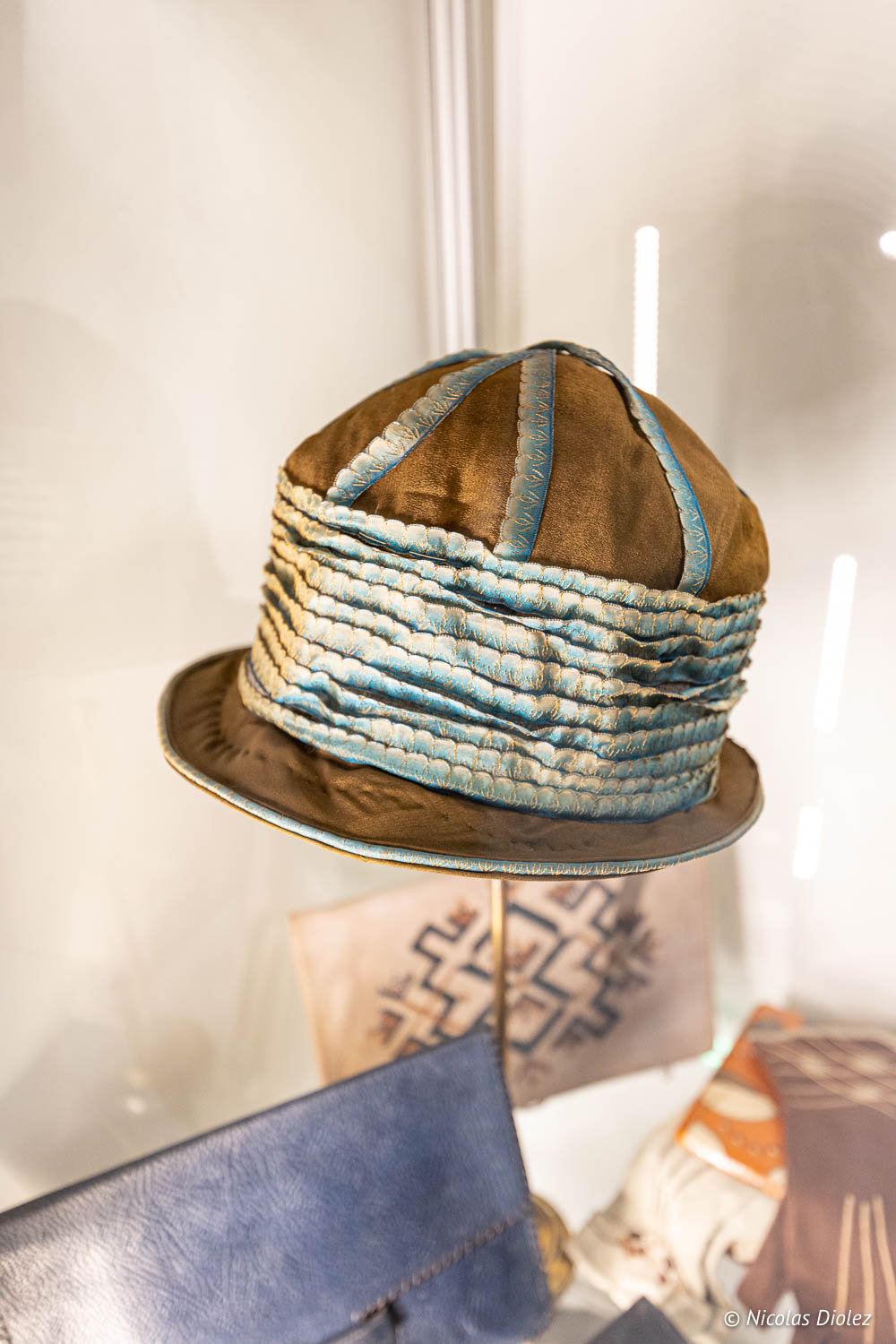
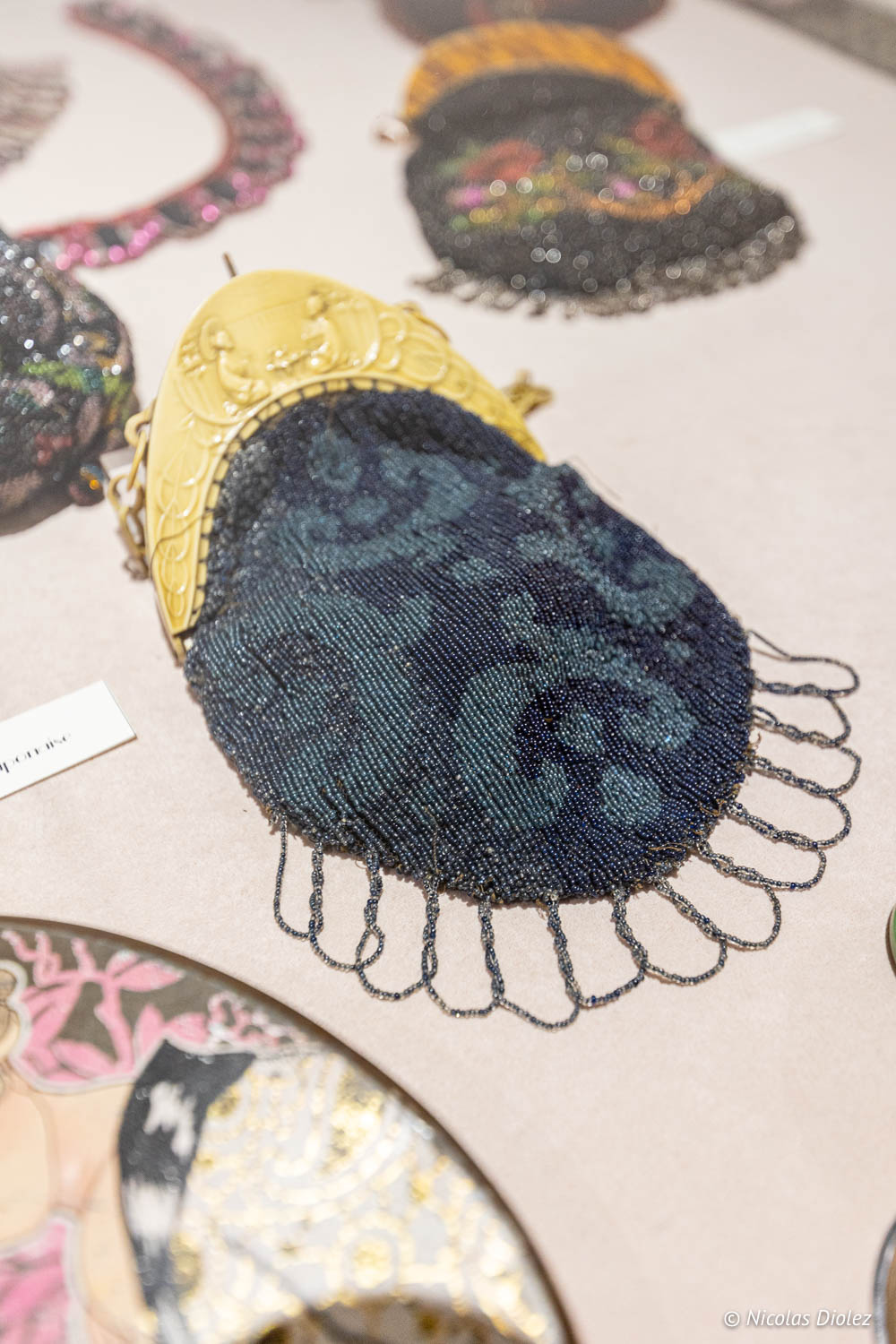
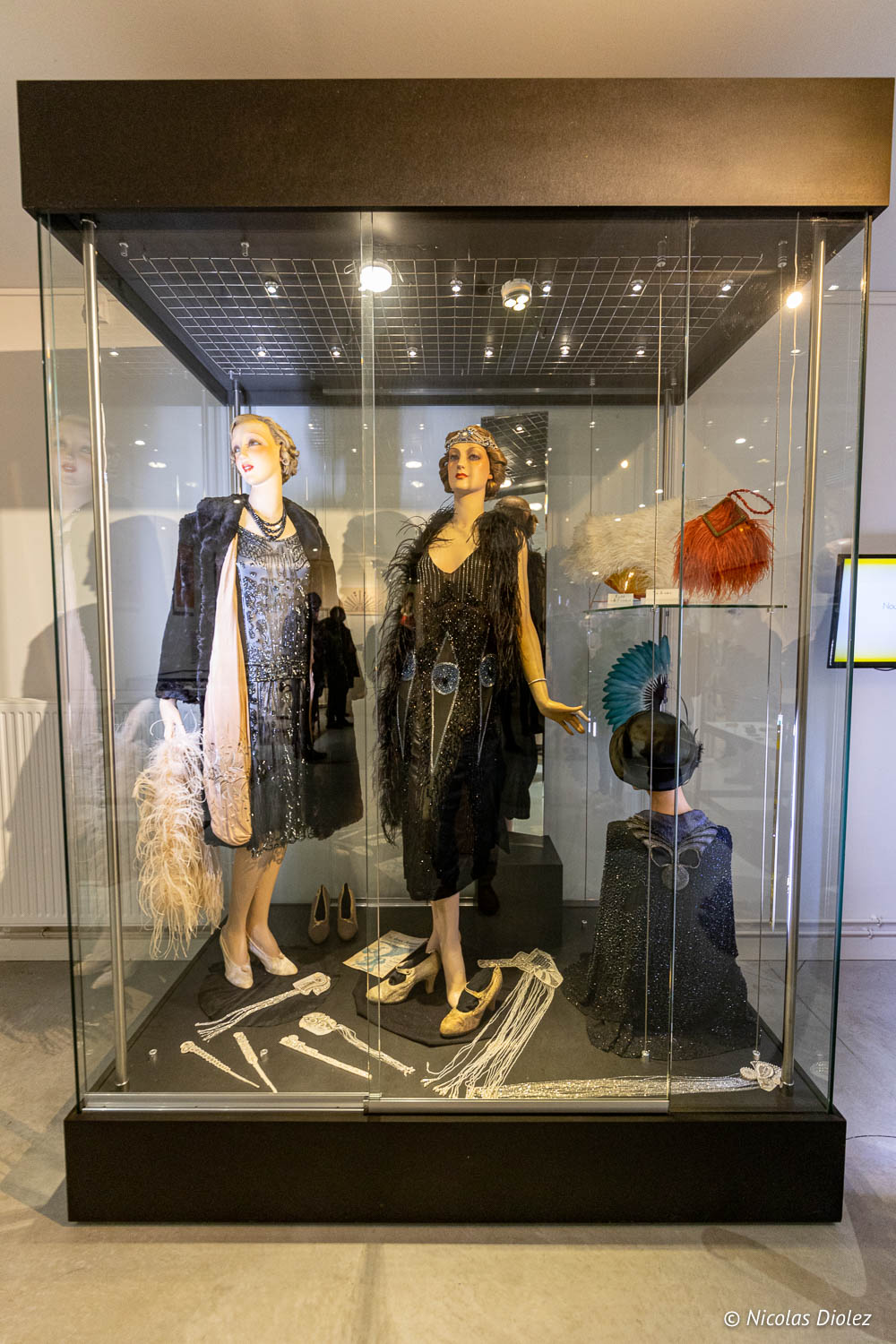
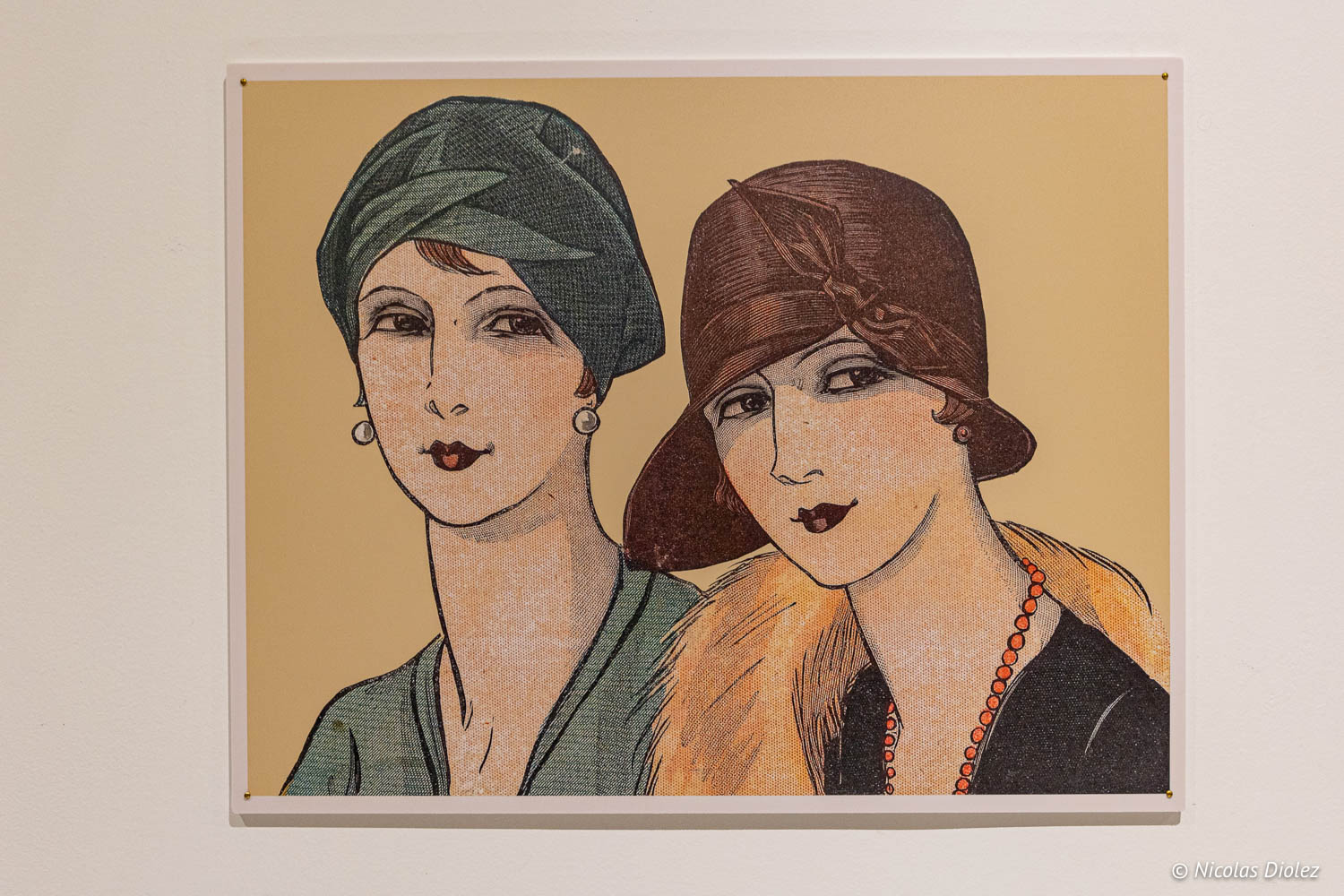
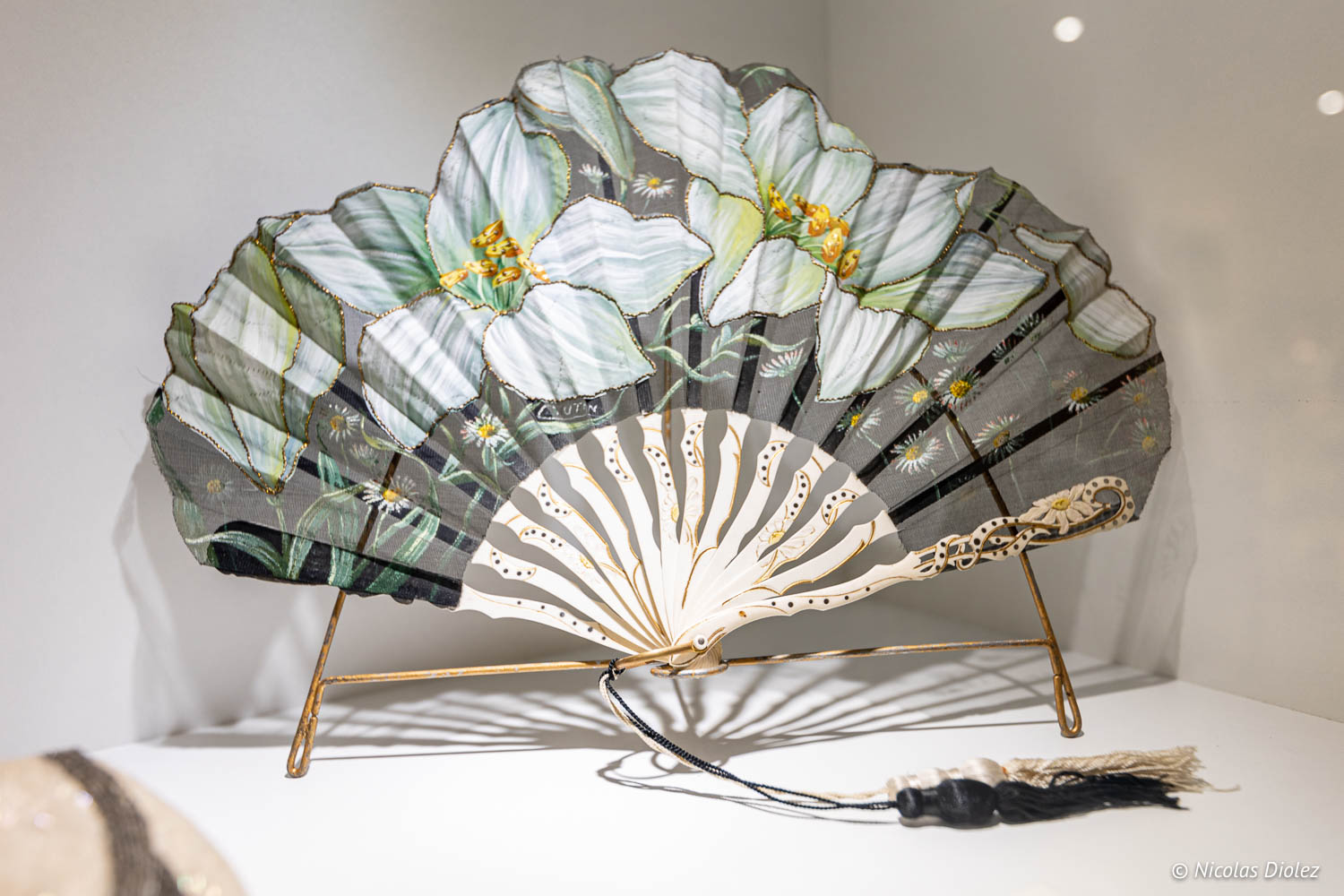
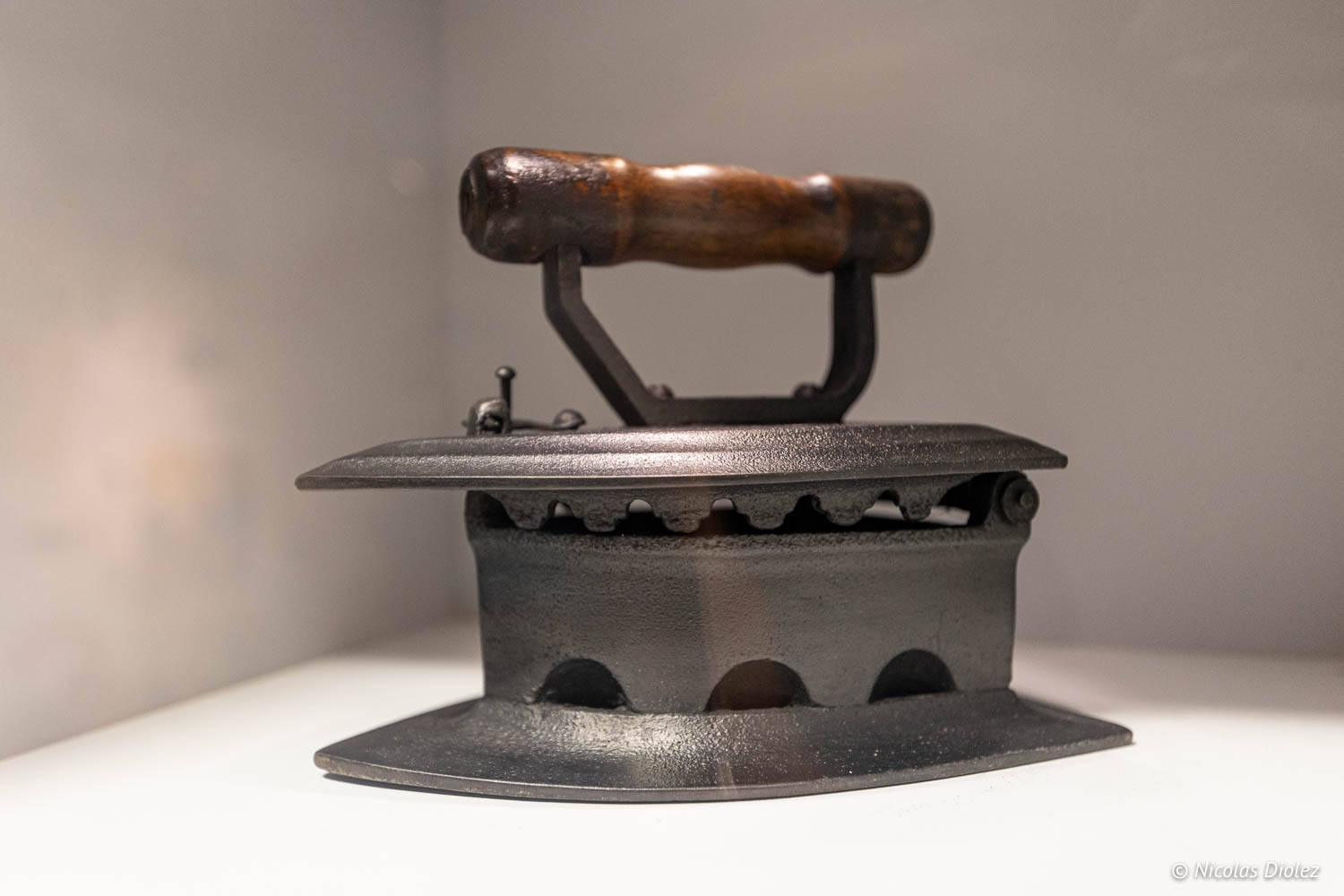
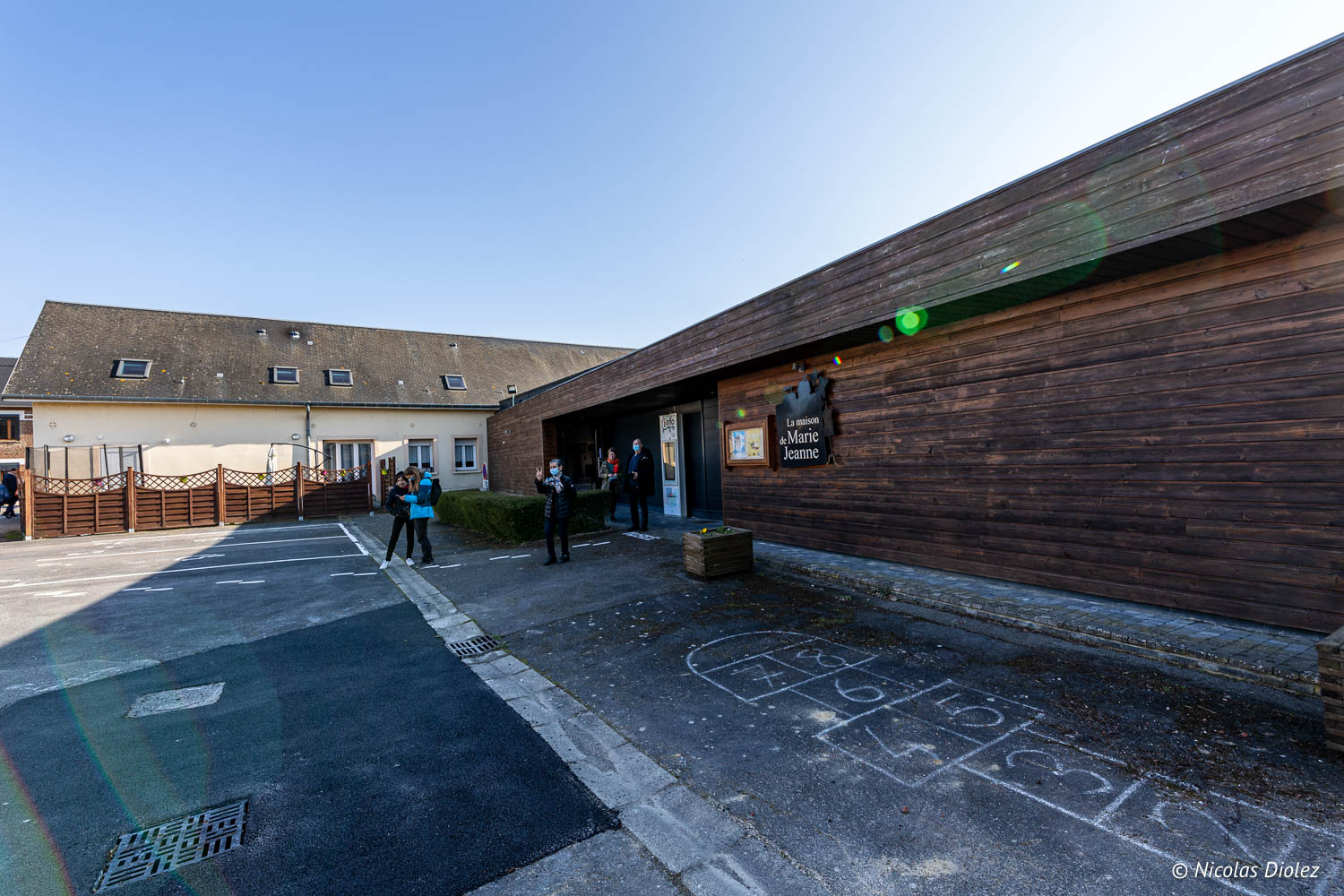
A short break between the two towns of Saint-Quentin and Chauny by stopping in Alaincourt at an atypical museum gathering the collection of someone named Marie Jeanne. On the occasion of the Art Deco Spring in the Aisne, we discover an exhibition on the subject of fashion. It is a small room that gathers various accessories and period outfits, showing the rise of this art in fashionable attire. It makes you want to jump into a time machine to dive back into the splendor of the 1920s parties!
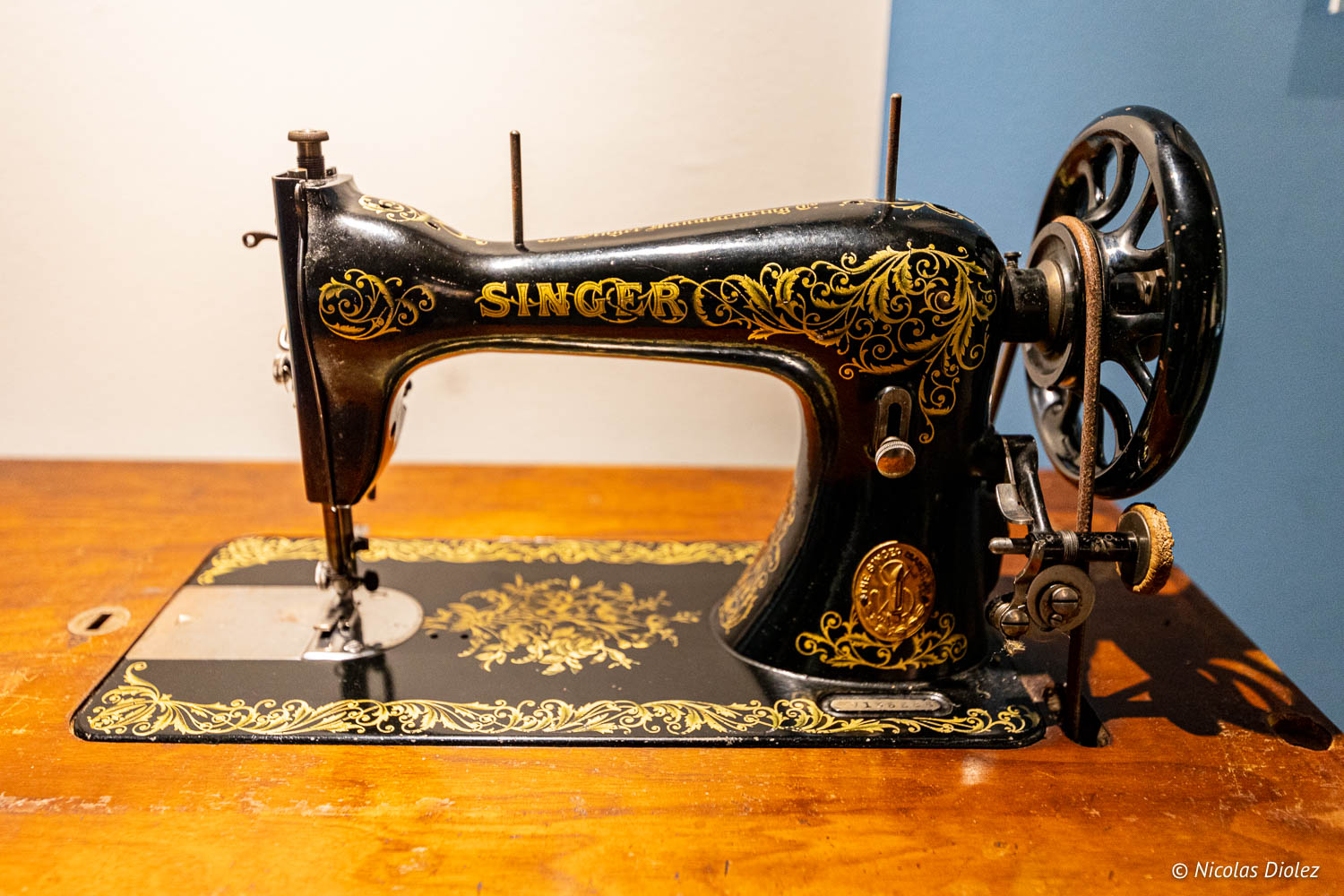
I invite you to visit the rest of the museum to discover, among other things, many vintage toys, as well as the exhibition on the world of textiles. The latter was very important in the Aisne in the 19th and early 20th centuries before slowly undergoing massive offshoring.


La Maison de Marie Jeanne
39 Rue du Général de Gaulle, 02240 Alaincourt
Hours: Open from 2 PM to 6 PM, closed Mondays and Tuesdays
Pricing: normal €5 and reduced €3.50 / guided tour €20
Step 3: Chauny
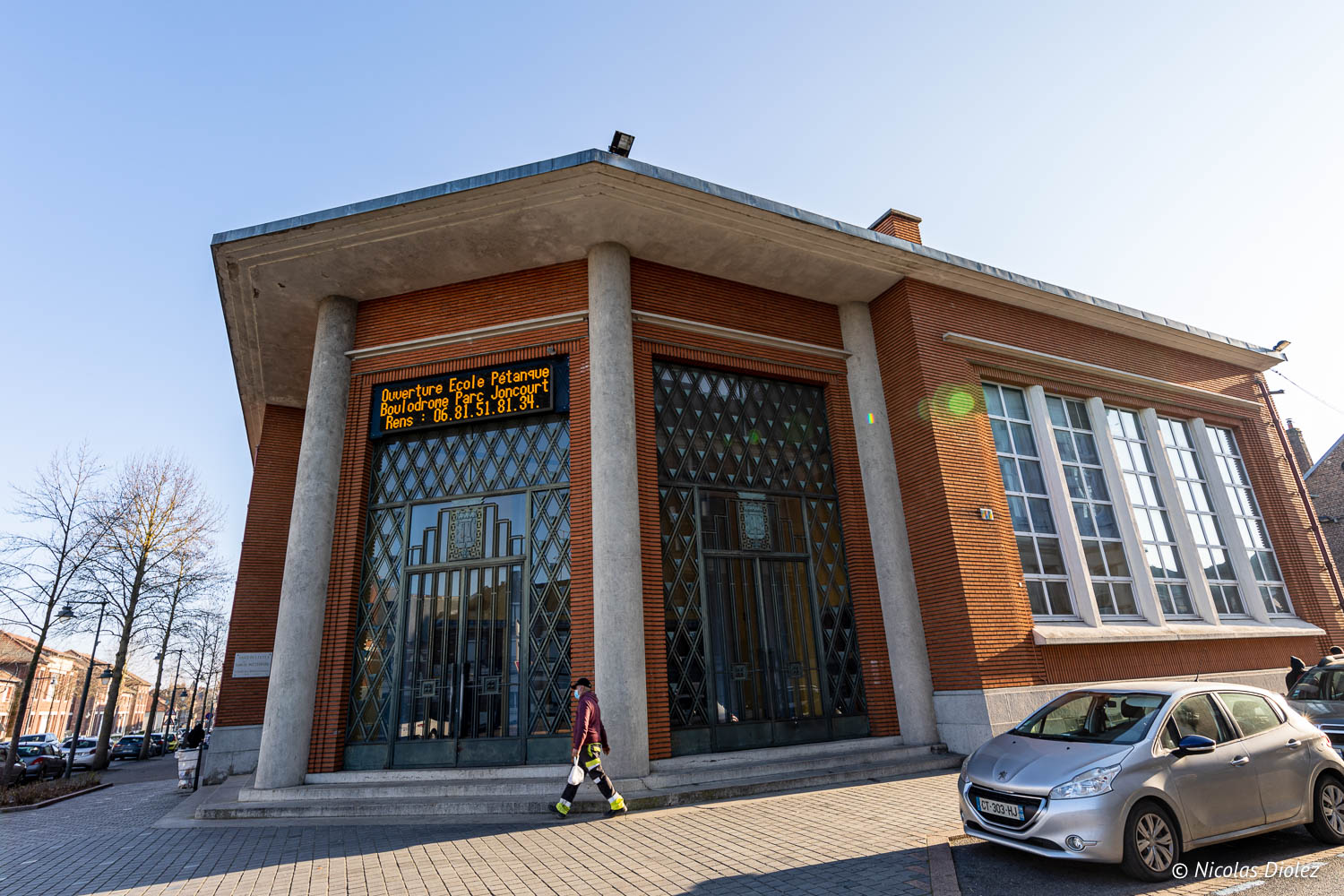
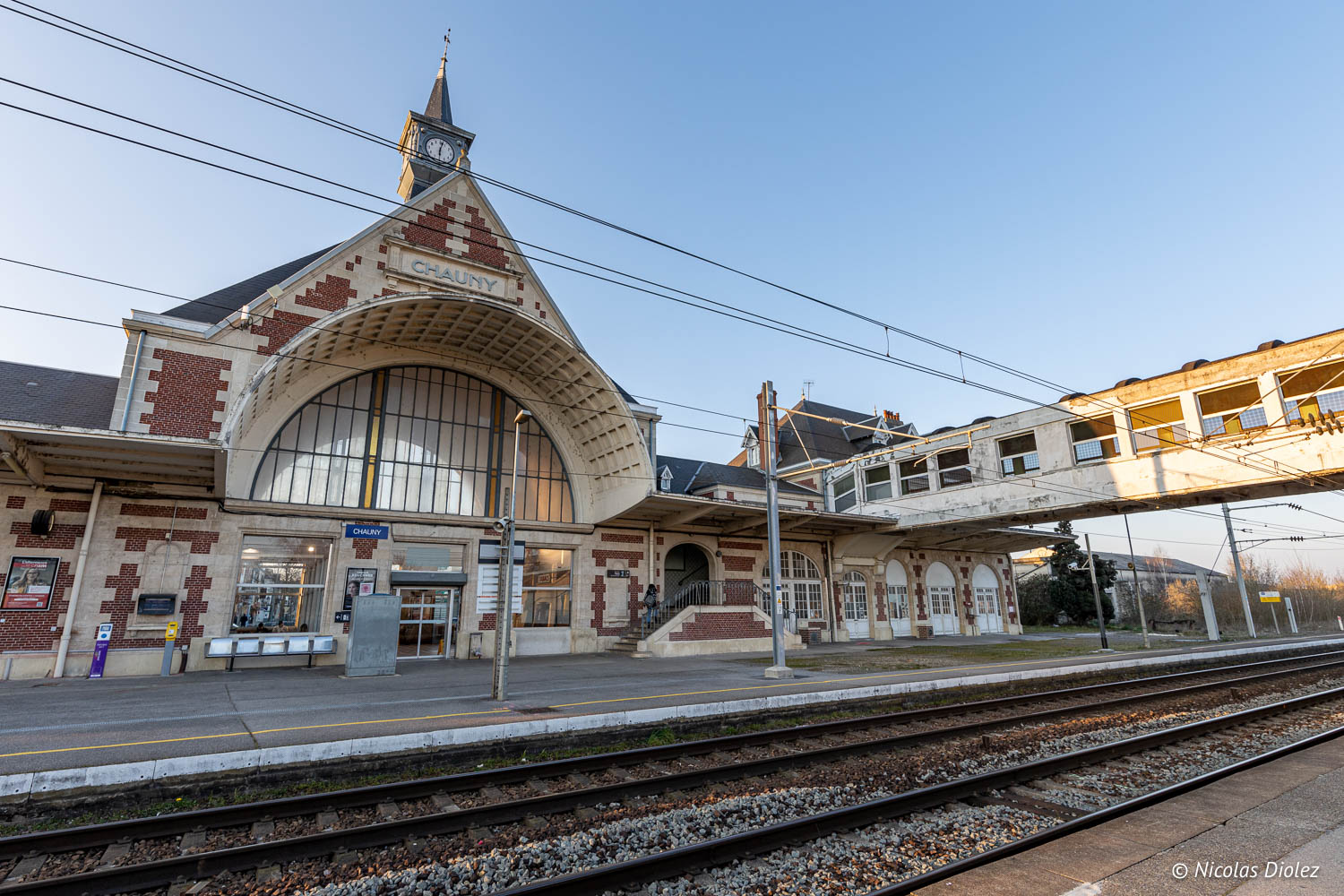
Like Saint-Quentin, Chauny was scarred by the war and therefore gives pride of place to Art Deco in its urban planning. It was the first city to benefit from a development plan in France under the supervision of architect Louis Rey, who won the competition for the city’s reconstruction in 1919. With architect Charles Luciani (even though they were competitors), they rebuilt most of the important buildings such as the fish market, city hall, banks… The Art Deco style found its way everywhere, on facades and in interiors.



_
Chauny City Hall
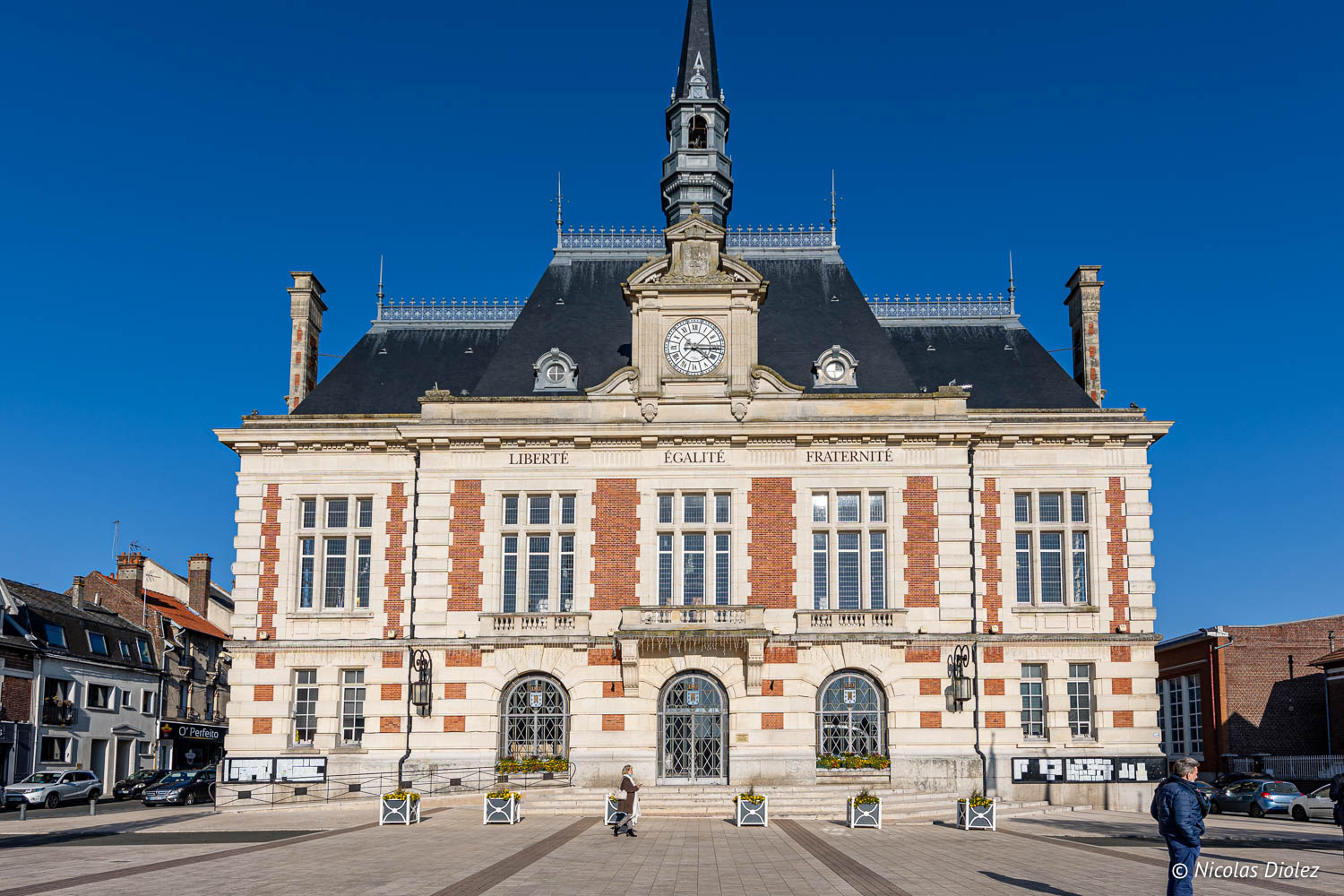
The city hall was destroyed (sabotaged) during the First World War. The city leaders decided to rebuild it while keeping the old building in mind for its exterior facade. Nevertheless, they gave architect Charles Luciani free rein to bring his personal touch to the interior architecture. Undeniably, we end up with a very inspired Art Deco decoration, whether it is the beautiful staircase upon entering the building or its wedding hall.
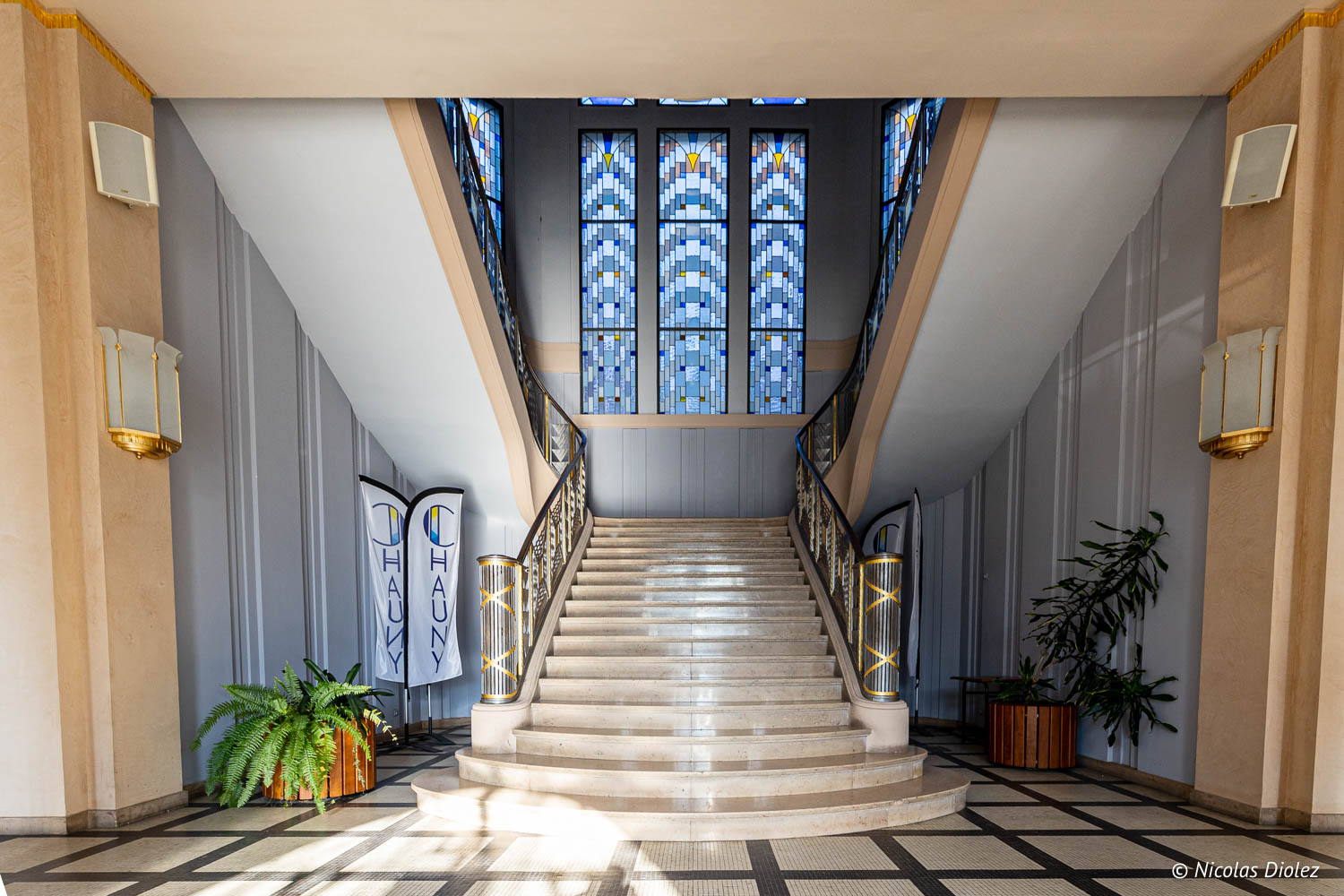
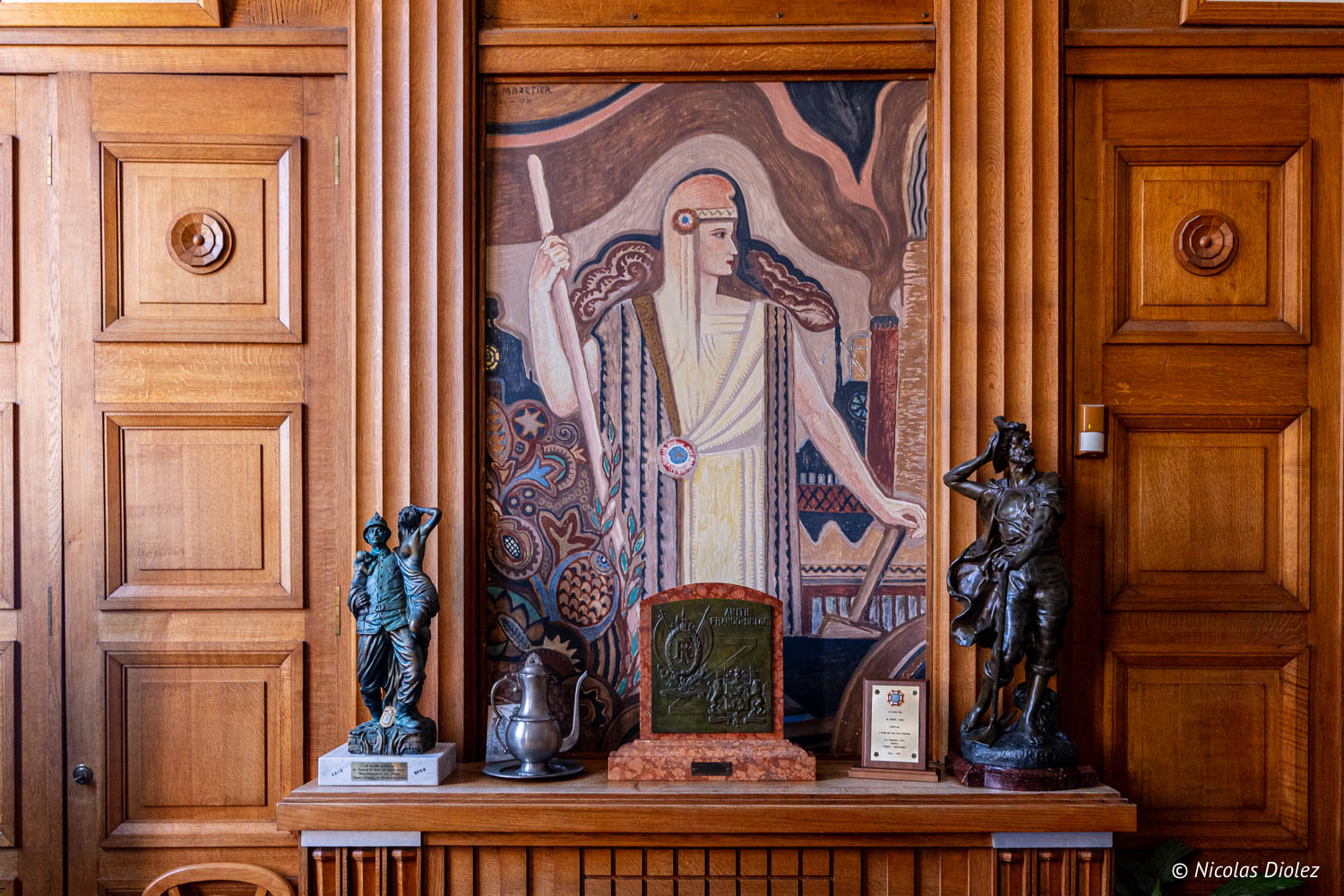

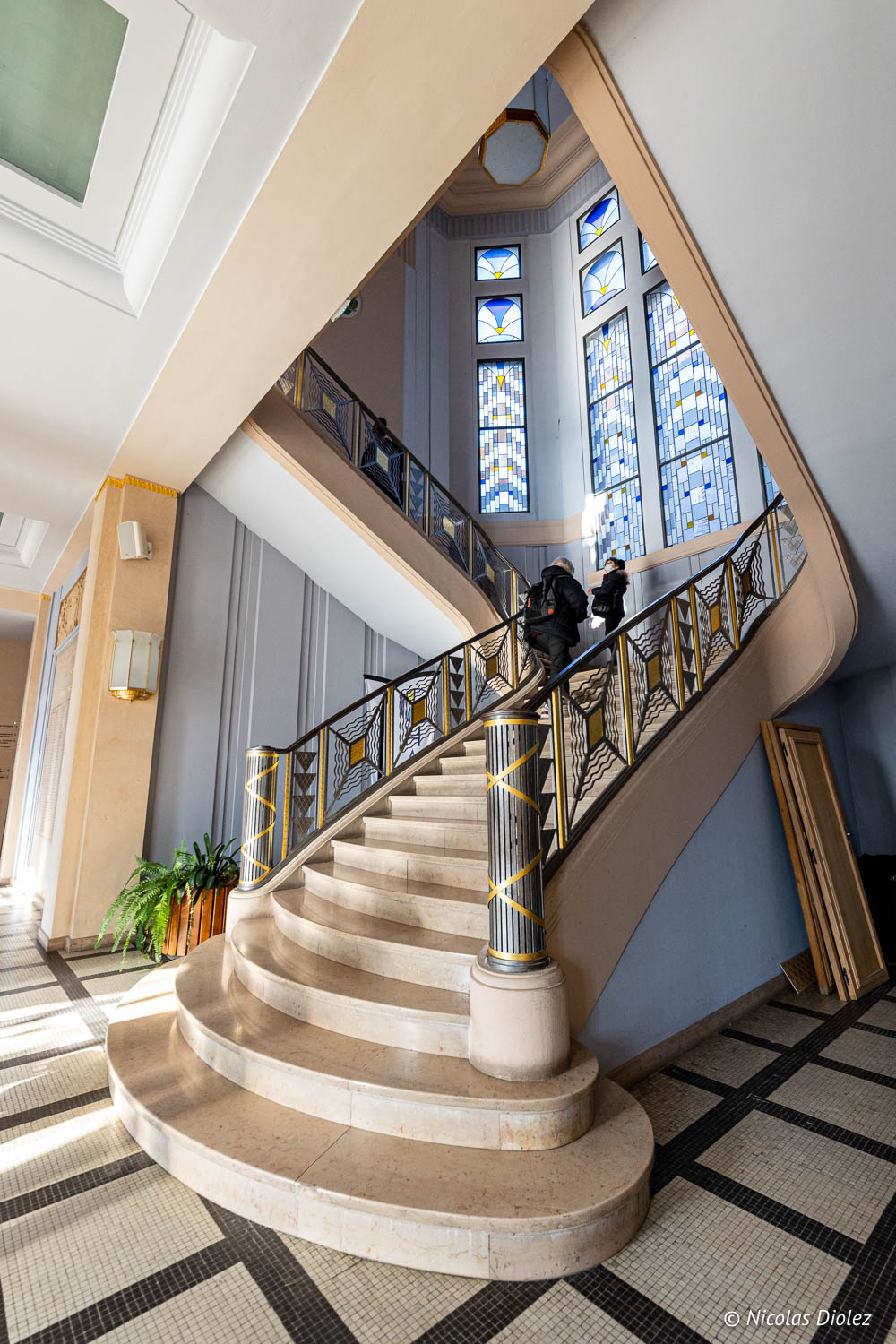
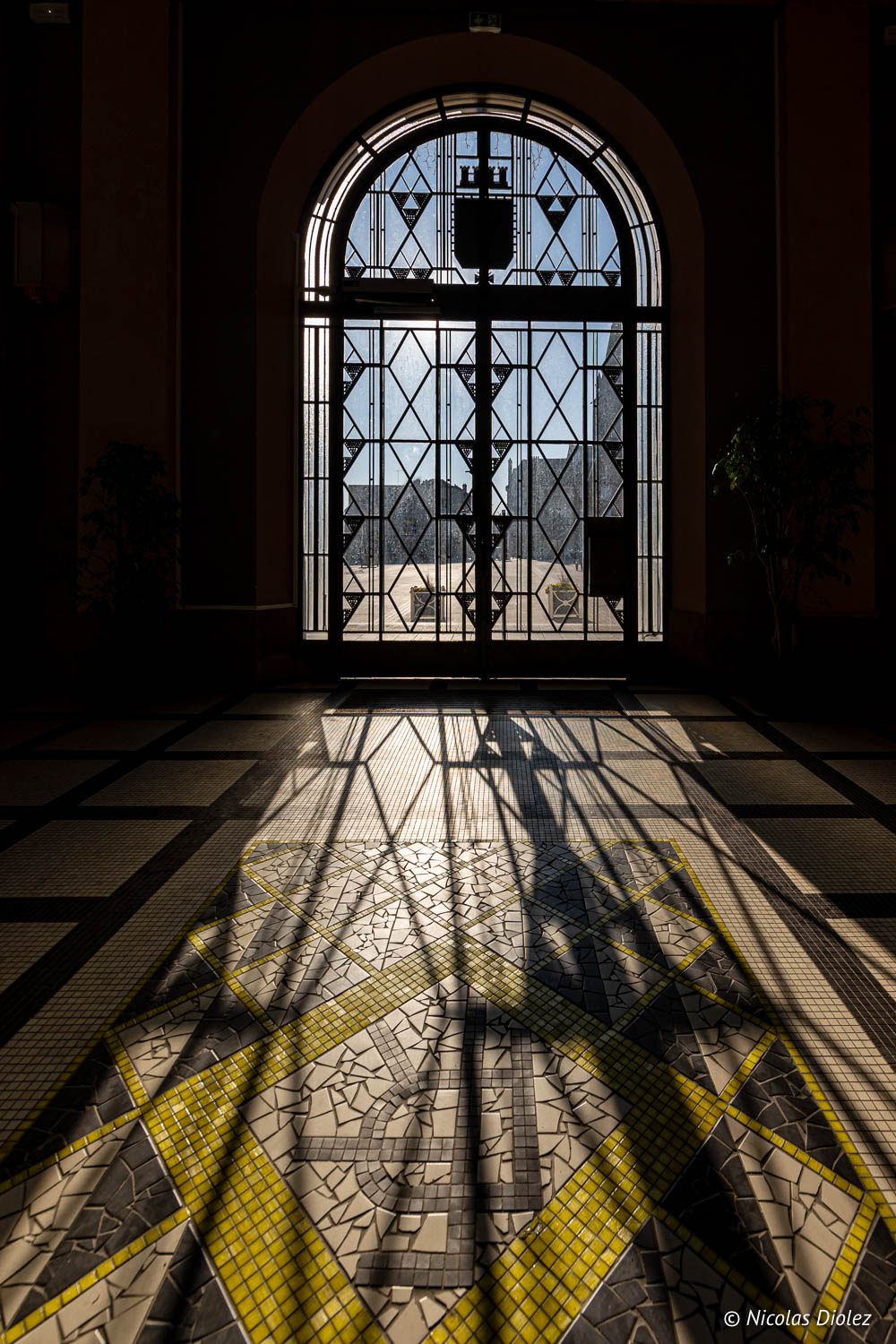
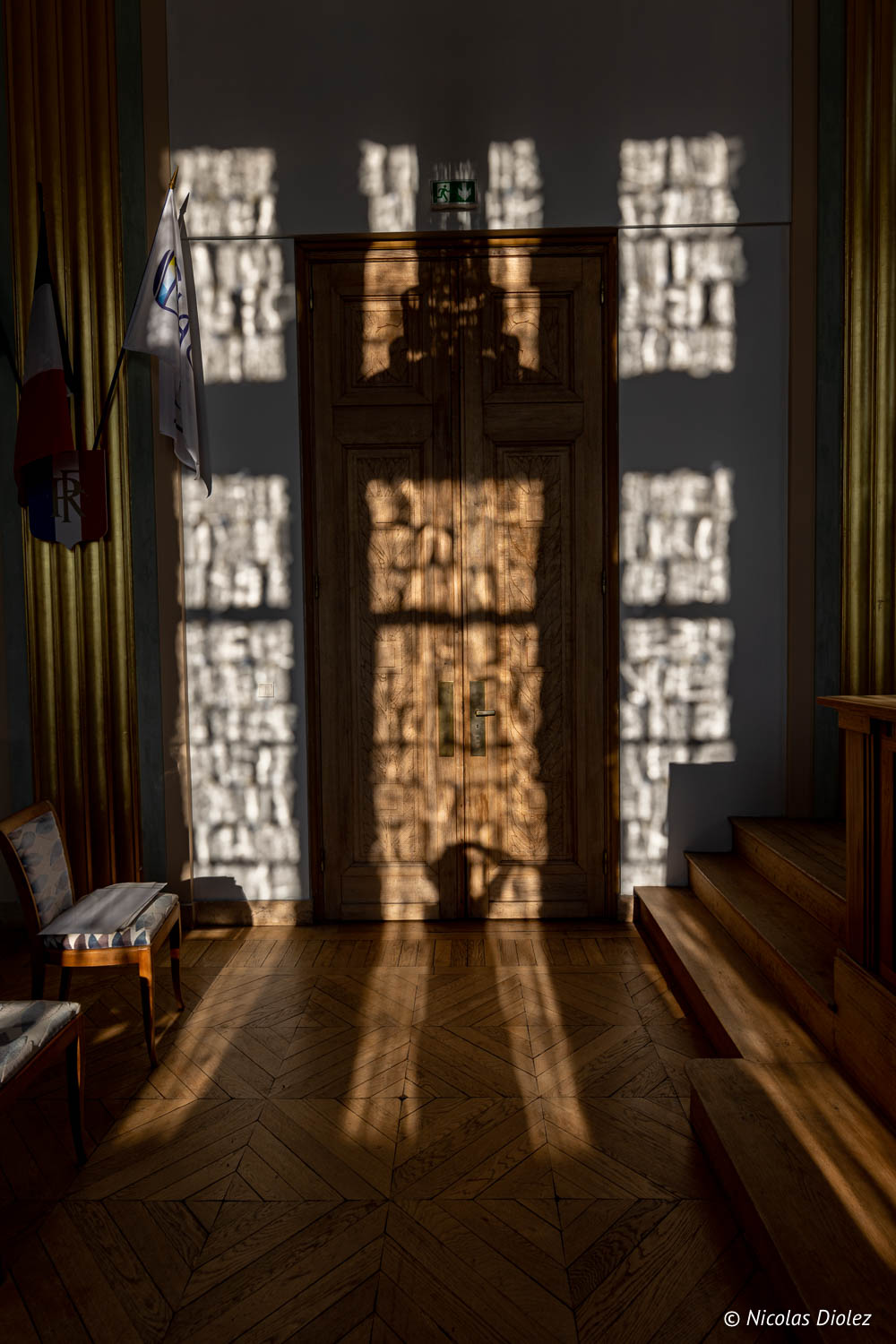
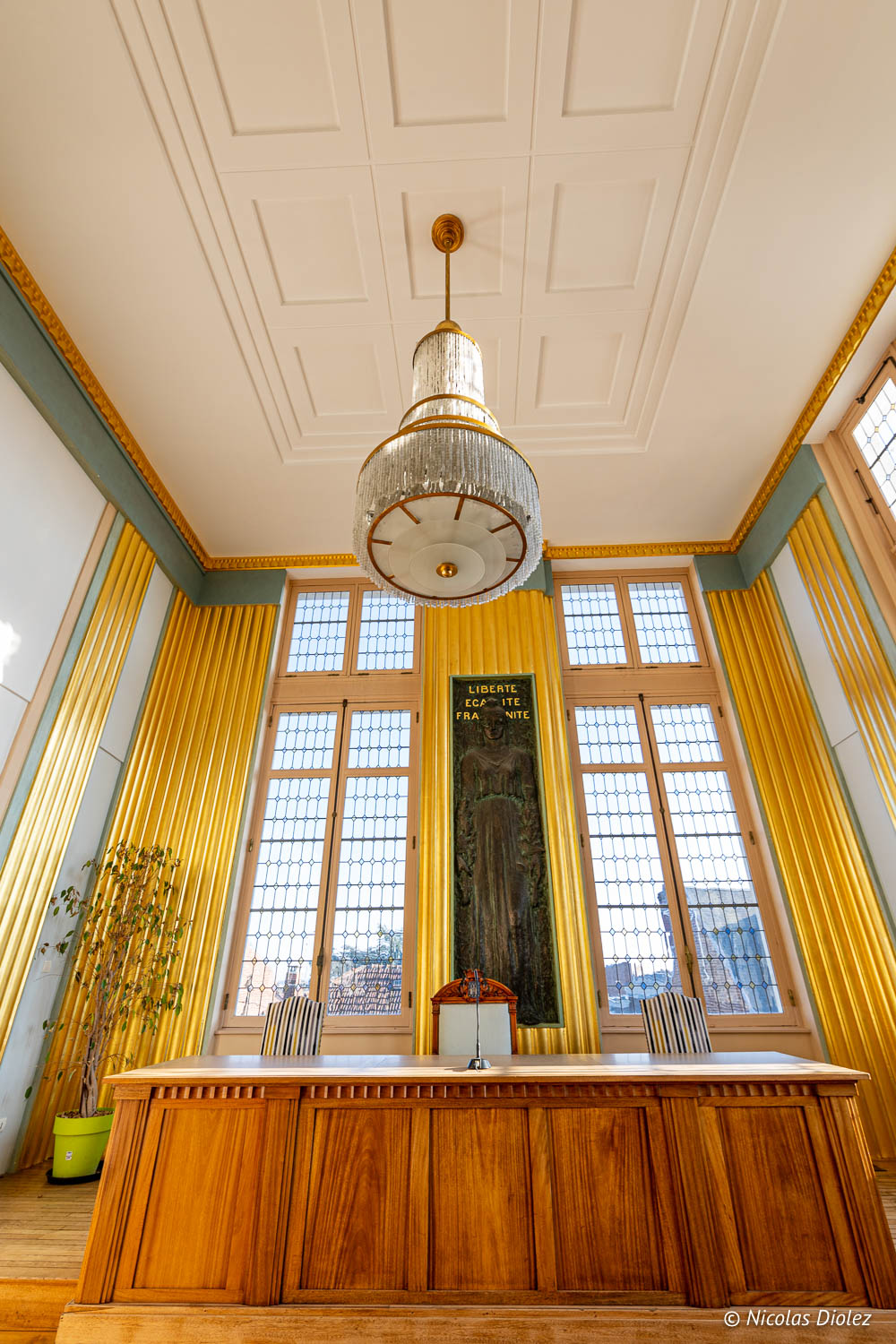
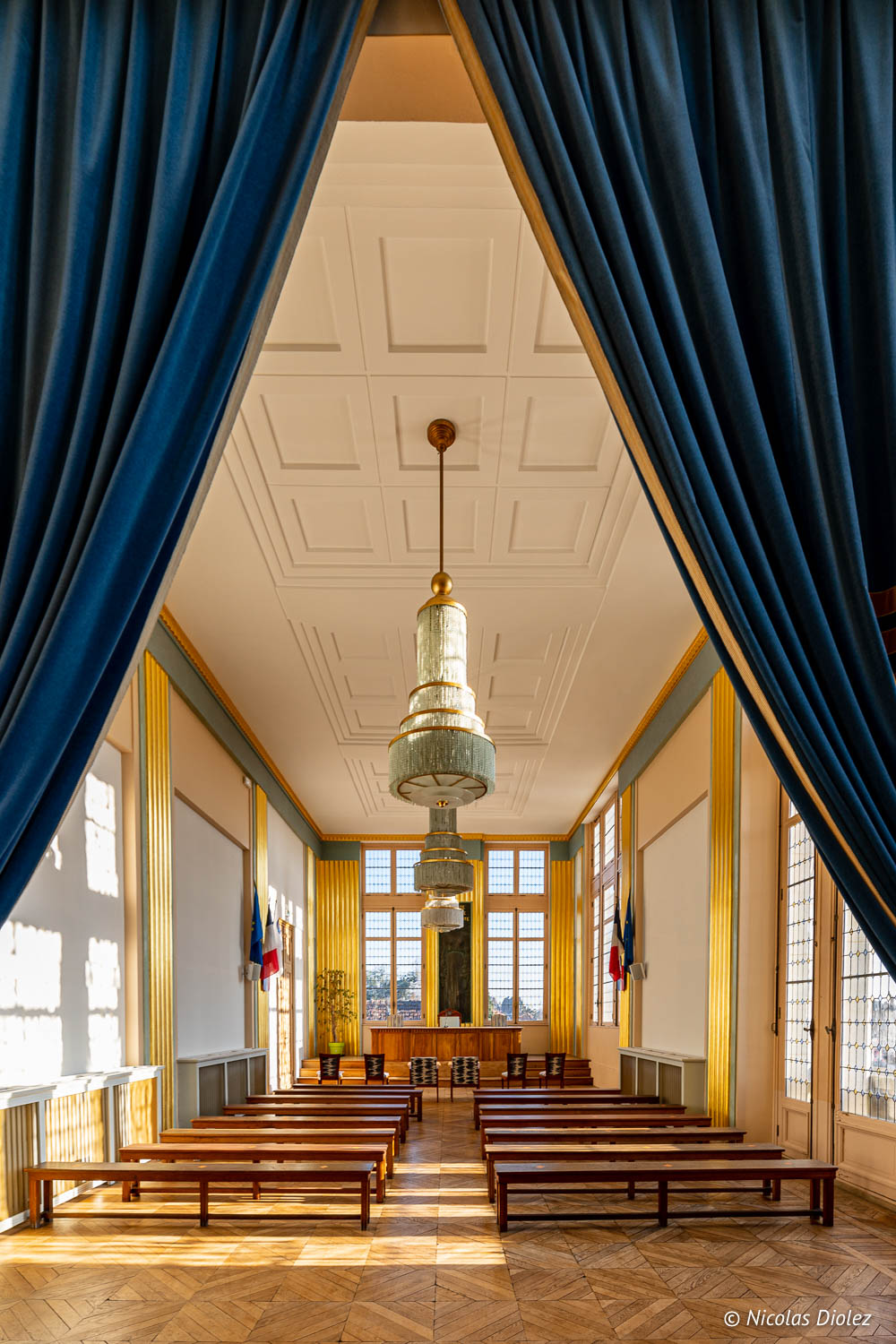

Chauny City Hall
21 Pl. de l’Hôtel de ville Charles de Gaulle, 02300 Chauny
_
Notre-Dame Church of Chauny
Even churches have their Art Deco touch! The Notre-Dame church is a perfect example with its coffered ceiling and geometric patterns. So, it’s no surprise when we discover that it was once again designed by architect Charles Luciani. Reconstruction was completed in 1930.

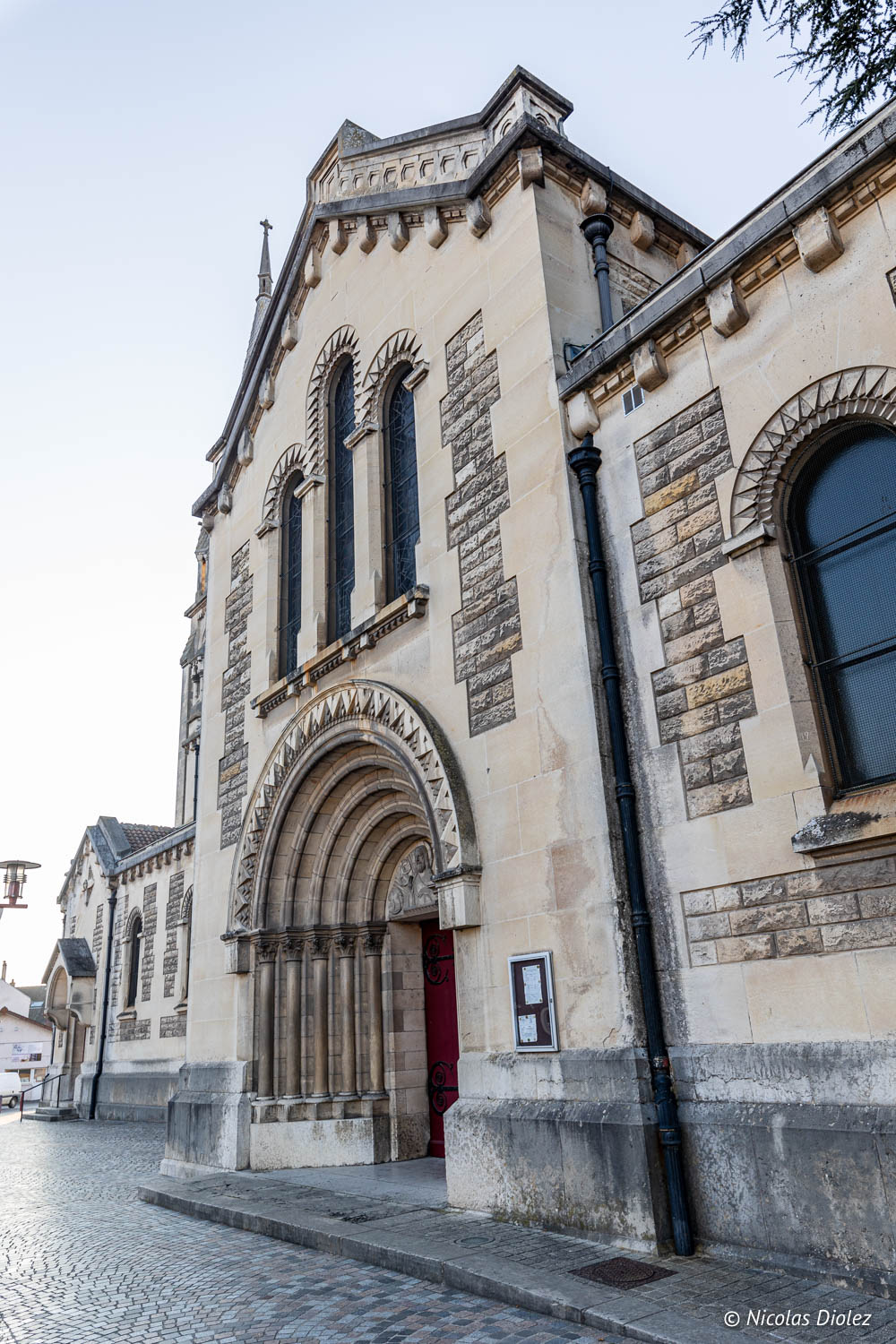

Notre-Dame Church of Chauny
1 Place Notre Dame, 02300 Chauny
Thanks to J’aime l’Aisne, Cœur de Picard, and the Saint-Quentinois Tourist Office for this beautiful discovery.
I hope that with all this, I have made you want to discover Art Deco in the Aisne, and if you also have your own tips and advice for this destination, don’t hesitate to share them in the comments below!
Photo credits: Nicolas Diolez
Photos are not royalty-free, photographer's authorization required before any use