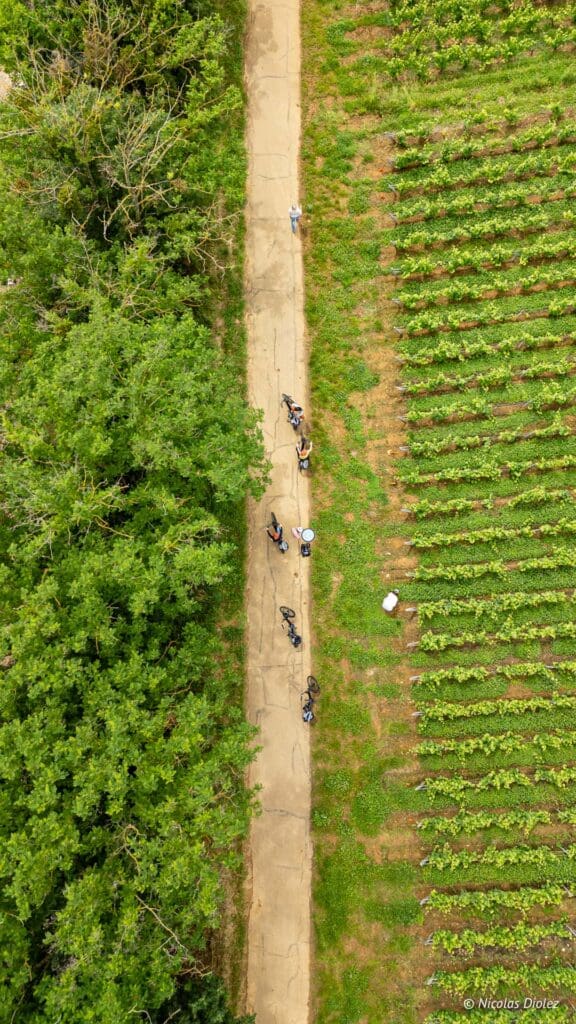
In this article, I invite you to discover the Cycloroute 71, a route that lets you cycle around the Saône-et-Loire department. This cycle route is 680 kilometers long and allows you to discover Southern Burgundy by following greenways as well as small country roads. We pedaled along this route in June 2024 with our favorite photographer and some blogger friends. We started this few-day cycling trip in the Charolais-Brionnais region and then headed to the Maconnais-Clunisois. We only covered a small section of the CycloRoute 71, primarily in its southern part.
For this article, I have put together a breakdown of our circuit and itinerary for this cycling trip in Burgundy. The majority of the establishments we tested (and which I mention in the article) hold the Accueil Vélo label, a certification that guarantees specific hospitality, services, and equipment tailored to the needs of cycling tourists along France’s cycling routes.
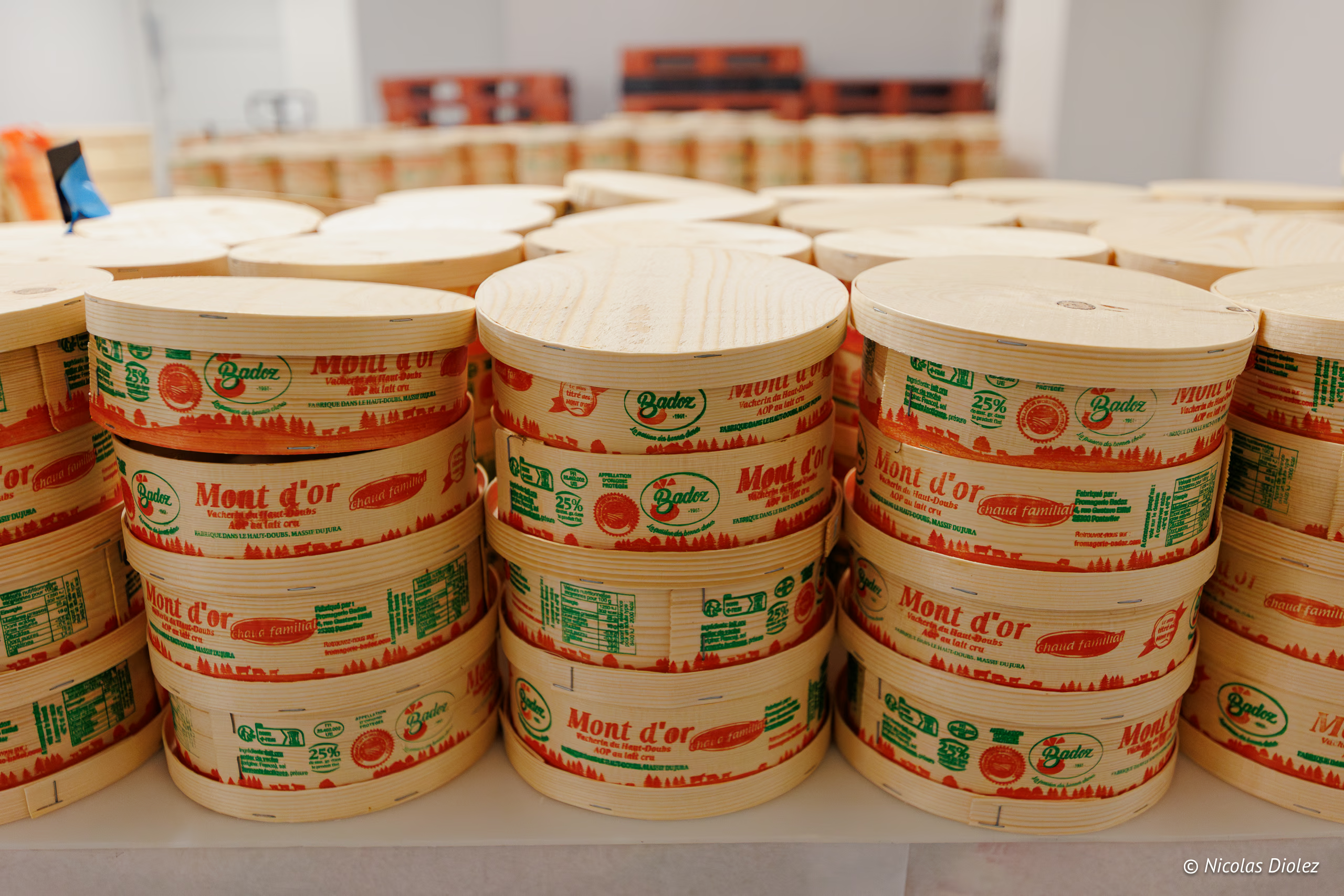
Southern Burgundy is a region rich in local gastronomy and architectural heritage, featuring some treasures of Romanesque art. In terms of culinary and gourmet specialties, the region offers many excellent local products: delicious goat cheeses (great spot: the Poncétys farm), including the Charolais or the Mâconnais AOC; Charolais beef, naturally, which I will mention again later in the article; the Mâconnaise wafer or the Burgundy wafer; not to mention the Burgundy wines, which I have already discussed in more detail in a specific article.
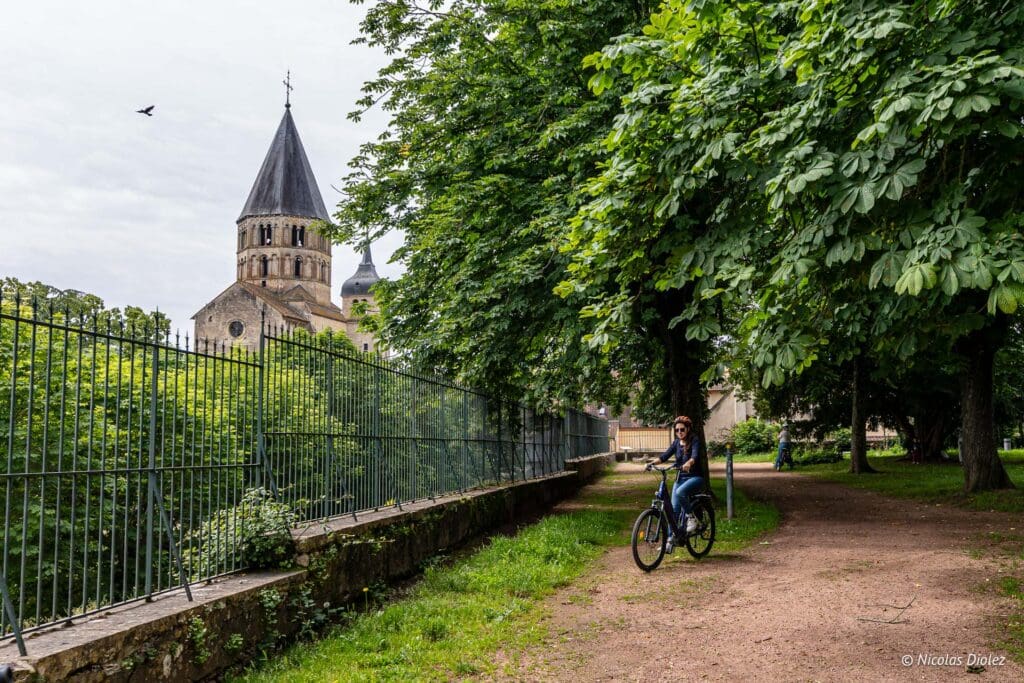
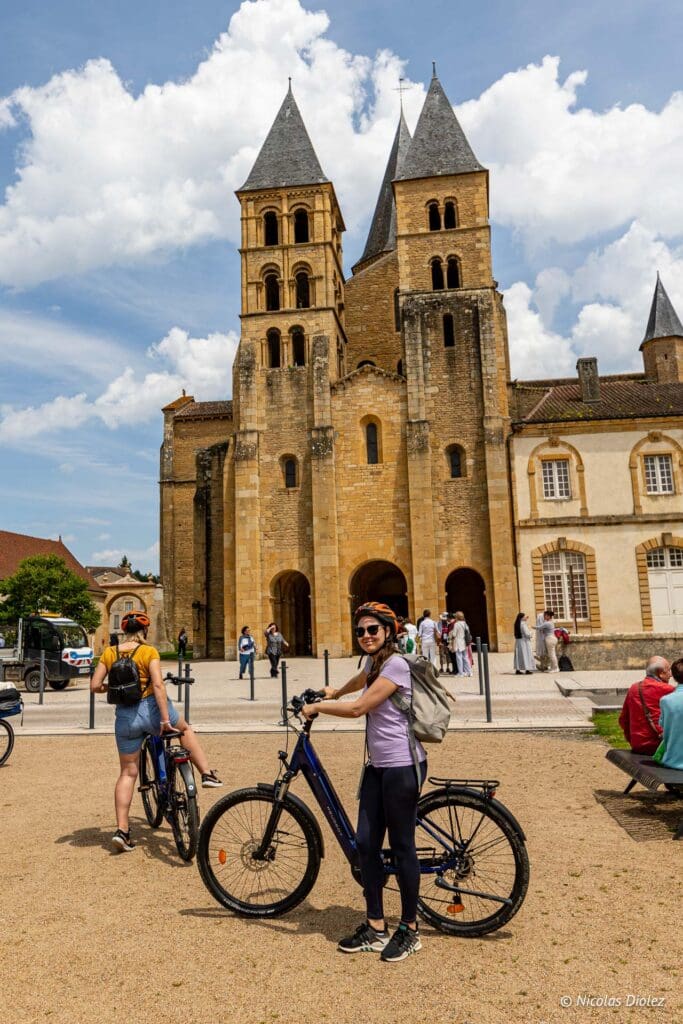
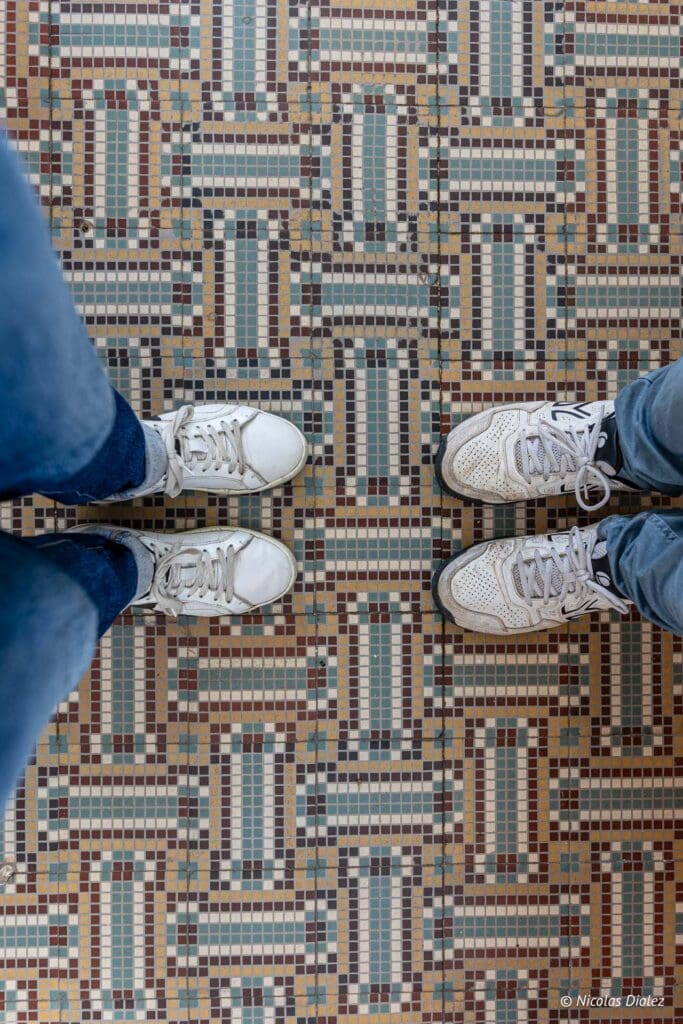
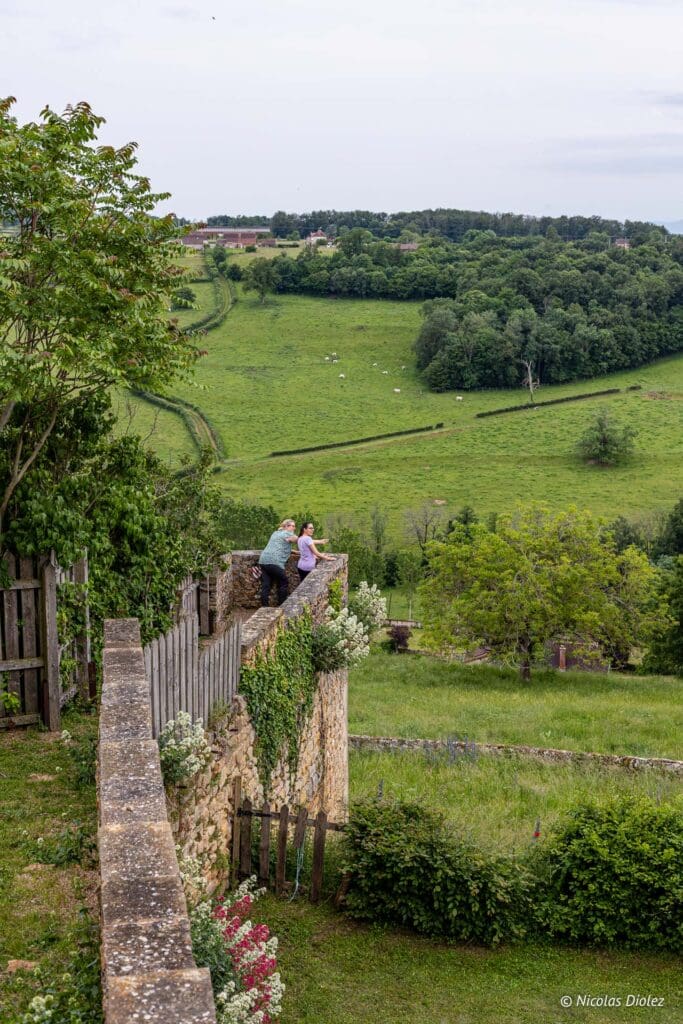
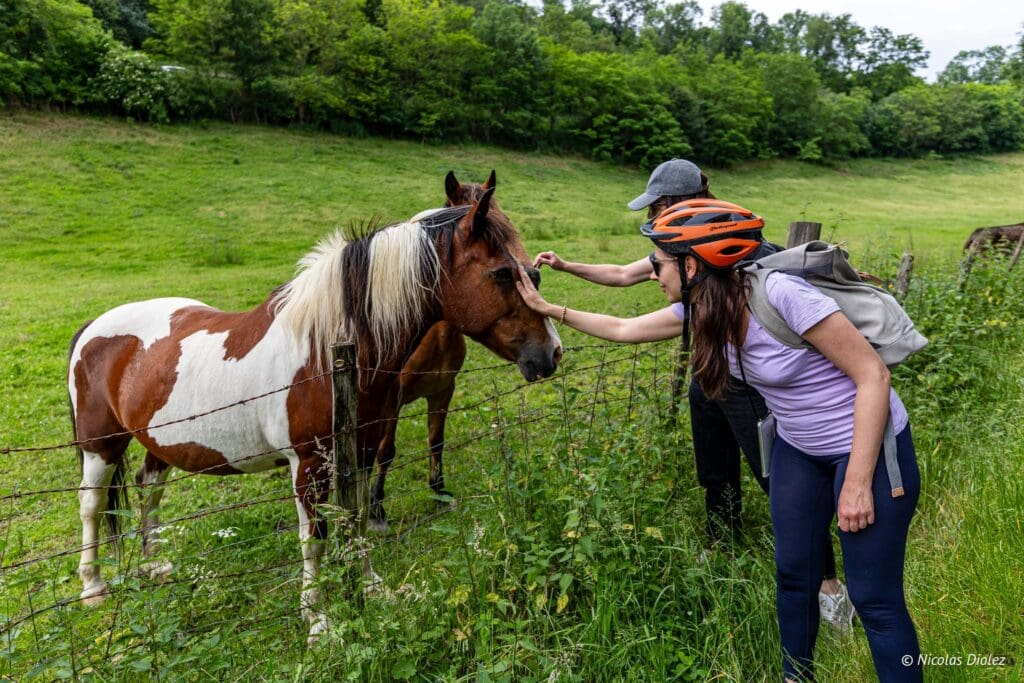
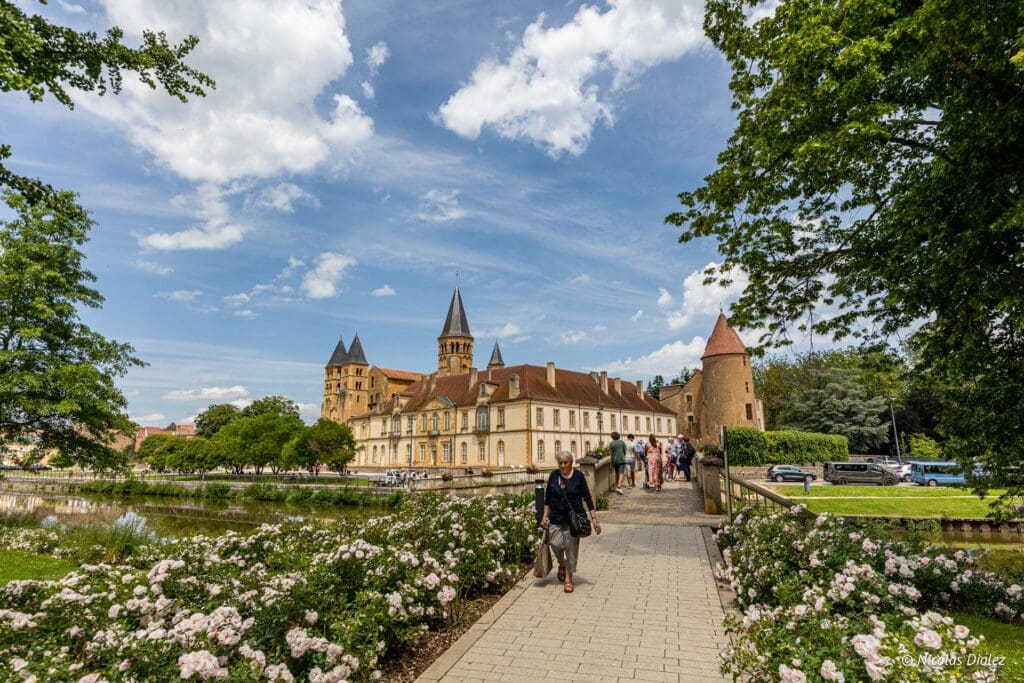
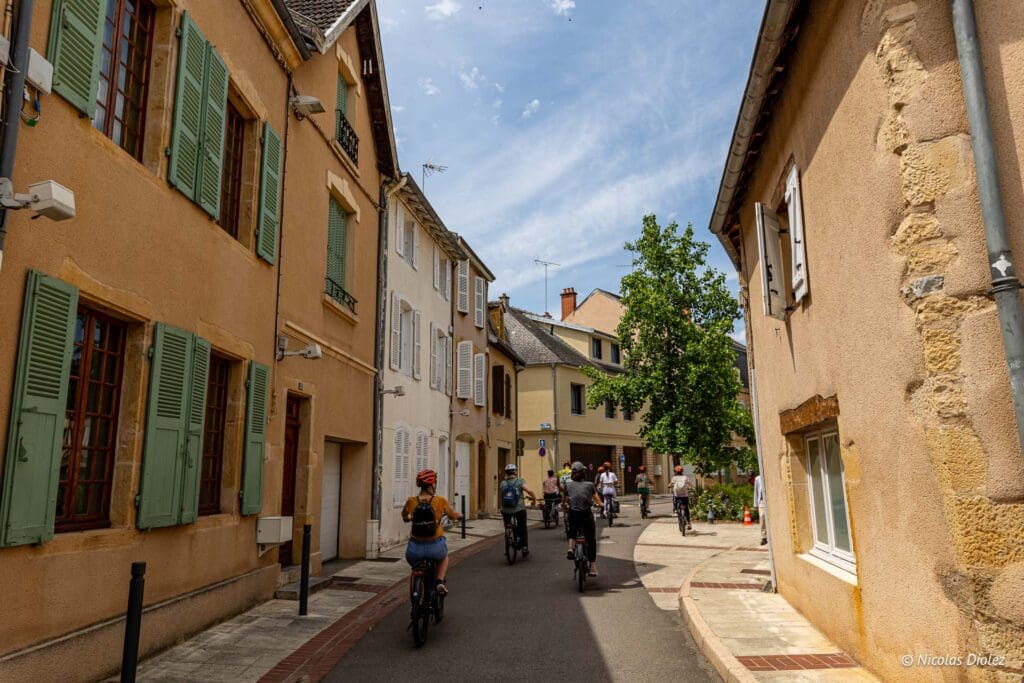


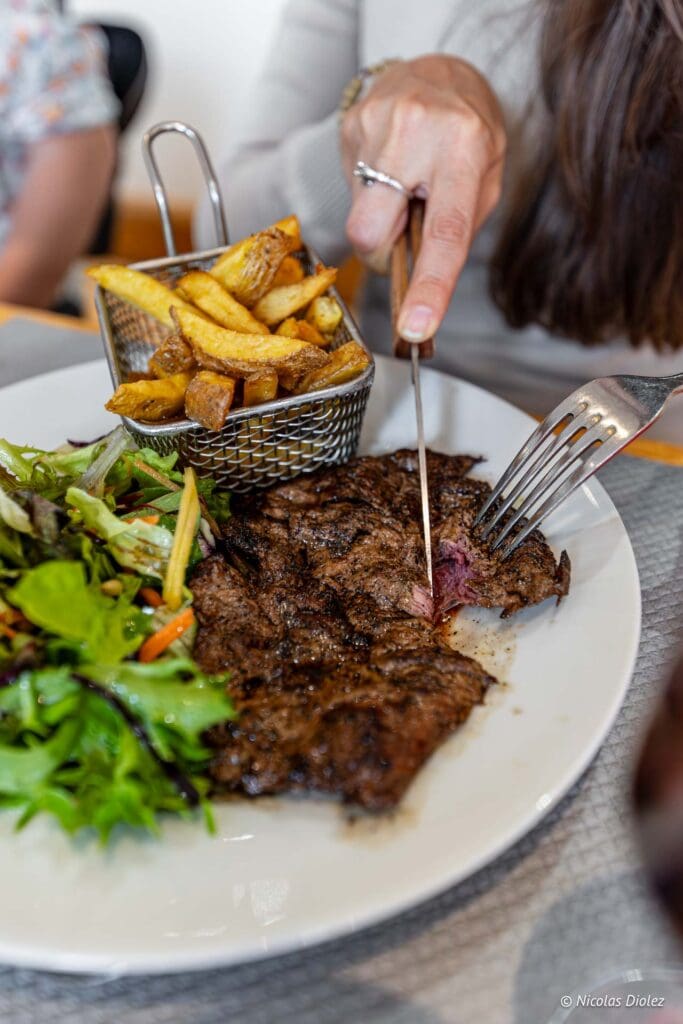
Table of Contents
Practical info on the CycloRoute 71
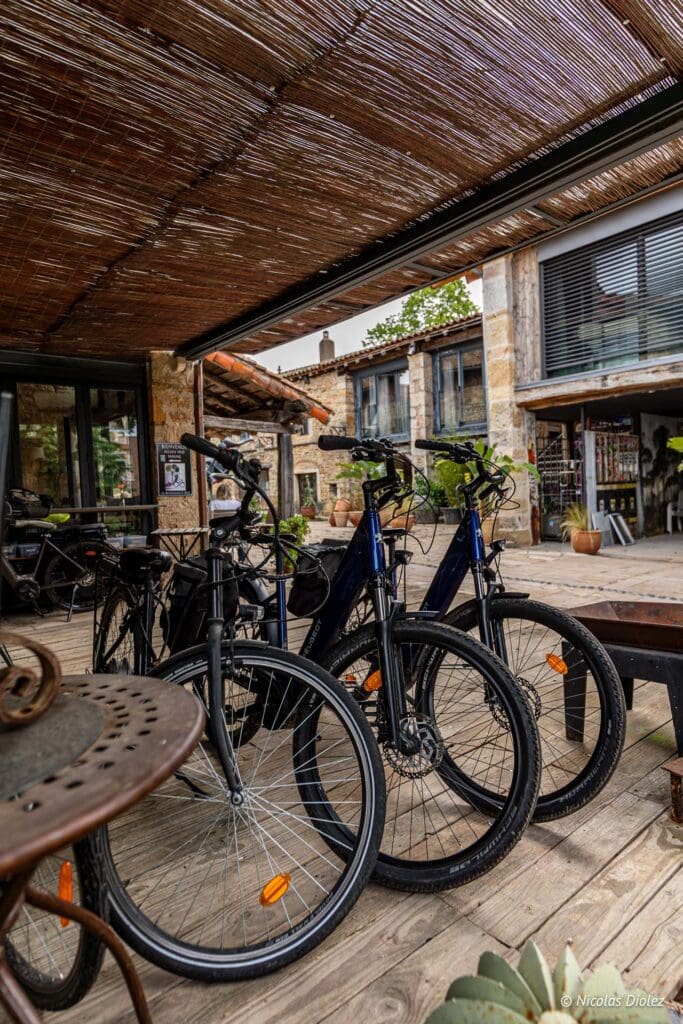
If you want to follow this cycling route, I recommend downloading the ROUTE71 mobile app (free), which will be very useful. You can also download the Voie Verte 71 app, which offers a geolocated and interactive map of several greenways in the department. As you approach tourist points of interest, the app will also give you access to various content (brief descriptions, videos, links to websites…). For our part, we went through the Traces et Découverte travel agency for bike rentals.

Route 71 Southern Burgundy Tourist Office
Stage 1: Paray-le-Monial
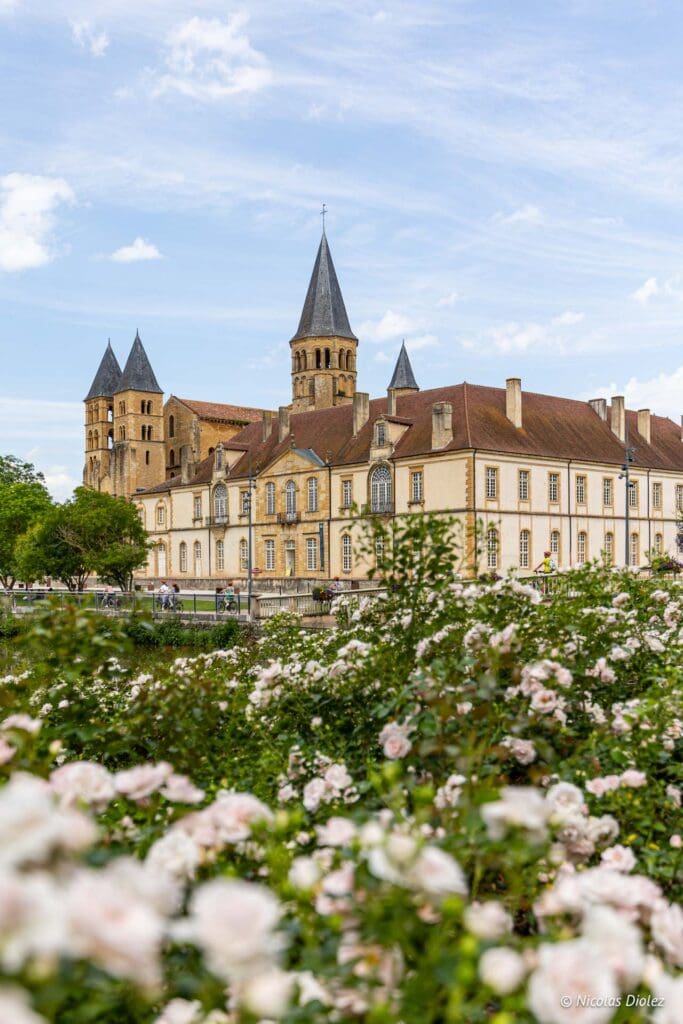
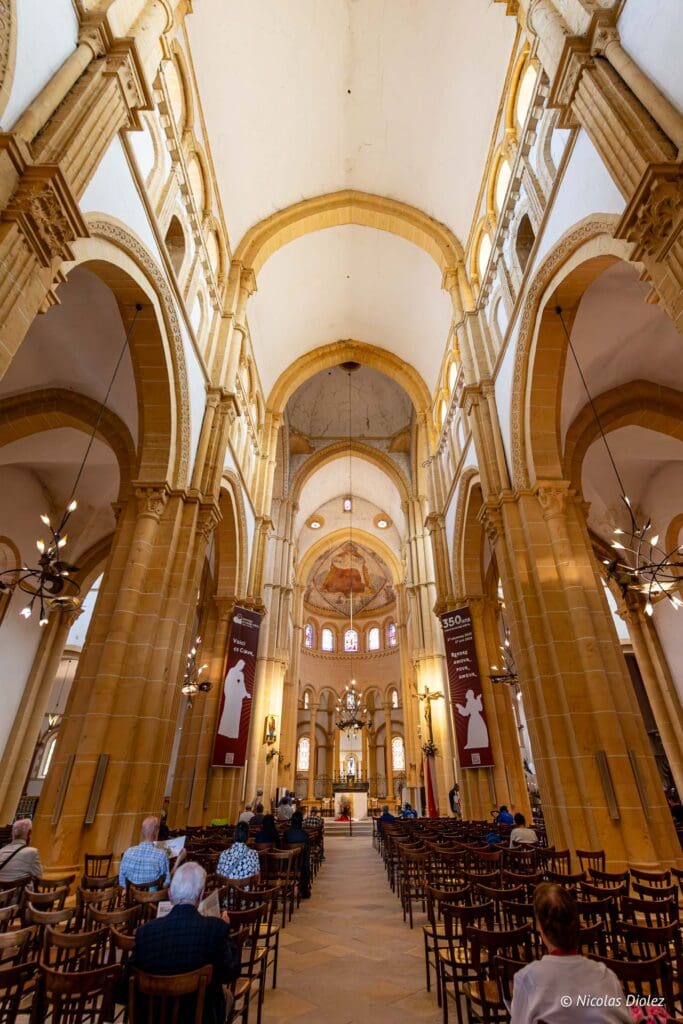
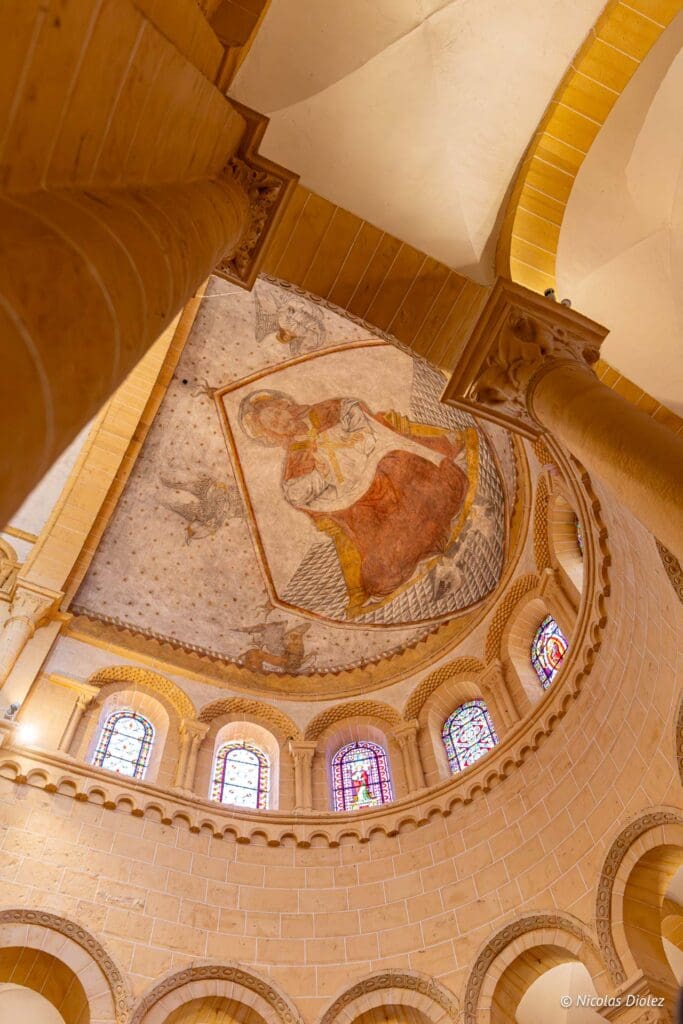
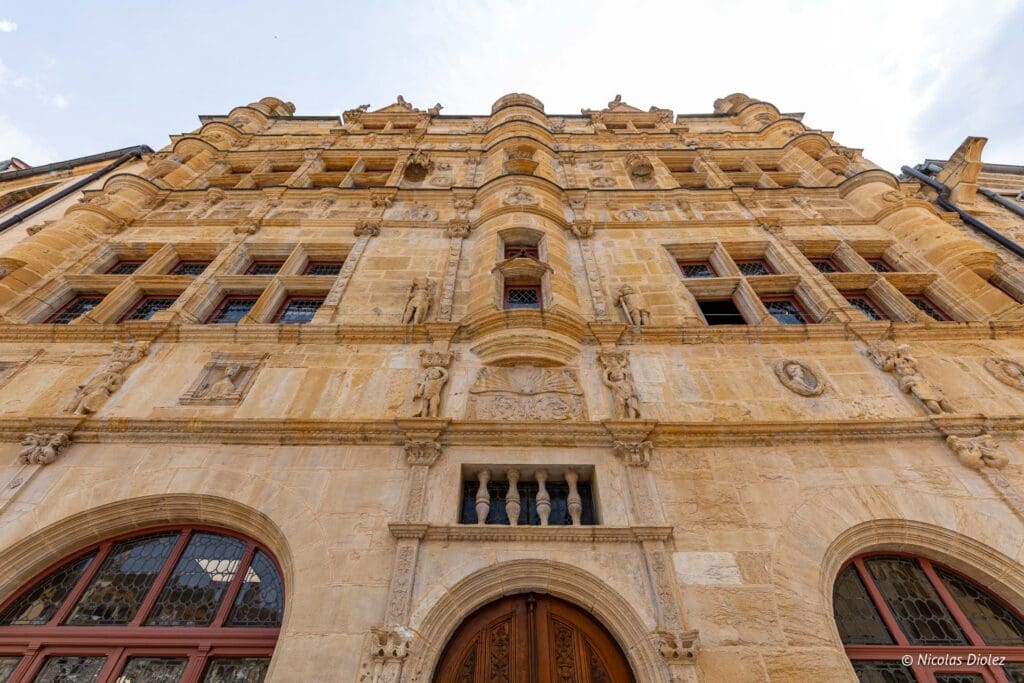
The town of Paray-le-Monial is a small architectural gem that you should not miss! It is located in the heart of the Charolais-Brionnais region, set in lush greenery. While strolling through the town, you can discover beautiful historical residences from the Middle Ages. Don’t miss visiting the Notre-Dame church of Paray-le-Monial, which is now the Sacred Heart Basilica (free entry during opening hours). This masterpiece of Romanesque art dates back to the 11th and 12th centuries and is a smaller version of the church of Cluny, which I will mention later in this article. Indeed, it was built by Hugues de Semur, the most important abbot of Cluny. It is also a major pilgrimage site.
Cycling tip: the town’s tourist office is “Accueil Vélo” certified and offers a tailor-made service for cycling travelers (itinerary advice, bike pump and repair kit available, option to leave your bags for safekeeping…).

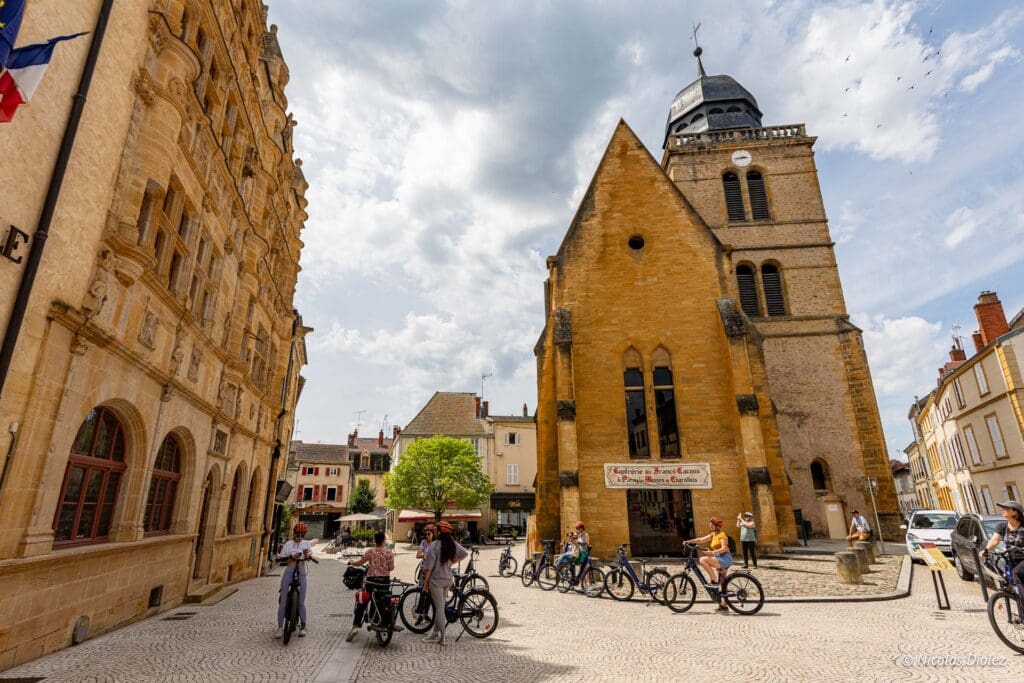
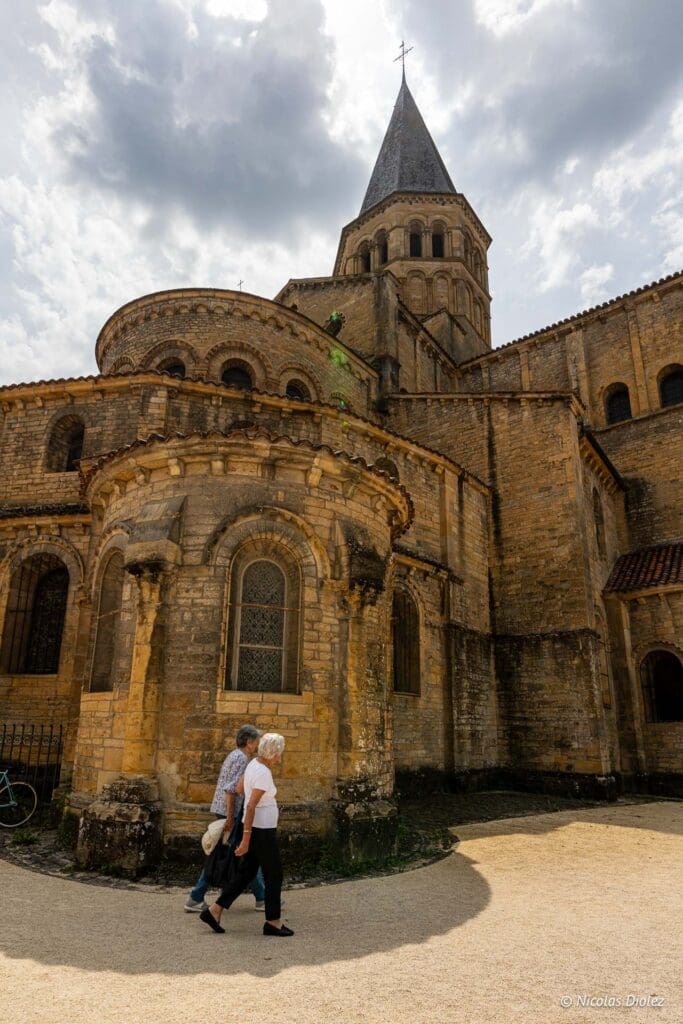
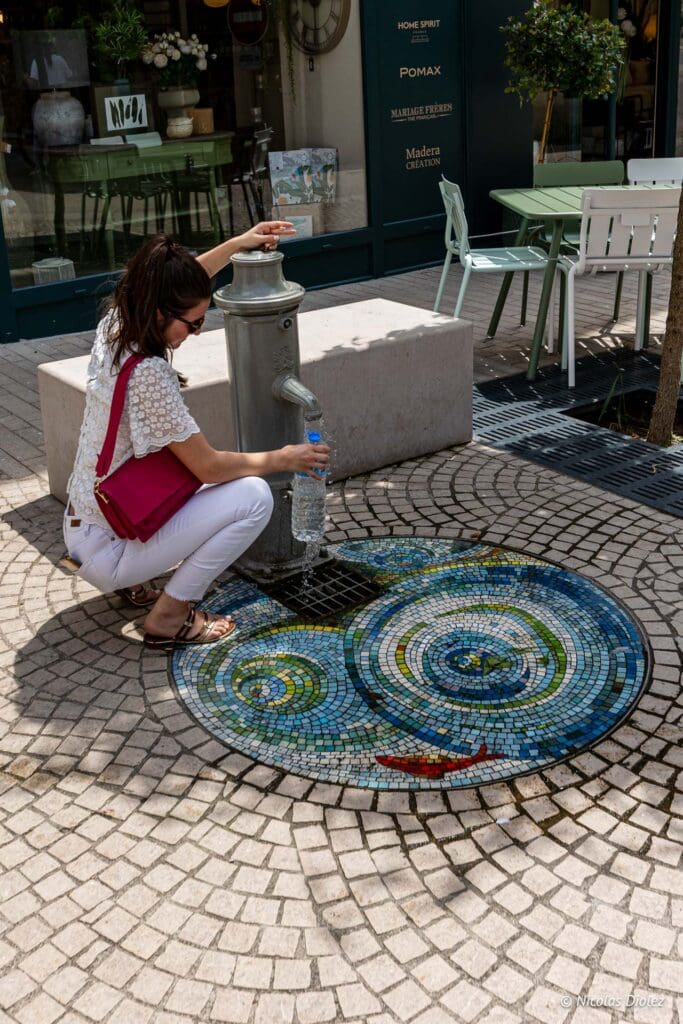
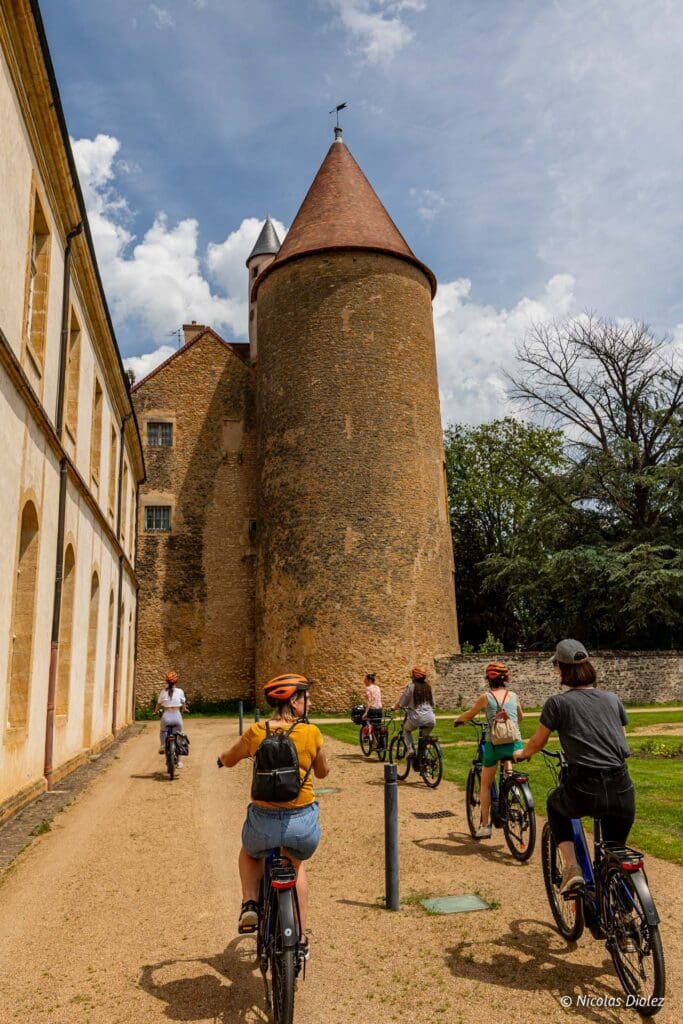
Paray-le-Monial Tourist Office
25 avenue Jean-Paul II 71600 Paray-le-Monial
_
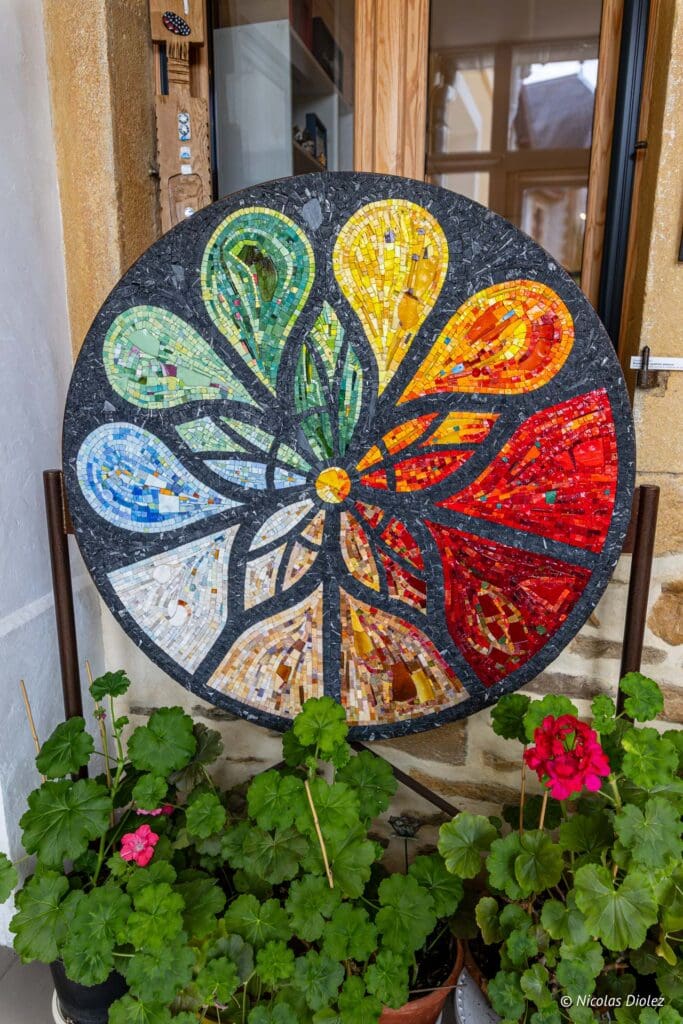
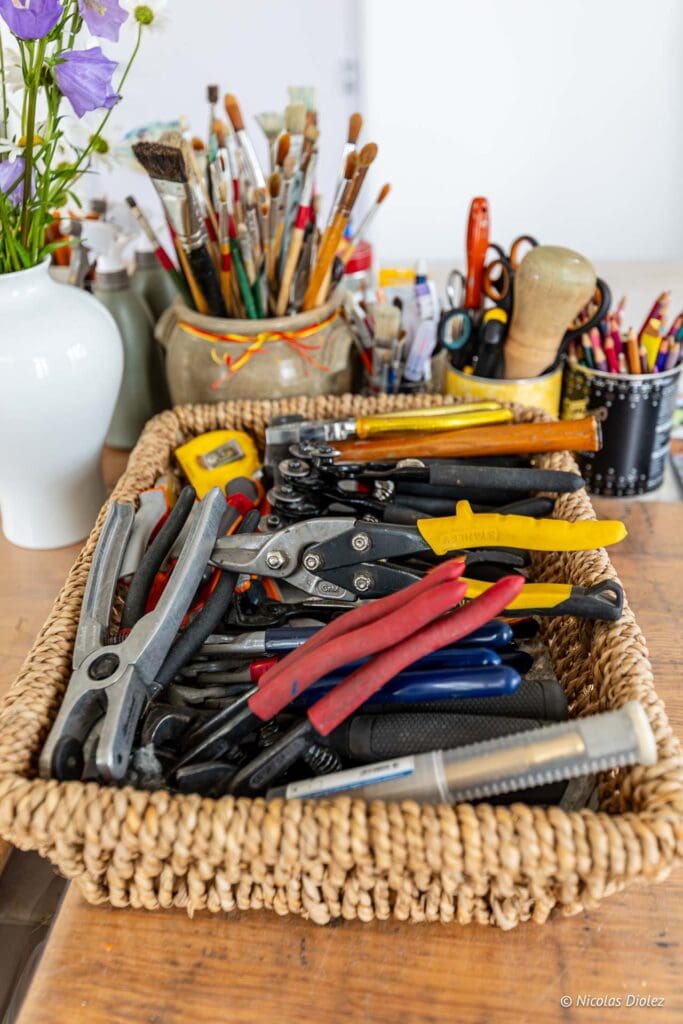
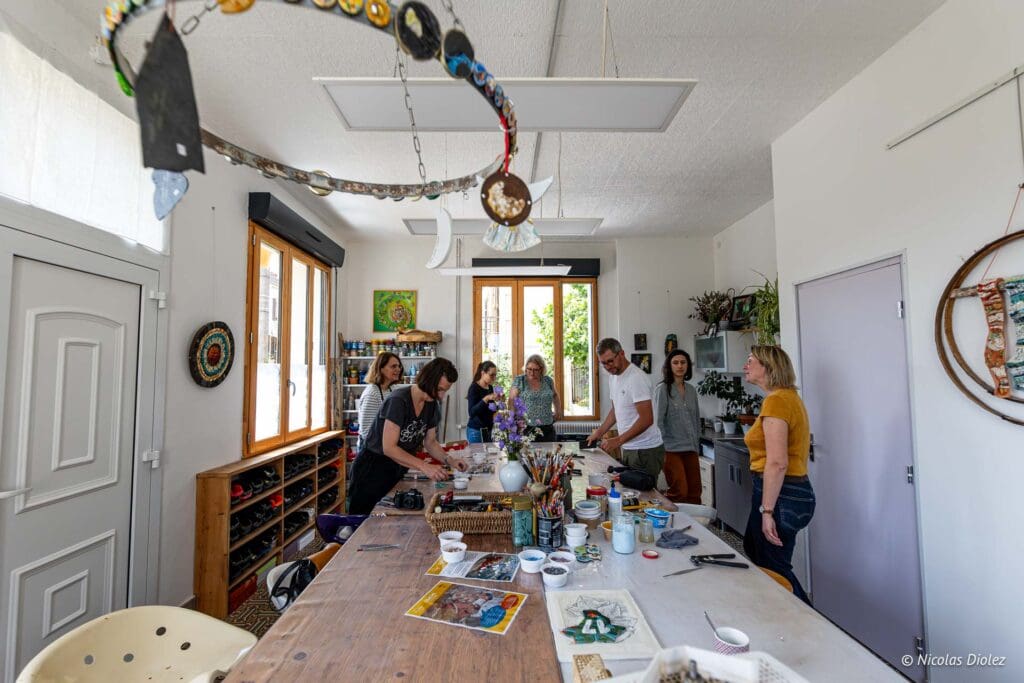
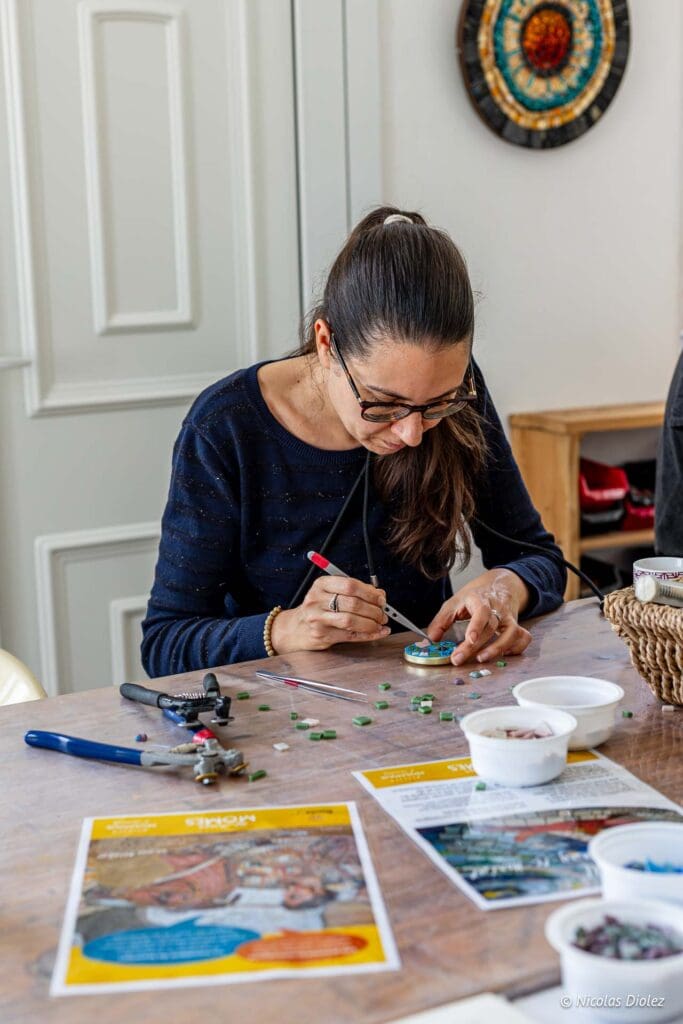
An unusual activity to do in Paray-le-Monial? Take a mosaic workshop with Elisabeth Ragon
Elisabeth has been offering introductory mosaic workshops since 2004. She is a resident visual artist, and her studio is located at her home, where she welcomes us with workshops adapted to everyone’s needs. Indeed, the town of Paray-le-Monial is considered the city of contemporary mosaic due to its legacy in tile manufacturing, linked to the presence of the ceramic tile factory founded in 1877 by Paul Charnoz. The site’s location was determined by the proximity of high-quality clay quarries. There is even an association dedicated to promoting mosaic art, as well as a House of Contemporary Mosaic, an art center open to all that organizes exhibitions every year.
You can visit Elisabeth’s studio to enjoy the workshops, training courses, and lessons she offers, as well as to see an exhibition of her creations and to purchase her works.





Mosaic workshop with Elisabeth Ragon
4 rue du Colombier 71 600 Paray-le-Monial
Rates: children’s class €28 for 2 hours / adult class €32 for 2 hours
_
Where to eat in Paray-le-Monial? Restaurant Le Domaine des Marguerites
This establishment, which also functions as a hotel, is a farm inn (ferme auberge) where you can discover the unique daily menu in a super friendly atmosphere. Mélanie and Cédric offer traditional cuisine with local products. It’s tasty, simple, and has a very “easygoing” atmosphere. Regarding drinks, the menu offers a small selection of local wines (Chardonnay, Saint Véran, Chablis, Morgon, Mâcon…).

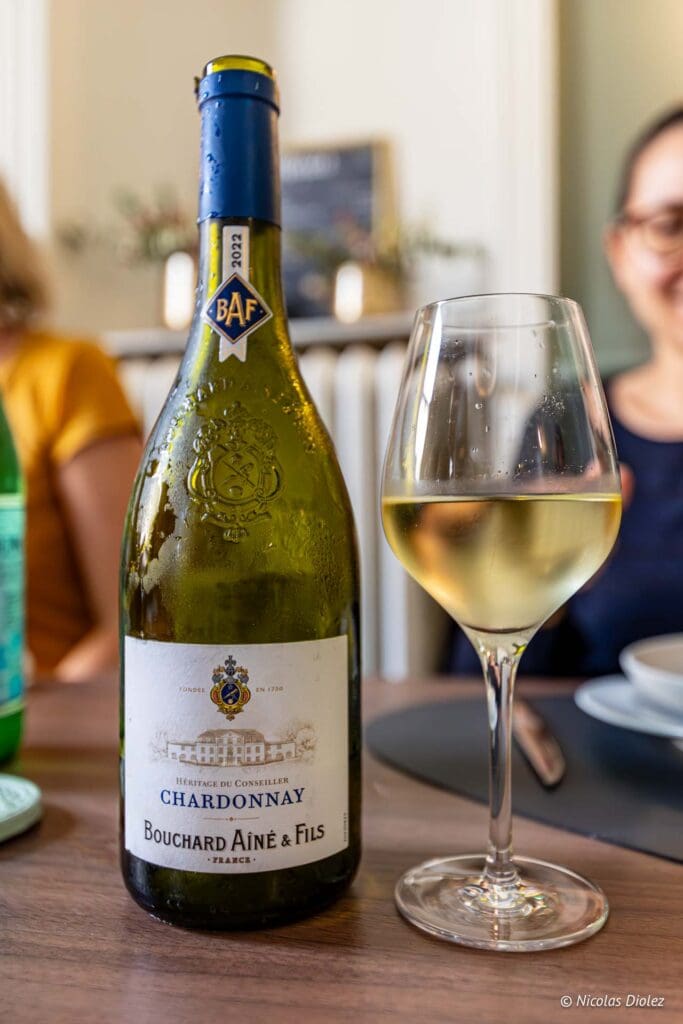
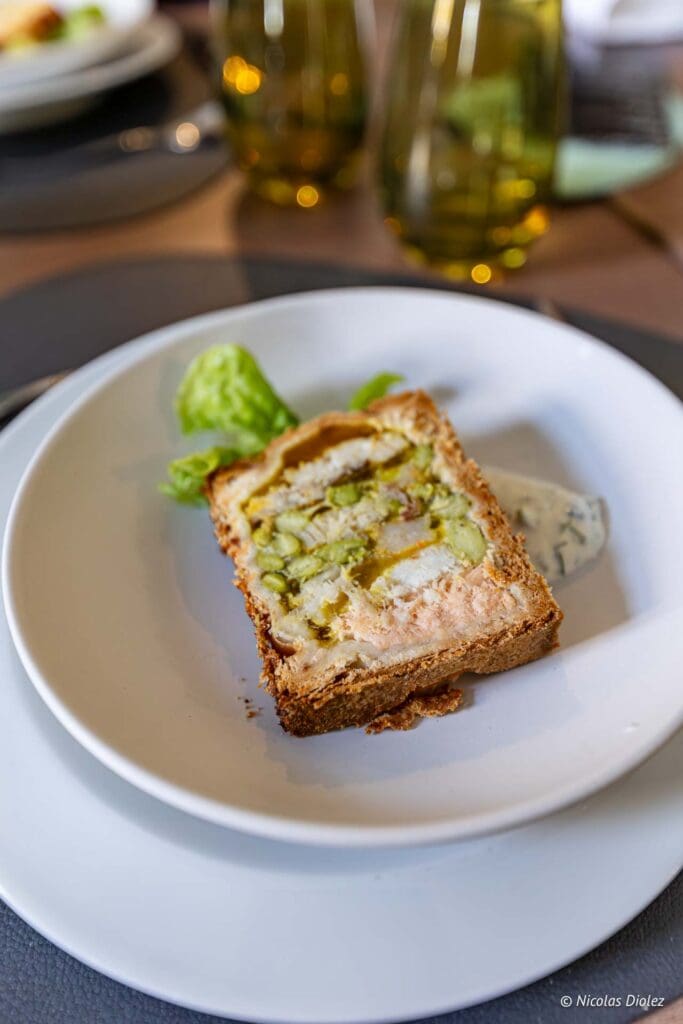
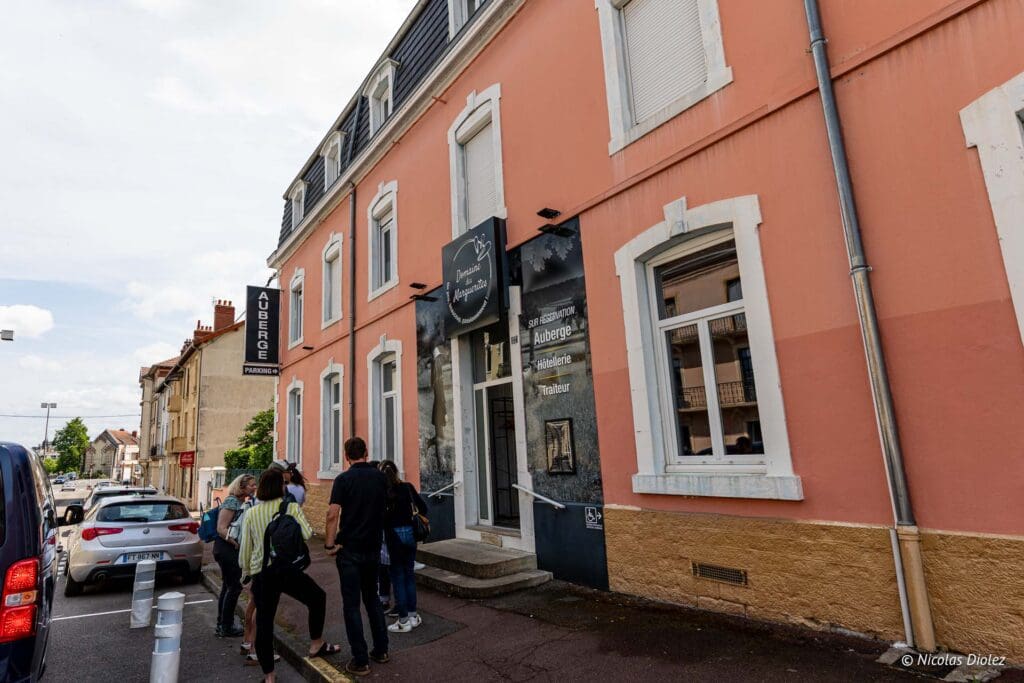

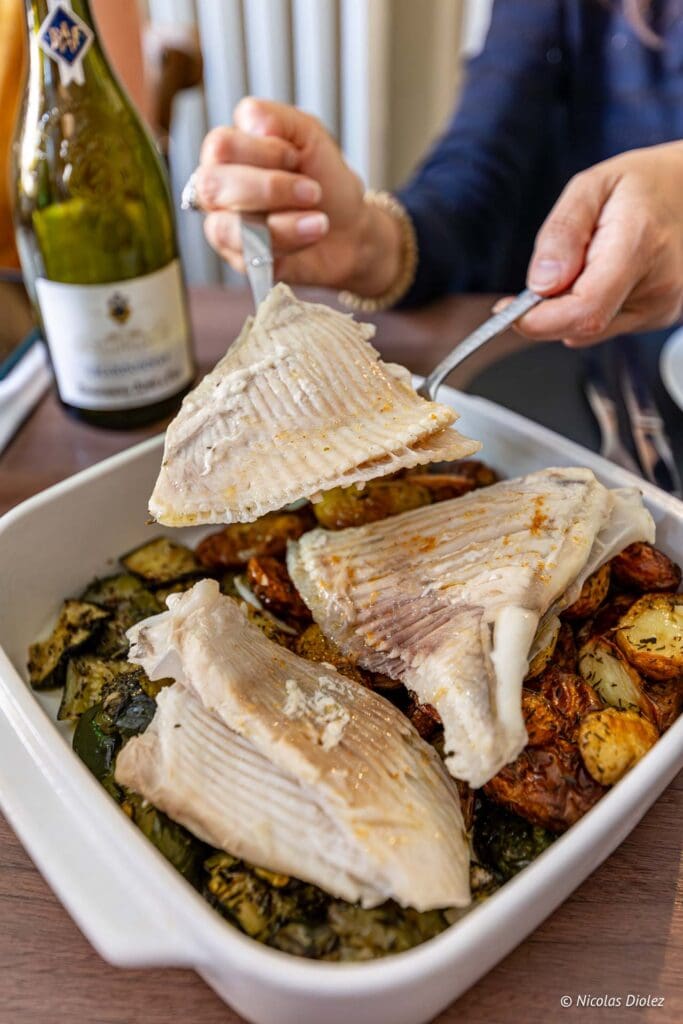
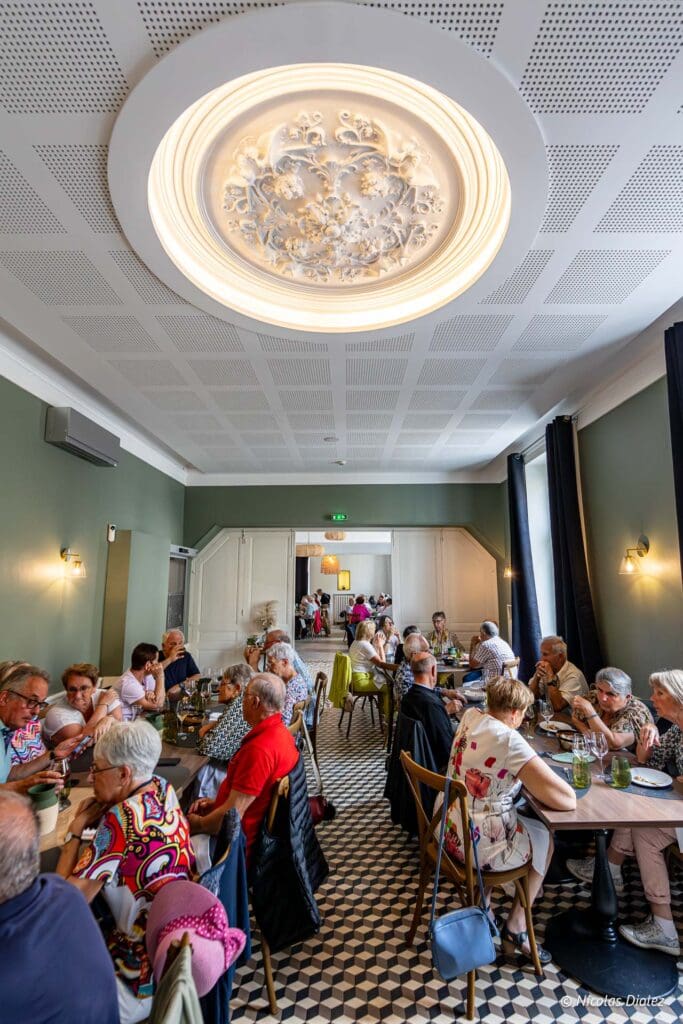

Restaurant Le Domaine des Marguerites
27 avenue de la Gare 71600 Paray-le-MonialPrice: daily menu (Wednesday to Friday) starter + main or main + dessert €16 / starter + main + dessert €19.50 / inn menu (Friday, Saturday and Sunday lunch) starter + main + cheese or dessert €25.50 / starter + main + cheese + dessert €29.50 / children’s menu €12 / carafe wines between €8 and €11, bottles between €12 and €28
Stage 2: between Paray-le-Monial and La Clayette in the South Brionnais
The South Brionnais, which is part of the Charolais-Brionnais region, is a territory certified as a “Land of Art and History,” located on the border of Burgundy. It possesses a high density of Romanesque churches built in a relatively short time (between the mid-11th century and the mid-12th century), which can be discovered through the “Romanesque paths.”
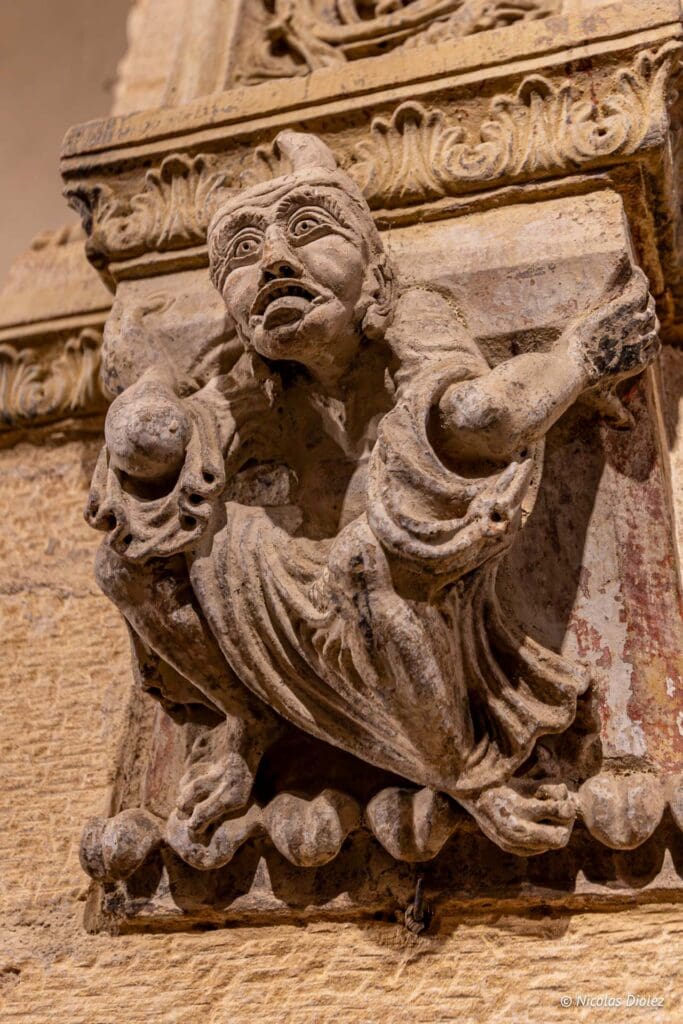
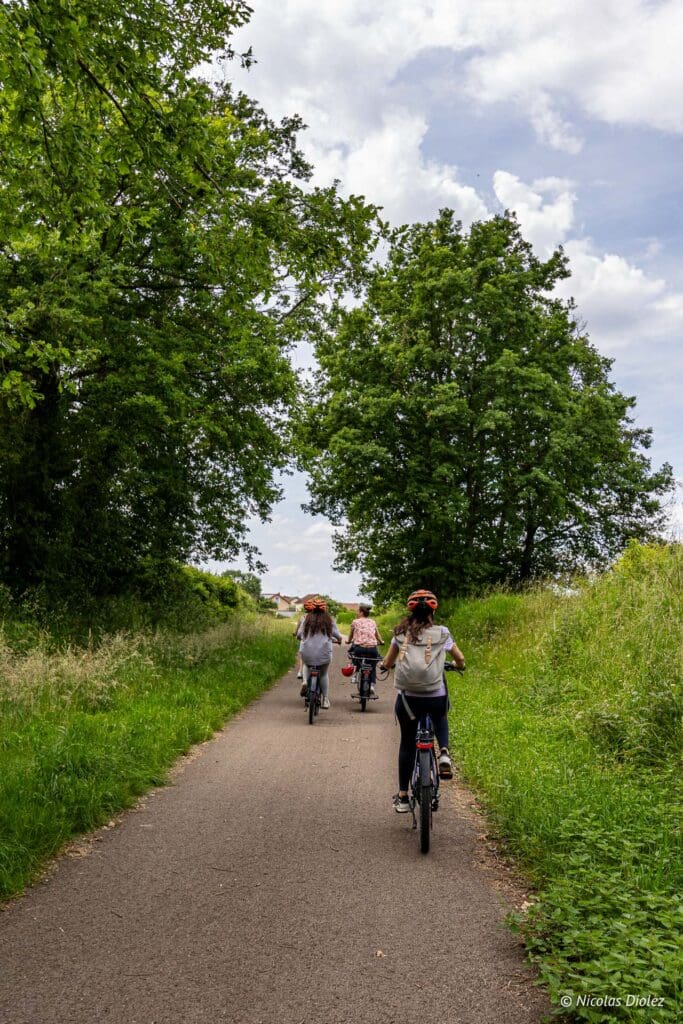
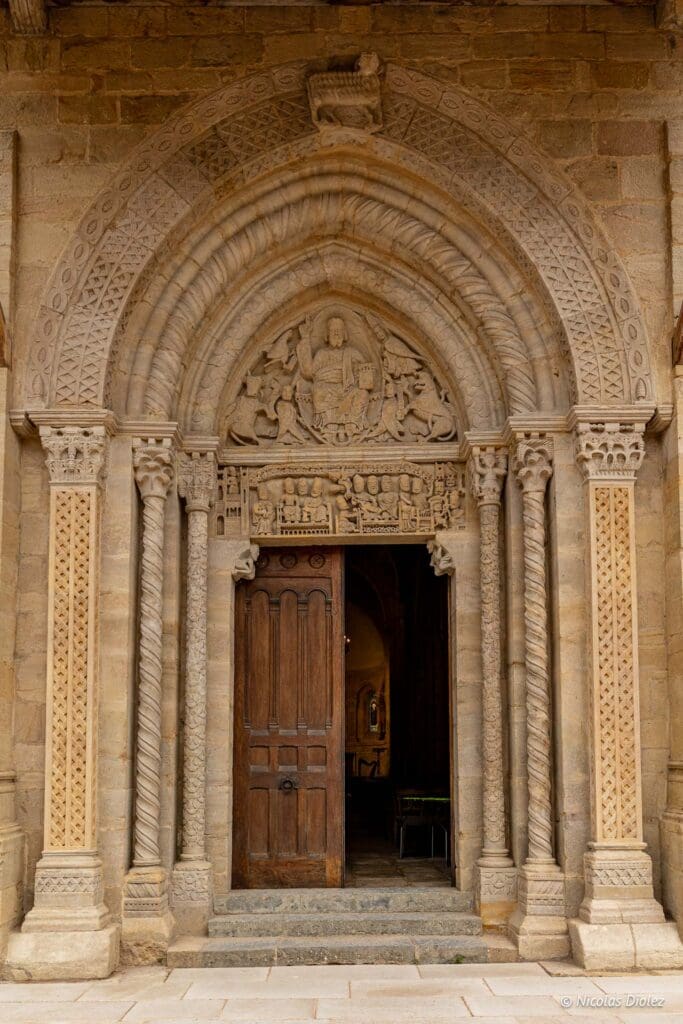
South Brionnais Tourist Office
_
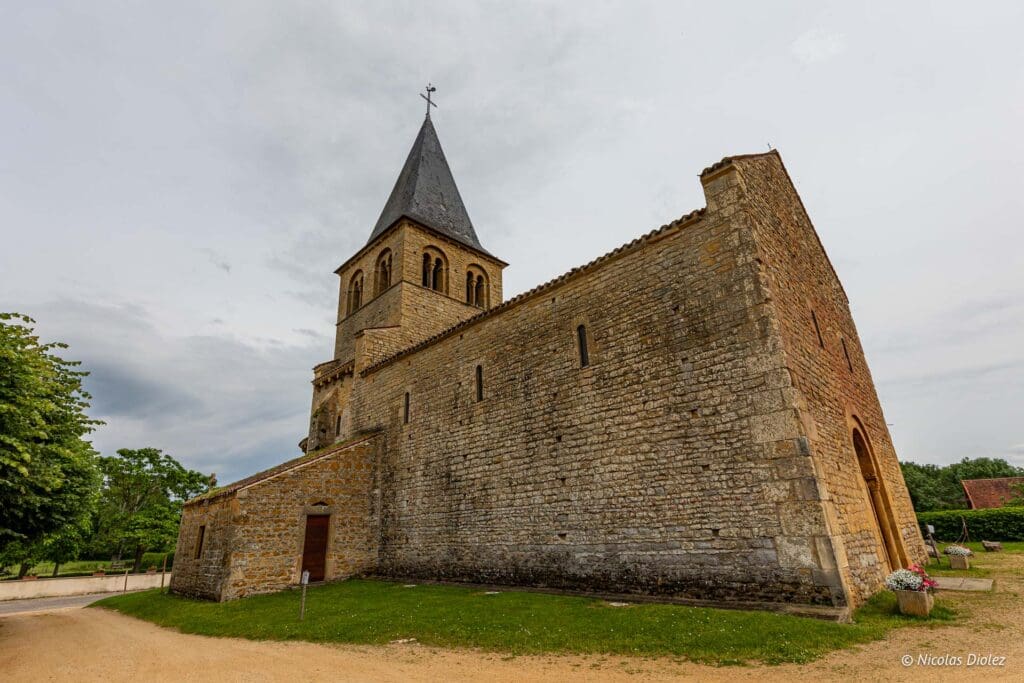
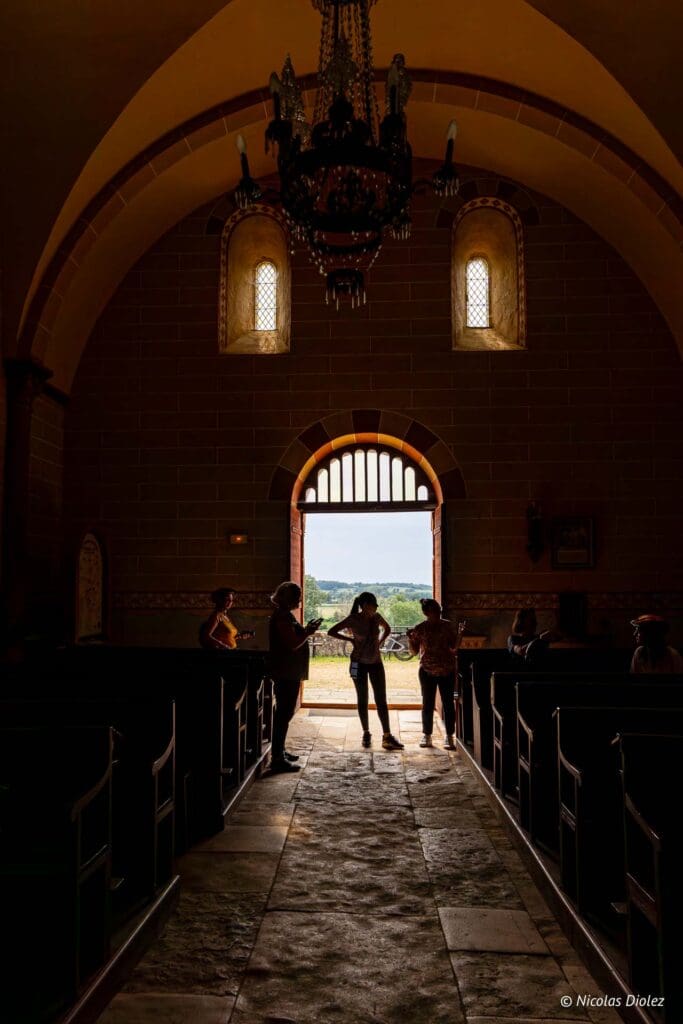
Discovery of the church of Baugy
The parish church of Baugy, dating from the mid-11th to 12th century, is dedicated to Saint Pons. It was ceded in 1088 to the Cluniac monastery of the ladies of Marcigny. The church, which is oriented, consists of a single nave that may have originally been covered by a timber frame (the current one dates from the 19th century). This monument appears archaic in construction considering the small stonework and narrow windows. However, the construction is more elaborate in the apse and choir, surmounted by a strong bell tower that gives the whole structure an impression of robustness. It is part of the circuit of Romanesque churches and chapels in the Brionnais region.
Cycling information: the church is located about an hour by bike from Paray-le-Monial and 15 minutes from Marcigny, and it is open during the day if you wish to visit it during your trip through the region.



_
Stop in Marcigny
This small village located between Baugy and Semur-en-Brionnais contains a lovely built heritage as well as the Tour du Moulin museum, a remnant of the feudal period and an iconic building of Marcigny. You will also find a tourist office there if you want to get some information on the points of interest in the region or if you want to buy some local products.


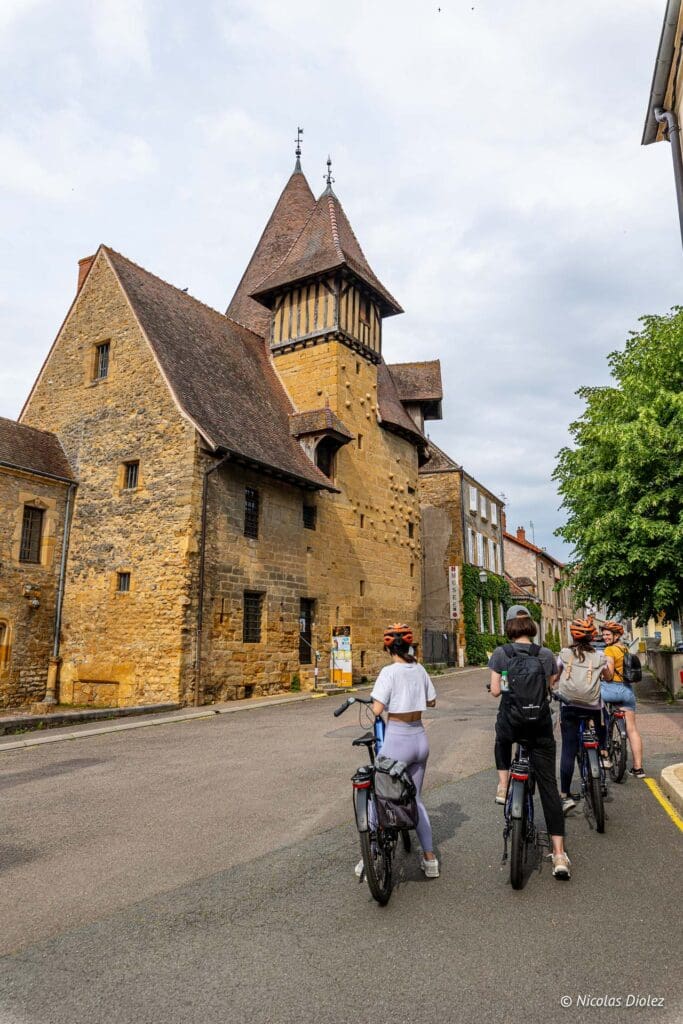
Marcigny – Semur Tourist Office
Place des Halles 71 110 Marcigny
_
Discovery of Semur-en-Brionnais
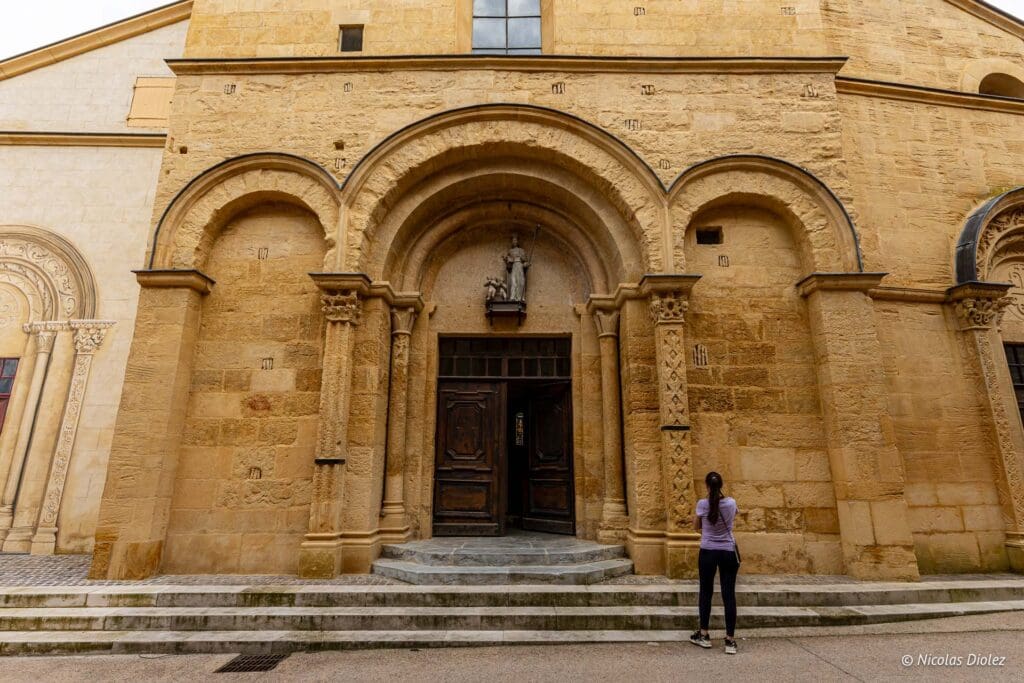
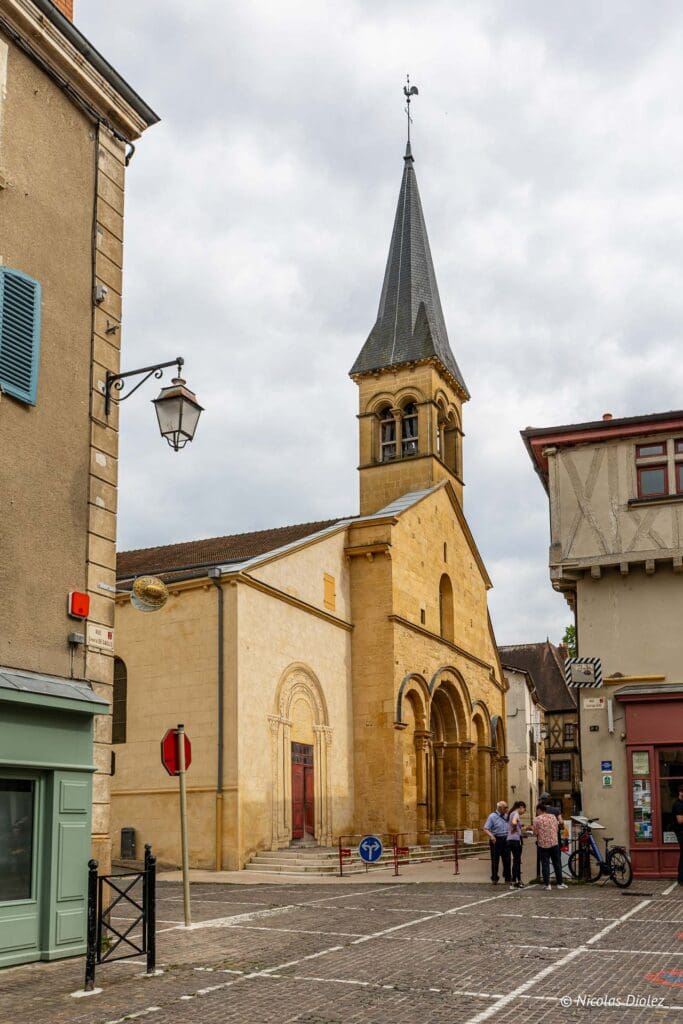
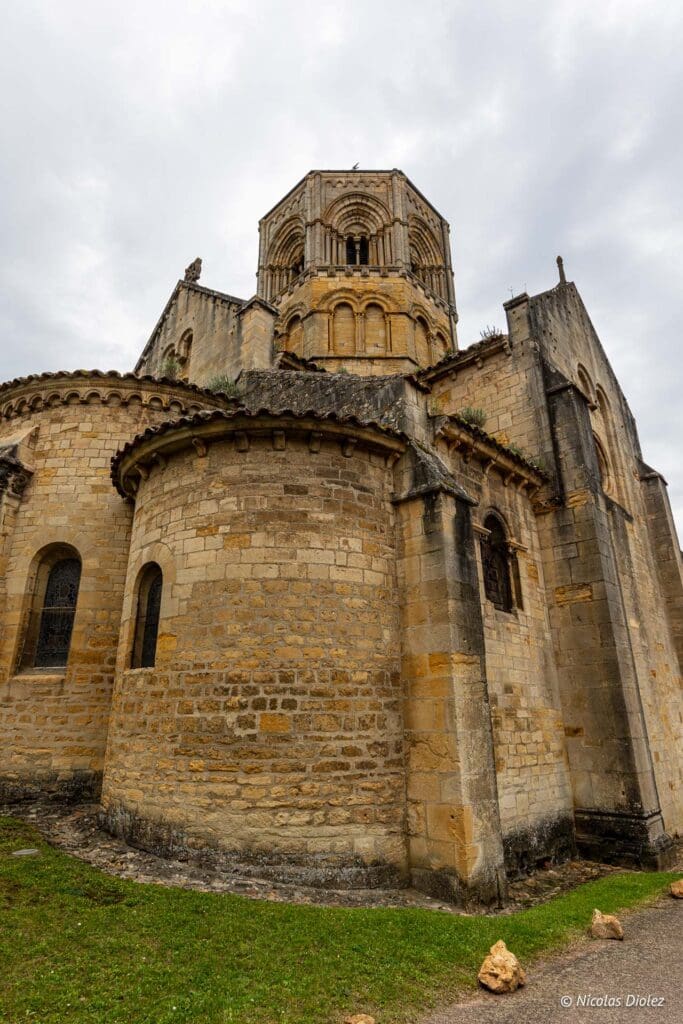
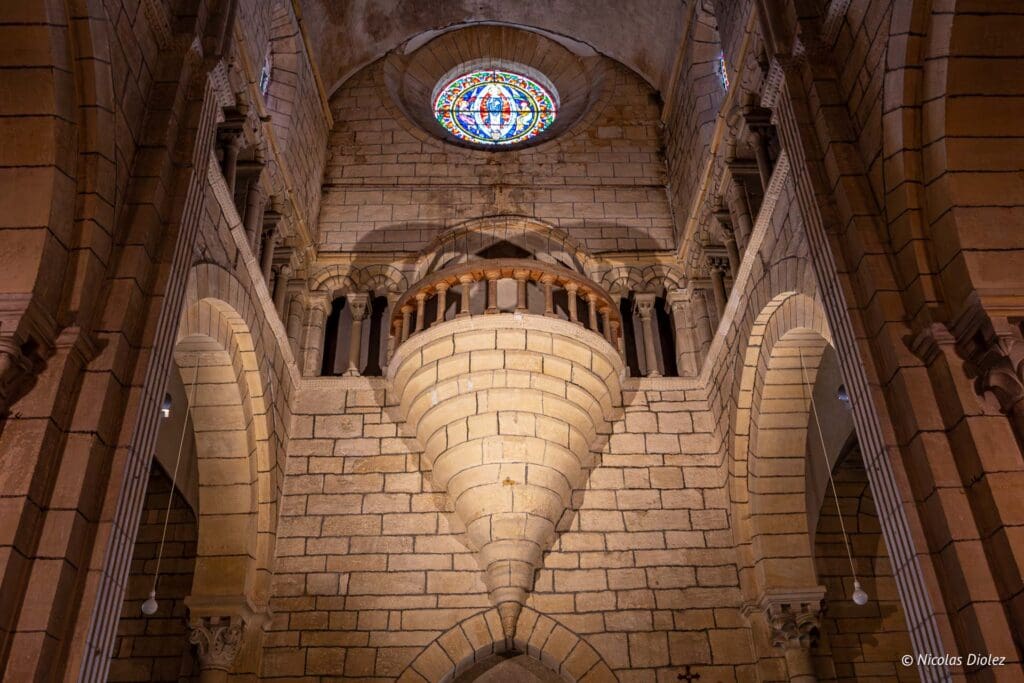
Semur-en-Brionnais is a very beautiful village located in the territory of Marcigny and Semur (about 30 minutes by bike from Marcigny). It is also a Cluniac site and contains several edifices worth seeing. The city was indeed the historical capital of the Brionnais and the fief of an illustrious family, the Semur. One of its sons, Hugues de Semur, was a great abbot of Cluny in the 11th century and a very important figure in Christendom. I especially recommend visiting the Saint-Hilaire collegiate church, a Brionnais church with strong Cluniac influences. It was built between the 12th and 13th centuries. Also, do not miss its magnificent exterior portal, which has been recently restored.


The Saint-Hugues Castle
This fortified castle, with foundations dating back to the late 10th and early 11th century, celebrated its centenary in 2024. It is probably one of the oldest castles in Burgundy, as it is almost certain that the site, perched on a rocky spur, was occupied and fortified since antiquity. Built on a mound, the castle features a 22-meter-high tower that was certainly originally a keep, and it is one of the rare examples of a Romanesque keep still standing. It was in this stronghold that the Semur family lived, and where Hugues de Semur, whom I mentioned in the previous paragraph, was born.
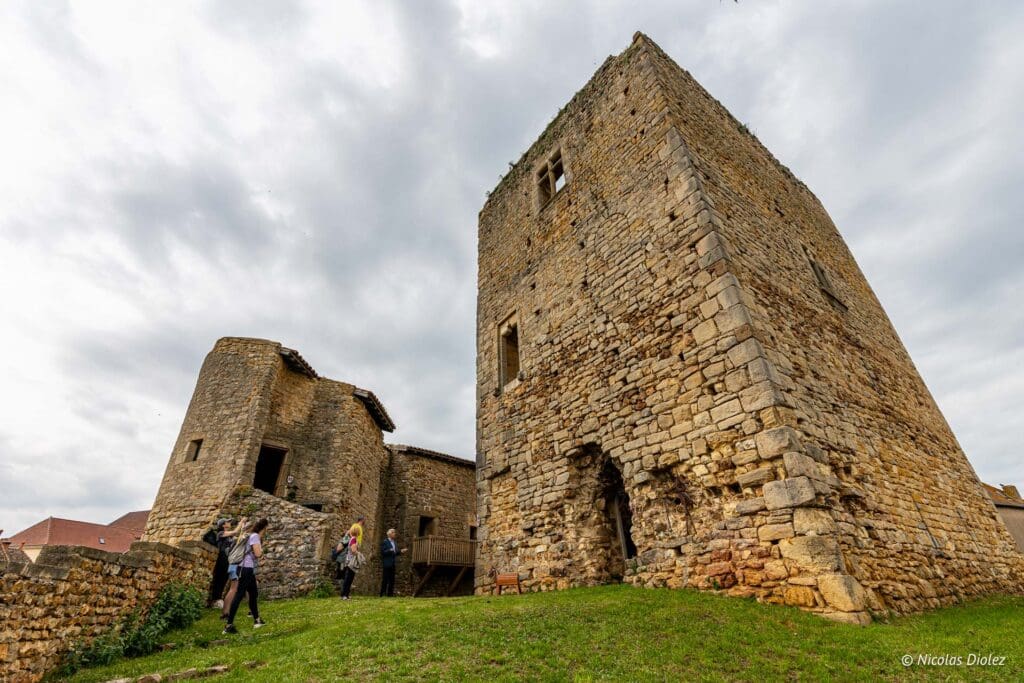
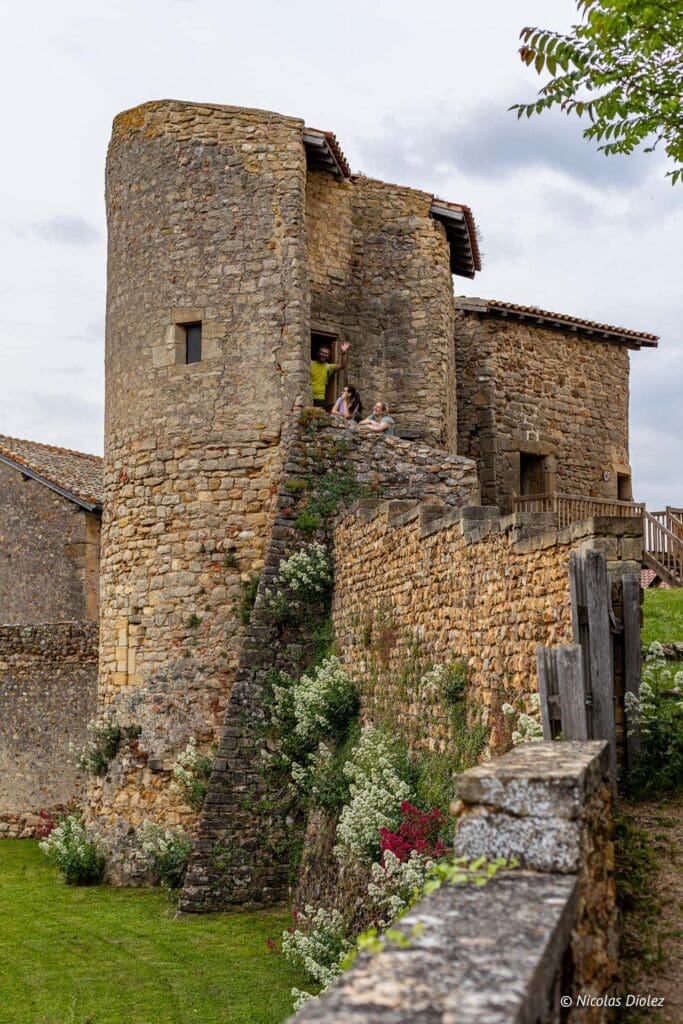
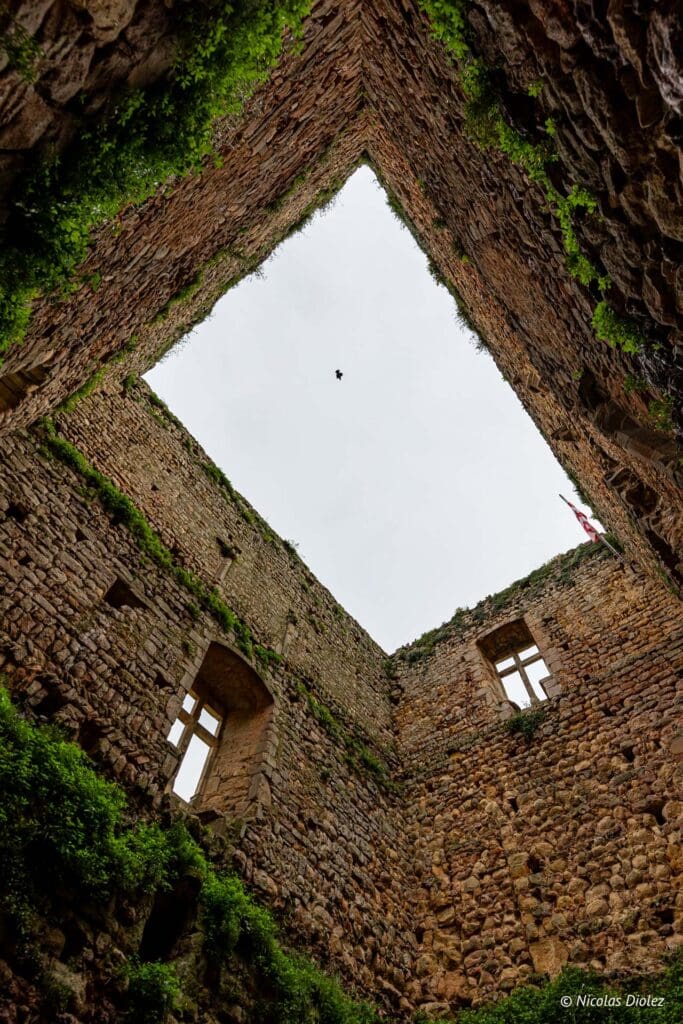
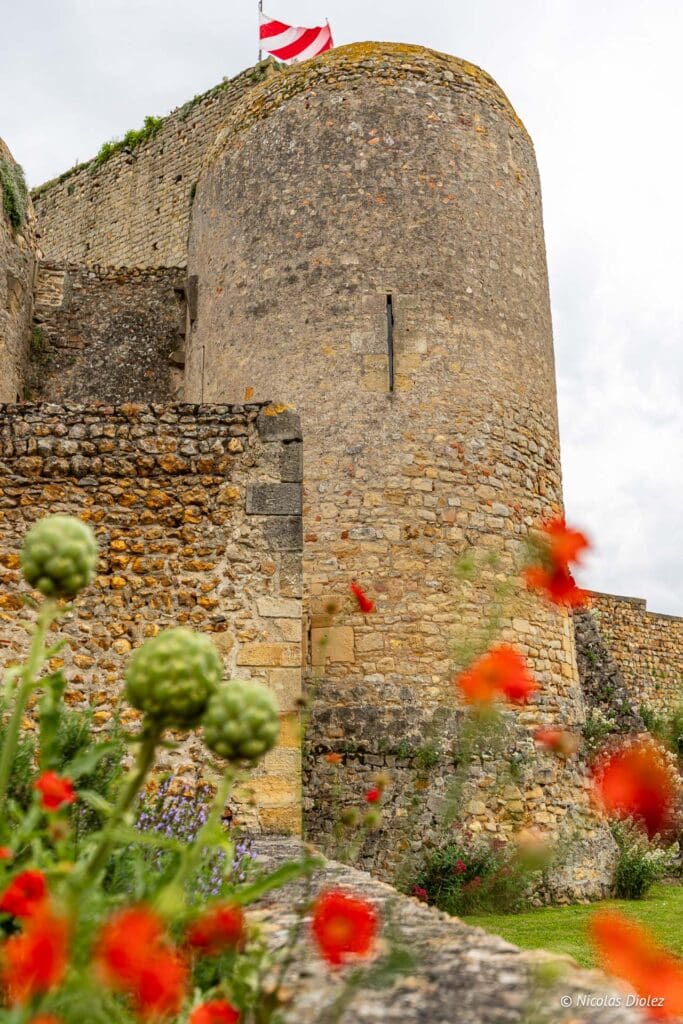
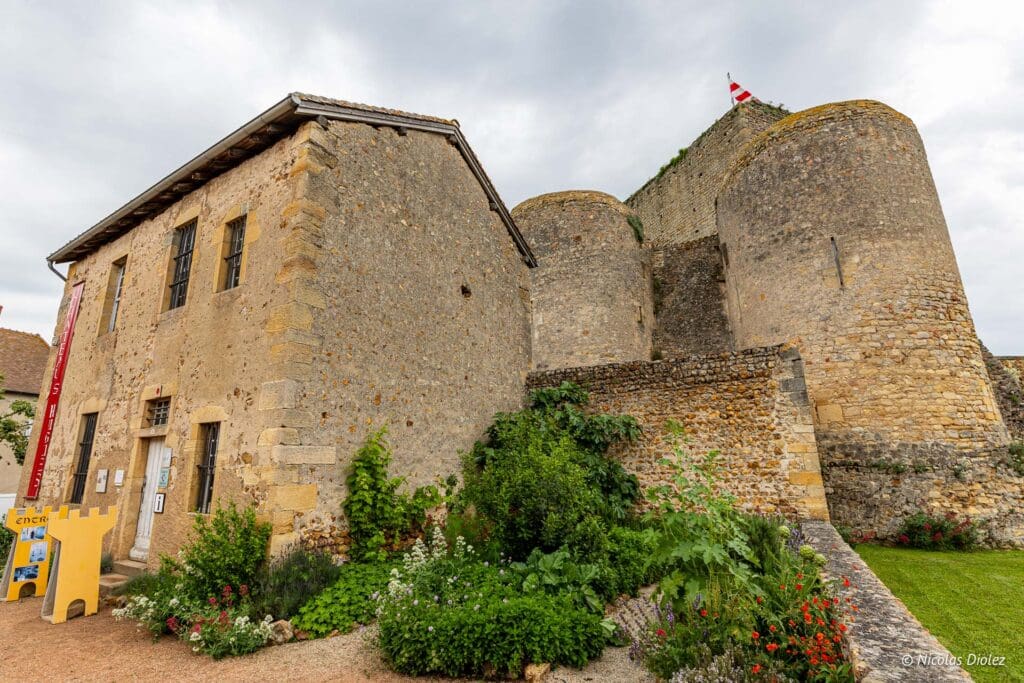
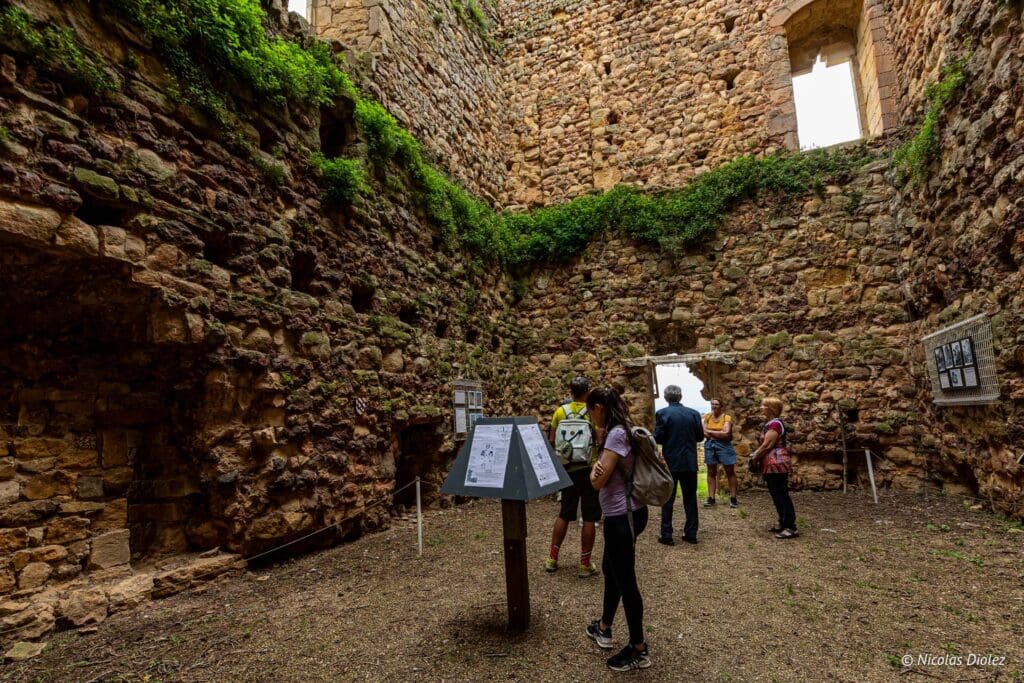
Saint-Hugues Castle
Maison du Chapitre, vitrine de l’Art Roman 71 110 Semur en Brionnais
Visits possible every day from March to November, organized by the “Les Vieilles Pierres” association
_
The cattle market of Saint Christophe en Brionnais
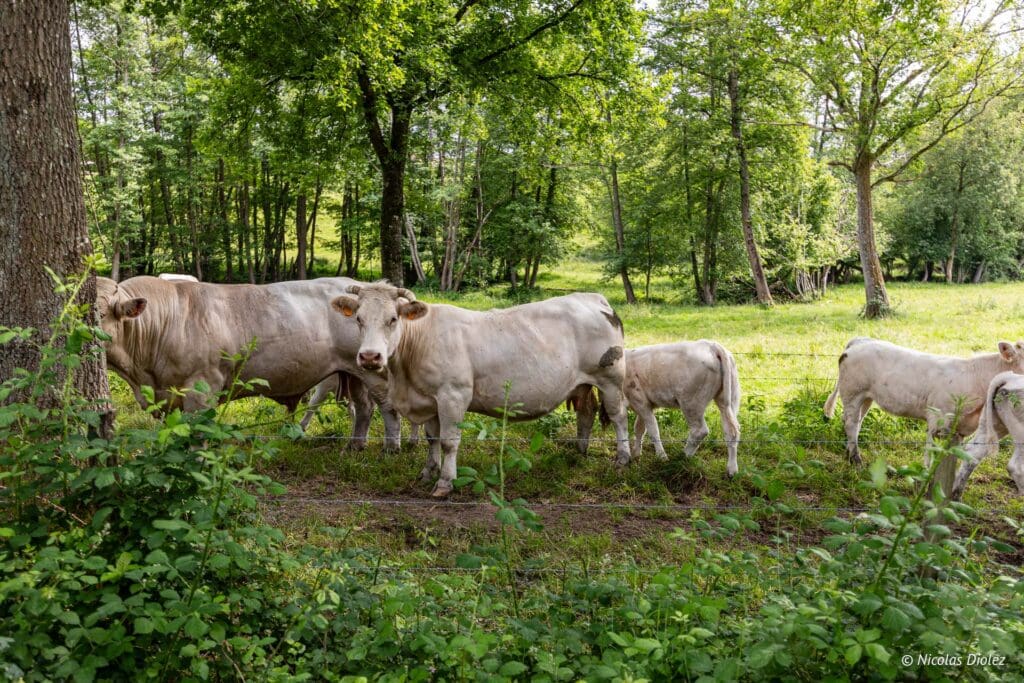
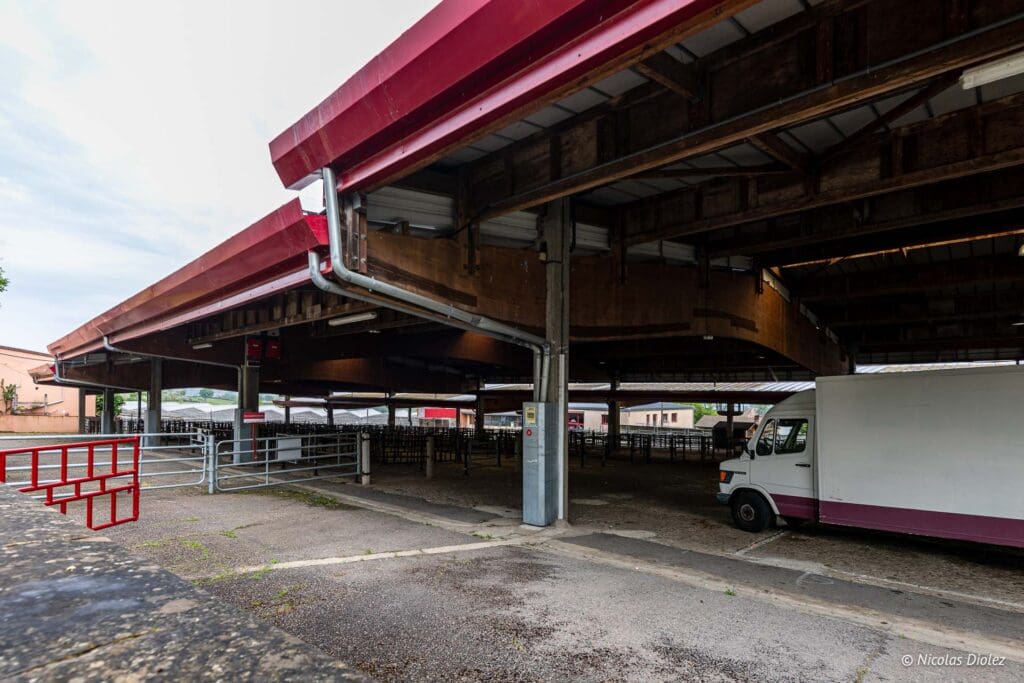
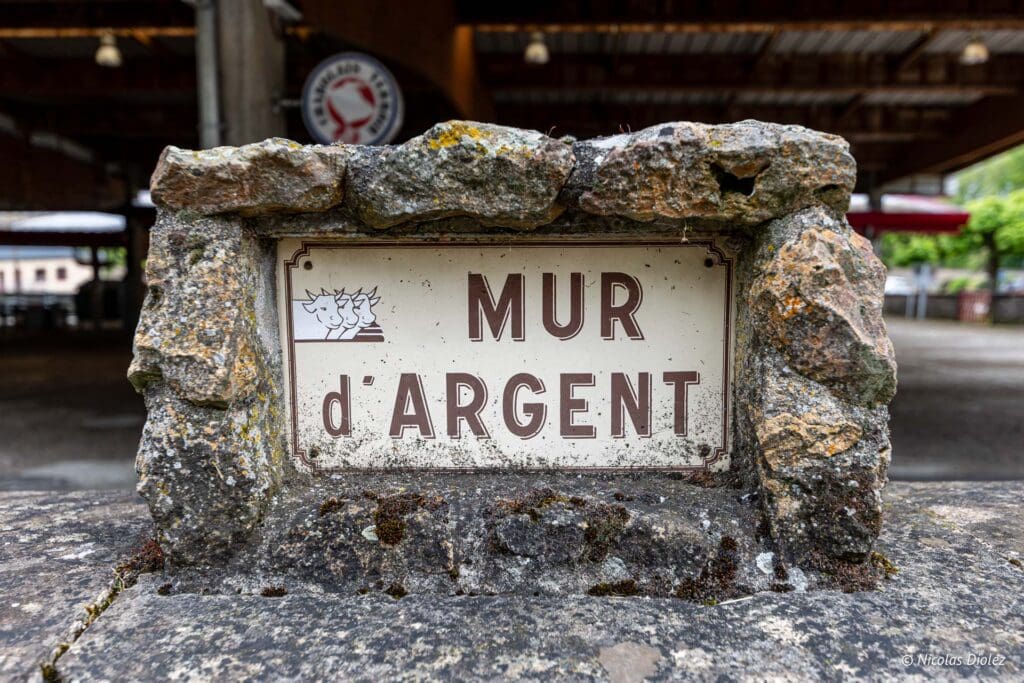
The Charolais-Brionnais region is the cradle of the Charolais cattle breed, a white cow with remarkable beef qualities that was originally a draft breed. The cattle market of Saint-Christophe en Brionnais, a typical village of the region, is iconic and extremely well-known in the area and even has an international reputation. It houses a “dial market” to sell cows (about 50,000 head of cattle are sold there each year), which is very ancient. It has existed since at least 1488, the date when Charles VII granted the right to hold the first fairs (and Louis XII confirmed this right in 1627). However, the market’s origin probably dates back to the 11th century. Since 1868, the market has occupied its current location, after having been held for a long time in the village’s main street. Then it became weekly starting in 1961. In 1971, the “payment hall” opened, replacing the famous “Silver Wall.” Since then, the facilities have constantly expanded to adapt to European requirements.
This market, which takes place every Wednesday, is clearly a major tourist attraction; people come to see the animals and eat the “bouilli.” There are even guided tours during the market and animal sales (guided tours from 9 AM to 4 PM to “Live and understand our market,” with the possibility of tasting Charolais meat during the summer season).
_
Where to sleep on the route? Guest house Clos Marie
We spent the evening and night in this beautiful manor located in Iguerande (35 km from Paray-le-Monial), which houses a guest house named Clos Marie. It is surrounded by a magnificent park with centennial trees. The address is a bed and breakfast, but also offers table d’hôtes (communal dinner). We stayed in the Victor Hugo suite, which overlooks the park. It includes a massage jet bathtub, which is very pleasant for relaxing after a day of cycling.
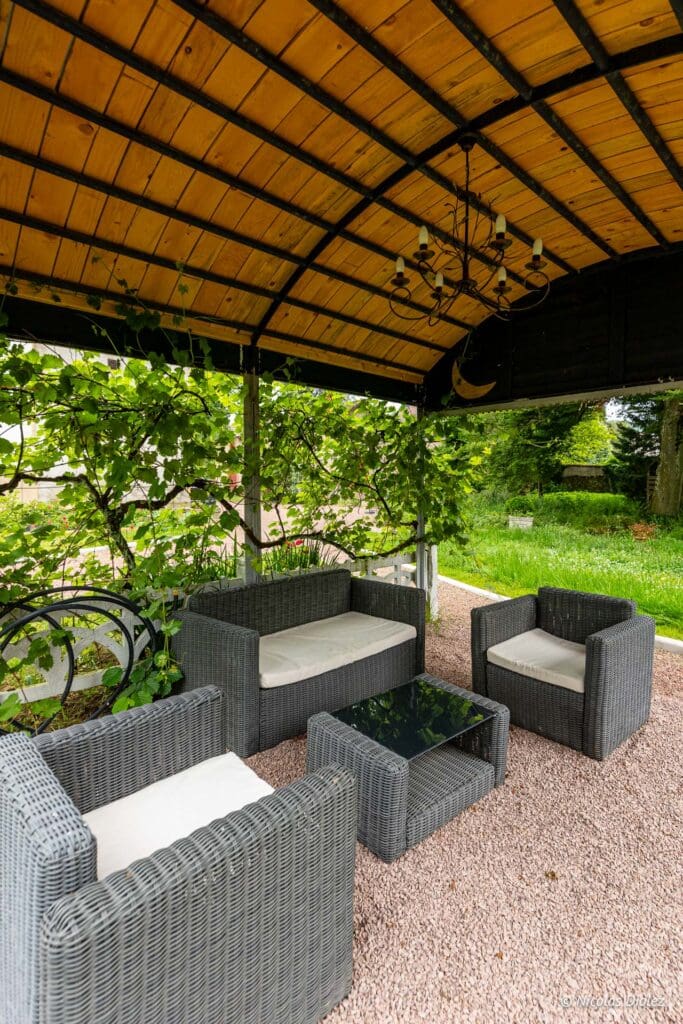
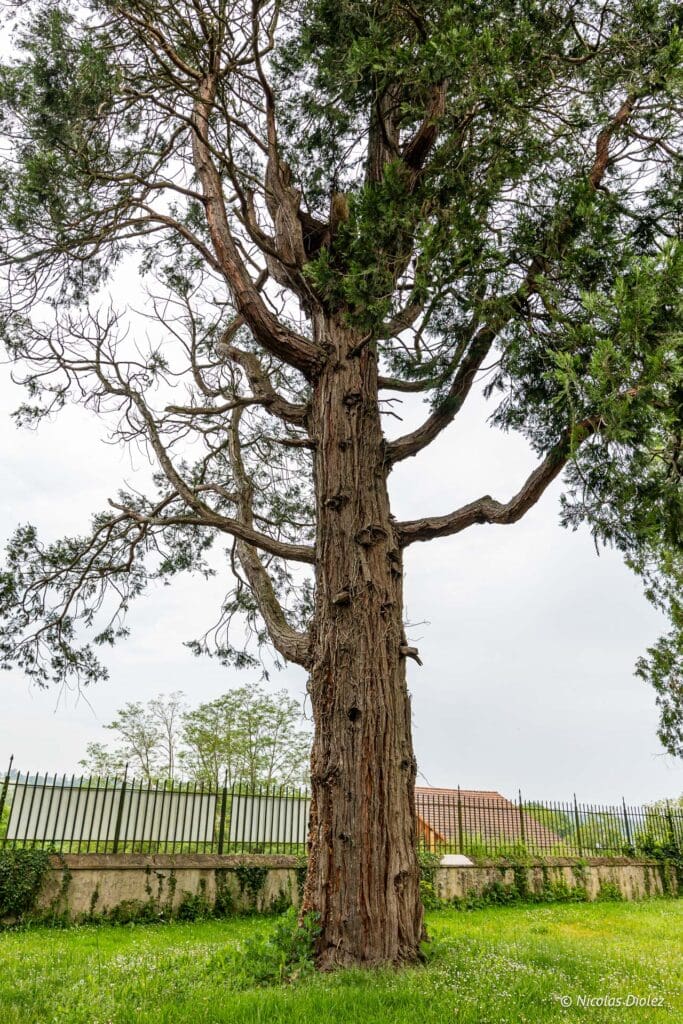

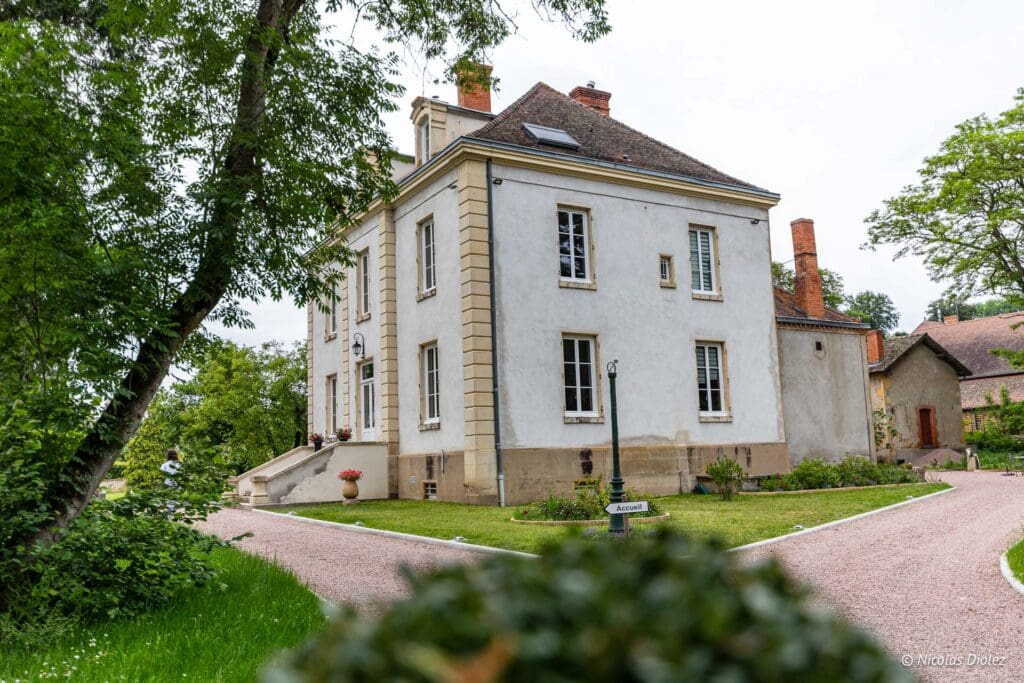
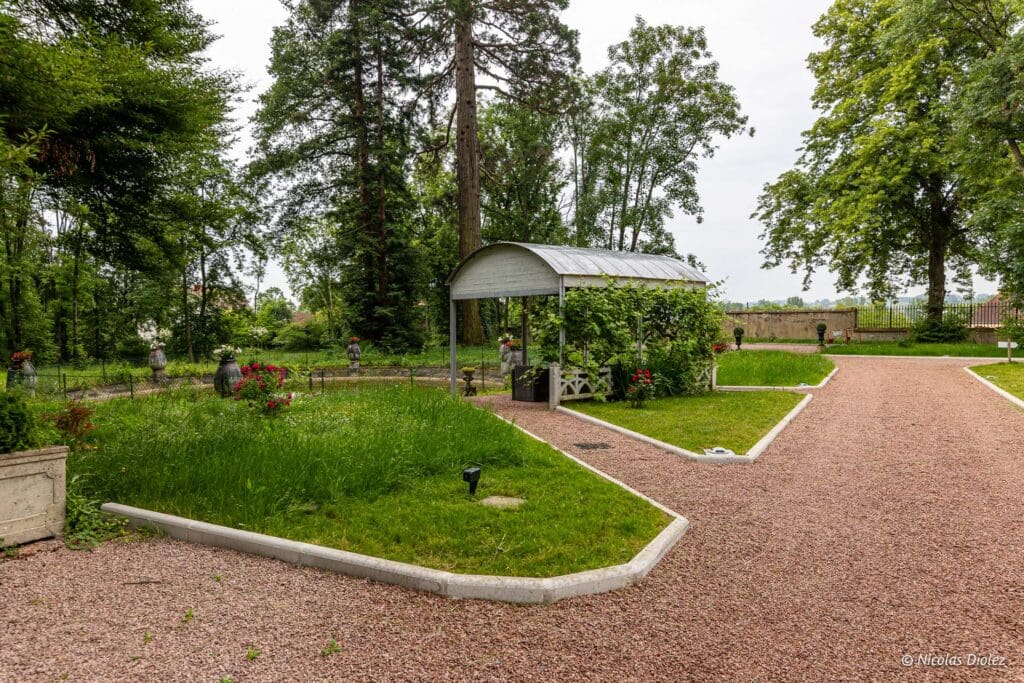
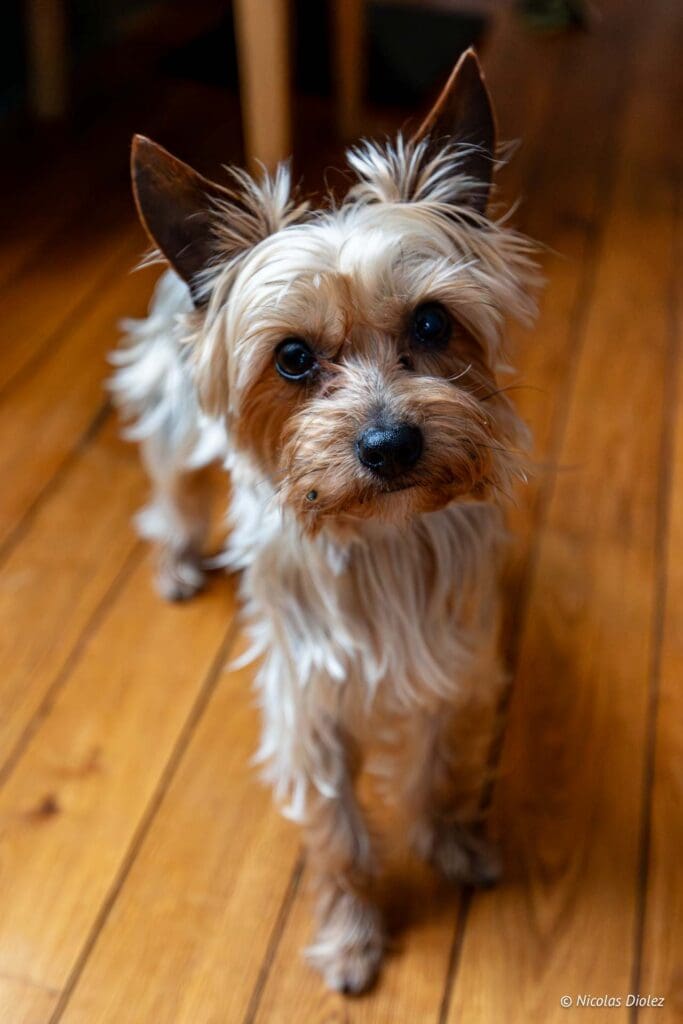
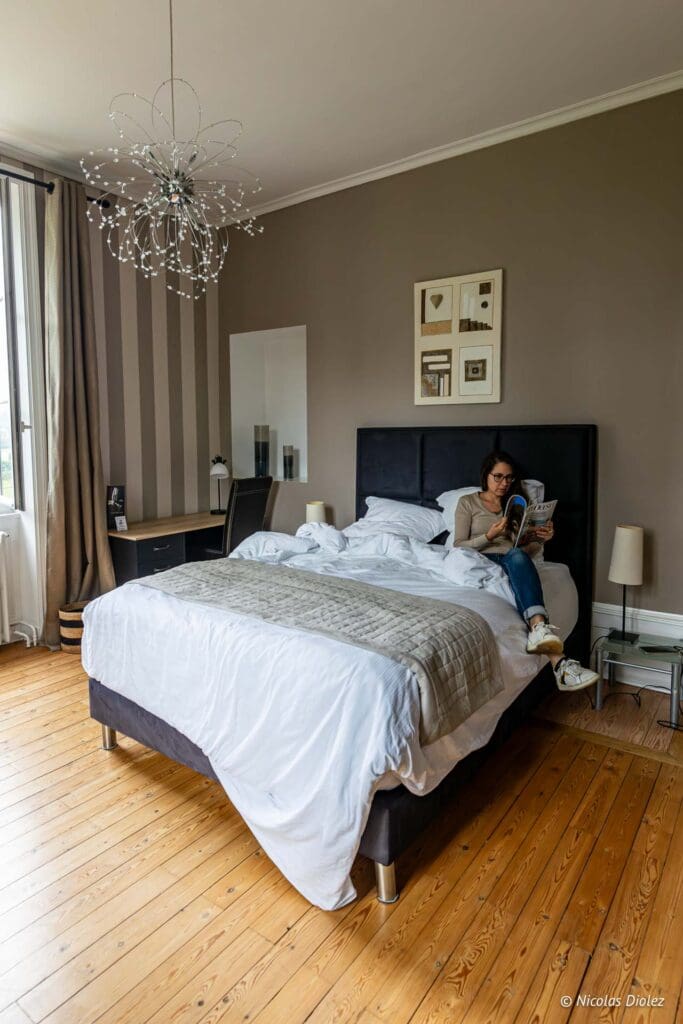
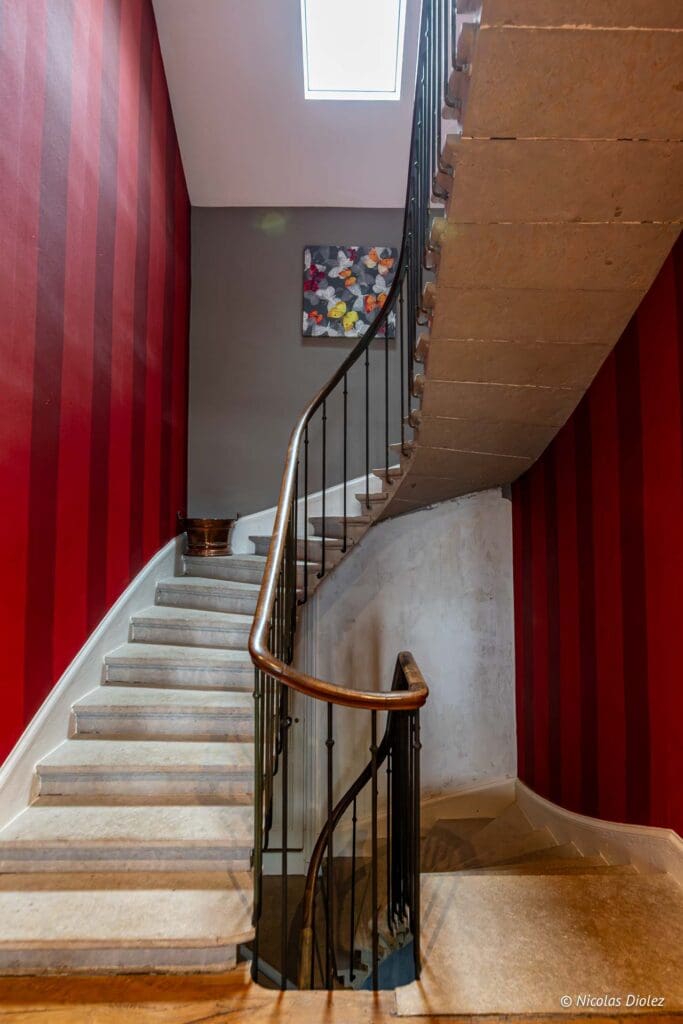

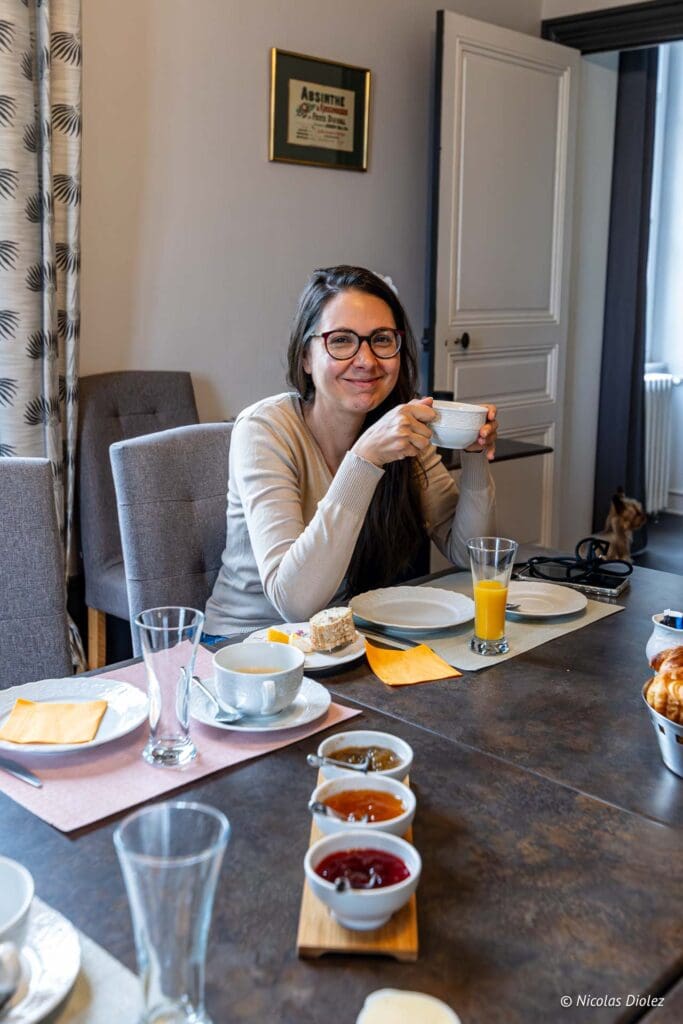


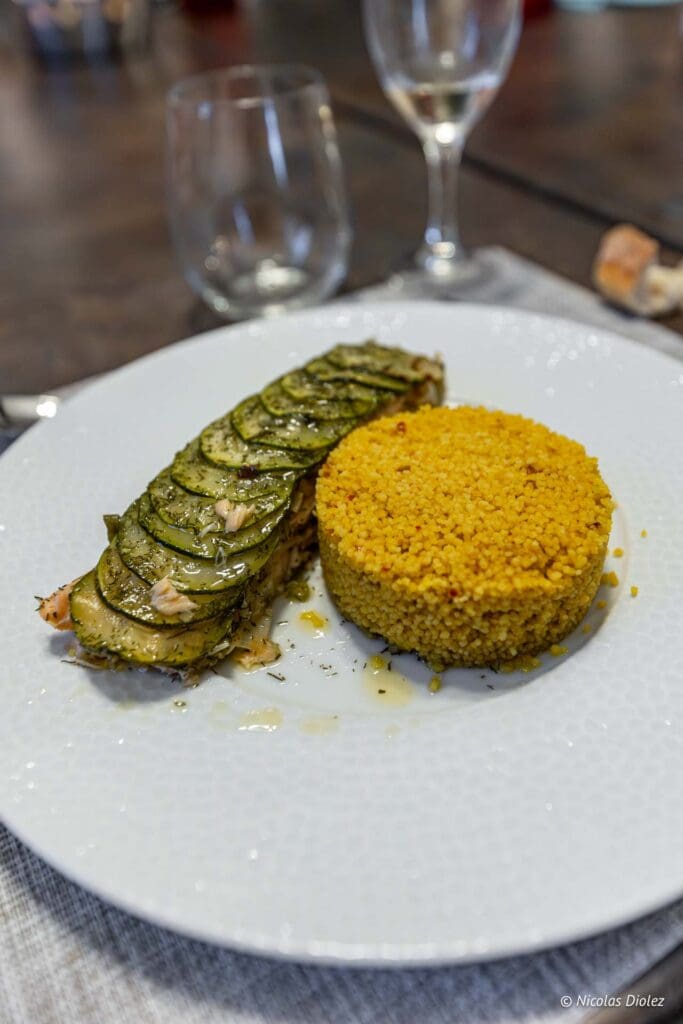
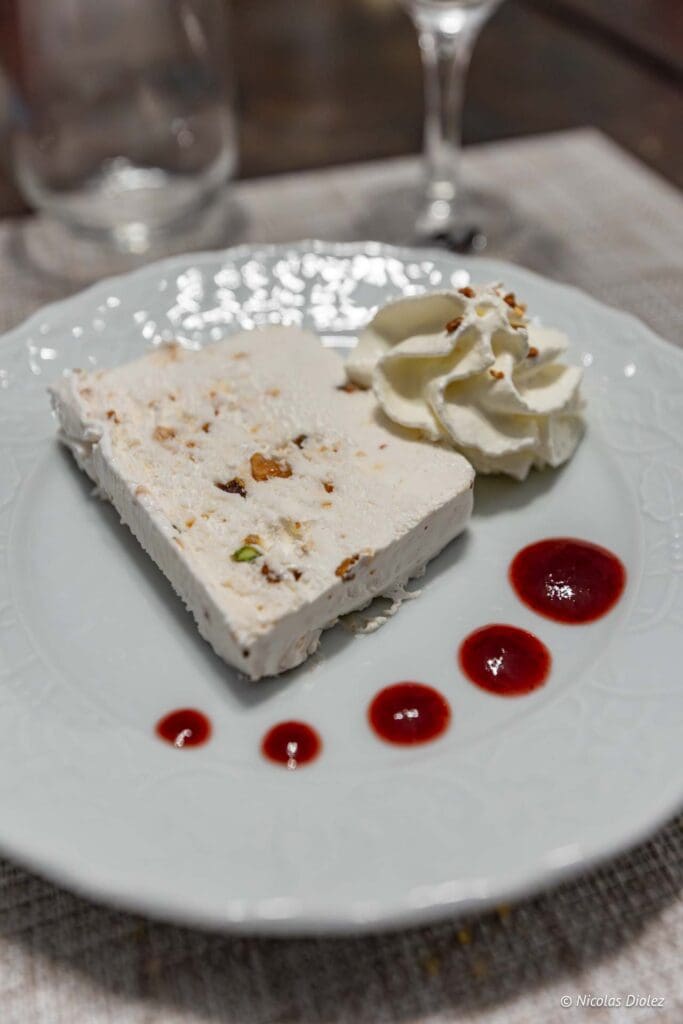
Guest house Clos Marie
Rue du Four à Chaux 71340 IguerandeRates: room from €75 per night for 2 people / table d’hôtes with menu from €25 per person
Accommodation labeled Accueil Vélo
Stage 3: La Clayette in the South Brionnais
Attention, the name of this town is pronounced “la Clette” (a small tip if you don’t want to be corrected by the locals). We are still here in the heart of the Charolais-Brionnais, in the South Brionnais to be even more precise. This small town of just under 2,000 inhabitants was built around the Château de la Clayette, which I will mention just below. If you want to stock up on local products, I recommend stopping at the tourist office located right next to the castle, as it offers a well-stocked section for this purpose.
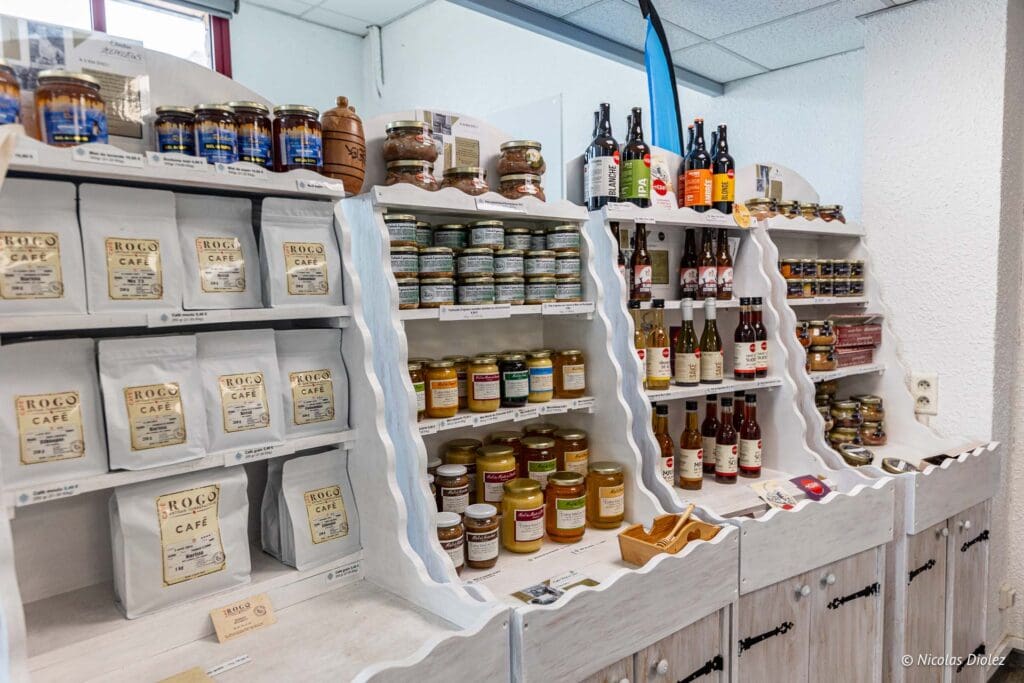

South Brionnais Tourist Office
3 Rte de Charolles, 71800 La Clayette
_
Visiting the Château de La Clayette
We took a guided tour of this very beautiful medieval castle, transformed into a pleasure residence in the 17th and 19th centuries, which hosted 2 Kings of France: Louis XI and François I. Built during the first half of the 14th century by the seigneurs de l’Espinasse, it was originally a square keep with a moat, located near a pond. In the 15th century, the castle passed to the Chantemerle family, who widened the castle’s fortifications because it was located at that time in a border area between the Duchy of Burgundy and the territory of the Kings of France. The town also developed during this period around the castle thanks to markets and fairs. Transmitted by inheritance, the castle has remained in the family of Noblet d’Anglure for over 300 years, as they acquired it in 1722.
On the program for the guided tour of this private castle, listed as a historical monument: the courtyard of honor, the medieval kitchens, the Paray tower dating from the 15th century, the park, the orangery…


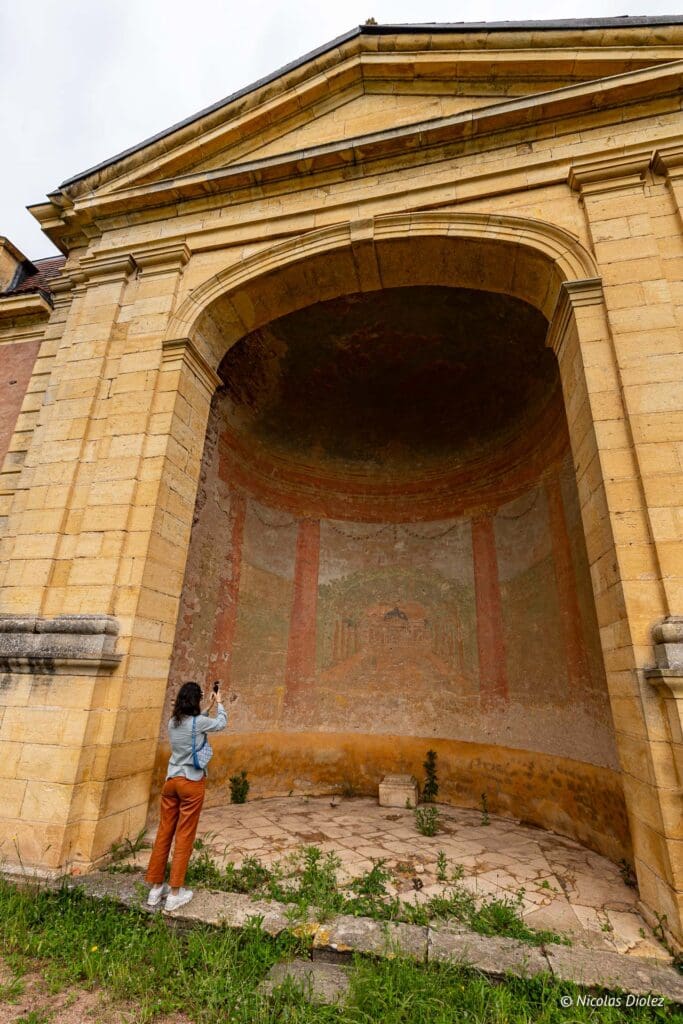



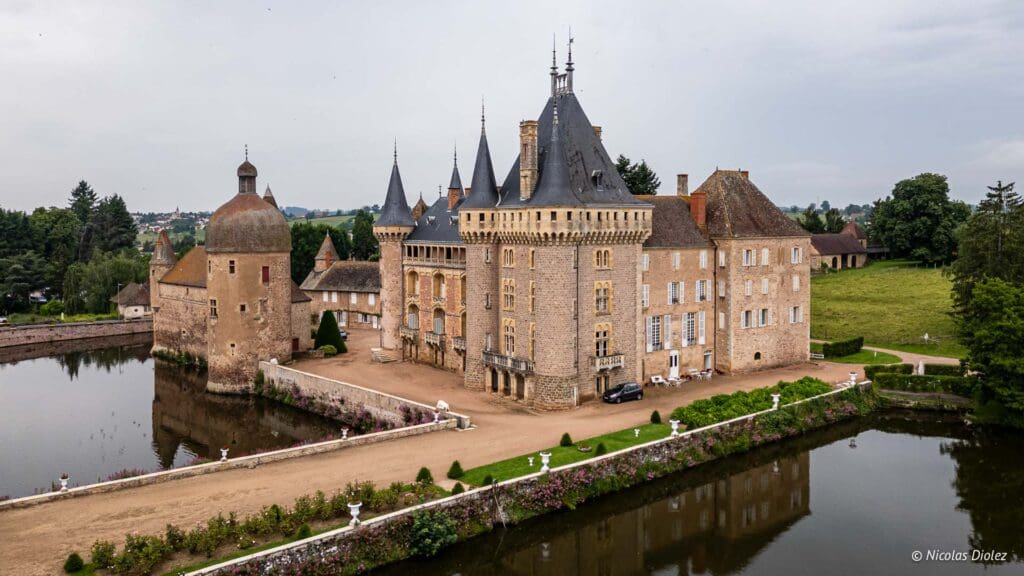
Château de la Clayette
1 route de Charolles 71800 La ClayetteGuided tours (reservation mandatory) are offered every Tuesday at 10 AM and 2:30 PM, and Thursday mornings at 10 AM from June to October (tour duration 1h30)
Guided tour prices: €6 adult / €4 young (between 12 and 18 years old) / free for under 12s
_
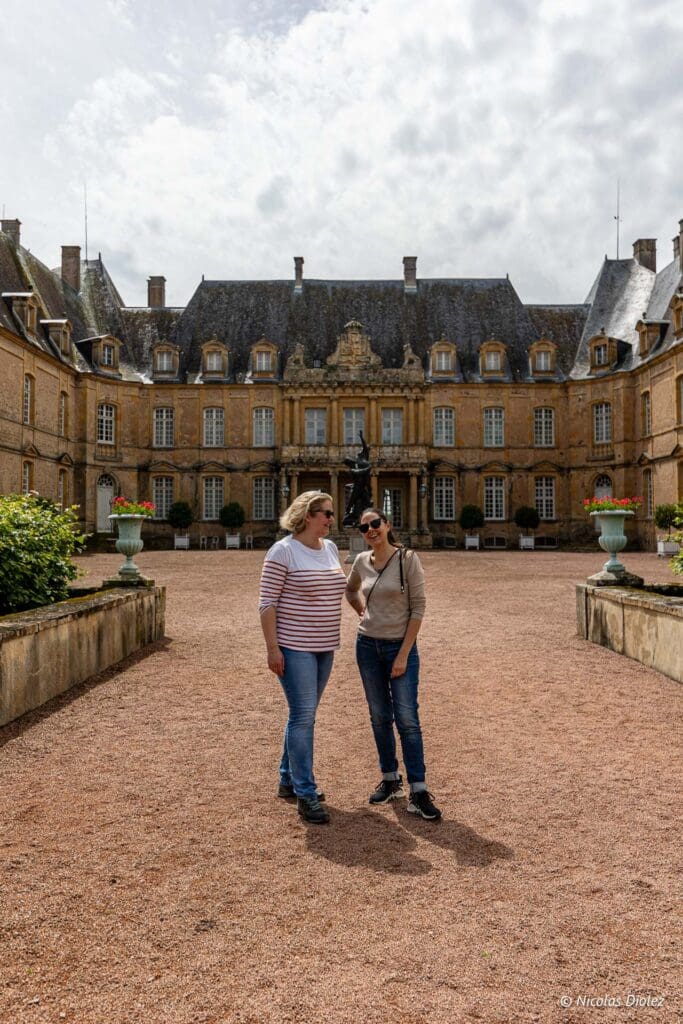
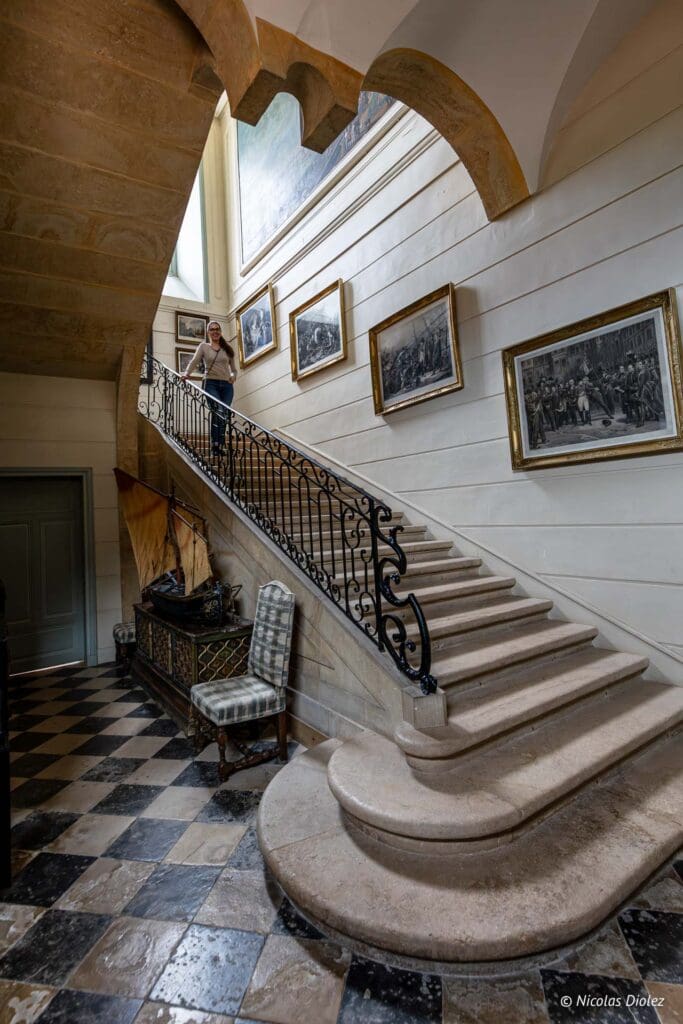
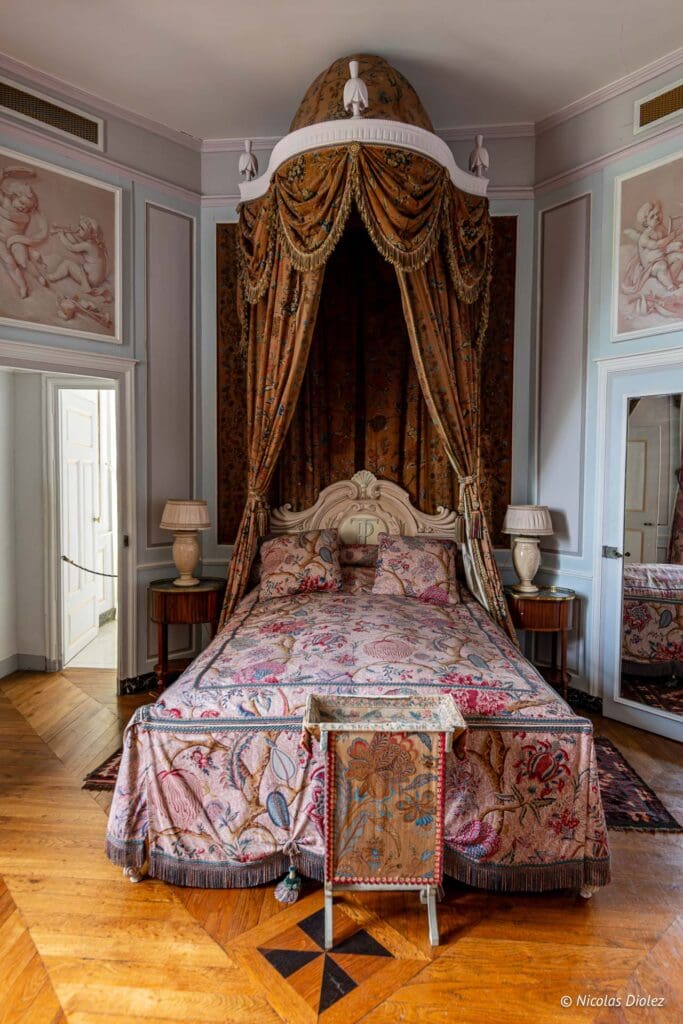
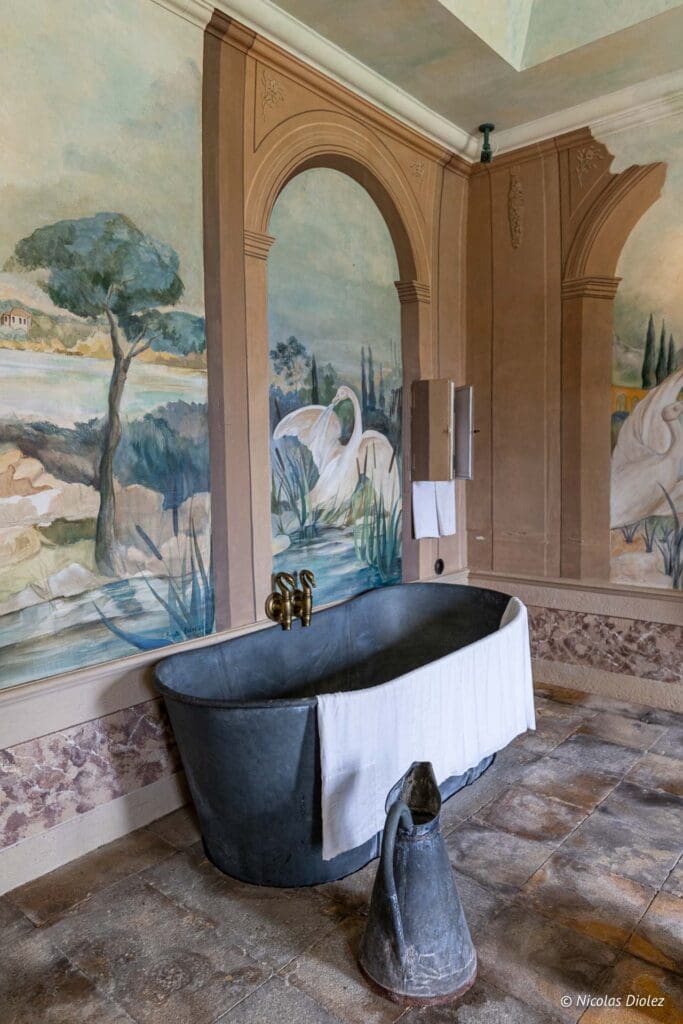
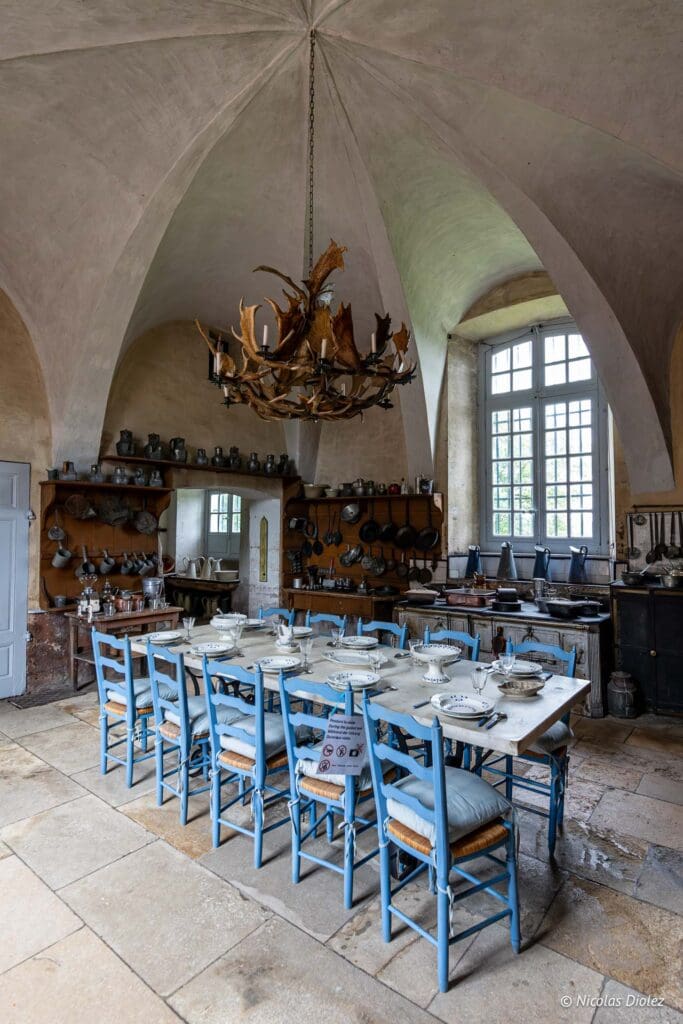
Visiting the Château de Drée and its gardens in the vicinity of La Clayette
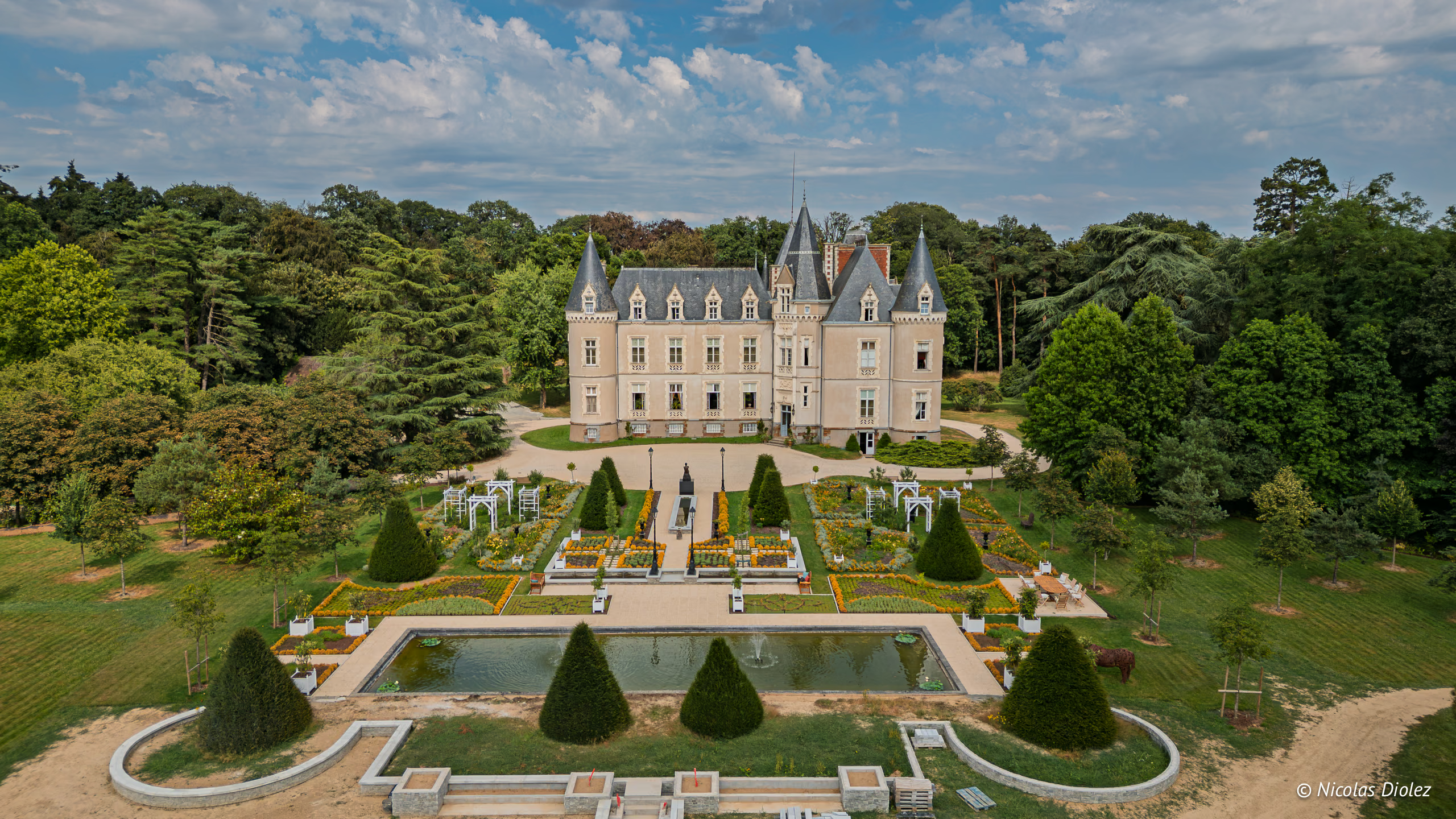
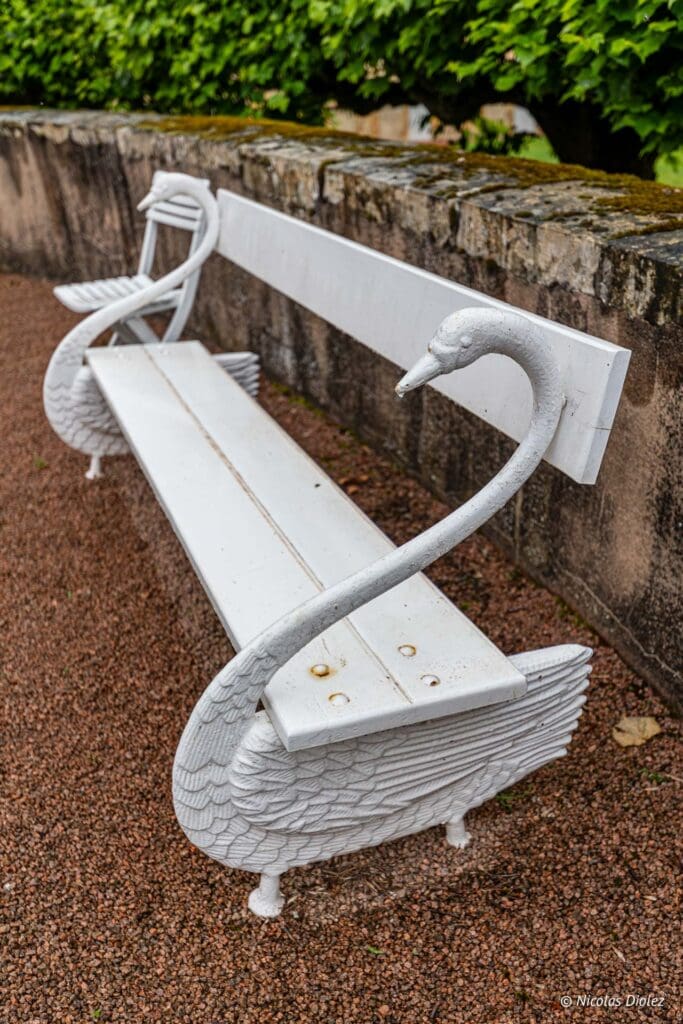
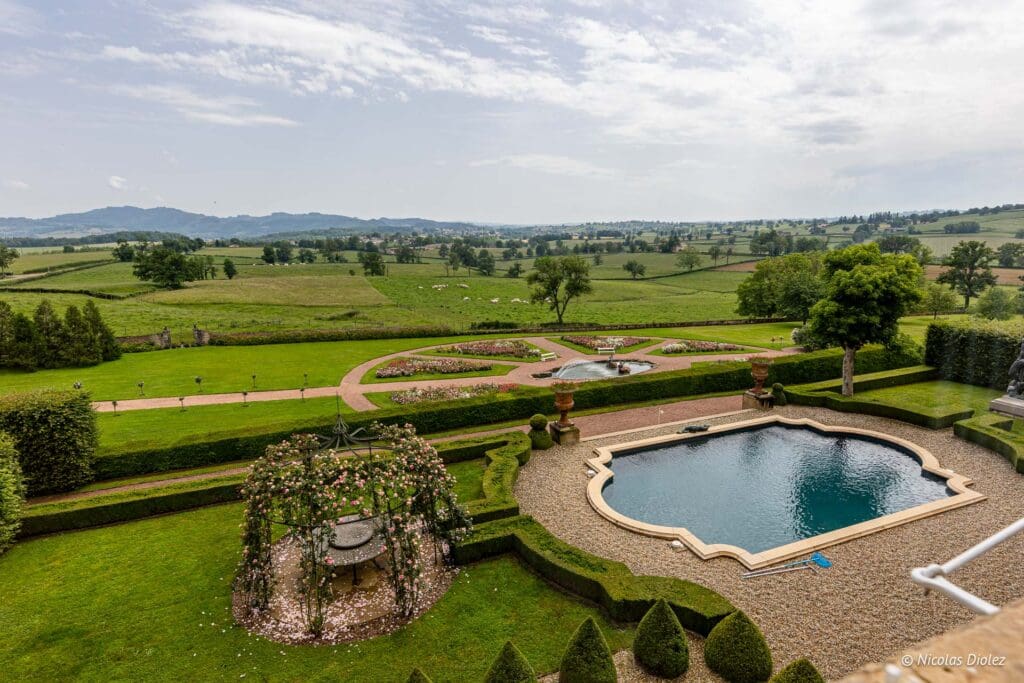
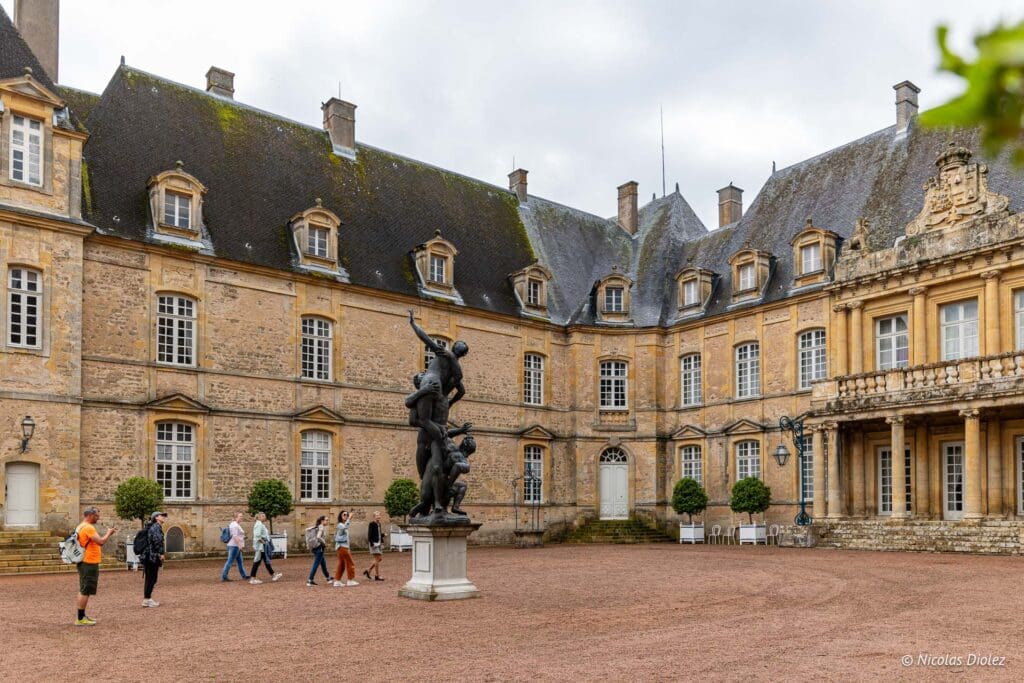
Built in 1620 as a pleasure castle by the Dukes of Dauphiné, this castle is nicknamed the “little Versailles of the Brionnais.” It is located about 5 km from La Clayette (very easily accessible by bike). It was extensively renovated in the 18th century, and this is the main aspect of the castle seen today. It is still a private castle, and the current owner acquired it in 1995. At the time of the purchase, the castle was empty and has since been refurnished by its new owner.
Regarding guided tours, the castle is open for visits all year round, even when the owners are on-site. During the visit, you can discover about fifteen furnished rooms representing the life of a princely residence (the kitchen, the king’s bedroom, the Louis XV and Louis XVI salons, the chapel…). You can also explore very beautiful French-style gardens extending over 10 hectares (with a rose garden, a topiary garden, boxwoods…) and outbuildings, which can be visited freely outside of guided tours.
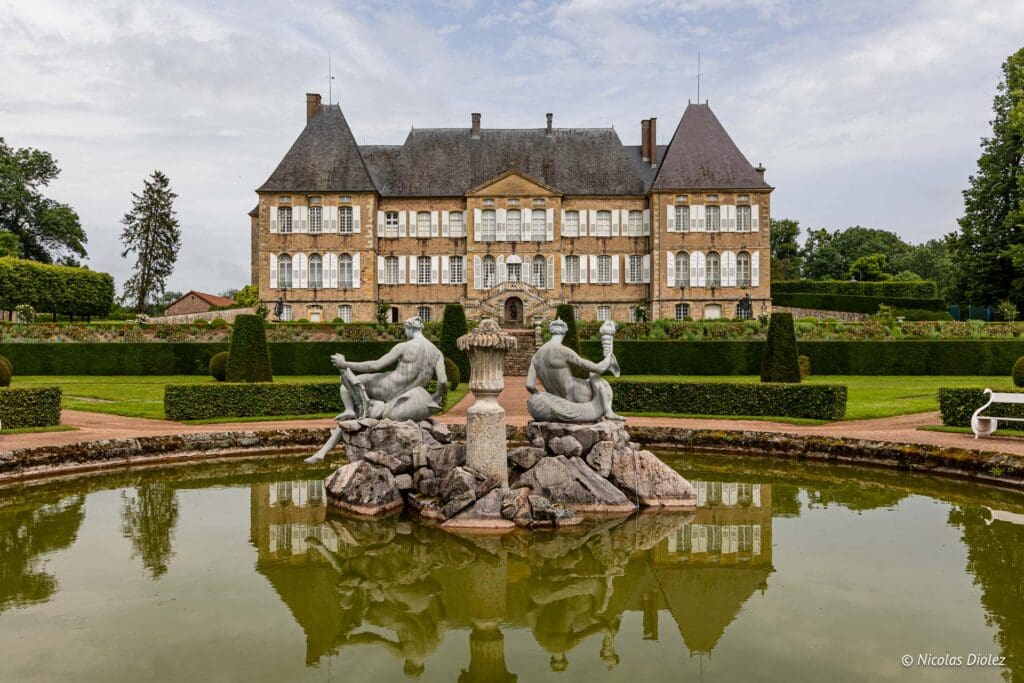
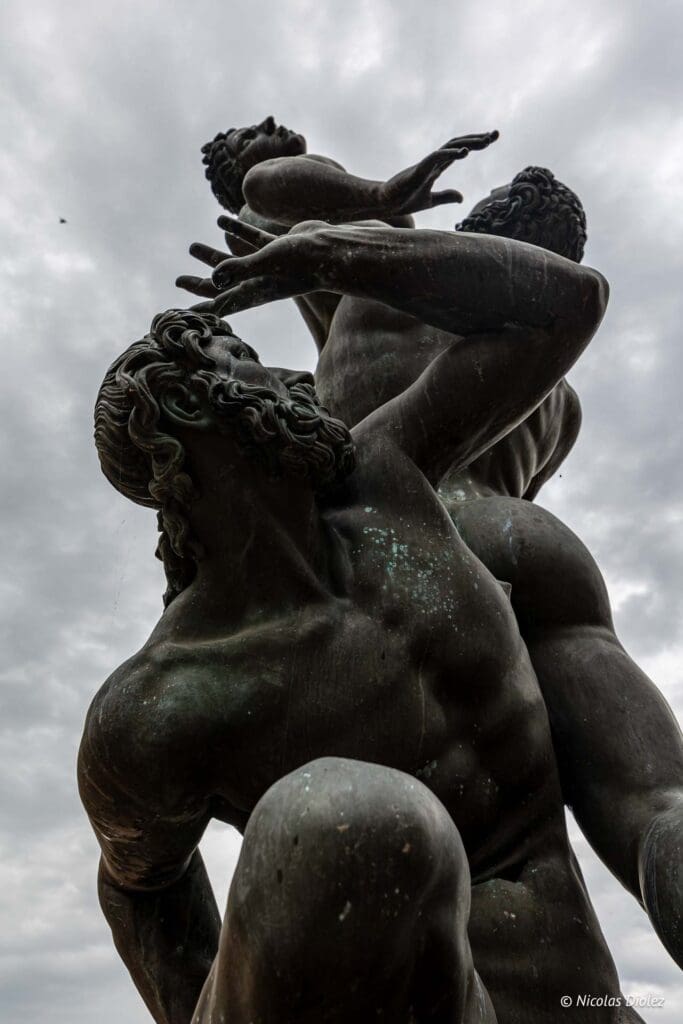

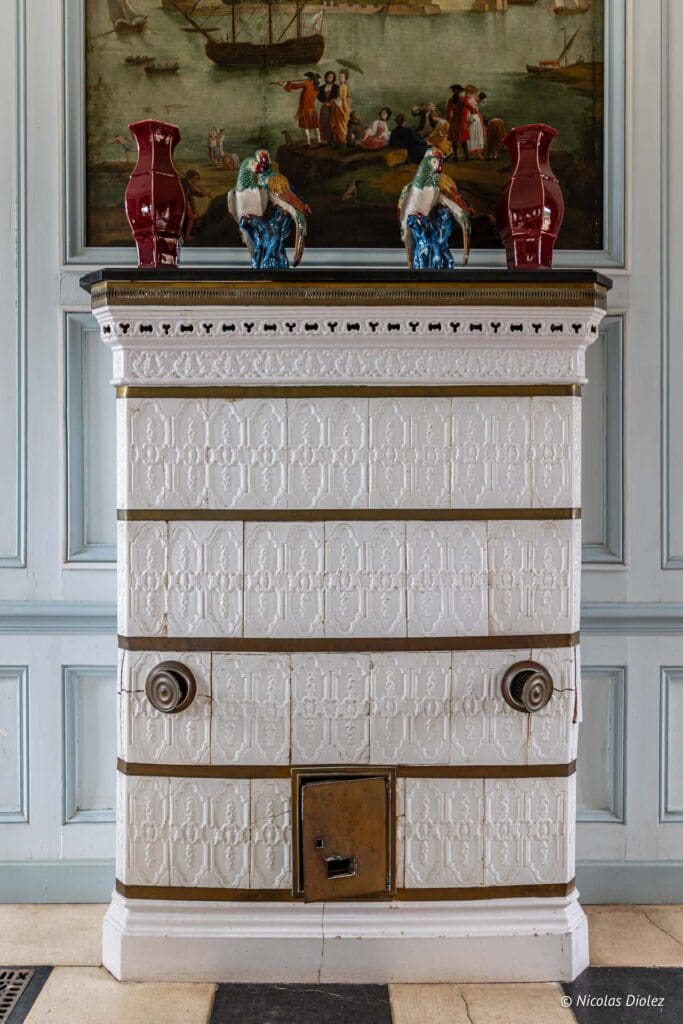
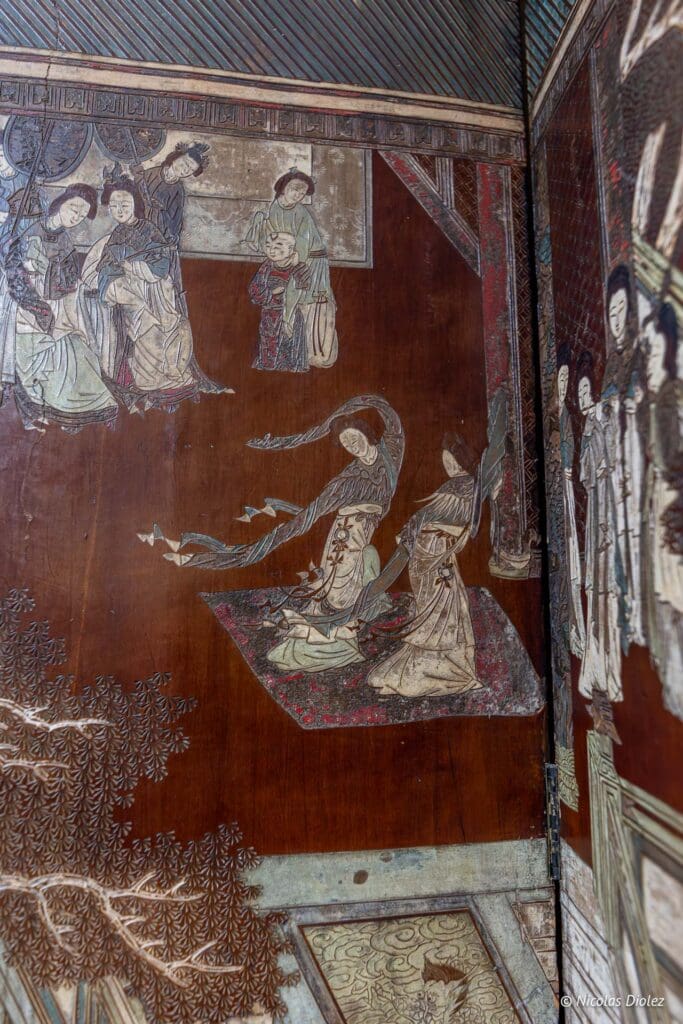

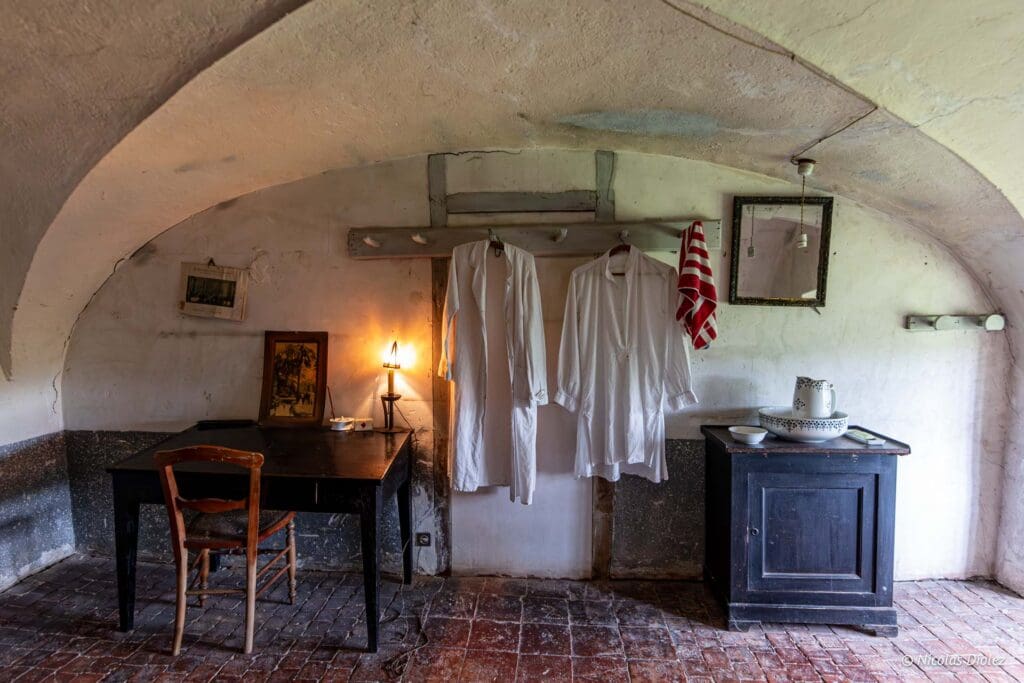
Château de Drée
71800 CurbignyOpen from March to October
Duration: guided tour of the castle 1 hour / self-guided tour of the park 45 minutes
Prices for castle guided tour + park self-guided tour: €15 adult / €9 students, young people and job seekers / free for under 5s
Prices for self-guided tour of the gardens: €7 adult / €6 students, young people and job seekers / free for under 5s
_
Visit and tasting at the Bernard Dufoux chocolate factory
In 1960, when opening the shop, Bernard Dufoux only had a pastry shop, and little by little, he developed a specialty around chocolate. He opened his own chocolate factory next to his pastry shop in the 80s, and today he has 6 shops in total. Here, they obviously only work with very high-quality products.
One of his specialties is the Conquistador (emblematic dessert of the house): it is an almond praline covered in chocolate. The house also specializes in ganaches (made with cream and chocolate). In summer, the shop also makes homemade ice cream. For 7 years, the house’s laboratory has been located in Charolles; the site can be visited, and Bernard Dufoux also offers pastry classes there.

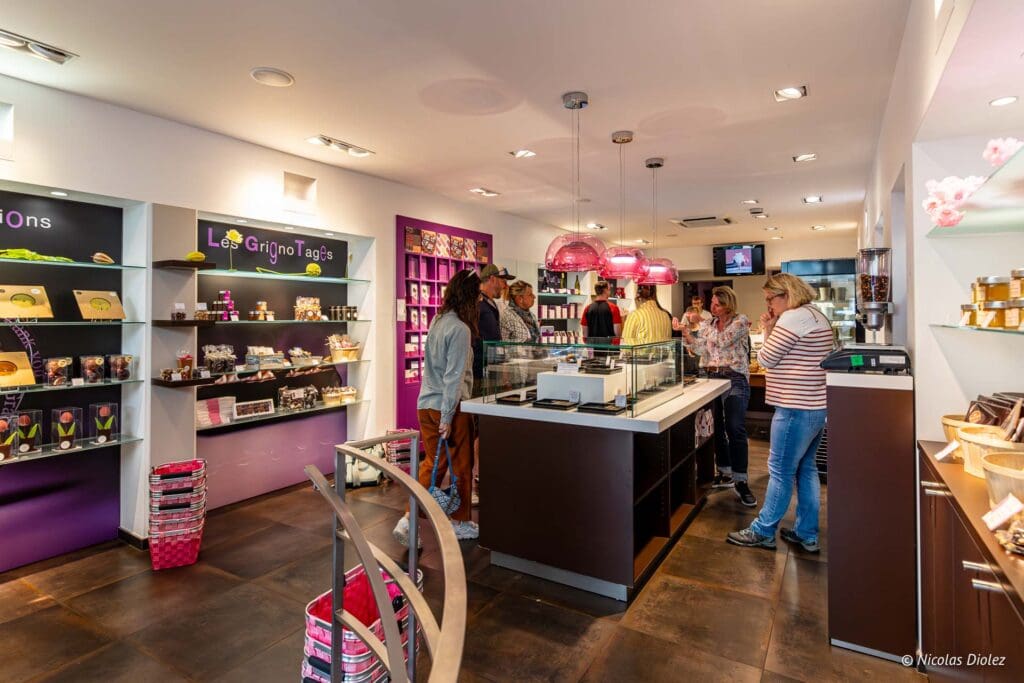
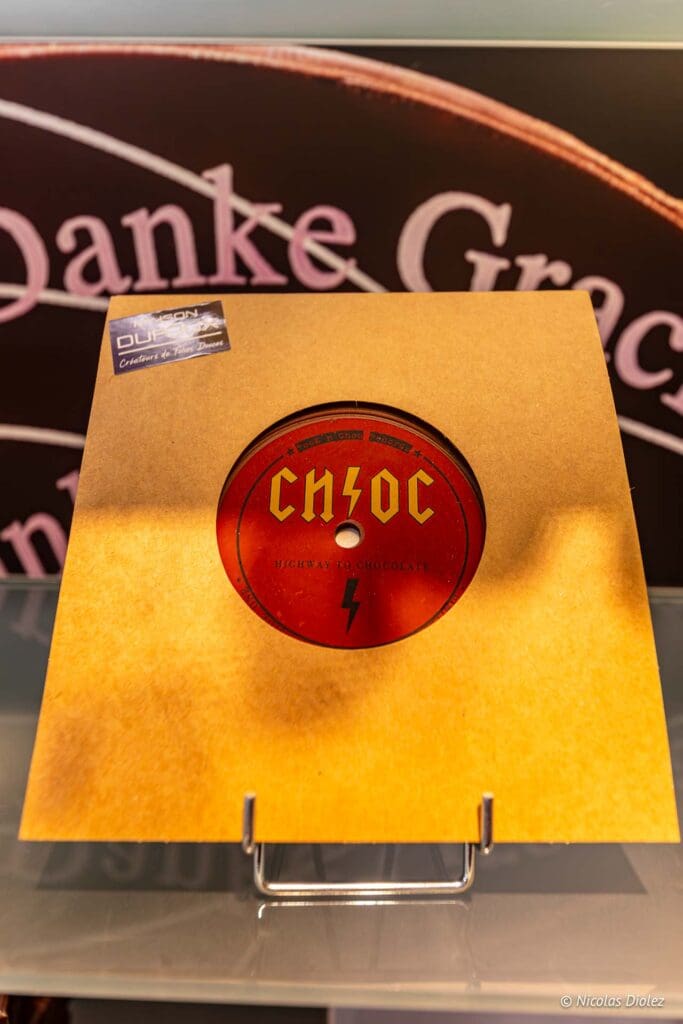
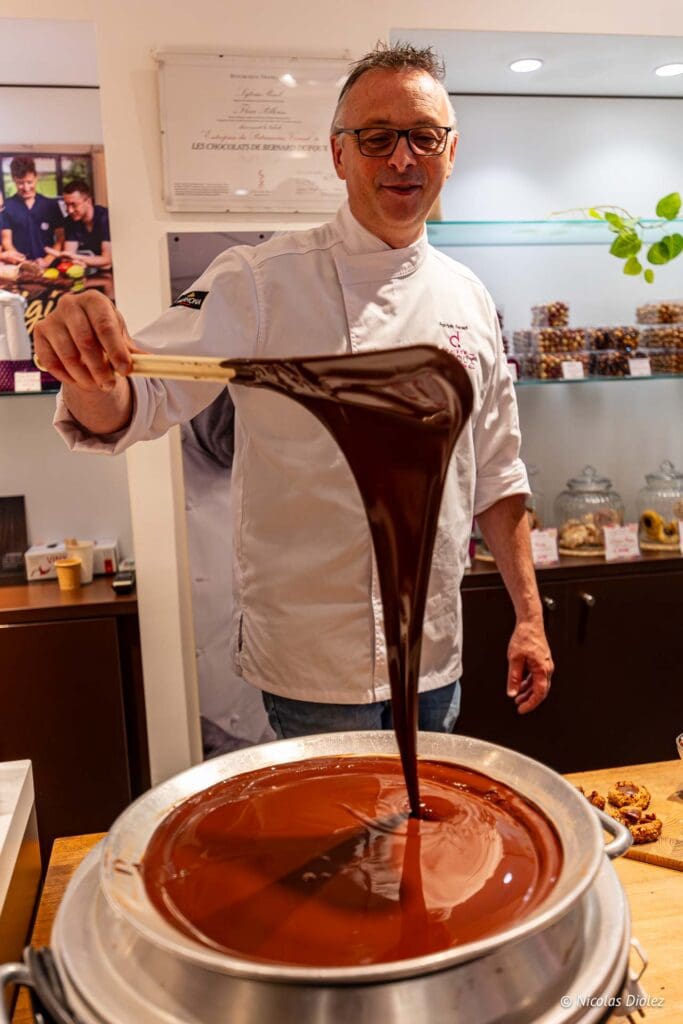
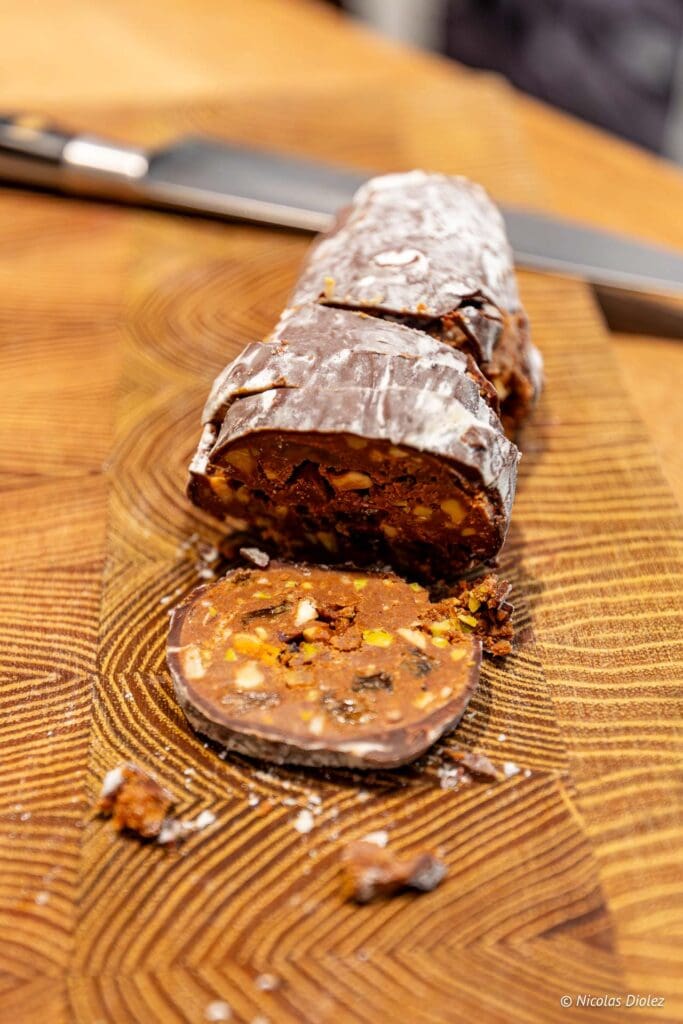

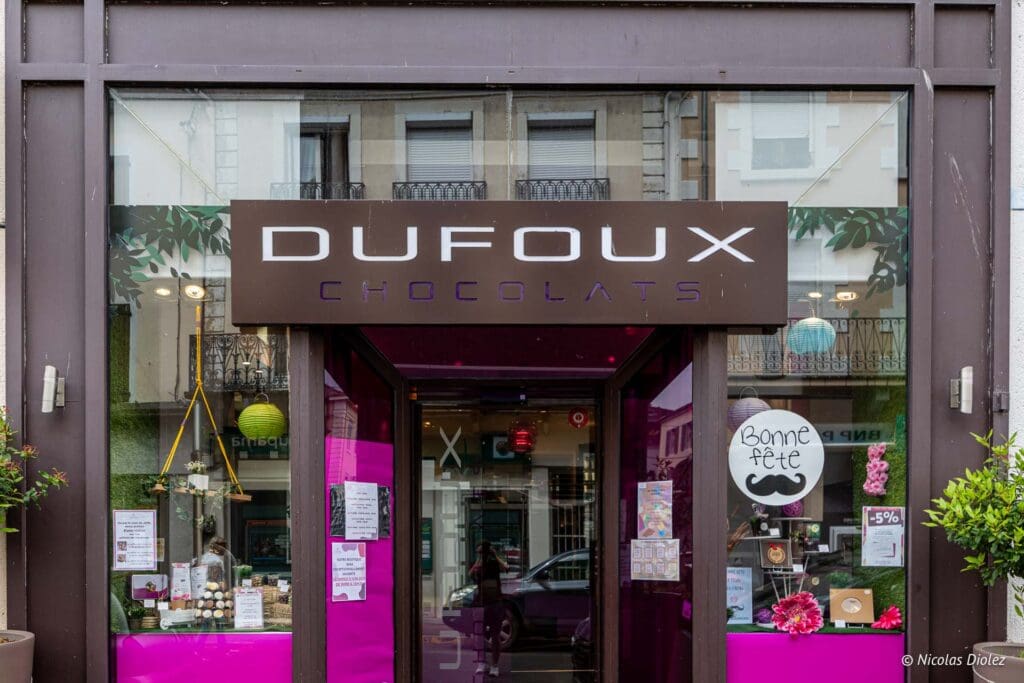
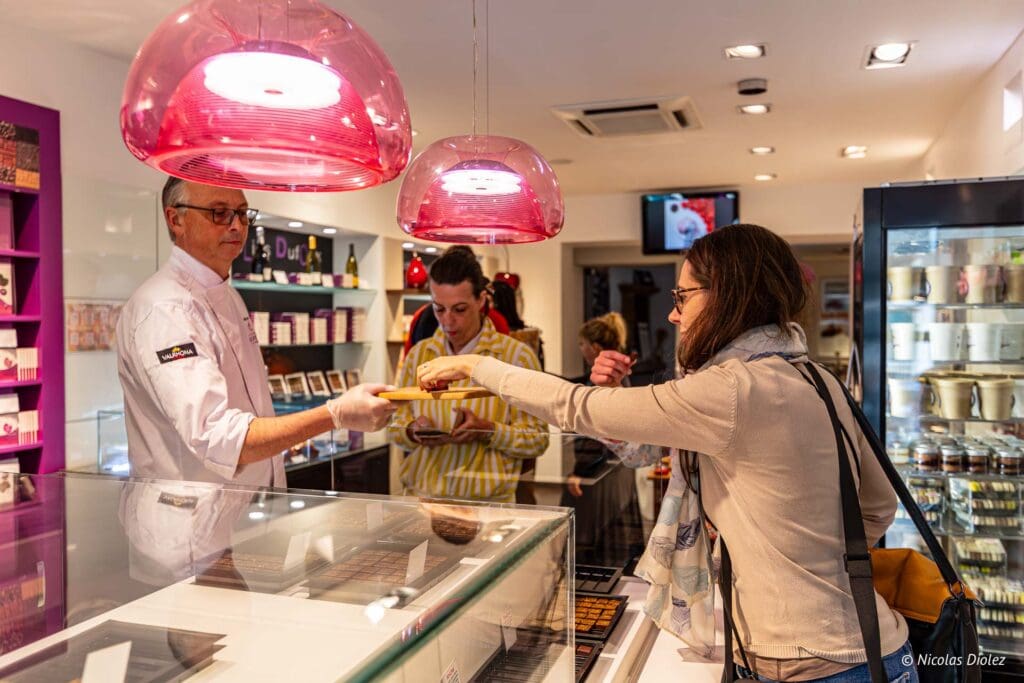
Bernard Dufoux Chocolate Factory
32 rue centrale 71800 La Clayette
_
Where to eat in La Clayette? Restaurant La Clé Toise
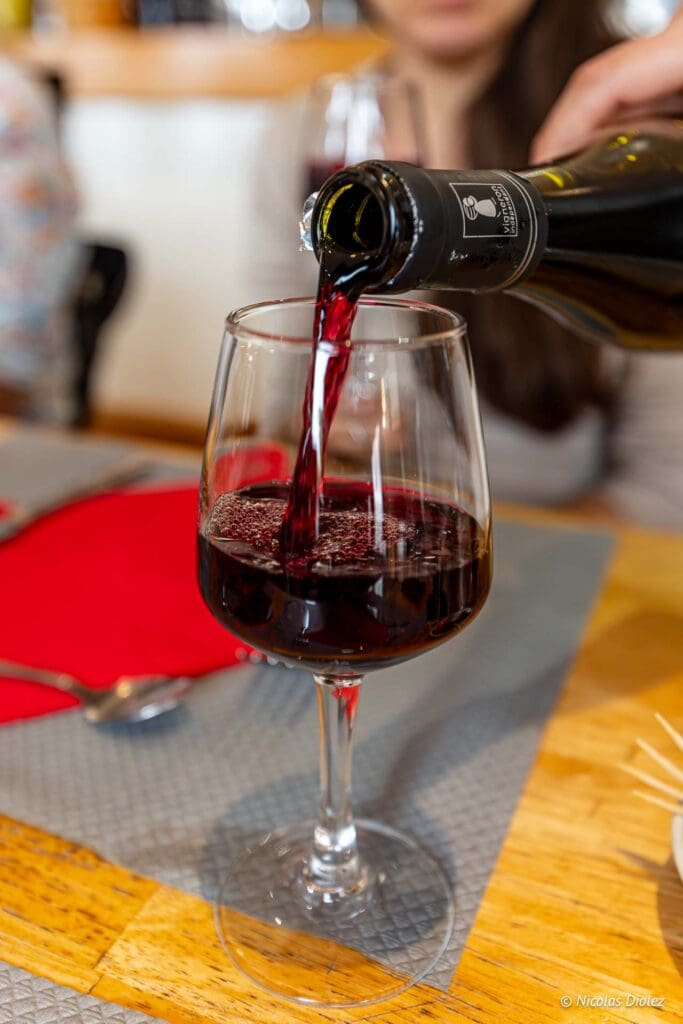
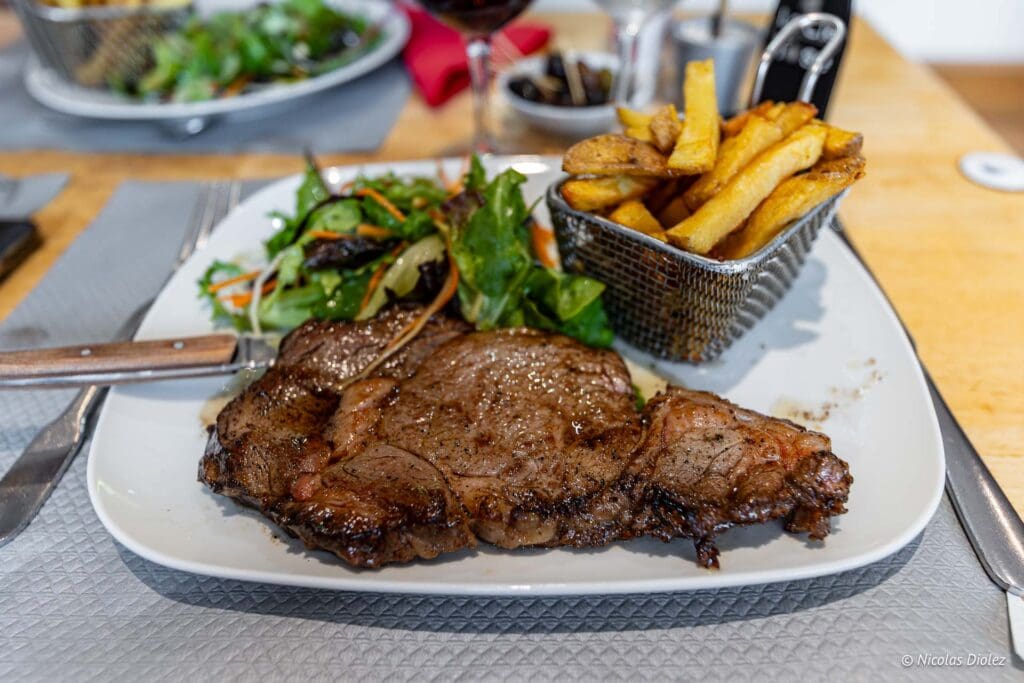
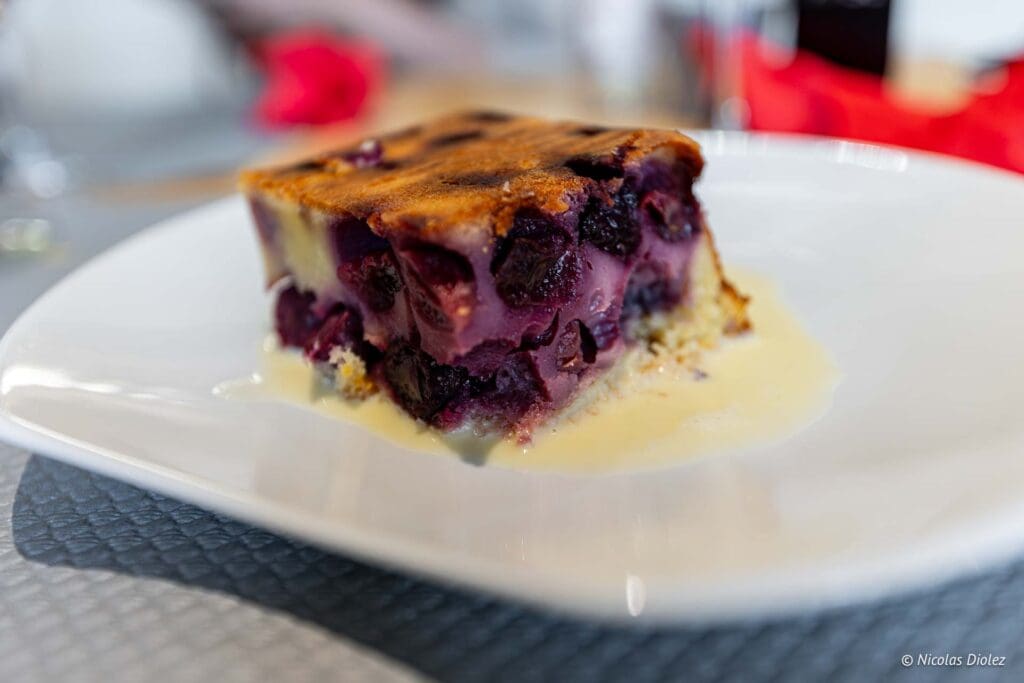
This no-frills restaurant offers simple cuisine but with good products. I particularly recommend having the local specialty: Charolais beef. We tested the Charolais entrecôte with homemade fries (€29) and the Charolais set menu with steak, salad, and fries (€15).
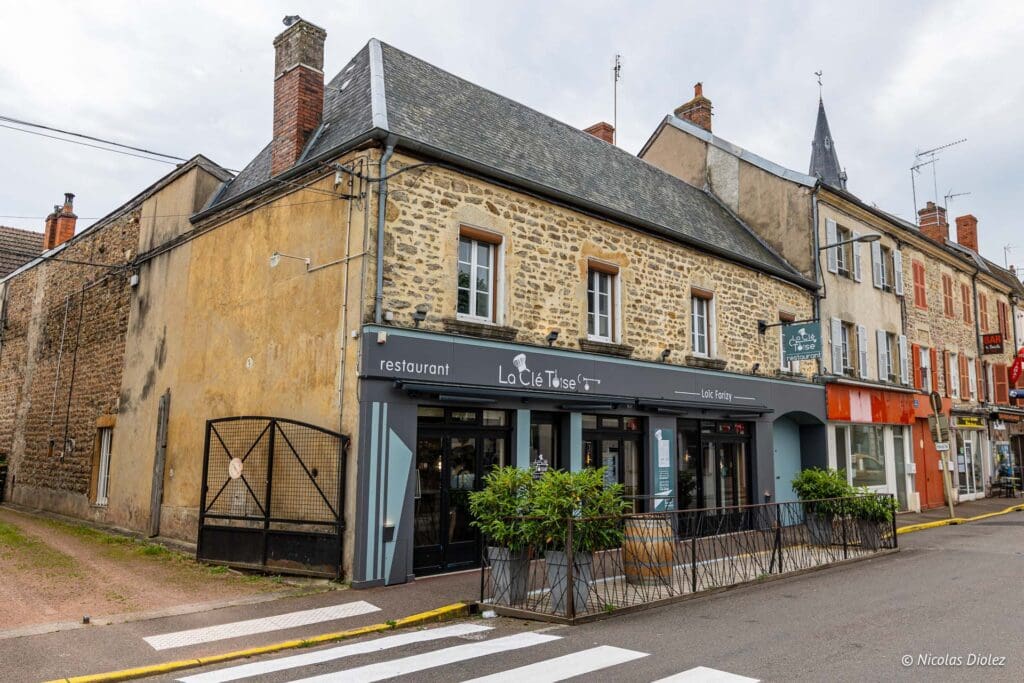
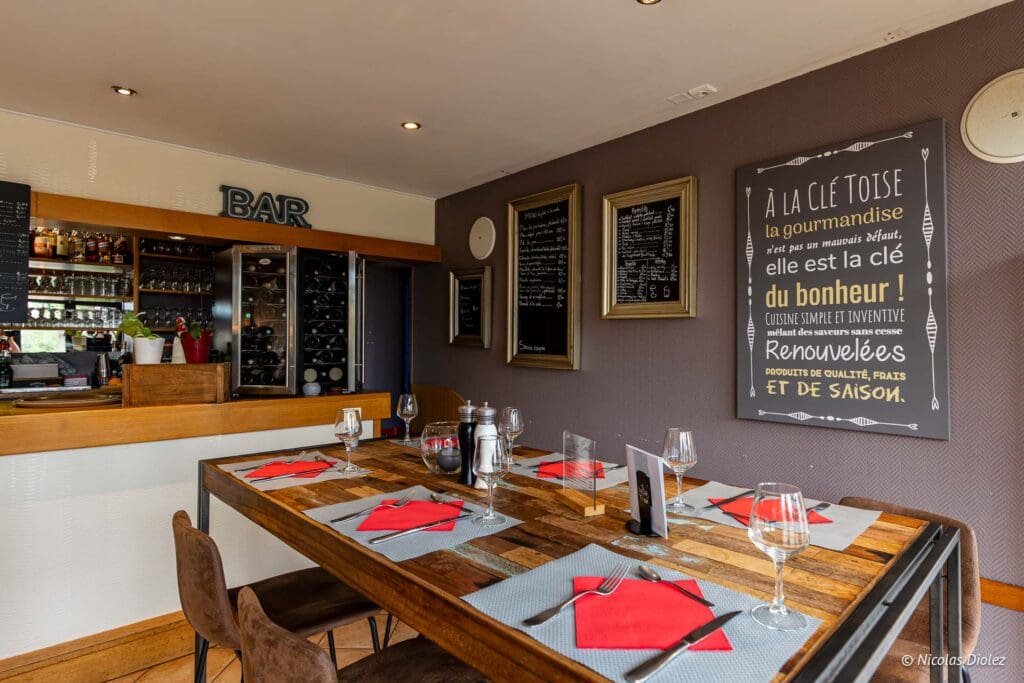
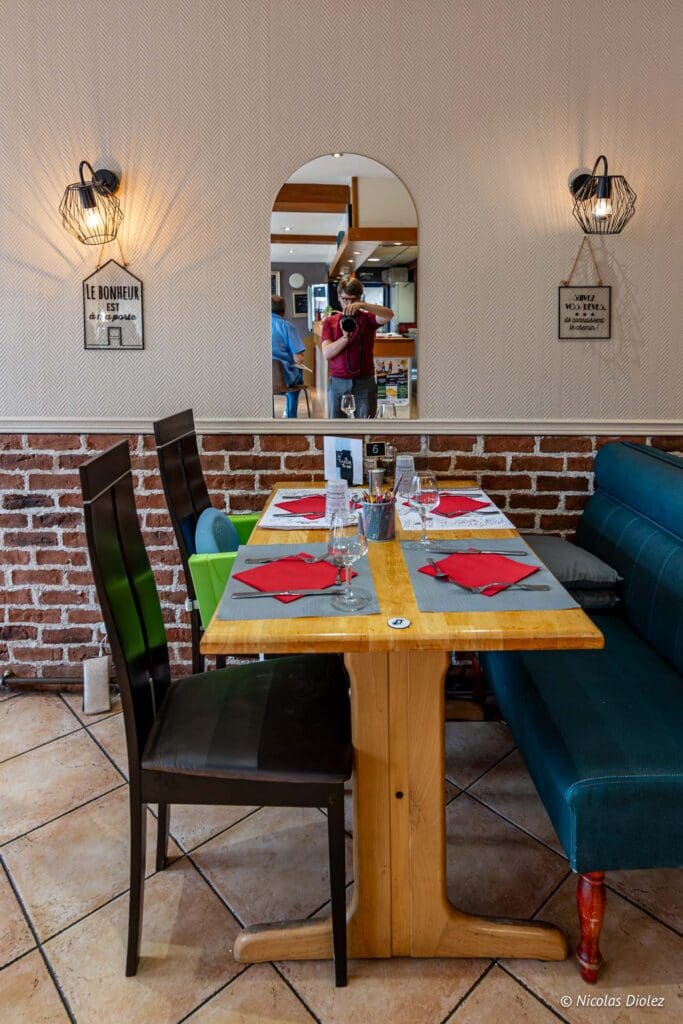

Restaurant La Clé Toise
62 rue centrale 71800 La Clayette
Price: menus at €26 or €35 / dessert à la carte €6 / bottles of local wines
Good deal: daily menu (Monday to Friday lunch, excluding public holidays) starter + main + dessert €14.50
Stage 4: Cluny
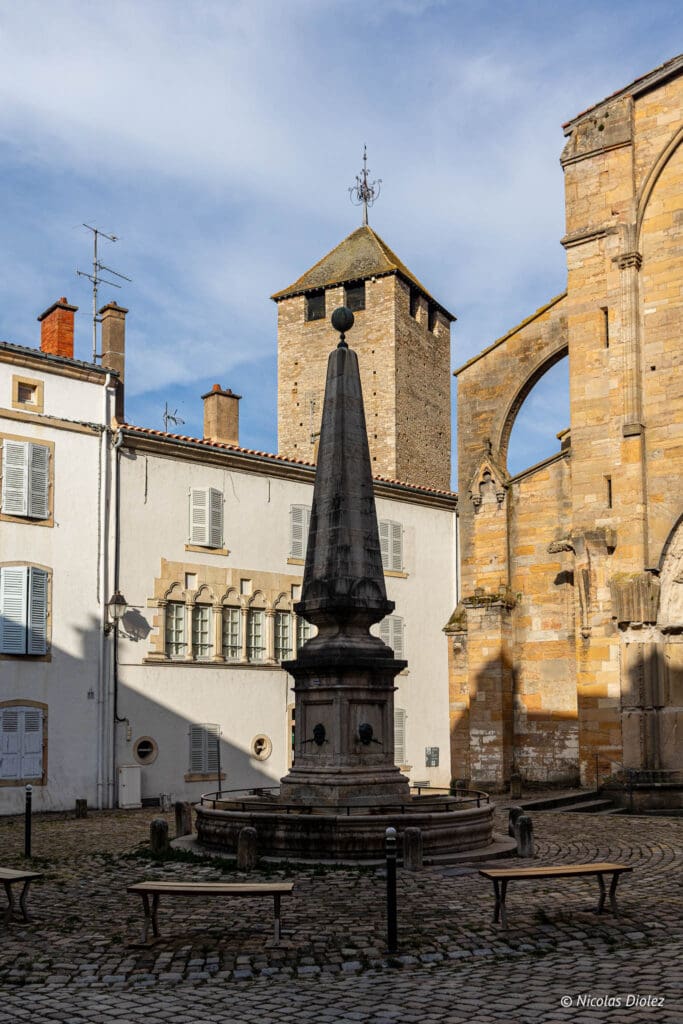
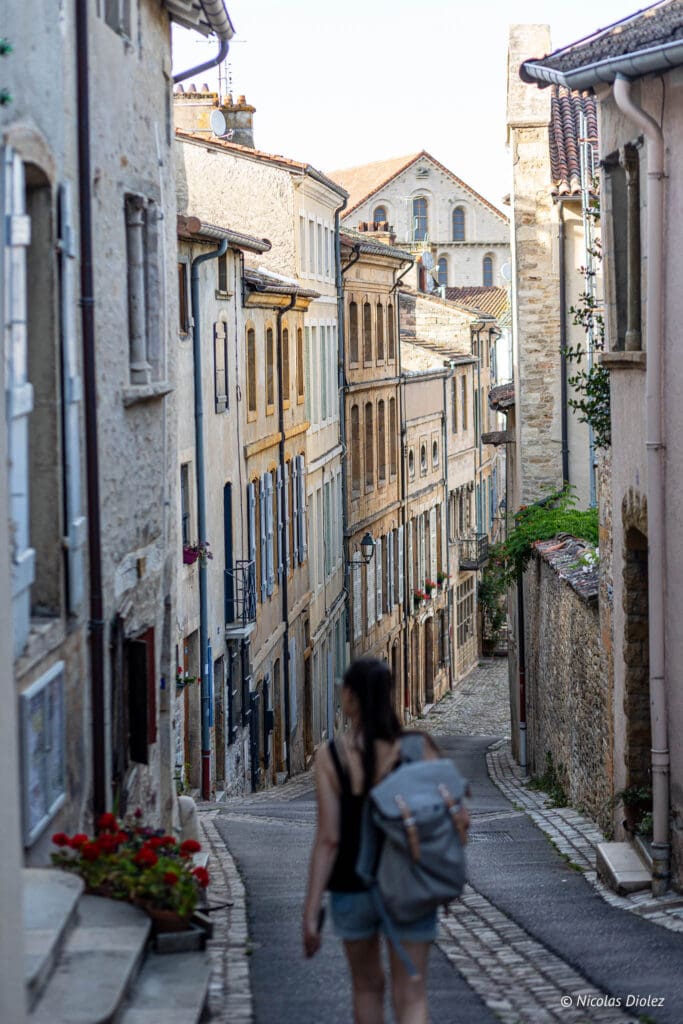
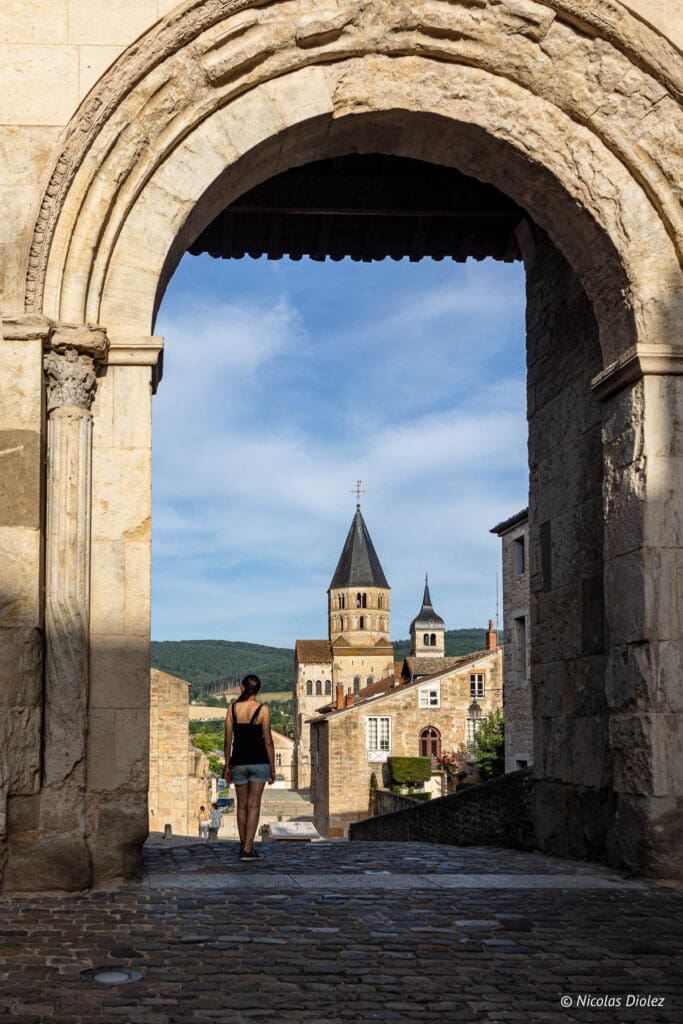
Cluny is located in South Burgundy in the Clunisois territory and is the heart of the network of Cluniac Sites. Indeed, the town developed as a monastic borough around the famous Cluny Abbey. I will talk about the history of this incredible abbey a little later in this 4th stage of our journey.
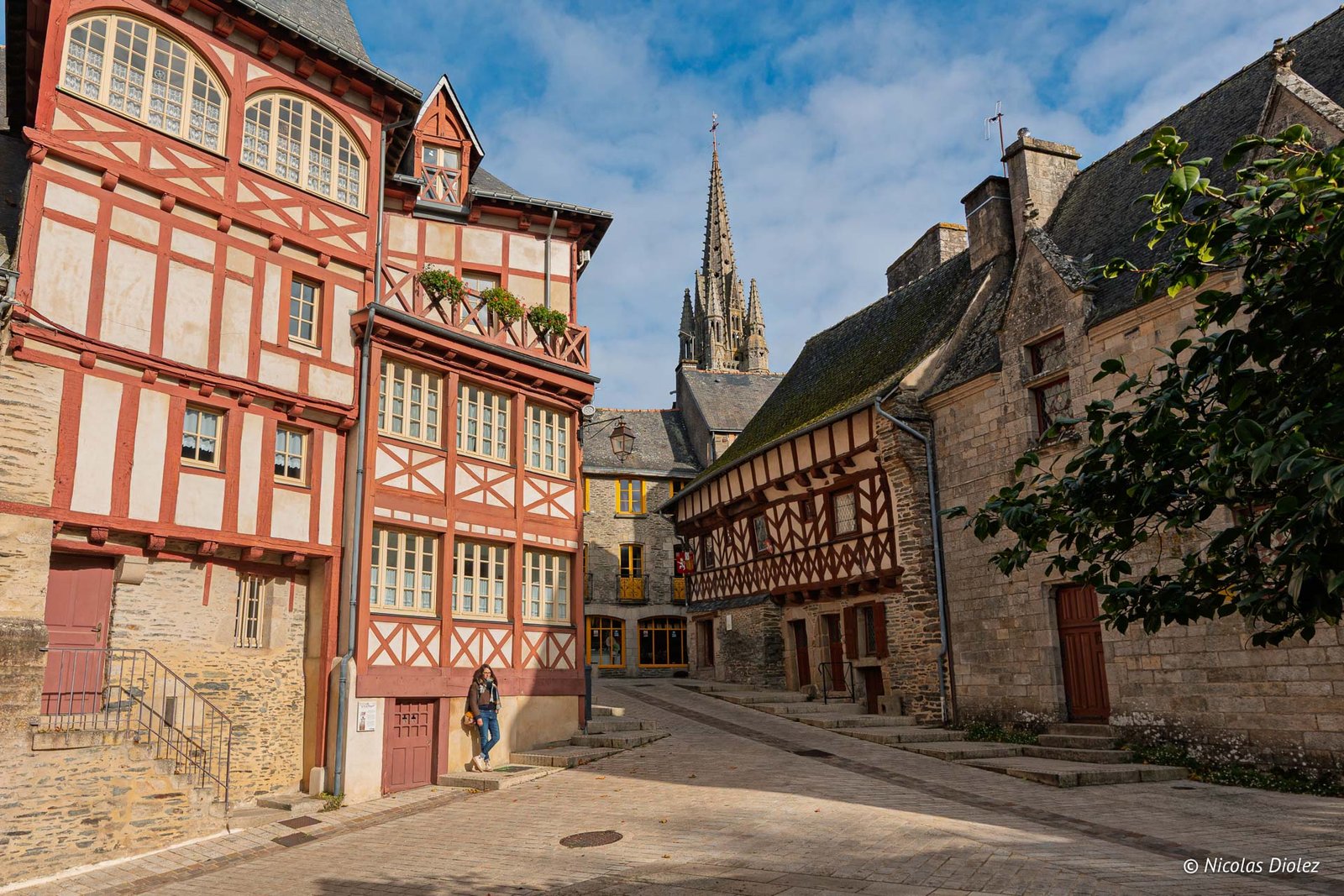
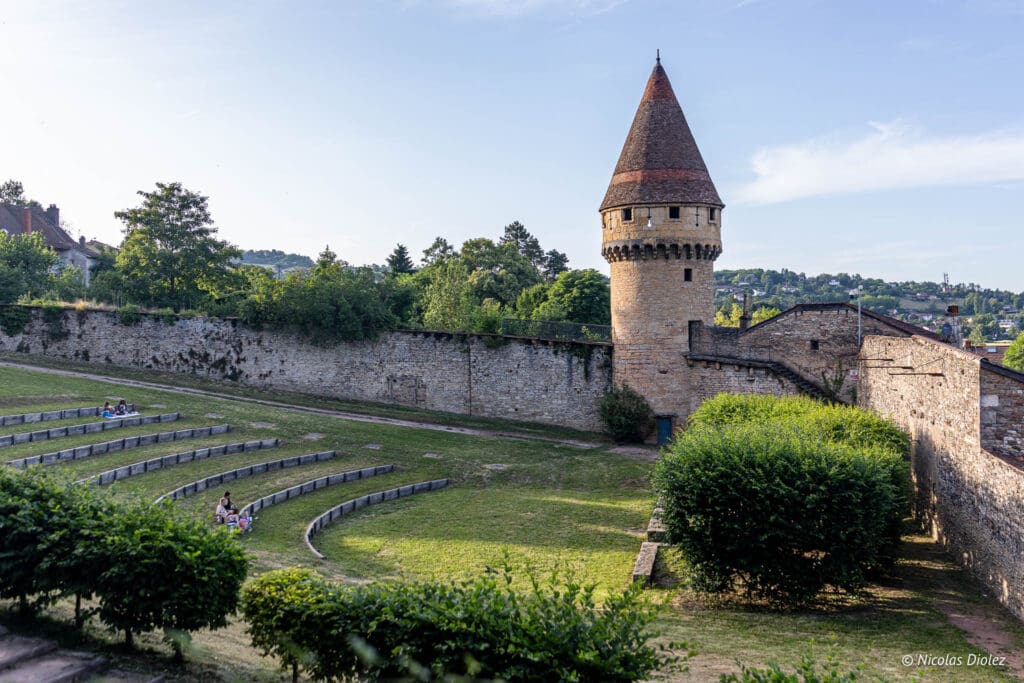
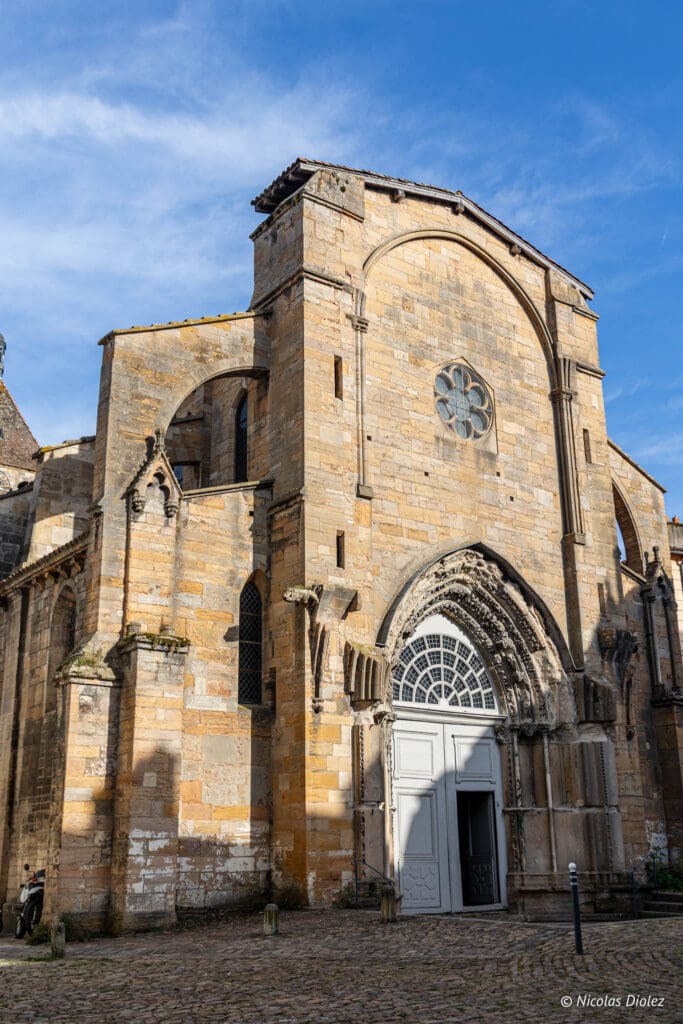
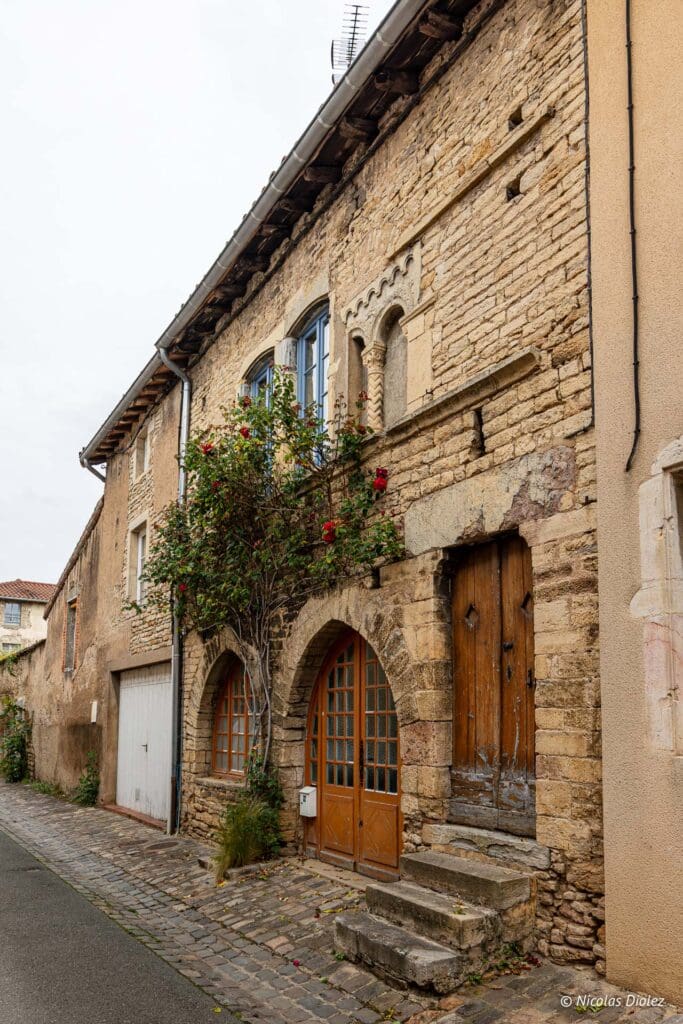
Of course, I recommend strolling through the medieval city of Cluny, as it still retains about 200 examples of medieval houses today, built between the 11th and 14th centuries, about fifty of which still possess all or part of their facade decor. In fact, in the Middle Ages, the town had between 3,000 and 4,000 inhabitants. The location chosen for the construction of the abbey was strategic. It takes place in a remote bottom of the valley, far from the Saône and its overflow risks; the region is rich in raw materials and located at the confluence of two rivers. All conditions were met to allow the development of a major religious center.
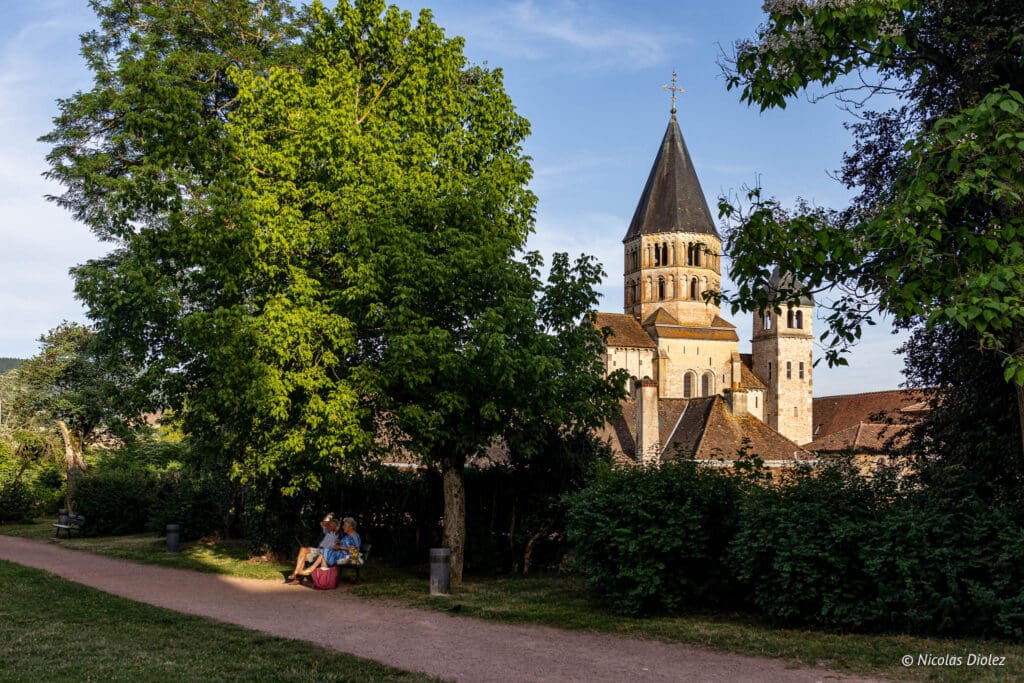
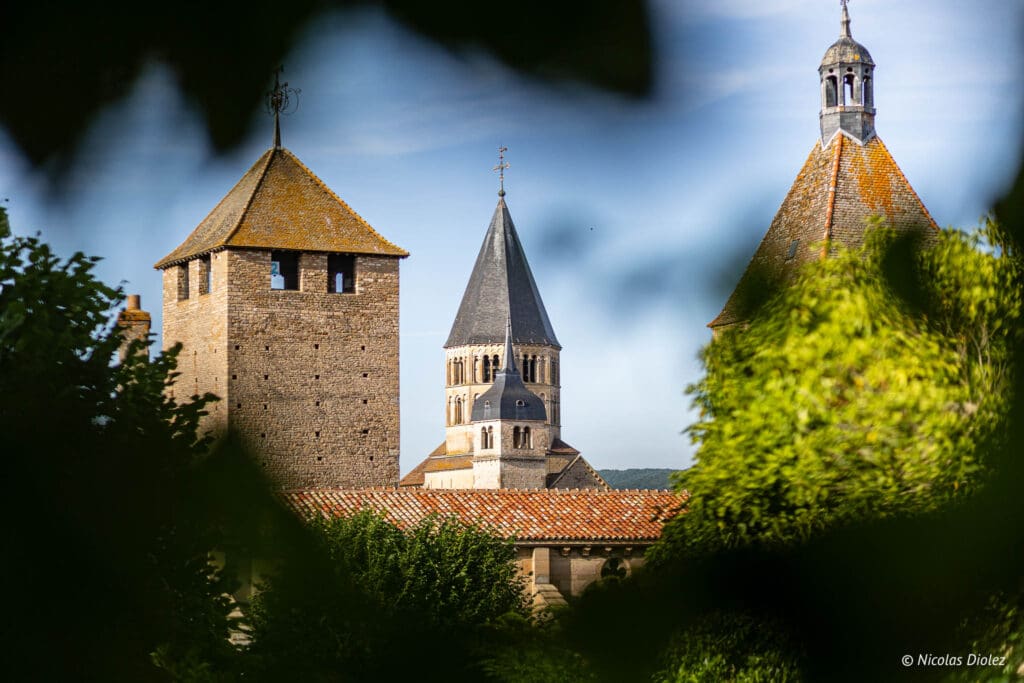
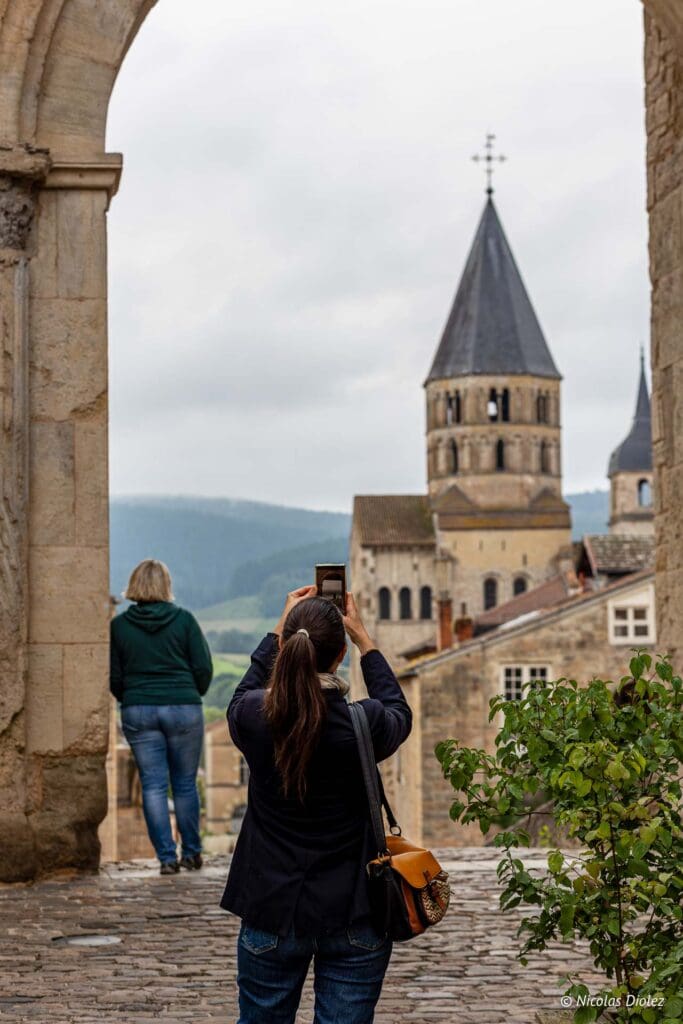
My photo tip: for the most beautiful view of the town of Cluny with the 3 towers, you must stand in the “ruette” (no, that is not a mistake, it is indeed “ruette” and not “ruelle”) Michel Bouillot, behind the light blue barrier.

Cluny Tourist Office
6 rue Mercière 71250 Cluny
_
Visiting the ruins of Cluny Abbey
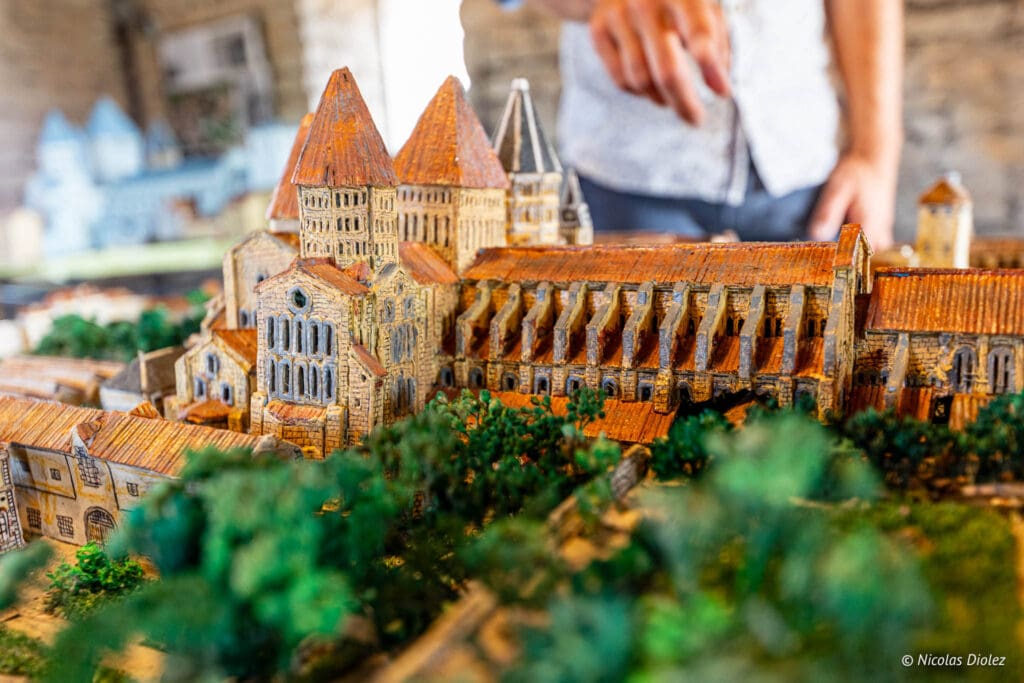
Founded in 909-910 by William the Pious, Duke of Aquitaine and Count of Mâcon in the heart of the Carolingian Empire in Western Francia, it experienced considerable development until the 12th century, notably thanks to abbots like Hugues de Semur, whom I already mentioned a little earlier. Mother house of over 1,000 monasteries, Cluny radiated over Europe and became the seat of the greatest monastic order of the West: the Cluniac order. The Abbot of Cluny depended only on the Pope from its foundation. The abbey’s decline began at the end of the Middle Ages, and power shifted from monastic orders to the lords at that time. Around the middle of the 18th century, a vast project to rebuild the monastery was undertaken, and the medieval buildings were razed and replaced. The French Revolution dissolved monastic orders, the buildings were sold, and the destruction of the abbey continued in the 19th century.
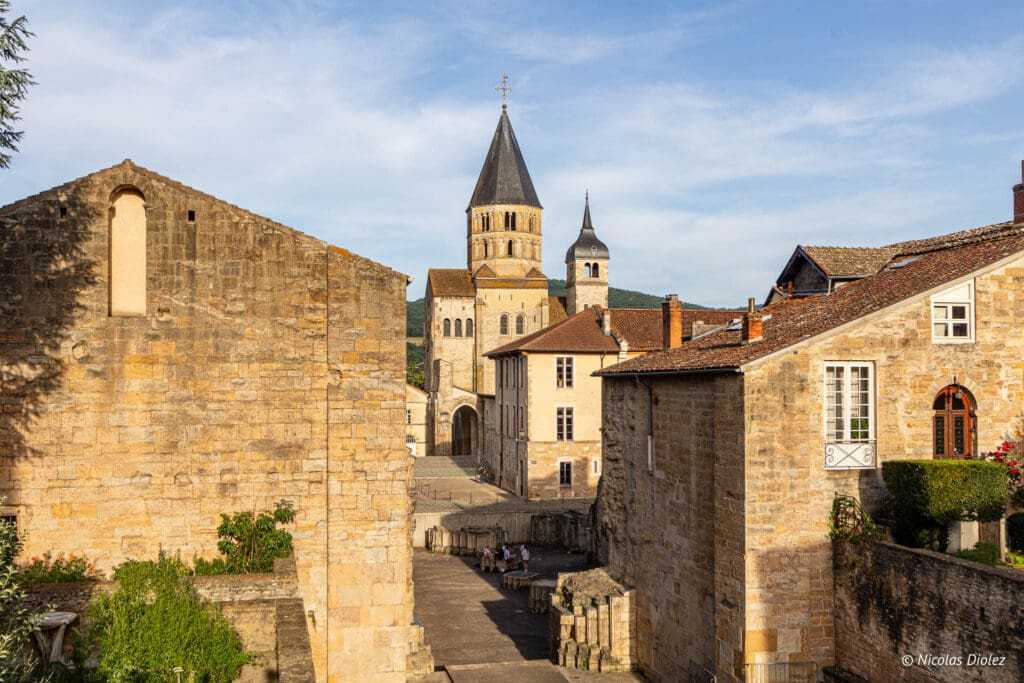
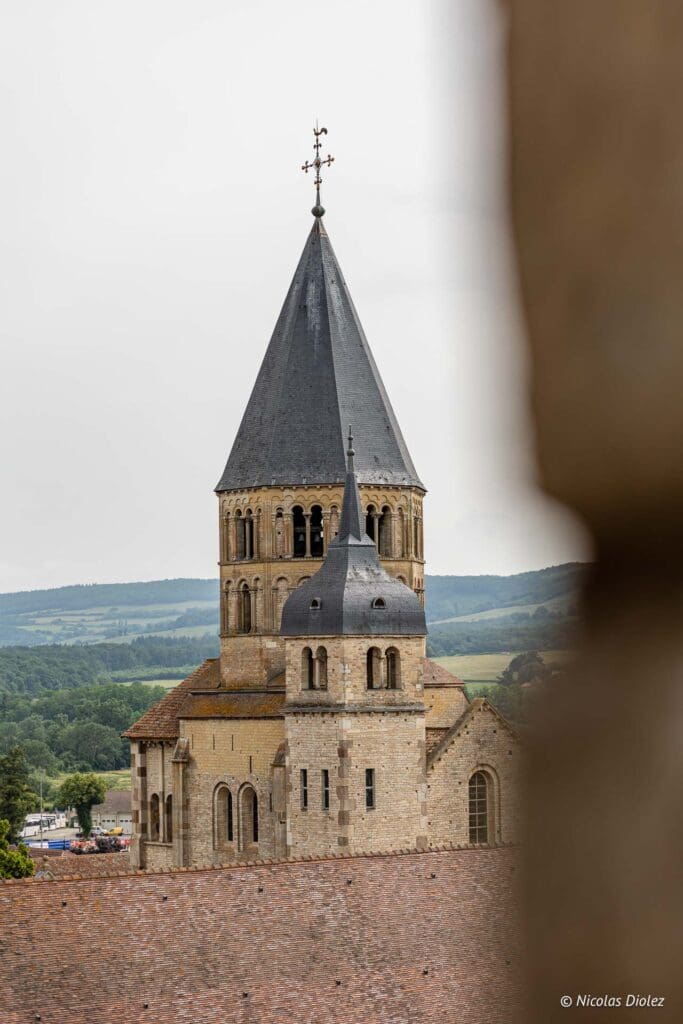
Today it is quite incredible to realize that in the 12th century, the great church of the Cluny Abbey, Cluny III, was the largest in Christendom and would hold that title for 5 centuries, before the construction of St. Peter’s Basilica in Rome. And it is also sad to think that this beautiful achievement has today almost entirely disappeared… However, you can still discover the ruins of this spiritual center, keeping in mind that this is only a tiny part of what was the seat of the greatest medieval monastic order of the West.
Managed today by the Centre des Monuments Nationaux, the ruins of the old Cluny Abbey are currently showcased with the installation of new digital mediation devices on the tour route: a 3D film, projections, augmented reality stations… All this to try to convey the complexity of this millennial site. You can discover the museum of art and archeology, as well as the ruins of Cluny III in the Gélase Palace (combined tickets available). Part of the ruins is also freely and openly accessible from the outside. A ground marking allows you to imagine the vast volumes of the abbey at its peak.

_
Visiting the Museum of Art and Archeology of Cluny
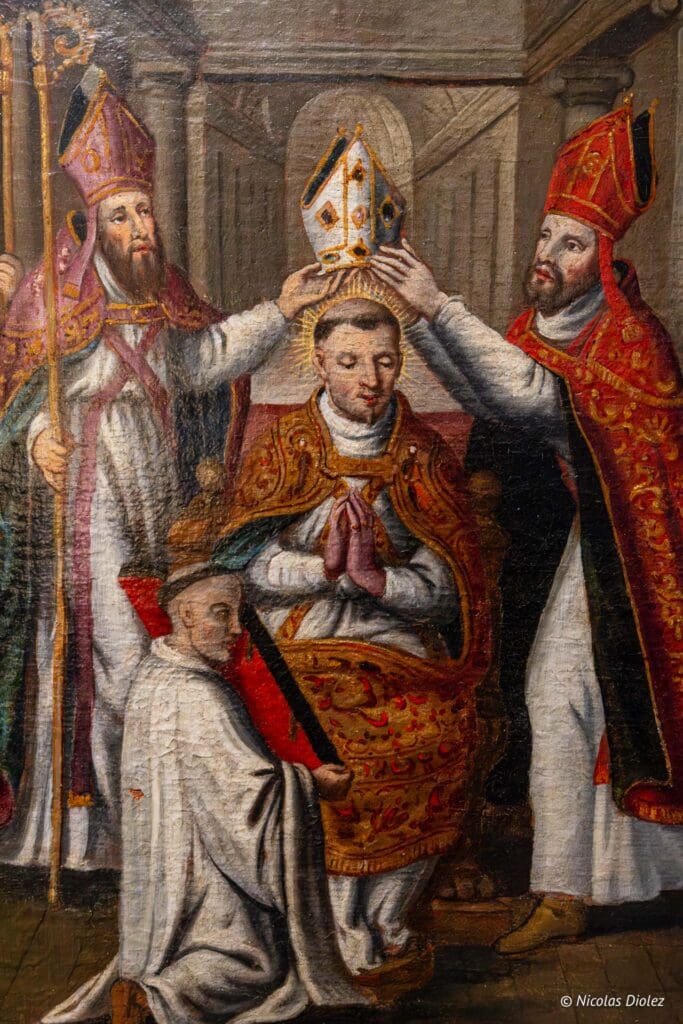
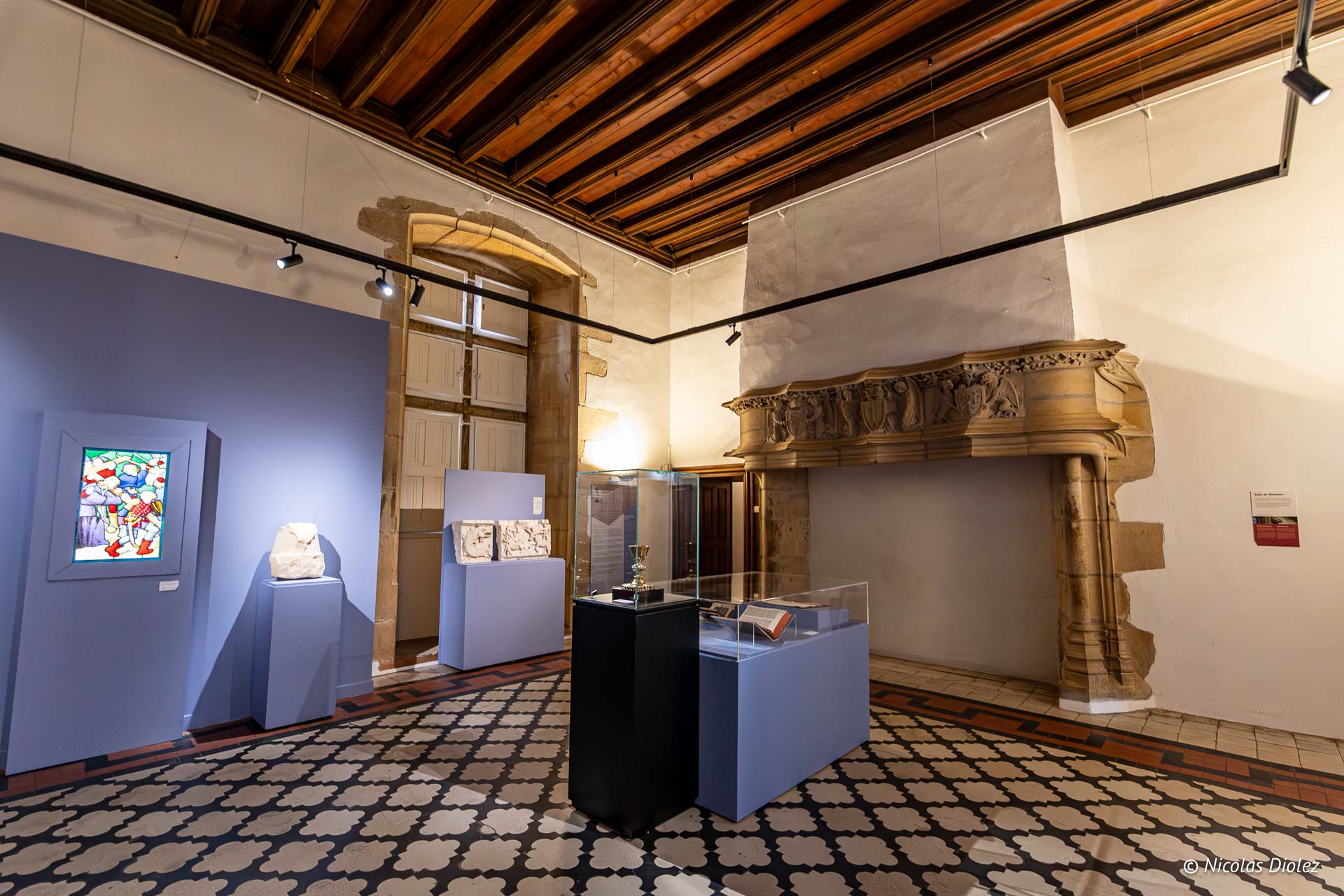
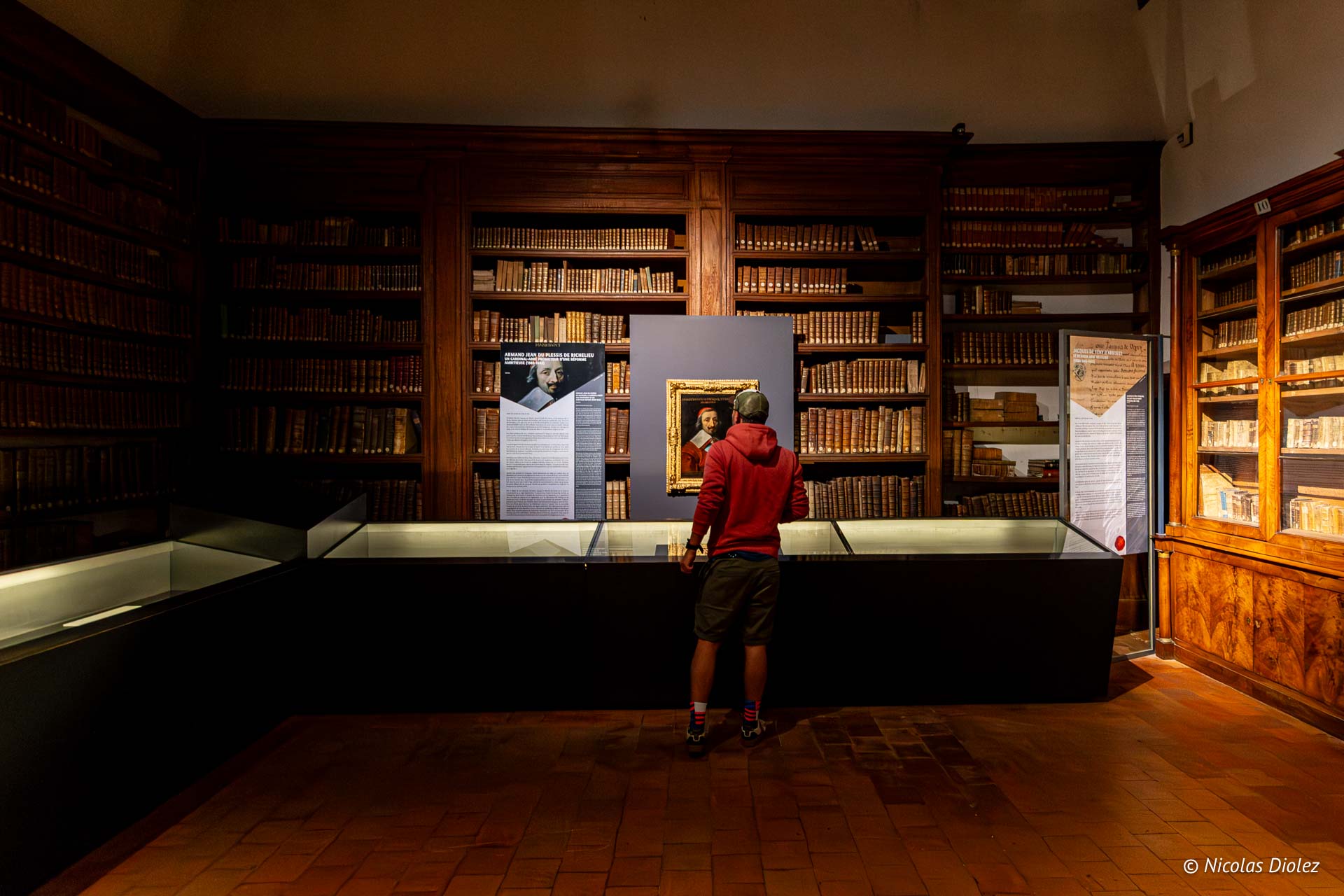
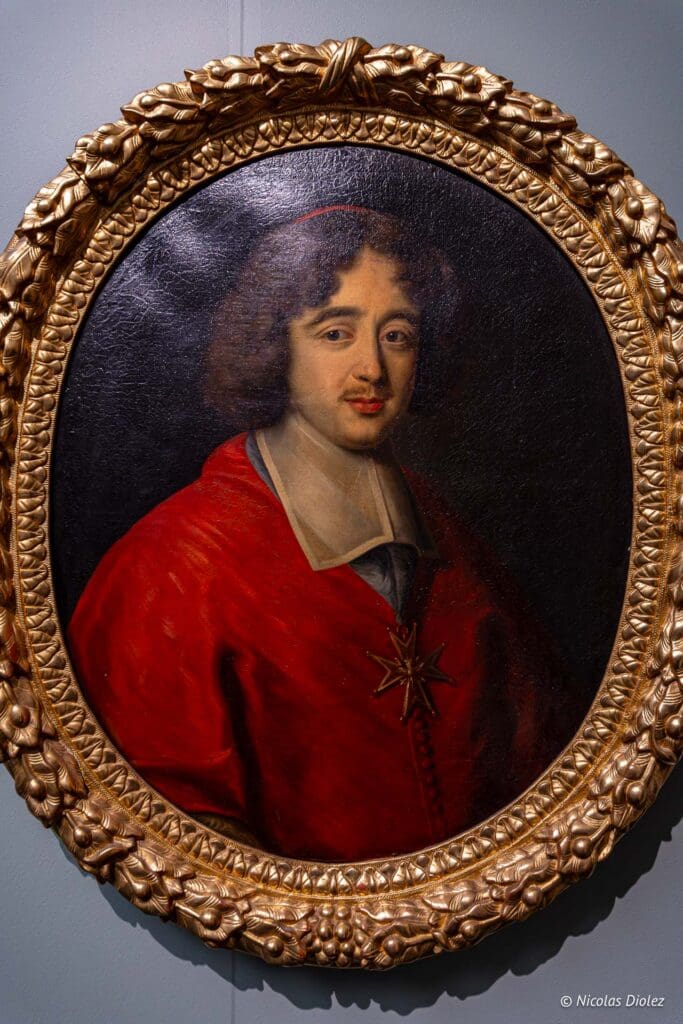
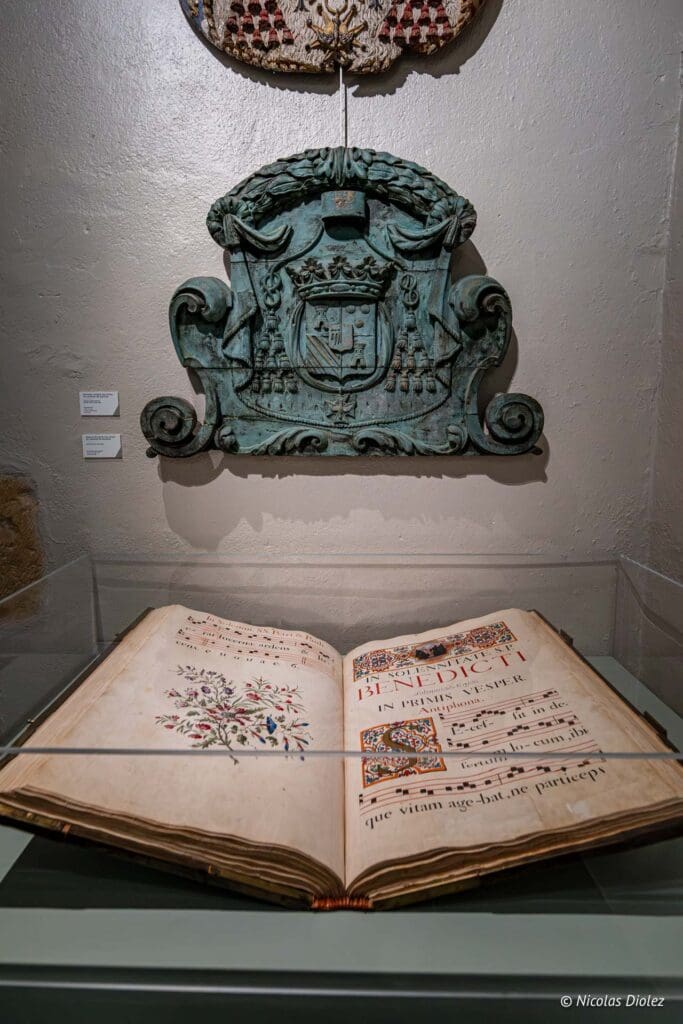
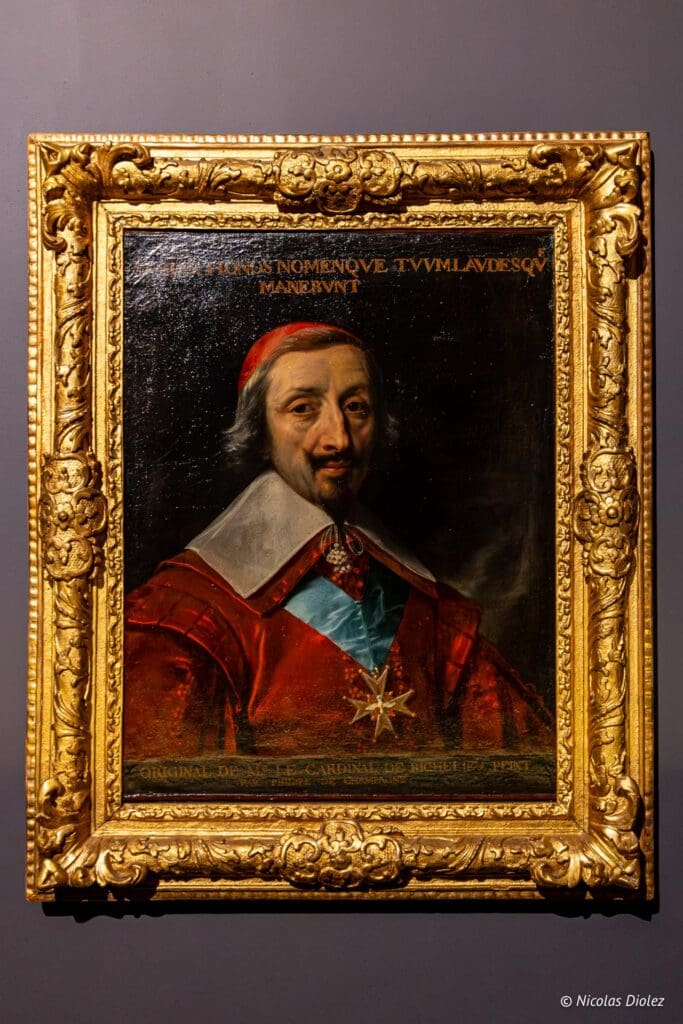
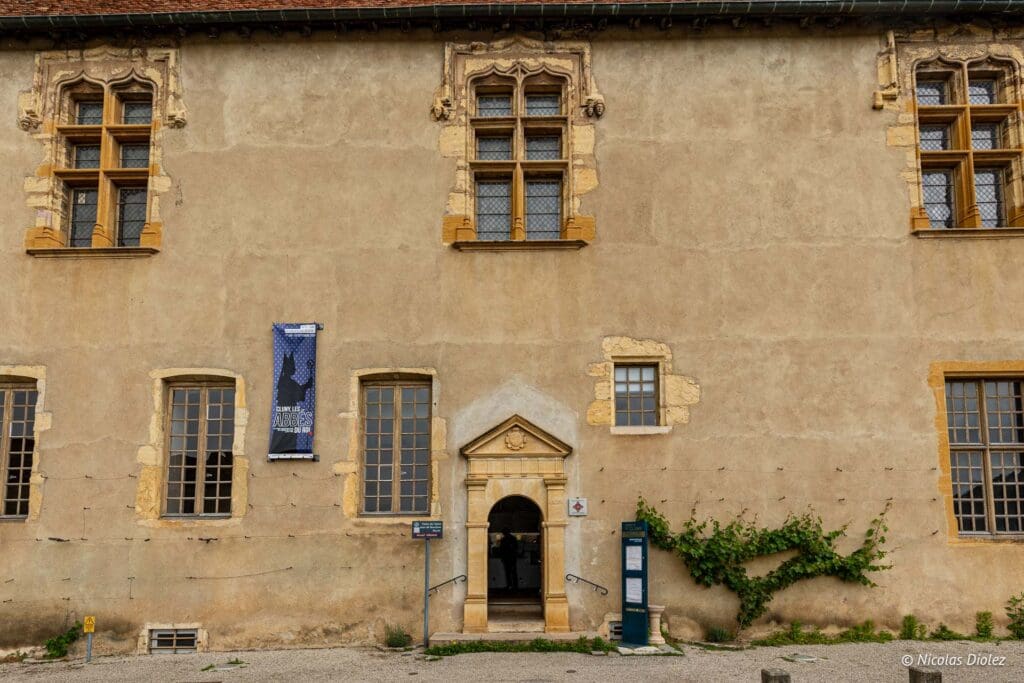
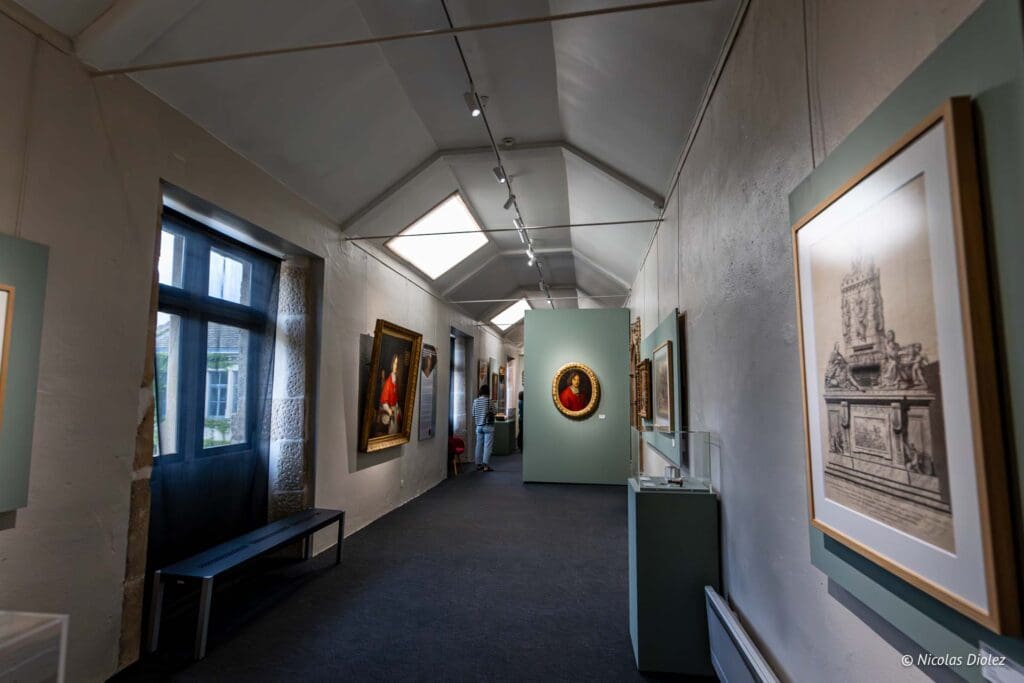
This municipal museum is housed in the palace of the 42nd abbot of Cluny, Abbot Jean de Bourbon. You can discover lapidary remains of the abbey and the sculpted decors that adorned the great 12th-century abbey church, but also an archeology room, a fine arts room, an ancient library housing a collection of 4,000 volumes (including works from the abbey), the funerary chapel of Jean de Bourbon, as well as temporary exhibitions. The 2017 discovery of an important monetary treasure with 2,500 silver coins, as well as a signet ring, are also exhibited there. During our visit in June 2024, we were able to discover a temporary exhibition “Cluny, the abbots of the king from the 15th to the 18th century,” presented until the end of September 2024.



_
Visiting Cluny Abbey and the Gélase Palace
The Palace of Pope Gélase was a palace and today houses a museum. It allows you to discover the impressive ruins of the great abbey. After a section offering digital devices presenting the building, you visit the large transept and the Holy Water bell tower, which are the only parts of the great 12th-century abbey church still preserved in elevation. This space full of light and this height of nearly 30 meters allow one to imagine the gigantic nature of the construction. You can also enter some lateral chapels that are also preserved in elevation.
Cluny Museum of Art and Archeology
Palais Jean de Bourbon, Parc abbatial, 71250 Cluny
Cluny Abbey / Pope Gélase Palace
Place du 11 août 1944 71250 Cluny
Rates: abbey + museum ticket €11
_
Visiting the Cheese Tower
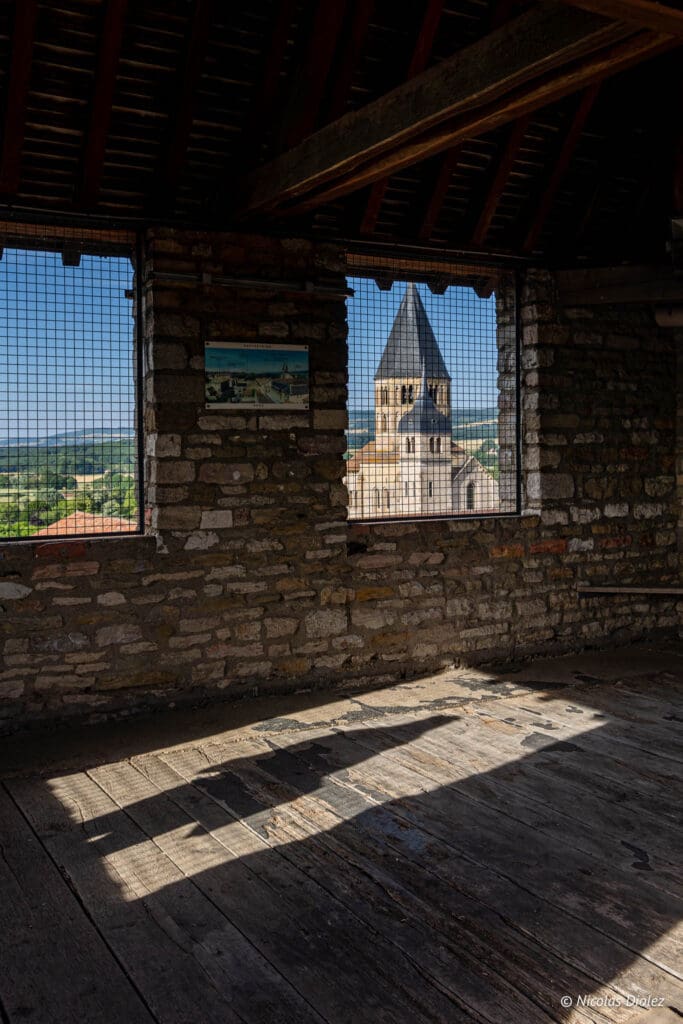
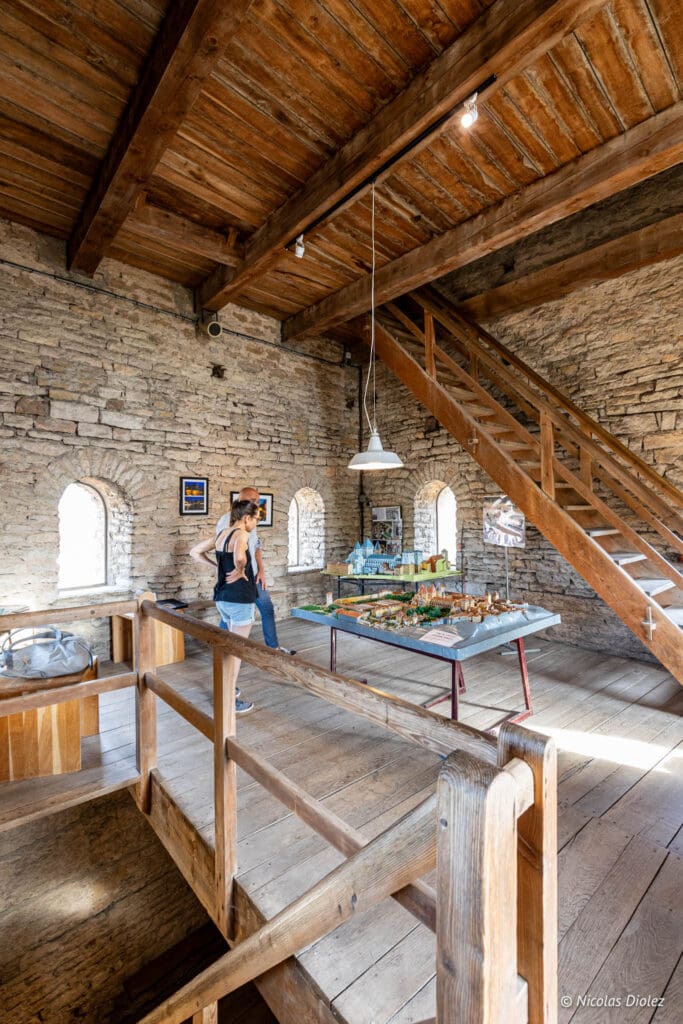
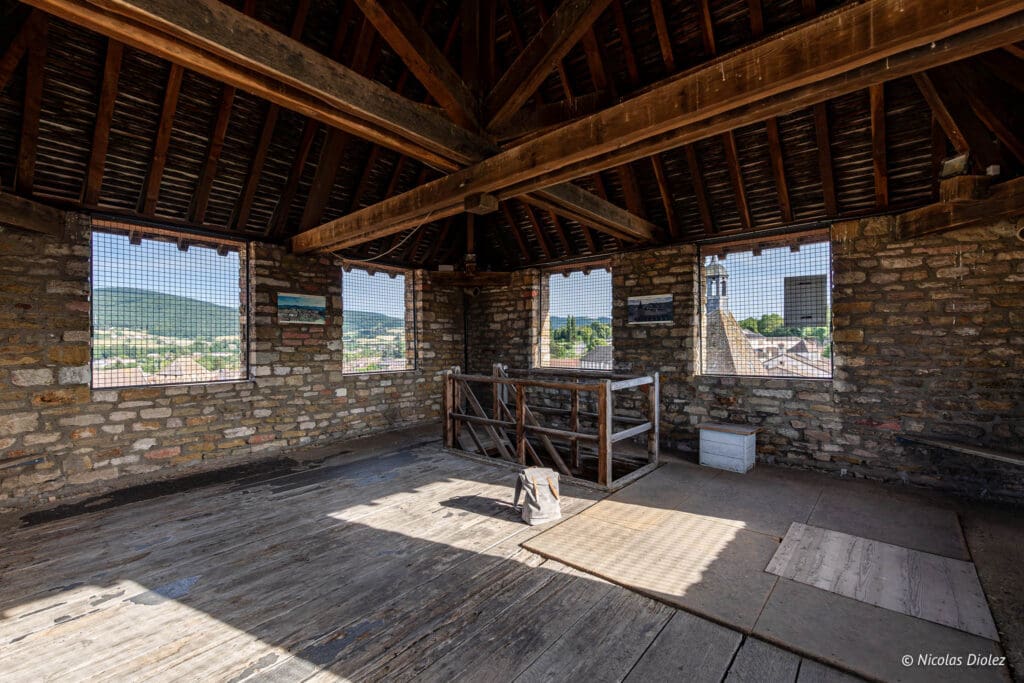
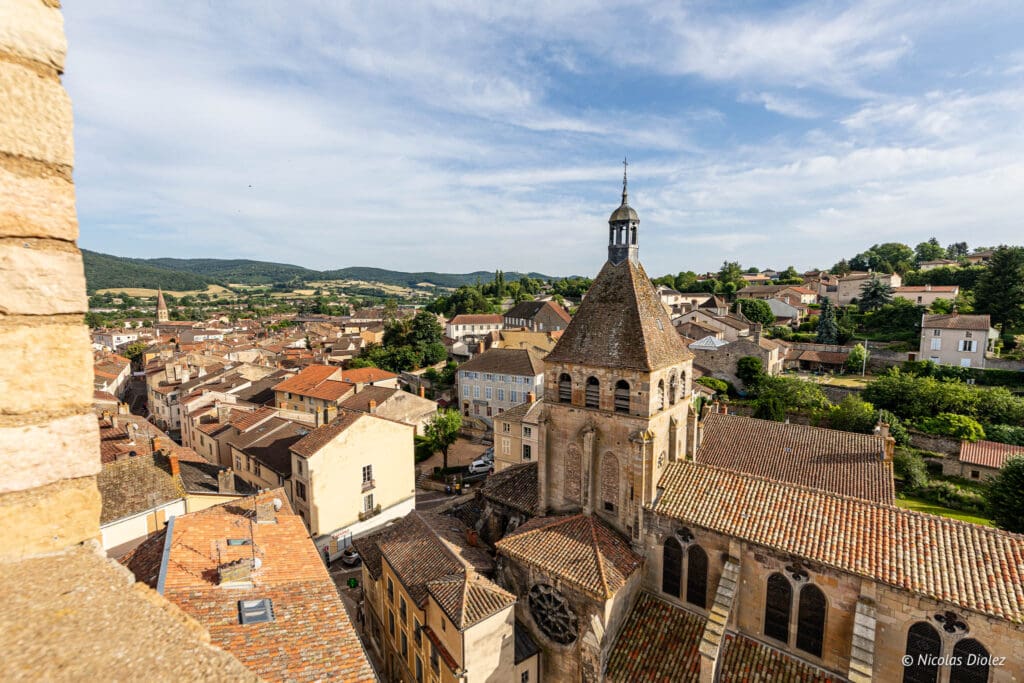
This building is one of the abbey’s ceremonial towers, which allowed the abbot to show his power. It is located in the Notre-Dame neighborhood, which was the neighborhood of merchants and burghers. It was Abbot Odilon (the 5th Abbot of Cluny) who granted the right to build around the abbey. Construction of the tower is estimated between 950 and 1000 AD. Inside, the tower is almost empty in its lower part, as it was the place where food supplies were stored (this is also where its name comes from, starting in the 13th century). Once at the top of the tower, you will have a magnificent panoramic view of the City-Abbey. You discover a landscape that is both urban and rural, with its medieval houses and the surrounding nature.

Cheese Tower
6 rue Mercière 71250 Cluny (entrance through the tourist office)
Visit rates: €2.80 / children 6-26 years €1.50 (possibility of a combined ticket with the abbey tour)
_
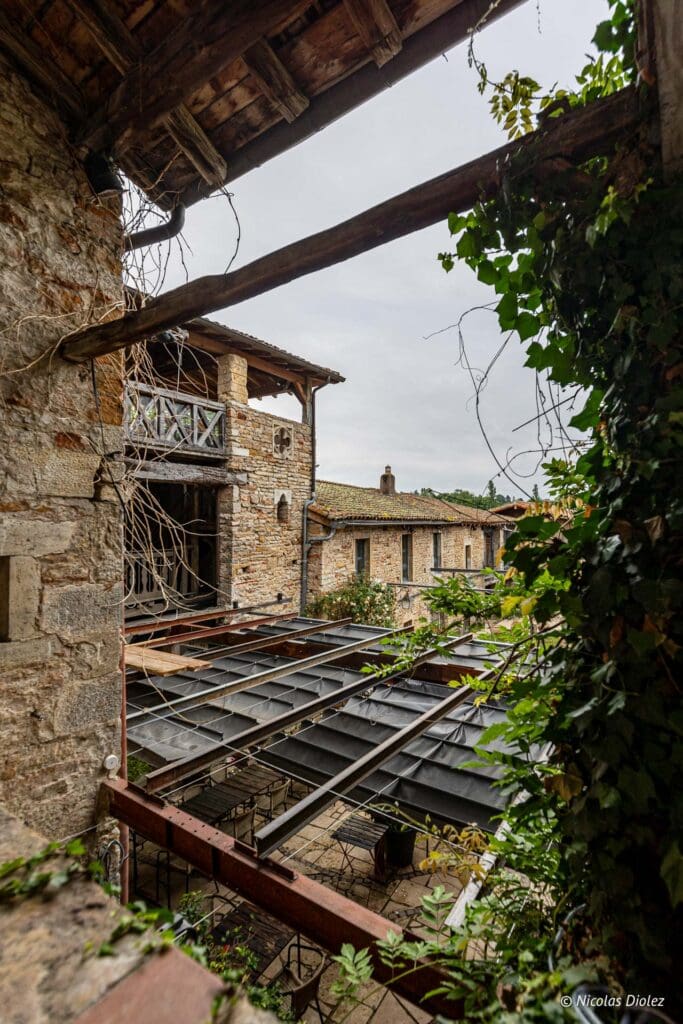
Where to stay in Cluny? Art’hôtel & spa Le Potin Gourmand
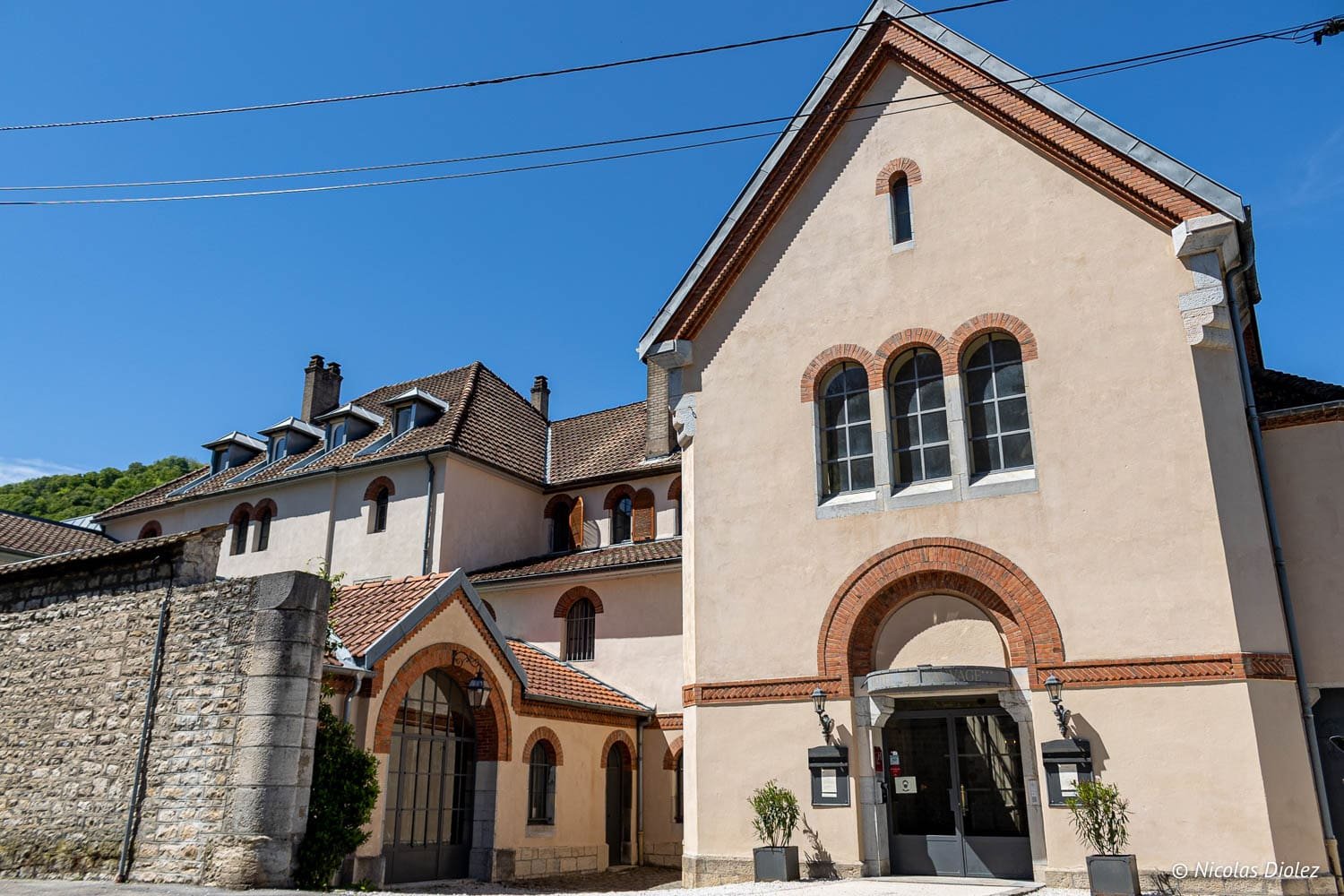
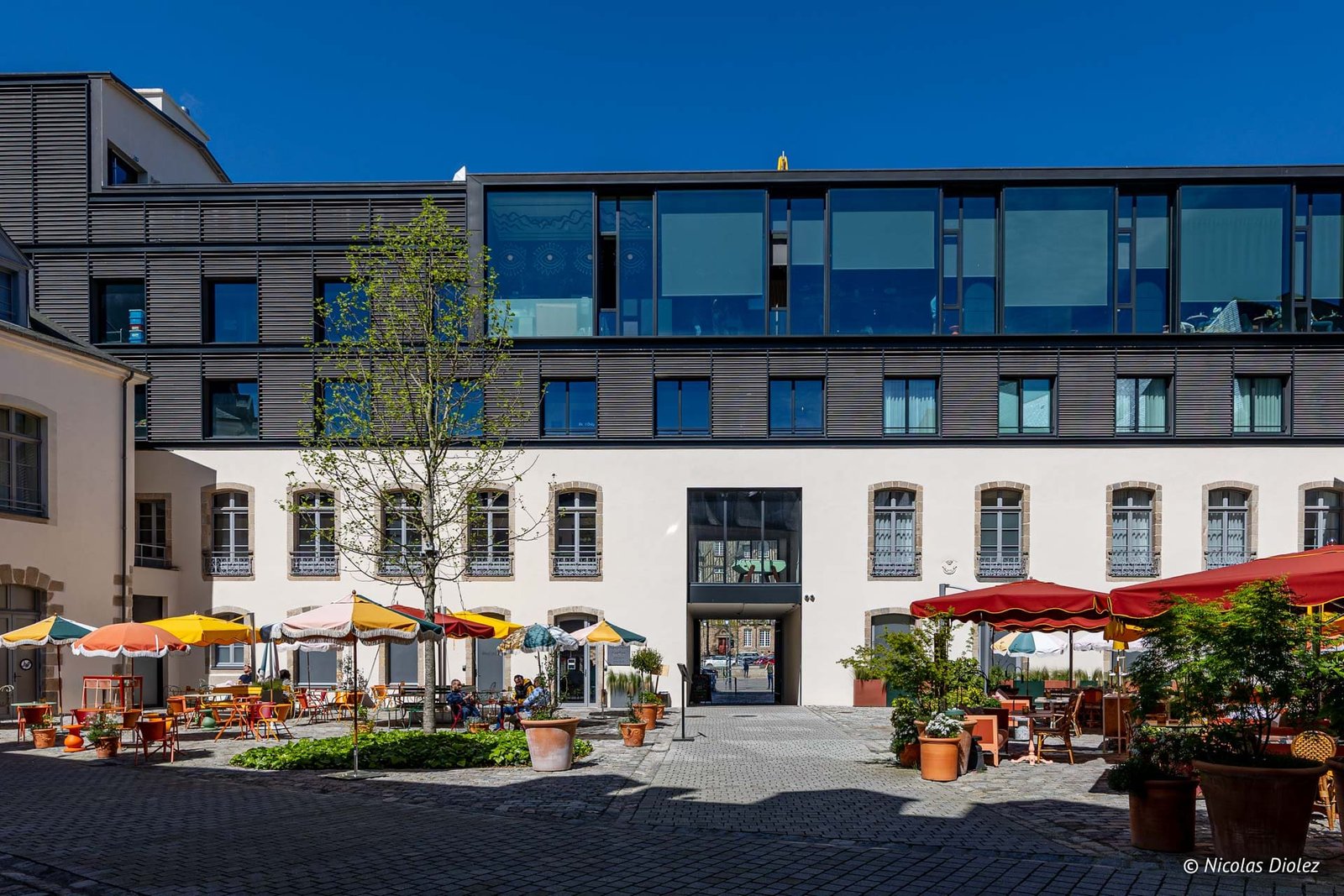
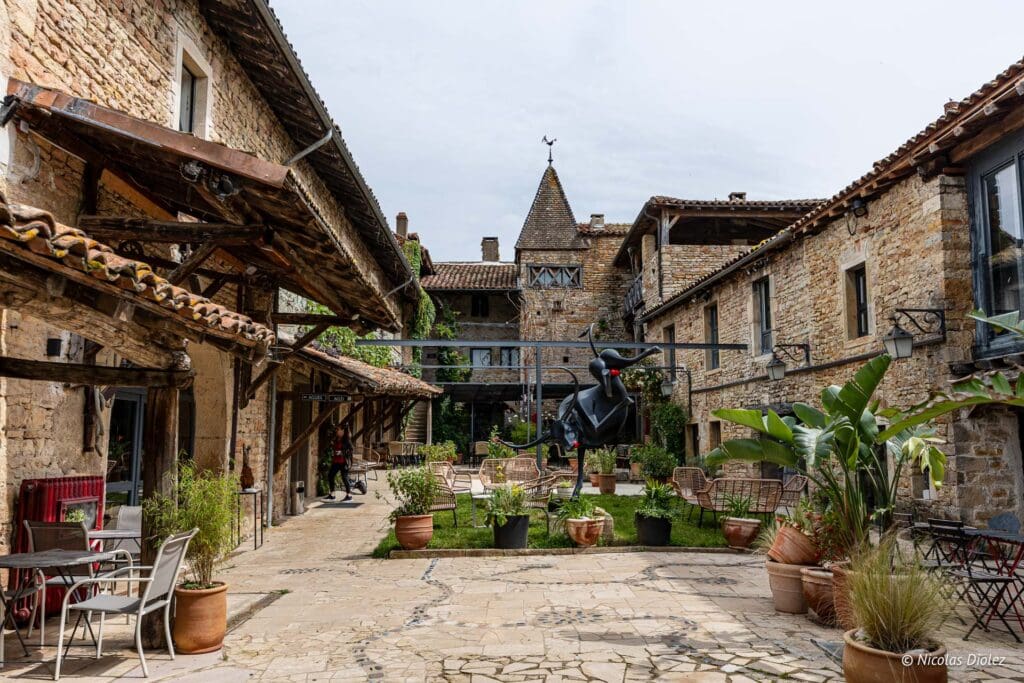
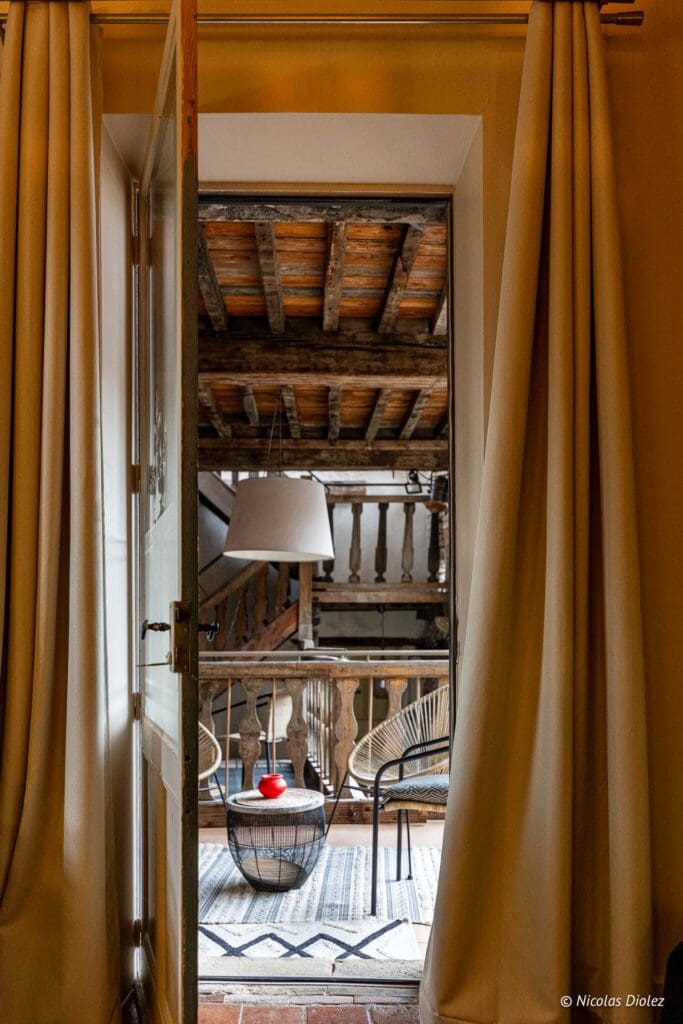
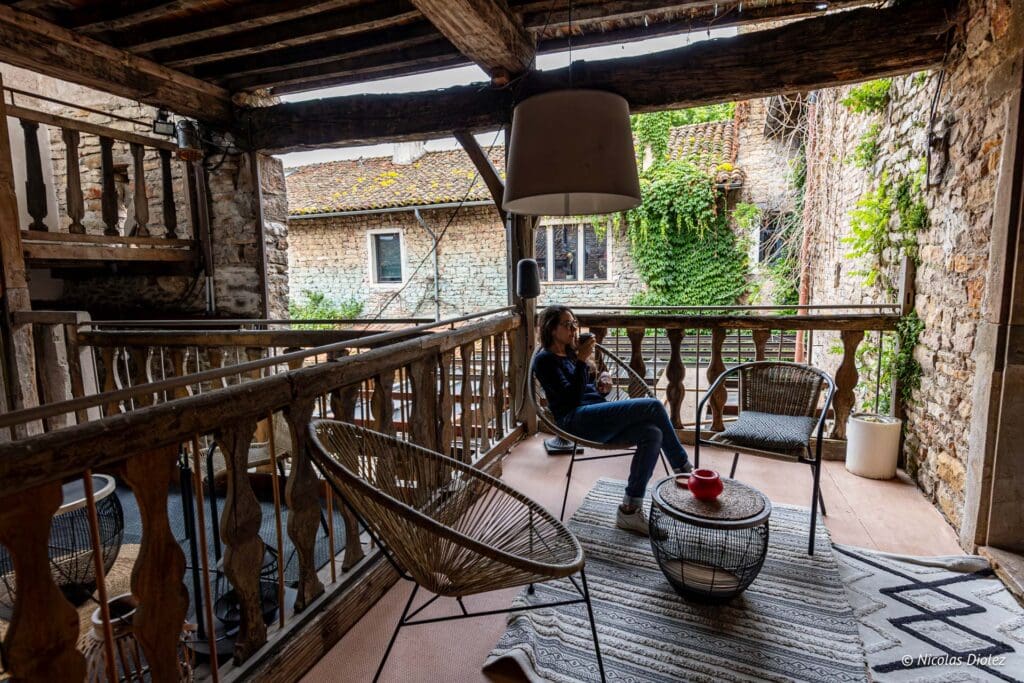
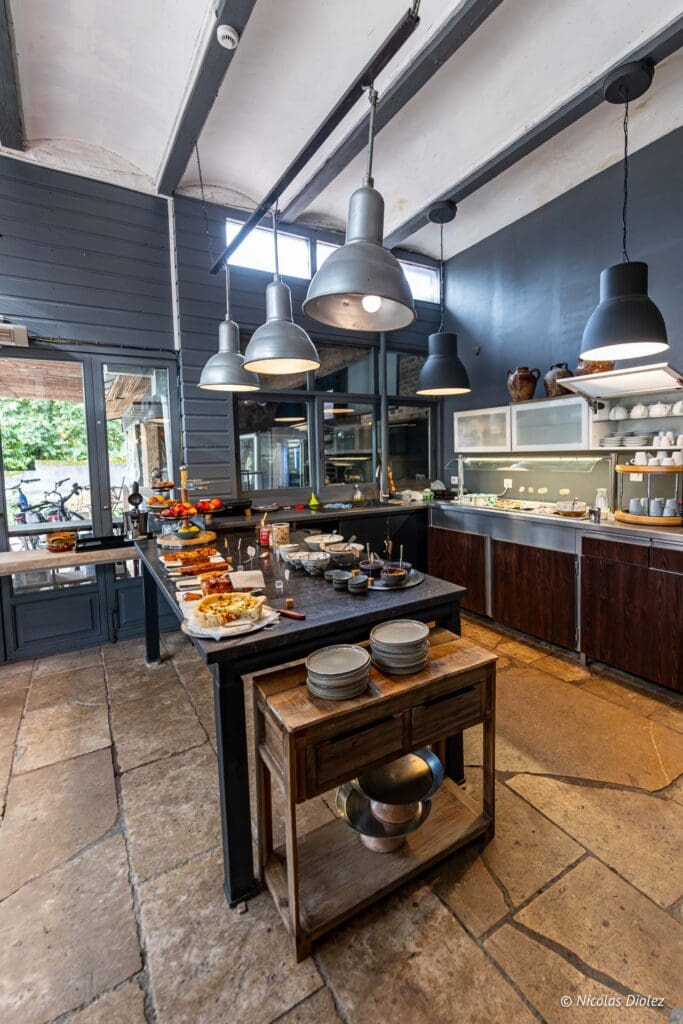
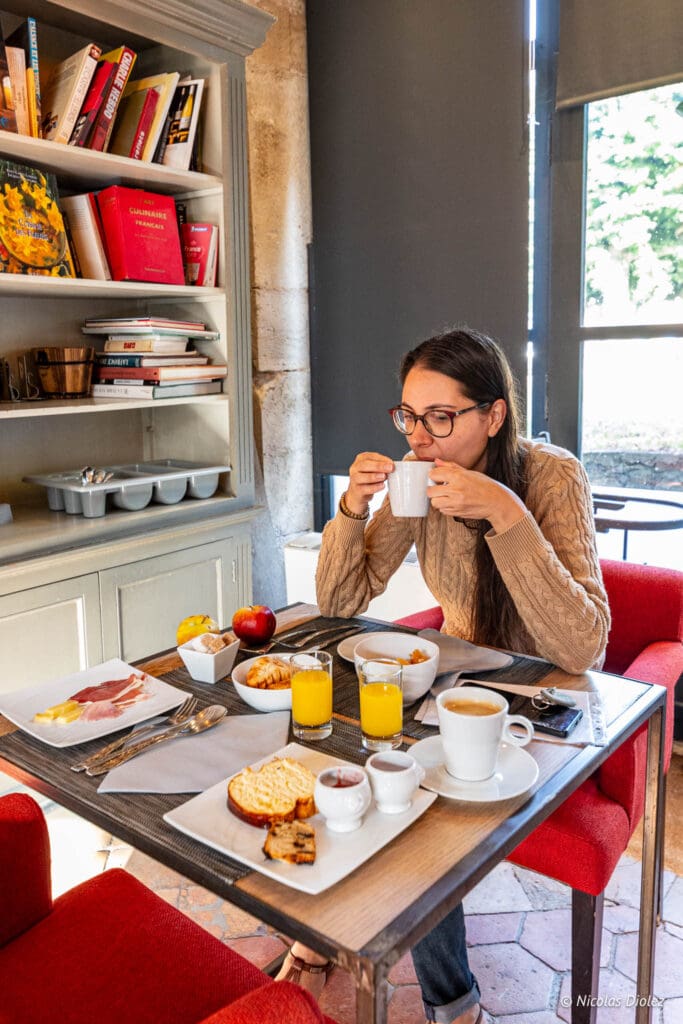
This hotel, which has existed for 50 years, is housed in a former 18th-century pottery, which gives it a very atypical character and layout of spaces. We had the opportunity to sleep and dine there twice, the first time during our cycling trip along the Grande Boucle de Bourgogne du Sud between Mâcon and Chalon-sur-Saône in 2022, and a second time during this trip on the Cycloroute 71 in 2024. I particularly like the interior courtyard of the establishment, which has a lot of character, and the welcome is always very friendly. As for breakfast, I found that the offer had really improved since our visit in 2022, with more local products in particular.
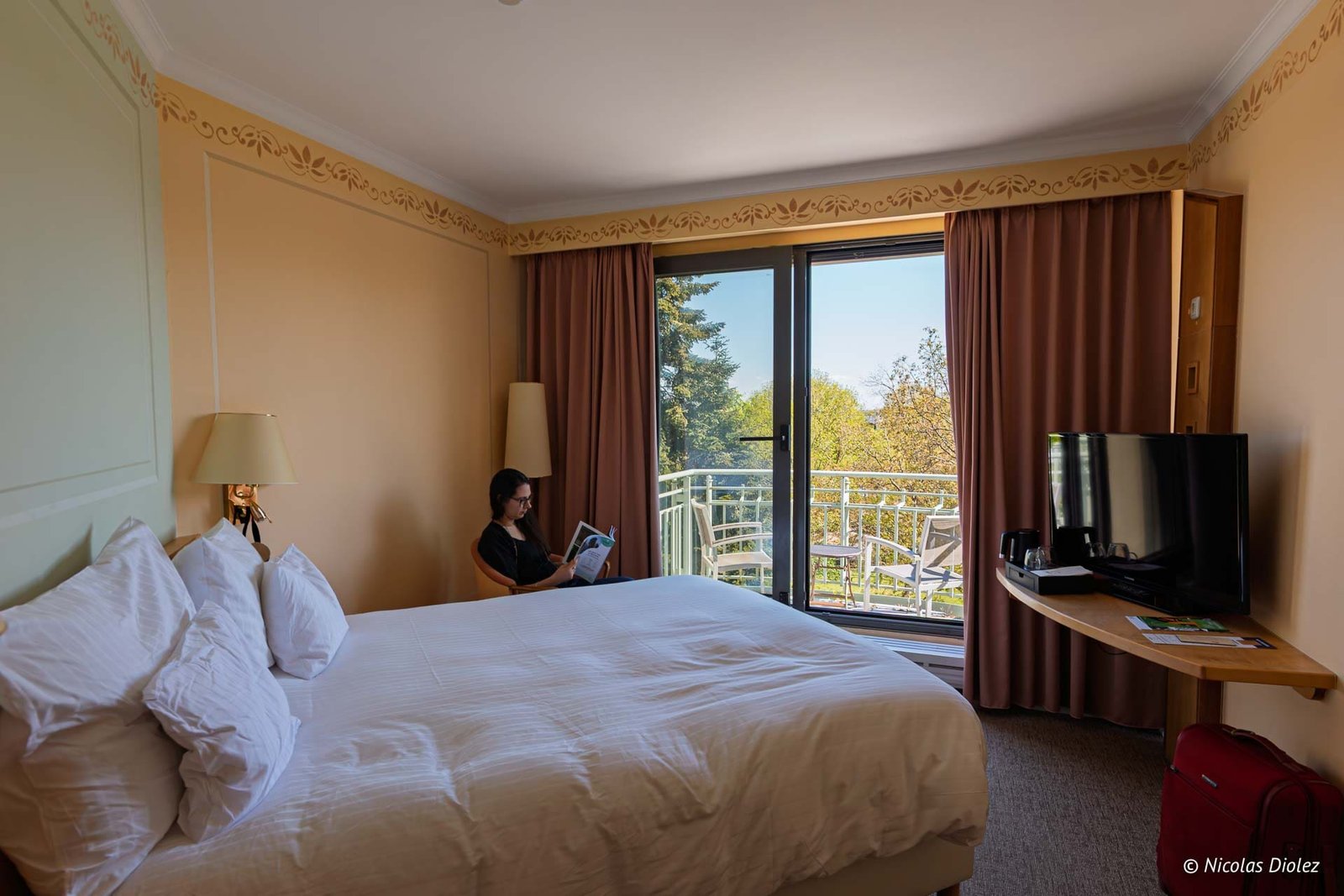
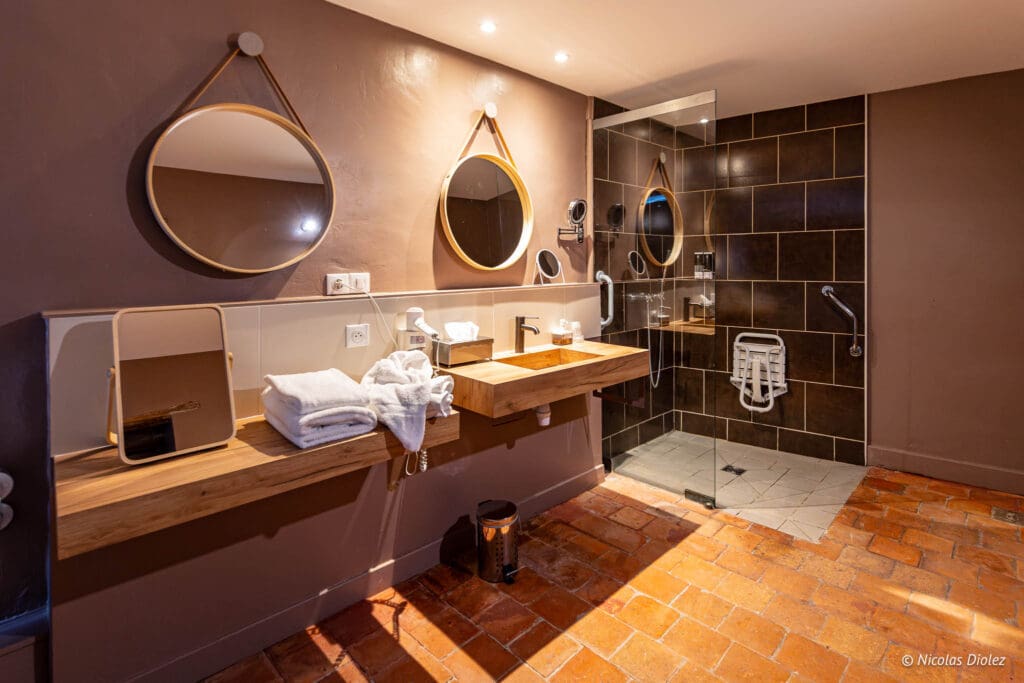
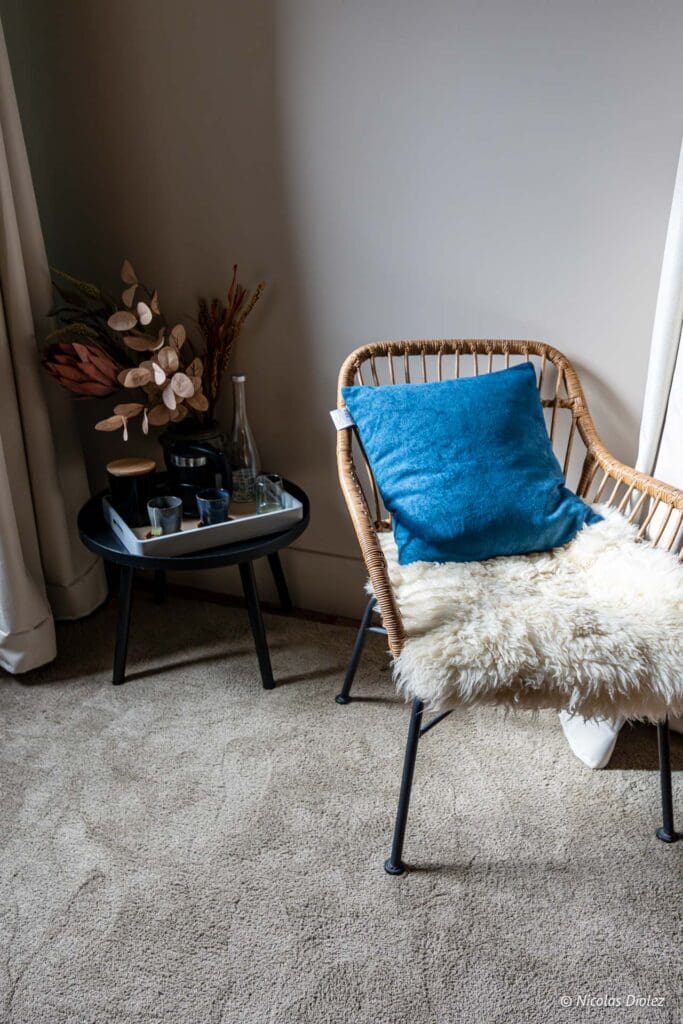
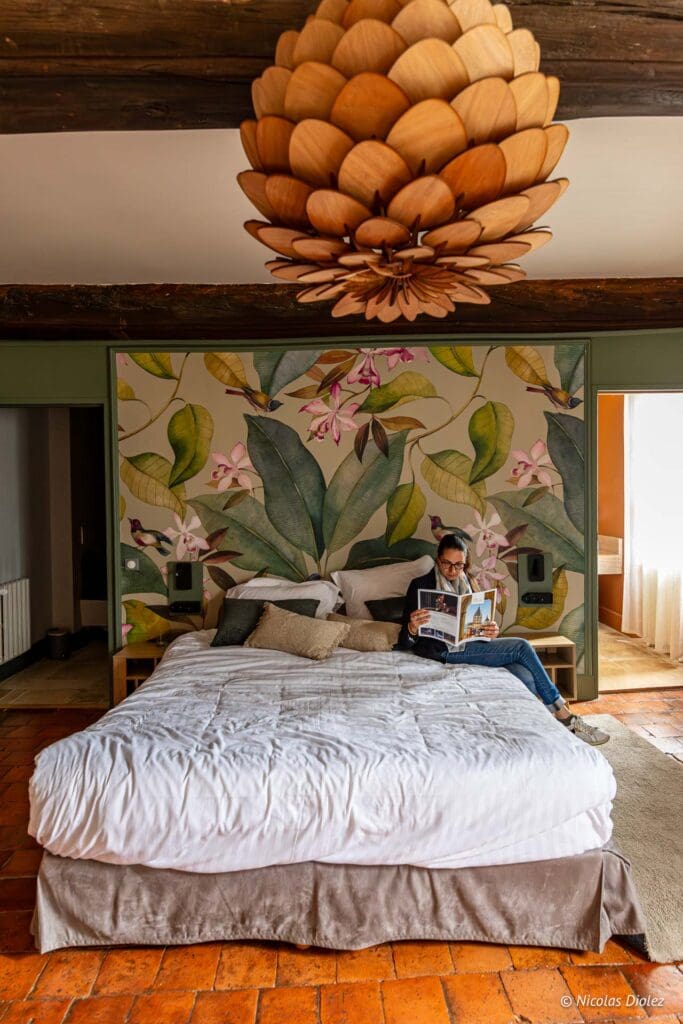
In 2022 we were in the Camille room (an accessible room, adapted for people with reduced mobility), which overlooks the central courtyard. During our stay in 2024, we had another room upstairs with a small private terrace that was truly charming. Decorated with better taste, I really loved this second room. And as a little bonus, the establishment has a wellness/spa area with sauna and hammam, accessible upon reservation of a time slot (of 45 minutes) for hotel guests.





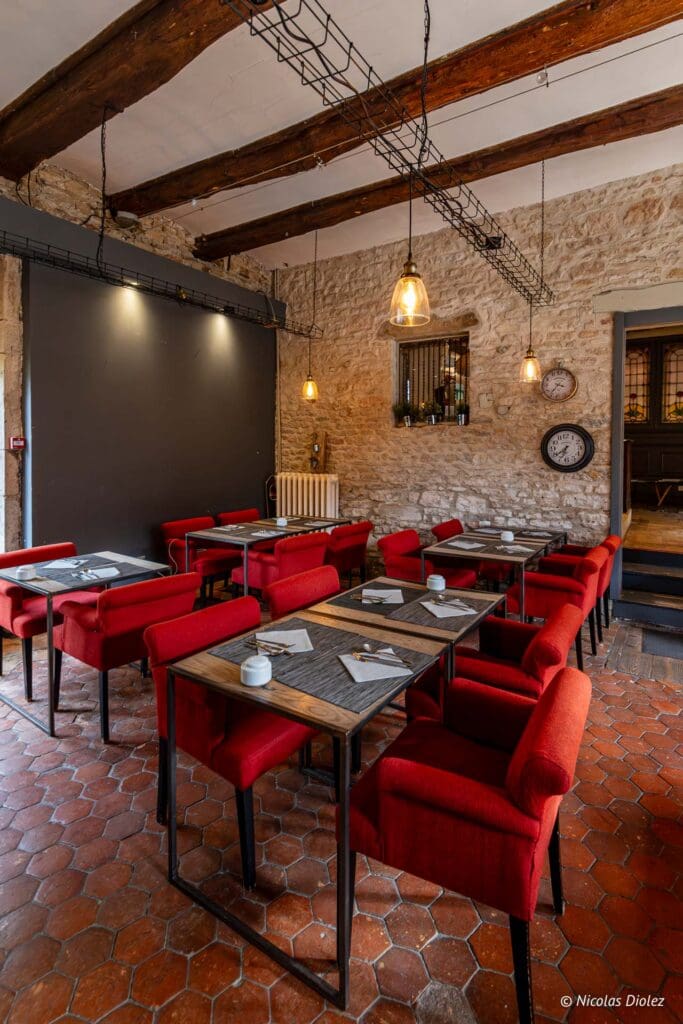
Restaurant Le Potin Gourmand
The address also houses a semi-gastronomic restaurant in a magnificent setting. The interior terrace (if weather permits) is ideal for an intimate romantic meal. Chef Serge Ripert puts his own spin on classics of bourgeois cuisine and uses fresh, local products according to the seasons and the market.
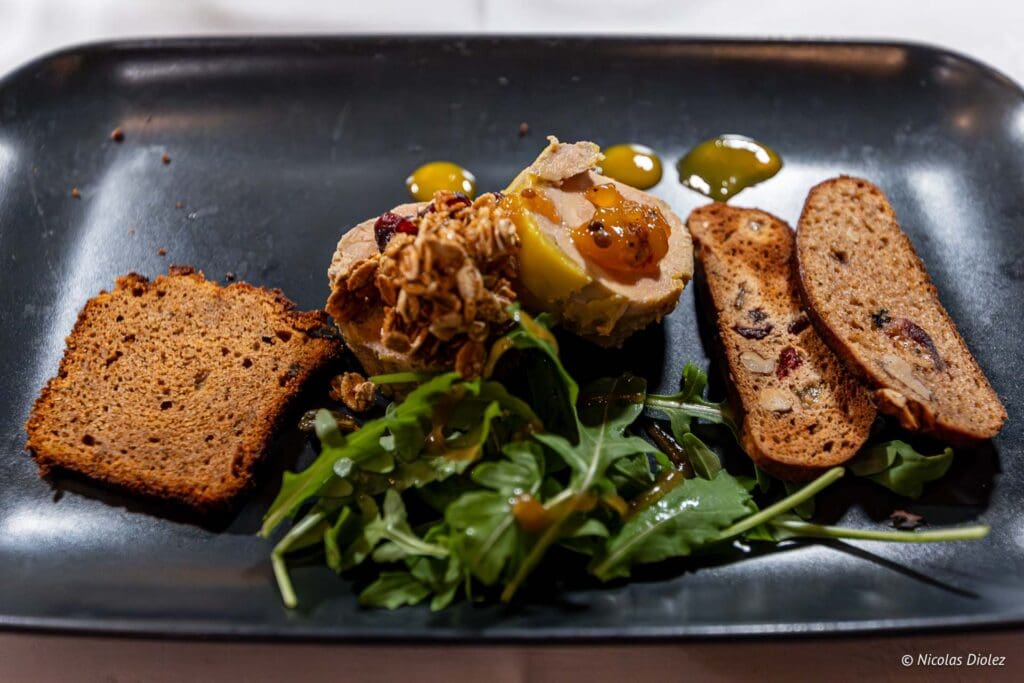
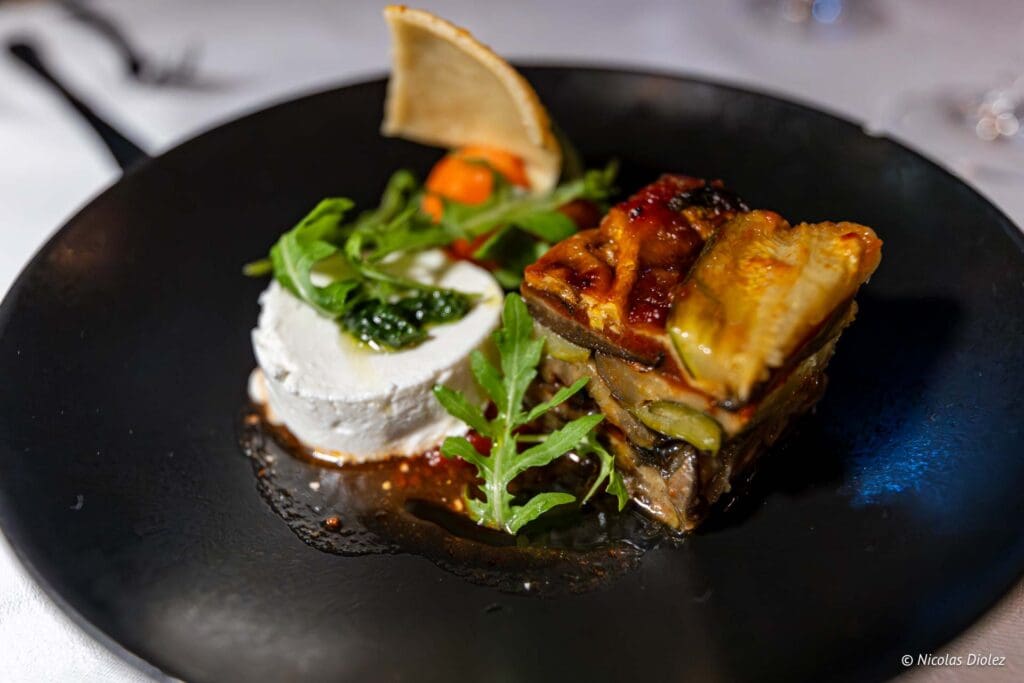
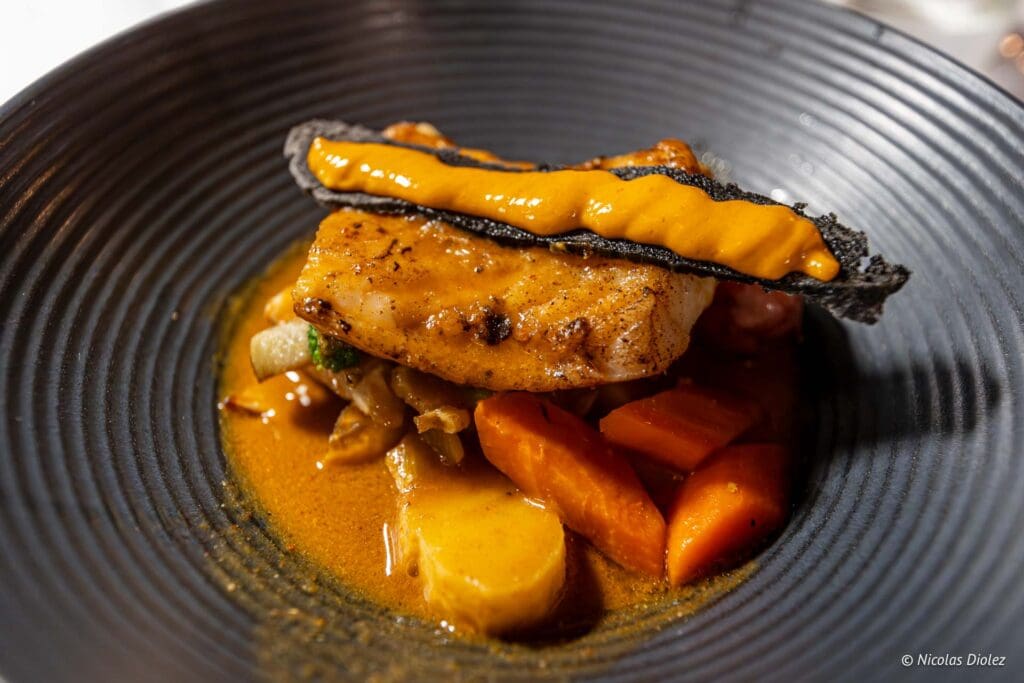
Our meal in 2024: pressed zucchini, eggplant, and fresh goat cheese with a grilled pepper sorbet; duck foie gras with mango chutney and dried fruit crumble; for main course, Iberian pork pluma with sweet potato purée, vegetables, and baby potatoes; cod back in bouillabaisse revisited with crustacean juice and rouille sauce; for dessert, assorted cheeses and strawberry vacherin with strawberry sorbet and rhubarb compote.

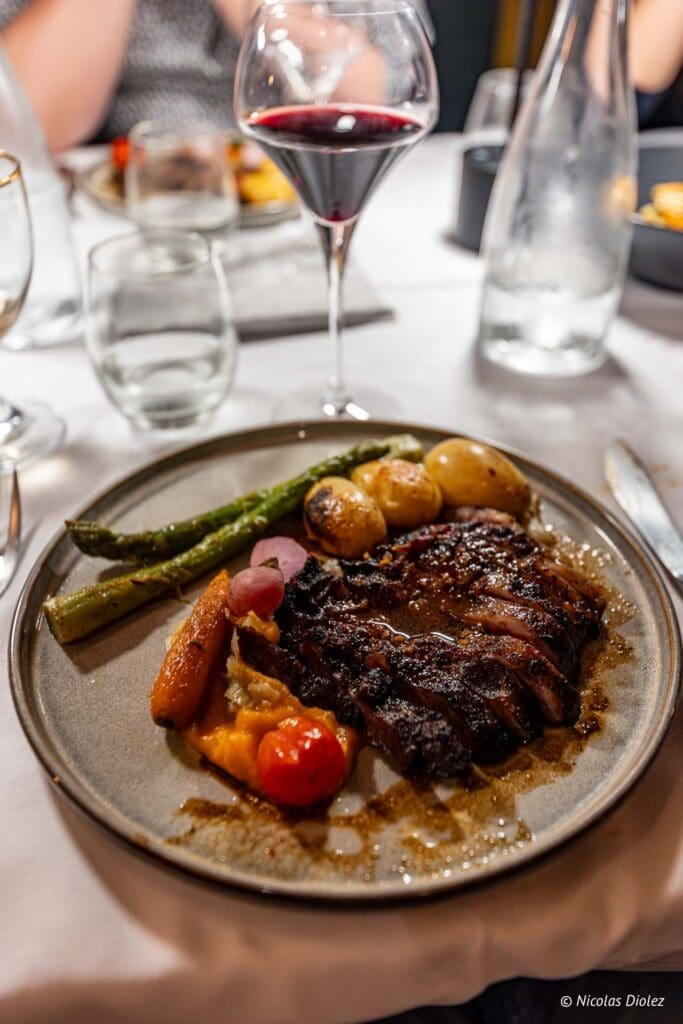
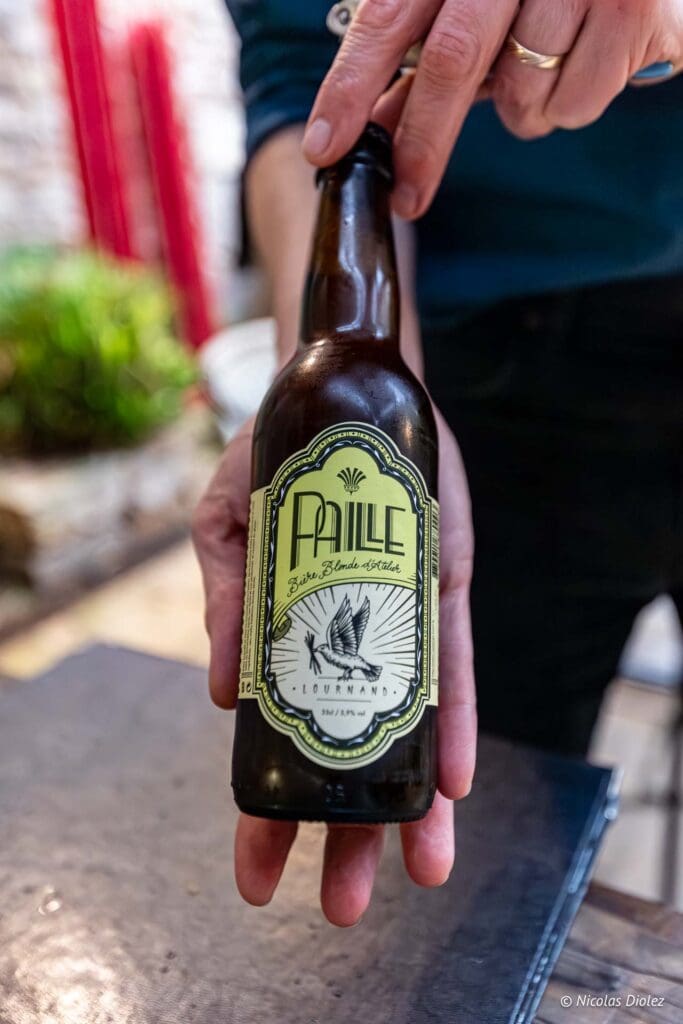
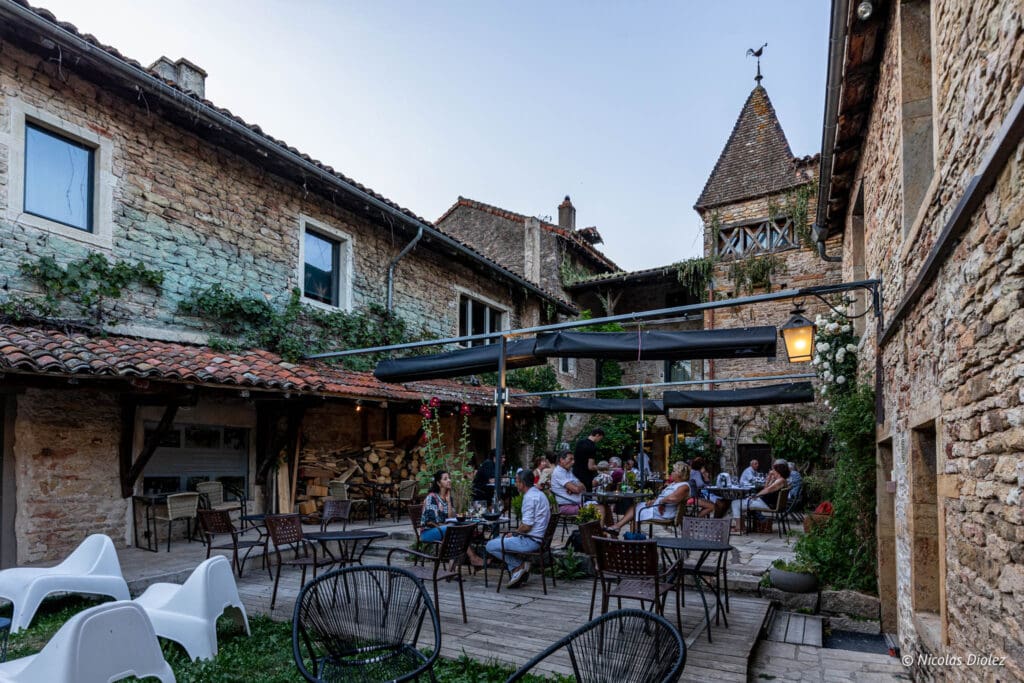
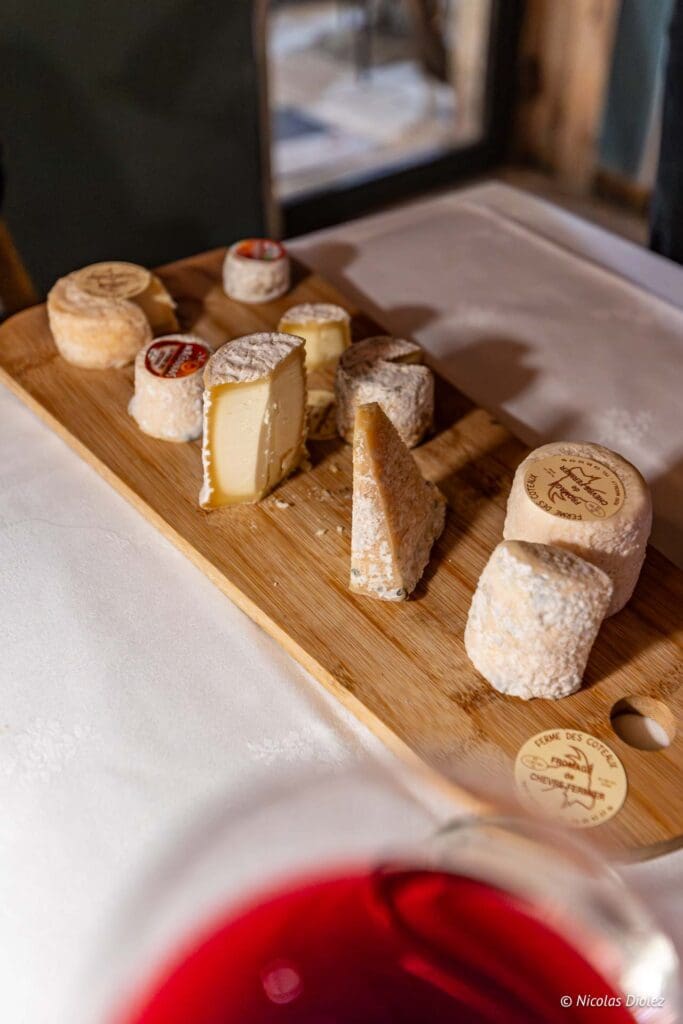

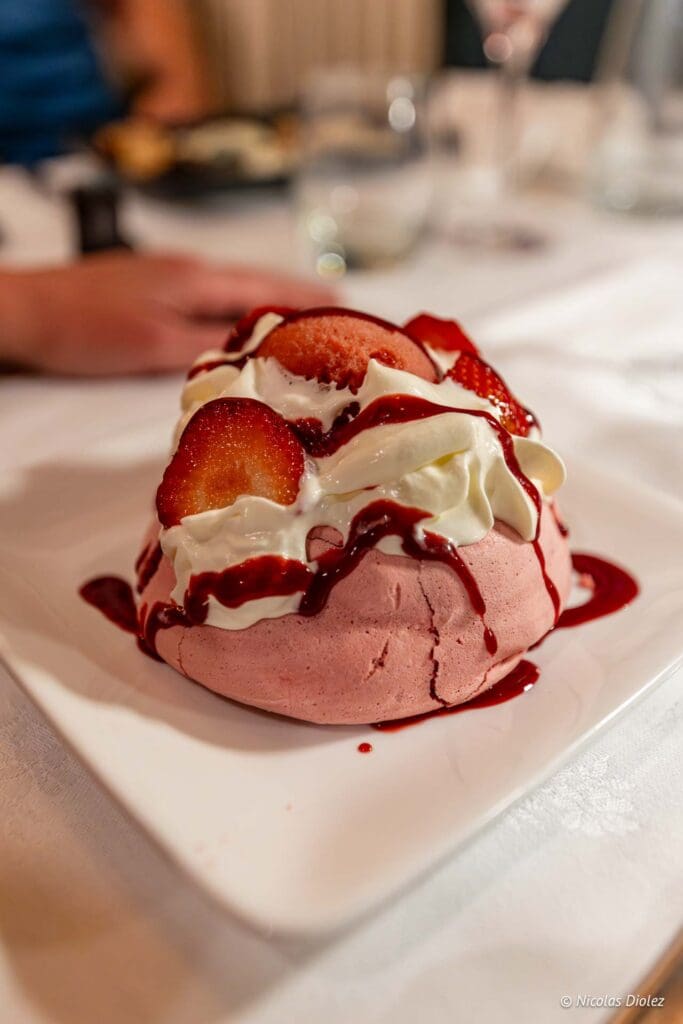
Art’hôtel & spa Le Potin Gourmand
4 champ de foire 71250 ClunyStay prices: cocooning stay for 2 people with 1 night + 1 spa access + breakfasts + 1 three-course meal at the restaurant for €305
Accommodation labeled Accueil Vélo
Stage 5: between Cluny and Mâcon
During this stage between Cluny and Mâcon, you can take the CycloRoute 71 or the greenway which goes a bit more directly to Mâcon. On the way, you pass through the Bois Clair tunnel (be careful, there is a lot of water seepage; it is better to put on a raincoat and cover up before entering the tunnel because the temperature is about 11 degrees Celsius inside for 1.6 km), which allows connecting Cluny and Mâcon to the south.

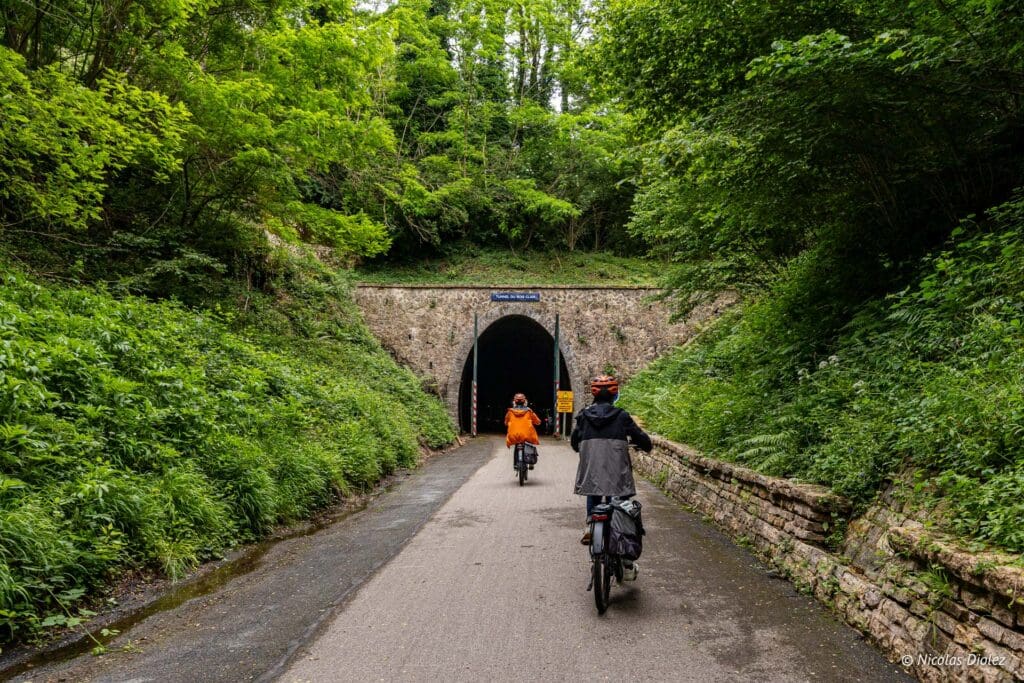
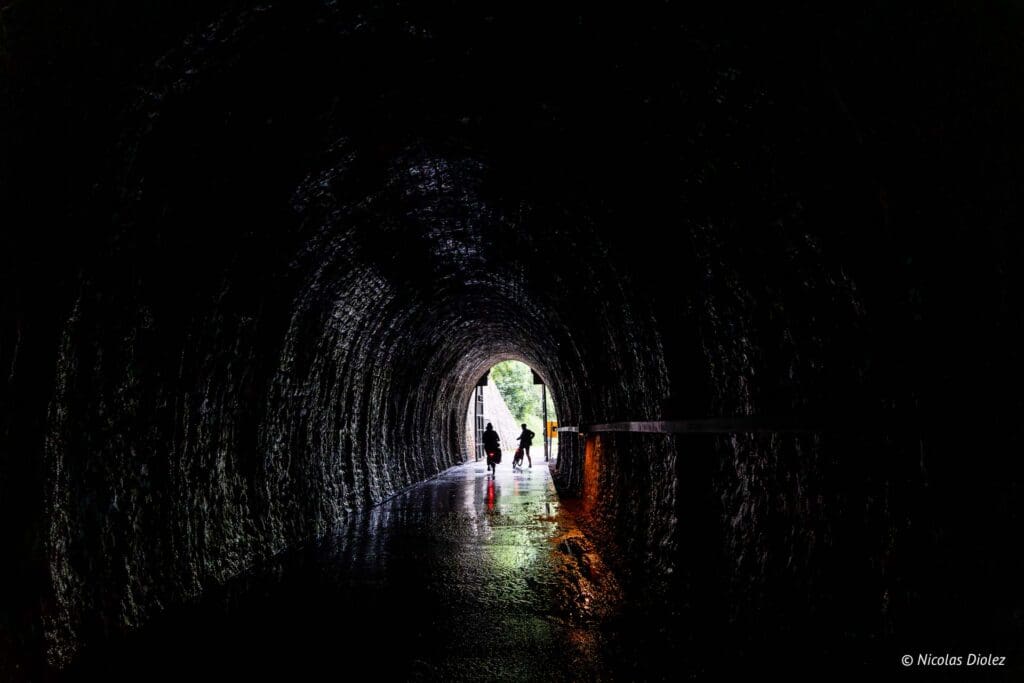
_
Visiting the Château de Berzé-le-Châtel
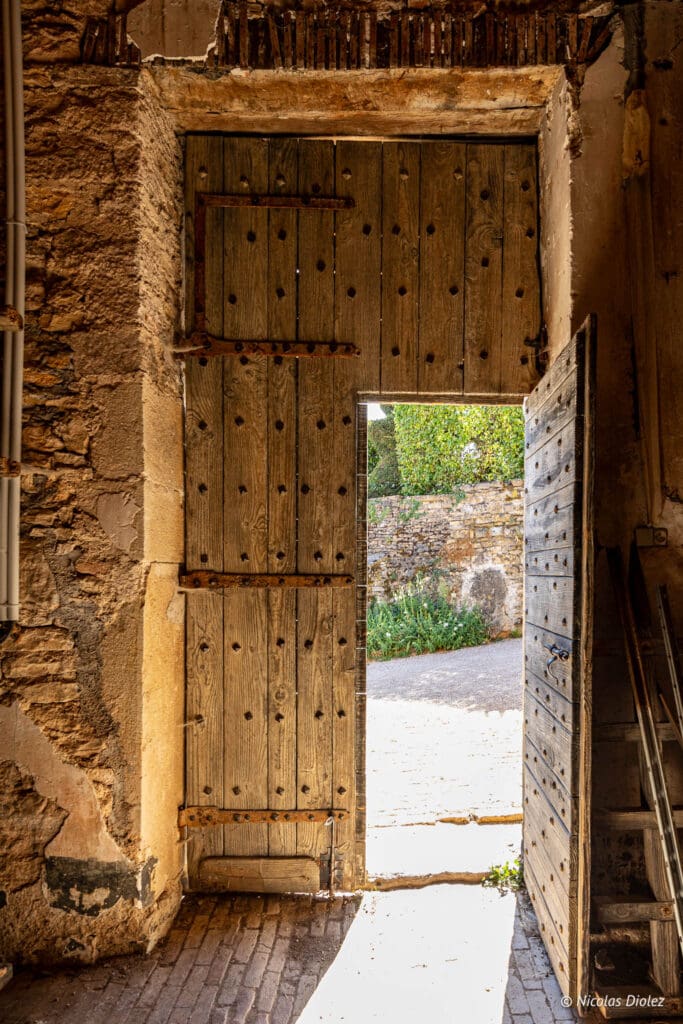
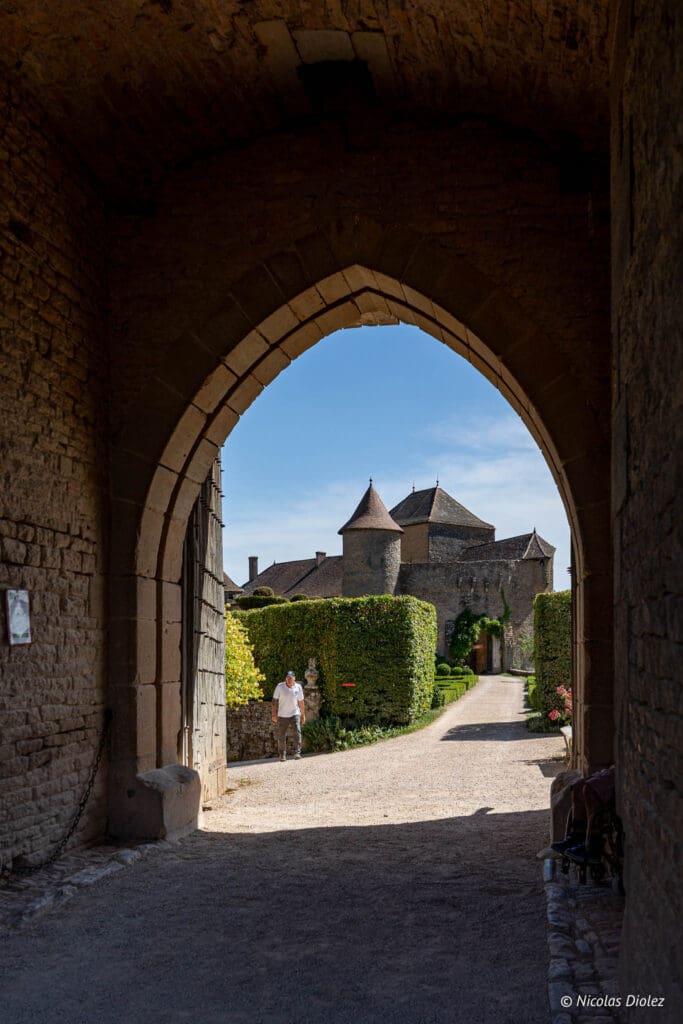
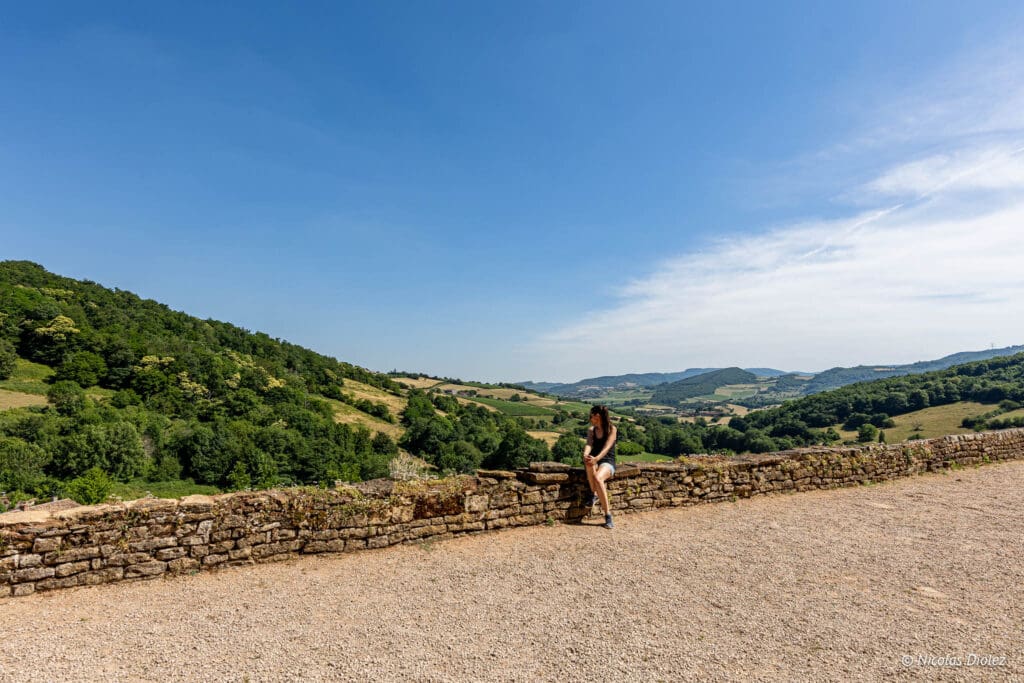
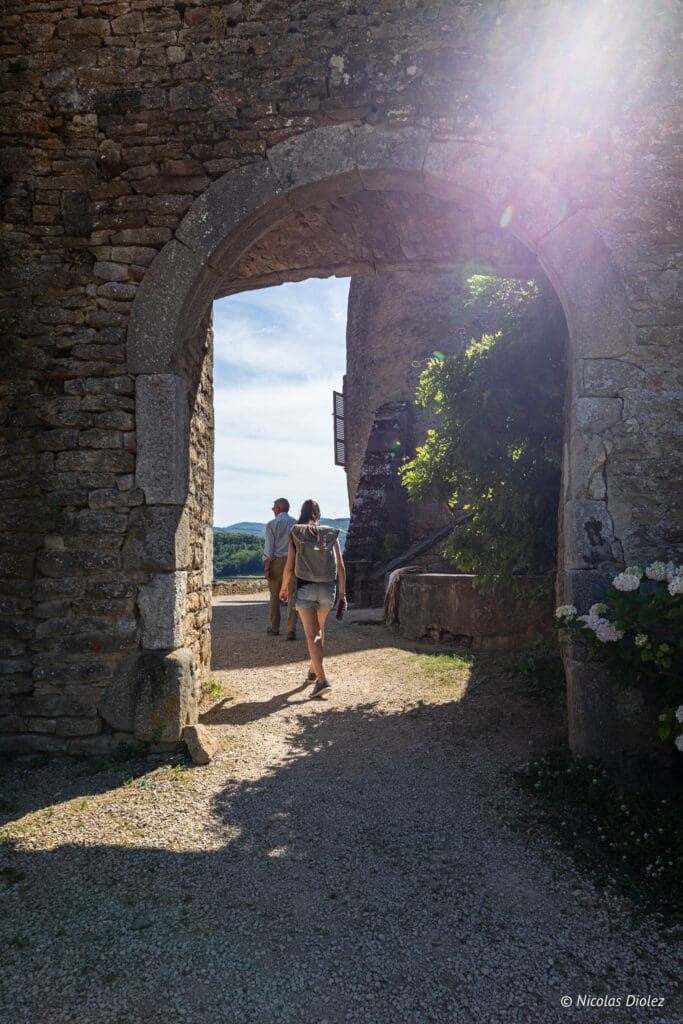
This private castle (which belongs to a countess) is located on the Val Lamartinien route between Cluny and Mâcon. It has been in the same family for 800 years. It is an imposing fortress with 14 towers, 2 keeps, and it preserves within its 3 enclosures a set of medieval rooms and a Carolingian chapel from the year 1000. Its terraces house several gardens: a French-style garden, an English-style garden, and a vegetable garden. The castle also owns vineyards and makes its own wine. The site is open to visitors (self-guided or guided tour) and also hosts many school groups. It is also a film location and was notably the setting for the film “The Last Duel” by Ridley Scott.
Cycling information: the climb to reach the castle is very challenging, and personally, without an electric bike, I don’t think we would have succeeded in doing it…
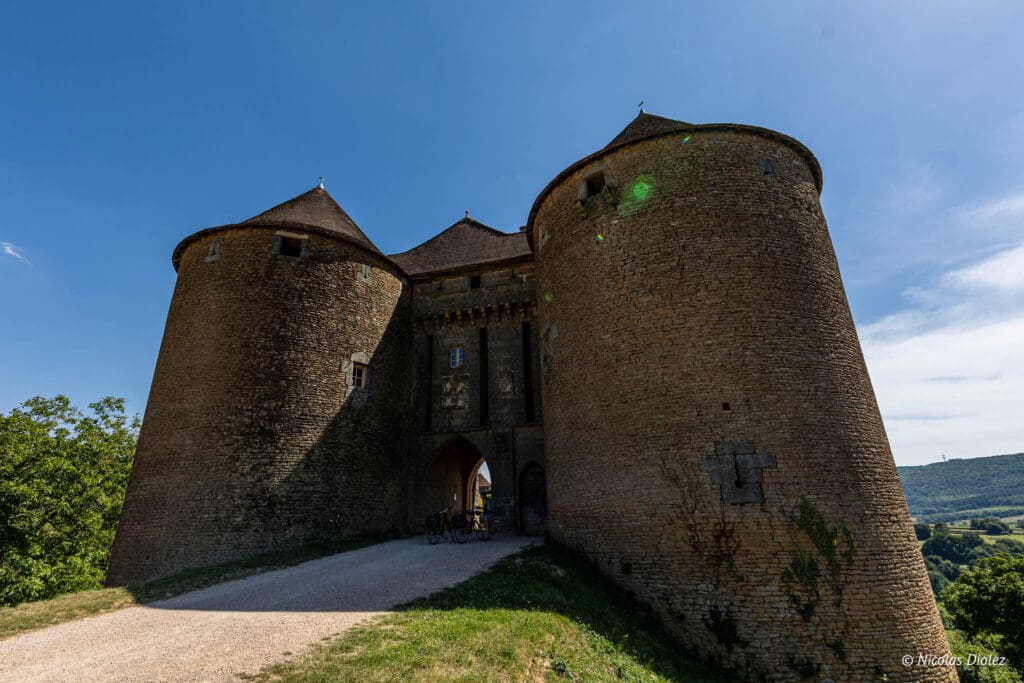


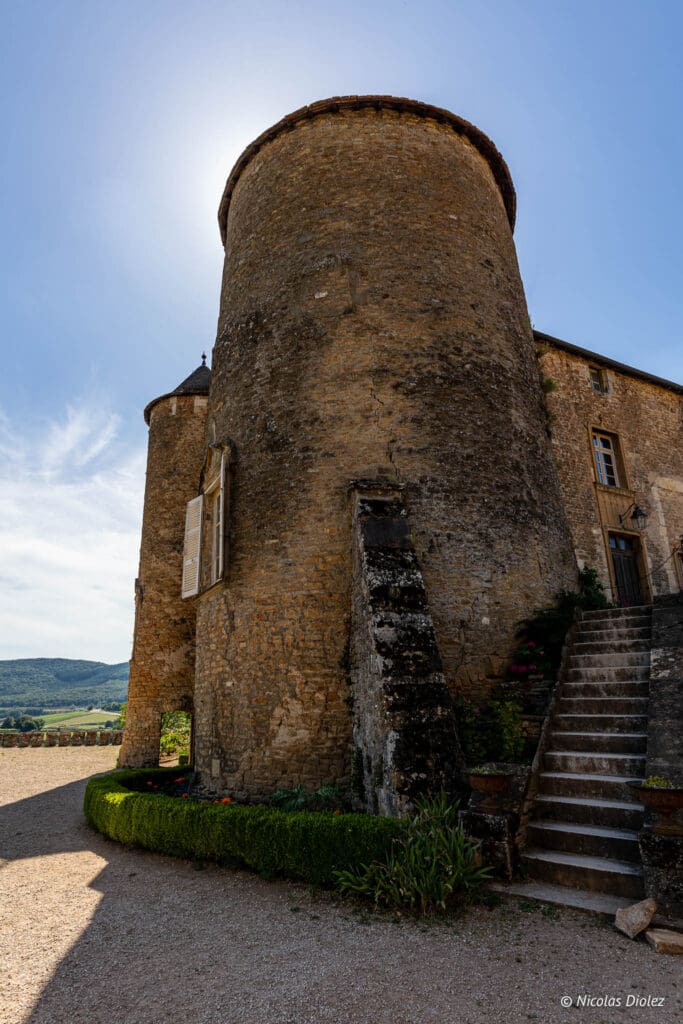

Château de Berzé-le-Châtel
71 960 Berzé-le-Châtel
Open from early April to early November
Rates: adult €8 / reduced €6.50 / child €5
_
Vignerons des Terres Secrètes
This cooperative winery located in Prissé has existed since 1928. It now brings together 120 winegrowers and has been certified “Vignerons Engagés” since 2013. Together, they cultivate a total of approximately 900 hectares, and the winery produces 6 million bottles per year under the Pouilly-Fuissé, Saint-Véran, Mâcon Rouge, and Mâcon Villages (white wines) appellations, as well as Crémant de Bourgogne. You can stop by to make purchases but also to visit its modern vat room, which has a true aesthetic orientation, and its cellar, which has a storage capacity of about 950 barrels. It is also the 1st Burgundian structure with a bottle deposit system, and the bottles are also eco-designed to limit environmental impact.
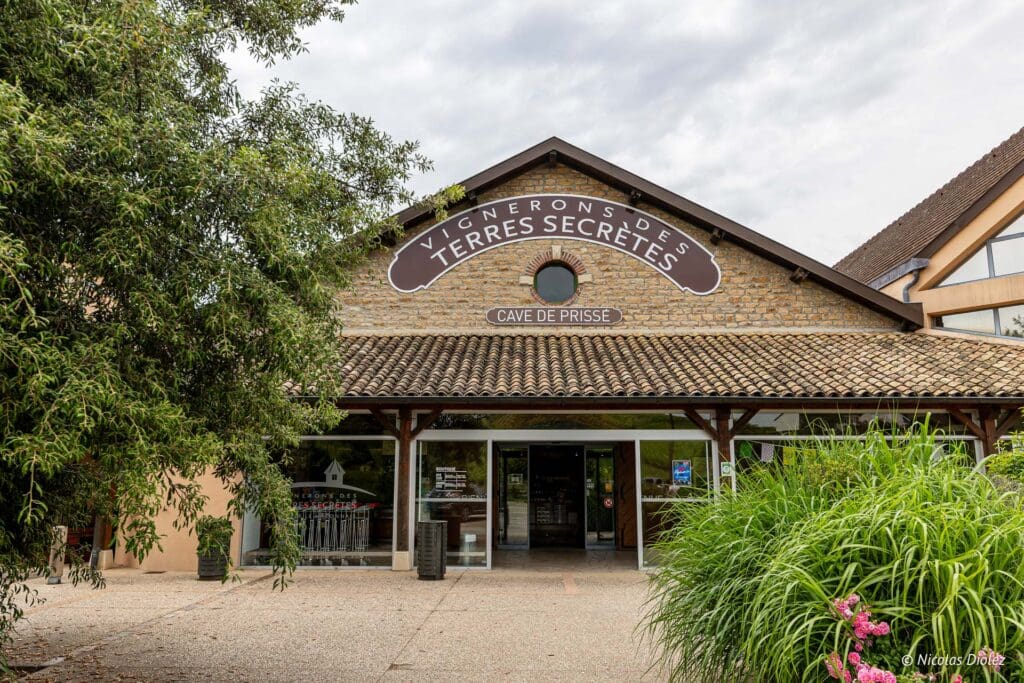
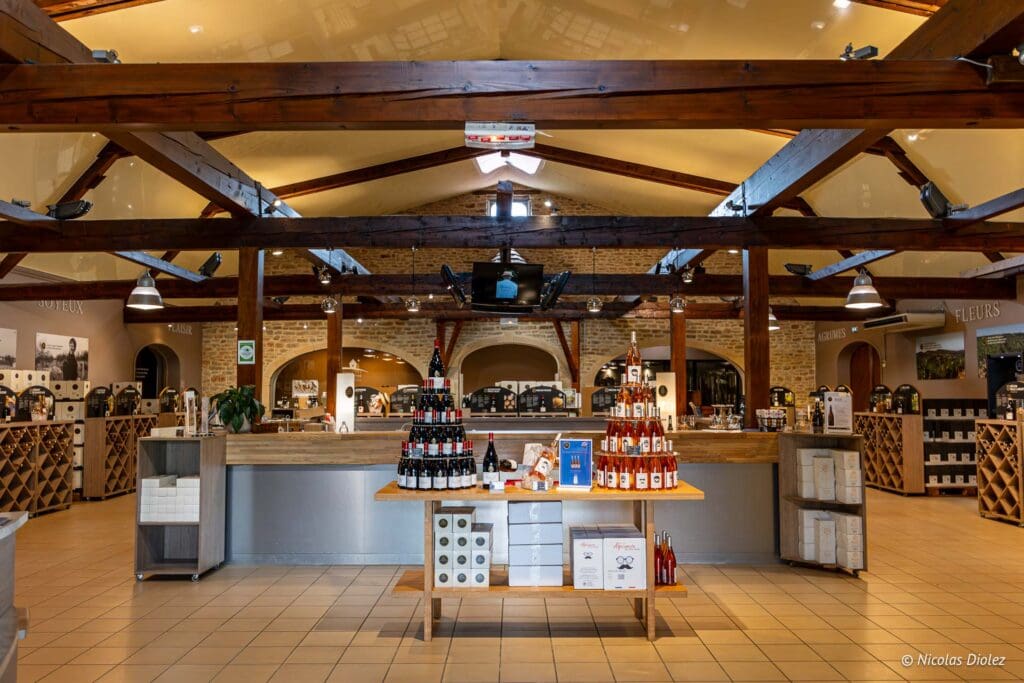


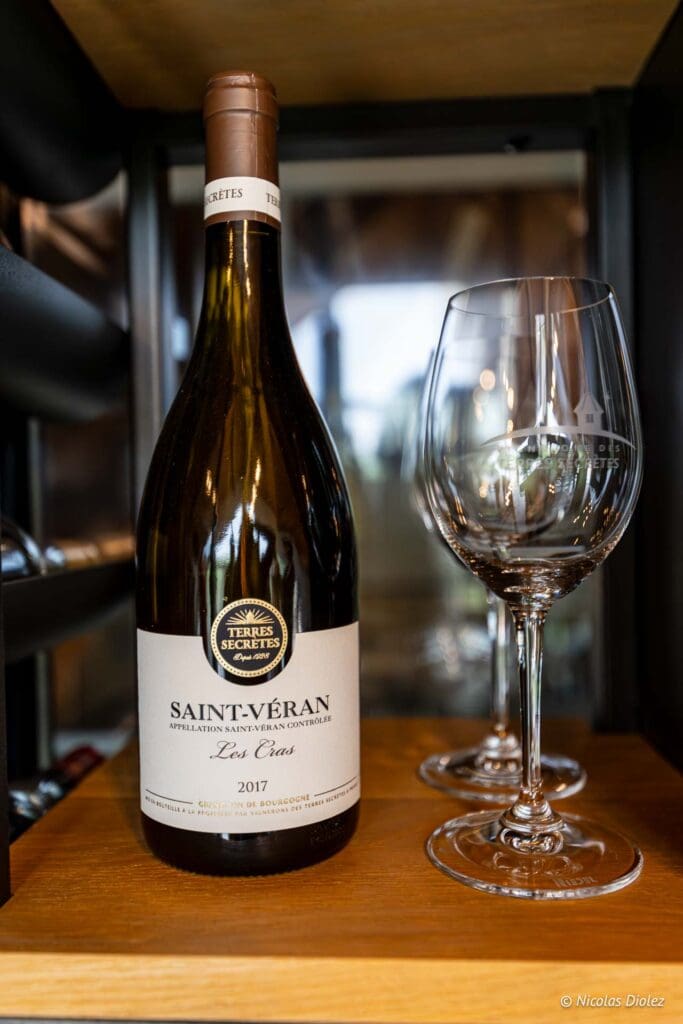
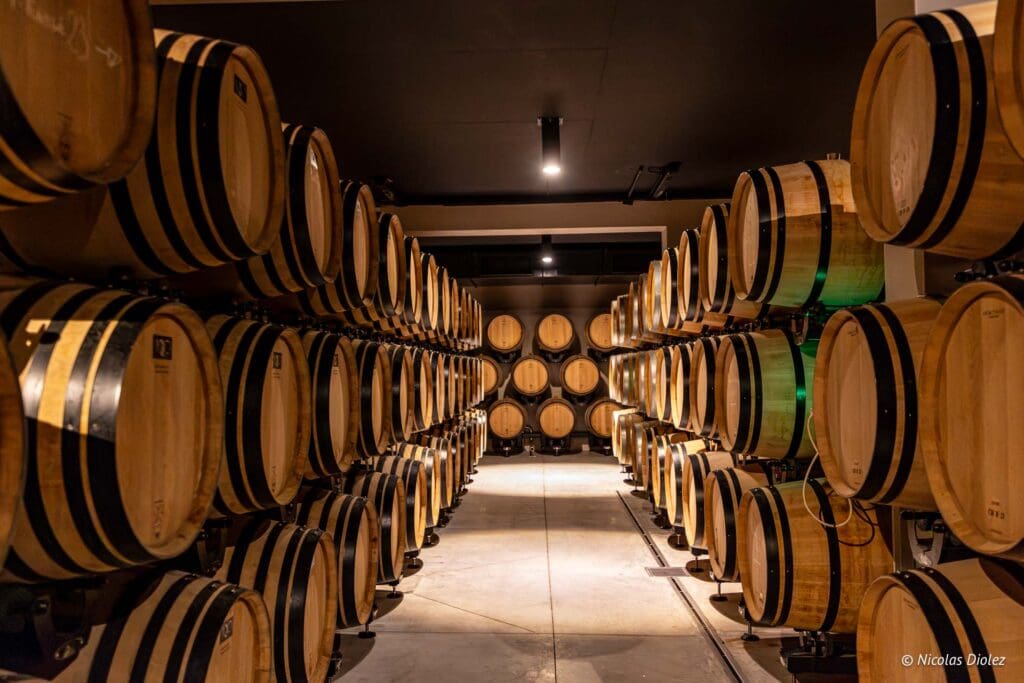
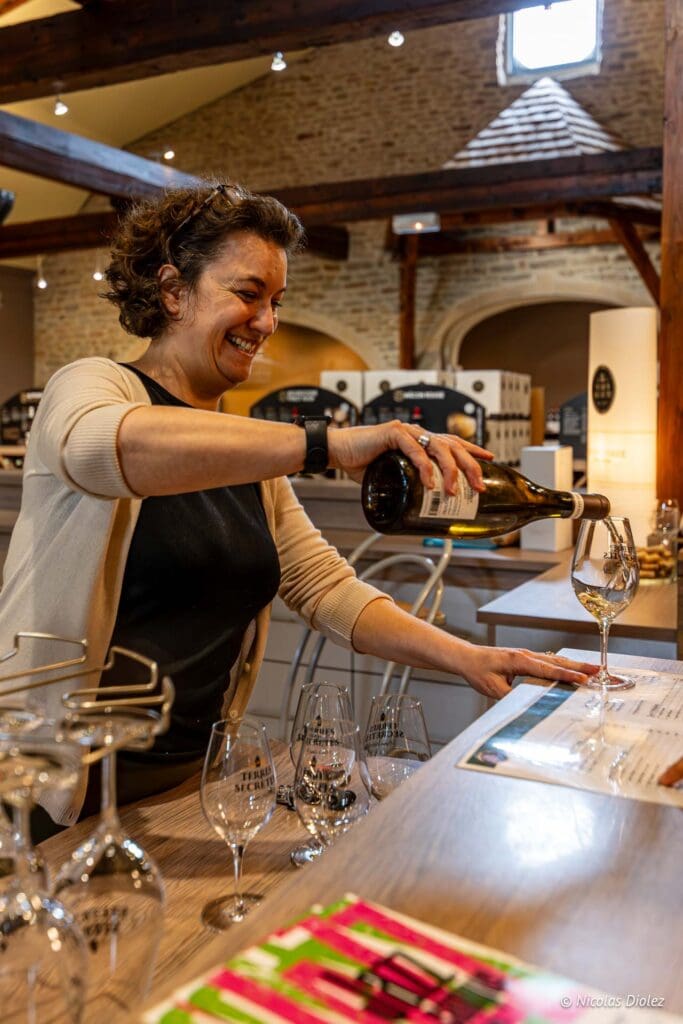
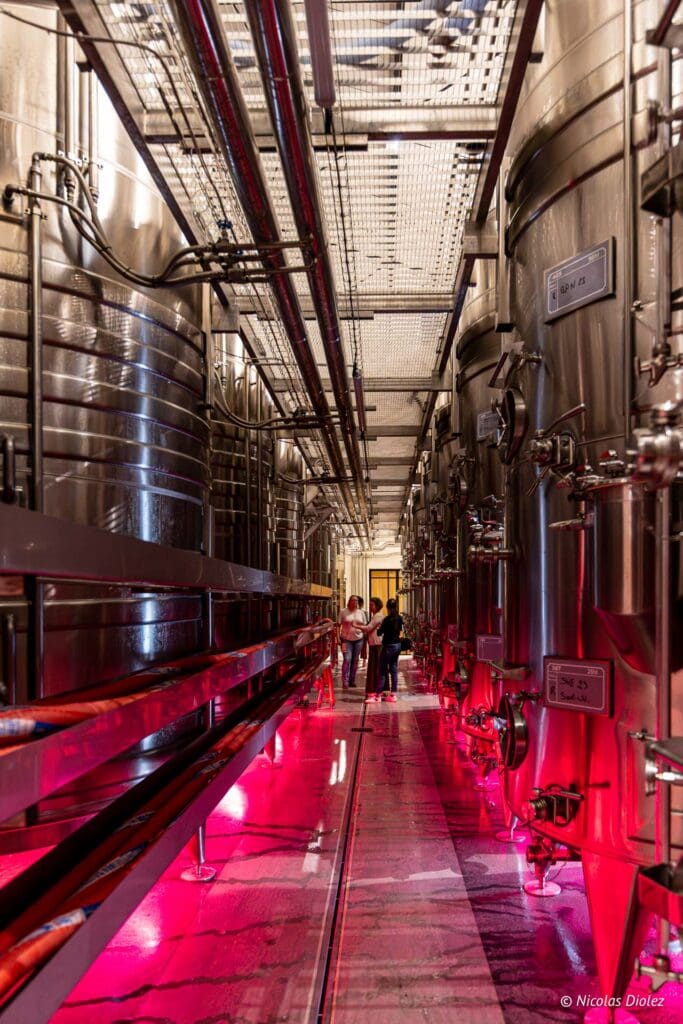
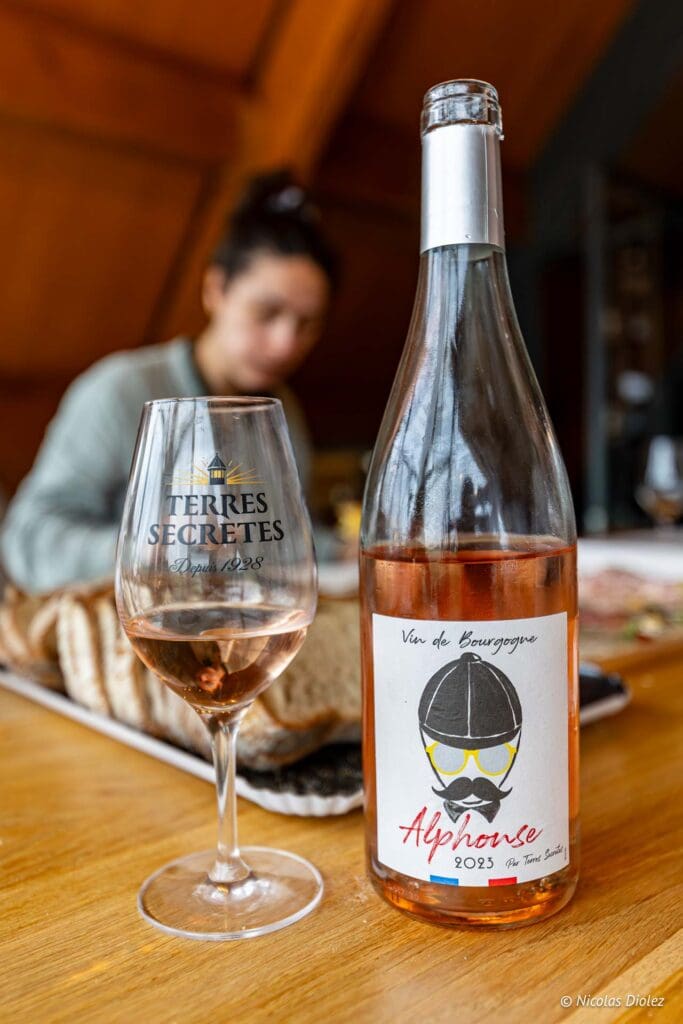
Vignerons des Terres Secrètes – Prissé Cellar
158 rue des grandes vignes 71960 PrisséCellar tour and tasting: €10 per person (duration 2 hours)
Cycling stage between Cluny and Prissé: 19 km
_
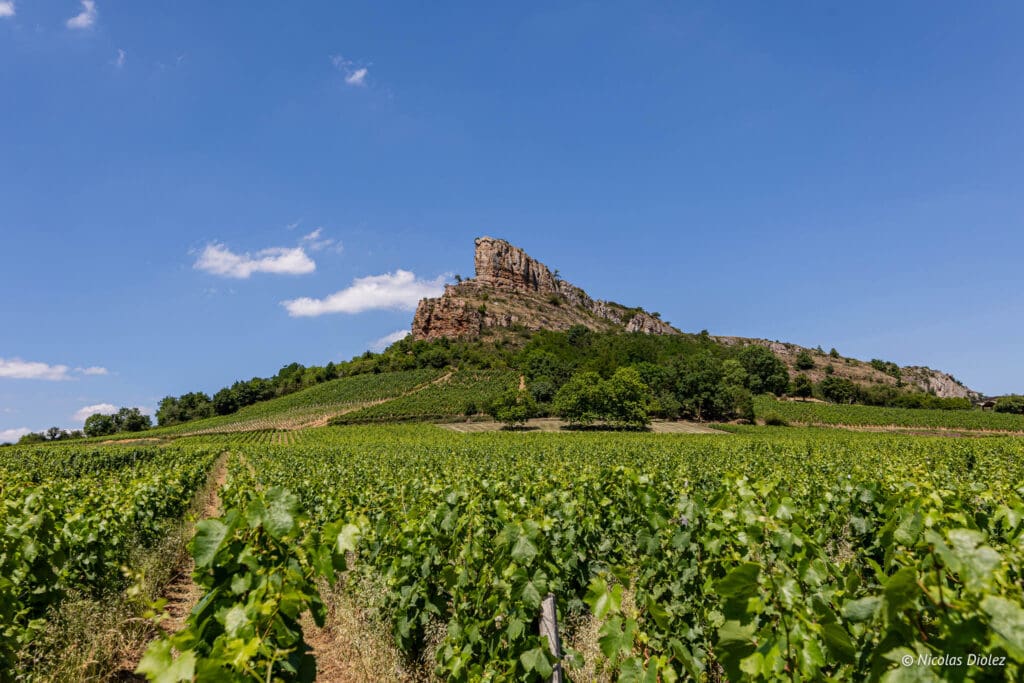
The Rock of Solutré
Remarkable for its unusual landscape composition, the Rock of Solutré has a dominant position in the heart of a renowned vineyard terroir. With 55,000 years of human occupation, the site of Solutré-Pouilly-Vergisson is a “Grand Site de France.” And the CycloRoute71 passes right in front of this amazing site, which is also located in the heart of the Pouilly-Fuissé appellation.
_
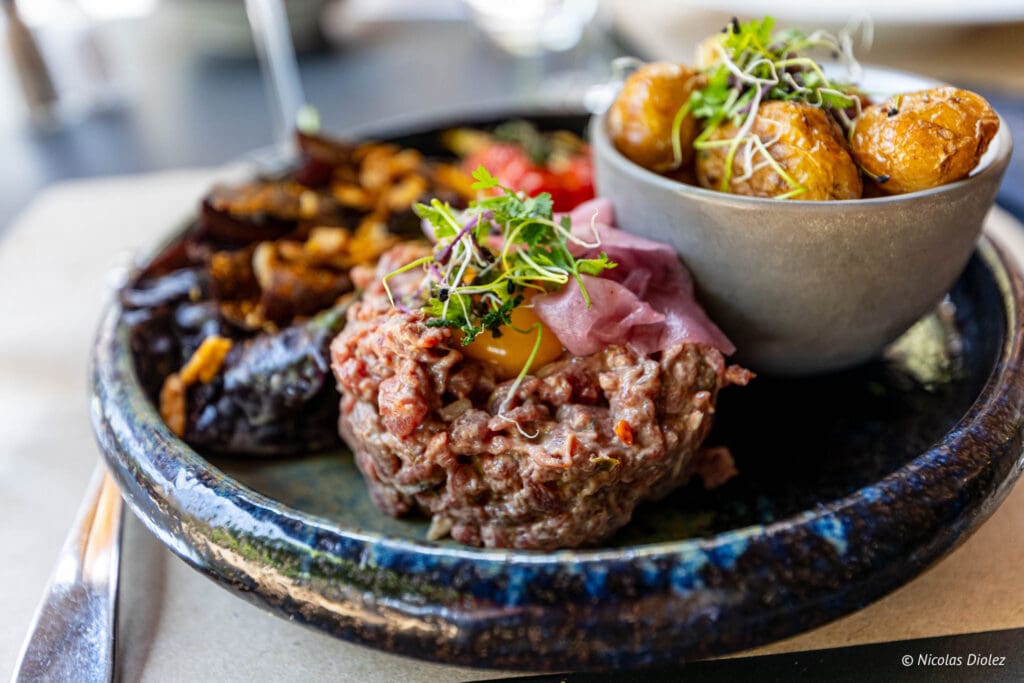
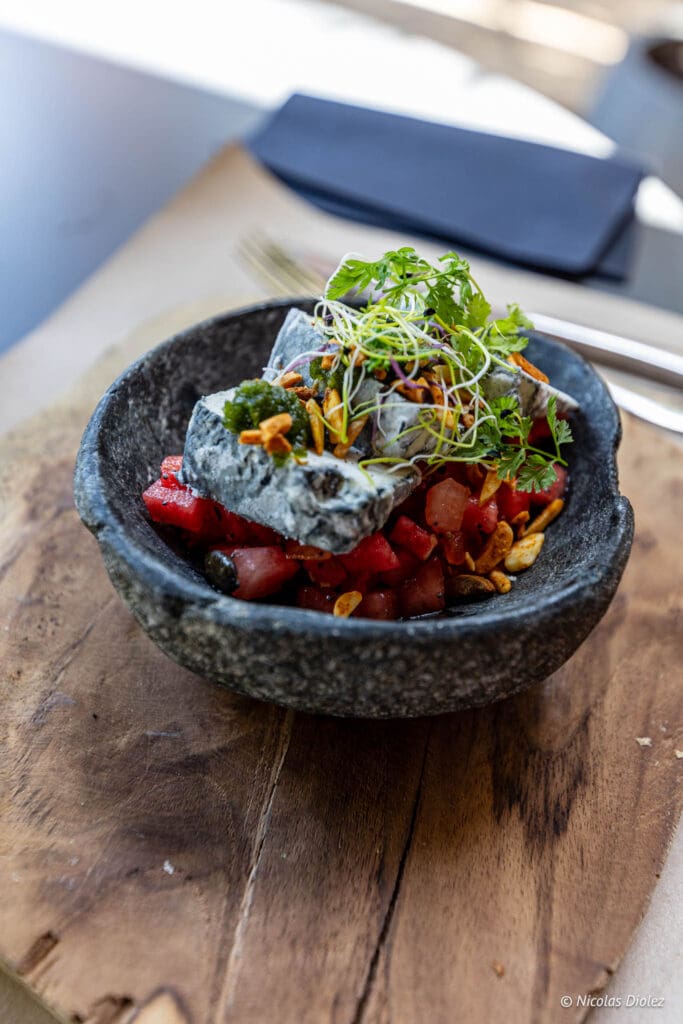
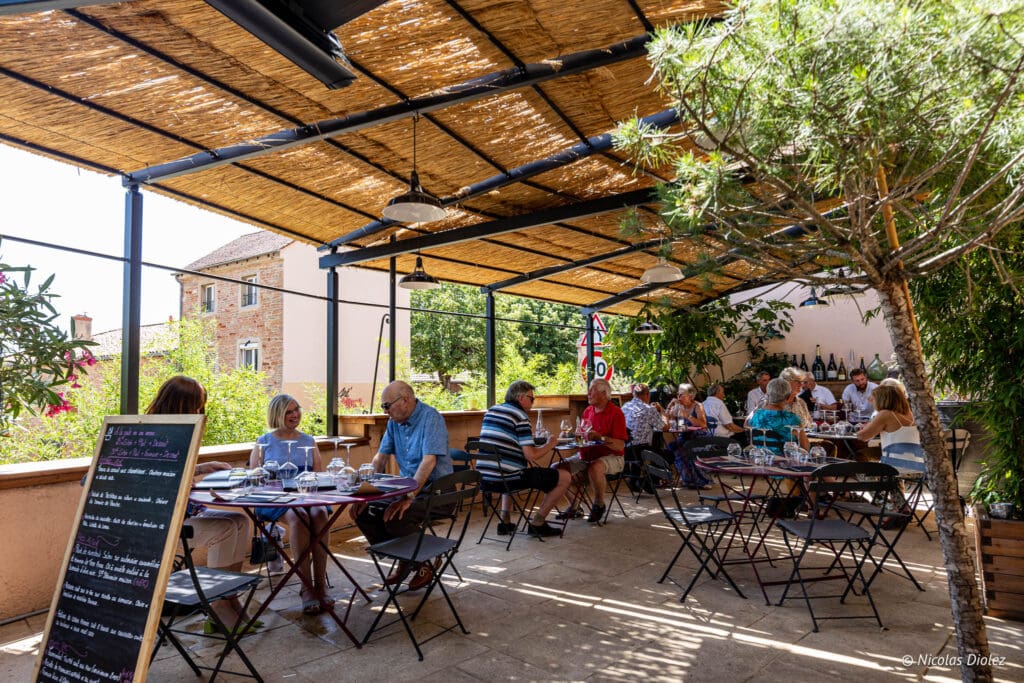
Where to eat in Solutré-Pouilly? La Courtille de Solutré
This hotel/restaurant is a very good table and is also referenced in the Michelin Guide. Located in the heart of the village of Solutré-Pouilly, it offers a charming shaded terrace for sunny days. We really enjoyed our meal, and the young chef, Adrien de Yparraguirre, uses only fresh and seasonal products in his cuisine. He offers tasty and flavorful dishes every day, and the menu can vary according to the market.


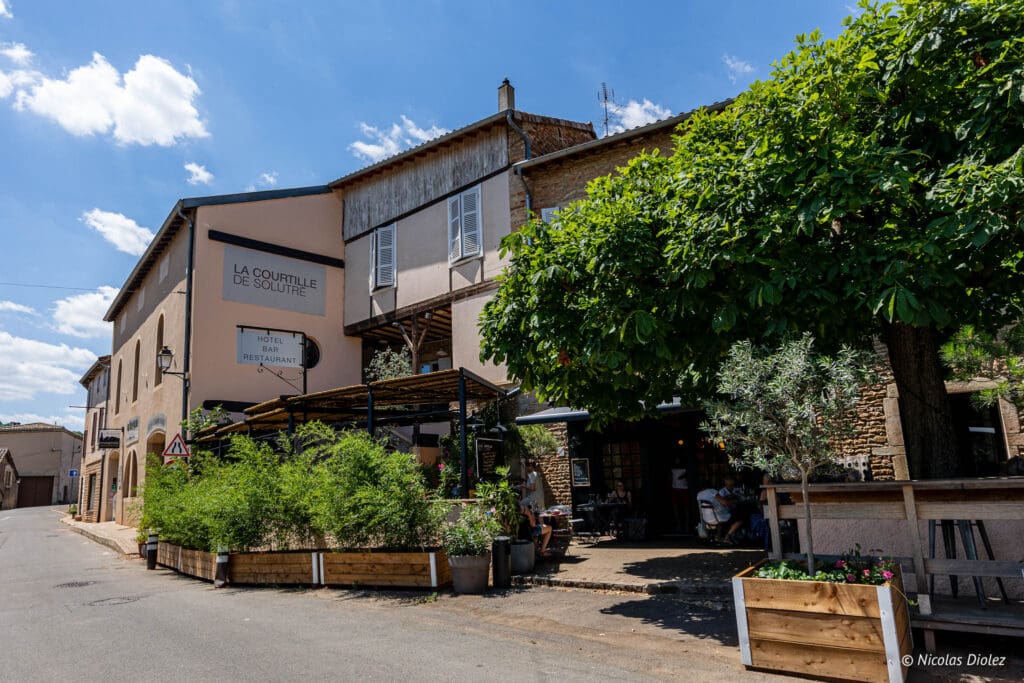
Restaurant La Courtille de Solutré
Route de la Roche, 71960 Solutré-Pouilly
Price: lunch set menu market slate at €25 with starter + main + dessert
_
Thanks to the Southern Burgundy Tourist Office, Route 71, the tourist offices of Paray-le-Monial, Marcigny-Semur, South Brionnais, Cluny, Mâcon and Tiphaine from the aiRPur agency for organizing this super stay in Southern Burgundy to discover the CycloRoute 71. And thanks also to my travel companions and do not hesitate to go see their articles about this trip: Copines de Bons Plans, Happy City, Julien Audigier and Emmyzapartca.
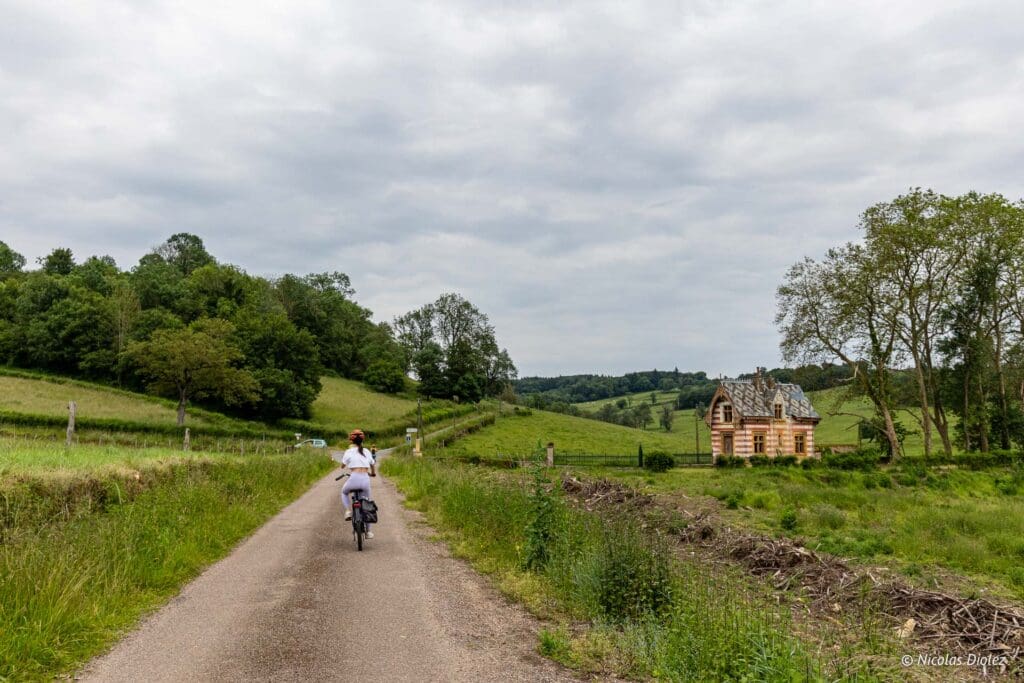
I hope that with all this I have made you want to follow the CycloRoute 71, and if you also have your own good addresses and tips for this bike route, do not hesitate to share them in the comments below!
Photo credits: Nicolas Diolez
Photos not copyright-free, photographer's authorization required before any use