To be honest, I had never really considered taking a trip to Tunisia. It took a friend’s bachelorette party as an excuse for me to discover part of it. I really like this kind of occasion because I don’t strictly have a bucket list of countries I absolutely want to visit. On the other hand, I love seizing opportunities that take me to destinations I wouldn’t have thought of. That’s what fuels my curiosity for this blog and my desire to keep exploring this vast world just a little bit more. Incidentally, this is the second Maghrebi country I’ve discovered after Morocco (where I’ve been three times and which I’ve often talked about on the blog).


To tell you a bit more, I went on a week-long trip to Tunisia in April of last year. First, I spent the weekend with girlfriends for a friend’s bachelorette party in Tunis. Then I was joined by my favorite photographer for a few days in Tunis and the surrounding area. We also took a little 2-day getaway to the north of the country, which I’m telling you about in the article below.
Here are the 2 other articles on the blog that also talk about Tunisia:
- a specific article about Sidi Bou Saïd (because the favorite photographer took lots of really gorgeous pictures there)
- an article about northern Tunisia (Bizerte and Ghar el Melh)
To start off, below I’ll let you discover a short video by my favorite photographer about our discovery of Tunis and especially the Medina.
Table of Contents
Practical Info for traveling to Tunisia / How to get there?
Overall, flight tickets are quite expensive to Tunisia, more so than for Morocco I find (I paid a little over 300 € for my round-trip by booking 1 month in advance). Here are a few airlines that fly to the destination and particularly to Tunis: Nouvelair; Tunisair (the national airline); Transavia. Personally, I flew with Nouvelair on the way there and Tunisair on the way back because I had to juggle a bit with the airlines to get the schedule that suited me best. For your information upon arrival, Tunis-Carthage International Airport is the most convenient and closest to Tunis.

Here is also a short (non-exhaustive) list of essentials for your trip to Tunisia:
- a valid passport (no visa required though)
- local currency: the Tunisian dinar (1 € ≈ 3.4 Tunisian dinars)
- good news, you don’t need an adapter for electrical outlets
General Info on Tunis
Tunis is the capital of Tunisia. It is a rather gigantic city (3 million inhabitants) and very spread out. It is also a modern city that well represents the country’s contrasts. Car traffic there is also very dense. On the historical side, the city became the capital in 1159 under the impetus of the Almohads and confirmed this status under the Hafsid dynasty in the 13th century. The city also became the official capital when the country gained its independence on March 20, 1956. Having welcomed very diverse populations for centuries, the city is composed of a blend of cultural and religious influences, which makes it fascinating.


Getting around the city: The taxi remains the easiest way to get around and it’s also inexpensive for tourists compared to taxi prices in France, for example. Count about 3 or 4 dinars for a 20-minute ride and around 10 dinars to get to the airport. On the other hand, seatbelts are often optional in Tunisian taxis, so you shouldn’t be easily scared…
Ideas of things to do and see in Tunis and surroundings
As usual, below I offer a selection of activities and visits that I tried out for you during my trip to Tunisia and during my stay in Tunis in the heart of the city, as well as in the immediate surroundings of the capital.
_
Take a Free tour in Tunis with Civitatis
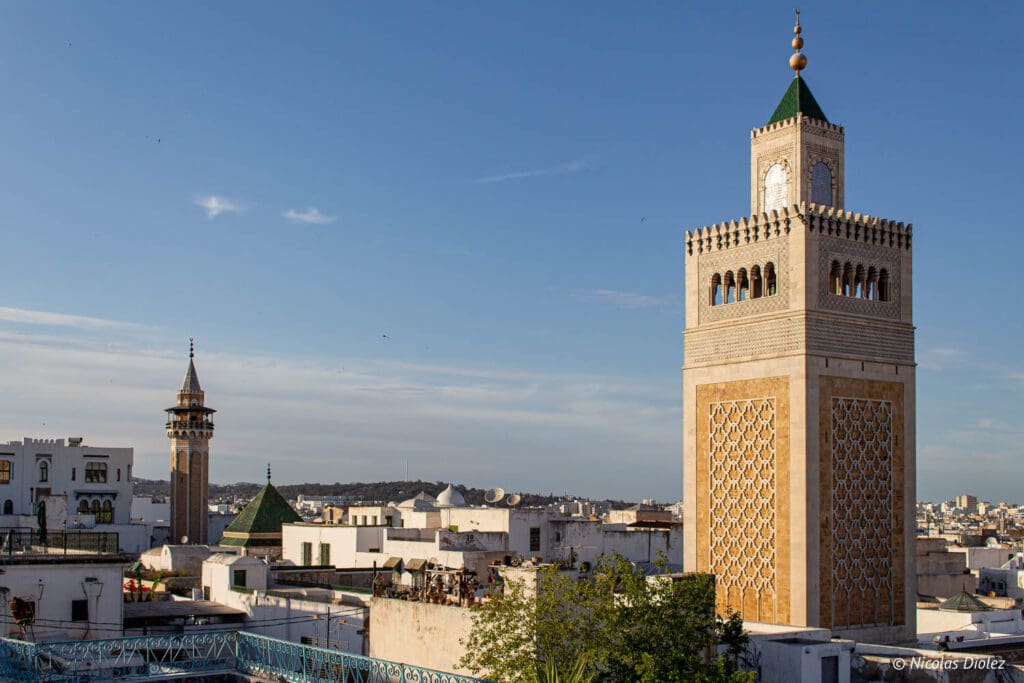
For a total first-timer in the Tunisian capital without breaking your budget, the ultimate good deal is to book a Free tour with Civitatis. The way this famous activity platform works is based on a very advantageous participatory principle: registration is entirely free and you decide the tip to leave the guide at the end of the walk, depending on how much you enjoyed it! For about 2 hours and 45 minutes, an English-speaking local guide will take you to discover the treasures of Tunis. You will dive into the enchanting atmosphere of its UNESCO World Heritage-listed Medina, stroll through the alleys of its lively souks, and admire the majestic Zitouna Mosque or even the iconic Bab el Bhar gate.
Free tour in Tunis by Civitatis
Duration: 2h45
_
Visit the Medina of Tunis
Tunis’s historic center, the Medina, has been a UNESCO World Heritage site since 1979. I strongly advise you to wander around the Medina to discover the colorful atmosphere of the souks and its maze of alleys. Obviously, in the souk, be careful, watch your belongings, do not wear visible precious jewelry, and with these simple precautions everything should go well. Personally, we walked around there several times and had no trouble at all. But a friend living there still advised us to be cautious because there are still pickpockets in the Medina.


If you want to buy some authentic ceramics in the Medina, I recommend going to the shop Tunis Céram. Indeed, it is one of the rare shops in the Medina that still produces its own ceramics (I was even able to visit their small workshop). Below are also a few places I recommend visiting during a stroll through the Medina:
- The former Danish Consulate
I encourage you to go to the former Danish consulate, located on Jemaâ Zitouna street, which is used today as a district office by the municipality of Tunis. You can see the remaining colonnades of this building constructed in the 18th century for the Brothers of the Christian Schools.


- The rooftop terraces of the Medina
The Medina is home to many secret rooftop terraces with magnificent views of the city, and you just need to know their addresses to go enjoy them! Here is one address I discovered during my stay. You can go all the way to the top of the viewpoint at the shop Maison d’Orient. Admission is free and you just need to climb all the way up the store to reach the rooftop terrace and its superb view. There are also a few tables just in case you want to sit down for a drink and admire the view!


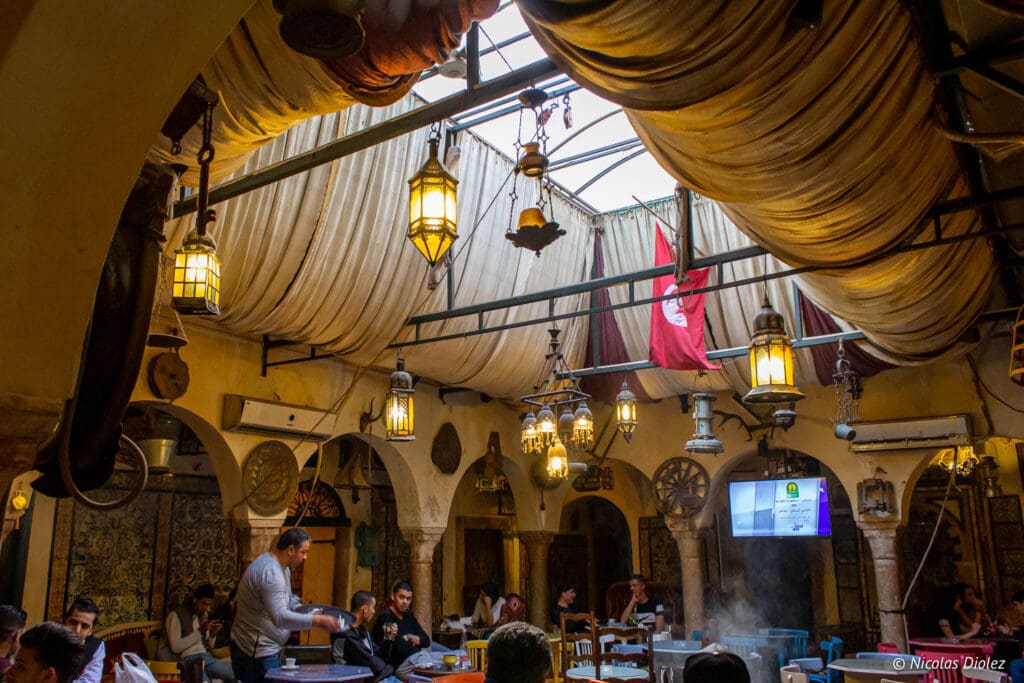
- Café mnouchi Abderazak or Café du Souk (Rue Ellafa)
This café, located in the heart of Souk Leffa inside a building (oukala), used to serve as accommodation for foreign merchants specializing in precious goods, gold, silver, and silks. It is decorated with a very fine collection of ceramic panels.

_
Visit the National Bardo Museum
This museum, located in the Bardo suburb of Tunis, is breathtakingly beautiful! It houses one of the most exceptional collections of ancient mosaics in the world and is the second largest museum on the African continent after the Egyptian Museum in Cairo due to the richness of its collections. Following major renovation and modernization work, the museum has reopened its doors to offer a remarkable visitor route. If you don’t like crowds, you can peacefully admire the priceless masterpieces it holds.
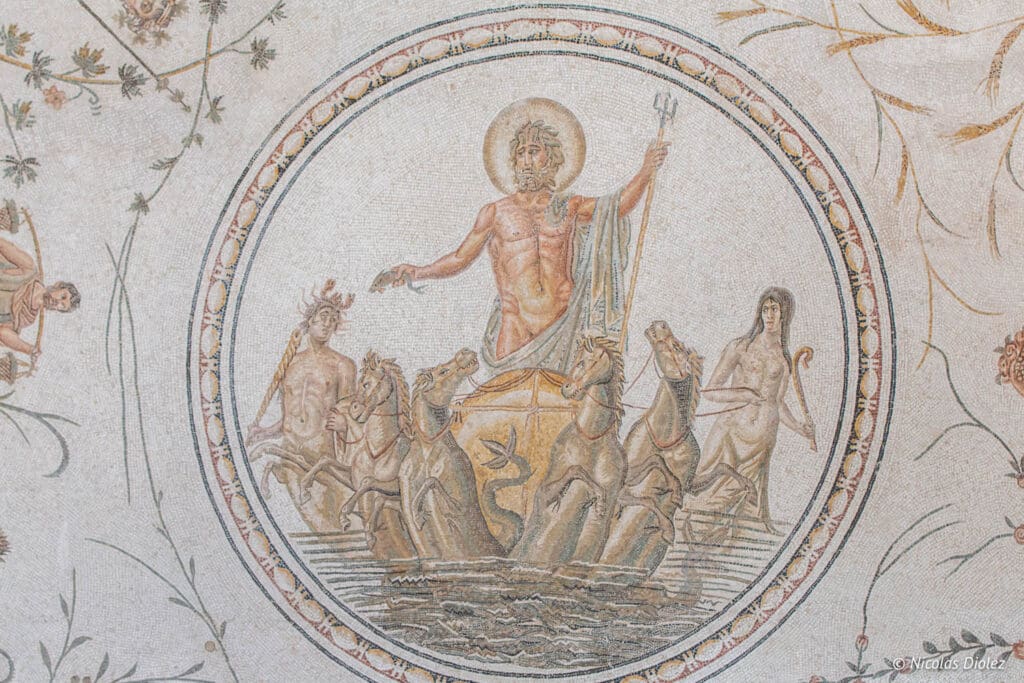


When traveling to Tunisia and particularly to Tunis, it is truly a must-see on your visit if you love art and archaeology! Furthermore, the museum is housed in the former Beylical palace, and visiting it also allows you to discover this sumptuous complex of buildings constructed from the 15th century onwards, which served as the residence of the Bey (the governor representing the Ottoman Empire in Tunis).
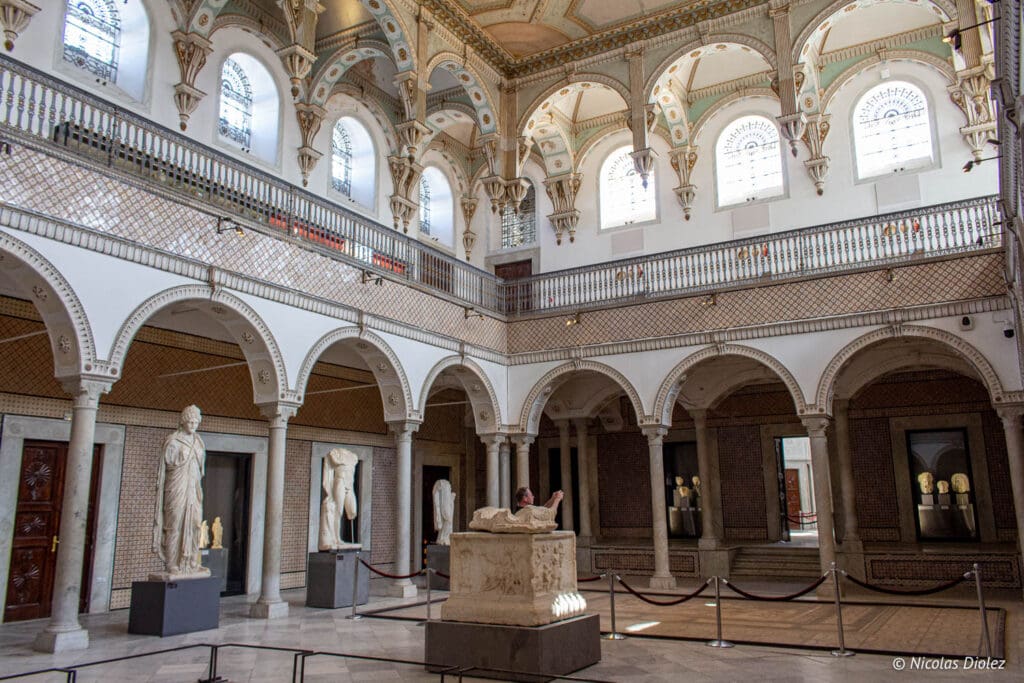

National Bardo Museum
Route Nationale 7, Le Bardo, Tunis, Tunisia
Open Tuesday to Sunday from 9:00 AM to 5:00 PM (closed on Mondays)
Prices: 30 dinars for non-residents, 8 dinars for residents, free for children under 12 and on the first Sunday of the month
_
Visiting the Sites of Carthage
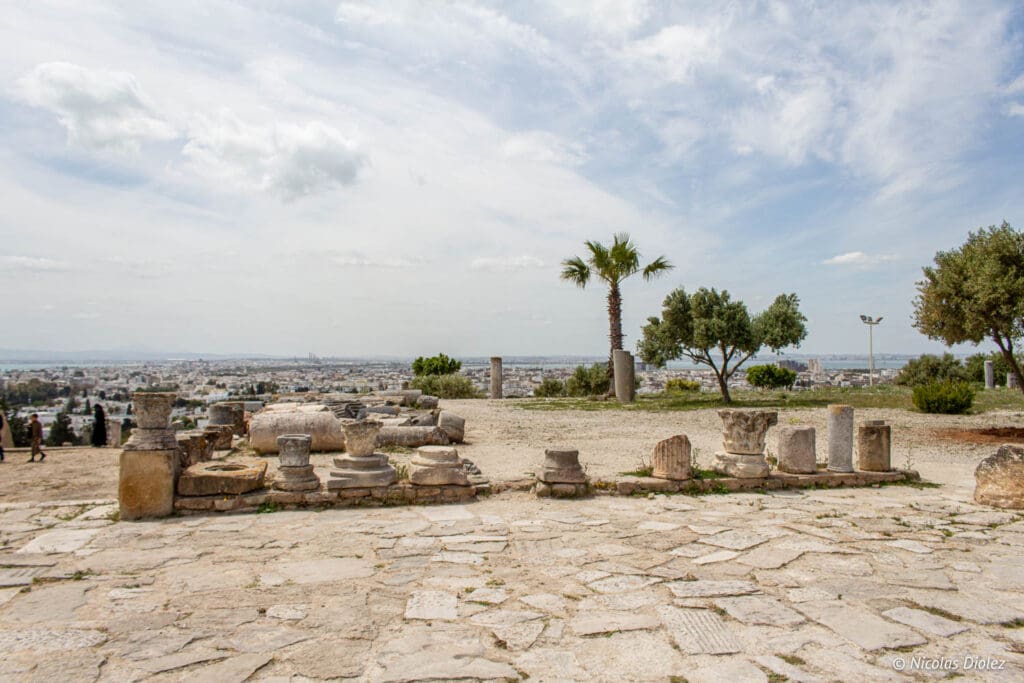
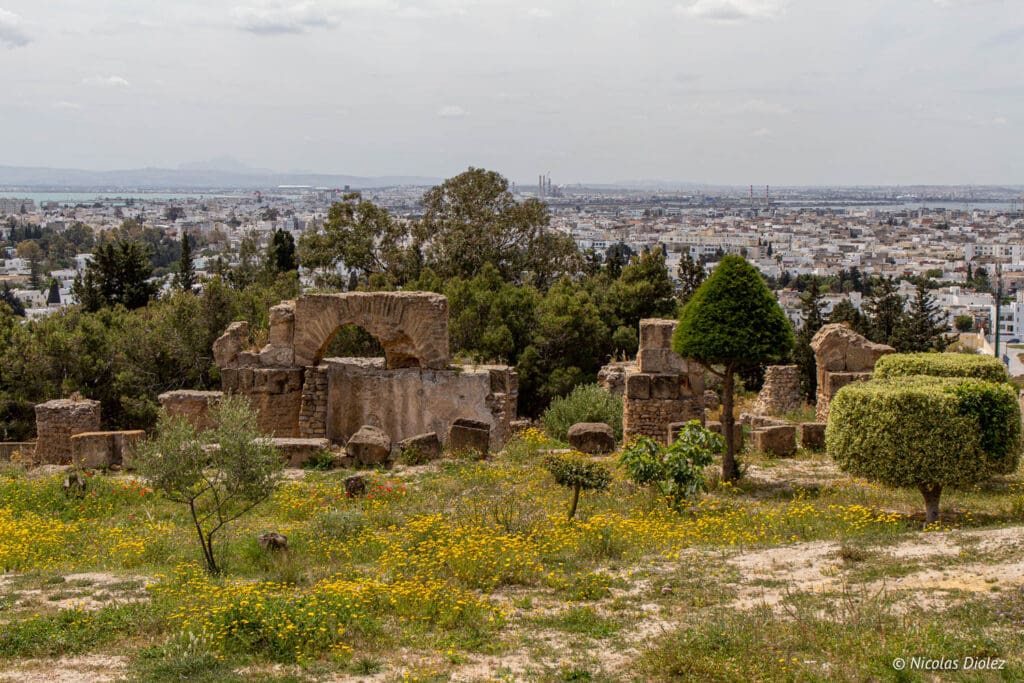
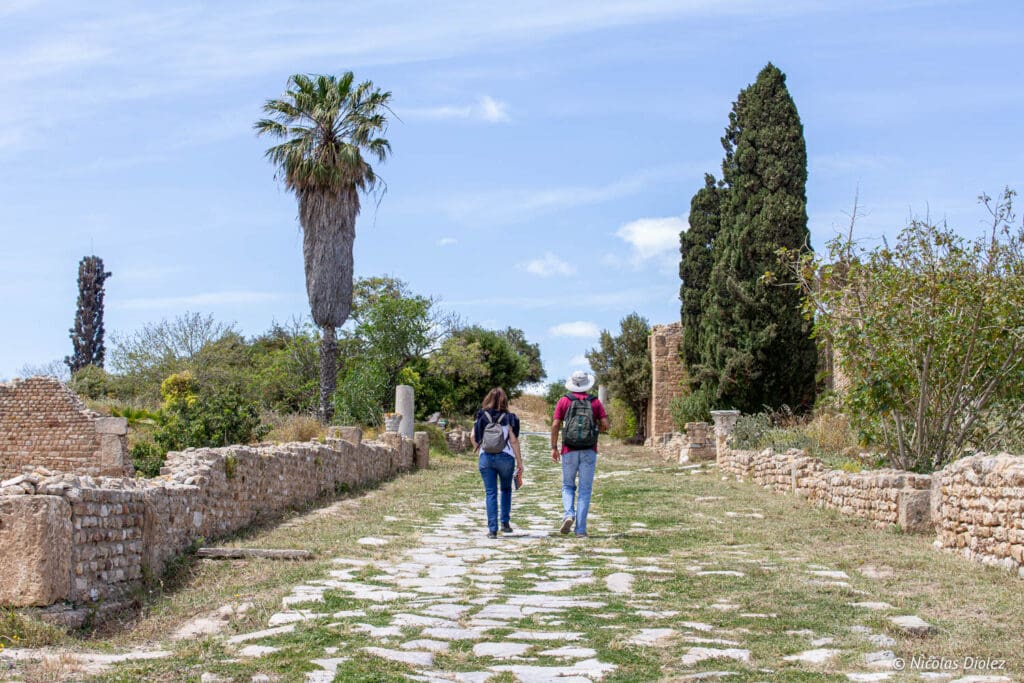
As an archaeologist, I obviously always dreamed of visiting this legendary site. There are actually several archaeological sites in Carthage: the Roman villas site, the Antonine Baths, the Punic military port, the Punic quarter, and the forum… To give a brief historical recap without getting into too much detail, of course, the city of Carthage was founded in the 9th century BC in the Gulf of Tunis by the Phoenicians. From the 6th century BC, the city became the powerful capital of a maritime empire stretching across the entire western basin of the Mediterranean.
Carthage was the rival and enemy of Rome for many years, during which long Punic Wars pitted the two cities against each other. Carthage was ultimately destroyed by the Romans in 146 BC, and a second Carthage—a Roman one this time—was then founded upon its ruins.


The Roman Villas


The Antonine Baths
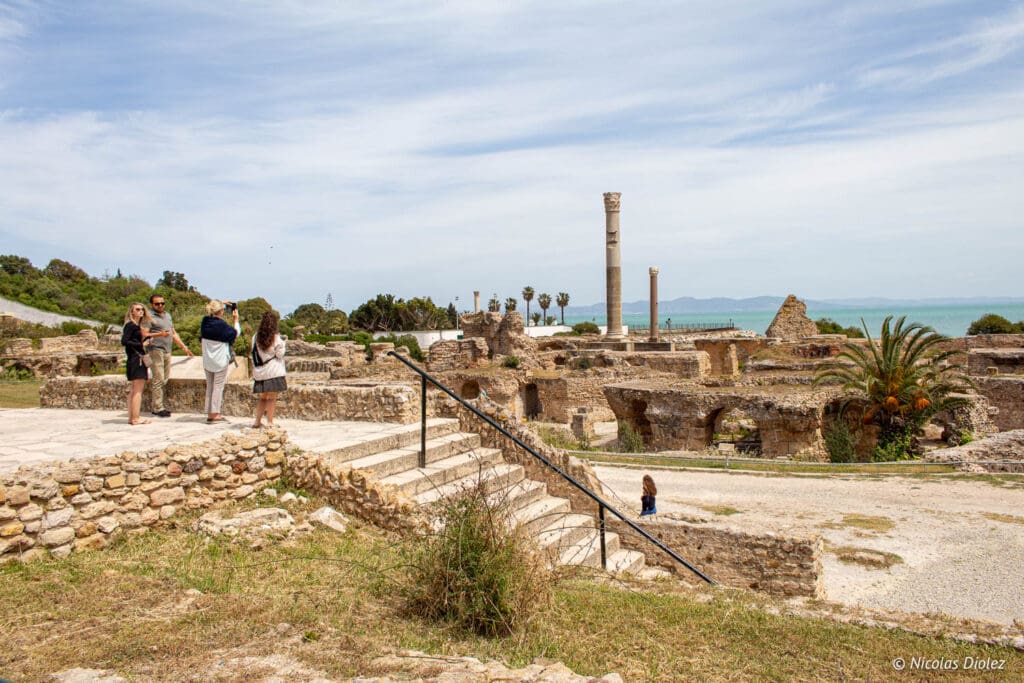


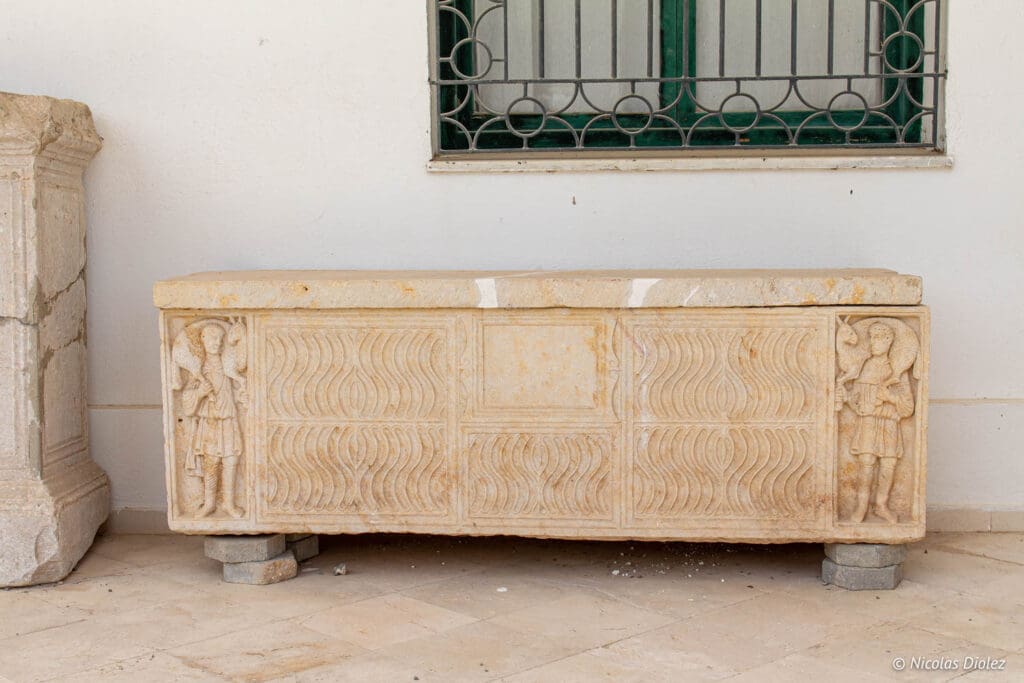
Byrsa Hill and the Archaeological Museum
The Carthage Archaeological Museum on Byrsa Hill is currently undergoing a vast rehabilitation and museographical modernization project, but the hill and the esplanade of the Saint-Louis Cathedral already offer an exceptional panoramic view of the Gulf of Tunis.

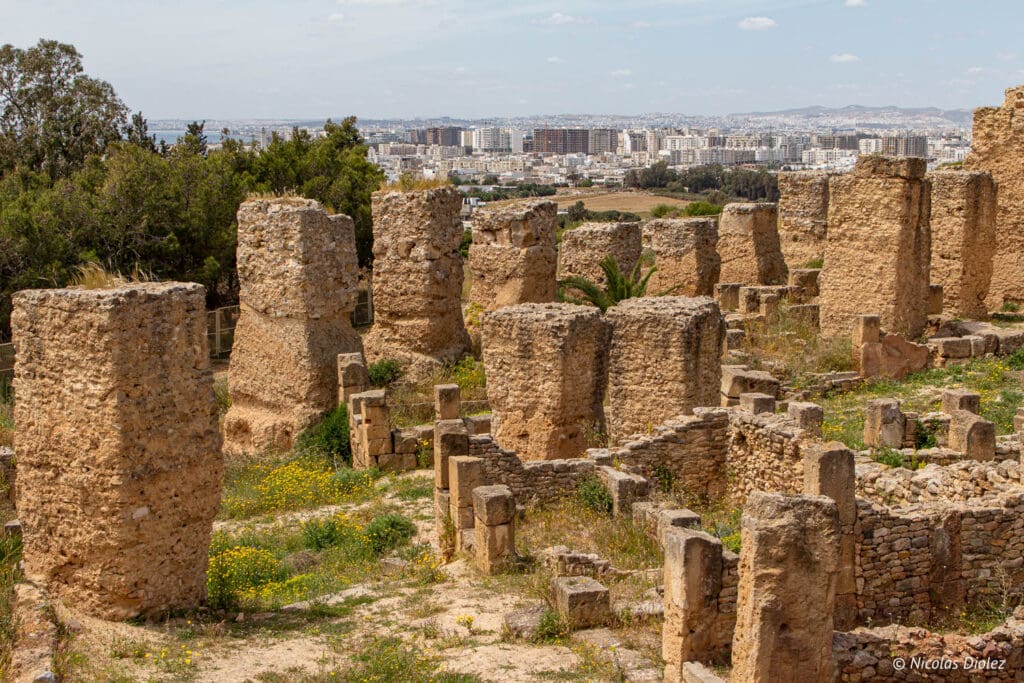


Since the sites are quite spread out, the female friend we were staying with in Tunisia at the beginning of our trip introduced us to the concept of the Lemon Tour, which offers guided tours of the site by bike or in total autonomy. This idea is particularly clever for covering the distances between the various locations, making it easy and enjoyable to connect them by bike. Since you buy your ticket for a single day of sightseeing, if you want to visit all the different locations within that day and thus make the most of your ticket, it is entirely possible. But in that case, I strongly advise you to arrange a means of transport between the spots.
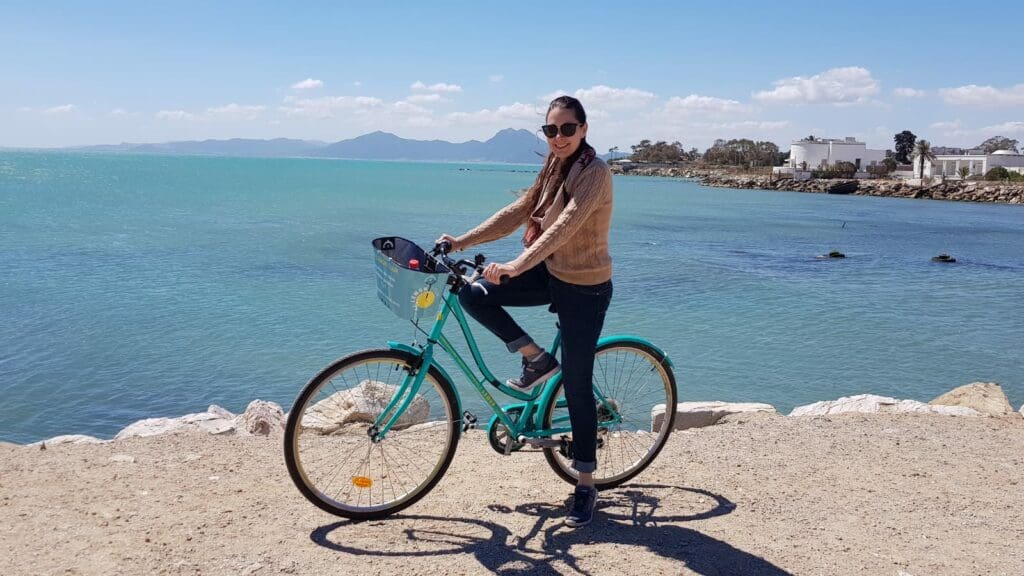
Carthage Archaeological Sites
Opening hours: 8:30 AM to 5:00 PM in winter, 8:00 AM to 7:00 PM in summer
Prices: Archaeological pass 20 dinars (valid for one day for all Carthage sites) / Bardo + Carthage combo ticket: 45 dinars
Lemon Tour prices: 15 dinars for a half-day / 25 dinars for a full day
My favorite places in Tunis
Naturally, when traveling to Tunisia, you absolutely must try the local cuisine. It blends various culinary traditions that have influenced the region: Berber, Arab, Jewish, Italian, Spanish…
Here are some standout dishes to try during your trip to Tunisia:
- egg or tuna brik (crispy turnovers)
- couscous, of course
- Tunisian salads (such as mechouia salad with grilled peppers, tomatoes, and onions)
- traditional soups, which are very prominent in Tunisian cuisine
In any case, it is a very spicy cuisine, and every meal is accompanied by harissa, which Tunisians eat directly with bread soaked in olive oil. Of course, for dessert, a nice mint tea (slightly different from the one you find in Morocco, I think) served with Arab pastries is a moment of pure bliss (if you have a sweet tooth, that is). Tunisians are also huge fans of creams, which you will find served in almost every way possible.
Just like in Morocco, it is apparently recommended to stick to bottled water, but at the same time, it is served to you right away as soon as you arrive at a restaurant, so oh well… As for alcohol, you can try Tunisian beer (refreshing, but not unforgettable), as well as Tunisian wines, which can turn out to be quite interesting—notably the AOC Mornag for reds. Indeed, let’s not forget that Tunisia was a major winemaking region back in antiquity.


As usual, I’m sharing below a few addresses (restaurants, hotels) that I got to test during my stay in Tunis.
_
Dar Slah Restaurant
Located in the medina of Tunis, this restaurant offers very good traditional Tunisian cuisine at a reasonable price. I advise you to follow the recommendations of the owner if you want to sample typical dishes.


145, rue de la Kasbah – La Médina – 1006 Tunis, Tunisia
_
Fondouk El Attarine
Located right in the heart of the souks of Tunis within the Medina, this traditional restaurant offers a stunning setting, as it is housed in a former caravanserai (a roadside inn where merchant caravans used to stop). In addition to the restaurant, the venue also hosts an exhibition and sale of Tunisian handcrafted products alongside a boutique. Therefore, even if you don’t plan on eating there, I still highly recommend making a detour to enjoy the architecture of the place. Dining in its beautiful inner courtyard is a truly delightful experience.
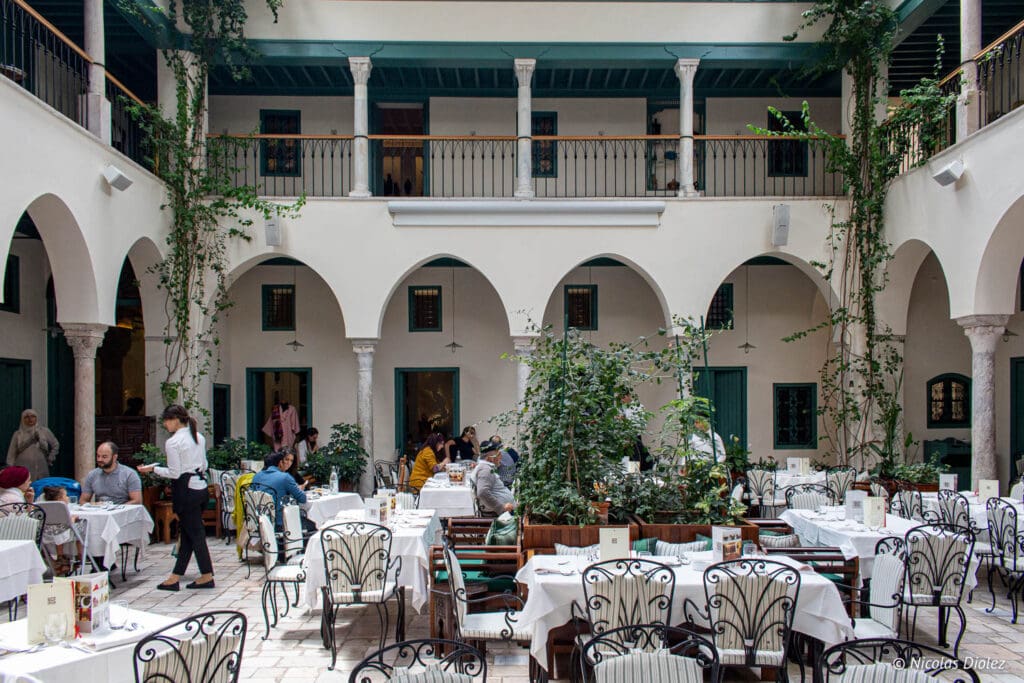


9 bis, Souk el Attarine, Tunis Medina
Reservations recommended for dining
_
Dar El Jeld Restaurant
This gourmet traditional cuisine restaurant is renowned for being one of the best in the city. In the evening, the intimate and romantic atmosphere of a candlelit dinner in the gorgeous patio of this magnificent location is a memory you won’t soon forget. The upscale service is flawless, and the cuisine features traditional dishes crafted with a high degree of refinement. Furthermore, this restaurant belongs to the same group as the hotel of the same name, which I mention right below and where we stayed during our trip to Tunis.
Must-try: the stuffed cuttlefish couscous, one of the house specialties; and the very fine selection of Tunisian wines.


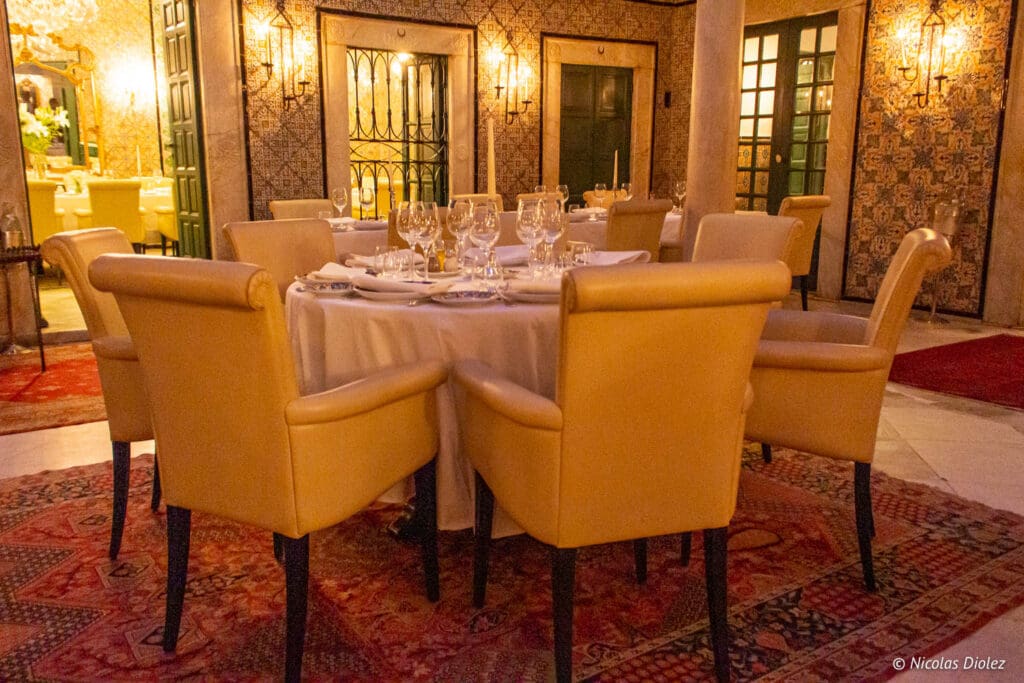
Restaurant Dar El Jeld
5 rue Dar El Jeld, The Medina of Tunis
Prices: menus from 45 to 80 dinars
_
Hotel & Spa Dar El Jeld
Nestled in the heart of the Medina around “La Zitouna” and just a stone’s throw from Government Square, this luxury hotel is a truly sublime place. The hotel consists of a restored traditional residence and a contemporary building in the same refined style. It features 16 luxurious suites arranged around a lemon tree garden adorned with a fountain. It is a haven away from the hustle and bustle of the Medina, inviting relaxation and rest.


Naturally, as in all establishments of this caliber, the welcome and service are particularly attentive, with care given to every guest.
Our Suite
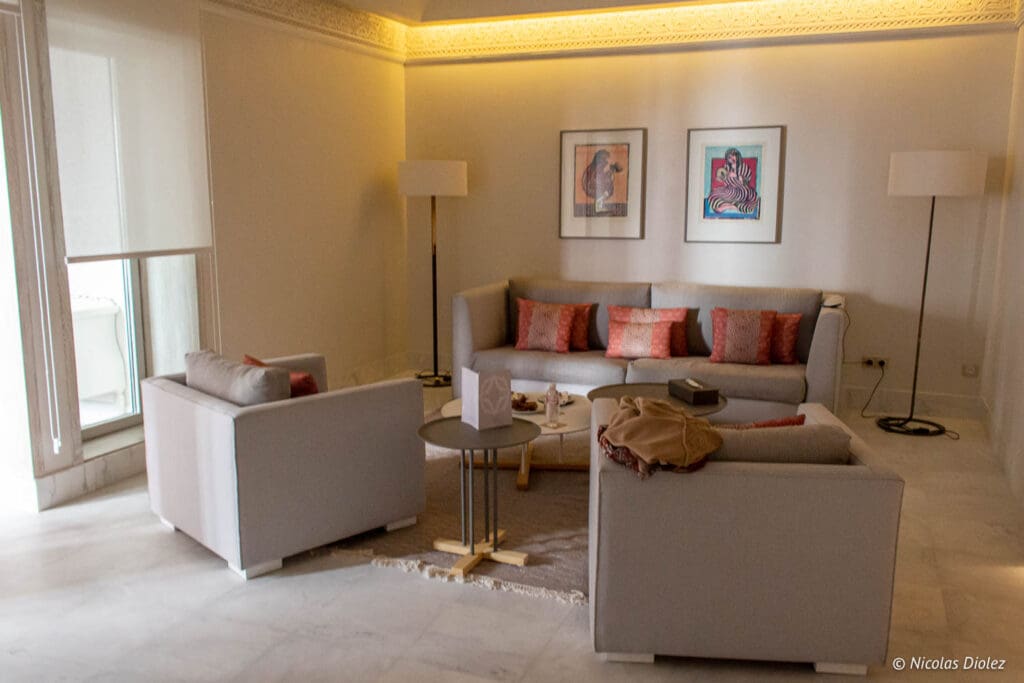
We therefore had the chance to stay in one of the hotel’s suites (80 m2) during our time in Tunis. Needless to say, we had plenty of space! In any case, I really loved the design, decor, and tranquility of this suite. Inside, you naturally find top-notch amenities: a super comfortable king-size bed, a Lavazza coffee machine, a flat-screen TV (48-inch full HD), free Wi-Fi, a minibar, an electric kettle (an absolute must-have for my evening herbal tea)…



Breakfast
Breakfast is served on the hotel’s top-floor rooftop, overlooking the rooftops of the Medina. During sunny days (which means a large part of the year in Tunisia), this allows you to enjoy your breakfast outdoors!


Hammam & Spa
The hotel features a magnificent hammam in the pure Tunisian wellness and body care tradition. After a quick session in the hammam, you can unwind in the relaxation area and herbal tea room provided for this purpose.


Rooftop Restaurant
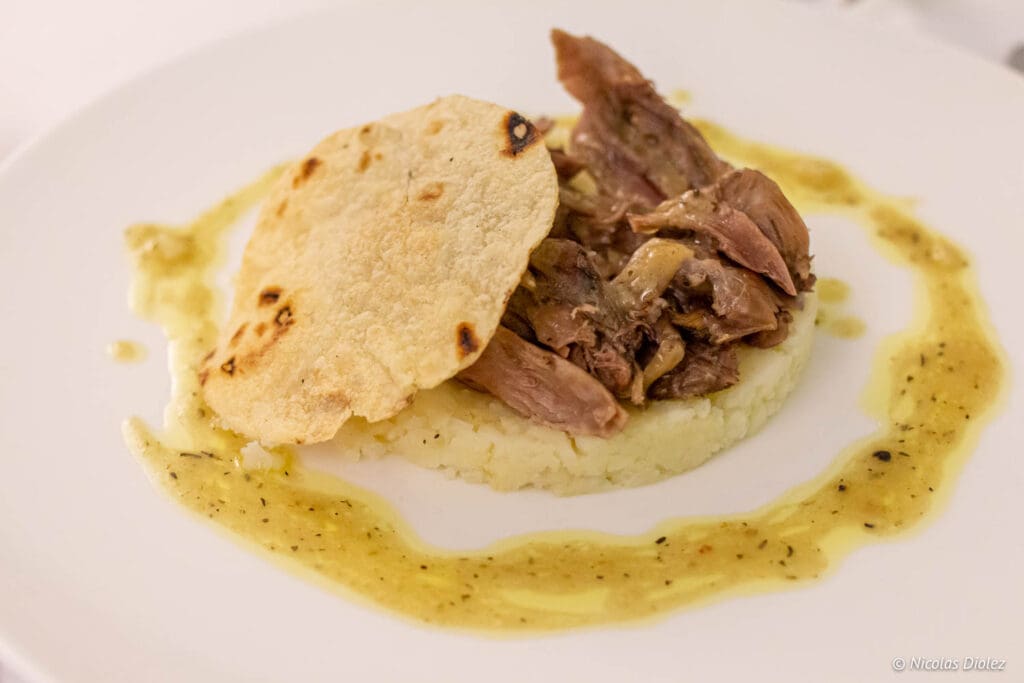
The hotel also offers all-day and late-night dining on the top floor of the establishment. On the menu: a wide range of Tunisian and international dishes and wines. The restaurant is also open to non-hotel guests.




Hotel & Spa Dar El Jeld
10 rue Dar El Jeld, 1006 Tunis, Tunisia
Rate: starting from €170 per night
_
Brunch and relaxation at Mövenpick Hotel Gammarth Tunis
For the bachelorette party I mentioned at the beginning of this article, we spent a girl’s afternoon together at this elegant seafront hotel. On the agenda for this girly Sunday was brunch followed by a massage at the spa.


Mövenpick Hotel Gammarth Tunis
36 Avenue Taieb Mhiri, La Marsa 2078, Tunisia
Sunday brunch at Horizon Restaurant starting at 12:30 PM
_
Shopping: Le Parfumeur Hamdi Mondher
This shop is located opposite Al Madrassa Slimania in the Medina. It sells massage oils and perfume extracts. We didn’t buy anything there, but we were treated to a fascinating explanation of how these fragrance essences are crafted. I always find that this adds a special touch when trying to understand the importance of local production for this kind of product during a trip to Tunisia.

Parfumeur Hamdi Mondher
4 rue El Khomsa, Tunis, Tunisia
_
Thank you to the Tunisian National Tourist Office Discover Tunisia for this collaboration and for putting together this discovery program of the city of Tunis and this wonderful trip to Tunisia.
I hope all this has made you want to discover Tunis and Tunisia on your travels, and if you also have your own favorite addresses and tips for this destination, feel free to share them in the comments!
My stops in Tunisia:
⇒ Tunis and its surroundings
⇒ Visiting Sidi Bou Saïd
⇒ Bizerte and the northern coast
Photo credits: Nicolas Diolez and Melle Bon Plan
Photos are not royalty-free, photographer's permission required before any use