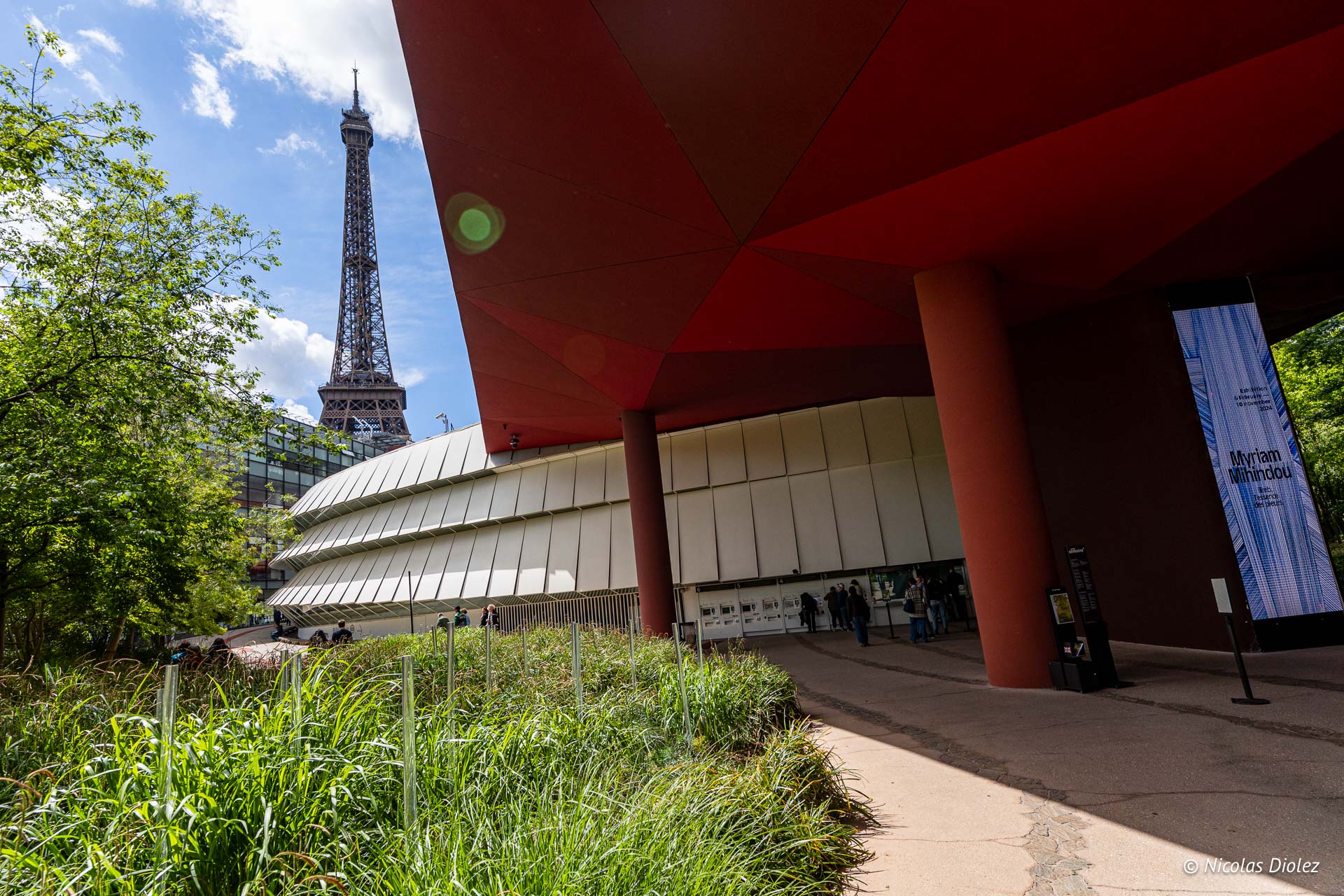
That’s it, autumn is already well underway and we can feel the holiday season, which I love so much, approaching. In this article, I’m sharing several lovely cinema-related events, as well as a review (a bit late, I’m sorry about that) of a few films that were released in theaters several weeks ago…
As for the silver screen, it’s definitely time to reconnect with some old friends. On the agenda, the return of an eternal child and the most famous of bachelorettes returning with a bun in the oven.

_
Table of Contents
The Paris Cocktail Festival goes to the movies
 As part of its 5th edition, the Paris Cocktail Festival is innovating by scheduling a cycle of 7 film screenings in original version with subtitles titled “Ciné Cocktail Club” at the Club de l’Étoile, from November 25th to 27th. Talks and activities will accompany each screening.
ON Program: 2 sessions featuring a lecture on cocktails in cinema hosted by François Monti, followed by a cocktail hour with tastings
- Cocktail by Roger Donaldson (1988) – Friday, November 25th at 8:00 PM
- Casino Royale by Martin Campbell (2006) – Saturday, November 26th at 8:00 PM
Info and bookings on the event website
OFF Program: 5 sessions with activities
- The Godfather Part II by Francis Ford Coppola (1974) – Saturday, November 26th at 1:00 PM
- North by Northwest by Alfred Hitchcock (1959) – Saturday, November 26th at 5:30 PM
- The Big Lebowski by the Coen Brothers (1998) – Sunday, November 27th at 1:30 PM
- Breakfast at Tiffany’s by Blake Edwards (1961) – Sunday, November 27th at 4:30 PM
- The Great Gatsby by Jack Clayton (1974) – Sunday, November 27th at 6:30 PM
Info and bookings on the Club de l’Etoile website

Paris Cocktail Festival goes to the movies

Club de l’Étoile
14, rue Troyon 75017 Paris

from November 25 to 27, 2016
rates: €9 / €7 online
_
1930s American Cinema Cycle at the Musée d’Orsay
To complement the exhibition American Painting in the 1930s (scheduled at the Musée de l’Orangerie until January 30th), the Musée d’Orsay is hosting a cycle of American films from the 1930s.

From November 25th to December 17th, nine films representing arguably the most free and innovative decade of American cinema will be shown at the Musée d’Orsay auditorium. You’ll be able to see or revisit, among others, The Struggle by David W. Griffith, 1931, Man’s Castle by Frank Borzage, 1933, Nothing Sacred by William Wellman, 1937, and The Grapes of Wrath by John Ford, 1939.
1930s American Cinema Cycle
from November 25 to December 17, 2016

Musée d'Orsay
1 Rue de la Légion d'Honneur, 75007 Paris

auditorium / level – 2
Entrance reserved via Door C

price: €6 / €4.50
_
Tim Burton, a very peculiar child
(review by Julie Brando)
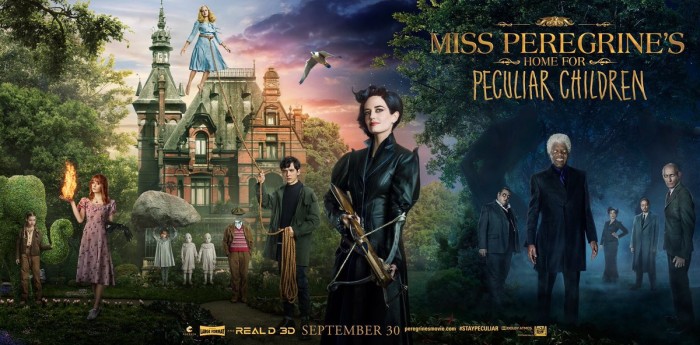
No one can dispute the talent and iconic nature of Tim Burton. A singular, respected director whose universe, recognizable among all, has many admirers. He is the father of Edward and Jack Skellington, gave full legitimacy to marginality, and forged a reputation as a childlike genius. A creator who sees beauty in the ugly, finds light in darkness, and turns away from simplicity and normalcy to bring forth another vision of the world.
Tim Burton: a name, a brand, a legend, but one that has struggled in recent years to reconnect with the enchanting nature of its beginnings. But Tim Burton isn’t giving up.
This type of cinema is something only he knows how to make; many usurpers have tried the Burton style, but in vain. Admittedly, his cinema does not align with today’s concerns.
We enter Tim’s world as one opens a trunk of memories. Everything is so familiar; you can smell that old scent of yesteryear. The sounds, colors, movements, and faces come back to hit you full force, like an old tune we know by heart and hum happily.
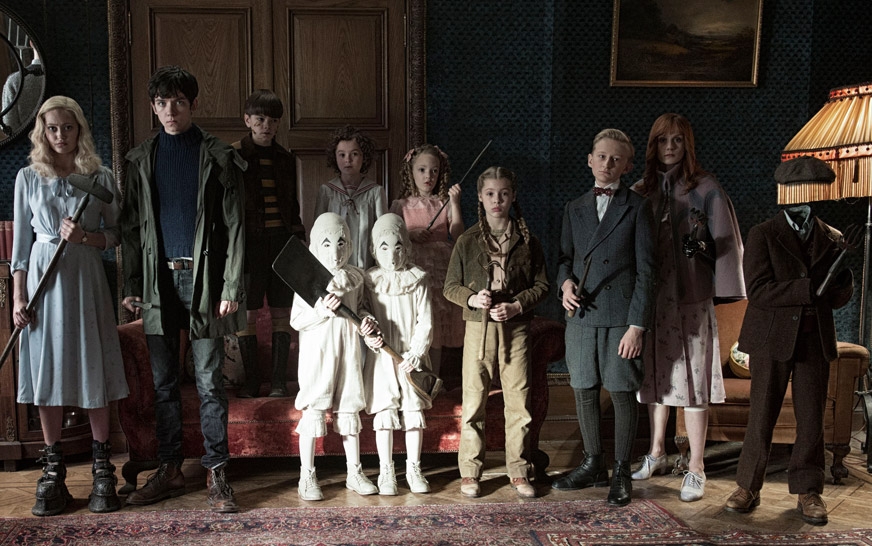
Today, the most peculiar child of all tells us the story of his comrades… And for this occasion, he came to greet us in the capital! And it was with enthusiasm that he came to present his new baby. Miss Peregrine’s Home for Peculiar Children could have been written by Tim Burton himself, as the symbols, universe, characters, and themes correspond uncannily to Mister Tim’s world.
A school for strange children lost between two time-spaces, blocked far from the eyes of common mortals. Imaginary playmates who remind us of the characters created by the director in his poetry collection The Melancholy Death of Oyster Boy & Other Stories.

Even if we are far from the oneiric and enchanting nature of the early Tim Burton films, Miss Peregrine gives him a second wind that is almost salvific. We walk through this fable like an old work of art that smells of the Burtonian era, seasoned with a touch of Beetlejuice, Edward, or Mr. Jack. The great Tim is not very far away anymore. It takes almost nothing to whisk us back into his bubble.
The film, clumsy at times, suffers from a lack of rhythm occasionally. One can almost feel the filmmaker’s weariness in trying to find his place in today’s cinema, fueled by Marvel and other ultra-“blockbusterized” superheroes. It would take next to nothing for him to make his cinema a singular ensemble that only certain filmmakers—whose works are made of glue and paper—manage to impose. If Wes Anderson can do it, Tim Burton can too.

Miss Peregrine and her peculiar children manage to touch us, however, thanks to the benevolent gaze that the most illustrious of outcasts casts upon them. It’s pleasant, whimsical, and familiar. It’s Tim Burton…
Miss Peregrine's Home for Peculiar Children, by Tim Burton
with Eva Green, Samuel L. Jackson

Currently in theaters in a few remaining cinemas
_
Bridget Jones, 2 men and 1 baby
(review by Julie Brando)
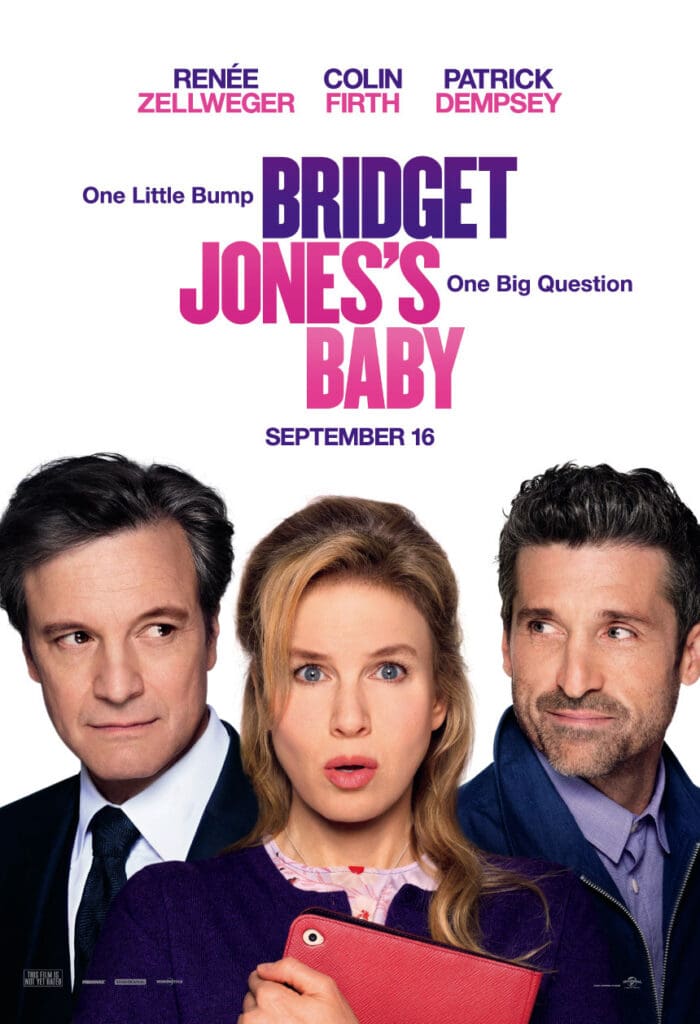 She’s back! The most famous bachelorette does us the great honor of returning after 12 years of absence. We had almost forgotten the name of her lead actress, Renée Zellweger, who returns in great shape after a long and perilous journey through the wilderness.
Her physical transformation puzzled many fans, who find themselves faced with a slim Bridget who is comfortable in her own skin. But as the film’s director explains, at 40, Bridget has finally found a way to say goodbye to her curves without giving up her antics and gaffes of all kinds.
Because on this point, Bridget hasn’t changed a bit. From her memorable falls to romantic situations worthy of a Jane Austen novel, Bridget is still chasing Mr. Darcy. But between two arguments, she manages a one-night stand and gets pregnant.
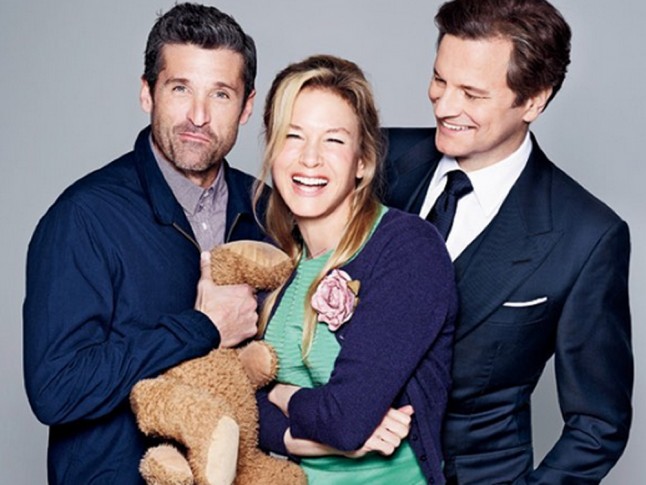
And here is Bridget caught in the gears of a love triangle, spiced up by the following problem: Who is the father of the baby? The serious and proud Mr. Darcy (always excellent Colin Firth) or the dark and jovial Jack (hilarious Patrick Dempsey).
The beauty finds herself in the middle of a romantic battle where two valiant knights vie for her favors. All of this takes us back to the golden age of the Darcy/Cleaver duel, where one laments the absence from the credits of the most British of actors, Hugh Grant.
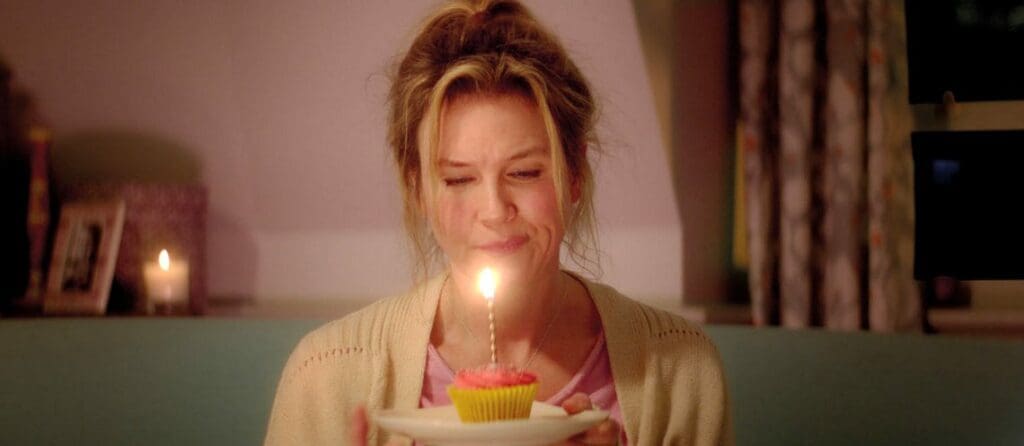
But this third installment benefits, in addition to the charm and caustic humor of the first, from its energy, thanks to the presence behind the camera of Sharon Maguire (the director of the first film). And the icing on the cake is that this is not an adaptation of the last book, where a widowed Bridget becomes a single mother chasing after young men. This is an original script that sticks more to the spirit of the first films.
A cougar Bridget would have disappointed a horde of pro-Darcy fans. You have to admit, you laugh heartily and let yourself be charmed more than ever by this “so British” comedy that only our friends across the Channel have the secret to. It’s not very great cinema, but it’s a very great Bridget Jones, and that’s not bad at all!
Bridget Jones's Baby, by Sharon Maguire
with Renée Zellweger, Colin Firth, Patrick Dempsey

Currently in theaters in a few remaining cinemas
article written by Julie Brando and Melle Bon Plan