Summer is well and truly here, so pleasant and warm that it made us want to stay in France! So, I’m taking a little break (or getaway) from Mademoiselle Bon Plan to share my latest discoveries with you.
I will first take you to the Musée des Beaux-Arts in Rouen, in Seine-Maritime, to admire the works of Braque and his friends from when they came to visit him in Varengeville. We will then discover, still in Normandy, the latest exhibition at the Musée des Impressionnismes in Giverny, dedicated to the Nabis painter Ker-Xavier Roussel.
Then, heading south to the Loire Valley, which is celebrating the Renaissance and Leonardo da Vinci this year. In this context, we will visit the fascinating “Children of the Renaissance” exhibition at the Château de Blois. Finally, we will take a little tour of the Château de Talcy, a magnificently preserved jewel from the same era!
_
Table of Contents
“Braque, Miro, Calder, Nelson…” at the Musée des Beaux-Arts in Rouen
Perched on the Alabaster Coast, the village of Varengeville-sur-mer (Seine-Maritime) has attracted many artists, painters, and writers, especially since the end of the 19th century. This was the case for the American architect Paul Nelson, who bought a country house there. He introduced the place to Braque, who also acquired a Norman farmhouse in 1930, where he often came to work until his death in 1963.
Throughout their many invitations, their artist friends formed a true “studio on the cliffs.” This includes Miró, René Char, the American sculptor Calder, and the German painter Hartung, whose works created on-site we can discover. One might particularly notice the gifts they gave each other: an ashtray tinkered from metal, a pebble, a portrait of Miró by Calder…
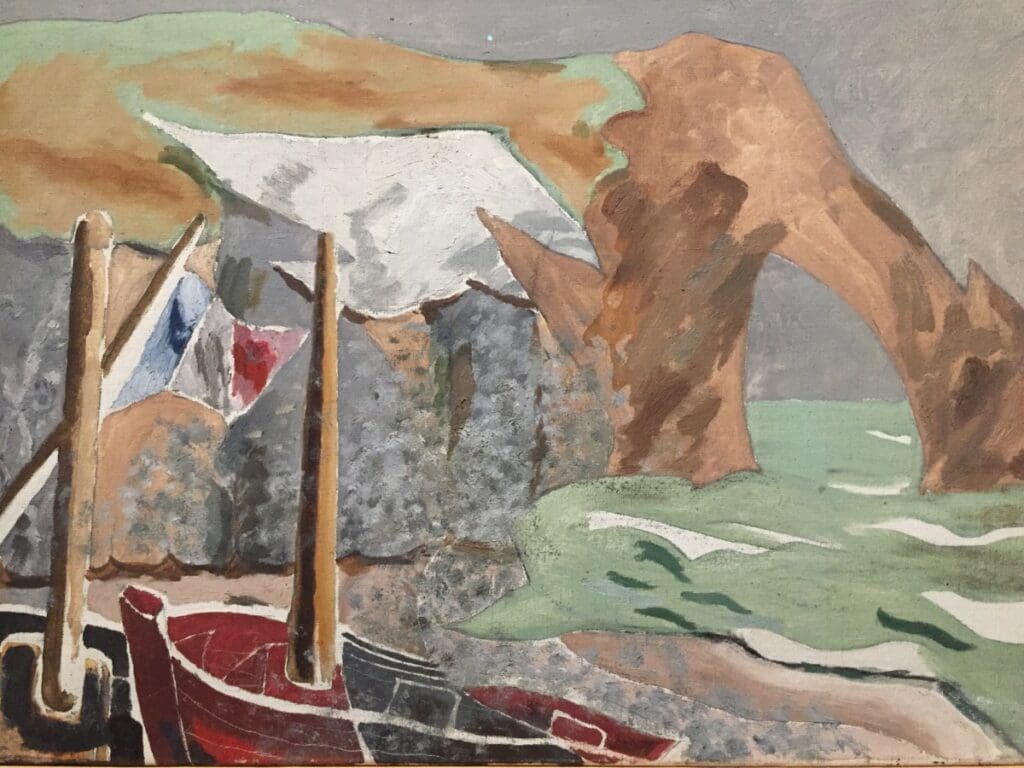
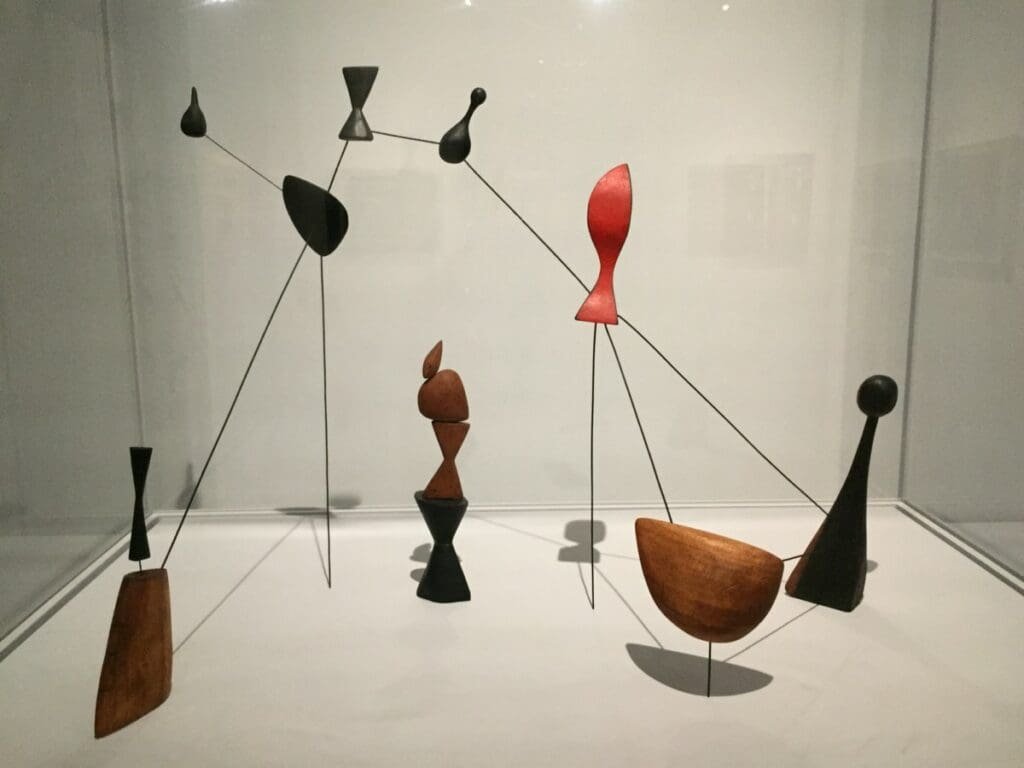
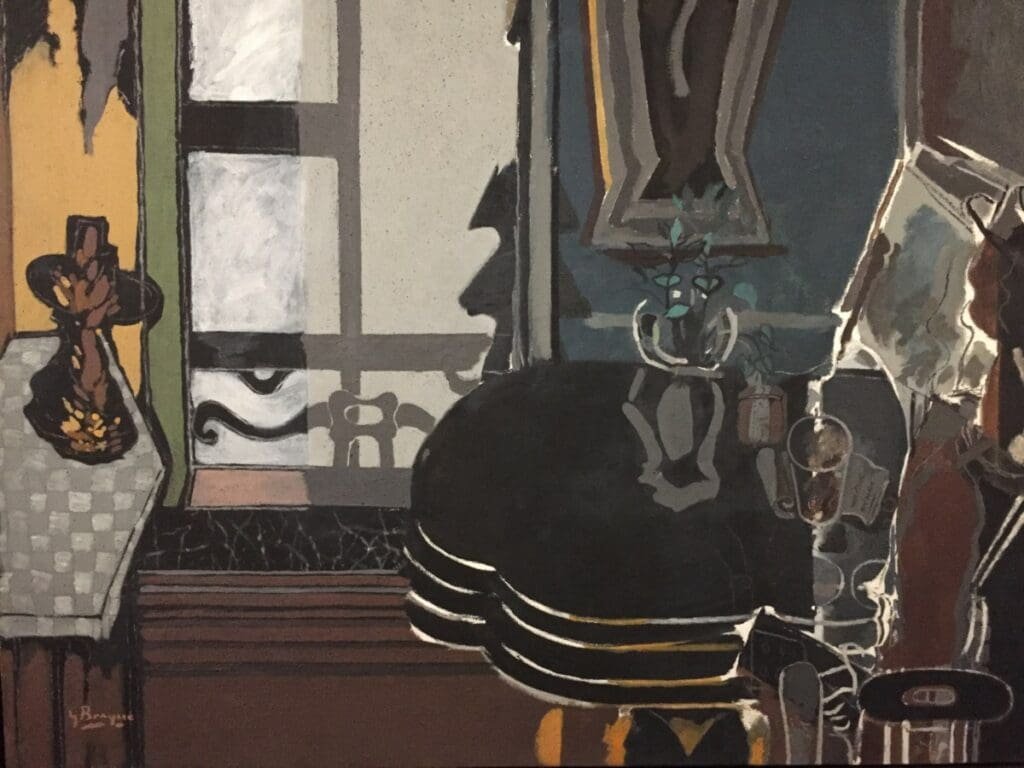
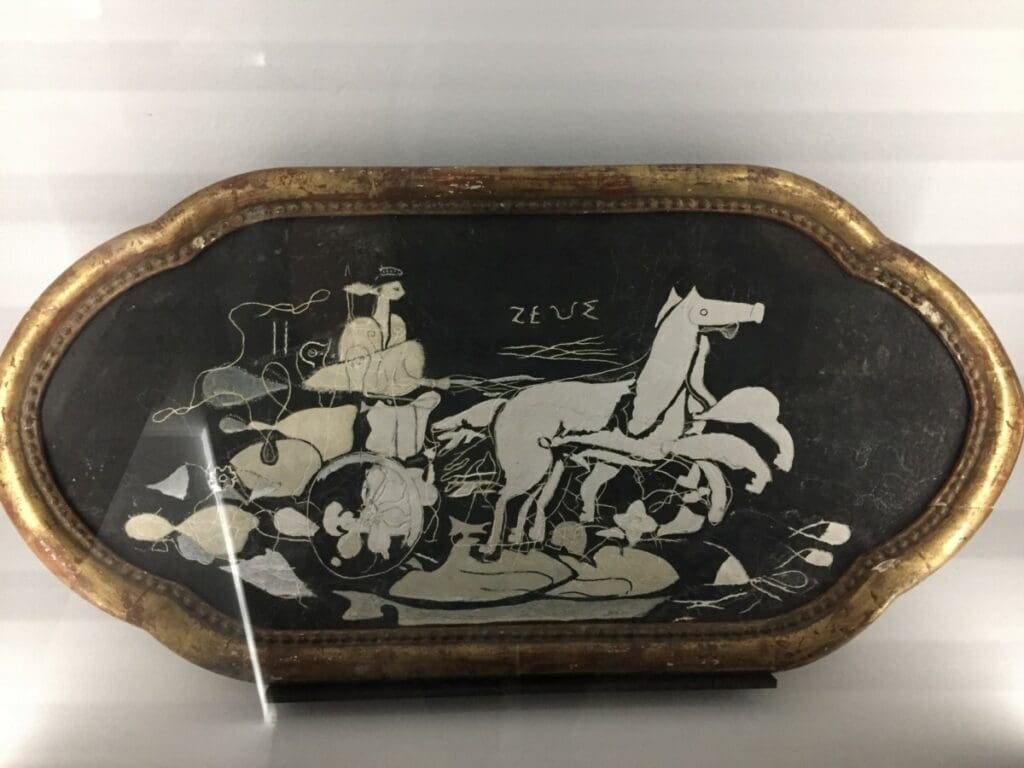
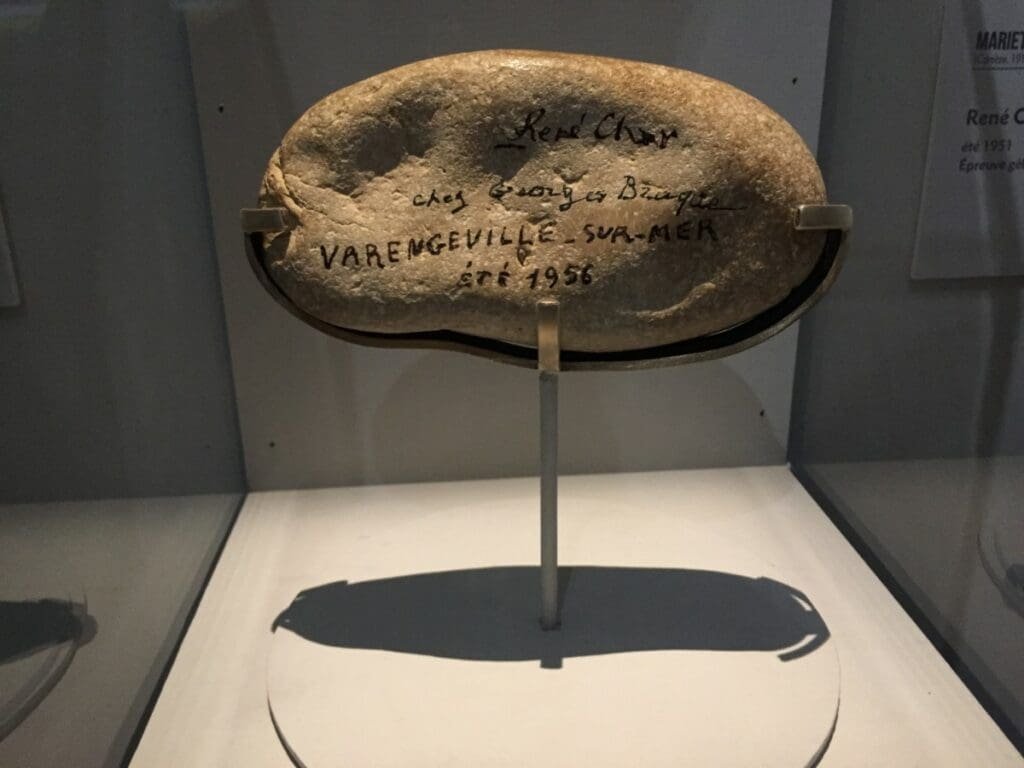 This superb and touching exhibition is also the first to take a comprehensive look at Braque’s work and his renewal in Varengeville. First, the sculptures, whose antique scenes are carved in stone or engraved in plaster. Then the war years when the artist painted dead fish or dark studios with gravity. Finally, the famous large birds were born, some of which adorn a ceiling in the Louvre.
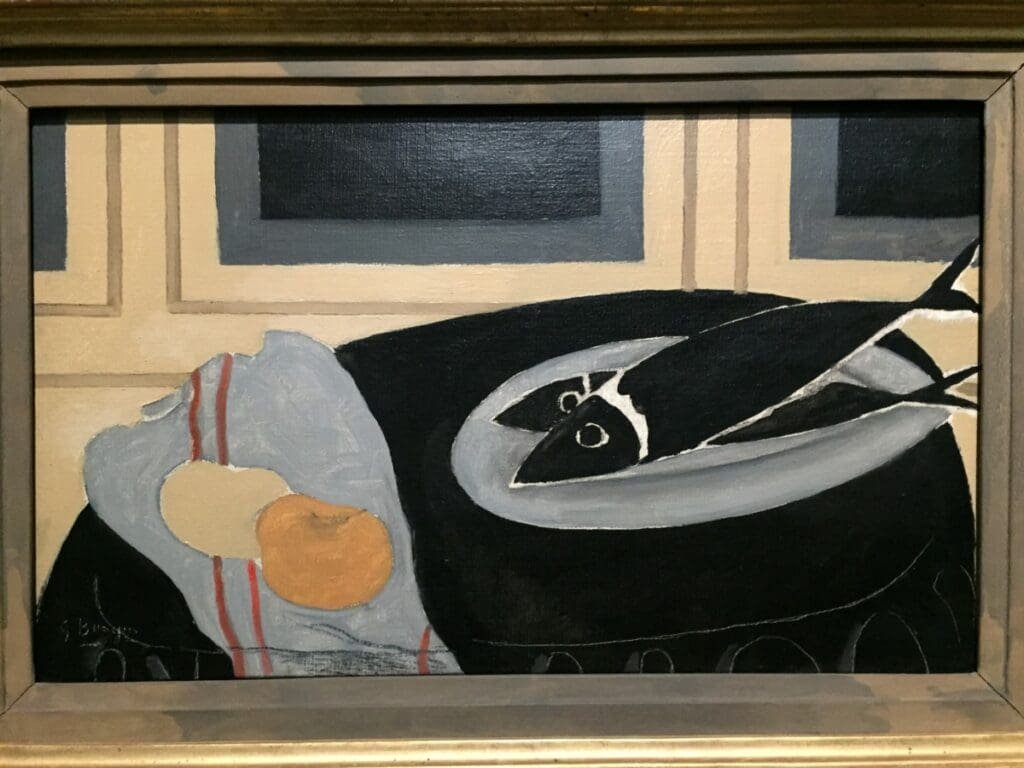
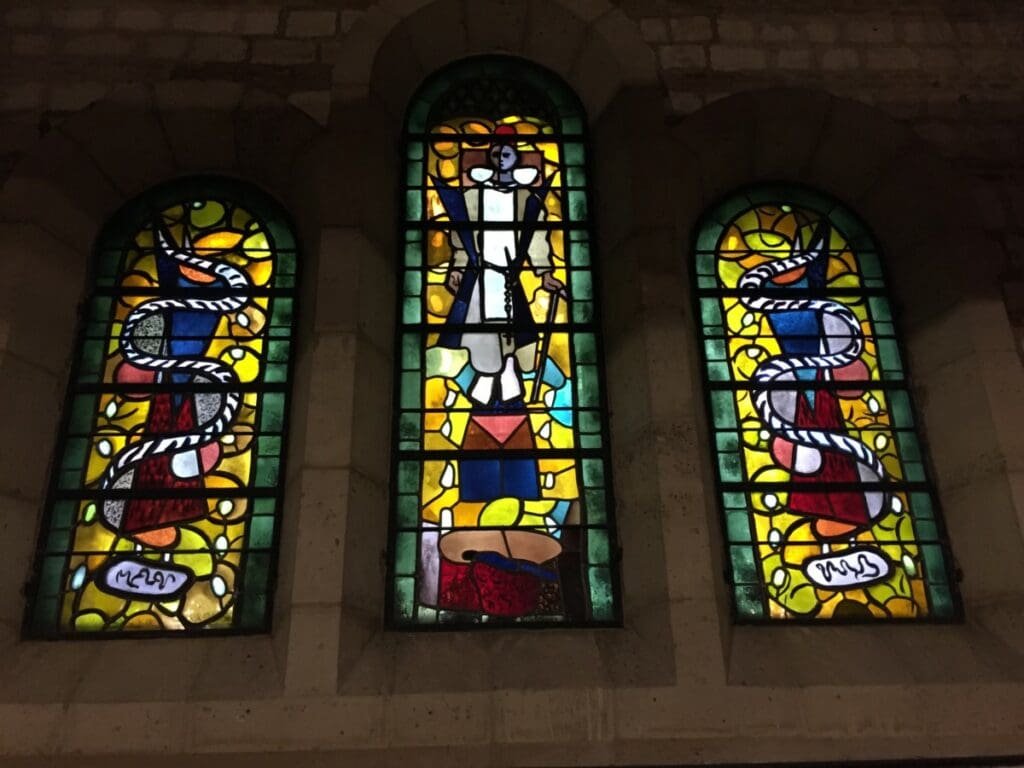
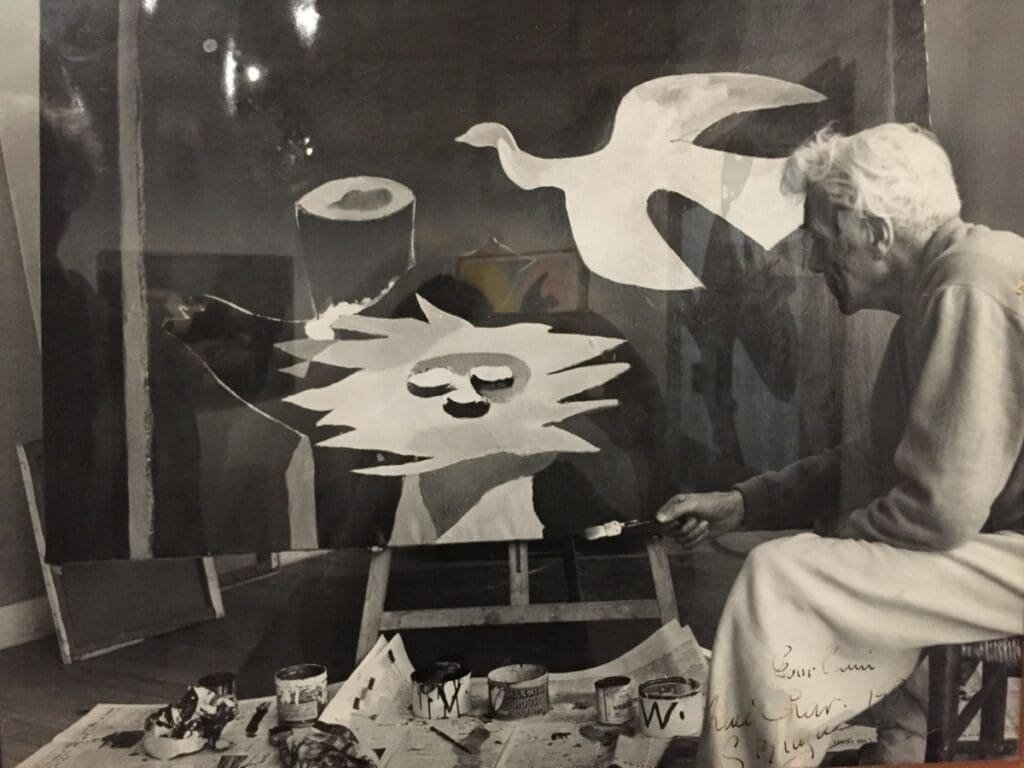 To complete this visit, you can go on-site to see Braque’s tomb in the marine cemetery or his stained glass windows at the Saint Valéry church and the Saint Dominique chapel.
"Braque, Miró, Calder, Nelson... Varengeville, a studio on the cliffs"
Until September 2, 2019
Musée des Beaux-Arts de Rouen

Esplanade Marcel-Duchamp, 76000 Rouen
Tel: +33 2 35 71 28 40
Open every day from 10 am to 6 pm
Full price: €9 / reduced price: €6
Free for those under 26 and social welfare beneficiaries
_
“Children of the Renaissance” at the Château de Blois
Catherine de’ Medici, born on April 19, 1519, and mother of 7 children, often resided at the castle. This fascinating exhibition honors her 500th anniversary, immersing us in the daily life of families of the era.
Childbirth and early childhood are addressed first. The former, difficult, was surrounded by magical or religious rituals due to the high infant mortality rate (2 to 4 deaths per 10 births). In the 16th century, women gave birth sitting down, surrounded by midwives. As seen in some paintings, the child was then entrusted to a nurse, and the young mother, bedridden, regained her strength with wine and broth!
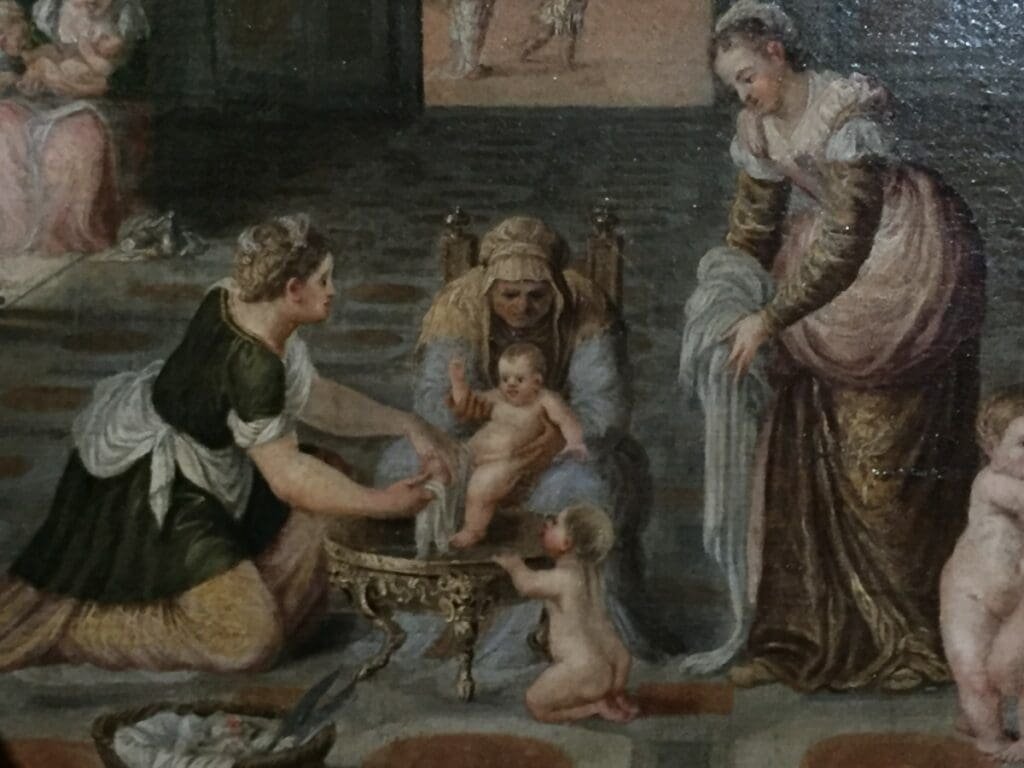
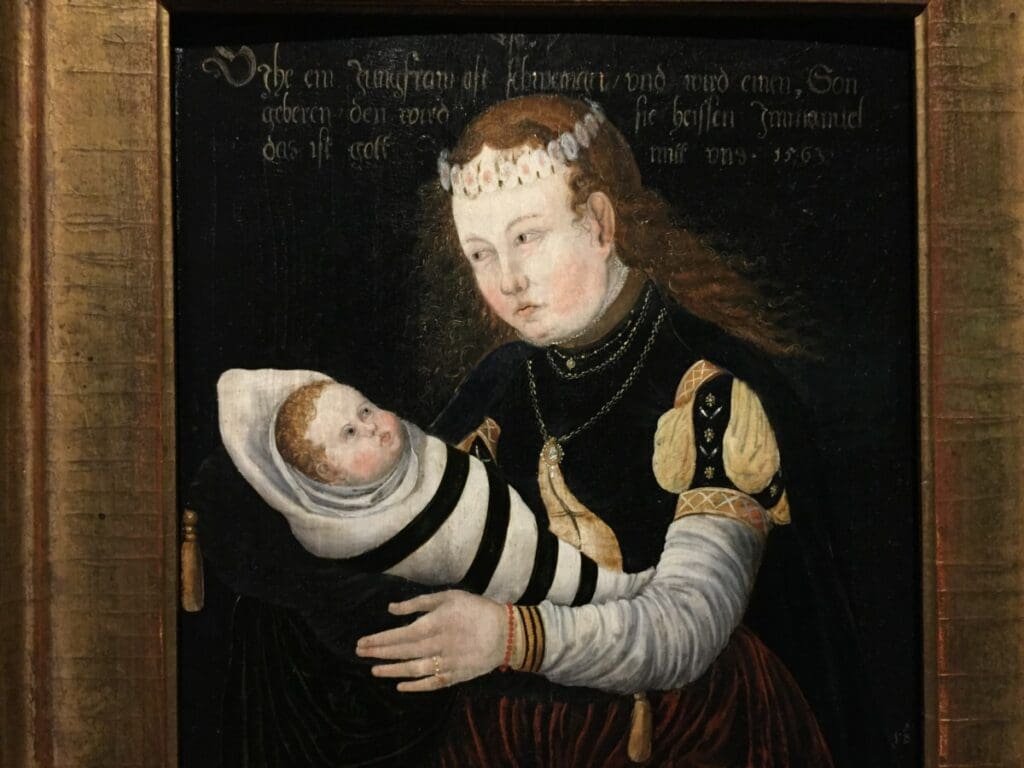 The baby was swaddled (and unswaddled) several times a day for several months, then wore a dress until the age of seven. On the walls and in display cases, we discover the ancestor of the forceps, “baby bottles” (terracotta pots with a specific spout), and toys such as rattles, tea sets, marbles, spinning tops, or miniature armor. The reconstruction of a bedroom shows us that high chairs and baby walkers haven’t changed much since that time.
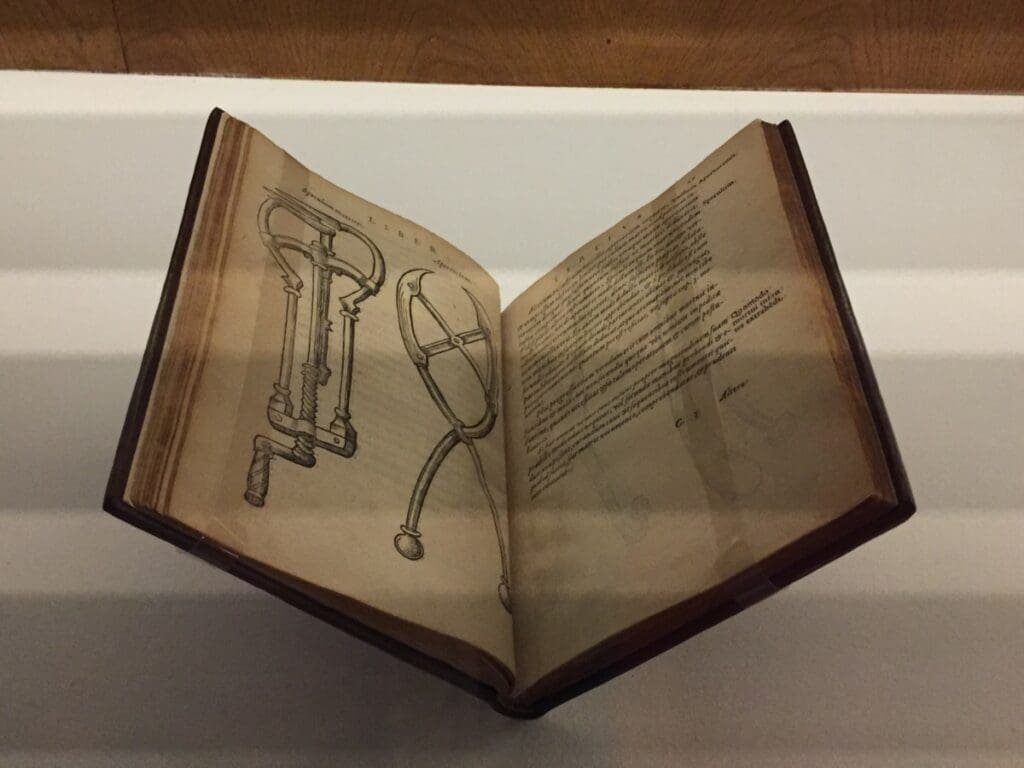
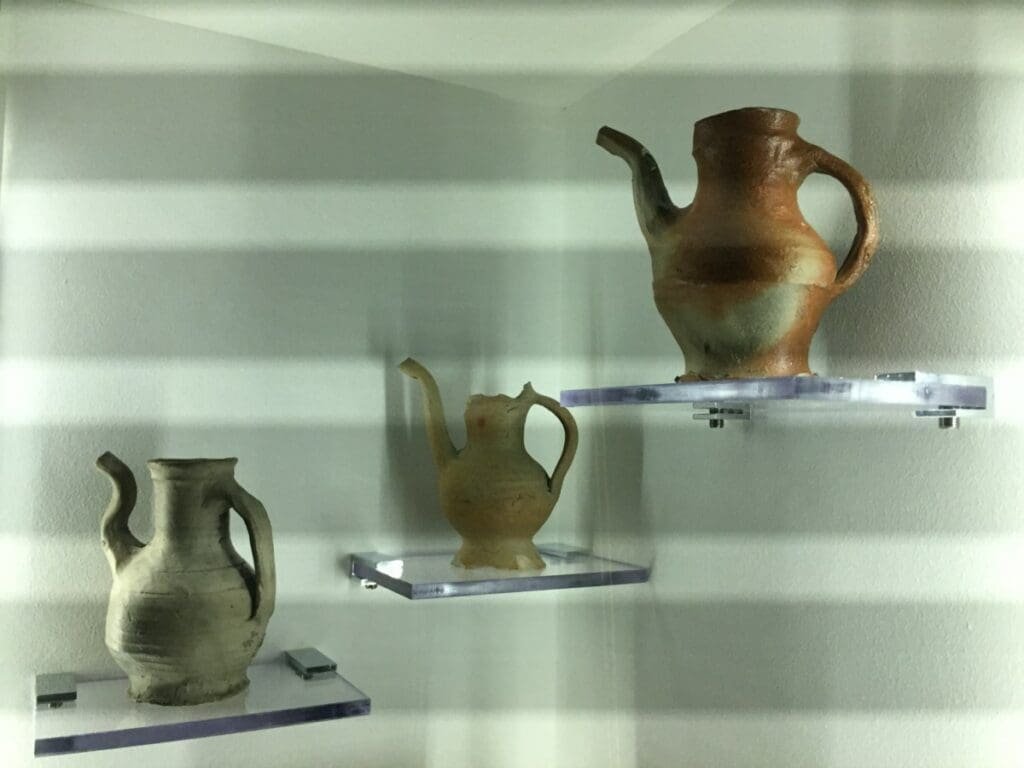
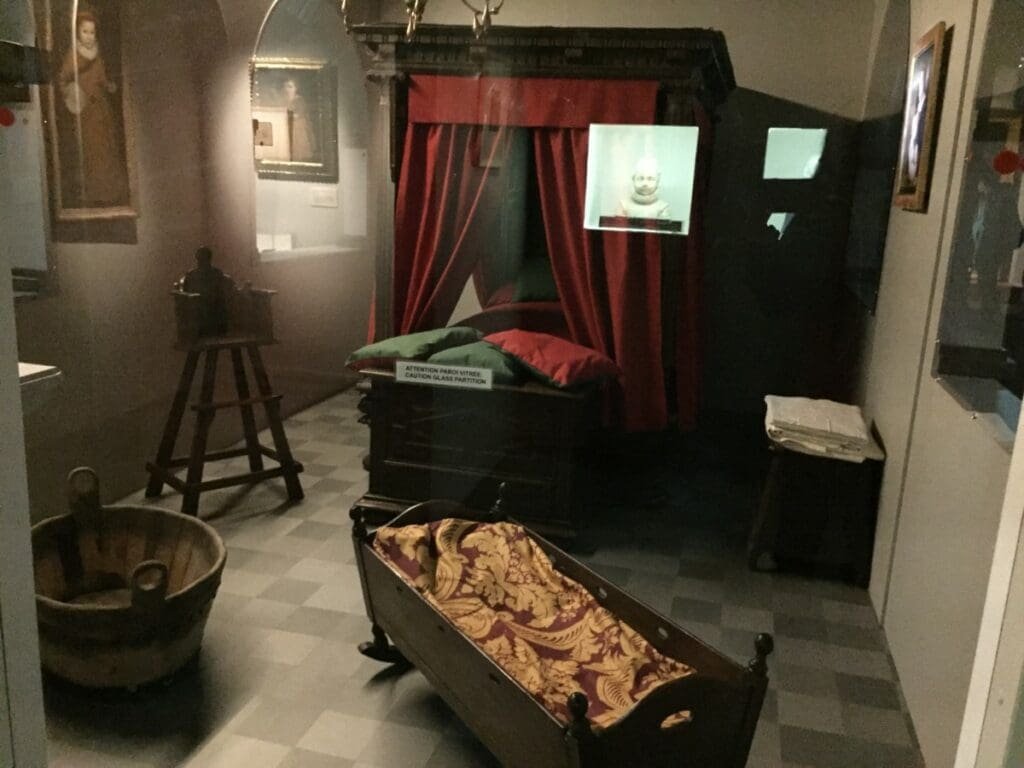 Then comes the chapter “Growing up at Court” with its idiosyncrasies… Princely children lived separately from their parents in the “Children’s House” with some 300 people in their service. They formed strong relationships between siblings and with the staff, preparing for court life and their future responsibilities.
Culture, morals, good manners, and swordplay were taught to them with equipment sized for them. Among the surprising pieces in the exhibit is a drawing of the future Louis XIII at age six!
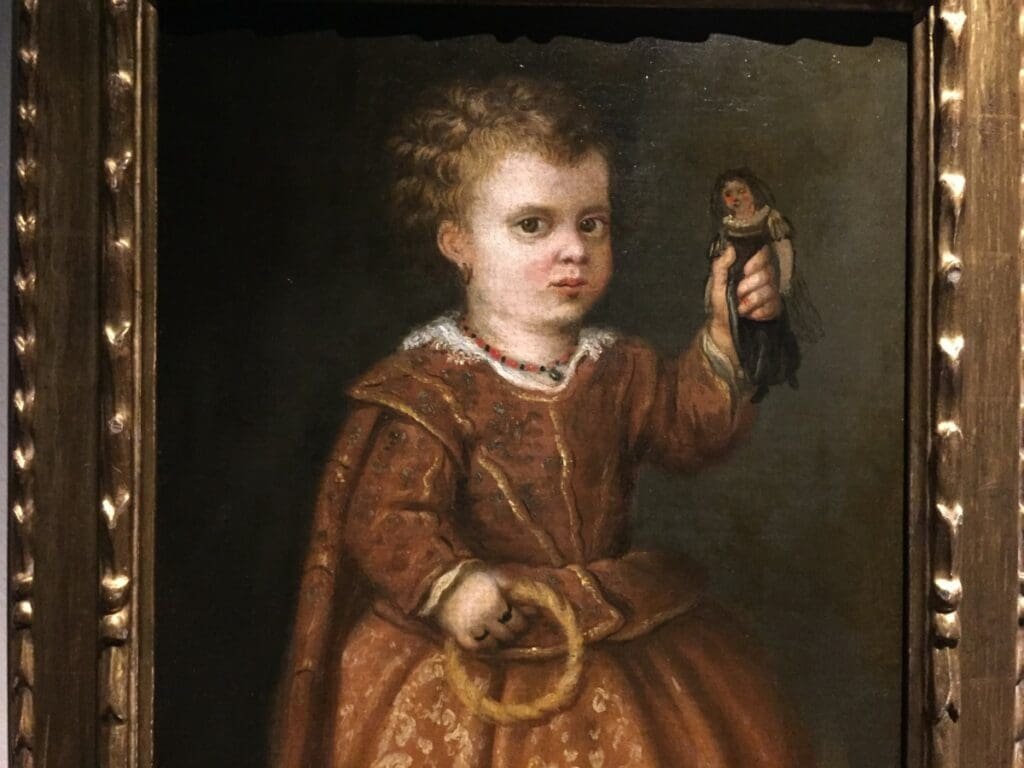
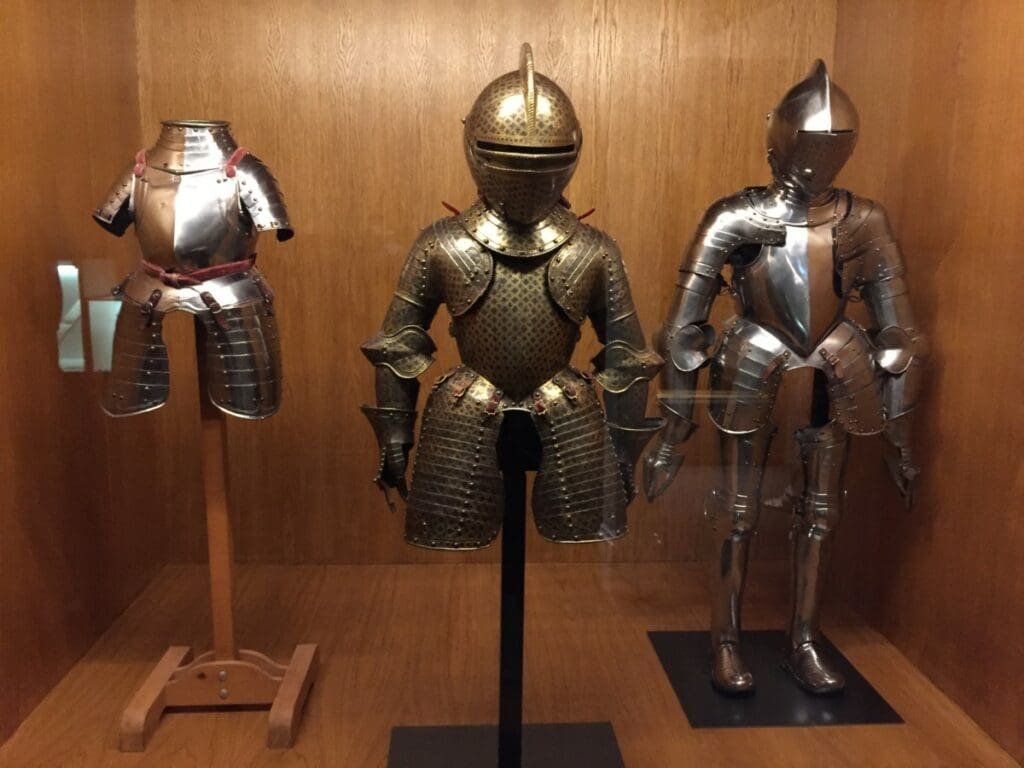
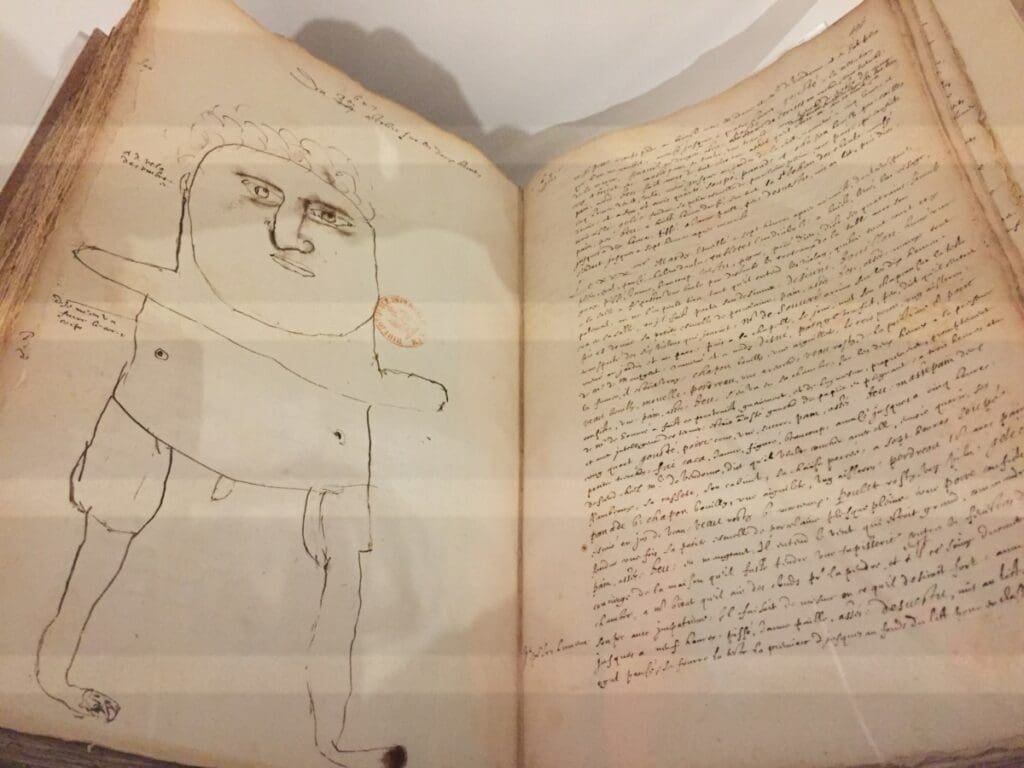 You can extend this visit by visiting the castle itself, which we told you about a few months ago (see the article by Mademoiselle Bon Plan) and the sound & light show that will help you brush up on your history!
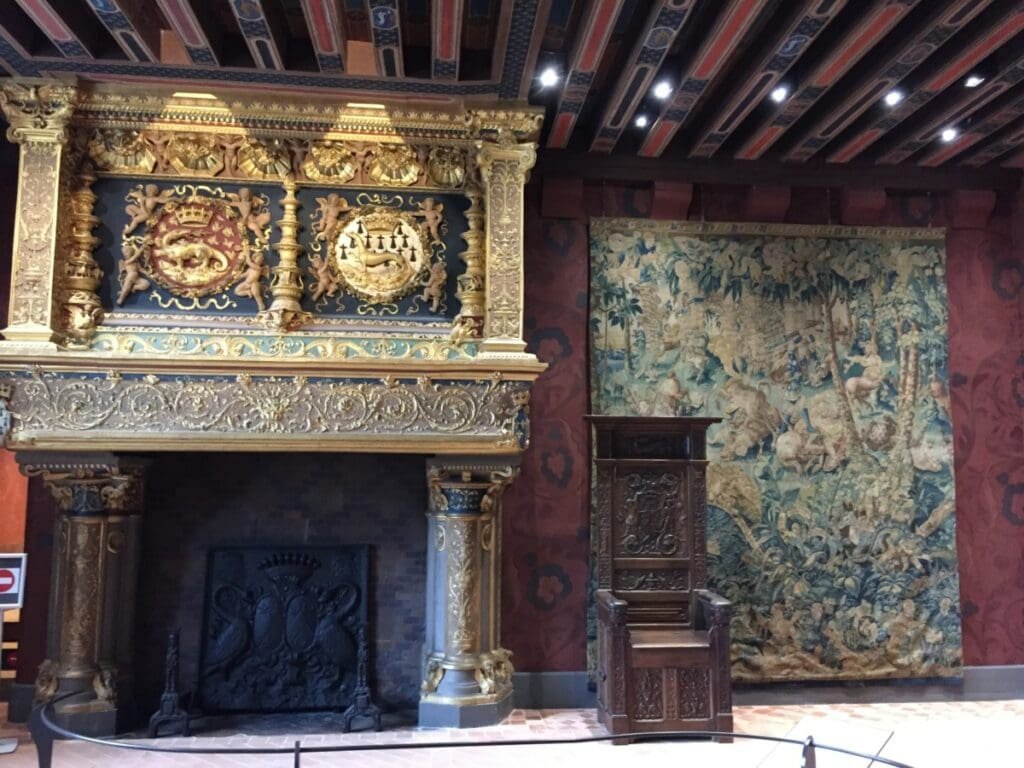
"Children of the Renaissance" exhibition, until September 1, 2019
Royal Château of Blois

6 place du château, 41000 Blois
Open every day from 9 am to 7 pm (until August 31)
Full price: €12 / reduced price: €9.50 / 6-17 years old price: €6.50
_
Château de Talcy, in the Loire Valley
During our last visits to the Centre-Val de Loire region, we told you about the very pretty châteaux of Troussay and Beauregard (see our article). Talcy is not to be outdone, accessible, like the others, as part of a cycling route. Full of atmosphere, it presents numerous points of interest.
This Renaissance castle bears the mark above all of Bernard Salviati, the Florentine banker of Francis I, who was its owner in 1517. Its wood-paneled apartments with their 18th-century furniture are perfectly preserved (classified as a Historical Monument) and are seductive for their refined and intimate atmosphere.
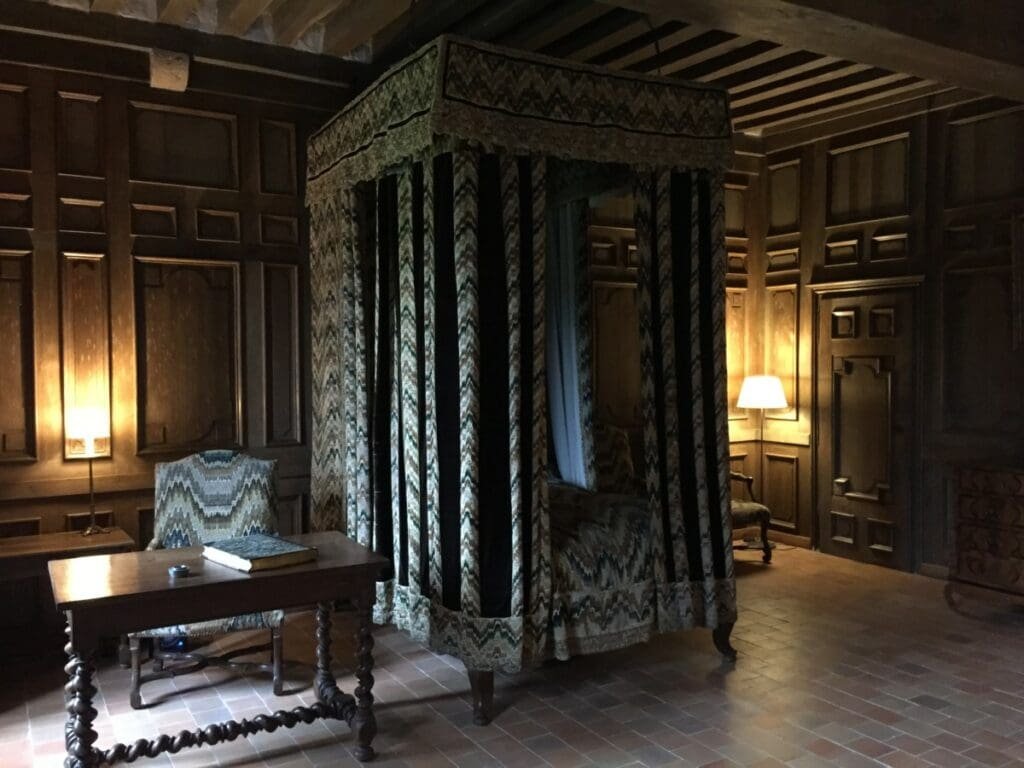
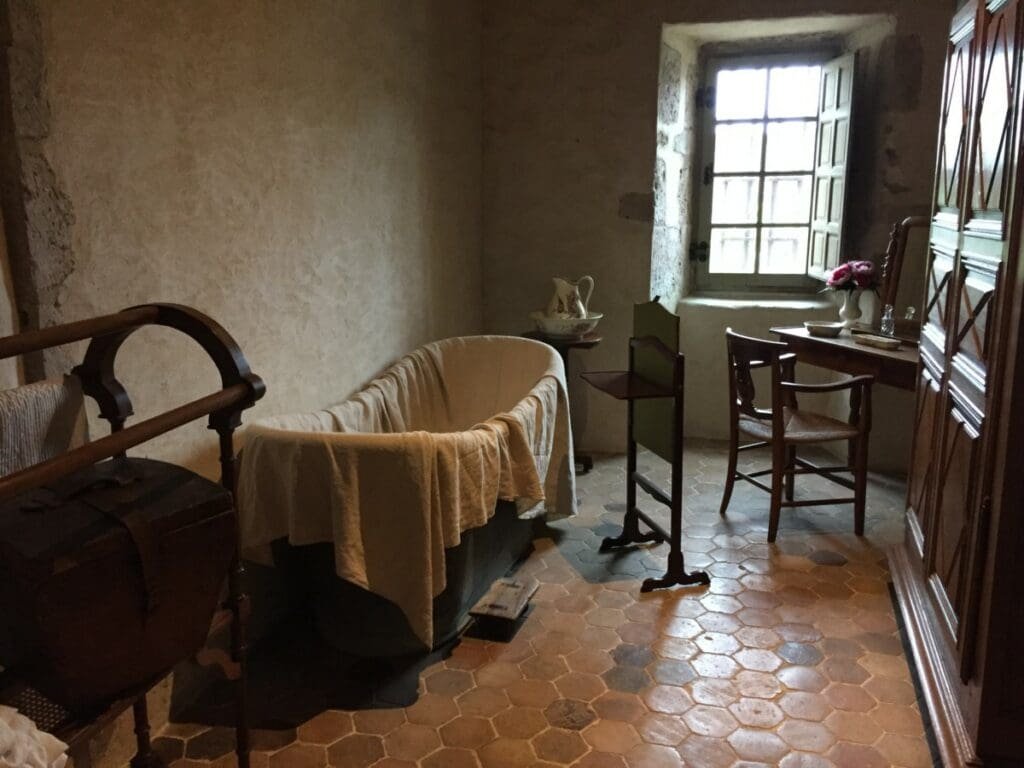
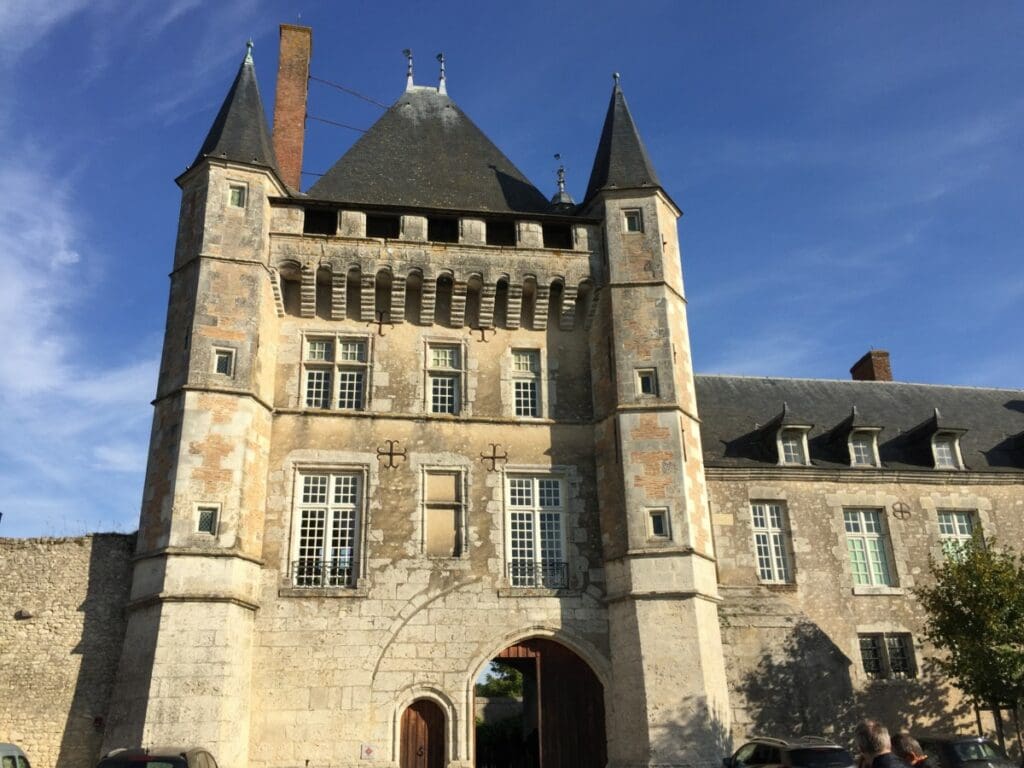 The visitor first discovers the large ground-floor room and the kitchen. Then there are several bedrooms, including the one called “Charles IX’s room” with its woodwork and point de Hongrie curtains. An intact bathroom shows us a bathtub covered with a ‘grime cloth’: it was used to collect the bath’s grime, the same water being used by the whole family…
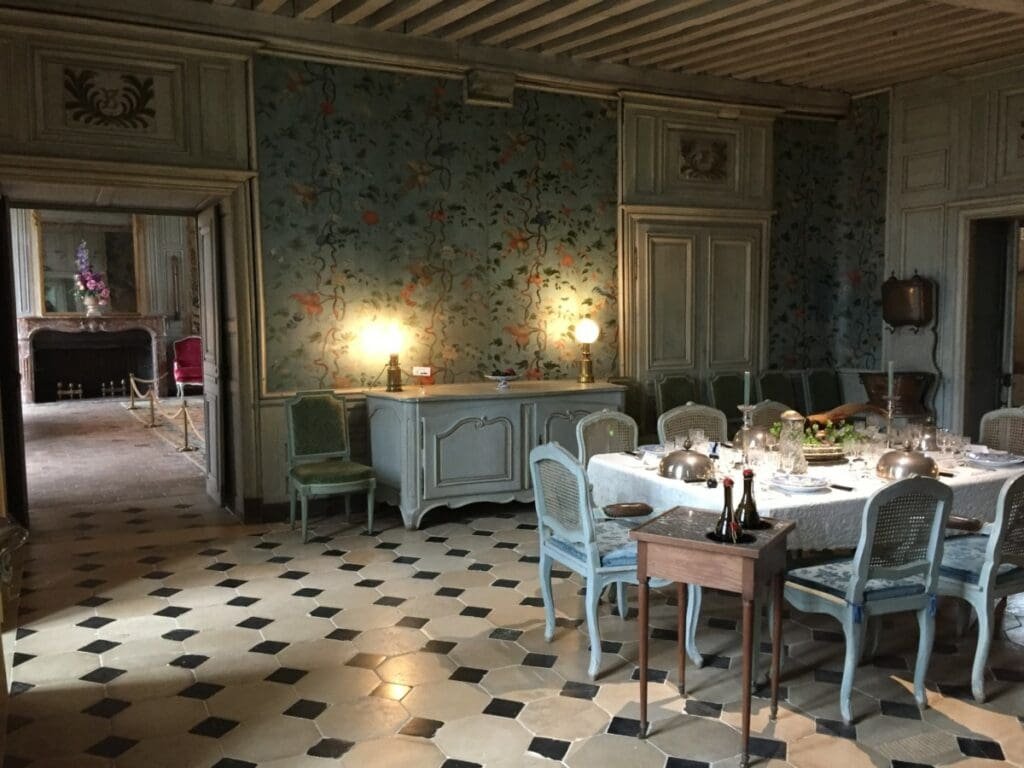
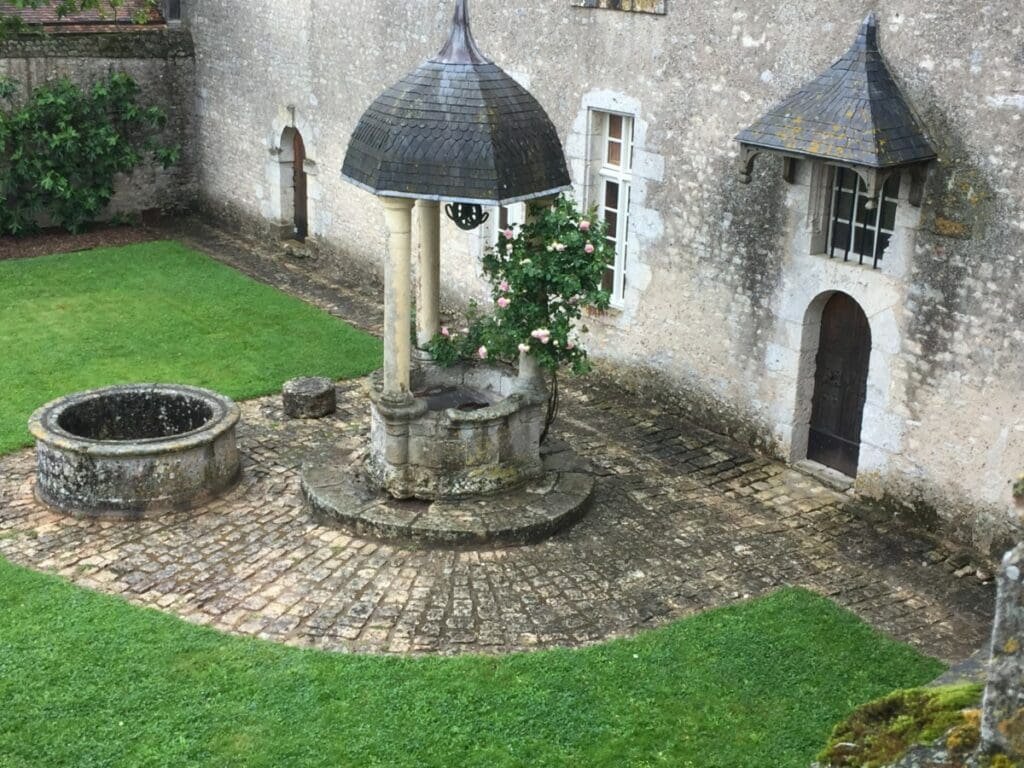
 As for the reception rooms, we admire the salon and especially the splendid dining room with its blue indienne wallpaper, the flower motifs of which were finished by brush! All of the castle’s guests have a plate with their name on it (Stendhal, Thiers, Mérimée, Albert Stapfler, etc.). In this castle marked by poets, the well on which a rosebush grows reminds us that Cassandre, the owner’s daughter, inspired Ronsard, who was in love with her, to write his famous poem “Mignonne, allons voir si la rose…”
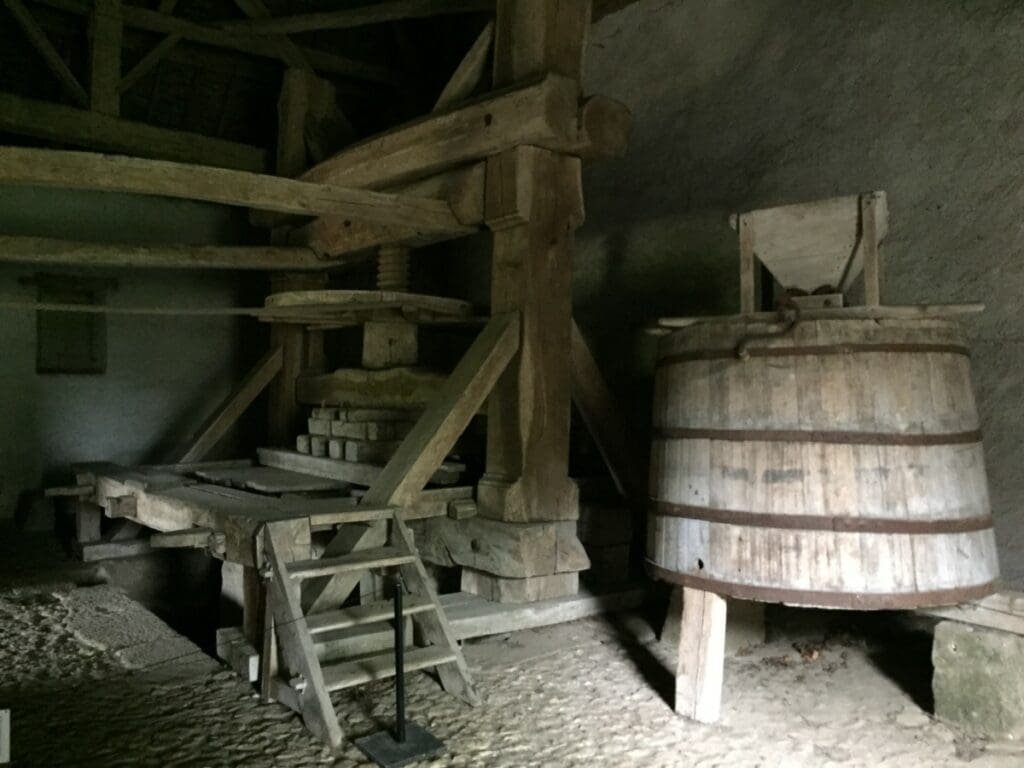
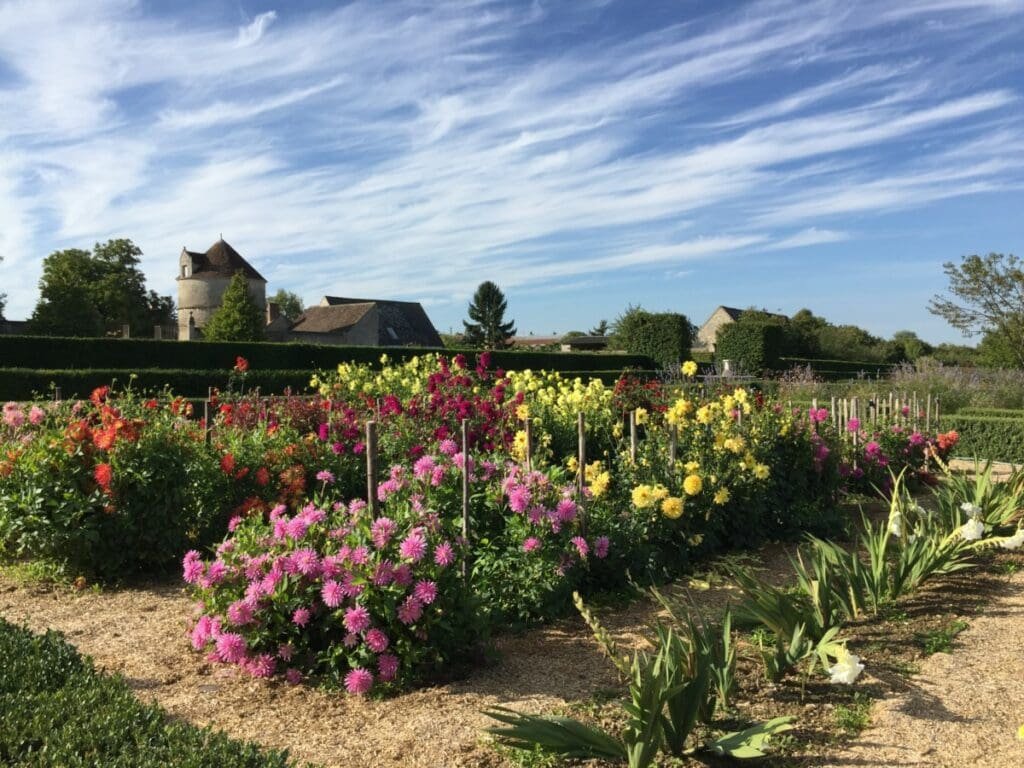
 Finally, you should pay special attention to the dovecote and the wine press, even if a very bad boiled wine that was transformed into brandy was made in the latter! In this 550-hectare agricultural estate, the vines were soon replaced (at the end of the 19th century) by apple trees. Today, you can still visit the garden and vegetable patch, where the fruits are offered to visitors for free.
Château de Talcy

18 rue du Château, 41370 Talcy
Tel: +33 2 54 81 03 01
Open every day, from 9:30 am to 12:30 pm and from 2 pm to 6 pm
(5 pm starting September 5, 2019; closed on Tuesdays from October 1 to March 31, 2019)
Full price: €6 / reduced price: €5
Free admission: under 26, disabled persons, job seekers...
_
Ker-Xavier Roussel at the Musée des Impressionnismes in Giverny
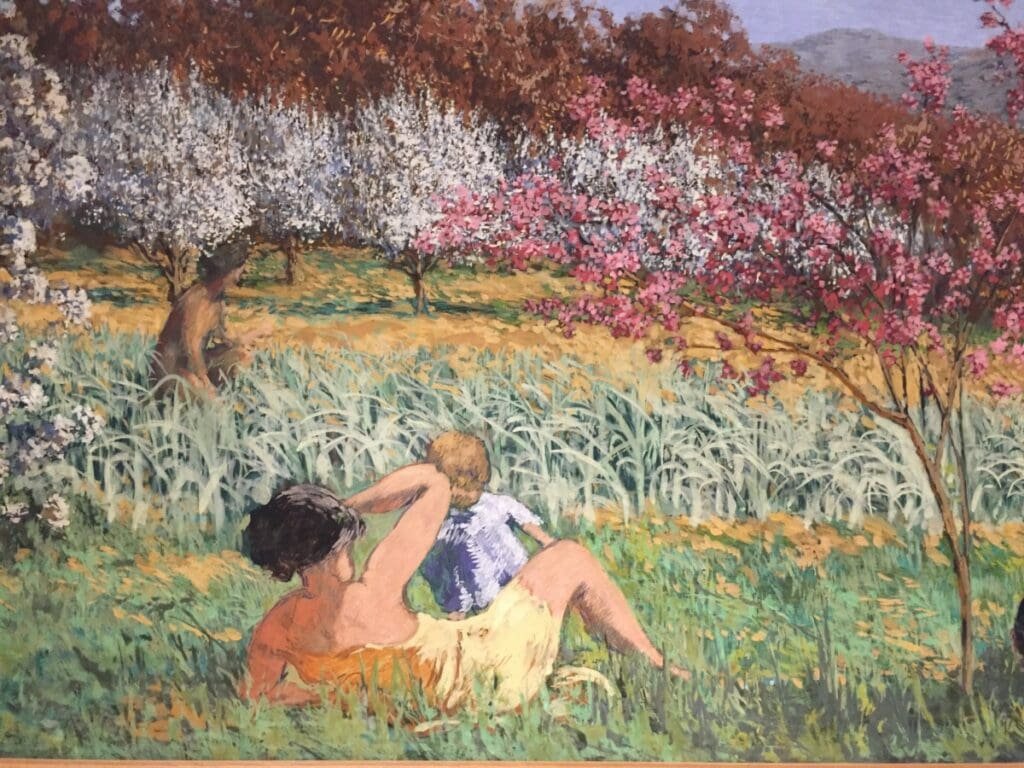
This first major retrospective since 1968 allows us to discover a flamboyant artist who draws us in with rare happiness into the delights of color and nature. From this great friend of Vuillard (he married his sister), we first discover the Nabis period, with its still characters and flattened perspectives.
Quickly, he would shift toward mythological subjects and enlarge his formats, the daily life painted by his peers Bonnard or Vuillard transforming into mysterious parables in his work.
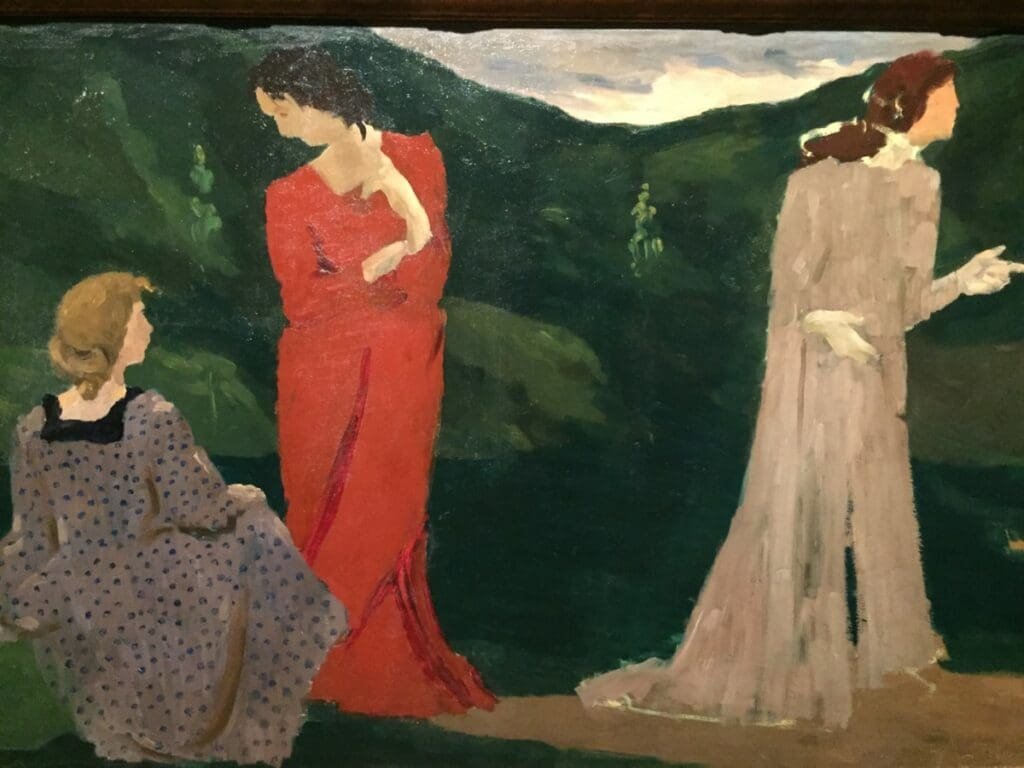
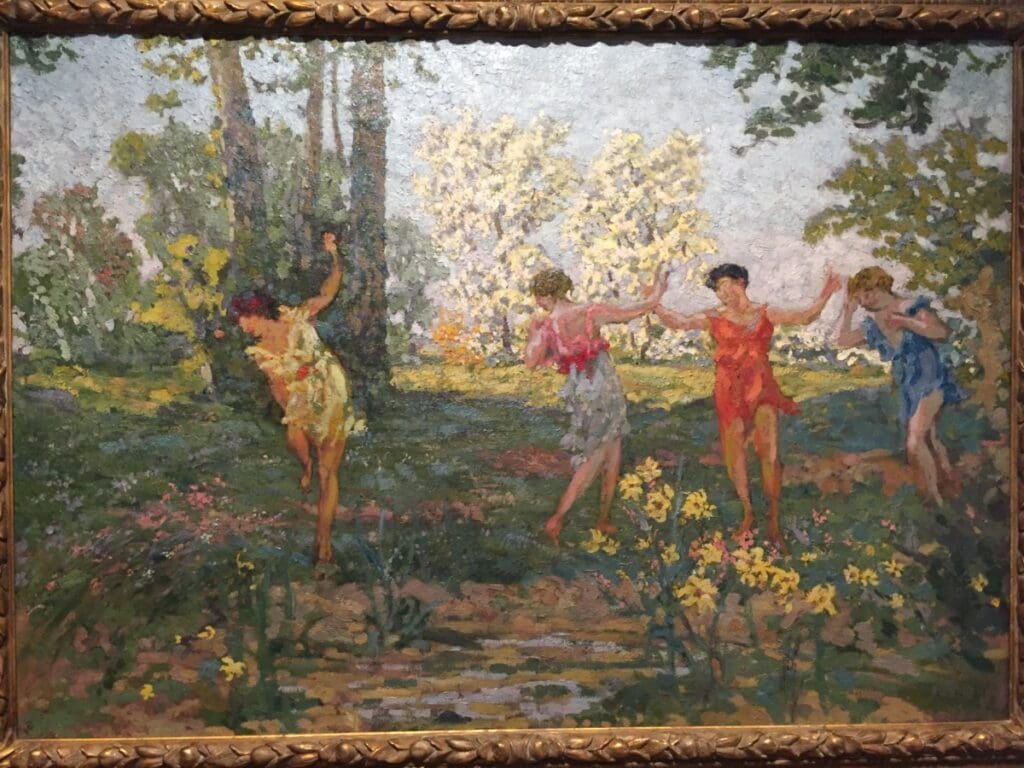 With time, Roussel moves further and further away from reality to paint a dreamed world nourished by Greek and Latin authors. All the Metamorphoses by Ovid, which tell, sometimes crudely, of the loves of the Gods, parade through his paintings. Under bucolic appearances, we witness embraces, chases, or abductions with barely veiled eroticism.
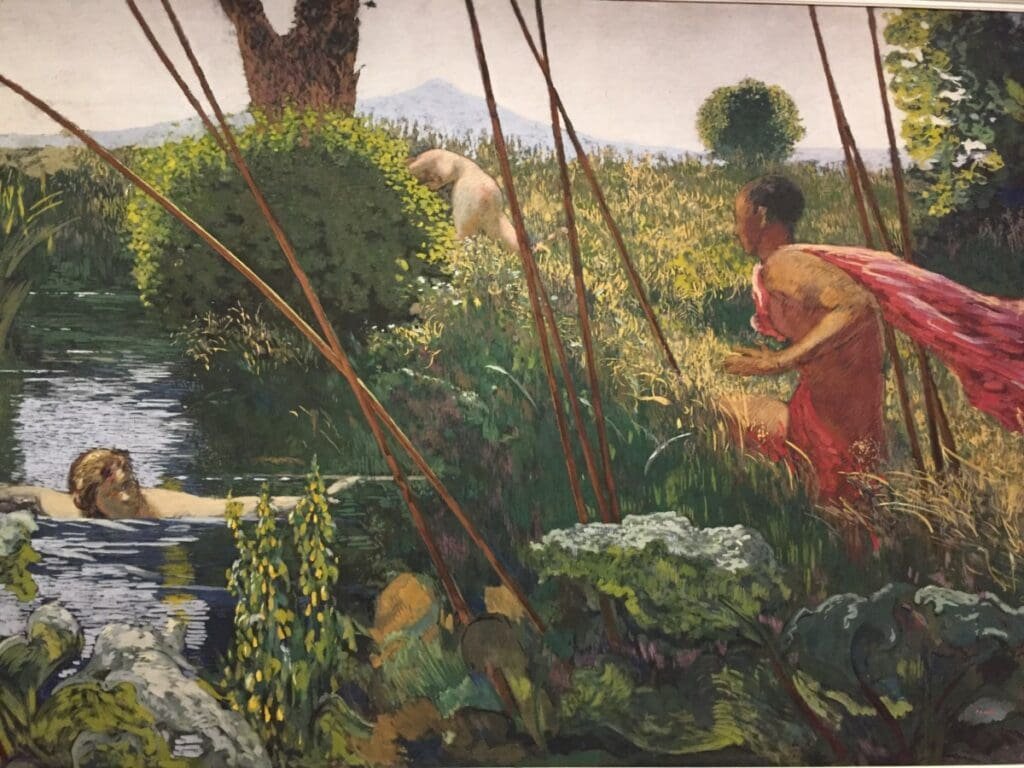
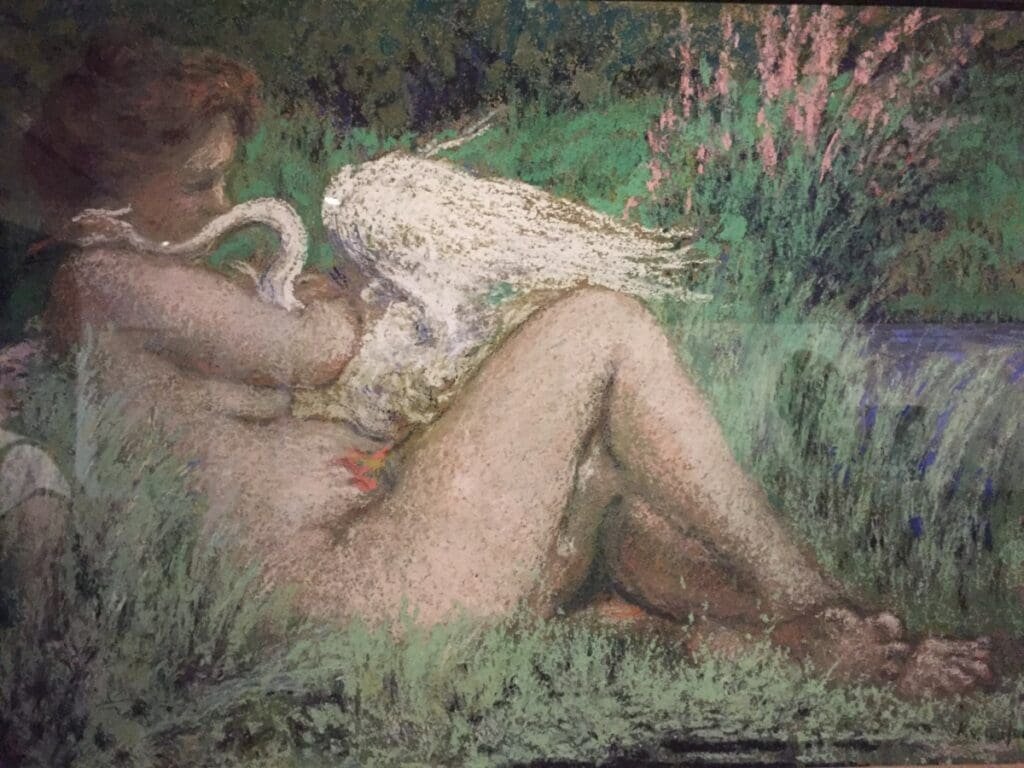
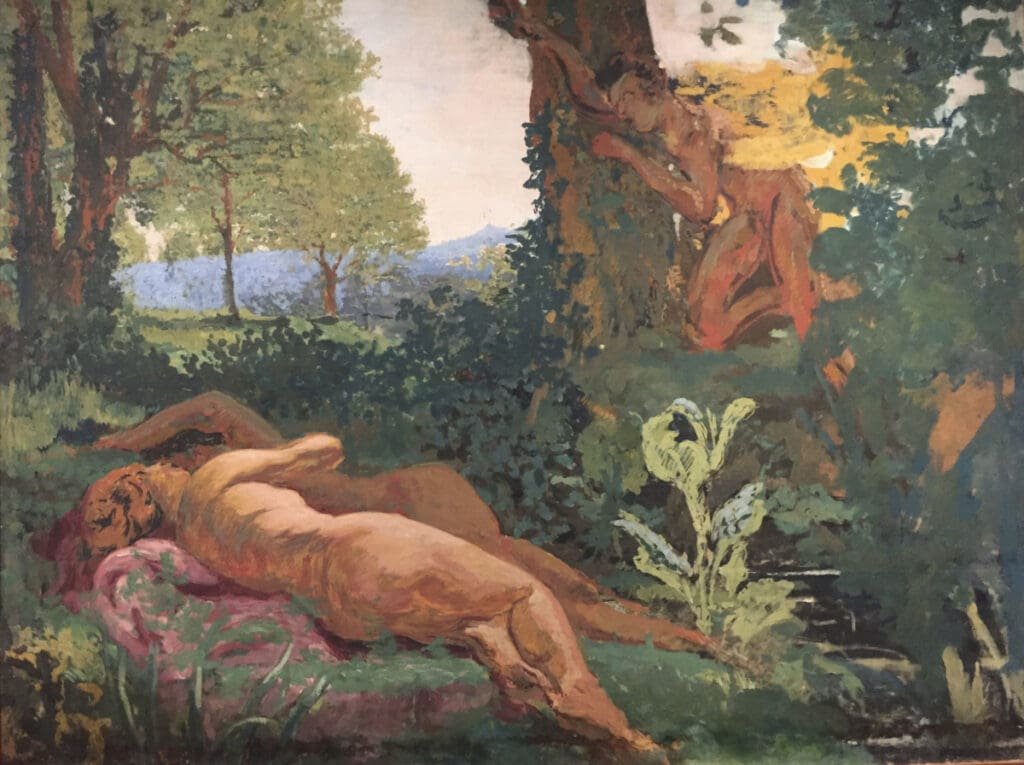 Finally, in the last fifteen years, while he had installed his whole little family in the countryside, in the Marly forest, he produced exuberant settings where nature plays a primary role. Before that, we will be touched by a “black cabinet” that illustrates his depressive side, by his sublime pastels, and by his modesty, which leads him to omit signing his paintings.
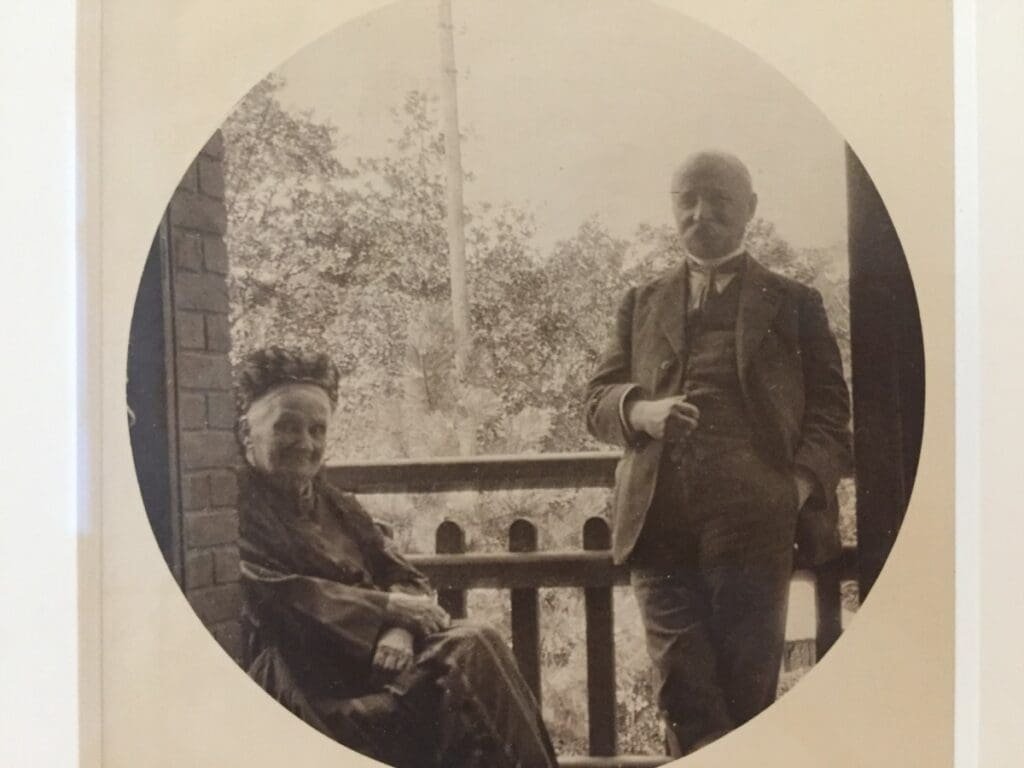
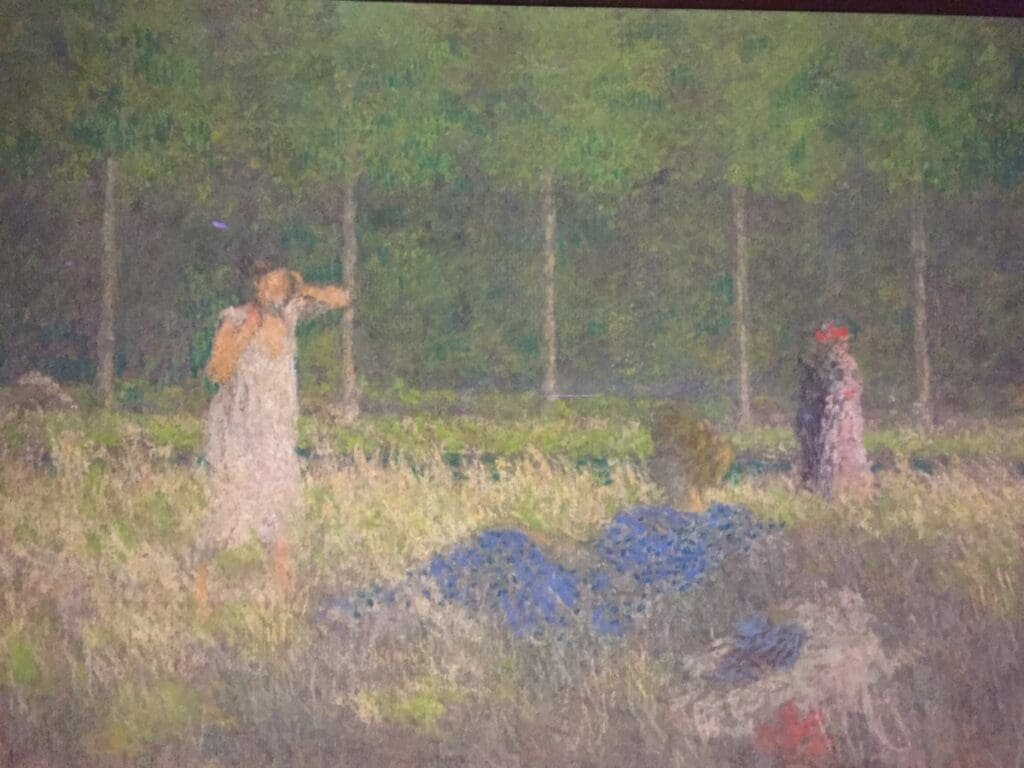 You can complete this visit by visiting the exhibition “Vuillard and Roussel, family portraits” at the Musée de Vernon, a few kilometers from Giverny. There you will discover photos, drawings, and paintings illustrating the painter’s intimate history: his parents, his friends, his wife Marie, and his two children Annette and Jacques. Endearing!
"Ker-Xavier Roussel, private garden, dreamed garden", until November 11
Musée des Impressionnismes Giverny

99 rue Claude Monet, BP 18, 27620 Giverny
Open every day from 10 am to 6 pm (including public holidays)
Full price: €7.50 / Reduced price including students and 12-18 years old: €5 / disabled persons and 7-11 years old: €3.50
The pro-tip: free on the 1st Sunday of the month; combined tickets with the Musée de Vernon or the House and Garden of Claude Monet
_
"Édouard Vuillard and Ker-Xavier Roussel, family portraits"
Musée de Vernon

12 rue du Pont, 27200 Vernon
Open every day (including public holidays) from 10 am to 6 pm
Full price: €4.50 / Reduced price: €3
Free admission : the 1st Sunday of the month and residents of Vernon, under 26, art history students, job seekers, and social welfare beneficiaries