The second stage of this Explorers’ Route with my favorite photographer and my dad (remember, I explained everything to you in a previous article) after the Laurentians, was therefore the province of Abitibi-Témiscamingue. We were clearly on the path of gold prospectors, precious metal mines, and fur traders…
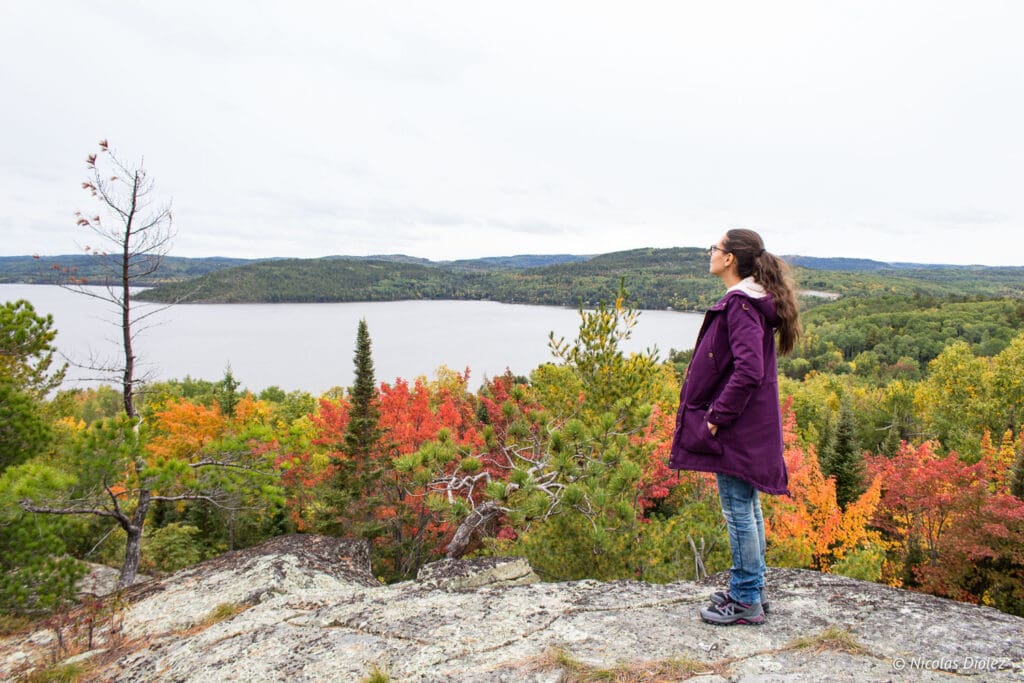
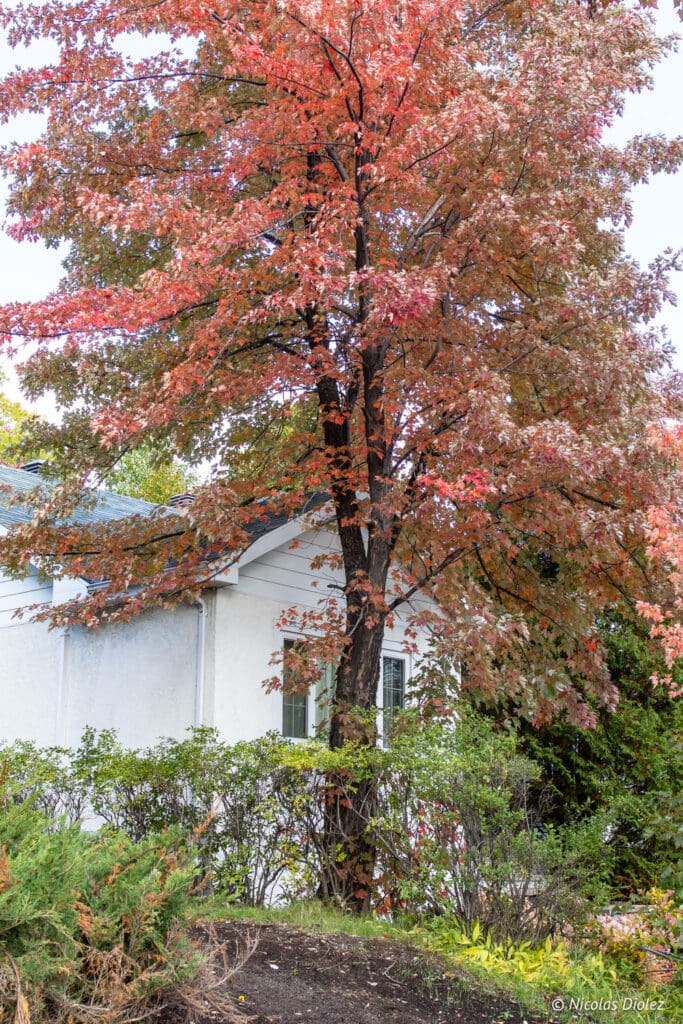
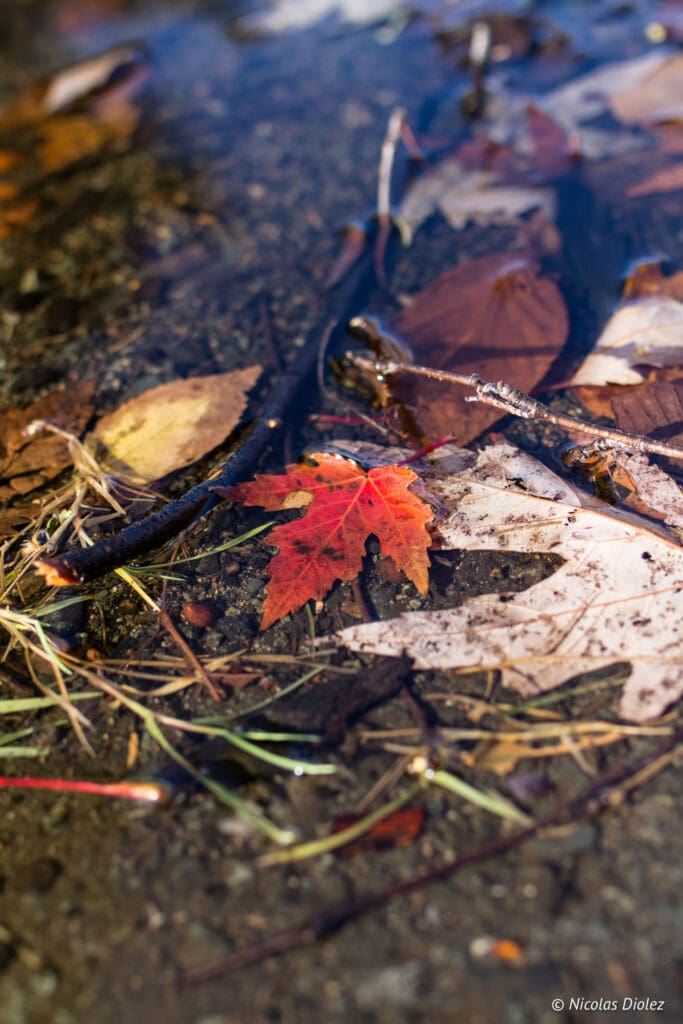
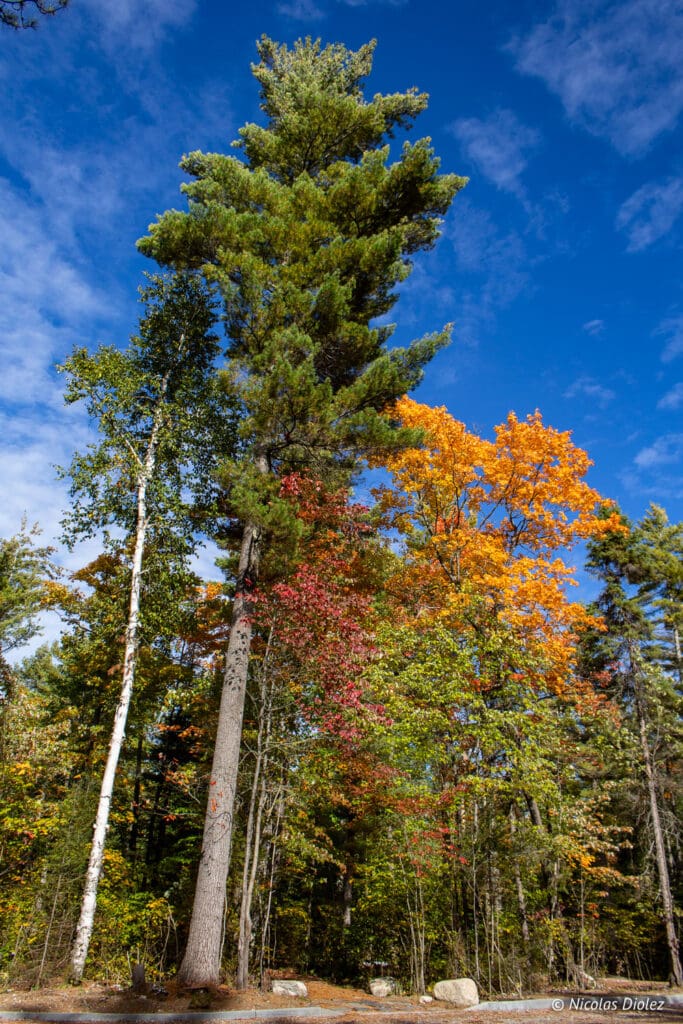
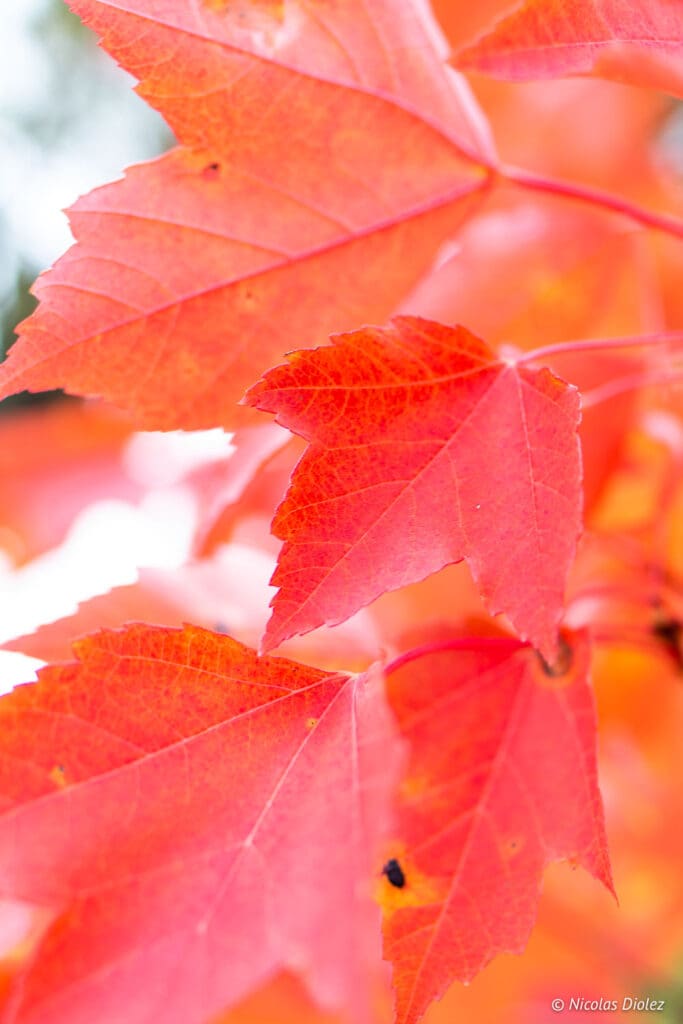
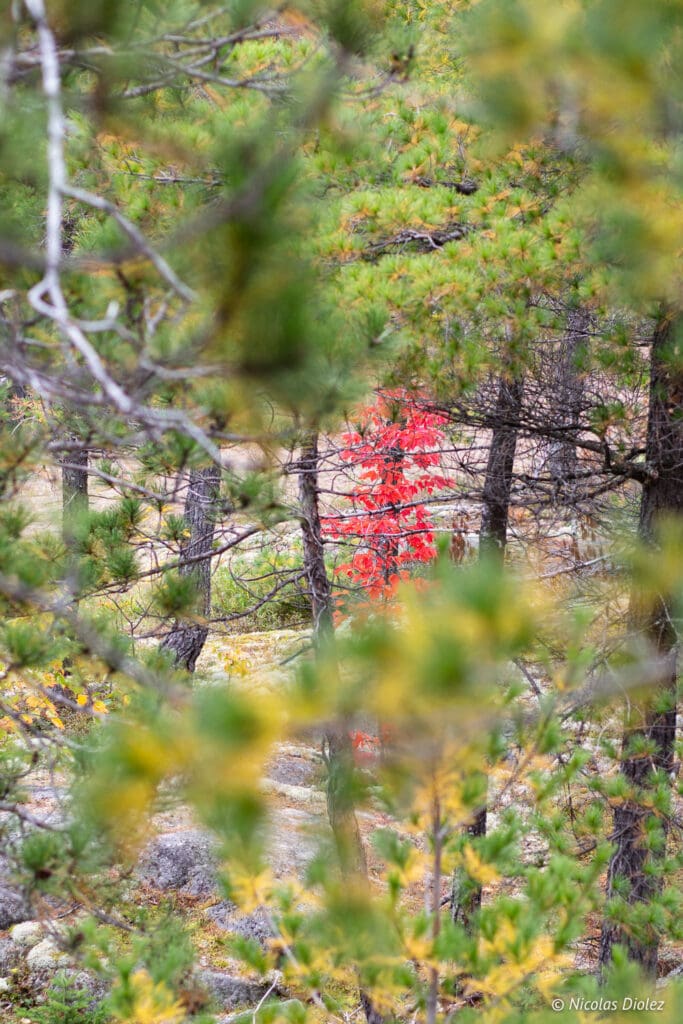
During our time in Abitibi, it was at that moment that the fall foliage season, also called “Indian summer” by the Quebecers, truly began, and it was a delight for the eyes. By the way, generally, it is during the second part of September that the leaves on the trees begin to change color to take on warm hues (red, orange, yellow…). This coloration varies depending on the tree species but also on the geographical location.
What is incredible is that just less than 125 years ago, only the Algonquin First Nations communities and trappers lived there. The colonization of the region began when it was discovered that Abitibi was brimming with precious metals, and it was the start of a true gold rush.
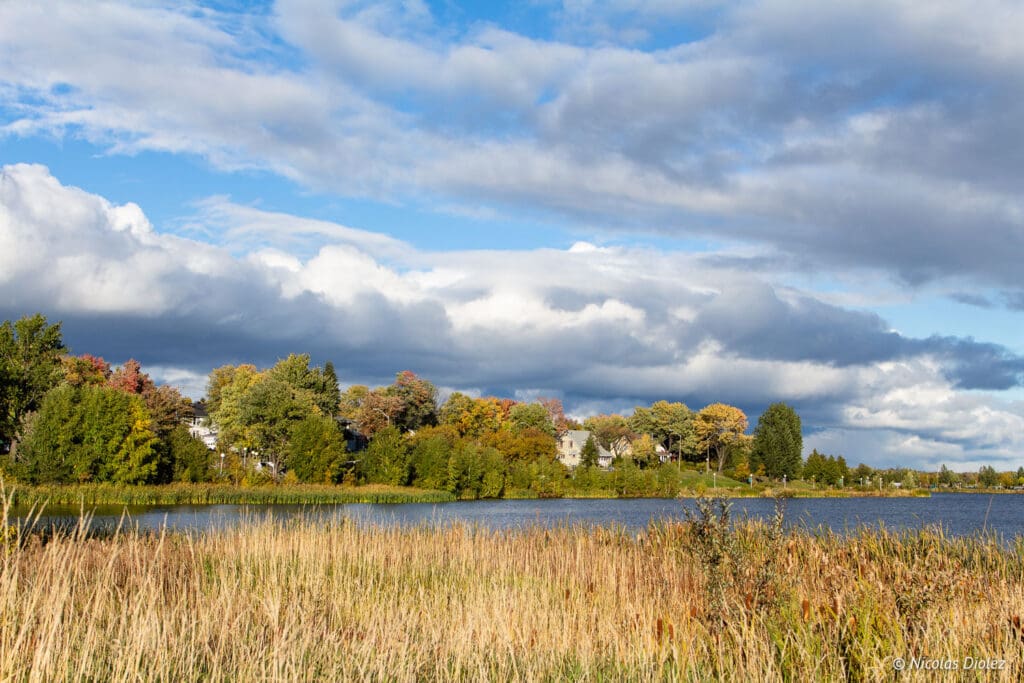
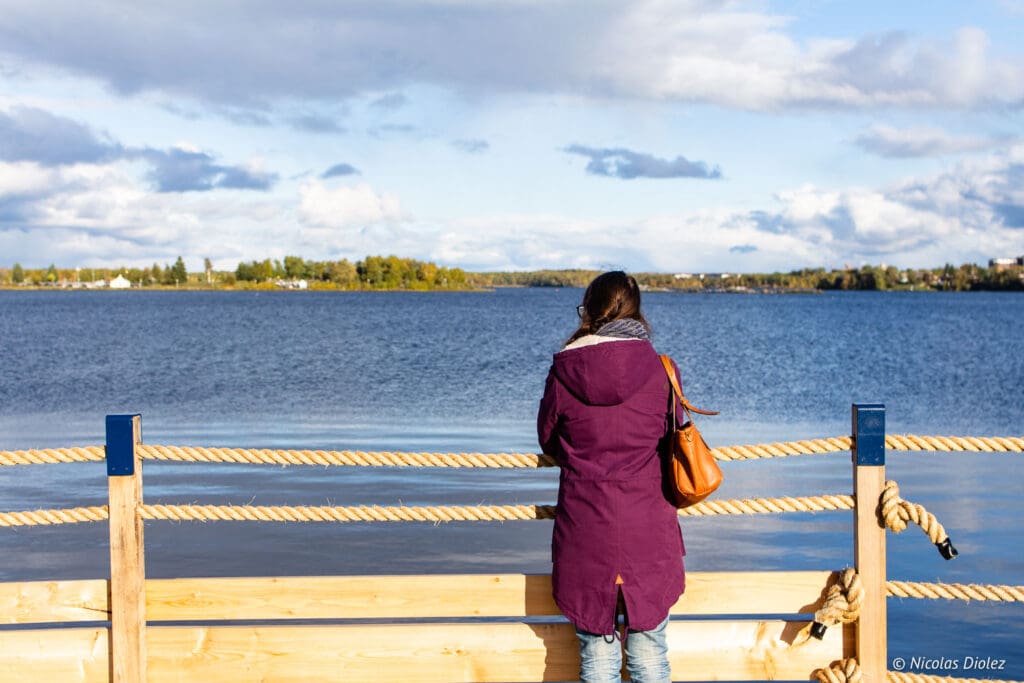
It is also a region that is still quite wild and rural with many lakes, rivers, and forests, and a subsoil very rich in precious metals.
In terms of gastronomy, you will also be spoiled with good local products and some addresses for regional microbreweries (yes, Quebecers are great consumers/producers of craft beers).

_
Table of Contents
Stage 1: The Gold Valley
This territory is the gateway to Abitibi-Témiscamingue and northern Quebec. As I was saying just above, this region was developed thanks to ore mining, and we were able to realize firsthand the importance of this activity, what it used to be, and the place it still holds today in the lives of local populations.
The very essence of this region is concentrated in the city of Val-d’Or (founded in 1935) and its surroundings, which allow you to relive the gold adventure in western Quebec. For more information, you can take a look at the Tourisme Val-d’Or website.
_
Where to sleep? L’Auberge de l’Orpailleur
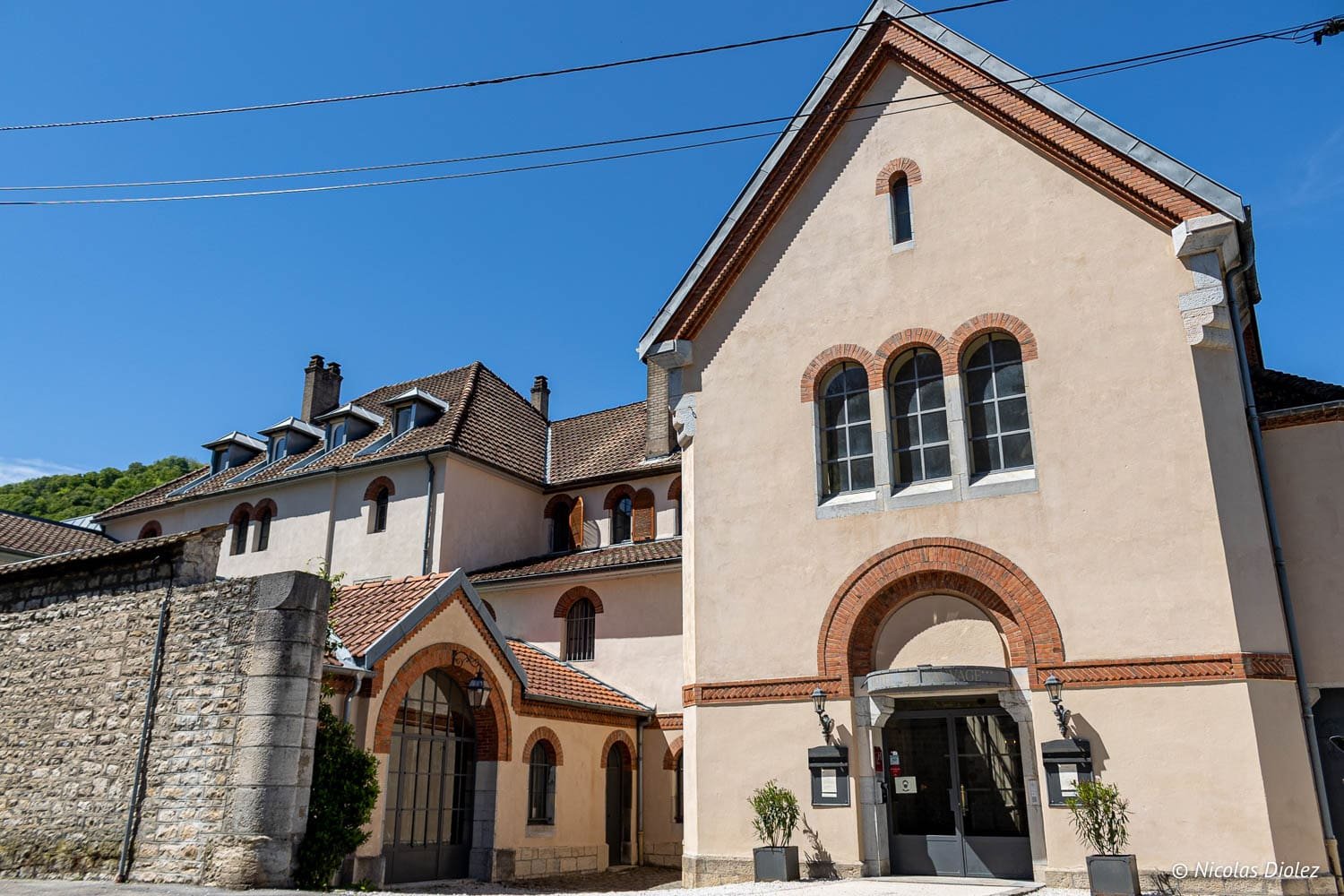
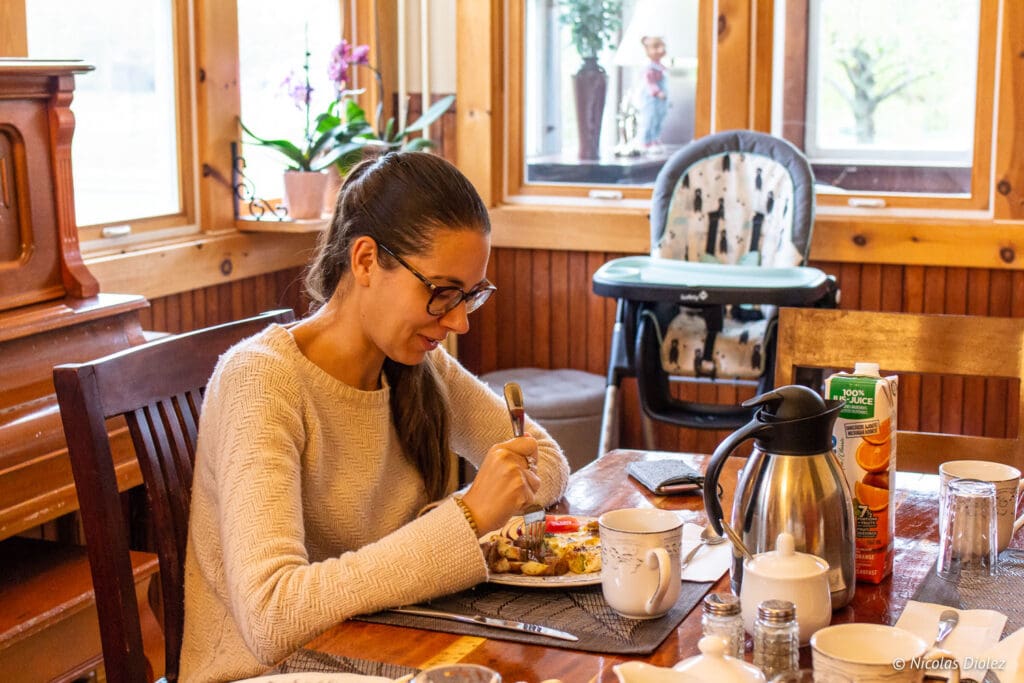
This former boarding house for miners who came from Europe has been transformed into a bed and breakfast and offers accommodation just a few meters from the Cité de l’Or (very practical if you want to visit it). It is actually an integral part of the Bourlamaque village, which I mention later in the article.
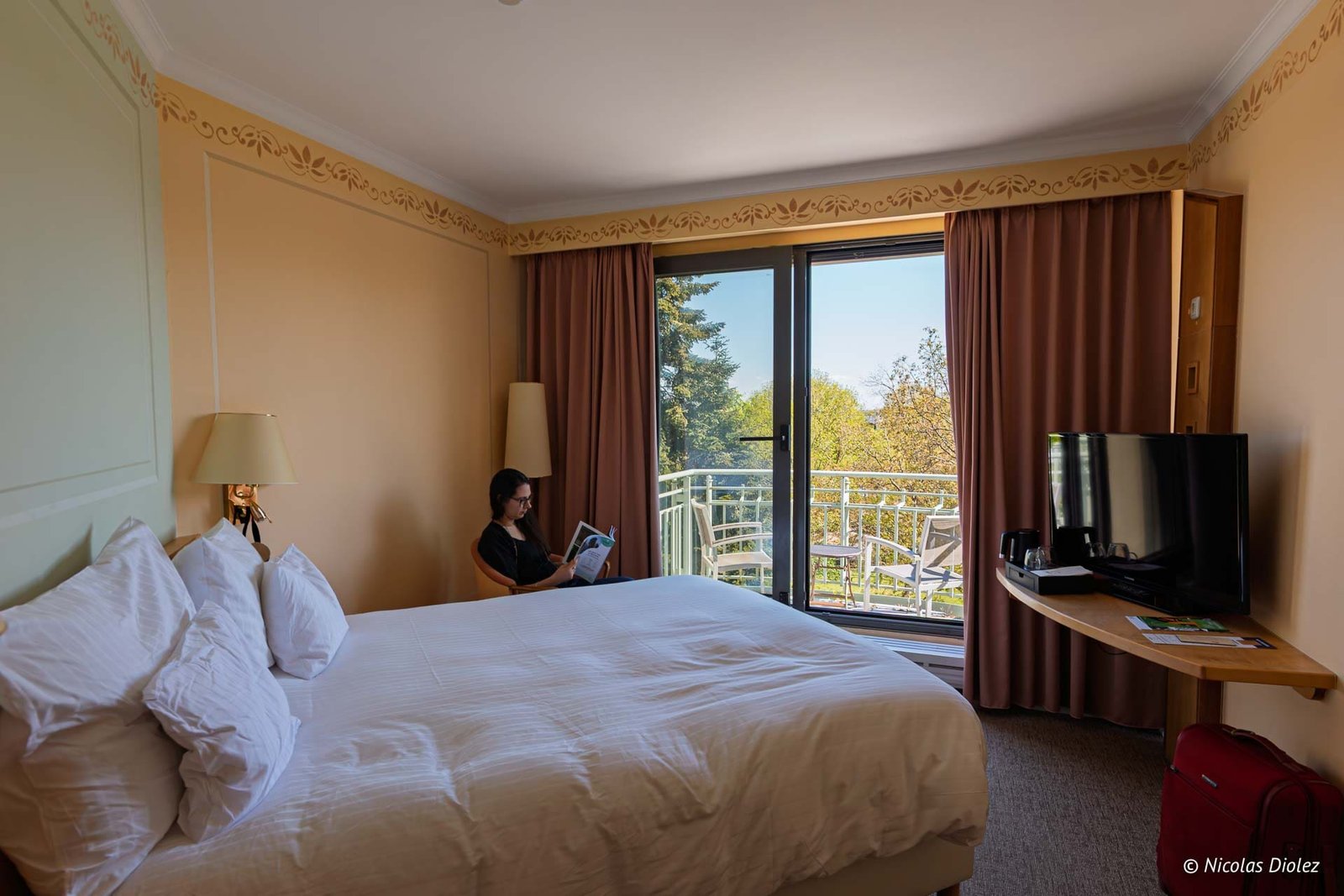
For our part, we stayed in room #4, which has two double beds and can therefore accommodate 4 people in total. Breakfasts are served in the inn’s large dining room.
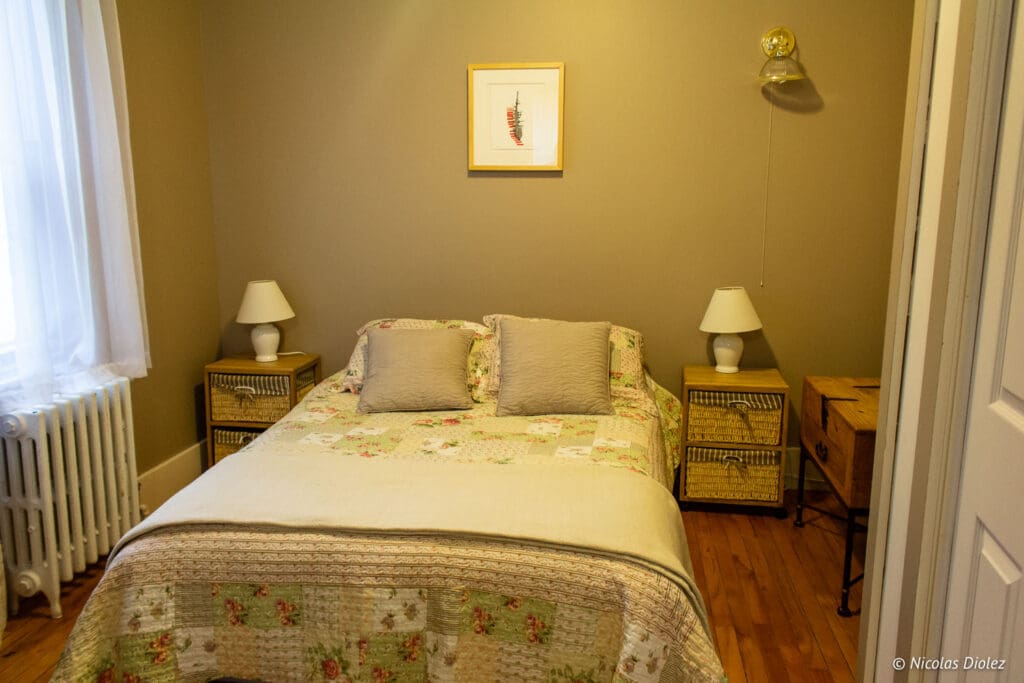
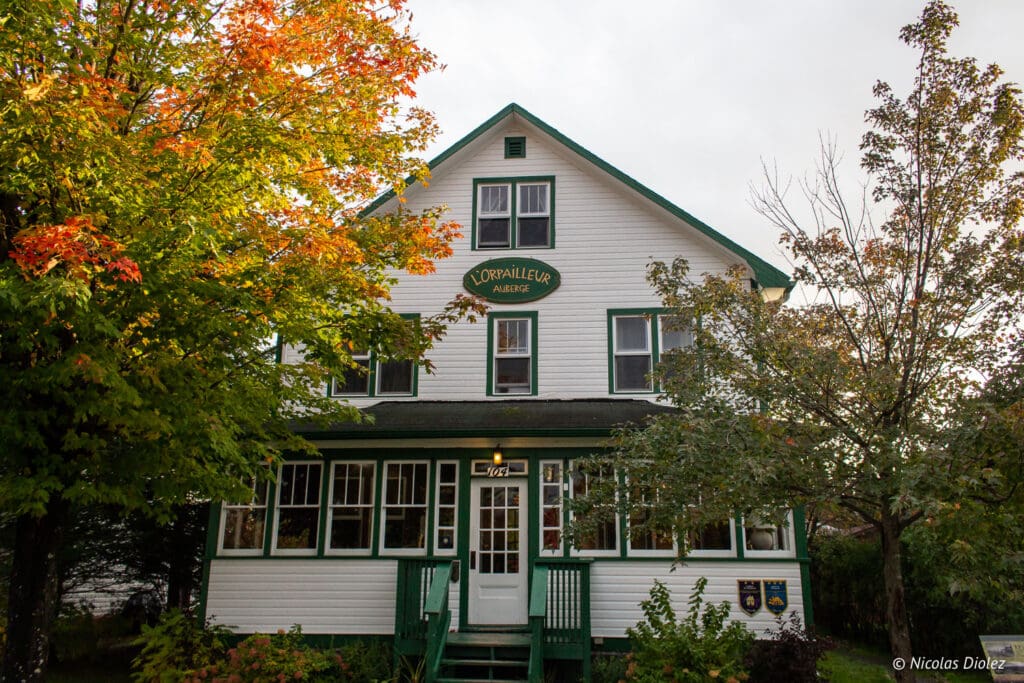
Our room rates: $90 for 1 person / $100 for 2 people / $110 for 3 people / $125 for 4 people (breakfast included)
104, Perreault Avenue, Val-d’Or
_
Where to have a drink? Microbrasserie Le Prospecteur
Located right in the heart of downtown, this pub is the perfect place to grab an aperitif and taste the warm and cheerful atmosphere of the region! You must also try one of their 4 beers produced right there by the Le Prospecteur microbrewery.
They even have a beer that is brewed 3,000m underground, at the bottom of the Agnico-Eagle mine in Val d’Or. But it is unfortunately only available occasionally, so you have to be there at the right time to taste it.
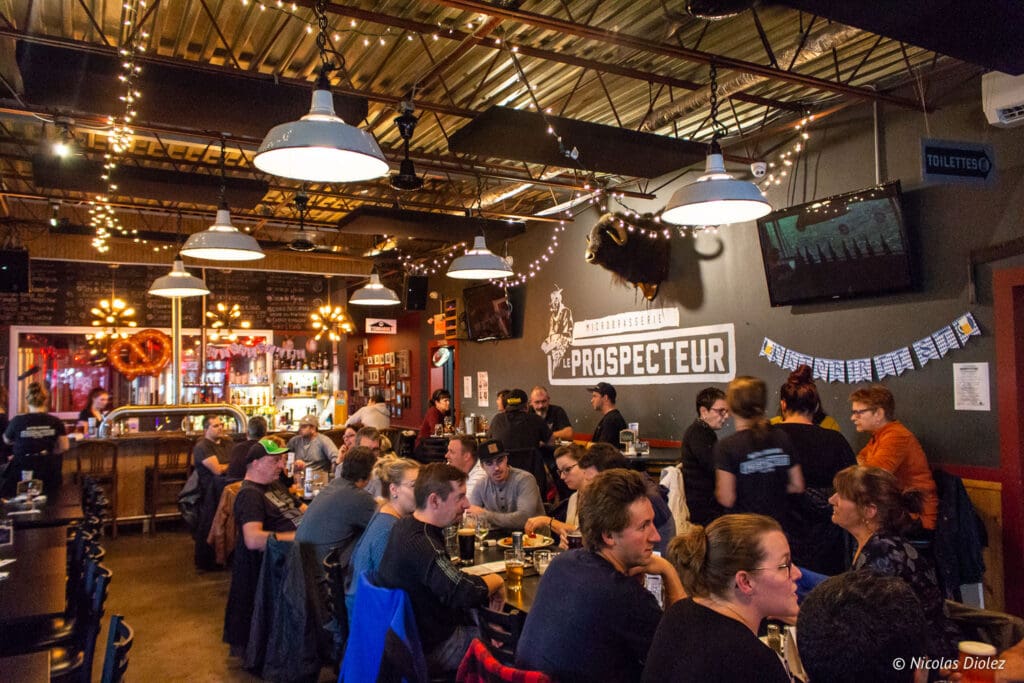
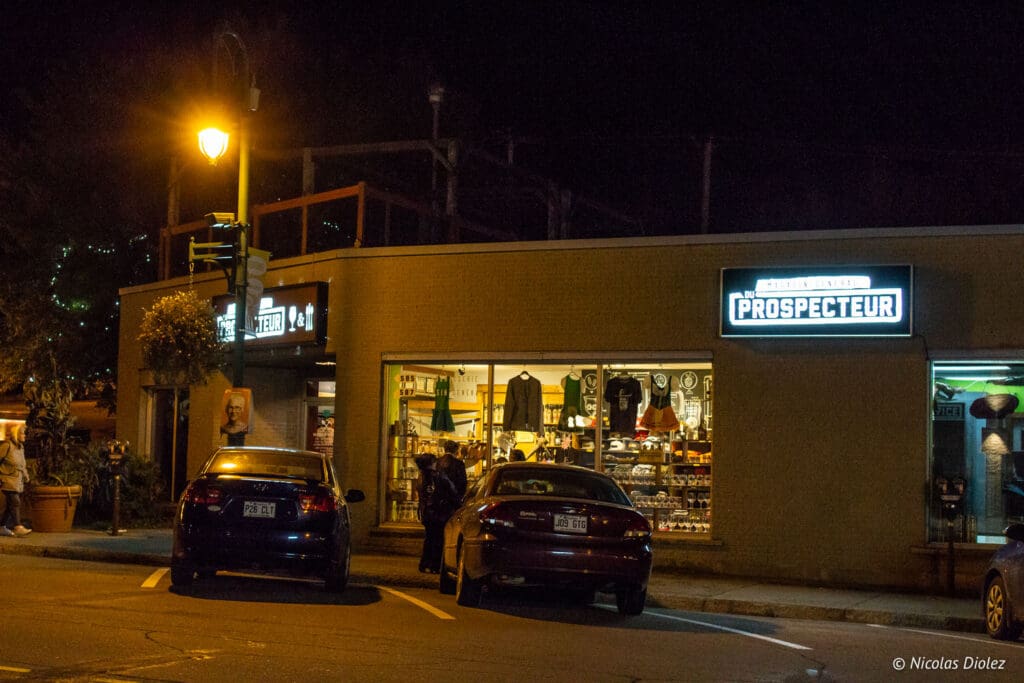
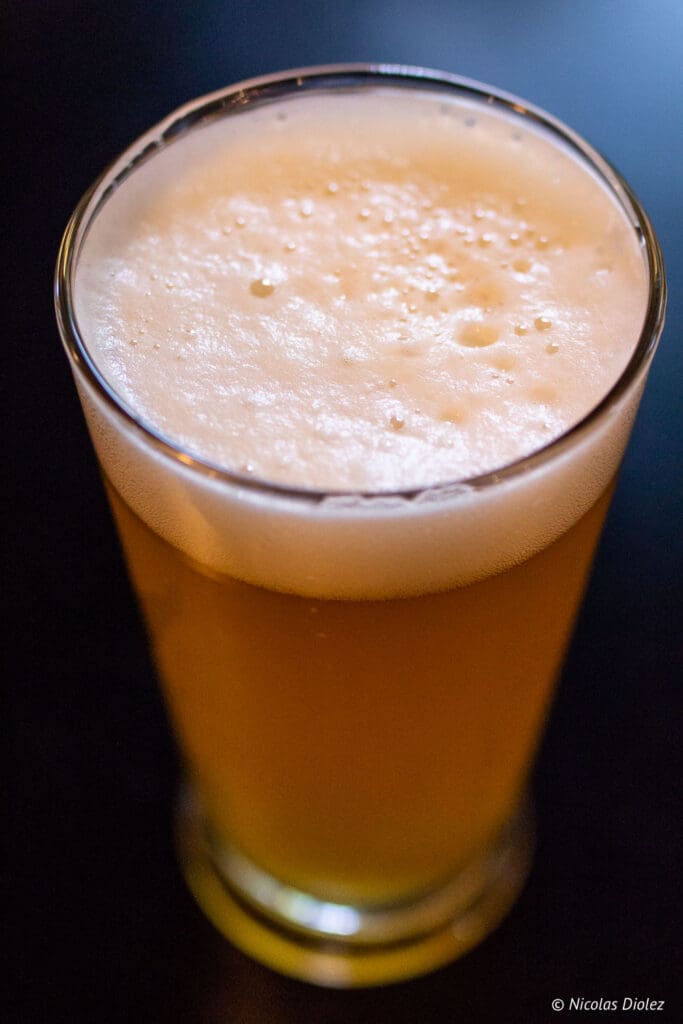
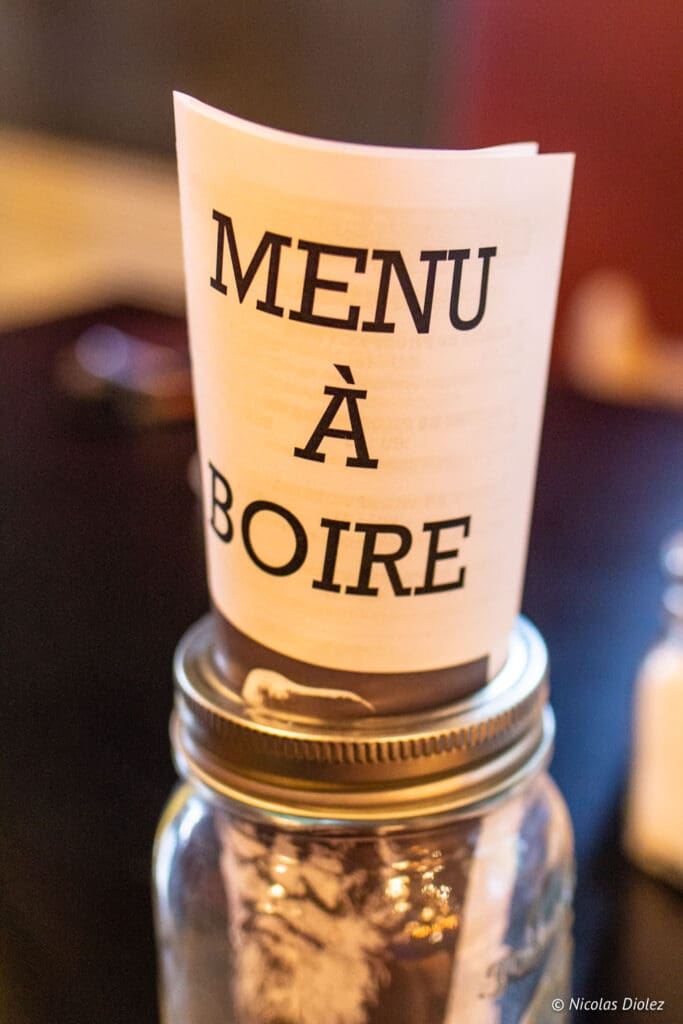
Microbrasserie Le Prospecteur

585, 3rd Avenue, Val-d’Or
_
Where to have dinner? Windsor Restaurant
This chic bistro-style restaurant offers European-inspired cuisine tinged with North American touches and mainly uses regional products.
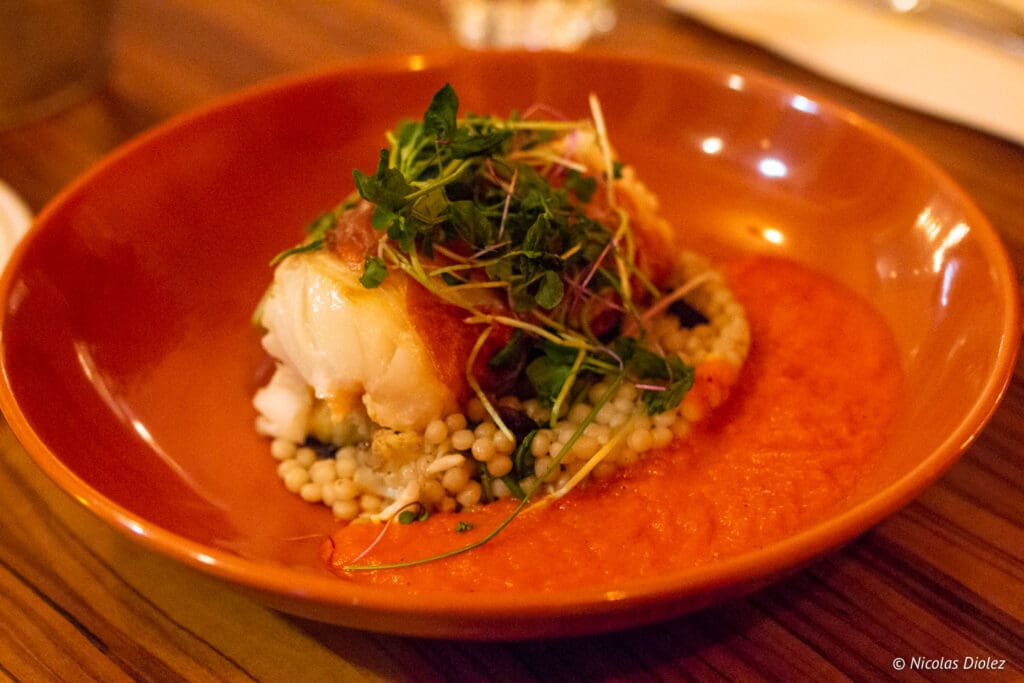
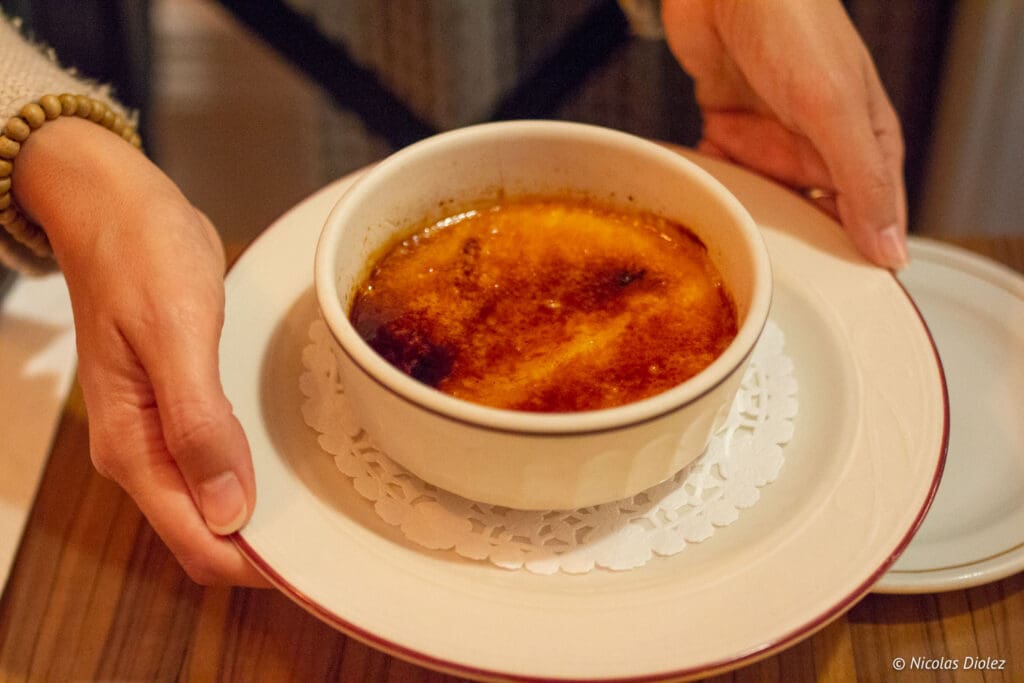
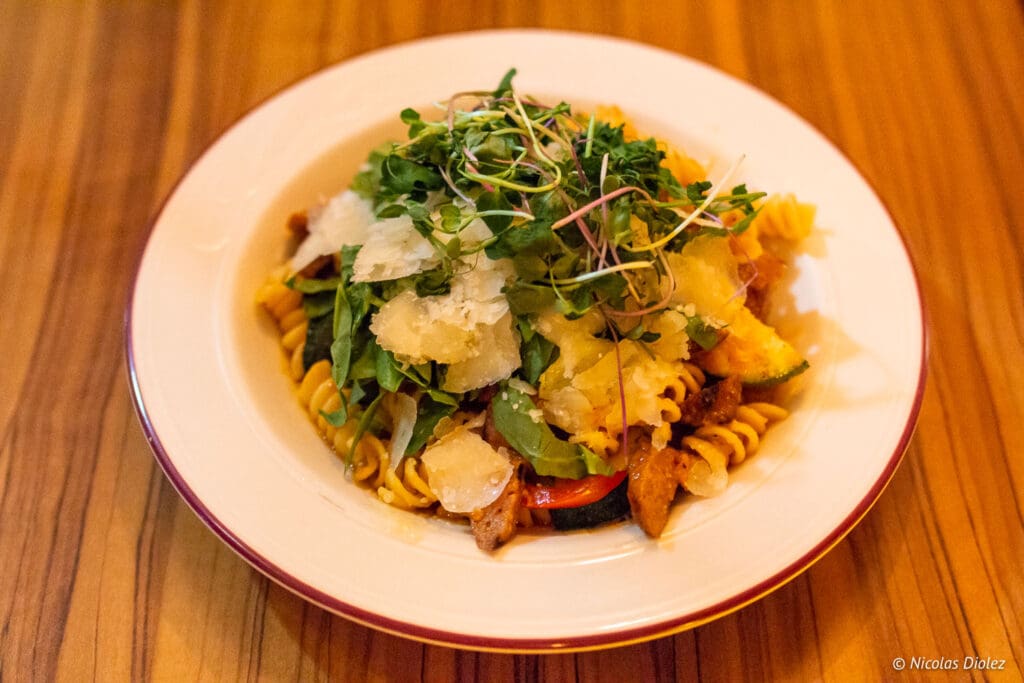
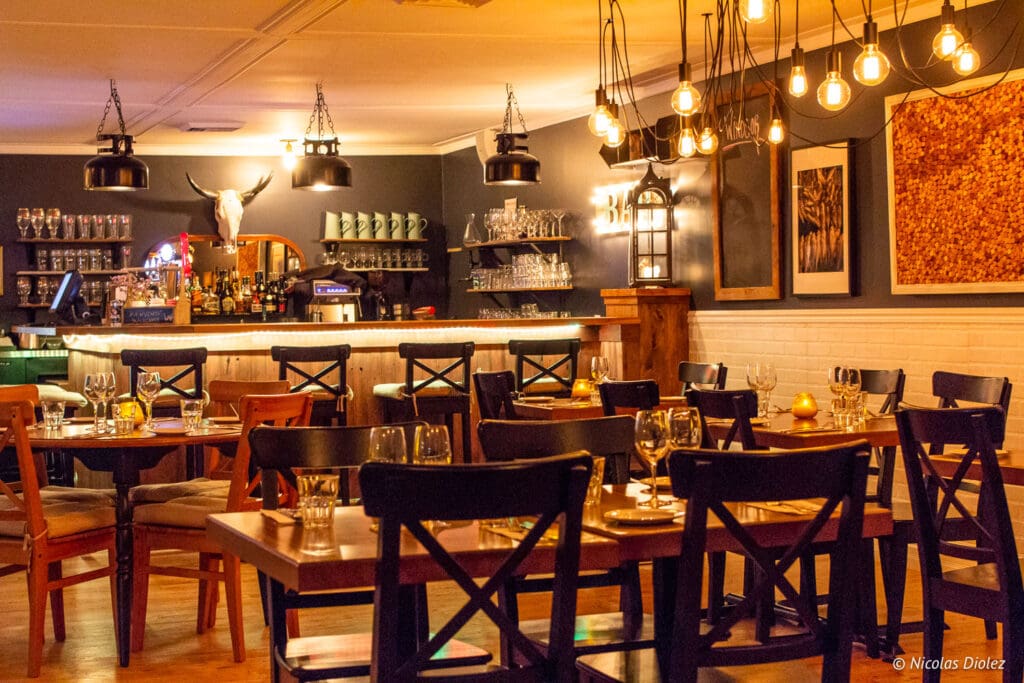
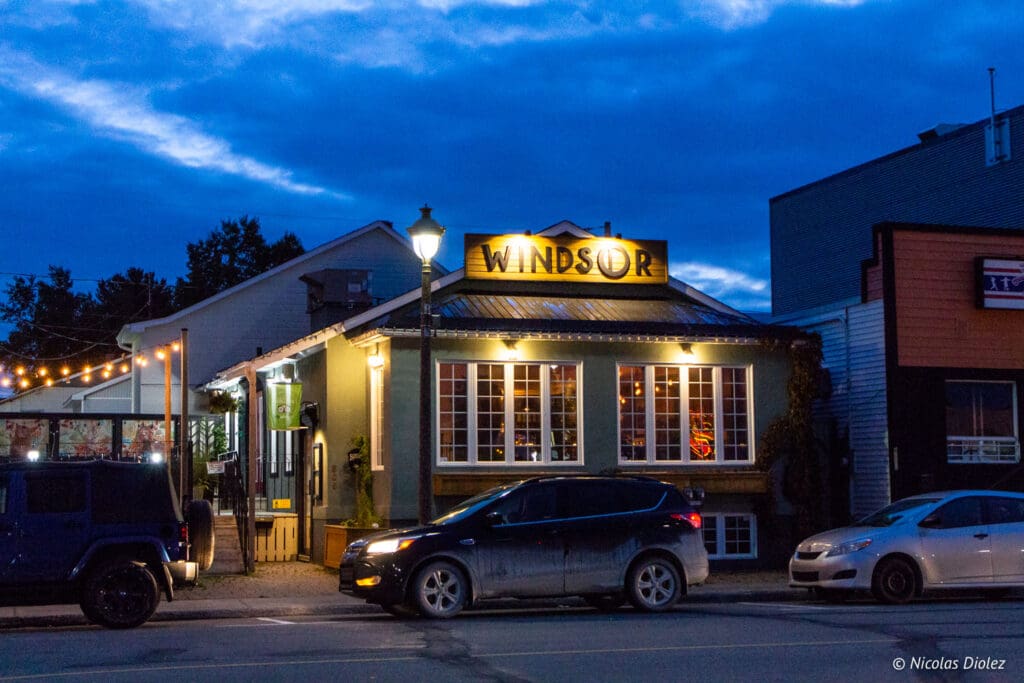
Windsor Restaurant

805, 2nd Avenue, Val-d’Or
Open Tuesday to Saturday from 4 p.m.

Price: expect between $19 and $39 for a main course and $36 for a charcuterie platter
to share
_
Where to have lunch? Balthazar Café
Ideal for a quick lunch, this establishment offers paninis, salads, soups, and desserts. You order at the counter upon arrival and then go sit wherever you want in the establishment’s large dining room.
The place is very warm, and there are apparently three other branches of the brand in Val-d’Or.
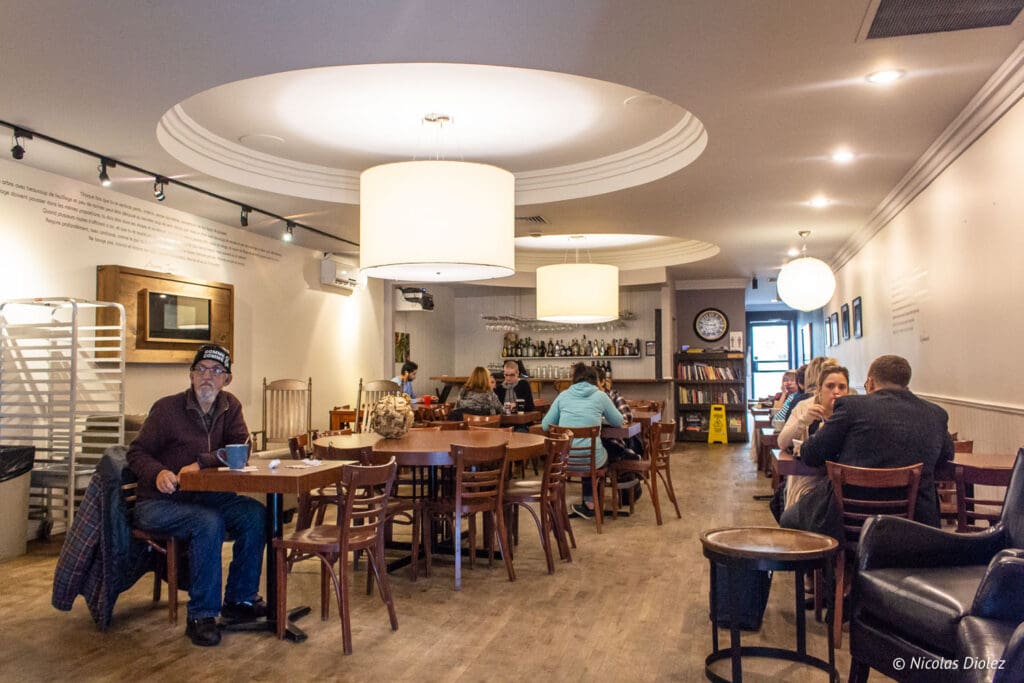
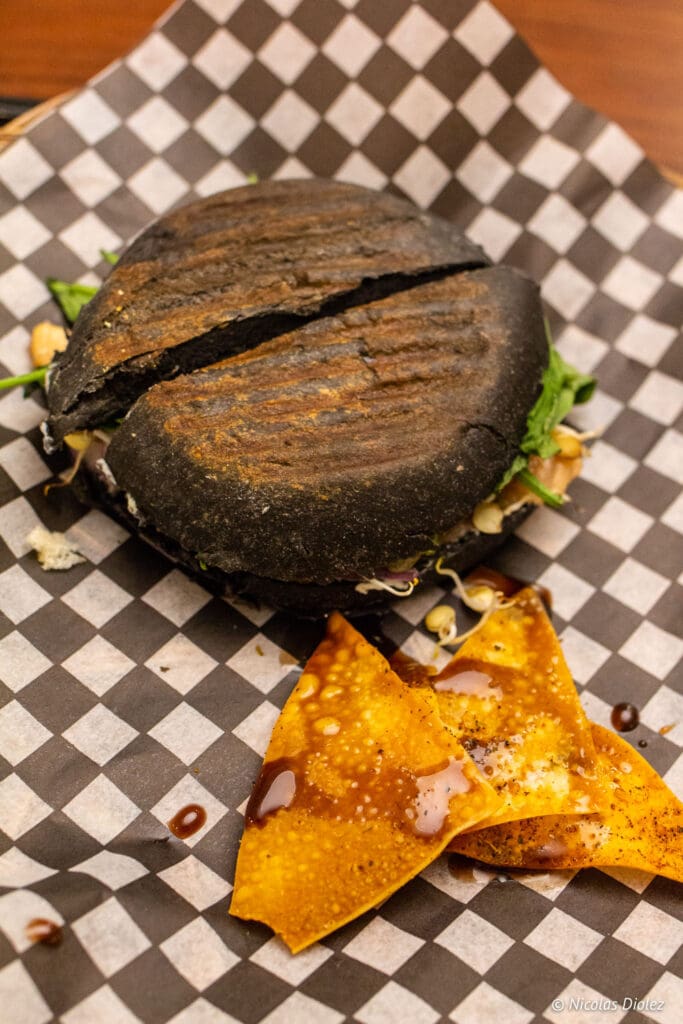
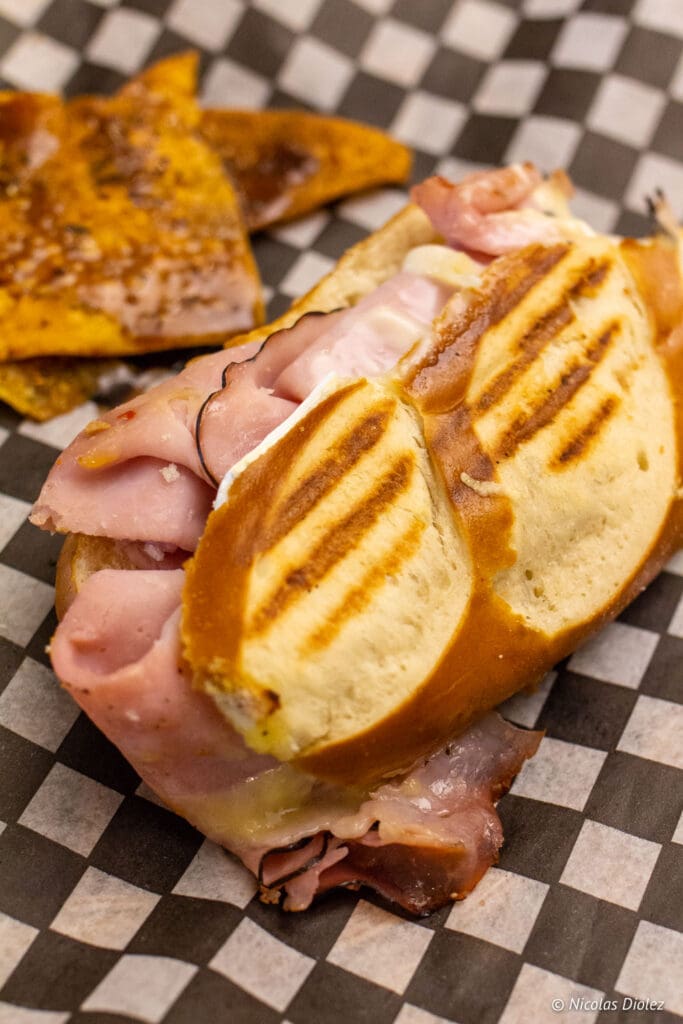
Balthazar Café

851, 3rd Avenue, Val-d’Or
_
Visit of the Cité de l’Or and the Village-Minier-de-Bourlamaque
The promise of this unusual visit: to become a miner for a day by living a unique experience through a tour 91 meters (300 feet) underground in the old galleries of the Lamaque mine. The latter has been converted into an interpretation center to bring the era of the first gold pioneers back to life.
During this visit, you put on miners’ clothes as well as a headlamp and go underground accompanied by a guide to discover the daily life of gold mine workers in underground galleries. I can assure you that the sensations are guaranteed, and besides, it is not every day that one has the opportunity to visit a gold mine!
After the underground exploration, we return to the surface, and the visit ends with a tour of the analysis laboratory, the hoist room, and the mine headframe. You discover the process of making a gold brick (and its weight!) and the daily operations of a mining complex.

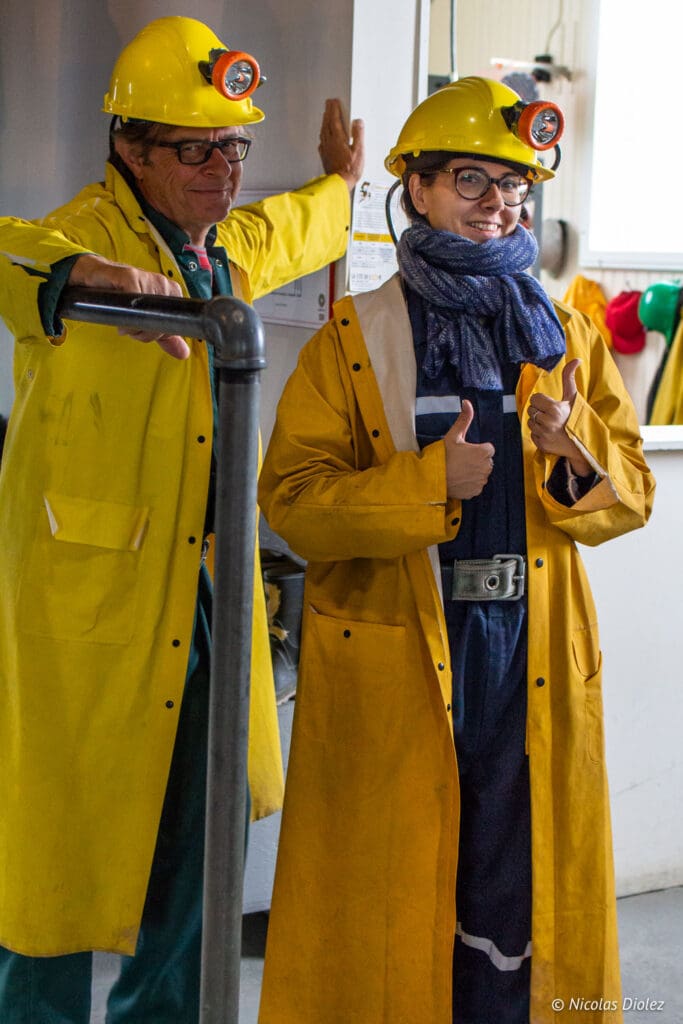
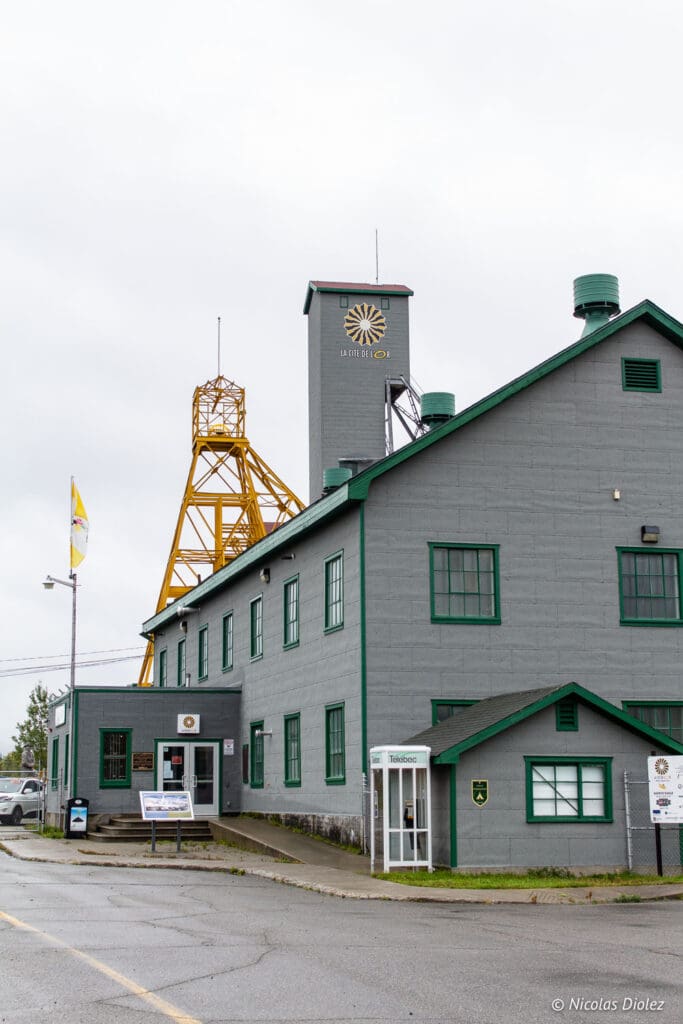

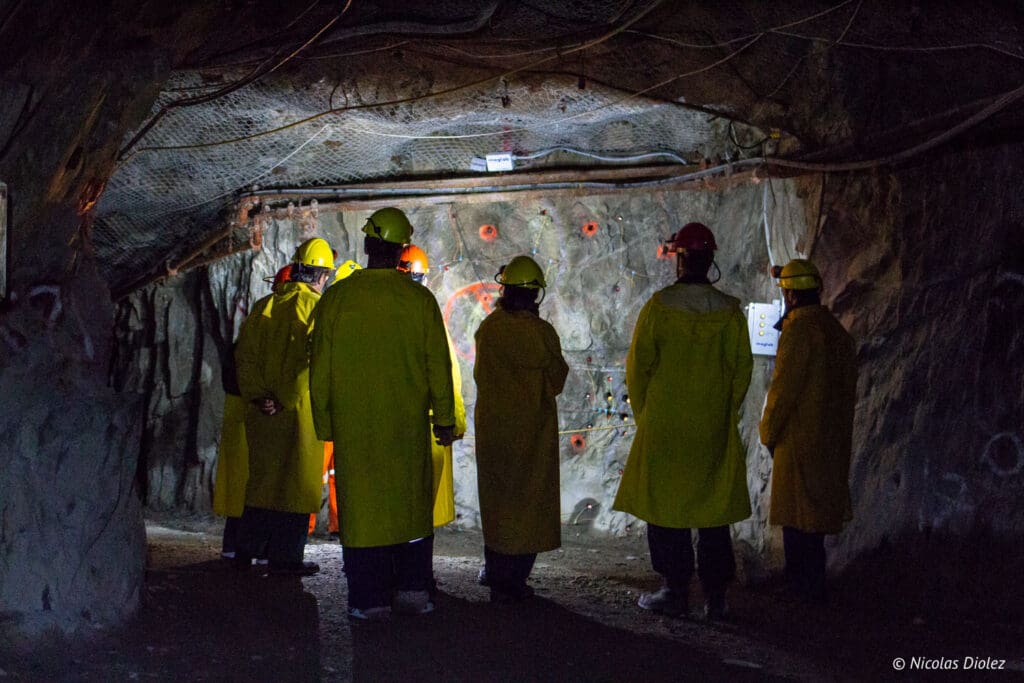
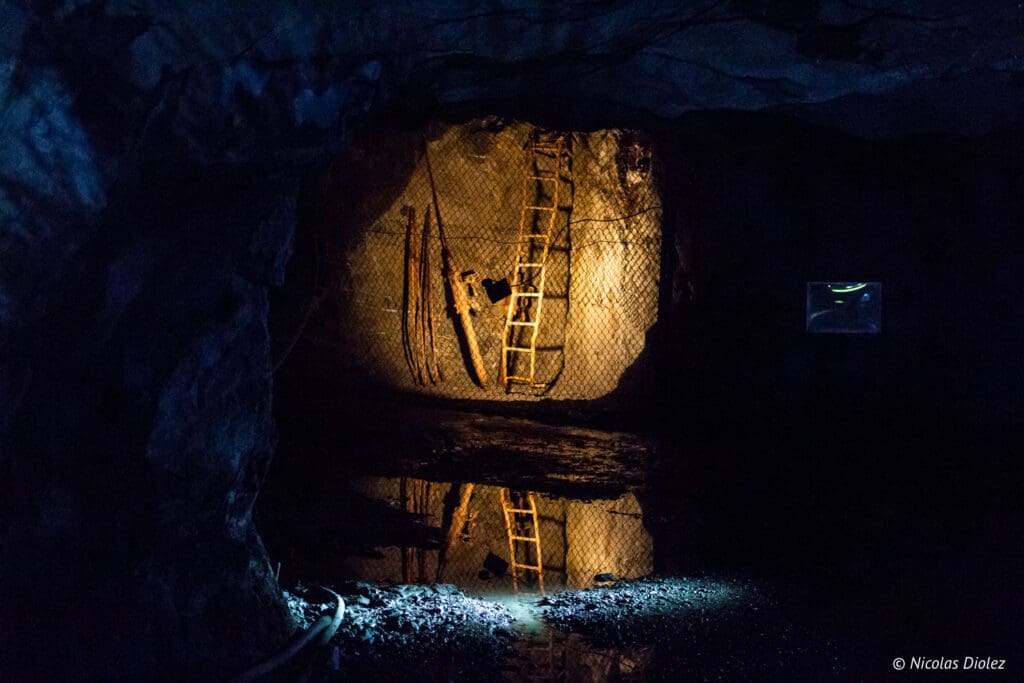
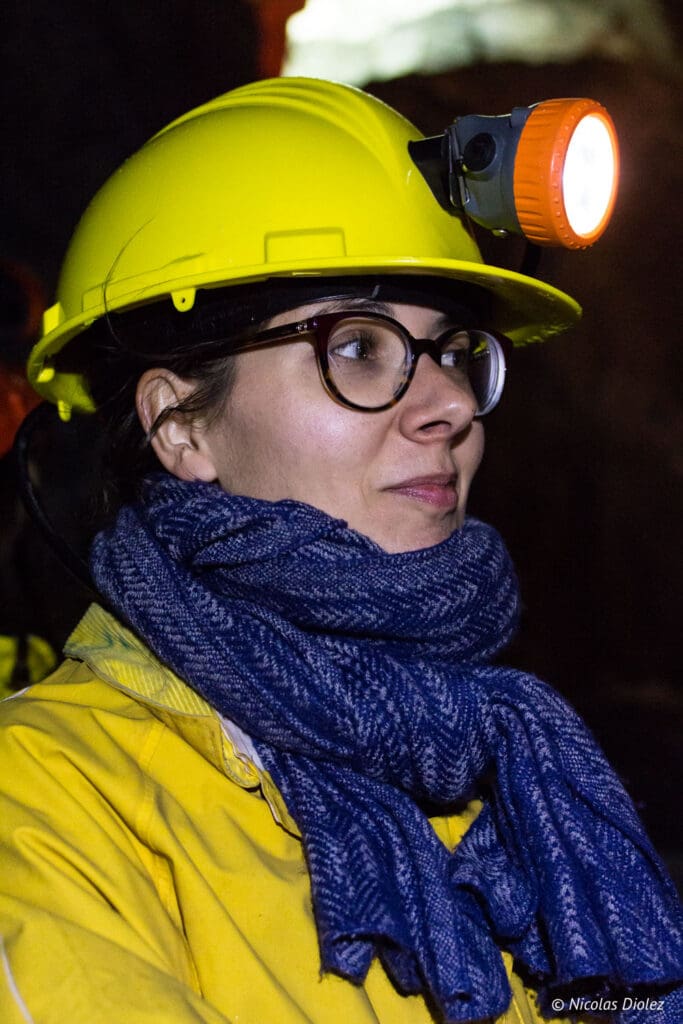
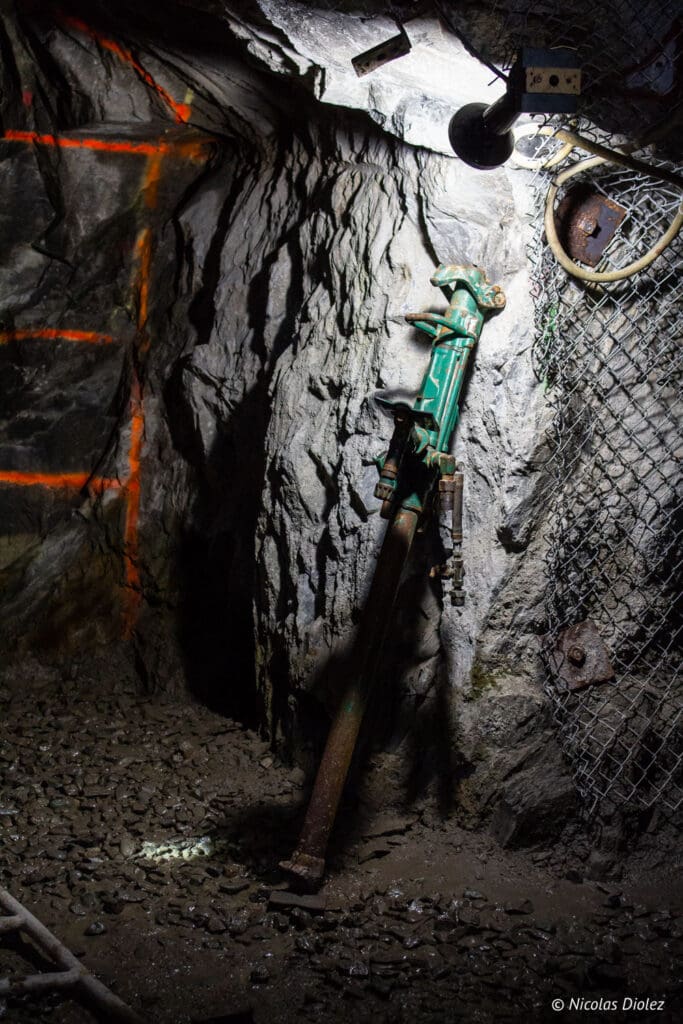
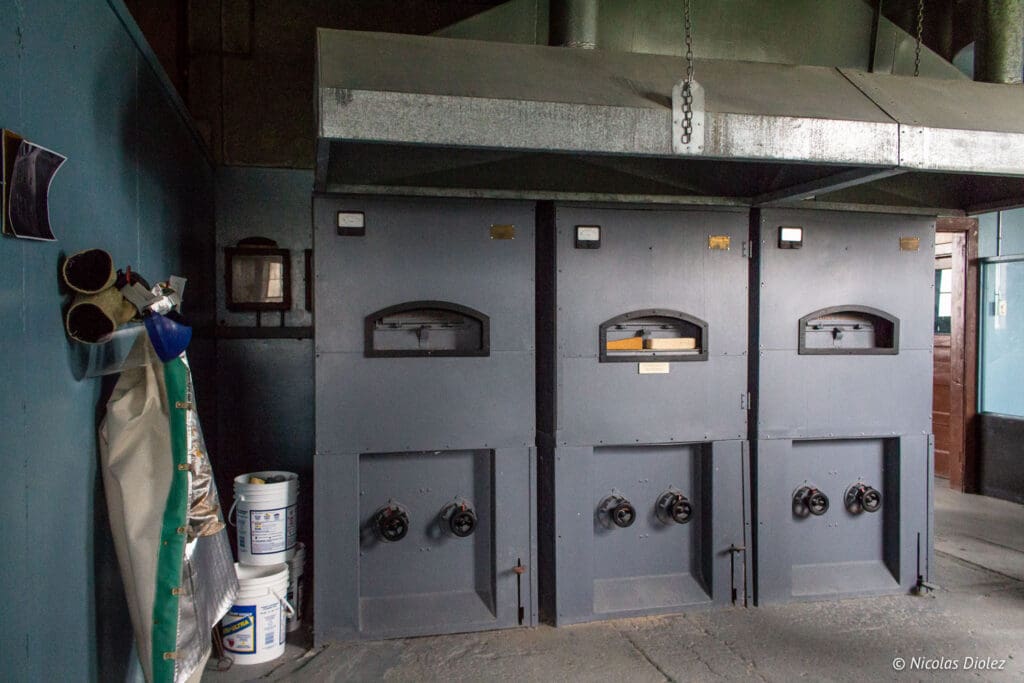
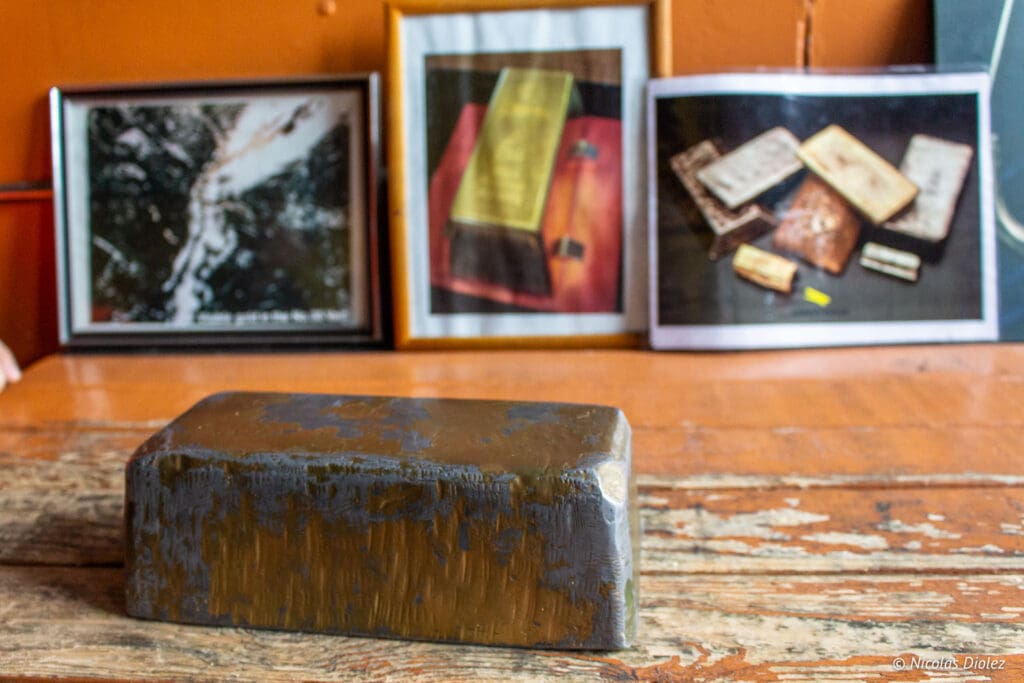
You can also take a tour, before or after the visit, of the permanent exhibition of the place, “Gold in the Veins,” to discover the history of the mine.
I also advise you to take a walk in the Village-Minier-de-Bourlamaque, where its pretty round log houses are still inhabited (this is actually where we were staying, for info see above).
To do after your visit: go visit the model home of the Bourlamaque mining village, where an interactive exhibition conveys the atmosphere of a home in 1940, to discover the lifestyle of mining families at the time.
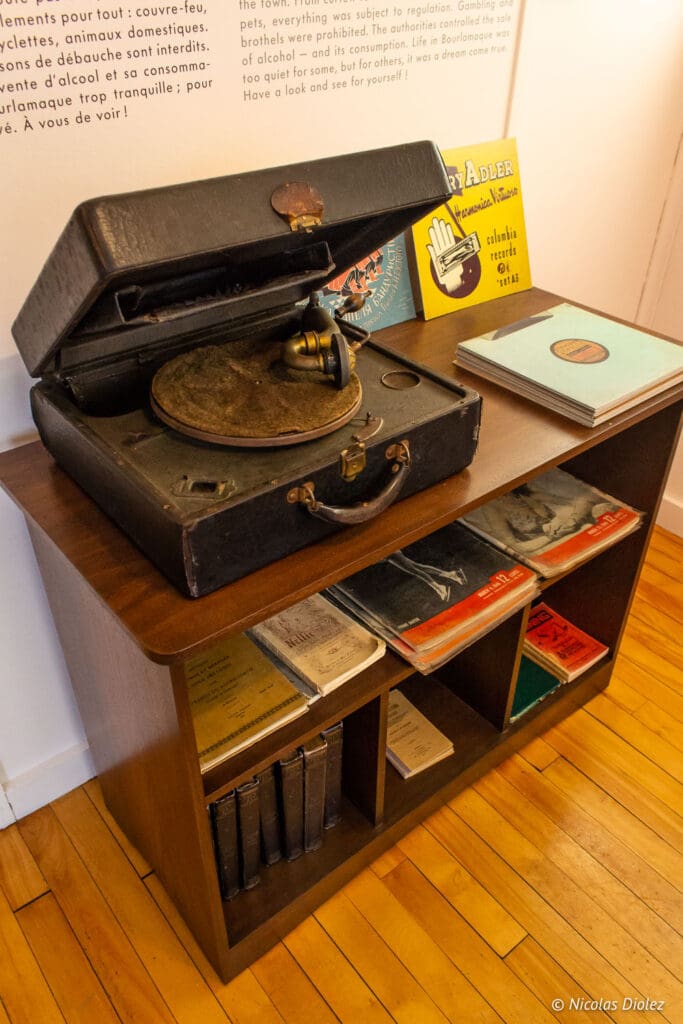
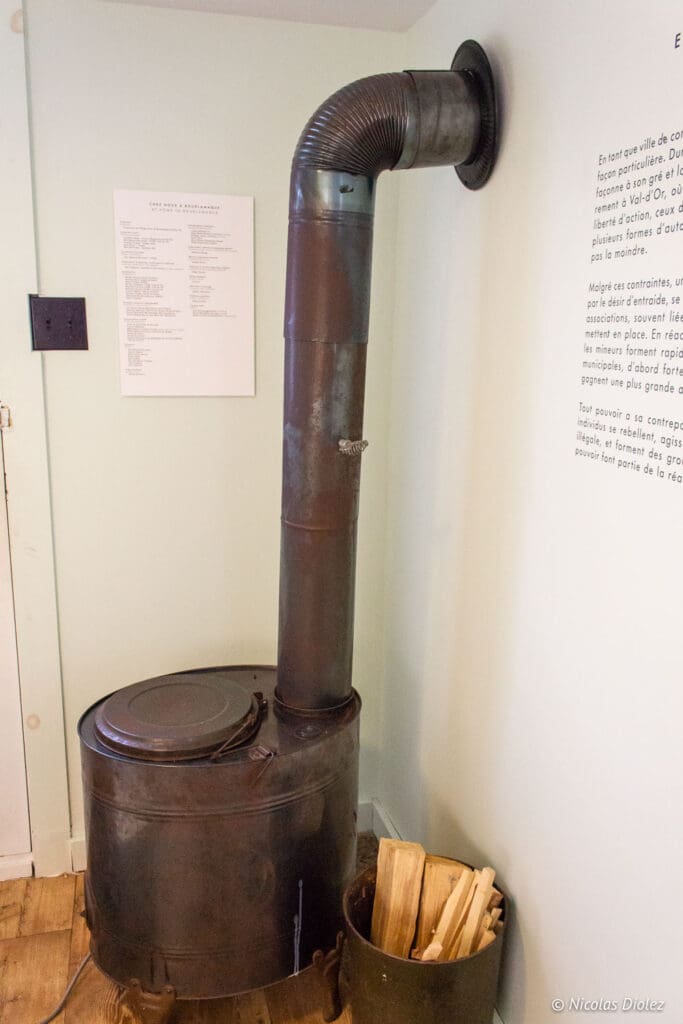
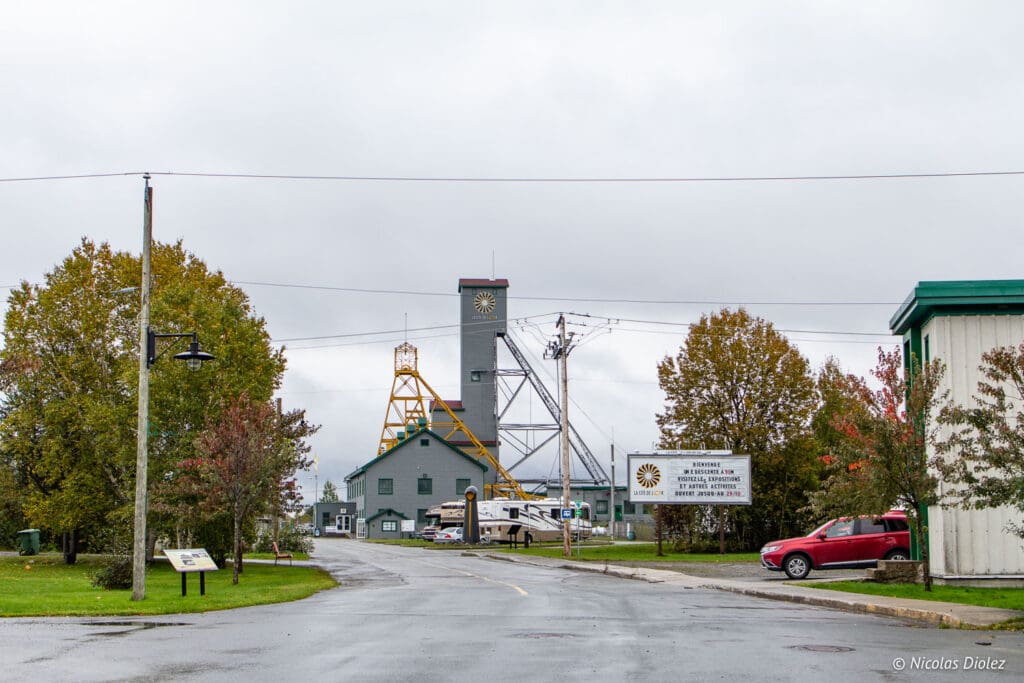
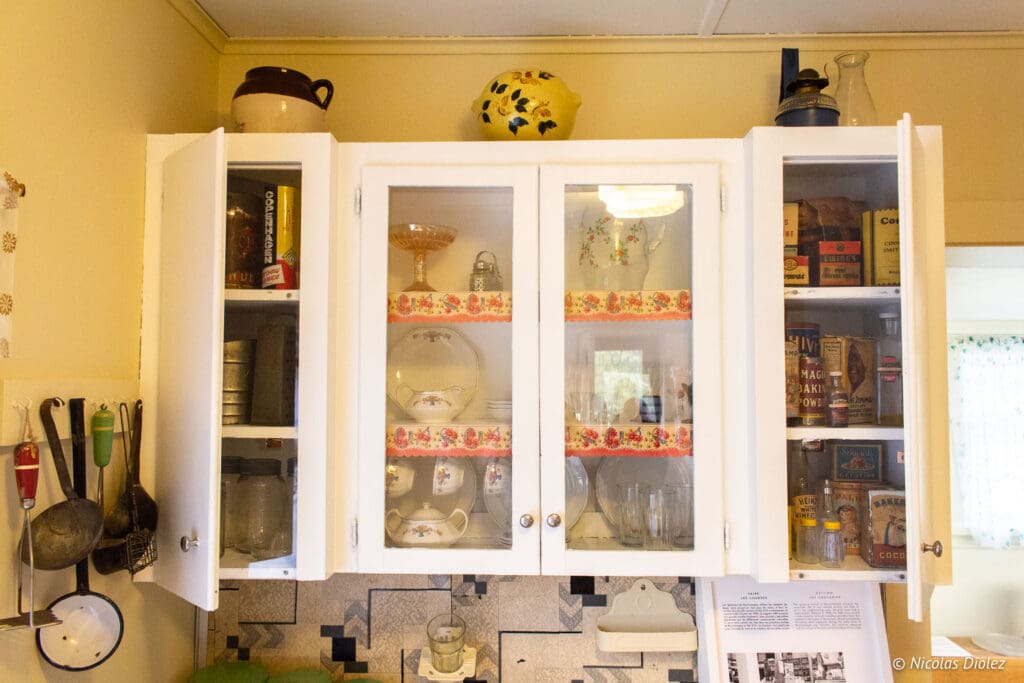
La Cité de l’Or

90, Perreault Avenue, Val-d’Or

Cité de l'Or tour prices: between $12.25 and $38 (visit to the Bourlamaque mining village included in the price)
_
Shopping at the Choco-Mango chocolate factory
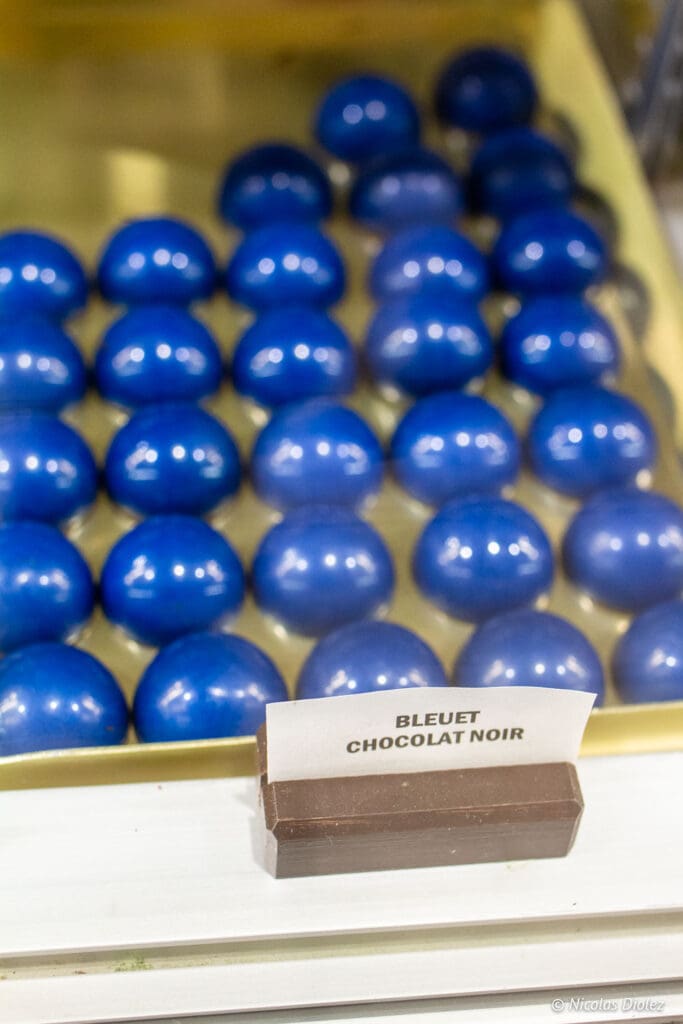
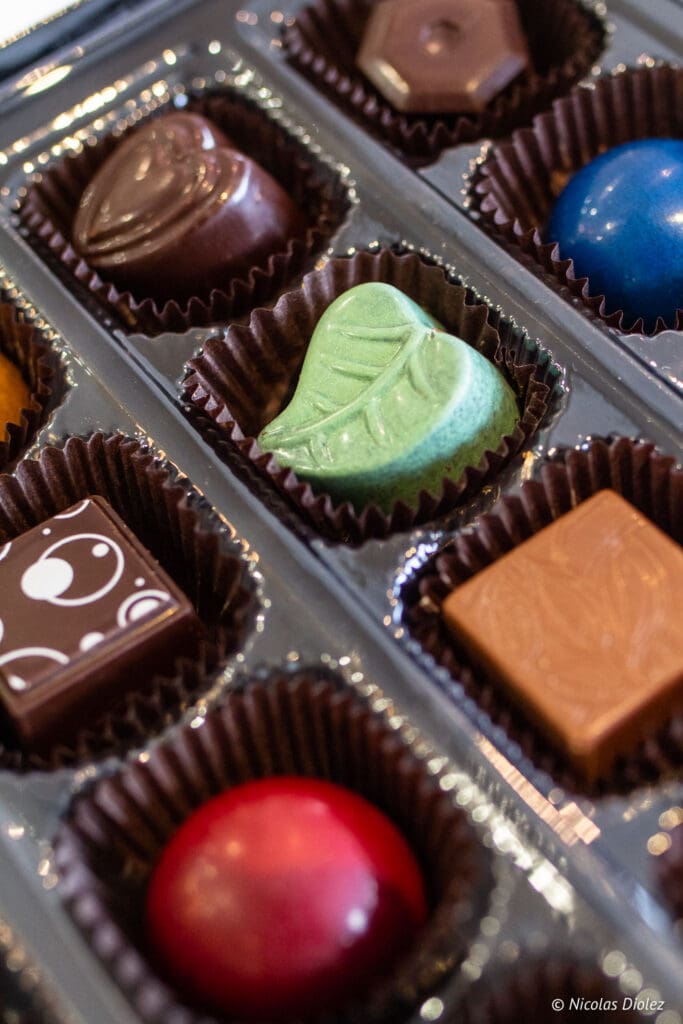
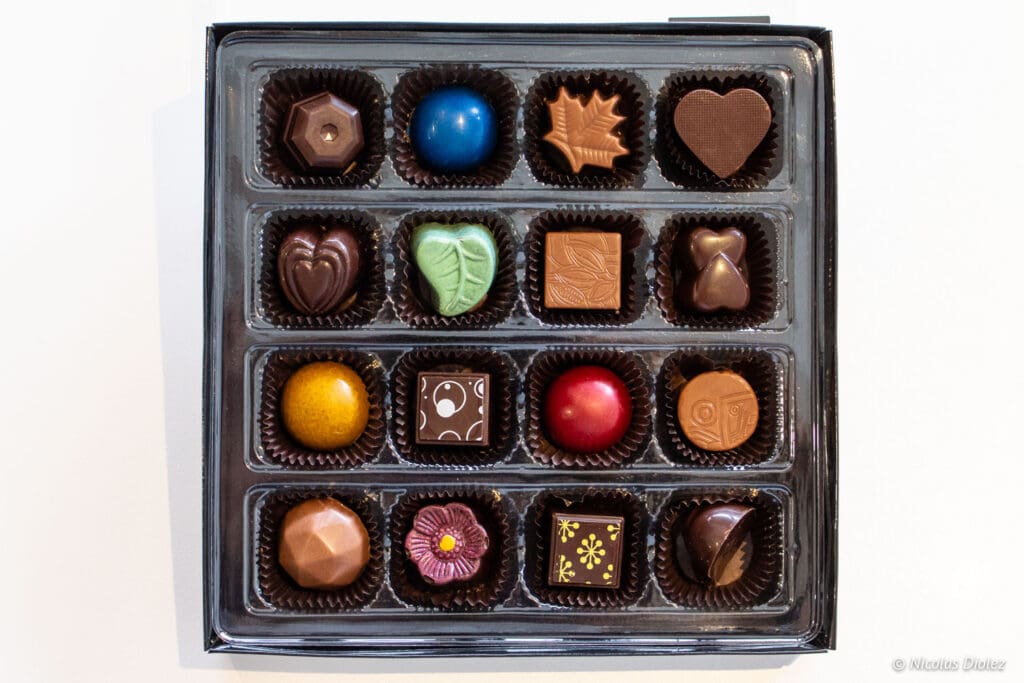
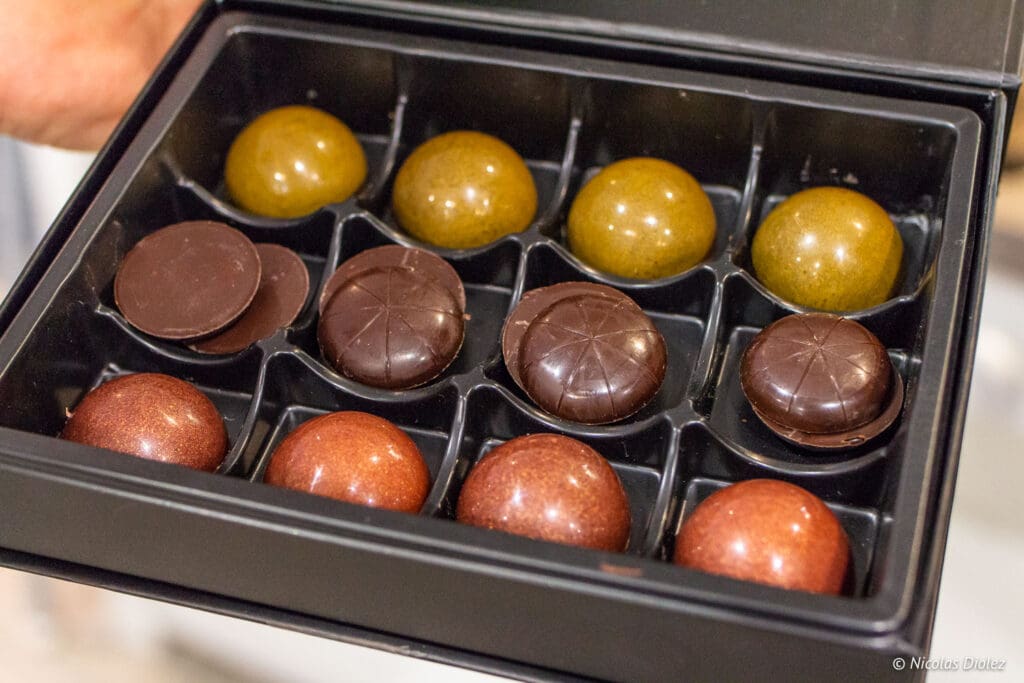
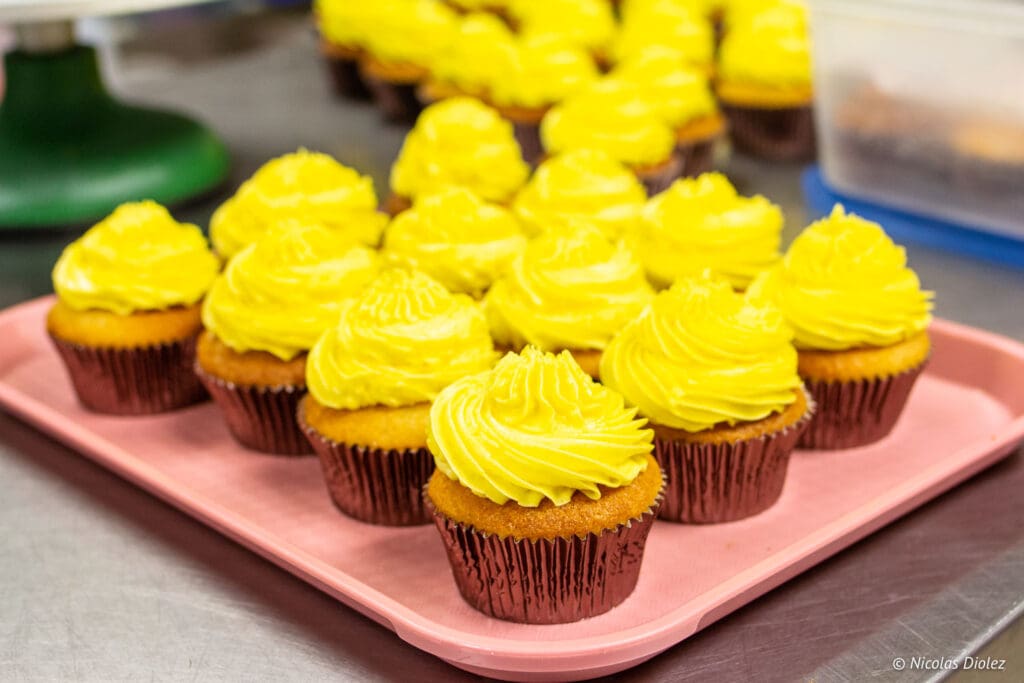
This place specializes in the production of artisanal chocolates, ice creams, and pastries. It is run by a woman of character, Olga, the daughter of one of the first confectioners in Central America, who became passionate about making chocolate truffles.
Choco-Mango therefore offers various products for sale: artisanal chocolates, coffees, cakes, ice creams, and the famous chocolates that pair with wines. But it is also a café where you can sit down to drink a hot chocolate or eat an ice cream.
In short, it is an essential stop to bring back an original and gourmet souvenir of your visit to Val-d’Or!
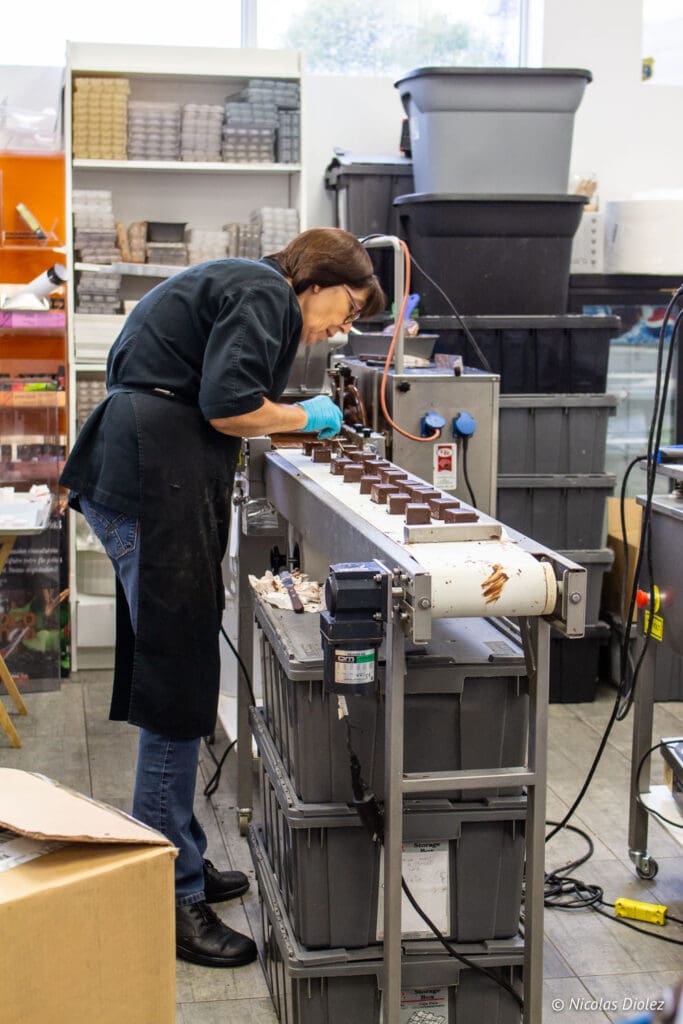
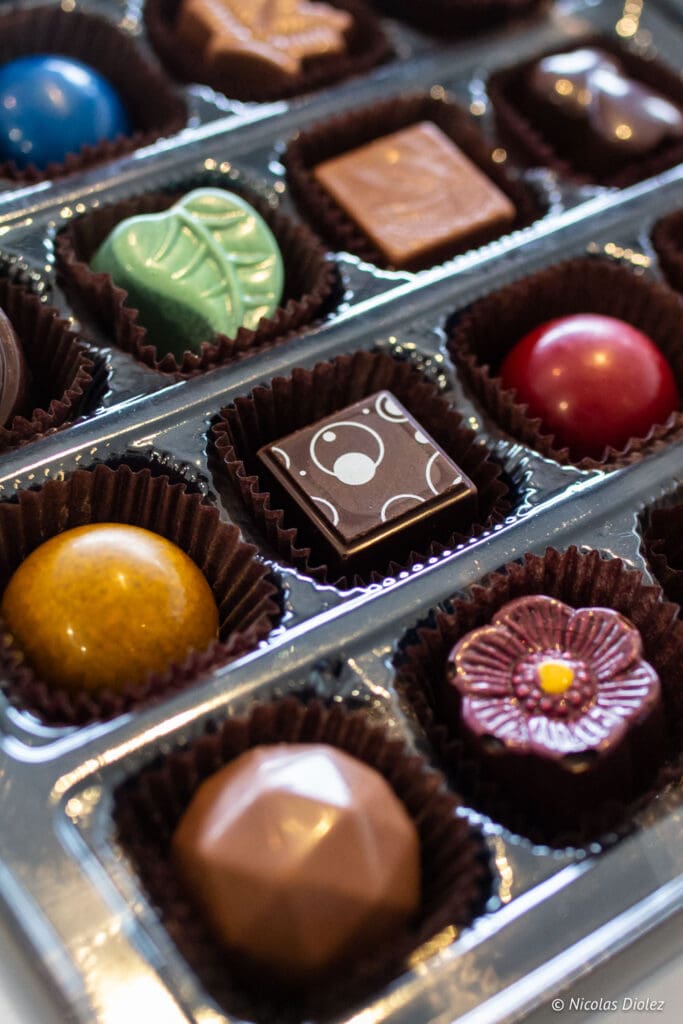
Chocolaterie Choco-Mango

664, 3rd Avenue, Val-d’Or
_
Visit of the Kinawit cultural site
A visit to this cultural site is an opportunity to remember that Quebec was inhabited by the First Nations long before the arrival of the first explorers. This is why I think it is particularly important to research and try to learn more about these populations.
This type of place obviously shows that a significant effort is being made by Quebecers to re-establish a link with these populations that sometimes live on the margins of society. But there is clearly still a long way to go to heal the still-vivid wounds of past actions and their consequences (I will talk to you about this again in my article on the Outaouais).
Kinawit (which means “inclusive we” in the Algonquin language) is a true place for discovering indigenous cultural richness. It is set in a soothing natural environment conducive to exchange and offers the chance to discover the history of the Anicinabe (Anicinabek, also known as Algonquins) and their millennial presence on the territory.
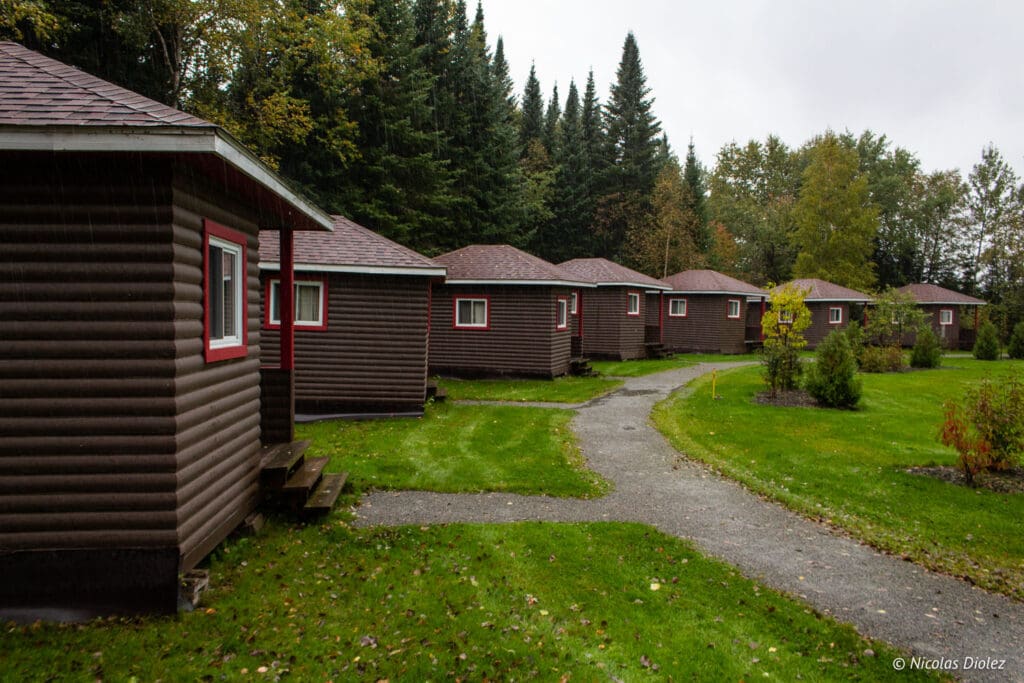
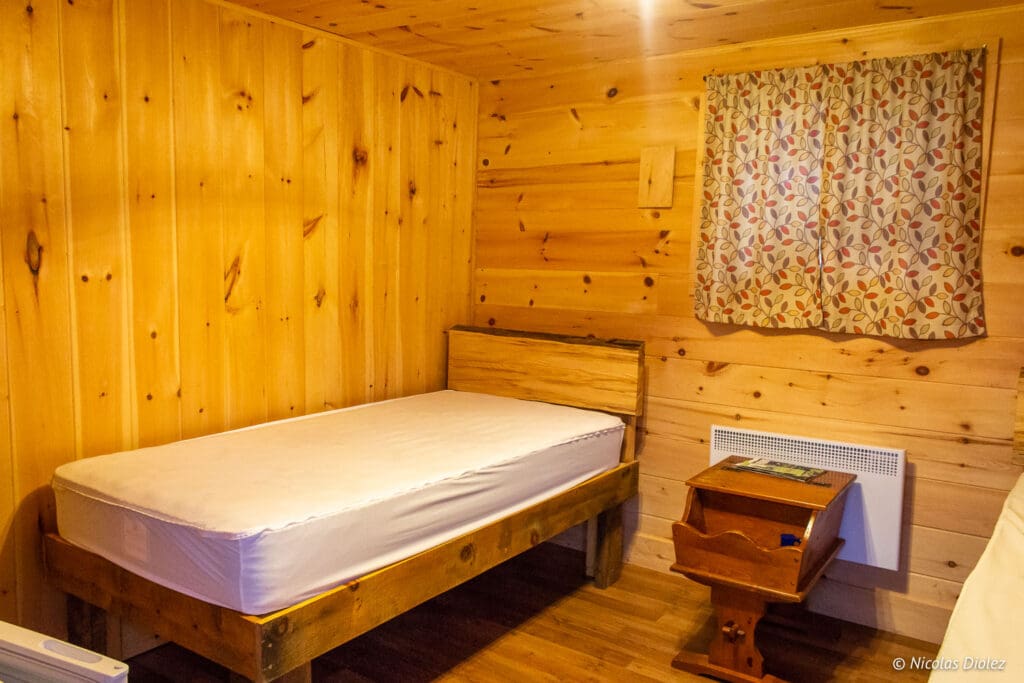
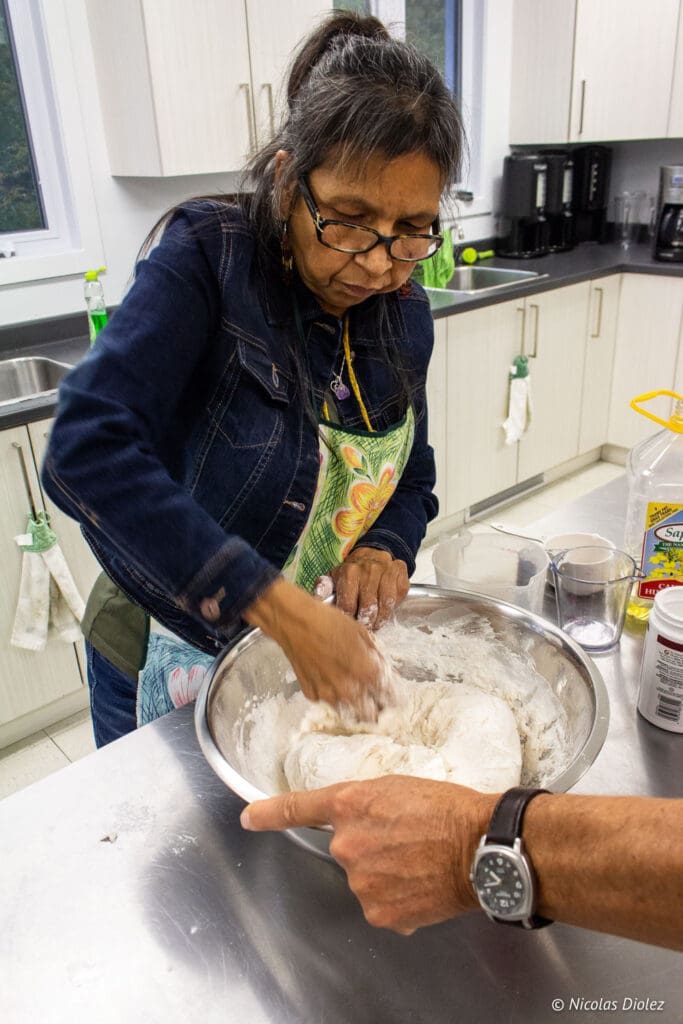
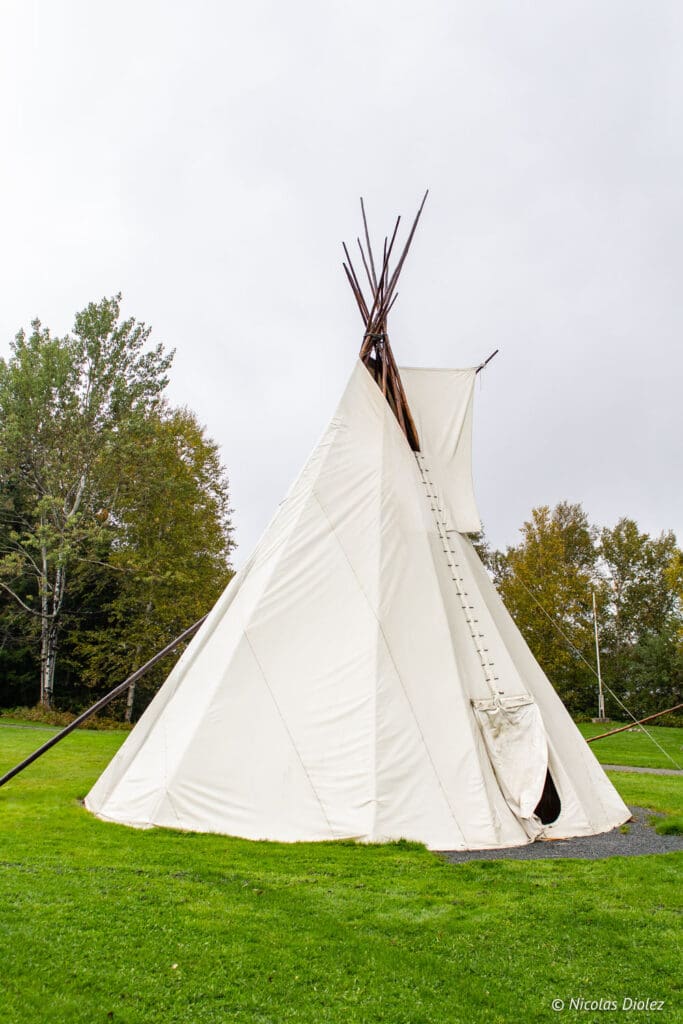
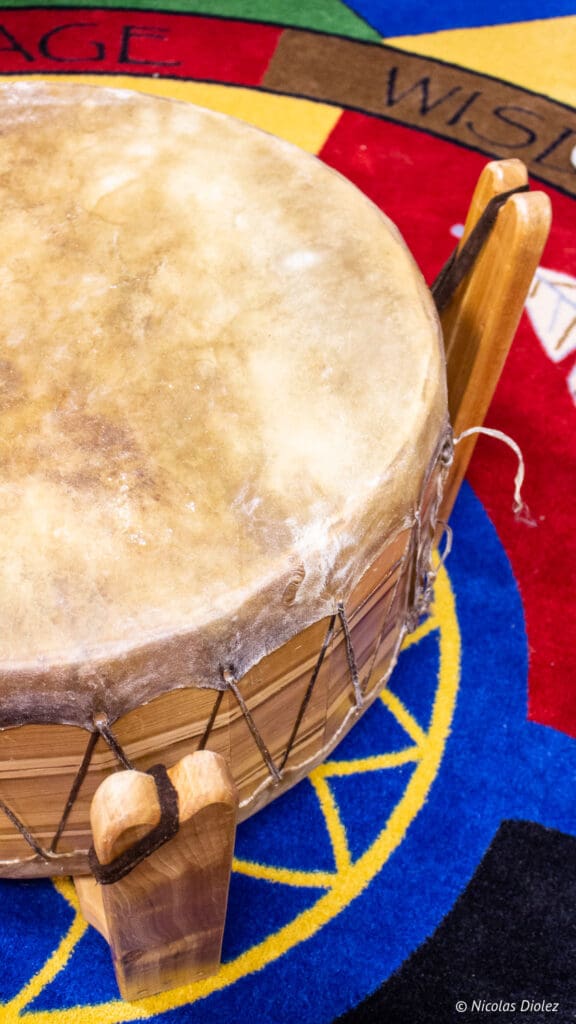
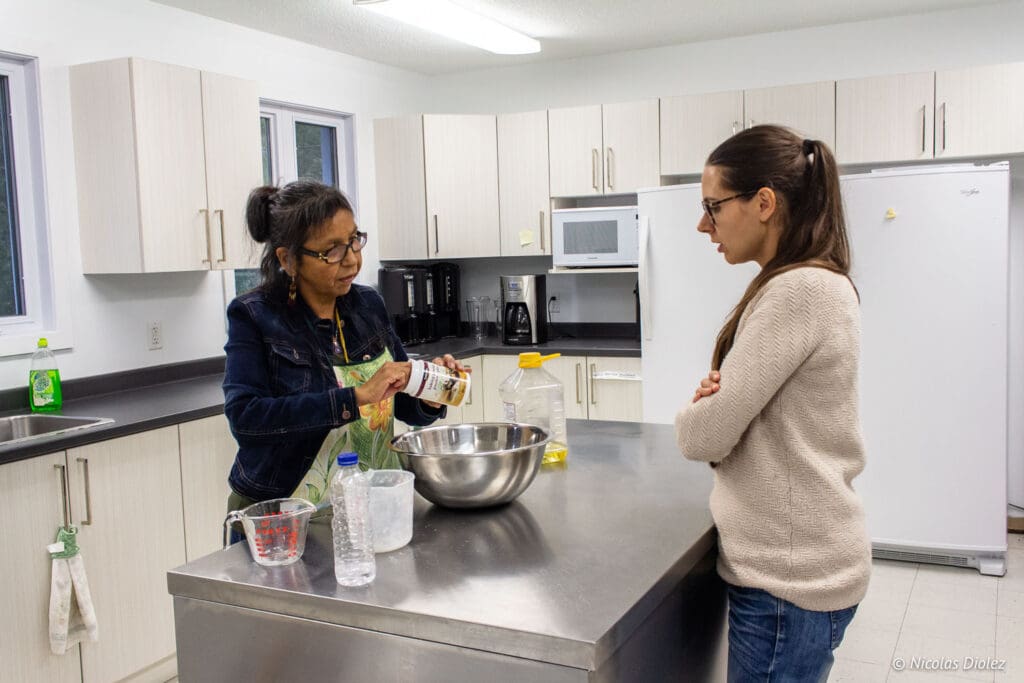
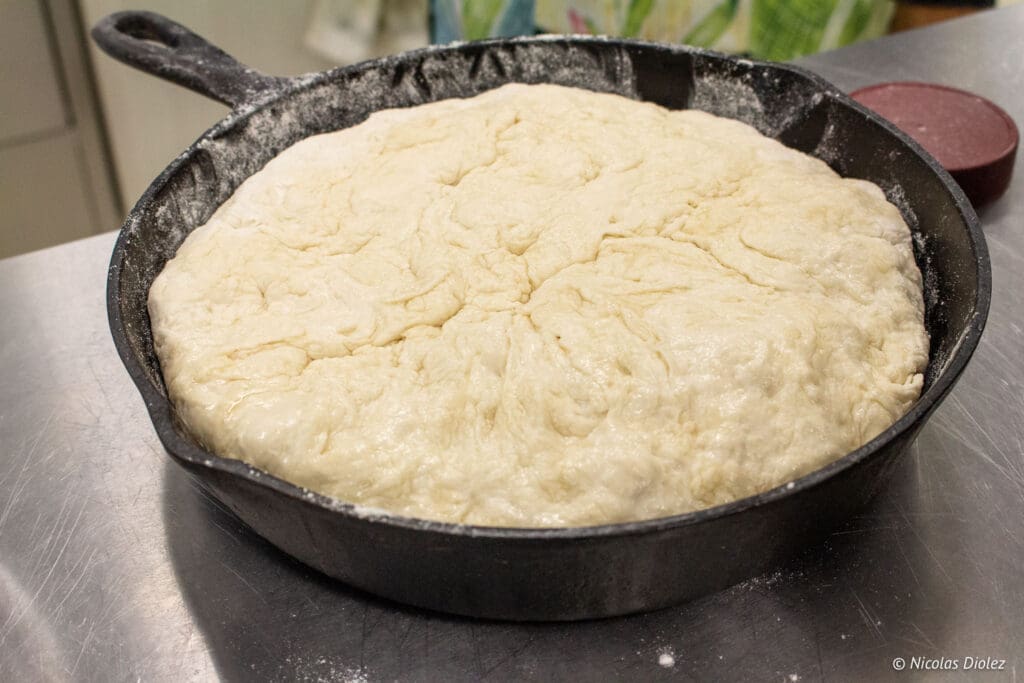
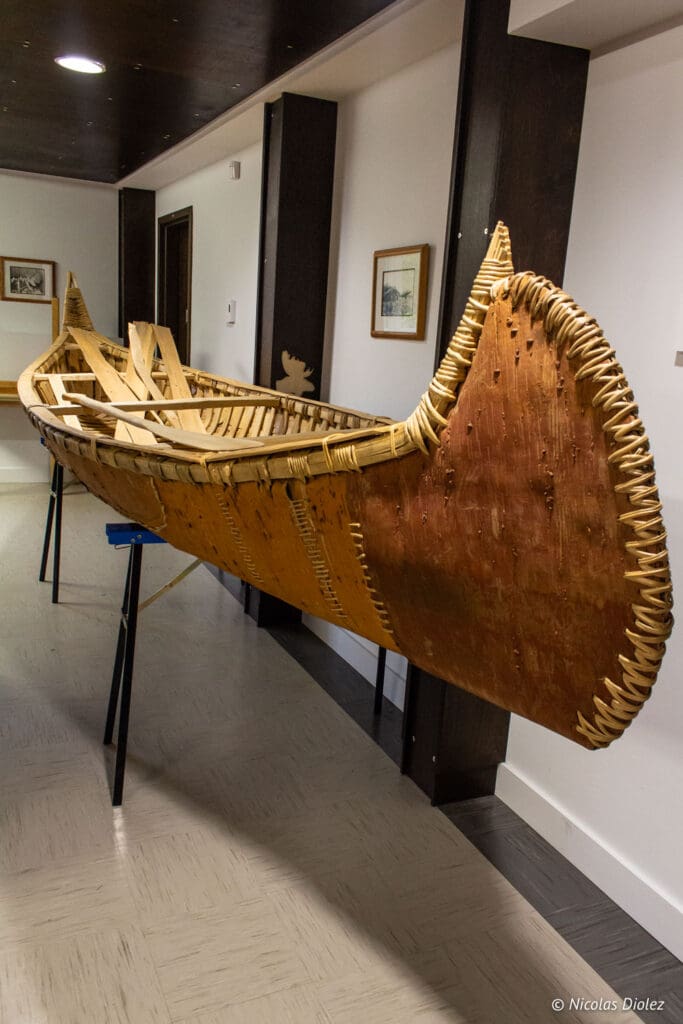
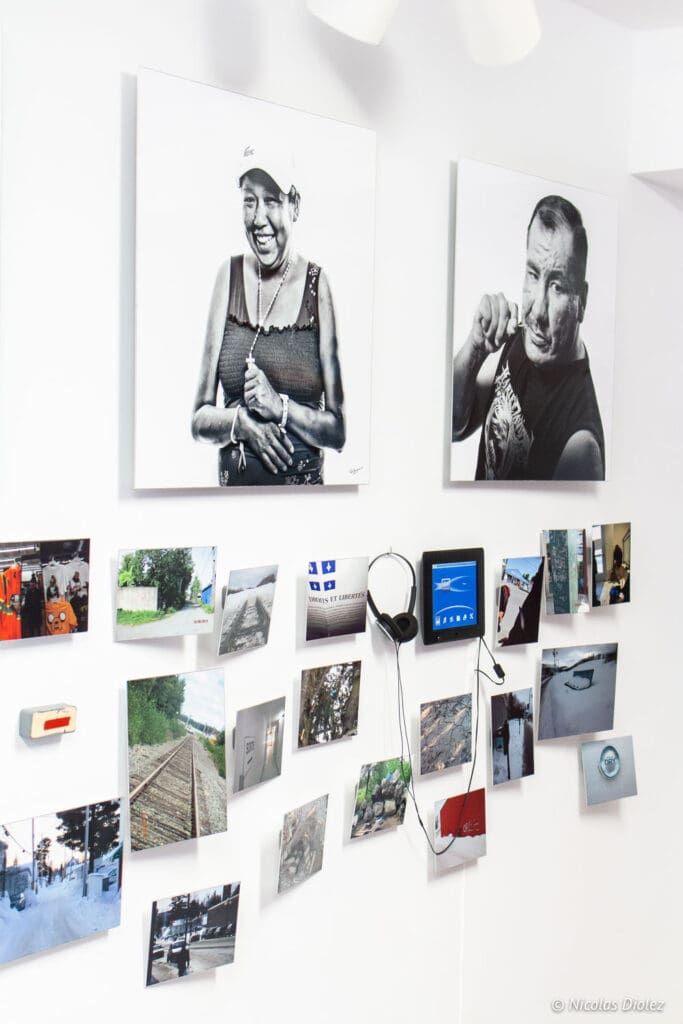
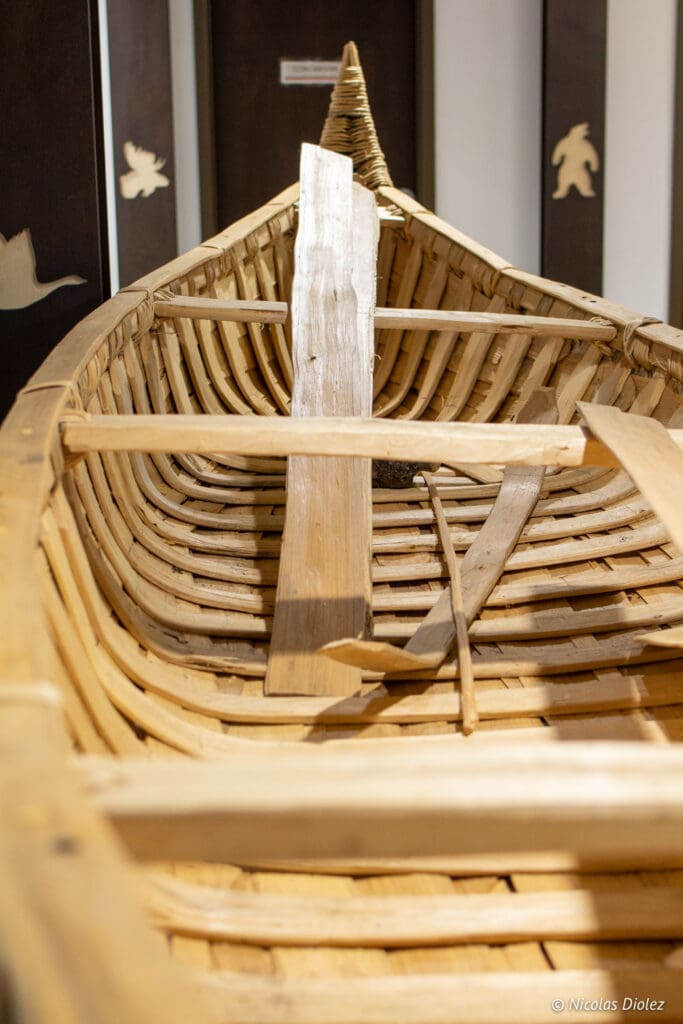

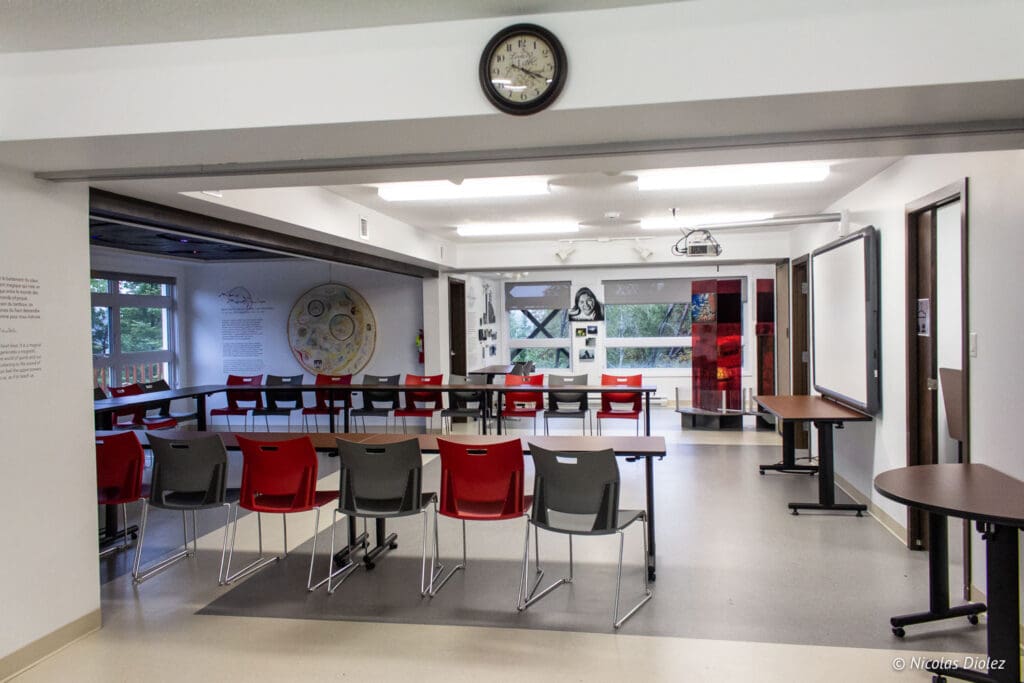
With its guided tours (sage purification ceremony, tour of the permanent exhibition “because urbanity is also Anicinabe,” traditional tasting served with Labrador tea), cultural workshops, rustic camps, and tipis, Kinawit offers an authentic cultural experience.
This site is located on the banks of Lake Lemone, also called Kakinokamak, which means “long lake” in Algonquin. In any case, this visit was an opportunity for us to discover medicinal plants, crafts, and indigenous flavors.
Kinawit cultural site

255, Scouts Road, Val-d’Or, J9P-7A8
(a few minutes by car from Val-d'Or city center)

Open June to September from Wednesday to Sunday from 9 a.m. to 5 p.m. and off-season by
reservation

Guided tour prices: $12.50 / reduced $10.80 / child $8.15
_
Stage 2: Amos-Harricana
We unfortunately spent quite a short time in this part of Abitibi. The city of Amos, located between the Harricana River and the Esker, is known for having some of the best water in the world.
_
Where to sleep? Amosphère Complexe Hôtelier
This 57-room hotel really gave me the impression of being in an American motel, like the ones you see in movies! It is located a bit at the edge of downtown Amos, and you will need a car if you want to go out in the city.
Its location is ideal in any case if you are in the region to visit the Refuge Pageau (see below) because it is only 6 km from the hotel.
The little extra: free parking for the car
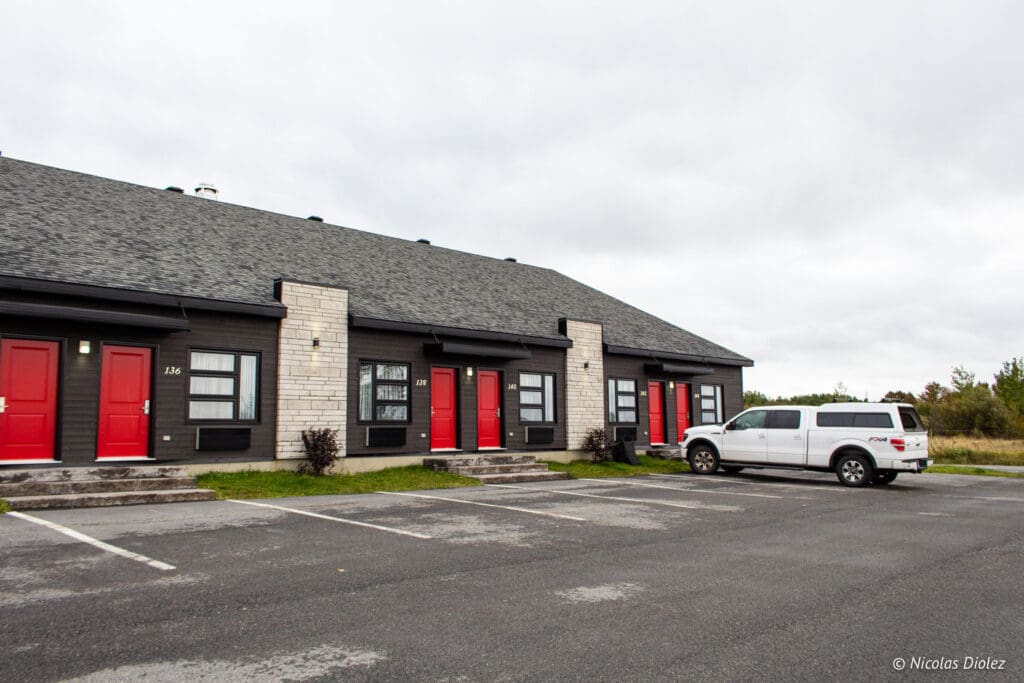
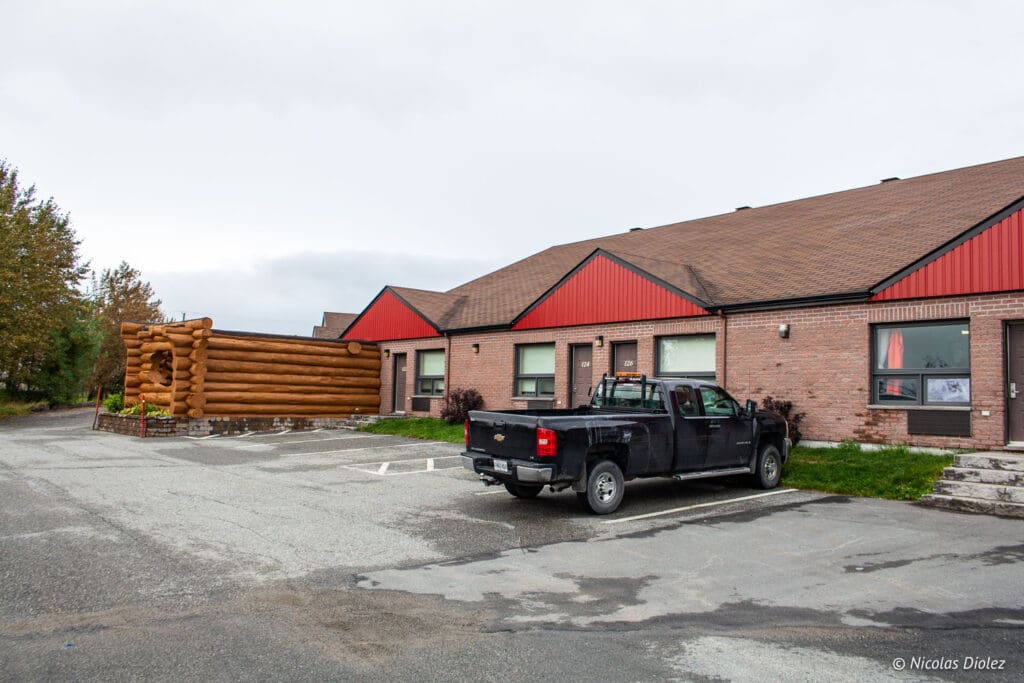
Amosphère Complexe Hôtelier

1031 Route 111 East, Amos, QC J9T 1N2, Canada

Prices: room from $98 / $15 for breakfast
_
Where to eat, where to have a drink? L’Amalgame Pub
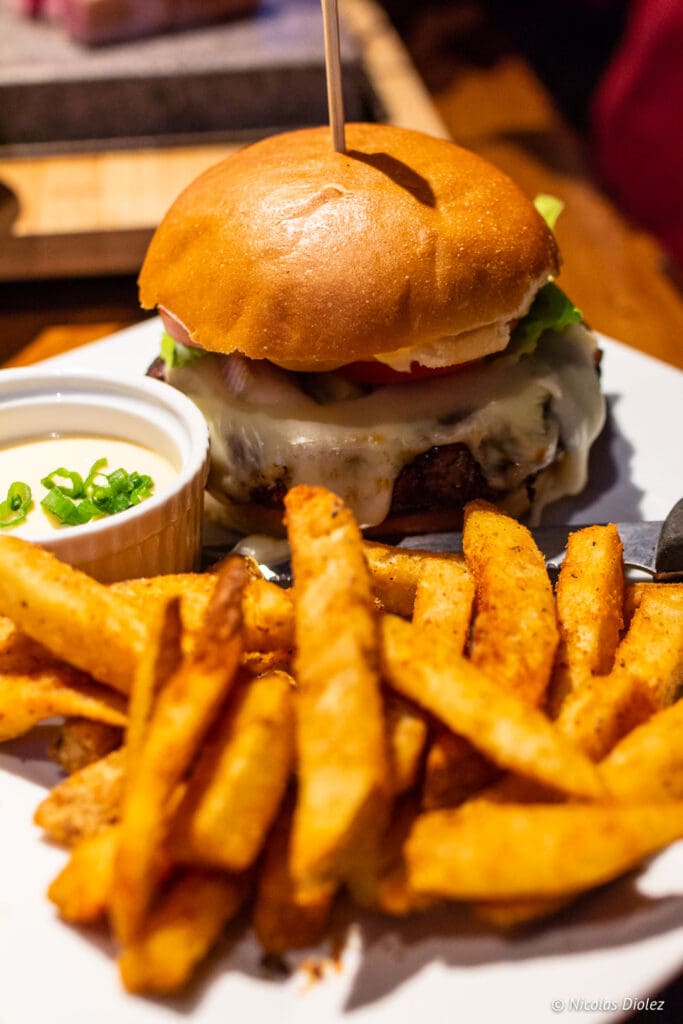
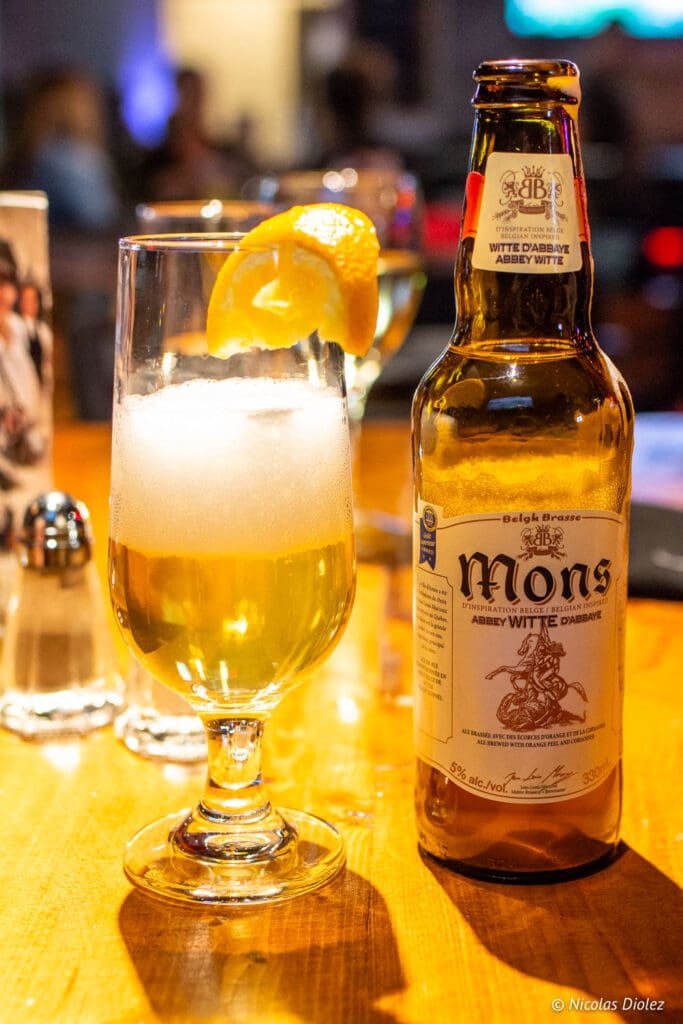
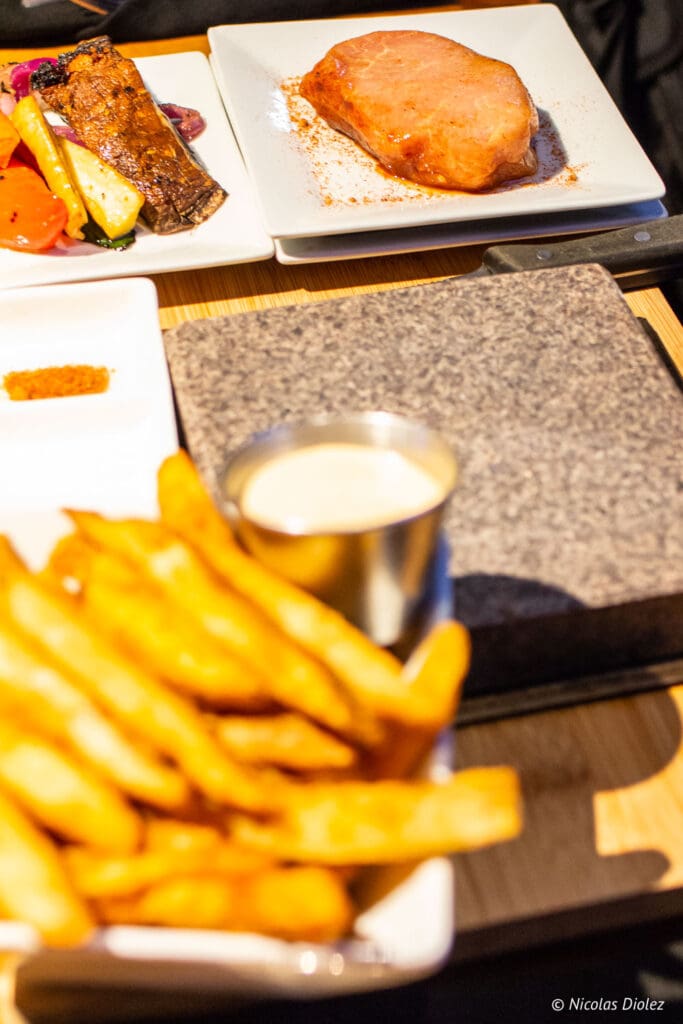
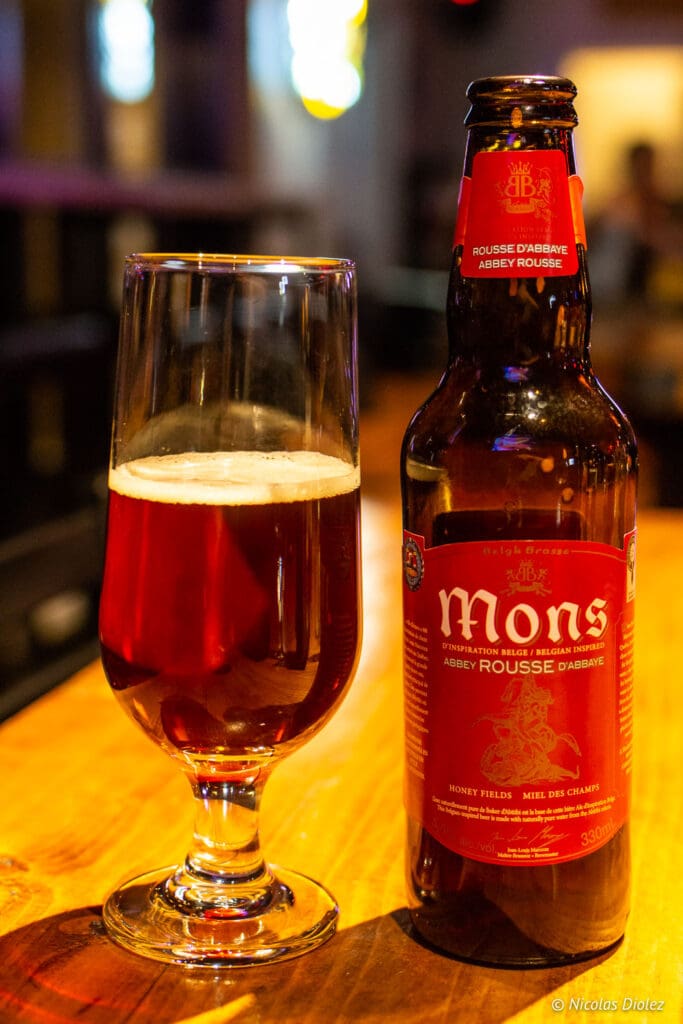
This restaurant offers a varied menu in a pub setting. The dishes are prepared with fresh products, and the establishment offers a nice selection of Quebec beers.
My advice: try the Mons, a nice local beer!
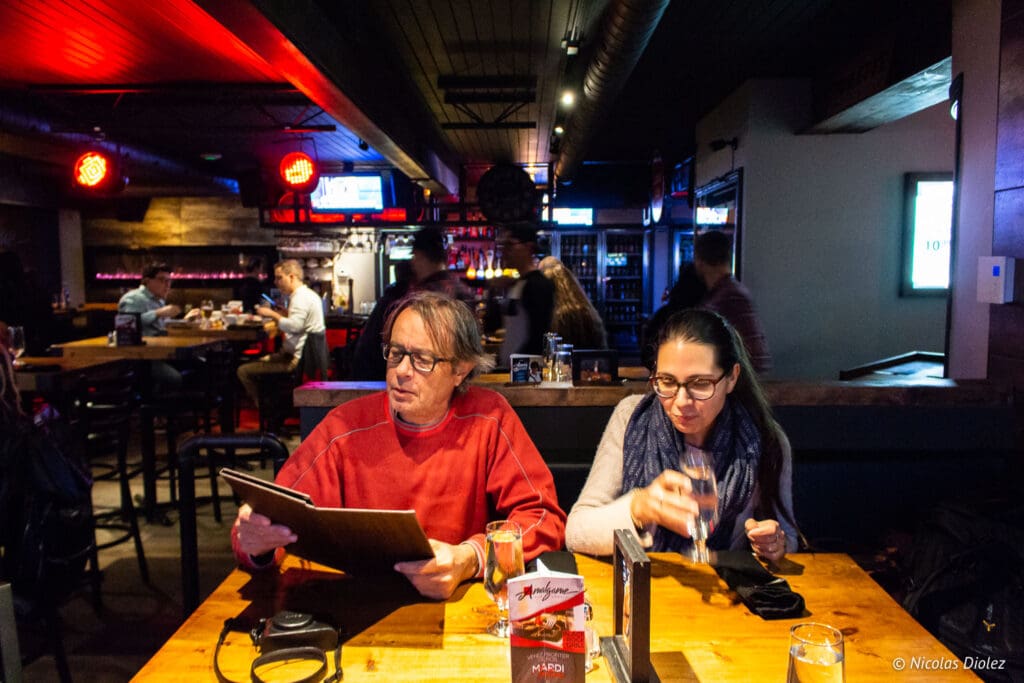
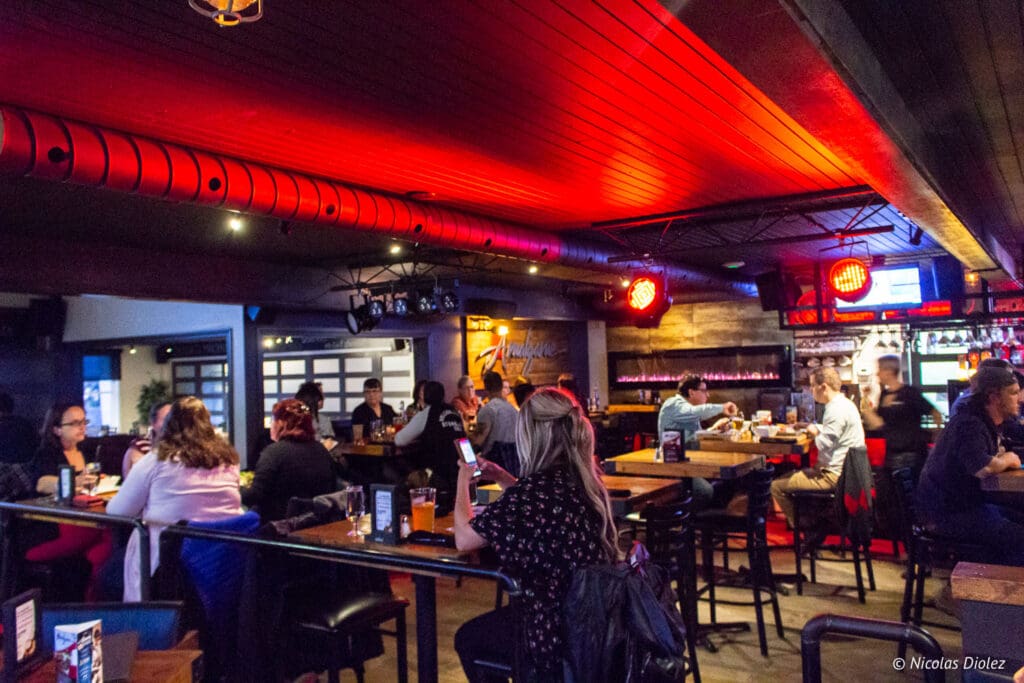
L’Amalgame Pub

652, 1st Avenue West, Amos

Price: expect between $15 and $30 per person
_
Visit of the Refuge Pageau
The Refuge has been taking in abandoned, lost, or injured wild animals of the region for over 30 years. Once back on their feet, they are released into the wild as soon as possible or kept long-term for those who have become too used to humans or who could no longer survive alone in the wild. You can admire moose, bears, wolves, lynx, white-tailed deer, raccoons, birds of prey, and many little orphans.
It is an opportunity to discover the wildlife of Quebec, and in this refuge, each animal (intended to be treated and released) has its own story.
Also, by visiting the refuge, it is as if you are making a donation for the place’s mission to continue, so it’s a very good deed!
For our part, we followed the VIP tour in a short version (2h30) which allows for a specific tour in a small group, before the site opens to other visitors and which also allows you to give a snack to some of the residents and go into their enclosures. It’s a visit I really recommend because it gives a whole different approach to the place and the animals.
This visit also allowed us to see the wolves up close, which is quite impressive and especially impossible with the normal tour because they don’t really approach humans, except for our guide, whom they know well.
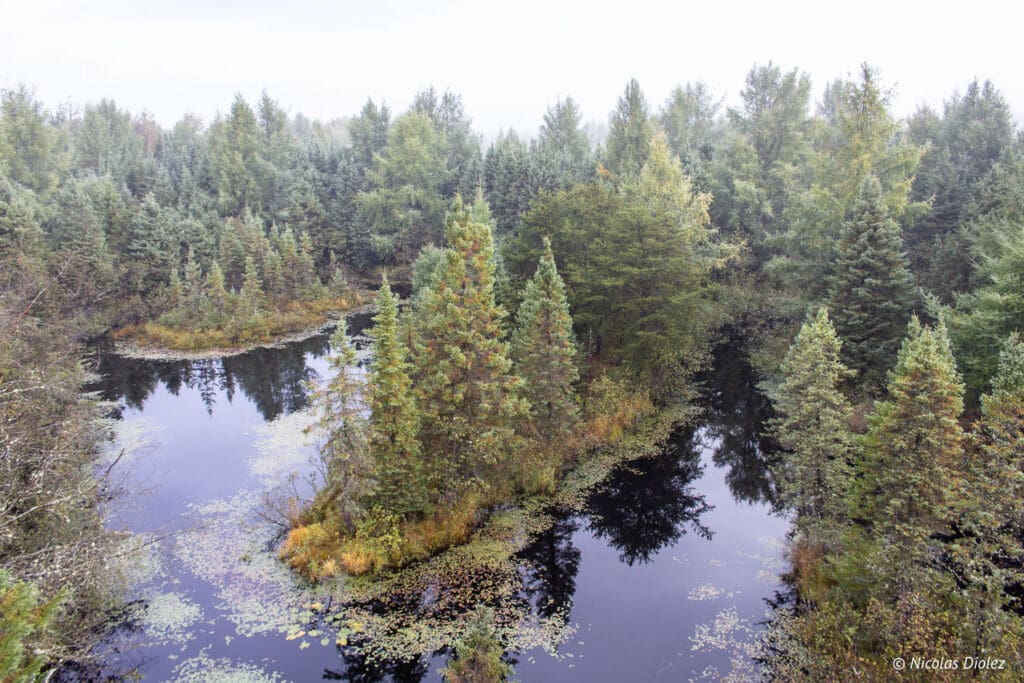
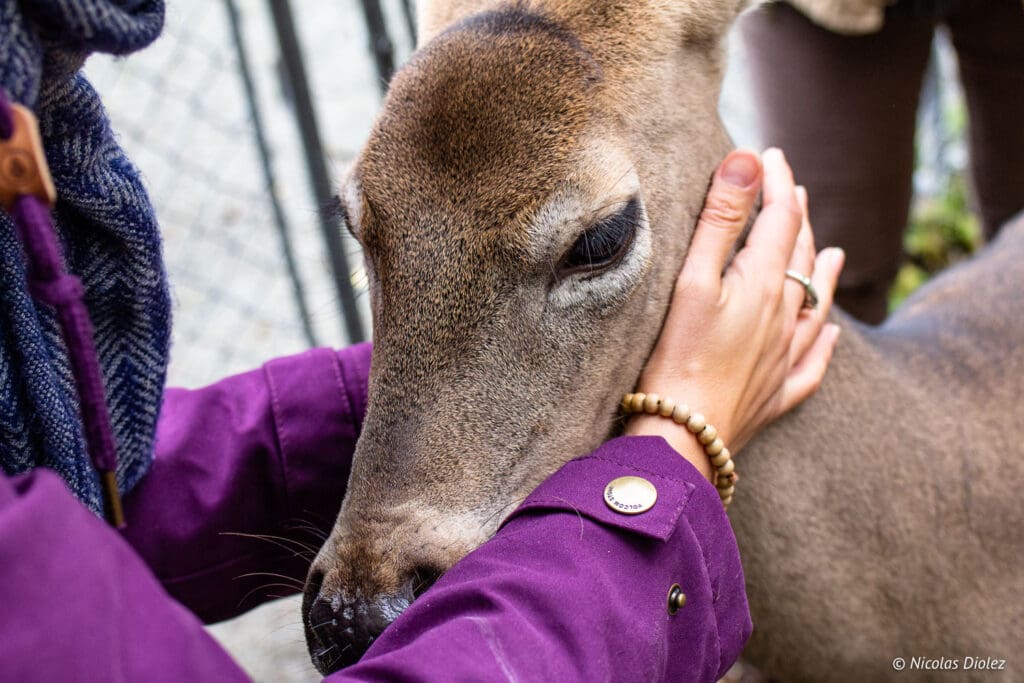
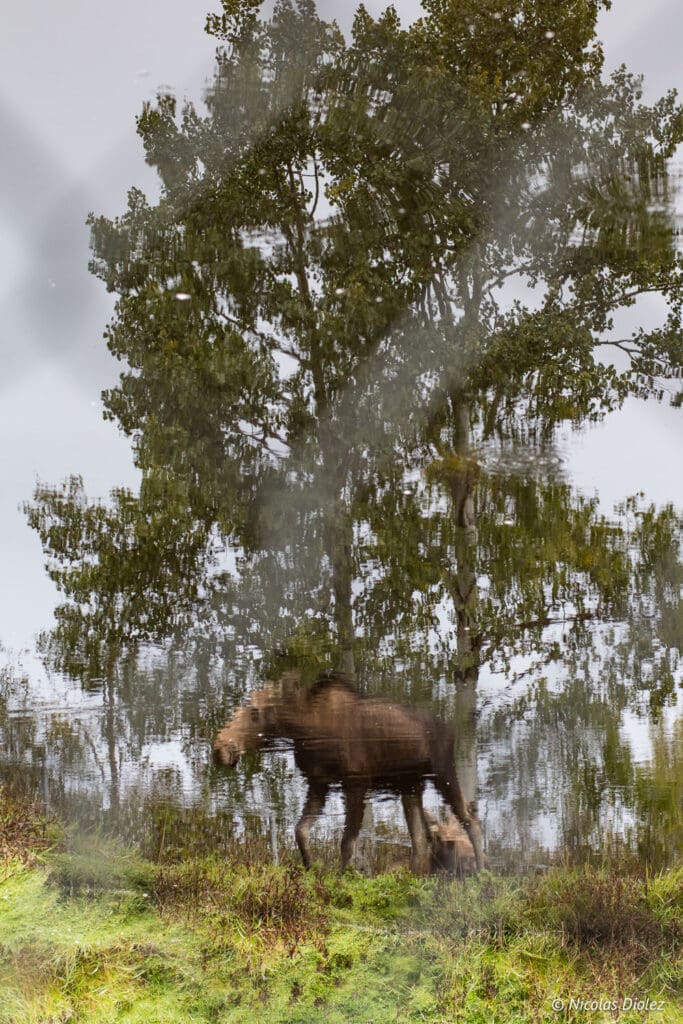
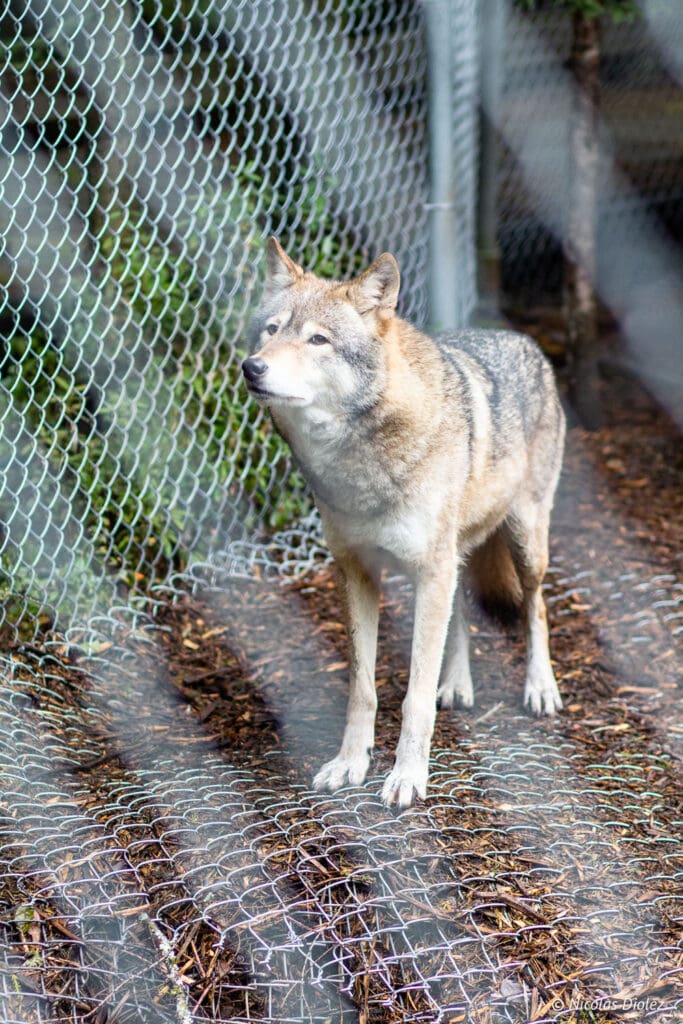
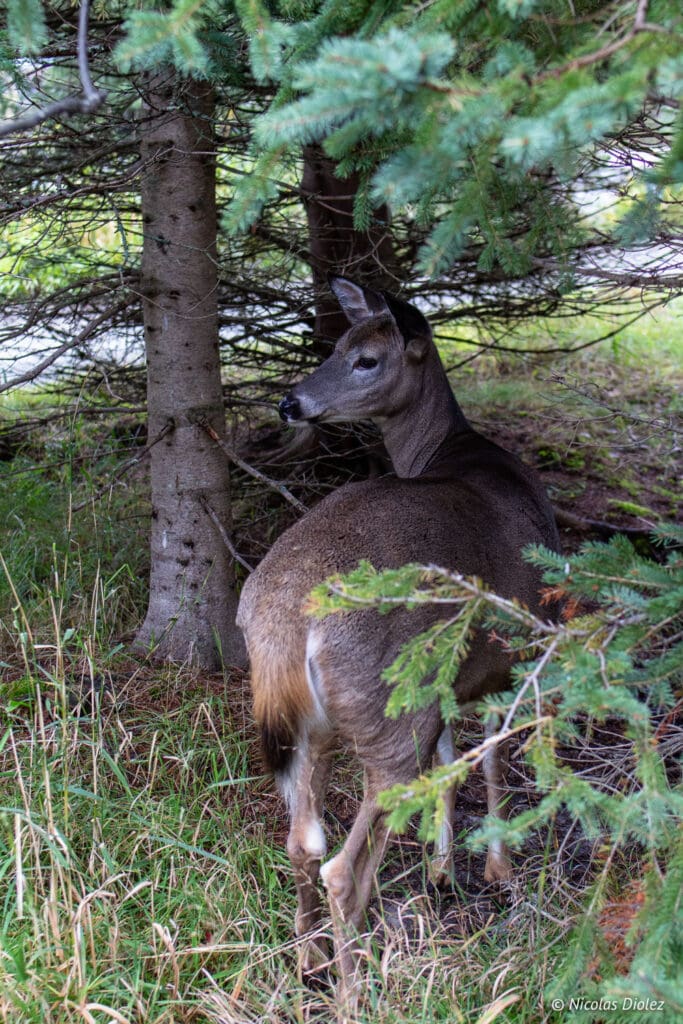


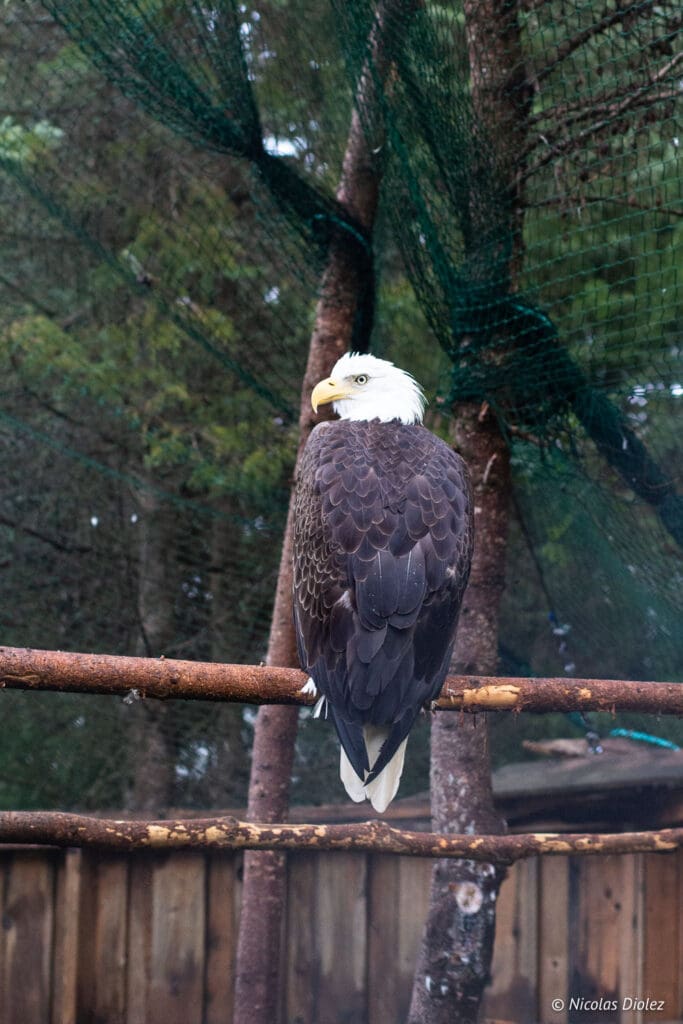
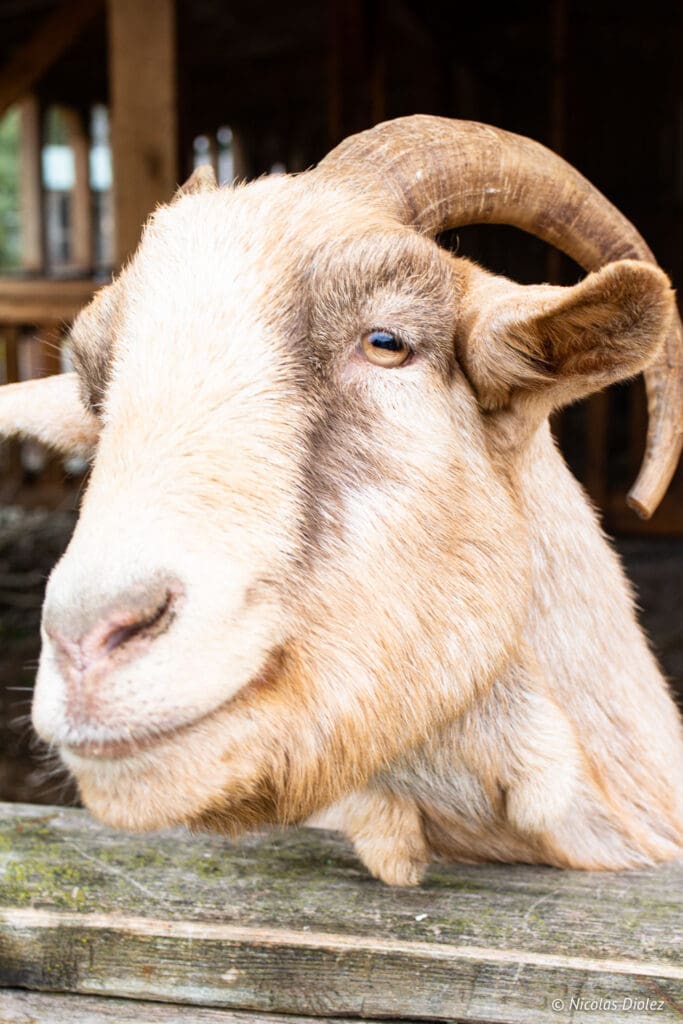
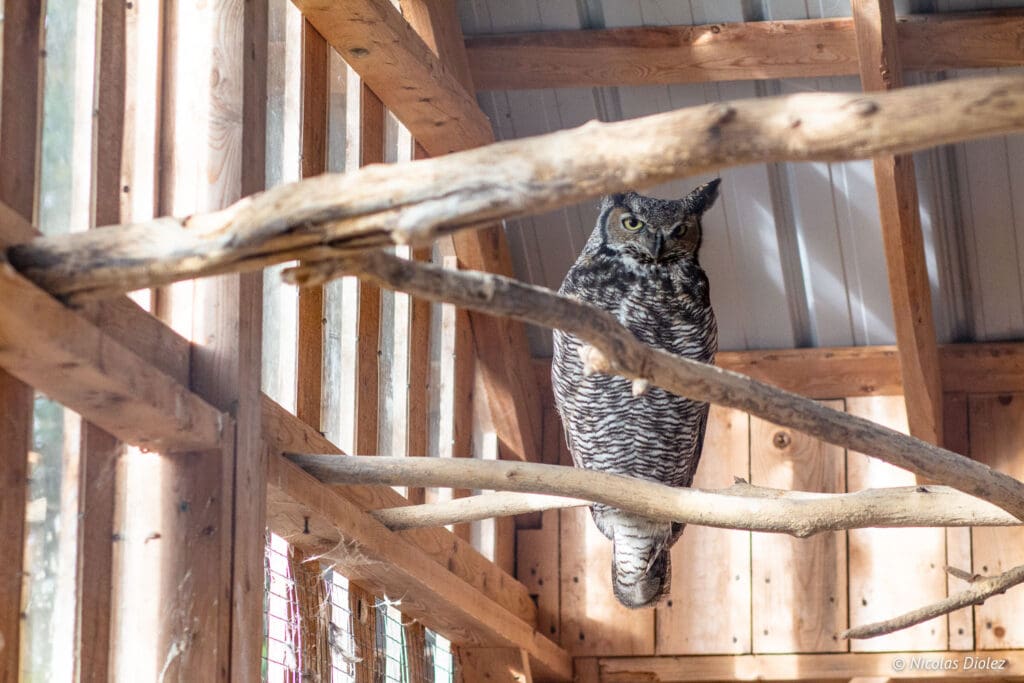
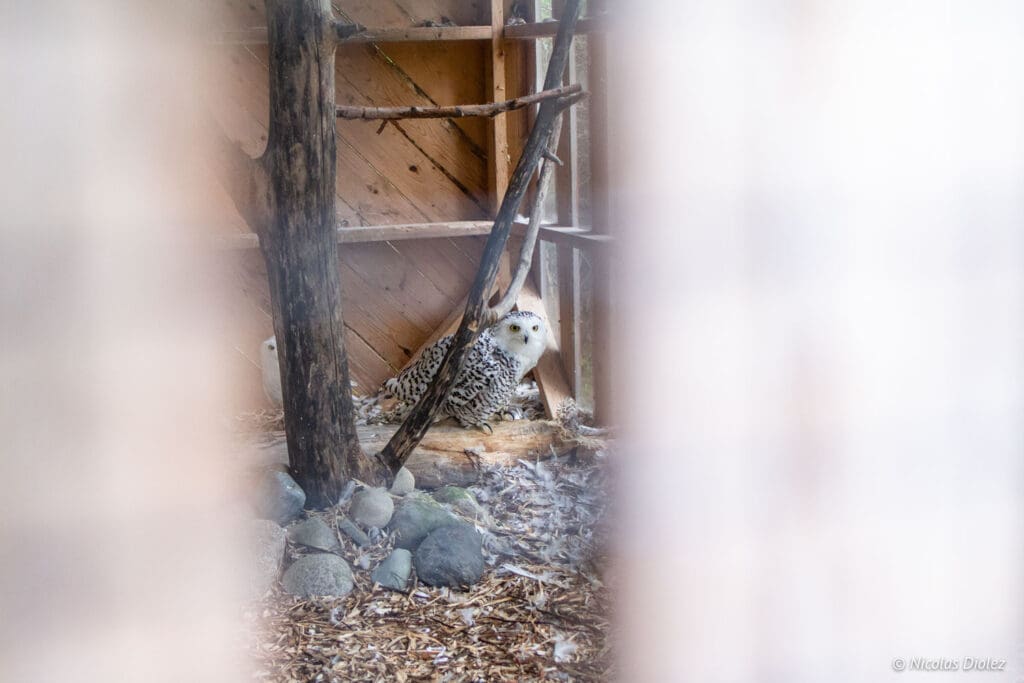
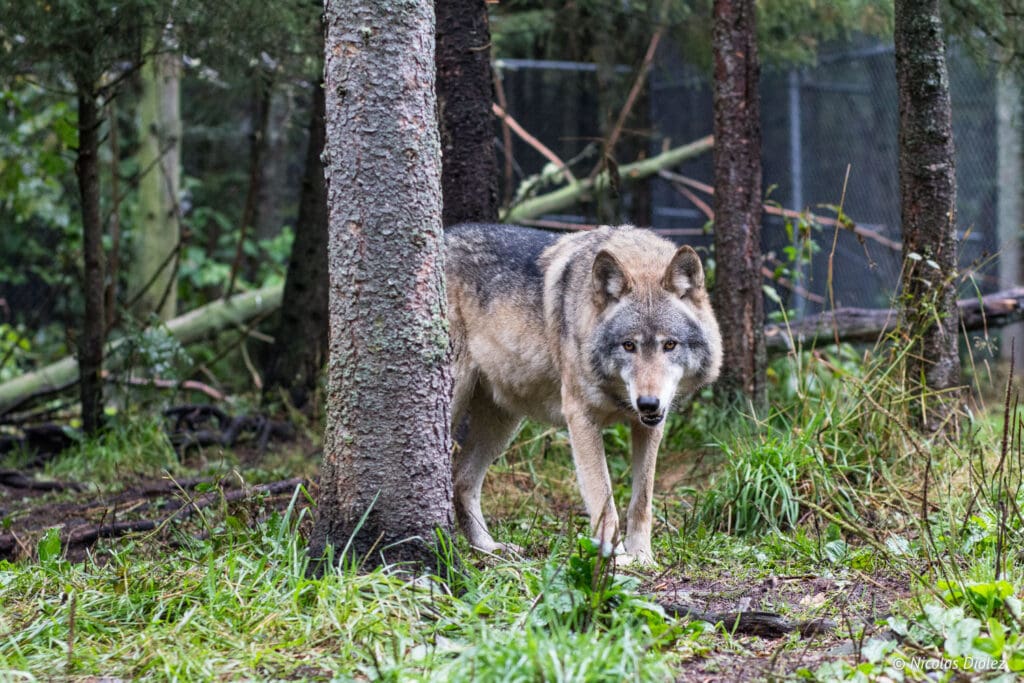
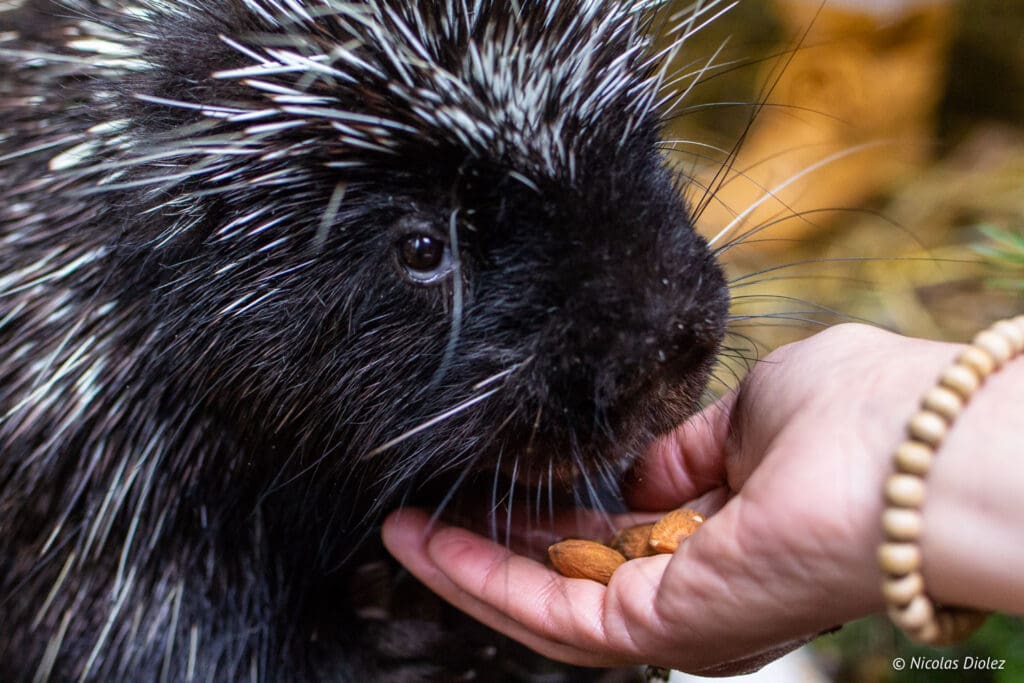
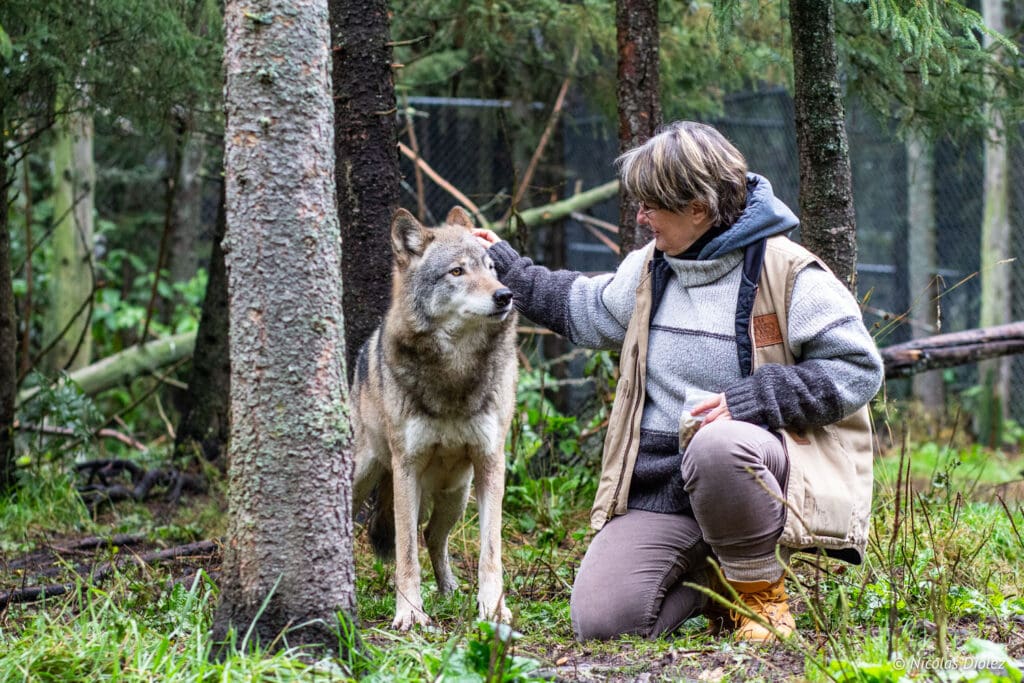
My favorite: the refuge’s mascot, the porcupine Chewbaca, who is sooooo cute!!!
Refuge Pageau

4241, Croteau Road, Amos

Prices: VIP tour for 1 to 3 people, $156.00 (reservation minimum 48h before) /
normal tour $16.09 adult and $8.70 child from 3 to 11 years old
_
Stage 3: Rouyn-Noranda
This city, which was created less than 100 years ago (in 1926), is recognized for its dynamism. It was under the initiative of the federal government that the Gordon Plan was established in 1929 to encourage the settlement of colonists on new lands. Especially in these regions recently explored by Canadians due to the development of the train and mining prospecting.
All these factors greatly favored the development of Rouyn-Noranda and the surrounding villages.
This is perhaps one of the stages of this region that left the biggest mark on us. Already because it is quite difficult to pronounce the name of this city in its entirety without making a mistake when you want to talk about it upon returning from your trip: “I was in Rouyn-Noranda in Abitibi-Témiscamingue.” I challenge you to say it correctly the first time; it’s not easy at all.
In addition, the city’s heritage and history are quite striking and exotic. Indeed, it was originally two cities, Rouyn and Noranda, which were then merged.
To visit the city, I recommend going to the Tourist Information Office (1675, Larivière Avenue) to pick up one of the many walking tours to discover the city.
The historical interpretation circuit allows, for example, to roam the streets of the city’s old neighborhoods and discover the built heritage and industrial history in particular, through interpretation panels installed along the route.
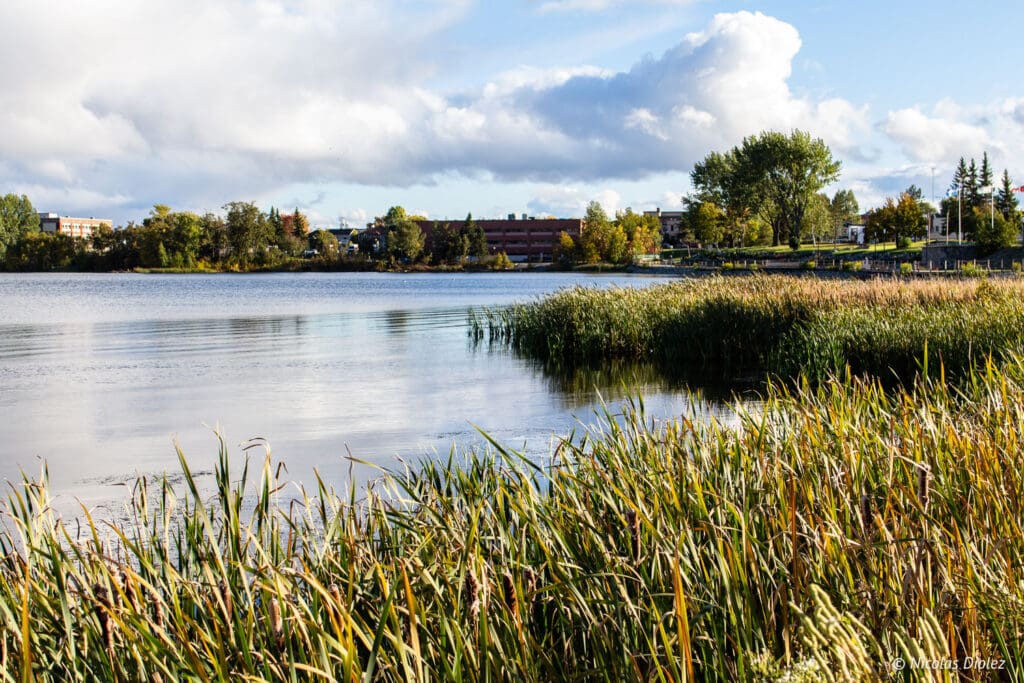
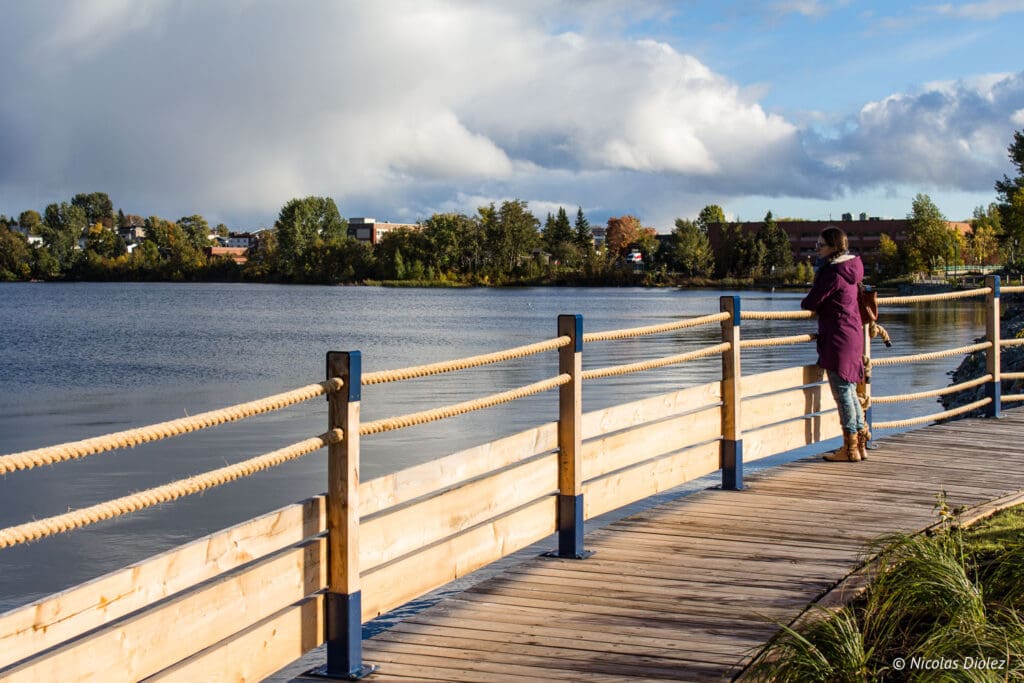
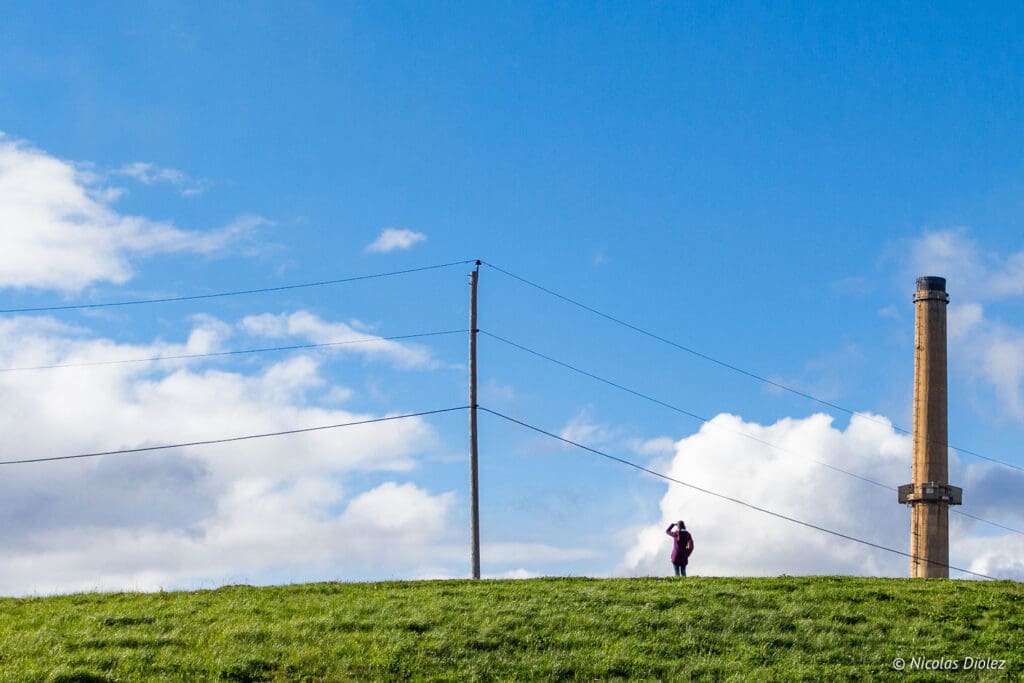
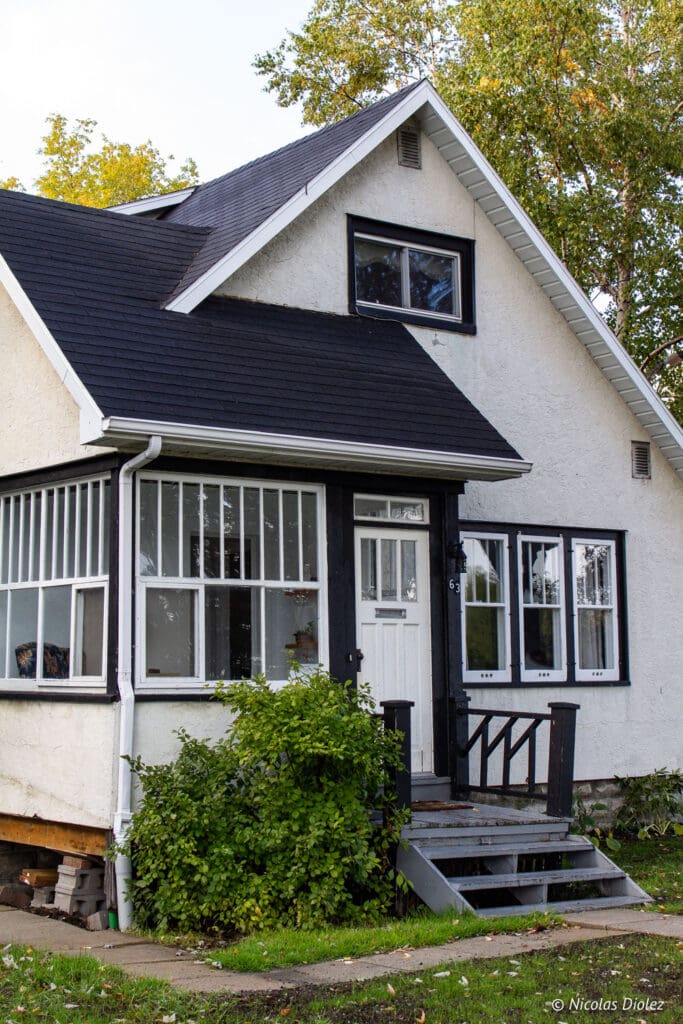
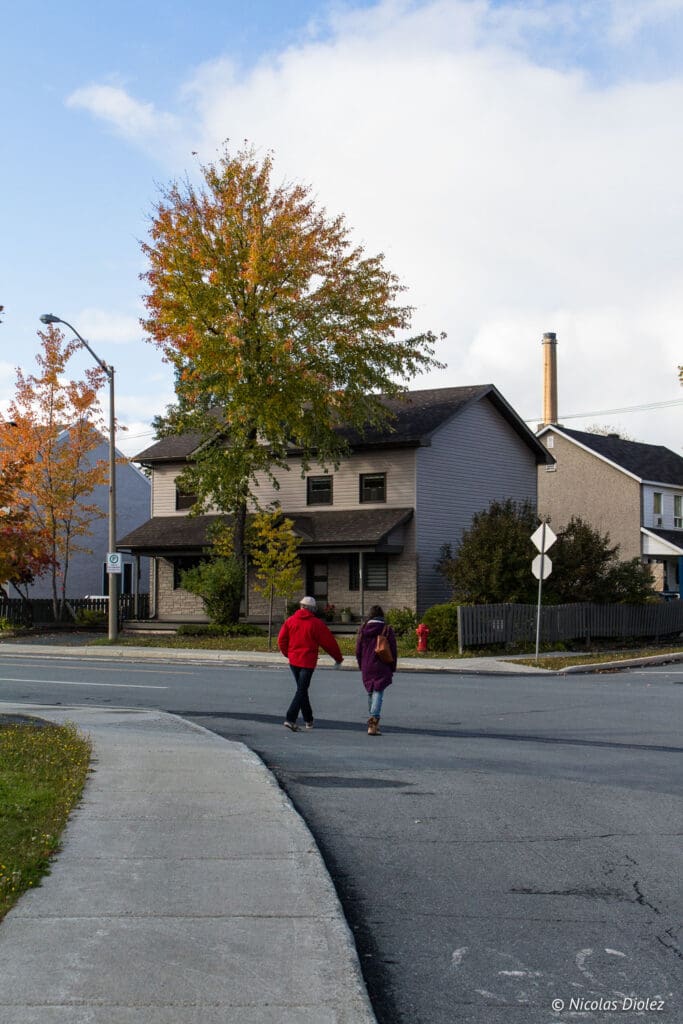
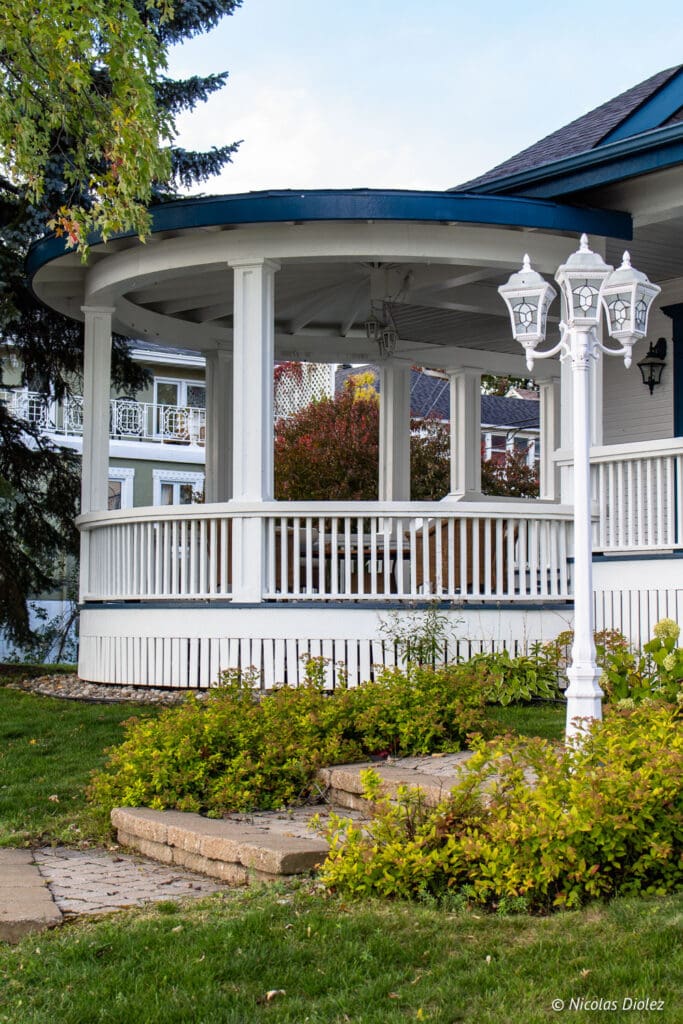
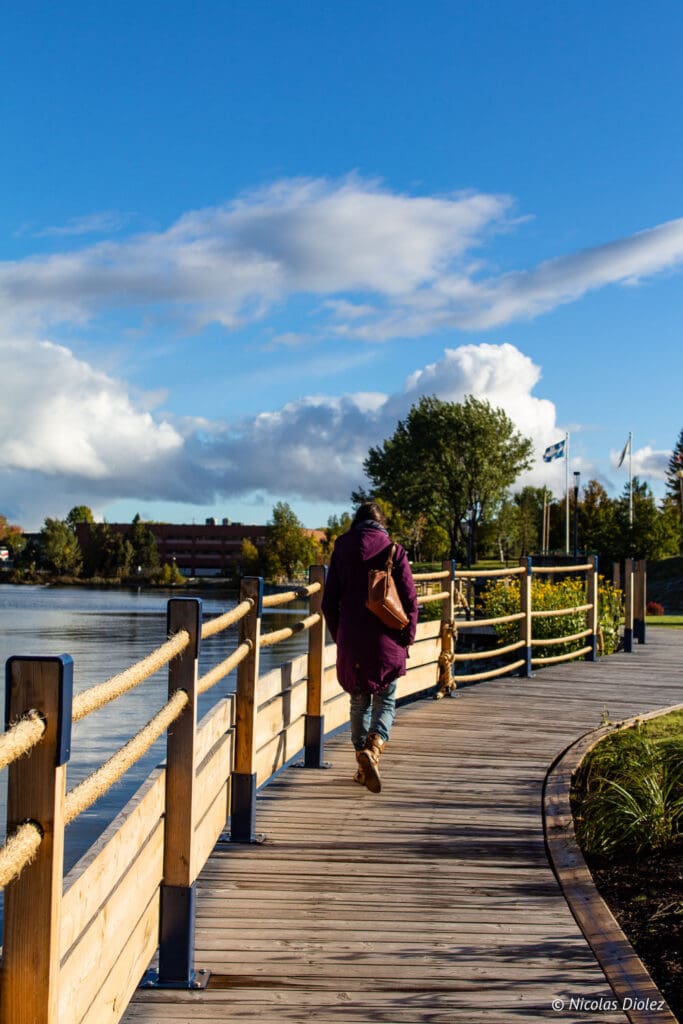

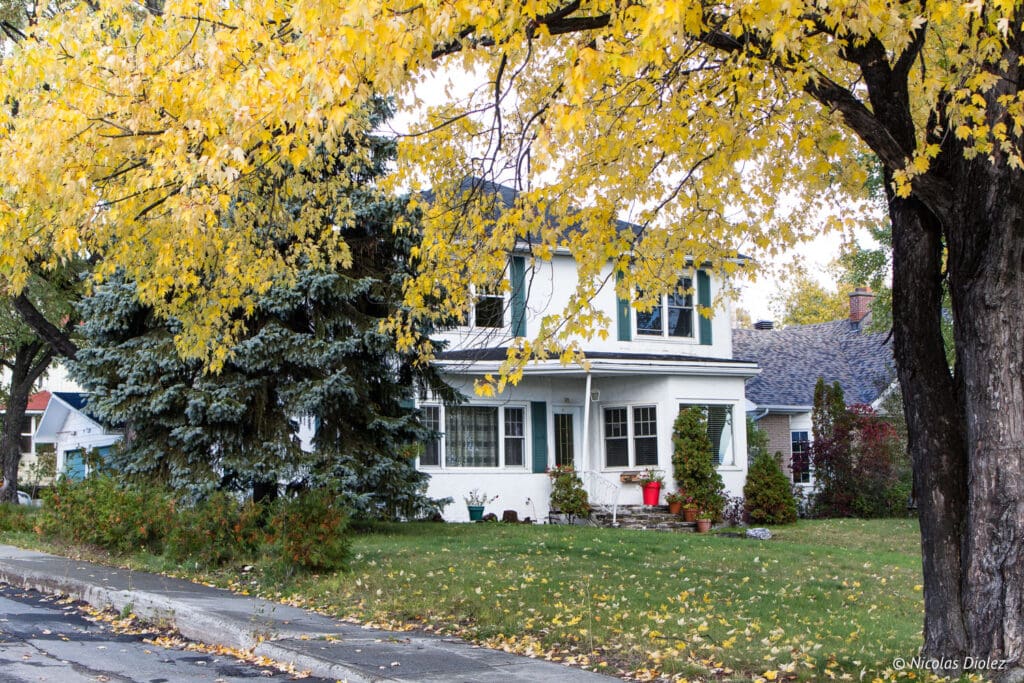
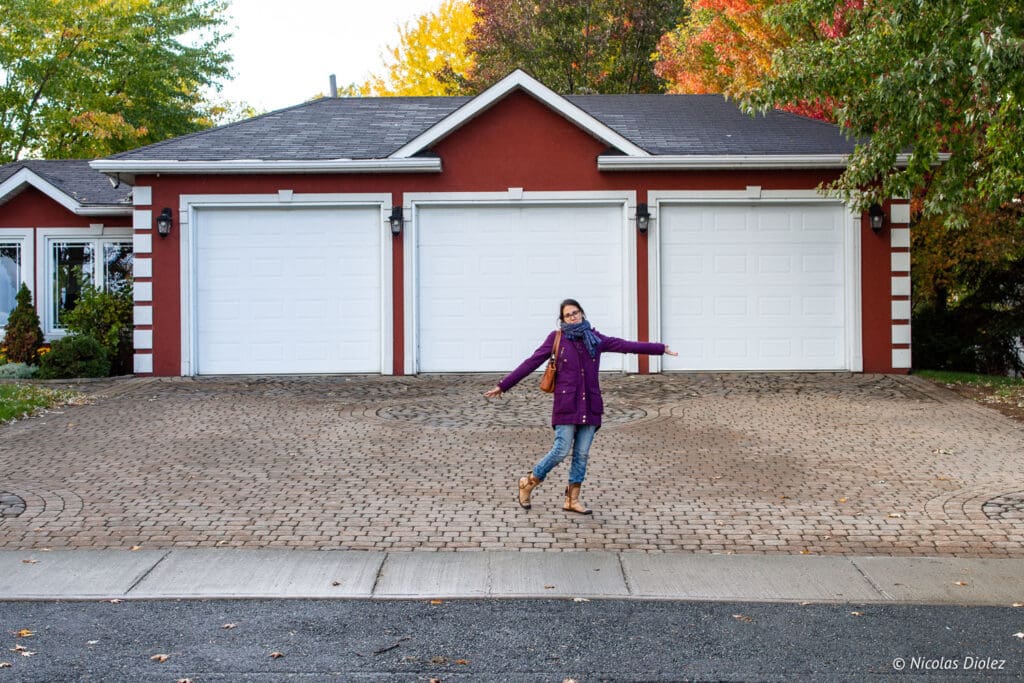
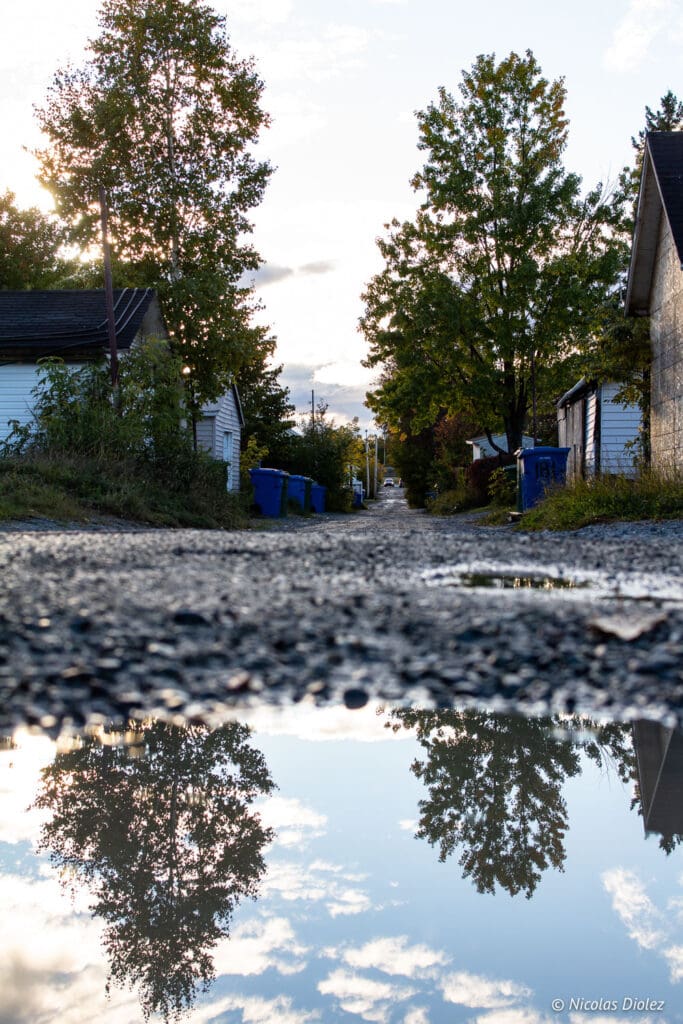
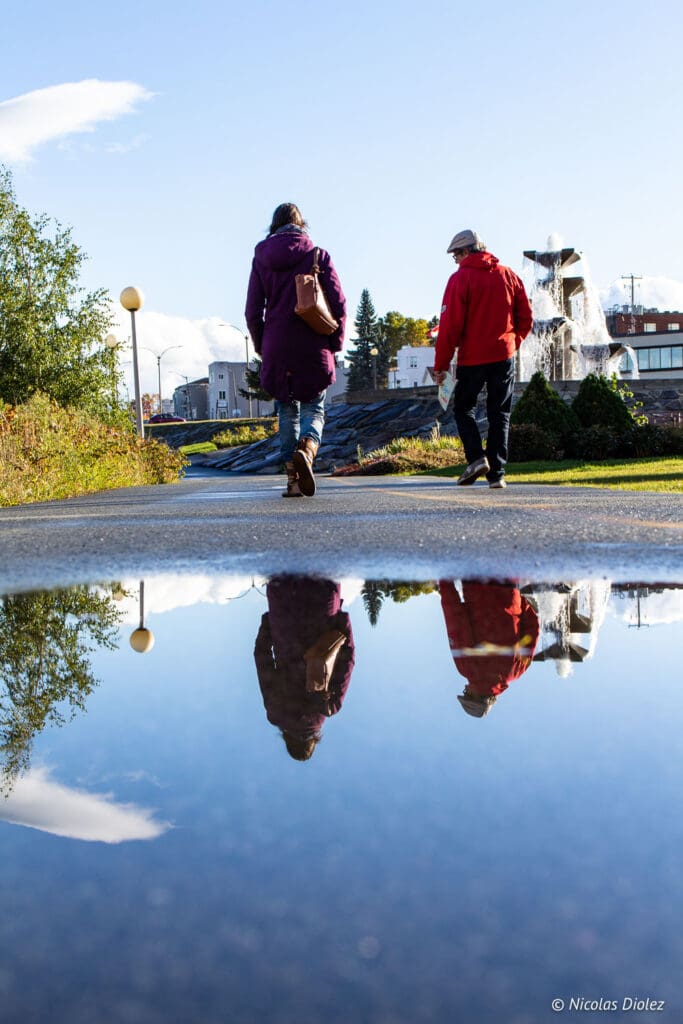
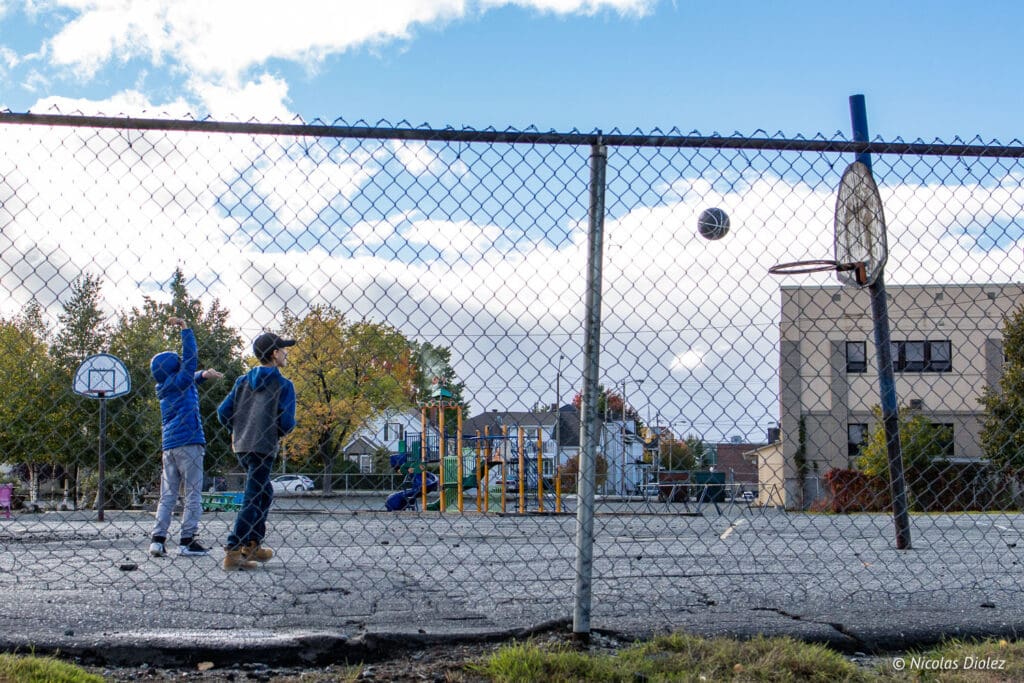
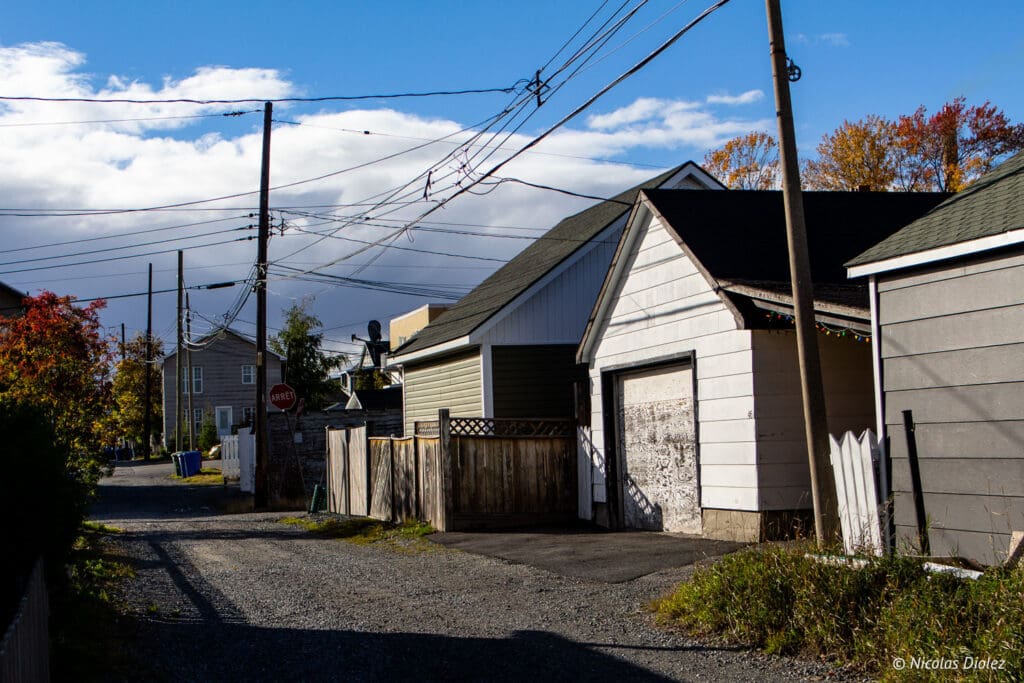
We really liked the very industrial aspect at the top of the city, towards the Horne Smelter. This complex is still one of the most important world producers of copper and precious metals today. It is also on this site that everything began in 1926, when a gold deposit was discovered by Edmund Horne and a mine was opened.
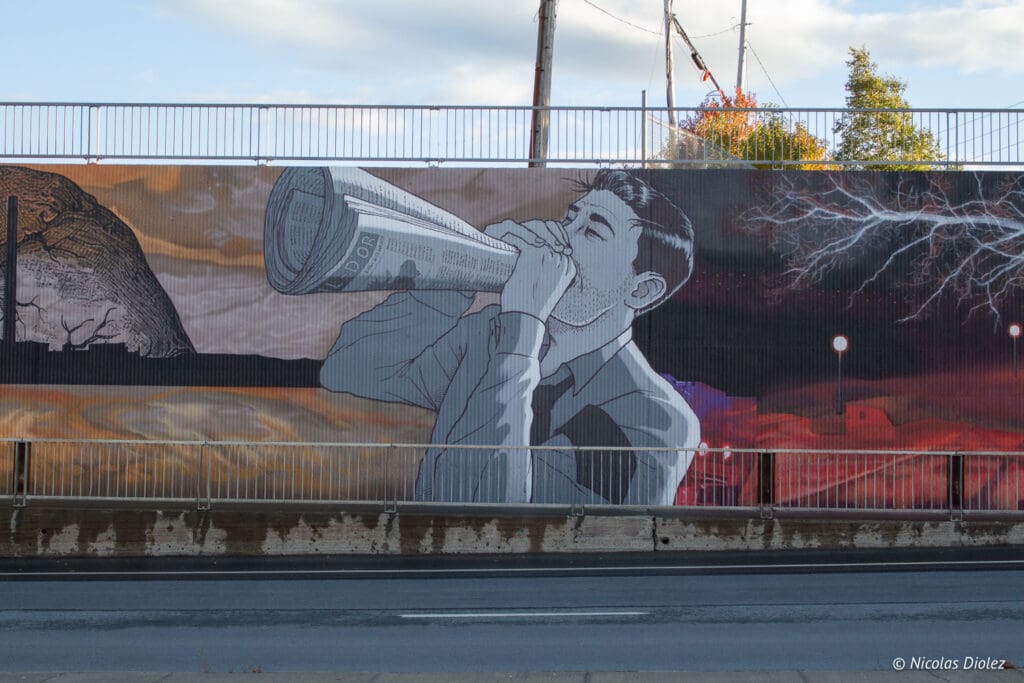
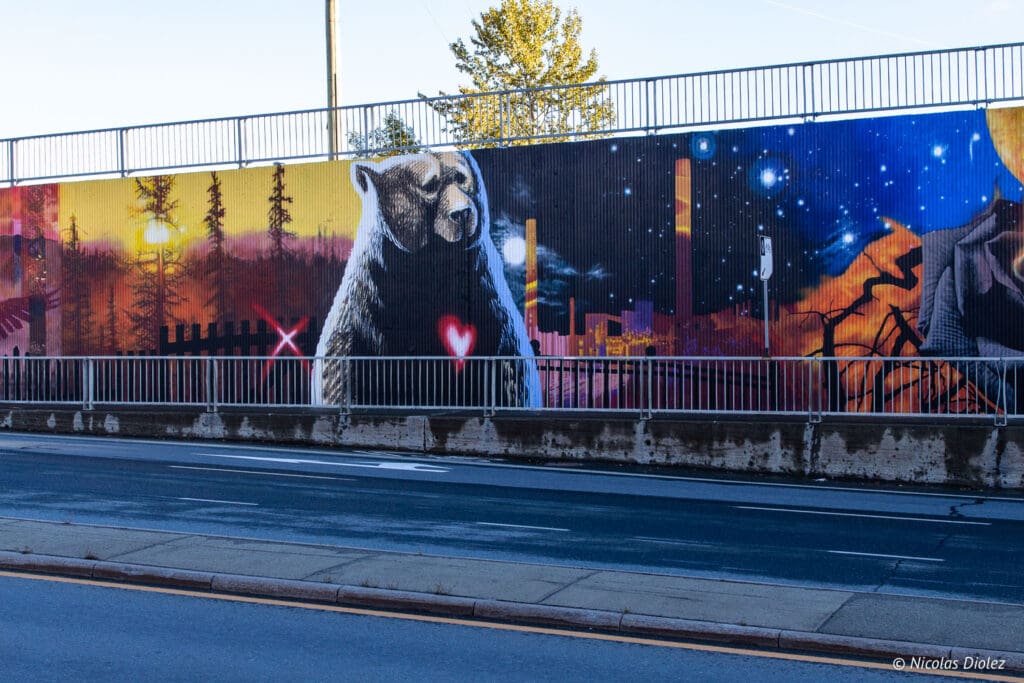
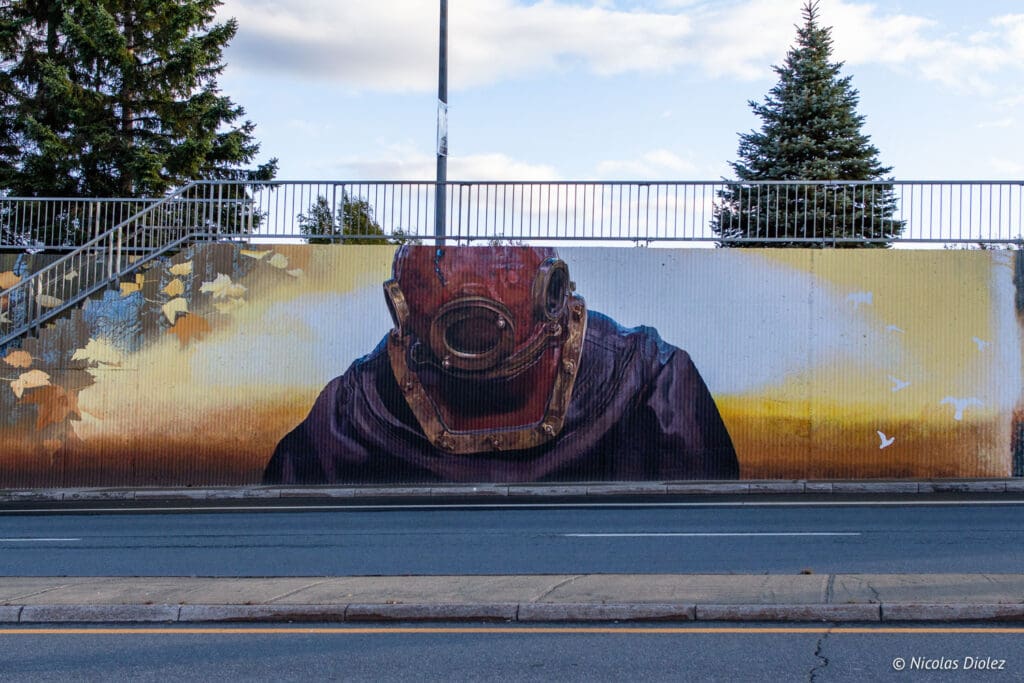
You can also go admire the mural painting created in 2018 in tribute to the singer-songwriter Richard Desjardins (native of Rouyn-Noranda) on the south wall of the Rideau Boulevard overpass.
_
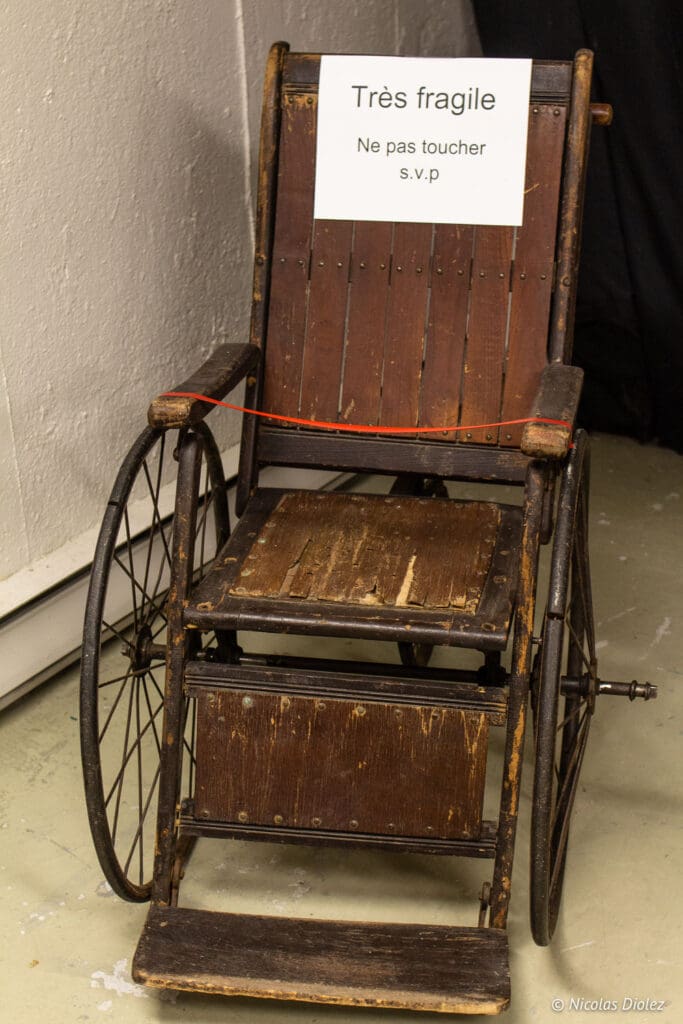
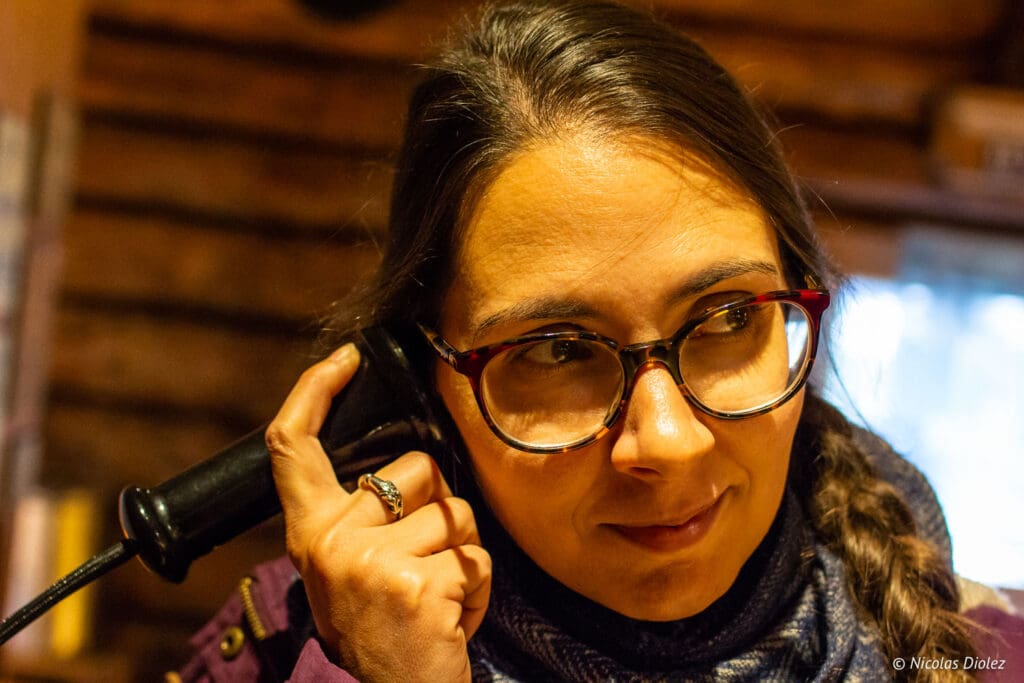
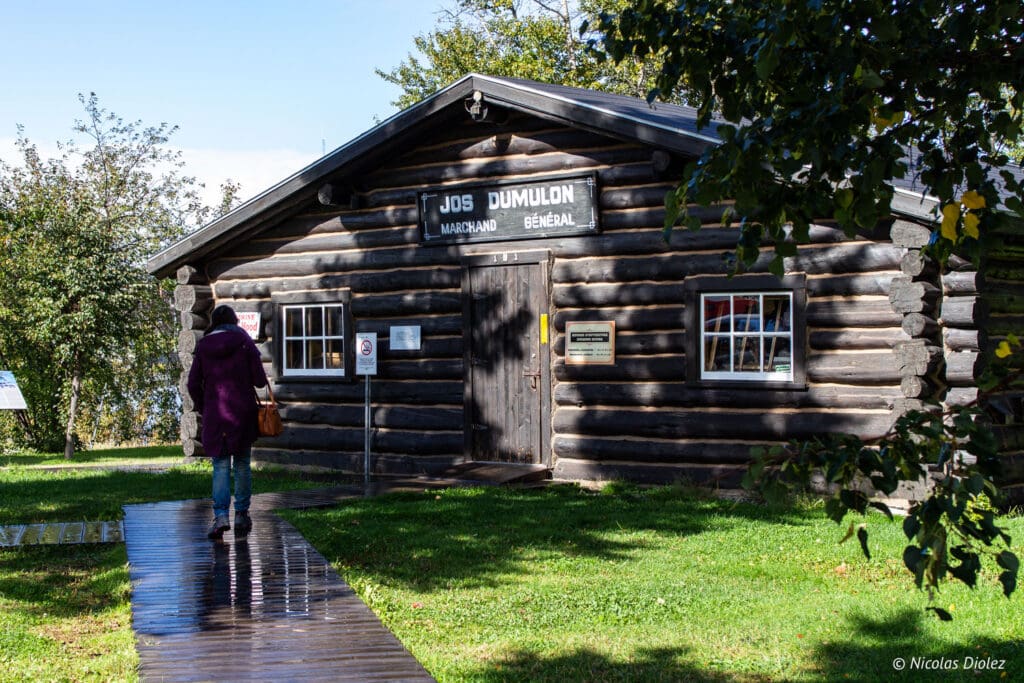
Visit of the Magasin général Dumulon
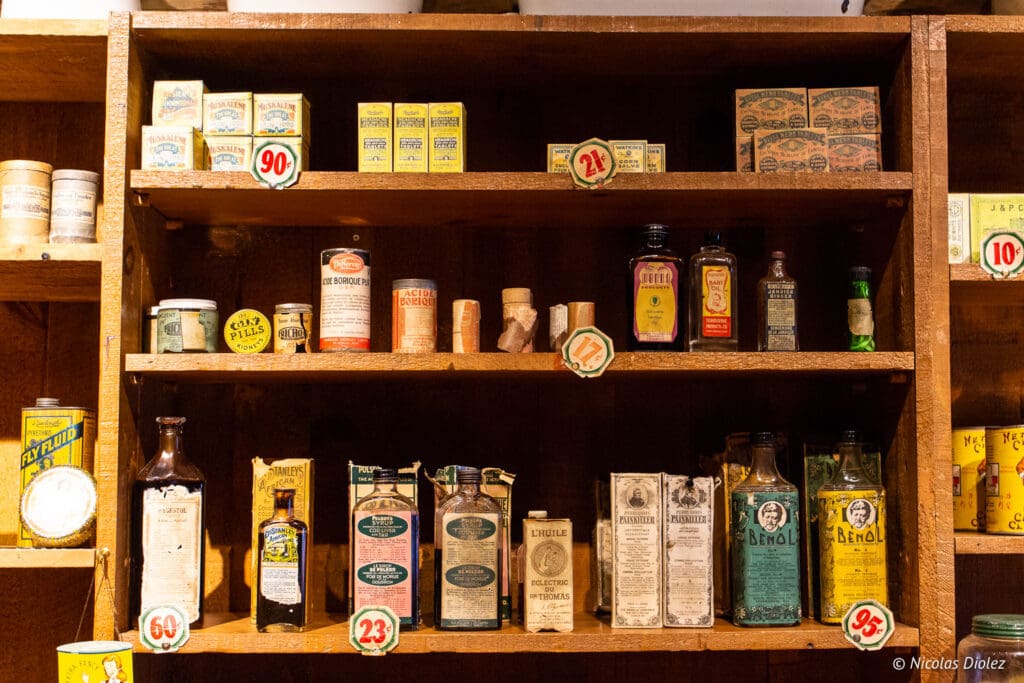
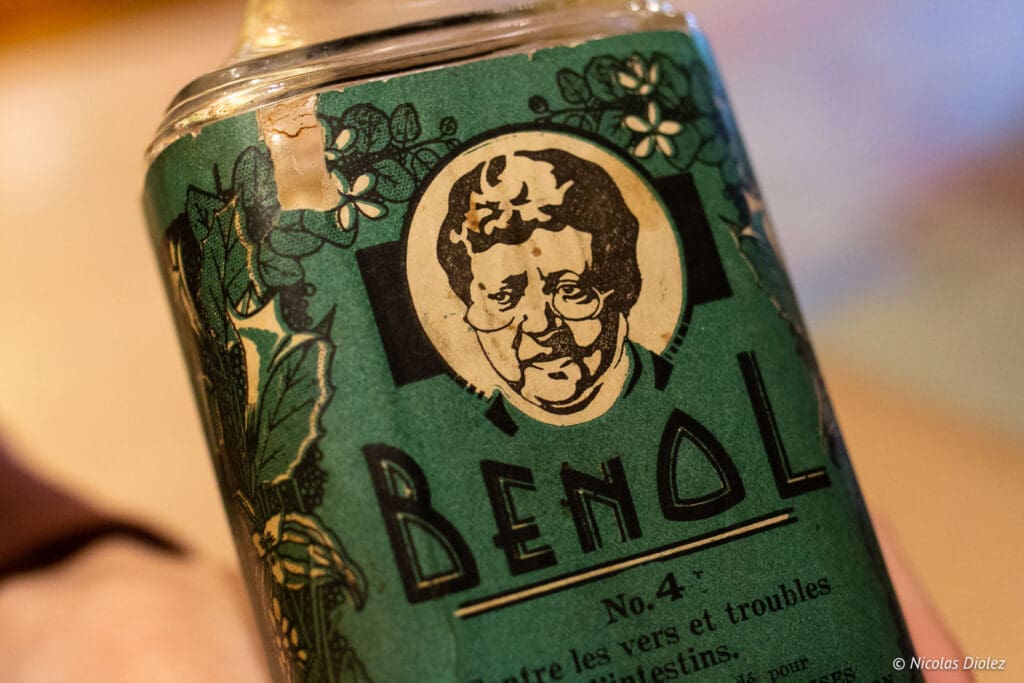
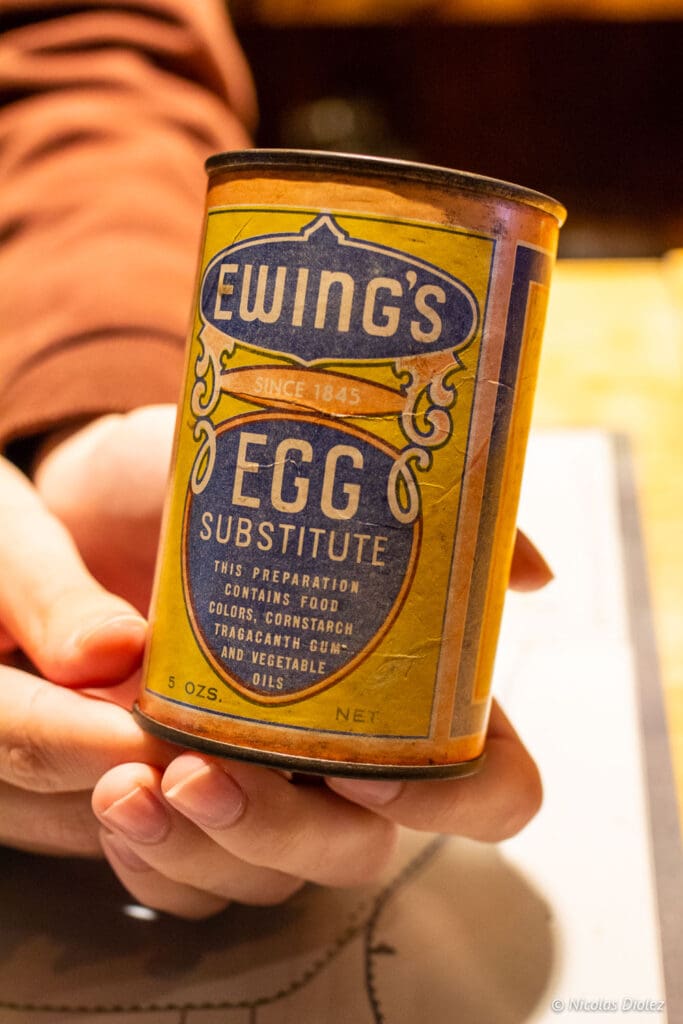
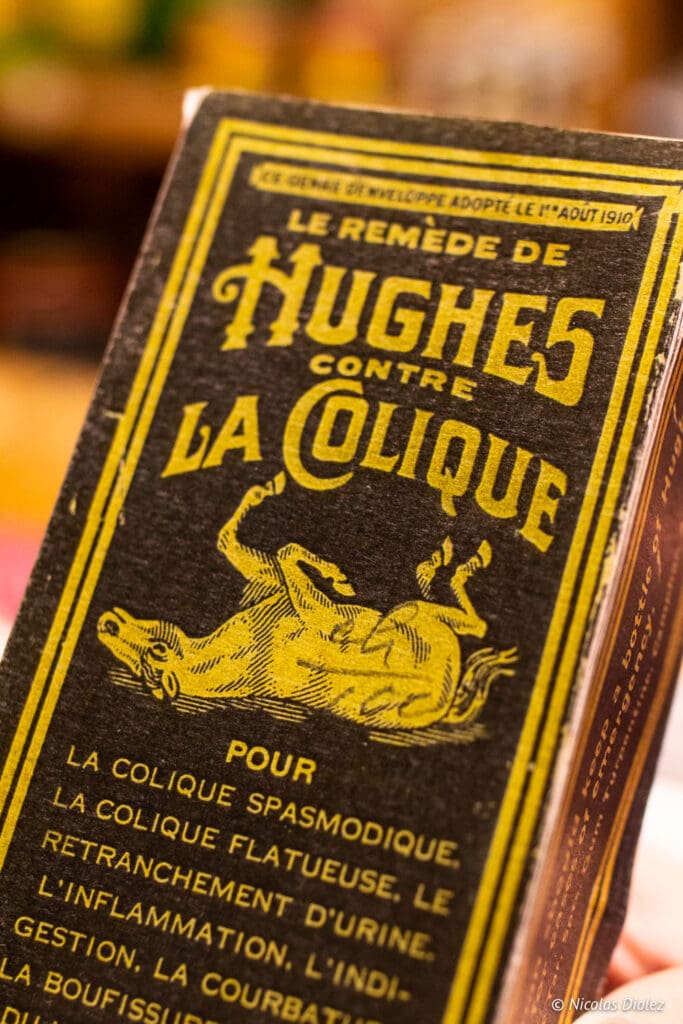
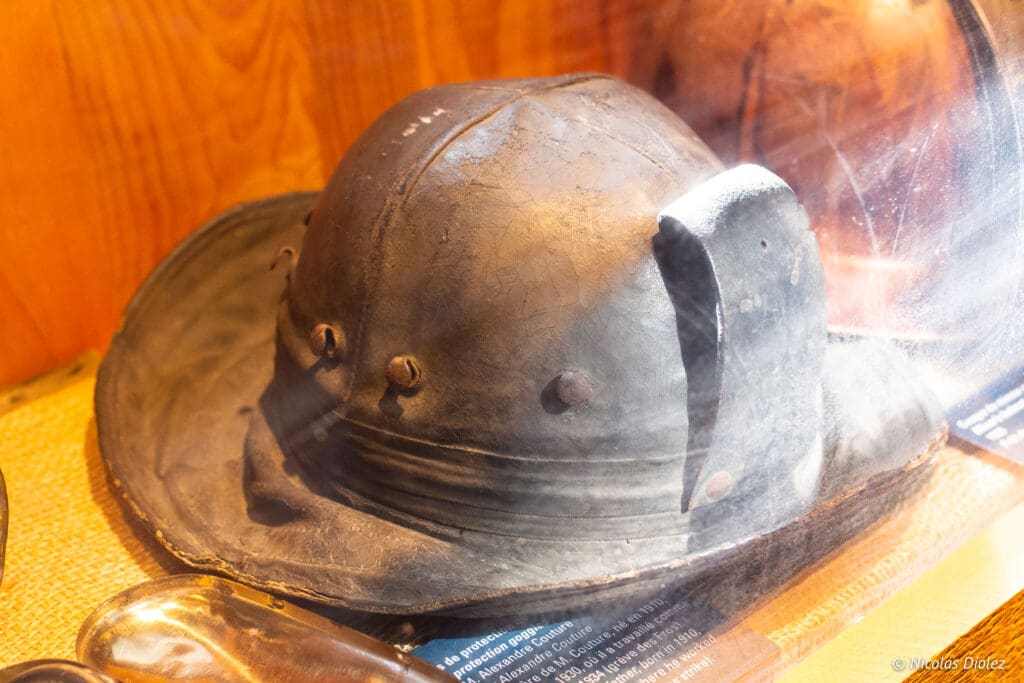
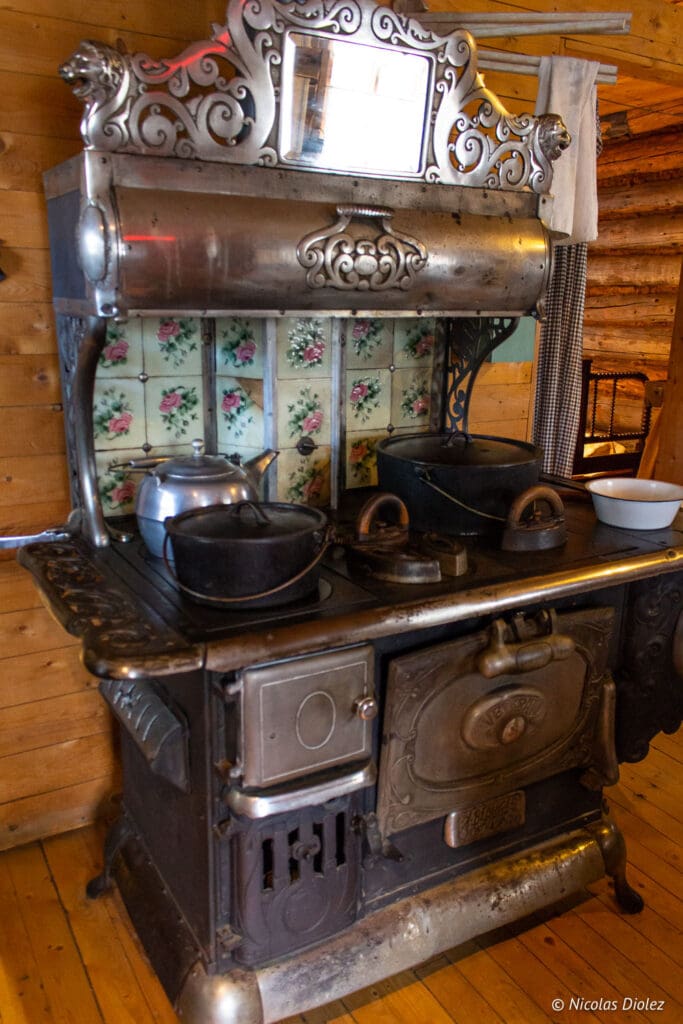
By visiting this historic site located on the shore of Lake Osisko, you dive into the past of the first general store in the township founded in 1924 by the Dumulon family. This authentic business and post office comes back to life thanks to the talent of colorful characters played by the young employees of the place who made us laugh a lot. We discover, in particular, the interests and uses of some of the products and objects of the time.
It is truly an essential visit that I recommend if you go to Rouyn-Noranda to understand the origins and formation of the city. If you take the guided tour, you can also discover the back of the store, transformed into a small community museum.
It is also an opportunity to discover the history of the city’s pioneers and to buy some souvenirs and regional products to bring back in your suitcases.


Magasin général Dumulon

191, Lake Avenue, Rouyn-Noranda, J9X-5C3

Open every day during the summer period from 8:30 a.m. to 5 p.m. and from Wednesday to
Sunday from 10 a.m. to 5:30 p.m. for the rest of the year

guided tour (between $3 and $7) lasting 1h15 at 9 a.m., 10:30 a.m., 1:30 p.m. and 3 p.m. during the summer
period and otherwise by reservation for the rest of the year
_
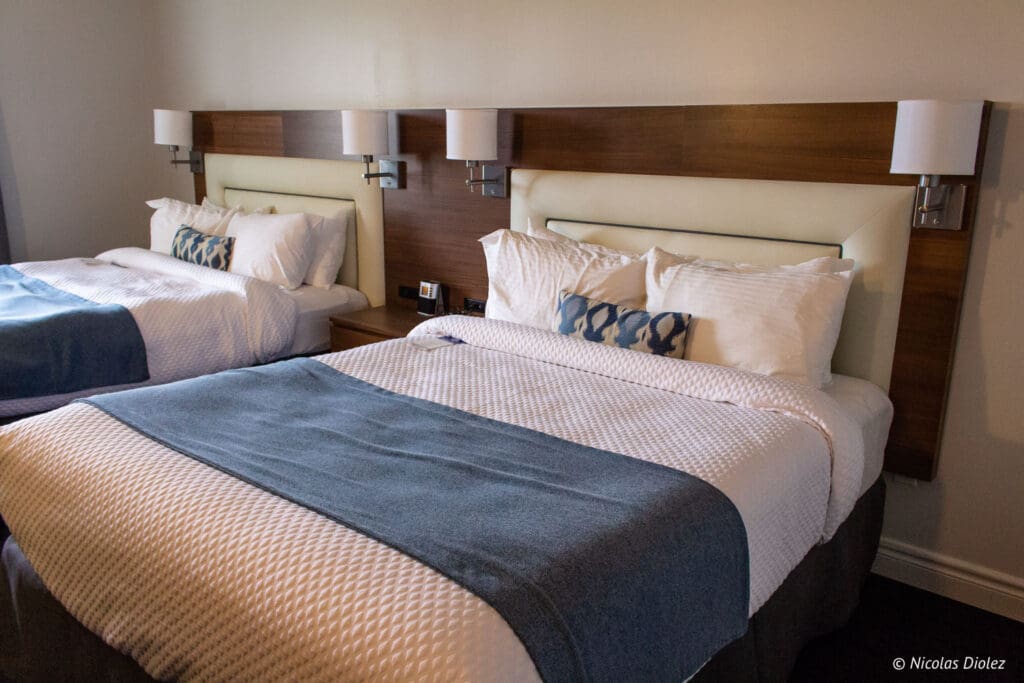
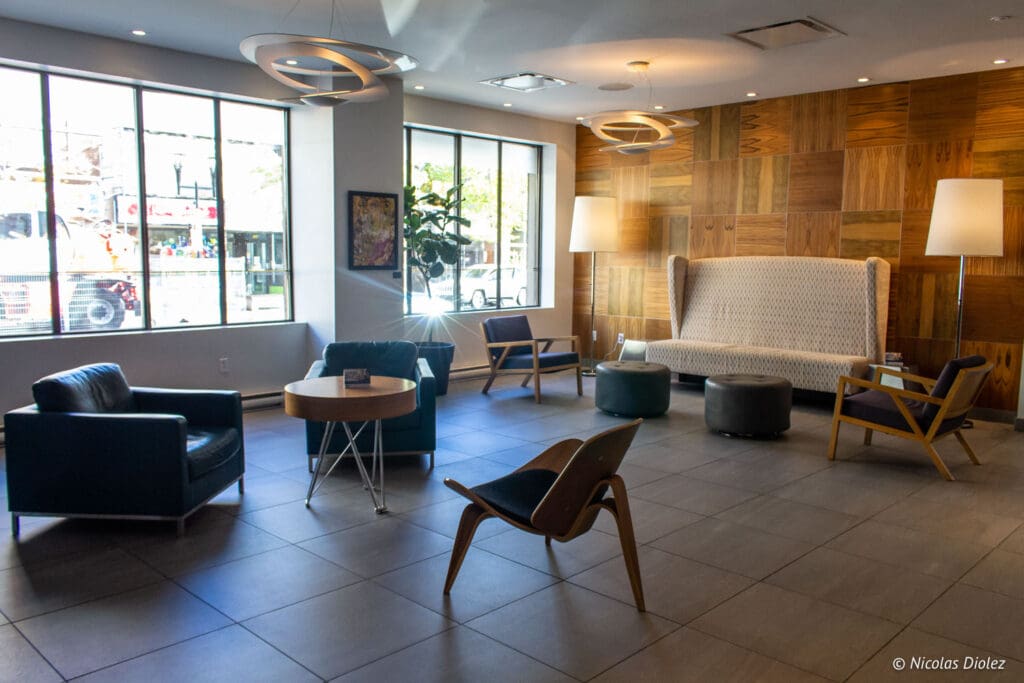
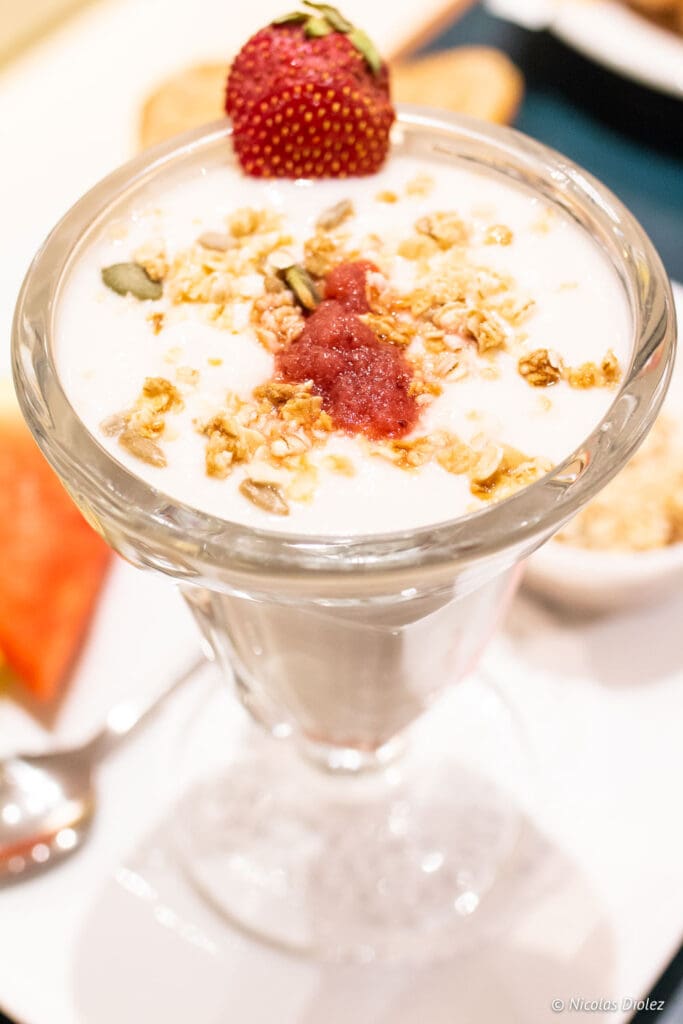
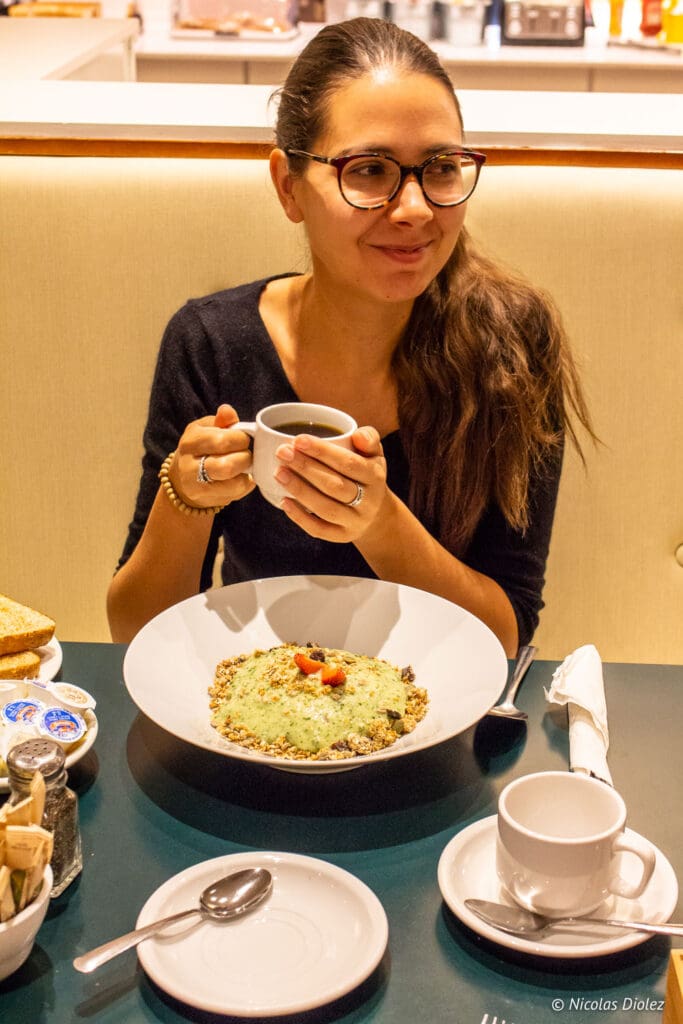
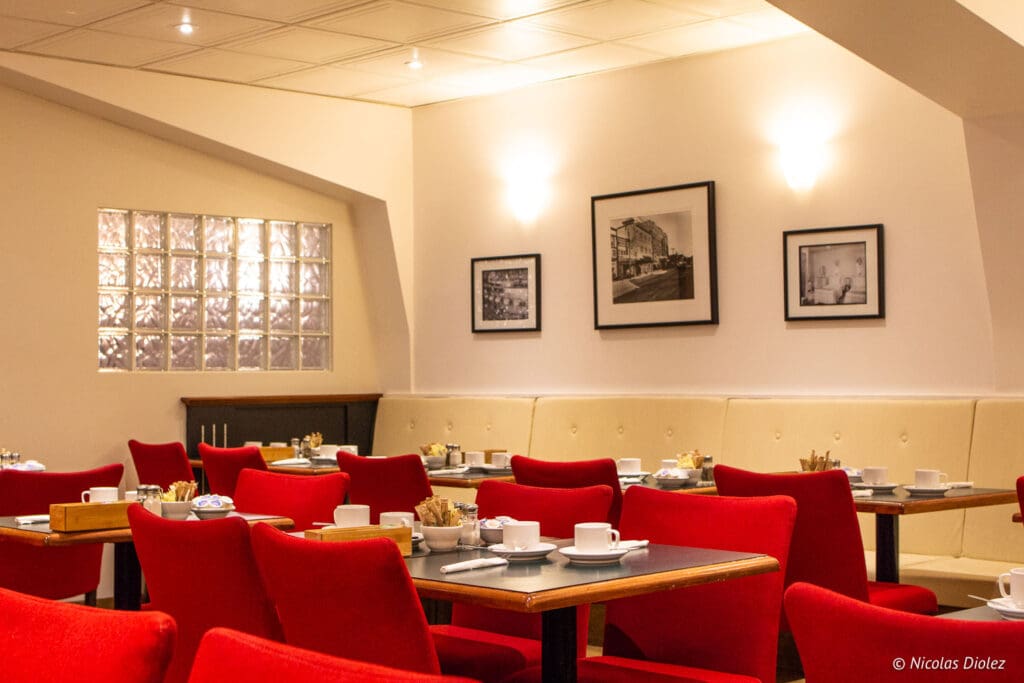
Where to sleep? Best Western Plus Hôtel Albert
This hotel is located in the heart of downtown in a building that is part of the historic heritage of the city of Rouyn-Noranda. It is therefore ideally located if you want to make a short stopover and walk around the city.
It also has free parking that allows you to park your car safely during your stay.
The little extra: in the lobby, there are, accessible at all hours, fresh and hot drinks and apples to snack on, which is quite appreciated!

Best Western Plus Hôtel Albert

84, Principale Avenue, Rouyn-Noranda

Room rates: from $148.50
_
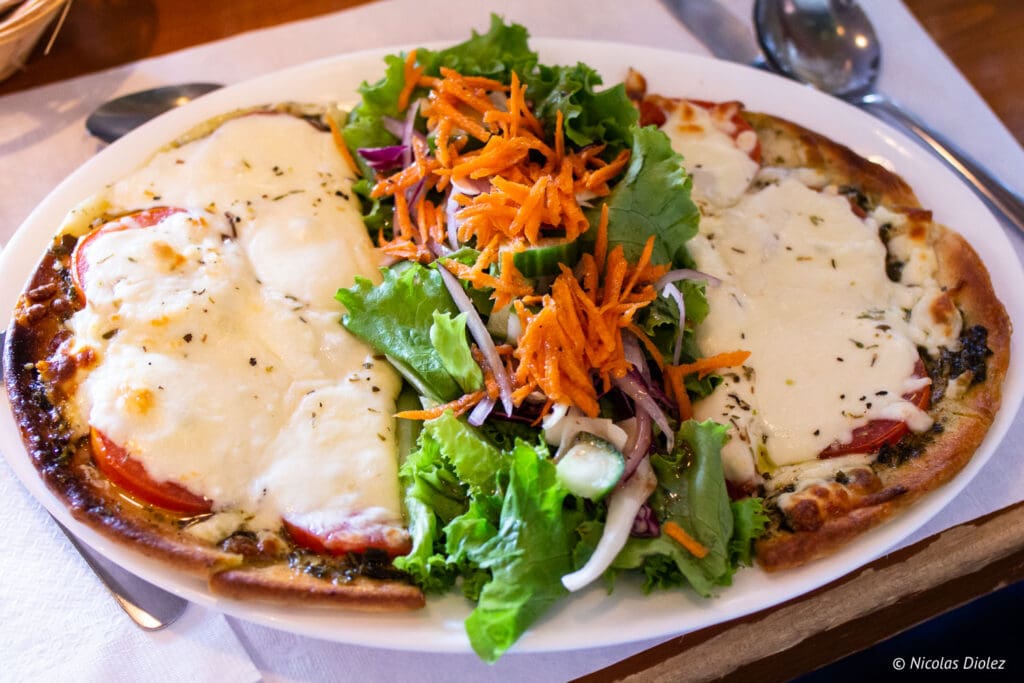
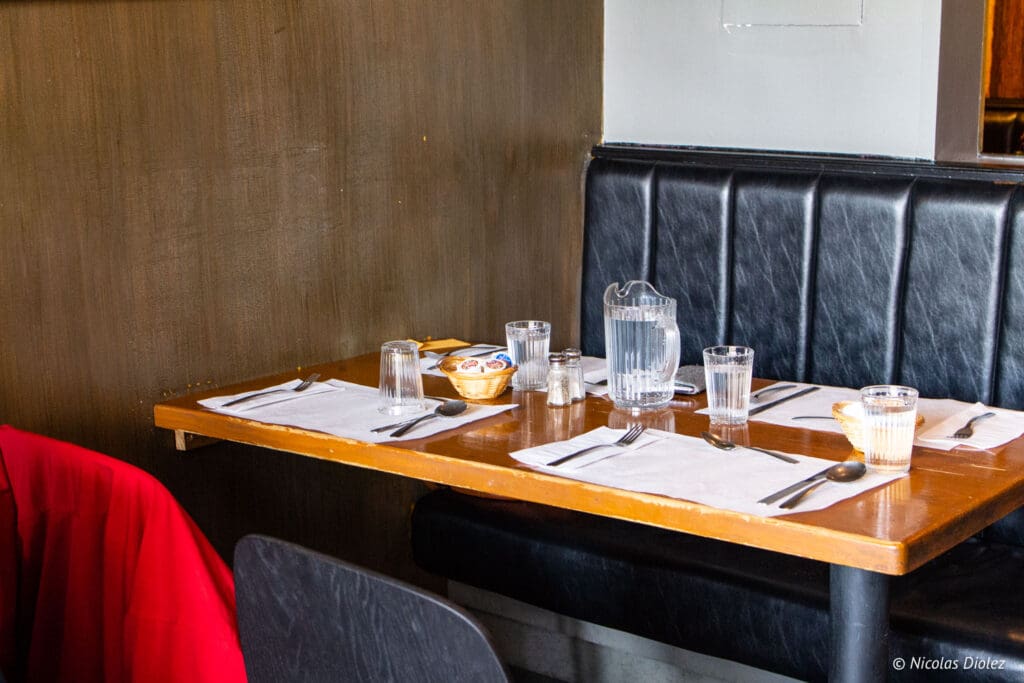
Where to have lunch? Chez Olive et Basil
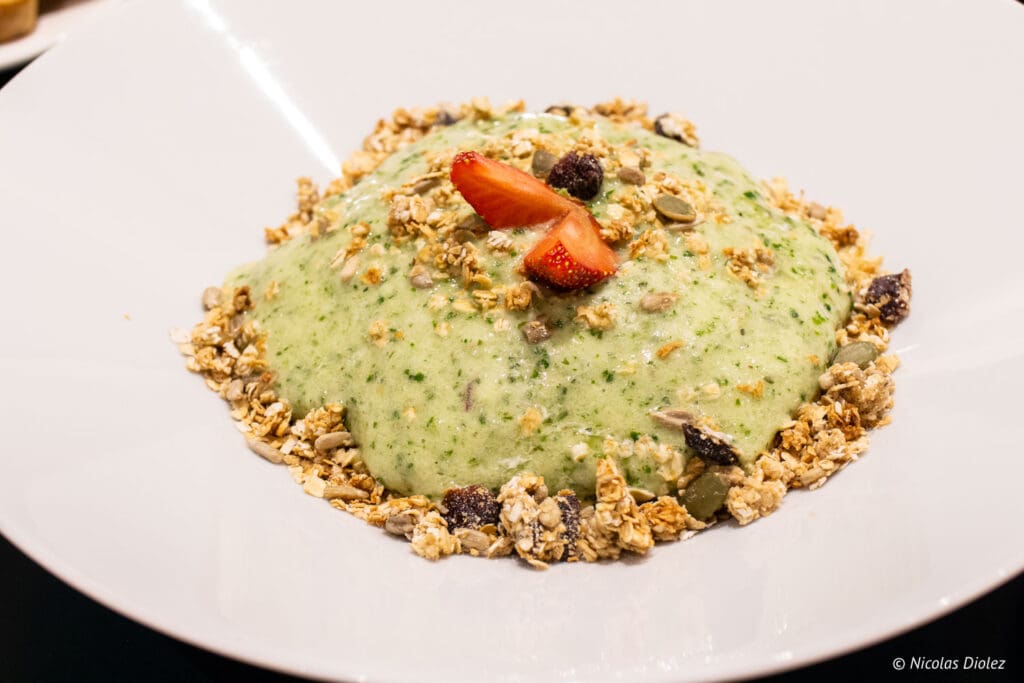
This city institution, which has existed for over 19 years, offers specialties of sandwiches, pizzetas, and salads, prepared with fresh products.
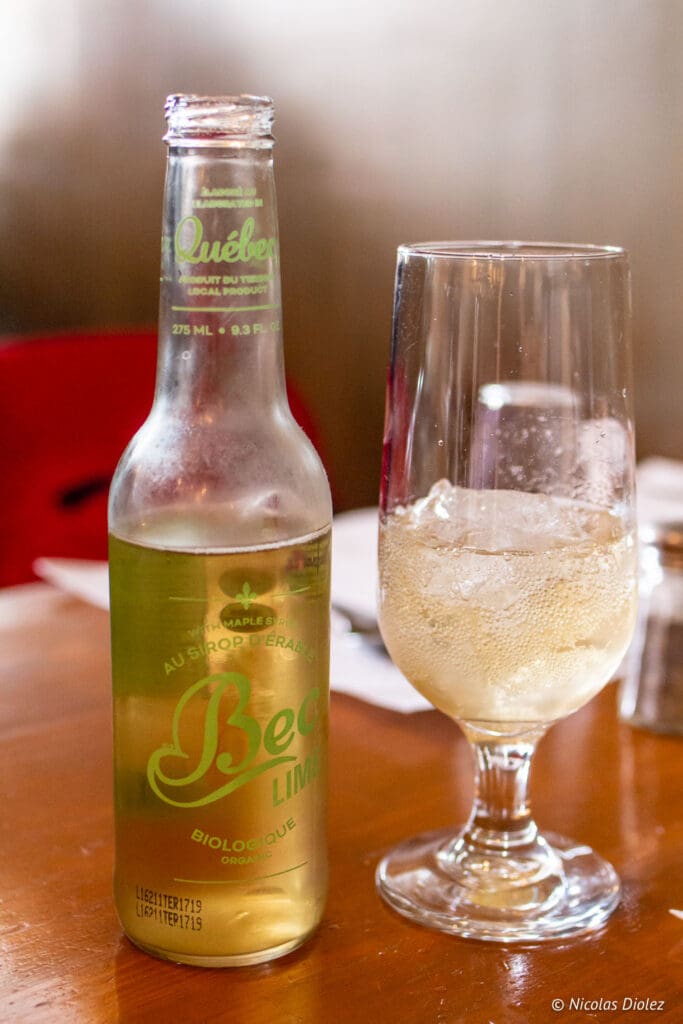
For drinks, we tested something very strange there, the organic Maple Cola (lime flavor)… I wouldn’t really know what to say about it, but if you are curious (and adventurous too), try it!
And you can also buy and discover local and regional products sold in the fine grocery section of the establishment.


Olive et Basil

164-A Perreault-East Street, Rouyn-Noranda

Open Tuesday to Saturday 11 a.m. to 9 p.m.
_
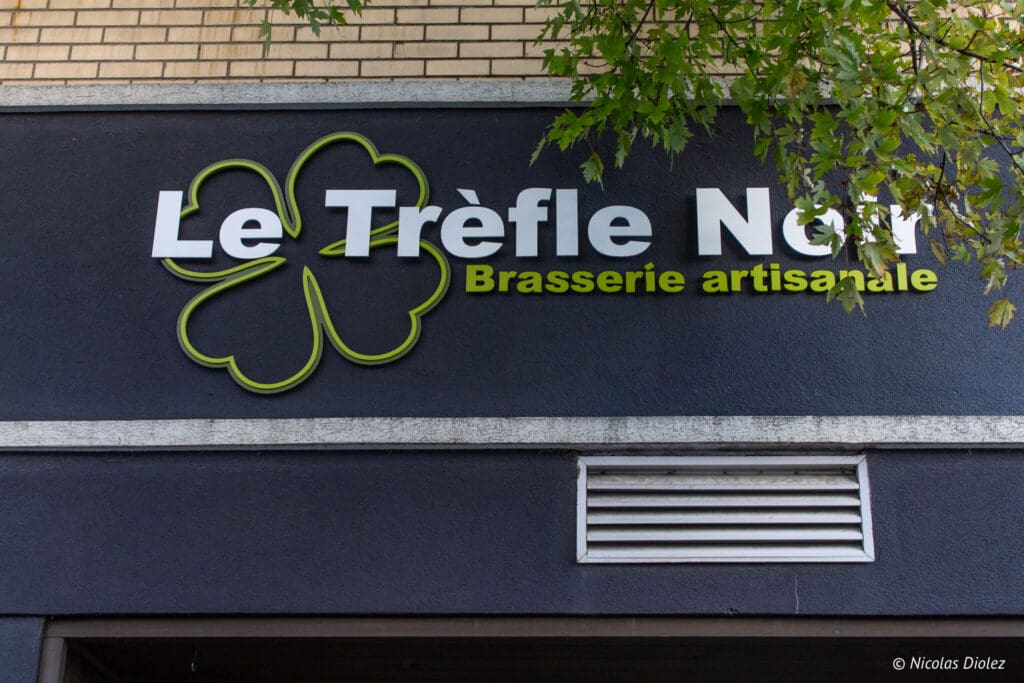
Craft brewery Le Trèfle Noir
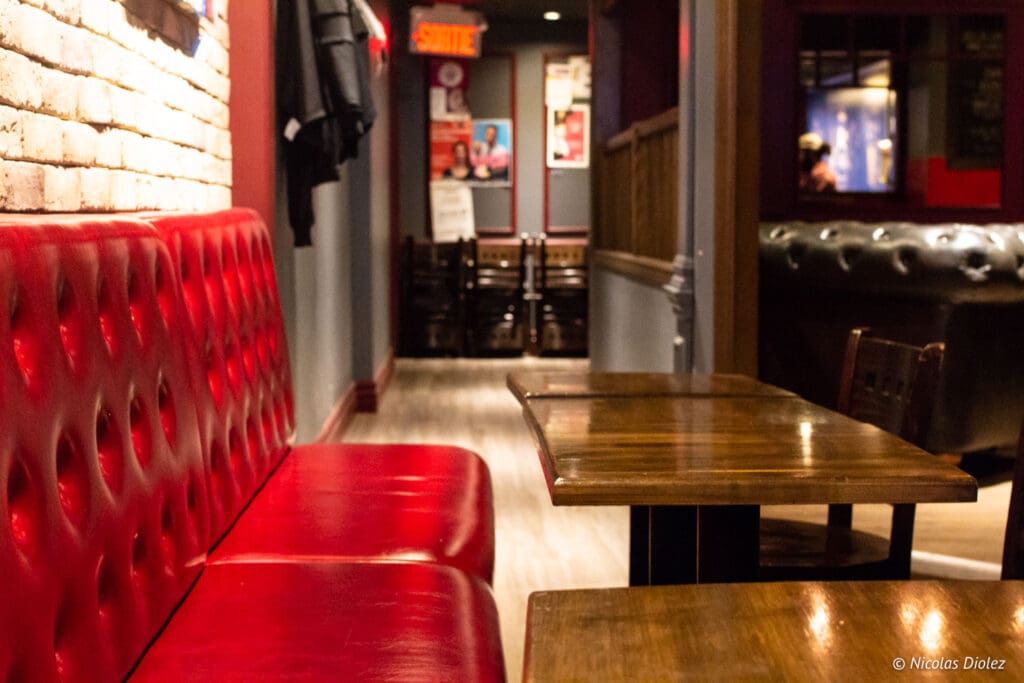
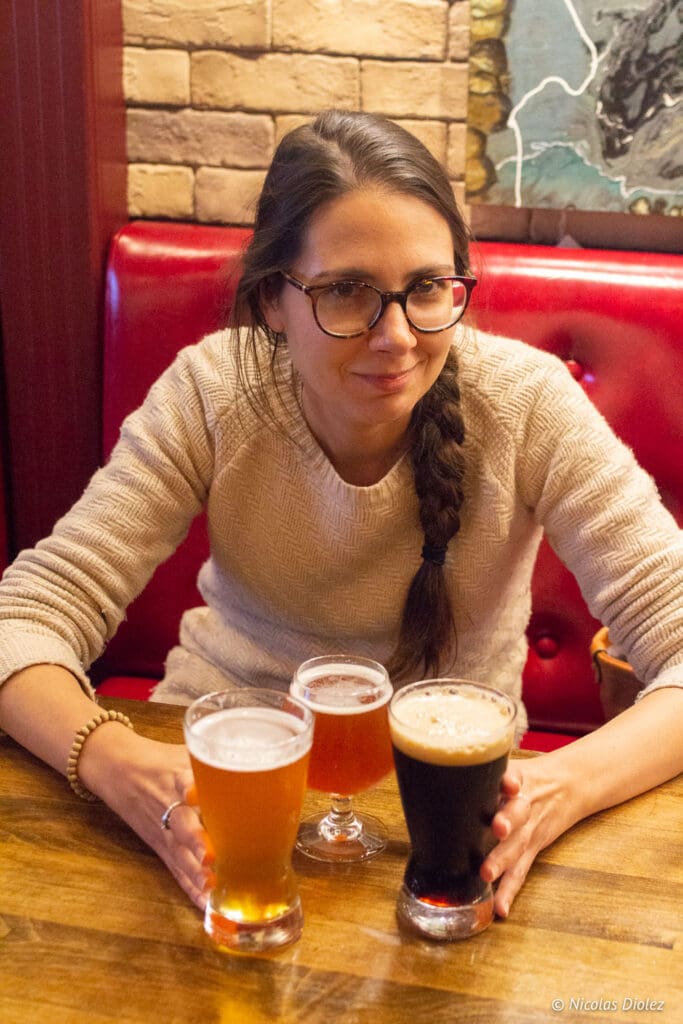
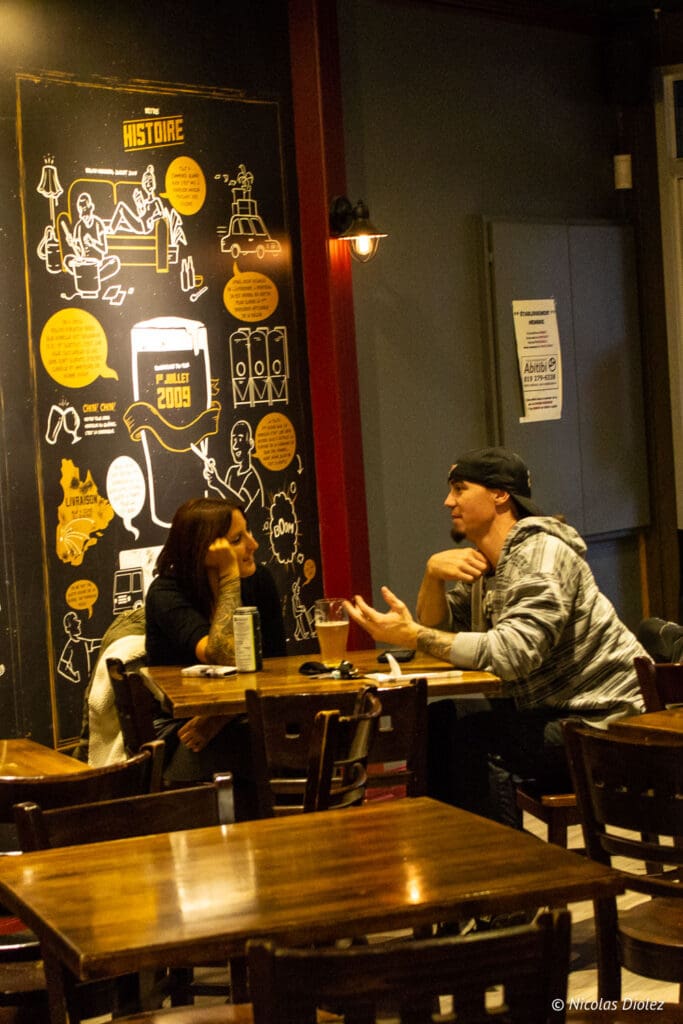
This craft brewery opened its doors on July 1, 2009, and at the time, it was the first craft brewery in Abitibi-Témiscamingue to have a tasting room right in the establishment!
Today you can taste a dozen different beers produced by the microbrewery from more than fifty recipes that are constantly being renewed.
Le Trèfle Noir

145, Principale Avenue Rouyn-Noranda
_
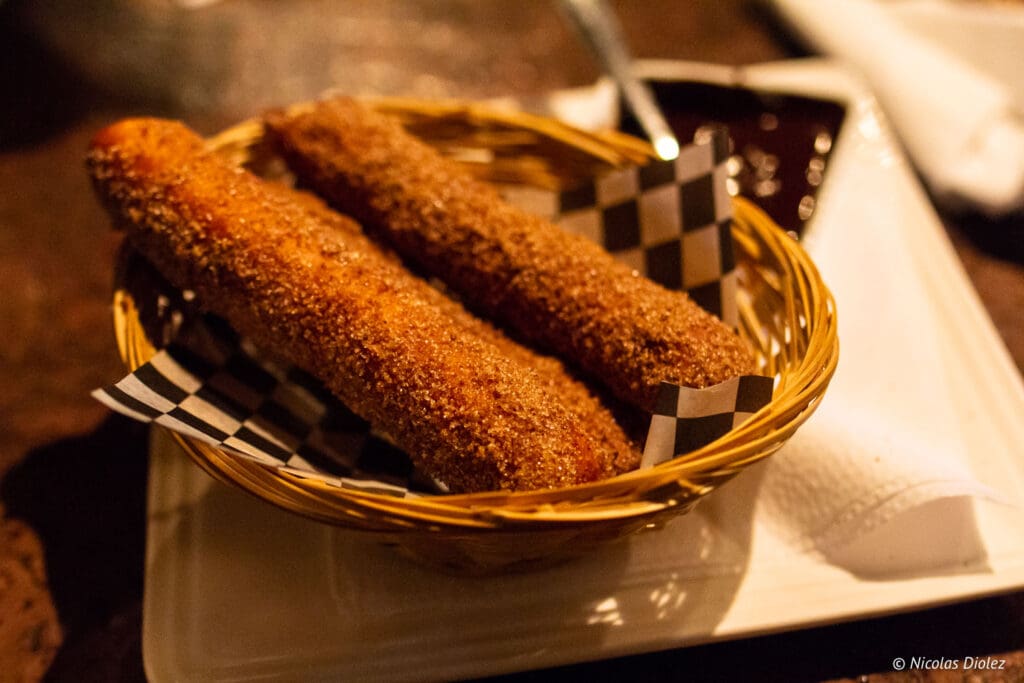
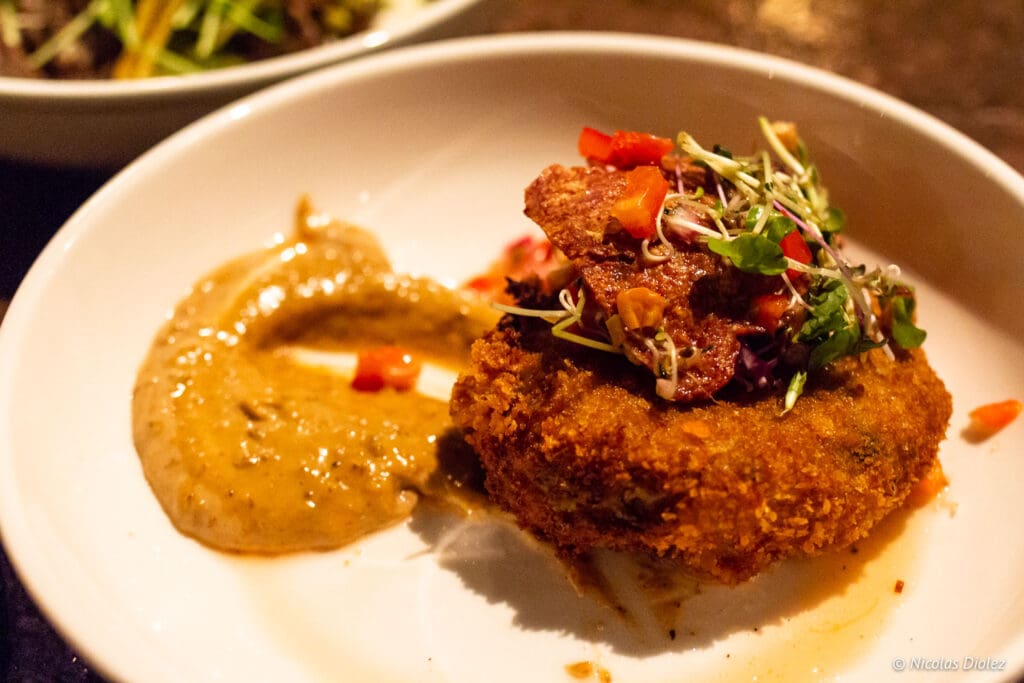
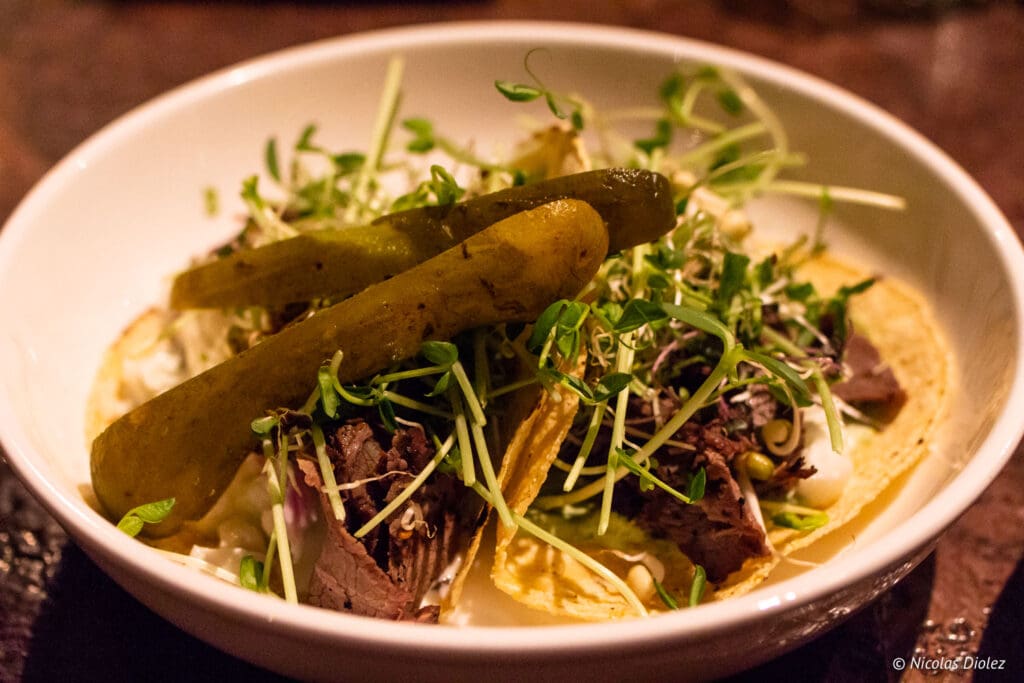
Where to eat? Restaurant Le Cachottier
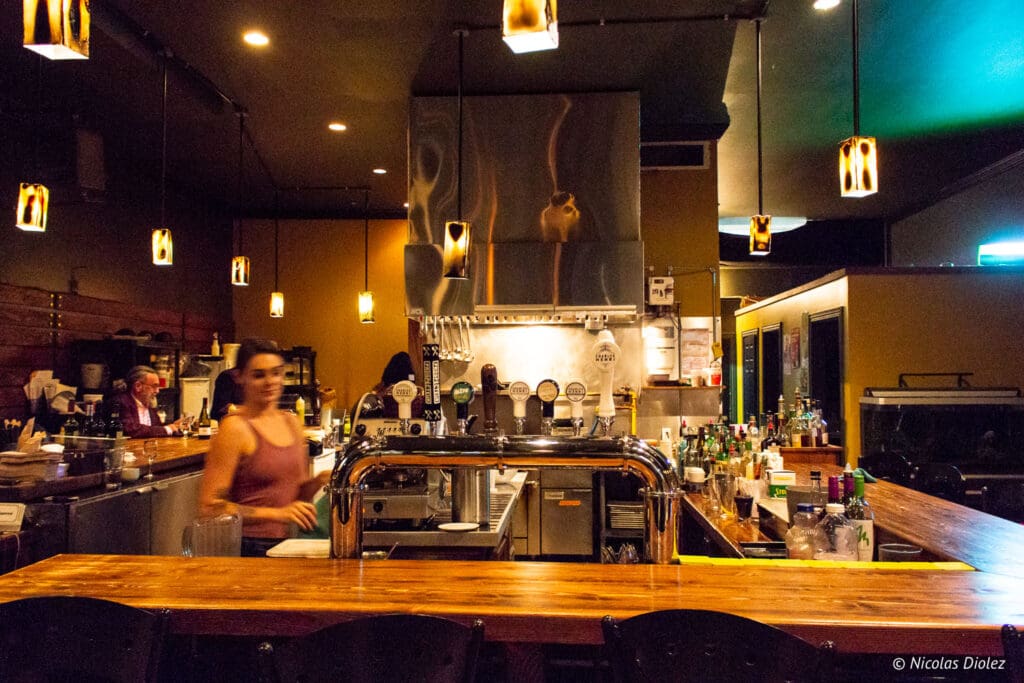
This bistro-bar offers dishes in “tapas” portions to share that also make maximum use of regional and seasonal products. Both the kitchen and the bar are located in the center of the room, which gives a fairly convivial atmosphere, and you can also watch the cooks work.


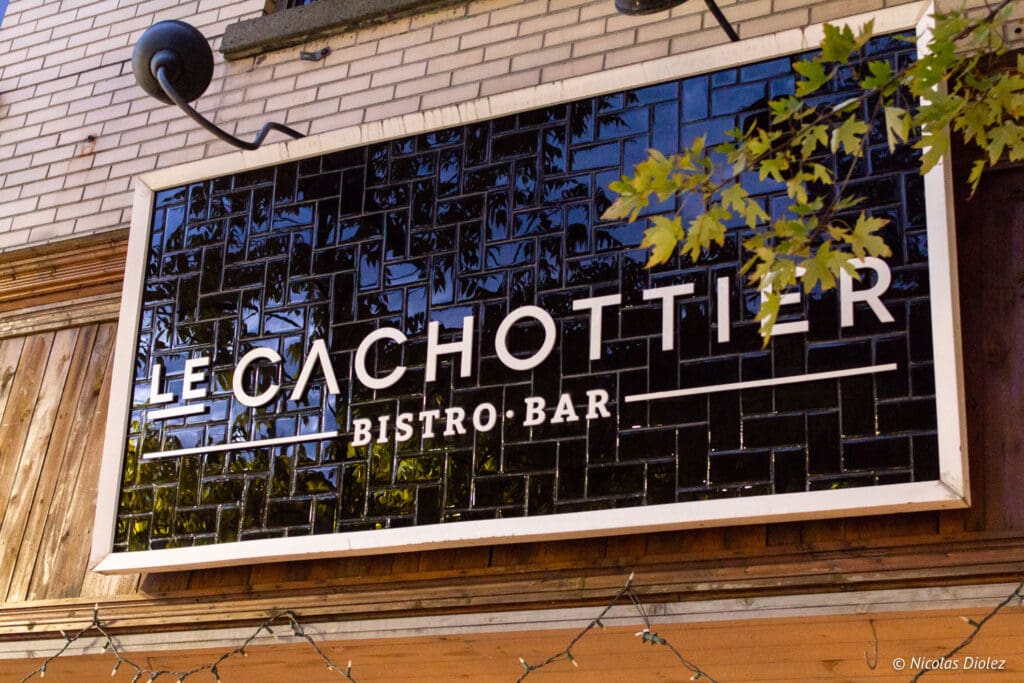
Restaurant Le Cachottier

143, Principale Avenue, Rouyn-Noranda
_
Stage 4: Témiscamingue
For the last part of this road trip in Abitibi-Témiscamingue before heading into the Outaouais, we went through the Témiscamingue region, which is rich in products grown thanks to a microclimate that allows for the cultivation of all sorts of fruits and vegetables.

_
Visit of the Fromagerie le Fromage au Village
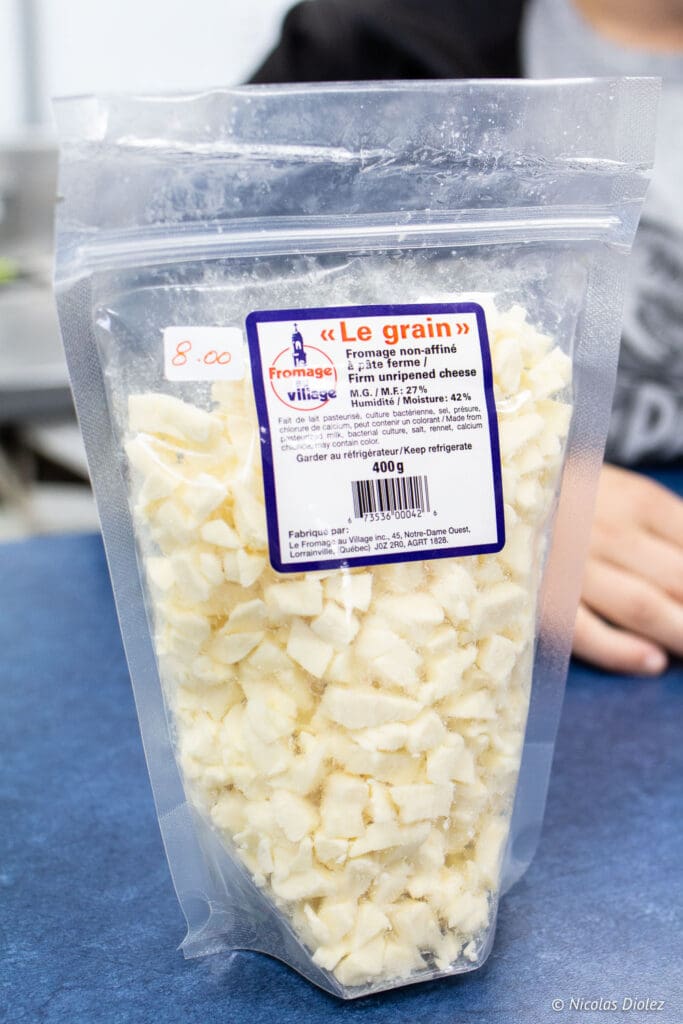
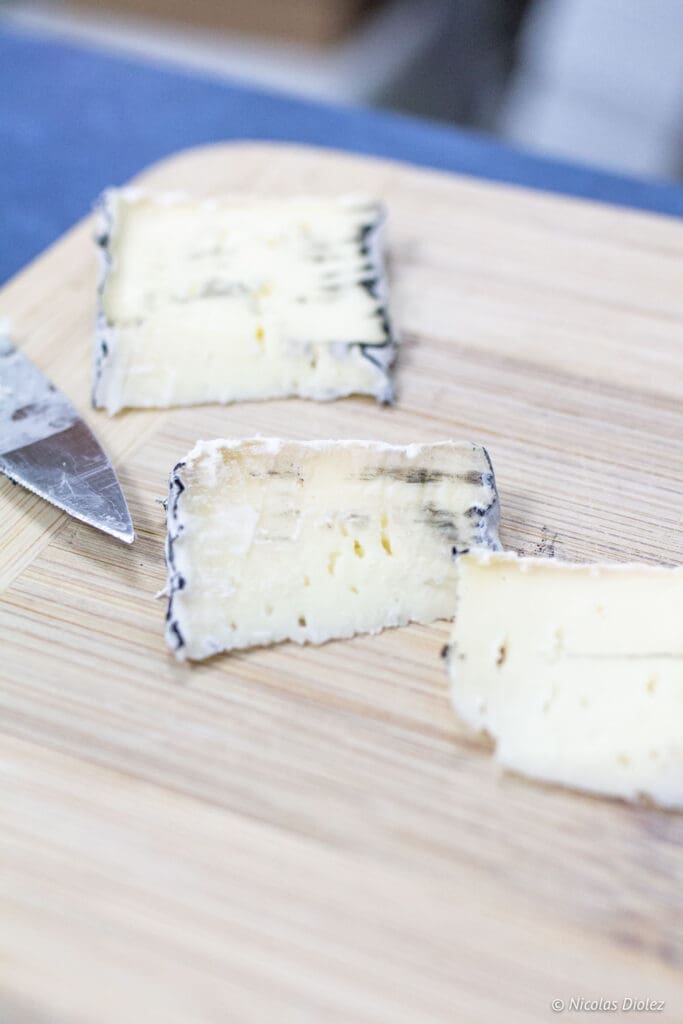
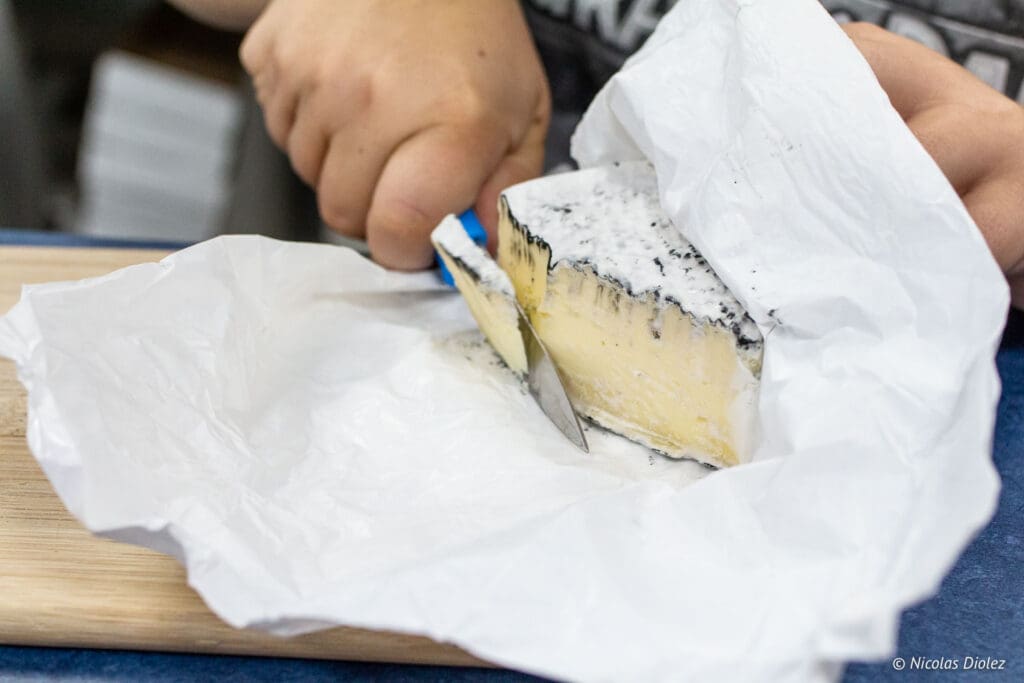
This cheese factory offers artisanal cheeses made from milk from farms in the region. If you enter the shop, do not hesitate to ask some questions about how the cheeses are made, we will be delighted to give you information.
And then you can also buy some vacuum-packed cheeses to bring back in your suitcases. That is obviously what we did!
Specialties: the Angelus, the Cru du clocher, a cheese with a rind rubbed with maple syrup (delicious!), and the Garlic Flower, also do not miss the famous fresh cheese curds that are used to make poutines!
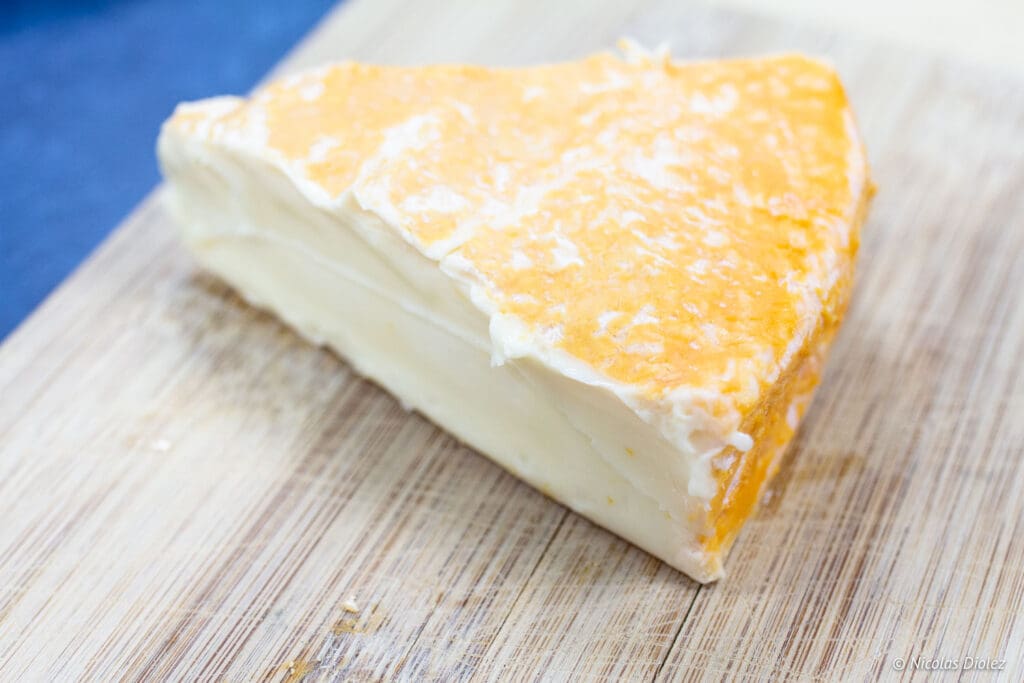
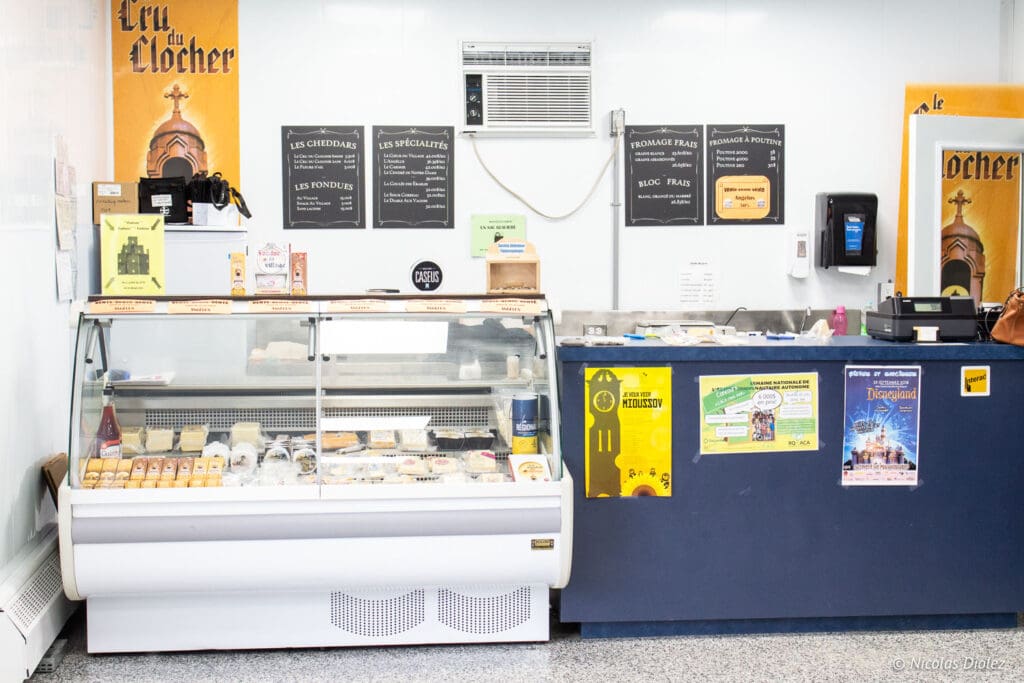
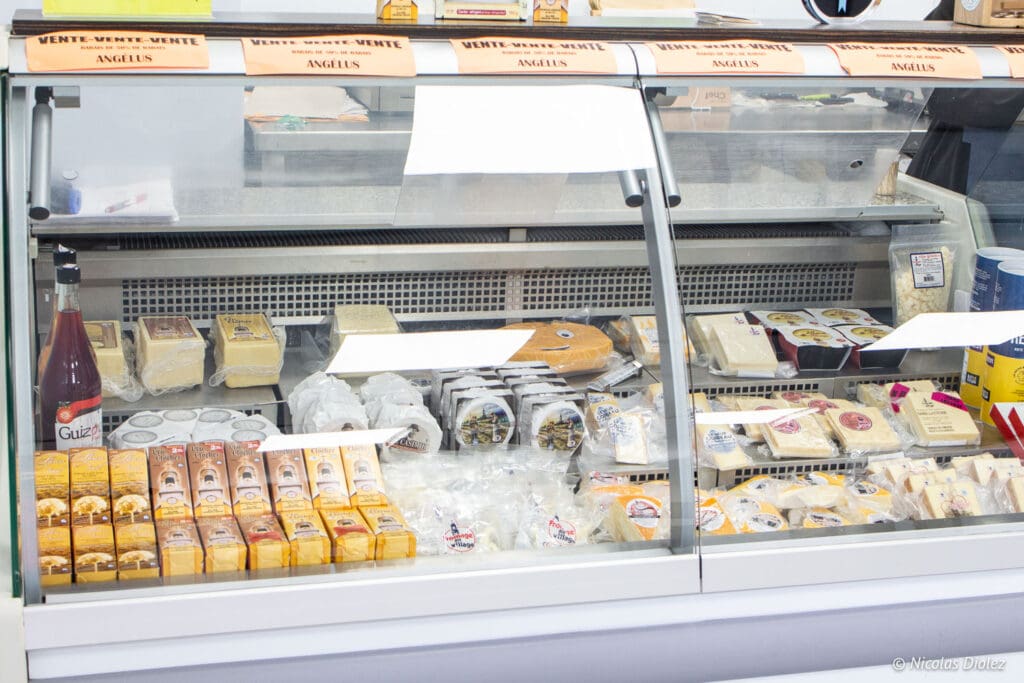
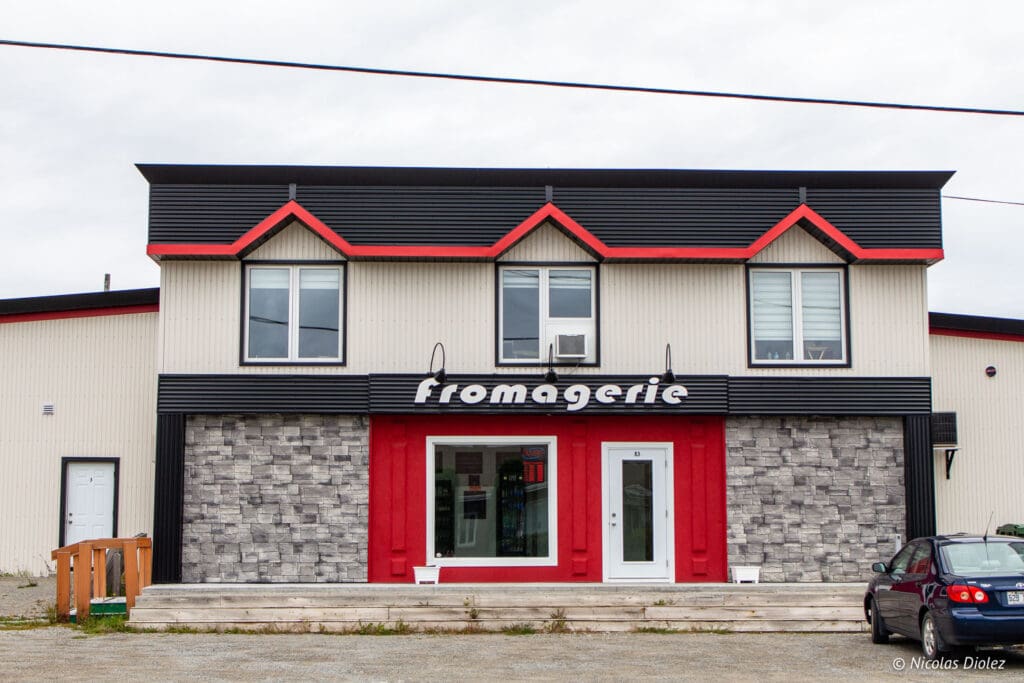
Le Fromage au Village

83, Notre-Dame-West Street, Lorrainville

Open from Monday to Friday from 10 a.m. to 5:30 p.m. and Saturday from 9:30 a.m. to 4 p.m.
_
Visit the Opémican National Park
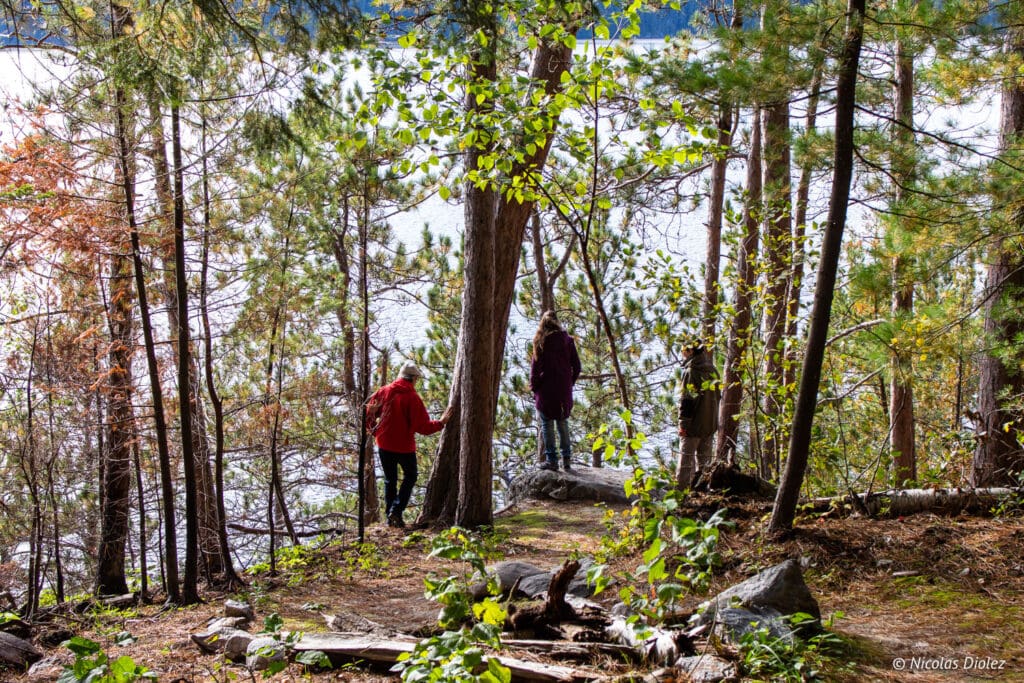
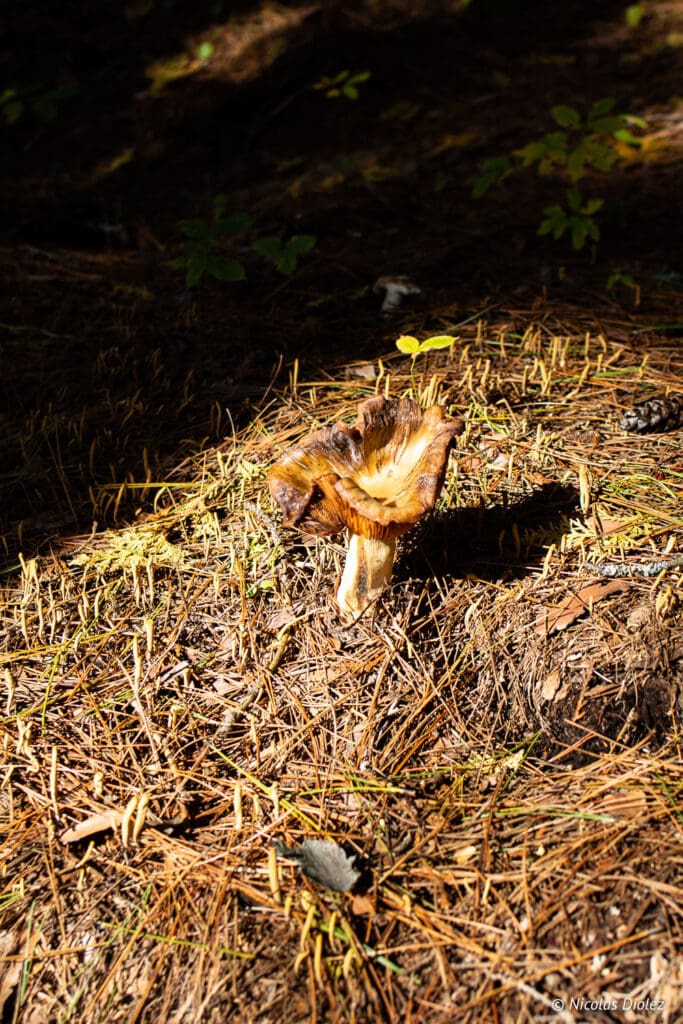
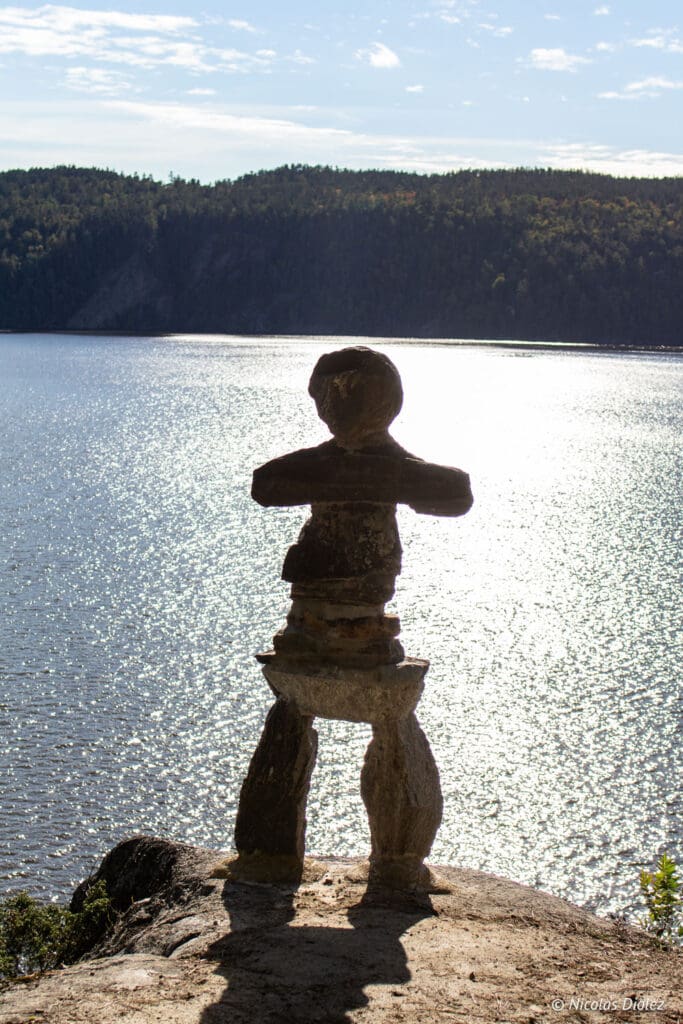
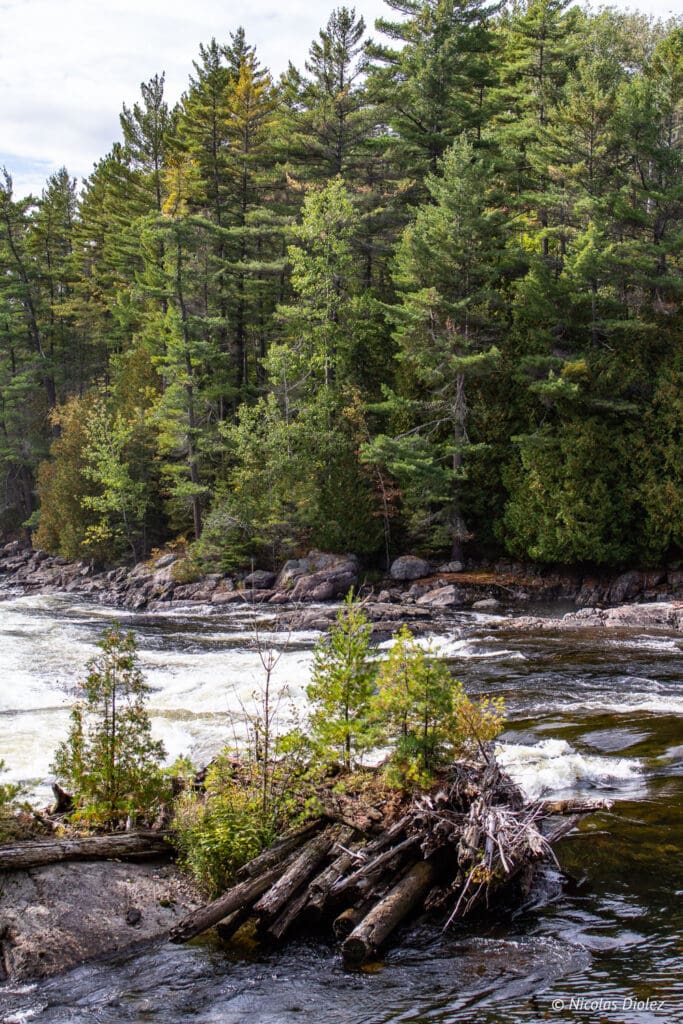
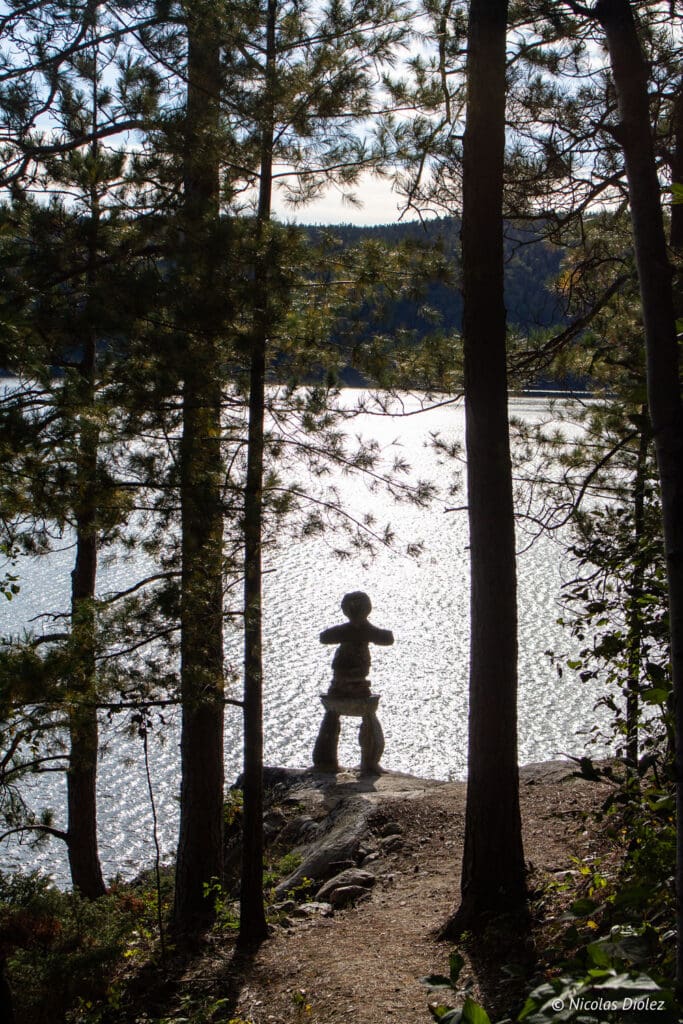
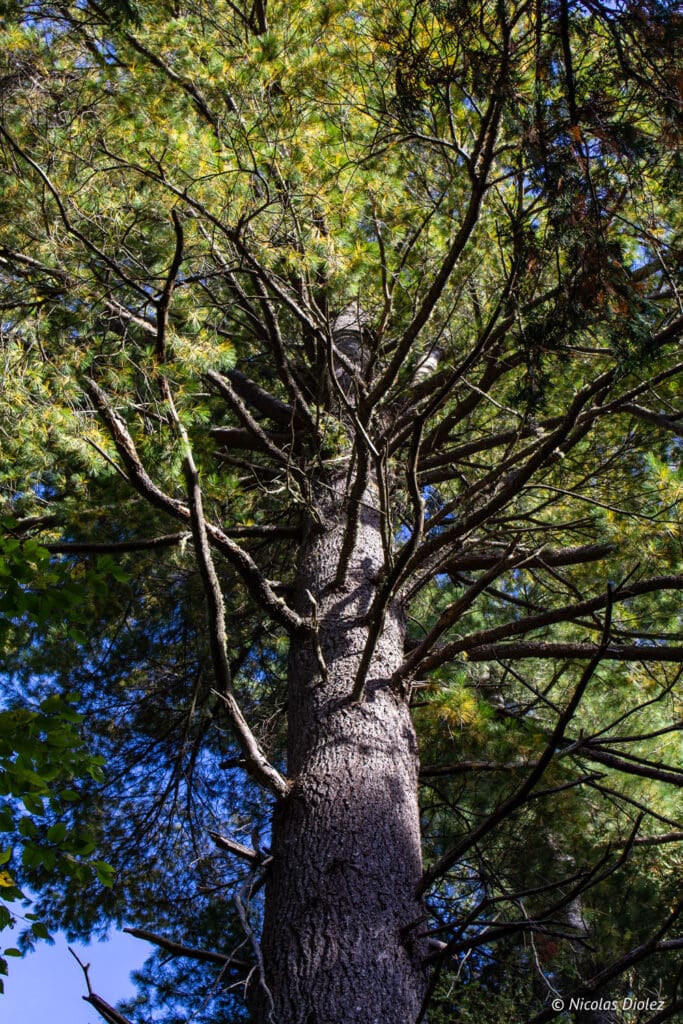
Bordered by Lakes Témiscamingue and Kipawa, this brand-new national park offers a magnificent sample of natural landscapes with beautiful biodiversity. For info, it is managed by the Sépaq, which is the largest network of nature in Quebec.
A little tip: the park being relatively new, be careful, your GPS might play tricks on you. To get all the info on the park, I advise you to go to Laniel, a pretty little tourist village, at the reception center. It is easily recognizable with its blue and white canoe on the roof.
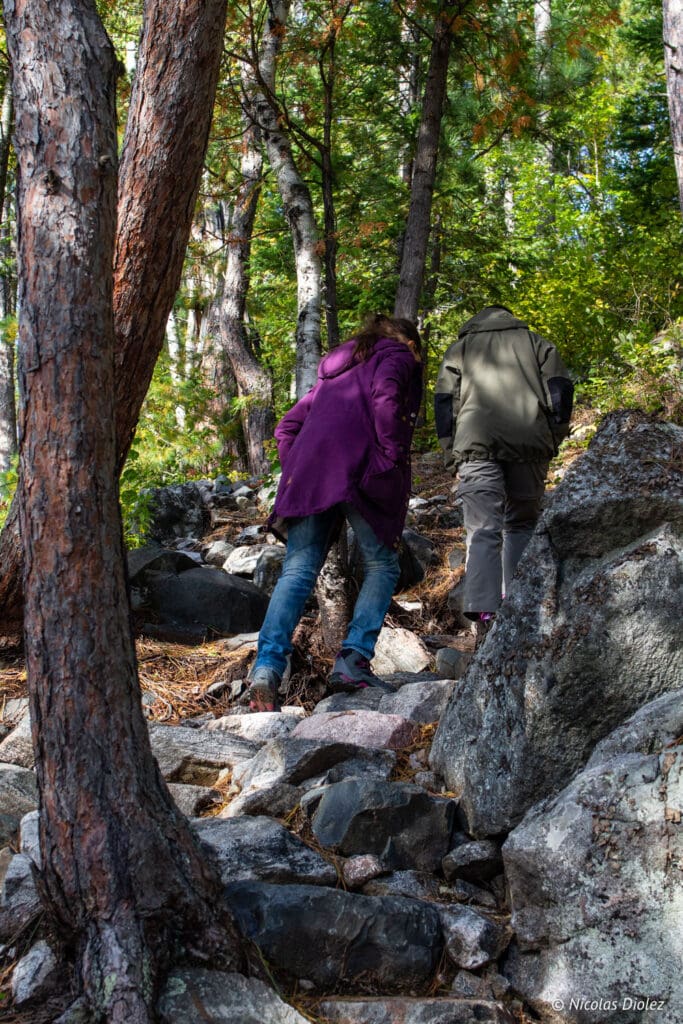
There are several trails to explore. The park is divided into 3 distinct sectors: the Kipawa River sector, the Lac-Marsac sector, and finally the Pointe-Opémican sector. There is also a walking trail to go see the “Great Falls” (see below).
I would like to take this opportunity to thank our guide, Josée Miron, who helped us discover the park and who shared her passion and knowledge with us.


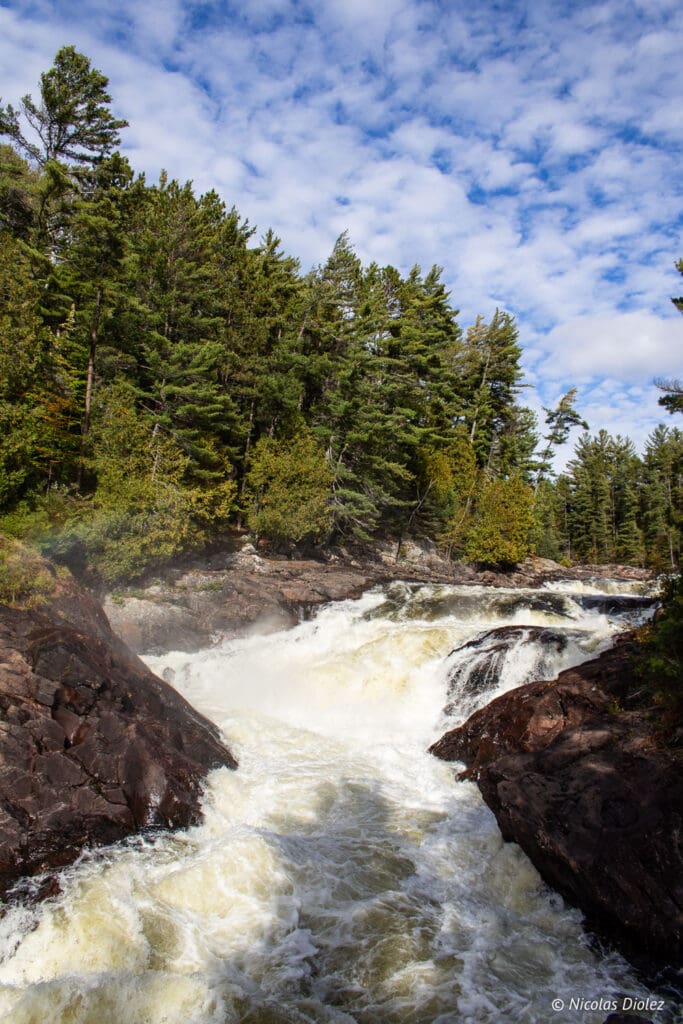
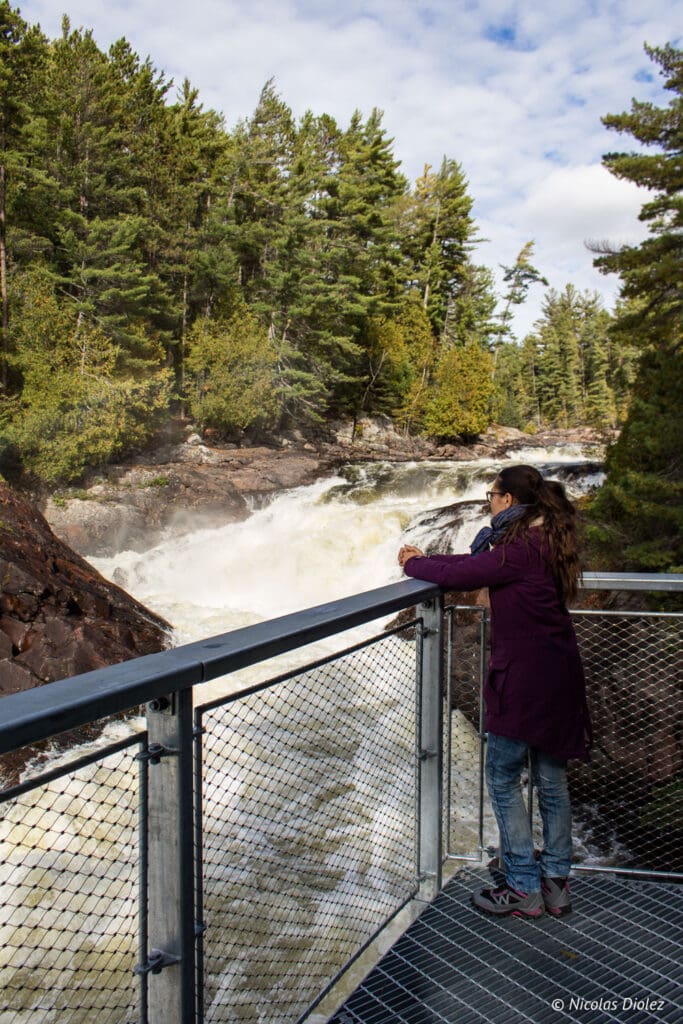

Opémican National Park

Route 101, Laniel
To access the park, obtain an access right online or at the Laniel reception station
_
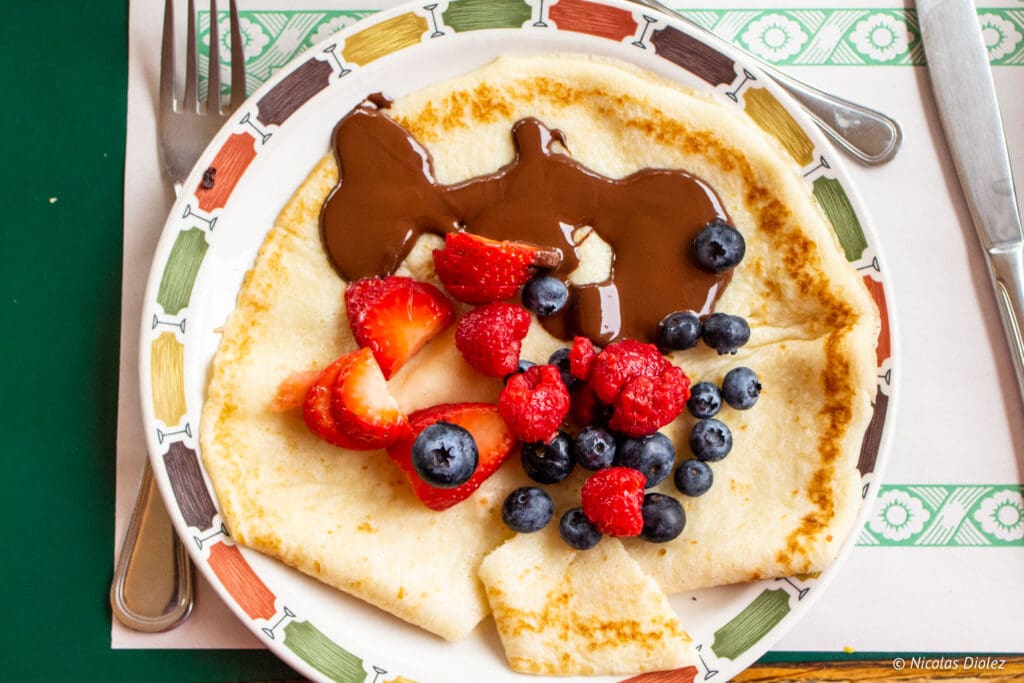
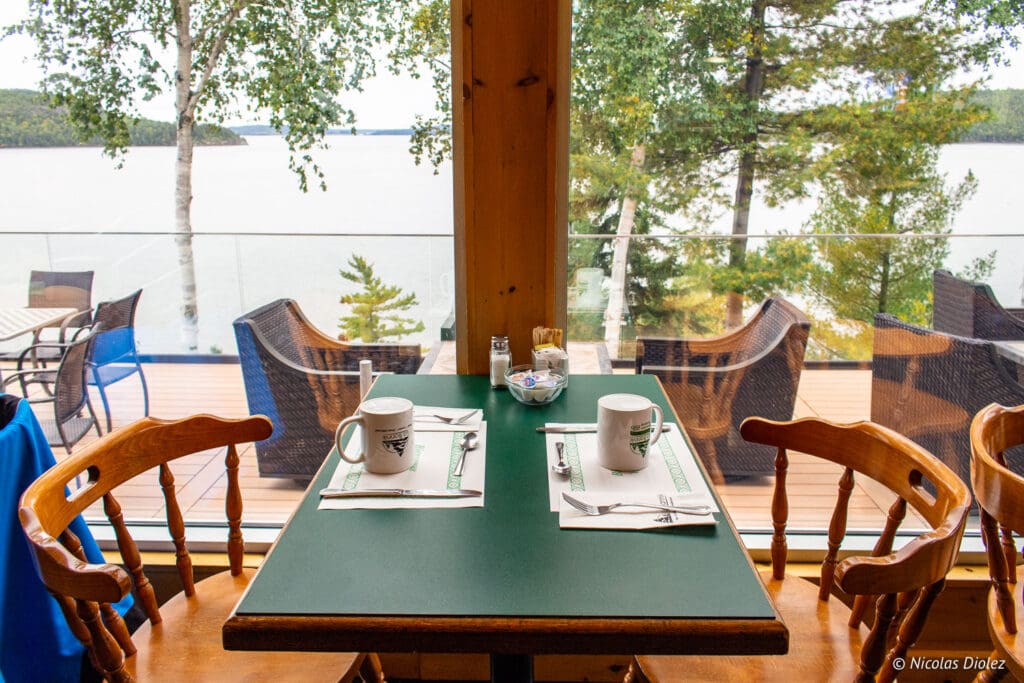
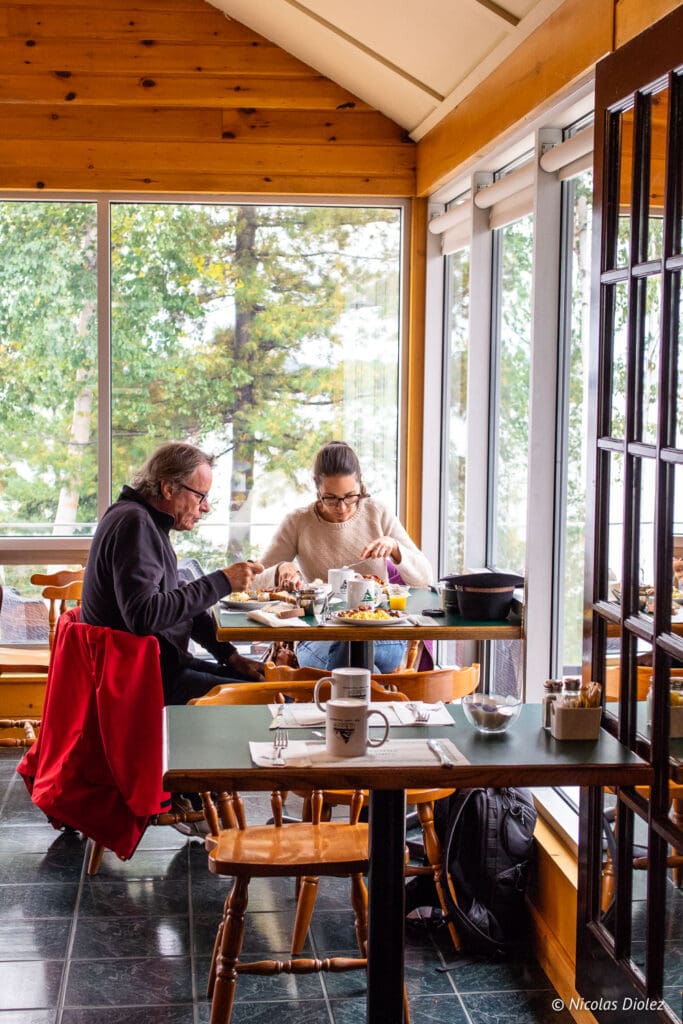
Where to eat, where to brunch? La Bannik
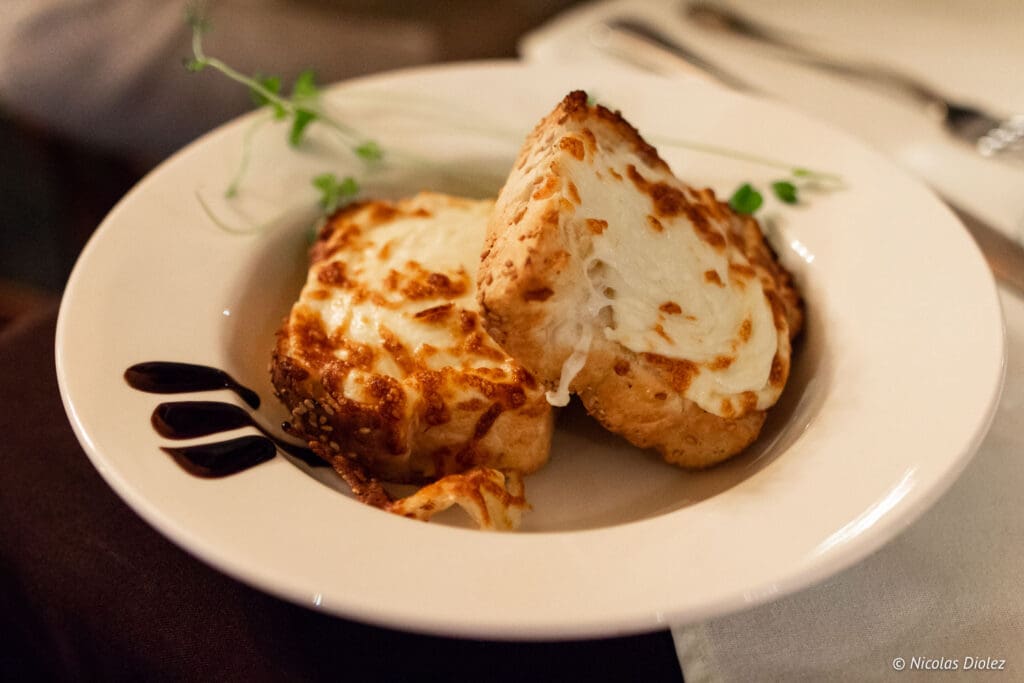
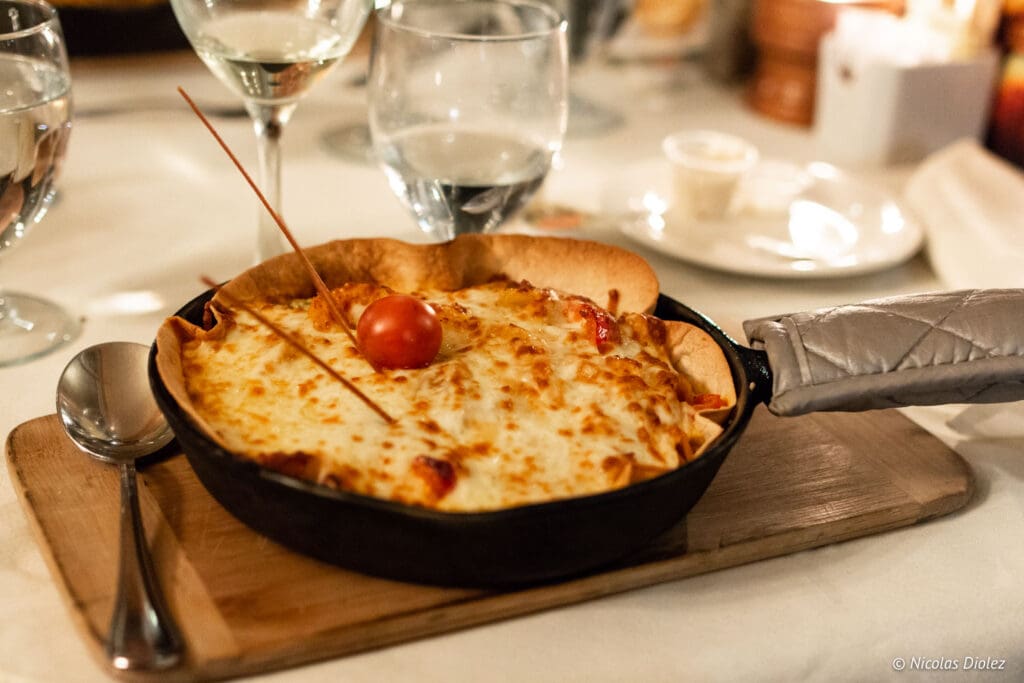
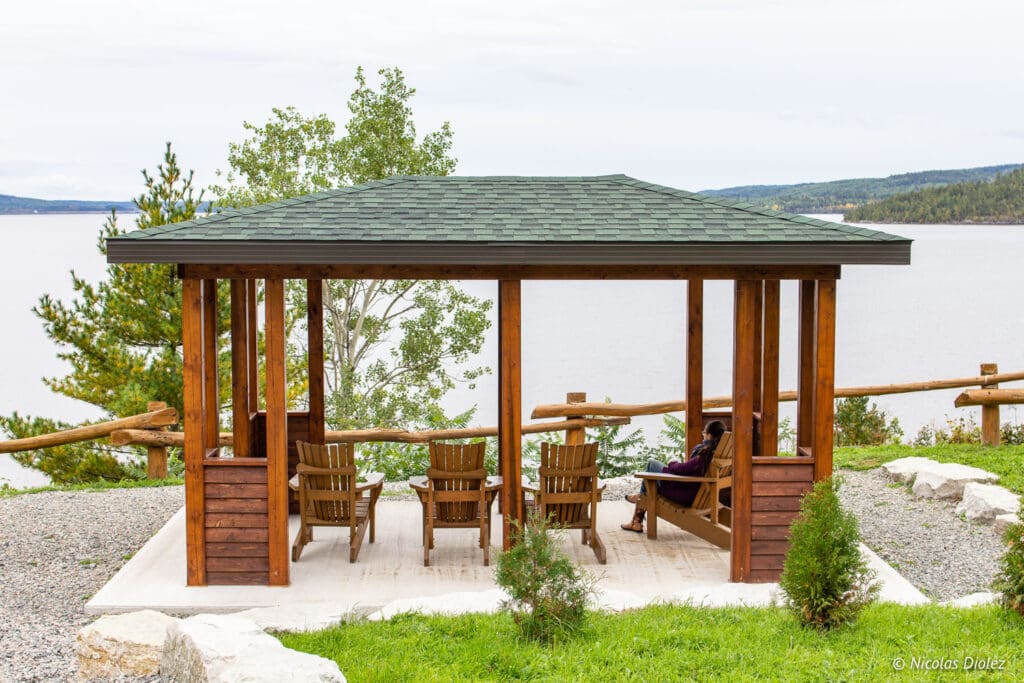
This superb place, which also rents out cottages, is located right on the edge of the majestic Lake Témiscamingue. The restaurant offers Canadian cuisine inspired by regional flavors.
I also advise you to go there on the weekend because the establishment serves a delicious brunch buffet.
Brunch price: about $22 per person
My advice: before or after your meal, I recommend taking the Bannik trail (about 30 minutes of walking I would say) to go up to the top of the hill to the observation point and get a magnificent view of the surroundings!


La Bannik

862, Vieux-Fort Road, Duhamel-Ouest, J9V 1N7
_
Where to sleep? At the Auberge Eugène
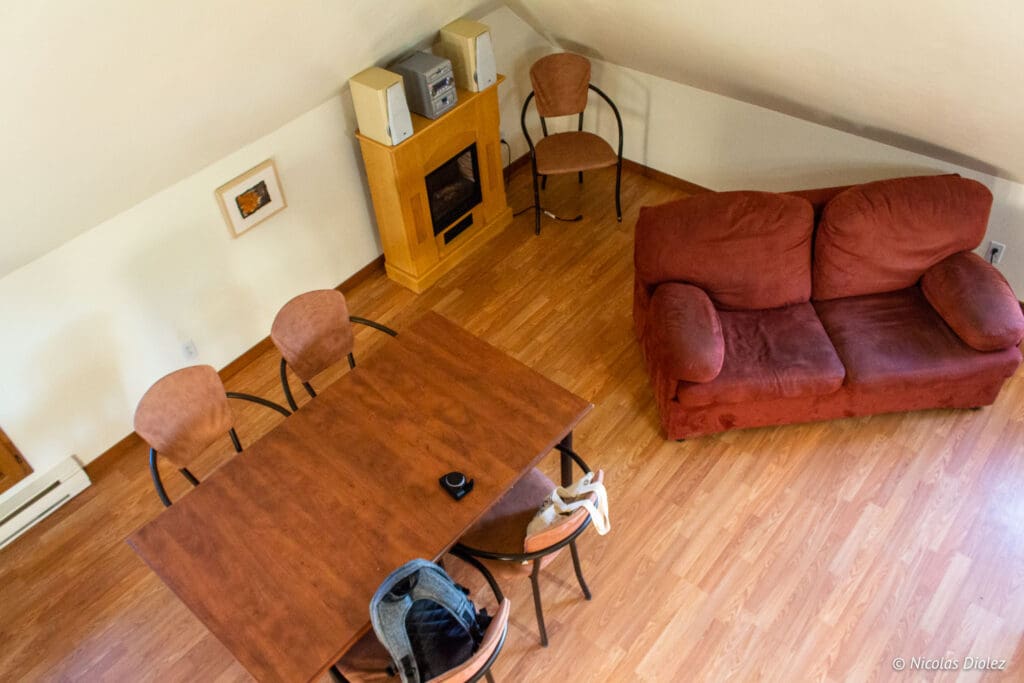
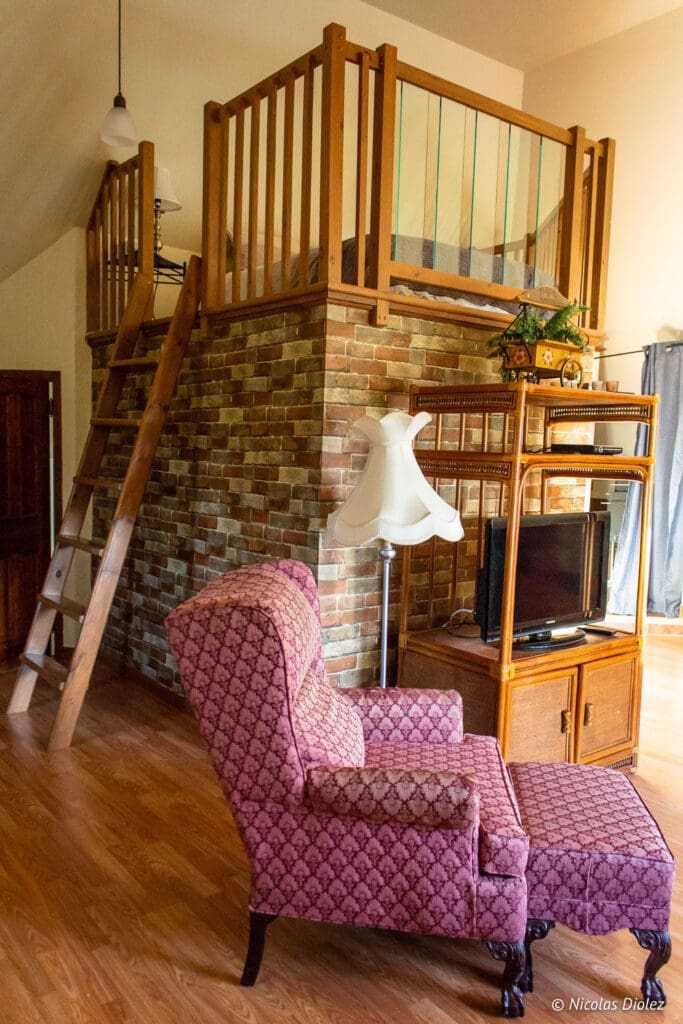
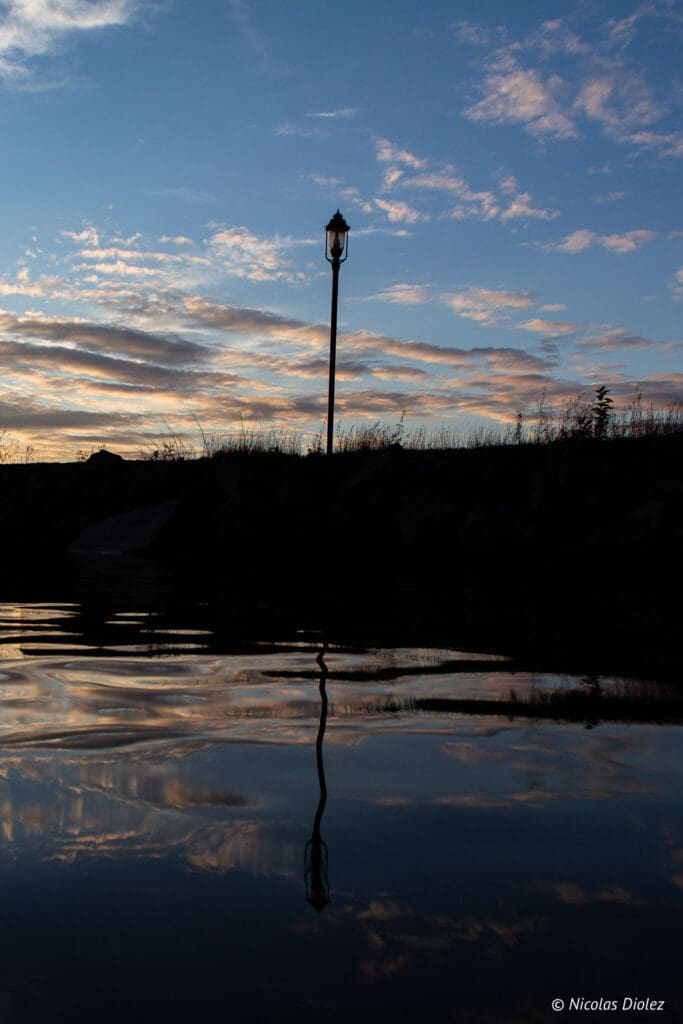
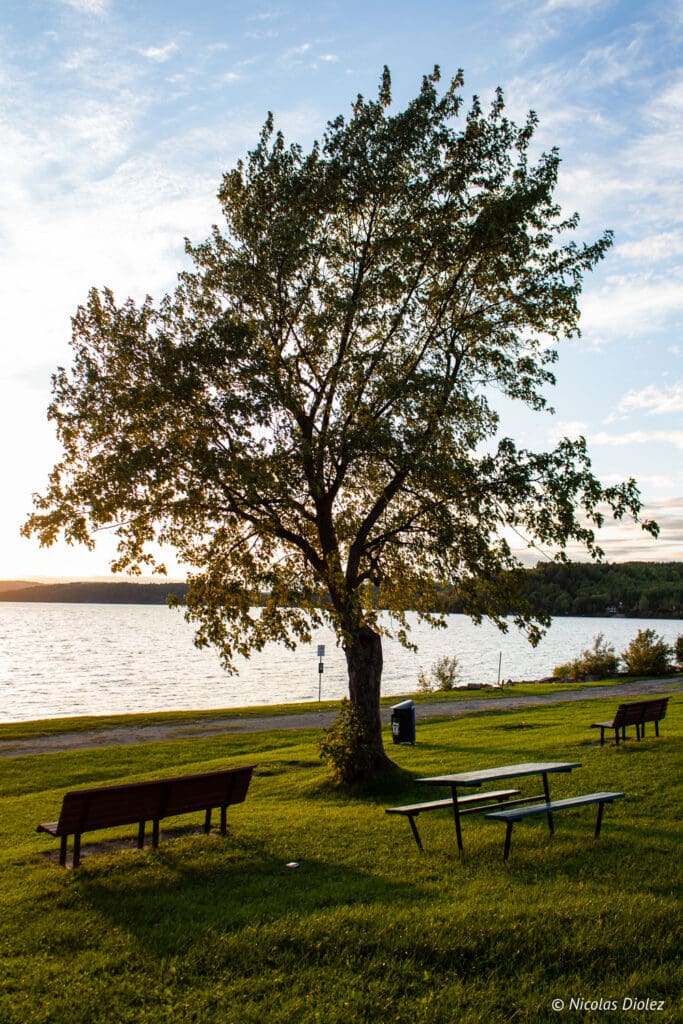
This extremely peaceful inn is located across from the Baie des Pères of Lake Témiscamingue in a magnificent old Victorian-style house full of charm. The latter is now run by Marie-Joe Morin, who welcomes her visitors with great conviviality.
In any case, we loved this very family-oriented bed and breakfast, and we stayed in the house’s suite, on the top floor, under the roof.
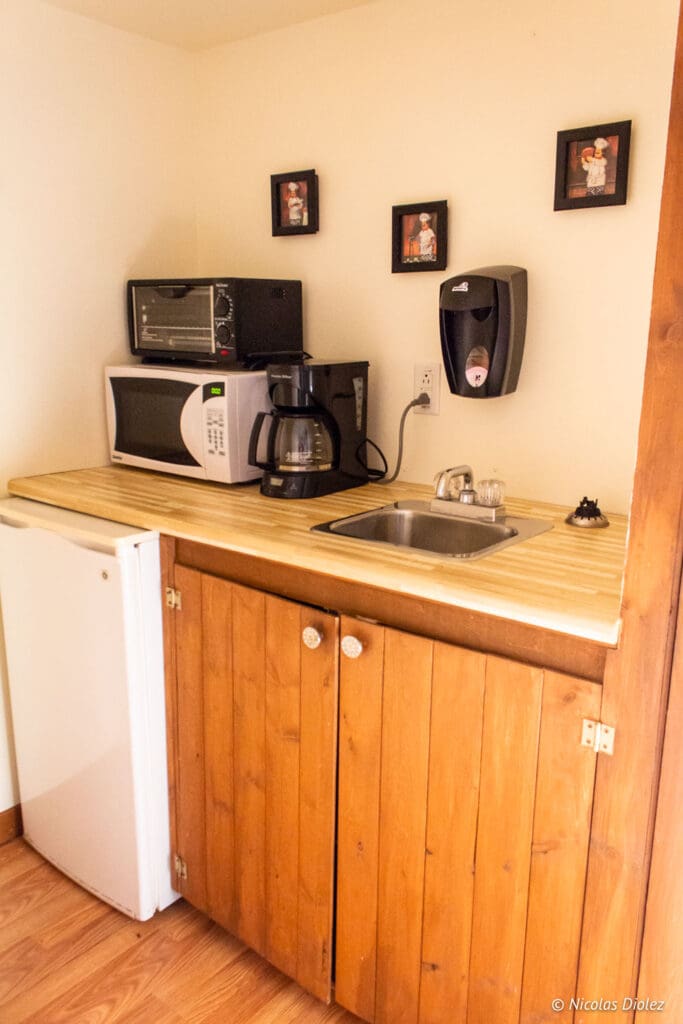
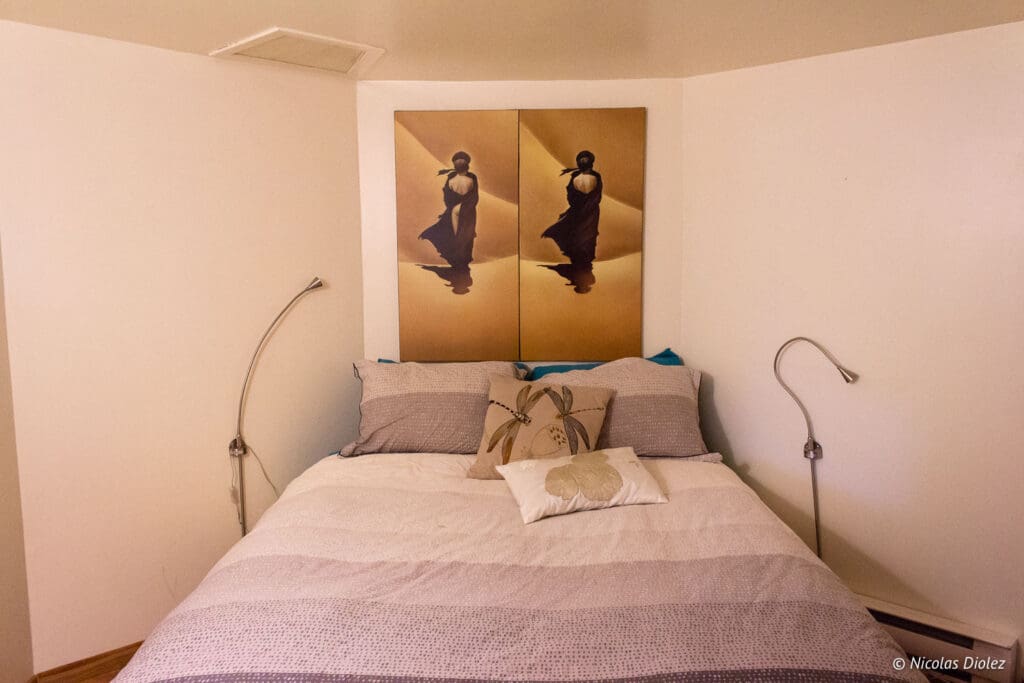
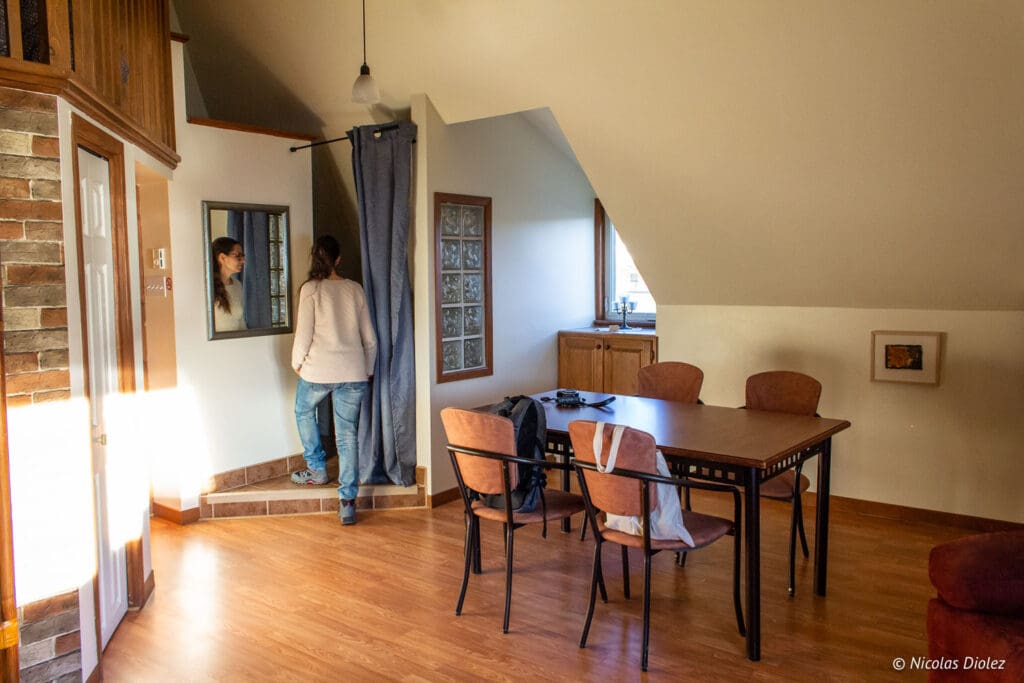


Room rates: between $95 and $160
Auberge Eugène

8, Notre-Dame-North Street, Ville-Marie
_
Thanks to Québec Original for this opportunity and to the Abitibi-Témiscamingue region for having welcomed us and for this great program!

I hope that with all this I will have made you want to discover or rediscover Quebec and the Abitibi-Témiscamingue region, and if you also have your own good tips for this destination, do not hesitate to share them in the comments!

Find all my articles on Quebec below
(3 trips in 2010, 2013 and 2018):
⇒ All my articles on Quebec
GENERAL INFORMATION ON QUEBEC
⇒ Quebec: practical info, how to get there, general info on Montreal
MY STAGES IN QUEBEC
⇒ Gaspésie
⇒ Montreal
⇒ Quebec City
⇒ The Laurentians
⇒ Abitibi-Témiscamingue
⇒ Outaouais
Photo credits: Nicolas Diolez
Photos are not royalty-free, photographer's authorization mandatory before any use