New month, new discoveries. In June, we take you to Paris to the Musée d’Orsay for a 3.0 tour, then to discover for the first time (at least for me!) the Musée Dapper, dedicated to the cultures of Africa and the Caribbean.
We will then head to Nantes to step through the doors of the Frac and explore its various exhibitions, and finally, we’ll take a quick trip to Cherbourg to visit the Cité de la Mer.

_
Table of Contents
Courbet turns to the digital canvas at the Musée d’Orsay
(by Carine Simoës-Grangeia)
Gustave Courbet, the great realist painter, is embracing more contemporary painting by changing his brush and medium. This may not please everyone, but it will certainly spark debate for others! When grand painting meets 3.0, the Musée d’Orsay and Orange are never far behind. A look back at the history of a somewhat unconventional restoration.
On this Wednesday, May 6, the Musée d’Orsay, under the sponsorship of the Orange Foundation, inaugurated the augmented reality project centered on Courbet’s “The Painter’s Studio.” You might have heard of the ambitious project to restore this painting live, right before the amazed eyes of visitors. However, for a painting of this size, funding had to be found, so the Orange Foundation and the public were there to help.
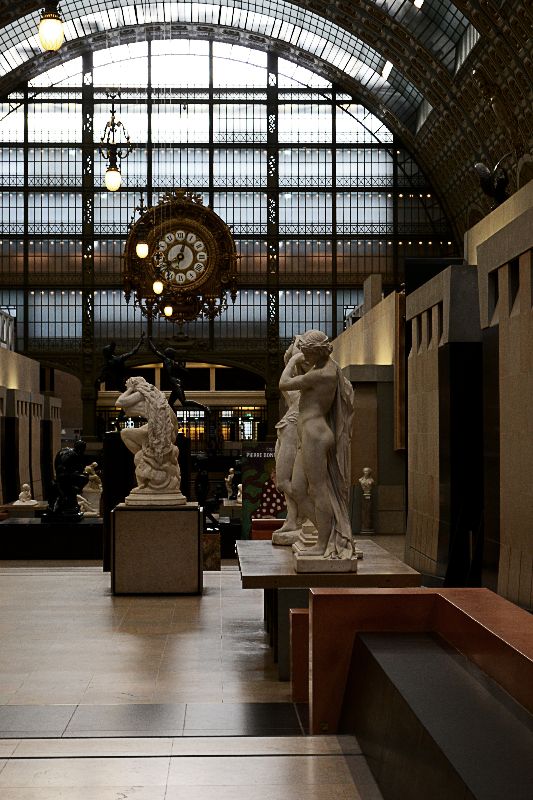
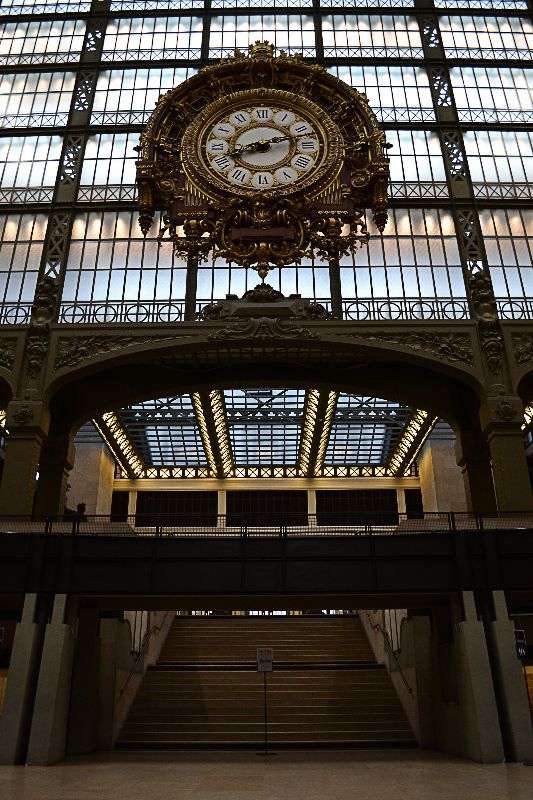
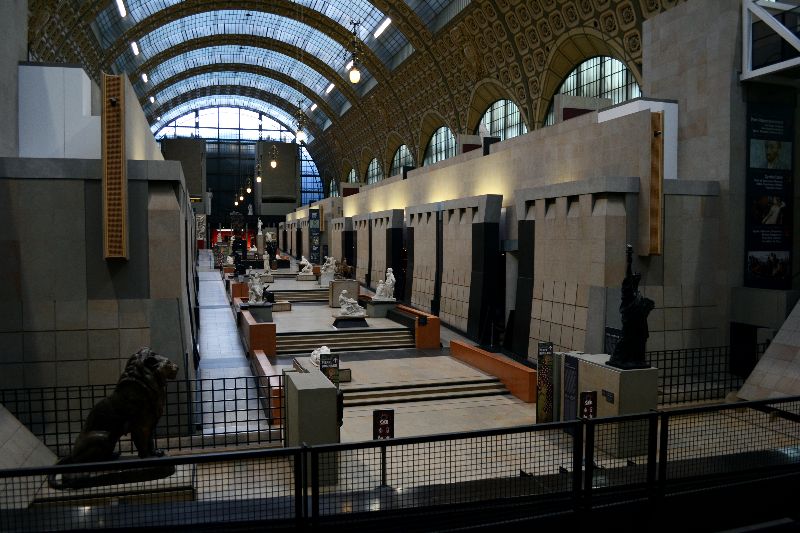
Orange subsequently wanted to become more involved with the museum to bring our heritage closer to the public. Thus, a new partnership was established, blending the expertise of each: culture and heritage from one, and new technologies from the other. This is how something relatively new was born: the discovery of a work of art in a museum using a tablet as a guide, without any constraints. Perhaps this is the palette of the contemporary visitor?

Visitors are thus invited to navigate through the work and discover all its best-kept secrets. Did you know that on the right, it was Baudelaire? Handling the tablet is easy, and there is something for everyone! From anecdotes to listen to and historical narratives to small games like using X-rays or revealing the painting’s natural pigments… But shh, we shouldn’t reveal everything! You have to leave some of the joy of discovery. Besides, once you start, you want to do everything; it’s easy to get hooked.


Yes, but how can we be sure of what we are being told? It’s simple: as with everything related to the painting’s content, it was art historians and restorers who created the content, using writings, scientific discoveries, and other evidence. In that regard, they are spot on. And the plus side is that they made it accessible even to the most novice of novices.
But I can already hear the question about the usefulness of all this, and that yes, well it’s nice, but it’s always the same people anyway!… Yes, it is useful in the sense that you discover a great work at your own pace and in a fun way. Perhaps it will make painting appealing to an audience that doesn’t usually come to the museum.


And besides, is it primarily for able-bodied people? False! Those who designed this project also thought of people with reduced mobility, with a tablet at wheelchair height. Similarly, one of the tablets is equipped with audio in French Sign Language, and the painting is also reproduced in images for the visually impaired. The audio is also translated into English, Spanish, and Italian for our foreign friends.
In conclusion, it is a beautiful project that will remain at the museum for 2 years and might even have some successors. Who knows? It is relatively new, but it could multiply and become more democratic if it works as planned, meaning if the public is there and if time and resources allow. Nevertheless, this will inevitably raise the question of the virtual museum…

A big debate, you might say. Yes, but perhaps we should wait and see how it evolves. And besides, culture is meant for everyone, so why not take it out of these walls, but without necessarily distorting it or putting it at risk? The 3.0 museum undoubtedly has a future to build. Something to keep an eye on.
Musée d'Orsay
62, rue de Lille 75007 Paris

open every day except Monday from 9:30 AM to 6:00 PM / late night Thursdays until 9:45 PM

prices: €11 / €8.50
The tip: free for everyone on the first Sunday of every month, for those under 26 (EU), for job seekers, for teachers
_
The Art of Eating exhibition, rites and traditions at the Musée Dapper
(by Melle Bon Plan)
 There are some Parisian museums you hear about from time to time, but where you have never been… That was exactly my case with the Musée Dapper, a place dedicated to the cultures of Africa and the Caribbean. This museum offers an exhibition space spread over two levels and regularly hosts temporary exhibitions.
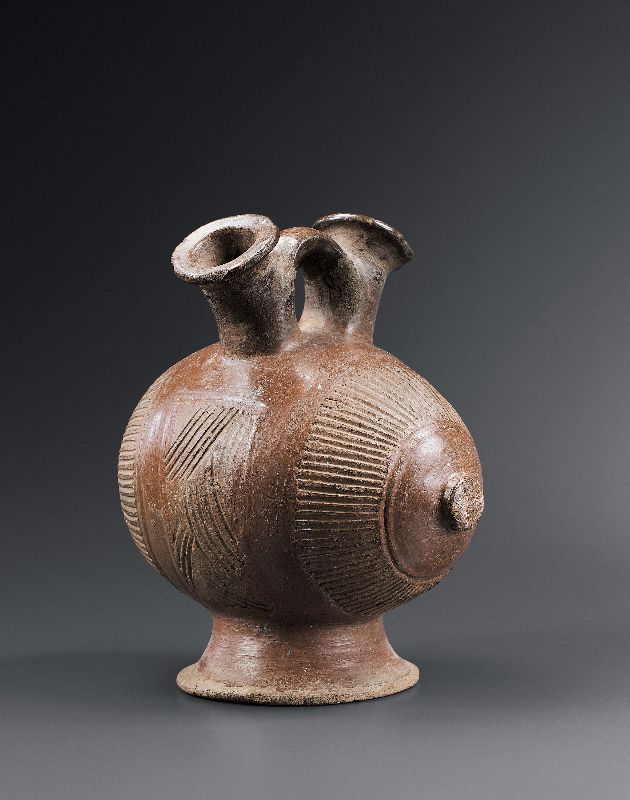
The exhibition currently held at the Musée Dapper aims to highlight practices that are experienced in daily life or during ceremonies, centered around food. It presents more than 140 objects from Africa, the Malay Archipelago, and Oceania, with extremely diverse forms and materials.



Around the exhibition:
- Meeting “Eating the Other” on Saturday, June 20 at 2:30 PM / free entry upon reservation at 01 45 00 91 75
- Film-meeting (screening + meeting) around the film “The Enemy Way” by Rachid Bouchareb, on Saturday, June 27 at 2:30 PM / free entry upon reservation at 01 45 00 91 75
The tip: the museum is free for students, those under 26, and for everyone on the last Wednesday of the month and on Saturday the 13th and Sunday the 14th of June 2015 for 2 open house days (with free guided tours upon reservation).


Musée Dapper

Exhibition: The Art of Eating, rites and traditions
from October 15, 2014, to July 12, 2015

35 bis, rue Paul Valéry 75016 Paris
open every day from 11 AM to 7 PM except Tuesdays and Thursdays and outside of exhibitions

prices: €6 / €4 reduced (seniors, large families, teachers, job seekers)
_
The Frac of Nantes: contemporary fascination
(by Julie Brando)
On the outskirts of the city of Nantes, we stepped through the doors of the Frac (Regional Fund for Contemporary Art), where the art of all possibilities reveals its stakes. Nantes asserts its surprising assets here, playing with paradoxes in art and architecture.

You have to move away from Nantes and take the paths of its surrounding countryside to arrive at the Frac des Pays de la Loire, in Carquefou. A building that seems austere at first glance, graphic, almost architecturally at odds with its environment. And yet, it intrigues, and what it houses dispels the mystery.
An initiative of the State in the 80s, the Fracs were created as part of the cultural decentralization policy in the regions. Today, their mission is to build international collections and distribute them to raise awareness and educate the public about Contemporary Art.

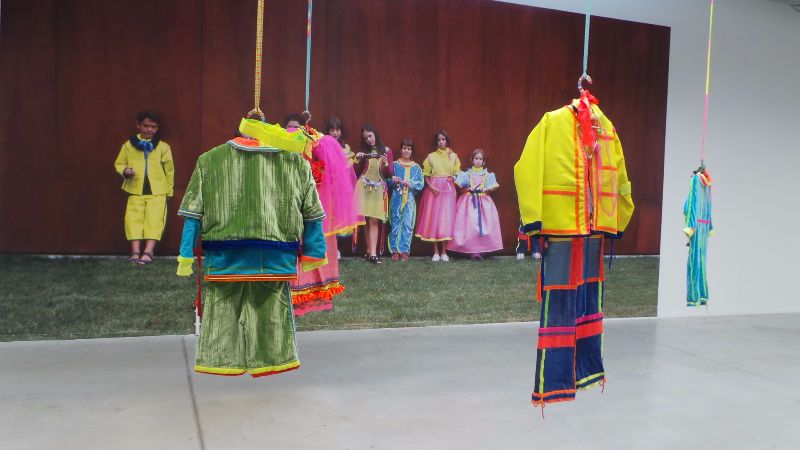
As part of the event Singapore in France-the Festival, contemporary Singaporean creation is in the spotlight. Its cultural diversity, represented through more than 60 events in France, has set up shop within the Frac in Carquefou for a temporary exhibition titled Paradise without promises.
As part of the “International Workshops,” a true support for international creation, the Frac des Pays de la Loire invited five Singaporean artists in residence: Chun Kai Feng, Godwin Koay, Joo Choon Lin, Loo Zihan, and Kray Chen Kerui.

“Paradise without promises” soberly evokes the disillusionment of a generation of young artists, who turn their gaze toward this City-State which, 50 years after its independence, locks its inhabitants in a dangerous utopia. And despite its cosmopolitan character, its intoxicating beauty, and the fascination it exerts on the world, Singapore reveals an entirely different face.
The five young artists put the object, the banal, the everyday at the service of a sharp resentment, a silent outburst whose painful reading happens between the lines. A critique of consumerism through a video installation where the visitor wanders through a monotonous supermarket, in a repetitive staging that reflects Singaporean cynicism and conformism.

Appropriation of Singapore’s symbols, posters calling for assembly, words, texts, decontextualization of objects—a staging that is almost classic and yet sounds like a great cry turned toward hope.
Singapore, the great, the beautiful, whose police state monitors and tracks down subversion. So it is here, in our home, that this creative youth has found its freedom, its voice. These collections are visible on the Frac Pays de la Loire website.

The Frac space offers a vast collection under constant exploration. An invitation to meet contemporary creation in works that are always more surprising and which have been the strength of the place. It is a confrontation of perspectives, genres, a dialogue with multiple languages that the monumental work by Loo Zihan perfectly reconstituted last March.
A huge fresco that retraces the entire history of the Frac, of these artists in residence, names mingled with one another, as if part of the walls, of the past.
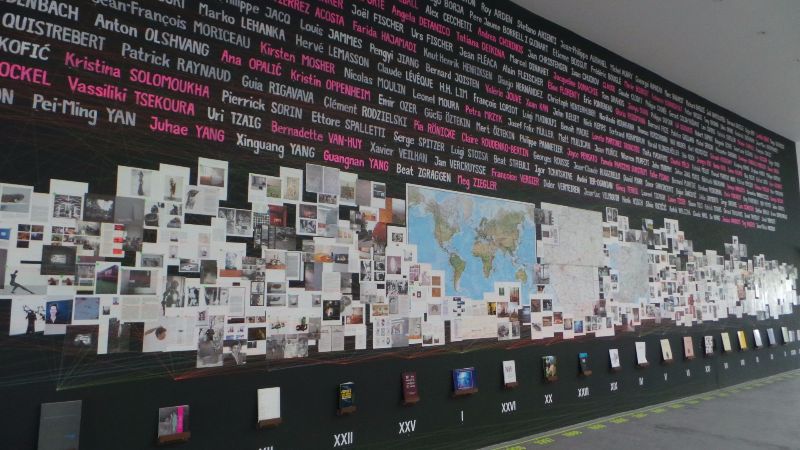
Names listed, classified, cross-referenced, linked like in a police investigation. Meticulous archival work destined to disappear but which accounts for the History of Contemporary Art in this exemplary Frac: a group of artists, like a family, a common space and time, that the present and future never forget to mention.
The Festival dedicated to Singaporean culture takes place until June 30 in various locations in France.
Today, the Frac invites you to discover the exhibition Snapshot (88) by the French artist Pierre-Alexandre Remy. A sculptural work that questions the relationship that exists between “space, artistic form, and the spectator’s body.” A monumental sculpture by the artist will adorn the outdoor space of the Frac as part of the “Art and Nature” trail.
A work that mixes and untangles the artist’s entire philosophy through these interlaced forms: “My practice recurrently questions the relationship that an artistic intervention—for me of a sculptural nature—maintains with the space in which this intervention takes place.”
Free exhibition until June 28, 2015
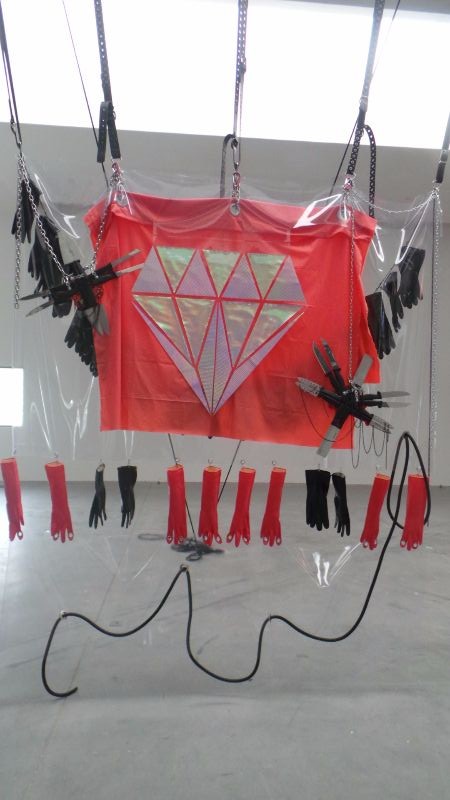

Also featured is Latin America, with Mexican artist Héctor Zamora, who takes over the great hall of the Frac with his exhibition “Reality and other deceits”.
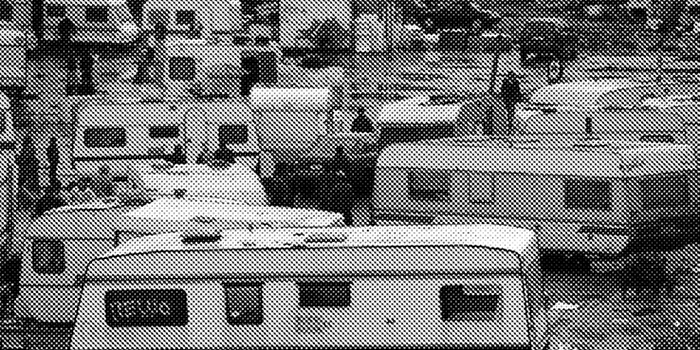
A singular and poignant exhibition, as the artist has installed no fewer than 17 caravans, thus provoking discomfort and suffocation in a scathing reflection on poverty and the conditions of expulsion of certain communities in France. A reality that may hide another and which provokes indignation at the sight of these caravans confined in a restricted space, away from everyone’s view.
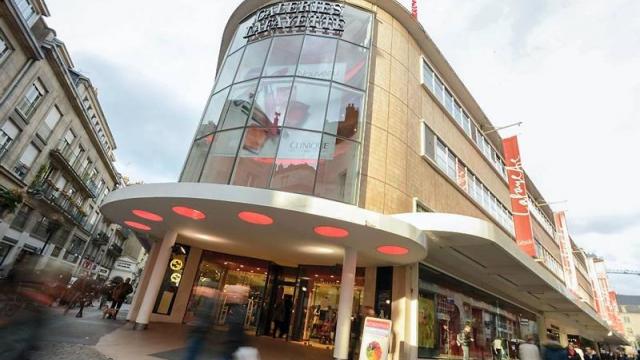
The ideal opportunity to fill up on discoveries if you are passing through Nantes, and to enjoy in July, at the Galeries Lafayette, a work by the Mexican artist, Brasil, a bicycle on which a wall of stones rests in balance. The artist’s favorite themes in total contrast with a popular place. A must-see!
Free exhibition until October 11, 2015
Frac des Pays de la Loire
Exhibitions open from Wednesday to Sunday from 2 PM to 6 PM
Free entry

Guided tours on Sunday at 4 PM

24 bis Boulevard Ampère, La Fleuriaye
44470 Carquefou
_
The Cité de la Mer in Cherbourg
(by Melle Bon Plan)
It was to discover the Cité de la Mer that I went for the first time to the port city of Cherbourg, at the end of the Cotentin peninsula, in Lower Normandy.


After a 3-hour train ride from Paris, I arrived in the city from which the Titanic departed from France, before its final and fateful voyage in 1912.
To put it simply, the Cité de la Mer is a unique tourist hub dedicated since April 2012 to the adventure of man under the sea and located in the former Transatlantic Maritime Station of Cherbourg, a magnificent Art Deco building designed by the architect Levavasseur.
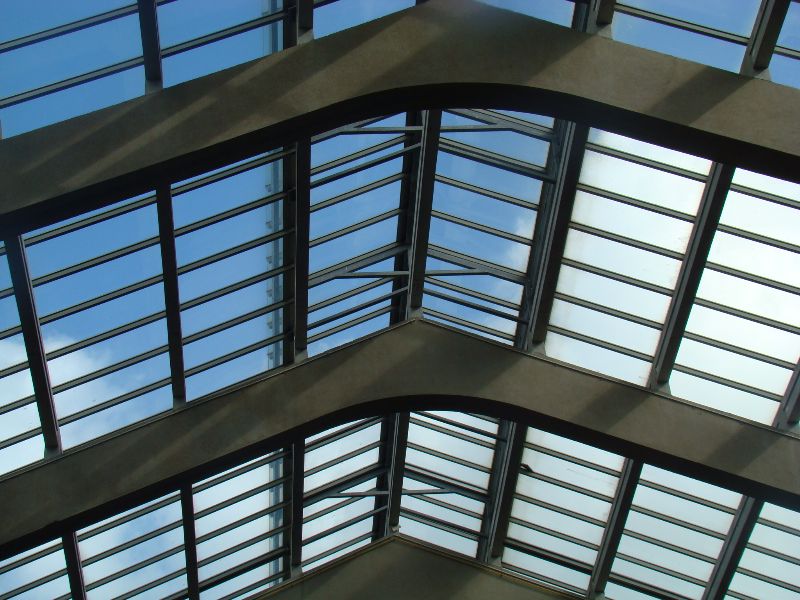


Upon entering this renovated unique heritage site, one can visit the Great Gallery of Machines and Men for free, an exceptional collection of underwater vessels including a replica of James Cameron‘s submersible, which symbolizes the last record achieved by Man under the sea—the director and aquanaut having broken the solo diving record in 2012 at 10,908 meters in the Mariana Trench—proof, if any were needed, that it is the reference site that pays tribute to the adventurers of the deep.
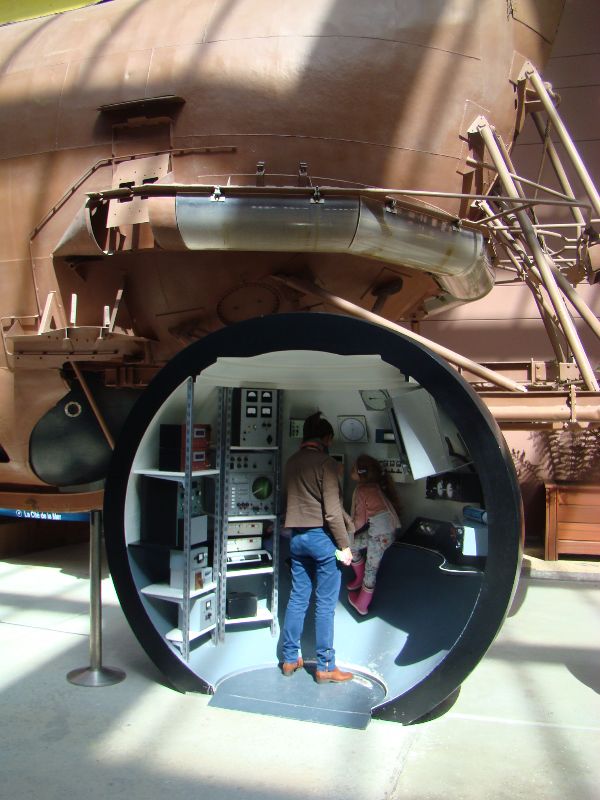


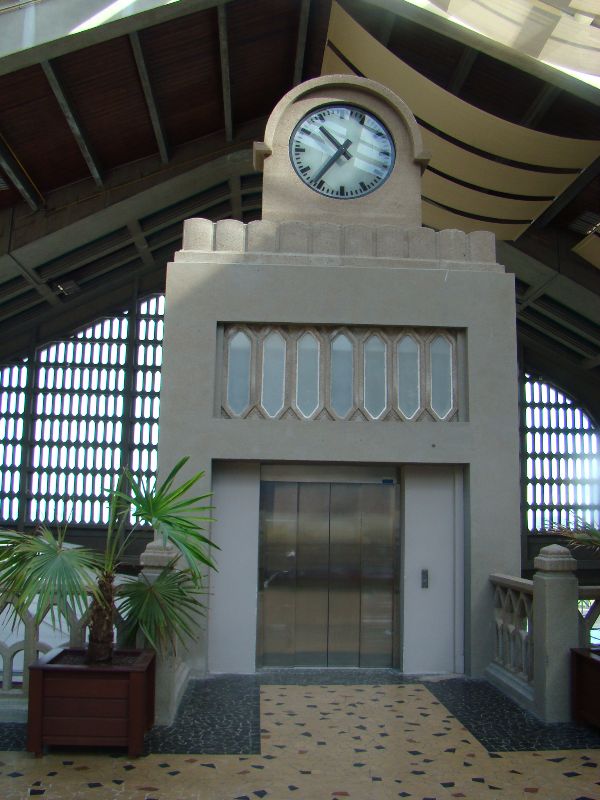
The human conquest of the oceans is ultimately an adventure that remains contemporary (about less than fifty years old) and which is ultimately quite unknown. Yet it represents one of humanity’s great challenges for the 21st century because, to date, we only know a tiny fraction of the oceans and the riches they contain.
A visit to the Cité de la Mer allows you to discover the riches and biodiversity of the oceans, the underwater terrain, mythical species, the infinitely small, or the strange creatures of the abyss, and above all, it helps to understand the importance of the ocean in the future of humanity.
On the program:
- A visit to discover the largest visitable submarine in the world, Le Redoutable (which remains the public’s favorite tour).


- The discovery of the aquariums (60 different species presented), including the deepest in France (10m deep): the Abyssal Aquarium which mirrors the fauna of the Polynesian trench. We even had the chance to have a guided tour behind the scenes of the aquariums.
There has also been an exhibition trail since 2008 with the “we walked under the sea” attraction and the “Ocean Hub“, which occupies almost the entire Permanent Exhibition Pavilion.
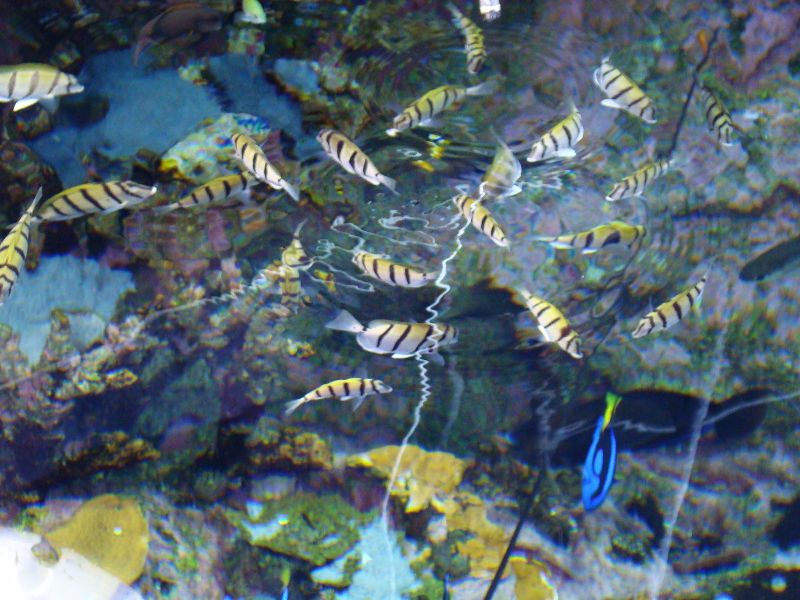


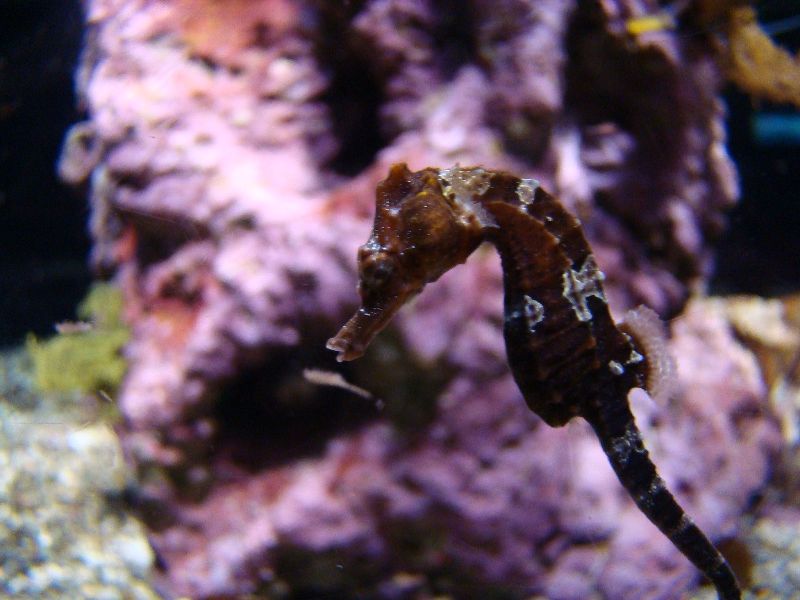
- Since 2012, the “Titanic, return to Cherbourg” trail, with an innovative and very successful immersive scenography, allows you to relive the stopover in Cherbourg, the crossing, then the sinking aboard the legendary liner, in 1st, 2nd, or 3rd class.
Currently, a partnership with the American company RMS Titanic Inc. also allows the Cité de la Mer to present 35 objects recovered from the Titanic shipwreck and exhibited until November 15, 2015.


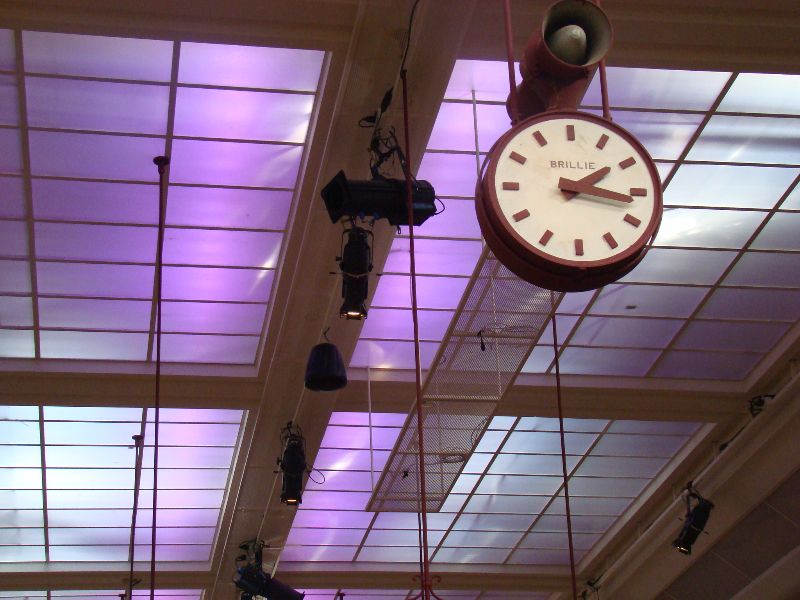
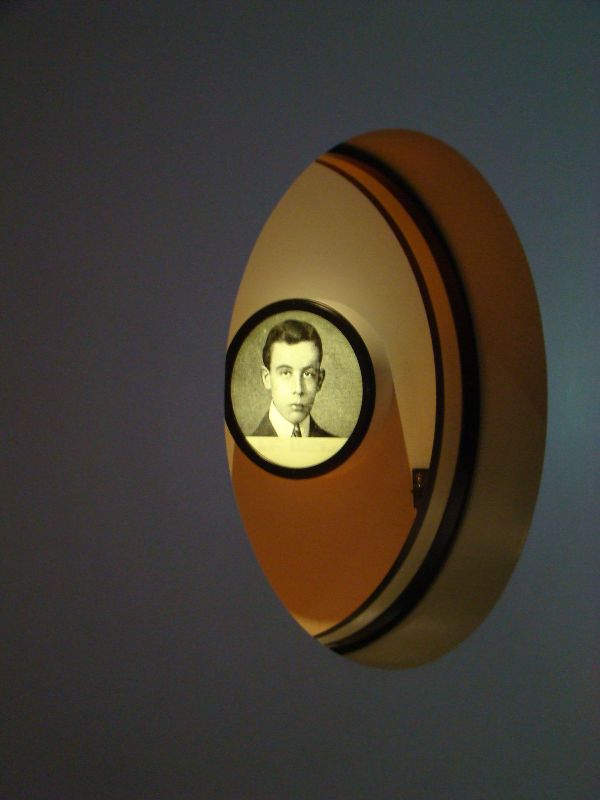

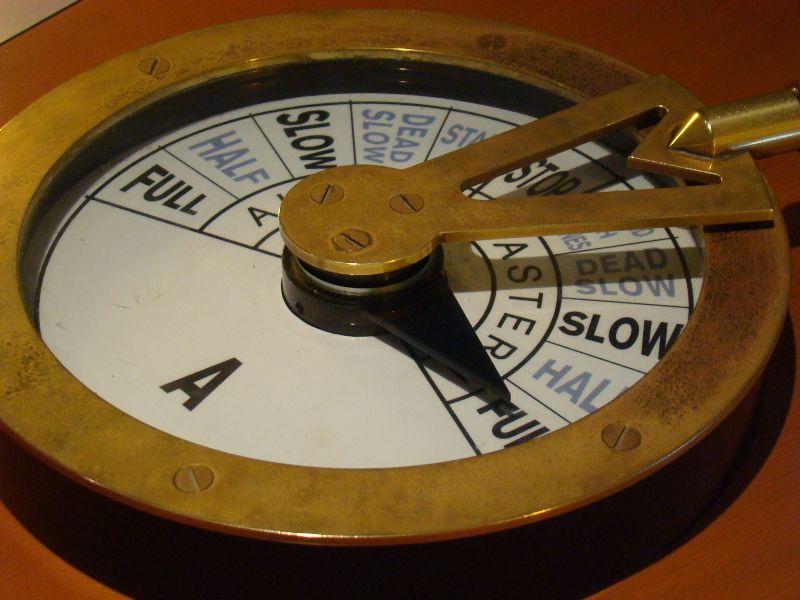
Additionally, every year, the Cité de la Mer offers a major temporary exhibition and organizes events or meetings with guests, including some prestigious oceanauts.
- Lunch at the Cité de la Mer’s restaurant, Le Quai des Mers, in the company of Bernard Cauvin, CEO of the Cité de la Mer, a man who you feel is truly passionate about the subject and who truly carried this project through to completion.

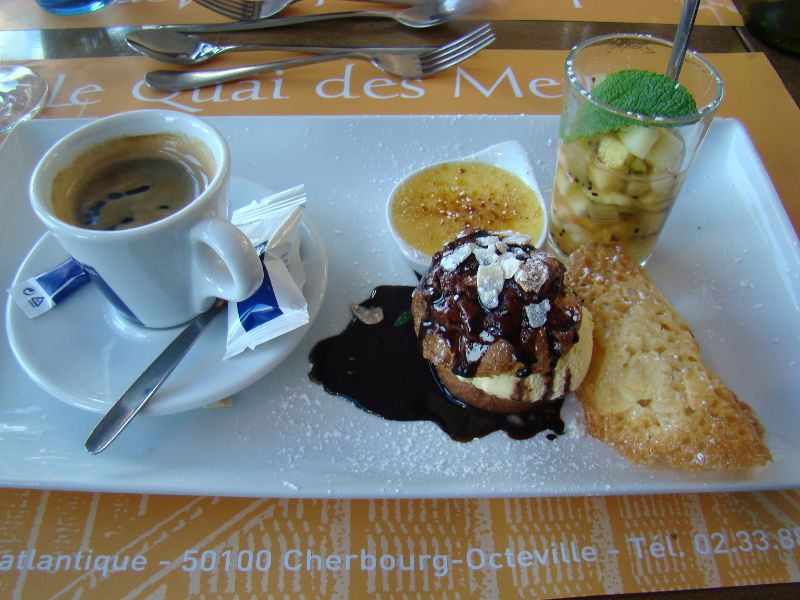


The Cité also has the desire to evolve, with transformation projects for 2017, in order to present, to as many people as possible, a modern scenography around the knowledge of the ocean of today and tomorrow.
In short, a very beautiful discovery and a place in which you can easily spend the entire day as it is rich in things to see and discover. A very beautiful stopover, therefore, if you are passing through Cherbourg soon.
Cité de la Mer
Gare Maritime Transatlantique 50100 Cherbourg-Octeville

prices: €18 / €13 / free for children under 5 years old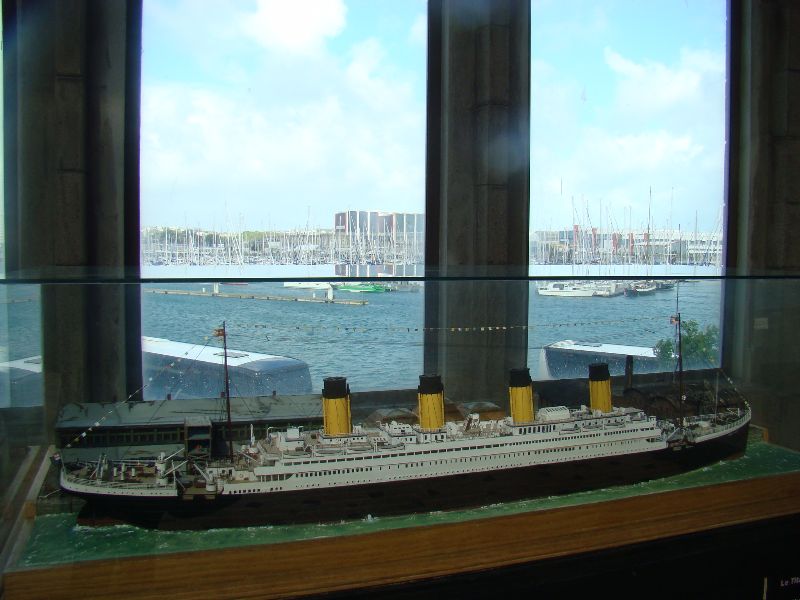
article written by Carine Simoës-Grangeia, Julie Brando, and Melle Bon Plan
Photos not royalty-free, photographer's authorization mandatory before any use