In September 2022, we headed to Poland for the very first time with my favorite photographer. It was a rather special trip, especially for my sweetheart, since it was his first time visiting the homeland of his maternal grandparents. Unfortunately, he doesn’t speak the language, but he was happy to set foot on his ancestors’ soil. The country’s history goes way back, dating all the way to 999, the year Christianity began in the Baltic Sea, and its emblem is the eagle.
We specifically visited the Pomorskie region (or Pomerania in English), which looks out onto the Baltic Sea in the north of the country, and the city of Gdańsk with its thousand-year history. In this region, temperatures can reach up to 34/35° in the summer, and it was around 20° when we went there at the beginning of September. This part of Poland is also home to the Kashubian people (Christians) who have settled here since the 14th century, boasting their own local language and a number of unique customs. Pomerania is also a very green region, with 33% of its territory covered by forests and housing 2 national parks.
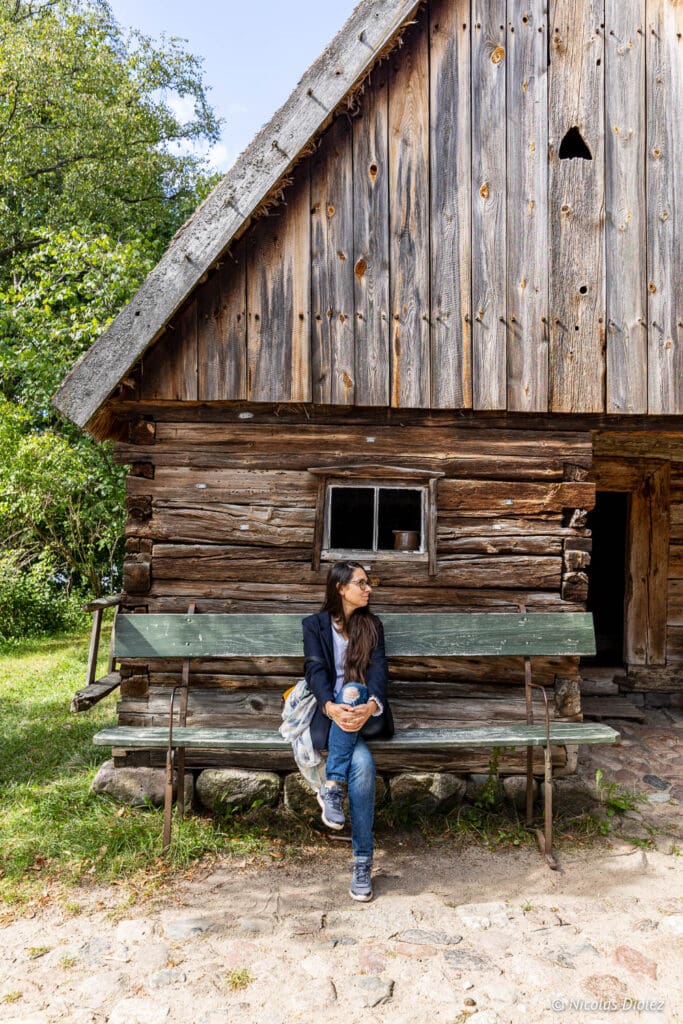
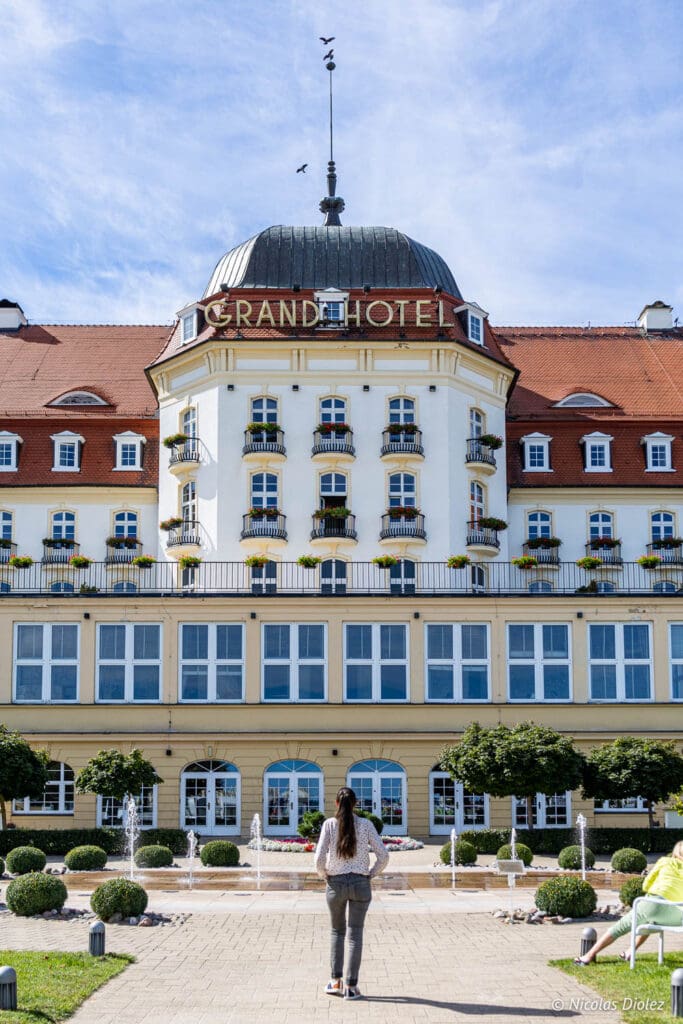
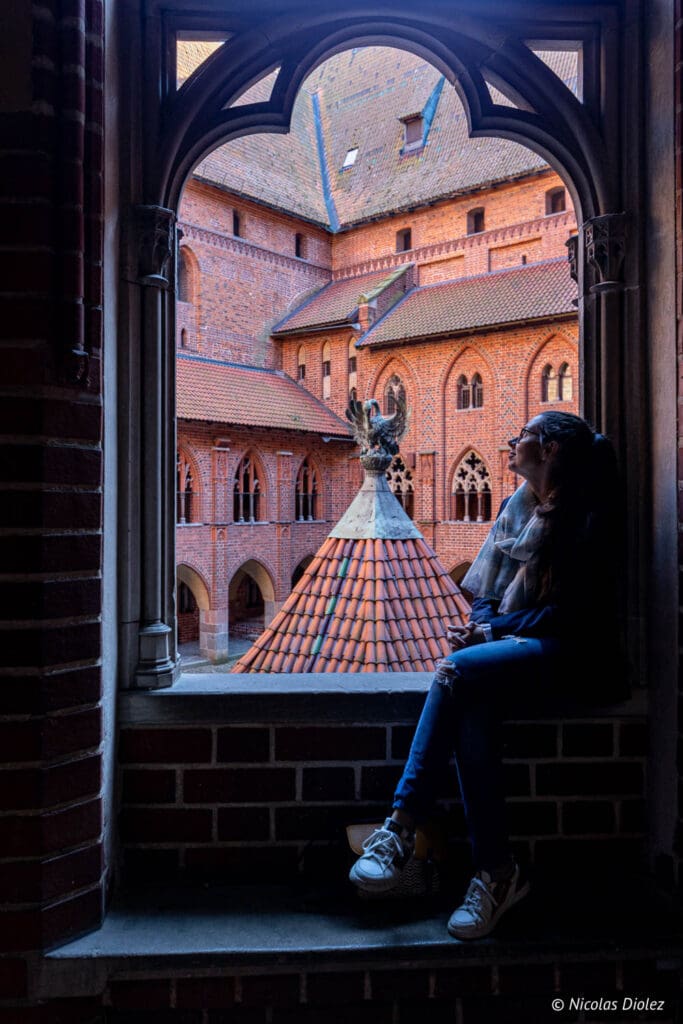
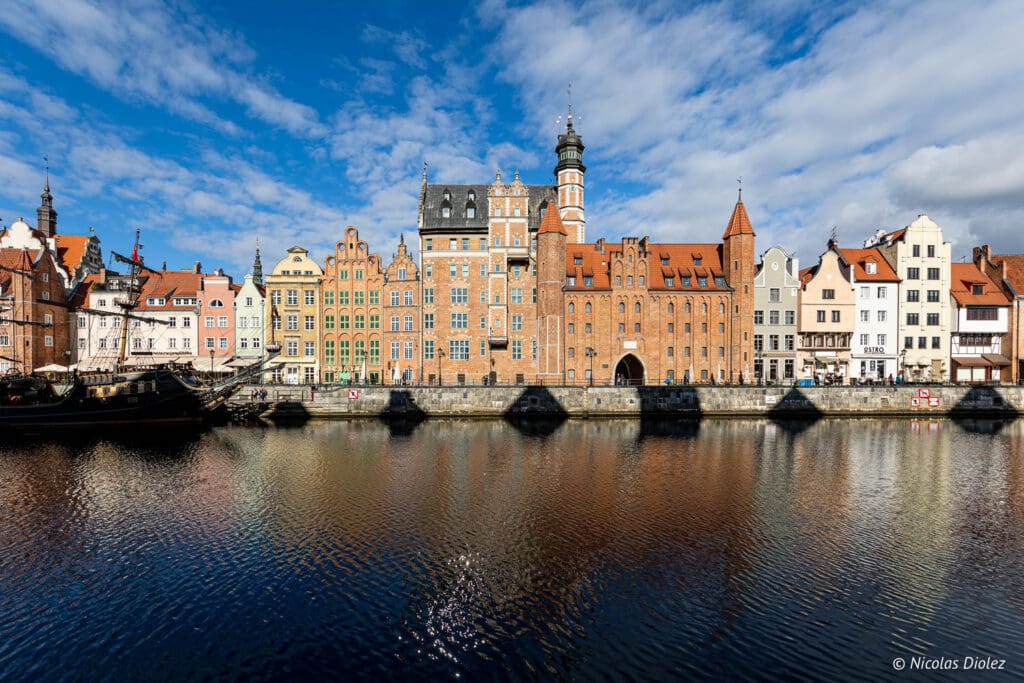
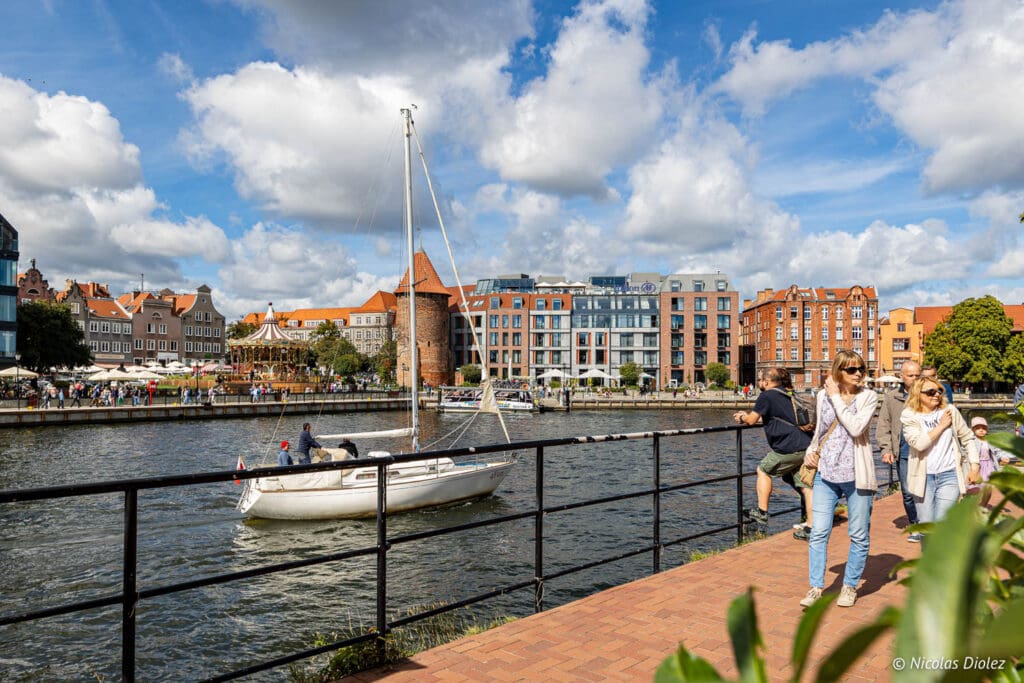
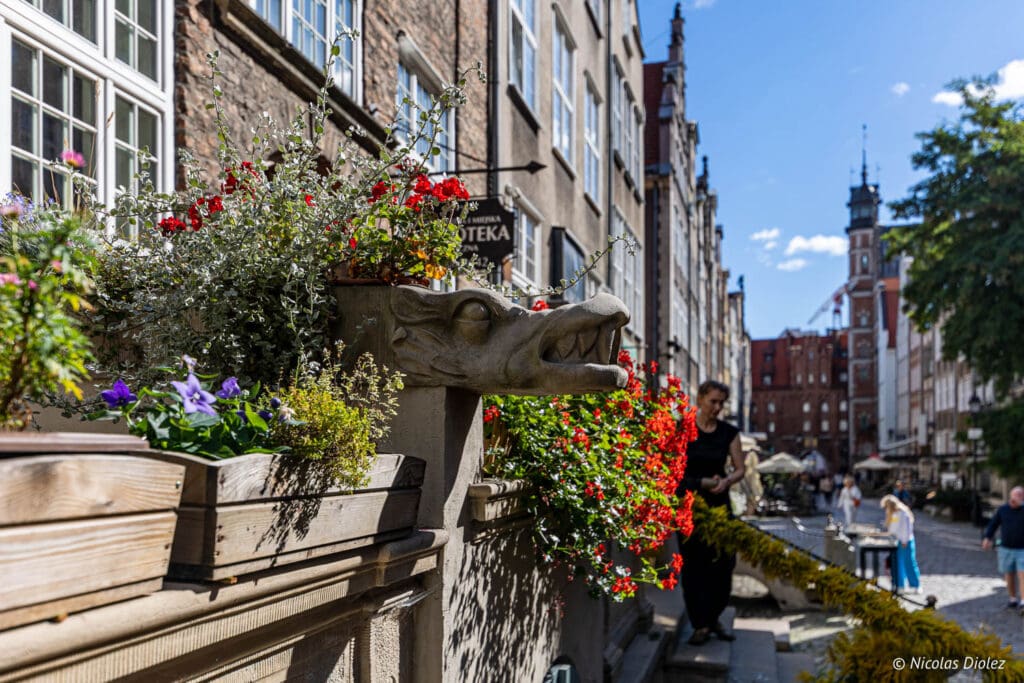
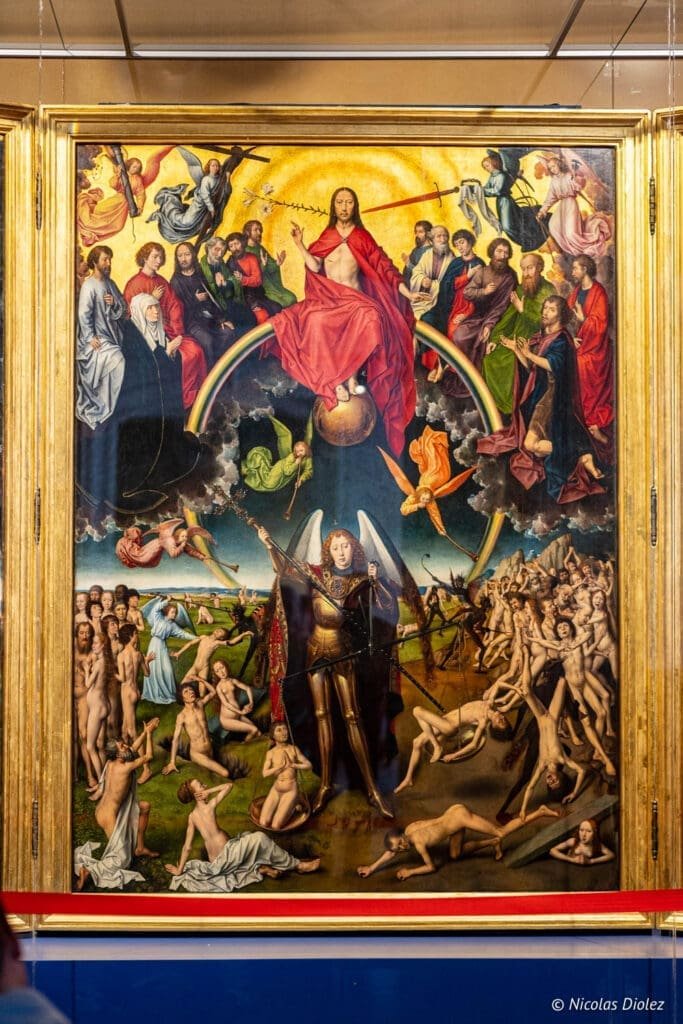
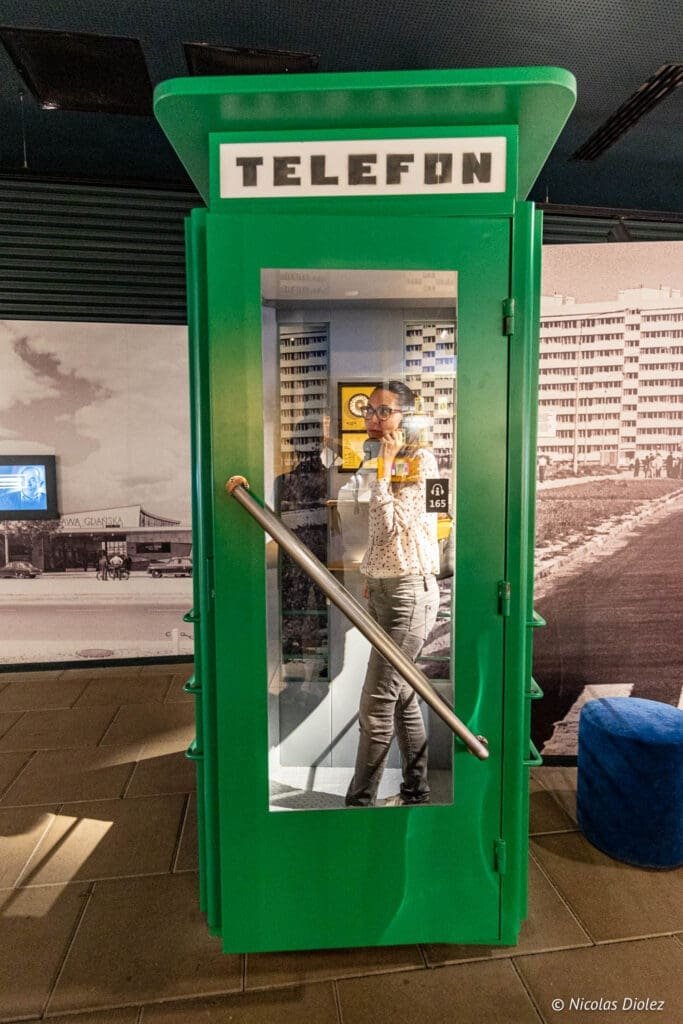
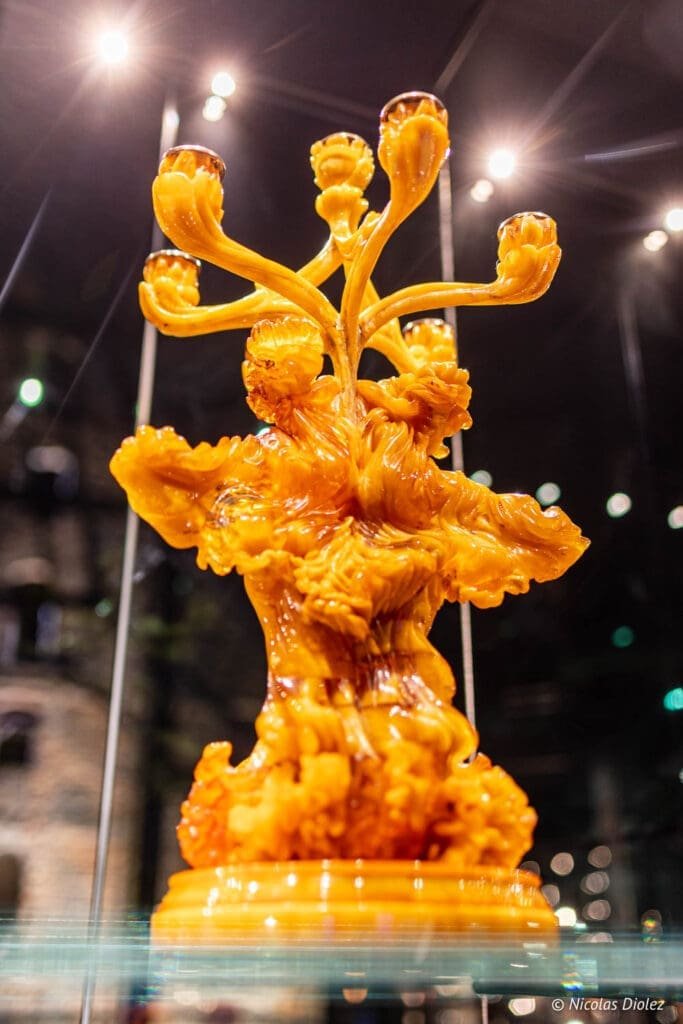
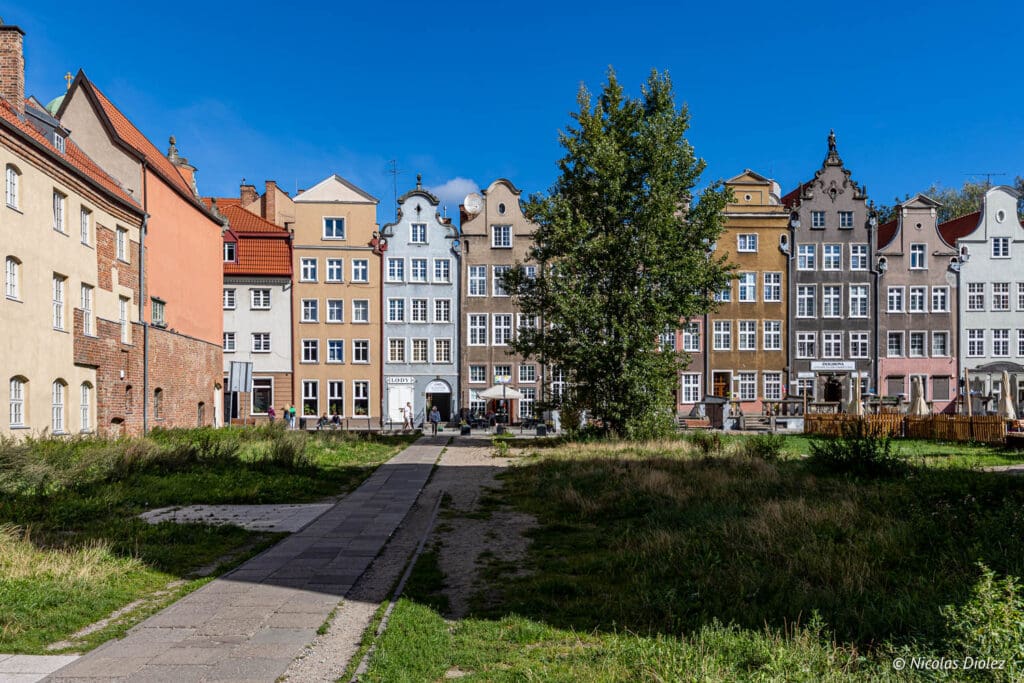
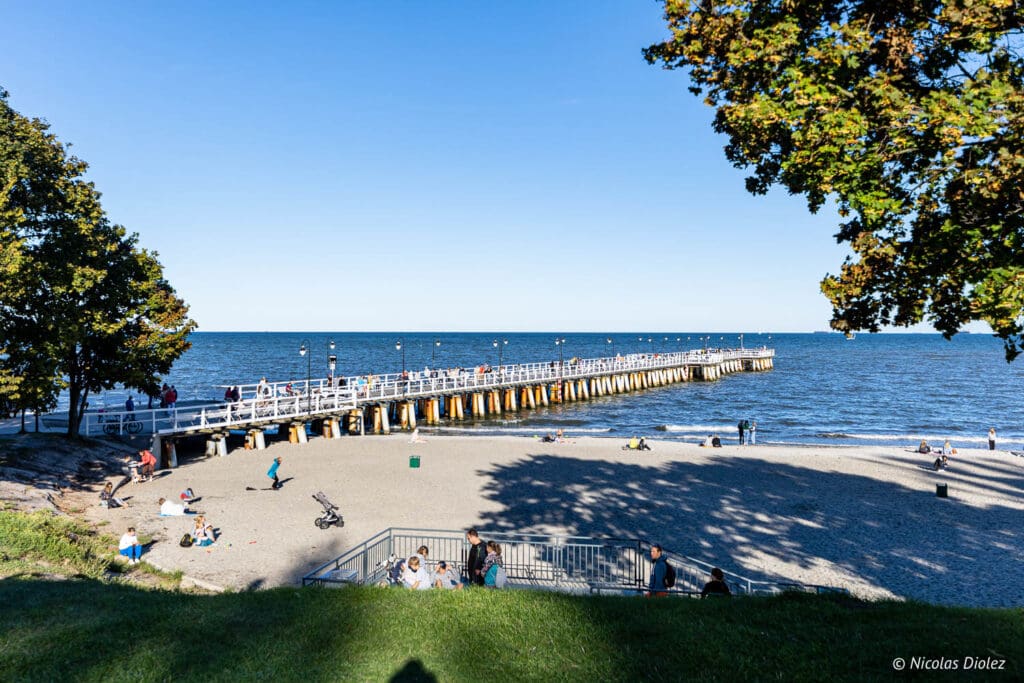
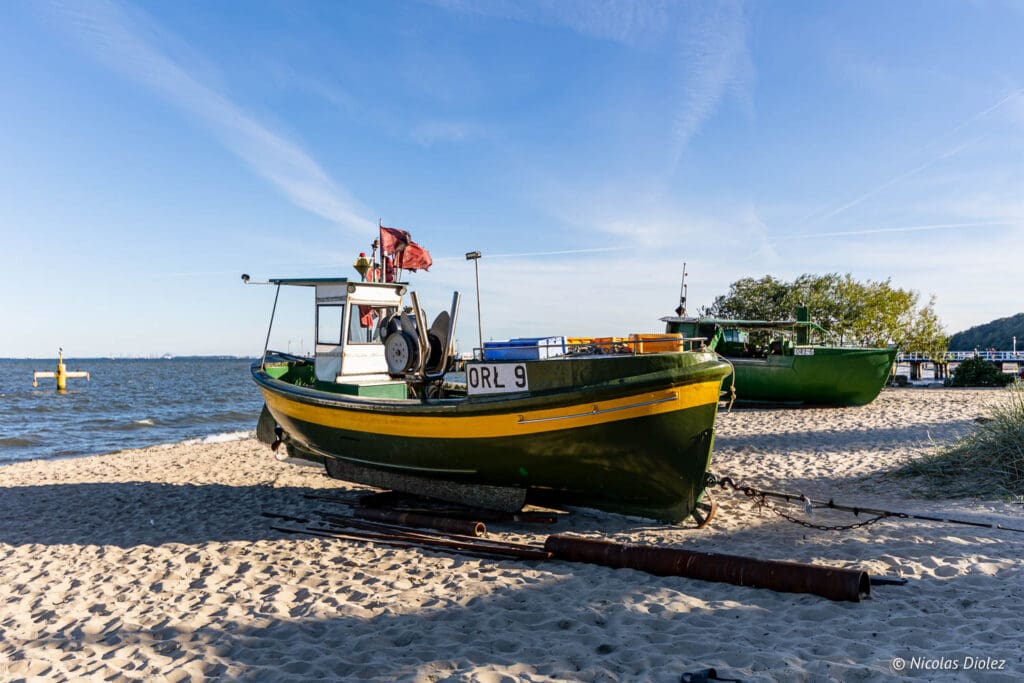
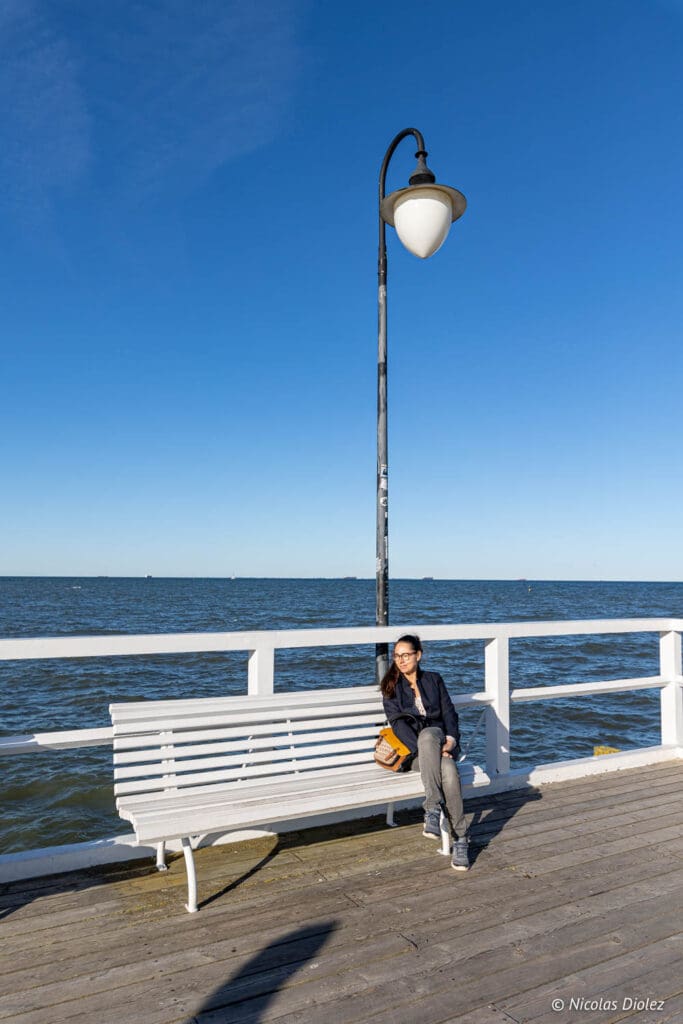
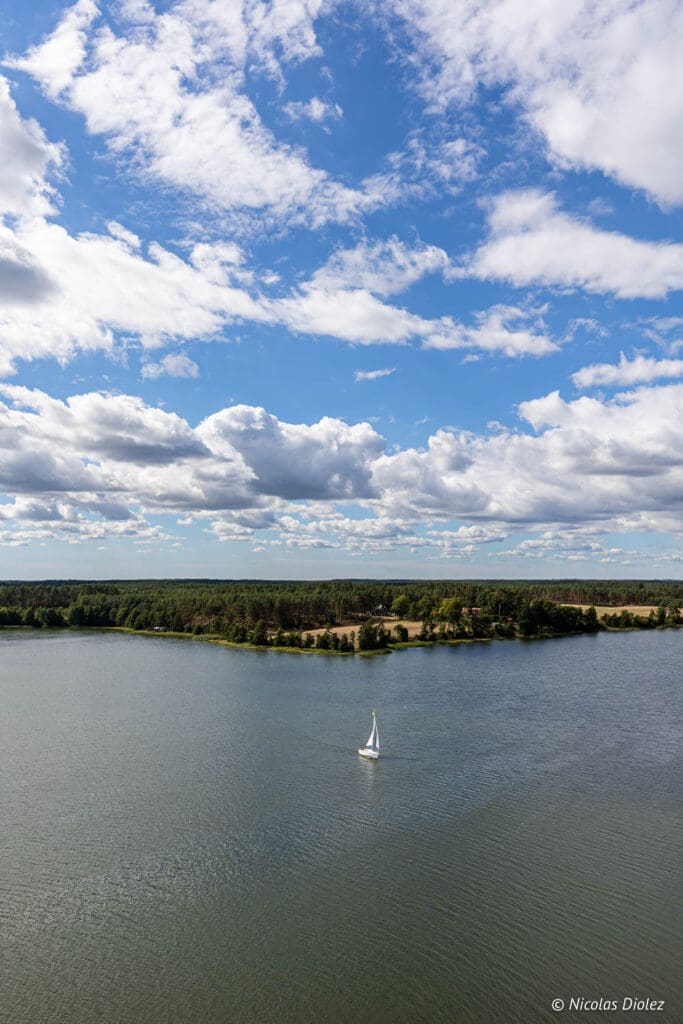
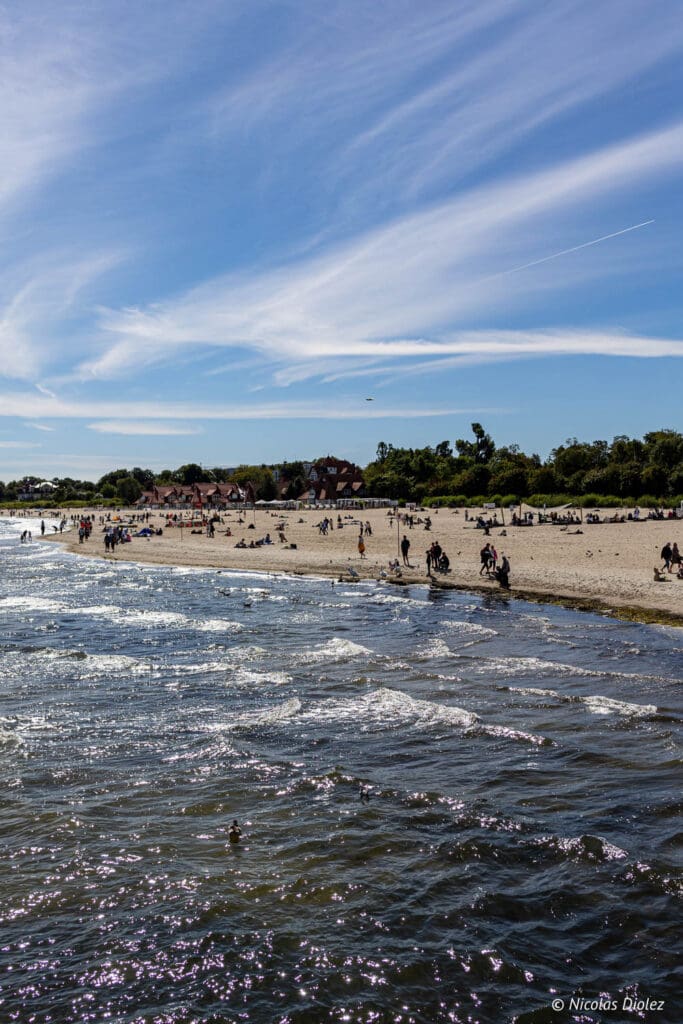
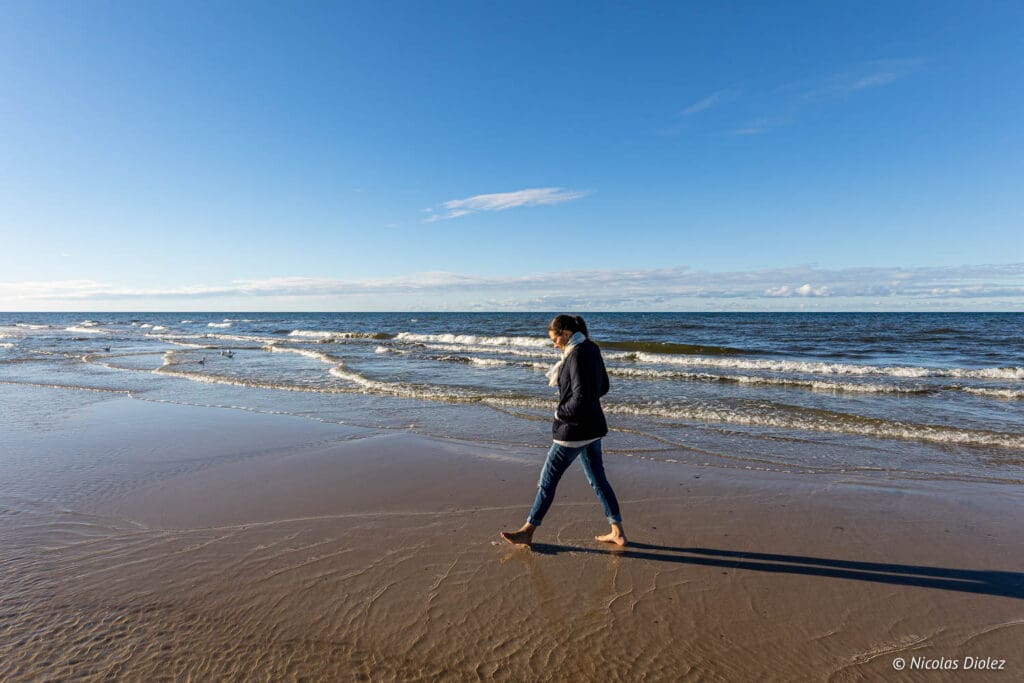
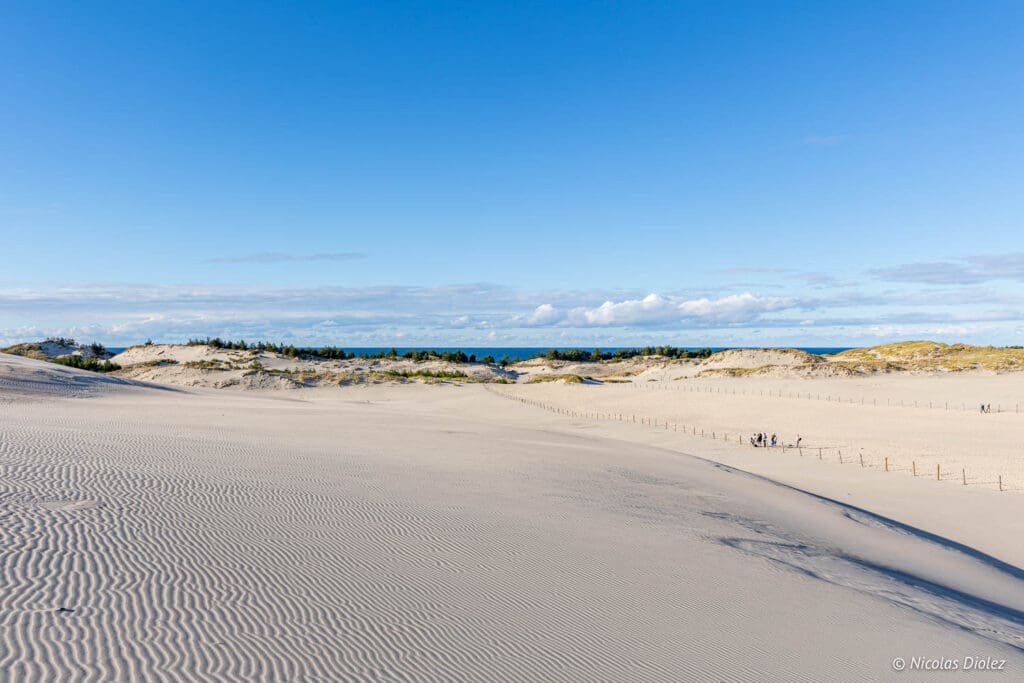
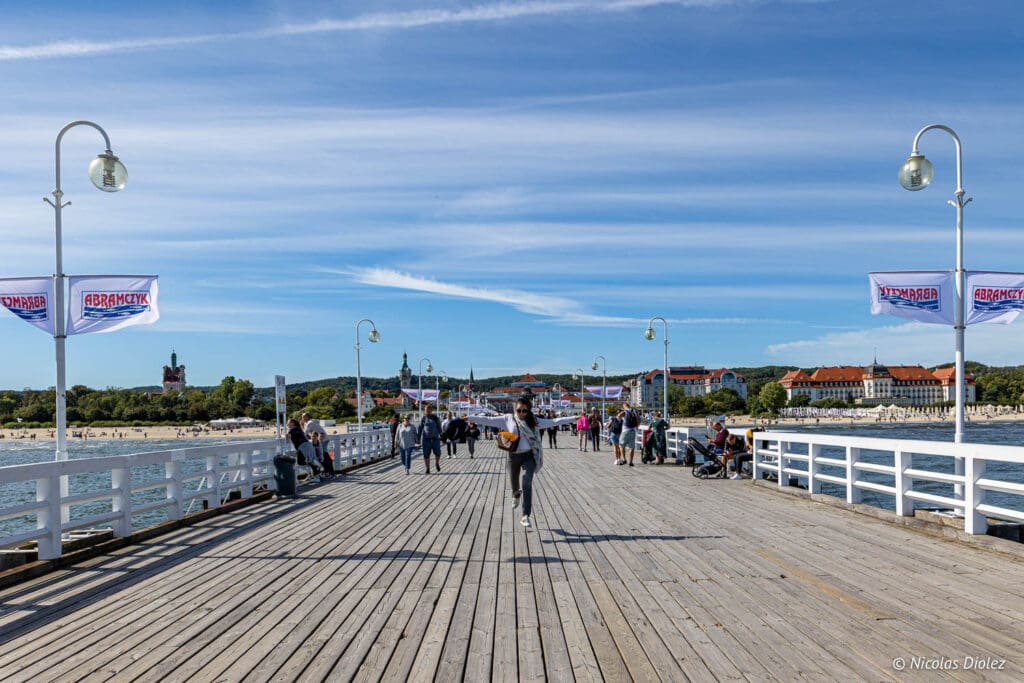
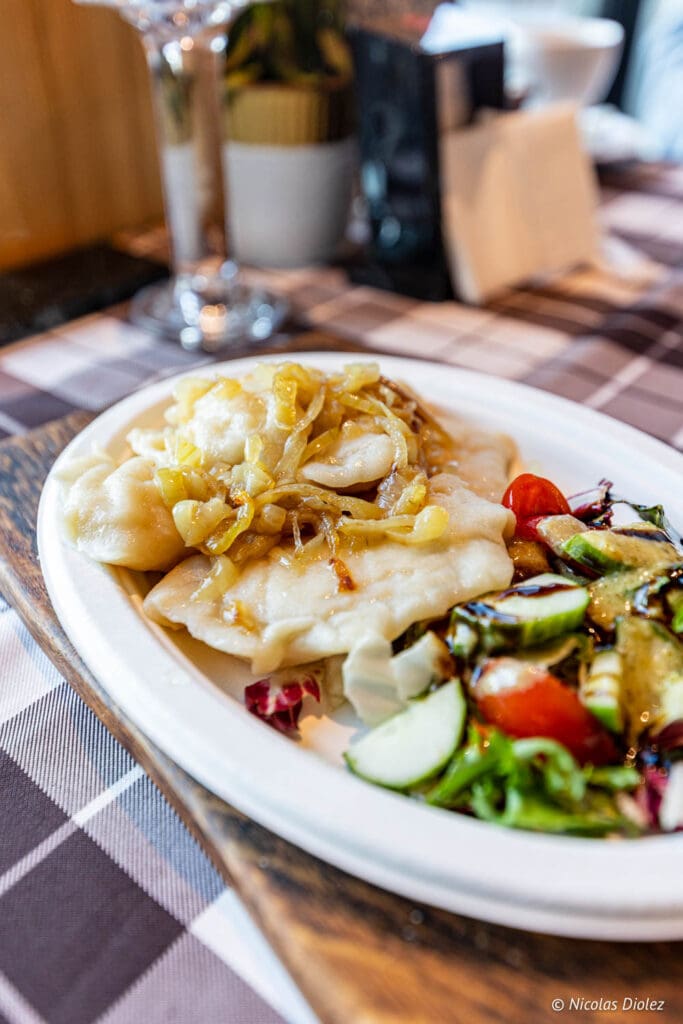
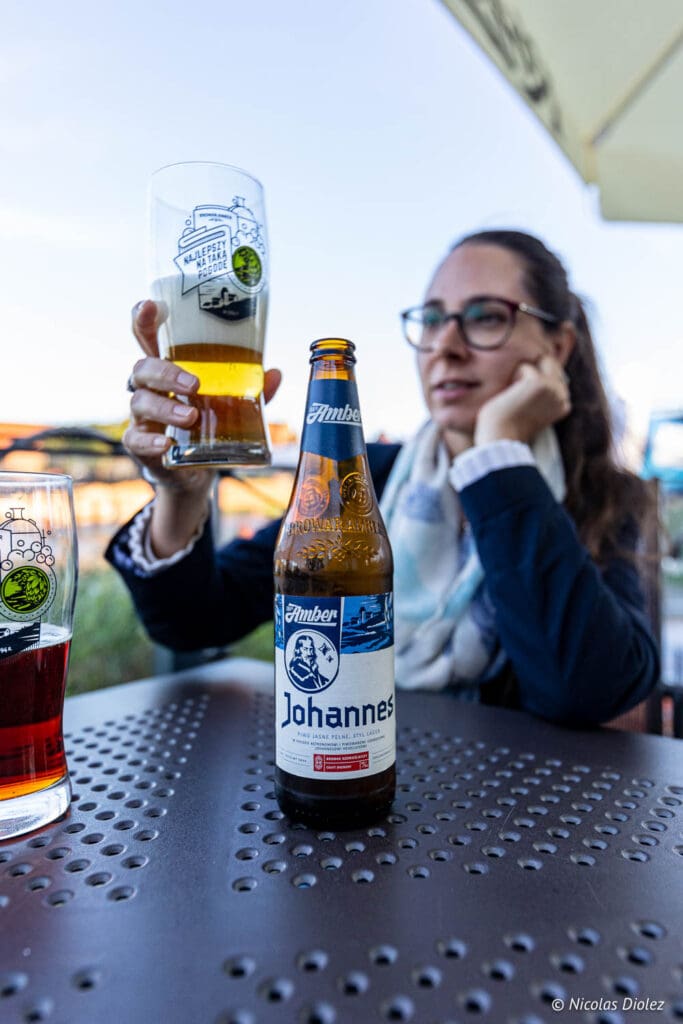
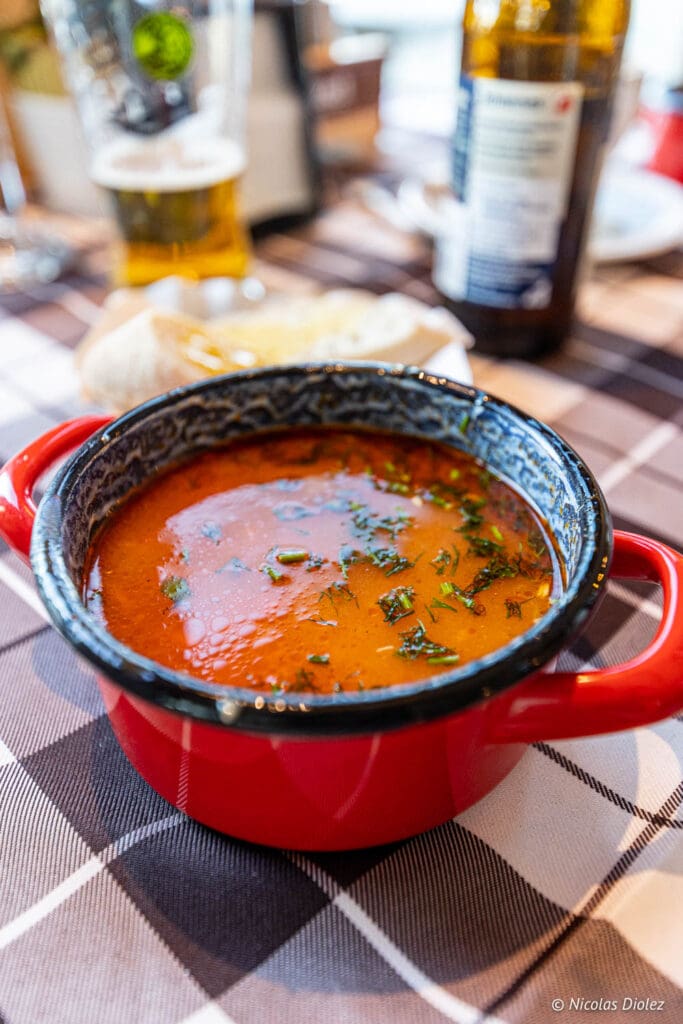
Table of Contents
Practical information for traveling to Poland
How to get to Gdańsk from Paris?
During our trip, we flew with the Polish national airline LOT Polish Airlines, with a layover in Warsaw (a first flight of just over 2 hours between Paris and Warsaw, followed by a short connection to Gdańsk). Please note that depending on the season, there are also direct flights between the Paris region and Gdańsk (notably with Ryanair departing from Paris-Beauvais, taking around 2 hours and 15 minutes).
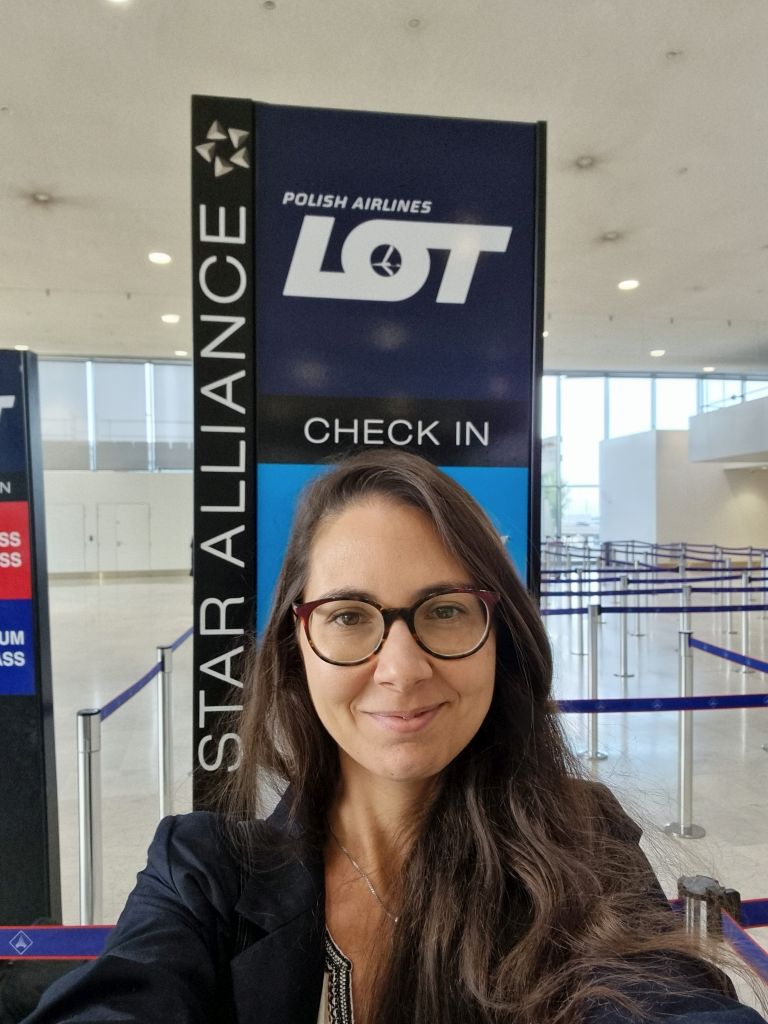

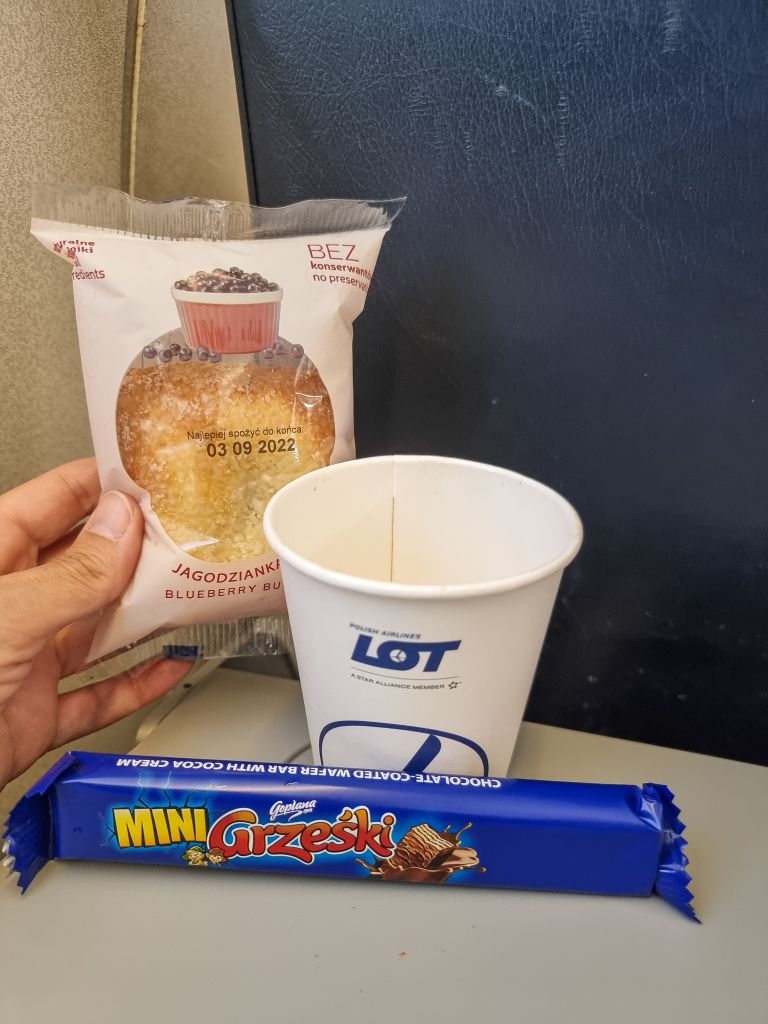
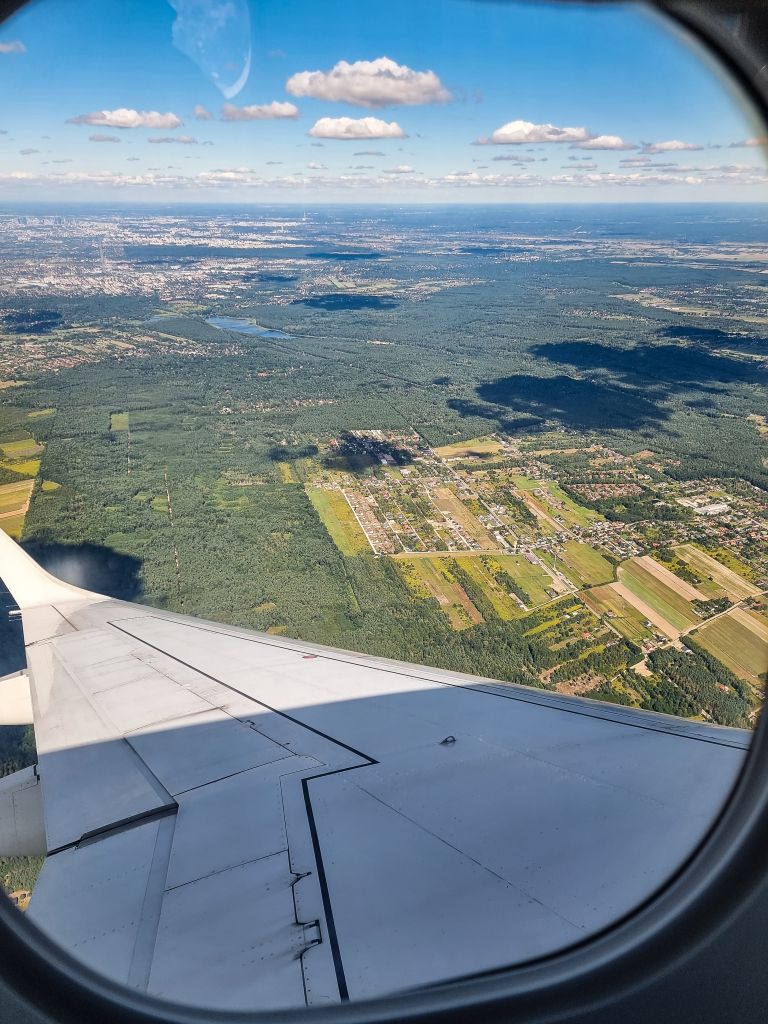
Paris – Gdańsk flight
Budget: about 300€ per person for round-trip economy class flights
_
Practical information and formalities for traveling to Poland
- No time difference.
- The currency is not the euro but the Polish zloty (PLN). Good news for travelers: bank cards and contactless payments (or via smartphone) are now accepted absolutely everywhere, from museums and public transport to restaurants, which means you don’t need to exchange a lot of cash before leaving. Expect around 1€ for 4.25 to 4.30 PLN depending on the current exchange rate.
- You can travel to Poland with a French national identity card or a passport. If you, like me, have an ID card issued between January 1, 2004, and December 31, 2013, which shows an expired date on the card but benefits from a 5-year validity extension, you can download a document for peace of mind so you don’t run into trouble (personally I had no issues and didn’t even need to show this document, but still…).
- Overall, we found that Polish people don’t all speak English very well (even in tourist areas), so you’ll need a little patience to make yourself understood, but you always manage in the end.
Discovering the city of Gdańsk
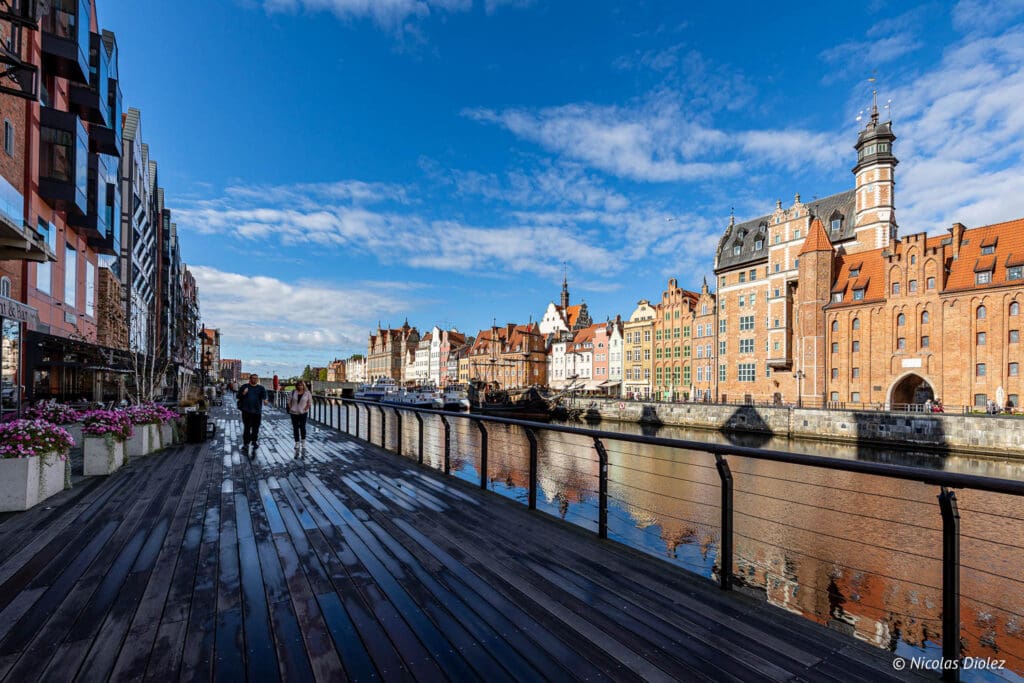
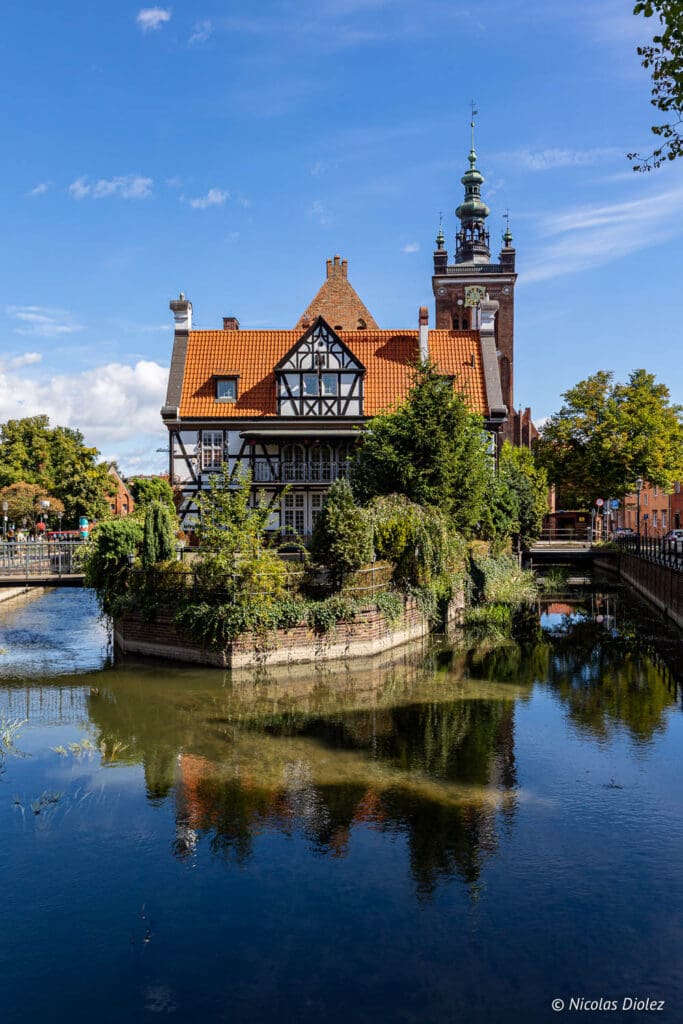
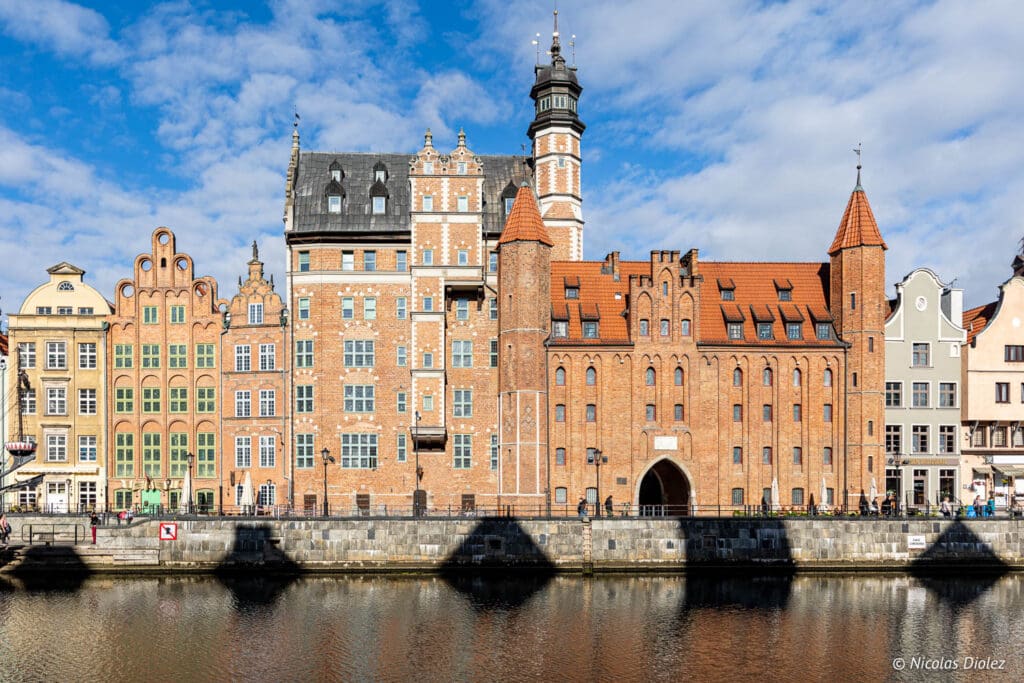
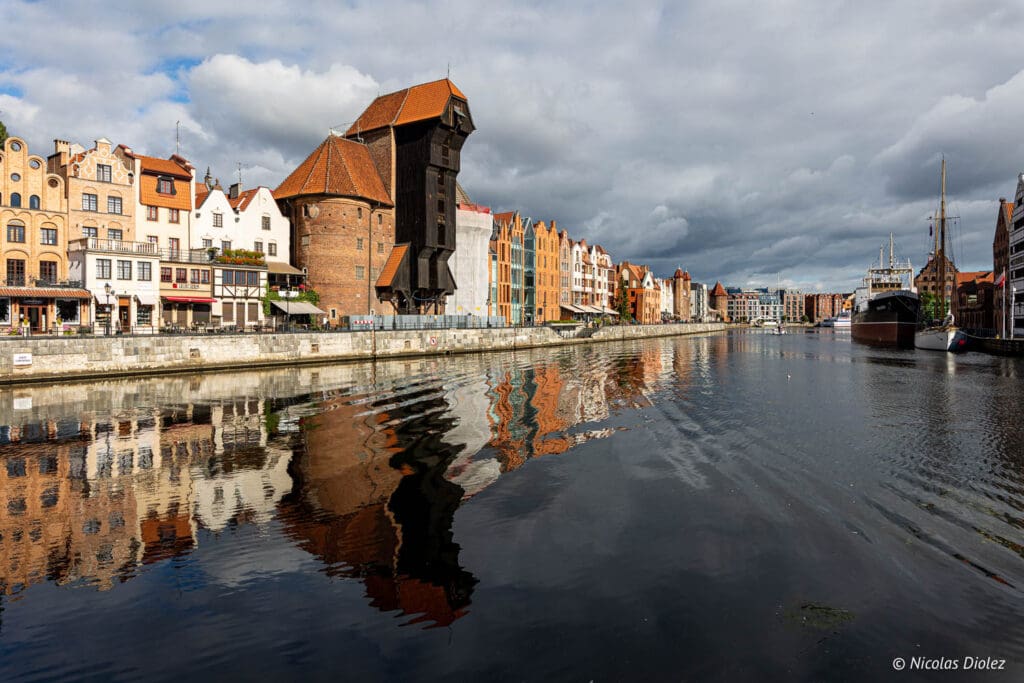
The beautiful city of Gdańsk is, so to speak, the “capital” of the Pomerania region. It isn’t located right on the coast as one might think, but is crossed by the river to which it owes its former prosperity and splendor: the Motława. Indeed, Gdańsk is above all a unique and ancient port city (an early historical port already existed in the 10th century) with a rich and eventful history. At the city’s peak, 18 different markets kept the heart of the city alive, and 2,000 tons of crayfish, for example, were sold outside its gates. In fact, in the 16th and 17th centuries, Gdańsk was the largest port on the Baltic and an extremely prosperous city. Some street names, squares, etc., still tell the tale of this past grandeur today.
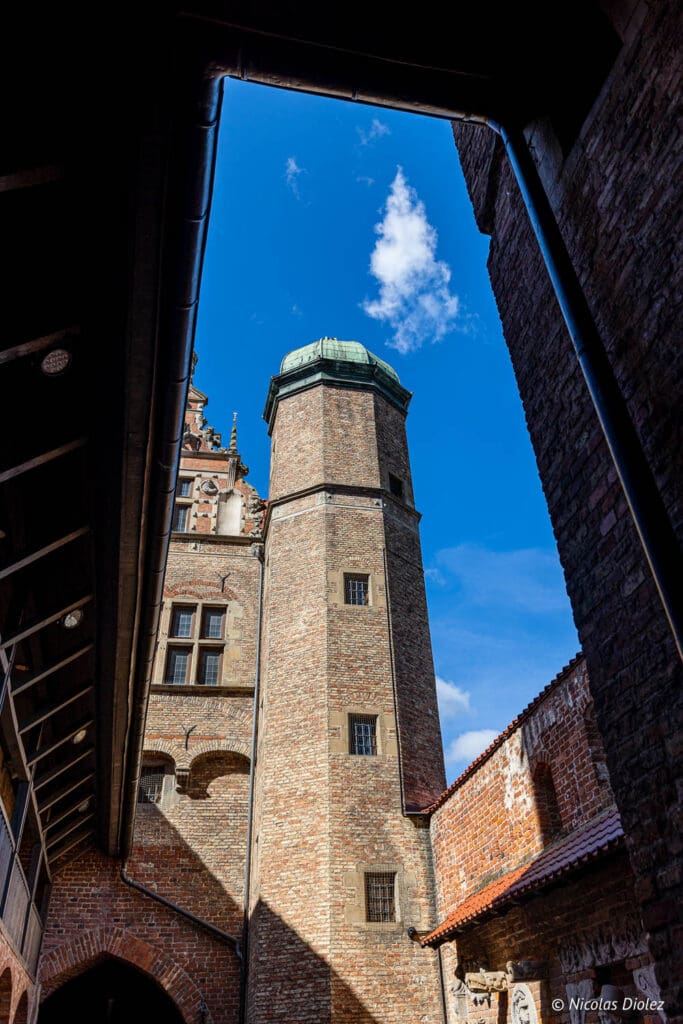
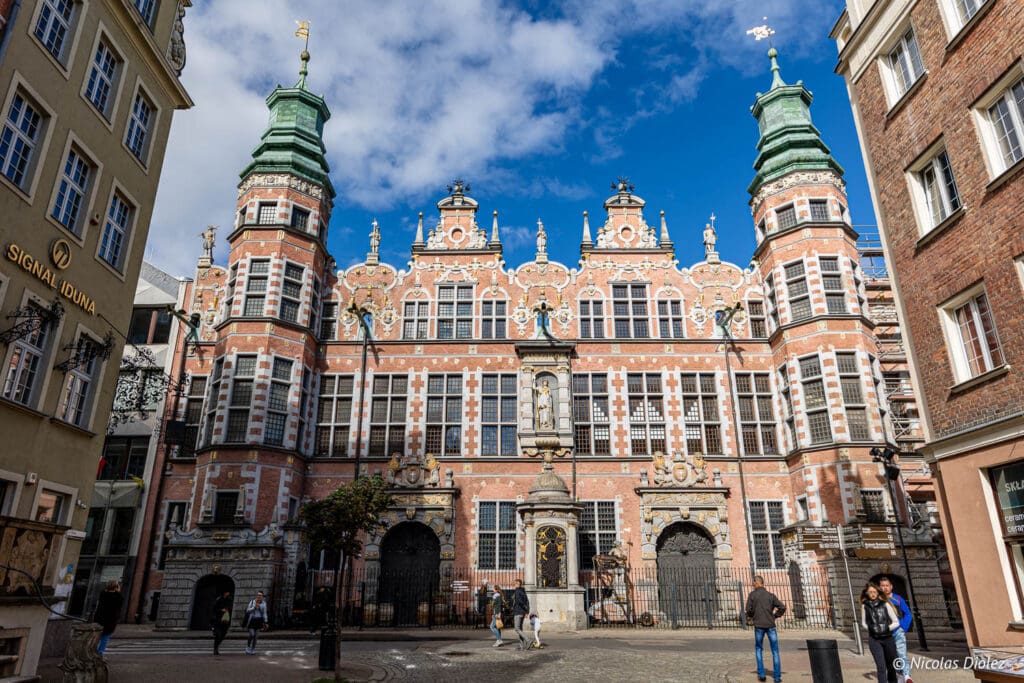
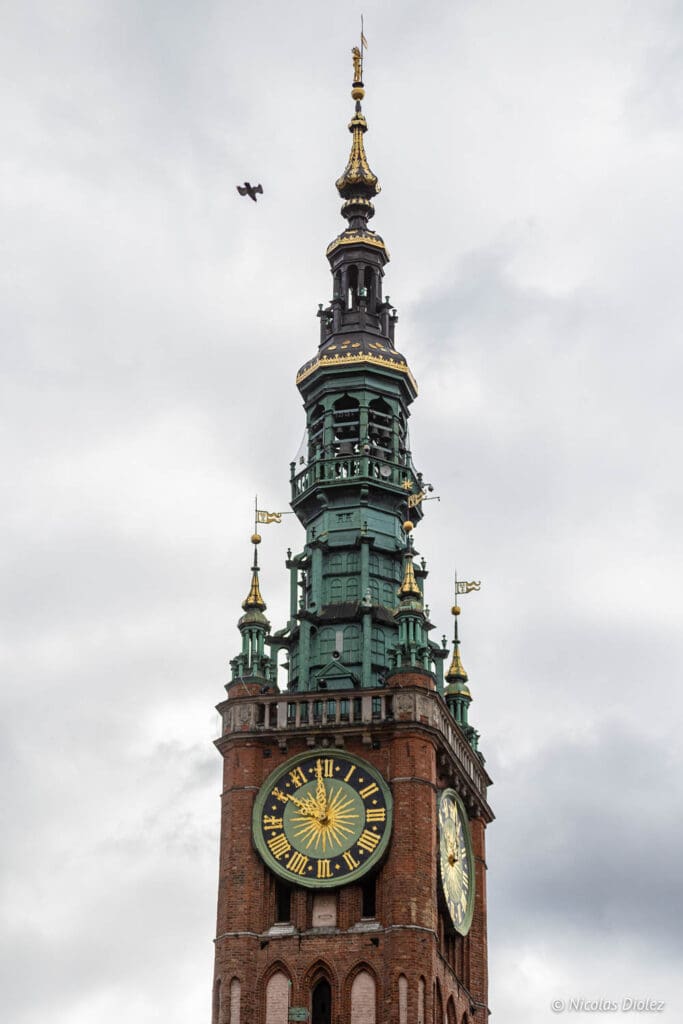
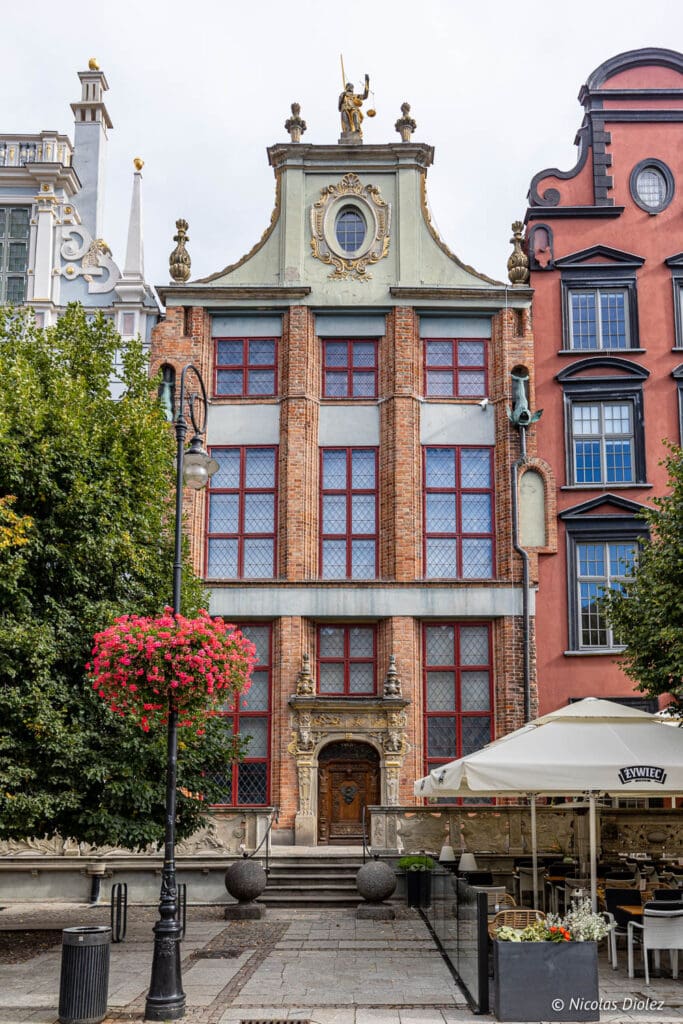
During the city’s golden age, many Flemings came to trade in this port city, bringing their architectural style and artists along with them. This is why you will see many houses with Flemish-style decorative gables. Following the war with Sweden at the end of the 17th century, the city experienced a certain decline. In the 19th century, it became a city dedicated to the shipbuilding industry with the construction of the Imperial Shipyards. Afterwards, it suffered heavy destruction at the end of World War II and was extensively rebuilt post-war. It was also after the war that Gdańsk truly became a fully Polish city.
Gdańsk is also known for its gargoyles, carillons (there is actually a Carillon Festival in August), red bricks, amber, ironwork, cabinetry, and gilding (especially during the 16th and 17th centuries).
_
Explore Gdańsk with a Civitatis Free Tour
If you’re looking for the best tip to discover the pearl of the Baltic without breaking the bank, nothing beats booking a “Free tour” via the Civitatis platform. The concept of this excursion site is effective: booking the walk is 100% free, and you rate the service at the very end by slipping a banknote to the guide based on your own appreciation. For a little over two hours, an English-speaking guide will immerse you in the thousand-year history of this fascinating port city.
Free tour in Gdańsk by Civitatis
Duration: 2h30
_
What to do, what to visit in Gdańsk?
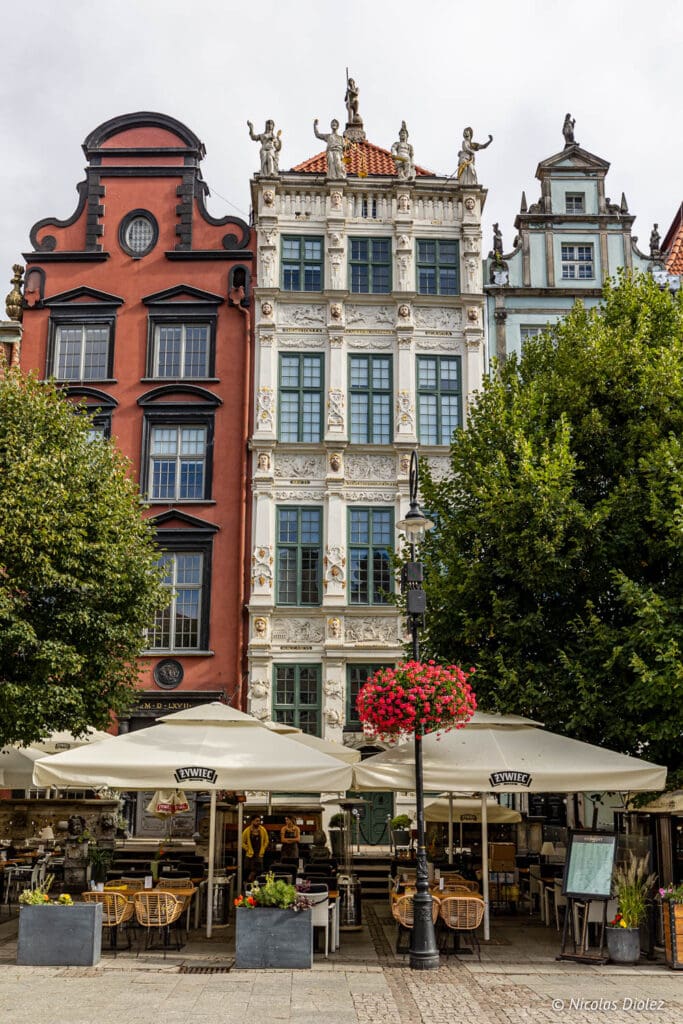
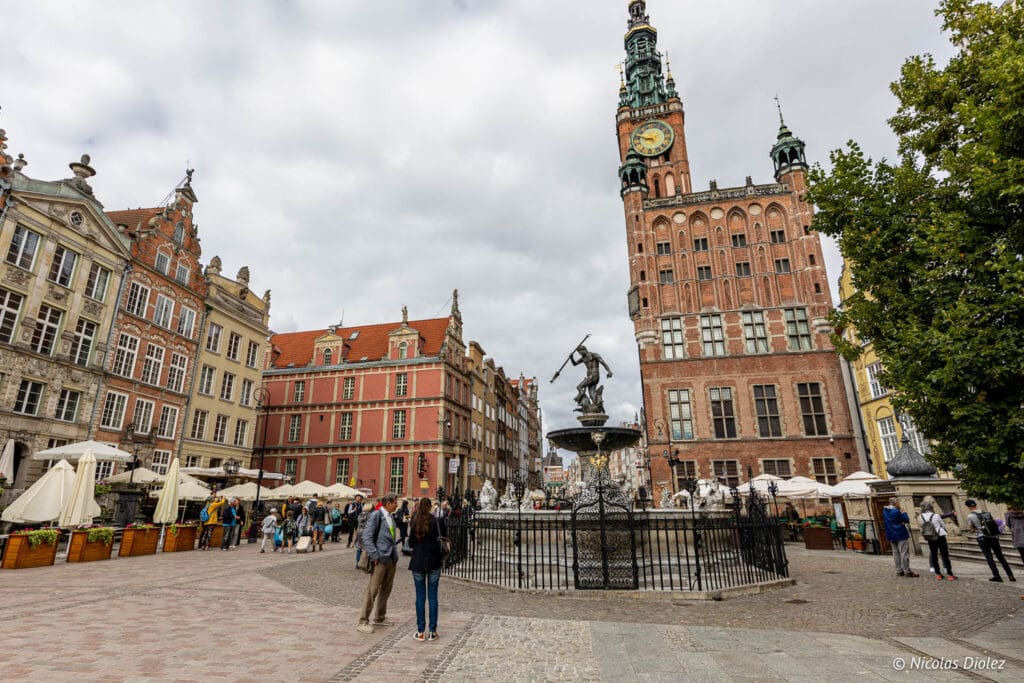
Gdańsk is a city with a rich history, so there are plenty of places to visit. I particularly recommend checking out the elegant Long Market square with its famous Neptune Fountain (built by a Dutchman in the 17th century), surrounded by old merchant houses with their beautifully restored facades. This former royal route, which is now pedestrianized, used to lead to the town hall of the era, dating back to the 14th and 15th centuries. You’ll notice that most houses are narrow but deep, because back then taxes were paid according to the number of windows you had…
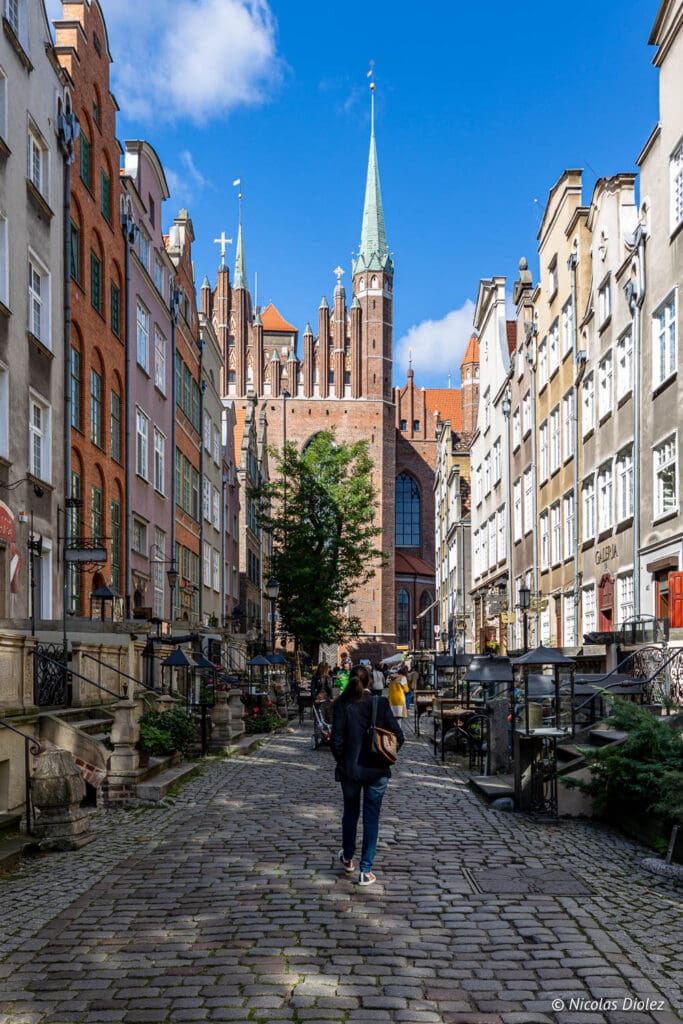
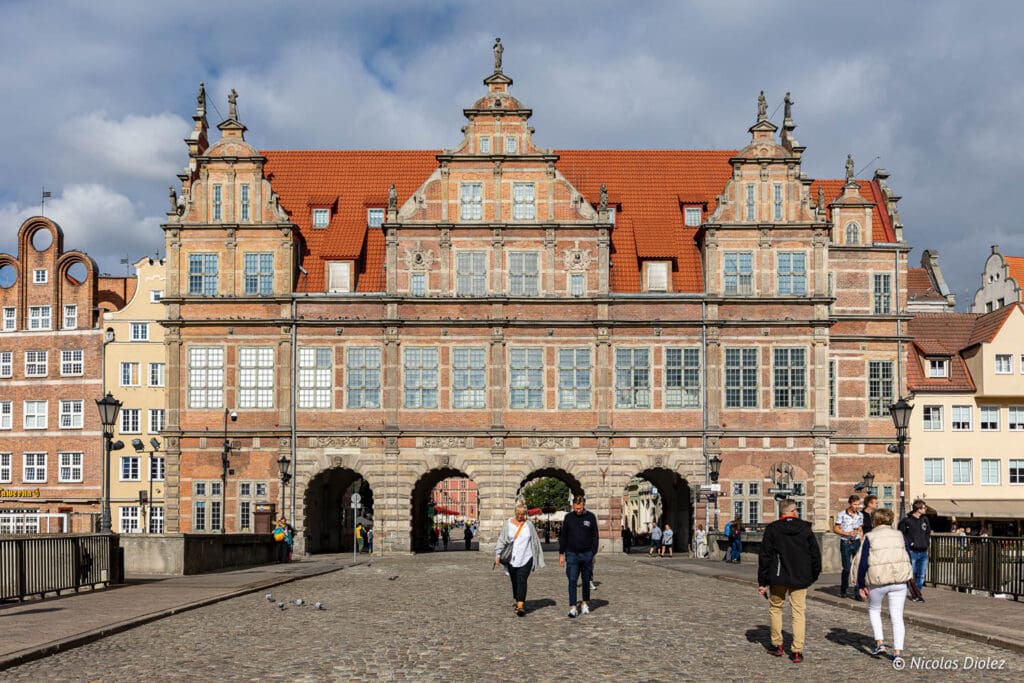
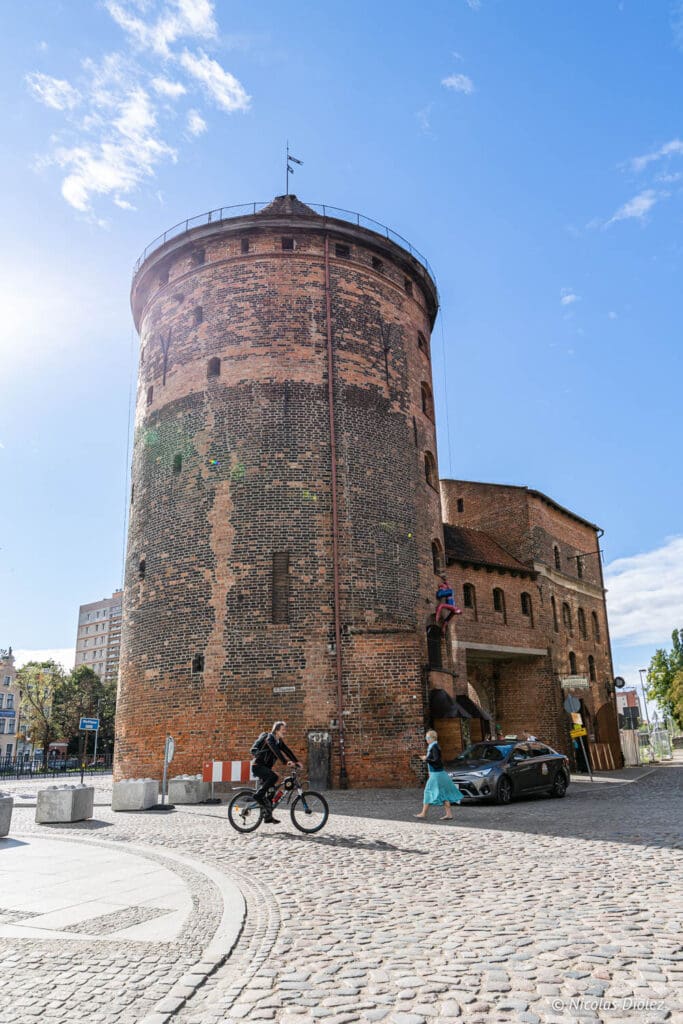
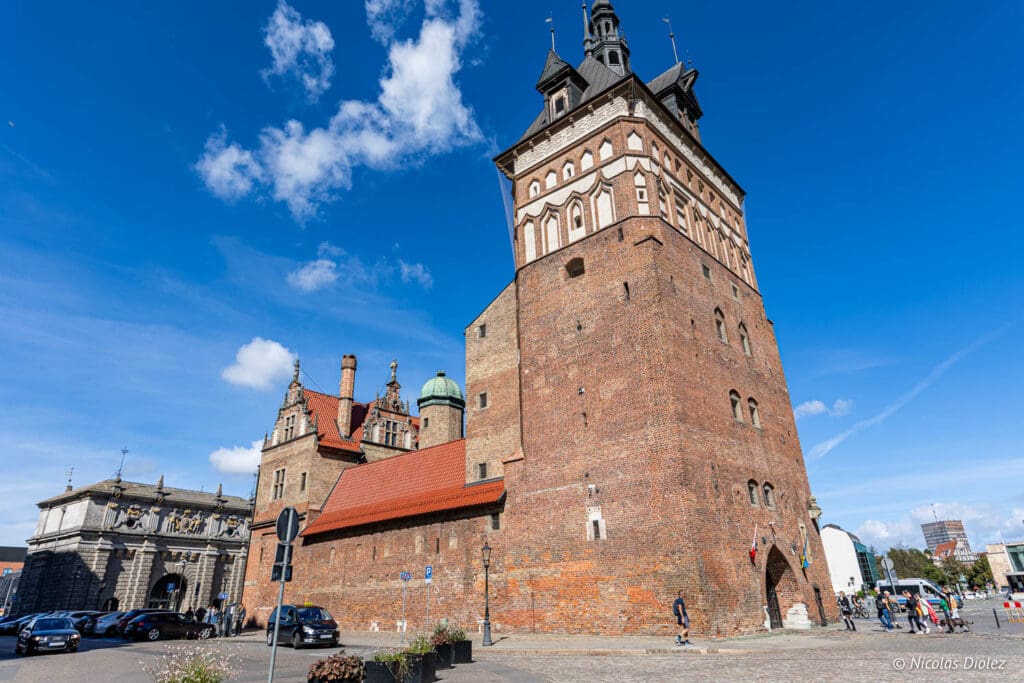
Here are also a few places/monuments not to be missed: Mariacka Street (often called Lovers’ Lane), very famous for its outdoor terraces; the facade of the Arsenal from 1605, one of the largest in Poland; the beautiful facade of the Golden House; the city is also full of numerous gates—there were 40 back then (the Green Gate featuring small bricks from the Netherlands where the first amber collections were showcased, the Milk Gate, the Butter Gate, the Cow Gate…) and some are still visible today.
}
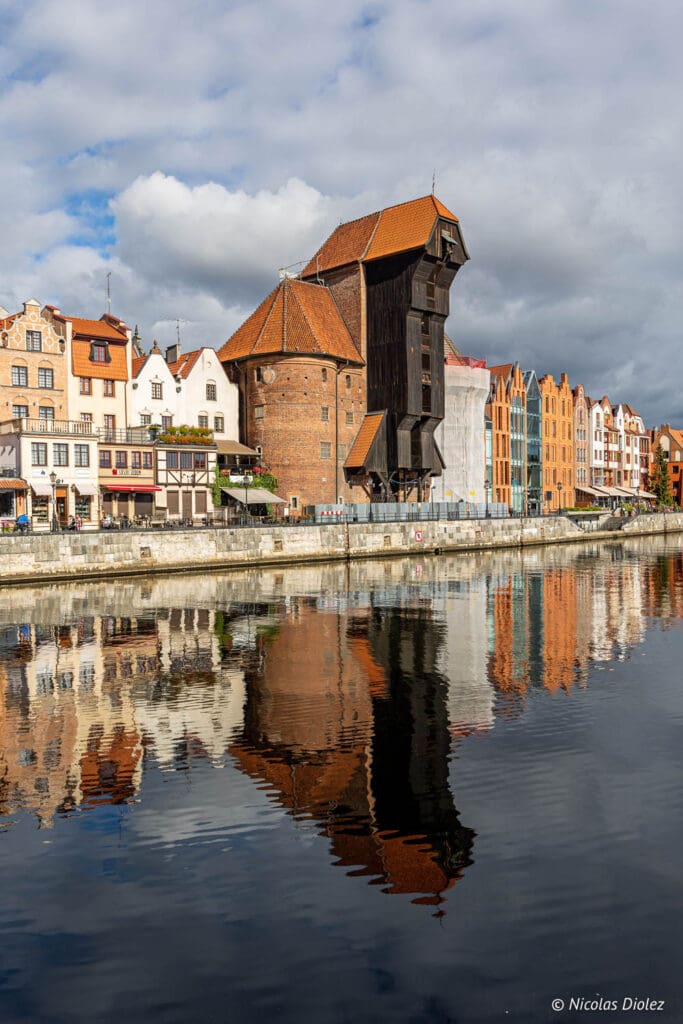
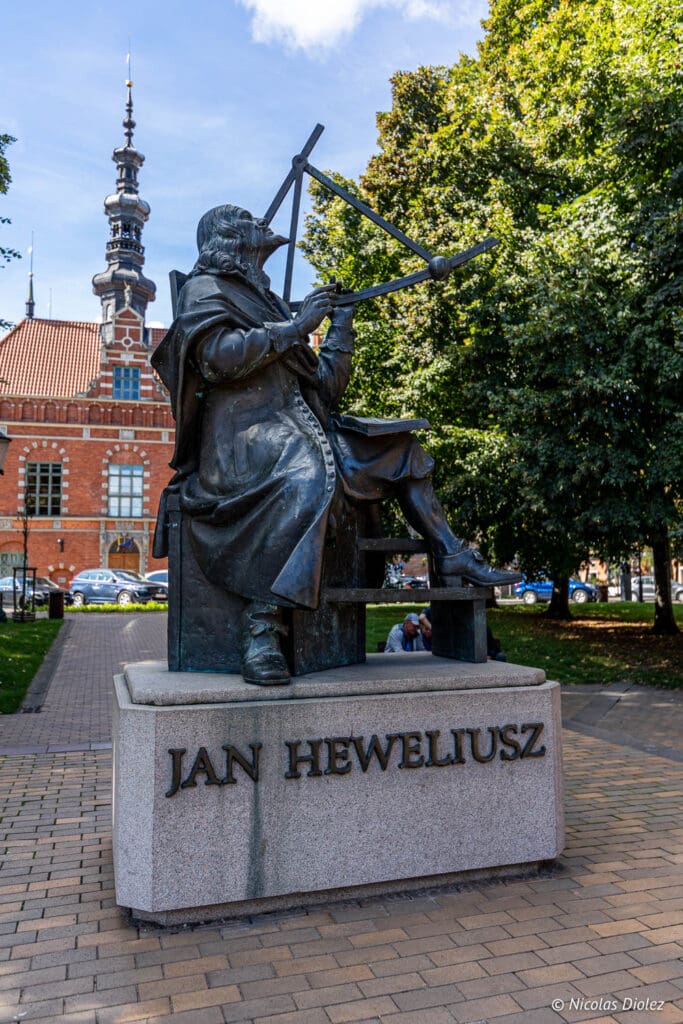
As for museums, you won’t be disappointed either. I’ll tell you about a few museums I visited below, but there are plenty of others! I also recommend visiting the Maritime Museum, which encompasses the city’s symbol: a medieval wooden crane (also largely rebuilt), which is included in the museum ticket.
_
Visiting the Basilica of Gdańsk
St. Mary’s Basilica in Gdańsk is the largest church in Poland and one of the largest brick-built churches in Europe. It actually took 159 years to build and features numerous private chapels. The church was Catholic, then Protestant until 1945, and is Catholic once again today.
Inside the church, you can discover numerous works of art, as well as epitaphs, a magnificent 17th-century organ case, an astronomical clock dating from 1470/1480 (an absolute must-see!), the gilded copper stars beneath the basilica’s vaults (Poland is the largest copper producer in Europe), and a high altar crafted over 7 years using gold leaf that, in 1517, was worth the value of 20 gabled houses!
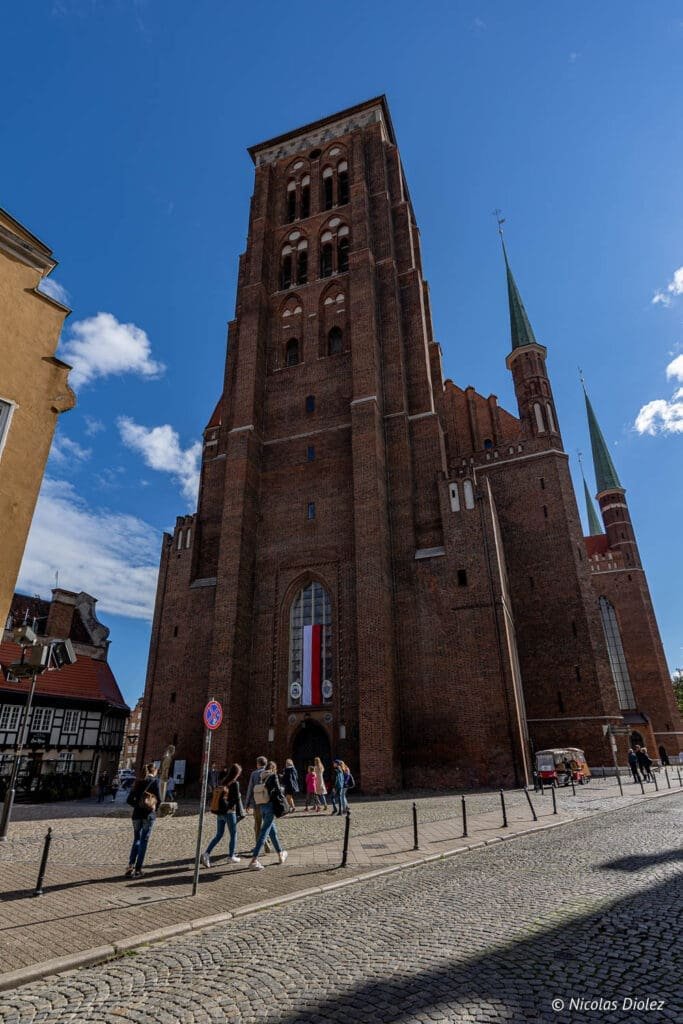
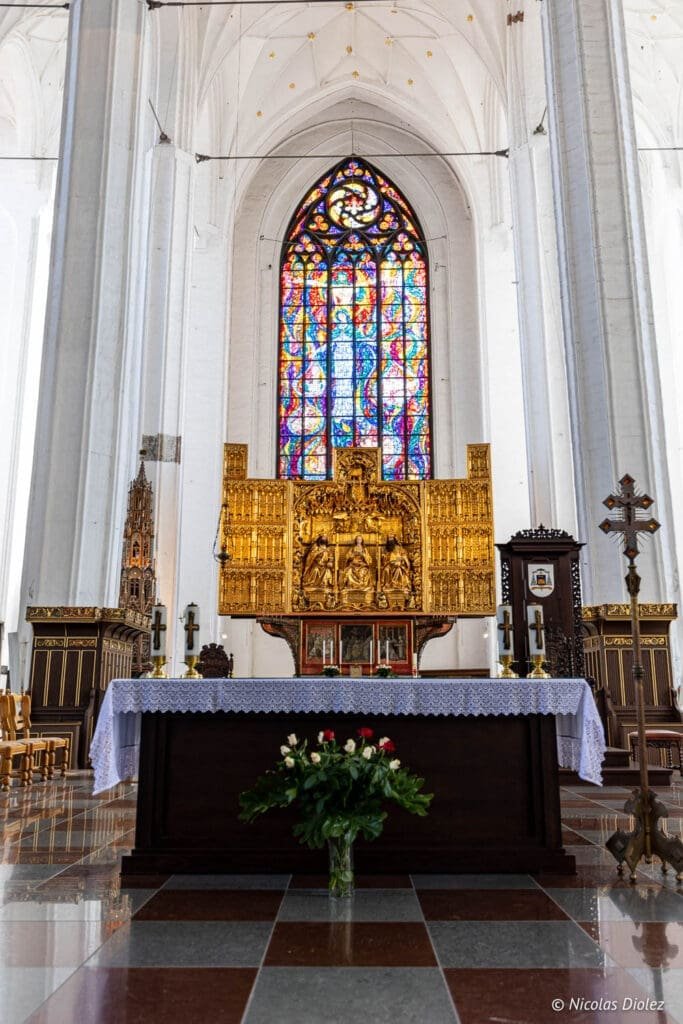
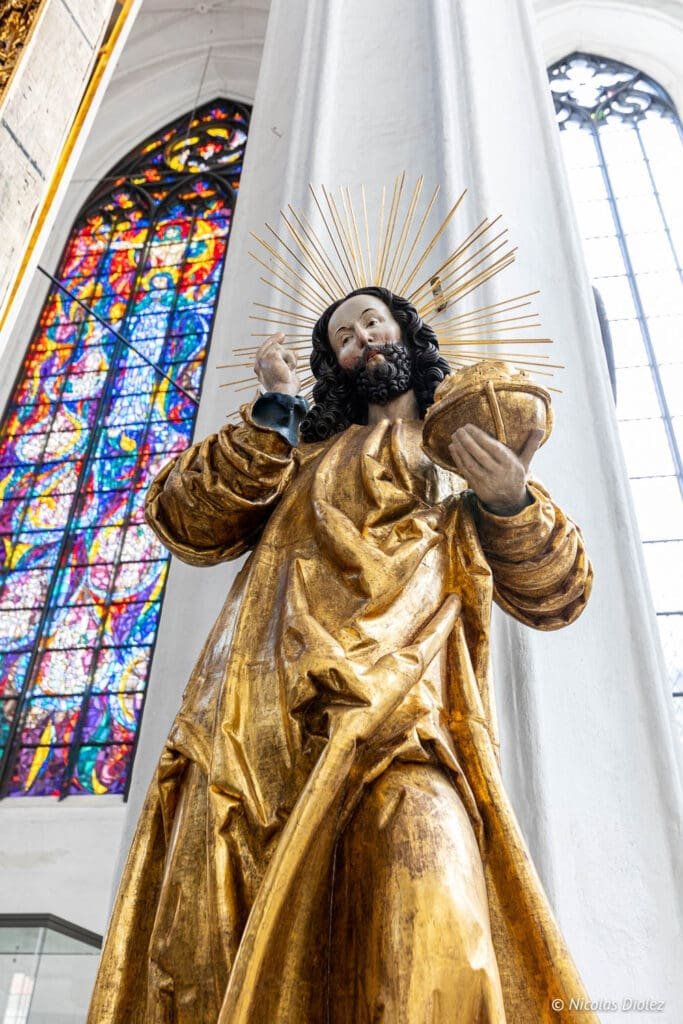
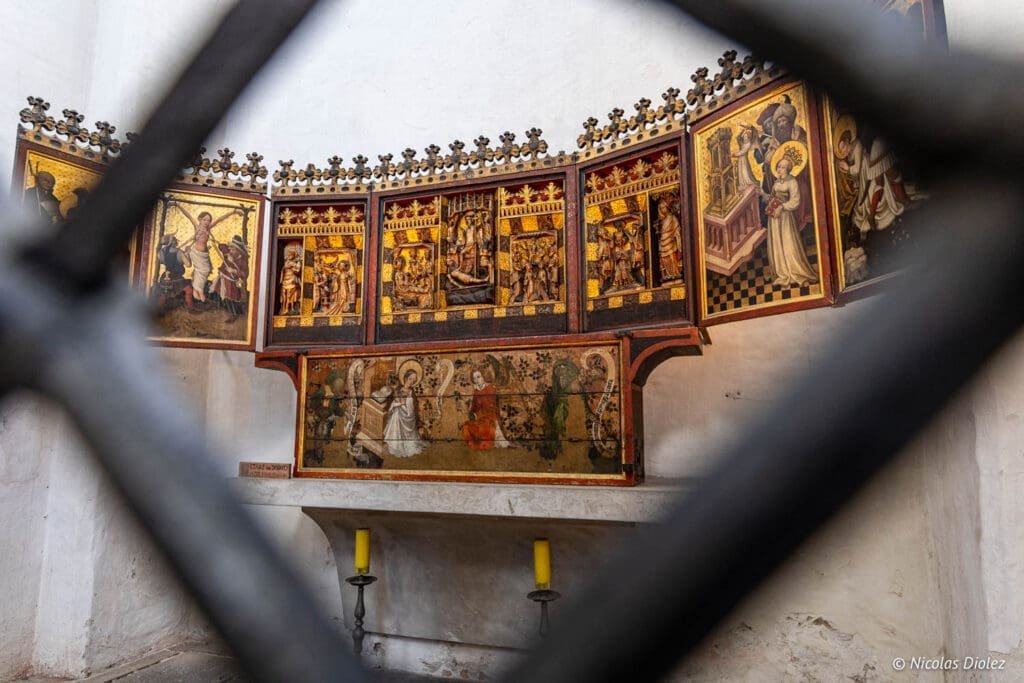
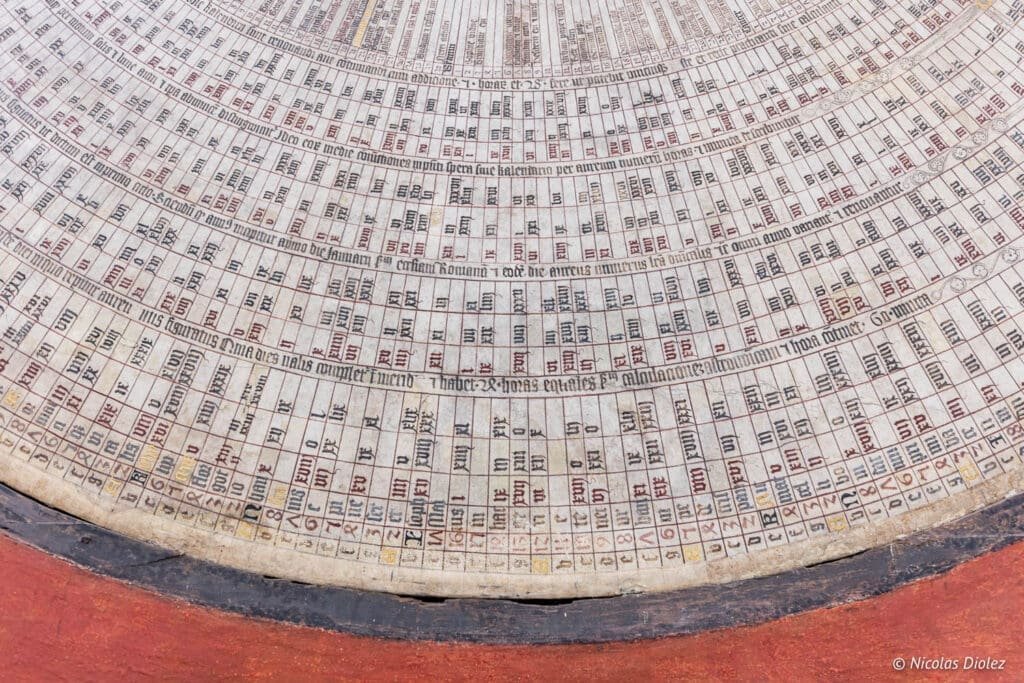
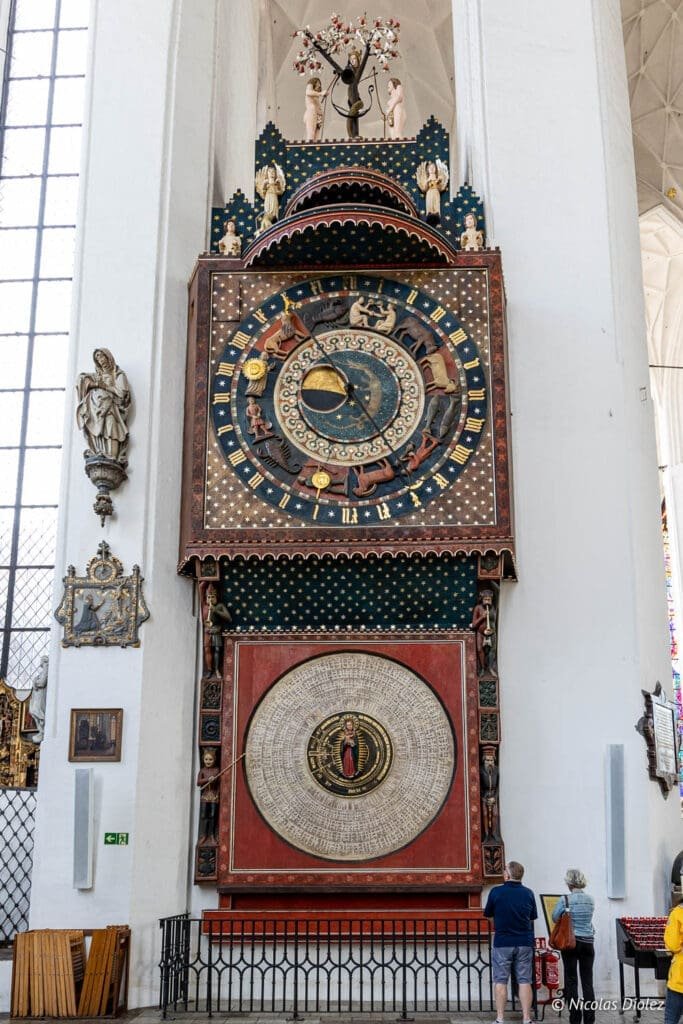
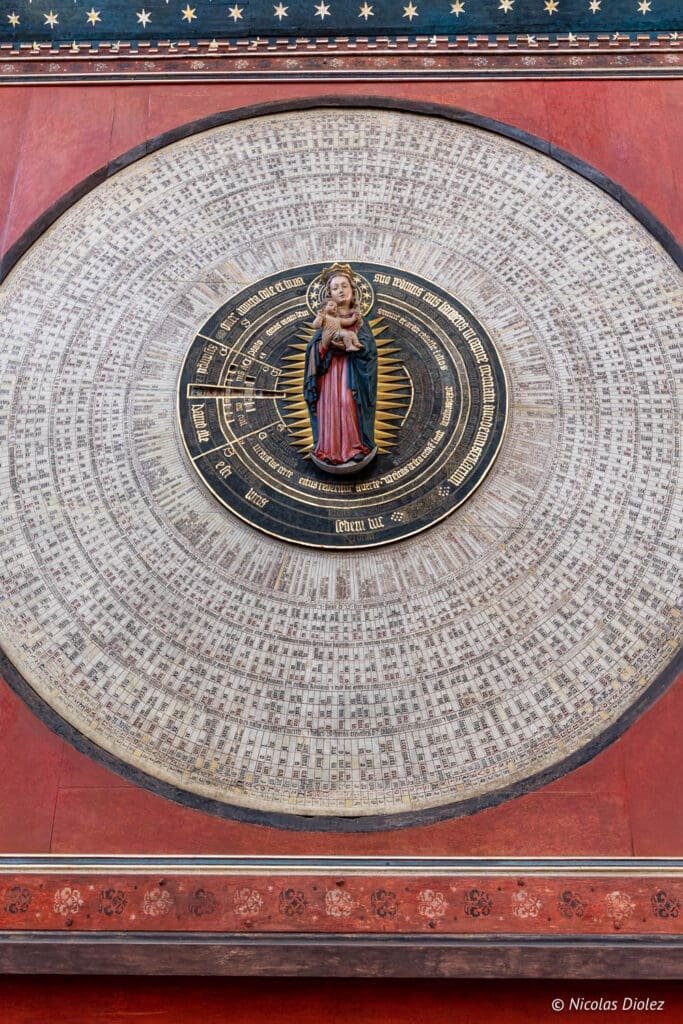
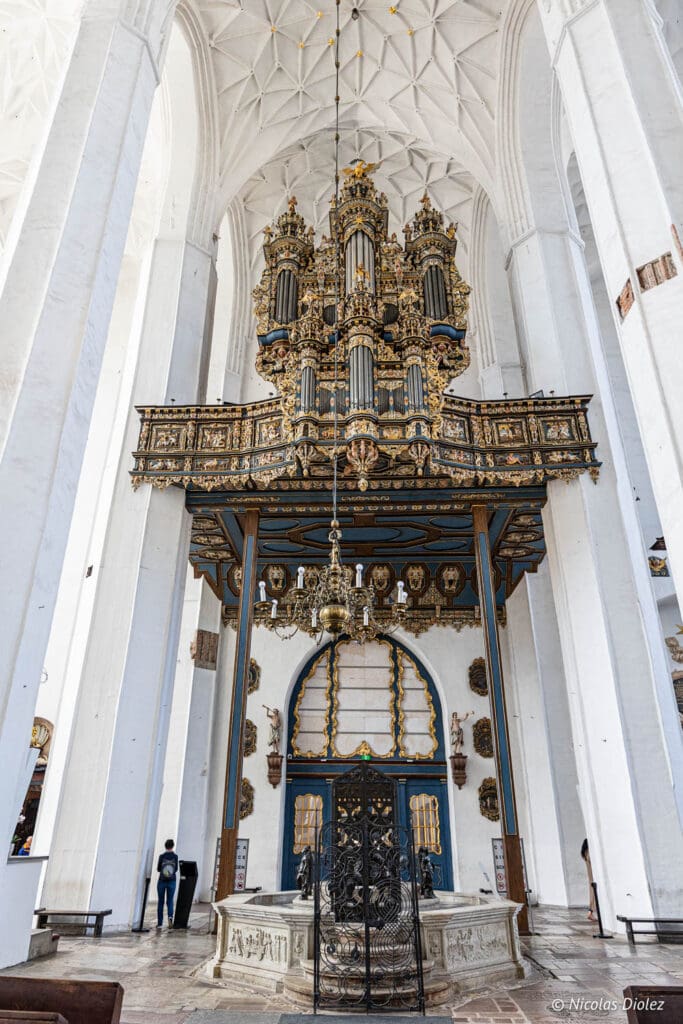
St. Mary’s Basilica in Gdańsk
Podkramarska 5, 80-834 Gdańsk, Poland
Good deal: access to the basilica’s nave is free and open to all (climbing the 409-step panoramic tower is a paid activity, around 16 to 18 PLN).
_
Visiting Gdańsk Cathedral
Unlike French tradition, this cathedral is not located in the city center (it is about 10km away from the center, in the Oliwa district) and it is actually smaller than the Church of St. Mary that I mentioned earlier. It is a 14th-century Cistercian church, though much of its furniture and decoration is Baroque. Next to the cathedral is a lovely park, which is very pleasant for a stroll, for instance.

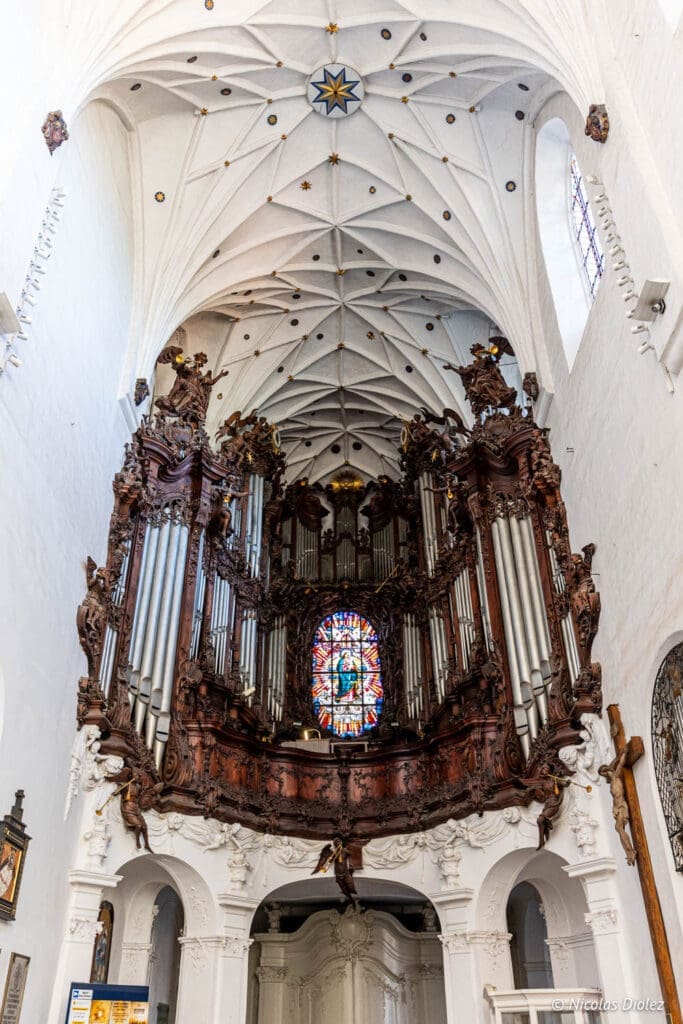
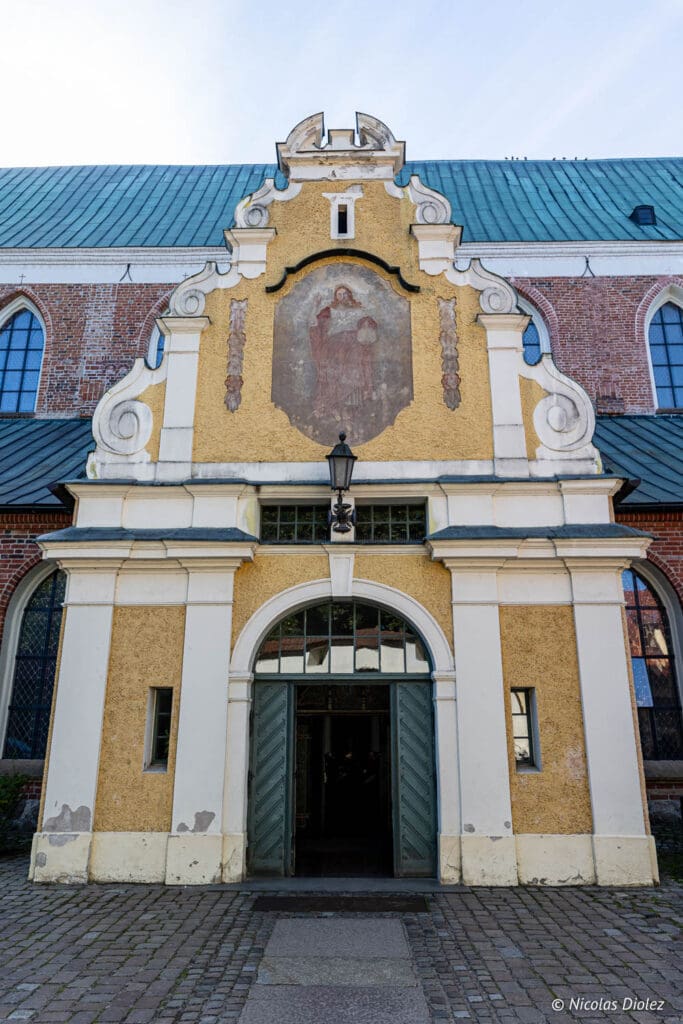
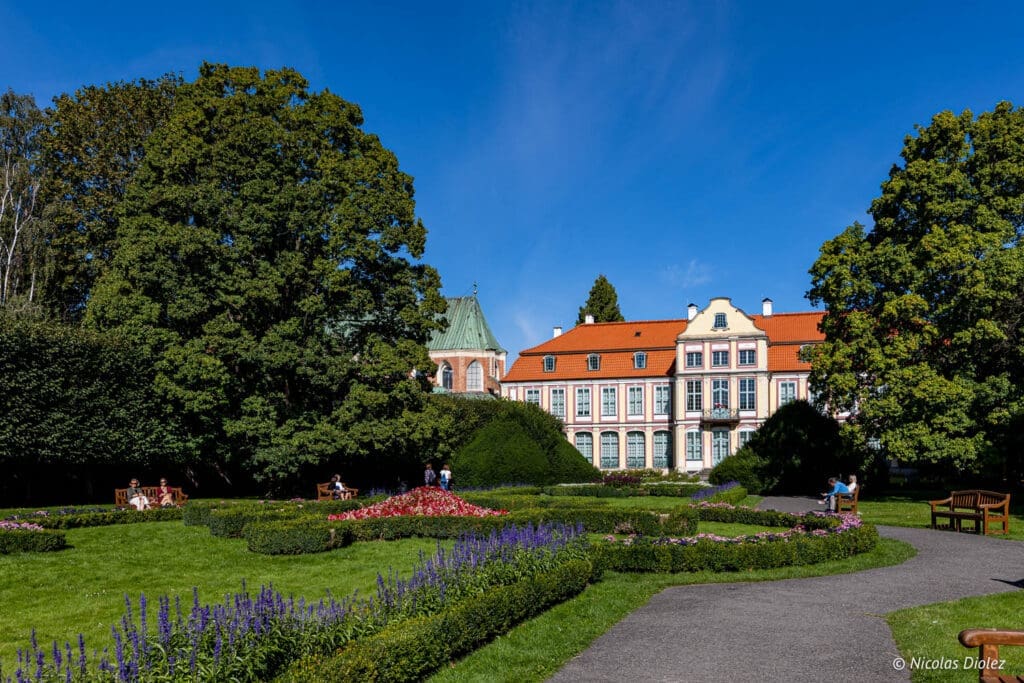
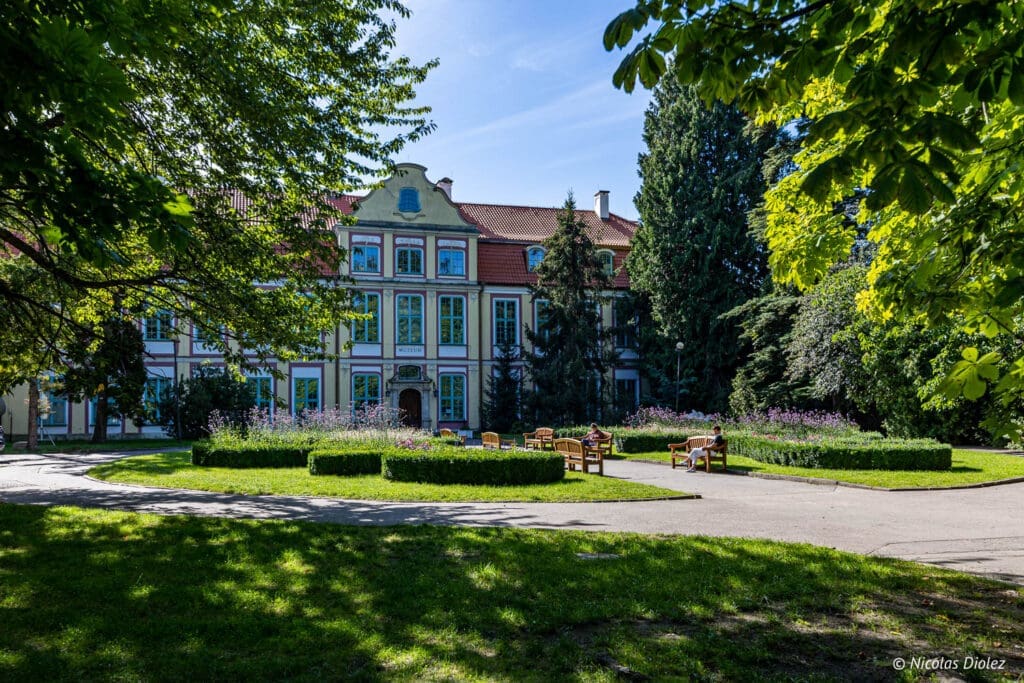
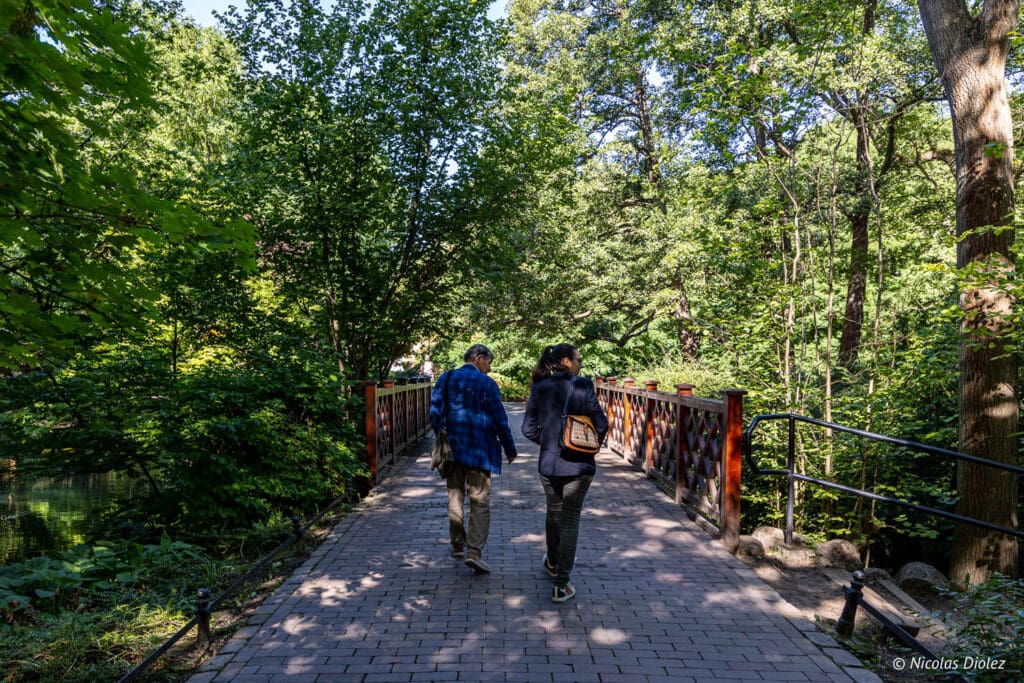
Gdańsk-Oliwa Cathedral
Cystersów 17, 80-300 Gdańsk, Poland
Good deal: free organ demonstrations and concerts lasting about twenty minutes take place regularly during the season, especially on Sunday afternoons.
_
Visiting the Artus Court Museum
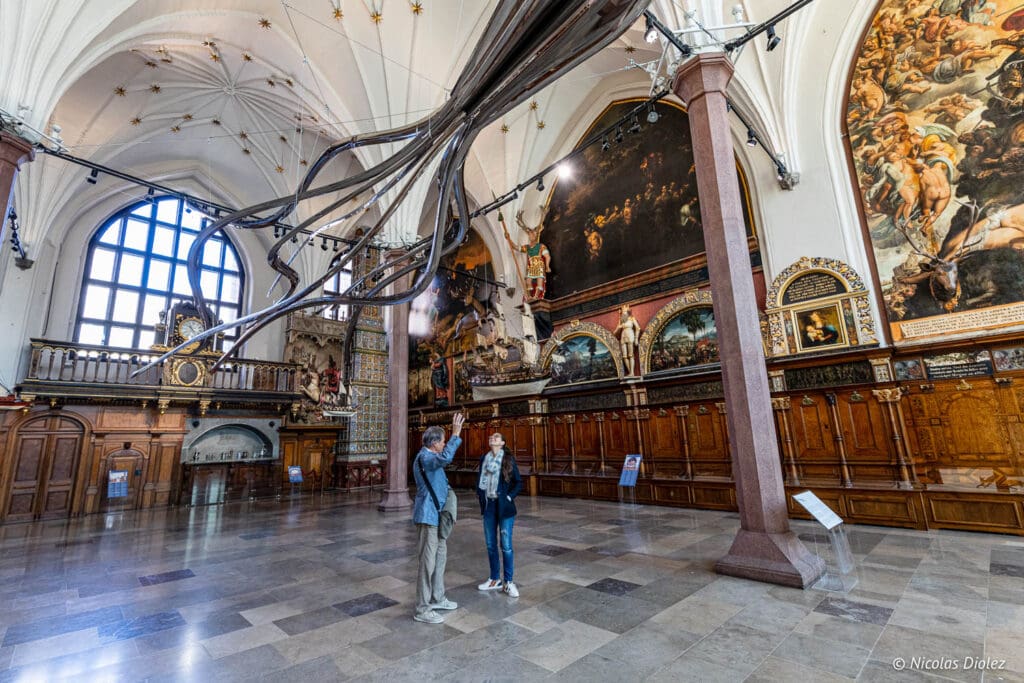
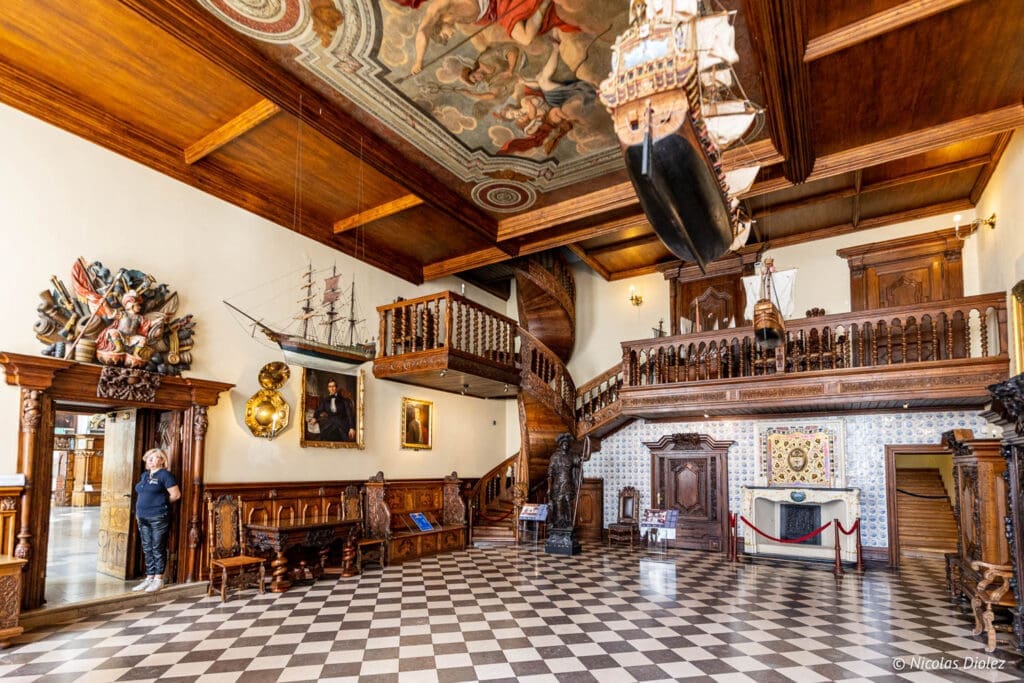
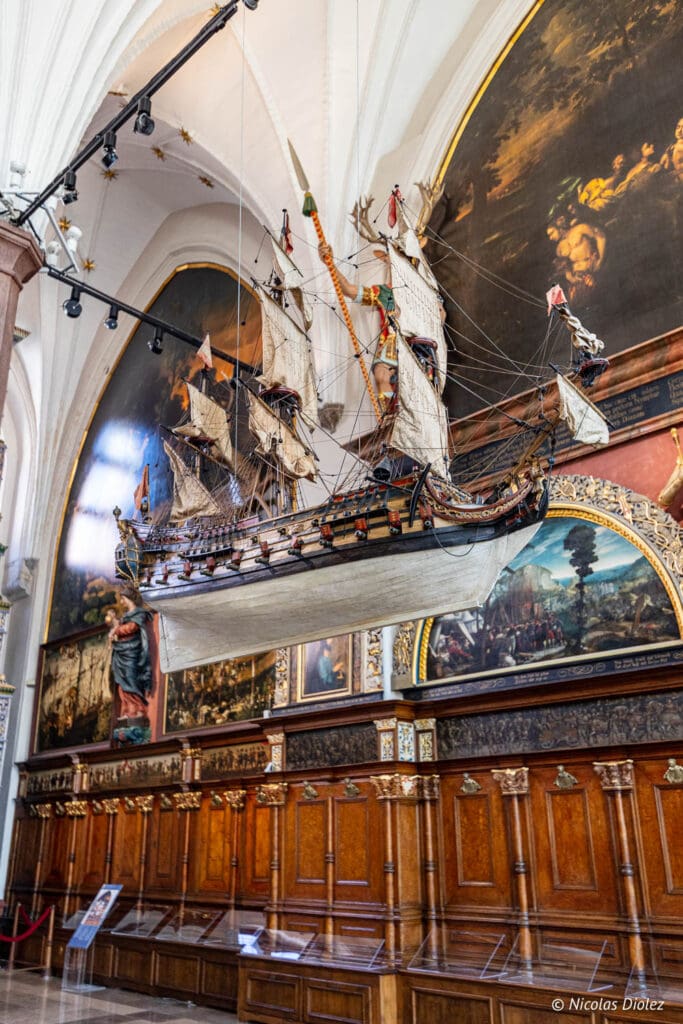
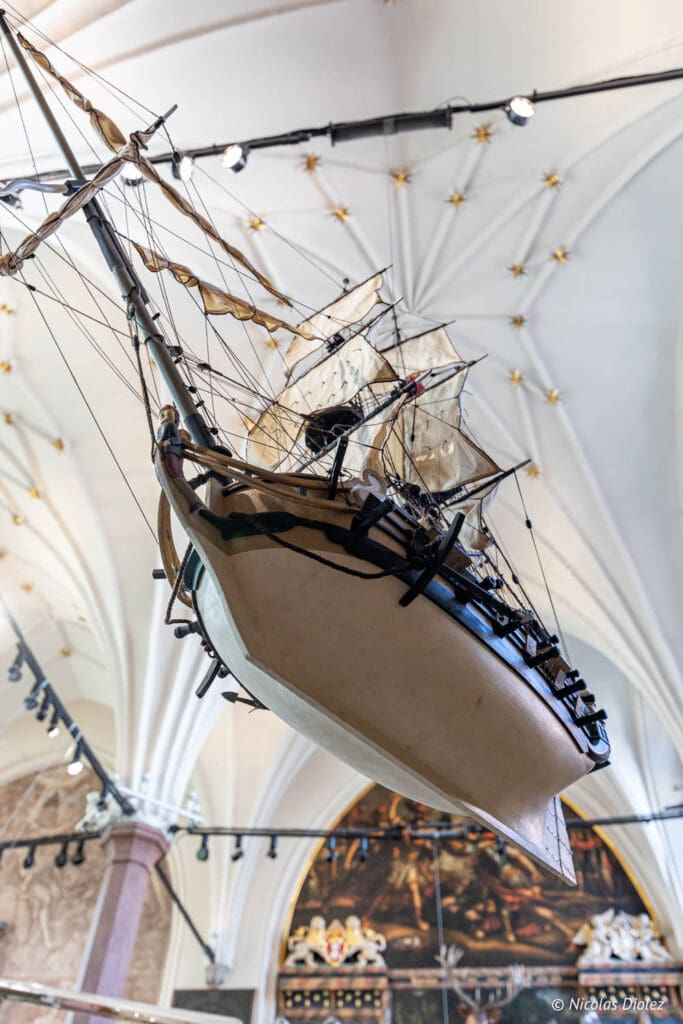
Artus Court, formerly known by the name “Junkerhof”, refers to both a square and a building that marks its entrance. The latter, located opposite the famous Neptune’s Fountain, is nicknamed the historical museum of Gdańsk. Inside, you’ll find works of art or replicas referencing the legends and myths of Antiquity and the Middle Ages.
It’s a place worth discovering because, beyond the works exhibited in this museum, visiting it allows you to explore the interior of a house from the city’s golden age. The Vestibule Salon is particularly impressive. You can also discover Europe’s largest faïence stove, which stands 10.64 meters tall and is decorated with 530 richly adorned tiles.
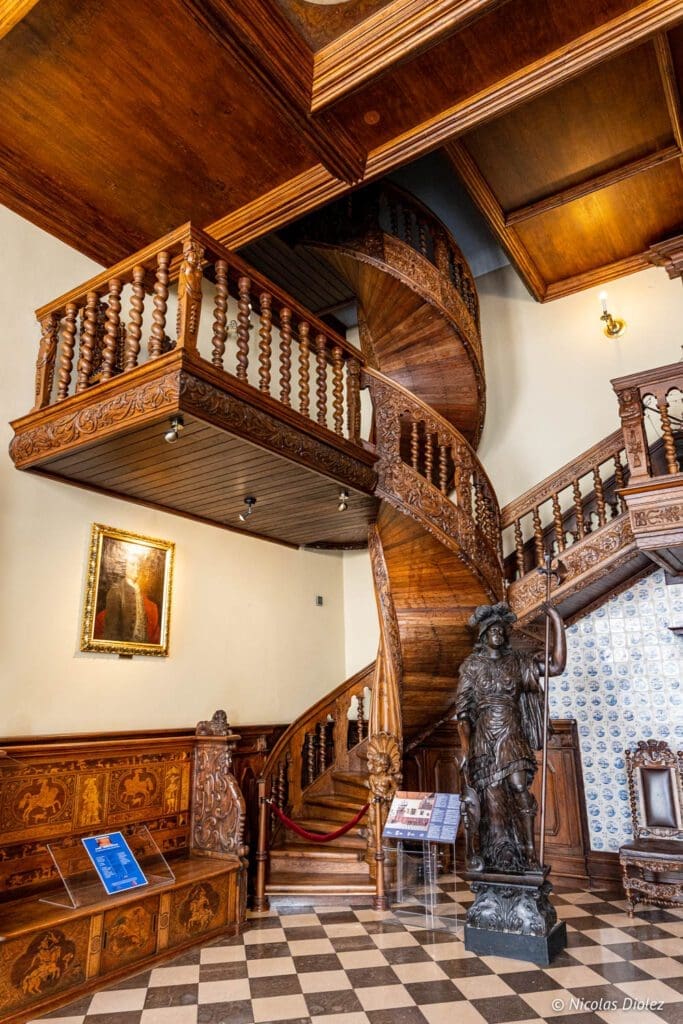
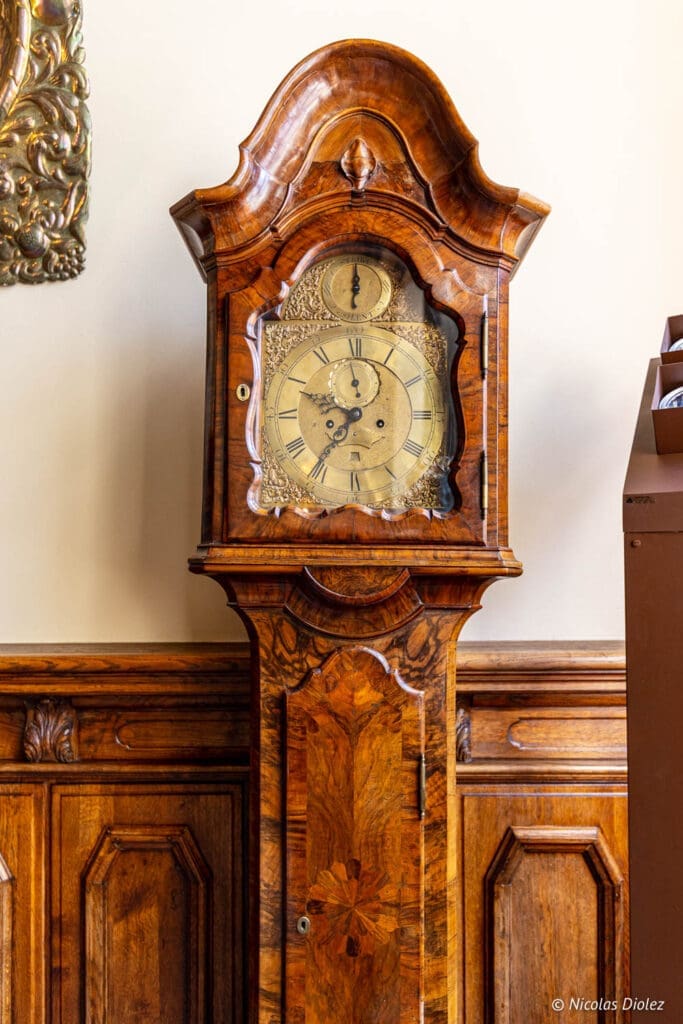
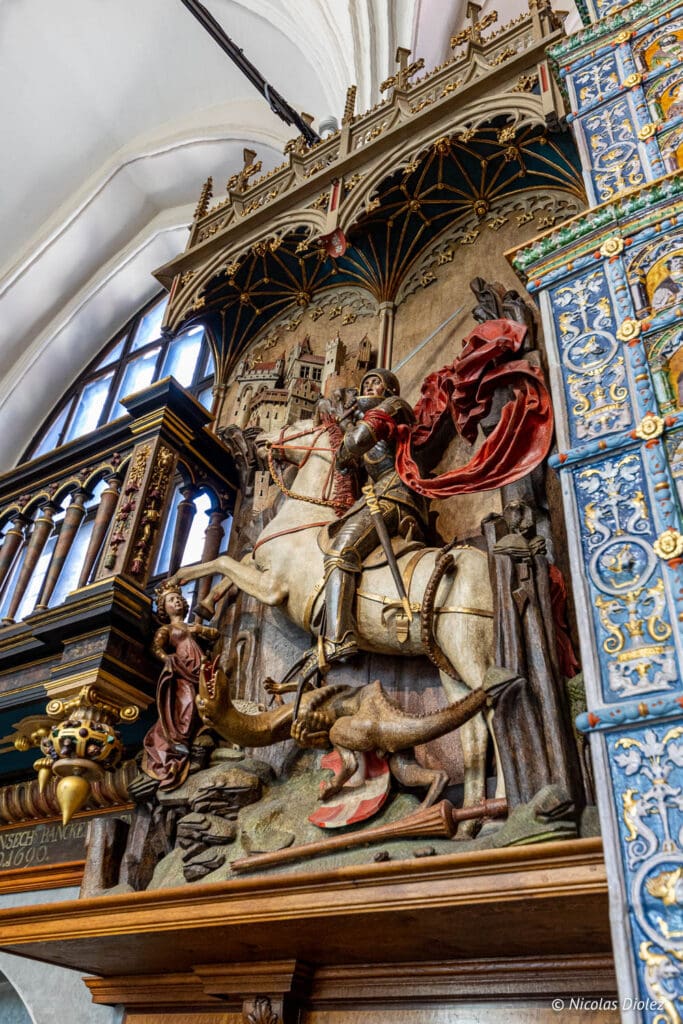

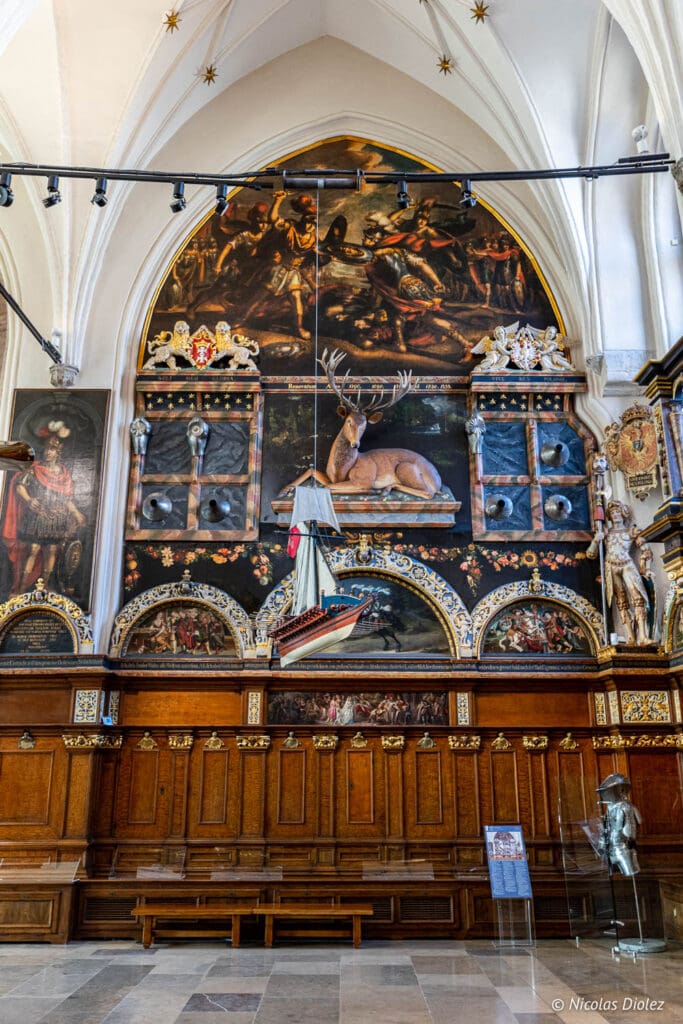
Artus Court (Dwór Artusa)
Długi Targ 43-44, 80-831 Gdańsk, Poland
Good deal: admission to the permanent exhibition is free every Monday (on other days, expect around 23 to 25 PLN for adults and 16 to 18 PLN for concessions).
_
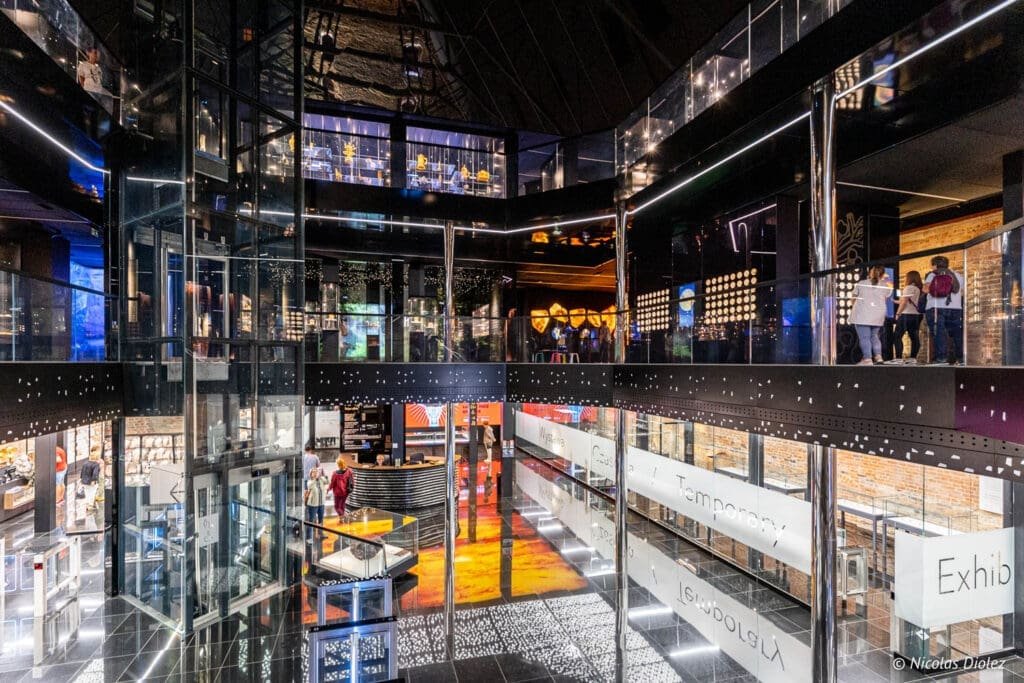
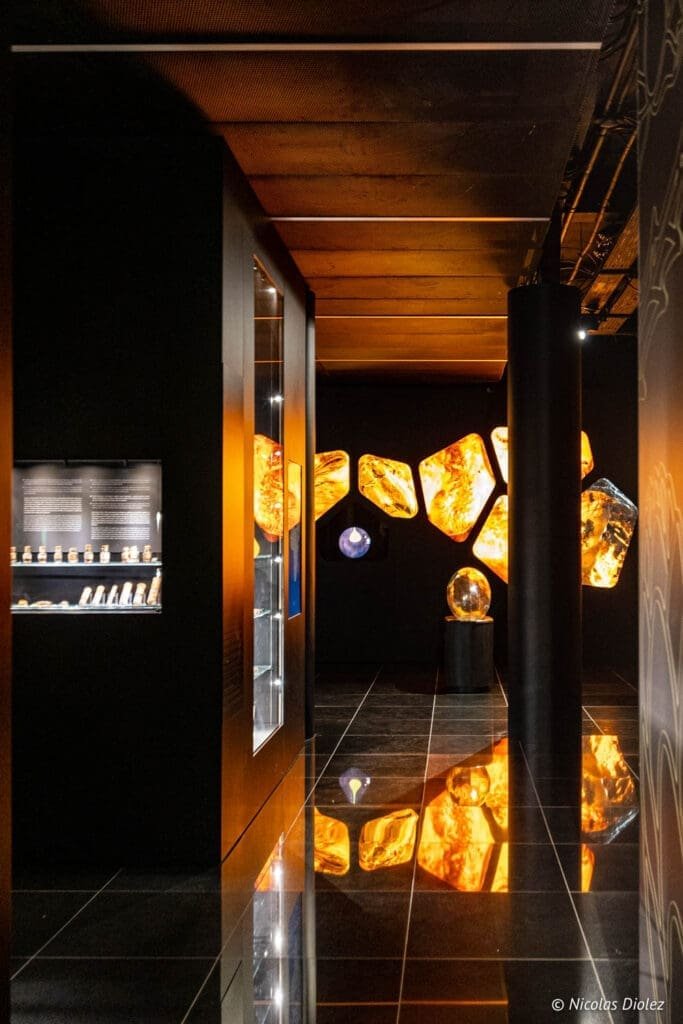
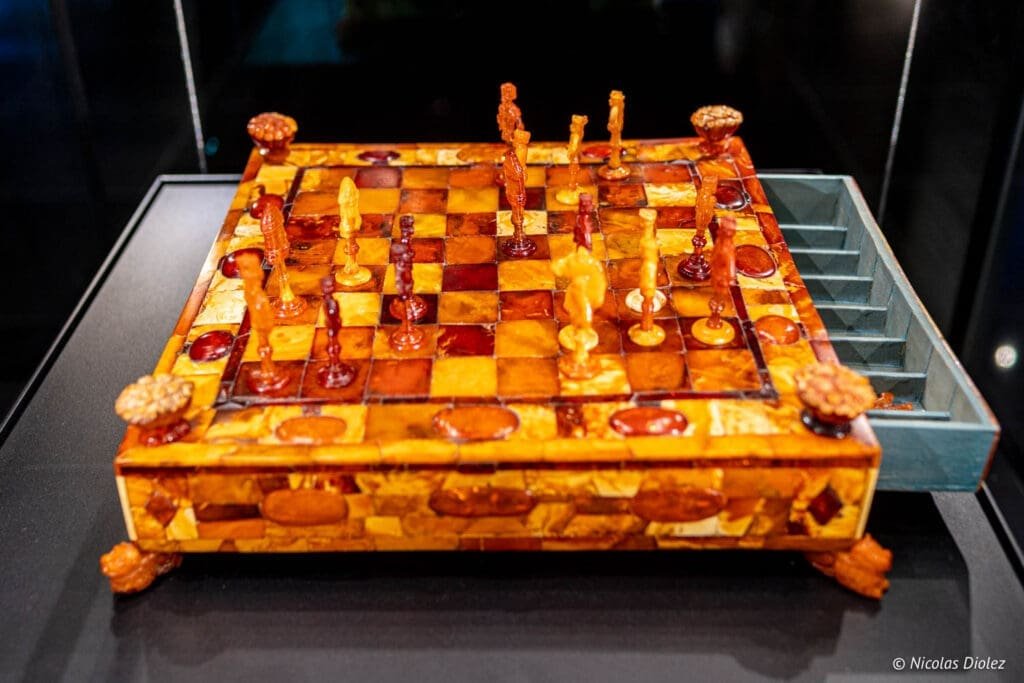
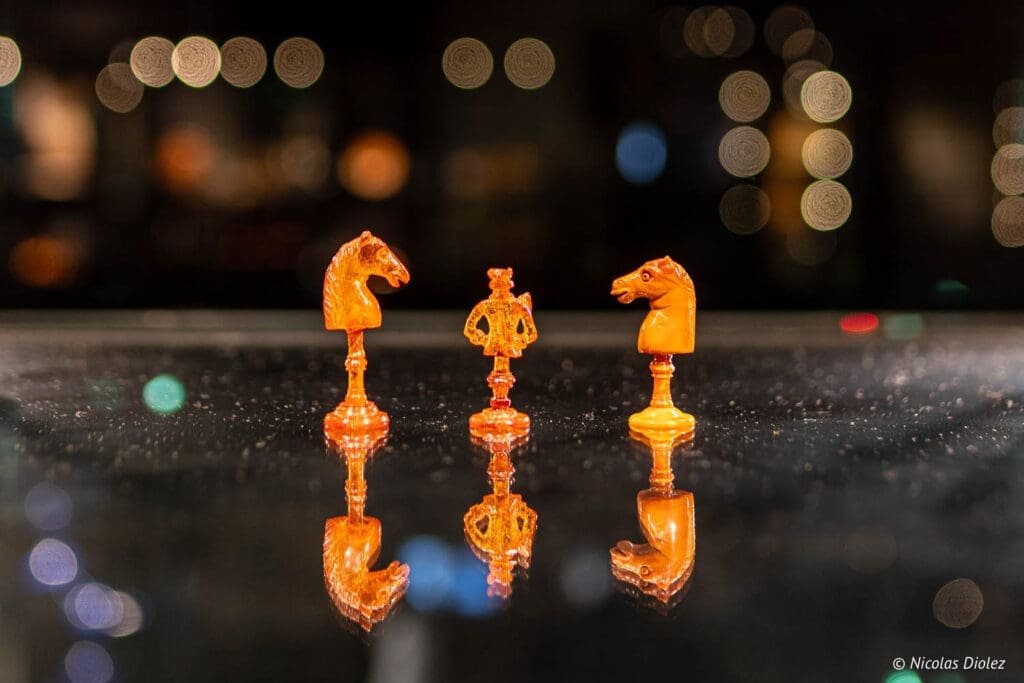
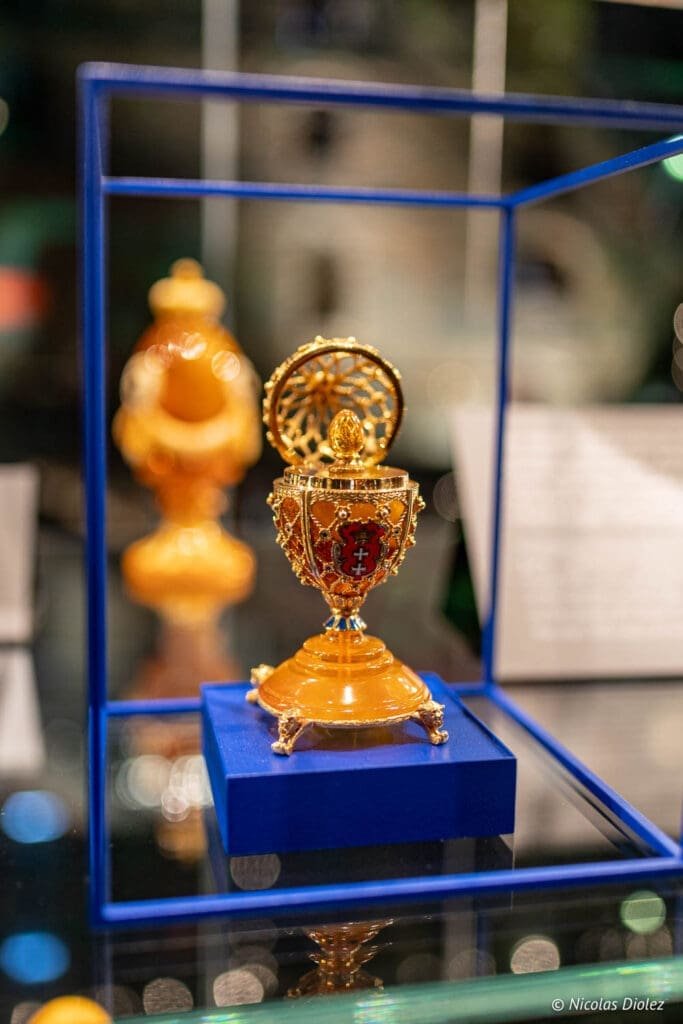
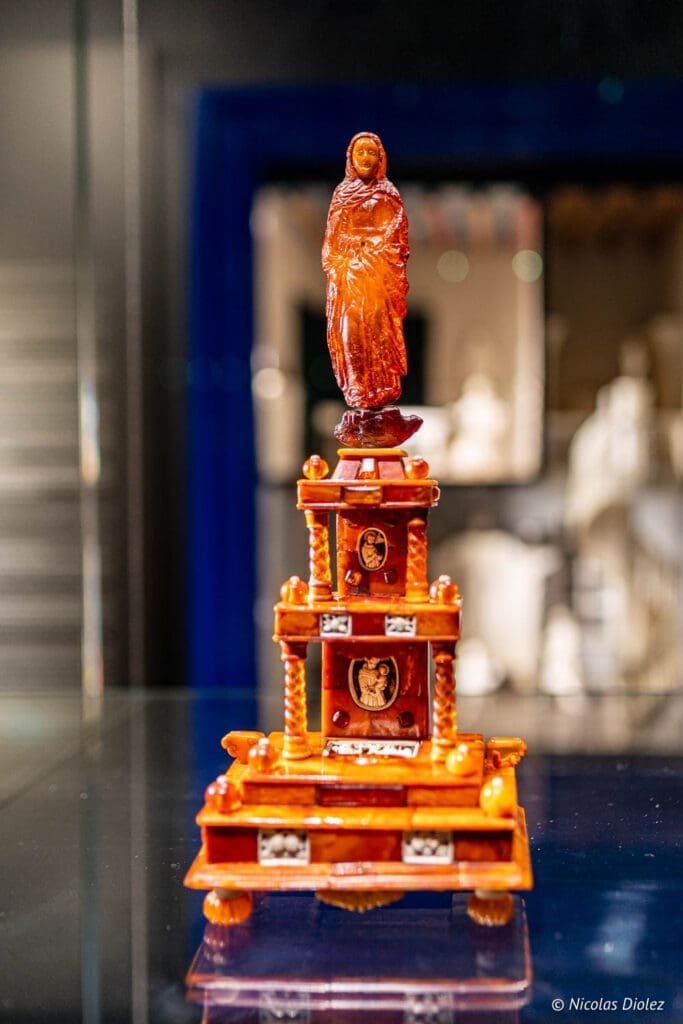
Visiting the Amber Museum
This Amber Museum has been housed in a former mill since the autumn of 2021 (previously it was sheltered in a medieval building that later became a prison). I also recommend checking out the museum’s former building, which is well worth a detour too. This Amber Museum (like most Polish museums in the region) provides explanations in Polish and English only.
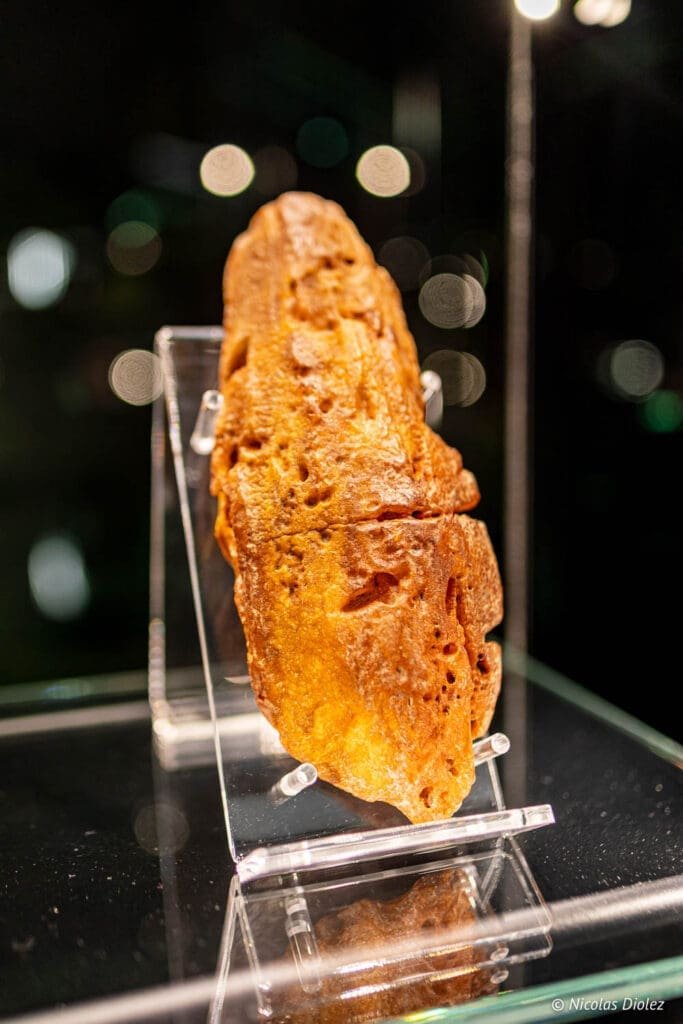
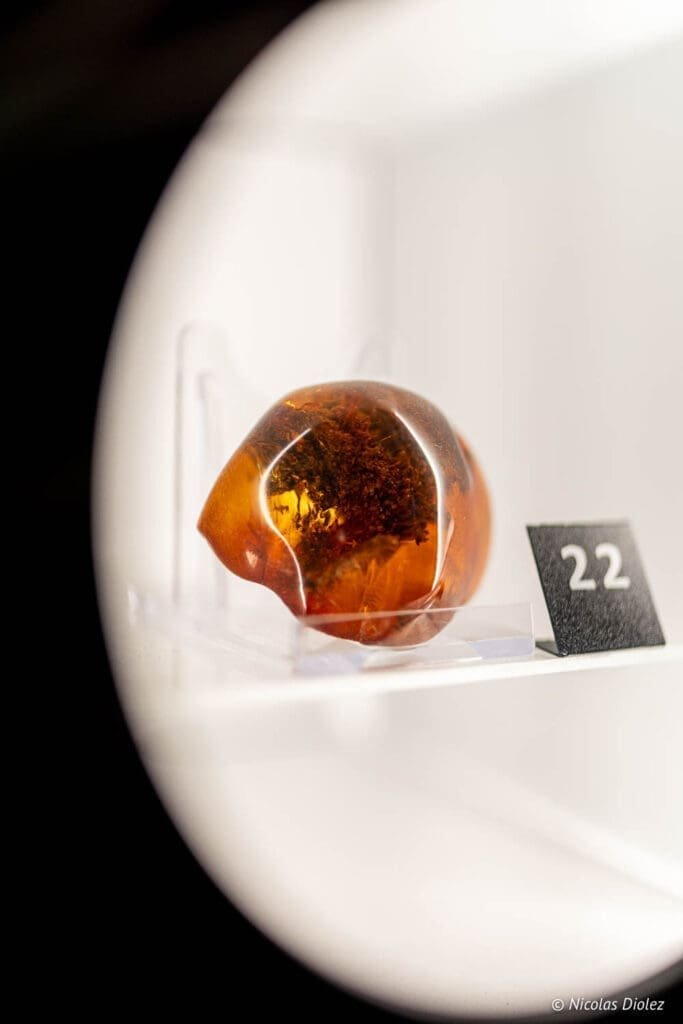
Also called the gold of the north or the Baltic gold, amber is actually a resin that can enclose plants and insects trapped within the material for millions of years. In fact, the Romans already came to this region to seek amber during antiquity, as it was an extremely lucrative trade. There was a Baltic amber trade route connecting the city of Rome.
The oldest amber in the world comes from the Baltic region and is some 40 million years old! Because of this, amber is a precious material since it can preserve ancient flora and fauna that have disappeared today. Moreover, it can come in over 200 different colors/shades. There are various resins that exist around the world, but beware—not all of them are amber. At the museum, you can notably discover the ancient method used to “fish” for amber in the Baltic Sea.
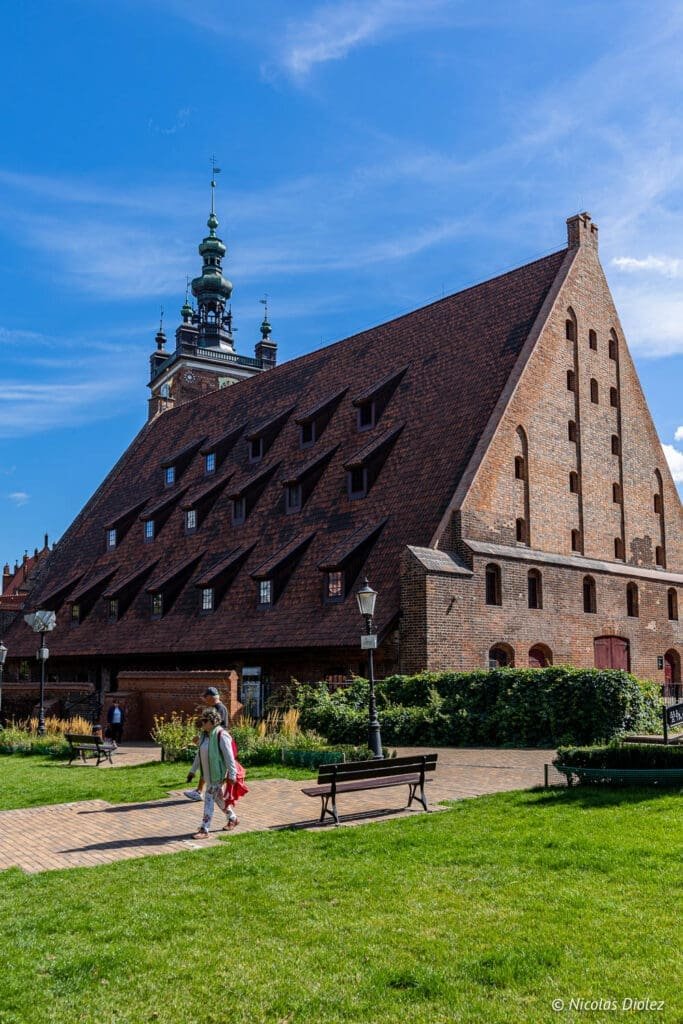
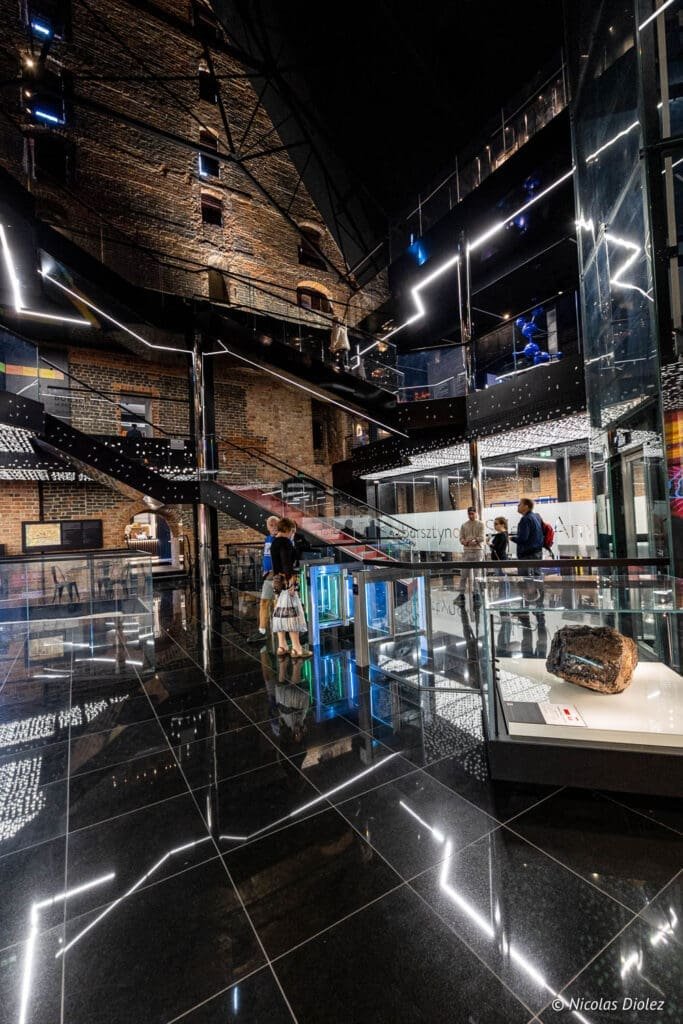
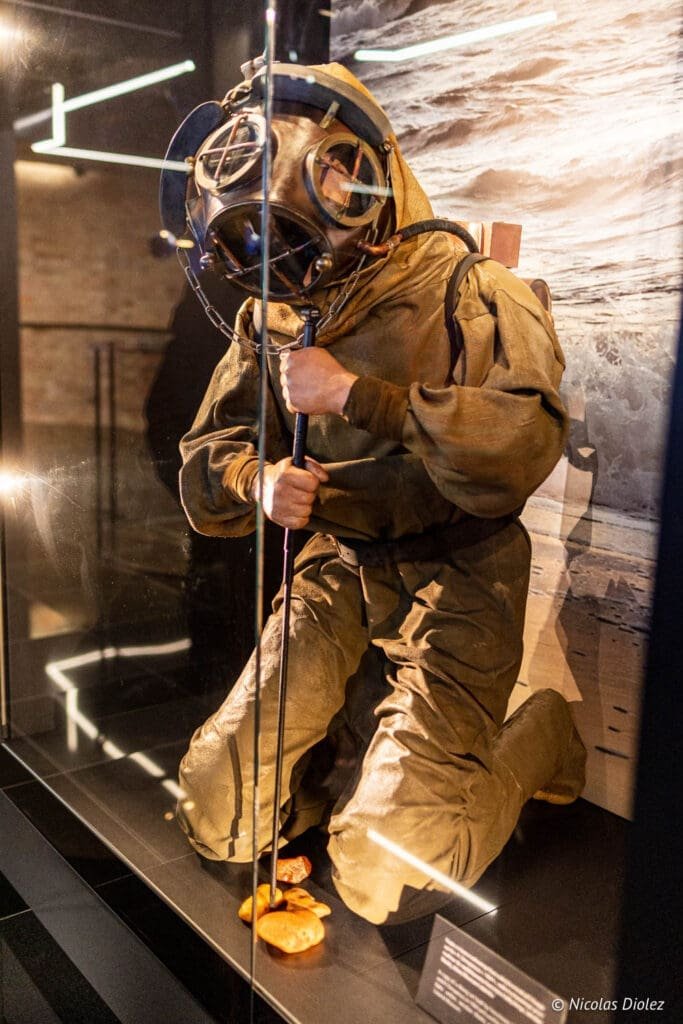
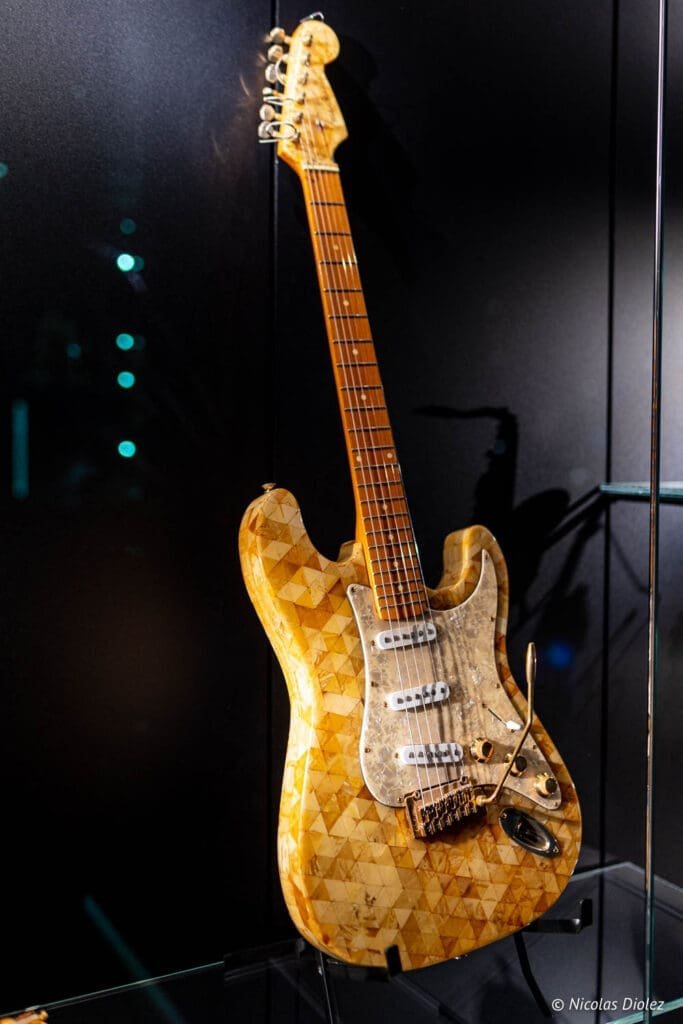
Amber Museum (Muzeum Bursztynu)
Wielki Młyn, Wielkie Młyny 16, 80-849 Gdańsk
Prices: 37 PLN full price / 26 PLN concession / 99 PLN family pass
Good deal: admission to the permanent exhibition at the Grand Moulin Amber Museum is free on Mondays.
_
Visiting the National Museum in Gdańsk
This National Museum, located in the Old Suburb district, is housed in a former Franciscan monastery. It first opened its doors in 1870, at a time when it showcased a private collection. It became a national museum after the Second World War and today houses the largest collection of Flemish art in Poland.
You’ll find many items from Gdańsk workshops there: pewter objects, items from Polish faïence workshops as well as from other countries. If you visit this museum, a must-see is its masterpiece, a triptych dating from 1473: Hans Memling’s “Last Judgment“. I actually learned during this visit that this painting was taken by Napoleon in the 19th century and even exhibited at the Louvre for a while before returning to Poland via Germany.
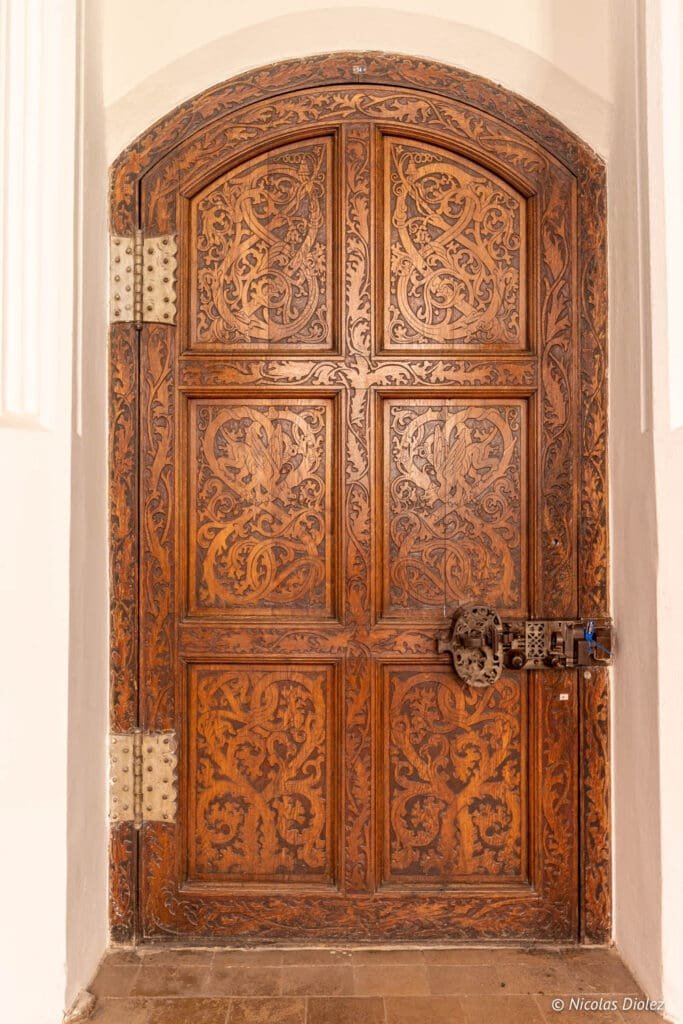
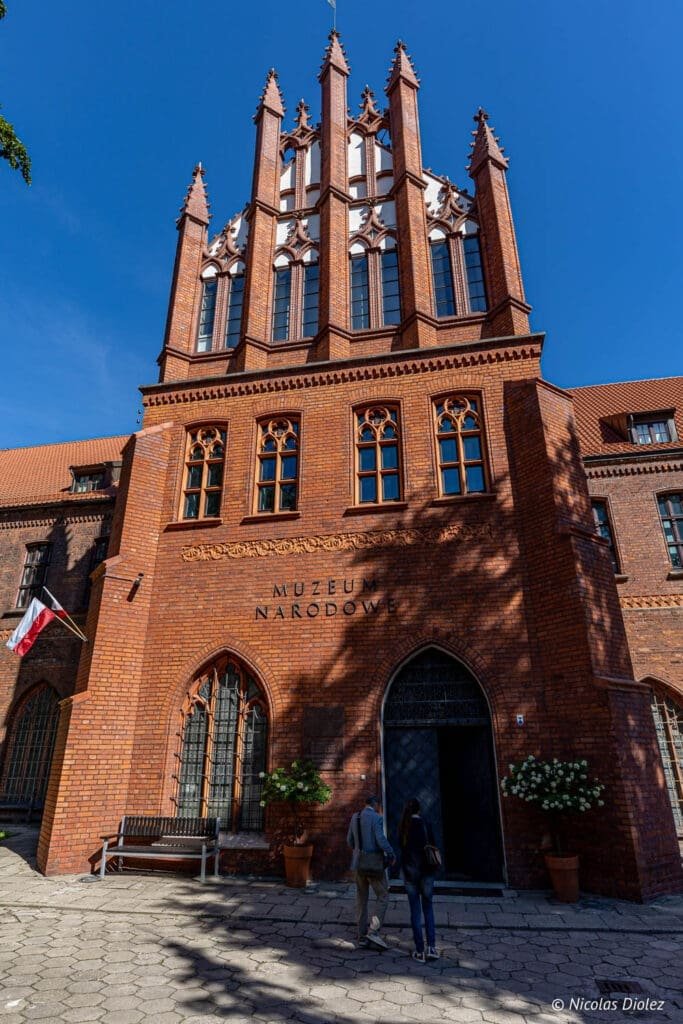
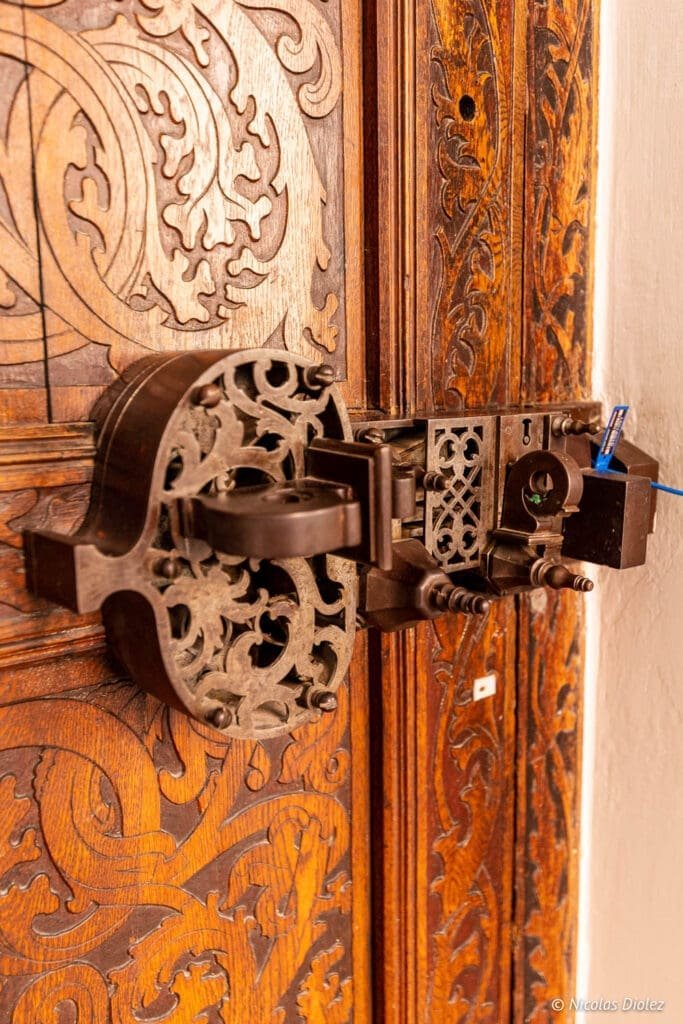
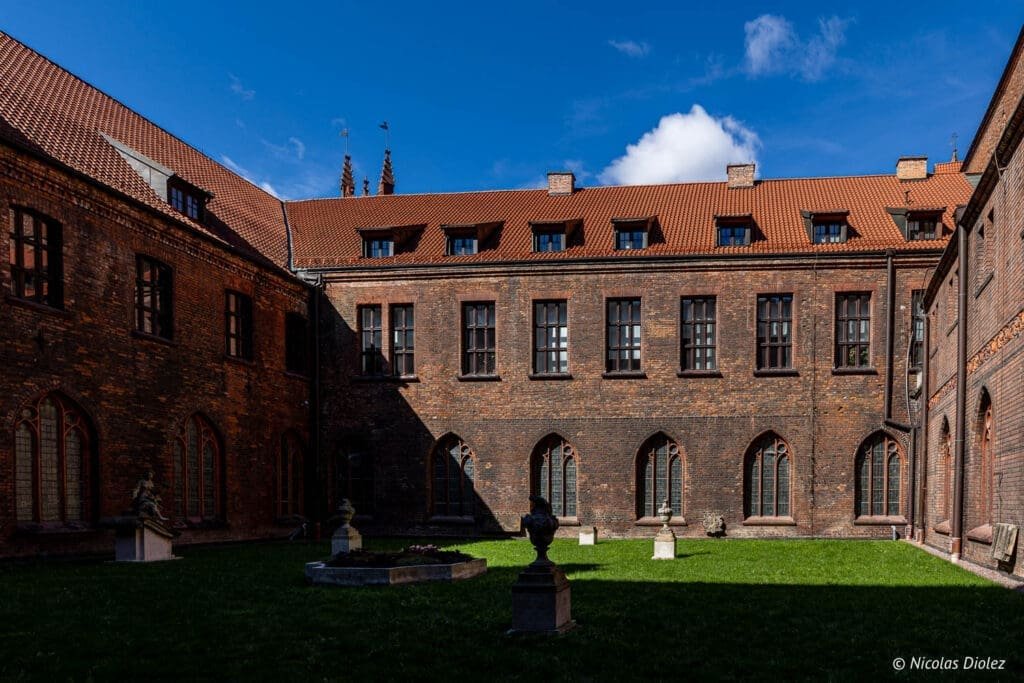
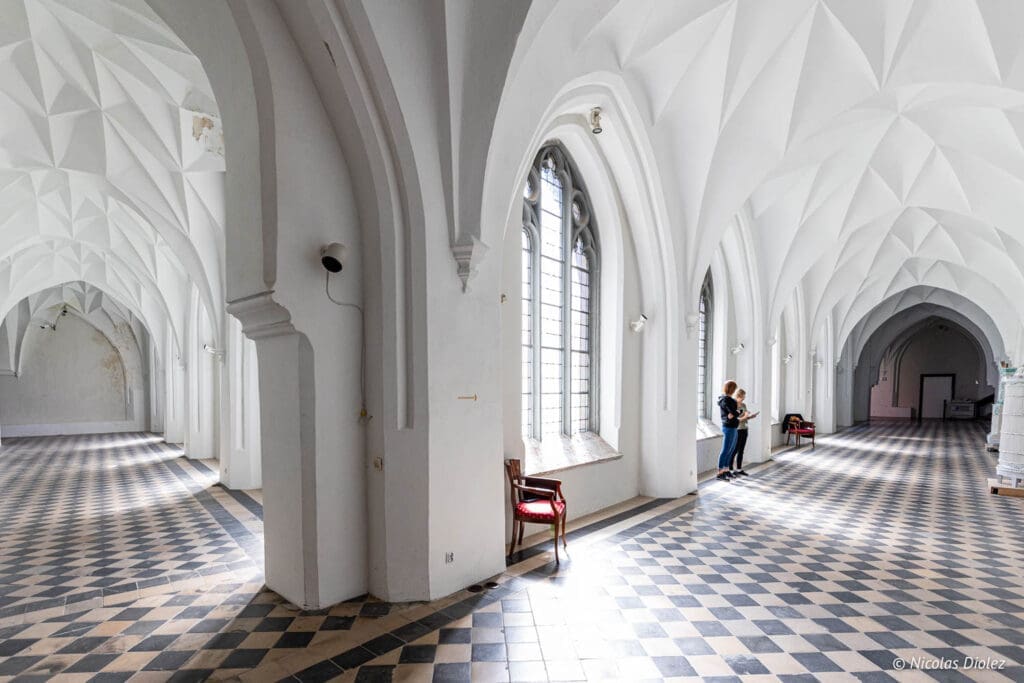
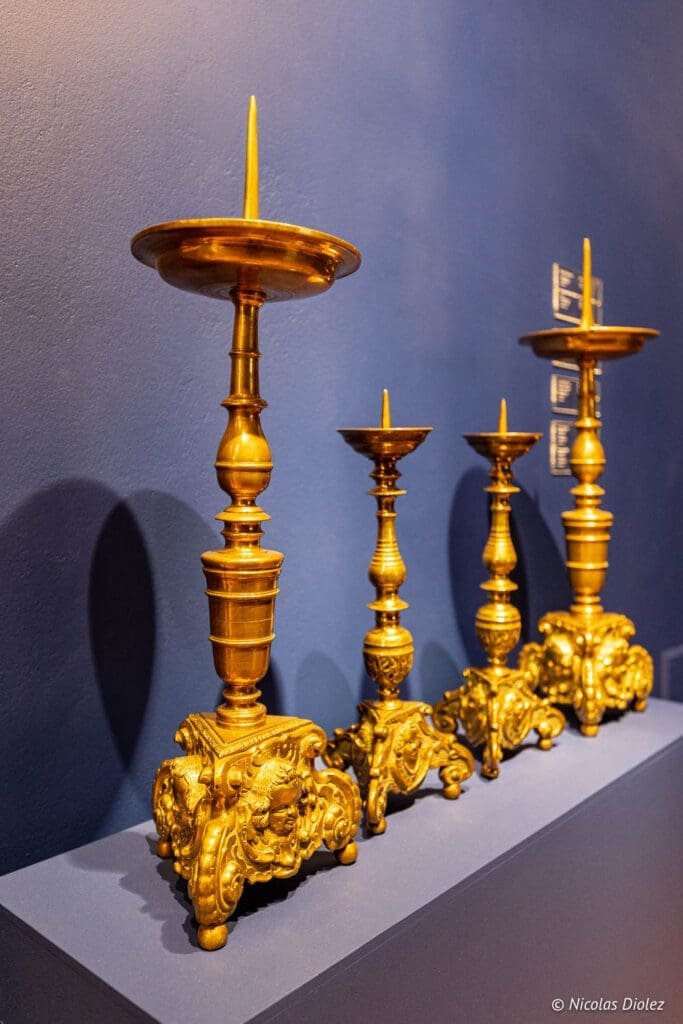
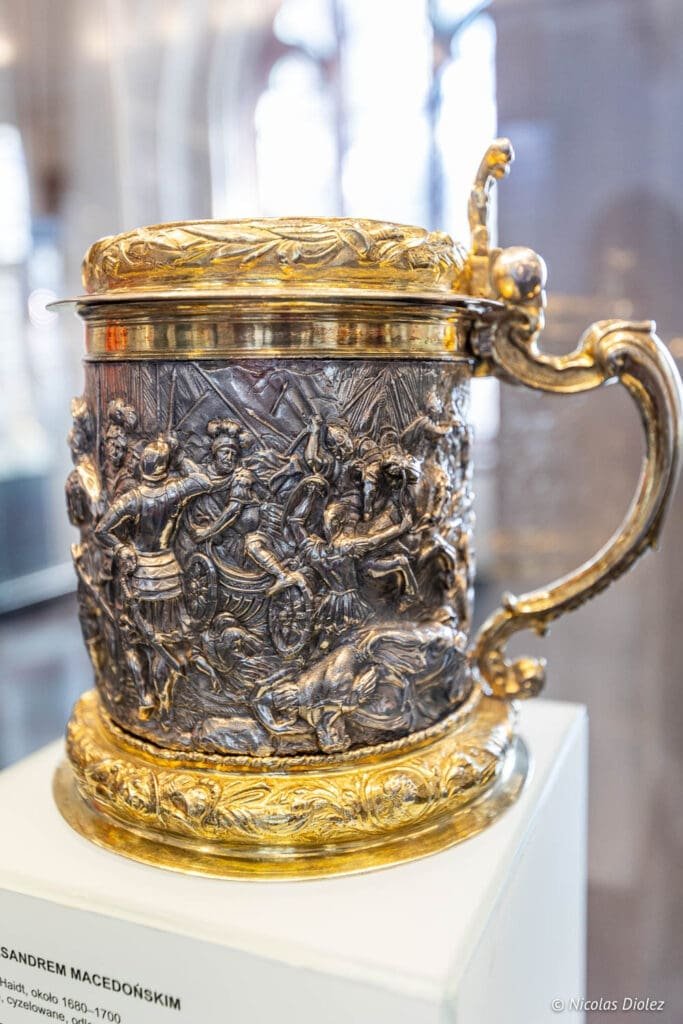
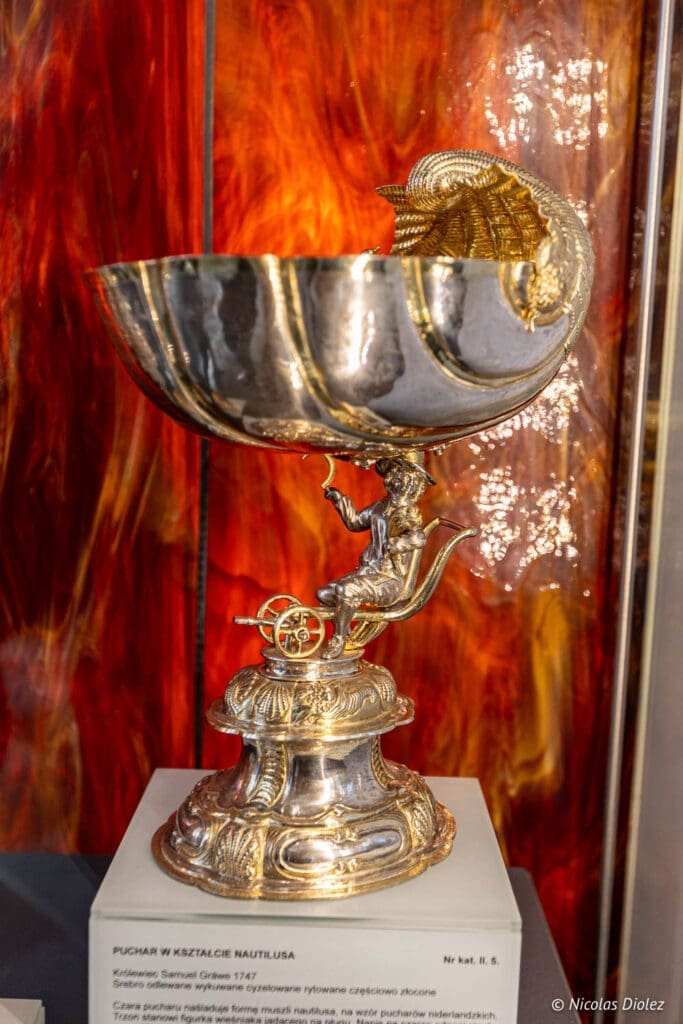
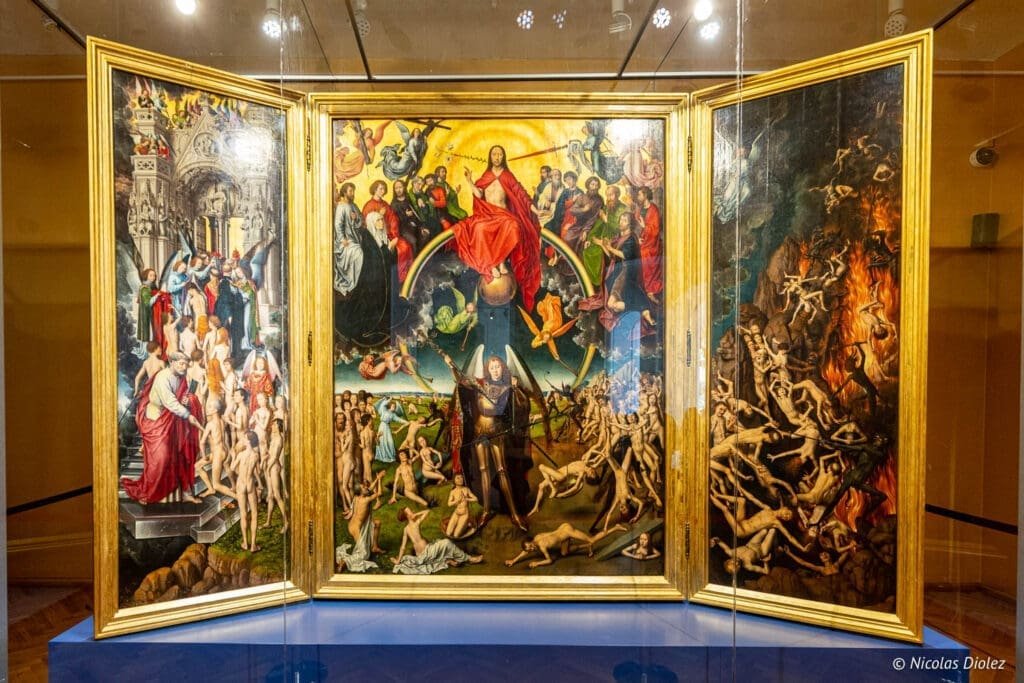
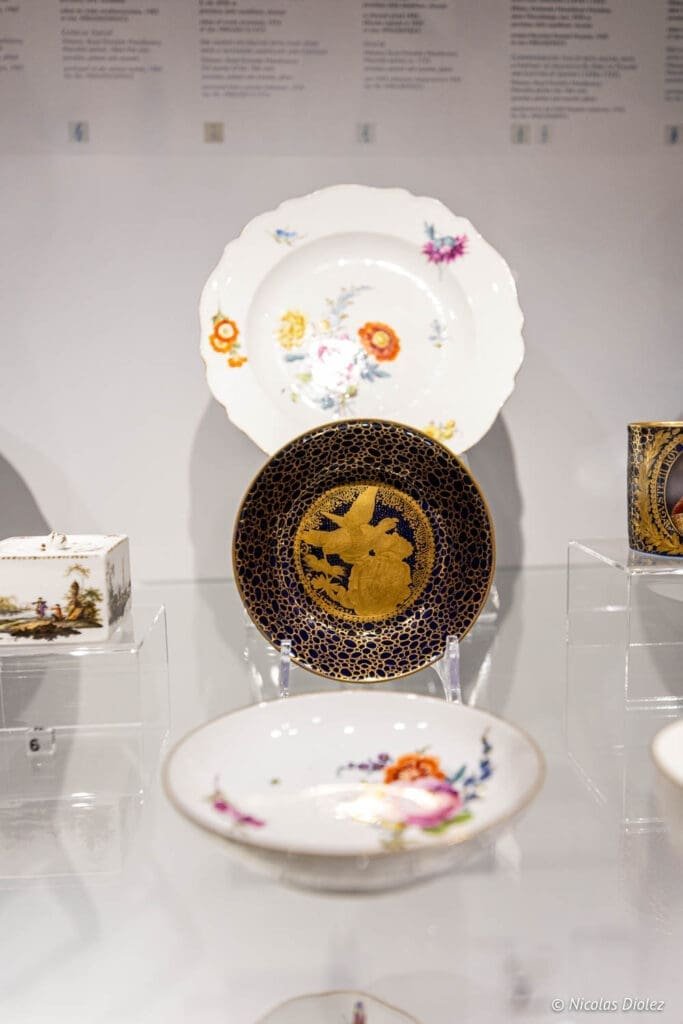
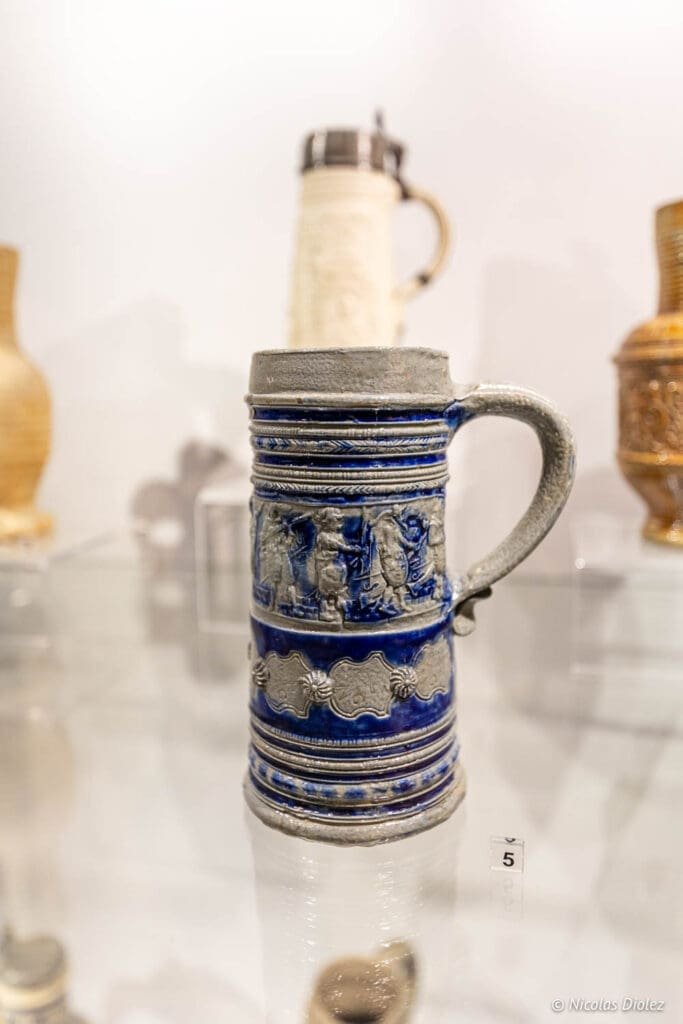
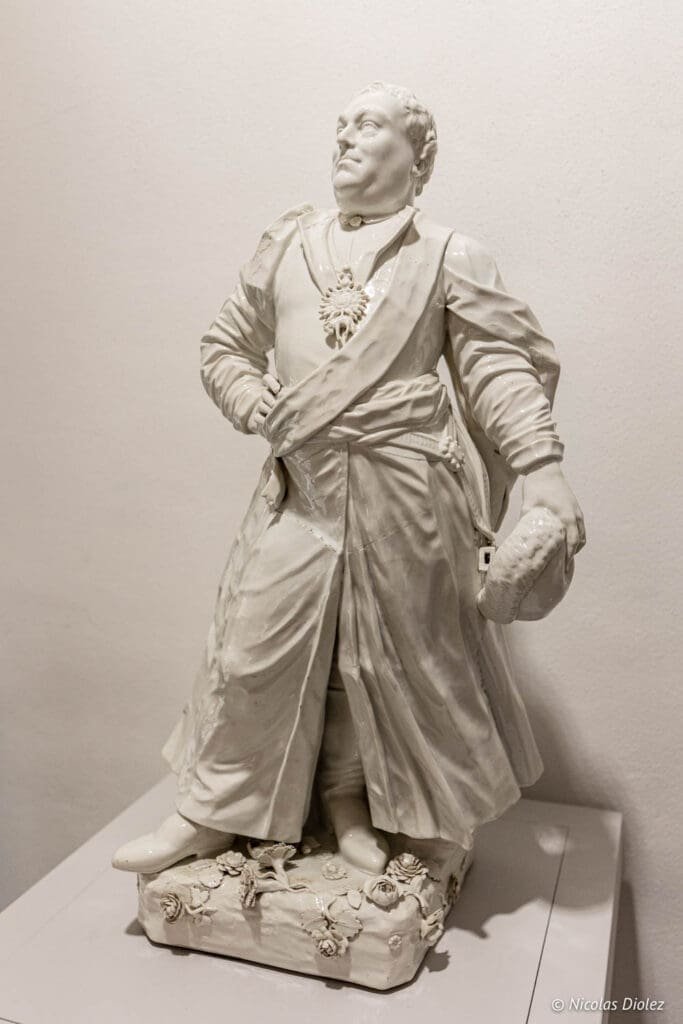
National Museum in Gdańsk (Oddział Sztuki Dawnej)
Toruńska 1, 80-822 Gdańsk
Prices: 20 PLN full price / 15 PLN concession / 1 PLN students and school children
Good deal: Tuesday is free admission day to visit the permanent collections of the National Museum.
_
Visiting the European Solidarity Centre
This venue, inaugurated in 2014, houses a comprehensive cultural center with a large media library, conference rooms, and a museum. We went there to check out the museum and its permanent exhibition, “Road to Freedom“. This exhibition recounts the history of the years from 1956 to 1989, starting with the birth of Solidarność in August 1980 at the heart of the former Gdańsk Shipyard. This major political and social movement, born in the wake of 18 days of strikes (from August 14 to 31, 1980), revived the hope of Polish society and also became the symbol of the end of the communist regime in Europe. It follows the story of Polish people, mainly workers, who fought to free themselves from the system of that era and inspired many other countries. I must admit I wasn’t very familiar with this episode of Polish history, and I truly found this exhibition fascinating! Be careful, though: the exhibition is entirely in Polish with an English translation. However, at the reception desk, you’ll find a small brochure in French explaining each room.
The exhibition also lets you discover the 21 agreements reached at the end of the strike, which were written on wooden plaques. These were signed with the PRL (Polish People’s Republic) on August 31, 1980, by members of the Inter-Enterprise Strike Committee. In front of the building, you will also find the monument to the shipyard workers killed during the strikes of December 1970.


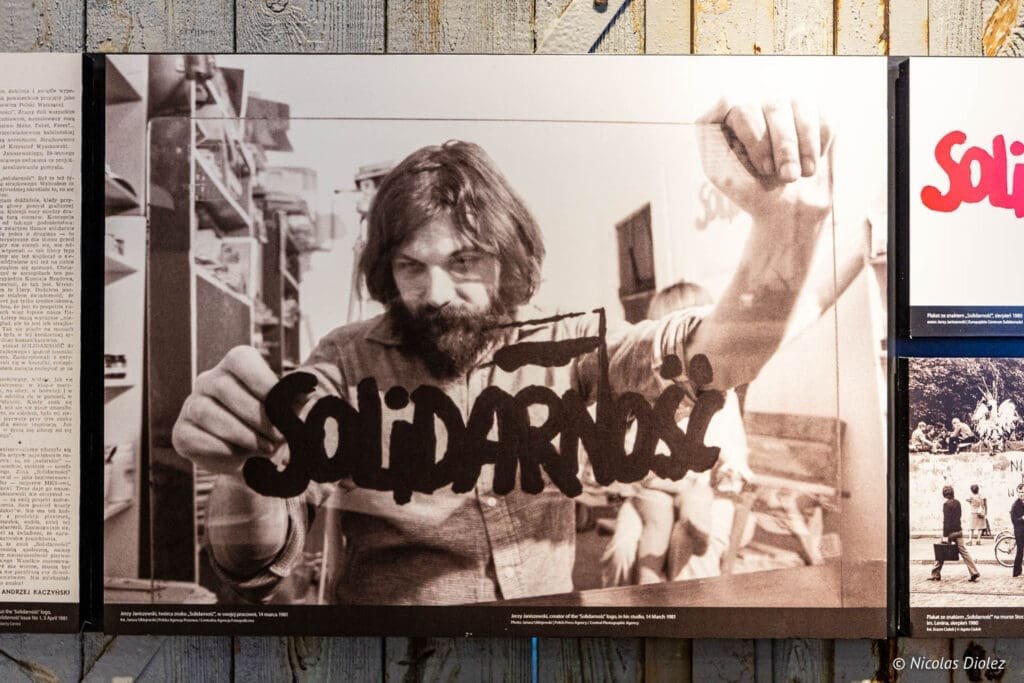


My tip: upon leaving the European Solidarity Centre, be sure to stop by the building opposite—the CHSCT room, which was the venue for the first meeting of the Inter-Enterprise Strike Committee (MKS) and where the August 1980 “Agreements” were signed, giving birth to the independent trade union Solidarność. Today, the room houses a small free exhibition and a shop where you can buy Solidarność goodies.
European Solidarity Centre
Pl. Solidarności 1, 80-863 Gdańsk, Poland
open Tuesday to Sunday from 10:00 AM to 6:00 PM (and only until 5:00 PM between October and April)
Prices: 40 PLN full price / 35 PLN reduced price (audioguide included for each visitor / free for children under 7)
_
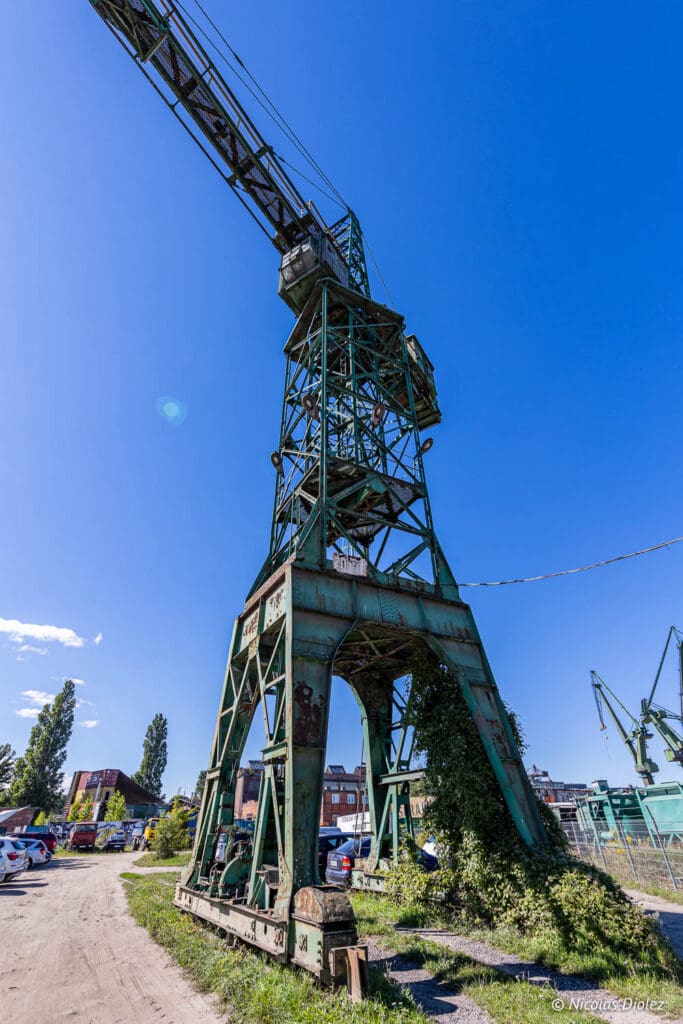
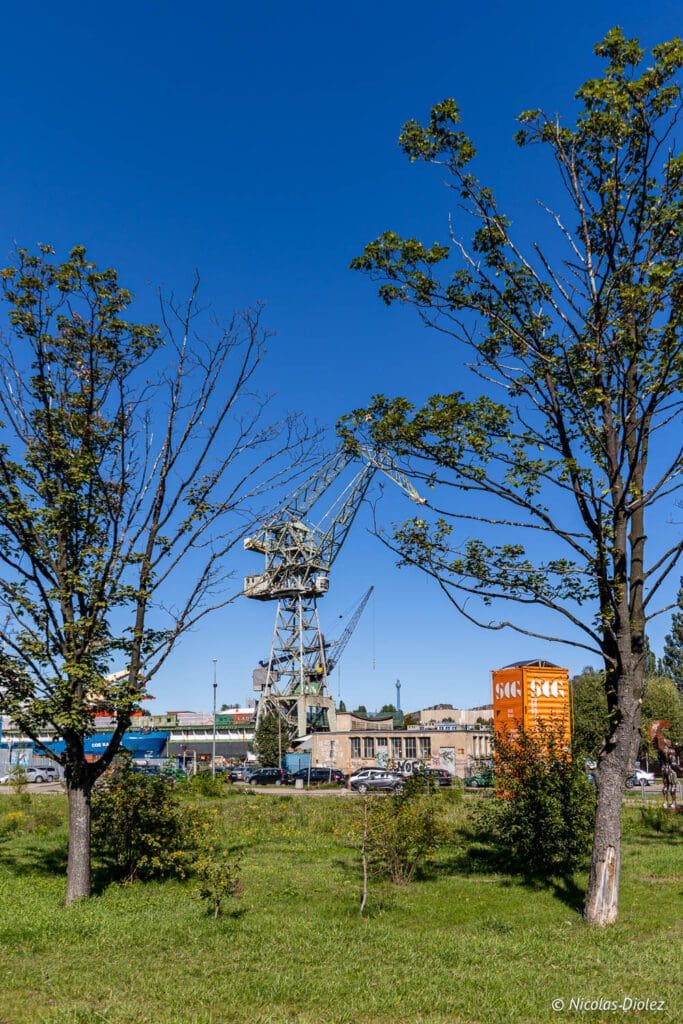
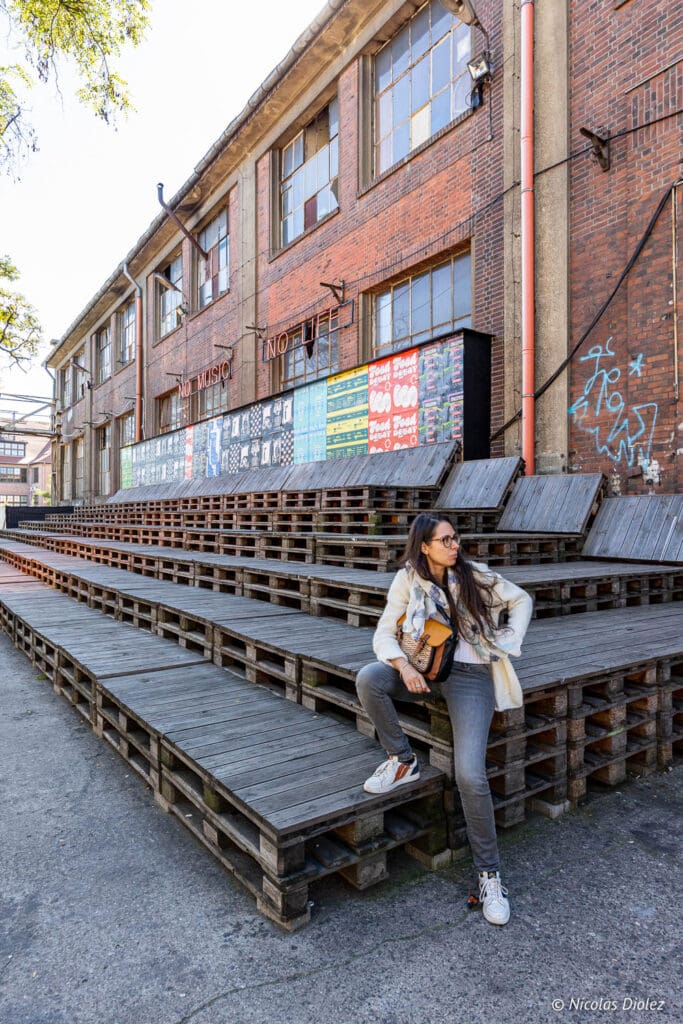
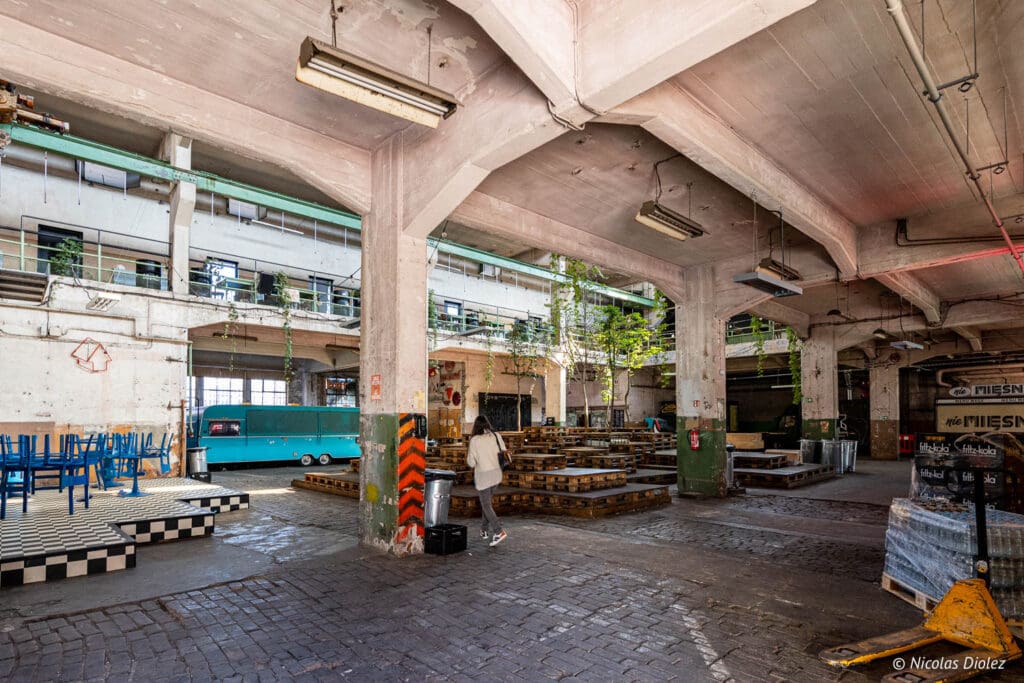
Discover the shipyard district
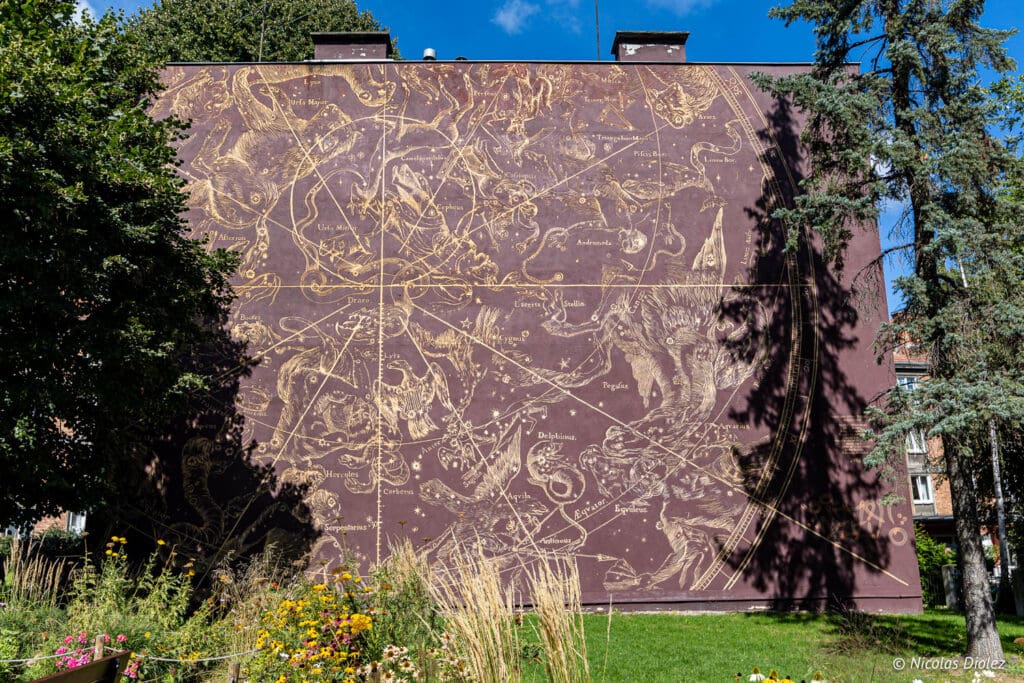
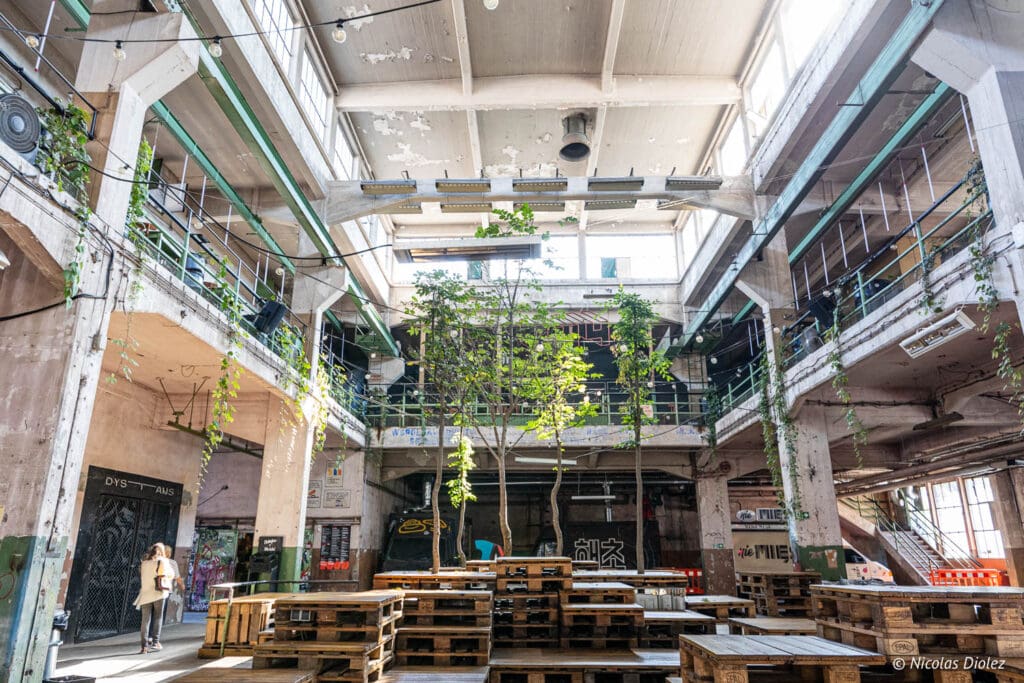
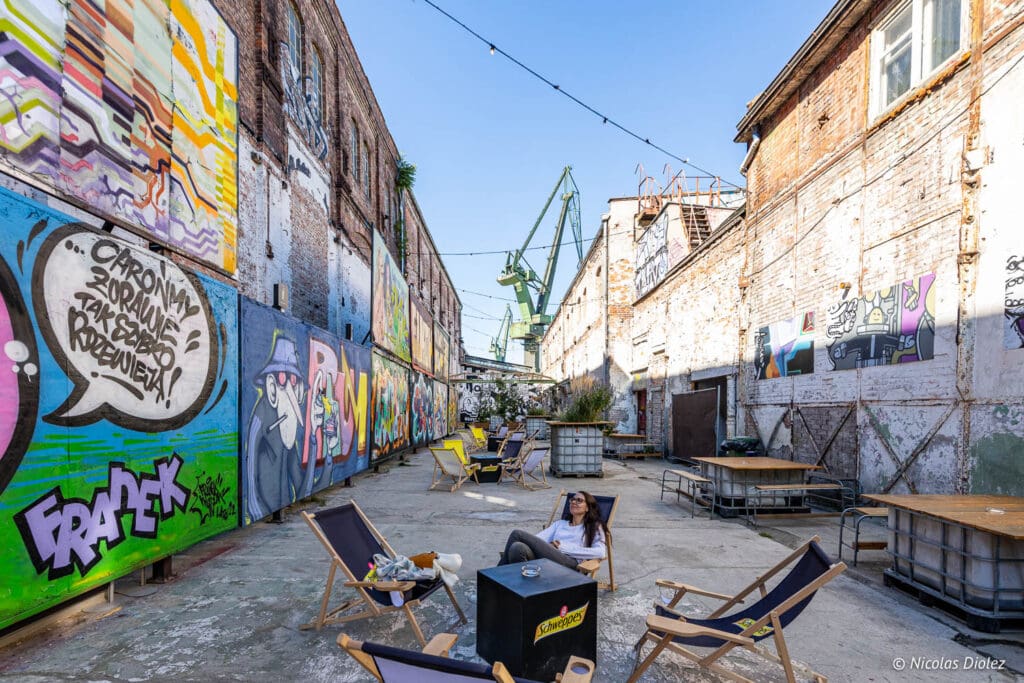
After your visit to the Solidarity Centre, I recommend taking a stroll through the nearby shipyard district. This place feels like the alternative neighborhood of the city, featuring quite a bit of street art and very cool food courts (I’ll tell you about one of them below in the city’s “good addresses” section).
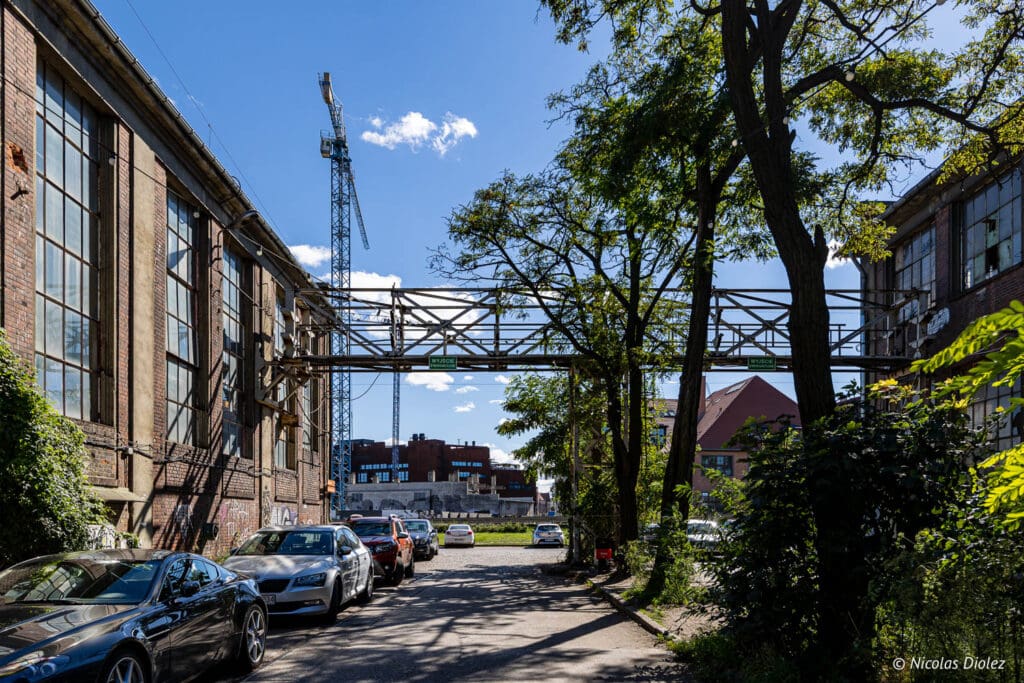
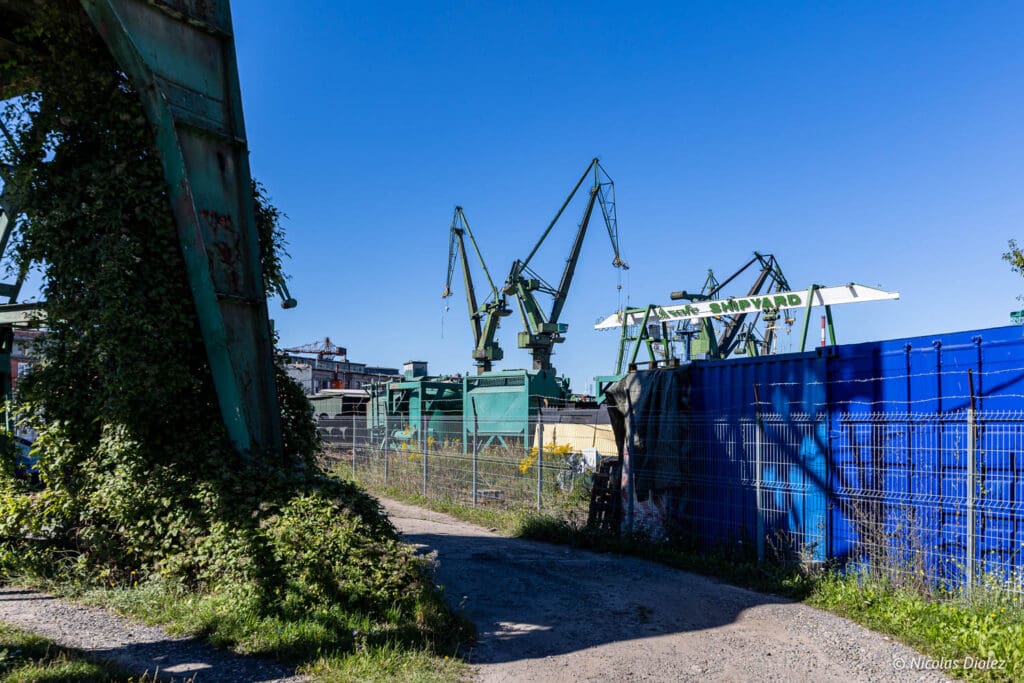
_
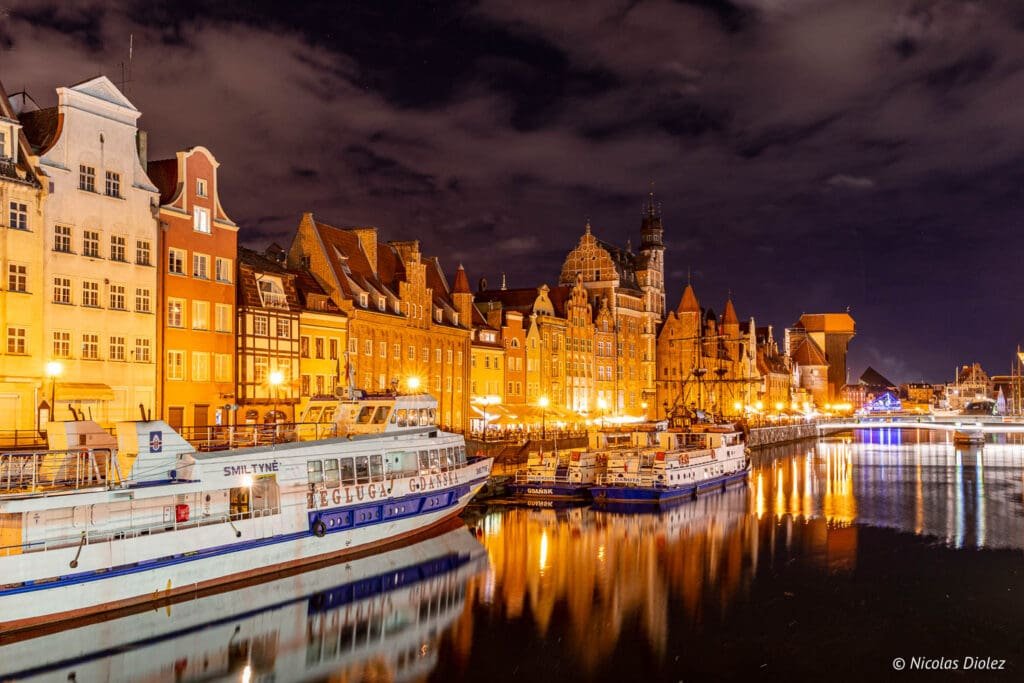
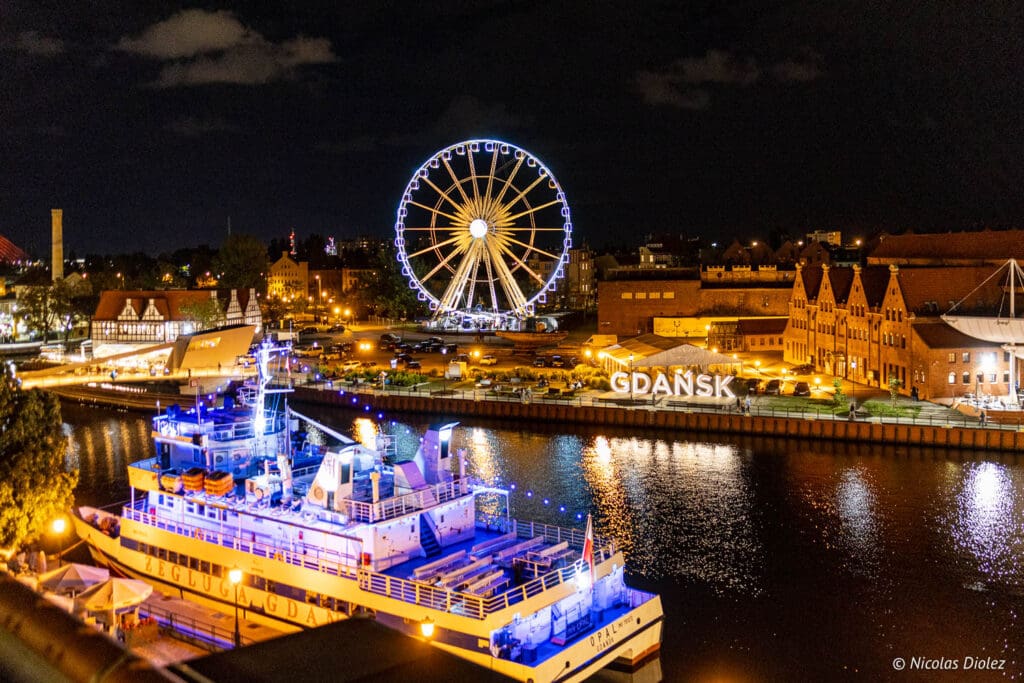
Take a night walk in Gdańsk
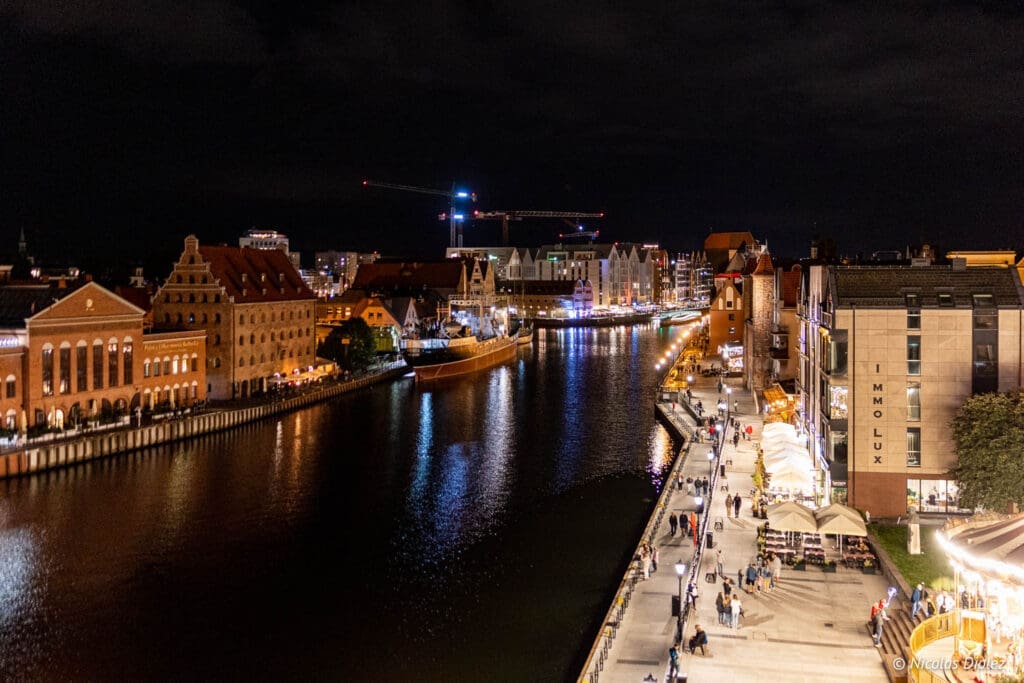
As you can see in the photos below, the city of Gdańsk is definitely worth exploring at night, because the illuminations of its buildings and quays are truly magnificent!




_
My favorite addresses in Gdańsk
As usual, below you’ll find my selection of good addresses in Gdańsk (several restaurants and a hotel) that we had the chance to test during our stay with my favorite photographer. These addresses often showcase local products and a few Polish specialties to try if you come to Poland. As for beer, we didn’t get too many chances to explore them, but I was told there are 5 local breweries in the city. On the culinary front, the region is mainly known for its fish-based dishes: hake, salmon, and herring.
Below, I’ve also added a few addresses that we unfortunately didn’t have time to try, but which were warmly recommended to us by our Polish guide.
- Where to eat good cakes in Gdańsk? Cukiernia Sowa
- Bar Mleczny, a very budget-friendly restaurant with traditional dishes
_
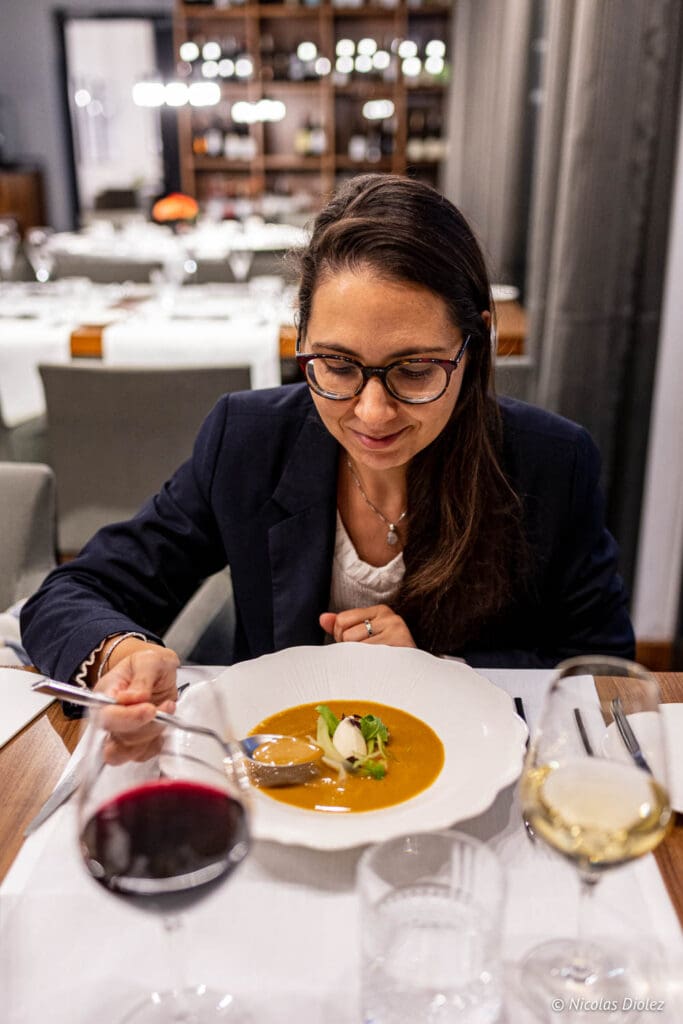
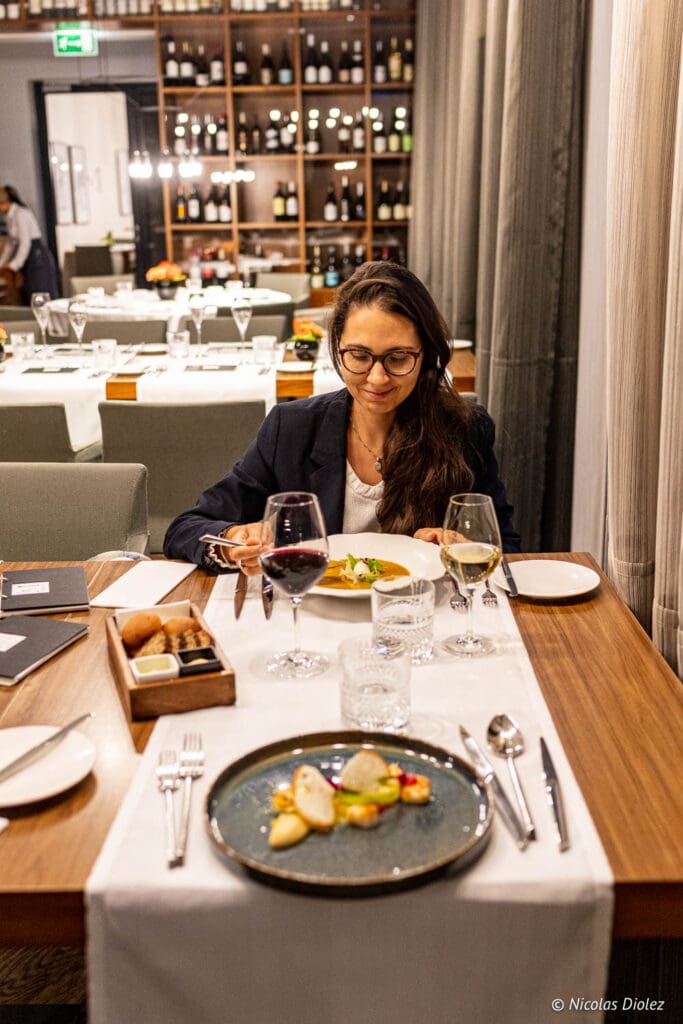
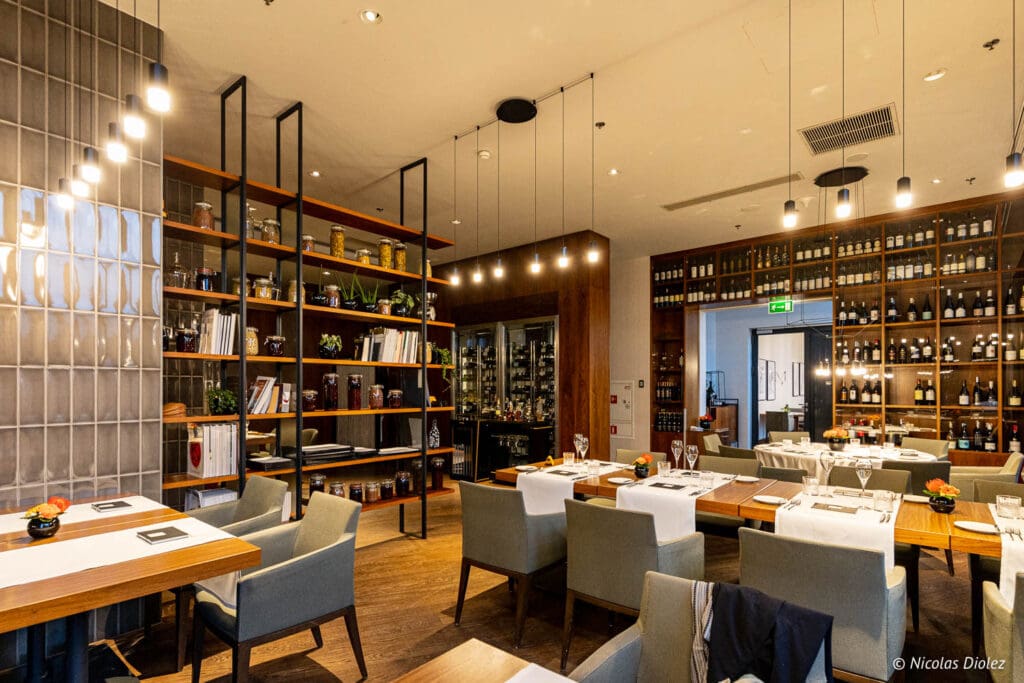
Where to have a fine dining dinner and a drink in Gdańsk? At the Mercato restaurant in the Hilton hotel
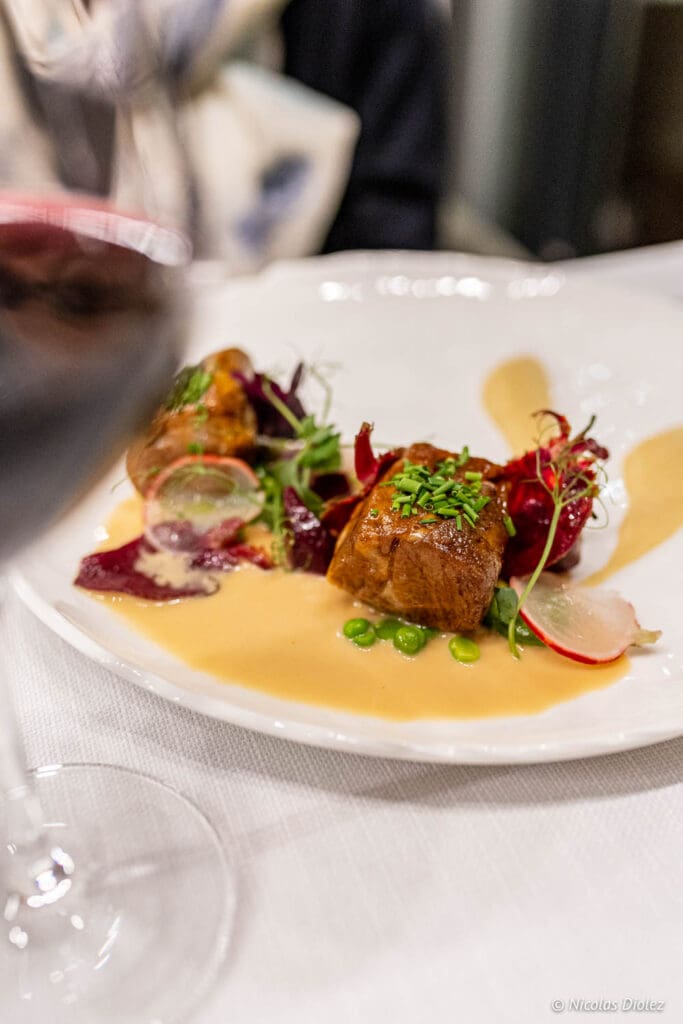
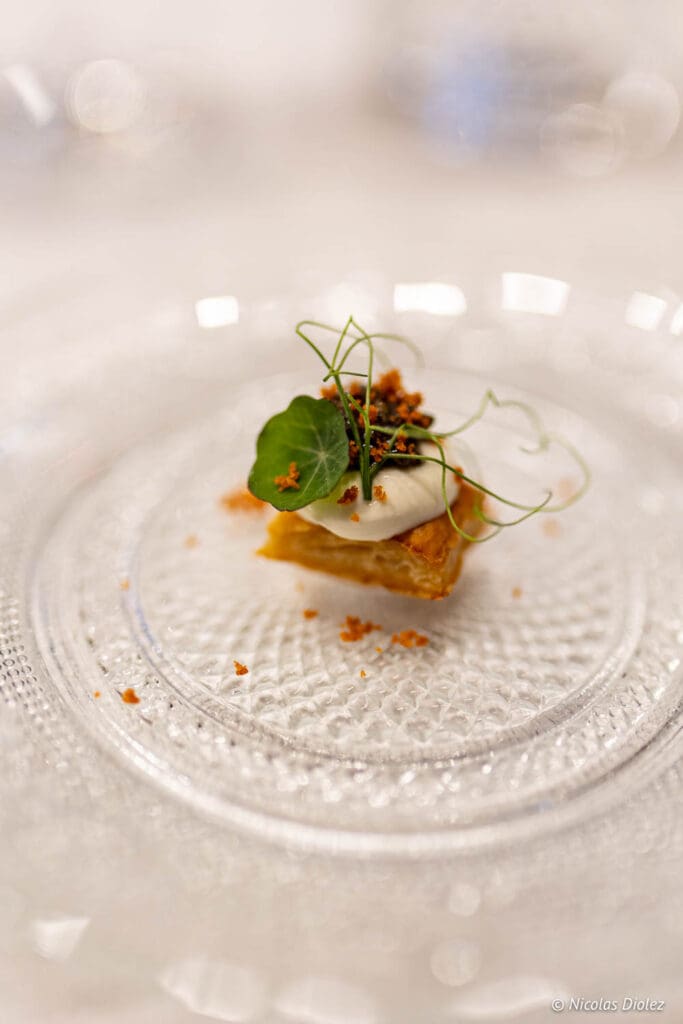
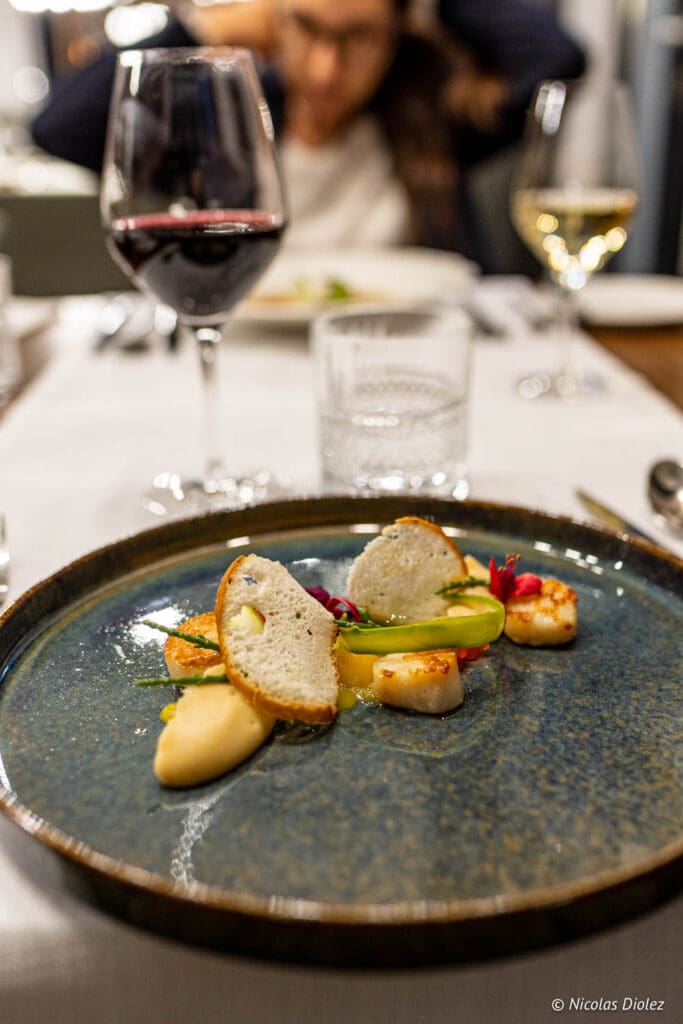
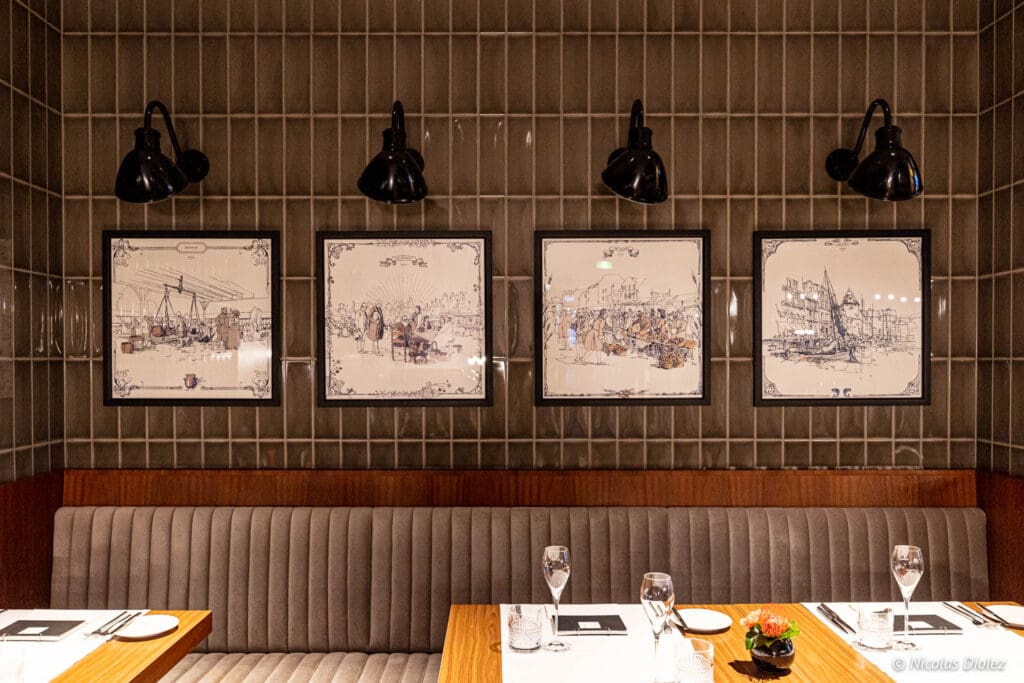
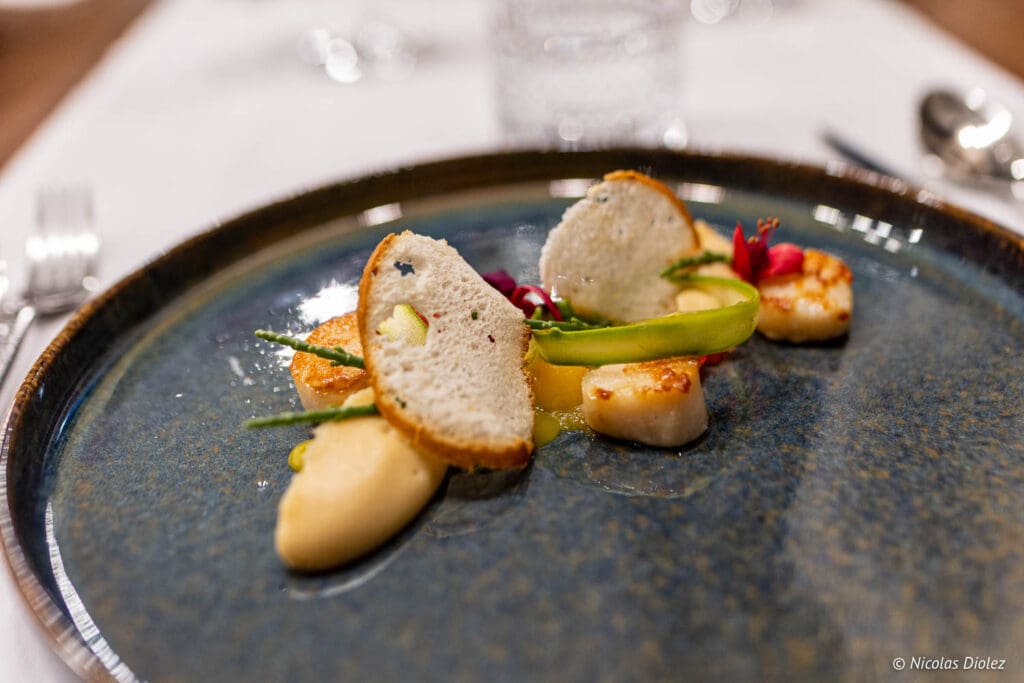
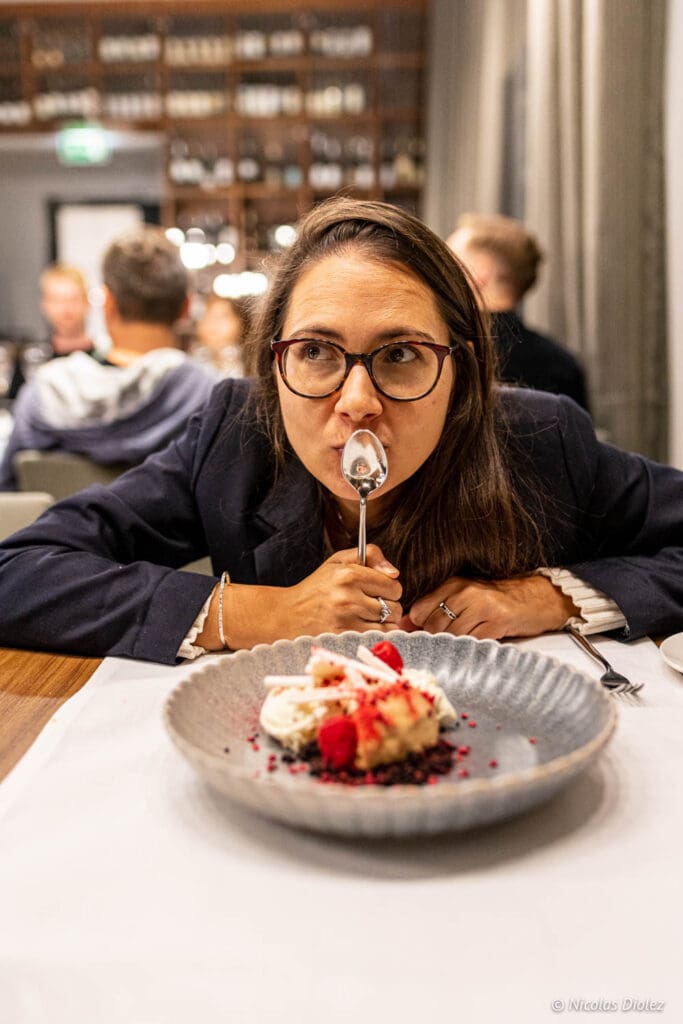
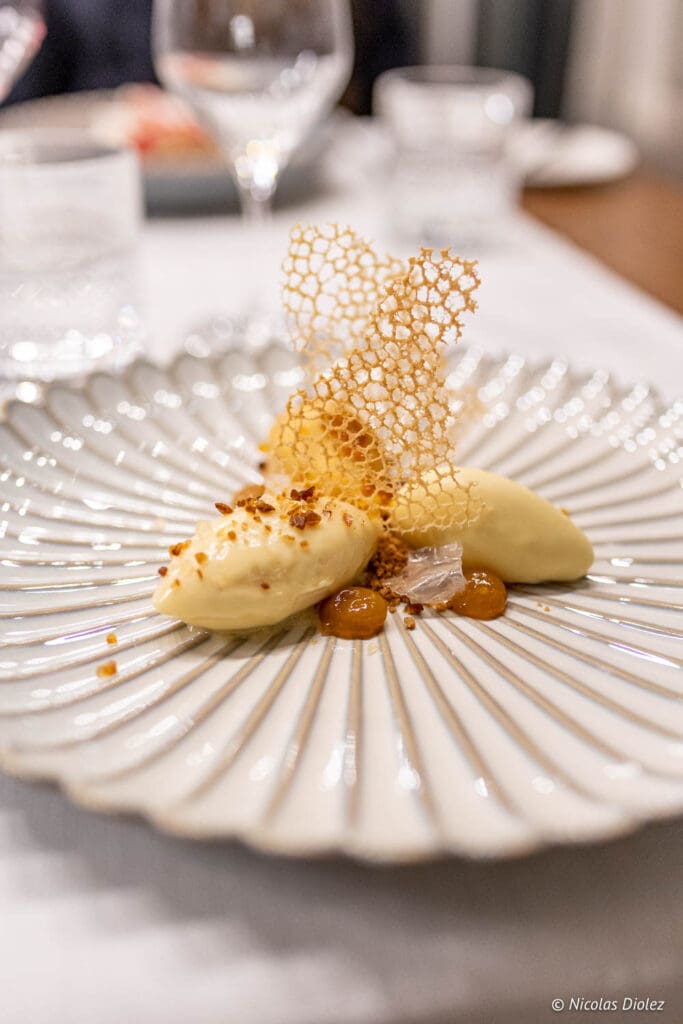
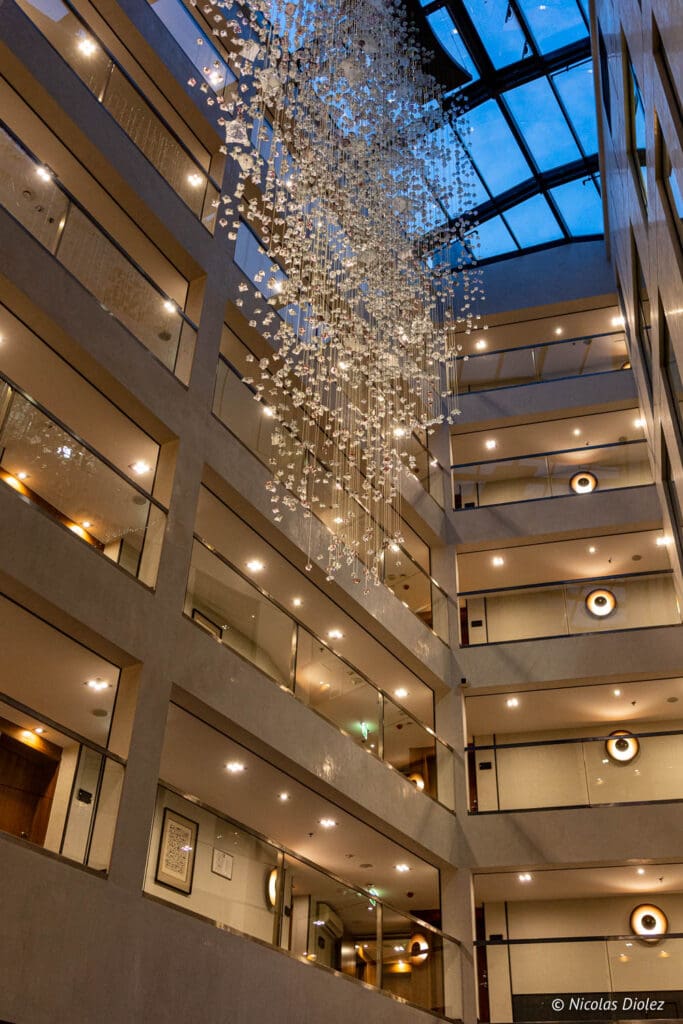
This restaurant is located inside the Hilton hotel, in the heart of Gdańsk’s City Center district. It pays tribute to the city’s markets and therefore offers fish specialties. The chef crafts very high-level cuisine that changes with the seasons. We were particularly won over by the starters, which were delicious. On the wine side, the establishment offers a nice selection of Polish wines; unfortunately, very few are available by the glass, only by the bottle, if you want to sample local production.
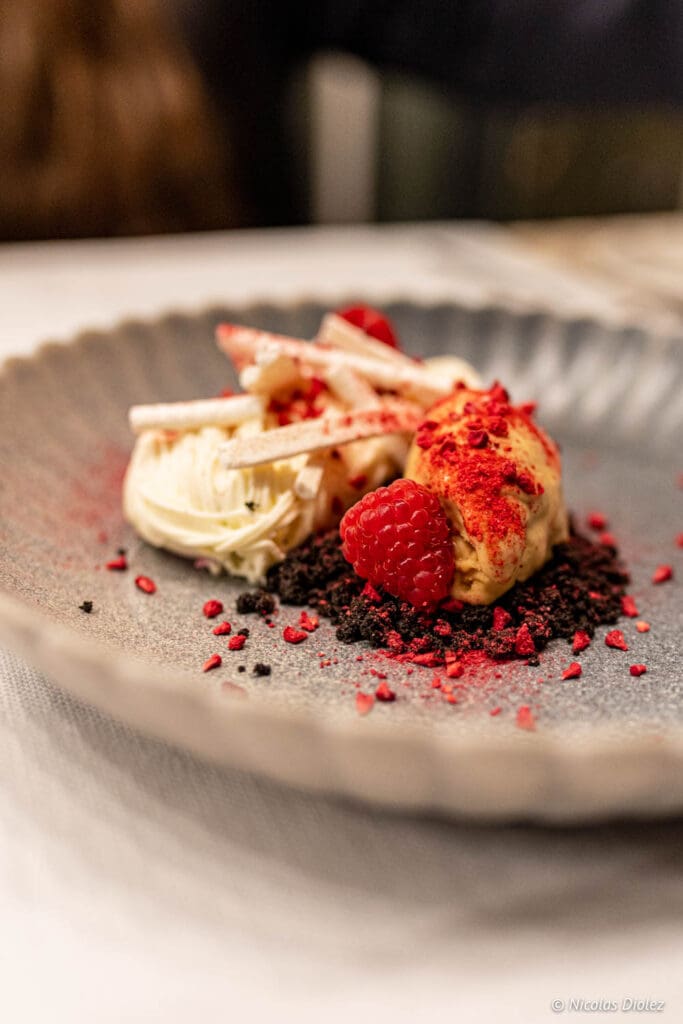
To try: for a starter, the crayfish soup, our favorite of the meal (45 PLN) or the scallops (89 PLN); for a main course, the salmon with broad beans, green peas, asparagus, razor clams, and Jerusalem artichokes (99 PLN) or the Pomeranian mutton (note that this is quite a fatty meat and you have to like it) with garlic, broad beans, green peas, and beets (119 PLN); for dessert, the Gdańsk Amber (39 PLN).


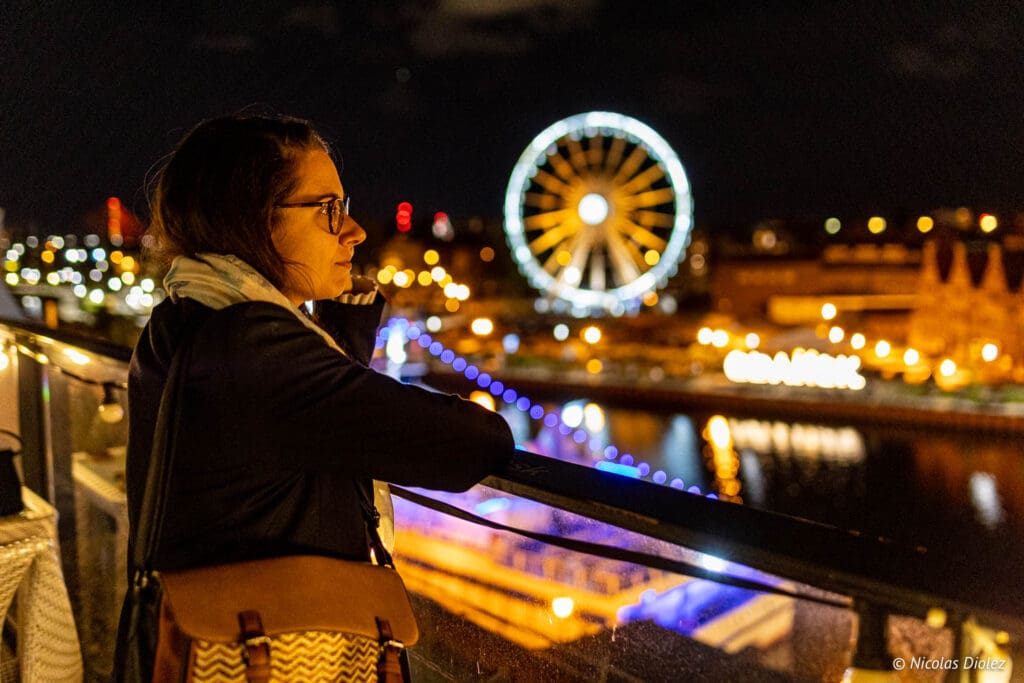
My tip: before or after your meal, I recommend having a drink at the hotel bar on the top floor to enjoy the rooftop, which offers a magnificent view of the Motława River and the surrounding area.


Mercato restaurant
Targ Rybny 1, 80-838 Gdańsk
_
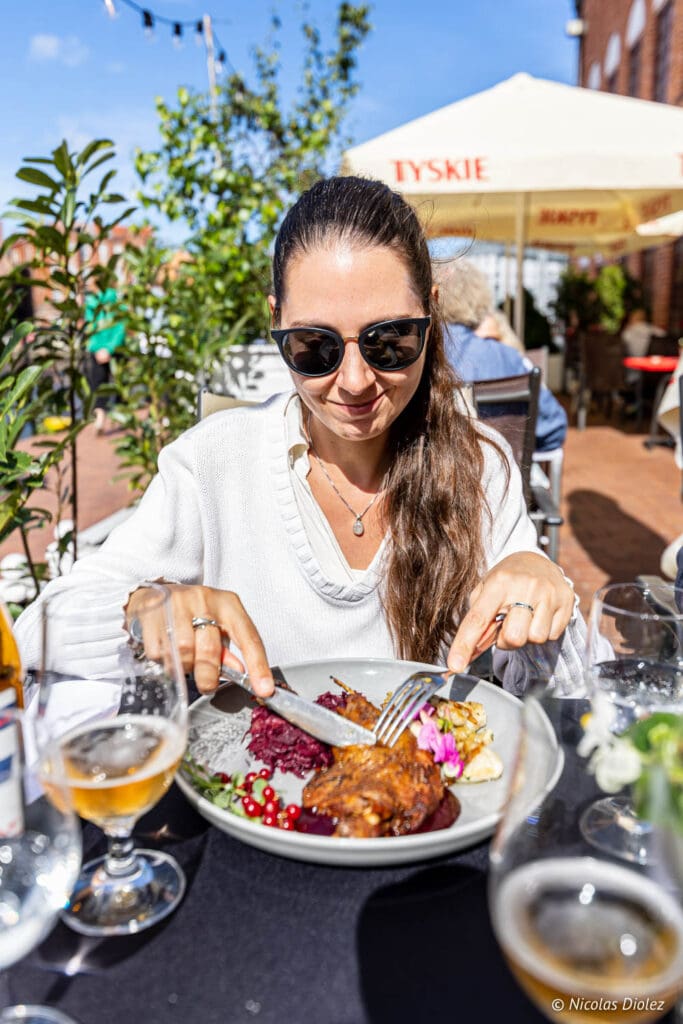
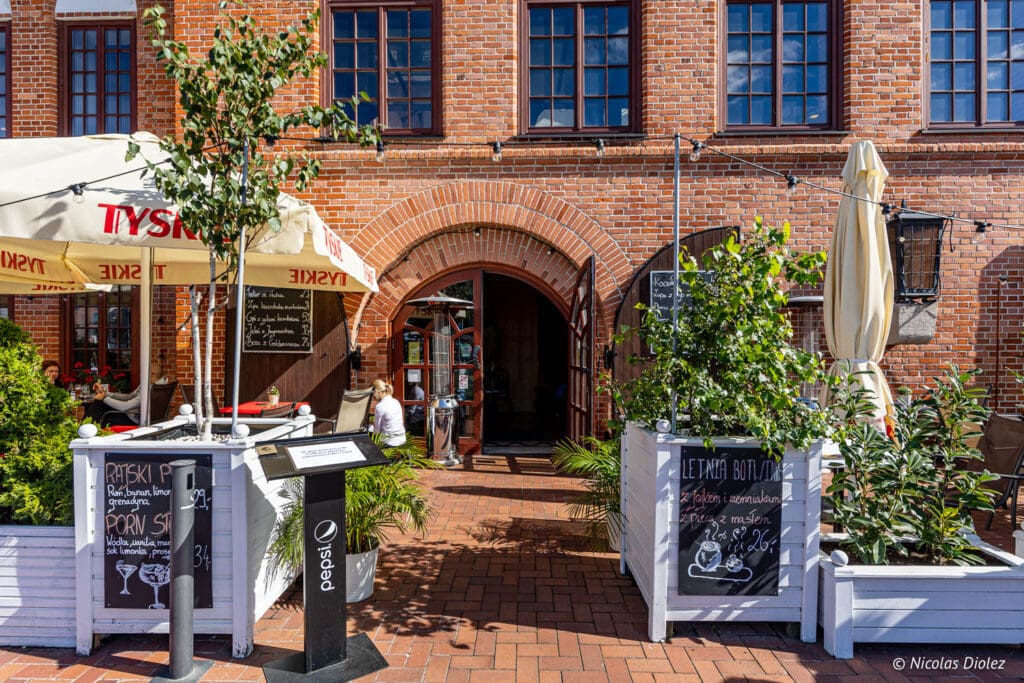
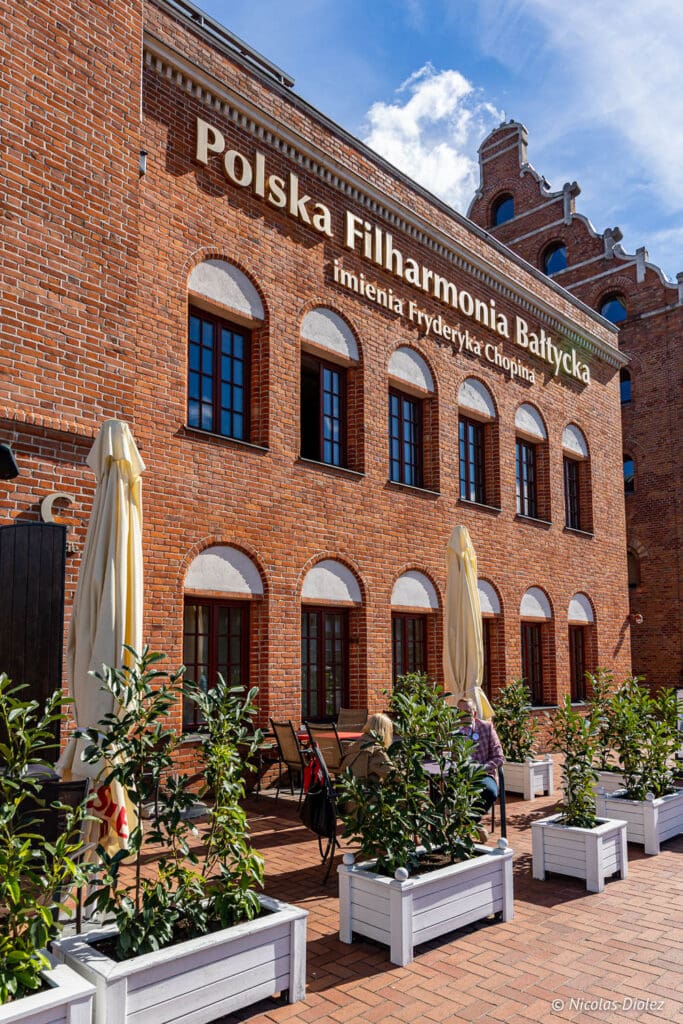
Where to have lunch on a terrace overlooking the Motława? Filharmonia Restaurant
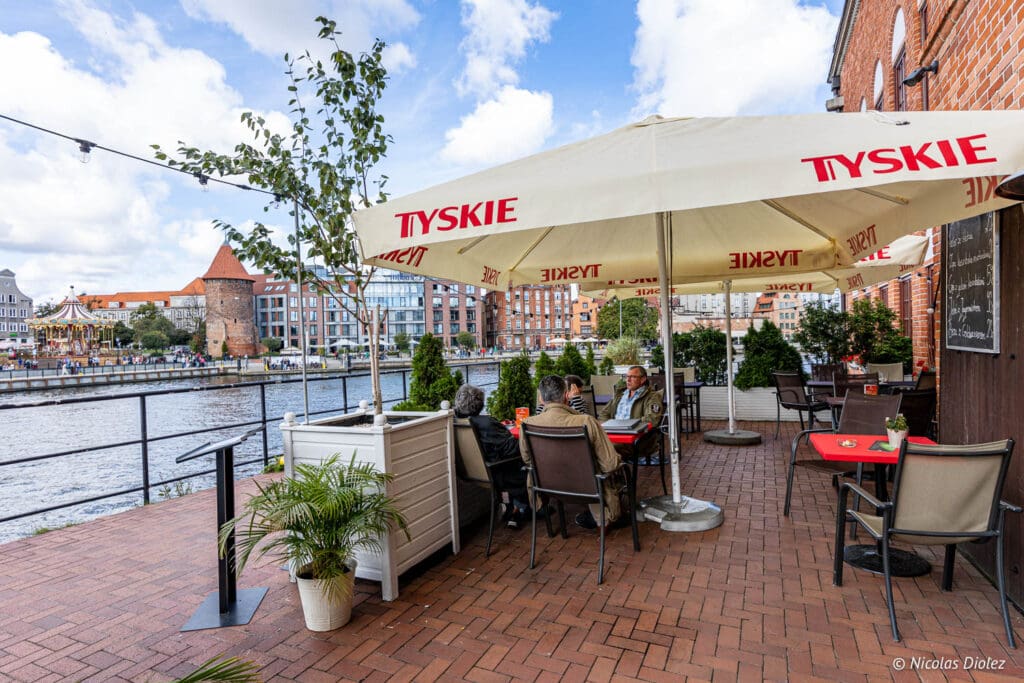
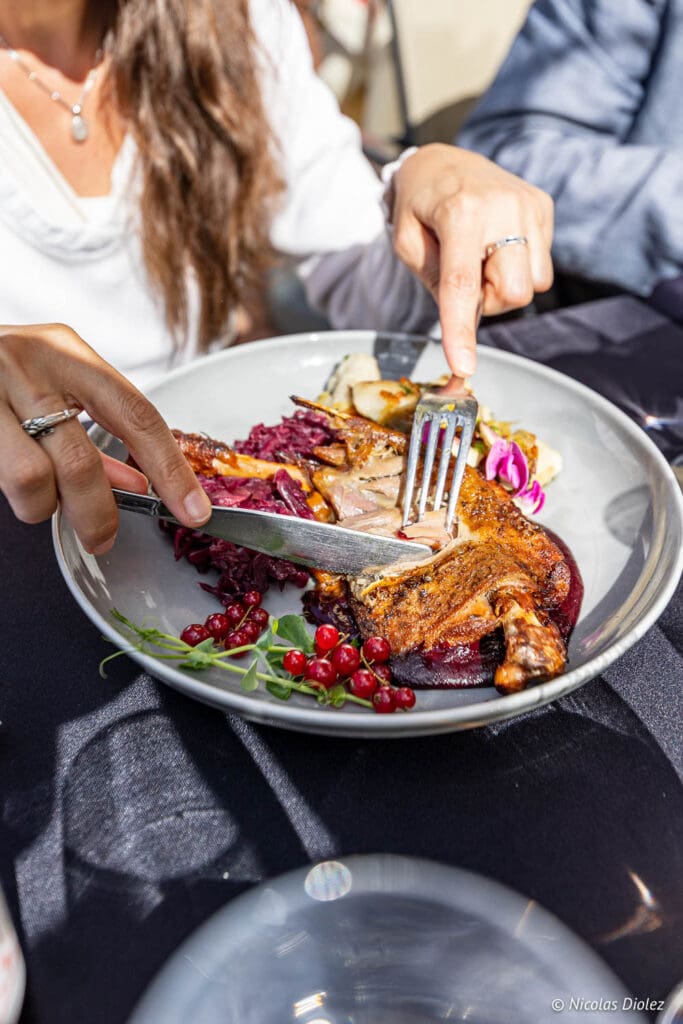
Filharmonia Restaurant, located in a 19th-century historic building in Gdańsk, offers a very lovely view of the Motława River. During the summer season, you can also enjoy the sun on one of the establishment’s terraces right by the canal. On the culinary side, the restaurant offers a menu based entirely on fresh, seasonal produce.
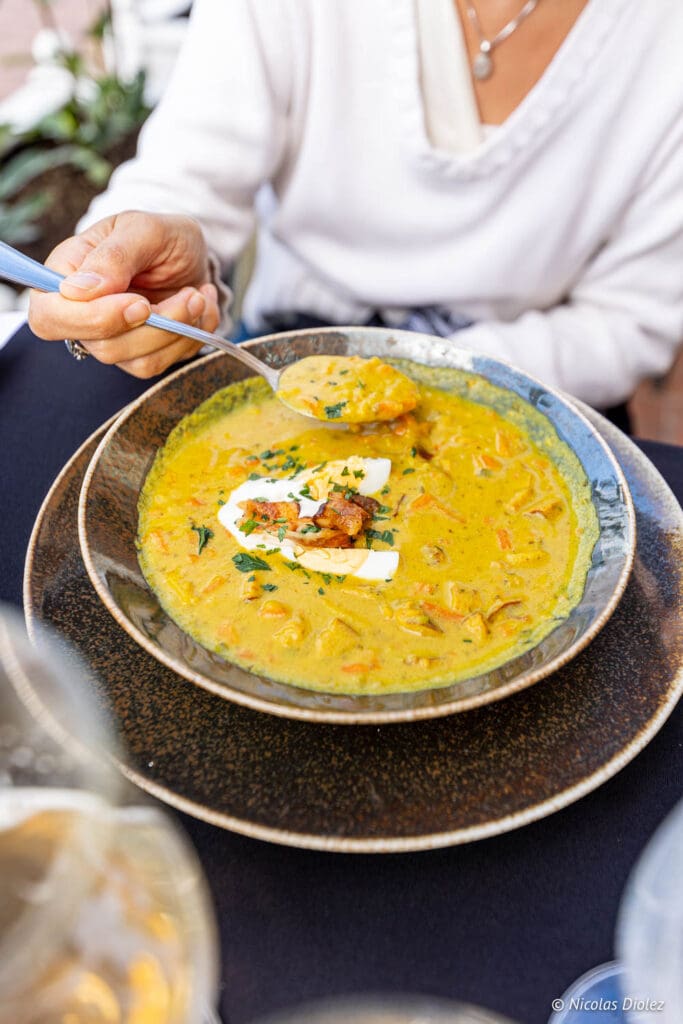
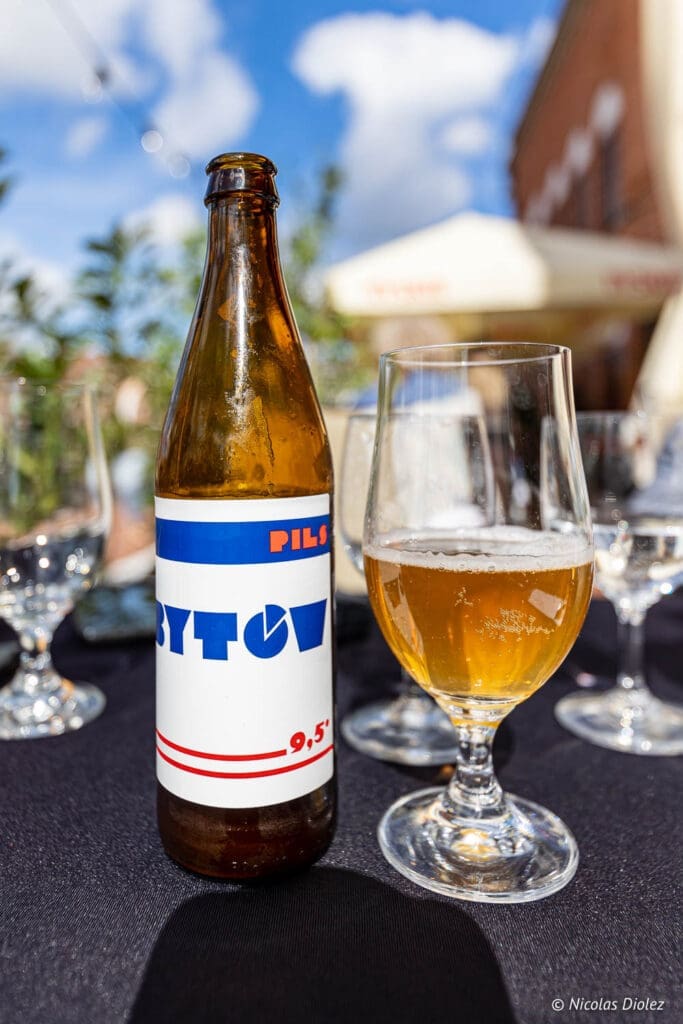
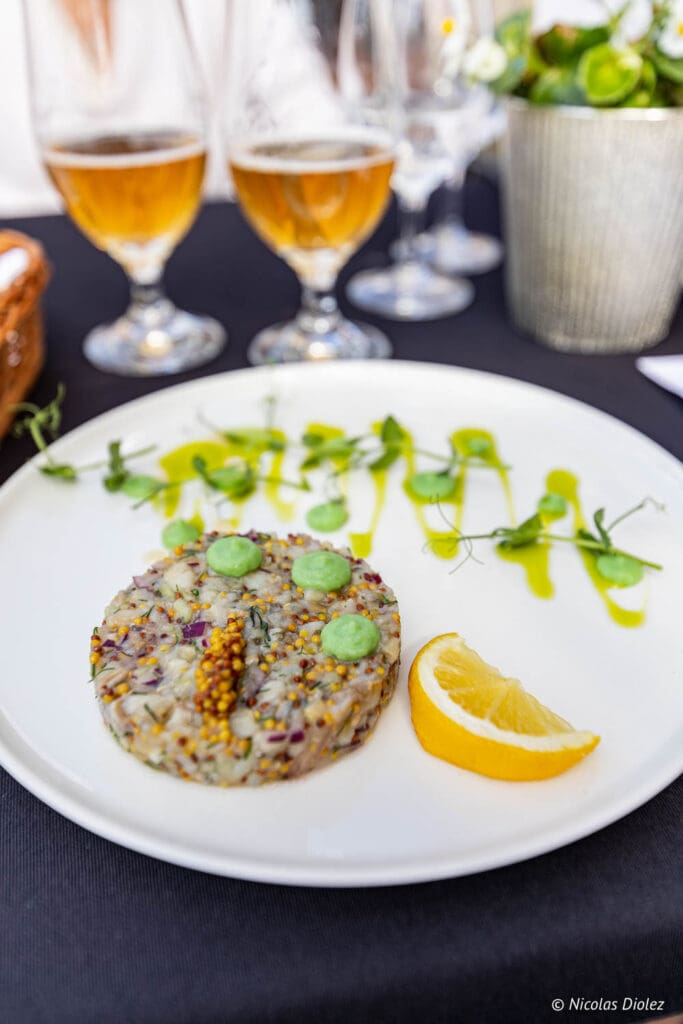
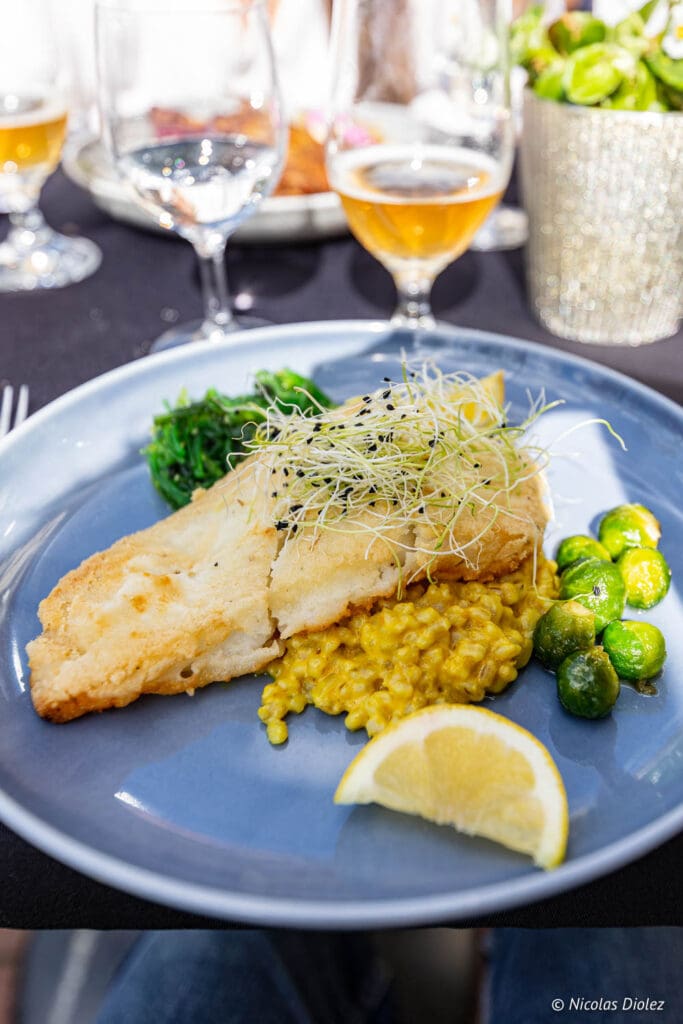
To try: herring tartare (29 PLN); Kashubian mustard soup with egg, sausages, and smoked bacon (24 PLN); fried halibut fillet, barley, and Brussels sprouts (59 PLN); we also tried a Polish beer, a Piwo Bytów Pils (18 PLN).
Filharmonia restaurant
Ołowianka 1, 80-751 Gdańsk, Poland
_
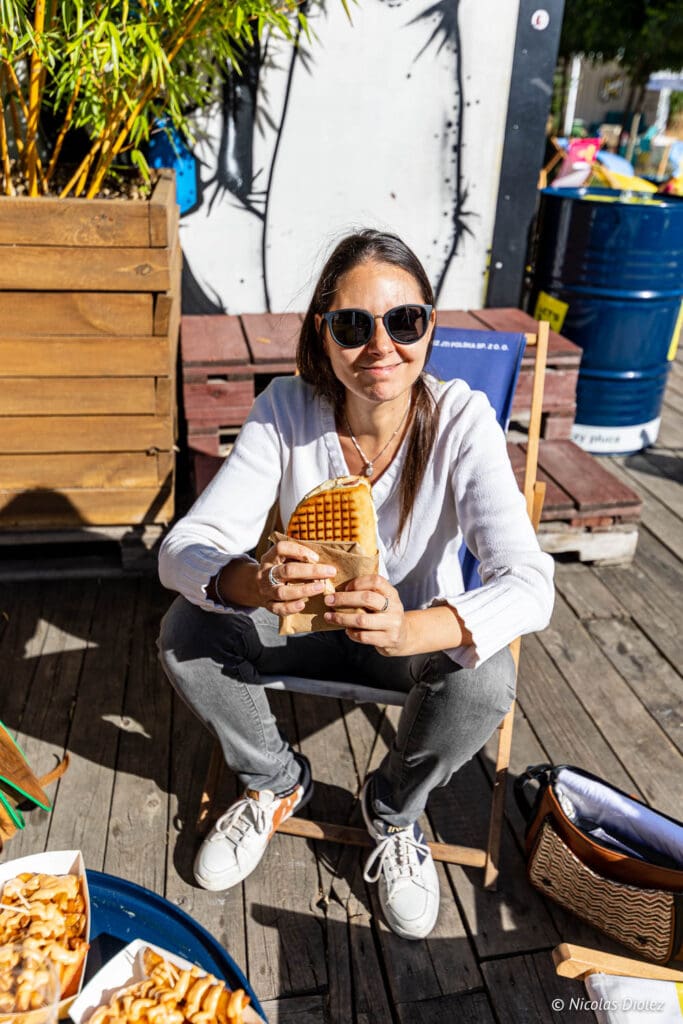
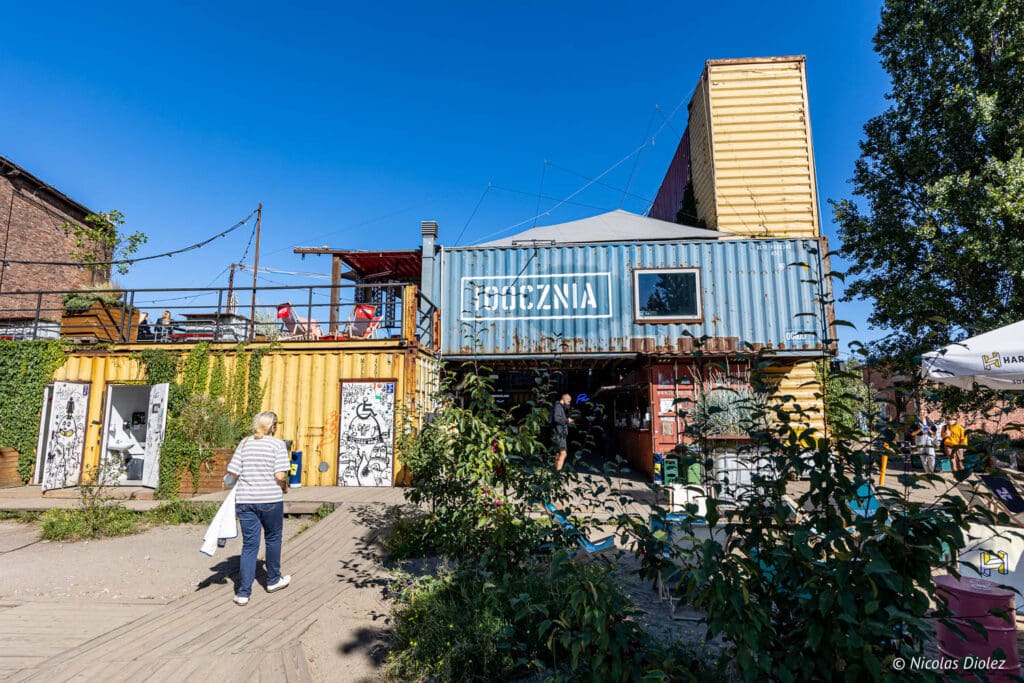
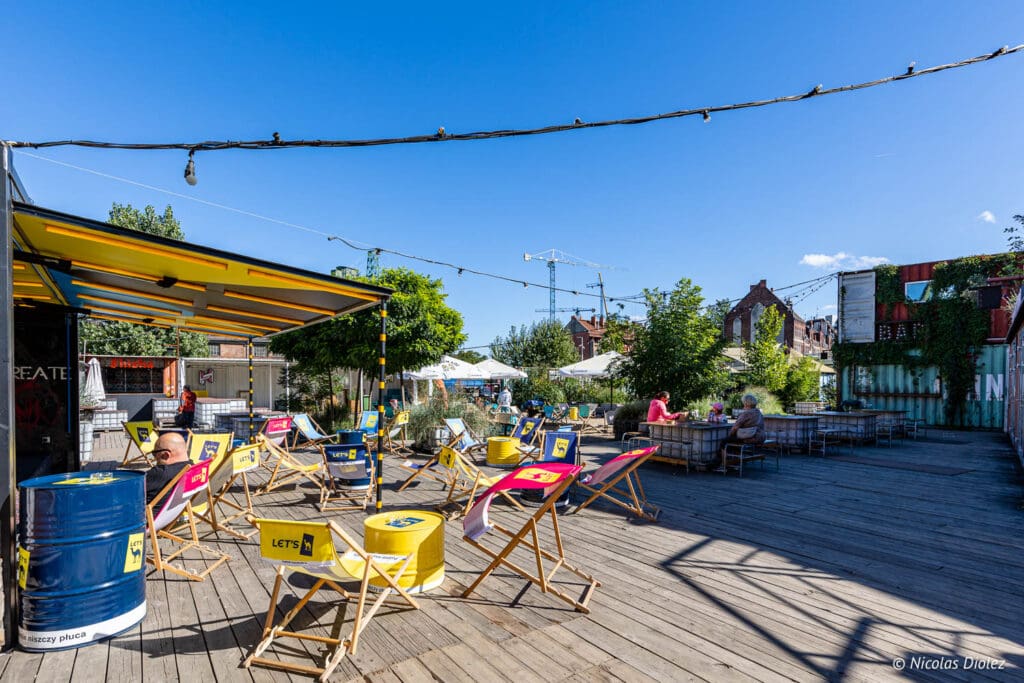
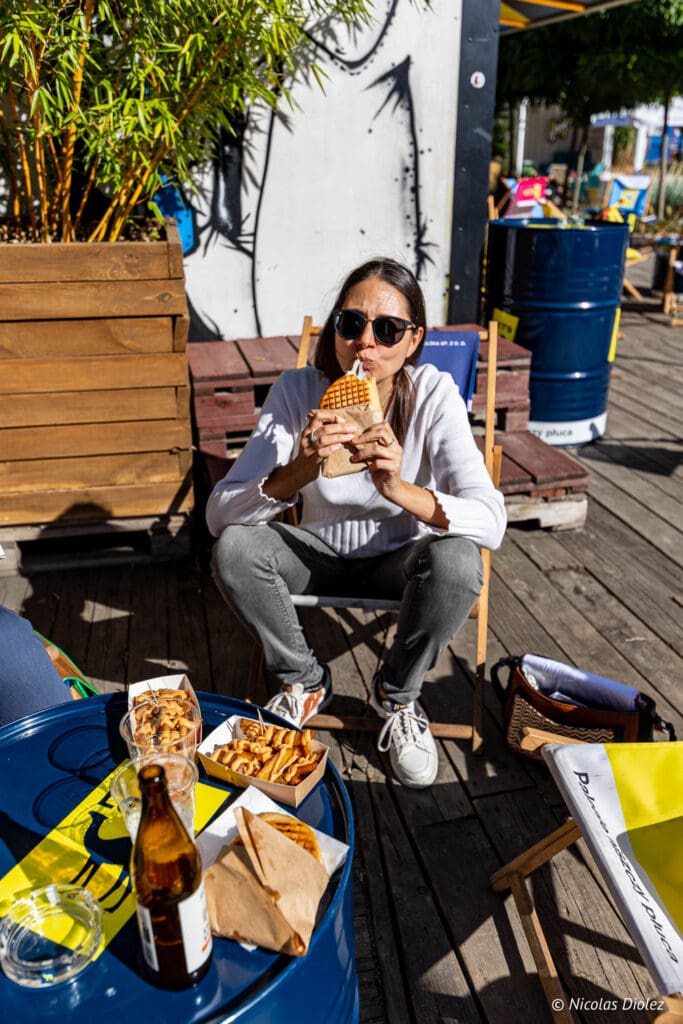
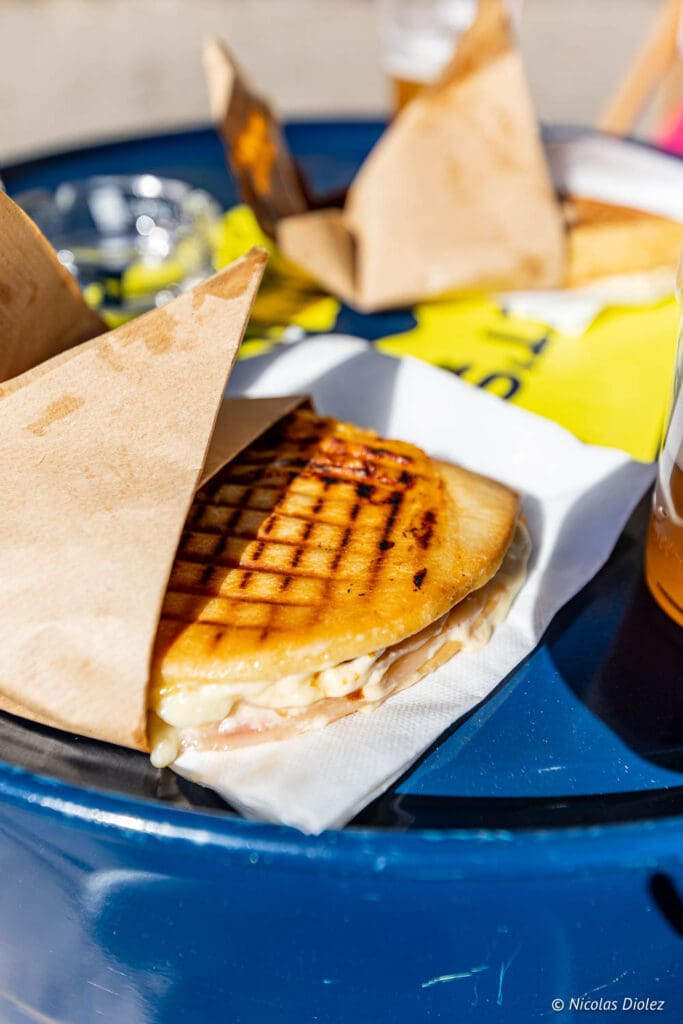
Where to eat street food in Gdańsk? 100cznia
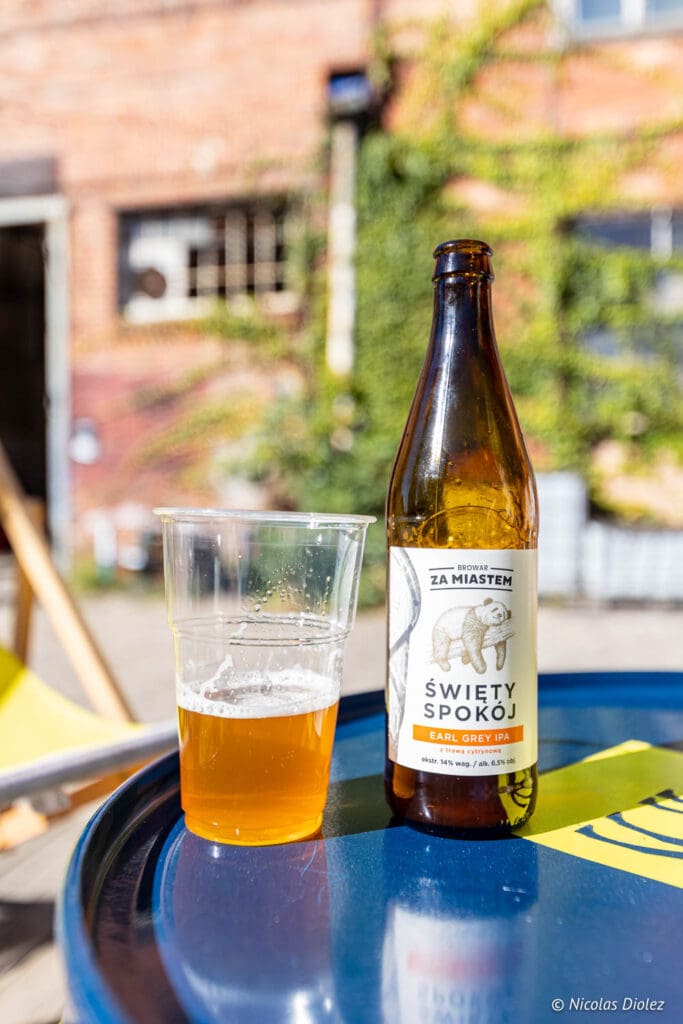
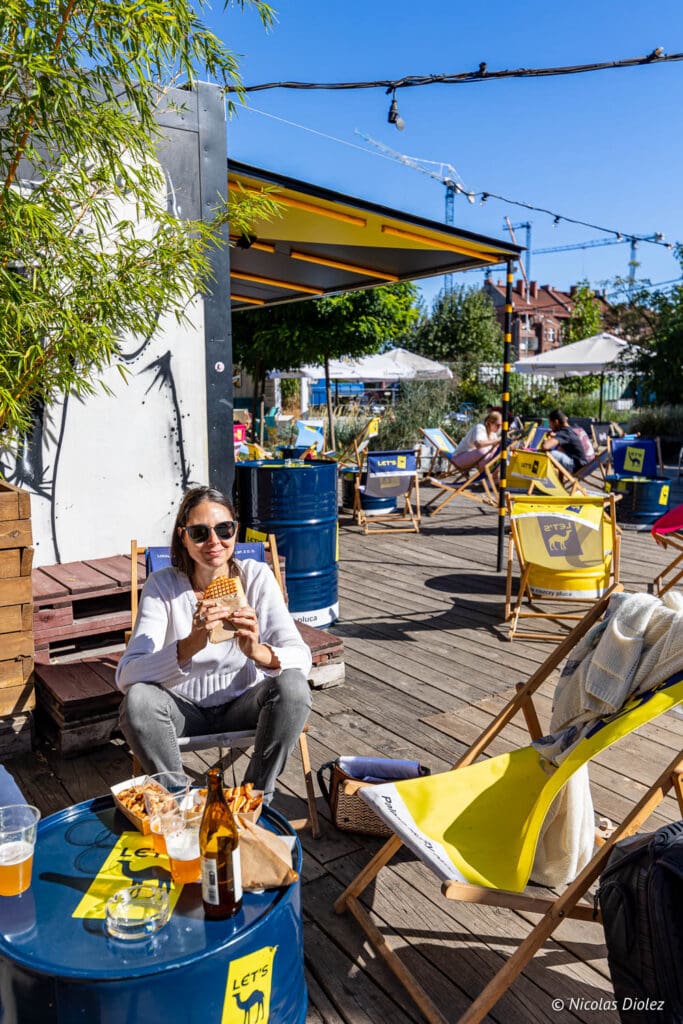
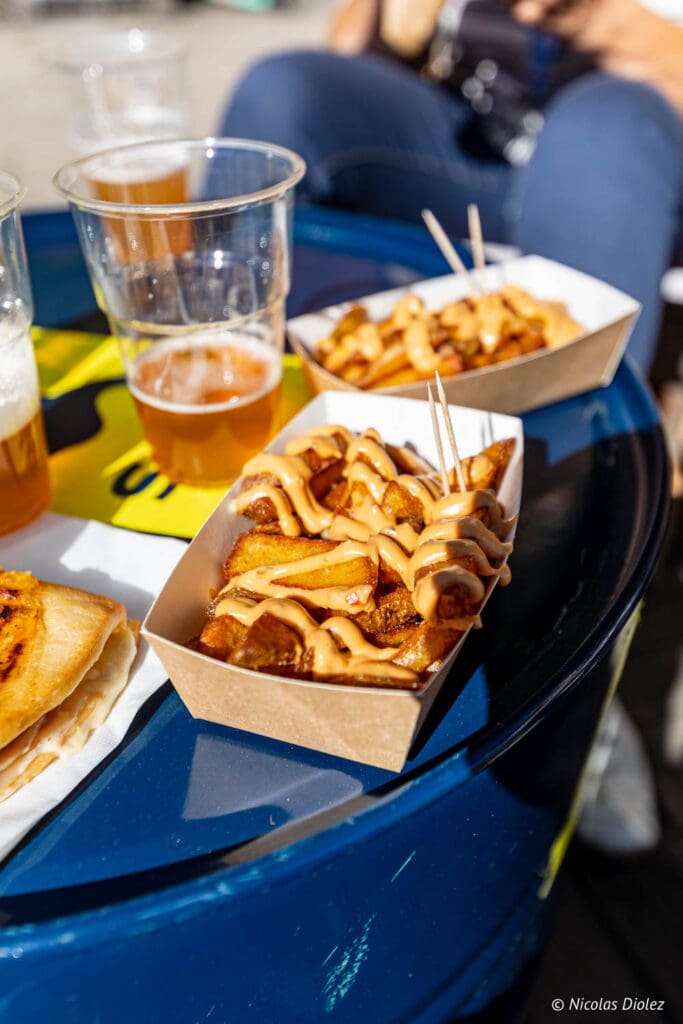
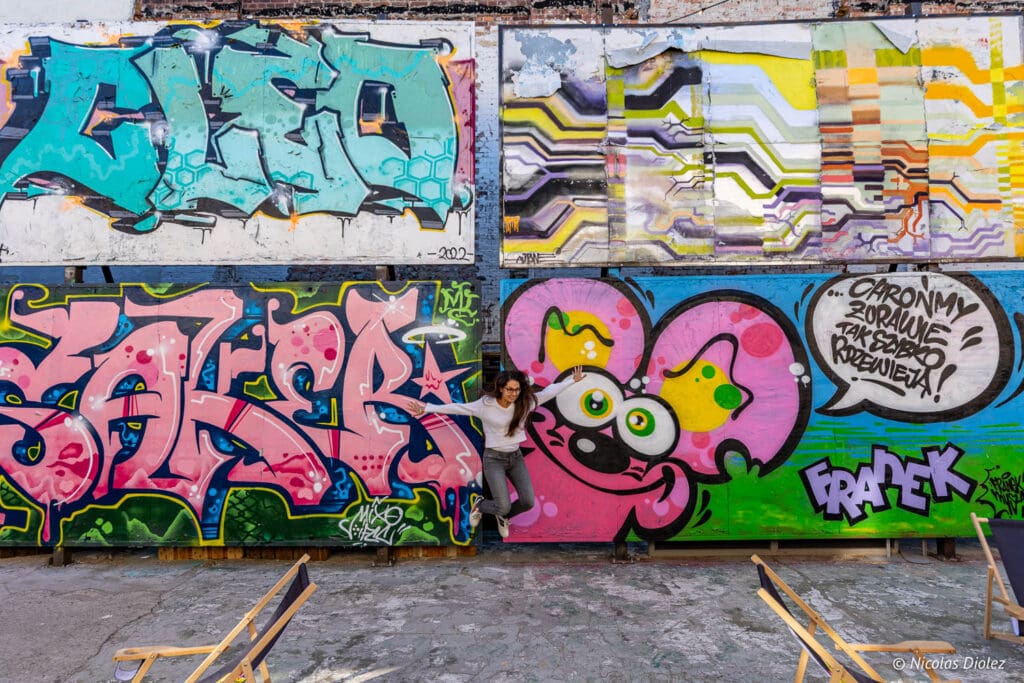
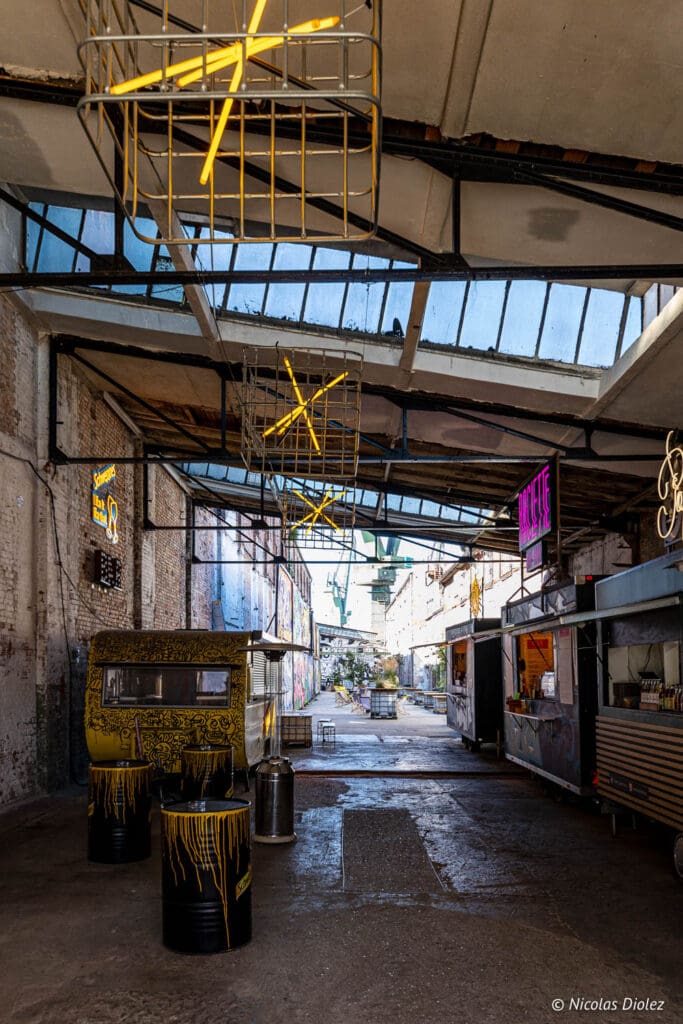
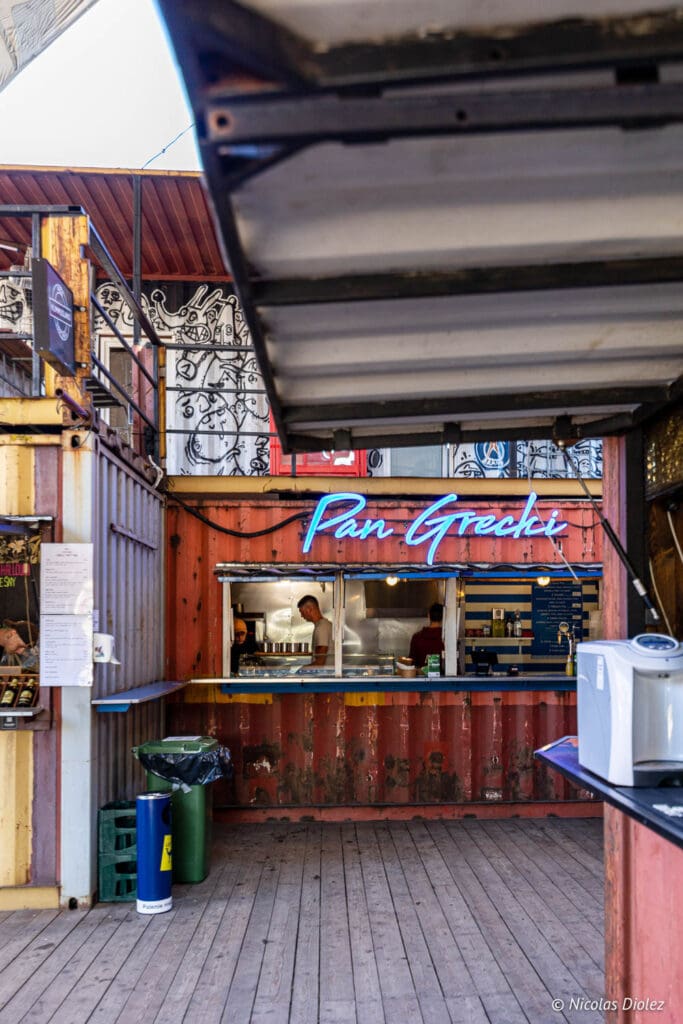
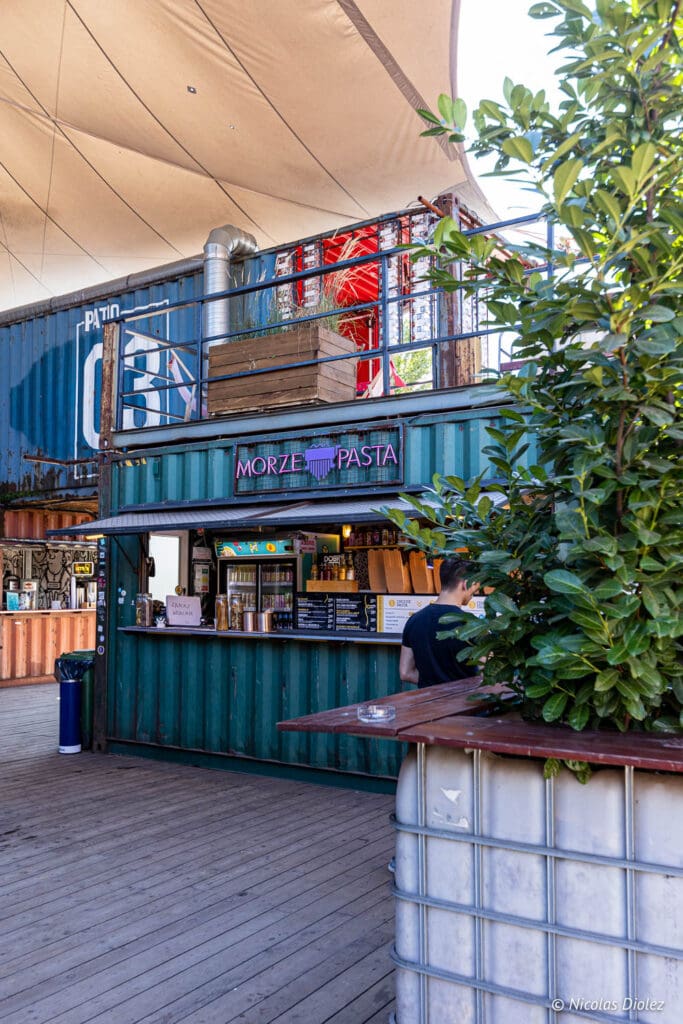
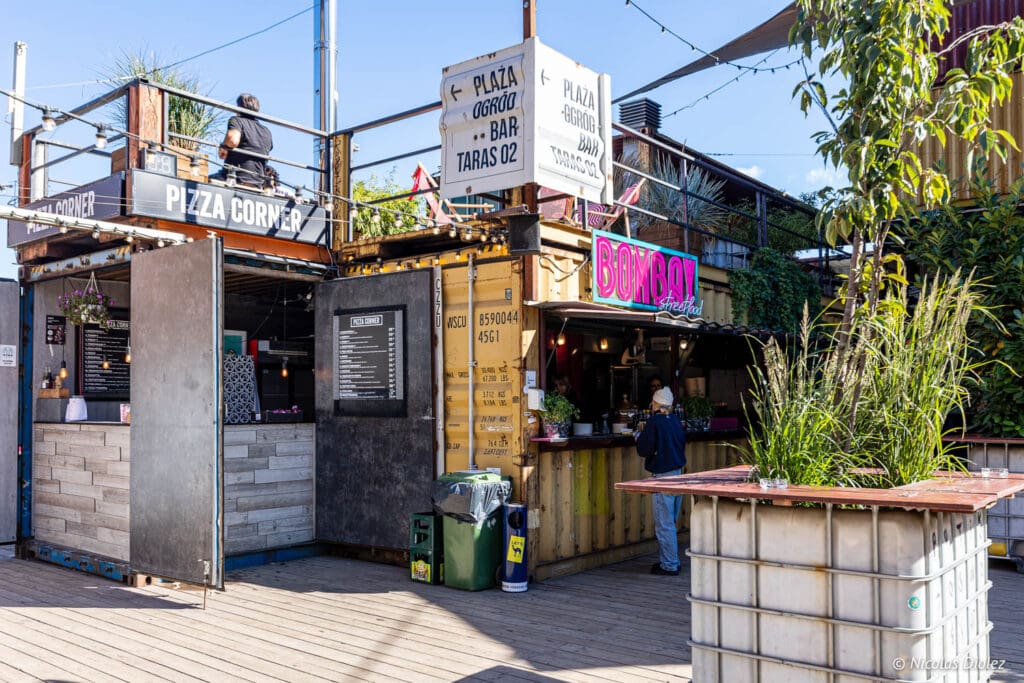
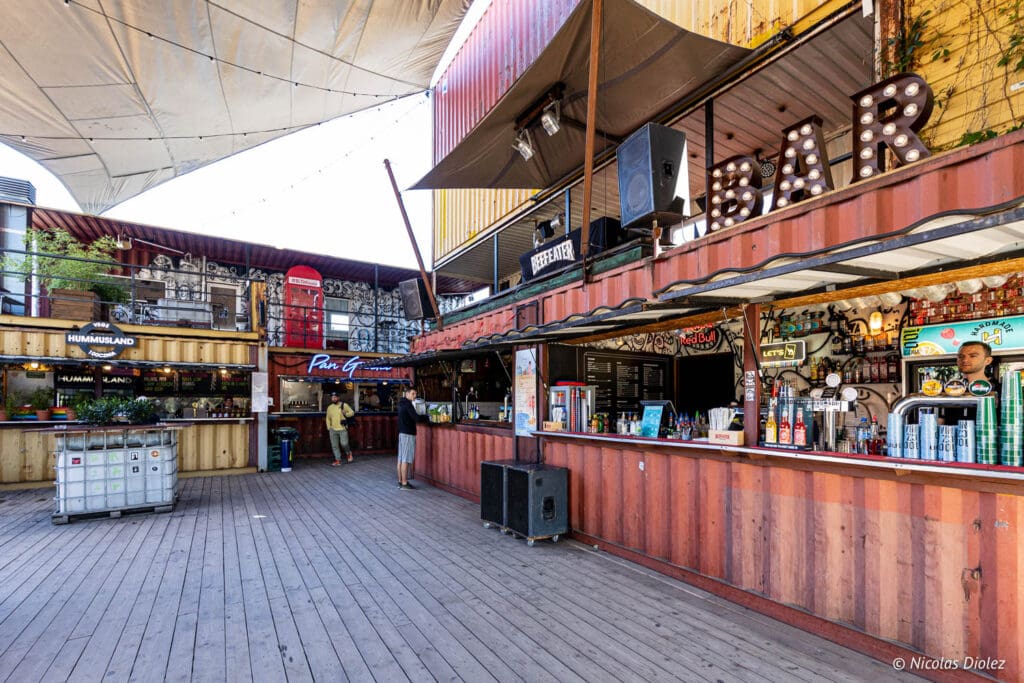
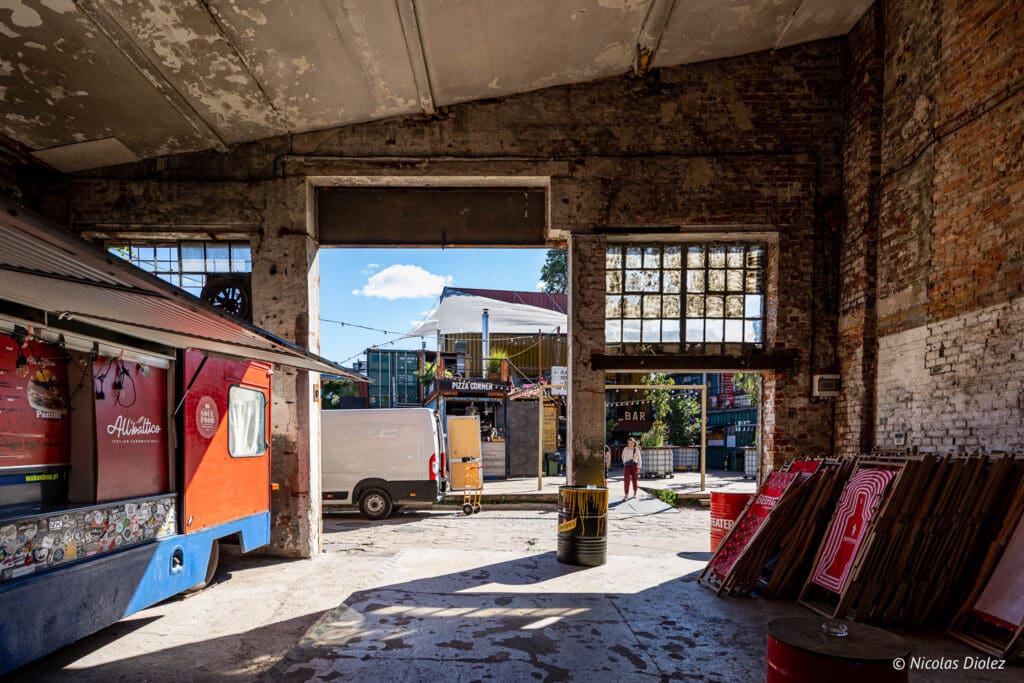
This very cool alternative venue is located near the shipyards. It’s a great spot to grab a bite or have a drink after visiting the Solidarity Museum, for example (which I mentioned a bit earlier in the article). It’s also an arty venue with quite a bit of street art (there isn’t much in Gdańsk city center, and it seems rather concentrated in this neighborhood from what I saw), food trucks, bars, and places to hang out outside and enjoy the atmosphere. In any case, we really fell in love with this very cool spot, which is truly ideal for the warmer months (though I’m not sure if it’s open the rest of the year). Food-wise, we tried the Soul Food Truck and grabbed a Polish beer at one of the bars there.

100Cznia
100cznia, Popiełuszki 5, 80-863 Gdańsk, Poland
_
Where to stay in Gdańsk? At the Radisson Hotel & Suites Gdansk
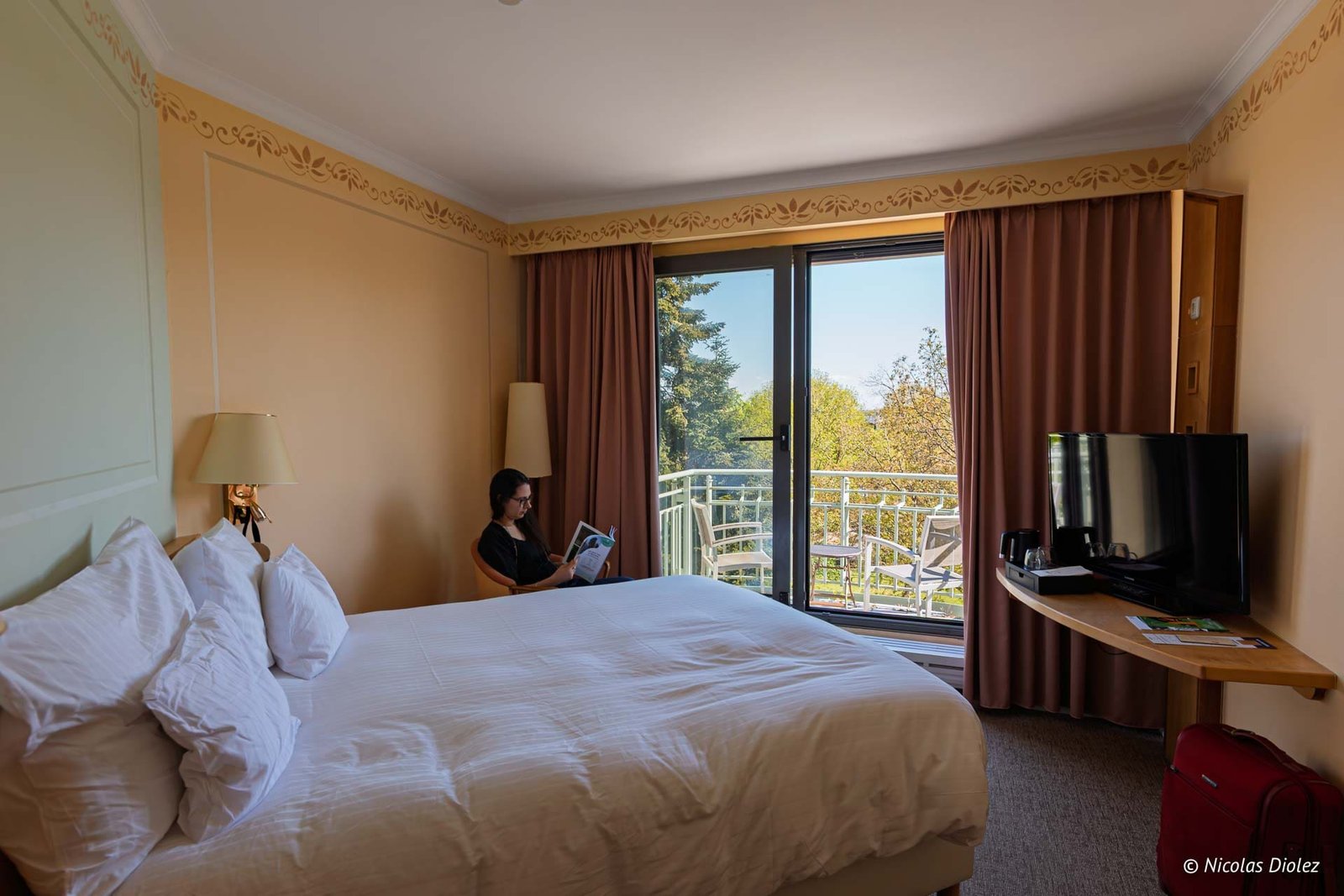
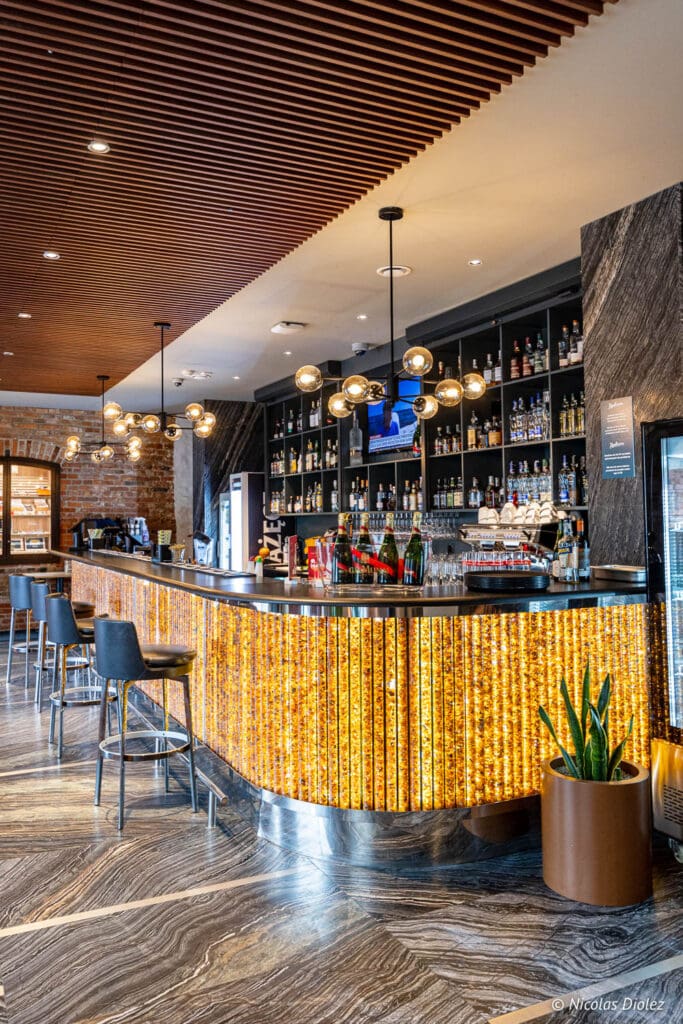
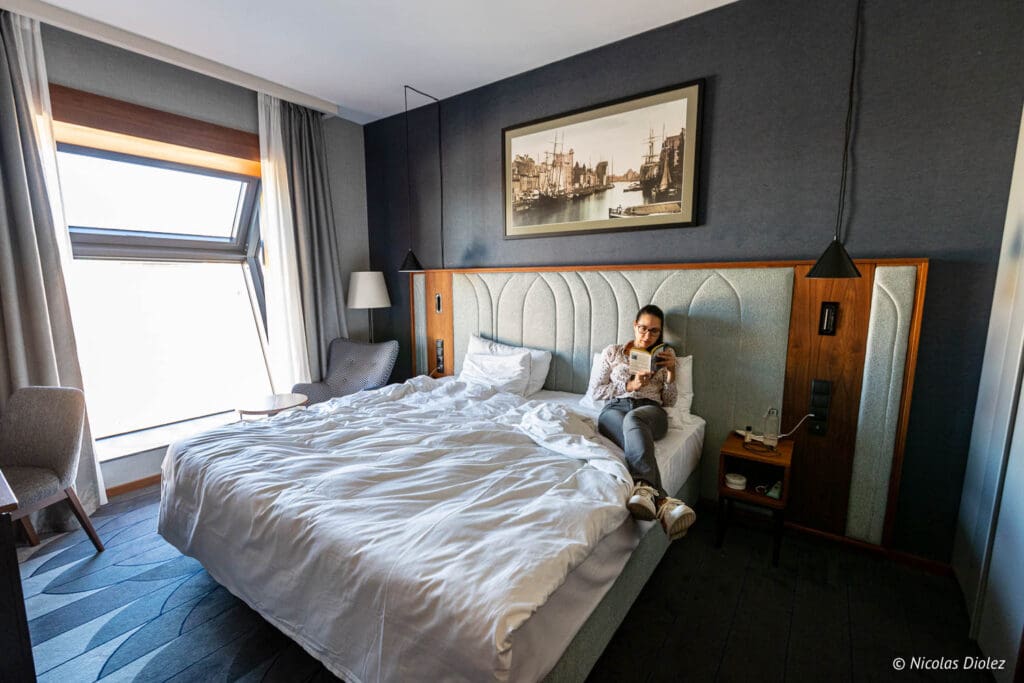
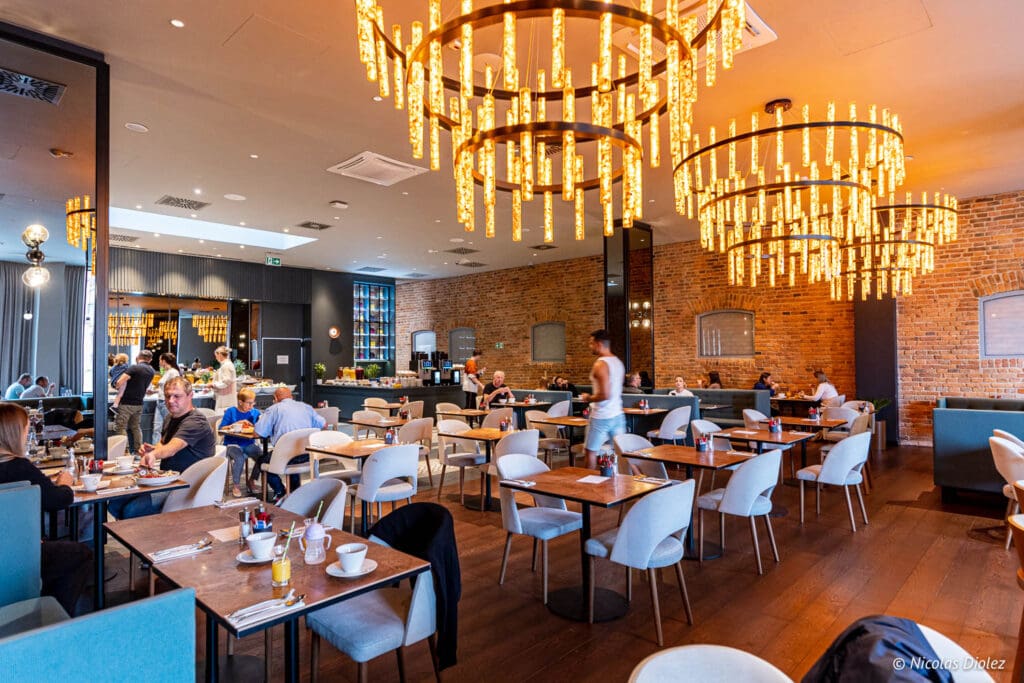
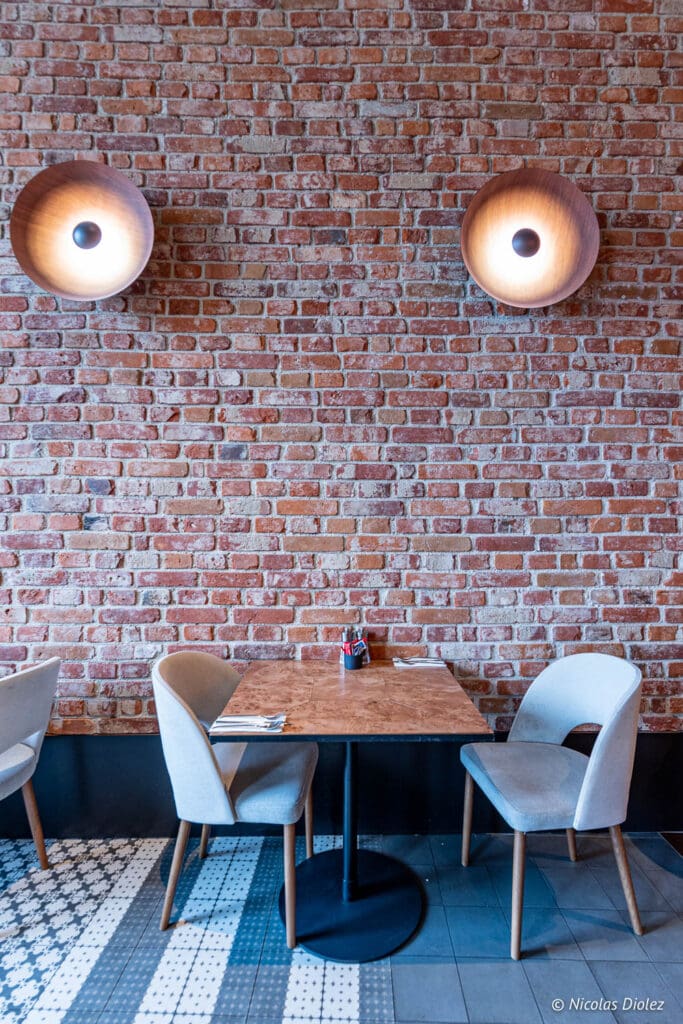
This 7-story hotel is ideally located on Granary Island, not far from the city center. Some of its rooms overlook the canal and the reconstruction of a period galleon, including the one we stayed in (no. 4137 for those interested). I must say the view is downright grandiose, and we loved our room! It was quite large, very functional, and the bedding was truly high quality. I also have to mention that I found the hotel’s soundproofing particularly effective—we couldn’t hear the noise and hustle and bustle of the docks at all.
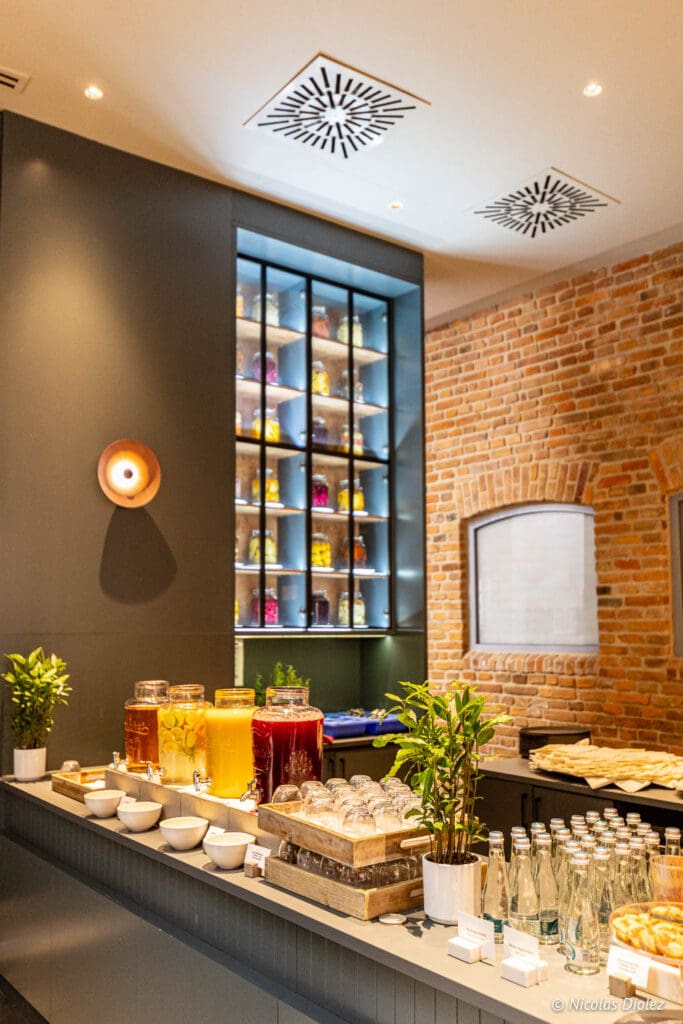
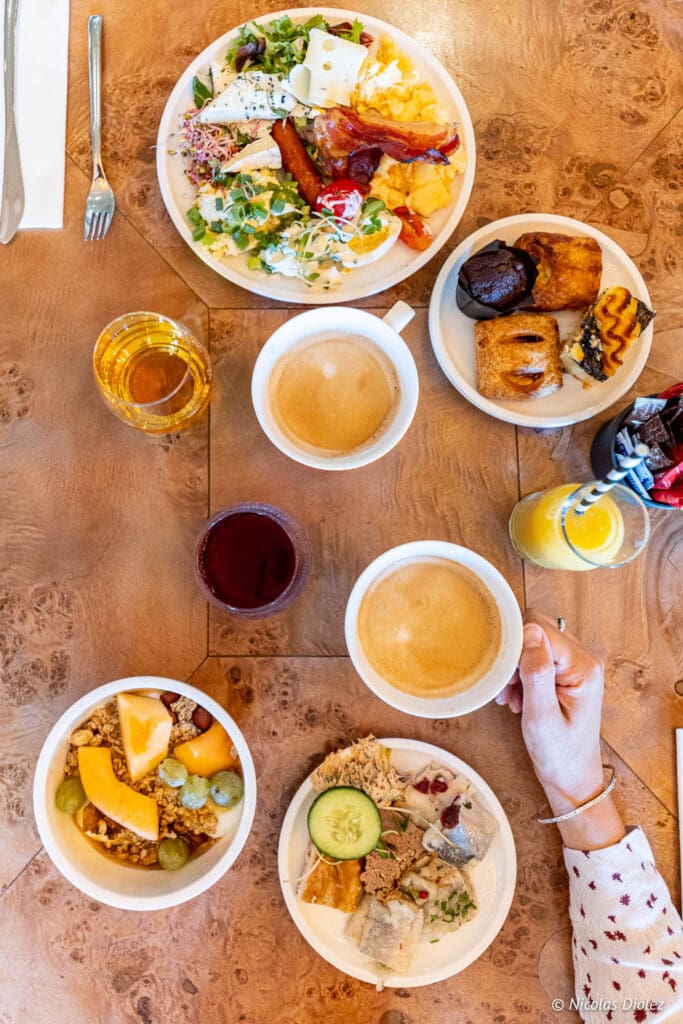
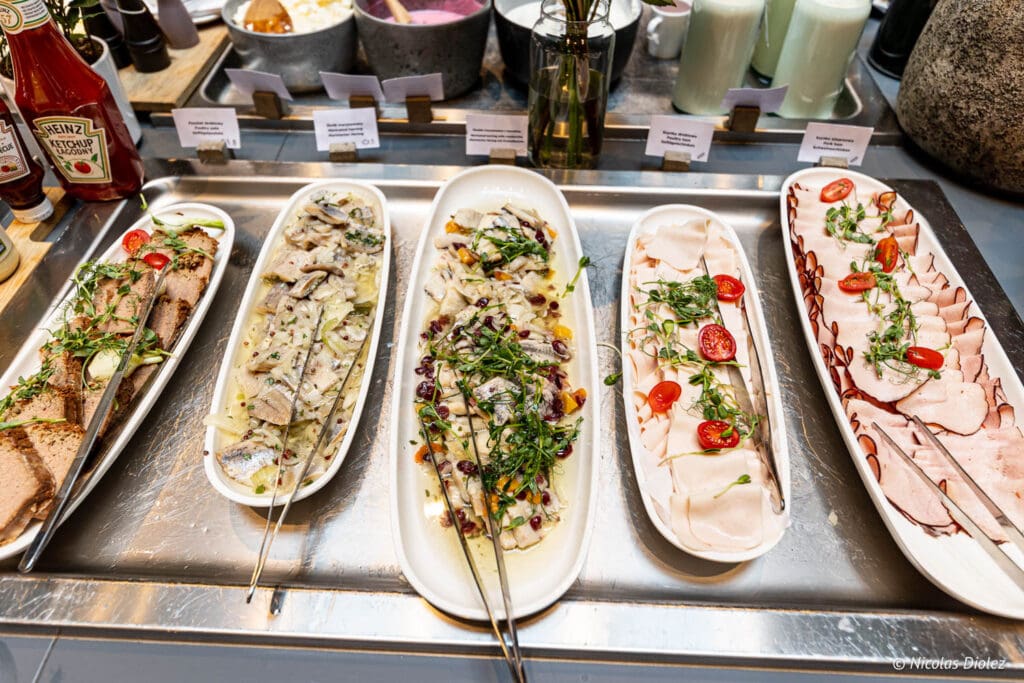
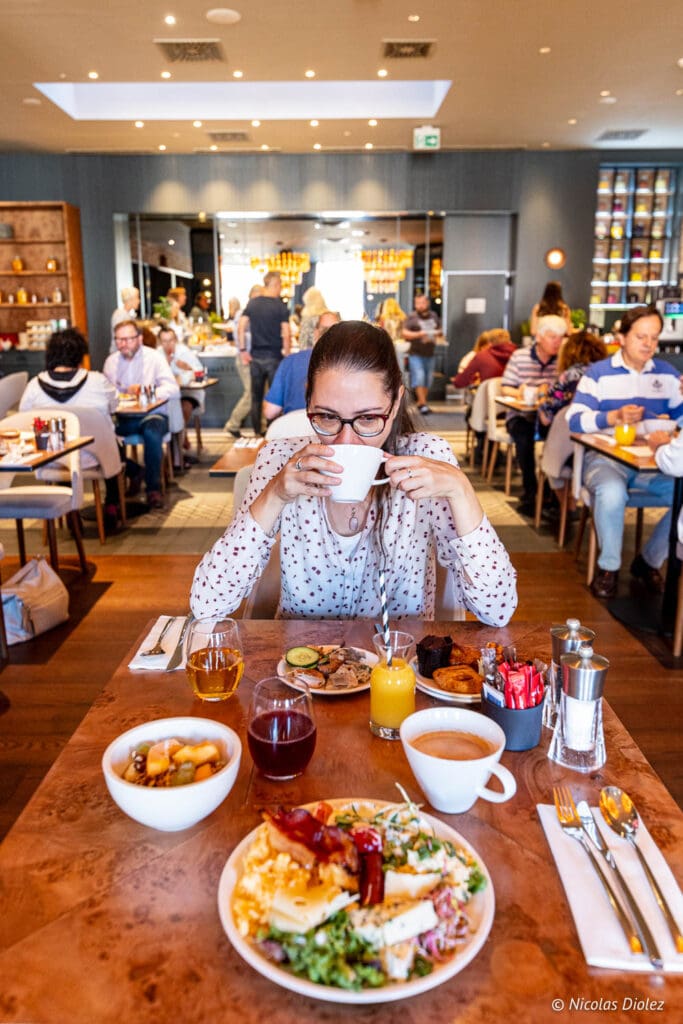
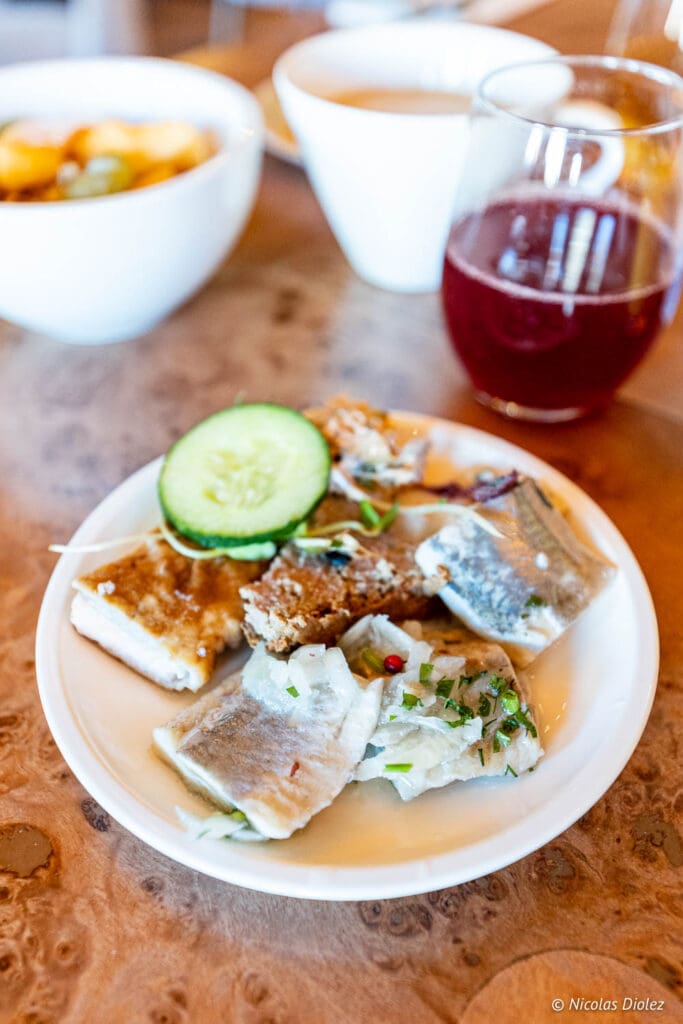
As for breakfast, it is very diverse with a huge buffet, and there is something for everyone (even a corner with vegan products), marinated fish, savory and sweet options…
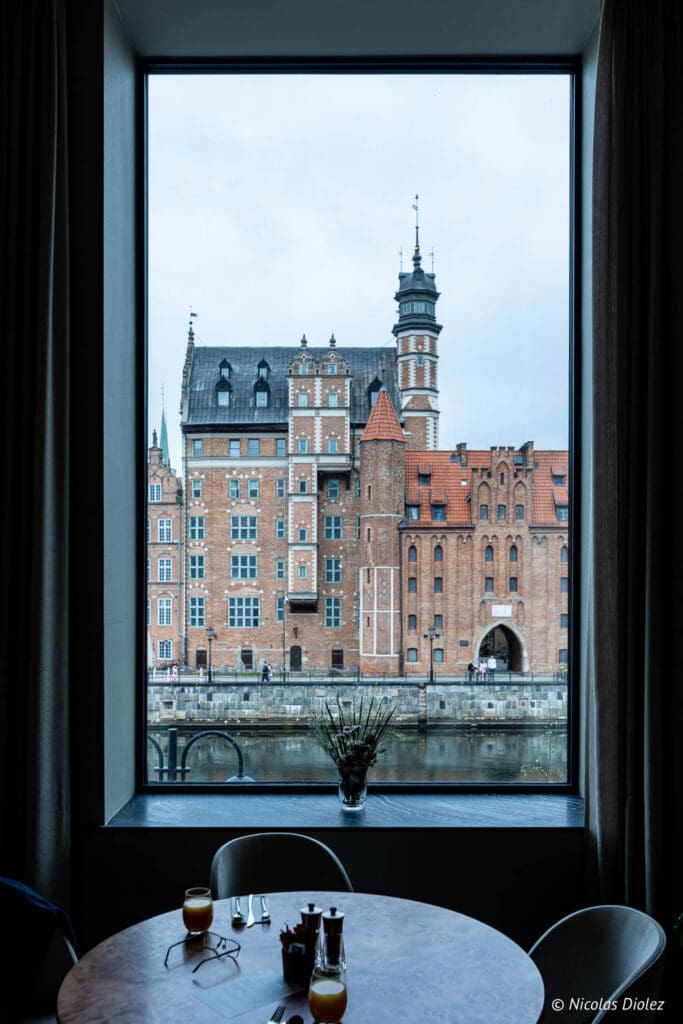
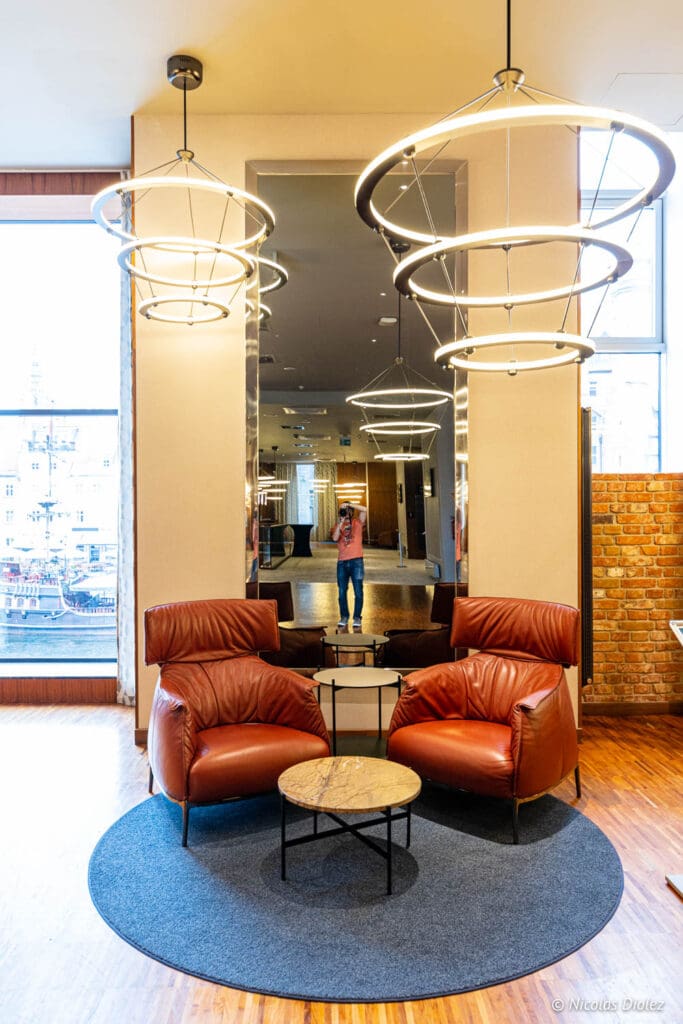
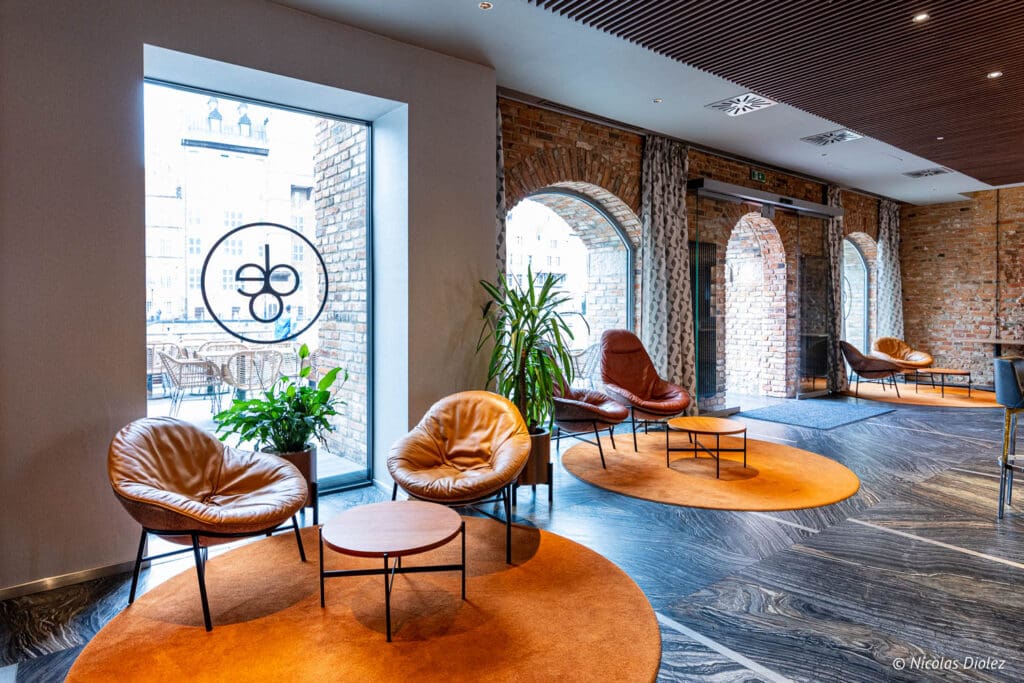

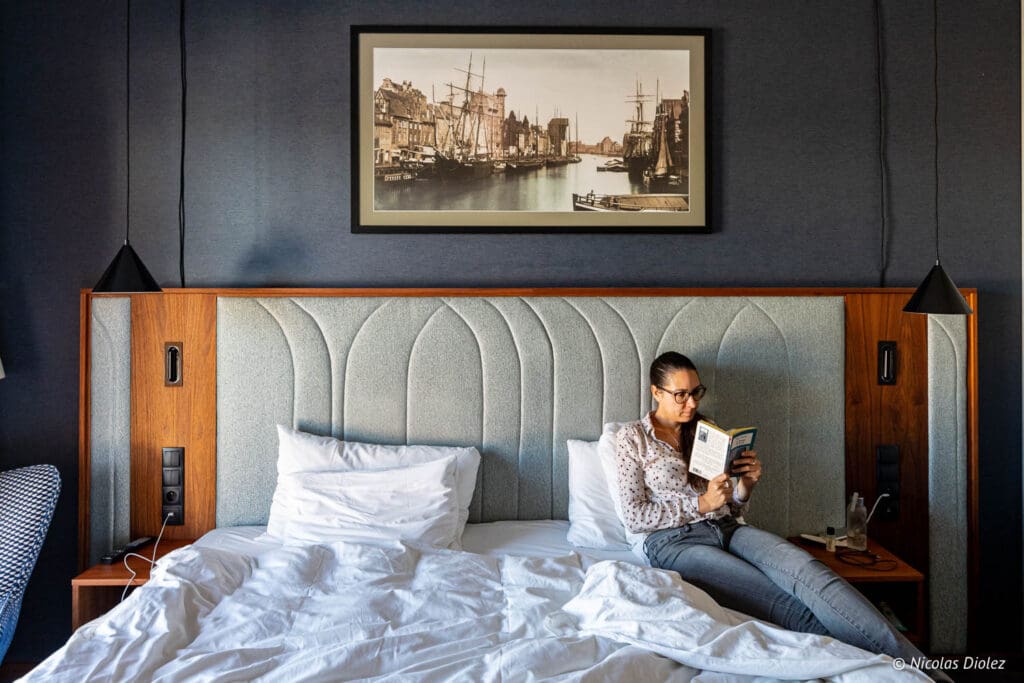
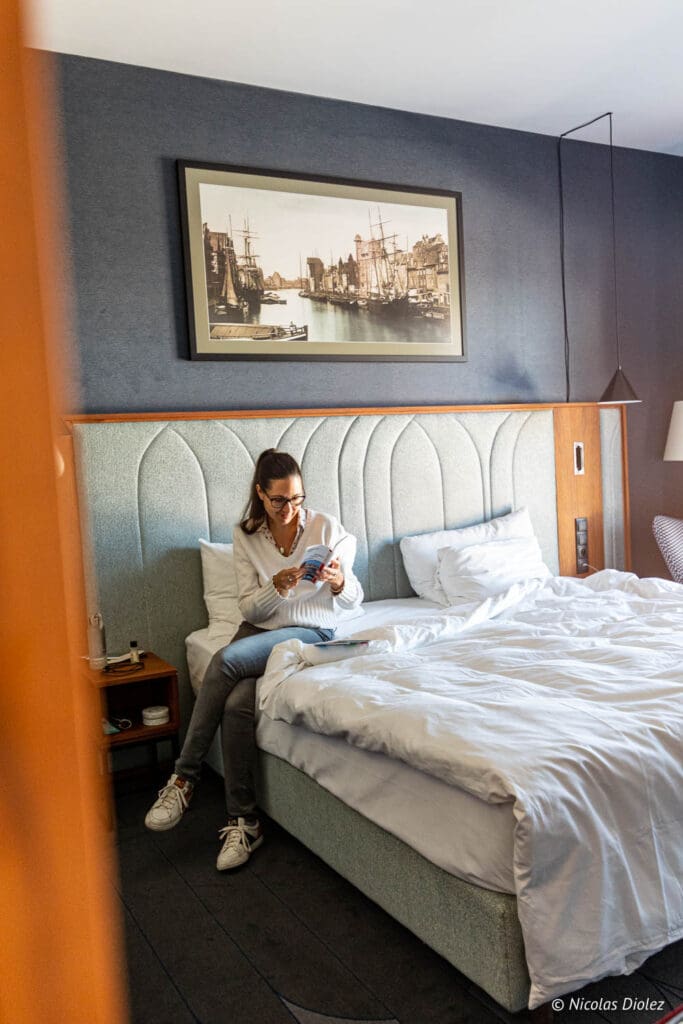
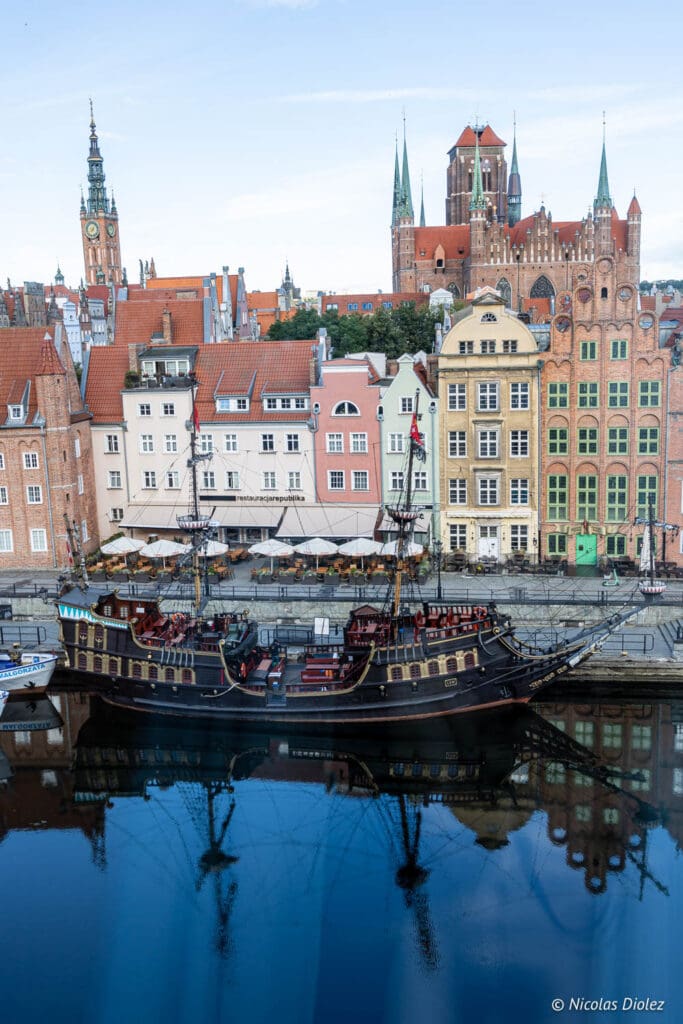
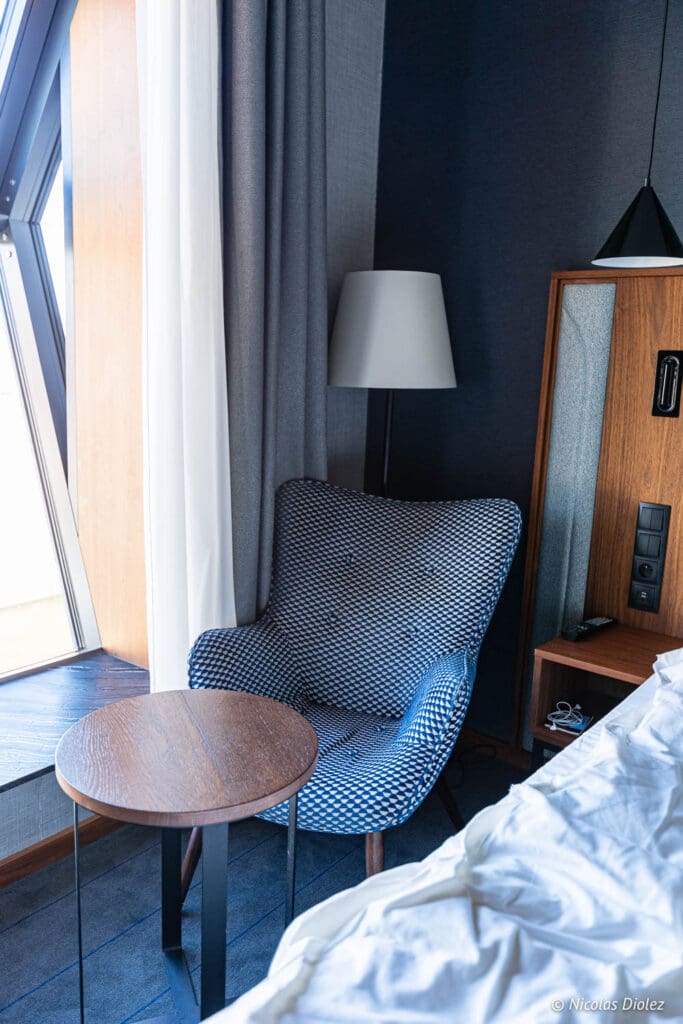
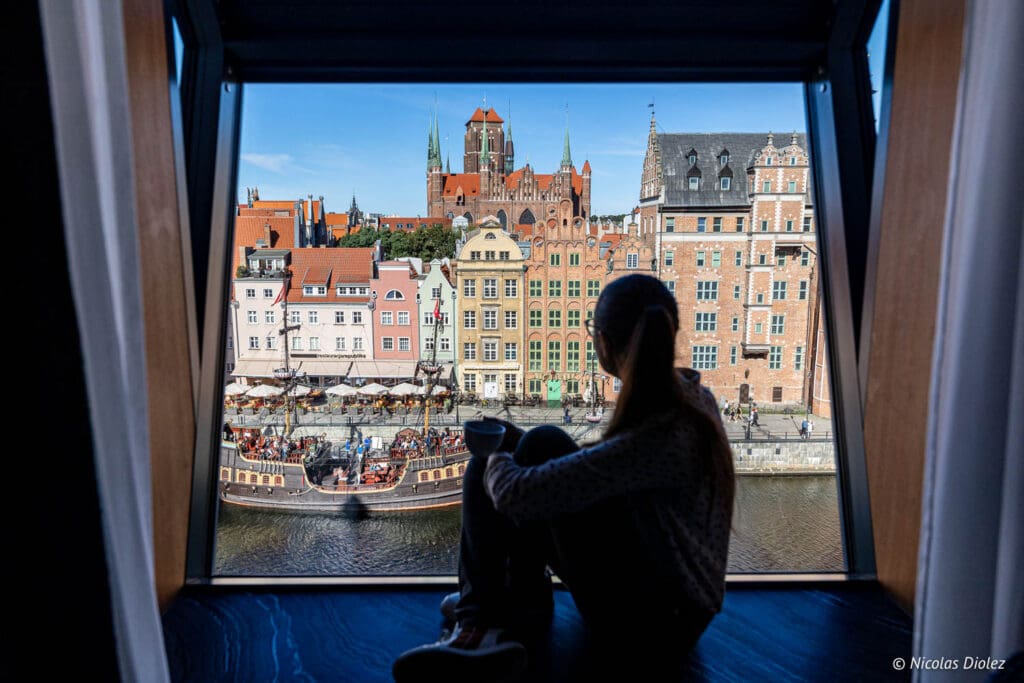


Radisson Hotel & Suites Gdansk
Chmielna 10/25, 80-748 Gdańsk
Room rates: starting from 78 € per night for a standard room
What to see and do in Pomerania
As usual, in this section you will find ideas of things to see and do (tested and approved during our stay) if you visit Pomerania. To explore this region, I still advise you to rent a car, as it will be the easiest way to get from one place to another. I mentioned the city of Gdańsk a bit earlier, and below I also talk about 2 other cities neighboring Gdańsk: Sopot and Gdynia. I also suggest exploring the Kashubia region, rich in lakes and hills, located between the Baltic Sea and the Tuchola Forest.
_
Visiting Sopot, Baltic seaside resort
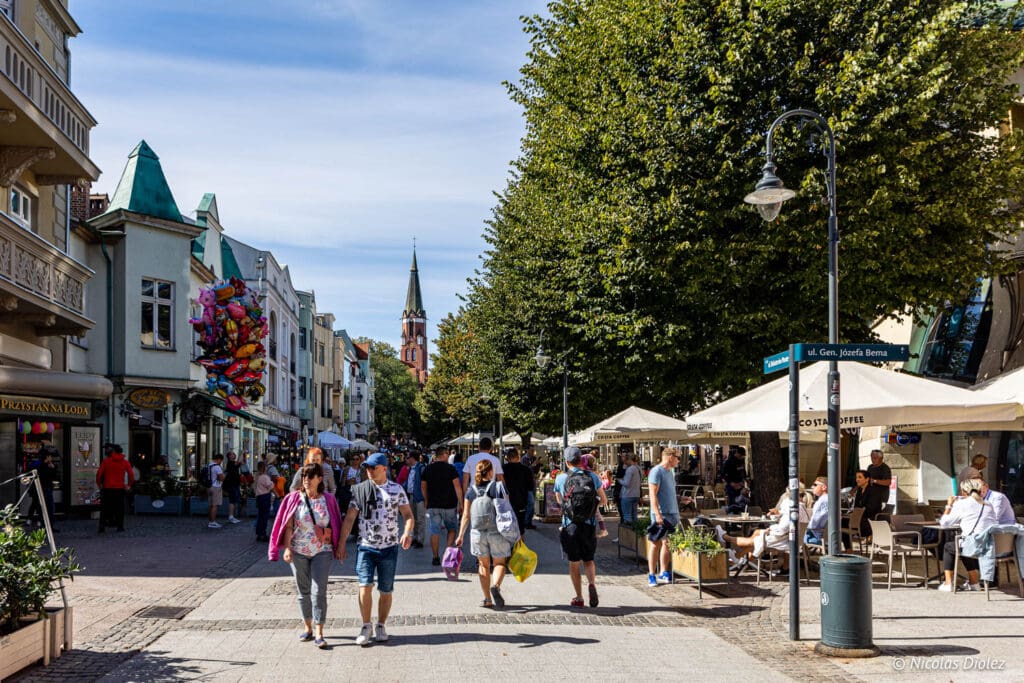
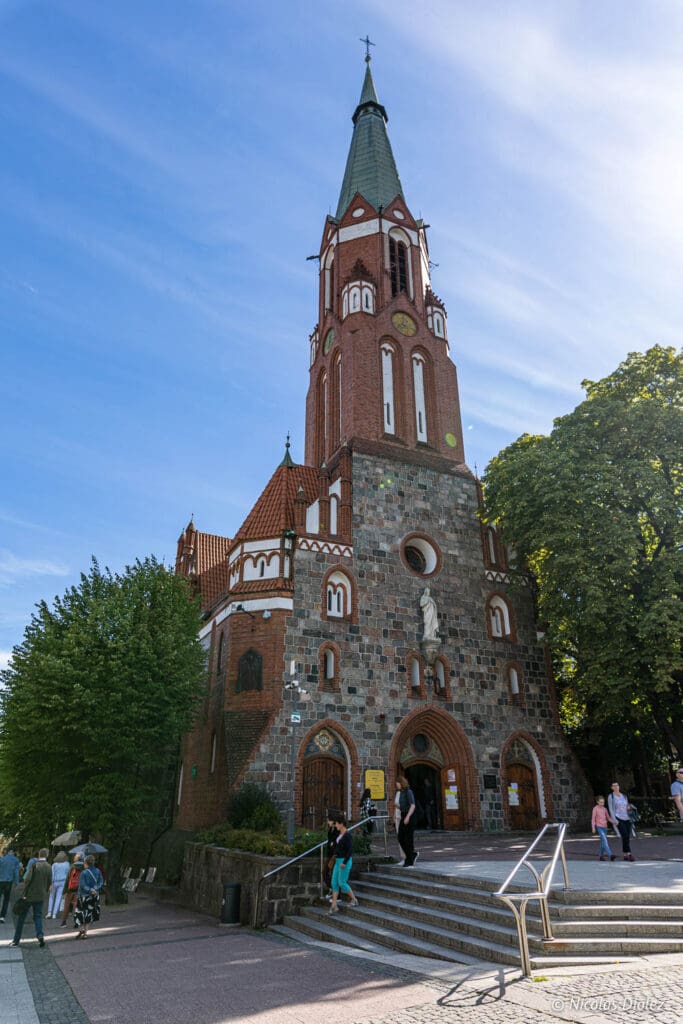
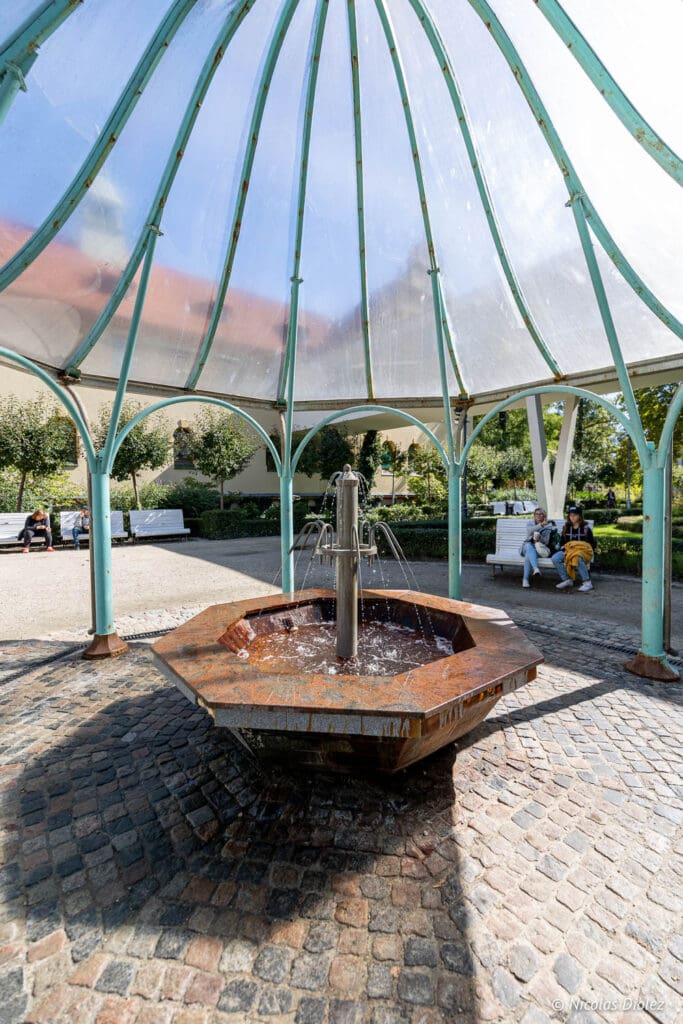
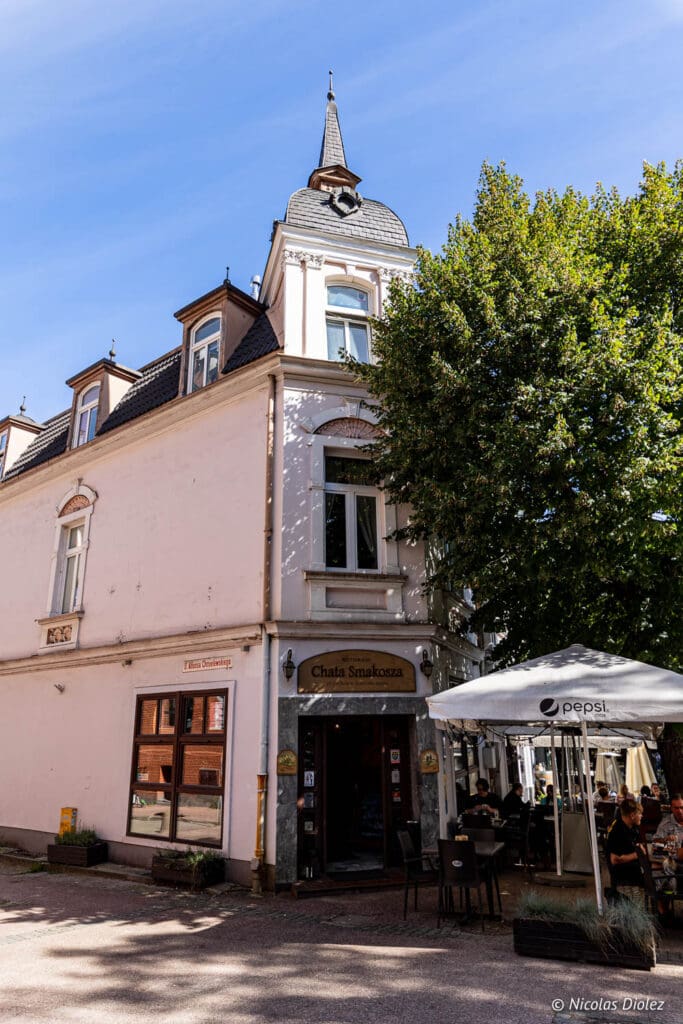
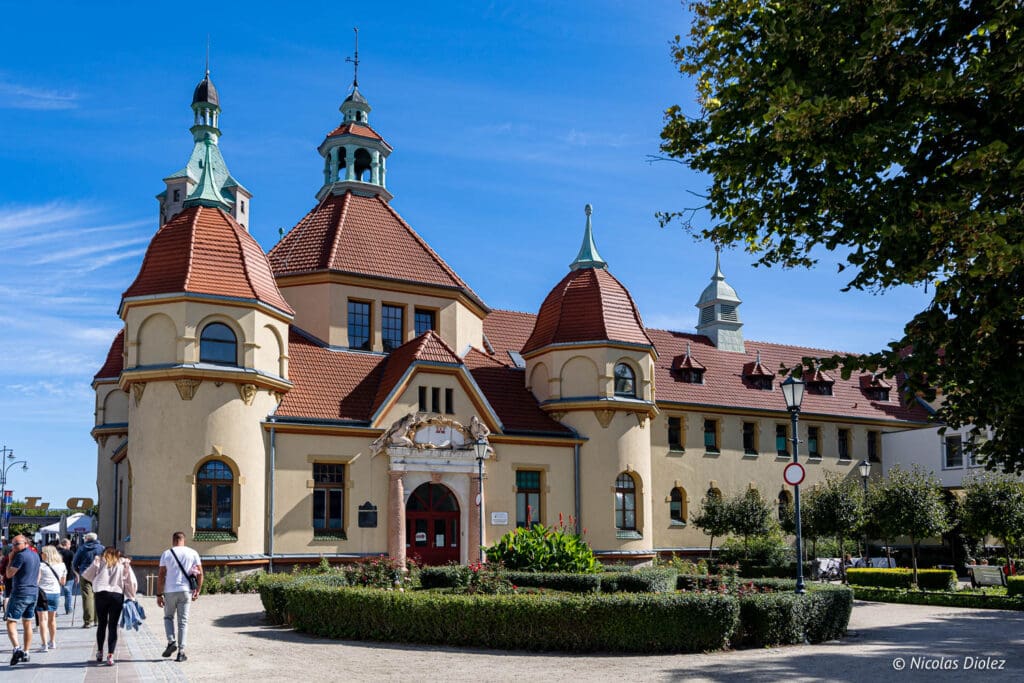
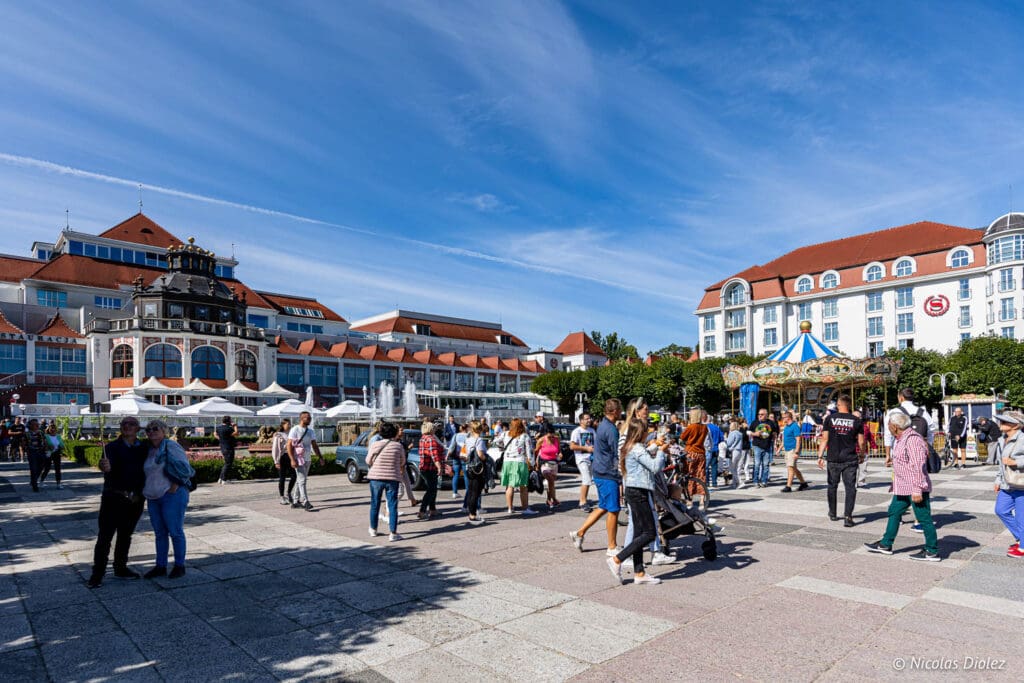
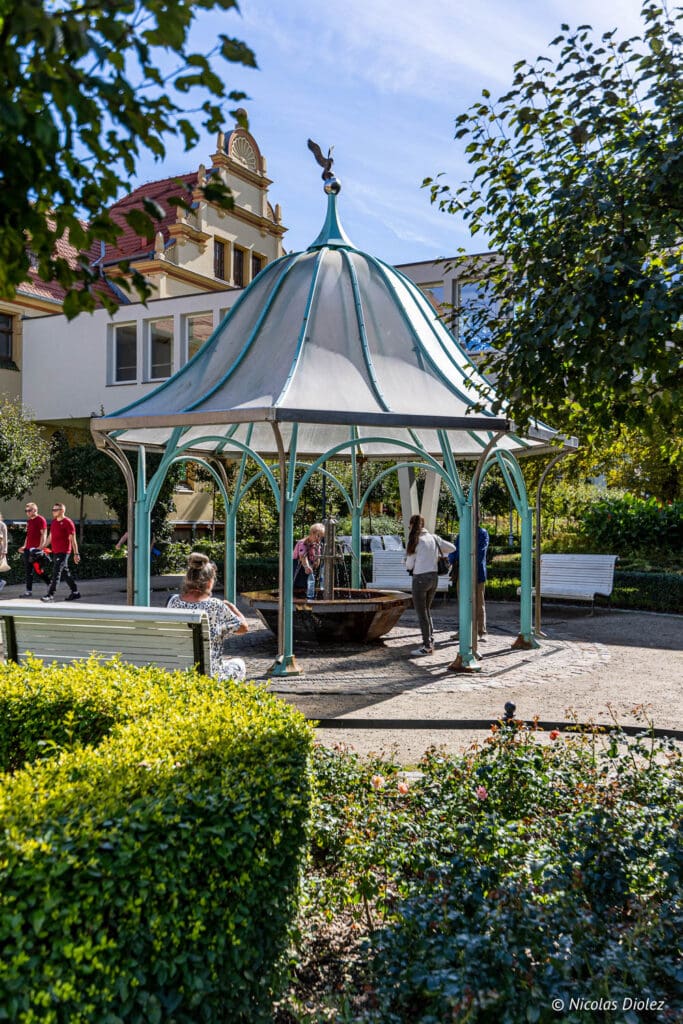
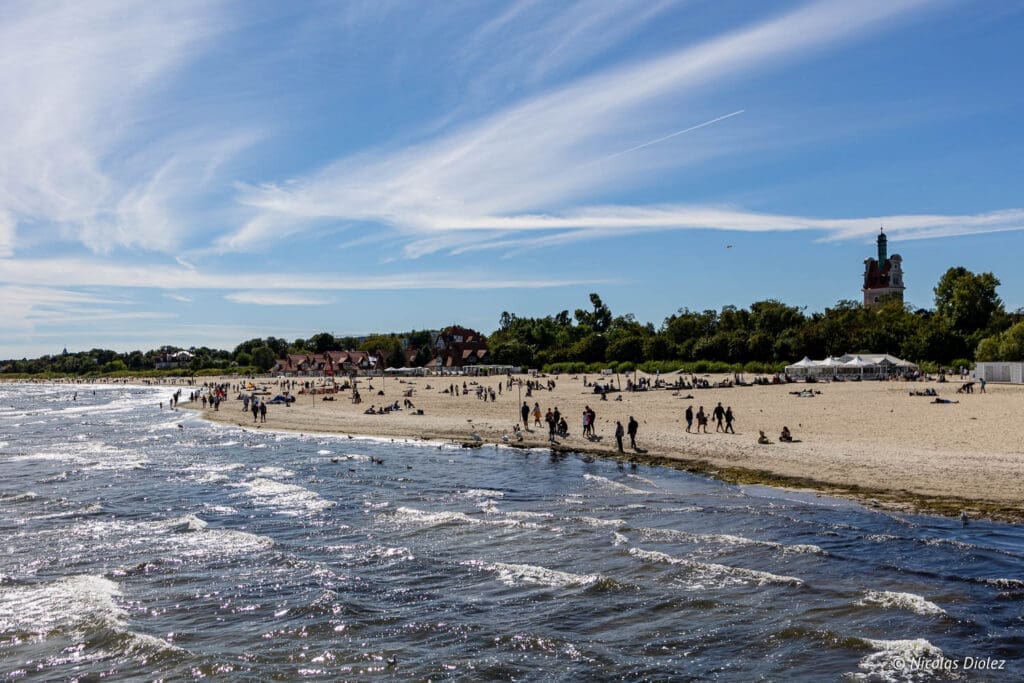
Sopot is considered the Polish Deauville, from what we were told. This town was created by a doctor from Napoleon’s army, an Alsatian named Doctor Haffner, and the seaside resort opened its doors in 1823. The town became very popular at the end of the 19th century, and people came for the reputation of the medical treatments offered in Sopot. After 1920, the town also developed with the opening of casinos. If you stroll through the town today, you can still catch glimpses of very pretty 19th-century houses with verandas.
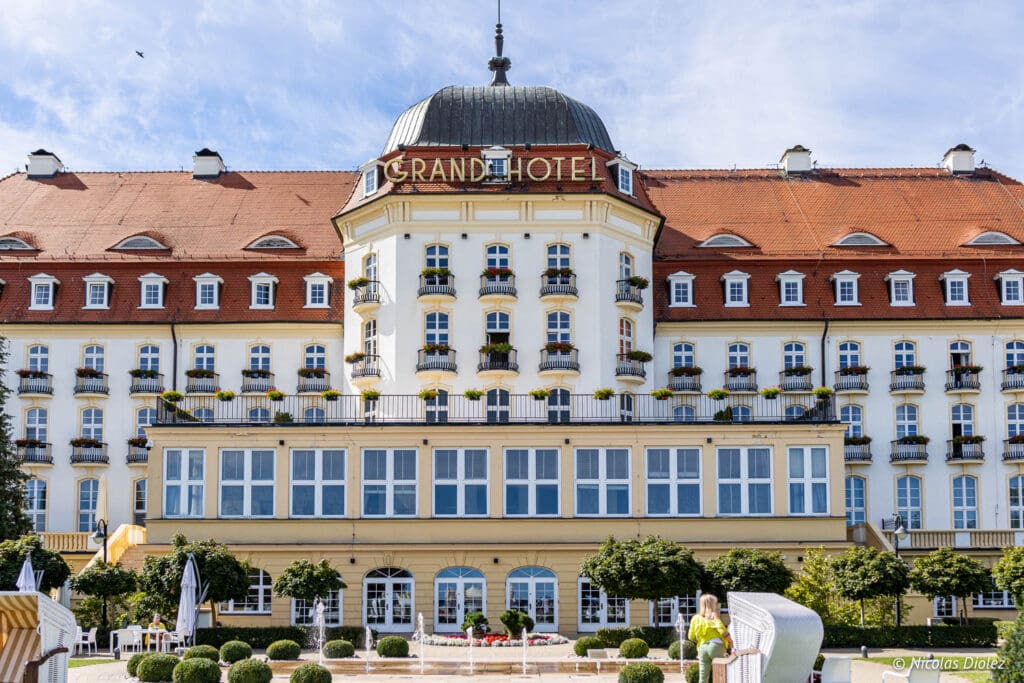
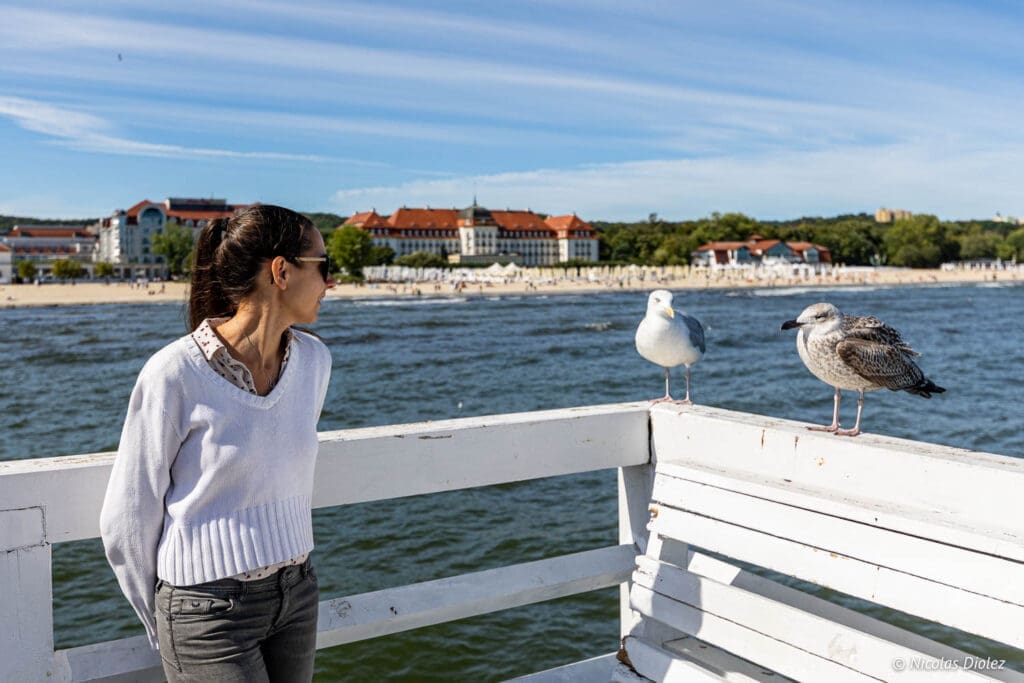
During your visit to the city, you must definitely go see the imposing facade of the Grand Hotel, which is one of the chicest hotels in Poland and has hosted many celebrities, from Marlene Dietrich to Charles Aznavour and Fidel Castro. It was built in the 1920s and its construction cost a cool 20 million Gdańsk guldens at the time.
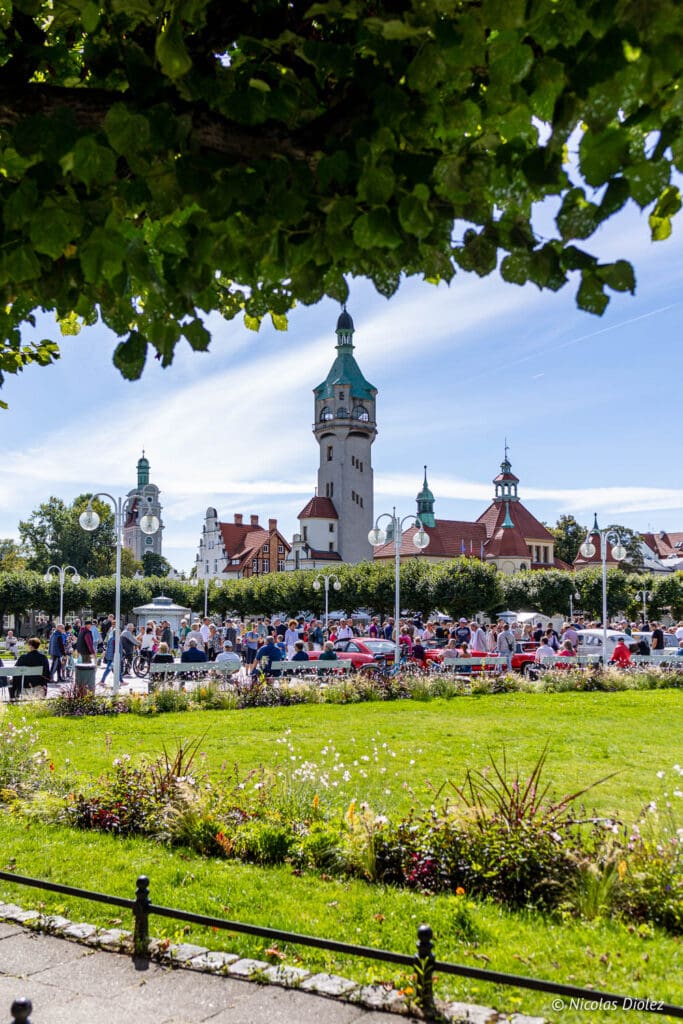

Sopot Tourist Office
_
Strolling on the wooden pier in Sopot
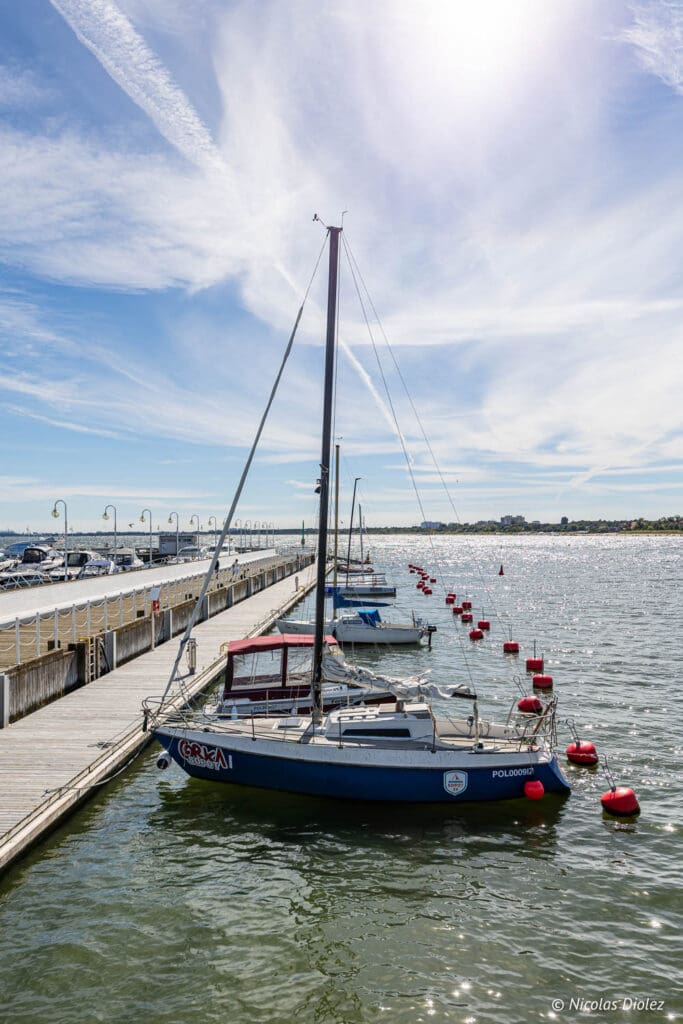
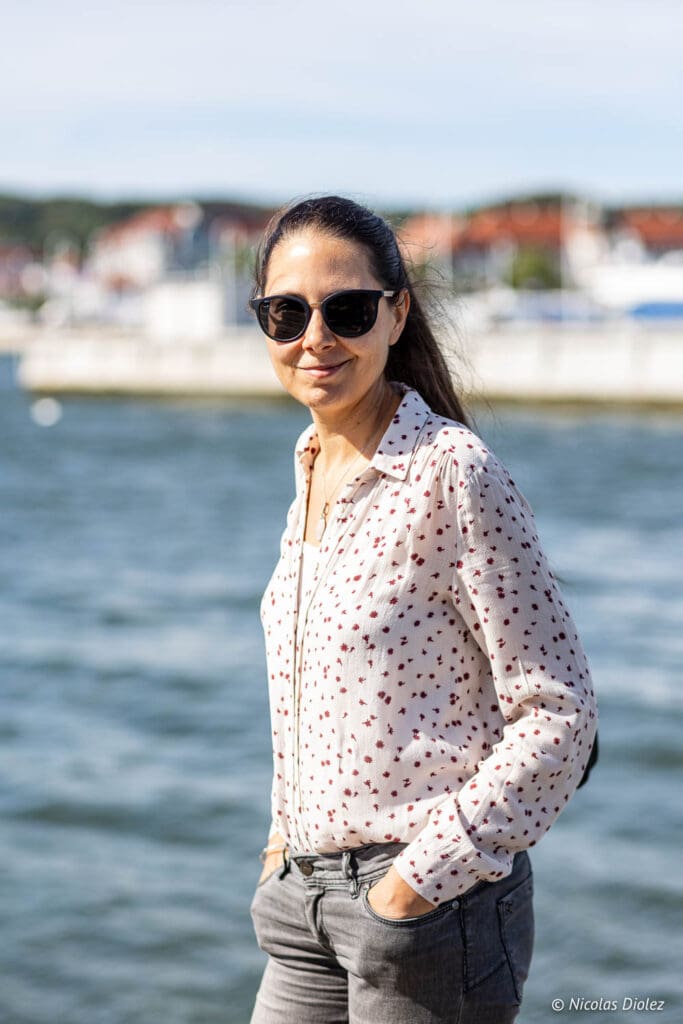
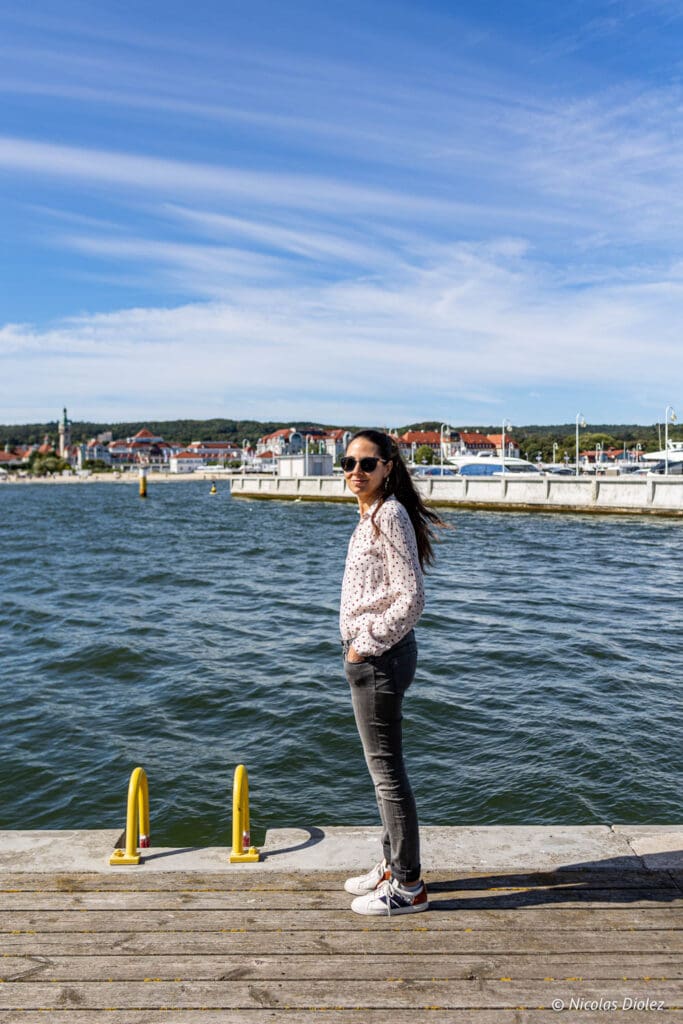
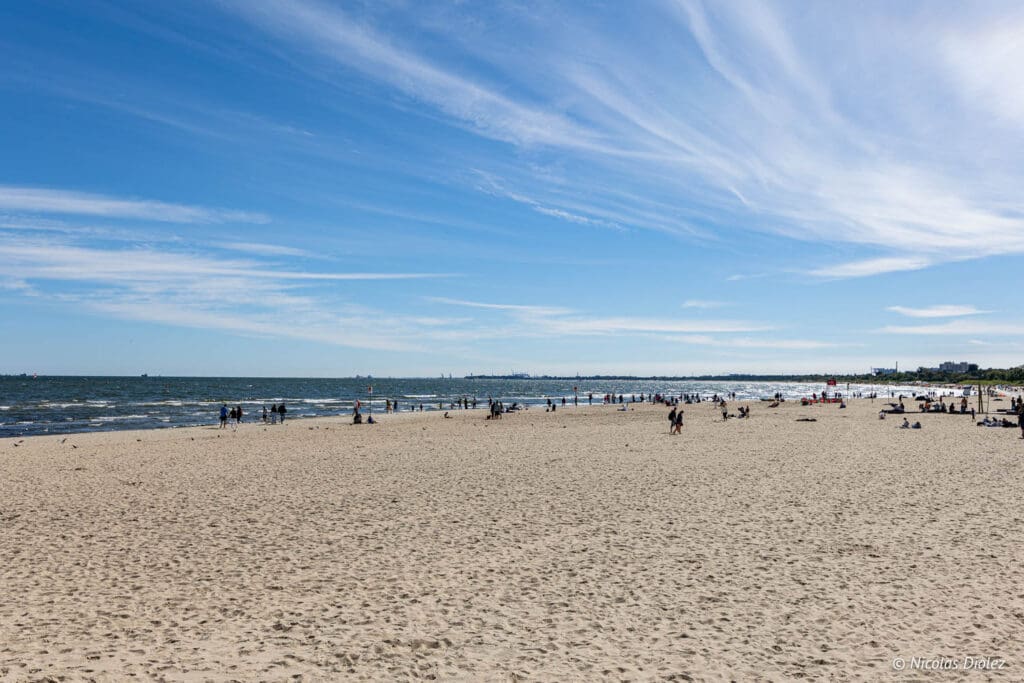
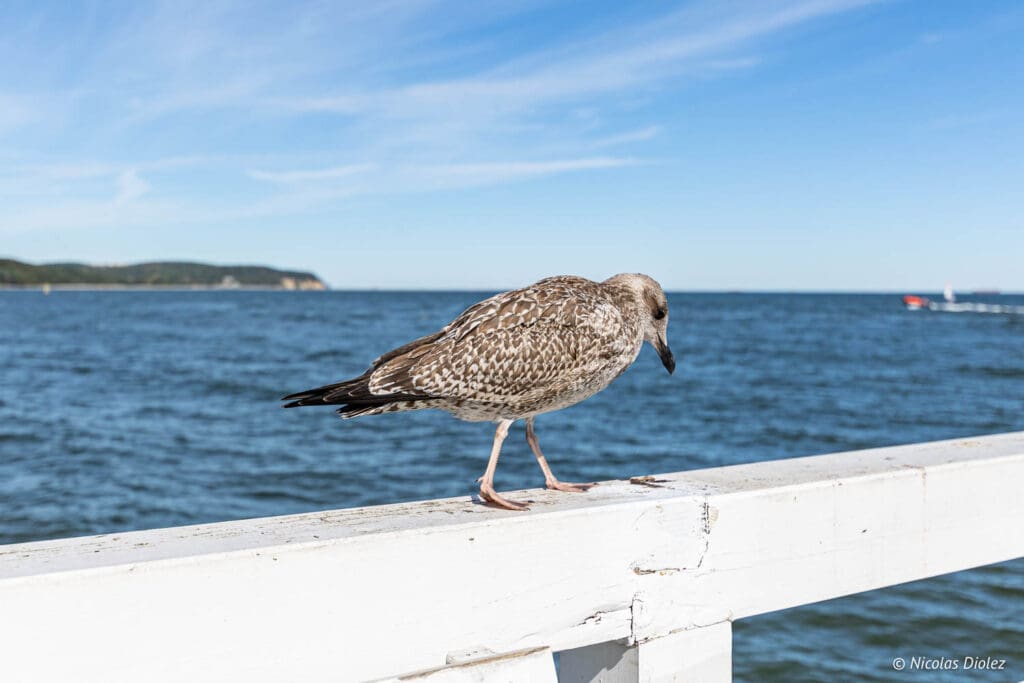
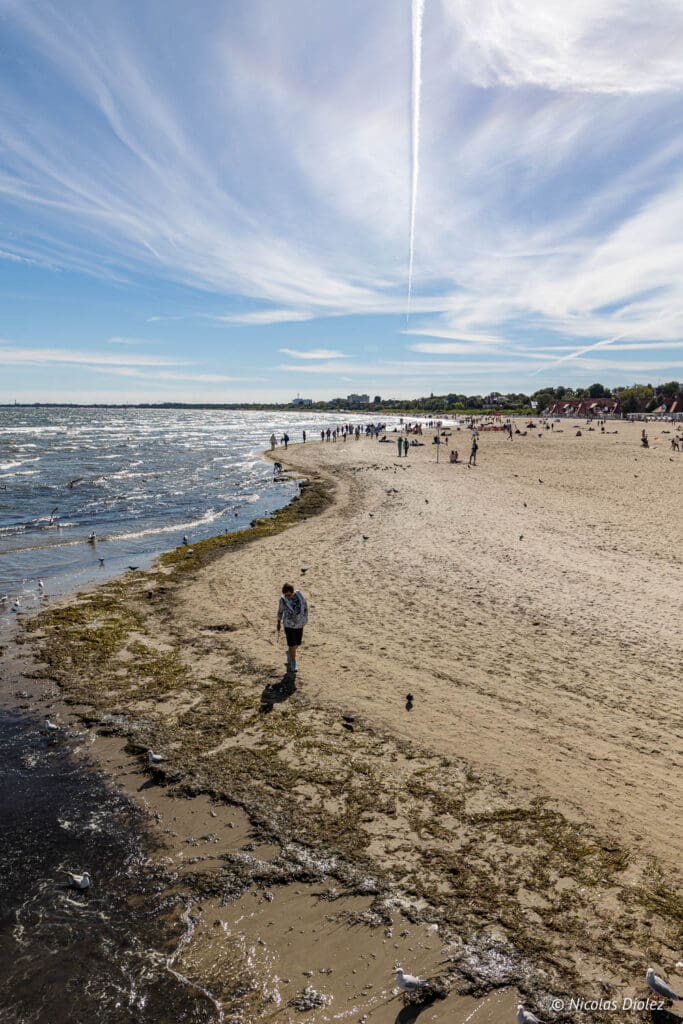
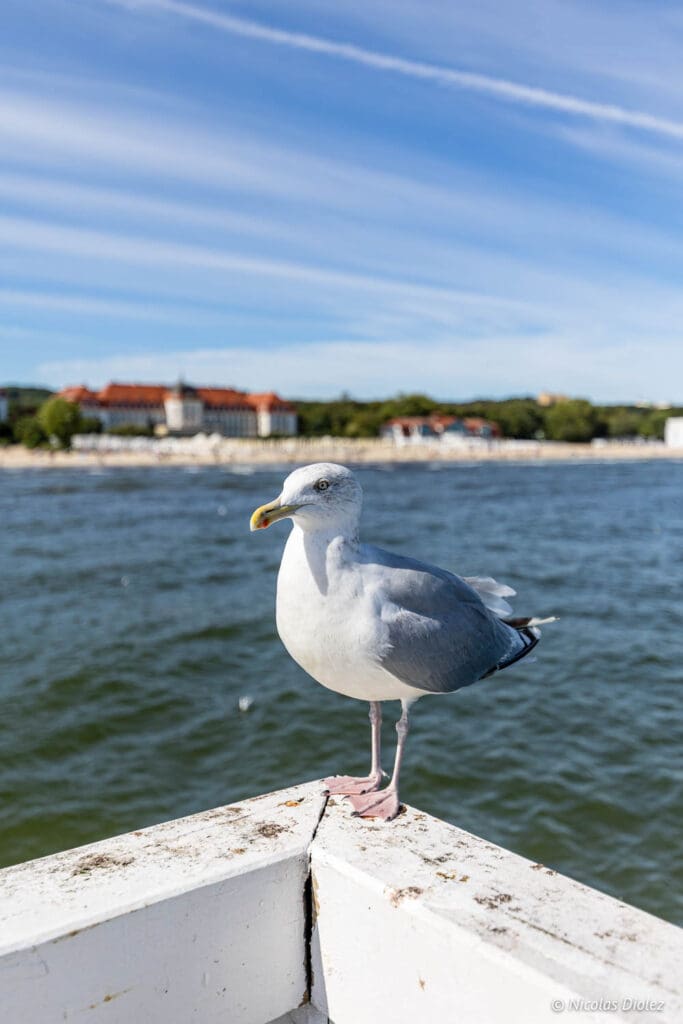
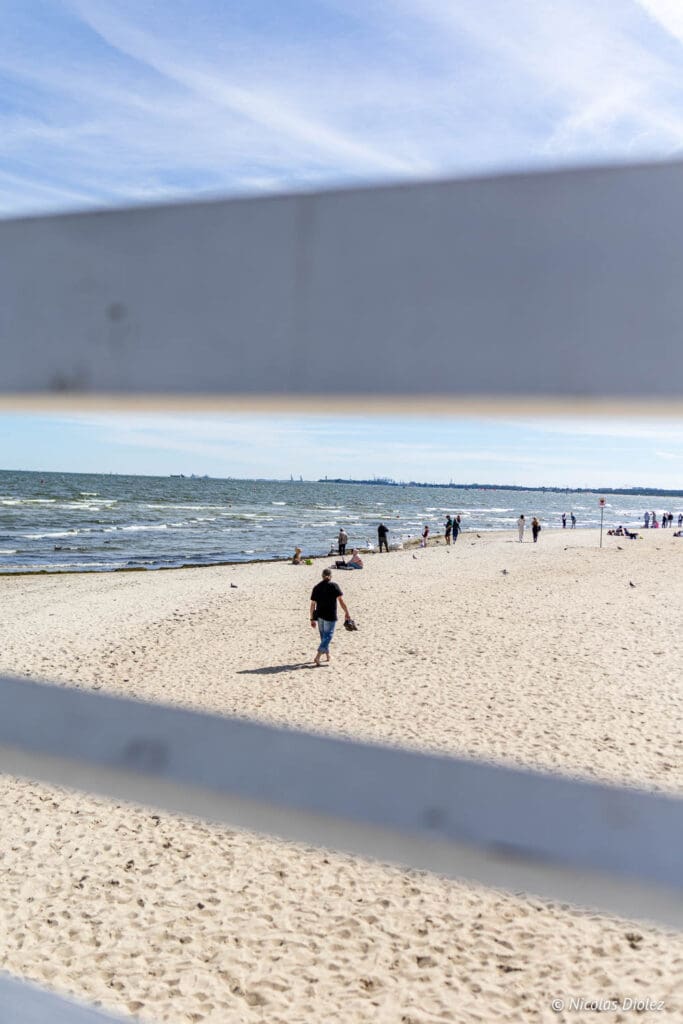
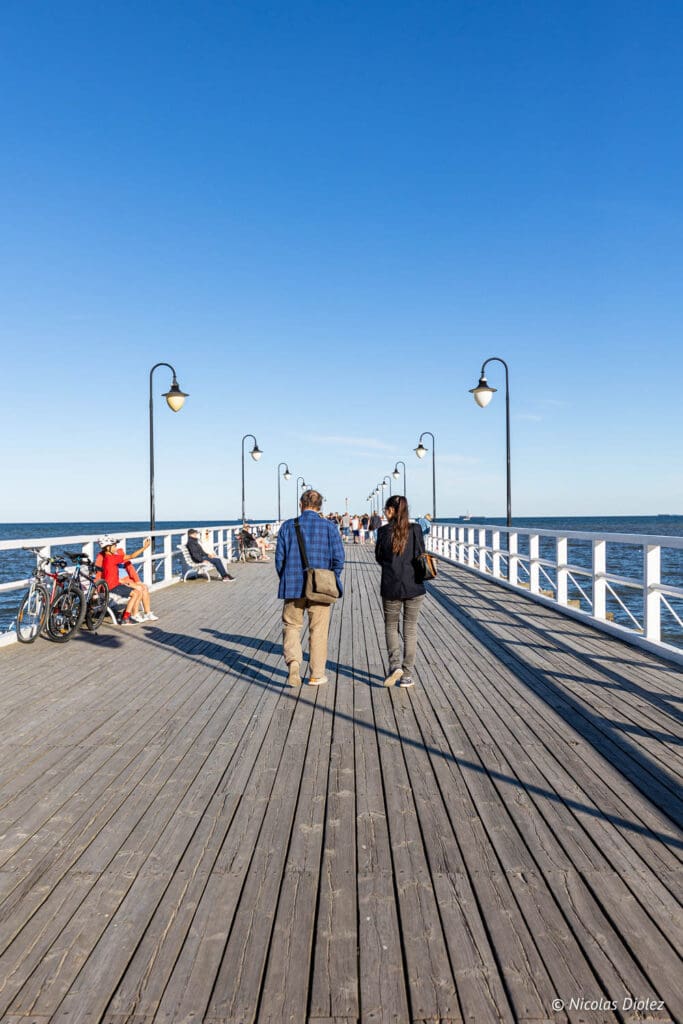
The town is also famous for its wooden pier, which is the longest in Europe (512 meters) and extends out into the waters of the Bay of Gdańsk. It was built in the late 19th and early 20th century. It is the town’s main attraction, and taking a stroll there is very pleasant. The Baltic Sea is less salty than the Mediterranean Sea, so there are no tides. Please note, however, that access to the pier is paid during the summer season (10 PLN full price, 5 PLN for children aged 3 to 16) and becomes free again off-season during the winter period.

_
A foodie spot in Sopot? Cukiernia
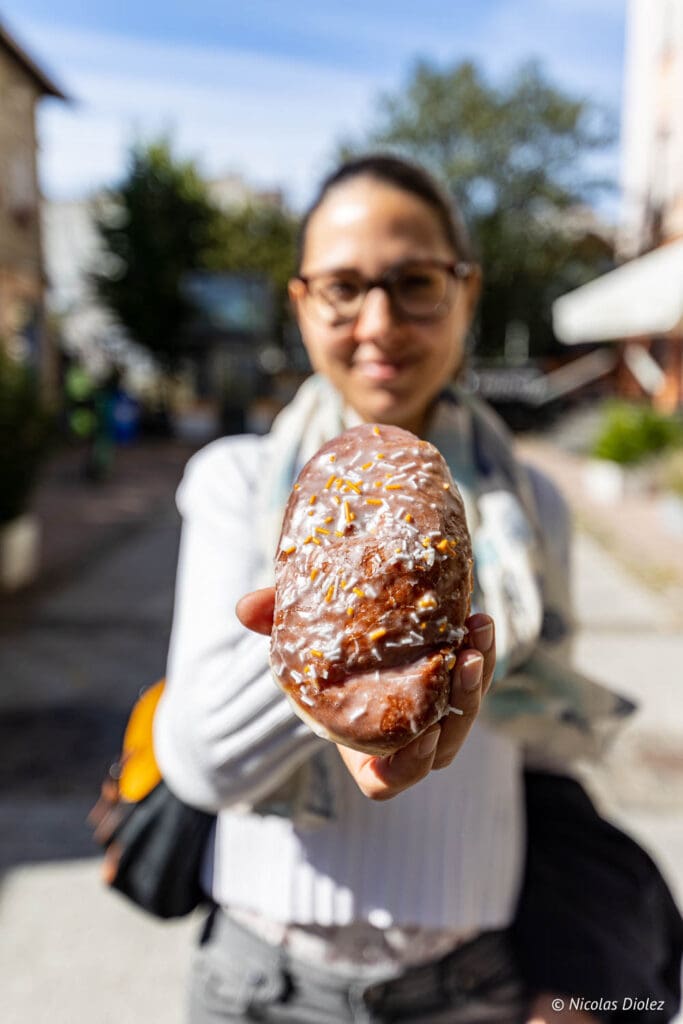
Our guide took us to this bakery (that’s what Cukiernia means, but this particular one has no special name—well, I couldn’t find it again, but I’m giving you the address below…) because, according to him, it was the best place in town to try the famous traditional Polish filled doughnuts. And I must say, aside from the fact that it is obviously very sweet, we really enjoyed it!
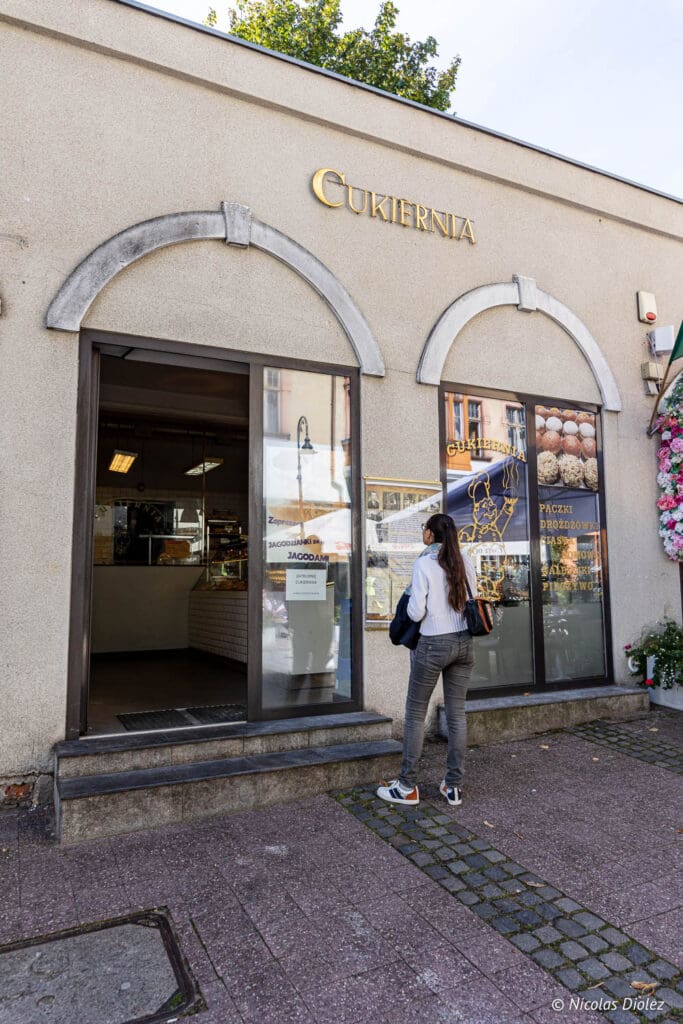
Cukiernia
Bohaterów Monte Cassino 16, 81-759 Sopot, Poland
_
Where to eat in Sopot? Tawerna Rybaki
This spot, located right next to the bike path running along the sea, is also a small hotel offering 5 rooms with sea views. As for us, we didn’t test this place as accommodation, but we stopped by for a bite to eat. The establishment’s restaurant specializes in seafood and serves dishes made from fish caught in the Gulf. The venue features a small outdoor terrace and several dining rooms across 2 floors.
To try: beetroot soup (traditional Polish cold summer soup / 20 zt); homemade fish spreads (which you can also buy); fish and seafood specialties of course, such as the grilled octopus tentacle (78 zt); we tried a very good Polish beer there, the Bałtycki Dziad Pils (15 zt for a half-pint).
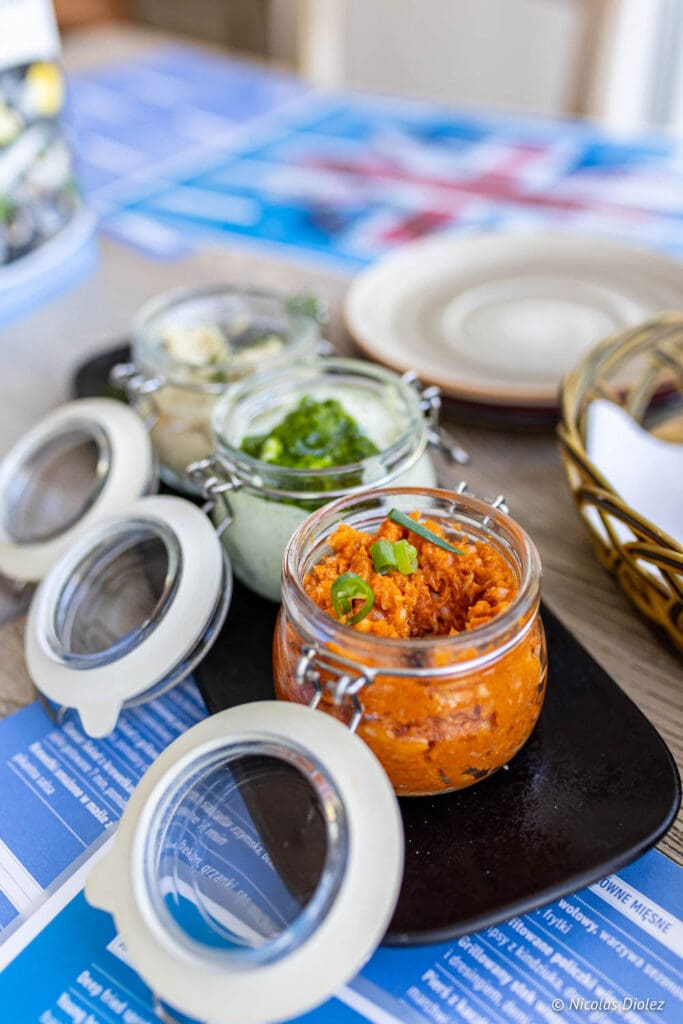
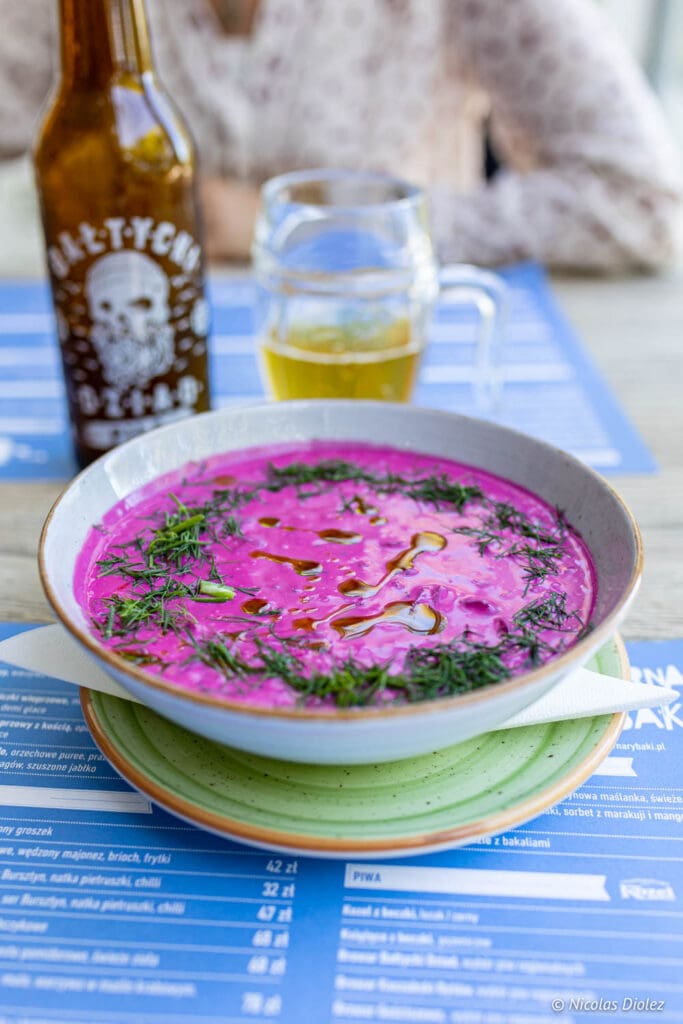
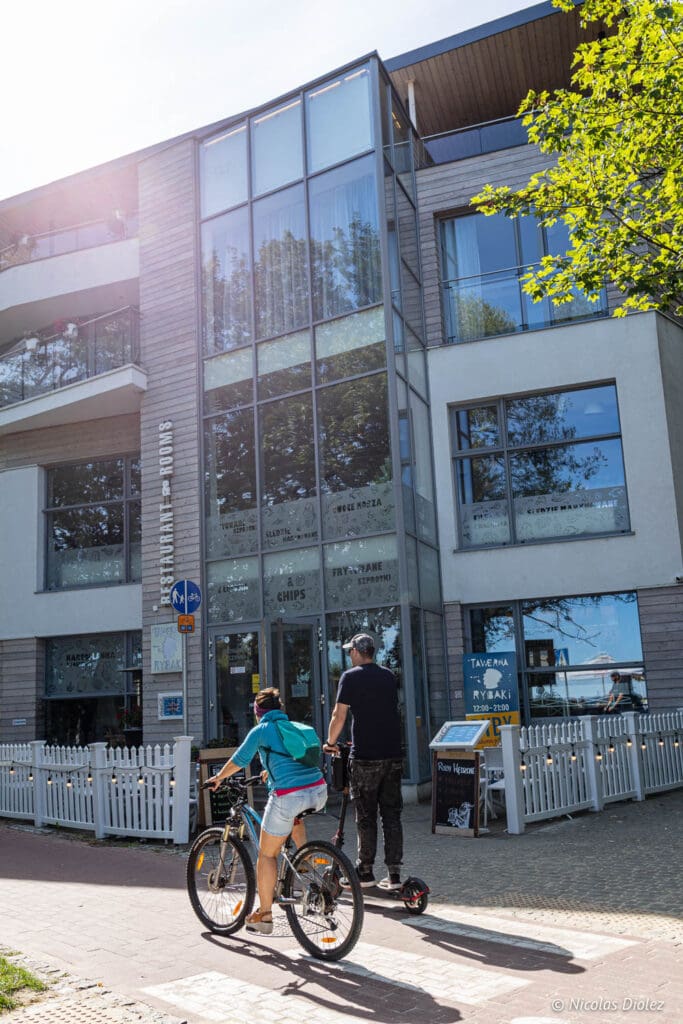
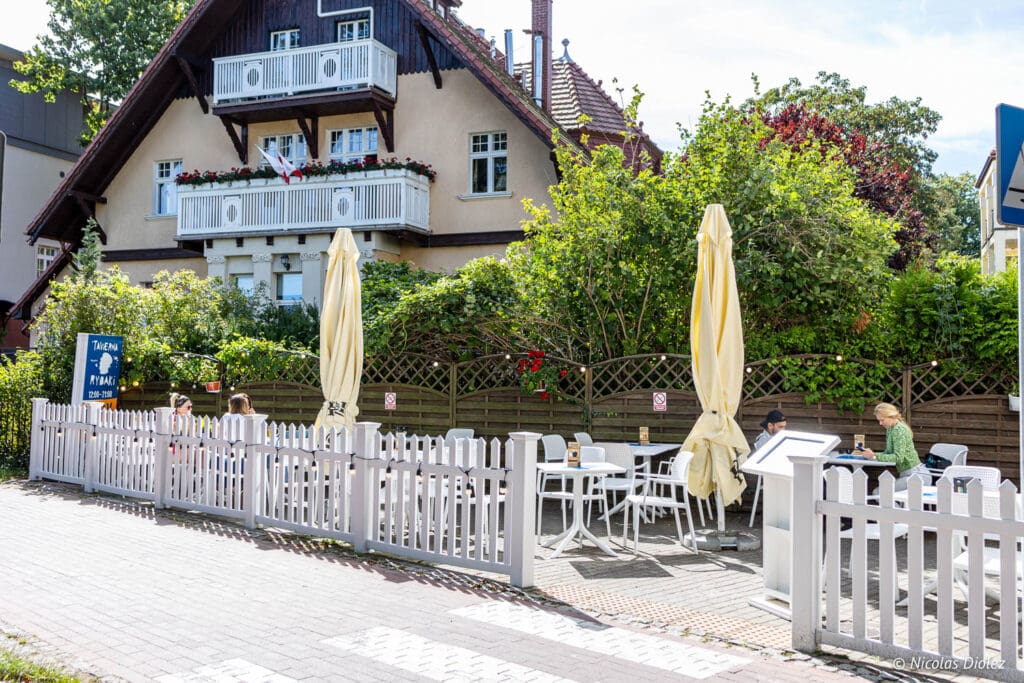
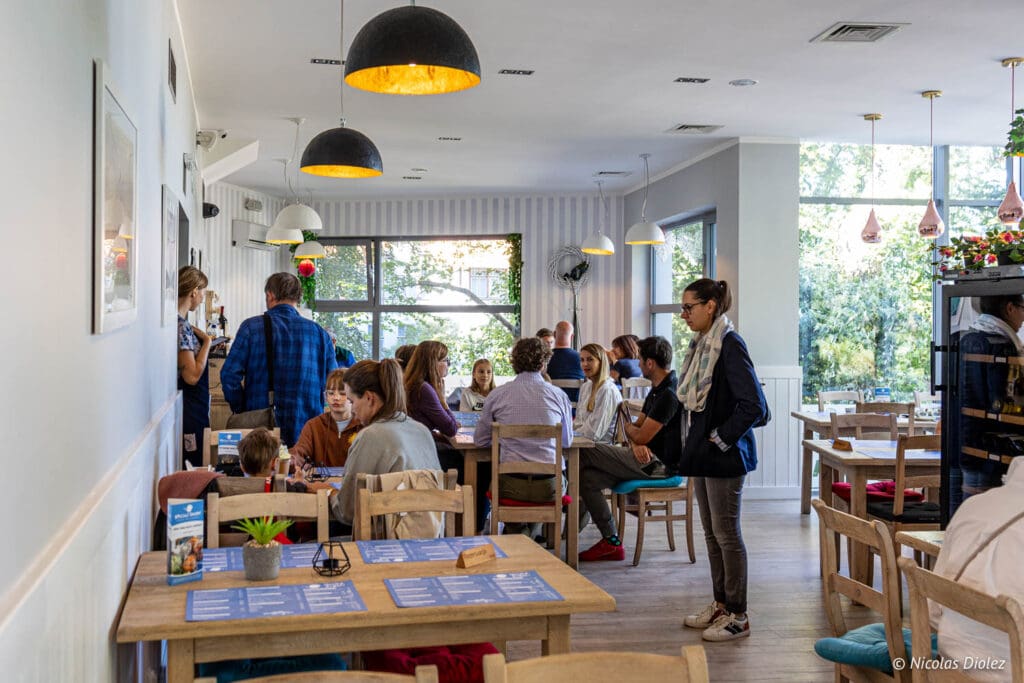
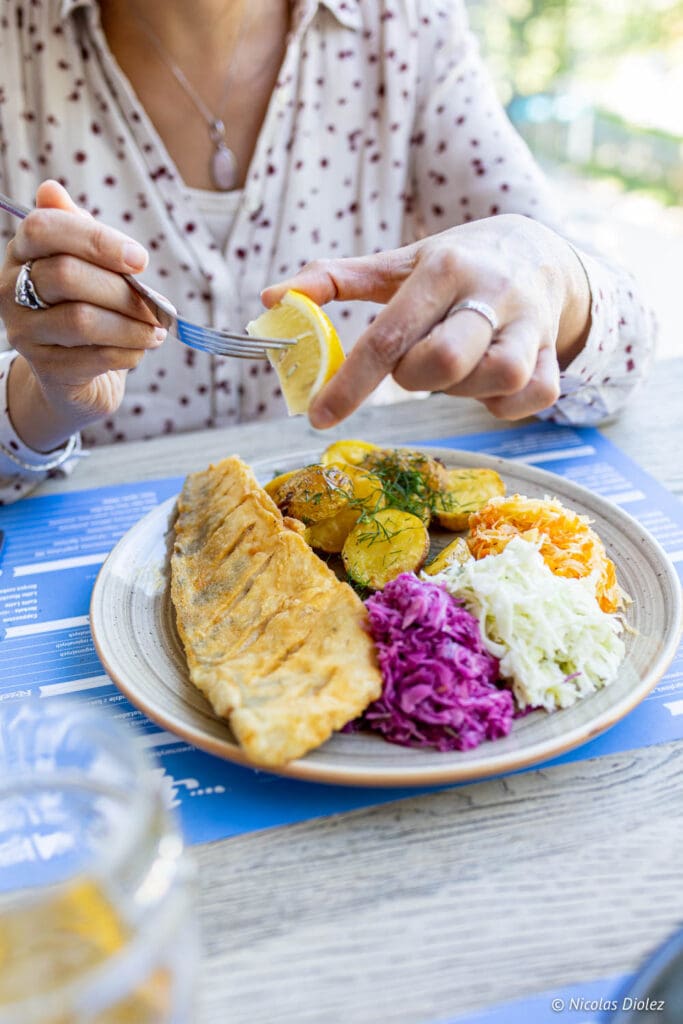
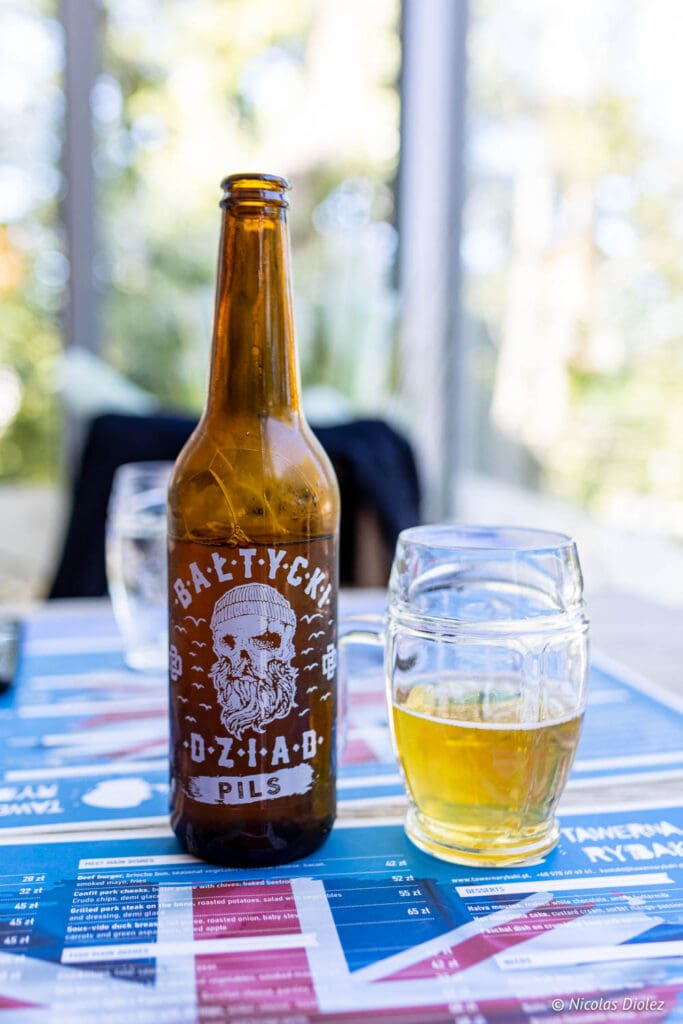
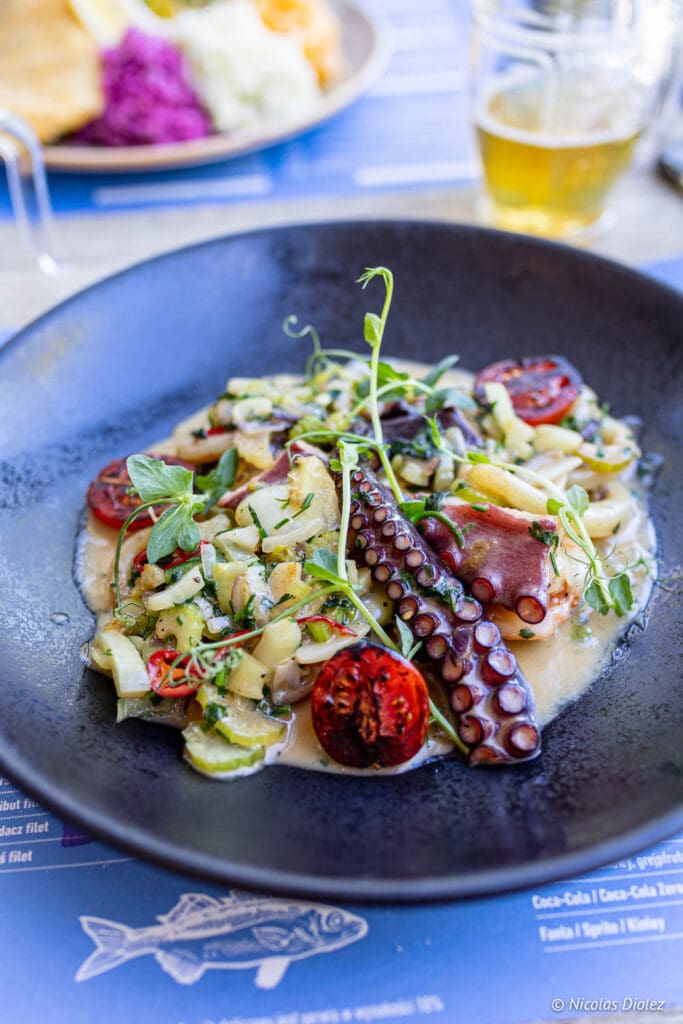
Tawerna Rybaki
Aleja Wojska Polskiego 26, 81-769 Sopot, Poland
_
Visiting Gdynia
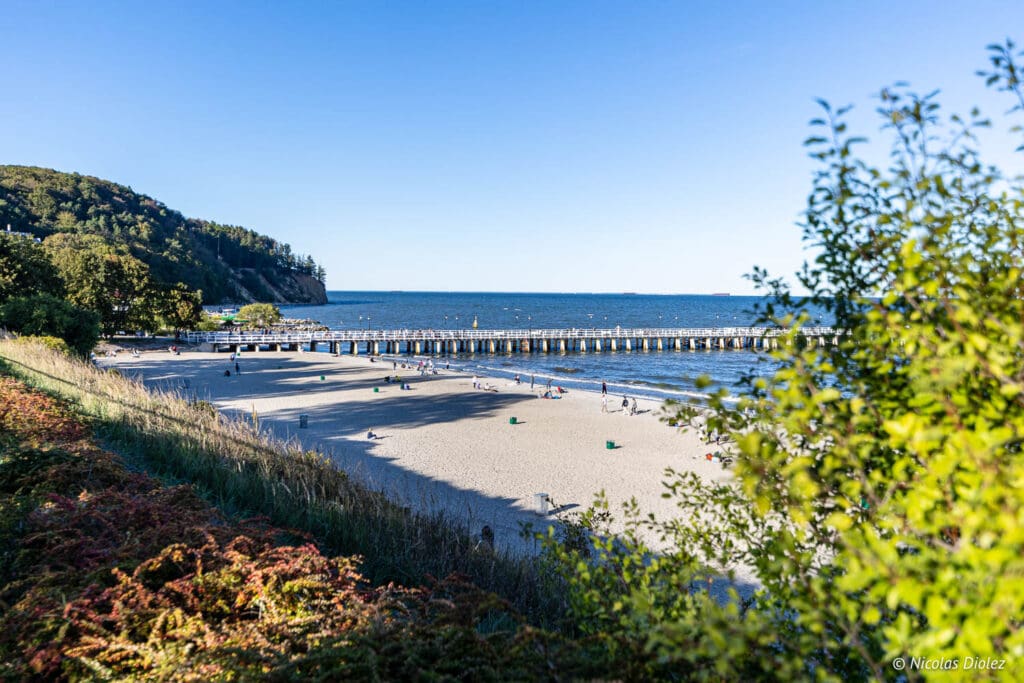
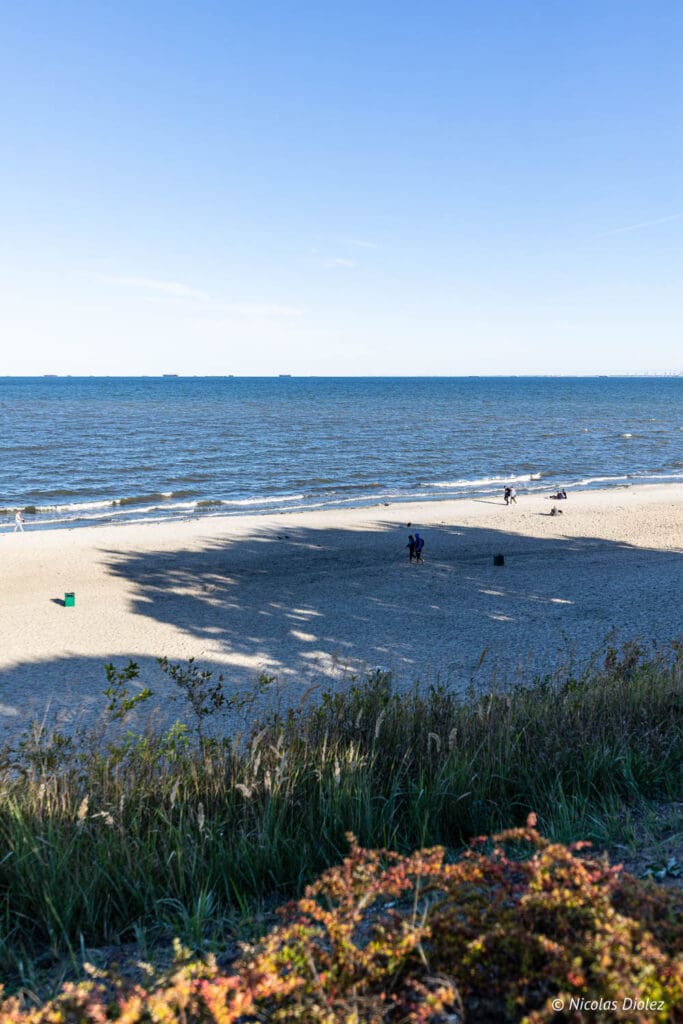
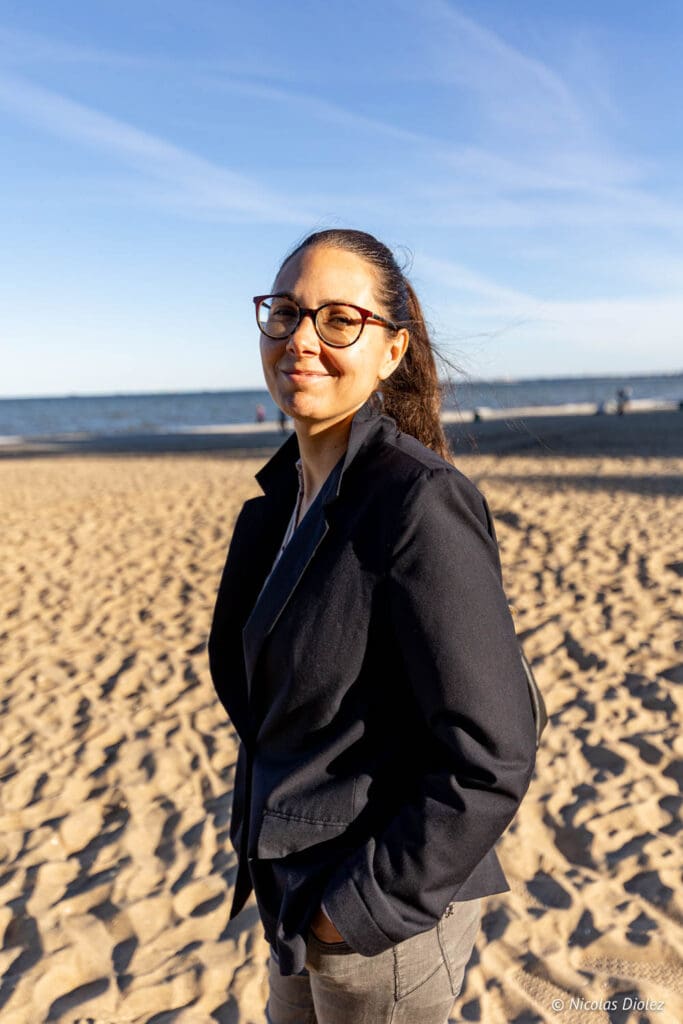
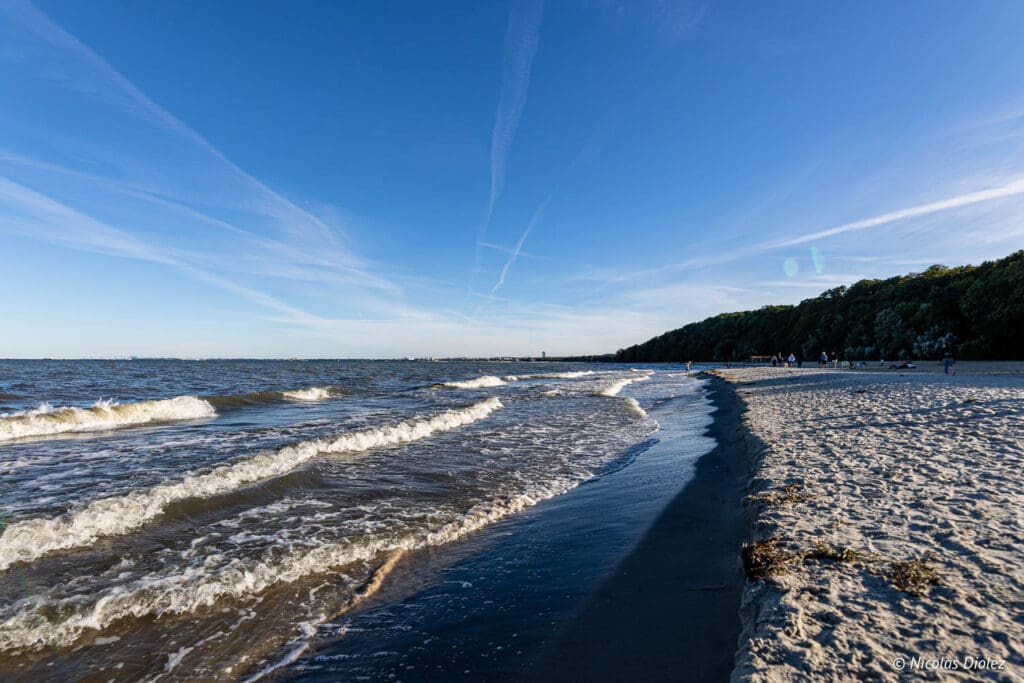
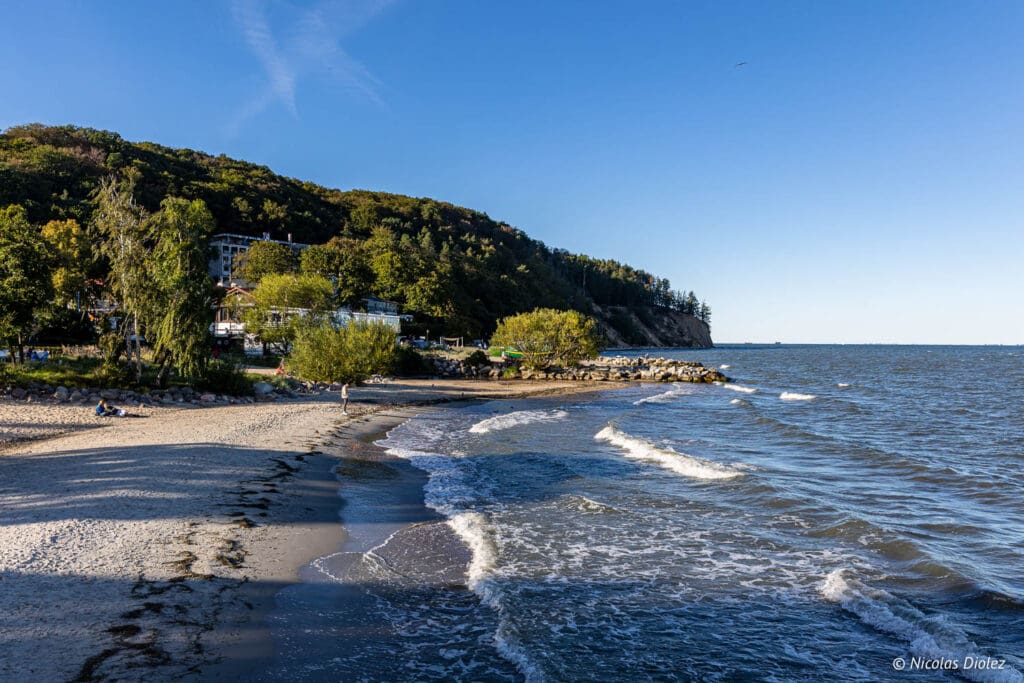
Gdynia is a very important port city, with a harbor built and opened in 1923. The goal of this port at the time was to provide Poland with a port on the Baltic Sea, back when the city of Gdańsk was still independent. Afterwards, the city was captured by the Germans during World War II and subsequently bombed at the end of the war. Post-war, about 60% of the city had been destroyed. Today, you can see modernist architecture dating back to the reconstruction, recognizable by its rounded balconies. Nowadays, the city of Gdynia also hosts the Polish Film Festival, held annually in May or October. I also recommend taking a walk on the Orłowo wooden pier to enjoy the beaches and the sea.
_
Visiting the Emigration Museum in Gdynia
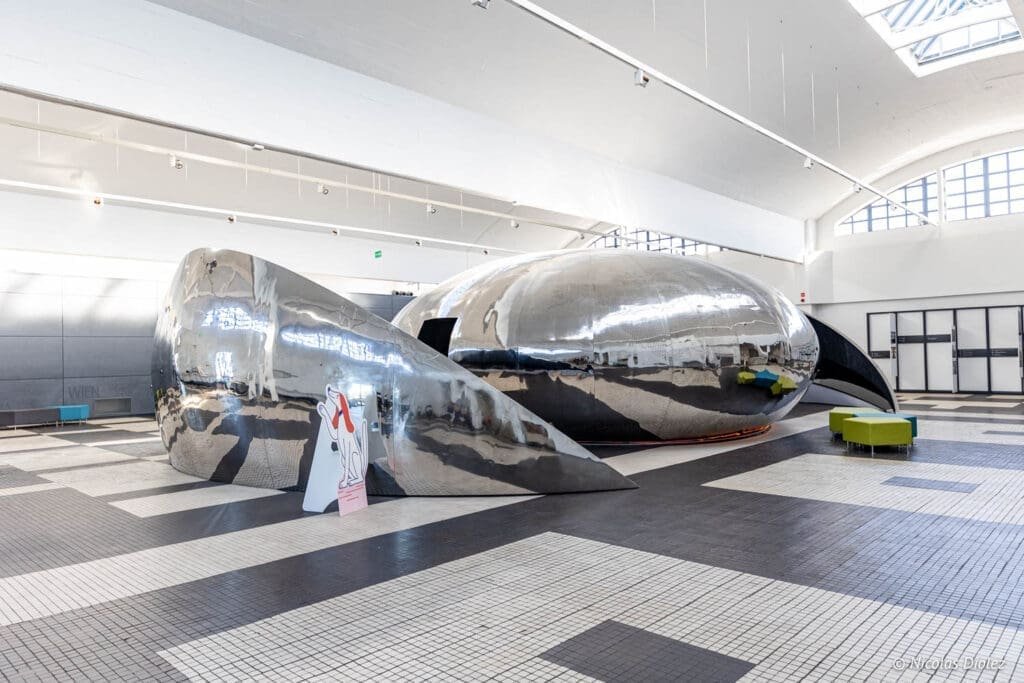
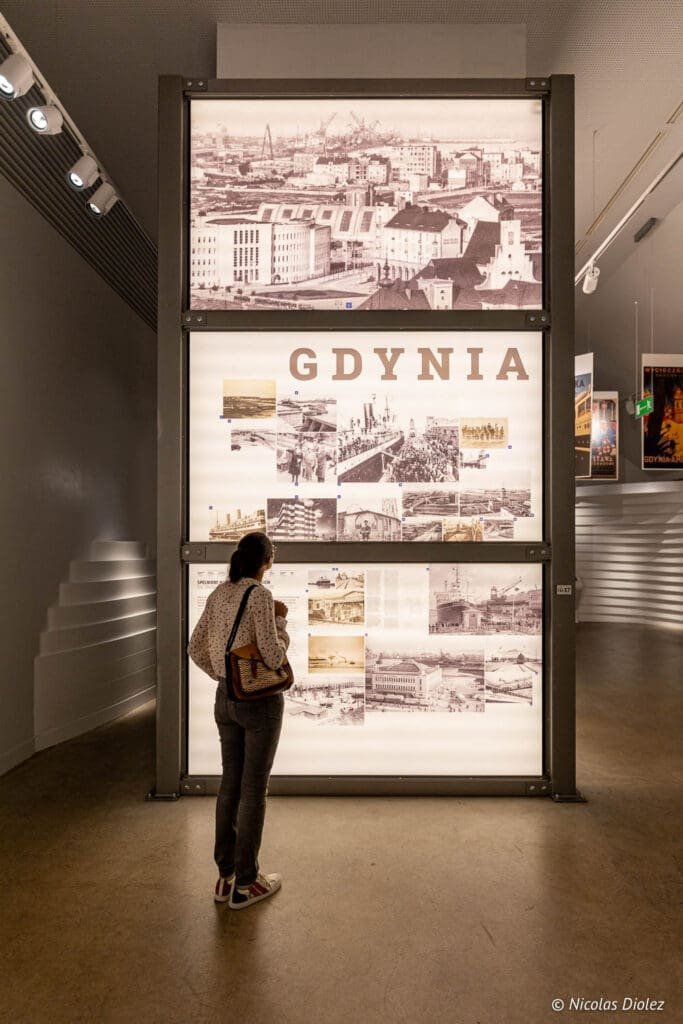
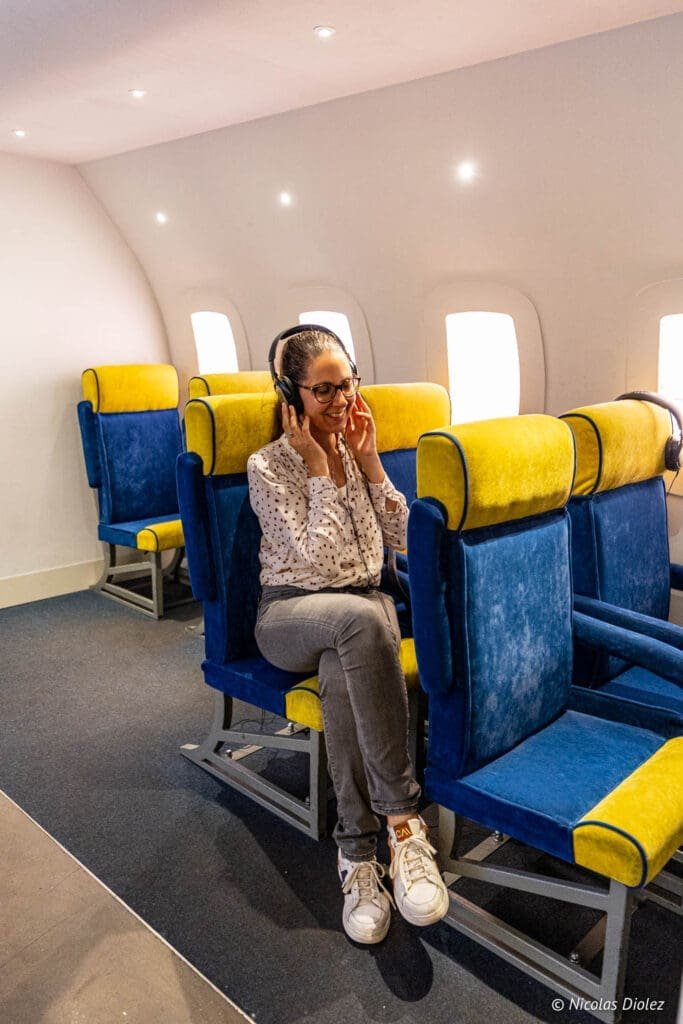
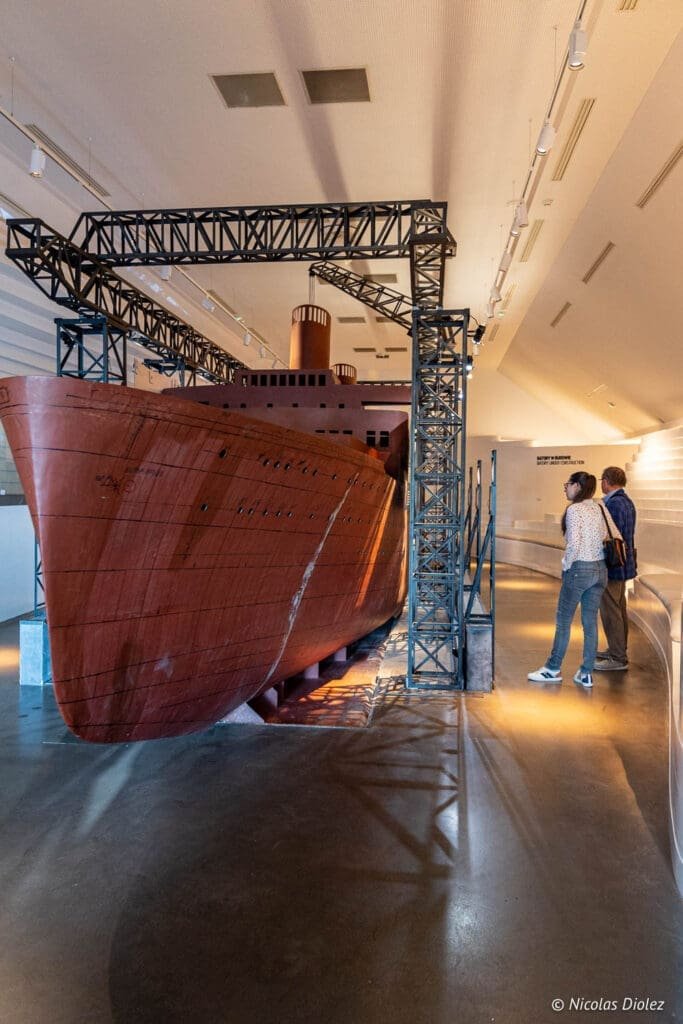
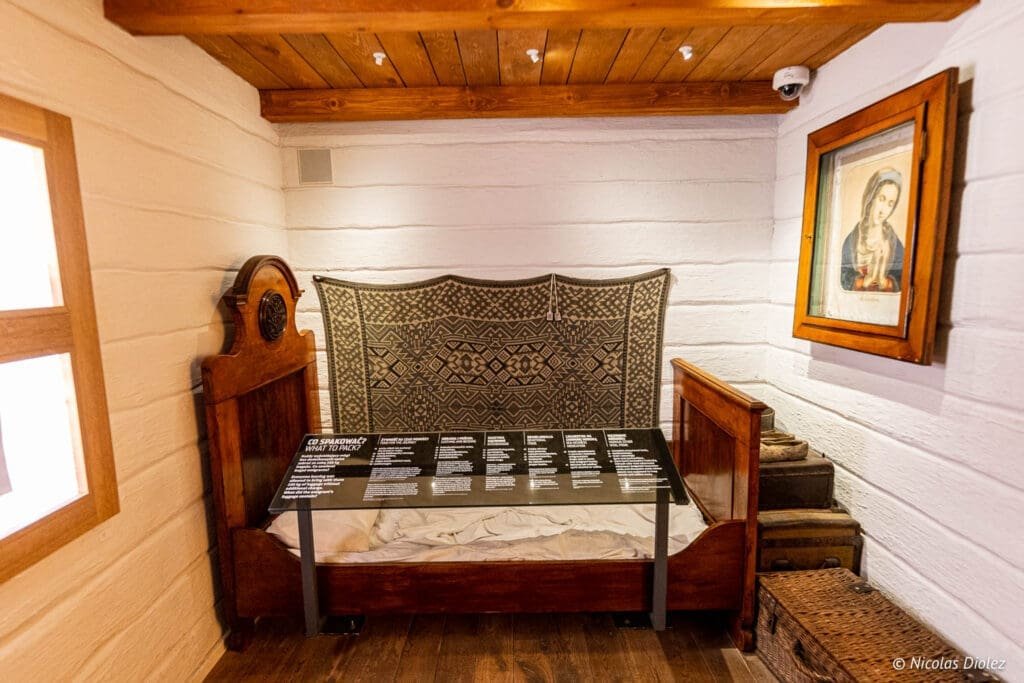
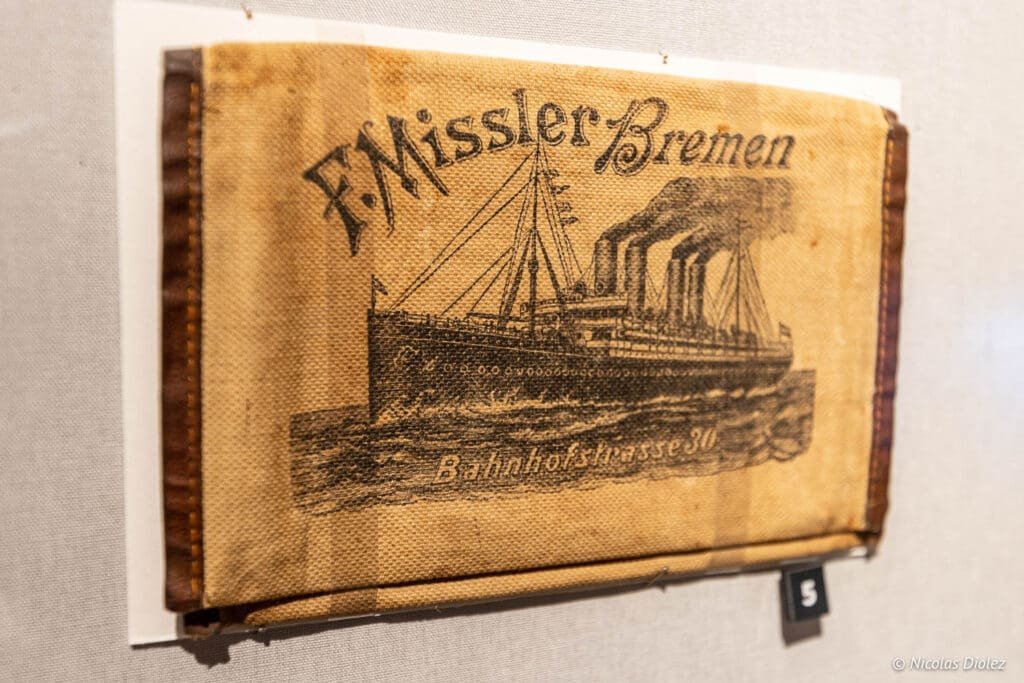
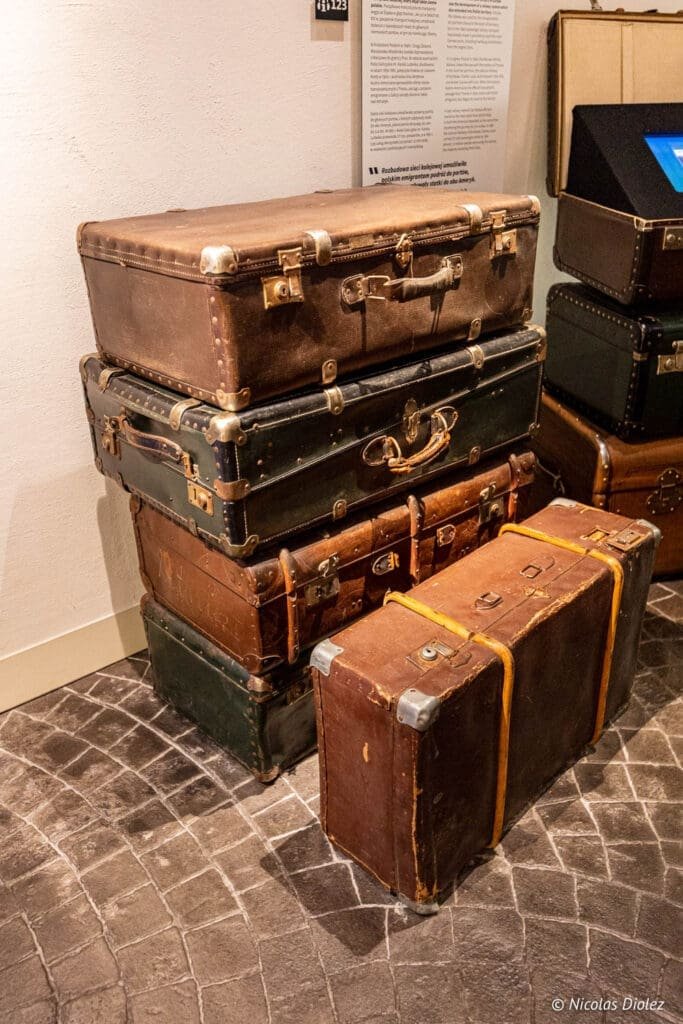
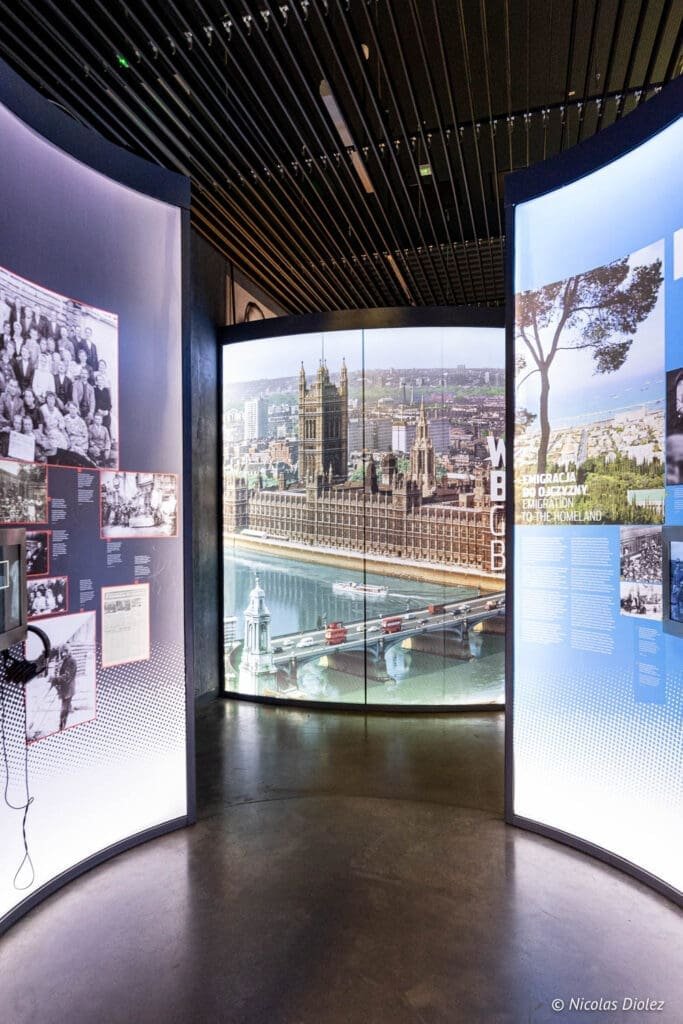
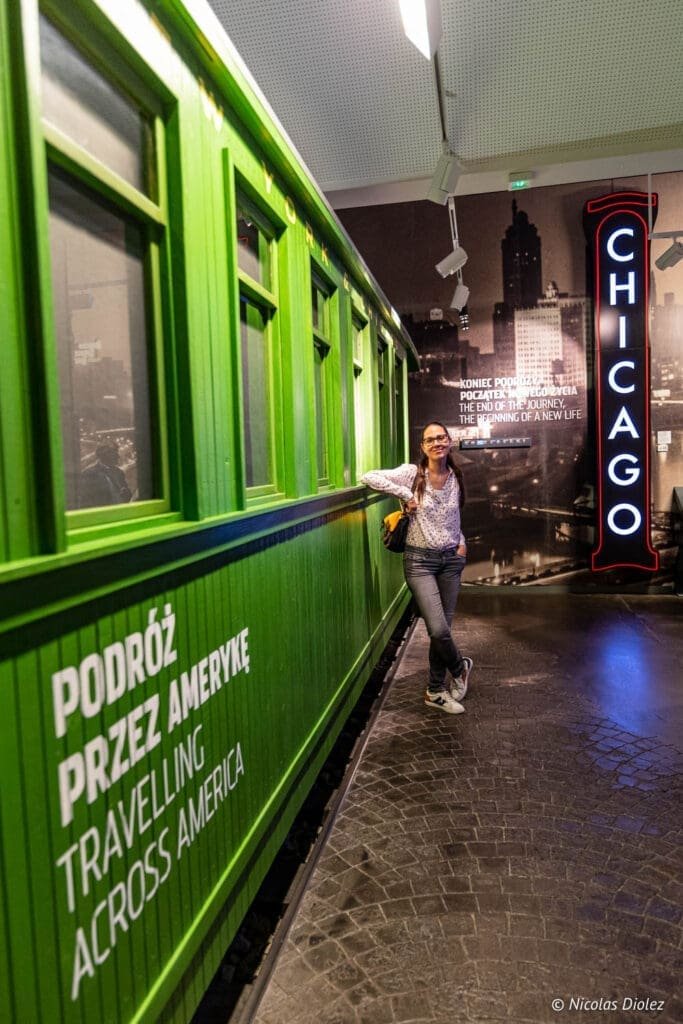
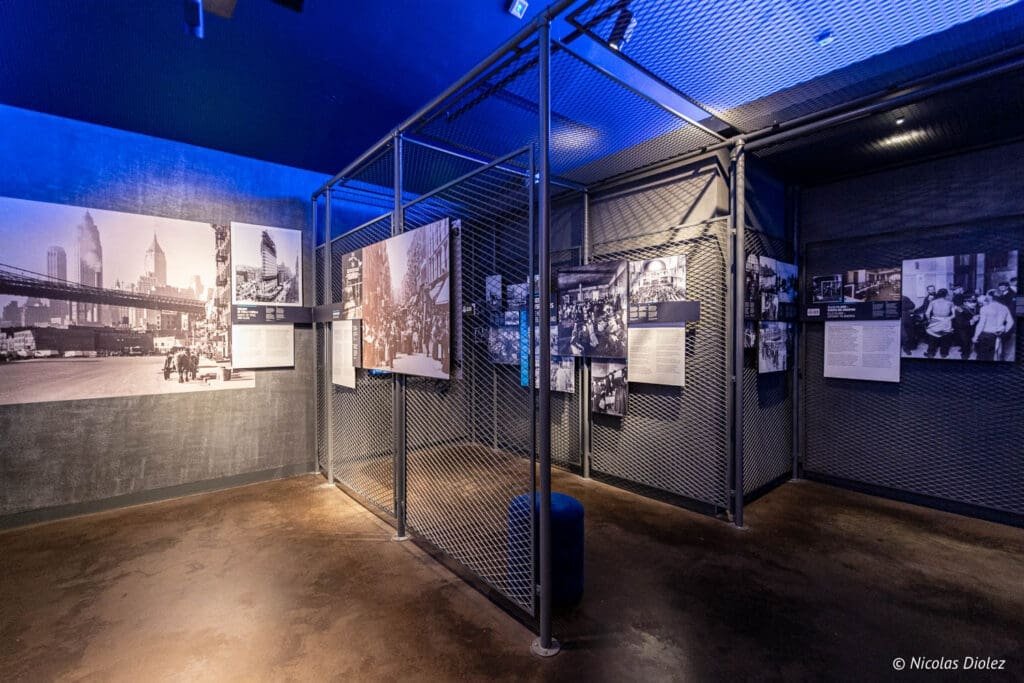
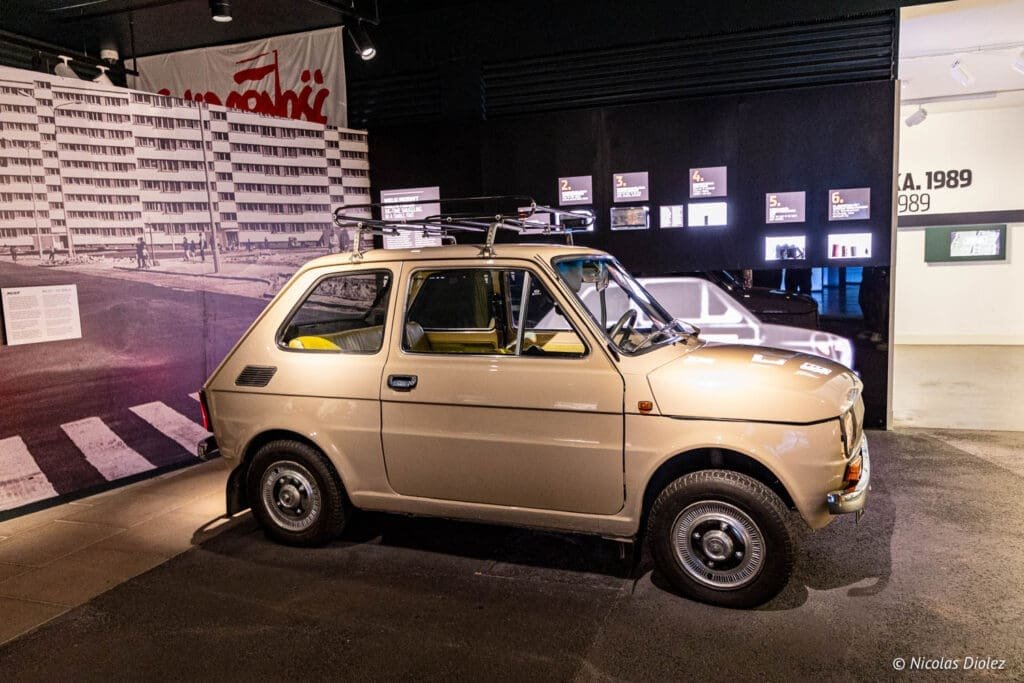
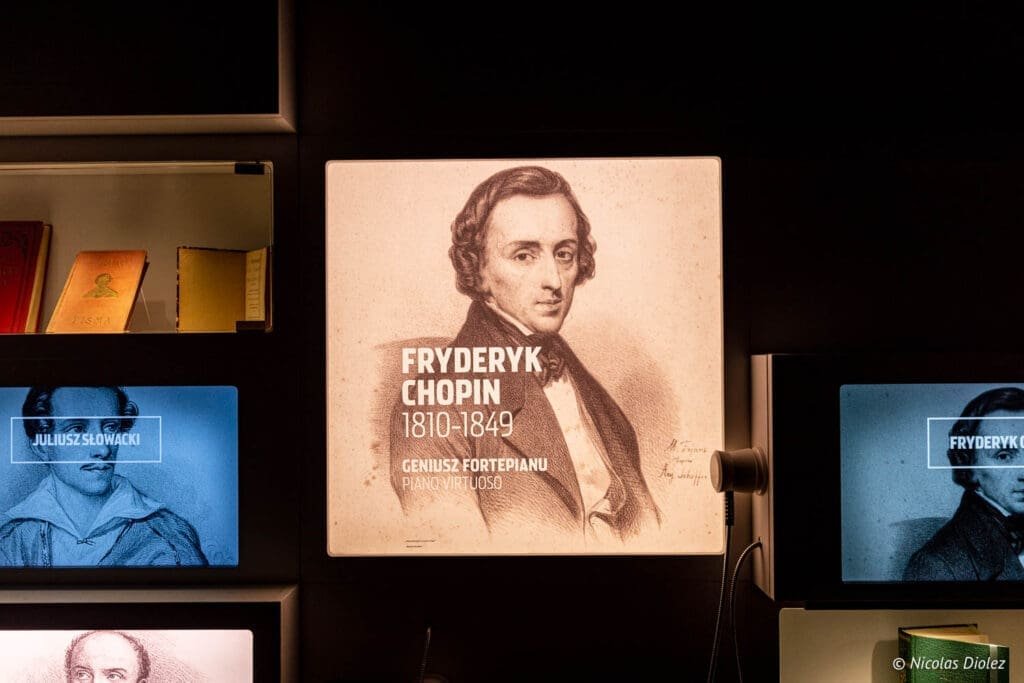
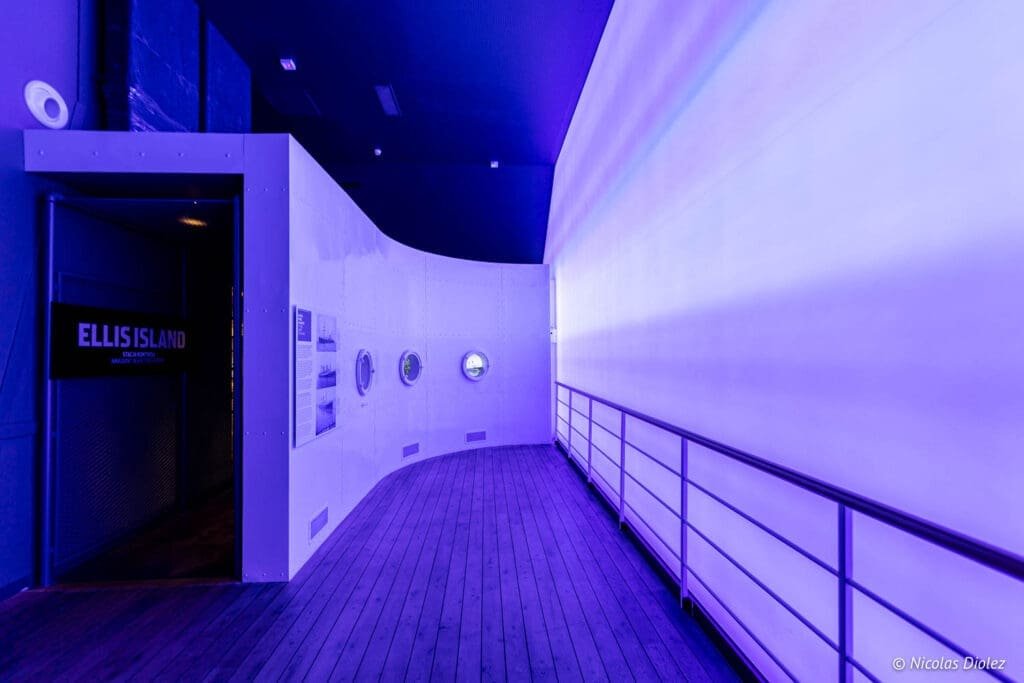
Opened in 2015 in Gdynia, this museum tells the story of the many Polish men and women who have emigrated all over the world for hundreds of years, driven by economic reasons and the desire for a new life. The museum’s modern and interactive museography makes it a fascinating place to understand and realize the scale of the Polish diaspora worldwide.
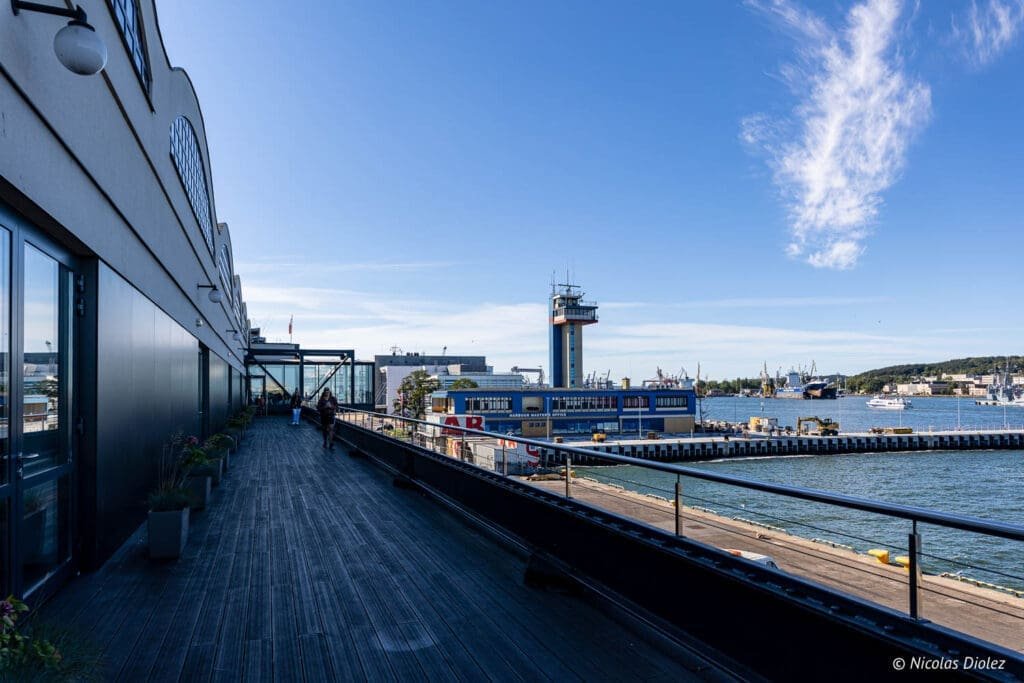
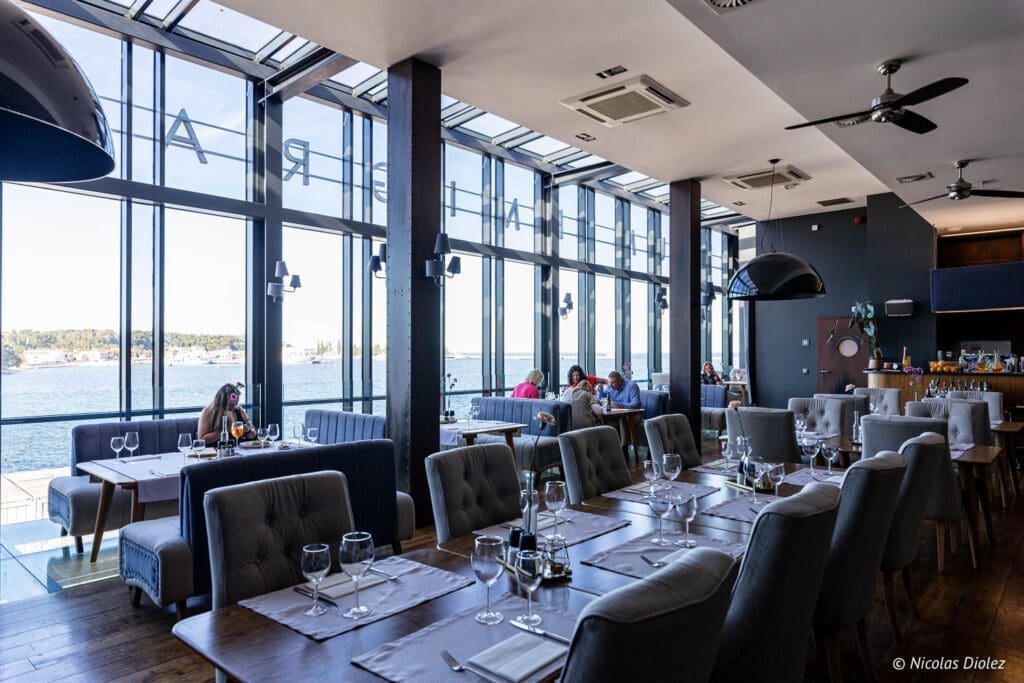
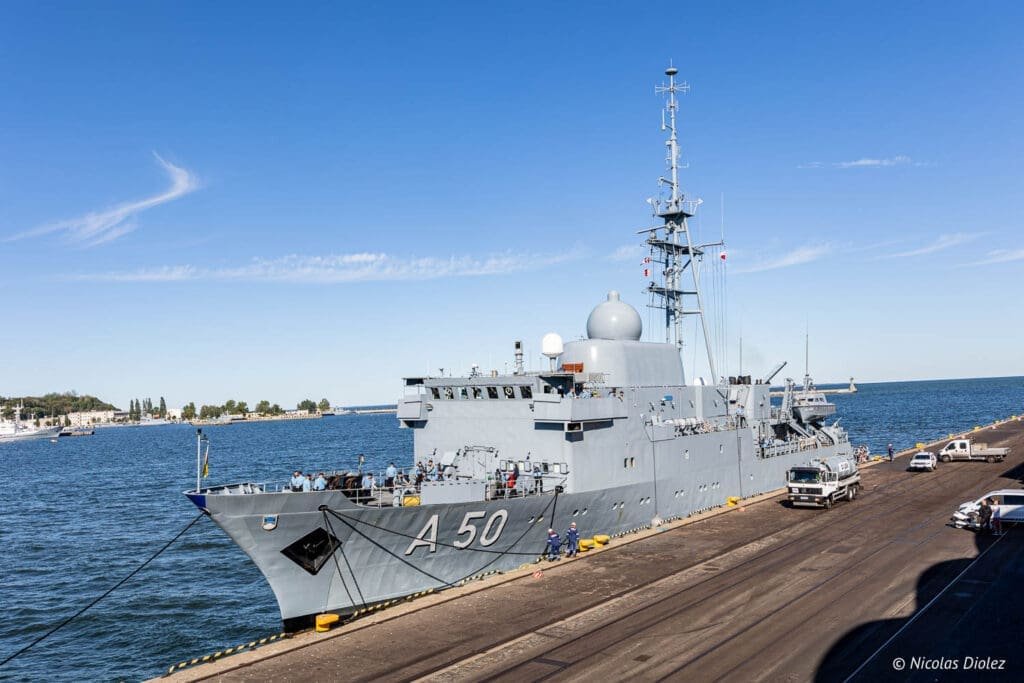
The museum is housed in a former Navy building (dating back to 1933) in the heart of Gdynia’s port, from where many Polish people actually departed, and this building was often the last image they kept of their motherland. It is truly a fascinating visit. Be careful though, as is often the case in Poland, the museum’s explanations are only in Polish and English.
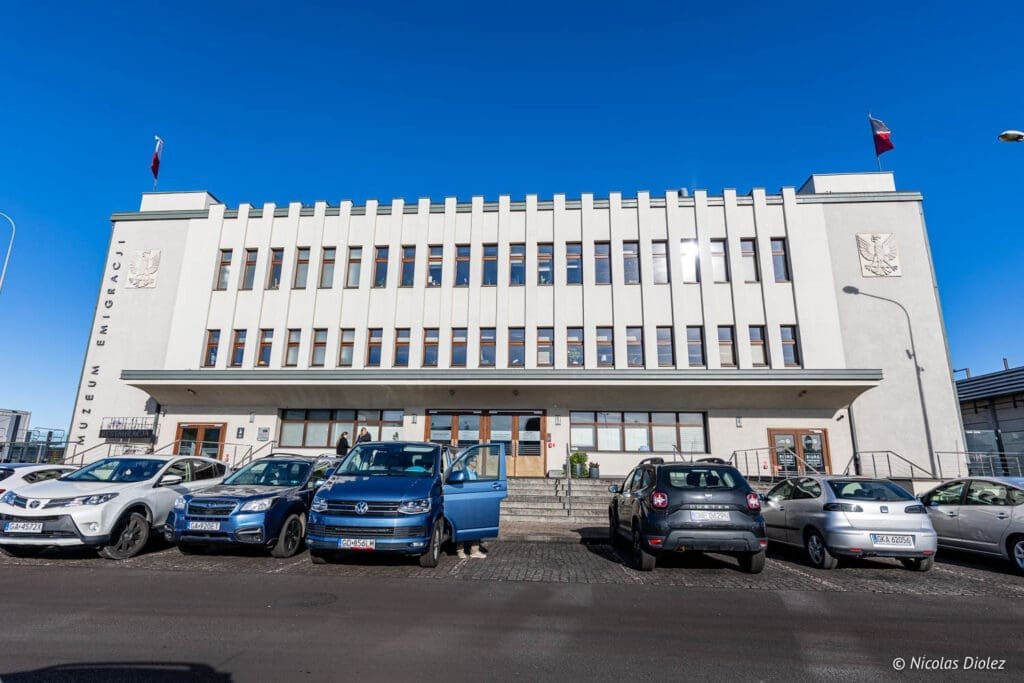
Gdynia Emigration Museum
Polska 1, 81-339 Gdynia, Poland
Prices: 28 PLN full price / 20 PLN reduced price / 74 PLN family ticket
The tip: admission to the permanent exhibition of the Emigration Museum is free every Wednesday.
_
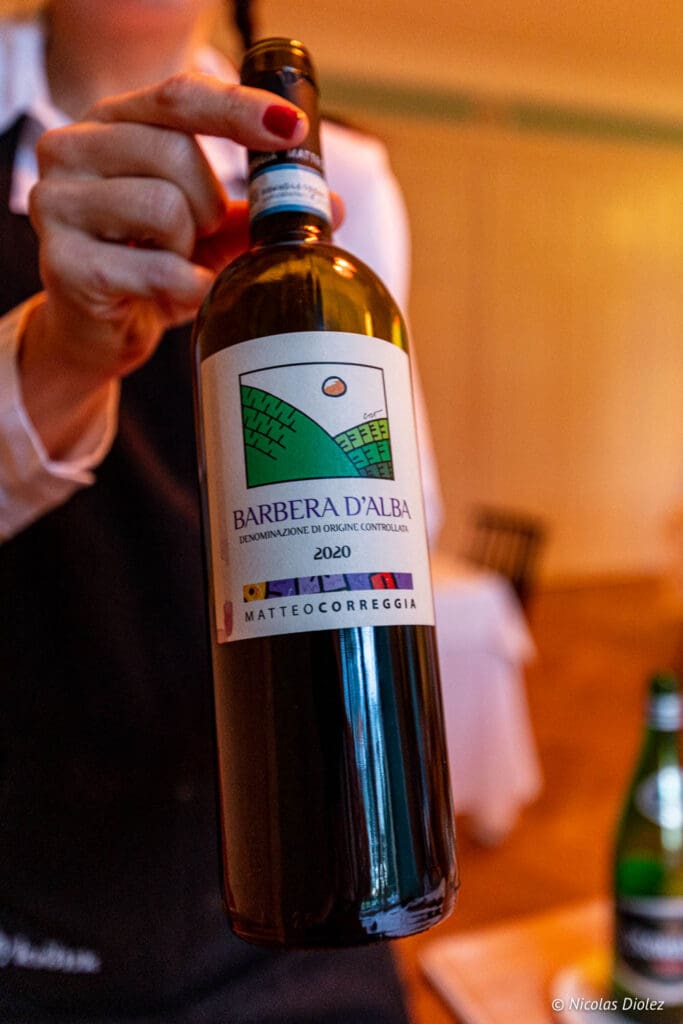
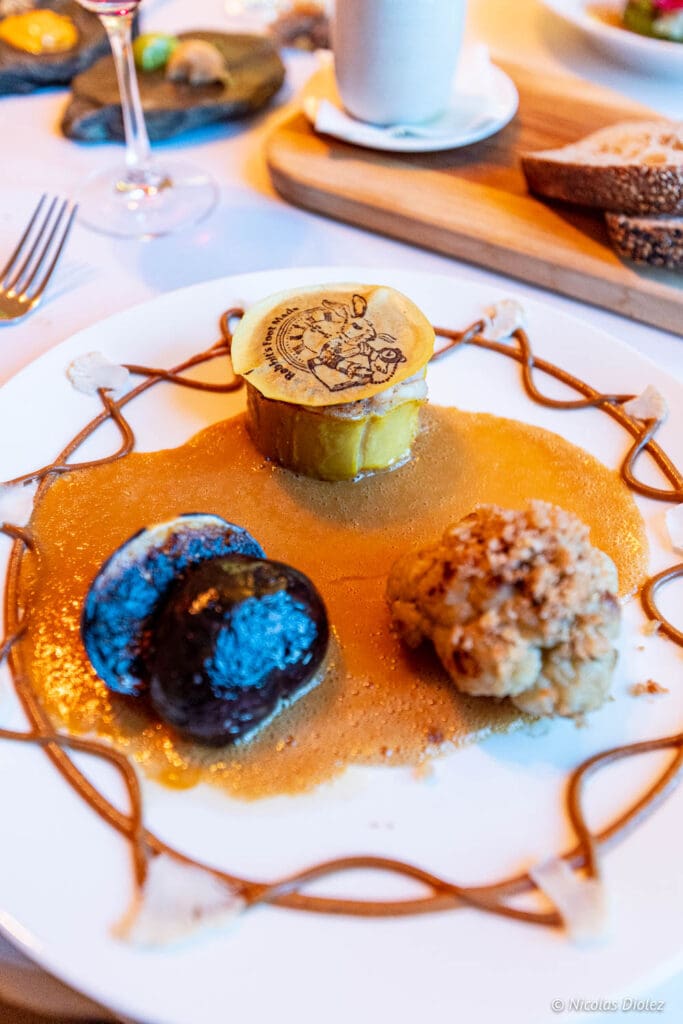
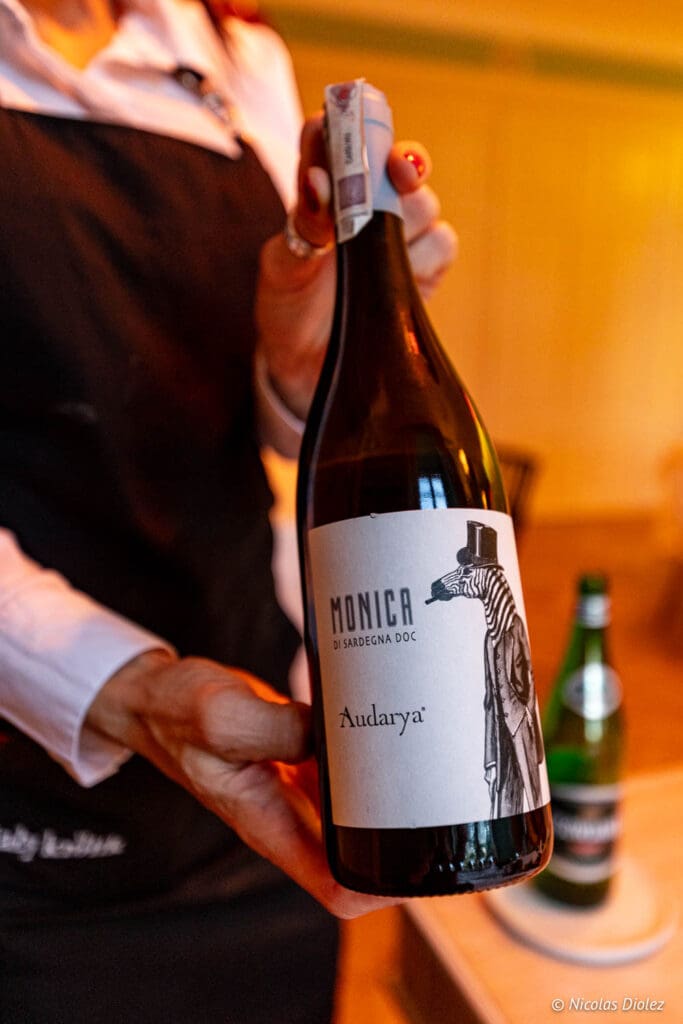
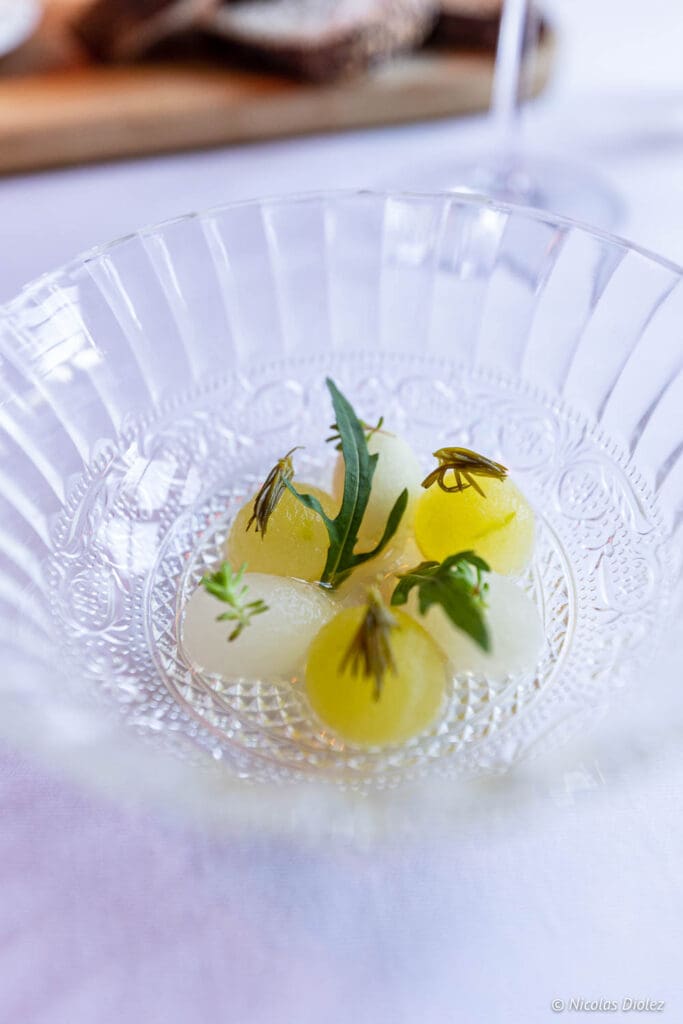
Where to have a gourmet dinner in Gdynia? At the White Rabbit restaurant
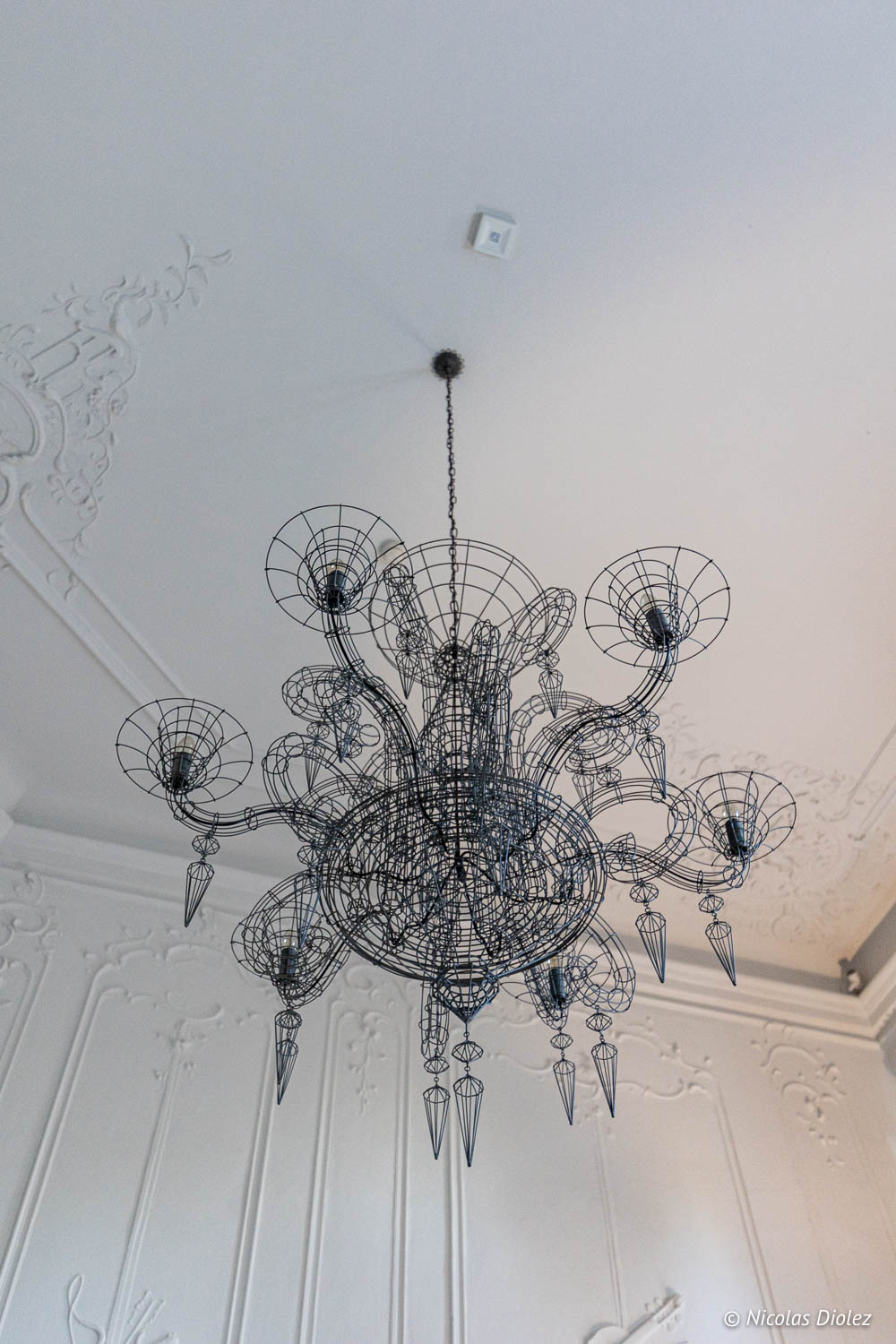
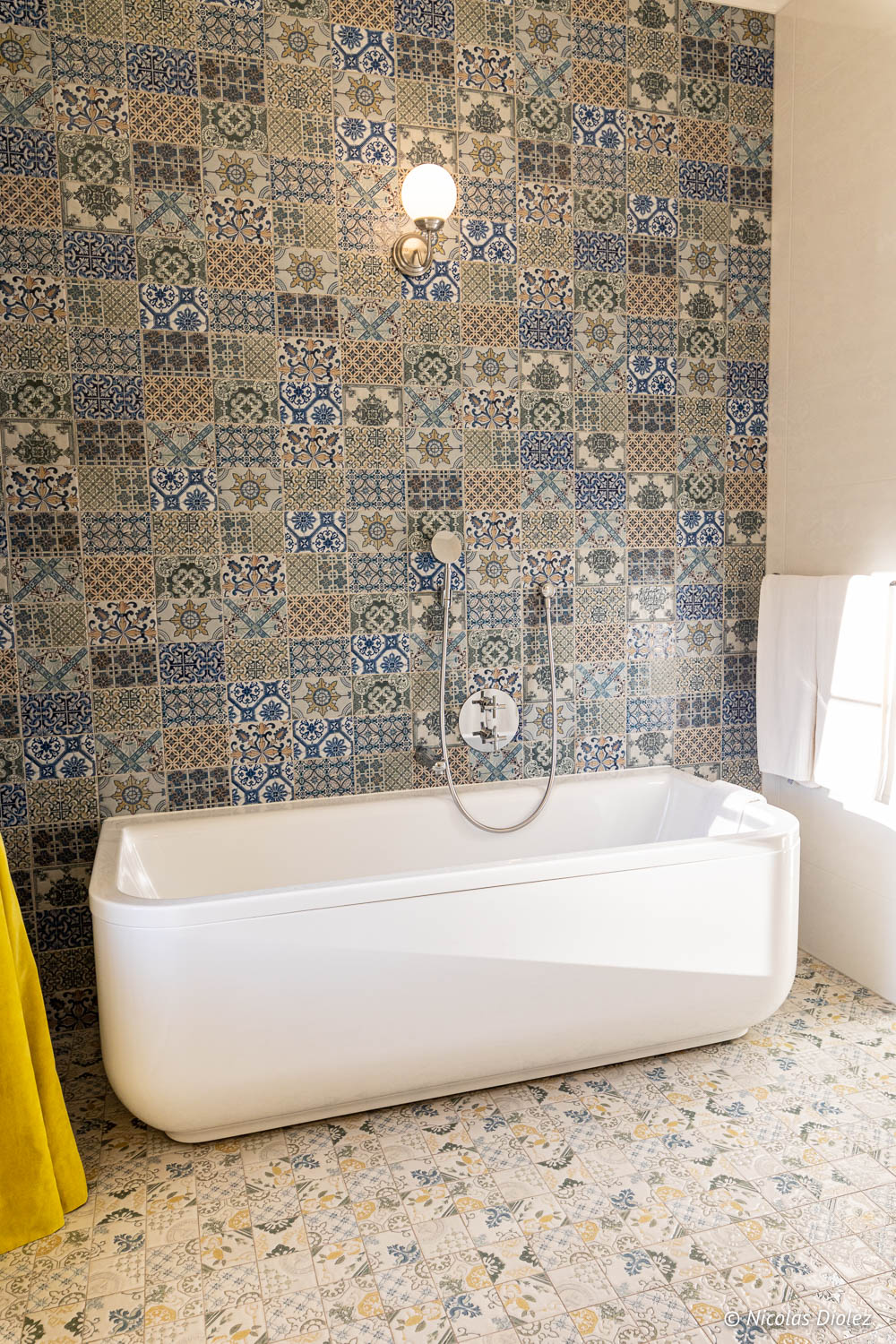
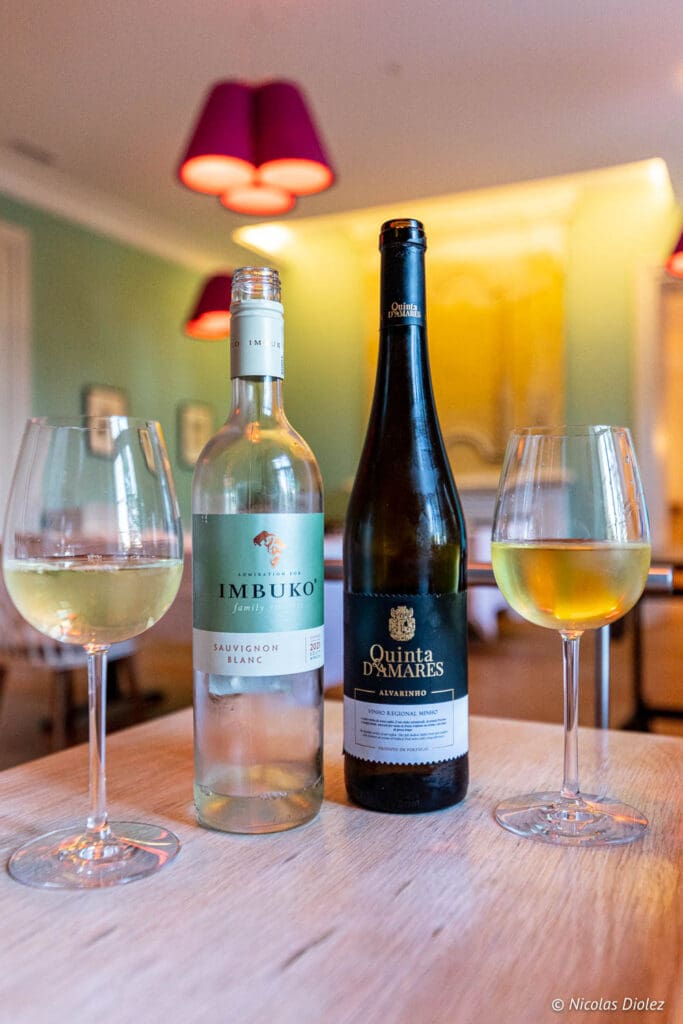
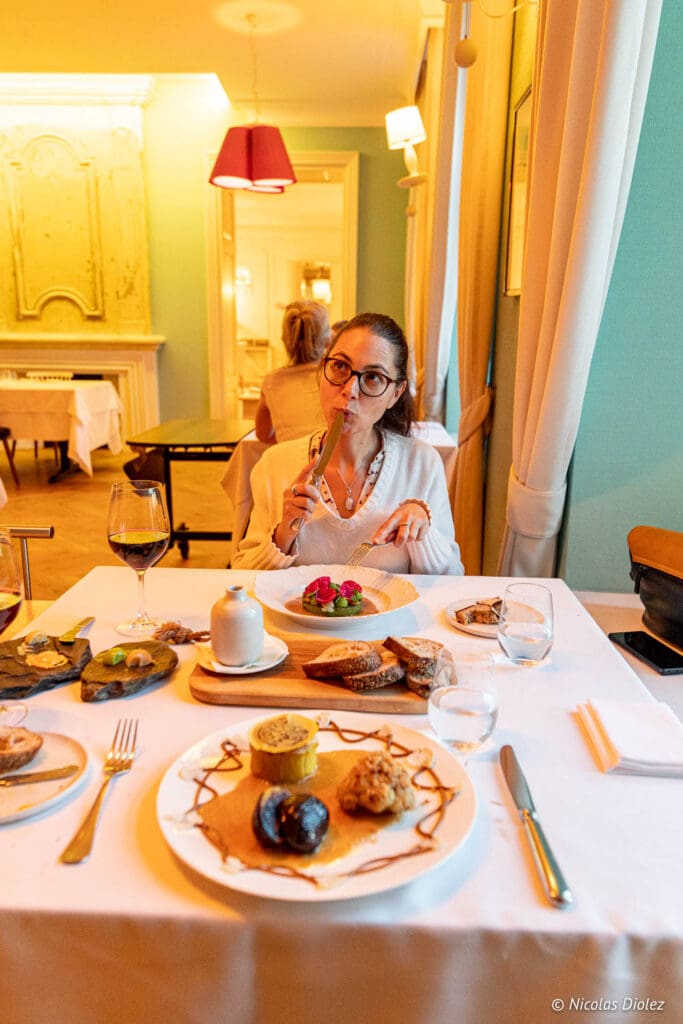
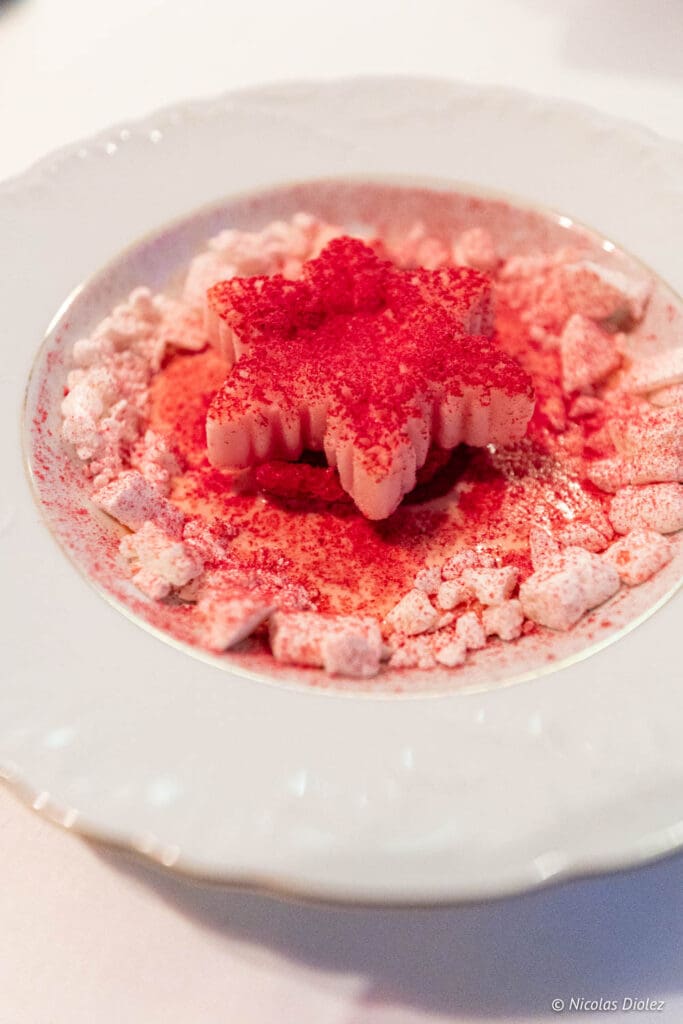
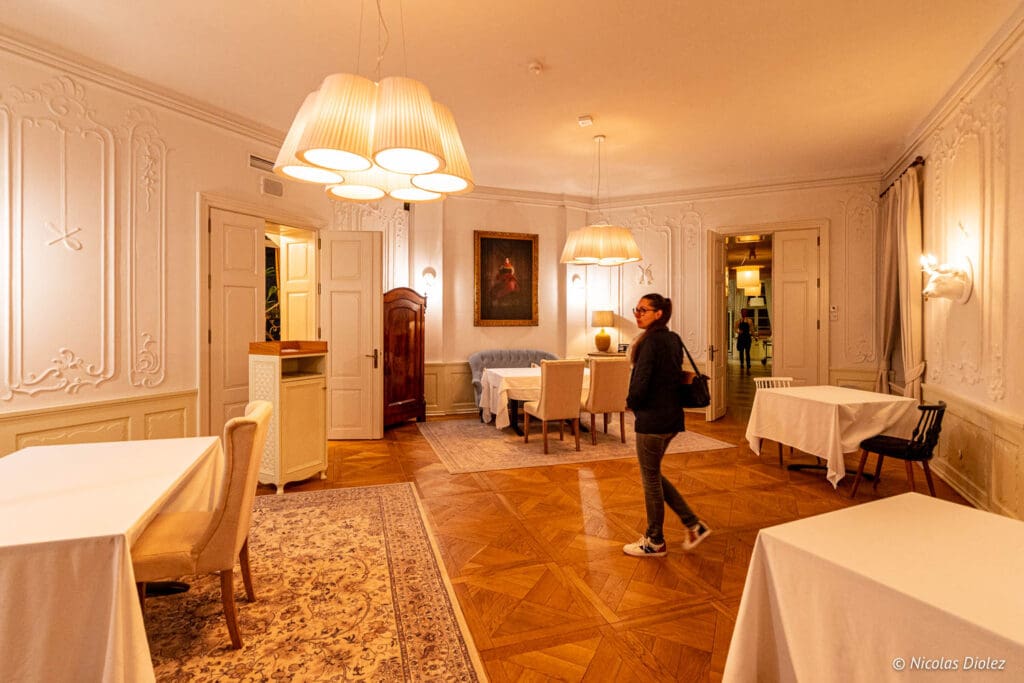
This gourmet restaurant is located inside the Quadrille Hotel, which is a Relais & Châteaux establishment. This luxury address, which particularly showcases contemporary art and artists, is situated in the Orlowo district of Gdynia. We had a wonderful evening at this hotel’s restaurant, which offers high-end cuisine that is much more refined than the majority of restaurants we visited in Poland. We left this dinner completely stuffed because, unlike gourmet meals in France which remain very light, in Poland even at a gourmet restaurant, portion sizes are more than substantial.
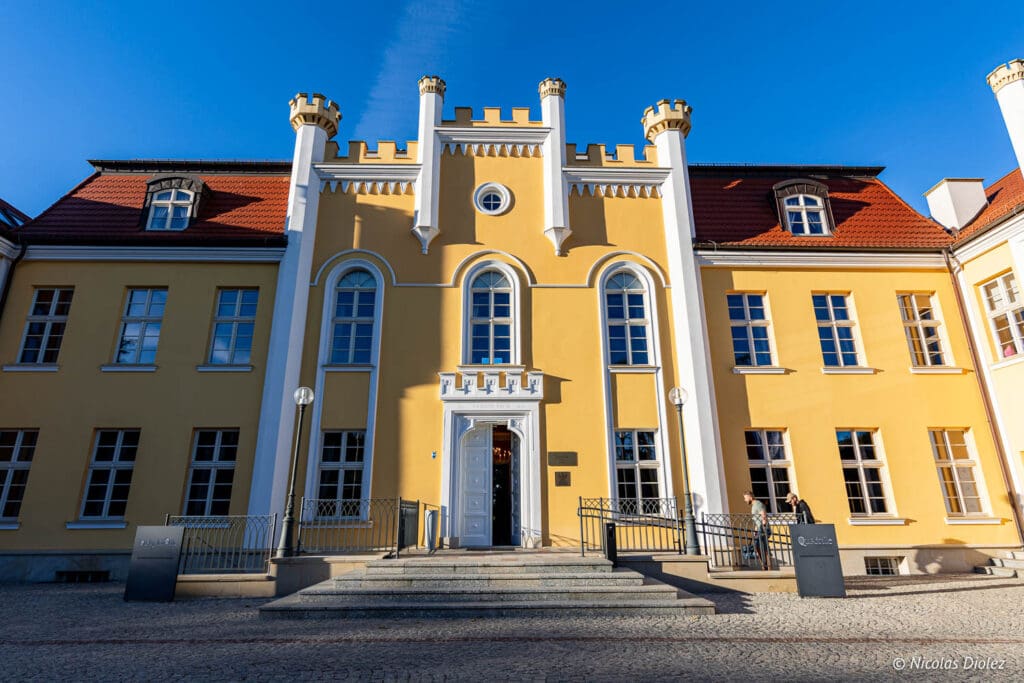
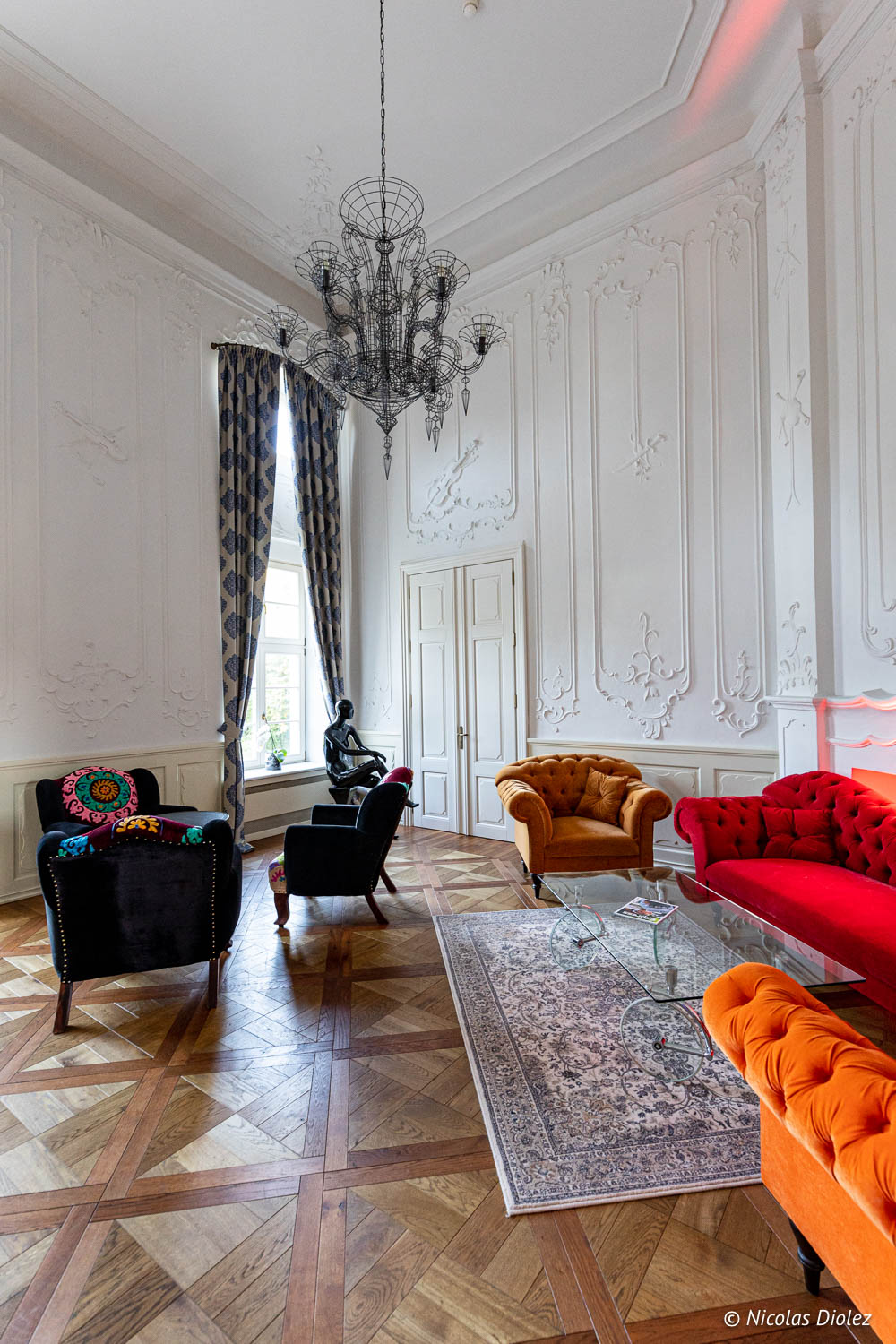
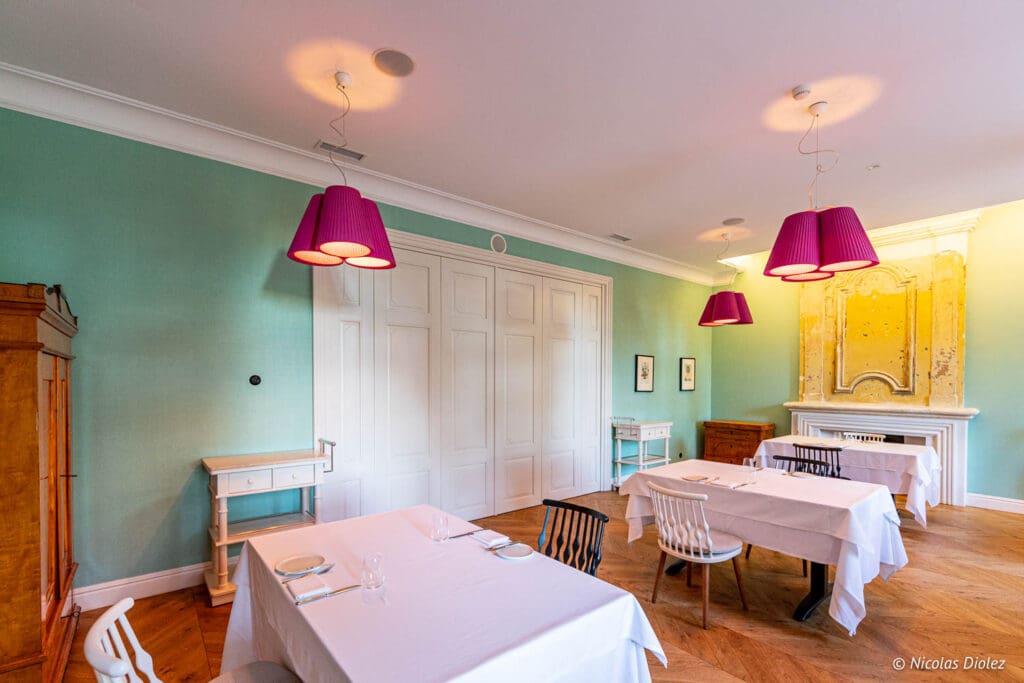
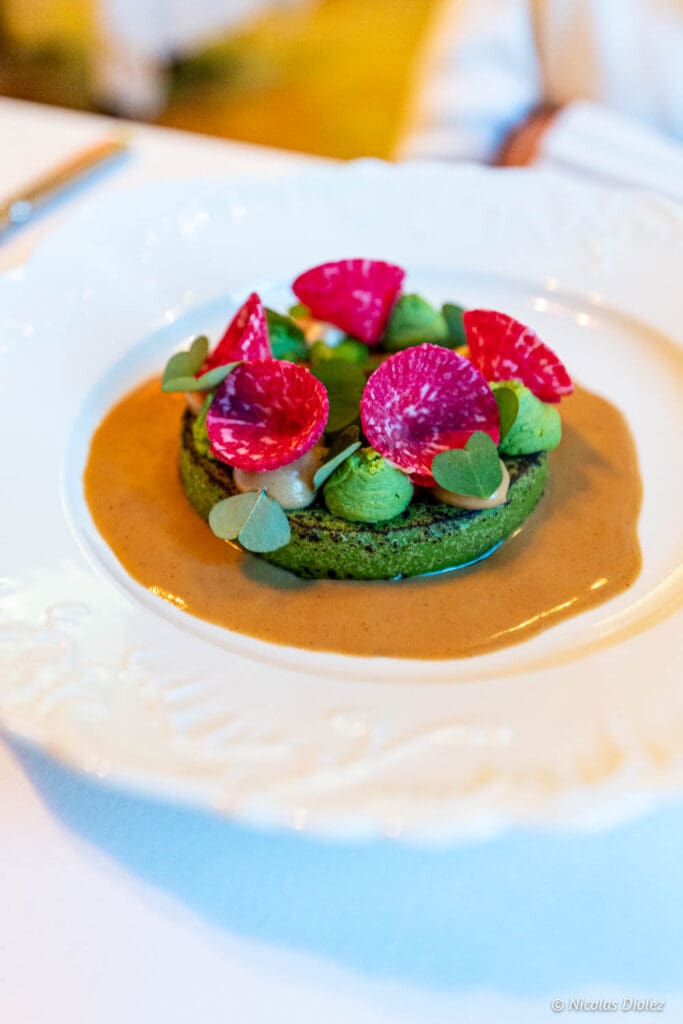
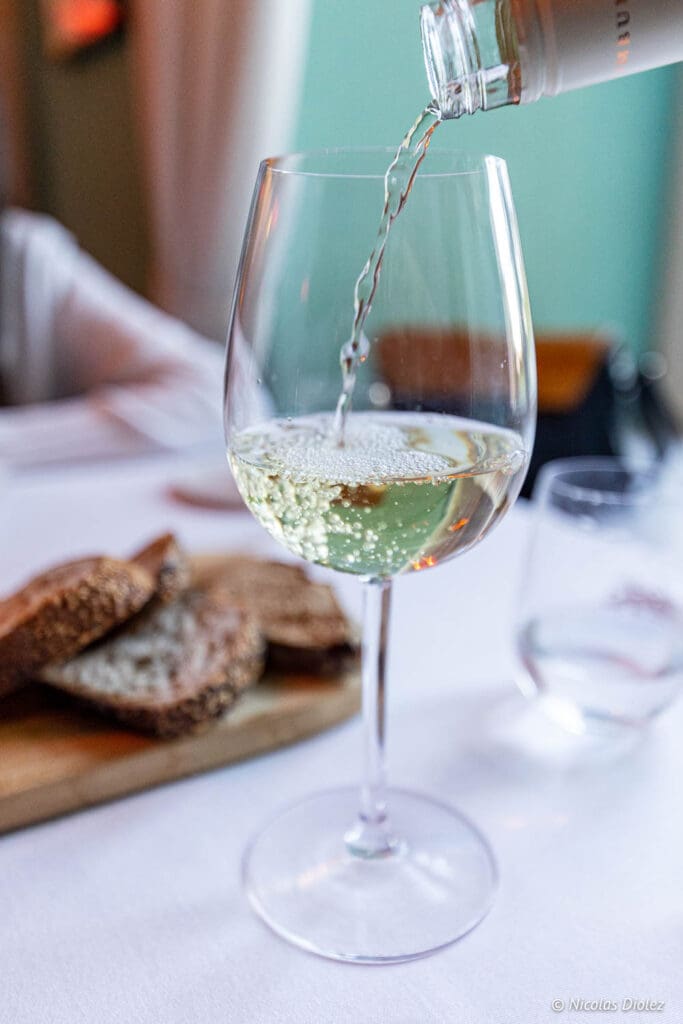
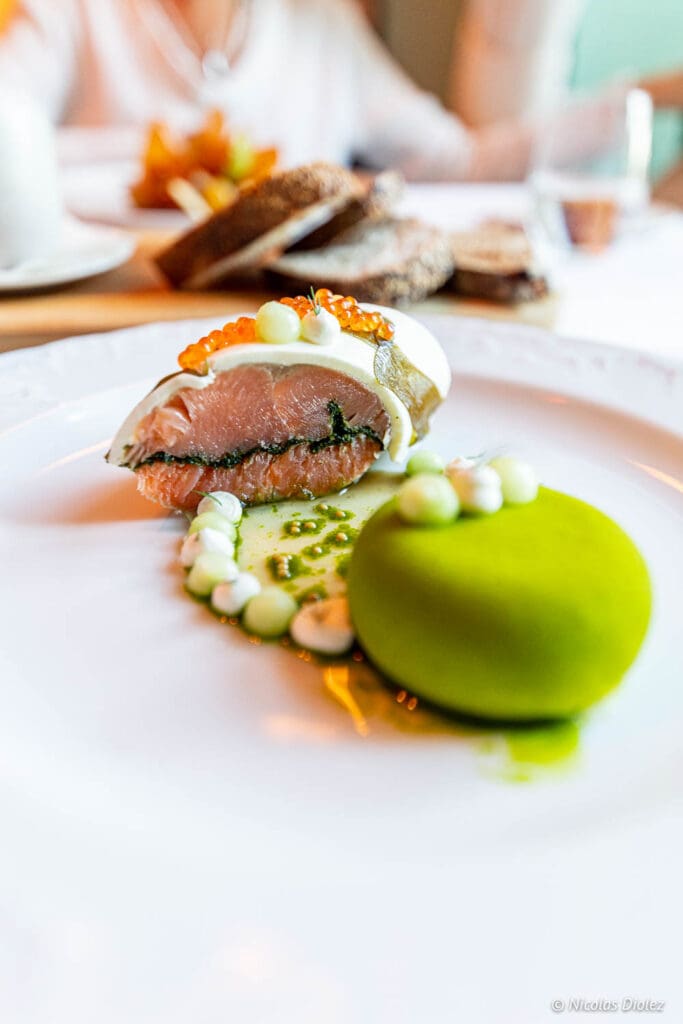
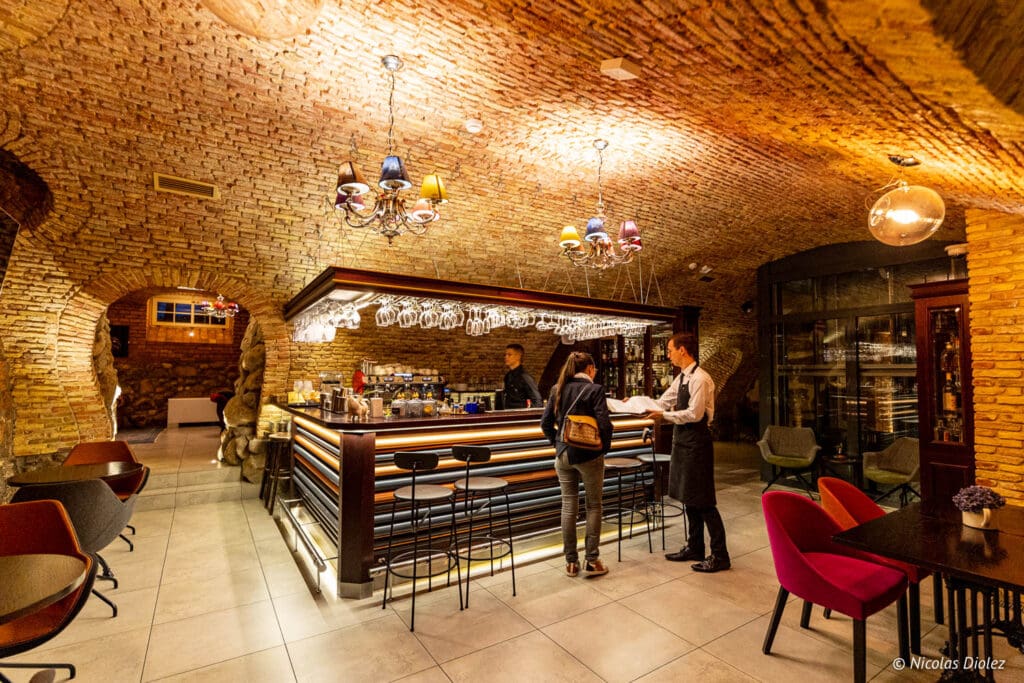
White Rabbit restaurant (Biały Królik)
ul. Folwarczna 2, 81-547 Gdynia, Poland
_
Visiting Malbork Castle
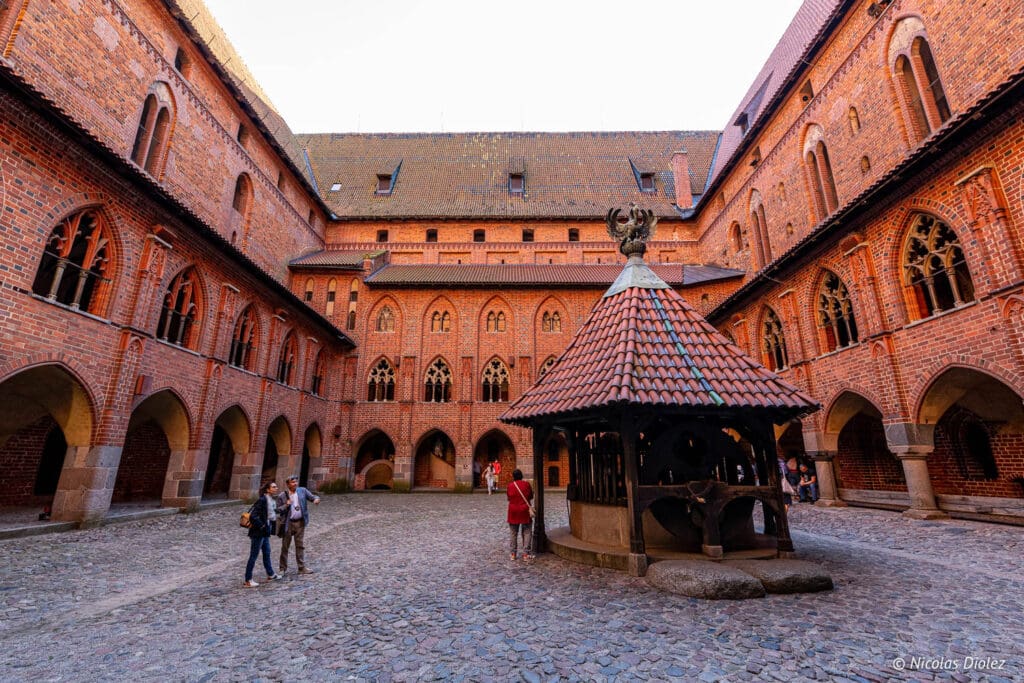
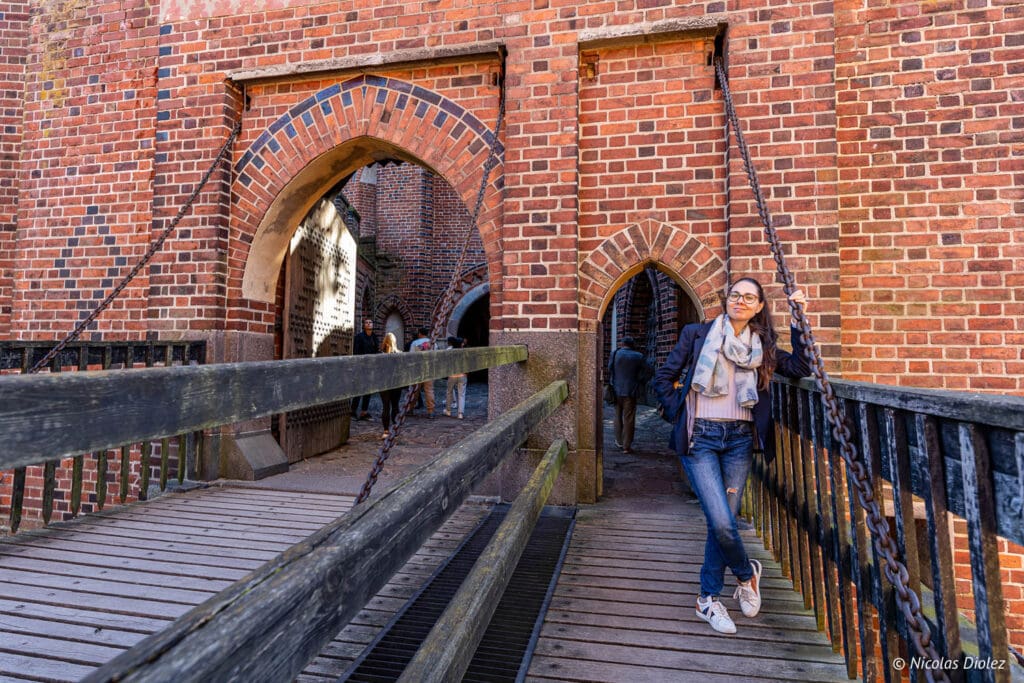
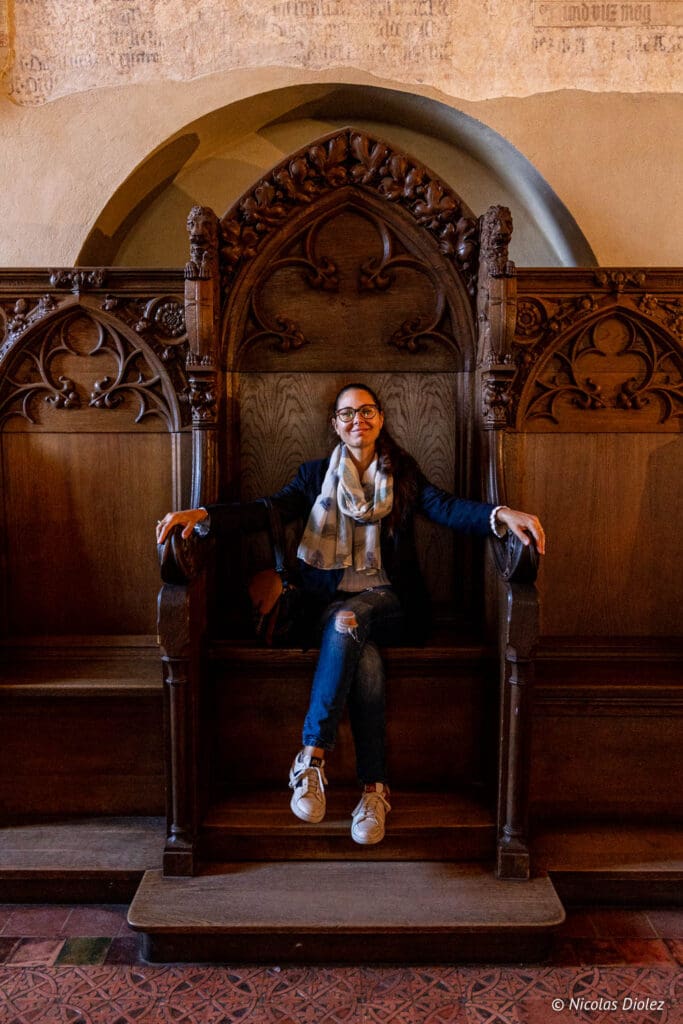
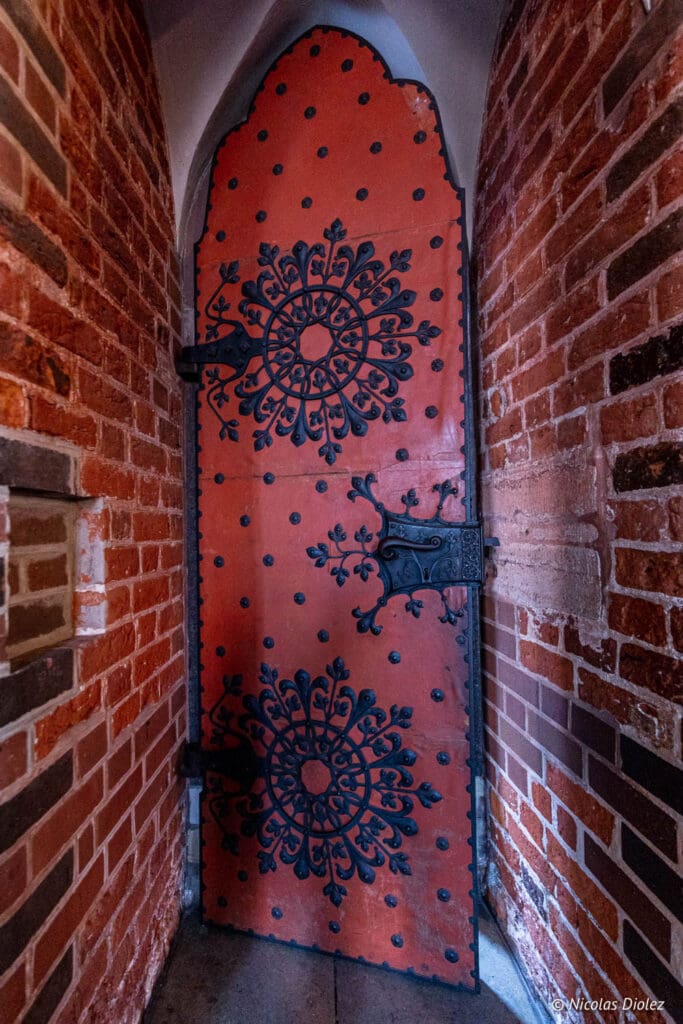
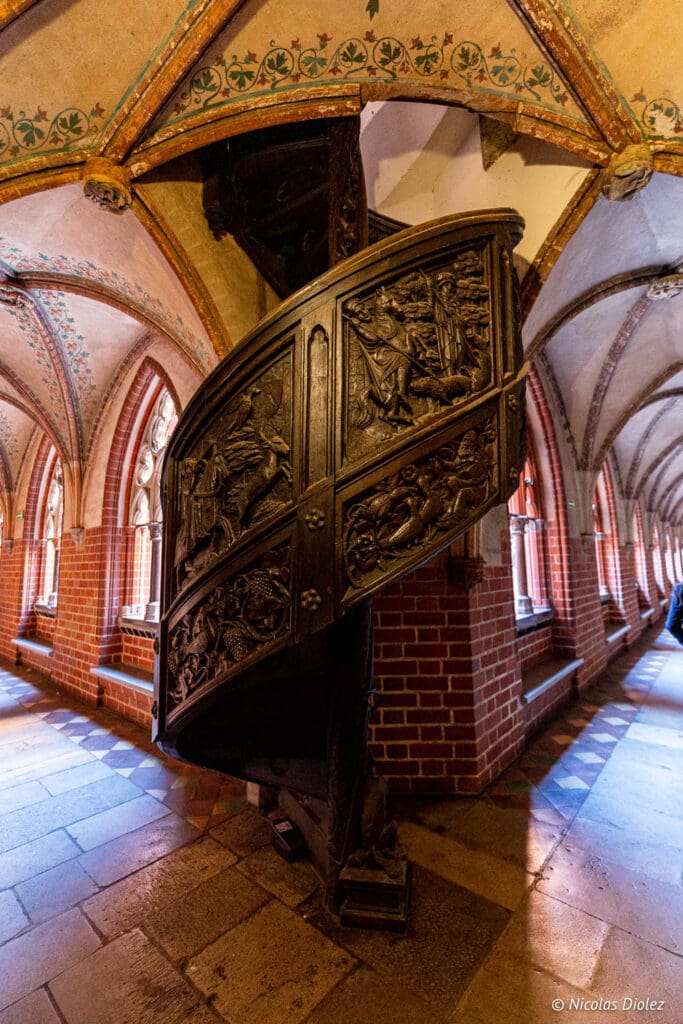
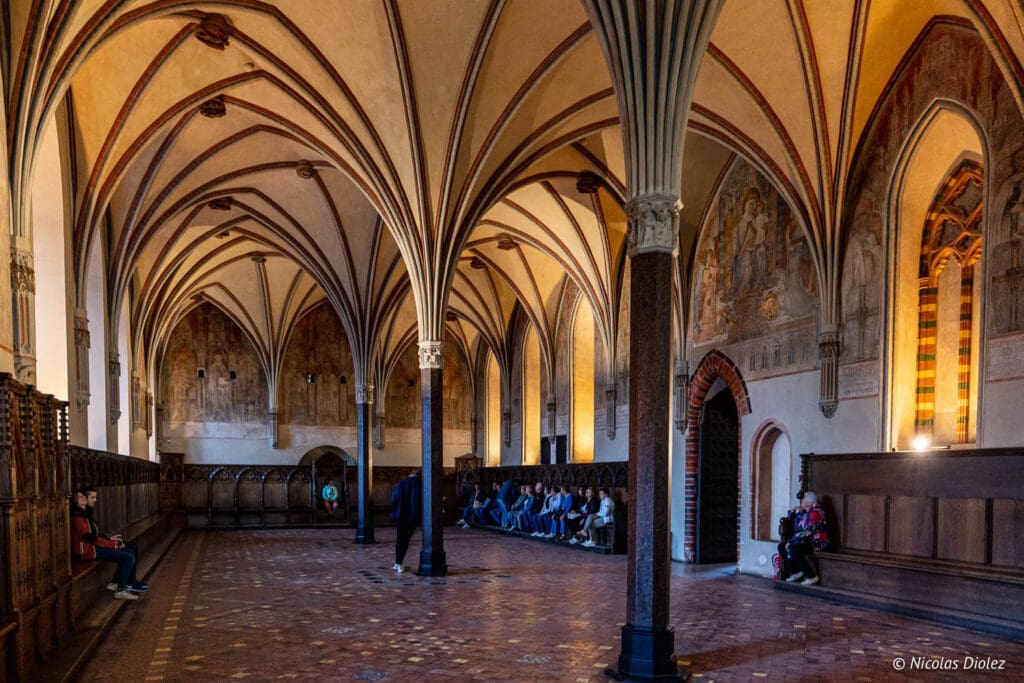
Located in the region known as “The Lowland”, this complex constitutes Europe’s largest medieval fortress and a major achievement in the history of military architecture. In reality, there are even three different castles inside the fortress. It was founded by the Teutonic Knights (an extremely wealthy German crusader hospital order akin to the Templars) in the 13th century. The fortress was part of their fortifications in Prussia. Since 1961, the castle has been managed by the Polish state through the Malbork Castle Museum and is open to visitors. You can also walk around the fortress in the moats (allow about 1 hour), and this is free as you do not need to pay the museum entrance fee.
This architectural complex was terribly damaged during the Second World War, but it has been heavily reconstructed and renovated since. I actually noticed during this visit that the Polish do not have the same policy as the French when it comes to renovating historical monuments, and they rebuild more spontaneously than we do in France. Without passing judgment, that was just a thought I had during this trip to Poland.
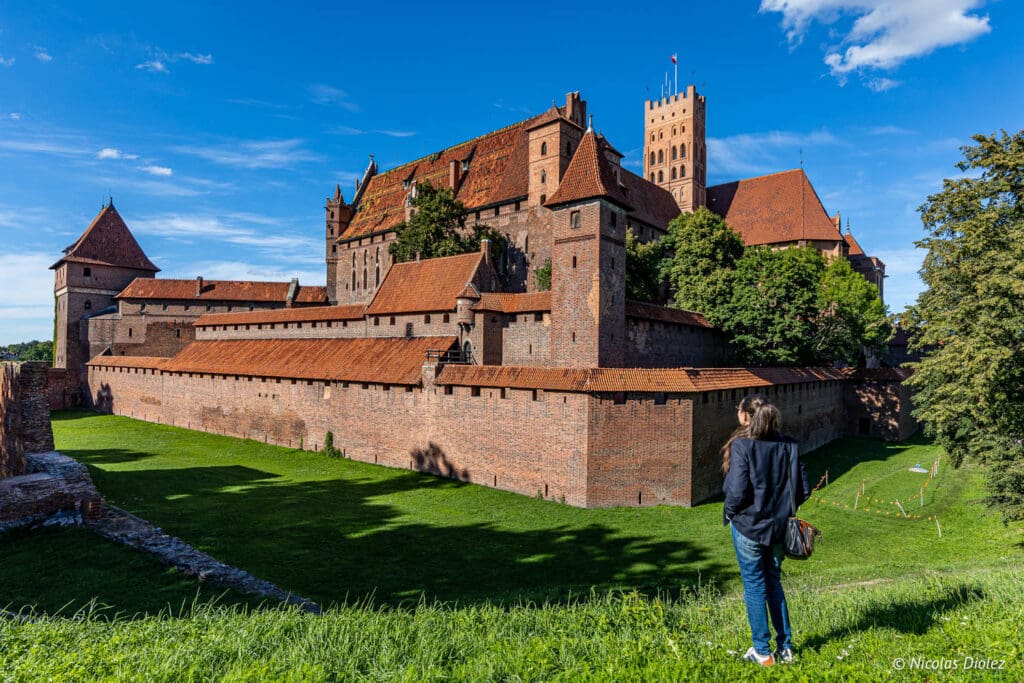

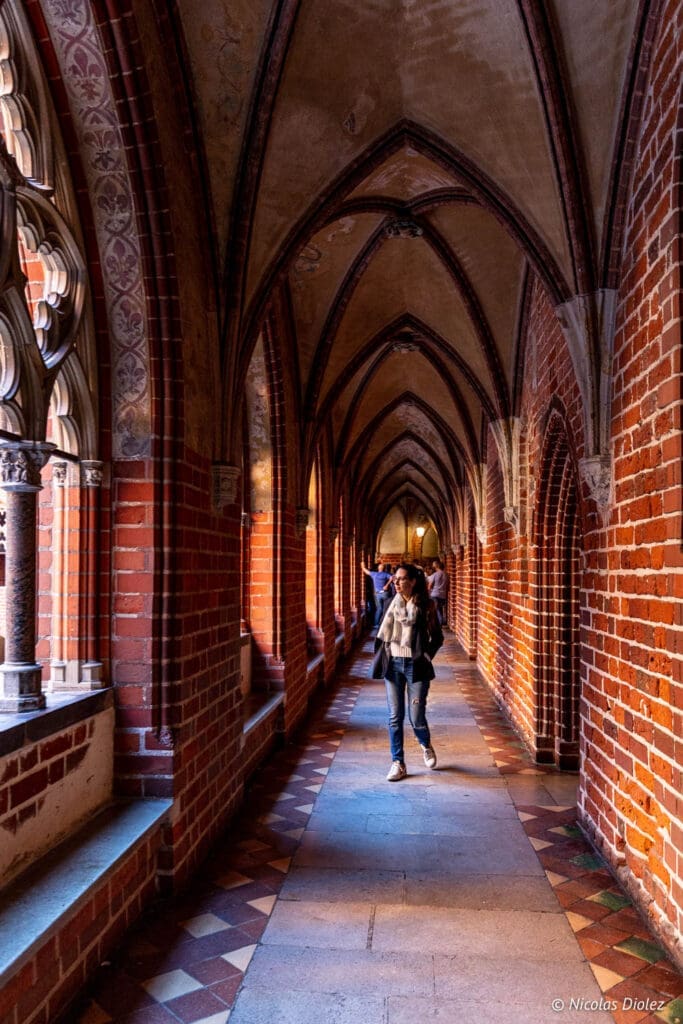
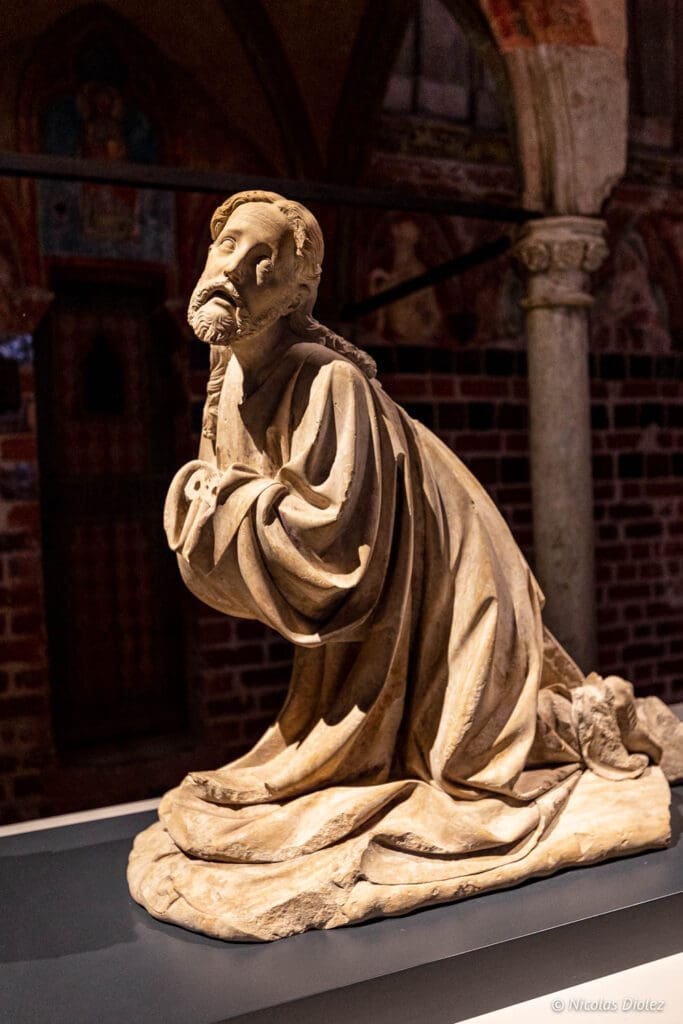

The Malbork Castle Museum
Starościńska 1, 82-200 Malbork, Poland
Prices for the historical tour (with audioguide): 80 PLN full price / 60 PLN reduced price (free for under 7s); walking tour / exterior circuit: 35 PLN / 25 PLN
_
Where to eat in Malbork? U Flisaka Tavern
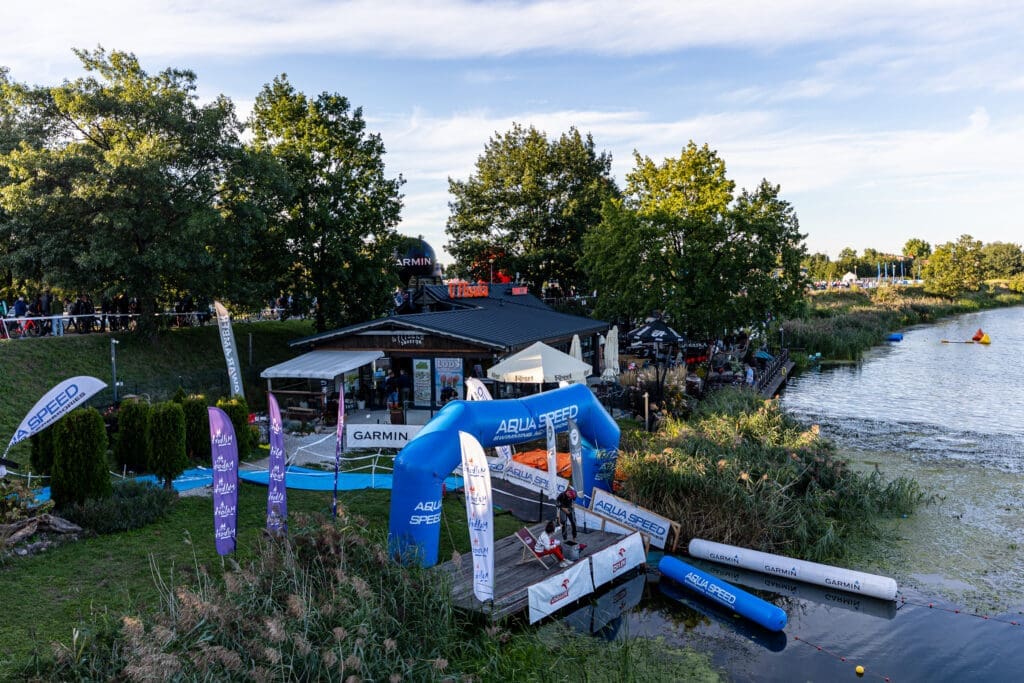
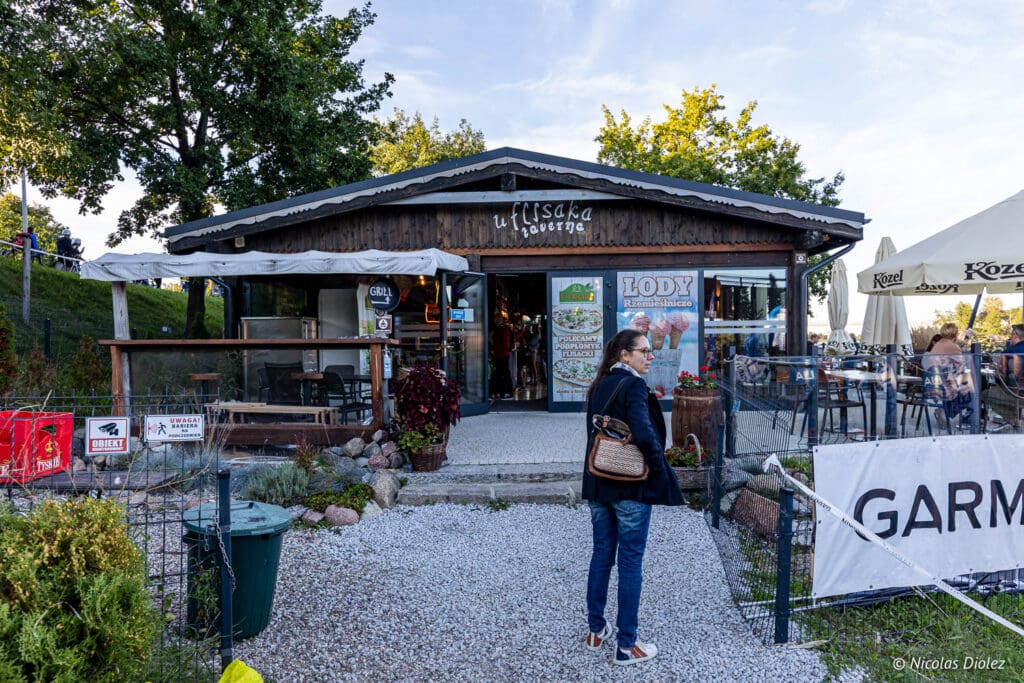
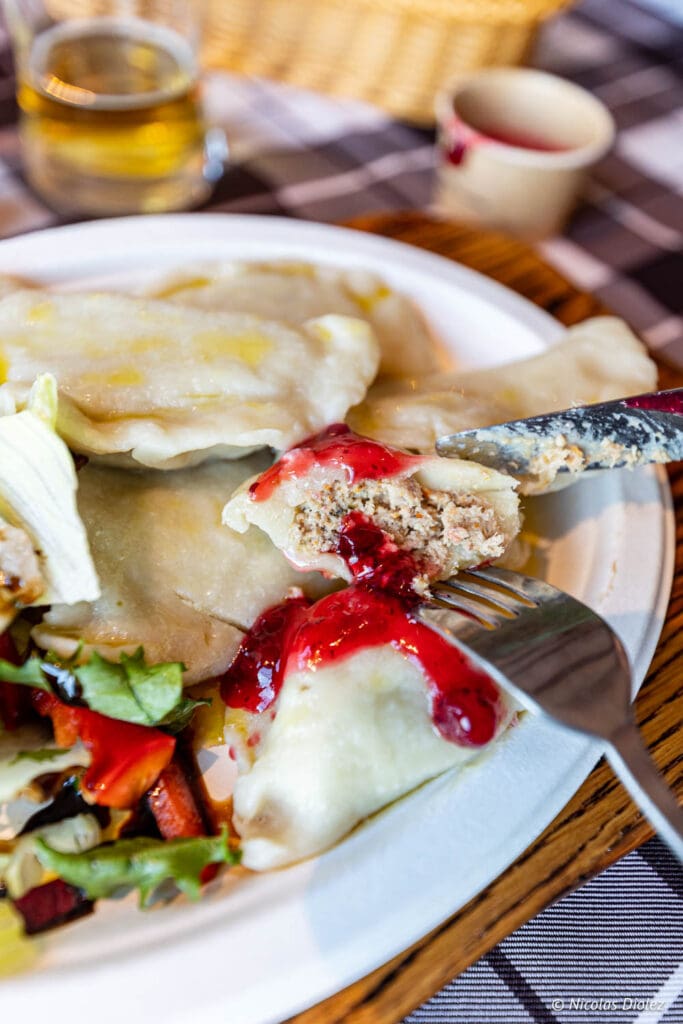
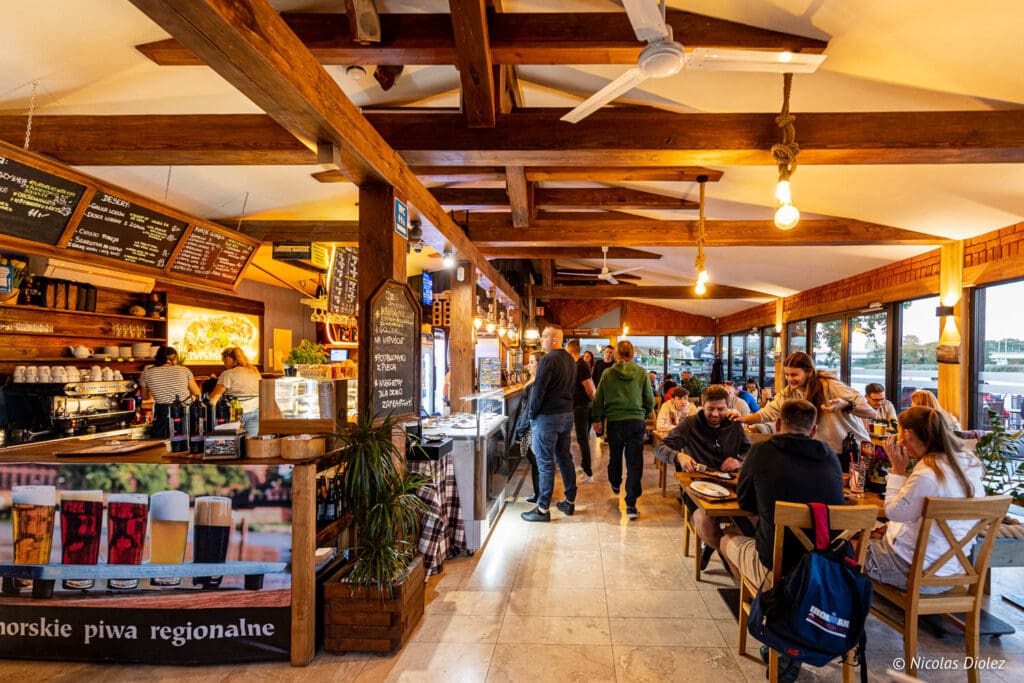
This very friendly restaurant/tavern is located right across from the castle, on the other side of the river. It is the ideal place to sit down and grab a bite to eat or have a drink before or after your castle visit. On the evening we stopped by, there was even a group of Polish folk musicians, and we were treated to an improvised live concert as a bonus. For sunny days, the venue also features a lovely terrace overlooking the castle and the Nogat River.
We tried: the pierogi (a Polish specialty), which are extremely filling types of dumplings, and the restaurant offers several varieties (duck, spinach and feta, mushroom…).

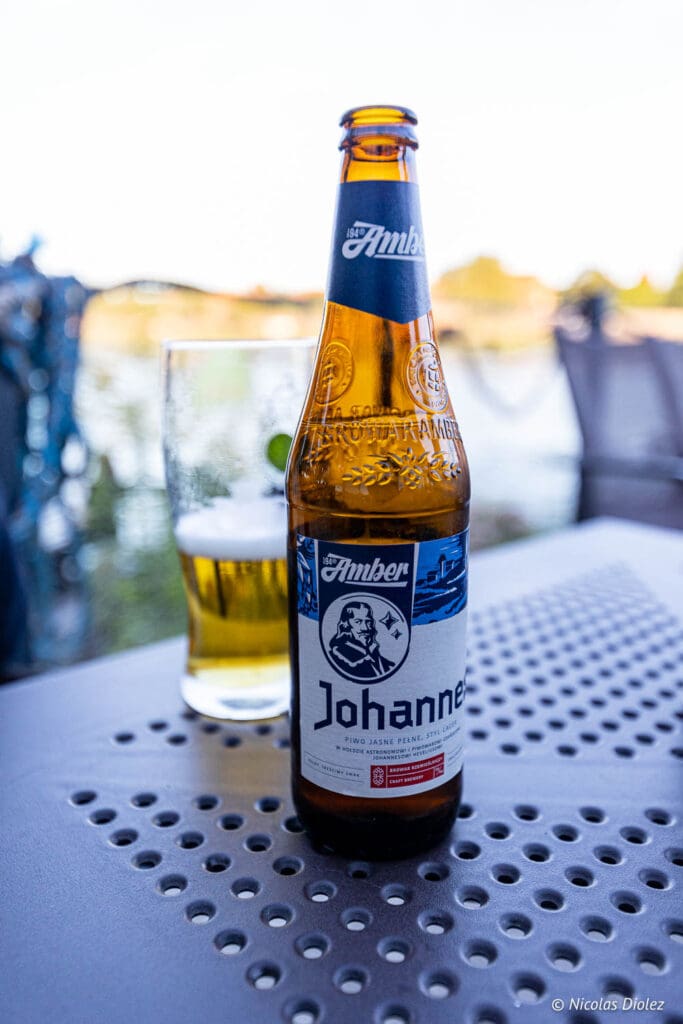
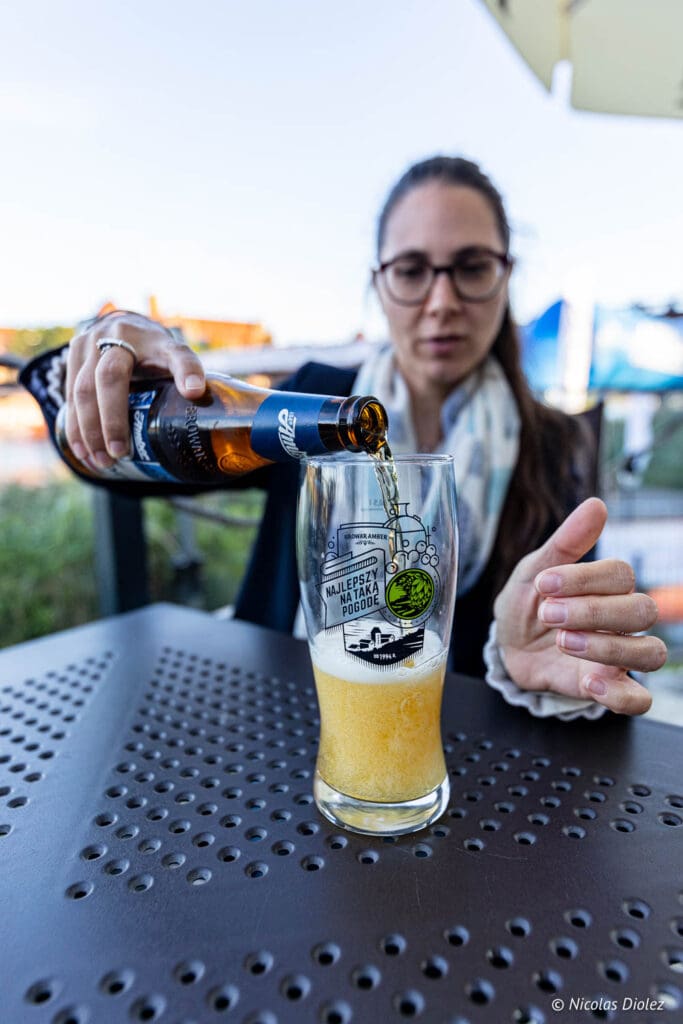
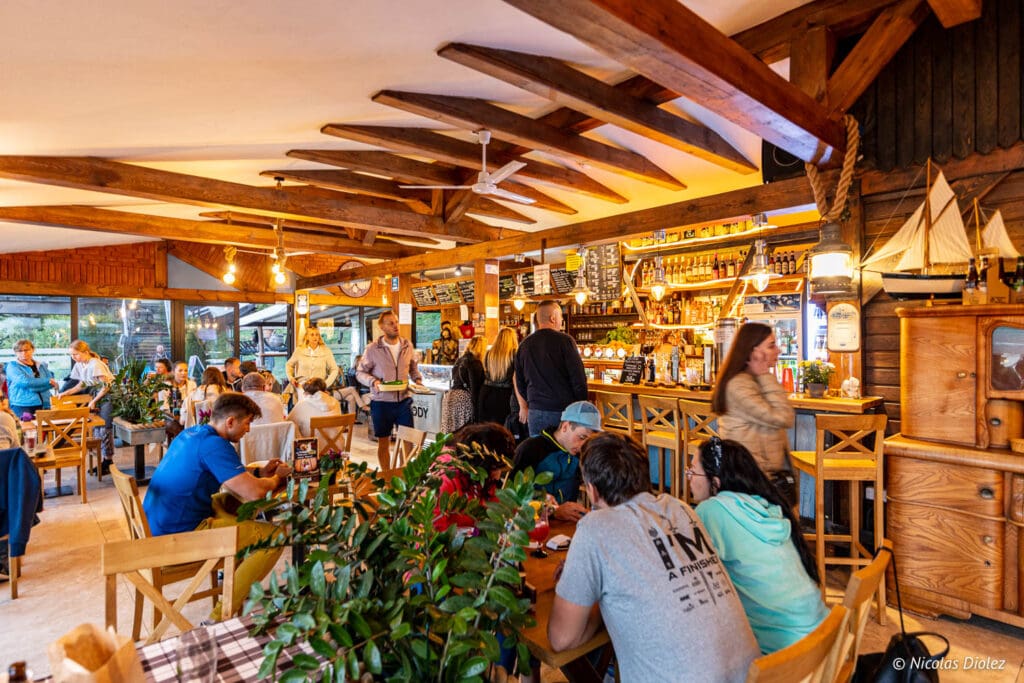
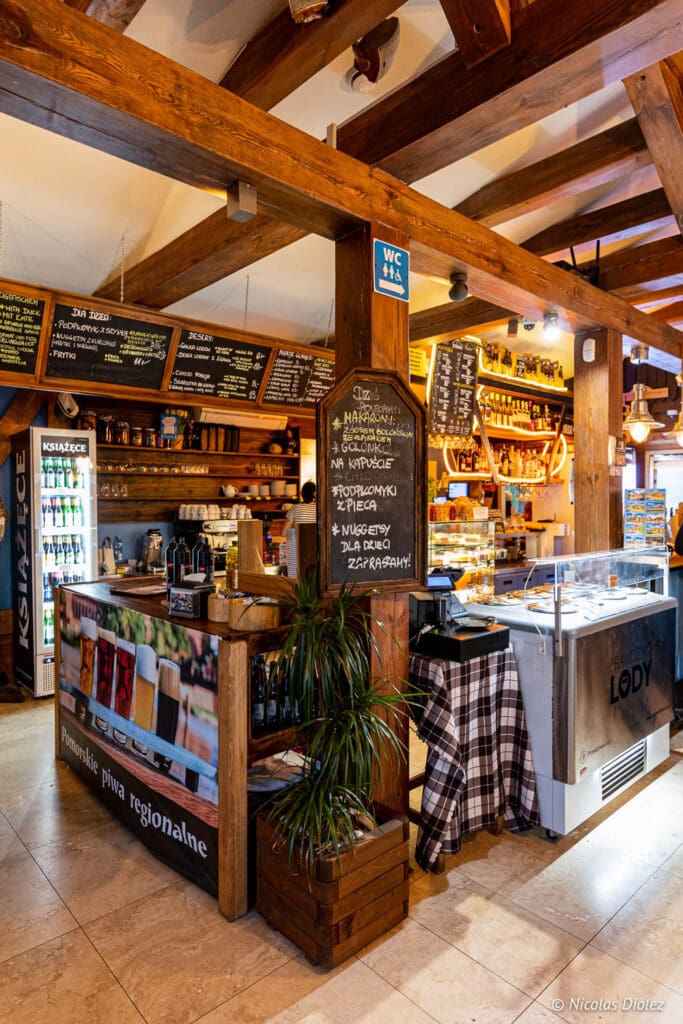

U Flisaka Tavern
Wałowa, 82-200 Malbork
Prices: plate of pierogi between 28 zt and 32 zt / soup between 15 zt and 19 zt
_
Visiting Wdzydze Kiszewskie
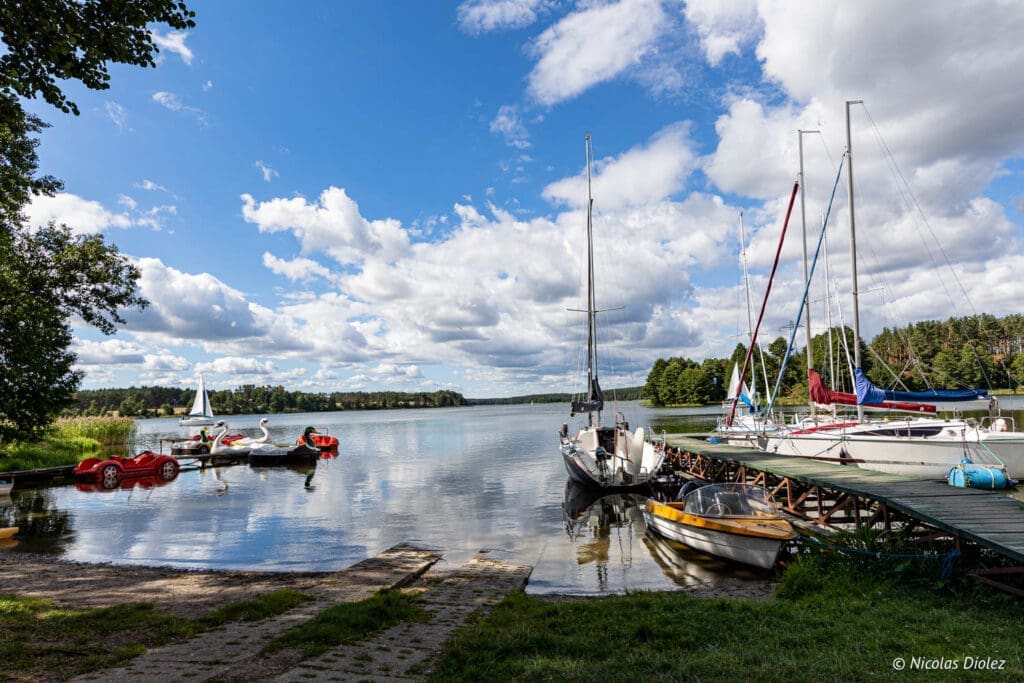
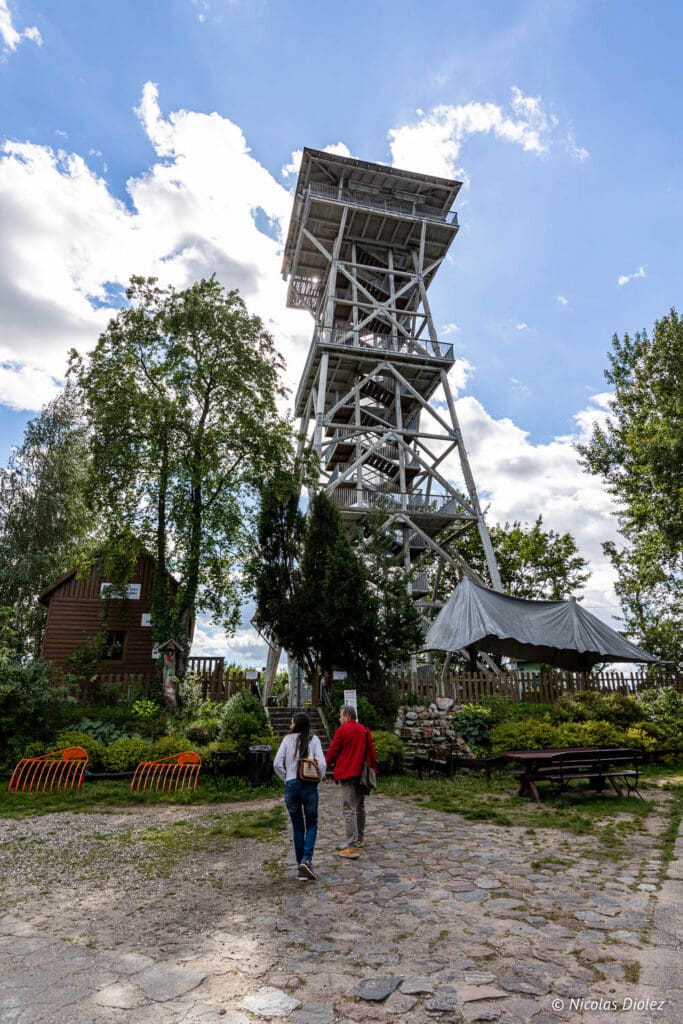
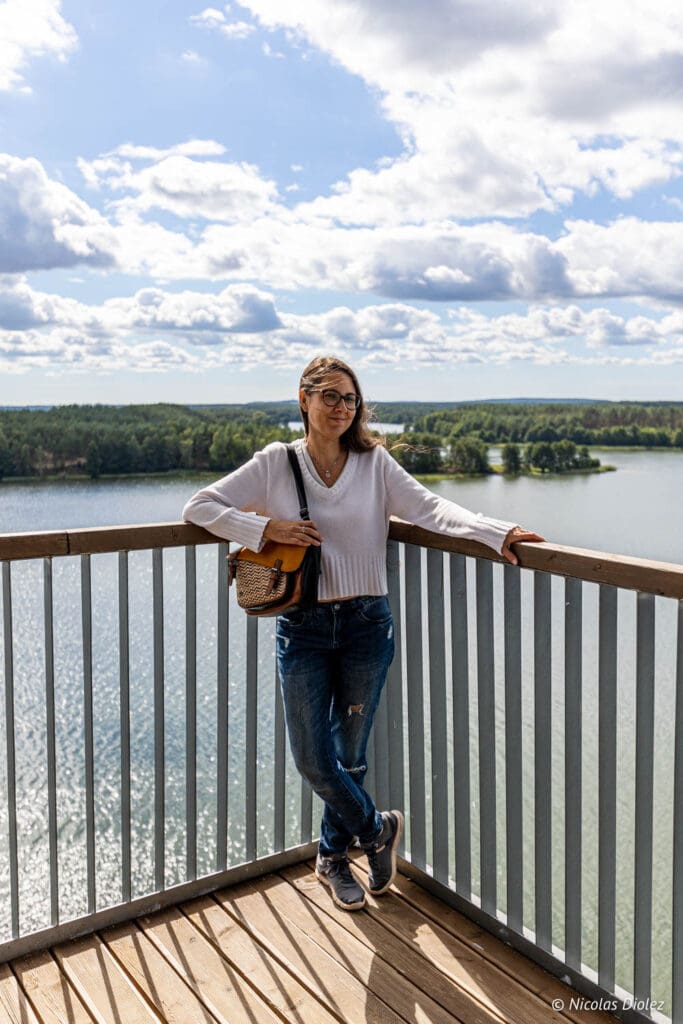
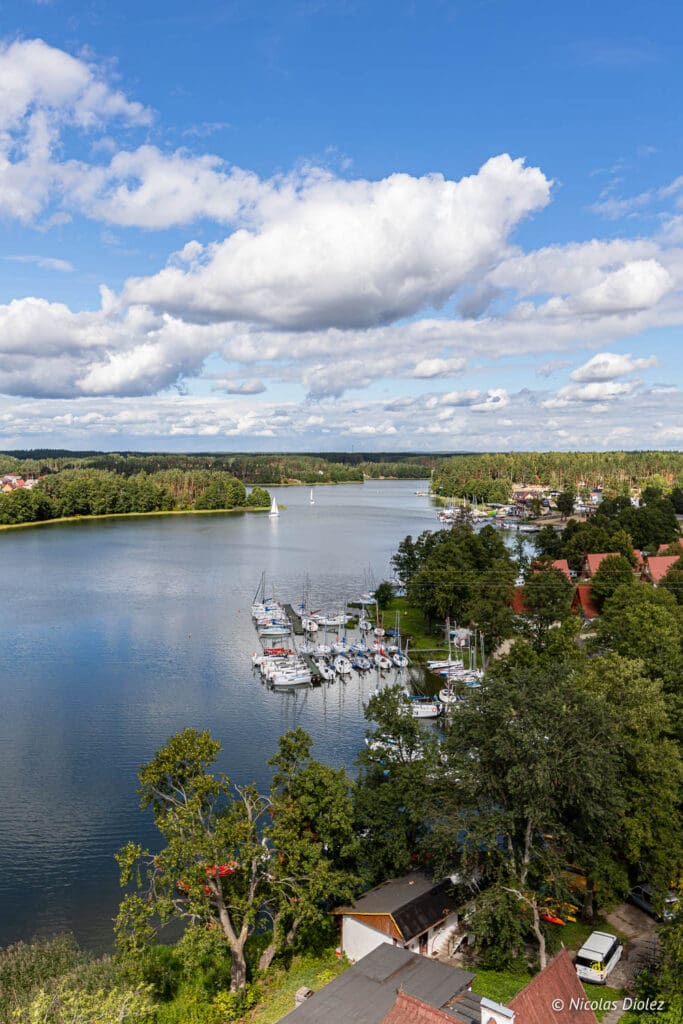
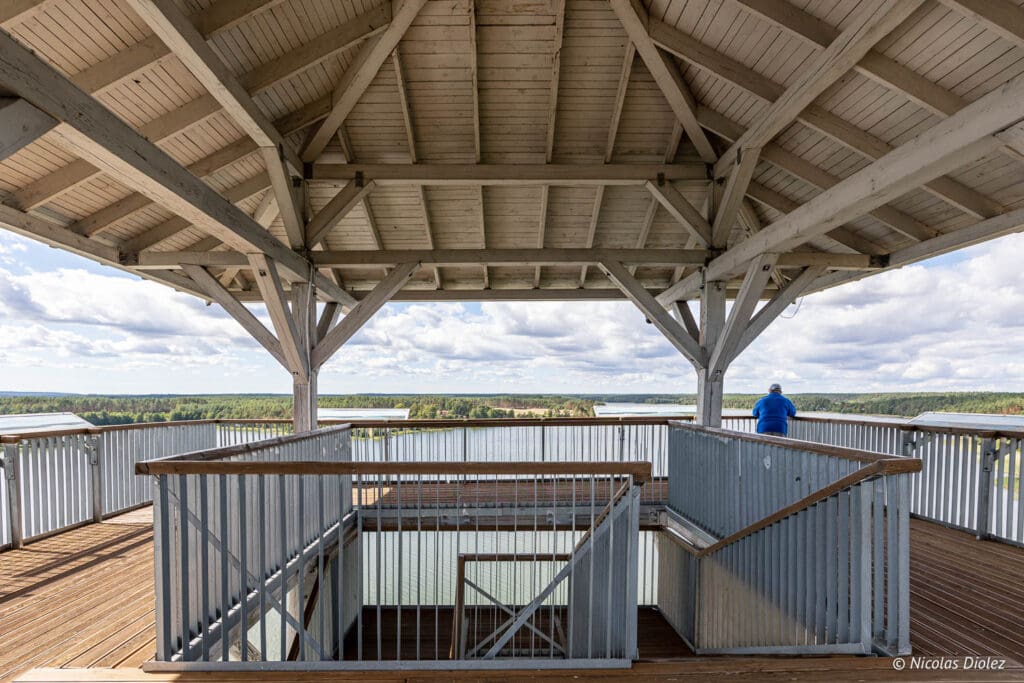
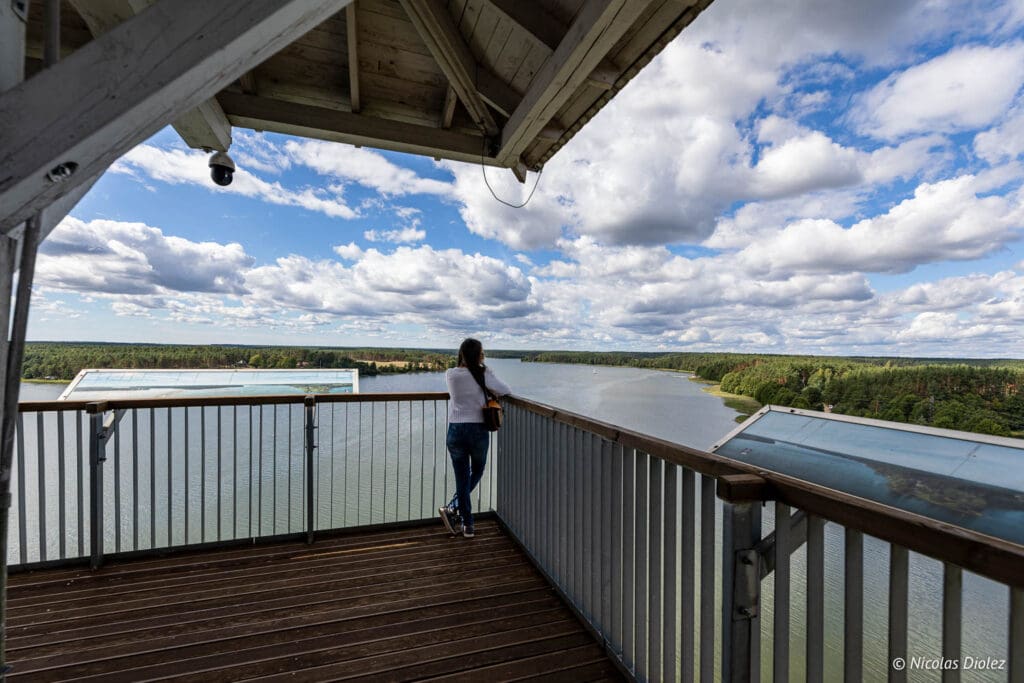
If you head to Wdzydze Kiszewskie to visit the ethnological park, I also recommend going into the town center to climb to the top of the panoramic tower / Observatory. There is an admission fee, but the top offers a truly fantastic view of the surrounding area and the lake. It’s also a great opportunity to realize just how rich this region is in lakes and forests.
_
Visiting the Kashubian Ethnographic Park Museum
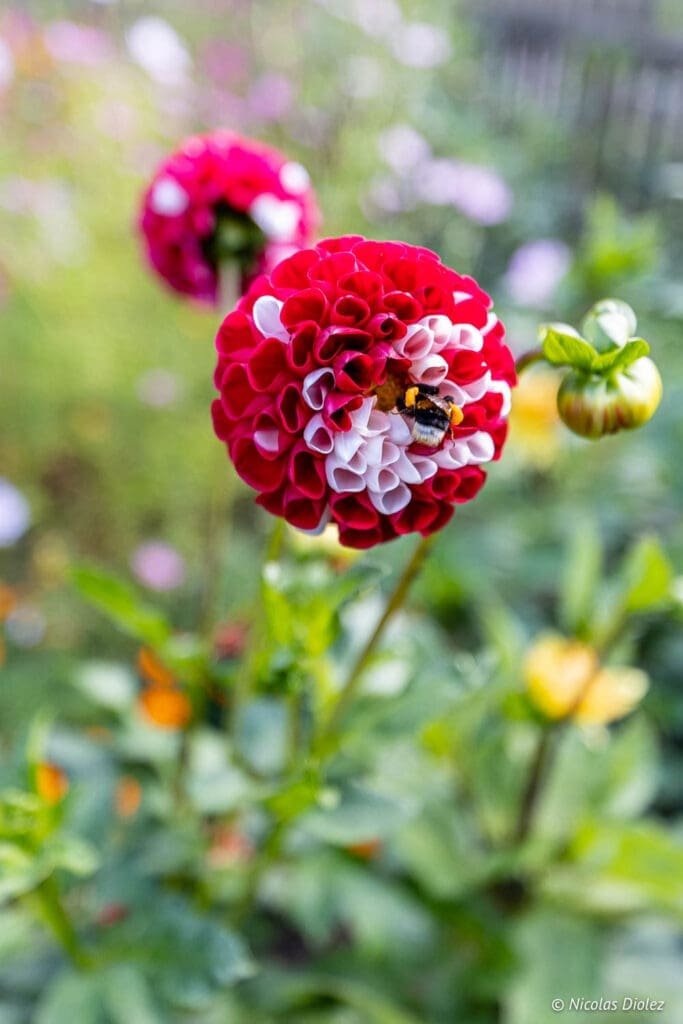
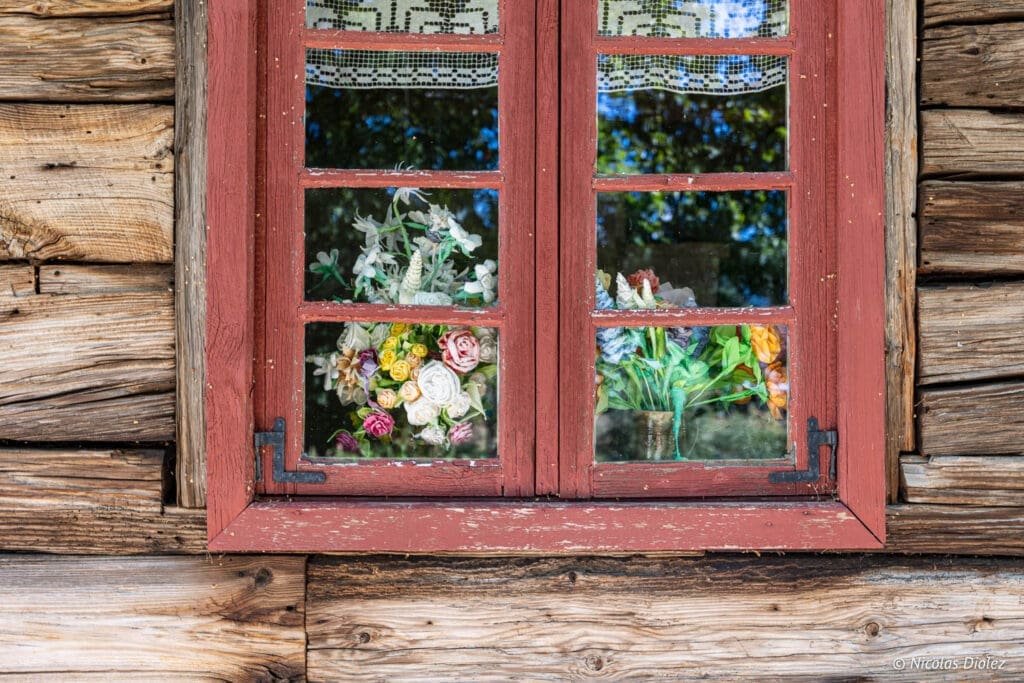
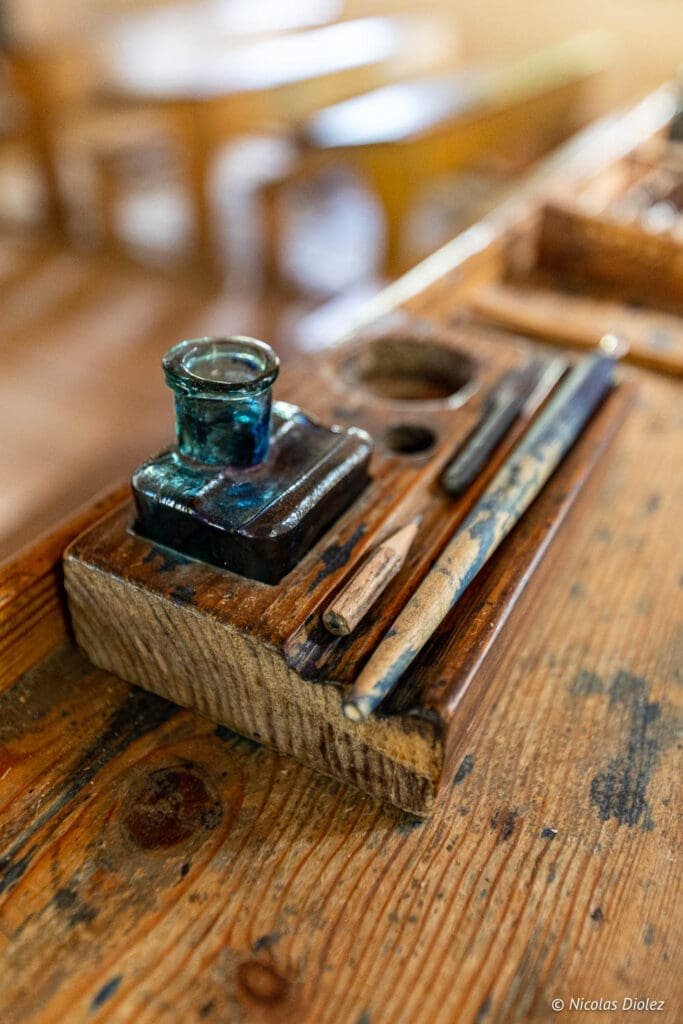
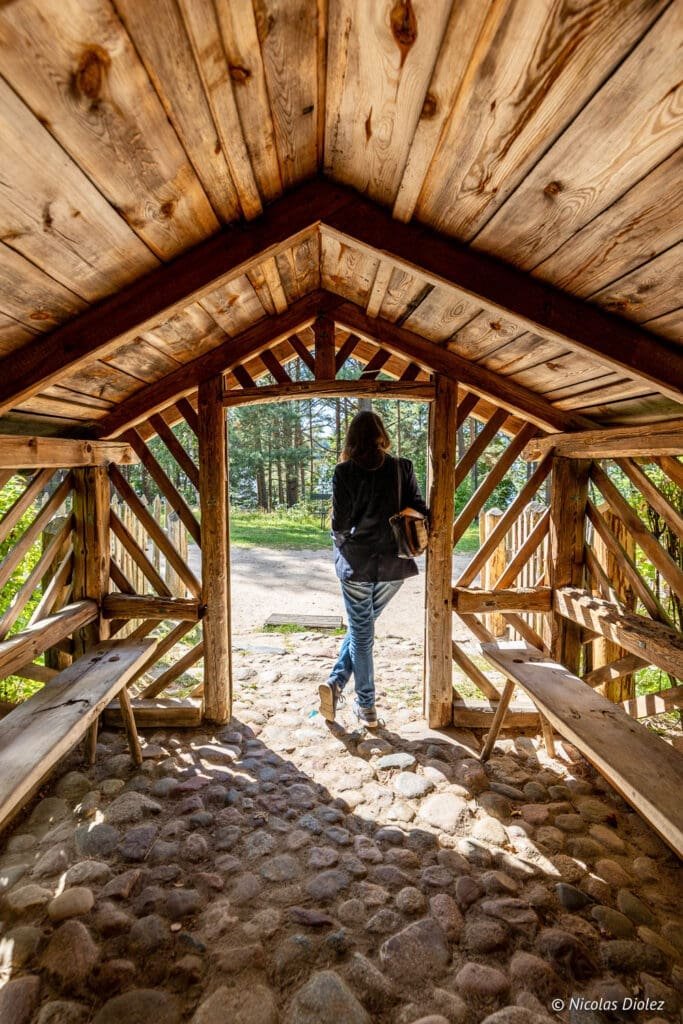
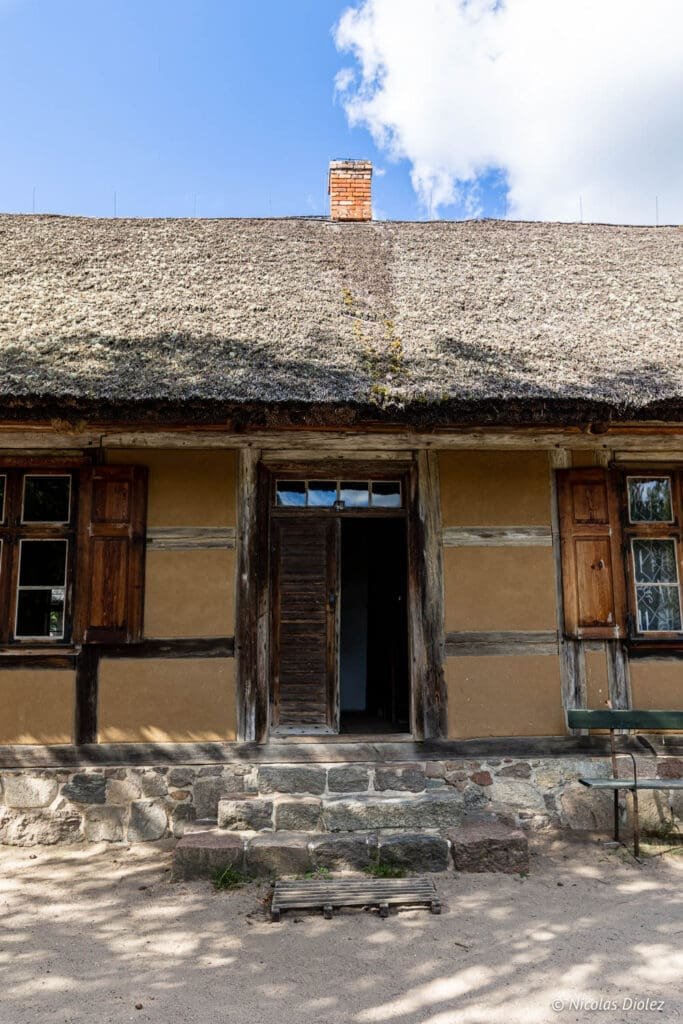
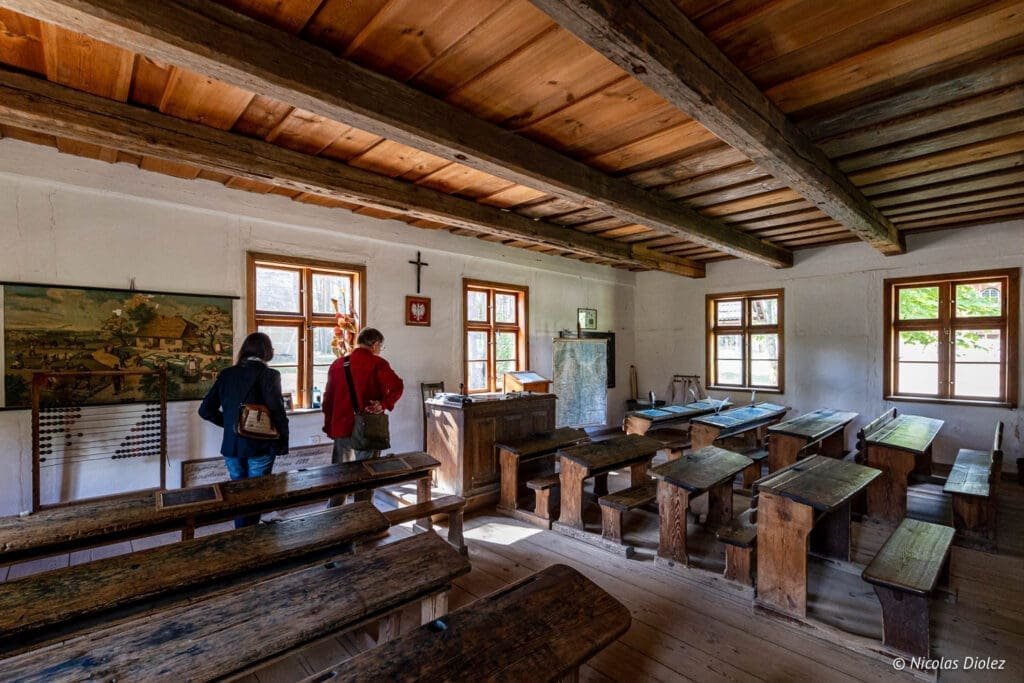
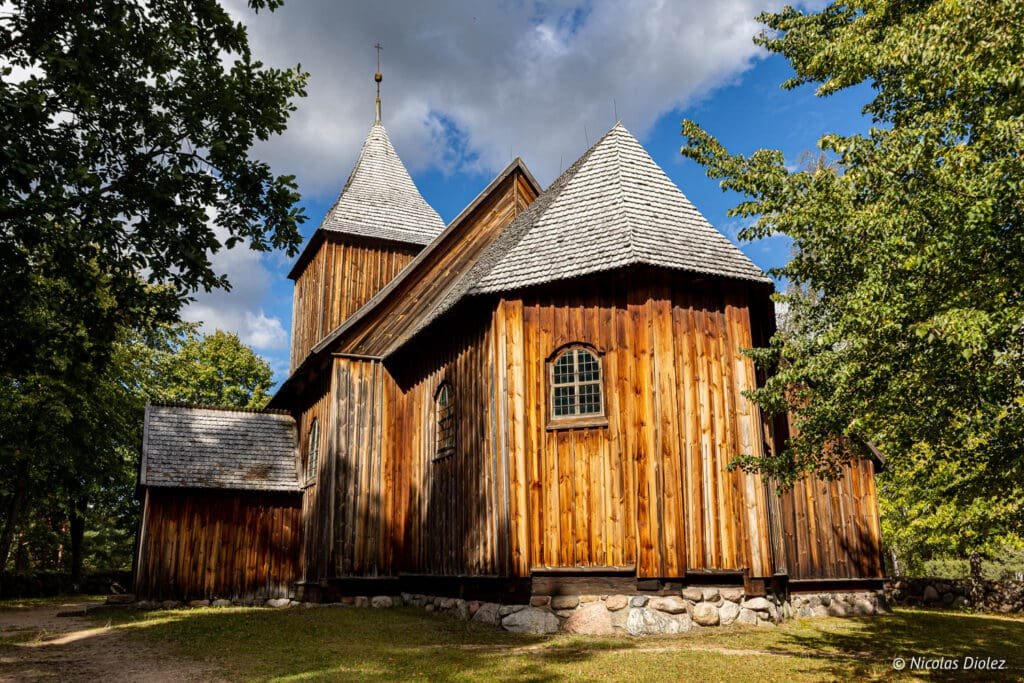
This museum is the oldest ethnographic park in Poland. It was established in 1906 near Lake Gołuń by a teacher couple, Teodora and Izydor Gulgowski, and spans an area of 22 hectares. Visiting this ethnographic park makes for a lovely stroll through 19th-century rural Poland. It features about 50 typical buildings from the rural countryside of Kashubia, the Tuchola Forest, and Kociewie, dating from the 17th to the 20th century.
Here you can discover examples of nearly vanished regional architectures such as churches, schools, manor houses, farmsteads, and workshops. The park also houses a shop selling local crafts, which is a great place to pick up some local souvenirs; unfortunately, it was closed on Monday when we visited the museum.
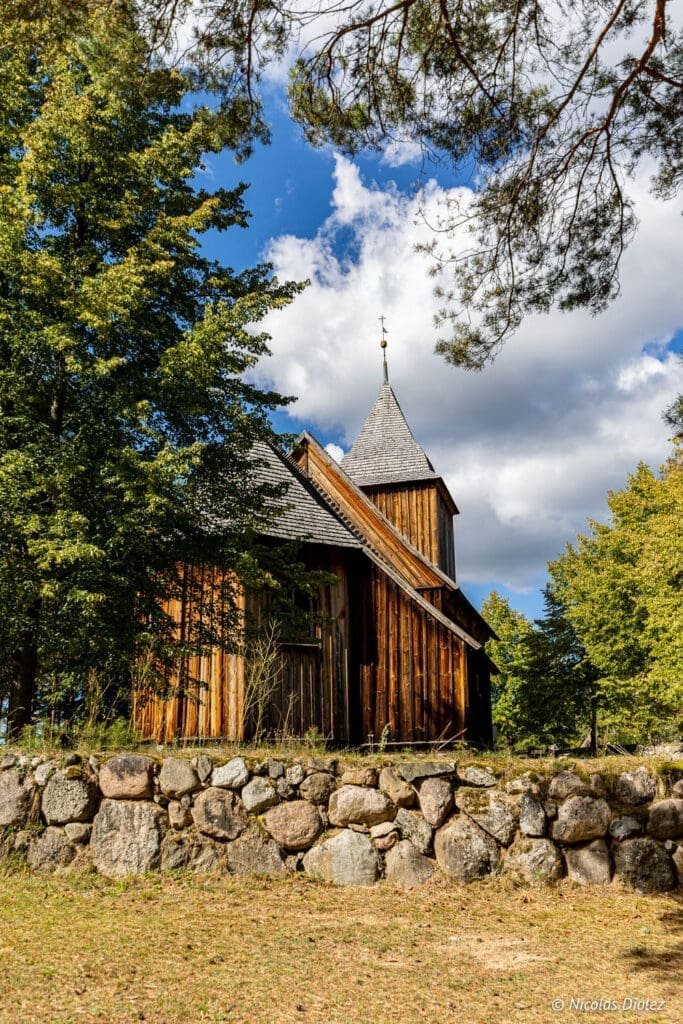
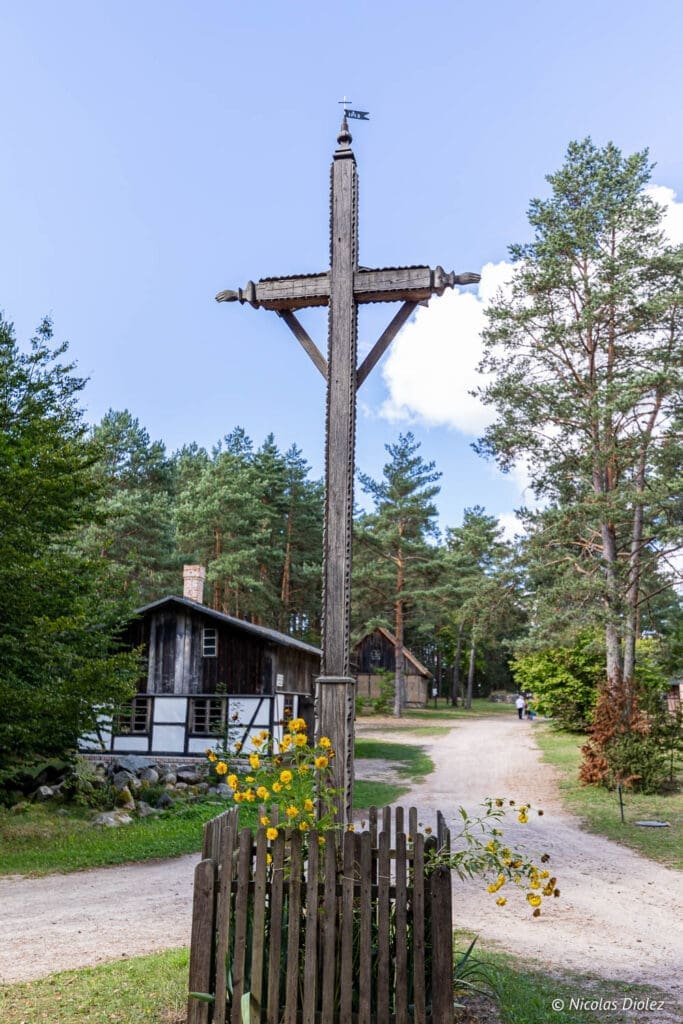
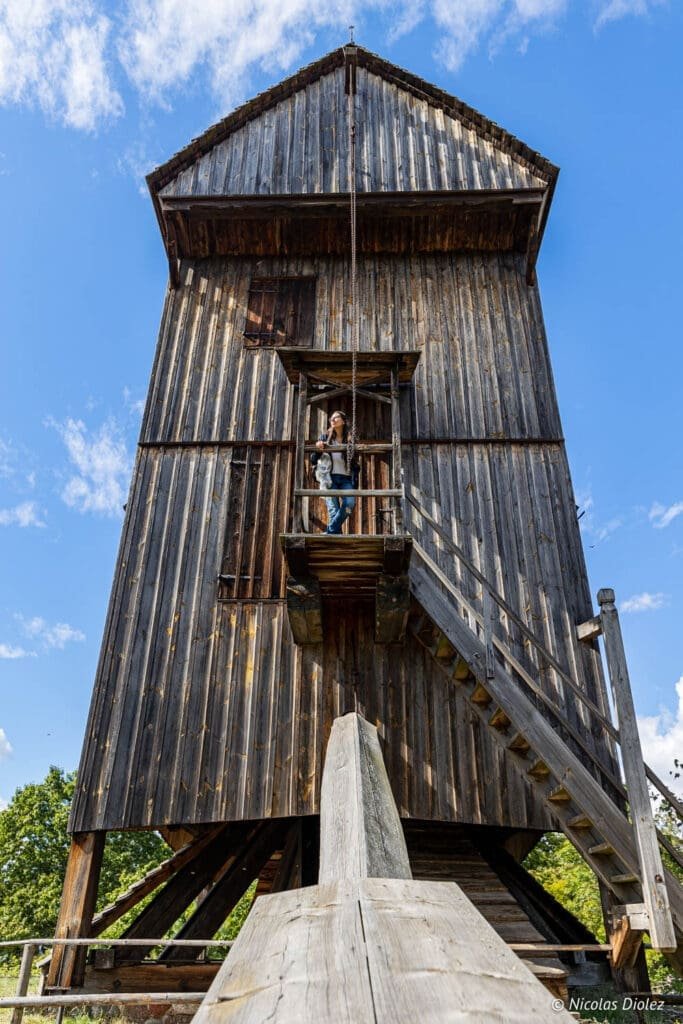
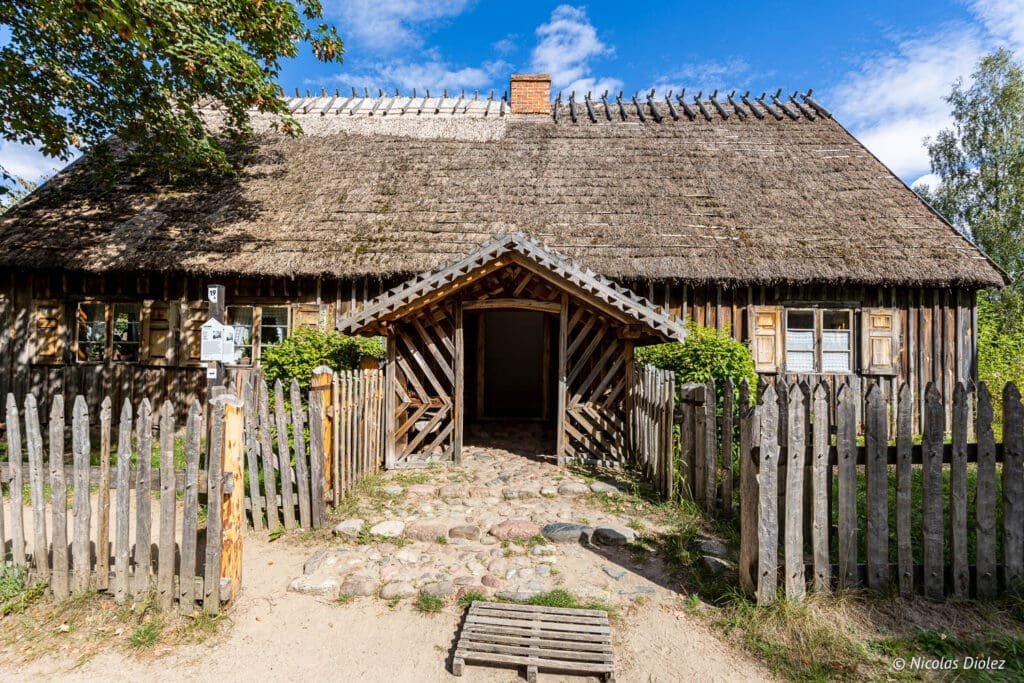
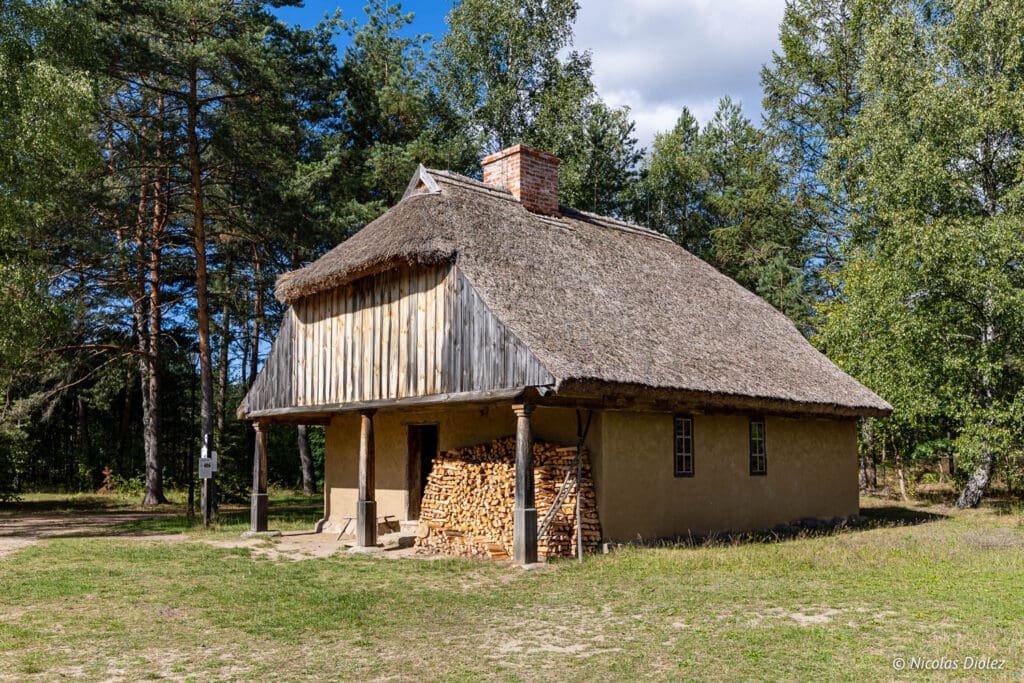
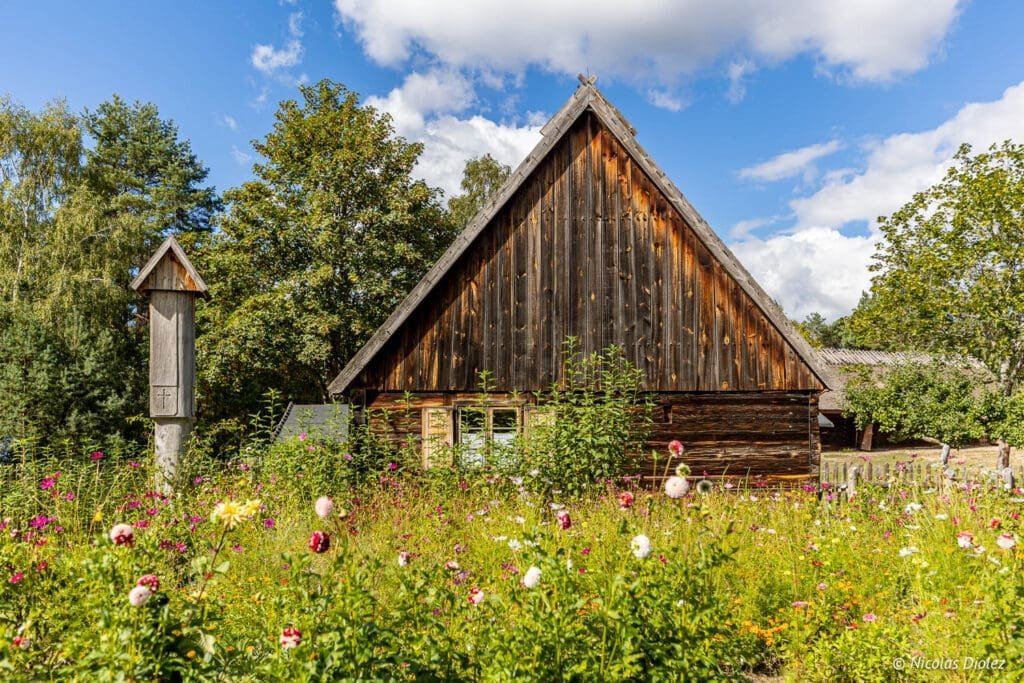
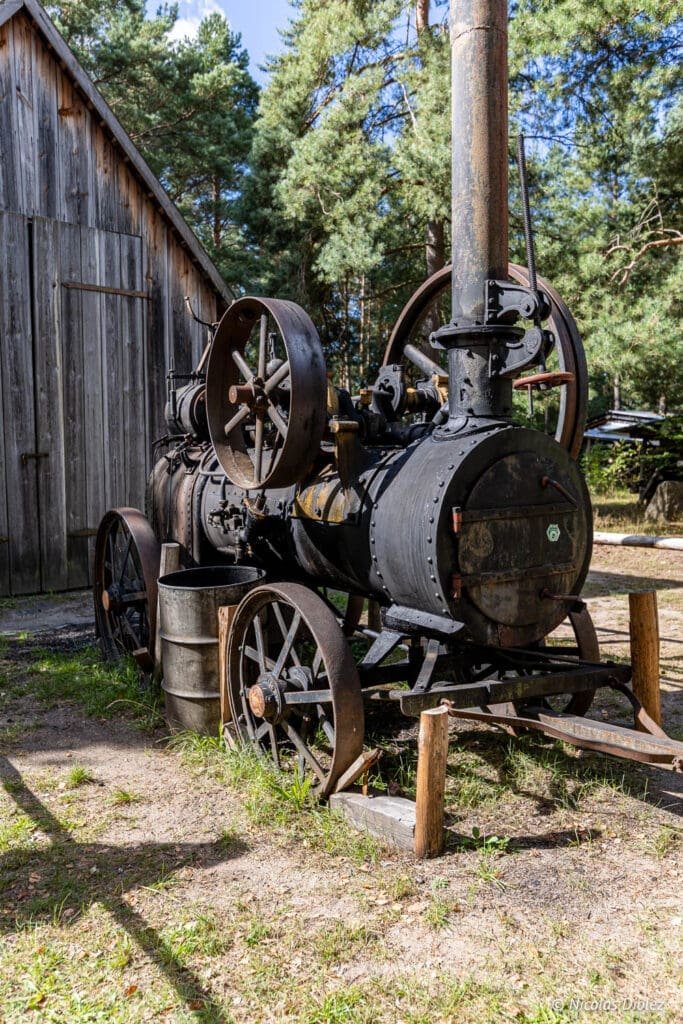
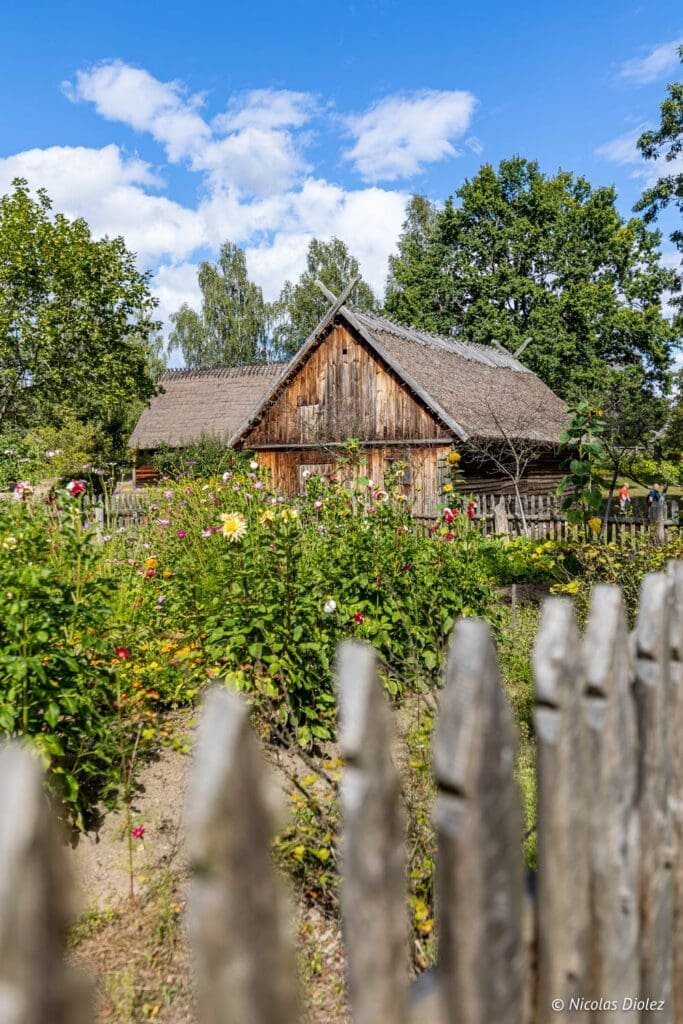
Kashubian Ethnographic Park Museum (Wdzydze)
Teodory i Izydora Gulgowskich 68, 83-406 Wdzydze, Poland
Prices: adults 22 PLN / children and seniors 16 PLN (parking included in the ticket)
The tip: during our trip, we went there on a Monday, which was then the free day. Today, admission to the museum’s permanent exhibition is free on Thursdays!
_
Visiting Łeba
Łeba is a fishing town with an ideal geographical location between Slowinski National Park (which I’ll tell you about just next), the pine forest, the meandering Łeba River, and Lake Sarbsko and Lake Łebsko. You can see many fishing boats along the canal edge, and the town attracts many tourists in summer because the region is also renowned for its health-boosting microclimate. You can actually find plenty of rooms in private homes if you want to try this type of homestay accommodation.
Łeba Tourist Office
_
Visiting Slowinski National Park
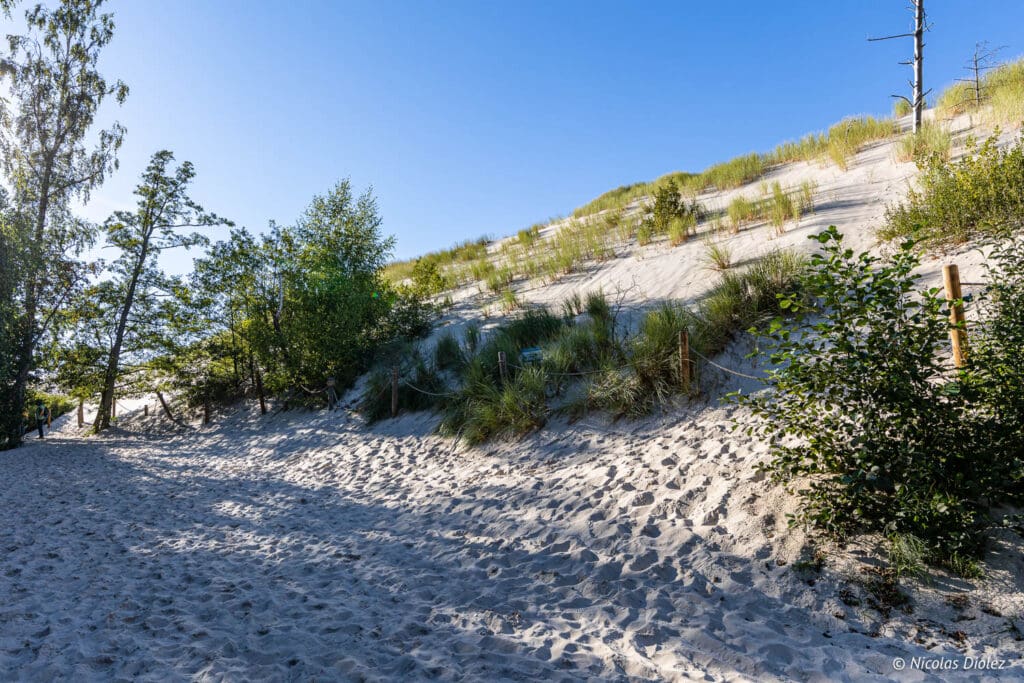
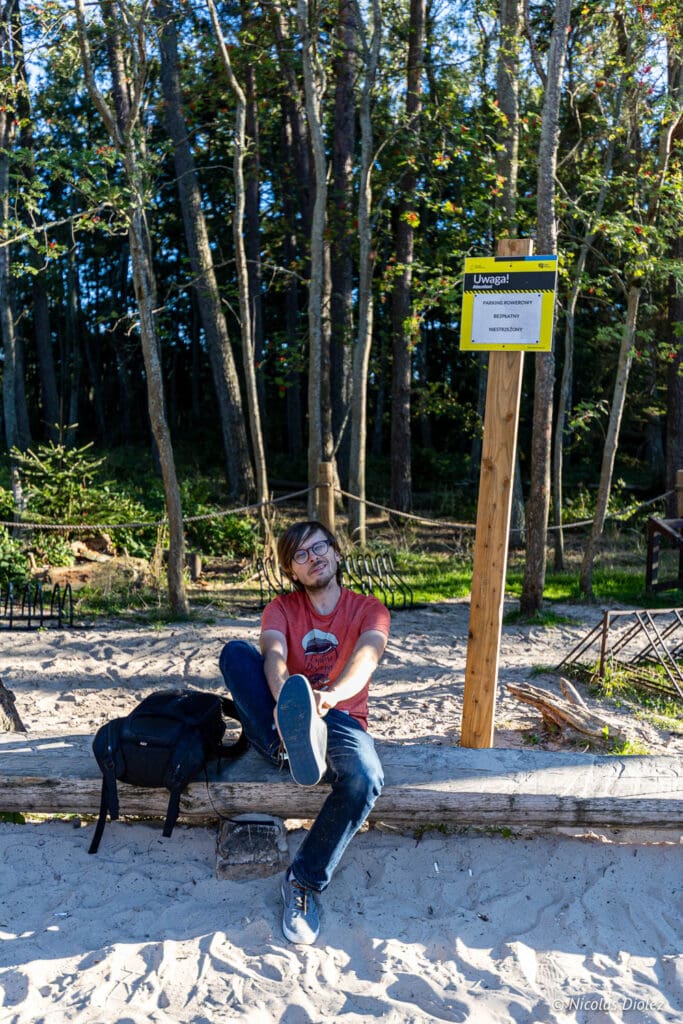
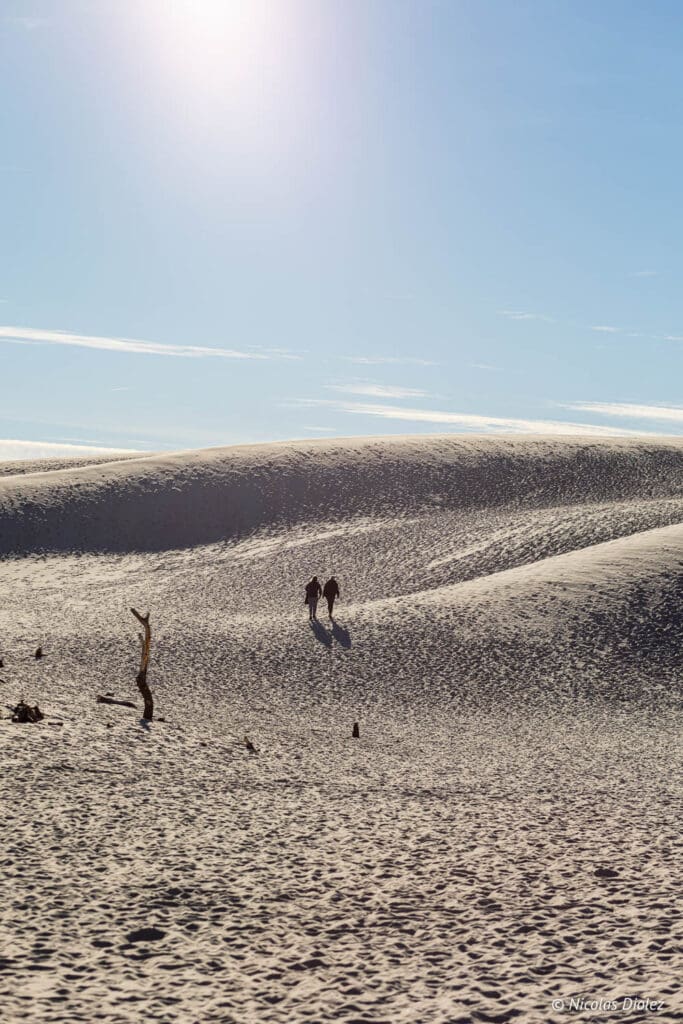
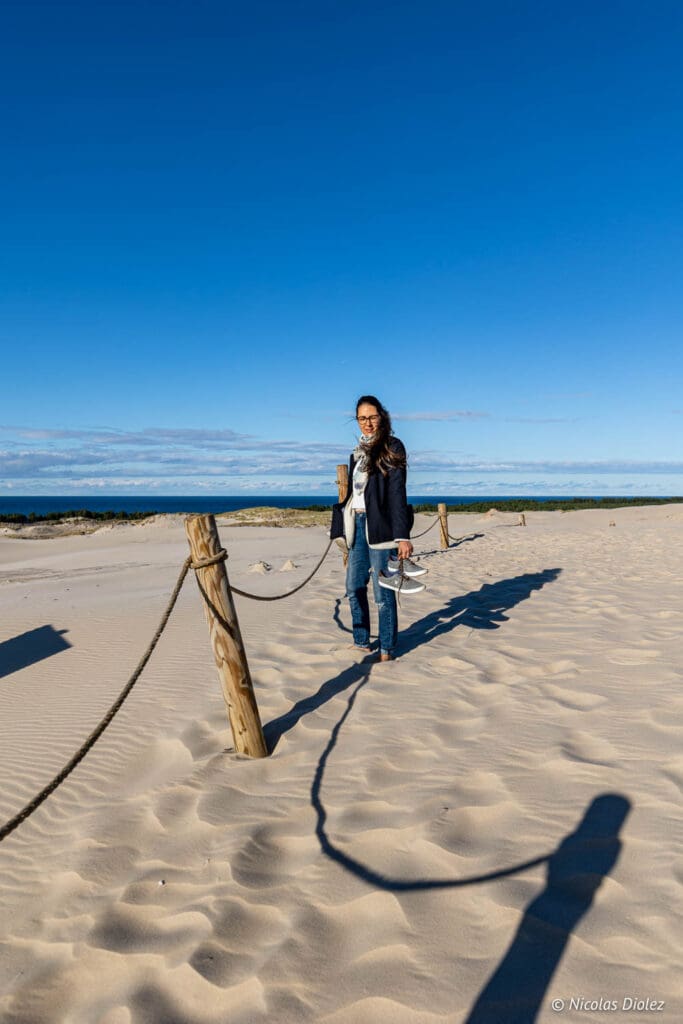
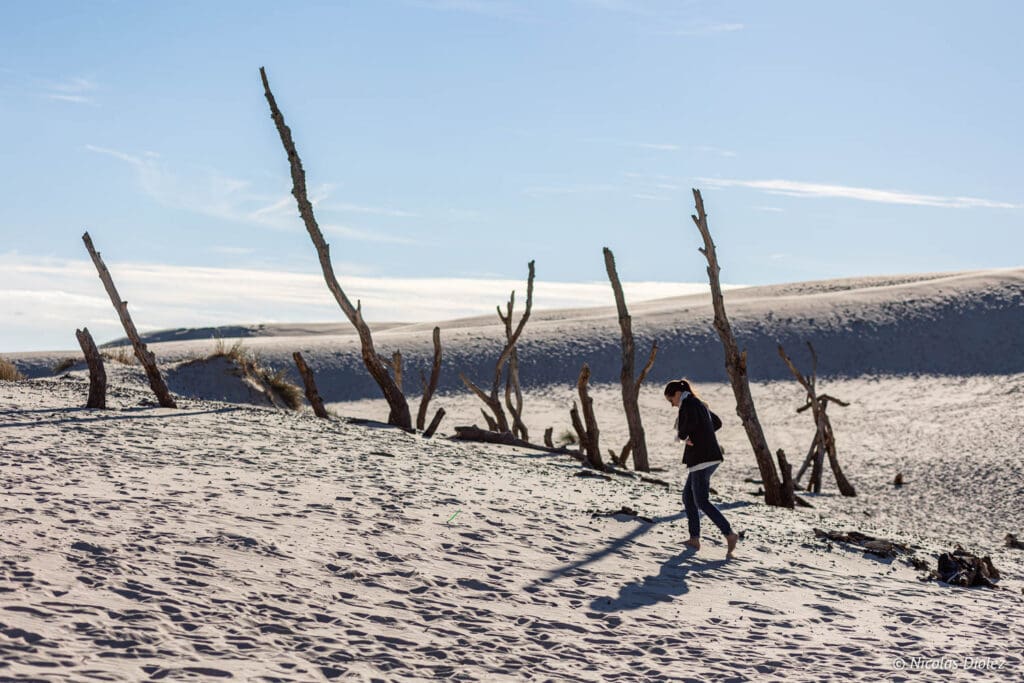
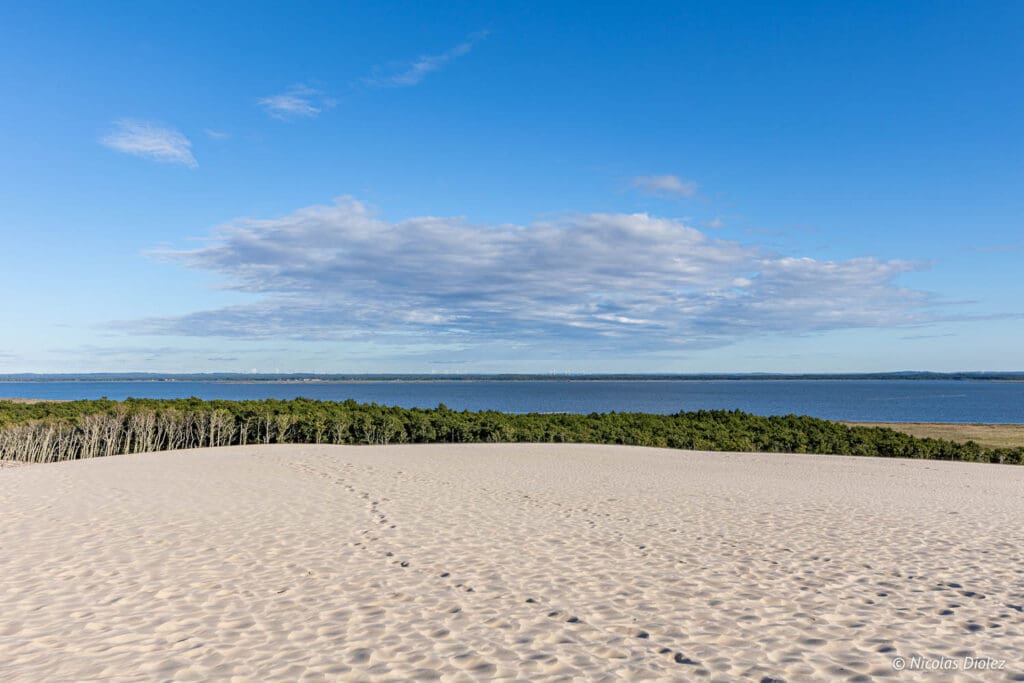
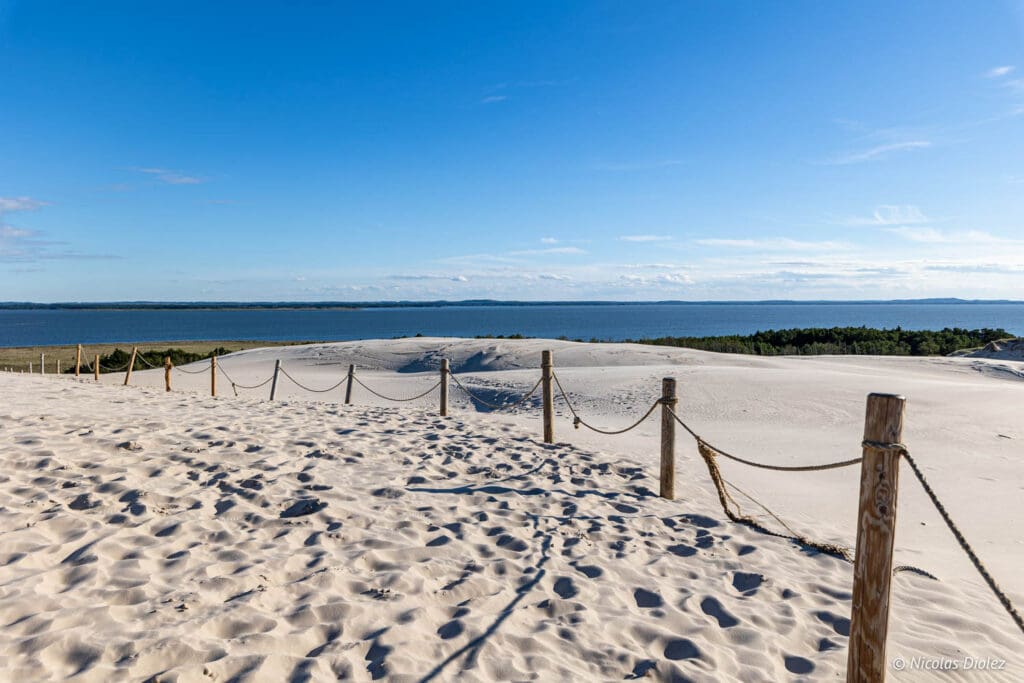
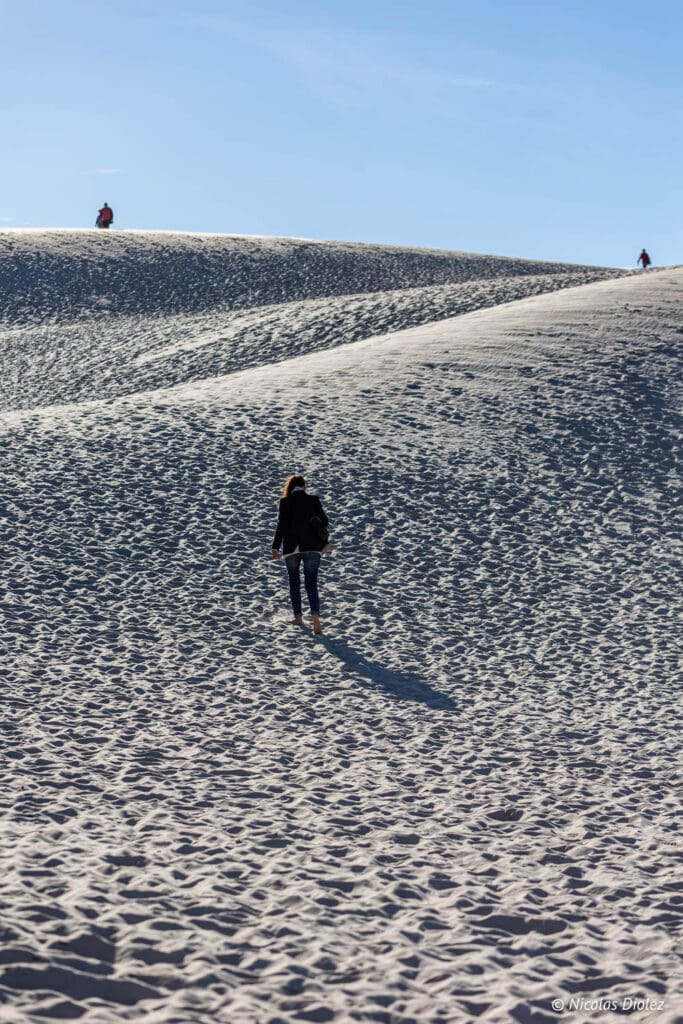
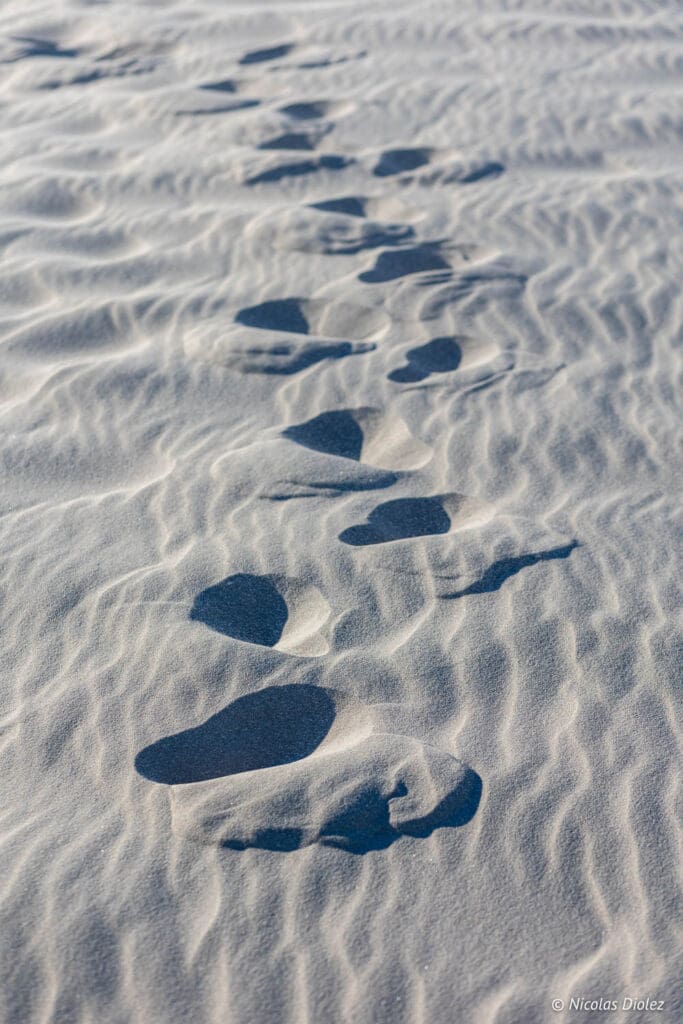
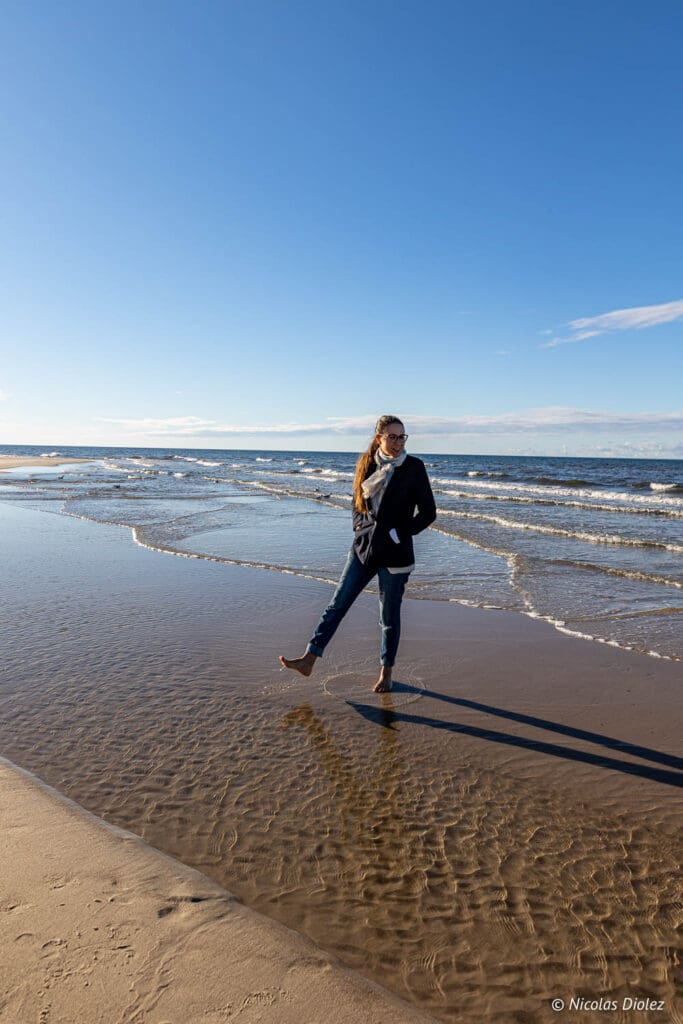
This site and its “moving dunes” are listed as a UNESCO World Heritage site. It is located about 100 km from Gdańsk and spans 18,000 hectares. To get there, you need to park your car in the site’s parking lot, then take a small electric bus (which is a paid service). You can also, of course, walk there, but be aware that it takes about 1 hour and 30 minutes of walking to reach the dunes site. I strongly recommend taking the small electric bus because it’s 8 km each way, and frankly, once you’re there, walking around the dunes barefoot (which is the most pleasant way to do it) is quite tiring, and I was very glad not to have to walk the 8 km back!
}
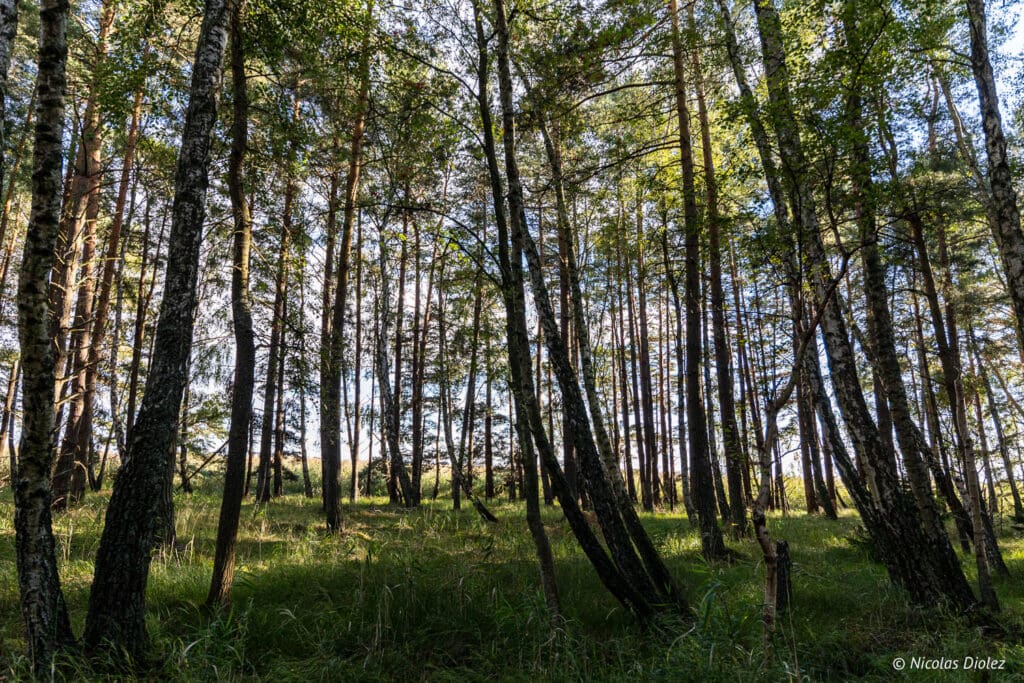
The unique character of this site lies in its very fine white sand, which shifts constantly to the rhythm of the wind. The landscapes are magnificent and change with the weather and the seasons, meaning you will never see the exact same place twice if you visit more than once. It is a paradise for nature lovers, and during this walk, you can also reach the Baltic Sea and dip your toes in the water or go for a swim depending on the temperature.
Slowinski National Park
Bohaterów Warszawy 1A, 76-214 Smołdzino, Poland
Open all year round
Prices without the electric shuttle bus: 14.10 zt standard ticket / 10.50 zt reduced rate / 7 zt for children
Prices with the electric shuttle bus: 17.40 zt standard ticket / 13 zt reduced rate / 8.60 zt for children
My favorite spots in Pomerania (accommodation and dining)
As usual, you will find below my selection of great addresses in Pomerania (one place to stay and several restaurants) that we had the chance to test during our trip with my favorite photographer. These addresses often offer the chance to discover local produce and a few Polish specialties to try if you come to the region. I also mentioned some of these addresses in the previous paragraph, in connection with places to visit, as I thought it might be more convenient when planning a trip or itinerary in Poland.
My recommended accommodations for this stay
Find the places and booking links mentioned in this article.
Radisson Hotel & Suites Gdansk
via BookingPałac Poraj
via BookingBooking through these links supports the blog, at no extra cost to you.
Polish specialties and local products to discover: apple juice and blackcurrant juice; beer; vodka; Poland produces a lot of apples; Polish people really enjoy flavored butters or buttermilk.
_
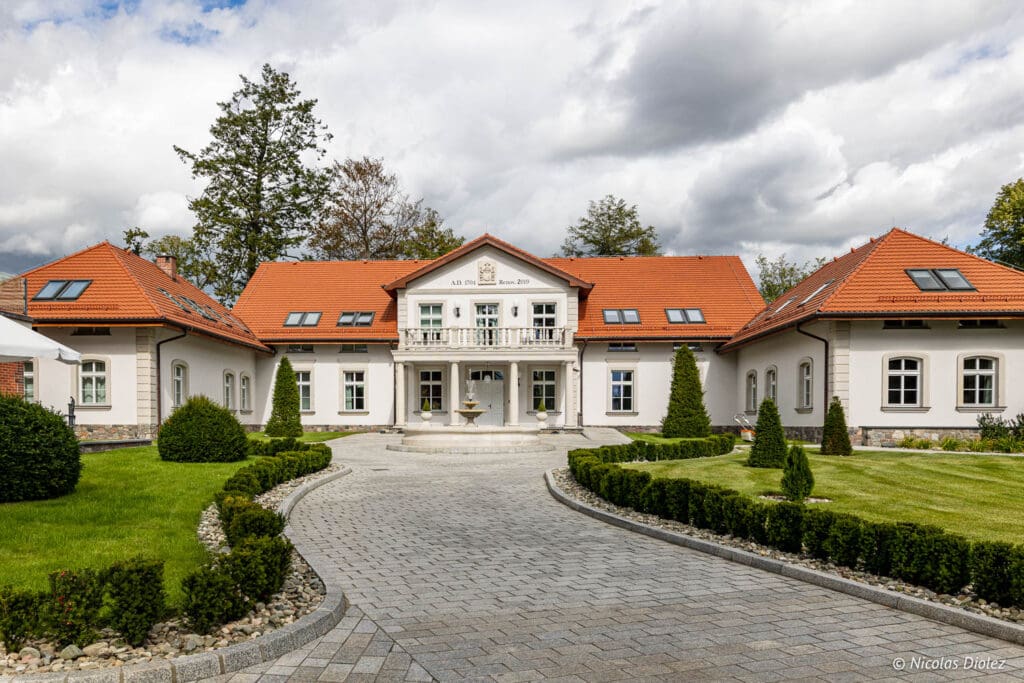
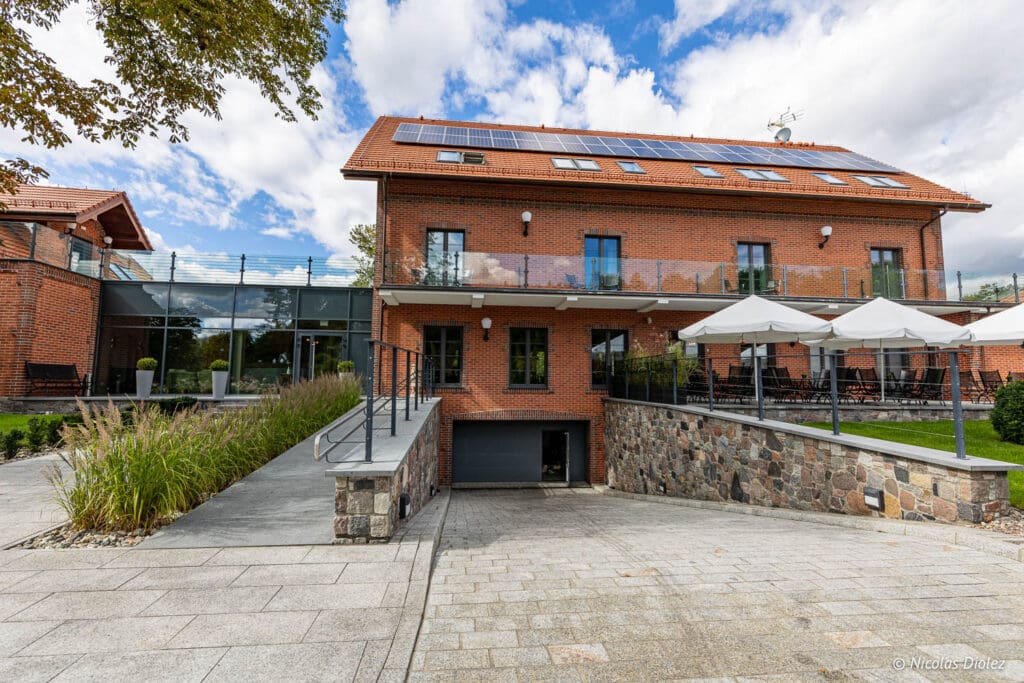
Lunch at Bioli trus restaurant, at Leśny Dwór Manor
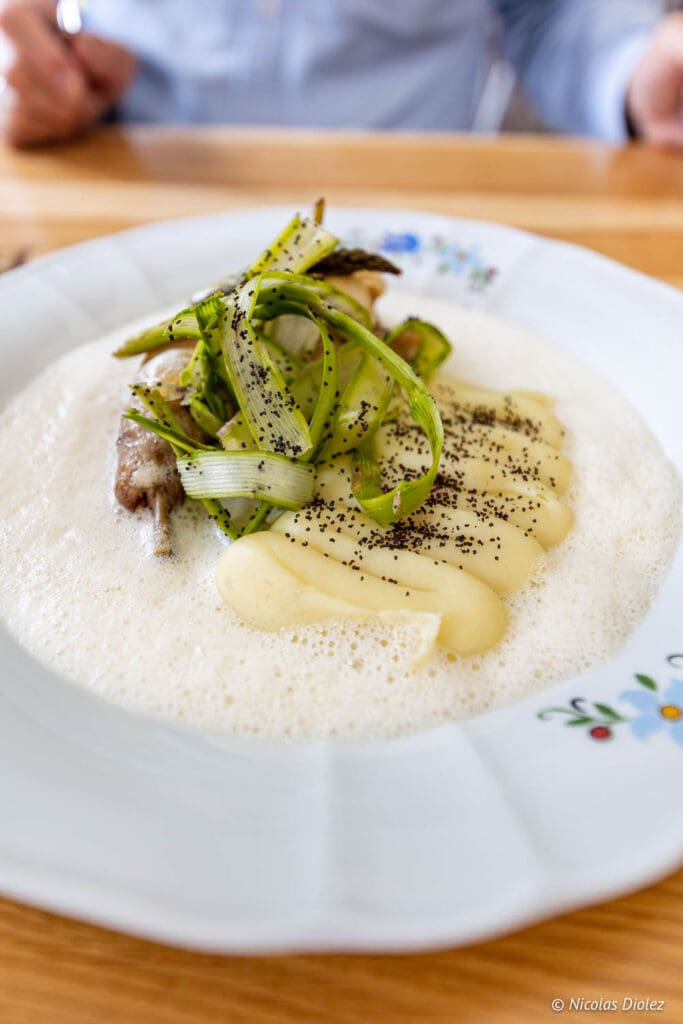
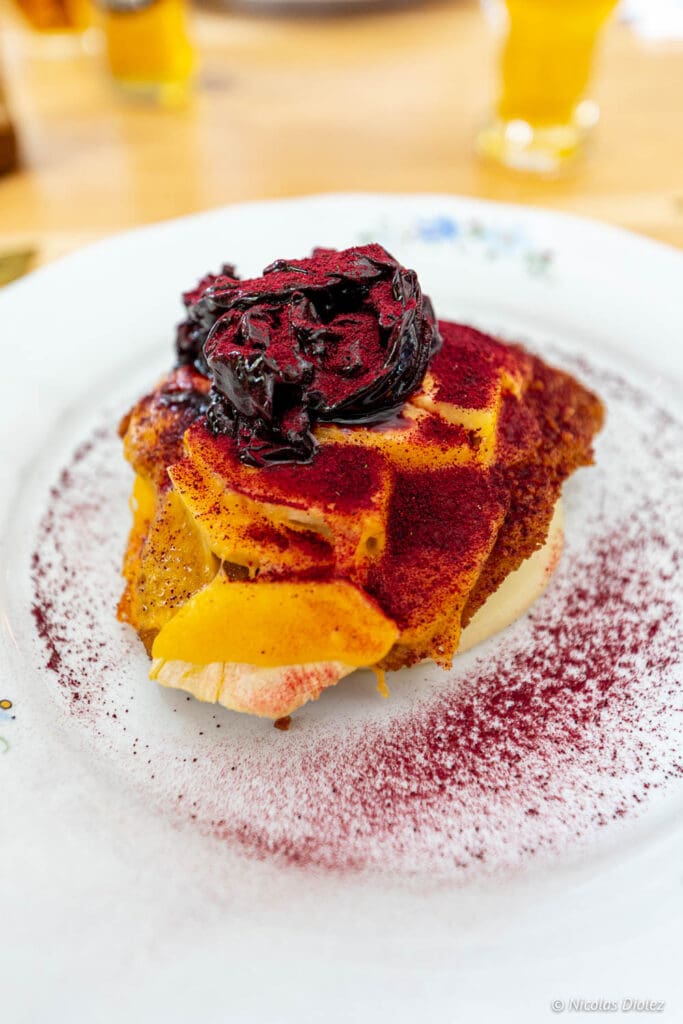
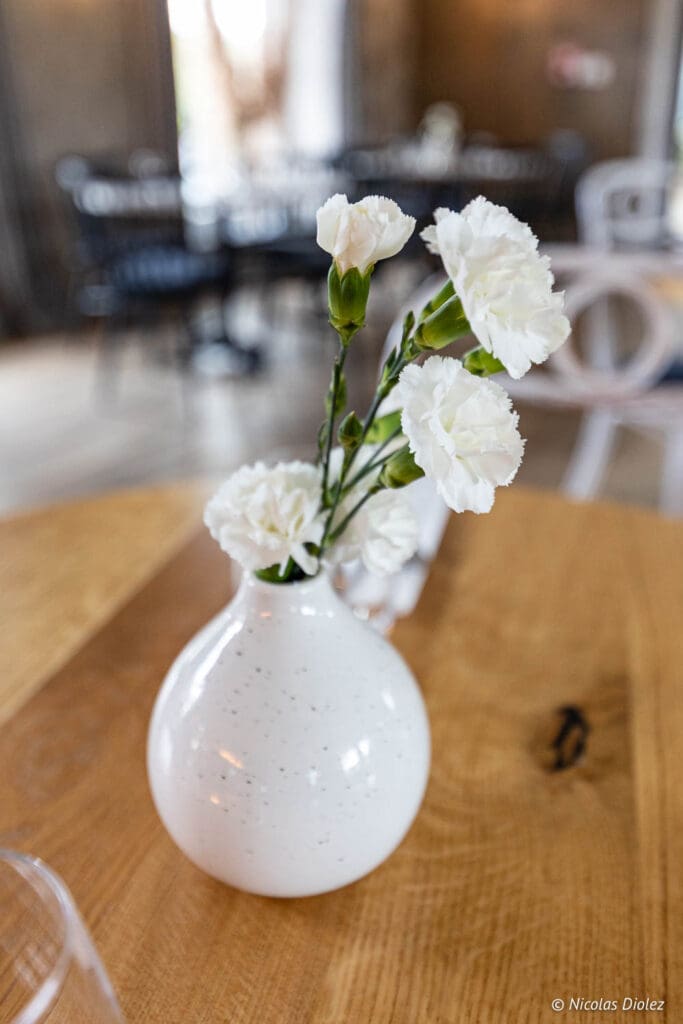
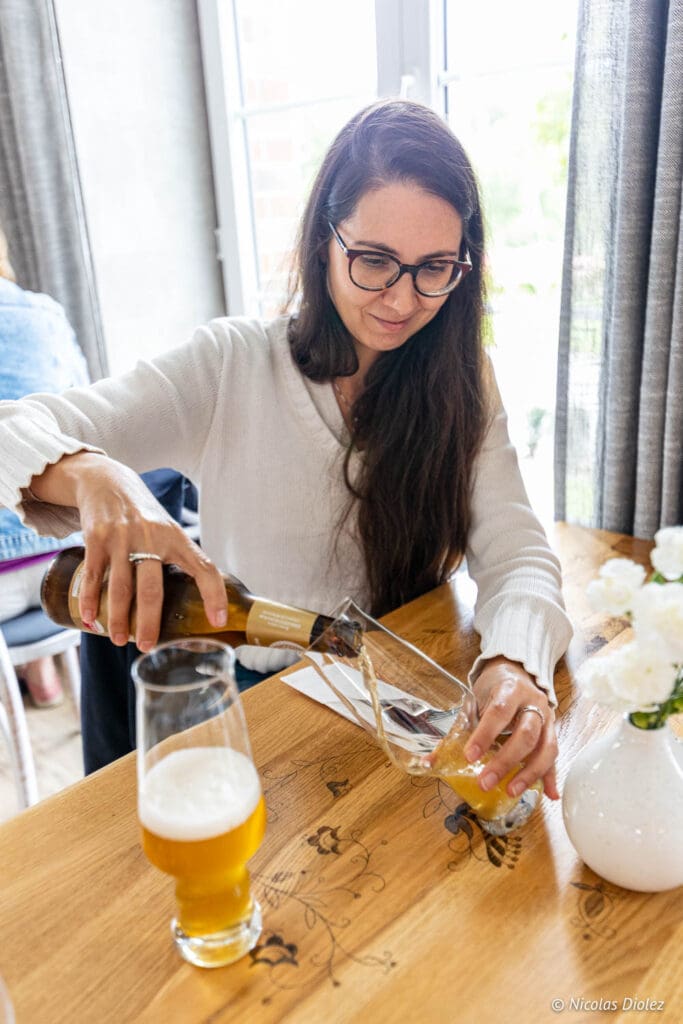
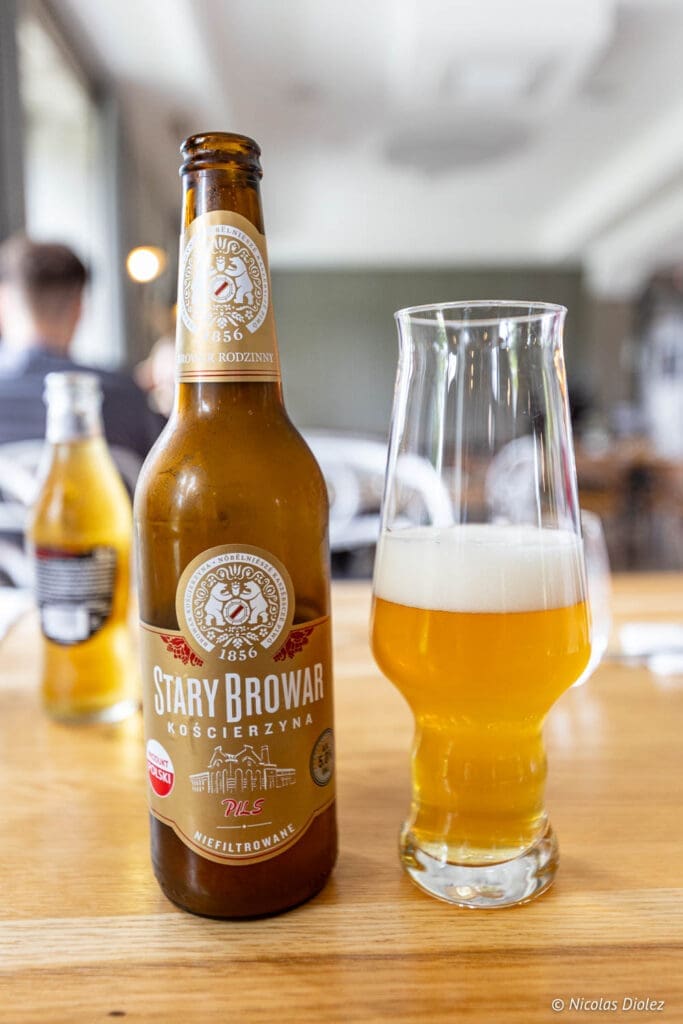
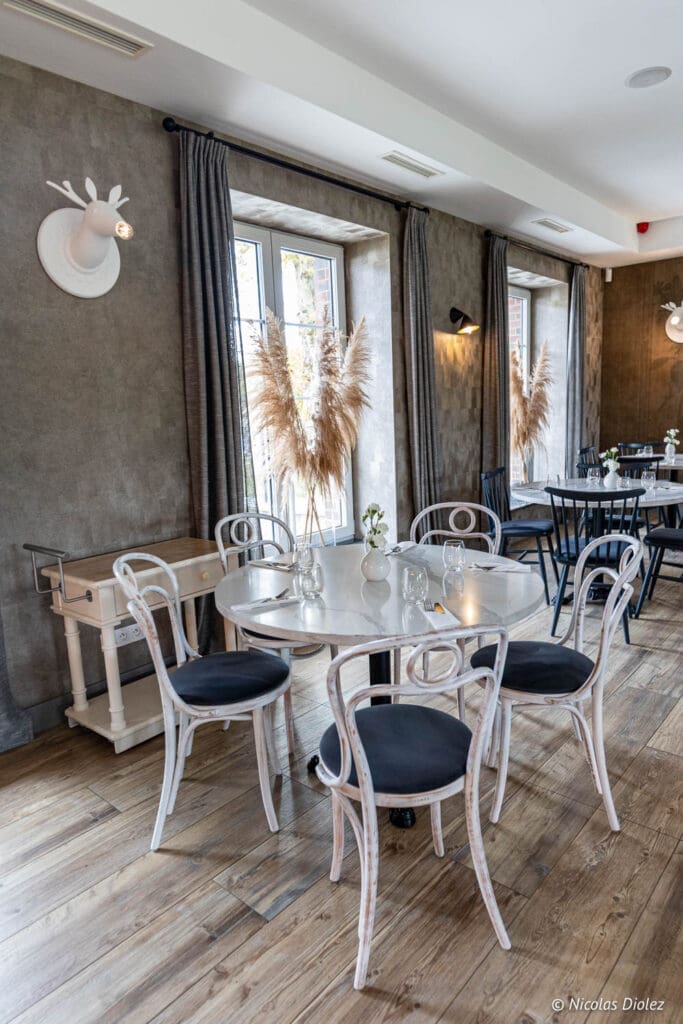
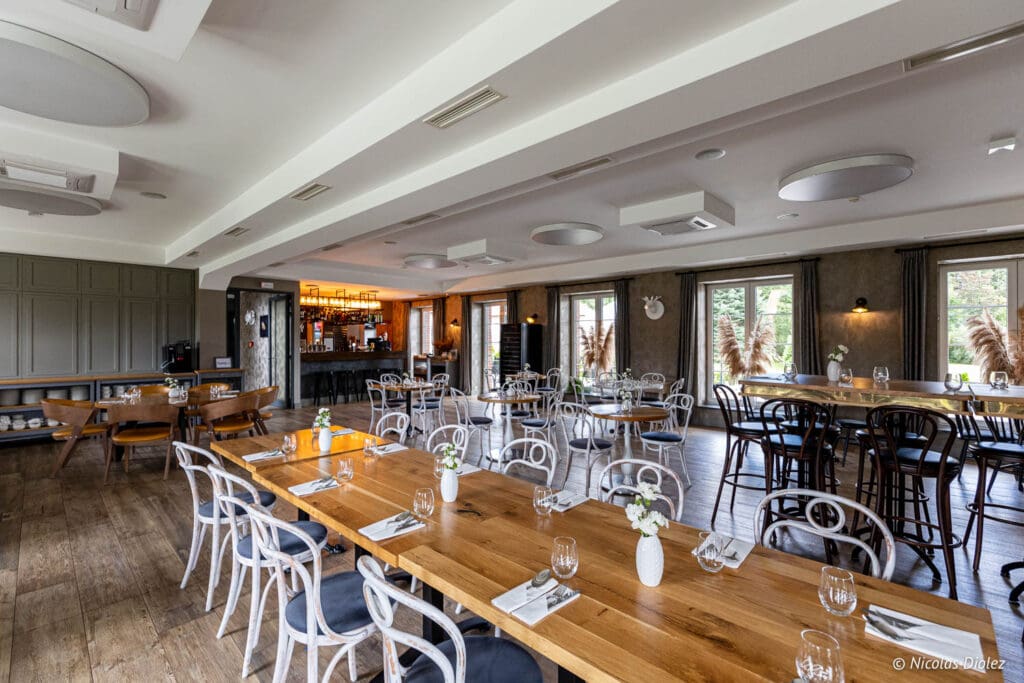
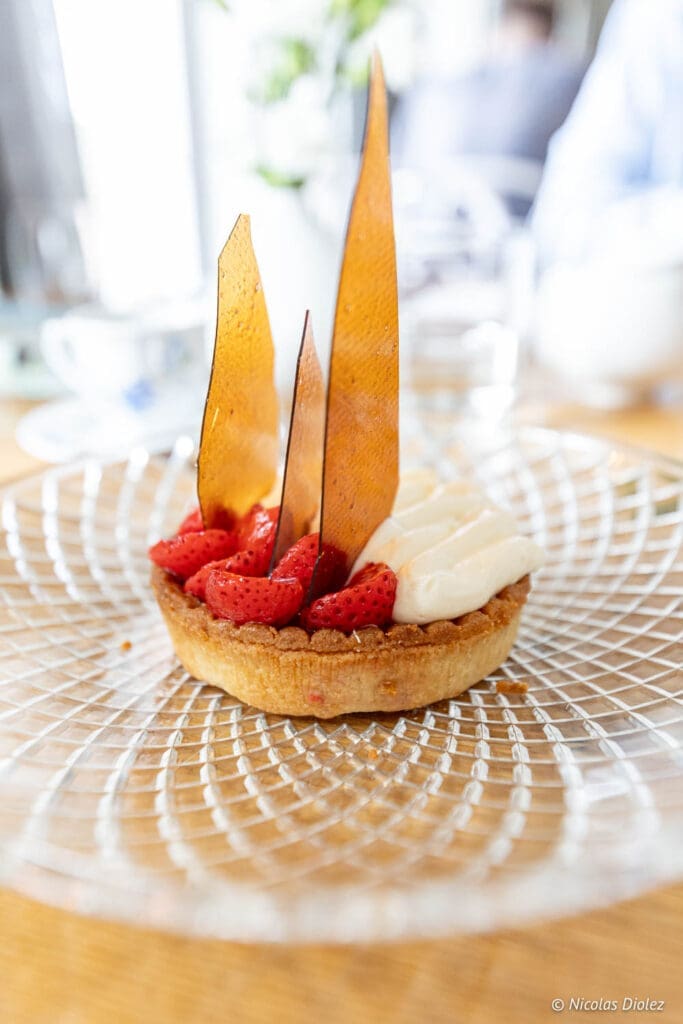
This restaurant is located in a hotel/manor (there are many in the Kashubia region), at Leśny Dwór, on the shores of Lake Węgorzyno in Sulęczyno. I found the dining room very pretty. As for the food, you’ll find traditional Polish dishes with a modern twist, such as breaded pork chops with pineapple and candied beetroot. Overall, the cuisine was quite refined and truly original, I think.

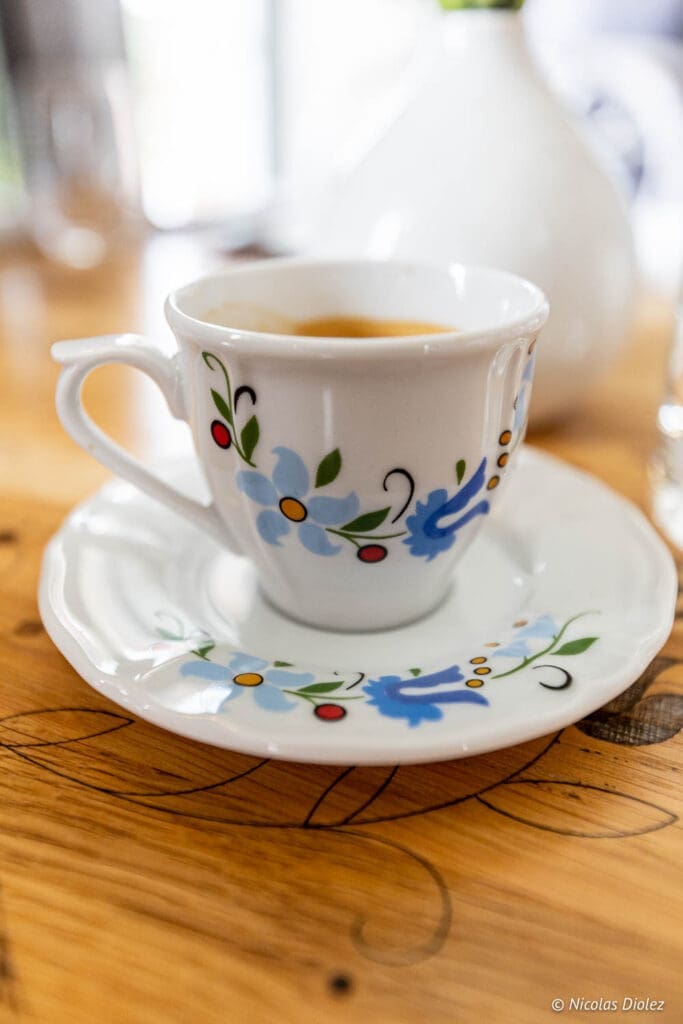
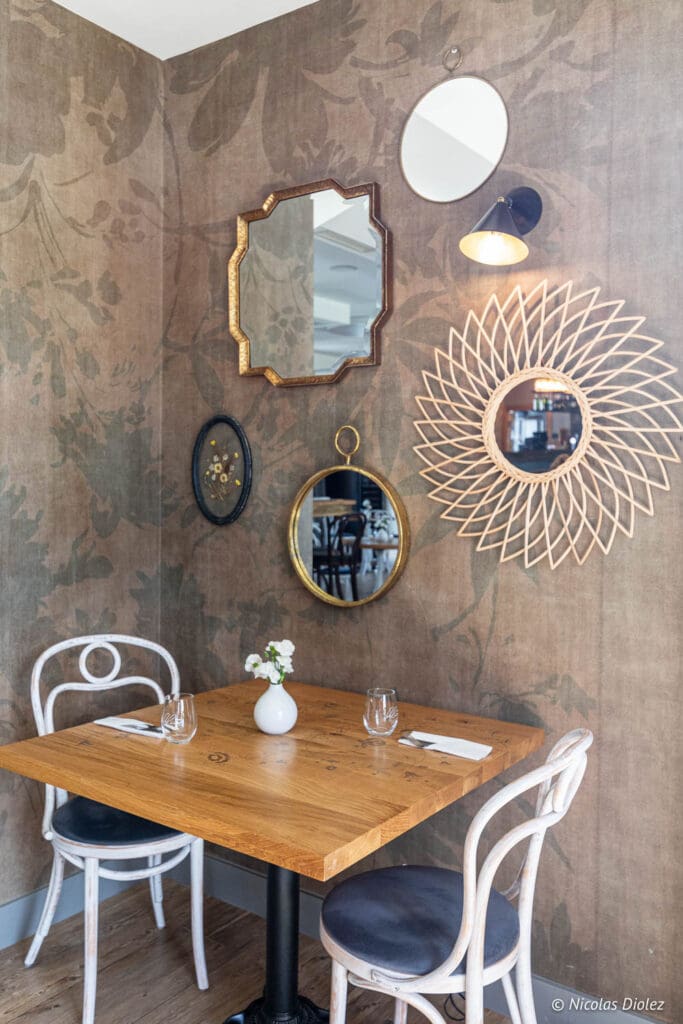
Bioli trus restaurant
Lesny Dwor Suleczyno
Stefana Żeromskiego 15, 83-320 Sulęczyno, Poland
Prices: soups between 25 zt and 29 zt / main courses between 34 zt and 62 zt / desserts between 24 zt and 27 zt
_
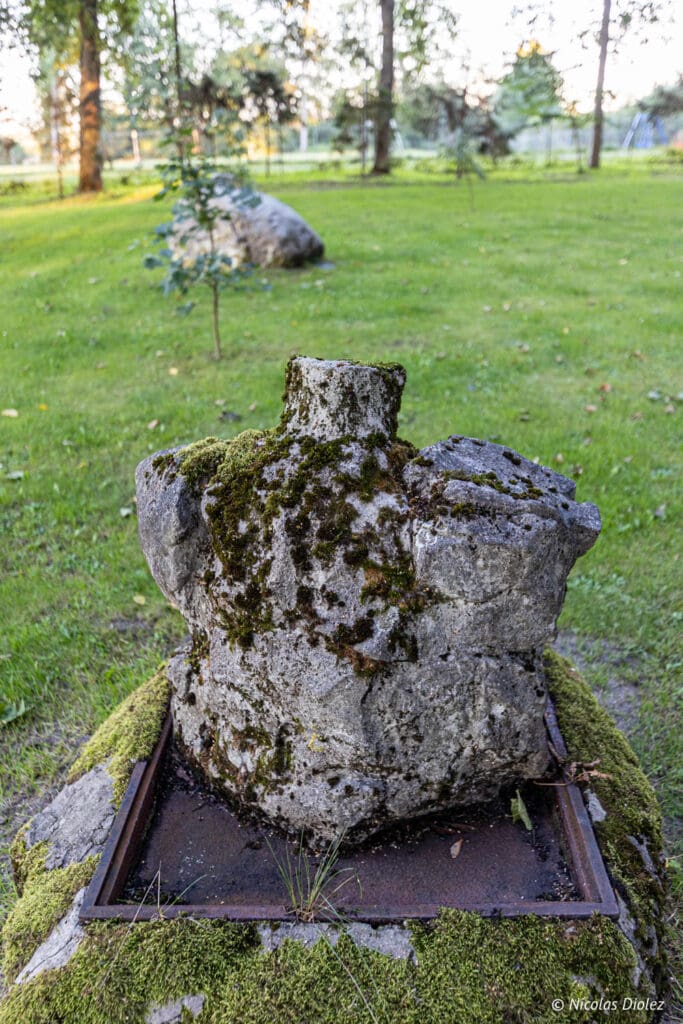
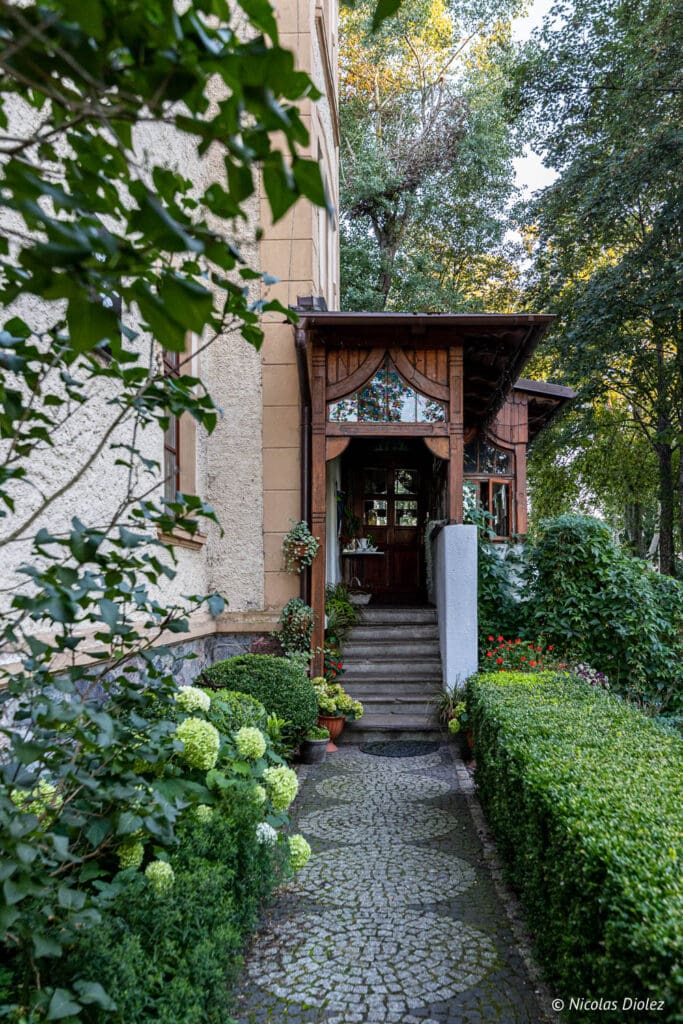
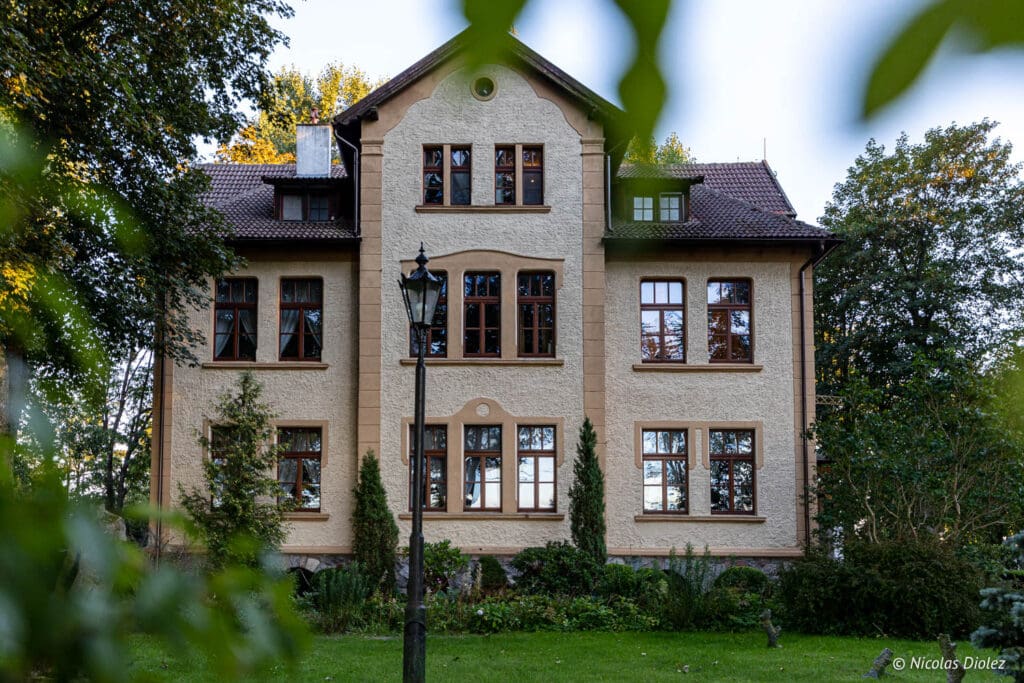
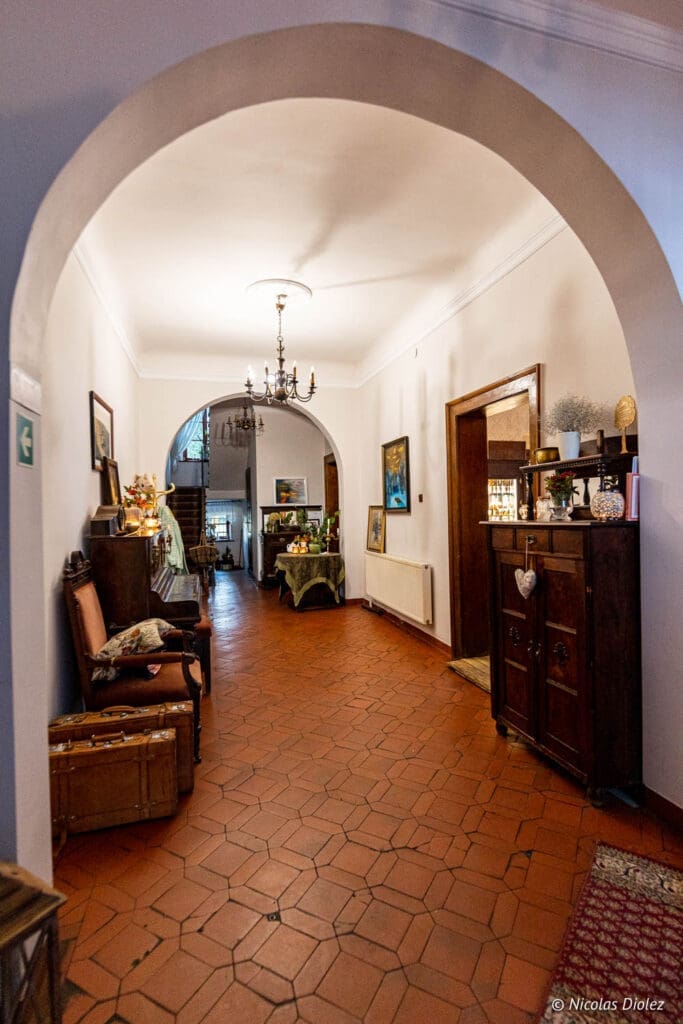
Poraj Palace Hotel
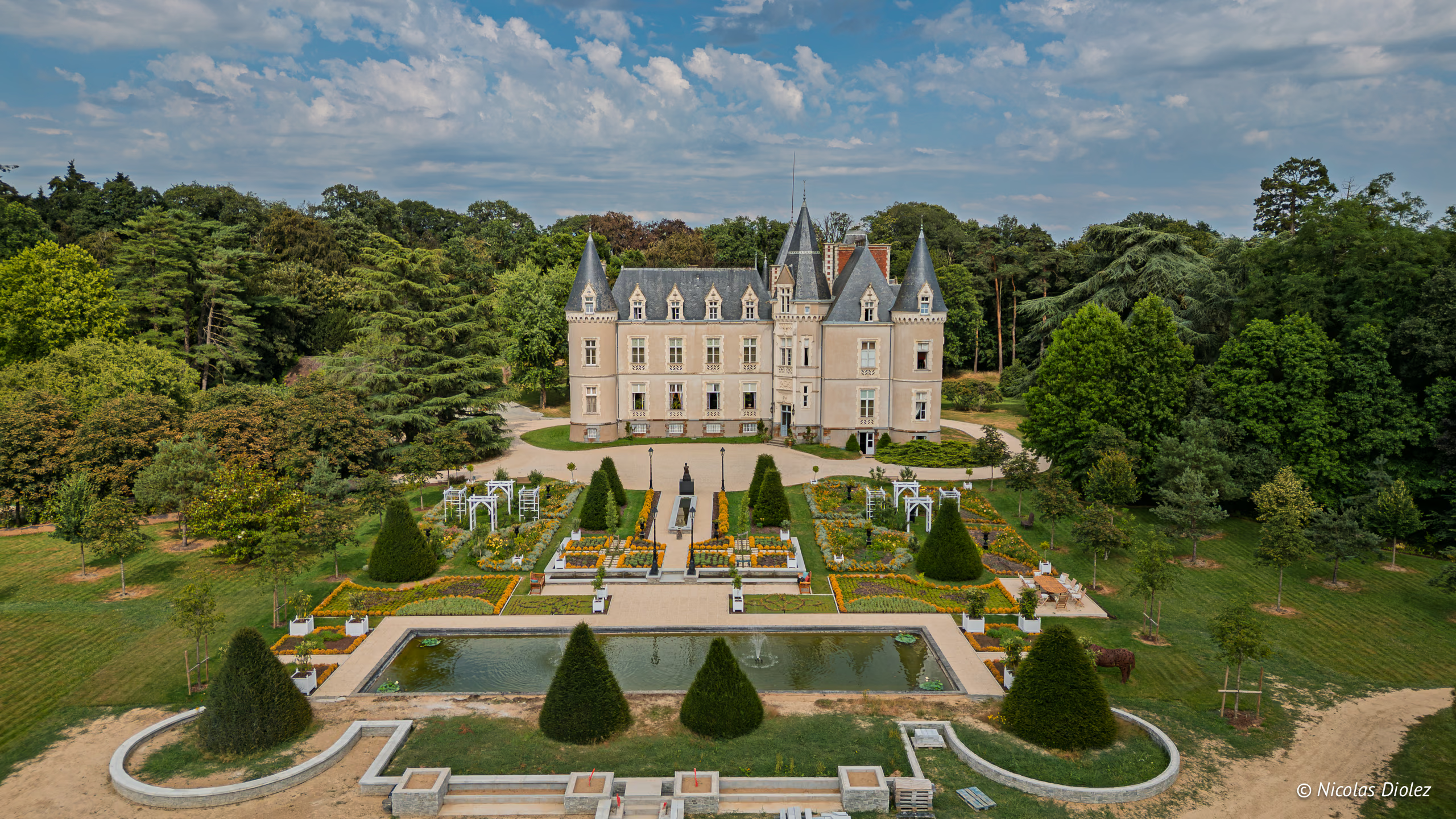
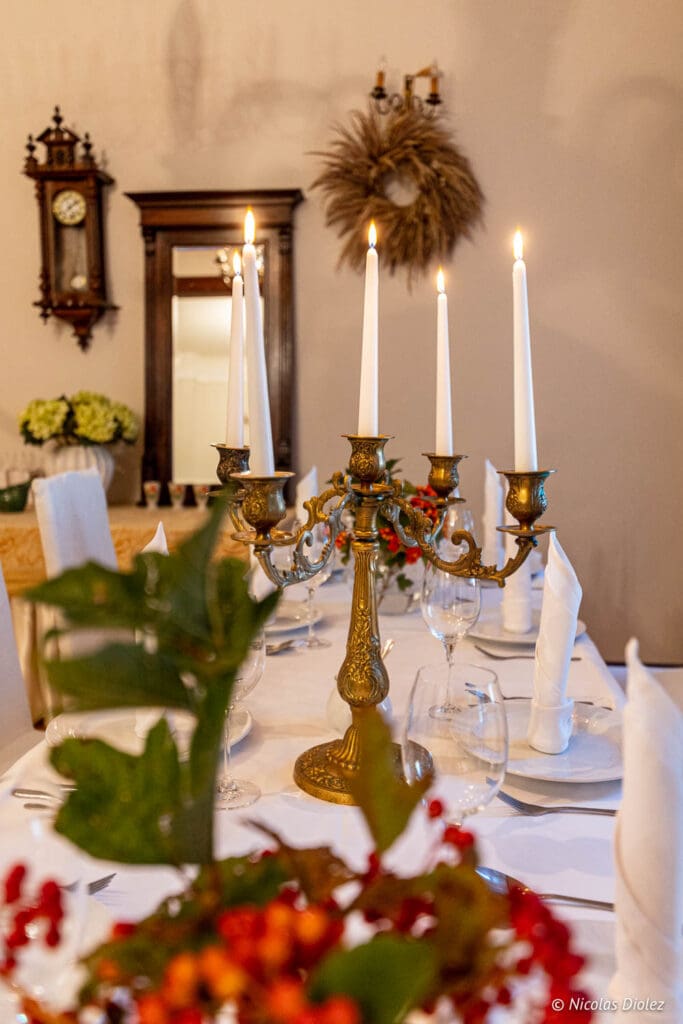
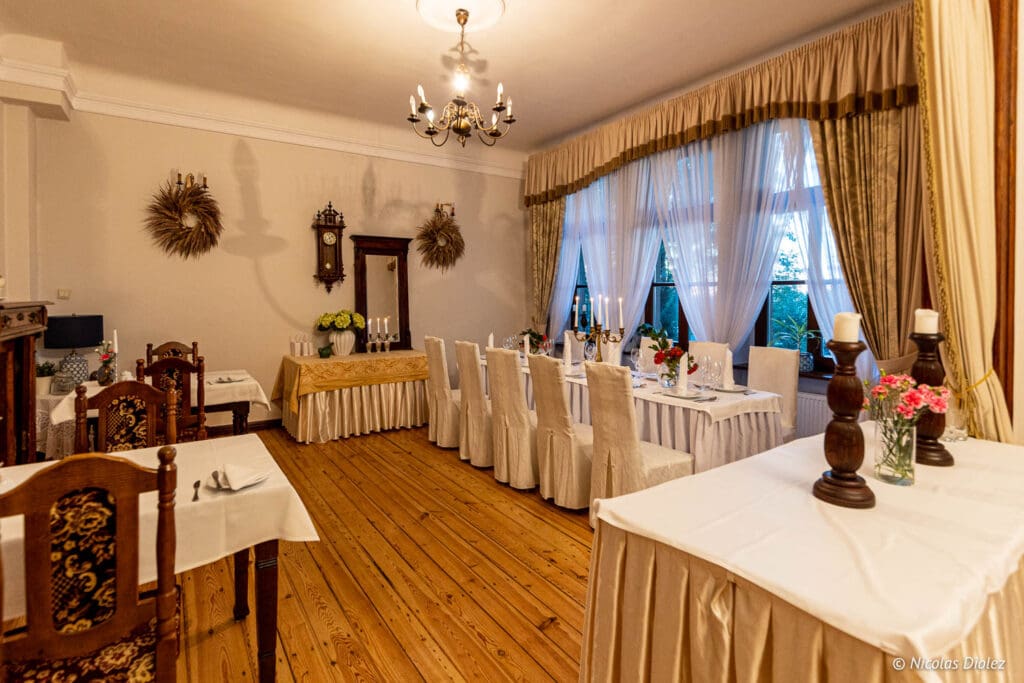
This former late-19th-century country palace is now a rustic yet charming hotel where you can stop for a night and also grab a bite to eat. The hotel is located about a 1.5-hour drive from Gdańsk. Unfortunately, we were in a room facing the road, and I can tell you that starting at 5:30 in the morning, there is quite a bit of traffic. I found this a bit of a shame because when you come to the countryside to rest, you don’t want to be right next to a busy road, but I know I’m very sensitive to this kind of noise pollution. If you are like me, I strongly recommend asking for a room facing the back of the building.
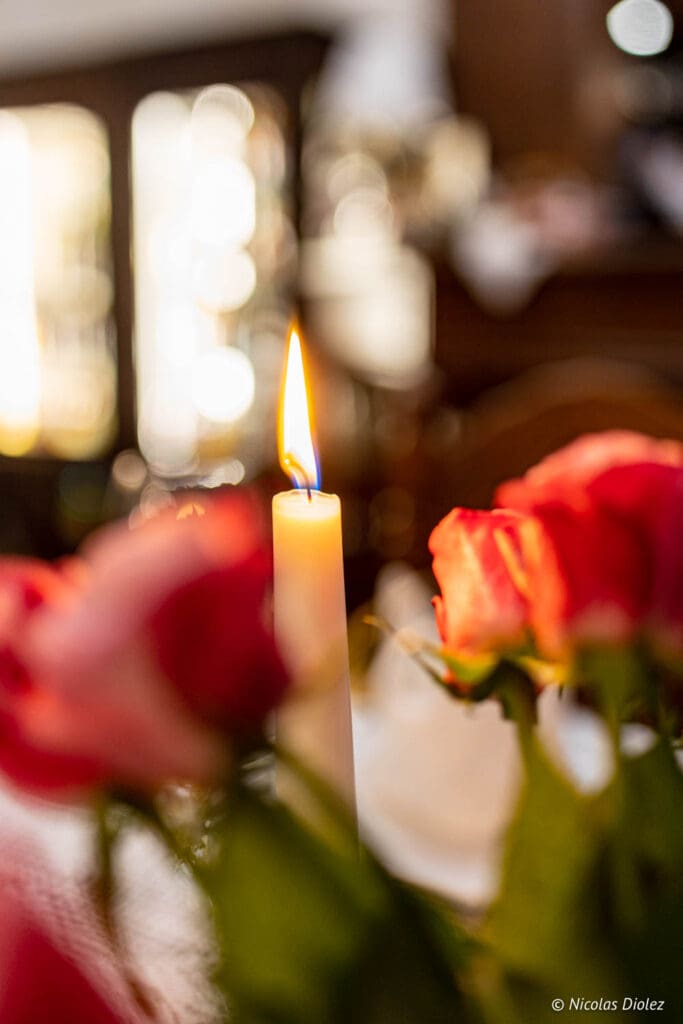
Otherwise, the place has a lot of charm and the park surrounding the building also looked magnificent, but we arrived late in the day and left early the next morning, so we didn’t have much time to enjoy it. Lastly, the staff is very kind and particularly helpful.
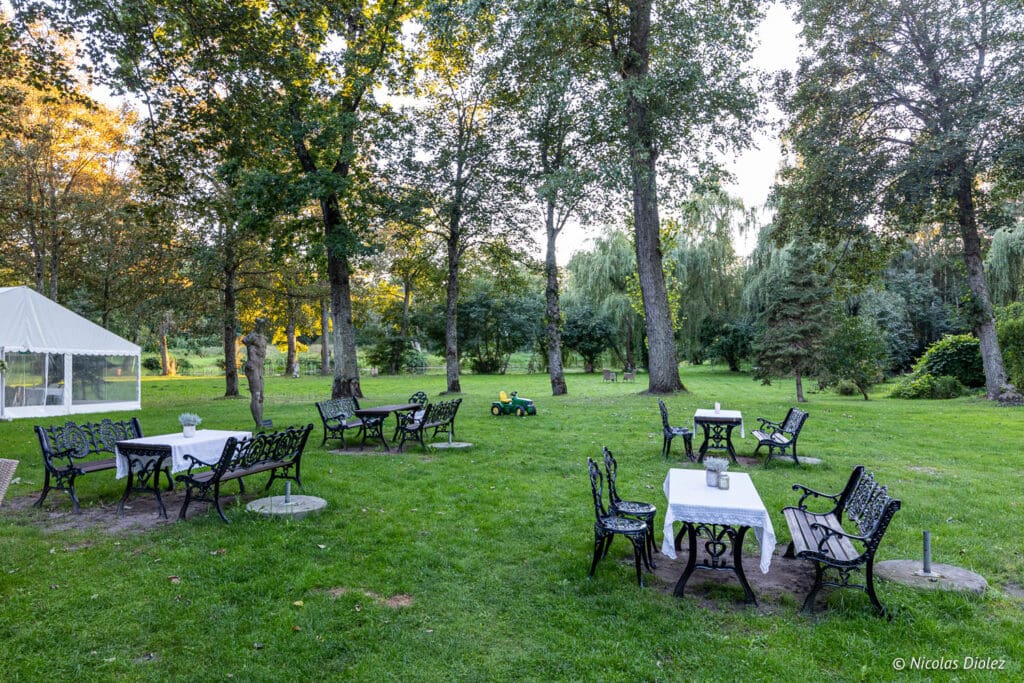
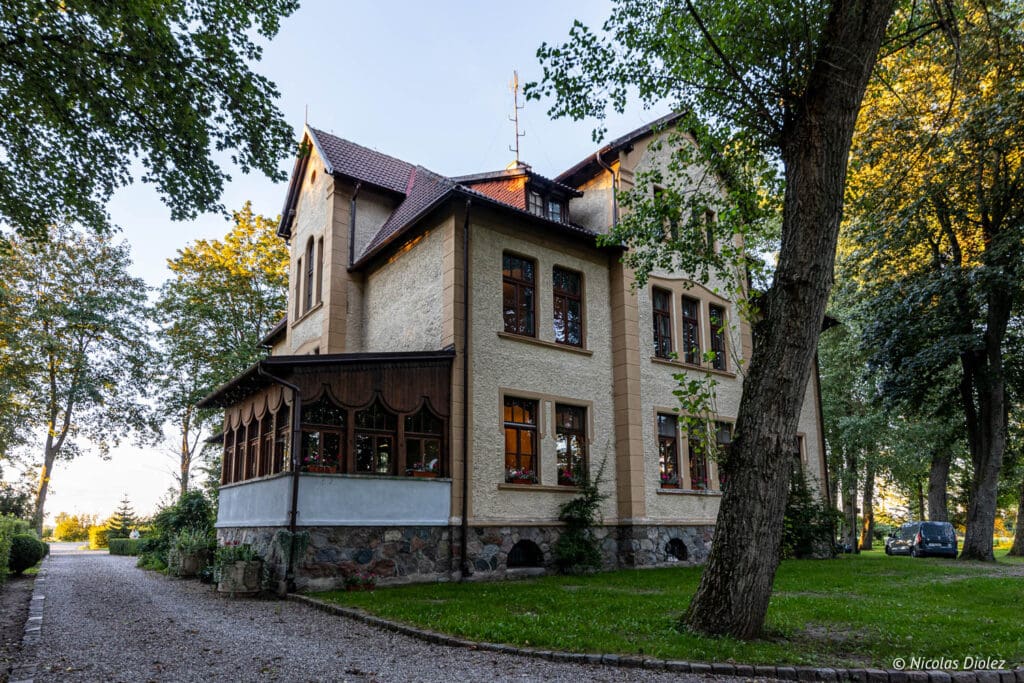
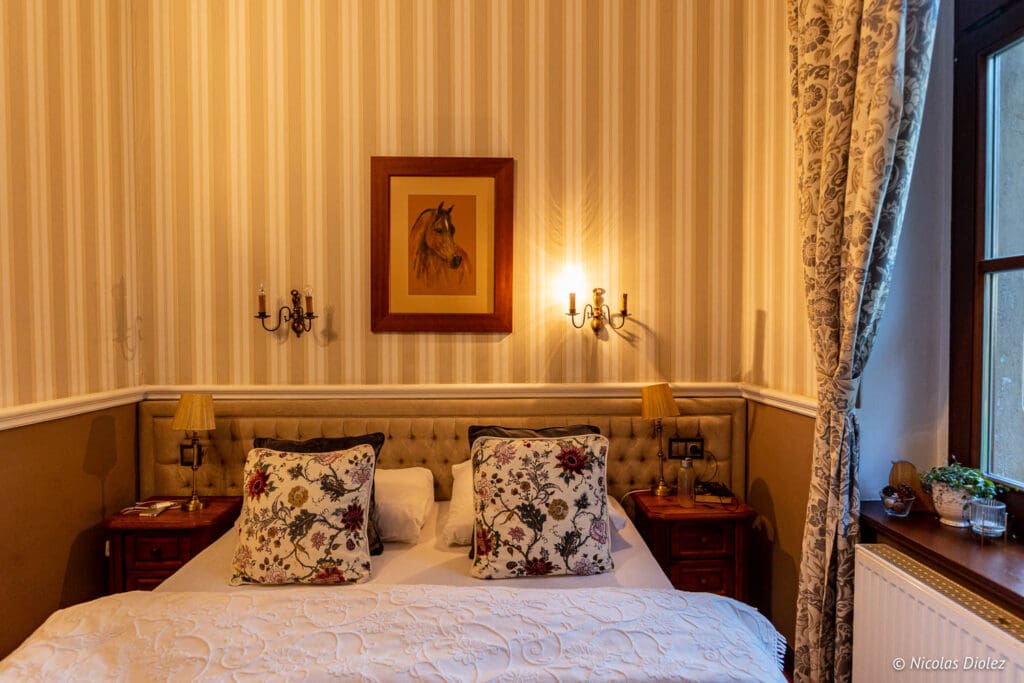
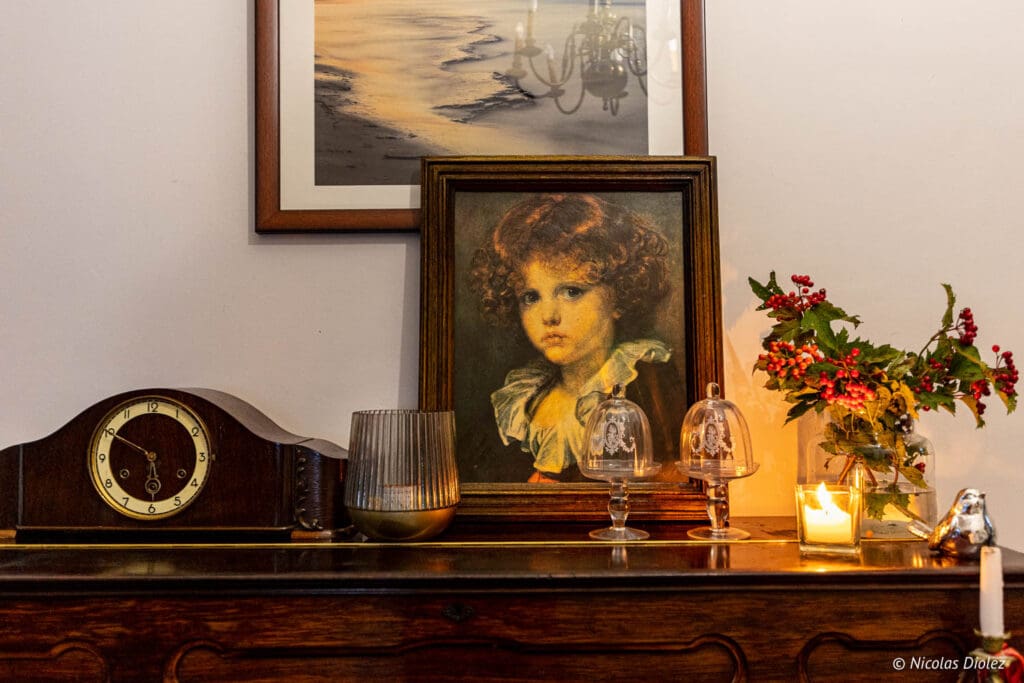
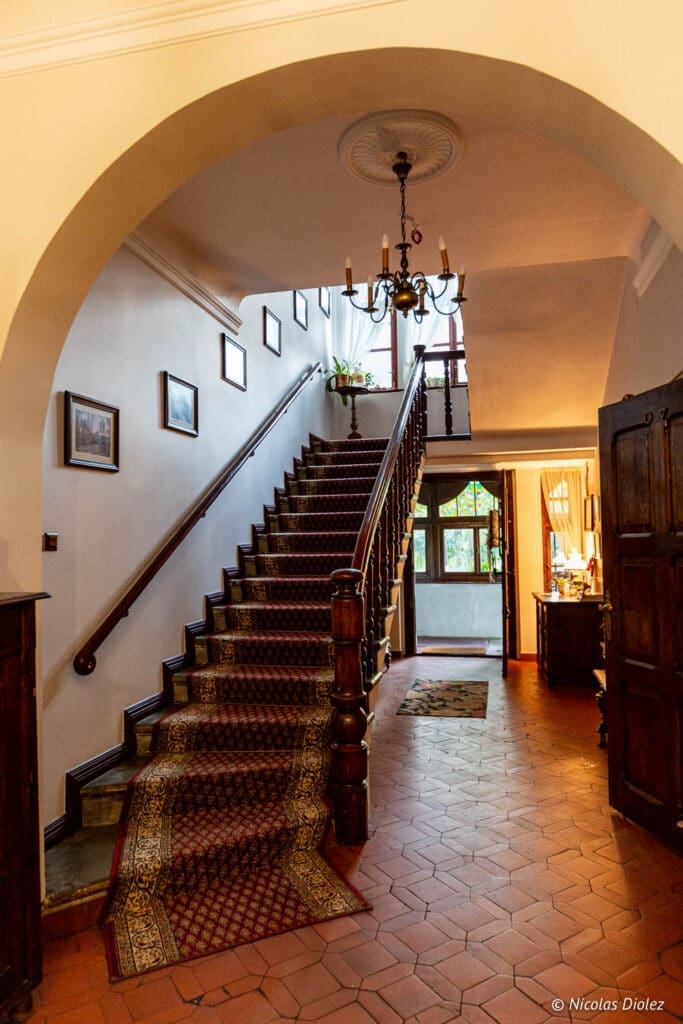
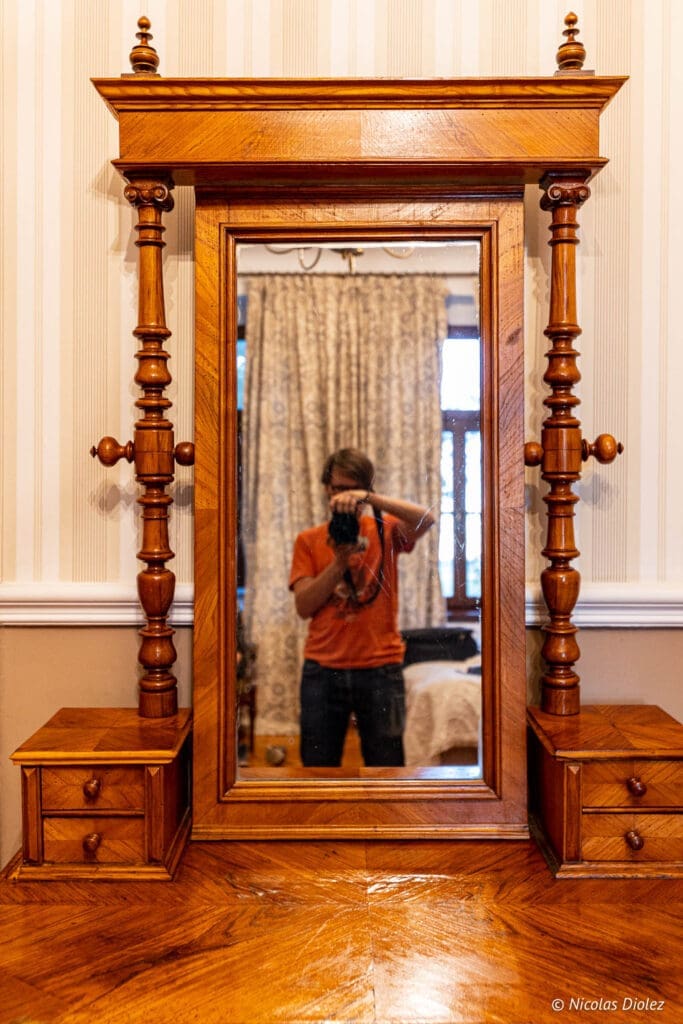
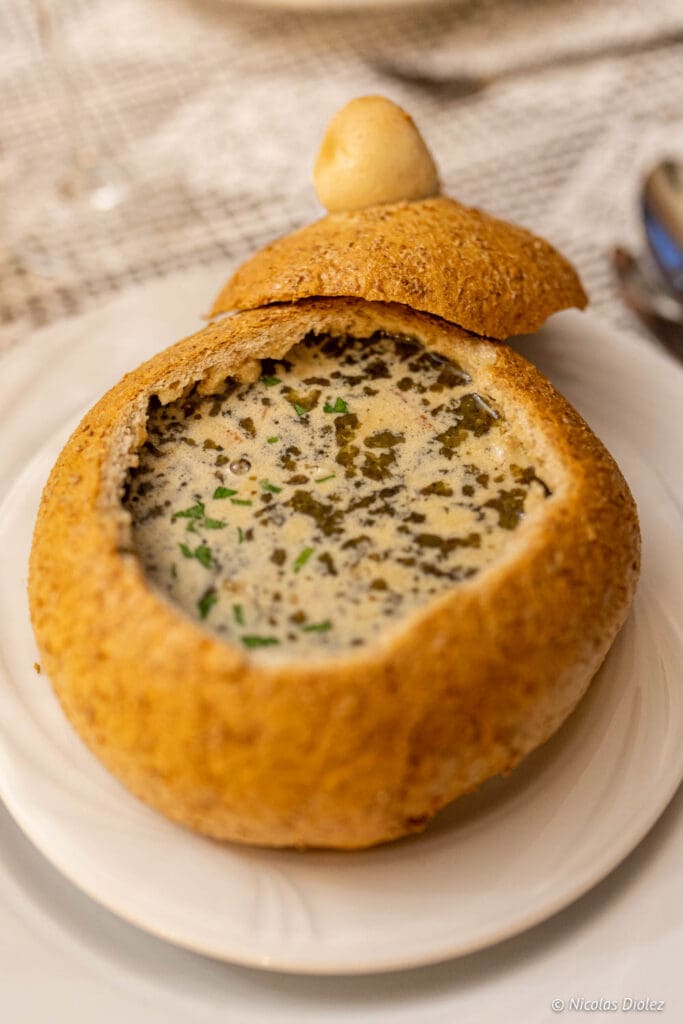
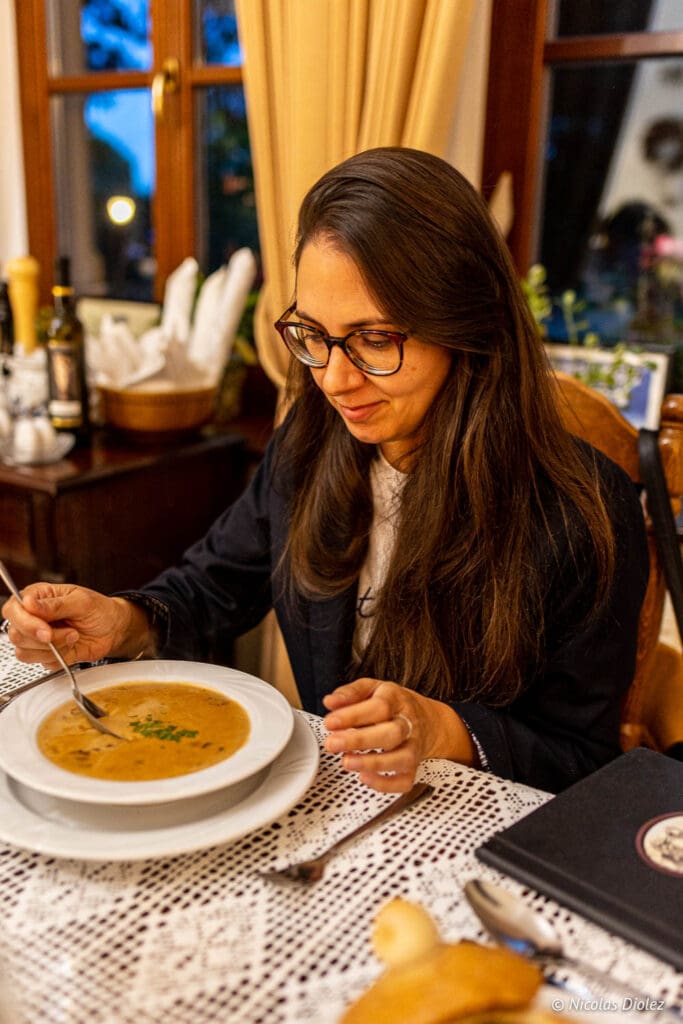
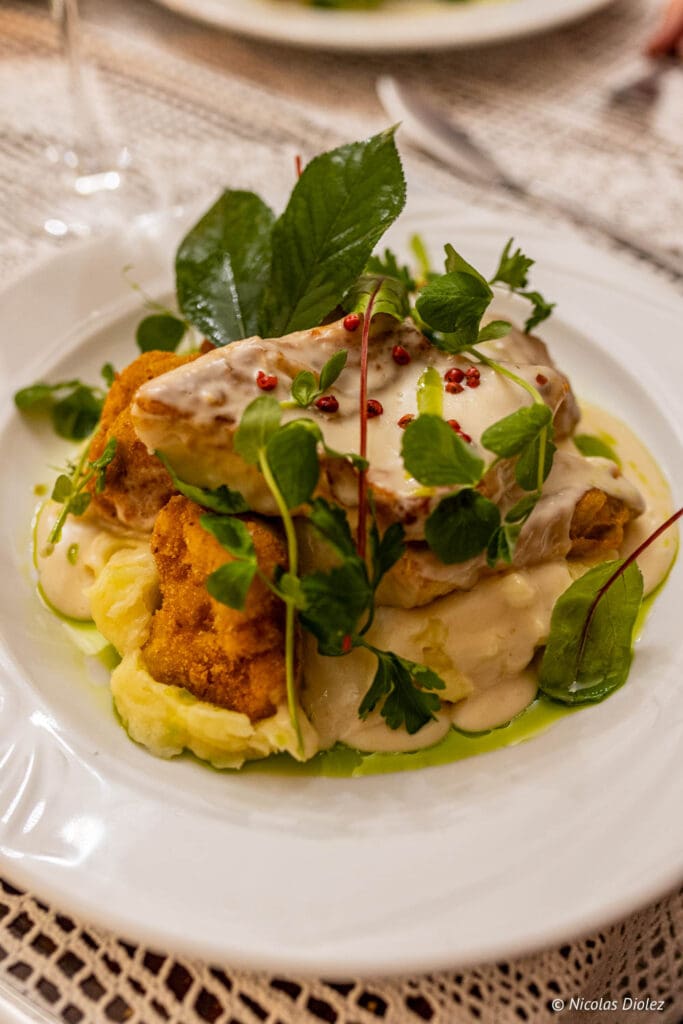
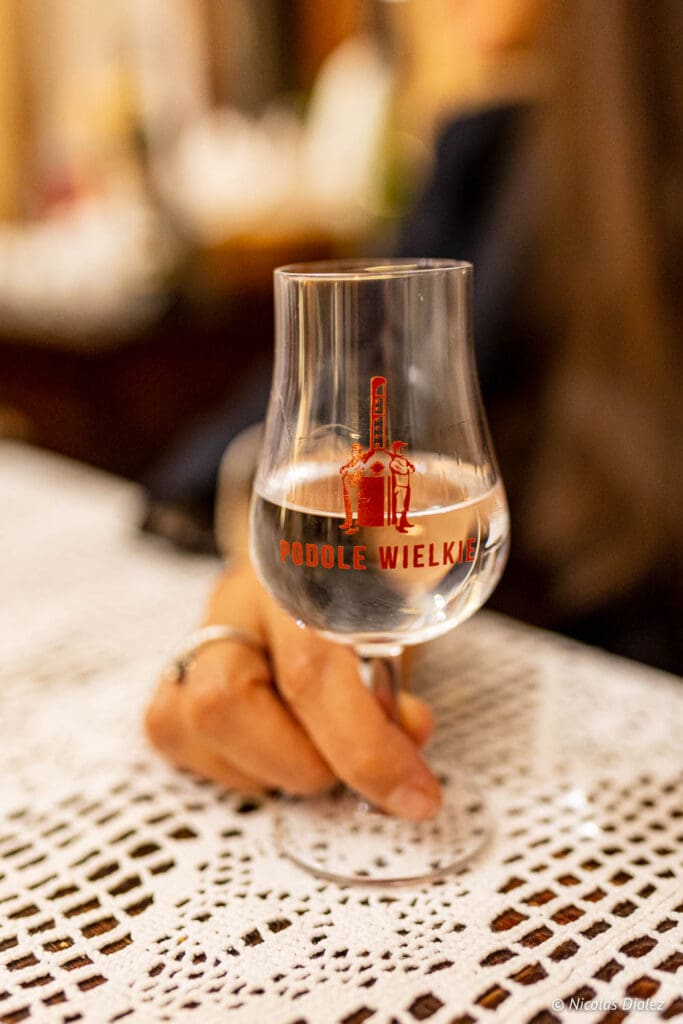
We also had dinner there during our stay. On the menu for this meal: sour rye soup (29 zt) with flour served inside a loaf of bread (a traditional Polish soup); hazelnut soup (typical of the region this time – 23 zt); the favorite photographer had tongue for his main course, while I didn’t dare. As for breakfast, it looked pretty typical and Polish, from what little I know about the subject.

Pałac Poraj
Poraj 5, 84-352 Poraj, Poland
My favorite Polish addresses in Paris
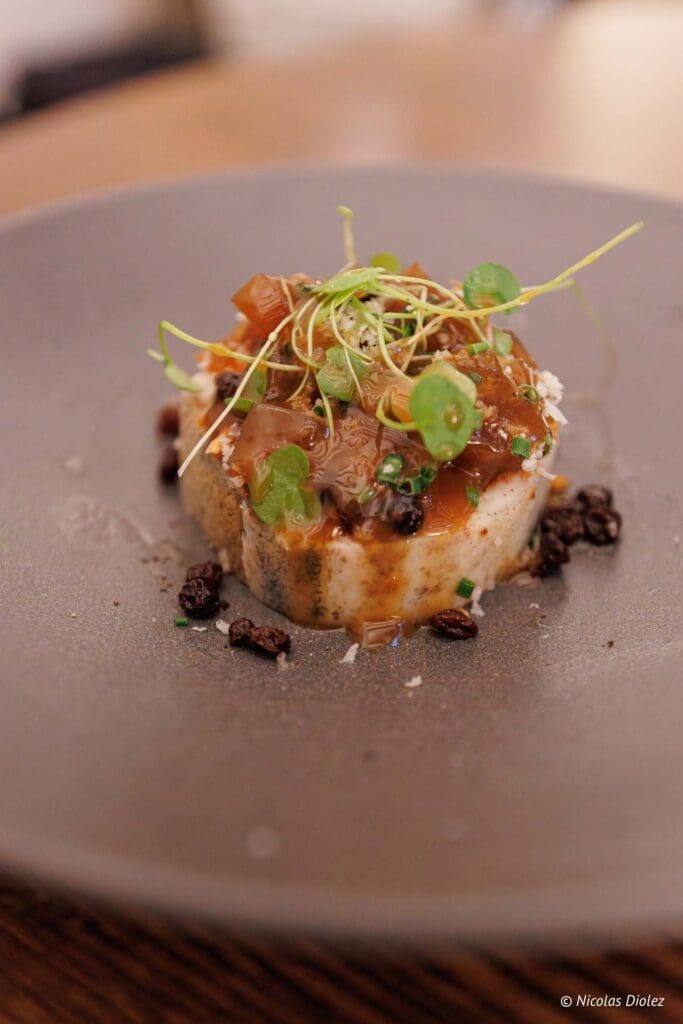
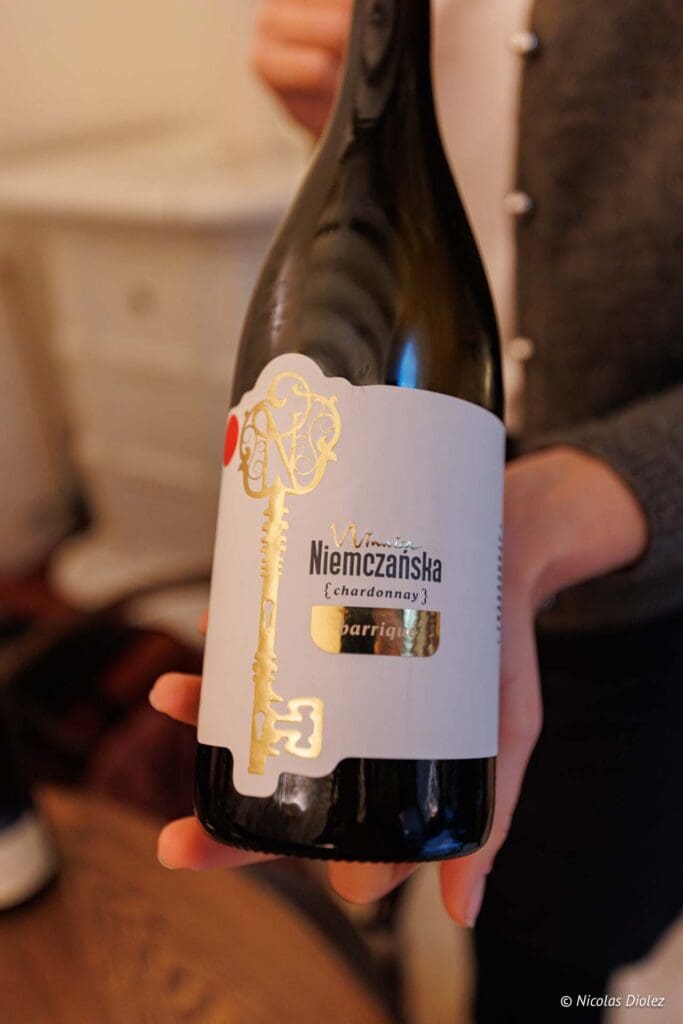
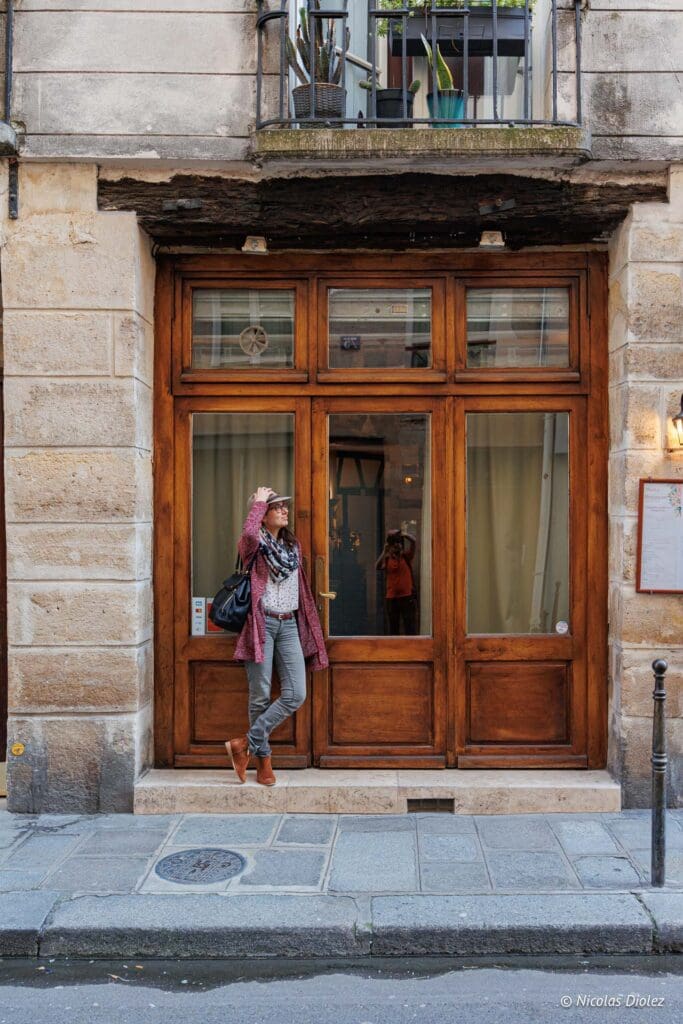
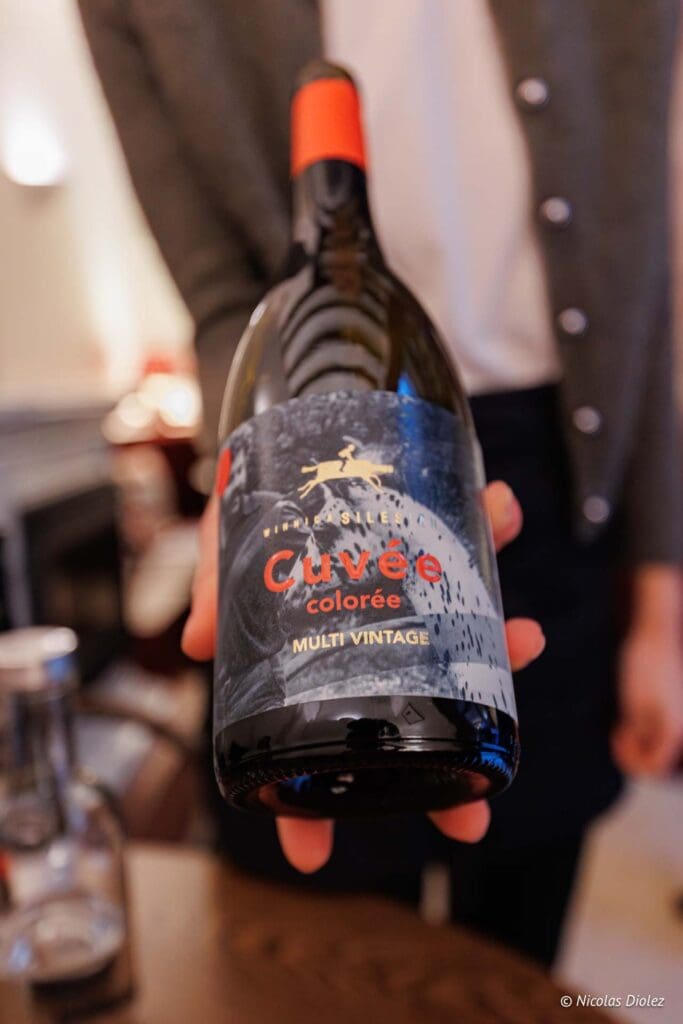
Matka
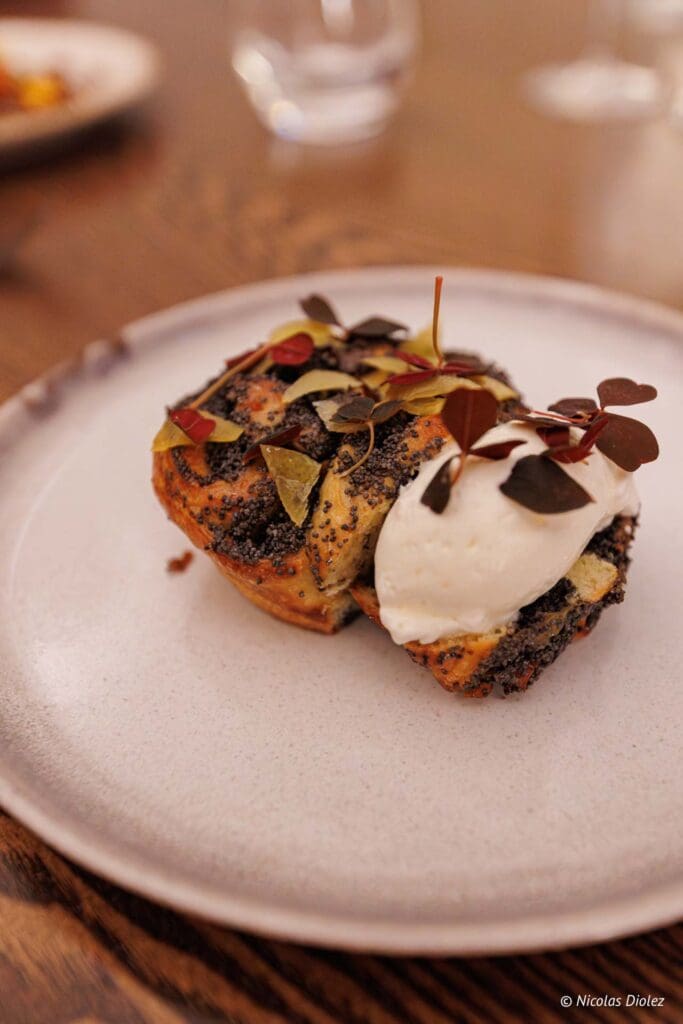
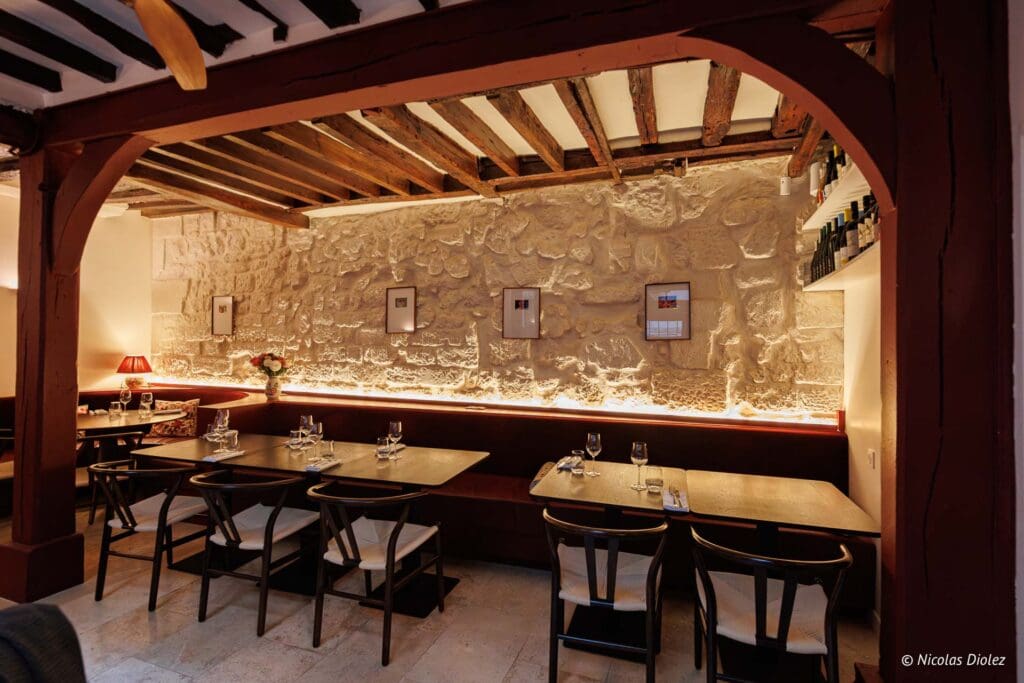
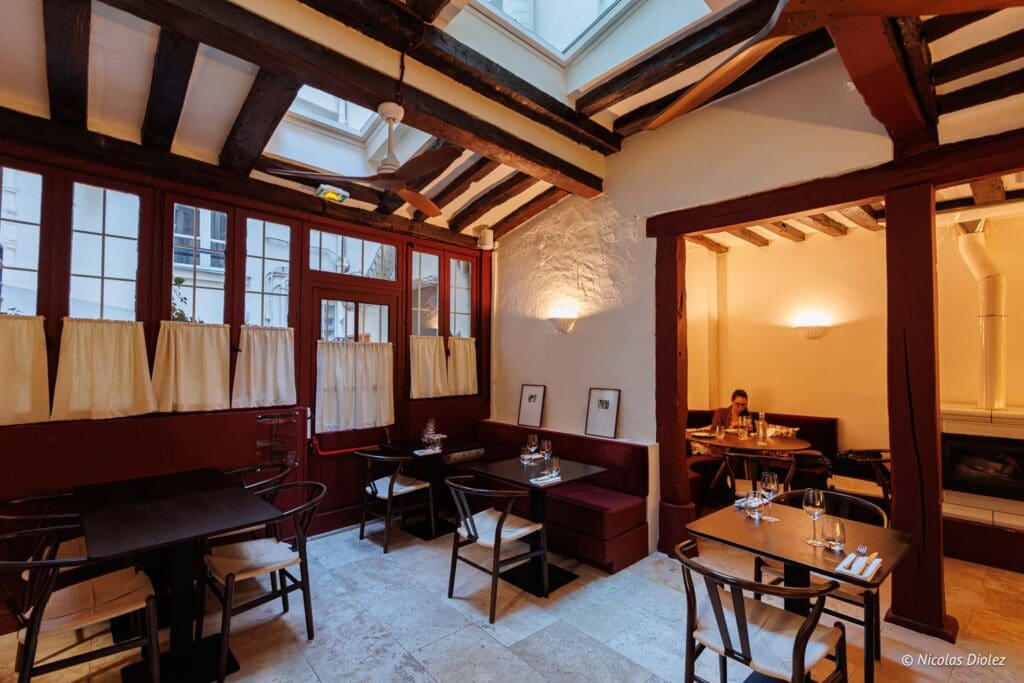
This restaurant located on Rue Quincampoix in the 3rd arrondissement of Paris is run by chef Piotr Korzen, who revisits Polish cuisine with flair. After 5 years working alongside Thierry Marx and a year heading the restaurant La Machine à Coudes in Boulogne-Billancourt, he opened his first restaurant, Matka, in May 2024. Among his best-sellers: borscht, pierogis (those famous Polish dumplings), stuffed cabbage rolls, as well as other seasonal creations.






Matka
78 rue Quincampoix 75003 Paris
Prices: 5-course chef’s tasting menu at 69€ (available every evening + Saturday & Sunday lunch, served for the whole table) / à la carte starters between 11€ and 14€ / main courses between 23€ and 30€ / desserts between 11€ and 14€
_
Thank you to the Polish Tourist Office in France, Pomorskie Travel and Pomorskie Prestige for this wonderful welcome in Poland. And thank you also to our guide Andrew from Omnibus Tourist for all his explanations.
I hope all this has made you want to visit Pomerania and Poland, and if you too have your own favorite addresses and tips for this destination, feel free to share them in the comments!
Photo credits: Nicolas Diolez and Melle Bon Plan
Photos are not royalty-free, photographer's permission required before any use