Haute-Marne is a department in the new Grand Est region, located between Champagne, Lorraine, and Burgundy (that’s quite a combination!). We had explored a bit of this territory with my favorite photographer 2 years ago, discovering the city of Langres and its surroundings. This year, we returned to visit the brand new Forest National Park (officially created in November 2019), which, for its Haute-Marne section, is located in the southwest of the department.
The park is located in the heart of both the Haute-Marne and the Côte-d’Or departments in Burgundy, spanning two regions. This territory, with its vast lowland deciduous forest massifs, was recently chosen to become France’s 11th national park. It is actually the largest national park in metropolitan France, with 241,089 hectares distributed across 71 municipalities in Côte-d’Or and 56 municipalities in Haute-Marne!


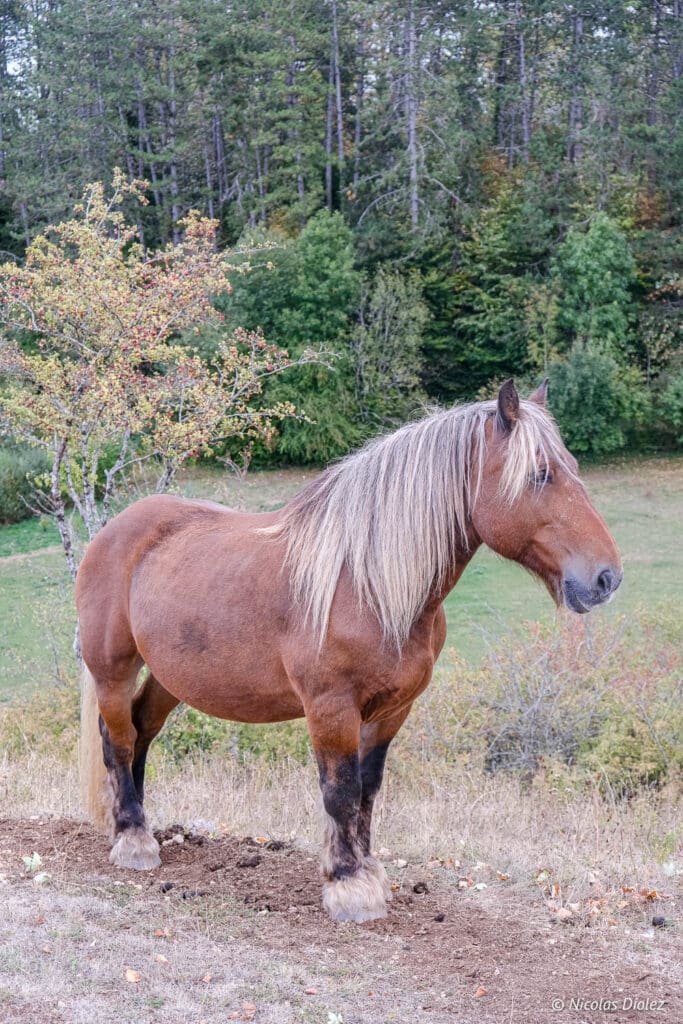


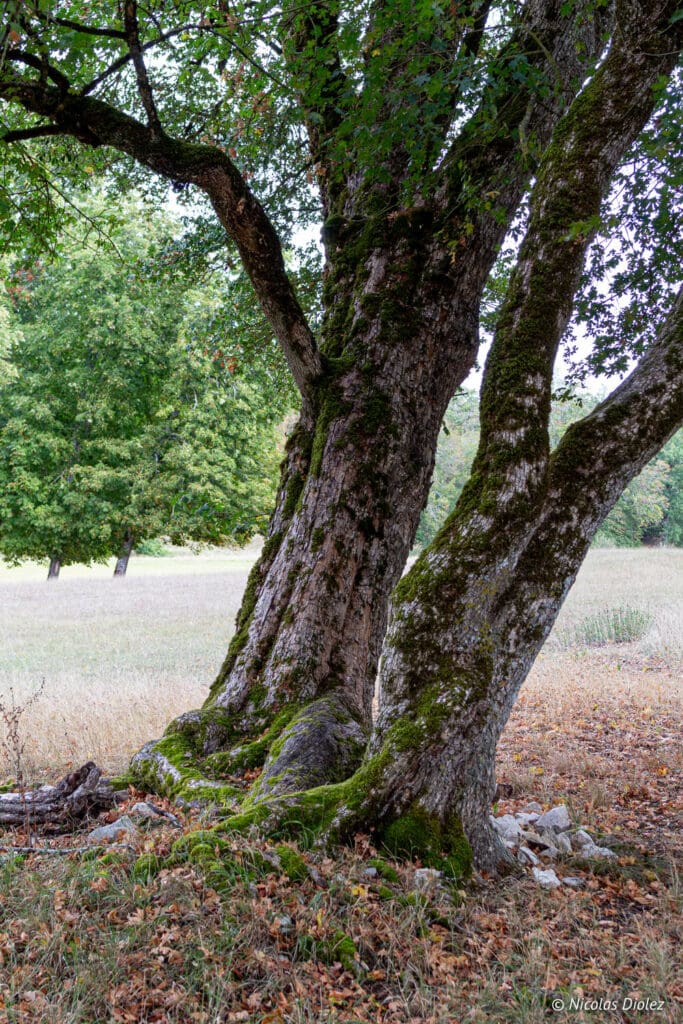

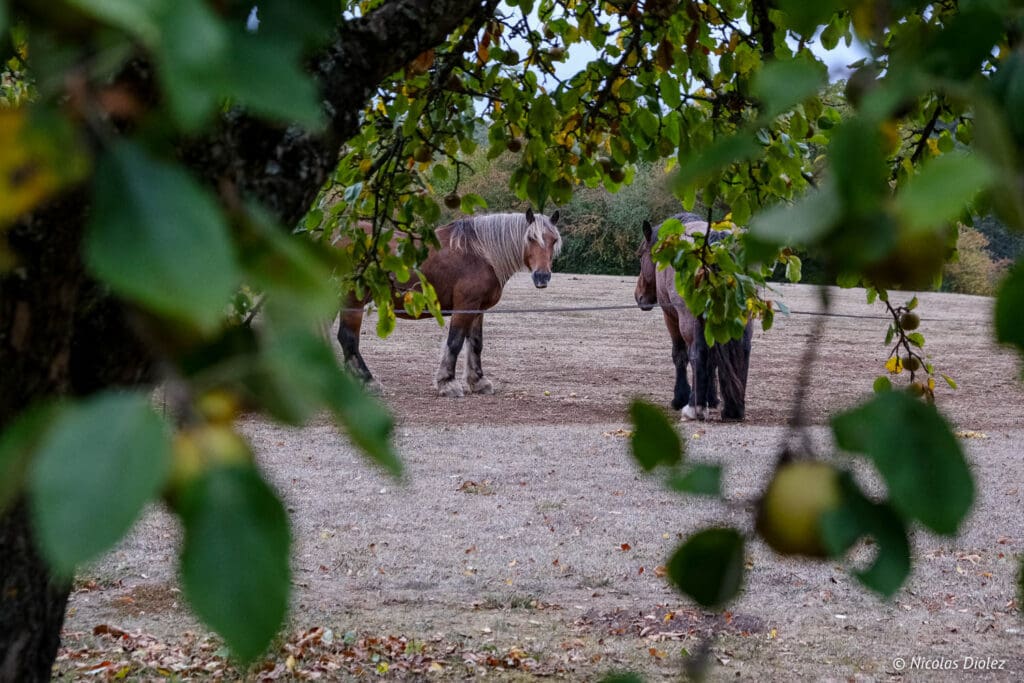
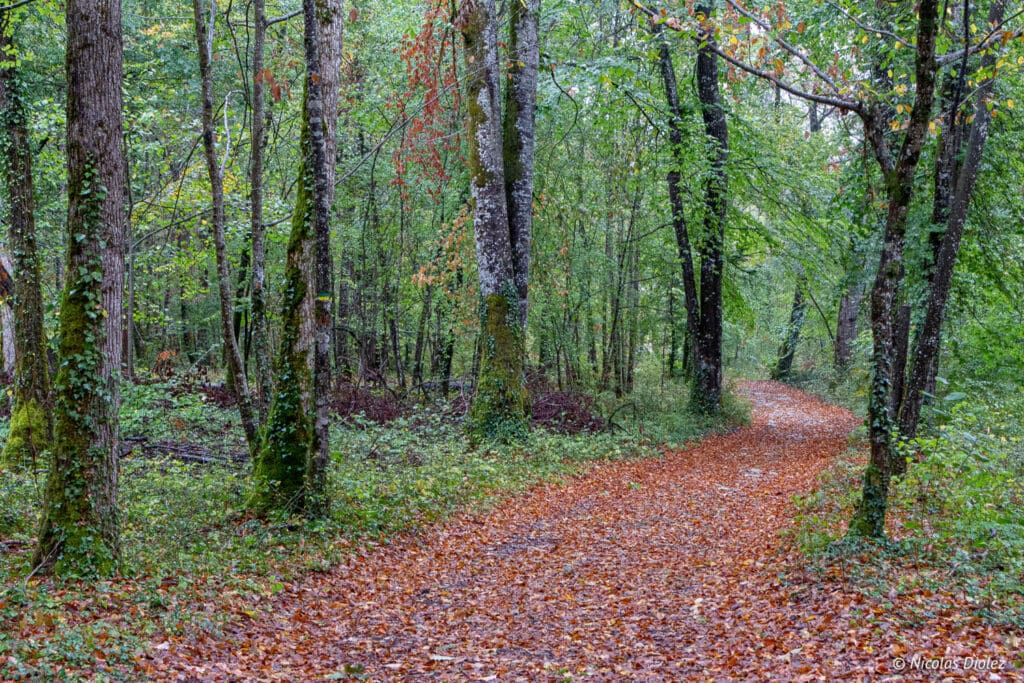
This rural territory (Haute-Marne is one of the greenest departments in France) is obviously rich in nature and sparsely populated. It is a land of tradition with a secluded feel but a very strong identity, where economic activities are closely linked to local resources, as we discovered through the few visits I’m telling you about below.
The best tourism tip in Haute-Marne: the Pass’Tourisme 52, a booklet to be stamped during your first visit in Haute-Marne, which then allows you to benefit from perks and discounts (it is available for free at partner sites, accommodations, tourist offices, and the Haute-Marne Departmental Tourism House).
Table of Contents
Things to visit in the Forest National Park, Haute-Marne
During our 3-day stay, we did a small road trip by car through this park and were thus able to discover its unique features and tourist attractions. I’ve included a small map below with our different stops and our route so you can easily locate the places we visited and tested.
Addresses
- Moulin de la Fleuristerie — 2 Chemin de la Fleuristerie, 52120 Orges, France
- Chateauvillain — 52120 Châteauvillain, France
- Faverolles — 52260 Faverolles, France
- Abbaye d’Auberive — Place de l'abbaye, 52160 Auberive, France
- Brasserie de Vauclair — 52210 Giey-sur-Aujon, France
- Muid Montsaugeonnais — 23 Avenue de Bourgogne, 52190 Vaux-Sous-Aubigny, France
- Fromagerie Germain — ZI Champ Miolin, 52190 Vaux-Sous-Aubigny, France
- Simone — Site Le Chameau, 4 Route de Châtillon, 52120 Châteauvillain, France
- Hôtel le Vauxois — 6 Rue de l'Église, 52190 Vaux-Sous-Aubigny, France
- Chambre d’hôtes La Cressonnière — 21 Rue de la Cressonnière, 52210 Leffonds, France
_
Le Moulin de la Fleuristerie
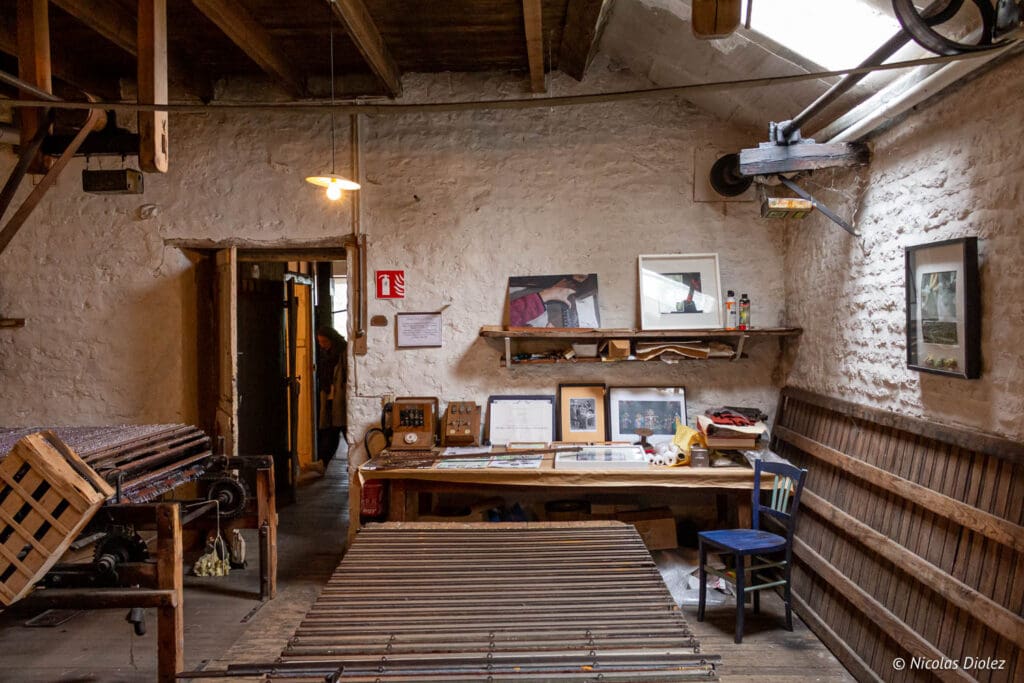
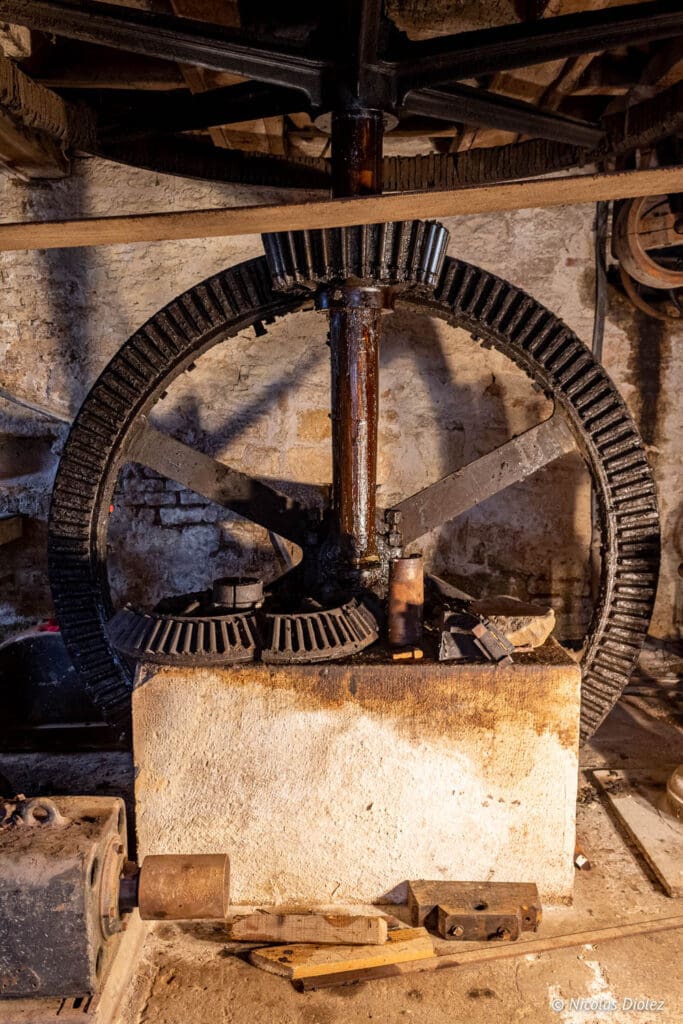
This place houses the last center in France for manufacturing accessories for Haute Couture and decoration. Since 2008, it has held the “Living Heritage Company” label for its unique expertise and products, as it is a beautiful showcase of the richness of French arts and crafts. The first written records of the Mill date back to 1264. Later, we know that until 1898, flour was still produced in the mill, up until the first energy relocation. After that, as the artificial flower industry was very flourishing at the beginning of the 20th century, a workshop was set up in the old mill. From 1903 on, flower parts were manufactured there.
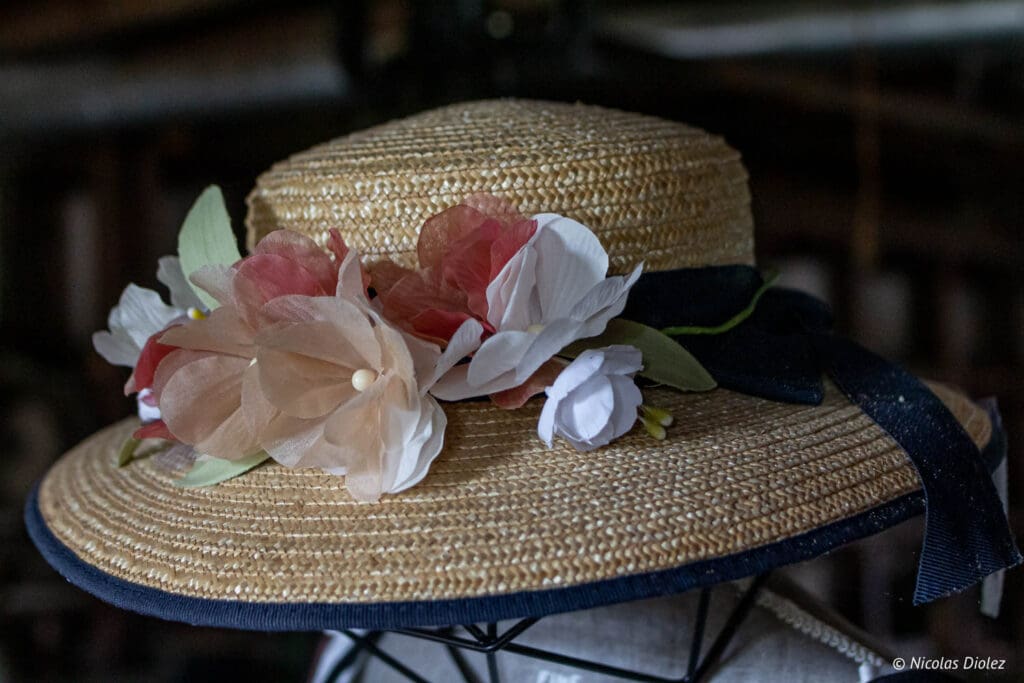
Little by little, with the introduction of industrial production for this type of accessory, the workshop declined. It was taken over in 1994 by the Geoffroys, a charming couple, and opened to the public in 1997. Today, the manufacture works solely on request from designers, using the ancestral tools of this trade (the machines from the late 19th century are still in use), which has almost disappeared. They are the only ones in France to still manually craft the centers of flowers, pistils, petals, leaves, and artificial fruits for fashion designers.


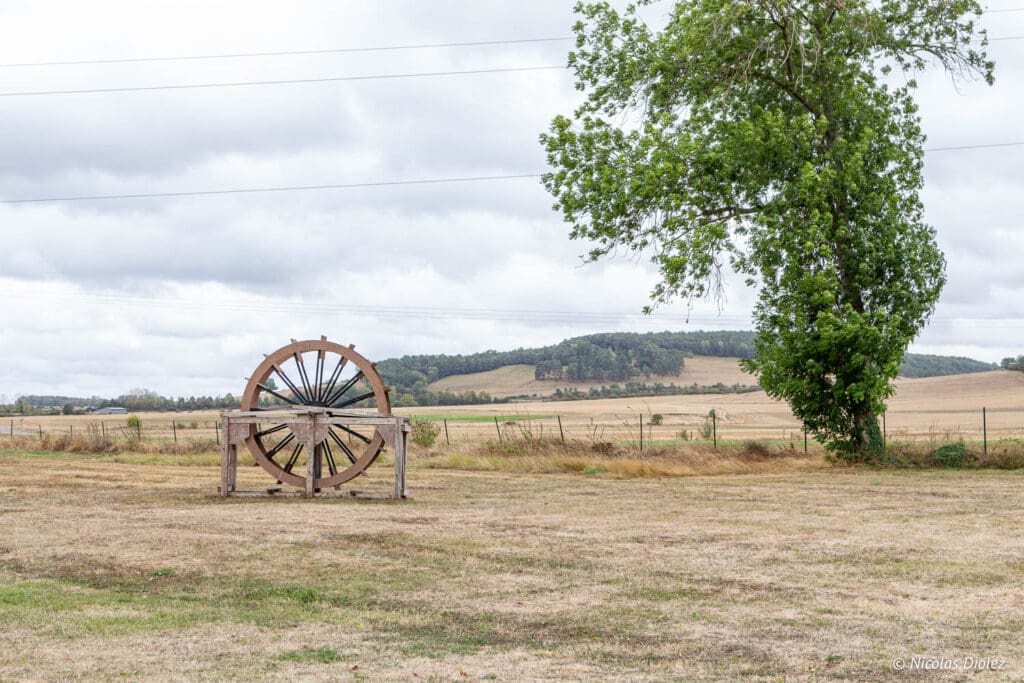
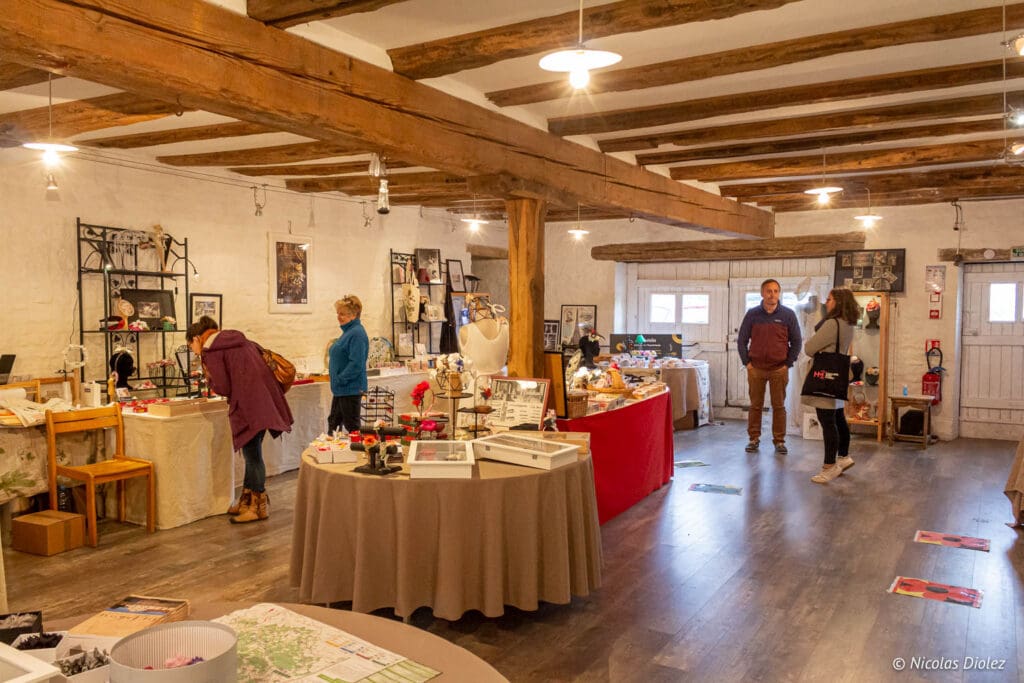
Nowadays, you can enter this living industrial heritage site and discover the world of this extraordinary place, which is a reflection of a rare craft. Guided tours are organized mainly in summer but also the rest of the year upon request. And then, we end the tour with the exhibition-shop area where one can walk away with souvenirs “made in Moulin de la Fleuristerie”.
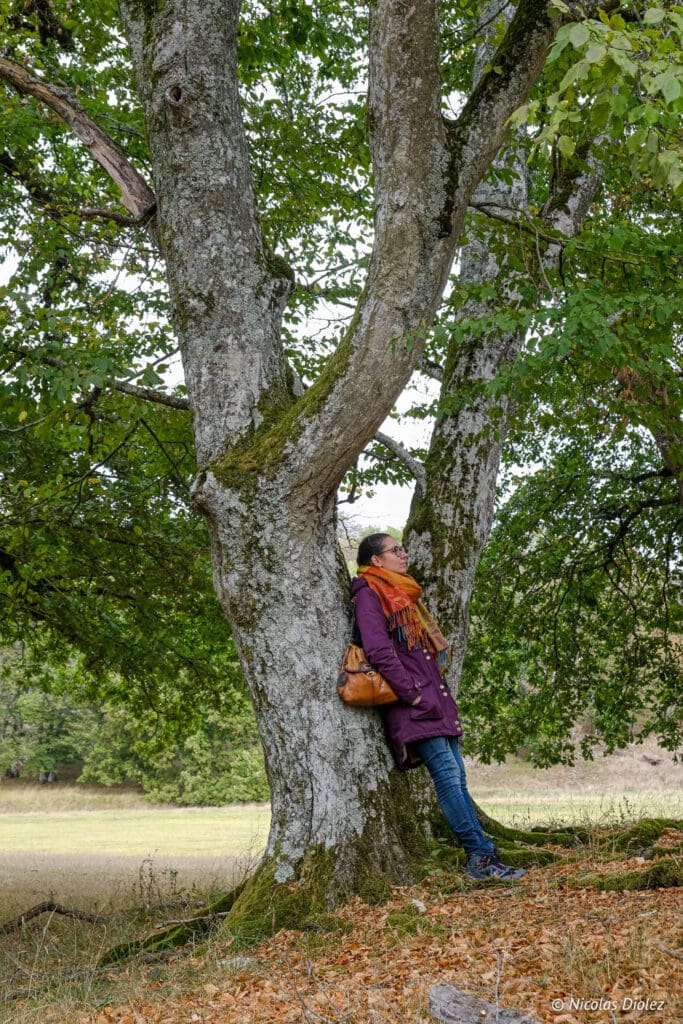
To slightly expand their business, since 2007, the owners have also been renting out a large hall of the Mill that hosts weddings and other events in the former coal hall. The venue also offers 3 gîtes and guest rooms for tourists (up to 14 people) and produces its own 110-volt electricity using its water wheel (part of which is even resold to EDF). Finally, we tested the Moulineautherapy with my favorite photographer, and we really enjoyed hugging the beams of the Mill (see the photo below if you want a good laugh!)!




Le Moulin de la Fleuristerie
2 Chemin de la Fleuristerie, 52120 Orges
Guided tours in July and August and the rest of the year upon request
Rates: €8 / €4 for children aged 6 to 12 / free for children under 6
Pass’Tourisme 52: €7 entry instead of €8 for adults
_
Visit to Chateauvillain
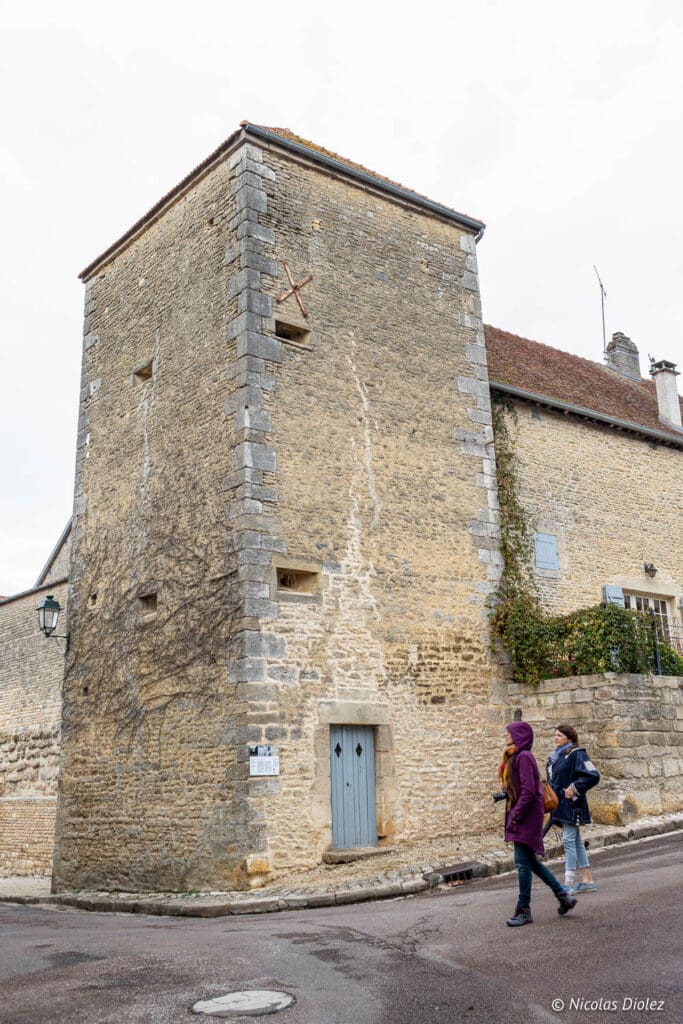
This former fortified city with the “Petites Cités de Caractères” label is truly worth the detour and a quick stop for its numerous medieval ruins. Its history is etched into its ramparts dating back to the 12th and 14th centuries, encircling the city with its 60 towers (really!) and its machicolations. The small town, nestled in a bend of the Aujon river, lacks no charm, and a short stroll through its labyrinthine streets is very pleasant.
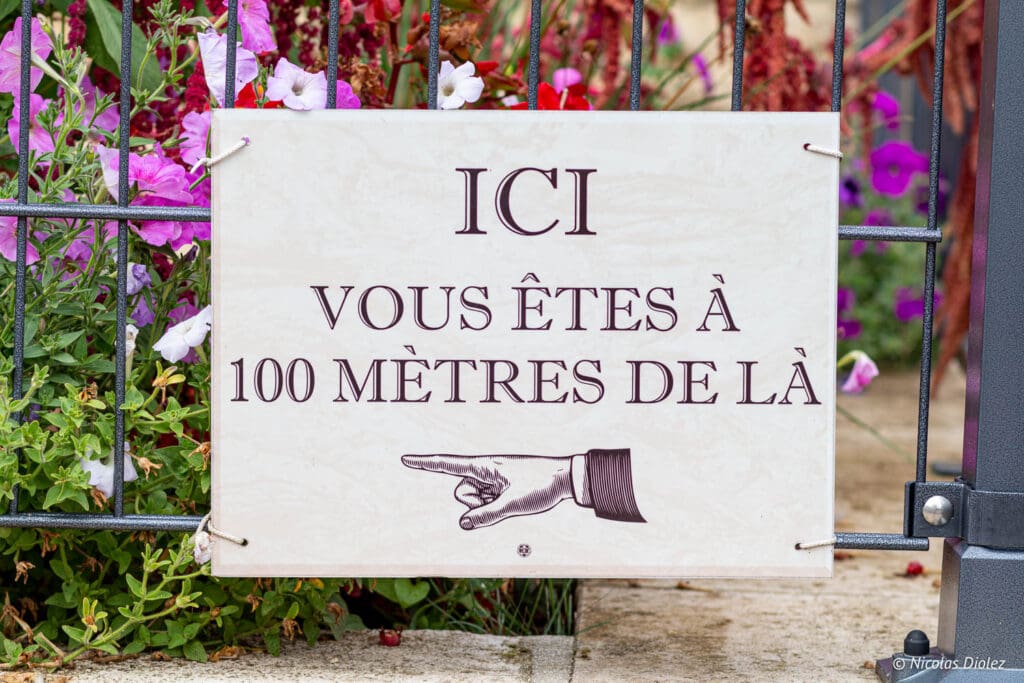
You can also see some signs with funny slogans in the city and a bit of street art if you are attentive! Finally, regarding history, you should know that Chateauvillain was also a vacation spot for Simone de Beauvoir during her adolescence, and she mentions it in “Memoirs of a Dutiful Daughter”.




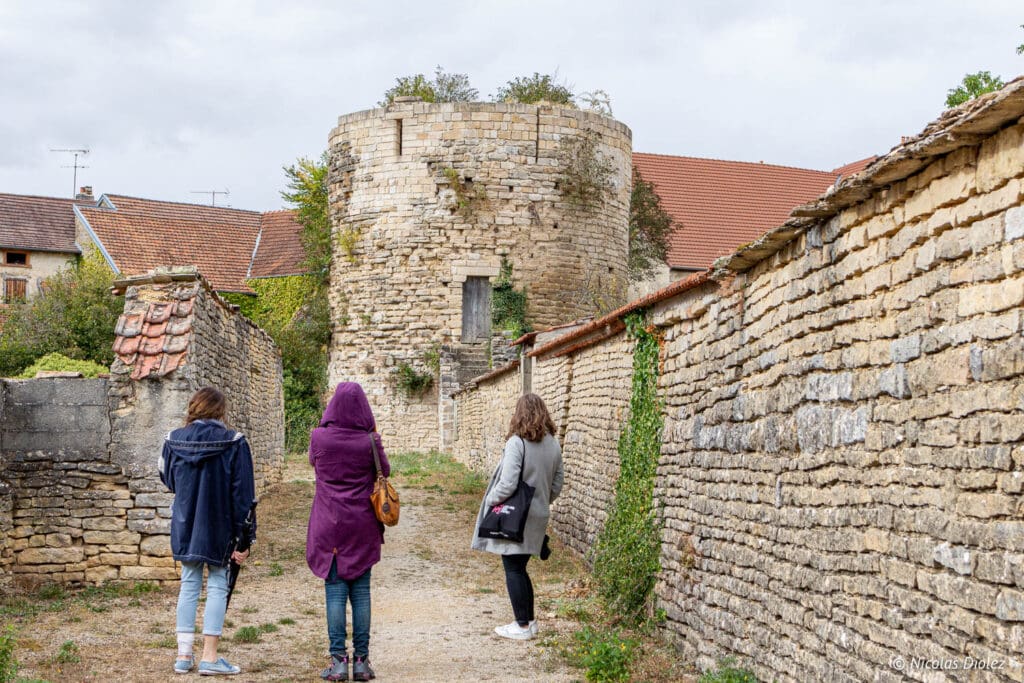
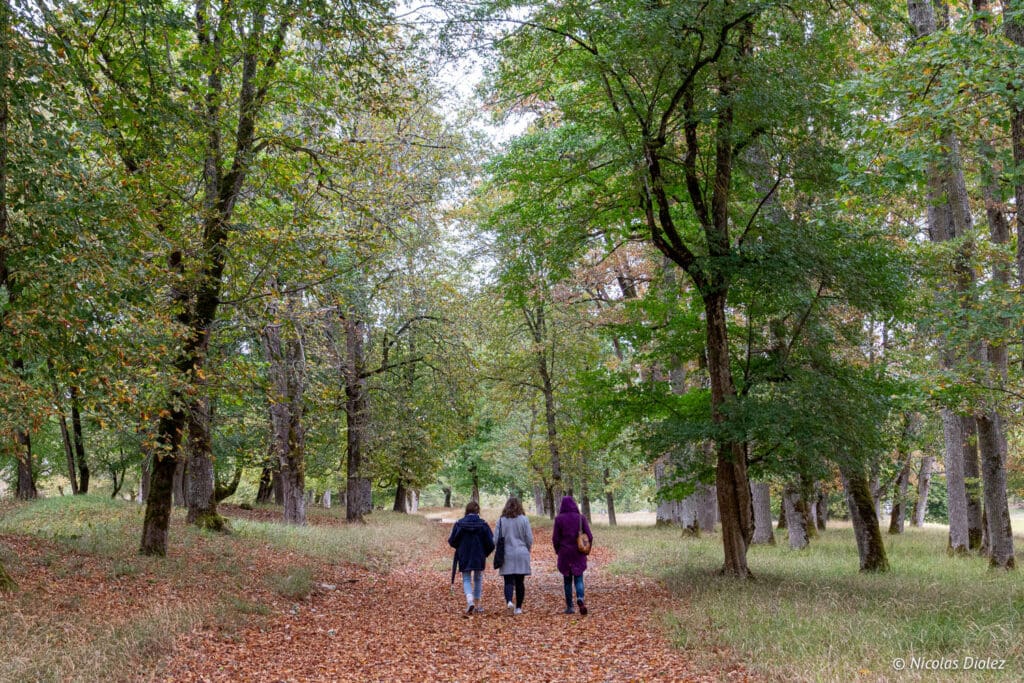
During your visit, don’t hesitate to take a stroll in the Deer Park. In the heart of this 272-hectare area, around a hundred deer have been roaming freely since their arrival in France in the 18th century, following a gift from a Japanese queen (based on what I was told). The park was built in 1655 by François-Marie, son of the Duke of Vitry, Nicolas de l’Hôpital, and lord of Châteauvillain, to house his hunting grounds. You enter the park through the Porte Madame, one of the three gates of the city in the Middle Ages (entry into the deer park is free, but feel free to check the park’s opening hours before heading there).
Also to see: the Auditoire Tower (which still hosts temporary exhibitions today), the old castle of Simon de Broye dating back to the late 12th century (which was originally an octagonal dungeon); it was not destroyed during the Revolution but dismantled by local residents in the 19th century; the floating-floor washhouse; the dovecote featured in Diderot’s Encyclopedia and described as one of the largest in France at the time, with 3,000 nesting holes and 12,000 pigeons.






_
Faverolles Museum and Archaeological Site
If you have been following this blog for a while, you know how sensitive (a euphemism) I am to archaeological subjects. So, obviously, if during a stay I can discover a site or a museum around this theme, I am often fulfilled! So, what a joy it was to discover the existence of the Faverolles Mausoleum, which, unfortunately (shame on me), I had never heard of. This Gallo-Roman mausoleum, which dates back to 50 AD, was discovered in 1980 while searching for the Roman road. There is still an archaeologist working on the site today. It was likely 25 meters high and 7 meters wide, making it the largest known mausoleum in northern France.
It was certainly built for a high-ranking Lingon (named after the Lingones, the local population during the Celtic period), on the edge of his rural estate. The decoration of its three-level Corinthian-style mausoleum was extremely rich with theater masks on the 2nd floor and a top floor in Tholos (circular part). This tomb was ostensibly positioned in a dominant position relative to the Roman road that went from Langres to the Blaise valley, in order to show everyone the important social position of this personage.


It was unfortunately destroyed in the Middle Ages and a number of its large-block stones were reused in later constructions. However, the archaeological site has yielded enough fragments to allow for a reconstruction in elevation quite close to its antique appearance. The small museum, which presents a portion of the excavations and a large model reconstructing the building, is managed by an association of enthusiasts, SEGUSIA. It is an opportunity to discover some of the remains of the building’s funerary sculpture.
You can also supplement your visit to the museum with a short walk of about a good hour, along the 2km discovery trail around the site itself in the heart of the forest. This path allows you to grasp the remains of the tomb in their archaeological and geological environment. Plus, there are explanatory panels throughout the route that let you learn a little more. And it’s also a chance to go for a pleasant little walk in the forest if it’s not raining cats and dogs, like it was for us that day, unfortunately…


Musée du Mausolée de Faverolles
open between June and September
Rates: €3.50 / €3 / free for children under 16
Pass’Tourisme 52: one free entry for one paid entry
_
Faverolles Archaeological Site
free access 24/7
SEGUSIA activities with children on the mausoleum site every Wednesday in July and August (price €4)
_
Auberive Abbey
I didn’t go this time, but we had visited this Cistercian abbey with my favorite photographer during our stay in Langres, and it is also located in the Forest National Park. To learn more, don’t hesitate to check the paragraph where I talk about this place in my article about Langres.
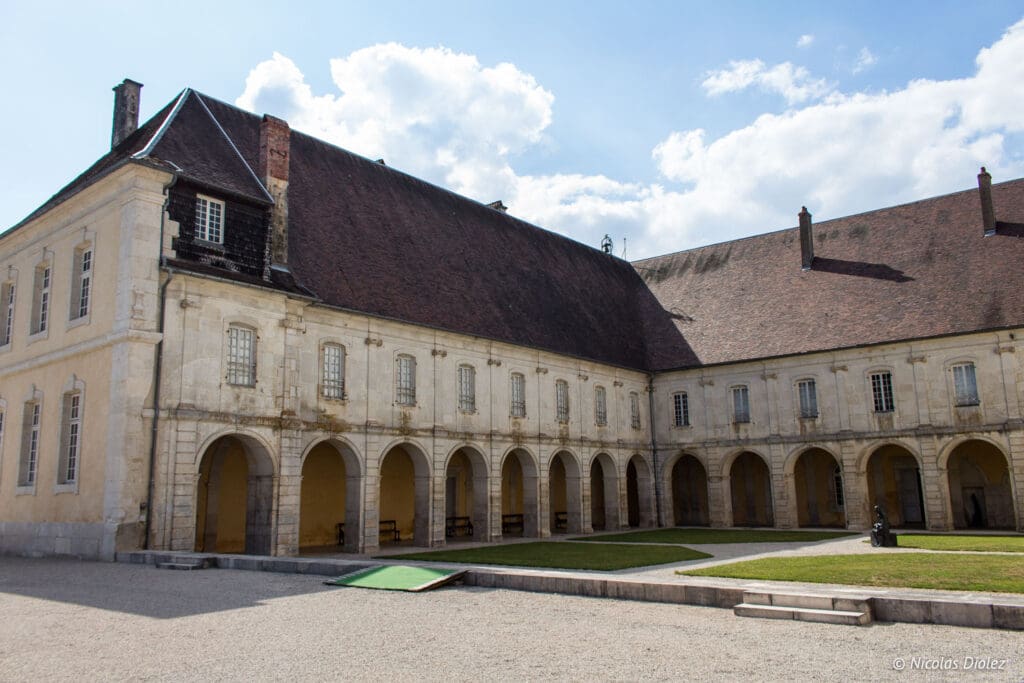


Auberive Abbey
1 place de l’Abbaye 52160 Auberive
Discovering local products of Haute-Marne
One of the highlights of the region is certainly its beautiful range of gourmet local products to discover. And you know, of course, that this is a subject I particularly enjoy! There is indeed no shortage of good products in Haute-Marne, and depending on the time of year you go, you can discover different things. For our part, we were there during the truffle season; unfortunately, 2020 was not a very good year for this fungus, which grows naturally in the limestone soils of the Langres, Chaumont, and Joinville regions… Too bad, that will give us a good reason to come back!
During our stay, we also discovered the Idéal chaumontais (photo below), a cake that is apparently one of the specialties of the city of Chaumont (where we have never been, by the way).


_
The Vauclair Brewery
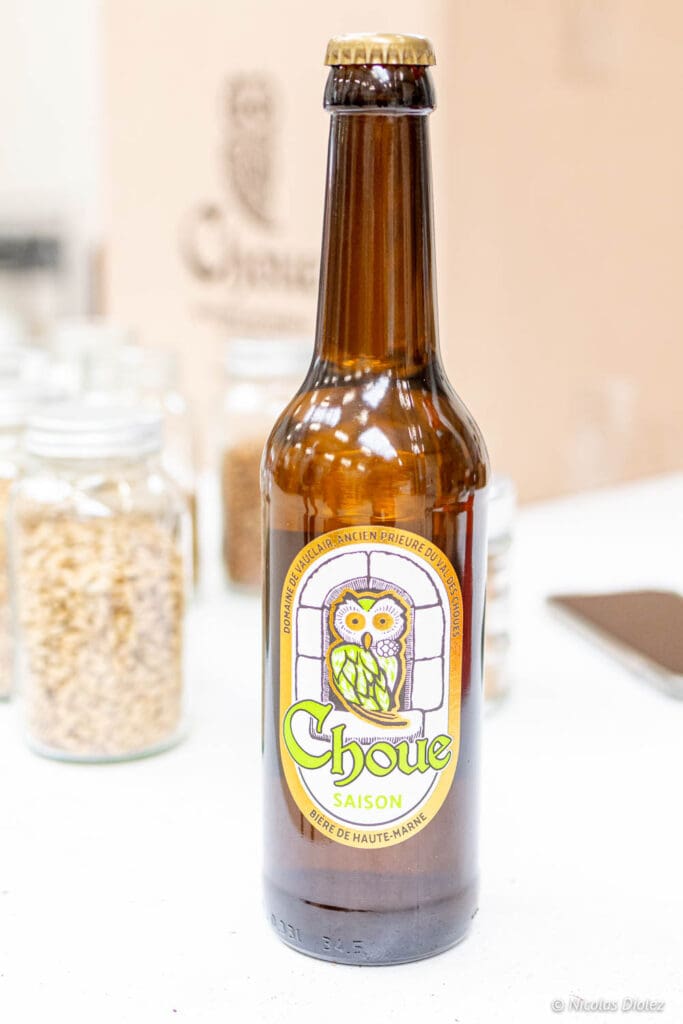
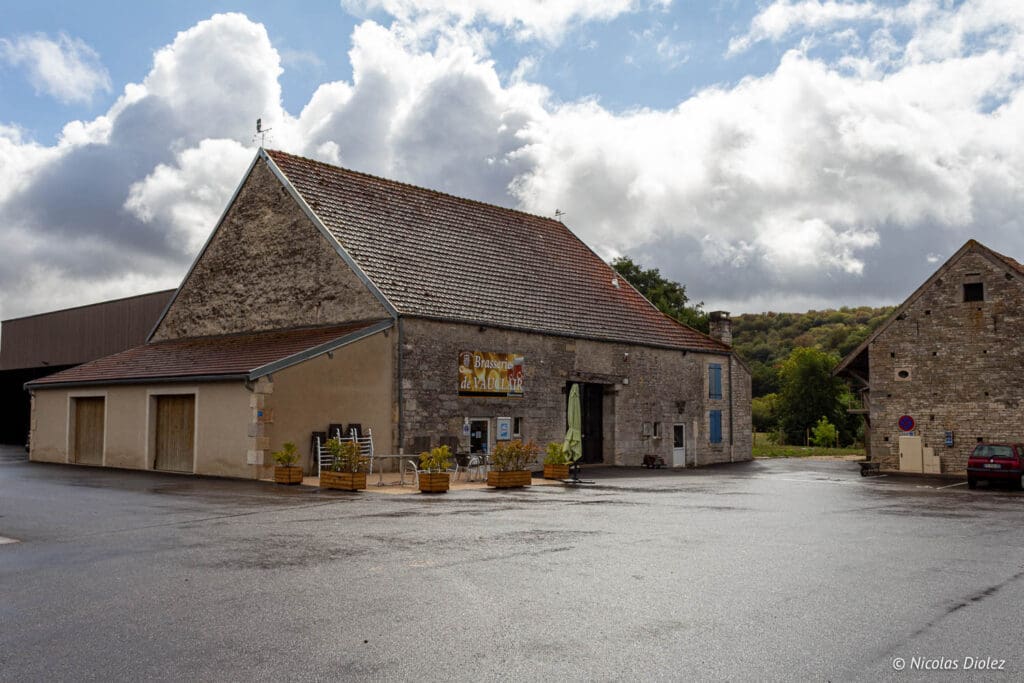
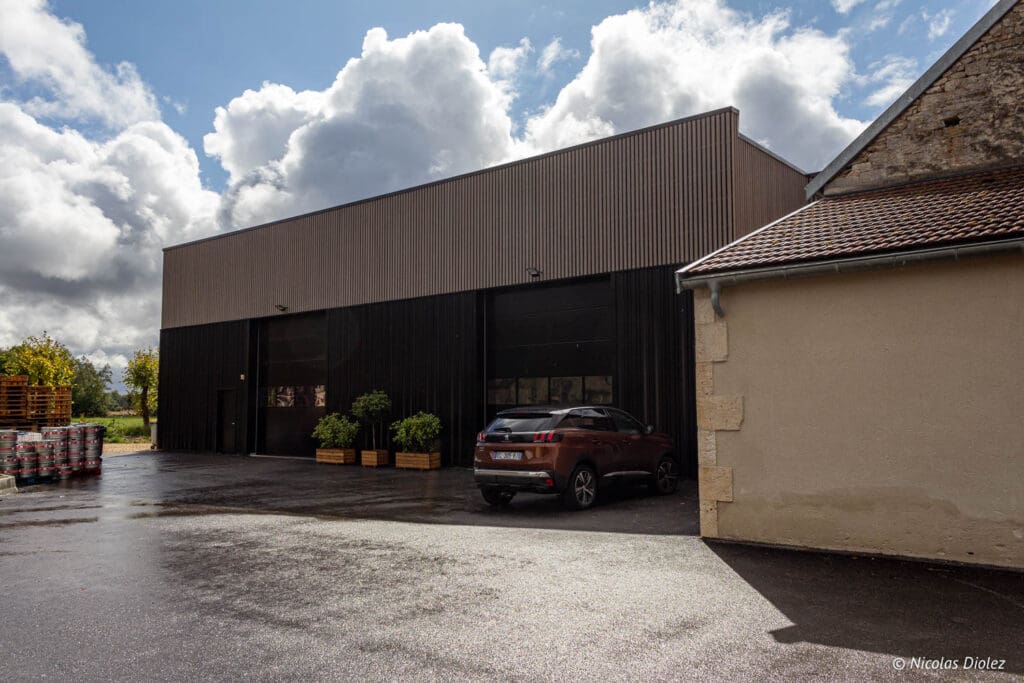
The Vauclair Brewery has existed since 2000 and counts among the first wave of the renaissance of craft breweries in France! It is also the most important brewery in Haute-Marne, which has 6 breweries in total today in the department. It is installed in the old barn of the Vauclair priory (now disappeared) of the Val des Choues order, in the heart of the Arc-en-Barrois Forest.
As for news, we learned during our visit there that it will soon also start the production of whisky (probably in 2021). Indeed, for the production of its beer, the Brewery uses very pure spring water, which was tapped as early as the 16th century by the Vauclair priory. This was one of the reasons for the monastery’s establishment on this site and was also one of the attractions for setting up the Brewery there. And this spring water will also allow for the making of quality whisky because it is one of the essential ingredients of this alcohol (to learn more, you can check my article about Scotland).
For a craft brewery, it has a significant production since it brews approximately 4,000 hectoliters per year. Out of that, 75% of the brewery’s sales are made in bottles (especially 75cl) and only 25% in kegs, which is quite unusual for a brewery from what we have understood.

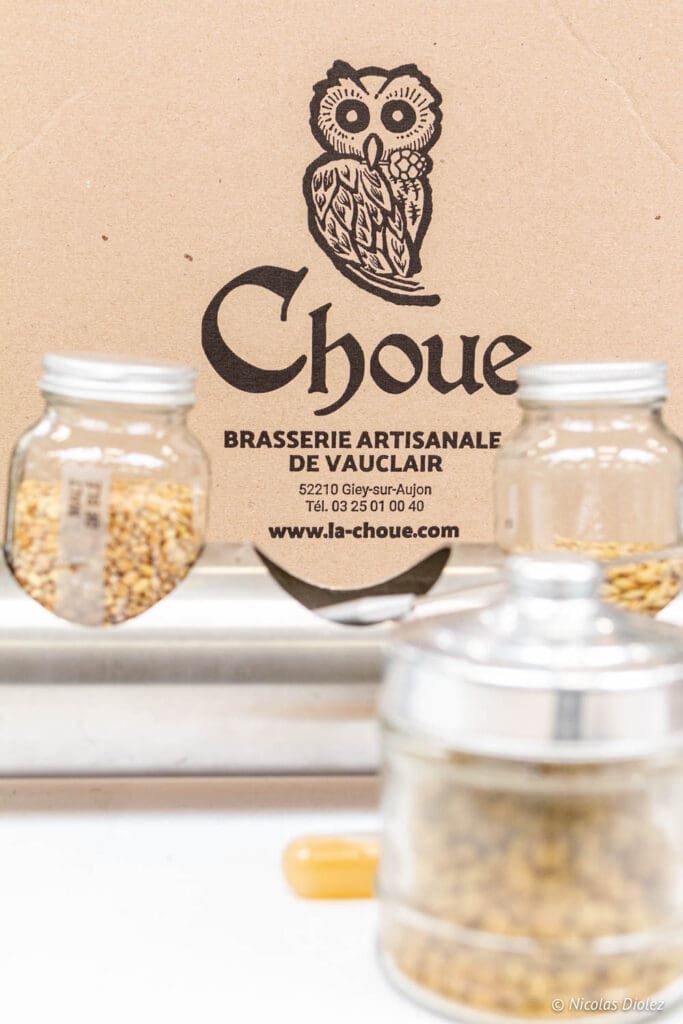


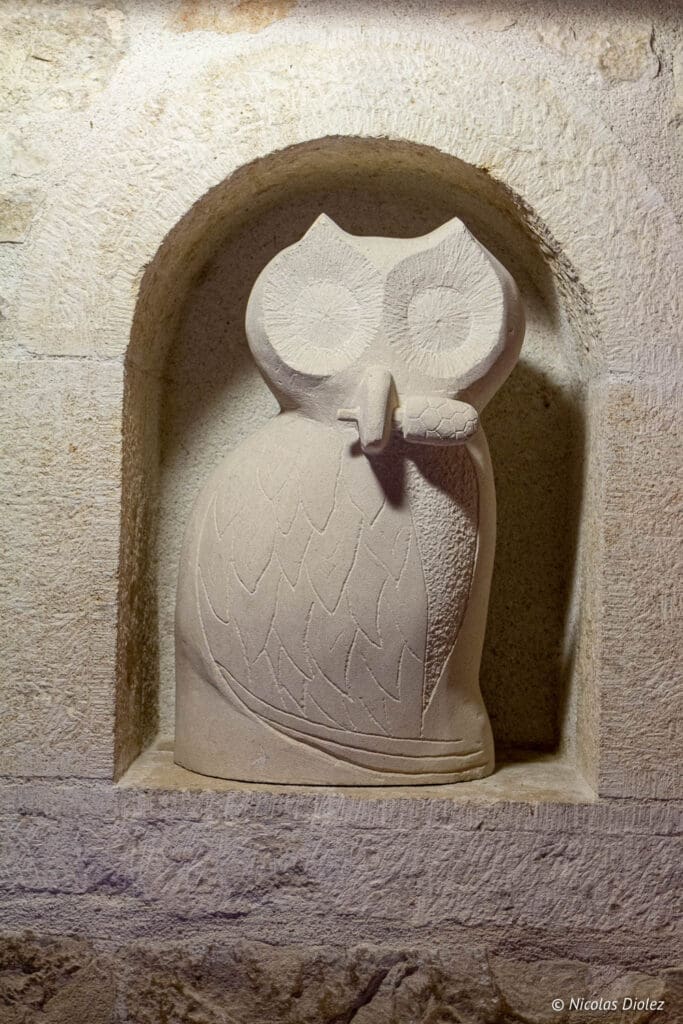
During our visit, we had the chance to take a full guided tour of the brewery with the owner (and master brewer) Anthony. We even got a little course on the beer manufacturing process, which fascinated us and during which we discovered the 4 major stages of making the beer here, la Choue (in local dialect, “choué” refers to an owl, hence the Brewery’s logo)!
A little tip to remember, here are the 4 main ingredients of beer: water; yeast; barley; hops. We also learned that the difference in the colors of the beers comes from the type of malt used for brewing and its roasting. The Vauclair Brewery works with 10 different types of malts and produces top-fermented beers. Another fun fact: hops (a super important ingredient in beer) are part of the cannabis family and its flowers are harvested in autumn. The brewery needs about 600kg of hops per year to make its beers! Finally, the Brewery also does its own cultivation of yeast because that is really what gives the beer its signature.
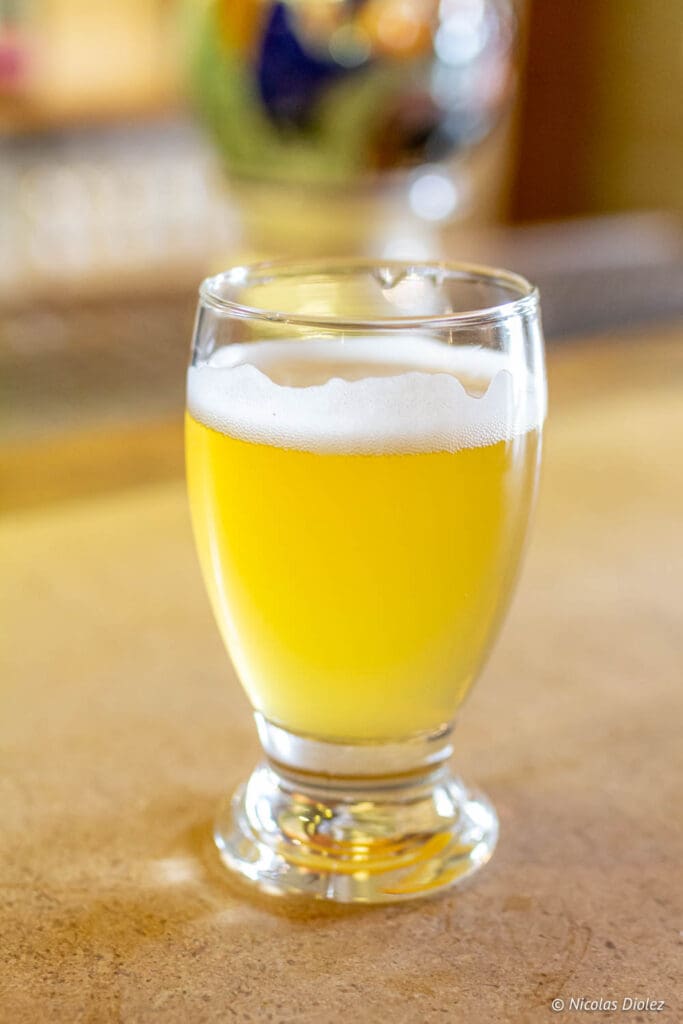
What’s fun is that in Haute-Marne you will see Choue at almost every table; it is truly the iconic beer of the department! There are 8 different varieties (White; Blonde; Amber; Brown, Triple; Special; Saison; Christmas), of which 3 recipes are limited editions produced according to the seasons.
The little eco-friendly gesture that feels good: the malt spent grains (residue from cereal brewing) are given for free by the Brewery to local farmers who reuse them for various purposes.



52210 Giey-sur-Aujon
Guided tours by appointment
_
Le Muid Montsaugeonnais, wine cellar
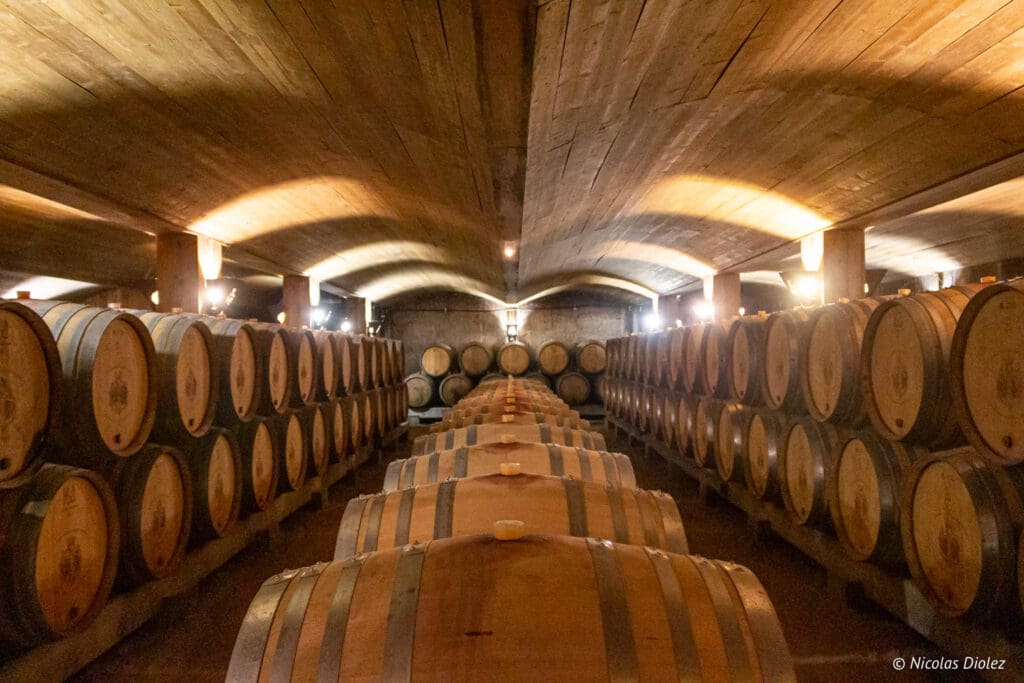
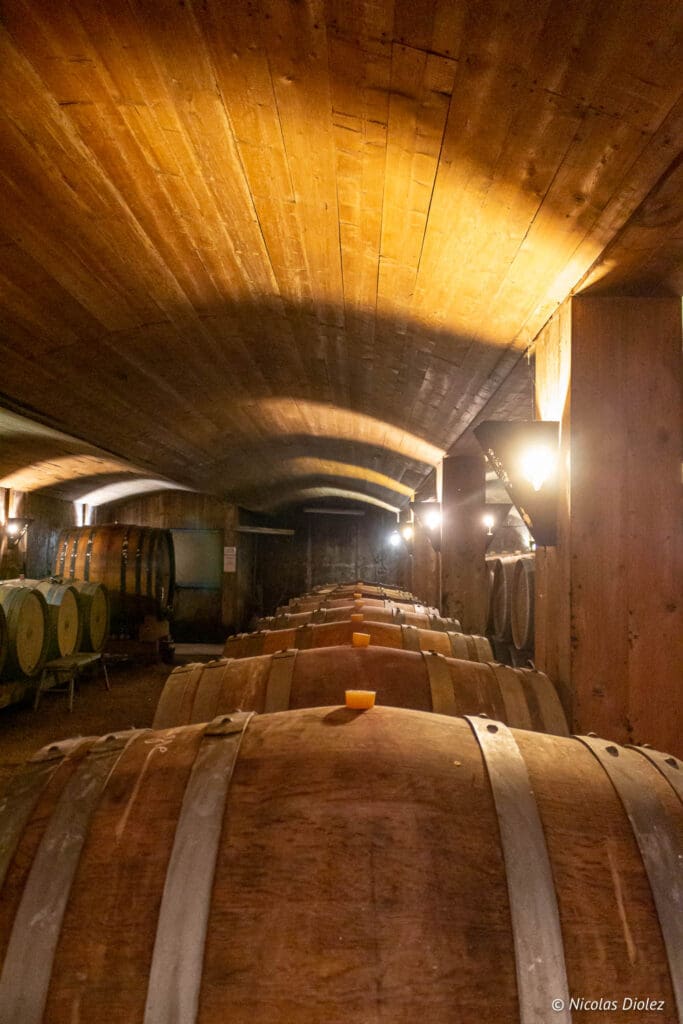
This cellar located between Champagne and Burgundy, in the heart of the Montsaugeonnais vineyard, perpetuates the wine tradition of the region by producing and selling wines from the Haute-Marne region. Indeed, there is a very important winegrowing past in the area that was revived in 1988, after having somewhat disappeared. For information (and because I asked myself the question), the name “Mui” or “Muid” is the name of a large cask or barrel that was formerly used to contain wine. Today, the estate employs 4 employees, cultivates the vines (mid-height on clay-limestone soil) across 4 sites for a total of 14 hectares, and produces about 120,000 bottles per year, which are sold solely directly at the cellar or via delivery.


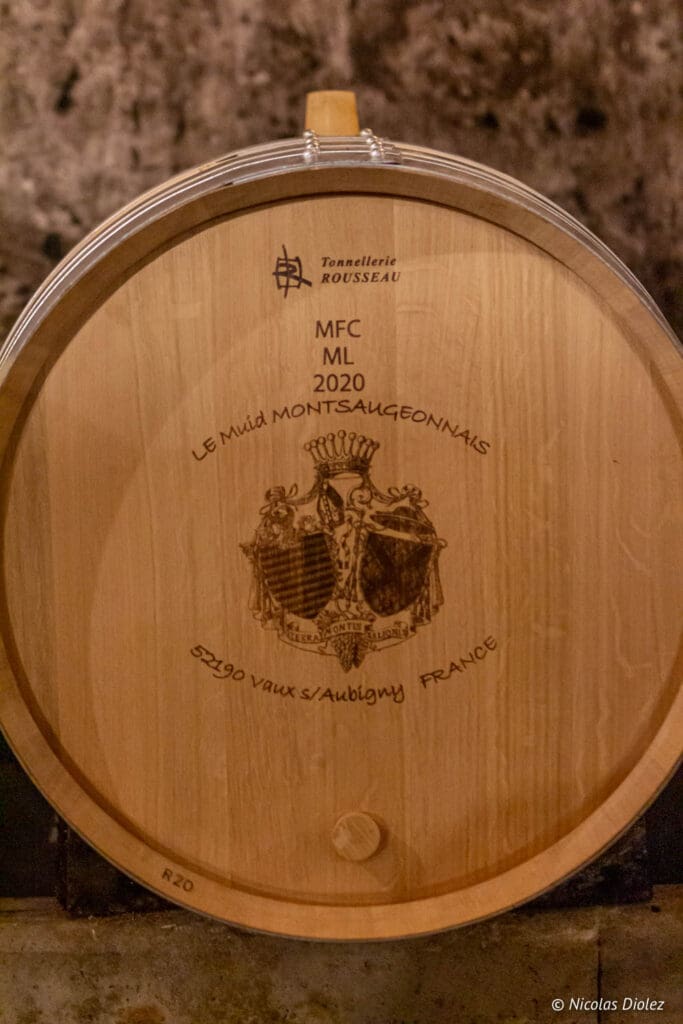
As for grape varieties, here we mainly have Chardonnay for white wines and Pinot noir for red wines (like in Burgundy, you’ll note!) and a little Auxerrois as well. The estate produces just as much red wine as white wine and, an important point to note, it is in its first year of conversion to organic!
Since it is red grapes with white juice that are used to make red wines, maceration of the grapes is essential. Aging in oak barrels is done only for Pinot noir and Chardonnay, and the vineyard’s wines have been awarded medals several times in competitions and selected by the Hachette Wine Guides.
To taste / and to take back: homemade ratafia (€10 per bottle); Chardonnay aged in 2018 barrels (€8.90 per bottle); traditional method sparkling wine blanc de blanc or blanc de noir (€8.20 per bottle); grape juice from the harvest (€3.20 per liter).


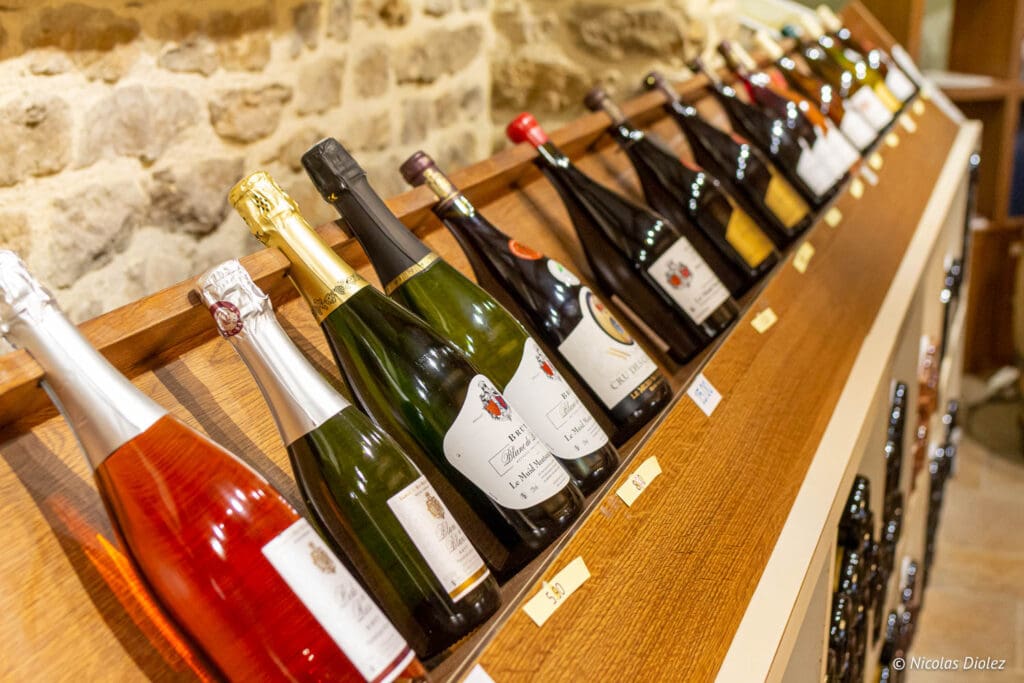
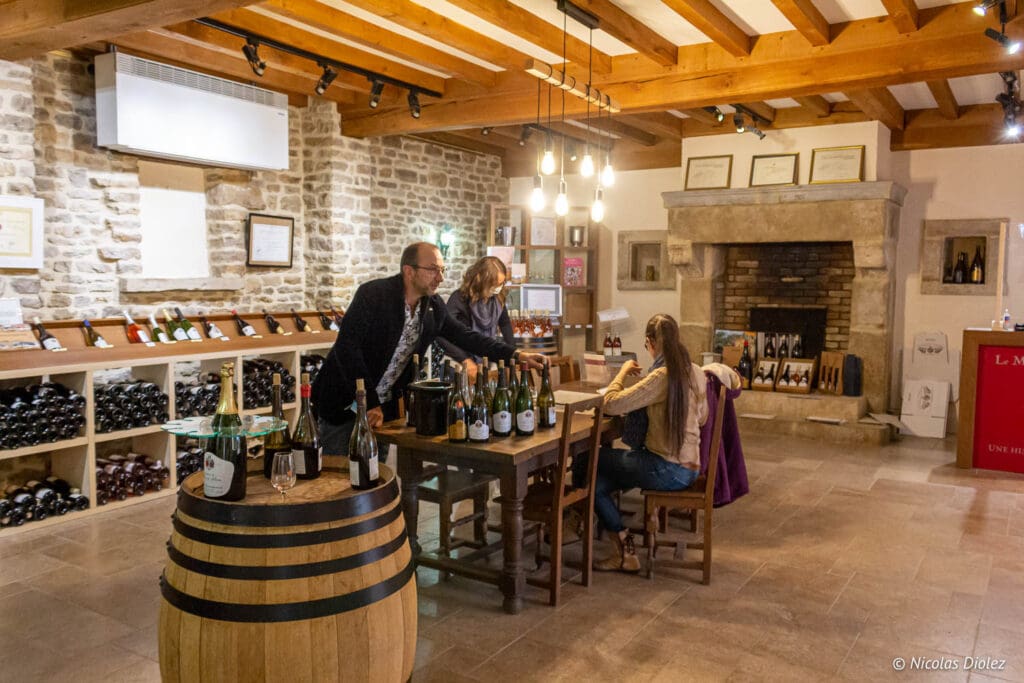
23, avenue de Bourgogne 52 190 Vaux-sous-Aubigny
cellar open Wednesdays, Fridays, and Saturdays
_
The Germain Cheese Dairy
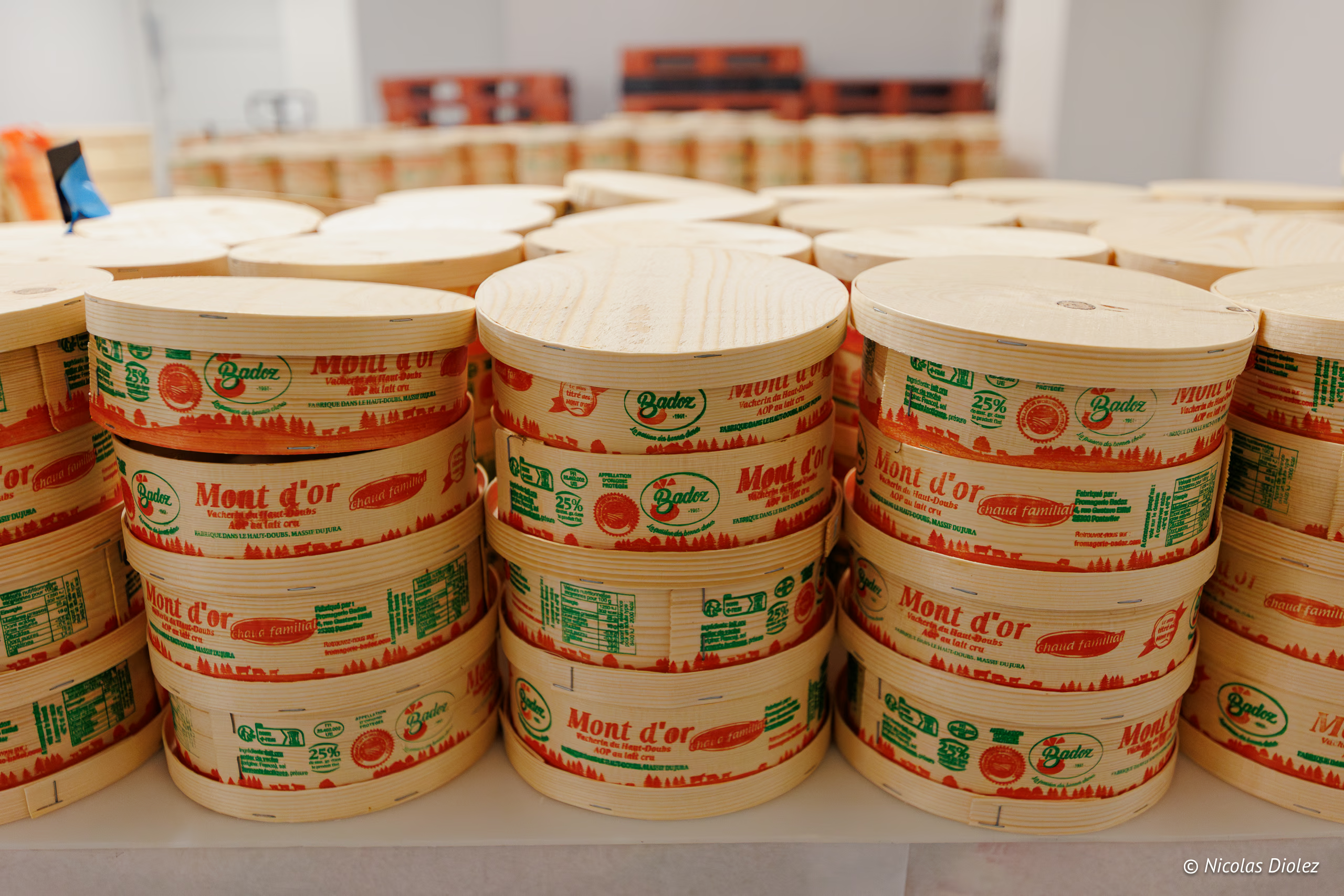
This family cheese dairy, which has existed since 1921, works with 25 milk producers in the region and specializes in the production of local AOP cheeses, Epoisses and Langres. There are 3 suppliers for Langres cheese and 4 suppliers for Epoisses, which is ultimately quite few. The tradition of Langres and Epoisses dates back to writings from the 18th century.
Langres is truly an iconic cheese of Haute-Marne and we discovered it with pleasure during our stay in Langres two years ago. It is a soft-ripened, washed-rind cheese made from cow’s milk, with a little natural coloring that gives it its color and with its characteristic basin on top (whose legends about its origin are quite varied). Its Burgundian cousin, Epoisses, is the same type of cheese but with a longer aging process, which results in a softer product. It is also always aged in Burgundy marc.


Of course, the cheese dairy, which employs about 70 people, also offers many other cheeses (such as Triple Cream which has non-washed lactic curd, 75% fat, or even Roussin which is aged very slowly in Chablis) and local products in its shop. Finally, the cheese dairy also has an educational trail (accessible for free) with a visit corridor and a video, which allows you to learn more about the history of the cheese dairy but also about the manufacturing of the different local cheeses. And a little extra, the place also offers a cheese bar where you can taste Germain cheeses right on site.
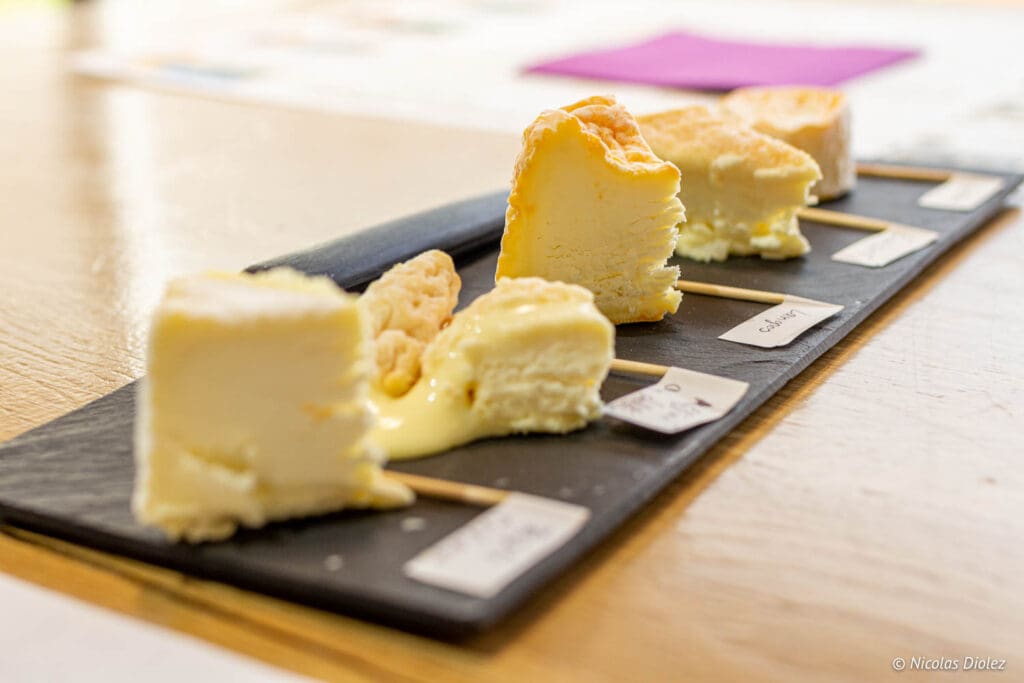


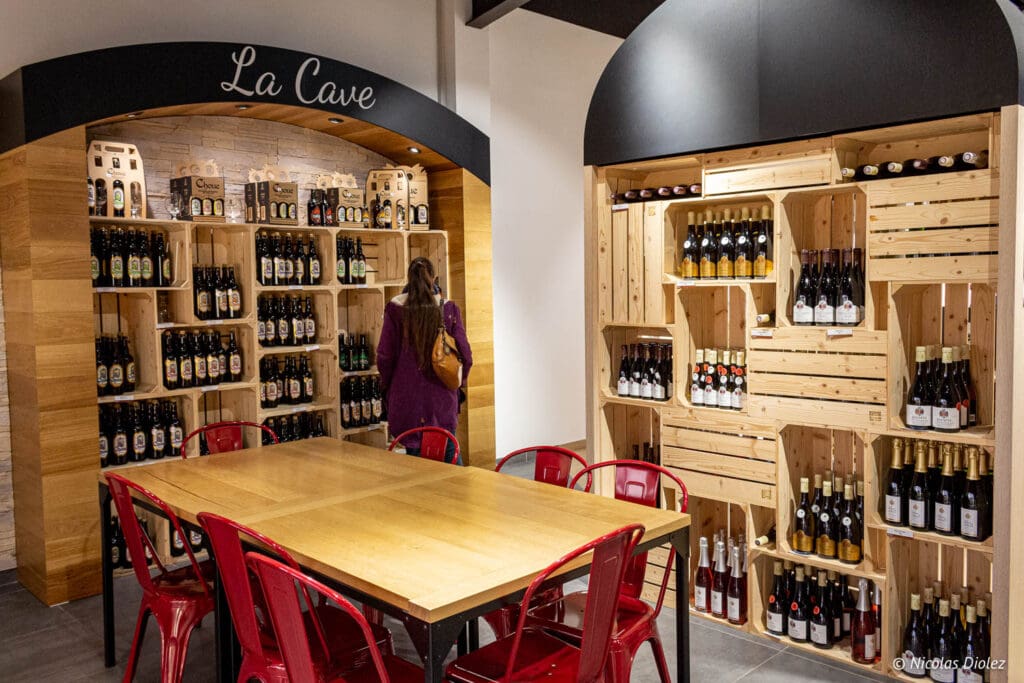
ZAE Champ Miolin Vaux-sous-Aubigny – 52190 Le Montsaugeonnais
Cheese tasting plate discovery for €4.50
My recommendations in the Forest National Park, Haute-Marne
As usual, you will find below my selection of recommendations in the Forest National Park in Haute-Marne (accommodations and restaurants) that we had the opportunity to test during our stay with my favorite photographer. These addresses often offer the chance to discover the local products I mentioned in the previous chapter.
_
Simone, artistic training camp
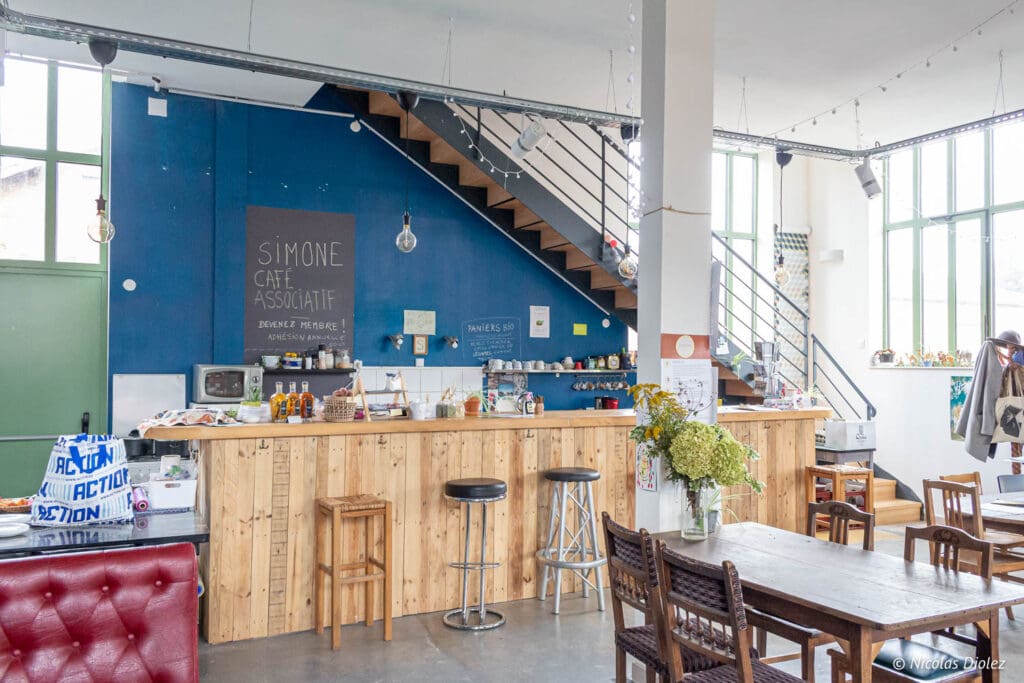
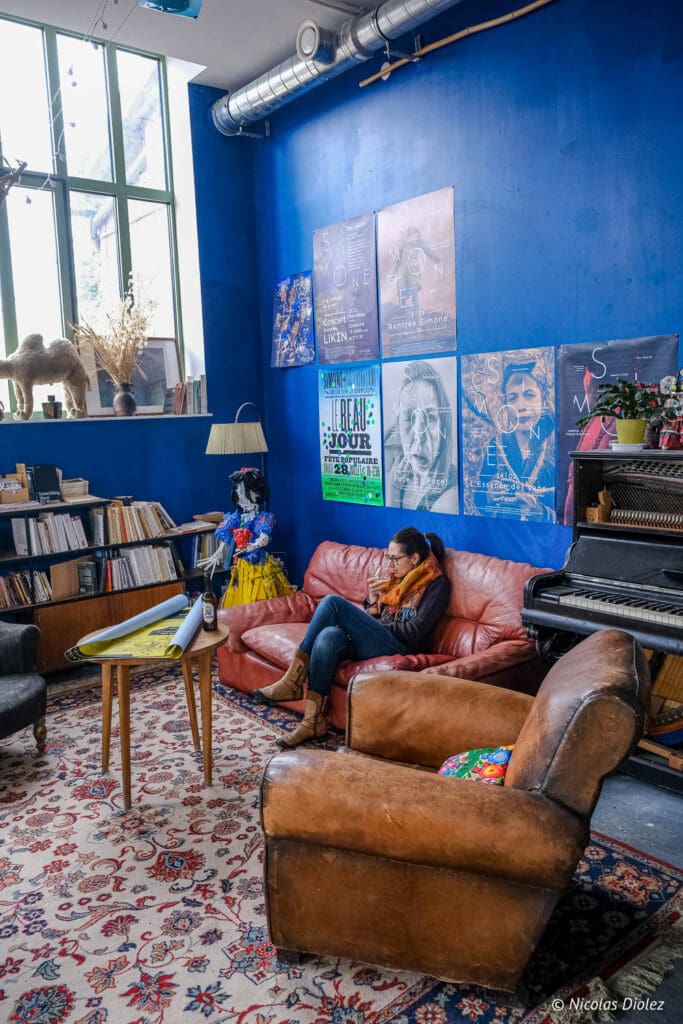
I really had a crush on this extraordinary “hybrid” place set up in Chateauvillain (which I mentioned earlier) on the former Le Chameau site (a factory that manufactured boots until 2010), later bought by the Chateauvillain community of municipalities. Today, there are several businesses housed on the site, including Simone, which has obtained the “Fabrique de territoire” label. Simone is a third place that has existed since 2015. It is an artistic training camp that blends artistic practices, a theater company, an associative café, markets with local product sales, organic basket drop-offs, digital assistance services (free), yoga classes, brunch, workshops, artist residencies…


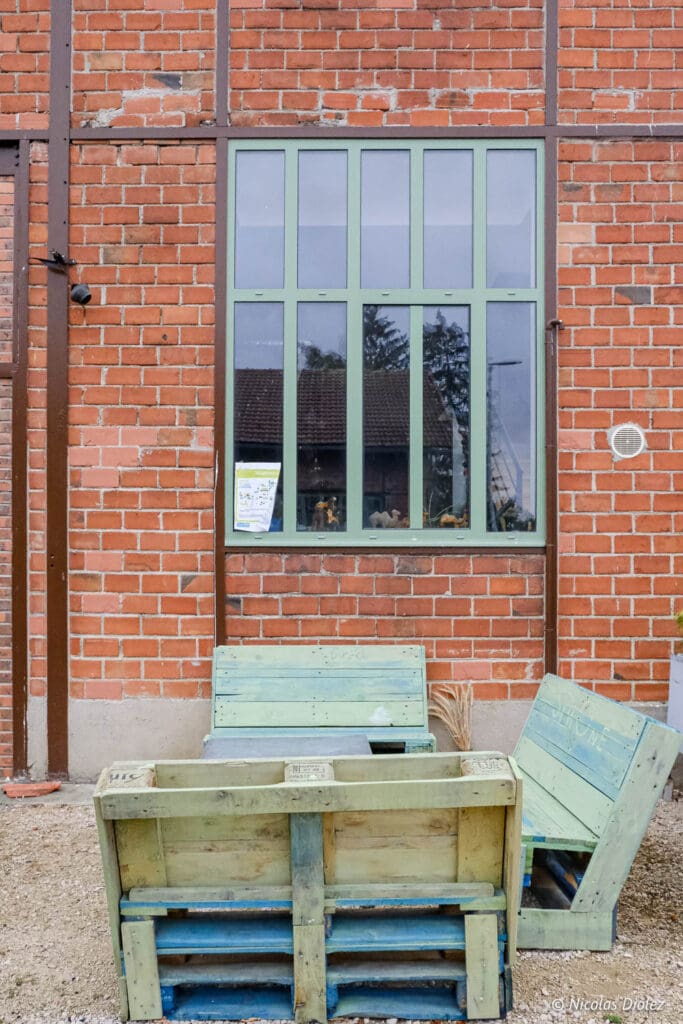
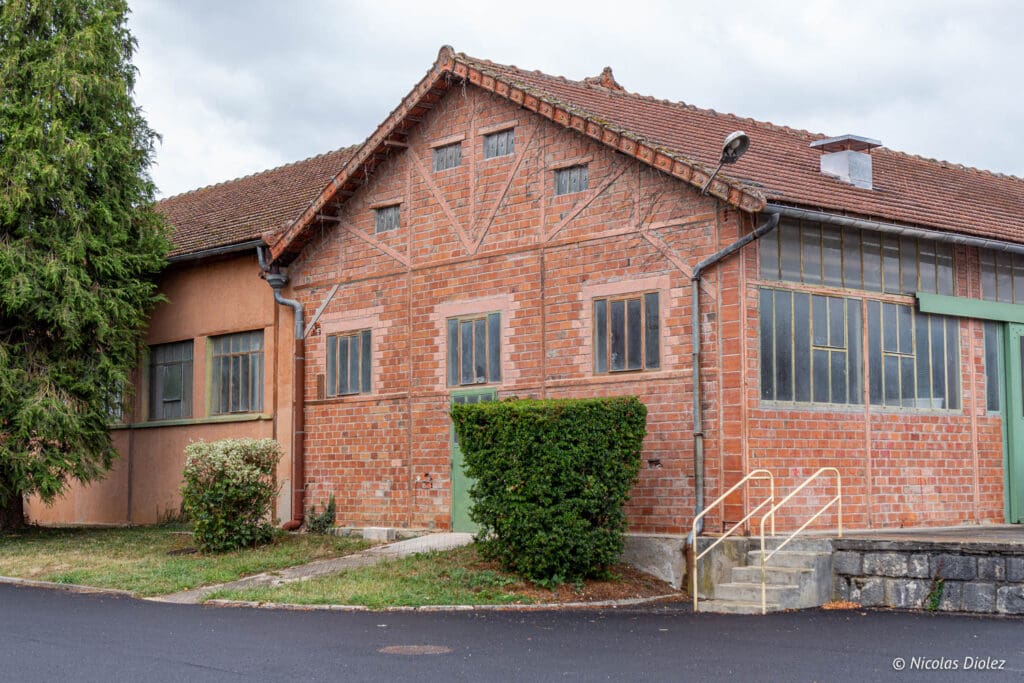


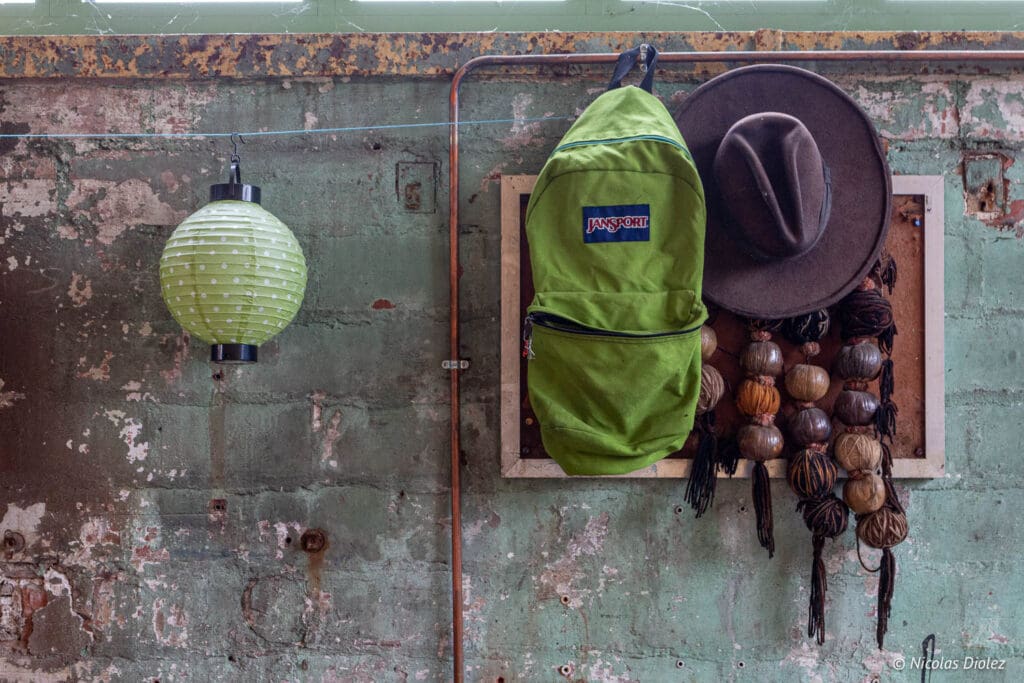
In short, a vibrant place of life with an innovative concept and super positive vibes! I could have spent hours there talking to the beautiful souls who make this place come alive with their motivations and their big ideas to make a better world (yes, I am enthusiastic!) So, conclusion: if you are in the area, stop by and have a coffee, you won’t regret it! Plus, just take a look at their website to see what’s happening; there is always something going on, as their programming is abundant. Besides the associative café and the brunches (one Saturday per month from 11am to 3pm), it’s really the opportunity to feast because the food offered on-site is really very good!





Site le Chameau
4 Route de Châtillon 52120 Châteauvillain
the associative café is open on event days, and from 2pm to 6pm from Tuesday to Saturday and from 10am to 6pm on Thursday!
_
Hôtel le Vauxois & Restaurant Aux Trois Provinces in Vaux-sous-Aubigny
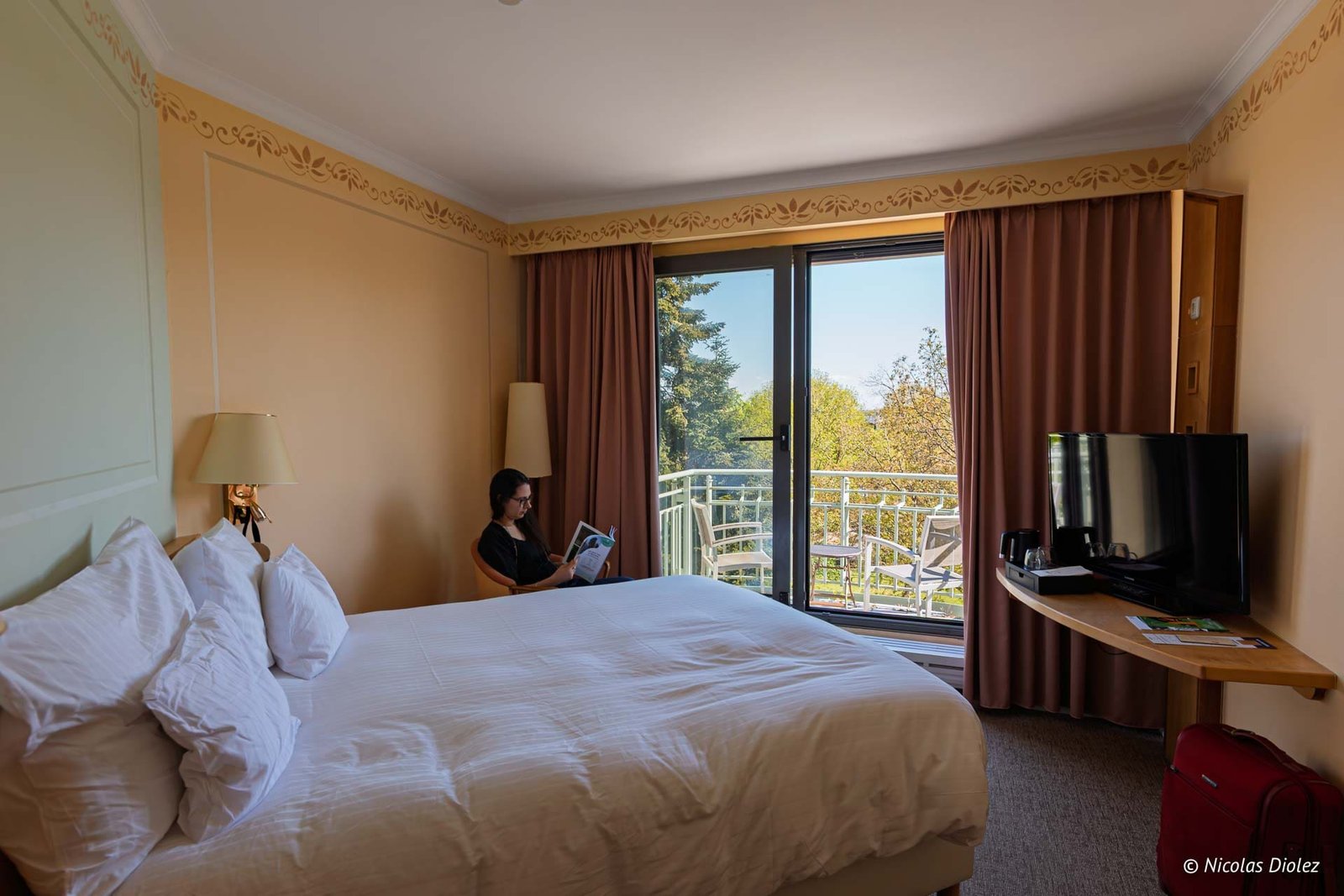
This recently renovated 2-star hotel is located in the village of Vaux-sous-Aubigny (this is also where you will find the cheese dairy and the wine cellar I mentioned in the previous chapter). It has 9 rooms (we were in room 14) installed in an old 17th-century mansion. If you stay there, you will certainly see the hotel’s mascot, a particularly cute, affectionate cat. It was quite a pleasant surprise for a 2-star hotel, as the building doesn’t lack charm, the welcome is very friendly, and the prices are reasonable. A good option for a stop in the region!


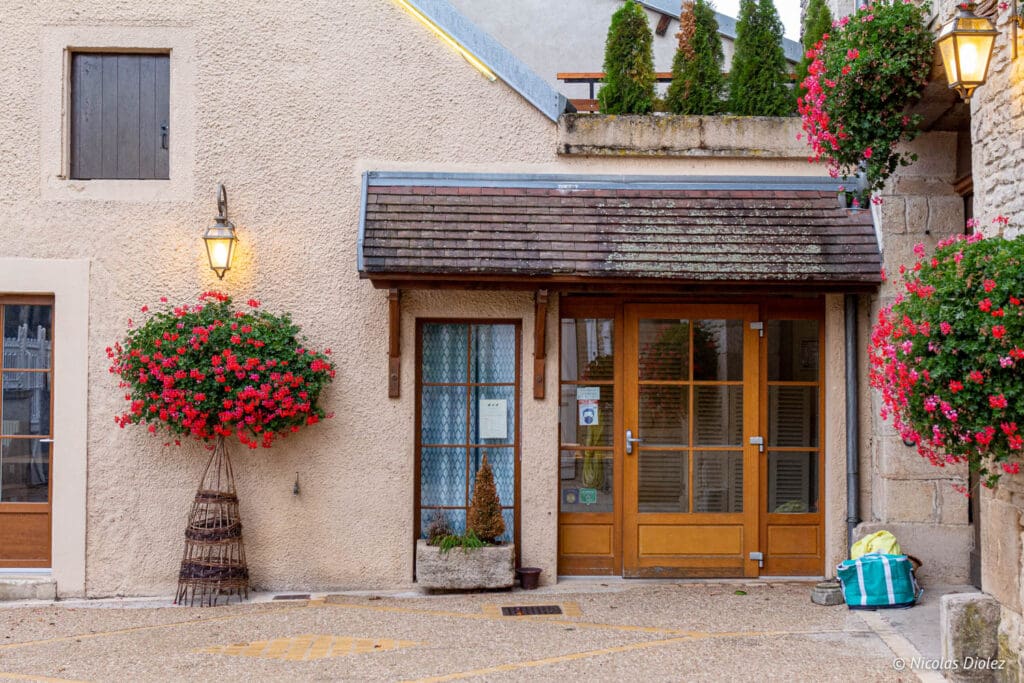

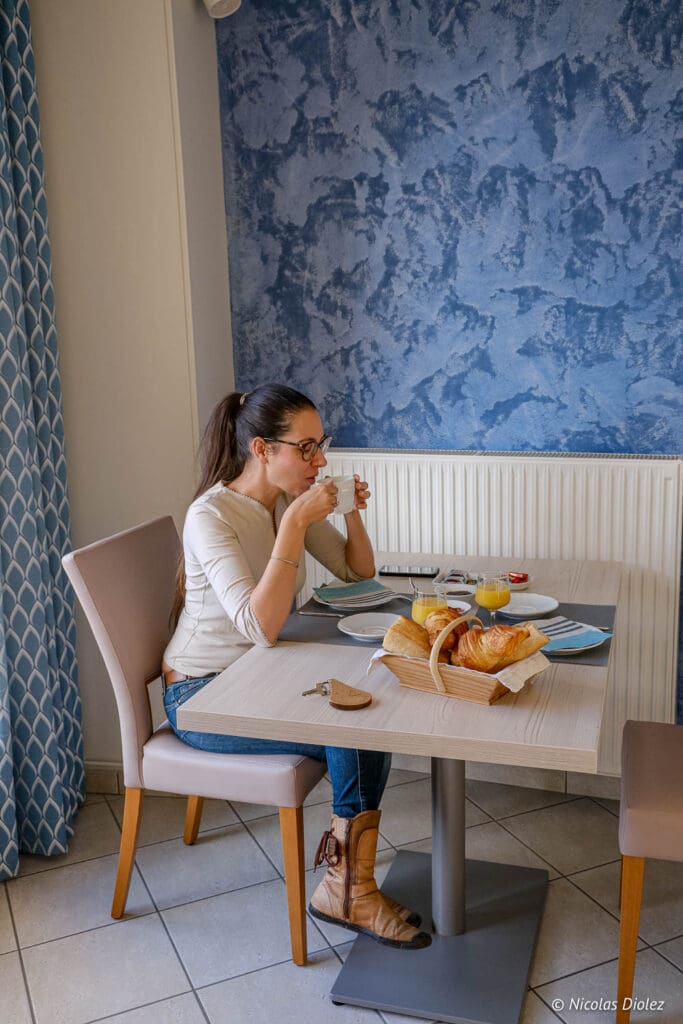


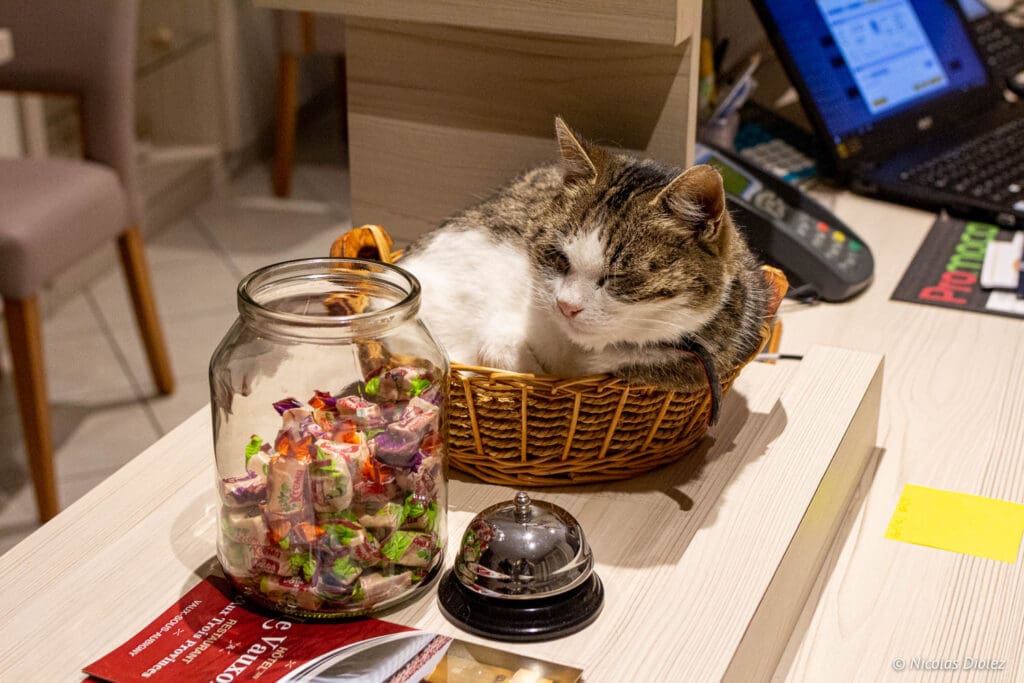
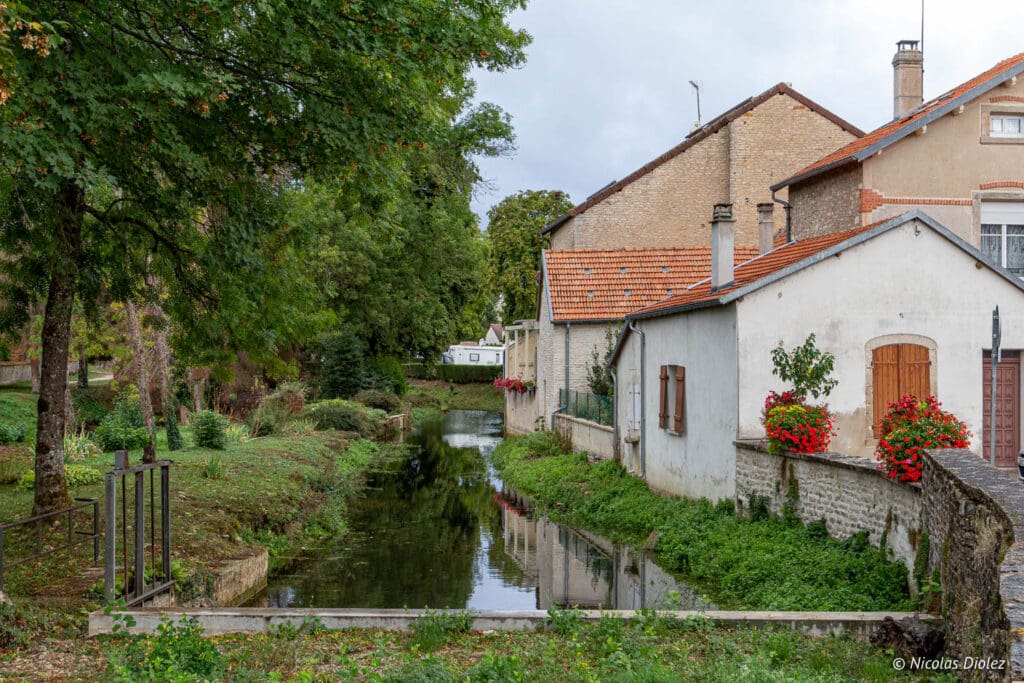
Don’t hesitate to take a walk around the hotel as well; there is a small path next to the Le Badin stream that allows for a pleasant short walk without going too far.



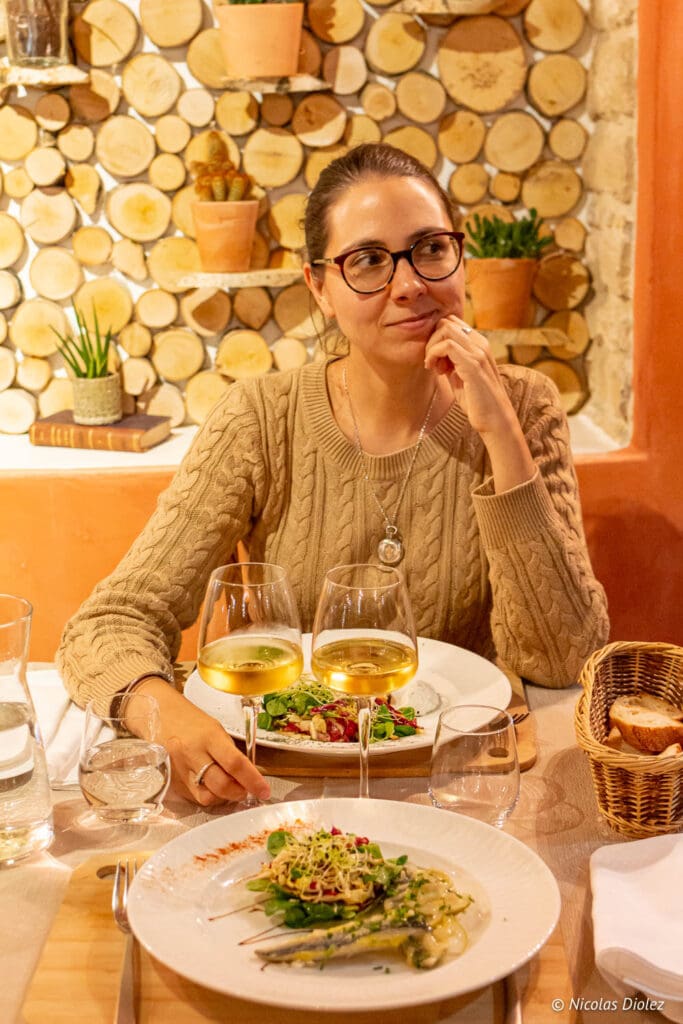
And just a few steps from the Vauxois, you will find the Aux Trois Provinces restaurant, owned by the same owners as the hotel. Behind the stove, chef André Jacoulot offers traditional cuisine that highlights local and seasonal products in an intimate and charming setting. The proximity to the hotel makes it obviously very, very convenient if you are staying there because you can go on foot and take the opportunity to taste without limit (well, remaining reasonable, of course) the local wines! They notably serve at the restaurant the wines from the Muid cellar I told you about in the previous chapter.
To taste: poultry pâté en croûte; mackerel fillets in white wine; seafood cassoulet, Langres sauce; melting pork cheeks potée style; local cheeses.

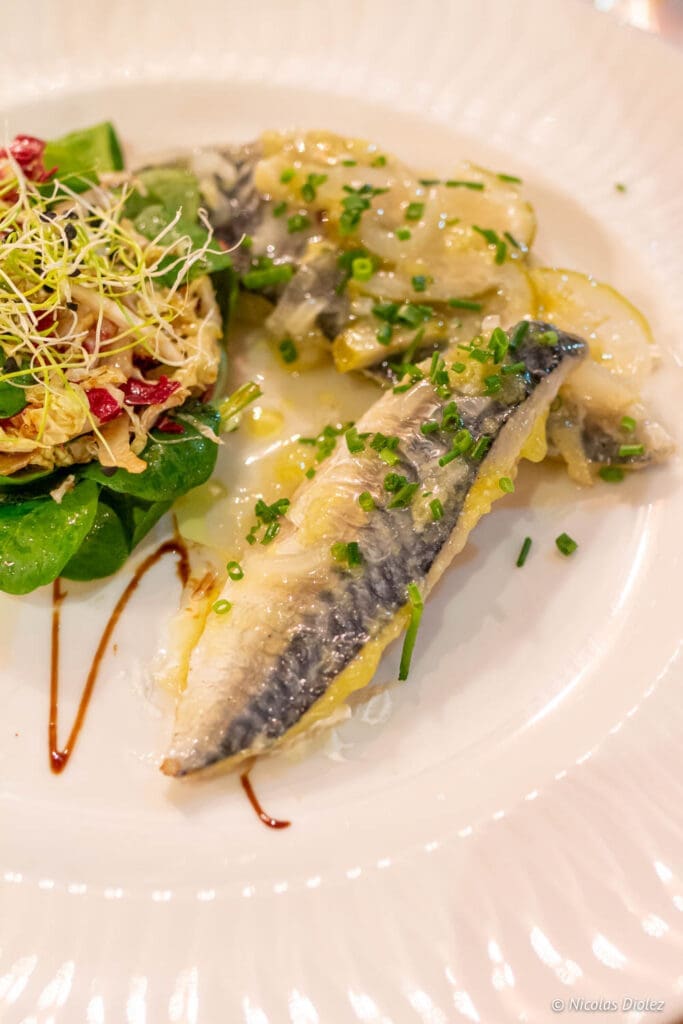


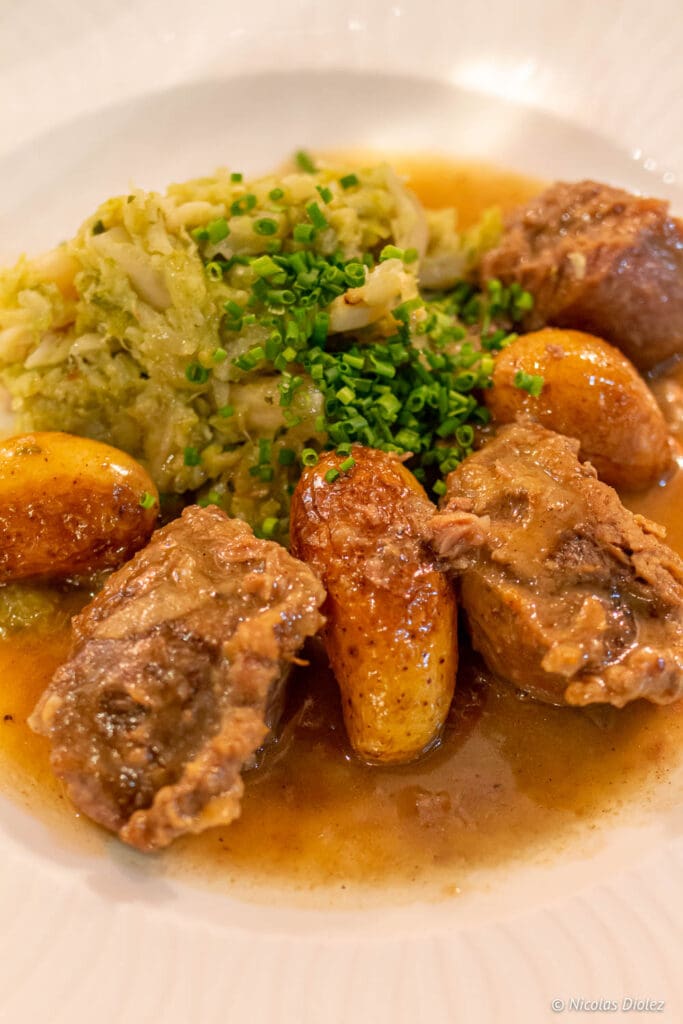


Hôtel le Vauxois & restaurant Aux Trois Provinces
6 Rue de l’Église, 52190 Vaux-sous-Aubigny
Free parking and garage
Hotel rates: room for 2 people starting from €85 /
Restaurant prices: menu at €25 including appetizer + main course + dessert
_
La Cressonnière Bed and Breakfast
This guest house is that of an adorable couple, Dominique and Dany. I am a big fan of guest rooms when I travel, and I have always favored this mode of accommodation during my travels because I find that it is often much warmer, and it is sometimes an opportunity for very beautiful encounters, as was the case this time. This accommodation is perfect if you are looking for a stay with a spirit of nature and comfort. It has an immense 15-hectare garden, with fruit trees, animals (chickens, pigeons, peacocks, Indian runner ducks, draft horses), a small pond… If you come with your family, your children will have plenty to do!


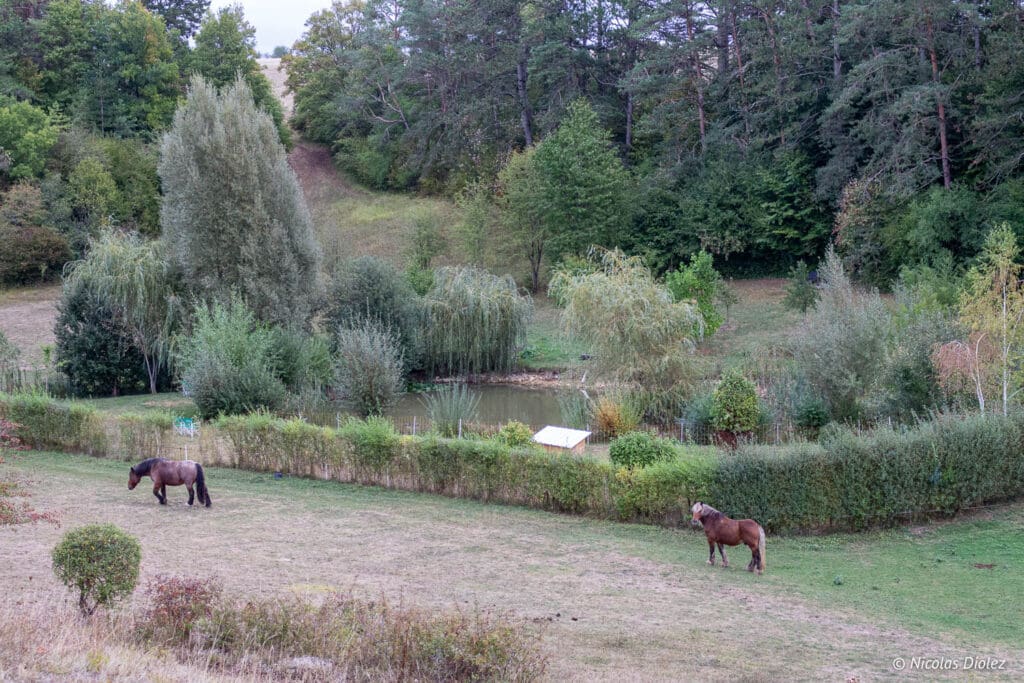
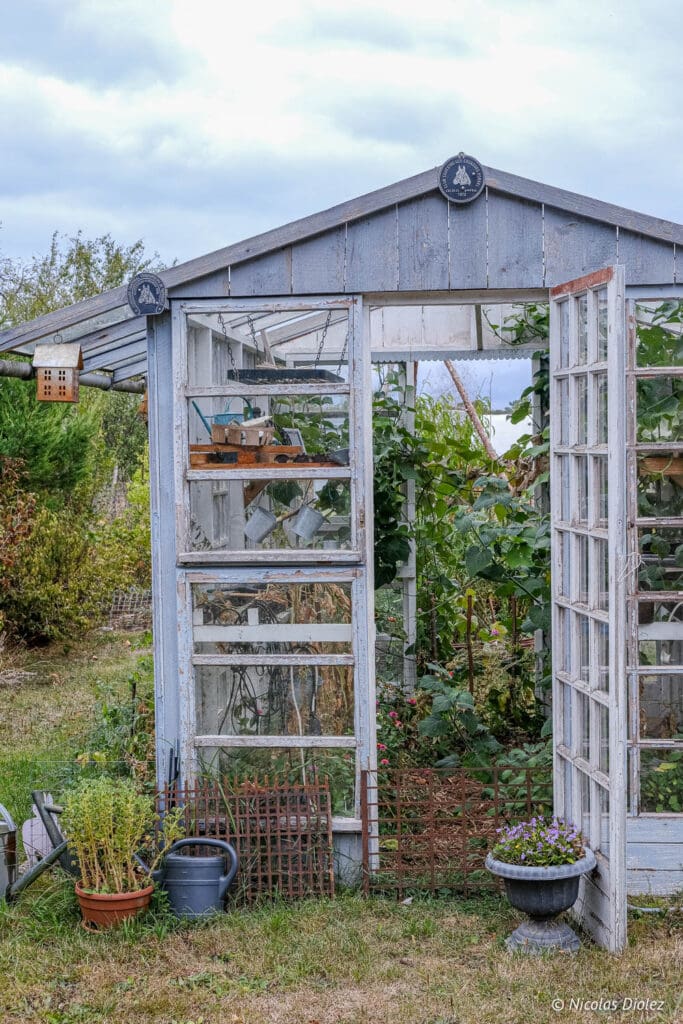


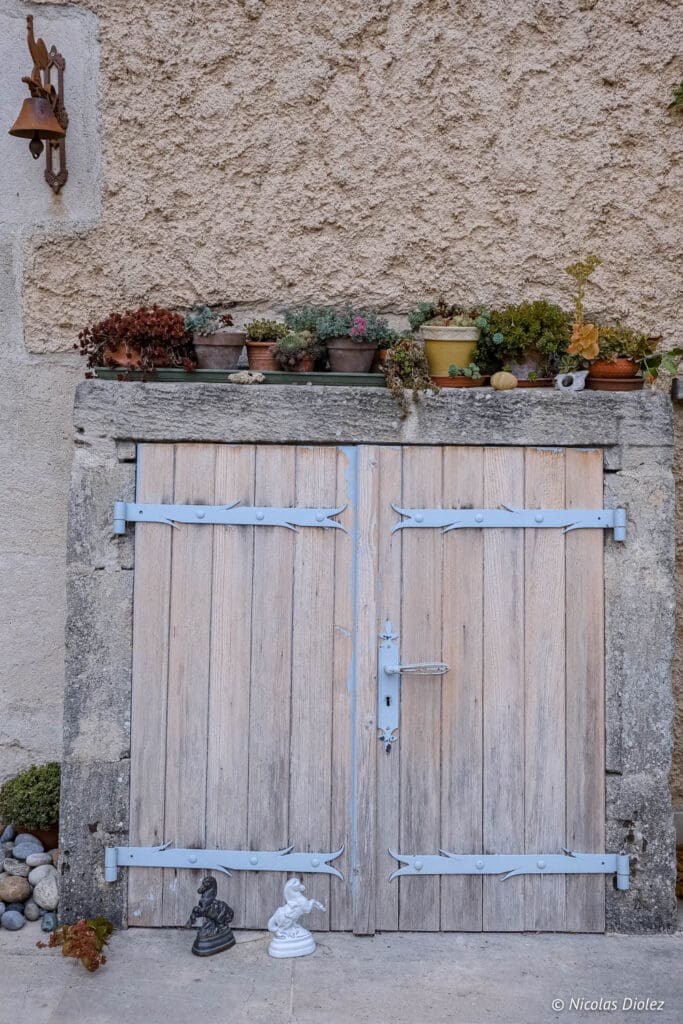

The place has two very pretty rooms with private bathrooms and toilets, and we were personally in a room over 2 floors for 2 people. For information, if you come with your children, Dominique and Fany also have another small separate room for children with single beds.


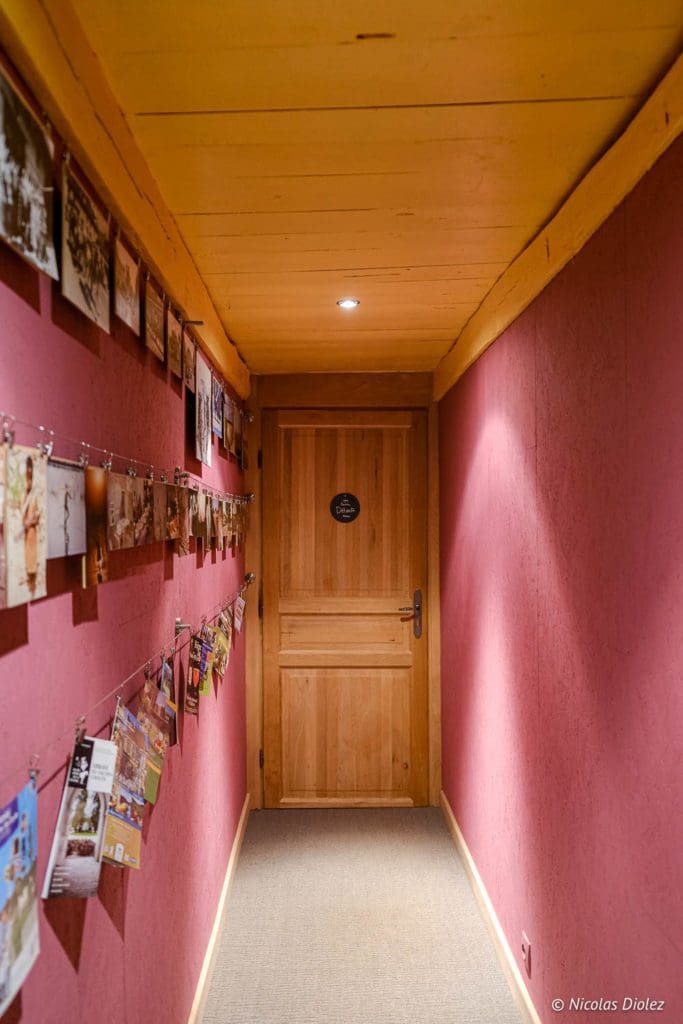

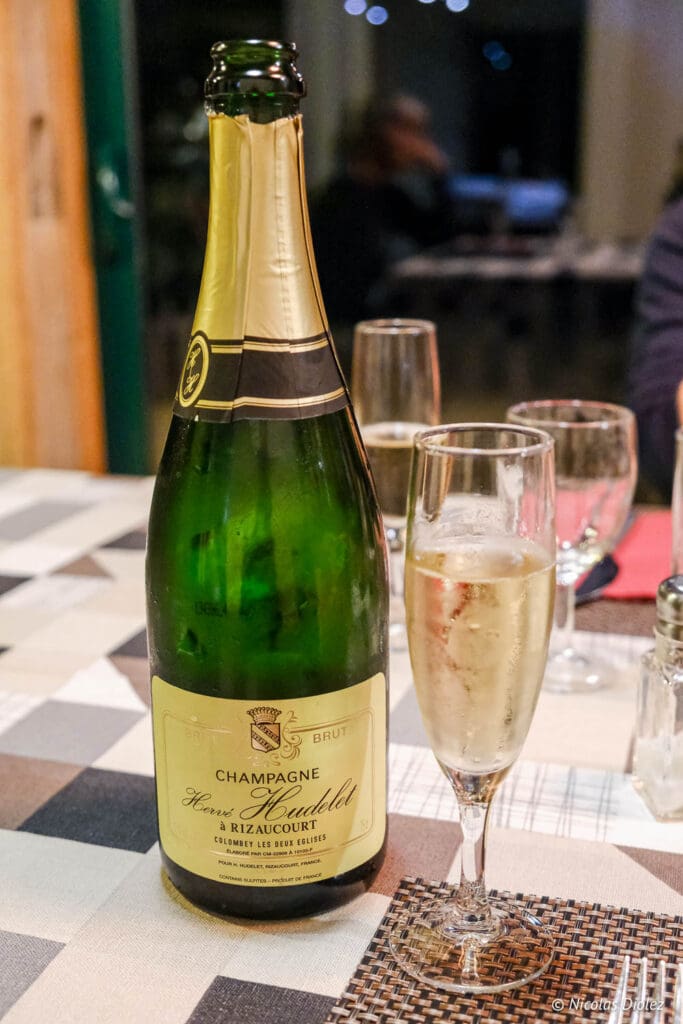
The establishment also serves as a table d’hôtes with the possibility of dining with the hosts in the evening on a half-board basis. We also discovered Haute-Marne Champagne on this occasion because there are a few villages (including Rizaucourt) in the north of the department that are located in the production area of this festive alcohol. Dominique is an excellent cook and the portions are more than generous. Finally, it was the opportunity for us to learn a little more about our hosts but also to get to know a Belgian couple, clearly regulars of the house. A very pleasant dinner indeed!


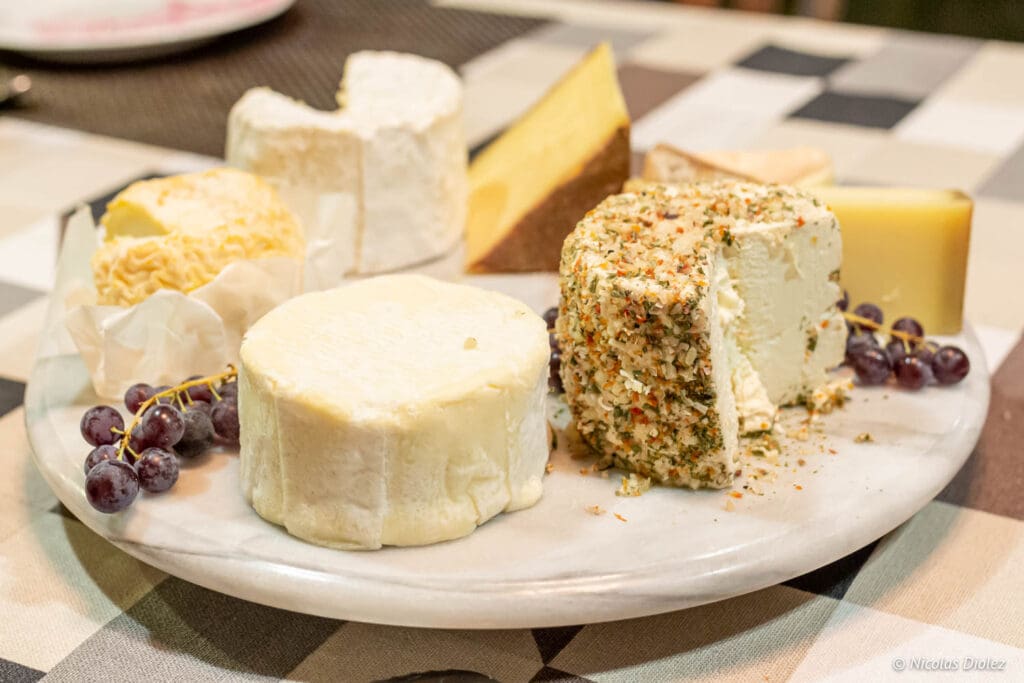
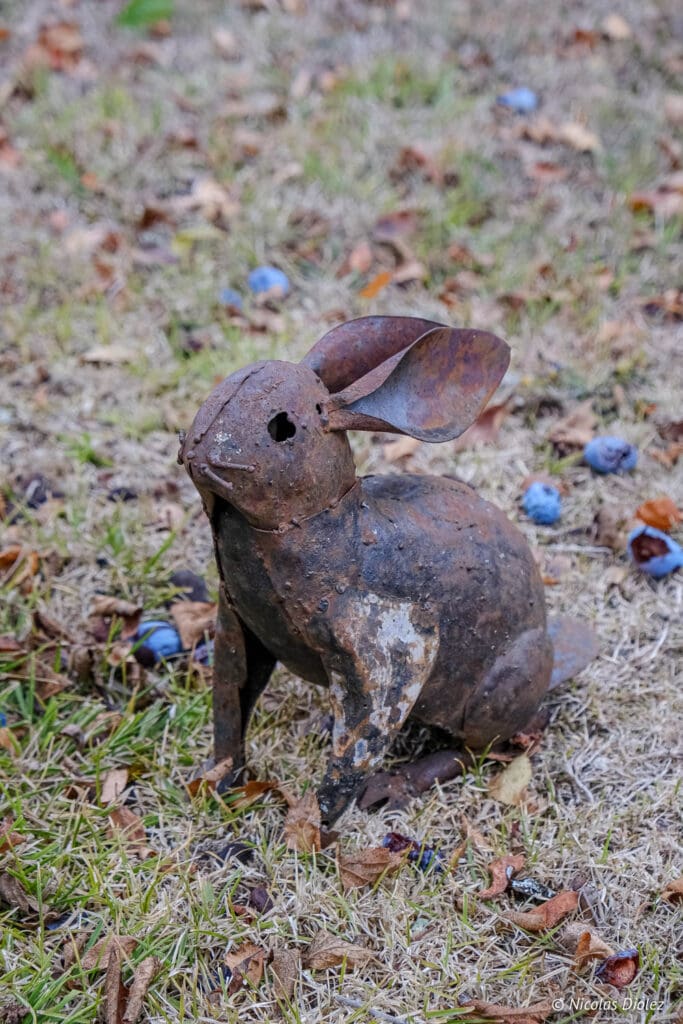
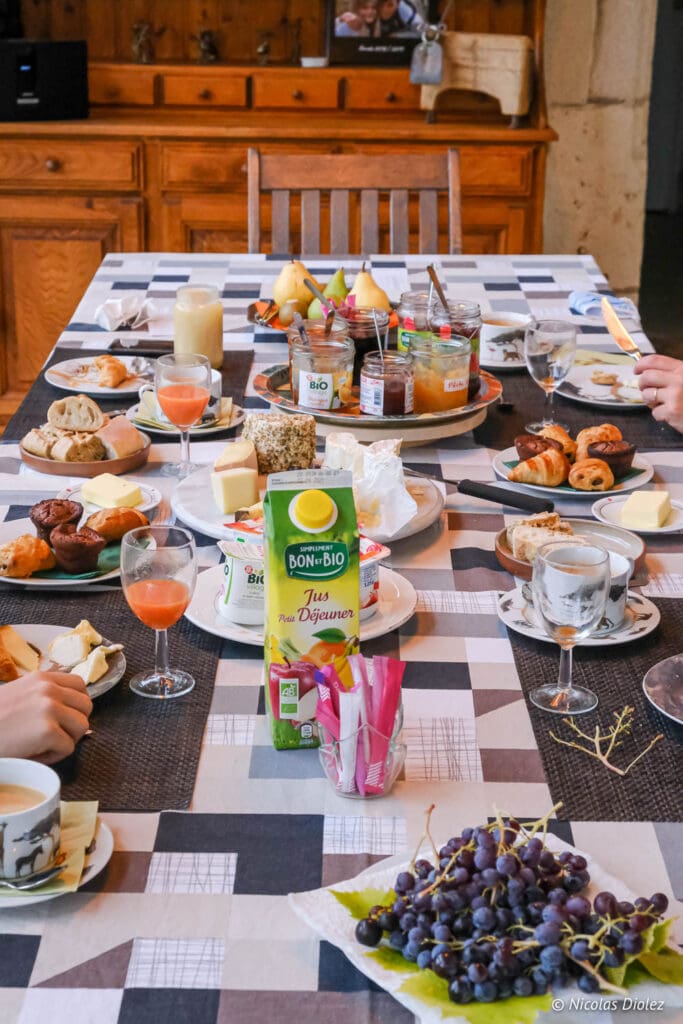
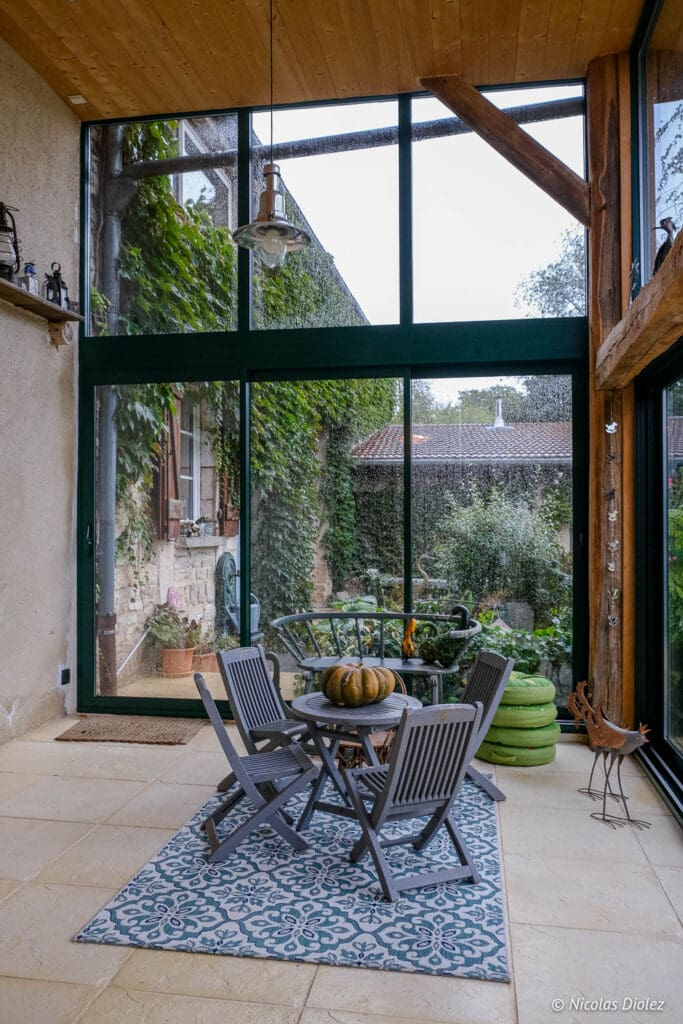
The house also welcomes in a gypsy wagon (at a lower cost) pilgrims passing through who follow the Via Francigena, which retraces the route of the pilgrimage from Canterbury to Rome of Archbishop Sigeric around the year 990.
The very pleasant little extra: the spa area with jacuzzi and sauna to relax when returning to the bed and breakfast, where we had a great time.
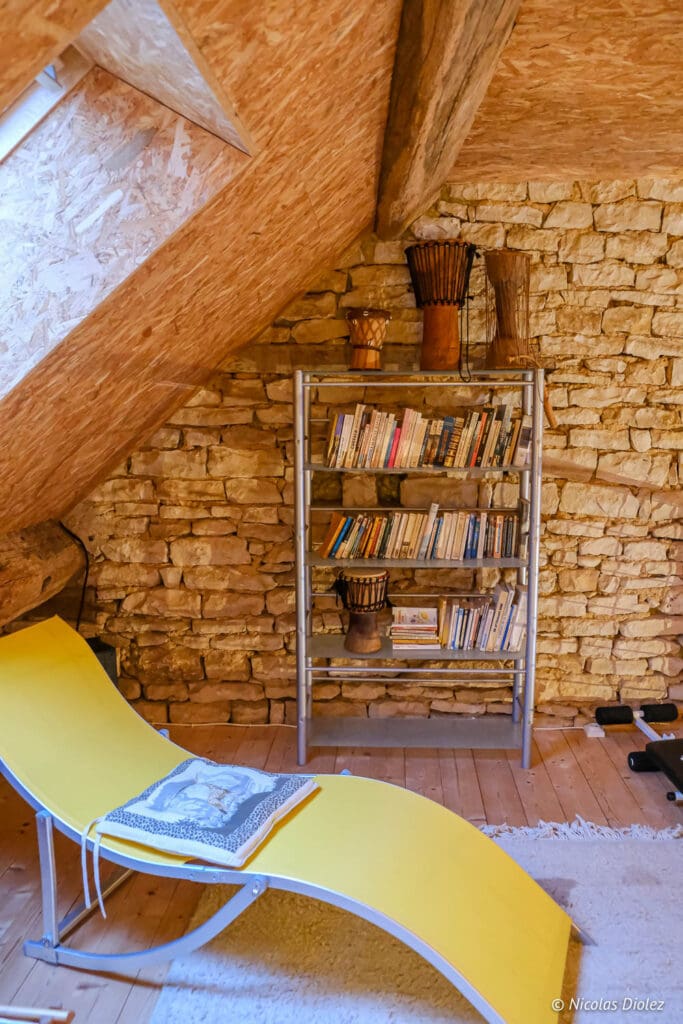


La Cressonnière Bed and Breakfast
4 ears of corn at Gites de France
21, rue de la Cressonnière, 52210 Leffonds
Rates: starting from €70 in a double room / meal €25 per person
_
Infinite thanks to Marine and the Haute-Marne Departmental Tourism House for this gourmet welcome in the Forest National Park and to all the participants who welcomed us very warmly and shared their passion with us.

I hope that with all this I will have made you want to discover Haute-Marne and the Forest National Park, and if you, too, have your recommendations and advice for this destination, don’t hesitate to share them in the comments below!
Photo credits: Nicolas Diolez
Photos are not royalty-free, photographer's authorization required before any use