I know the Luberon quite well; I’ve been there several times on vacation and I’ve already written 3 articles on this destination on the blog. And yet, every time I go back, I discover different places, so it’s always a pleasure to return. The Luberon is located in the Vaucluse department but also in the Alpes-de-Haute-Provence department in the PACA (Provence-Alpes-Côte d’Azur) region. This time (in September 2019), we mainly explored the western part of the Luberon, which is primarily located in the Vaucluse, between the Monts de Vaucluse and the Petit Luberon. Below, I will tell you in particular about the pretty village of Gordes and that of Oppède-le-Vieux.
As always, in this article, I share ideas for visits and things to do in the Luberon, as well as a selection of local producers and great addresses (restaurants and accommodation) to discover in the region. I hope this will give you some inspiration for the sunny days ahead once this difficult period of lockdown is behind us.


Regarding wine tourism, if you are vacationing in the region, the Luberon wines are worth discovering! They can be AOP Luberon (I wrote a specific article on this subject a few years ago), but also AOP Ventoux or IGP Vaucluse (my recommendation: the 2017 ‘Les Grès’ cuvée from Domaine de la Bastidonne).
These vineyards belong more broadly to the Rhône Valley wine family. You will find many estates and wine cellars in the Luberon, and I also provide some great addresses for this below if you are interested.

_
Table of Contents
Practical info for Luberon holidays / How to get there from Paris?
From Paris, we took the train to the Avignon TGV station where we picked up our rental car, which we had booked with ADA location. This trip was also an opportunity to test their new self-service offer. Indeed, this offer allows you to free yourself from all constraints and start the rental directly from a dedicated app called Ada Mobilités (car keys included!), somewhat like the concept we had already tested in Bourg-en-Bresse.
Basically, you create an account online on the app (you need to send a photo or scan your ID and driver’s license), and your bank must also authorize a security deposit with the credit card you use for payment. Once there, you look for the ADA Location signs and use the app to unlock the car. This system is especially practical when you want to pick up and return the rental car at any time without having to wait at a counter for someone to assist you. However, I advise you to allow some margin when returning the car because you have to perform a small check with the app by taking photos for the condition report.



_
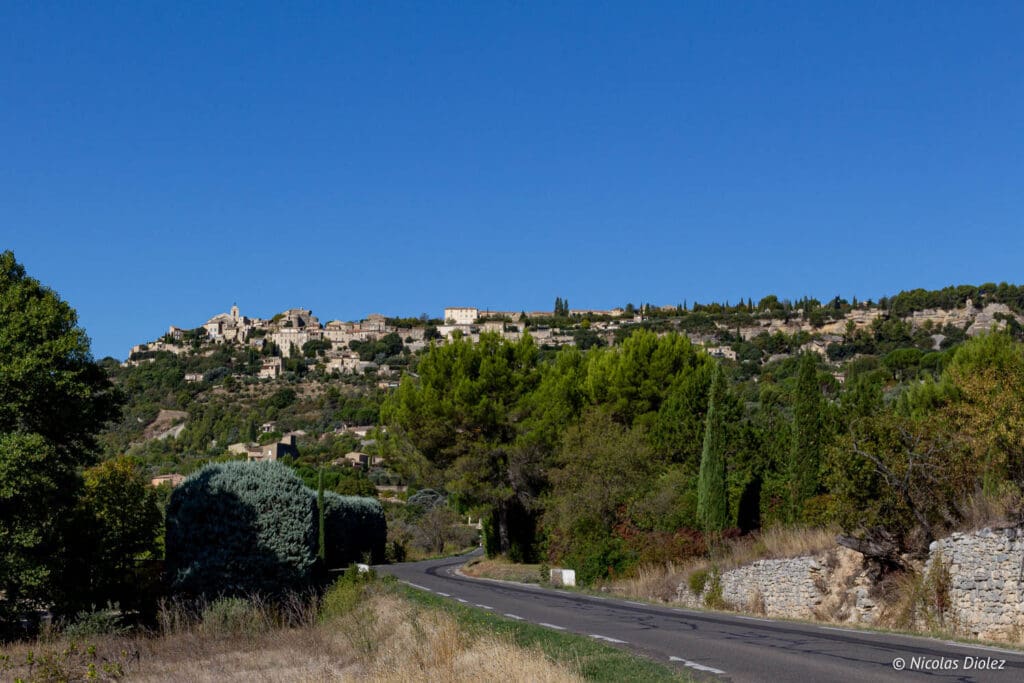
Visiting the village of Oppède-le-Vieux
I highly recommend visiting this authentic village with its truly undeniable Provencal charm! It was an ancient medieval fortress surrounded by ramparts, and the city offers a wonderful trip back in time in the heart of the Luberon Natural Park. The citadel was built on a rocky spur in a rugged setting of forests, ravines, and rocks.
Practical info: cars are prohibited, and you will need to leave yours at the Jardins de Sainte-Cécile parking lot (€3 for a car for the day), located slightly outside the town, and walk for about 5 good minutes to reach the central square of the village.


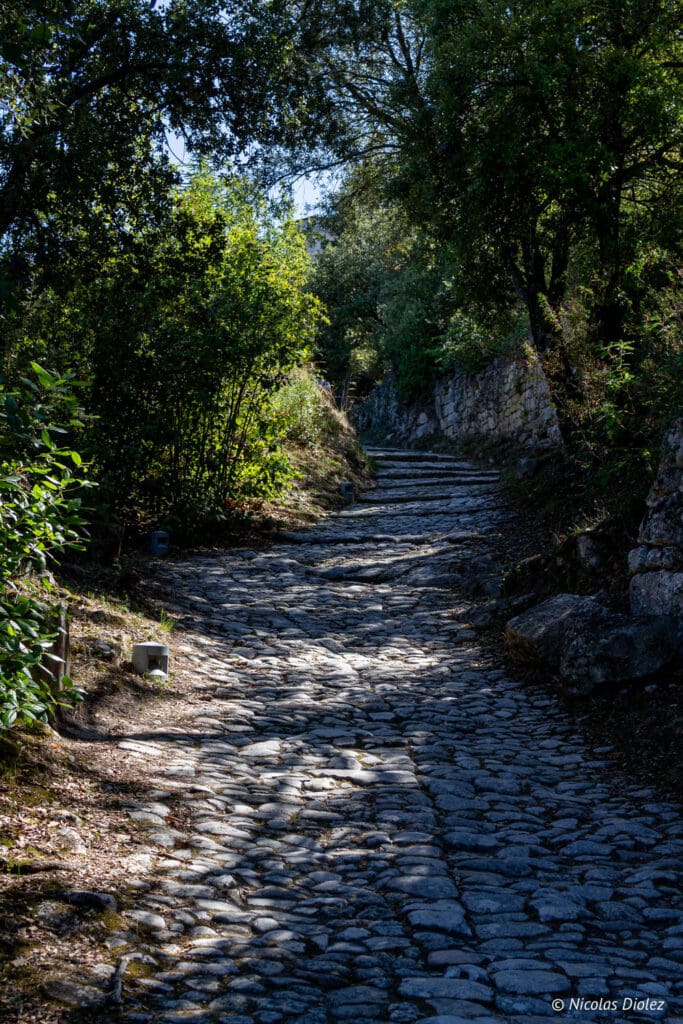


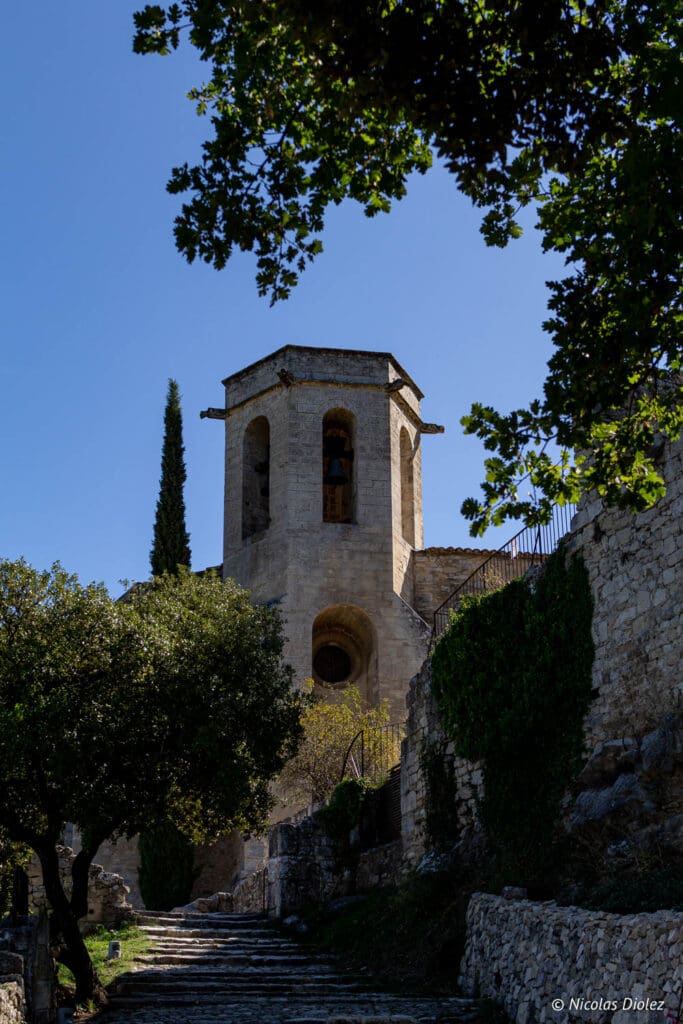
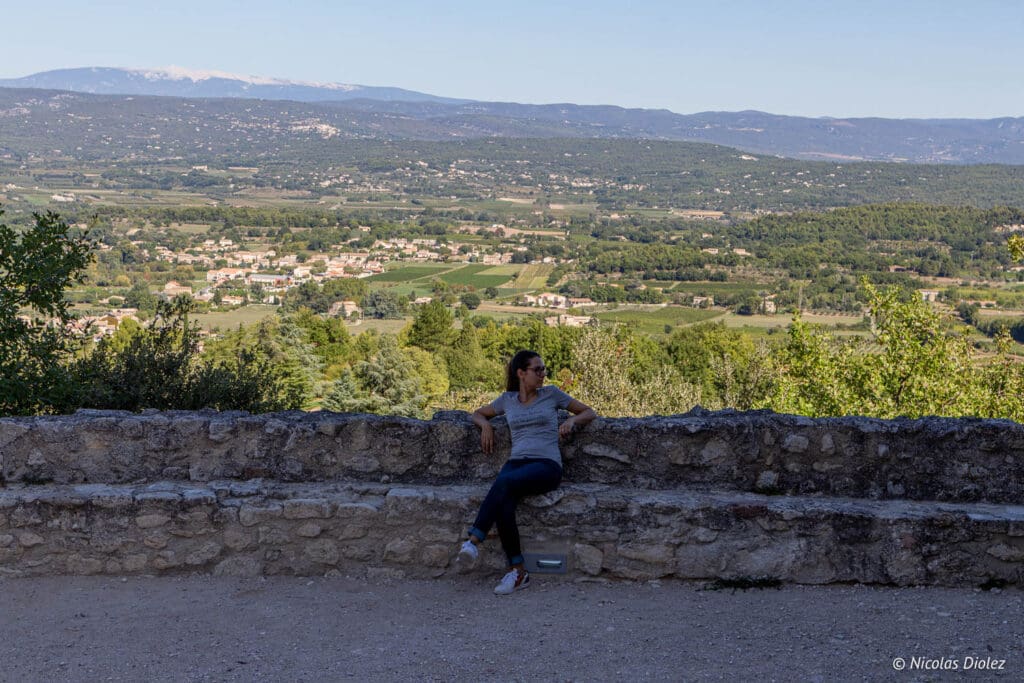
From there, I advise you to climb to the top of the village to see the Notre Dame de Dalidon collegiate church, the castle ruins, and to have an unobstructed view of the surroundings, the plains, and the Mont Ventoux. There are also several walking trails around the village if you have a little more time (from 1 hour to 2 hours 30 minutes depending on the circuit). While wandering, you will see charming alleys, old houses either in ruins or partially restored; in any case, it is a perfect spot to take beautiful photos!




_
Where to eat in Oppède-le-Vieux? Le Petit Café
This address is almost the only place to eat in Oppède-le-Vieux, which allows it not to really have any competition and to display prices that I found a bit too high. That said, the place has a charming terrace and the food is good, so overall, apart from the bill, which seemed a bit steep to me (€50 for 2 with only one dish each + a coffee), we had a good time. I advise you to try the “Panier des Saveurs Provençales” which can be shared or taken as a main dish for smaller appetites. It is composed of good Provence products and changes according to the seasons.


Le Petit Café

12 rue Sainte Cécile 84580 Oppède-le-Vieux
_
Domaine de la Royère: wine and olive oil producer + olive oil museum
This family-run farm, which has existed since 1988, has been in organic conversion for 3 years and grows a specific variety of olives on 6 hectares: the Aglandau, also called Verdale de Carpentras. Olive oil is produced in November and December at the estate and is cold-pressed to make extra virgin olive oil.
The site has also opened an olive oil museum since June 2019. In a 300 m2 space, one can discover the cultivation of trees, harvesting methods, the different types of presses used over time, olive oil containers, and its central role in the Mediterranean diet.


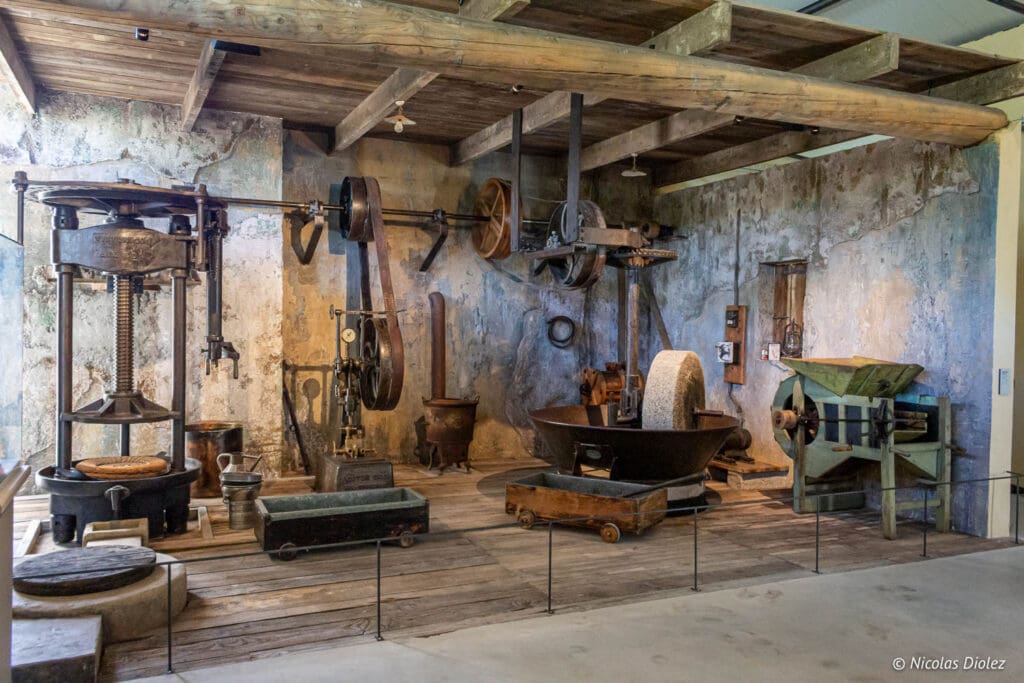

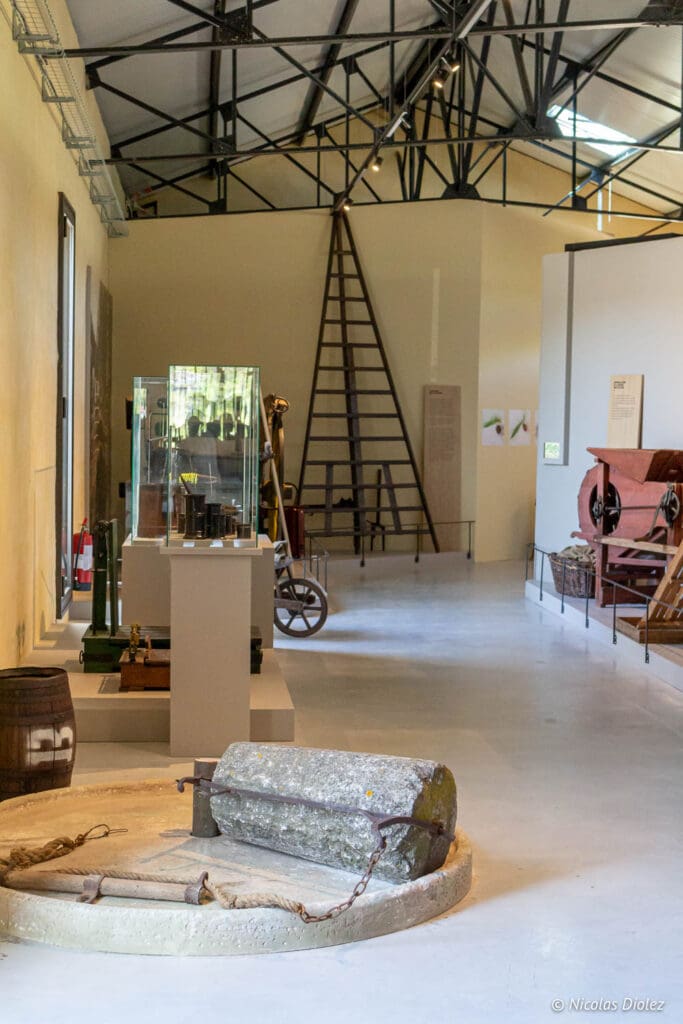

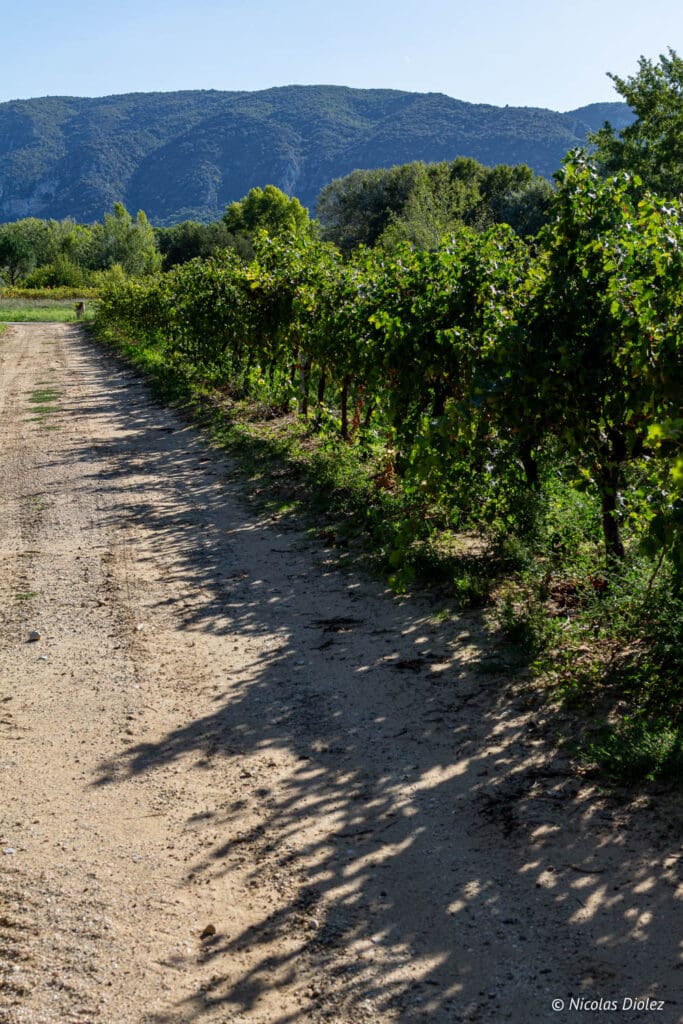
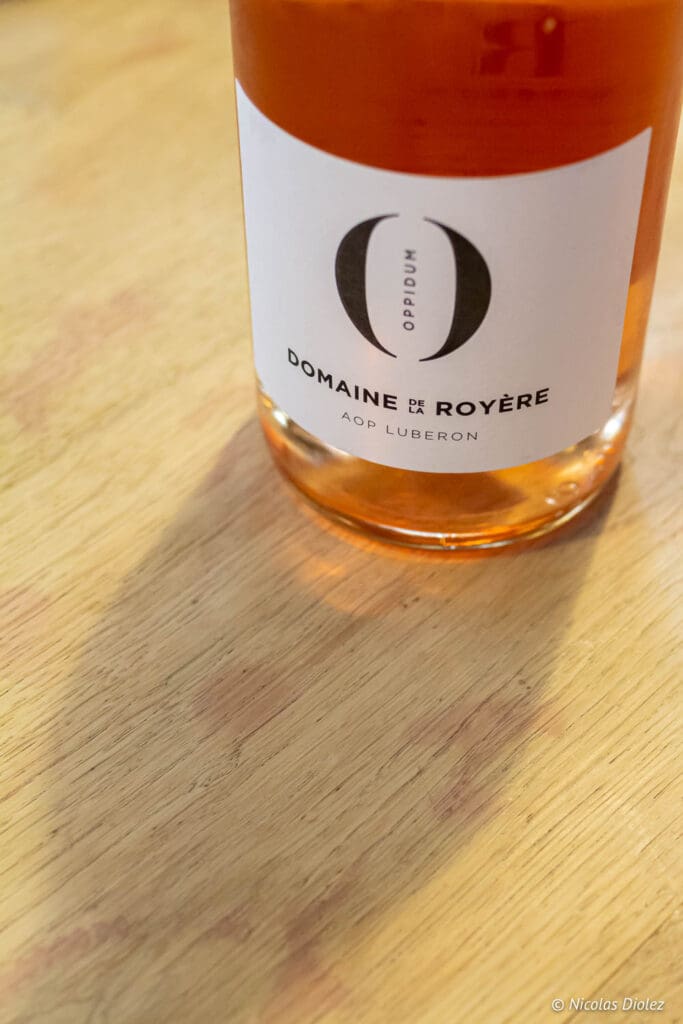
The scenography blends more than 1,000 sourced objects with tools from millers from all over the Mediterranean basin. The tour is complemented by multimedia information supports. If you are vacationing in the Luberon and want to learn more about the production of this product, it is a very interesting visit. And then it will also give you a pretext to stop by the estate and buy some good local products. The estate also has 33 hectares of vines in Oppède with several grape varieties and mainly produces red wine (30% rosé, 60% red) as IGP Vaucluse and also AOP Luberon.
As for white wine, there are blends of several grape varieties (Grenache, Clairette, Ugni, and Vermentino) well-suited to the limestone terraces nearby. The rosé is made with Syrah, which gives it a bit more color and power. Finally, the estate’s IGP Vaucluse red wine is made with plenty of Syrah (which is the majority grape variety in the Luberon).




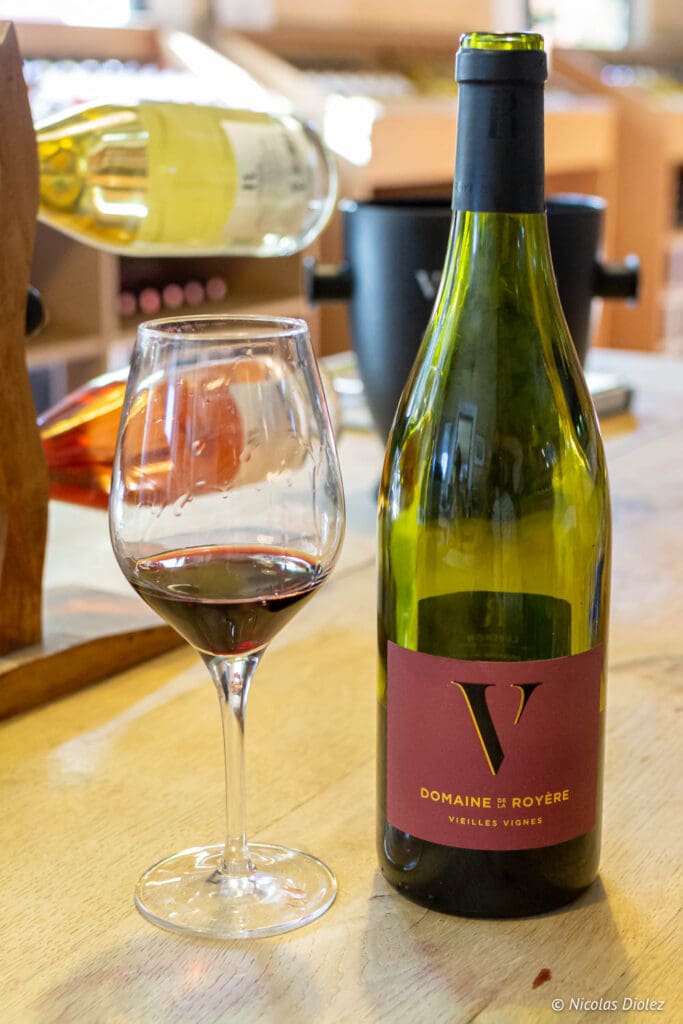

Domaine de la Royère
375, route de la Sénancole 84580 Oppède

Olive Oil Museum open Monday to Saturday from 9am to 12pm and 2pm to 5pm
Prices: €6.5 / €4.5 reduced

Great deal: free wine and olive oil tasting

Wine bottle prices: between approximately €5.50 and €30
_
Strolling through the perched village of Gordes
I have already had the opportunity to visit the pretty village of Gordes several times, and I had already mentioned it on the blog. It is considered one of the most beautiful villages in France, and indeed, it is really worth the detour! Gordes is located just above the valley that houses the Sénanque Abbey, which I will tell you about right after.
The best thing to do is to stroll through the small alleys of the city, between the tall houses, built right into the rock, which form a true labyrinth of dry stones. You can even go down to the Fontaine Basse district, less well-known but which contributed to the village’s prosperity with the rise of craftsmanship.

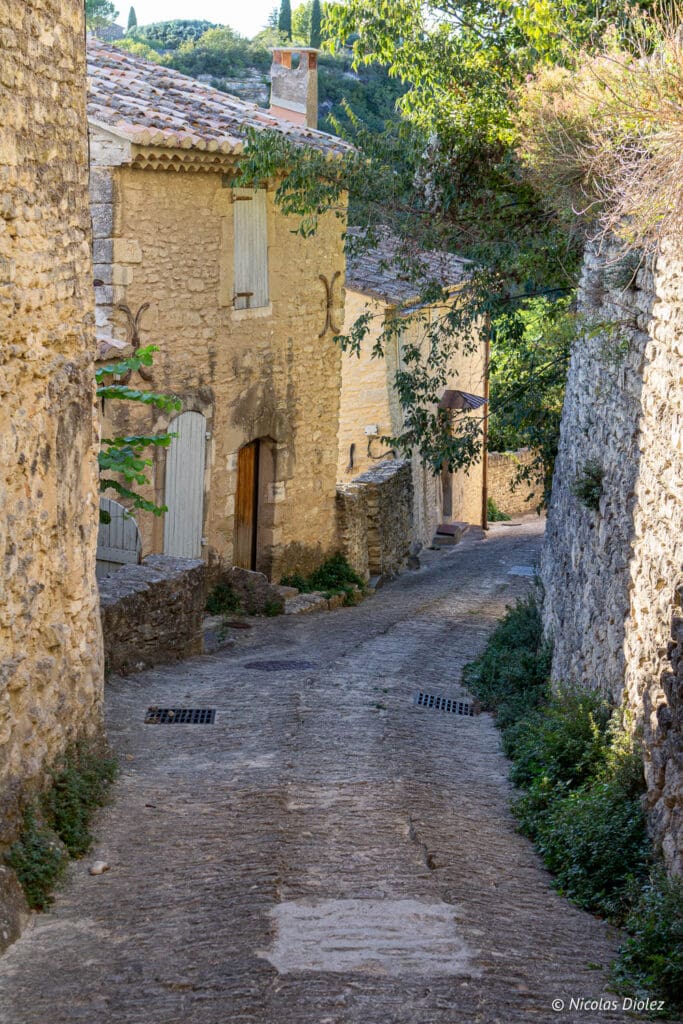


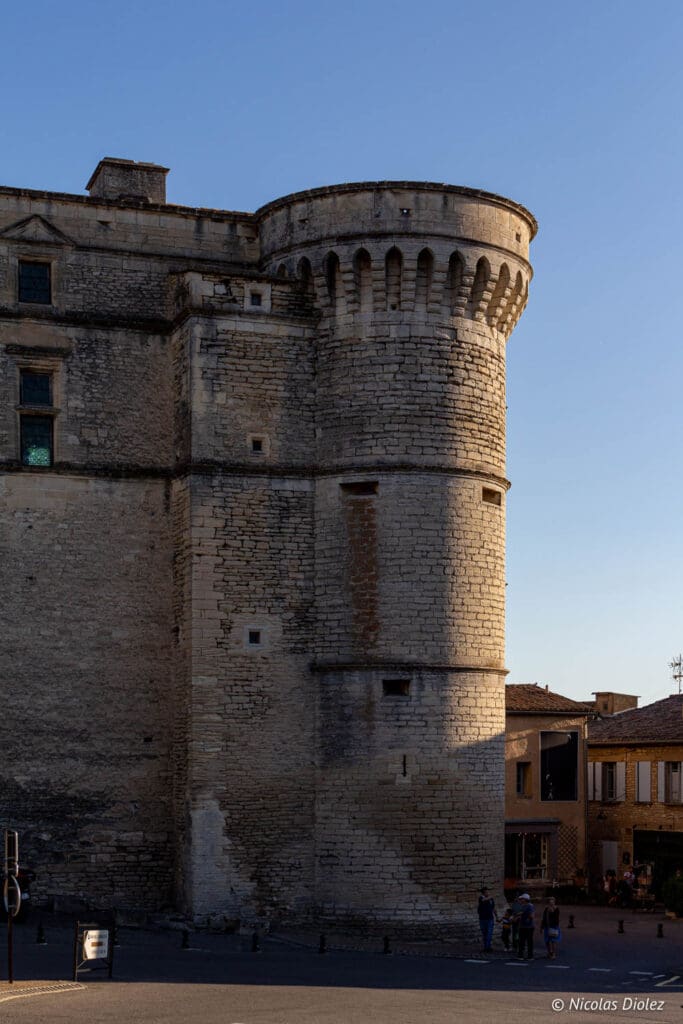


At the top of this promontory, we find the castle, classified as a Historical Monument, which recalls the city’s past rich in conquests and wars. Today, the castle hosts temporary exhibitions during the summer season.
My advice: Gordes’ underground life was very important, and almost every house had troglodytic cellars under its foundations on several levels, allowing craftsmen and farmers to work. There are still some remnants visible in certain shops and in the cellars of the Palais Saint Firmin.
Great deal: have a drink on the terrace of the Cercle Républicain (a very old Gordes café) for an unobstructed view of the valley.

_
Visiting the Sénanque Abbey
This Cistercian Monastery, which is still in operation, was founded in 1148. It is located in the Sénancole valley, 4km from Gordes. It is still a place of worship housing monks, where services are still celebrated.
The community follows the Rule of Saint Benedict and lives from the Brothers’ work: cultivation of lavandin, olive groves, apiaries, visits to the Abbey, guest houses, and a monastic shop. It is indeed the visits to the site that allow them to meet the community’s needs, but especially to cope with the heavy maintenance and restoration costs of the Sénanque Abbey. So, by visiting the abbey during your holiday in the Luberon, you will contribute a small stone to this almost millennial building to help with its preservation.


Today, you can visit the abbey through self-guided tours with an HistoPad or by following a guided tour. The HistoPad (which is available in 10 languages), allows, thanks to a digital tablet, to immerse yourself in the life of the first monks of Sénanque by seeing, through this tool, what the abbey looked like in the 12th century. And I must say that apart from the bulkiness, which I always find a bit cumbersome with this type of object, it is very well done and you quickly get into the game.
During this visit, you discover the abbey church, the cloister, the chapter house, the warming room, and also the former monks’ dormitory. Finally, the Abbey has a shop and a bookstore where it is pleasant to stroll to find some gift ideas to bring back from your holidays in the Luberon.


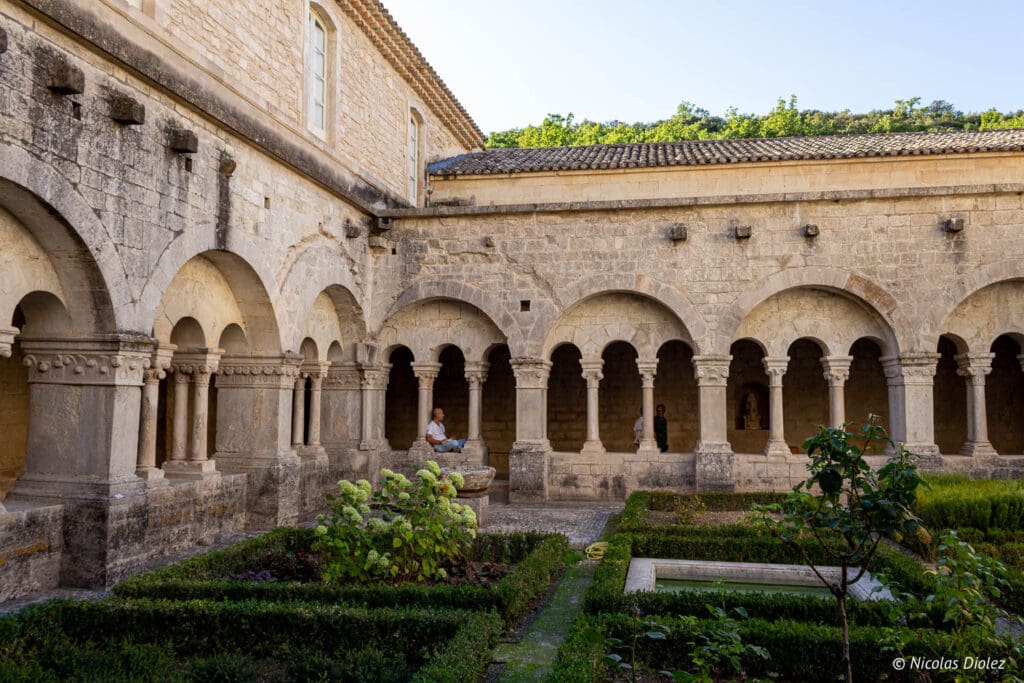
Abbaye de Sénanque
route de Sénanque

Prices: €9.50 self-guided tour with HistoPad / €8 guided tour (1h) / €5 reduced /
free for children under 6

open Monday to Saturday between 10am and 11am and 1pm and 5pm / Sunday from 2pm to 5pm
_
Visiting the Lavender Museum in the Luberon
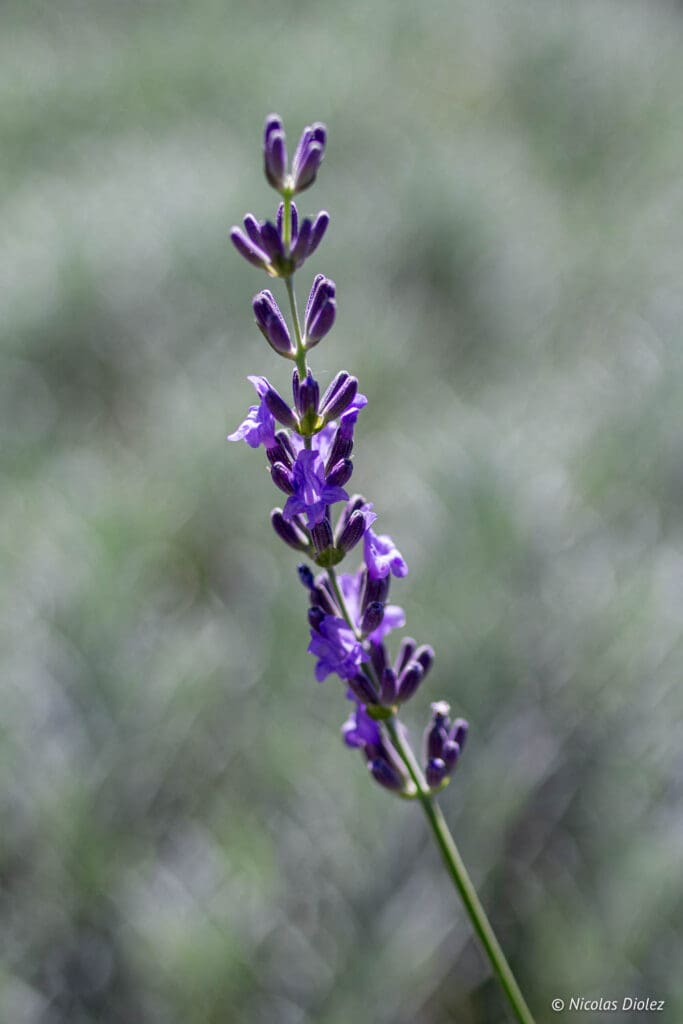
This museum is that of the Lincelé family, producers and distillers of fine lavender for 5 generations on the Monts de Vaucluse at the Château du Bois. The estate is located near Lagarde d’Apt at 1,100 meters of altitude between the Luberon and Ventoux, and it is there that the fine lavender is grown and then distilled. Their AOP fine lavender fields cover approximately 110 hectares exclusively dedicated to this crop. This millenary plant with numerous virtues has been cultivated by man since at least the Roman era. And it is said that Sault (in the Luberon) is the lavender capital.
The museum (open since 1991) allows you to discover the history of this plant, the difference between fine lavender (AOP) grown only in Provence and lavandin (grown almost everywhere in the world), and to discover the different distillation techniques as well as the stills used over the centuries. The museum actually has a very beautiful collection of red copper stills from the 16th century to the present day. Audio guides, touch screens, and documentaries make the visit more playful and modern.


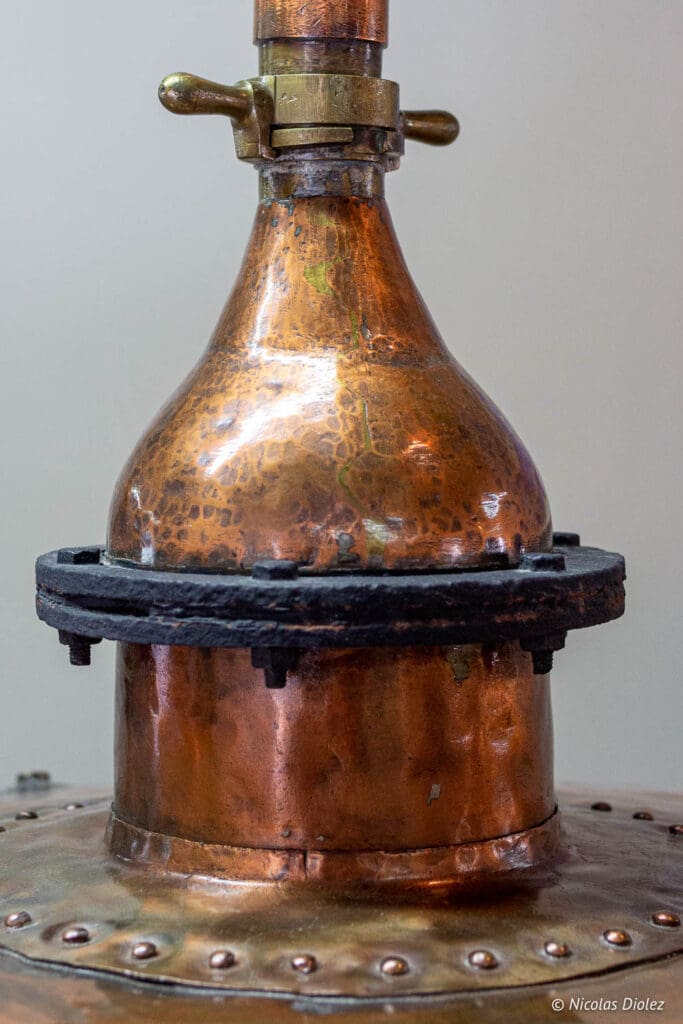
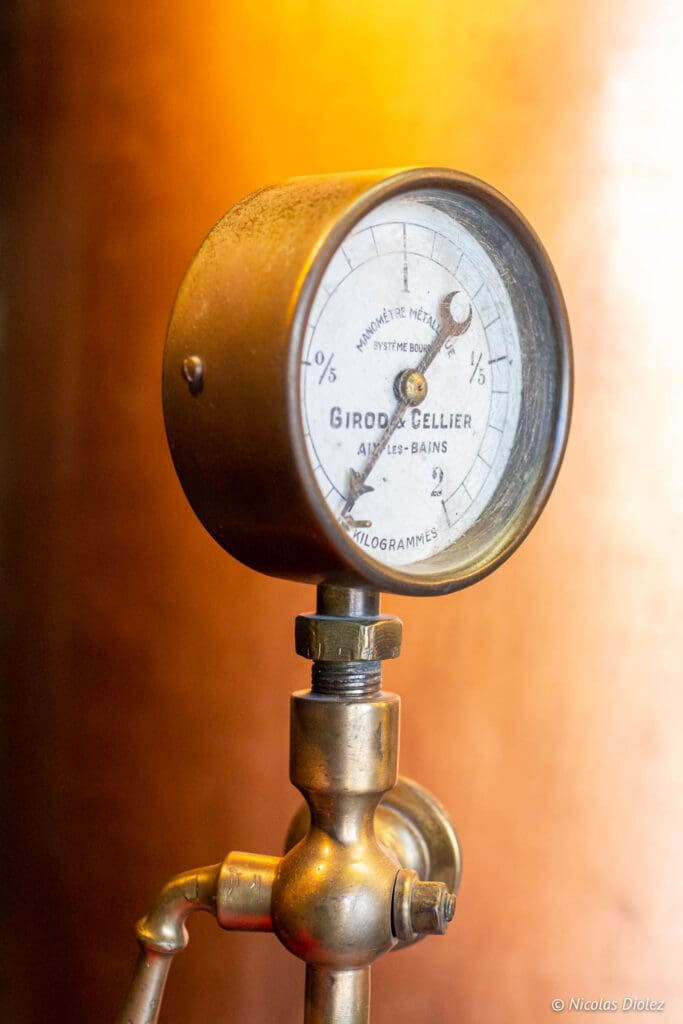
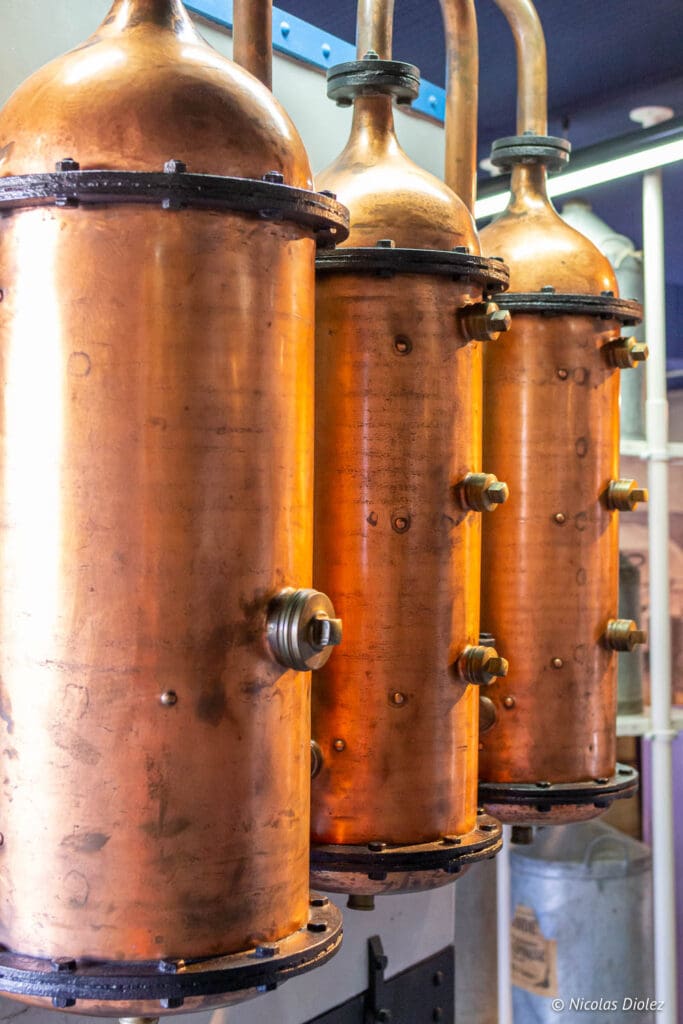
At the end of the visit, you can find the entire range of Ecocert certified cosmetic products from Château du Bois in the shop. They all obviously contain AOP essential oil extracted from fine lavender (body and face care, perfumes, bath and home products, etc.).

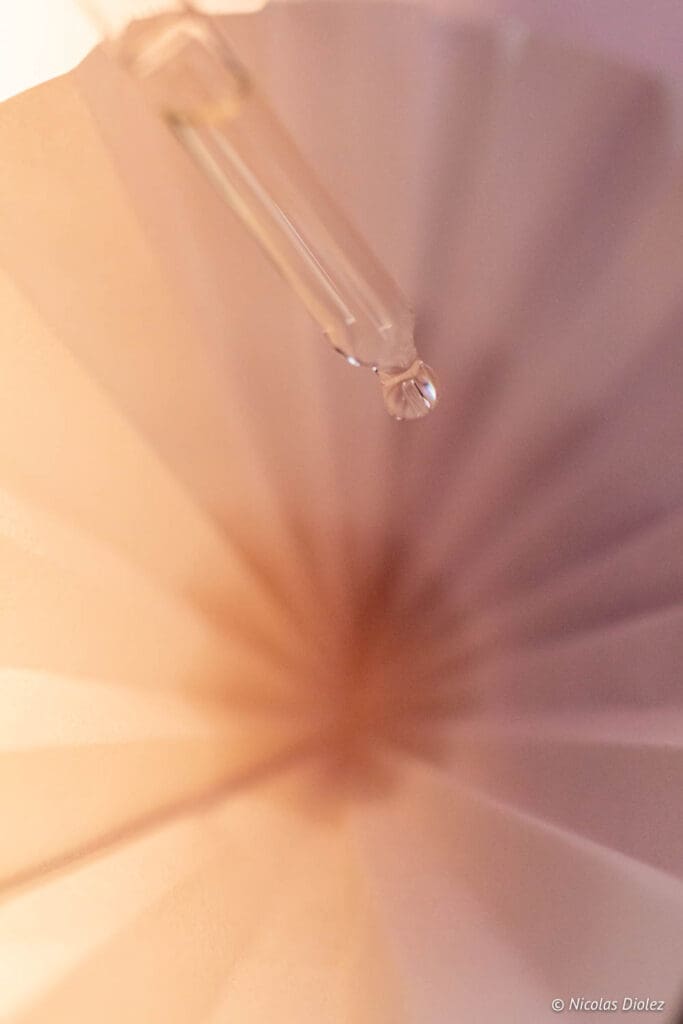


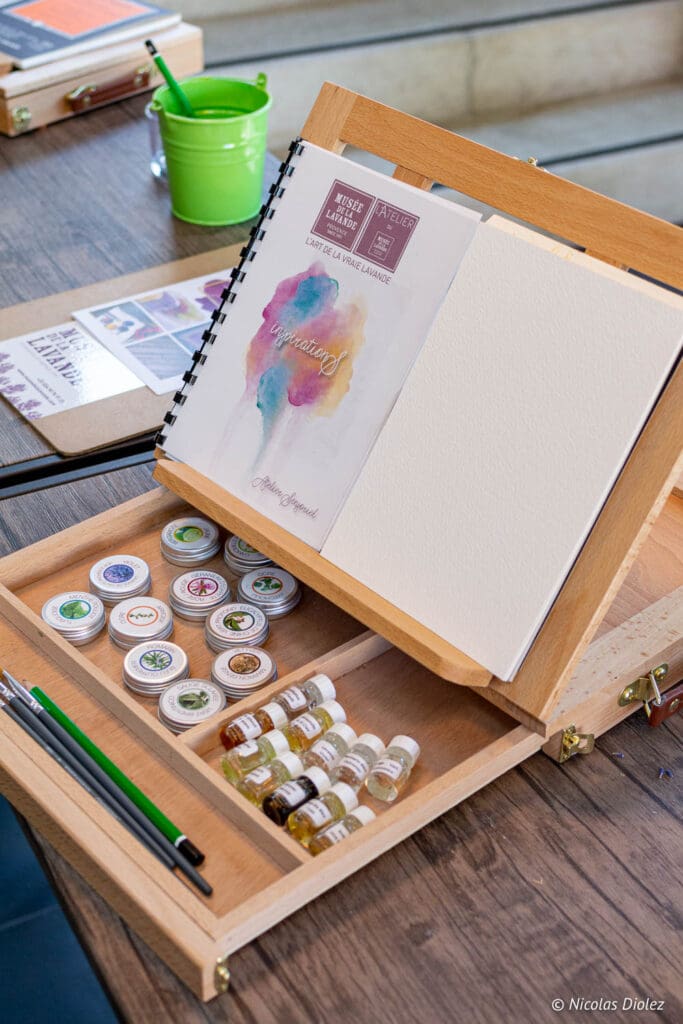


Bonus: the museum also organizes sensory workshops (€35 / 1h15) by reservation.
My advice: if you want to see beautiful lavender or lavandin fields, you must come to Provence before mid-July, when the harvest begins.
Musée de la Lavande
276, route de Gordes BP 16 84220 Coustellet

open 7 days a week from February to December (closed December 25 and in January)

Prices: €8 / free for children under 10

Great deal: free distillation demonstration in the museum garden in July and
August from 10am to 12pm and 2pm to 6pm except Saturdays
_
Visiting the Corkscrew Museum at Domaine de la Citadelle
This wine estate is the work of Yves Rousset-Rouard, a former film producer (he notably produced ‘Les Bronzés’, ‘Le Père Noël est une ordure’, but also ‘Le Souper’ or ‘Emmanuelle’) and co-founder of Le Splendid, who acquired the site in 1981.
The property is located above the village of Ménerbes, on the northern slope of the Luberon, and spans 50 hectares, offering a total of 75 different plots planted with 15 grape varieties producing red, white, and rosé wines. The estate has existed for 30 years now, and the 50 hectares of vines have been organic since 2016.


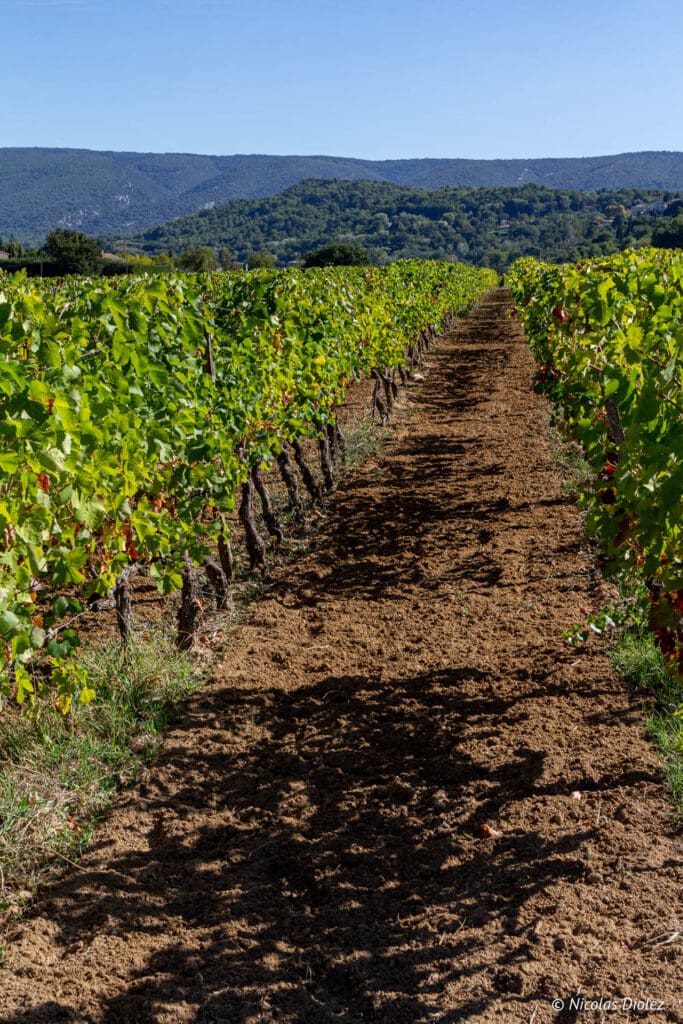
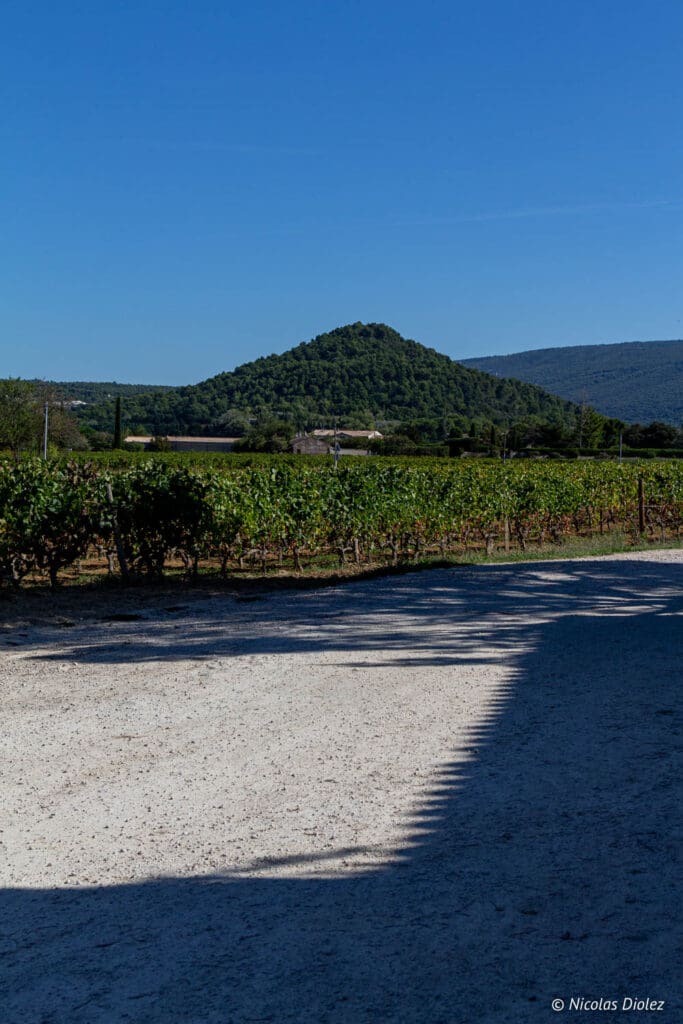
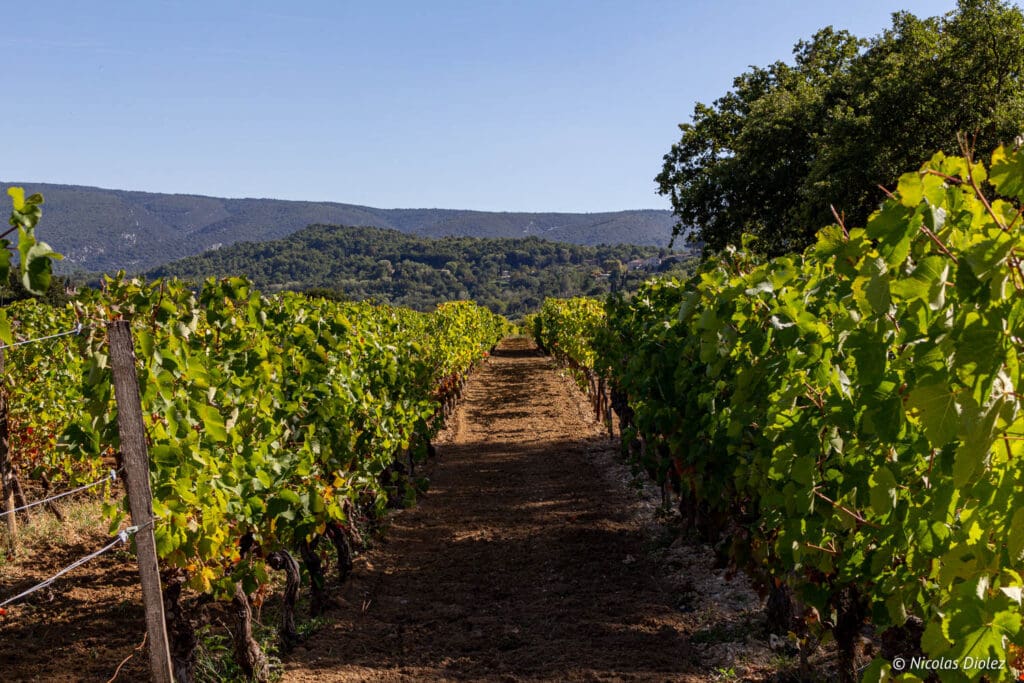
I highly recommend a small stop at Domaine de la Citadelle to taste some of their truly excellent wines! I particularly recommend the Cuvée du Gouverneur (€25 per bottle for the 2017 vintage), which is a cellaring red wine that comes from the blend of several Syrah plots, with a very good price-quality ratio.
For those nostalgic for the movie ‘Les Bronzés font du ski’, Domaine de la Citadelle released an anniversary cuvée last year in organic AOP Côtes du Rhône (€9 for 2018 and €12 for 2017) to celebrate the 40th anniversary of the feature film.


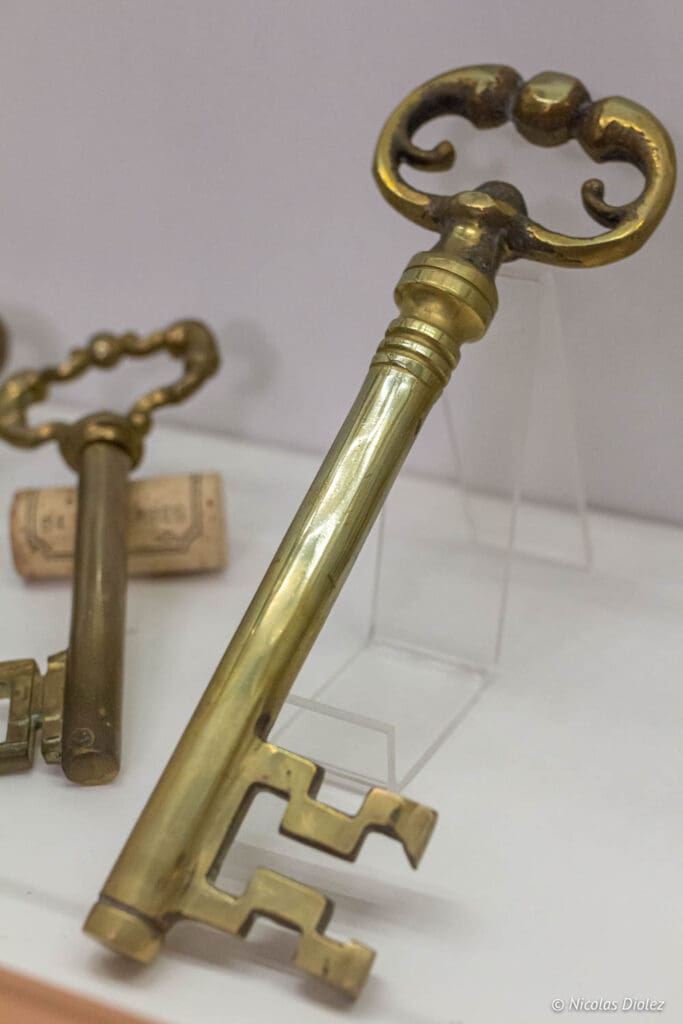
A unique feature of the place is the presence of a Corkscrew Museum, which has been gathering the owner’s collection since 1993. It’s an opportunity to discover the evolutions and the different varieties of this everyday object that has taken on very different forms depending on the era and country. Today, this beautiful collection presents about 1,200 pieces, which is quite impressive!
I learned there that the first corkscrews appeared around the middle of the 17th century. It is undoubtedly an English invention, which would have come from the twisted worm of the ‘tire-bourre’ (or bullet extractor), supplied with firearms.




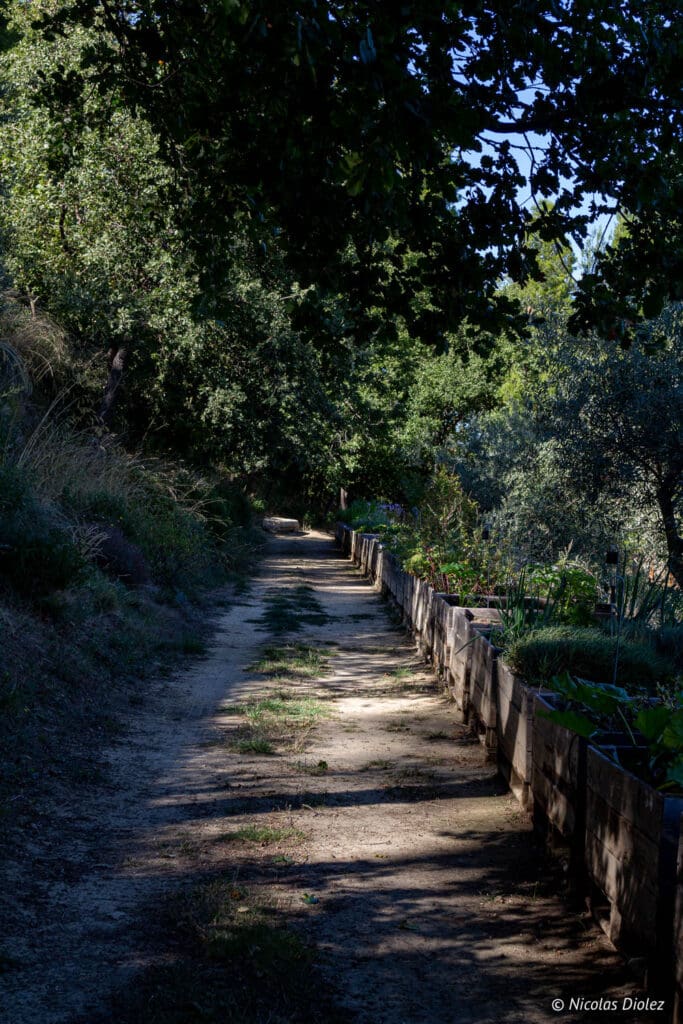
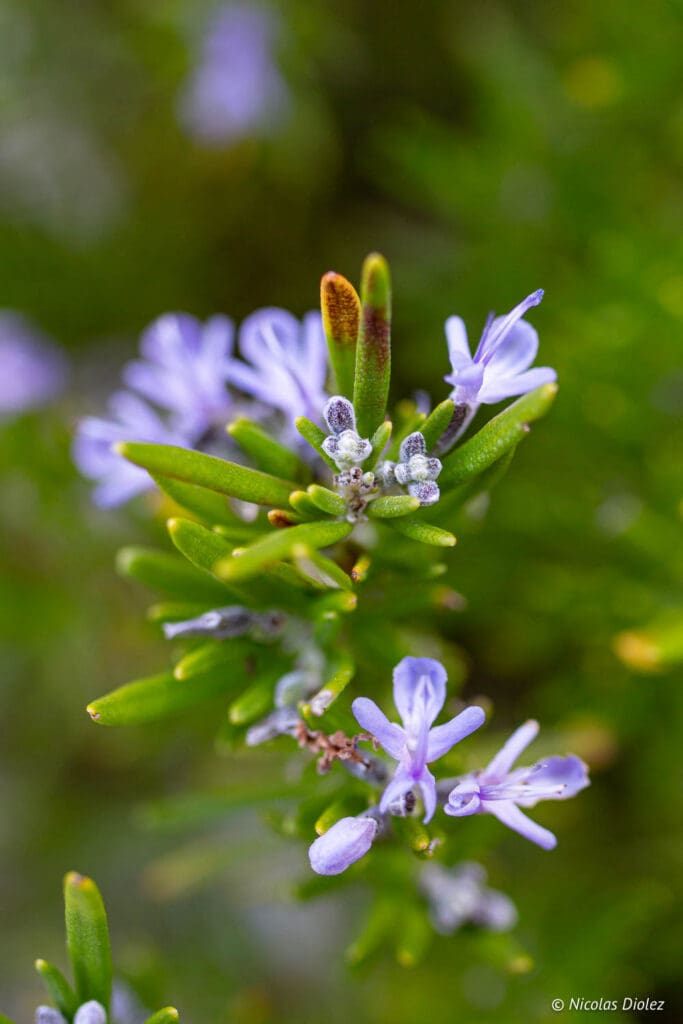
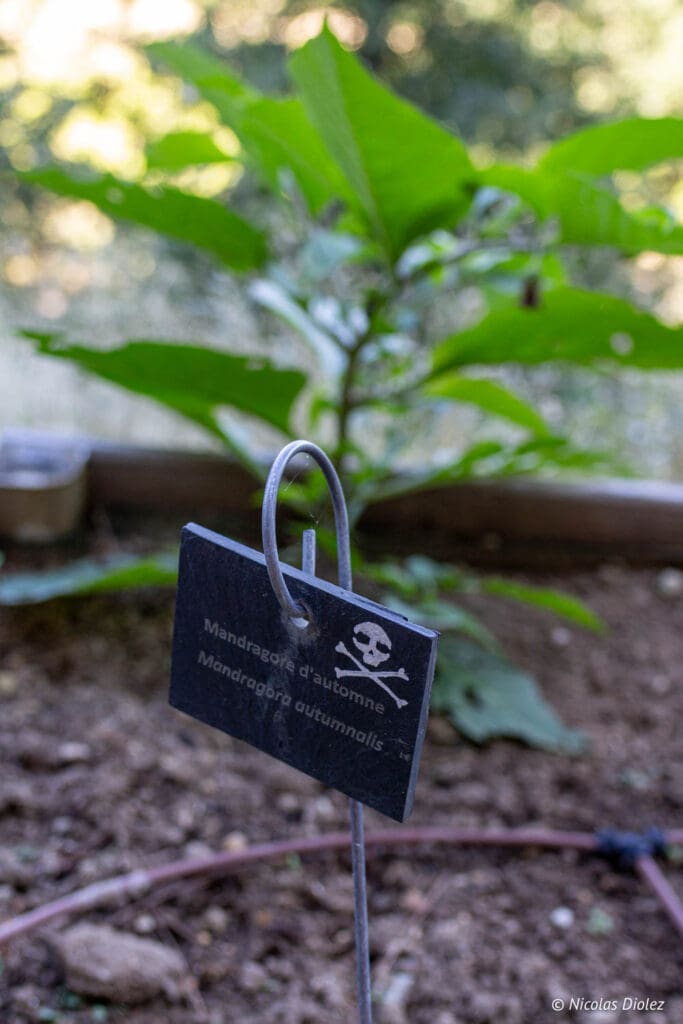
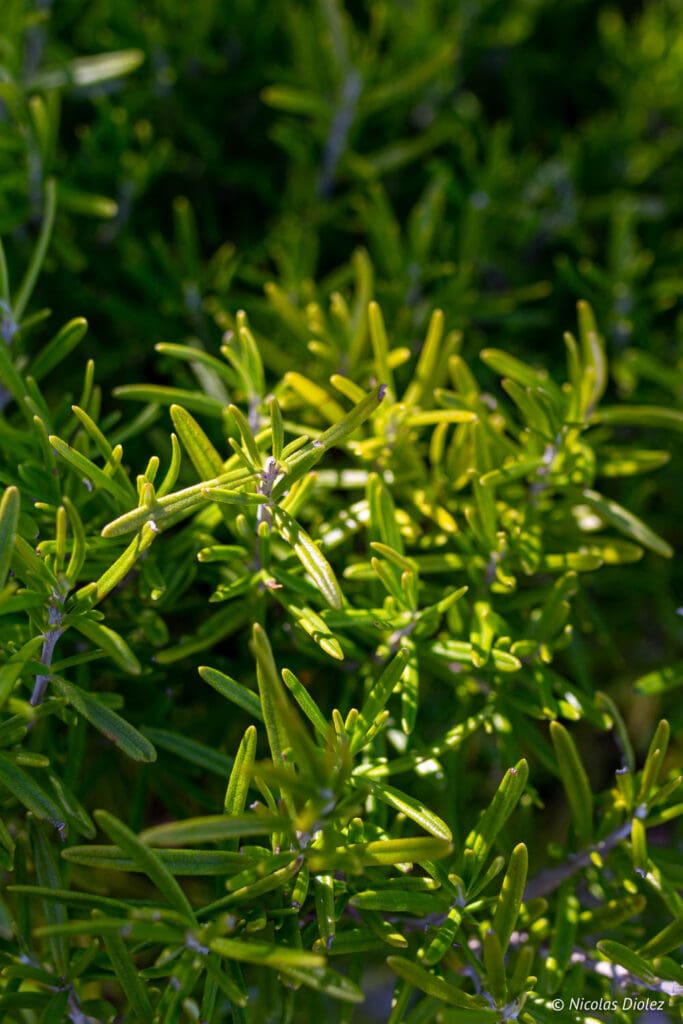
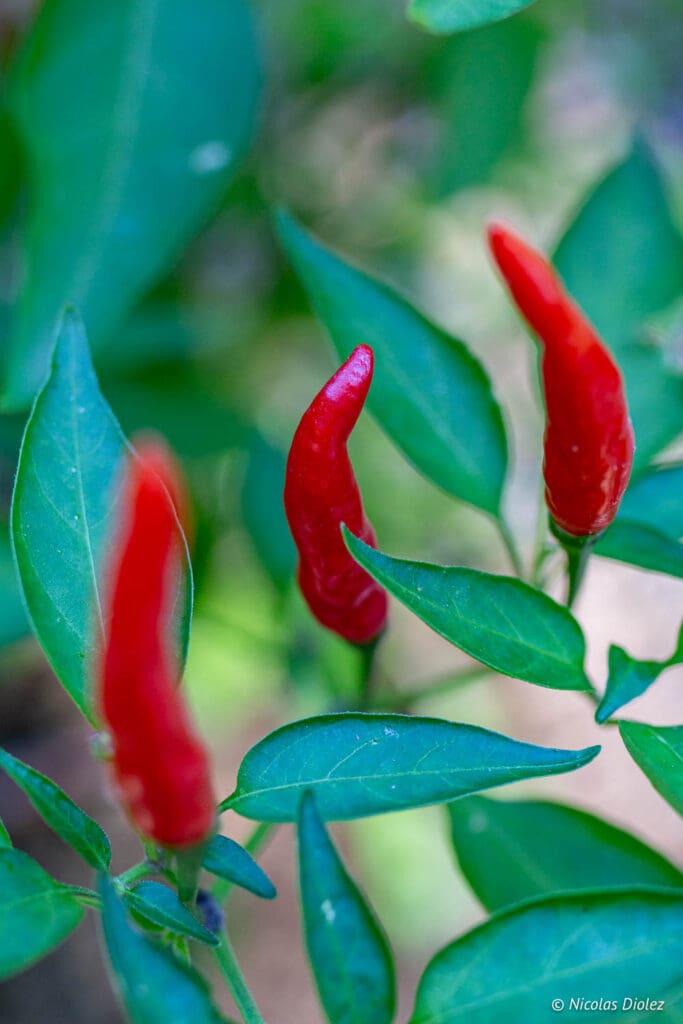
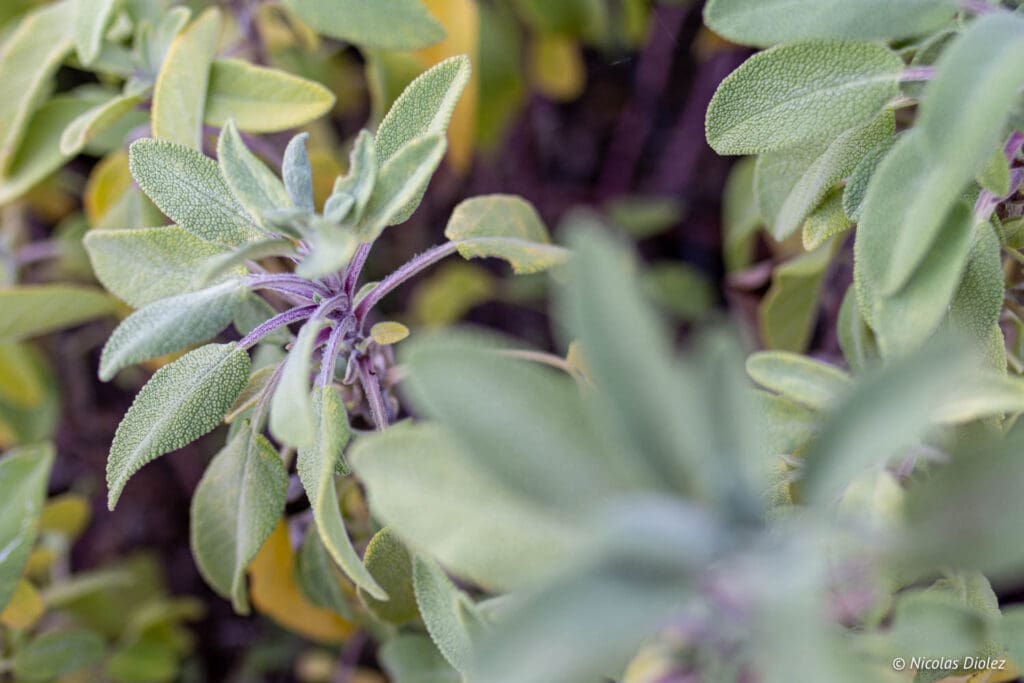
Finally, the estate also houses a botanical garden that spans 5 hectares and offers a magnificent view of the Mont Ventoux, the Luberon, and Ménerbes. You can visit this garden for a little olfactory walk and learn to recognize different aromatic, medicinal, wild edible, magical, or even carnivorous plants.




Domaine de la Citadelle

601 Route de Cavaillon 84560 Ménerbes
_
Where to have lunch in the Luberon? L’Estellan
This restaurant is located about 5km from the village of Gordes and is housed in the Mas de la Sénacole, which is also a hotel. As for the food, you will find gourmet dishes highlighting the specialties of the Provencal region. On sunny days, it is extremely pleasant to sit on the small terrace at the back of the establishment; it immediately smells like ‘Luberon-made’ holidays and sunshine!
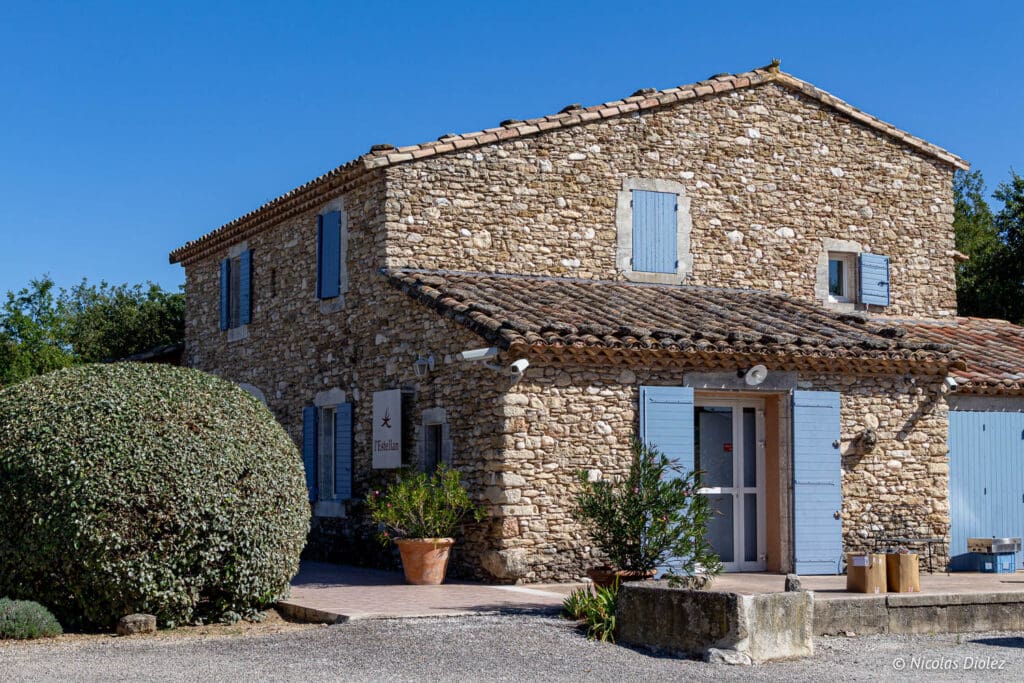

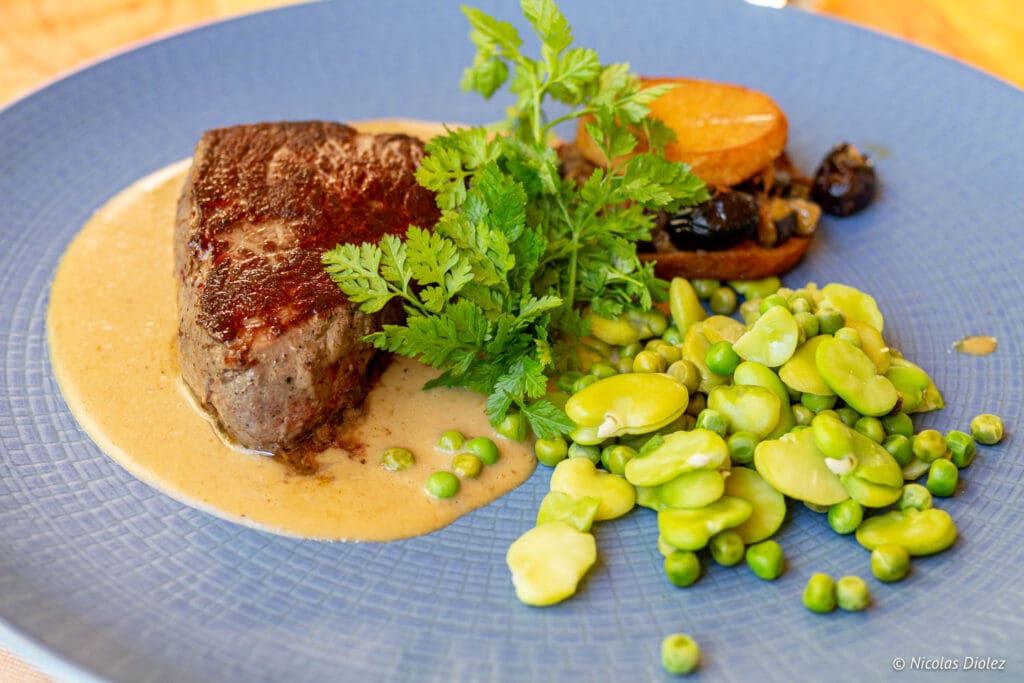
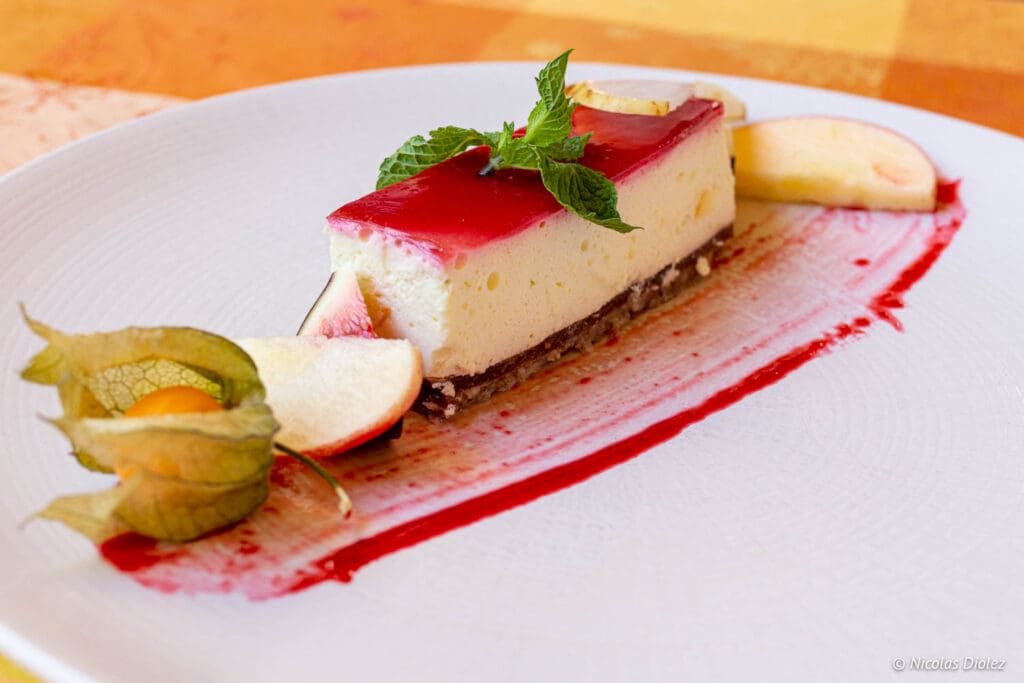

Restaurant l'Estellan
Lieu dit les Imberts, 84220 Gordes

open every day, lunch and dinner, between late April and late September
closed Mondays and Tuesdays the rest of the year
Lunch menu at €26 with starter + main course + dessert
_
Where to sleep in the Luberon? La Ferme de la Huppe
This 4-star boutique hotel is housed in a converted old Provencal farmhouse and is located in the countryside not far from Gordes. It really is a place to stay with a lot of charm that I highly recommend if you are coming for a holiday in the Luberon and have a car. For our part, we stayed in the ‘Le Grenier’ room, which is upstairs and where the hay needed for feeding the animals was stored back in the day.


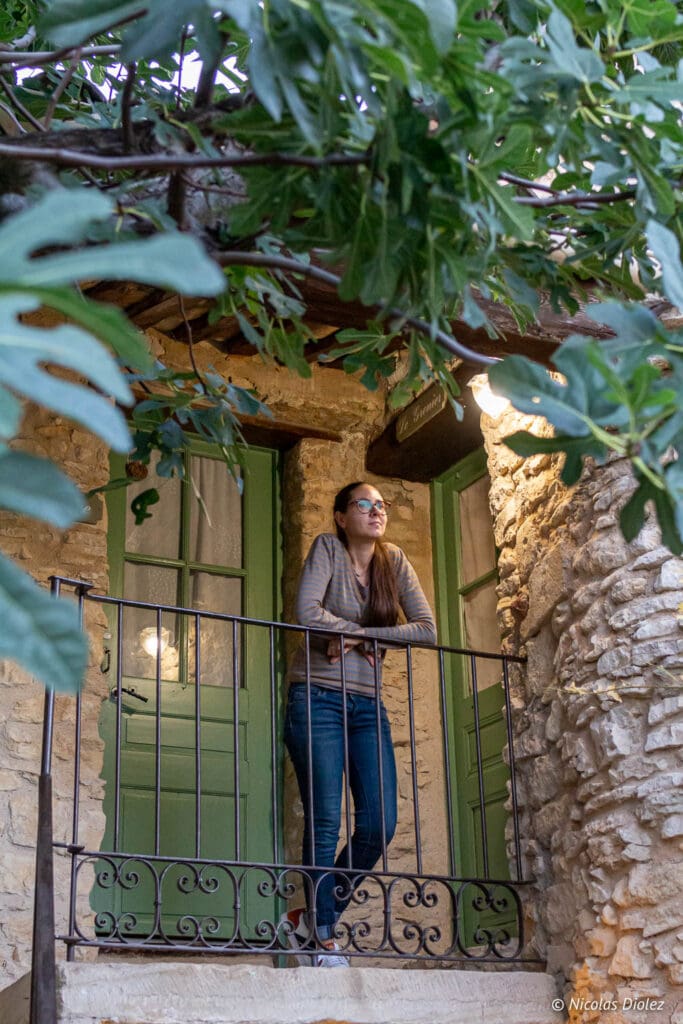


In addition, the family establishment also offers a high-quality gourmet restaurant with a very charming terrace for sunny days. For lunch and dinner, you have the choice between a ‘La Huppe’ gourmet menu, combining creativity and a quest for flavors, and a ‘Panier du Chef’ menu (€42) inspired by local culinary traditions. In the kitchen, it is chef Alain Poitou who treated us to this beautiful gourmet evening.

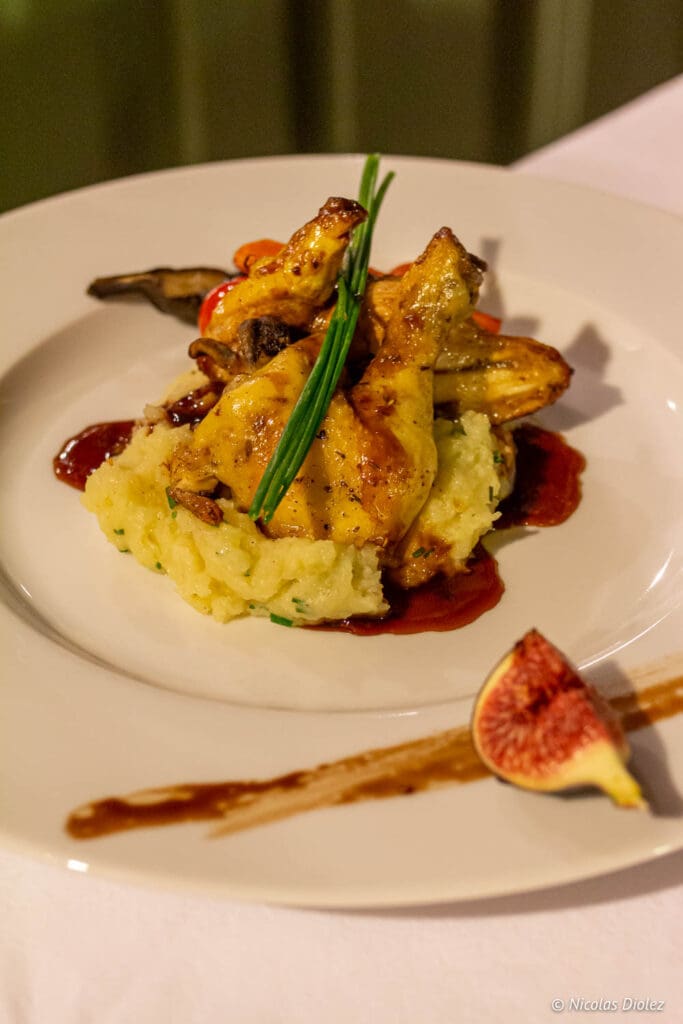
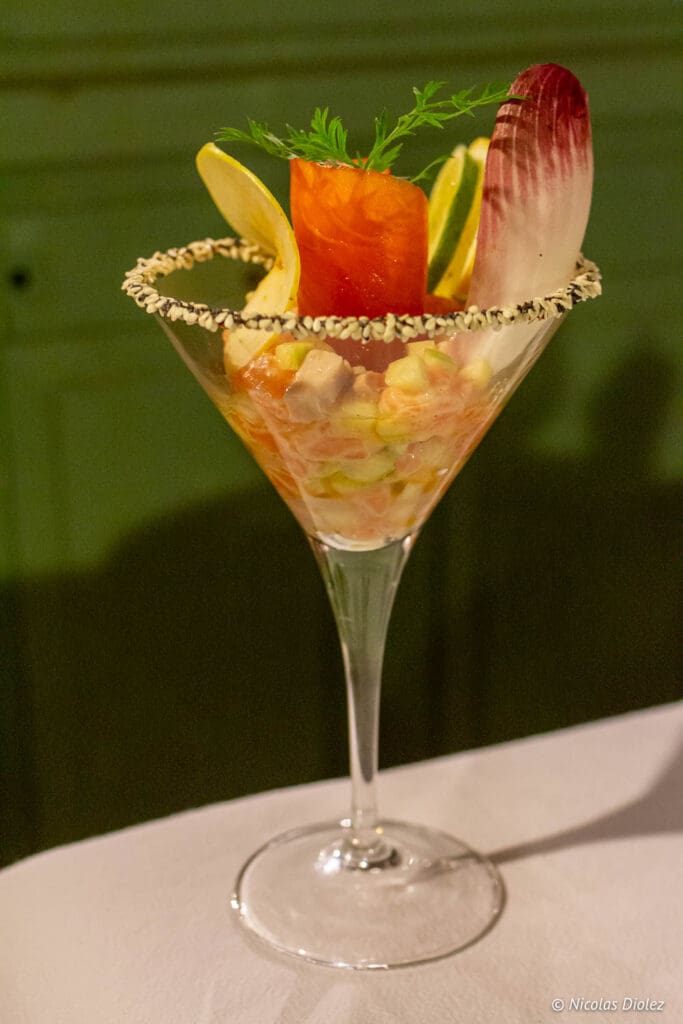


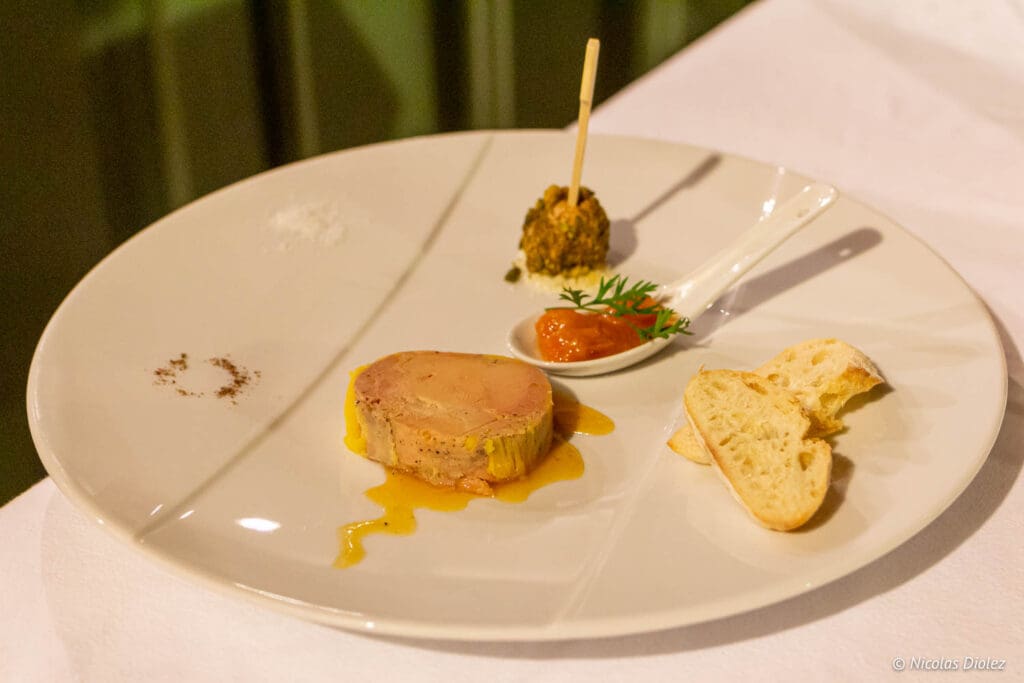


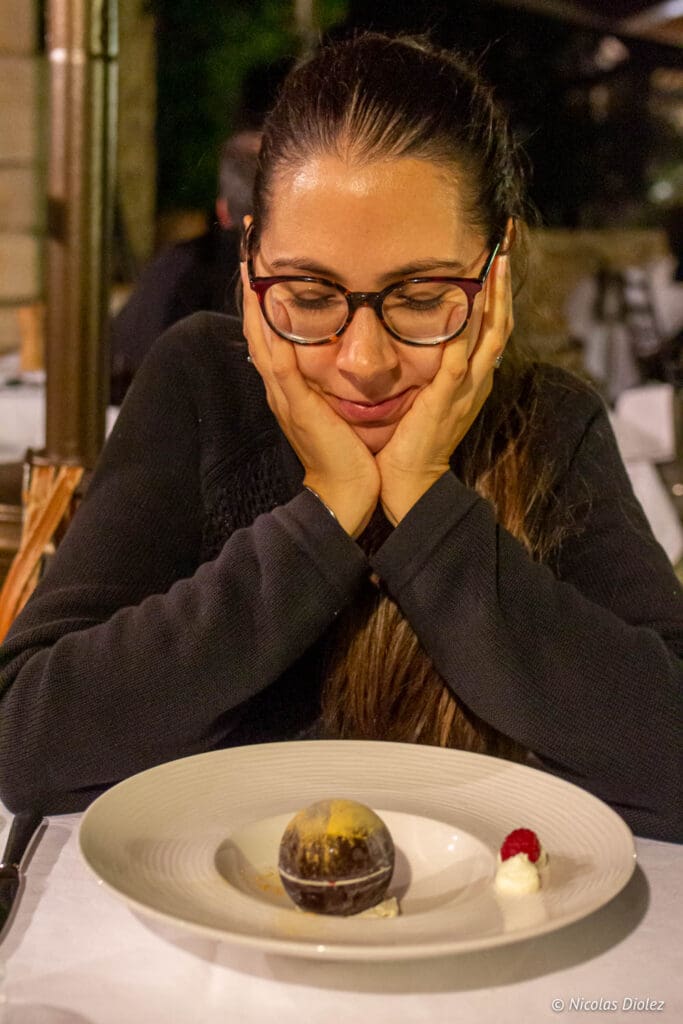
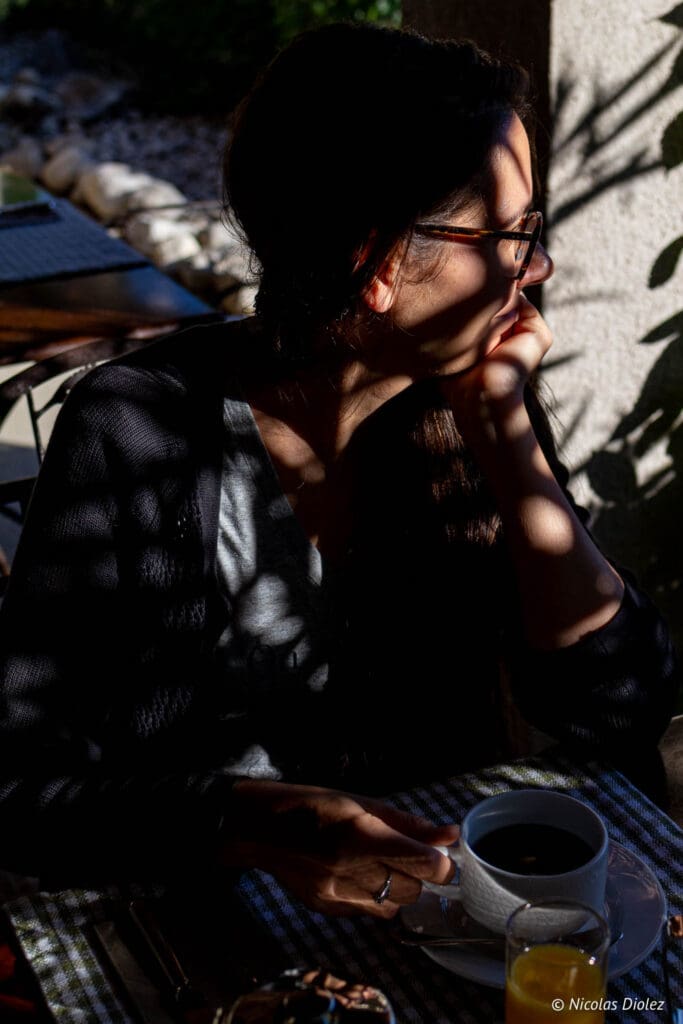
In the morning, it is really pleasant to have breakfast under the terrace pergola facing the pool. It is offered as a buffet with several regional products, which is very cool. In short, I won’t hide the fact that we fell in love with this hotel and that I highly recommend it if you pass through the Luberon during your holidays.



Bonus: the hotel has a cool pool for sunny days.
Ferme de la Huppe

Hameau des Pourquiers Route départementale 156
84220 Gordes

Price for a room with a double bed, breakfast included for 2 people: from
€160 (discounts may apply in Low and Mid season)
_
Thanks to Destination Luberon, Pays d’Apt Luberon, and the Vins IGP Vaucluse for organizing this stay in the Luberon.

I hope that with all this, I have made you want to discover the Luberon during your holidays, and if you also have your own great addresses and advice for this destination, don’t hesitate to share them in the comments below!
Find all my articles on the Luberon in Provence below:
⇒ All my articles on the Luberon
⇒ All my articles on the PACA region
MY ARTICLES ON THE LUBERON
⇒ VTF Luberon Village (2015)
⇒ Discovering Luberon wines (2016)
⇒ Madame Vacances Provence Country Club Residence (2017)
⇒ Getaway in the Luberon (2019)
Photo credits: Nicolas Diolez
Photos not royalty-free, photographer's authorization mandatory before any use