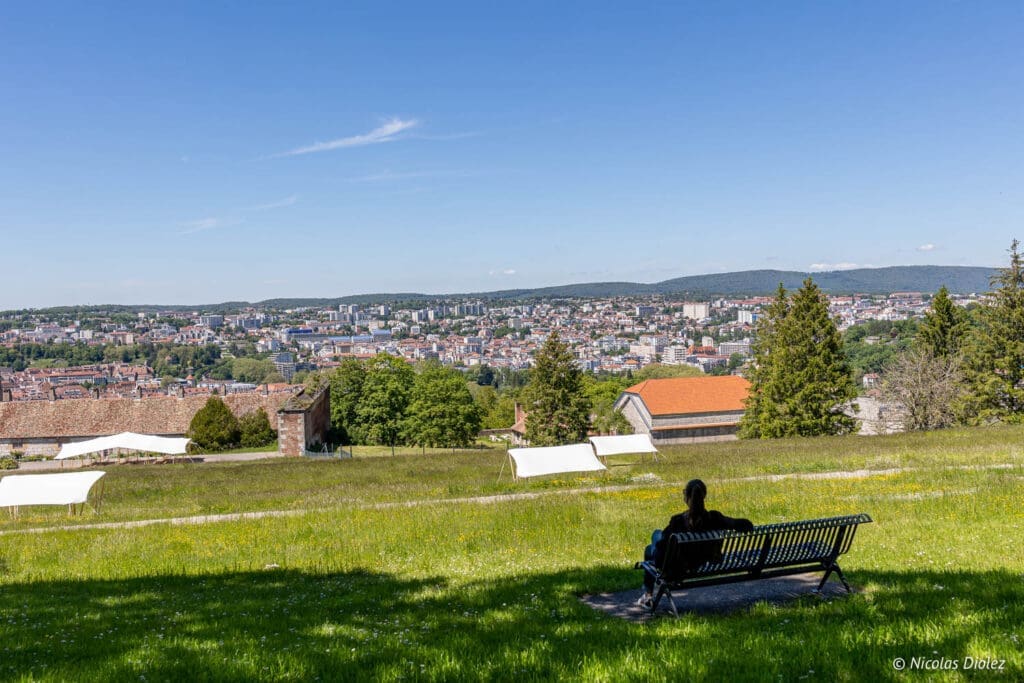
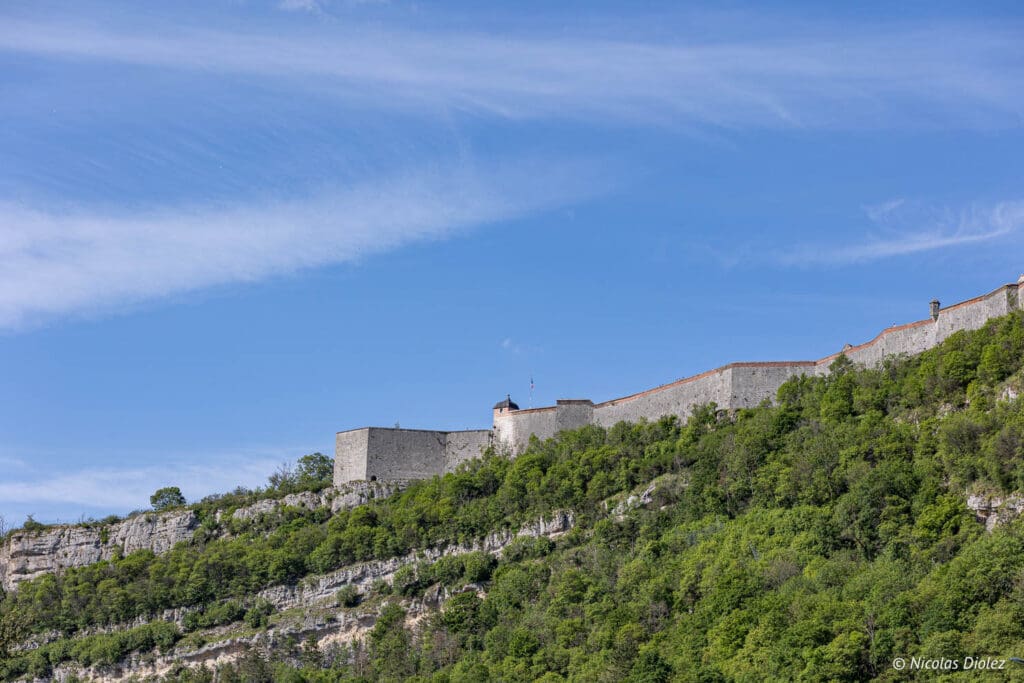
Besançon is known for being the capital of Time and for its citadel, a masterpiece by Vauban listed as a UNESCO World Heritage site. Despite its treasures, it’s still a largely underestimated destination in my opinion, and I’m going to try to convince you that going for a long weekend to visit and discover the prefecture of Doubs (in the Bourgogne-Franche-Comté region) is clearly a great idea! First of all, Besançon is one of the greenest cities in France with the 7 hills surrounding it, and it definitely exudes a certain art de vivre. Proof of this is that it was one of the first cities in France to create a pedestrian zone in its city center.
I first discovered Besançon in 2011 for a bachelorette party of a friend who had moved there, and I kept very fond memories of it. More recently, I had the chance to go back in May 2021 and November 2022 with my favorite photographer, who was thrilled to discover the city. Below, I invite you to discover some ideas for places to visit in Besançon as well as a selection of outdoor activities. For my traditional list of good addresses in Besançon (how could I leave that out!?), I recommend taking a look at my other article specifically covering this topic.



Practical Info: How to get to Besançon from Paris?
By train/TGV from Paris Gare de Lyon (there is a connection with a TER in Dijon or Dôle)Allow about 2h30 to 3h of travel time
Table of Contents
Ideas for visits to do in Besançon
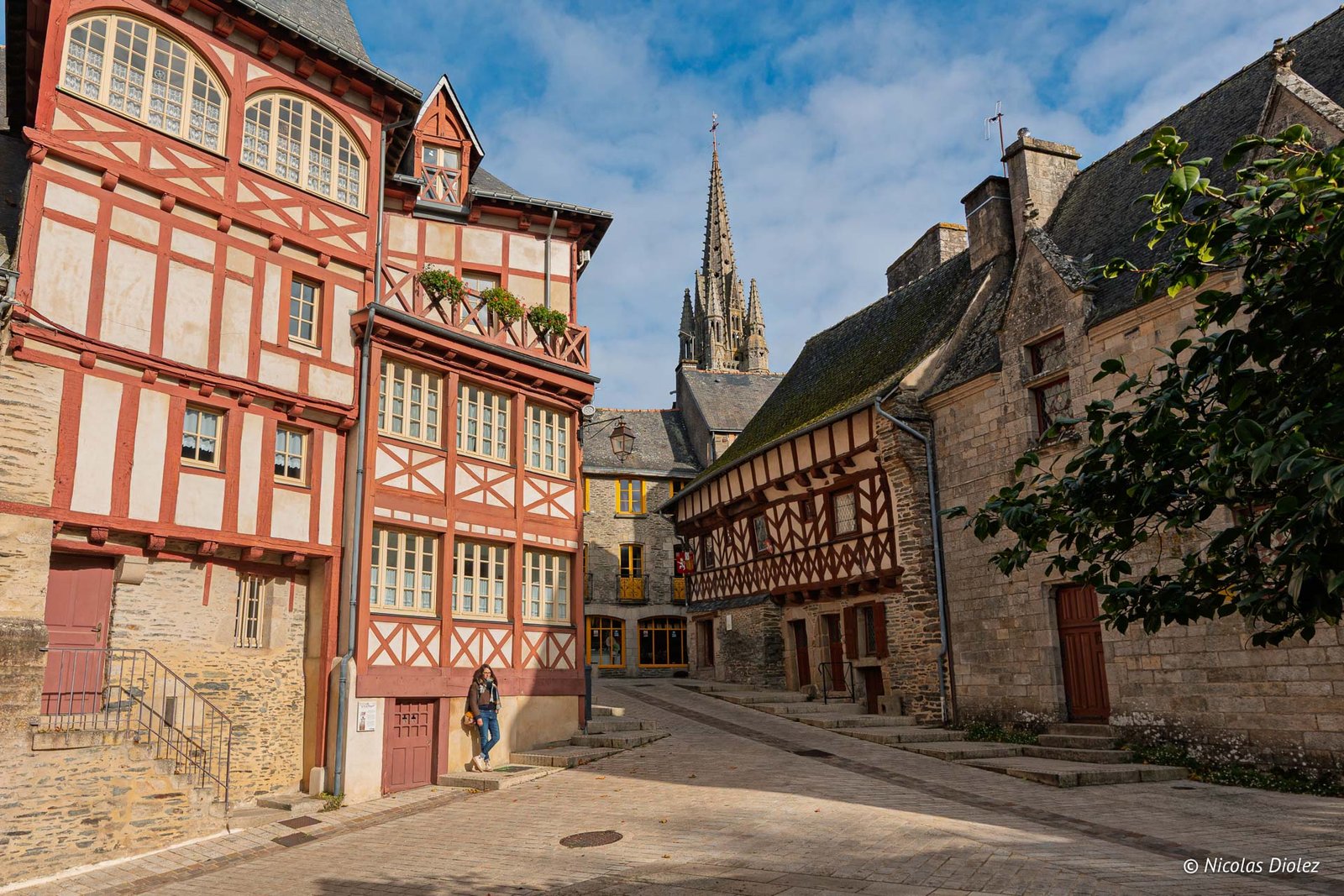
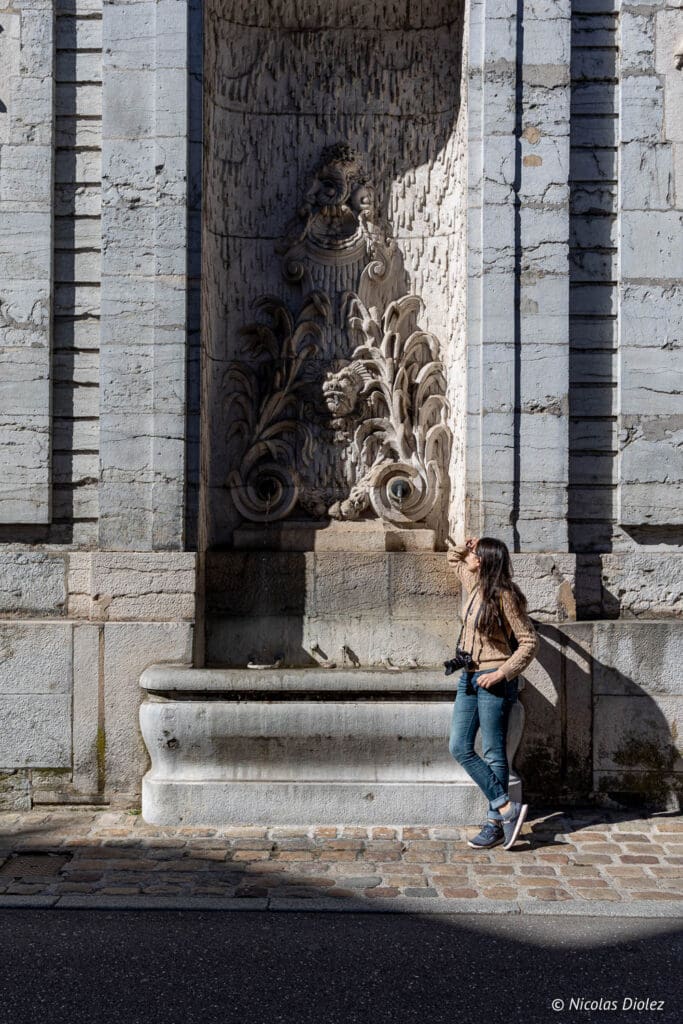
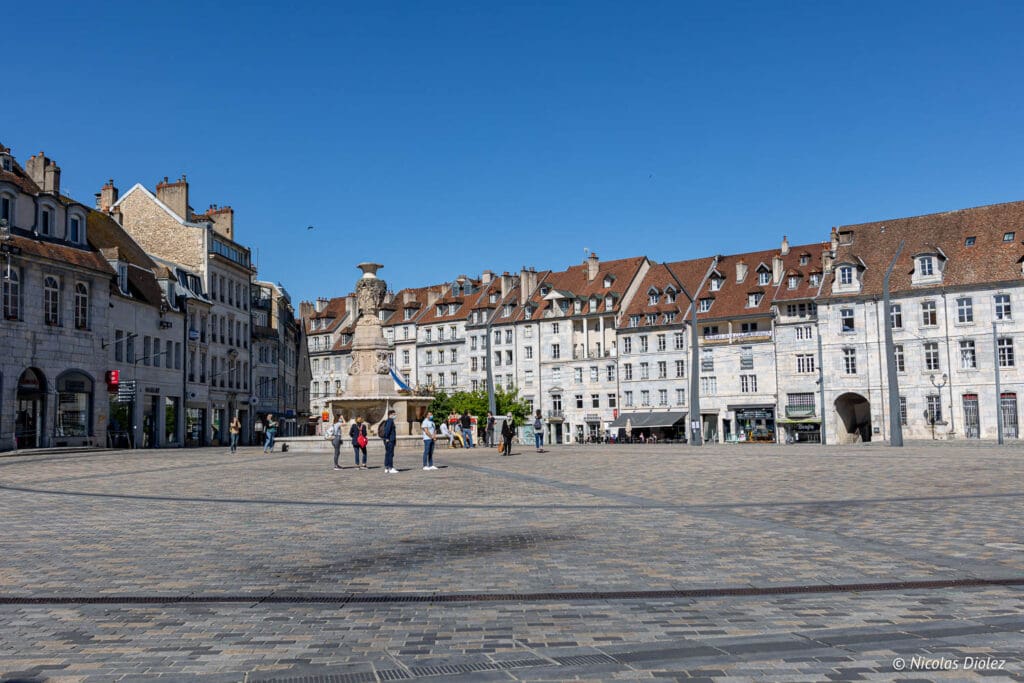
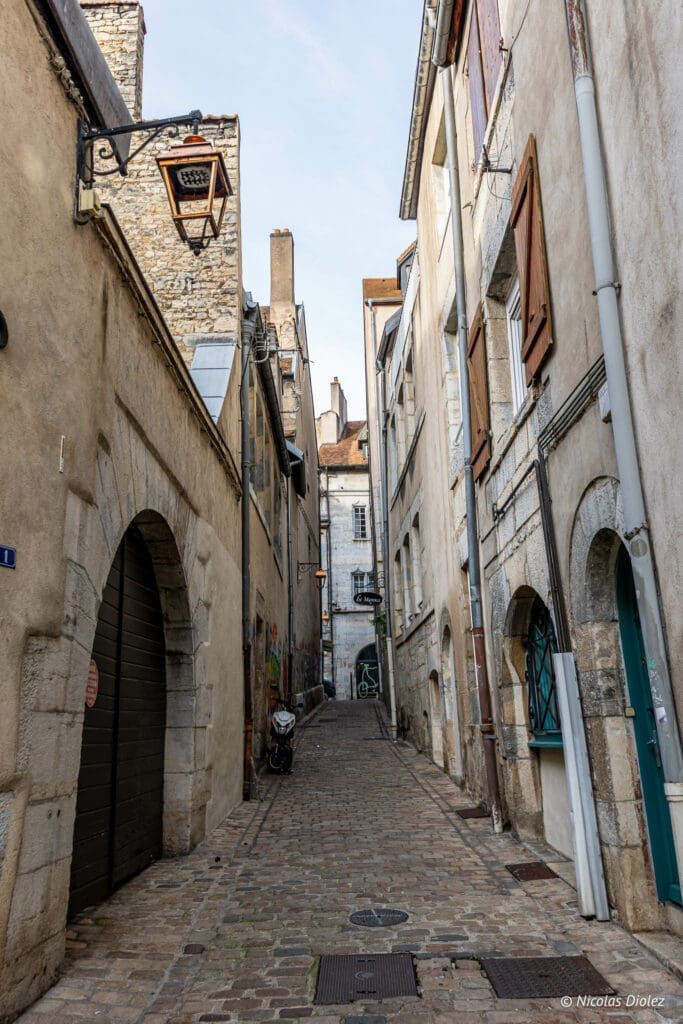
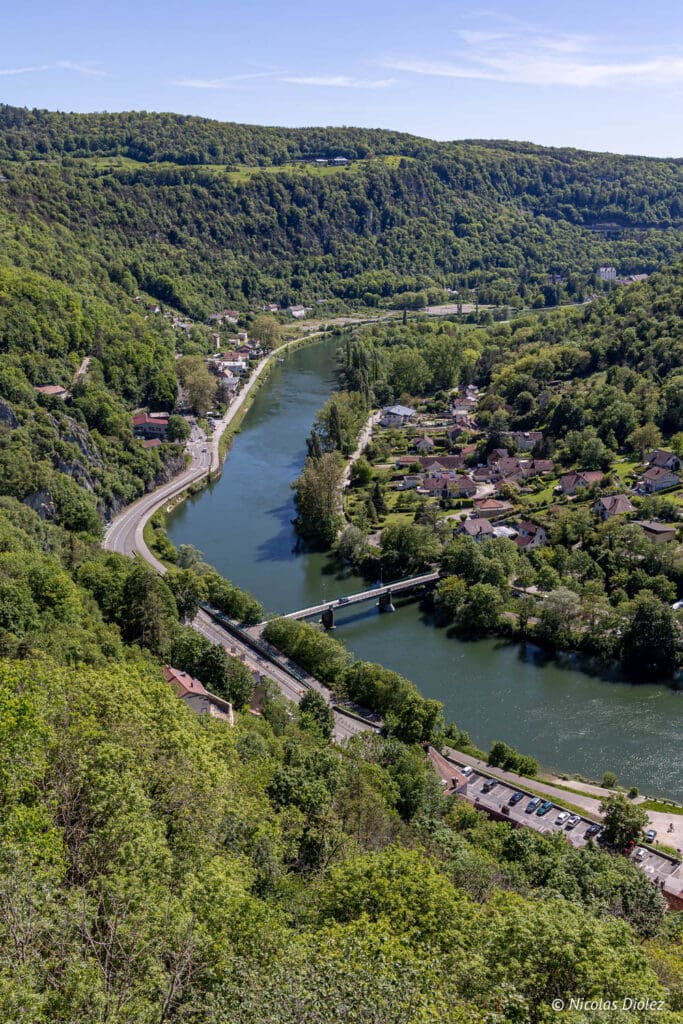
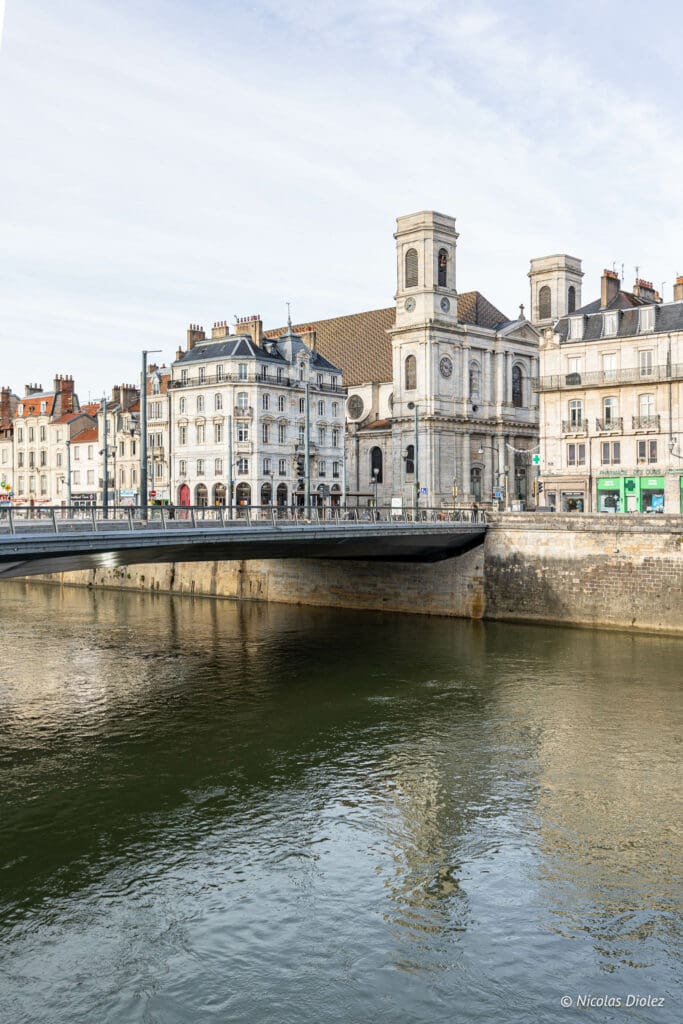
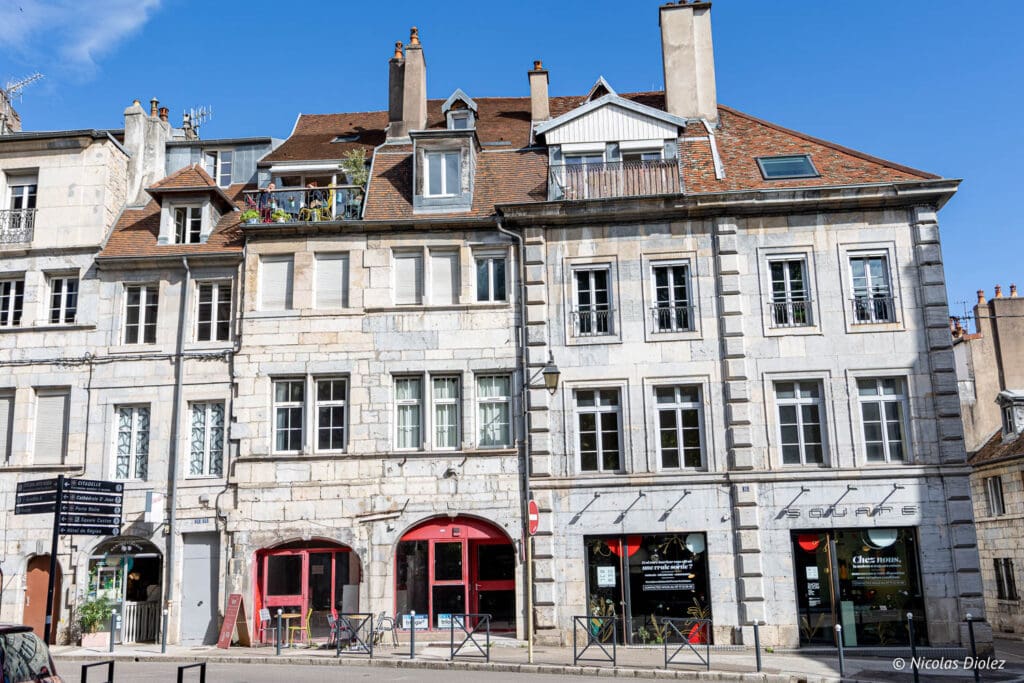
It is very pleasant (and simple) to walk around Besançon. You will notice the lovely unity of the historic center, which is the 2nd largest protected sector in France, with its recognizable stones (featuring blue and yellow hues) that all come from Chailluz, a stone quarry in the surrounding area. And a small detail that you don’t notice at first glance: seen from above, the historic center, enclosed in a meander of the Doubs, looks like a horseshoe (you can especially see this by looking at city maps).
In addition to the few visit ideas I suggest below, I recommend taking a look at the Visiter Besançon app which has been around since July 2019. You will find several sightseeing routes to follow on your smartphone, including one we tried in 2021 focusing on the women of Besançon who left their mark on the city’s history, and two other routes tested in 2022 that I mention below.
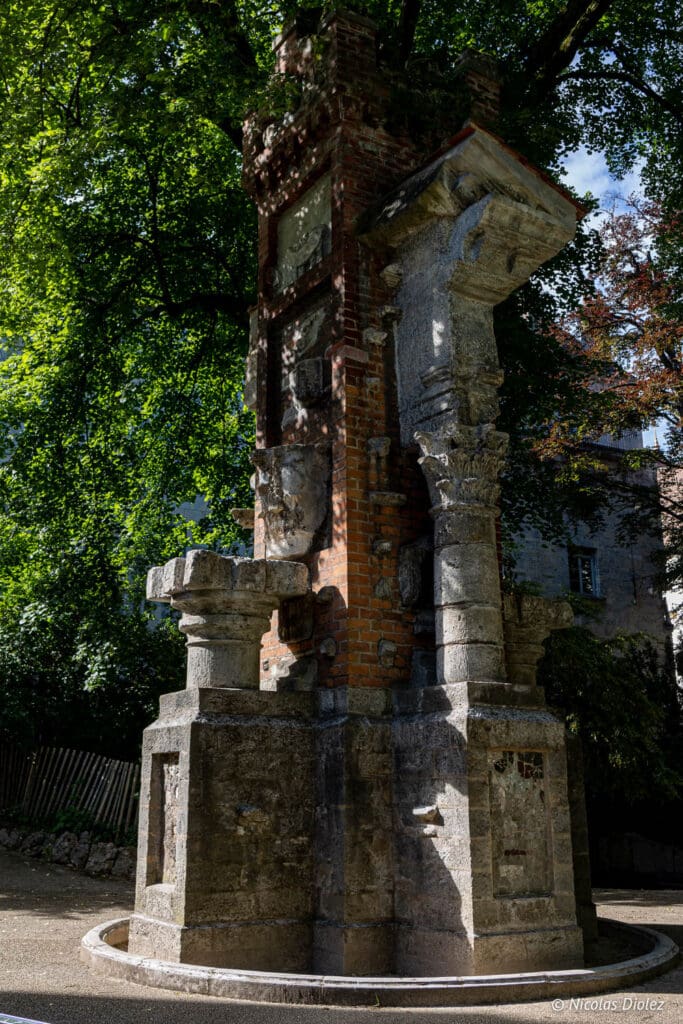
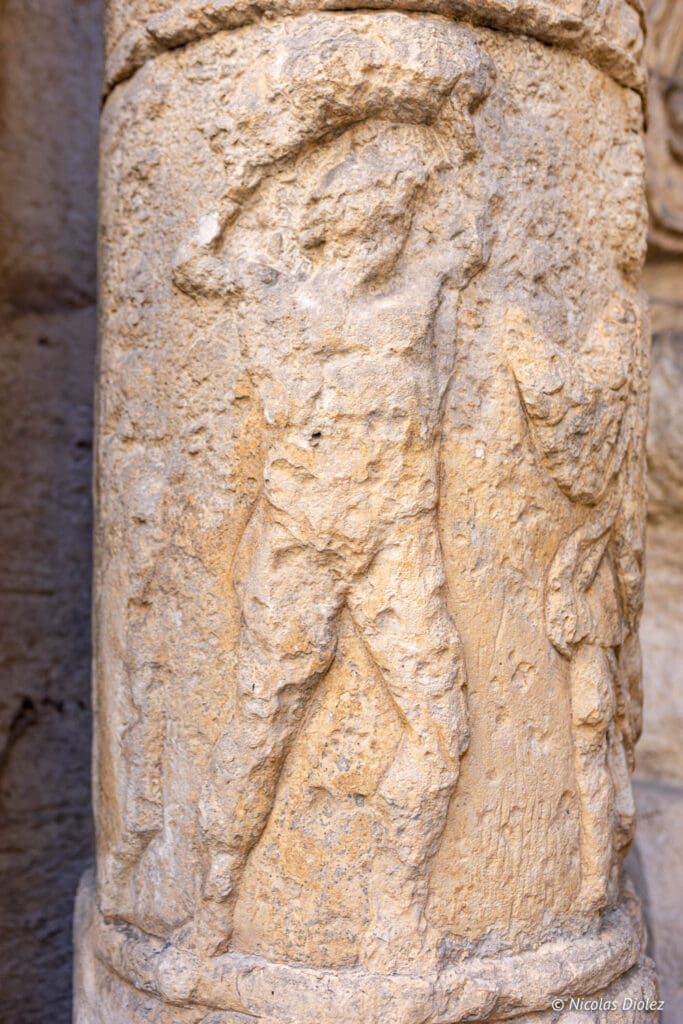
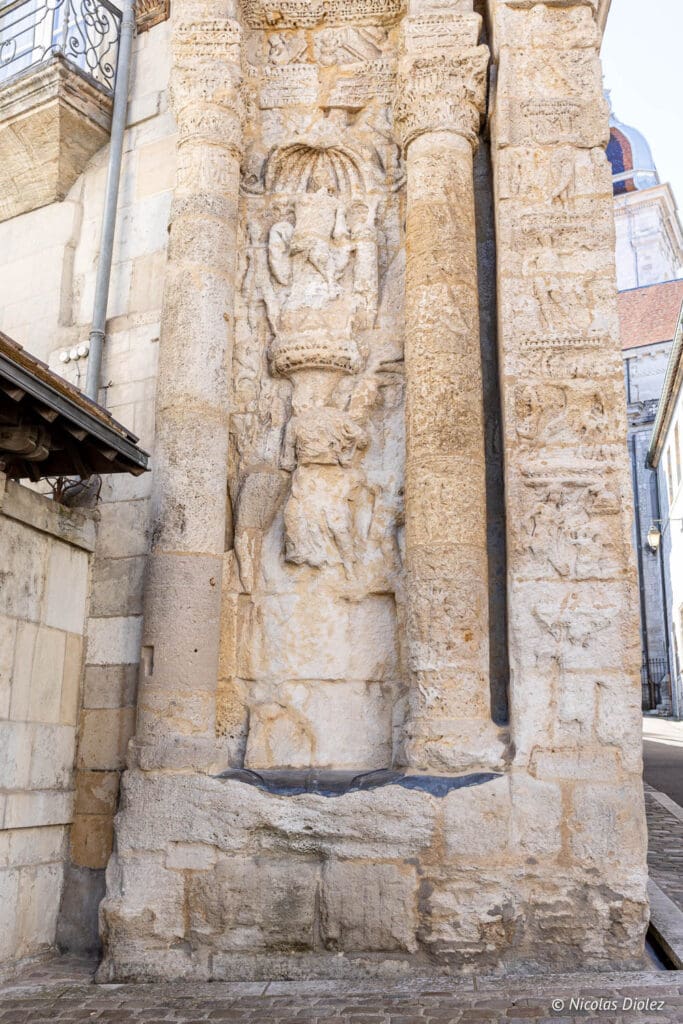
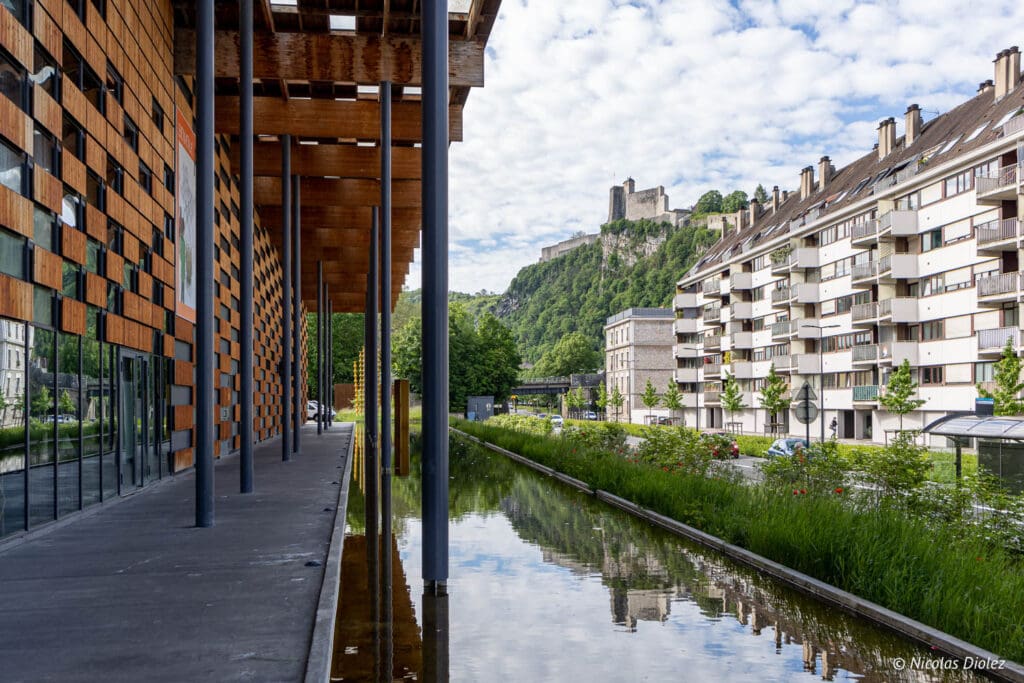
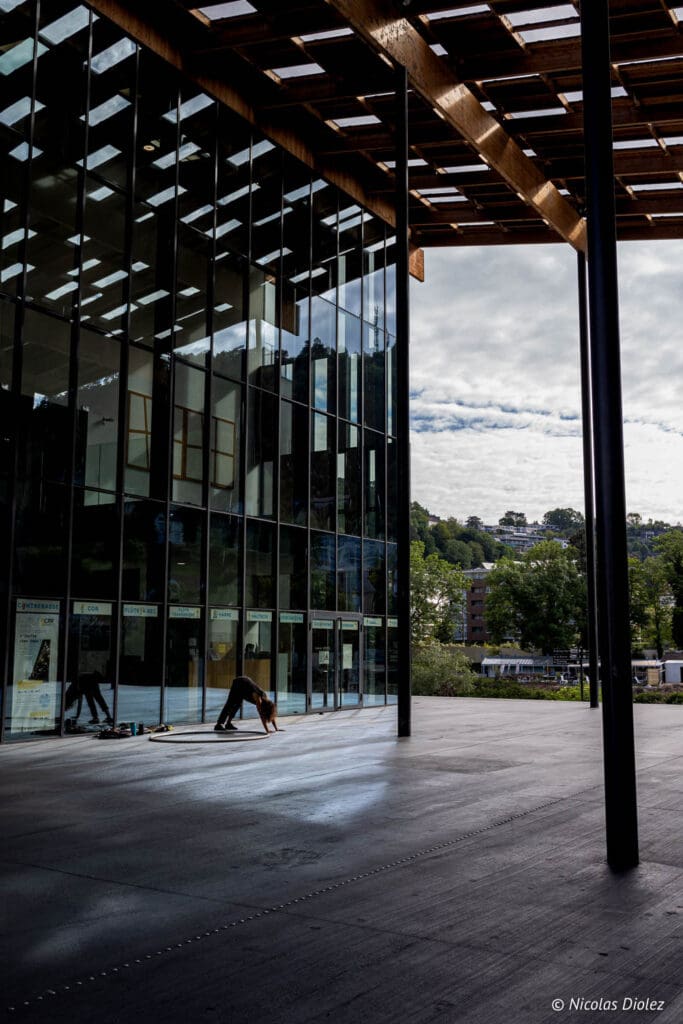
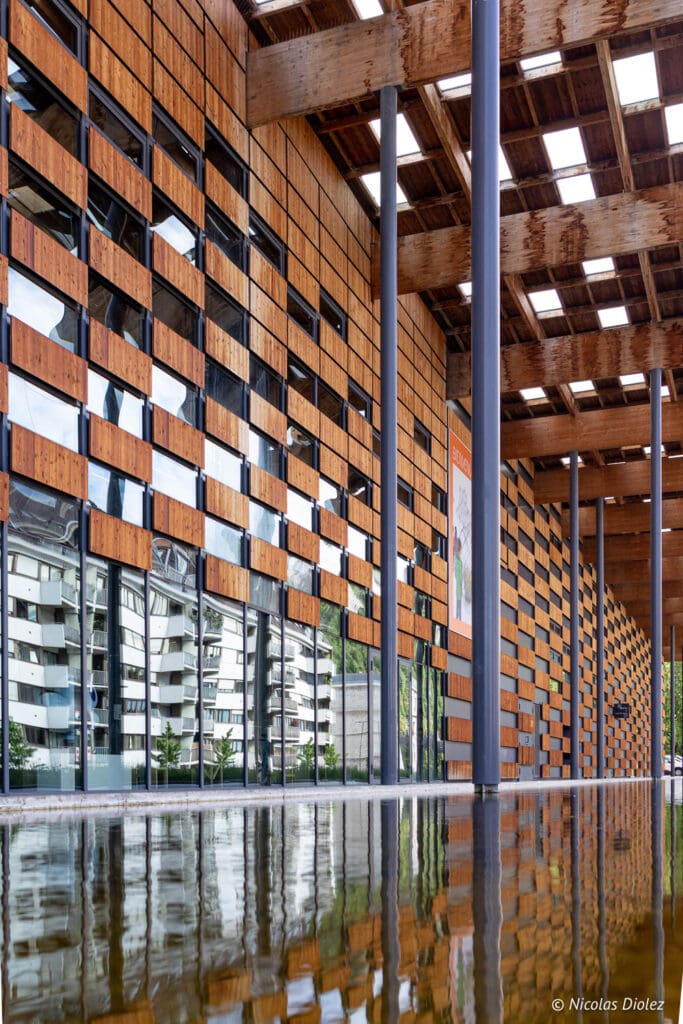
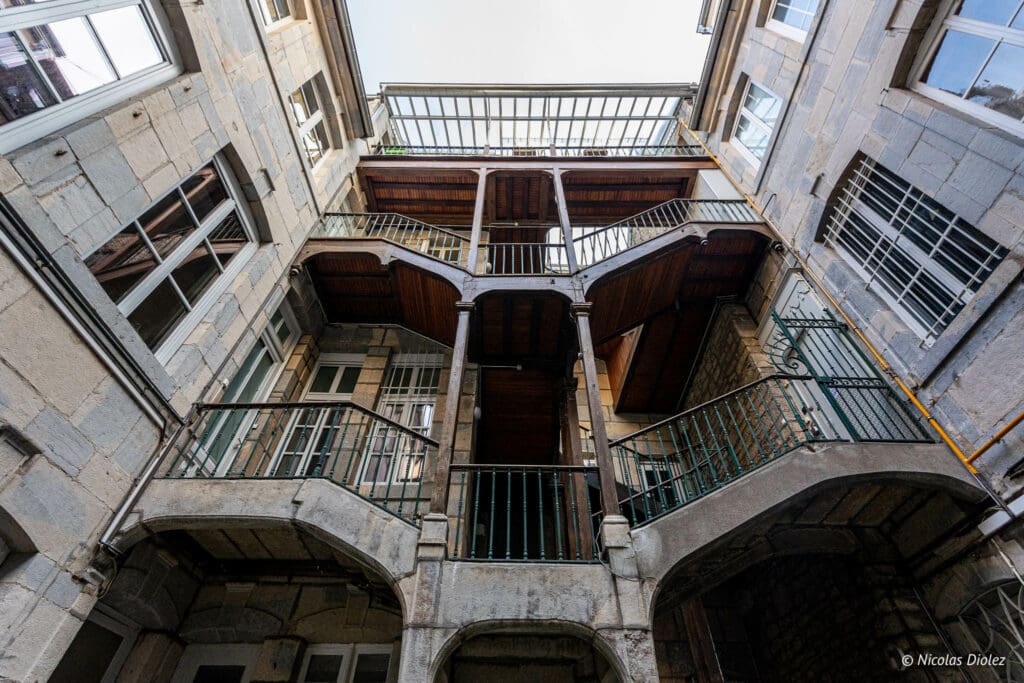
Among my other recommendations, I also advise you to take a trip toward the Cité des Arts (located opposite the Doubs) which notably houses the Frac Franche-Comté and the Conservatory. I really liked the architecture of the place, redesigned in 2013 by a Japanese architect. Another spot to see is the Place des Grands Hommes, where you’ll find the birth house of Victor Hugo as well as the Lumière brothers (yes, I was very surprised to learn that as someone from Lyon). If you are curious, you should know that all the courtyards in the old town conceal open-air staircases that are very characteristic of Bisontin urban planning and were built on the outside to save space. And finally, if you love archaeology like I do, you absolutely must go see the Porte Noire, the remains of a Gallo-Roman triumphal arch erected under the Roman emperor Marcus Aurelius in the 2nd century AD.
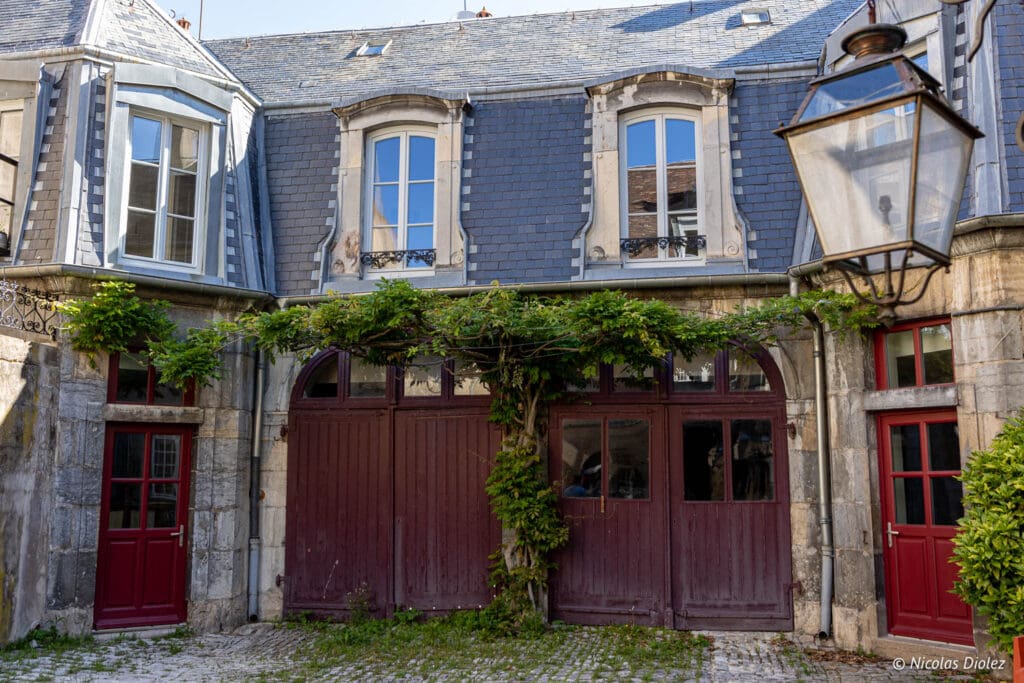
In 2022, we also discovered another district of the city on the right bank: the Quartier Battant, which is a working-class neighborhood where tanners and winegrowers used to live back in the day. Today, it is a mixed, multicultural neighborhood with restaurants offering cuisines from all over the world. If you go there, don’t miss out on seeing the magnificent 16th-century inner courtyard of the Hôtel de Champagney.
Besançon museum deal: with a ticket to one of the city’s museums, you get free access with the same ticket for a year to the other municipal museums (to do this, purchase a combined ticket including the Museum of Fine Arts and Archaeology, the Museum of Time, and the Victor Hugo Birthplace)!








Good deal: the Besançon Tourism Pass
This pass offers admission to the Citadel + Victor Hugo Birthplace + Museum of Time + Museum of Fine Arts + free access to the Ginko public transport network
Prices: starting at €14.90 (available in 3 durations: 24, 48, or 72 hours)
_
Visiting the Citadel of Besançon
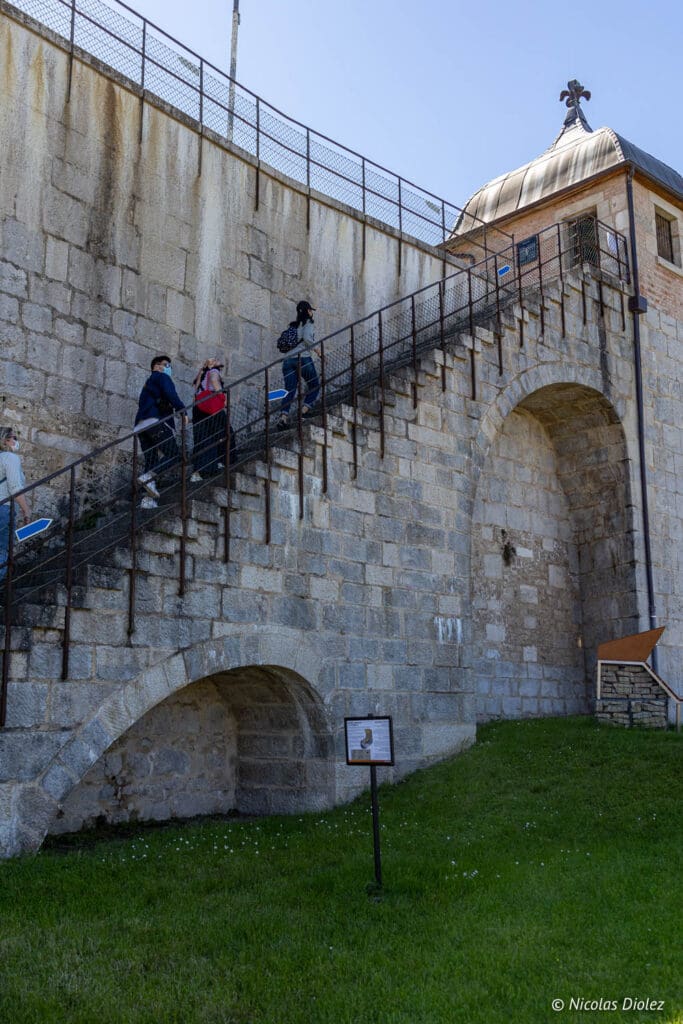
The Citadel of Besançon is one of the masterpieces of military architecture by Vauban. It spans over 12 hectares and was built in two phases by Vauban himself at the request of Louis XIV (Vauban’s first plans were executed in 1668 and the second set in 1674 during the siege of the city, at which point the architect realized the weaknesses of his initial sketches before modifying them). It took no less than 10 years of construction and numerous workers to complete the project.
Today, the Citadel belongs to the city of Besançon, which bought it back in 1959, and because of its bastion architecture, it has been part of a collection of twelve French sites known as the “Fortifications of Vauban” inscribed on the UNESCO World Heritage list since 2008. This interest and recognition of Vauban’s work can be explained by the fact that the military engineer’s creations influenced military architecture as a whole for centuries!


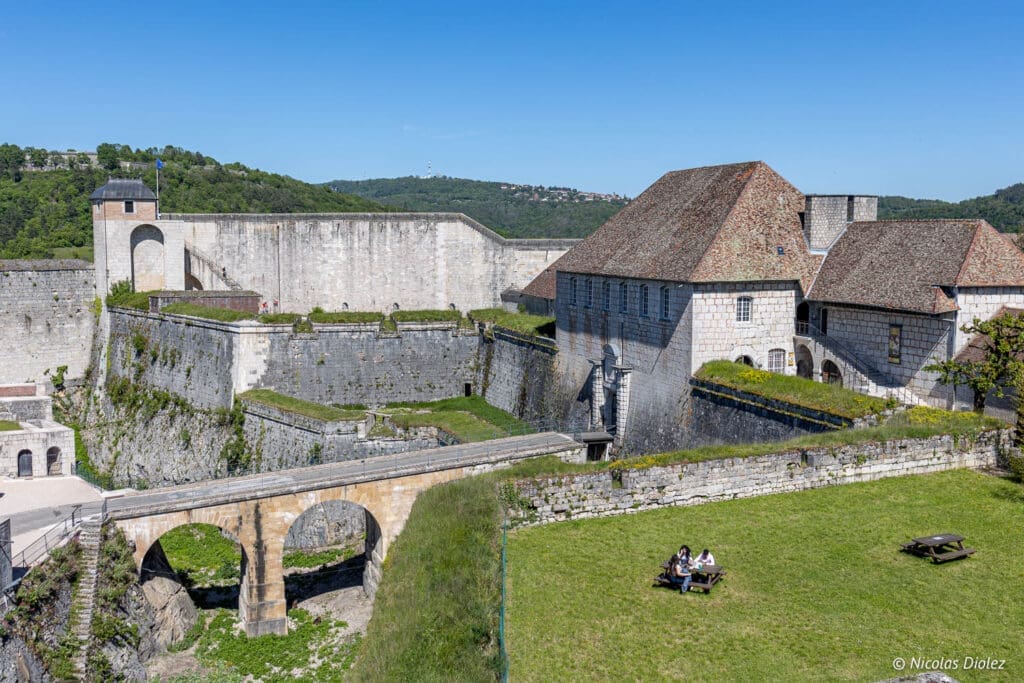

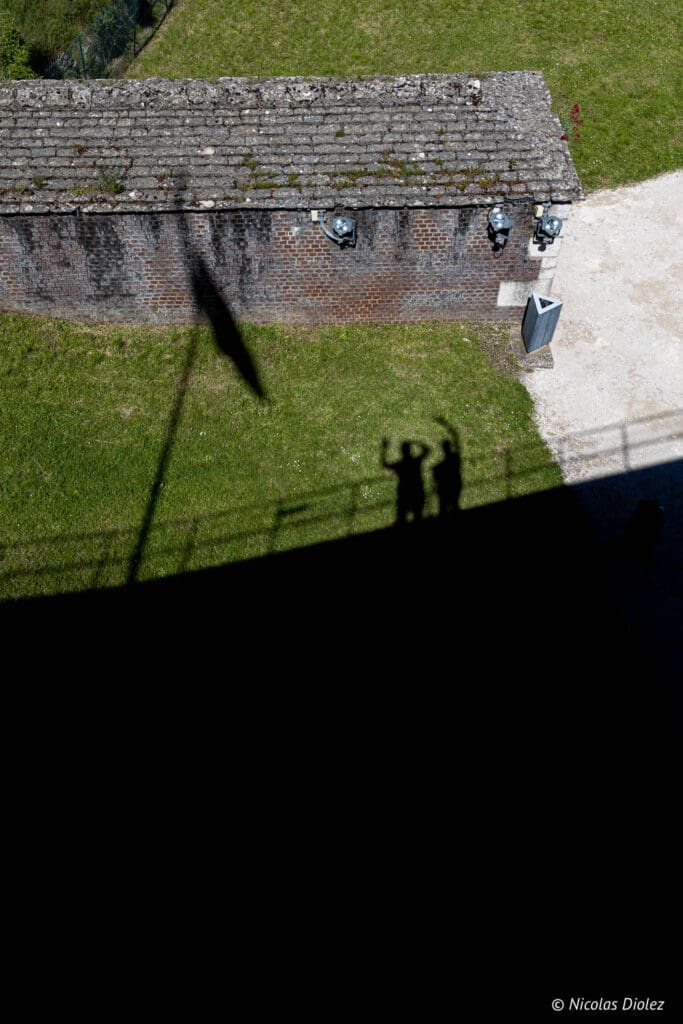
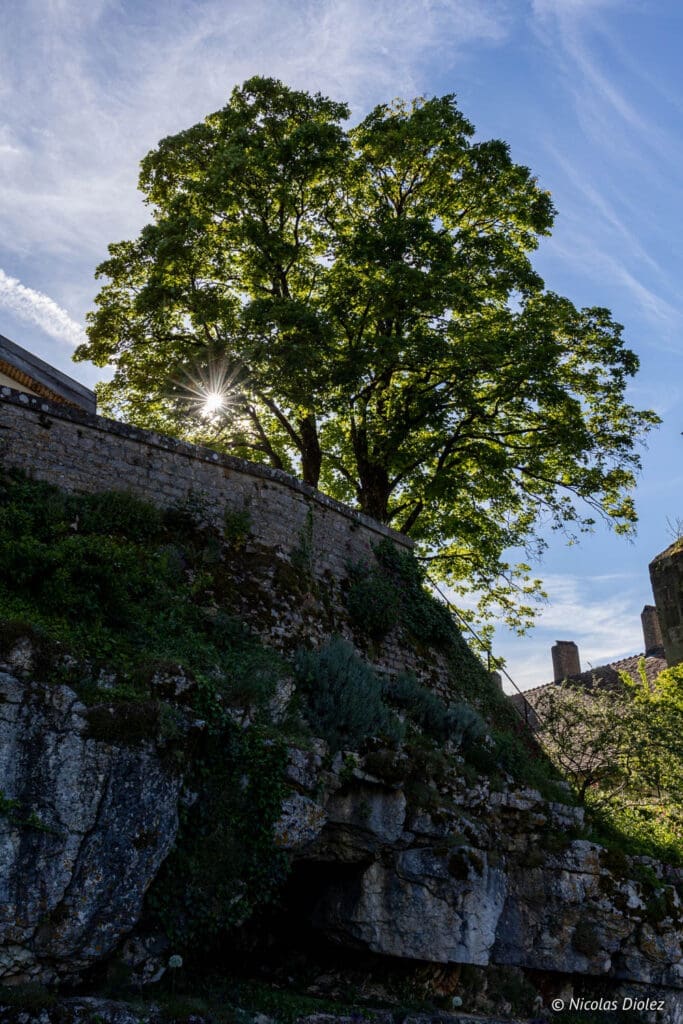
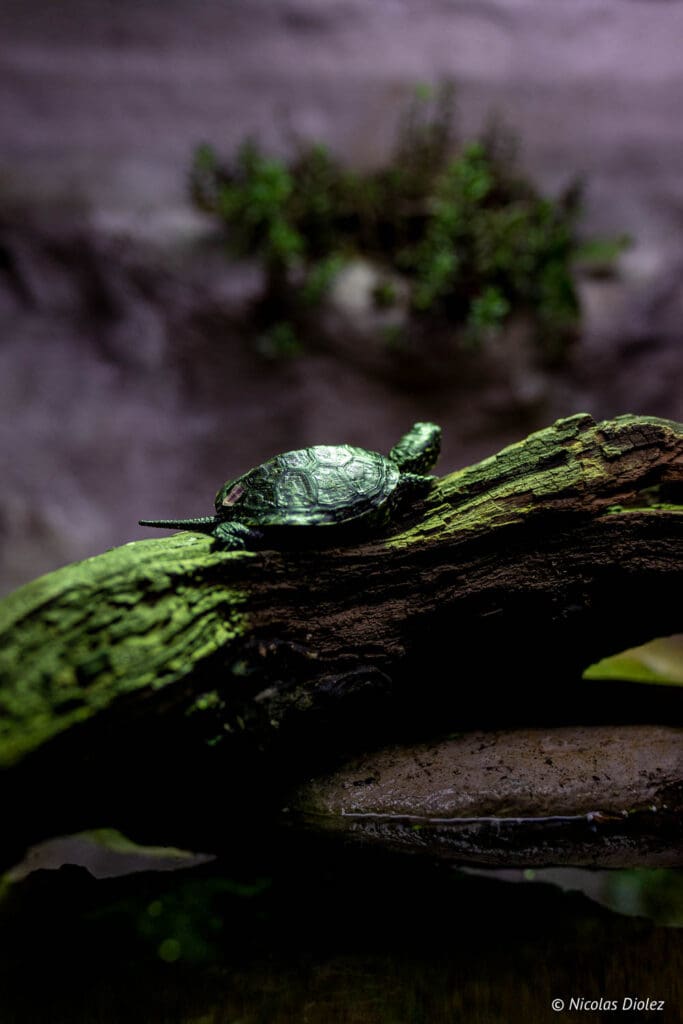
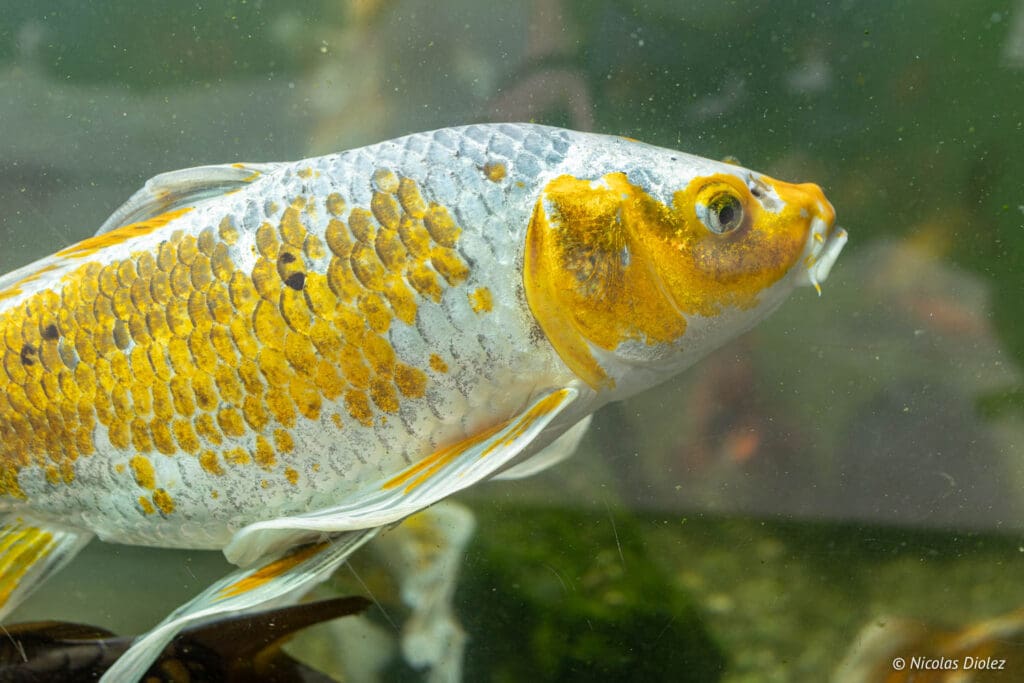
Inside the Citadel site, there is a Museum dedicated to preserving biodiversity (featuring a zoological garden, an aquarium, an insectarium, a farm, a bat refuge, and the whole area will soon be a designated Natura 2000 site…), a Comtois Ethnographic Museum, and a Museum of the Resistance and Deportation featuring a collection of concentration camp art (this section is scheduled to reopen in 2023). I first discovered the Citadel in 2012, but I was happy to visit it again during this trip.



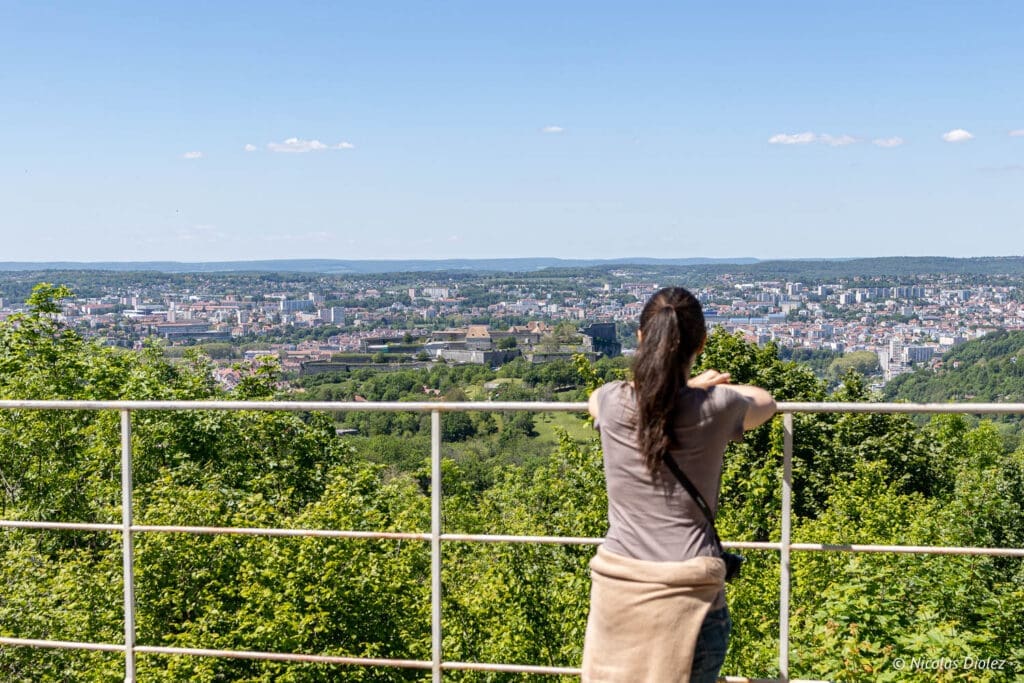
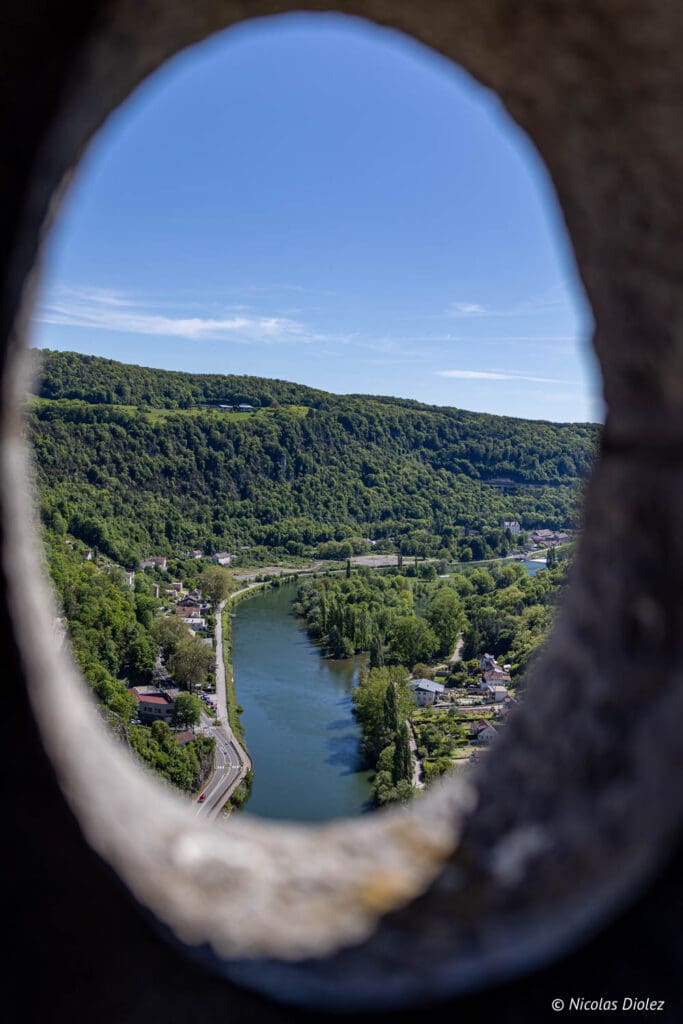
Of course, besides these various museums, you can simply wander around the site and admire its architecture. I also advise you to take the walk along the rampart paths, which offers a very nice view of the city and surroundings. The location also offers guided tours for those who want to dive deeper into exploring and learning about the Citadel, and I recommend the one called “Secret Citadel” because it allows you to discover the underground gallery that is not normally accessible to the public.



New for 2021: The site has been offering an Escape Game created by La Clé du Bastion: L’Affaire des Poisons (Easy level). We tested it during our visit and I must say we had a lot of fun, plus we learned a lot of things about this famous poisoning affair that shook the 17th century.
Visit and escape game in 2021
Vauban Citadel
Prices: €12.50 for adults in high season and €9.50 in low season, with a reduced rate year-round of €9.50 / free for children under 4
Annual pass: €21 solo / €42 duo / €52.50 family
Escape Game prices: starting at €20 per person for a group of 6 people
The good deal: the free MaCitadelle app featuring routes, investigative games, wildlife discoveries…
Secret Citadel tour (in summer): €3.20 per adult / €2.10 for ages 8-17 (in addition to Citadel admission)
_
Discover the Bien Urbain street art trail
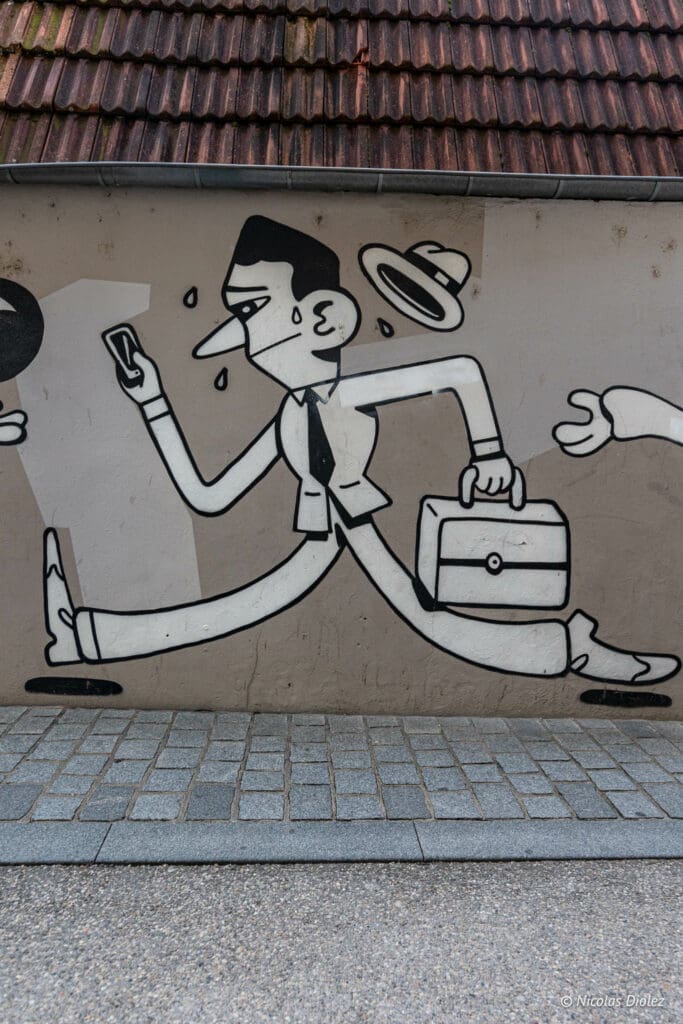
Bien Urbain is a street art festival that takes place every year in Besançon and the surrounding area. Over the years, 342 works have been created by 133 artists of 26 nationalities between Besançon and Saint-Vit.
And even if you aren’t there during the festival, you can still take the opportunity to discover the works that are still up while taking a little stroll around the city. To locate the festival’s street art works, simply pick up a map at the Tourist Office or check out the interactive map available on the Festival’s website (link below).


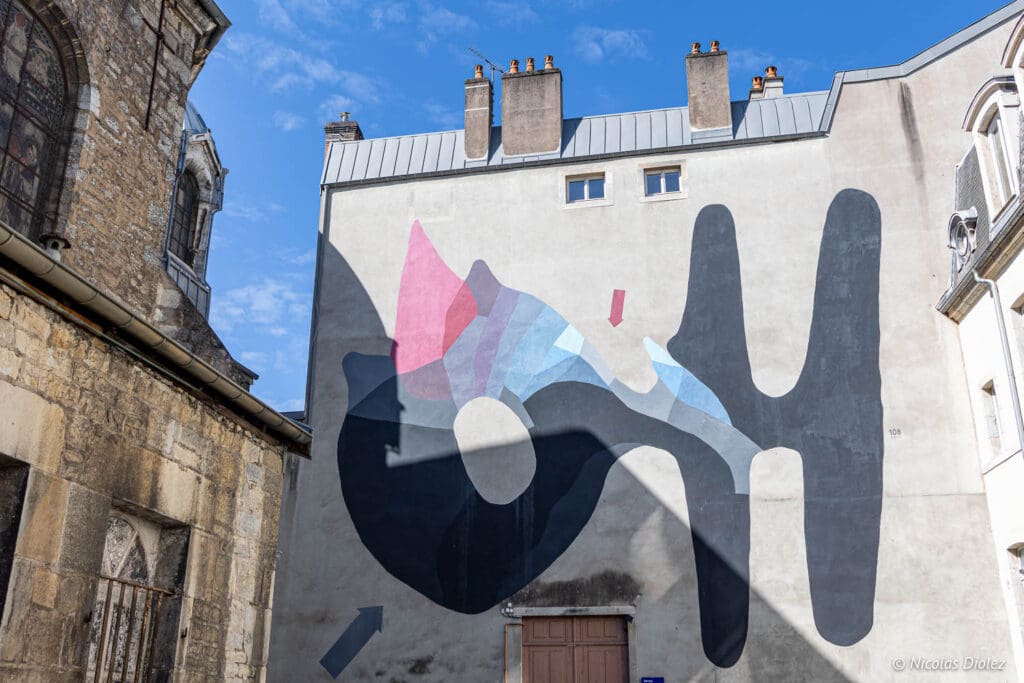


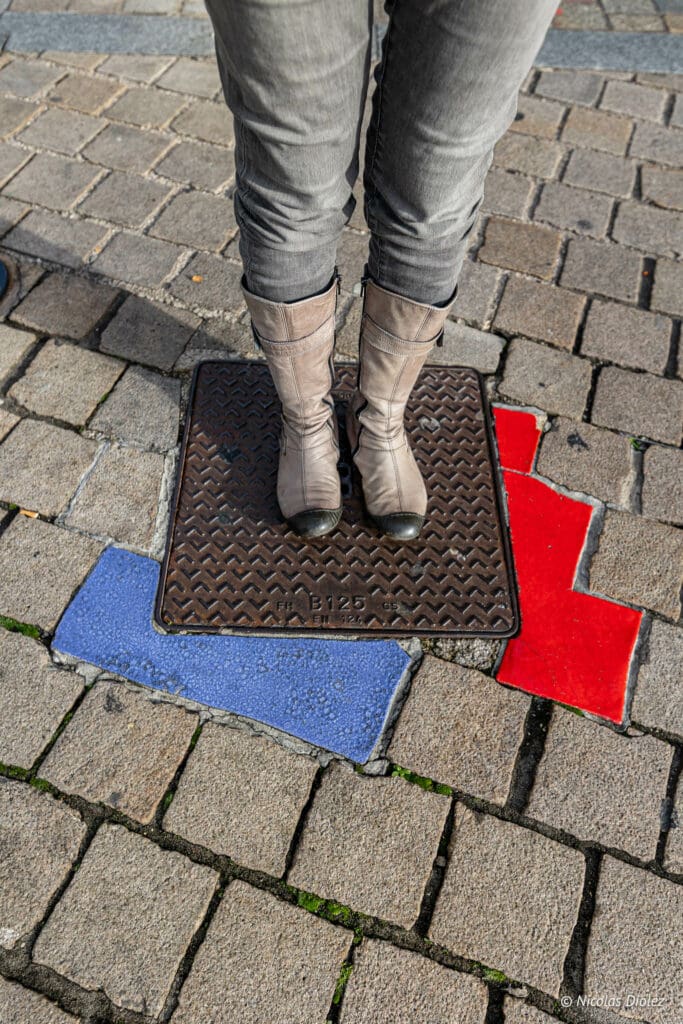
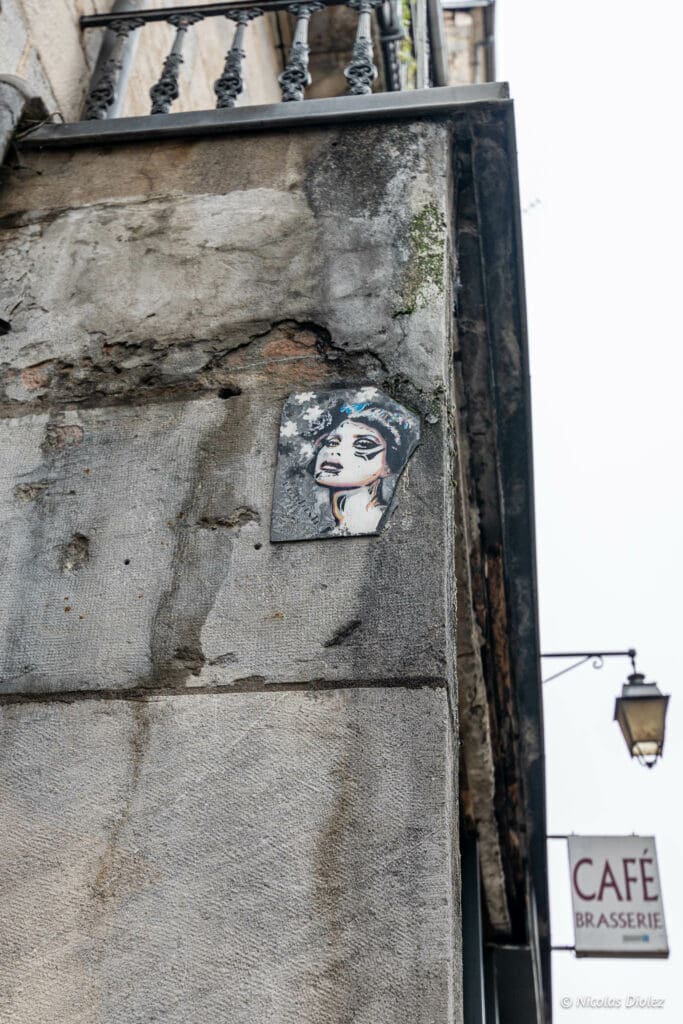
Bien Urbain street art Festival
from June 3 to 20, 2021
_
Visiting the Museum of Time in Besançon
This very fine museum is housed in the former Renaissance Palace of Granvelle (an illustrious figure who notably served as Charles V‘s prime minister in the 16th century). Visiting the permanent exhibition is a great opportunity to learn more about the history of mechanical clockmaking (a principle invented by the Chinese in the 10th century) as well as its very strong ties to the city of Besançon. Indeed, Besançon is considered the capital of Clockmaking (a municipal school of clockmaking existed here in the 19th century) or, more precisely, of the watch. And as a side note, the wristwatch as we know it today is a military invention that saw significant development during World War I.
The museum’s collections bring together 1,500 watches, blanks, and cases, over a hundred grandfather clocks, Comtoise clocks, and mantel clocks, a set of 2,000 clockmaking-related engravings dating from the 16th to the 19th century, as well as numerous past and present tools, machines, and scientific equipment collected from European high-tech laboratories.
I suggest not missing the Gallery of Time, for instance, which helps visitors understand how mankind has measured time through the ages. You learn, among other things, that the pendulum clock appeared in the 17th century and was invented by a Dutch clockmaker for Louis XIV. Finally, under the roof rafters, you’ll also find a very fine relief map of Besançon, which is a reproduction of Ladevèze‘s 1722 model preserved at the Musée de l’Armée at Les Invalides in Paris.
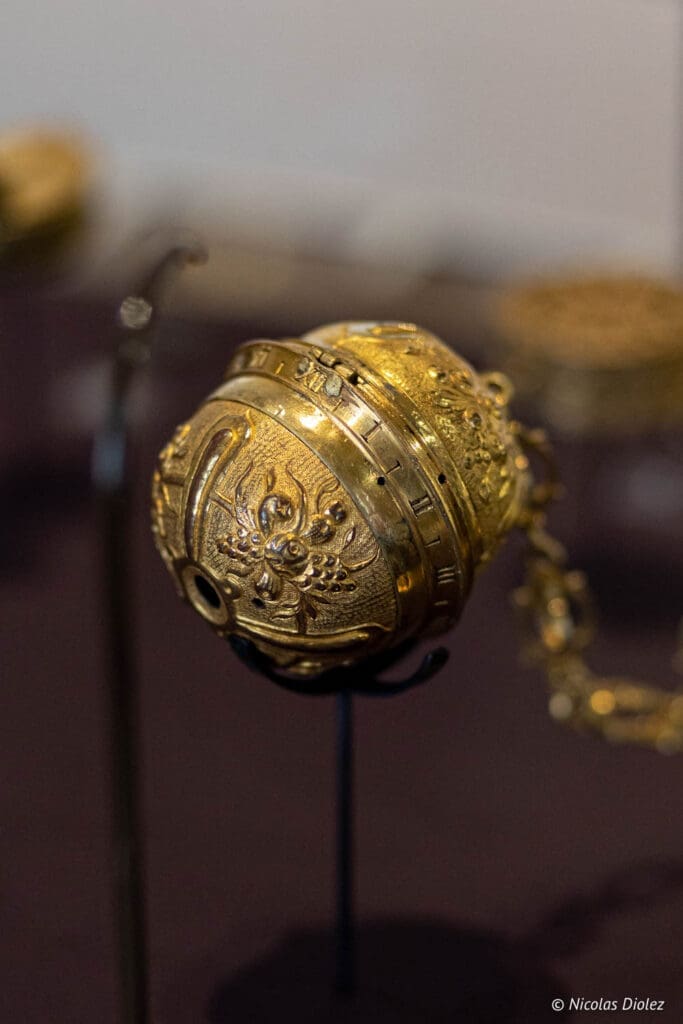


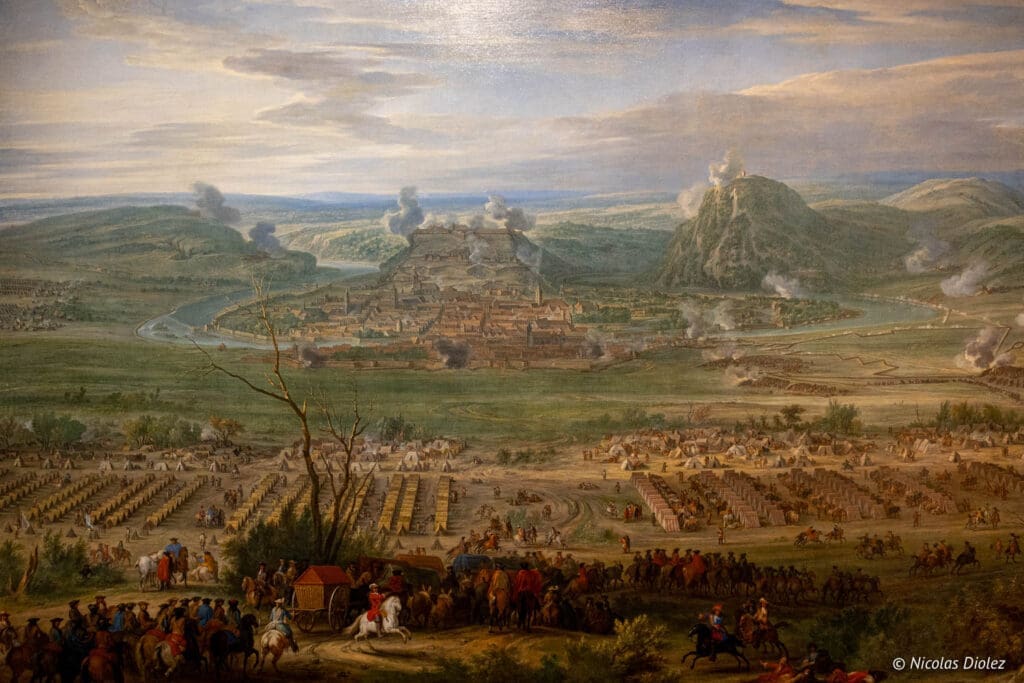


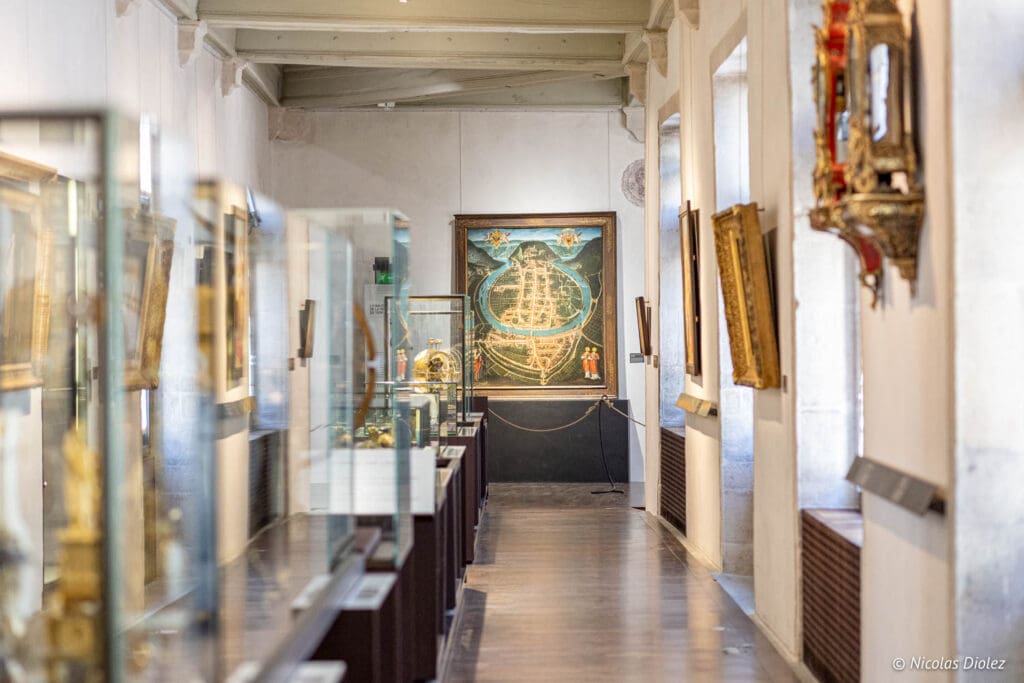

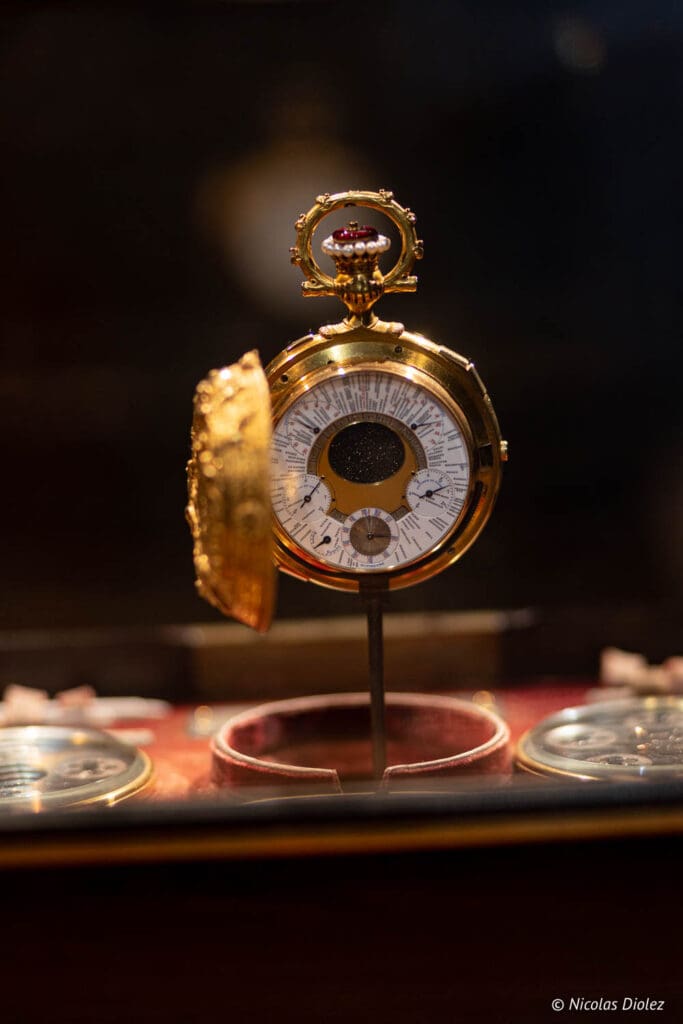

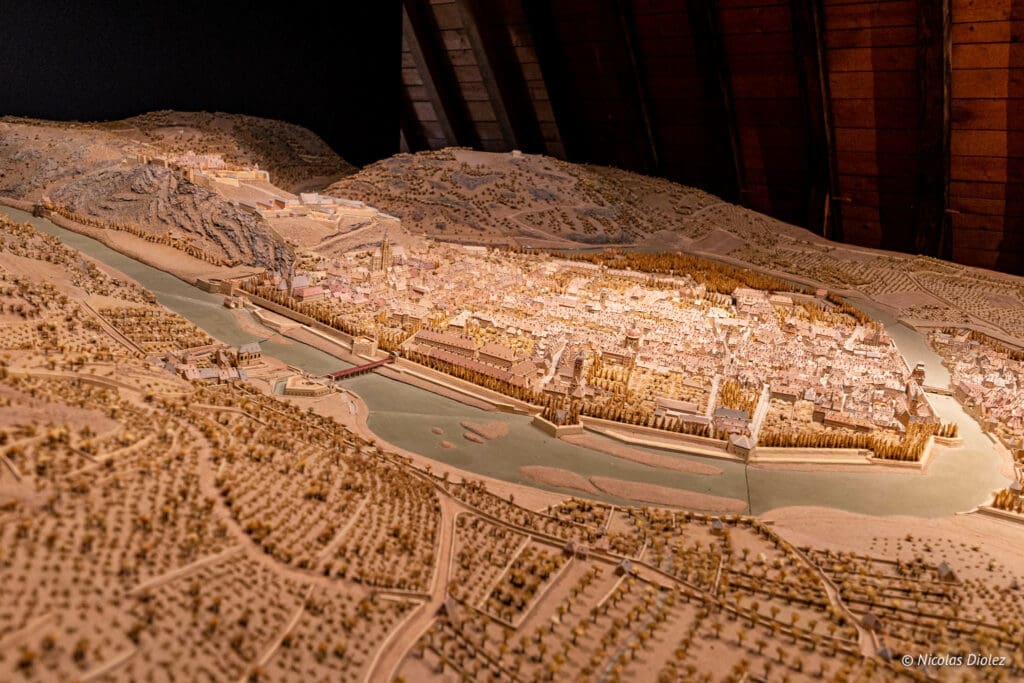

Musée du Temps de Besançon
96 Grande Rue, 25000 Besançon
Prices: €8.40 / reduced €4.20 / free for everyone on the first Sunday of each month, during evening openings, and national events (European Heritage Days, European Night of Museums…)
_
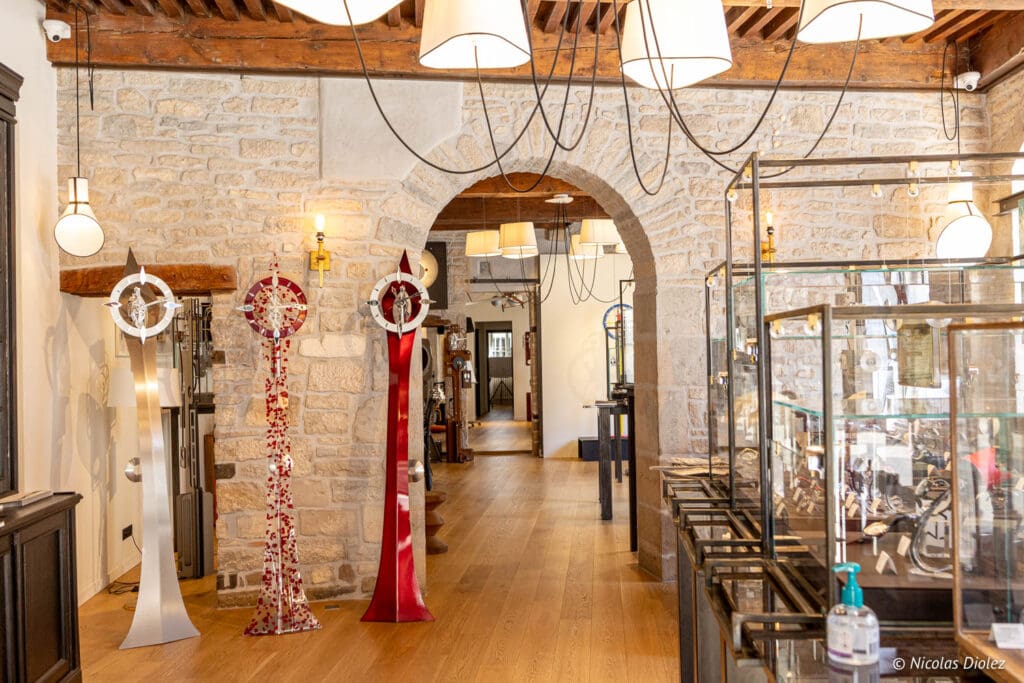
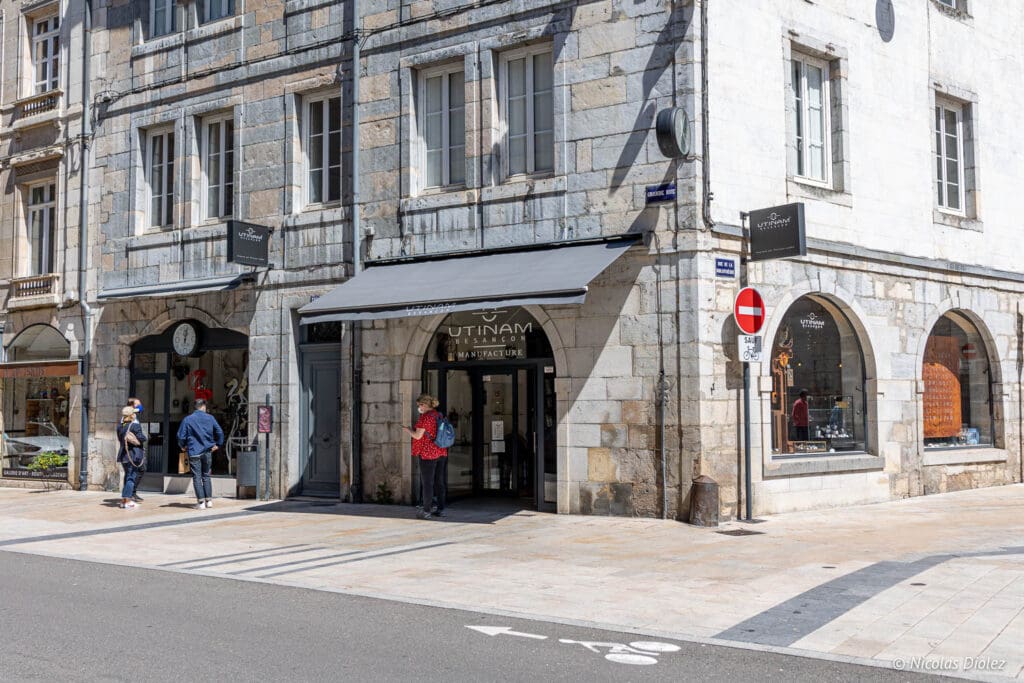
Visiting the Utinam clockmaking workshop and boutique
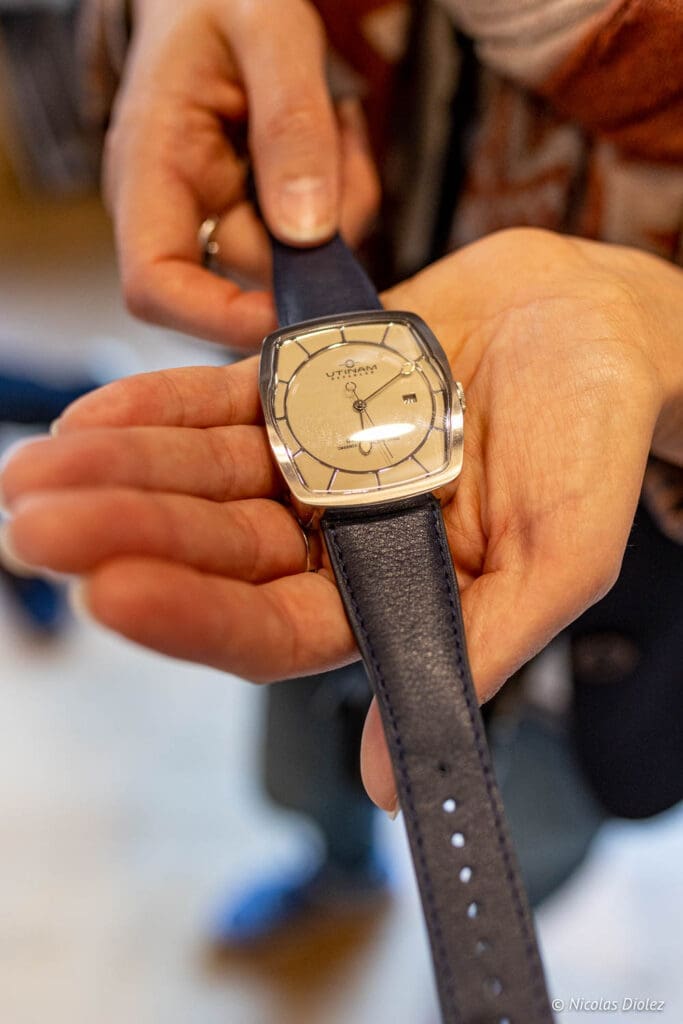
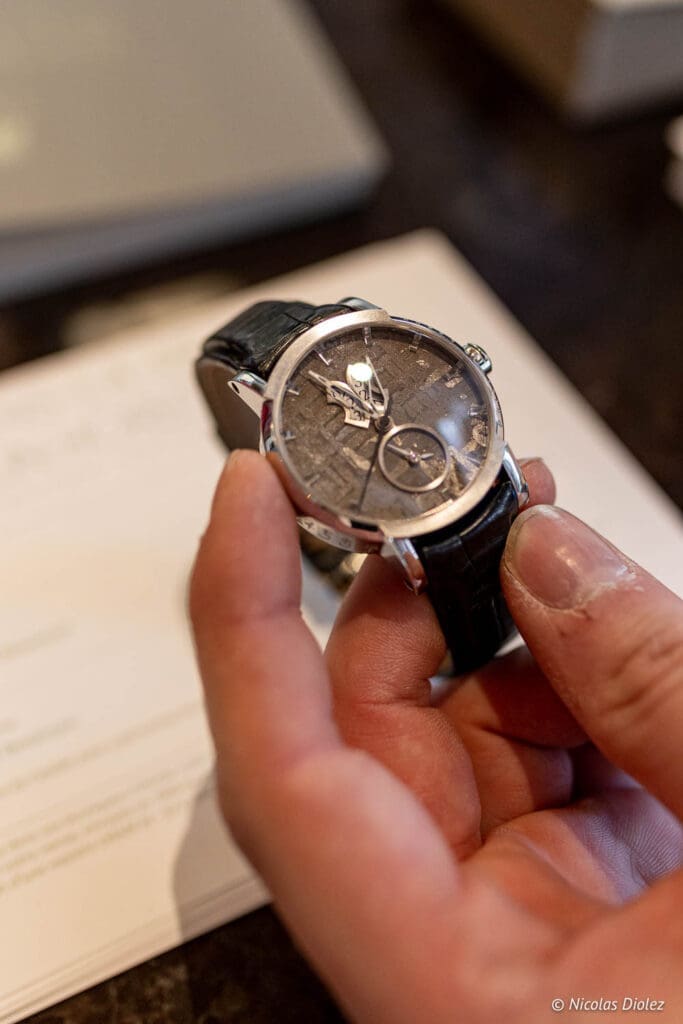
Utinam is one of the last clockmaking manufacturers in Besançon specializing in contemporary Comtoise clocks, whose motto is “Inventing time“. In the boutique located in the heart of the city’s historic downtown, you can admire their contemporary mechanical clocks featuring a patented automatic balancing movement. The company has also crafted monumental clocks, such as the one found on the facade of the city’s Museum of Fine Arts.
The parts are naturally manufactured on-site, and Utinam also offers workshops for individuals if you want to discover all the secrets of clockmaking.




Utinam Besançon
117/119 Grande Rue, 25000 Besançon
_
Visiting the Museum of Fine Arts of Besançon
This fine arts museum has a long history, as its collections were established at the very end of the 17th century when Abbot Boisot bequeathed his collection to the city—largely composed of items from the powerful Granvelle family—on the condition that it be shown to the public, which was highly pioneering at the time.
In 1843, the collections were moved to the new grain hall, a building designed by architect Pierre Marnotte. This remains the case today, even though the building was expanded in the 1960s by Louis Miquel (a collaborator of Le Corbusier) with a raw concrete structure built right into the building’s former central courtyard. Since then, the museum also underwent a renovation in 2018 that respectfully preserved both historical architectures of the site.

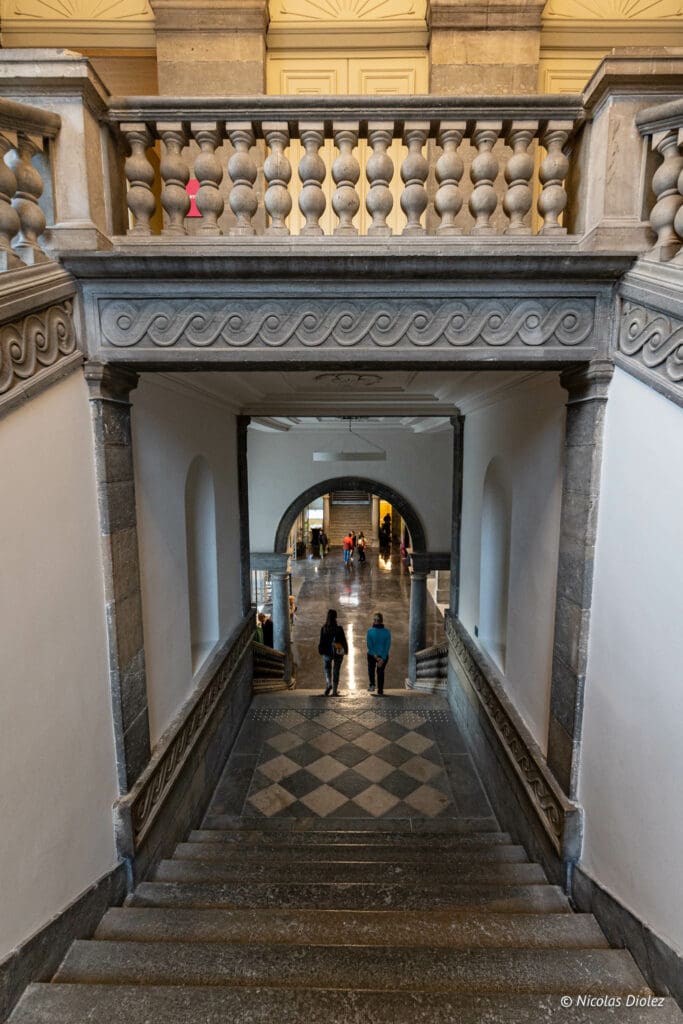
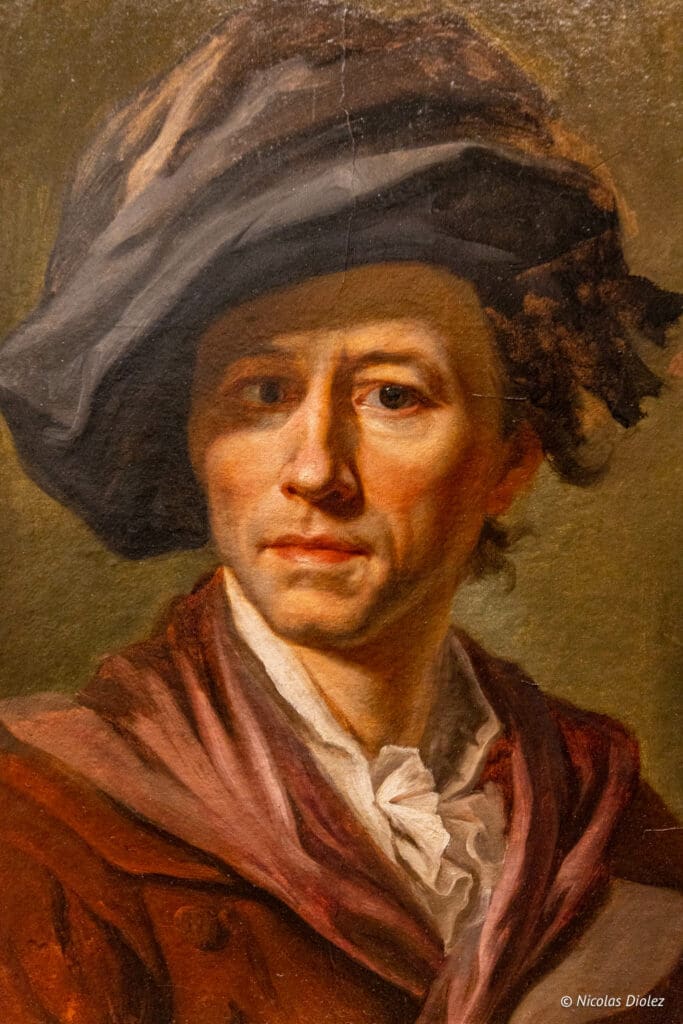


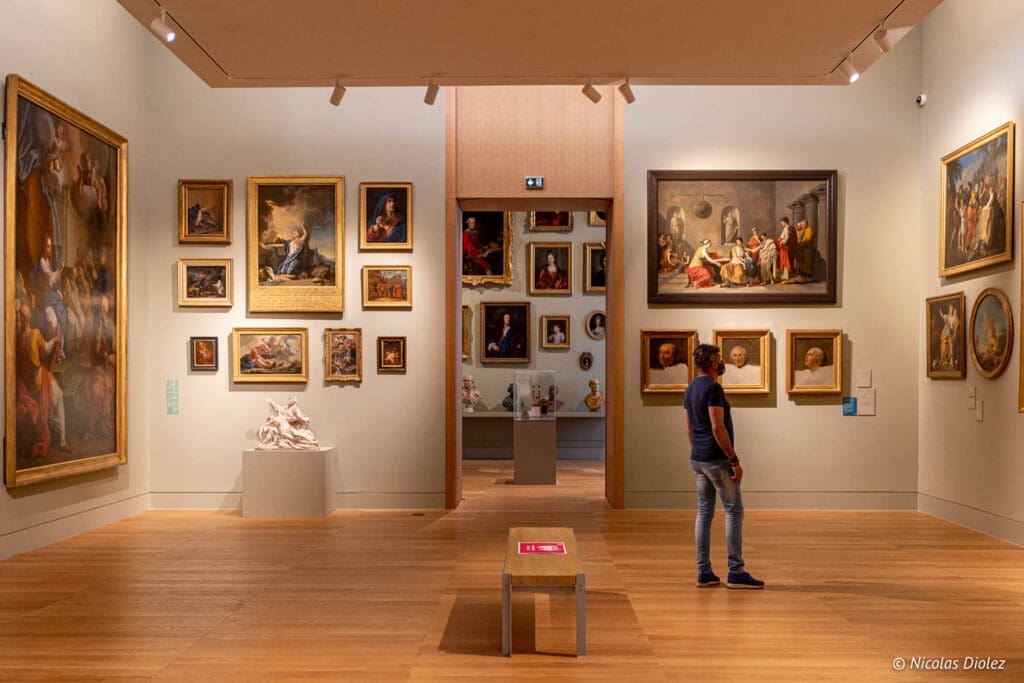
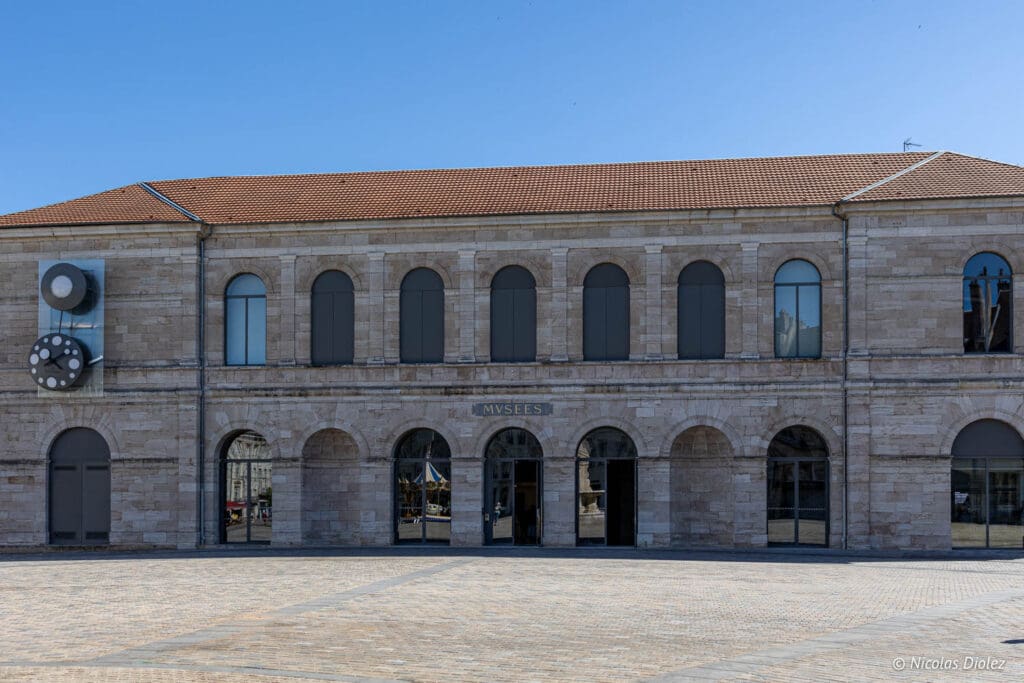
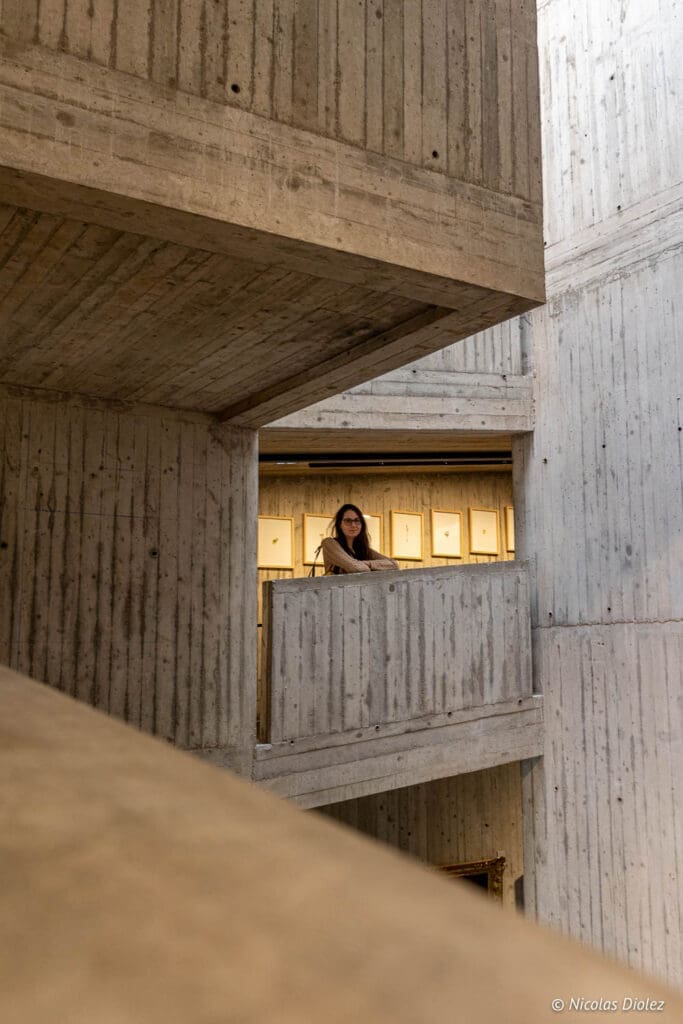


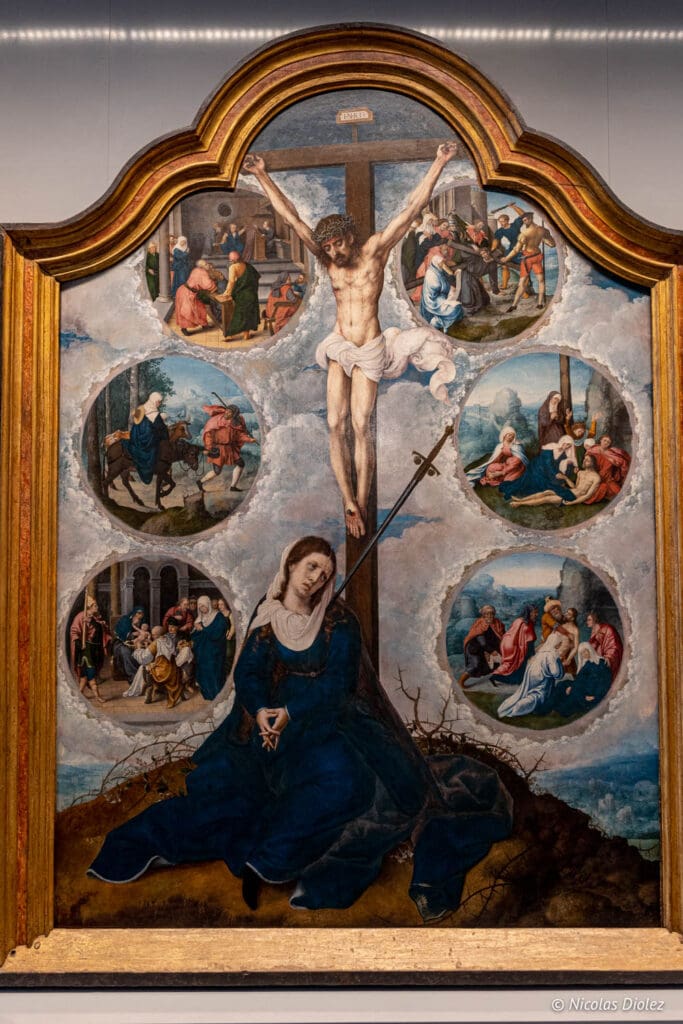
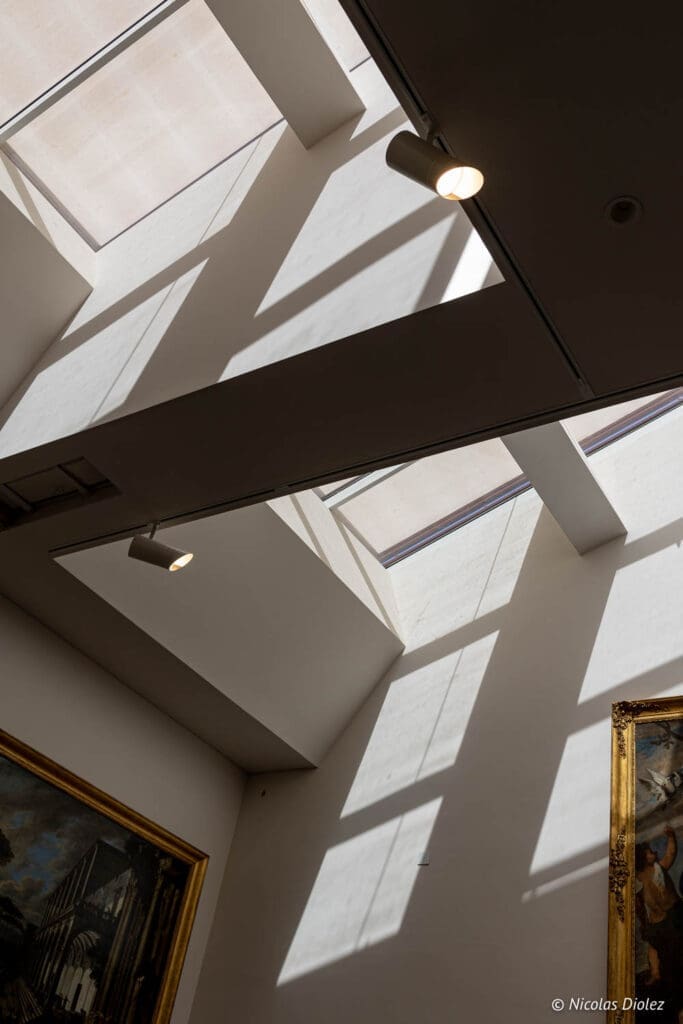
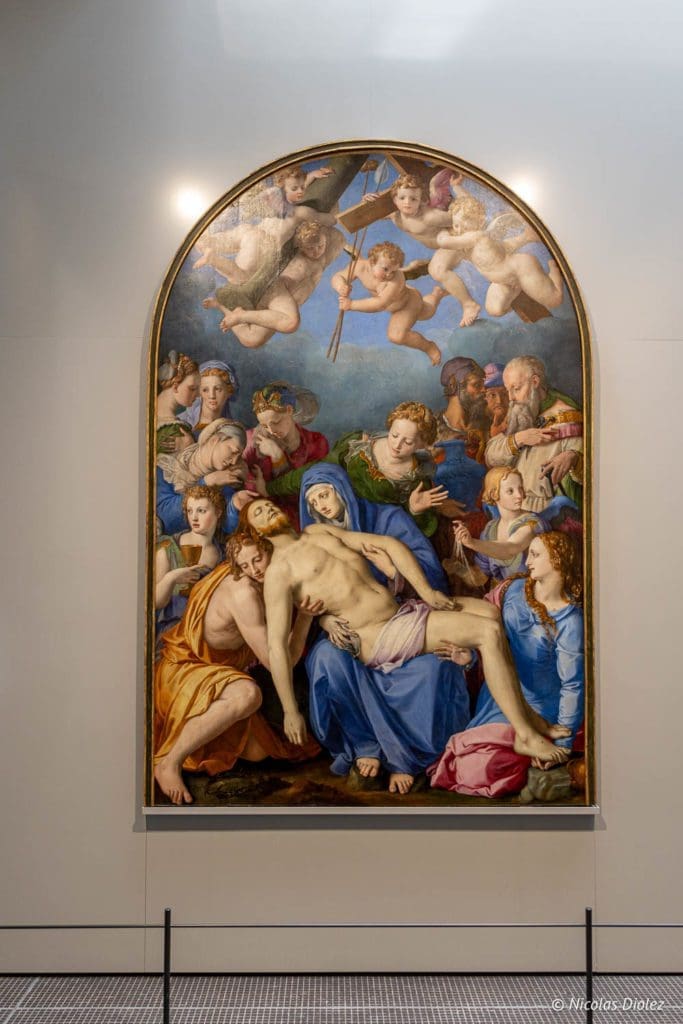
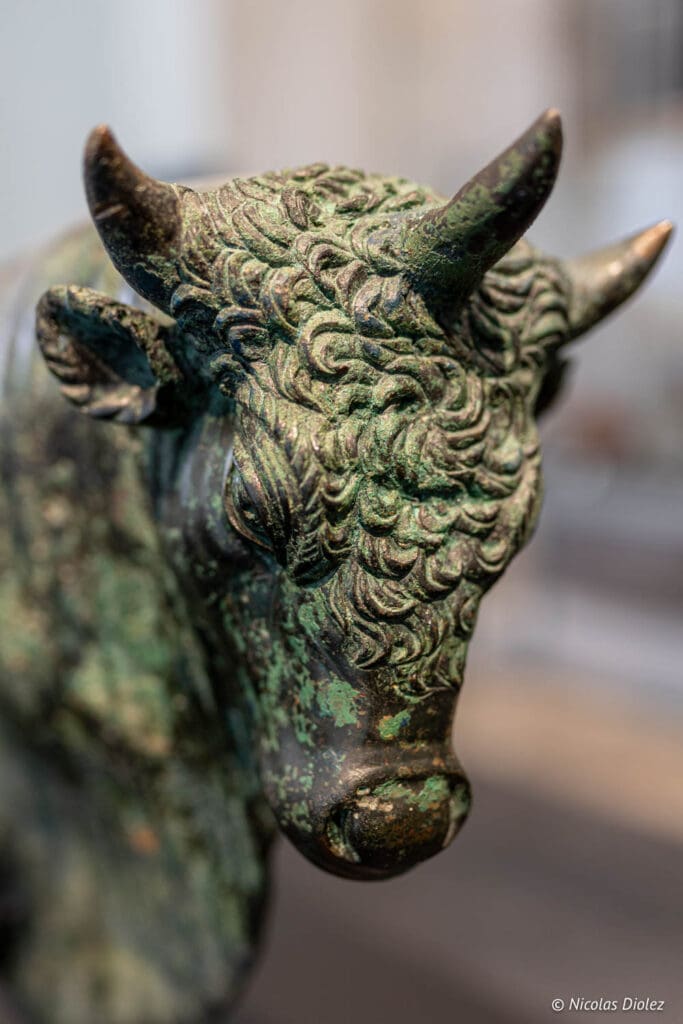
Wandering through the collections, you will discover both a rich museum of regional archaeology—with its masterpiece, the Three-Horned Bull of Avrigney (see photo below)—and a fine collection of medieval sculptures and Renaissance paintings. The museum also puts contemporary art in the spotlight by permanently integrating it into the tour route, featuring works from FRAC Franche-Comté (which I’ll tell you about just next) and CNAP (Centre National des Arts Plastiques).
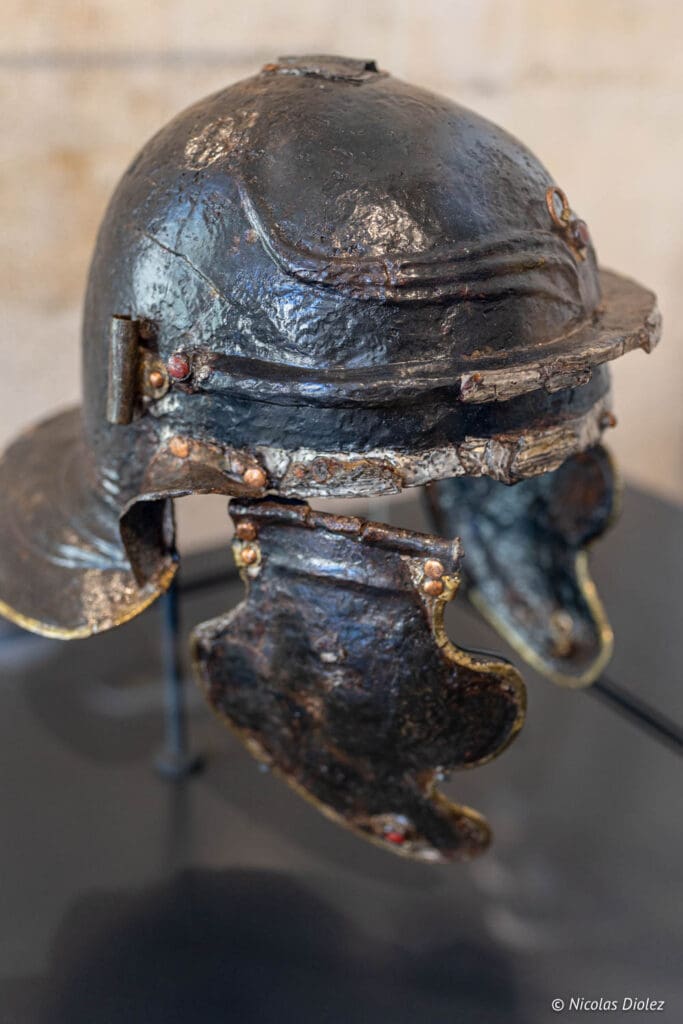
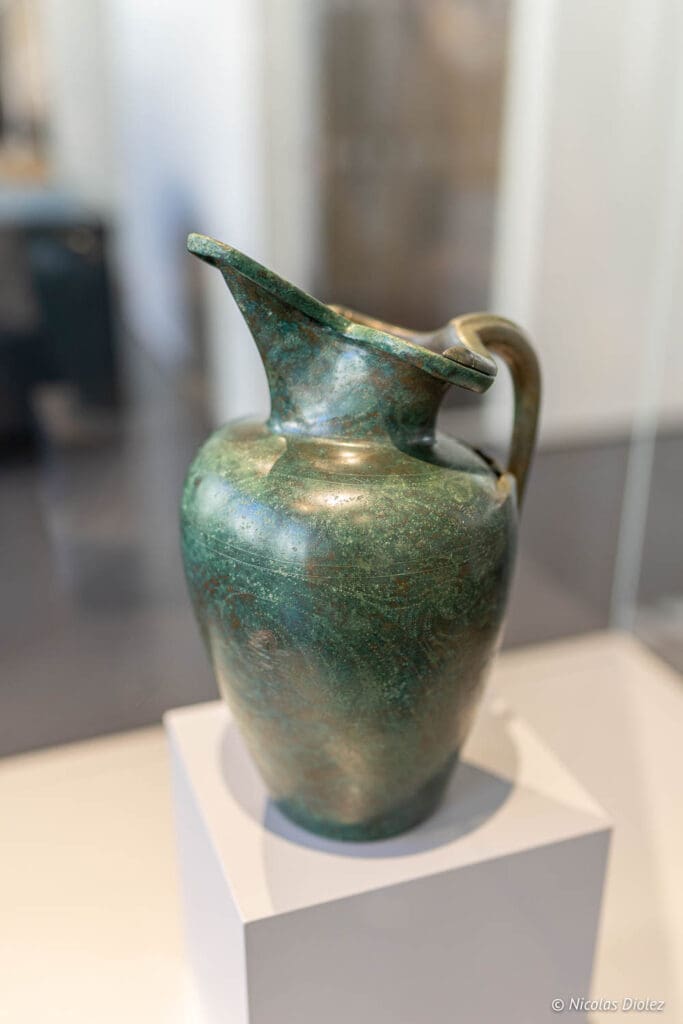


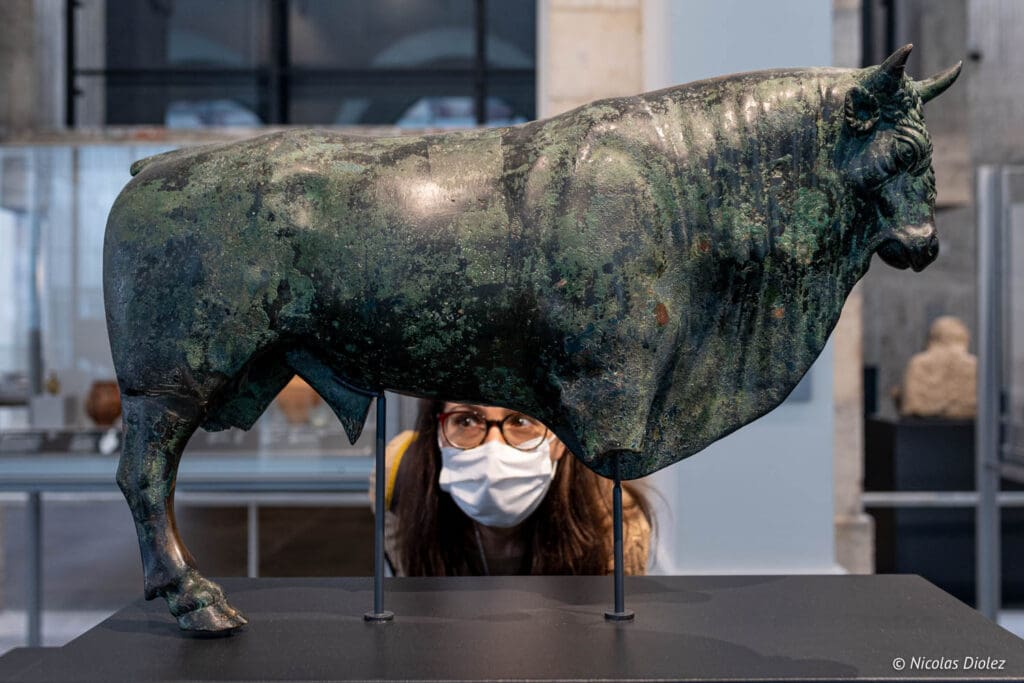
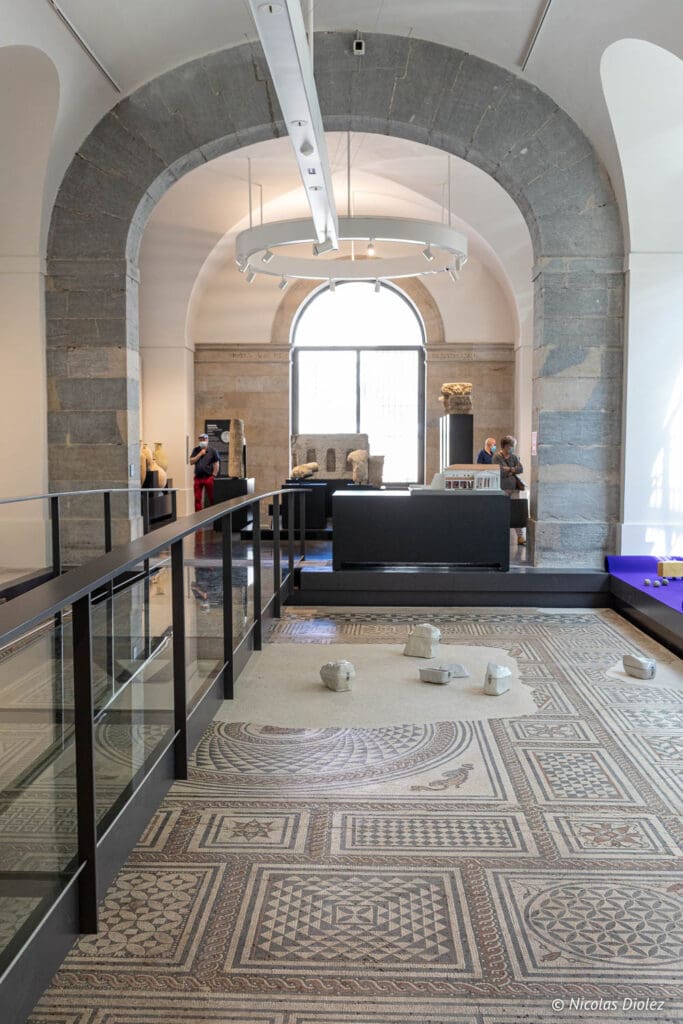



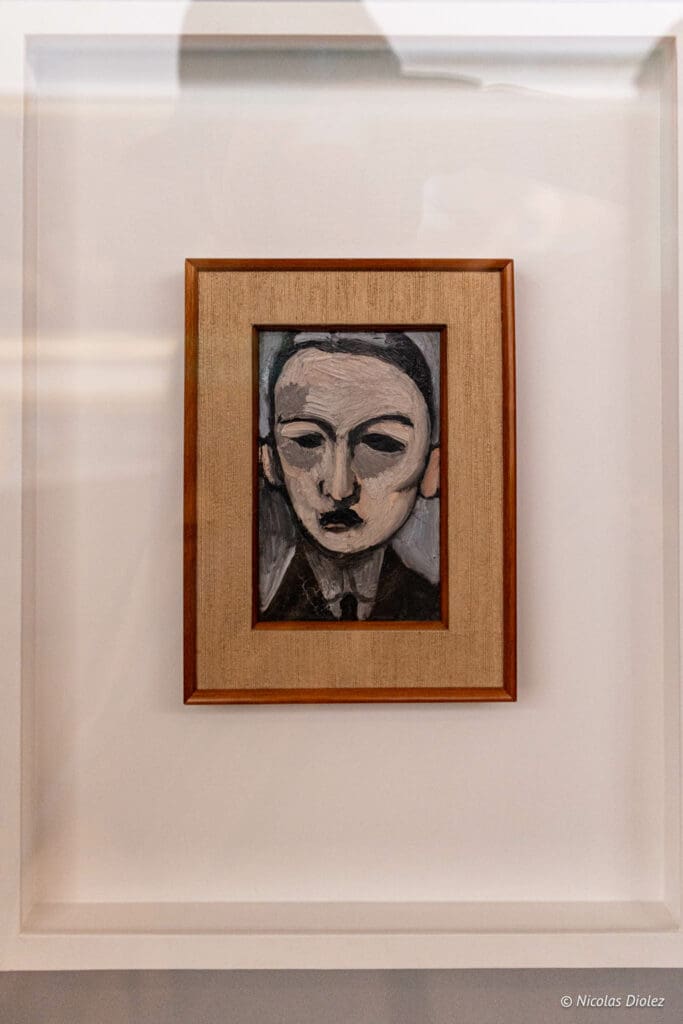
Finally, don’t miss the Besson collection on the top floor (an early 20th-century art critic) who donated his art collection to the Museum of Fine Arts of Besançon in 1971.




Visits in 2021 and 2022
Musée des beaux-arts de Besançon
1 Place de la Révolution, 25000 Besançon
Closed on Tuesdays
Prices: €8.40 / reduced €4.20 / free for everyone on the first Sunday of each month, during evening openings, and national events (European Heritage Days, European Night of Museums…)
_
Temporary exhibition on Juliette Roche – 2021
During our visit in 2021, we also explored a temporary exhibition dedicated to an unjustly overlooked early 20th-century artist, Juliette Roche, who was a painter, illustrator, and writer. I’ve included a few photos of the exhibition below to give you a glimpse of this artist’s work.
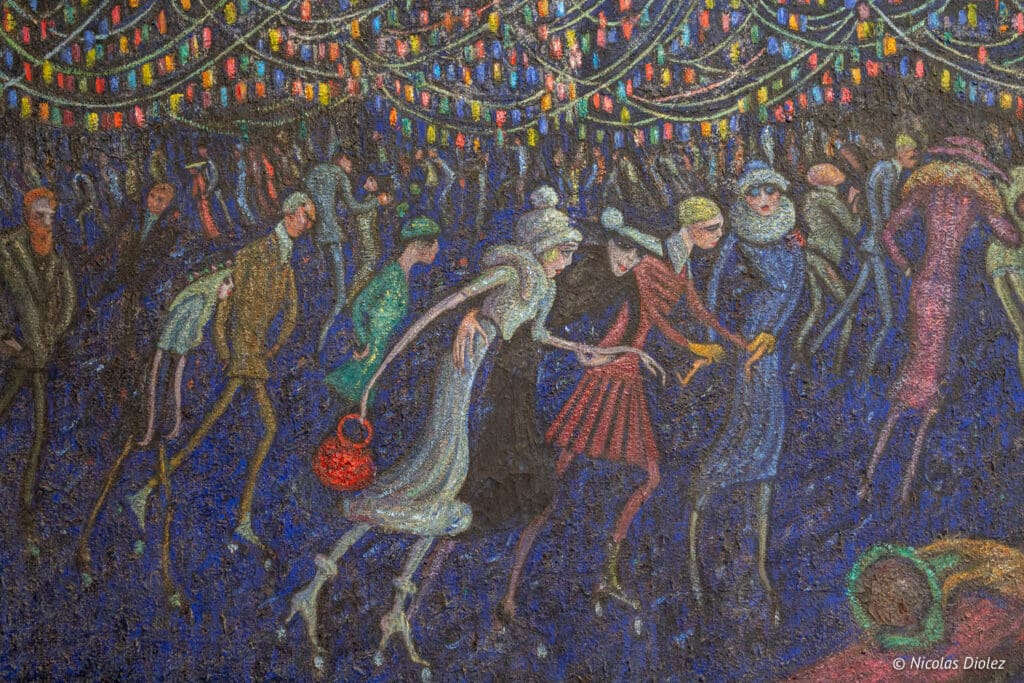
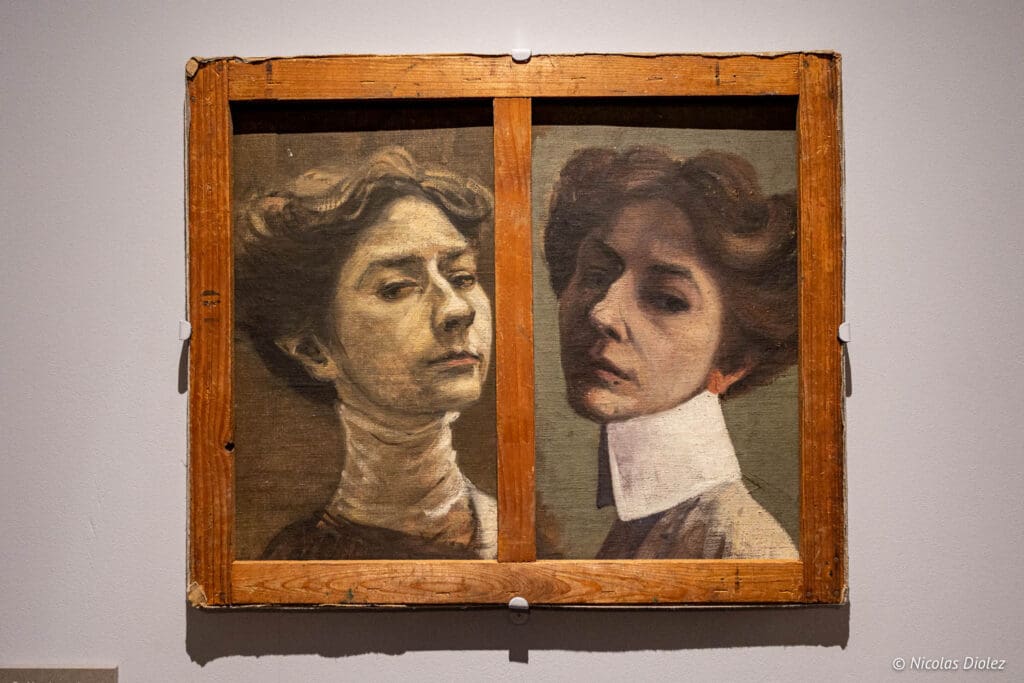

Juliette Roche l’insolite temporary exhibition
until September 19, 2021
_
Temporary exhibition Le Beau Siècle – 2022/2023
This magnificent exhibition, exceptionally rich in exhibited works, offered a discovery of the flourishing architecture and artistic life of this period in Besançon, following the conquest by Louis XIV up until the French Revolution (1674 – 1792).
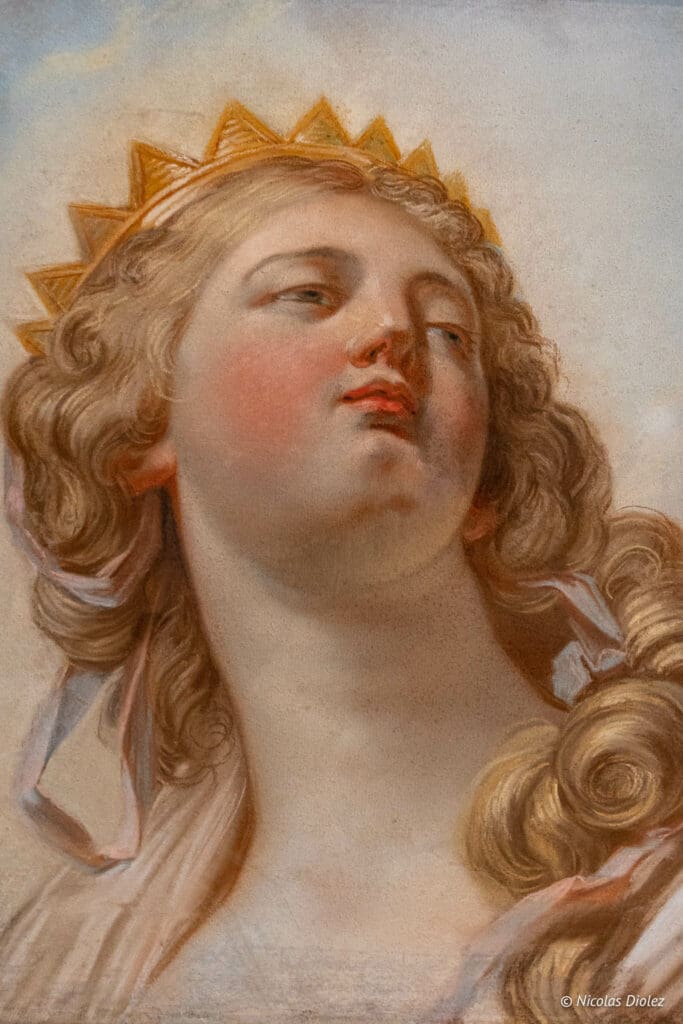


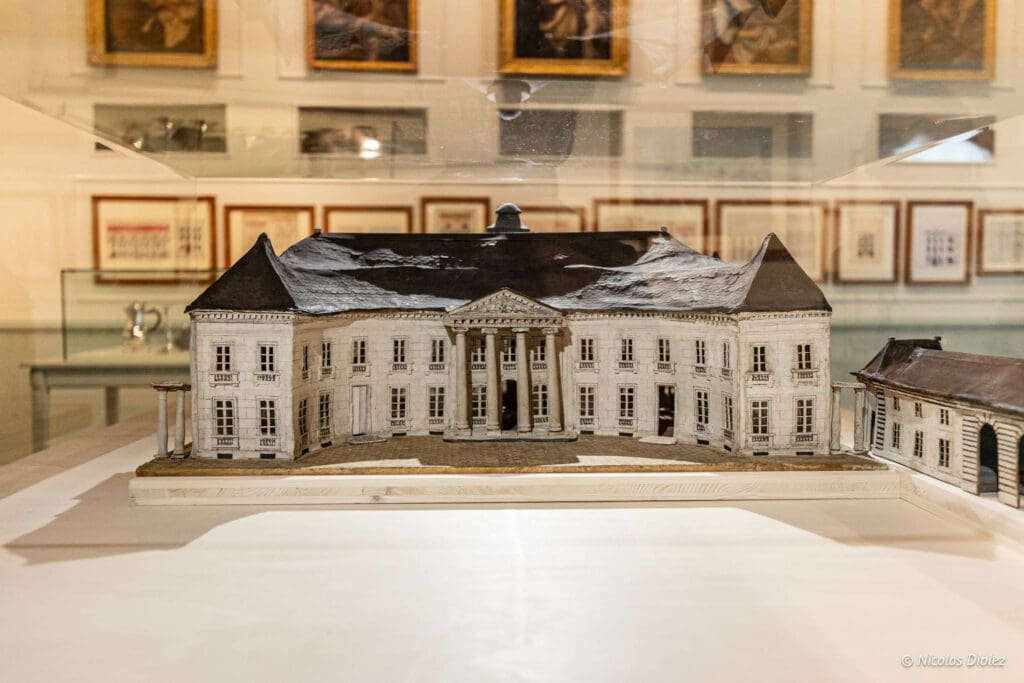
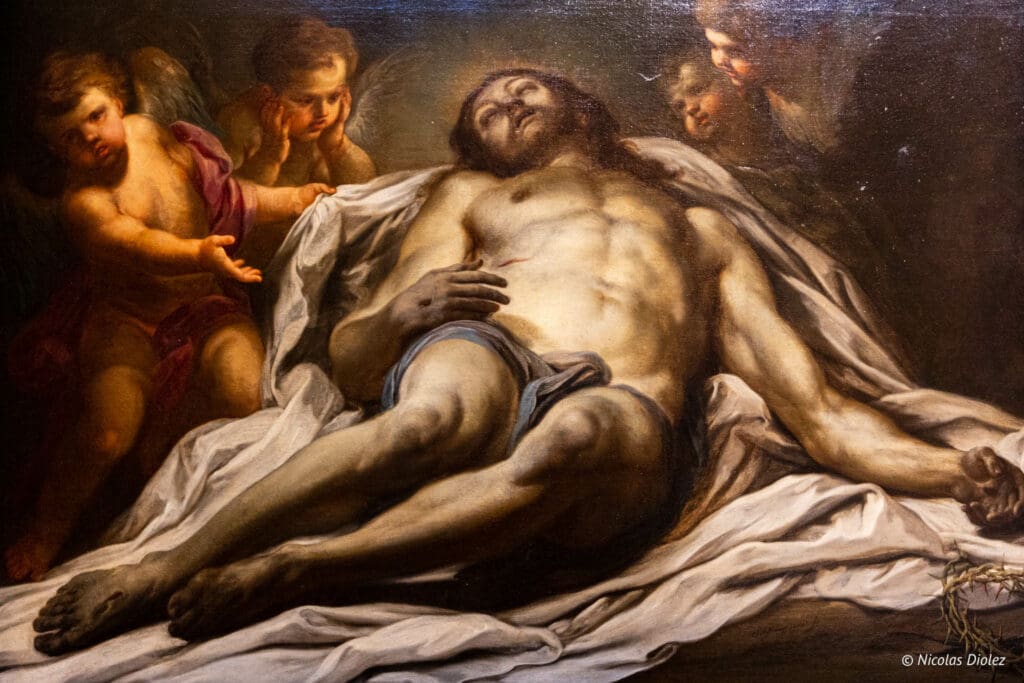


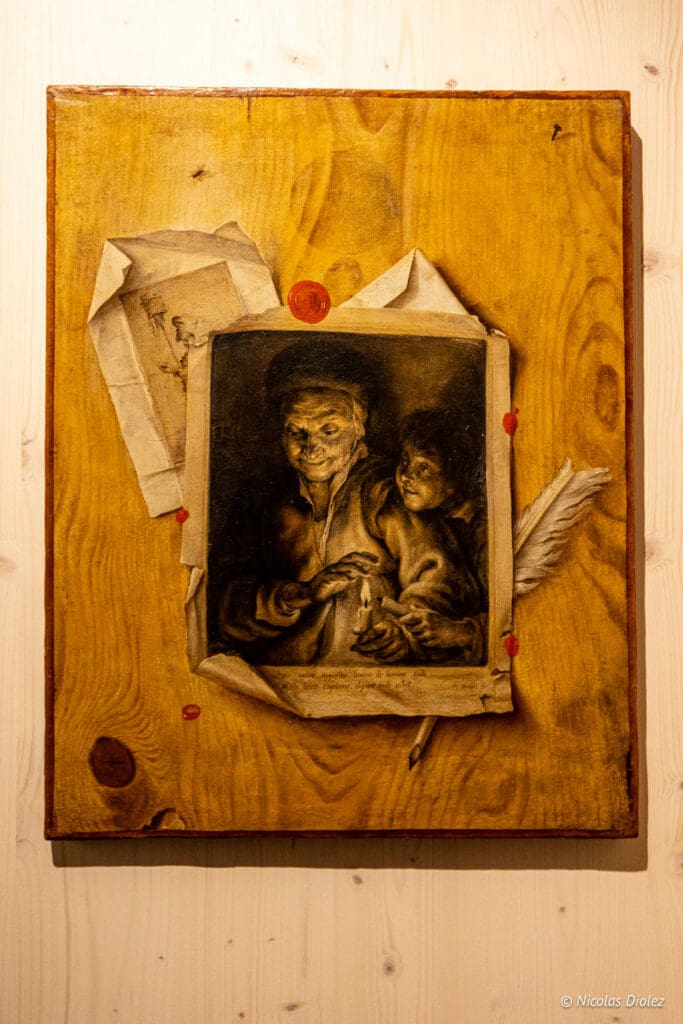

Le Beau Siècle temporary exhibition
from November 10, 2022 to March 19, 2023
_
Visiting the Regional Contemporary Art Fund of Franche-Comté
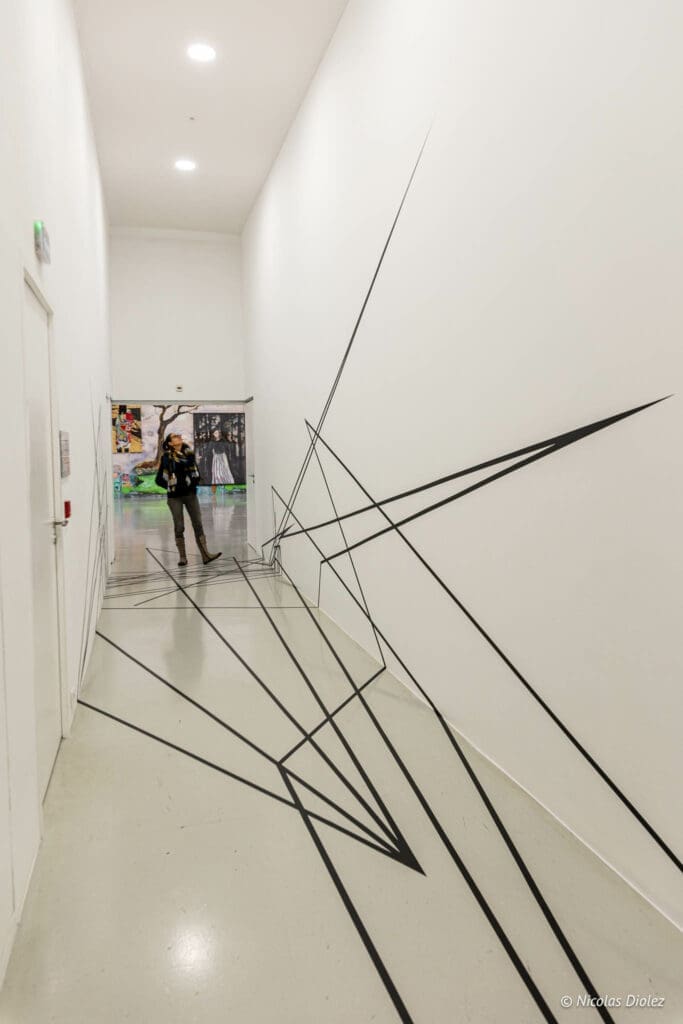
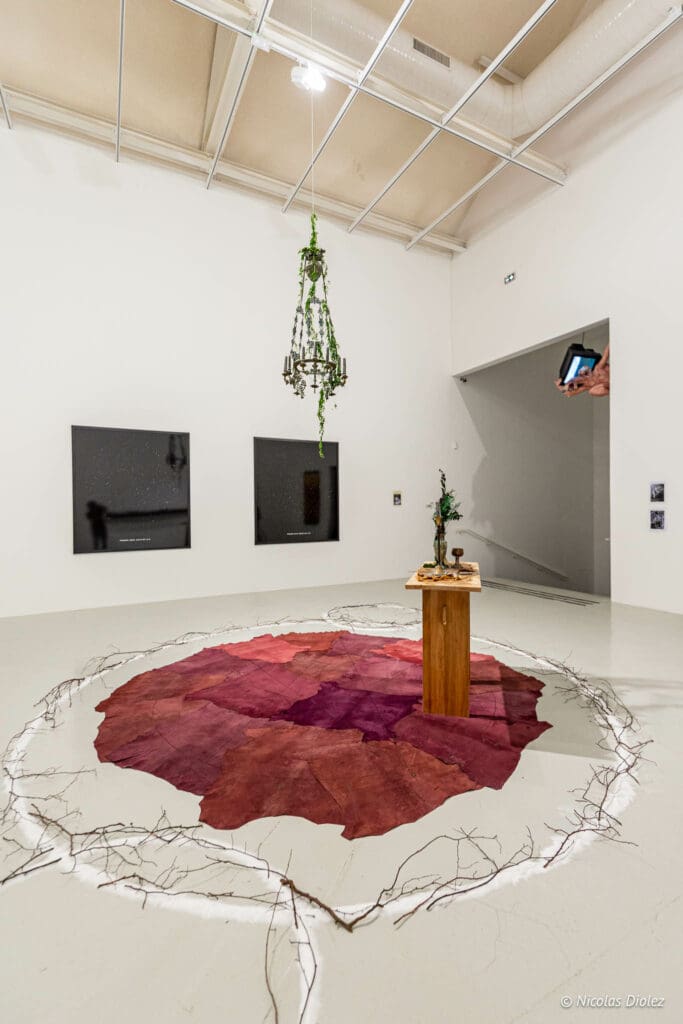
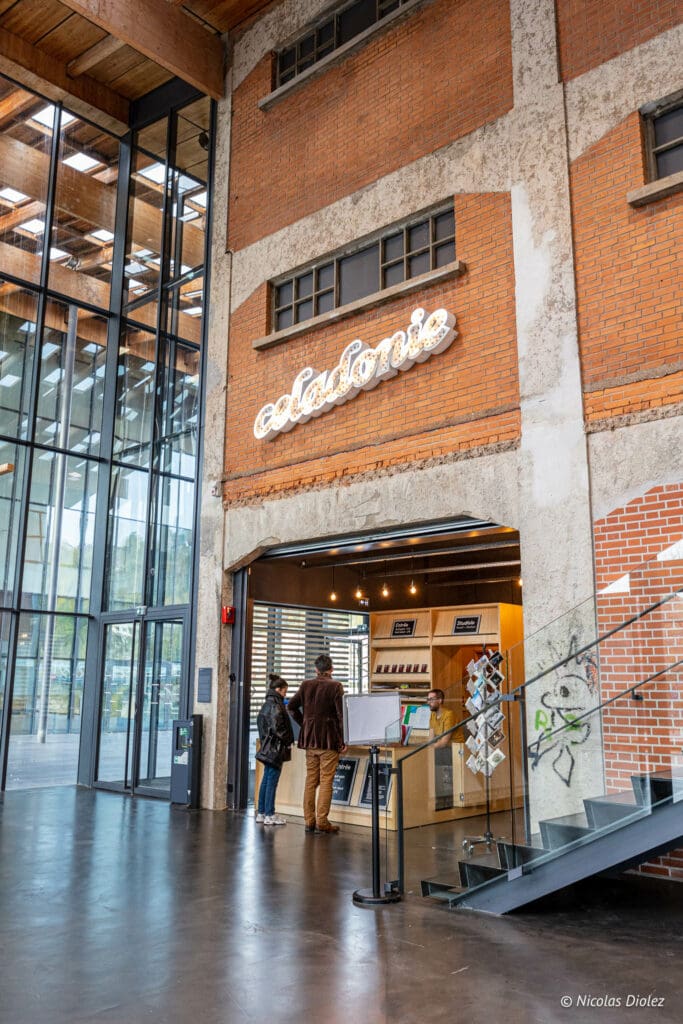
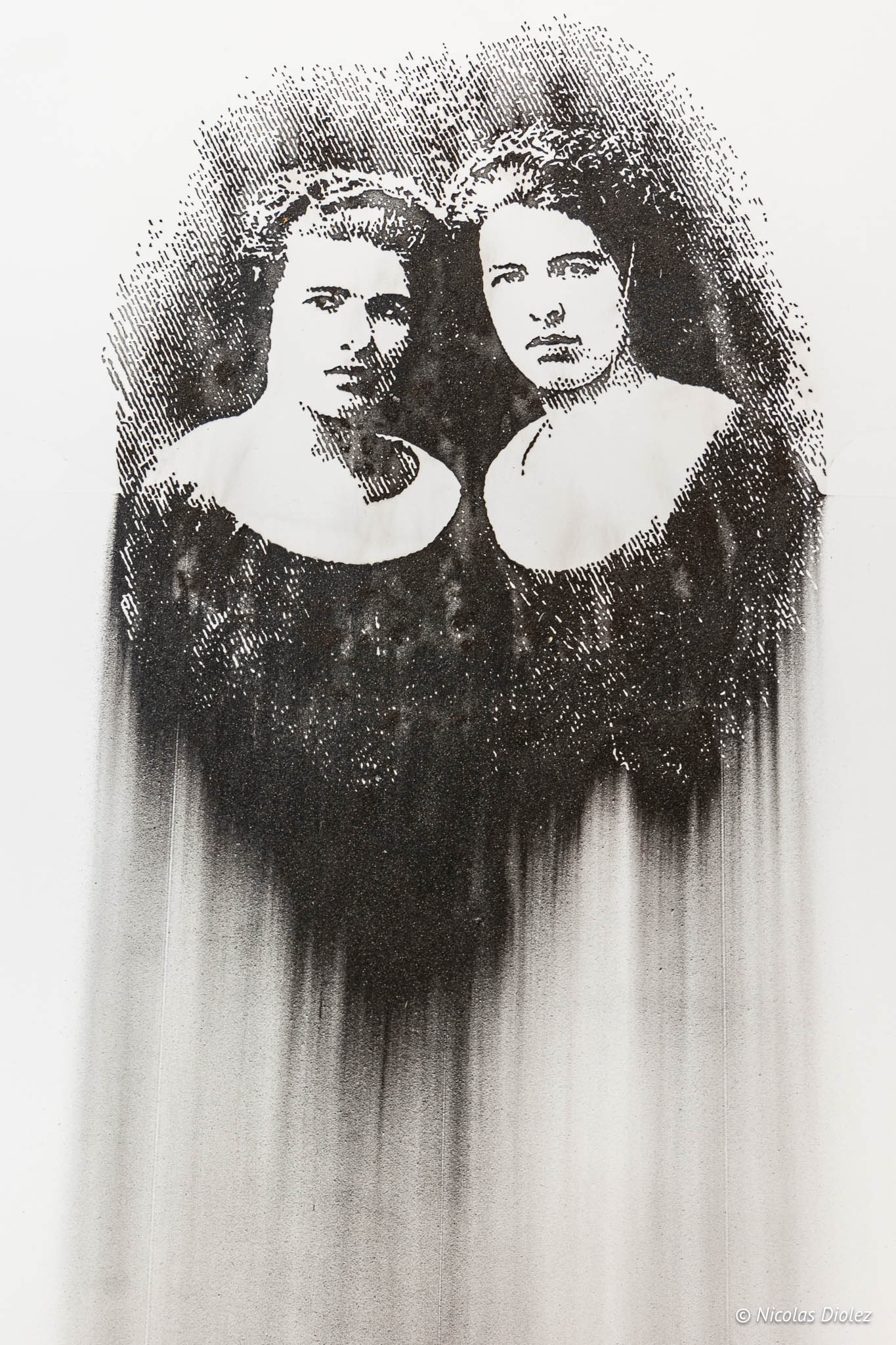
During our stay in Besançon in 2022, we went to discover this contemporary art exhibition space located near the Cité des Arts, which I mentioned in the introduction of this paragraph—an industrial brownfield rehabilitated by the internationally renowned Japanese architect Kengo Kuma. The institution has taken over Besançon’s former river port, settling into a 1930s brick warehouse located right along the banks of the Doubs.
This gave us the chance at the time to discover the temporary exhibition “La Beauté du Diable” (from October 16, 2022, to March 12, 2023), which explored the presence of Satan in contemporary art through the lens of his depiction and metamorphoses. Even though this exhibition has now ended, the venue regularly hosts temporary exhibitions and activities around the collections of FRAC Franche-Comté to showcase the great diversity of art today.





Fond Régional d’Art Contemporain de Franche-Comté
2, passage des Arts 25000 Besançon
Prices : €5 / reduced €3 / free for everyone on Sundays, for under-18s, job seekers, artists, art students, and art teachers
_
Visiting the Maison Victor Hugo
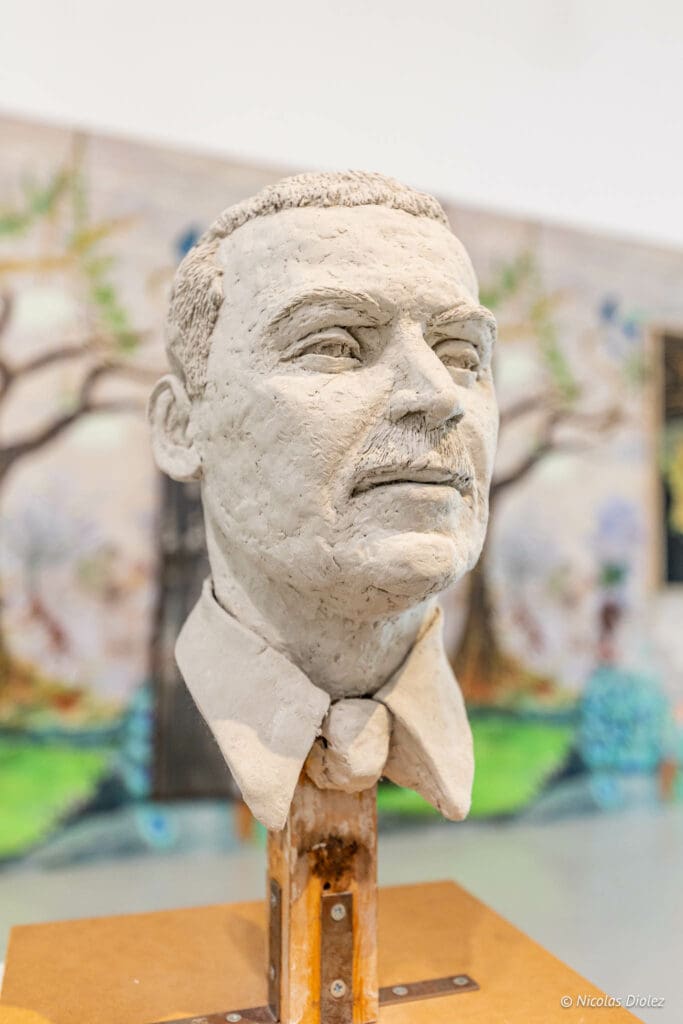
The famous writer was indeed born in Besançon at number 140 Grande Rue, on February 26, 1802. Since 2013, the city of Besançon has therefore showcased a contemporary scenography featuring plenty of multimedia within his birthplace, highlighting the committed man that Victor Hugo was. We were able to take a guided tour during our visit, and if you get the chance, I highly recommend this experience because it is truly very educational and interesting.
Also worth seeing even without entering the museum: The apothecary pharmacy that was present at the time of Victor Hugo‘s birth, which was later moved in 1909 (when the furniture was put up for sale). An industrialist subsequently donated it to the city of Nice in 1954. Later on, the Renaissance du Vieux Besançon association campaigned for its repatriation, and it can now be admired behind a display window next to the entrance of the Maison de Victor Hugo.


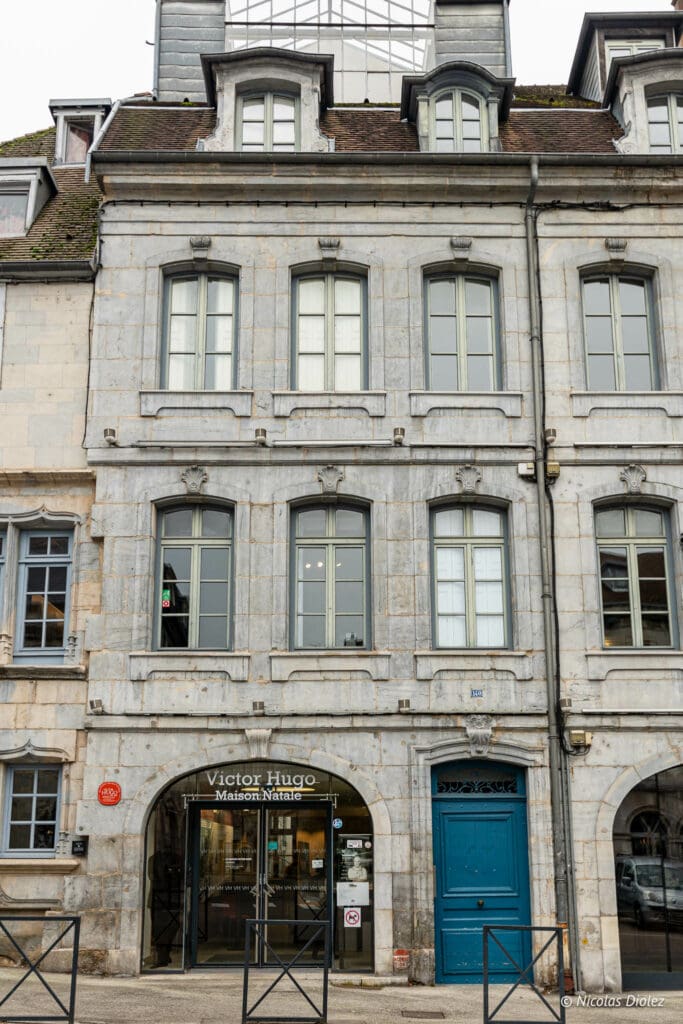

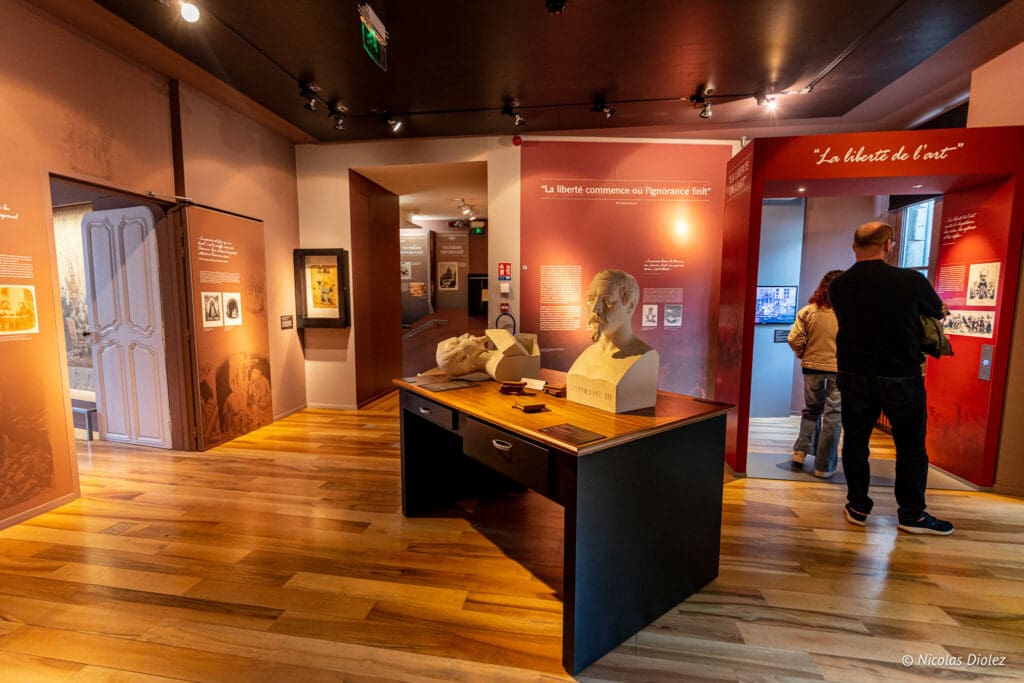


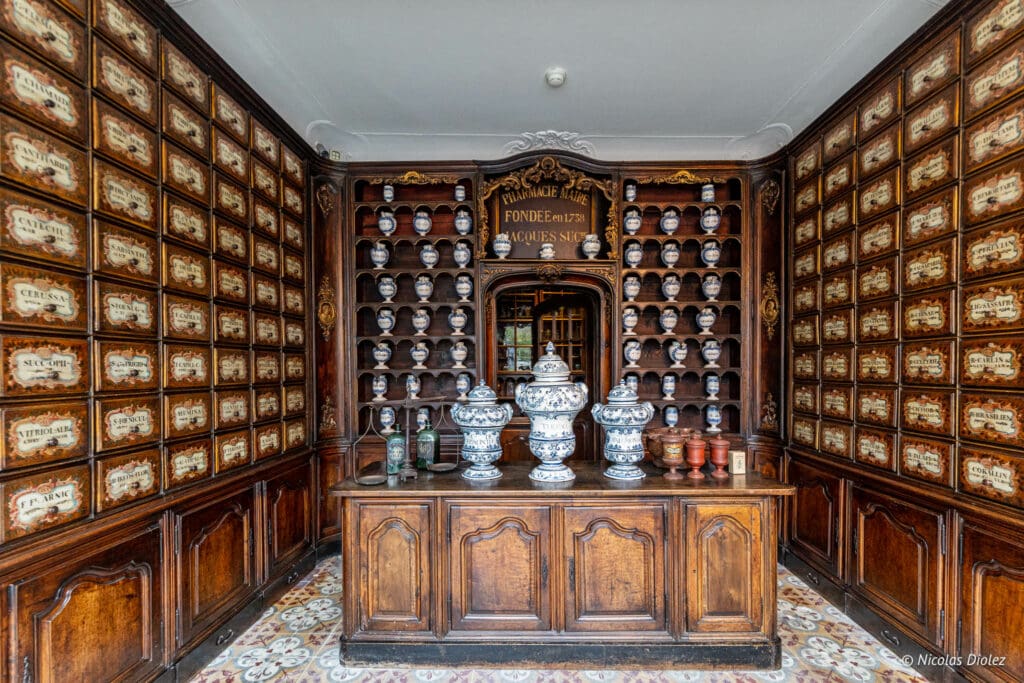


Maison natale de Victor Hugo
140, Grande Rue, 25000 Besançon
Prices: €3 / reduced €2 / free for everyone on Sundays and public holidays, as well as for under-18s, students, job seekers, and people with disabilities
_
Visiting the CIAP (Centre d’Interprétation de l’Architecture et du Patrimoine)
The CIAP consists of a permanent exhibition offering a fun presentation of the city’s architecture and heritage in all its aspects, as well as a temporary exhibition space. Indeed, since 1986, the city of Besançon has been labeled a “Town of Art and History” and as such, is committed to promoting and bringing its heritage and architecture to life. It’s a great opportunity to learn interesting facts about the urban planning and architecture of this city, which—along with Nancy—is notably one of the most beautiful cities in France in terms of 18th-century built heritage.
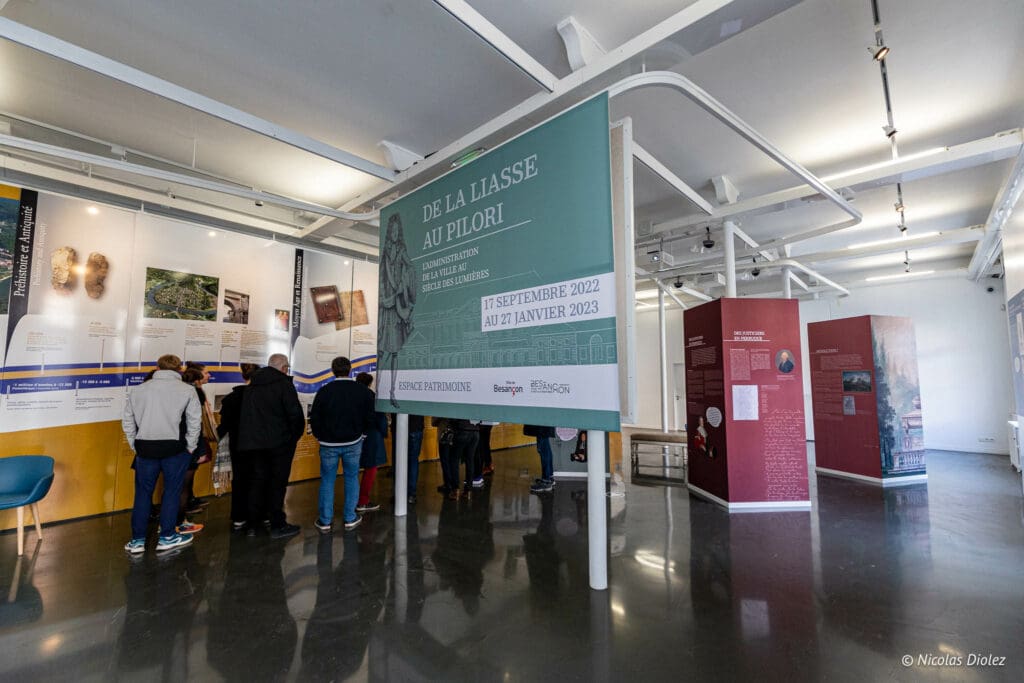

CIAP / Centre d’Interprétation de l’Architecture et du Patrimoine
free admission
_
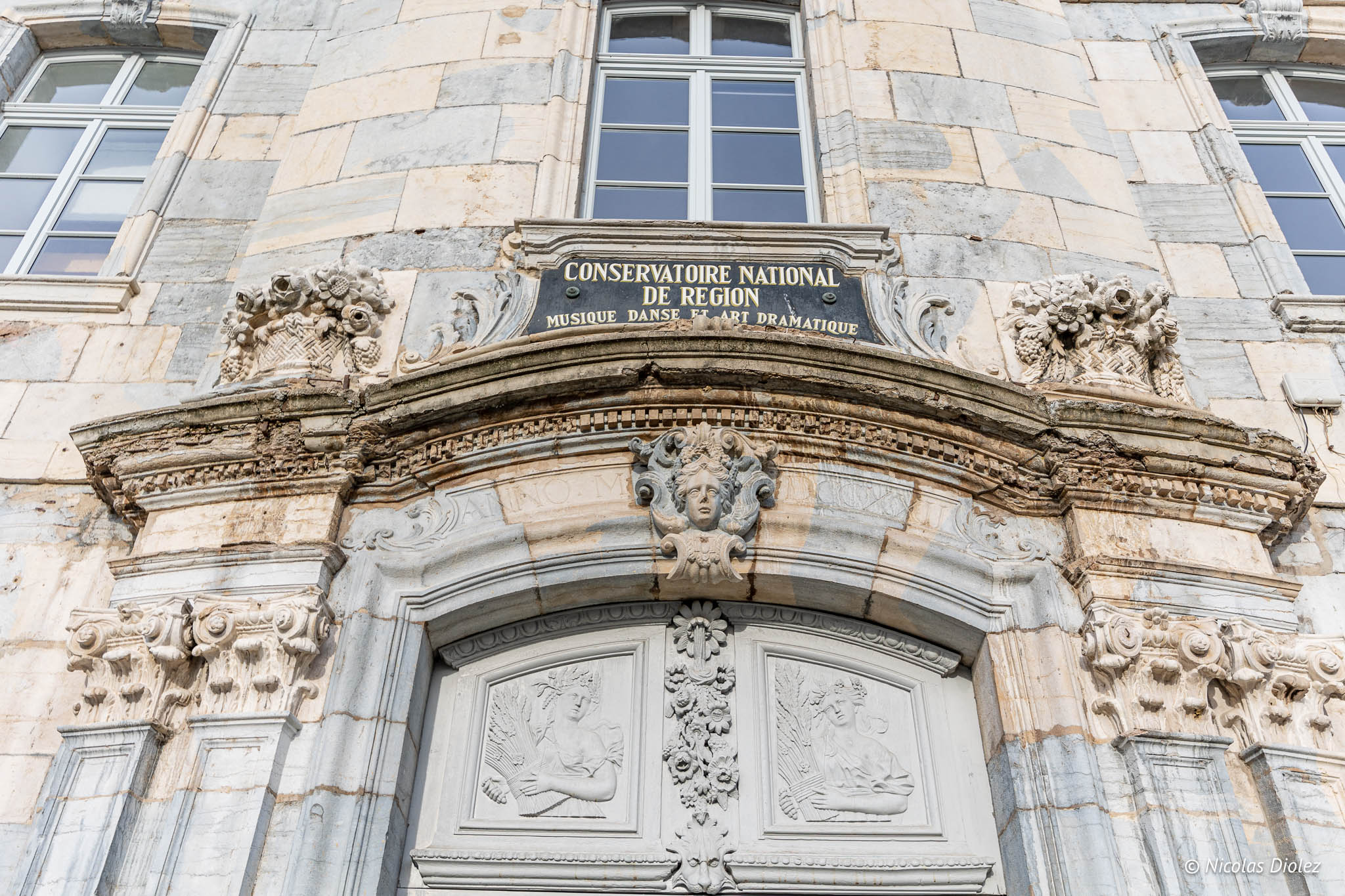
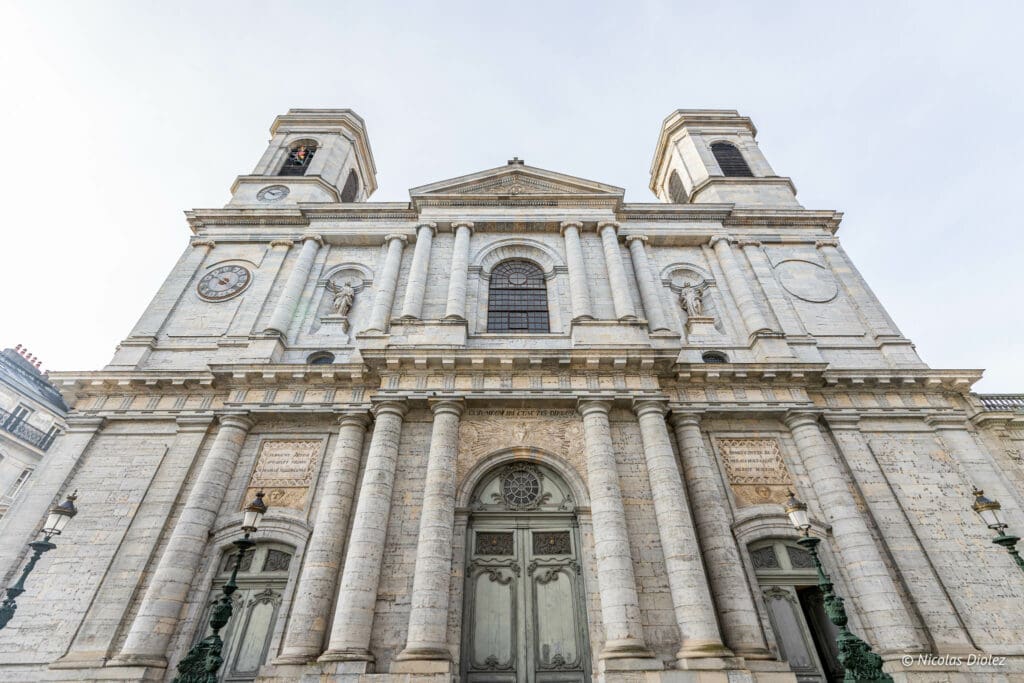
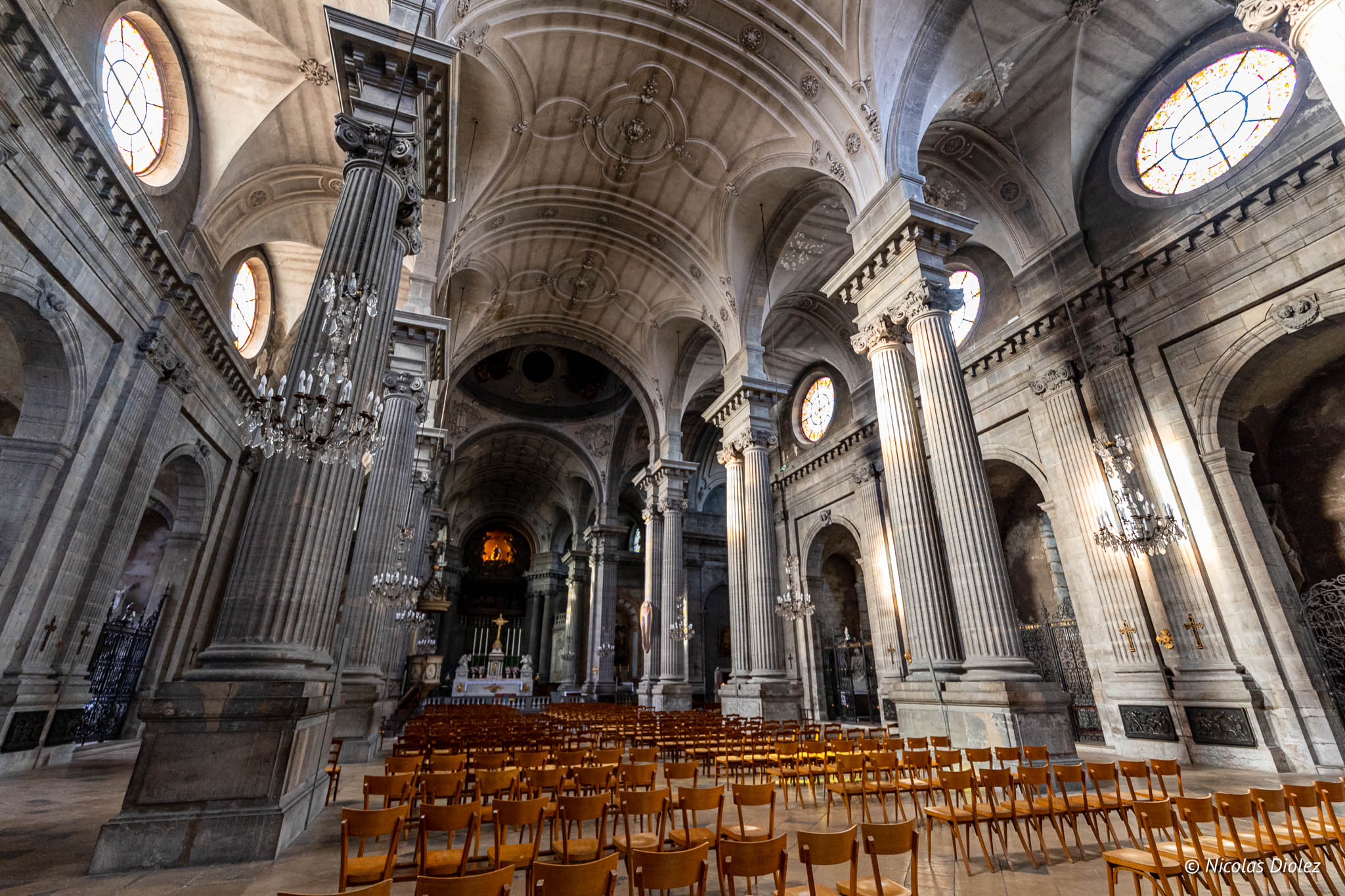
Strolling to discover Besançon’s 18th-century heritage
It is considered that Besançon’s 1st golden age took place in the 16th century, and its 2nd golden age occurred in the 18th century—the Age of Enlightenment, or the Beautiful Century, as the temporary exhibition held at the city’s Museum of Fine Arts in 2022/2023 called it. At that time, Besançon was simultaneously a parliamentary, university, and episcopal city. And the city of Besançon is particularly rich in a stunning built heritage from that era, which is still widely visible throughout the town.
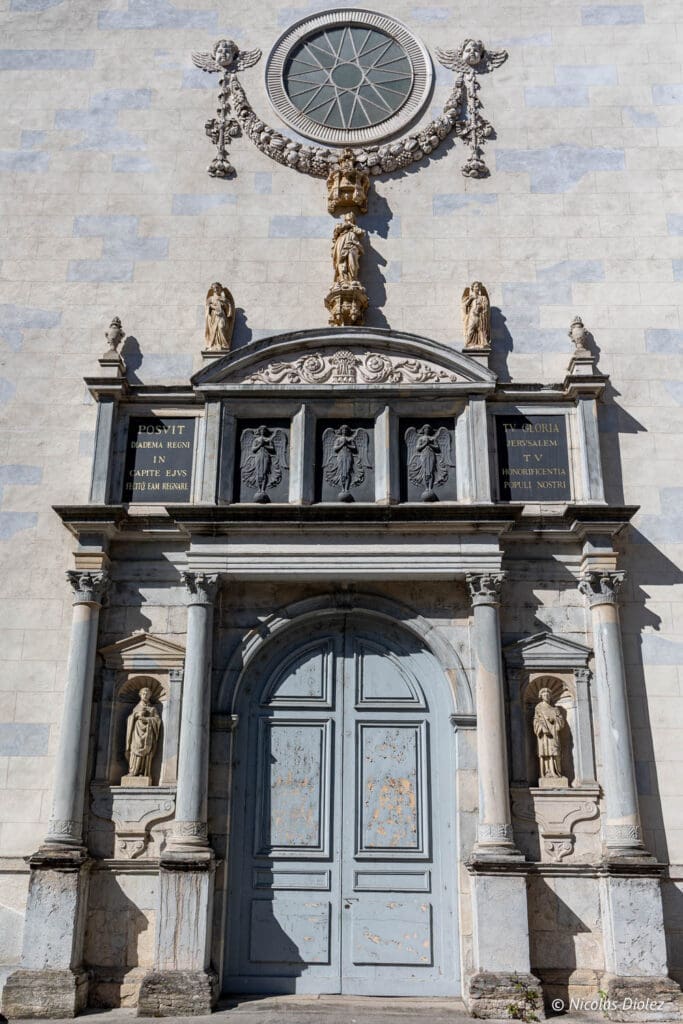
Not to be missed: the Hôtel Pourcheresse de Fraisans, dating from 1739, which houses the city’s finest 18th-century staircase; the Sainte-Madeleine Church, the most beautiful 17th-century church in Besançon and the masterpiece of architect Nicolas Nicole (his other masterpiece being the Chapelle du Refuge); the L’Intranquille bookstore, set inside a former 18th-century church; the Hôtel Terrier de Santans; the uniform facade of Quai Vauban (late 17th and early 18th century); and Saint-Pierre Church, built between 1782 and 1786 on a Greek cross plan.




_
Visiting St. John’s Cathedral
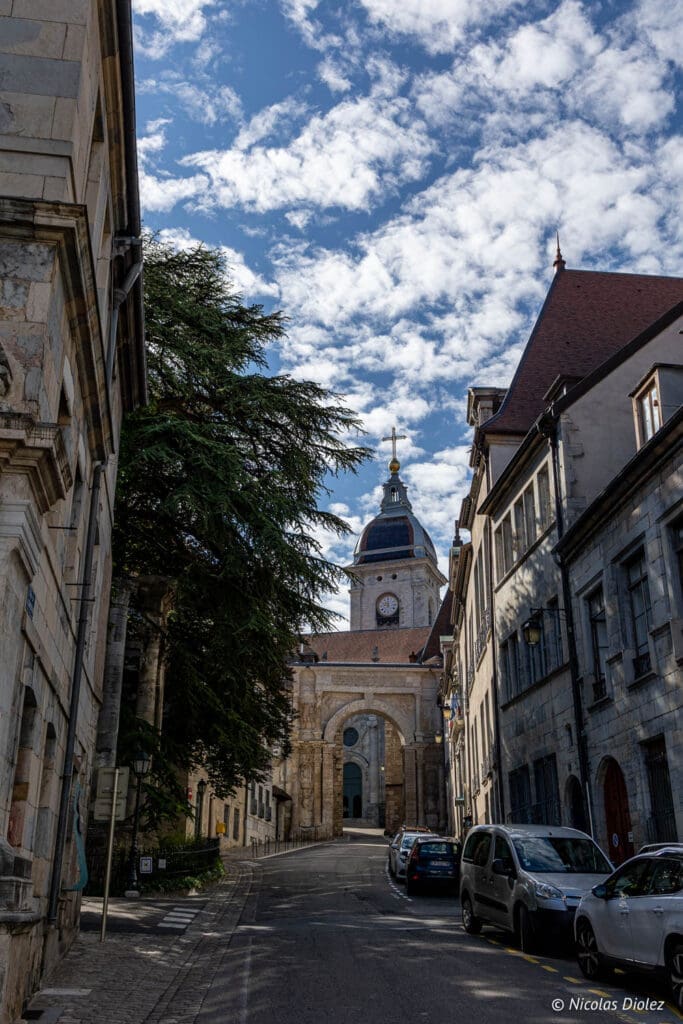
Built starting in the 3rd century and subsequently reconstructed several times, this church features Romanesque, Gothic, and Baroque elements. In a very surprising twist, this cathedral boasts 2 opposing choirs—a truly rare feature! Also, don’t miss the cathedral’s astronomical clock, which is listed as a historic monument and dates back to the 19th century.

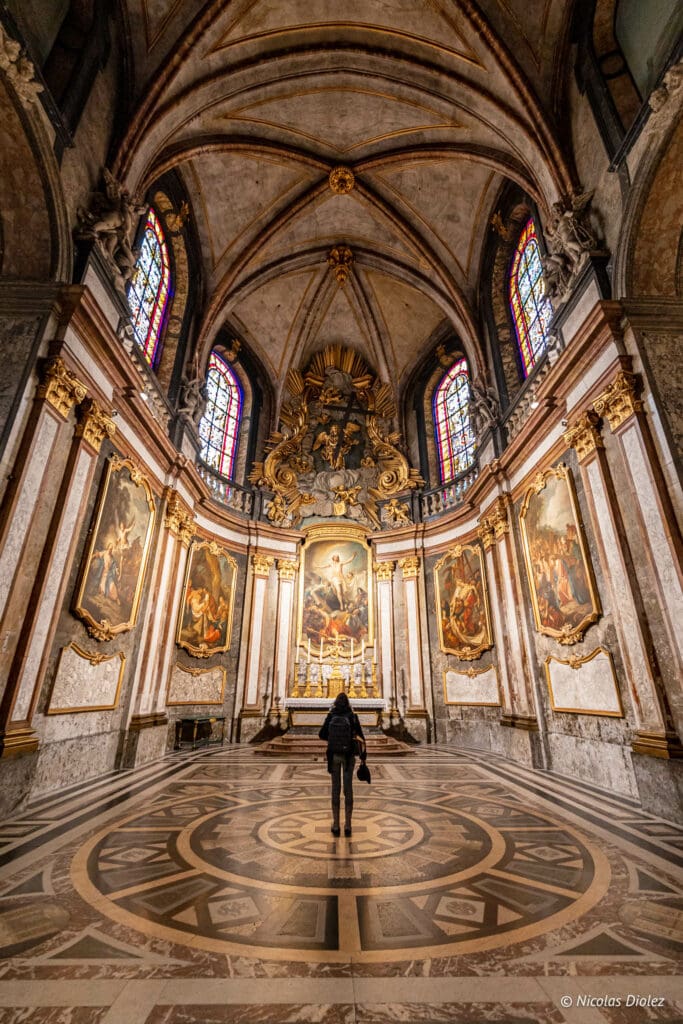
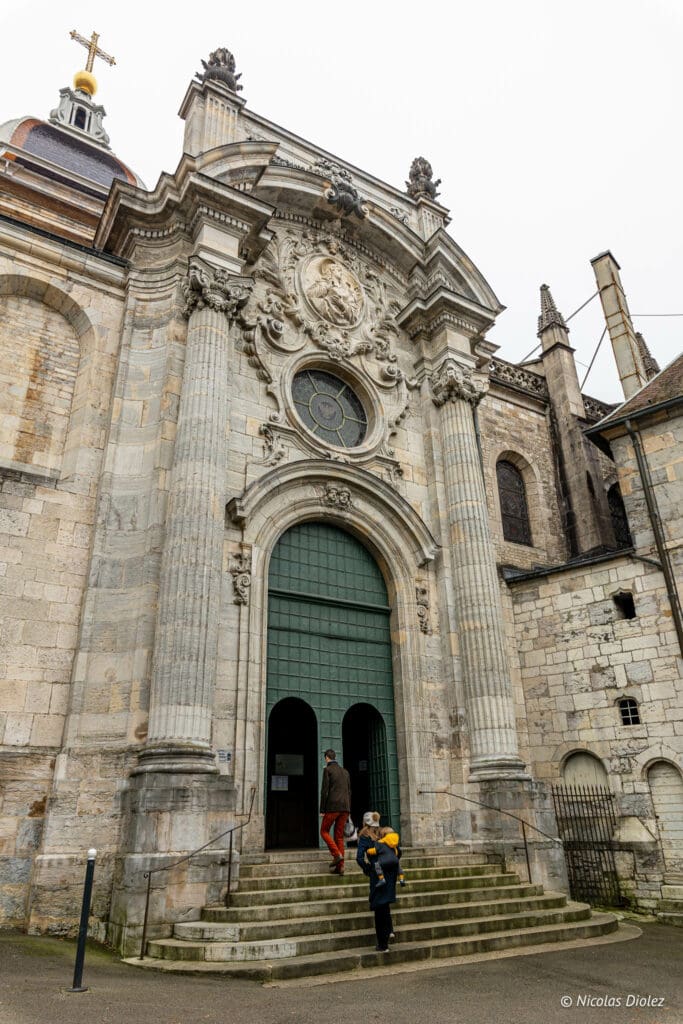


Saint-Jean Cathedral of Besançon
10 Rue de la Convention, 25000 Besançon
_
Visiting the Synagogue of Besançon
This synagogue was built between 1866 and 1869 and serves as the main Jewish place of worship in the city of Besançon. Its layout, decor, and furnishings make it one of the city’s most original buildings, with a distinct Orientalist flair. You can go inside on Saturdays (while being very respectful and discreet, of course), and the city of Besançon also occasionally organizes guided tours of the building.


Synagogue of Besançon
23 quai de Strasbourg, 25000 Besançon
5 outdoor activity ideas to enjoy in and around Besançon
Besançon is also a city surrounded by nature, and locals love to indulge in a variety of outdoor activities. As you will see below, options in this field certainly aren’t lacking.
_
Take an electric boat ride on the Doubs
This very peaceful activity is perfect to do with family or friends and offers a different perspective of the city of Besançon. Departure takes place from the Saint-Paul Harbor Master’s Office (a quick explanation of how the boat works is given to the “captain” upon departure), and then off you sail (well, at a slow pace—you won’t have too much wind in your hair on this trip)!
During the tour, you pass through two locks (which reminded me of my canal boating experience on the Canal du Midi), including one where you have to step out of the boat to operate it manually, and you also cruise through the Citadel tunnel. In any case, for our small group, this ride was a tremendous moment of laughter that I will remember for a long time!


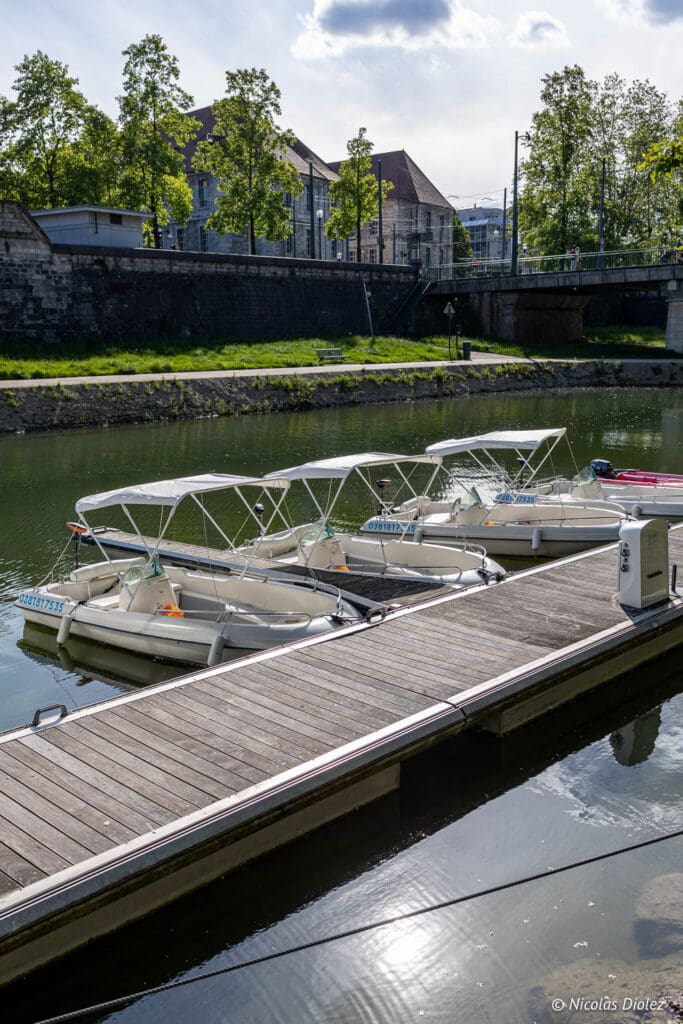


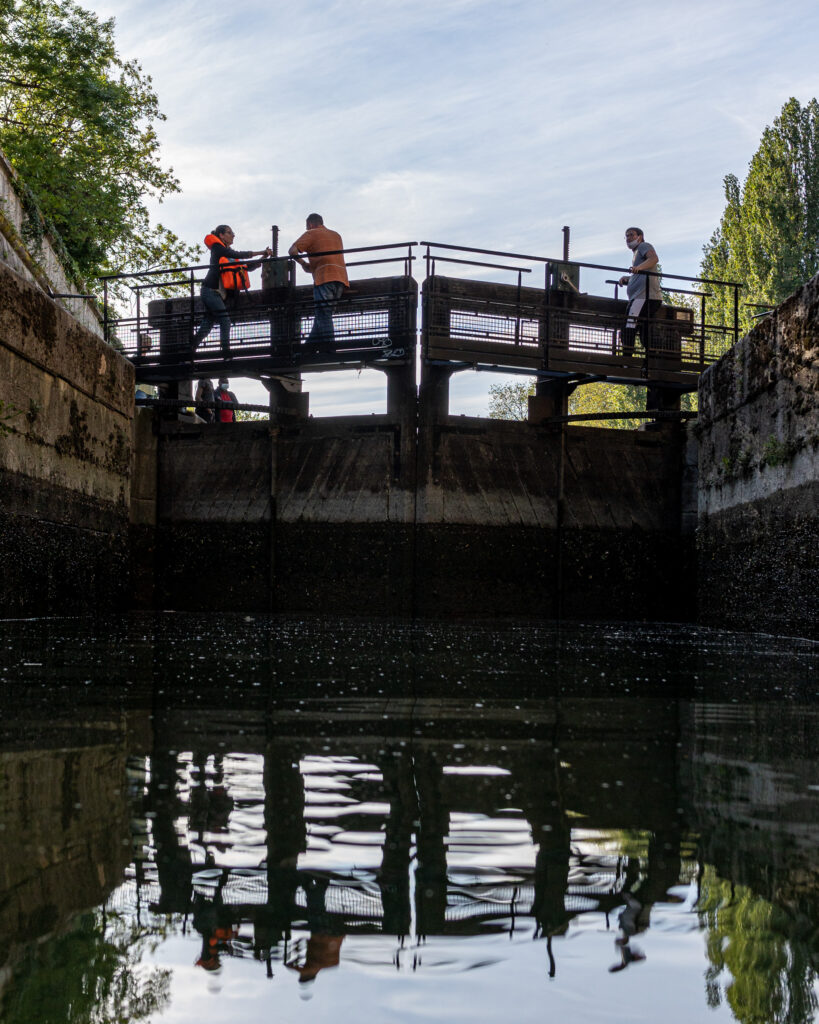
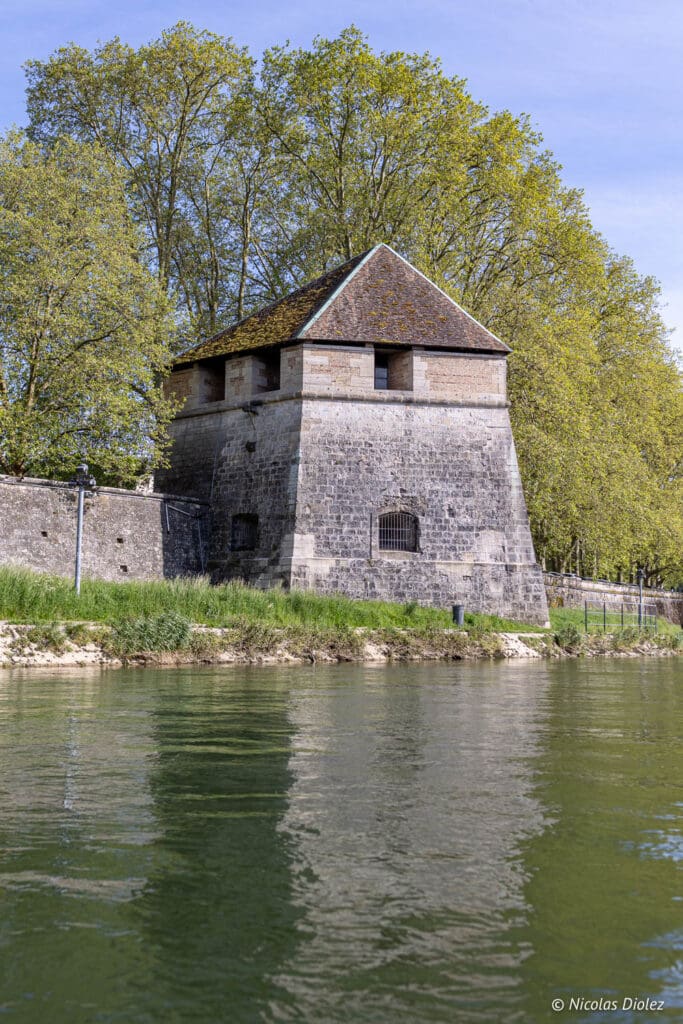

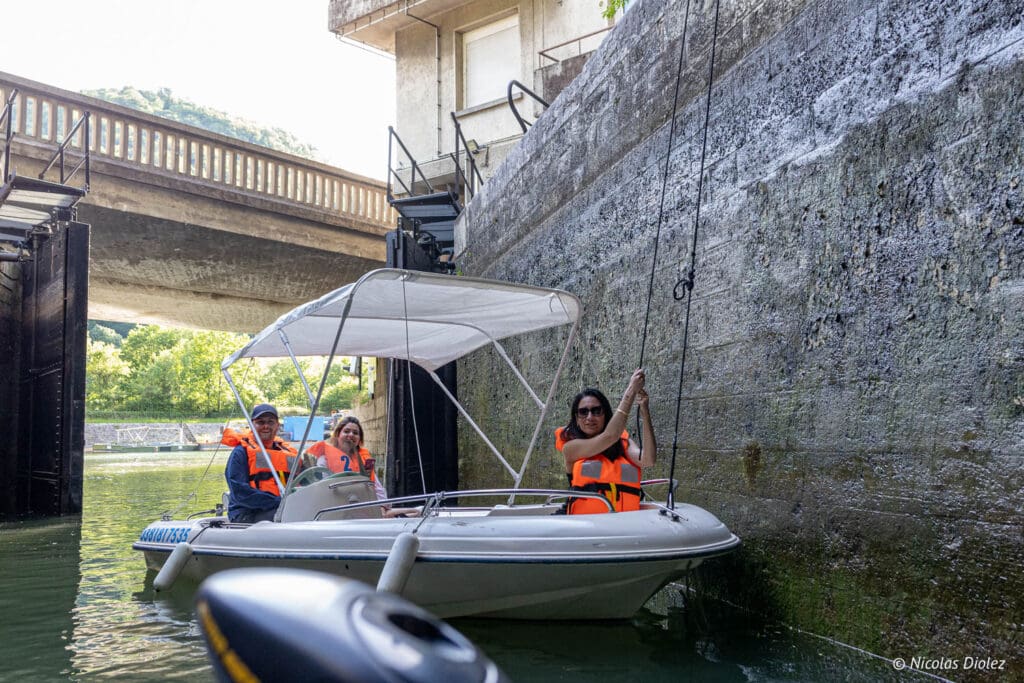
Tested in 2021
Doubs Plaisance
Halte du Moulin St Paul – 4 Pont de la République 25 000 Besançon
Rates: €50 to tour the Loop (1.5 – 2 hours of navigation), with a maximum of 5 people per boat
_
Take a stroll along the Doubs river
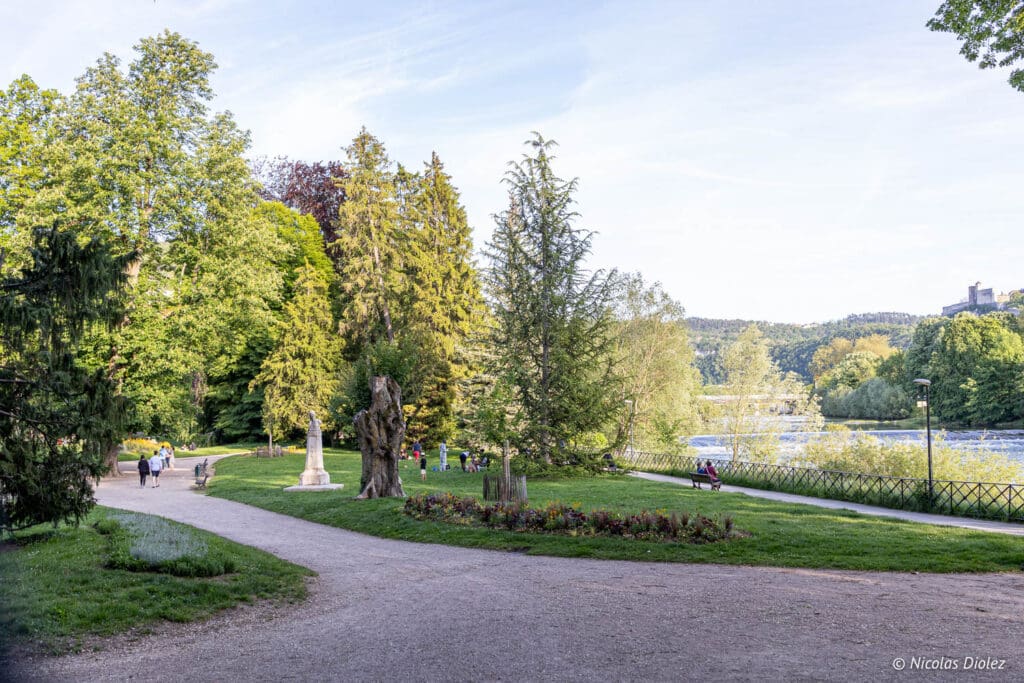
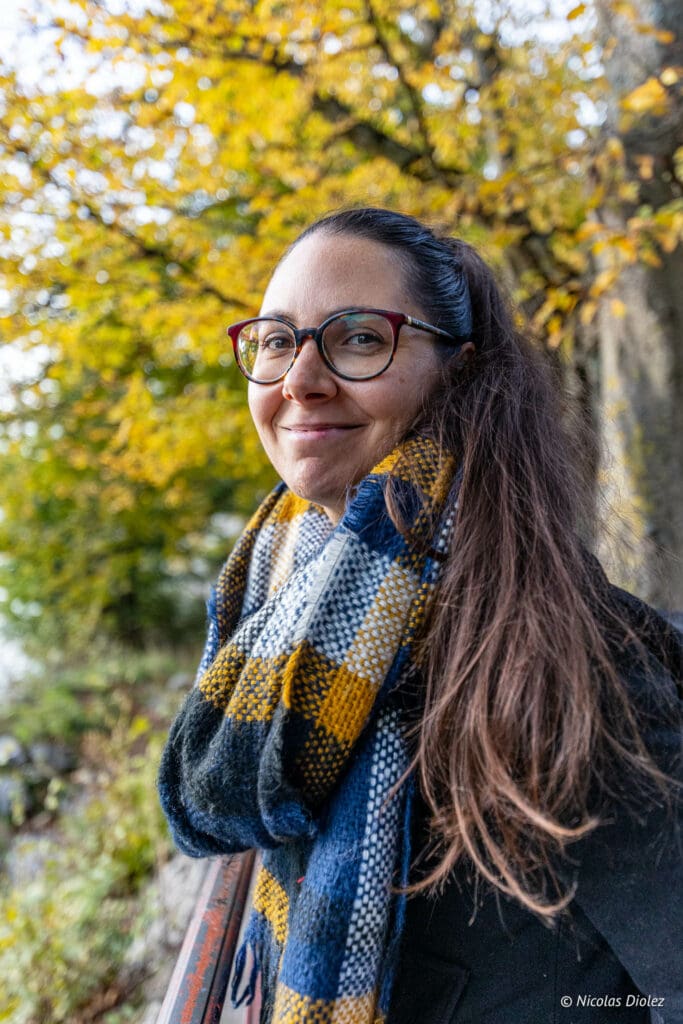
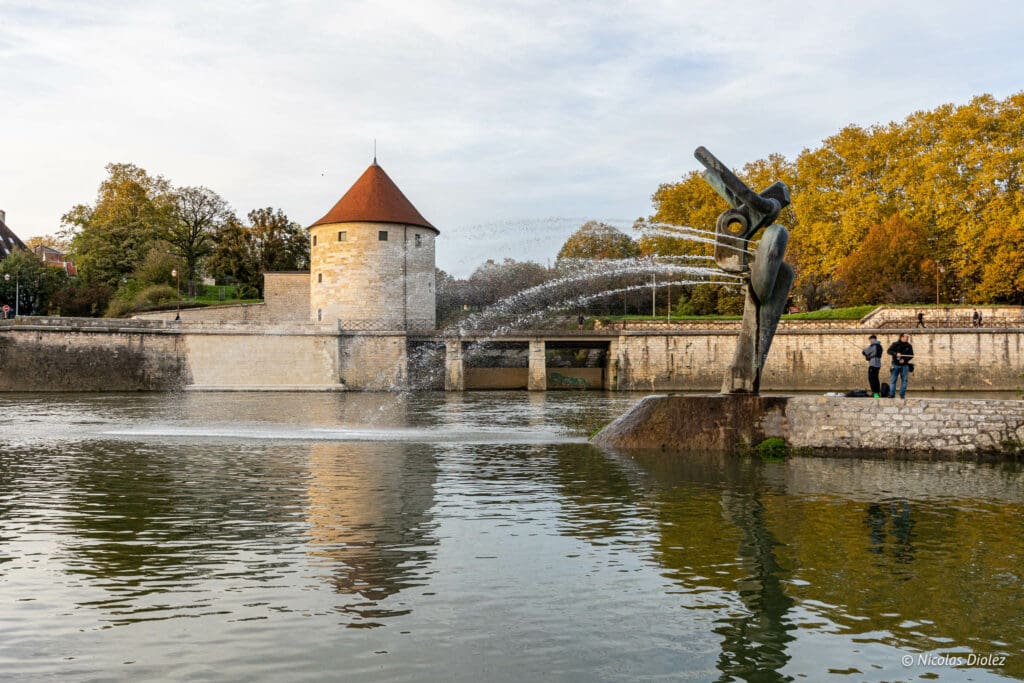
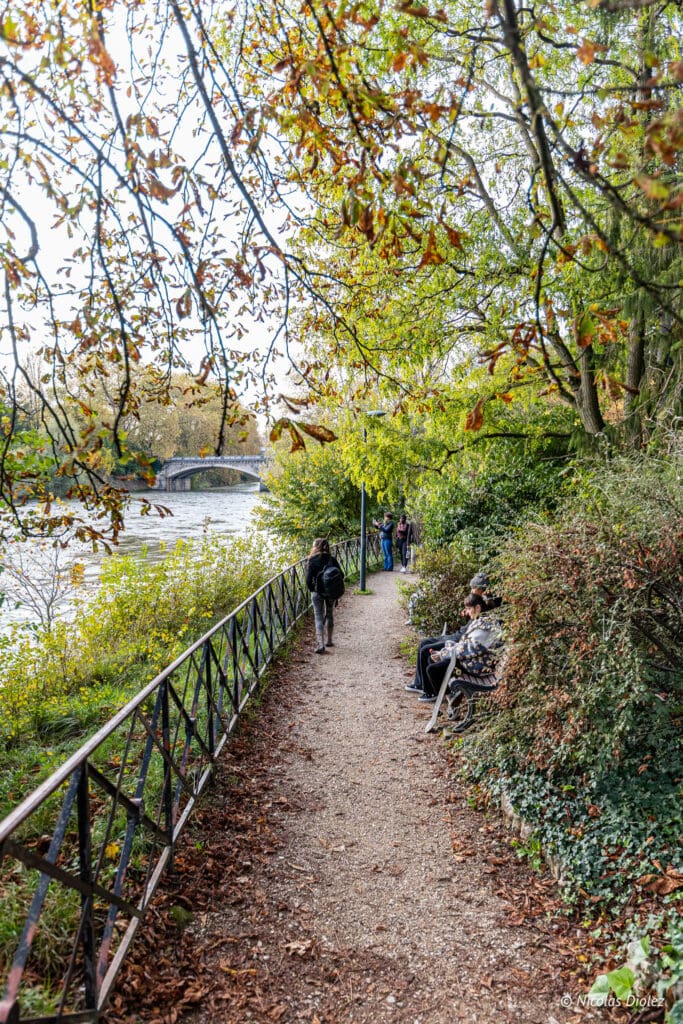
Following 2 complementary tour routes (“Banks and Ramparts” and “Water, Let’s Trace it Back to the Source”) via the Visiter Besançon app that I mentioned in the introduction, we set off for a bucolic stroll along the loop of the Doubs that encloses Besançon. We weren’t able to complete the full tour of the city, but we thoroughly enjoyed this waterside walk. Plus, with the lovely autumn colors of the season, it was simply gorgeous. Along the way, you can spot the Minotaur statue by artist Jens Boettcher and perhaps, like us, encounter the furry little residents of the Doubs banks (see photo below).





_
Go for a bike ride along EuroVelo 6 with Mycycle
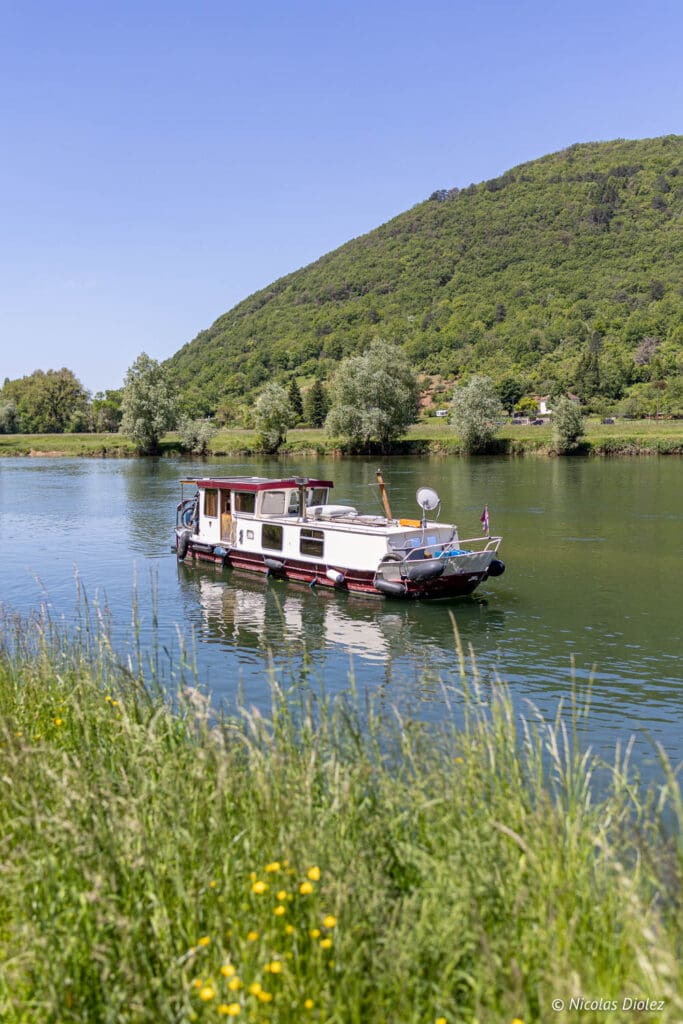
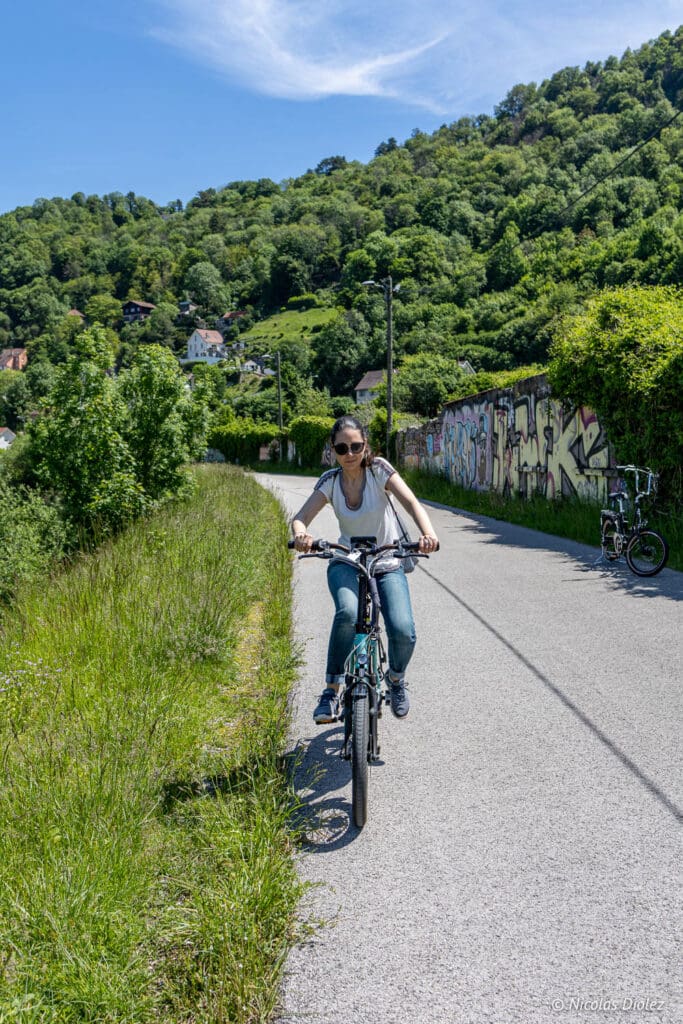
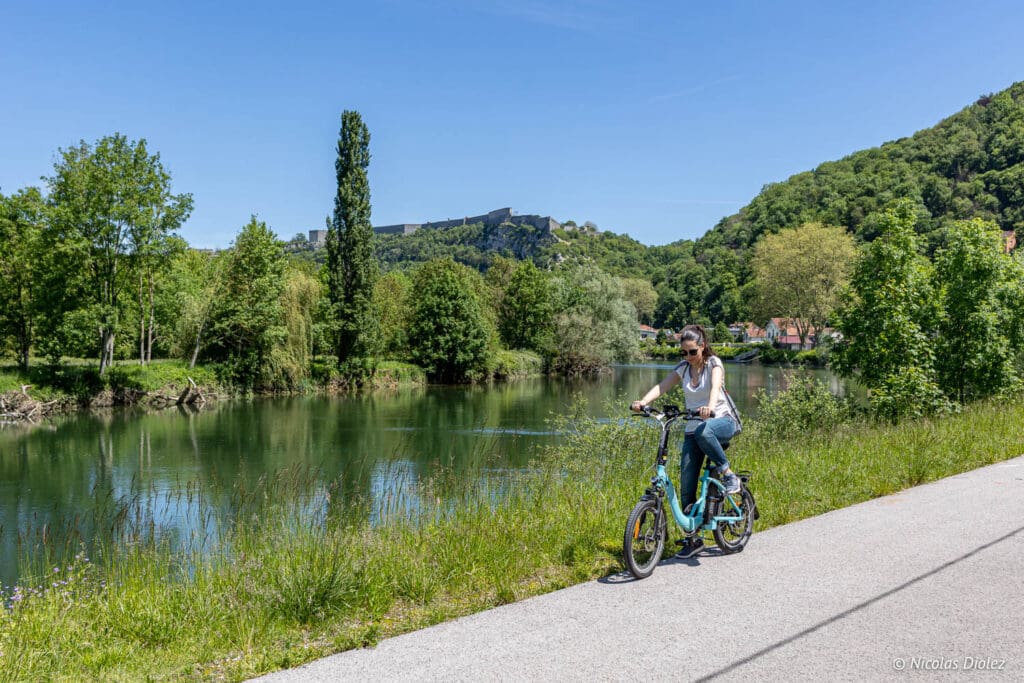
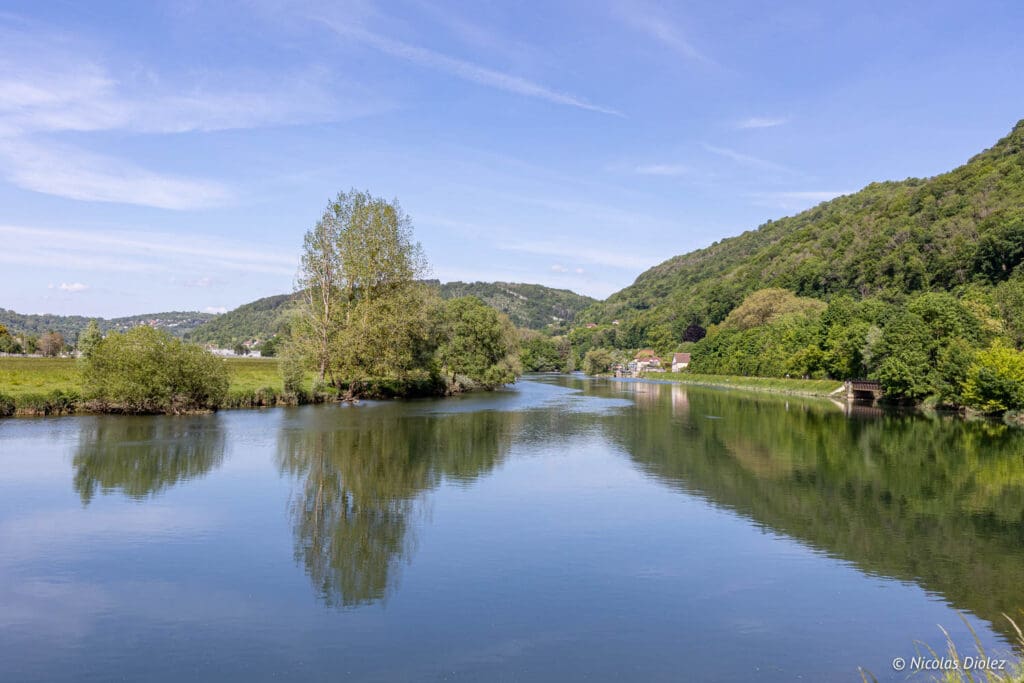
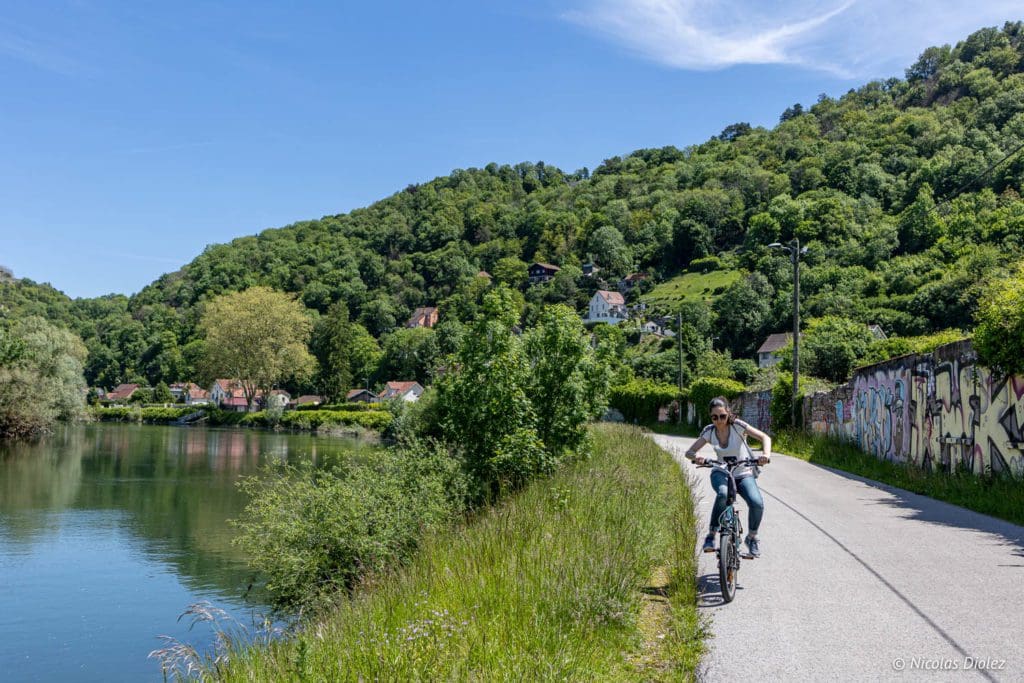
As you know, ever since our experience on the Avenue Verte in 2019, we’ve become huge fans of this kind of bike ride along France’s cycling networks! And I must say the route starting from Besançon and following the meanders of the Doubs along EuroVelo 6 is truly charming. Plus, with the electric bikes we had, it was thoroughly enjoyable!
We set off by bike from the My Cycle / Proxy Cycle rental shop and rode for 6 kilometers to reach Avanne-Aveney, where we had lunch at l’Epicerie du Canal (see below in the “good addresses” section) before heading out for our canoeing trip (a very sporty day!).



Tested in 2021
My Cycle / Proxy Cycle, Besancon City Center
106 Grande Rue, 25000 Besançon
Bike rental rates: from €35 per day (2021 rates)
_
Go canoeing and kayaking on the Doubs
In recent years, I must say we’ve become big fans of canoeing and kayaking, and we go out quite regularly during our trips. So we didn’t break tradition by tackling this 3 km loop (the normal loop is 8 km, but we had limited time so we did the shorter version) on the Doubs. We set off from the Woka Loisirs base, and once we finished our tour, the team picked us up by vehicle at the arrival point.
A truly lovely and very accessible trip (requiring no particular expertise in the activity) that once again offers a fresh perspective of the area.




Tested in 2021
Woka Loisirs
2 rue du pont 25250 Avanne Aveney
Rental rate for the 8km loop: €15
link to the activity website
_
Take an energetic hike up to the Notre-Dame de la Libération monument
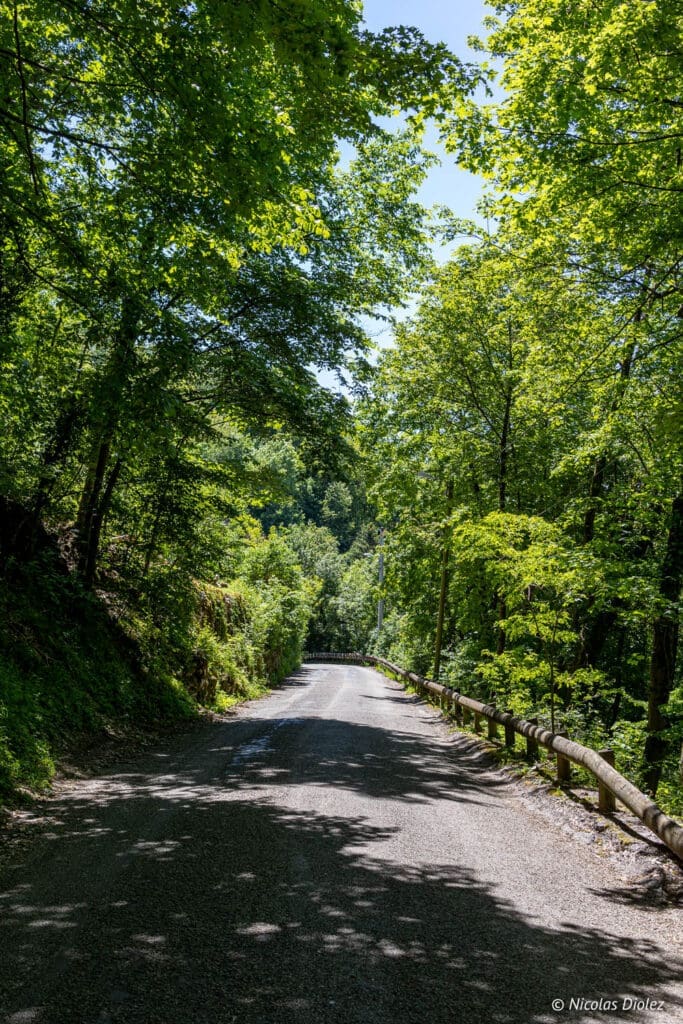
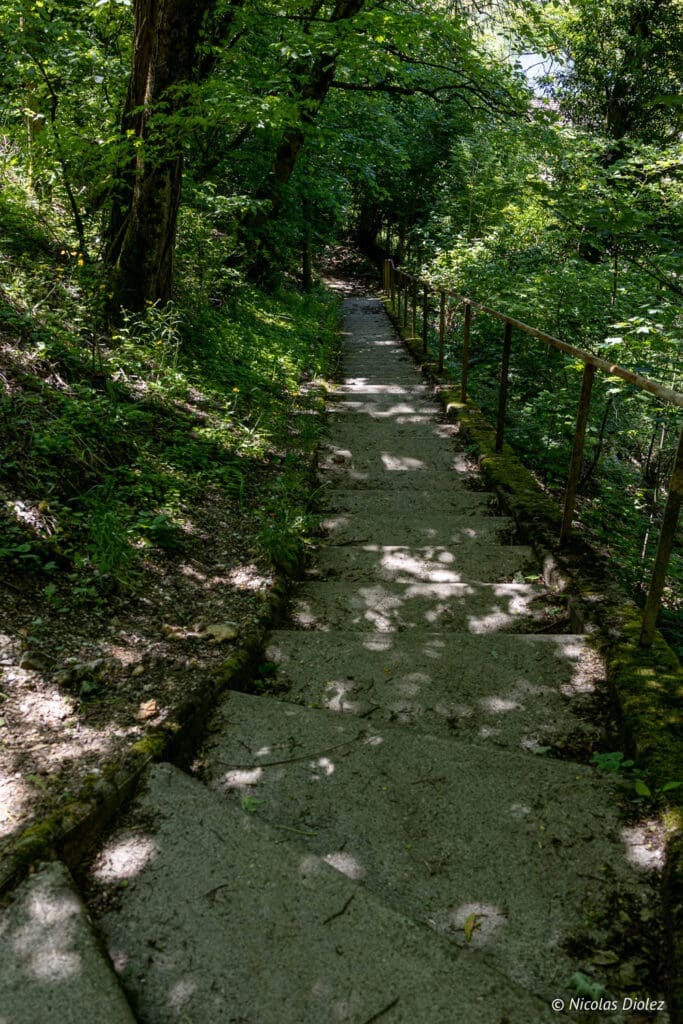
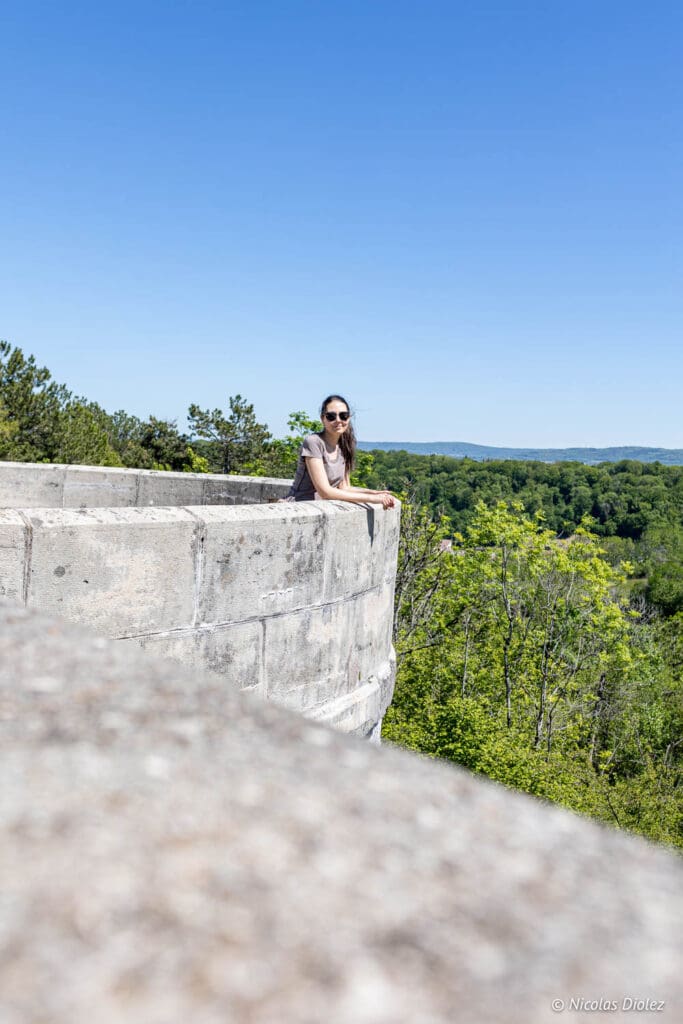
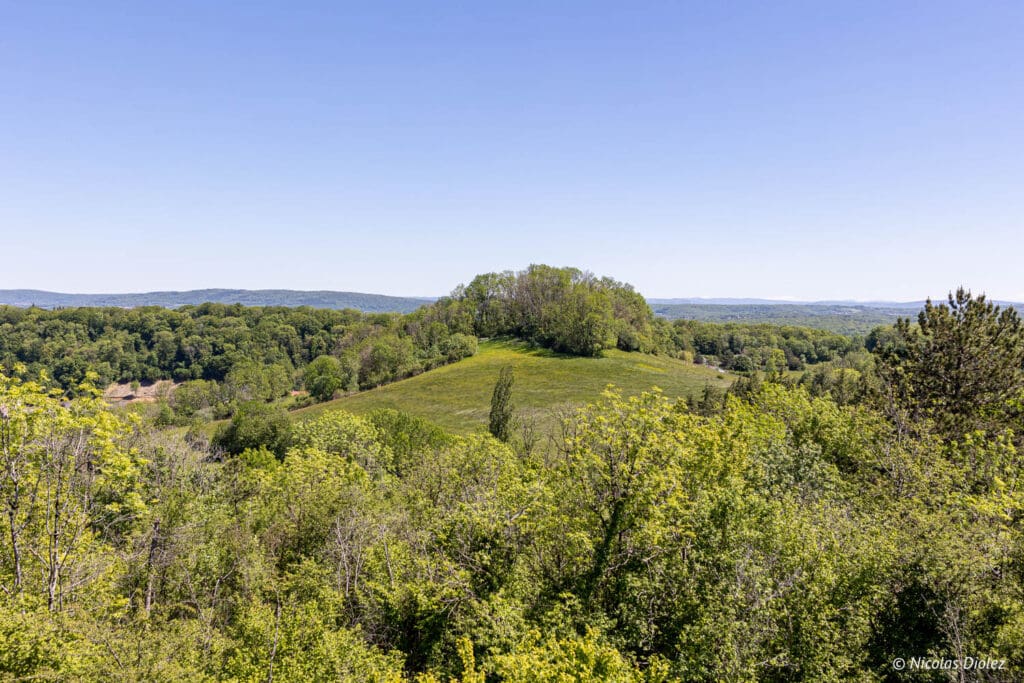
Trail running is clearly the official sport of Besançon, and the locals take full advantage of the 7 surrounding hills for regular training. As for us, we went on a short hike along the Via Francigena with Alexandre, though we took this climb more like Sunday tourists—even though it definitely got steep! We walked up to the Chapelle du Buis and then on to the Monument de la Libération for a magnificent view of the city and its surroundings.
The walk is only 5 kilometers from the city center, but it’s a great way to test your cardio… By the way, I’ve since learned the technique of Afghan walking on uphills in Digne-les-Bains (I’ll tell you more about that soon), and I think it would have come in very handy to keep me from getting out of breath on this climb.




Places to visit around Besançon
The Royal Saltworks of Arc-et-Senans
Located about 40 minutes by car and 25 minutes by regional train (TER) from Besançon, the Royal Saltworks of Arc-et-Senans is a former salt factory built in 1773 at the request of Louis XV. However, the Saltworks is also the masterpiece of the Farmers-General’s favorite architect and a great visionary of the Age of Enlightenment, Claude Nicolas Ledoux. If you are in the area, it is well worth the detour for a quick visit.
=>To find out more, feel free to check out my full article on the Royal Saltworks of Arc-et-Senans
My favorite spots in Besançon
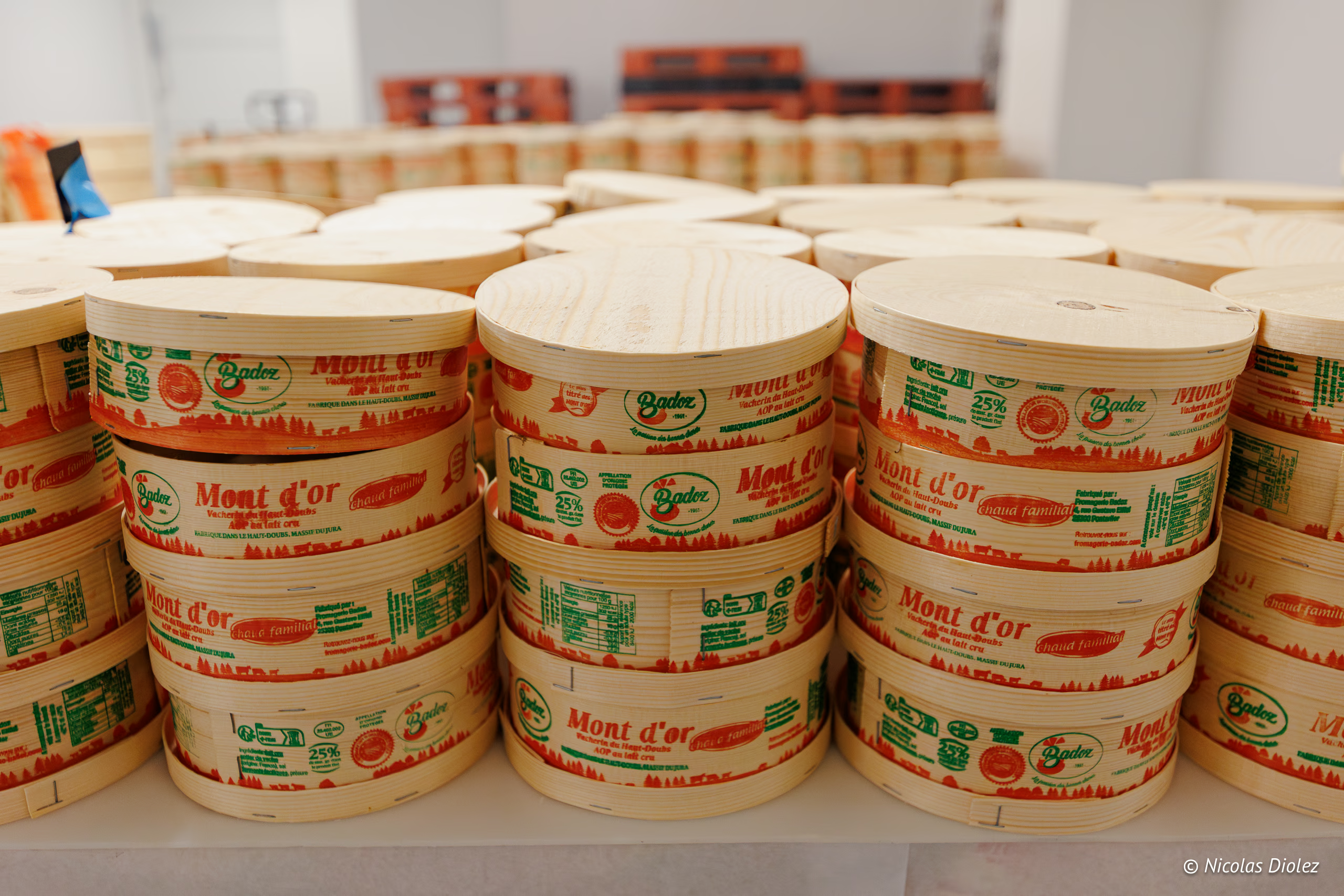
For my traditional list of great foodie addresses in Besançon (how could I miss it!?), I recommend taking a look at my other article which specifically covers this topic. There, you’ll find great food spots in Besançon and the surrounding area that we had the chance to test during two trips to the city with my favorite photographer, in 2021 and 2022. These addresses often invite you to discover local products and regional specialties to try if you come to the Doubs, such as Morteau sausage or Jura wines….
_
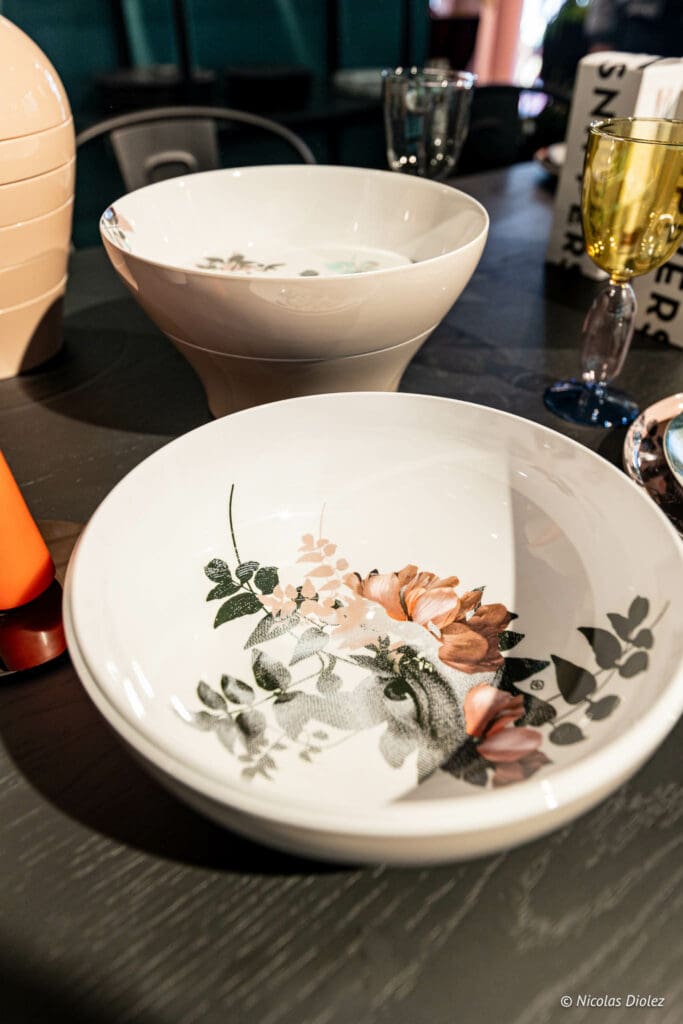
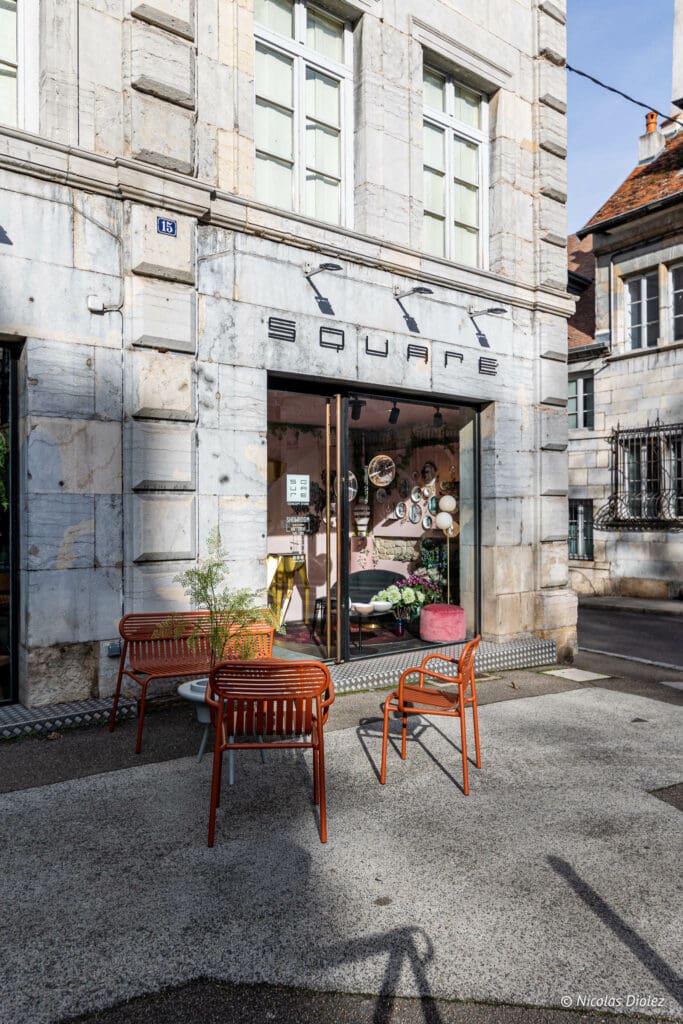
Where to shop for Made in Franche-Comté? At Square Concept
I’m just adding a great shopping address in this paragraph (which is totally outside my food theme, and that’s why I’m putting it in this article instead). If you’re a fan of design, you must visit the Square Concept boutique, where you can discover the Franche-Comté brand Ibride, which is truly very famous in the region.



Square Concept
15 Rue Victor Hugo, 25000 Besançon
Where to stay in Besançon?
As usual, you will find below our favorite hotel addresses from our stays in Besançon with my favorite photographer. And to find all my Besançon addresses, more detailed feedback, and accommodation options for all budgets, I invite you to discover my complete guide on where to sleep in Besançon.
My recommended accommodations for this stay
Other places
Booking through these links supports the blog, at no extra cost to you.
_
Hôtel Restaurant Spa Le Sauvage
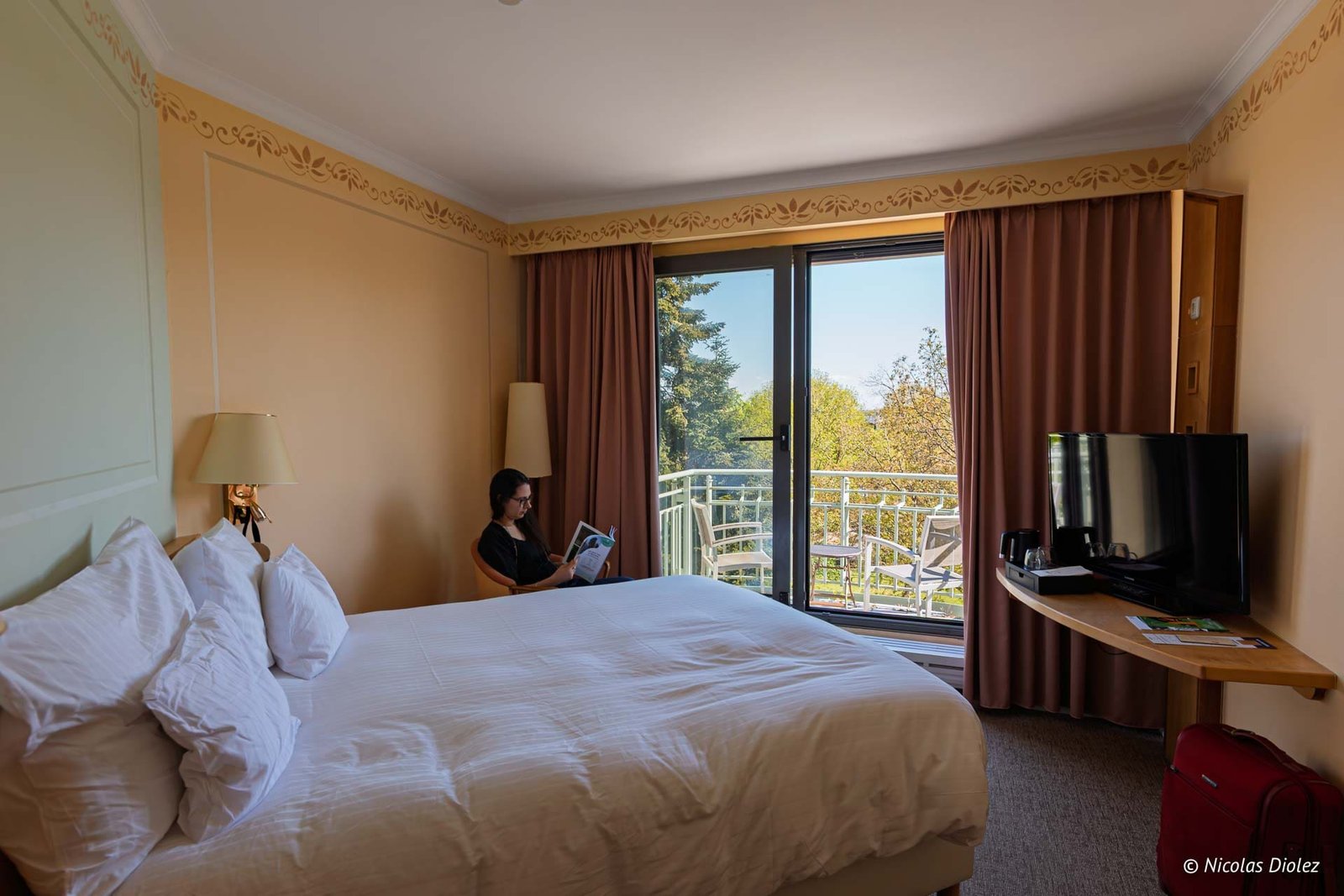
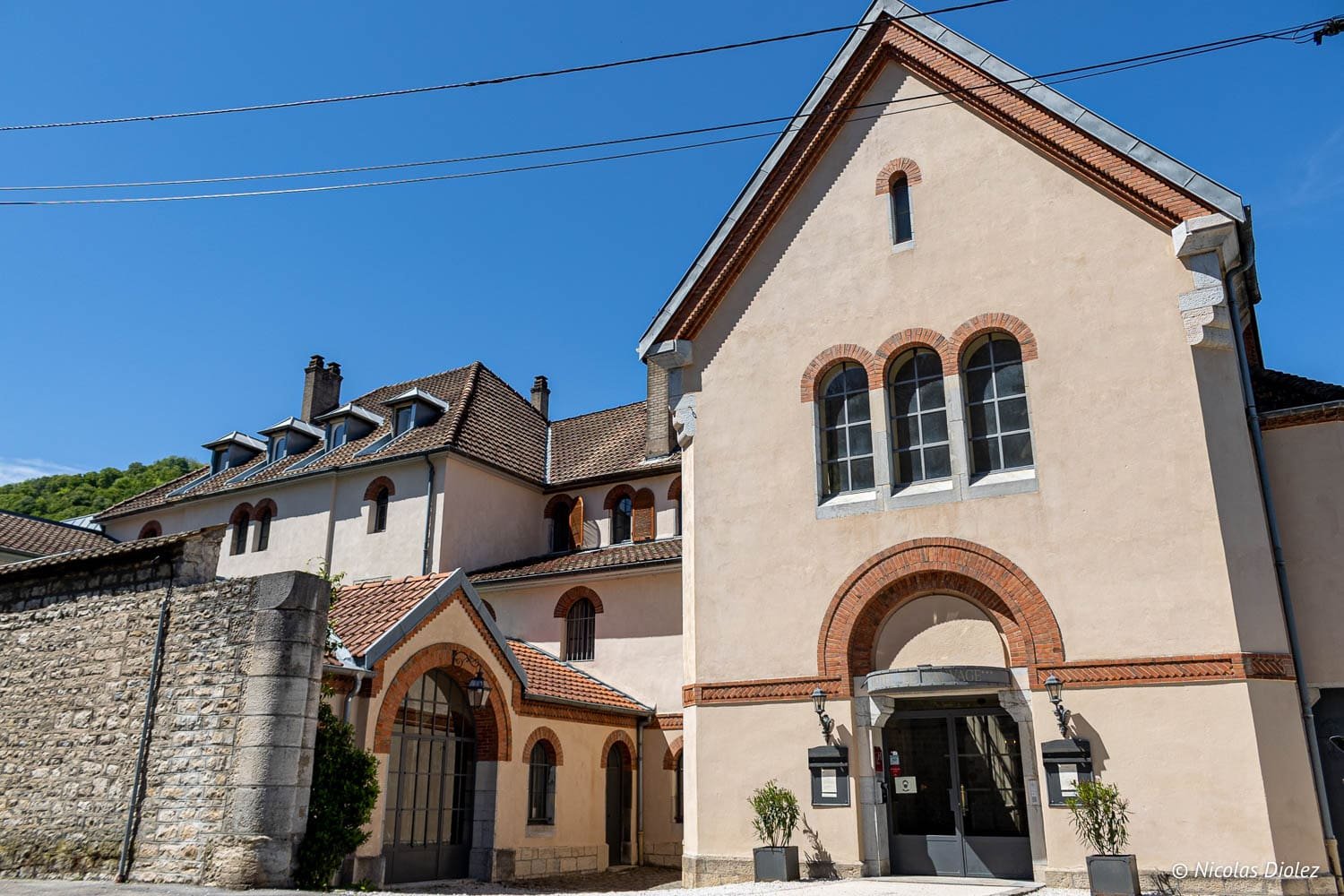
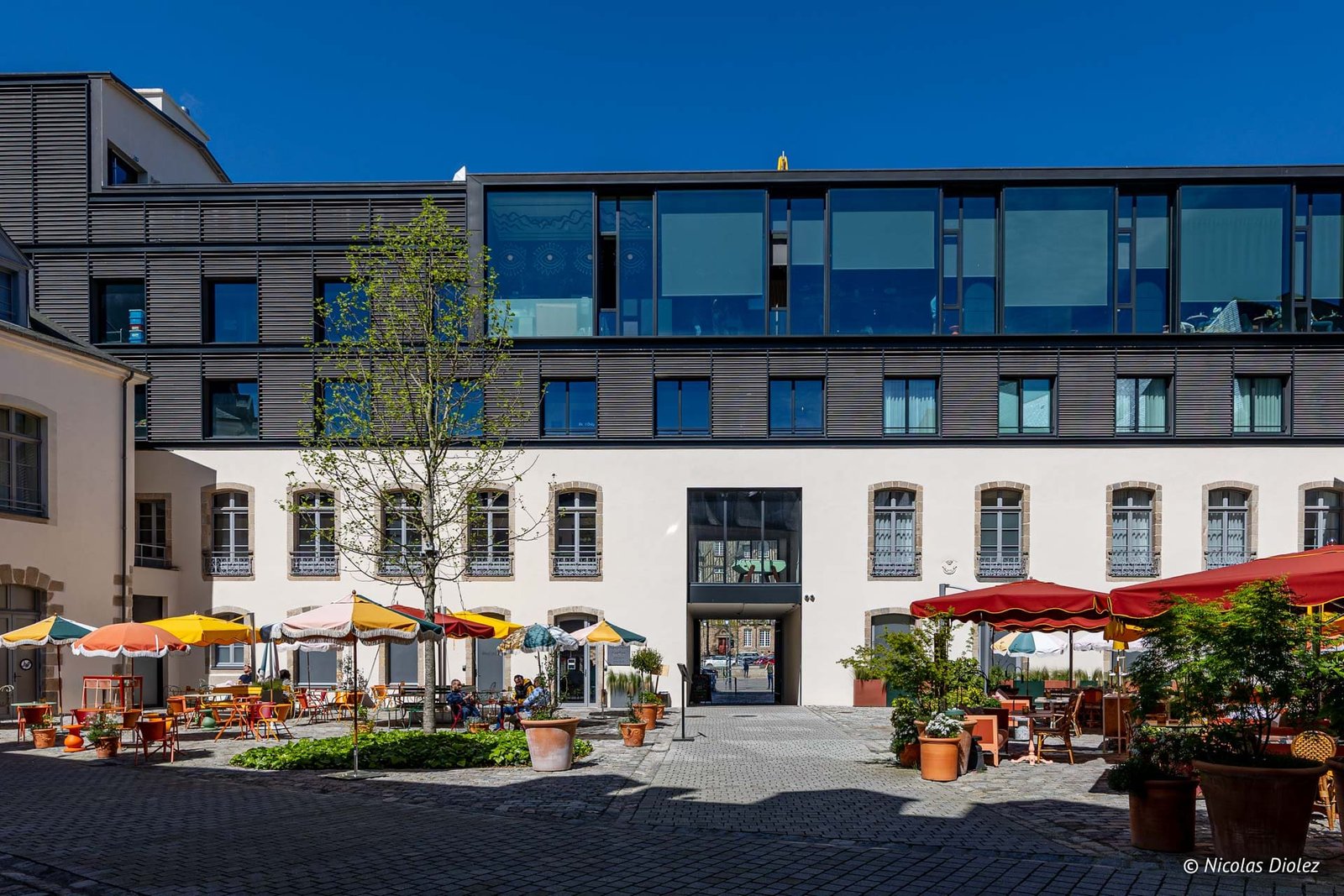
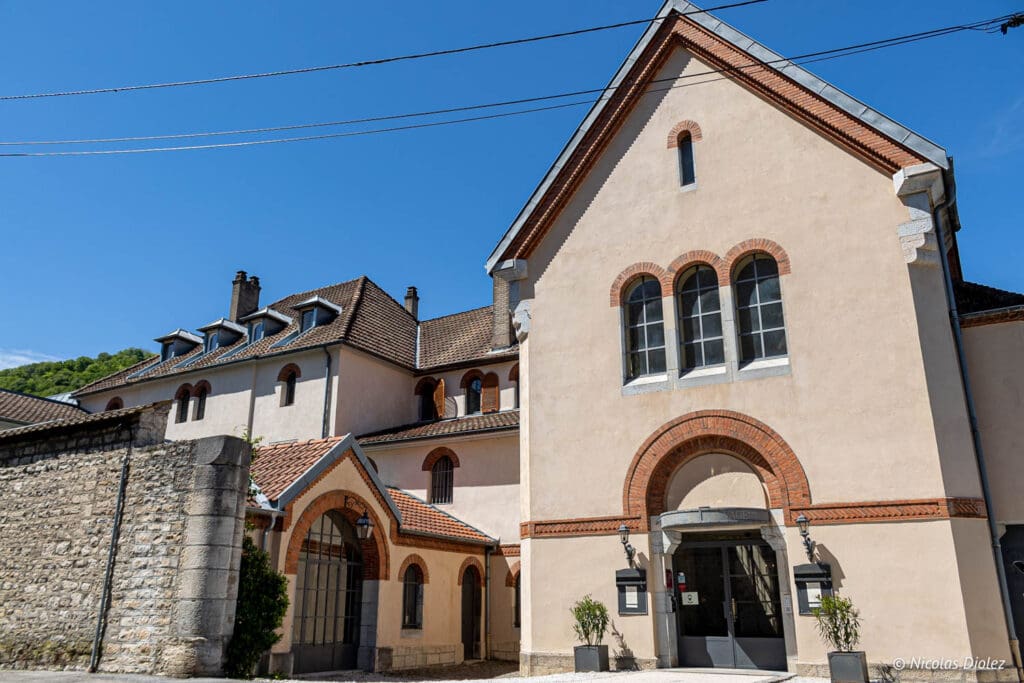
This 4-star hotel and its 24 rooms are set in the historic district of Besançon, in the former Clarist monastery. The place is decorated with great taste and is packed with antique finds, as the owner is an antique dealer himself. I truly fell under the spell of this address and warmly recommend it if you visit Besançon.
The establishment offers its guests a superb sunset-facing terrace, a large, very relaxing wooded park, and a beautiful spa area with a relaxation pool, hammam, and sauna, ideal for unwinding after climbing Vauban’s ramparts.


Tested in 2021
Hôtel Restaurant Spa Le Sauvage ☆☆☆☆
6 Rue du Chapitre, 25000 Besançon
Secure private parking available on site (upon reservation)
Room price for one night: starting from 135 €
_
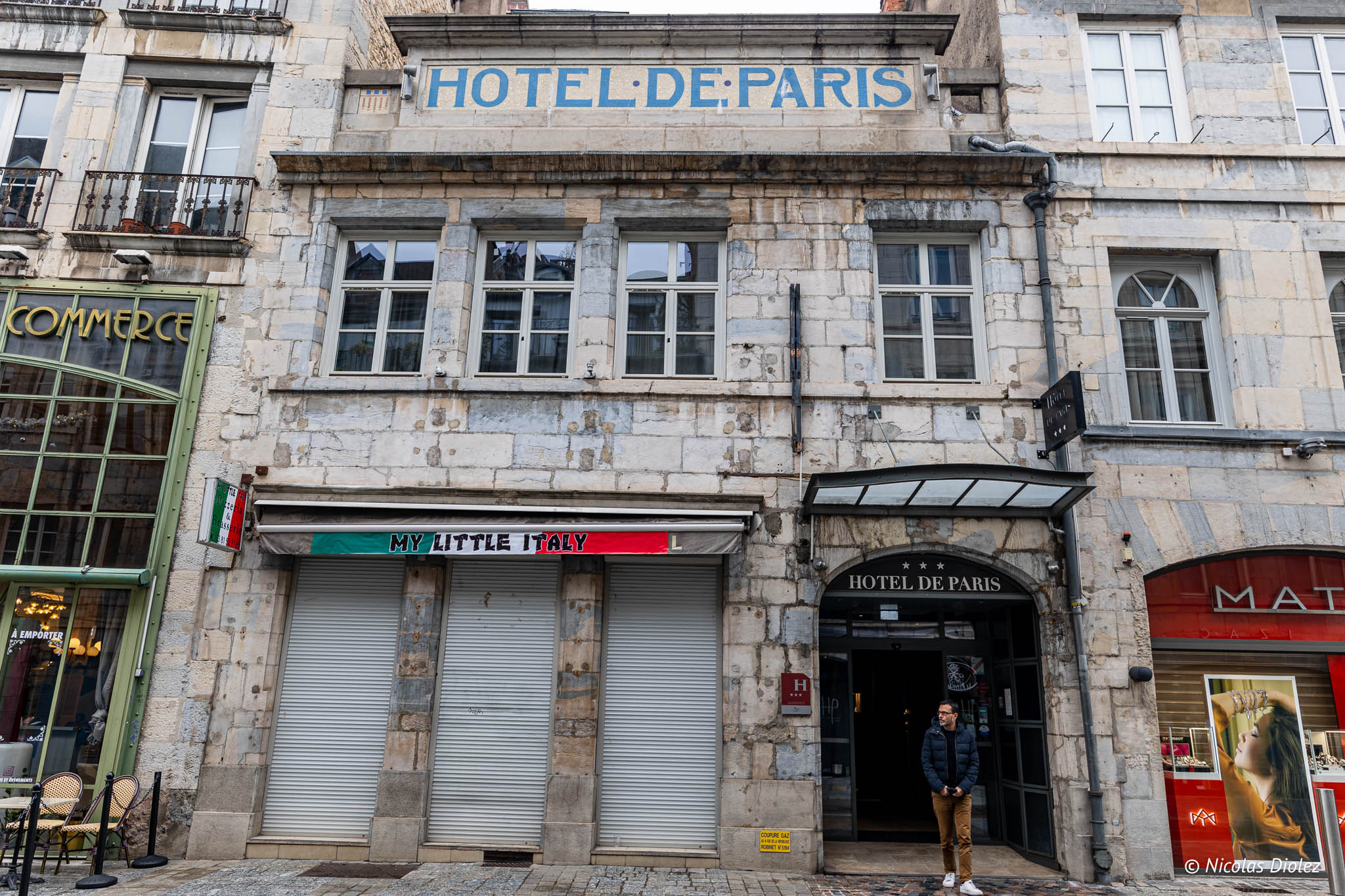
A hotel right in the city center? Hôtel de Paris
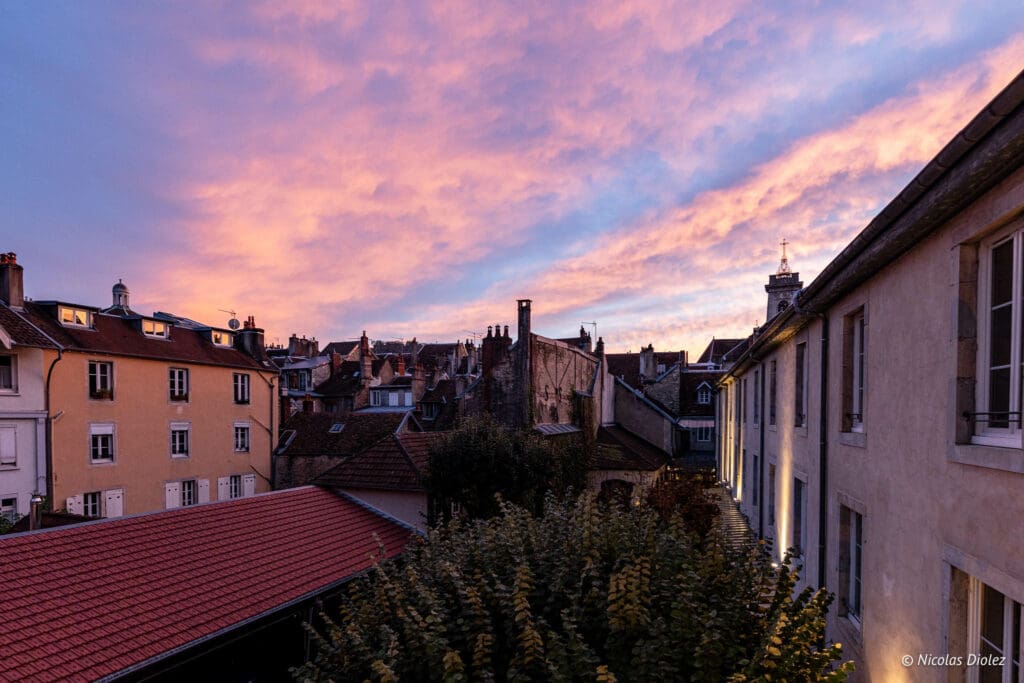
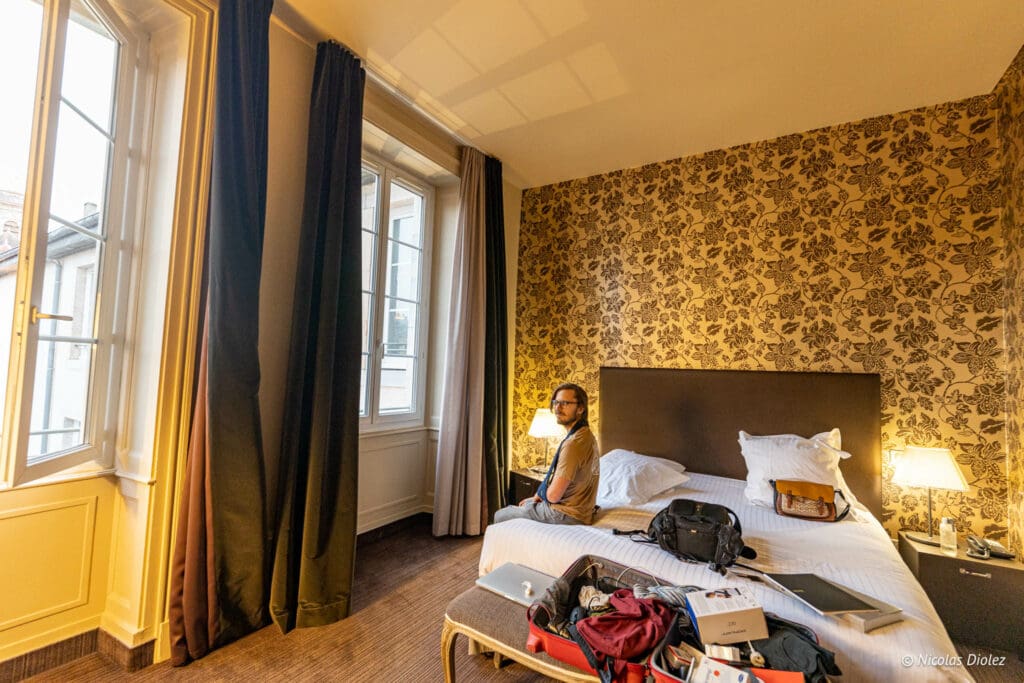
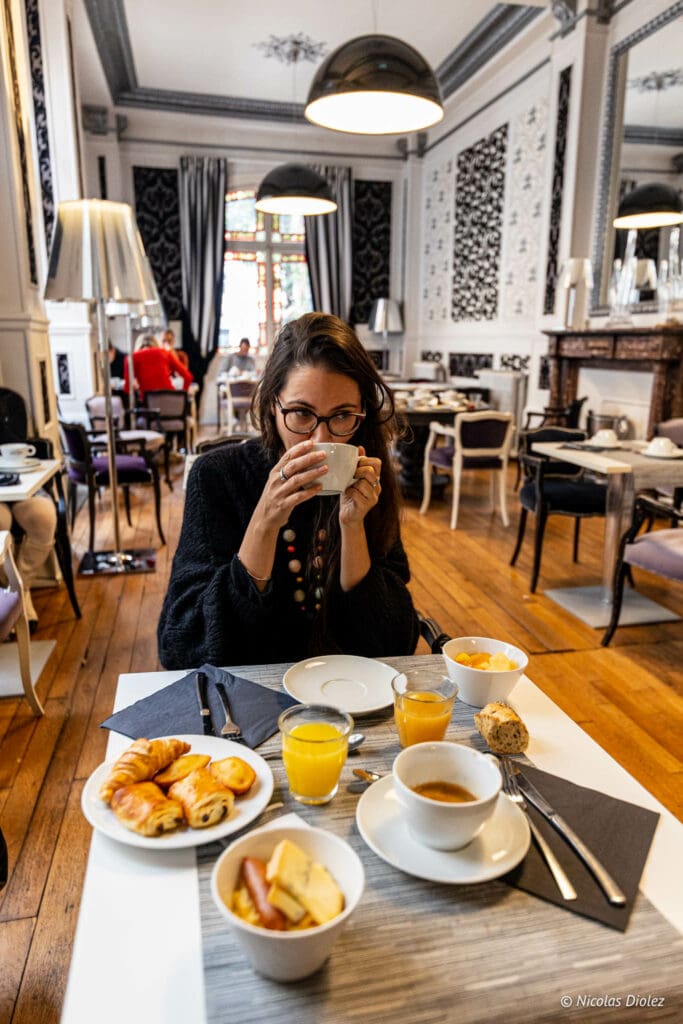
This three-star hotel, although located right in the city center, is extremely quiet because most of the rooms overlook two inner courtyards converted into secure parking lots. We slept very well there, and the bedding was very comfortable. Above all, it has the advantage of being particularly well located for discovering the city. As for breakfast, it is entirely decent.



Tested in 2022
Hôtel de Paris
33, rue des Granges 25000 Besançon
Rates: standard room starting from 99 € per night
_
Thanks to Besançon Tourisme and the aiRPur agency for hosting us both times. And thanks also to my travel girlfriends for their great mood during the 2021 trip (feel free to take a look at their articles on Besançon): Copines de Bons Plans, Poulette Nana and Juliette Kitsch.

I hope all this has made you want to visit the Doubs and Besançon, and if you too have your favorite addresses and tips for this destination, feel free to share them in the comments below!
Photo credits: Nicolas Diolez and Melle Bon Plan
Photos are not royalty-free; photographer's permission is mandatory before any use