After our getaway to visit Besançon last May, the favorite photographer and I returned to the Doubs department (in the Bourgogne-Franche-Comté region) in July to discover the Royal Saltworks of Arc-et-Senans. This site, of extreme importance in the history of architecture, was one of the first I studied when I was in Art History school in Lyon. I can still see our professor from back then talking about it with such passion! I was therefore super happy to have the opportunity to go there myself to discover this jewel.
The Royal Saltworks of Arc-et-Senans is a former salt factory (referred to as white gold at the time, as 46% of the state’s revenue came from the salt tax, known as the “gabelle”), built in 1773 at the request of Louis XV. In fact, since 1340, salt was a royal monopoly, and saltworks were therefore the property of the king. The salt produced here came from the salty sediments of the town of Salins-les-Bains, transported via a 22km pipeline carrying brine. The choice of the location for this 18th-century industrial city was clearly a strategic one, as it was ideally situated between Besançon, Switzerland, and Dole. But the Saltworks is also the masterpiece of the favorite architect of the Ferme Générale and a great visionary of the Age of Enlightenment, Claude-Nicolas Ledoux.
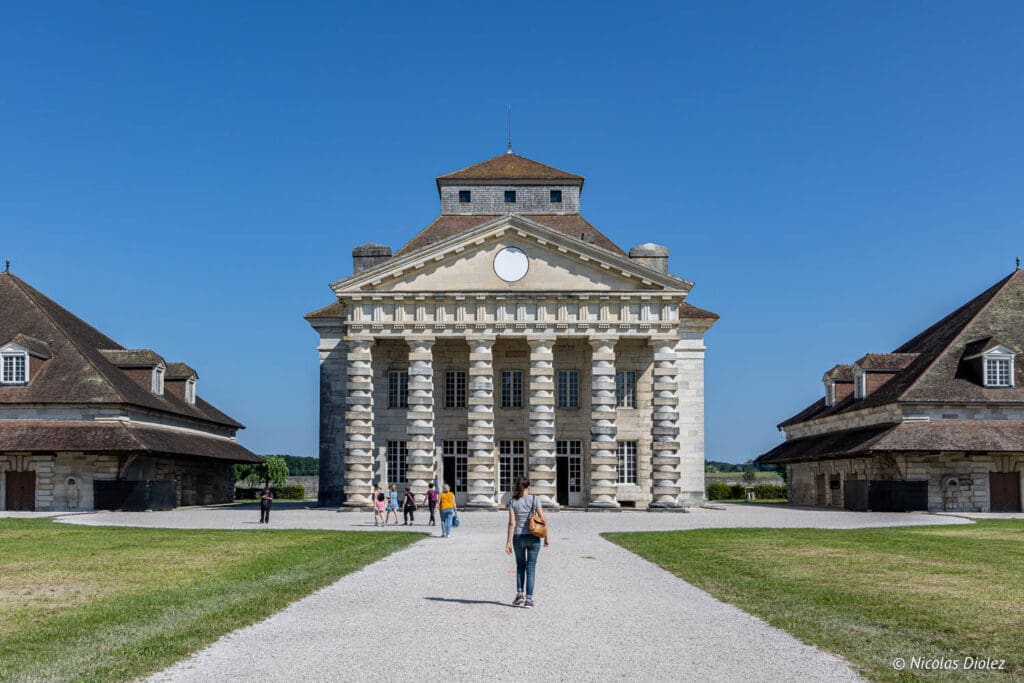

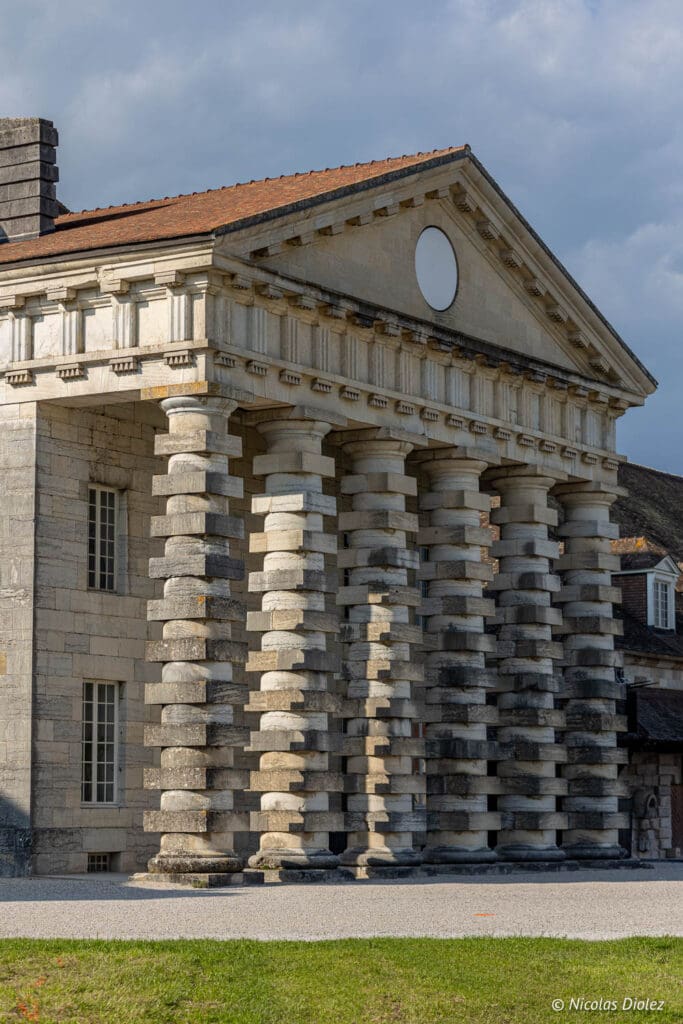

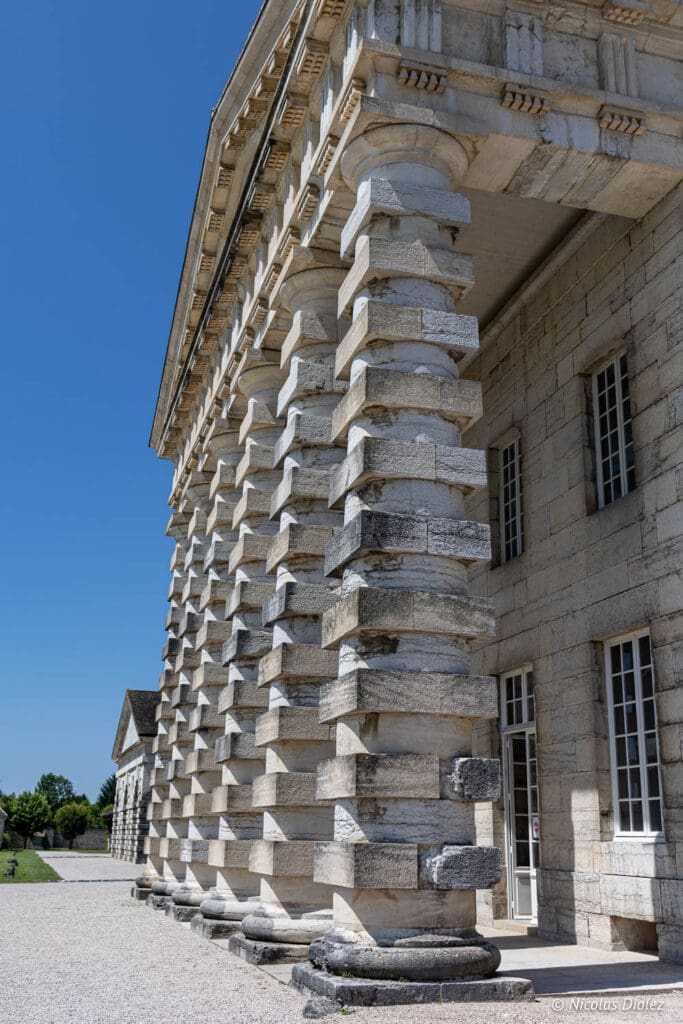


There are 11 buildings on the manufacturing site, forming a semicircle. There are many interpretations regarding the origin and purpose of this shape, but in any case, it allowed for a factory that was easier to monitor and thus protect from thieves (since salt was worth a lot of money back then). The Saltworks is also oriented according to the winds to sanitize the site, which produces a lot of water vapor. At the heart of the Saltworks, there is a mini-society dedicated to salt production. You had to be able to find everything on-site. The salt workers even lived on the site in the ‘berniers’ which were designed to house 240 people, although only 120 people worked here at the same time during the operation of the Saltworks. In the center of the factory stands the director’s building, the tallest on the site, with its columns and central oculus on the pediment.
This factory is also very important because it was conceived by its creator, Claude-Nicolas Ledoux, as an architectural utopia: the ideal city of Chaux. This concept, too far ahead of its time, remained a paper project, but the Saltworks retains some traces of it and has inspired architects for centuries (such as the Cité Radieuse by Le Corbusier or the Pinault Foundation).
Salt production activities at the Saltworks ended in 1895. The site was purchased in 1927 by the Doubs department, and it has been on the UNESCO World Heritage List since 1982.

Royal Saltworks of Arc-et-Senans
Grande Rue
25610 Arc-et-Senans
Open all year round (hours vary by season)
Rates: €13 / €9.50 for 16 to 25 year olds, students, and job seekers / €8 for 6 to 15 year olds / free for children under 6
How to get there from Paris? Train to the Arc-et-Senans station via Besançon or Dole (journey between 2h30 and 3h30)
_
Table of Contents
Visit the gardens and enjoy the ‘Jardins en Mouvements’ Festival
This festival has taken place every year for 20 years from June to October, allowing for the creation of ephemeral gardens within the Saltworks, following an open call for projects and a competition. This year, the ephemeral gardens were transformed into permanent gardens, which is quite nice. In total, you can discover 12 gardens that can be visited all year round, with different atmospheres based on 4 thematic triptychs that offer a new perspective on plants: seeds, soil, life, adaptation, photosynthesis, collaboration…
These gardens are also a reflection of the former plots of the workers, who had their vegetable patches back when the Saltworks were in operation. A new landscape project will also soon see the light of day (planned for June 2022), an immense circle with permanent gardens, where one can discover an island of biodiversity inspired by Ledoux’s Ideal City.
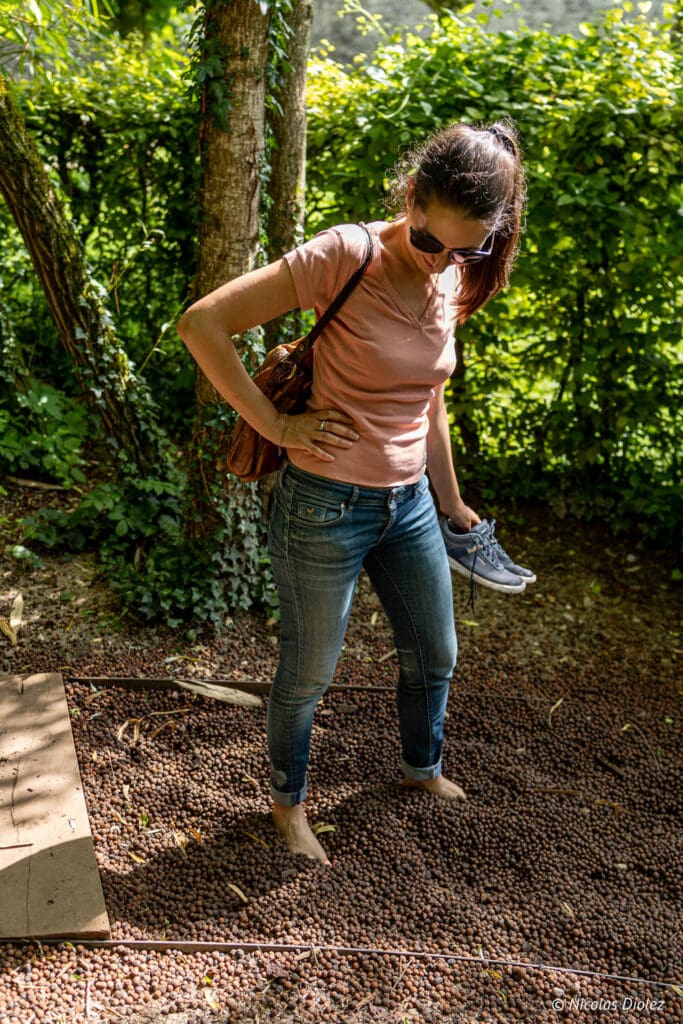
To try: take the “Feet on the Ground” trail where you walk barefoot on different surfaces; enter the mist of the cryptogams circle.
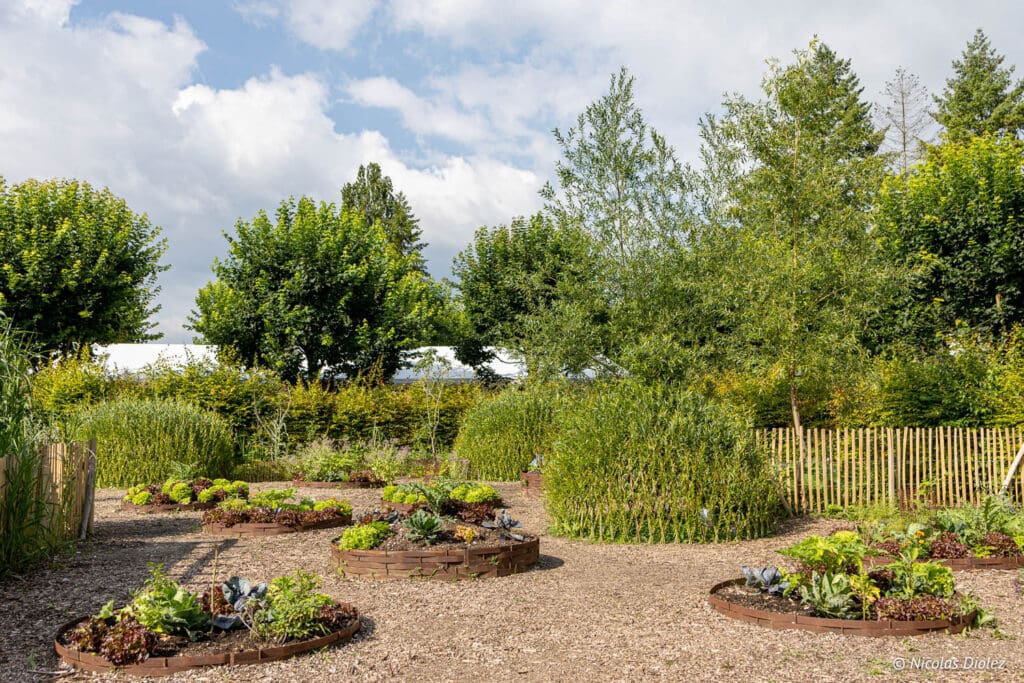
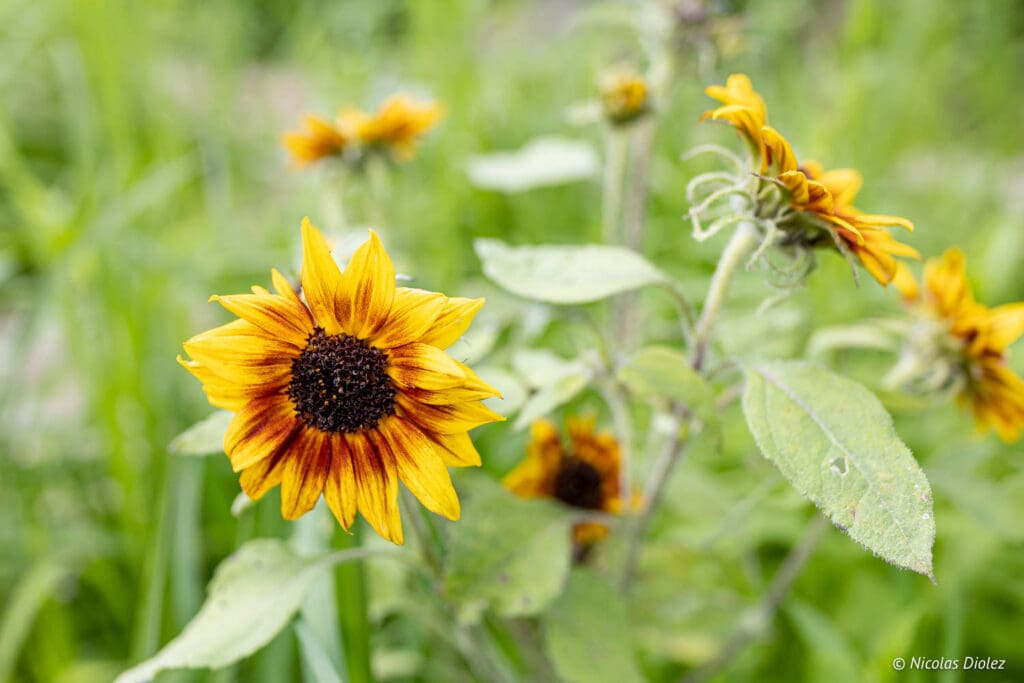


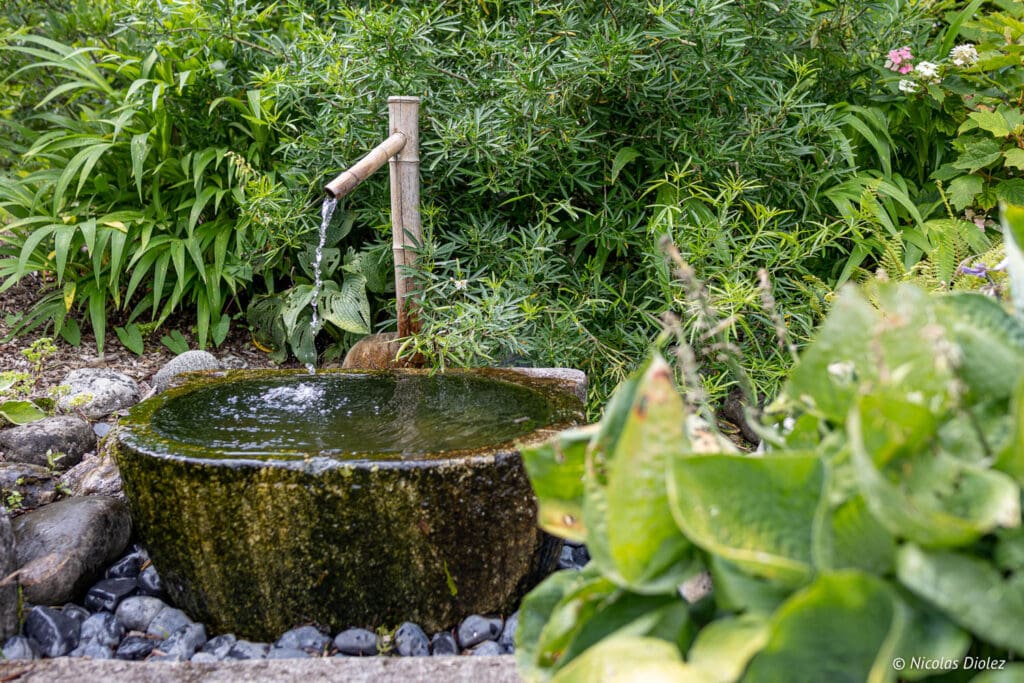

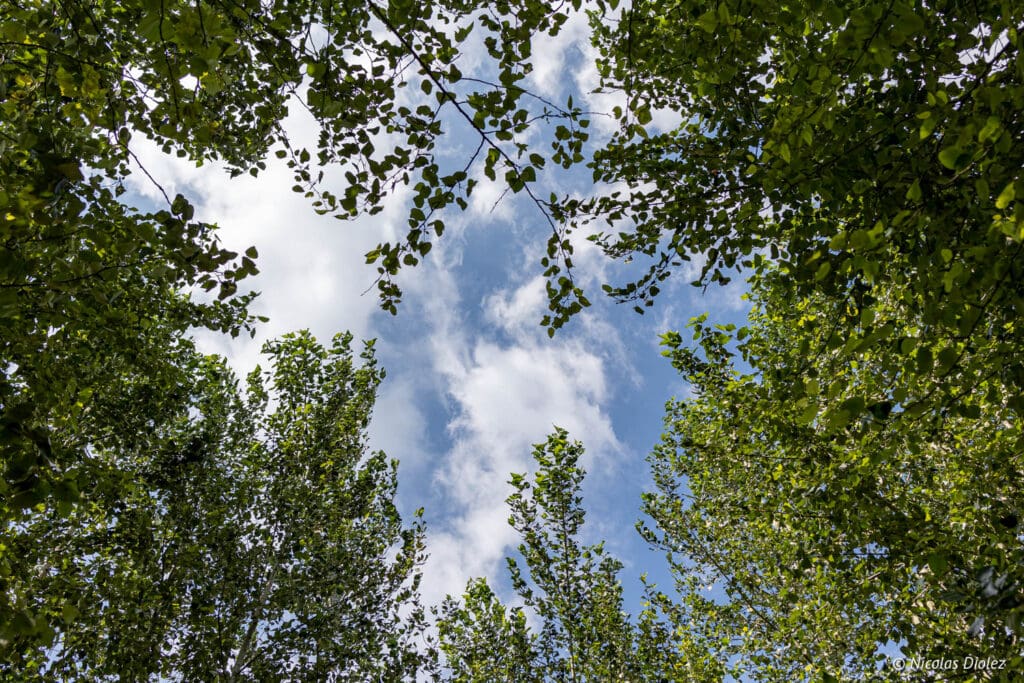
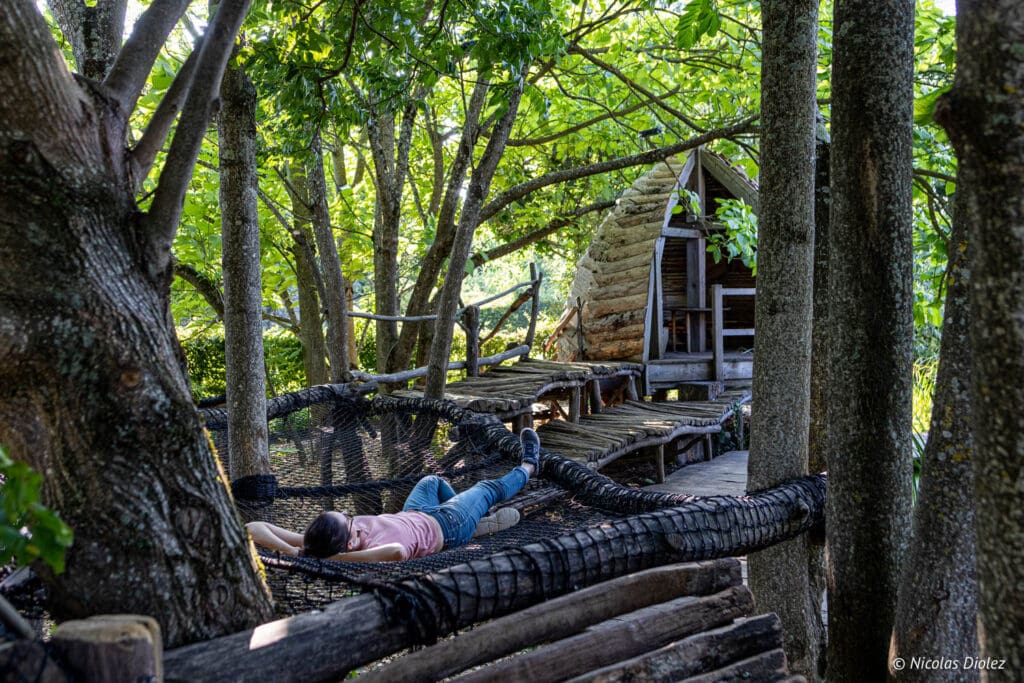


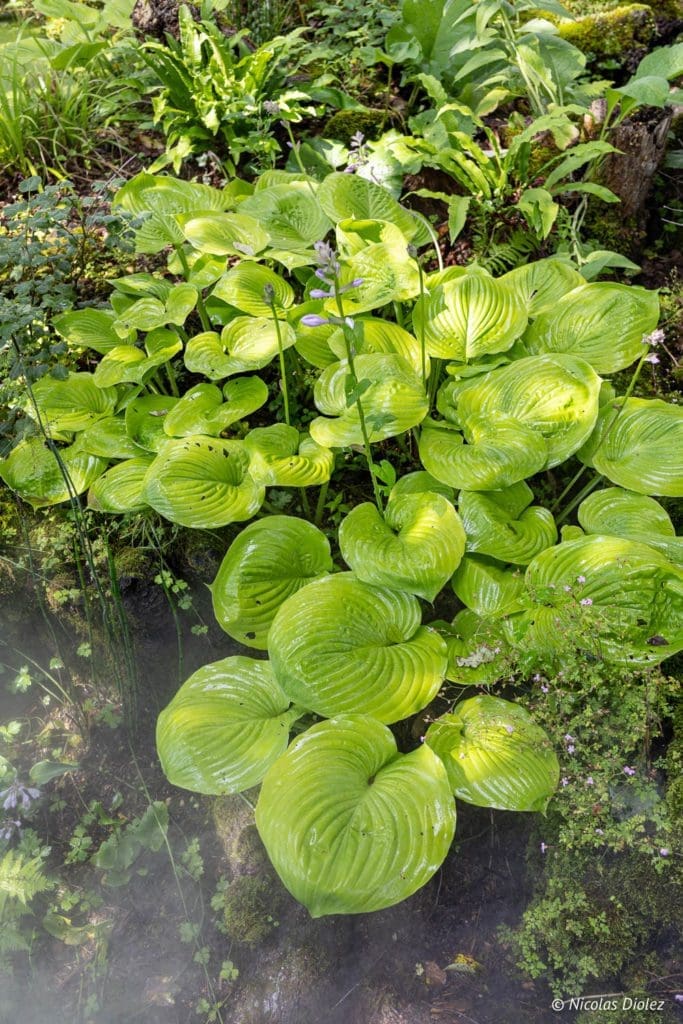
Jardins en mouvements
From June 13 to October 24, 2021
_
Visit the site with the HistoPad and the interactive table in the permanent exhibitions
This device allows you to stroll through the site while having explanations about the history of the place. The permanent exhibitions of the Saltworks are spread across the site as follows:
- An exhibition on the history of salt from its production to its consumption, across all continents.
- The Ledoux Museum: in the former salt factory, there is now an exhibition bringing together 60 models of the buildings, imagined and designed by Ledoux.
- A ‘Memory of the Place’ exhibition that tells the adventure of the Saltworks.
- An exhibition on the invention of World Heritage which aims to explain this concept.
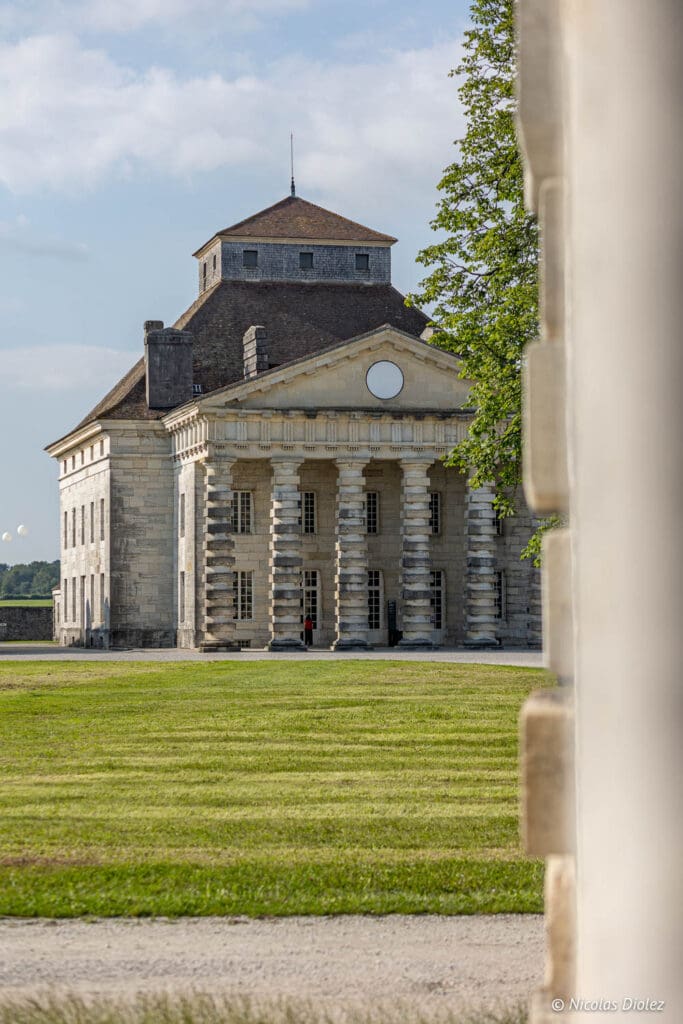

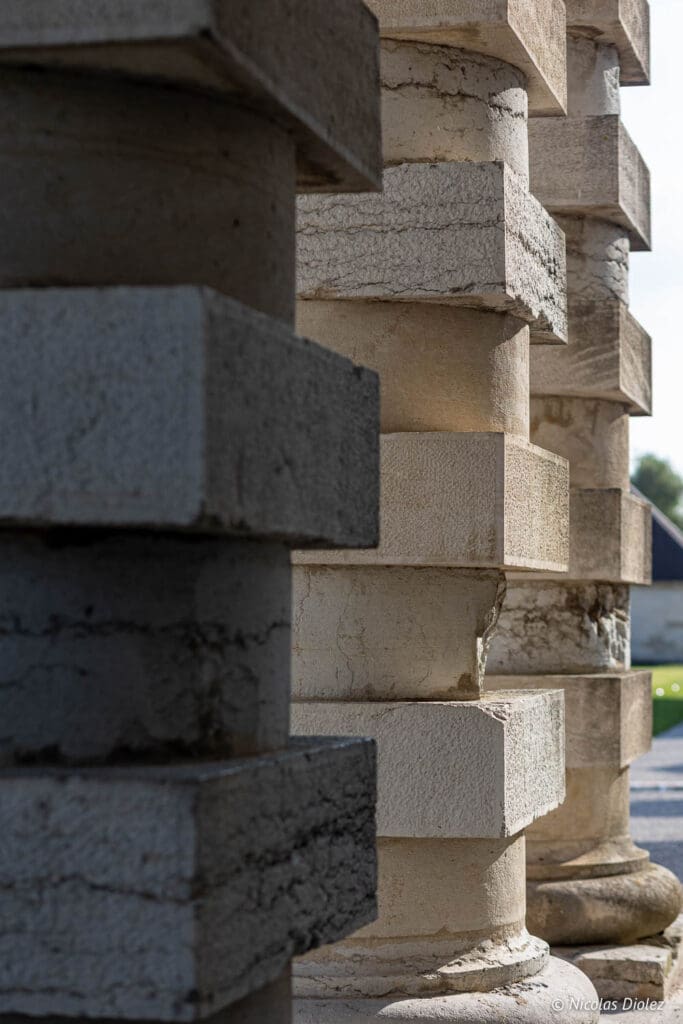
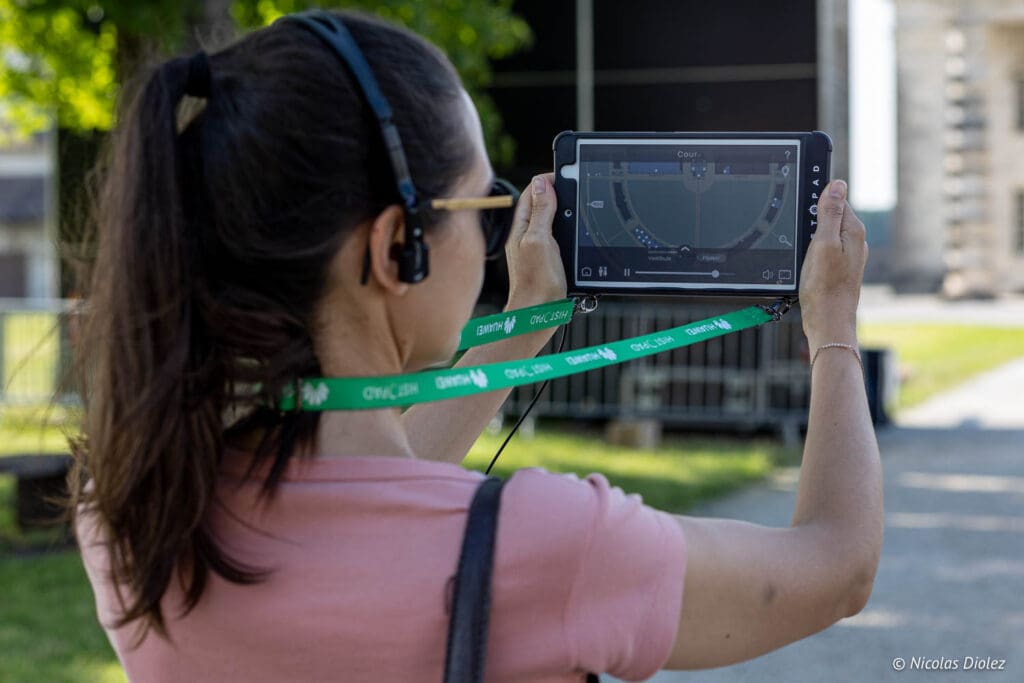
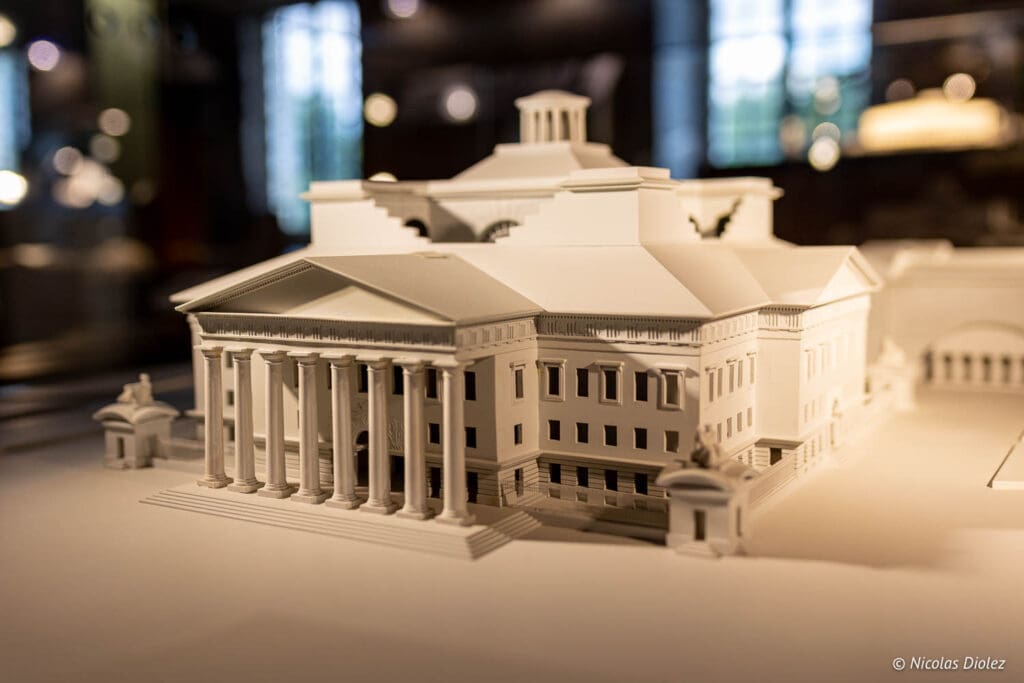
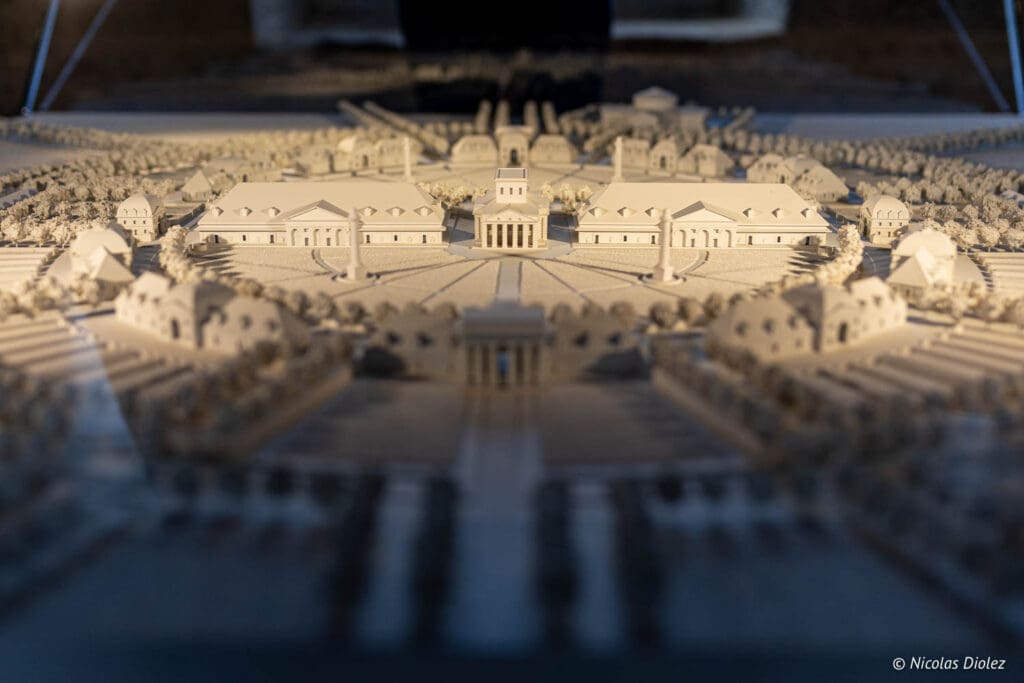
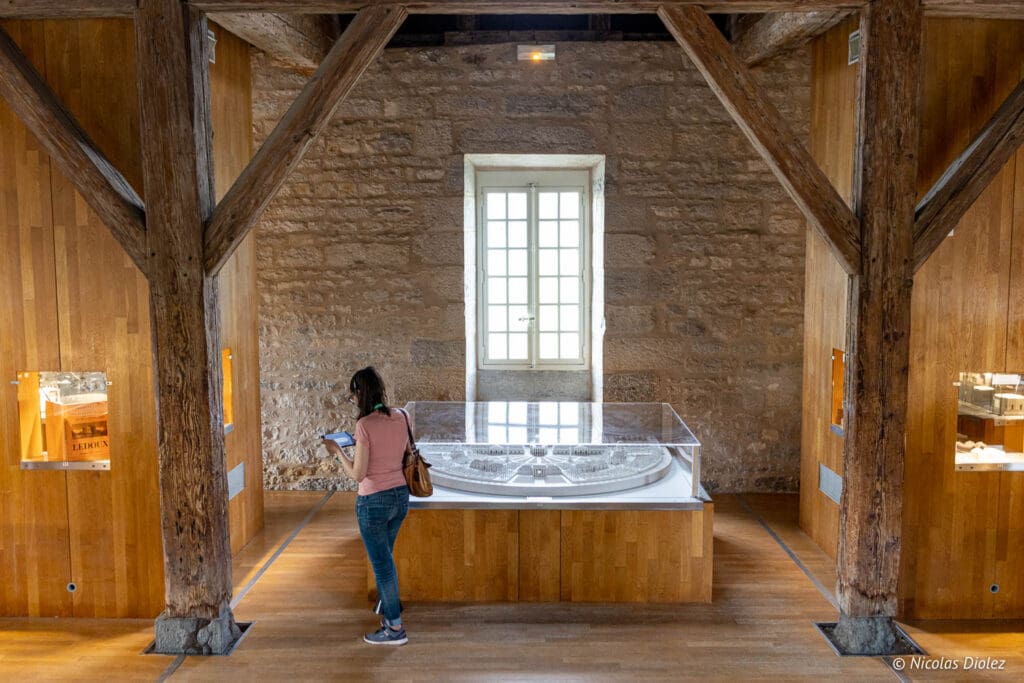


The tip: renting the HistoPad is included in the site entrance fee!
_
Visit the ‘La Sucrine Royale’ exhibition by Plonk & Replonk
This Swiss collective was initially created by the Plonk brothers. Plonk & Replonk are artists specialized in hilarious photomontages and the subversion of old postcards. At the Saltworks, they decided to revisit the history of this iconic monument by adding a bit of madness and fantasy with the creation of the slightly loser-ish character Jean-Baptiste Glucose, who invents the transformation of salt into sugar. We find them in this retrospective exhibition, but also in the Lux Salina show that I will tell you more about below.
At the heart of the exhibition, housed in the beautiful, tall West Berne building of the Saltworks, we also find dwarf characters, ubiquitous figures in the universe of Plonk & Replonk.
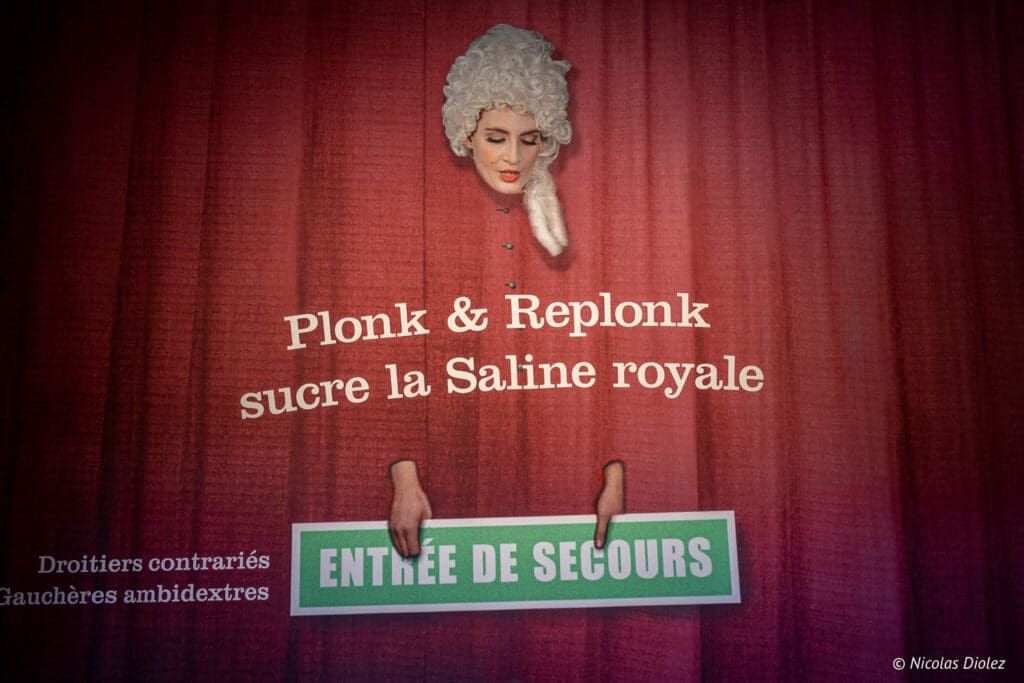

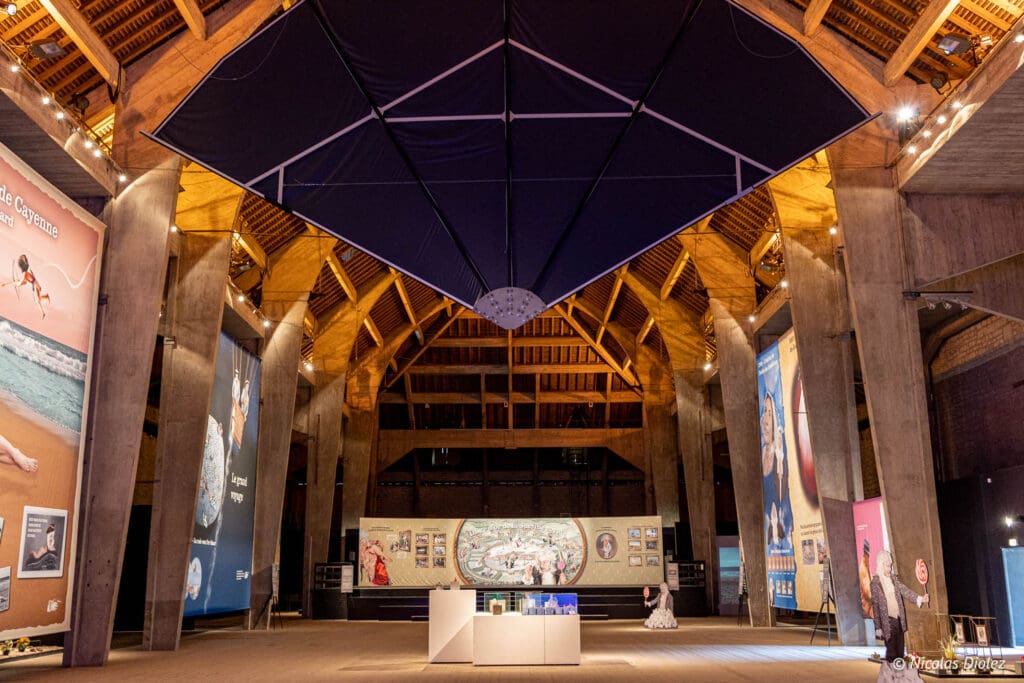

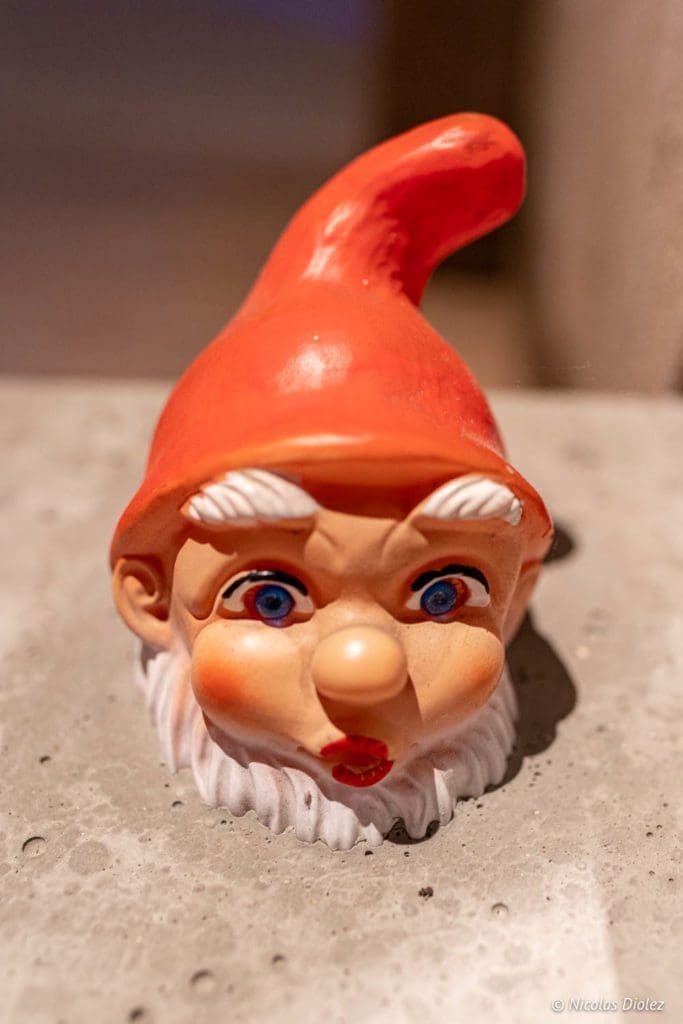
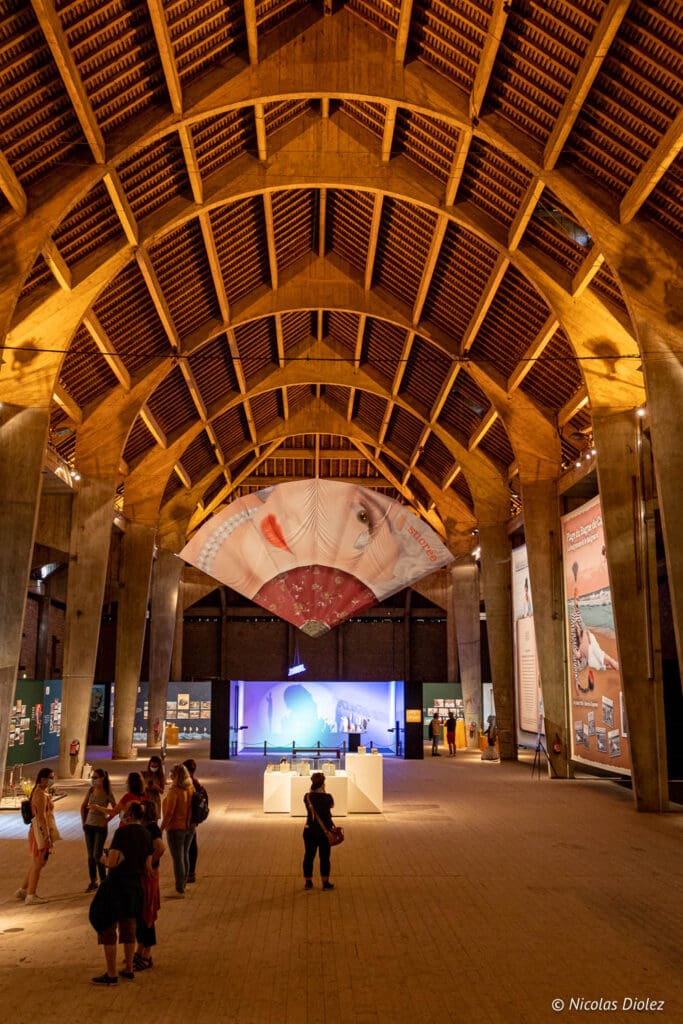
La Sucrine Royale exhibition by Plonk & Replonk
From June 13 until October 31, 2021
_
Visit the ‘Destins de Cirque’ (Circus Destinies) exhibition
This exhibition looks back at the history of the circus through its famous characters: the Fratellini brothers, an Italian trio from the early 20th century; Buffalo Bill, the legendary American West bison hunter; Barbette, an androgynous trapeze artist; Chocolat, who was also the first clown to have had photos taken in hospitals; or even La Goulue, who was also an animal tamer (I had actually seen a show in 2019 called “La Goulue se tape l’affiche” which referred to this)… The exhibition presents objects that come from the Mucem in Marseille as well as from a private collection.
It was in the 17th century that the modern circus, as we know it today, was born, even though the circus obviously existed before, as it is an art form for which very ancient traces were found in China around 4500 BC. The latter is also an heir to the Roman arenas with combat and war spectacles of Antiquity. Moreover, the name “Circus” comes from the Latin “Circus” which means “Circle” and symbolizes the arenas where the famous circus games took place. The shape of the modern circus tent also comes from Antiquity. Then, in the Middle Ages, the circus took another form with saltimbanques (small troupes offering street entertainment) who introduced the idea of the itinerancy of this art.
From the 18th century onwards, we see the development of equestrian shows which will also influence the modern circus. In the 19th century, clown characters were integrated into performances to entertain spectators between acts. We then distinguish 2 types of clowns: the white clown, who embodies a serious character, and the Auguste, a very clumsy clown. The circus is also a family story because it is a heritage that is passed down!
The exhibition ends with the Cirque Plume, which is an important circus in the Franche-Comté region but also in the world, as they marked a break with the traditional circus involving animals by introducing a more contemporary version of the circus.
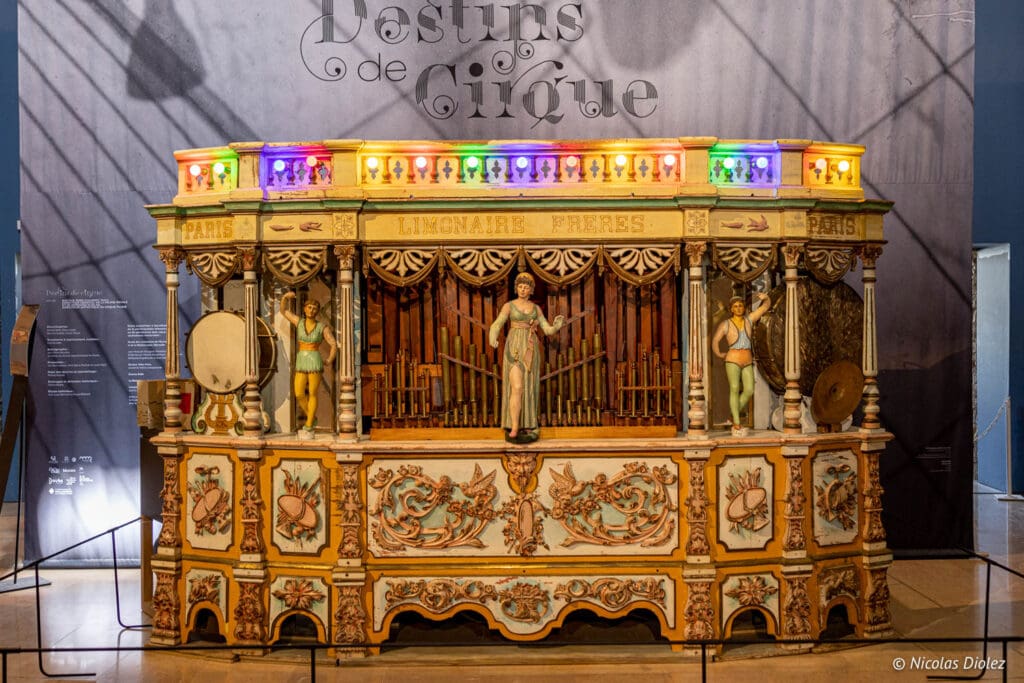


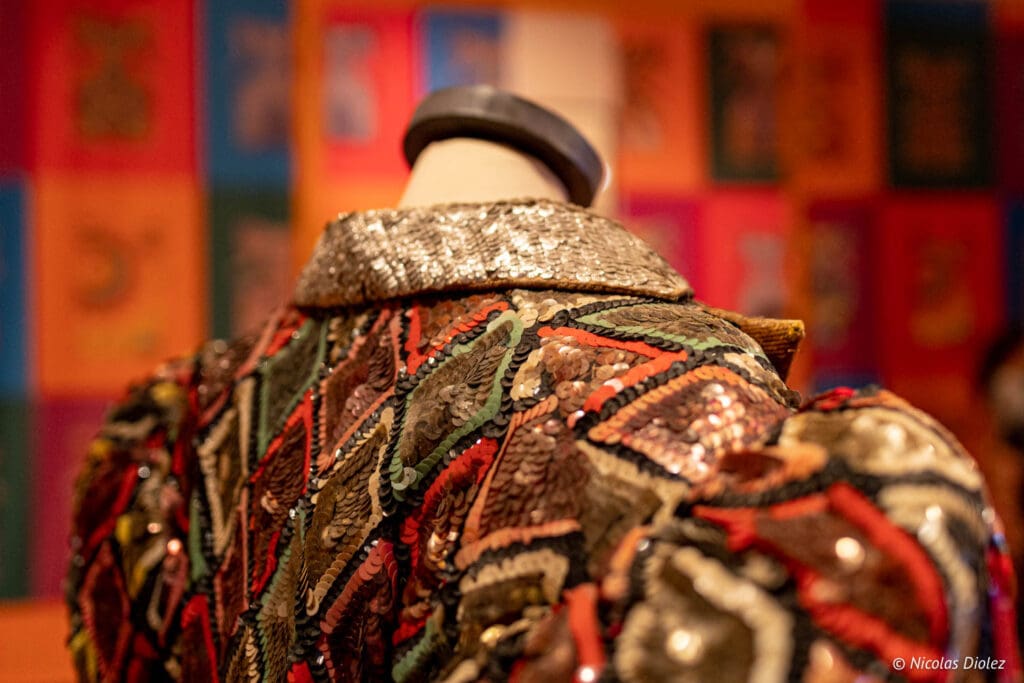


Destins de Cirque Exhibition
Director’s House
Until January 2022
_
Attend the ‘Lux Salina’ Show
This year marked the 5th edition of this show, which is performed every summer at the Saltworks and has been scripted by the same person since the beginning, Dominique Landucci. The initial idea behind the show is to allow the local population to reconnect with culture and also with this site, which is truly part of the town’s history. The show actually changes every year to allow locals to come back to see it annually. And every evening, the show also adapts based on the number of volunteer extras (around 150) who come to participate in the performance.
Lux Salina is a show of mapping images projected onto the facade of the Saltworks, music (created for the show by Bruno Coulais), and theater in 7 acts that retrace the different periods of the history of the Saltworks from the 18th century to today. And on top of that, this year also featured the appearance of the character Jean-Baptiste Glucose, created by Plonk & Replonk (in connection with the exhibition I told you about a little earlier).
For my part, I was a bit skeptical when I first saw the show, and especially had a hard time following the story. But ultimately, it became partly clearer the next day when we visited the Plonk & Replonk exhibition. I would therefore recommend visiting the Saltworks and the exhibitions before seeing the show if you want to better understand the different acts of Lux Salina. Special mention for the two adorable donkeys of the Saltworks (oops, I forgot their names…) who seemed a bit sleepy in the middle of this human hustle and bustle, but who played their part as extras wonderfully!


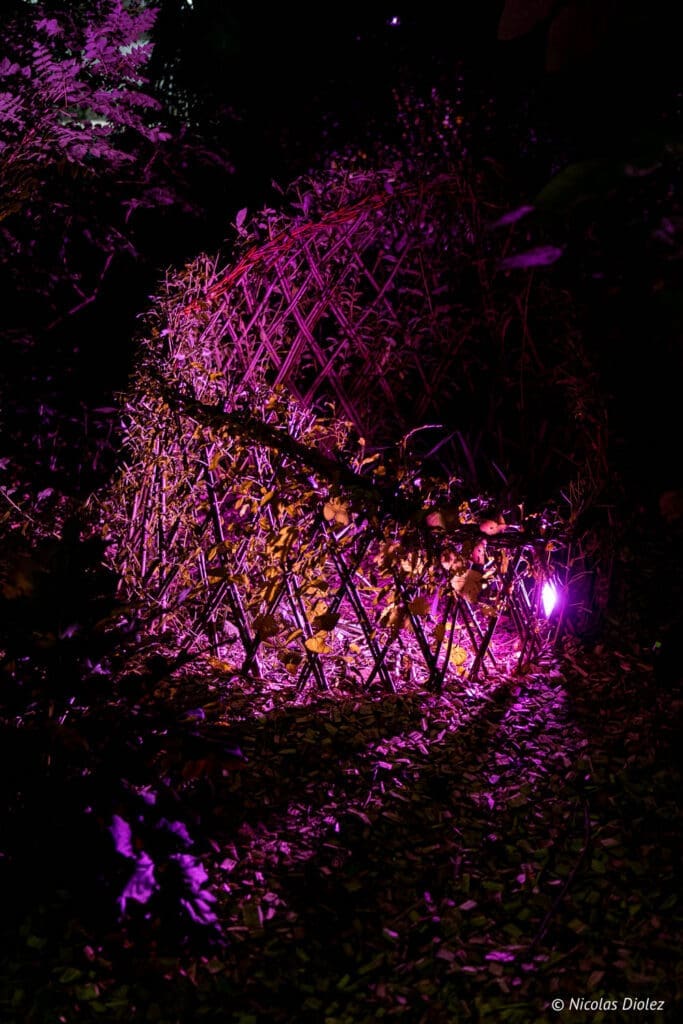

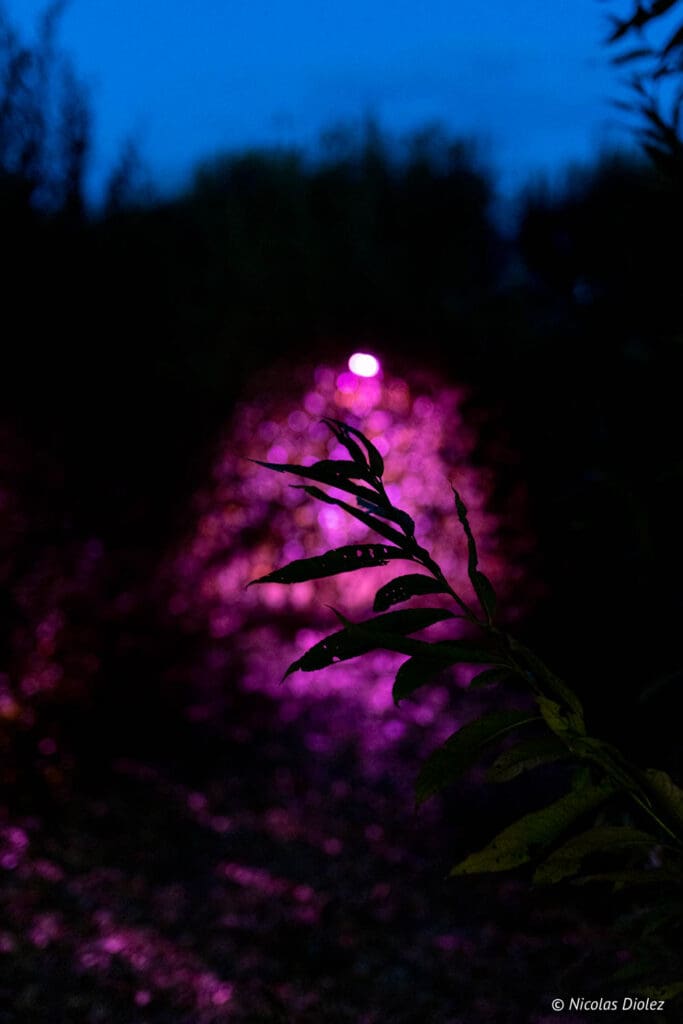
Lux Salina #5
Show from July 15 until August 21, 2021
Every Thursday, Friday, and Saturday evening with doors opening at 8:00 PMRates: €15 full price
The tip: before the show, spectators can also enjoy a stroll through the illuminated gardens
On-site dining possible before the show (price €7)
_
Where to picnic on-site? At the Saltworks picnic area
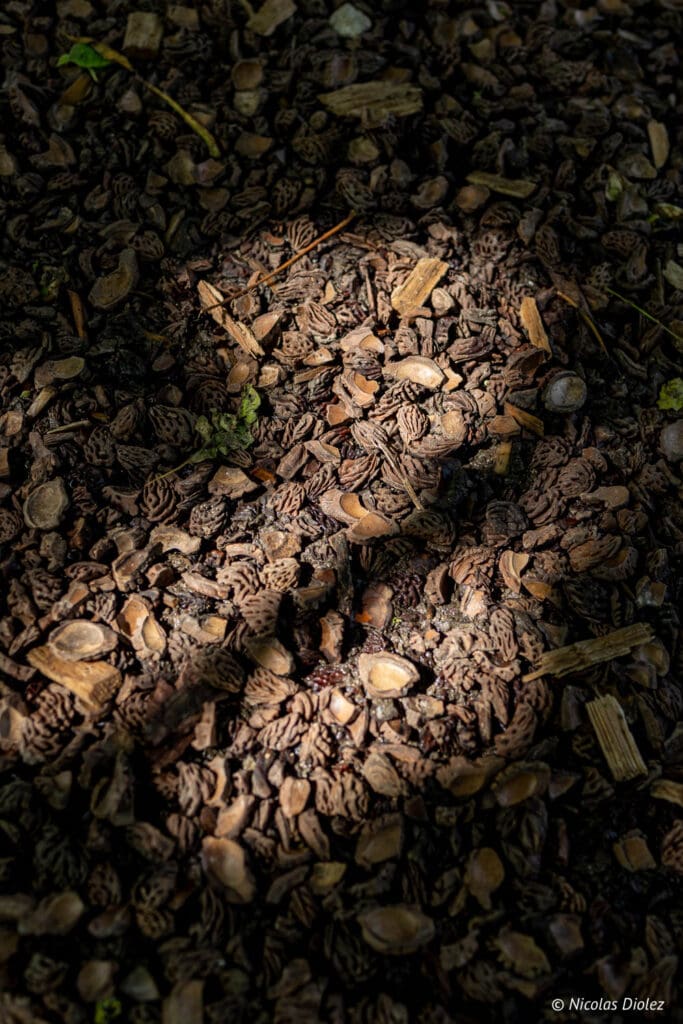
In the gardens of the Saltworks, there is an area with picnic shelters with tables that are accessible to Saltworks visitors who wish to bring their own meal and eat on-site (an initiative that I find very well thought out). This was the perfect opportunity for us to settle down for a bit and taste some local products (artisan ‘La Mortuancienne’ lemonade or mini shortbreads with Comté cheese and morels…).



_
Where to have lunch at the Saltworks? At ‘La Table des Jardins’
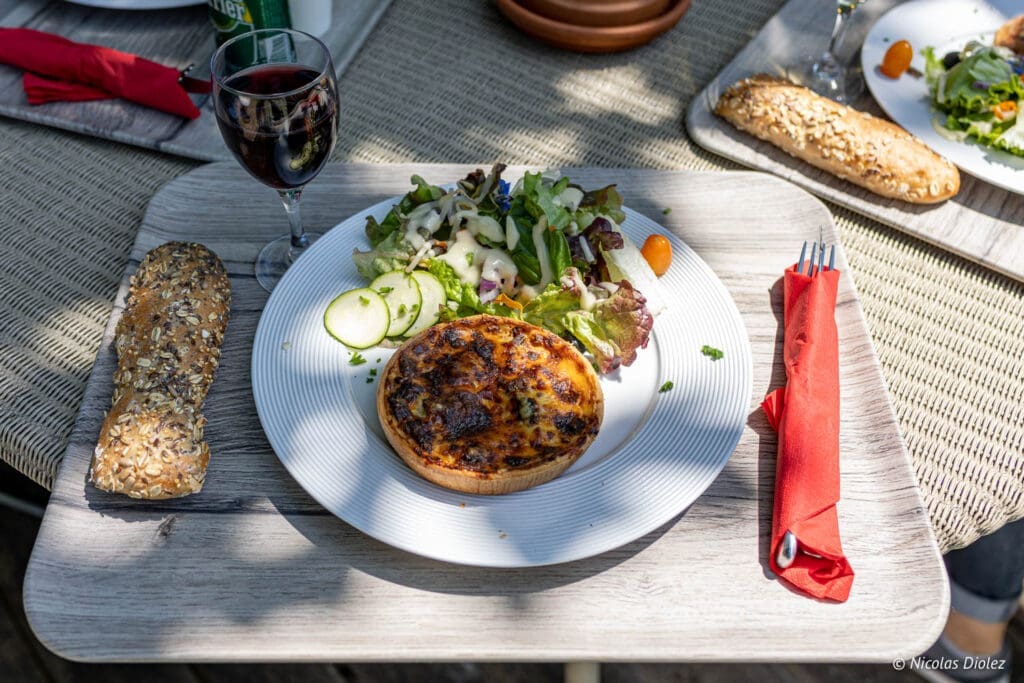
This restaurant is open during the summer season and offers “small snacks made from local products.” The great bonus is that you can then settle on the restaurant’s terrace, with a few tables scattered in the part close to the garden. The setting is therefore extremely pleasant.
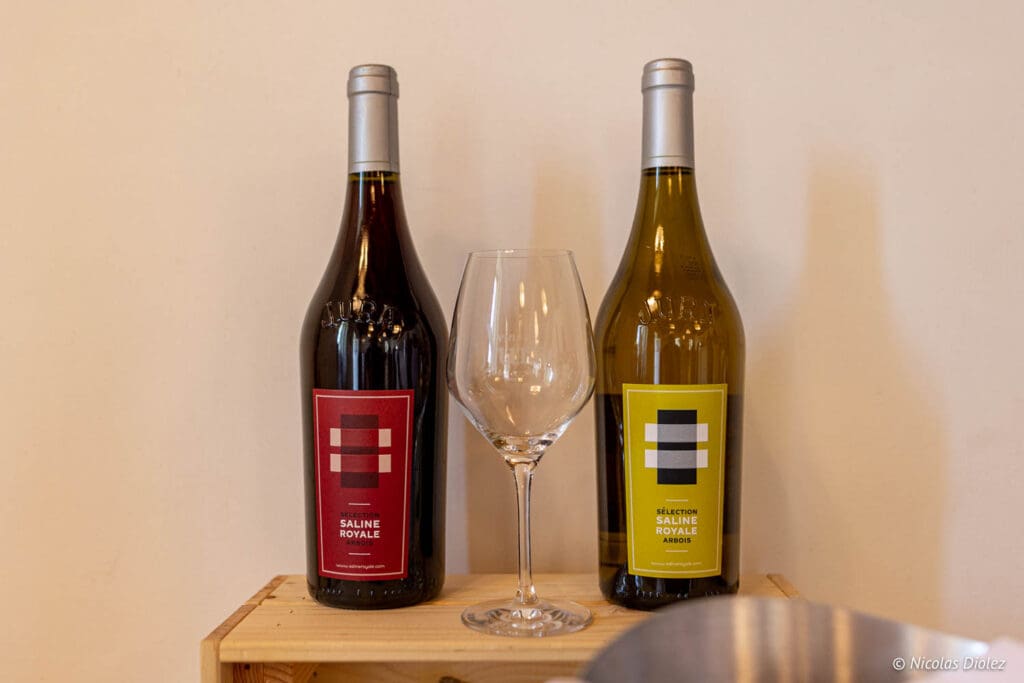
To taste: local wines if you like (or if you want to discover) Jura wines; small pots of artisan ice cream for dessert!



La Table des Jardins
Open in June, July, and August 7 days a week / weekends and public holidays in April, May, and September
Rates: sandwiches starting at €5.50 and daily salad at €5.80 / desserts between €4 and €6.50
_
Where to sleep? Stay in the 3-star hotel at the Saltworks
For a total immersive experience at the site, you can also sleep within the walls of the monument, in one of the 31 rooms designed by Jean-Michel Wilmotte, at the 3-star hotel of the Saltworks. This is also a very good tip that I recommend if you are coming for a weekend and staying in the evening to attend the Lux Salina show.
In the morning, breakfast is served as a buffet at the ‘Table des Jardins’ between 8:00 AM and 10:00 AM for €10 per person (€7 for those under 16). If the weather is nice, you can go and sit at the tables arranged in the gardens (the same ones as at the ‘Table des Jardins’ restaurant), which is particularly pleasant when the sun is out.

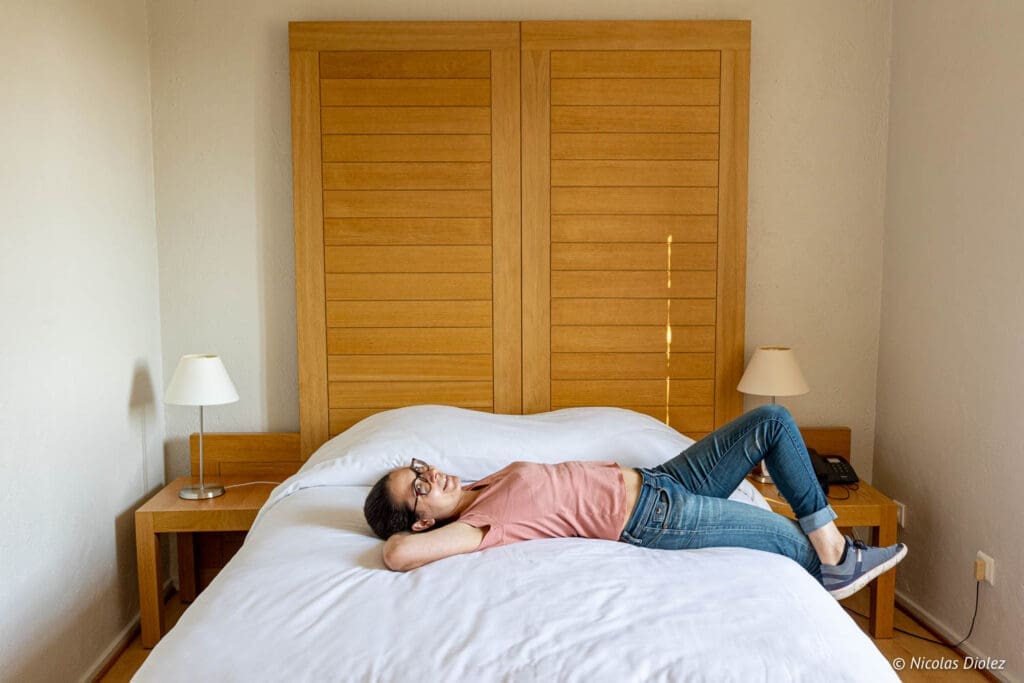


3-star Hotel at the Royal Saltworks of Arc-et-Senans
Room rates: starting from €86 for a single room and €115 for a double room (+ tourist tax €1 per person per day)
The tip: for hotel guests, entrance to the site and access to temporary exhibitions + the ‘Lux Salina’ show are free, and they can also enjoy the gardens illuminated at dusk!
_
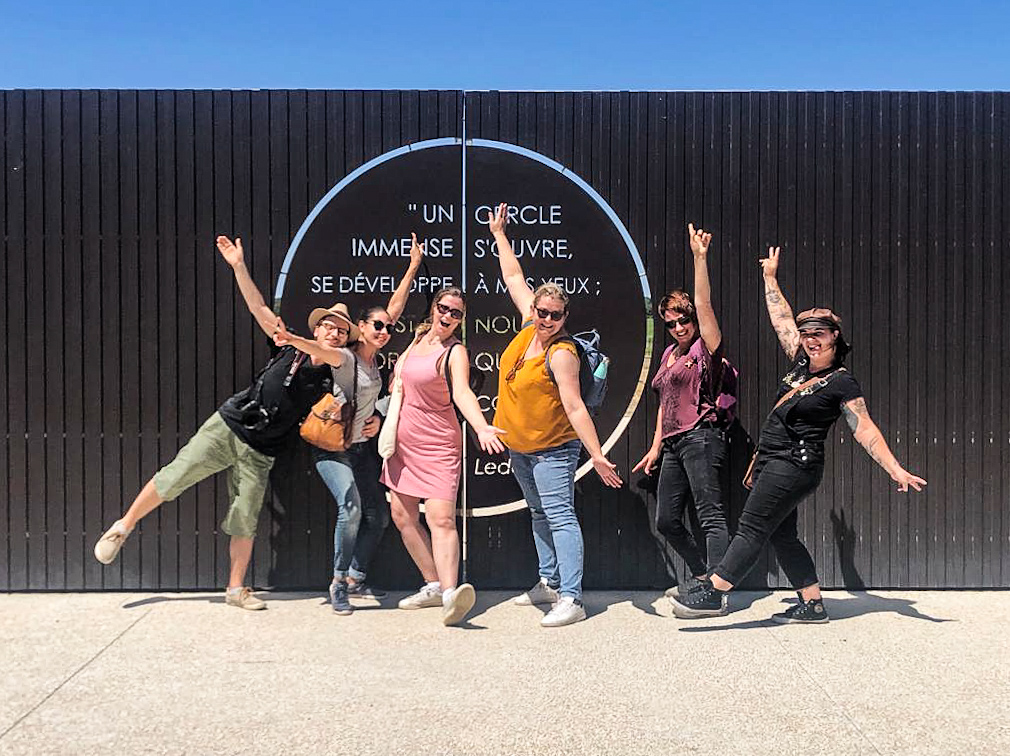
Thanks to the Royal Saltworks of Arc-et-Senans and Charline from the aiRPur agency for this lovely welcome. And also thanks to my travel friends for their good mood (don’t hesitate to take a look at their articles on the Saltworks): Copines de Bons Plans, le Blog de Lili and A la Conquête de L’Est!
I hope that with all this, I have made you want to discover the Saltworks of Arc-et-Senans, and if you too have your favorite addresses and tips for this destination, don’t hesitate to share them in the comments!
Photo credits: Nicolas Diolez
Photos not royalty-free; permission from the photographer is mandatory before any use