After my little Green and Sustainable Paris Guide, I’m back with a green theme, having discovered the harvesting and processing stages of grain crops. From the wheat field to the flour production by the miller, and even a ride in a combine harvester, I saw everything (or almost everything) about the stages of transforming cereals into food ready for human consumption. So, let me take you on a little tour through the fields…


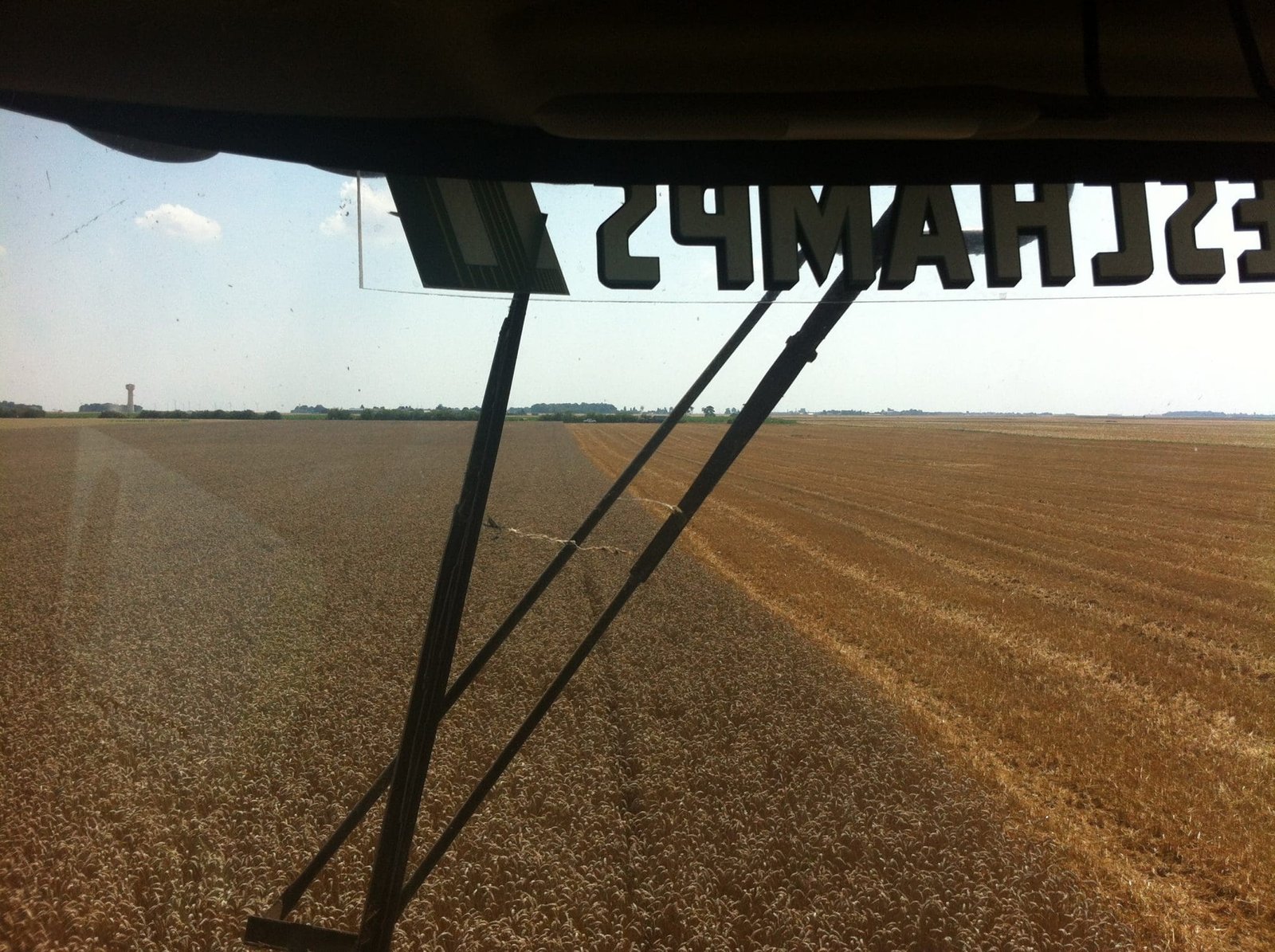


It is true that when we consume bread, cake, pasta, etc., it is hard to imagine all the work and the processing chain that had to be put in place to go from the raw initial product to the food we finally eat. It is in this context that Passion Céréales, a non-profit association launched in June 2006 by the grain interbranch organization, allowed me to discover this world of grain industries and the professionals who make a living from it.
This association brings together grain producers, cooperatives, traders, millers (the miller’s job is to select the best wheat varieties to obtain high-quality bread-making flour, such as Le Moulin des Gaults in Gien), maltsters, starch producers, semolina manufacturers, exporters, as well as stakeholders in animal nutrition.



It also serves as an information interface between the players in the grain industry, the agricultural plant world, the scientific community, and society to address the challenges of a sustainable society. Its mission is to provide information about cereals and the products derived from them, as well as the profession of grain producer.
It was therefore in this context that I went exploring in a crop in the heart of the Centre region, in the Beauce territory, on a beautiful June day (thankfully I enjoyed the sun a bit at that time…).
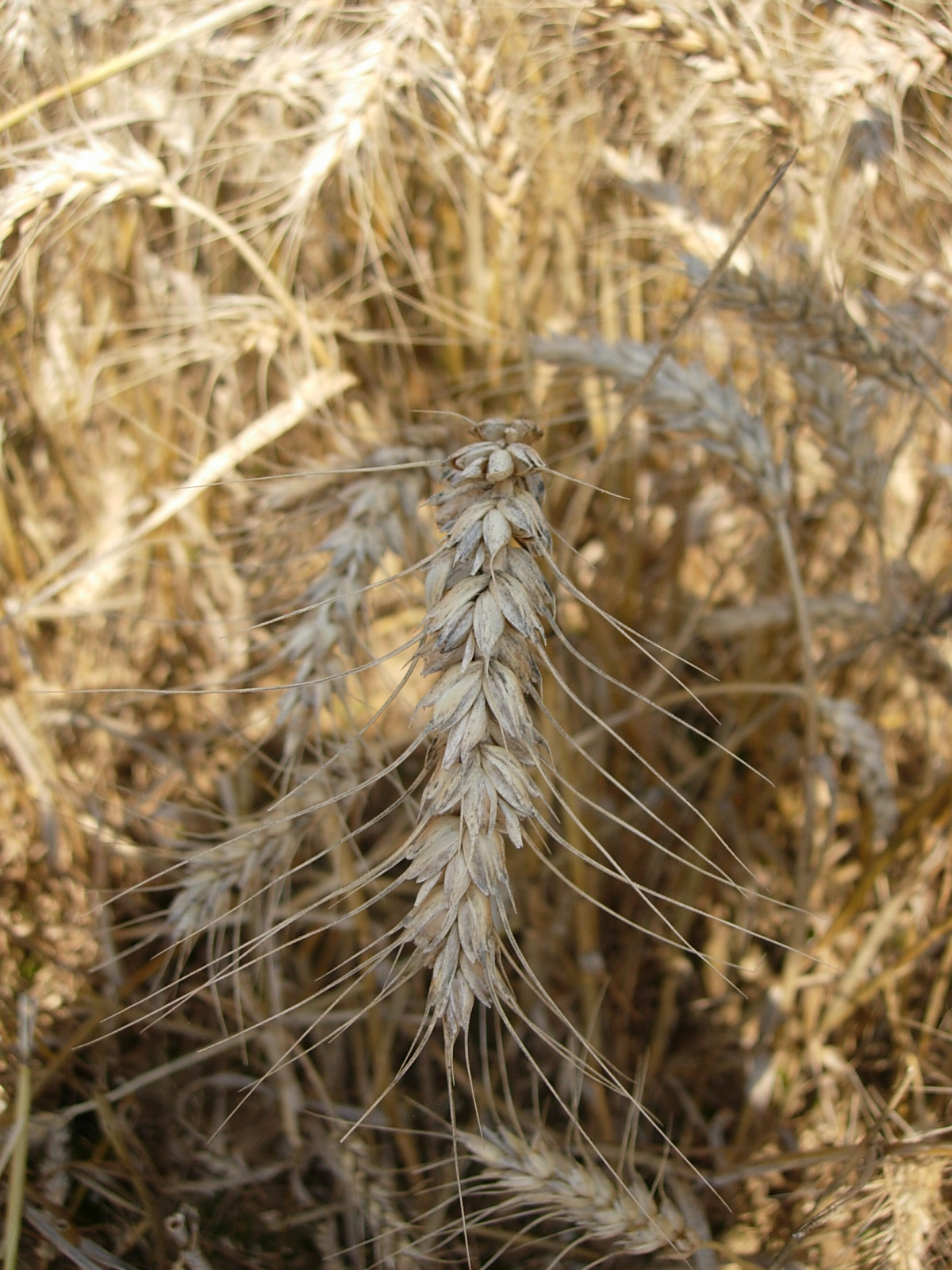

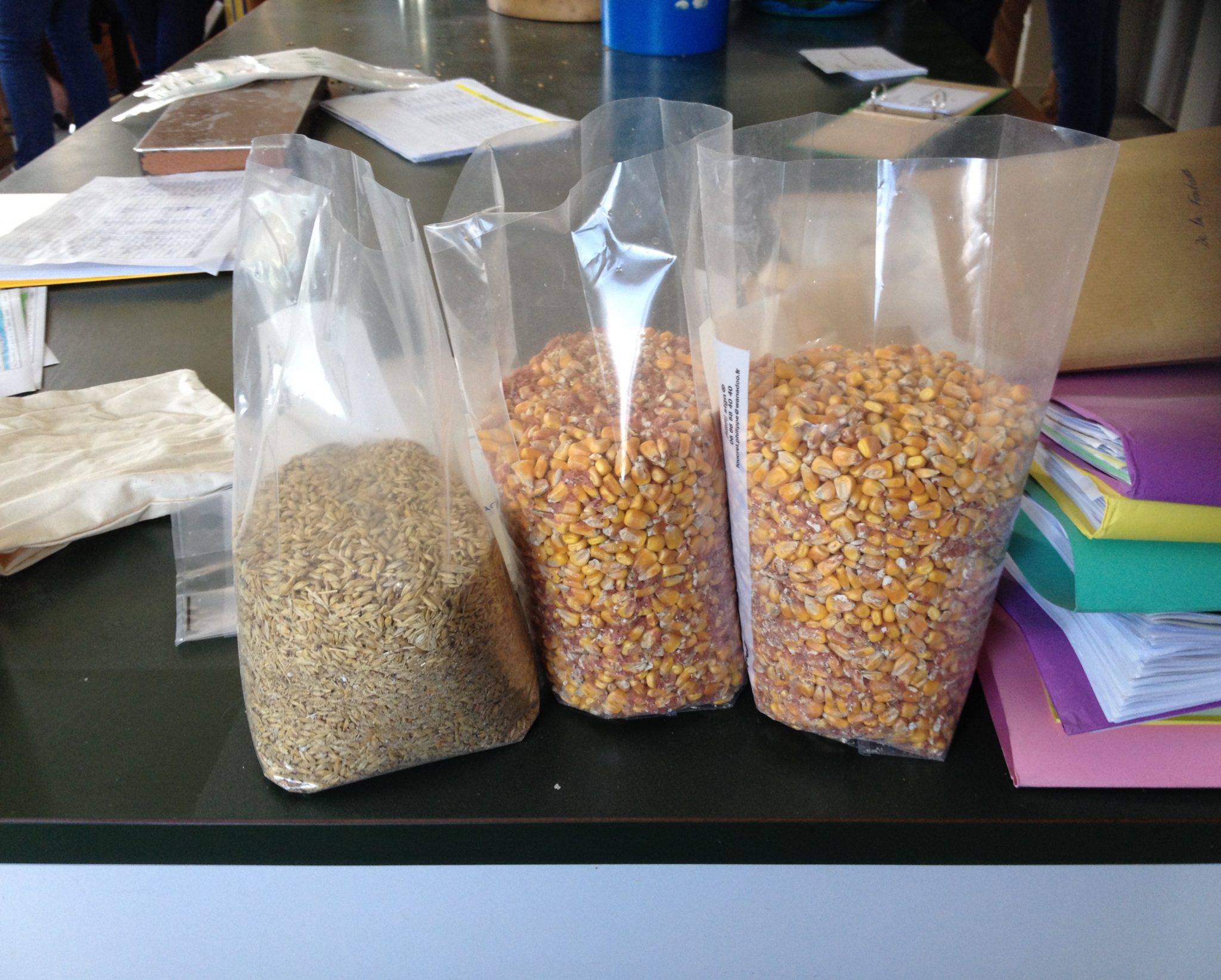
On the program for these major crops: soft wheat (used for example to make flour), durum wheat (for pasta), corn, but also barley and malt (for breweries).


The region also has several grain processing companies such as mills, animal feed manufacturers, malt houses, and artisanal bakeries.
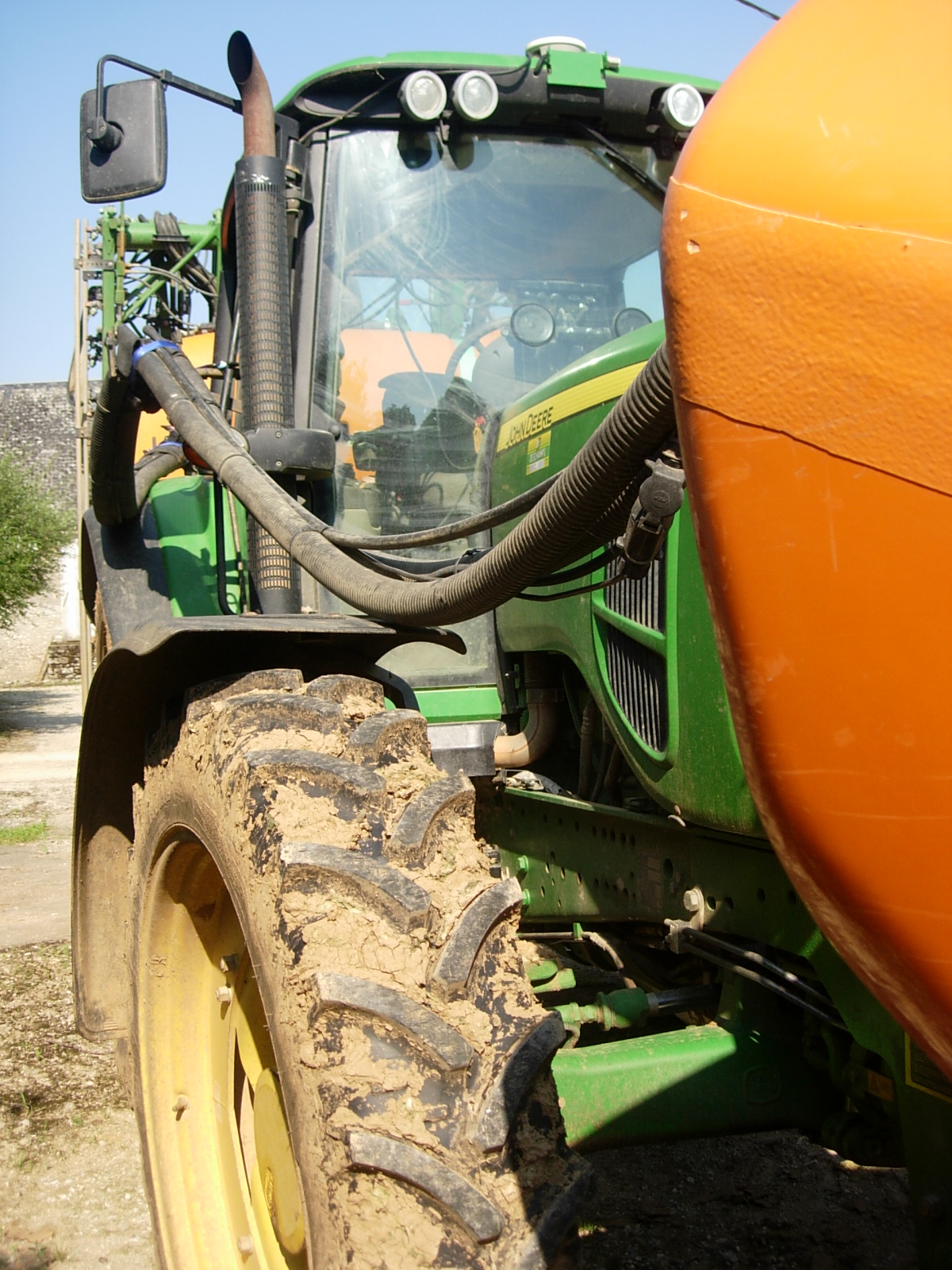
Regarding the environment, the region’s grain industry has made this theme one of its priorities. Numerous initiatives on the use of fertilizers and phytosanitary products are, for example, supported by the agricultural profession with a very commendable desire to reduce their ecological footprint.


Finally, after this day, what I really realized is the extent to which cereals are truly at the heart of our diet. Whether through bread (the taste emblem of France and one of the oldest recipes in the world), pasta, beer, flour… It is an essential daily item on our plate, and in the end, we consume it all the time without even thinking about it…
The tip:
Passion Céréales has just set up a digital map of grain products from our regions with, for each product, its origin, history, associated consumption time, and of course, a recipe.

On this occasion, the site is also organizing a quiz with a meal for 2 people to be won at a great chef’s restaurant.
Photo credits: Mademoiselle Bon Plan
Photos not royalty-free, photographer's authorization mandatory before any use