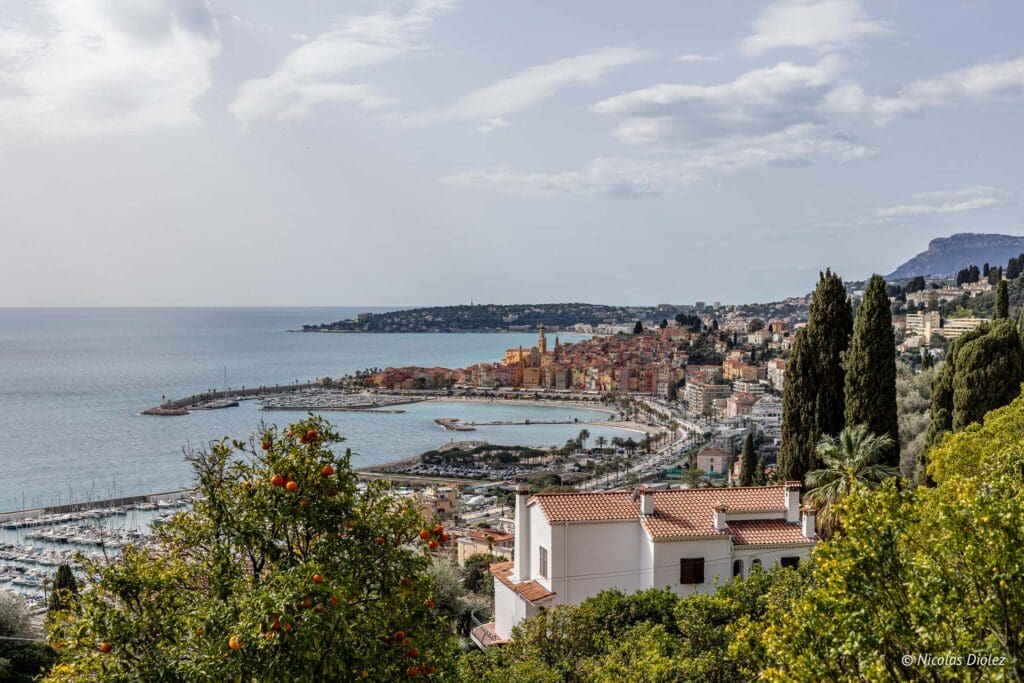
In this article, I will tell you about the Lemon Festival in Menton, which has a very old history and which I discovered for myself in February 2024 with my favorite photographer. If you want to know more about the town of Menton, located in the Alpes-Maritimes, you can check out my article: Visiting Menton: what to do and where to go.
For the backstory, originally, it was a hotelier who had the idea of organizing a carnival in Menton centered around traditional dances in order to attract more guests. In 1928, an exhibition of flowers and citrus fruits in wicker baskets was organized in the gardens of the Hôtel Riviera Palace. It was such a success that the following year, the municipality took over the idea and the festival moved into the streets: carts of shrubs planted with oranges and lemons moved through the city. The municipality, eager to develop tourism, sought to give the parade a typically local flair.
The Lemon Festival (Fête du Citron®) was born in 1934, but the term “Lemon Festival” emerged as early as 1933. In 1935, the festival benefited from its first organized program with an official poster. In 1949, we saw the first citrus motifs raised off the ground. Finally, starting in 1950, the golden age of the festival began, taking on an international scale. The Menton Lemon was used for the festival until 1959, however, after a period of frost, other solutions were sought. At first, citrus fruits from Italy were used, then from the Maghreb, and now the citrus fruits come from Spain.
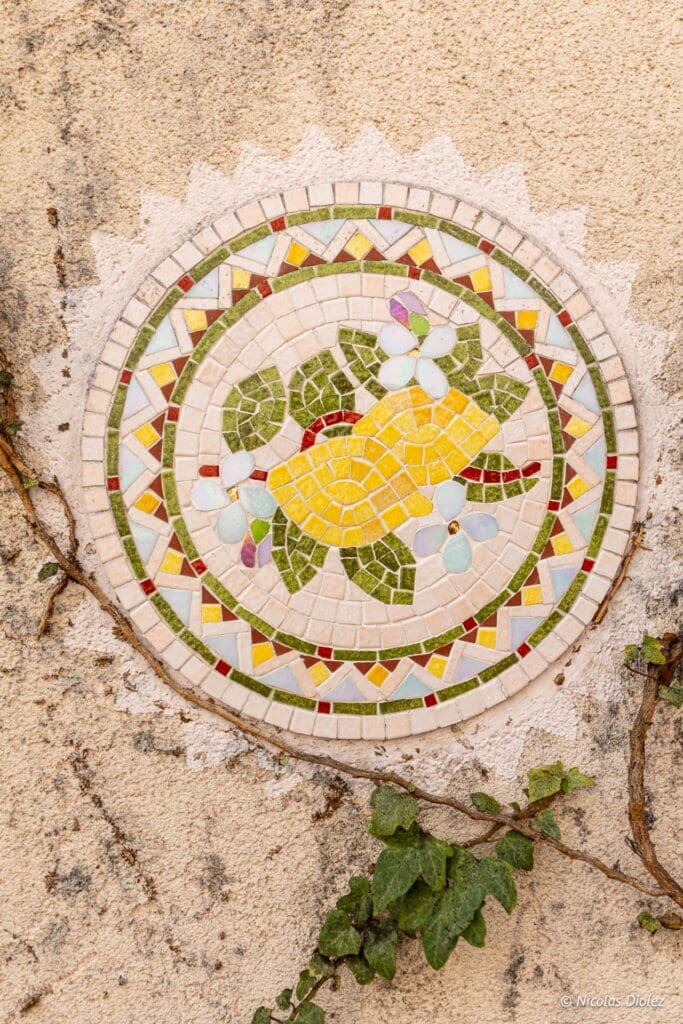
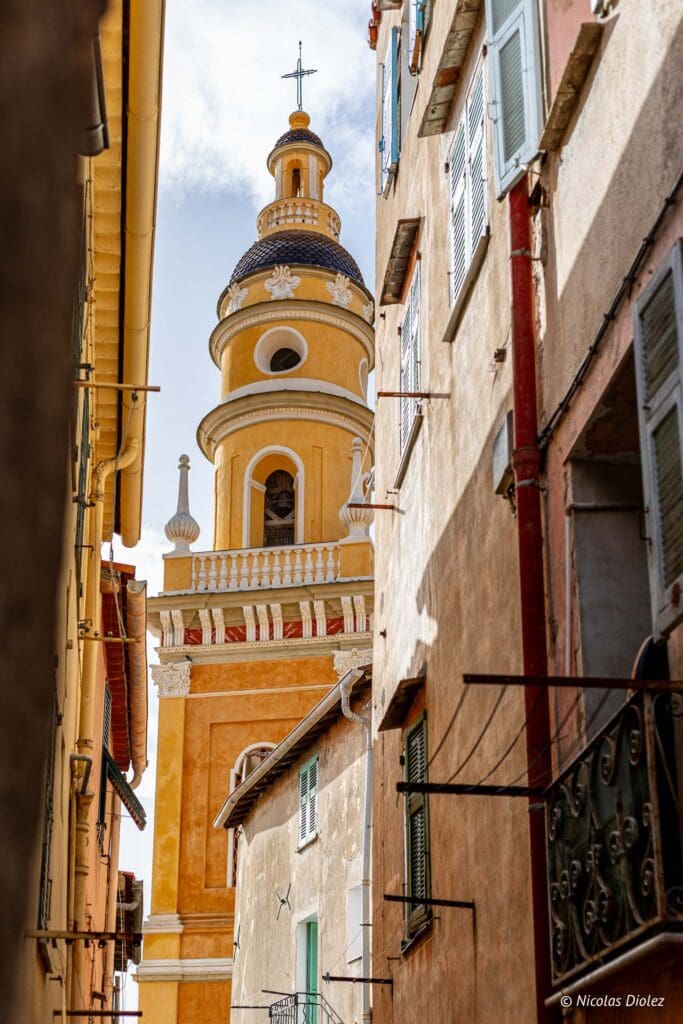
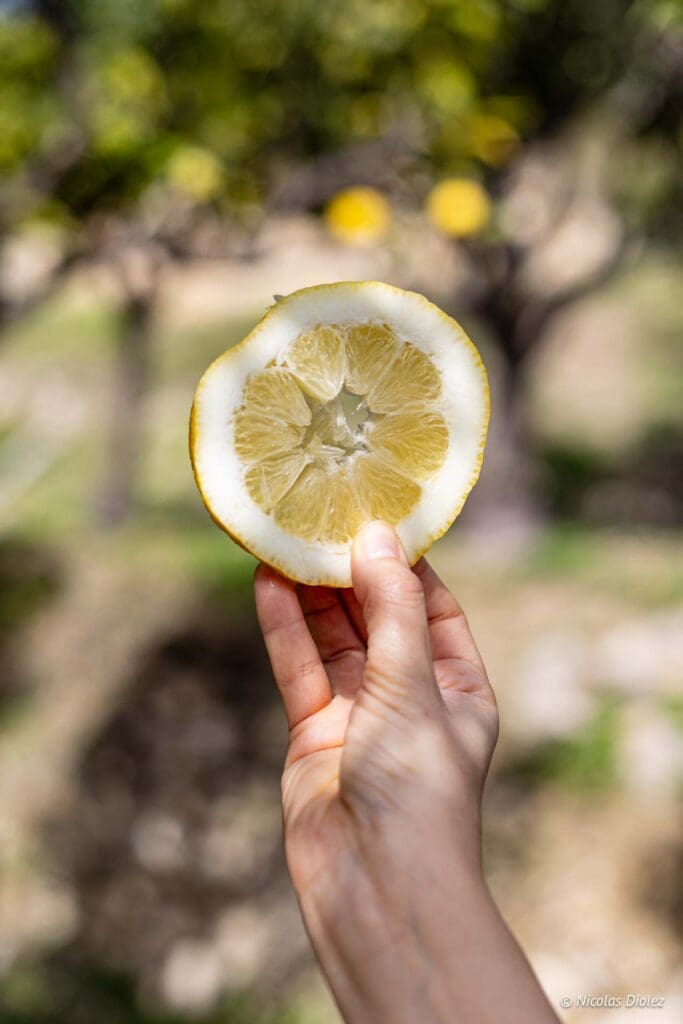
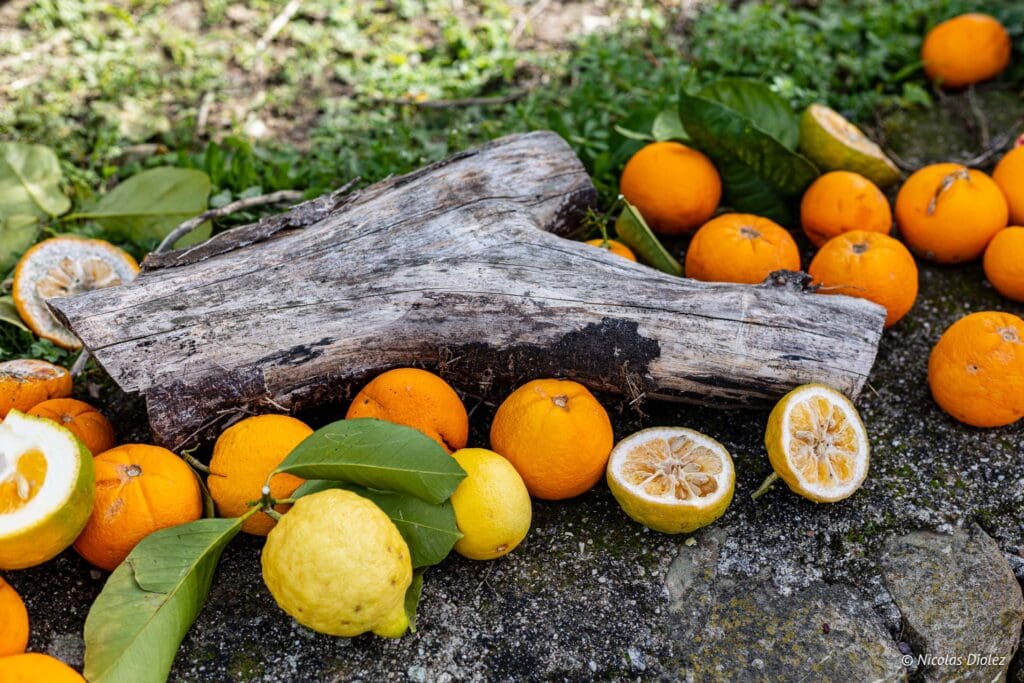

Figures and facts about the Menton Lemon Festival:
- In total, between 100 and 140 tons of citrus fruits are imported from Spain, because only 70 tons of PGI Menton Lemon were produced in 2023, for example.
- What happens to the tons of citrus after the festival? The fruit is sorted and sold for €1 per 3kg at the Casino (which is a great bargain known to the locals of Menton). The plants are also resold, and the festival also builds partnerships with charitable organizations.
- The Menton Lemon Festival hosted 250,000 visitors in 2023.
- 25% of the tourists at the Lemon Festival are foreign visitors.
- Organization of the festival: first, the theme must be chosen, then the models are created by engineers. The metal structures of the sculptures are recycled and reused for other festivals.
Table of Contents
Editions of the Menton Lemon Festival
I have already told you quite a bit about the Menton Lemon Festival in the introduction, but you should also know that since 2019, the festival has been recognized by the Ministry of Culture and listed in the inventory of intangible cultural heritage.
_
2025 Edition
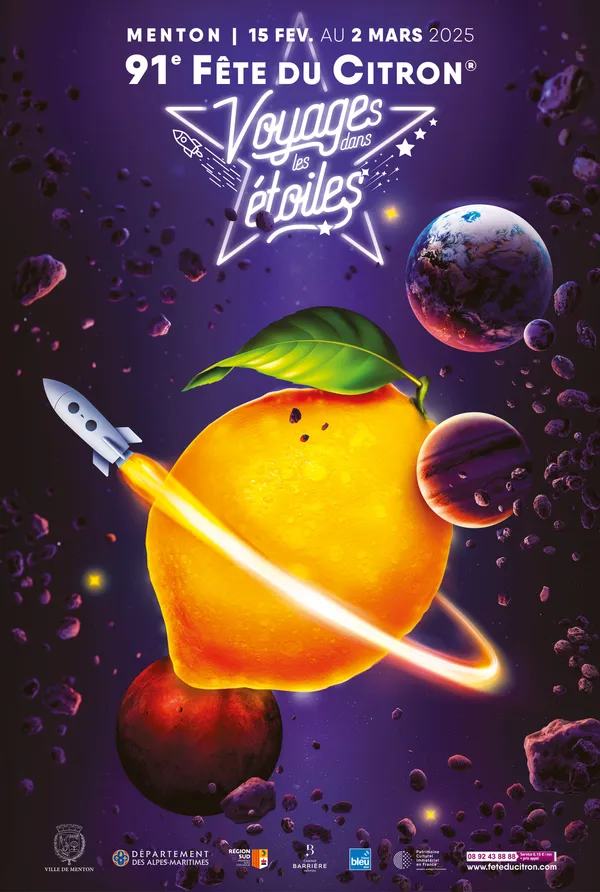
The theme of this new edition will be “Voyages to the Stars,” under the sign of stars and constellations. A poetic odyssey will pay tribute to the stars: the stars of dance, gastronomy, circus, cinema…
Menton Lemon Festival 2025
From February 15 to March 2, 2025
_
2024 Edition
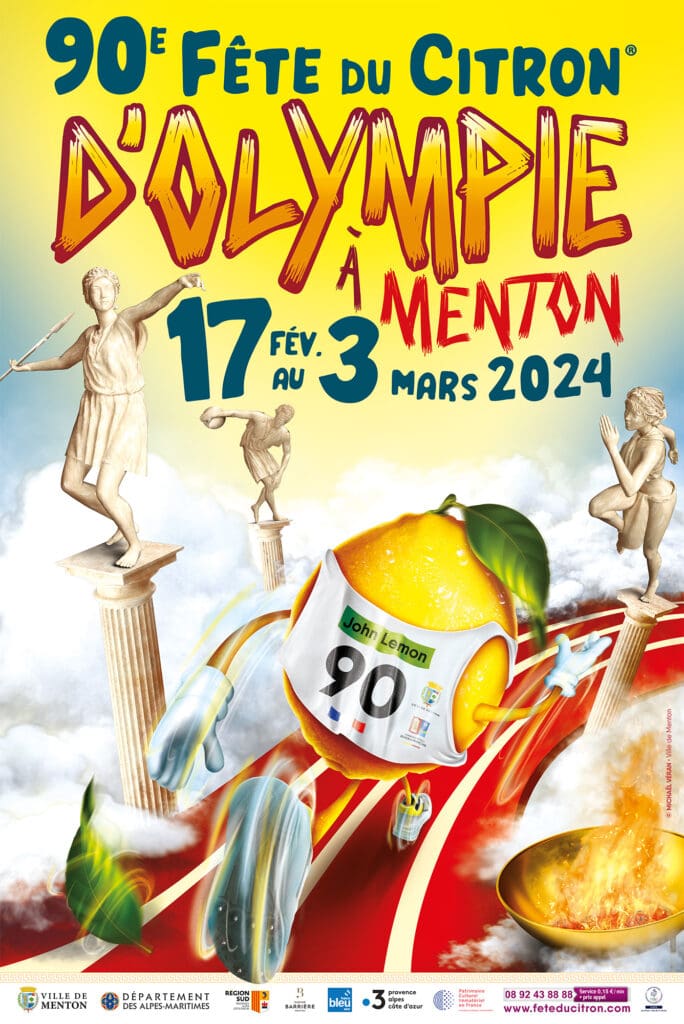
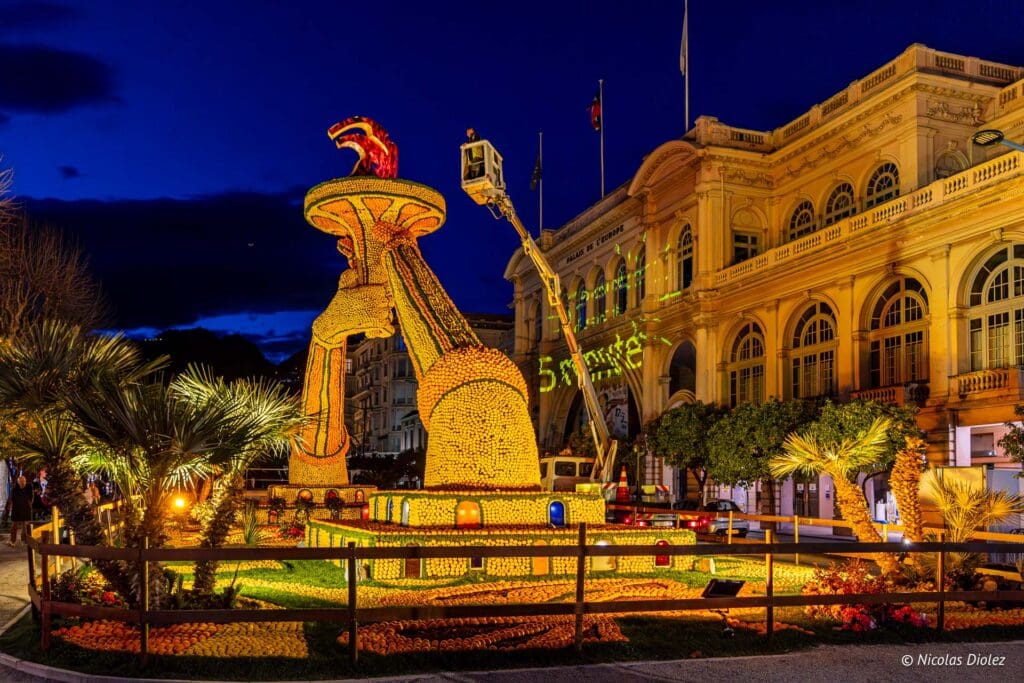
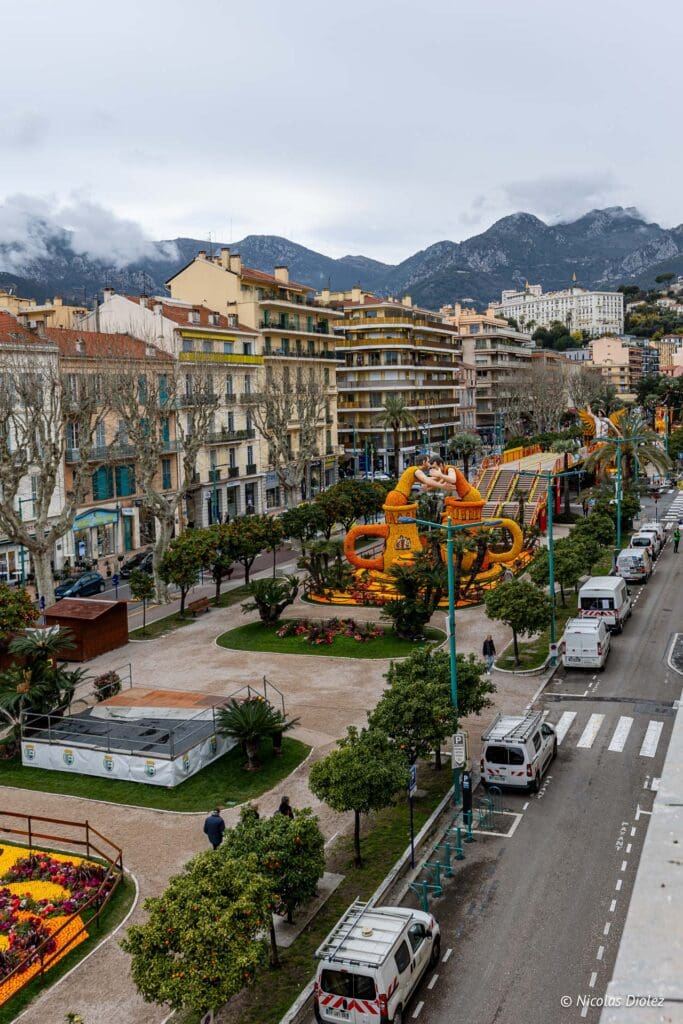
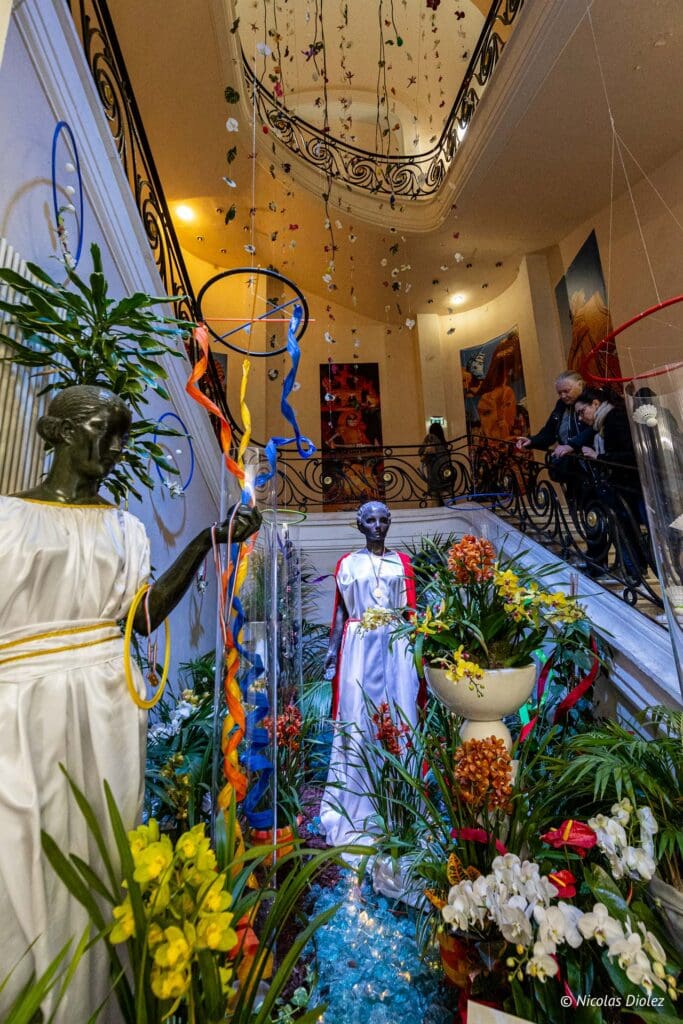
In 2024, we celebrated the 90th anniversary of the Lemon Festival, centered around the theme of Olympia with “From Olympia to Menton.” For more than 15 days, the city lived to the rhythm of the festival, and as for us, we were lucky enough to participate in the festivities for 3 days.


Menton Lemon Festival 2024
From February 17 to March 3, 2024
Everything you need to know about the lemon and citrus of Menton
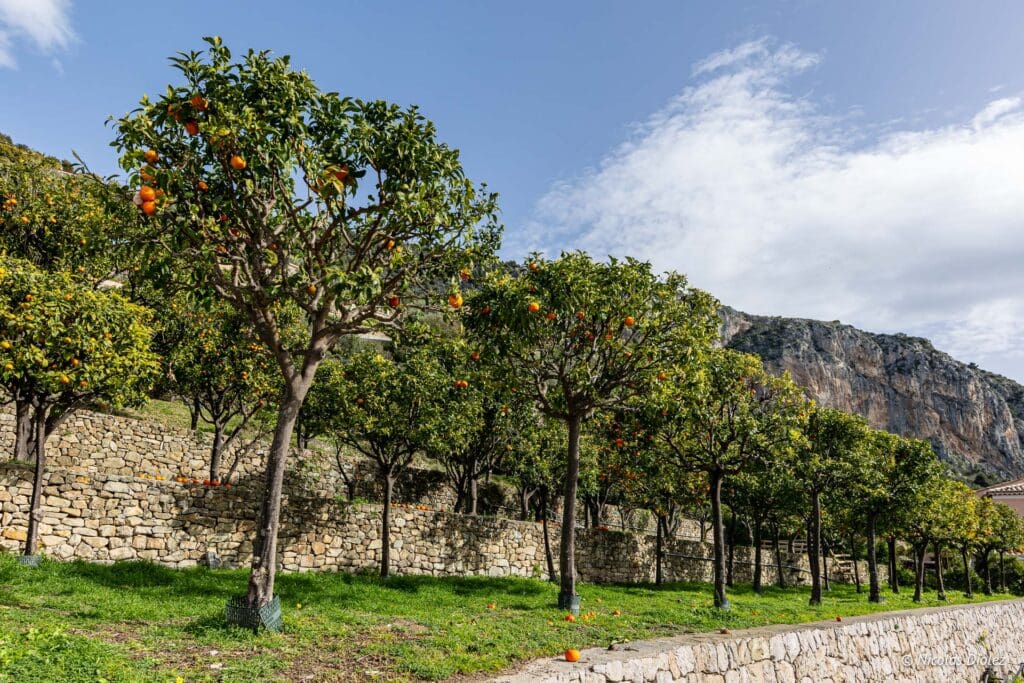
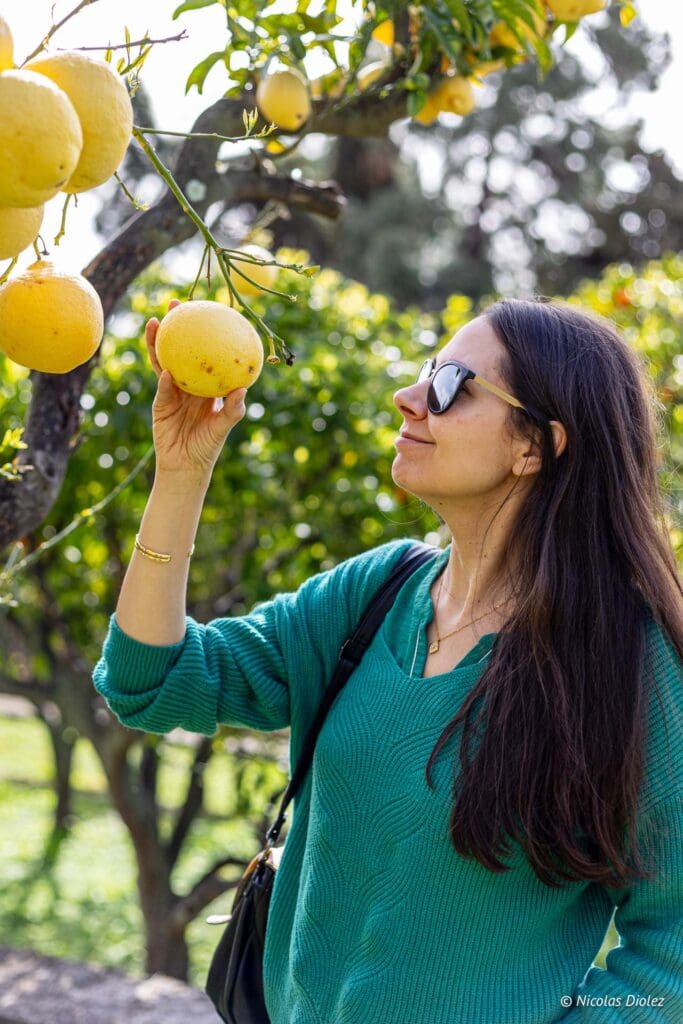
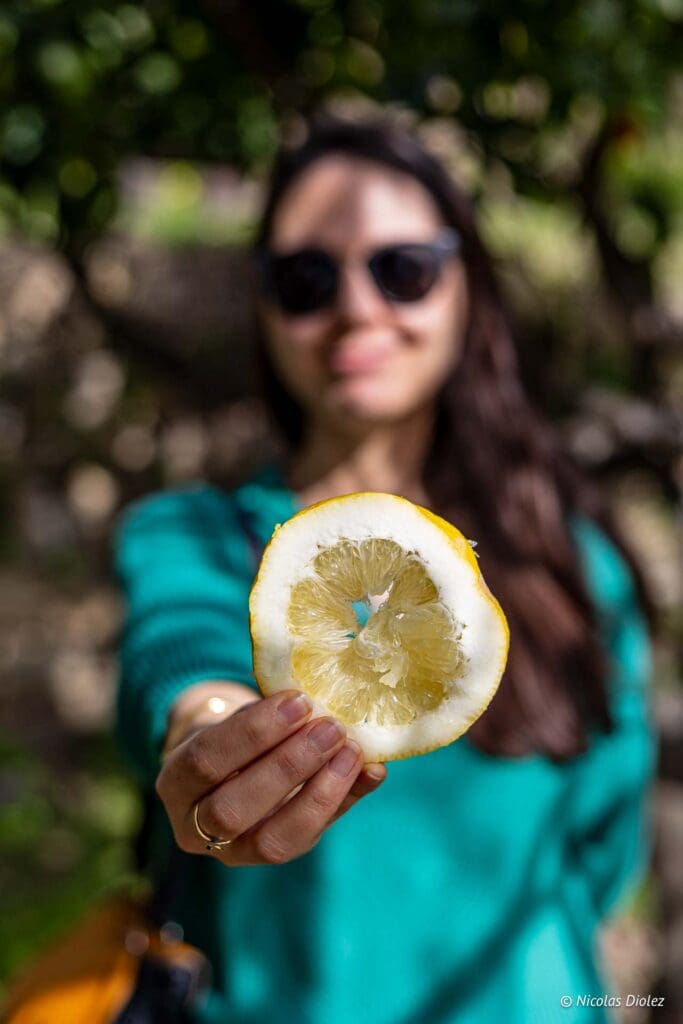
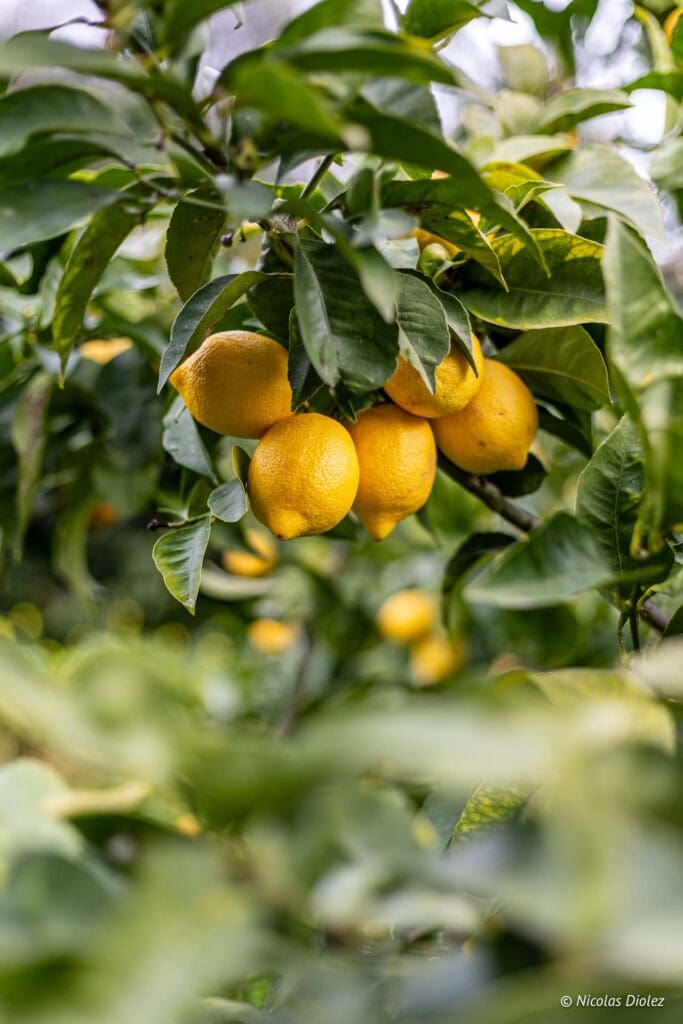
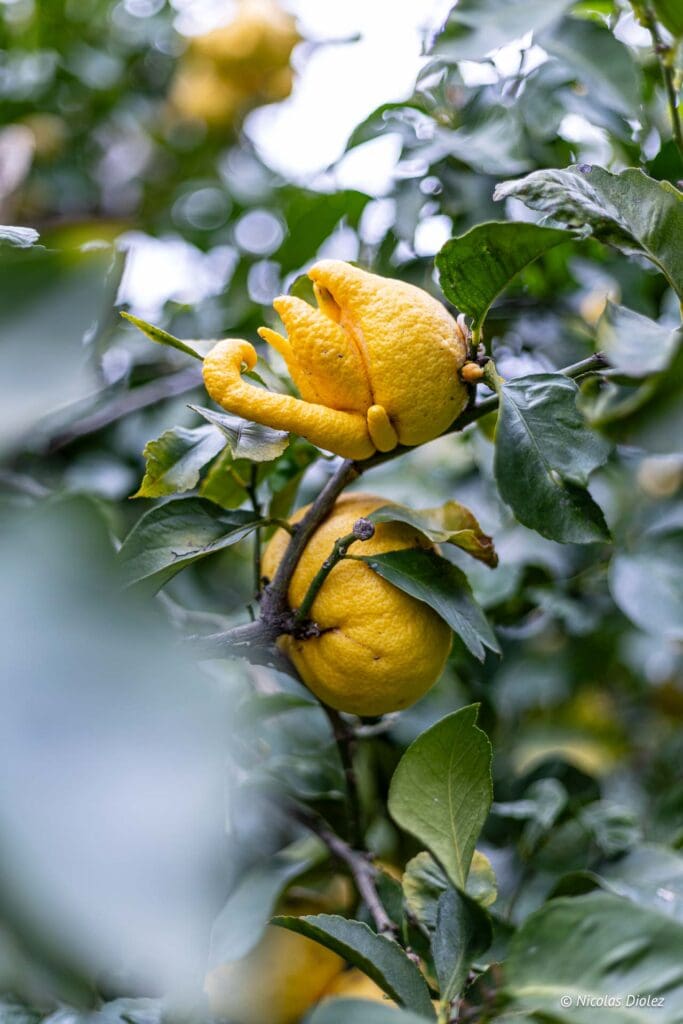
The Menton Lemon has benefited from an PGI (Protected Geographical Indication) since 2015: the criteria to be part of this PGI include cultivating the lemon in one of the 5 municipalities of the PGI, not being more than 7km from the coast, and not exceeding an altitude of 390 meters. However, several varieties of lemon can be used in the PGI specifications. The Menton lemon is distinguished from its Italian, Spanish, or Corsican cousins by an elliptical rather than round shape, a bright yellow color, and a thick skin that allows for good product preservation; it is also rich in acids and essences, and its skin has a high essential oil content. It has a sweeter taste, intense aromas, and moderate acidity. And it is so sweet that you can eat it with its skin (and I tested it for you, and it is completely true), provided it is organic, of course.
I also want to provide a brief historical reminder of the history of citrus fruits, based on information I gathered while chatting with various specialists and producers (notably Laurent Gannac) during this stay. Citrus fruits are believed to originate from southwestern Asia and belong to three botanical genera (including citrus, which is the most common). Three citrus species then evolved separately before human intervention: citron, mandarin, and pomelo. Today’s citrus fruits are a hybridization by humans of these primitive species. The citron is believed to have arrived in Mesopotamia and Egypt, then in the Mediterranean through the conquests of Alexander the Great. The first citron crops were found in Hyères in the 12th century, then lemons in San Remo in the 13th and 14th centuries, and finally in Menton in the 15th century. Indeed, there is a microclimate in Menton that favors the cultivation of certain fruit species. The mountain range protects the city from the north wind, and as a result, for example, banana trees can grow in Menton, which is not the case in the rest of the region.
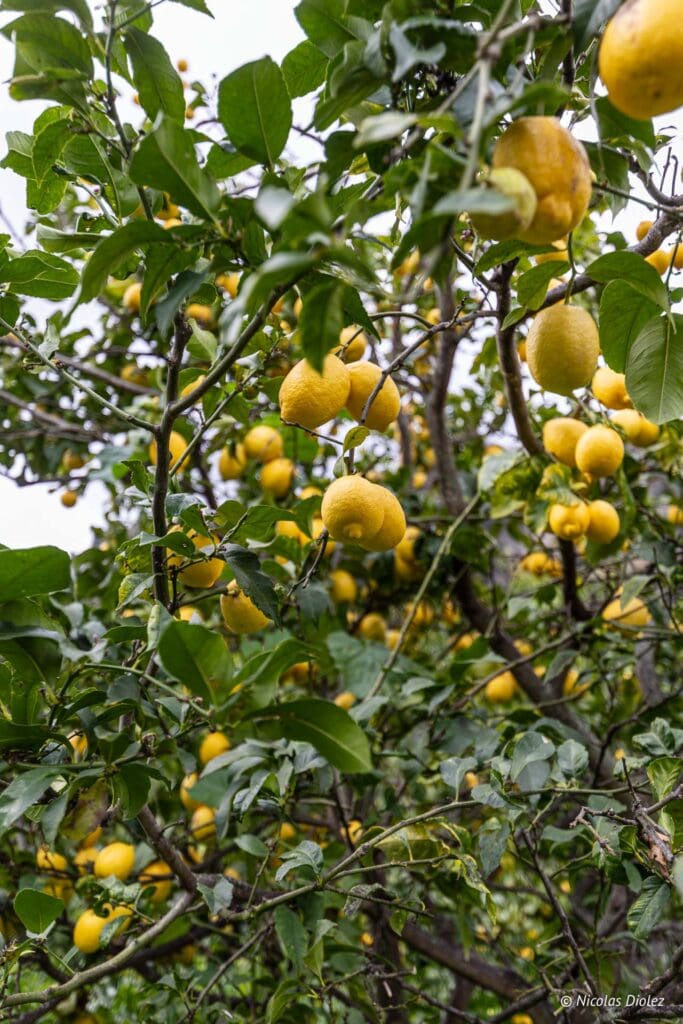
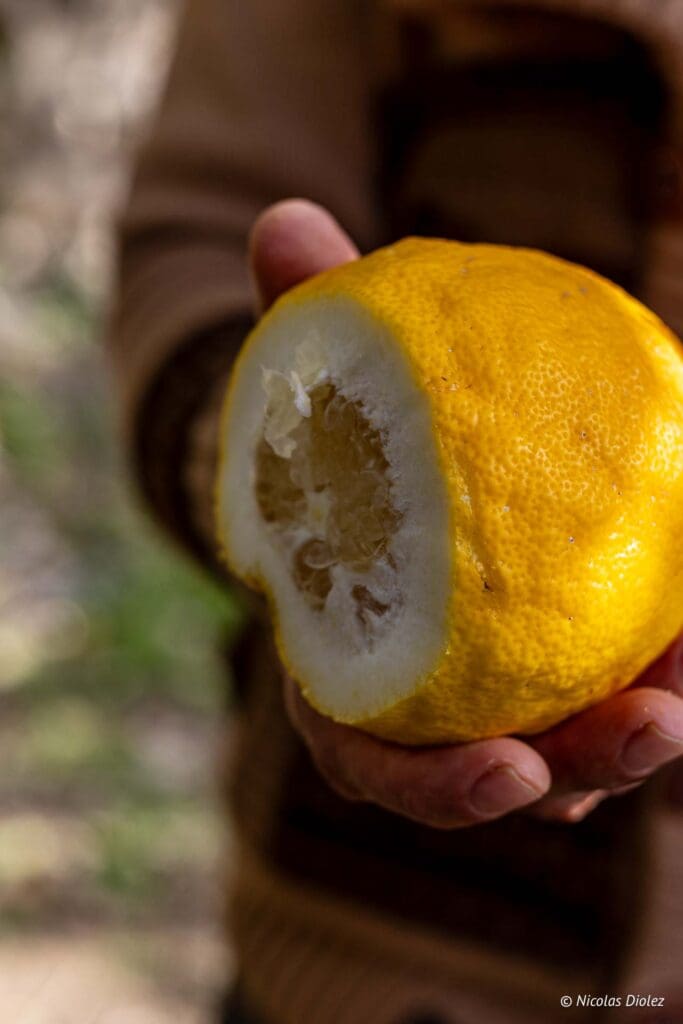
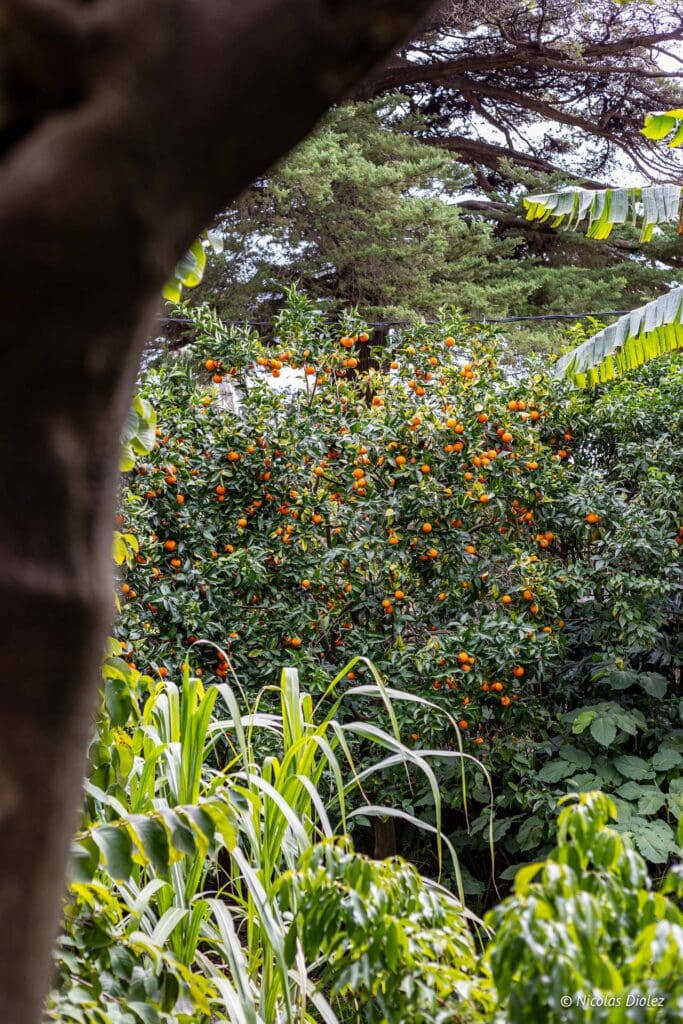
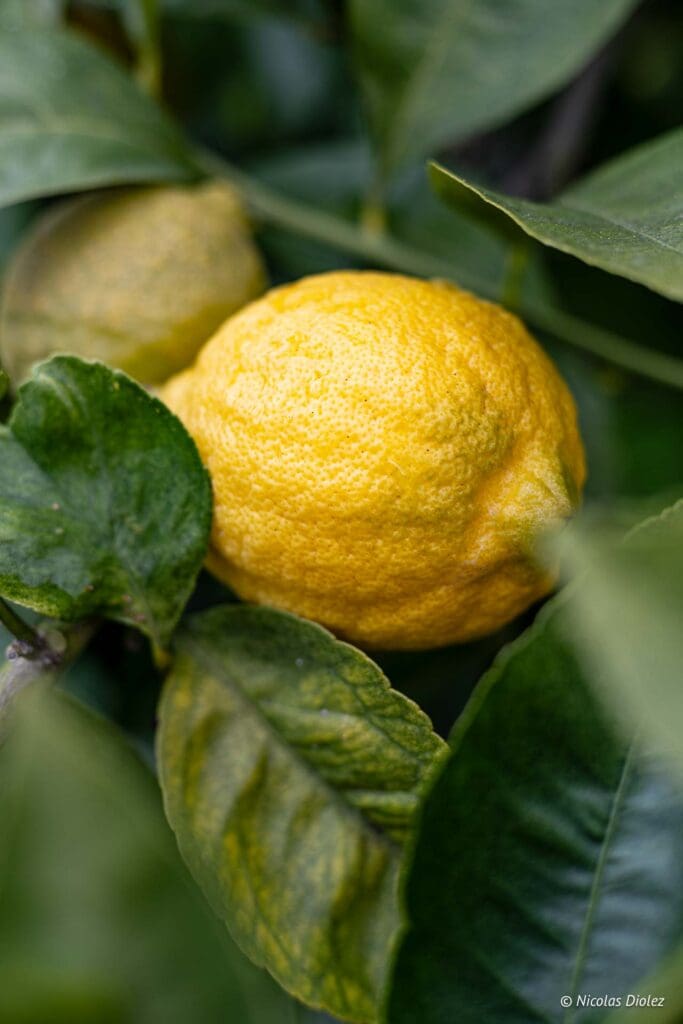
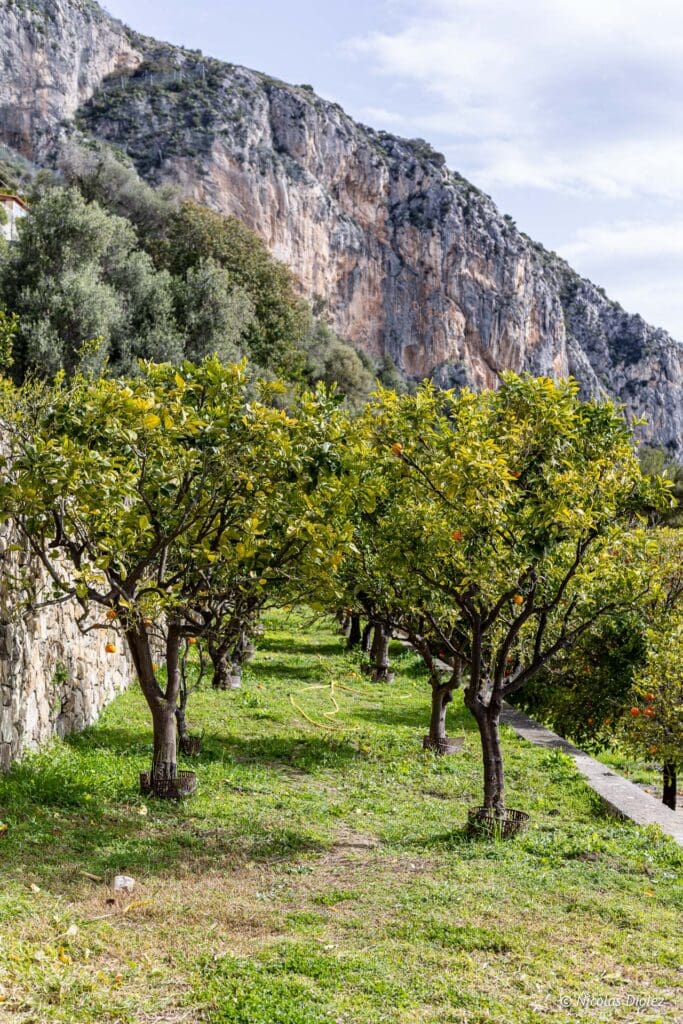
To return more precisely to the history of the Menton Lemon, it has been cultivated on-site since the 15th century and reached its peak in the 18th century with international recognition for its unique aroma and moderate acidity. Menton was the citrus pantry of Nice, Marseille, and the Principality of Monaco, thanks to the particular topography that favors citrus growing. At the beginning of the 19th century, approximately 3,000 tons of citrus were produced in the Menton territory (compared to about 70 today). The decline in production began in 1850 due to several factors (notably the development of the Riviera and urbanization) and reached its peak due to the centennial frost of 1956, which almost completely destroyed the orchard. In 1929, Menton was still the leading producer of lemons on the continent, yet it almost completely disappeared during the 20th century. Today, the Menton lemon is grown mainly for local gastronomy due to its small production, which makes it a rare and highly sought-after exceptional product.
_
What to do during the Menton Lemon Festival?
There are 2 key attractions during the Lemon Festival: the citrus gardens (free) and the Corsos (paid). You can also participate in workshops and guided tours organized during the event. For example, we took a guided tour on the history behind the scenes of the Lemon Festival, which was very nice and which notably allows you to go up to the rooftop terrace of the Palais de l’Europe (a building opened in 1909 and which is rarely accessible to the public). Shuttles are also offered to allow visitors to discover the growers’ gardens through tours.
_
The Citrus Motifs Exhibition in the Biovès Gardens
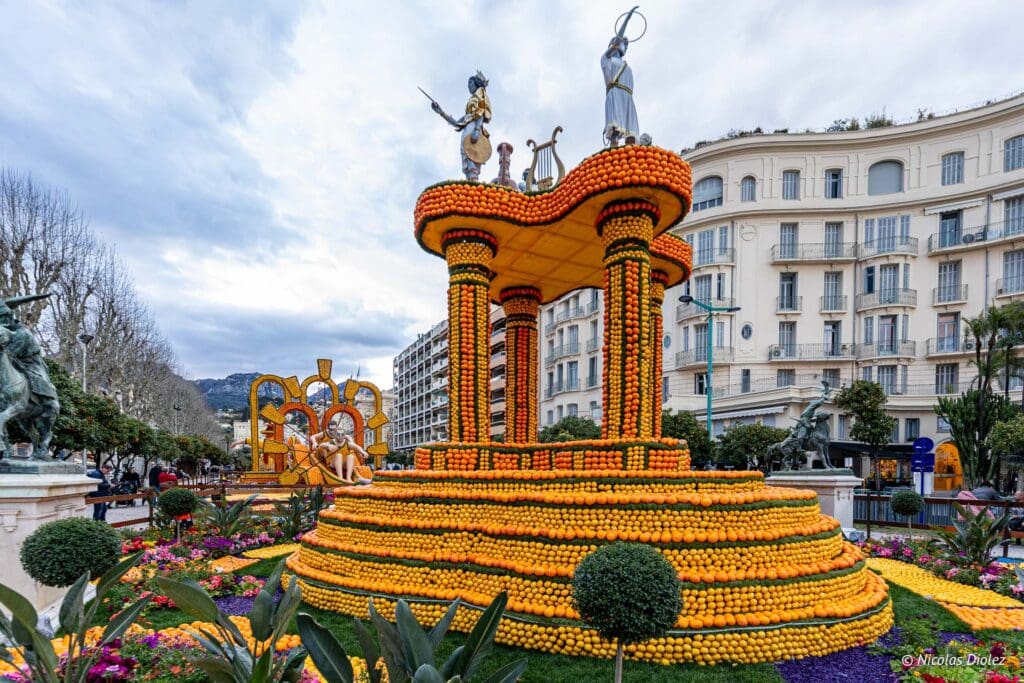
The cradle of the Lemon Festival, the Biovès Gardens have been dressing up in citrus colors in shades of yellow and orange since 1936. These citrus gardens offer visitors no less than 7 giant fruity structures for several weeks, which are installed in advance by municipal services. These incredible decorations require, for some, nearly fifteen tons of citrus. Every year, it takes thousands of hours to create these ephemeral sculptures, with the fruits placed one by one. And since COVID, visiting these citrus gardens is now free for everyone.
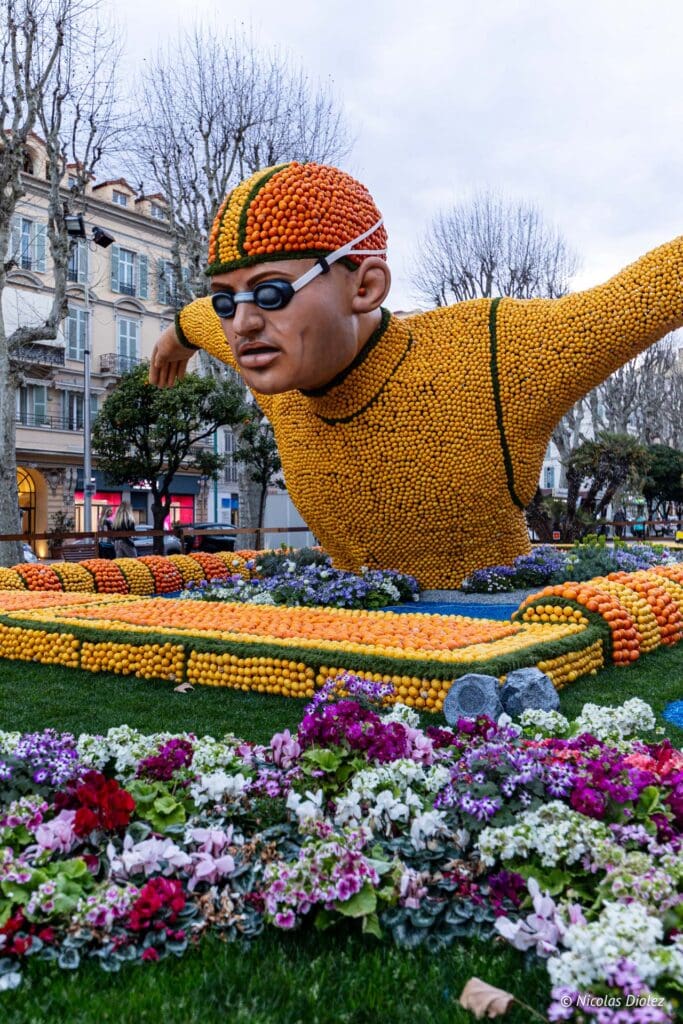
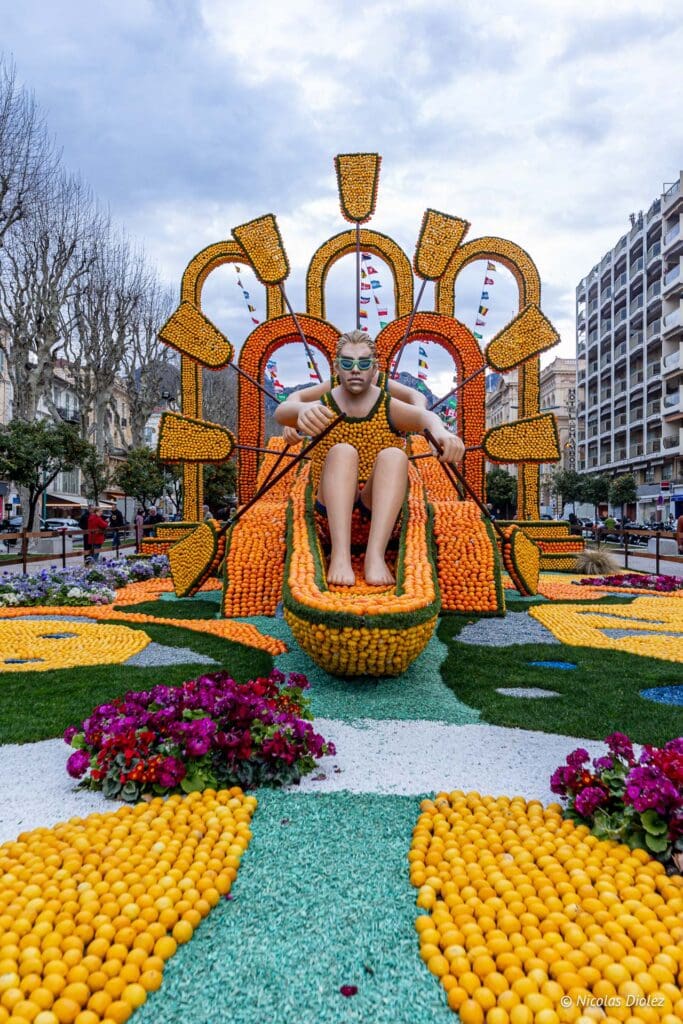
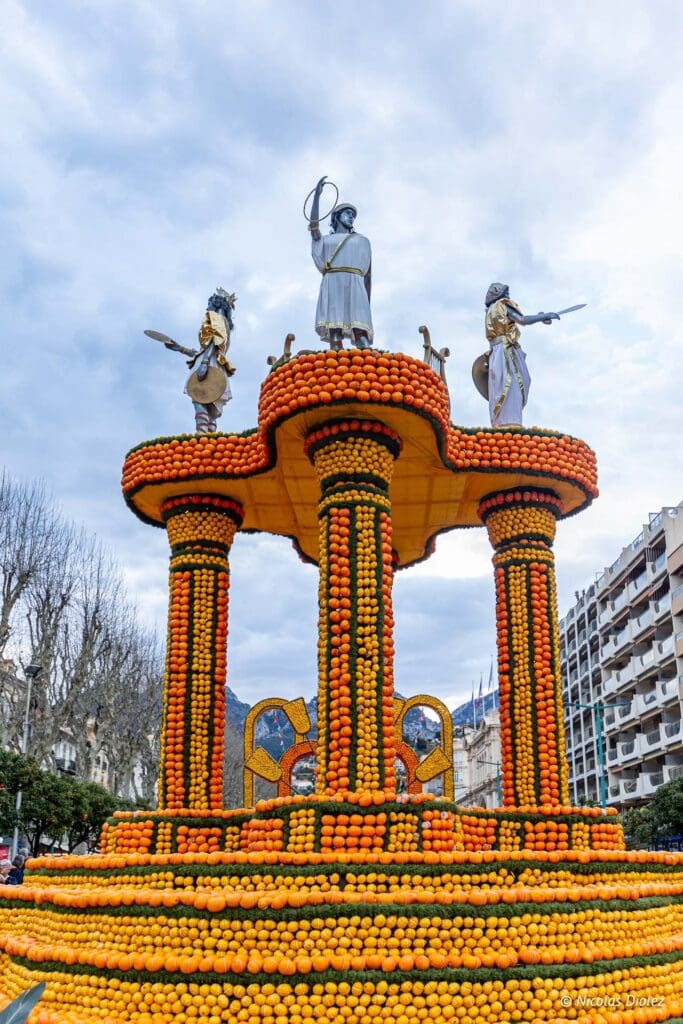
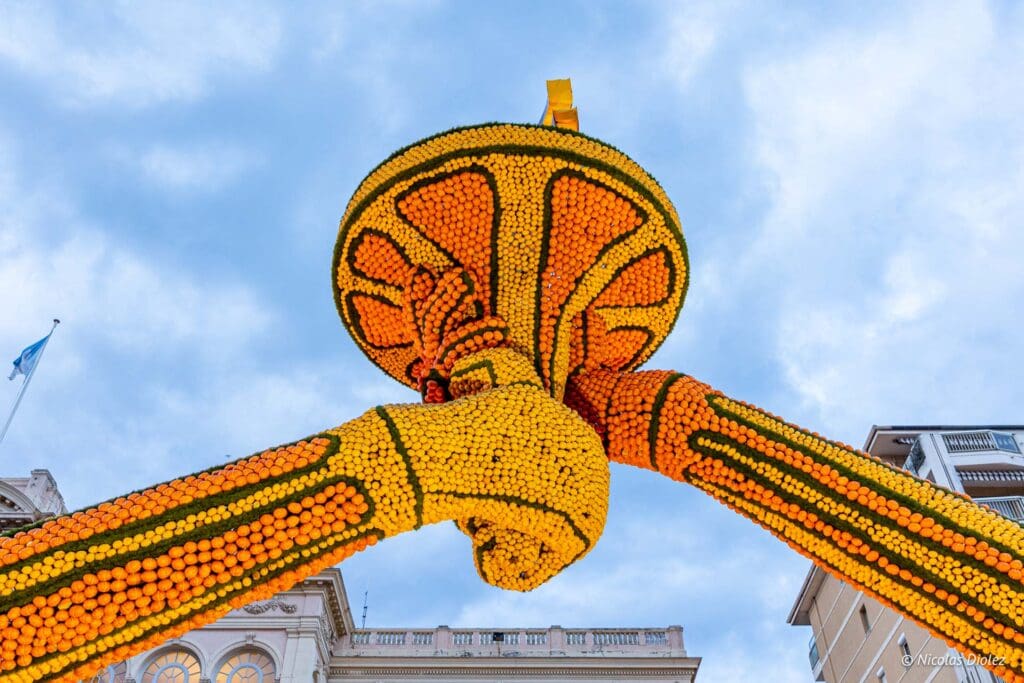
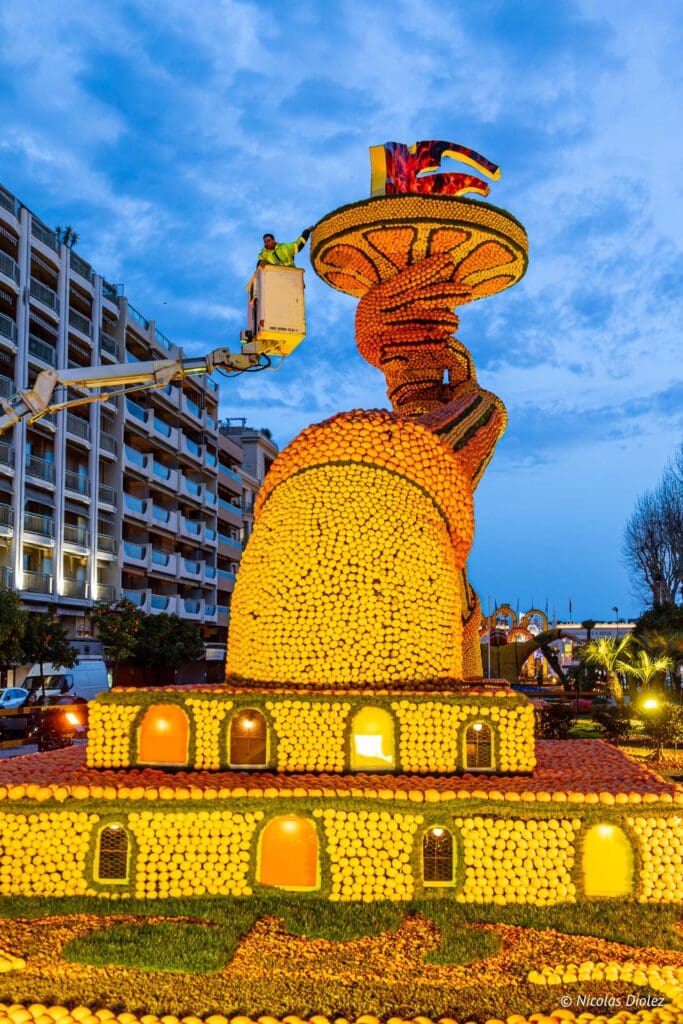
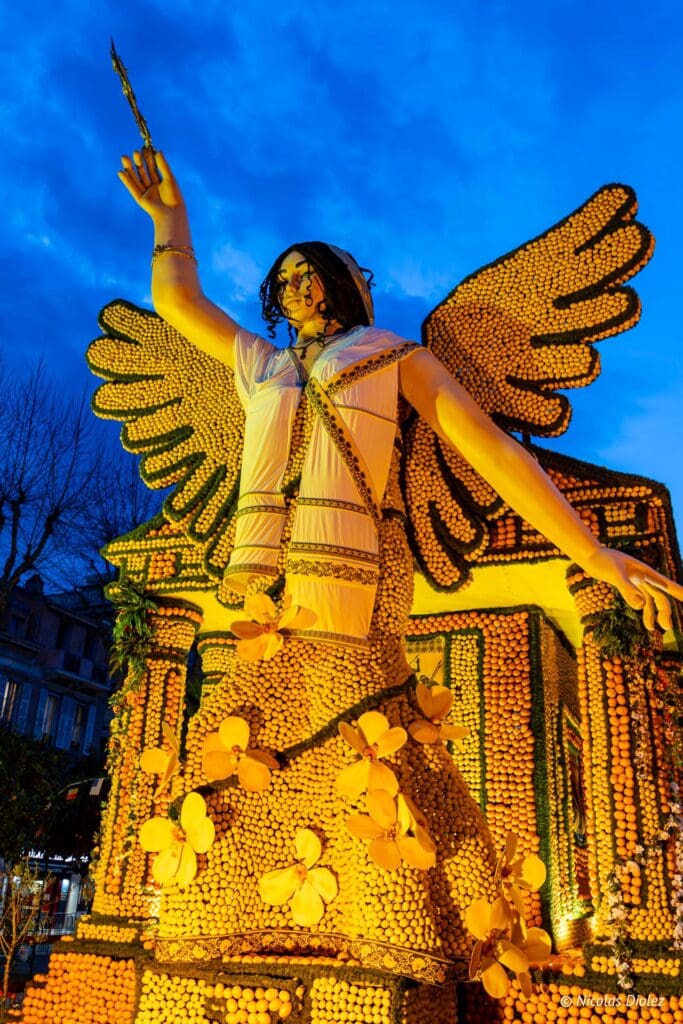
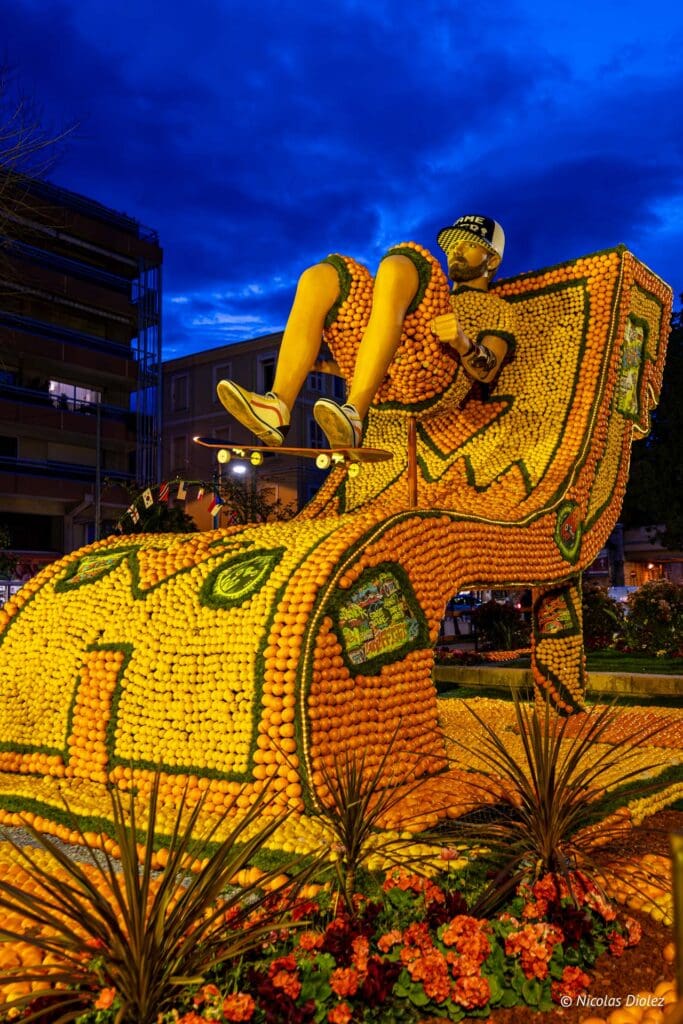
Citrus Gardens Lemon Festival
Biovès Gardens, Menton
Free and open access to the Biovès gardens and the Palais de l’Europe
_
The Corsos
This is perhaps the most anticipated moment of the Lemon Festival! The Corsos take place on Sundays during the day with the Golden Fruit Corso, and Thursdays are the night Corsos (on this occasion, in addition to the show and the parade of floats, one can also, as a second step, admire fireworks or a drone show, depending on the weather). The two Corsos really offer very different atmospheres from what we gathered. There are about 30,000 spectators for the Sunday Corsos, and on Thursdays, the route of the floats is more reduced. On our side, we were lucky enough to attend a night Corso, and it was magical. You can either book a seat in a grandstand (where you are seated), but you can also go down to the bottom as close as possible to the floats (“promenade” area), and that is personally where we found the atmosphere to be the nicest, in the heart of the festival.
On the program, illuminated floats, each more surprising than the last, parade on the promenade du soleil to the rhythms of marching bands, orchestras, and folk groups, also surrounded by dancers and actors. In total, 300 to 400 artists come each year to animate this great street show.
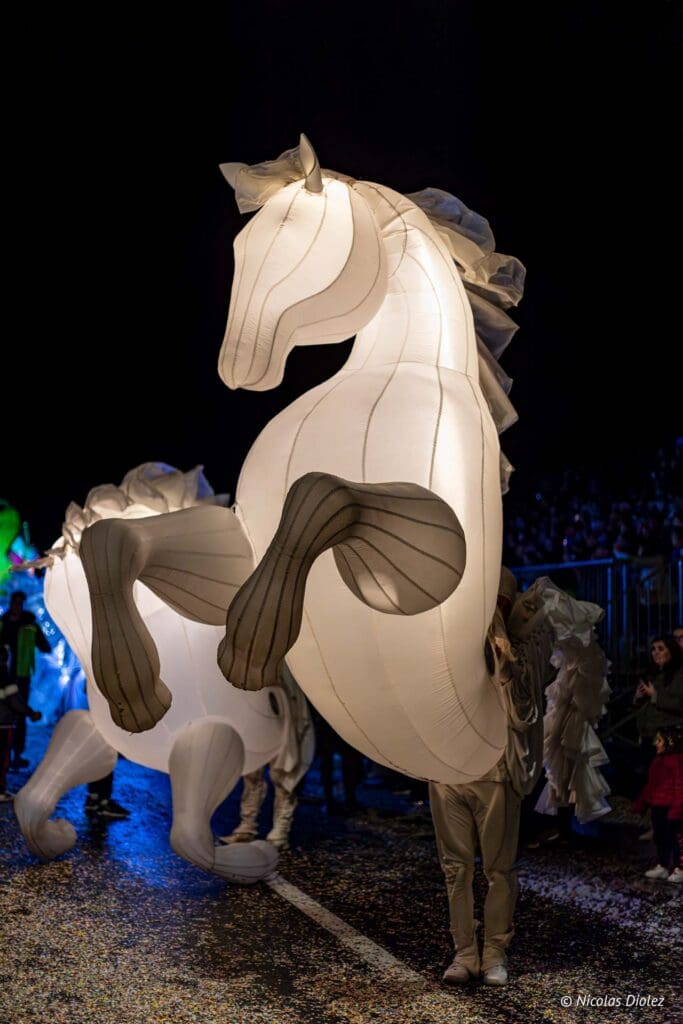




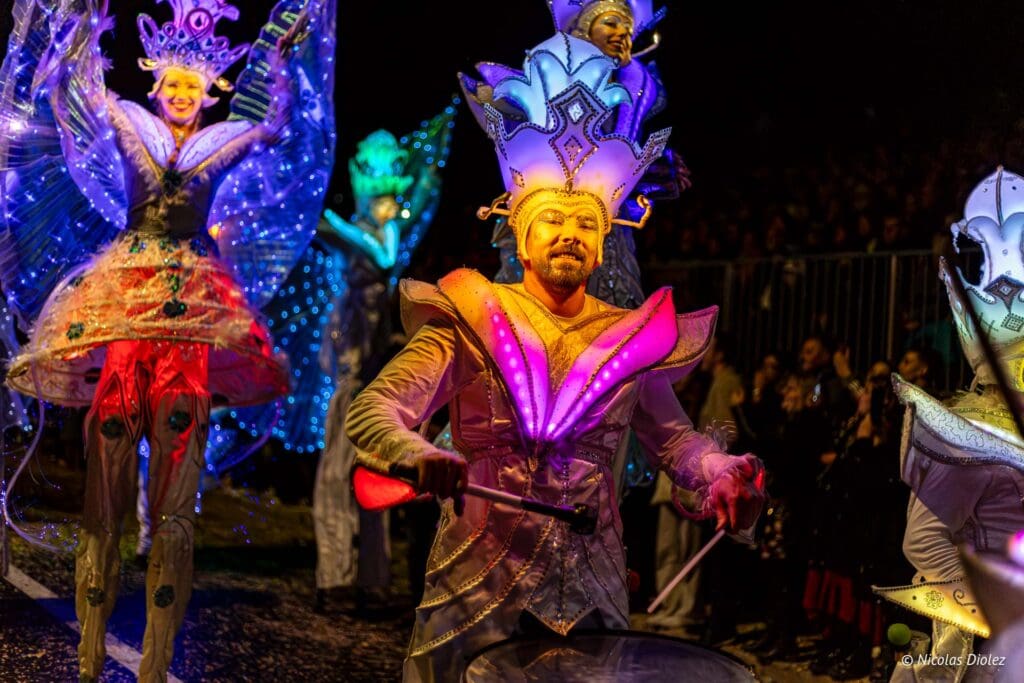


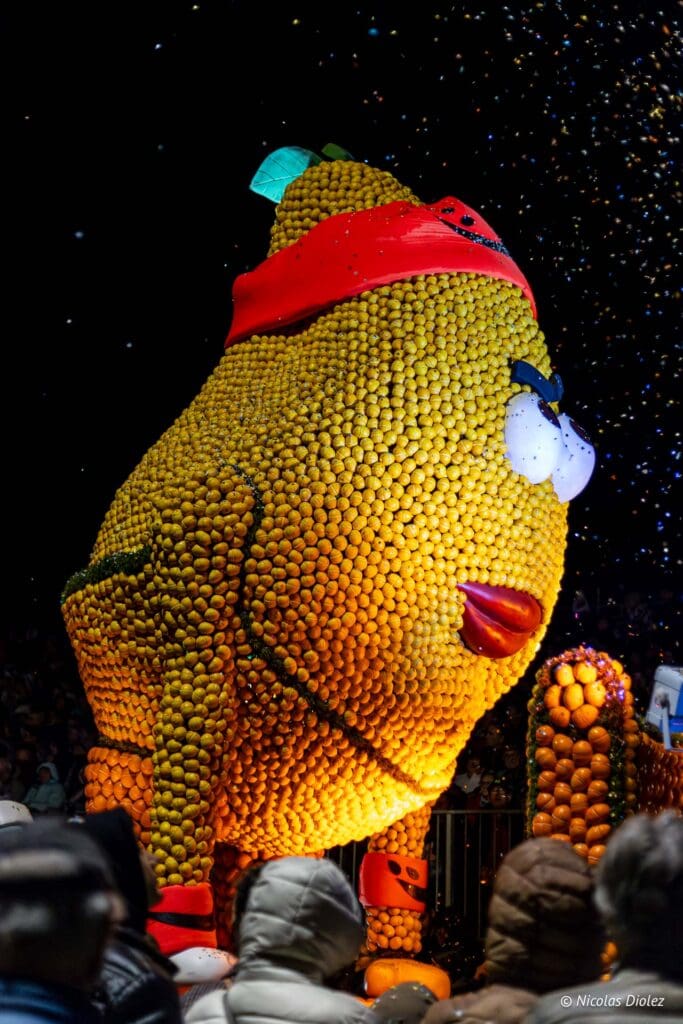





Golden Fruit Corsos and Night Corsos
Rates (2024): adult grandstand €29 / child grandstand (from 6 to 12 years old) €12 / group grandstand €24 / adult promenoir €16 / child promenoir (from 6 to 12 years old) €8 / group promenoir €14 / free for children under 6 accompanied
_
Visiting the Casetta
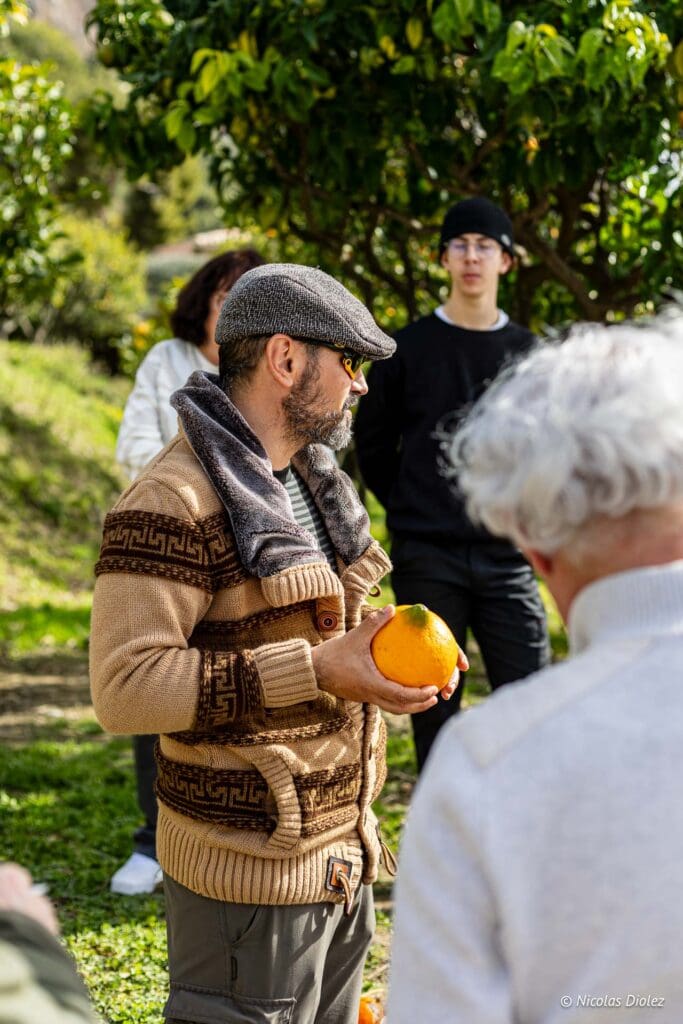
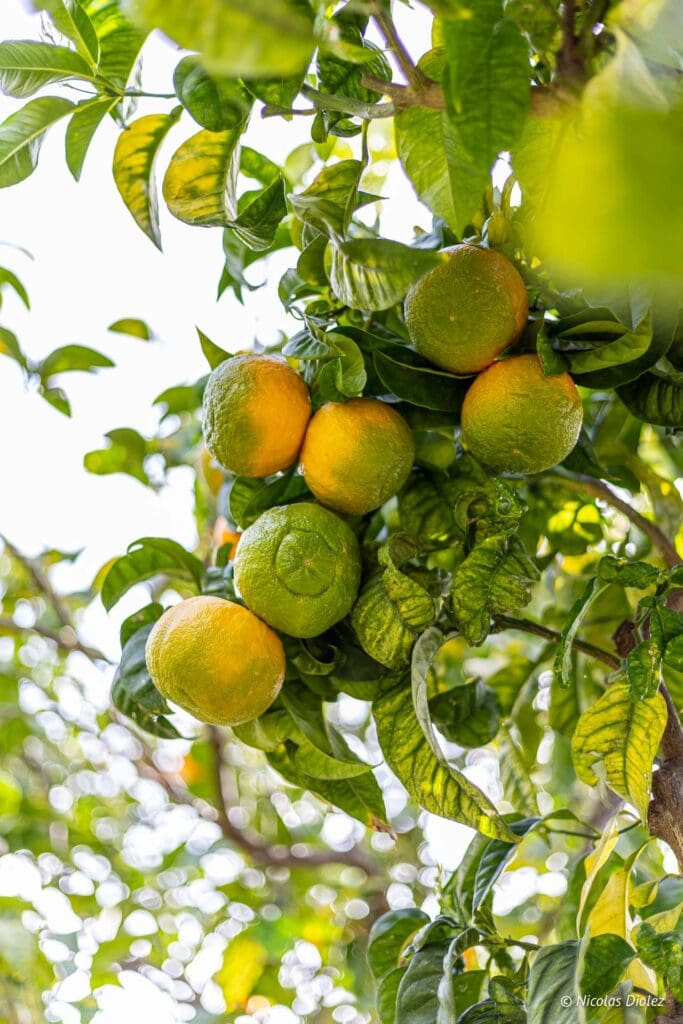
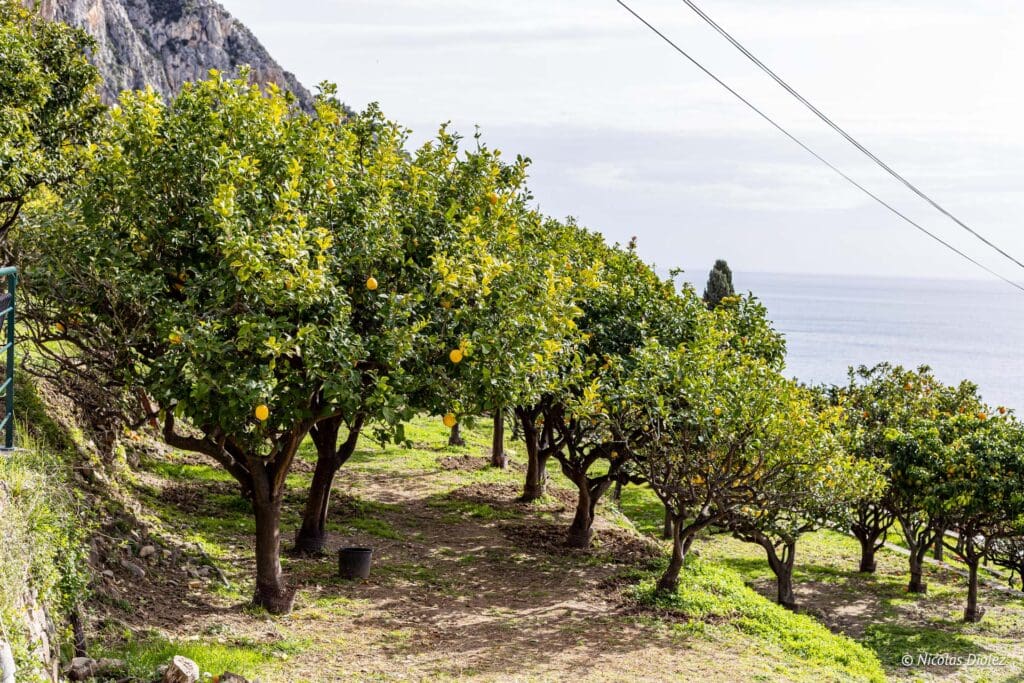
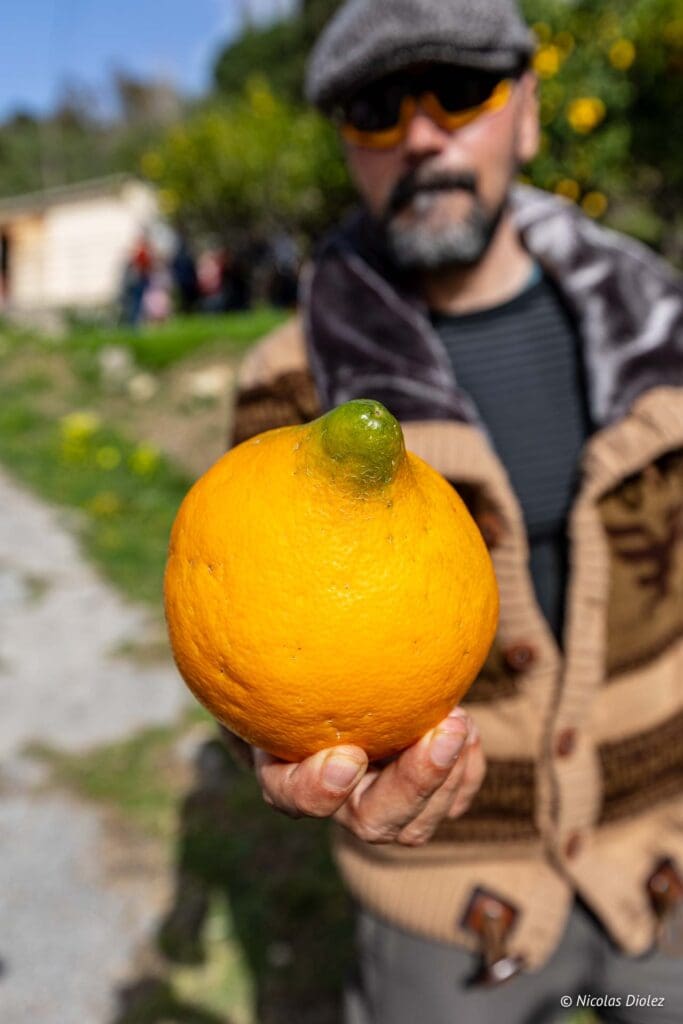
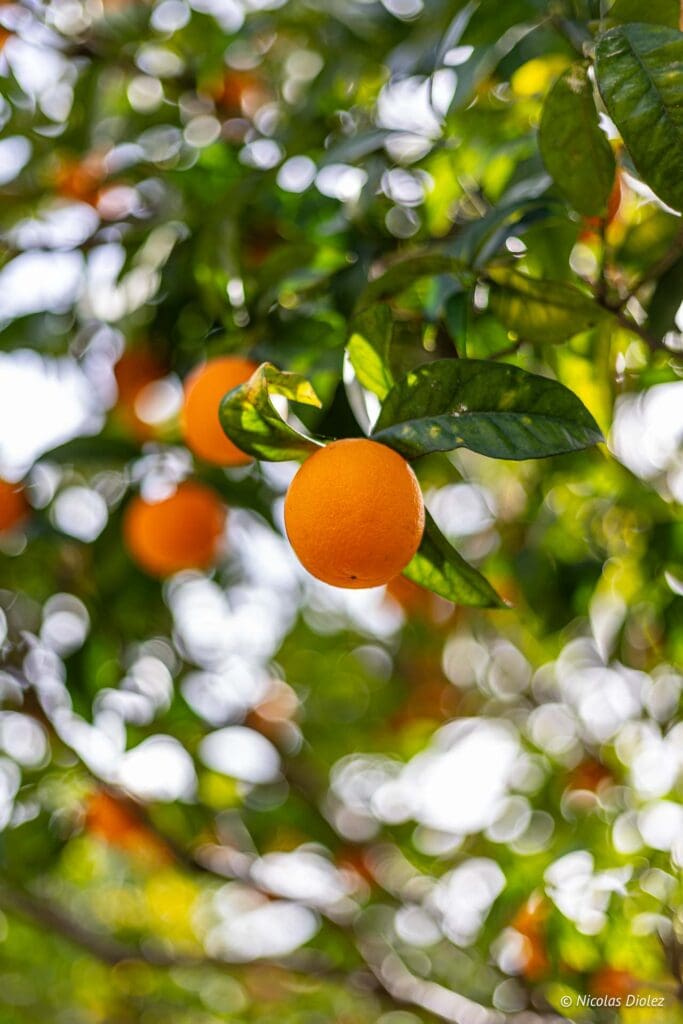
The Casetta is the municipal nursery of Menton that produces several varieties of citrus fruits. It is located on the heights of Garavan and is an exceptional place because it is protected by the mountain and overlooks the Mediterranean. It is a promotional orchard of about 1/2 hectare with a little more than 270 trees, 120 different species, and it has a botanical collection that has international recognition. Its goal is to introduce the public to its collection and it has no commercial purpose. The Casetta, associated with the Carnolès garden, actually holds the largest citrus collection in Europe!
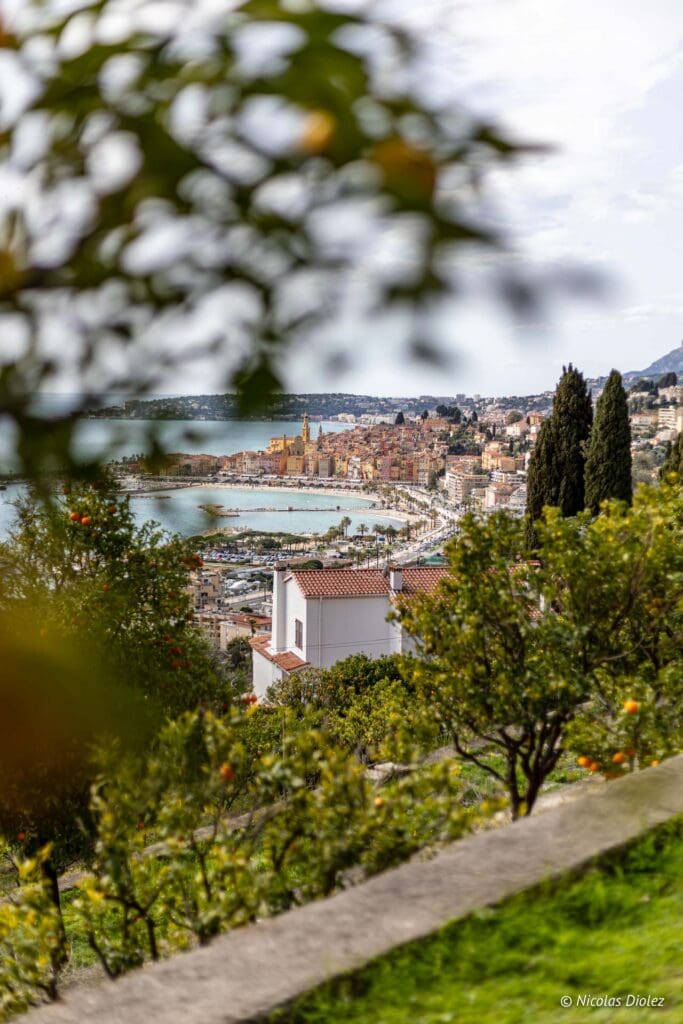
The Casetta
The good tip: visiting the Casetta for the public is possible only during the Menton Lemon Festival, so don’t hesitate to take advantage of it!
Producers and artisans around the Menton Lemon
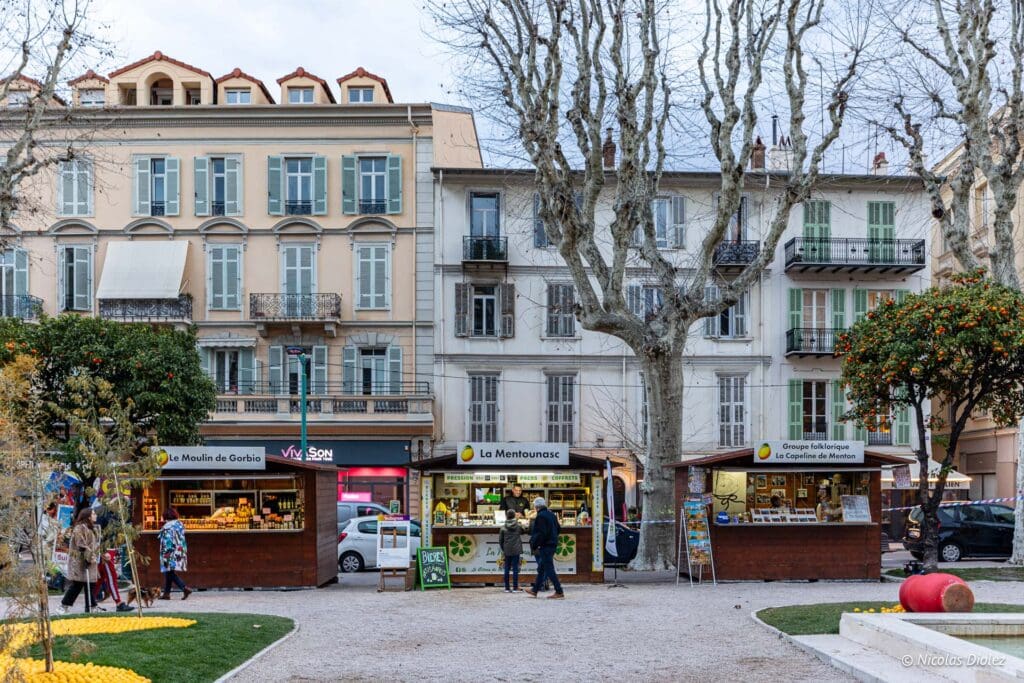
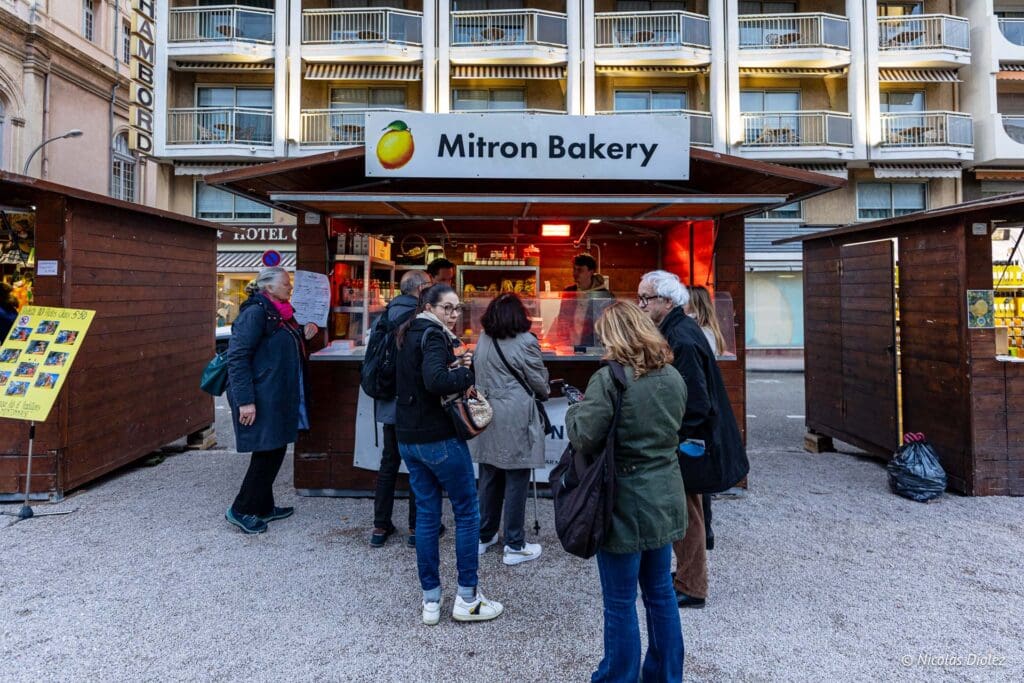
In addition to the citrus motif exhibition I mentioned above, in the Biovès gardens, you will also find small chalets of local and iconic producers of the city, who often offer products related to the Menton Lemon. I invite you to discover some of them, which we had the opportunity to explore, below.
_
Maison Gannac
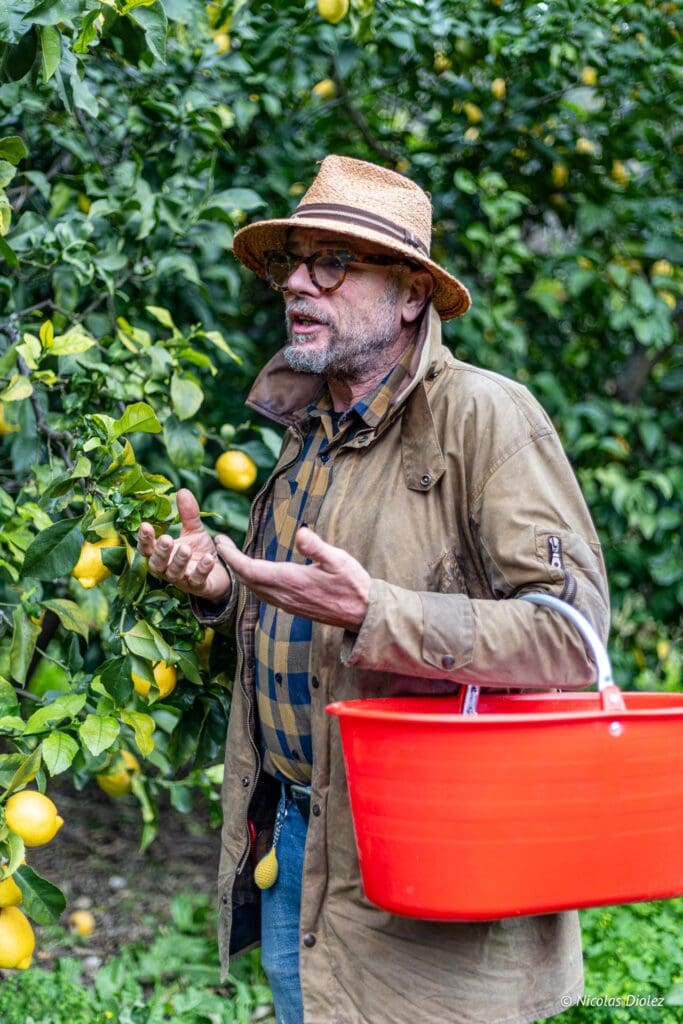
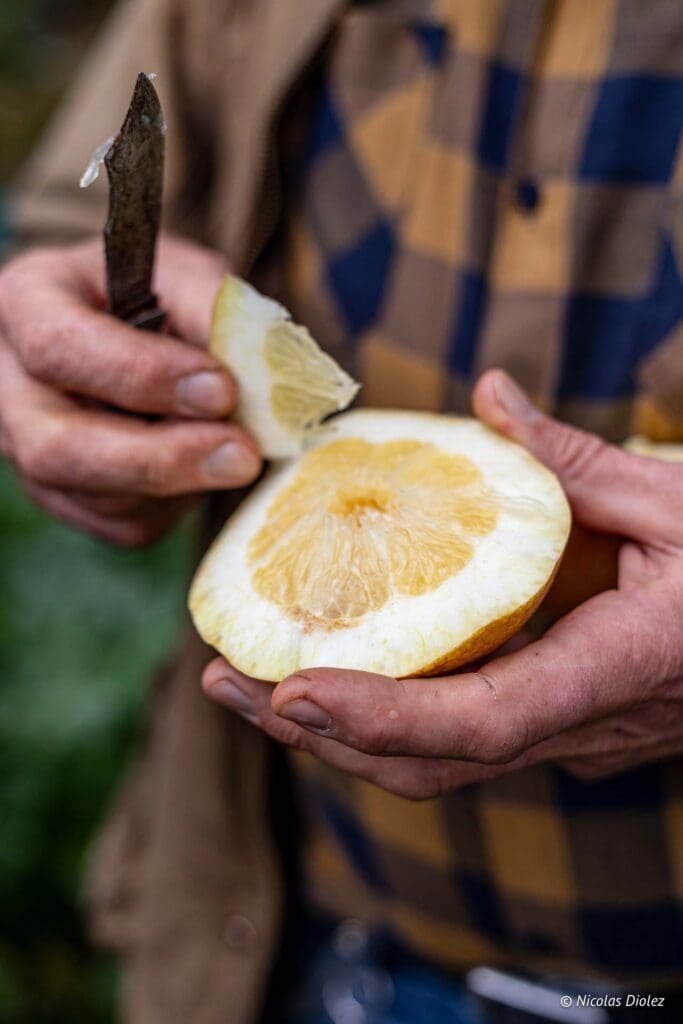
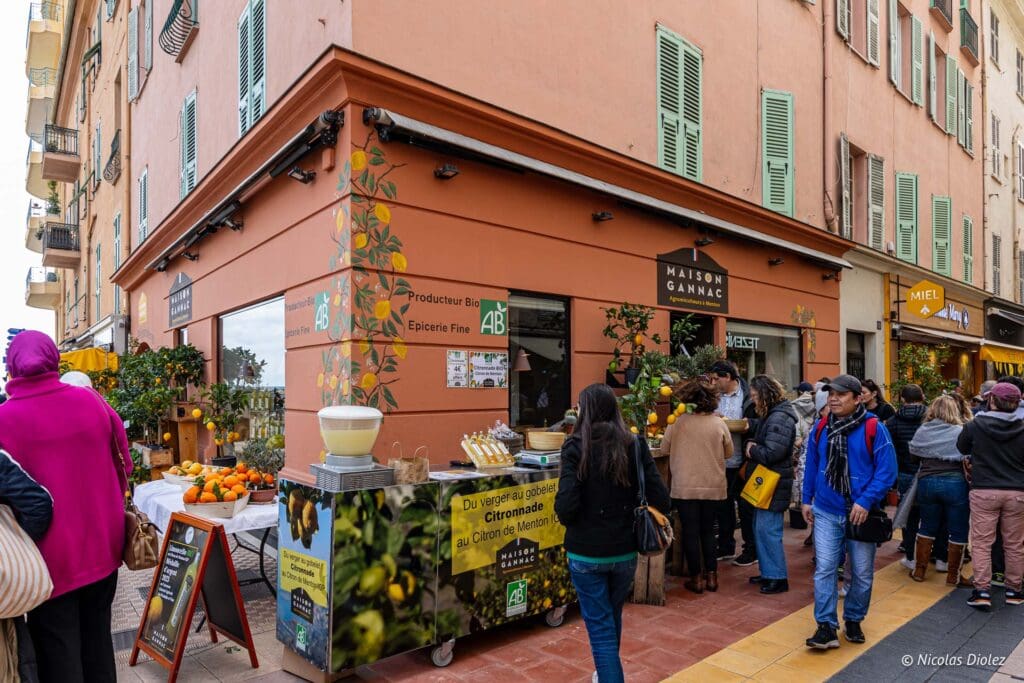
Maison Gannac is a family business of passionate and committed citrus growers from Menton, which has existed since 1991 and maintains about thirty species and varieties of citrus (Menton PGI Lemon, kumquat, yuzu, clementine, pomelo, citron…). And their fruits have been certified organic since 2015. The Maison Gannac estate includes 2.5 hectares spread over 7 orchards arranged on terraces (called “restanques”) where 800 trees are cultivated, and it constitutes one of the two largest productions of Menton Lemon. Today, the range of products from Maison Gannac includes about thirty fine grocery references, sold in the shop located in Menton or on the brand’s stand during the Lemon Festival.
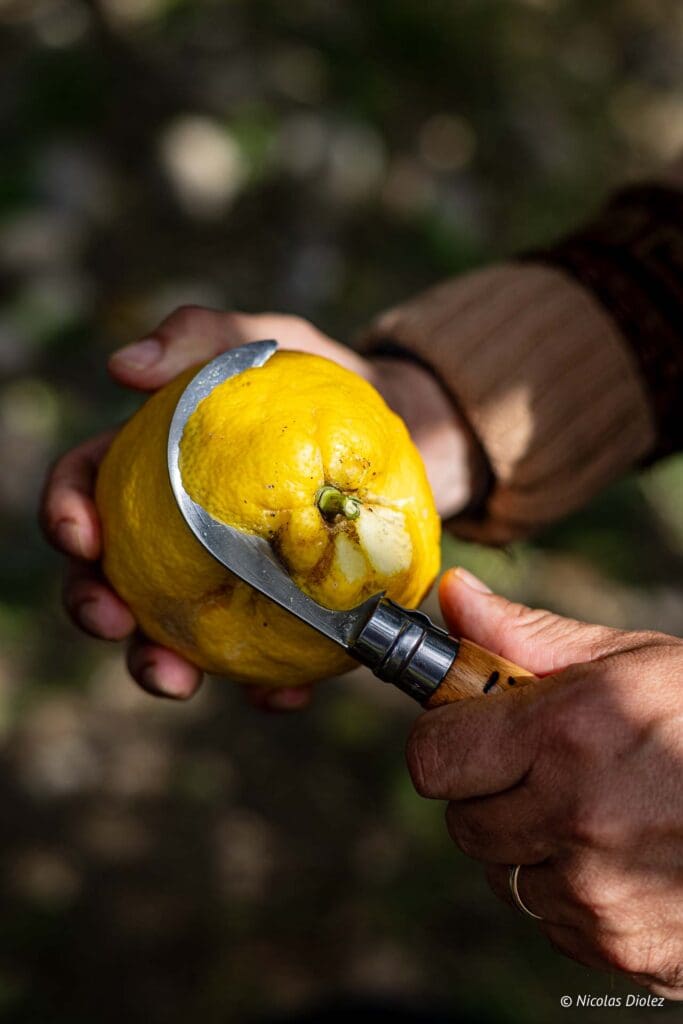
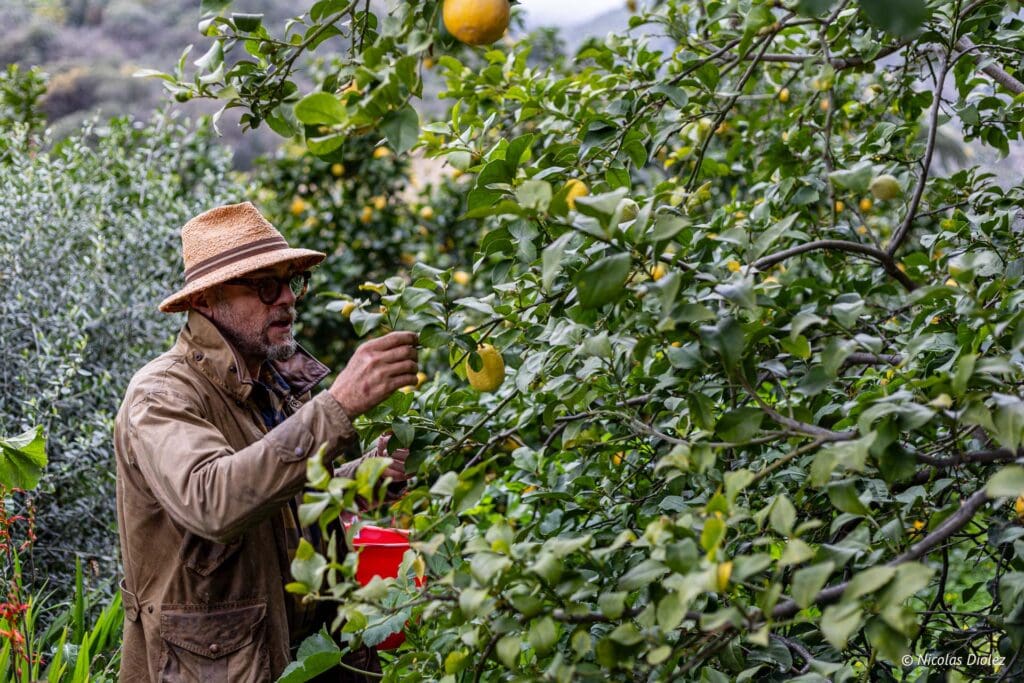
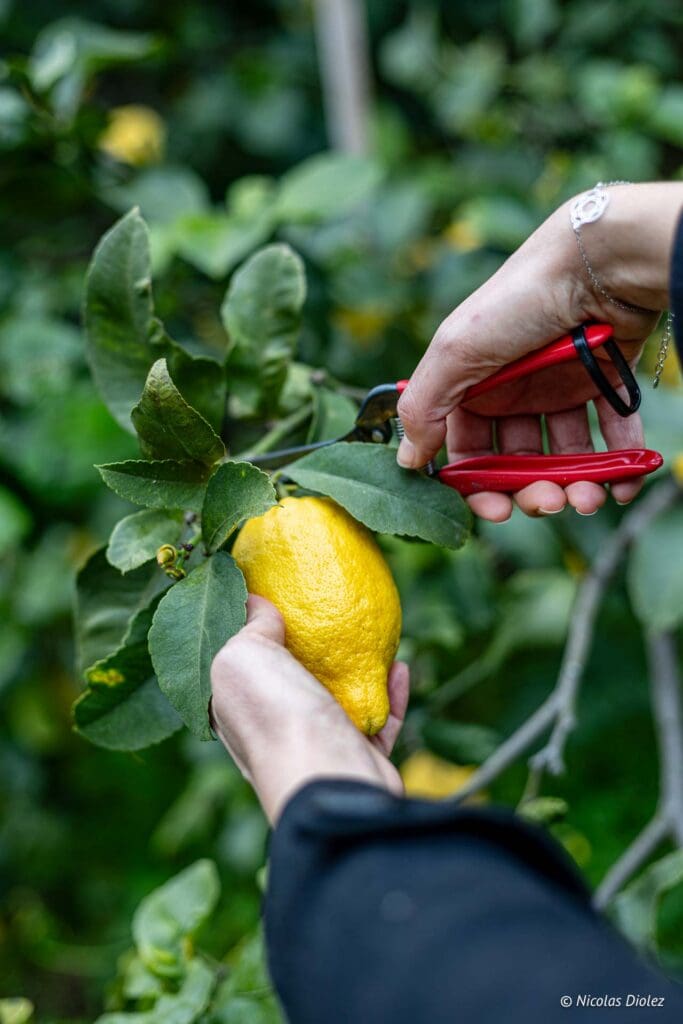
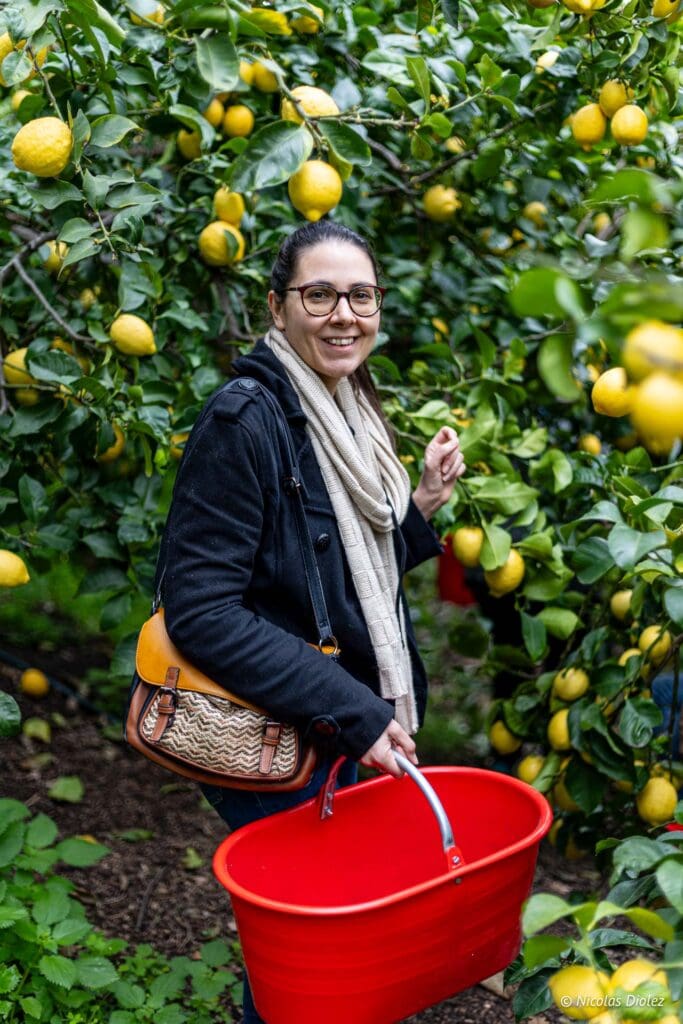
The oldest orchard of the Maison Gannac, located on the heights of Menton, is open to the public, and that is where we went to do a short tour/workshop. This workshop begins with a reminder of the history of citrus and the Menton Lemon. We then walk around the orchard to learn how to pick the lemons during a citrus pruning workshop, and the visit naturally ends with a tasting.
Maison Gannac
10 rue Saint-Michel, 06500 Menton (shop)
2970, route de Super Garavan, 06500 Menton (estate with free or guided tours)
_
The Gorbio Mill
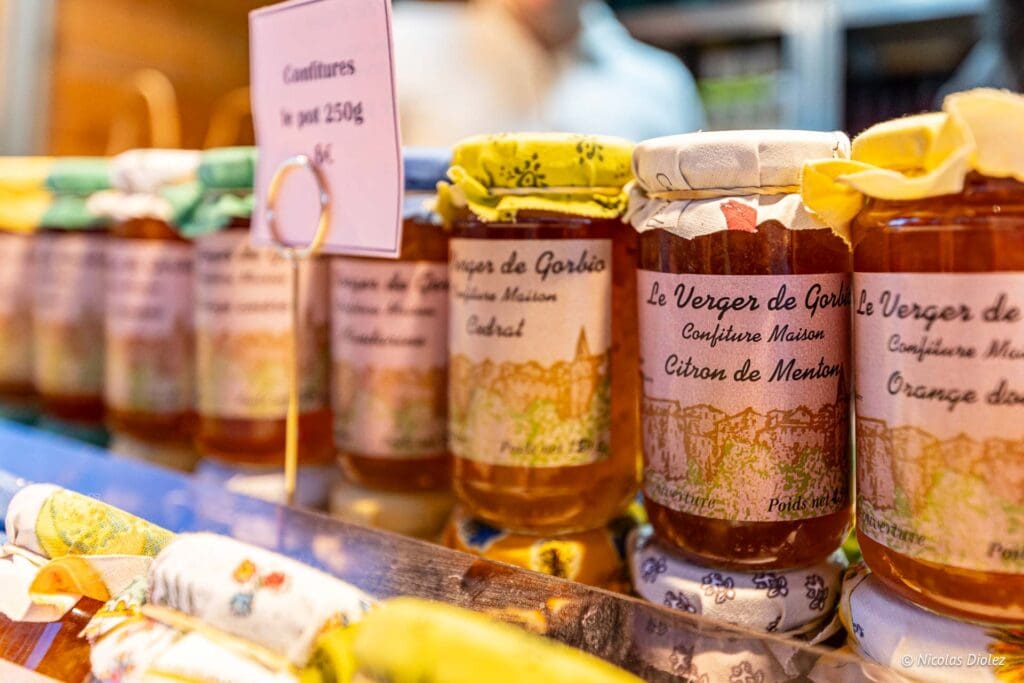
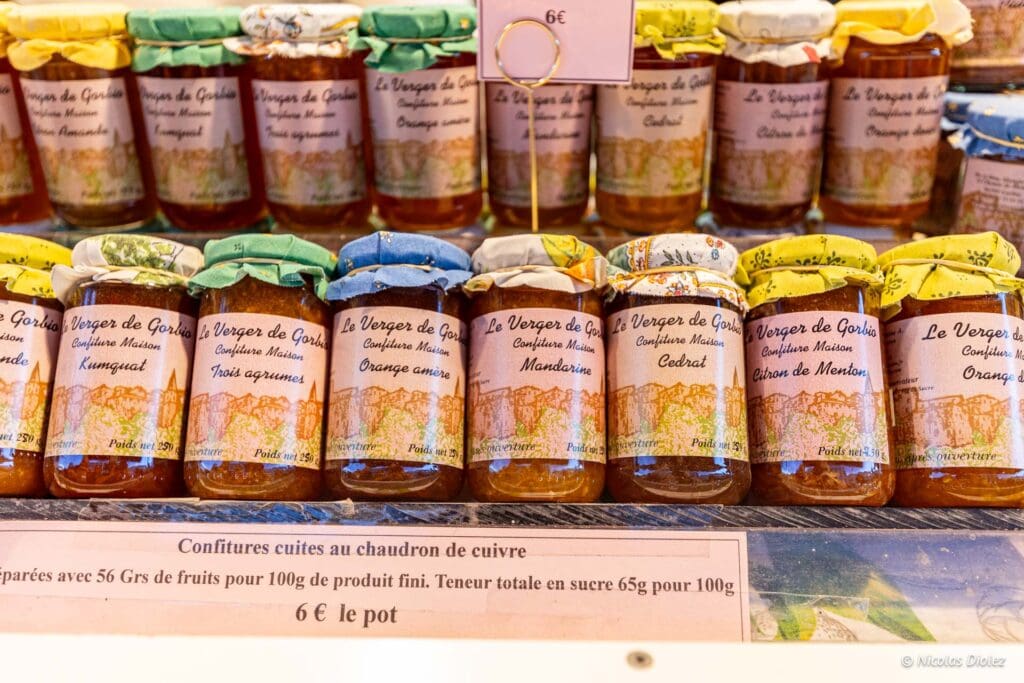
This producer located in a village in the Menton hinterland has been operating for several generations in the cultivation of olive trees, citrus, fruits, and vegetables. It has a family oil mill that allows it to produce a quality extra virgin olive oil, as well as their creation since 1998, Citrolive, a culinary preparation of olive oil with Menton lemons. Do not miss tasting their jams and jellies, cooked in a copper cauldron, especially those with lemony notes and citrus blends.
The Oil Mill of Gorbio
64 chemin de Menton 06500 Gorbio
_
Craft brewery la Mentounasc
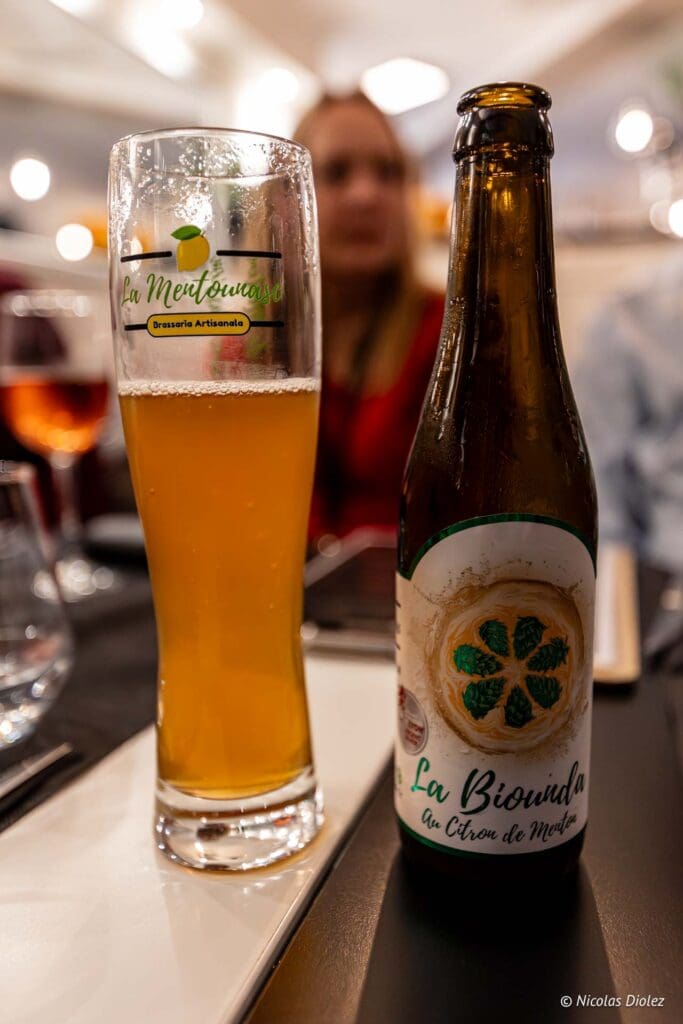
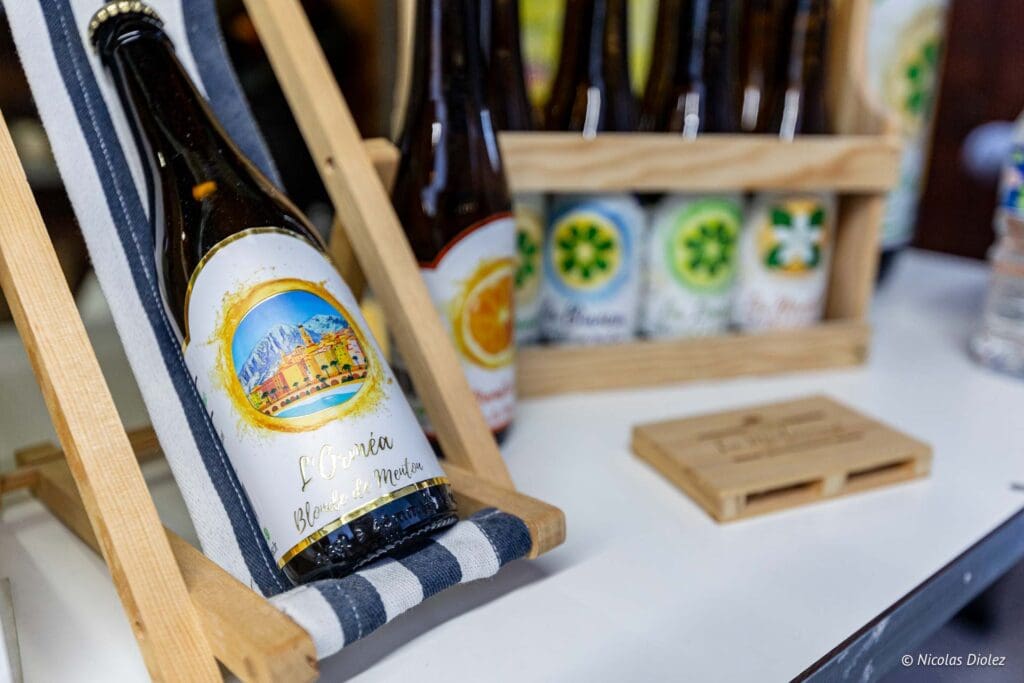
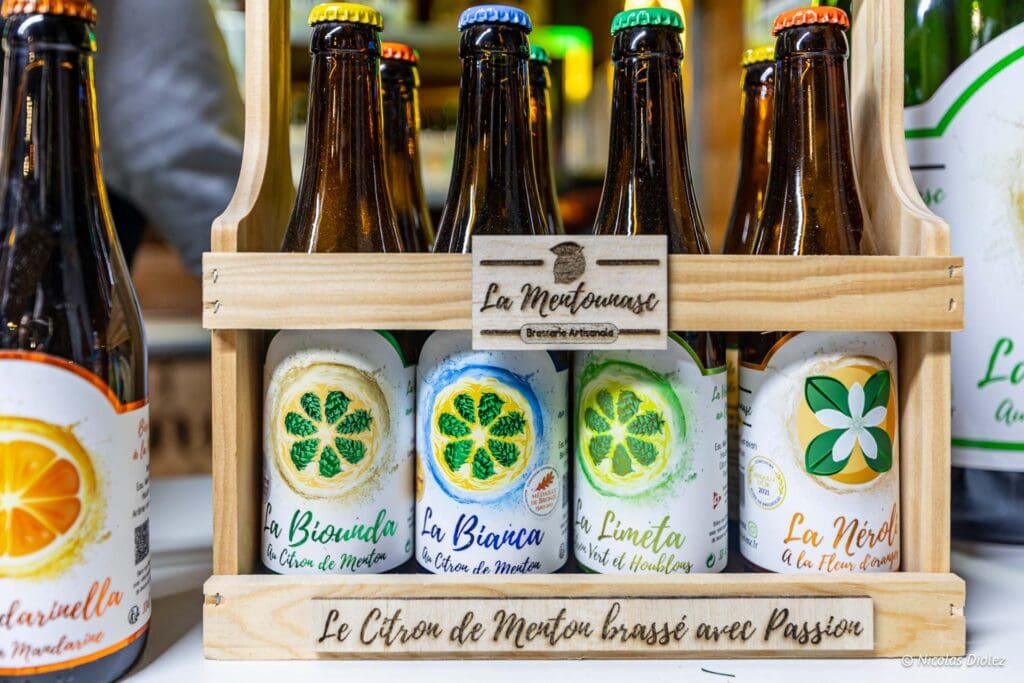
Do not miss the beers from this craft brewery, brewed in Menton. This craft beer brand is the story of three thirty-year-old friends who decided to dive into the world of craft beers. Their beers are brewed traditionally and artisanally, without artificial additives, using aromatic malts and hops. They are unfiltered and unpasteurized beers so that they can express all their flavors.
They offer a range of beers made with Menton Lemon zests (blonde La Biounda or white La Bianca), but also an IPA with lime (La Limeta), an amber beer with mandarin (La Mandarinella), or even a white beer with orange blossom (La Neroli). Their beers are, in any case, very good, and I recommend you taste them, or even bring some back, because they can only be found in the region!
Craft brewery la Mentounasc
13 bis Route de Sospel 06500 Menton
The good tip: the brewery can be visited the rest of the year!
_
Au Pays du citron
This brand has several shops in Menton, Cannes, and Lyon. It was created in 2008 by a passionate couple, Sonia and Fabrice Puech, and it is obviously specialized in products around the Menton Lemon. You will also find their shop in the city center, in the heart of the pedestrian street of Old Menton. It offers a very large variety of products: Menton Lemon liqueur, mandarin liqueur, mandarin honey, jams, olive oil, mustard…
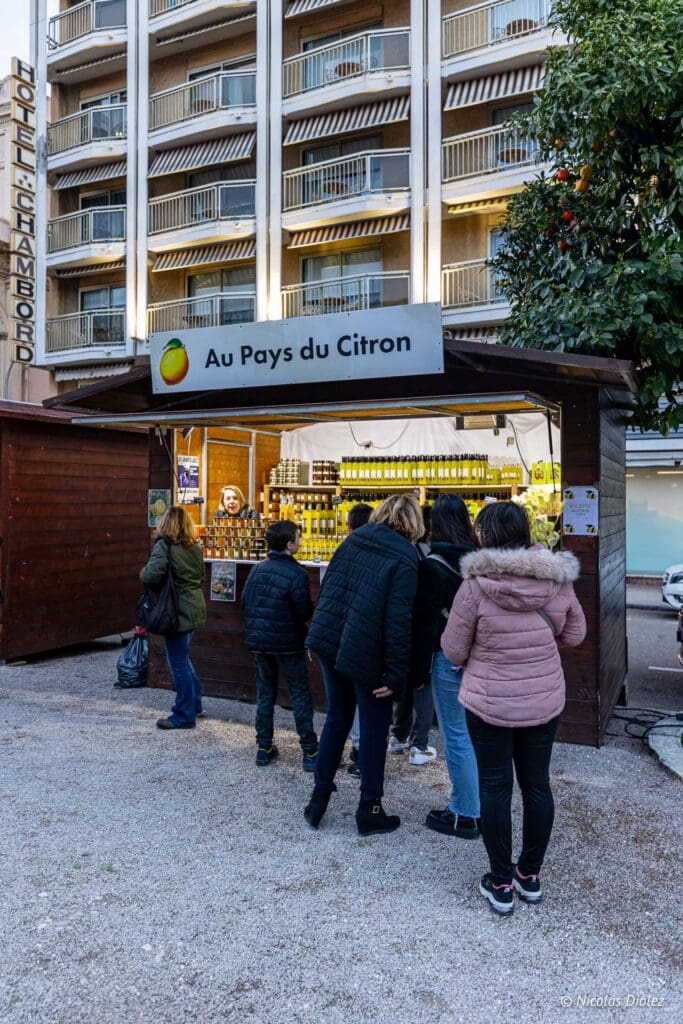
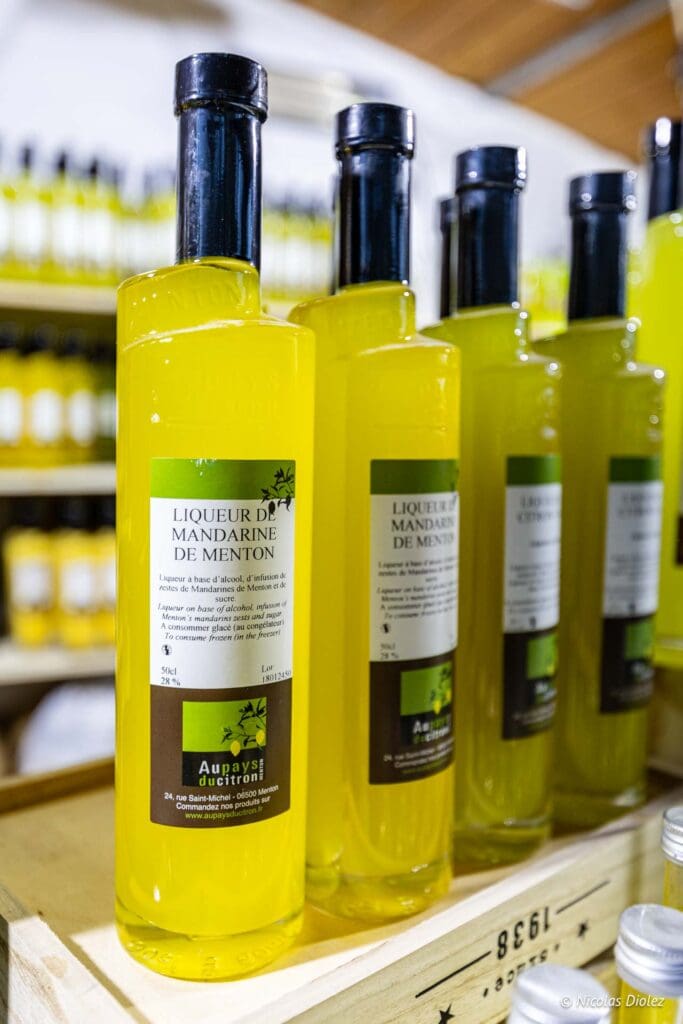
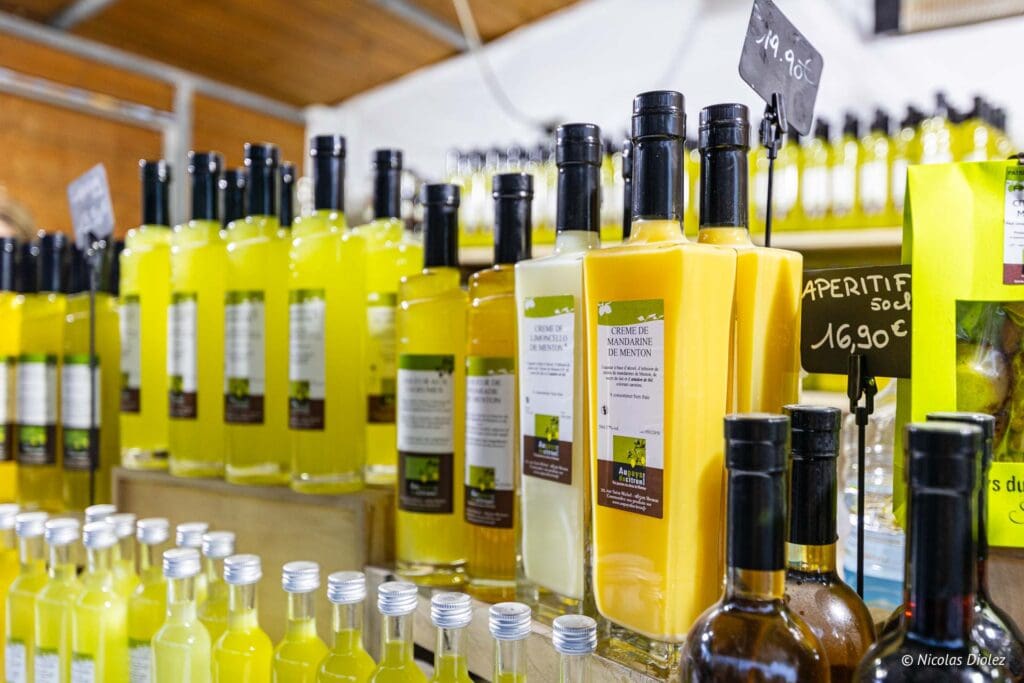

Au Pays du Citron
22, rue Saint-Michel 06500 Menton
_
Huilerie St Michel
Created in 1896 in Menton, this oil mill is a family business that has been perpetuating know-how in the field of olive oil for four generations (mainly with the Caillette olive variety). It offers a whole original range of flavored olive oils, including an olive oil with Menton Lemon and ginger. The company is also very well known for its collaborations with great chefs.

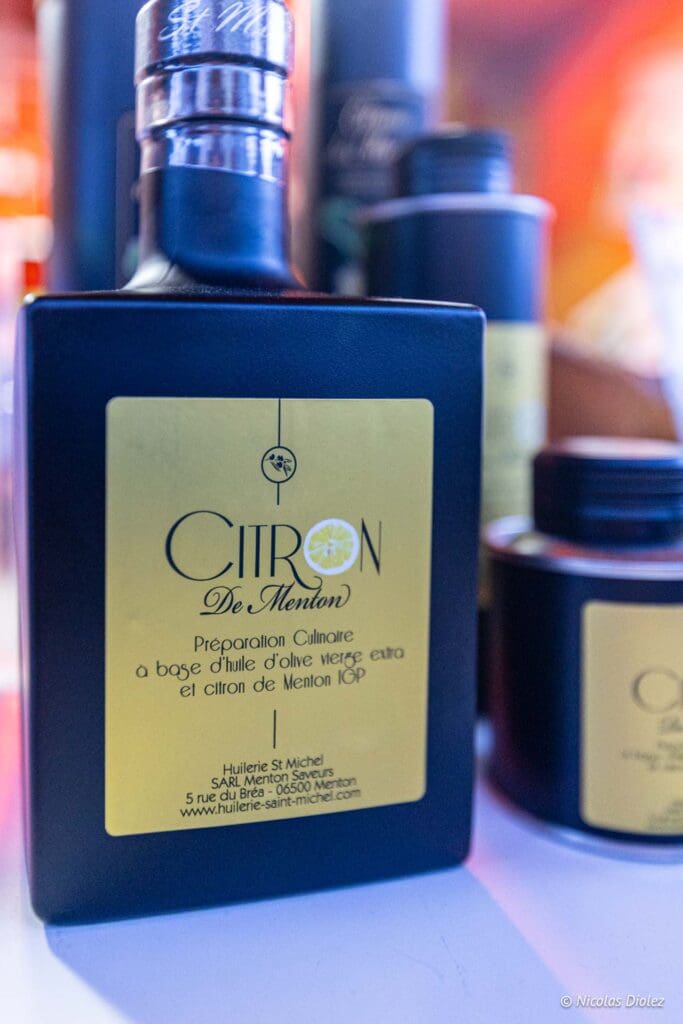
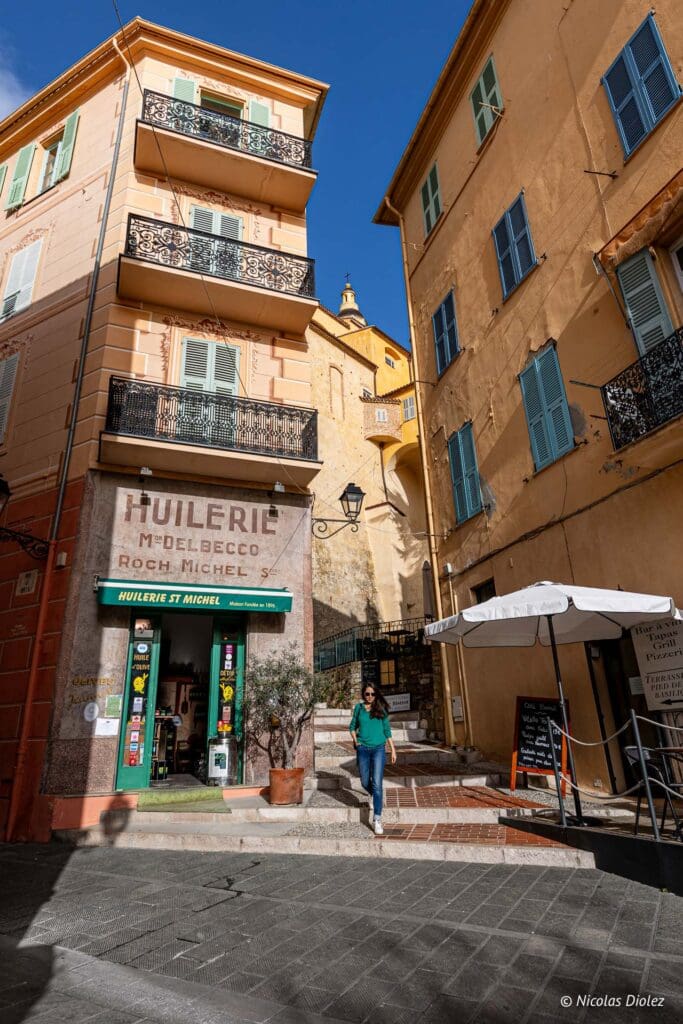
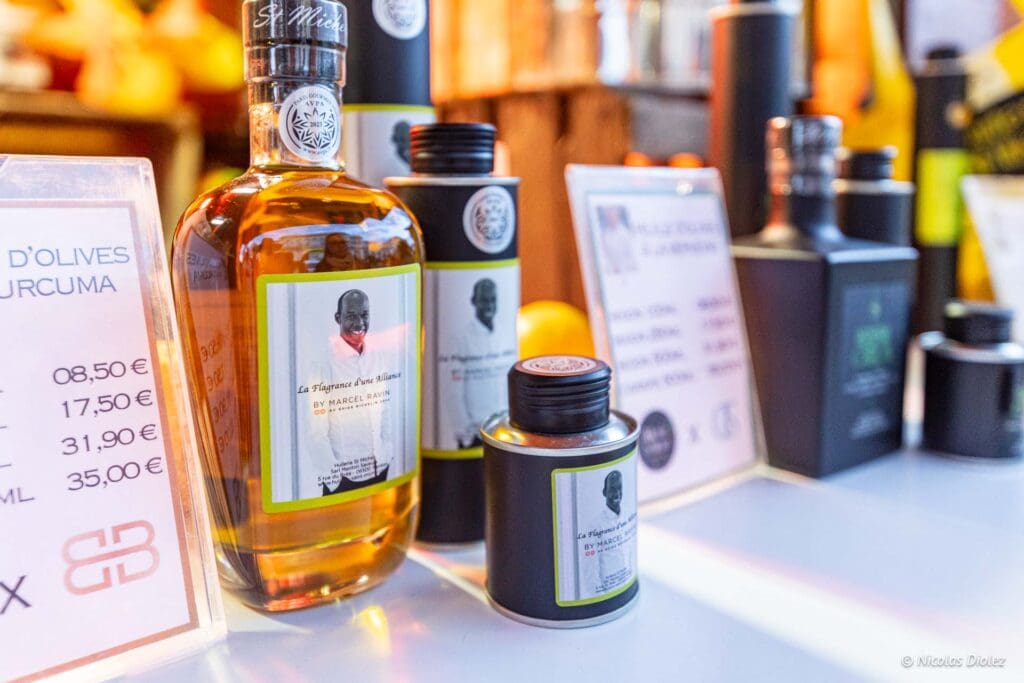
Huilerie St Michel
5 Rue de Bréa, 06500 Menton
Citrus Menus at restaurants during the Lemon Festival
During the Lemon Festival, most restaurants in Menton offer special menus for the occasion centered around the lemon and the Menton Lemon, of course! Below are some menus from the addresses we had the opportunity to test during our visit in 2024.
_
Pecora Negra
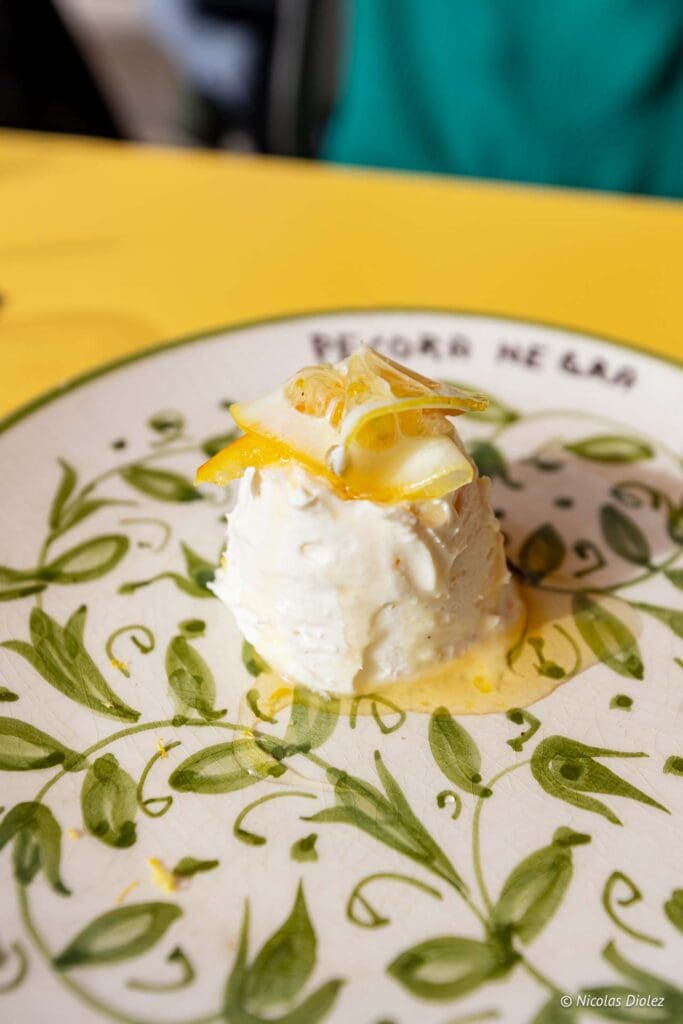
An annex of the very famous three-Michelin-starred restaurant, Mirazur, Pecora Negra offers pizzas with the utmost simplicity. These are made with good local products (the menu is signed by the starred chef Mauro Colagreco) and are very well made. During the Lemon Festival, the address obviously offers a special menu centered around the Menton Lemon.
On the 2024 menu program (price €29): Limoncello spritz; orange and garden herb salad; lemon pizza (with fennel, mozzarella, and a slice of Menton PGI Lemon) or Cetara and candied lemon pizza, or 3-cheese pizza with Menton Lemon zests; citrus, orange, mandarin, and lemon panna cotta.
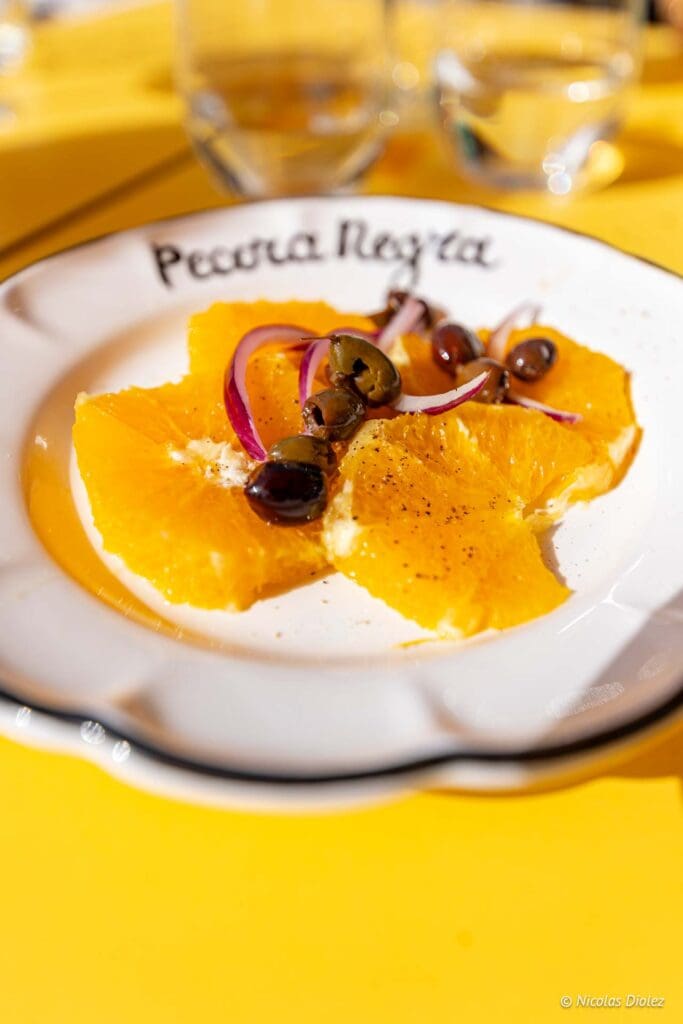
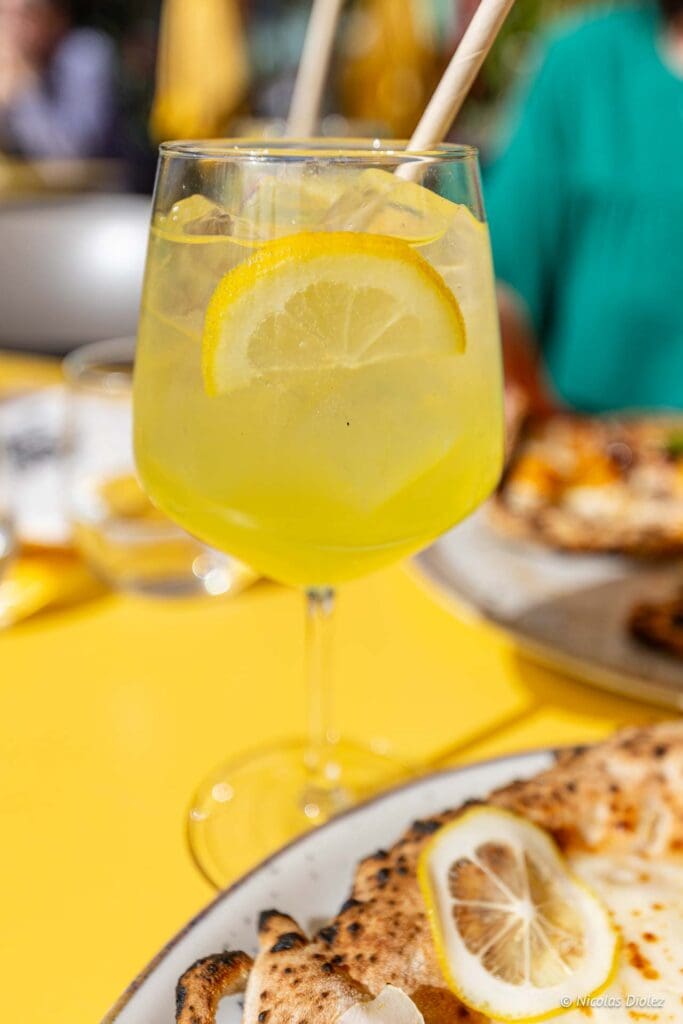
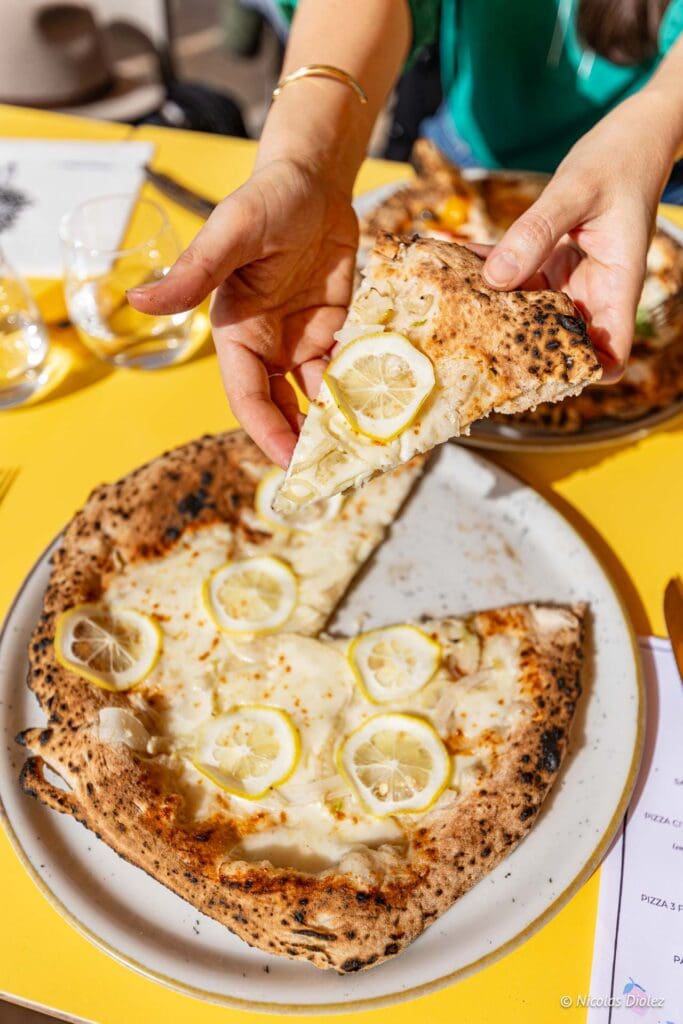
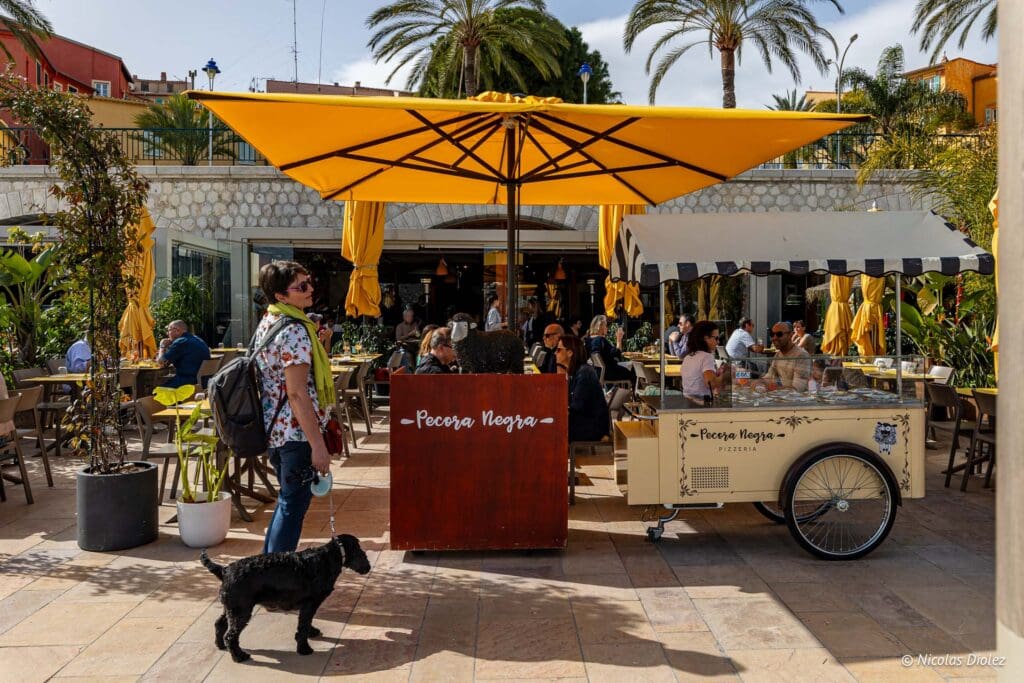
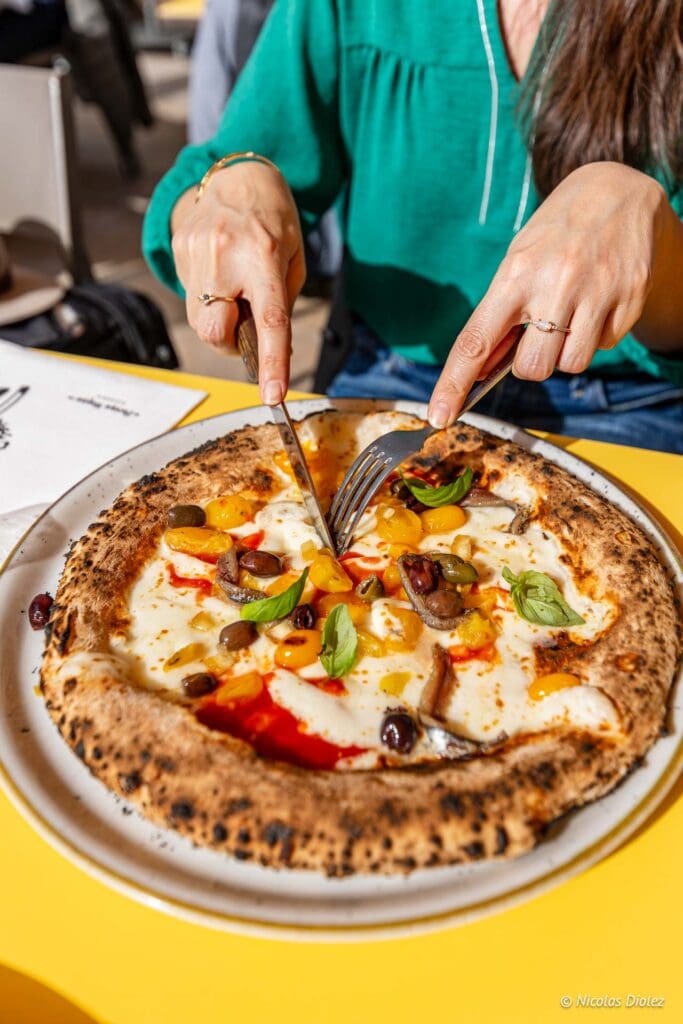
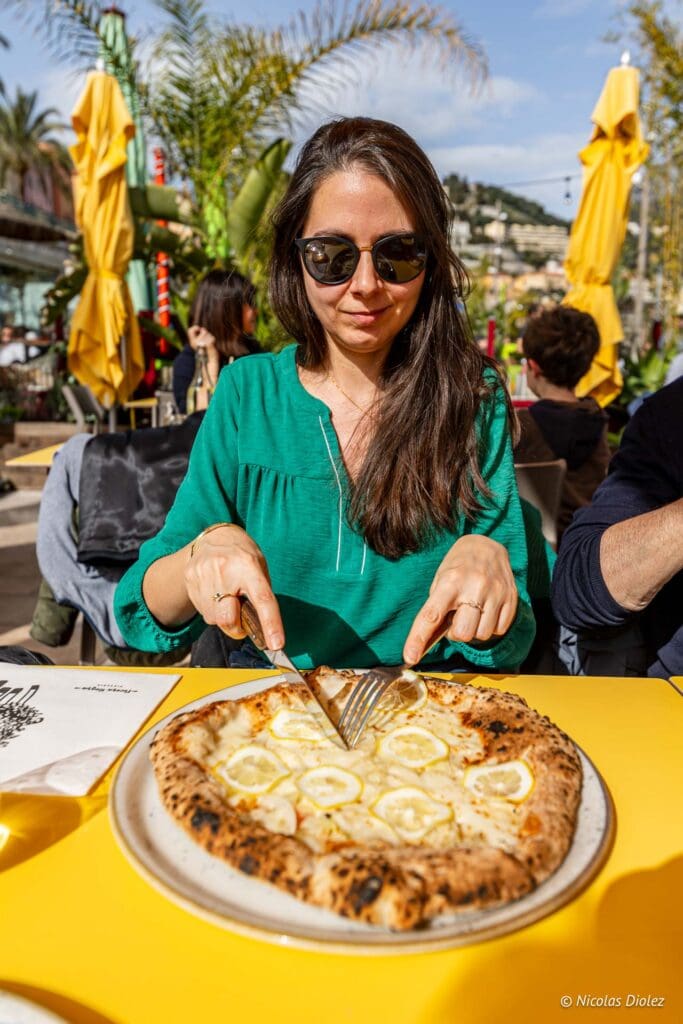
Pecora Negra
Quai Gordon Bennet 06500 Menton
_
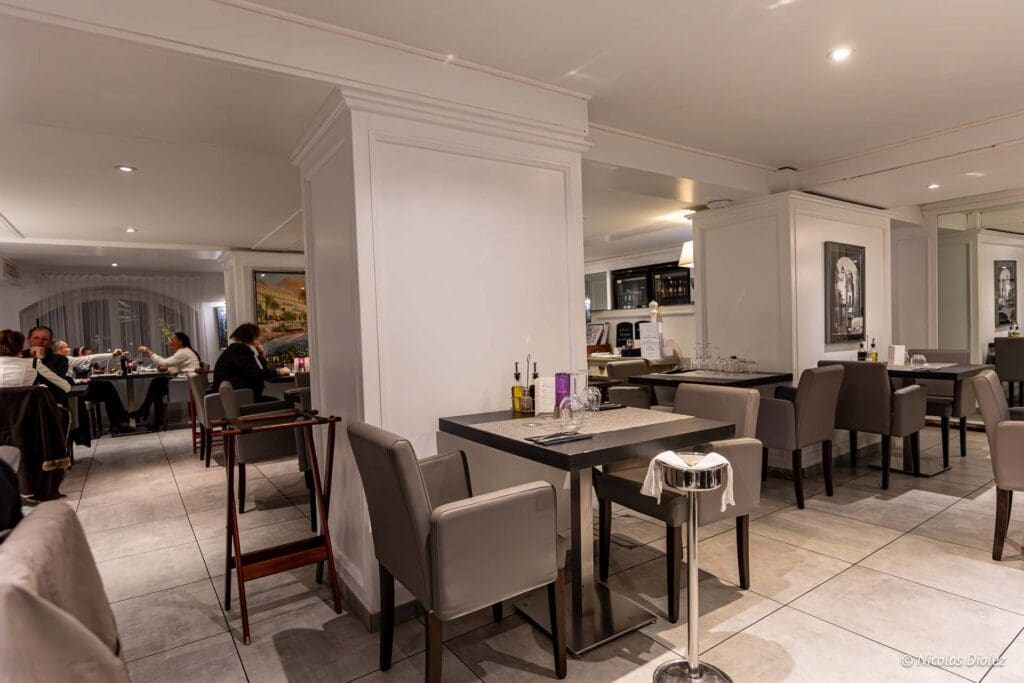
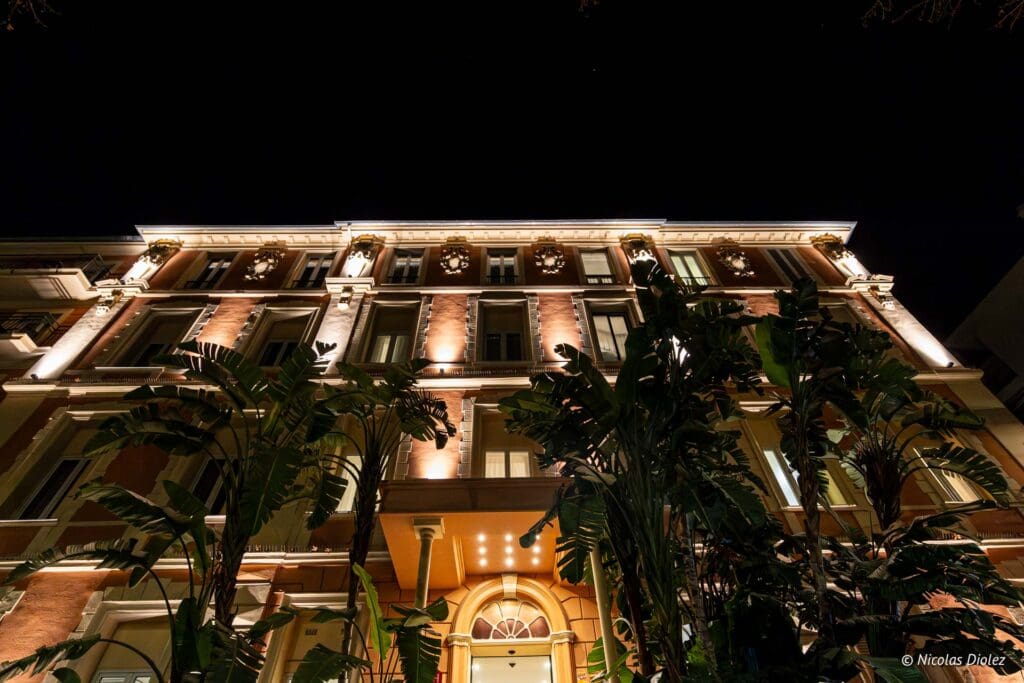
Le Petit Prince, restaurant of the Prince de Galles hotel
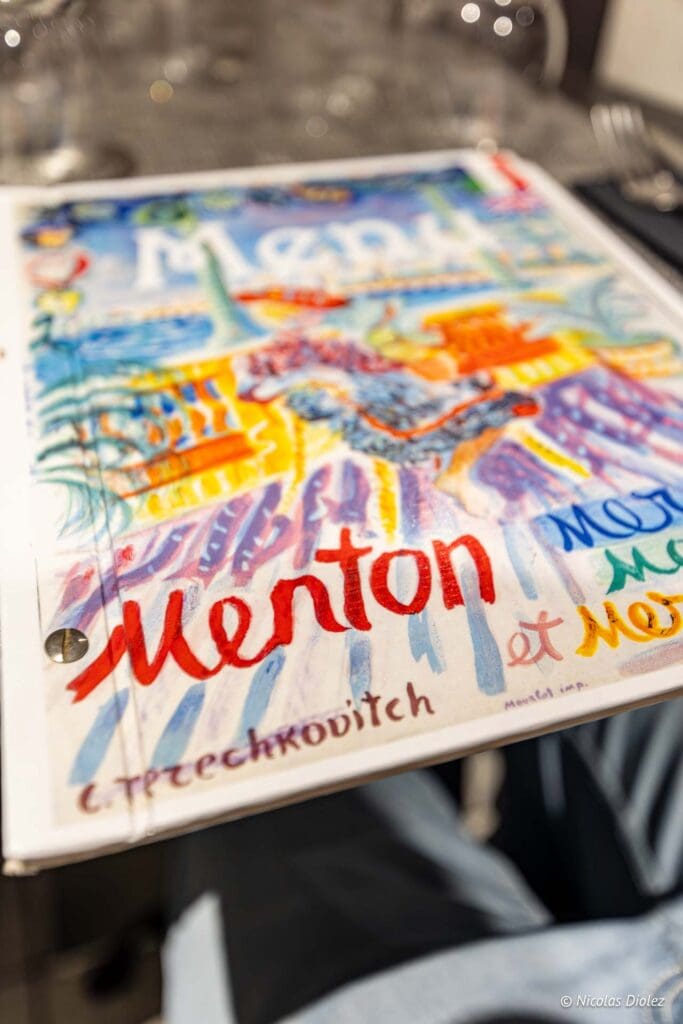
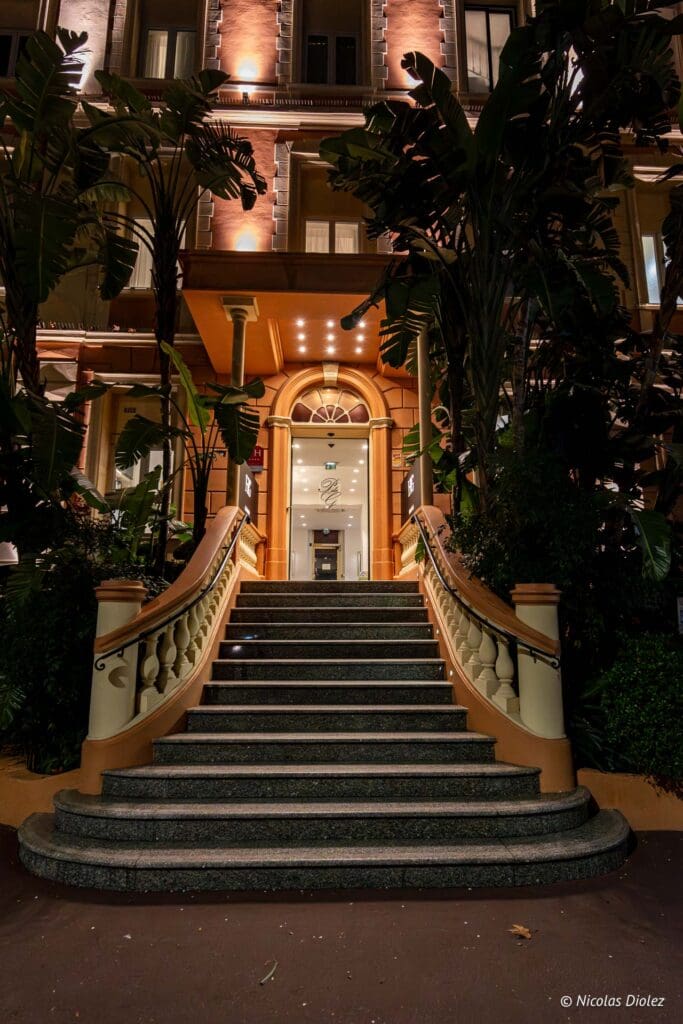
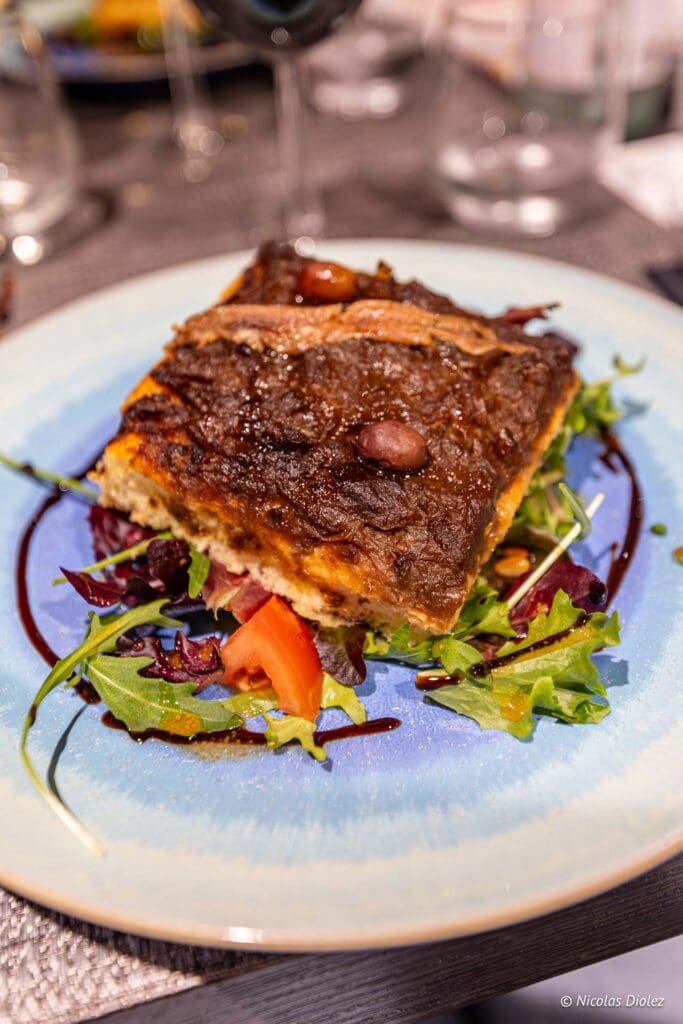
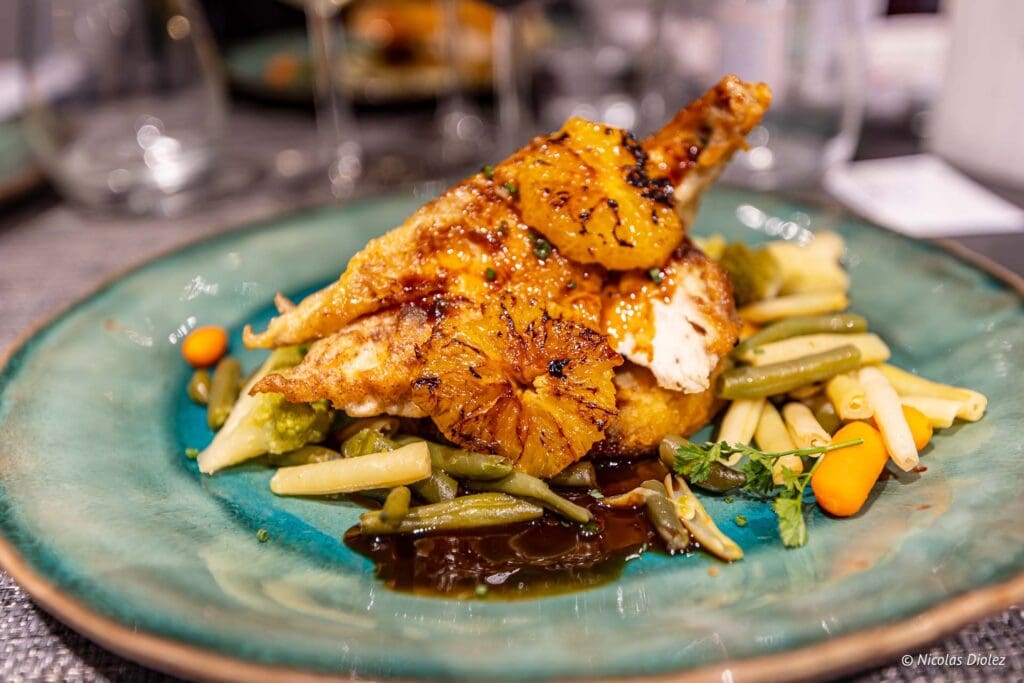
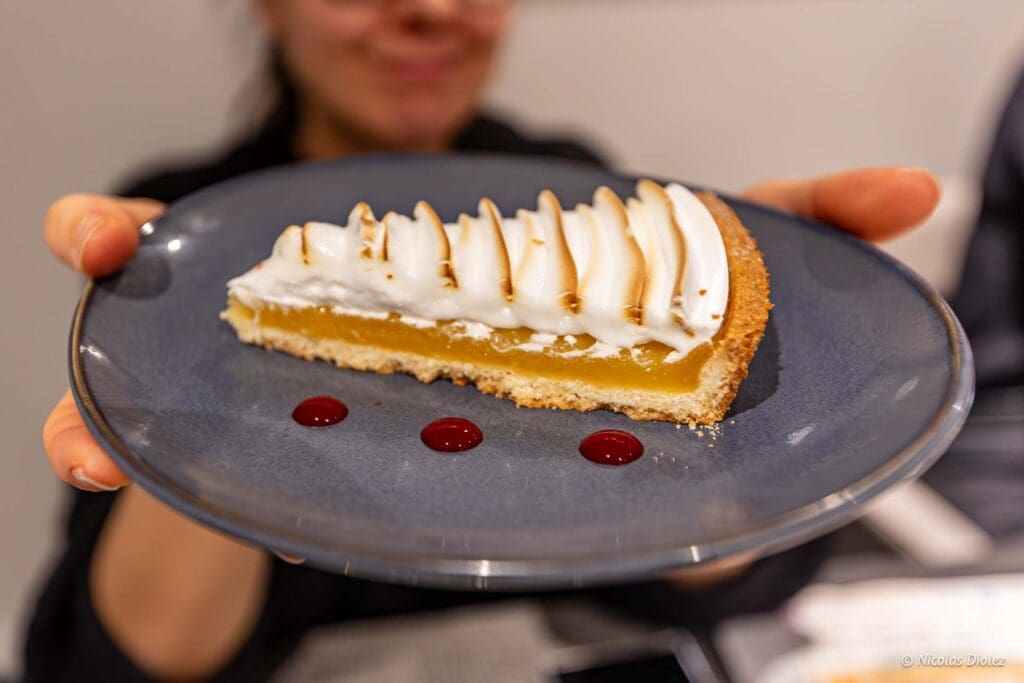
This restaurant is located in the Best Western Prince de Galles hotel, which is situated by the sea in a magnificent historic listed building. On the special Lemon Festival menu program: Menton pichade; farmhouse poultry supreme with citrus sauce; lemon tart for dessert.
Le Petit Prince
69 promenade du Soleil, 06500 Menton
Price: menu with appetizer + main course + dessert at €32
–
Thanks to the Menton Riviera Merveilles Tourist Office for their invitation to discover the Menton Lemon Festival.
I hope that with all this, I have made you want to visit Menton, and if you also have your own tips and advice for this destination, don’t hesitate to share them in the comments below!
Photo credits: Nicolas Diolez
Photos not royalty-free, photographer's authorization mandatory before any use