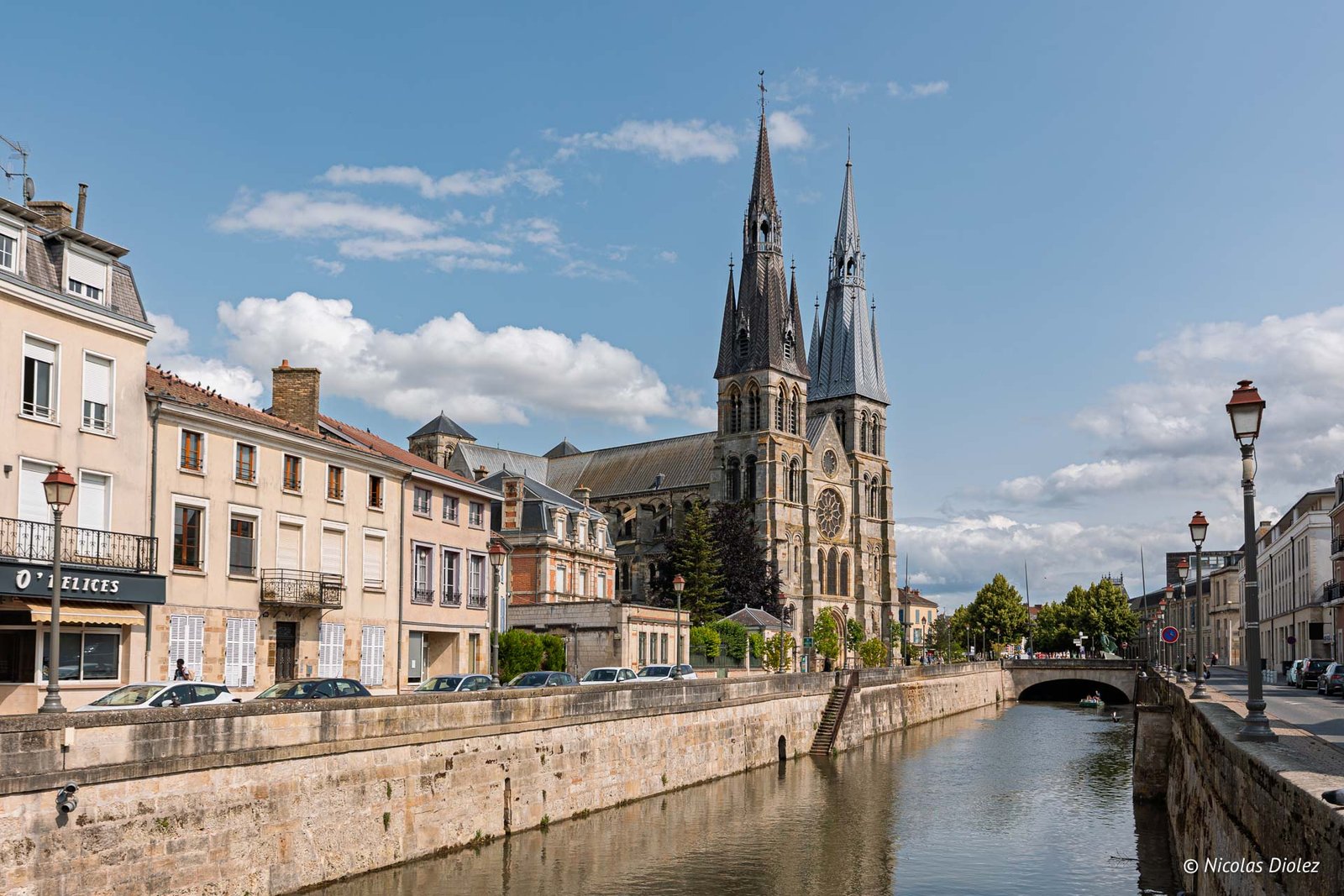
What a pleasure it is to set off and discover a local French product such as cognac. This article brings together a 3-day getaway around the town of Cognac in Charente (Nouvelle-Aquitaine) to uncover the secrets behind the production of this famous grape brandy as well as other spirits, which we did in February 2020, along with another trip in July 2025 (so we were able to experience the destination in both winter and summer). I was particularly happy with these discoveries because before 2020, I didn’t know the town of Cognac at all, and I am always hungry for new discoveries, as you well know. Cognac is truly a story of lineage, and I discovered during these trips that it represents a legacy passed down conscientiously and lovingly by men who are no longer with us today. It is, so to speak, quite moving in the end.


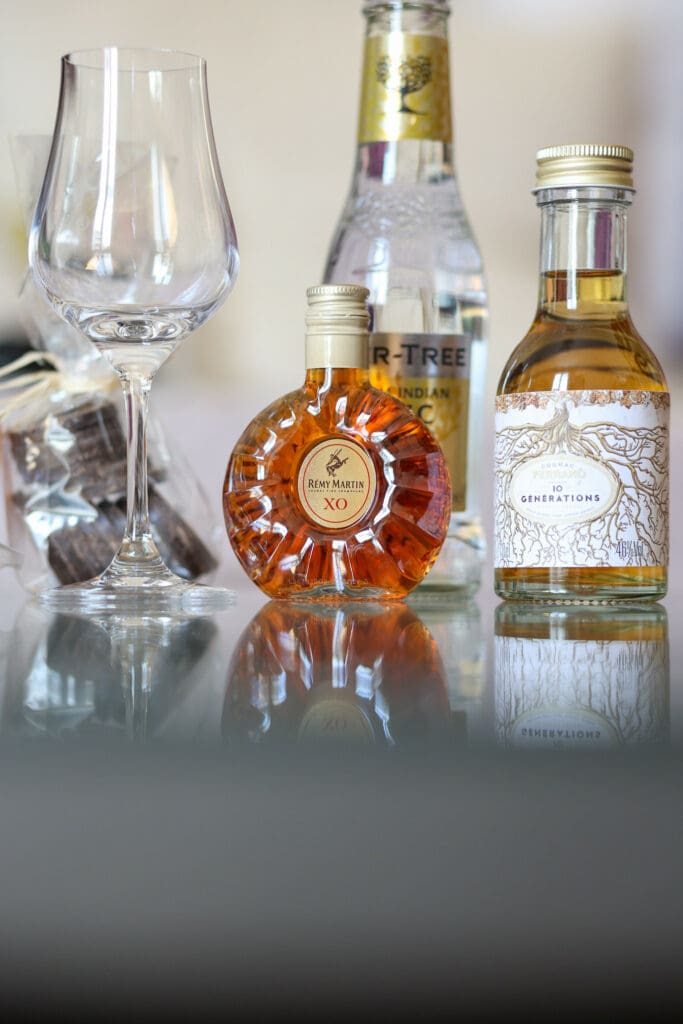

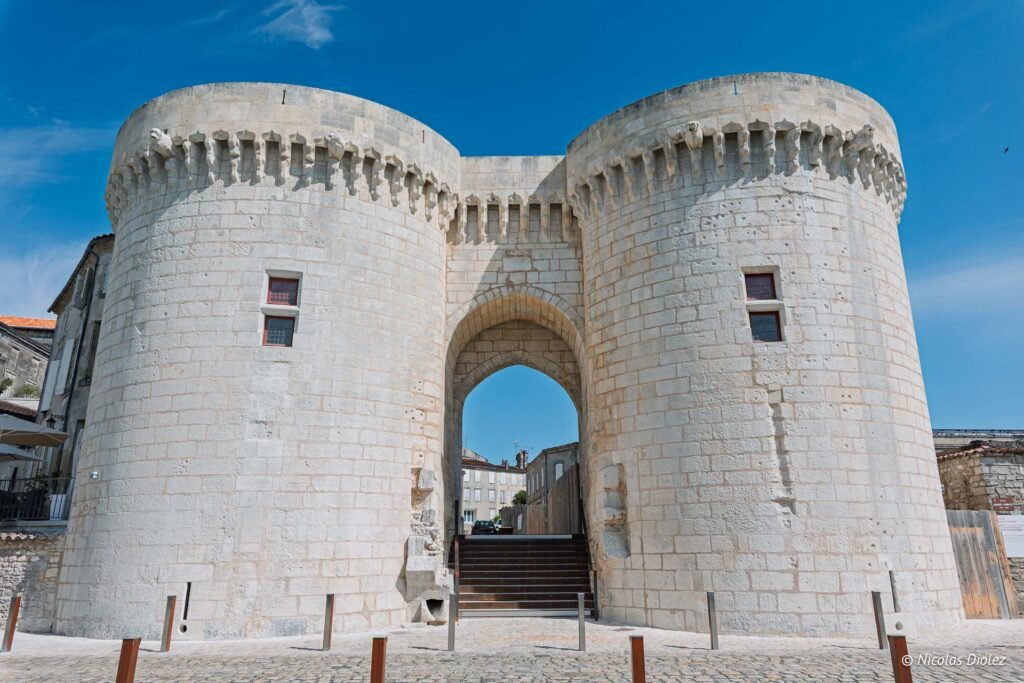

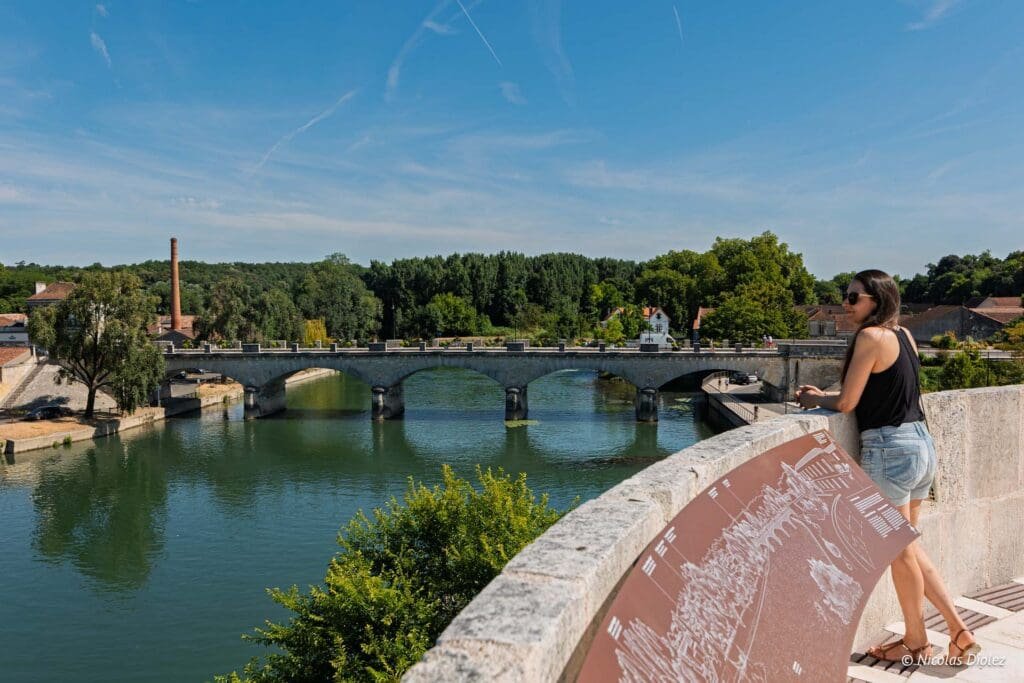
Table of Contents
Visiting the town of Cognac: what to see and what to do!
By train from Paris, count on about 2h30 by TGV from Montparnasse station to Angoulême. Then you must take a TER train to Cognac station or take a taxi (or rent a car) to Cognac (about 45 minutes travel time).
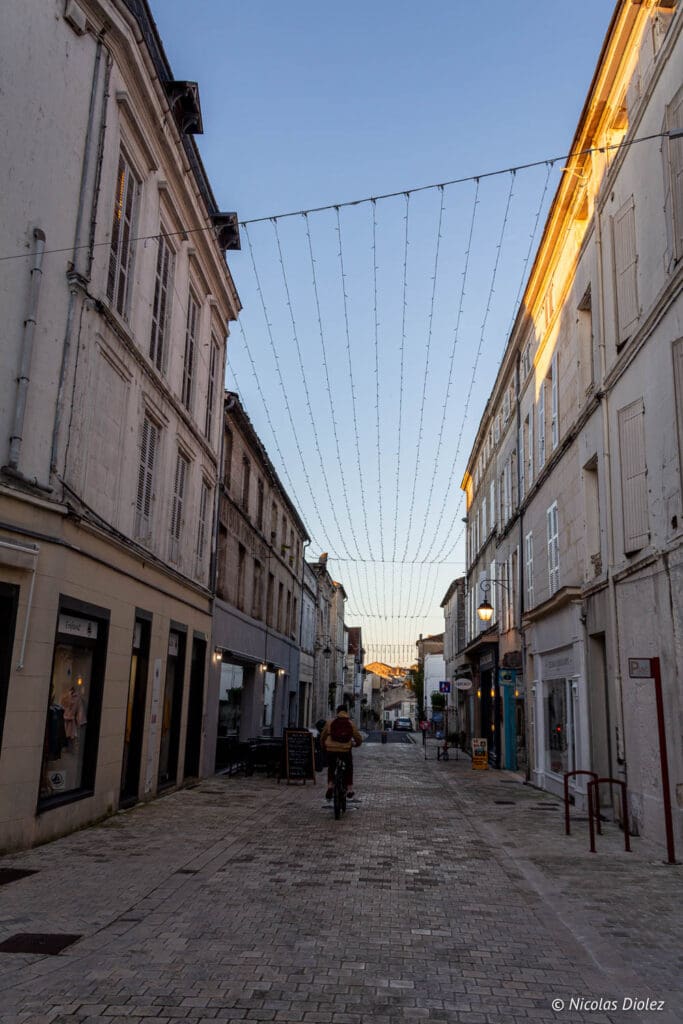
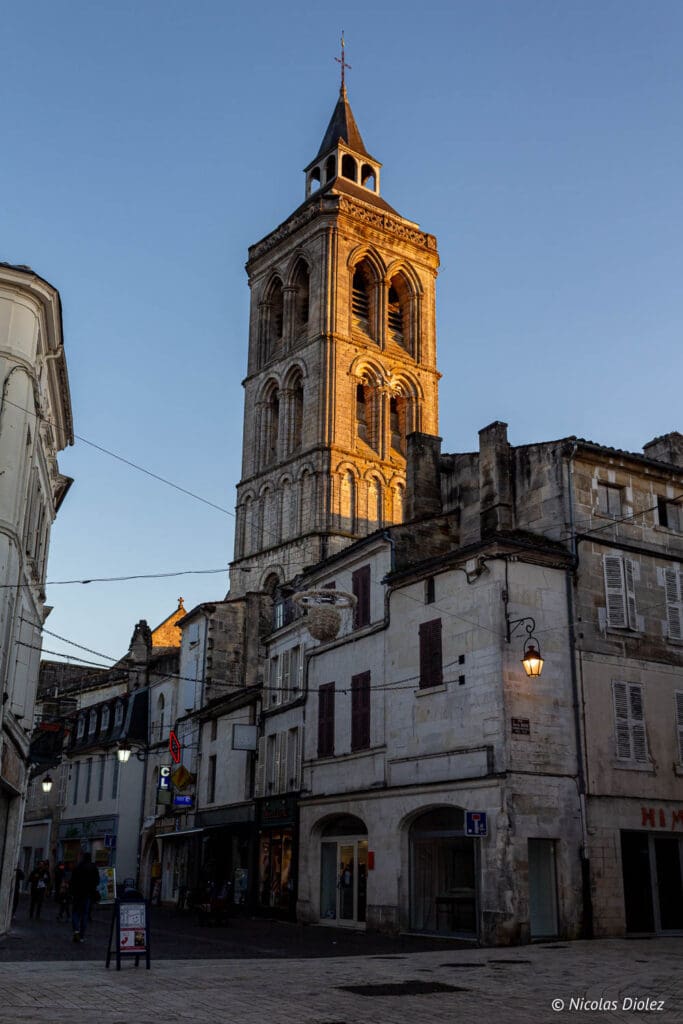
The town of Cognac has about 19,000 inhabitants and more than 46,000 including the neighboring communes. The region is called the Spirit Valley because of the many different types of alcohol produced there. The city itself has an interesting history, strongly linked, of course, to the alcohol that bears its name. It was also the birthplace of Francis I in 1494. The latter ascended to the throne in 1515 and subsequently granted several “gifts” (exemption from certain taxes) to the town of Cognac. You can, by the way, see an equestrian statue representing Francis I in the semi-circular square that bears his name in the city center. Cognac also prospered greatly because the town is crossed by the Charente river, which obviously made it an important passage for trade. During the Middle Ages, the town was quite small and enclosed within a rampart. We call this part the “old town” today, and it is quite pleasant to walk around it on foot.
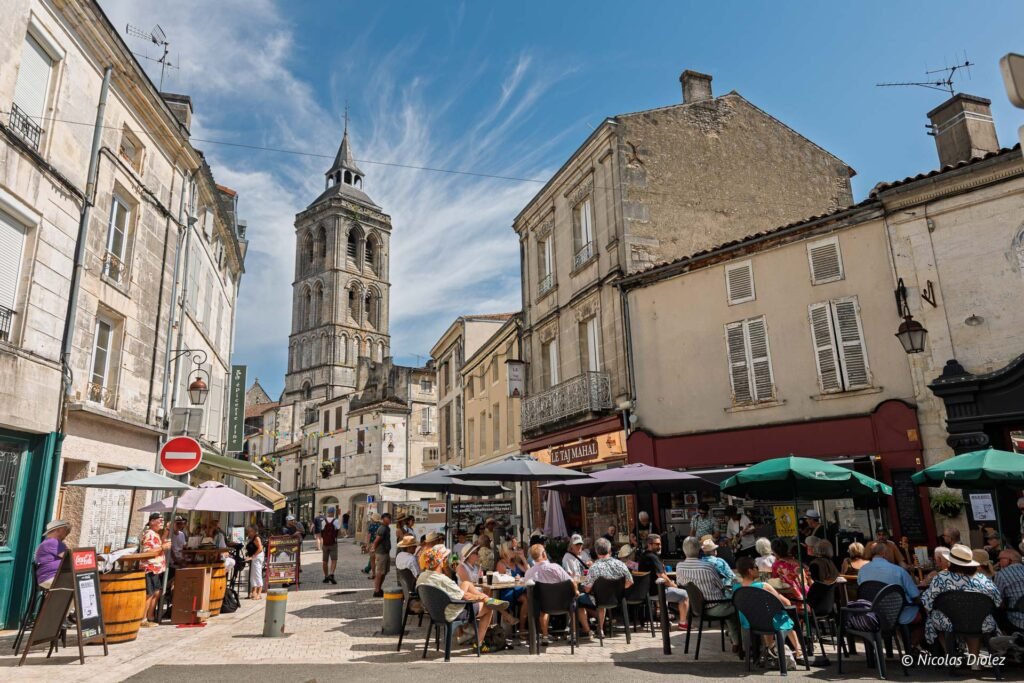
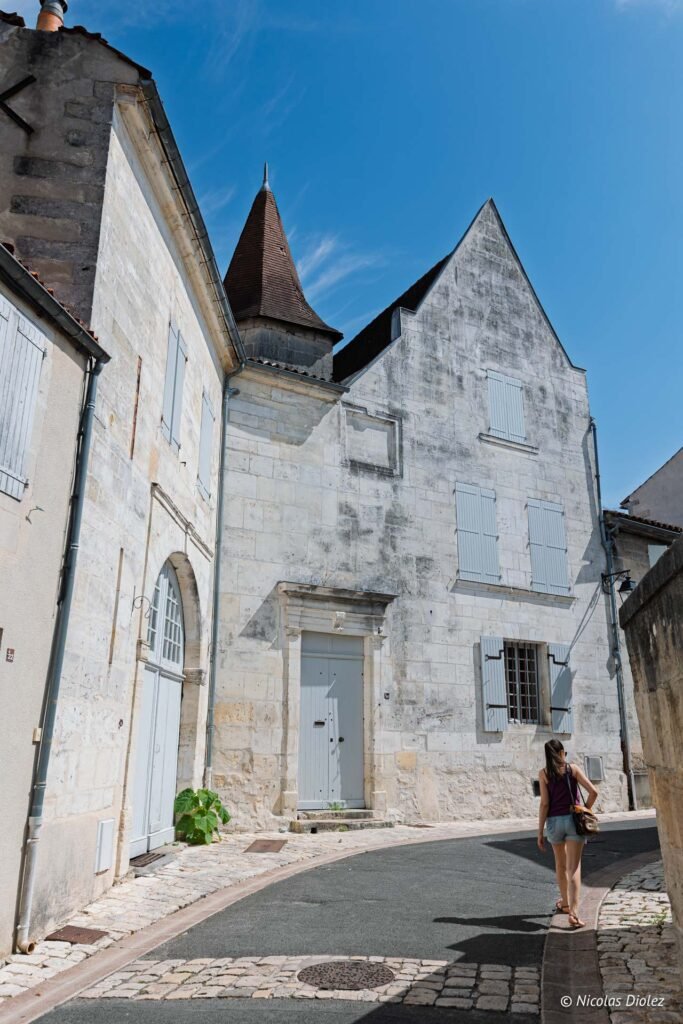
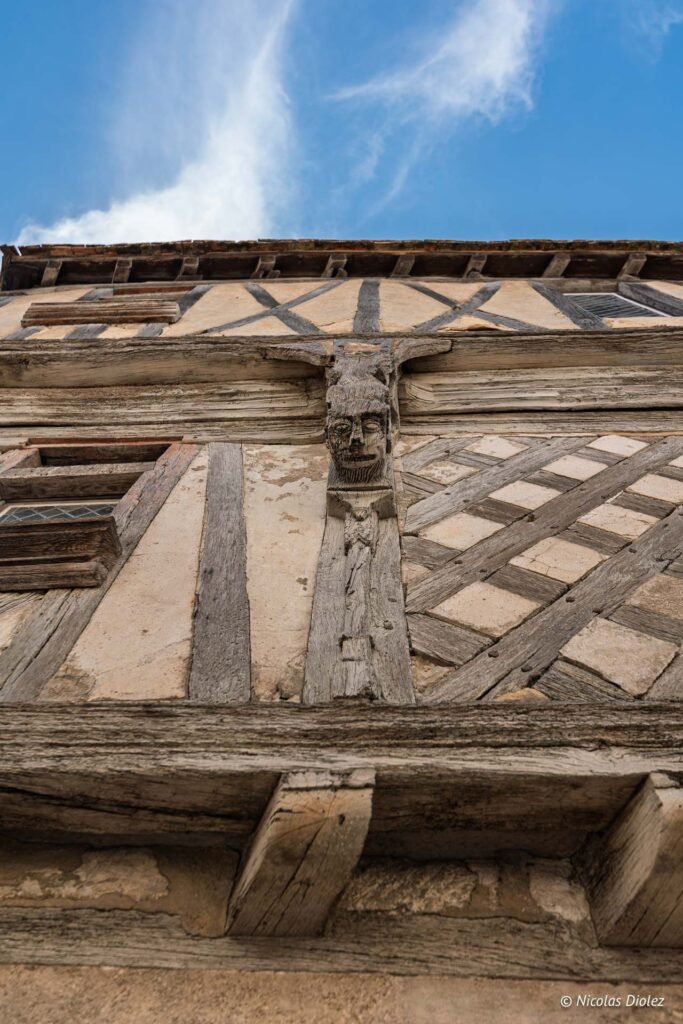
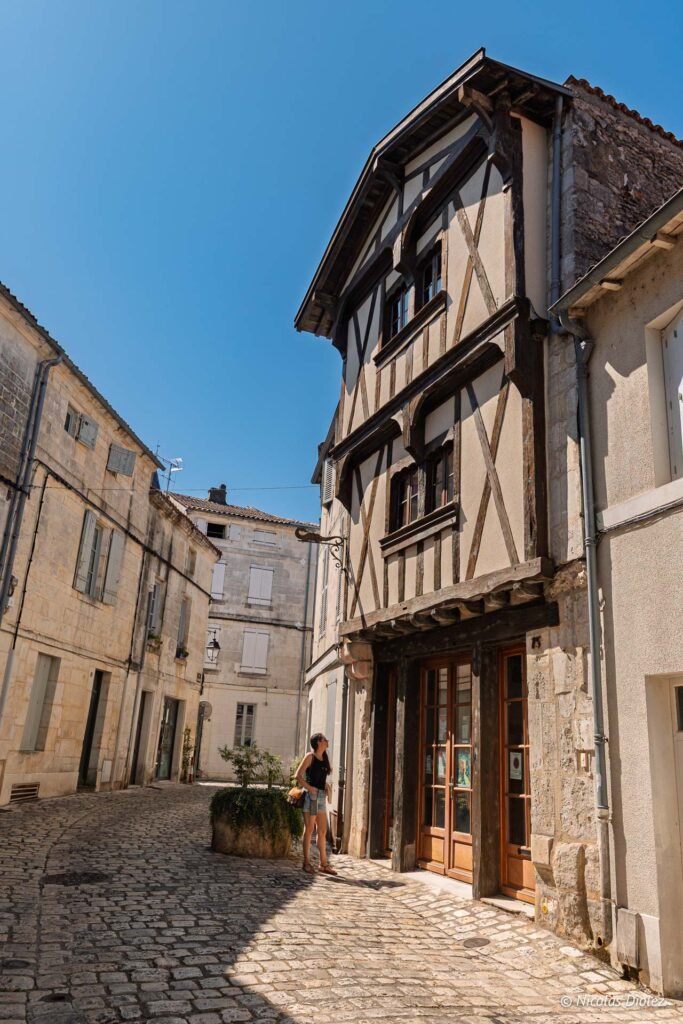
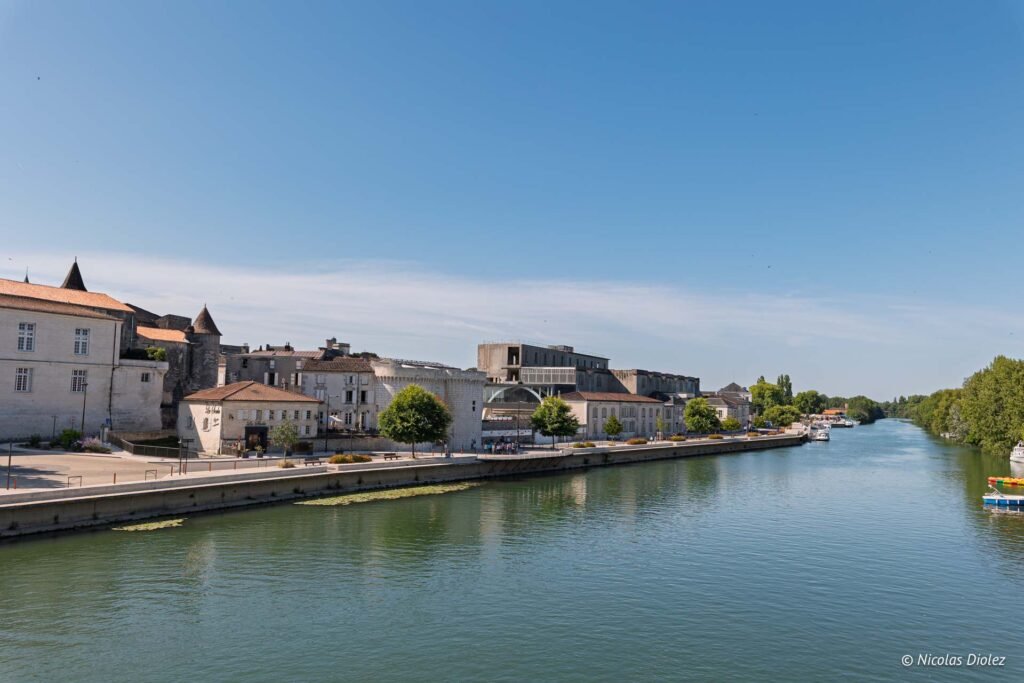

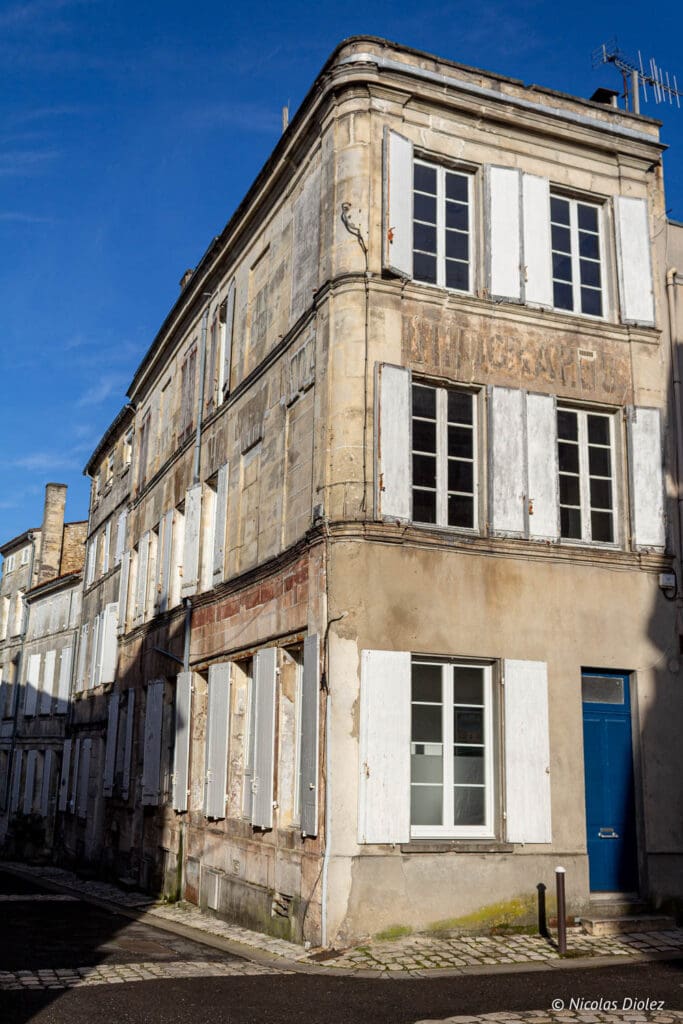

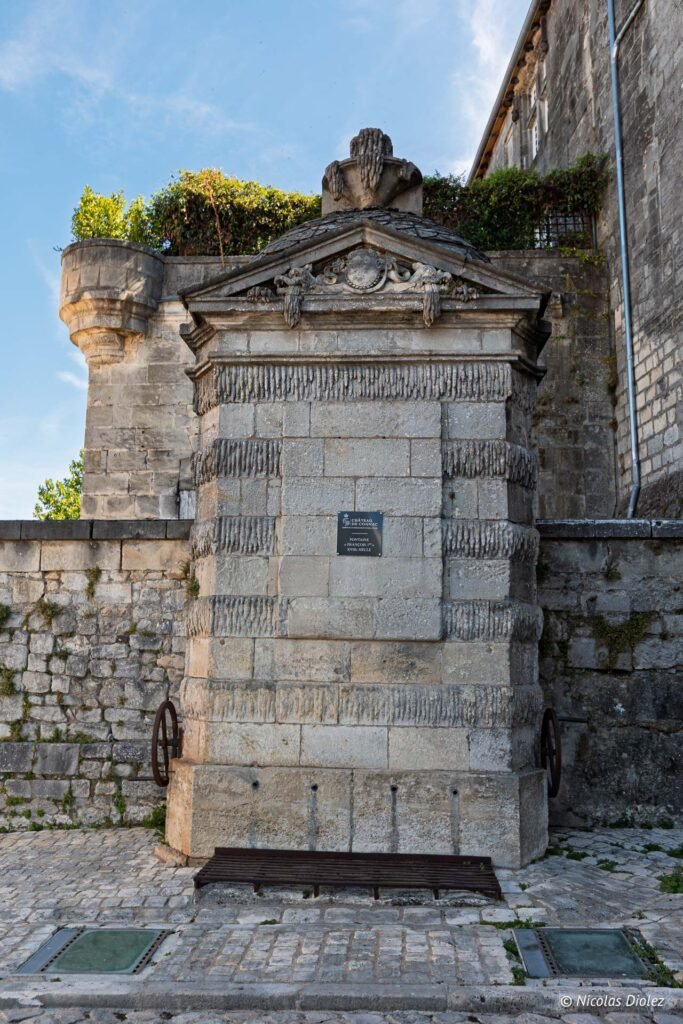
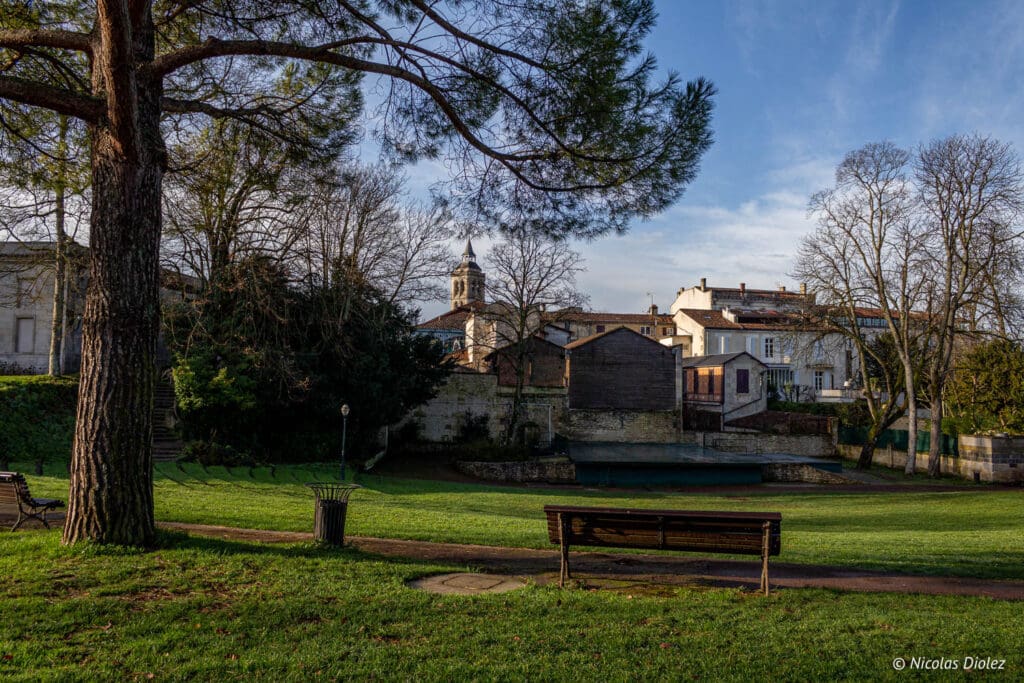


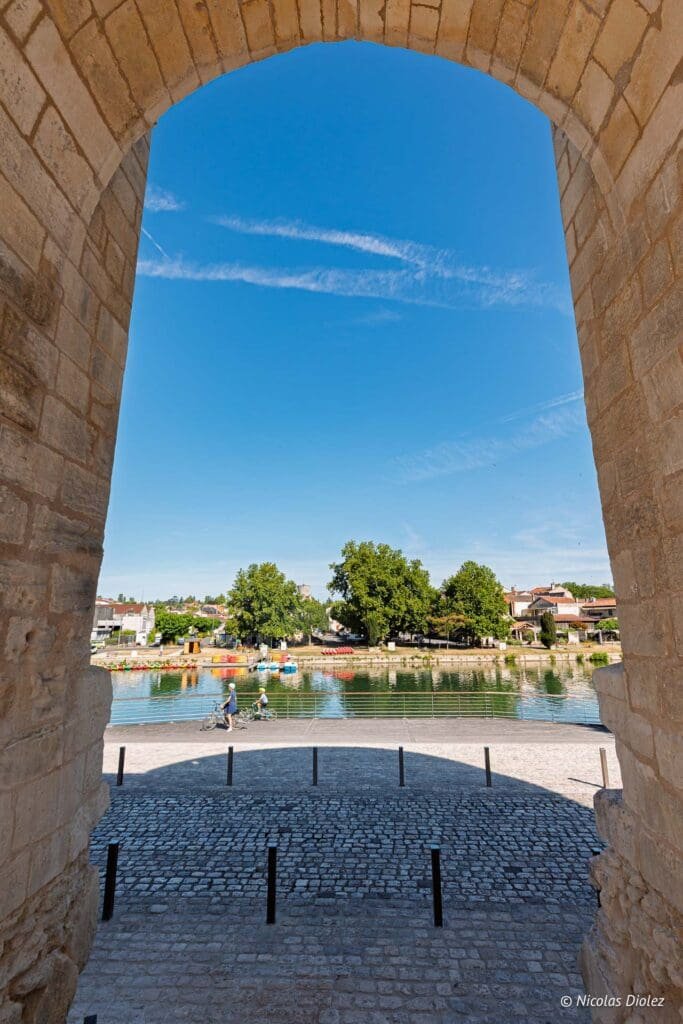
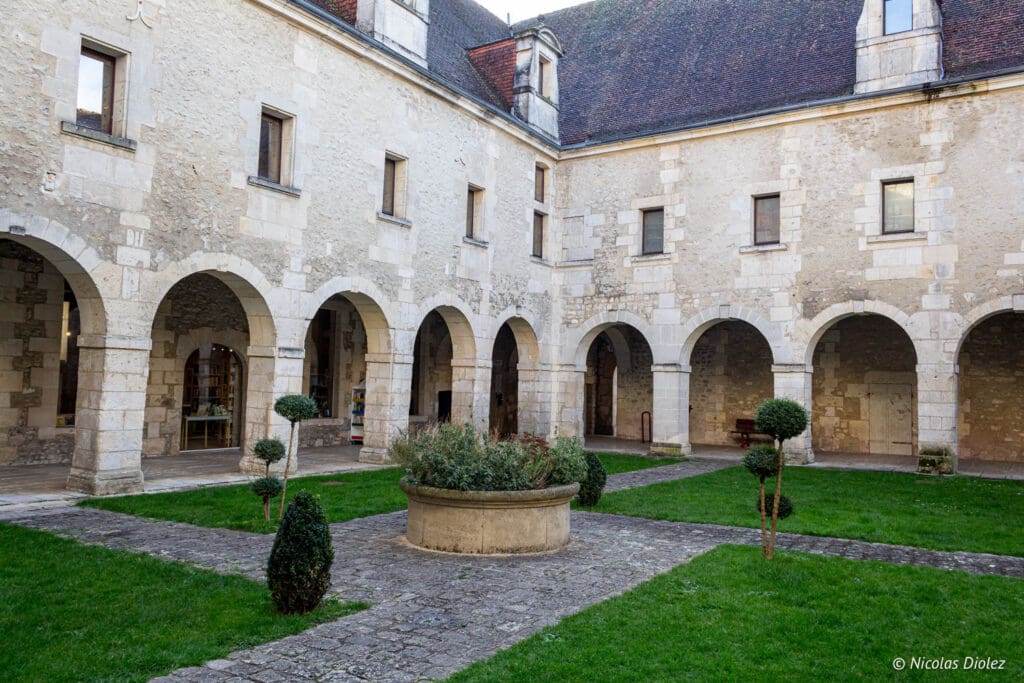
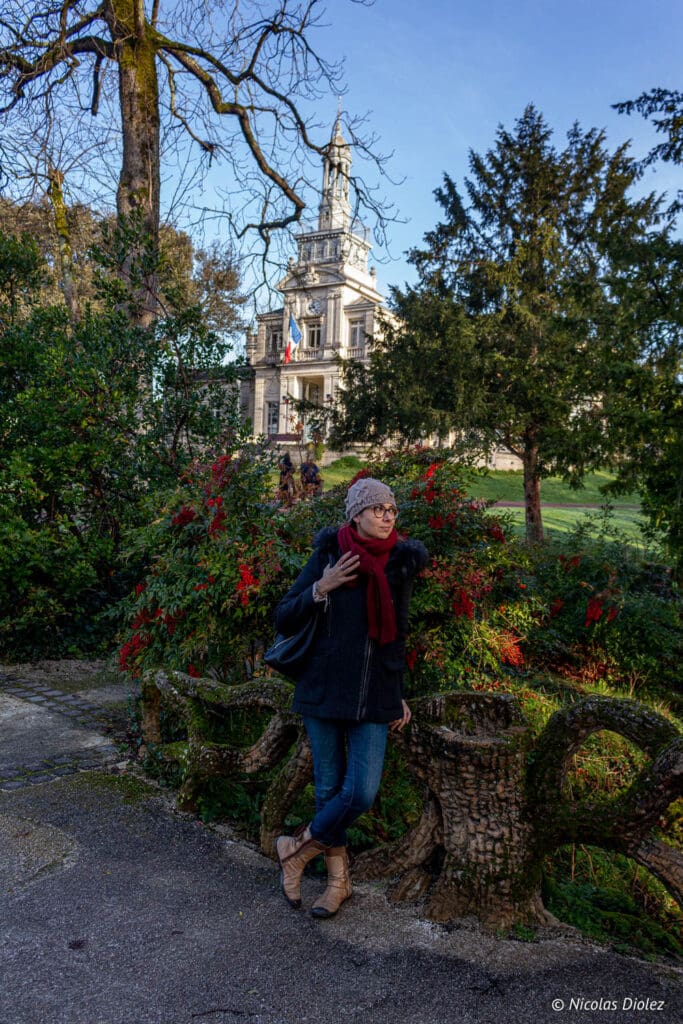
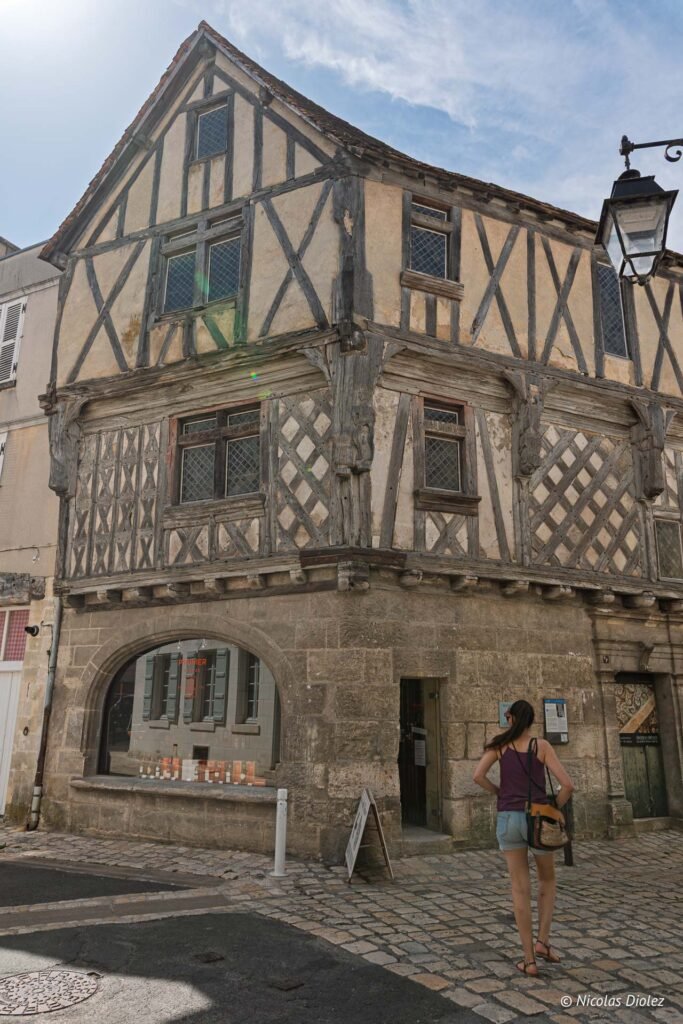
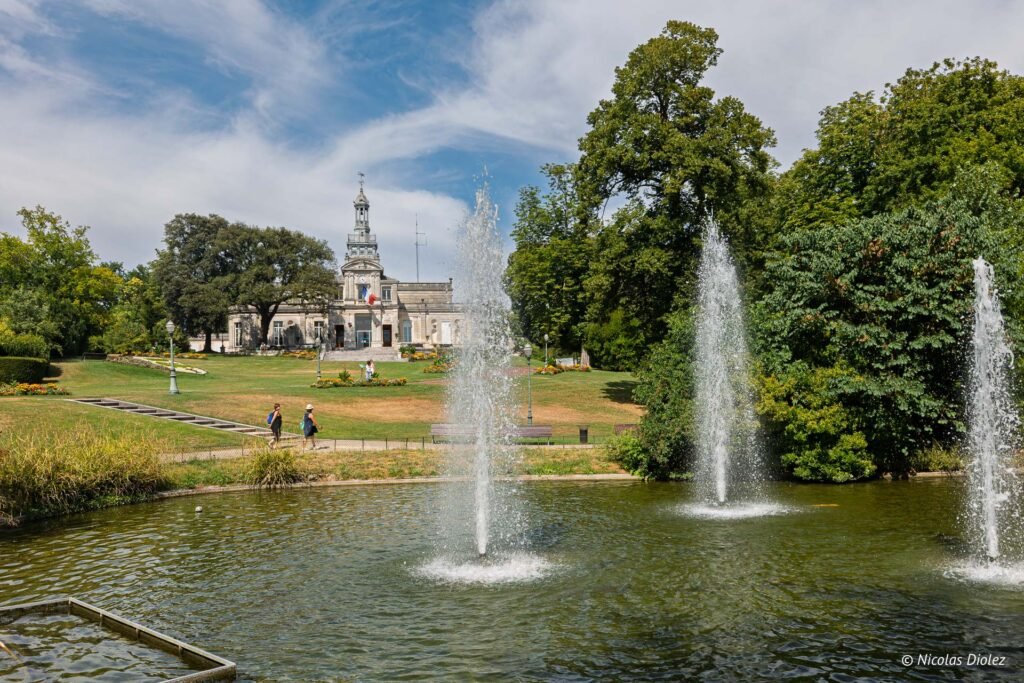
Here is a small, non-exhaustive list of monuments/places to see in the city center: the 17th-century Couvent des Récollets and its beautiful arcades; the very beautiful public garden of the City Hall, which covers 7 hectares and has been a classified site since 1943; the Saint-Léger church with its Gothic rose window and its Romanesque portal featuring the seasons and signs of the zodiac, as well as the Saint-Léger priory and its cloister (accessible for free); the covered market in the purest 19th-century style; the Angoulême pedestrian street, the main street that leads from the Château de François Ier to the church; the Saint-Jacques Gate on the banks of the Charente river; and the Maison de Lieutenance which dates from the 17th century, with beautiful carvings on its wooden posts that are said to date from the 15th century.





Destination Cognac Tourist Office
48 boulevard Denfert Rochereau 16100 Cognac
_
Visiting the Cognac Craft Museum
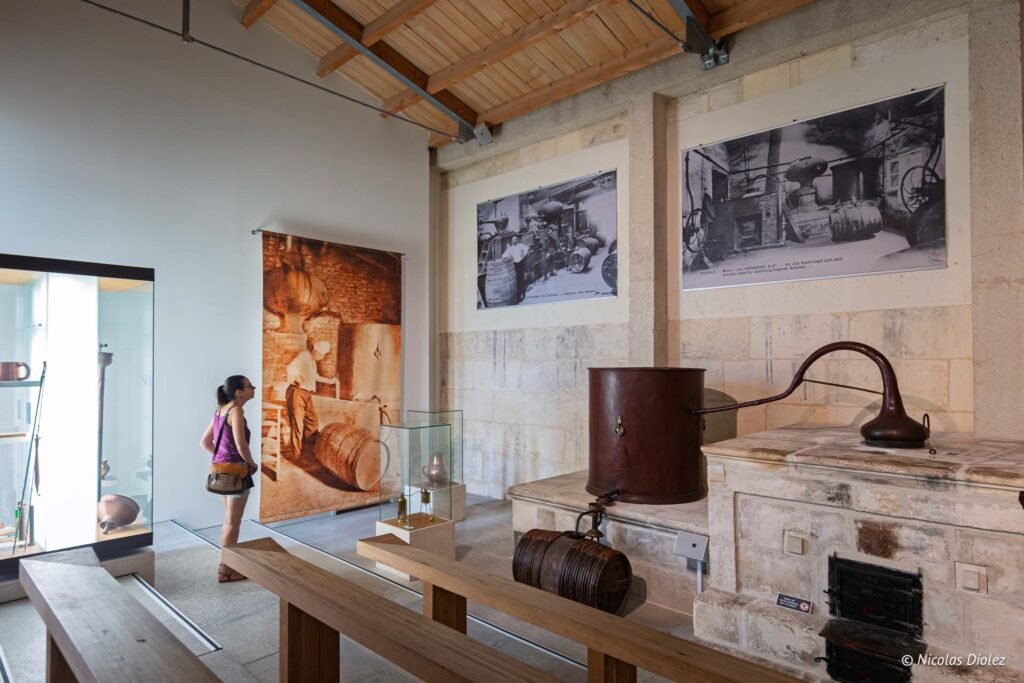
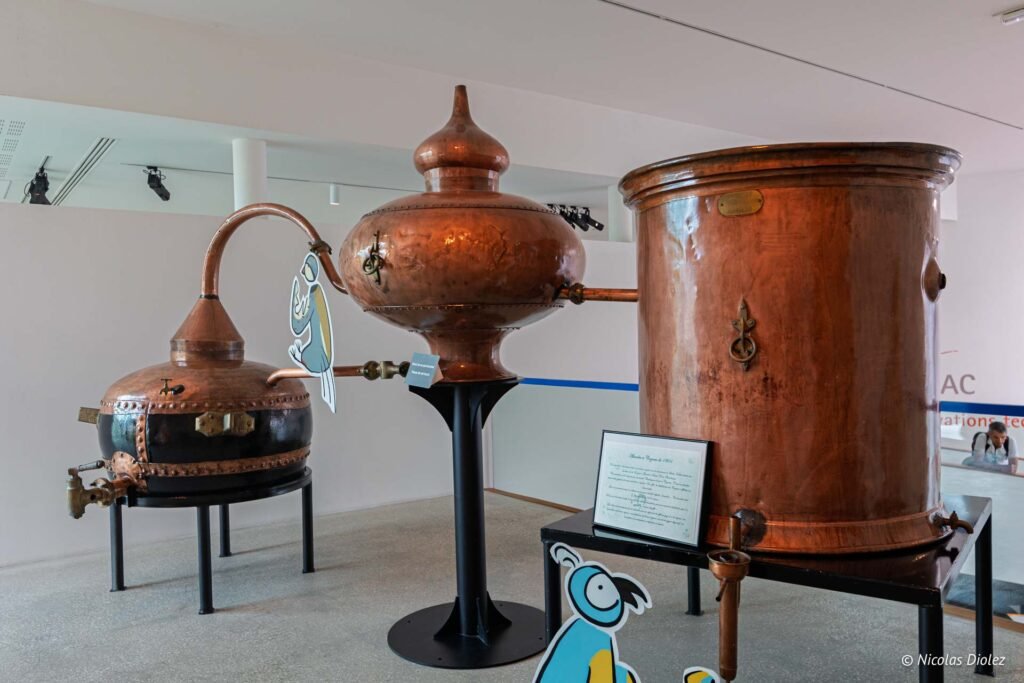
Located in the heart of old Cognac, on the historic site of Maison Augier, the very first cognac house, this museum, which showcases the craftsmanship of Cognac, spans over 2000 m2. You can discover the stages of brandy production as well as the industry and related businesses. It is a true showcase for the history and heritage of the brandy. Labelled “Musée de France” (Museum of France), it is an integral part of the cultural offerings of the Grand Cognac Agglomeration. Since 2020, the museum has also been twinned with the Discovery Space in the Cognac Country, thus enriching the experience offered by the town.
In addition to its exhibitions, the venue offers a small, welcoming bookstore area. It is the ideal place to take a break and deepen your knowledge by consulting various works on cognac.


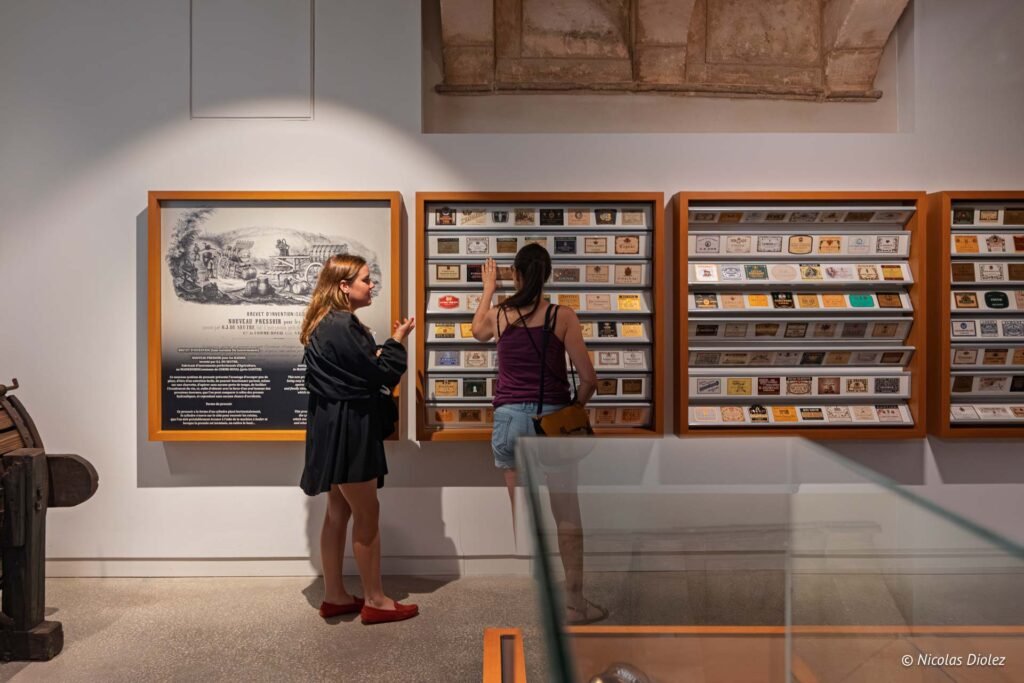


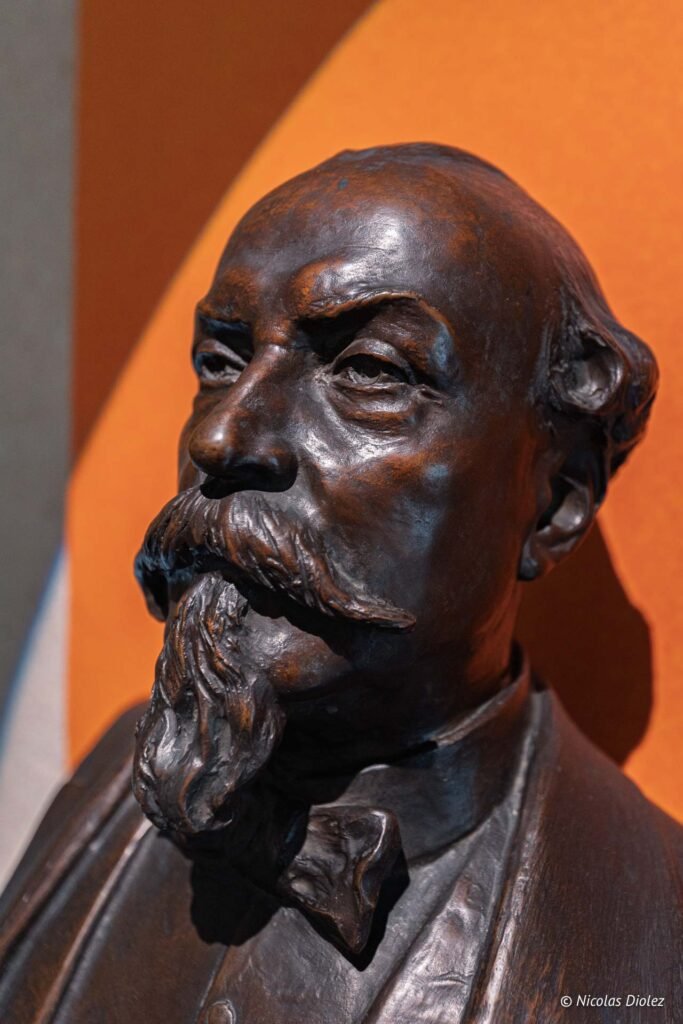
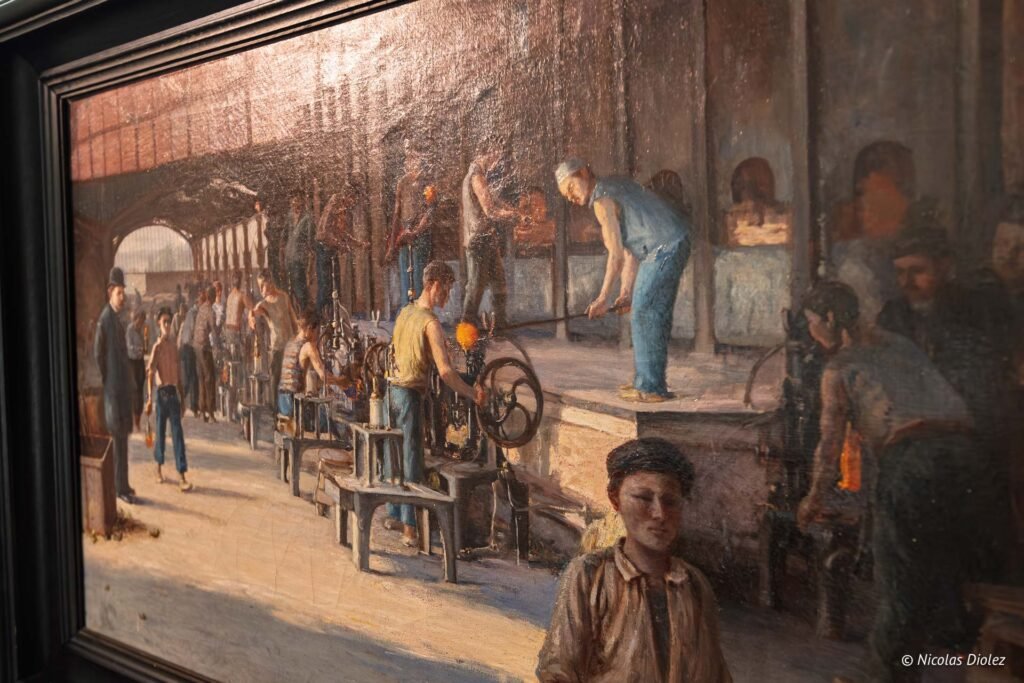

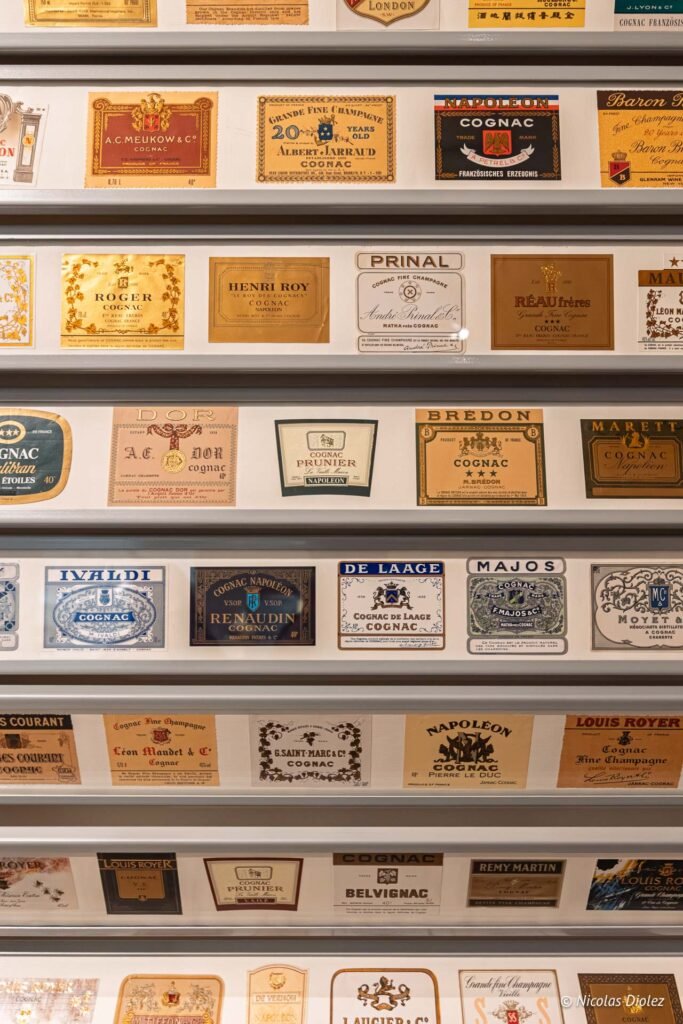
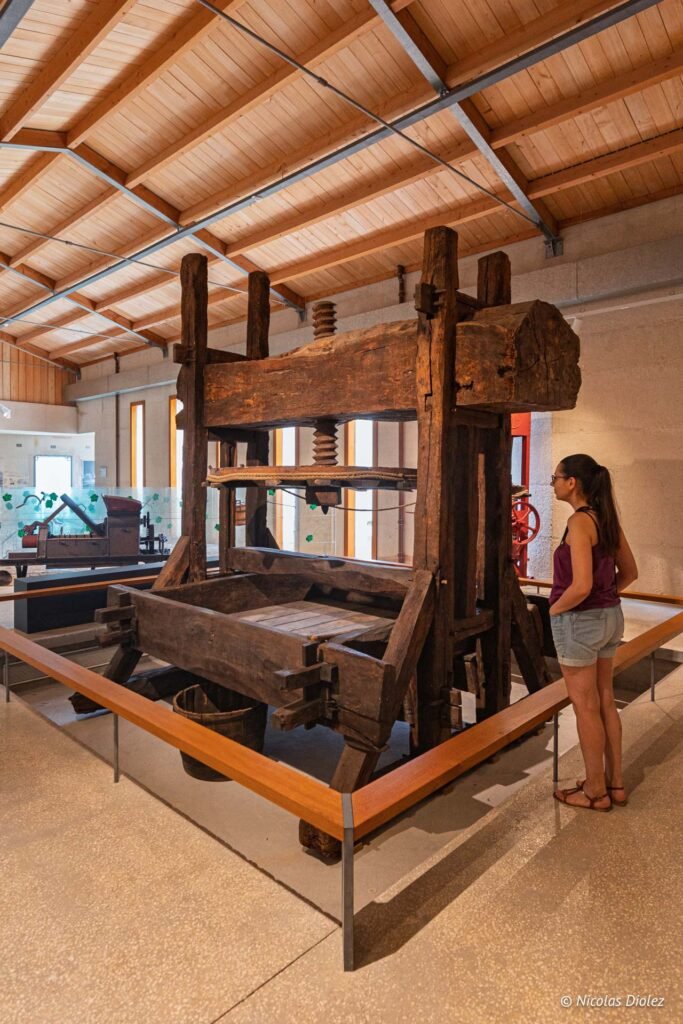
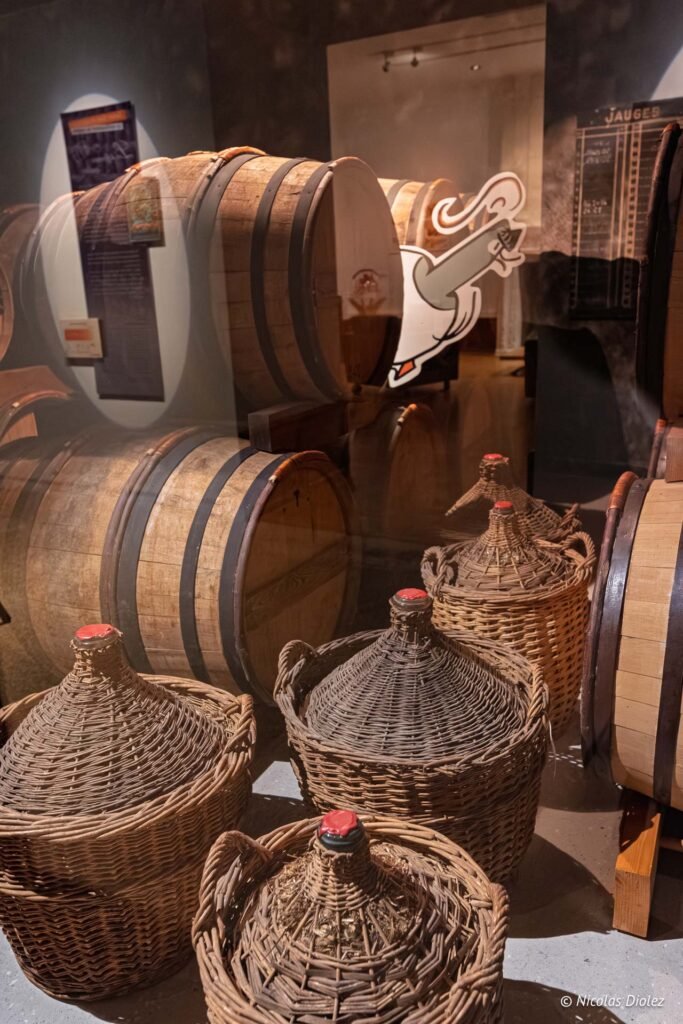
Visited in 2025
Cognac Craft Museum
Les Remparts – Place de la Salle Verte 16100 Cognac
Rates: €6 / €4 reduced / €3 for youth aged 13 to 25 / rates for access to 2 museums
_
Visiting the Art and History Museum – Merchant’s House
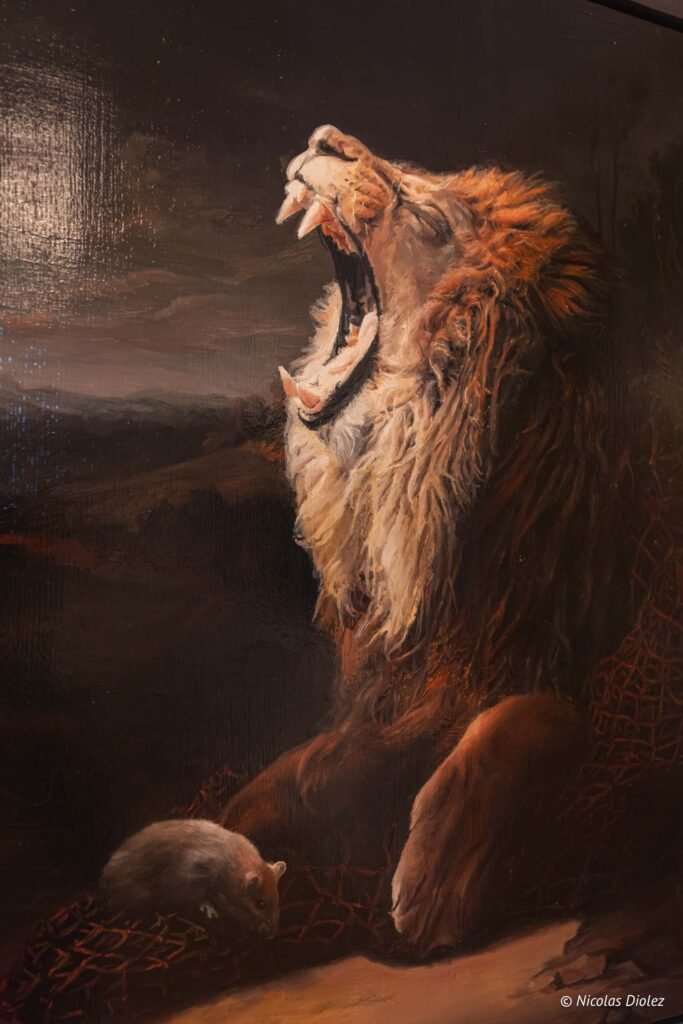
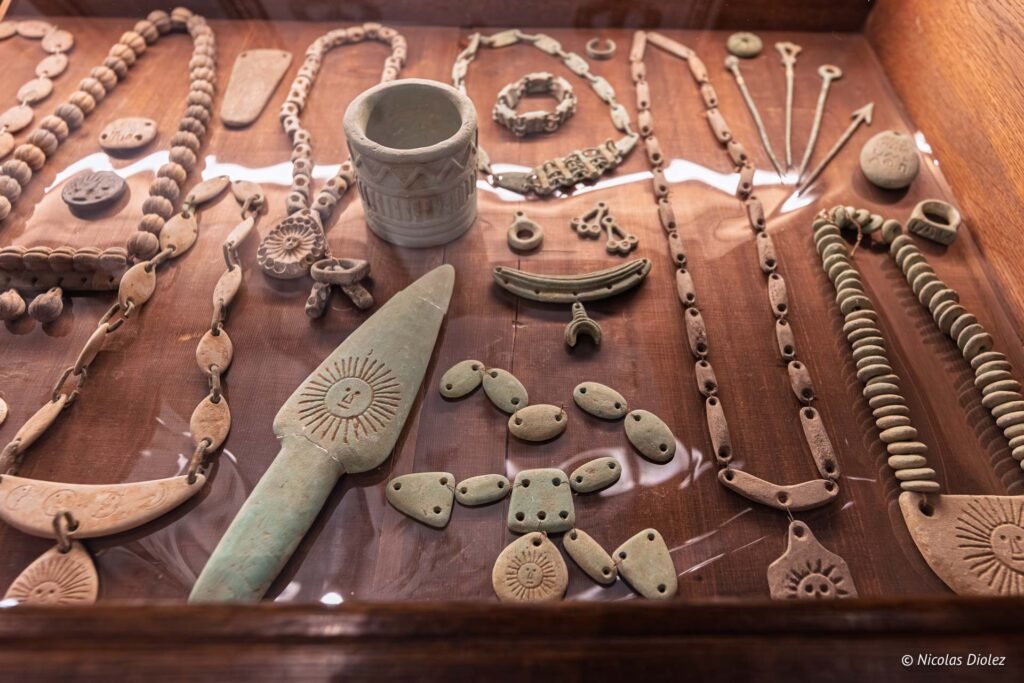
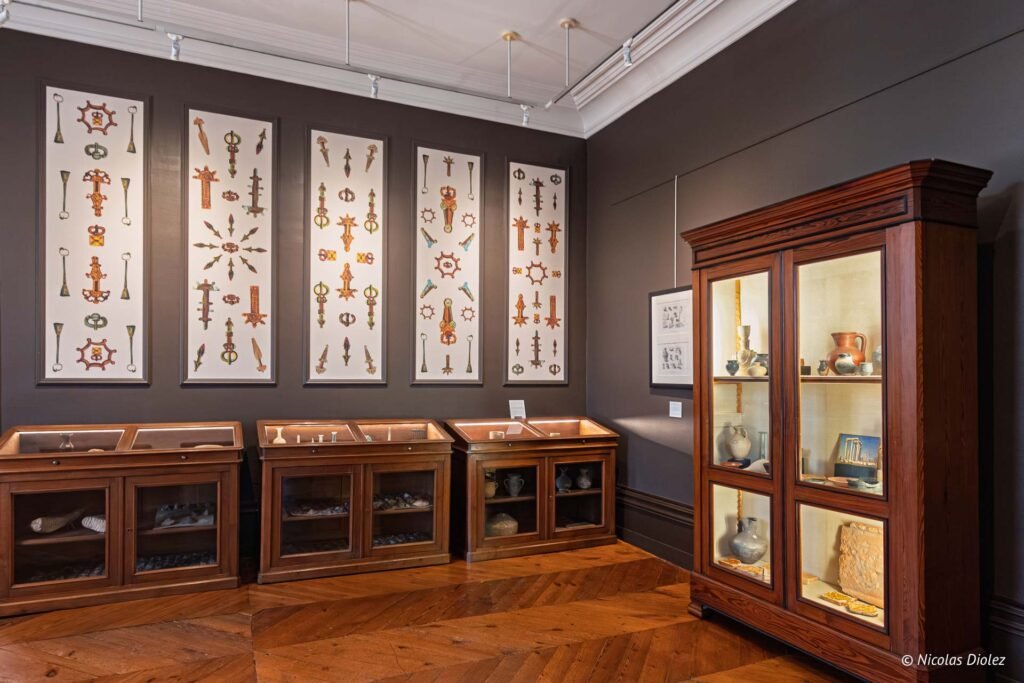
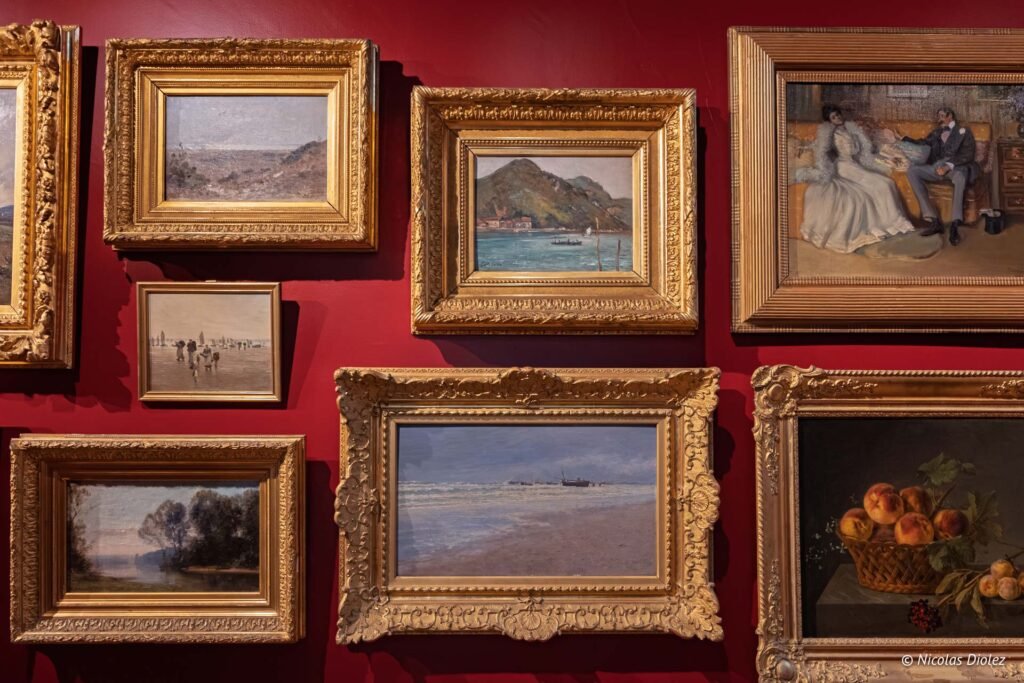
This Cognac Art and History Museum is housed in the former private mansion of the Dupuy d’Angeac family (cognac merchants), which dates from the 19th century. It is located inside the public garden of Cognac, formed by the union of its own garden with that of the Otard de la Grange mansion, purchased by the town in 1889 and converted into the City Hall in 1892. Today, you can discover the art collection of these merchants and evoke their roles within the town of Cognac through different universes: traveling merchants, archaeologists, or even collectors. A space is also dedicated to Francis I, a native of Cognac, and another room presents local archaeology. It is a museum that exudes a charm and a rather intimate atmosphere, which we greatly enjoyed visiting.
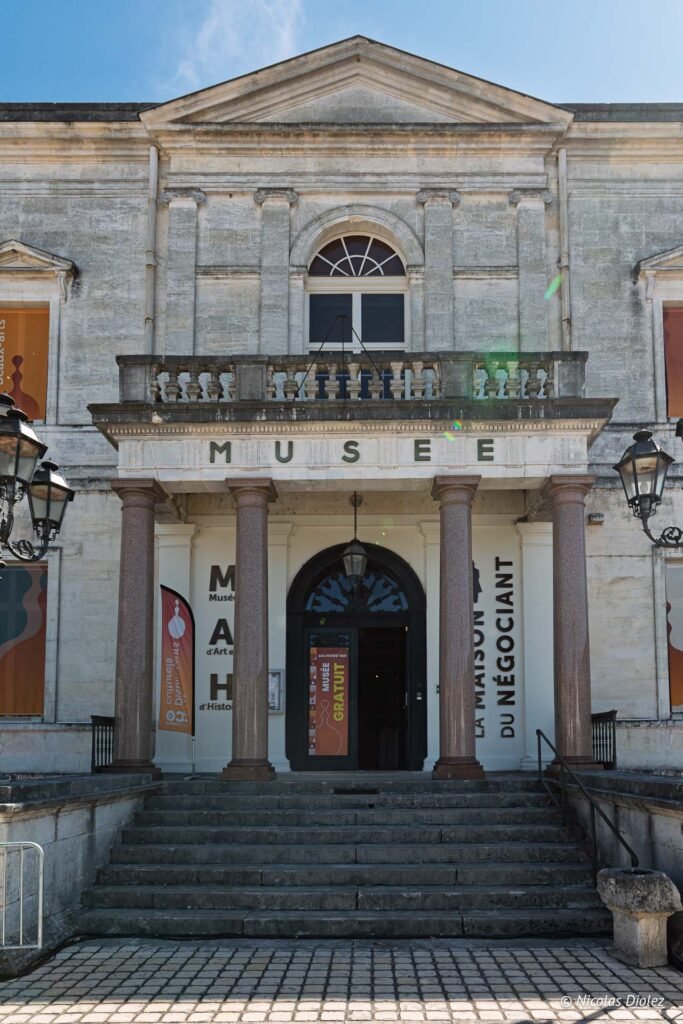
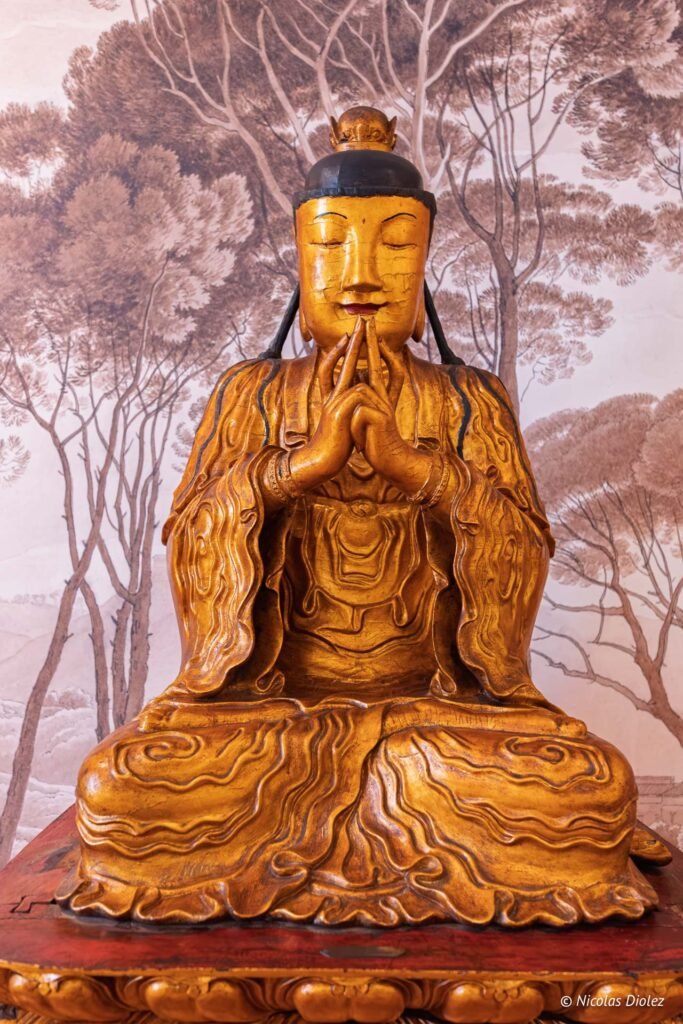

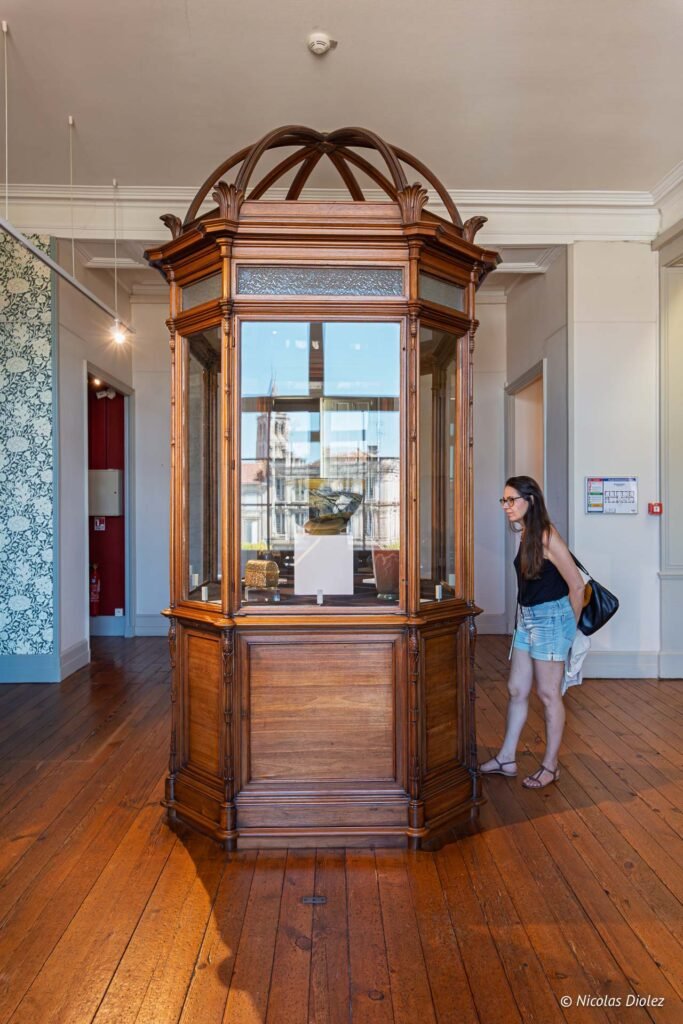
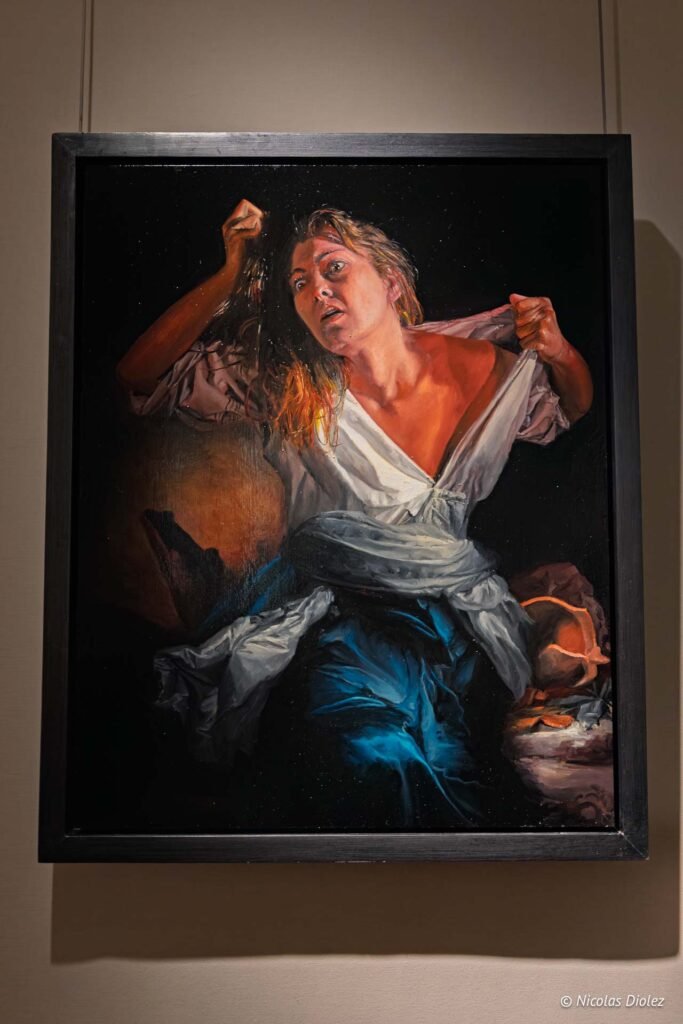
Visited in 2025
Cognac Art and History Museum
48 boulevard Denfert Rochereau 16100 Cognac
Rates: €6 / €4 reduced / €3 for youth aged 13 to 25 / rates for access to 2 museums
_
Visiting the Saint-Jacques Gate
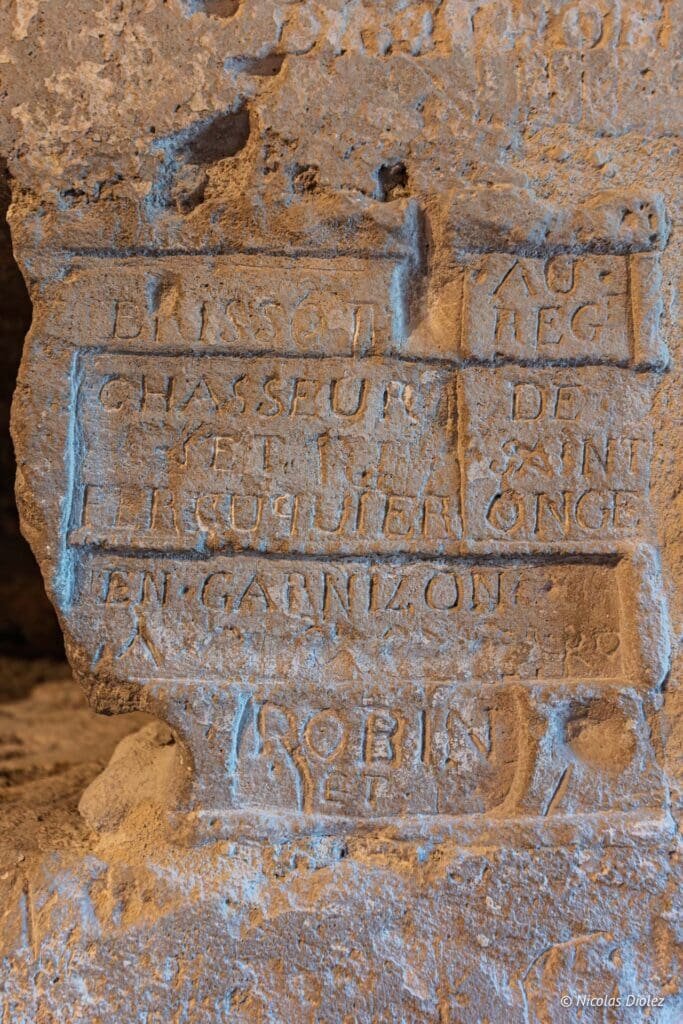
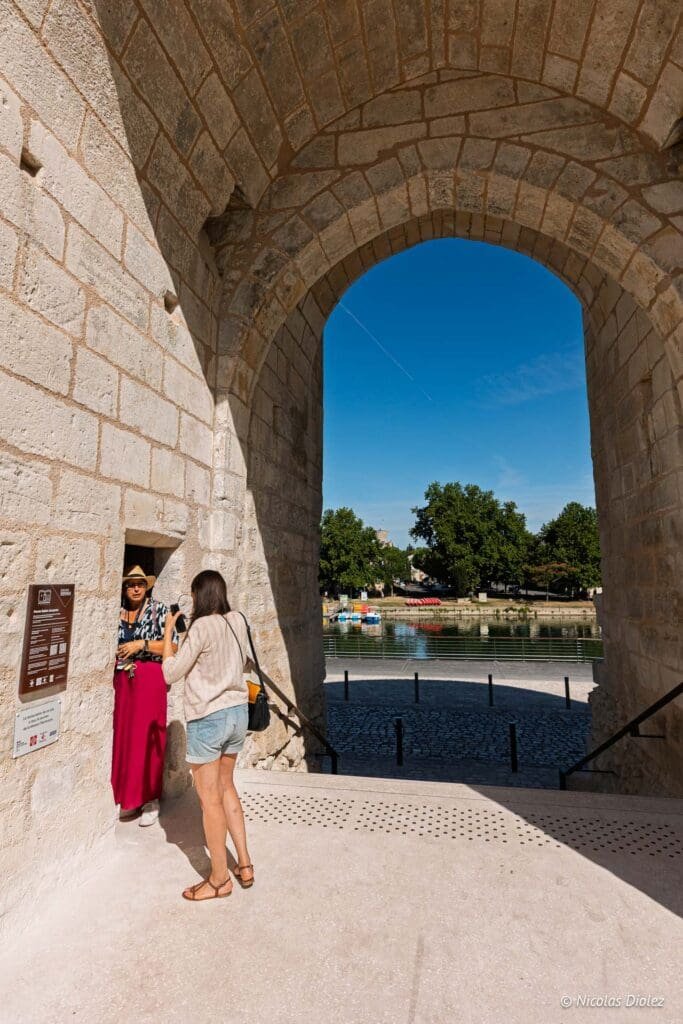
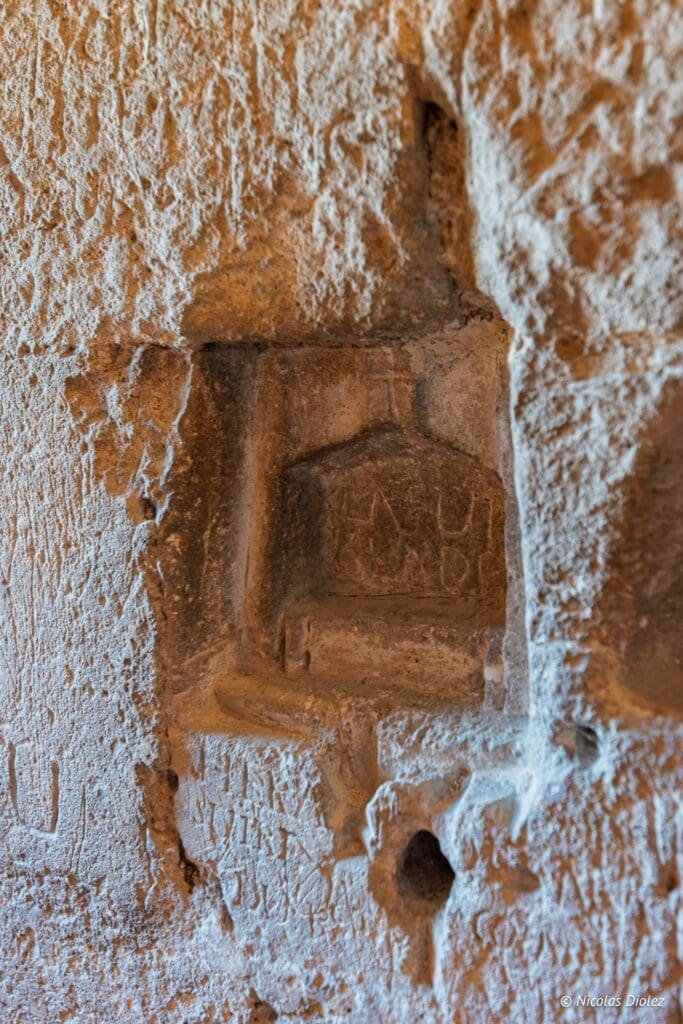
A defensive monument whose construction began around the year 1000, this site is a true emblem of the city of Cognac. Its role was crucial as a coveted gateway for crossing the Charente river. Originally, the towers that formed this gate were likely square, and the Charente flowed directly to the foot of the towers. A stone bridge once stood in front, but it was destroyed in 1850 during the construction of the new bridge. It was during the 14th and 15th centuries that the towers were modified to become round, giving them the appearance we know today.
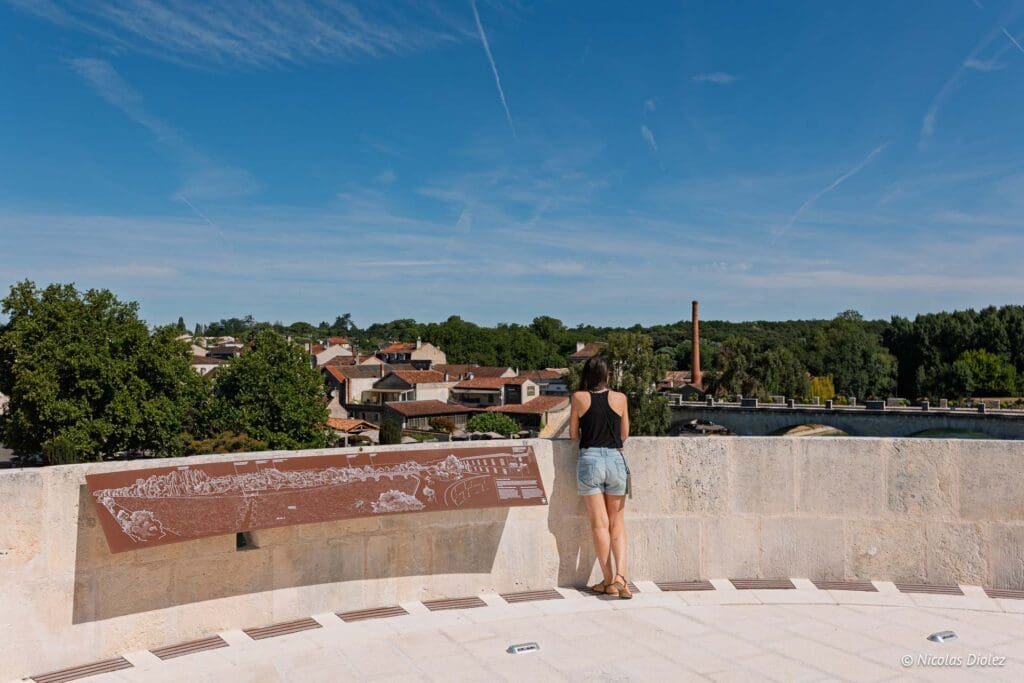
Recently, the monument benefited from a major restoration program that lasted a year and a half, and it has been reopened to visitors since May 2025. It can only be visited through guided tours. You embark on a journey through time, thanks to digital scenography, and at the top of the towers, you can admire a 360° panoramic view of the city and its surroundings. Be careful, however; with some 90 steps to climb and descend, the visit is a bit of a workout.
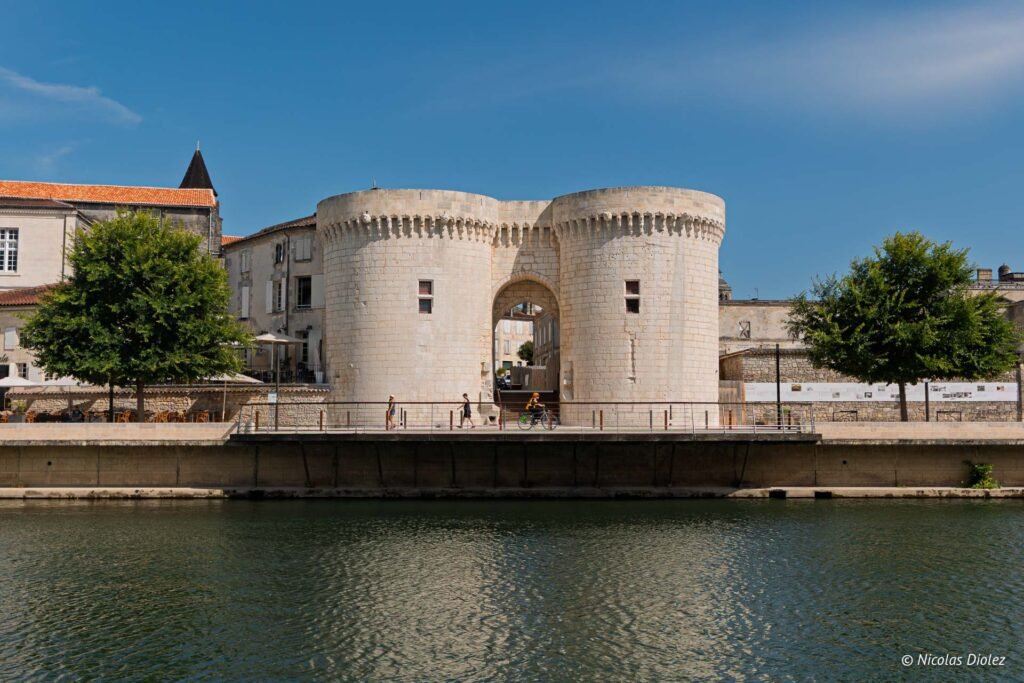
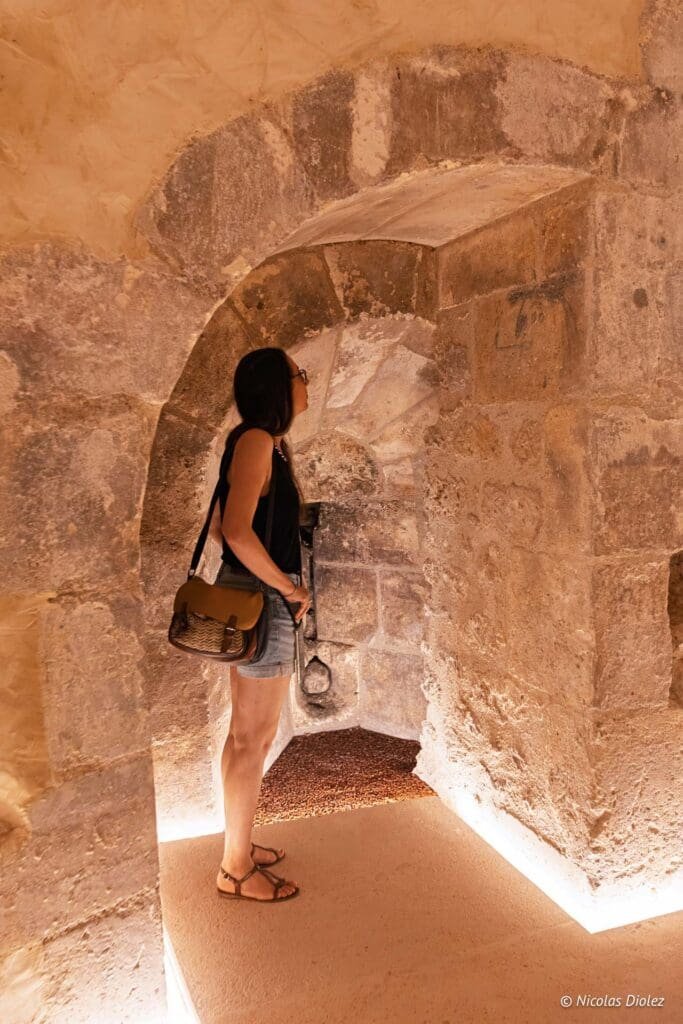



Visited in 2025
Porte Saint-Jacques
1-3 Quai Maurice Hennessy, Cognac
Price: €6 / reduced €3
_
Take a river trip with “La Demoiselle”
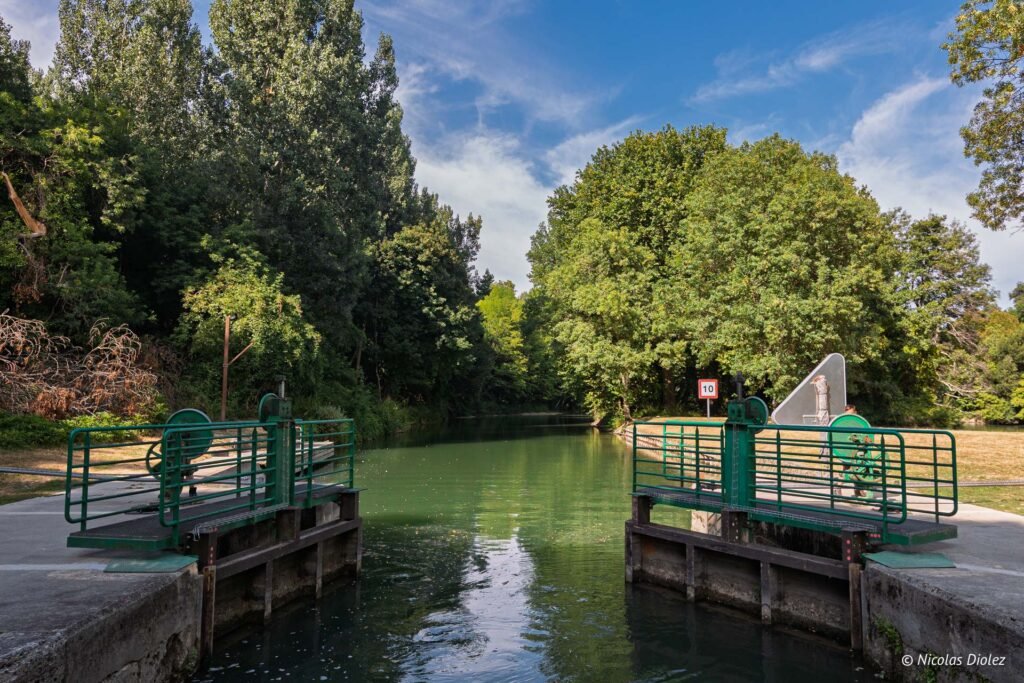
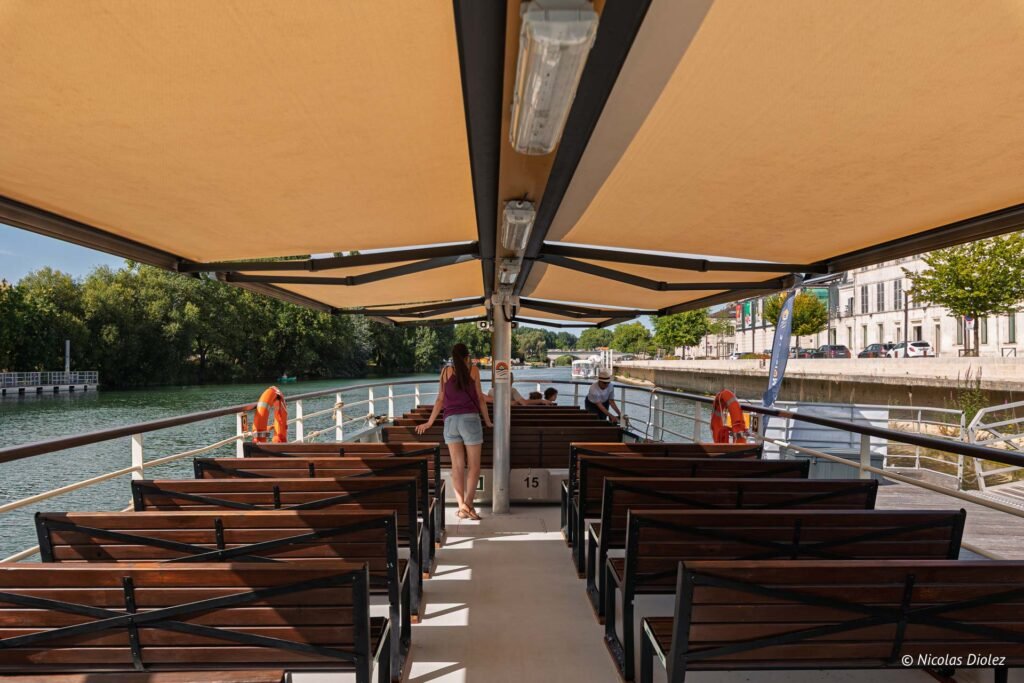
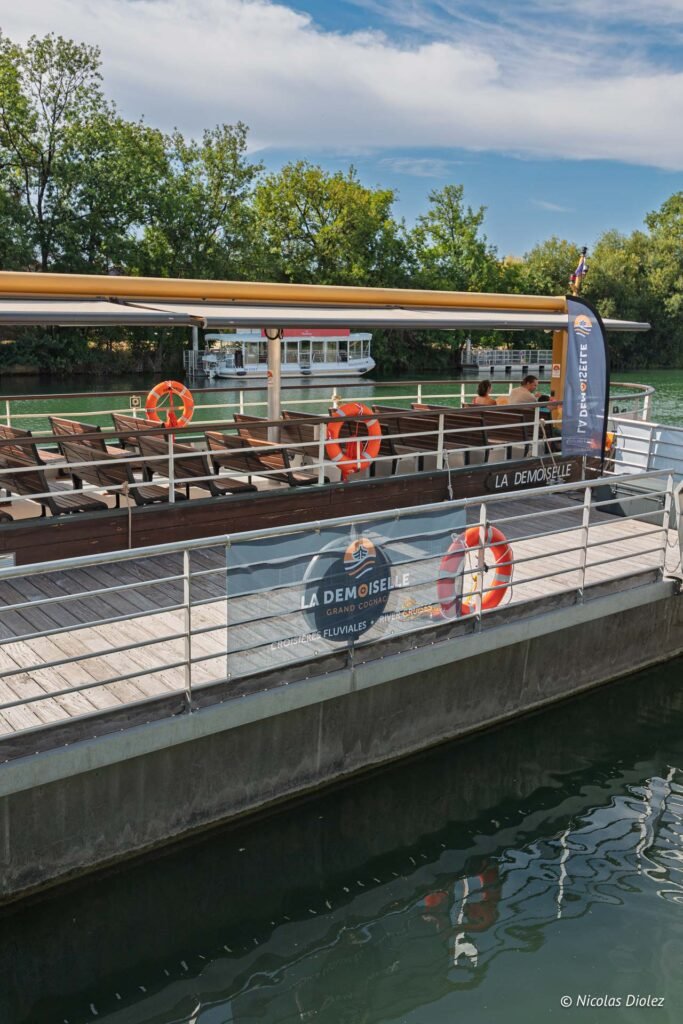
We really enjoyed this break on the calm waters of the Charente aboard “La Demoiselle” with our favorite photographer. This charming boat, a modern version of the traditional gabares (barges), is named in honor of the dragonfly that populates the surroundings and invites a soothing and contemplative experience. The setting is magnificent: nature is very present there, offering a moment of calm far from the hustle and bustle of the city. During this trip, we had the opportunity to go through a lock, and we also had enriching explanations given live on the boat (in French during this trip) to enhance the journey. We were also able to quietly observe the local wildlife.





Trip taken in 2025
La Demoiselle
Quai des Flamands 16100 Cognac
Trip duration: 2h
Prices: adults €10 online and €11.50 at the dock / children 6 to 14 years old €7 online and €8.50 at the dock / free for children under 6
3 trips per day from early April to late October
It is recommended to arrive early enough before boarding to ensure a smooth departure
_
Attend the Cognac Blues Passions Festival
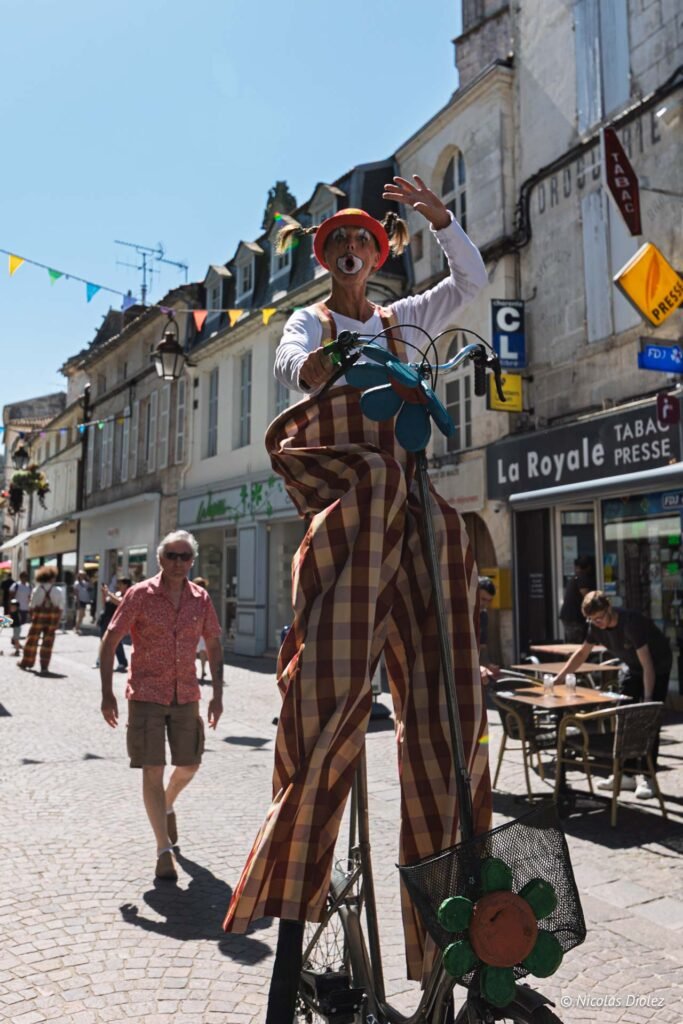
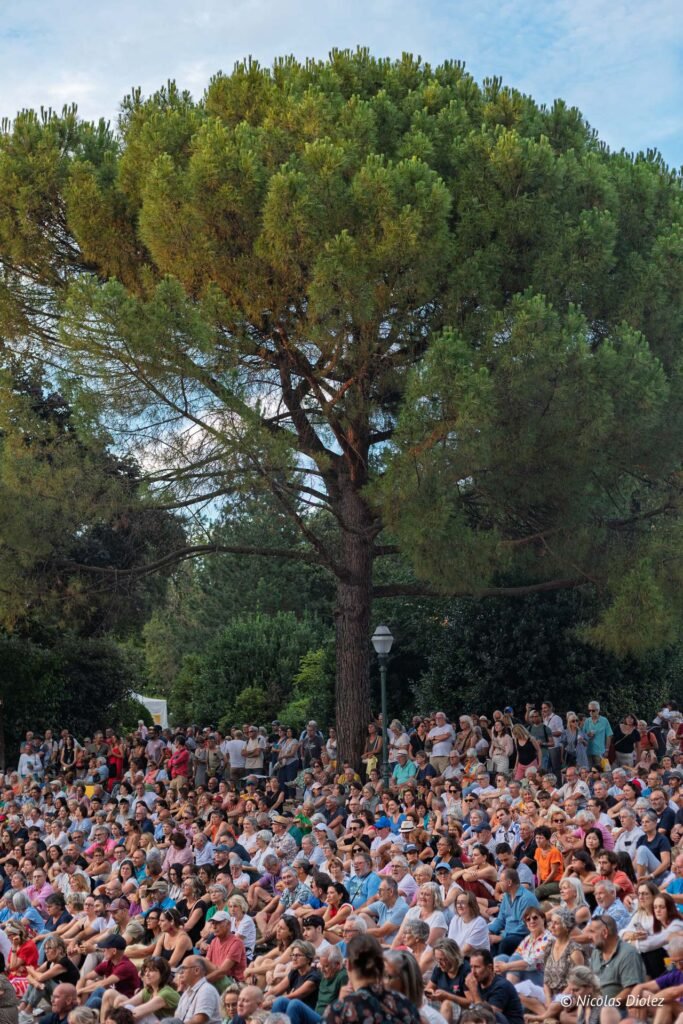
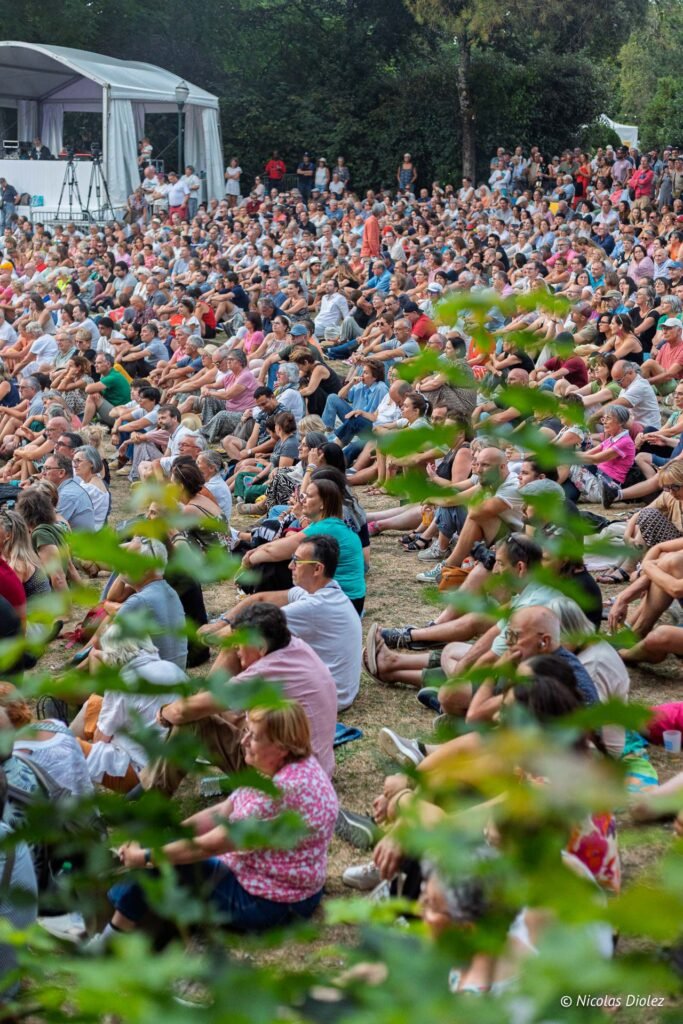
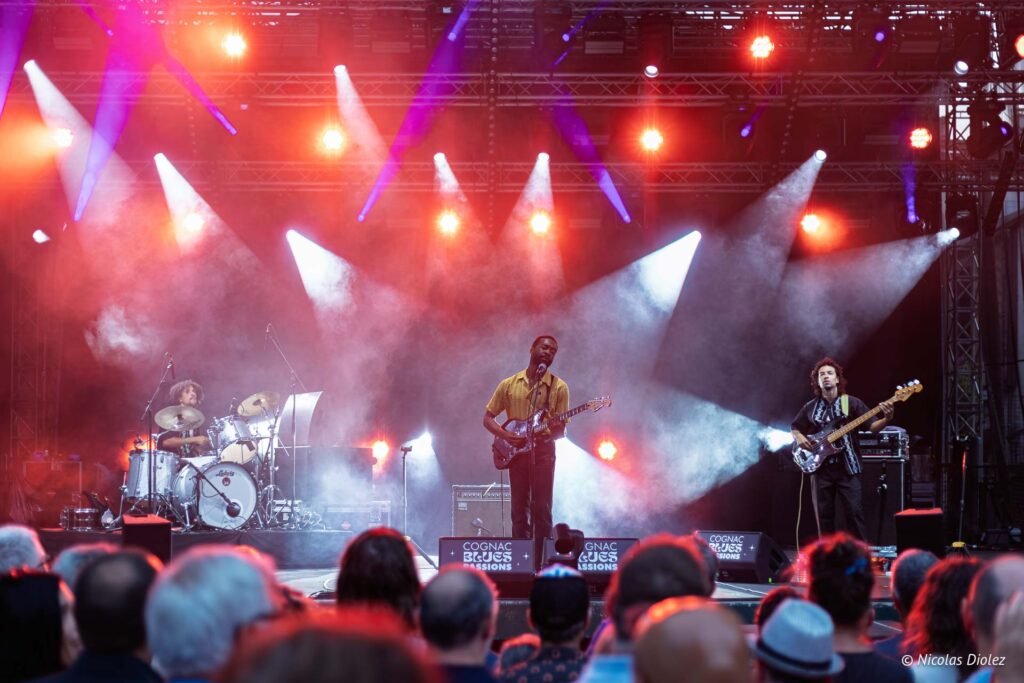
The Blues Passions Festival of Cognac is a music festival specialized in African-American music, created in 1994. It takes place every year in early July in the city of Cognac. The various stages are spread out in the public garden of Cognac, on Place François 1er, and in the city streets. It’s a great tip, because in addition to the ticketed portion, the festival offers many free concerts (in 2025, about 60 concerts including 40 free ones titled “Cognac Streets”). We were lucky enough to discover Jalen Ngonda and see Ibrahim Maalouf and The Trumpets of Michel-Ange again, whom we had already heard at Jazz in Marciac in the Gers.


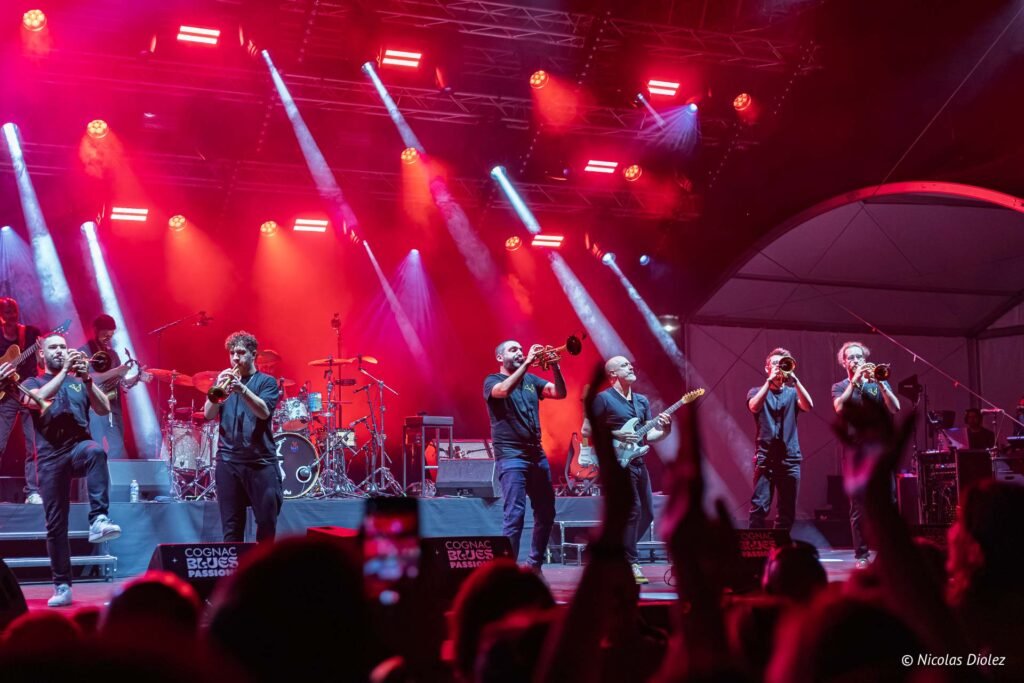

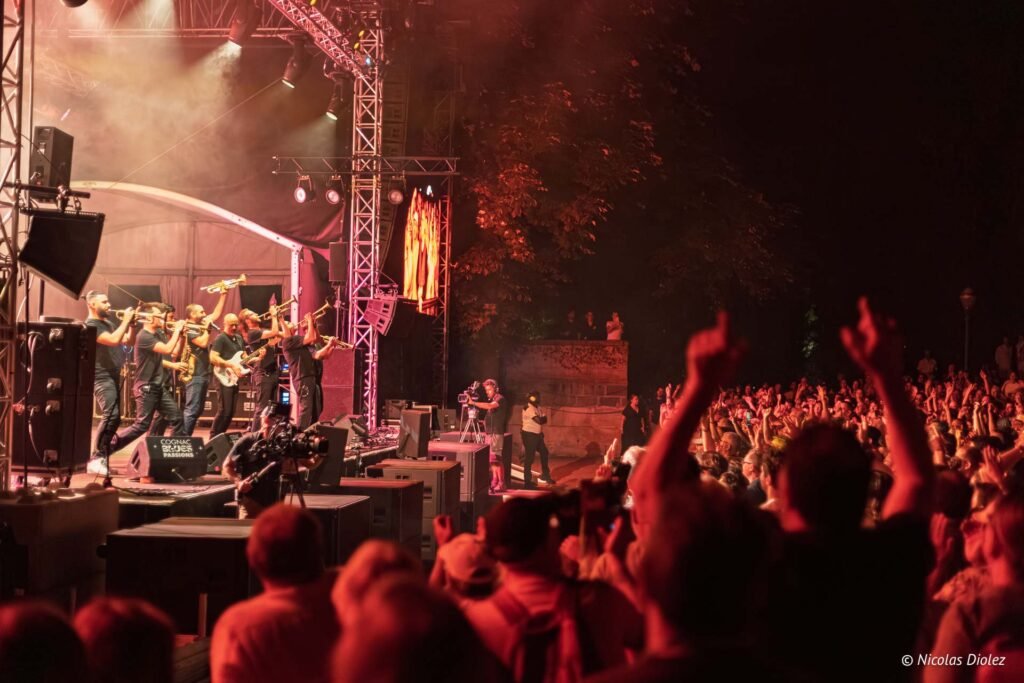
Tested in 2025
Blues Passions Festival
Evening prices: between €15 and €58
What to see and do in the surroundings of Cognac
Visit the Citadelle distillery
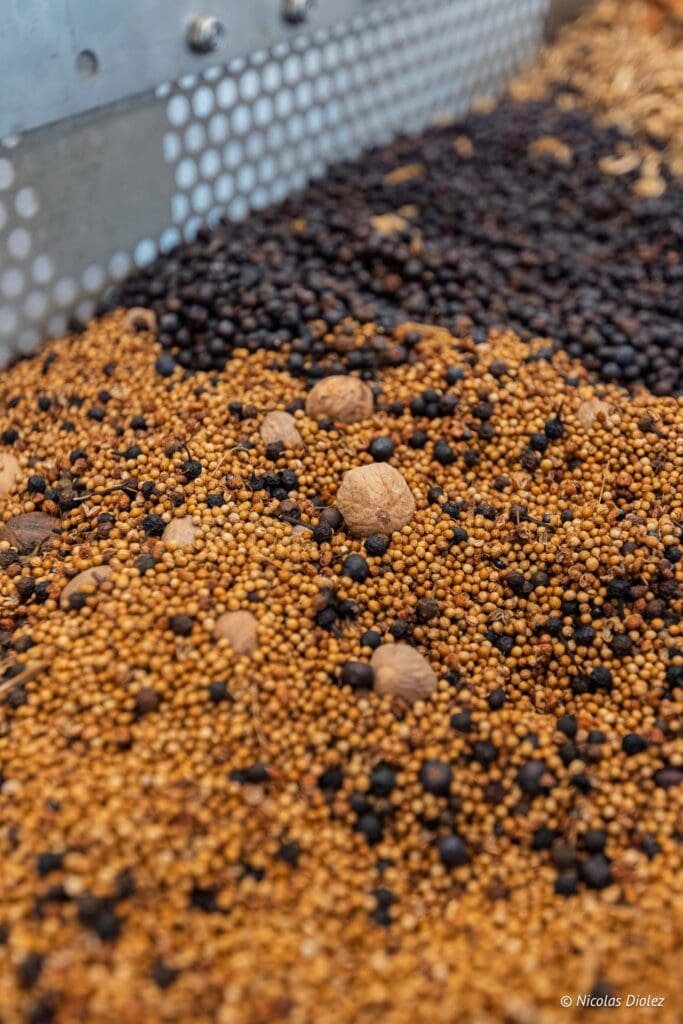
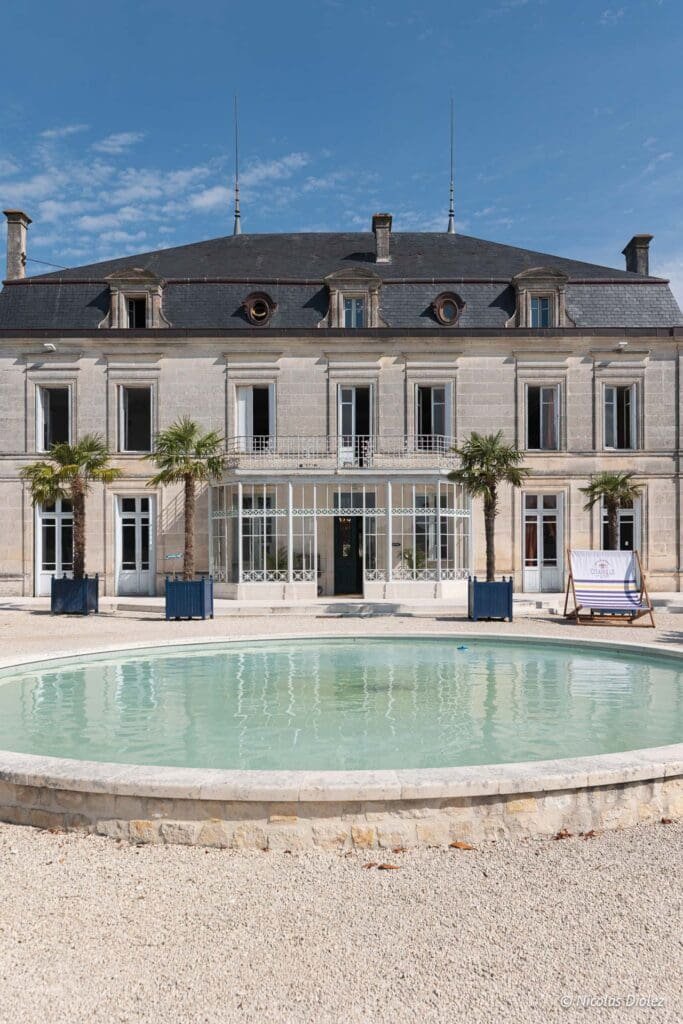
Located in the heart of the Château de Bonbonnet in Ars, in a residence dating back to 1891, the Distillerie Citadelle embodies the renewal of French artisanal spirits under the impetus of its founder Alexandre Gabriel and belongs to the Maison Ferrand. Created in 1989 and initially focused on cognac, the house launched Citadelle in 1996, the very first artisanal gin in France, after five years of efforts to use its Charente stills off-season. This gin, whose name pays homage to the royal distillery of Louis XVI established in Dunkirk, where the first gin distillation took place in 1775, is distinguished by a patented method of progressive infusion of 19 aromatics and the use of organic juniper berries grown directly in front of the château.
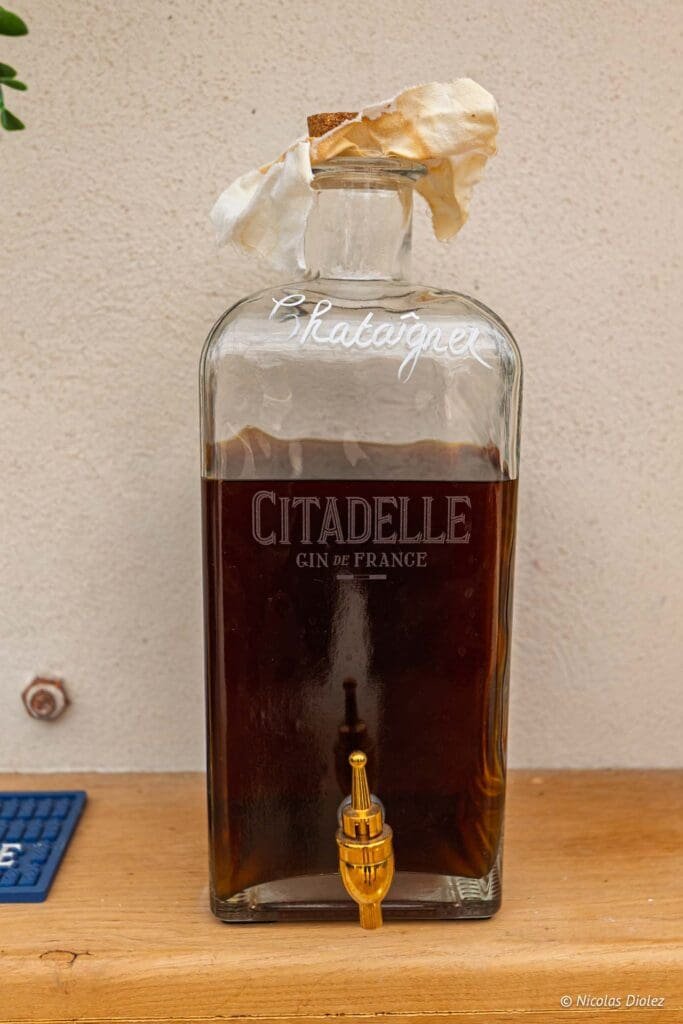
The distillery also multiplies bold innovations like “gin on tap” or even a pickle edition in collaboration with Maison Marc. In parallel, since 1999, the company has also developed its expertise in rum with the Planteray brand (formerly Plantation), relying on historical partnerships and properties in Barbados (Stade’s West Indies Rum Distillery) and Jamaica to offer terroir rums enhanced by double tropical and continental aging.
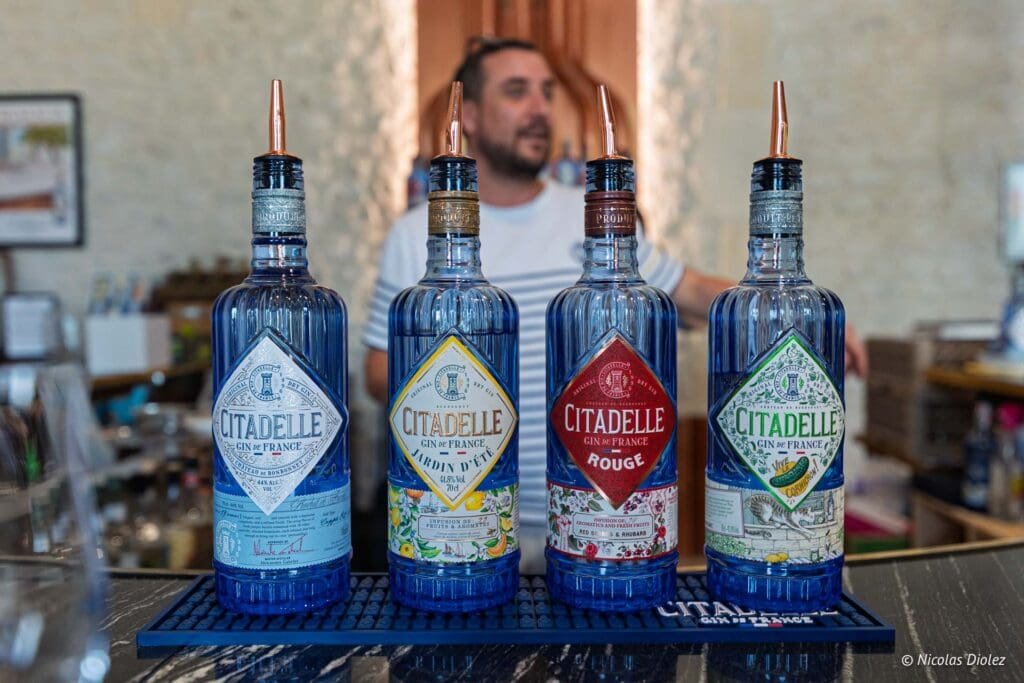
Pioneering and creative, the distillery also offers a comprehensive immersive guided tour (fields, orangery, new eco-friendly steam distillation room) that we had the opportunity to test during our visit. This tour allows you to discover the distillery in operation. A guided tasting of the complete range of the four gins from the distillery, including an exclusive edition, concludes this beautiful discovery.

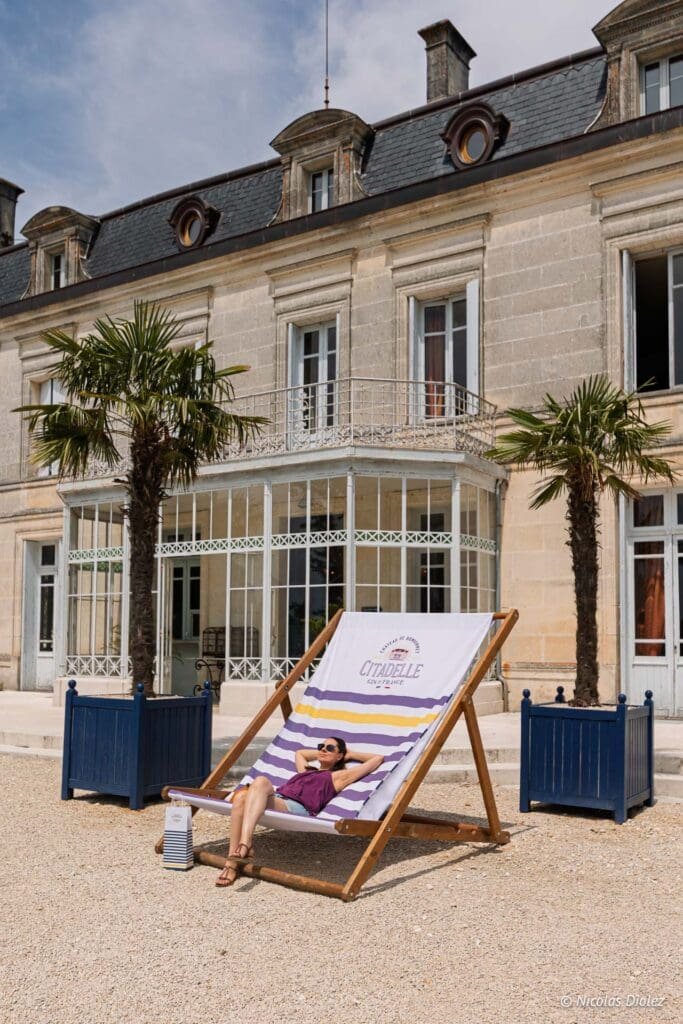


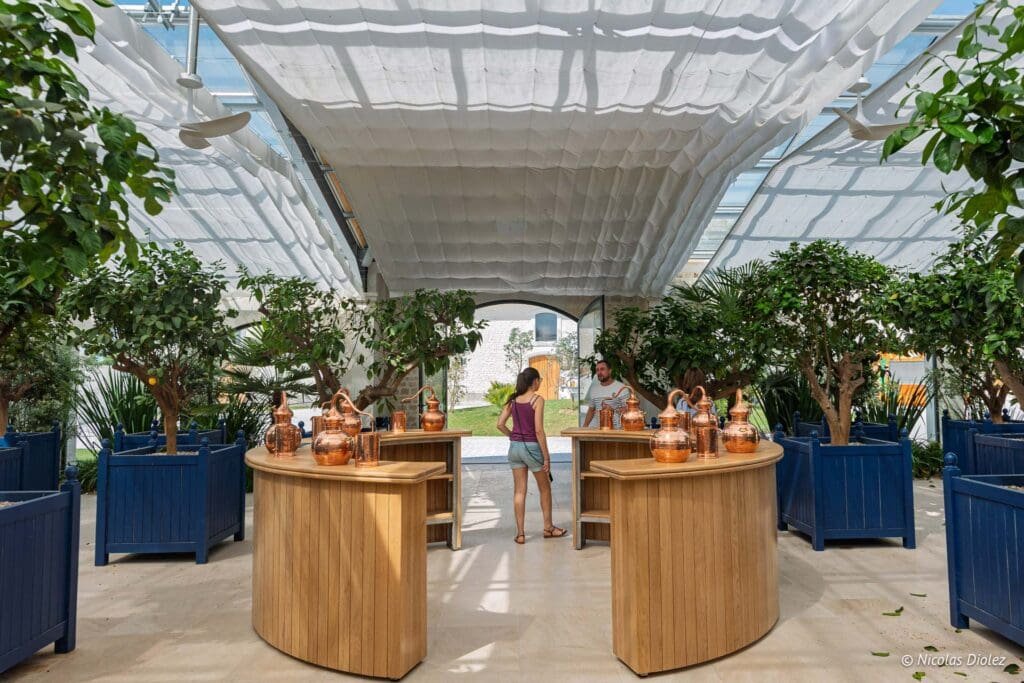


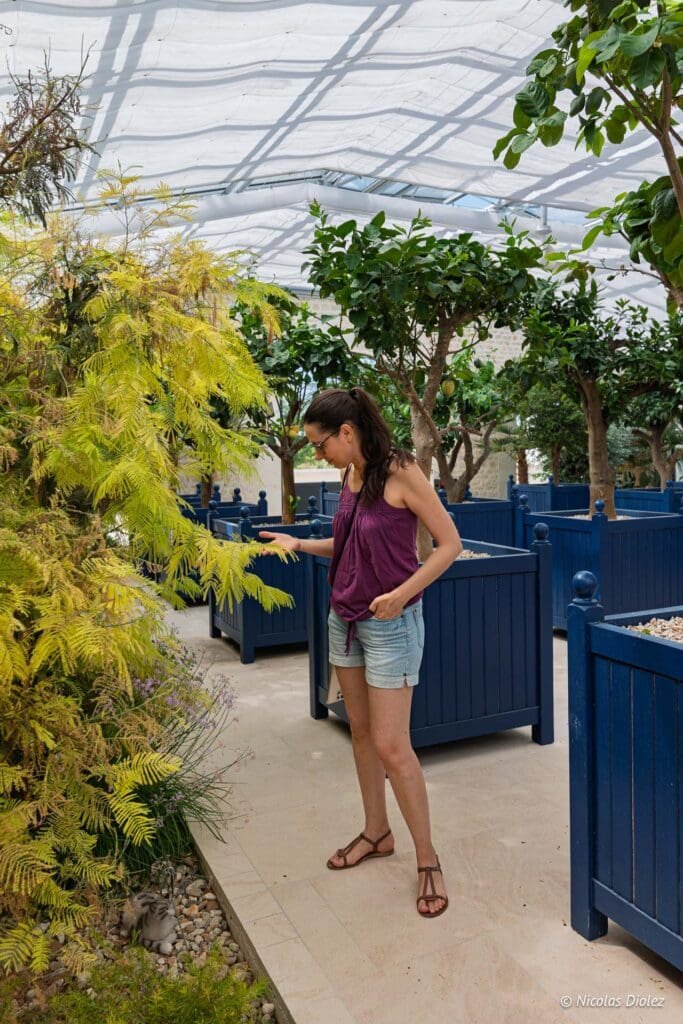
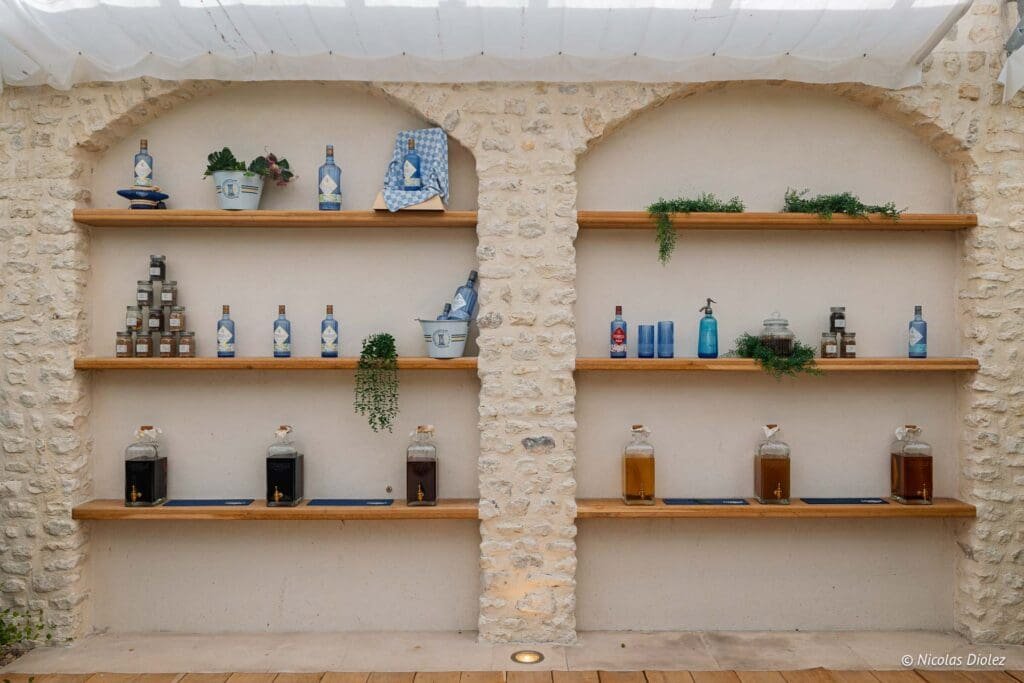
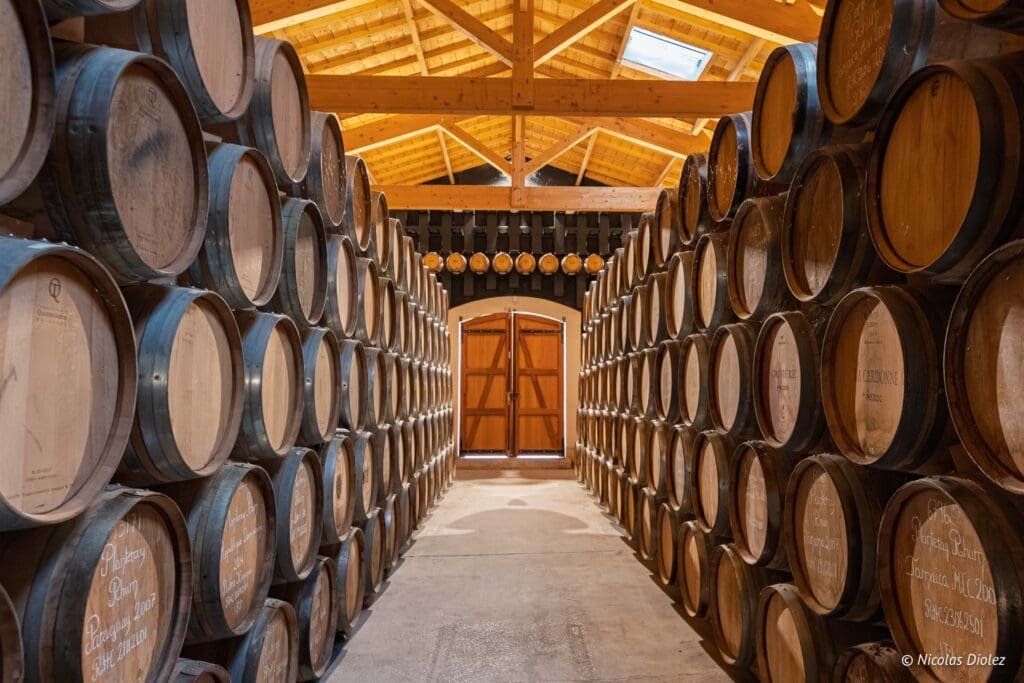
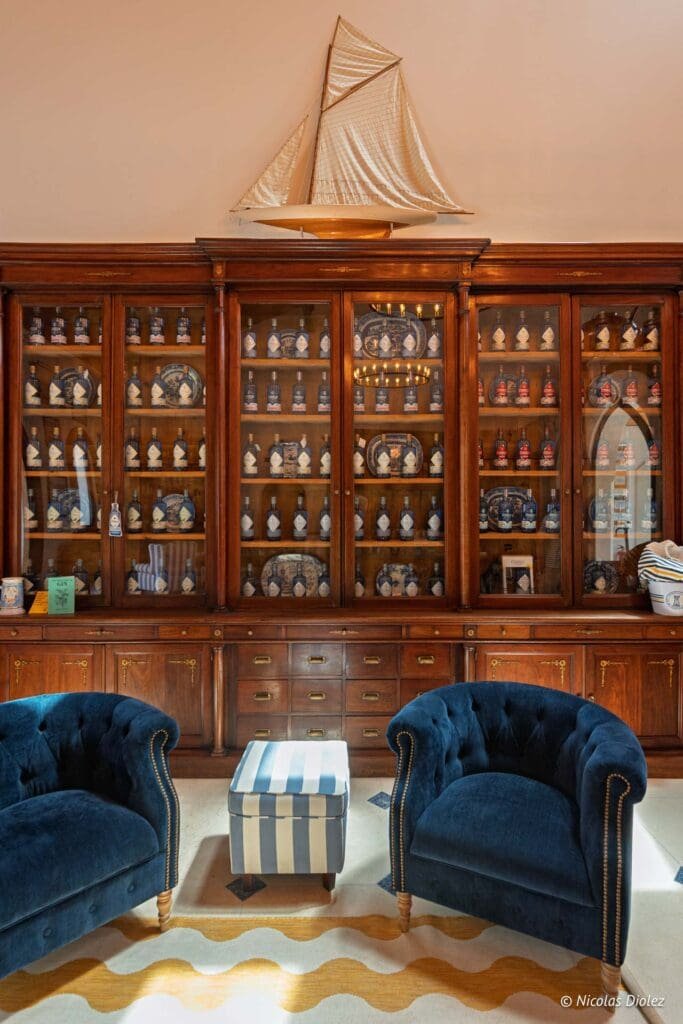
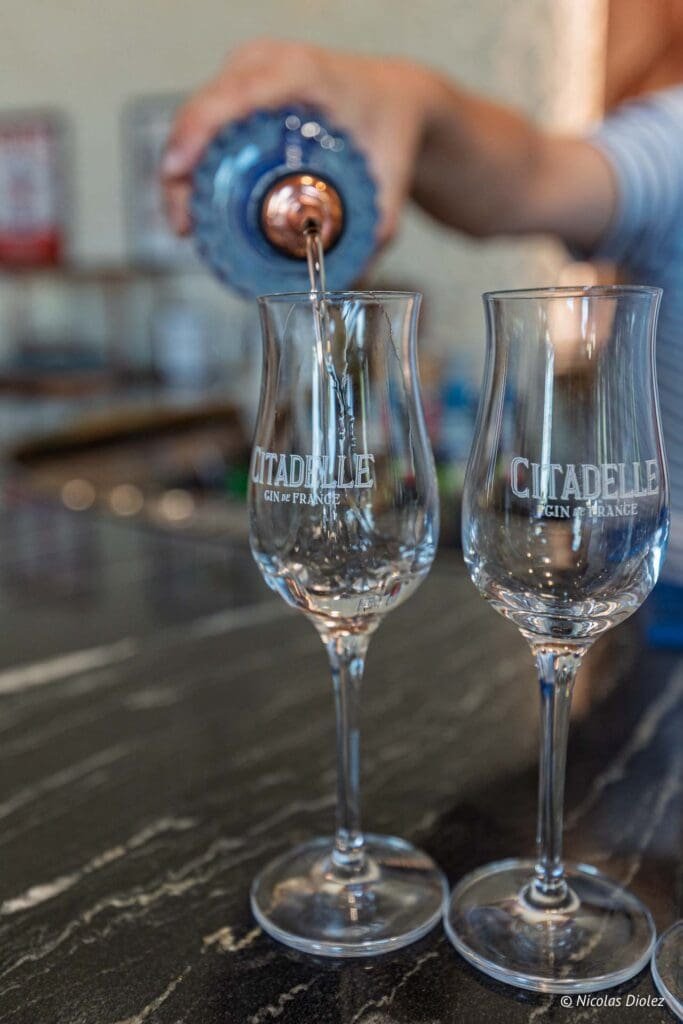
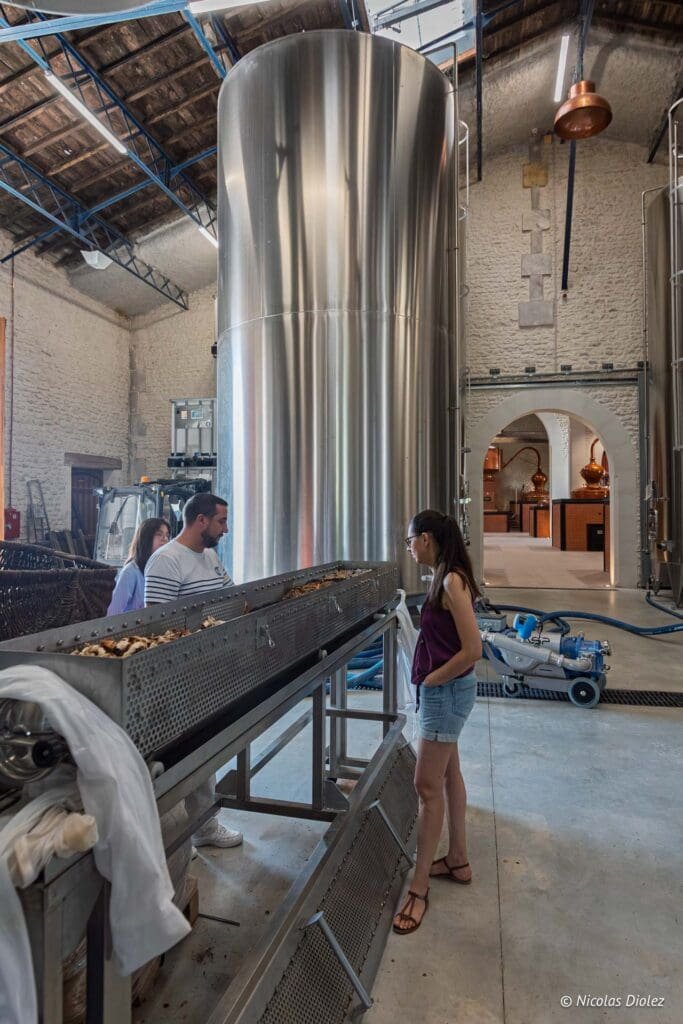
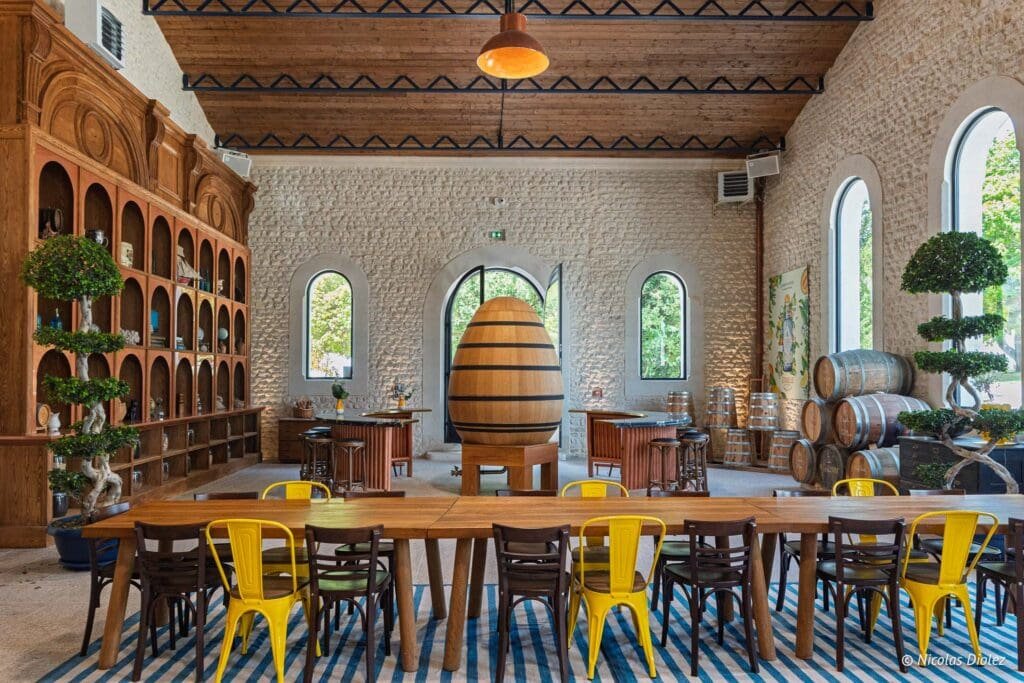

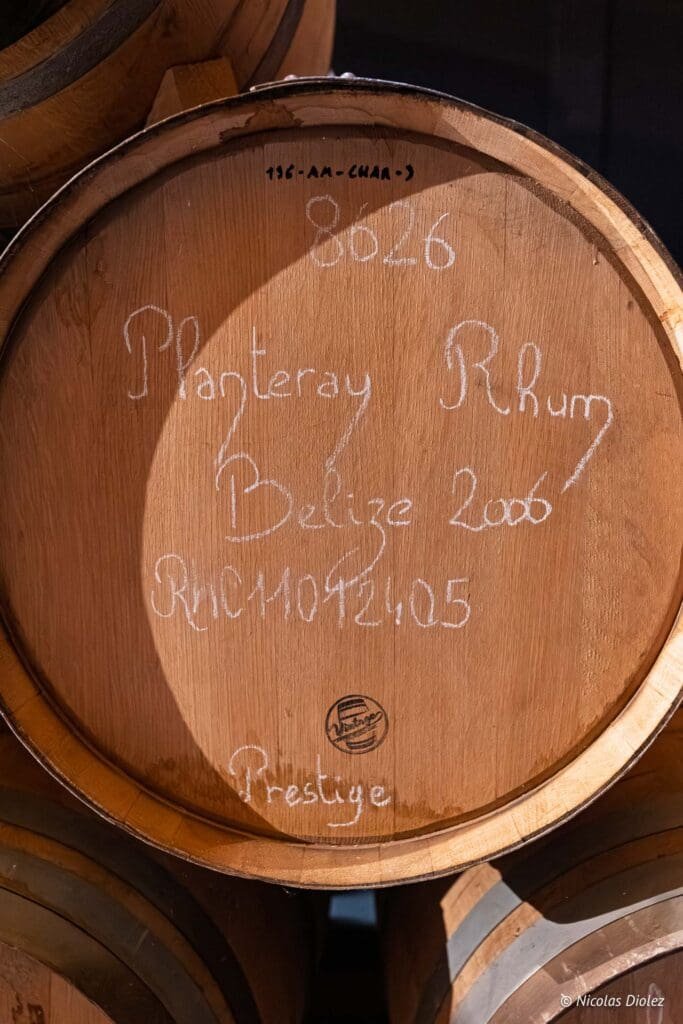
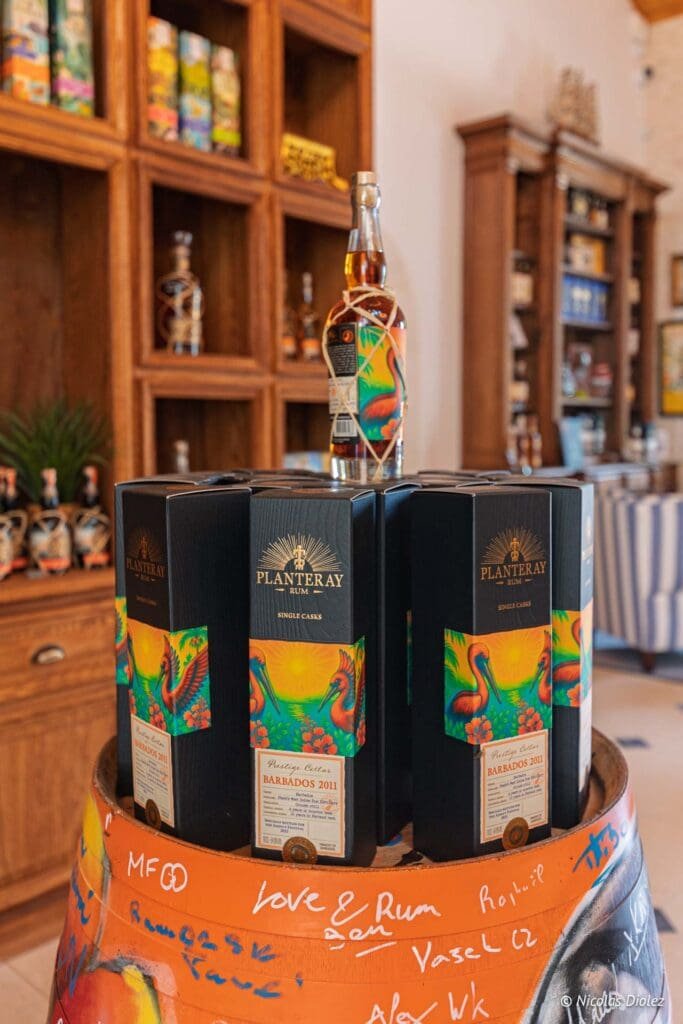
Distillerie Citadelle
Château de Bonbonnet, 1 Chemin de Bonbonnet, 16130 Ars
Distillery tour: duration 1h30 / price €15 per person
_
Make a stopover in Bouteville
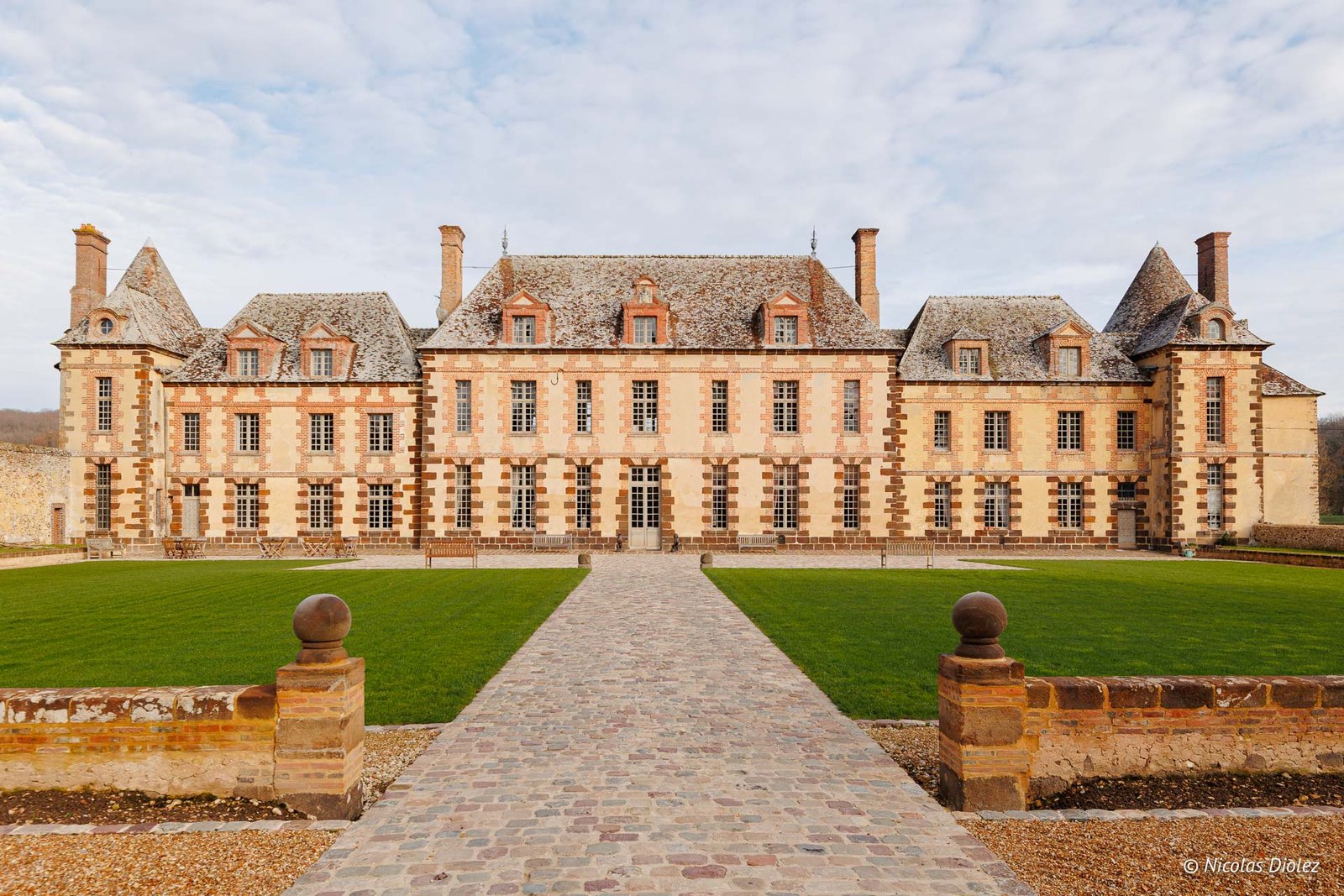
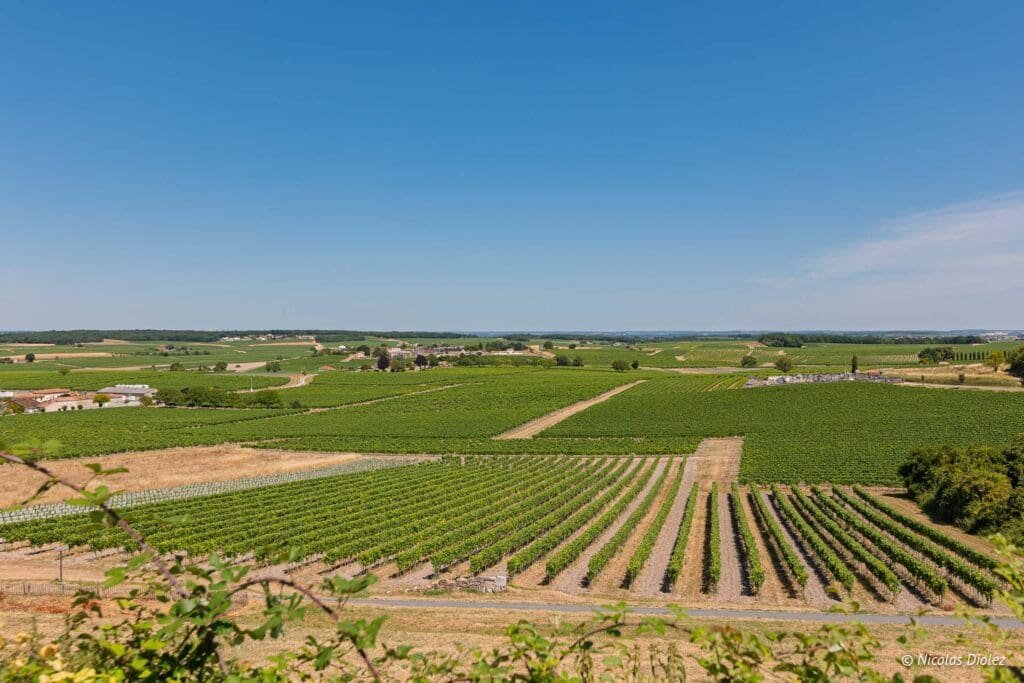
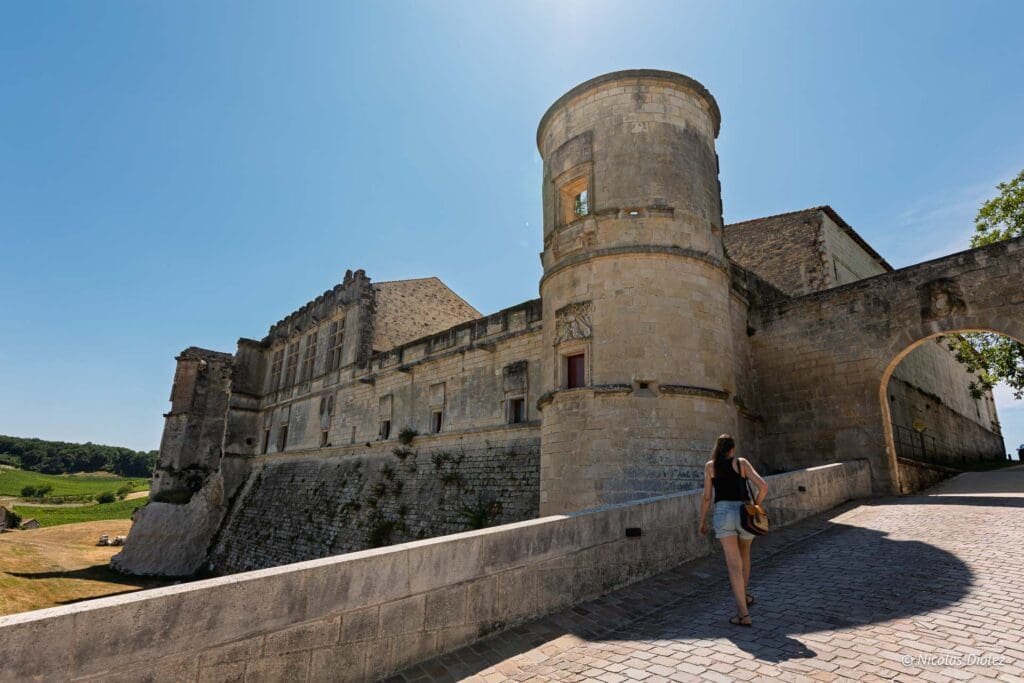
If you’re popping by Bouteville (about a 30-minute drive from Cognac), don’t miss its magnificent castle, an essential heritage site in the Charente region. You can even tour the interior and discover its thousand-year history through a fun and modern exhibition.

_
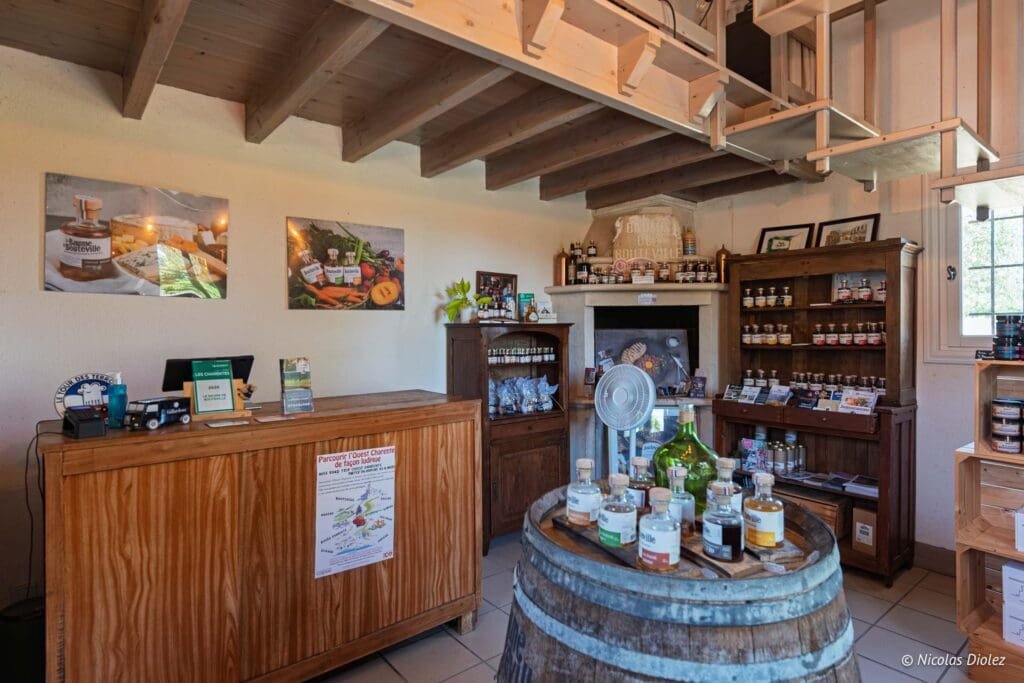
Le Baume de Bouteville
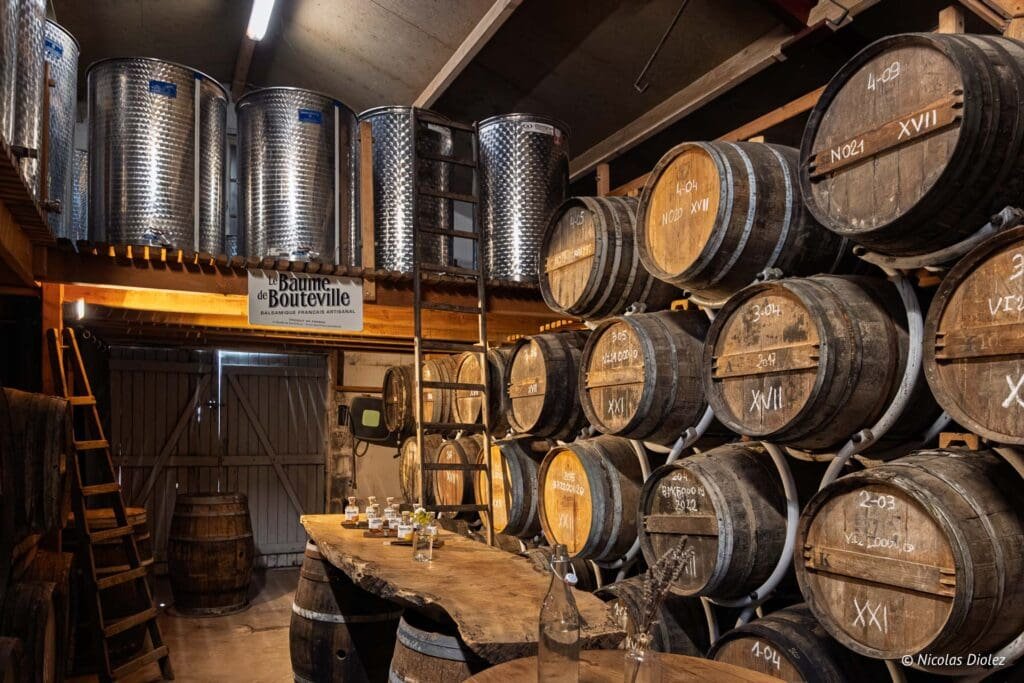
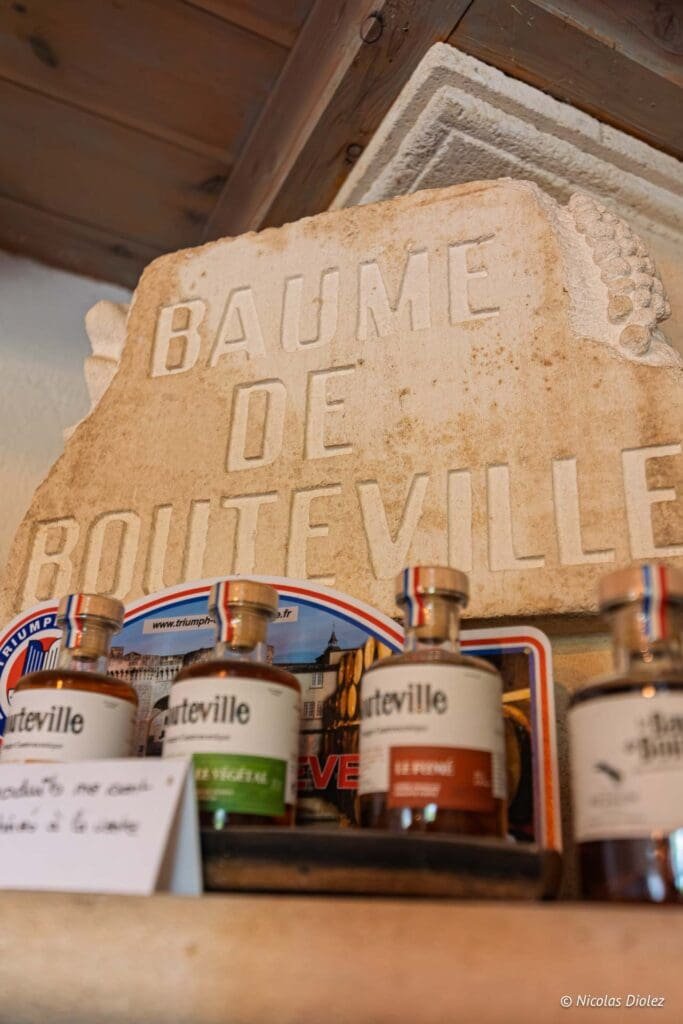
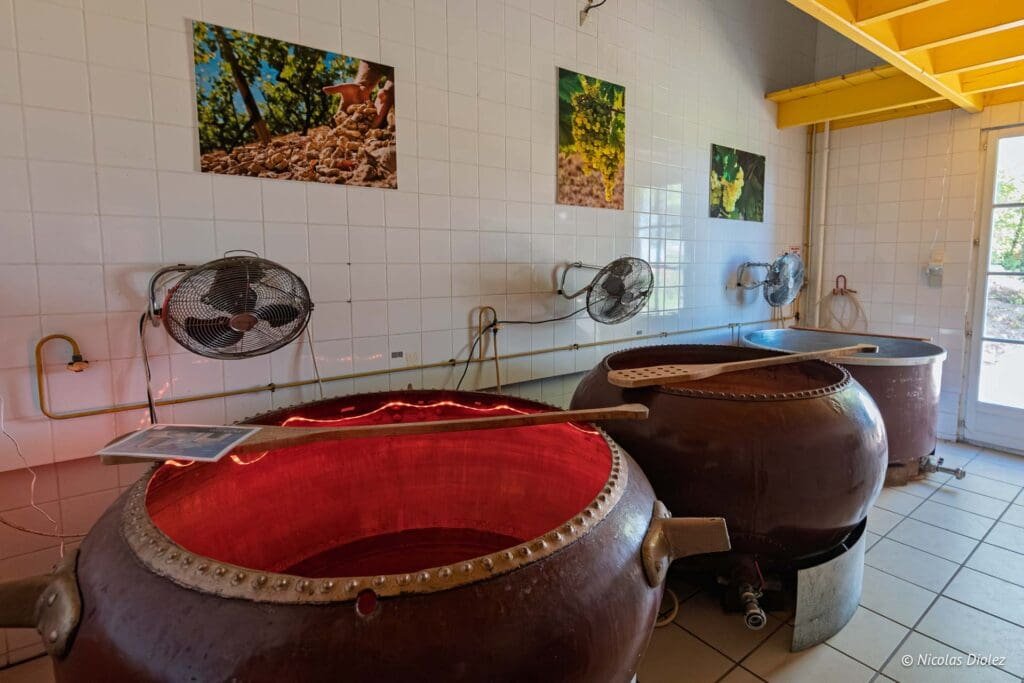
Located in the heart of the prestigious Cognac 1er Cru, Le Baume de Bouteville is an artisanal production born from the encounter between Charentais craftsmanship and the Italian tradition of Modena. The brand creates balsamic condiments and gourmet vinegars. Established in the late 1990s from a Franco-Italian union, the company shares several values with its transalpine cousins: respect for the terroir, selection of grape varieties, and the art of cooperage. Since building its own cellar in 2004, this institution has won over the most discerning palates, including two Michelin-starred chefs in the region, reaching a production of 40,000 bottles per year today. The brand’s expertise relies on the blending of grape must and white wine vinegar, orchestrated by the Cellar Master. Its signature lies in the use of brandy barrels, which impart woody and amber notes to the vinegar.
Also good to know: the location organizes guided tours of the production site (initiation tour at €5.50 per person; discovery tour at €11 per person; or a friendly tour at €24 per person) to discover the history of Bouteville and its production secrets. The tours (in French or English) last between 30 minutes and 1 hour 30 minutes depending on the tour; they do not require booking and end with a product tasting, of course. Finally, you can wrap up your visit with a stop at the shop to purchase directly from the factory.


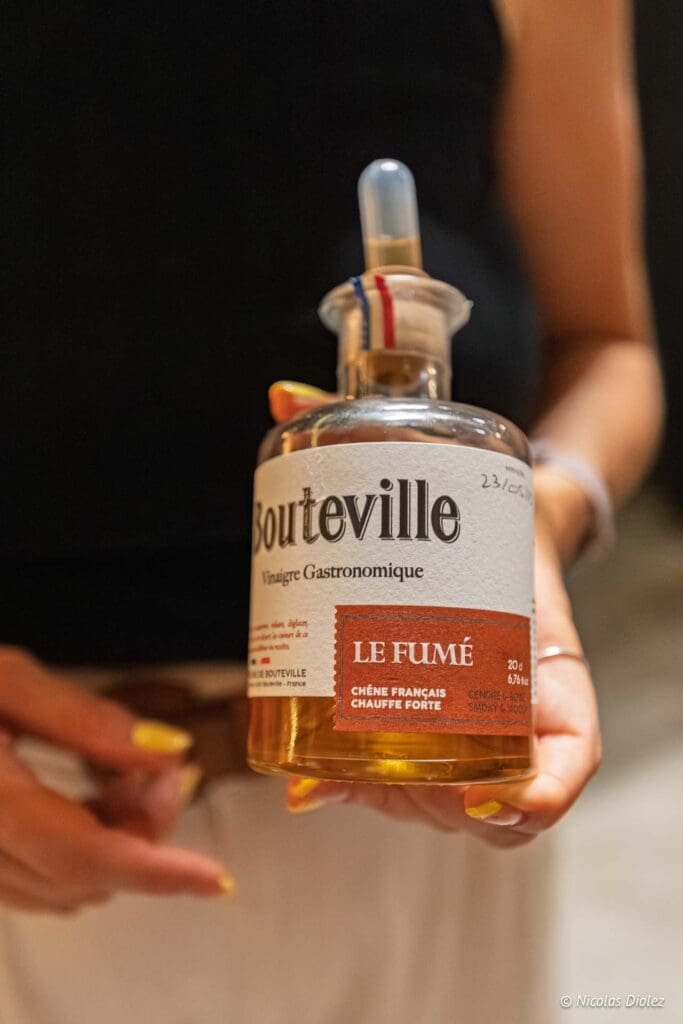



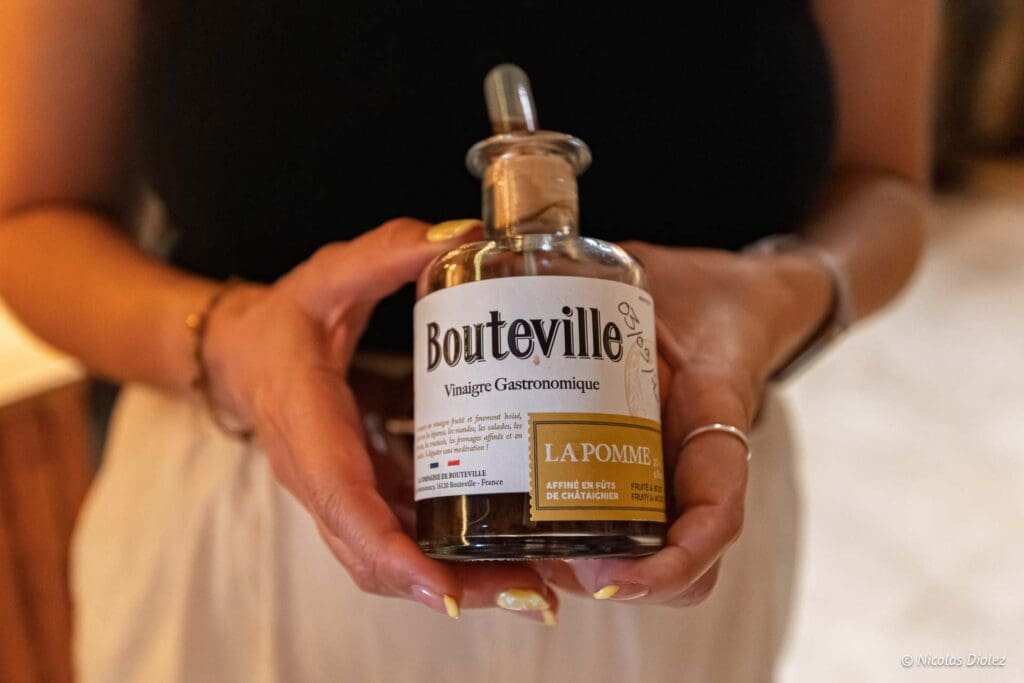
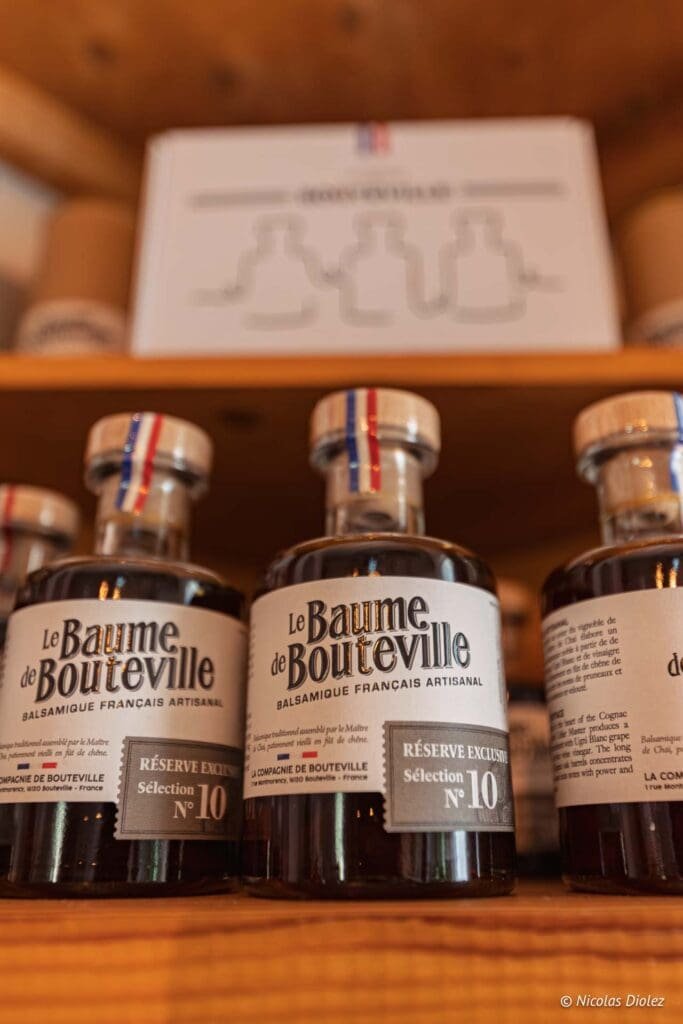

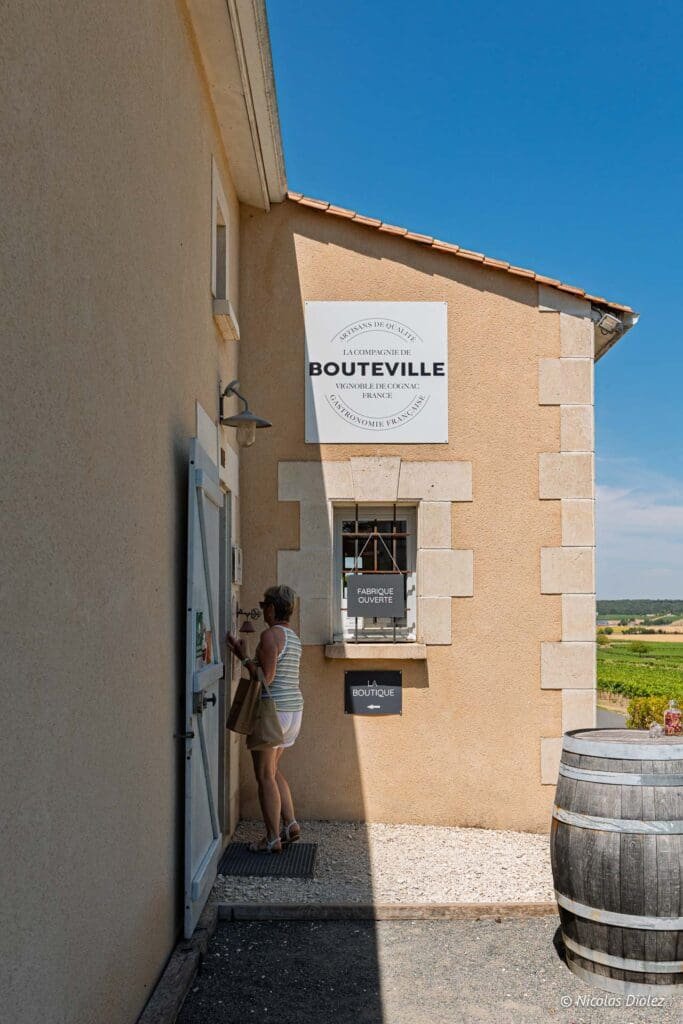
Le Baume de Bouteville
Rue Montmorency 16120 Bouteville
Cognac: A Brief Introduction
Before telling you about my discoveries and giving you some great addresses, I think a brief presentation of the history and nature of Cognac is definitely necessary (or perhaps not, and if that’s the case, I’m impressed, as I personally knew absolutely nothing about it before this trip). First of all, the Cognac appellation was created in 1936. Cognac is therefore a product based on wine made by winegrowers. There are more than 4,300 active winegrowers producing Cognac within the appellation area. Then there are merchants (about 275 for Cognac) who buy the raw material to produce and market their own Cognac. The term “Bouilleur de cru” refers to winegrowers who have a still at home to distill their own product.
The wine produced for distillation, which will become Cognac, is a very acidic wine made solely from white grape varieties. The main variety used today is Ugni Blanc because it is perfect for distillation. It isn’t low-quality wine as some might claim, but rather a wine that possesses the qualities necessary for good distillation. These are obviously not the same qualities one expects from wine in the classic sense, which sometimes causes confusion. There are 6 production zones (crus) in the Cognac appellation: Grande Champagne, Petite Champagne, Borderies, Fins Bois, Bons Bois, and Bois Ordinaires.


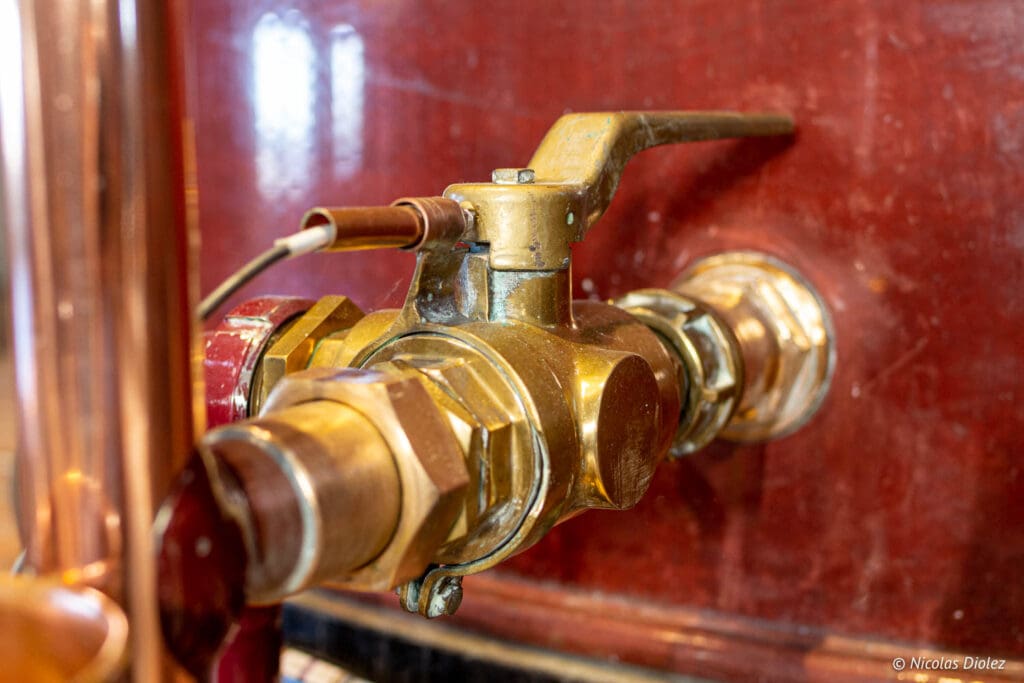
The Cognac distillation process is very particular; it is what we call double distillation, performed in copper Charentais Alembics. Distilling means concentrating aromas. The wine is distilled twice in a still to obtain a wine essence. Then, aging takes place in oak barrels for at least 2 years. It should be understood that unlike other spirits, Cognac is a pure product of blending.
The different types of Cognac:
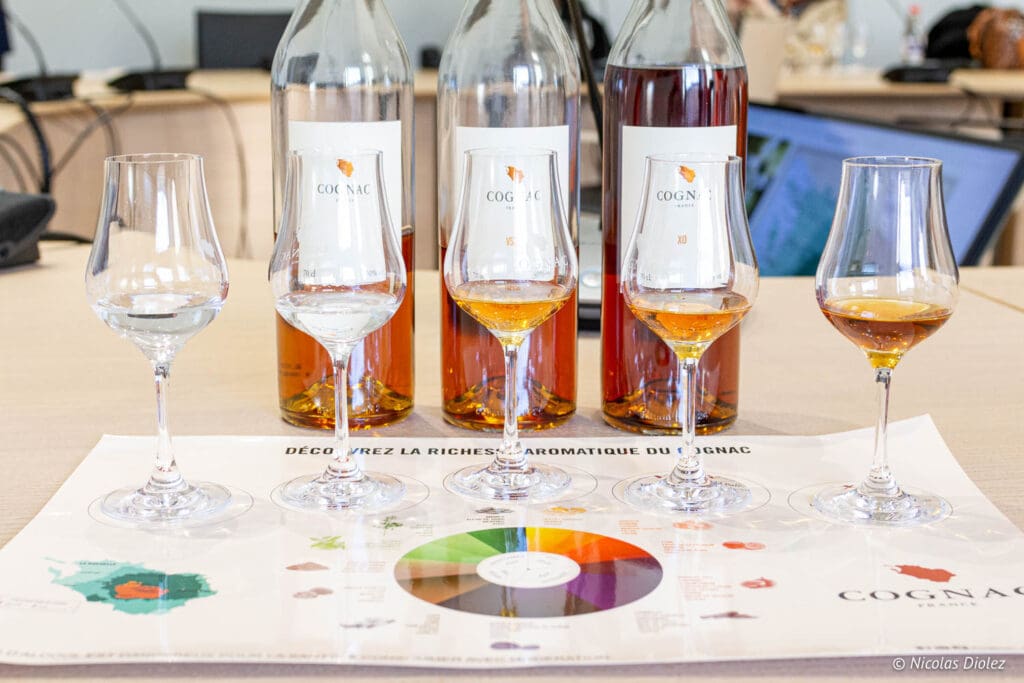
- VS = Very Special / eau-de-vie where the youngest component is at least 2 years old
- VSOP = Very Superior Old Pale / eau-de-vie where the youngest component is at least 4 years old
- Napoléon = eau-de-vie where the youngest component is at least 6 years old
- XO = Extra Old / eau-de-vie where the youngest component is at least 10 years old


Today, 98% of Cognac production is intended for export (primarily the United States, followed by Asia with Singapore and China), which is truly enormous! If we look back at the history of Cognac, we realize that from the beginning, it was a spirit made for foreigners. Indeed, the city of Cognac developed thanks to the Charente river and the fact that it was exempt from the salt tax because it was the birthplace of King Francis I. This encouraged the salt trade and subsequently allowed for the birth and expansion of the Cognac trade.
In 1540, the first stills arrived in Cognac, but at that time, the brandy (which means “water of life”) was distilled only once. Double distillation, which is still the method used today, was implemented in 1610. Furthermore, Cognac can also be used to make Pineau des Charentes, a liqueur wine that is a mixture of grape must and Cognac. This liqueur wine is produced only in a region spanning a large part of the two Charentes.


Good to know: there is never any sulfur in Cognac, which is great news for those who suffer from headaches and no longer drink wine because of it (I’m thinking of our favorite photographer’s mother, for instance).
A few figures:
- Cognac accounts for approximately 17,000 total jobs in the region.
- The BNIC (National Interprofessional Bureau of Cognac) was established in 1946.
- The “Angel’s Share” (the evaporation of alcohol over the years during the aging process) accounts for 32 million bottles per year (see photo below).
- 72.4° ABV is the maximum for a cognac.
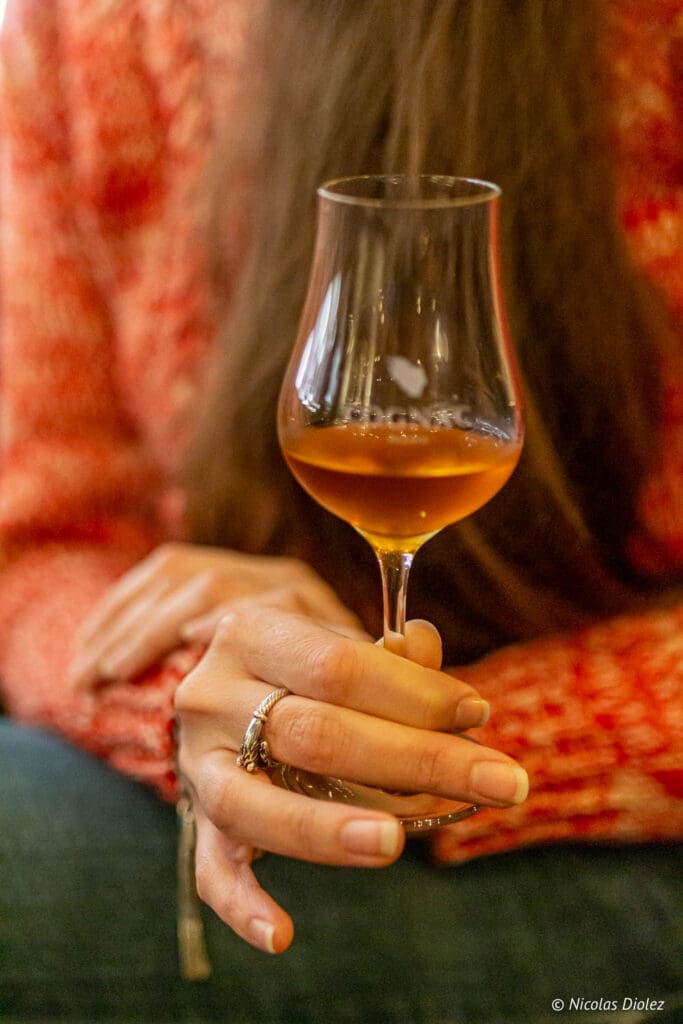
- Tasting advice: once opened, cognac can be enjoyed for between 2.5 and 3 years without degradation, and it is best served in a tulip glass (like the one below) to fully showcase its aromas.

Discovering some Cognac Houses
Below, I present a few cognac houses—all of which are quite different from one another—that I had the opportunity to discover during this stay or a little later. I also conclude with a presentation of the Tonnellerie Doreau, which is not a cognac house itself but actively contributes to this world.
_
Maison Hennessy
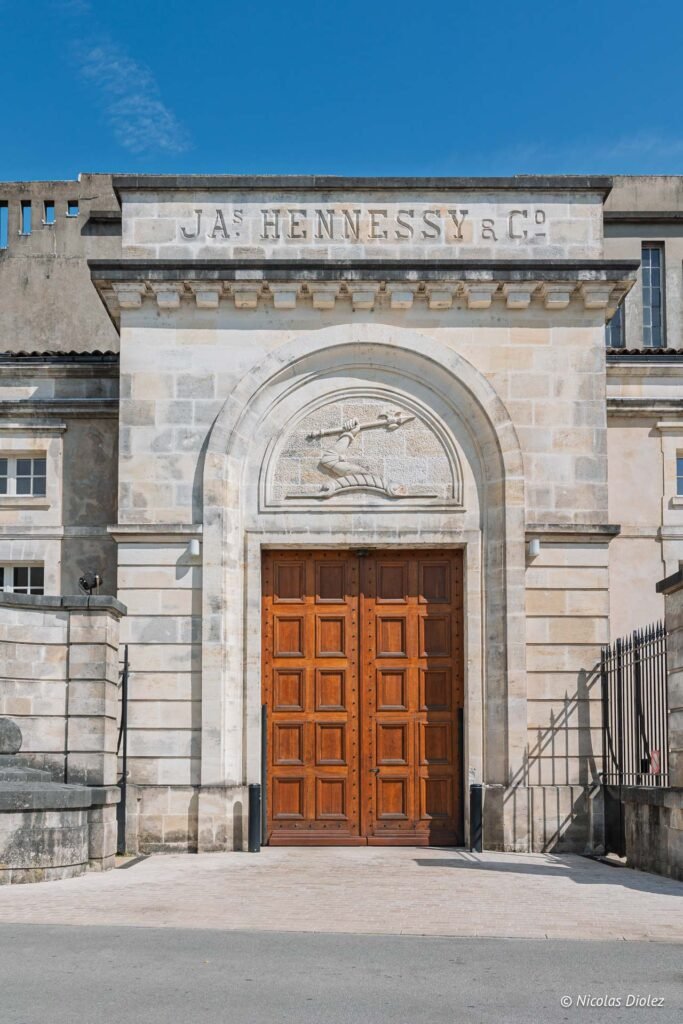
This major trading house holds 50% of the global market share for cognac, making it the true driving force of the appellation. Hennessy also owns experimental vineyards (at the “La Bataille” locality) that allow them to conduct tests and reflect on the future of the appellation. The house’s goal is to be able to reproduce consistent cognacs over time through its blends. Furthermore, the house’s iconic cognac is the Cognac XO, produced by Hennessy since 1870.


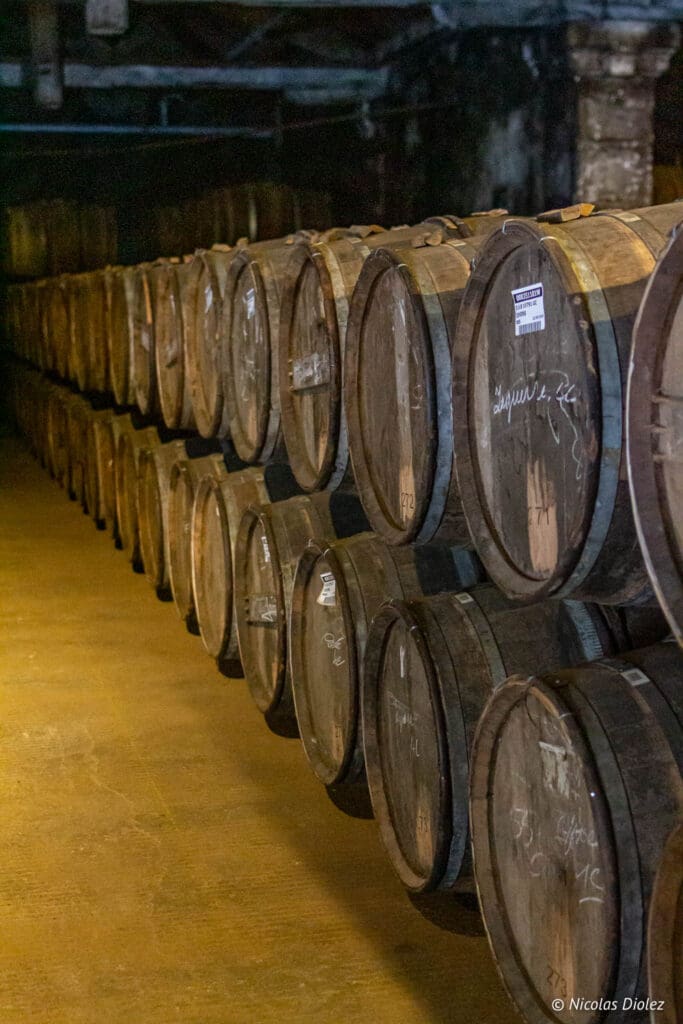
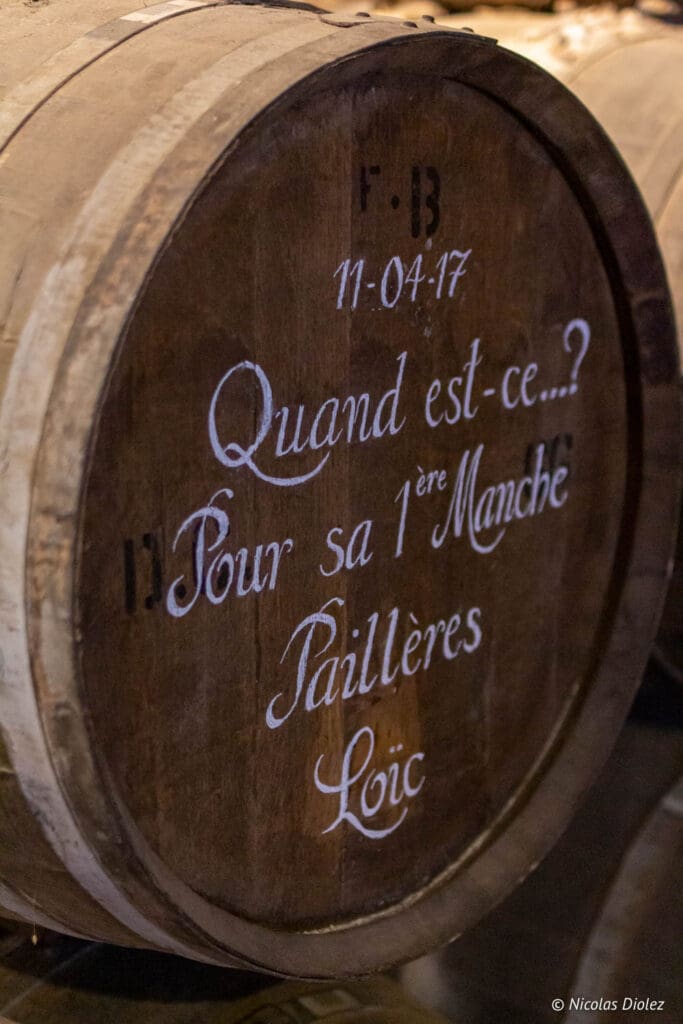

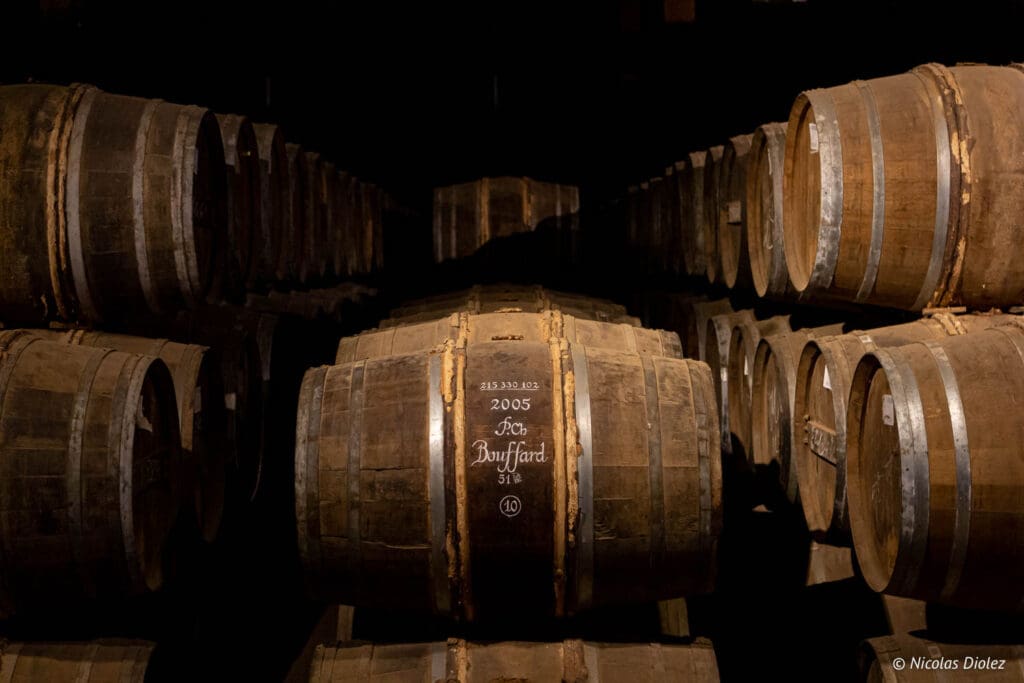
Thus, for cognac professionals, today’s high-end cognac (which has therefore reached a certain aging maturity) is the legacy of people who are no longer here and who knew how to identify the peak elegance of the cognac, the moment when the eau-de-vie is removed from the barrel to stop its aging. At Hennessy, the oldest eau-de-vie in a barrel dates back to 1893. Hennessy offers several types of tours to discover the house and cognac, all ending with tastings (prices below). For our part, we were lucky enough to experience the VIP “From Vineyard to Cognac” tour, which led us into the most private areas of the Hennessy House, usually closed to the public: the vineyard, the distillery… We obviously finished the visit with a very beautiful tasting of a wide range of Hennessy products.


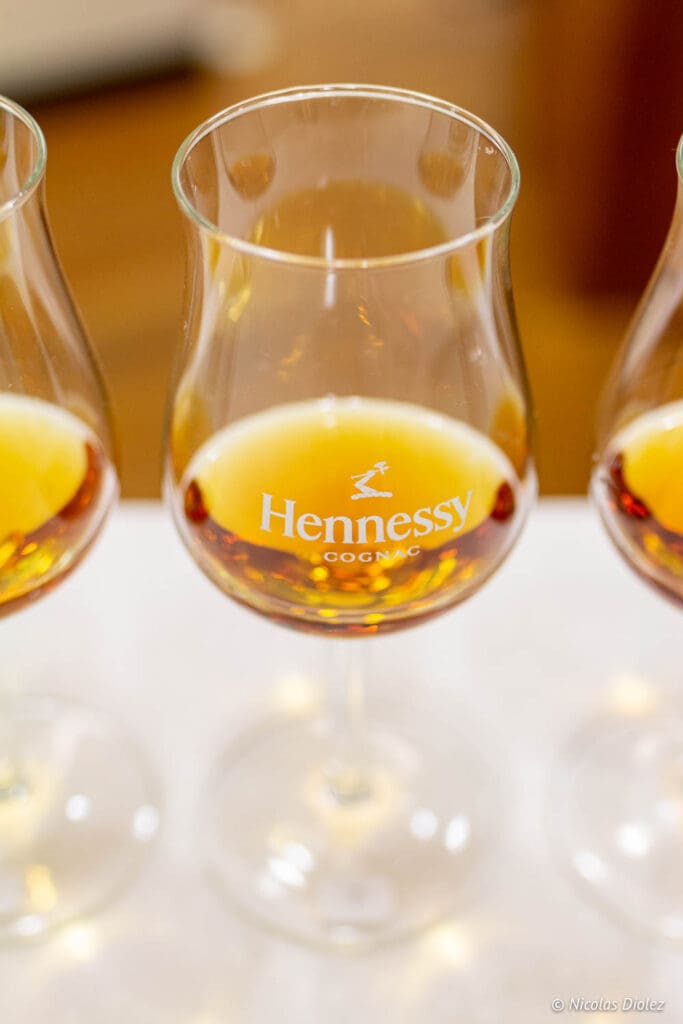

Cognac Hennessy
8 Rue de la Richonne, 16100 CognacTours to discover Hennessy: Hennessy Classics €20 / Hennessy XO Symbole / Hennessy Exception / From Vineyard to Cognac Tour €250
_
Maison Hine
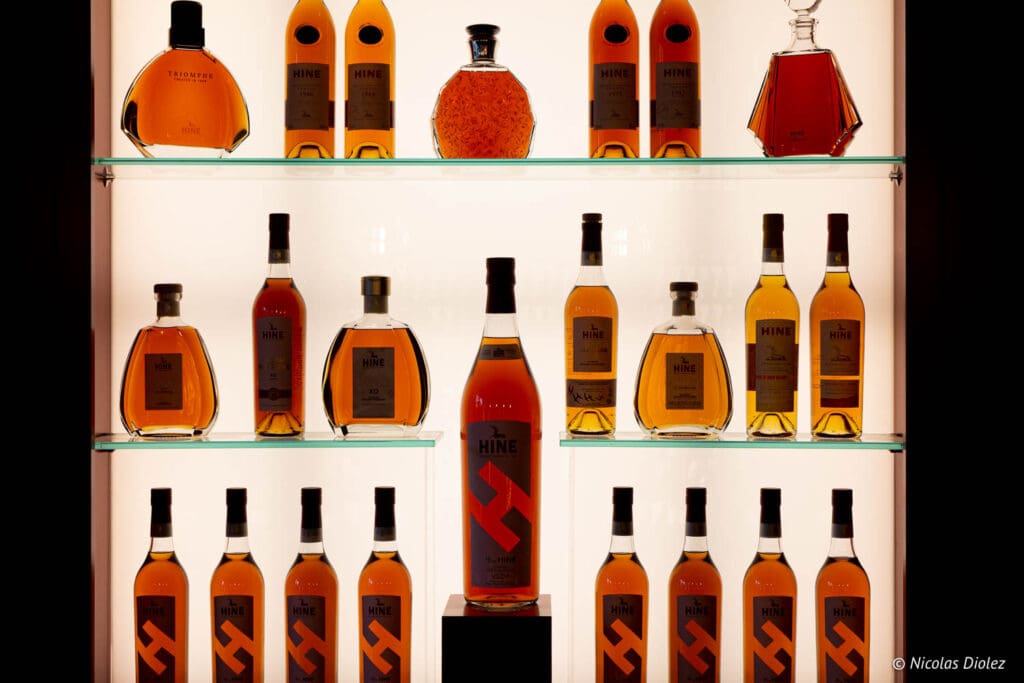
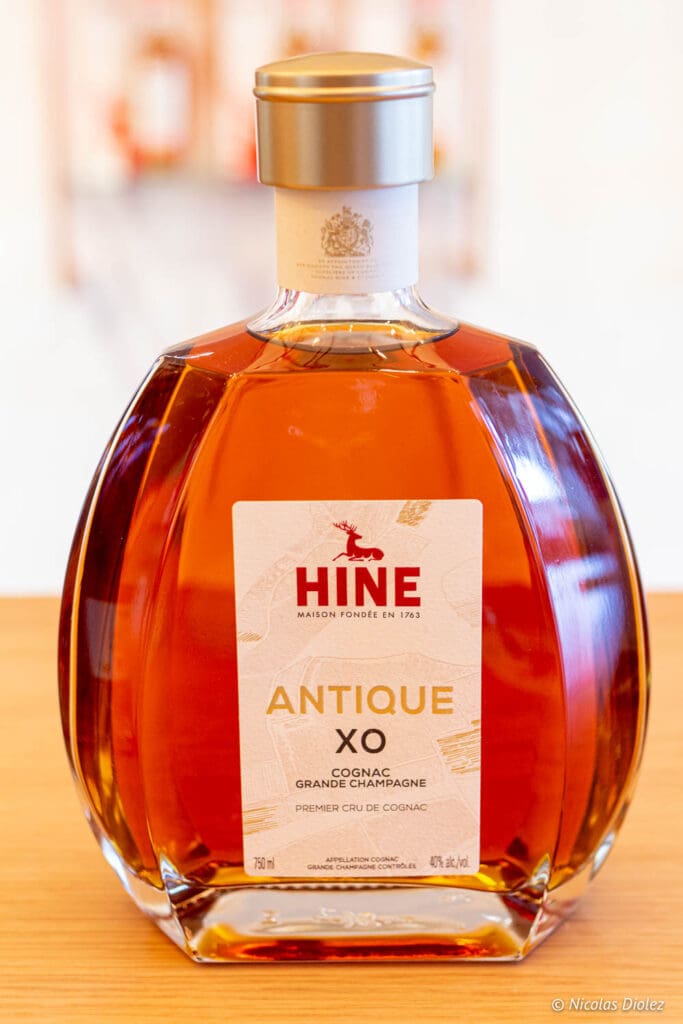
This house was created by an Englishman in 1763 in Jarnac. Originally, it was only a trading house, but since 2003, Hine has acquired some vineyards, which now represent 25 to 30% of its supply. The house has sought to exercise total control over the aging style of its cognacs since the beginning of its existence. Today, Hine has belonged to a French group since 2013. I really liked the house’s emblem, which has been represented since 1867 by a majestic stag. The origin of this mascot comes from the founder’s surname, “Hine,” who was from Dorset in England, where the stag is a lucky animal.
Cognac Hine comes from vines located solely in Grande and Petite Champagne, with 100% Ugni Blanc as the grape variety. The Hine Cognac style is a fine and elegant product with little wood influence. The house therefore has specific requirements for the barrels it purchases for aging its eaux-de-vie. They are selected from fine-grained French oak with a light toast. This year, Hine celebrates the 100th anniversary of its best-seller, the Antique XO. As a fun fact, the Hine house has been the exclusive supplier to the Royal House of England since 1962. The Hine house also distinguishes itself from other cognac houses because it is one of the only ones that still produces vintages! These are produced only with unblended Grande Champagne cognacs.

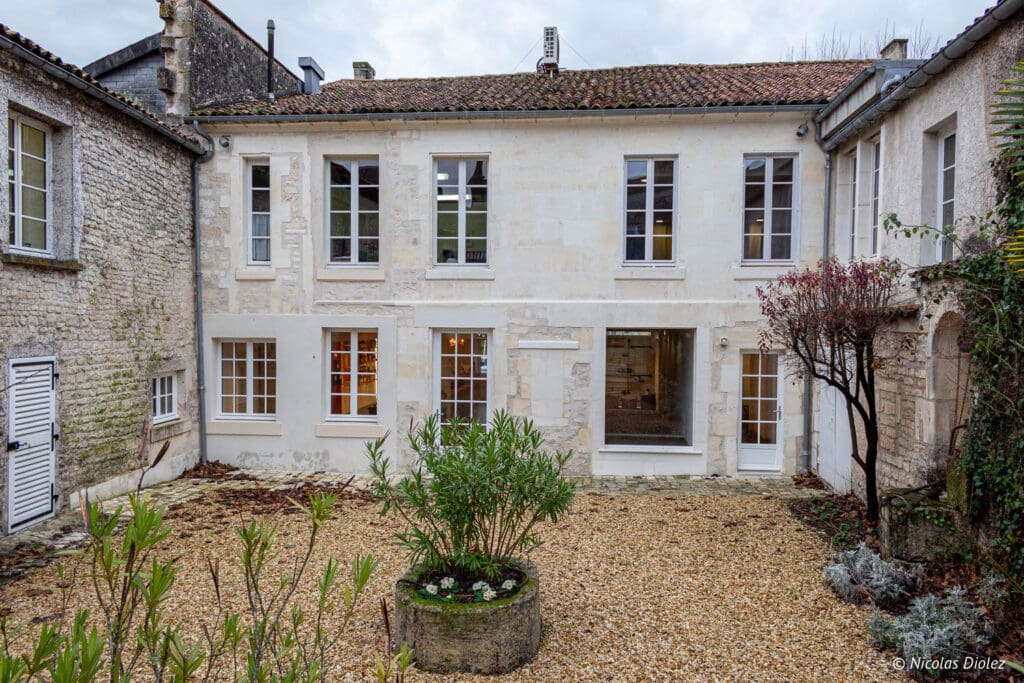


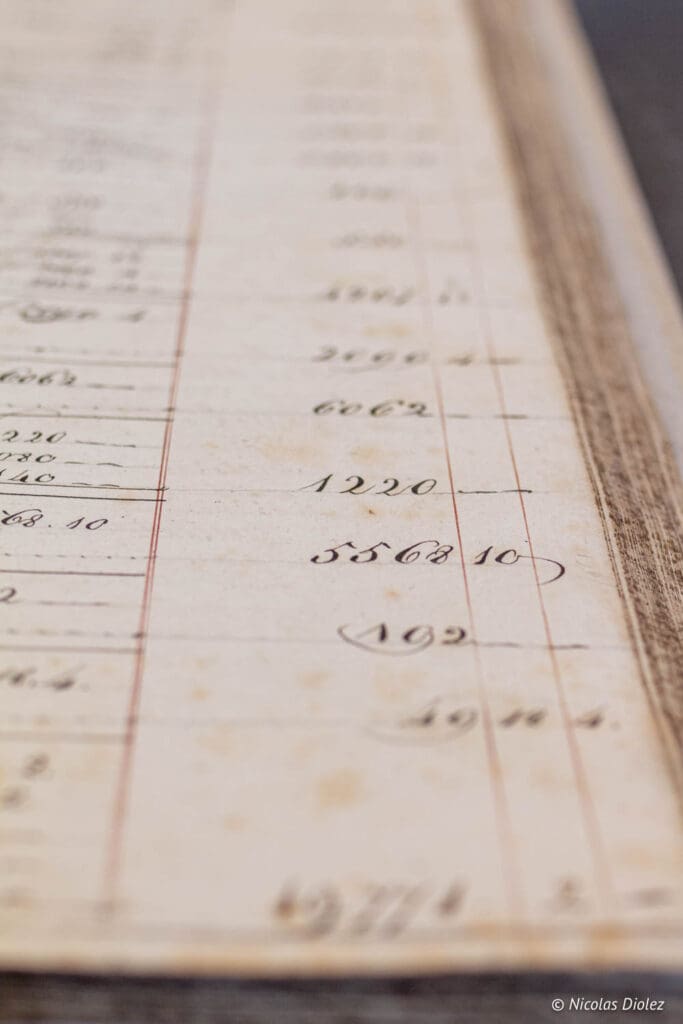
During the tours/tastings organized on-site, you can discover the specific manufacturing processes of Hine cognacs but also visit their cellars, which include an 18th-century cellar—the oldest in the house. During the visit, you walk through “Paradise,” where the oldest eaux-de-vie of the house are stored in “Dame-Jeanne” glass demijohns. Some even date back to 1850… It is truly fascinating to travel through time in the basements of Jarnac, and if you are in the area, I highly recommend this tour. It is free, and then depending on the type of tasting you wish to have, there may be a charge (though the basic tasting with 2 types of cognac is still free!).





Maison Hine
16 quai de l’Orangerie 16200 JarnacTours & tastings: October to May, Monday to Friday from 9 am to 12 pm and 1 pm to 5 pm / June to September, Tuesday to Friday from 10 am to 12 pm and 1:30 pm to 7 pm + Saturday from 1 pm to 6 pm
Duration: 2 hours (free to €70 depending on the number and type of cognacs tasted)
_
Cognac Pasquet
This small brand, created by Jean-Luc Pasquet in 1977, offers cognacs that it crafts from start to finish. Indeed, the Pasquets are both winegrowers and independent distillers (see the “Cognac presentation” above for an explanation of this term). The vineyard they work has existed since 1730, and they obtained organic certification in 1998. The Pasquet family truly works using traditional farming methods and has no contracts with large cognac houses, which distinguishes them from others. Their terroir spans two growth areas: Petite and Grande Champagne.


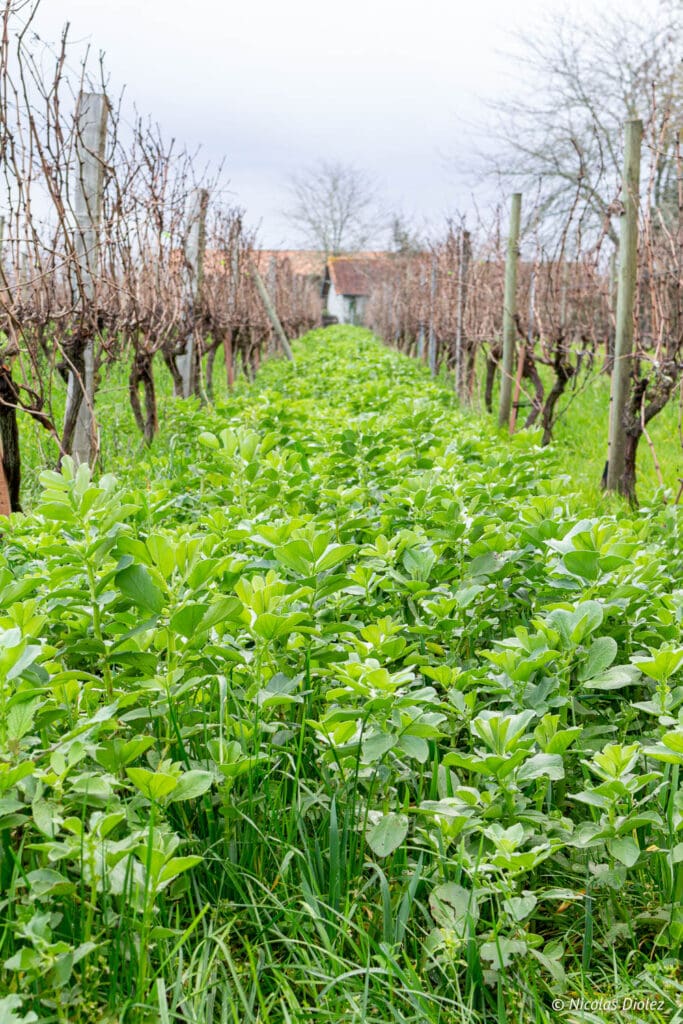
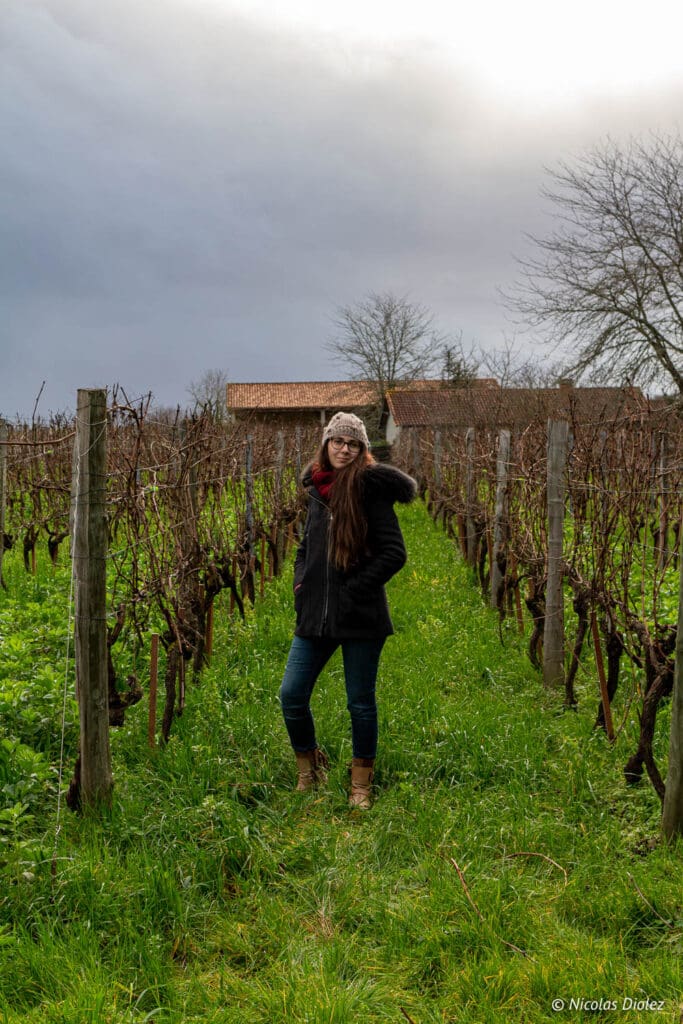


They also have a plot with the “Folle Blanche” grape variety, which was the old variety used for making cognac before the phylloxera epidemic in the 19th century. Today, it is very rare to make cognac with this variety. As for the aging of their brandies, the Pasquet family owns both a dry cellar and a humid cellar, which allows the cognacs to age differently.
The Organic Range: 4, 7, or 10 years of aging


Must try: La Belle Inconnue, a sparkling drink combining grape juice and cognac (€9.90 for 375 ml and €14.50 for 750 ml).
Jean-Luc Pasquet Cognac
Chez Ferchaud Eraville, 16120 BellevigneCognac prices: starting from €34.50 for 700 ml
_
The Meukow House
Meukow is an independent, family-run house created in 1862 in the heart of the city of Cognac by two brothers who came from Silesia and were tasked with supplying the Russian court of Tsar Alexander II with cognac: Auguste-Christophe and Gustav Meukow. The house’s emblem for the past forty years has been the panther, which has proudly adorned Meukow Cognac bottles since 1993. Below, you can see the Meukow VS bottle that received the Exceptional Silver Medal at the “International Wine & Spirit Competition” in 2018 (price €28.50). A small point of originality in this industry: the Meukow cellar master is a woman, Anne Sarteaux.


Meukow Cognac
7 Rue François Porche, 16100 CognacGood to know: the house offers a fun and educational tour called “From amber to light” to visit its world (price €10)
_
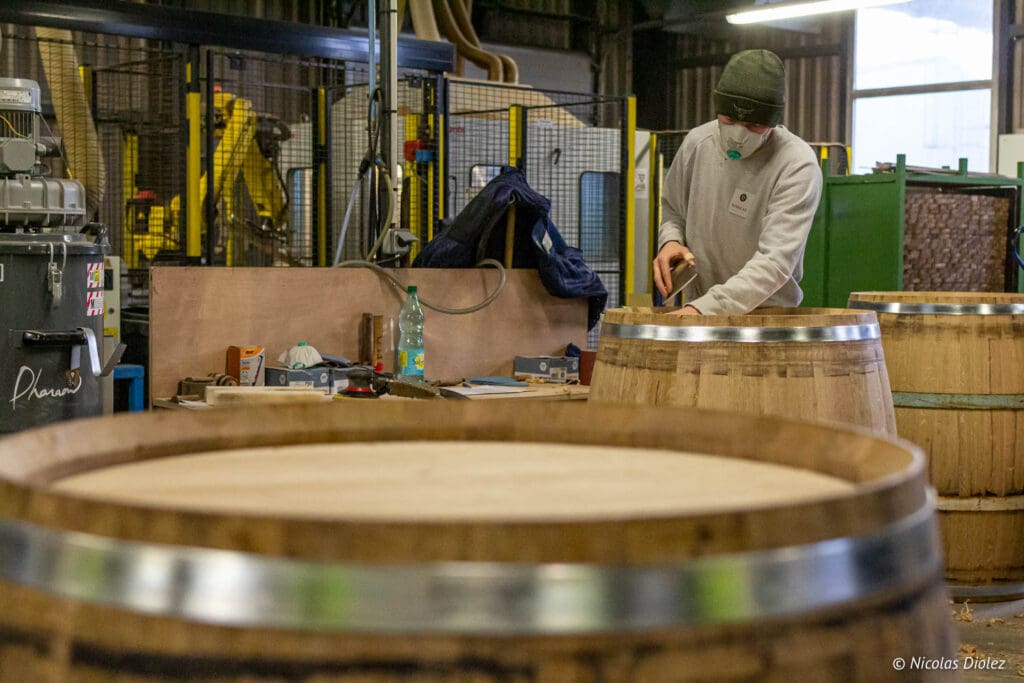
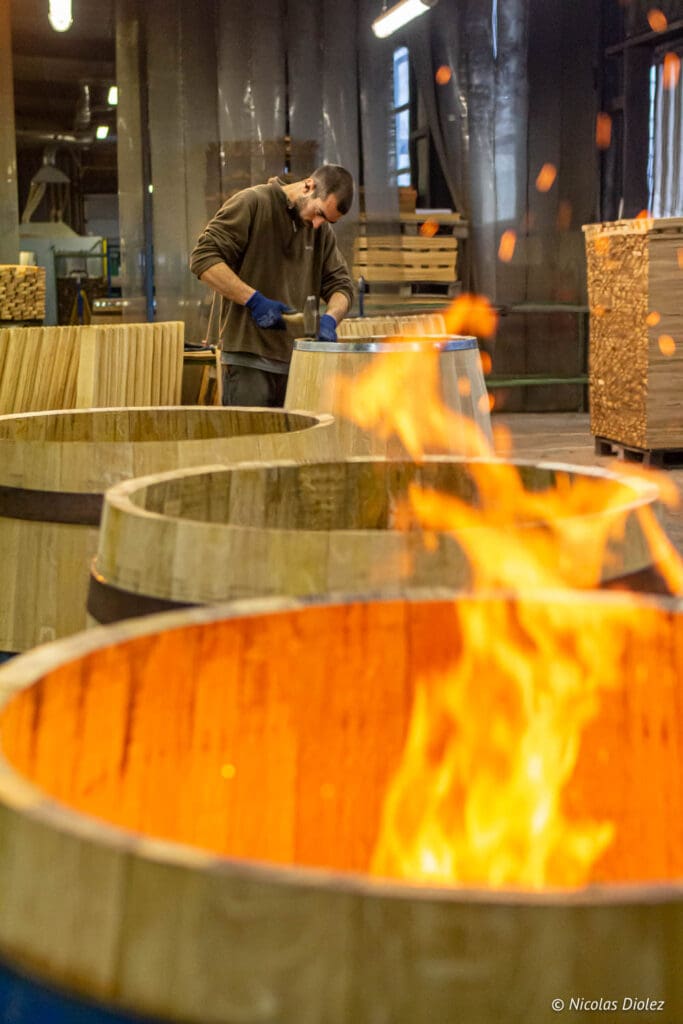
Visit to the Doreau Cooperage
This visit was, to say the least, incredible, and I have vivid memories of it. The Doreau cooperage has existed for about 30 years and manufactures barrels for storing spirits (wine, cognac…). This is done according to strict specifications, as cognac barrels must be made of oak. By visiting the cooperage, we were able to witness all the stages of preparing a barrel, from the cutting of the trunks (wood selection happens all over France, and the wood must rest for 2 to 3 years before being used), through the heating of the wood staves, and finally the assembly. The cooperage mainly sells its barrels to cognac producers (70%) but also makes them for storing wine.
Some figures: the cooperage produces 22,000 barrels per year, which is about 80 per day, and the average price of a barrel is around €600.
The cooperage is also committed to a responsible process: for every oak tree cut down, one is replanted. For the manufacture of barrels, trees that are at least 150 years old are cut, making it a very competitive market.




Doreau Cooperage
65 Route des Grands Champs, 16130 Gensac-la-Pallue
My foodie recommendations in Cognac and the surrounding area
As usual, I’m sharing the good addresses I had the opportunity to test locally, including a few restaurants and bars. If you are coming to discover Cognac, I think this might be useful to you.
_
My favorite spots in Cognac
Let’s start this selection with a series of great spots located in Cognac.
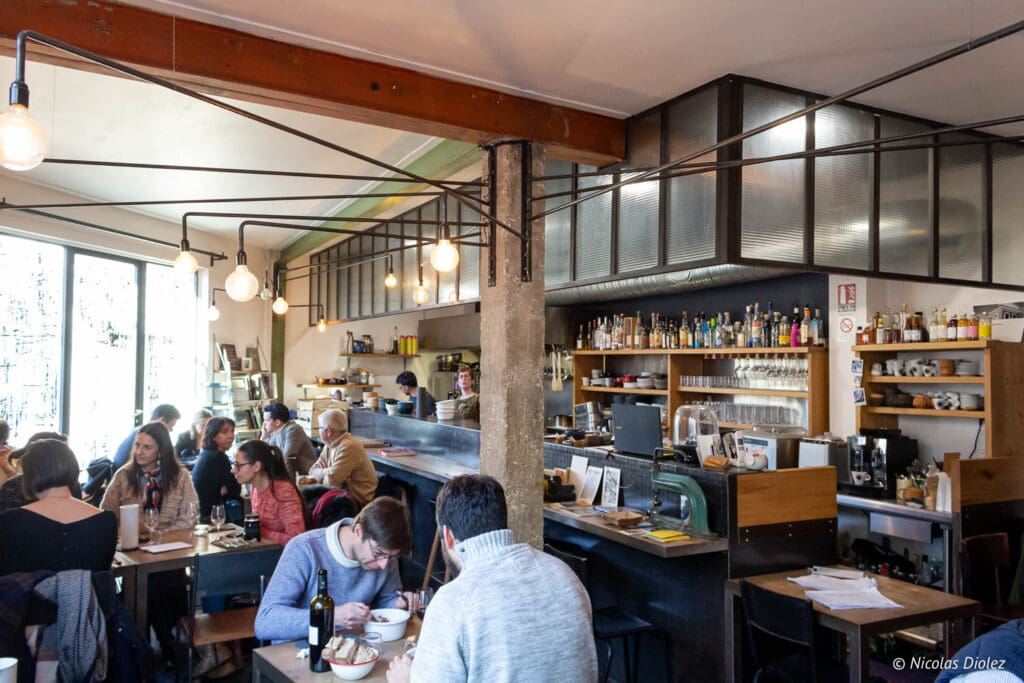
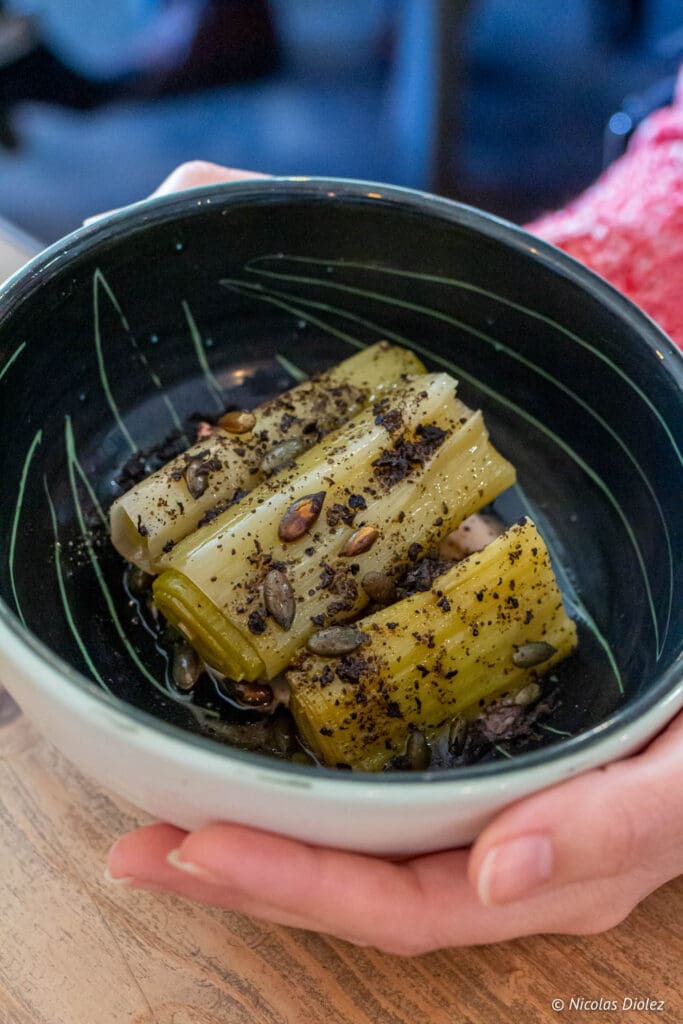
A bistronomic address in Cognac? Restaurant Poulpette
An excellent spot in Cognac that you absolutely must discover and try if you pass through the city! I insist! The menu is super short and created based on the chef’s inspiration and the day’s supplies (2 starters, 2 mains, and 2 desserts), which shows the freshness of what you find on the plate! The chef’s creations are perfectly balanced; it was a treat and a journey for the taste buds from the start to the end of the lunch without a single false note. We left the table extremely enthusiastic, as you can probably tell from my story.
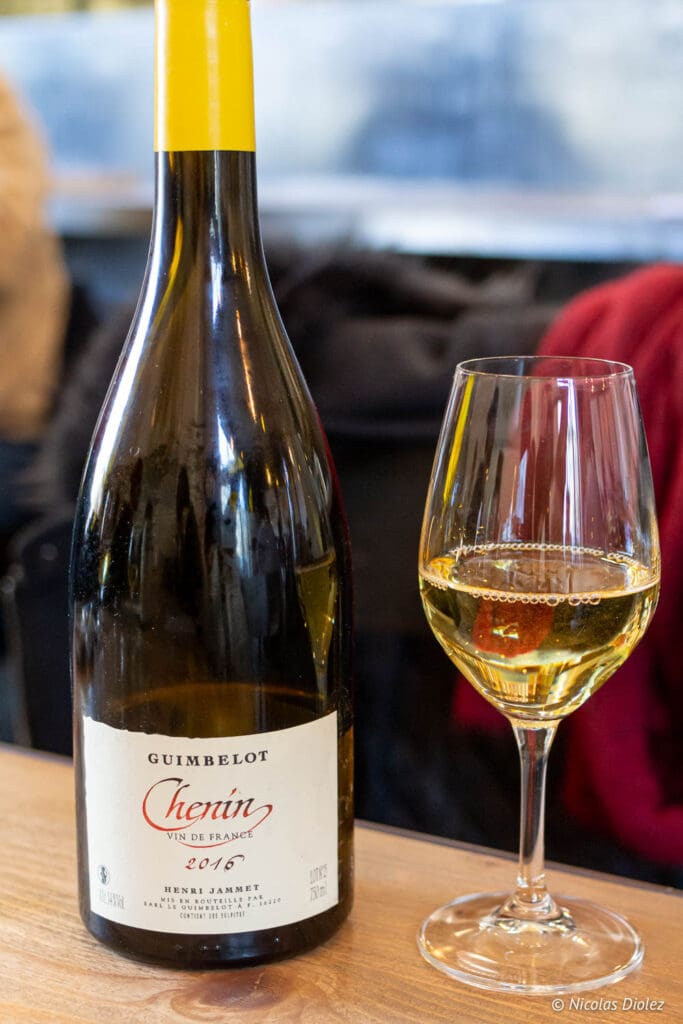
Little plus: the venue also offers a beautiful selection of local wines if you want to drink something other than cognac for a change.



Tested in 2020
Restaurant Poulpette
46 Avenue de Lattre de Tassigny, 16100 CognacThe great deal: lunch menu starter + main + dessert €26
_
Dinner on the terrace in a chic spot in Cognac? La Brasserie des Flâneurs
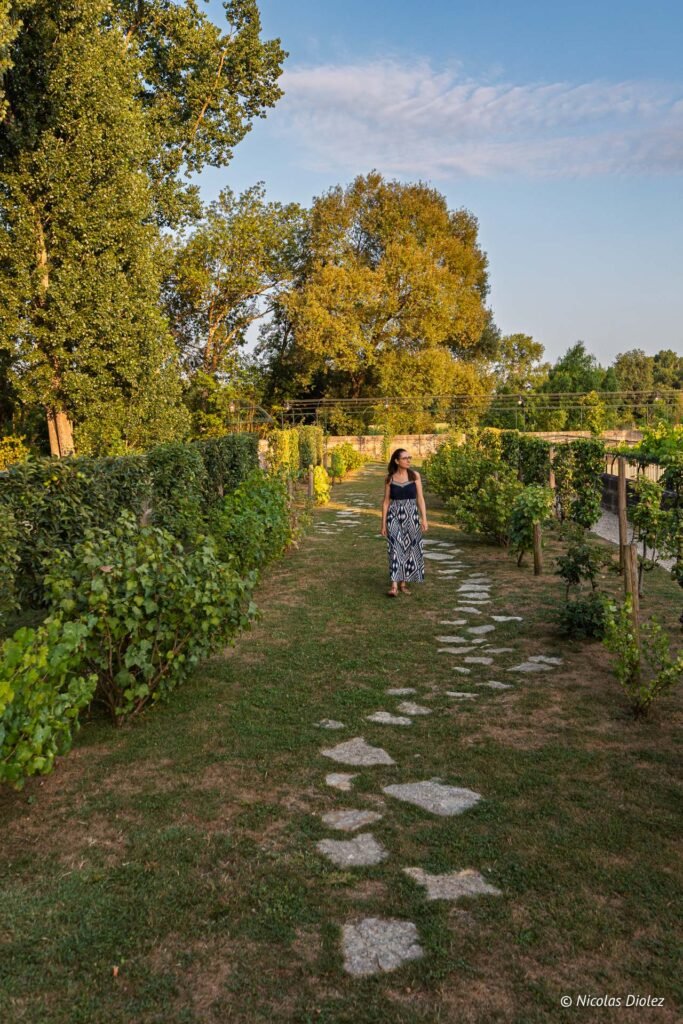
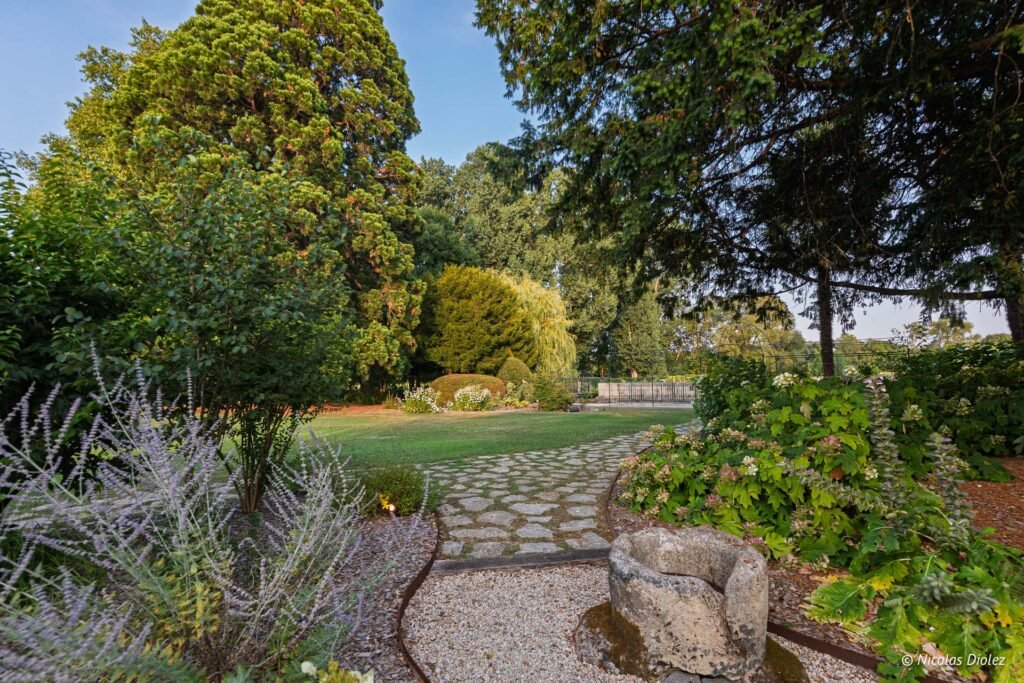
Located in the heart of the magnificent setting of Relais & Châteaux La Nauve in Cognac, La Brasserie des Flâneurs is the perfect place to enjoy the Charentais sweetness of life. Housed in an elegantly renovated 19th-century distillery, it offers “farm-to-table” cuisine under the direction of chef Anthony Carballo.
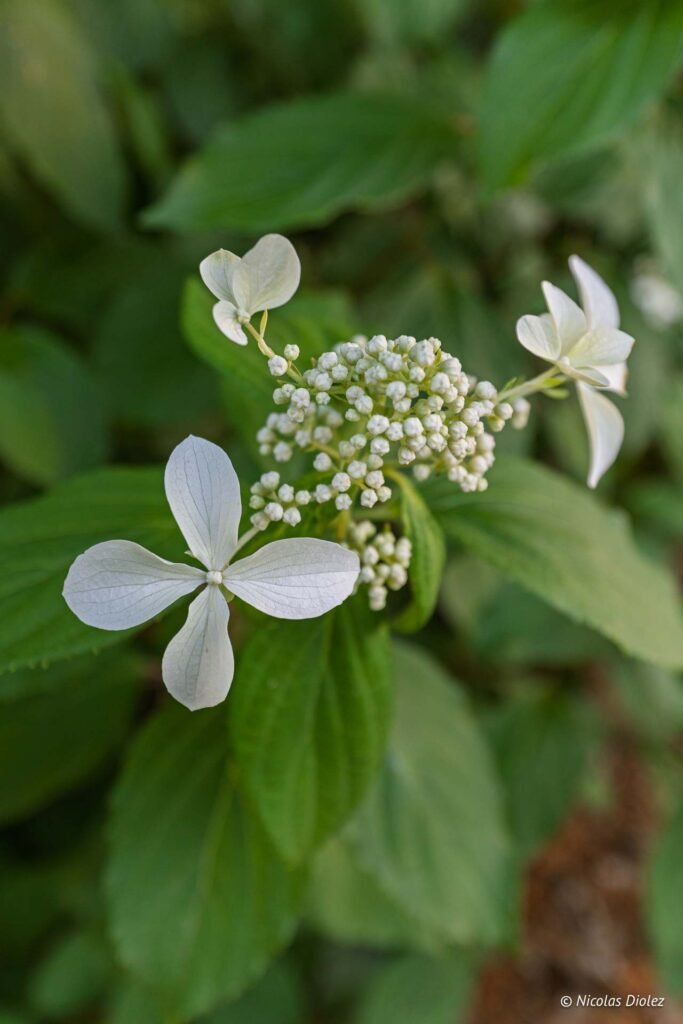
On the plate, the emphasis is on freshness and seasonality, highlighting produce from the property’s kitchen garden and orchard. The beautiful terrace where we dined that evening opens onto a century-old 4.5-hectare park and its canal bordering the Charente. Like us, I recommend you take advantage of the setting for a little stroll before or after your meal. It is truly the ideal place to enjoy the mild summer evenings, with a glass of wine or a cocktail in hand.



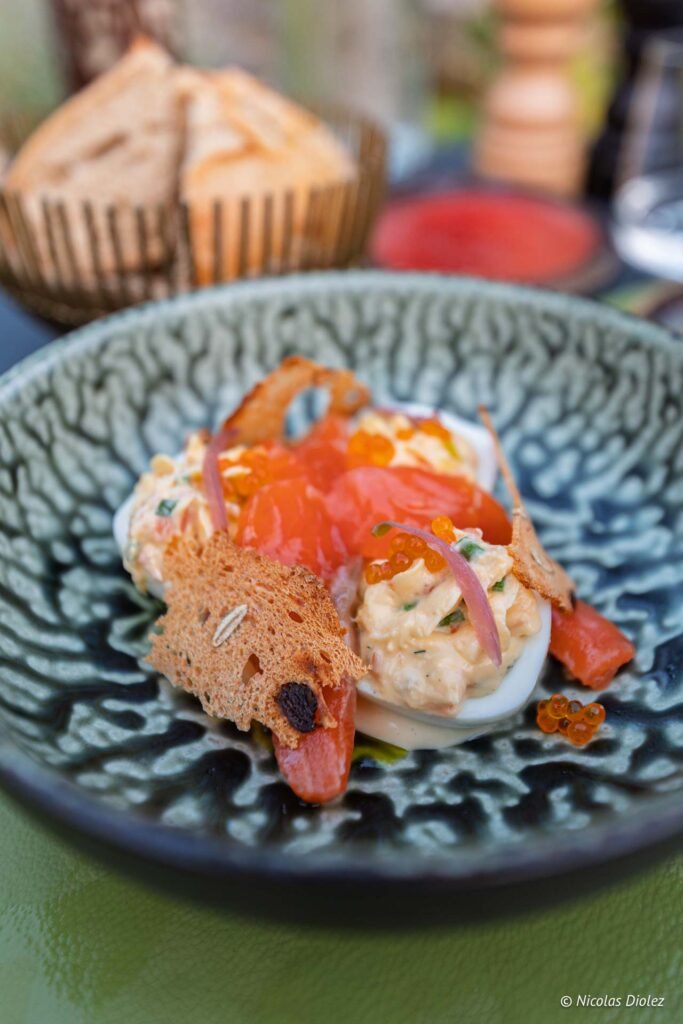
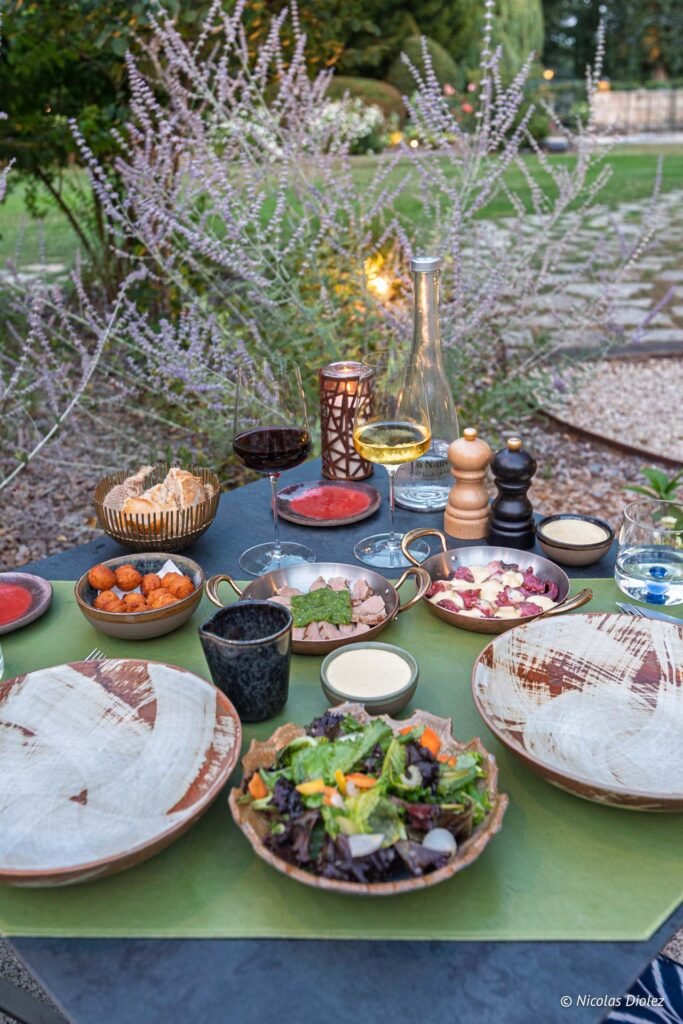
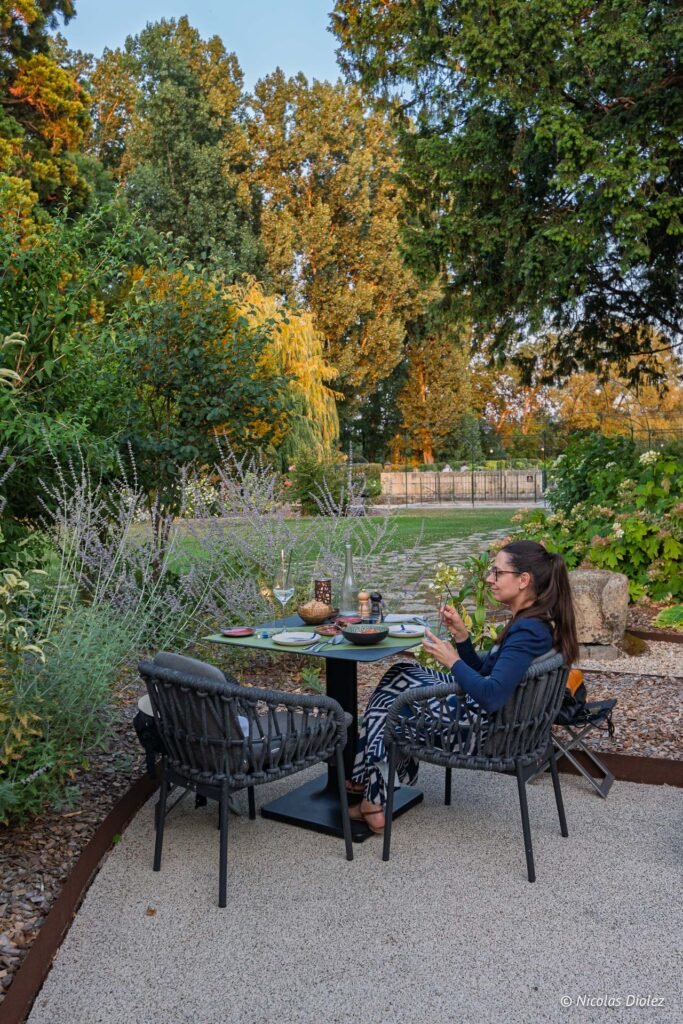
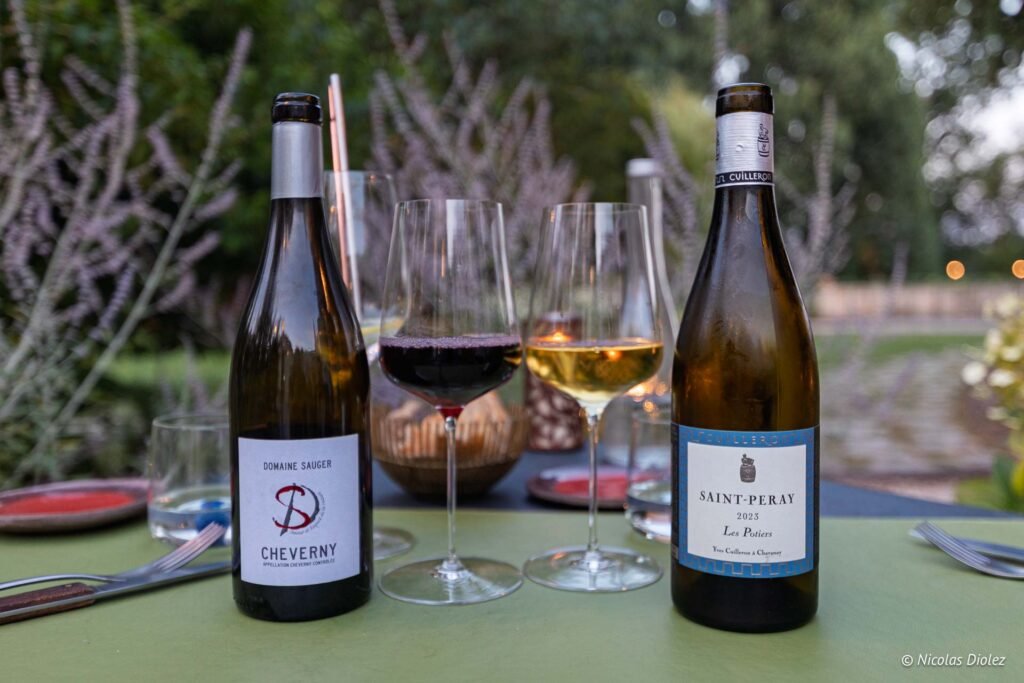
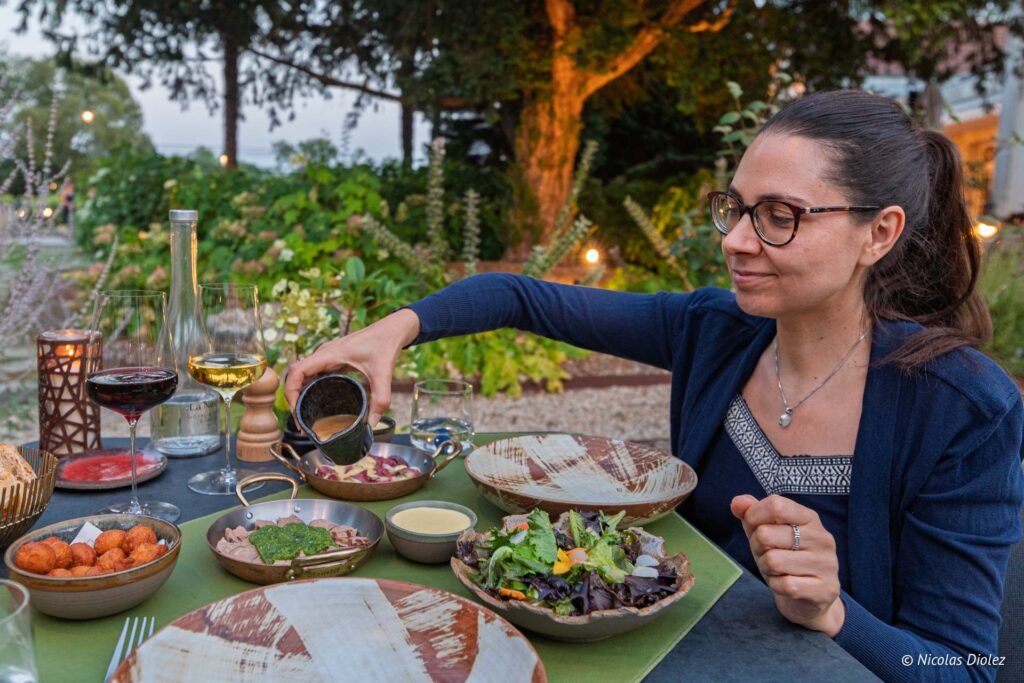
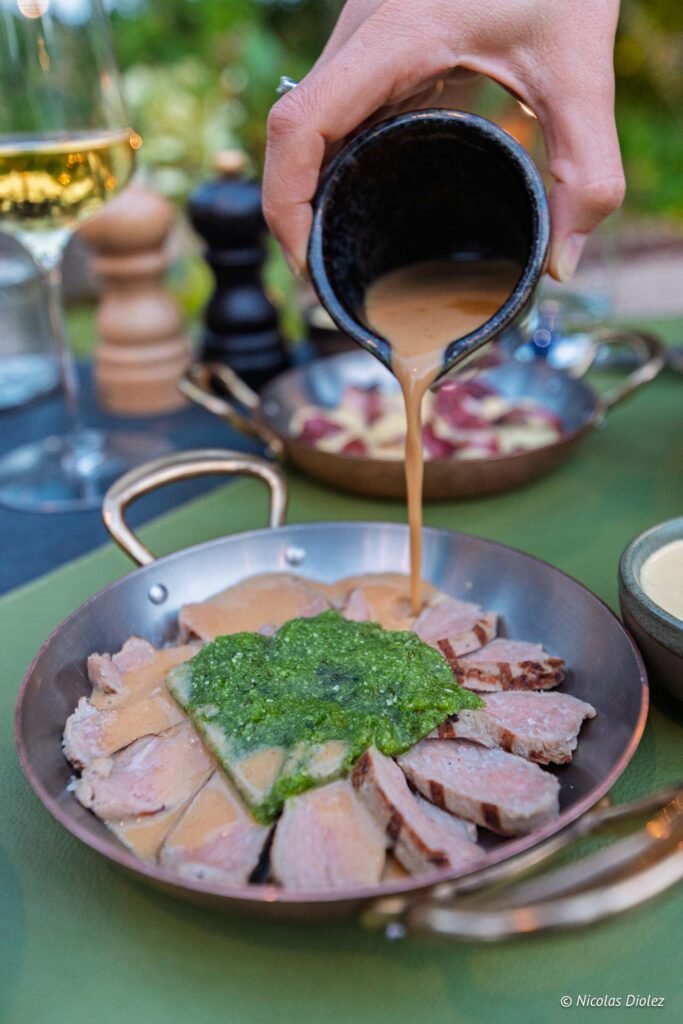
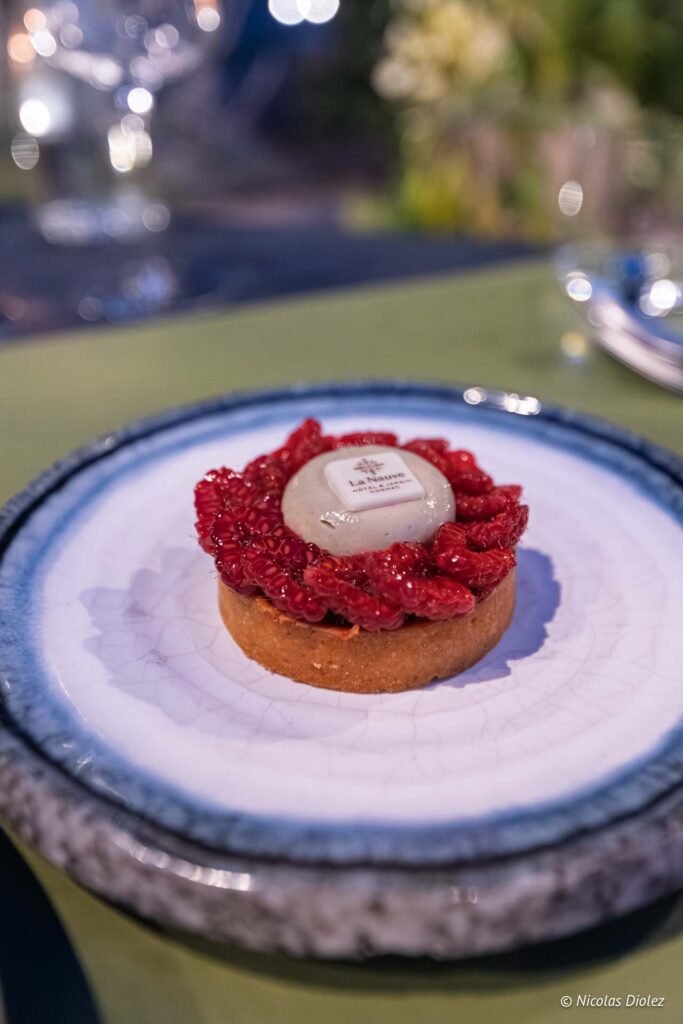


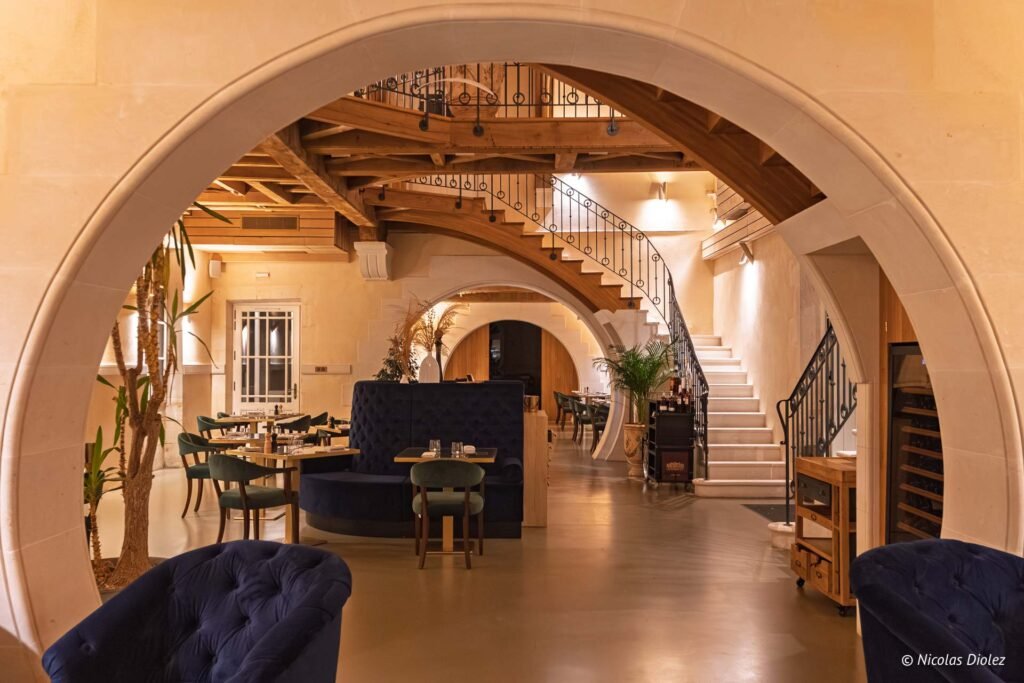

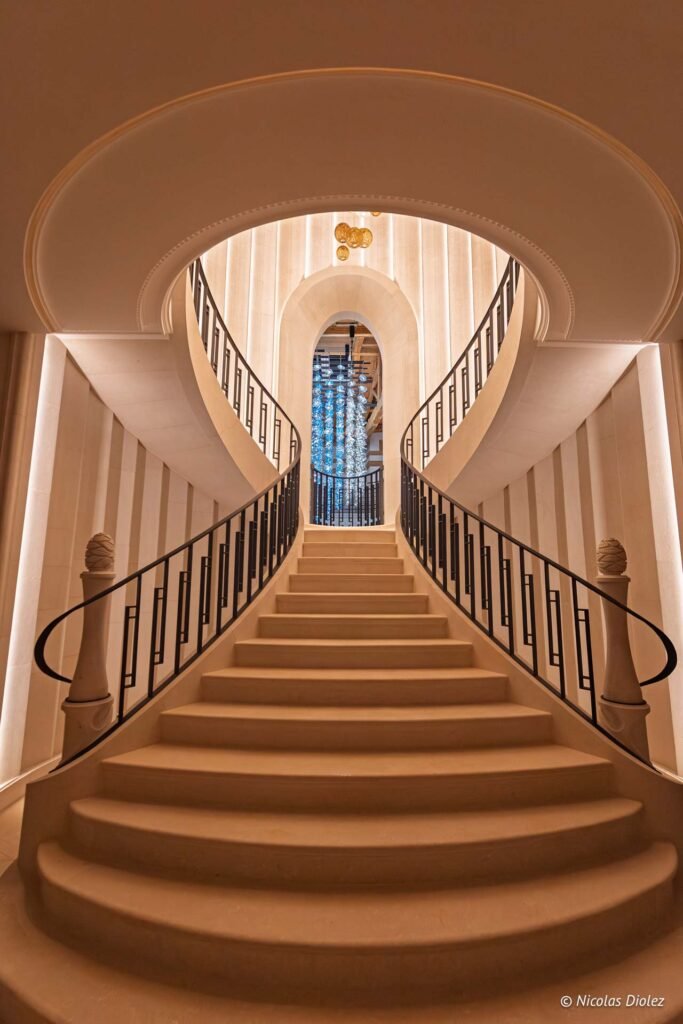
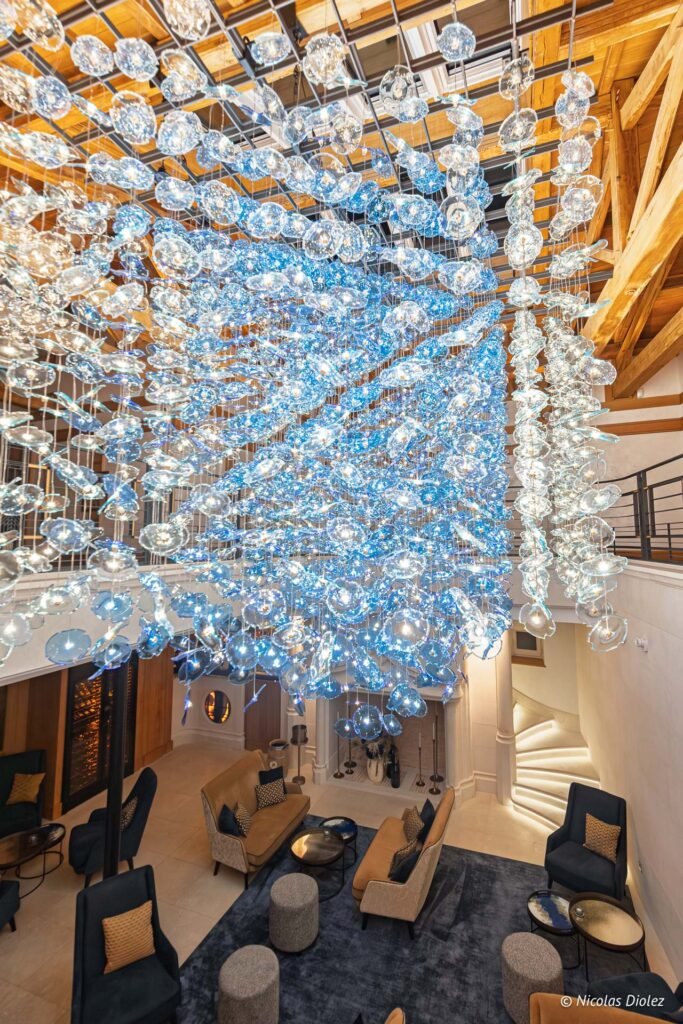
Tested in 2025
La Brasserie des Flâneurs
Relais et Châteaux La Nauve
12 rue de la Nauve, 16100 Cognac
Price: Le Flâneur menu, starter + main course or main course + dessert €38 (lunch only) and starter + main course + dessert €45
_
An afterwork evening in Cognac? At Les Abattoirs
These fun afterwork evenings take place once a month on Thursday nights at Les Abattoirs, and the theme is different every time. The venue is also decorated for the occasion, and some people even show up in costume. This address, dedicated to contemporary music, also features an eclectic musical program with around 40 concerts per year.
On the program: three bars, a cocktail bar (some featuring Cognac!), gifts, blind tests, a DJ, platters for snacking (€8)…
To try: a local Atlantic beer; Cognac cocktails (€7), including the famous Cognac Summit, created by the BNIC.


Tested in 2020
Afterwork evening at Les Abattoirs
One Thursday per month starting at 6 PM
33 rue des Gabariers 16100 CognacPrices: from 6 PM to 7 PM €1 + €1 deposit / after 7 PM €5 + €1 deposit
_
Dinner in a cozy setting in Cognac? Restaurant la Belle Époque
This restaurant is located in the Héritage Hotel, which has an almost British style, I would say, with its period woodwork. The venue also features a very beautiful bar with a nice selection of Cognacs.


Tested in 2020
Restaurant la Belle Époque
25 Rue d’Angoulême, 16100 CognacPrices: starters at €9 / main courses between €15 and €17
_
Dinner by the Charente? Dinner at L’Atelier des Quais
This restaurant, located on the banks of the Charente, offers simple, seasonal cuisine with a notable effort to use local products. The dishes might lack a little finesse for my taste, but the quality of the products is there and the service is very warm. The establishment also has a nice selection of Charentais wines and, of course, Cognacs!
To taste with Cognac: the foie-gras trilogy including one half-cooked in Pineau des Charente (€14.90); house-smoked salmon pave in Cognac oak barrels (€19.90); the Summit-style tartlet with Cognac mousse (€8.50).


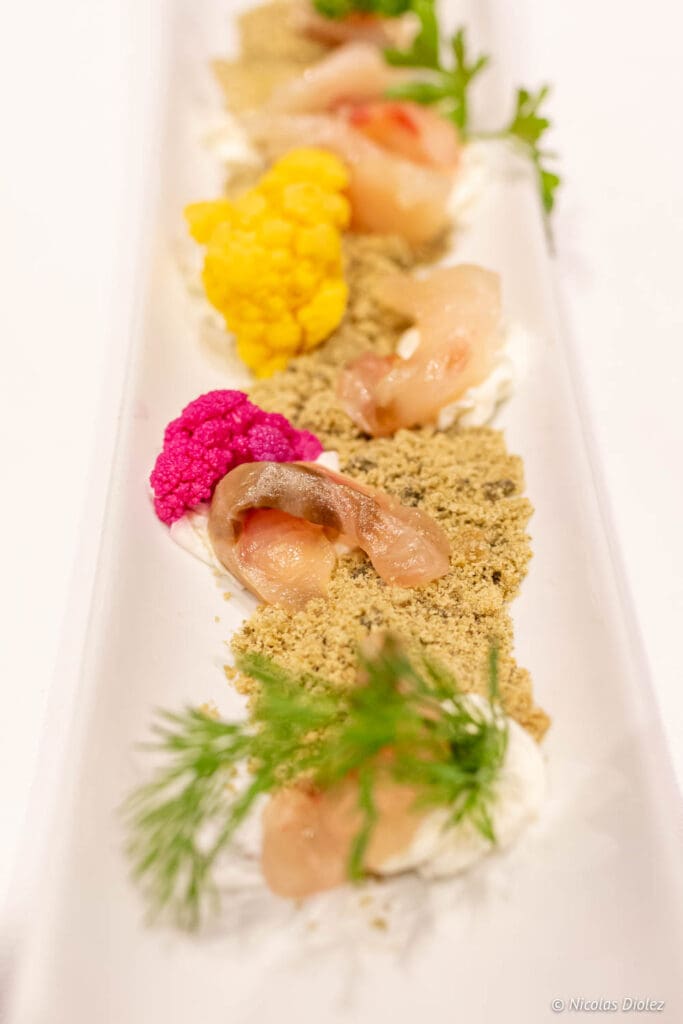


Tested in 2020
Atelier des Quais
1 Avenue de Lattre de Tassigny, 16100 Cognac
_
A cocktail bar in Cognac? Bar Le Luciole
This bar with a very trendy and intimate atmosphere opened in June 2017 in a former coachbuilder’s shop located in the heart of Cognac. It is an excellent cocktail bar and an address I highly recommend if you want to enjoy high-quality Cognac cocktails! That evening, we had the chance to experience a Cognac and food pairing there with Expérience sur Mesure, which combines the skills of a chef and a sommelier.
On the program:
- Cognac frozen at -18° from Raison Personnelle 2.1 Grande Champagne & scallop carpaccio with Granny Smith apple julienne.
- Floral cocktail based on Cognac Pasquet 4 years & pollack tartare, crunchy vegetables, and passion fruit vinaigrette.
- L’Avignon cocktail with Cognac Merlet Brothers Blend smoked with incense, white cedar, pink peppercorns, chamomile, and pepper & Poitou-Charente lamb nut in a herb crust with hay-infused juice.
- Cognac Montifaud Réserve spéciale Michel Vallet & Roquefort emulsion, pear and dried fruit toast.


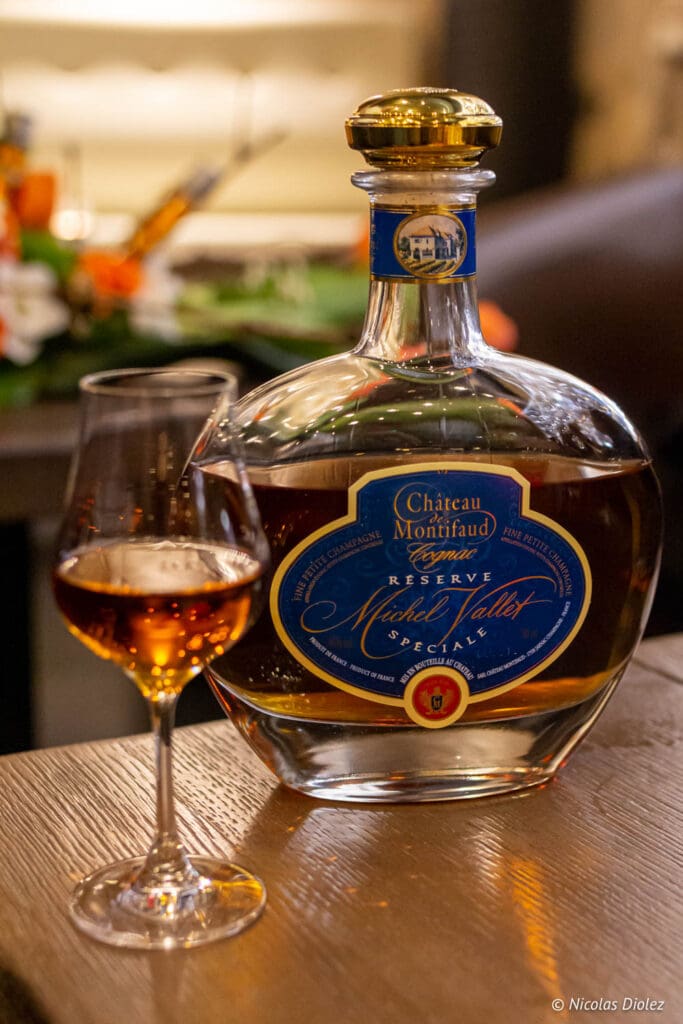


Tested in 2020
Bar le Luciole
14 Place du Solencon, 16100 Cognac
_
Where to brunch in Cognac? Hôtel Chais Monnet
This luxury hotel complex has been housed in the former cellars of a Cognac house since September 2018. Inside the establishment, you will find an upscale hotel, two restaurants, a cocktail bar, a spa… The place is ultra-designed, and you can see that the architects clearly had fun with the volumes…


For our part, we went there one weekend to enjoy the brunch that takes place every Sunday from 12 PM to 4 PM. If you want to try it, I strongly advise you to book ahead. The place is absolutely sublime, and the buffet is just incredible! The pastries made by the establishment’s pastry chef are a real treat, so I advise you to save enough room to taste them all (and that won’t be easy…). In any case, this small (by which I mean big) brunch really made me want to come back to this magical place to discover more!


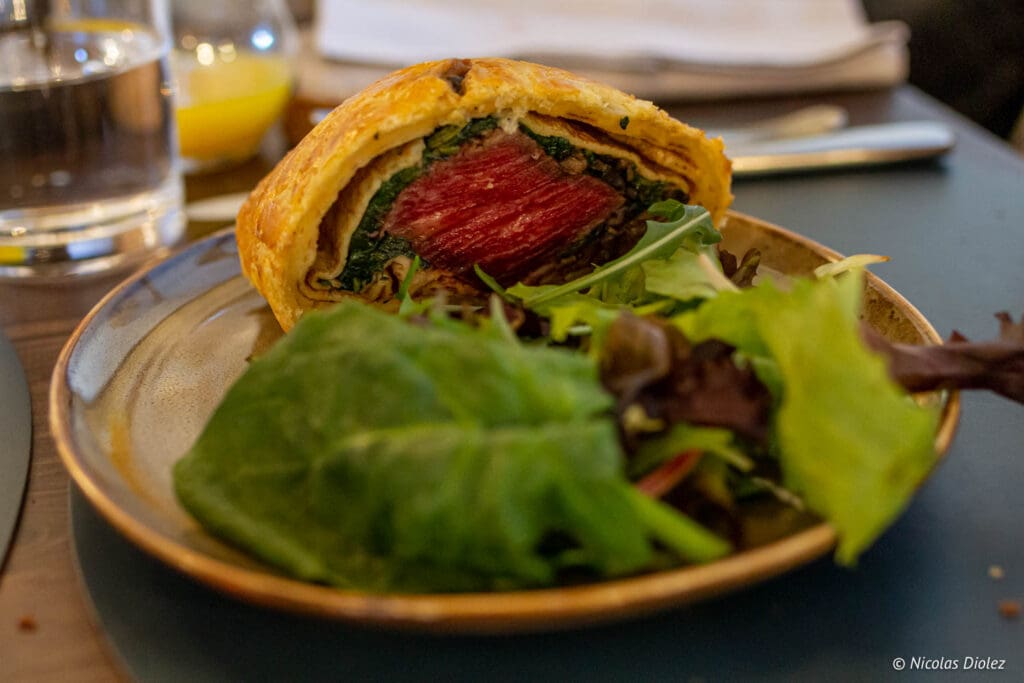

Tested in 2020
Hôtel Chais Monnet
50 Avenue Paul Firino Martell, 16100 CognacBrunch price: €42 or €51 with a glass of Champagne
Brunch every Sunday from 12 PM to 4 PM
_
My favorite addresses in the Cognac area
We continue this selection with two addresses located in the Cognac area.
An address in Châteauneuf-sur-Charente? La Tonnellerie
Nestled in a bucolic setting by the water, the restaurant La Tonnellerie in Châteauneuf-sur-Charente is the ideal place for a lunch on the terrace facing the lock. The establishment, located in a traditional Charentais building, highlights cuisine with Asian and Thai influences, prepared by the owner’s wife, Lilly. With its large shaded terrace and convivial atmosphere, it is an ideal place for a change of scenery on sunny days, also operating as a bed and breakfast for travelers passing through if needed.
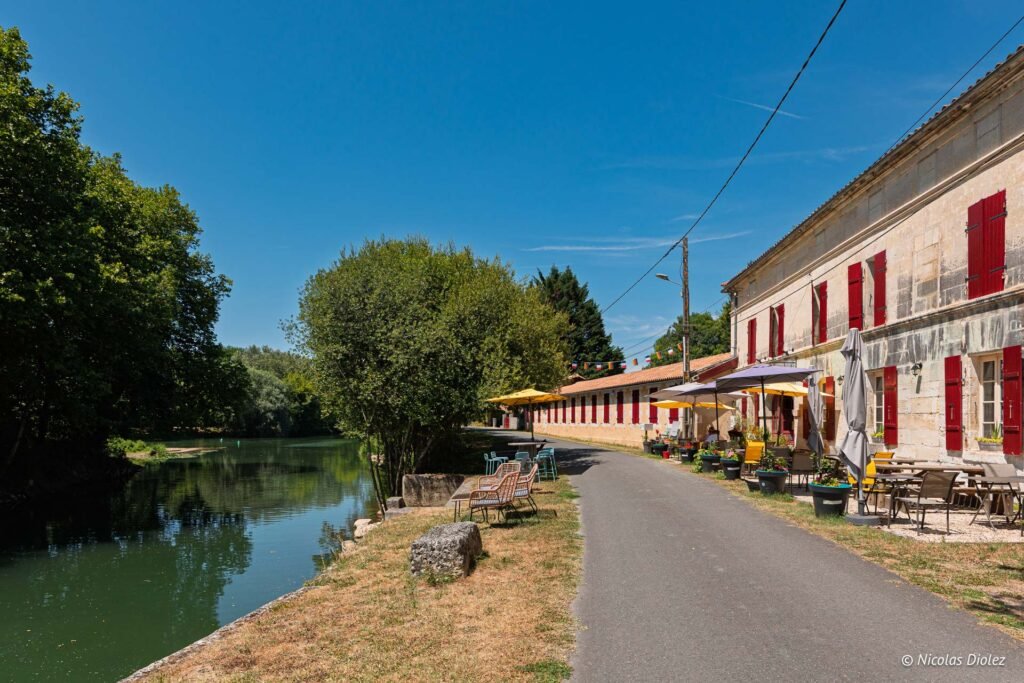
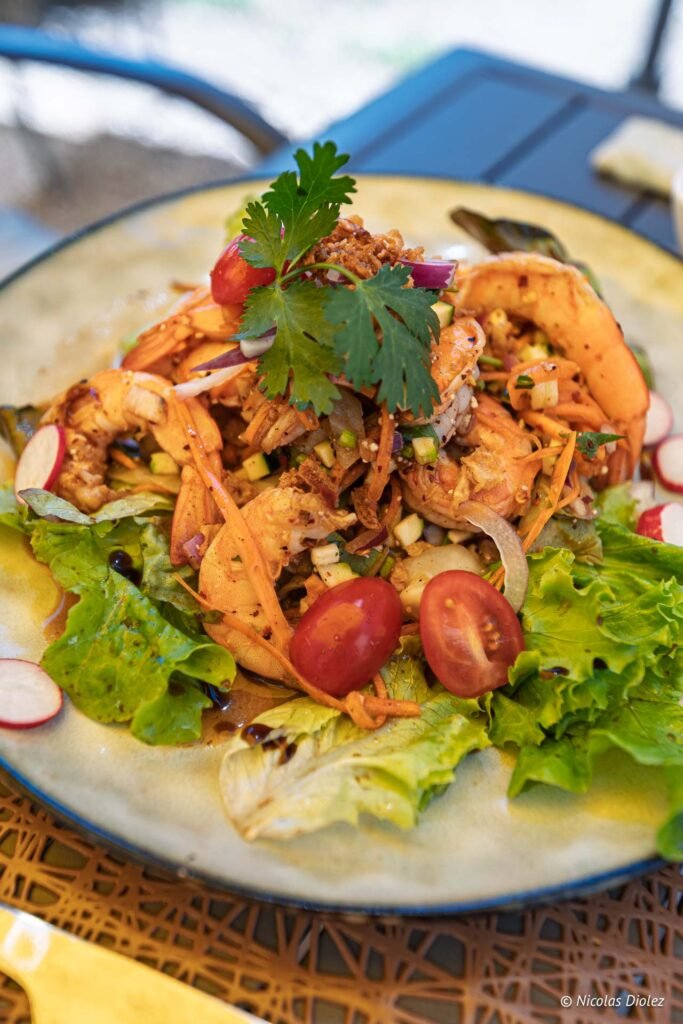

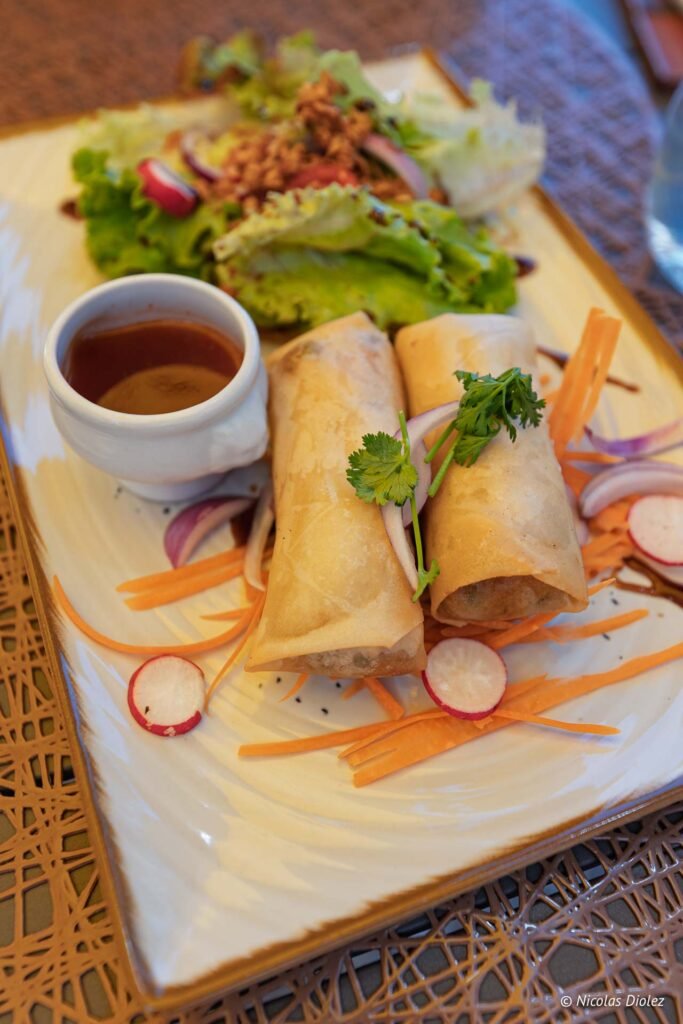


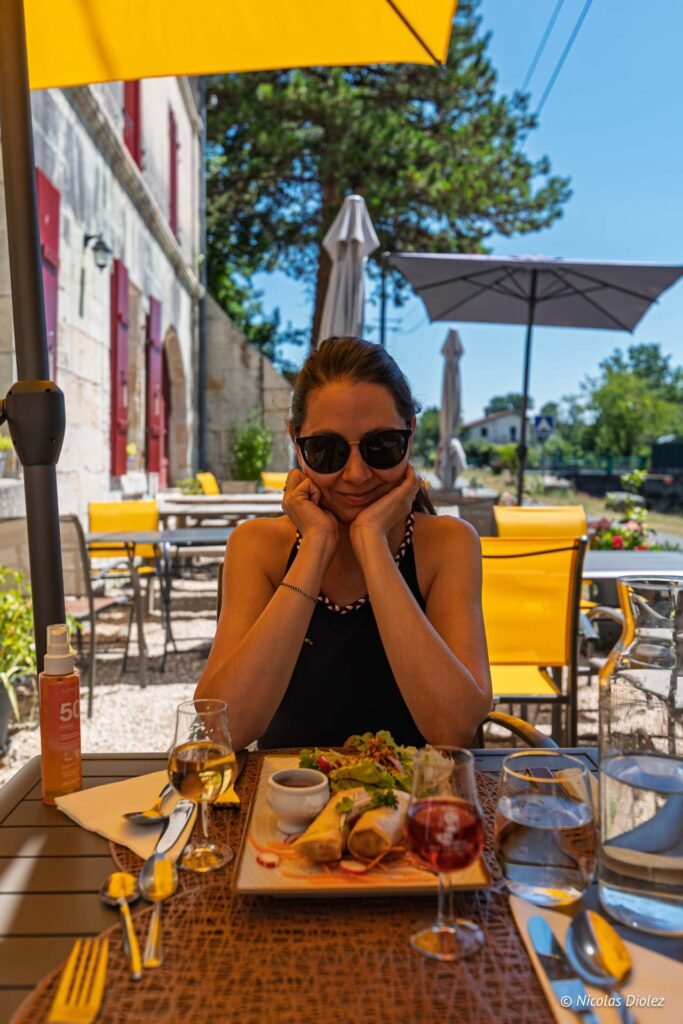

Tested in 2025
La Tonnellerie
345 Chemins des Quais, 16120 Châteauneuf-sur-Charente
Prices: starters €12 / main courses €20 / desserts €8
_
An address in Jarnac? Restaurant Le Verre Y Table (Closed)
This restaurant and wine bar with a clever pun in its name is located in Jarnac, the town where you can also find Maison Hine, which I mentioned earlier. It is therefore a great spot to eat after a tour of this beautiful cognac house, for example. Here again, I recommend you take the opportunity to taste some local wines (Jean Marin vintage by Pascal Gonthier).

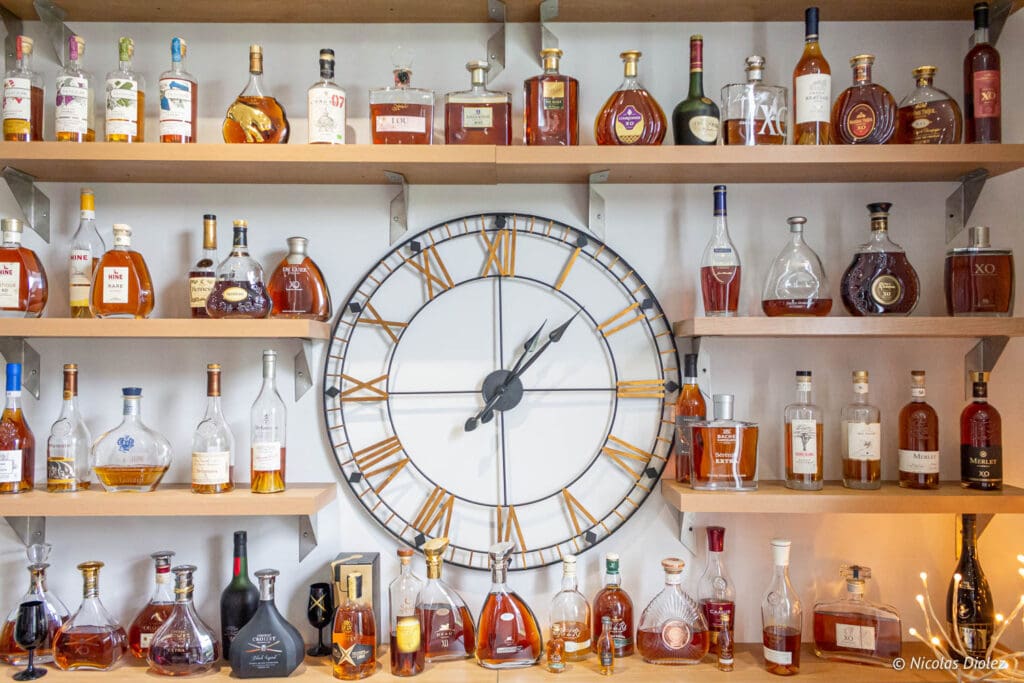
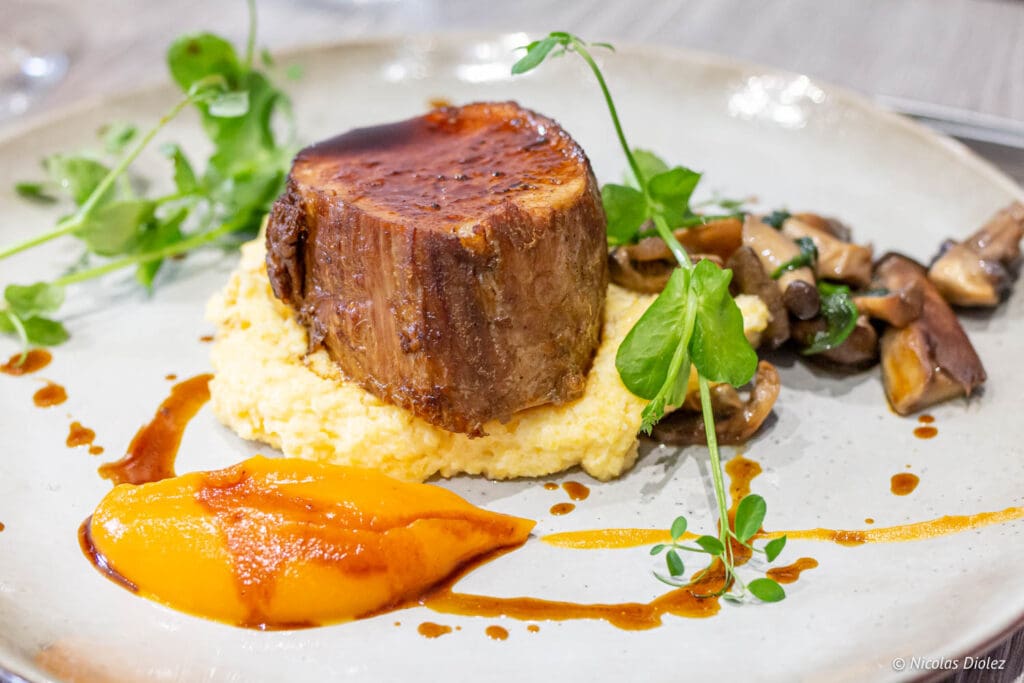


Tested in 2020
Le Verre Y Table
42 Avenue Carnot, 16200 Jarnac
Open from Tuesday to SundayPrice: menus starting from €33
The tip: market lunch menu at €19 including appetizer + main course + dessertUpdate 04/02/2026: this address has unfortunately closed its doors in December 2024
My recommended accommodations in Cognac and its surroundings
A gallery hotel in Cognac? L’Yeuse, Hotel Gallery
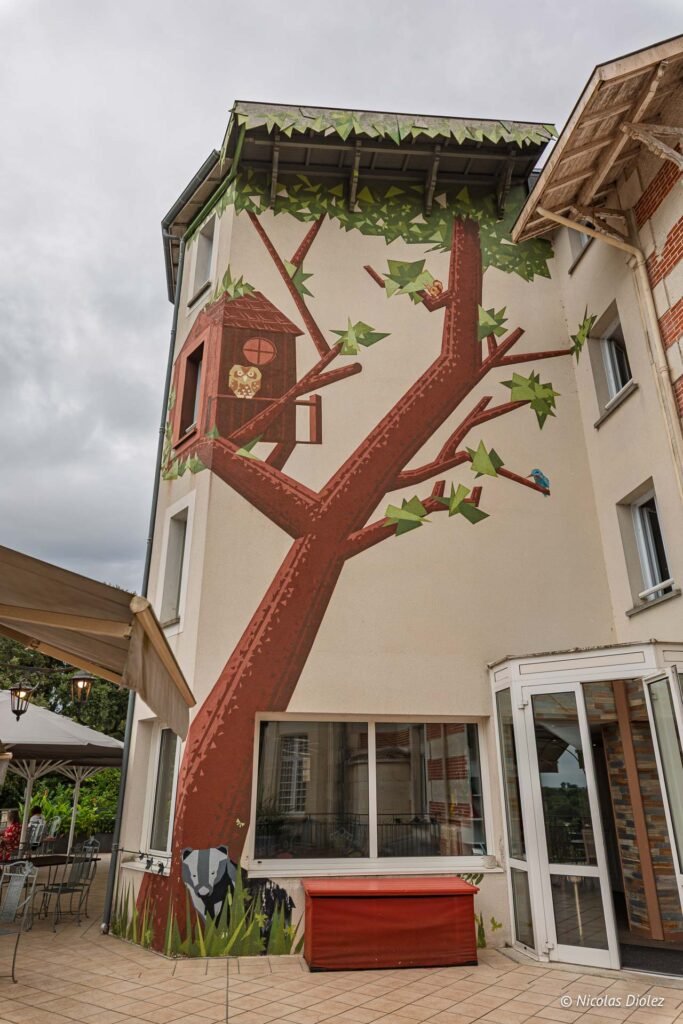
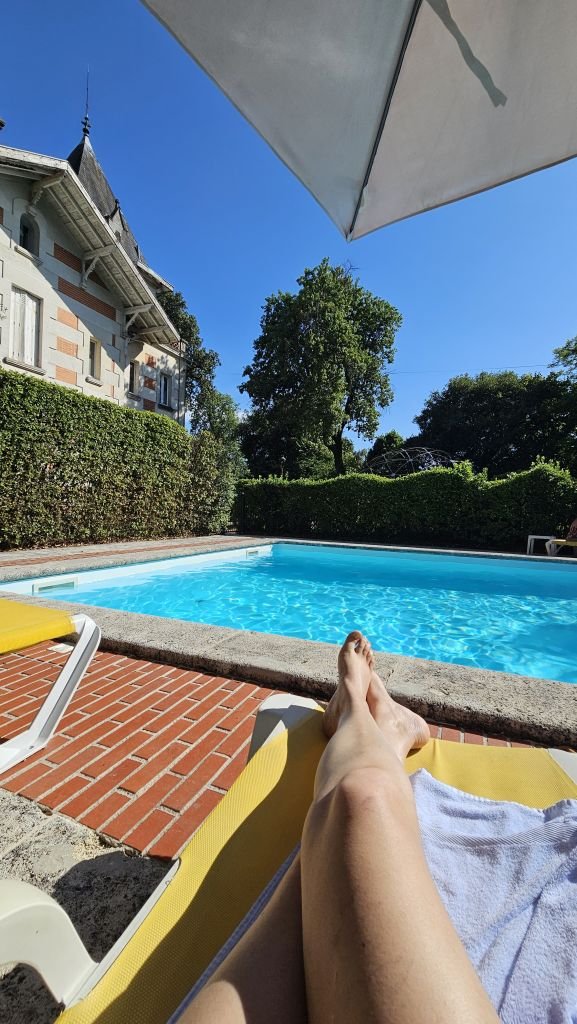
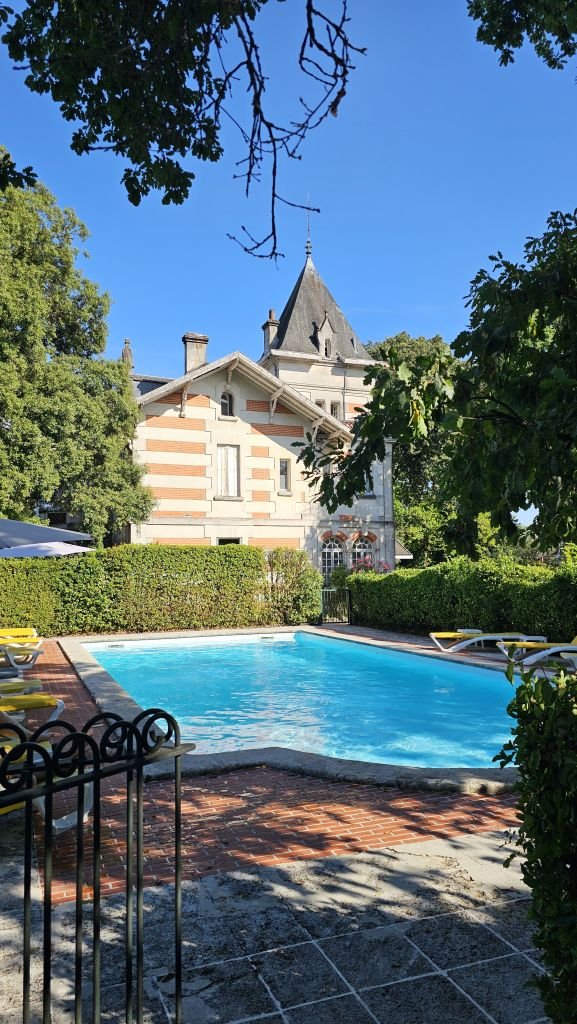
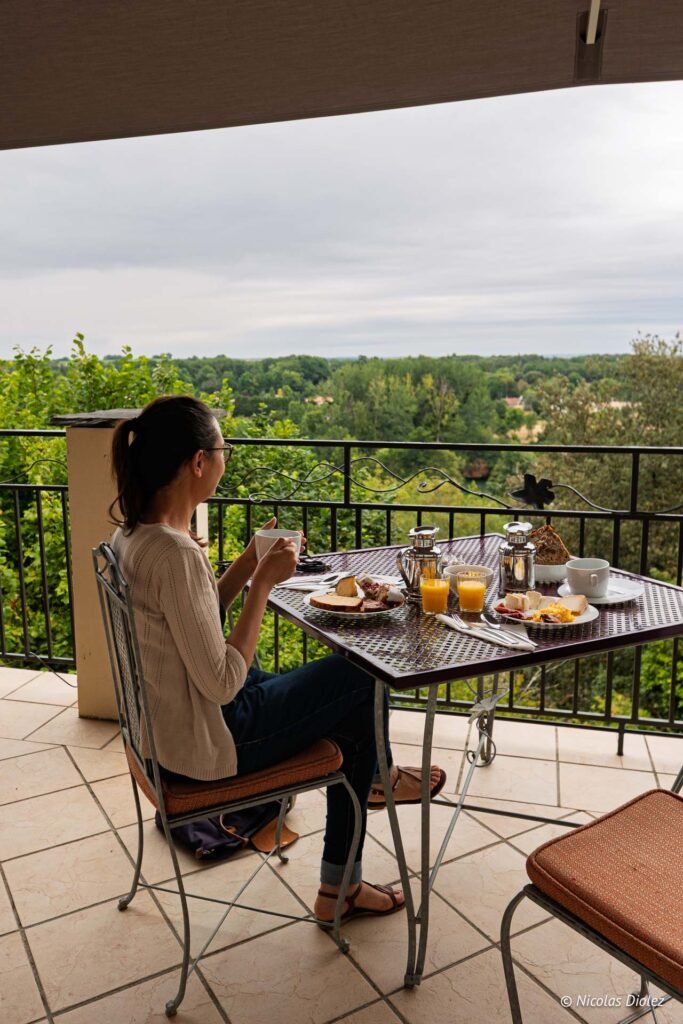
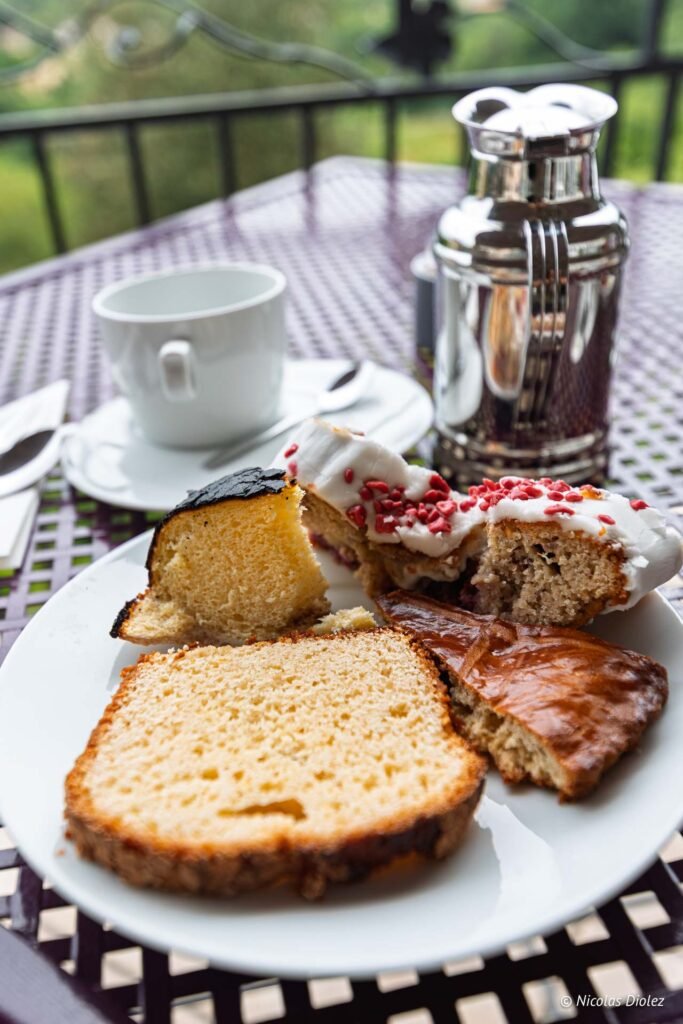
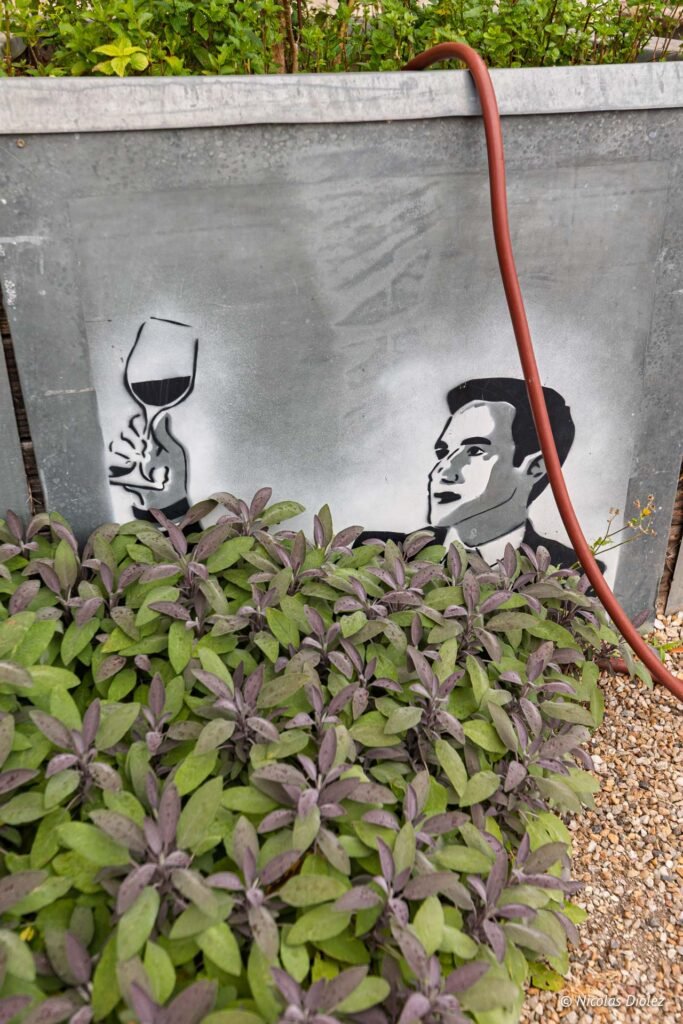
This hotel located on the outskirts of Cognac, with a magnificent view of the hilly landscape of the Charente valley, is a gallery hotel dedicated to urban art. It is set in an aristocratic building typical of the late 19th century with about 24 rooms and suites. The latter was built by a Charente architect, owner of the Gourry cognac house. The address also features a restaurant with a panoramic terrace (where you can also have breakfast), as well as a charming outdoor swimming pool with a spa.
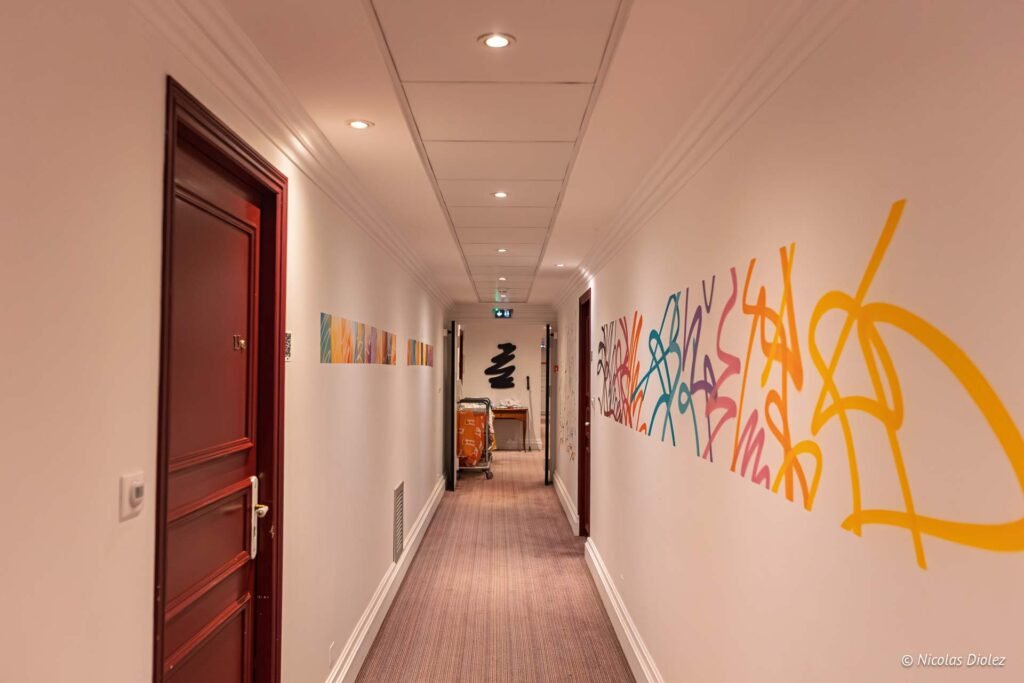
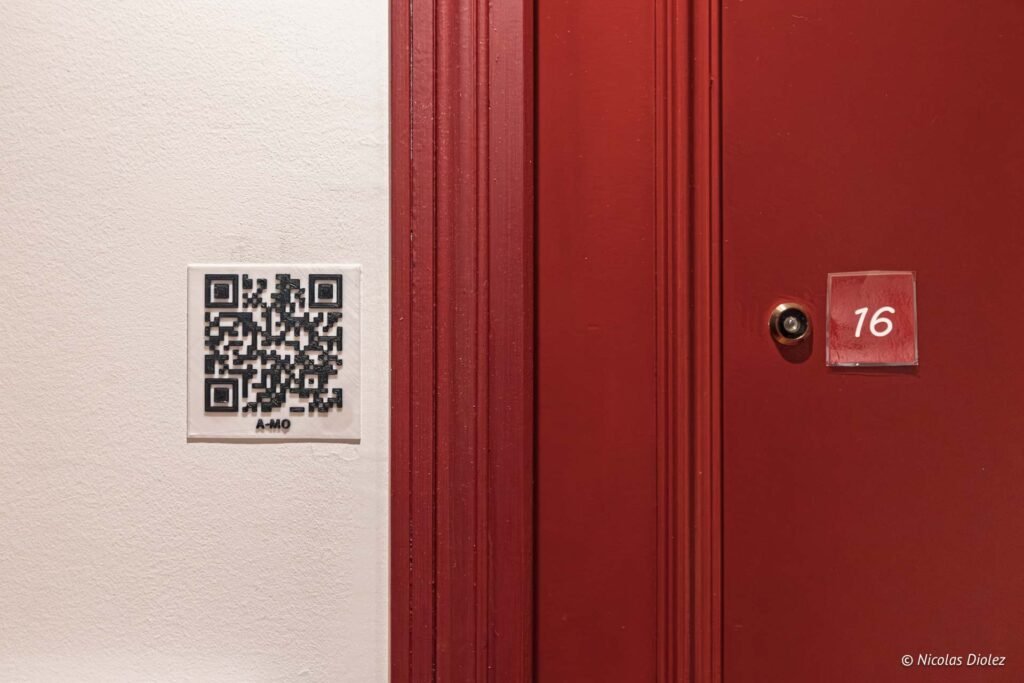
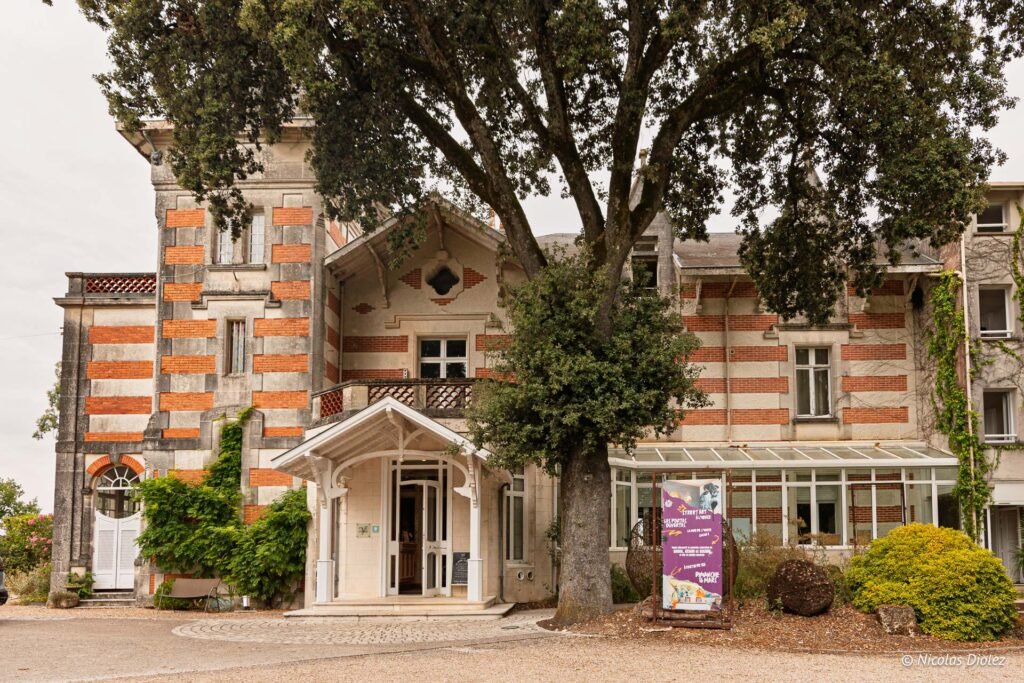


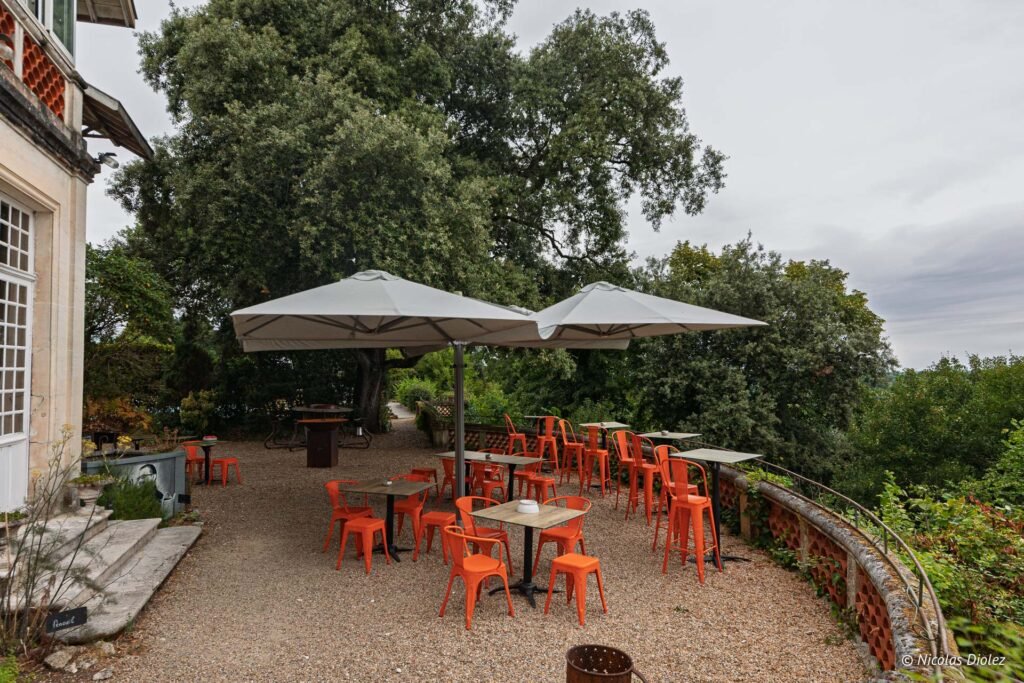
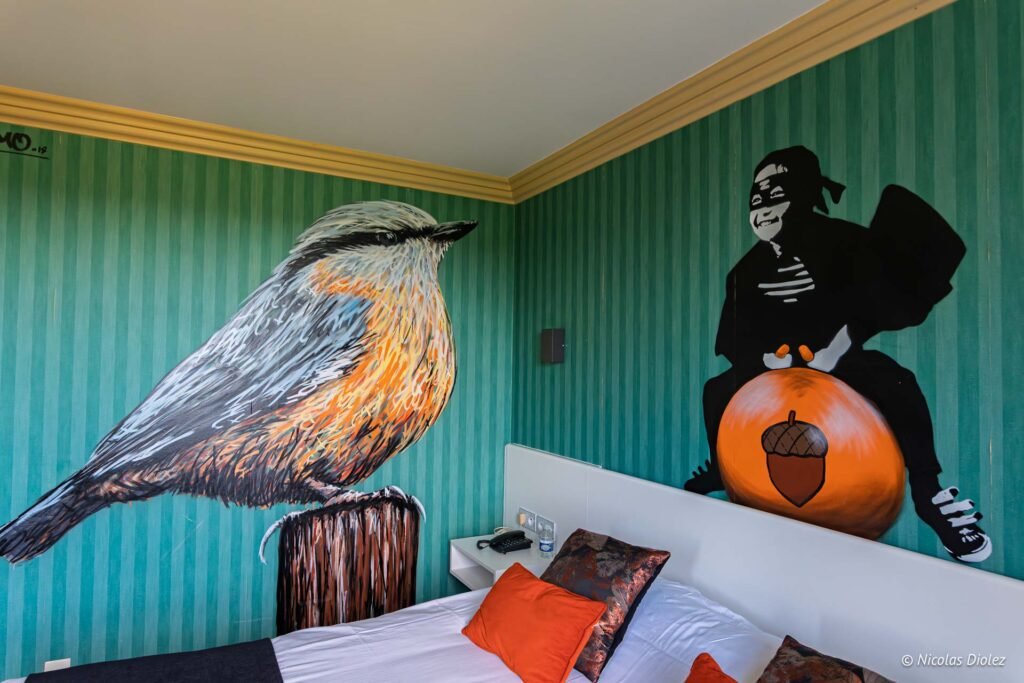

Tested in 2025
Hotel L’Yeuse
65 rue de Bellevue 16100 Châteaubernard – Cognac
_
Where to stay in the heart of Cognac? Hotel François 1er
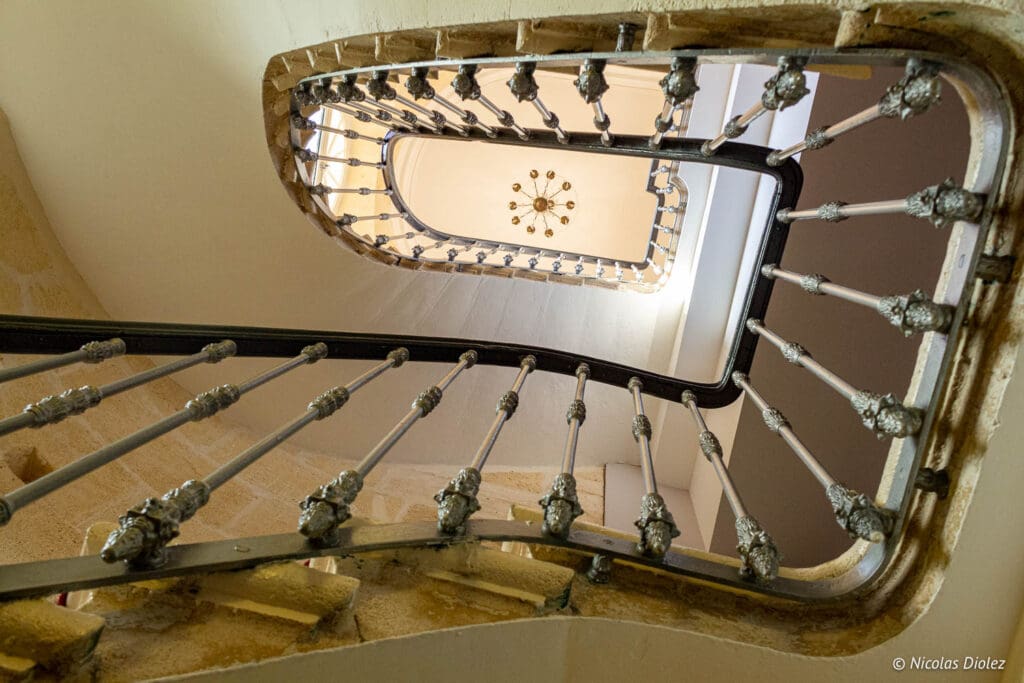
This 4-star hotel (formerly Hotel de Londres) is ideally located in the heart of the city, which is particularly convenient. We had a very beautiful room at the back of the building overlooking a very quiet inner terrace (as I still have as much trouble dealing with car noise at night…).
The little extra: the hotel has an indoor pool with a hammam, which we unfortunately didn’t have time to enjoy.




Tested in 2020
Hotel François 1er
3 Place François 1er, 16100 CognacRates: room from €112 for 2 people
_
A bed and breakfast in the surroundings of Cognac? Logis de l’Arceau
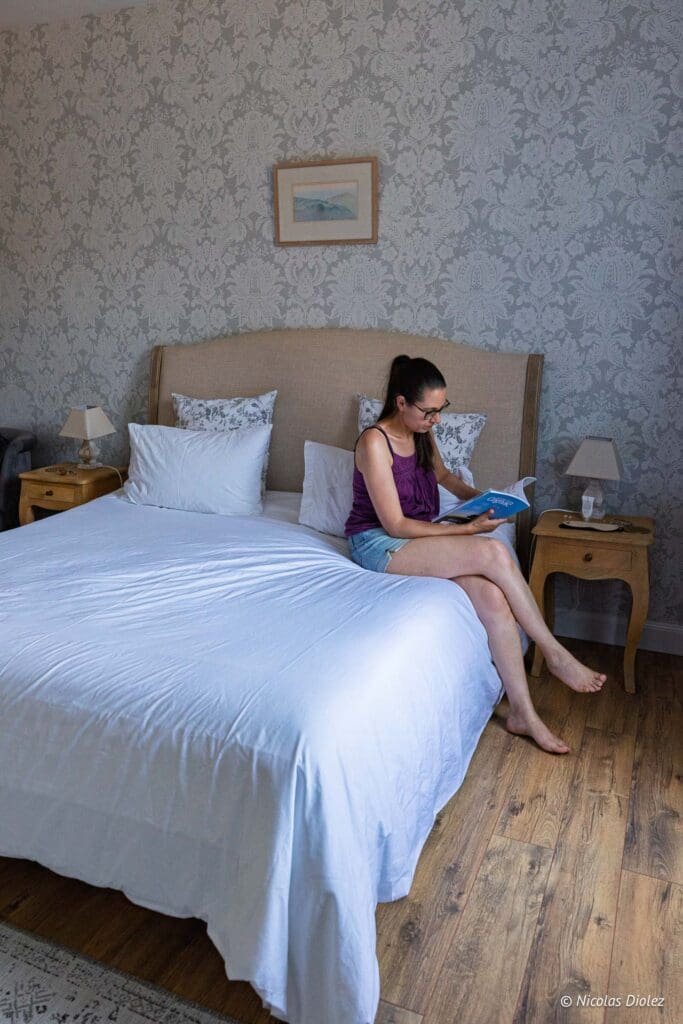
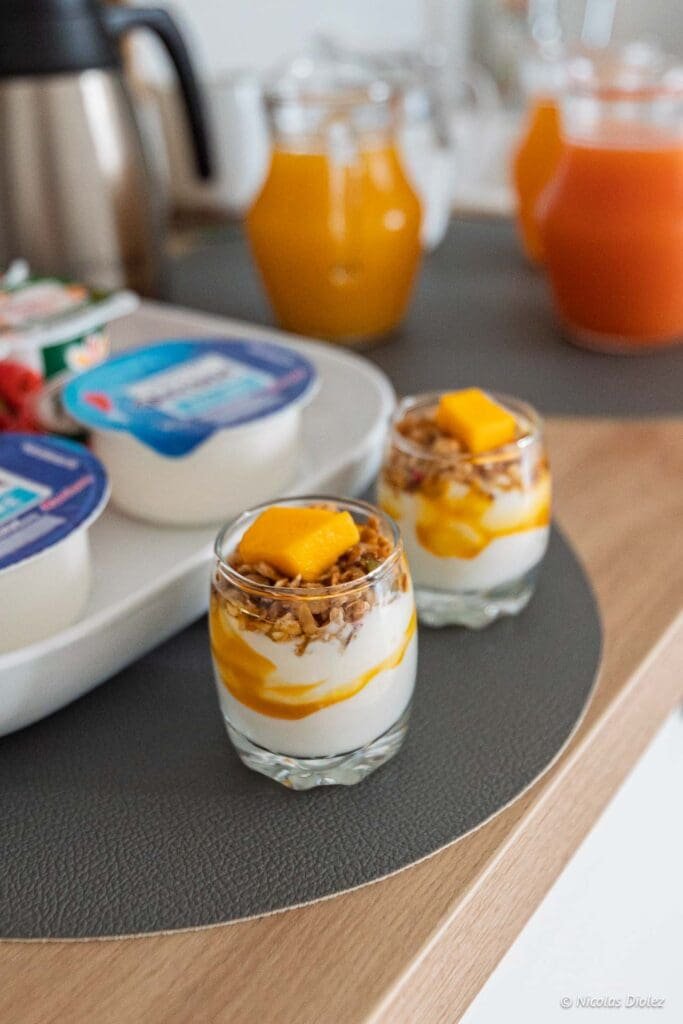
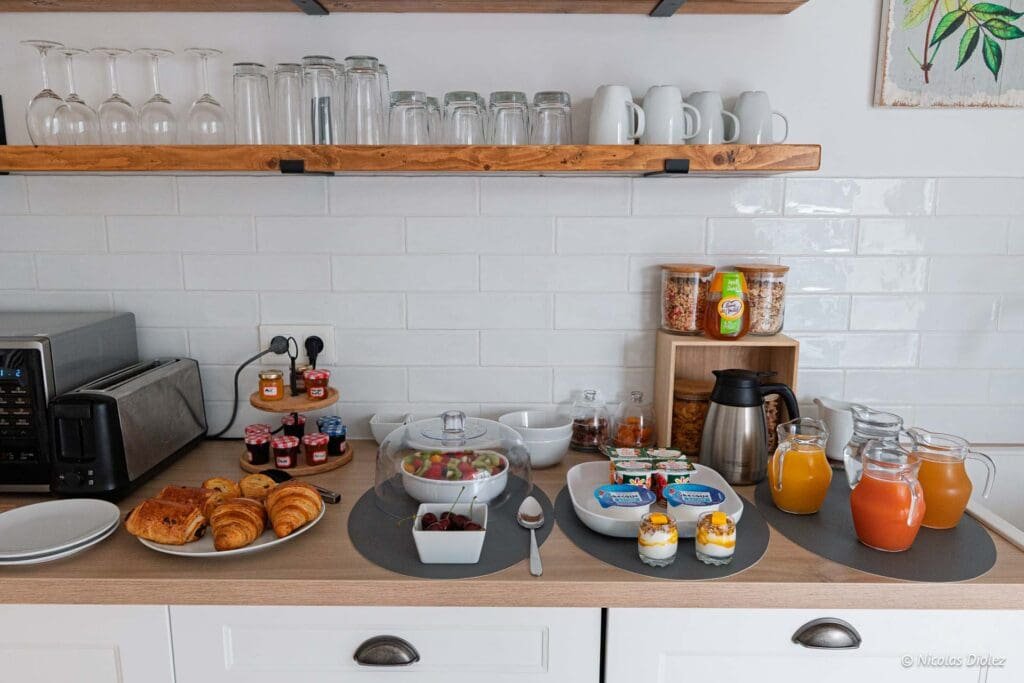
This very beautiful bed and breakfast is located about 10 minutes by car from Cognac but also from Pons, in Charente-Maritime. It is also located right next to the Citadelle distillery, which I mentioned earlier in the article. We were very well welcomed there by our hosts, Paul and Emma. The Logis de L’Arceau is the former property of the Martell family. You can find bed and breakfast rooms but also high-end gîtes. The place is magnificent and offers a beautiful pergola at the back with a swimming pool, and that is where we had our breakfasts.



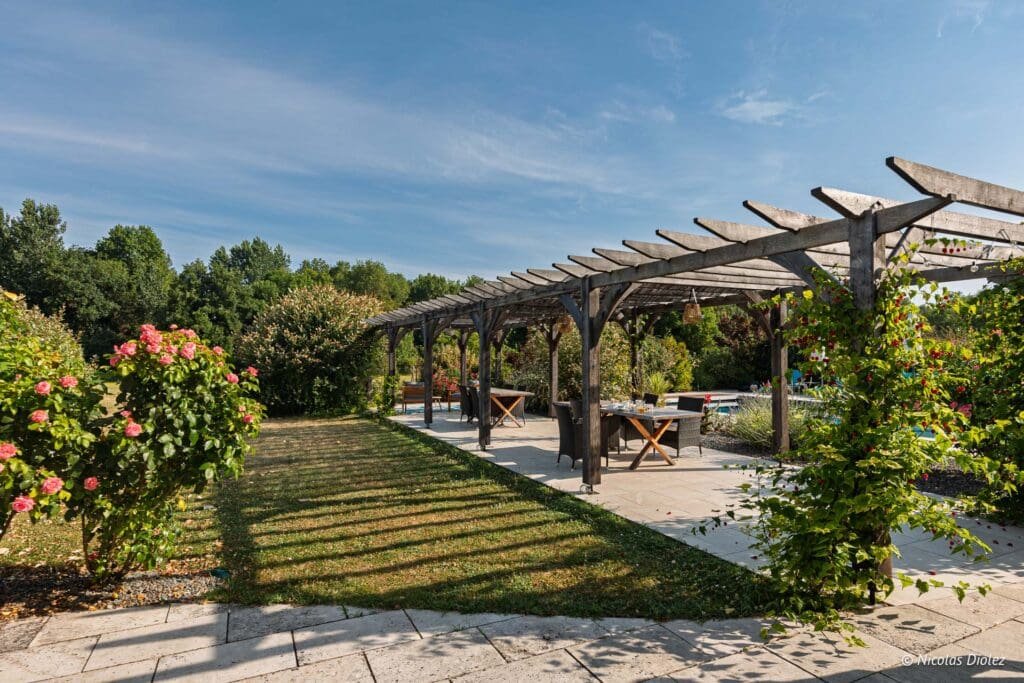
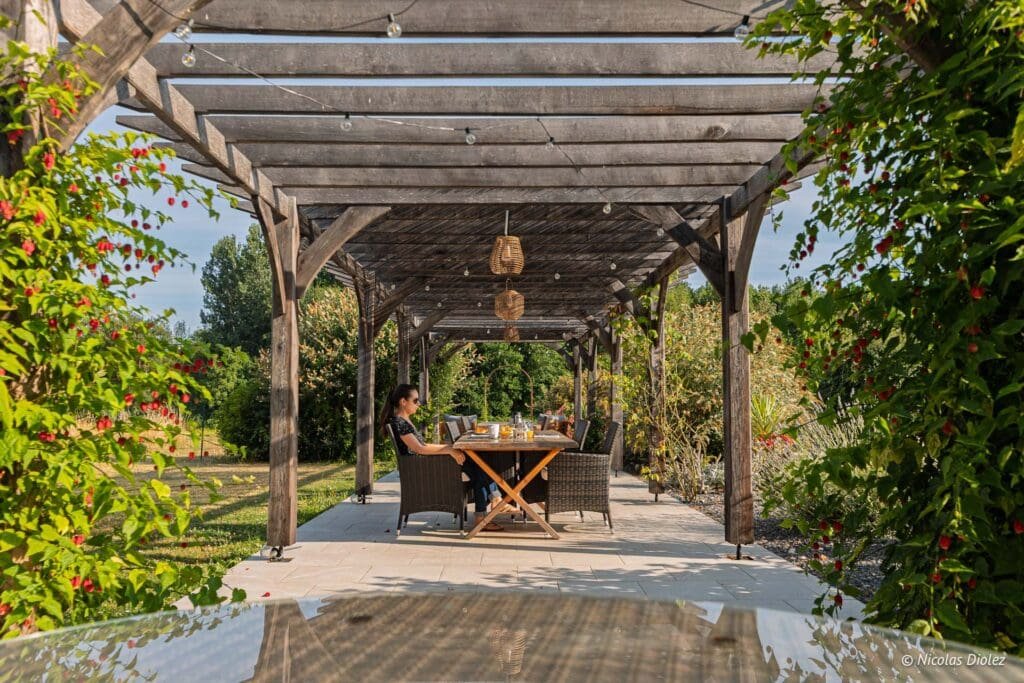



Tested in 2025
Logis de l’Arceau
96 route du Pont de la Roche 17520 Celles
Rates: around €100 per night with breakfast
Thanks to the Bureau National Interprofessionnel du Cognac for the invitation to discover the manufacturing secrets of cognac, to David Boileau for his fascinating explanations and to Citadelle, Charentes Tourisme and Destination Cognac for organizing the trip in 2025.

I hope that with all this I will have made you want to discover Cognac, and if you too have your own favorite spots and tips for this destination, don’t hesitate to share them in the comments below!

Find all my travel articles below:
⇒ All my articles on Nouvelle-Aquitaine
⇒ All my articles about wine
⇒ All my articles about wine tourism
MY WINE TOURISM DISCOVERIES
⇒ The Burgundy Wine Route
⇒ The Lirac Wines
⇒ The Vacqueyras Wines
⇒ Cognac, discover the city and its alcohol
⇒ Saint-Emilion, Bordeaux
⇒ The Percée du Vin Jaune in the Jura
⇒ The Luberon Wines
Photo credits: Nicolas Diolez and MelleBonPlan
Photos not royalty-free, photographer's authorization required before any use