After my various articles on Belgium, I felt I had to write an article dedicated to Belgian Gastronomy, because you know that I particularly enjoy discovering the culinary specialties of the countries I visit. First of all, you should know that apart from certain standards, each region or city has its own specialty or specialties. So, I will try to take you on a little gastronomic tour of Belgium through its culinary specialties. In the first part, I will start with the country’s national specialties, which can be found almost everywhere. Then, in the second part, I will tell you about the regional specialties that are only found in a specific part, region, or city of the country.
Table of Contents
Belgian culinary specialties and products
Below, I invite you to discover some Belgian specialties that you can find throughout the country, with, of course, some specificities or variations depending on the region.
_
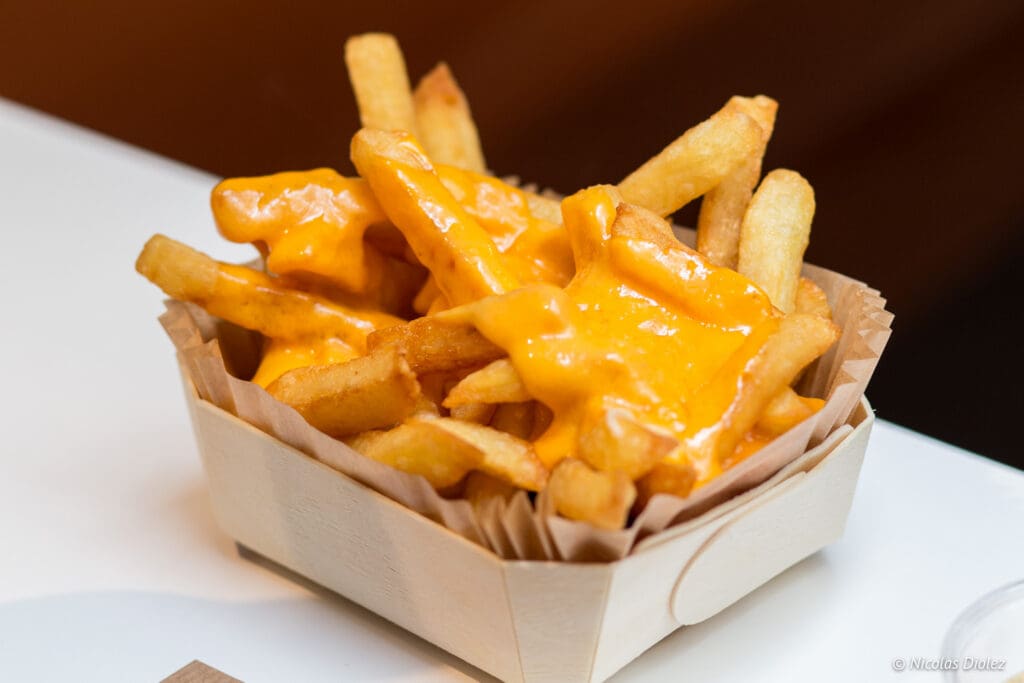
Fries
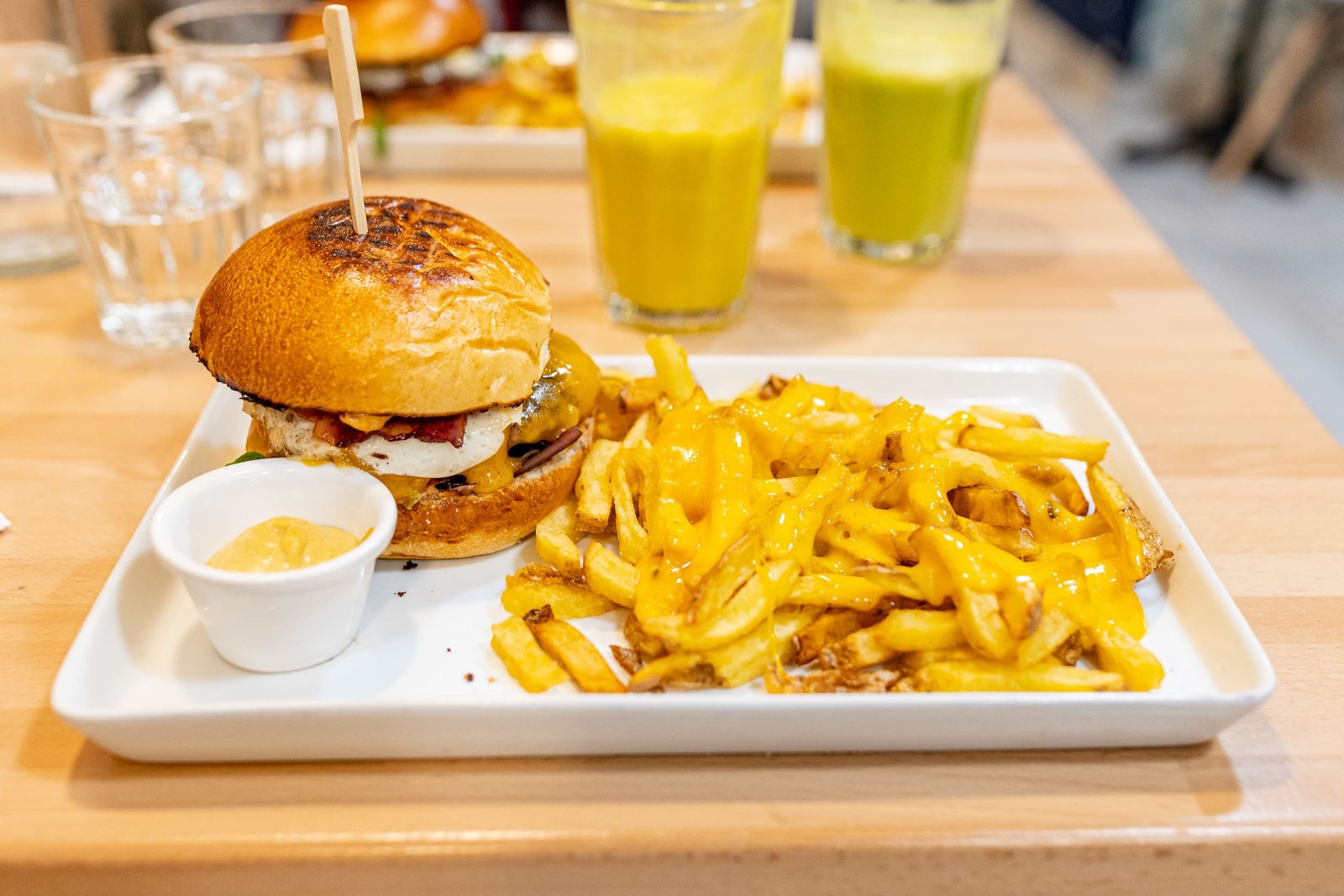
Obviously, fries are at the top of the list of things to taste if you are visiting our northern neighbors. For the history and the specificities of Belgian fries, I recommend a visit to the Fry Museum in Bruges; you will then be an expert on the subject! To taste them, you have the choice between the popular fry shops that you will find almost everywhere, and then also in any restaurant, because almost all Belgian dishes are accompanied by a small plate of fries. And frankly, with few exceptions, they are good almost everywhere, thanks to being fried in two different oil baths (and yes, that’s the secret of Belgian fries).


_
Mussels and fries
Another iconic and very popular dish in Belgium, it is also highly appreciated in the north of France. It is a dish of cooked mussels accompanied by fries. It is served all over the country, from the Belgian coast to the heart of the Ardennes, even if you obviously find fresher mussels on the coast.


_
Belgian beers
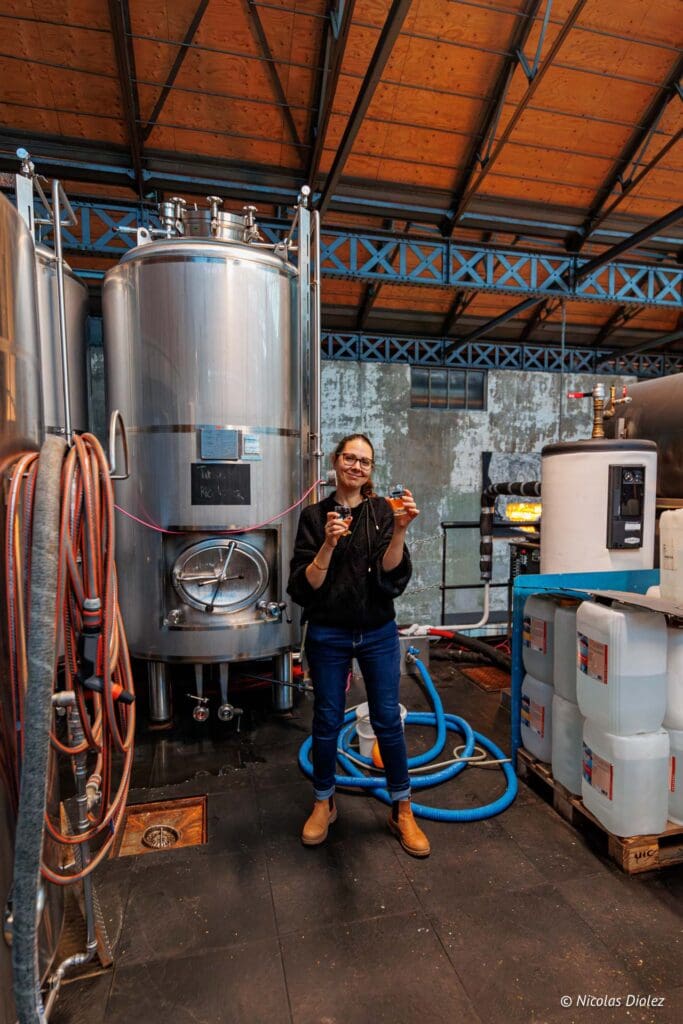
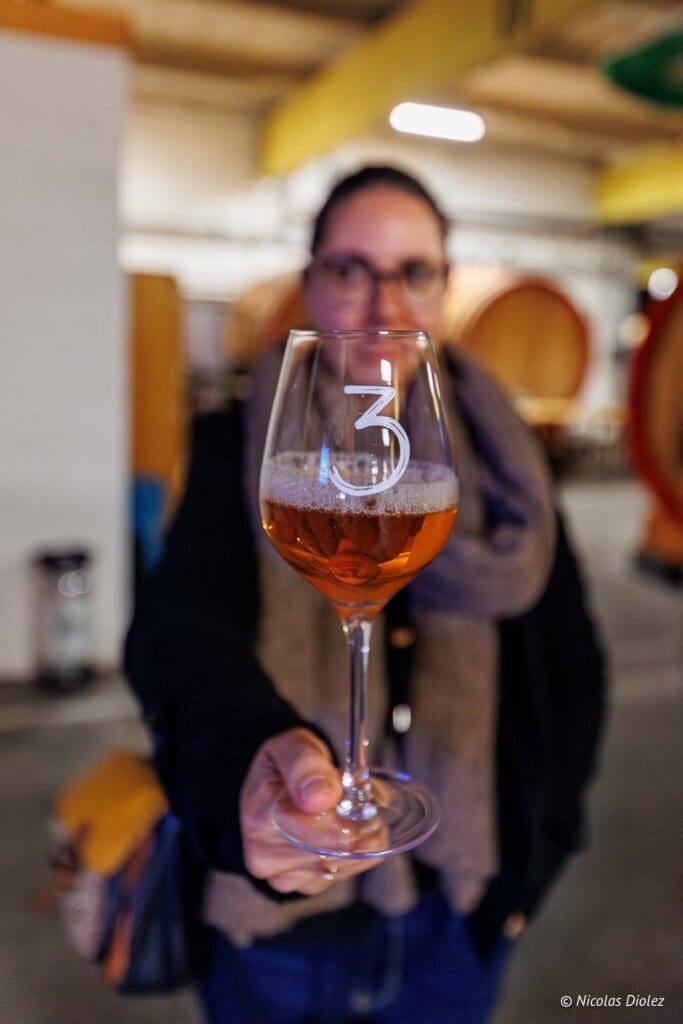
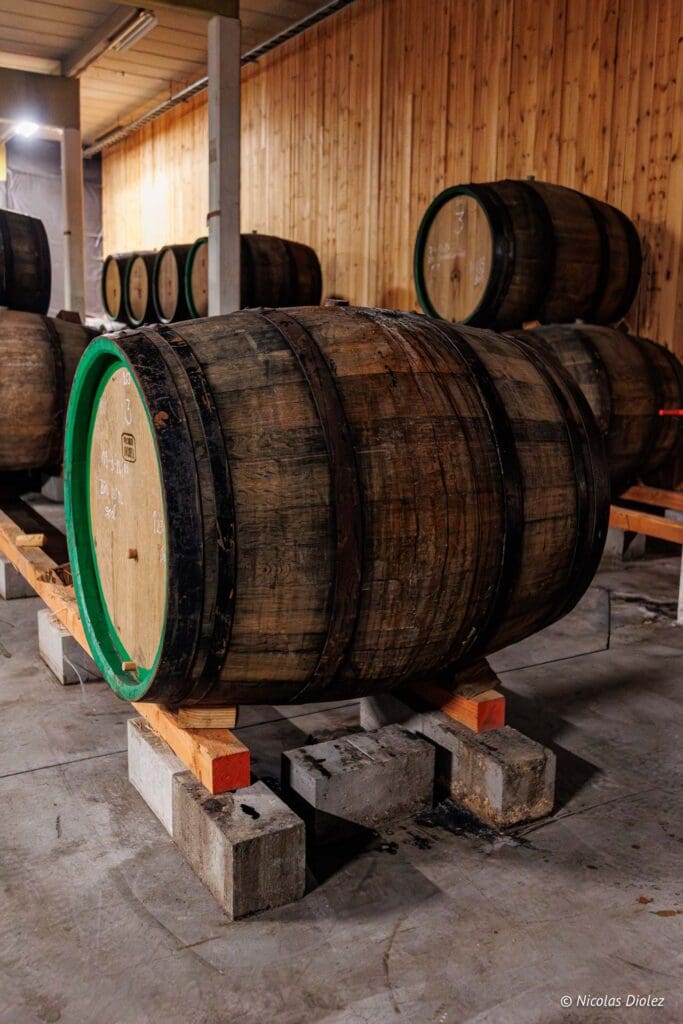
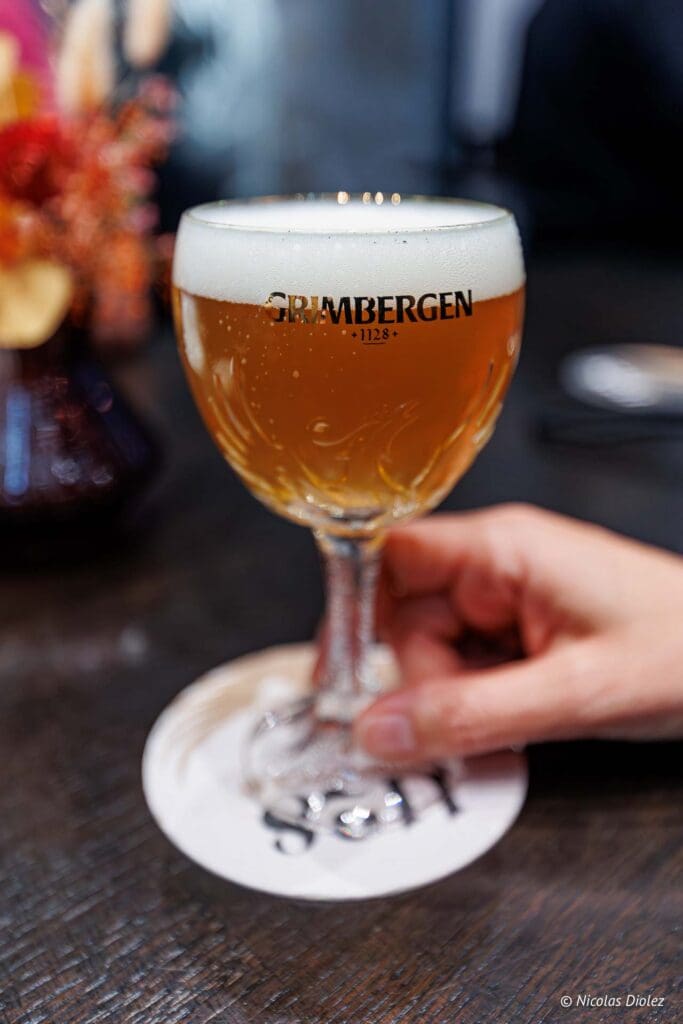
Another essential specialty: the famous Belgian beers, known all over the world. I have already talked about them a little bit with my visit to the Orval Abbey and the discovery of Trappist beers, but also with the visit to the last remaining brewery in Bruges. In all major cities, you will find shops specializing in the sale of Belgian beers, but unless you are a true connoisseur or looking for something very rare, I recommend buying your beers in Belgian supermarkets instead, because they will be cheaper there.
Depending on the region, you will have a wide choice, with local beers as a bonus, and you will pay much less than in small specialized shops. However, if you collect beer glasses, these small shops can help you grow your collection.


_
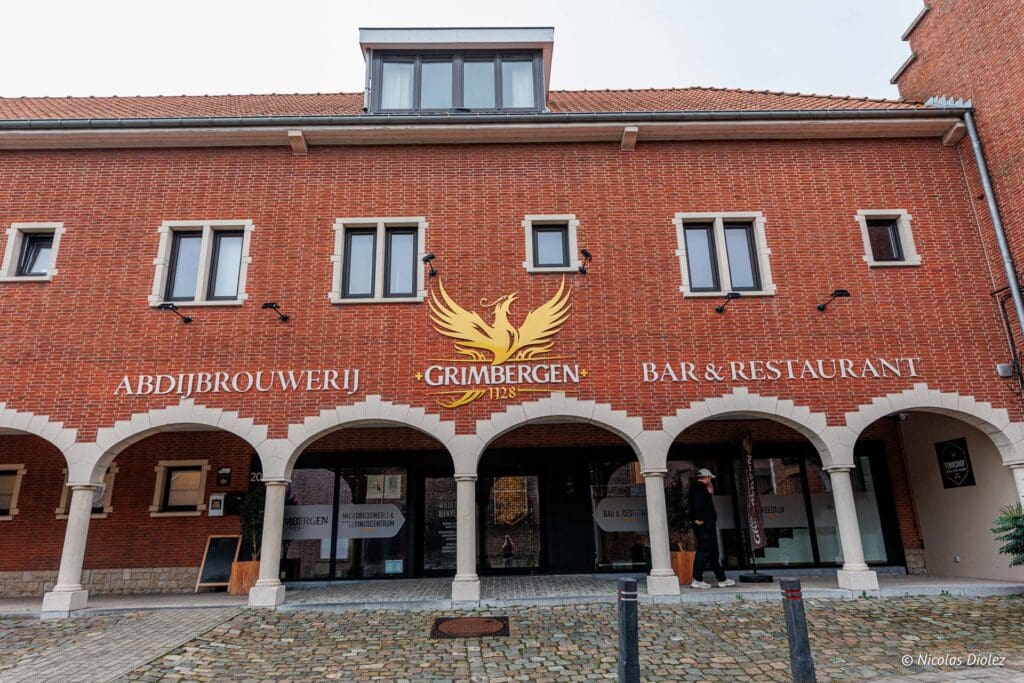
Visit the Grimbergen micro-brewery
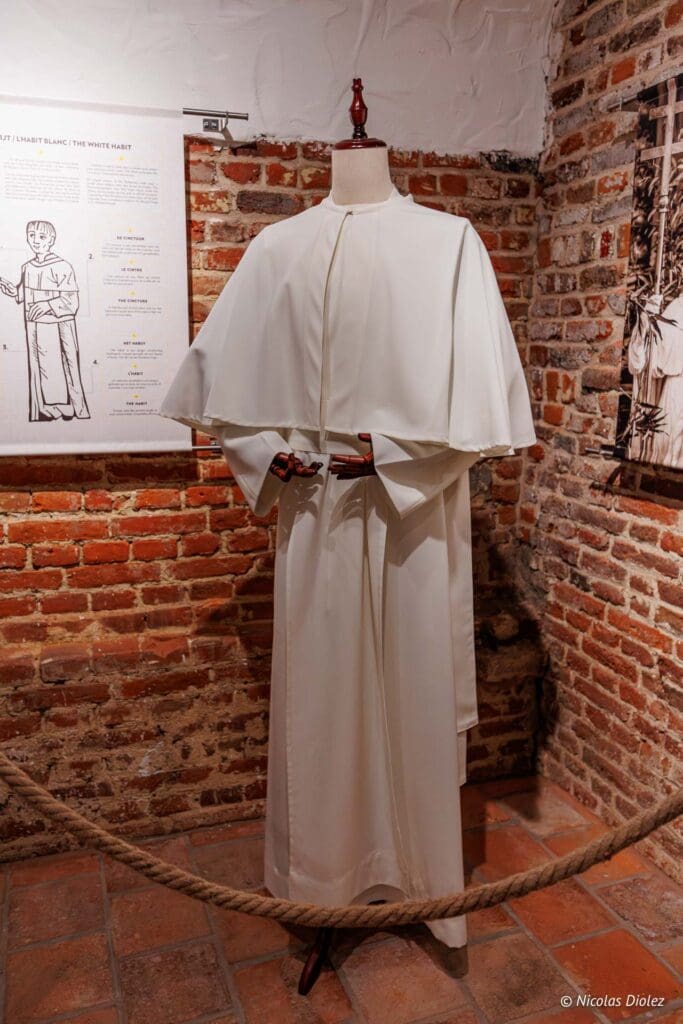
If you are in the Flemish Brabant, don’t hesitate to make a stop in the small municipality of Grimbergen, whose name will surely ring a bell! In the abbey, you can enjoy the Grimbergen Experience, a kind of museum that tells the history of the abbey as well as the creation of the famous Belgian beer brand since 1128. This place also offers the opportunity to learn more about abbey beers in general.
After the visit, I recommend you go to the group’s micro-brewery restaurant/bar, recently recreated, which is once again brewing an artisanal beer on the abbey site: Het Fenikshof. You can taste their beers on-site exclusively, as they are not found in stores.
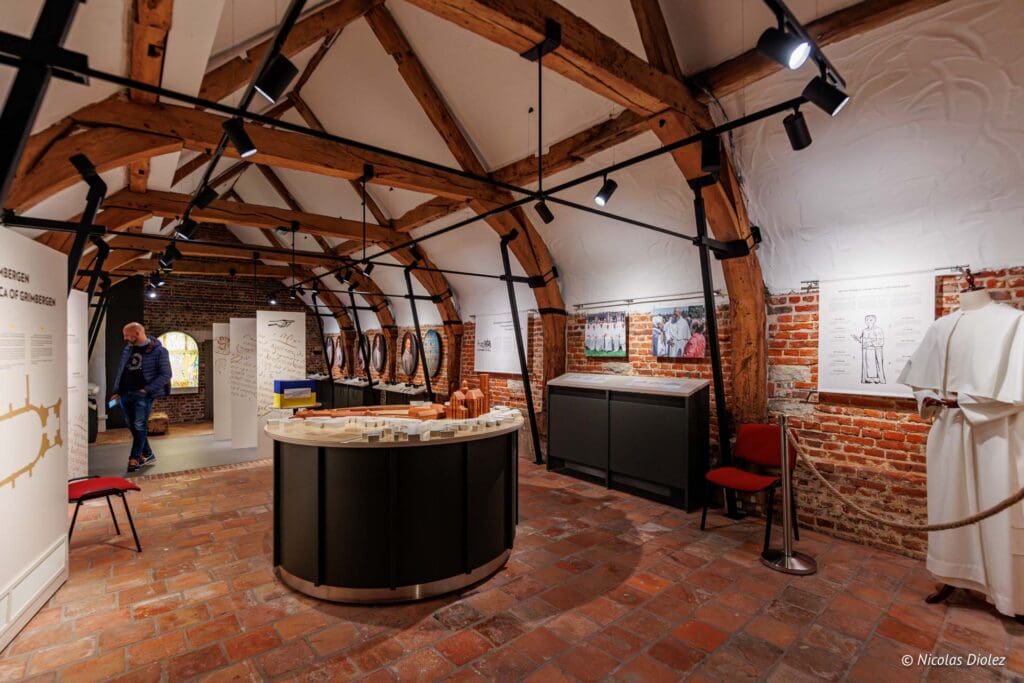
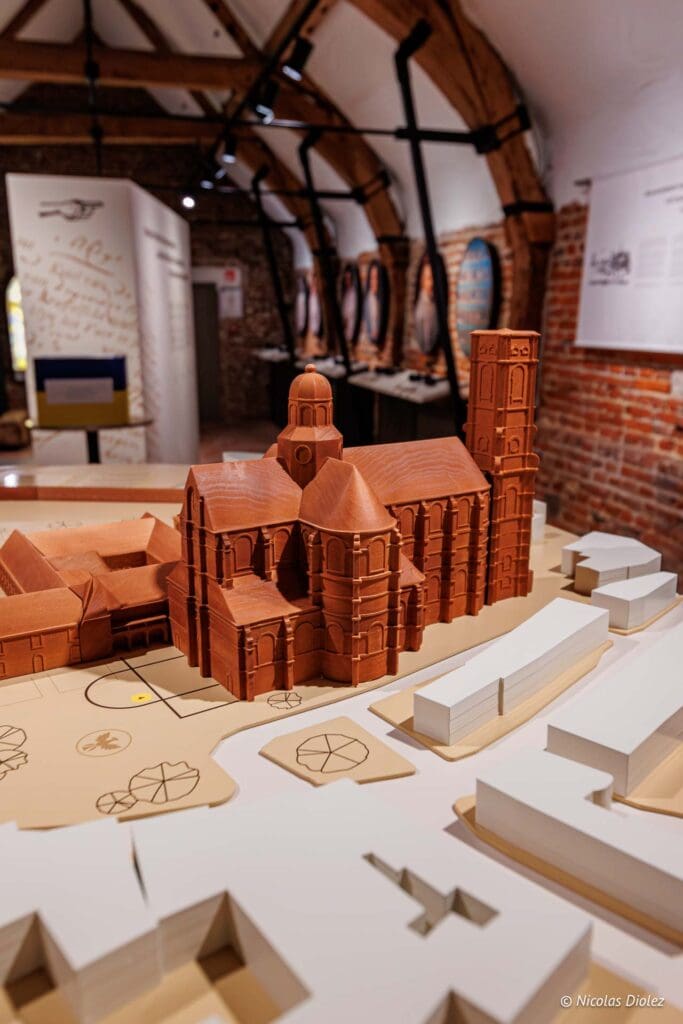
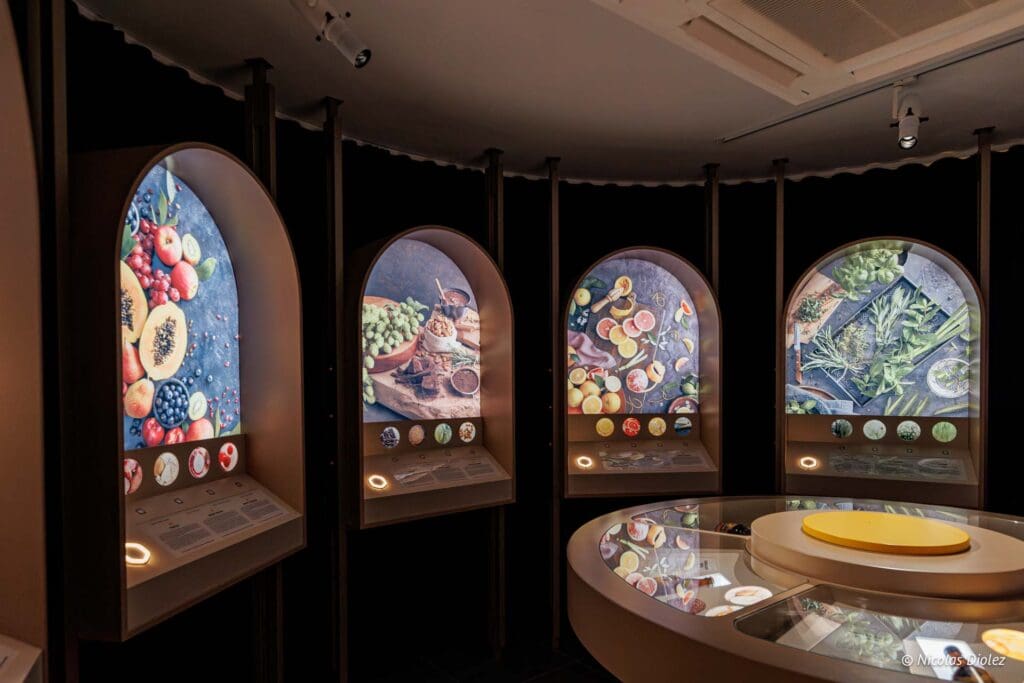
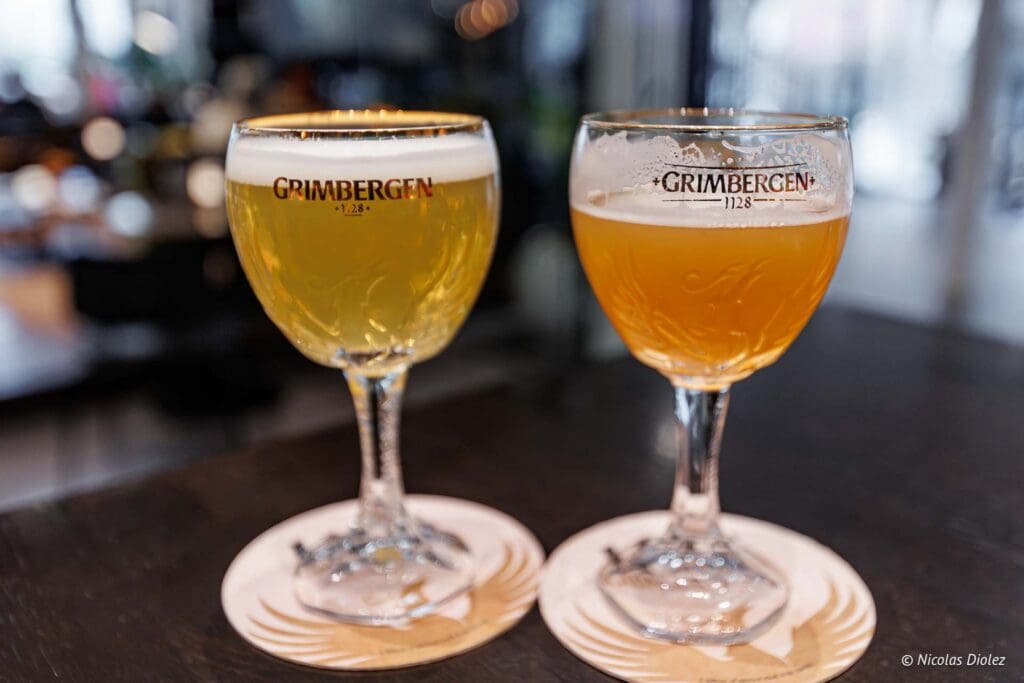
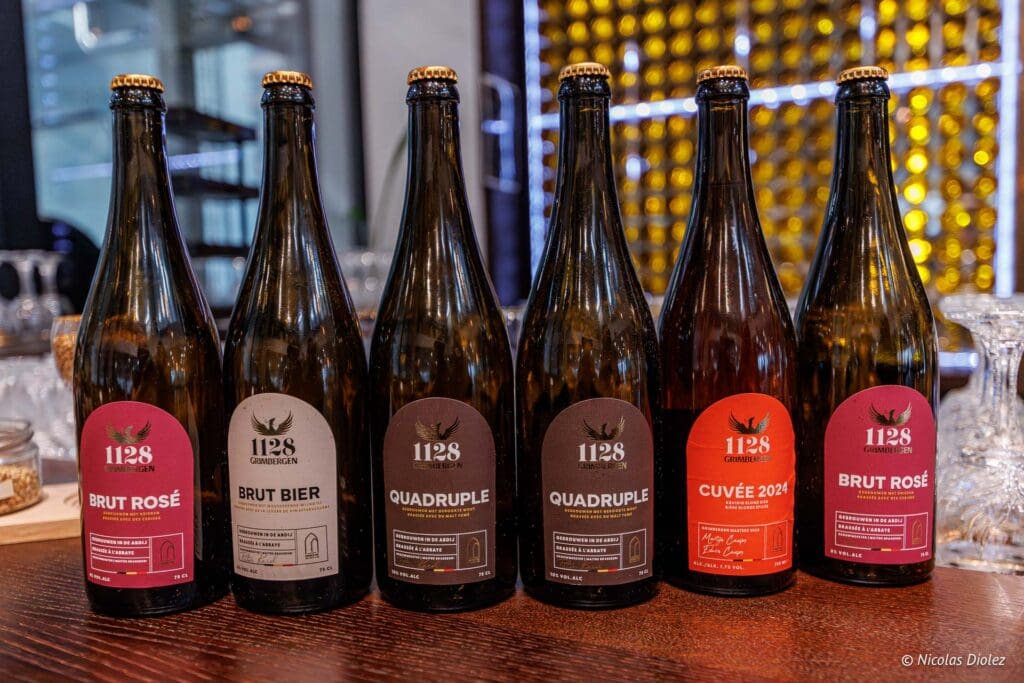
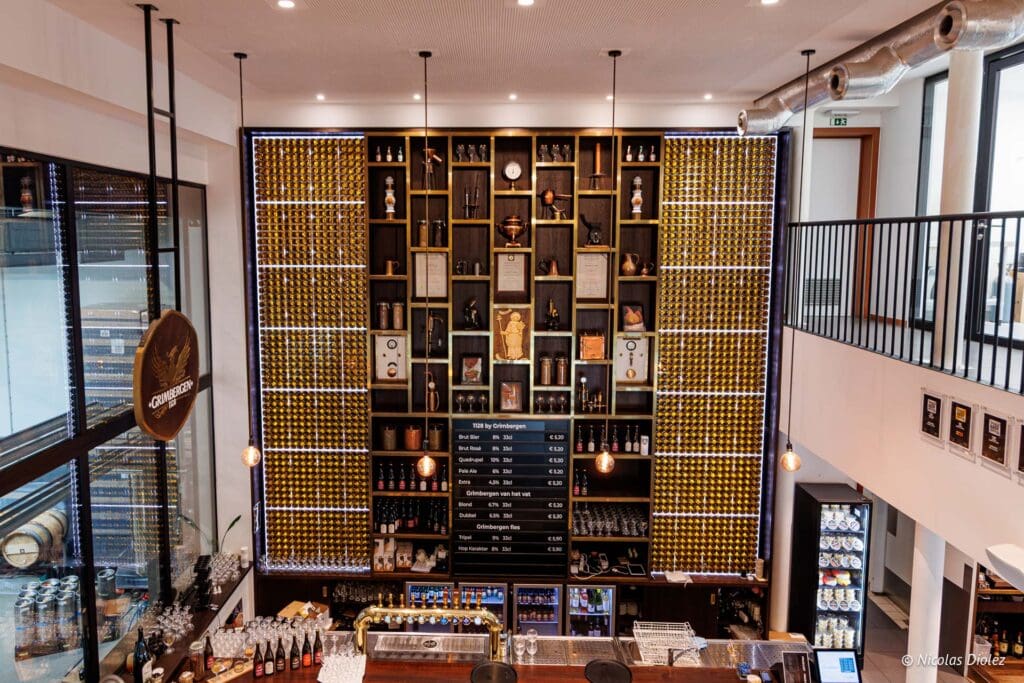
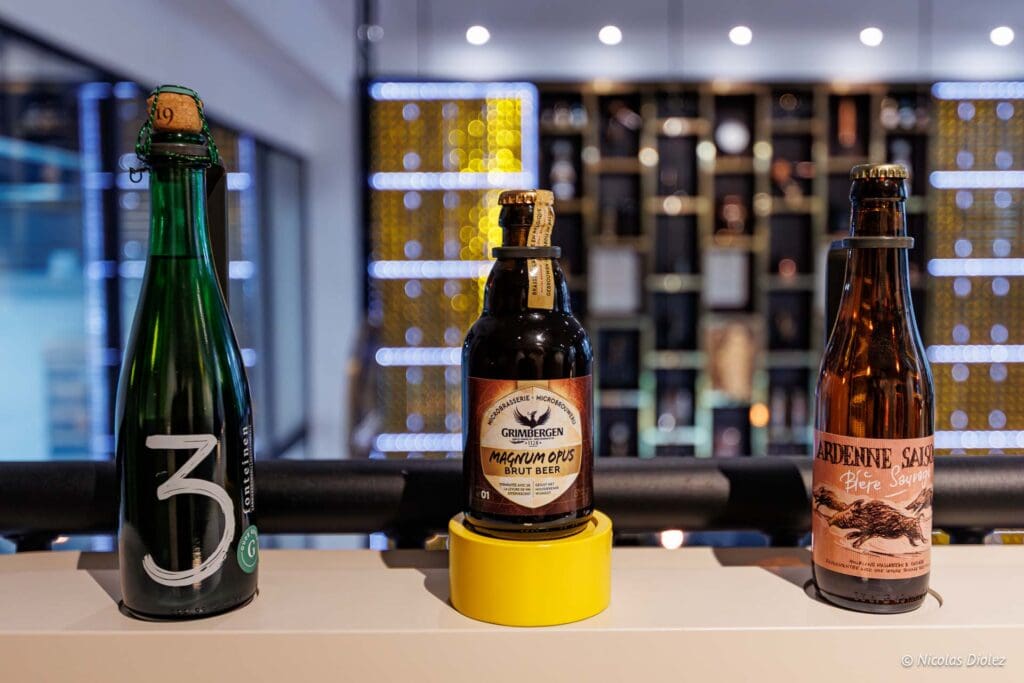
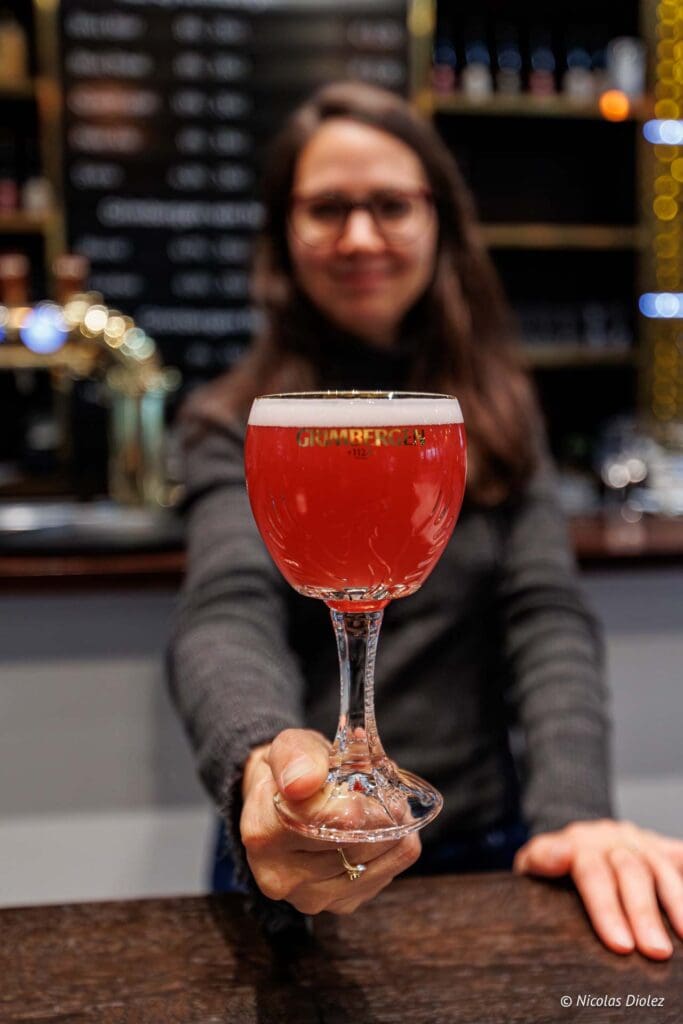
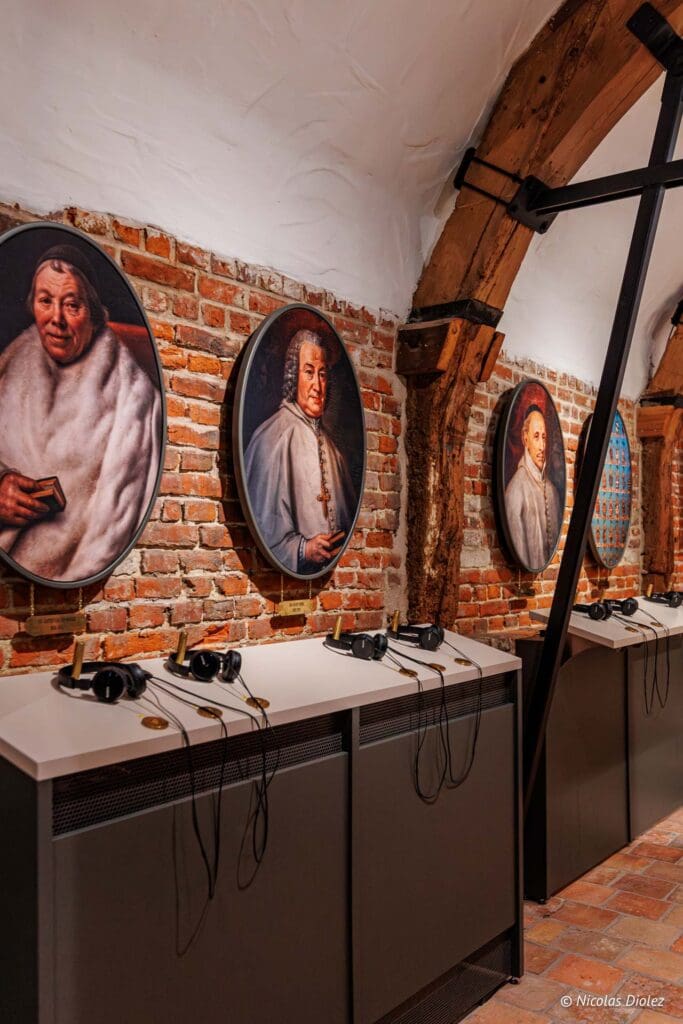
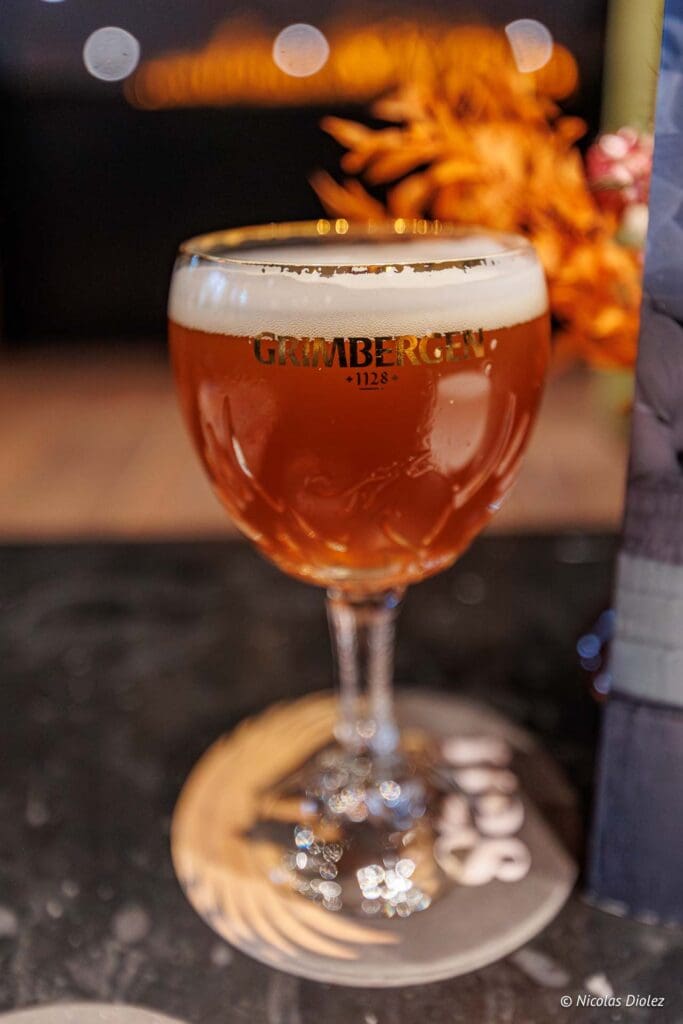
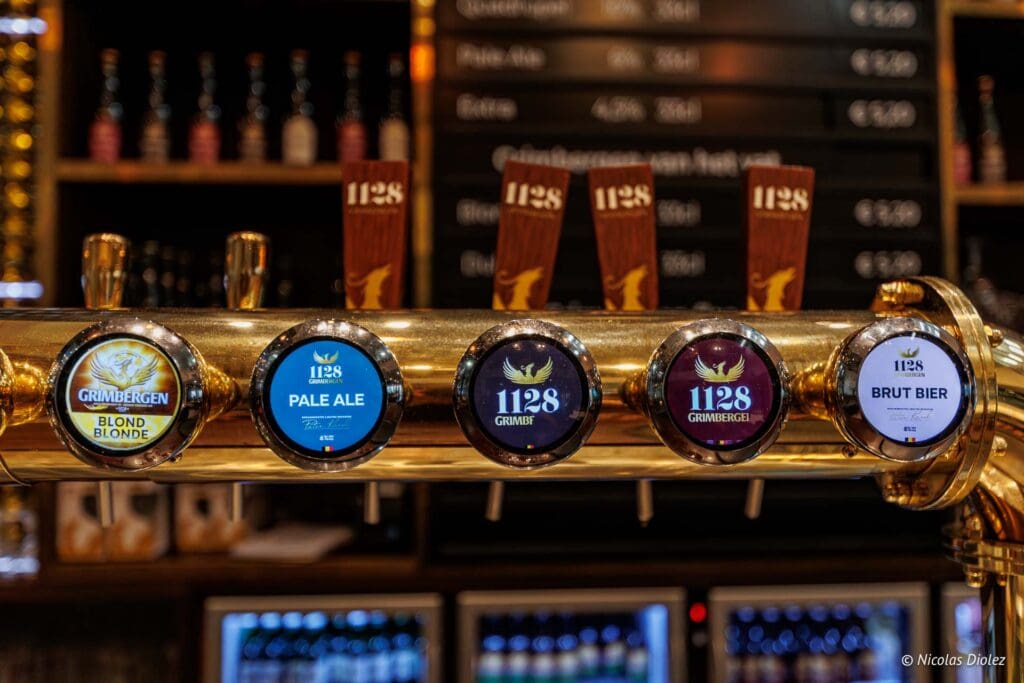
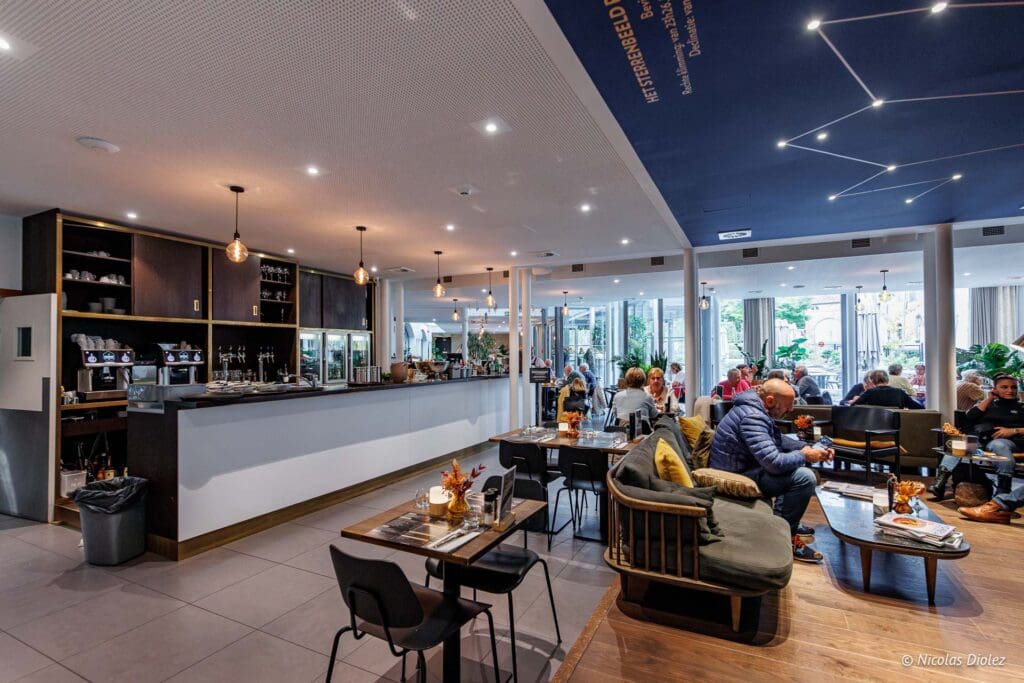
Tested in 2024 - Invitation
Grimbergen Experience Bar & restaurant
Abdijstraat 20, 1850 Grimbergen
Visit price: 12 € for self-guided tour / 16 € self-guided tour + 2 beers to taste / 18 € self-guided tour + 3 beers to taste
_
Waffles
Here again, we must differentiate between Liège waffles and Brussels waffles, which vary in shape, taste, and recipe. Liège waffles have rounded edges (photo n°2), they are softer, thicker, and sweeter. Brussels waffles (photo n°1), on the other hand, are lighter and crispier (for my part, I prefer the latter).


_
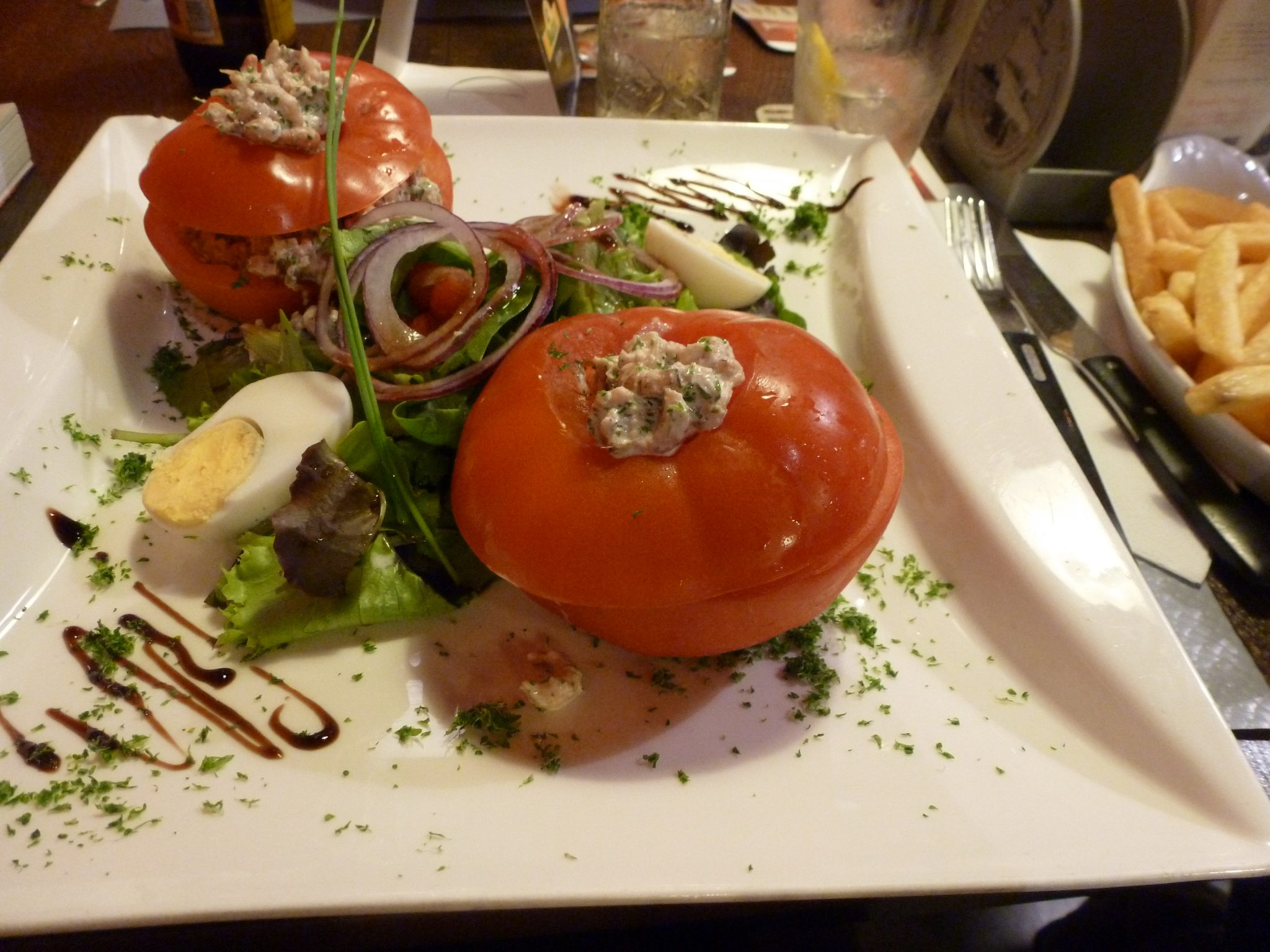
Tomatoes with gray shrimp
This consists of a tomato stuffed with gray shrimp from the North Sea mixed with mayonnaise, a small appetizer found almost everywhere in the country.
_
Cheese or gray shrimp croquettes
Here too, a dish that you will find almost everywhere, but prioritize restaurants that specify “homemade”.

_
Endive or chicon
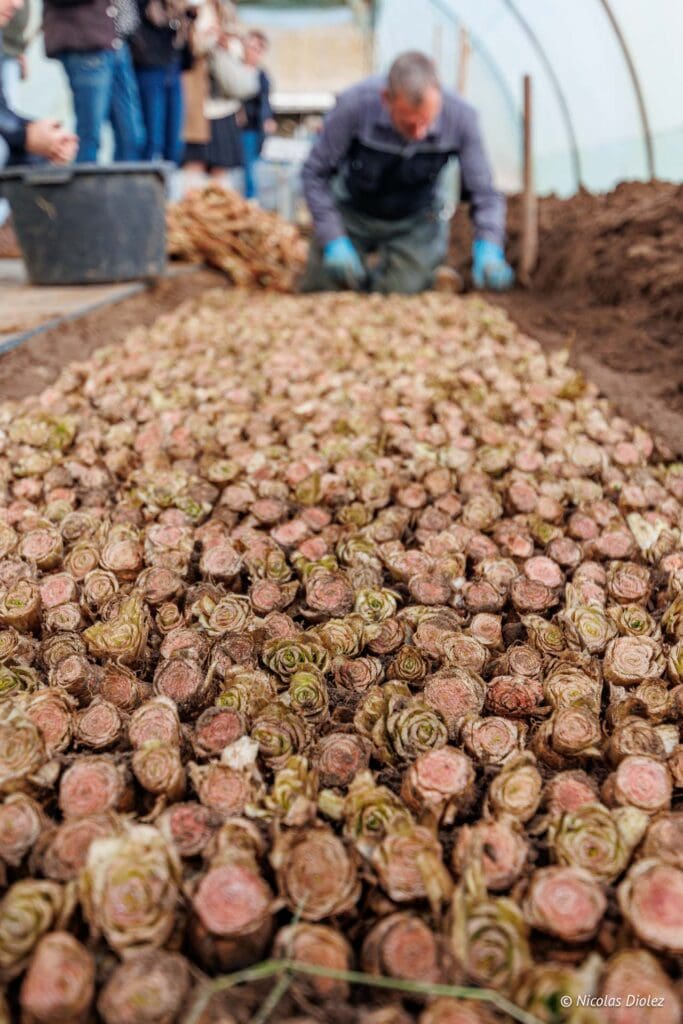
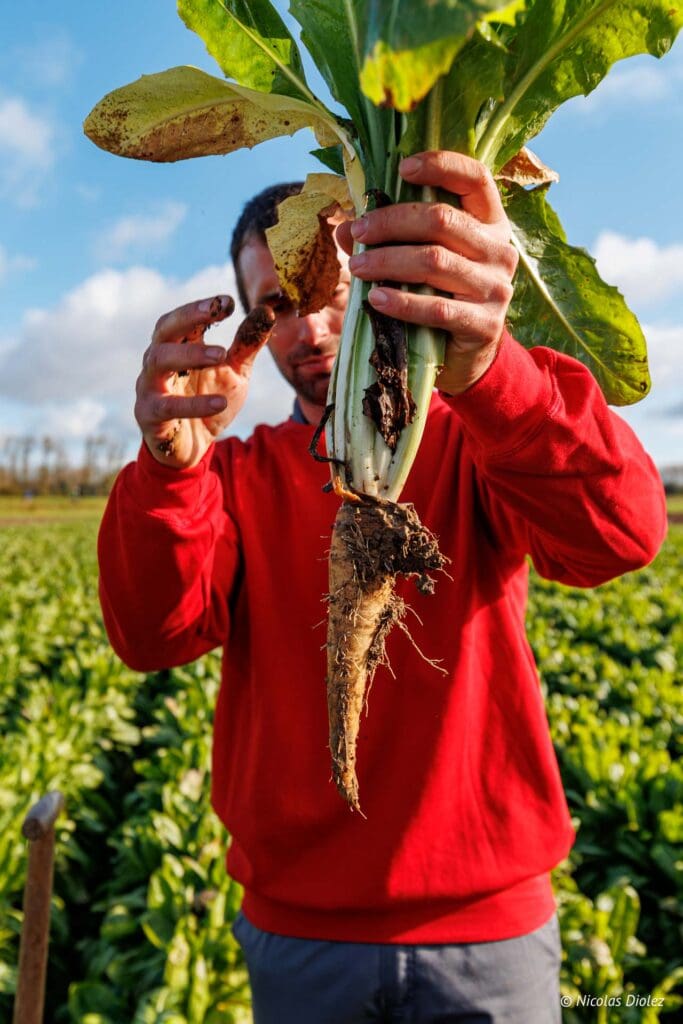
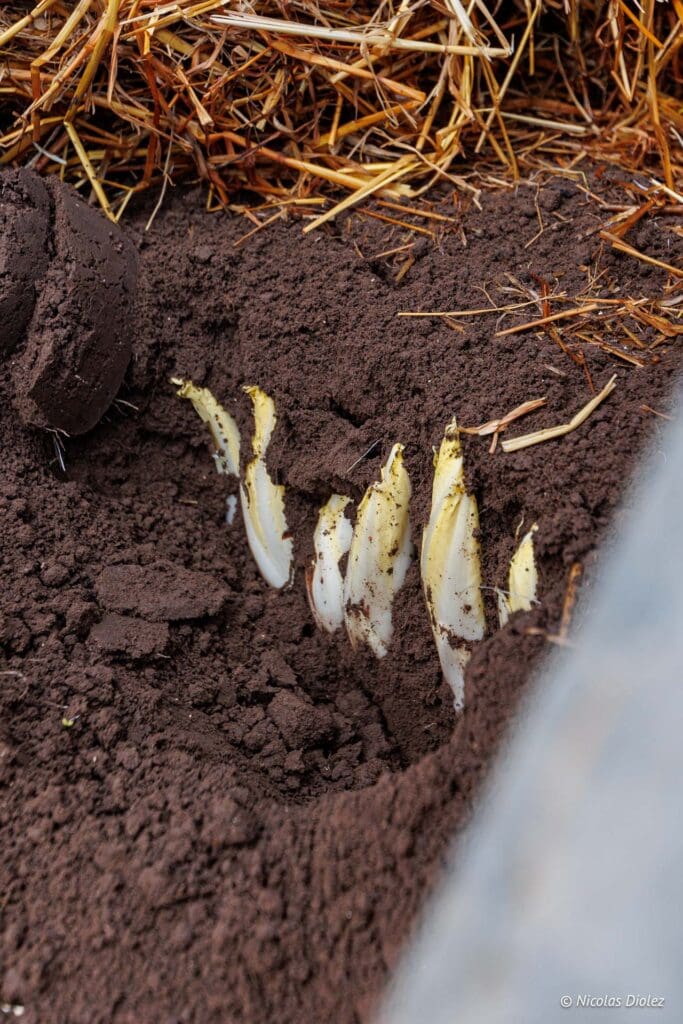
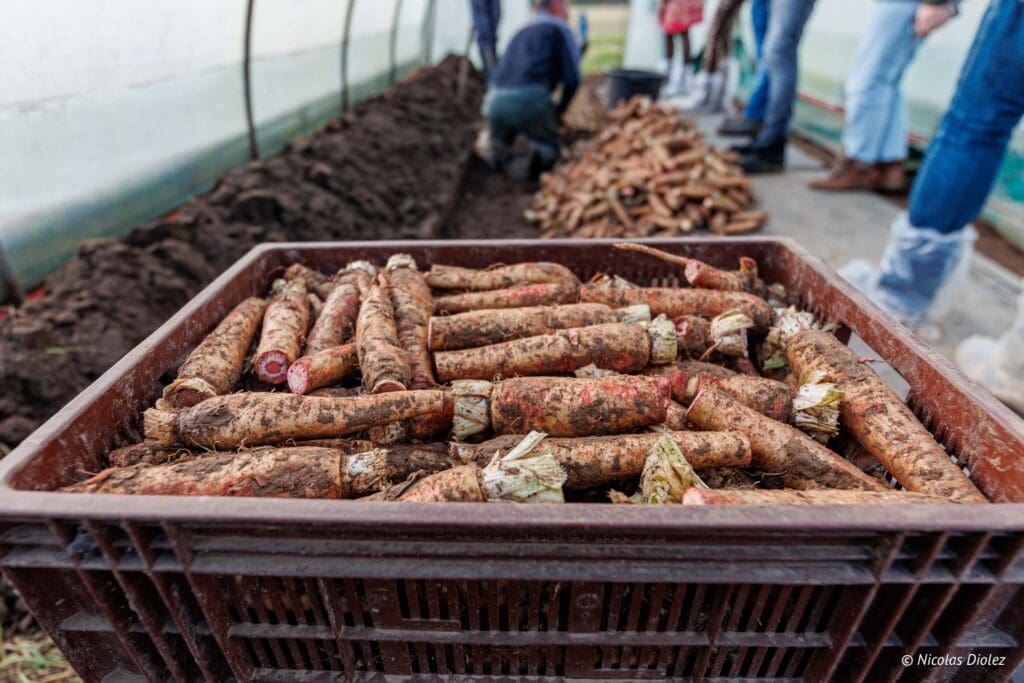
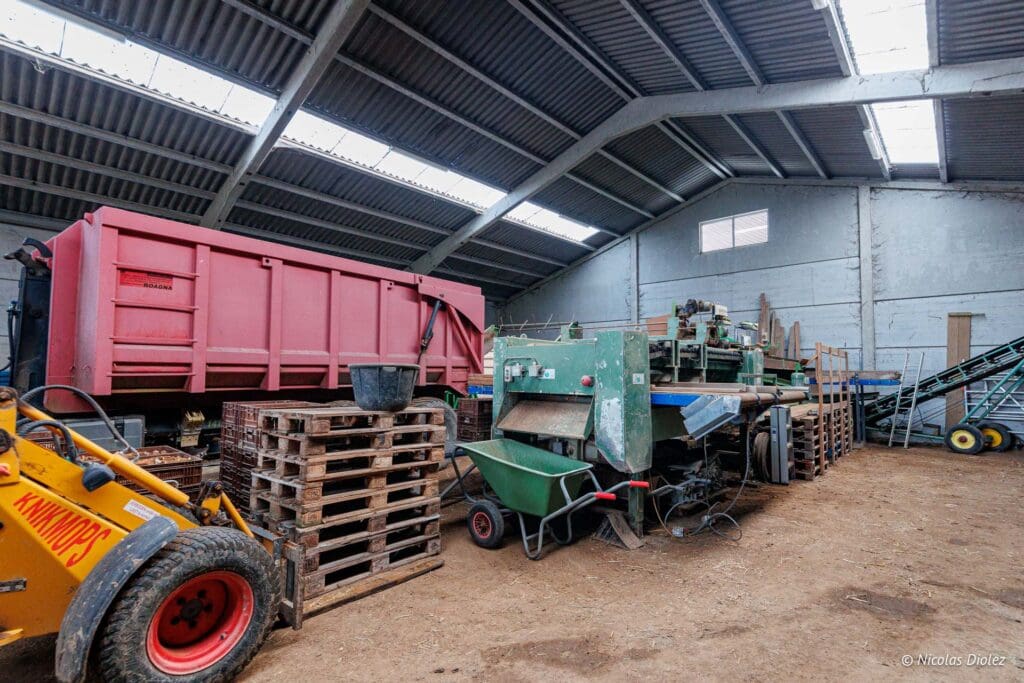
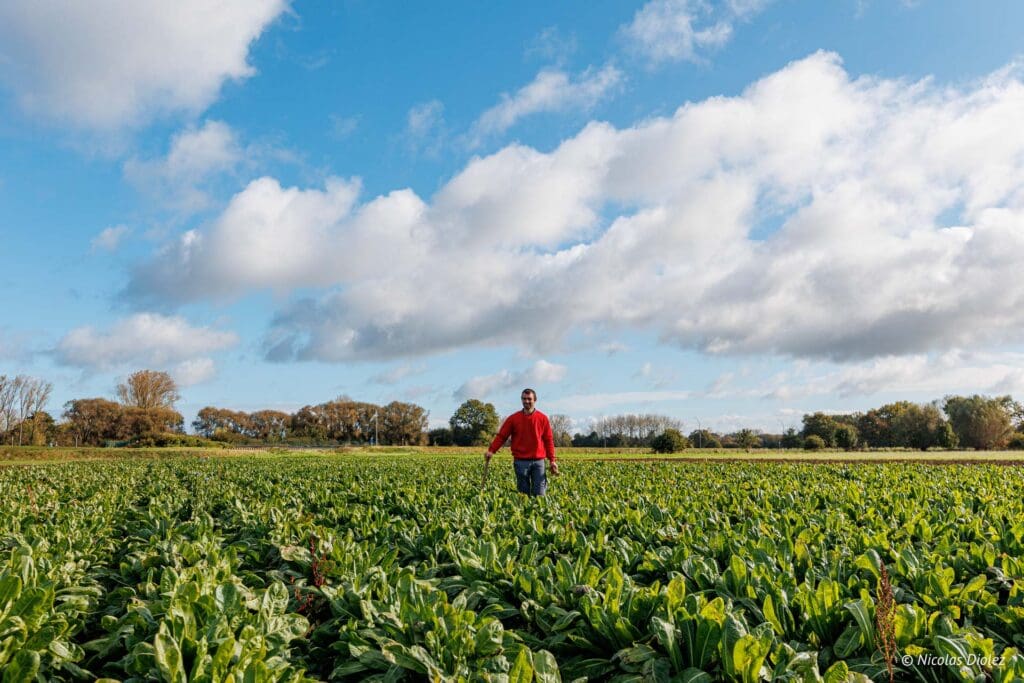
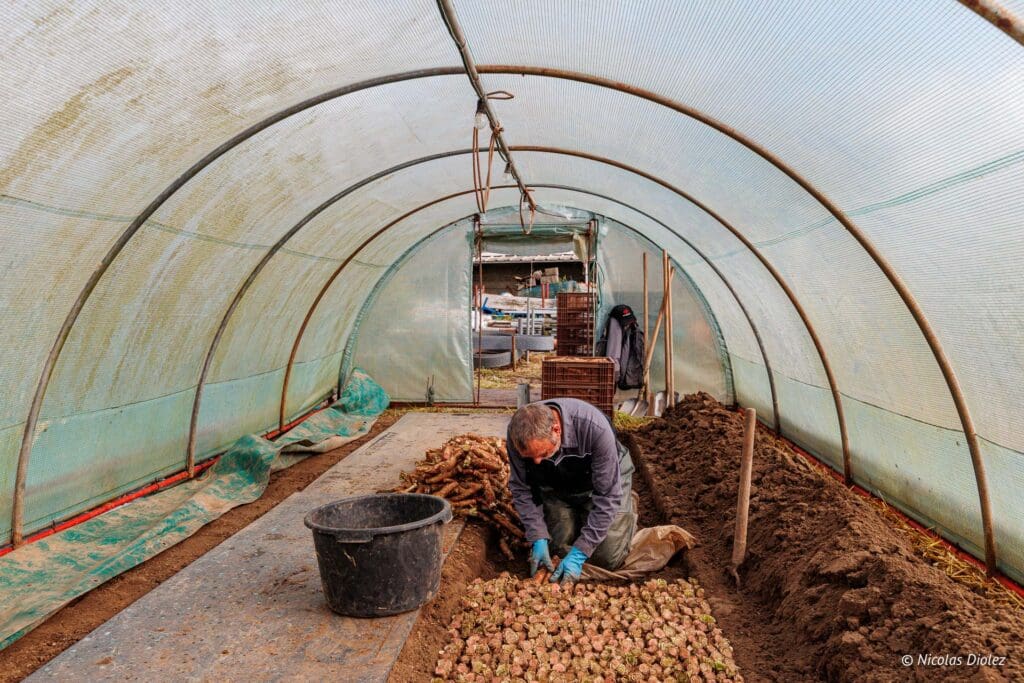
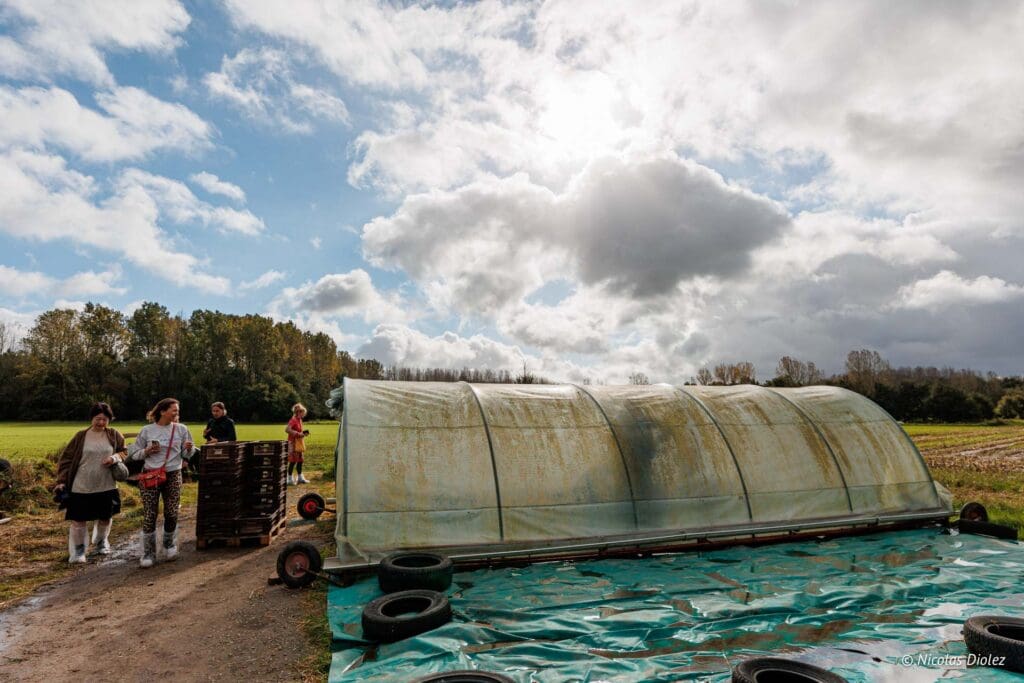
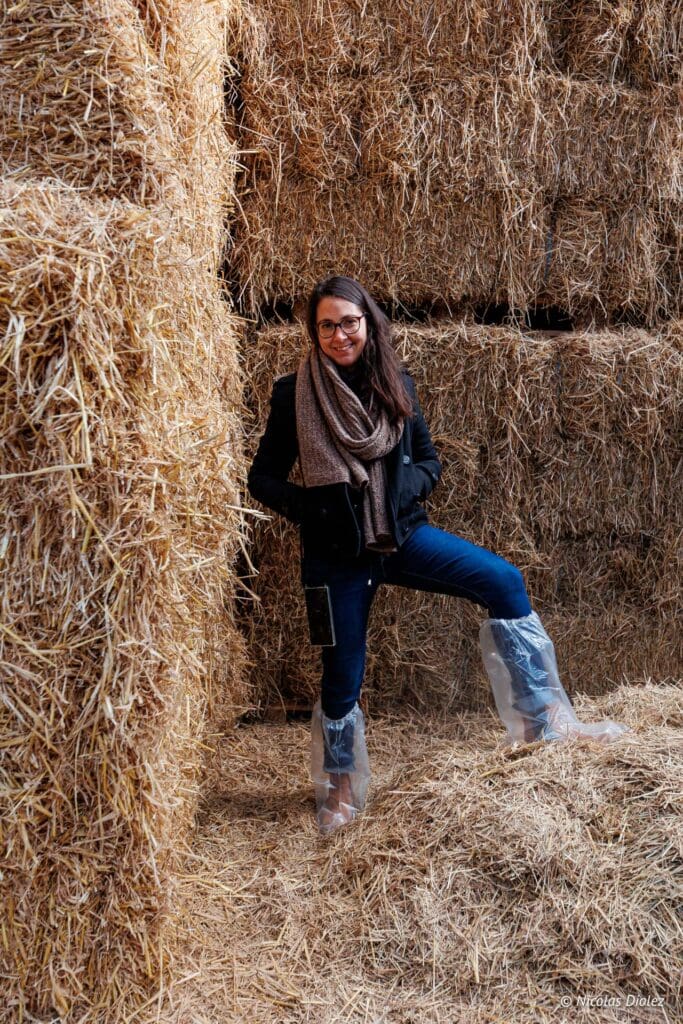
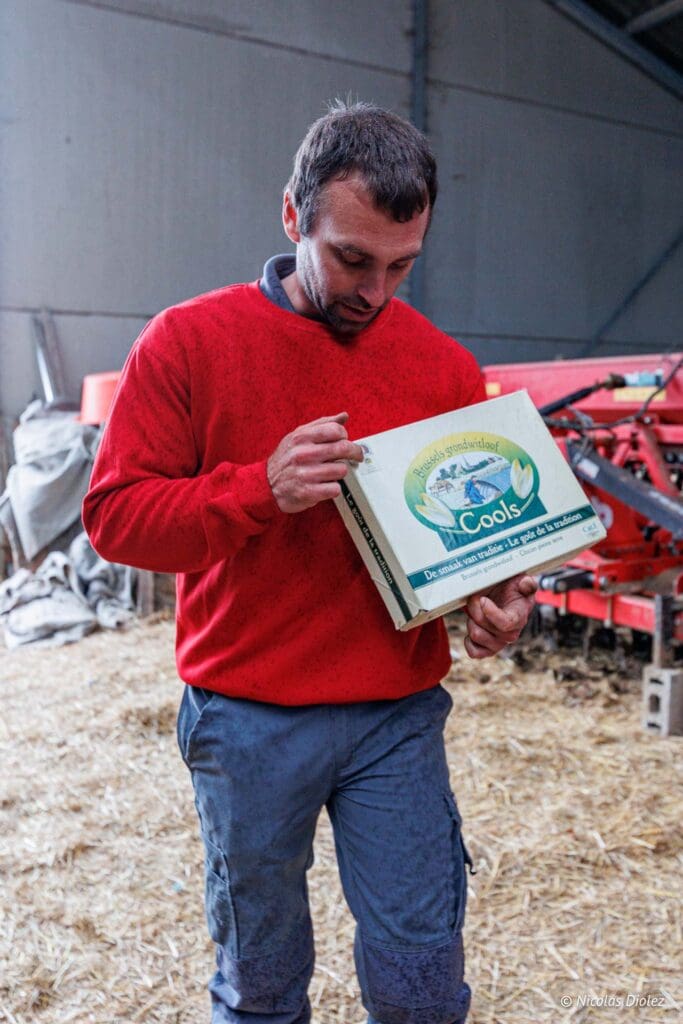
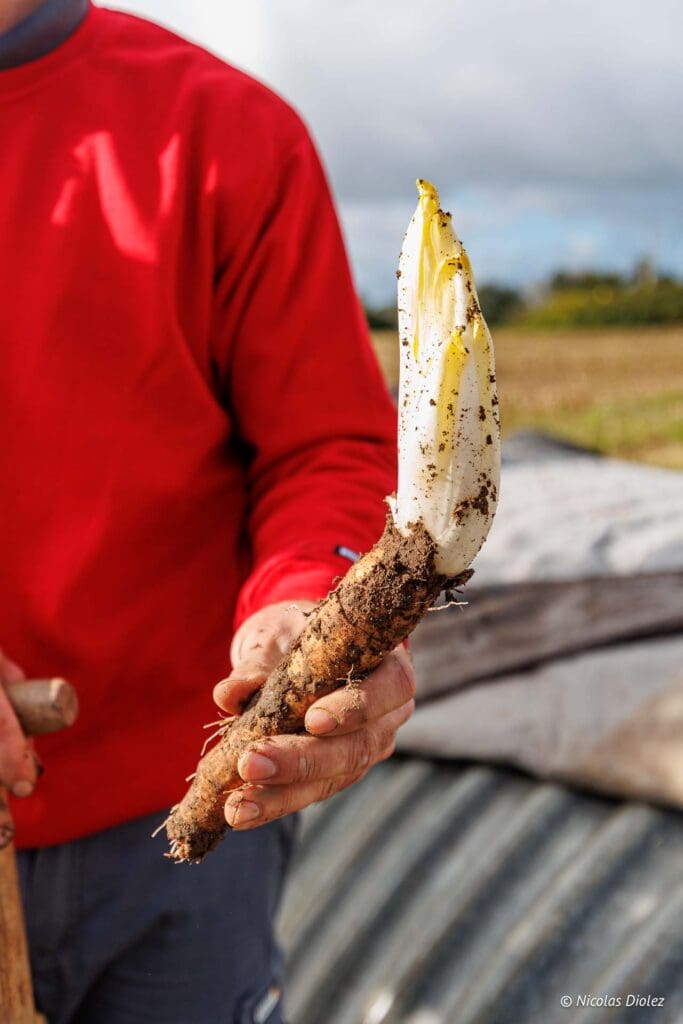
Endive is called chicon by our Belgian neighbors. It is a leafy vegetable of Belgian origin that is eaten from October to May. It is particularly appreciated and used in Belgian cuisine, especially in its cooked version. During our stay in Flanders in 2024, we were lucky enough to visit an endive farm in the surroundings of Brussels. Thomas Cools owns his own Belgian endive farm, which has been a family business for several generations. He revealed the secrets of the “Brussels Grondwitloof PGI“, a protected geographical indication for Brussels chicory.
On his farm, Thomas produces endives in a traditional way (in large-scale industry, they use hybrids and the endive root is in liquid and not in the soil as it is here) with their own seeds. They do everything from the seed to the product and then they put the roots back into the soil to “force” the production. The harvest takes place between September and November/December, until there is frost. It takes about 100 hours of work for one man from the field to the packaging to produce the endives. Their products are offered for sale directly at the farm and also in local shops and organic stores.
Thomas Cools Farm
Hauwlandweg 3, 1982 Weerde
Flemish culinary specialties
Next, I will give you a brief overview of the Flemish regional specialties that I tasted during my various trips to Belgium.
_
Eel in green sauce (Flanders, region around the Scheldt)
A Flemish specialty, mainly from the region around the Scheldt. Despite my great love for fish-based dishes, I remain skeptical about this one. The dish is good, but the eel part is full of bones, and I felt like I spent more time spitting out bones than anything else. To be tested if you really have a lot of patience.

_
Waterzooi (Flanders, Ghent)
A Flemish dish originating from Ghent based on chicken or fish. It is a kind of broth or stock, thickened with cream or butter, and served with small vegetables.

_
Event: a taste of Flanders
And to finish on a high note this little non-exhaustive landscape of Belgian gastronomy, I offer you a little journey in images with the event “A taste of Flanders” that I had the chance to attend. I therefore had the privilege of discovering some dishes prepared with care by the youngest starred chef in Flanders, Gert De Mangeleer, in pairing with wines chosen by sommelier Joachim Boudens.


Walloon culinary specialties
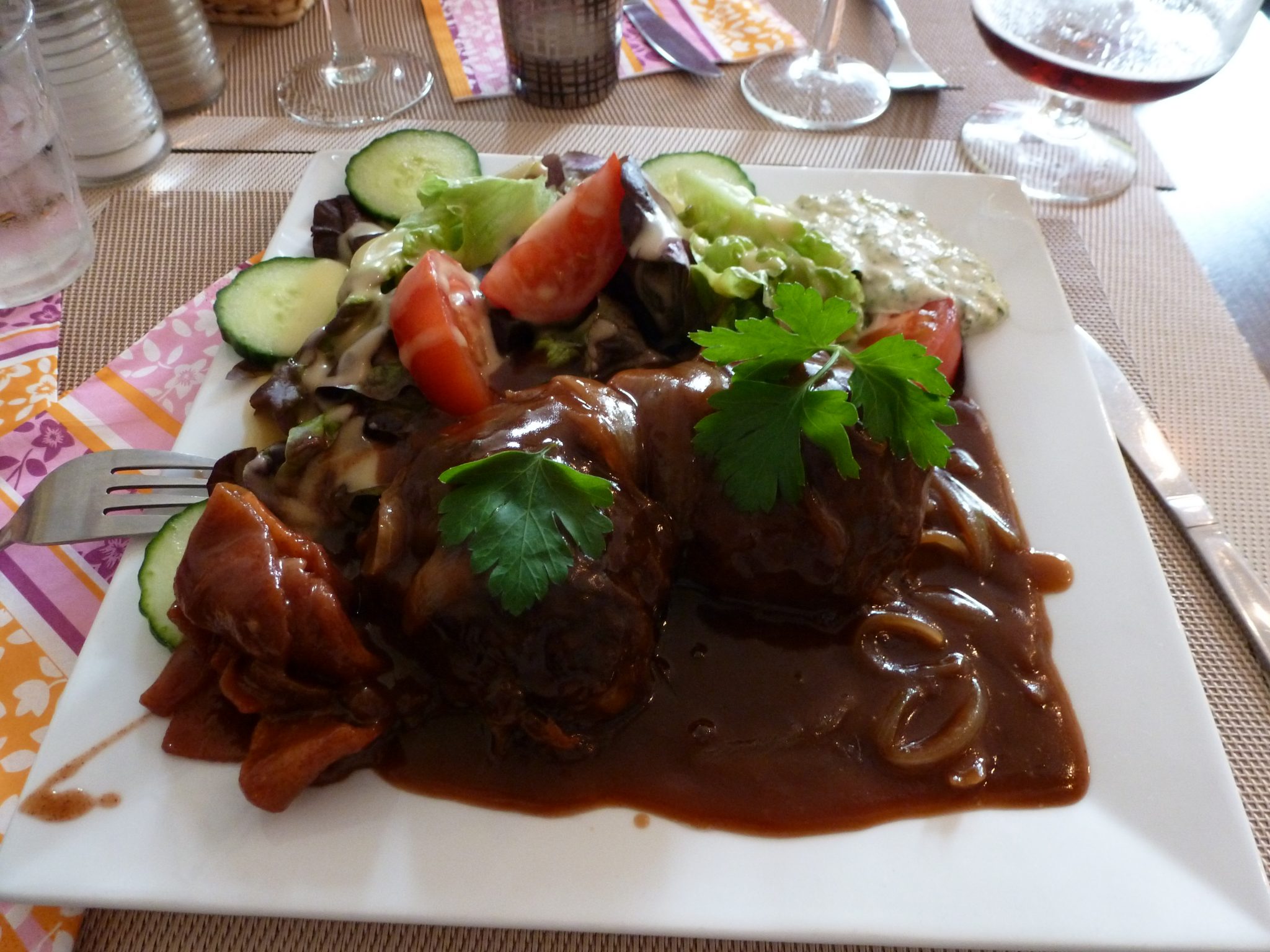
Liège-style meatballs (Wallonia, Liège)
A typical Liège dish, consisting of large meatball prepared from minced meat, breadcrumbs, shallots, and parsley, drizzled during cooking with a sweet and sour sauce.
_
Endive gratin (Wallonia)
This is a classic dish in Wallonia, and it is succulent!

_
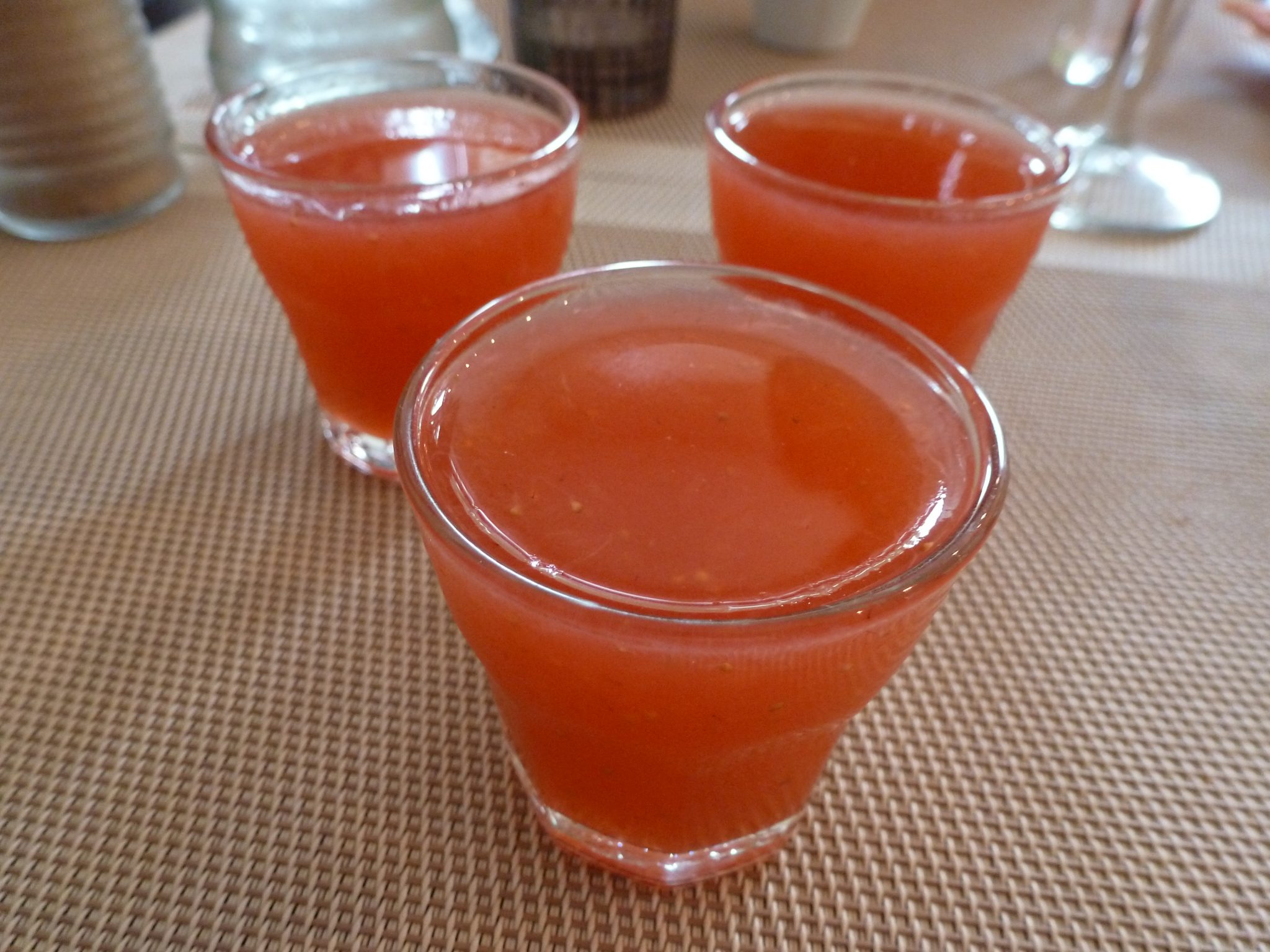
Peket (Wallonia, Liège)
Peket is an alcoholic beverage based on juniper berries, and here too, it is a Walloon specialty. It is the iconic drink and a local specialty of the Liège region.
I hope I have made you want to discover the gastronomy of this beautiful country.

Find all my articles on Belgium (Flanders and Wallonia) below:
⇒ All my articles on Belgium
⇒ All my articles on Flanders
GENERAL INFORMATION ON BELGIUM
⇒ Brussels the capital
⇒ Belgian gastronomy
⇒ Bed and breakfasts in Belgium
MY ARTICLES ON FLANDERS
⇒ Bruges
⇒ Ghent
⇒ Louvain / Leuven
⇒ The Belgian Coast and Ostend
MY ARTICLES ON WALLONIA
⇒ The Gaume Province
Photo credits: Mademoiselle Bon Plan
Photos are not royalty-free, authorization from the photographer is required before any use